Skip to content

Bottle Tree

Brachychiton Populneus

Design with this plant

Overview

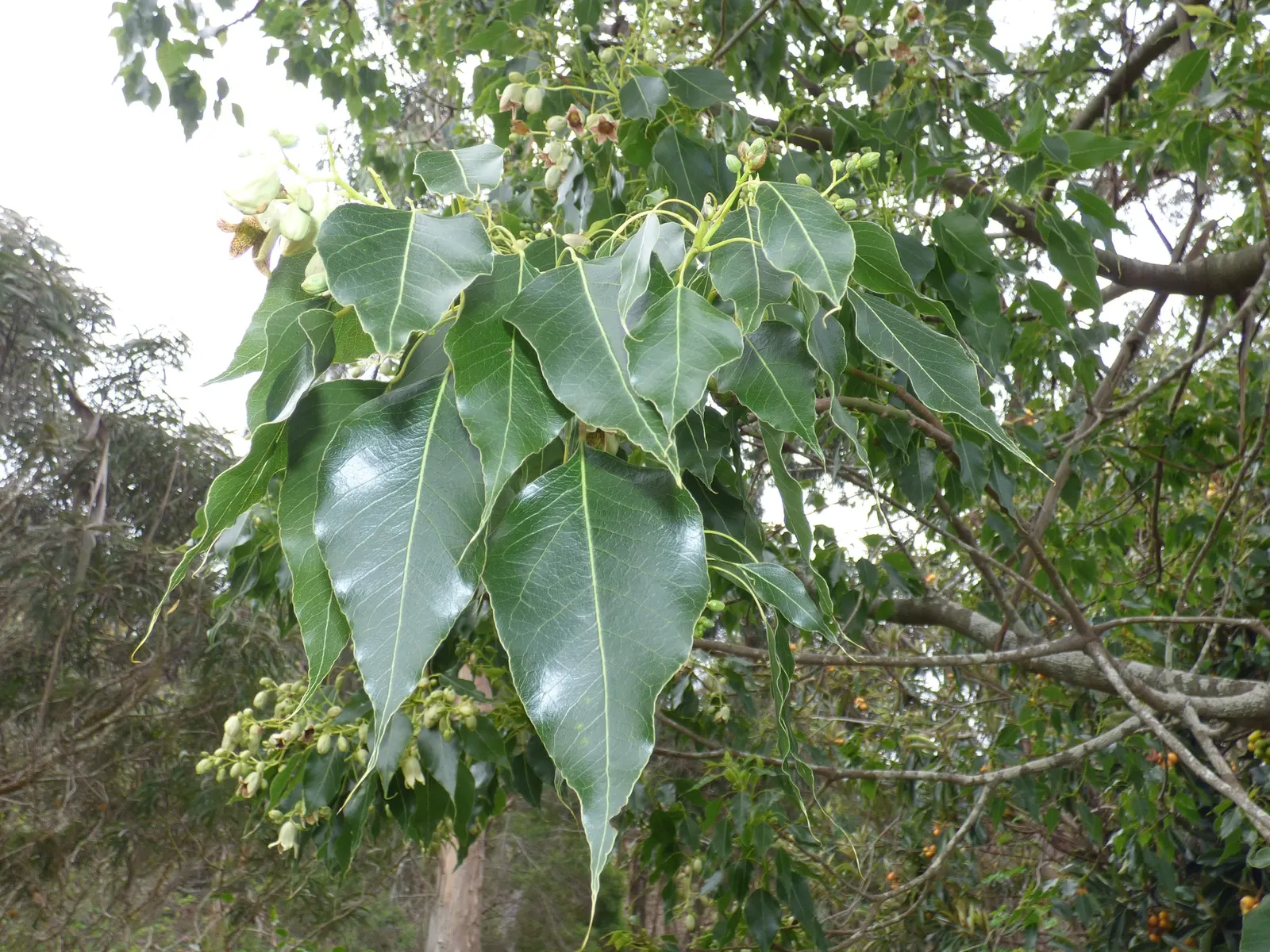
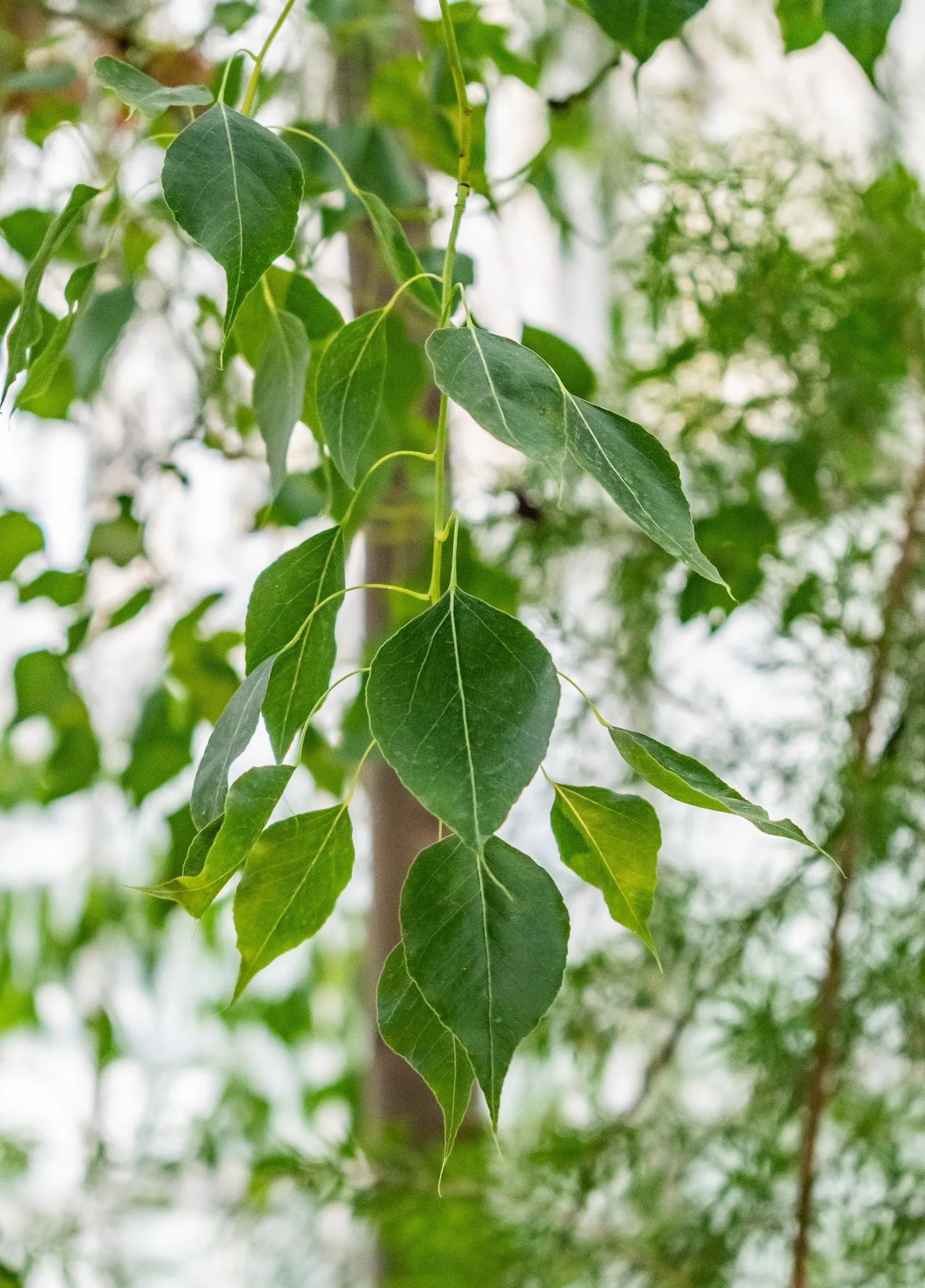
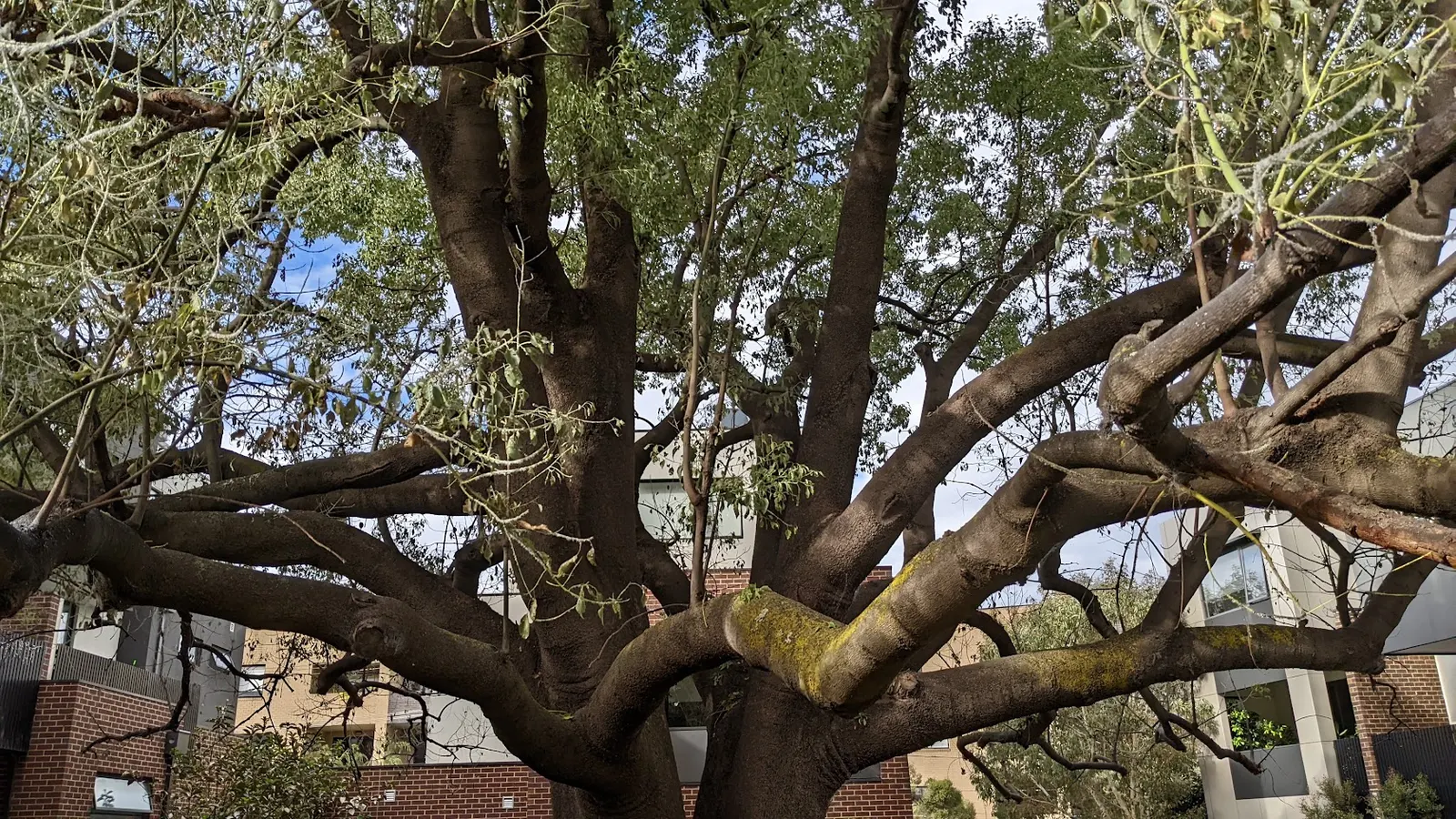
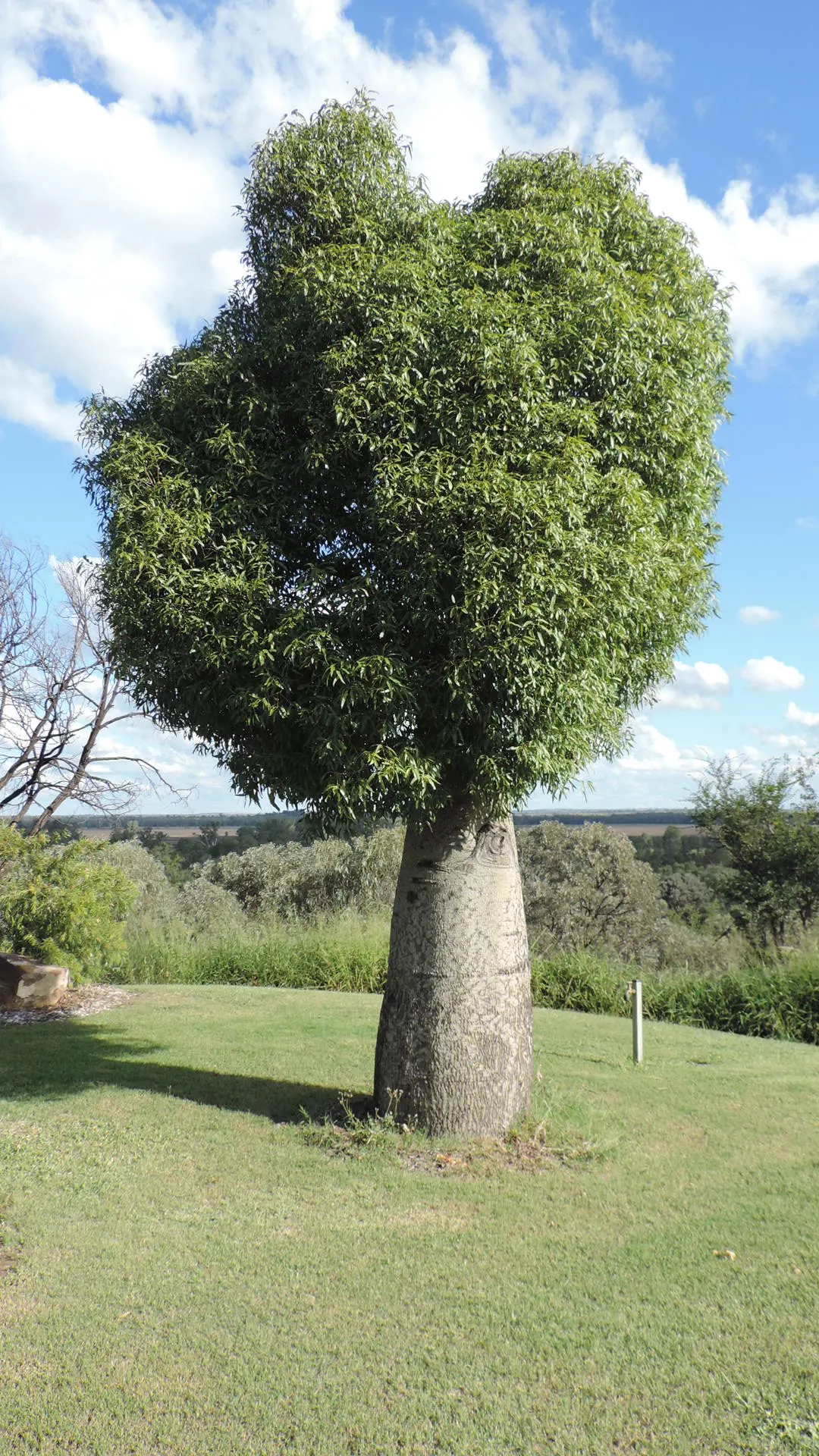
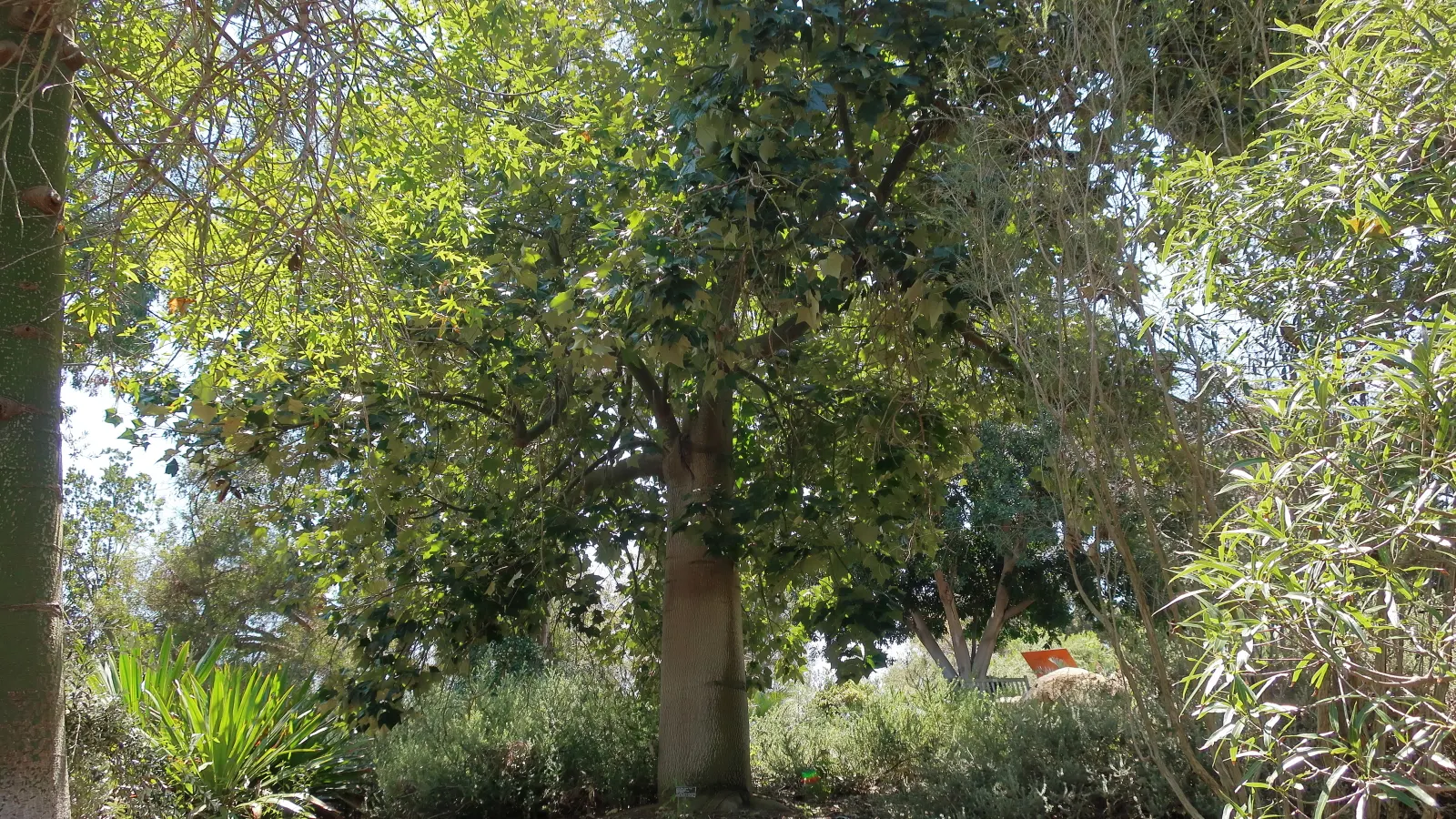
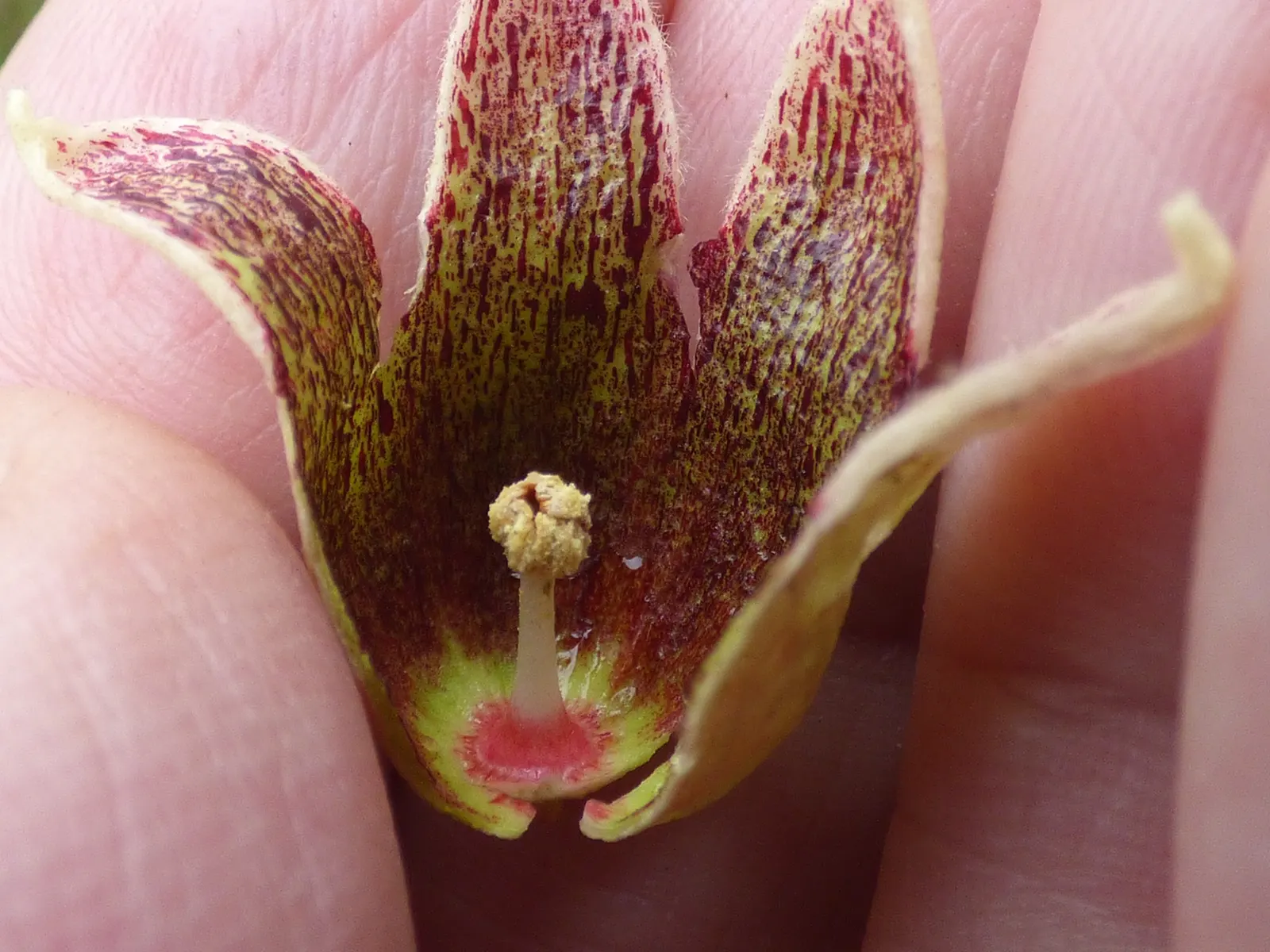
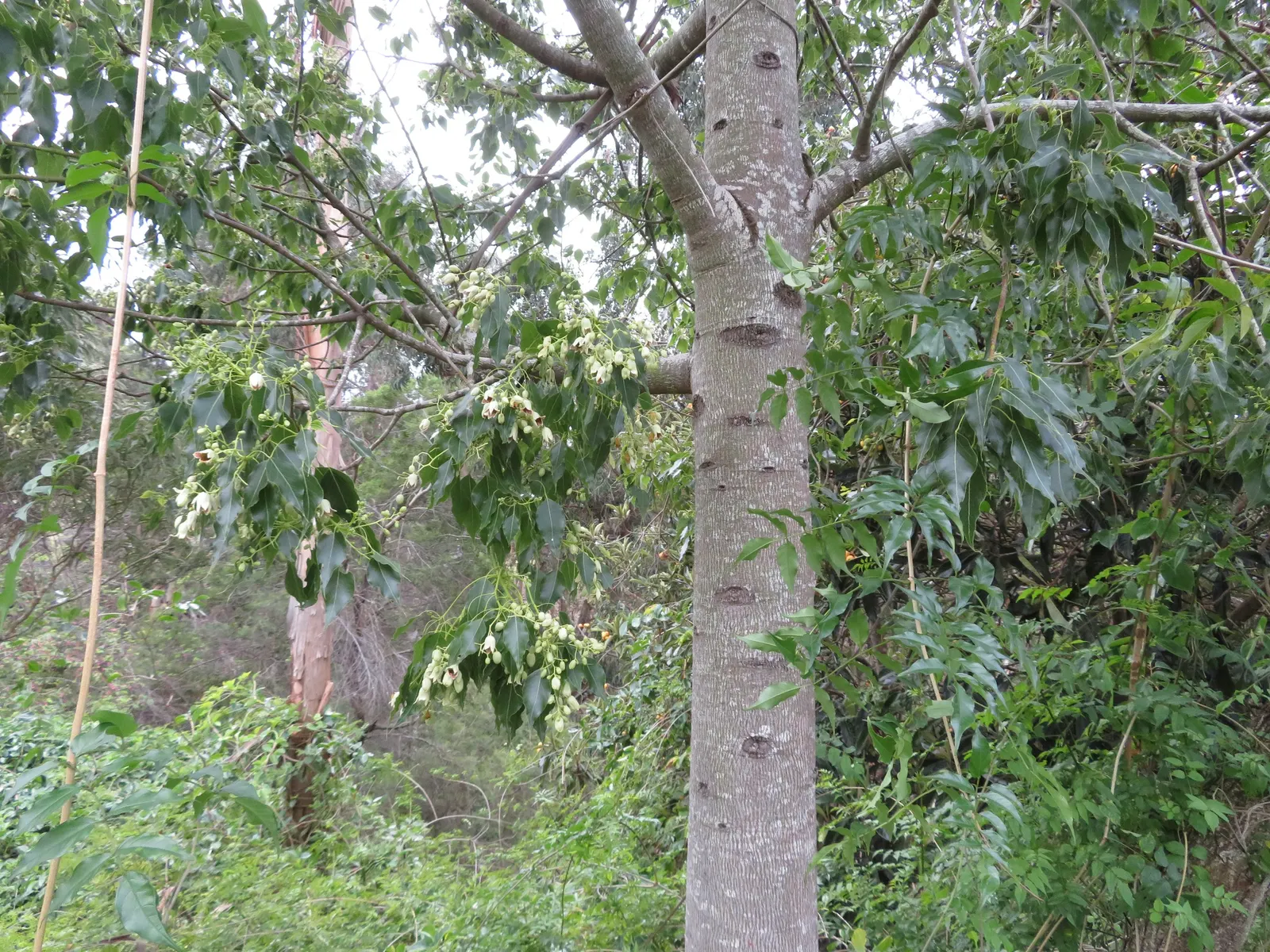
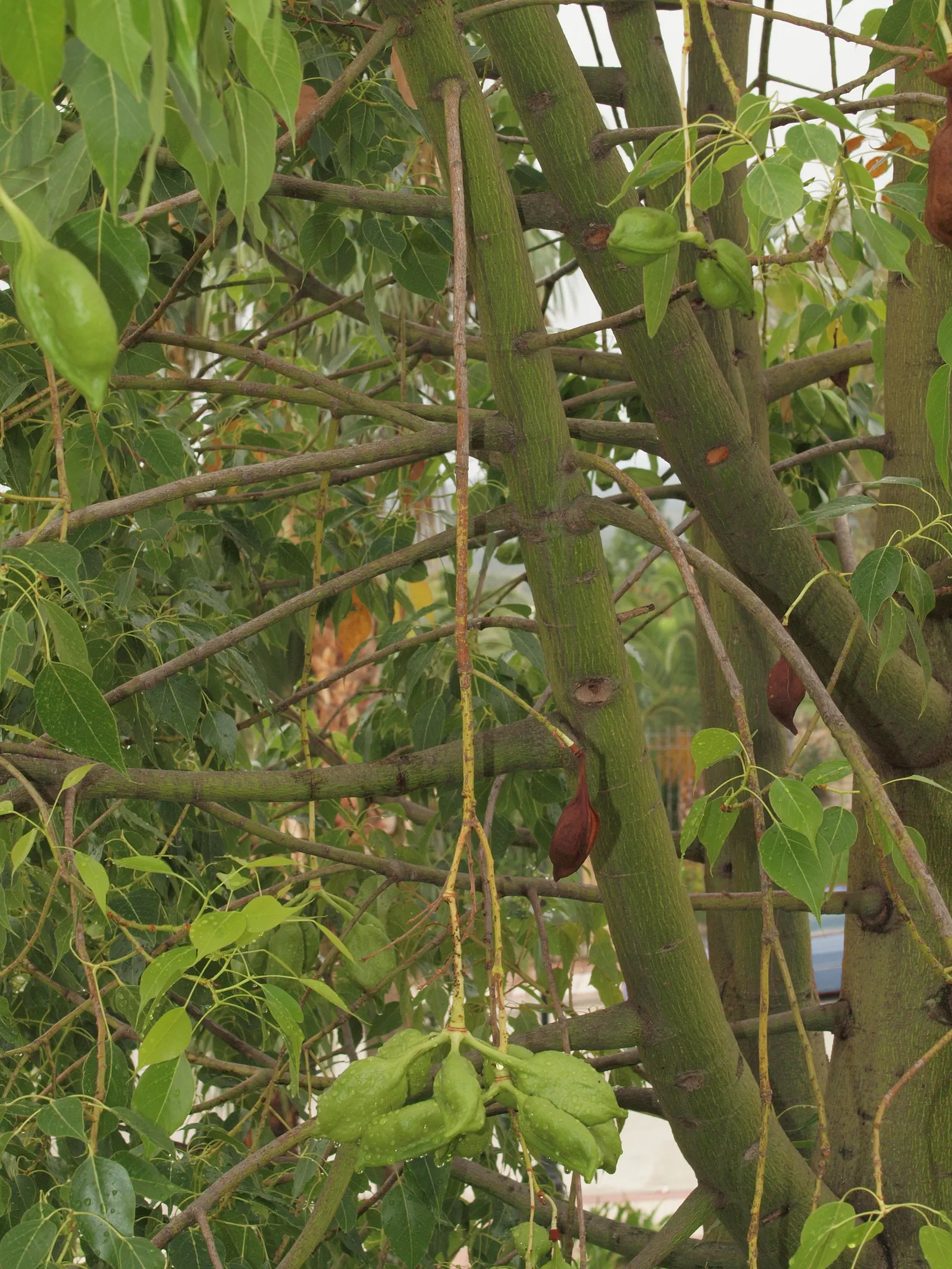
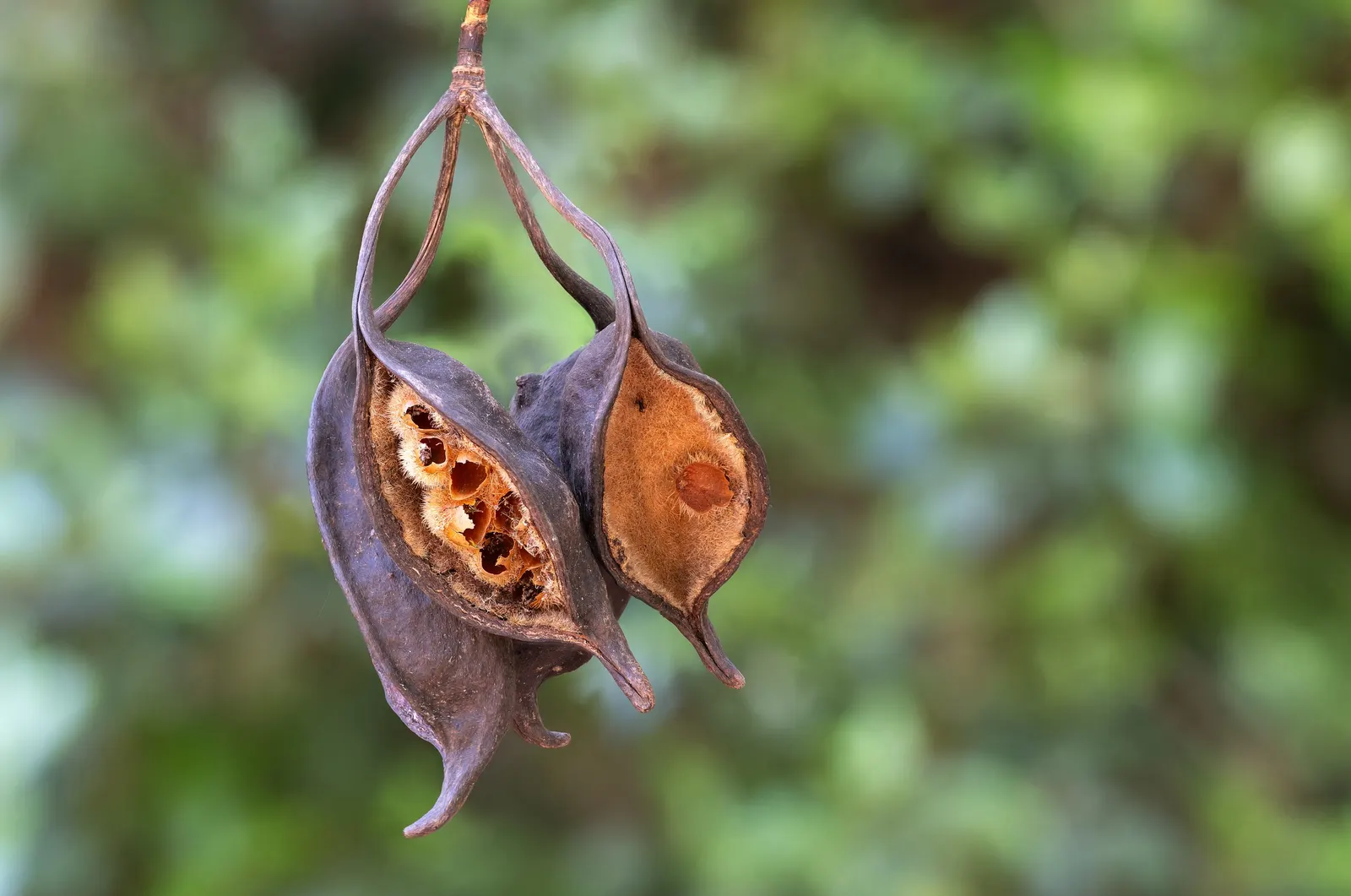
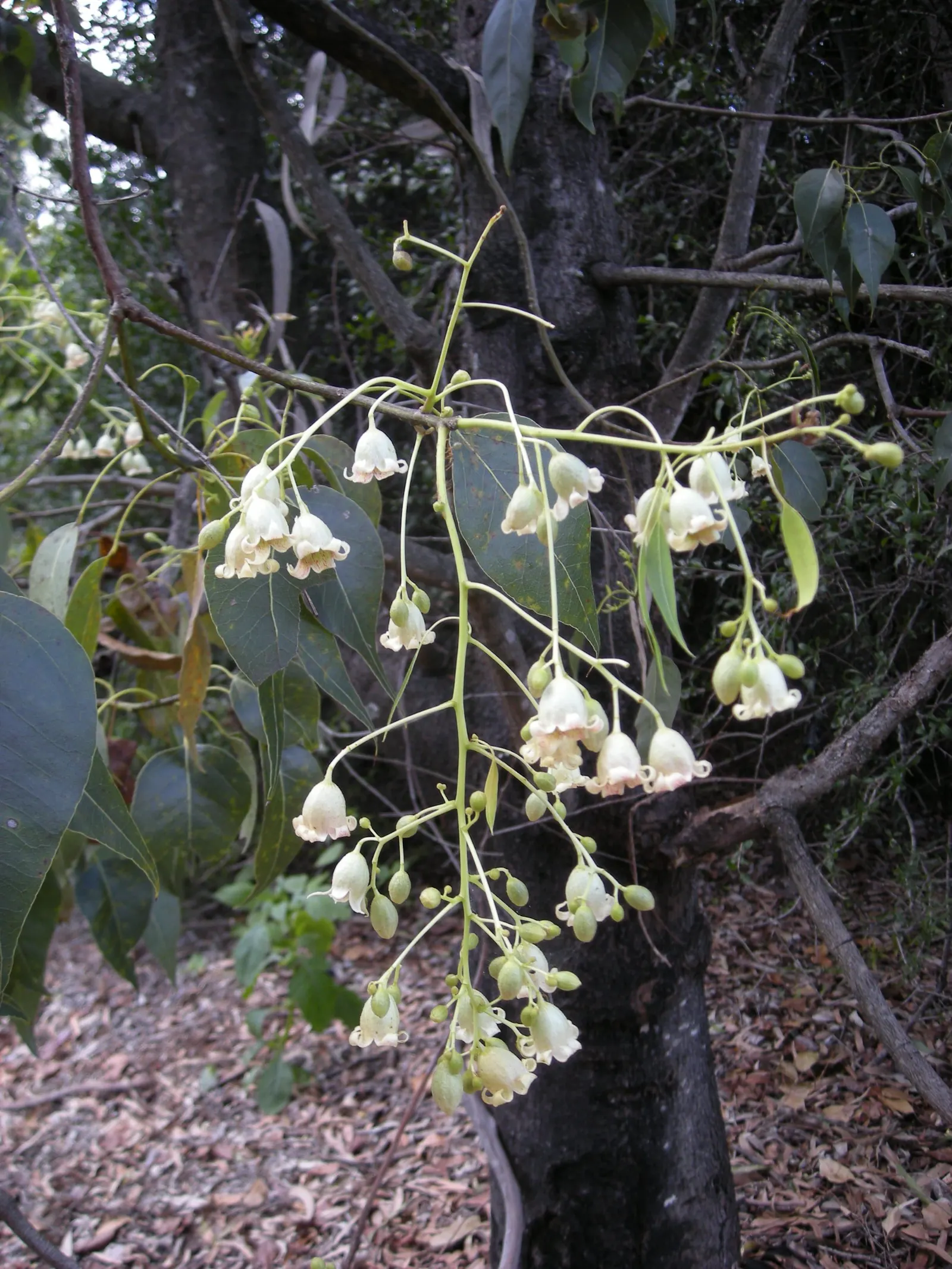
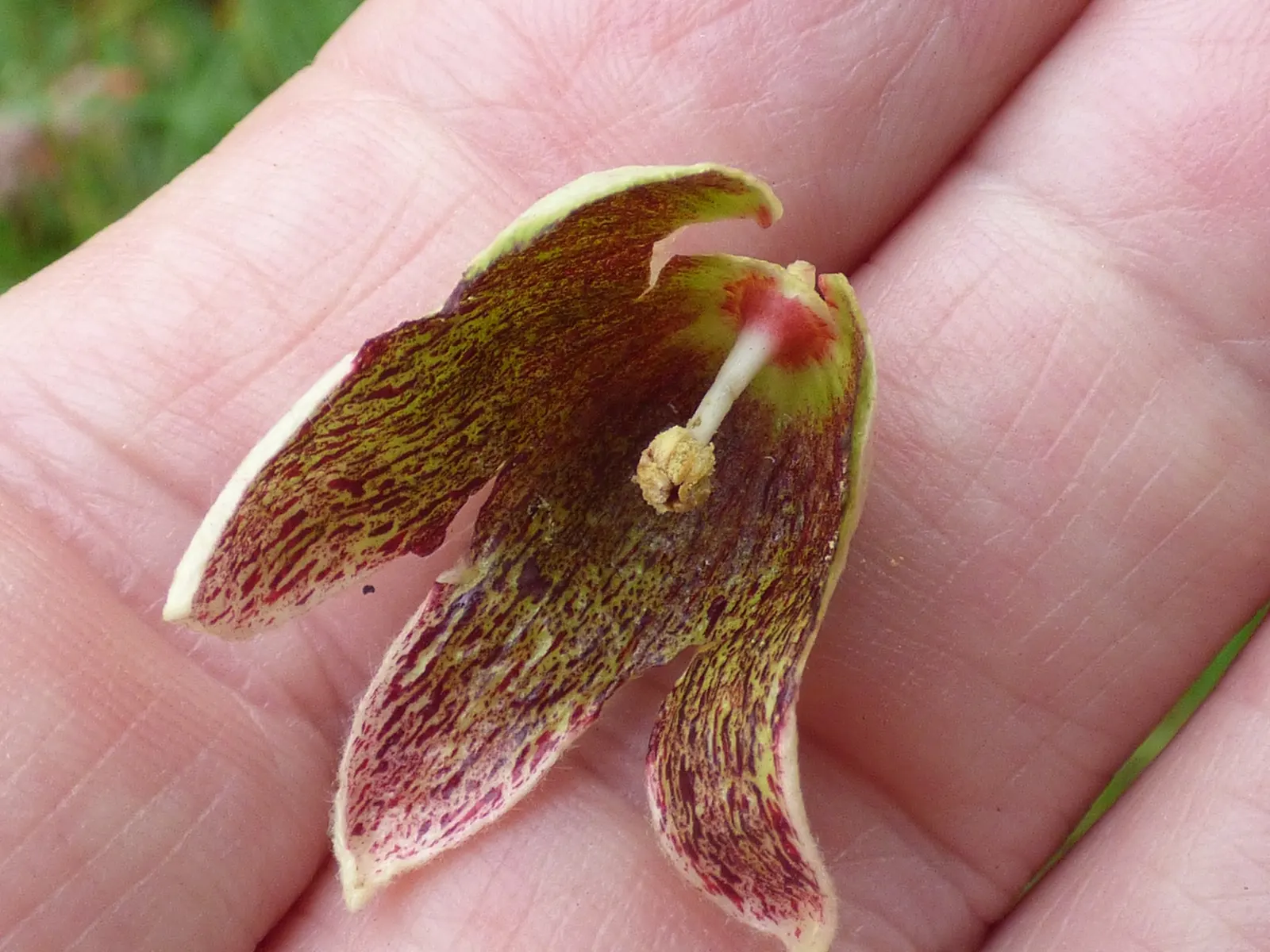
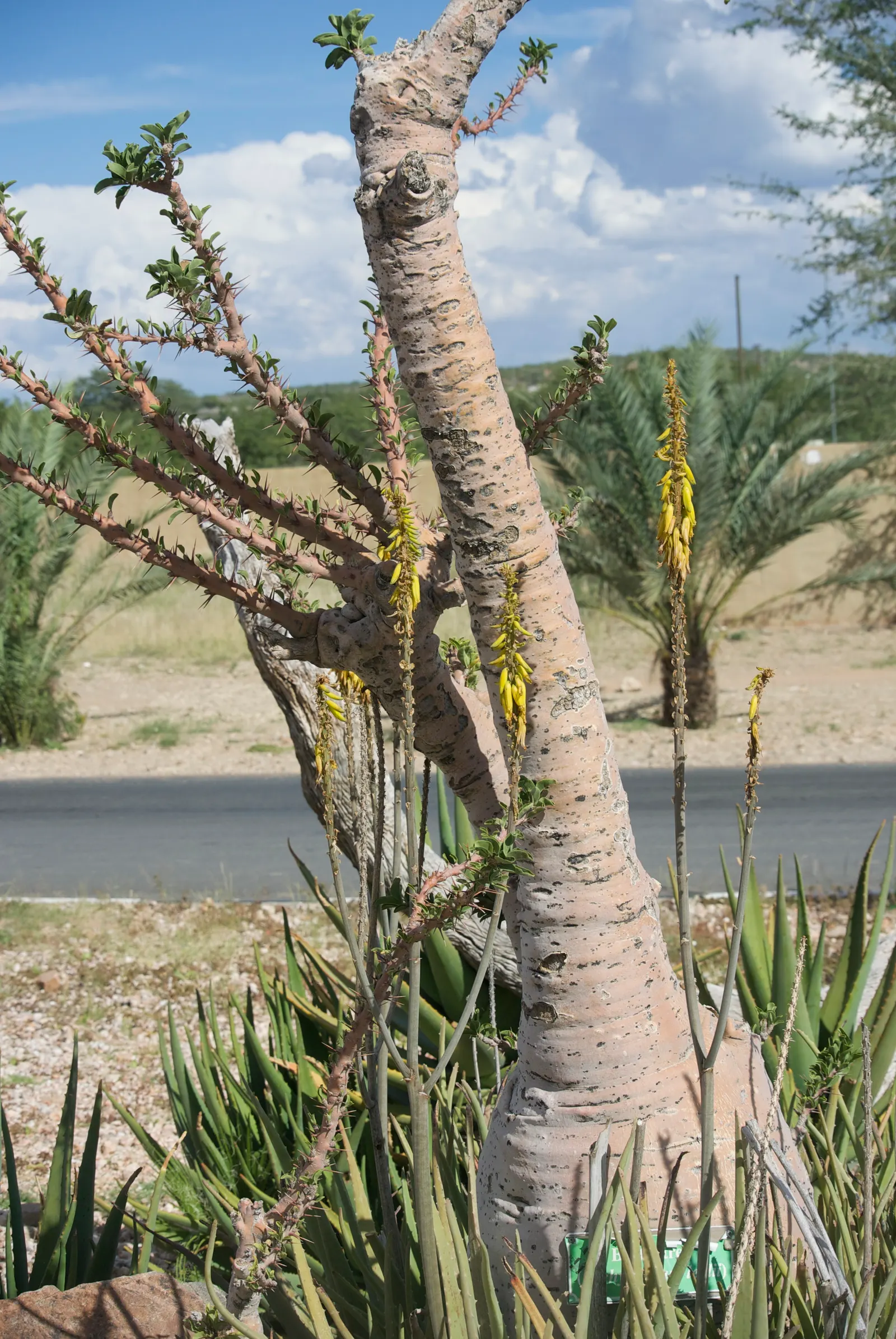
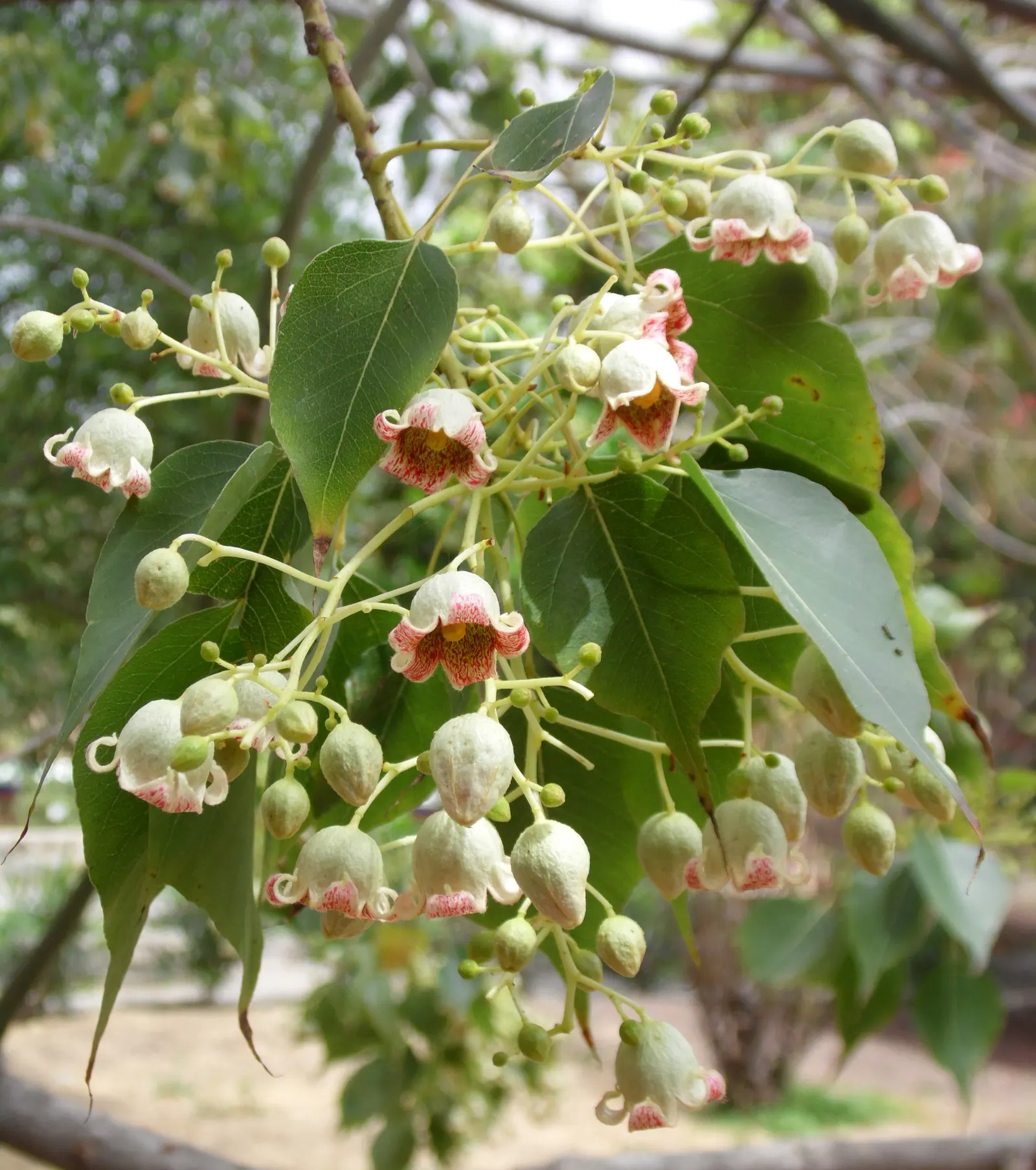
The Bottle Tree, Brachychiton populneus, is an evergreen with a distinctive swollen trunk, reaching up to 40-50 feet in height. Its spread is approximately 20-30 feet. This Australian native features glossy green, lance-shaped leaves and bell-shaped cream to reddish flowers in spring/summer. Adaptable to various soils, it prefers full sun and offers moderate drought tolerance. Ideal as a focal point in spacious landscapes for its unique form and minimal maintenance needs.

Sun Full, HalfWater MediumZones 8–11Type Tree

Culture

Sun
Full, Half
Water
Medium
USDA zones
8–11

Shape & size

Mature height
30–50 Ft.

Classification

Type
Tree
Family
Malvaceae

See full data, regional cultivation notes, and design tools. Build a client presentation around this plant.

Start your 14-day trial

Photos (140)

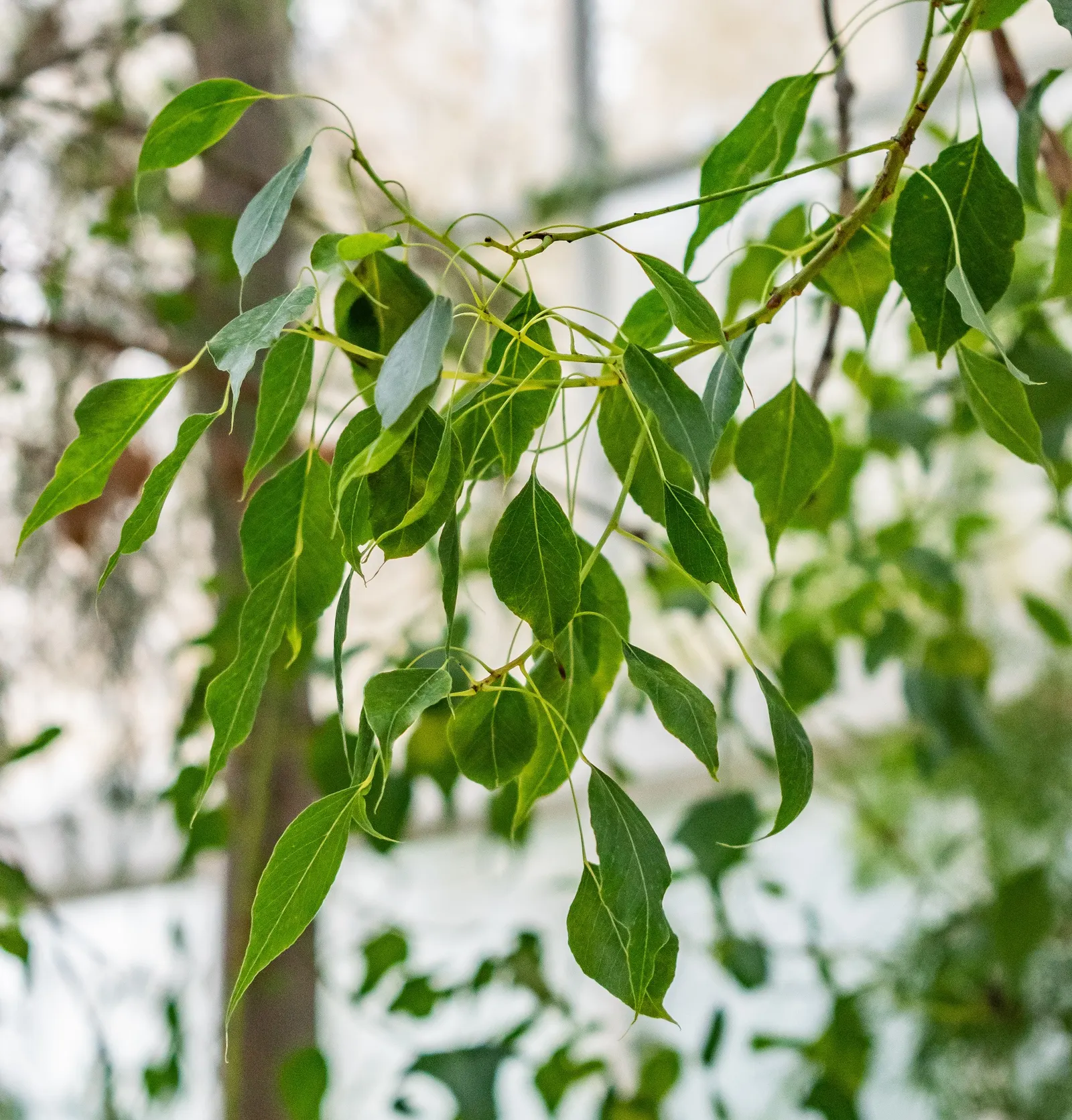
Bottle Tree (Brachychiton Populneus) — resembling those of the poplar - hence the species name 'populneus'; it is pest-resistant and requires, image 100
Bottle Tree (Brachychiton Populneus) — Consideration for planting location is key
Bottle Tree (Brachychiton Populneus) — Its spread is approximately 20-30 feet; decorative touch.<br><br>It thrives in USDA hardiness zones 9 to 11, image 115
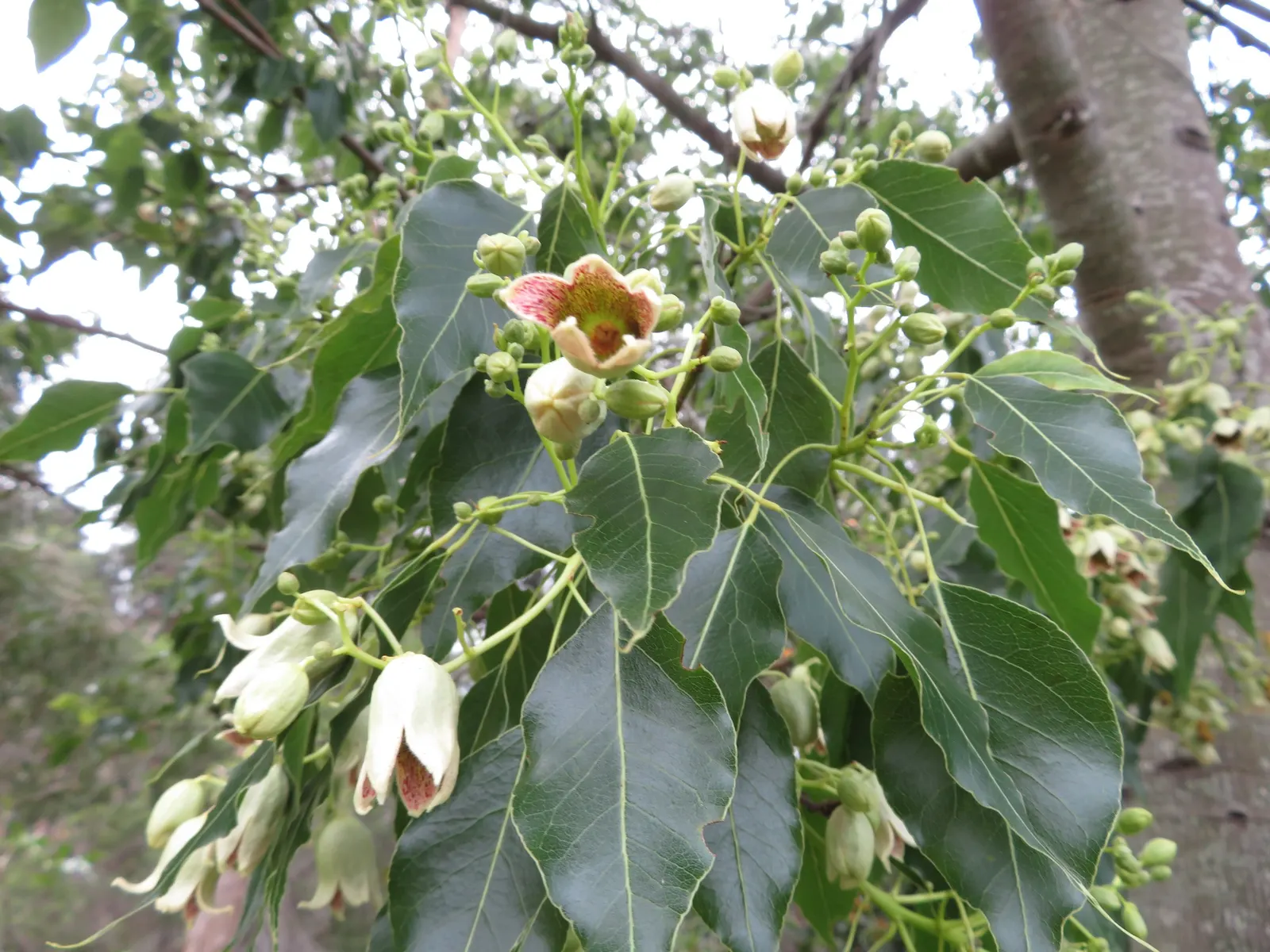
Bottle Tree (Brachychiton Populneus) — resembling those of the poplar - hence the species name 'populneus'
Bottle Tree (Brachychiton Populneus) — This Australian native features glossy green; it is pest-resistant and requires minimal pruning, image 116
Bottle Tree (Brachychiton Populneus) — making it an excellent focal point or shade provider in larger gardens.<br><br>Foliage consists of glossy; exhibits a
Bottle Tree (Brachychiton Populneus) — The Bottle Tree can reach lofty heights of up to 50 feet with a canopy spread of up to 30 feet; this, image 69
Bottle Tree (Brachychiton Populneus) — Adaptable to various soils, it prefers full sun and offers moderate drought tolerance
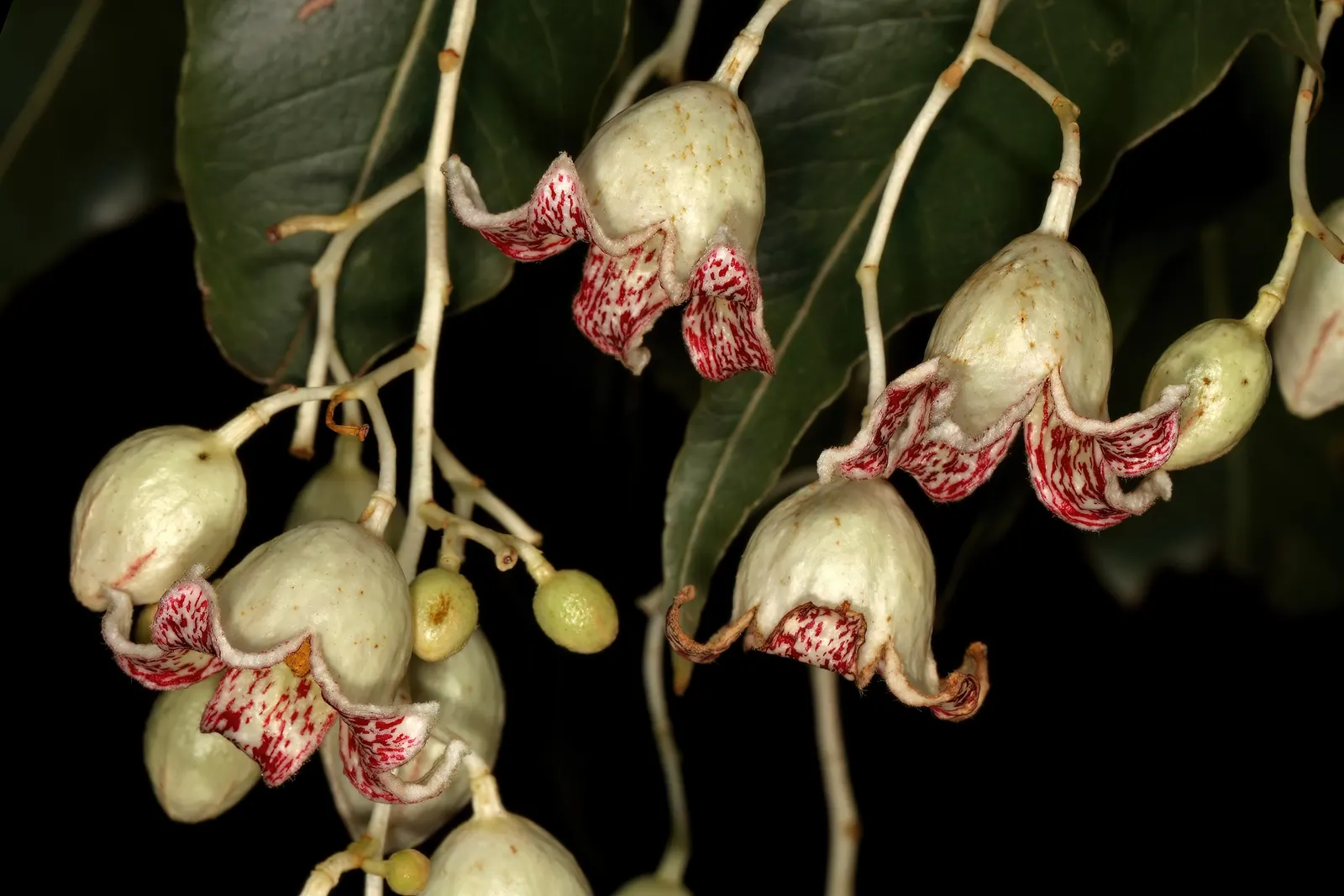
Bottle Tree (Brachychiton Populneus) — lance-shaped leaves and bell-shaped cream to reddish flowers in spring/summer; this Australian native, image 61
Bottle Tree (Brachychiton Populneus) — decorative touch.<br><br>It thrives in USDA hardiness zones 9 to 11; exhibits a distinctive swollen trunk that resembles
Bottle Tree (Brachychiton Populneus) — offering both visual appeal and adaptability; exhibits a distinctive swollen trunk that resembles a bottle, image 66
Bottle Tree (Brachychiton Populneus) — making it an excellent focal point or shade provider in larger gardens.<br><br>Foliage consists of glossy
Bottle Tree (Brachychiton Populneus) — reaching up to 40-50 feet in height
Bottle Tree (Brachychiton Populneus) — commonly referred to as the Bottle Tree or Kurrajong; it is pest-resistant and requires minimal pruning, image 64
Bottle Tree (Brachychiton Populneus) — tree with red blooms; decorative touch.<br><br>It thrives in USDA hardiness zones 9 to 11, image 83
Bottle Tree (Brachychiton Populneus) — commonly referred to as the Bottle Tree or Kurrajong; it is pest-resistant and requires minimal pruning, image 92
Bottle Tree (Brachychiton Populneus) — The Bottle Tree can reach lofty heights of up to 50 feet with a canopy spread of up to 30 feet
Bottle Tree (Brachychiton Populneus) — Consideration for planting location is key; it is pest-resistant and requires minimal pruning, image 76
Bottle Tree (Brachychiton Populneus) — highlight the low-maintenance nature of the Bottle Tree
Bottle Tree (Brachychiton Populneus) — red flowers in the garden; exhibits a distinctive swollen trunk that resembles a bottle - utilized for water storage
Bottle Tree (Brachychiton Populneus) — tree for full or half; it is pest-resistant and requires minimal pruning
Bottle Tree (Brachychiton Populneus) — lance-shaped leaves and bell-shaped cream to reddish flowers in spring/summer
Bottle Tree (Brachychiton Populneus) — lance-shaped leaves and bell-shaped cream to reddish flowers in spring/summer; this Australian native, image 117
Bottle Tree (Brachychiton Populneus) — as long as they are not waterlogged.<br><br>When informing the client
Photographs by 17 contributors

Related plants