Skip to content

False Indigo

Baptisia Australis

Design with this plant

Overview

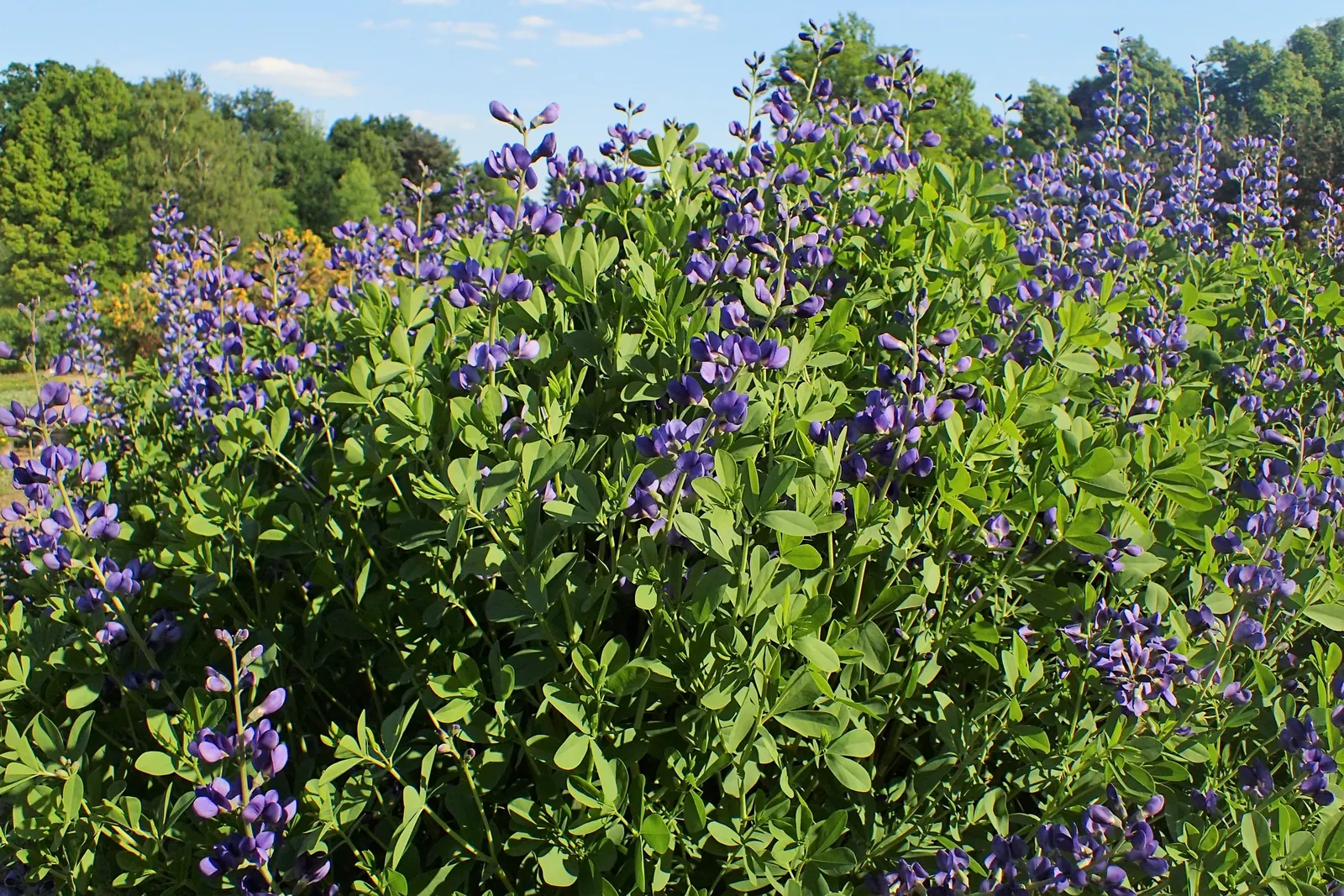
False Indigo (Baptisia australis) is a robust perennial known for its vibrant blue-violet flowers and gray-green foliage. It grows 3-4 feet tall and spreads about 3 feet wide, thriving in full sun to part shade. This low-maintenance native adapts well to dry soils and resists pests and diseases. Its deep root system makes it drought-resistant, and its sturdy, upright form provides excellent structure in garden designs.

Sun Full, HalfWater Low, MediumZones 4–9
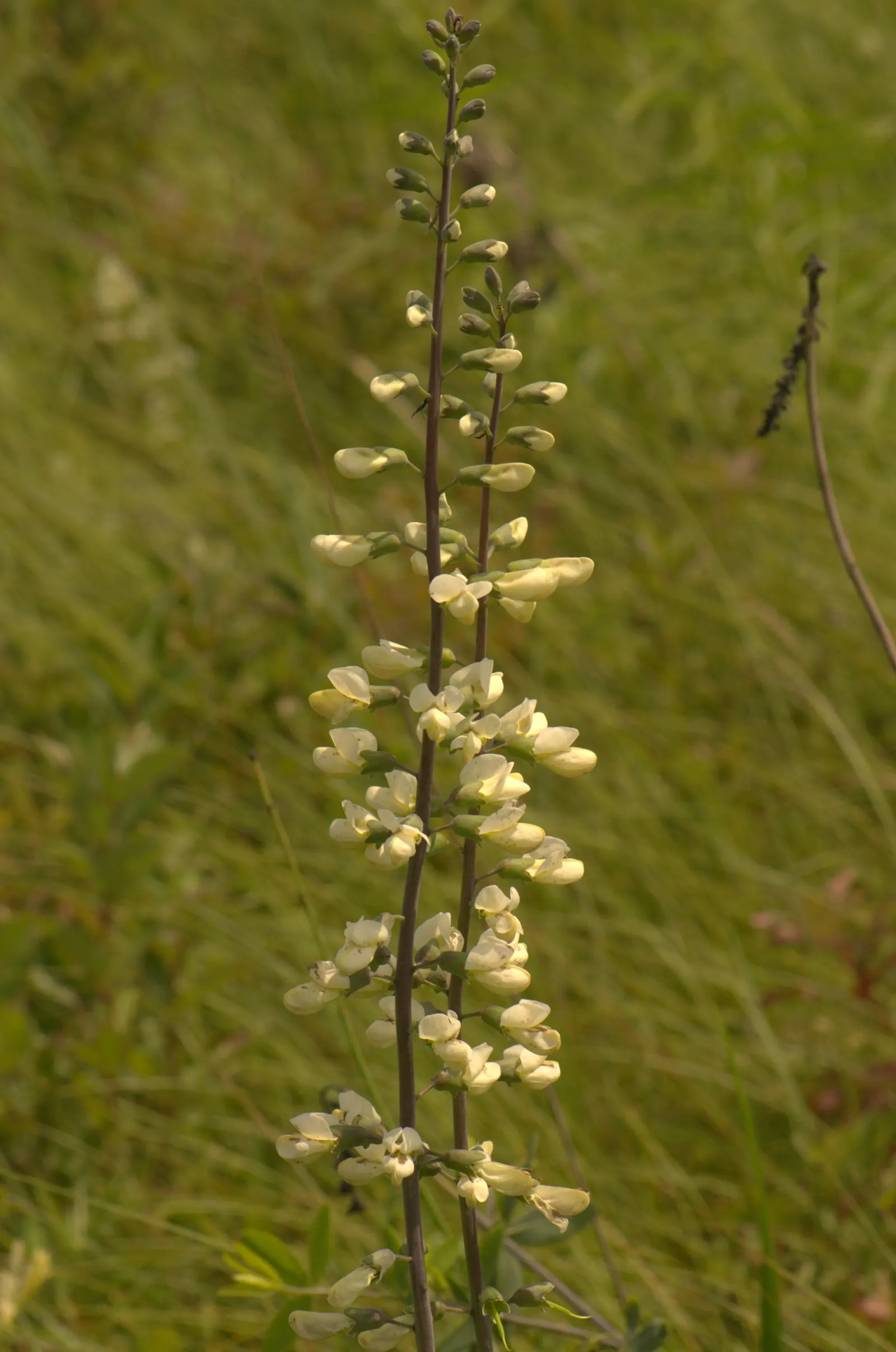
False Indigo (Baptisia Australis) — Its deep root system makes it drought-resistant

Culture

Sun
Full, Half
Water
Low, Medium
USDA zones
4–9

Shape & size

Classification

Family
Fabaceae

See full data, regional cultivation notes, full-resolution photos, and design tools. Build a client presentation around this plant.

Start your 14-day trial

Photos (107)

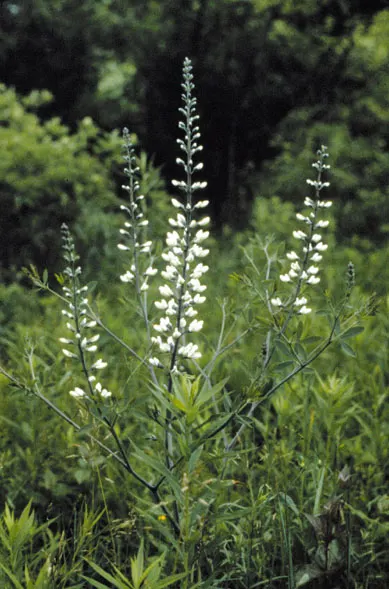
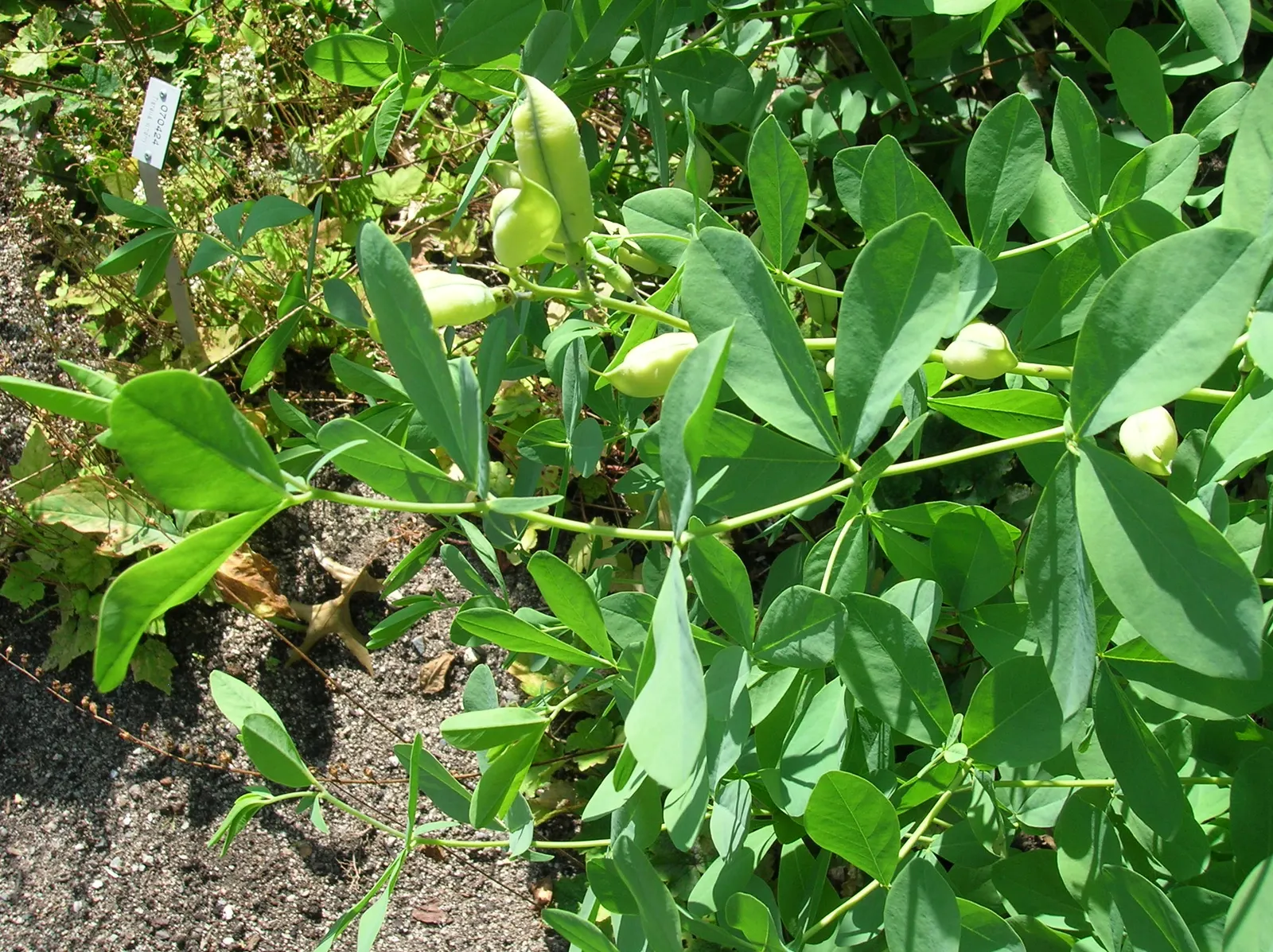
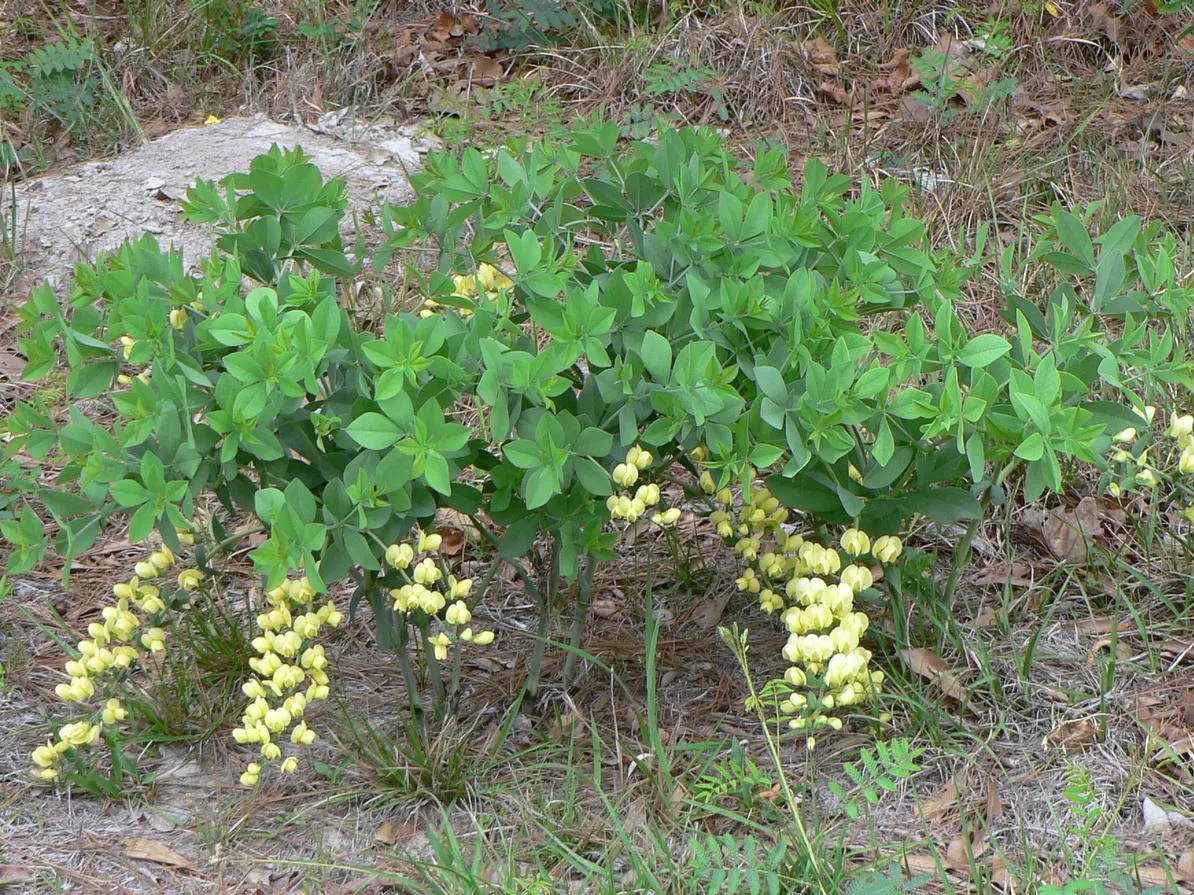
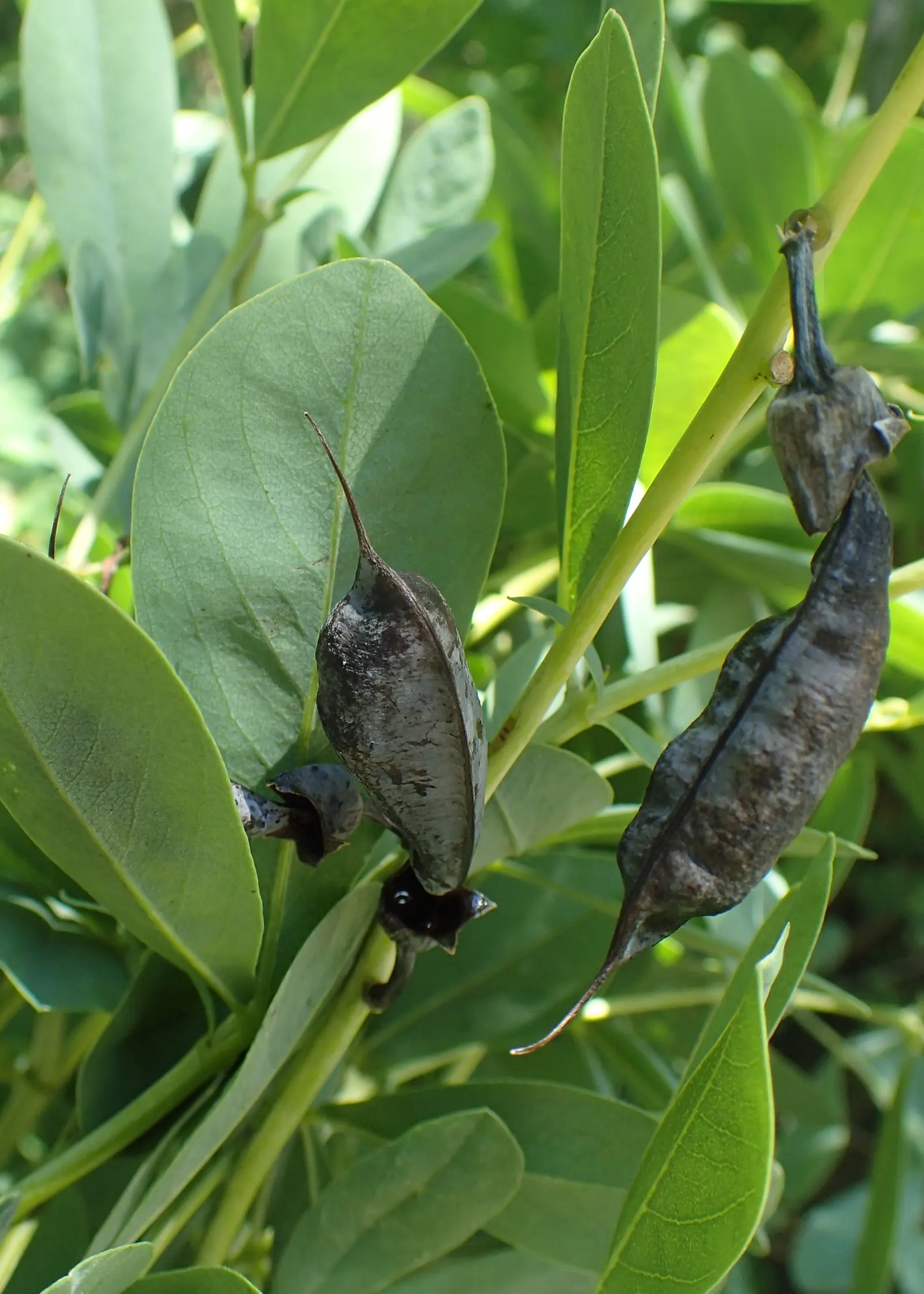
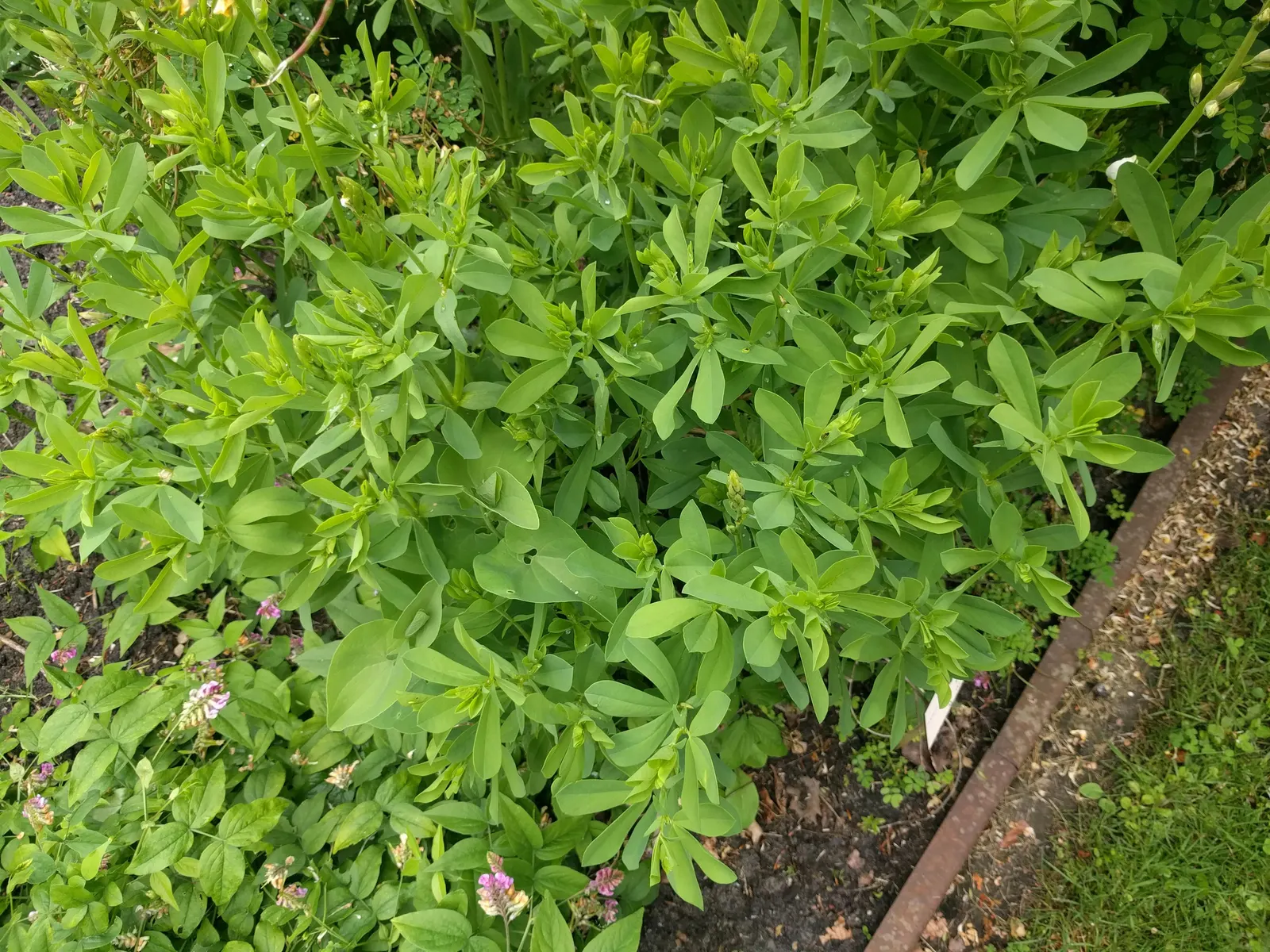
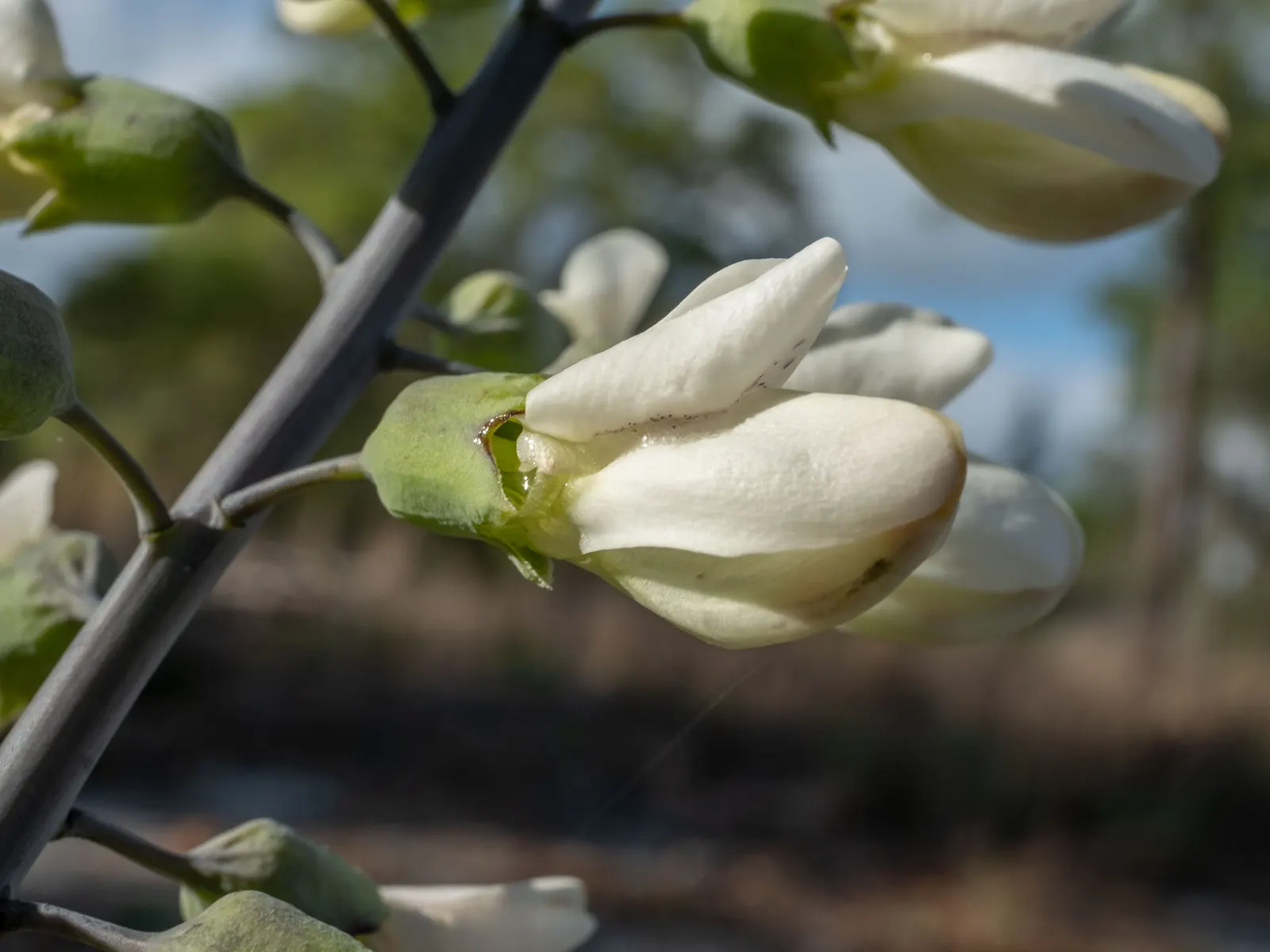
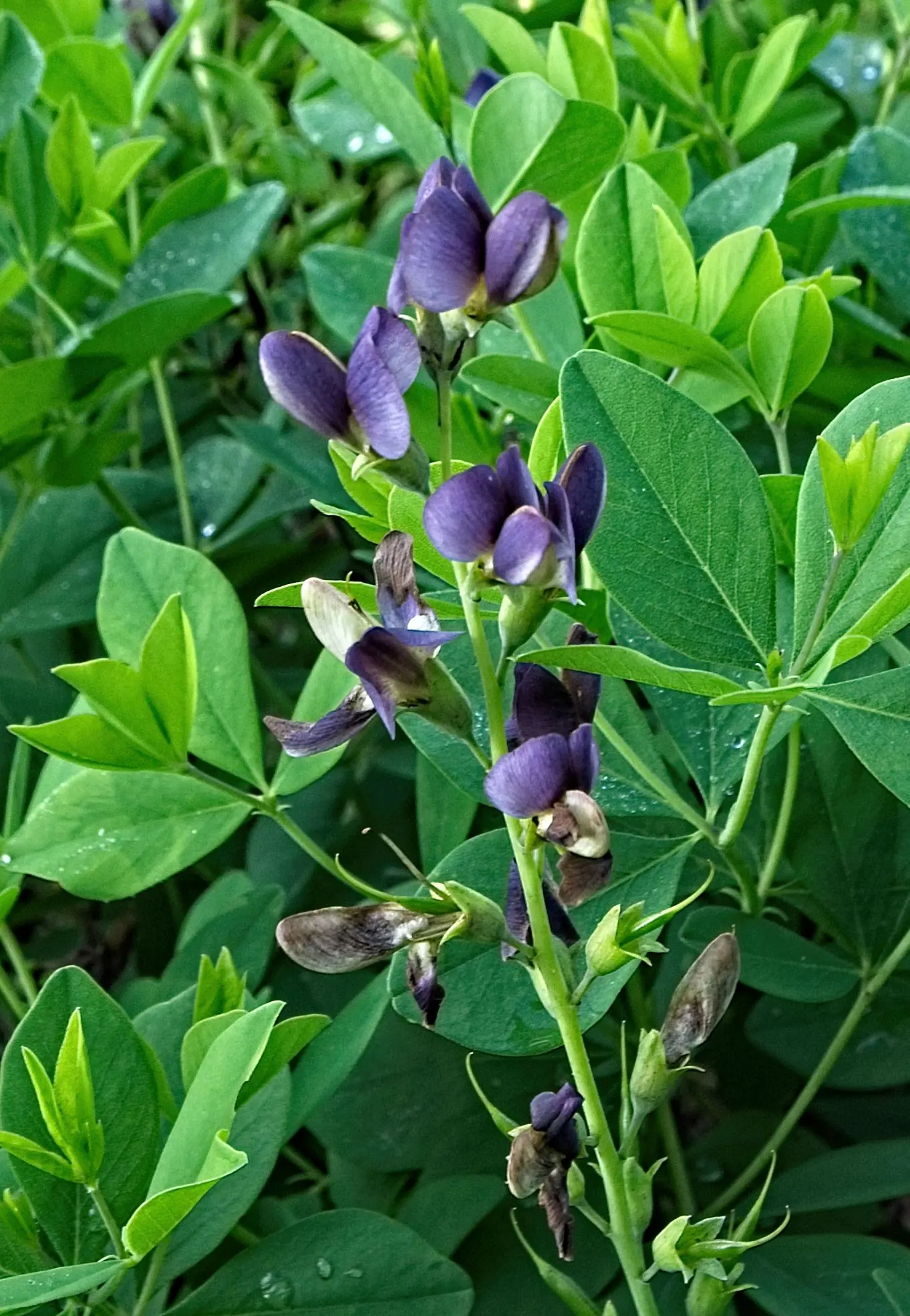
False Indigo (Baptisia Australis) — perennial for full or half; offering both aesthetic beauty and ecological benefits
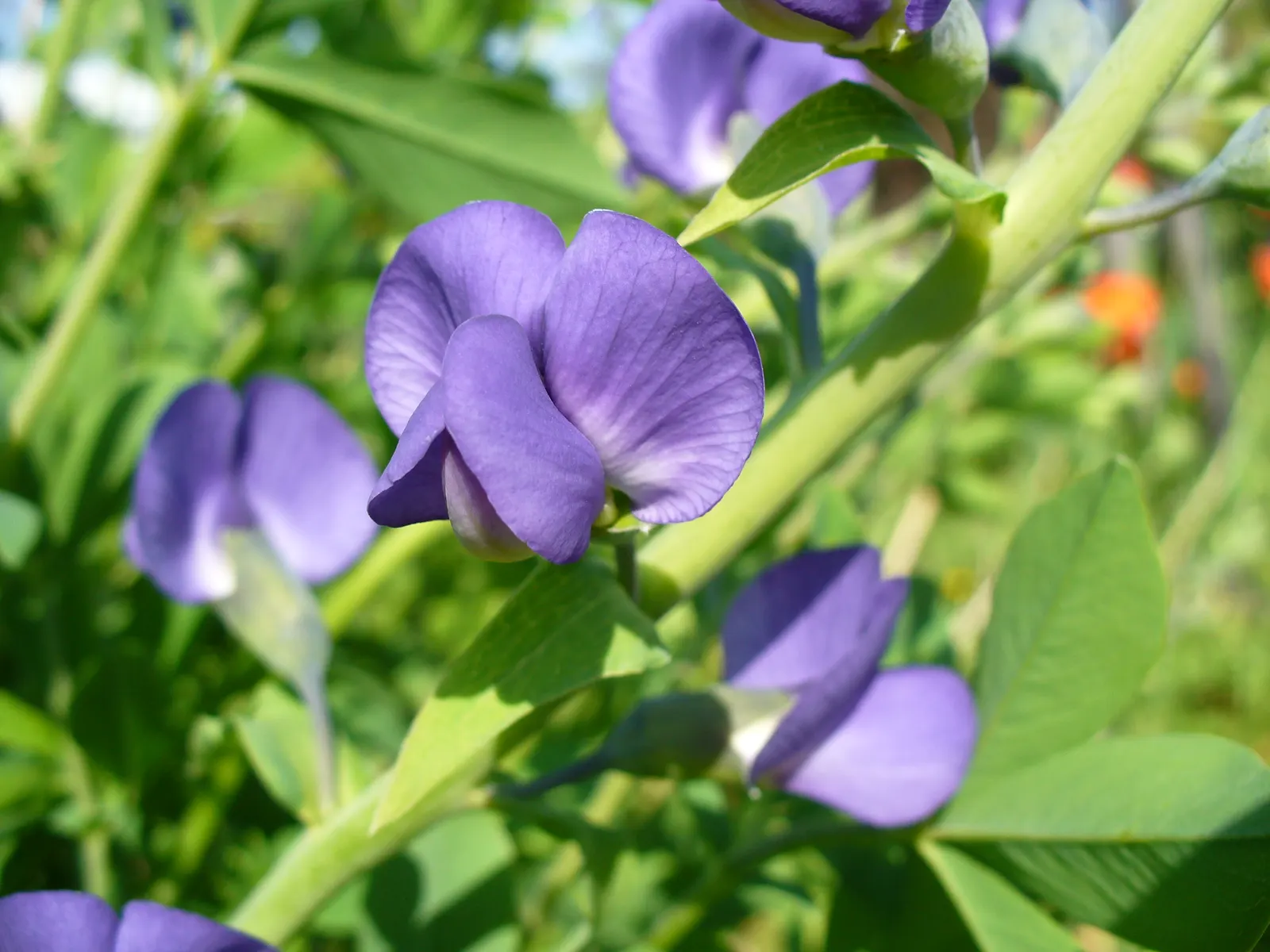
False Indigo (Baptisia Australis) — is a robust perennial native to the eastern and southern United States; and ability to enrich soil nitrogen, image 54
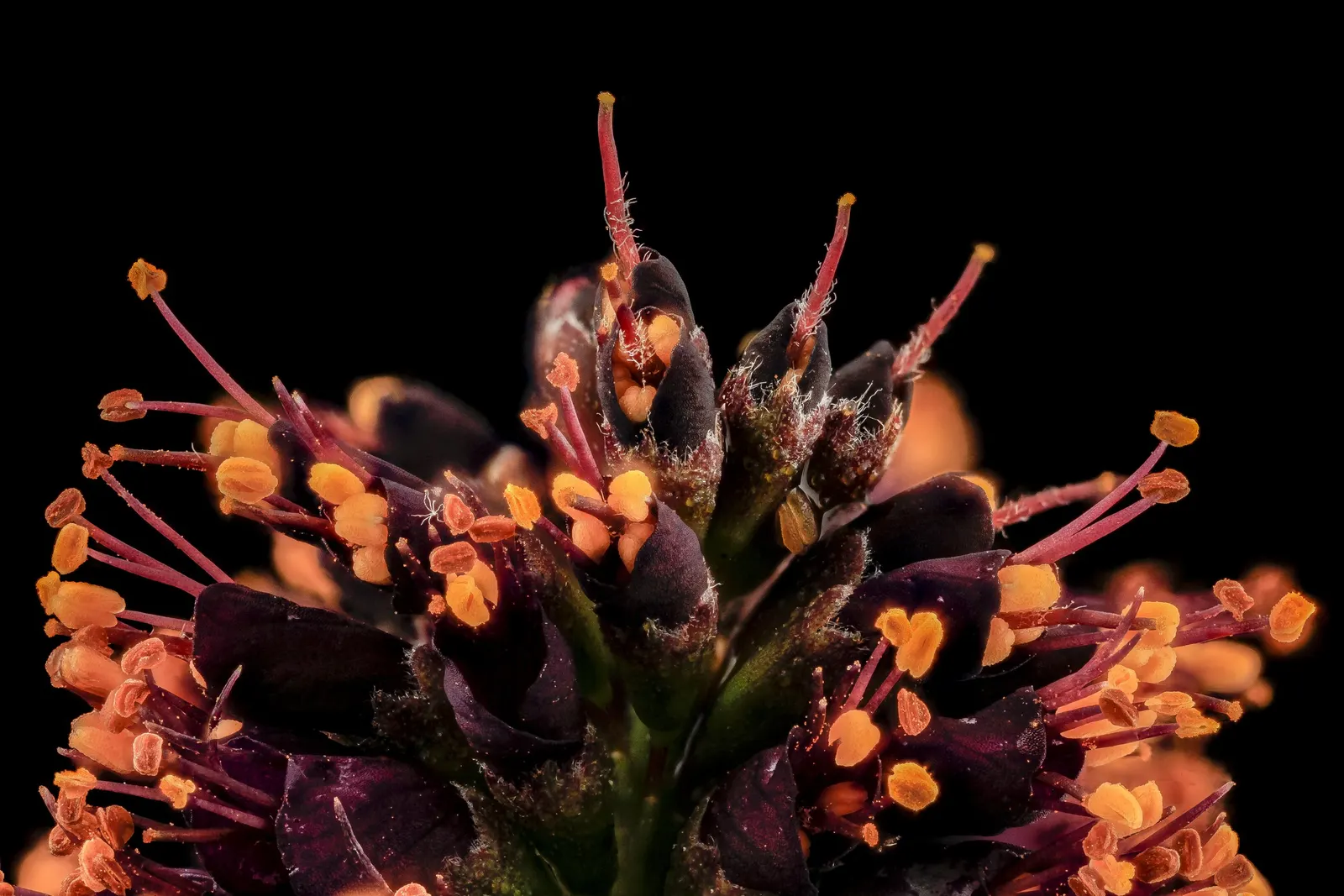
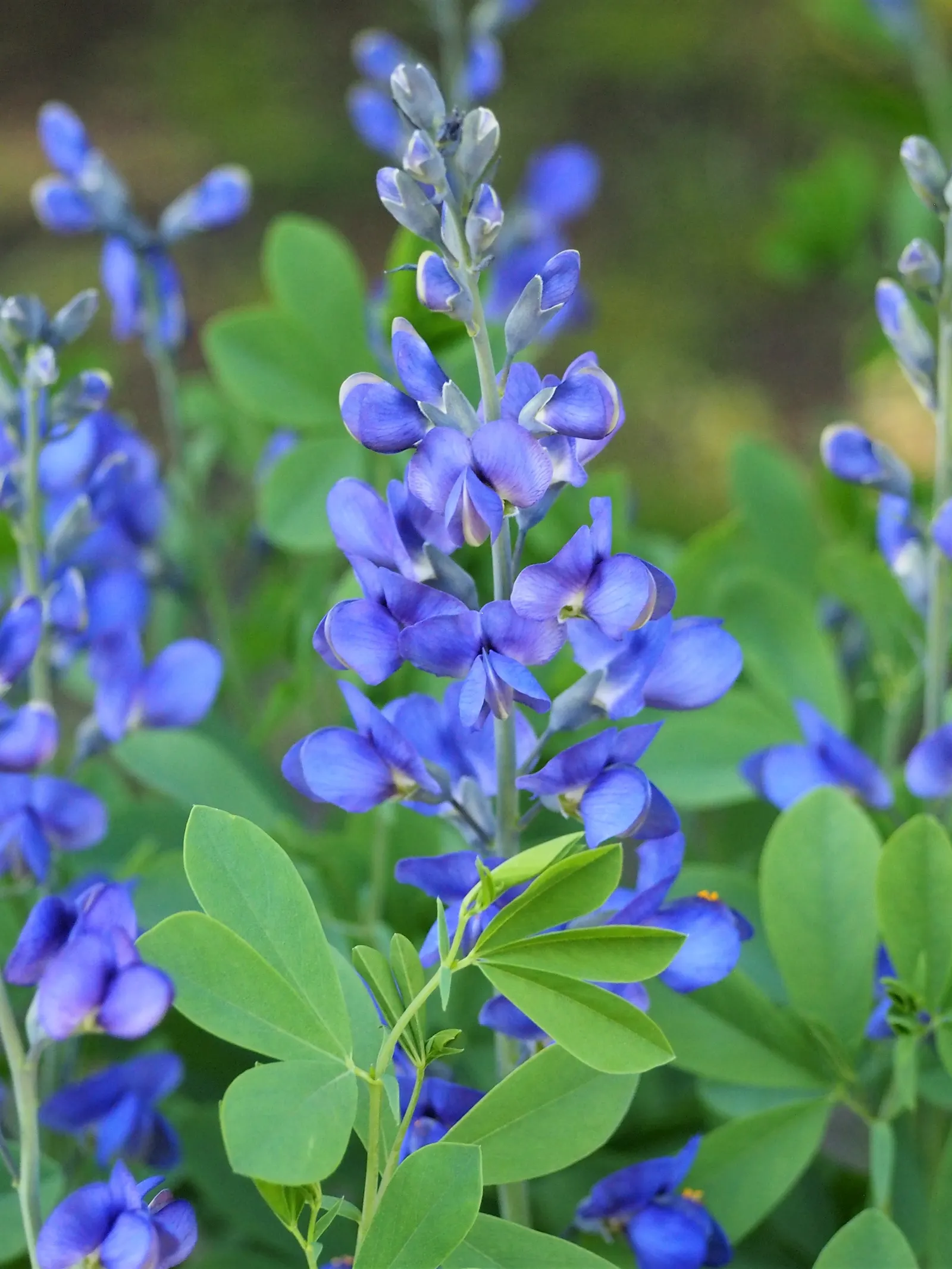
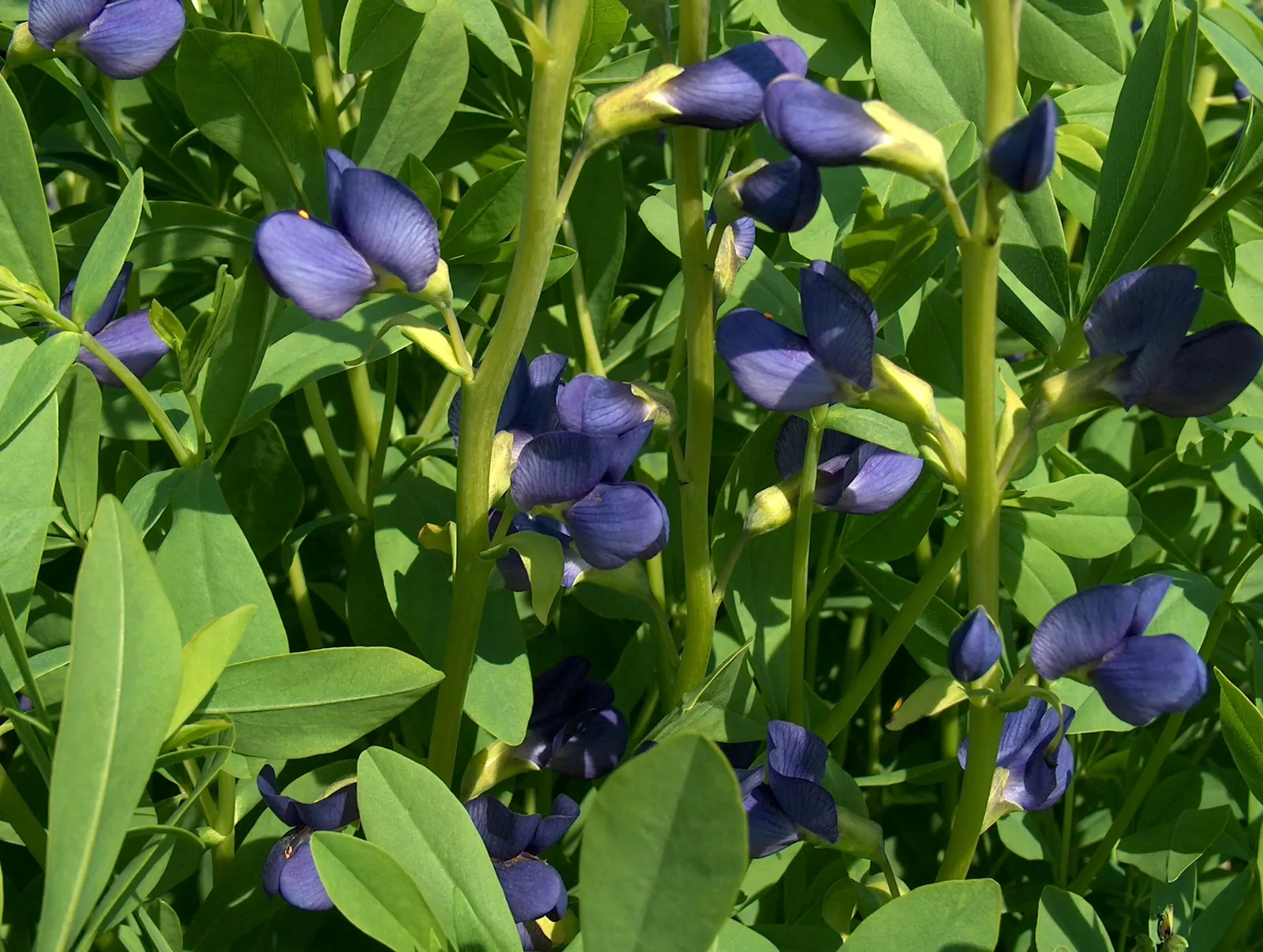
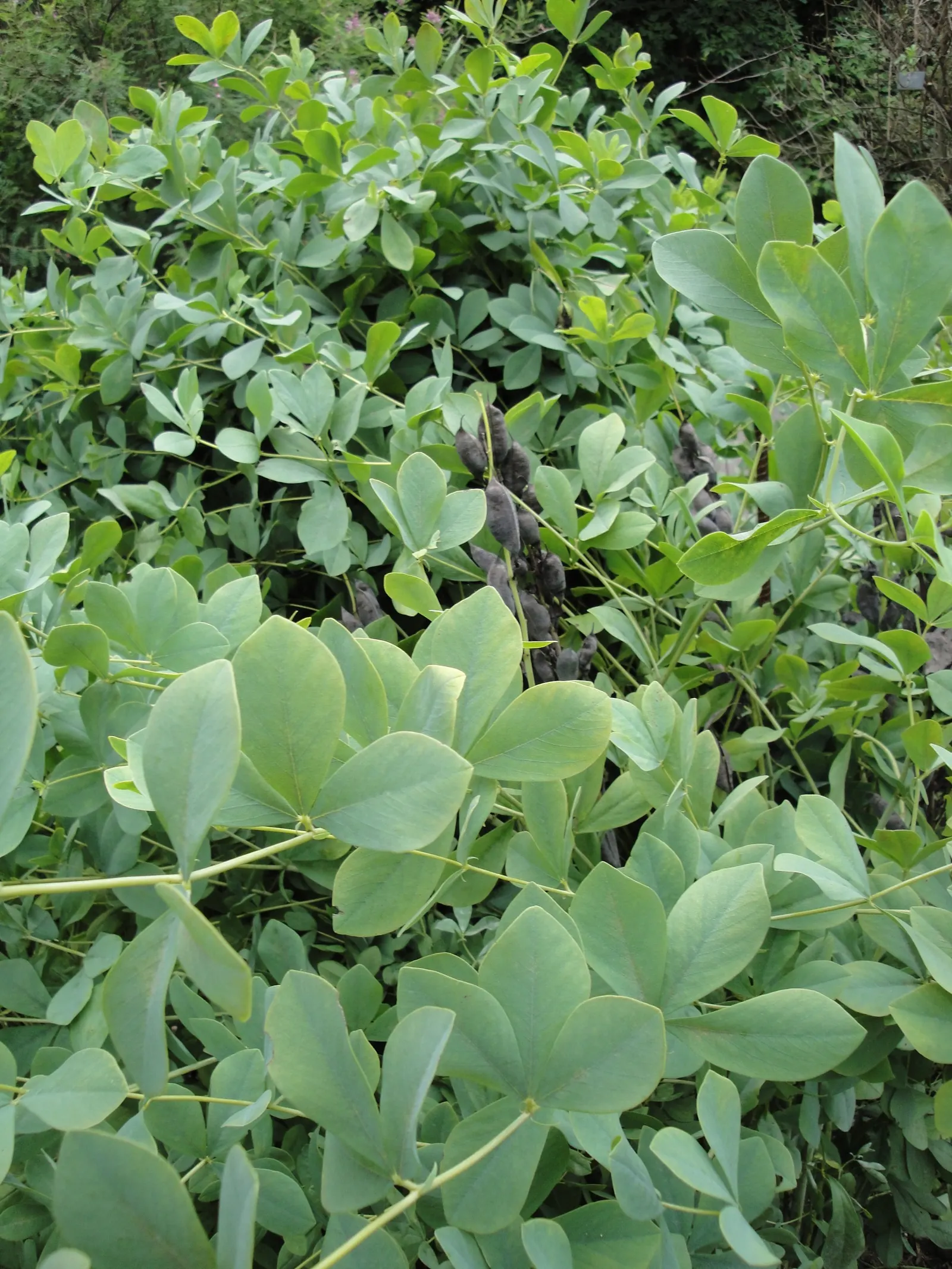
False Indigo (Baptisia Australis) — trifoliate (three-part) blue-green leaves form a bushy; blue and purple flowers in the garden, image 55
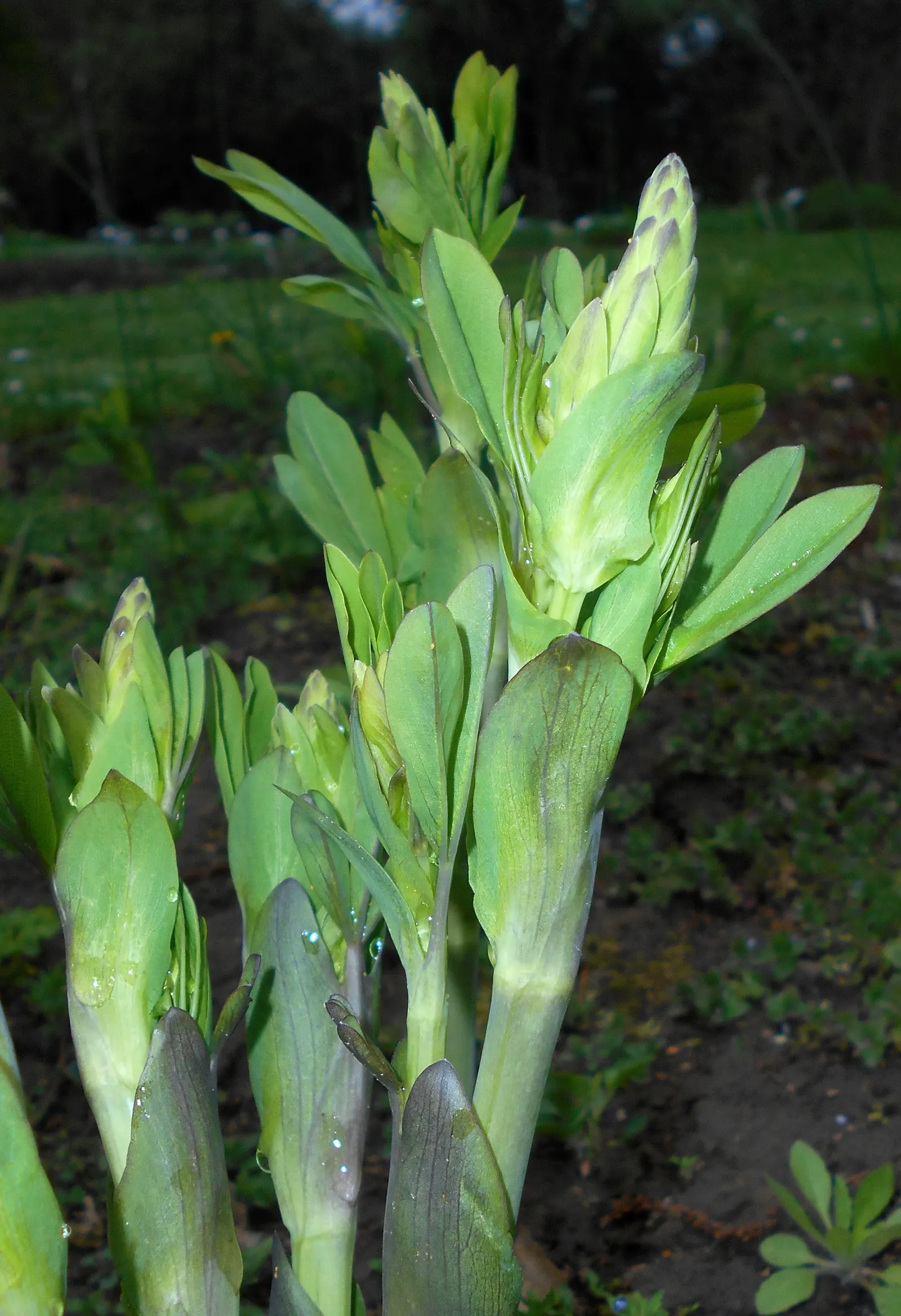
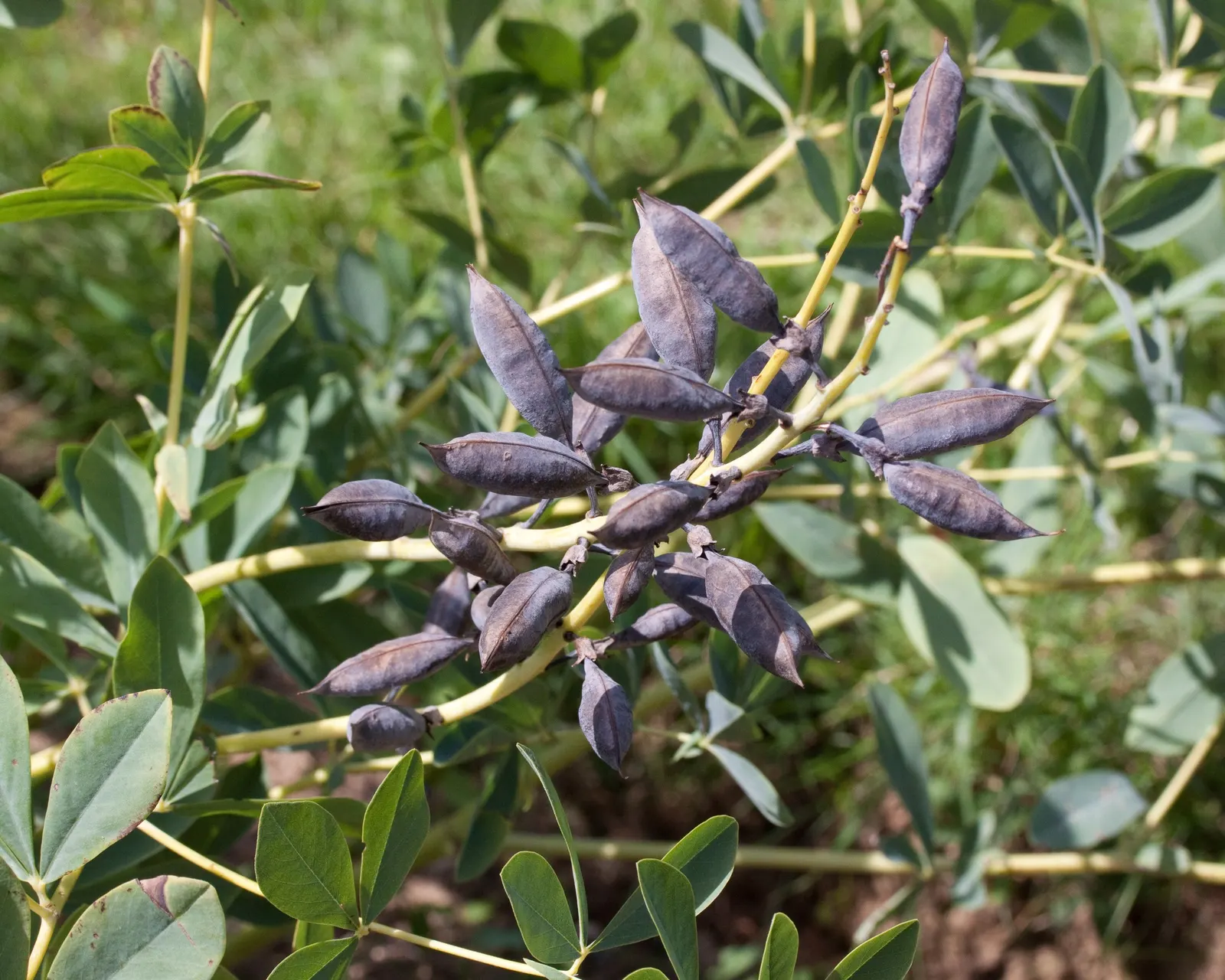
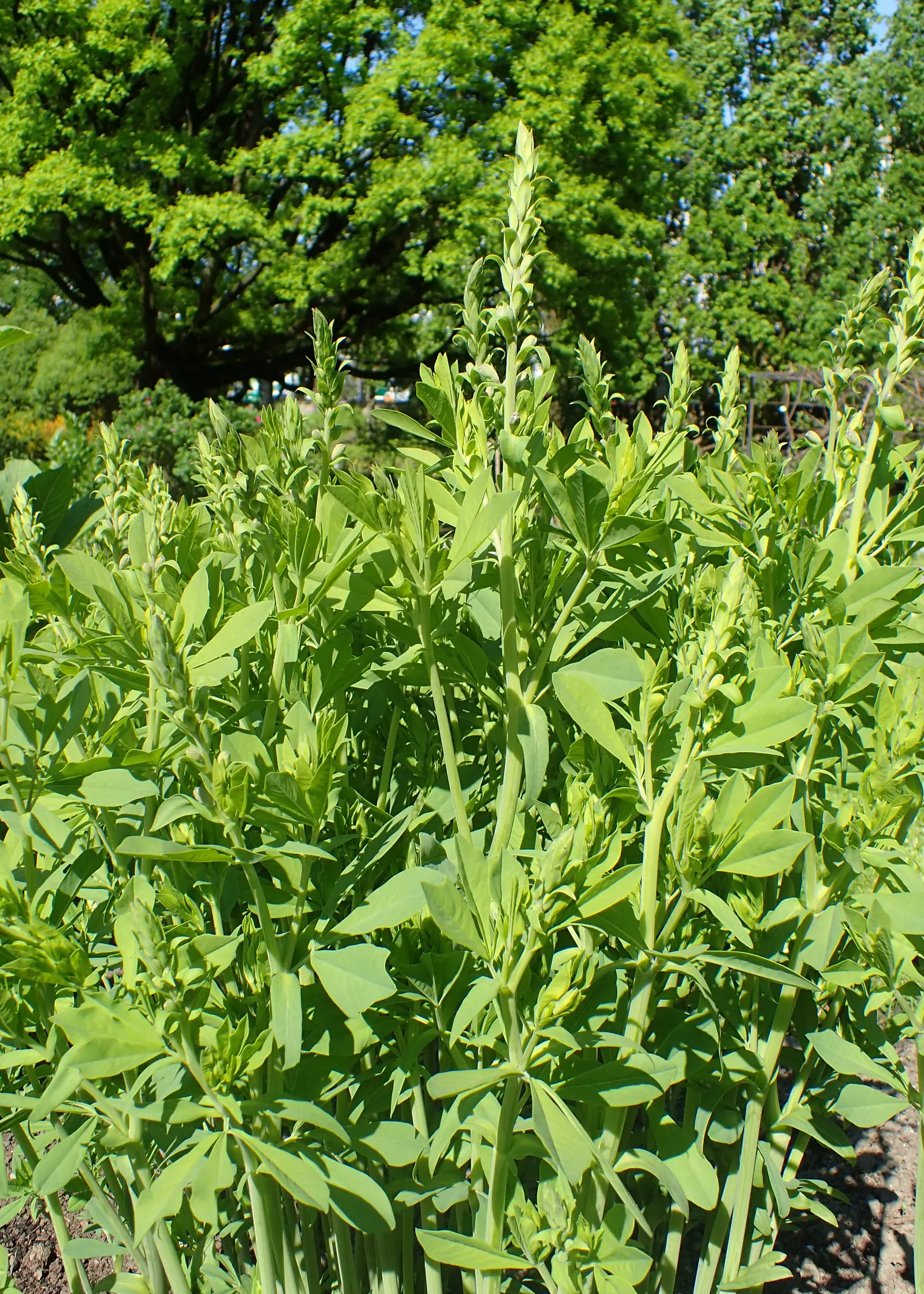
False Indigo (Baptisia Australis) — This low-maintenance native adapts well to dry soils and resists pests and diseases; showing remarkable, image 50
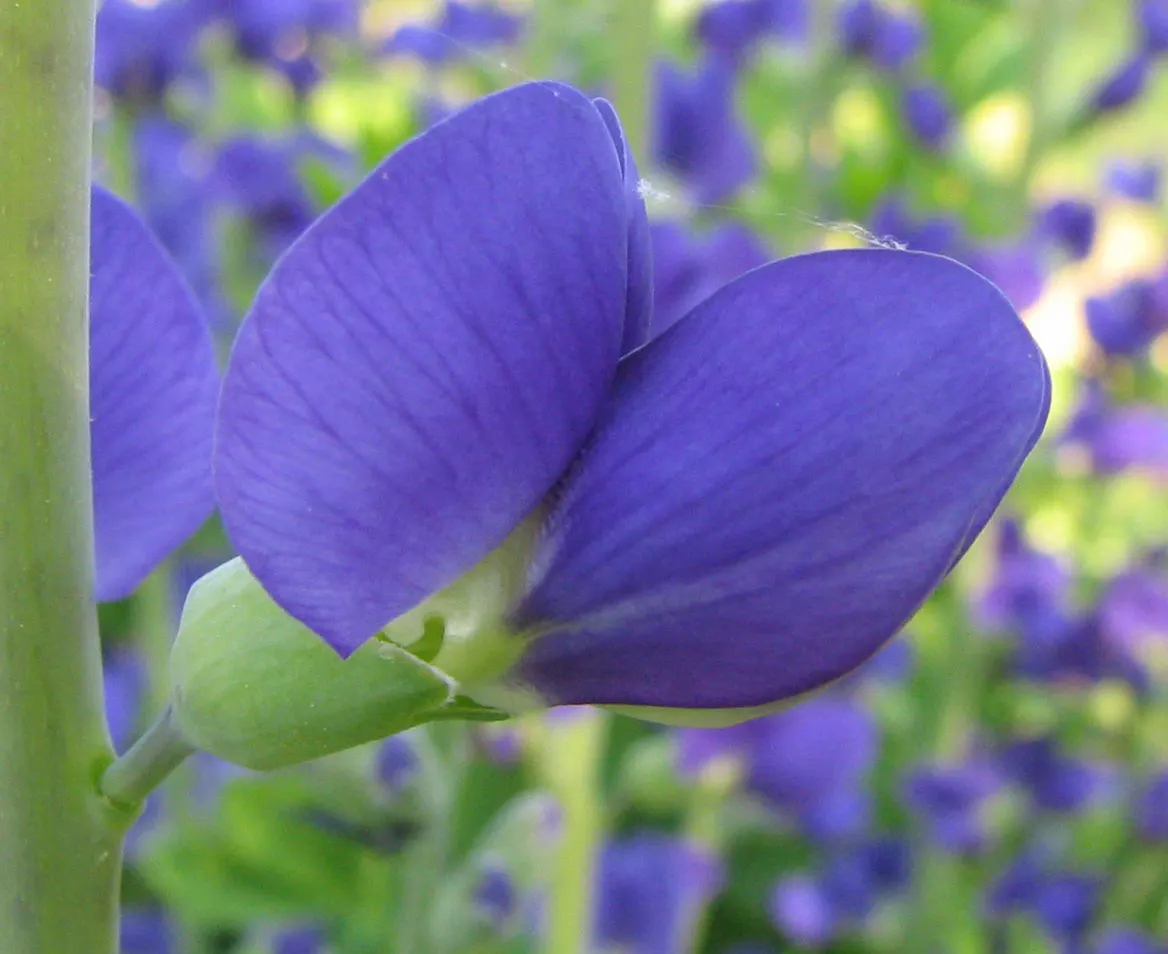
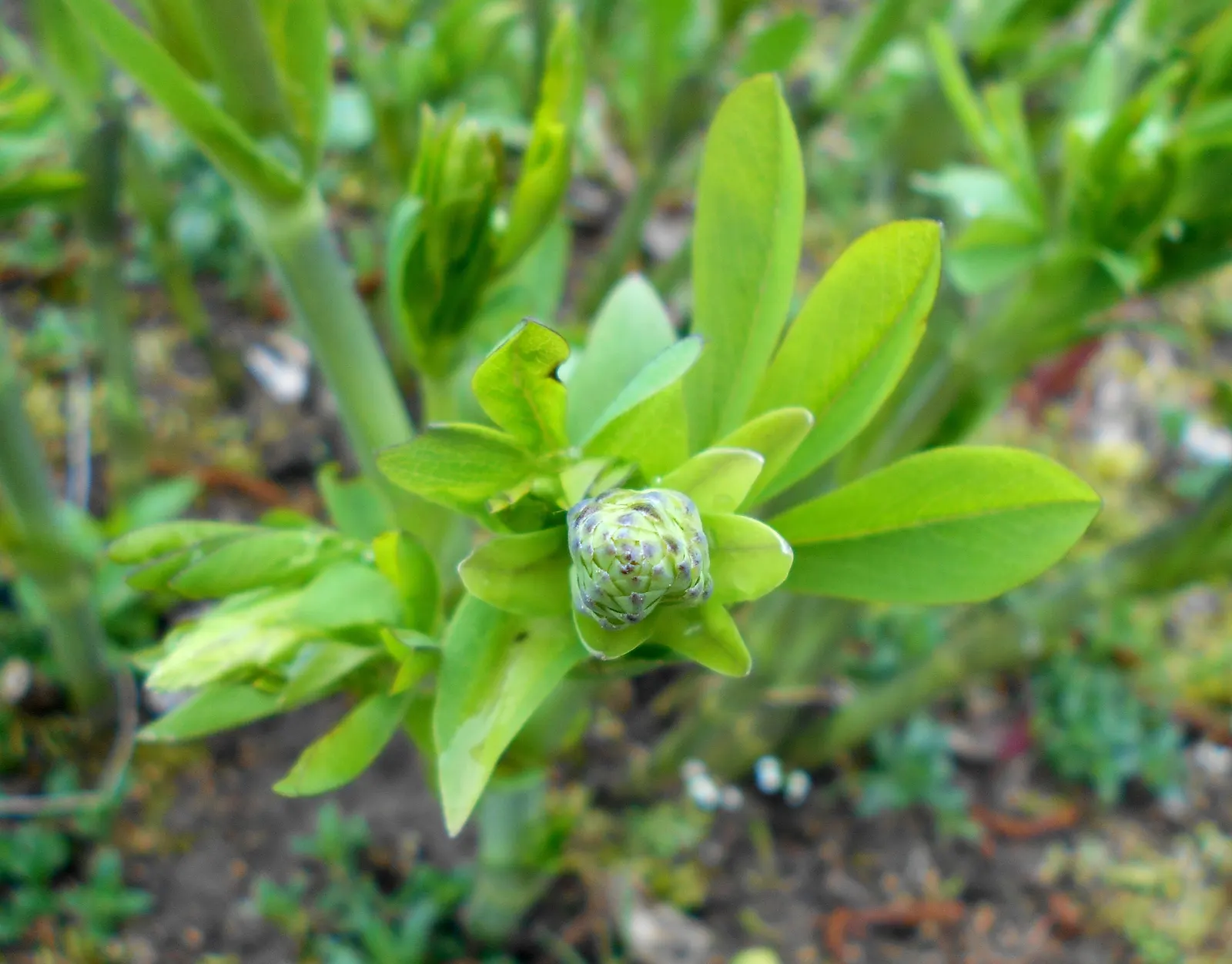
False Indigo (Baptisia Australis) — Its deep root system makes it drought-resistant; inviting bees and butterflies to the garden, image 51
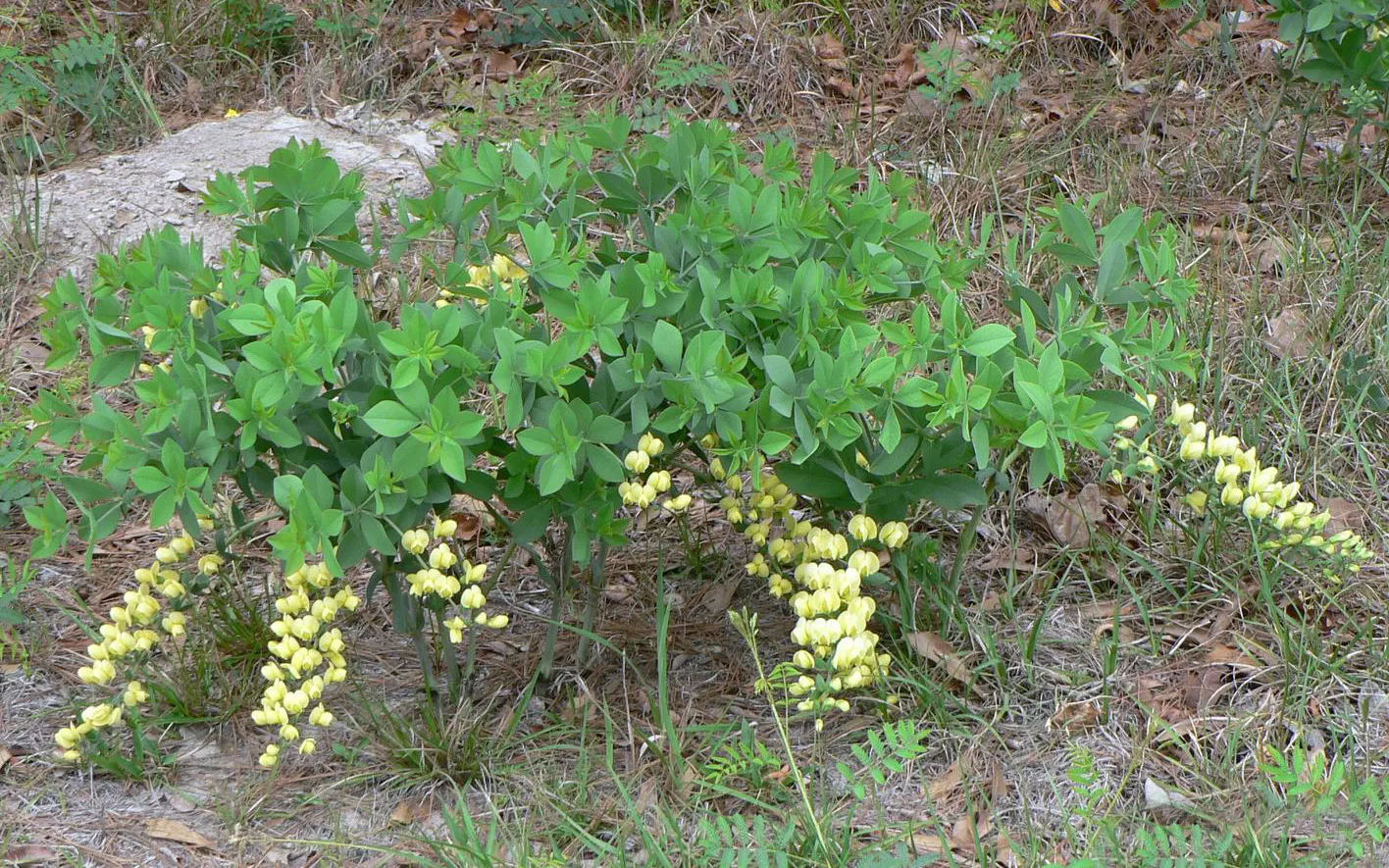
False Indigo (Baptisia Australis) — upright form provides excellent structure in garden designs; it grows 3-4 feet tall and spreads about 3 feet, image 52
False Indigo (Baptisia Australis) — commonly referred to as False Indigo; upright vase shape with a spread of 3 to 4 feet, image 53
False Indigo (Baptisia Australis) — upright vase shape with a spread of 3 to 4 feet; commonly referred to as False Indigo, image 56
False Indigo (Baptisia Australis) — Baptisia prefers full sun to partial shade and is drought-tolerant once established; ideal for use in borders, image 60
False Indigo (Baptisia Australis) — showing remarkable adaptability to a variety of conditions; this low-maintenance native adapts well to dry, image 59
False Indigo (Baptisia Australis) — this species thrives in USDA Hardiness Zones 3 through 9; for optimal growth, plant Baptisia in well-drained, image 58
False Indigo (Baptisia Australis) — Ideal for use in borders or as a striking focal point; baptisia prefers full sun to partial shade and is, image 57
False Indigo (Baptisia Australis) — requiring minimal irrigation.<br><br>As a landscape asset; providing long-lasting structure, image 61
False Indigo (Baptisia Australis) — False Indigo is valued for its low maintenance needs; perennial with blue and purple blooms, image 62
False Indigo (Baptisia Australis) — For optimal growth, plant Baptisia in well-drained soil with a pH ranging from neutral to slightly acidic; this, image 67
False Indigo (Baptisia Australis) — this perennial also supports pollinators; enchanting addition to any landscape design, image 65
False Indigo (Baptisia Australis) — Providing long-lasting structure; requiring minimal irrigation.<br><br>As a landscape asset, image 64
False Indigo (Baptisia Australis) — inviting bees and butterflies to the garden; its deep root system makes it drought-resistant, image 66
False Indigo (Baptisia Australis) — enchanting addition to any landscape design; this perennial also supports pollinators, image 68
False Indigo (Baptisia Australis) — offering both aesthetic beauty and ecological benefits; perennial for full or half, image 69
False Indigo (Baptisia Australis) — and ability to enrich soil nitrogen levels through its symbiotic relationship with Rhizobia bacteria; is a, image 63
False Indigo (Baptisia Australis) — It grows 3-4 feet tall and spreads about 3 feet wide, thriving in full sun to part shade; upright form provides, image 73
False Indigo (Baptisia Australis) — This low-maintenance native adapts well to dry soils and resists pests and diseases; showing remarkable, image 74
False Indigo (Baptisia Australis) — Its deep root system makes it drought-resistant; inviting bees and butterflies to the garden, image 75

Related plants