
False Indigo
Baptisia Australis
Overview
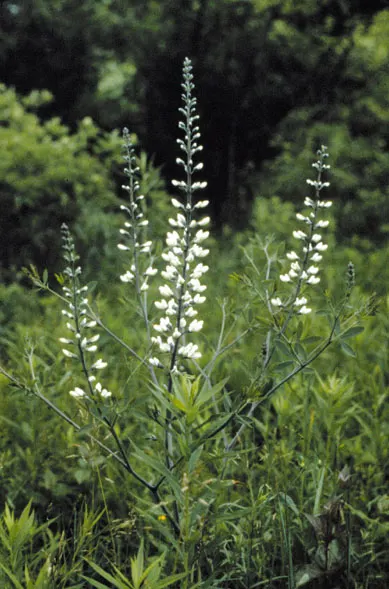
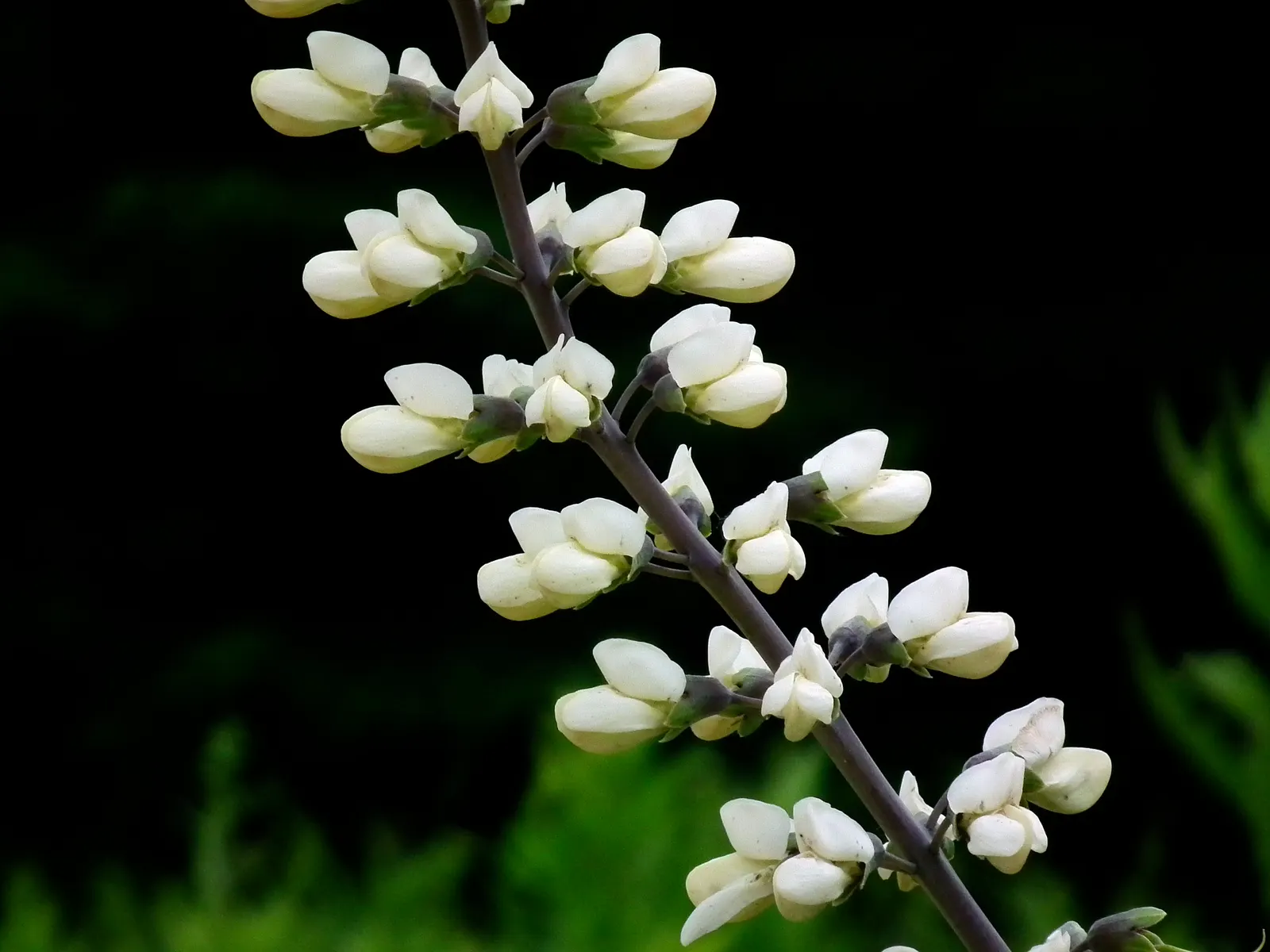
False Indigo (Baptisia australis) is a robust perennial known for its vibrant blue-violet flowers and gray-green foliage. It grows 3-4 feet tall and spreads about 3 feet wide, thriving in full sun to part shade. This low-maintenance native adapts well to dry soils and resists pests and diseases. Its deep root system makes it drought-resistant, and its sturdy, upright form provides excellent structure in garden designs.
Sun Full, HalfWater Low, MediumZones 4–9Type Perennial
Culture
- Sun
- Full, Half
- Water
- Low, Medium
- USDA zones
- 4–9
Shape & size
Classification
- Type
- Perennial
- Family
- Fabaceae
See full data, regional cultivation notes, and design tools. Build a client presentation around this plant.
Start your 14-day trialPhotos (127)
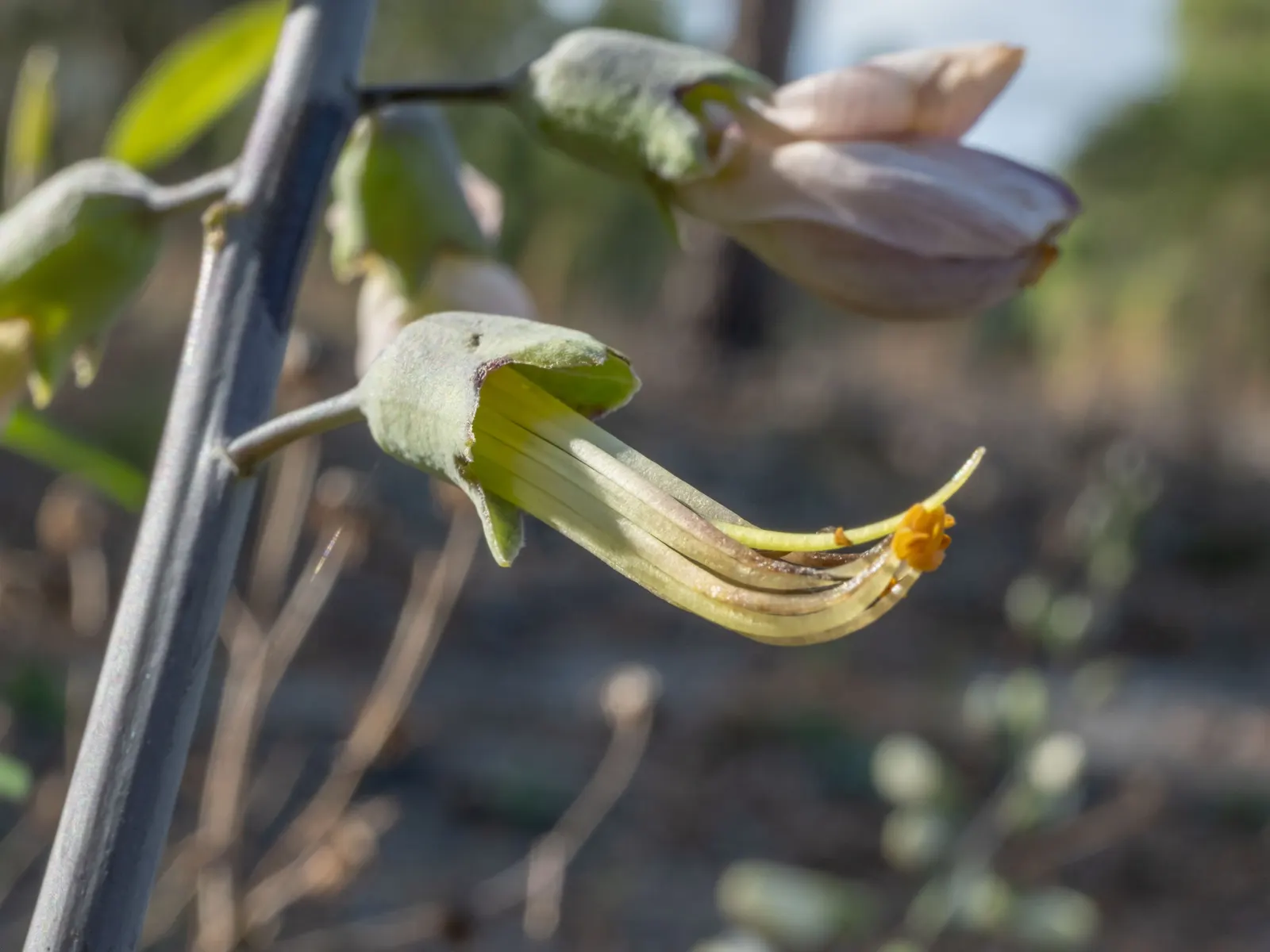
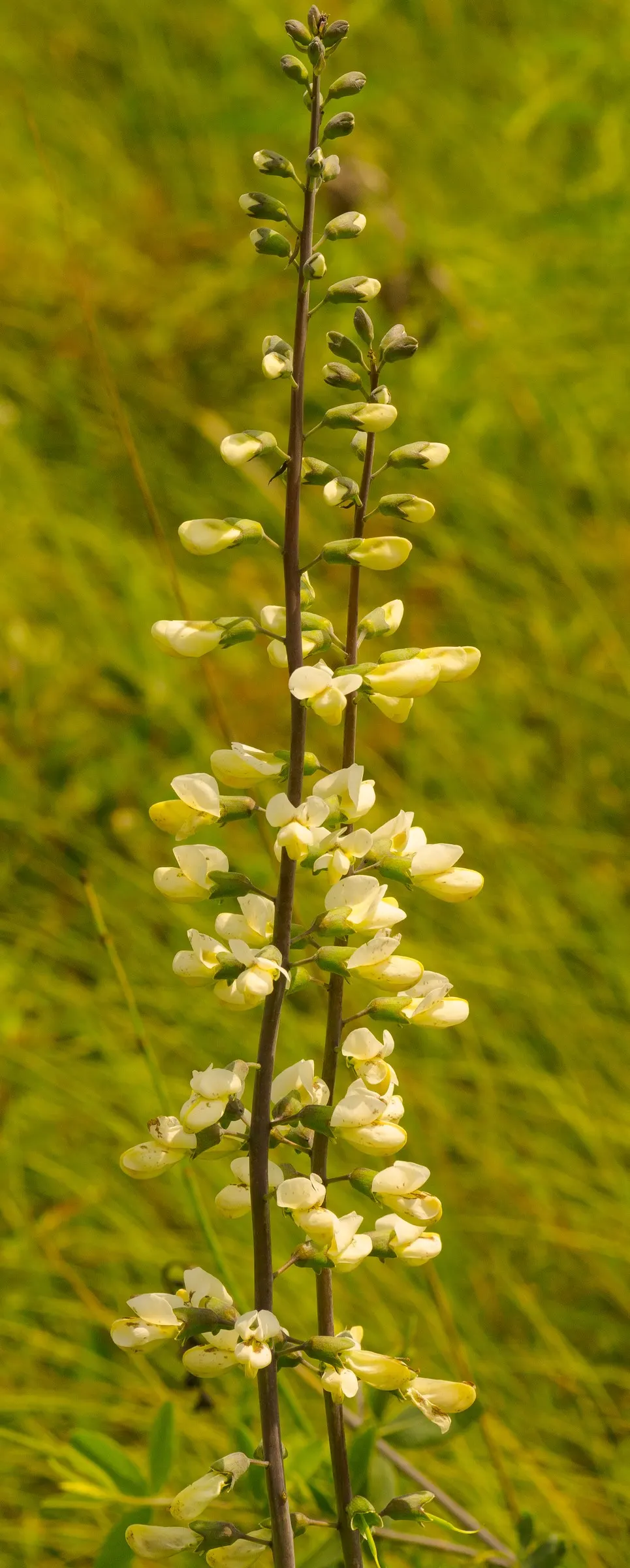
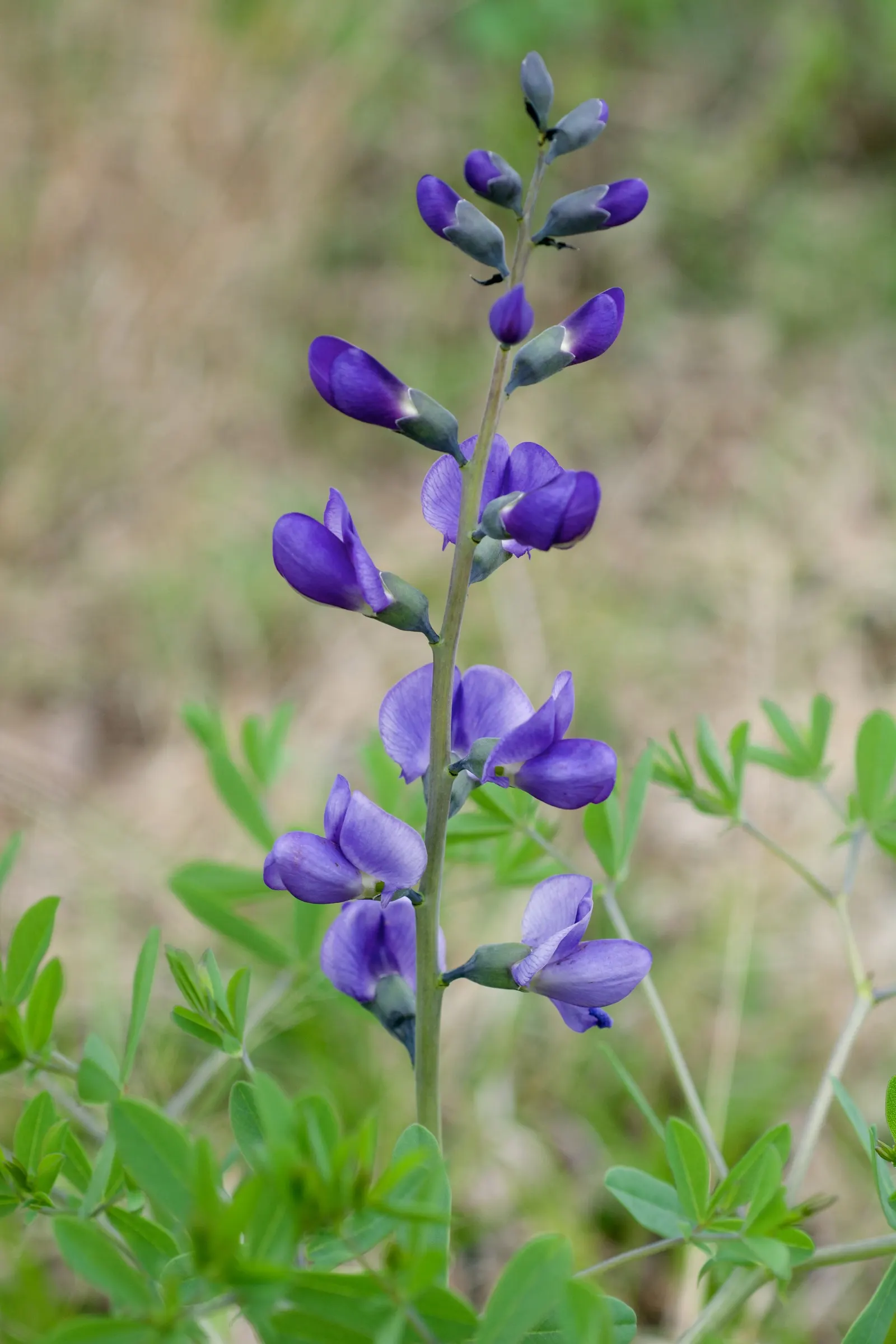
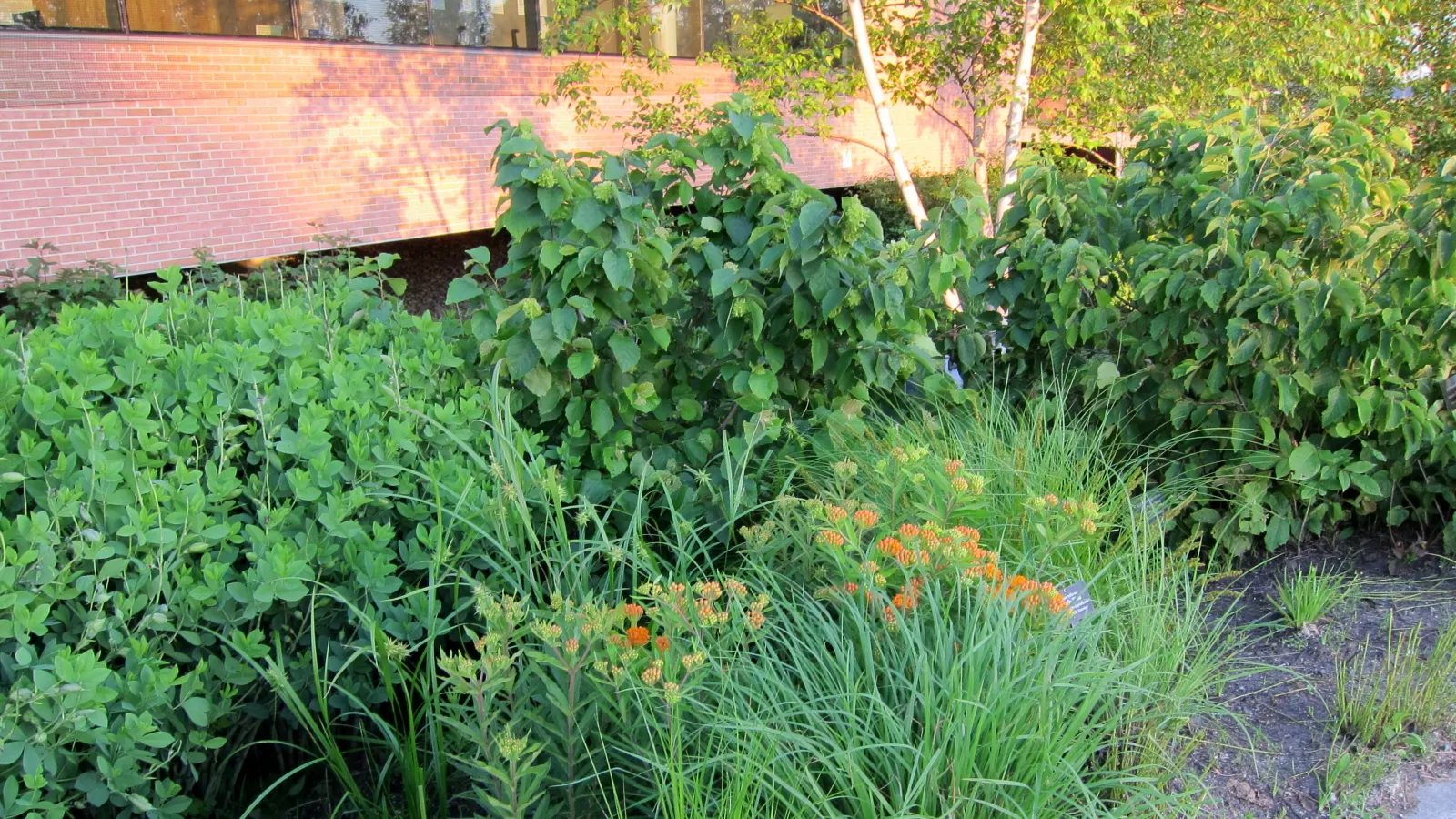
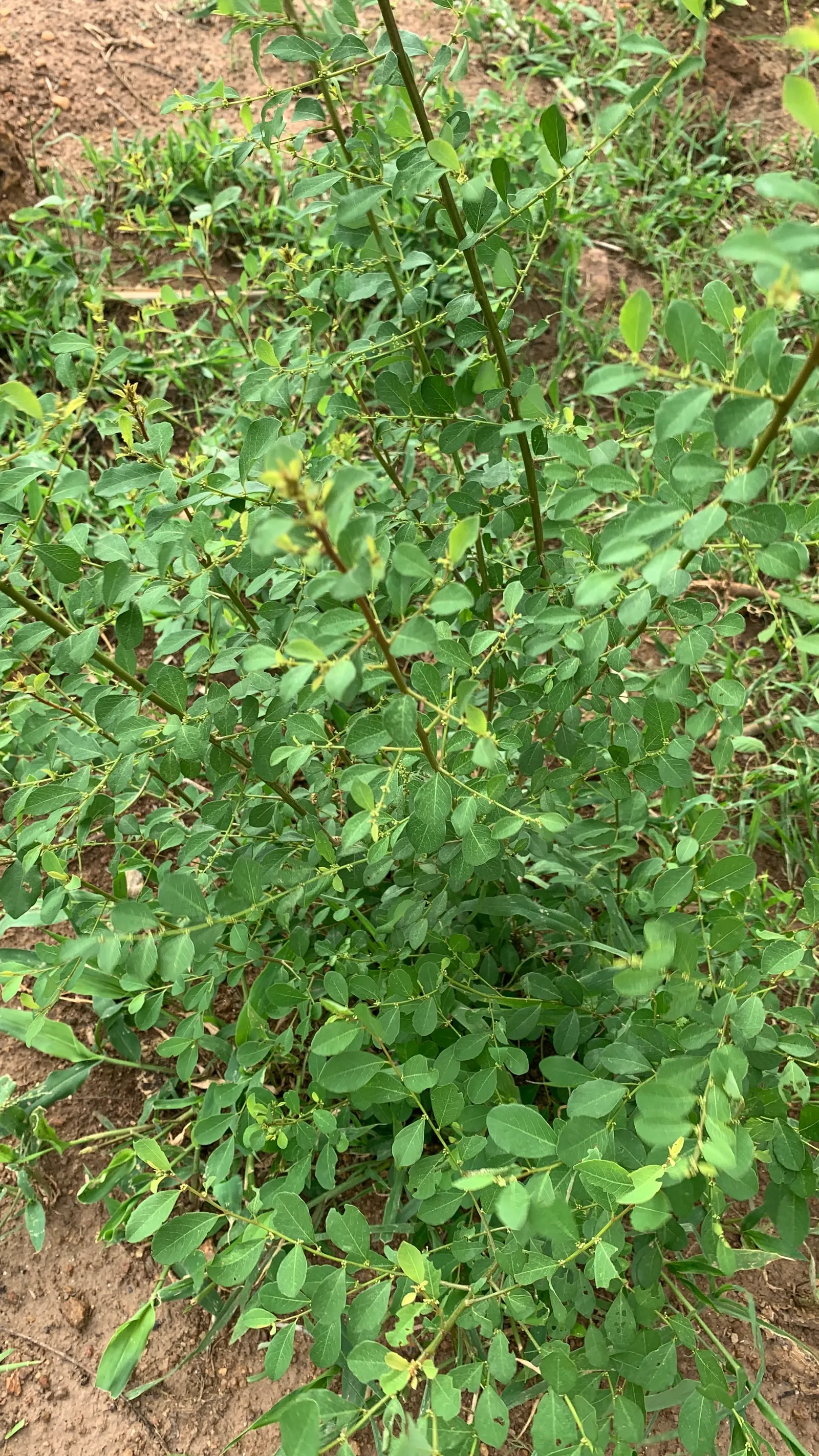
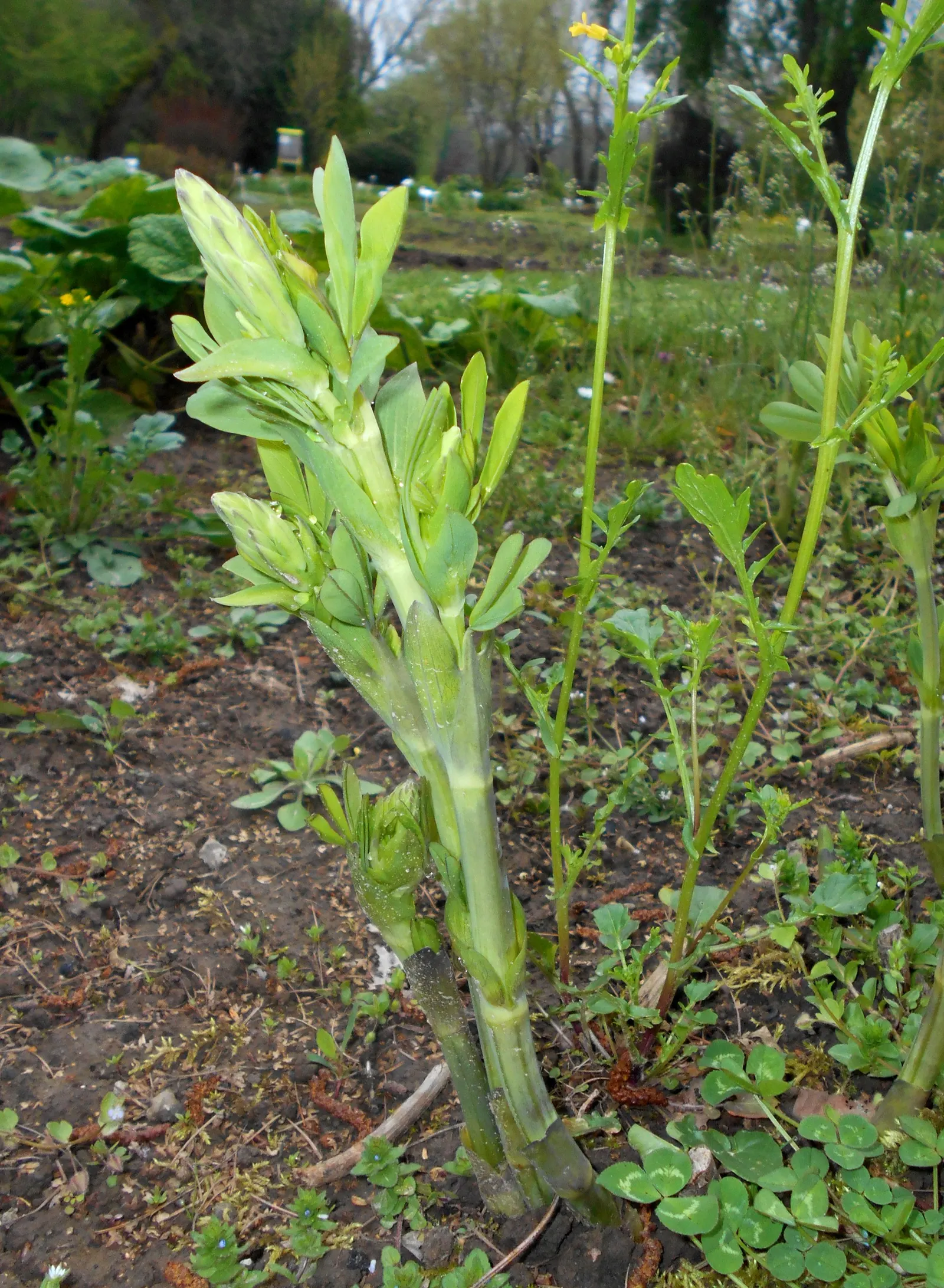
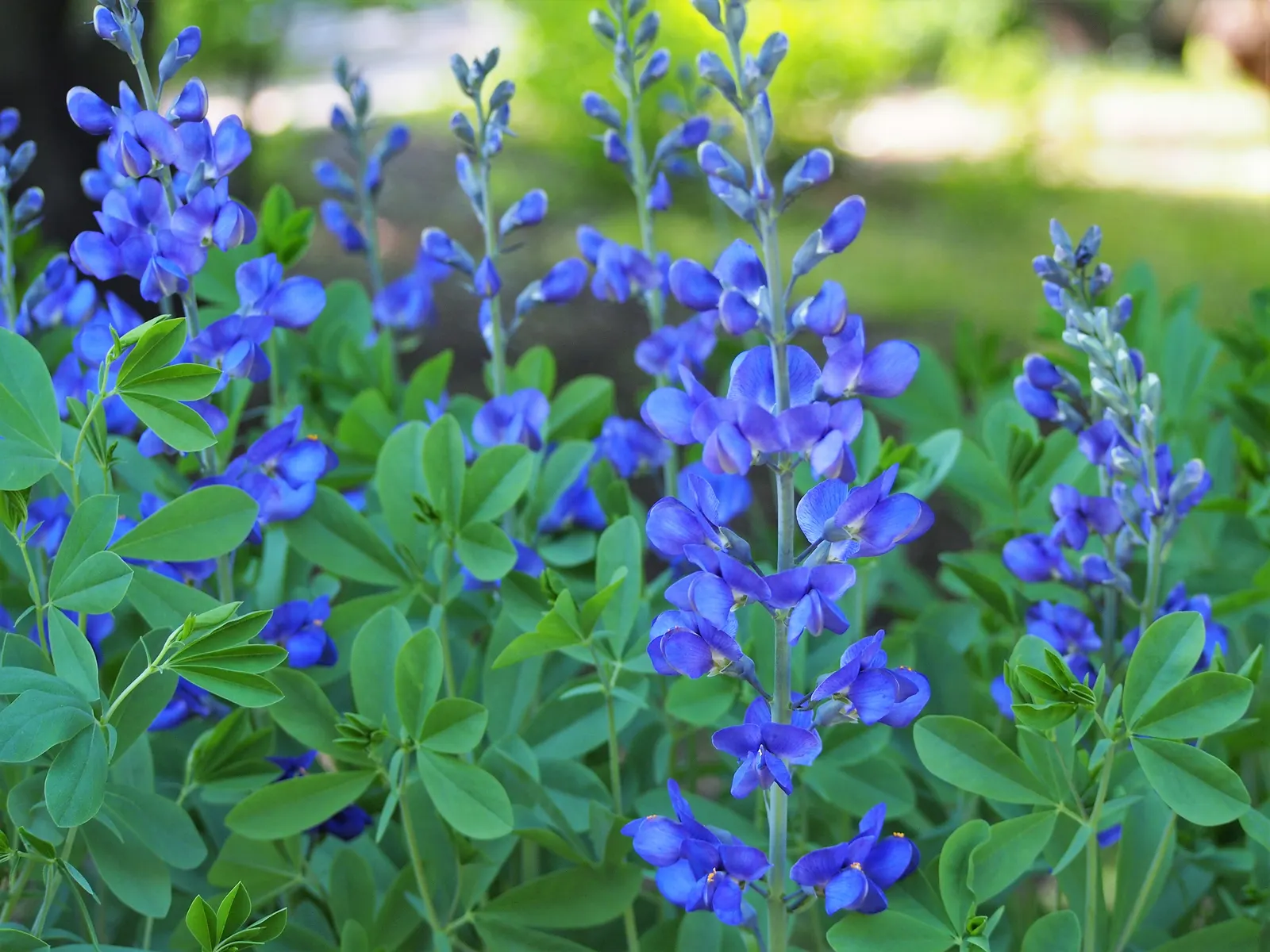
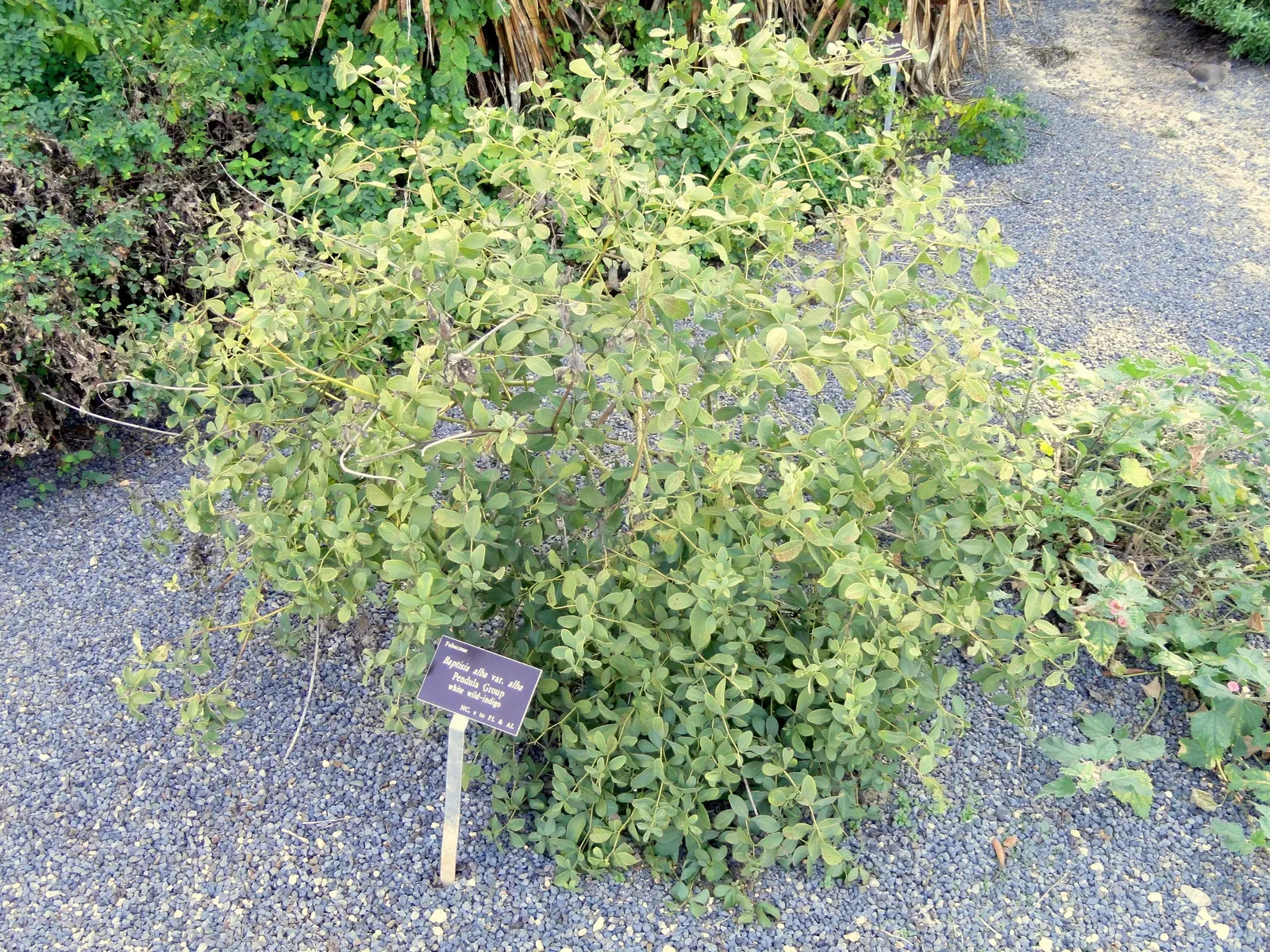
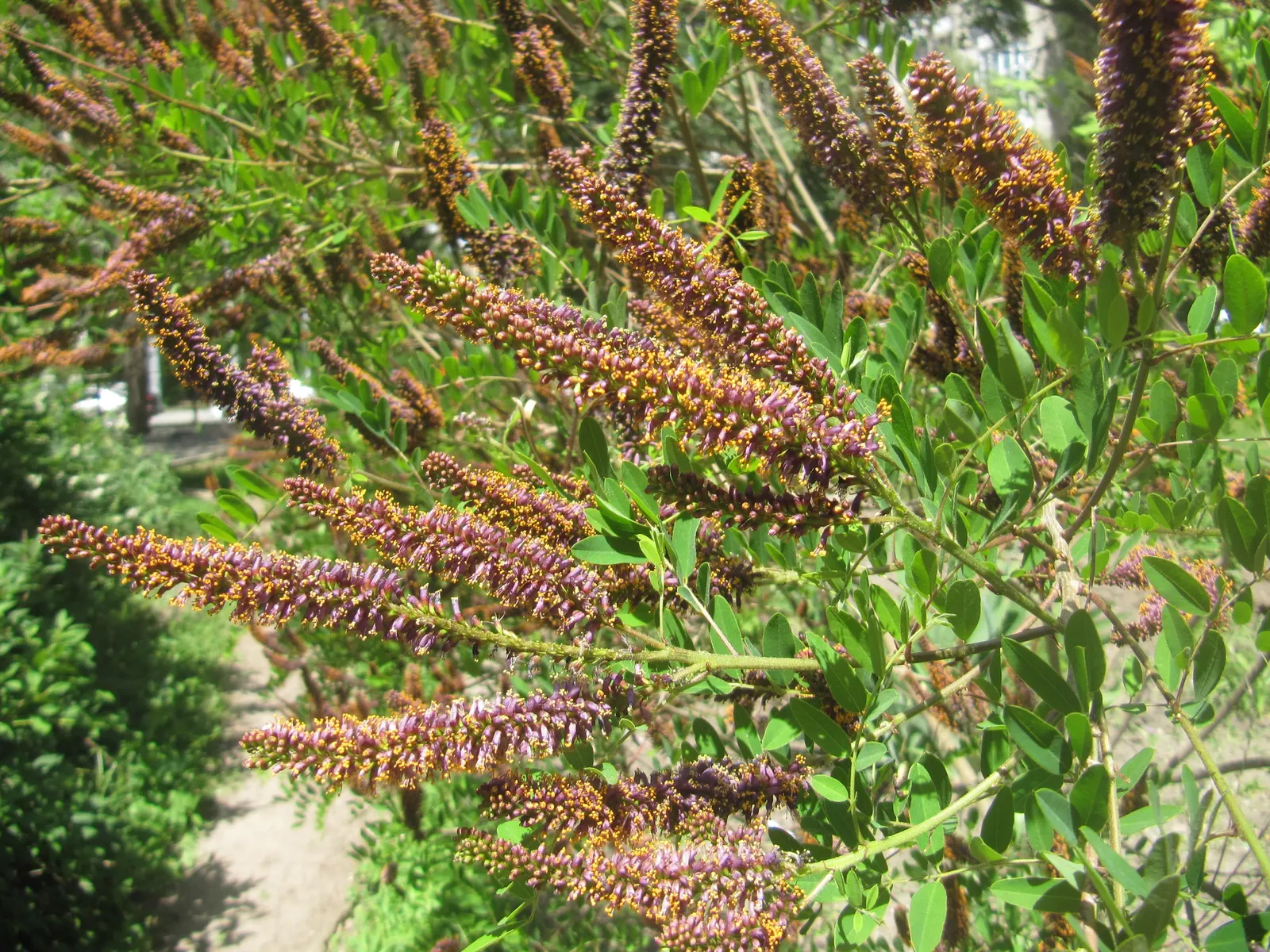
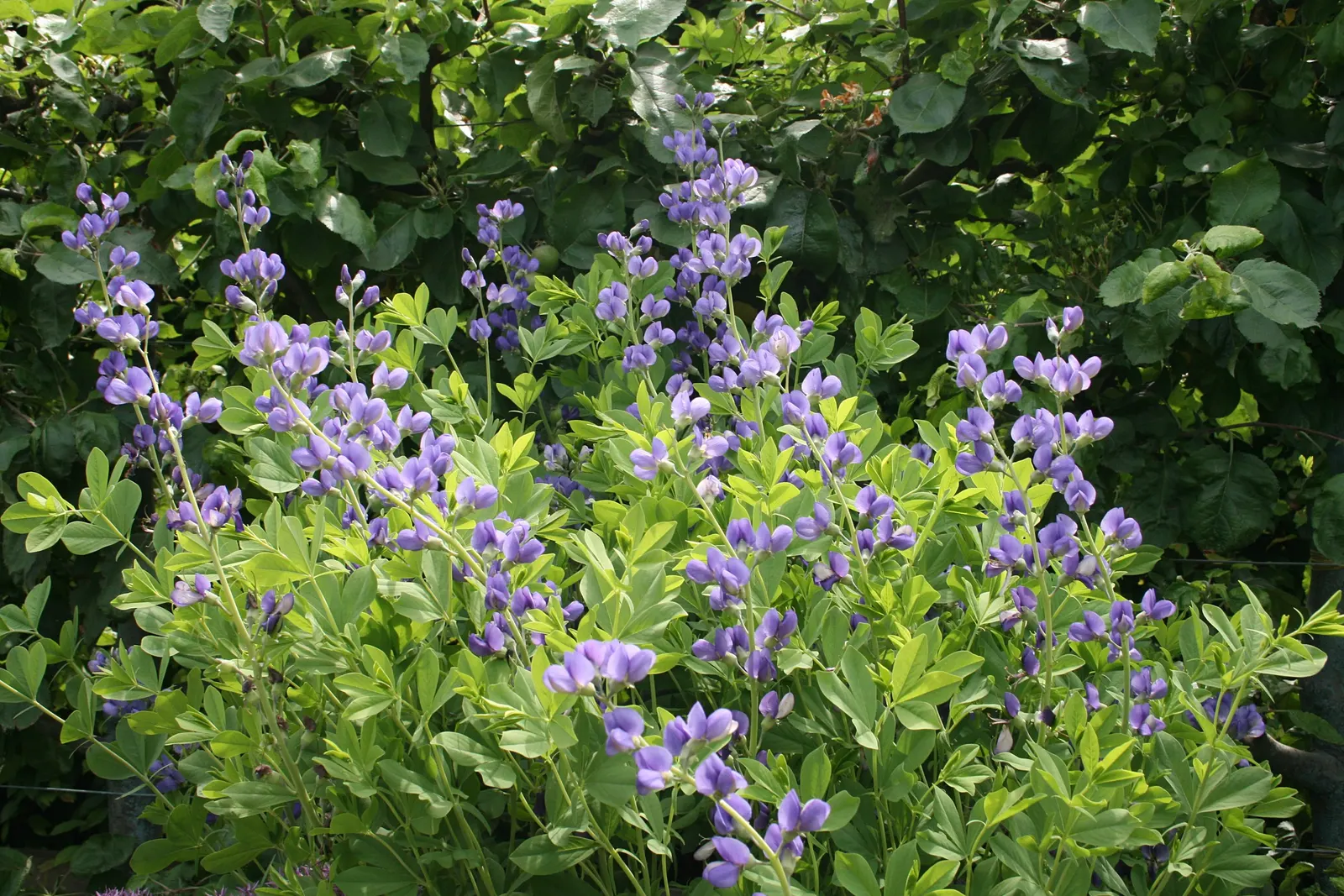
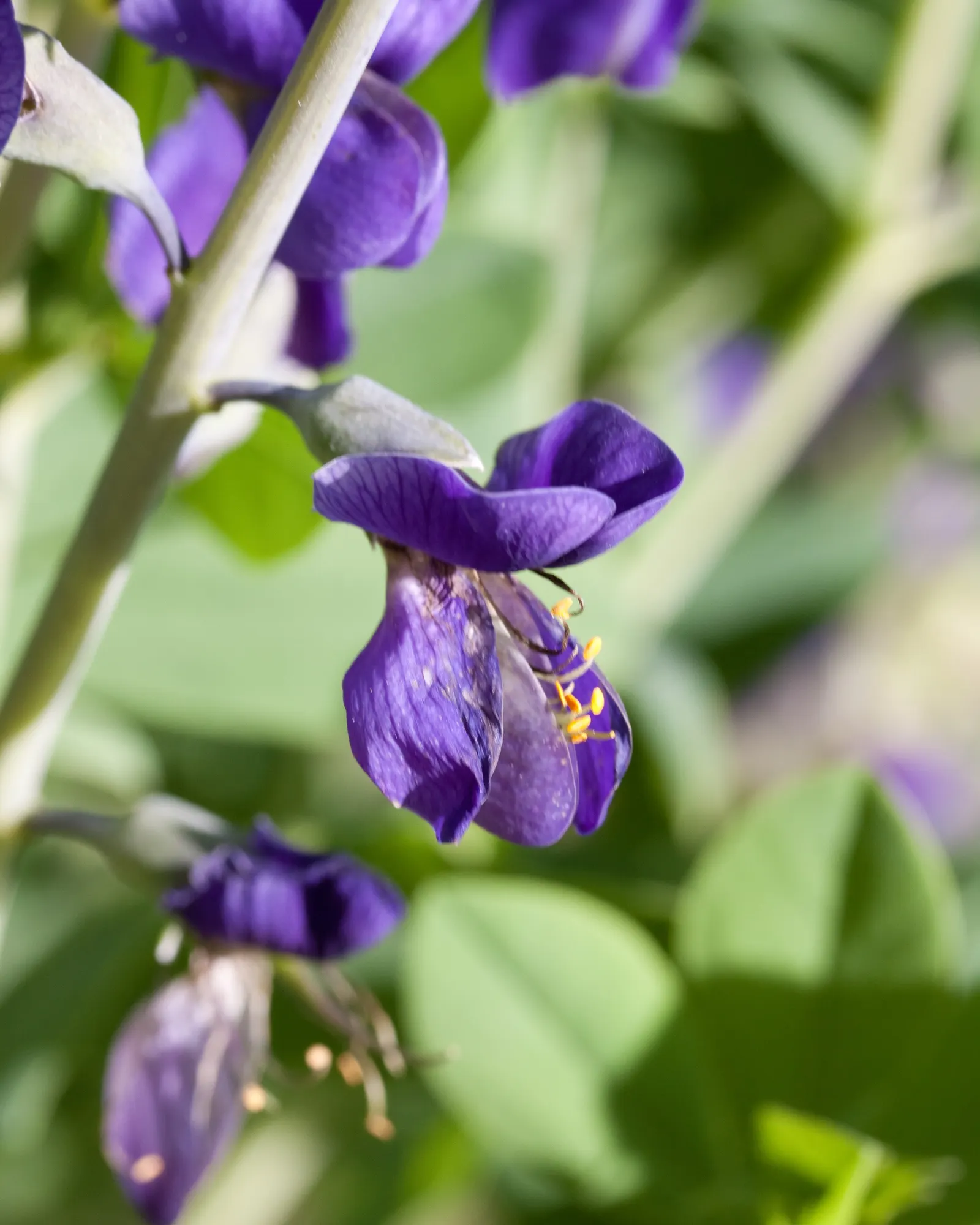
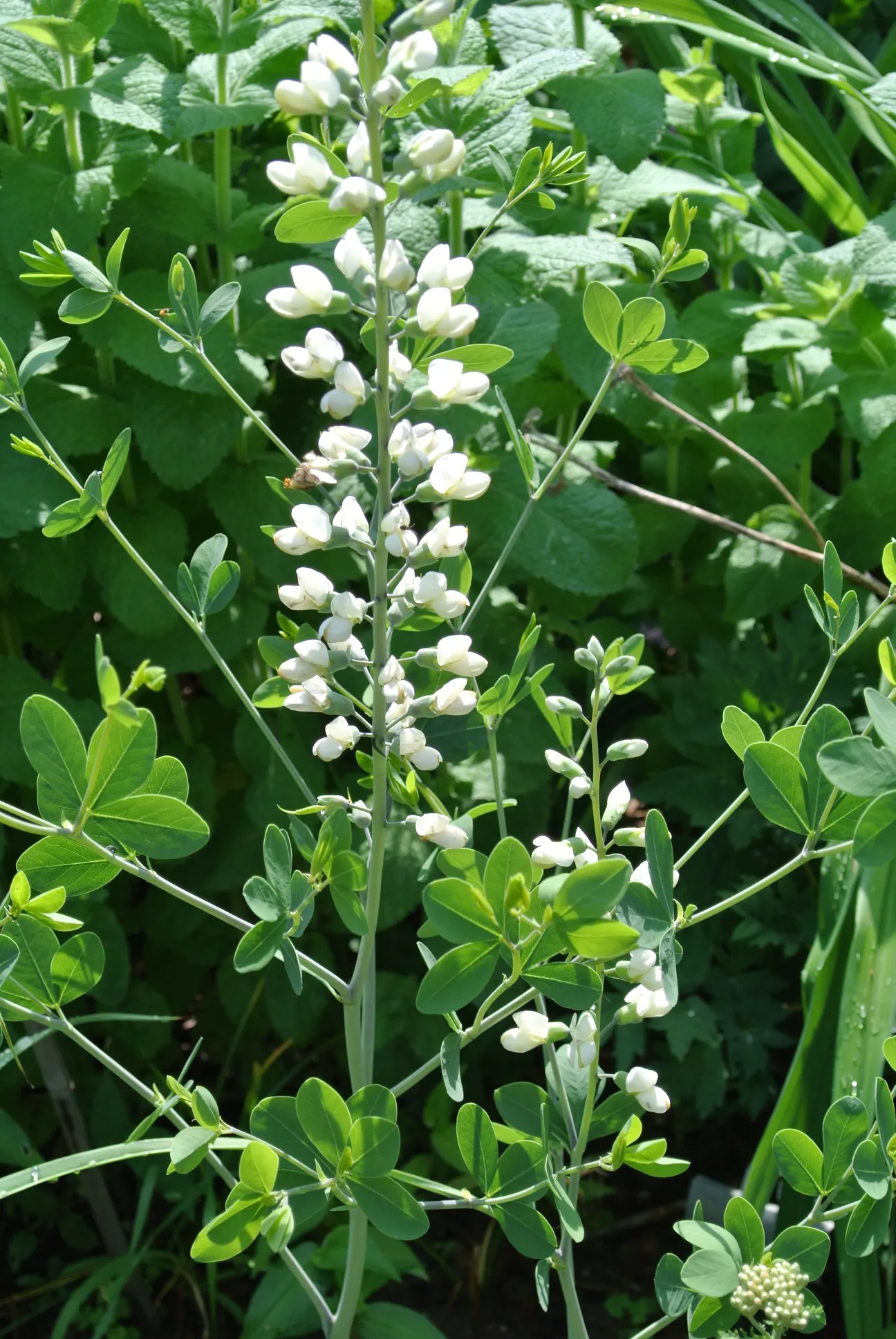
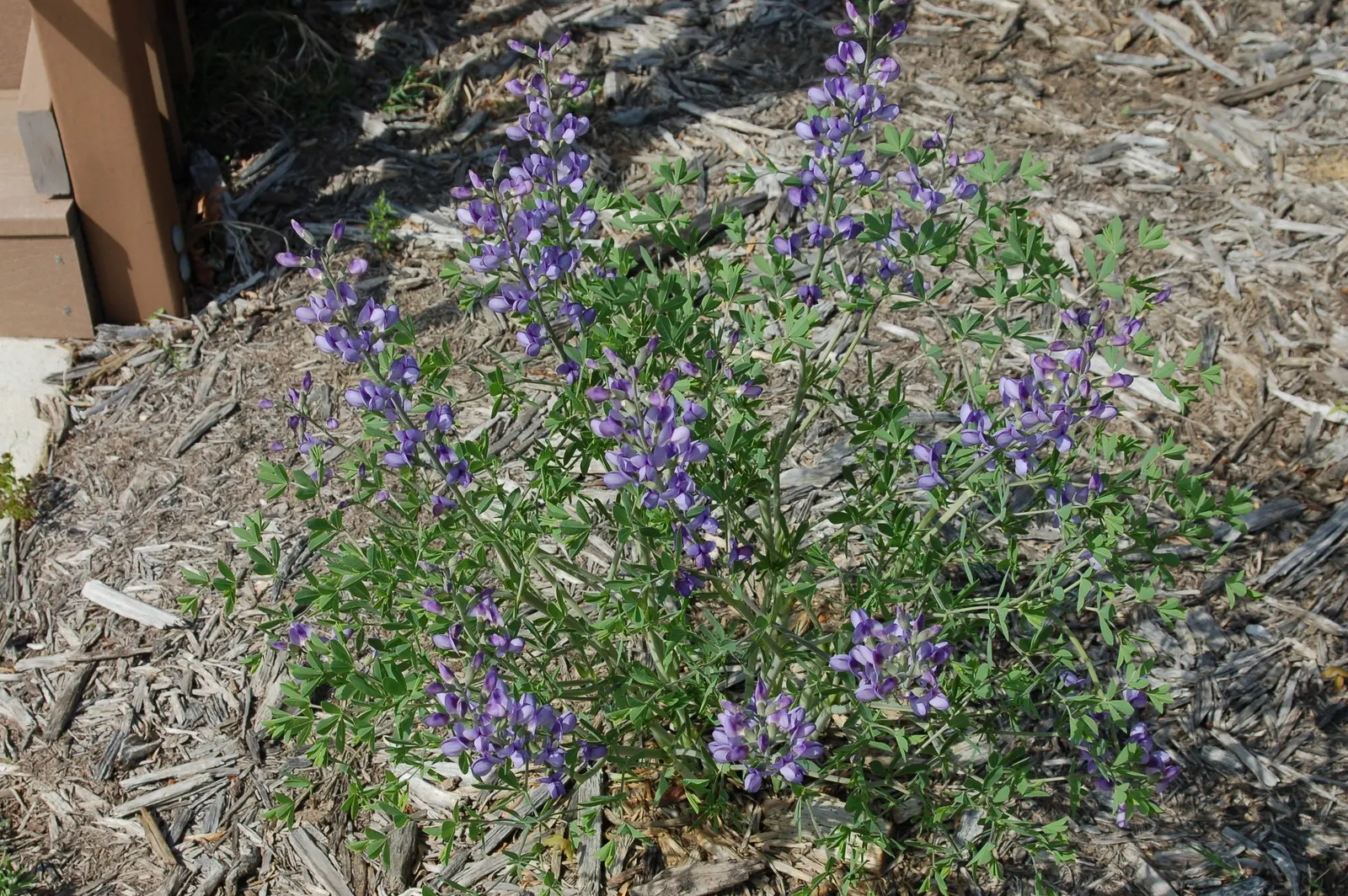
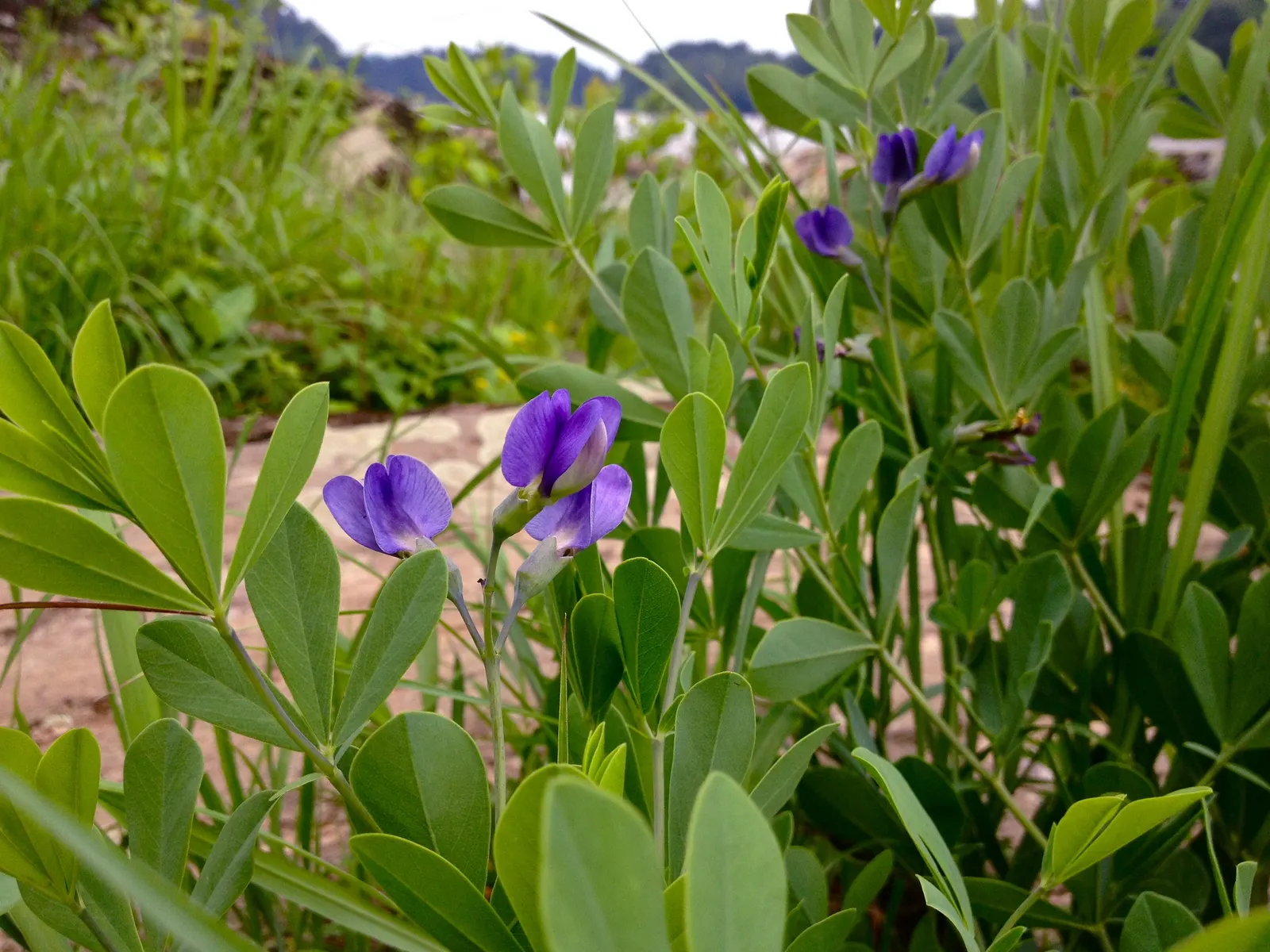
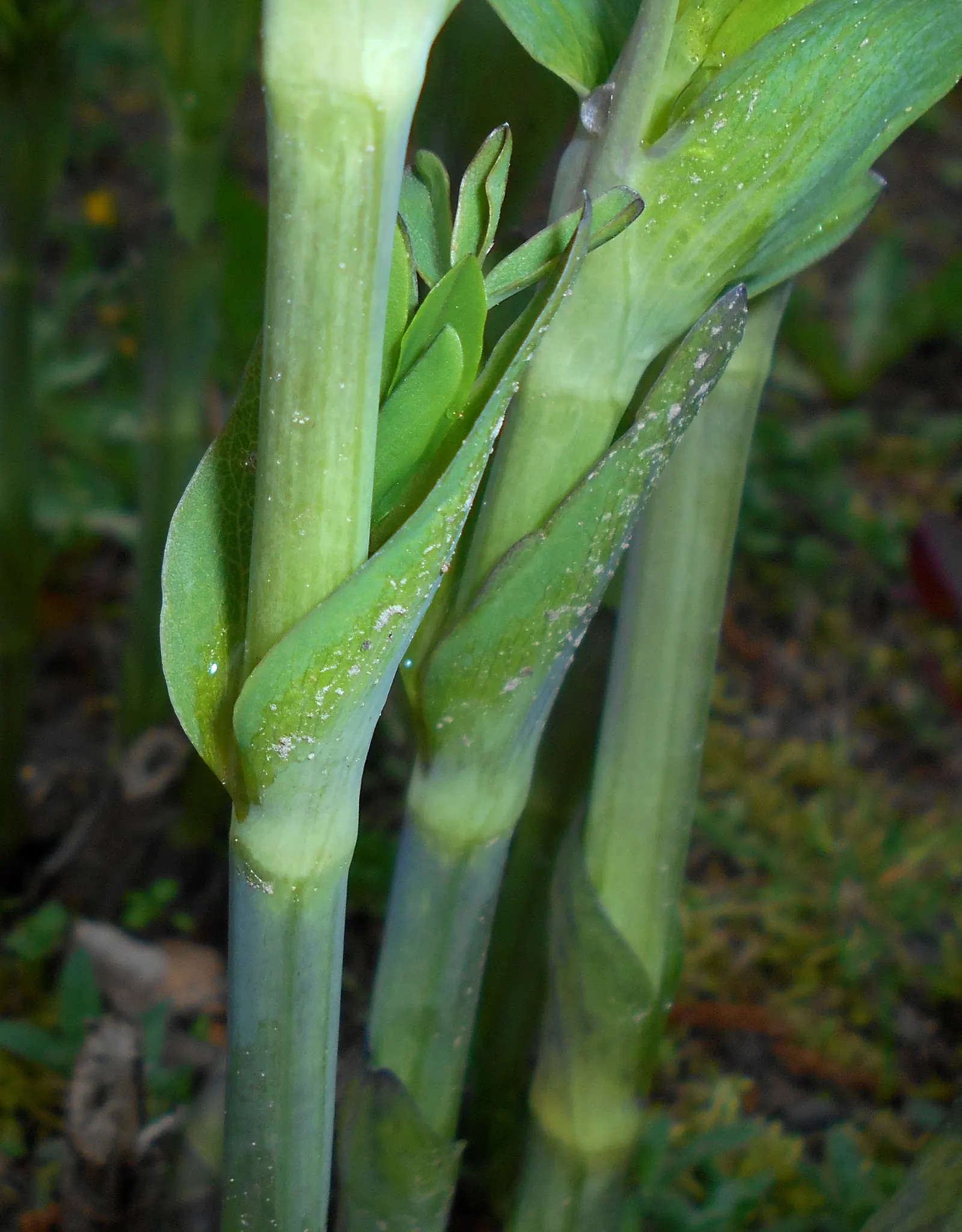
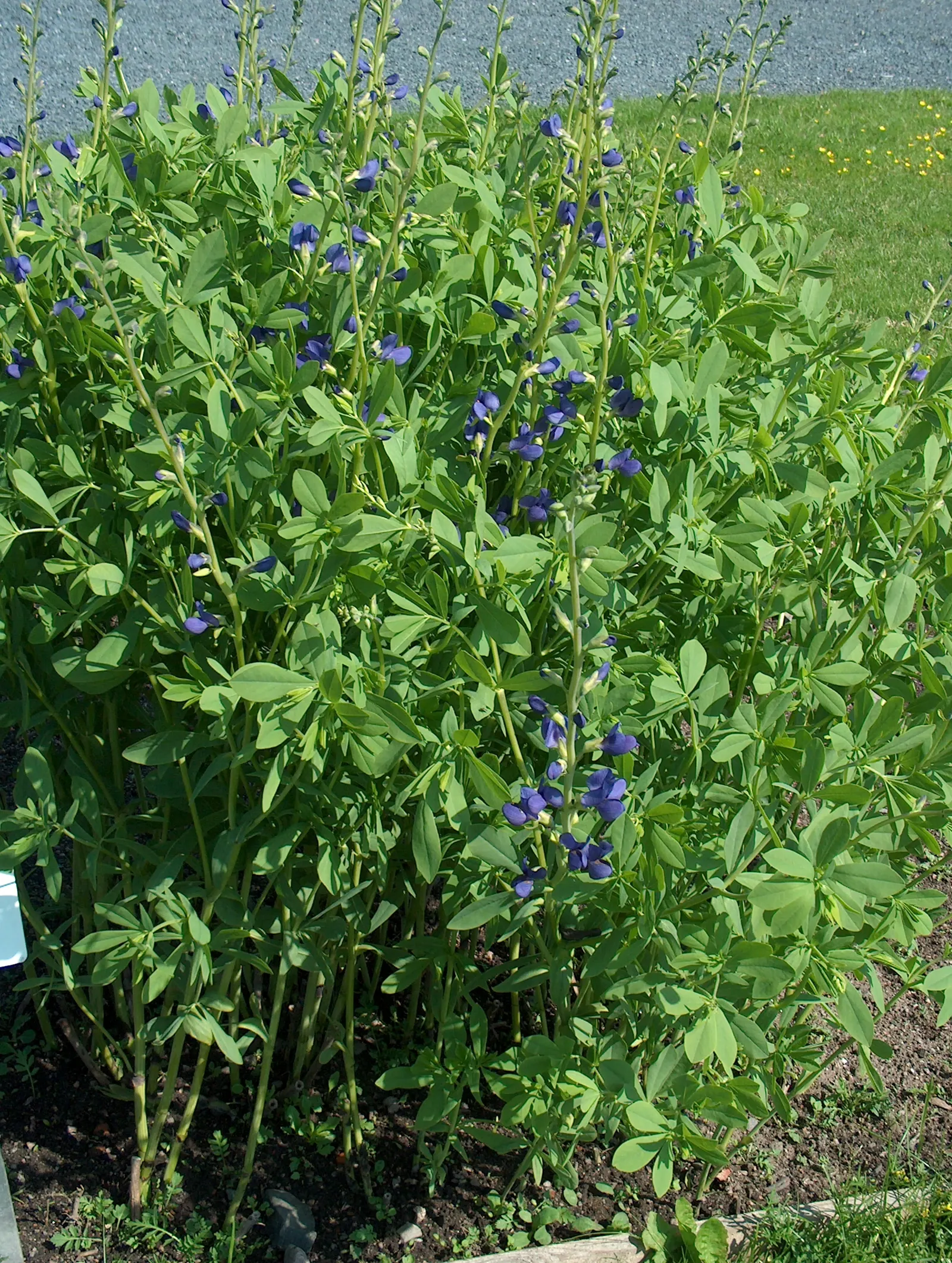
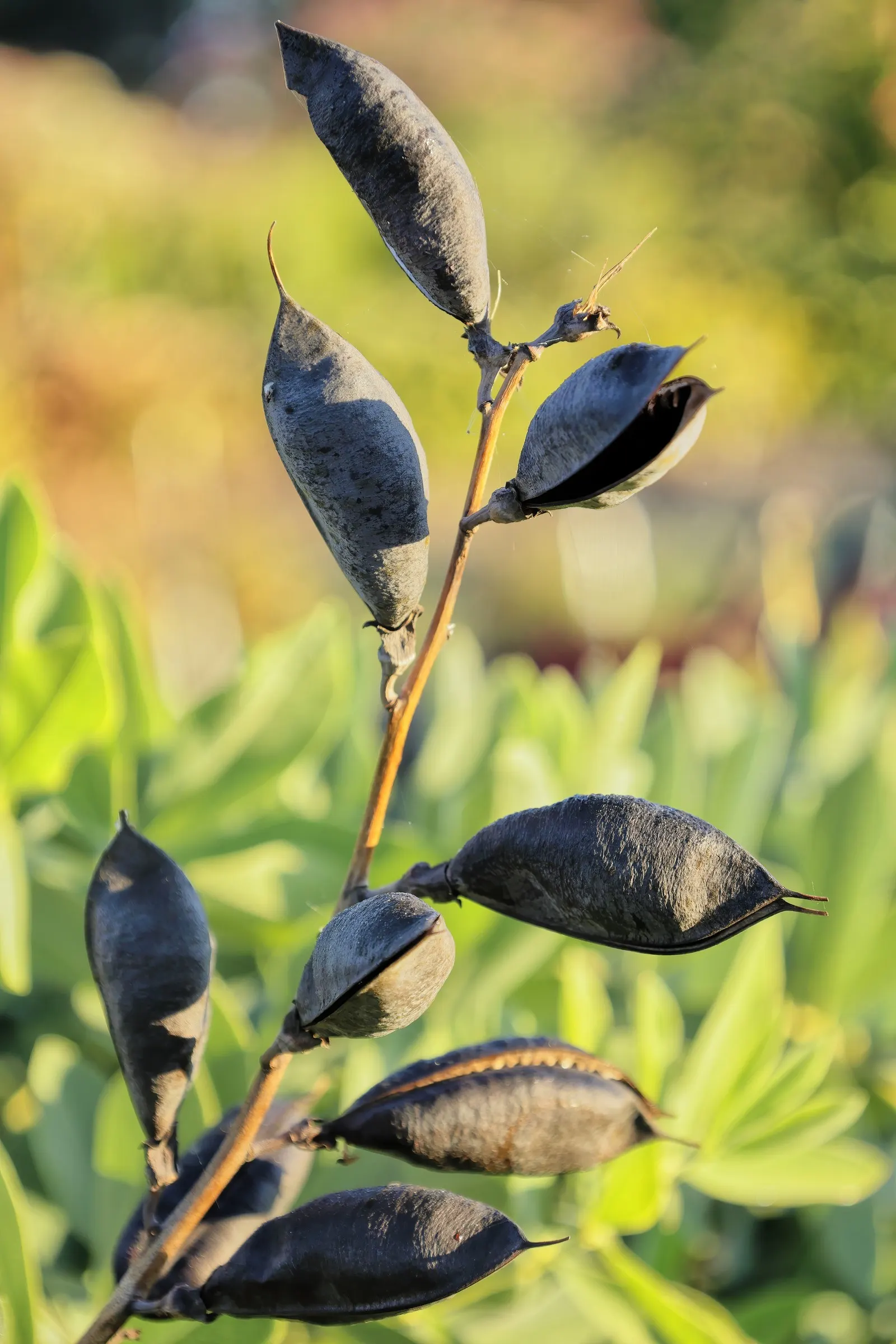
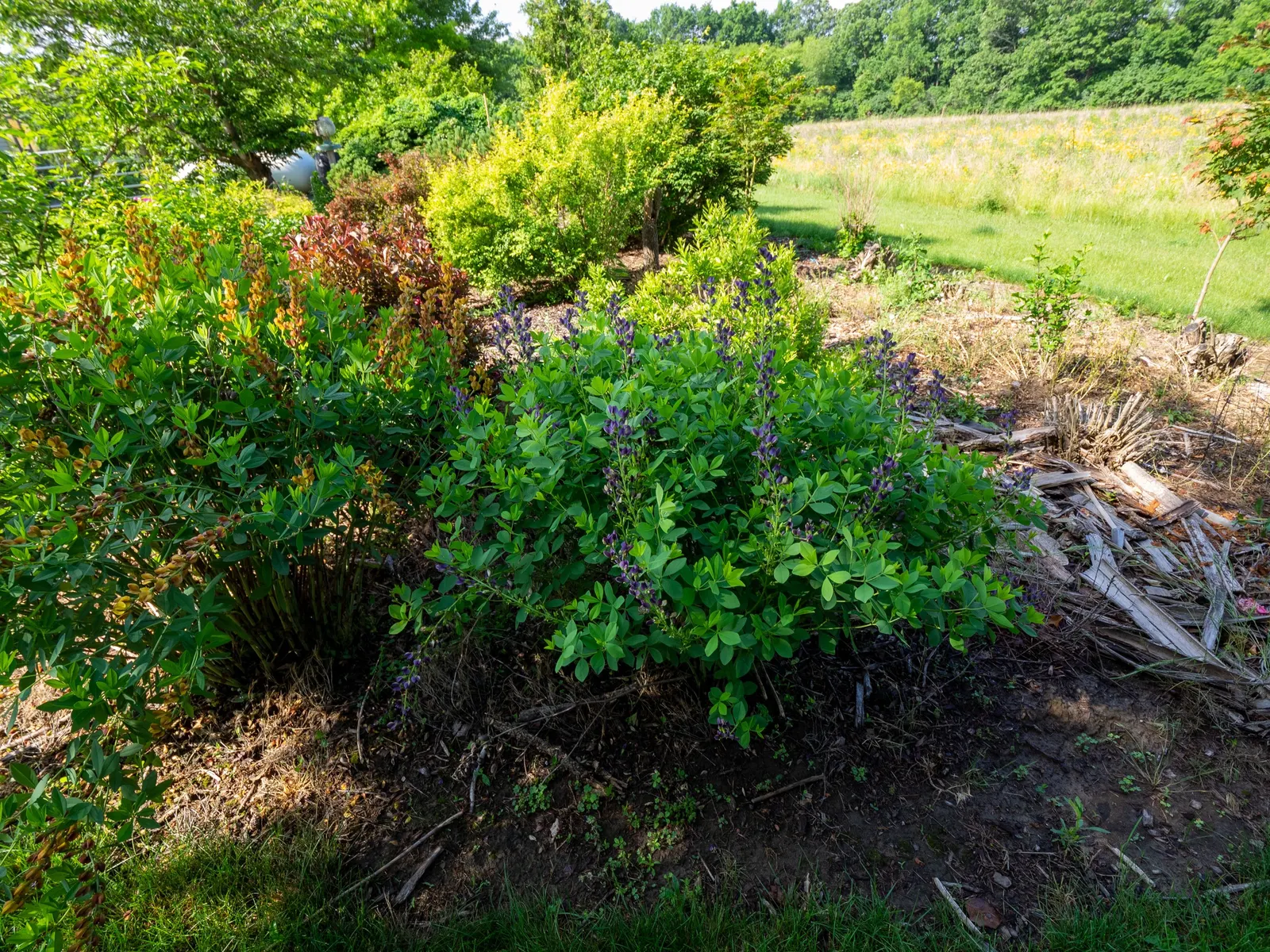
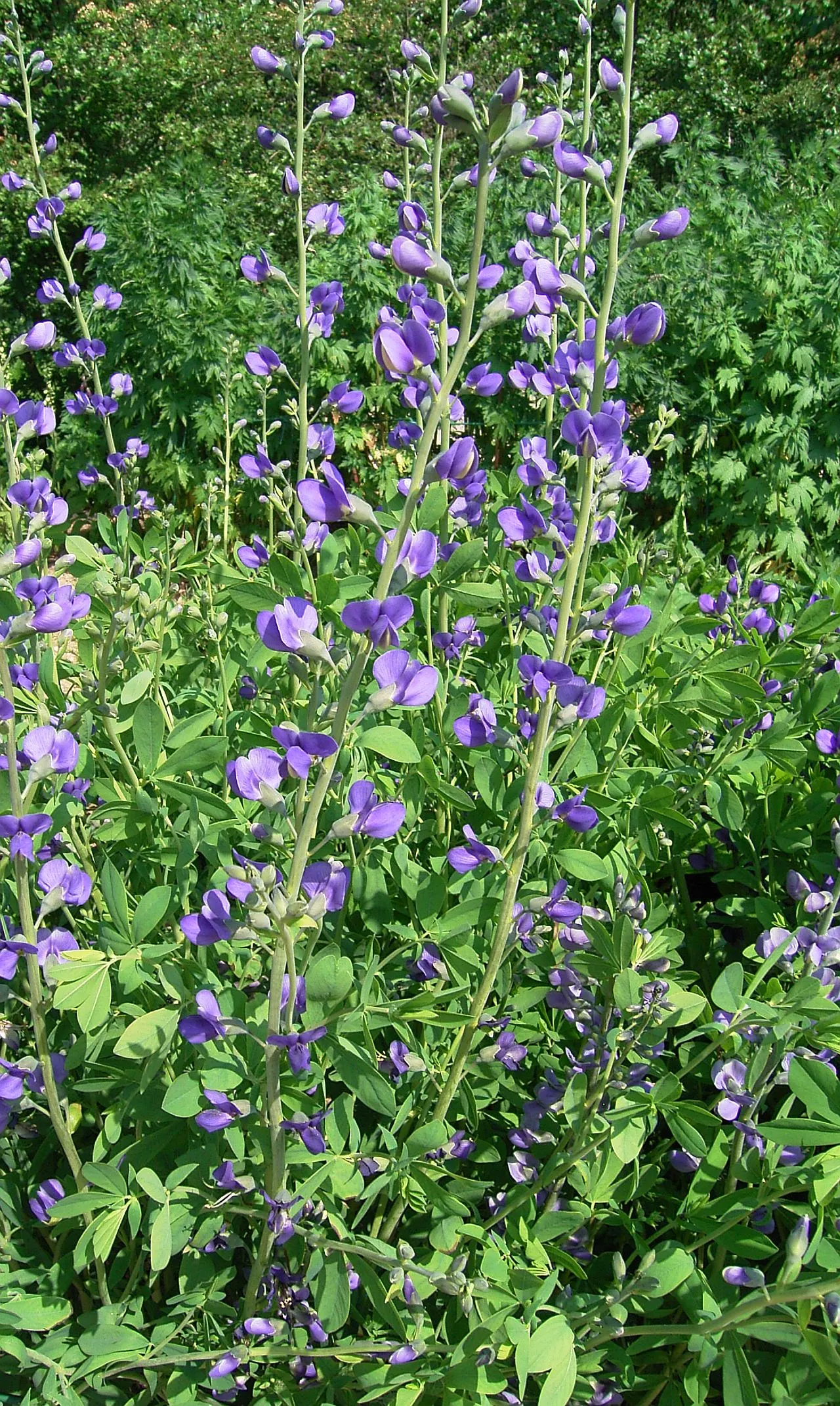
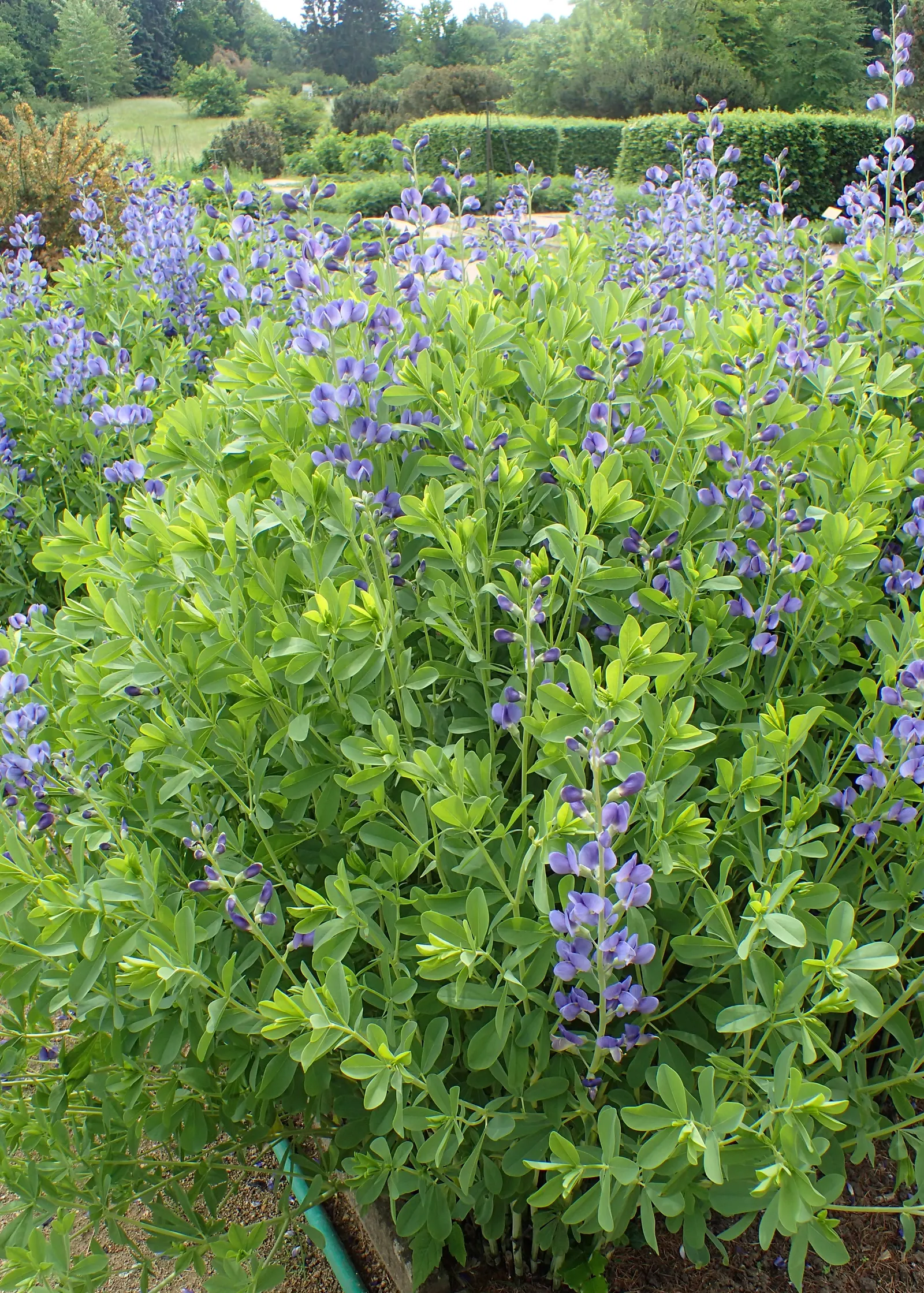
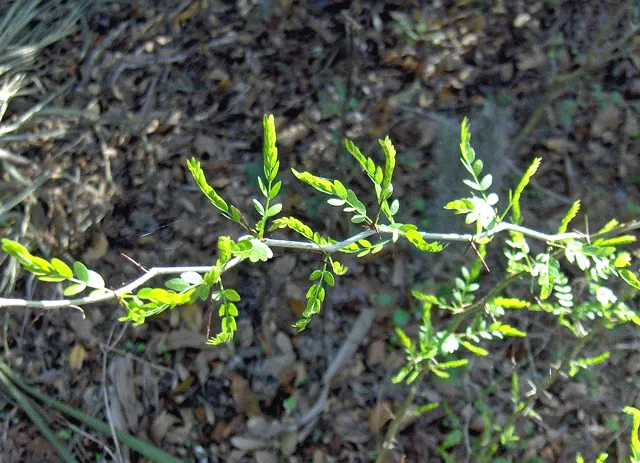
Photographs by 20 contributors
- BlueCanoe, CC BY-SA 3.0 · source
- Josep Gesti, CC BY-SA 4.0 · source
- Sesamehoneytart, CC BY-SA 3.0 · source
- Alex Abair, CC BY 4.0 · source
- Joshua Mayer from Madison, WI, USA, CC BY-SA 2.0 · source
- Eric Hunt, CC BY-SA 4.0 · source
- cultivar413 from Fallbrook, California, CC BY 2.0 · source
- Salicyna, CC BY-SA 4.0 · source
- Agnieszka Kwiecień, Nova, CC BY-SA 4.0 · source
- Jean-Pol GRANDMONT, CC BY-SA 3.0 · source
- Denis.prévôt, CC BY-SA 3.0 · source
- James Steakley, CC BY-SA 3.0 · source
- Virginia State Parks staff, CC BY 2.0 · source
- Fritzflohrreynolds, CC BY-SA 3.0 · source
- Anneli Salo, CC BY-SA 3.0 · source
- Cephas, CC BY-SA 4.0 · source
- F. D. Richards from Clinton, MI, CC BY-SA 2.0 · source
- Density, CC BY 3.0 · source
- Krzysztof Ziarnek, Kenraiz, CC BY-SA 4.0 · source
- Homer Edward Price, CC BY 2.0 · source
Related plants
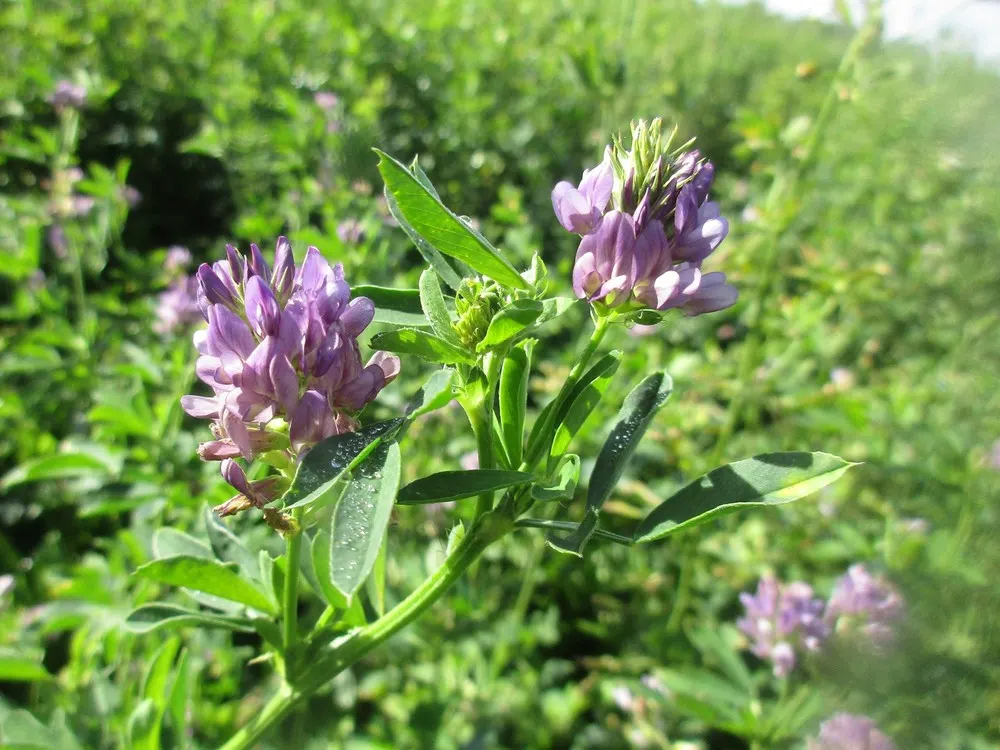
Perennial
Alfalfa
Medicago Sativa
FullUSDA 4–9
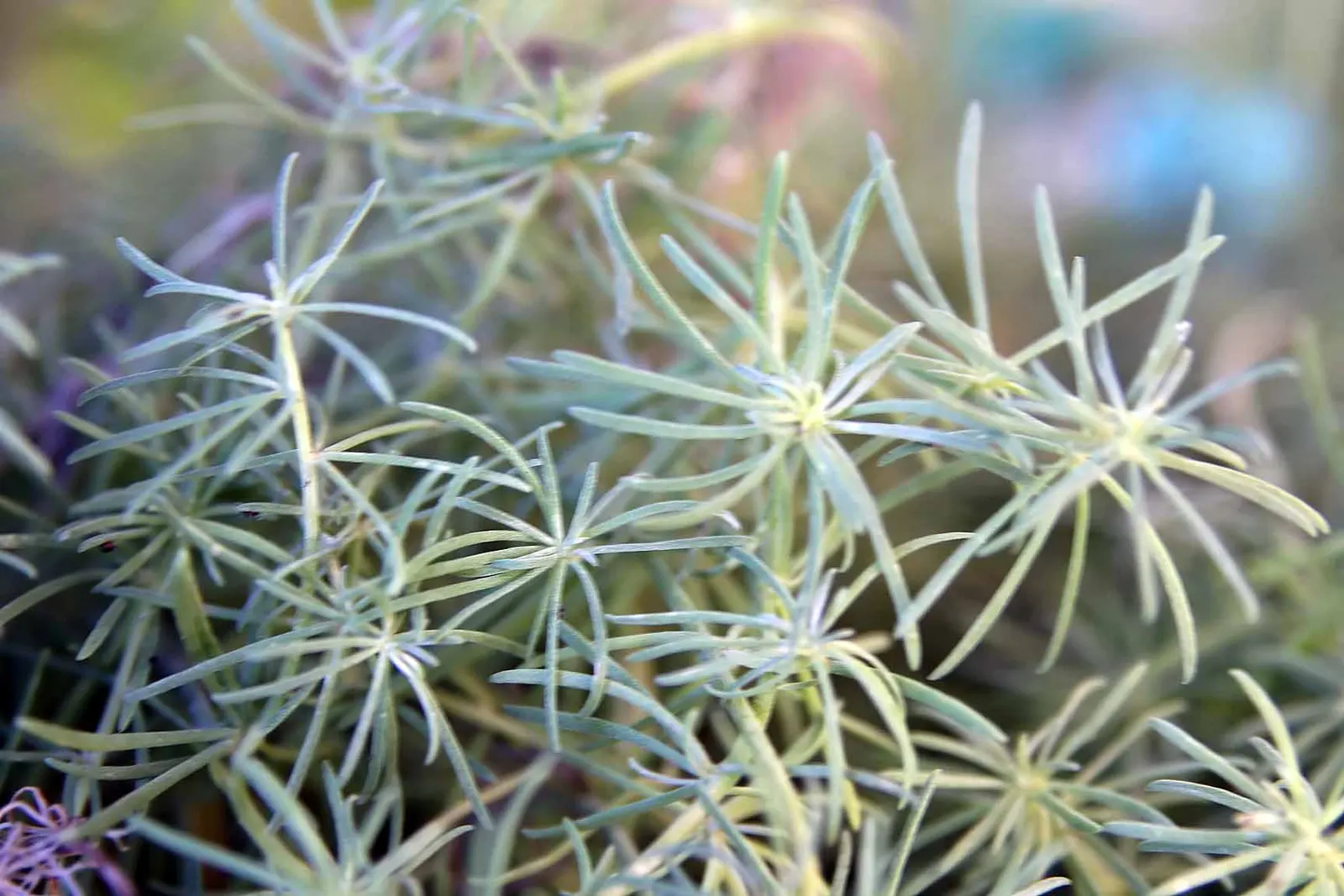
Ground cover
Amazon Sunset Lotus
Lotus Maculatus 'Amazon Sunset'
FullUSDA 10–11
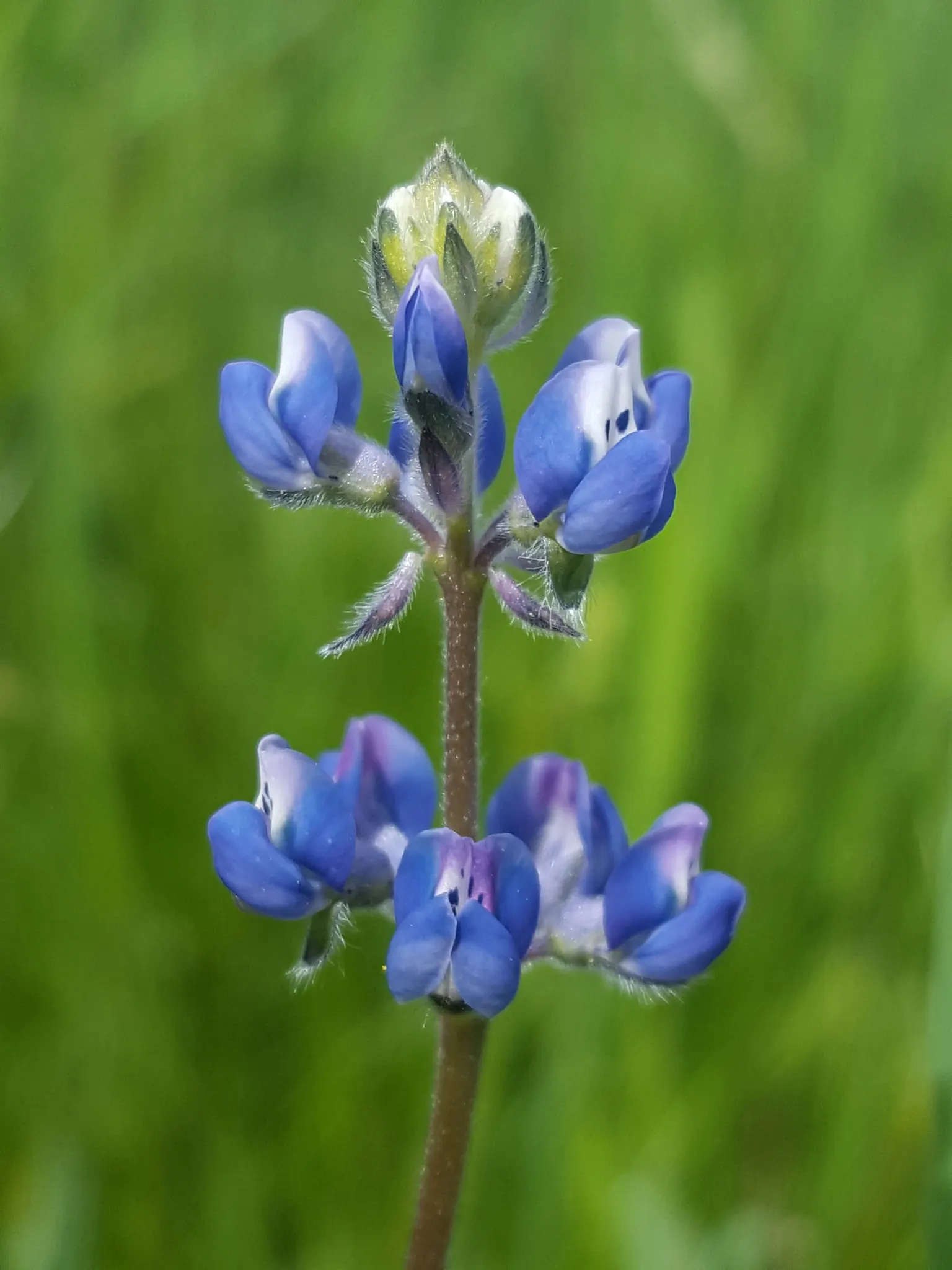
Annual
Annual Lupine, Bicolored Lupine
Lupinus Bicolor
FullUSDA 7–10
Annual
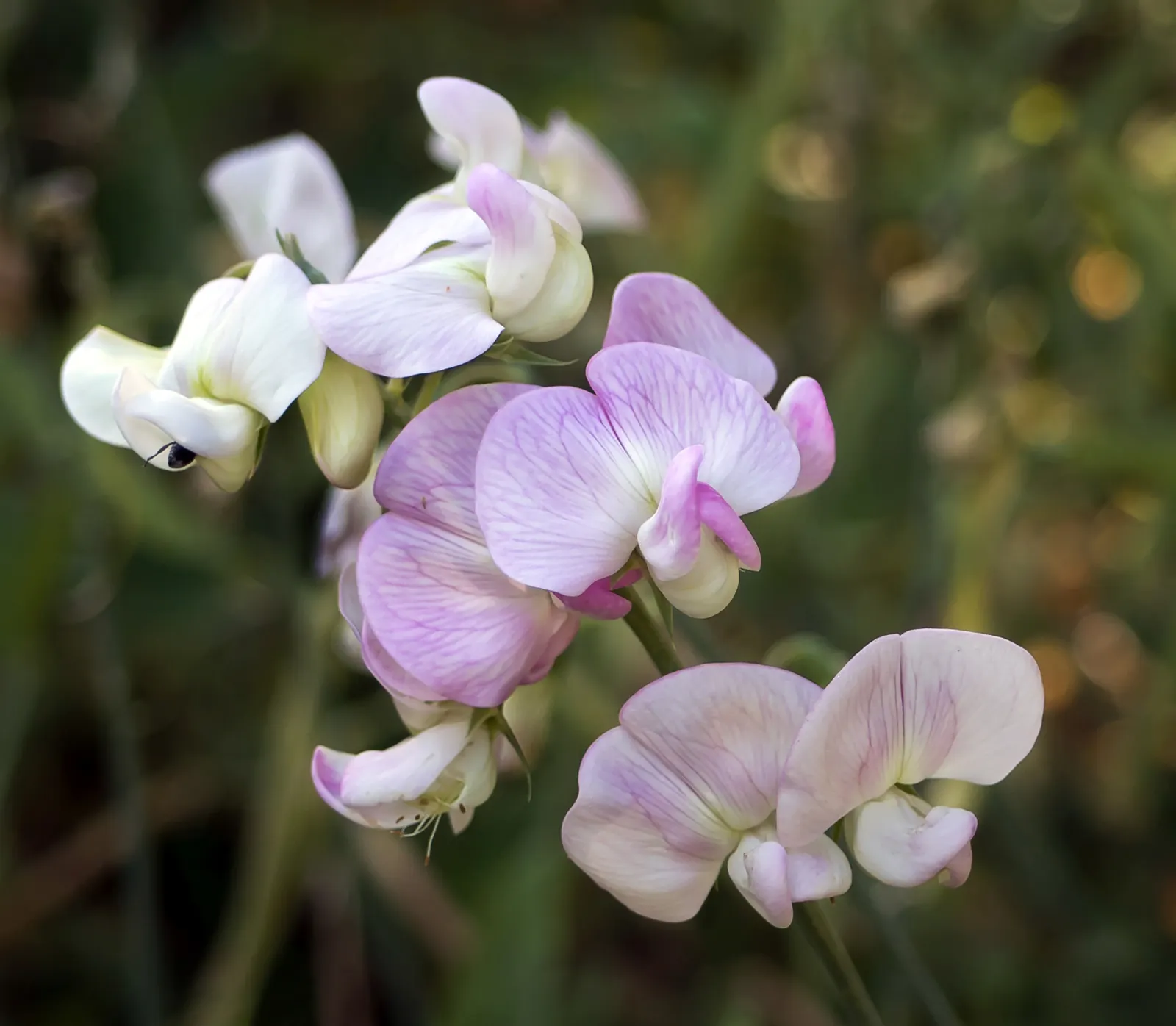
Annual Sweet Pea
Lathyrus Odoratus
FullUSDA 3–10
Tree
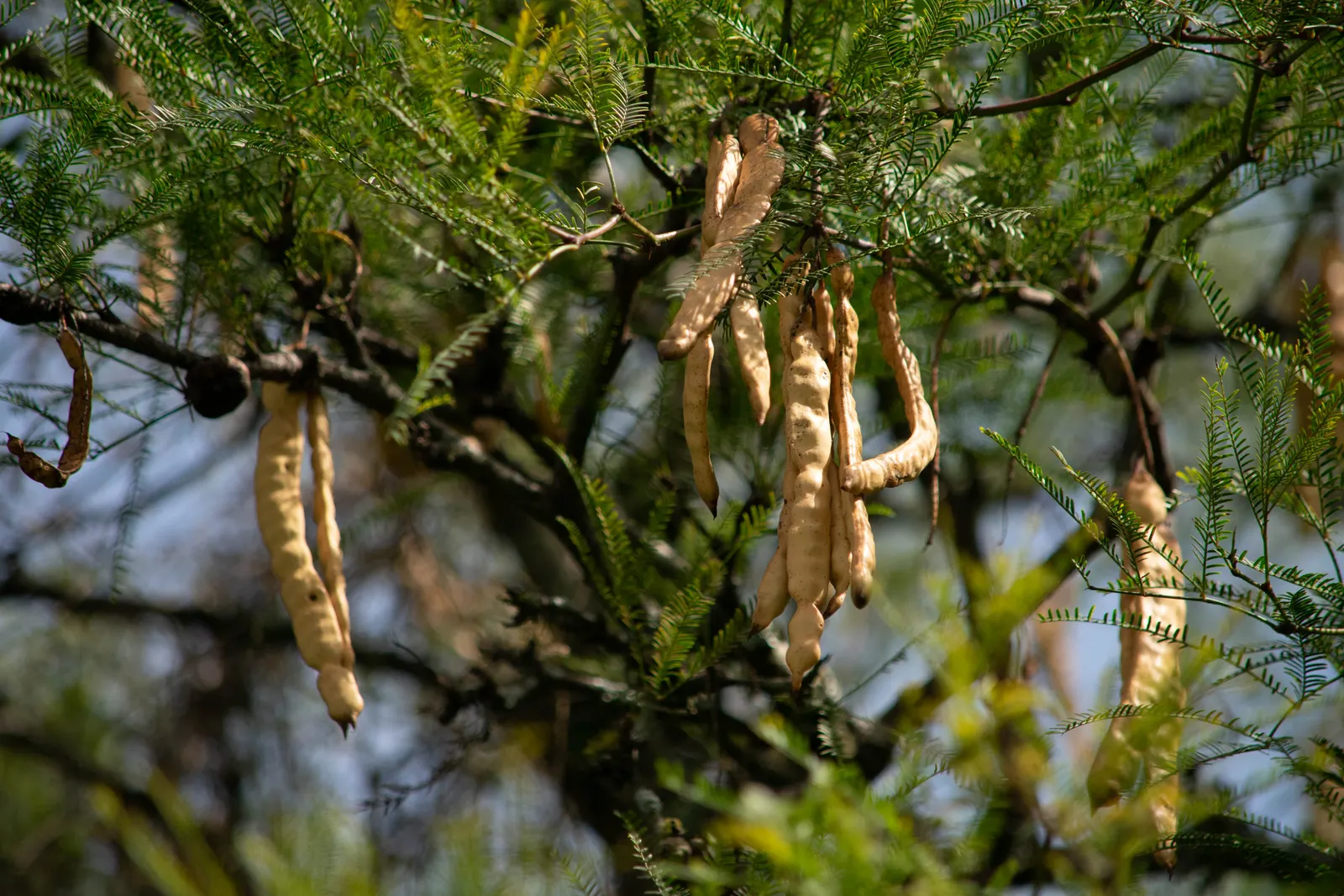
Argentine Mesquite
Prosopis Alba
FullUSDA 8–10
Tree
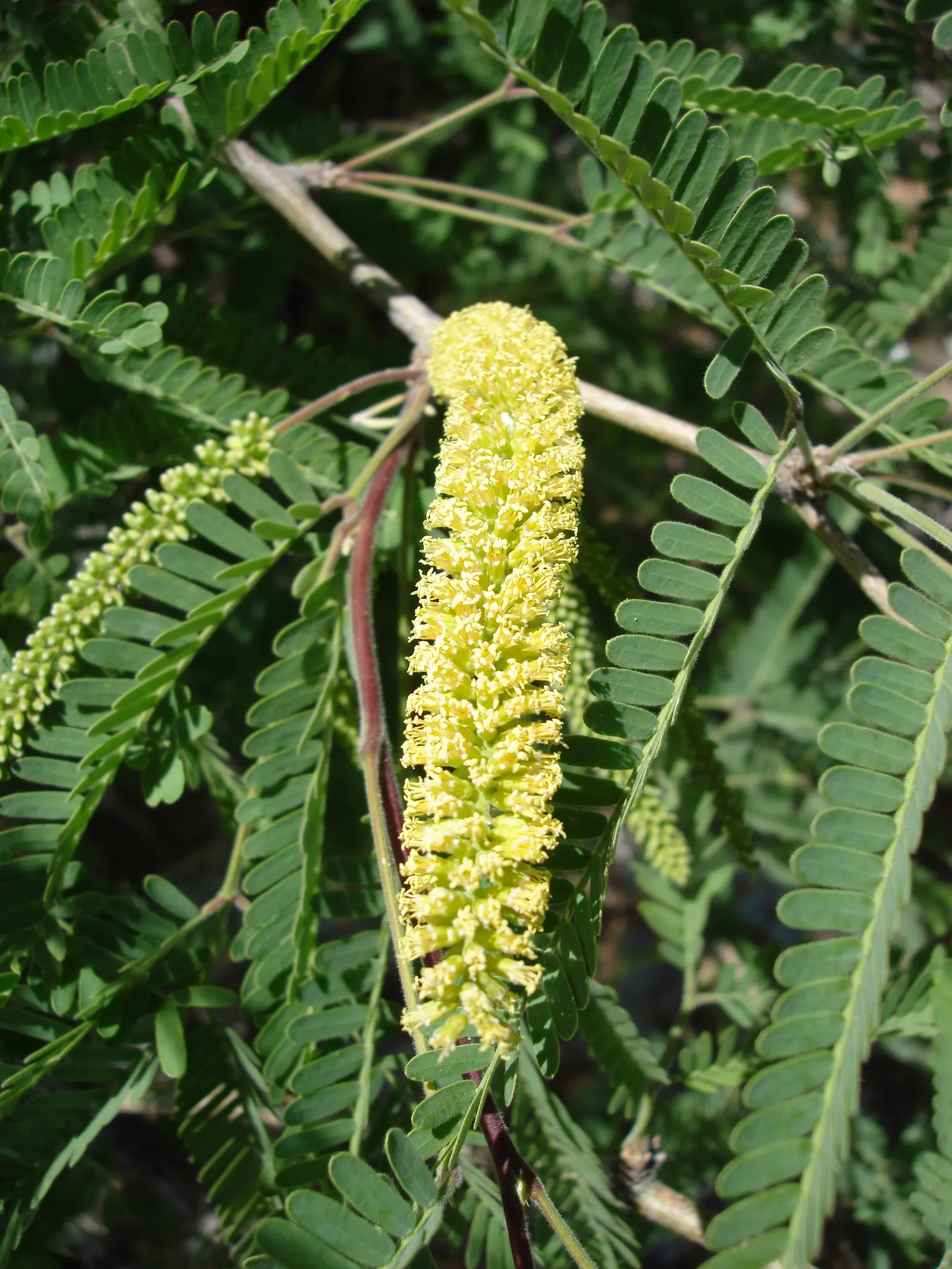
Arizona Velvet Mesquite
Prosopis Velutina
FullUSDA 9–10