Skip to content

Pawpaw

Asimina Triloba

Design with this plant

Overview

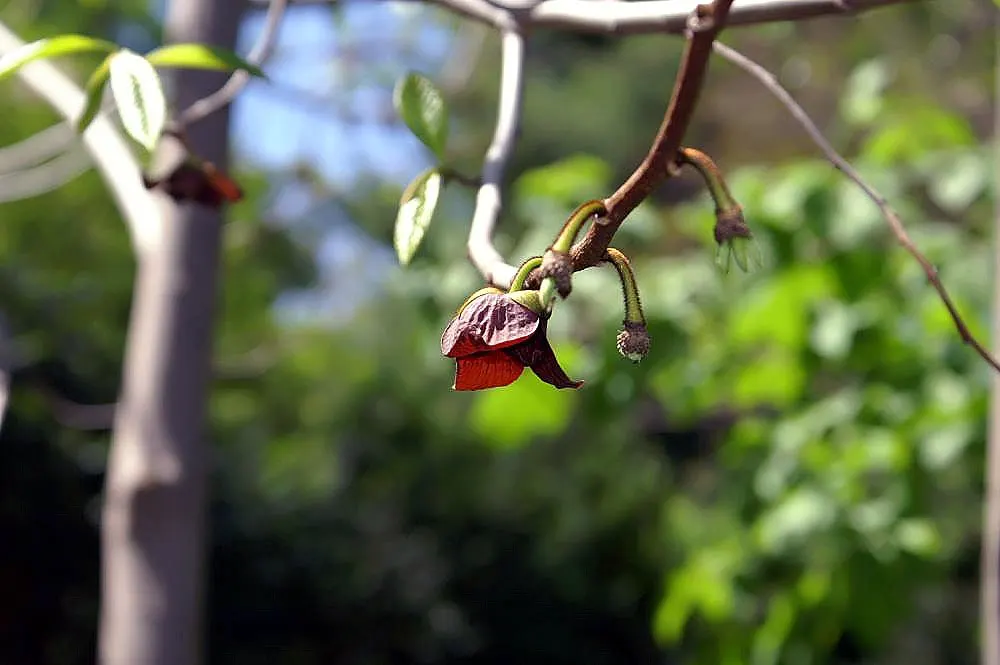
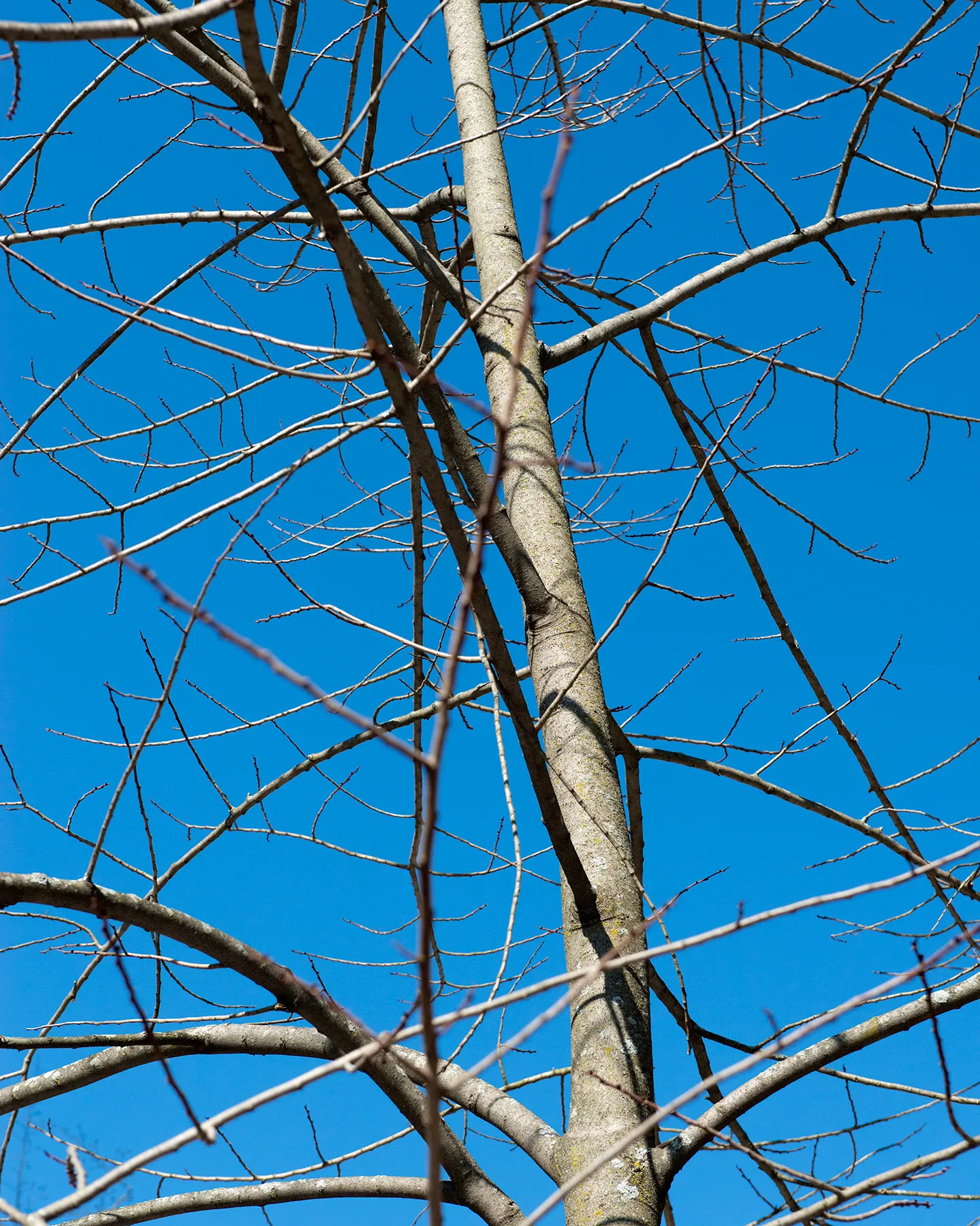
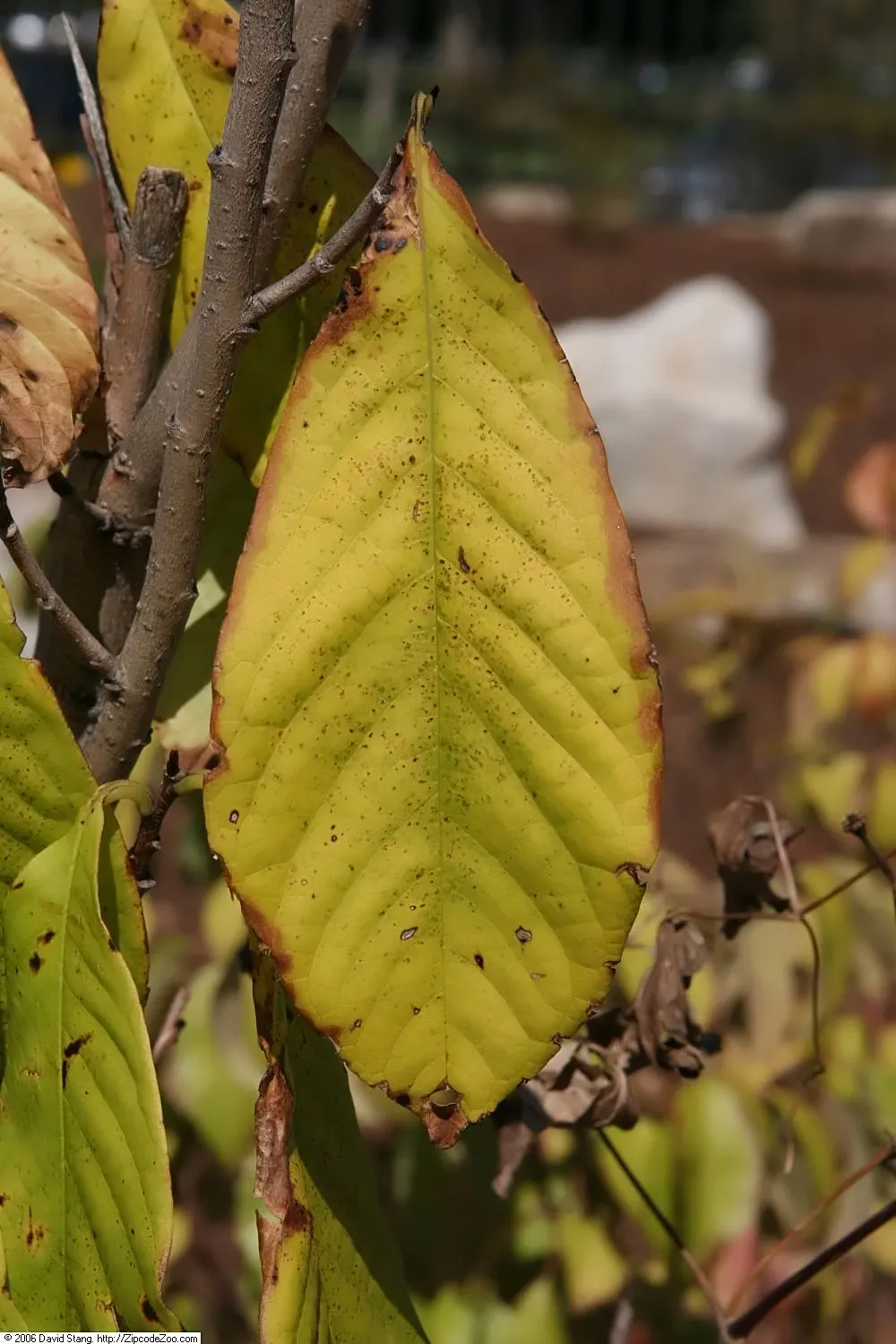
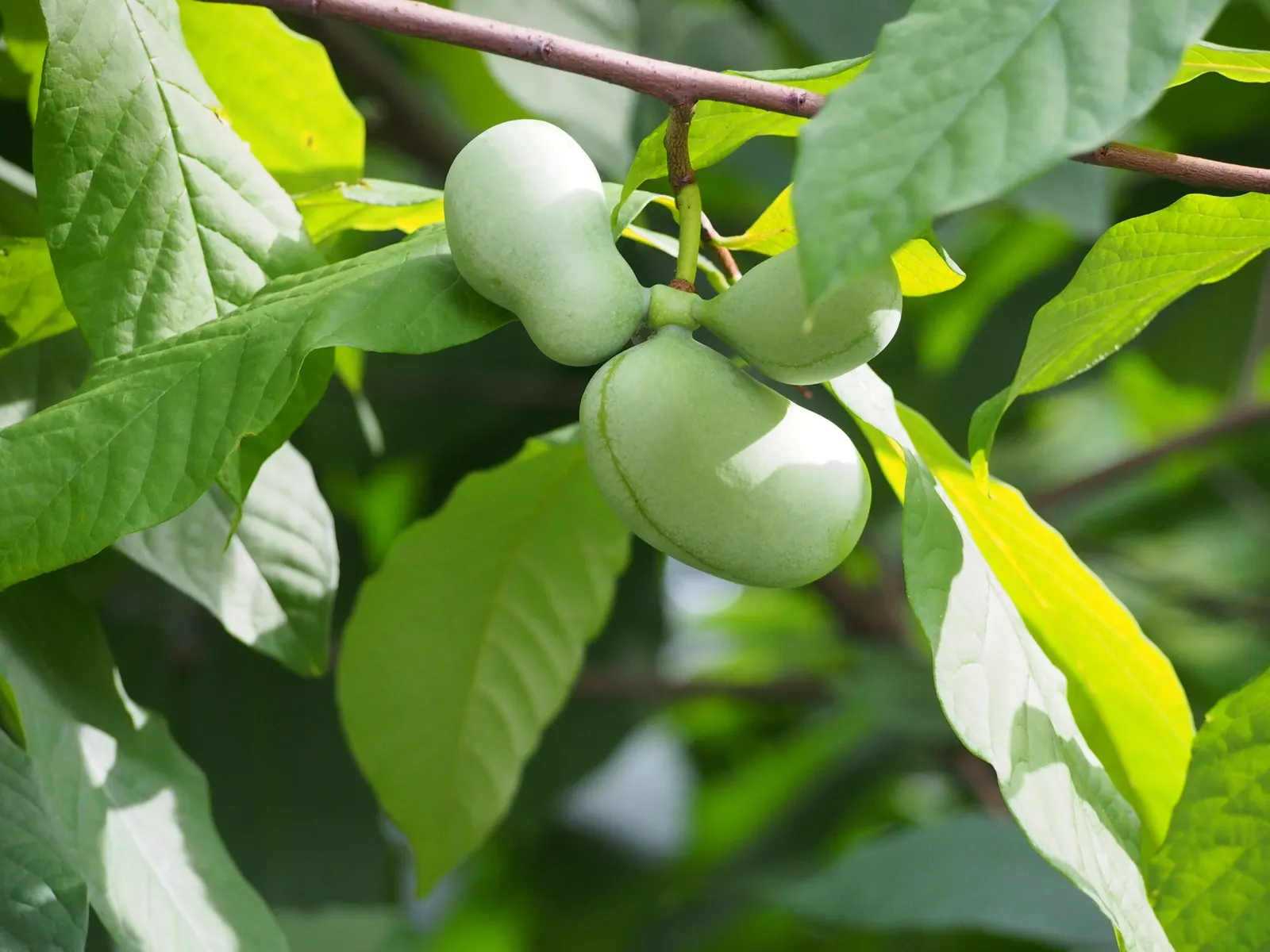
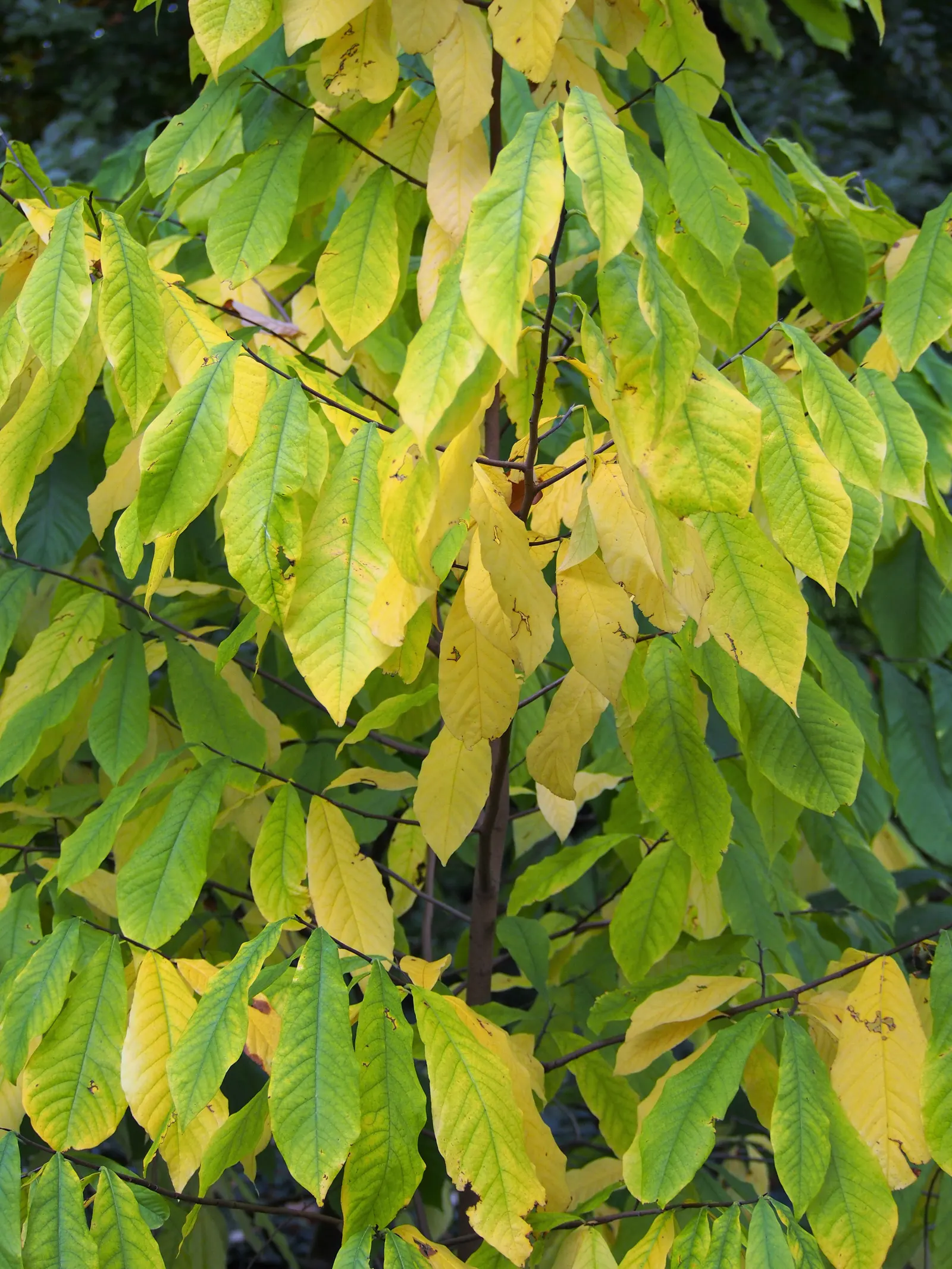
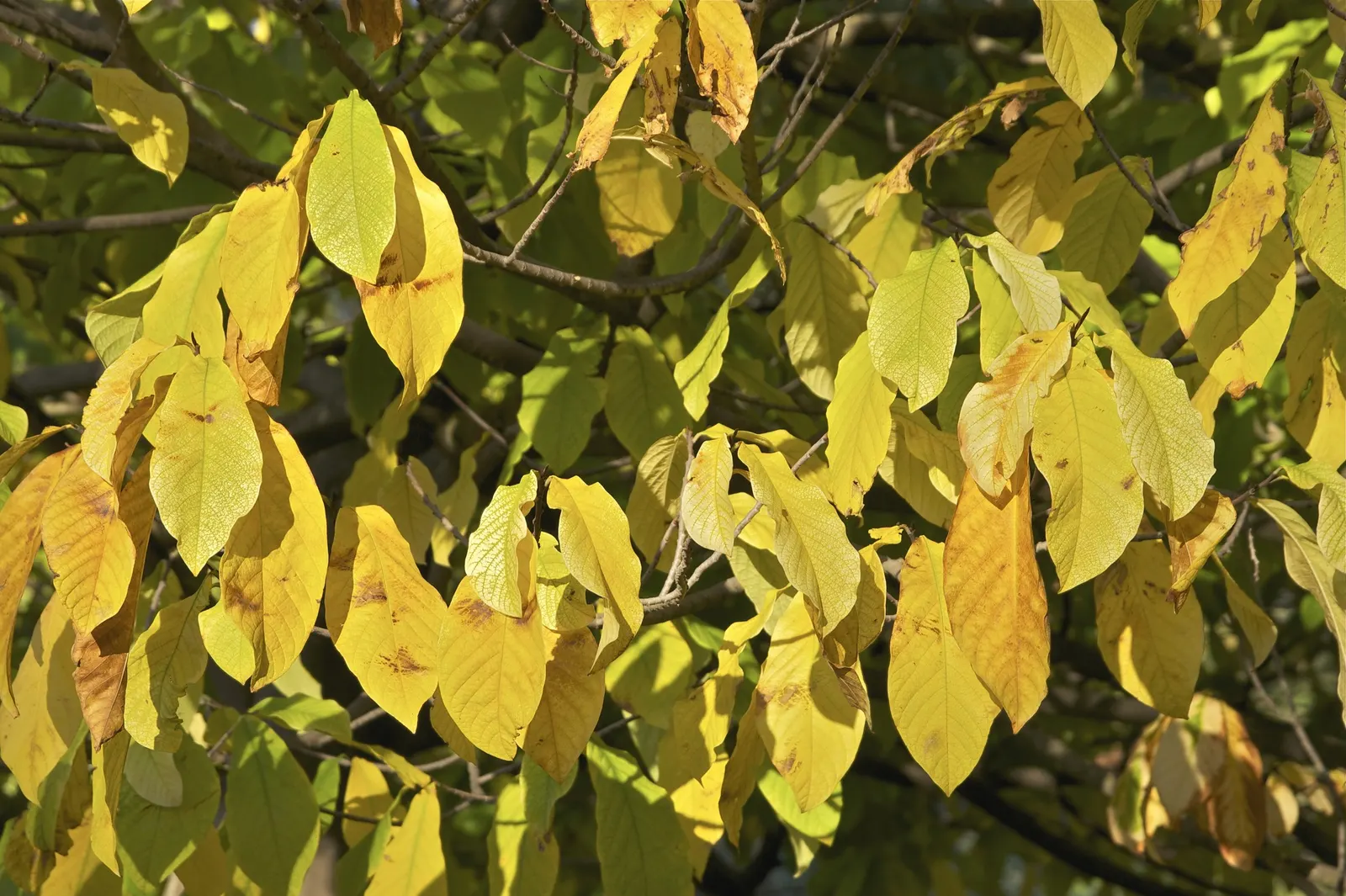
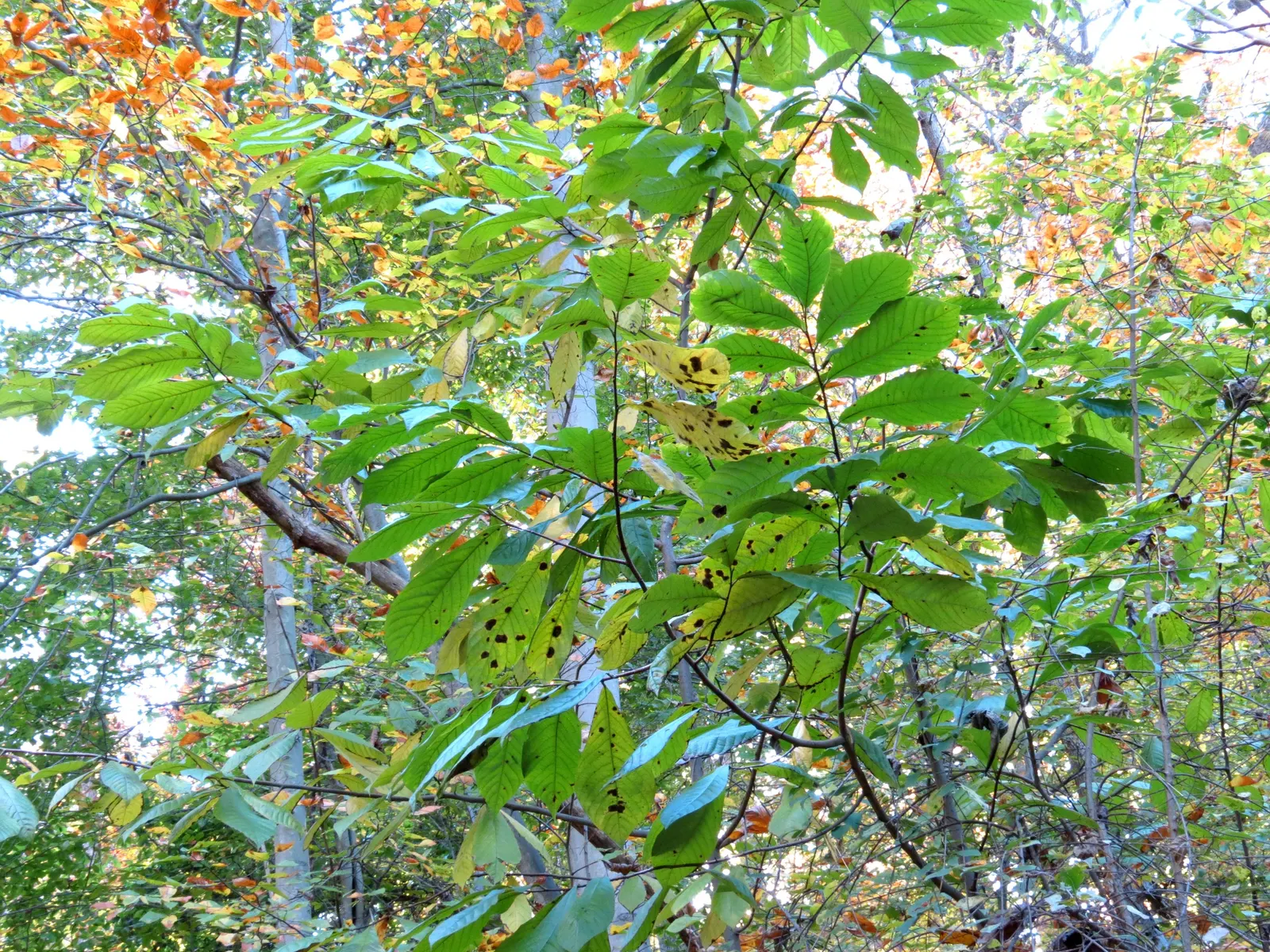
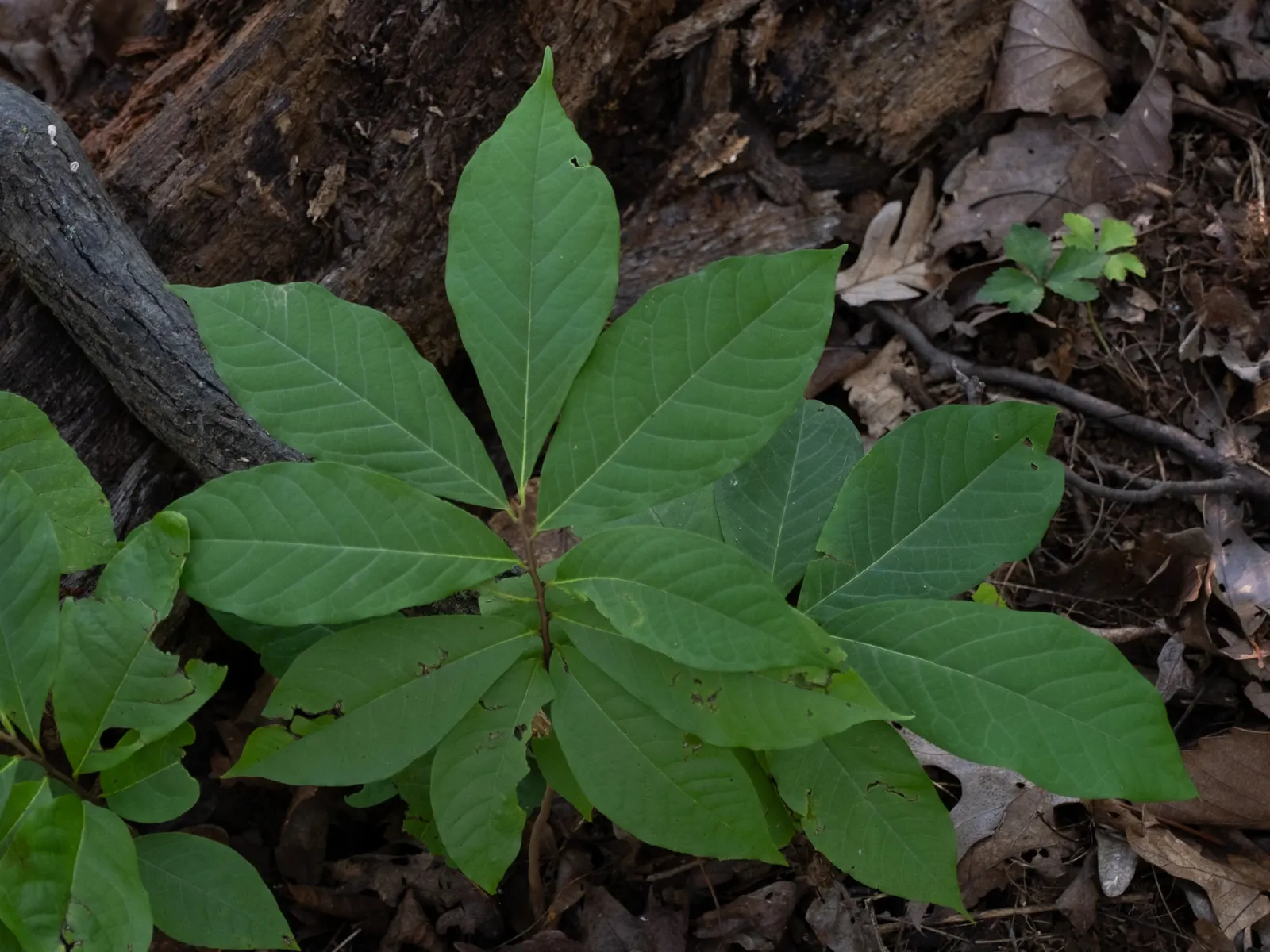
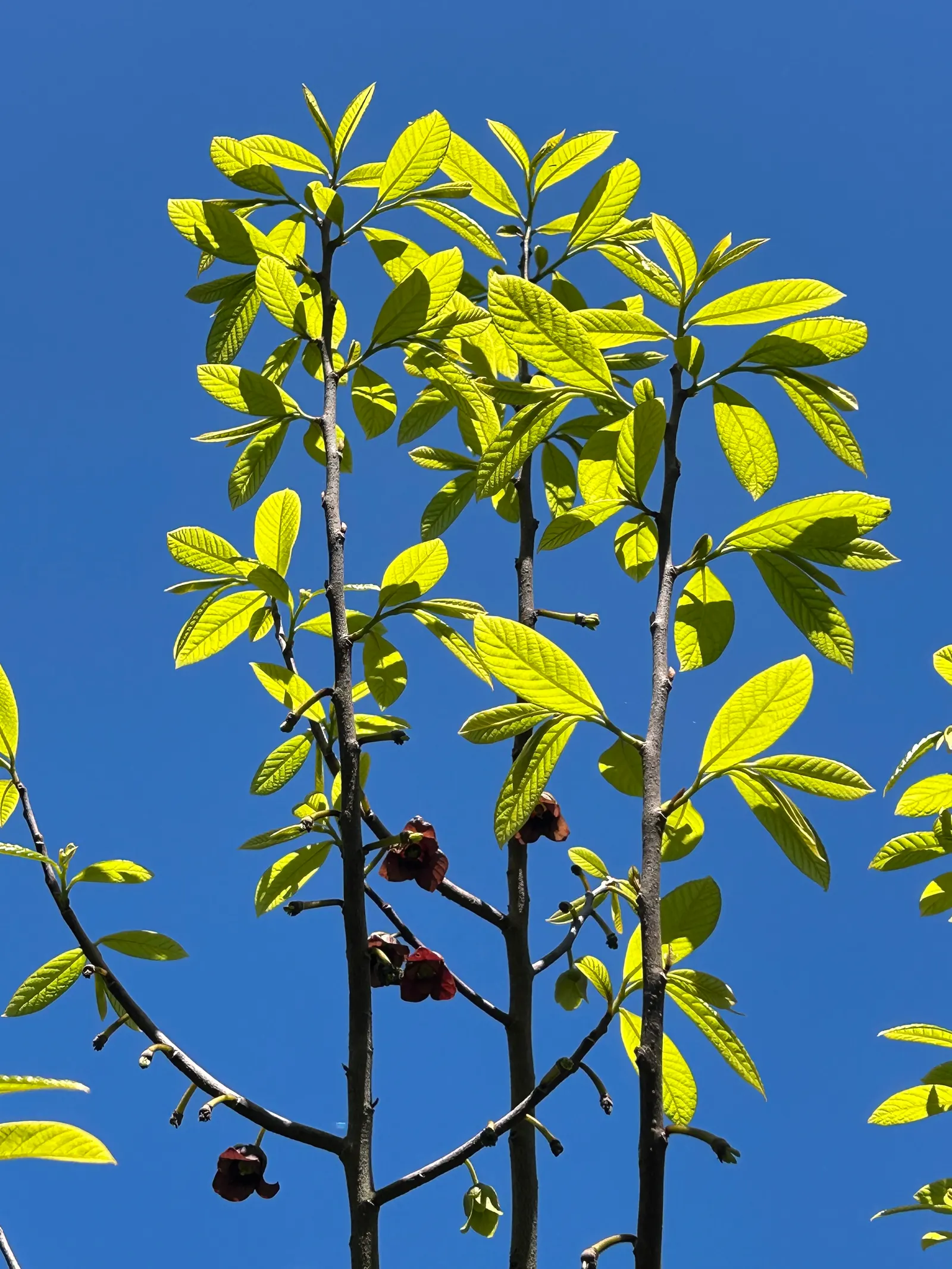
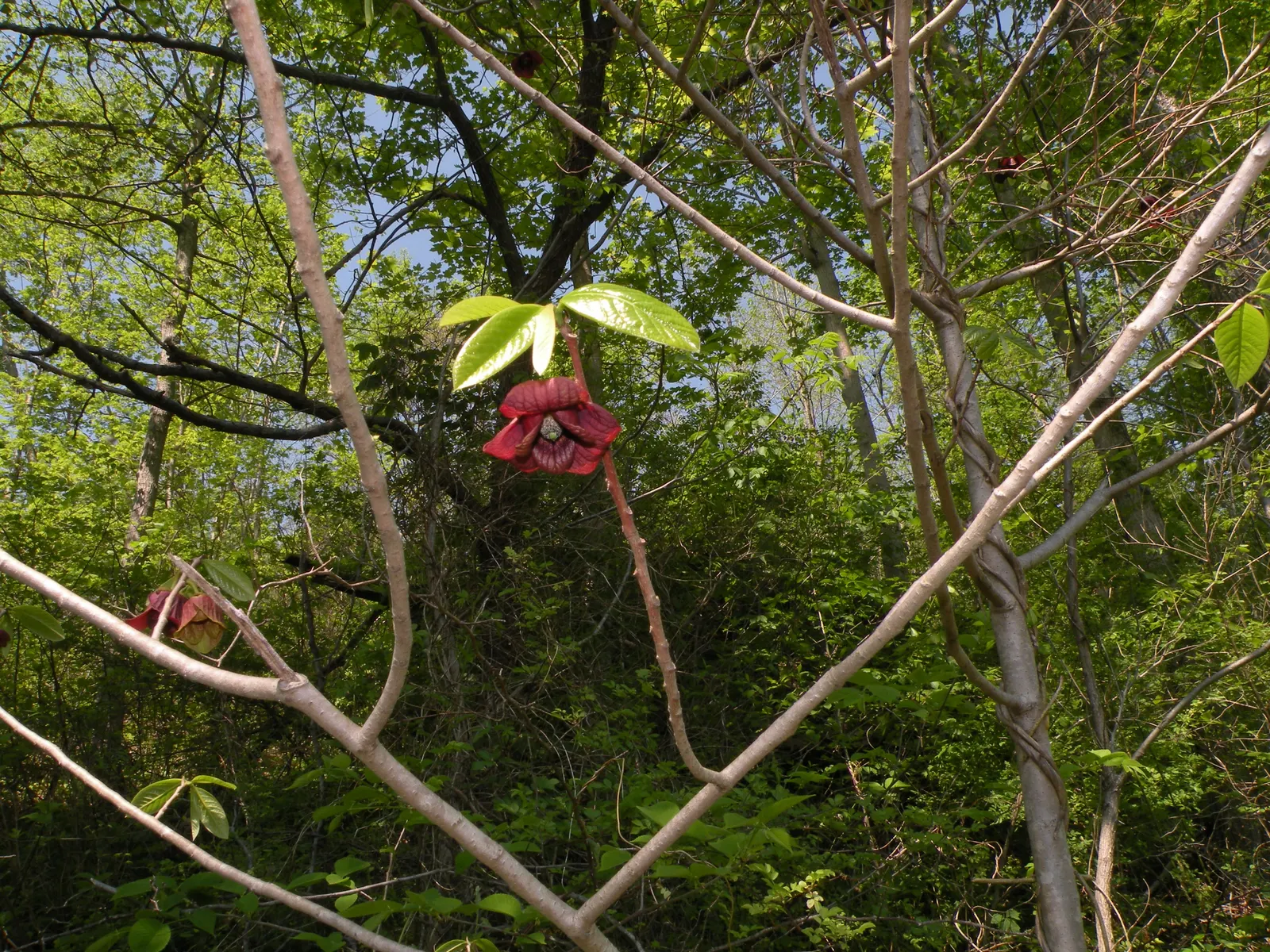
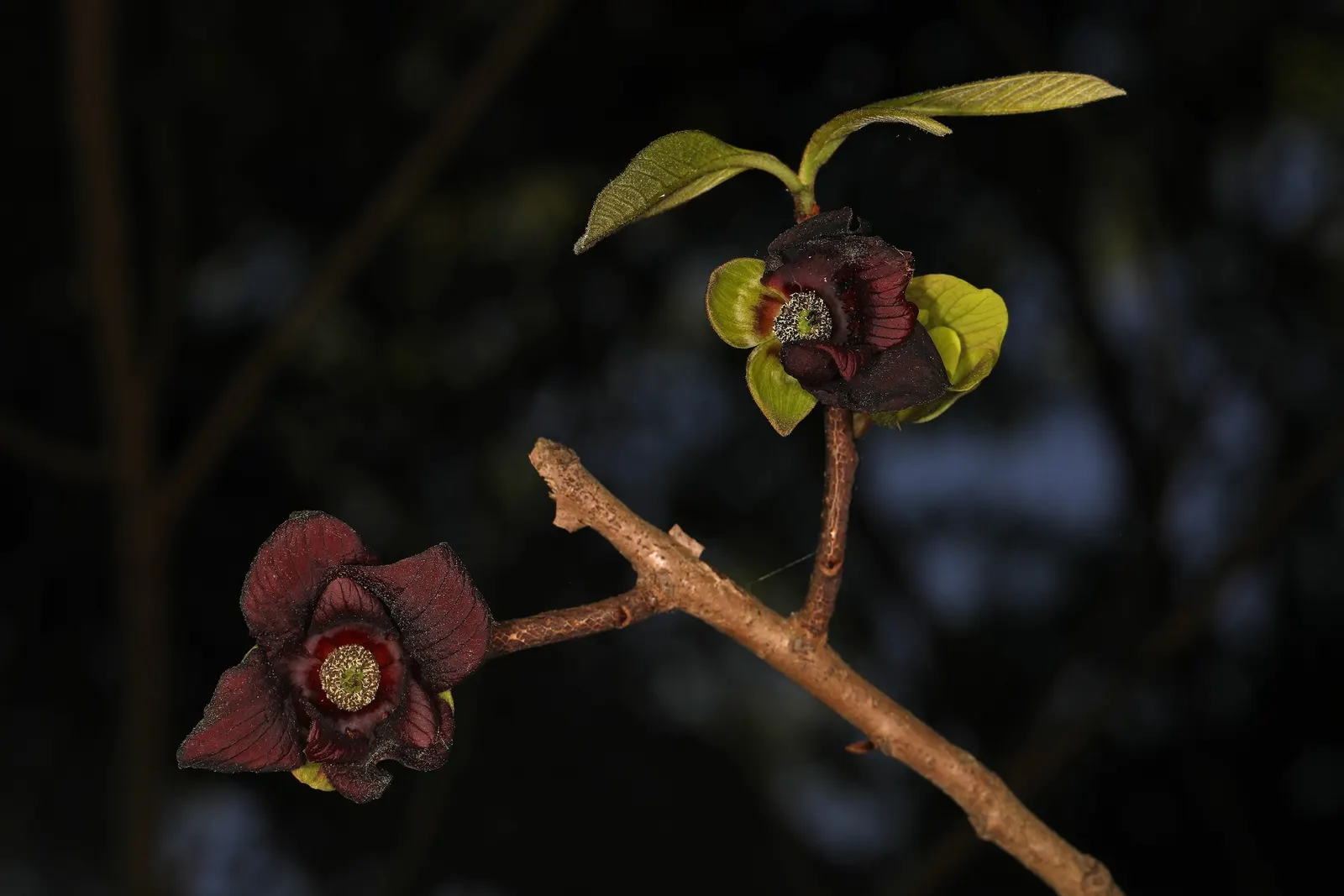
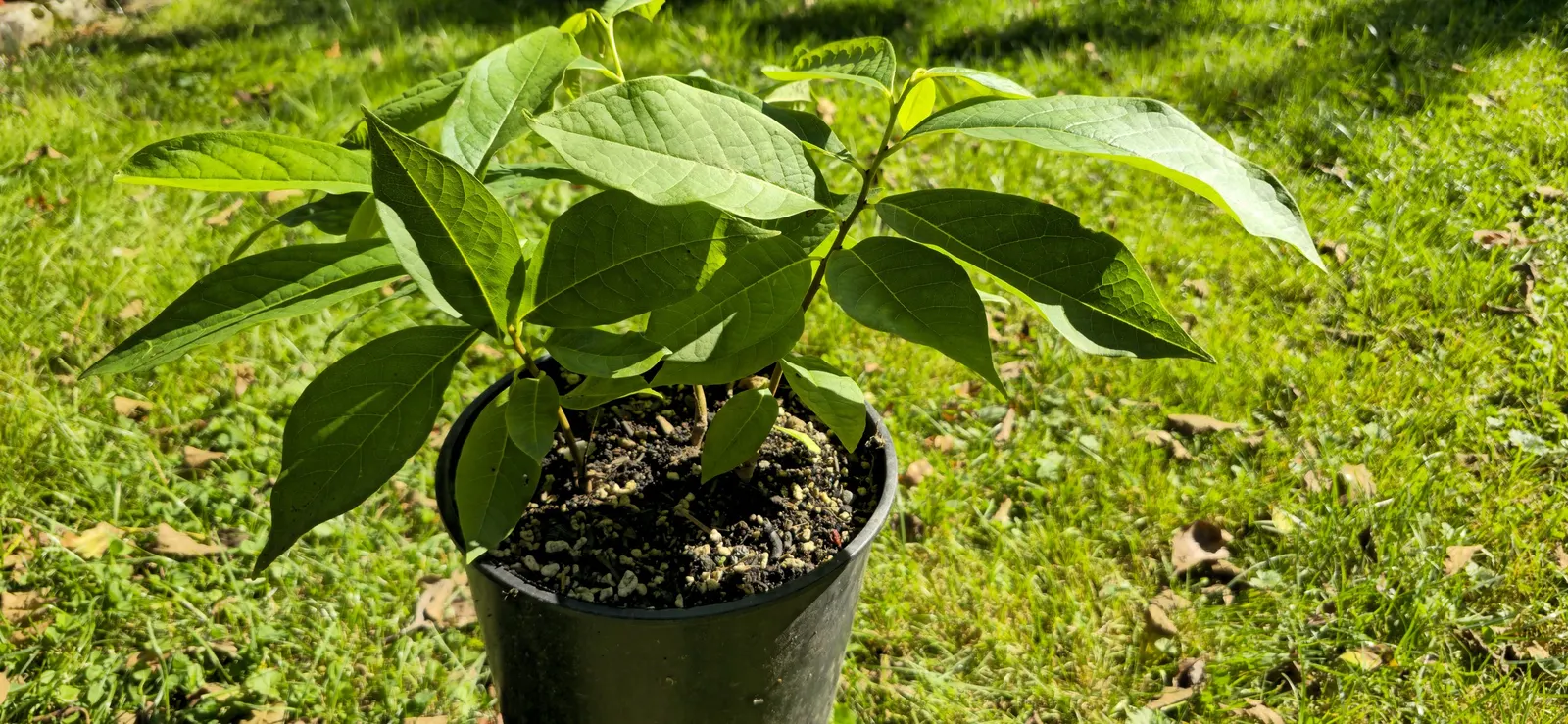
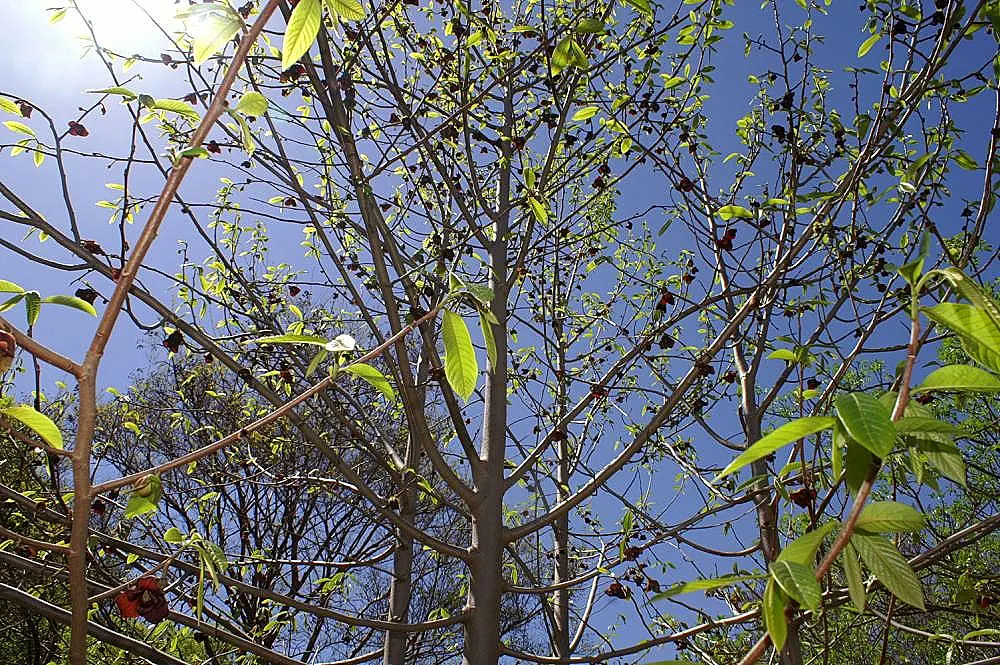
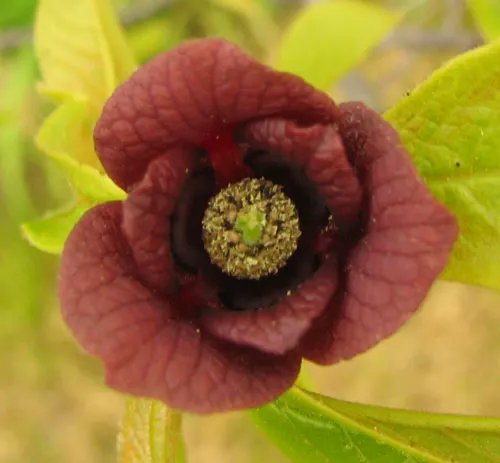
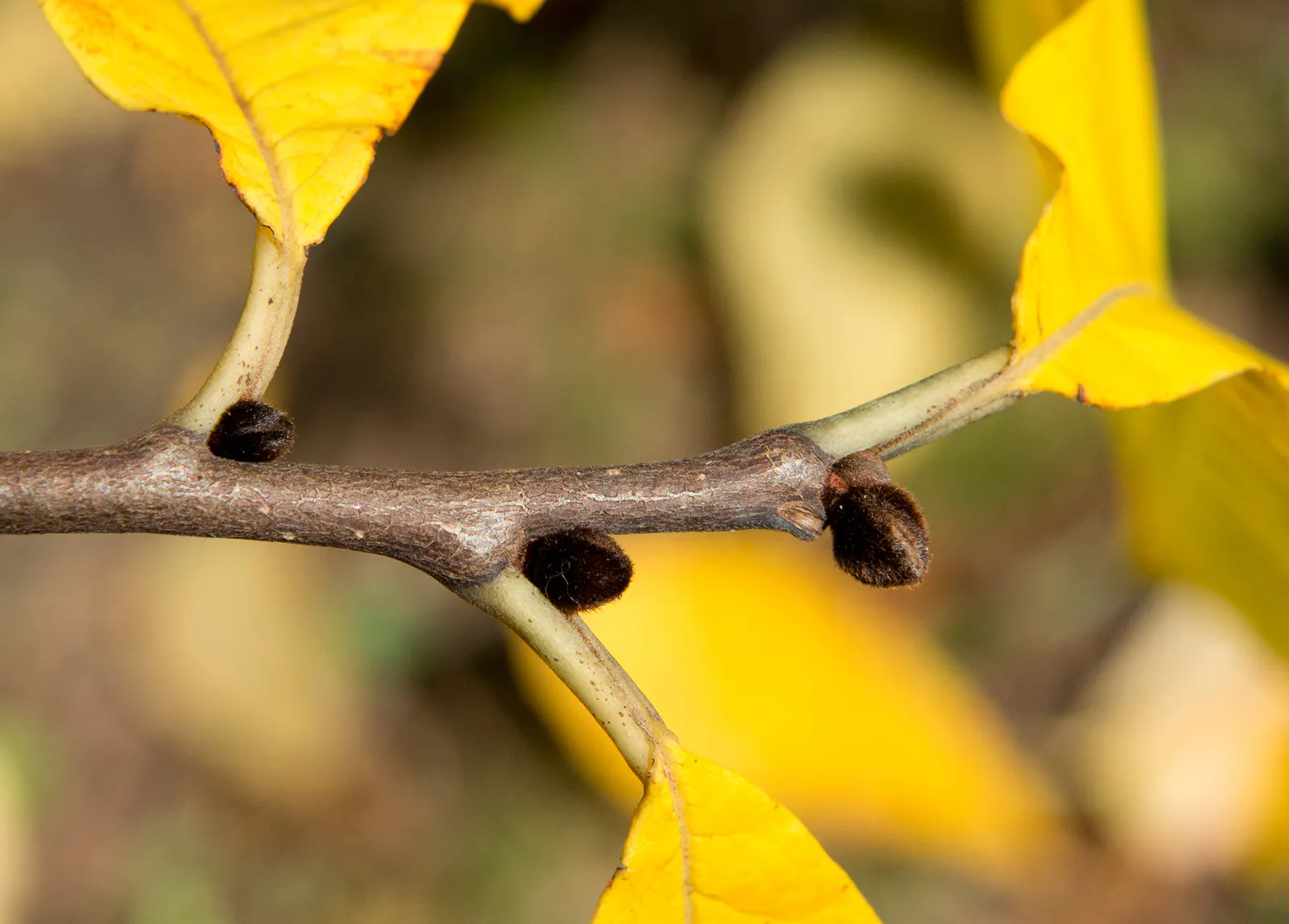
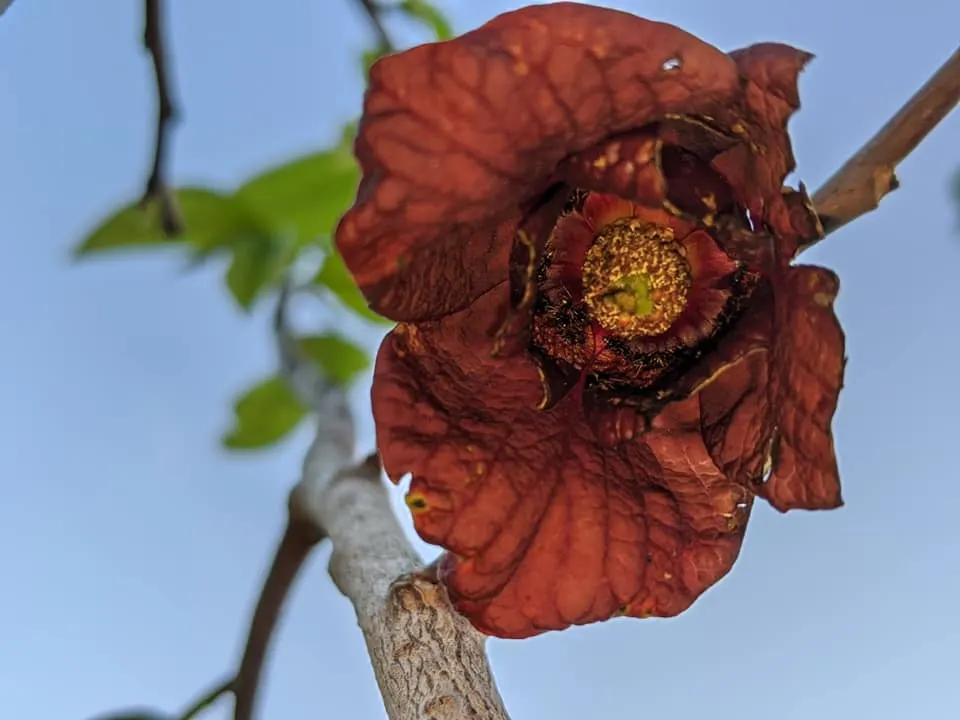
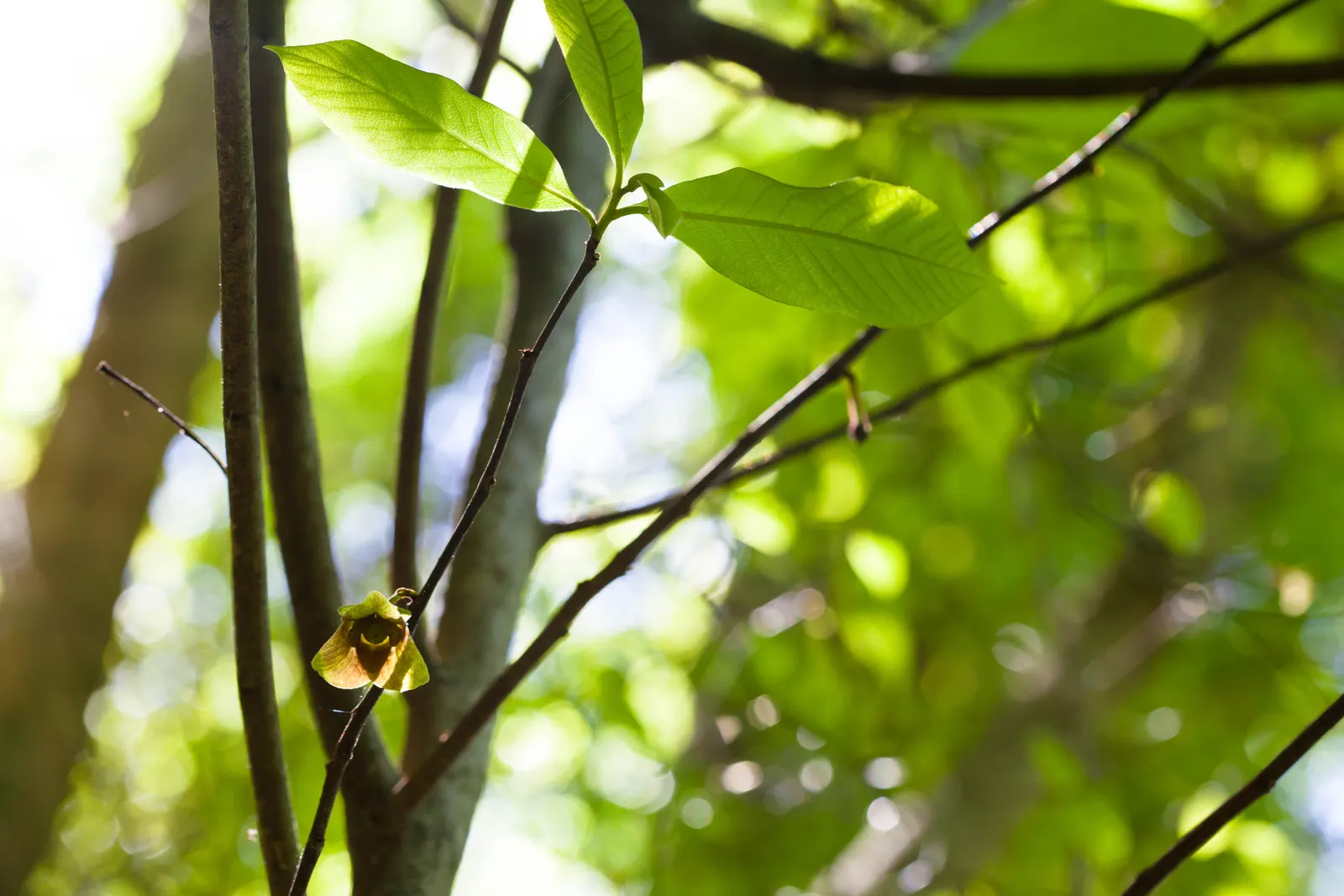
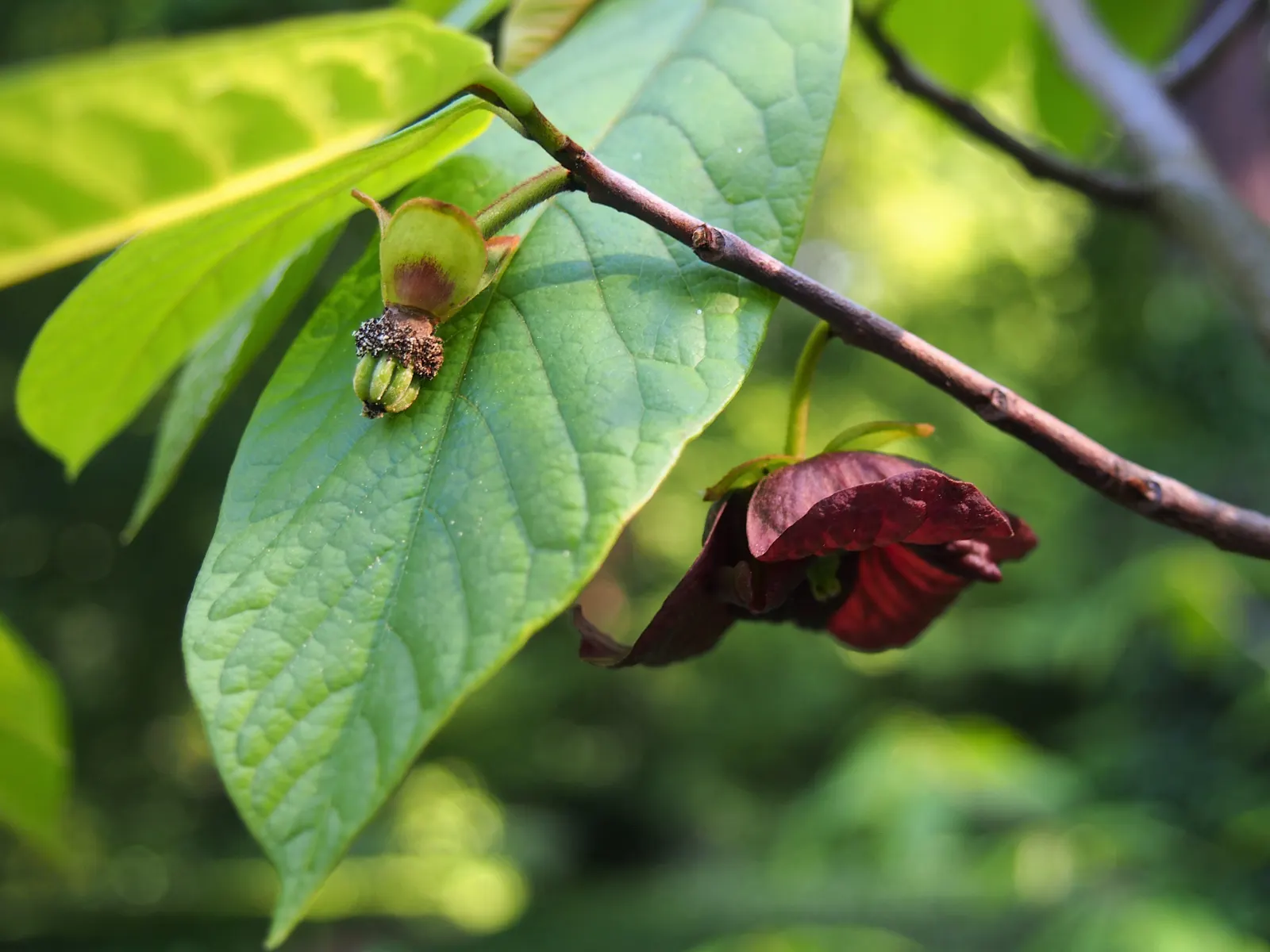
Asimina triloba, commonly called Pawpaw, is a deciduous North American native tree, reaching 15-20 ft high with a similar spread. Renowned for large, edible fruits reminiscent of bananas and custard, and maroon, six-petaled flowers. Prefers moist, well-drained soil in partial shade. Ideal for understory planting or naturalized areas. With lush, broad green leaves, the Pawpaw adds a tropical flair and provides exceptional fall color with its golden-yellow foliage. USDA zones 5-9.
Sun FullWater MediumZones 5–9Climate Temperate
Pawpaw (Asimina Triloba) — Ideal for understory planting or naturalized areas

Culture

Sun
Full
Water
Medium
USDA zones
5–9

Shape & size

Mature height
15–30 Ft.
Mature width
15–30 Ft.

Classification

Family
Annonaceae
Climate
Temperate

See full data, regional cultivation notes, full-resolution photos, and design tools. Build a client presentation around this plant.

Start your 14-day trial

Photos (116)

Pawpaw (Asimina Triloba) — purple flowers in the garden
Pawpaw (Asimina Triloba) — tree for full
Pawpaw (Asimina Triloba) — which rely on the tree for survival
Pawpaw (Asimina Triloba) — reaching 15-20 ft high with a similar spread; these have a custard-like texture with a flavor profile reminiscent of bananas
Pawpaw (Asimina Triloba) — Renowned for large, edible fruits reminiscent of bananas and custard, and maroon, six-petaled flowers; the Pawpaw can serve as an
Pawpaw (Asimina Triloba) — is a deciduous North American native tree; prefers moist, well-drained soil in partial shade
Pawpaw (Asimina Triloba) — Prefers moist, well-drained soil in partial shade; tree with purple blooms
Pawpaw (Asimina Triloba) — the largest native to North America; it thrives in hardiness zones 5 through 9 and prefers rich, well-drained soil
Pawpaw (Asimina Triloba) — the Pawpaw adds a tropical flair and provides exceptional fall color with its golden-yellow foliage; as it is not a favorite of bees
Pawpaw (Asimina Triloba) — is a versatile deciduous tree that contributes a tropical aesthetic to temperate landscapes; when designing with sustainability in
Pawpaw (Asimina Triloba) — rendering it an ideal choice for small yards or as an understory tree in larger woodland gardens; it typically grows to 15-20 feet
Pawpaw (Asimina Triloba) — It typically grows to 15-20 feet in height with an equal spread; is a deciduous North American native tree
Pawpaw (Asimina Triloba) — typically by flies or beetles; renowned for large, edible fruits reminiscent of bananas and custard, and maroon, six-petaled flowers
Pawpaw (Asimina Triloba) — Thus, planting two or more genetically distinct trees will ensure better fruit production; but fruiting is most abundant in full
Pawpaw (Asimina Triloba) — Partial shade to full sunlight is acceptable; ideal for understory planting or naturalized areas
Pawpaw (Asimina Triloba) — These have a custard-like texture with a flavor profile reminiscent of bananas, mangoes, and melon; providing nourishment for
Pawpaw (Asimina Triloba) — as it is not a favorite of bees; the largest native to North America
Pawpaw (Asimina Triloba) — It thrives in hardiness zones 5 through 9 and prefers rich, well-drained soil; purple flowers in the garden
Pawpaw (Asimina Triloba) — the Pawpaw can serve as an ornamental focal point; offering not just visual interest but also seasonal treats
Pawpaw (Asimina Triloba) — but fruiting is most abundant in full sun.<br><br>In a landscape; typically by flies or beetles
Pawpaw (Asimina Triloba) — When designing with sustainability in mind; is a versatile deciduous tree that contributes a tropical aesthetic to temperate
Pawpaw (Asimina Triloba) — which rely on the tree for survival; reaching 15-20 ft high with a similar spread
Pawpaw (Asimina Triloba) — providing nourishment for caterpillars of the Zebra Swallowtail butterfly; the Pawpaw supports local ecosystems
Pawpaw (Asimina Triloba) — offering not just visual interest but also seasonal treats; tree for full

Related plants