Skip to content

Mast Tree

Polyalthia Longifolia Pendula

Design with this plant

Overview

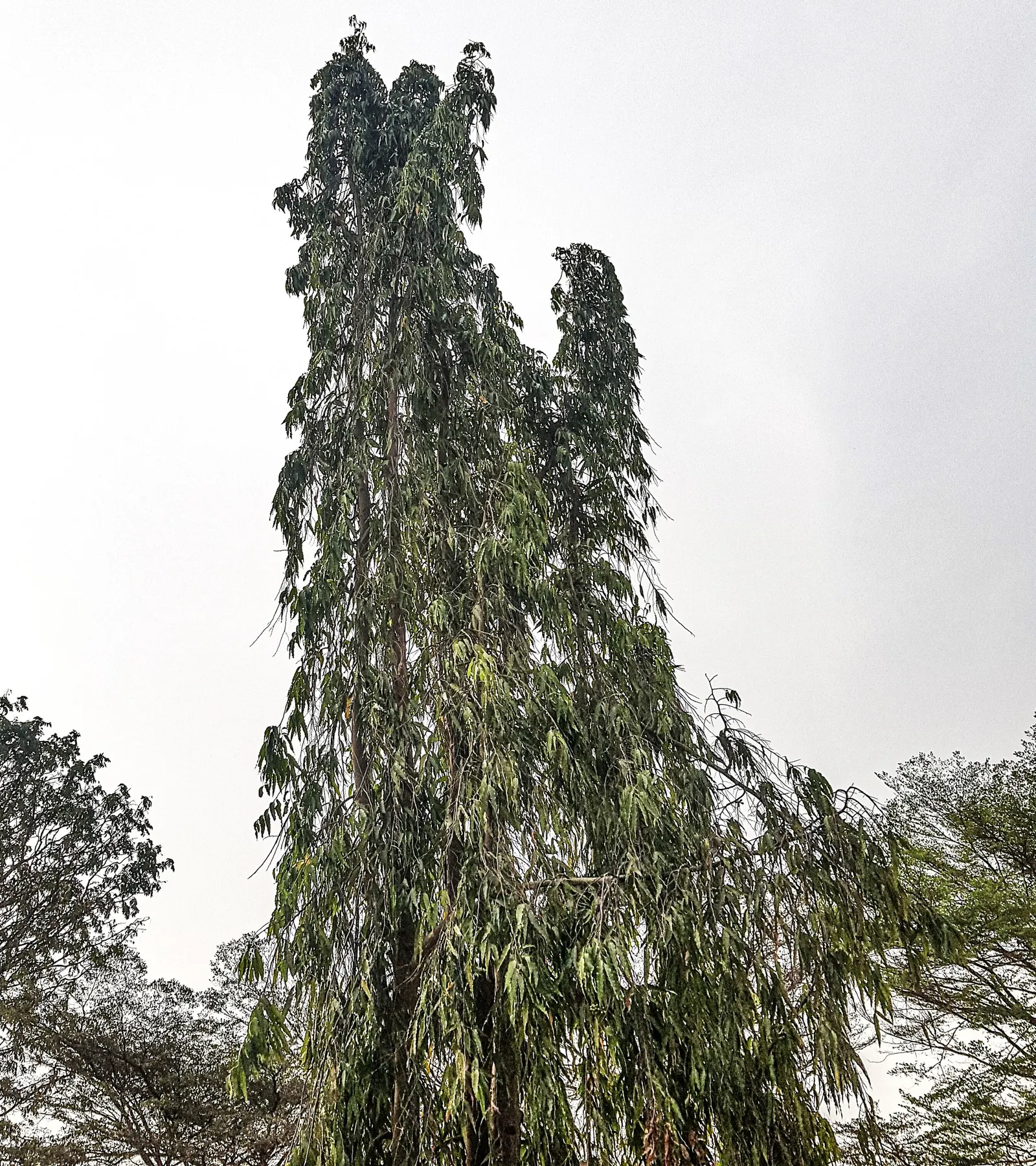
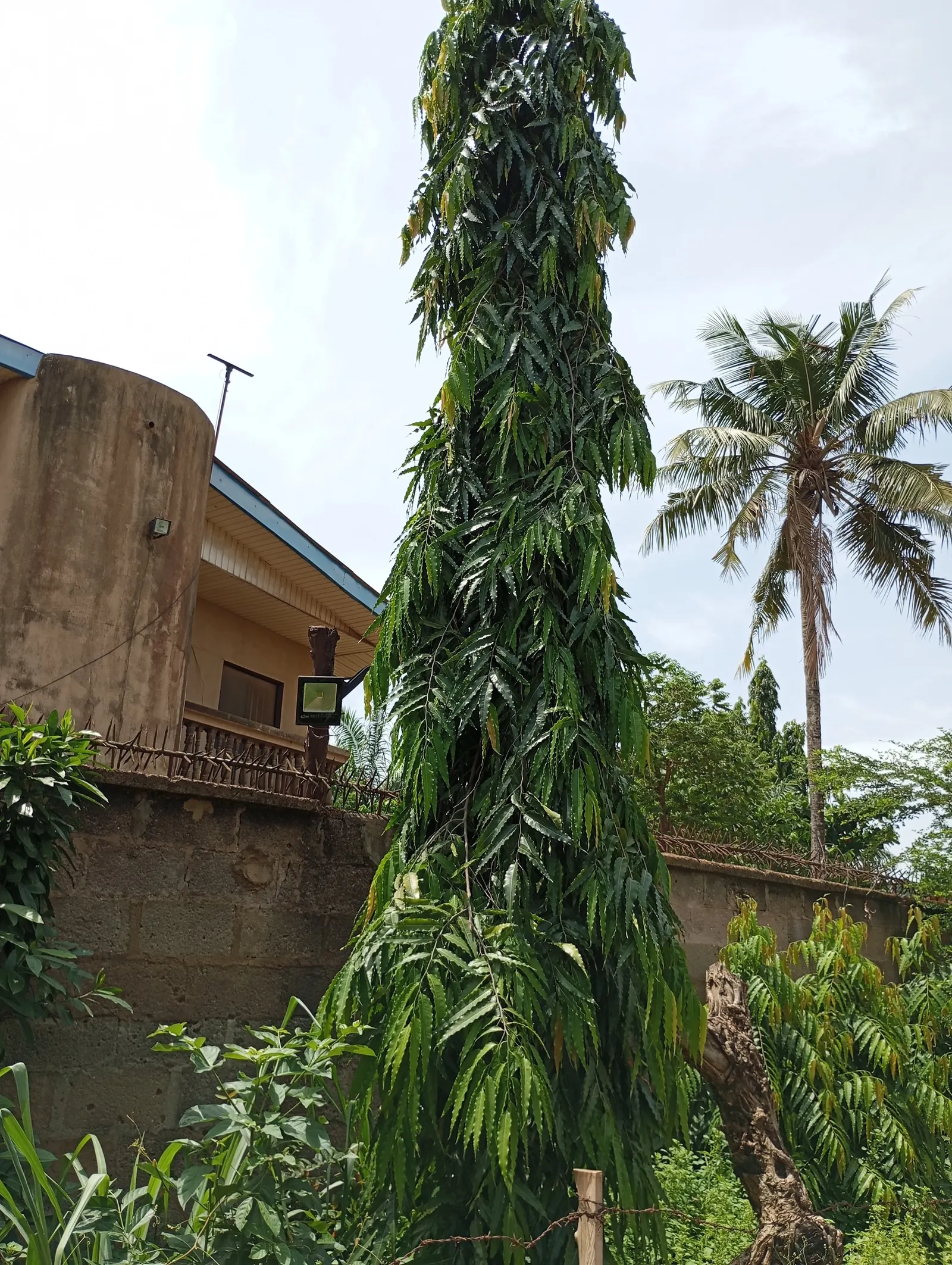
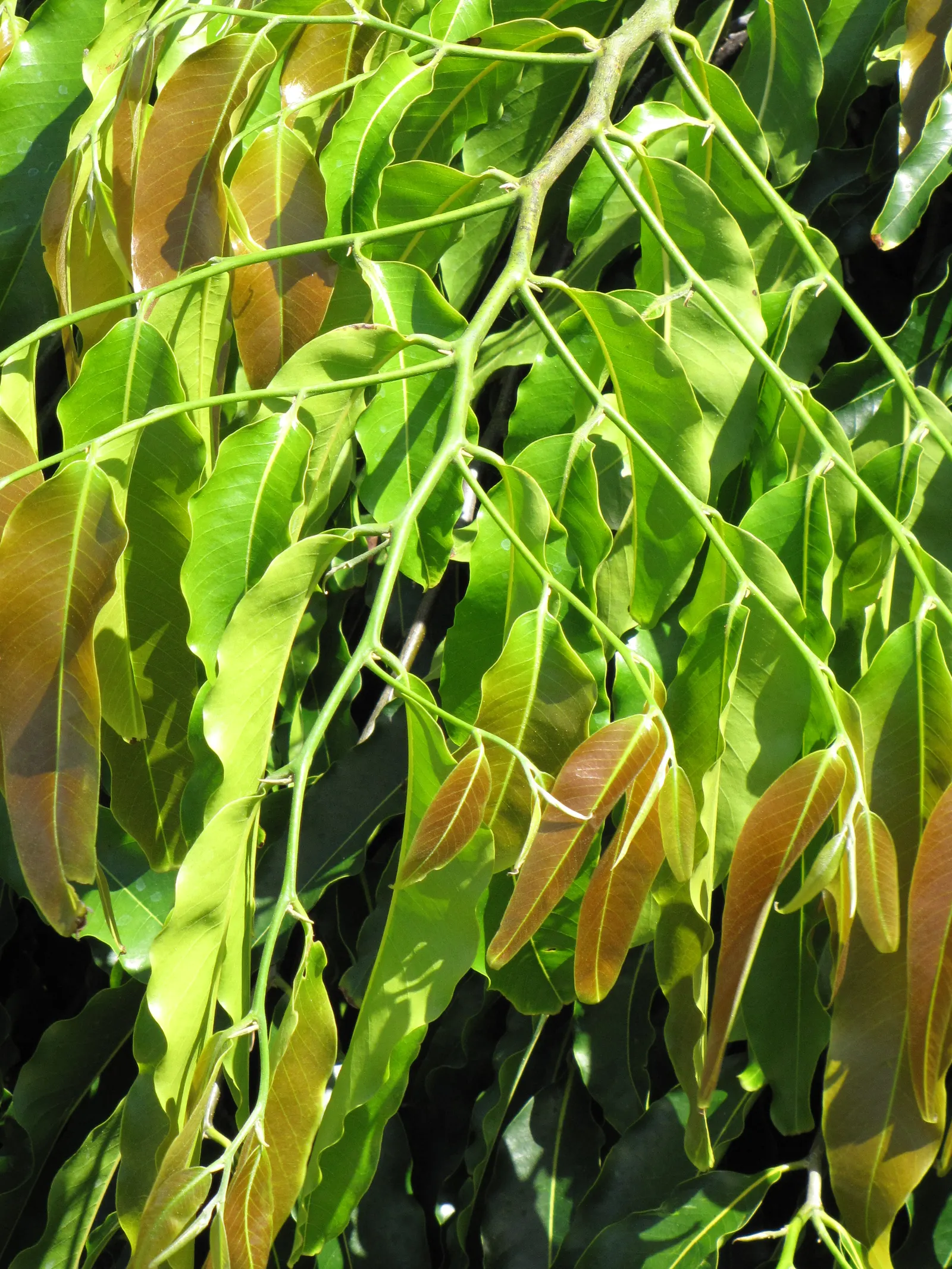
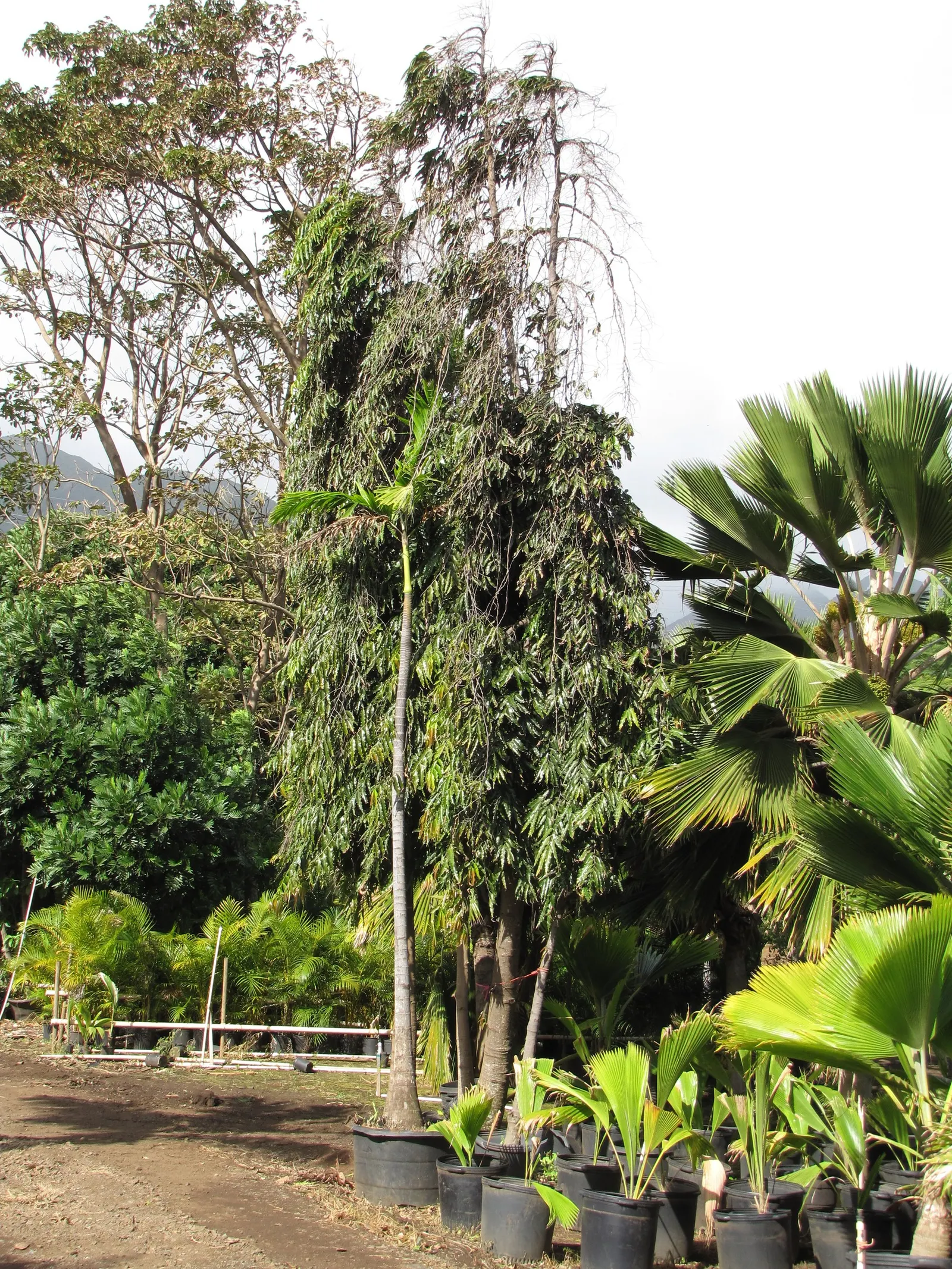
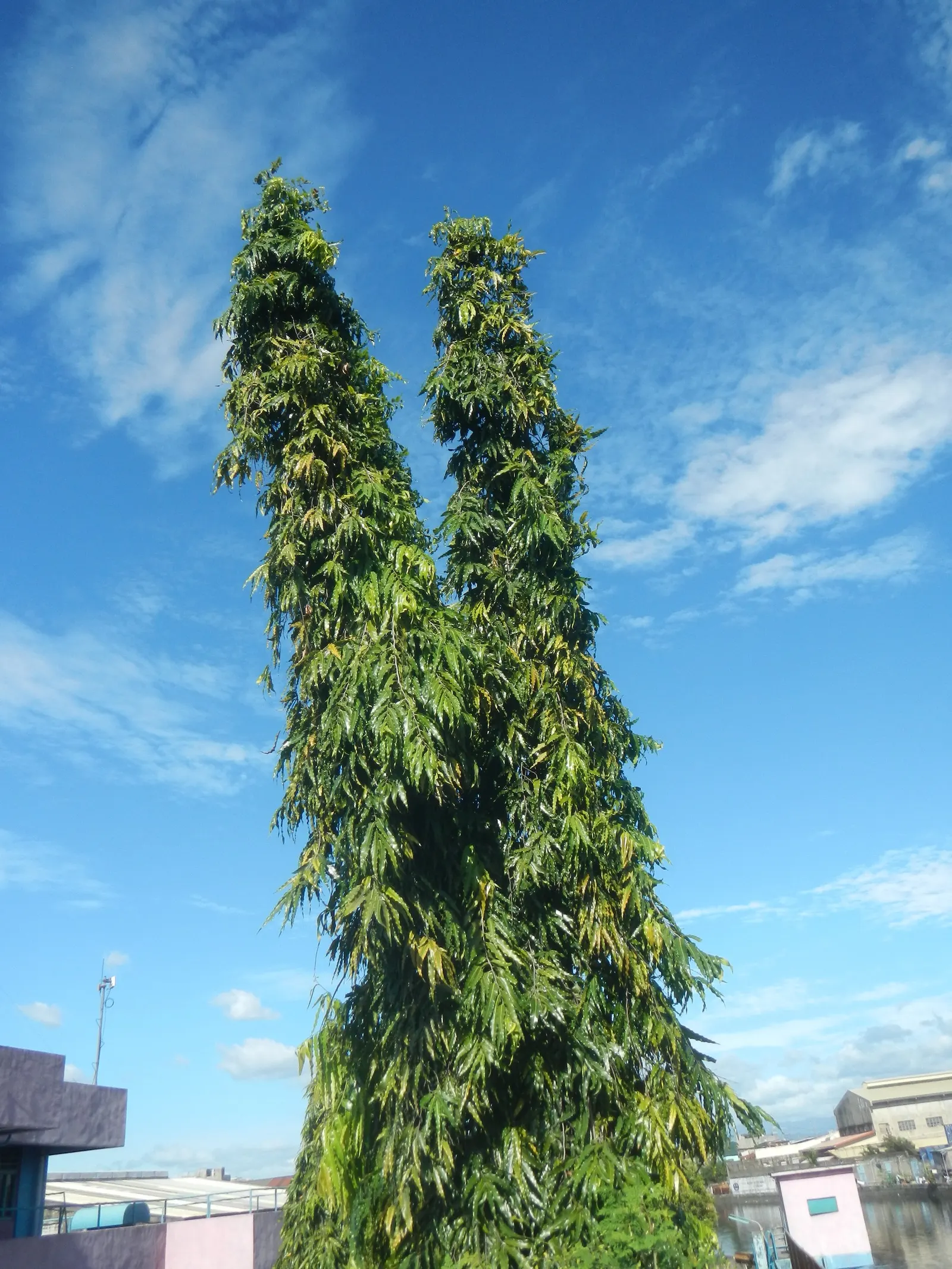
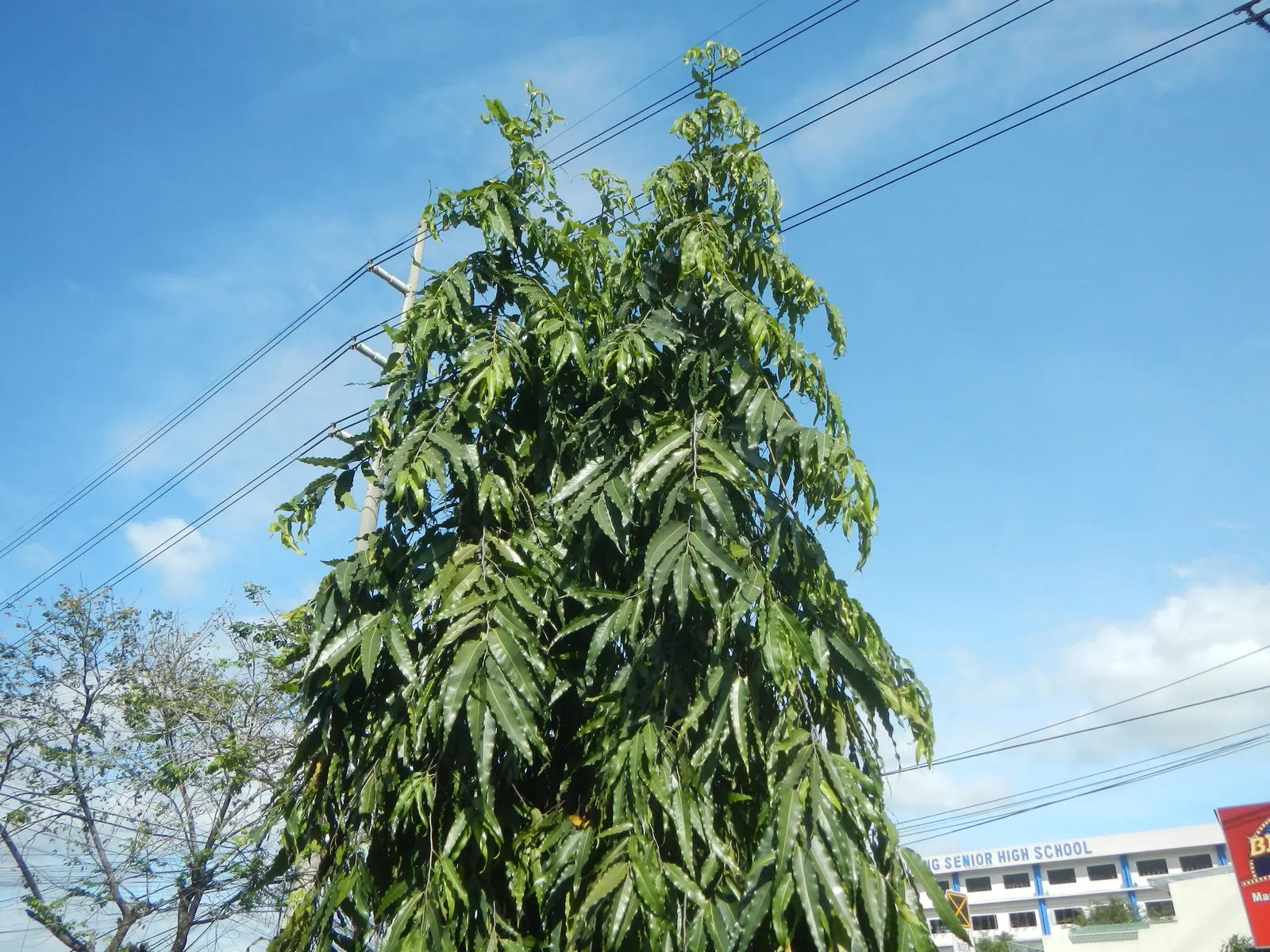
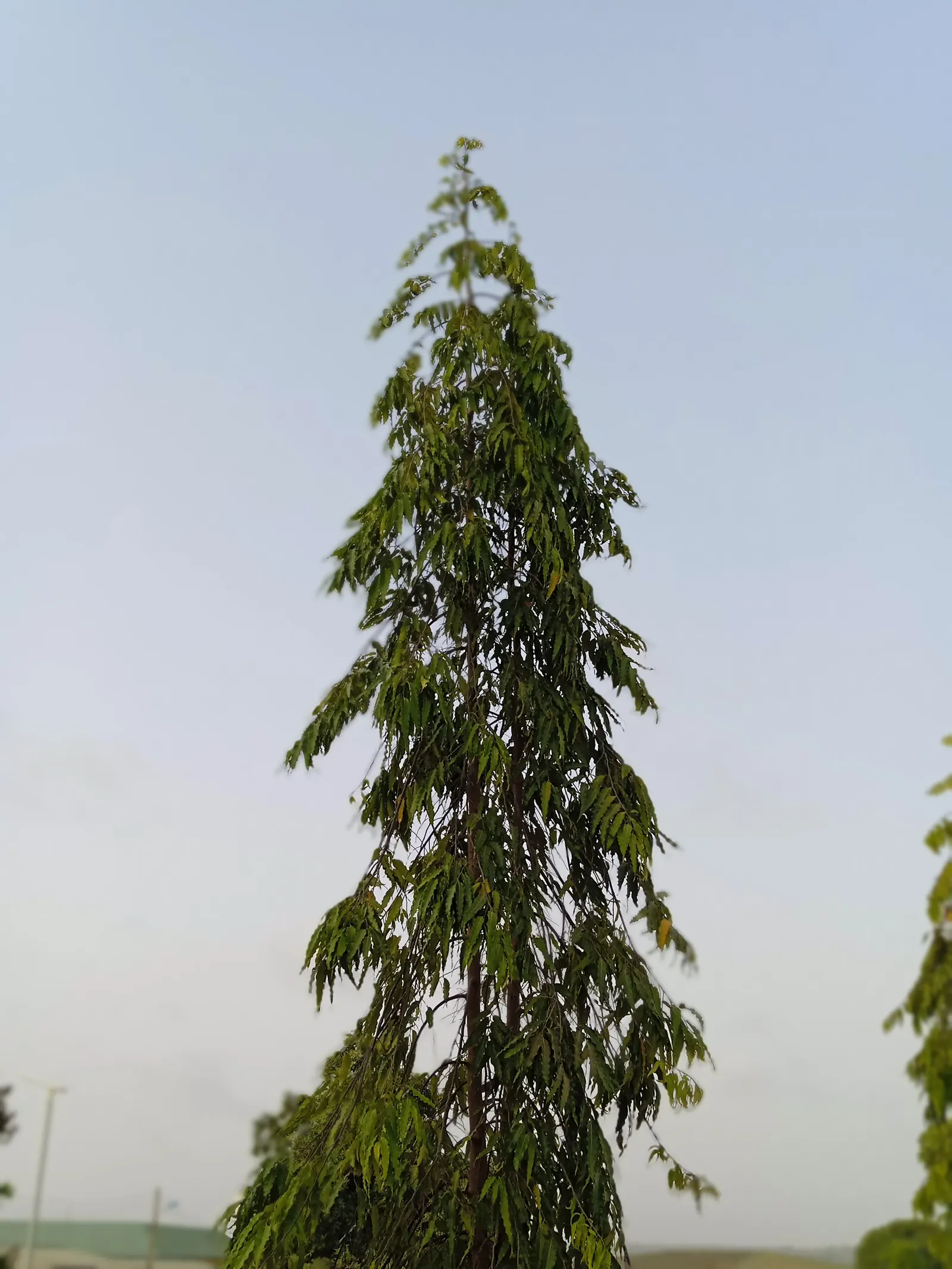
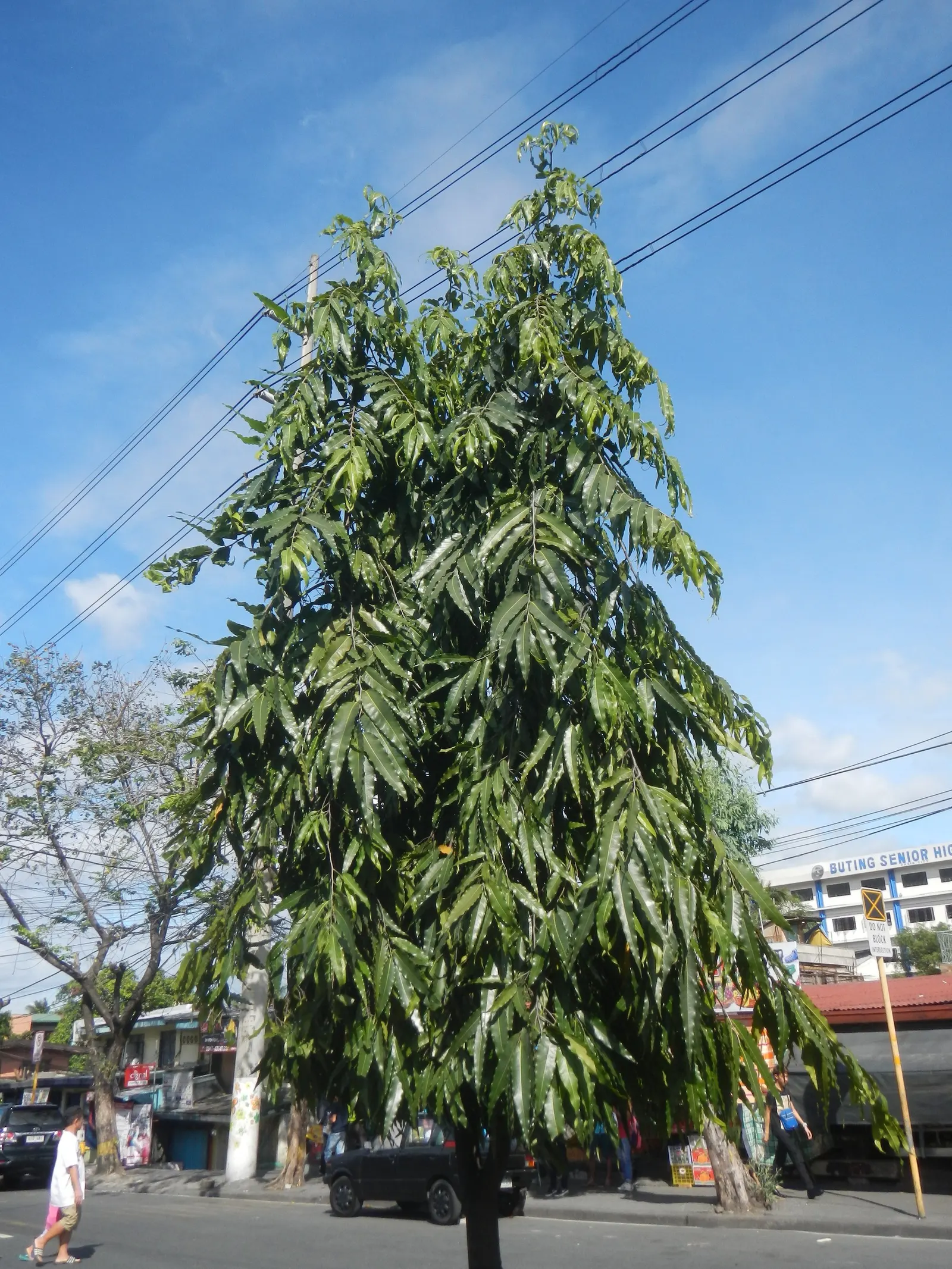
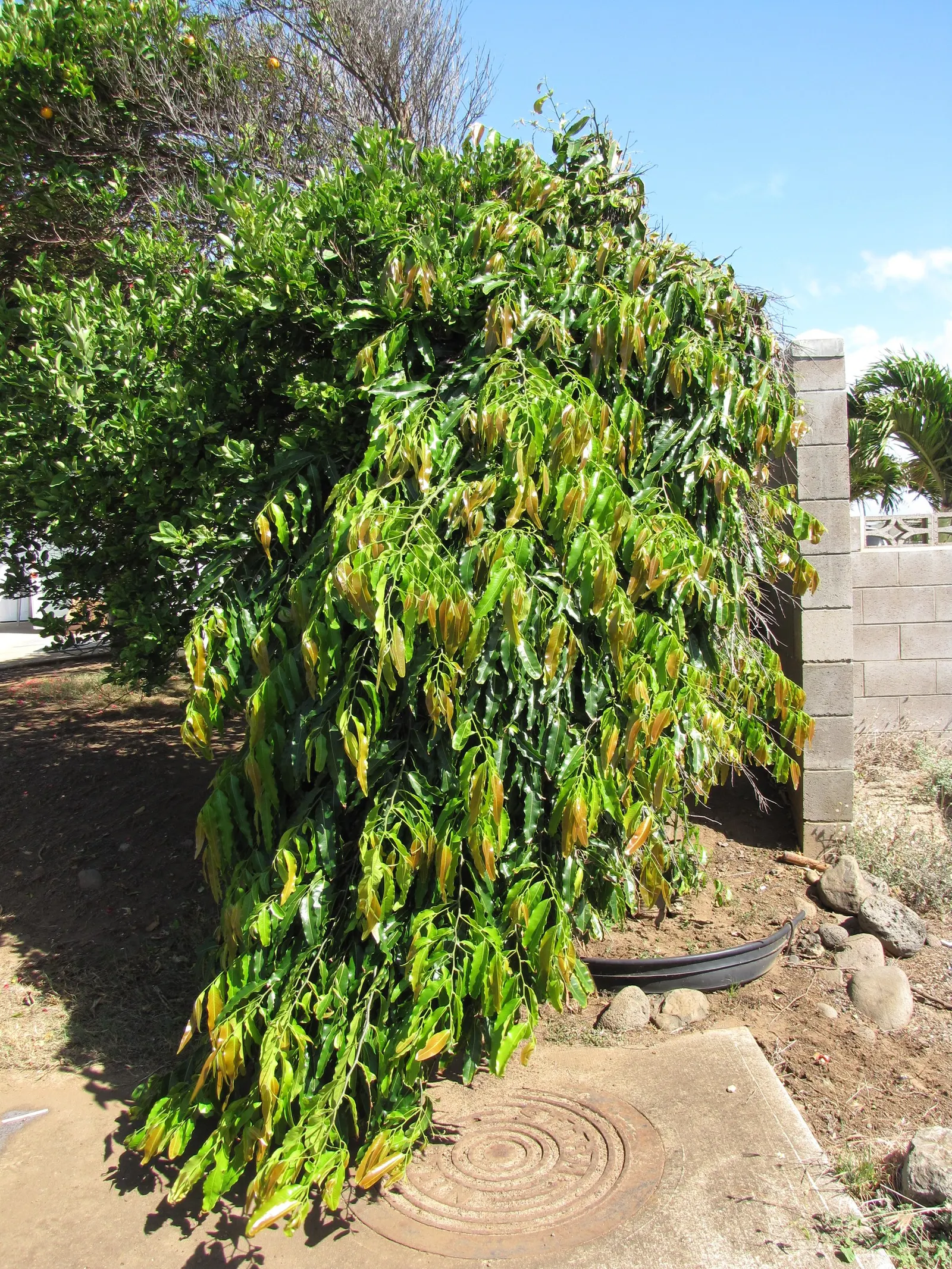
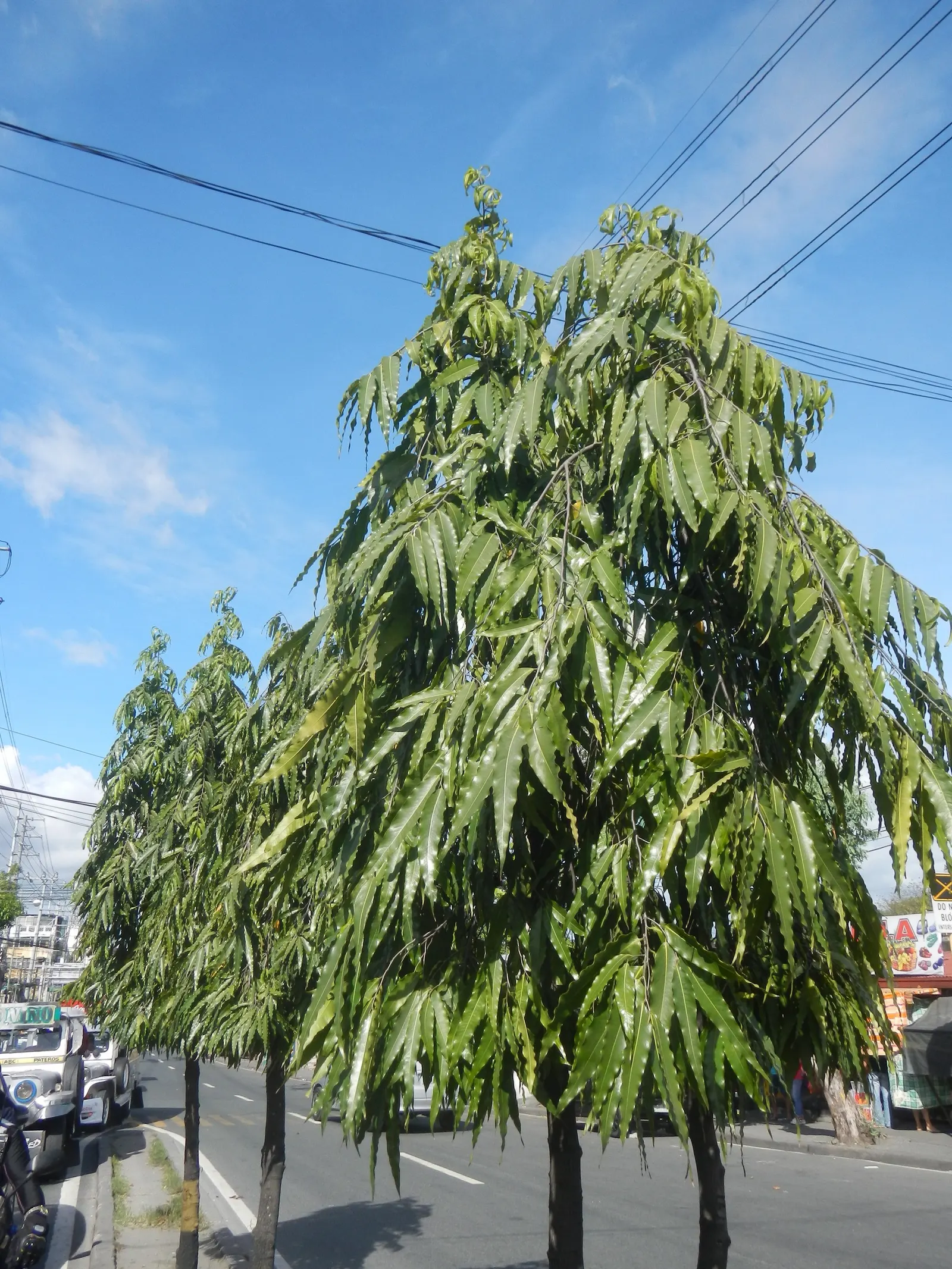
The Mast Tree (Polyalthia longifolia 'Pendula') is an elegant evergreen, perfect for vertical emphasis in a landscape. It grows to about 30-40 feet tall with a slim, columnar form about 4-5 feet wide. Its pendulous, wavy-edged leaves, richly green, create a dense, feathery appearance. Thrives in USDA zones 10-11, relishes full sun to partial shade, and prefers well-drained soil. Ideal for screening and ornamental use.

Sun FullWater MediumZones 10–11Type TreeClimate Subtropical

Culture

Sun
Full
Water
Medium
USDA zones
10–11

Shape & size

Mature height
30–40 Ft.
Mature width
4–6 Ft.

Classification

Type
Tree
Family
Annonaceae
Climate
Subtropical

See full data, regional cultivation notes, and design tools. Build a client presentation around this plant.

Start your 14-day trial

Photos (88)

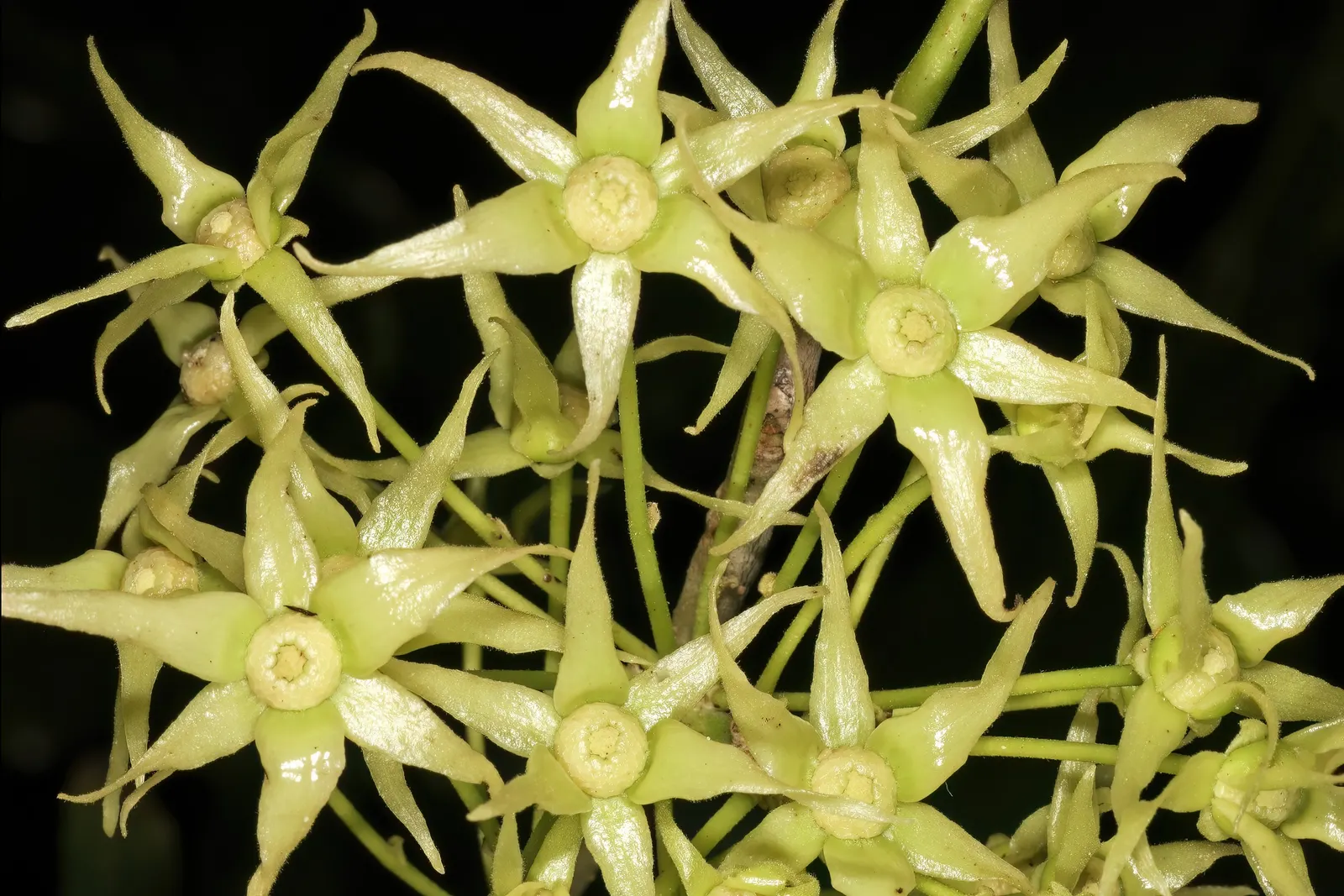
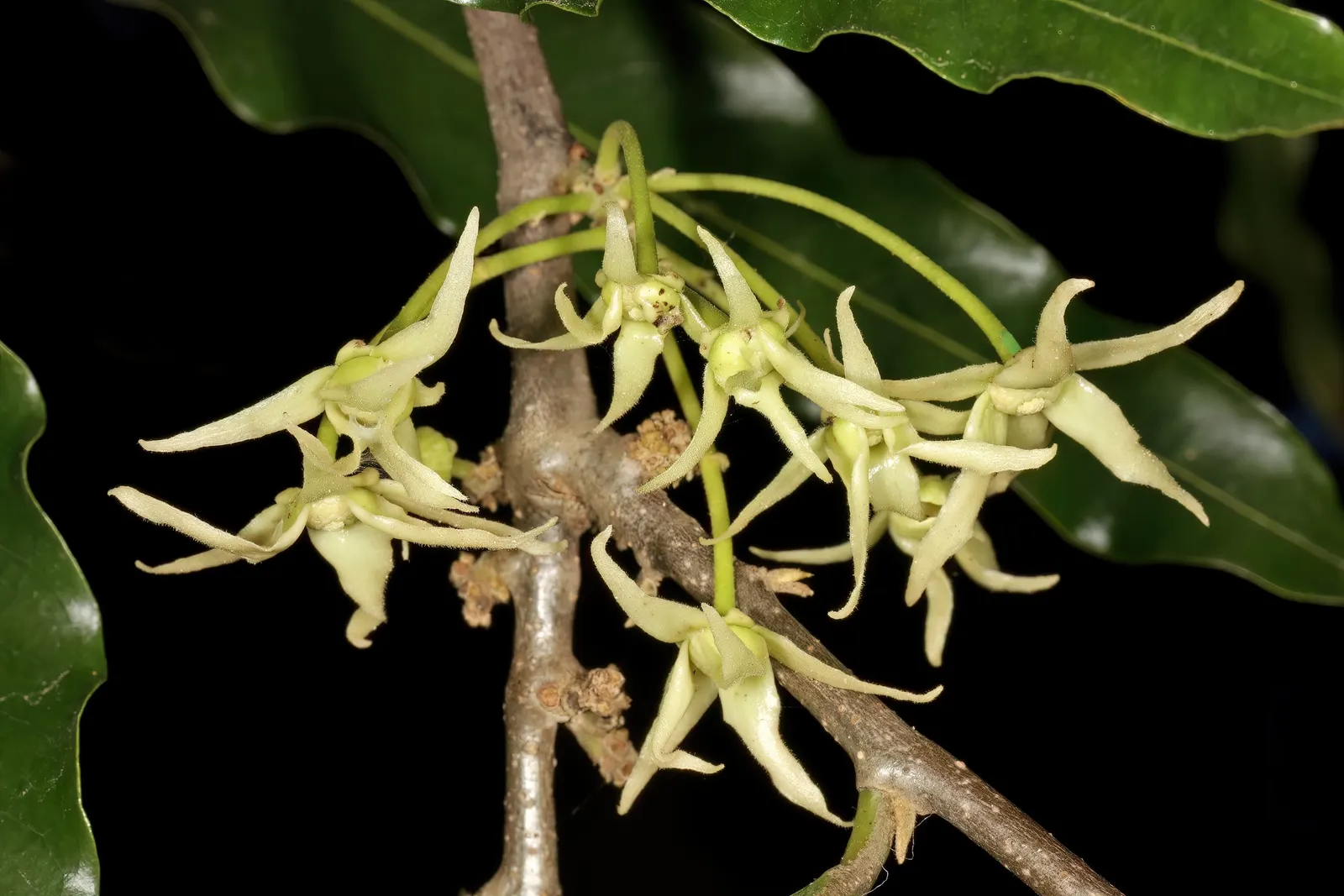
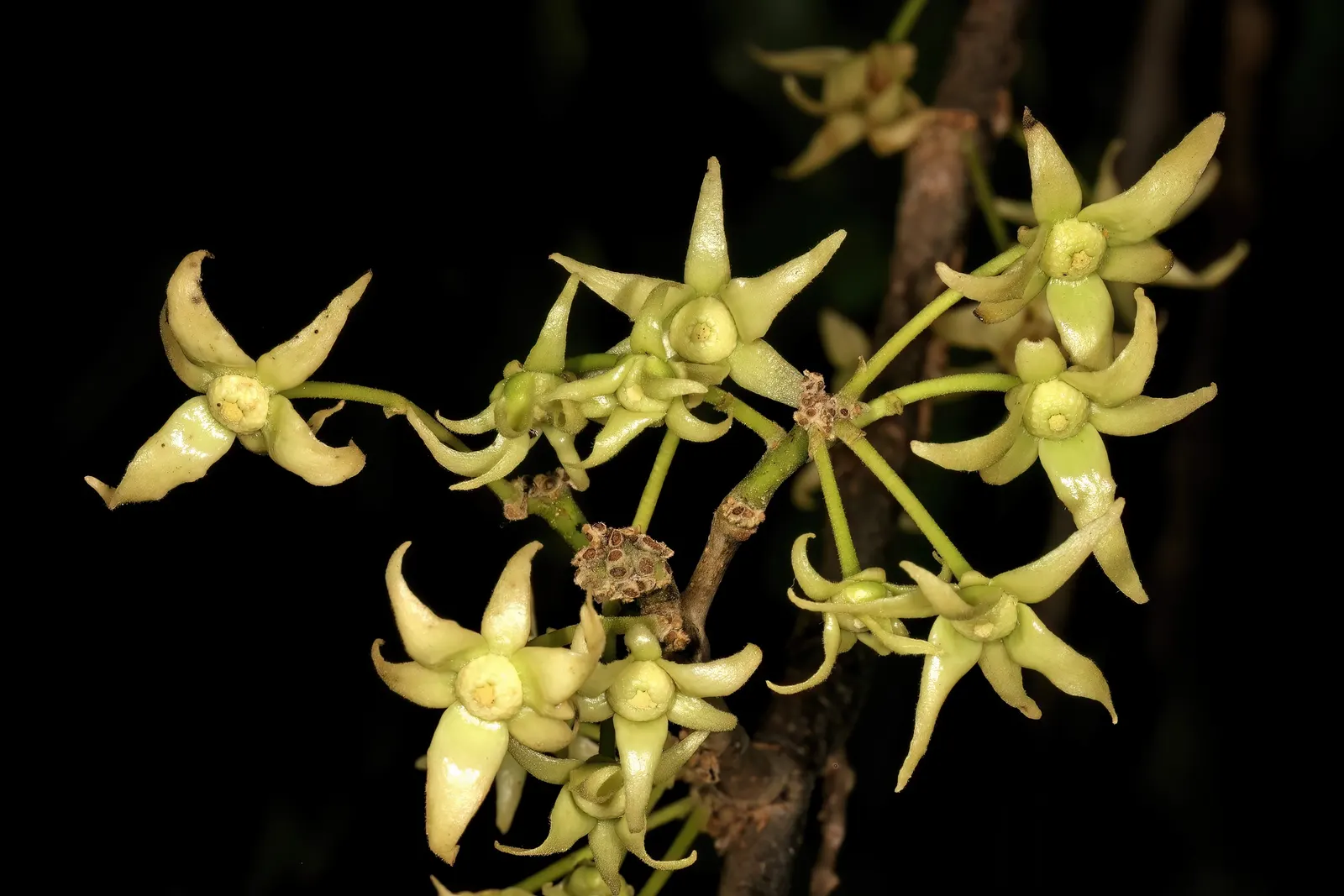
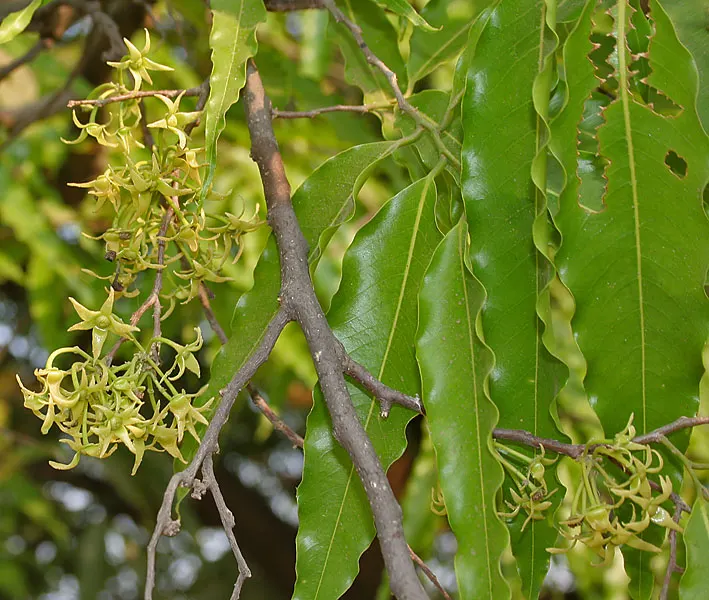
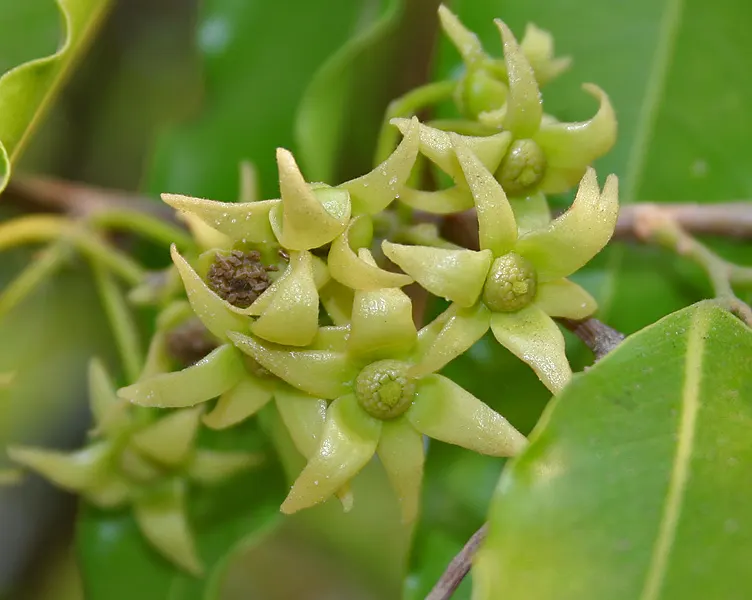
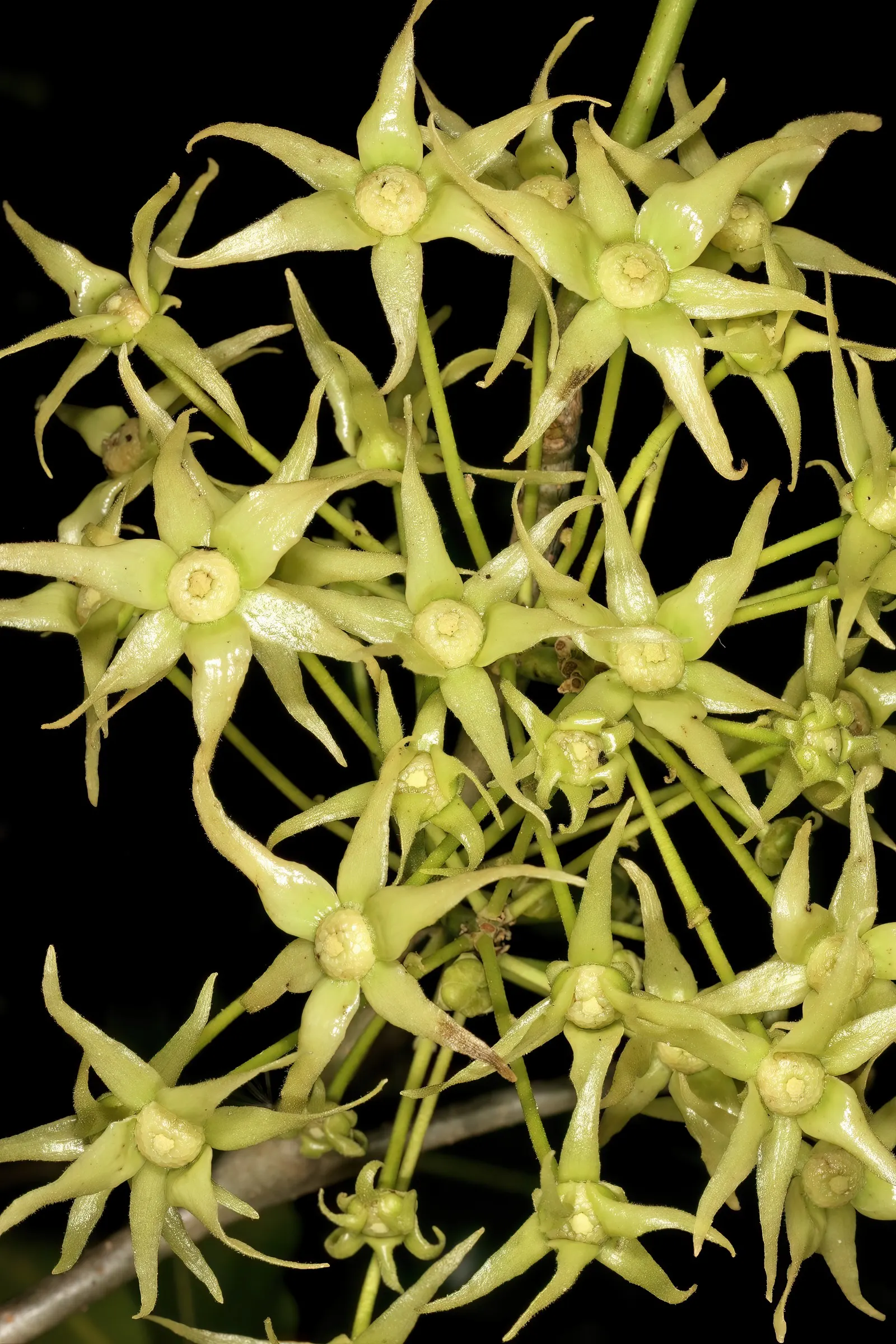
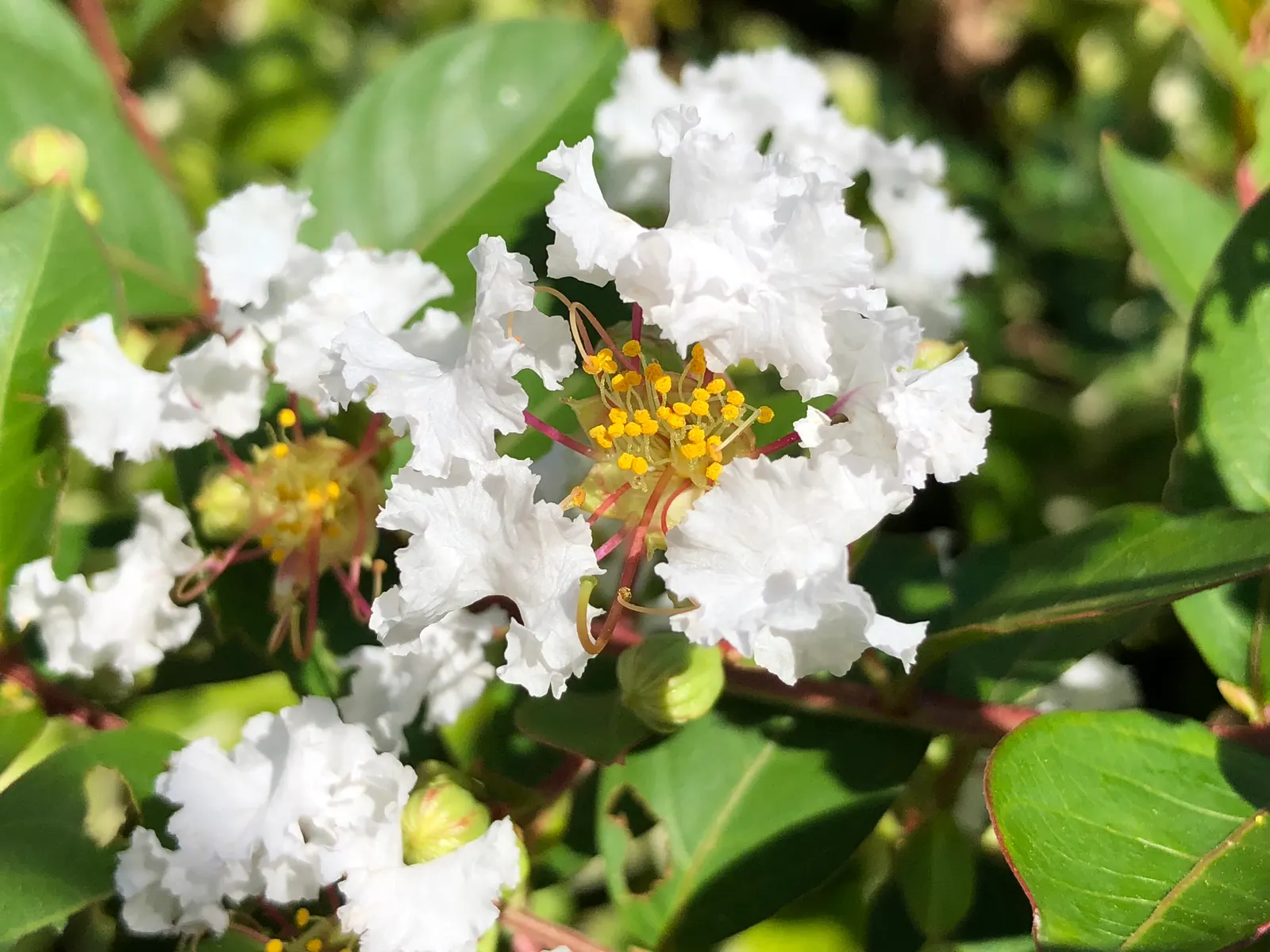
Mast Tree (Polyalthia Longifolia Pendula) — The inconspicuous pale green flowers may not be flashy; its non-invasive roots and minimal maintenance needs make
Mast Tree (Polyalthia Longifolia Pendula) — scientifically known as Polyalthia longifolia 'Pendula'; making it appropriate for arid climates or, image 82
Mast Tree (Polyalthia Longifolia Pendula) — renowned for its graceful; it grows to about 30-40 feet tall with a slim, columnar form about 4-5 feet, image 83
Mast Tree (Polyalthia Longifolia Pendula) — tree for full
Mast Tree (Polyalthia Longifolia Pendula) — renowned for its graceful; it grows to about 30-40 feet tall with a slim, columnar form about 4-5 feet, image 58
Mast Tree (Polyalthia Longifolia Pendula) — tree for full; it benefits from regular watering during the first growing season to develop a deep, image 75
Mast Tree (Polyalthia Longifolia Pendula) — perfect for vertical emphasis in a landscape
Mast Tree (Polyalthia Longifolia Pendula) — ensure the site offers well-drained soil and full to partial sun exposure; thrives in USDA zones 10-11, relishes
Mast Tree (Polyalthia Longifolia Pendula) — dancing delicately with the wind; weeping foliage and its architectural elegance
Mast Tree (Polyalthia Longifolia Pendula) — weeping foliage and its architectural elegance
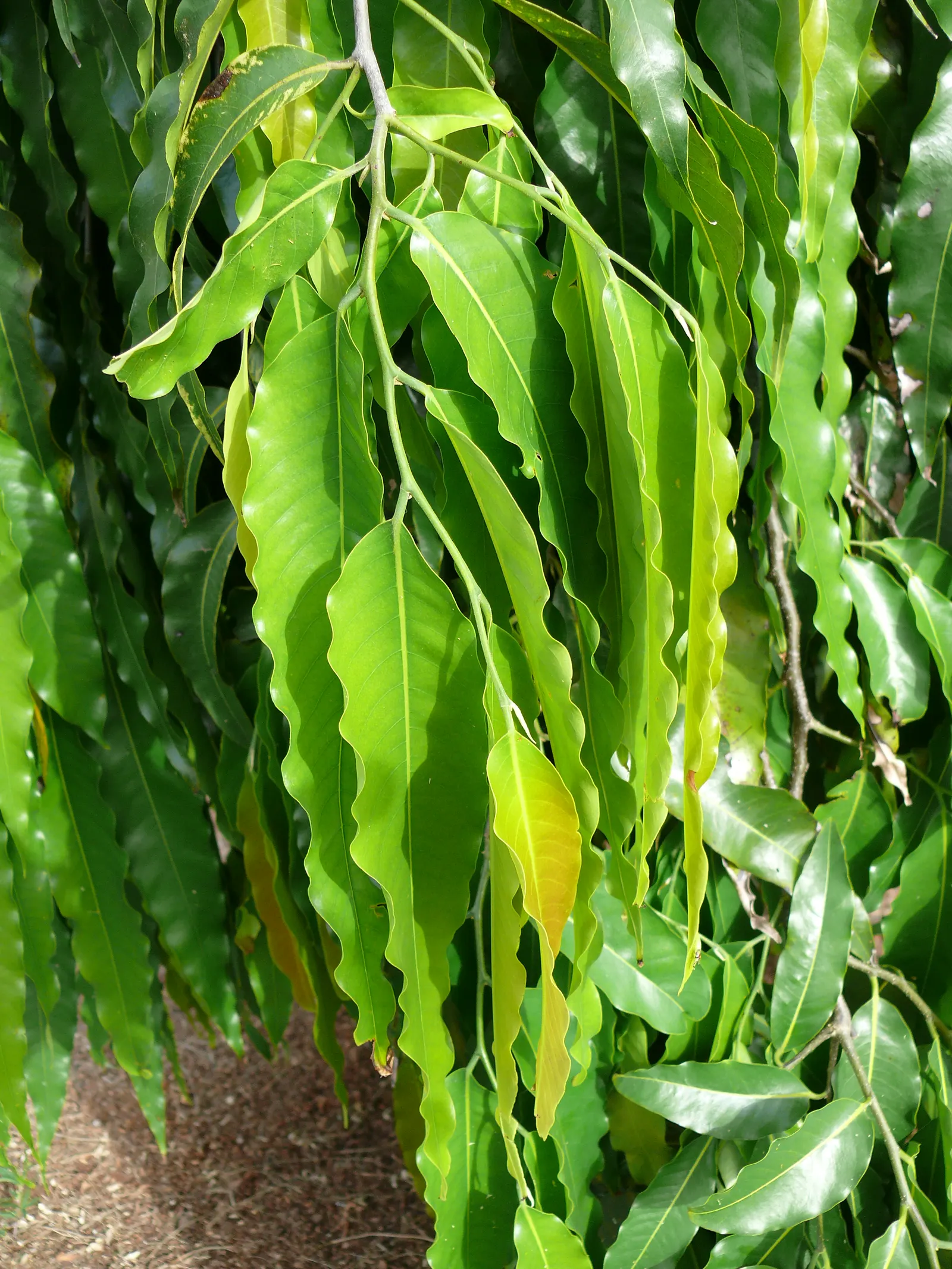
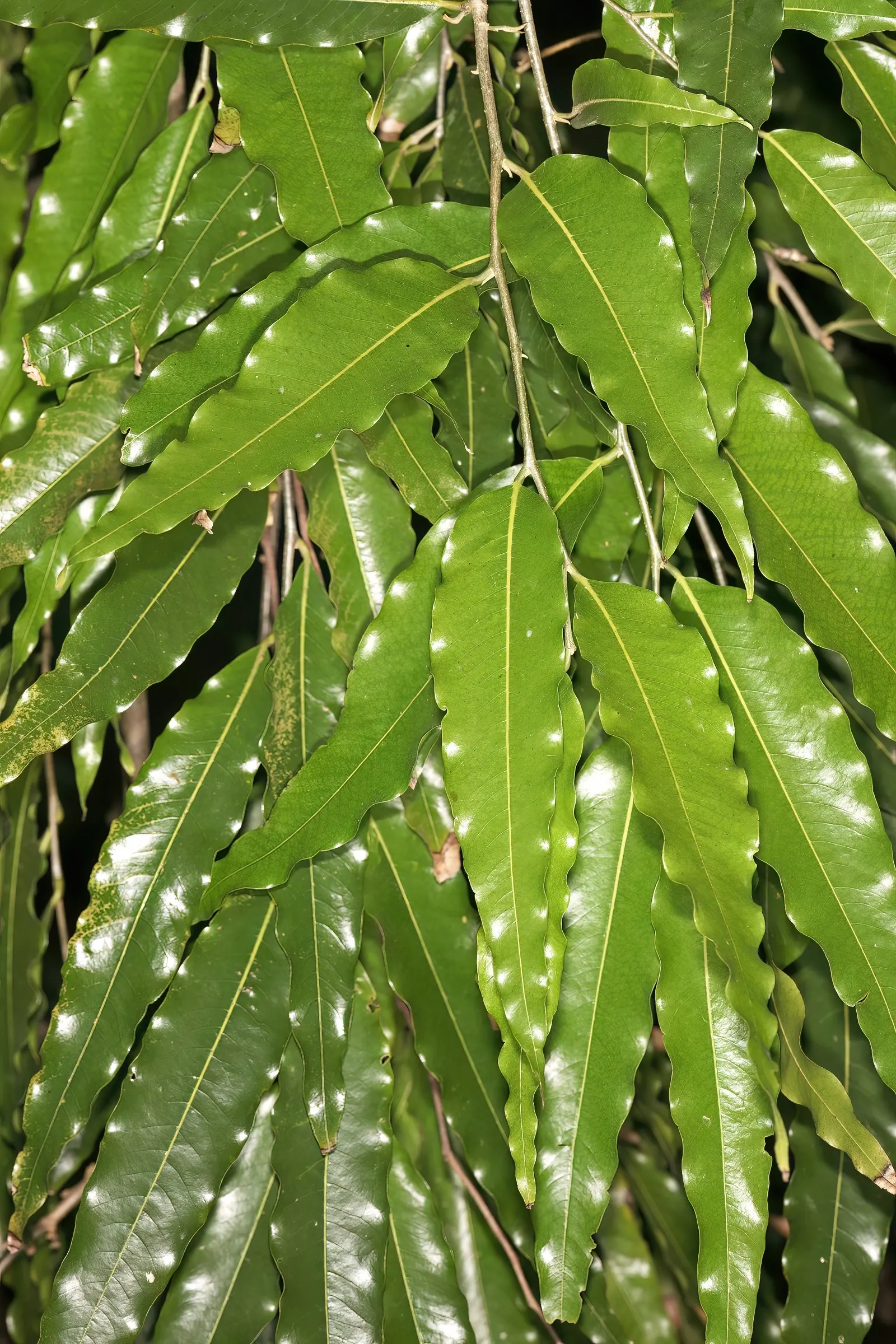
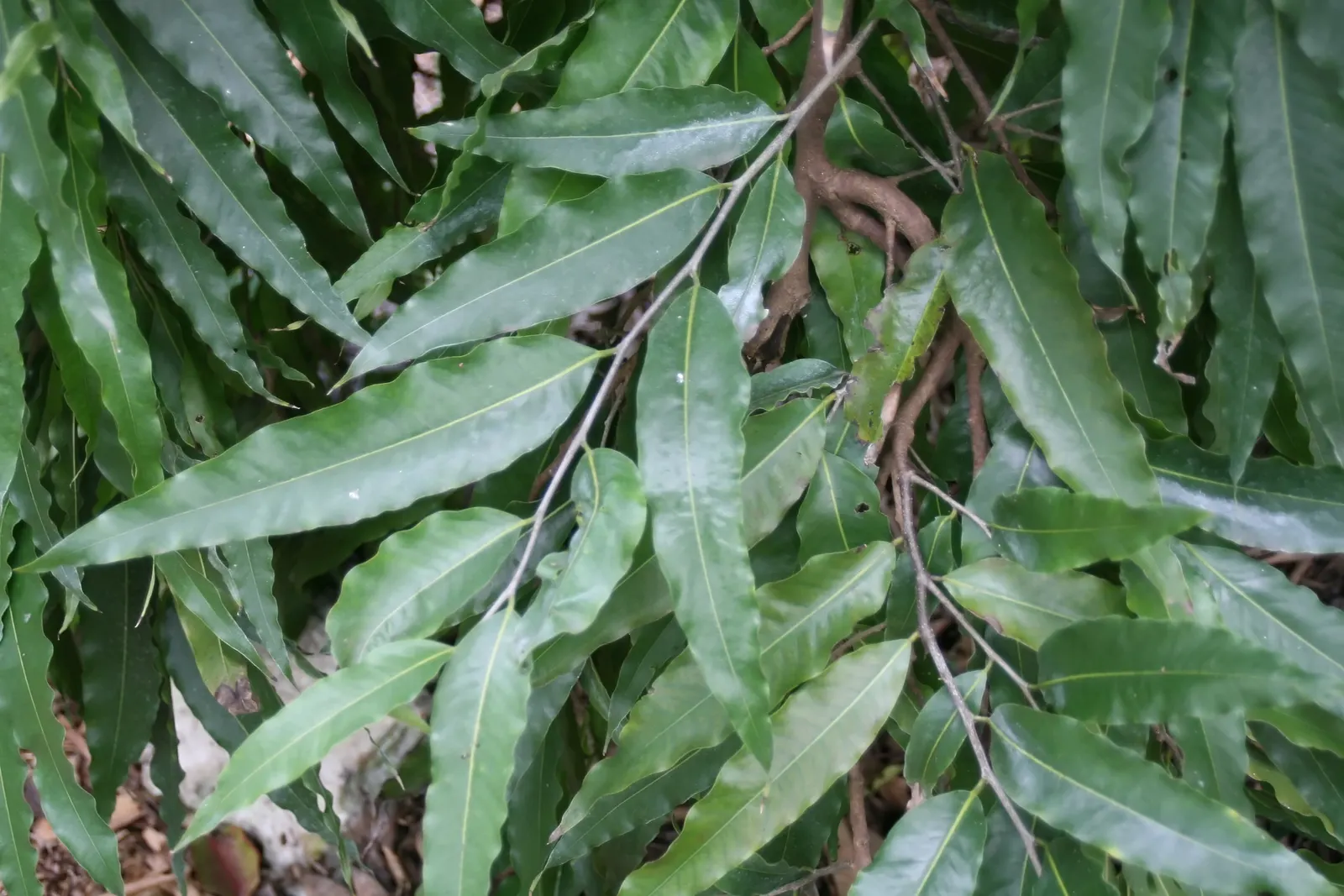
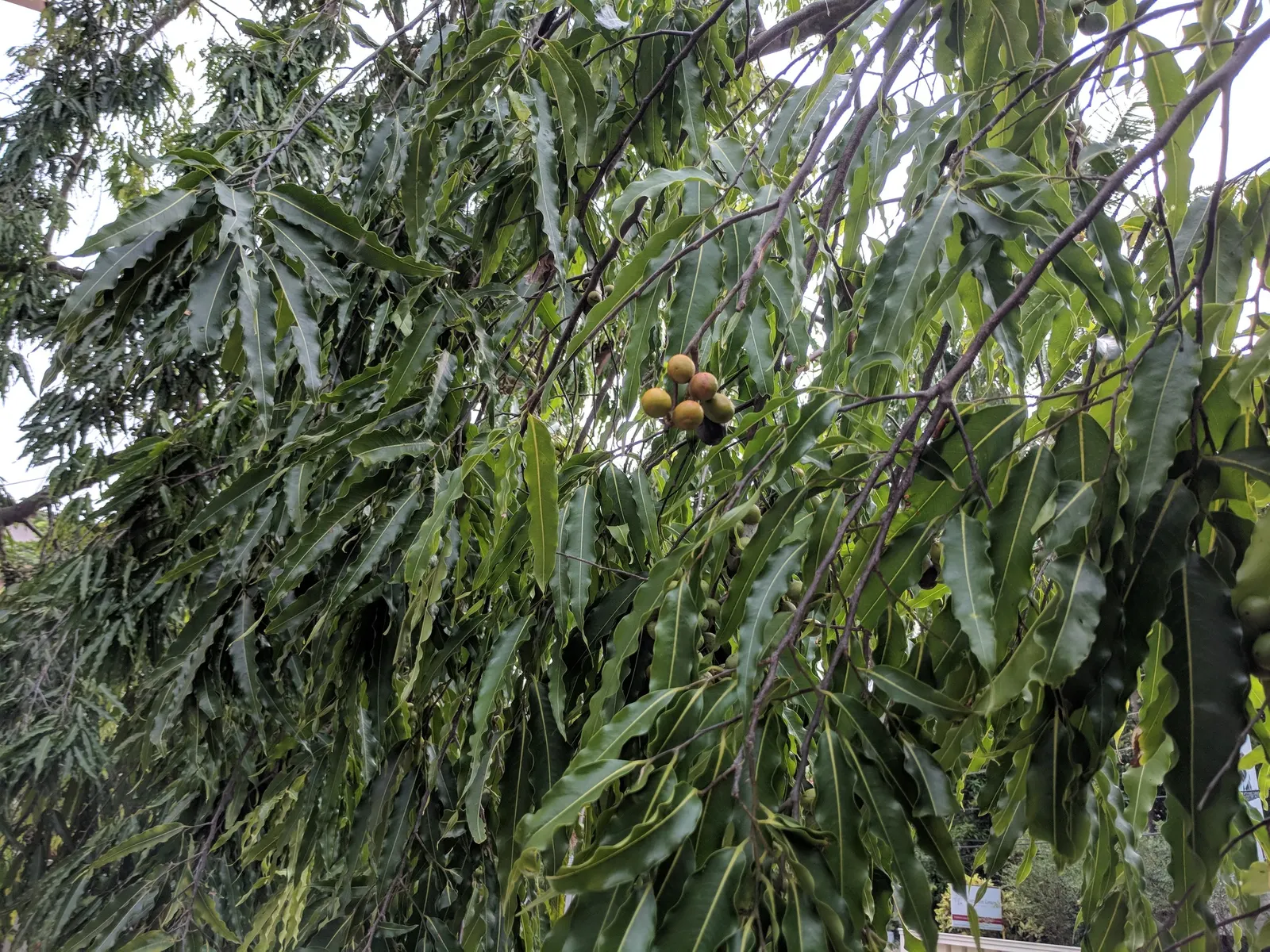
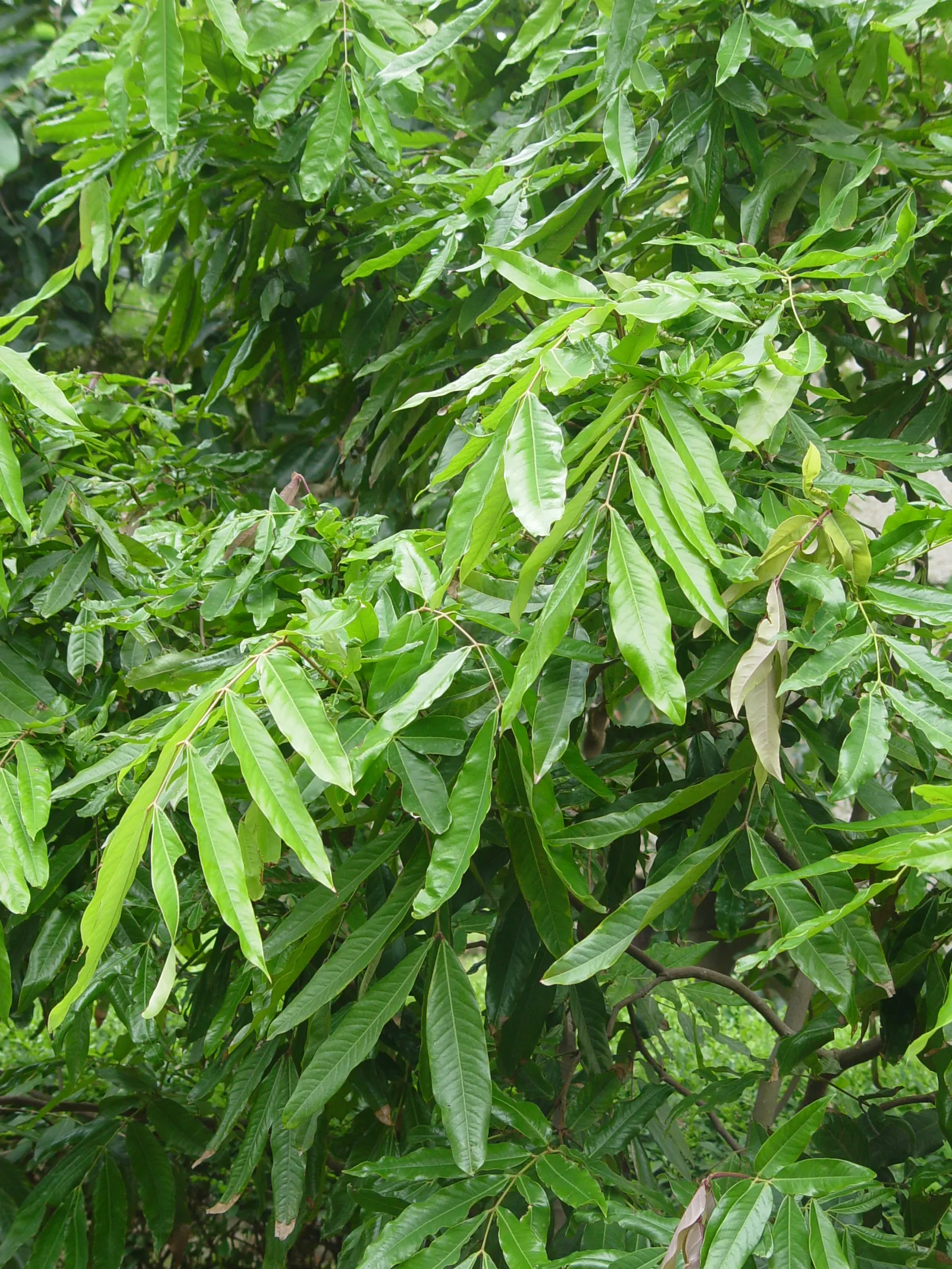
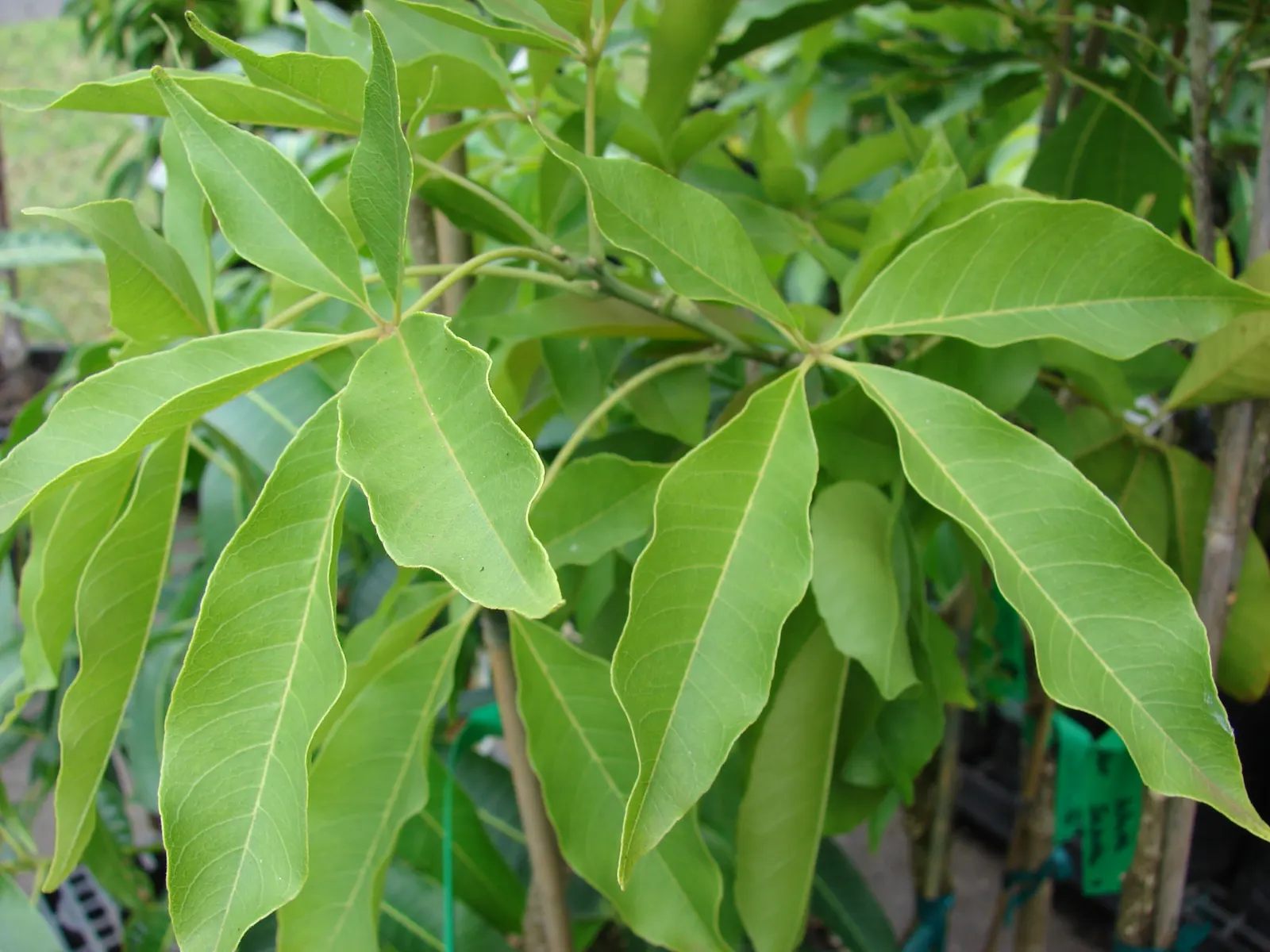
Mast Tree (Polyalthia Longifolia Pendula) — glossy leaves are lance-shaped
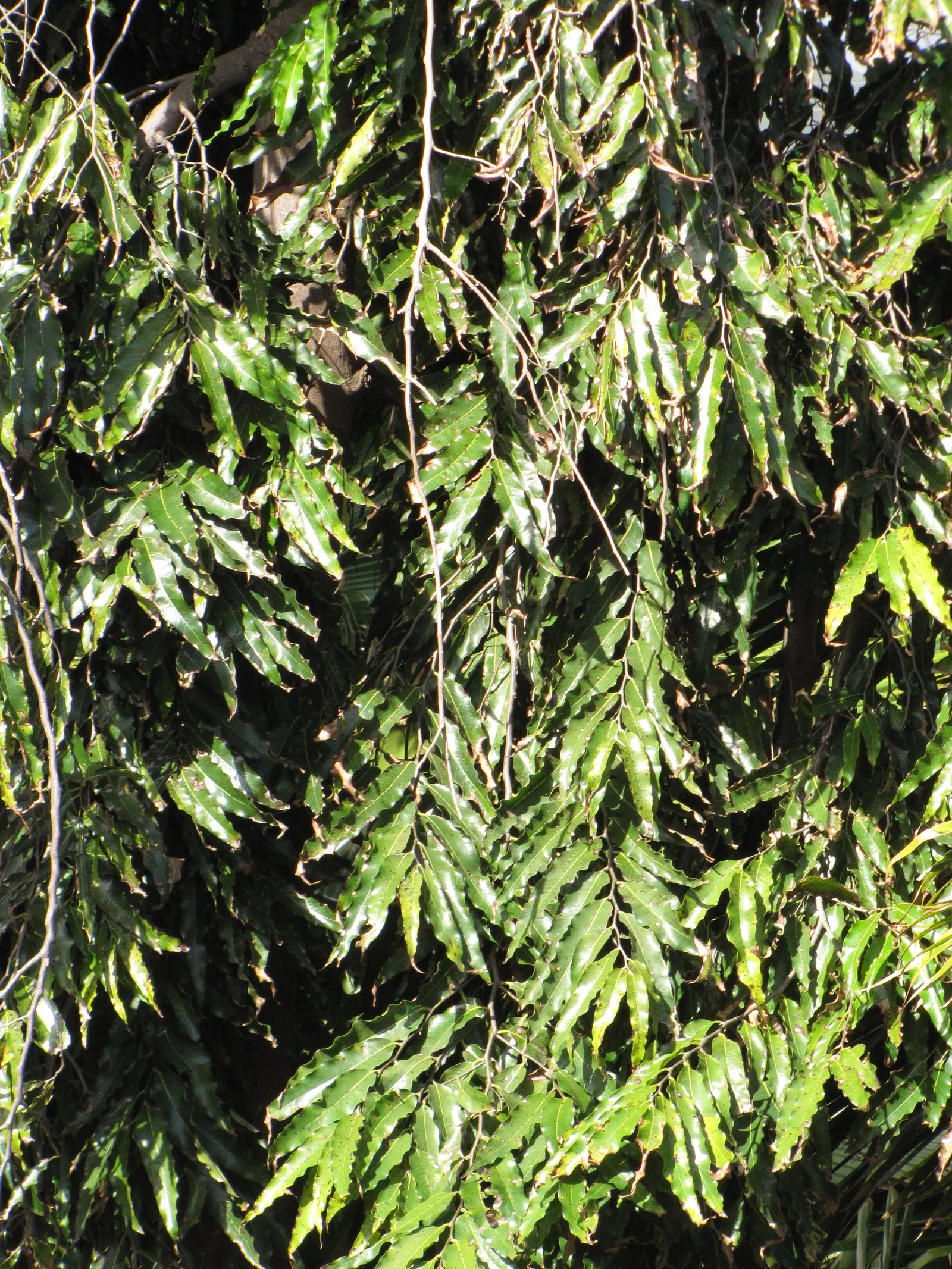
Mast Tree (Polyalthia Longifolia Pendula) — Its pendulous, wavy-edged leaves, richly green, create a dense, feathery appearance; tree for full
Mast Tree (Polyalthia Longifolia Pendula) — or in narrow garden beds where vertical structure is desired; and hang in a pendulous fashion
Mast Tree (Polyalthia Longifolia Pendula) — This species is notably drought-tolerant once established; truly embodying an upright form akin to a ship's
Mast Tree (Polyalthia Longifolia Pendula) — Its pendulous, wavy-edged leaves, richly green, create a dense, feathery appearance; tree for full, image 79
Mast Tree (Polyalthia Longifolia Pendula) — Importantly, these leaves emit minimal litter, making it an attractive option for tidy landscapes; dancing
Mast Tree (Polyalthia Longifolia Pendula) — reaches an approximate mature height of 30 to 45 feet with a narrow spread of only 4 to 5 feet; or in, image 86
Mast Tree (Polyalthia Longifolia Pendula) — reaches an approximate mature height of 30 to 45 feet with a narrow spread of only 4 to 5 feet; or in, image 61
Mast Tree (Polyalthia Longifolia Pendula) — perfect for vertical emphasis in a landscape; reaches an approximate mature height of 30 to 45 feet, image 52
Mast Tree (Polyalthia Longifolia Pendula) — glossy leaves are lance-shaped, image 88
Mast Tree (Polyalthia Longifolia Pendula) — dancing delicately with the wind
Mast Tree (Polyalthia Longifolia Pendula) — and hang in a pendulous fashion; perfect for vertical emphasis in a landscape, image 65
Mast Tree (Polyalthia Longifolia Pendula) — scientifically known as Polyalthia longifolia 'Pendula'; making it appropriate for arid climates or areas with
Mast Tree (Polyalthia Longifolia Pendula) — Thrives in USDA zones 10-11, relishes full sun to partial shade, and prefers well-drained soil; scientifically
Photographs by 9 contributors

Related plants