Skip to content

Eastern Whorled Milkweed

Asclepias Verticillata

Design with this plant

Overview

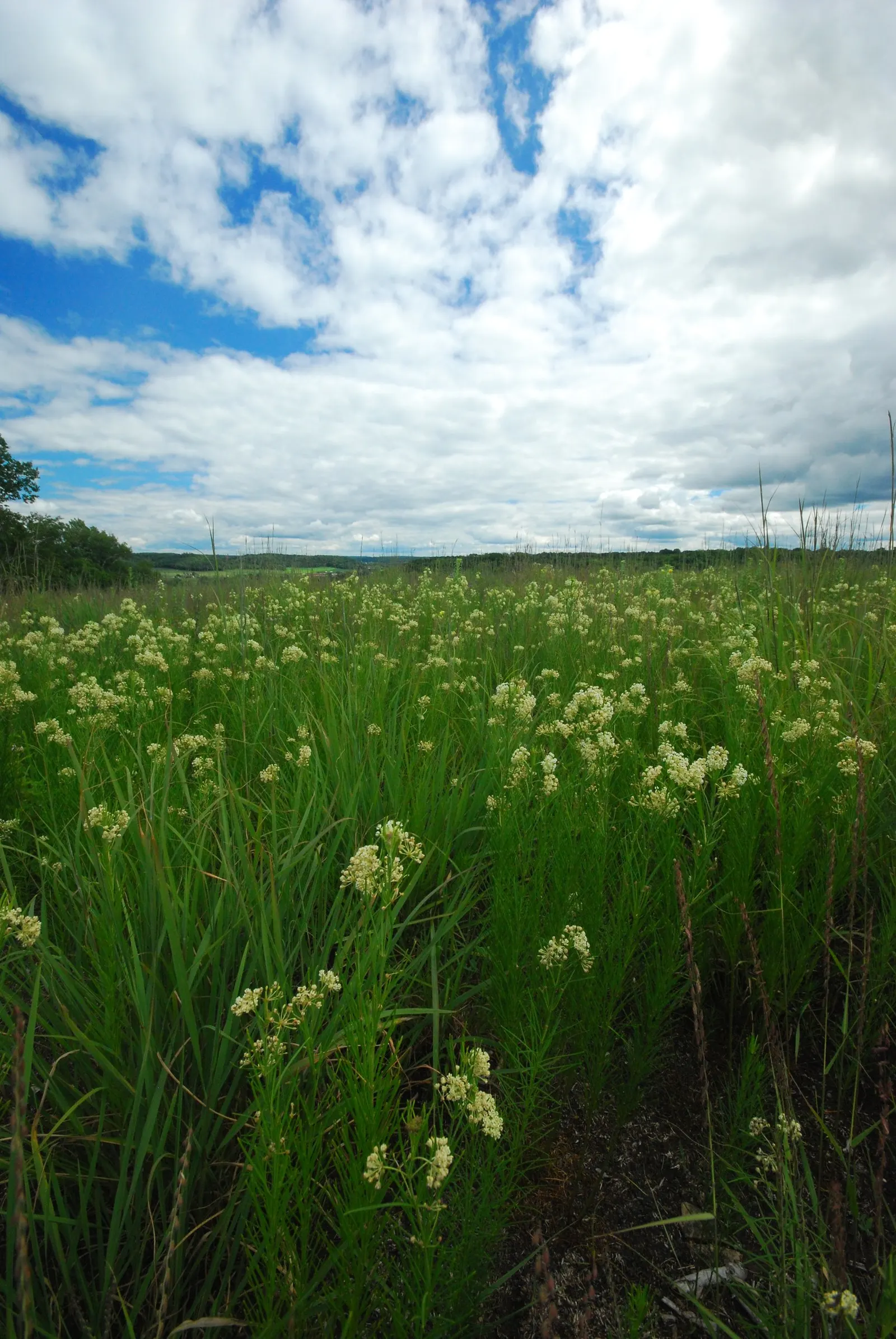
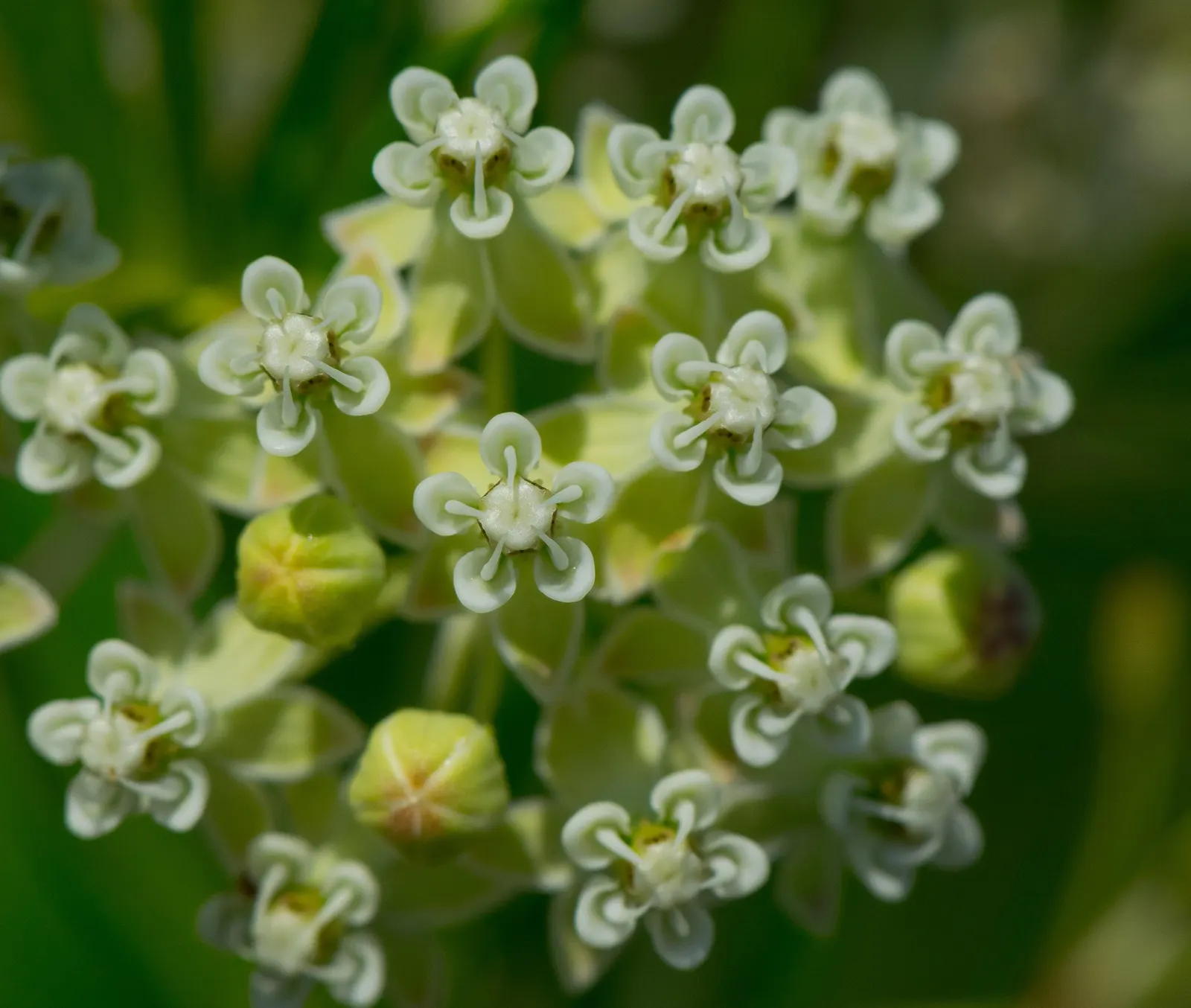
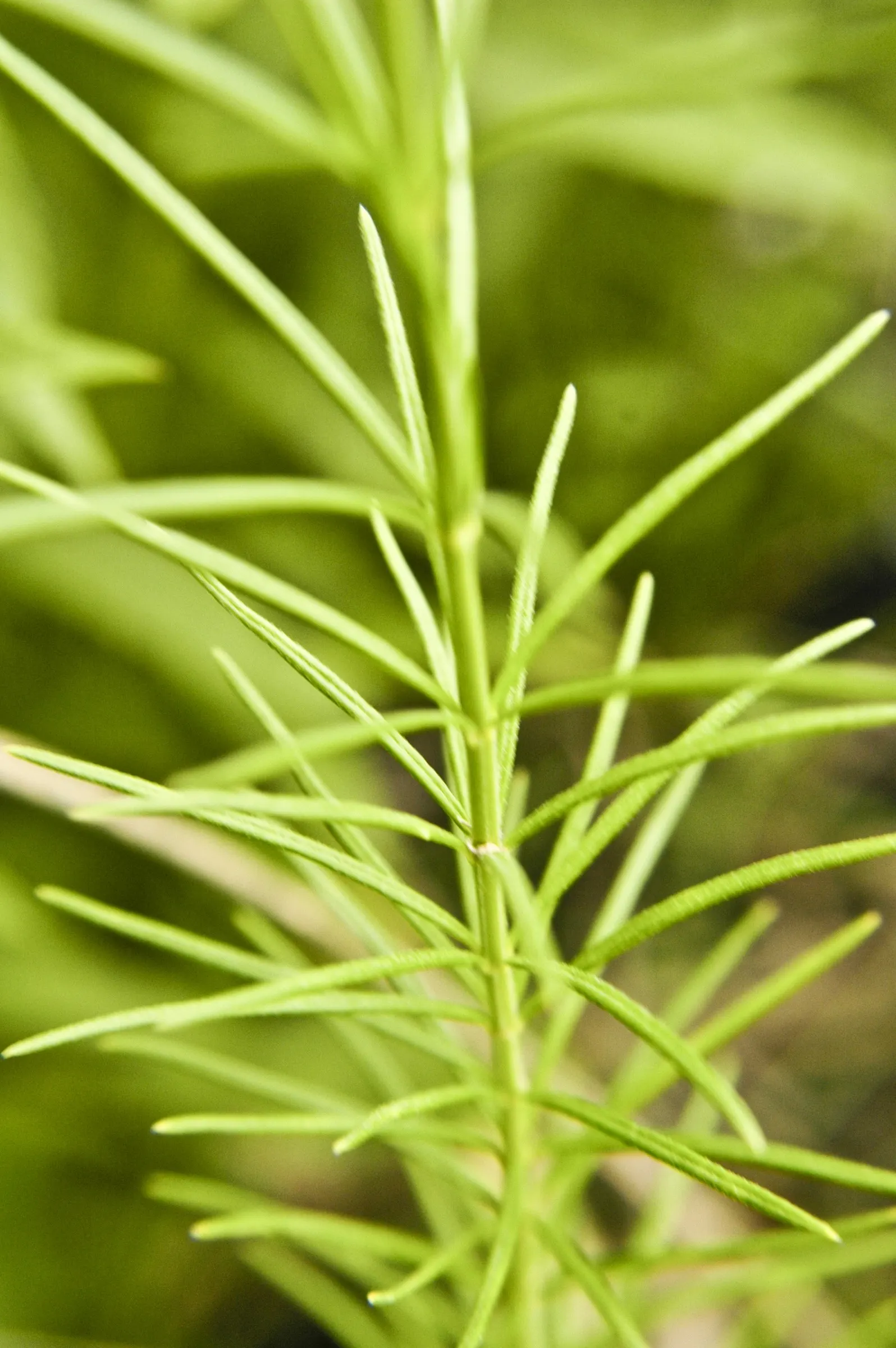
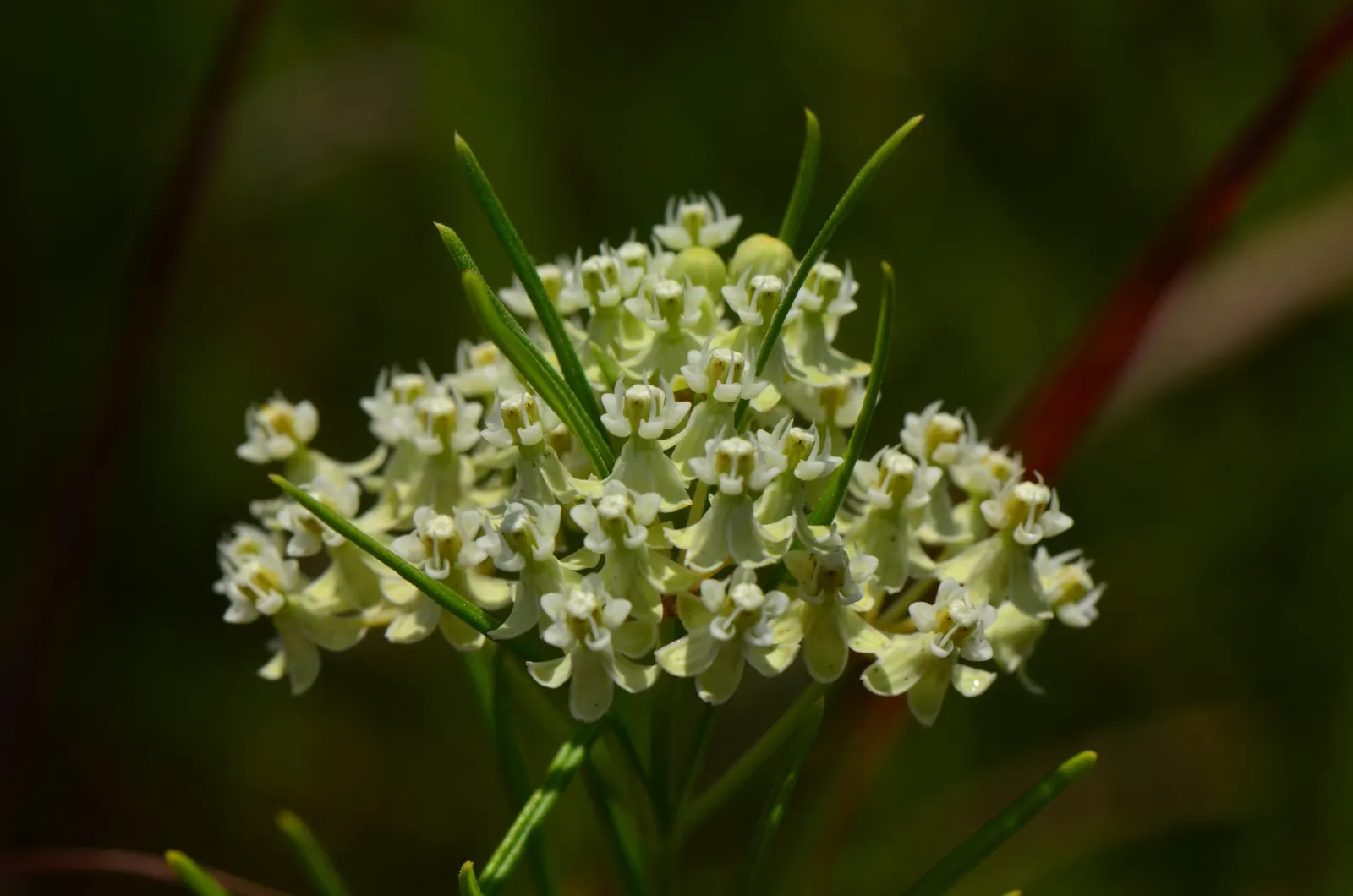
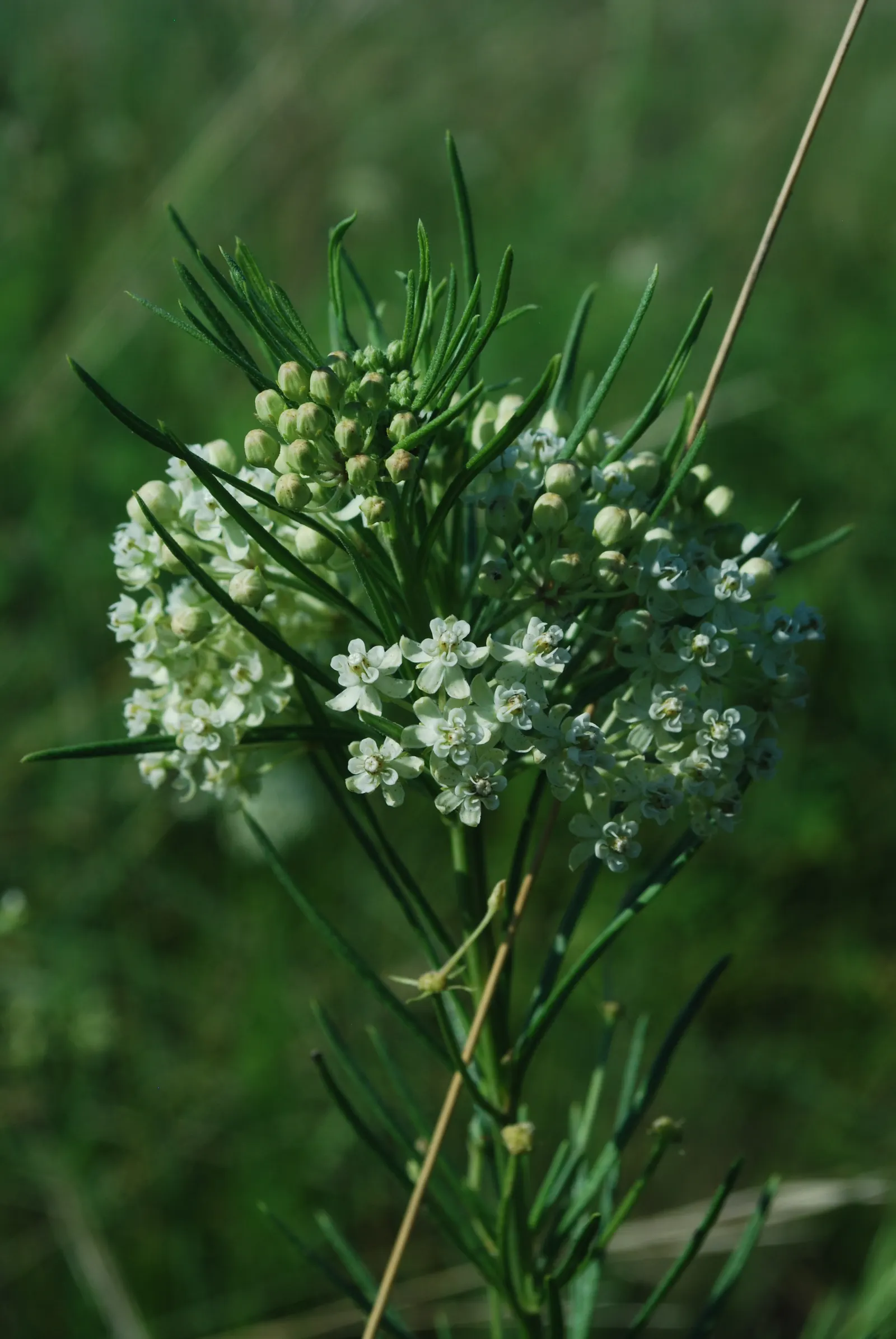
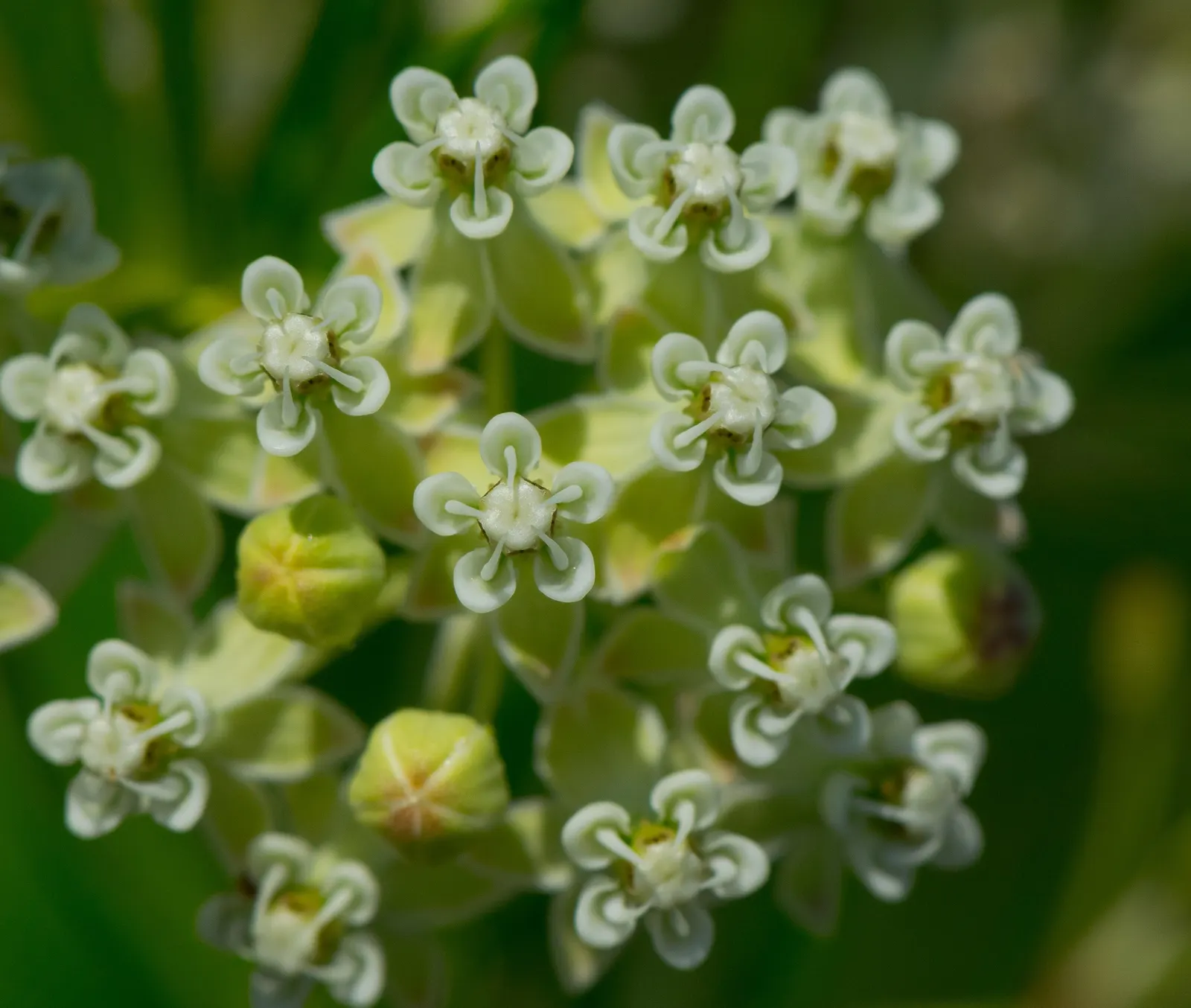
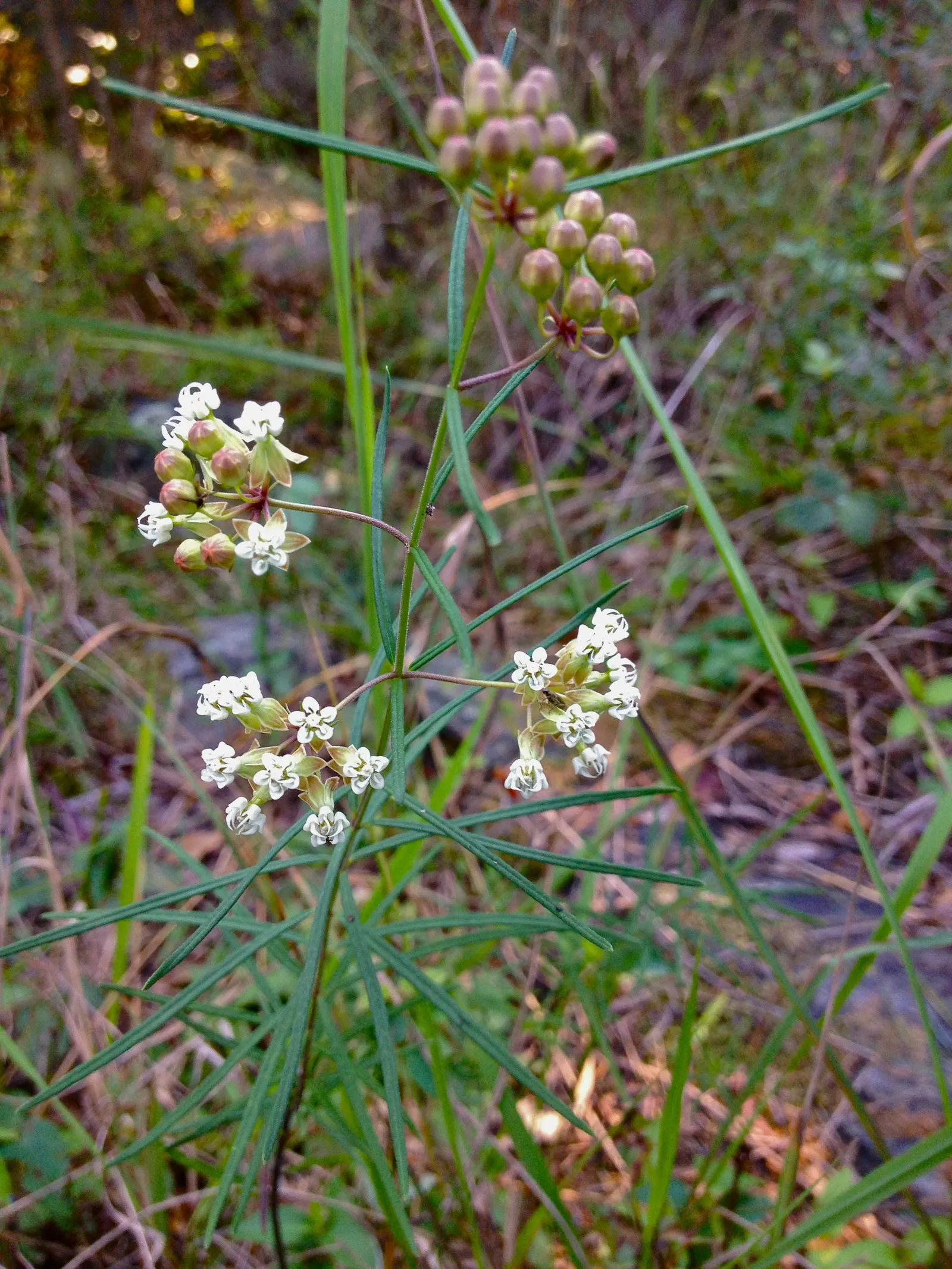
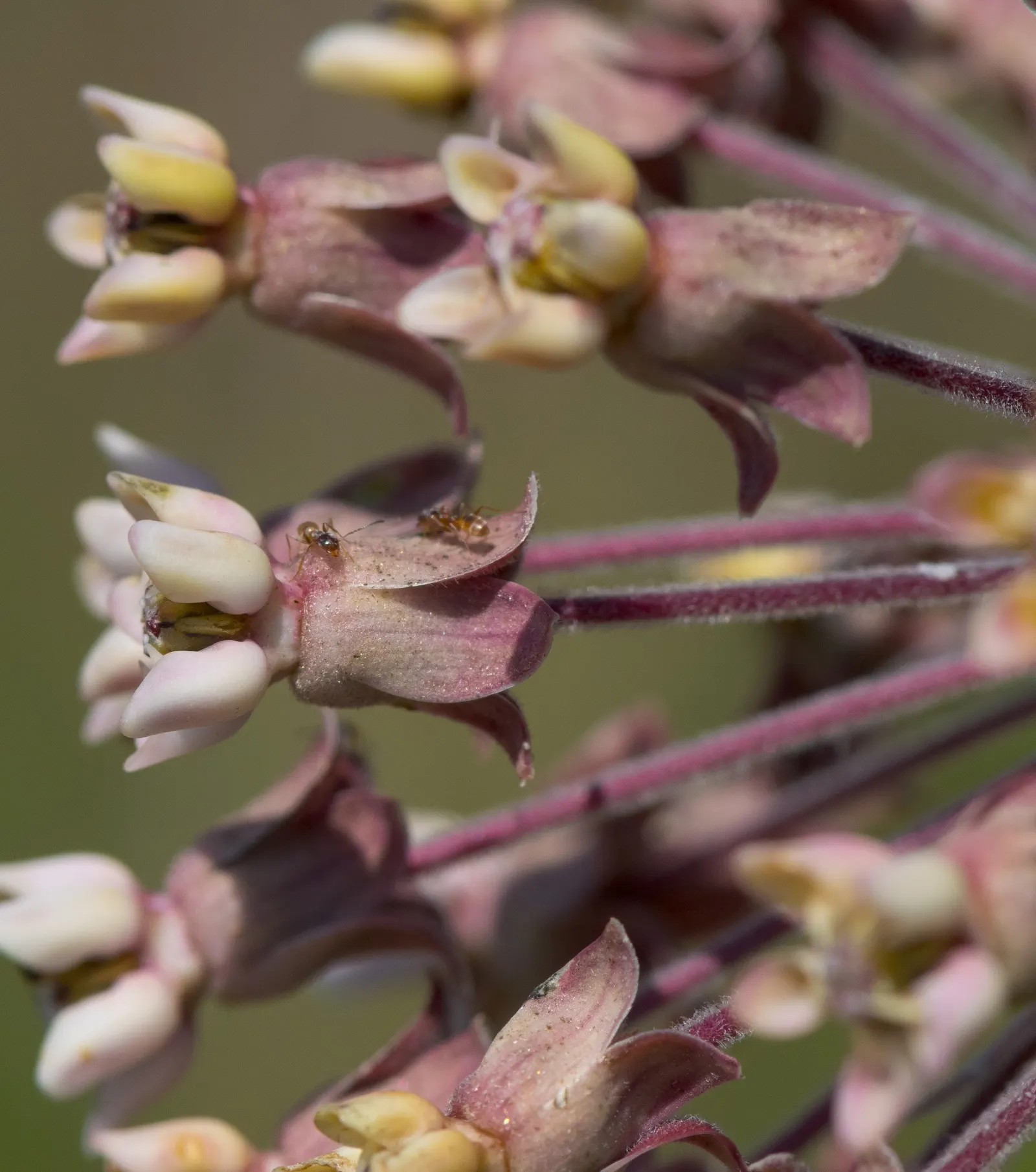
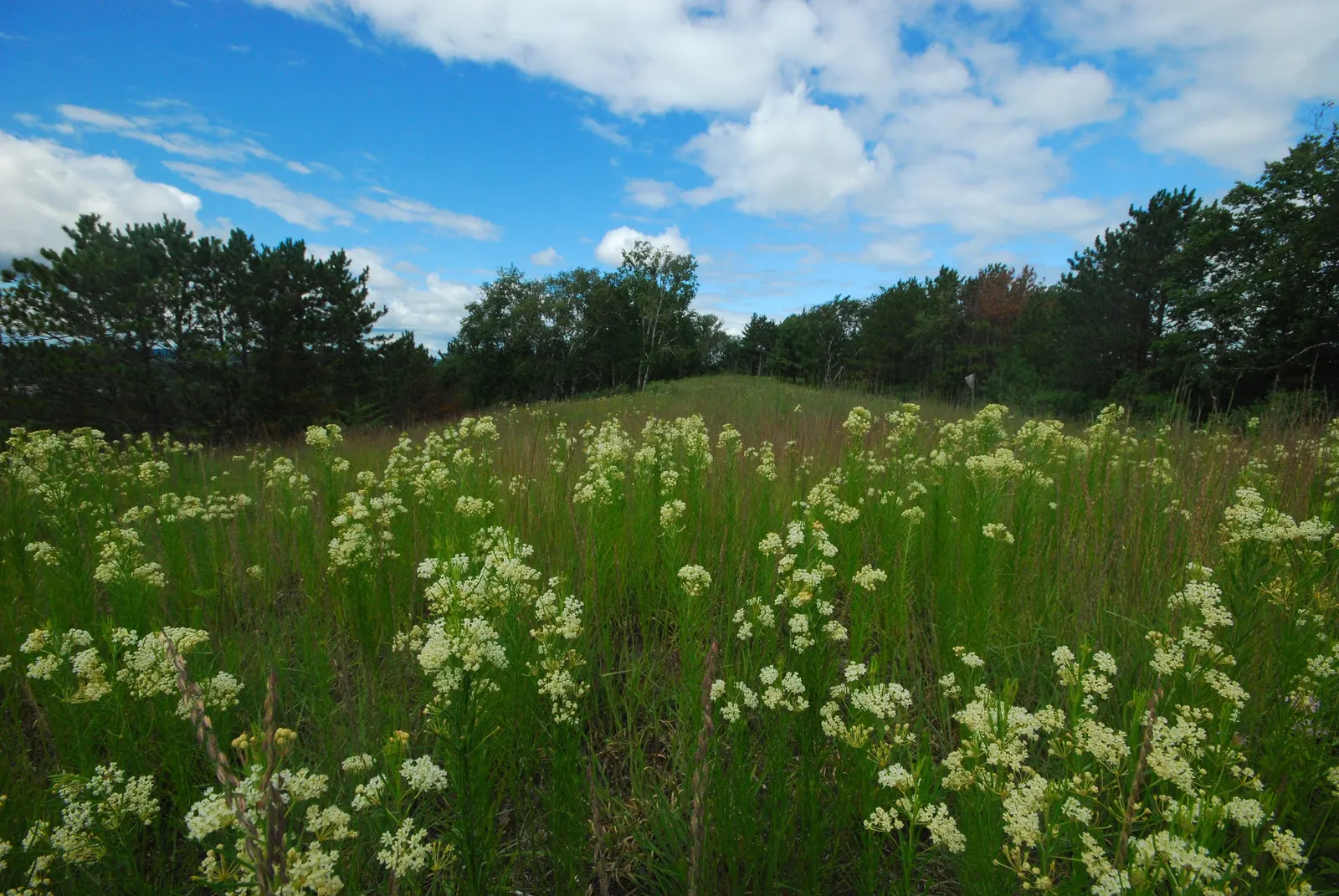
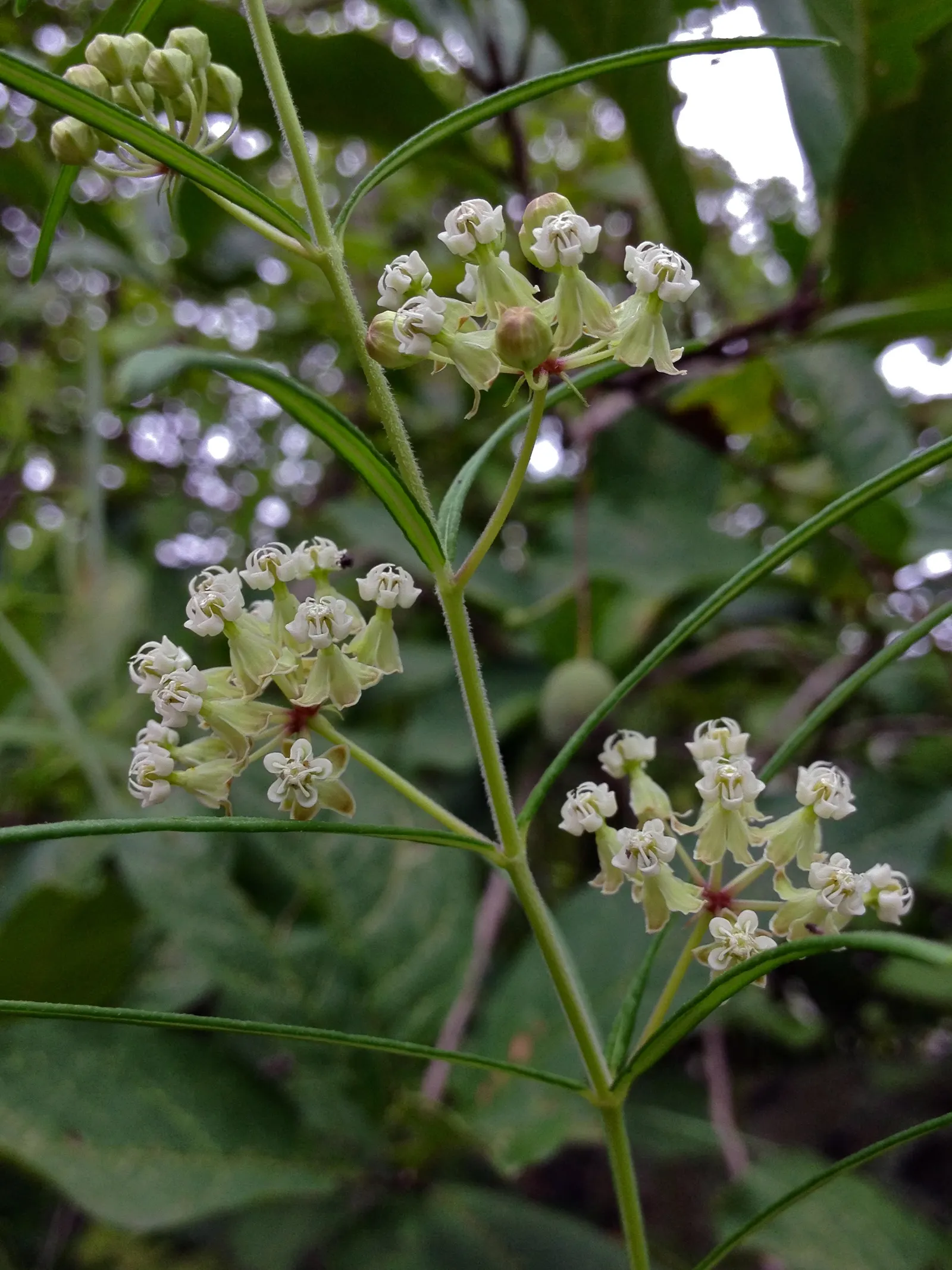
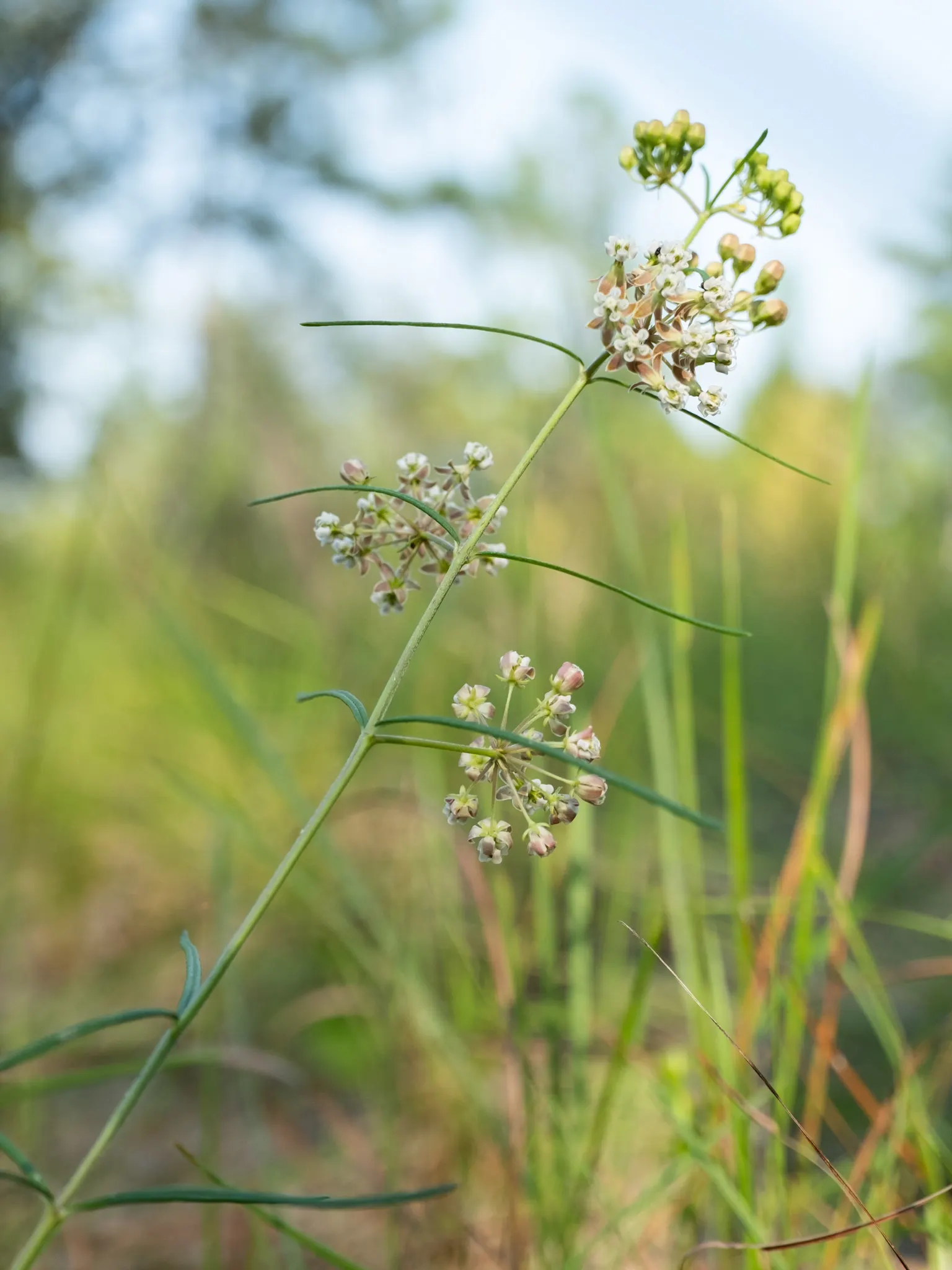
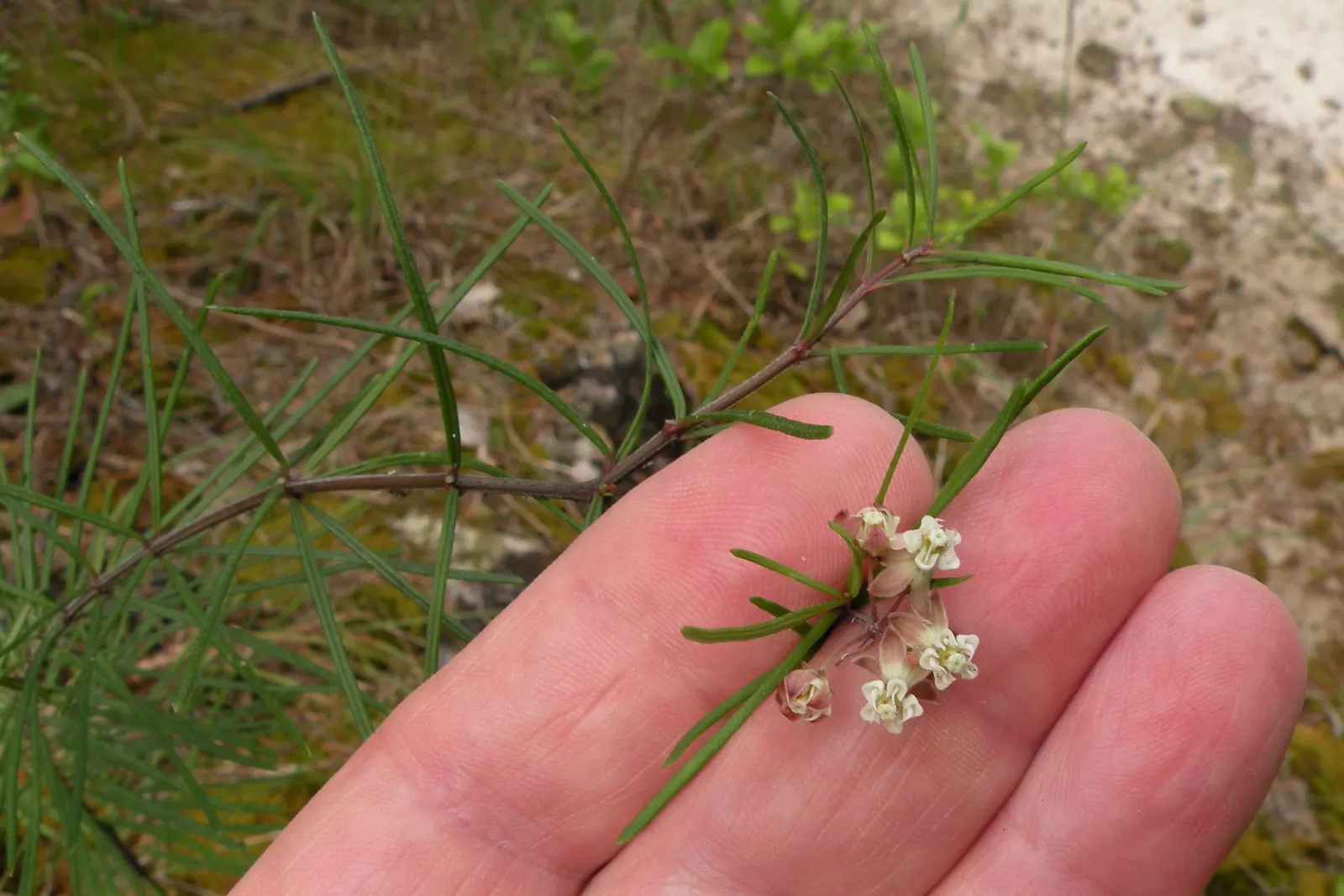
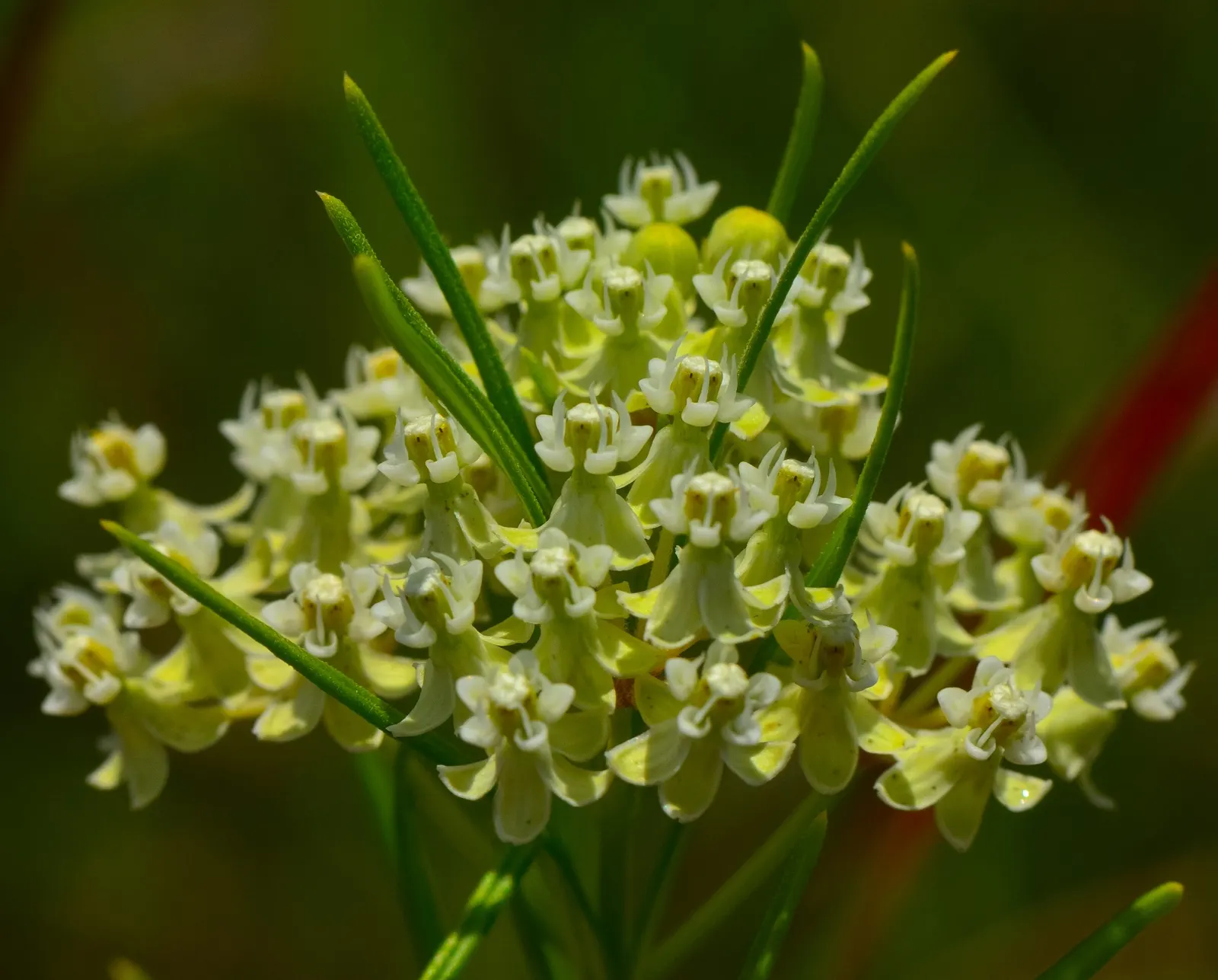
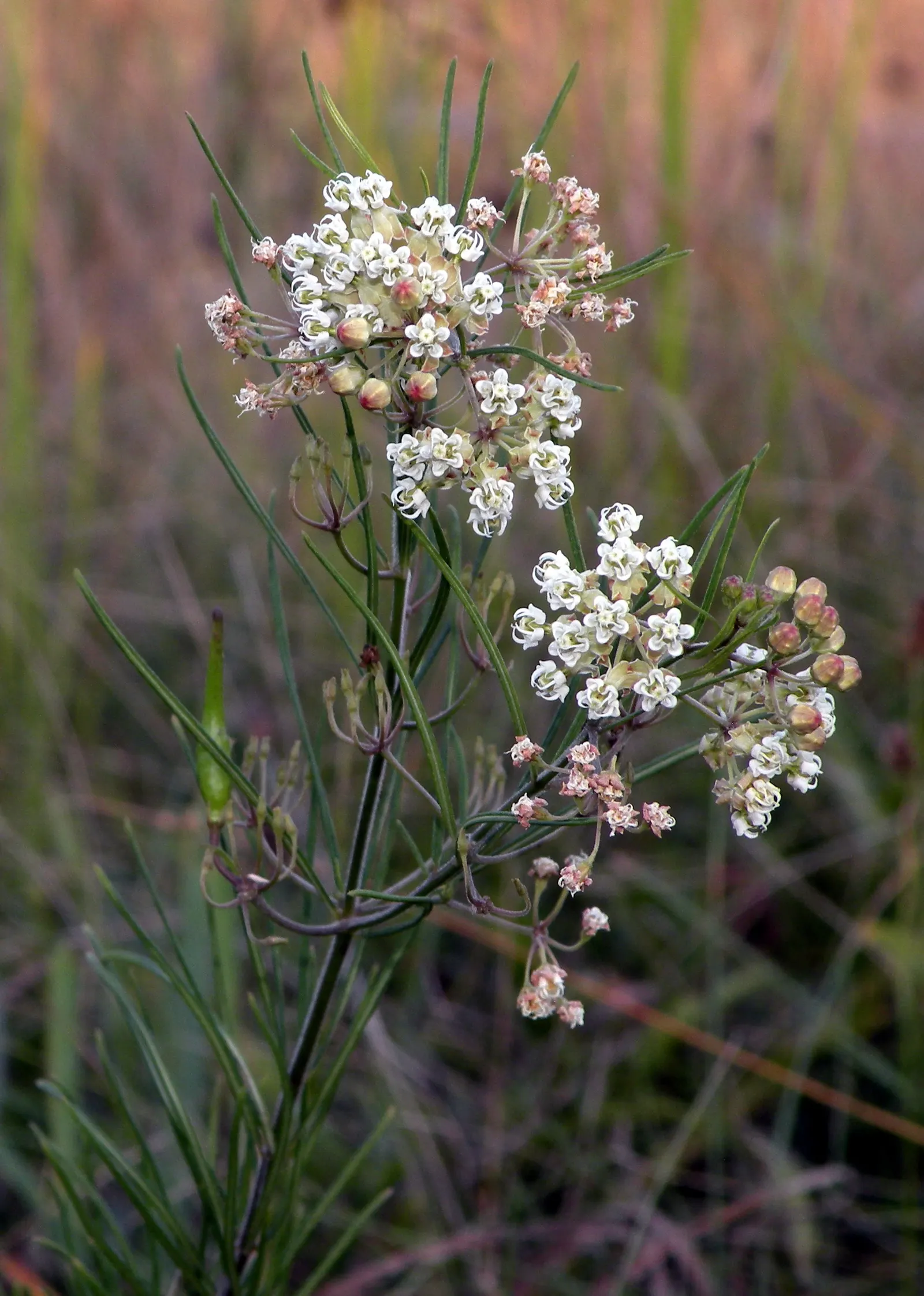
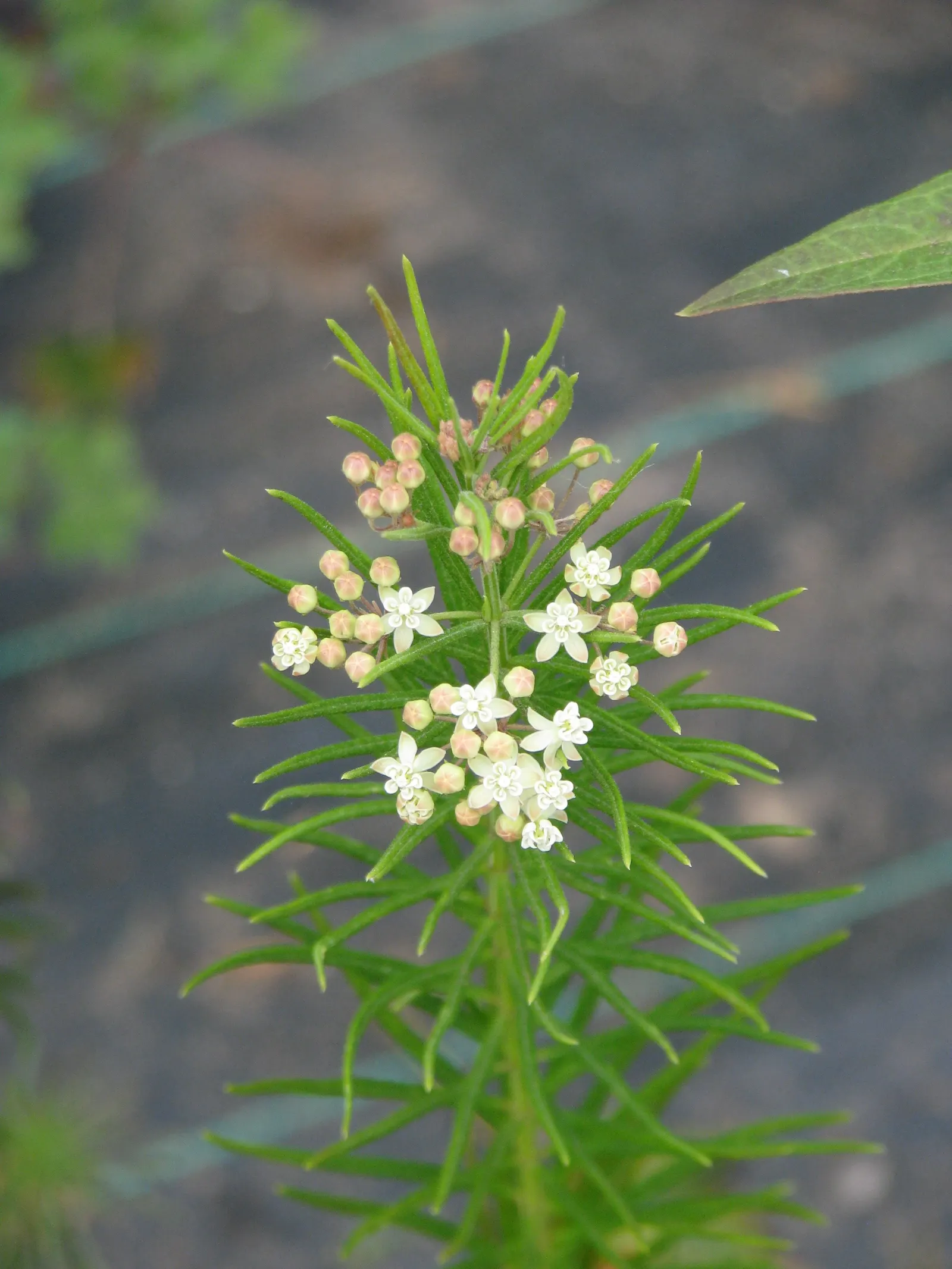
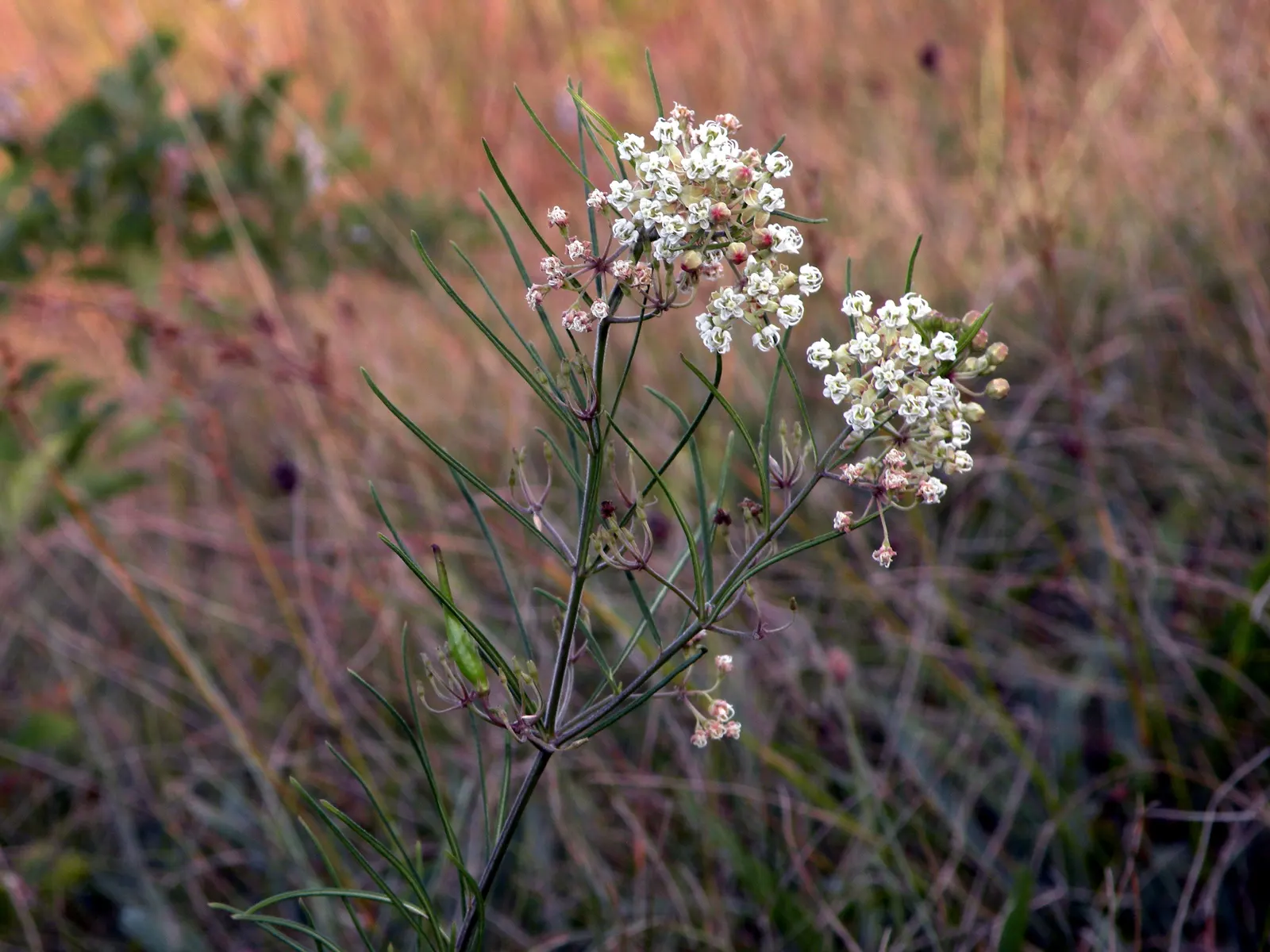
Eastern Whorled Milkweed, Asclepias verticillata, is a perennial boasting narrow, whorled leaves and clusters of small, white to greenish flowers. Thriving in full sun and well-drained soil, it grows 1-2.5 feet tall and spreads 1-1.5 feet wide. This milkweed species benefits pollinators and Monarch butterflies, adding ecological value to your landscape. Its minimalist form complements prairie-style designs and wildflower gardens. Hardy in Zones 3-9.

Sun FullWater Very LowZones 3–11Climate Arid
Eastern Whorled Milkweed (Asclepias Verticillata) — is a perennial boasting narrow

Culture

Sun
Full
Water
Very Low
USDA zones
3–11

Shape & size

Classification

Family
Asclepiadaceae
Climate
Arid

See full data, regional cultivation notes, full-resolution photos, and design tools. Build a client presentation around this plant.

Start your 14-day trial

Photos (51)

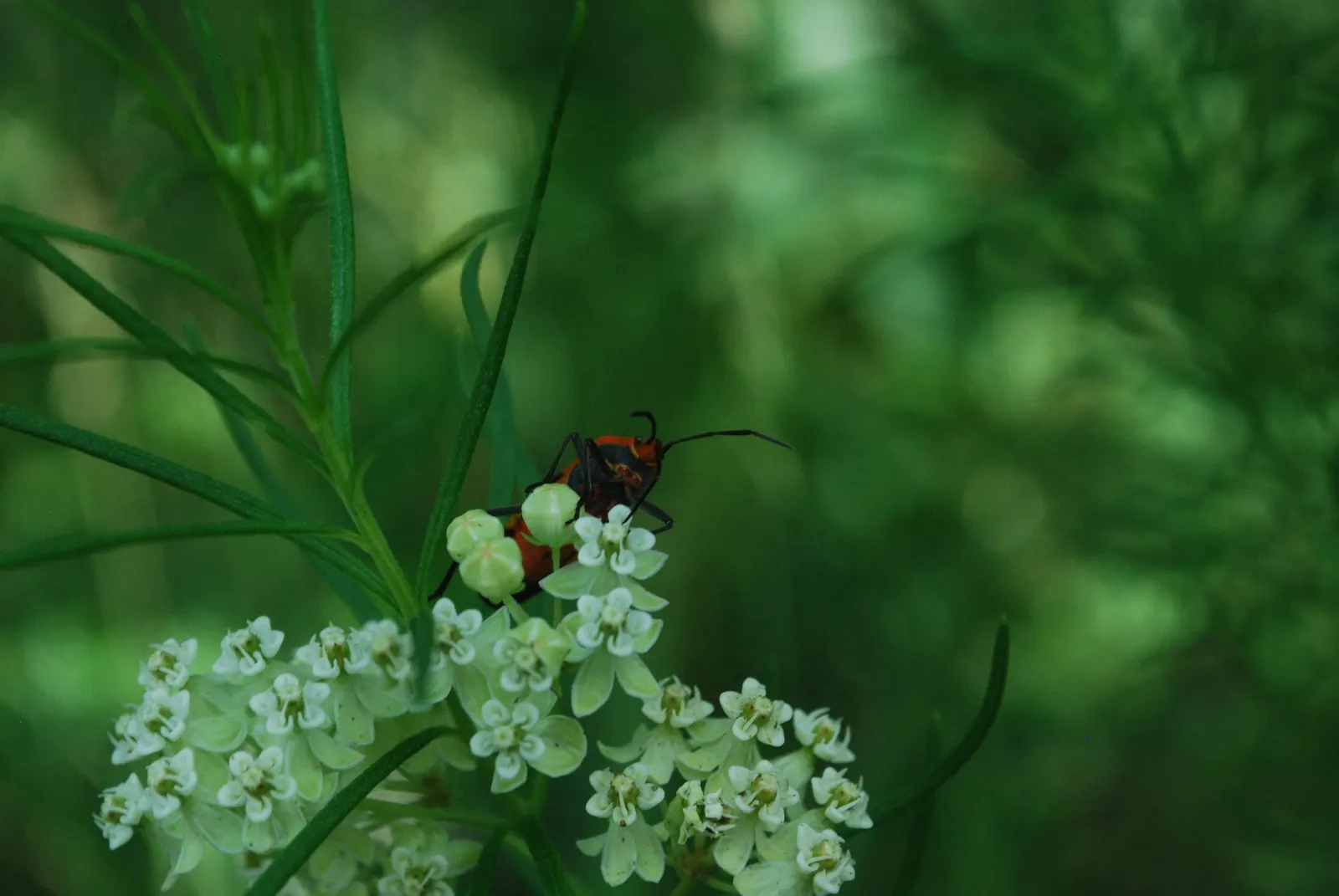
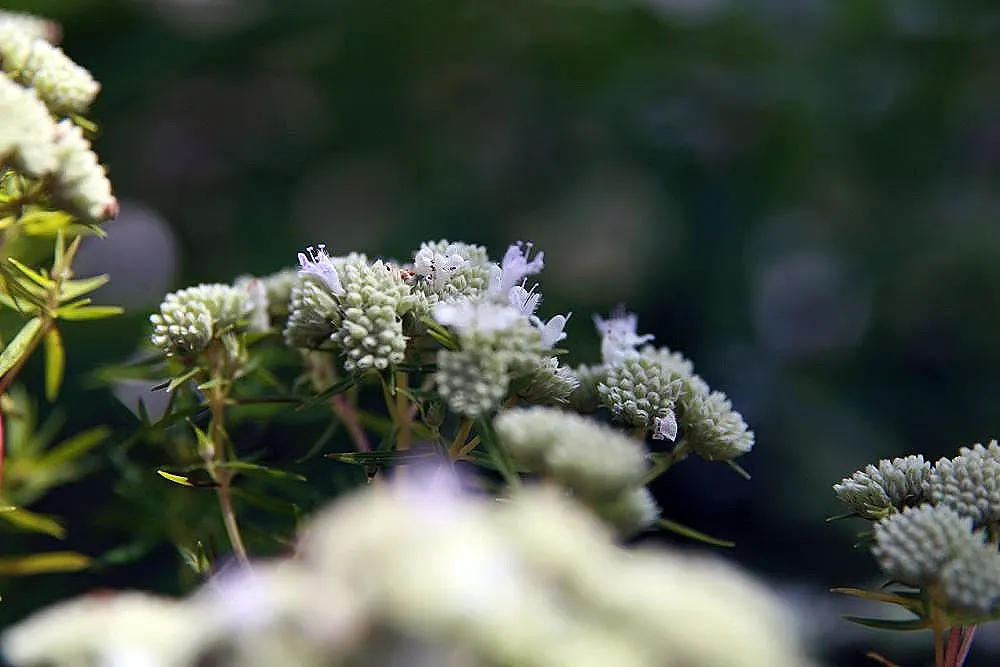
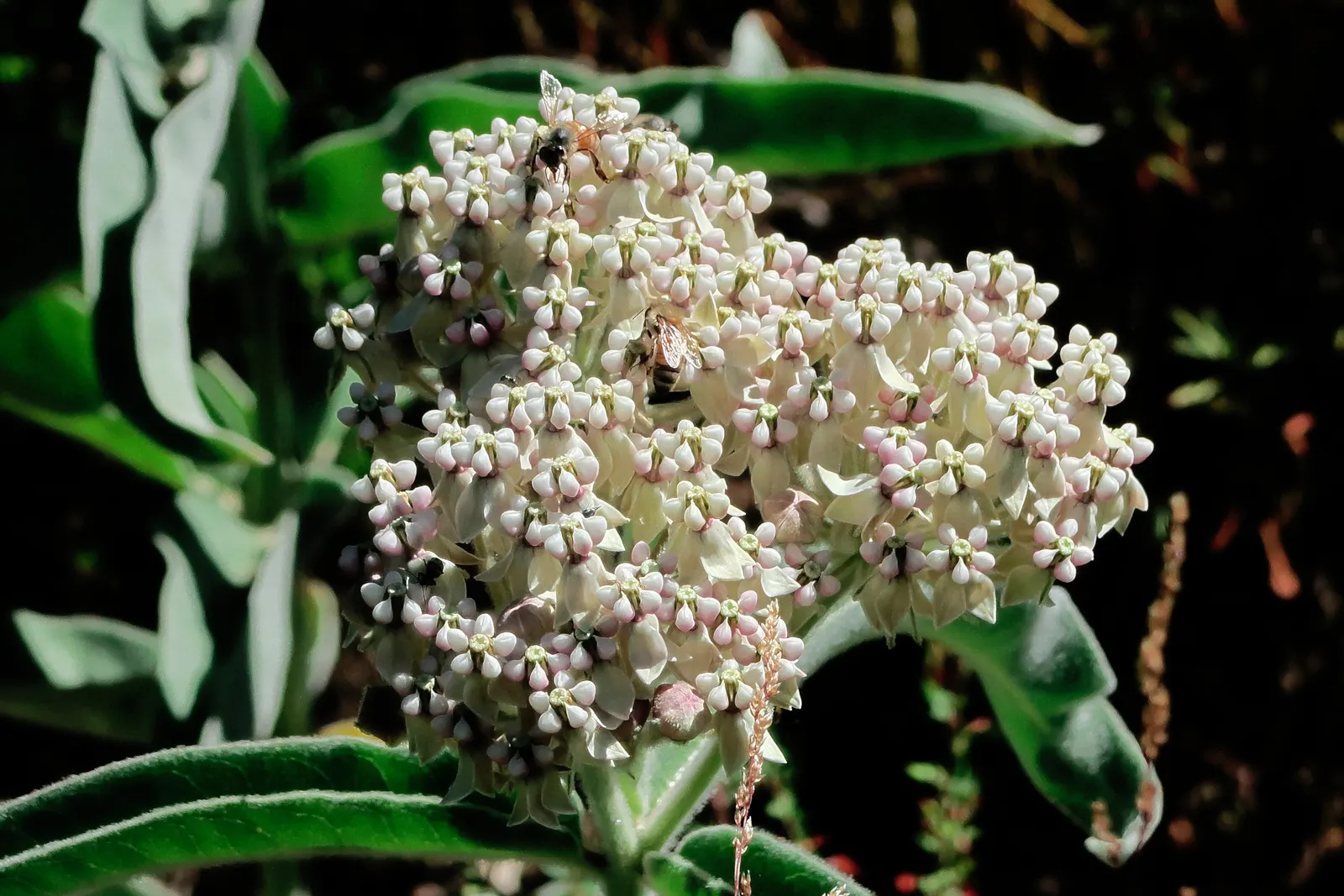
Eastern Whorled Milkweed (Asclepias Verticillata) — white flowers in the garden
Eastern Whorled Milkweed (Asclepias Verticillata) — is a perennial boasting narrow; this milkweed species benefits pollinators and Monarch butterflies, adding
Eastern Whorled Milkweed (Asclepias Verticillata) — succulent for full
Eastern Whorled Milkweed (Asclepias Verticillata) — succulent with white blooms
Eastern Whorled Milkweed (Asclepias Verticillata) — white to greenish flowers; this species thrives in USDA Hardiness Zones 3 to 9
Eastern Whorled Milkweed (Asclepias Verticillata) — Thriving in full sun and well-drained soil, it grows 1-2.5 feet tall and spreads 1-1.5 feet wide; it is an
Eastern Whorled Milkweed (Asclepias Verticillata) — Its minimalist form complements prairie-style designs and wildflower gardens, image 32
Eastern Whorled Milkweed (Asclepias Verticillata) — Eastern Whorled Milkweed (Asclepias verticillata); favoring full sun exposure to part shade and
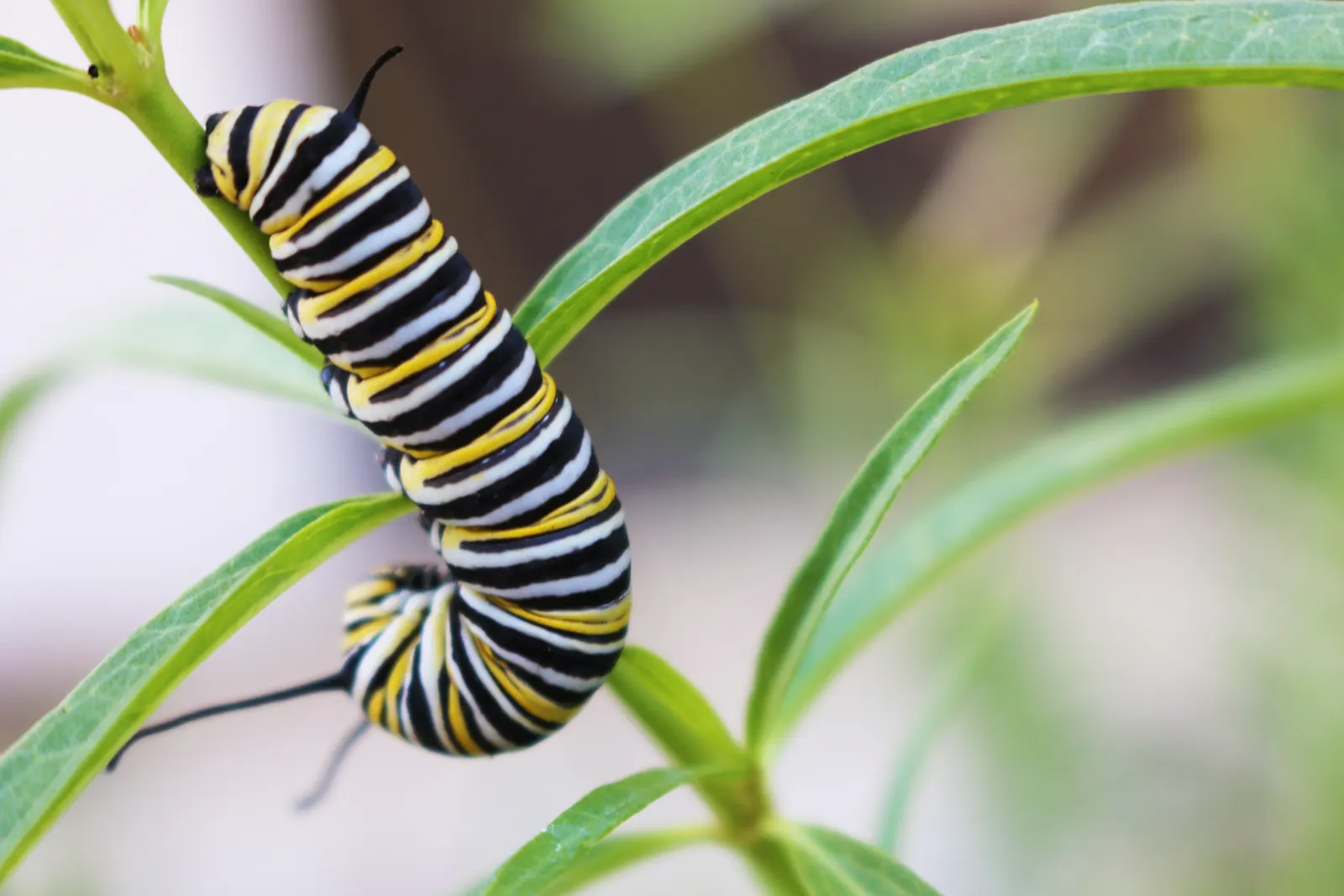
Eastern Whorled Milkweed (Asclepias Verticillata) — This milkweed species benefits pollinators and Monarch butterflies, adding ecological value to, image 31
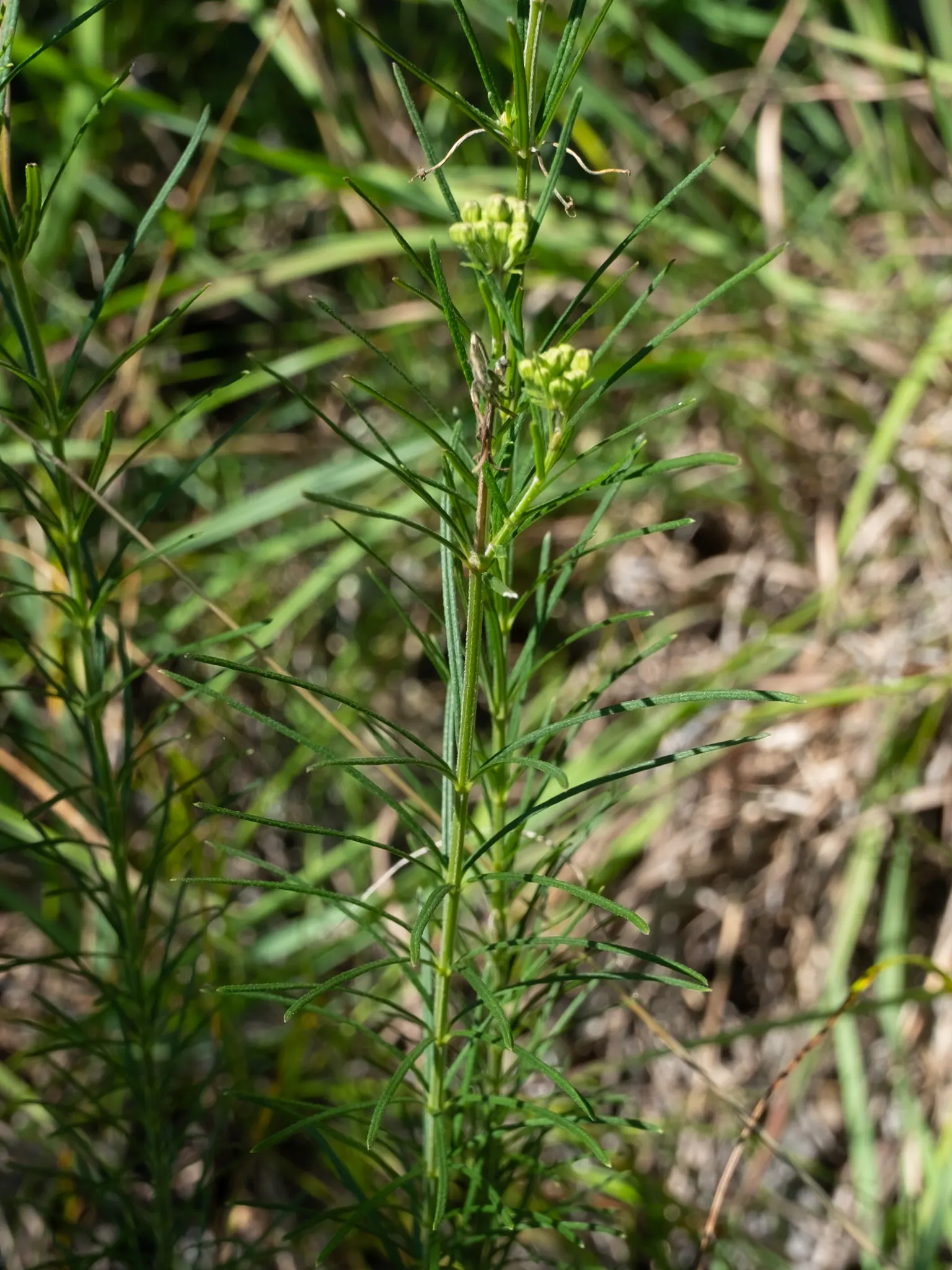
Eastern Whorled Milkweed (Asclepias Verticillata) — especially as a host plant for the Monarch butterfly; linear leaves are arranged in whorls
Eastern Whorled Milkweed (Asclepias Verticillata) — a North American native perennial; pollinator gardens or borders
Eastern Whorled Milkweed (Asclepias Verticillata) — is notable for its slender; succulent with white blooms
Eastern Whorled Milkweed (Asclepias Verticillata) — delicate appearance and value in butterfly gardens; eastern Whorled Milkweed (Asclepias verticillata)
Eastern Whorled Milkweed (Asclepias Verticillata) — typically with 4 to 6 leaves per node, image 41
Eastern Whorled Milkweed (Asclepias Verticillata) — linear leaves are arranged in whorls; a North American native perennial
Eastern Whorled Milkweed (Asclepias Verticillata) — favoring full sun exposure to part shade and well-drained soils; succulent for full
Eastern Whorled Milkweed (Asclepias Verticillata) — This species thrives in USDA Hardiness Zones 3 to 9; due to its moderate growth rate and modest size
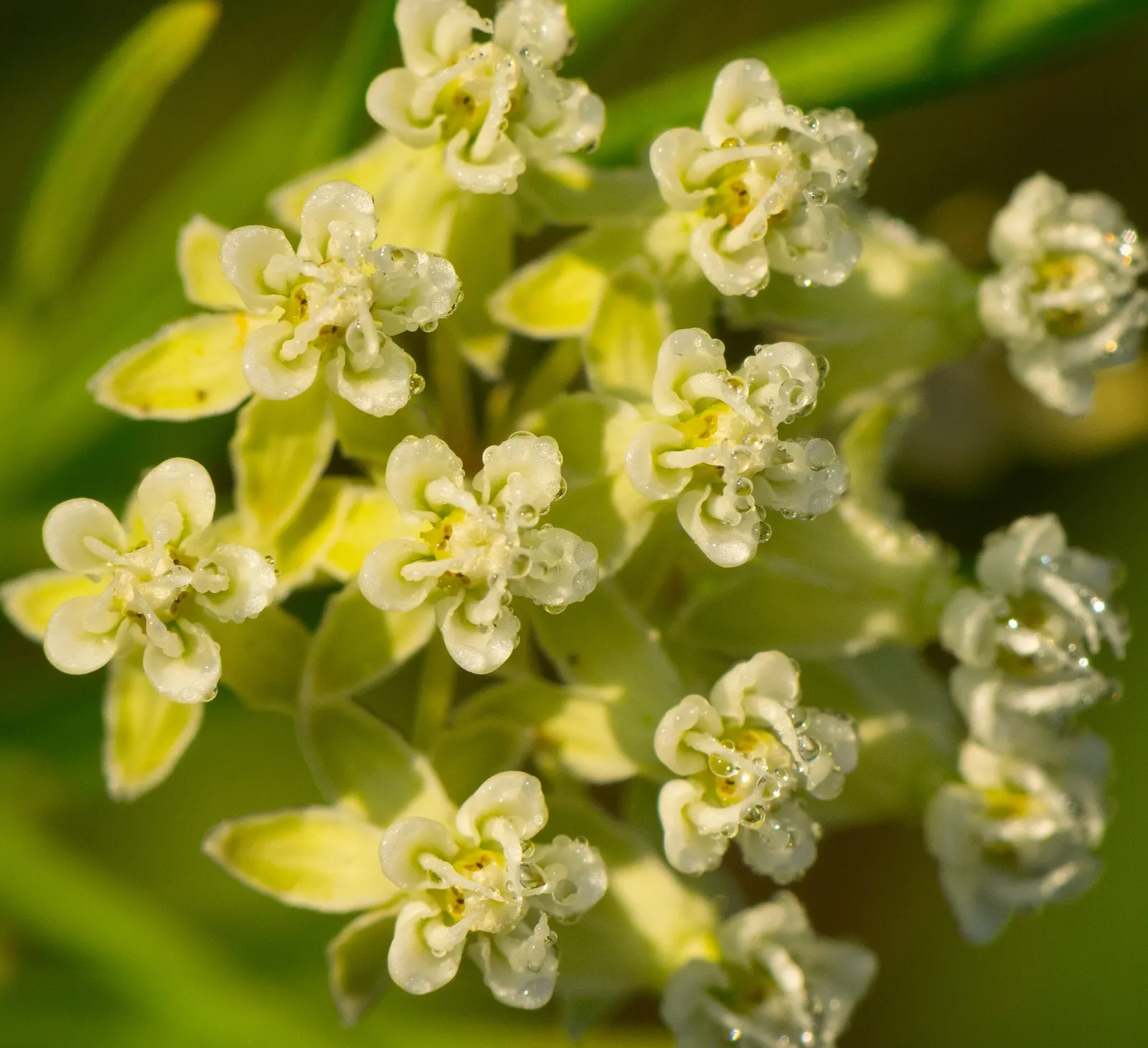
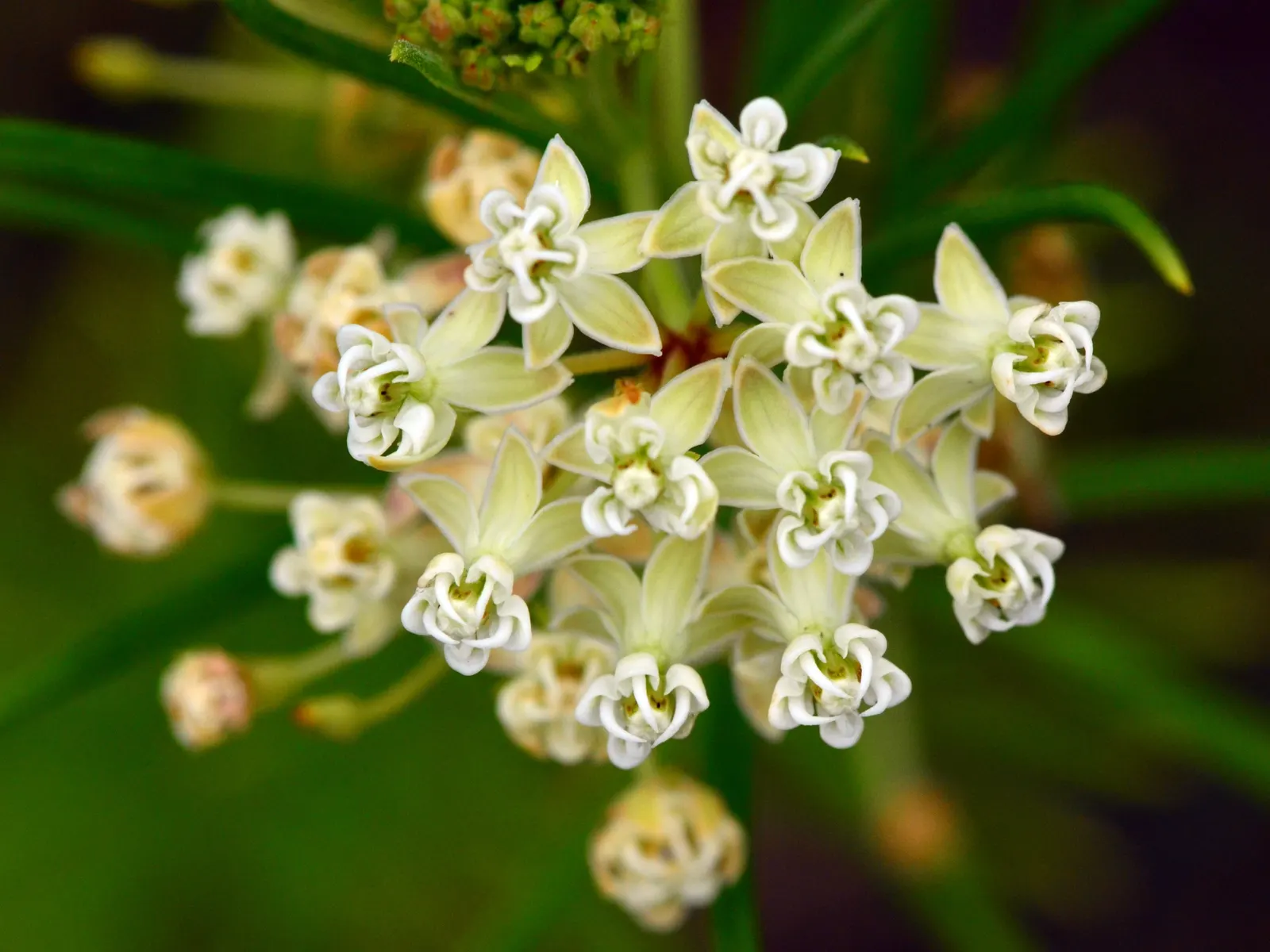
Eastern Whorled Milkweed (Asclepias Verticillata) — These blossoms are a greenish-white color; periodic evaluation for spread is recommended to maintain
Eastern Whorled Milkweed (Asclepias Verticillata) — and they form in intricate umbels at the stem tips; is a perennial boasting narrow
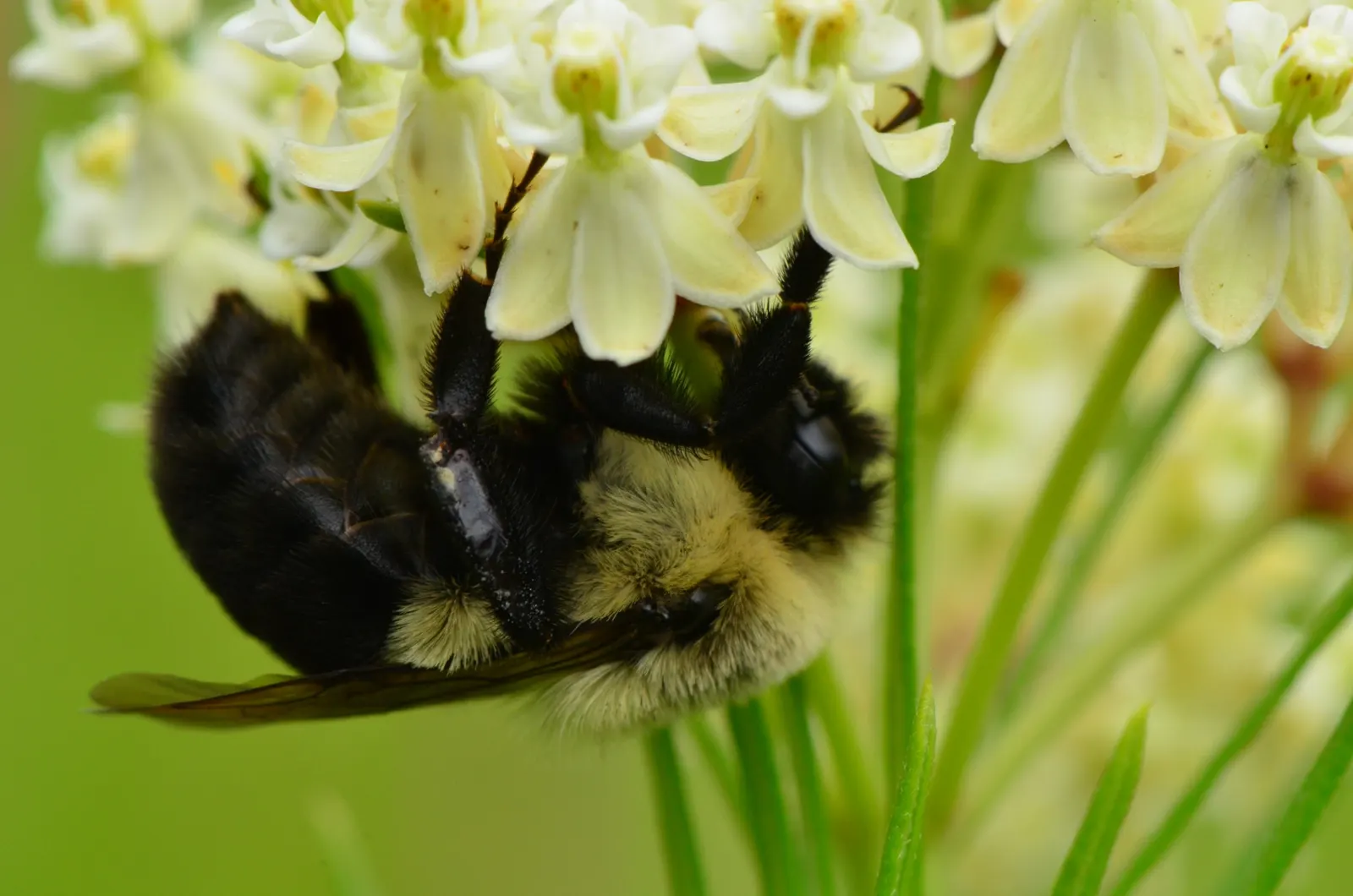
Eastern Whorled Milkweed (Asclepias Verticillata) — attracting a variety of pollinators including bees; is notable for its slender
Eastern Whorled Milkweed (Asclepias Verticillata) — it is an excellent choice for naturalized areas; these blossoms are a greenish-white color
Eastern Whorled Milkweed (Asclepias Verticillata) — periodic evaluation for spread is recommended to maintain desired aesthetic and spatial balance; delicate
Eastern Whorled Milkweed (Asclepias Verticillata) — Due to its moderate growth rate and modest size; white to greenish flowers
Eastern Whorled Milkweed (Asclepias Verticillata) — pollinator gardens or borders; when planning the garden design

Related plants