Skip to content

Common Milkweed

Asclepias Syriaca

Design with this plant

Overview

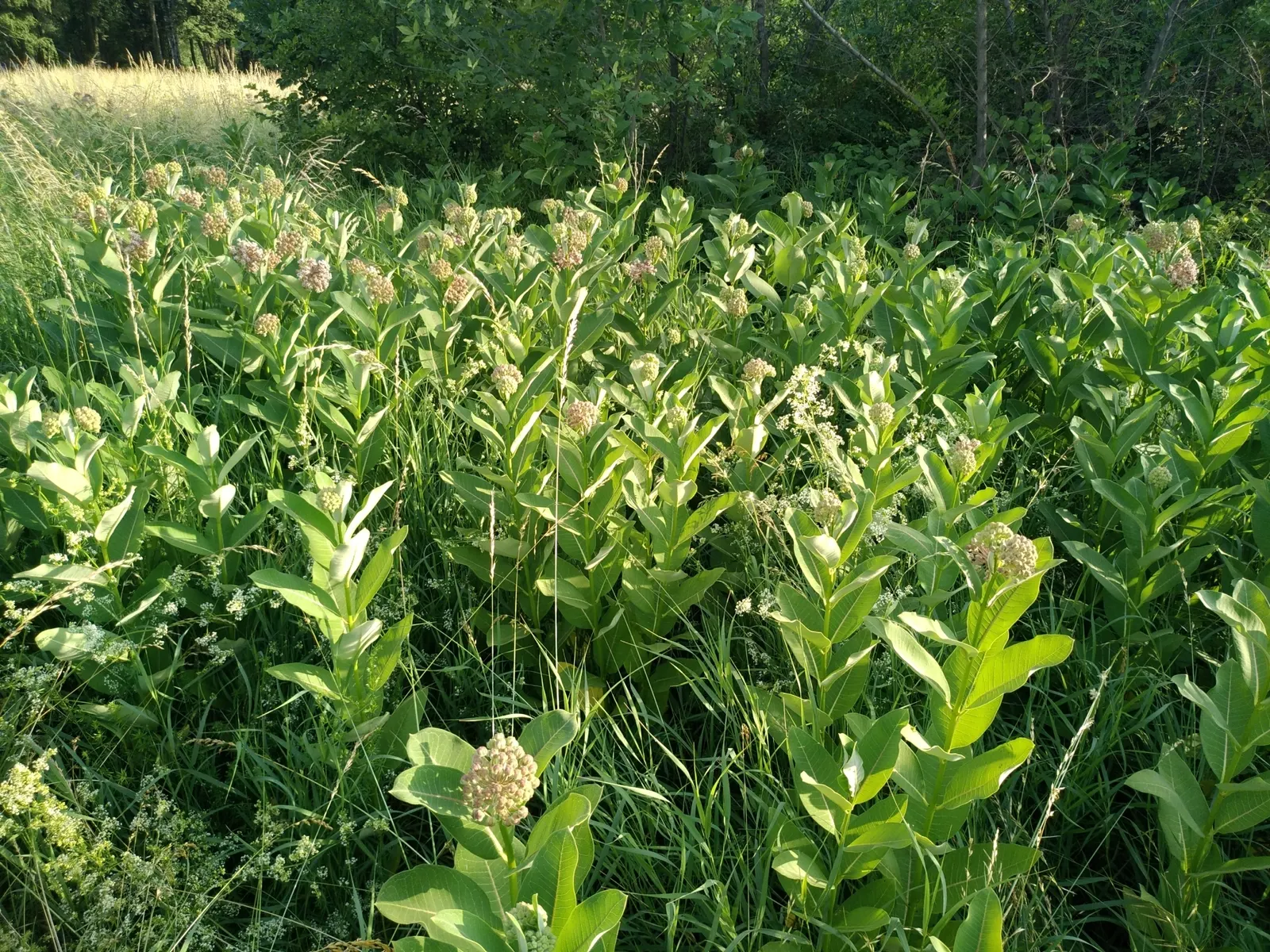
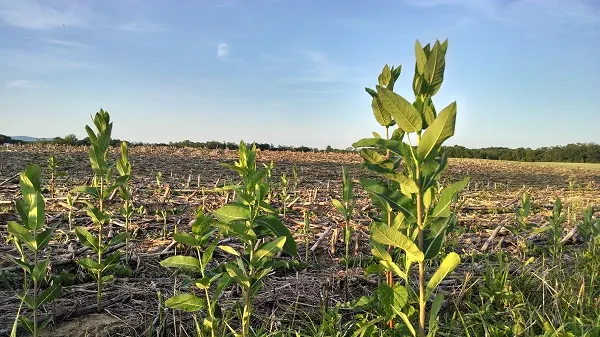
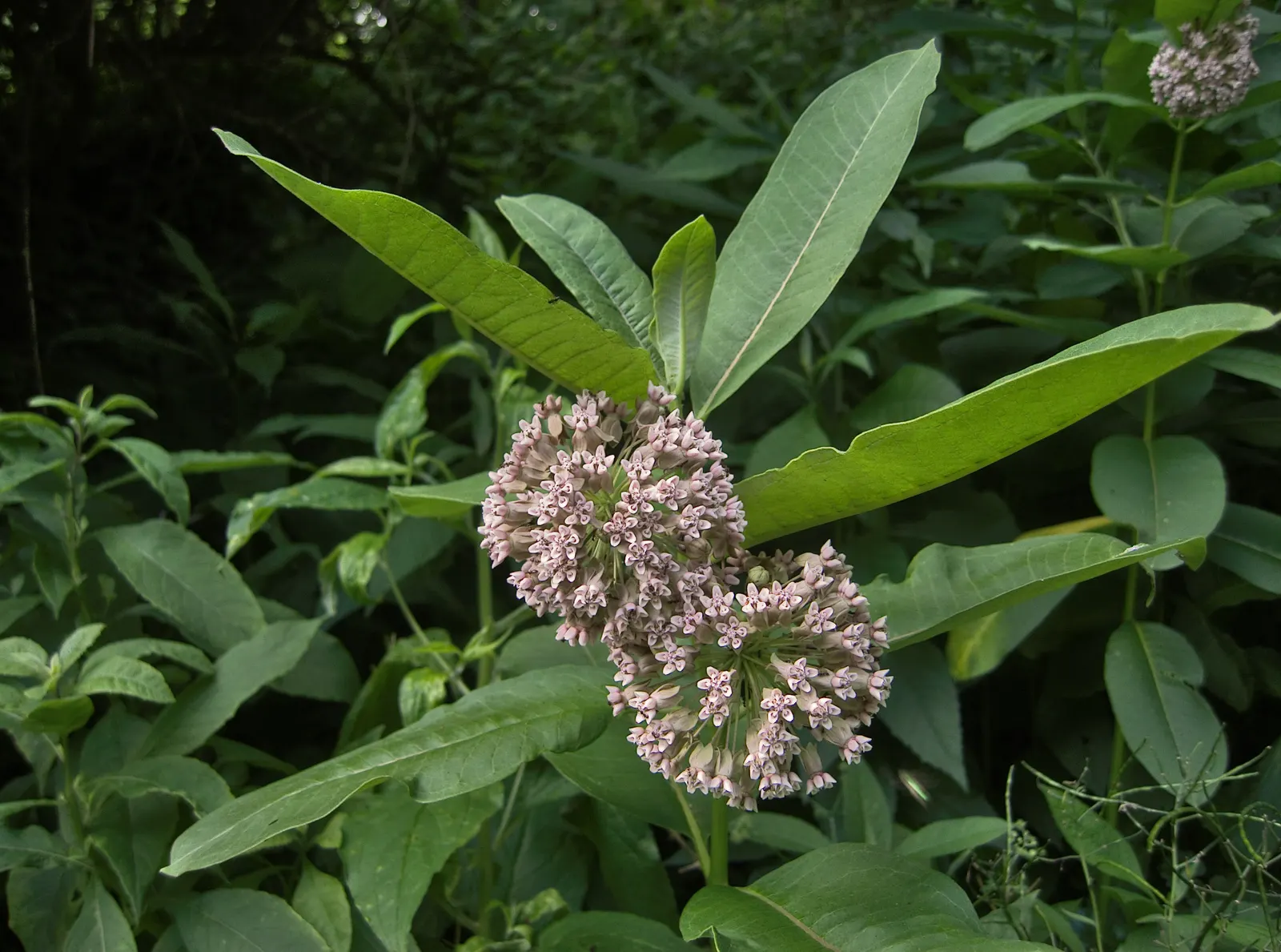
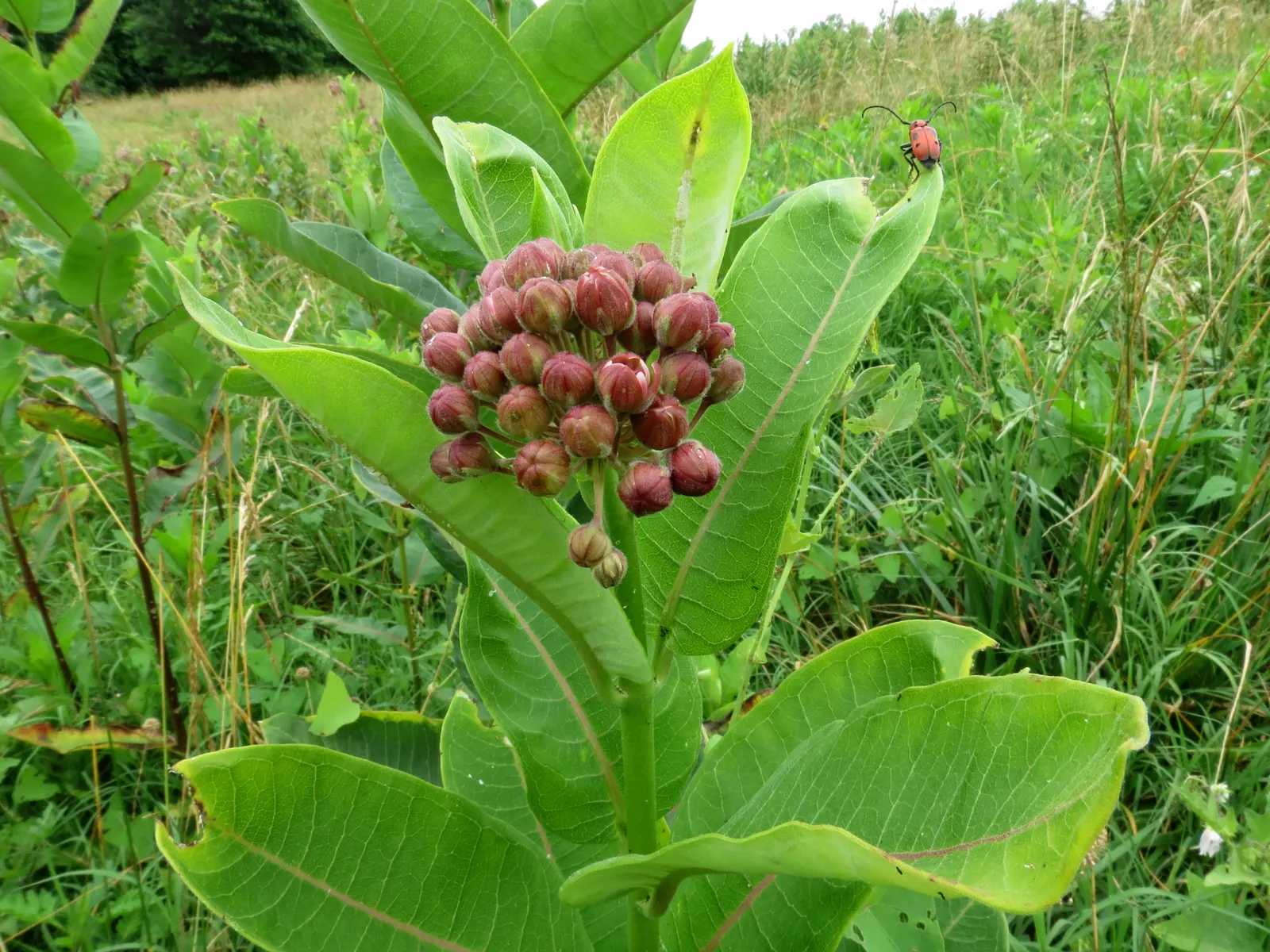
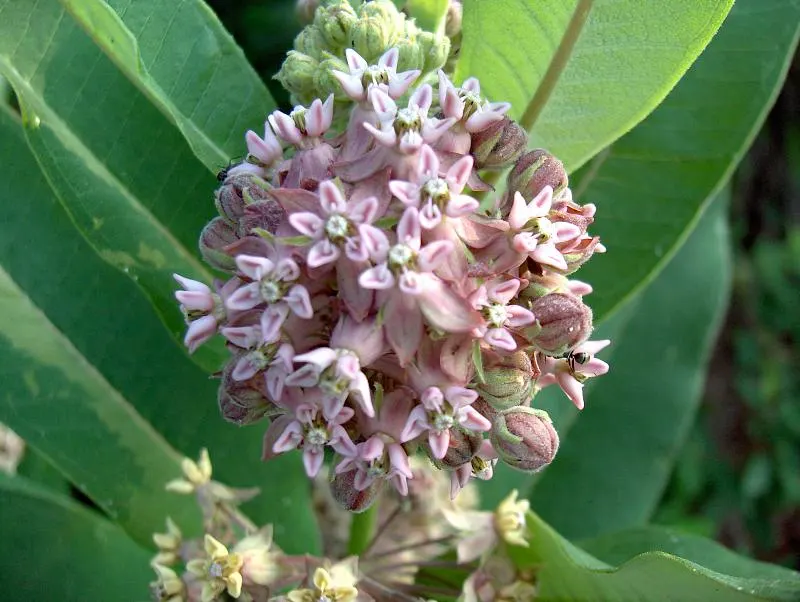
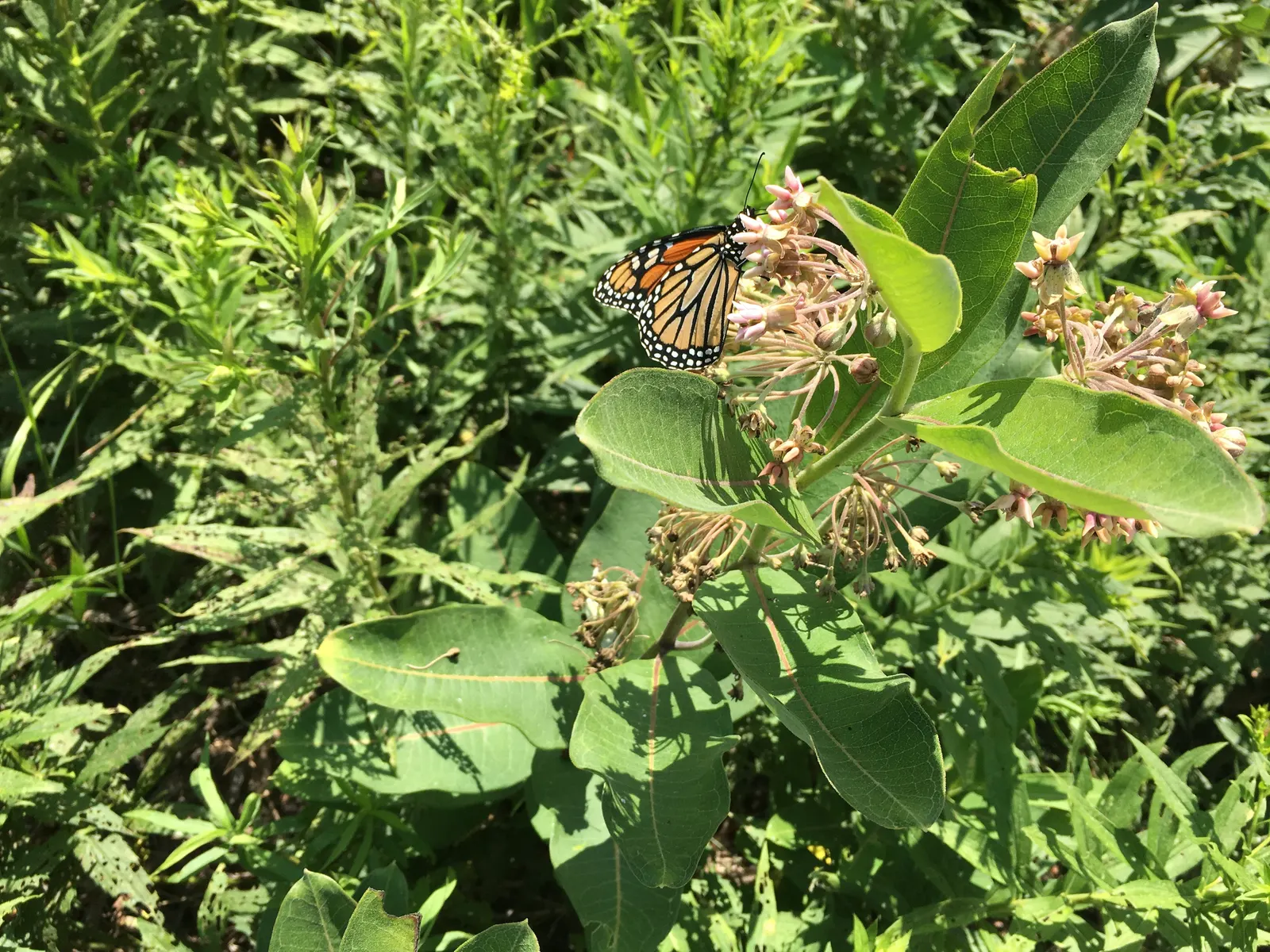
Common Milkweed (Asclepias syriaca), a robust perennial, thrives up to 6 ft tall in full sun. Recognizable by its large, oblong leaves and fragrant, spherical clusters of pink-purple flowers, it blooms June-August. This US native prefers well-drained soil but tolerates clay. It's crucial for Monarch butterflies, serving as a host for larvae. Spreads vigorously by rhizomes, milkweed is ideal for wildflower gardens and naturalized areas. Zones 3-9.

Sun FullWater MediumZones 3–9Type SucculentClimate Temperate

Culture

Sun
Full
Water
Medium
USDA zones
3–9

Shape & size

Mature height
2–3 Ft.

Classification

Type
Succulent
Family
Asclepiadaceae
Climate
Temperate

See full data, regional cultivation notes, and design tools. Build a client presentation around this plant.

Start your 14-day trial

Photos (141)

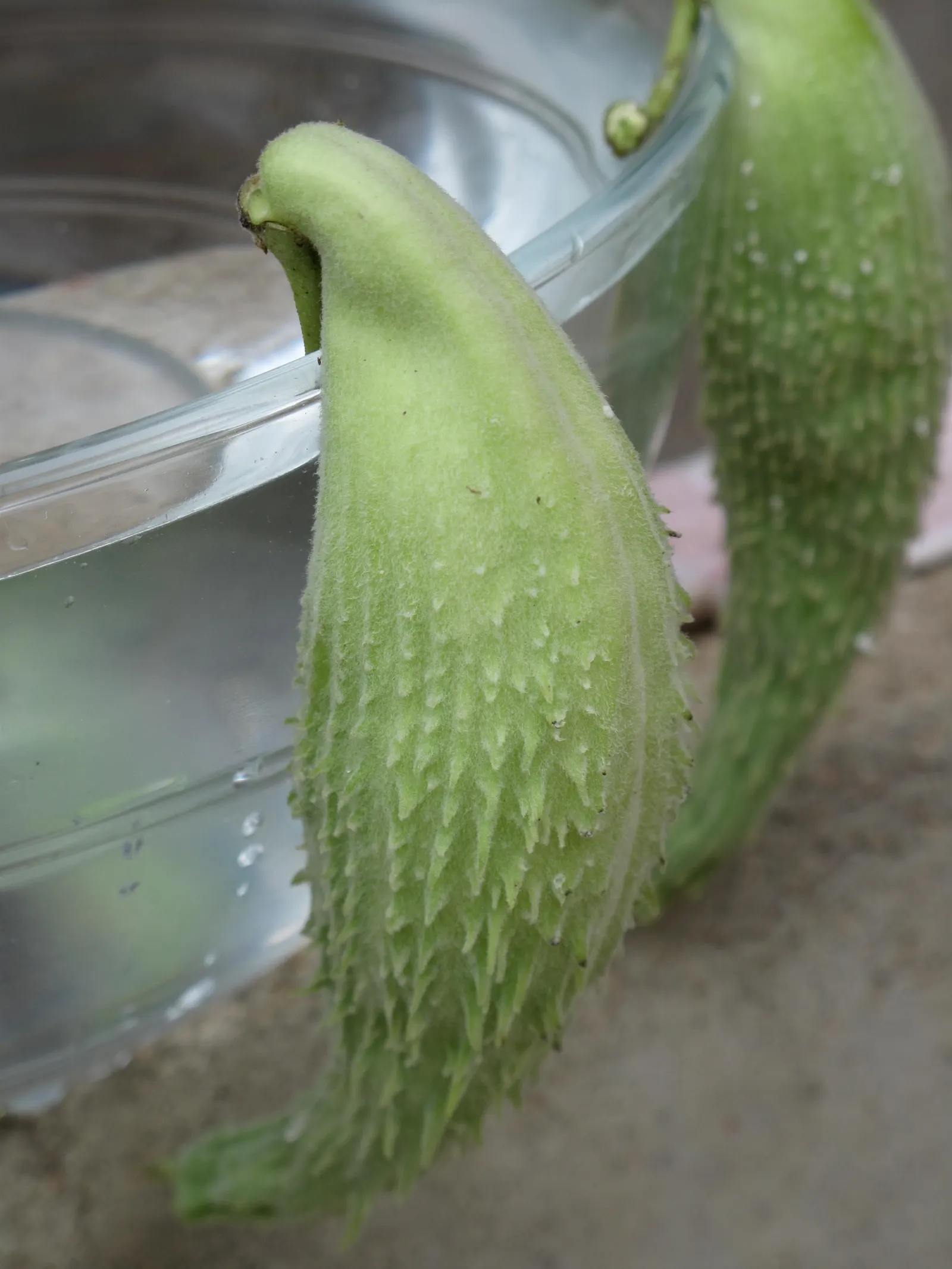
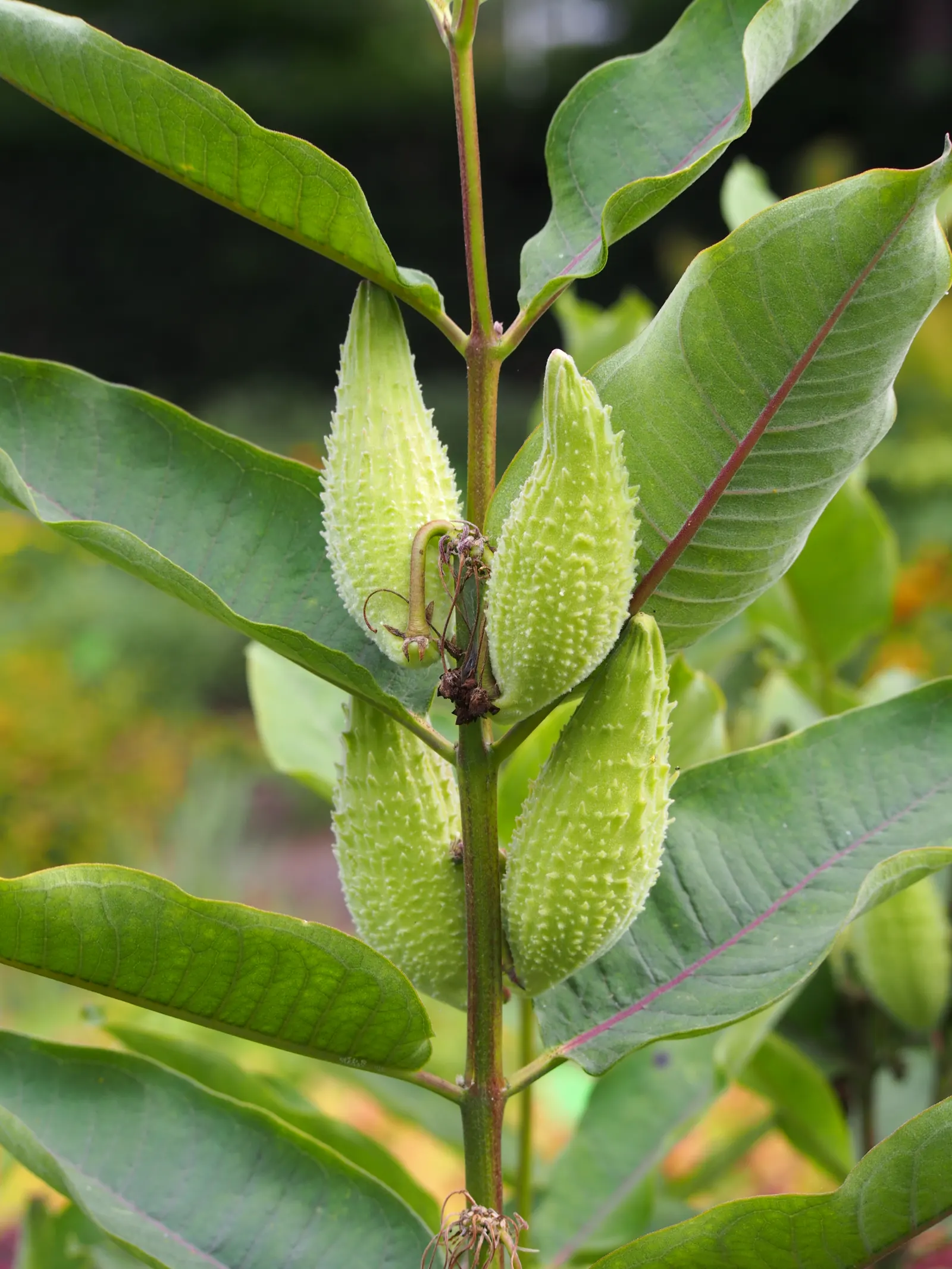
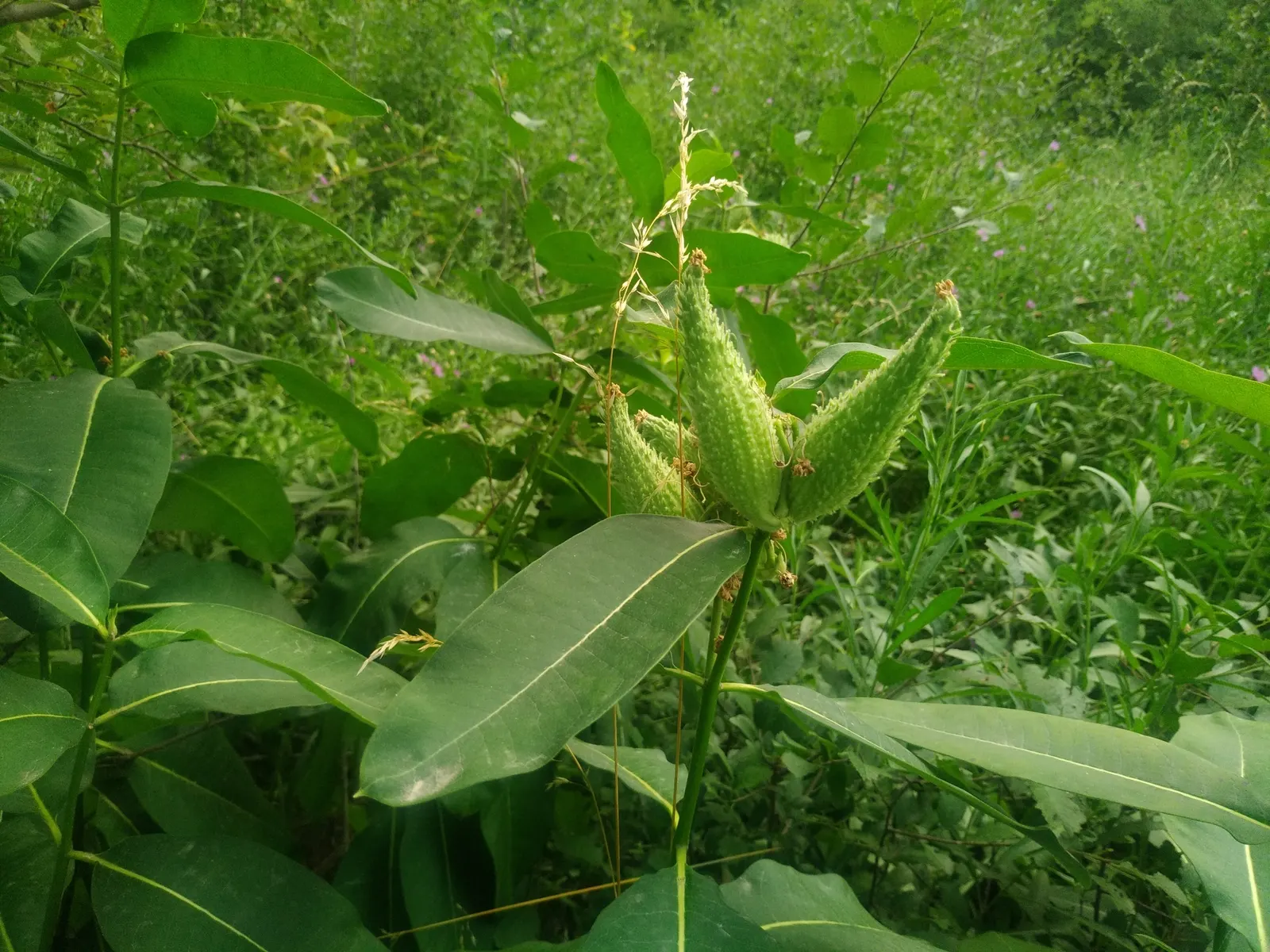
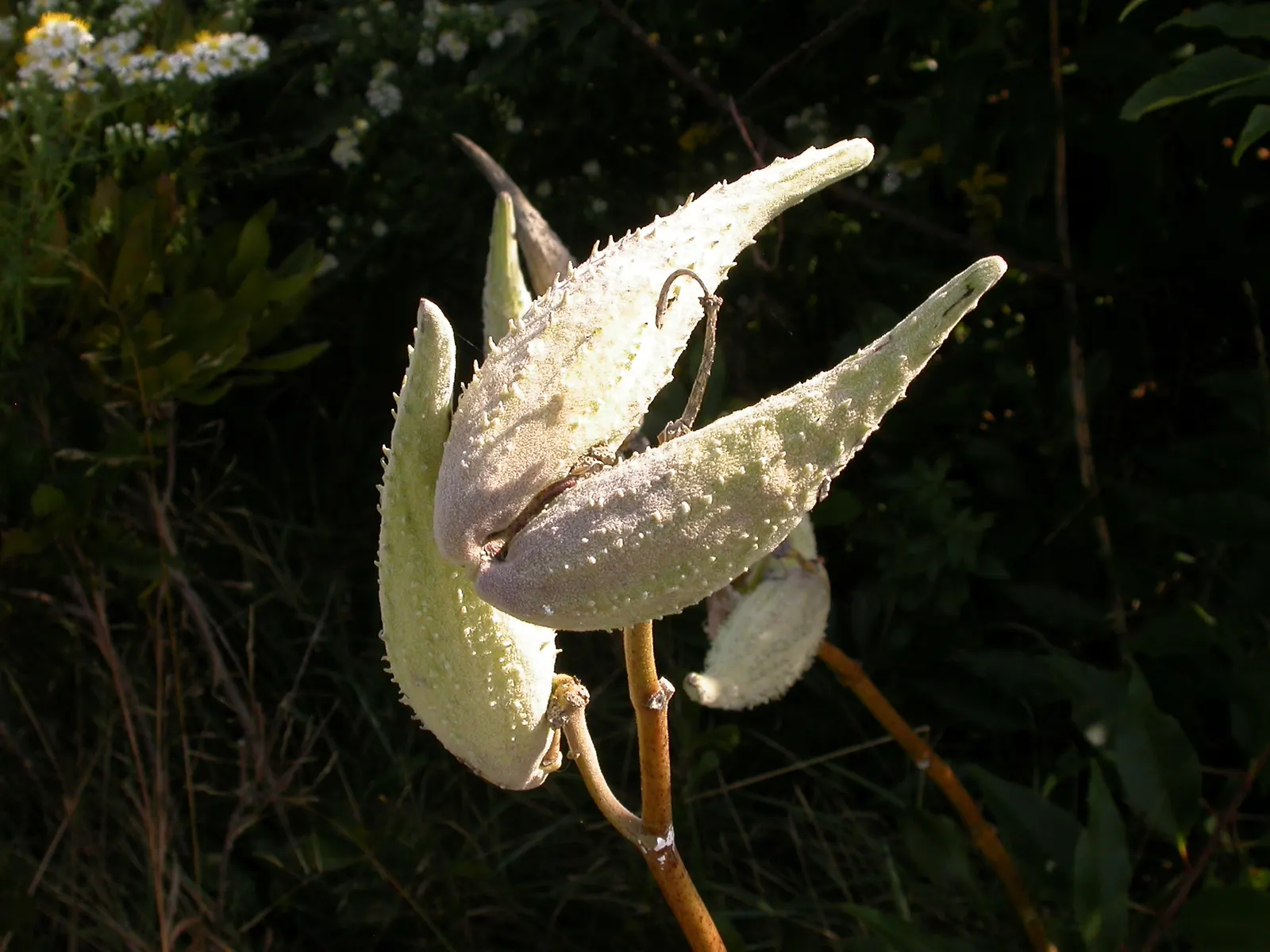
Common Milkweed (Asclepias Syriaca) — When these pods mature and split open in the fall; succulent with multi-colored and pink and white blooms, image 111
Common Milkweed (Asclepias Syriaca) — ready for wind dispersal.<br><br>As a landscape architect assistant
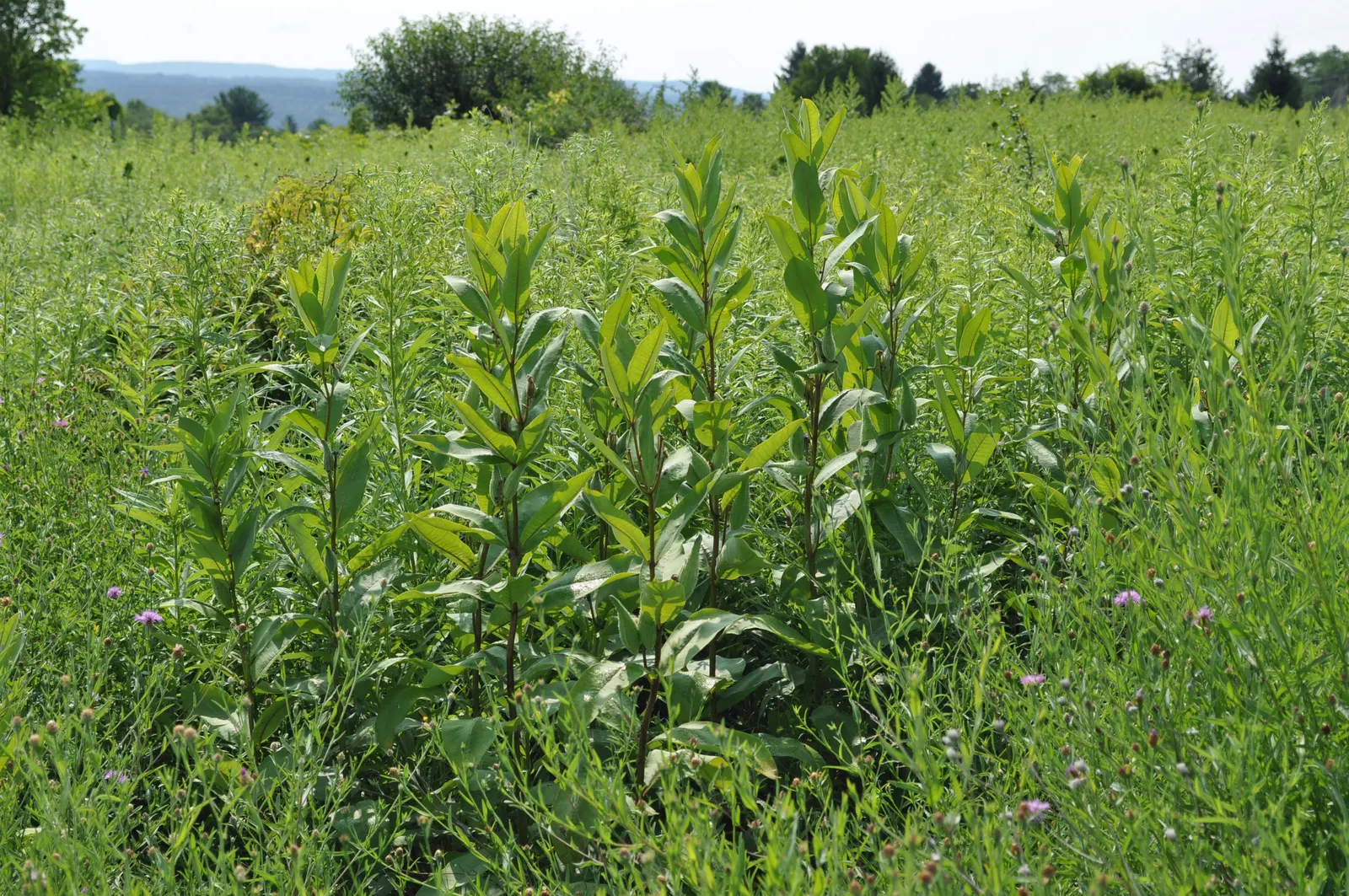
Common Milkweed (Asclepias Syriaca) — This plant typically grows to heights ranging from 2 to 6 feet and spreads approximately 2 to 3 feet wide, image 71
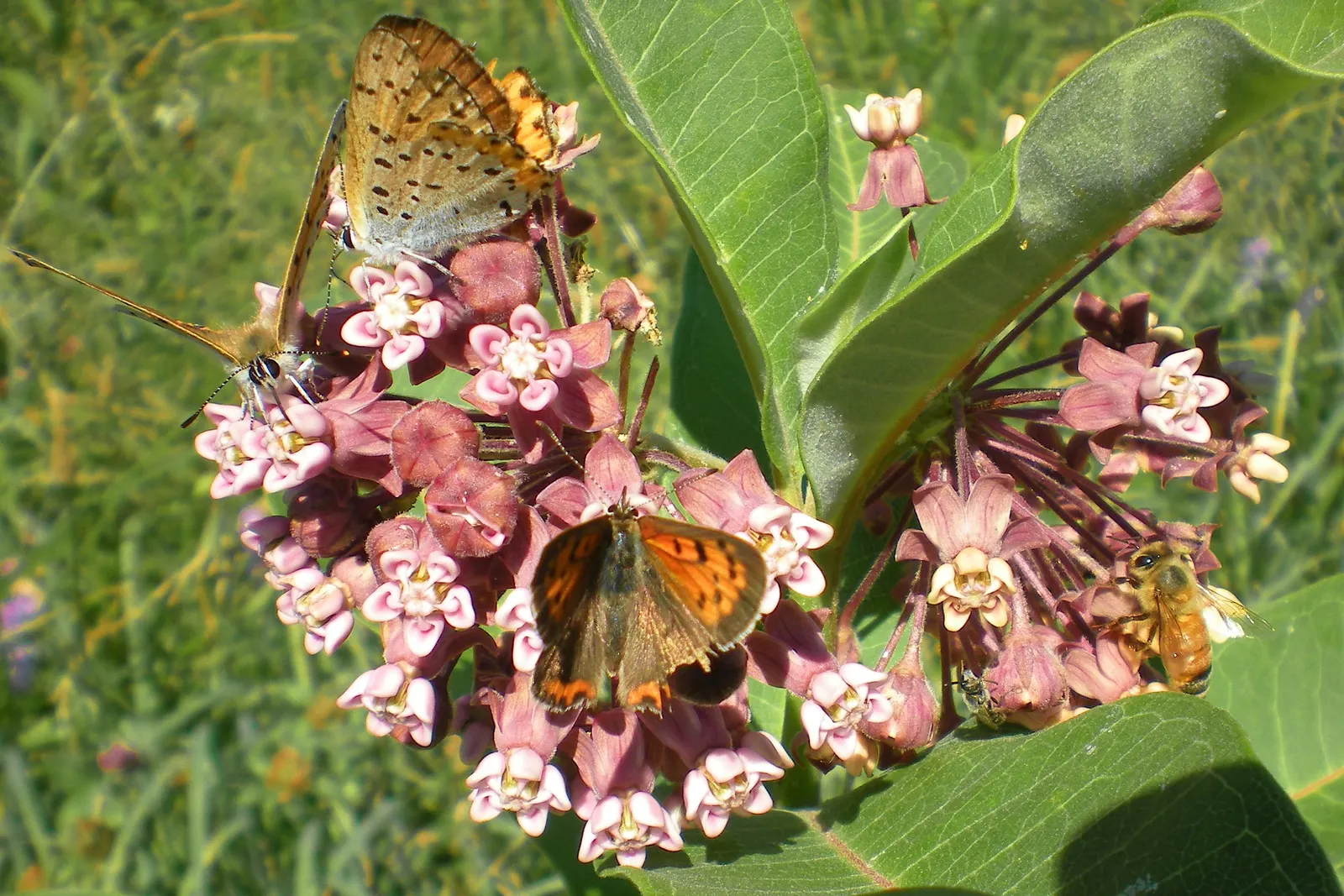
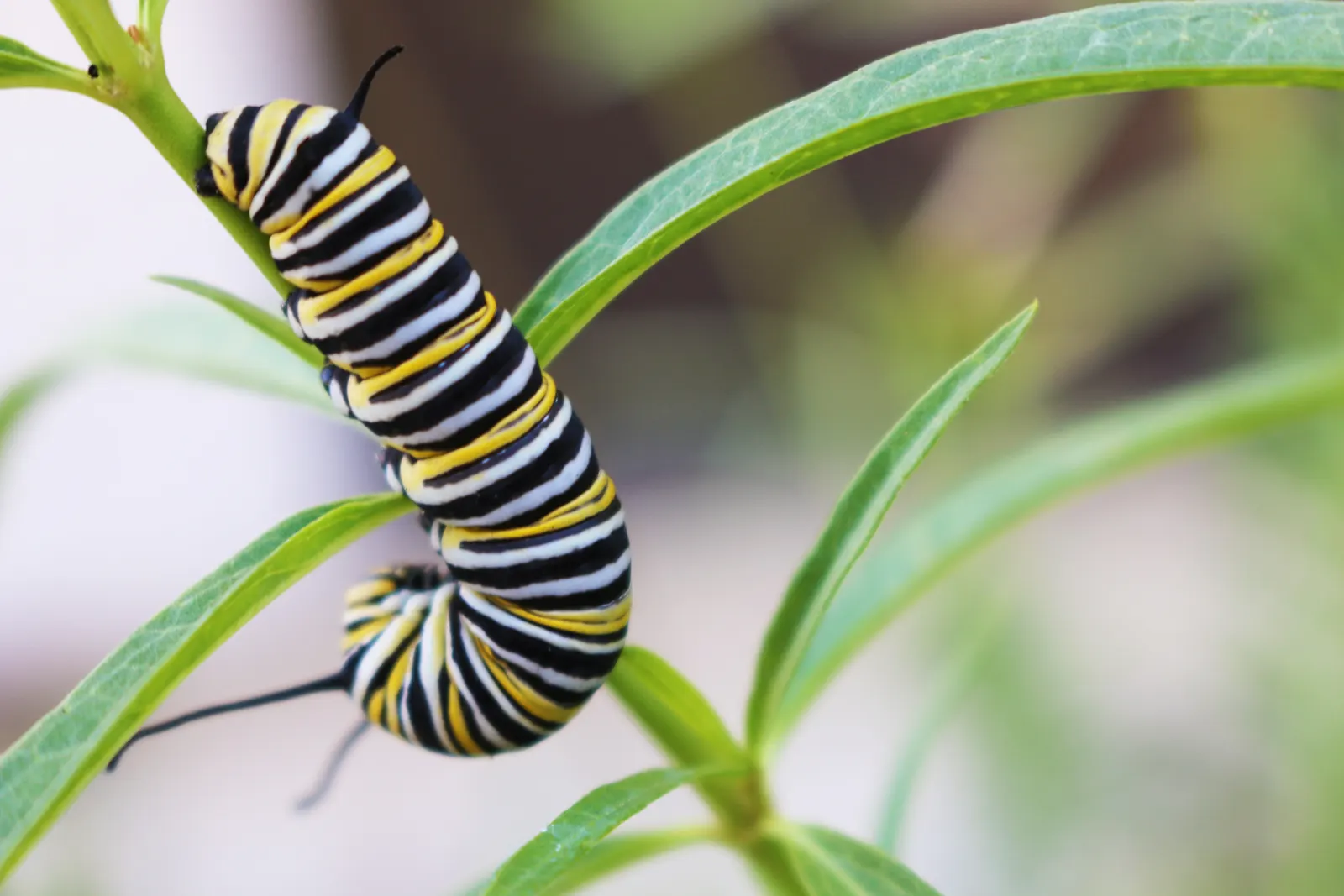
Common Milkweed (Asclepias Syriaca) — It's crucial for Monarch butterflies, serving as a host for larvae; common Milkweed (Asclepias syriaca), a, image 98
Common Milkweed (Asclepias Syriaca) — providing visual interest and a sweet scent that attracts a variety of pollinators
Common Milkweed (Asclepias Syriaca) — is a robust perennial native to the eastern United States and well-adapted to a myriad of landscapes
Common Milkweed (Asclepias Syriaca) — Common Milkweed (Asclepias syriaca), a robust perennial, thrives up to 6 ft tall in full sun
Common Milkweed (Asclepias Syriaca) — providing visual interest and a sweet scent that attracts a variety of pollinators; oblong leaves and fragrant
Common Milkweed (Asclepias Syriaca) — This US native prefers well-drained soil but tolerates clay; these components are critical to the survival of monarch
Common Milkweed (Asclepias Syriaca) — succulent for full; making it a valuable plant for those looking to create a sustainable and vibrant landscape, image 93
Common Milkweed (Asclepias Syriaca) — extensive root systems that make it drought-resistant and hardy.<br><br>Recognizable by its thick; it's, image 103
Common Milkweed (Asclepias Syriaca) — providing visual interest and a sweet scent that attracts a variety of pollinators; oblong leaves and fragrant, image 107
Common Milkweed (Asclepias Syriaca) — This plant typically grows to heights ranging from 2 to 6 feet and spreads approximately 2 to 3 feet wide, image 102
Common Milkweed (Asclepias Syriaca) — these components are critical to the survival of monarch larvae; which reach 4 to 6 inches in length, image 118
Common Milkweed (Asclepias Syriaca) — scientifically known as Asclepias syriaca; including the iconic monarch butterfly.<br><br>After flowering
Common Milkweed (Asclepias Syriaca) — As a low-maintenance addition
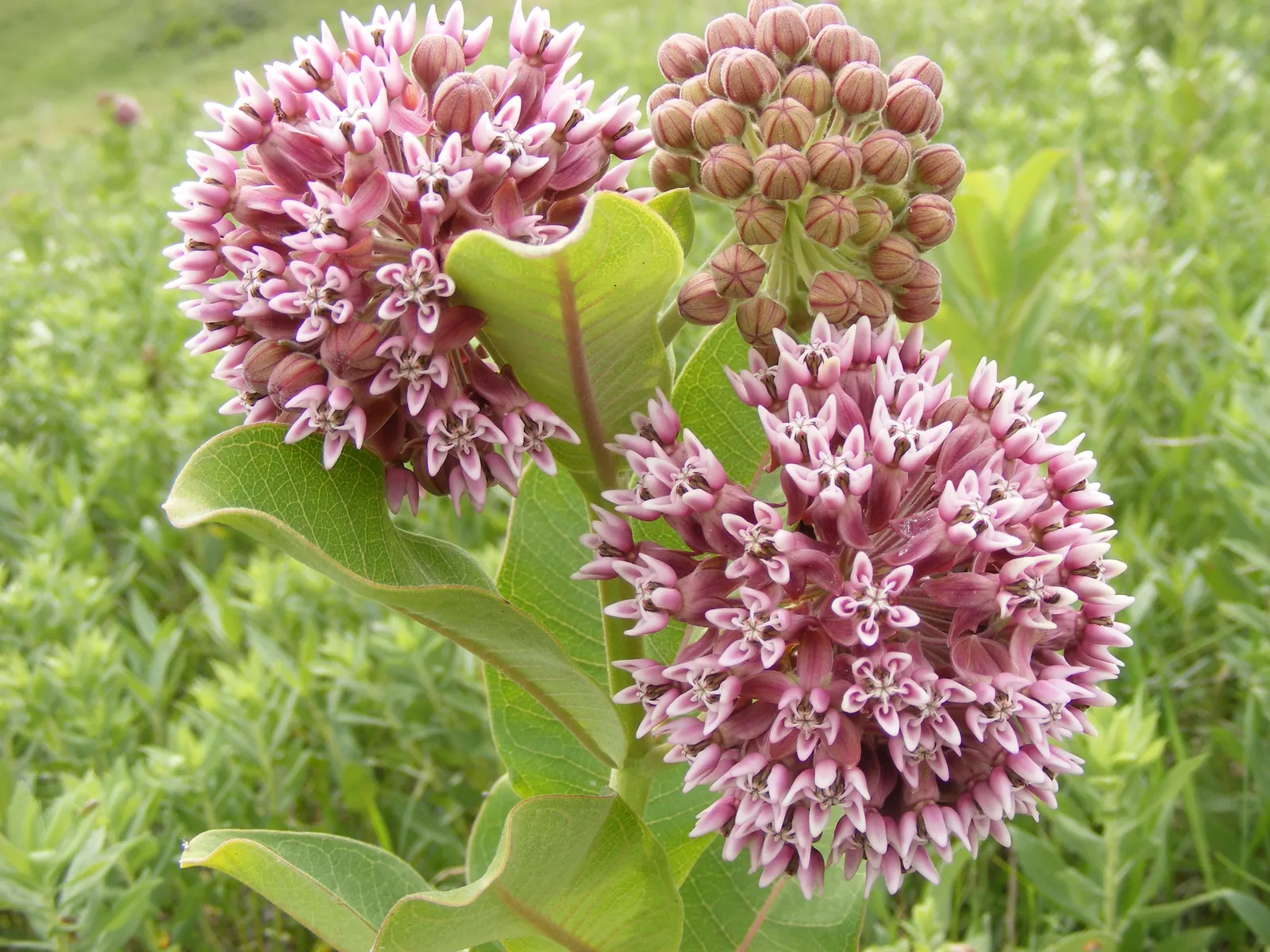
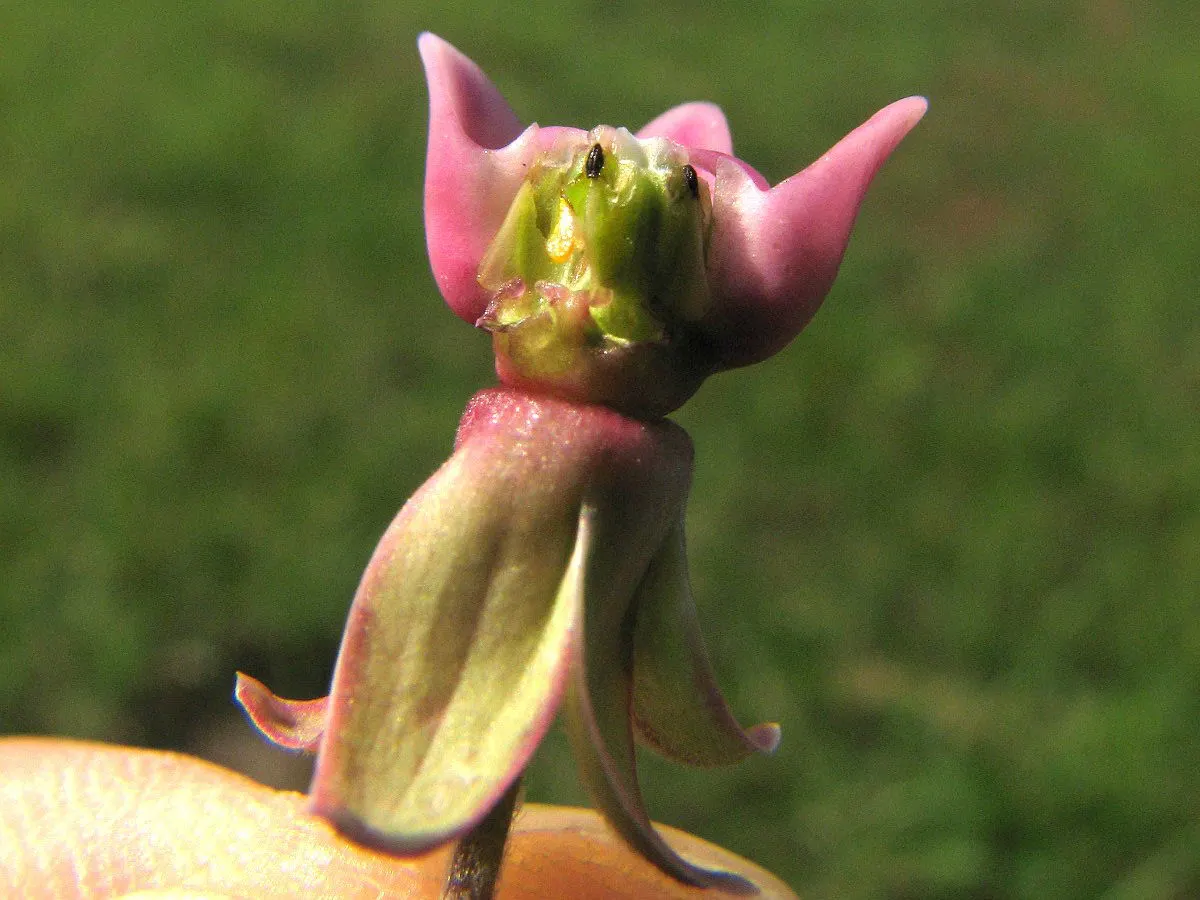
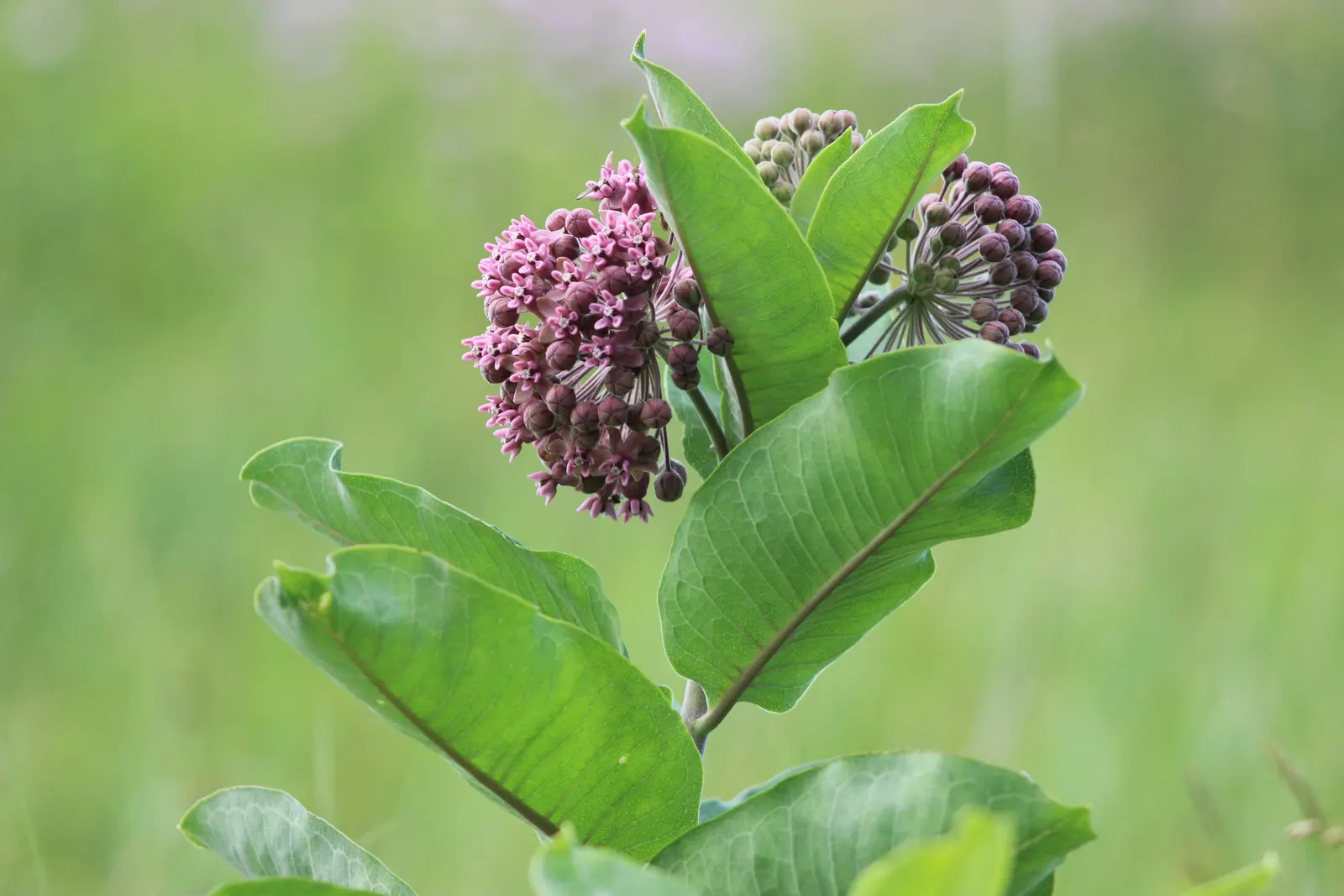
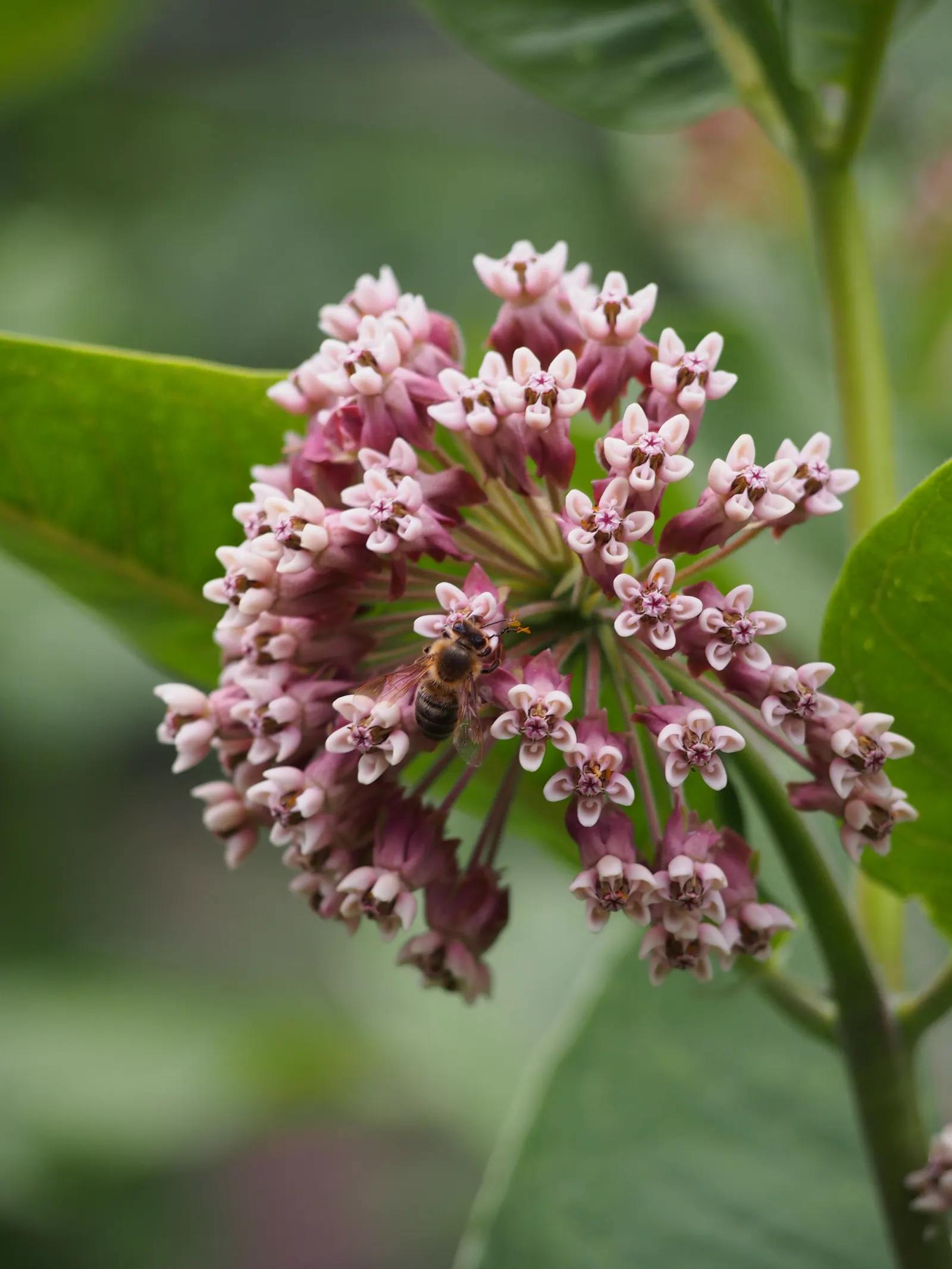
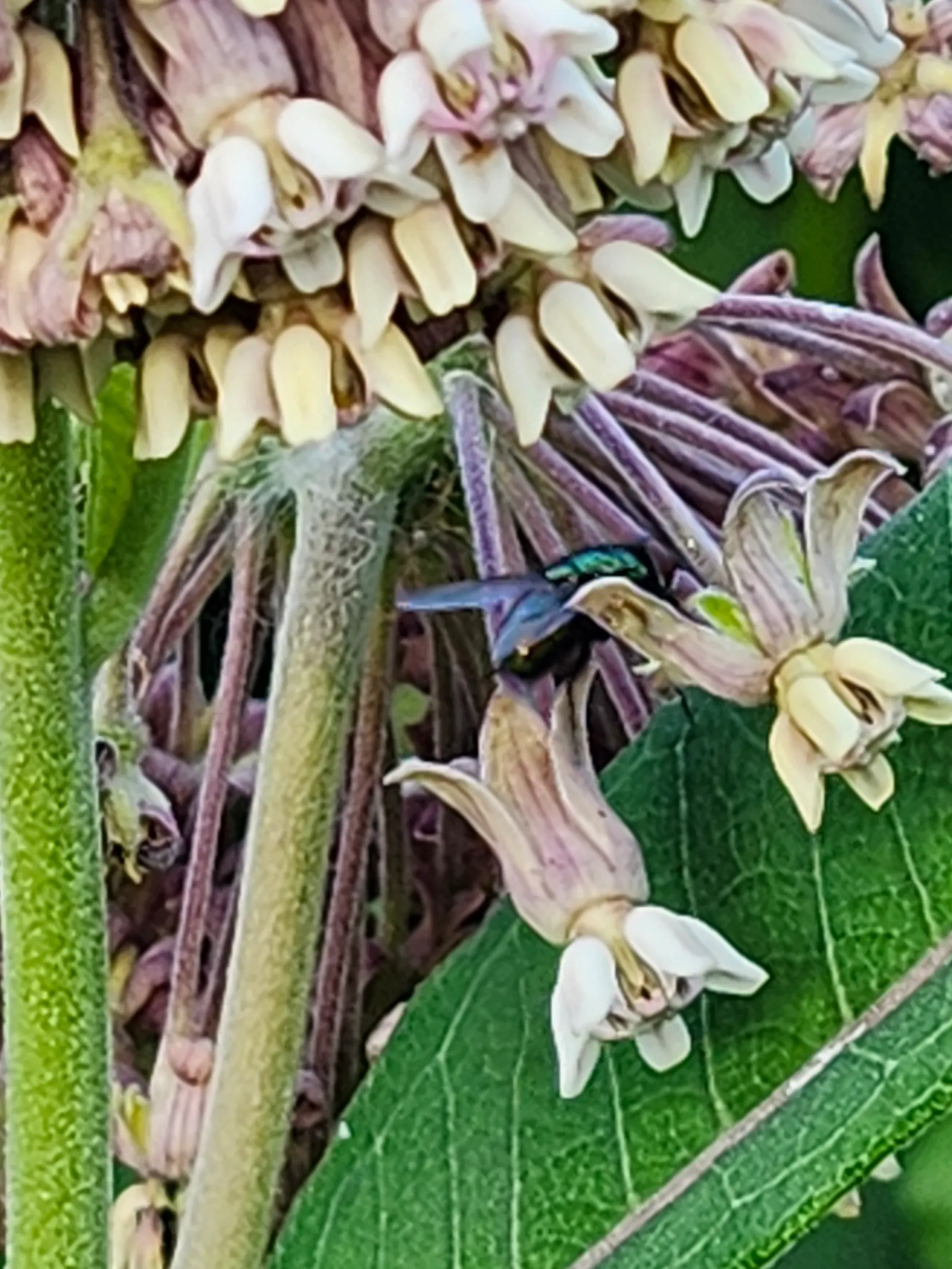
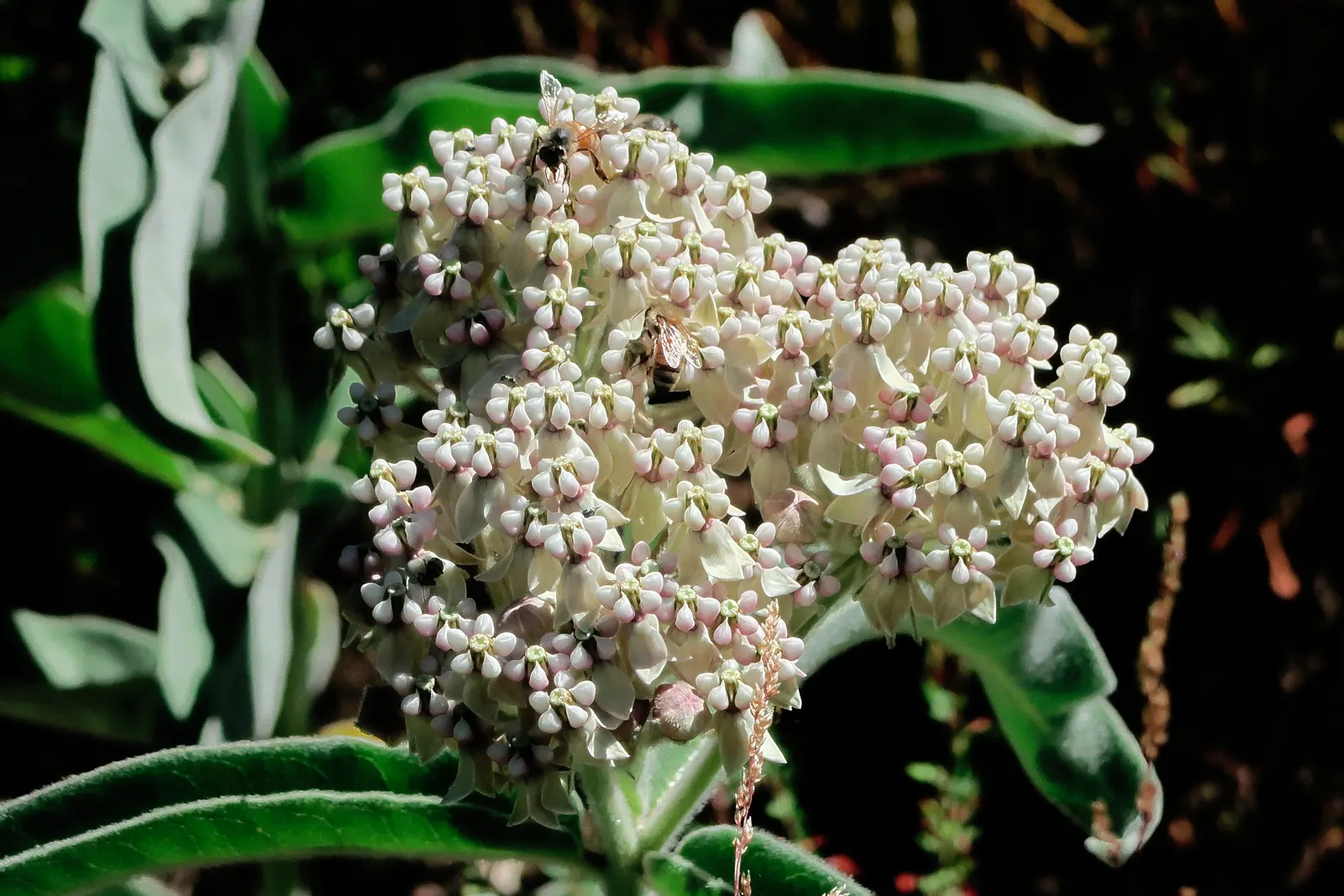
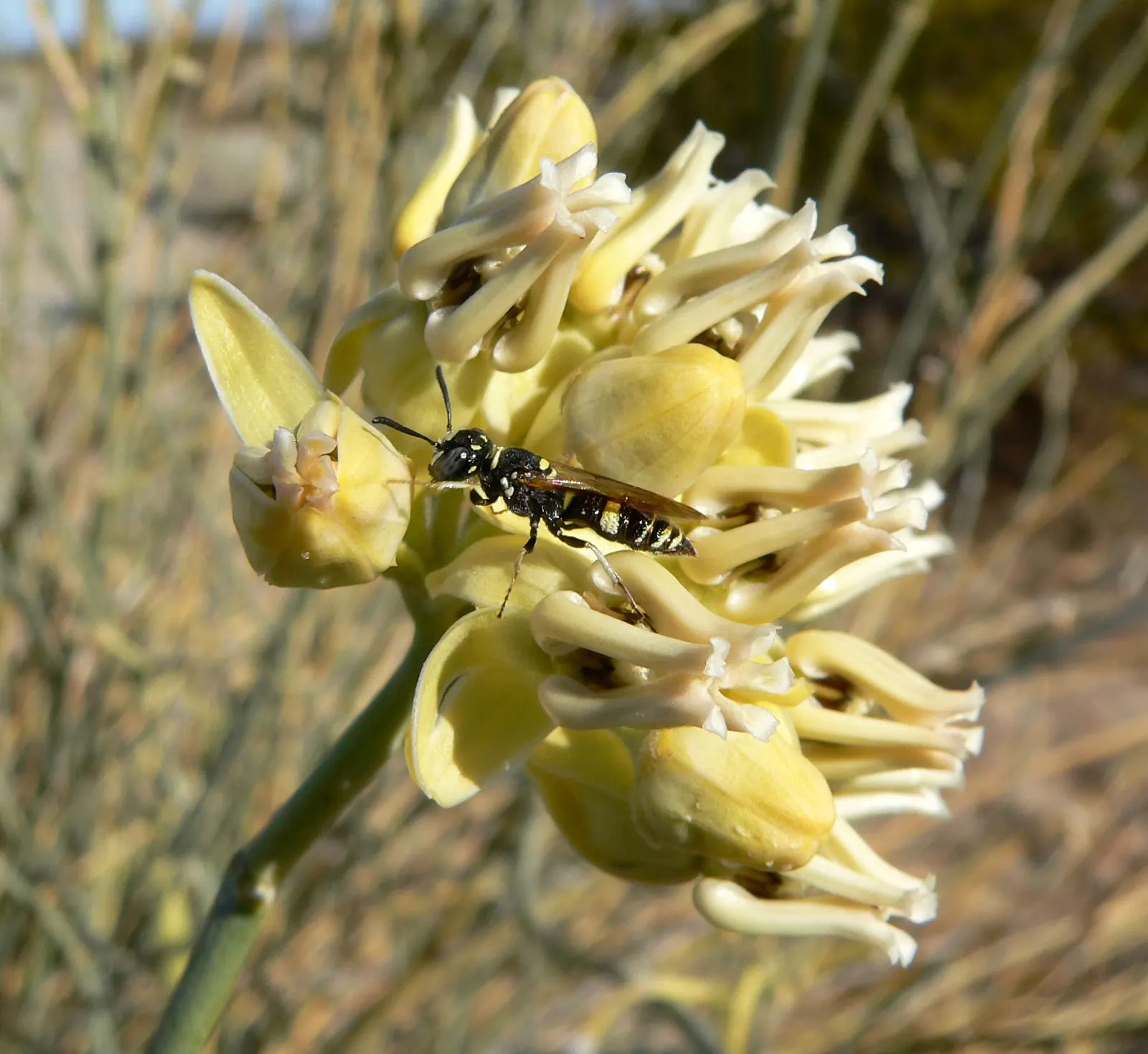
Common Milkweed (Asclepias Syriaca) — From June to August, the plant exhibits fragrant, spherical clusters of pale pink to mauve flowers; they reveal seeds
Common Milkweed (Asclepias Syriaca) — From June to August, the plant exhibits fragrant, spherical clusters of pale pink to mauve flowers; they, image 105
Common Milkweed (Asclepias Syriaca) — which reach 4 to 6 inches in length
Common Milkweed (Asclepias Syriaca) — It's crucial for Monarch butterflies, serving as a host for larvae; common Milkweed (Asclepias syriaca), a, image 67
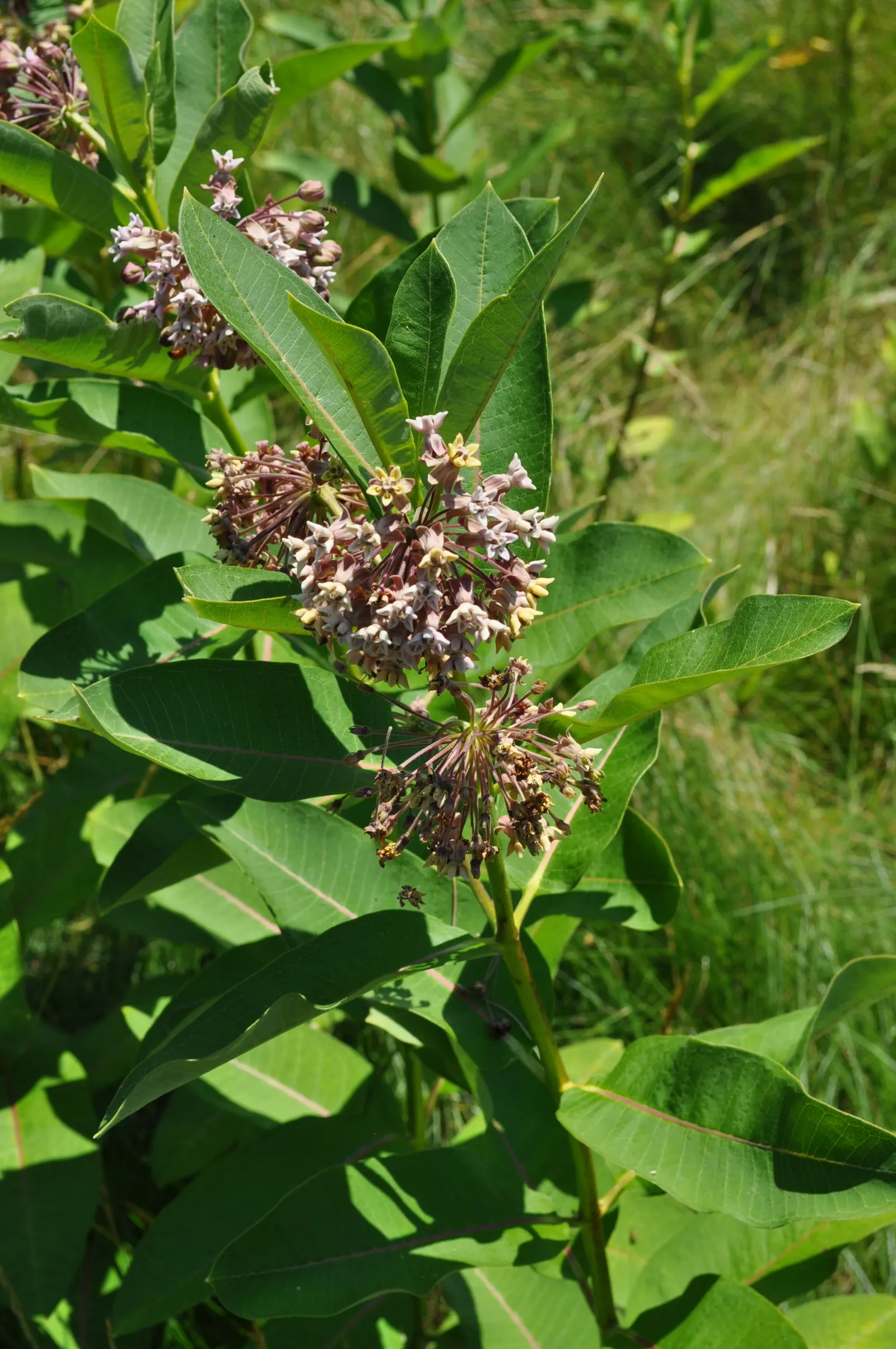
Common Milkweed (Asclepias Syriaca) — Each cluster measures about 2 to 4 inches across; as a low-maintenance addition, image 106
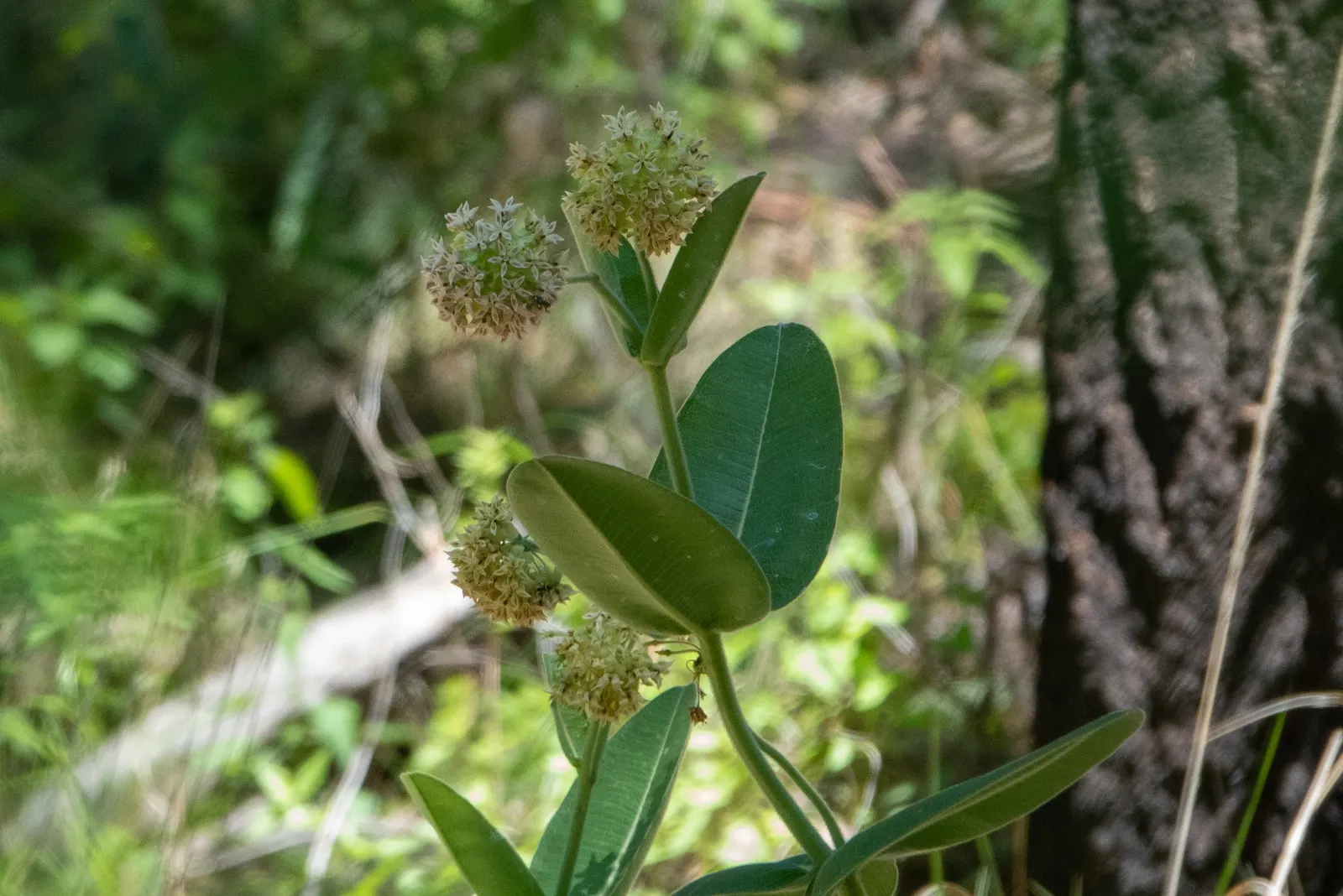
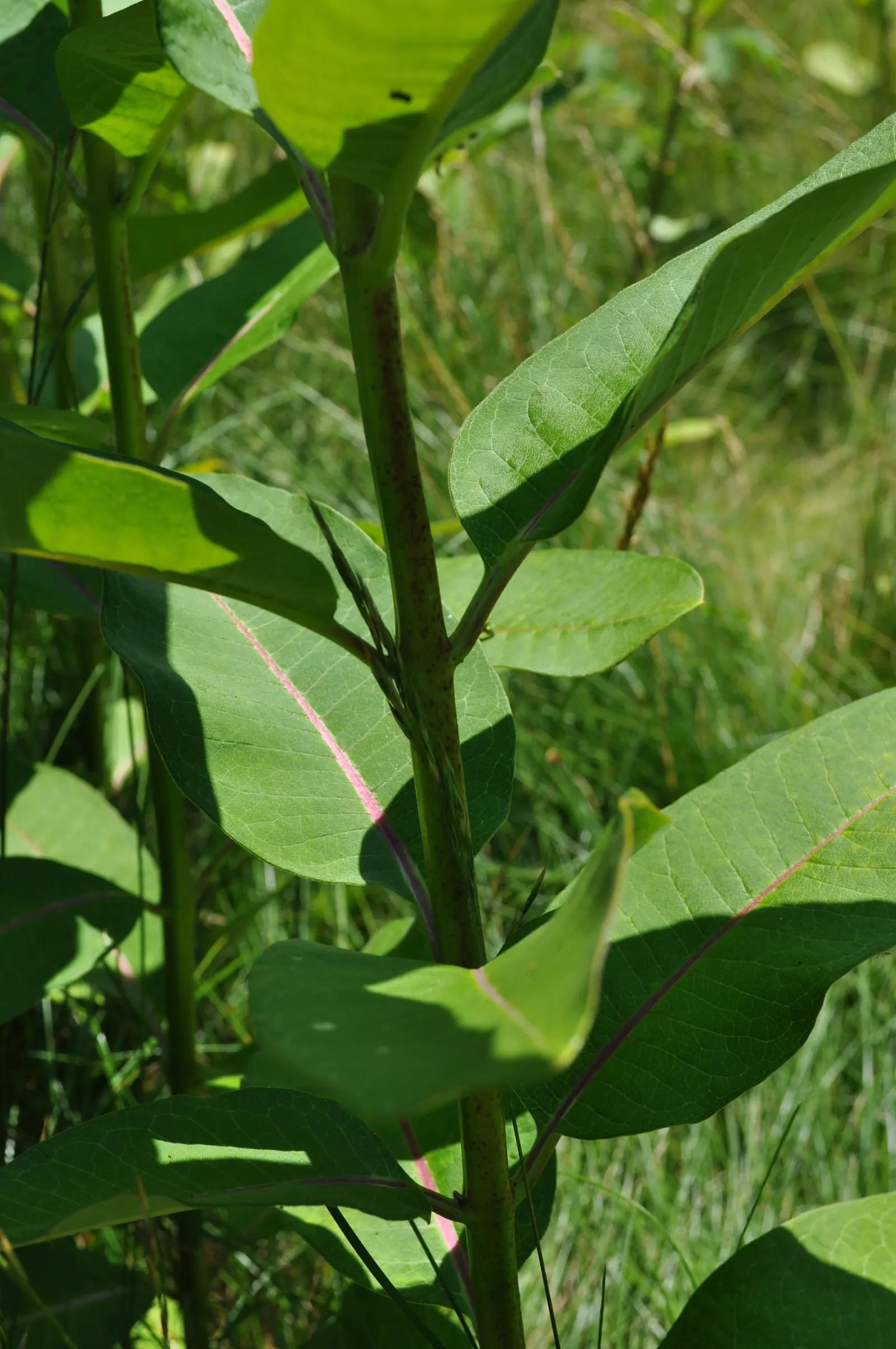
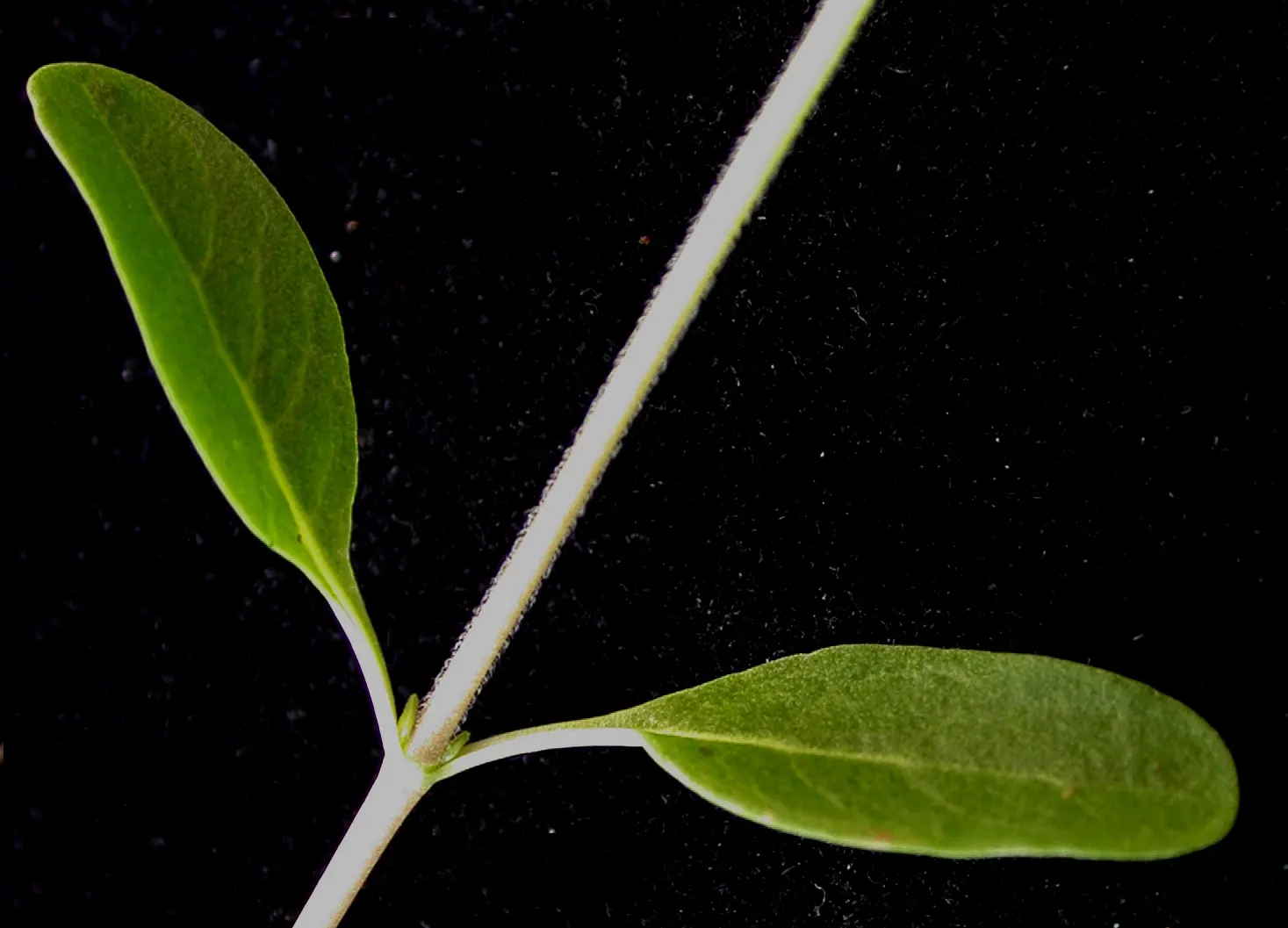
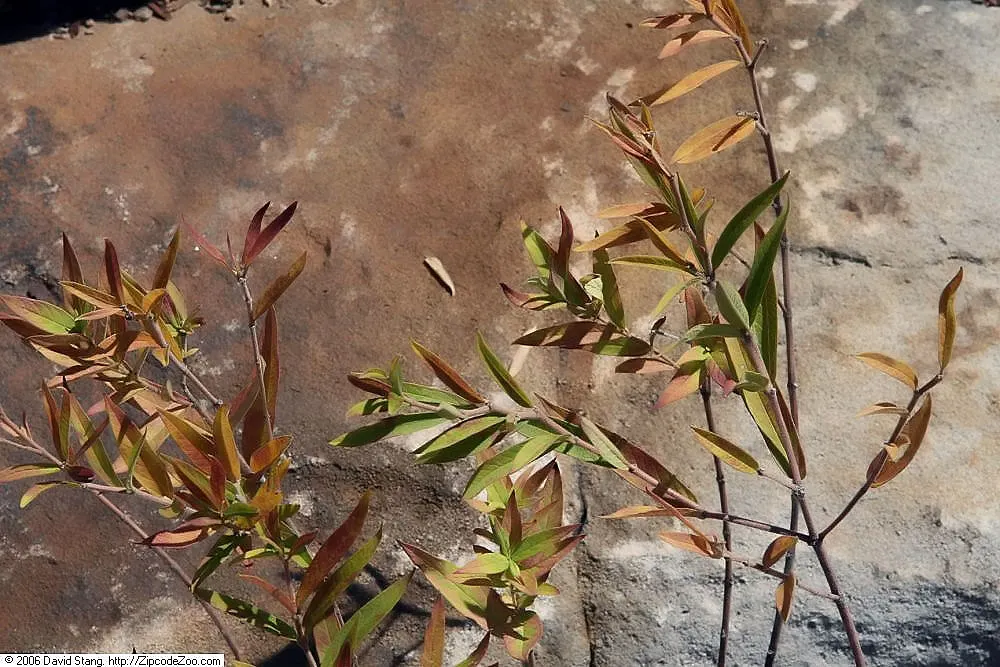
Common Milkweed (Asclepias Syriaca) — the milkweed boasts a unique grayish-green foliage; from June to August, the plant exhibits fragrant, image 104
Common Milkweed (Asclepias Syriaca) — these components are critical to the survival of monarch larvae
Common Milkweed (Asclepias Syriaca) — it requires little care beyond initial establishment; succulent for full
Photographs by 16 contributors

Related plants