Skip to content

Butterfly Weed

Asclepias Tuberosa

Design with this plant

Overview

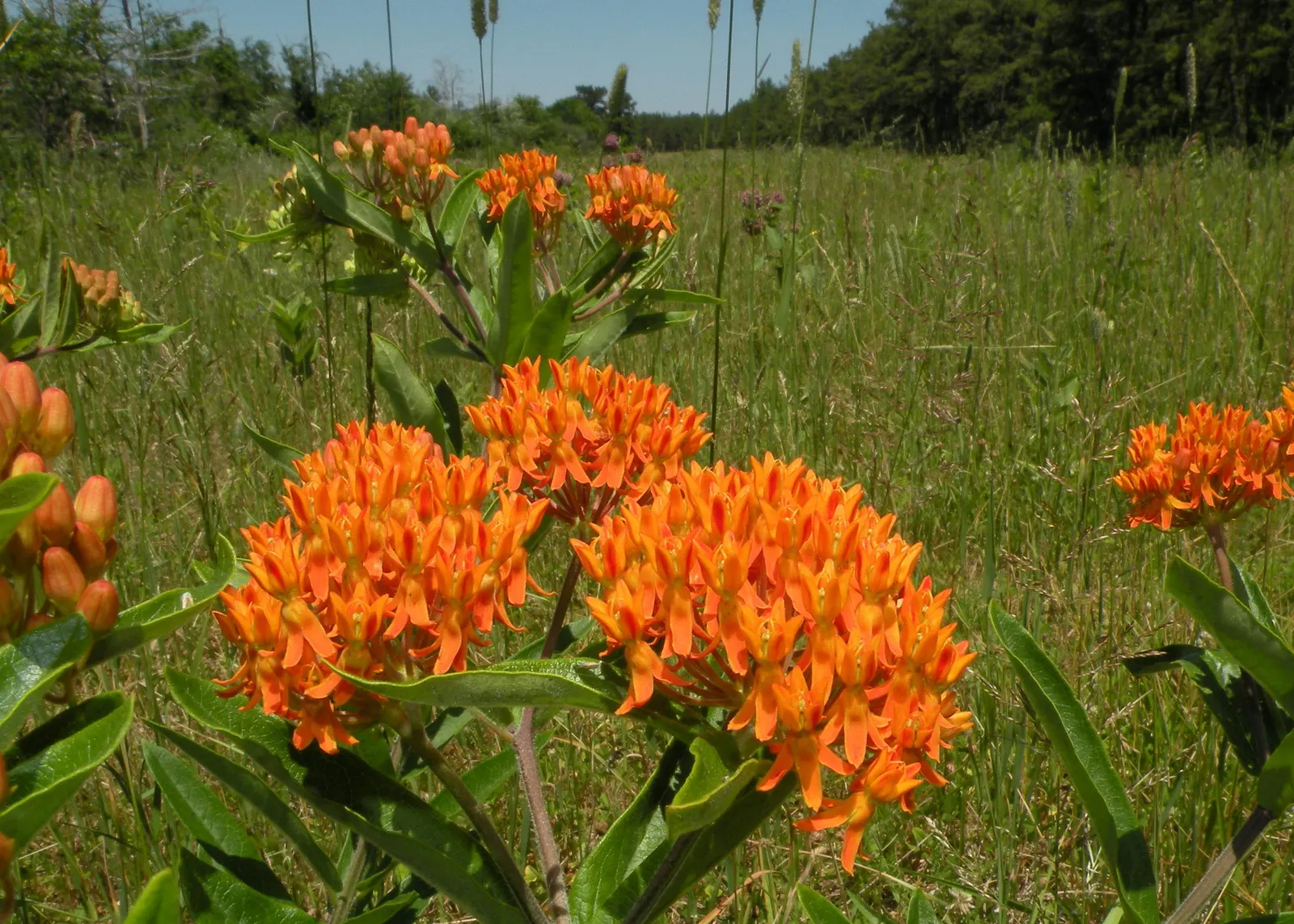
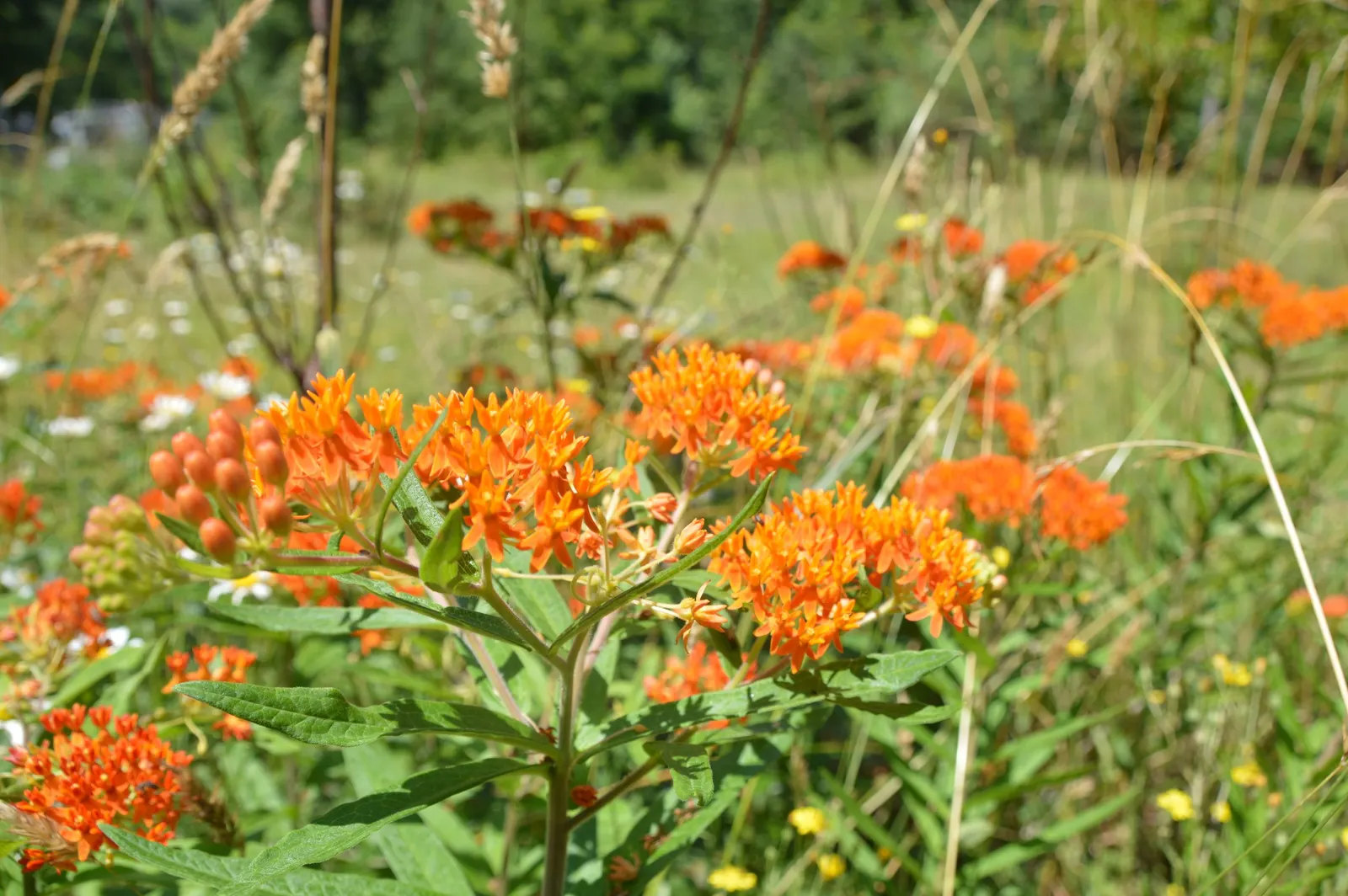
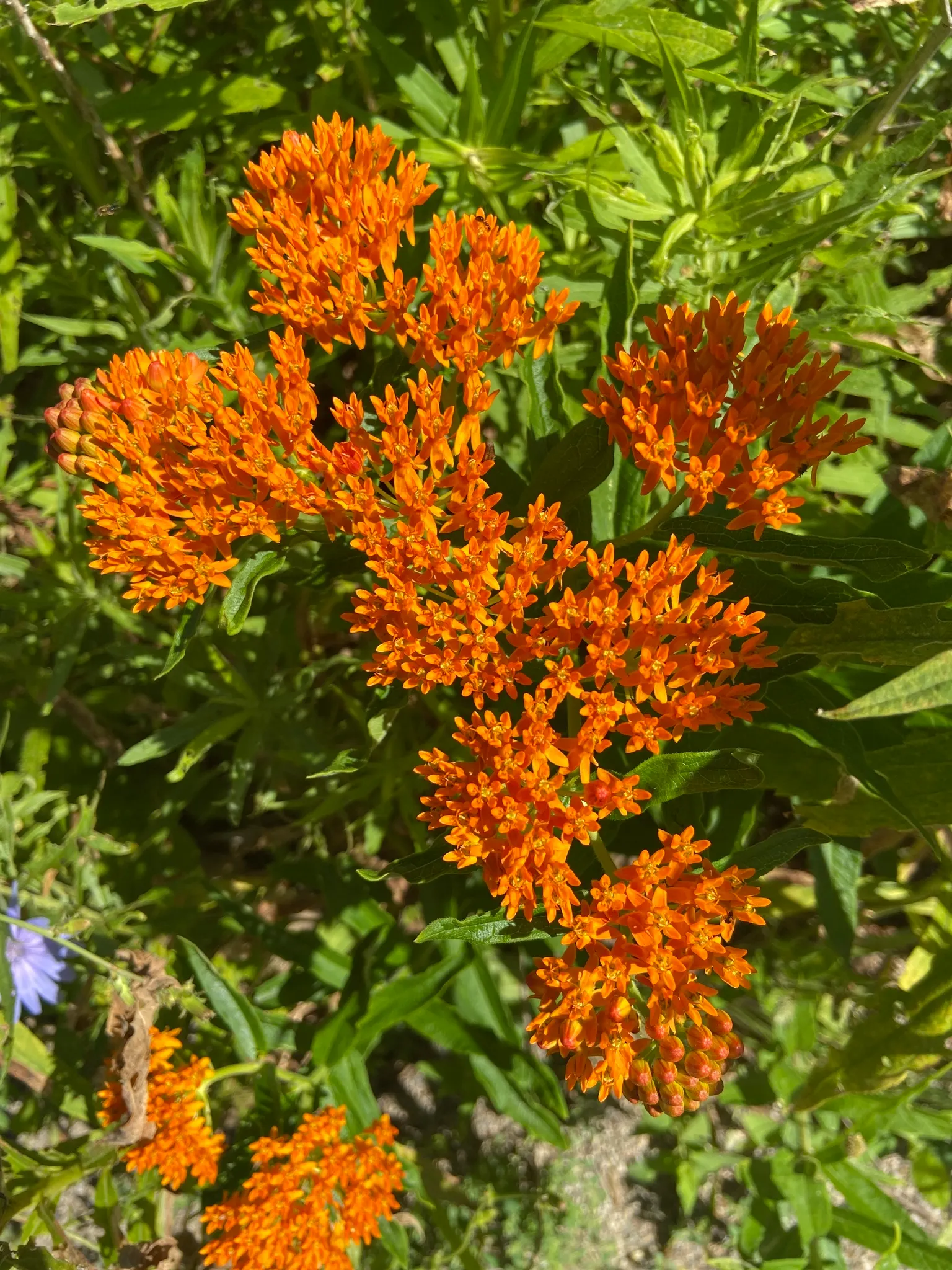
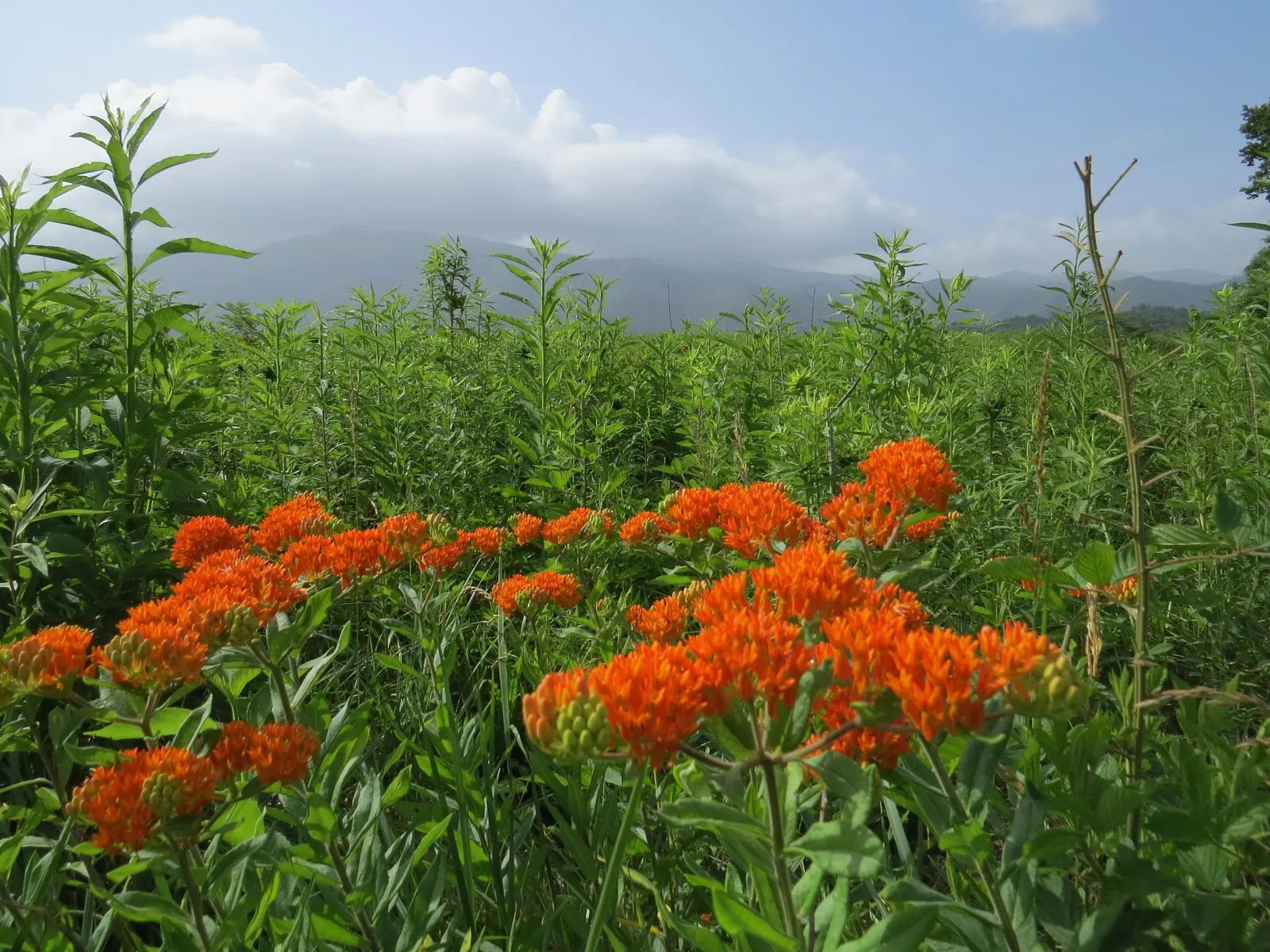
Butterfly Weed (Asclepias tuberosa) is a vibrant perennial native to the US. Thriving in full sun with well-drained soil, it stands 1-2 feet tall and 1-1.5 feet wide. Bright orange to yellow flowers bloom from early summer to early fall, attracting butterflies and bees. Its drought tolerance and low maintenance make it a garden favorite. Hardiness zones: 3-9. Ideal for borders or as a focal point in xeriscapes.

Sun FullWater Very LowZones 3–9Type PerennialClimate Arid
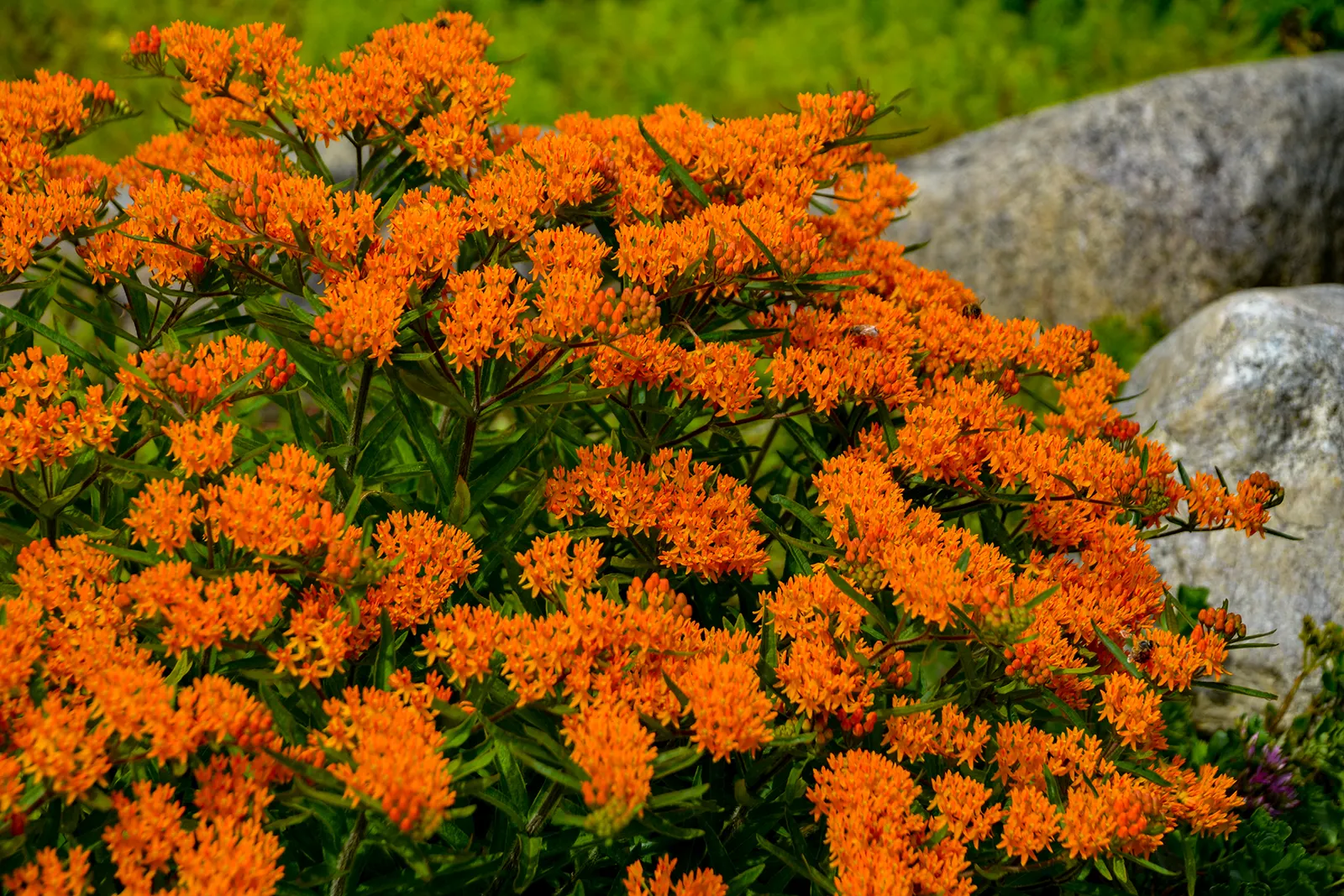
Butterfly Weed (Asclepias Tuberosa) — Butterfly Weed (Asclepias tuberosa) is a vibrant perennial native to the US

Culture

Sun
Full
Water
Very Low
USDA zones
3–9

Shape & size

Classification

Type
Perennial
Family
Asclepiadaceae
Climate
Arid

See full data, regional cultivation notes, and design tools. Build a client presentation around this plant.

Start your 14-day trial

Photos (164)

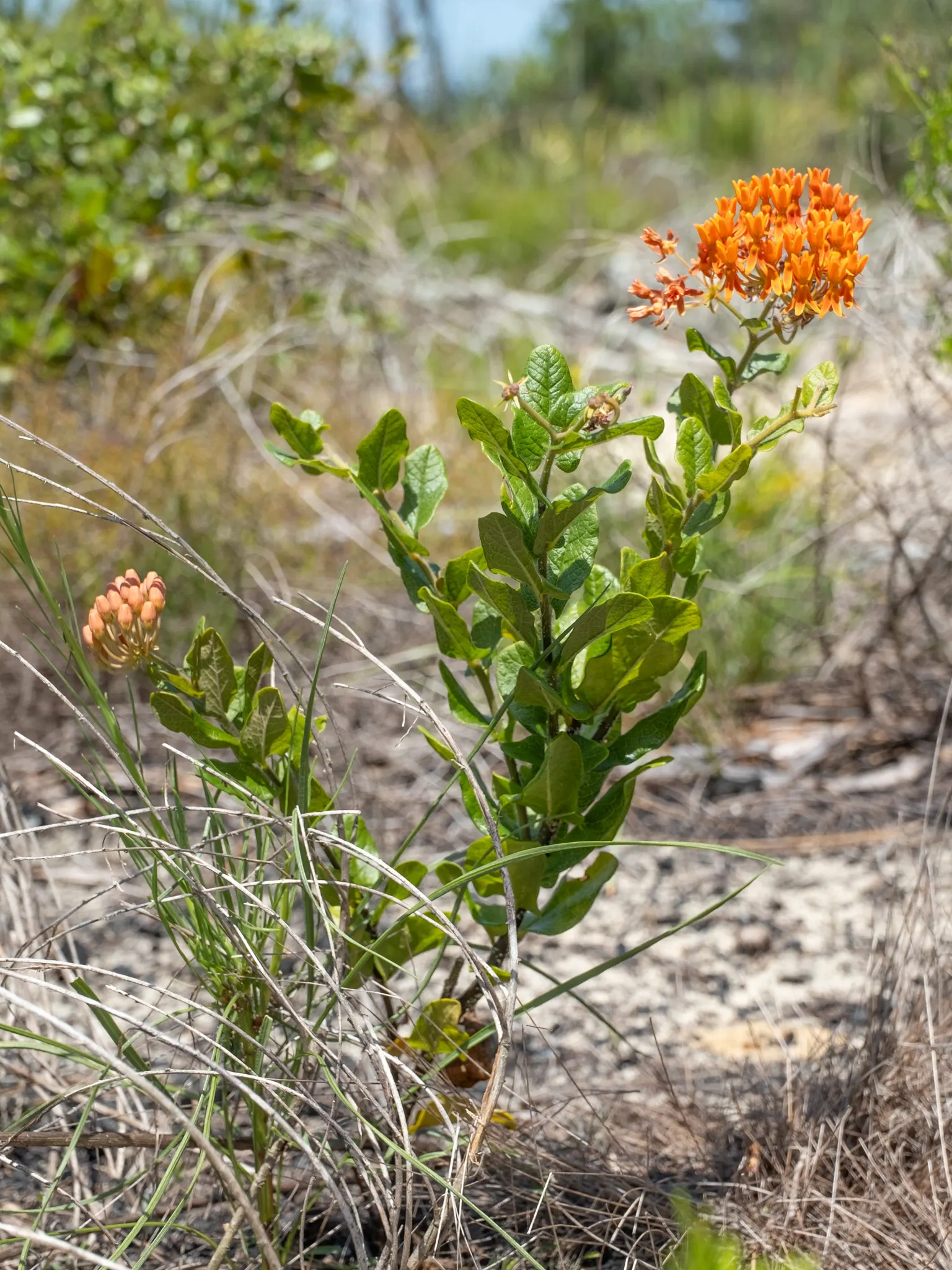
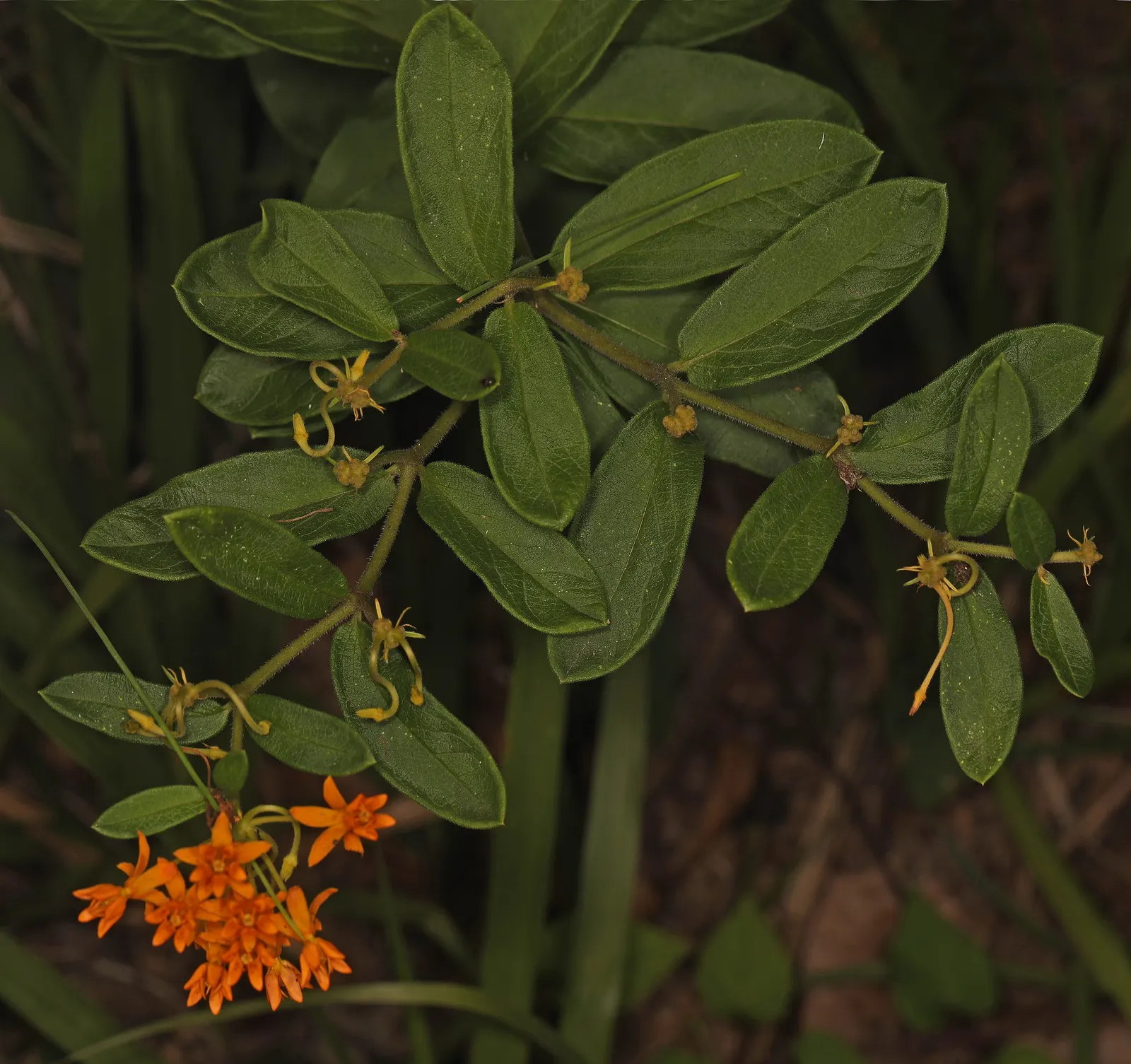
Butterfly Weed (Asclepias Tuberosa) — Thriving in full sun with well-drained soil, it stands 1-2 feet tall and 1-1.5 feet wide; making them an, image 132
Butterfly Weed (Asclepias Tuberosa) — the plant's milk-like sap may cause skin irritation for some
Butterfly Weed (Asclepias Tuberosa) — perennial for full; so placement should be considered where incidental contact is minimized, image 78
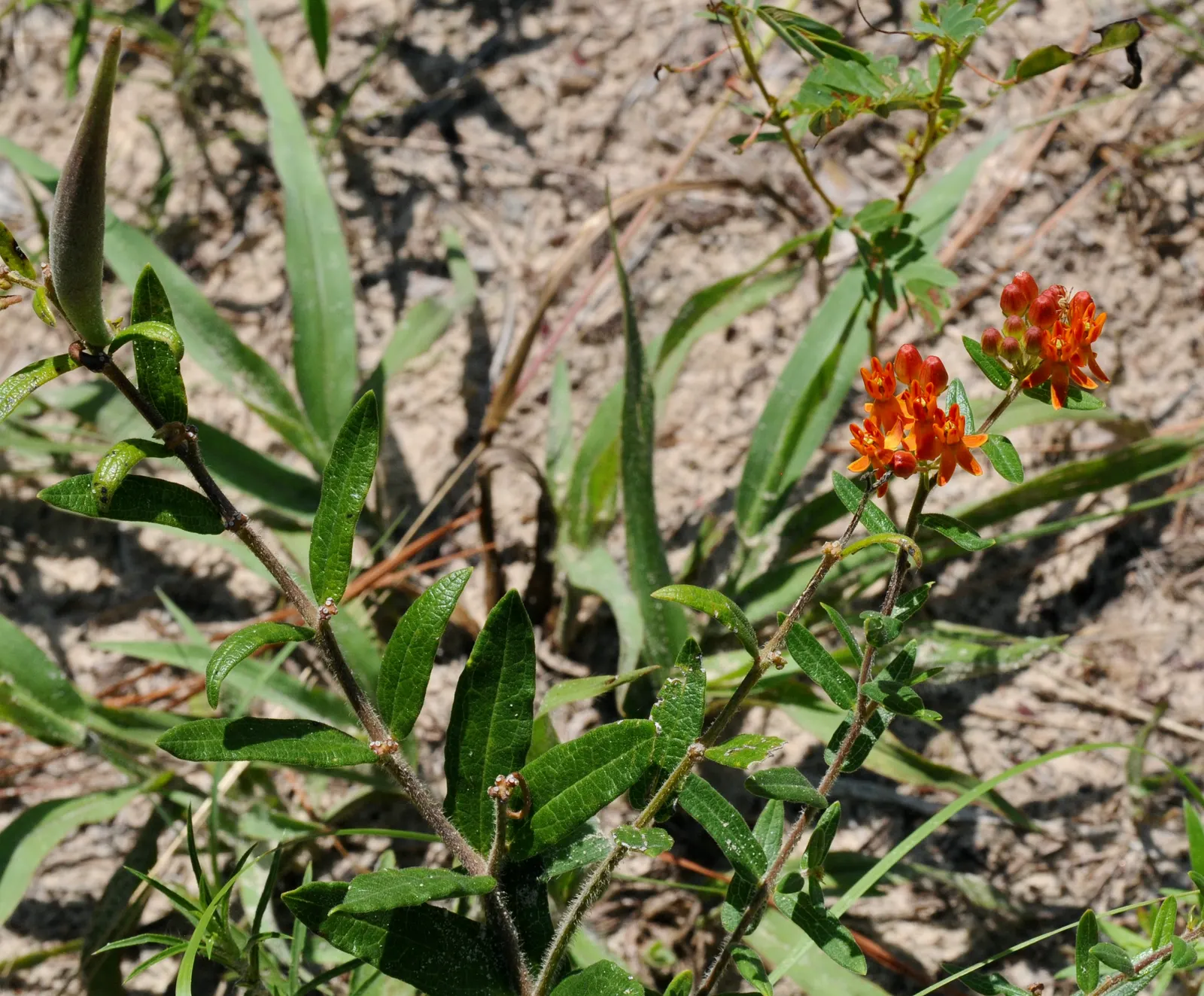
Butterfly Weed (Asclepias Tuberosa) — Thriving in full sun with well-drained soil, it stands 1-2 feet tall and 1-1.5 feet wide; making them an excellent magnet
Butterfly Weed (Asclepias Tuberosa) — and its taproot system makes it tolerant of poor; ideal for borders or as a focal point in xeriscapes
Butterfly Weed (Asclepias Tuberosa) — so placement should be considered where incidental contact is minimized; thriving in full sun with well-drained soil, it
Butterfly Weed (Asclepias Tuberosa) — Its drought tolerance and low maintenance make it a garden favorite
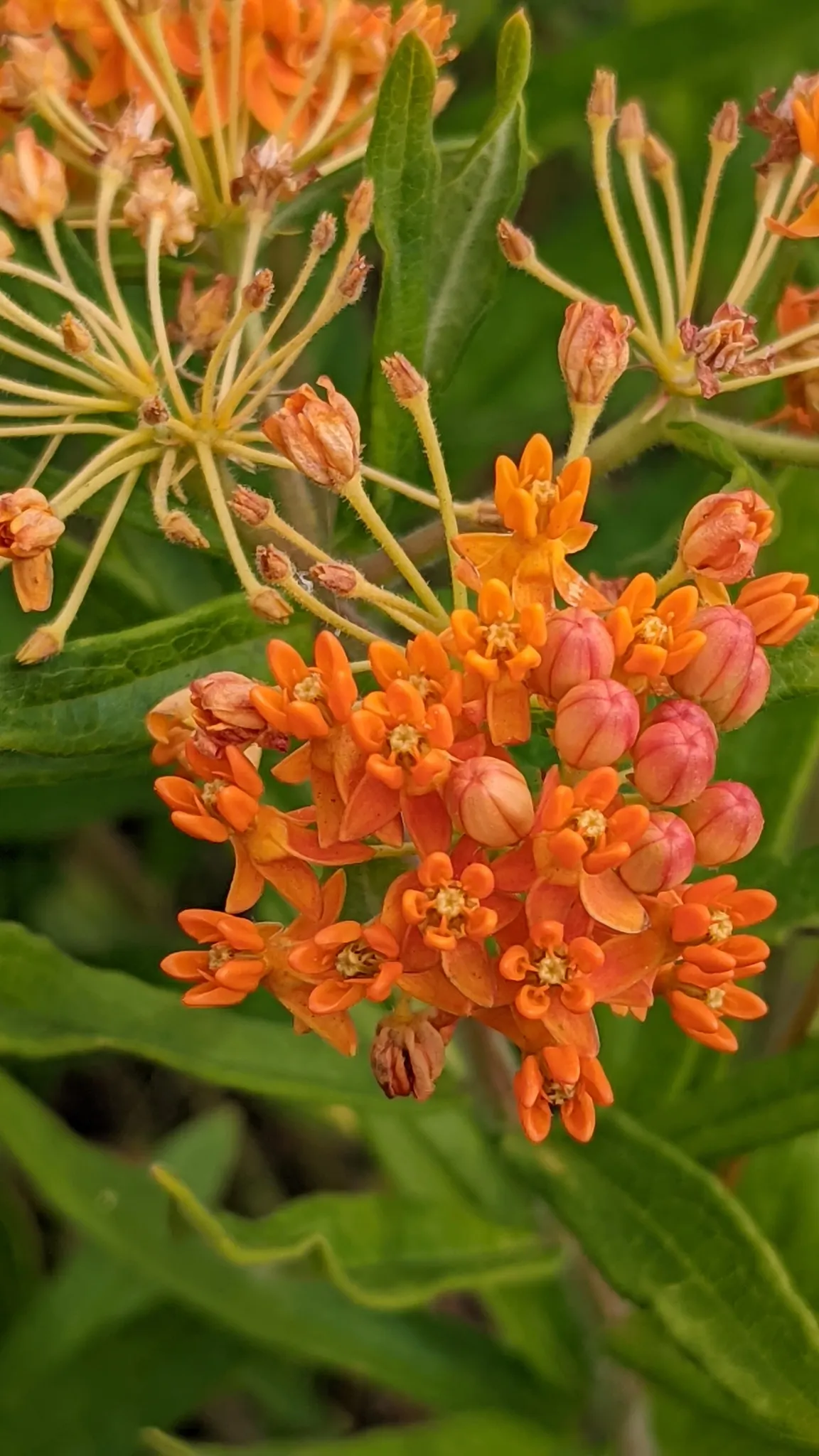
Butterfly Weed (Asclepias Tuberosa) — orange to yellow flower clusters; butterfly Weed (Asclepias tuberosa) is a vibrant perennial native to the US, image 112
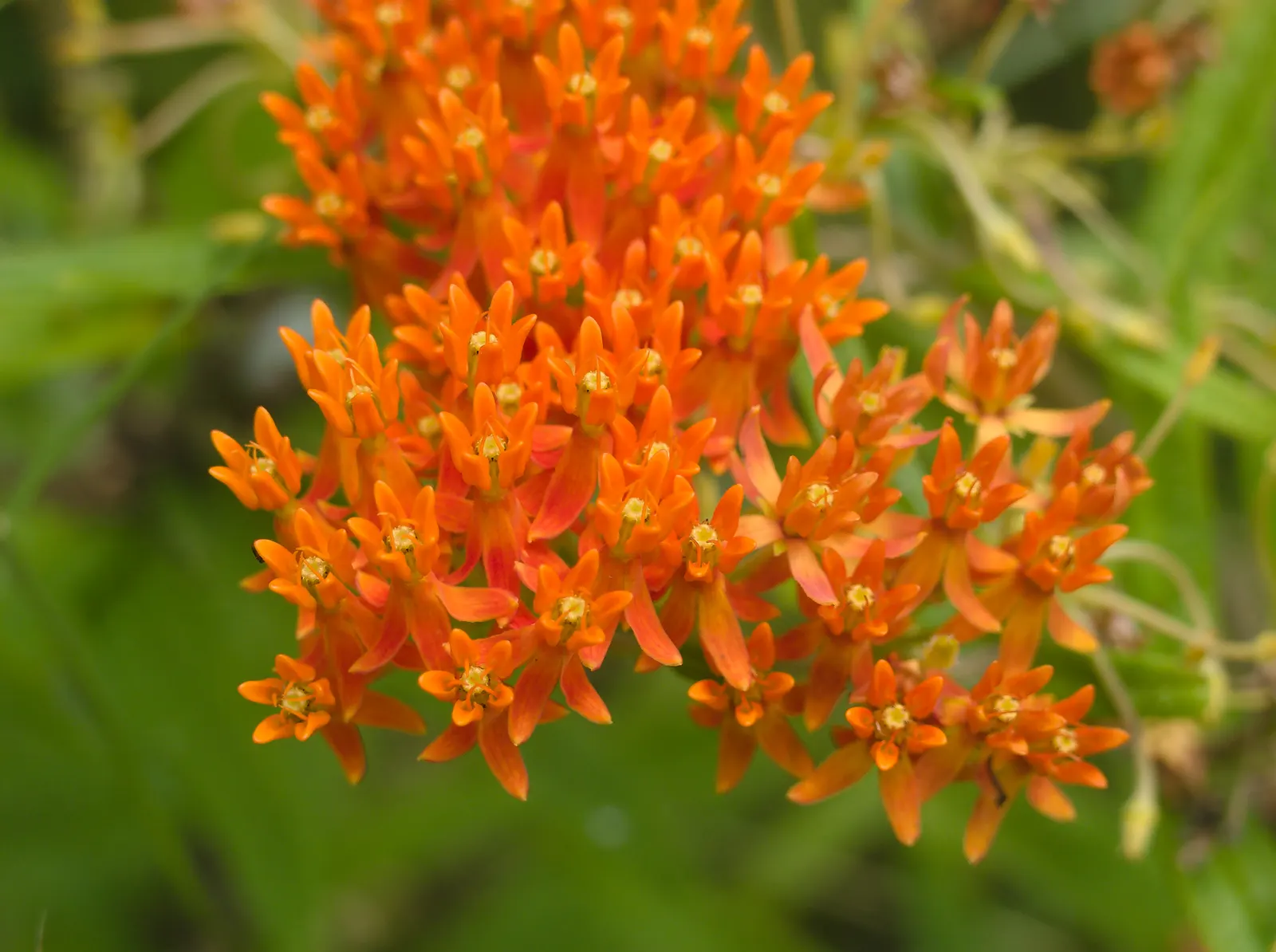
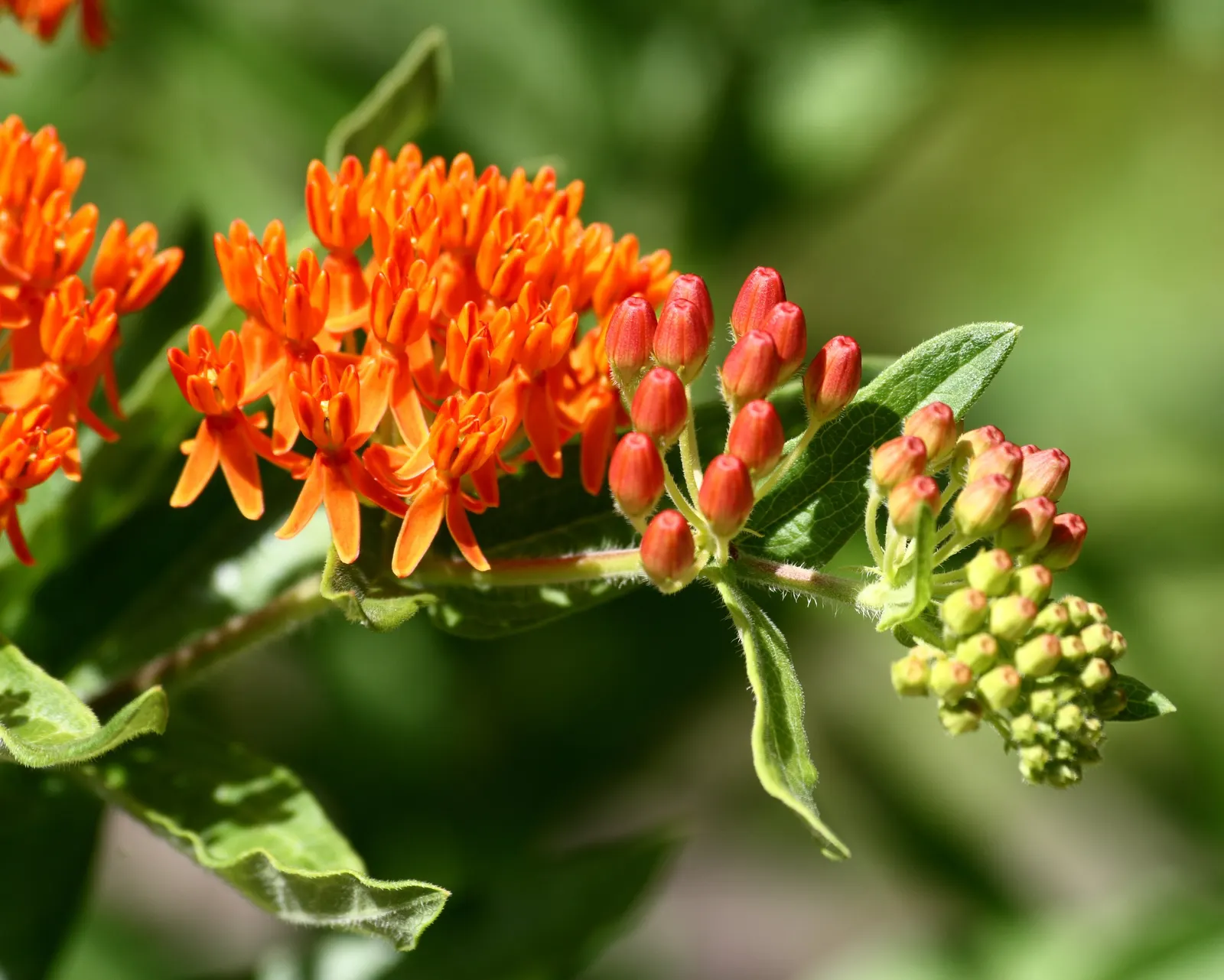
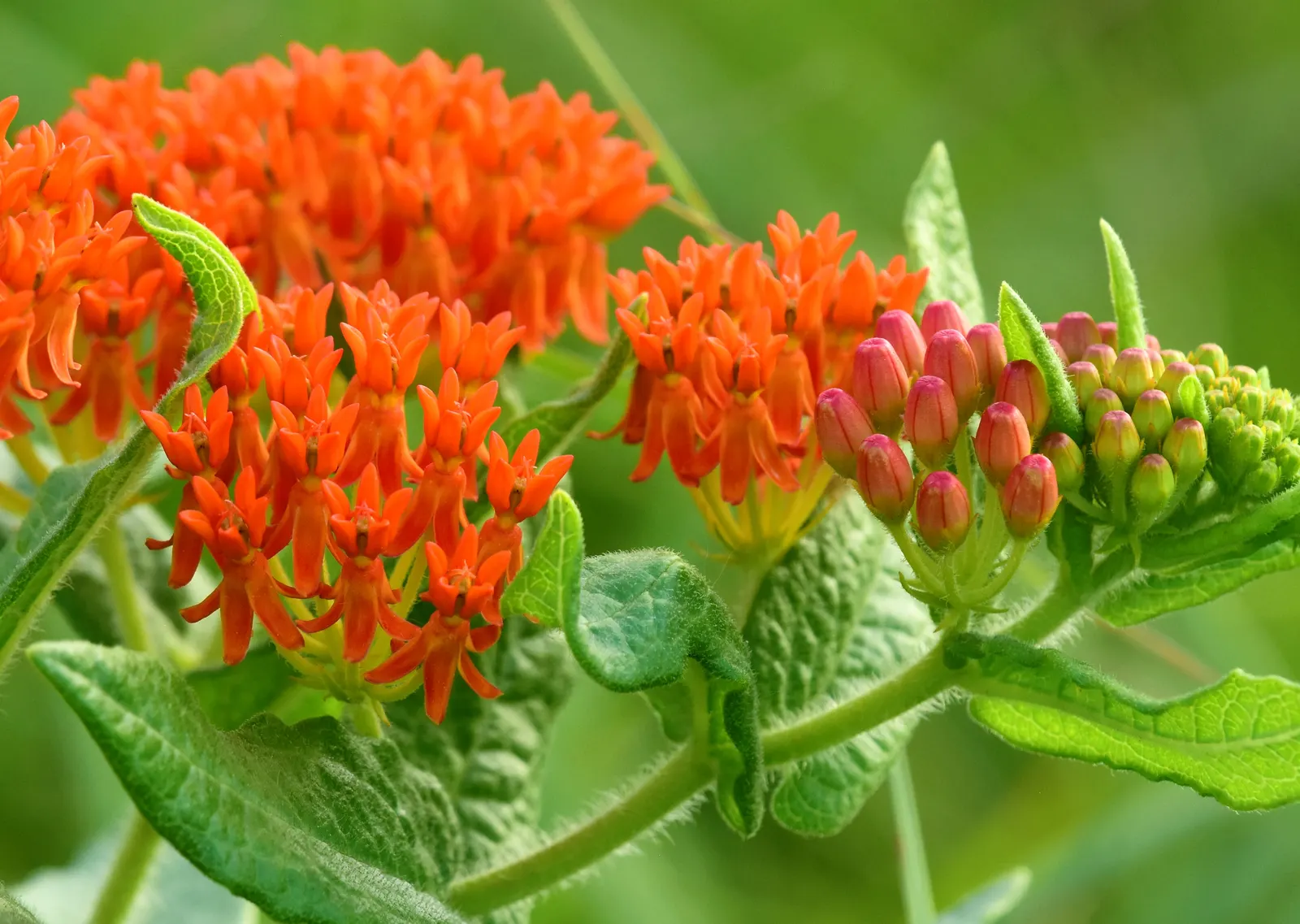
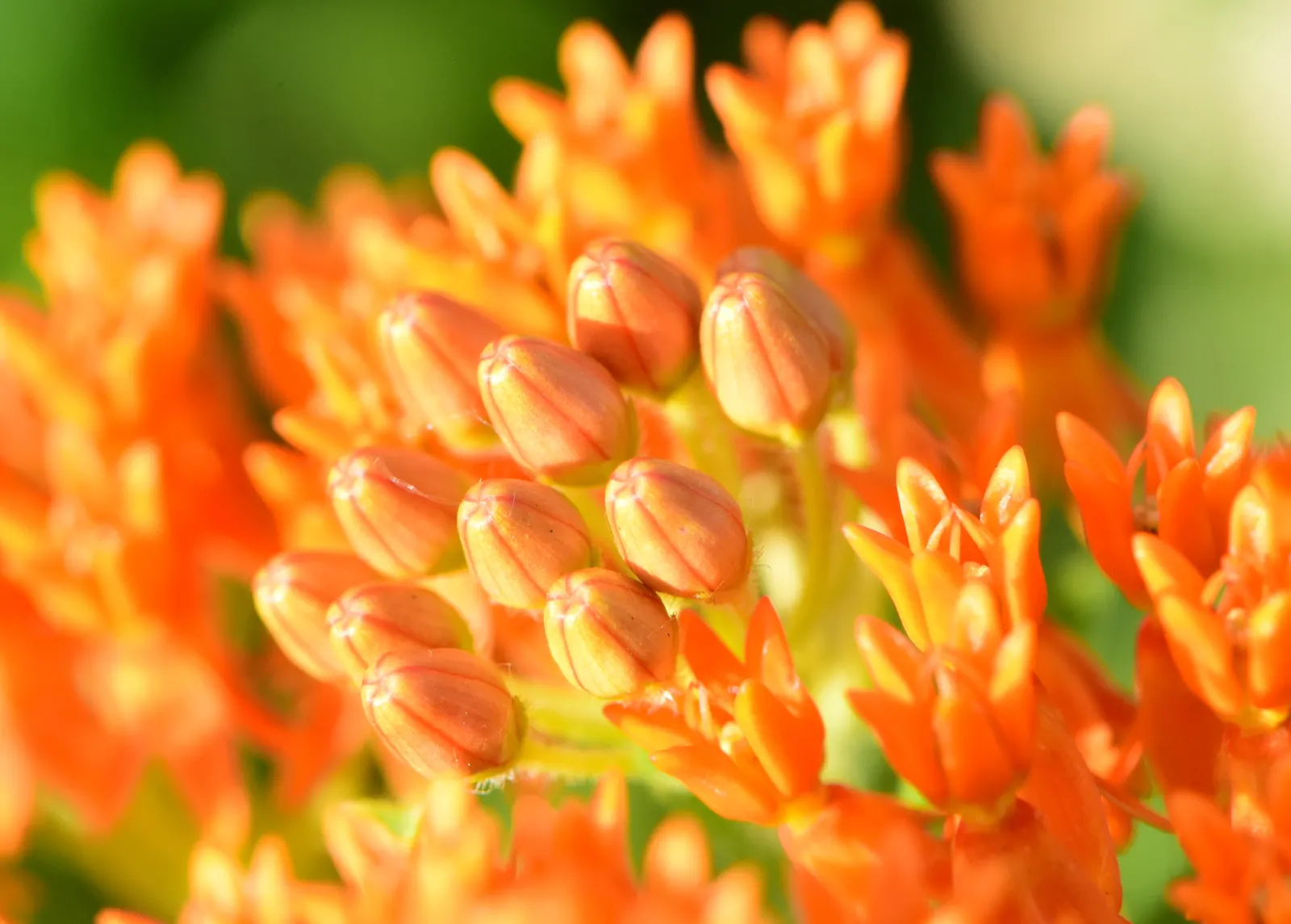
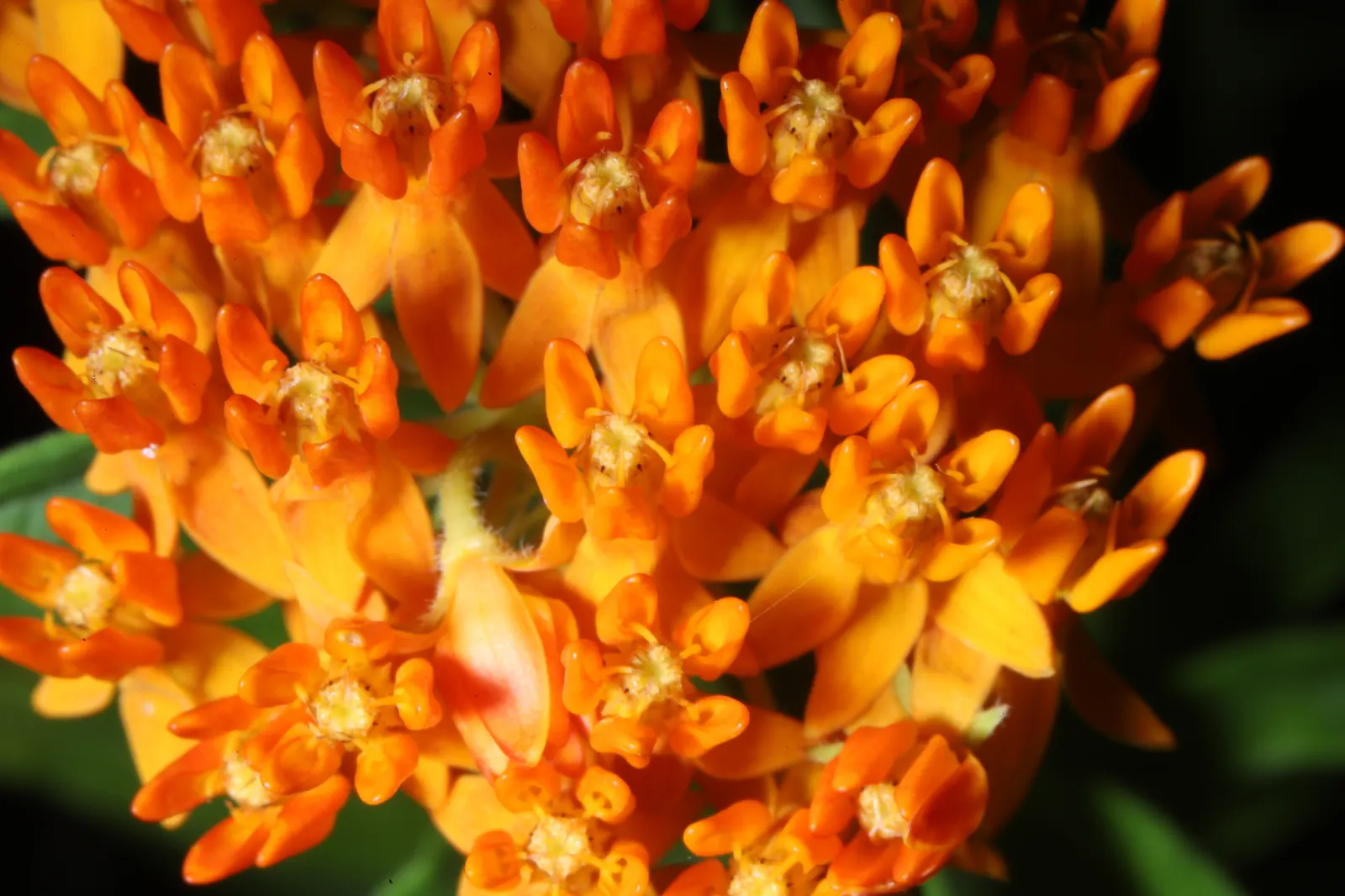
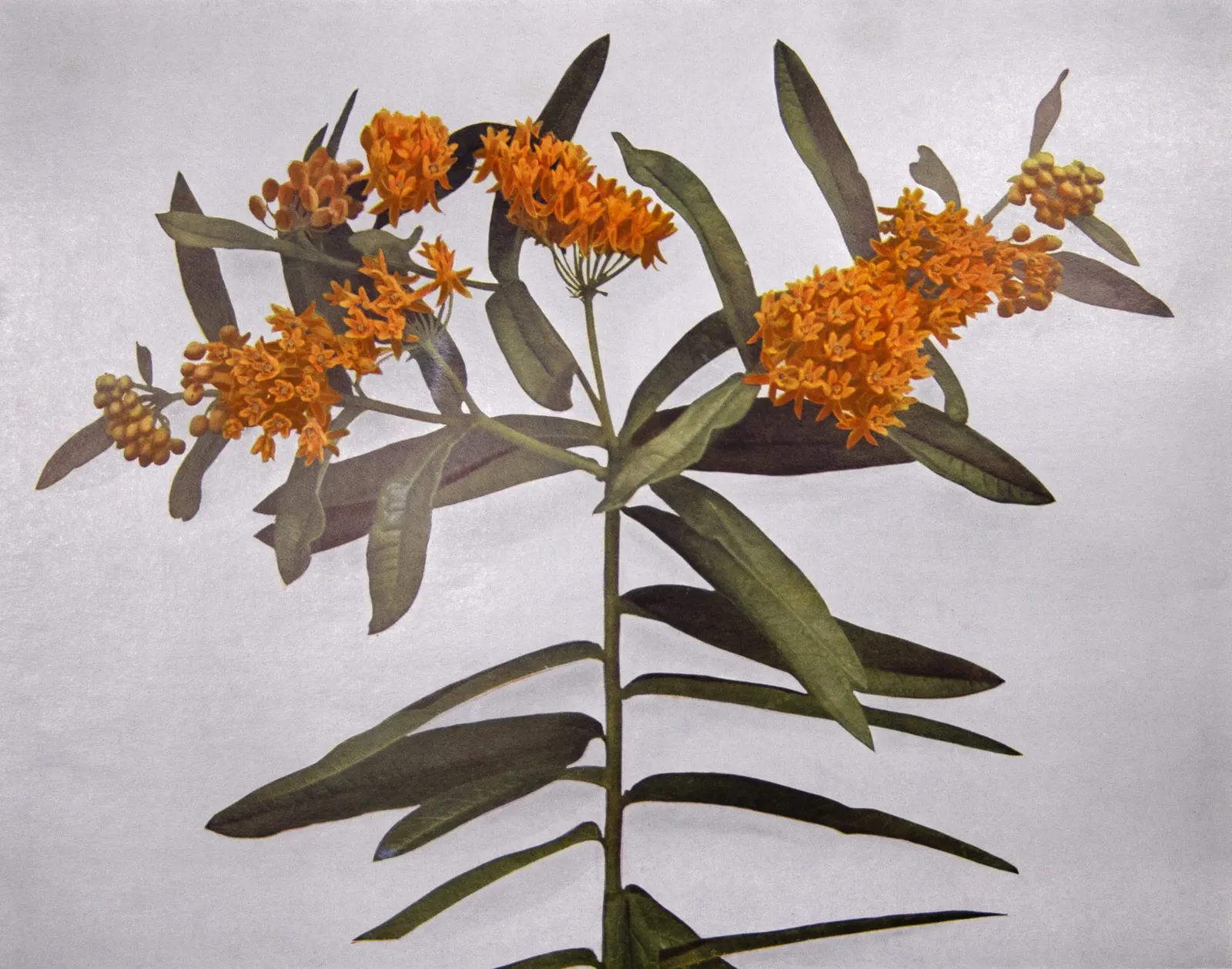
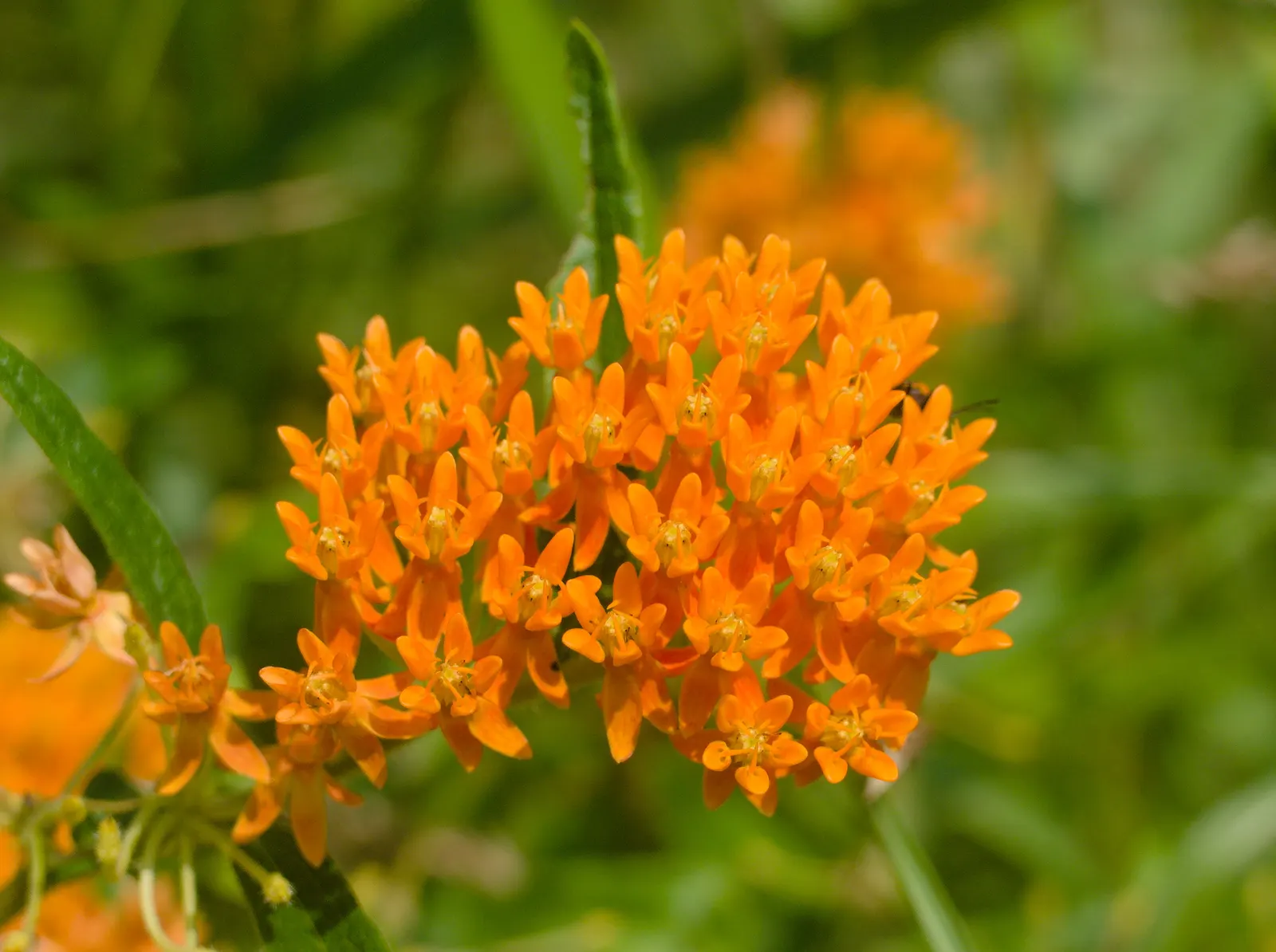
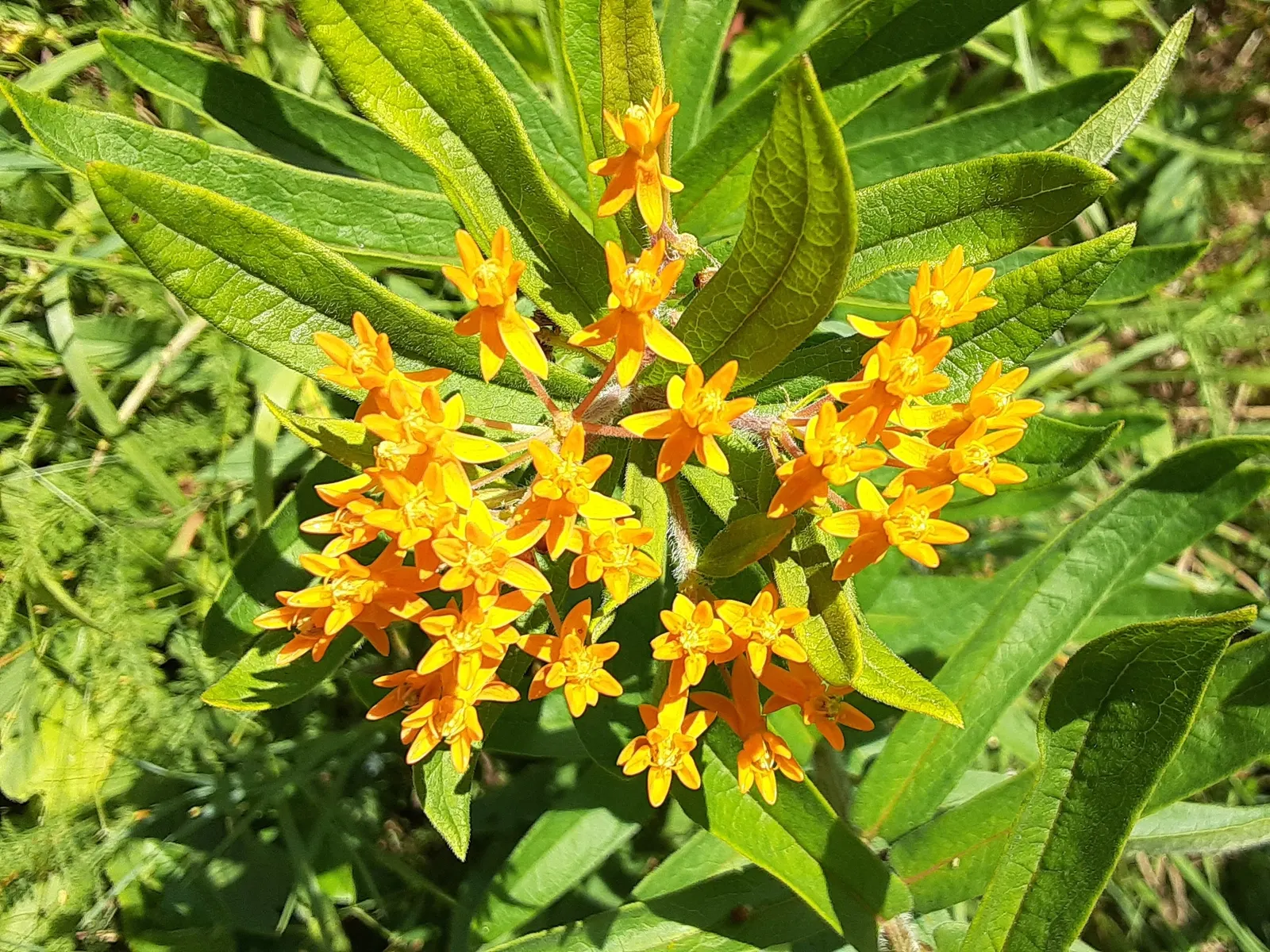
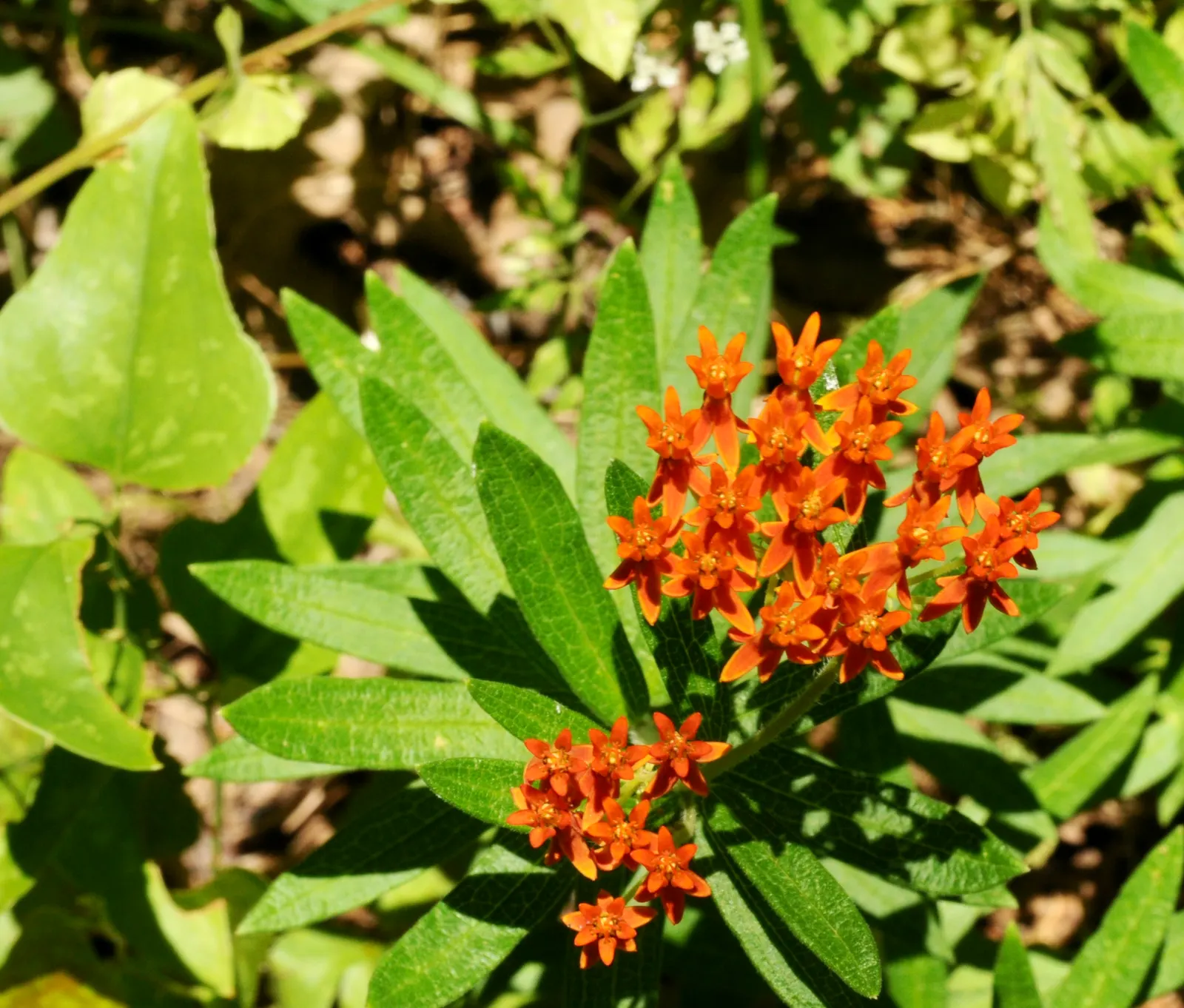
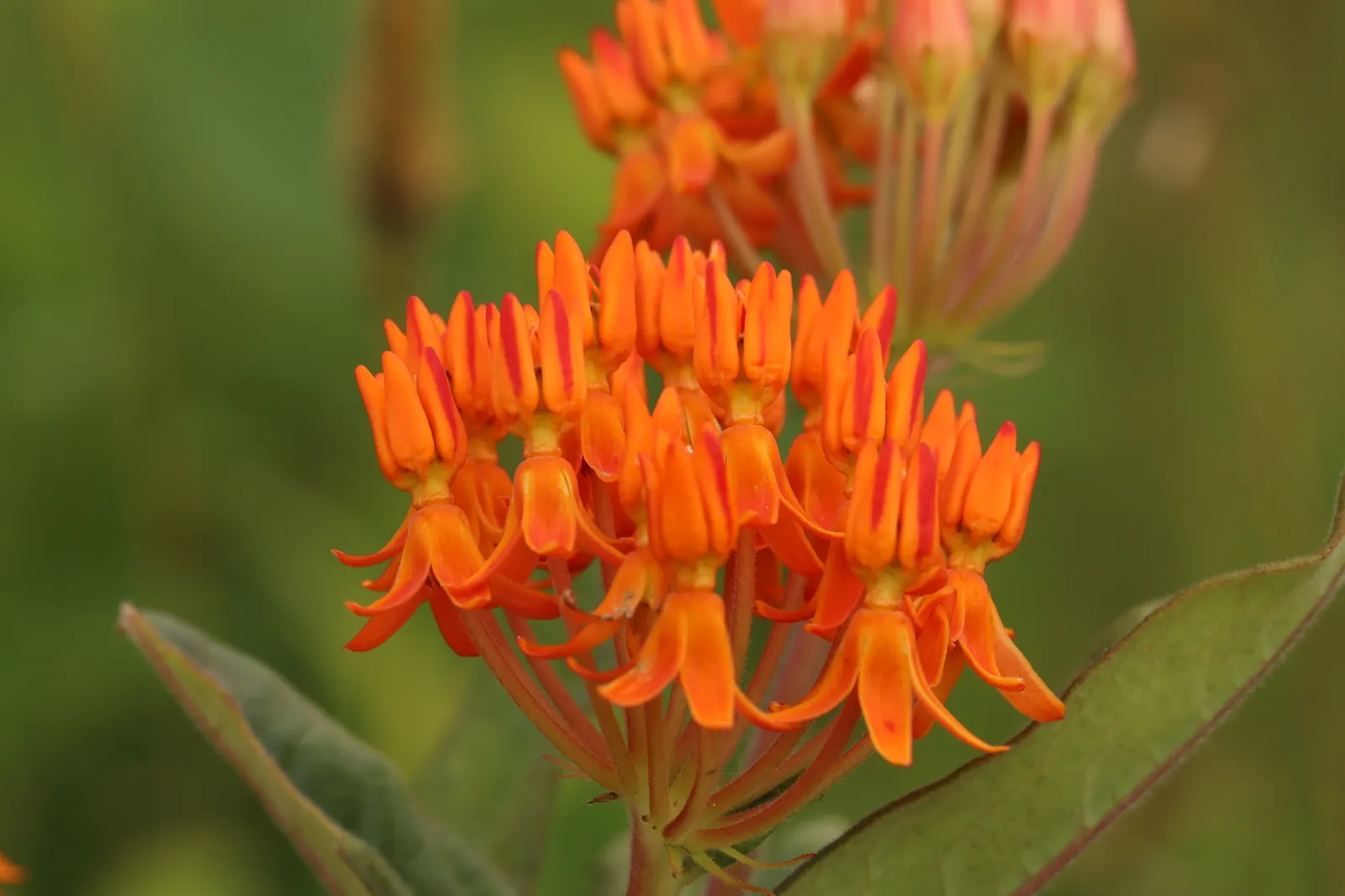
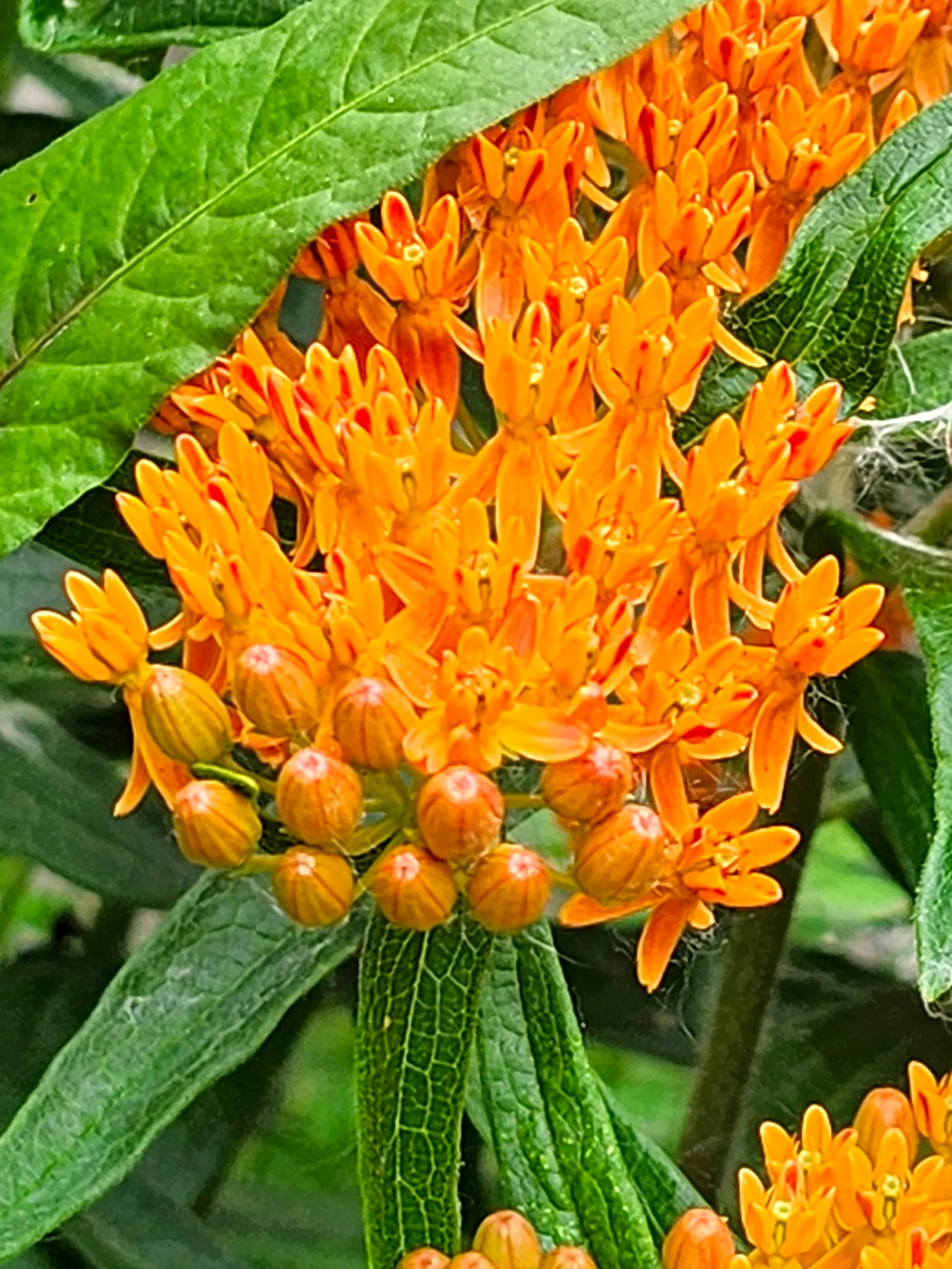
Butterfly Weed (Asclepias Tuberosa) — orange to yellow flower clusters
Butterfly Weed (Asclepias Tuberosa) — It's important to note that while it is tolerant of light shade; is a herbaceous perennial that is native to, image 98
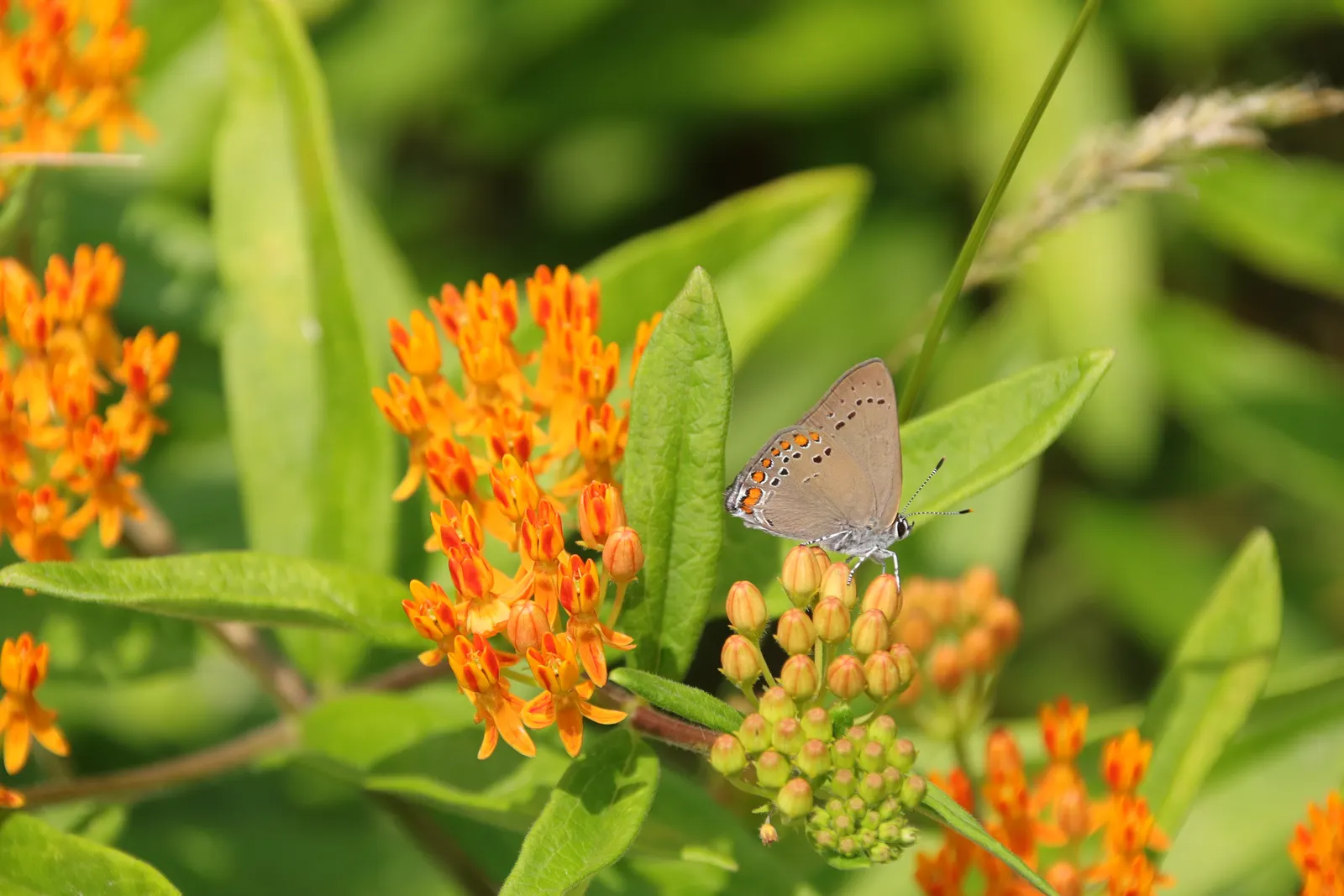
Butterfly Weed (Asclepias Tuberosa) — The flowers are nectar-rich
Butterfly Weed (Asclepias Tuberosa) — Ideally planted in full sun, this tough plant is drought-resistant, preferring well-drained soils; though, image 92
Butterfly Weed (Asclepias Tuberosa) — or as an accent in rock gardens; perennial for full, image 123
Butterfly Weed (Asclepias Tuberosa) — perennial with orange blooms
Butterfly Weed (Asclepias Tuberosa) — is a herbaceous perennial that is native to the Eastern United States; it's important to note that while it is tolerant
Butterfly Weed (Asclepias Tuberosa) — Butterfly Weed (Asclepias tuberosa) is a vibrant perennial native to the US; its drought tolerance and low, image 131
Butterfly Weed (Asclepias Tuberosa) — so placement should be considered where incidental contact is minimized; thriving in full sun with, image 101
Butterfly Weed (Asclepias Tuberosa) — the Butterfly Weed forms a compact clump of erect; bright orange to yellow flowers bloom from early summer to, image 90
Butterfly Weed (Asclepias Tuberosa) — commonly referred to as Butterfly Weed
Butterfly Weed (Asclepias Tuberosa) — which typically bloom between May and September; orange to yellow flower clusters
Butterfly Weed (Asclepias Tuberosa) — the Asclepias tuberosa adds a splash of color in perennial borders; or as an accent in rock gardens
Butterfly Weed (Asclepias Tuberosa) — the Butterfly Weed forms a compact clump of erect; bright orange to yellow flowers bloom from early summer to, image 64
Butterfly Weed (Asclepias Tuberosa) — orange flowers in the garden; which typically bloom between May and September
Butterfly Weed (Asclepias Tuberosa) — which typically bloom between May and September; orange to yellow flower clusters, image 87

Photo courtesy of Proven Winners

Photographs by 13 contributors

Related plants