Skip to content

Red Milkweed

Asclepias Incarnata

Design with this plant

Overview

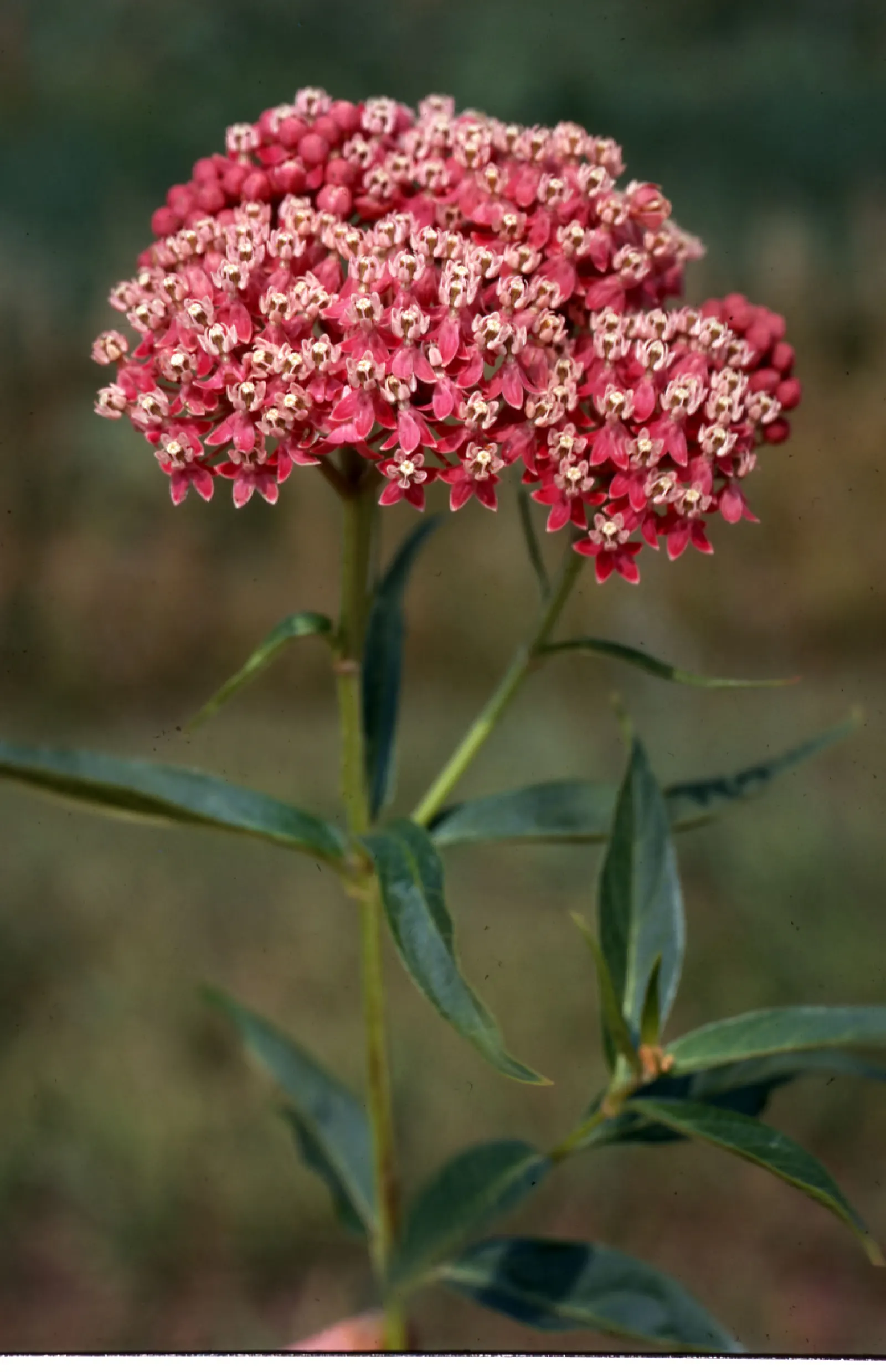
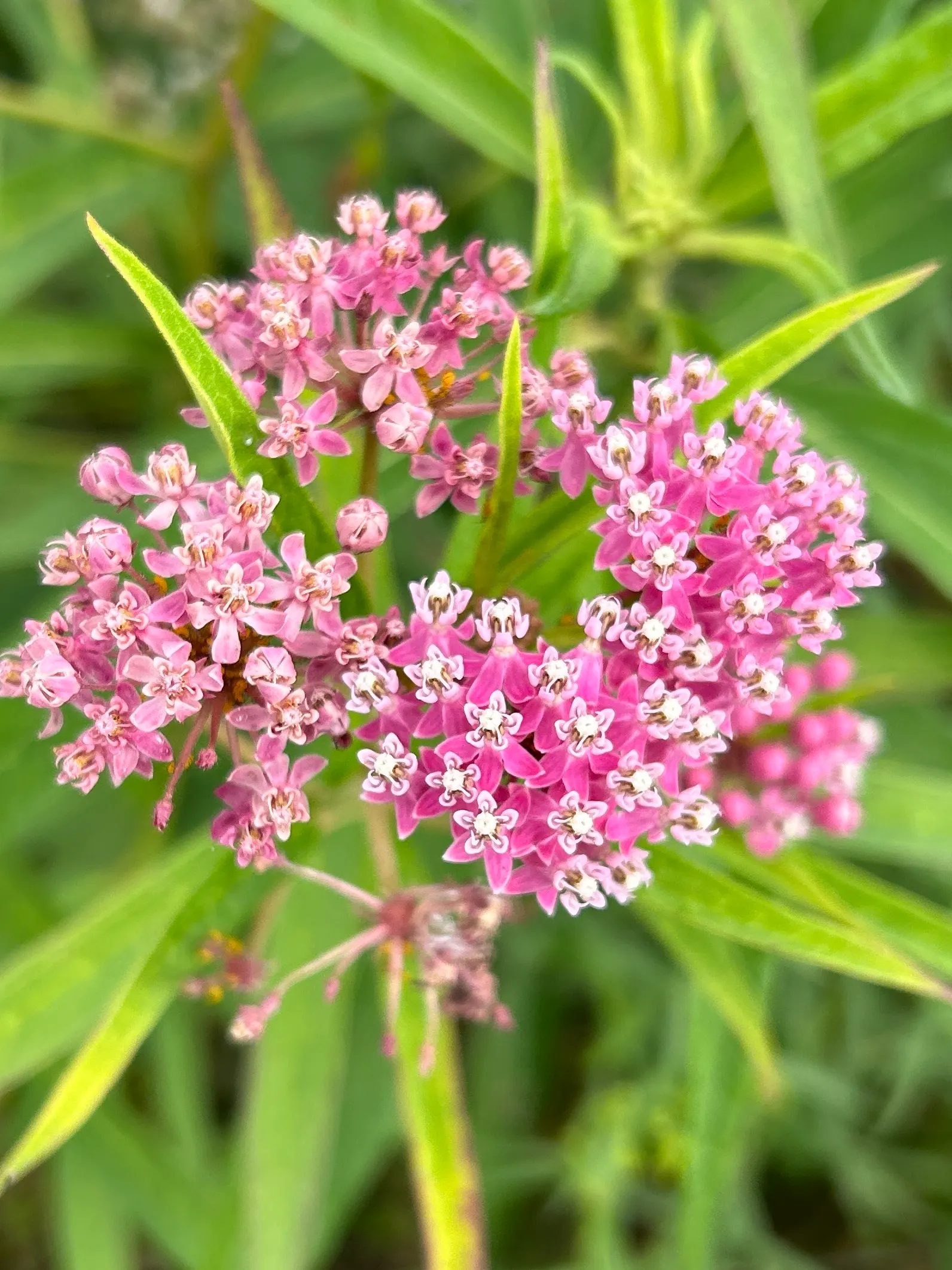
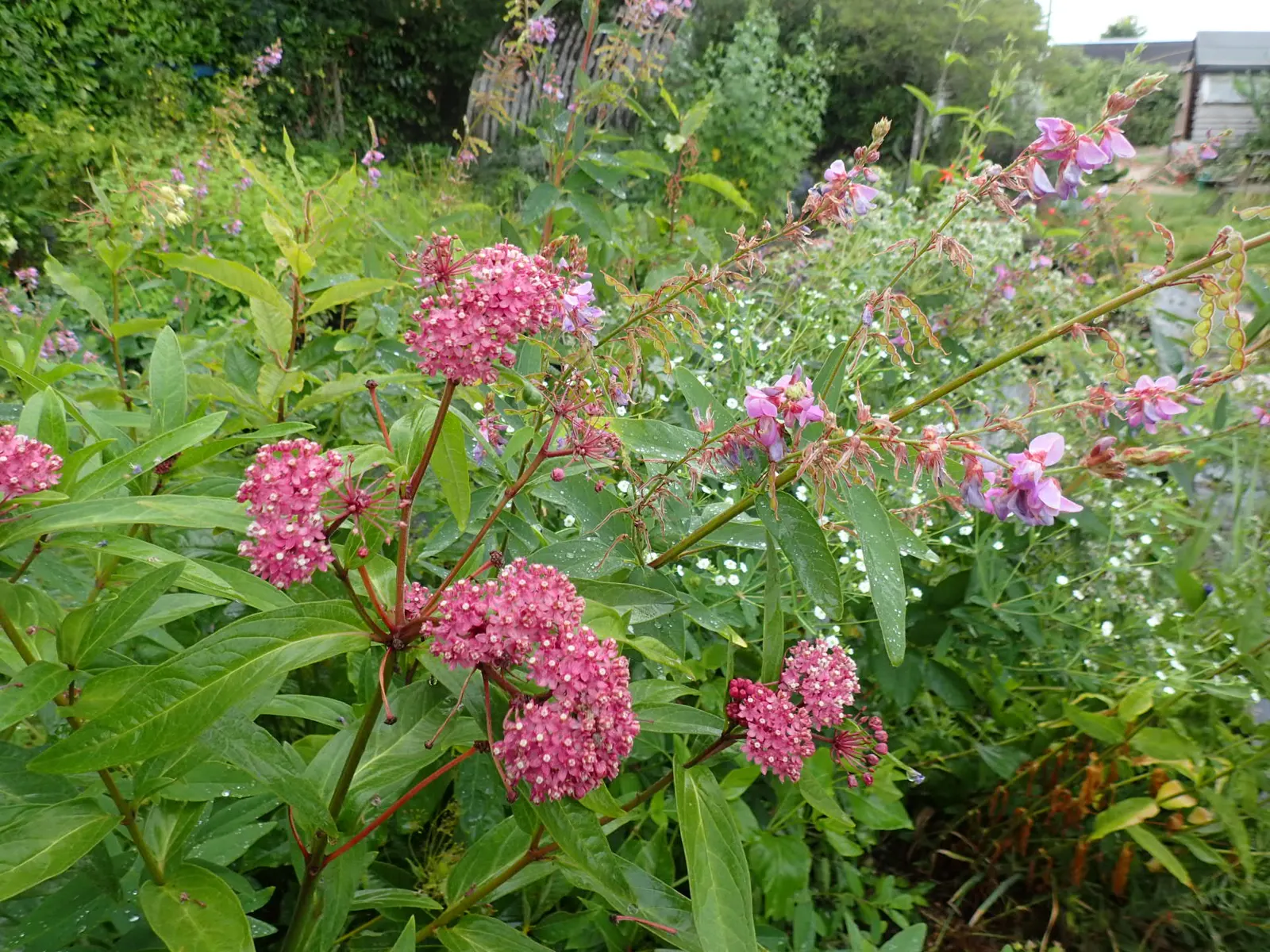
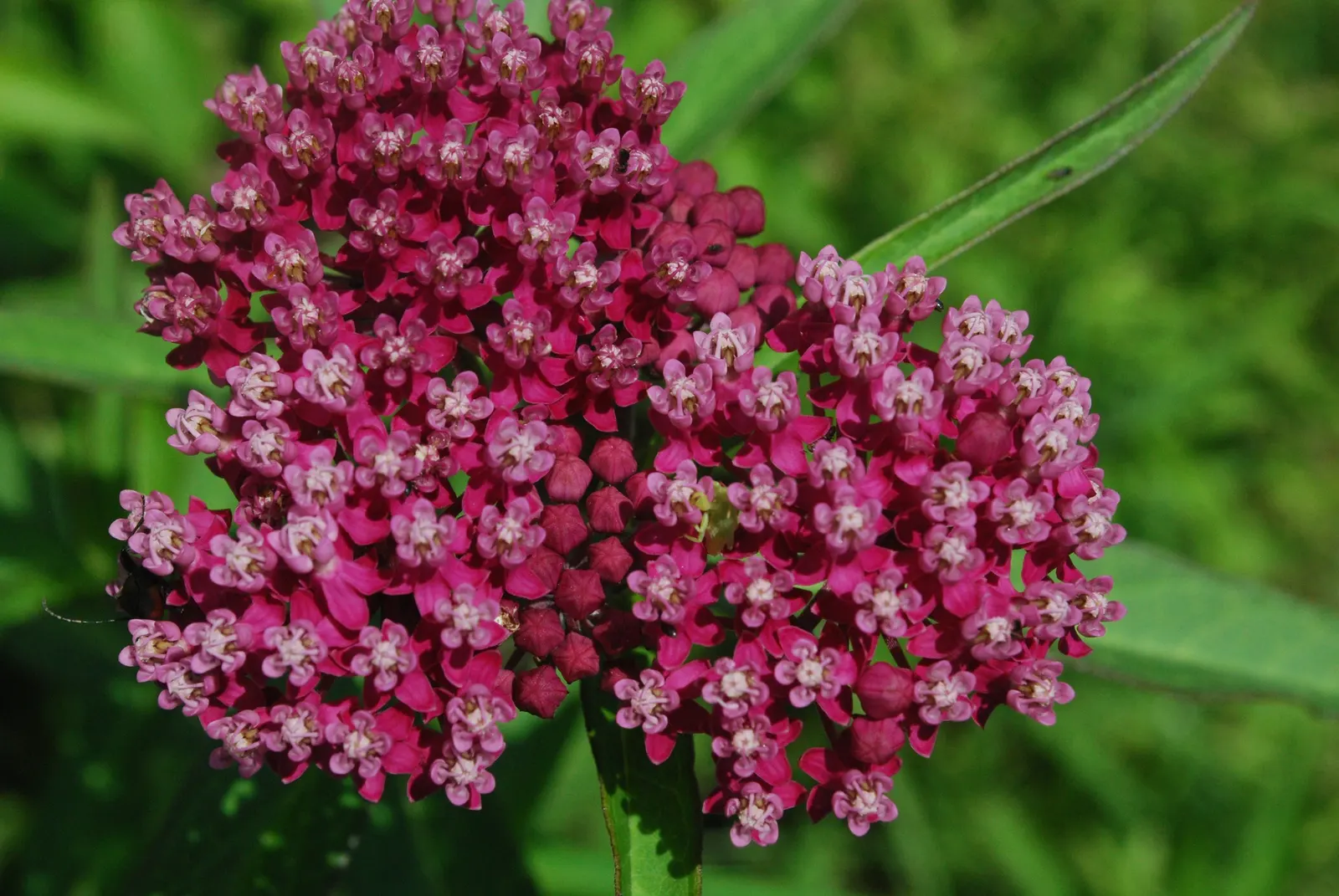
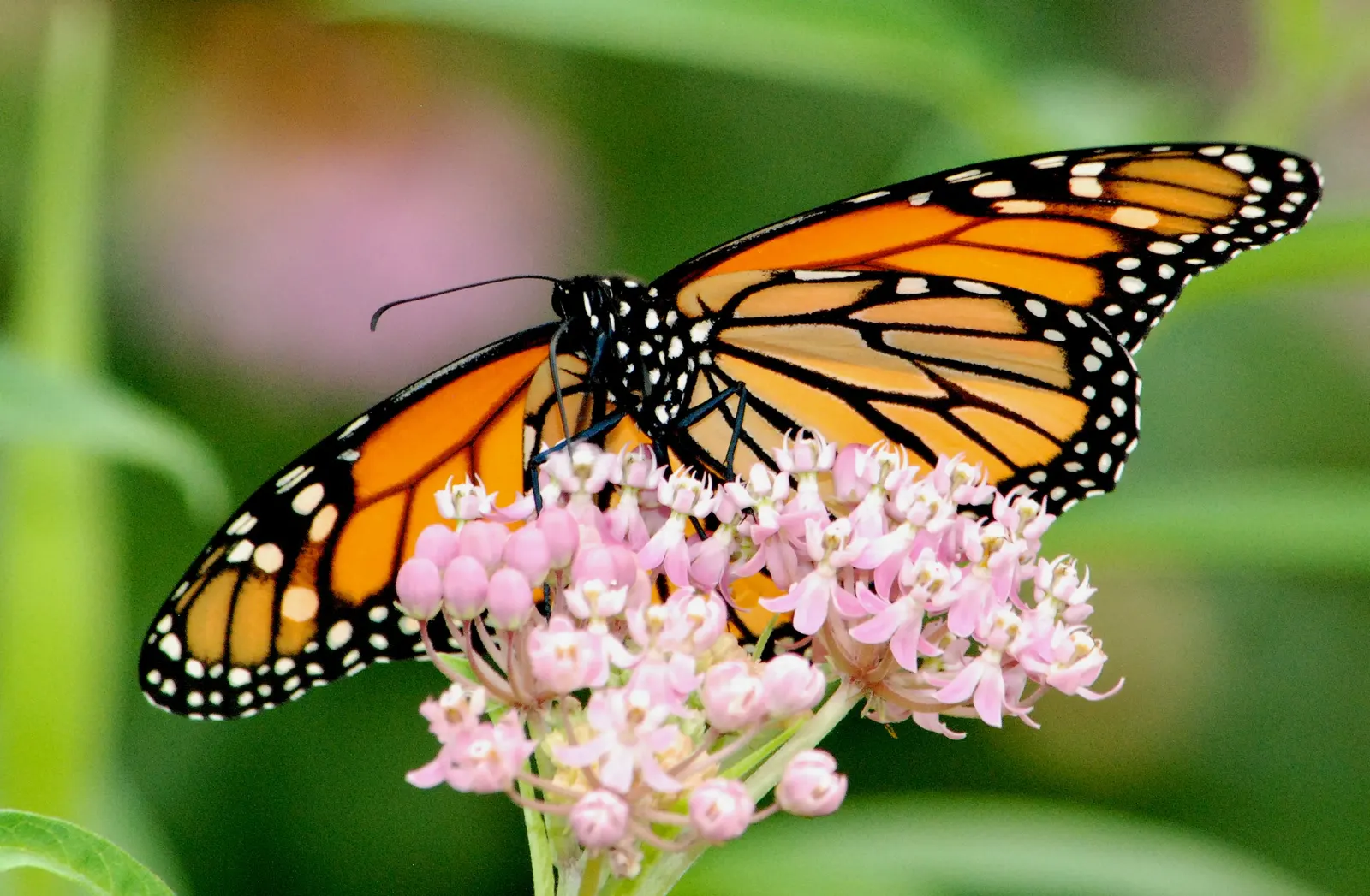
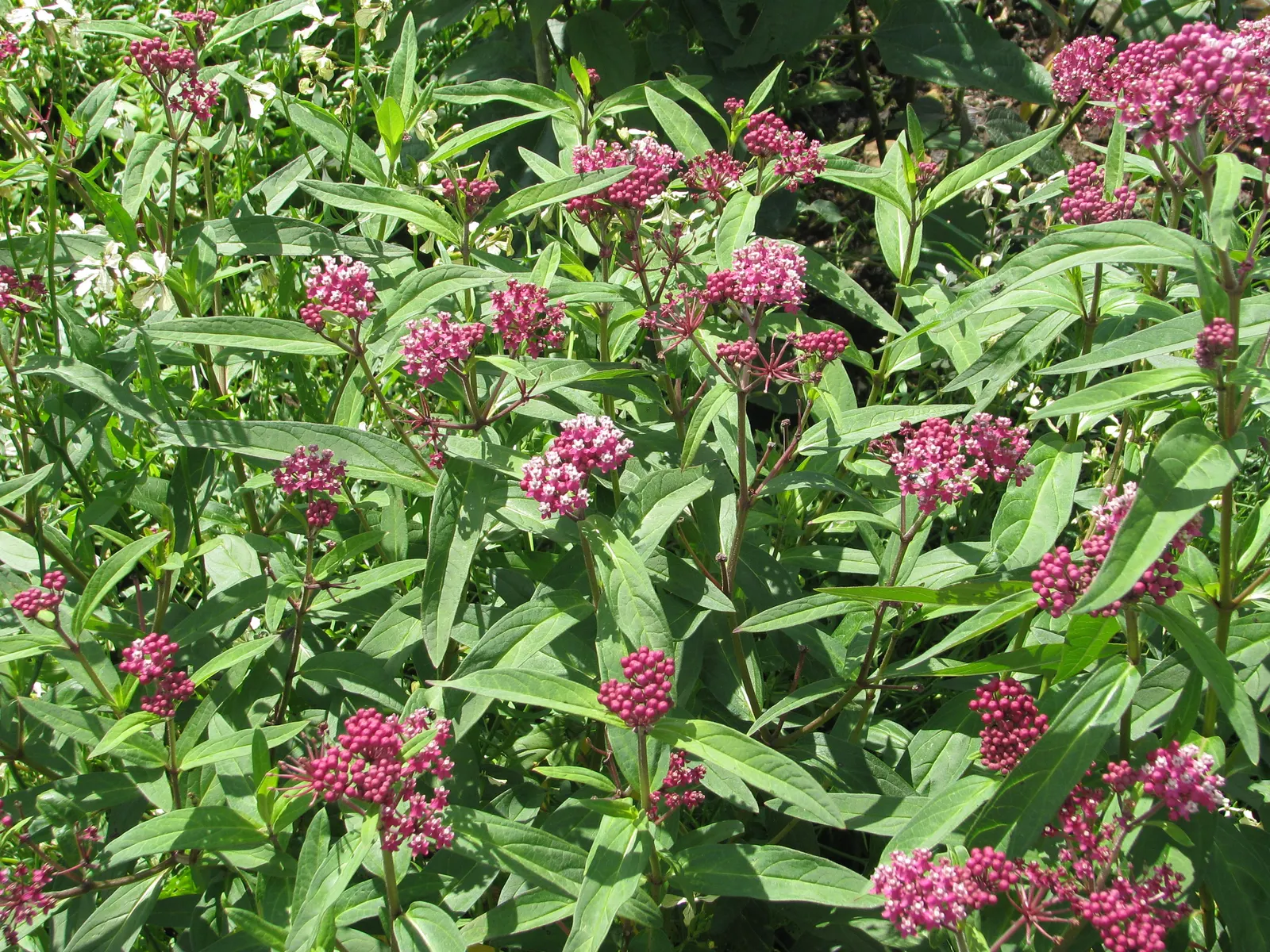
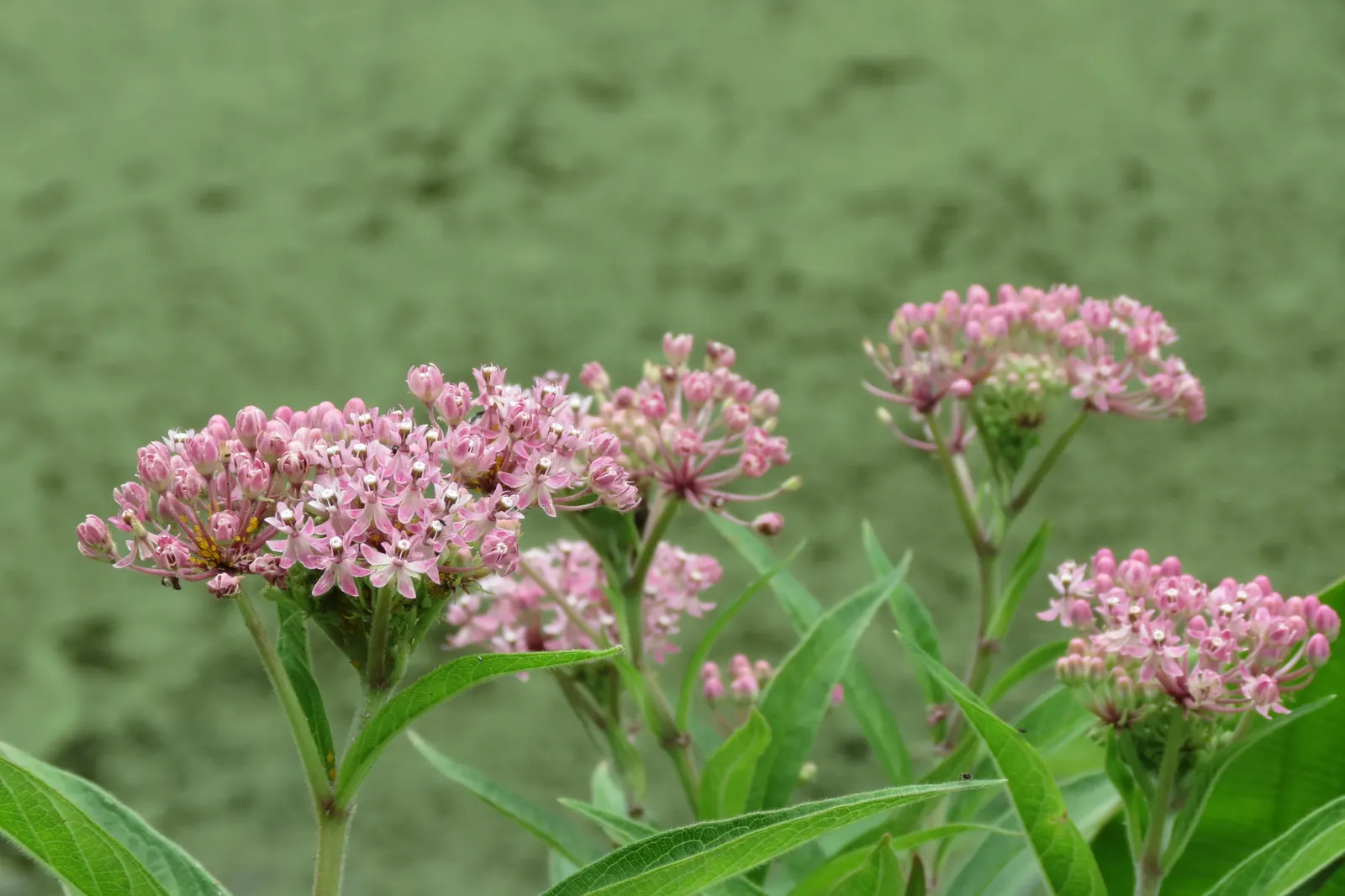
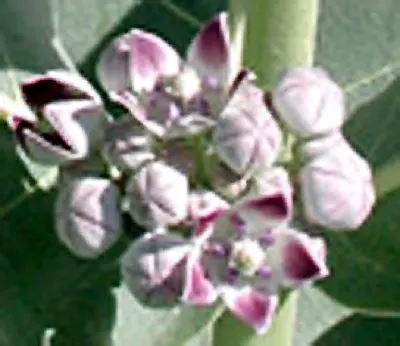
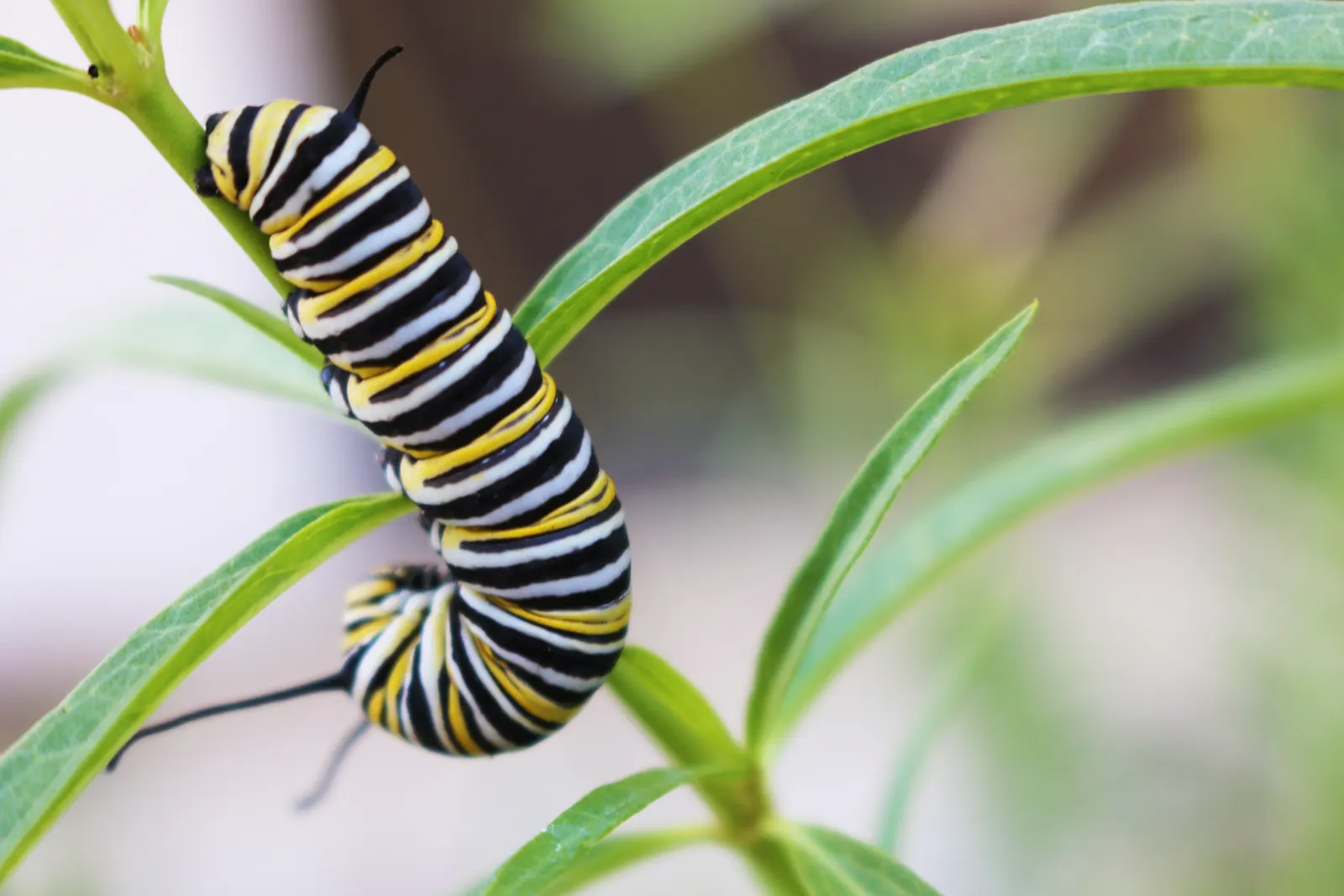
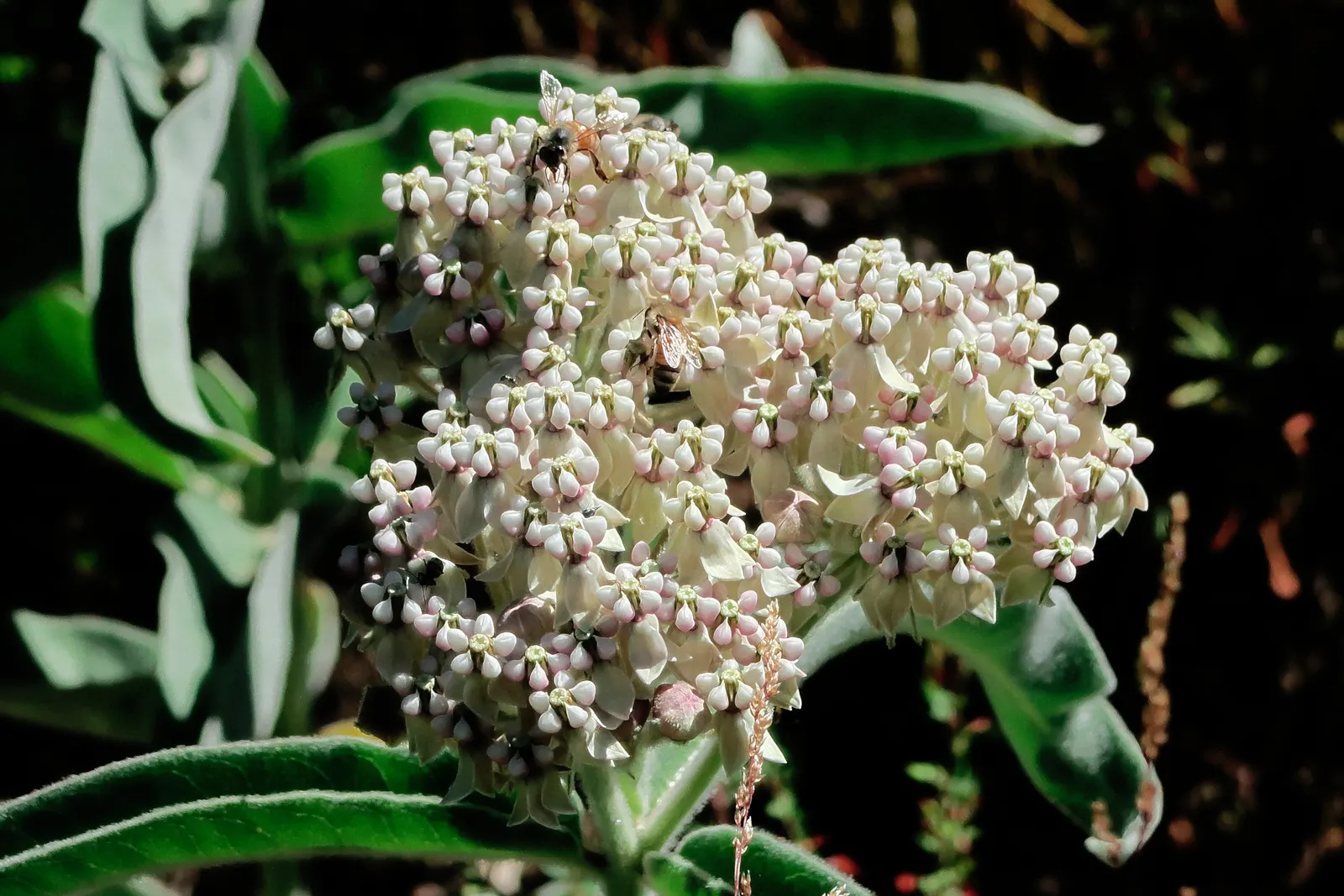
Asclepias incarnata, commonly known as Red Milkweed, is a perennial prized for its vibrant pink to mauve clusters of flowers, which bloom from June to August. Reaching 3-4 feet in height, with a spread of 2-3 feet, it thrives in full sun to partial shade, preferring moist to wet soils. This plant is an excellent attractor of butterflies, particularly monarchs, and provides vital habitat and food for their caterpillars. USDA zones 3-6.

Sun Full, HalfWater Extra in Summer, HighZones 3–9
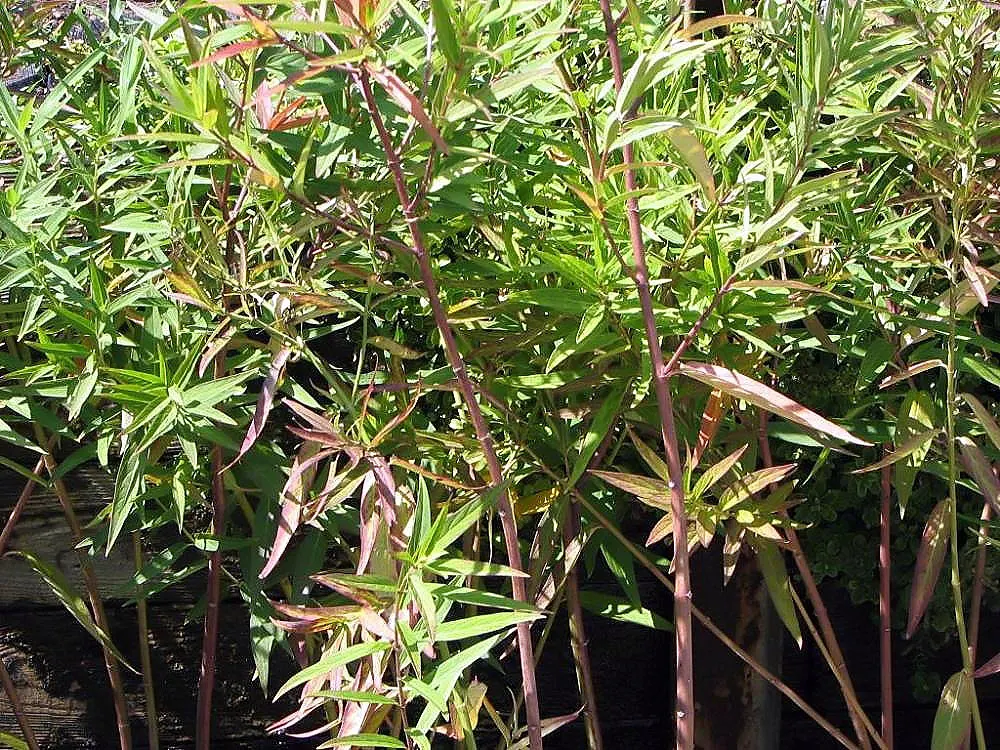
Red Milkweed (Asclepias Incarnata) — Reaching 3-4 feet in height

Culture

Sun
Full, Half
Water
Extra in Summer, High
USDA zones
3–9

Shape & size

Mature height
3–4 Ft.
Mature width
2–3 Ft.

Classification

Family
Asclepiadaceae

See full data, regional cultivation notes, full-resolution photos, and design tools. Build a client presentation around this plant.

Start your 14-day trial

Photos (170)

Red Milkweed (Asclepias Incarnata) — perennial with pink blooms
Red Milkweed (Asclepias Incarnata) — which bloom from June to August; being naturally found in wetlands
Red Milkweed (Asclepias Incarnata) — Reaching 3-4 feet in height; perennial with pink blooms
Red Milkweed (Asclepias Incarnata) — is a perennial prized for its vibrant pink to mauve clusters of flowers; is a charismatic perennial native to North America
Red Milkweed (Asclepias Incarnata) — commonly known as Red Milkweed; reaching 3-4 feet in height
Red Milkweed (Asclepias Incarnata) — ensuring it becomes both an aesthetic focal point and an ecological asset in your client's garden
Red Milkweed (Asclepias Incarnata) — Put it in a position where its showy flowers and associated wildlife can be observed and enjoyed
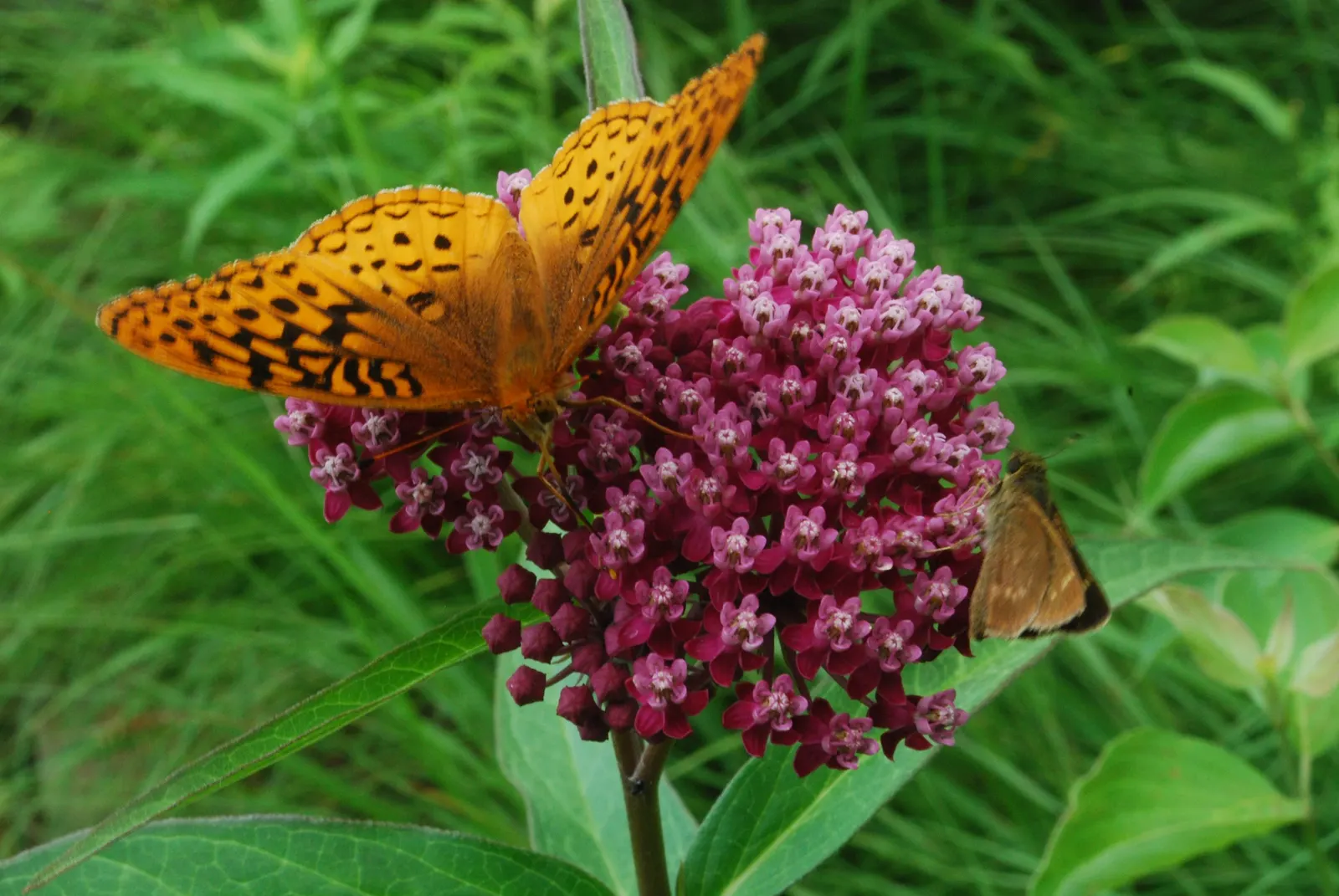
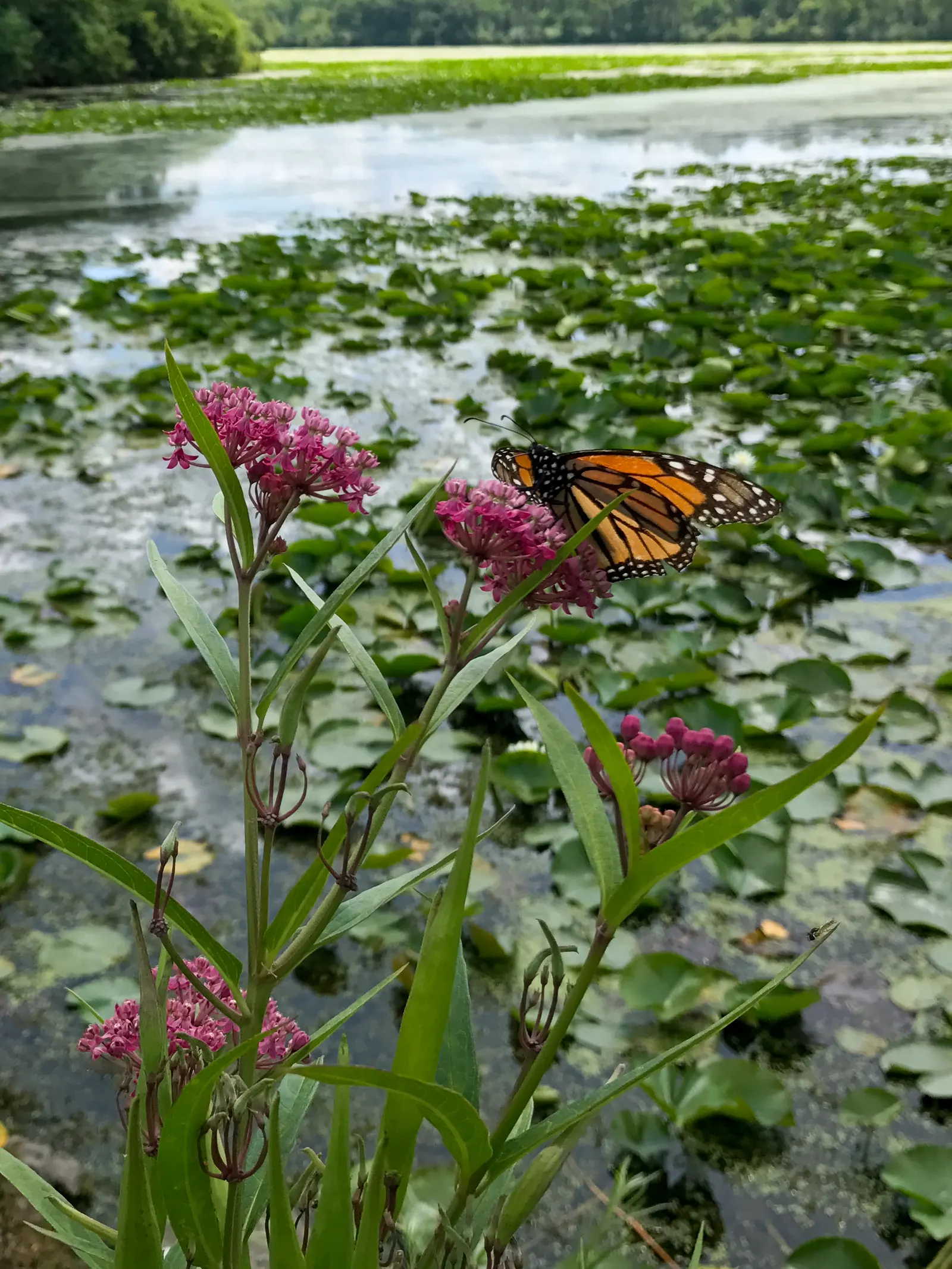
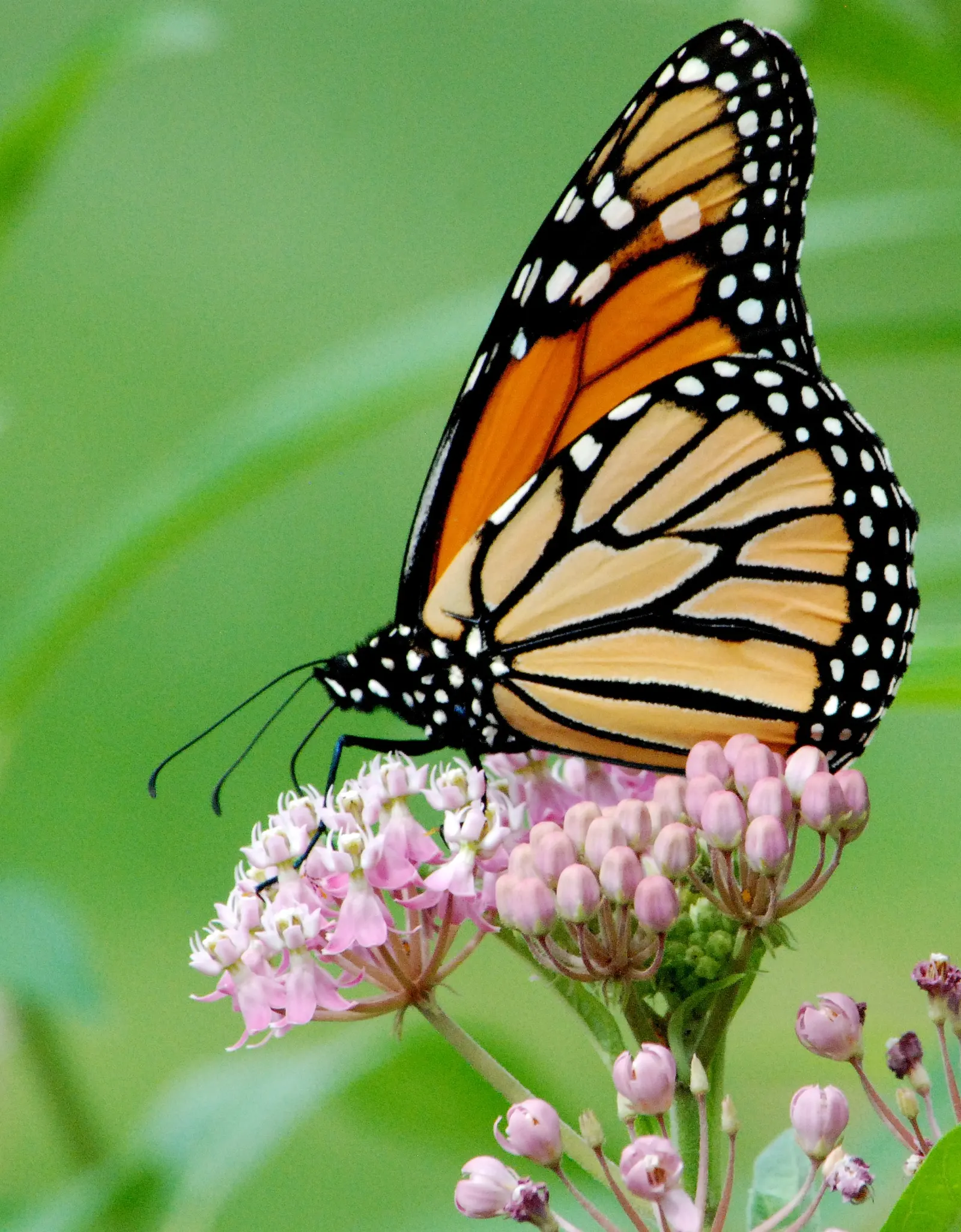
Red Milkweed (Asclepias Incarnata) — and provides vital habitat and food for their caterpillars; this plant is an excellent attractor of butterflies
Red Milkweed (Asclepias Incarnata) — it thrives in full sun to partial shade; this upright plant typically reaches heights of 3 to 5 feet and spreads about 2
Red Milkweed (Asclepias Incarnata) — preferring moist to wet soils; and can even endure occasional flooding
Red Milkweed (Asclepias Incarnata) — This plant is an excellent attractor of butterflies; commonly known as Red Milkweed
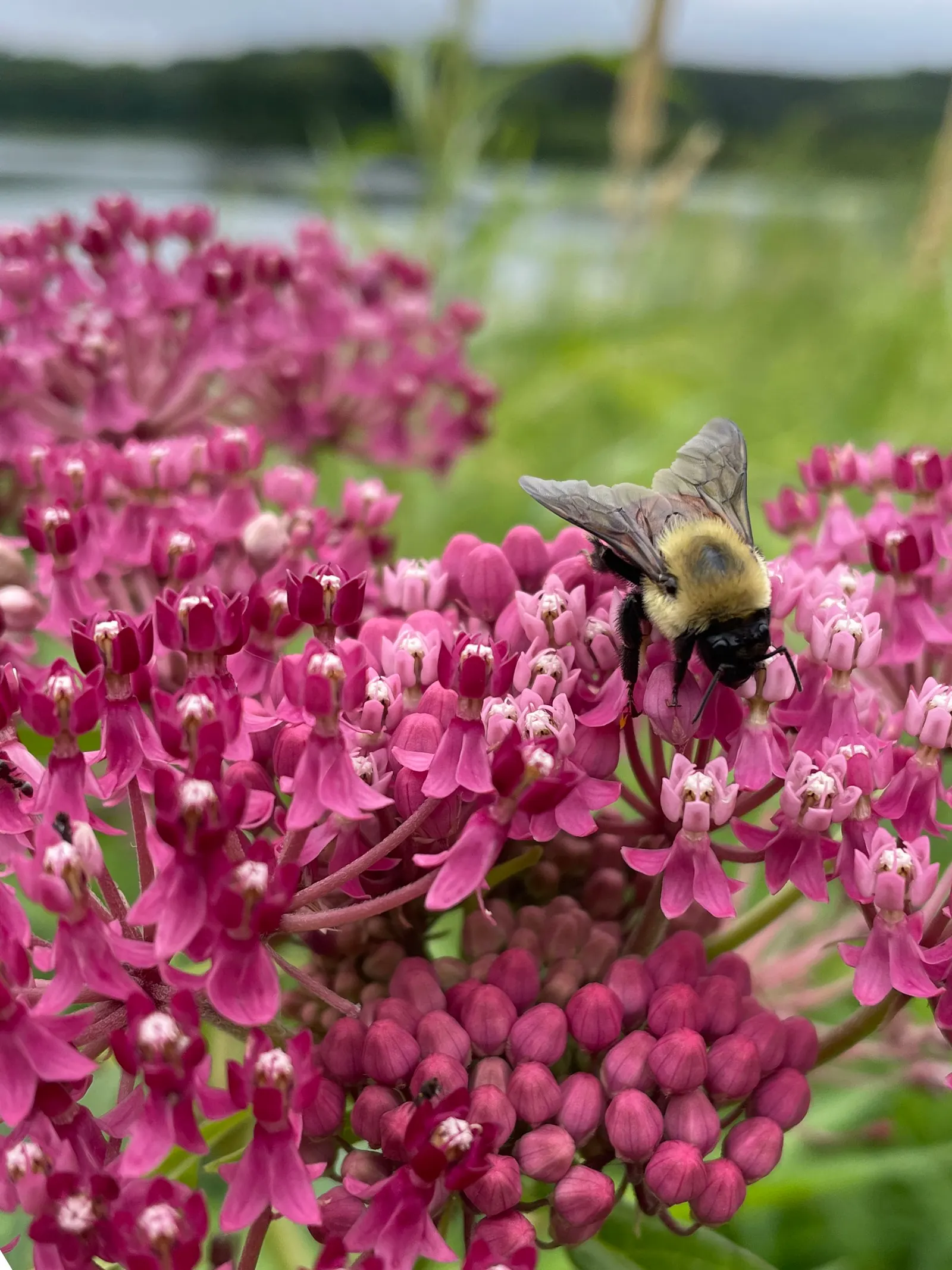
Red Milkweed (Asclepias Incarnata) — commonly known as Red Milkweed or Swamp Milkweed; serving as an attractive food source for a wide range of pollinators
Red Milkweed (Asclepias Incarnata) — is a charismatic perennial native to North America; put it in a position where its showy flowers and associated wildlife
Red Milkweed (Asclepias Incarnata) — serving as an attractive food source for a wide range of pollinators; pink flowers in the garden
Red Milkweed (Asclepias Incarnata) — celebrated for its vibrant pink to mauve clusters of flowers that bloom from early summer through fall; which bloom from
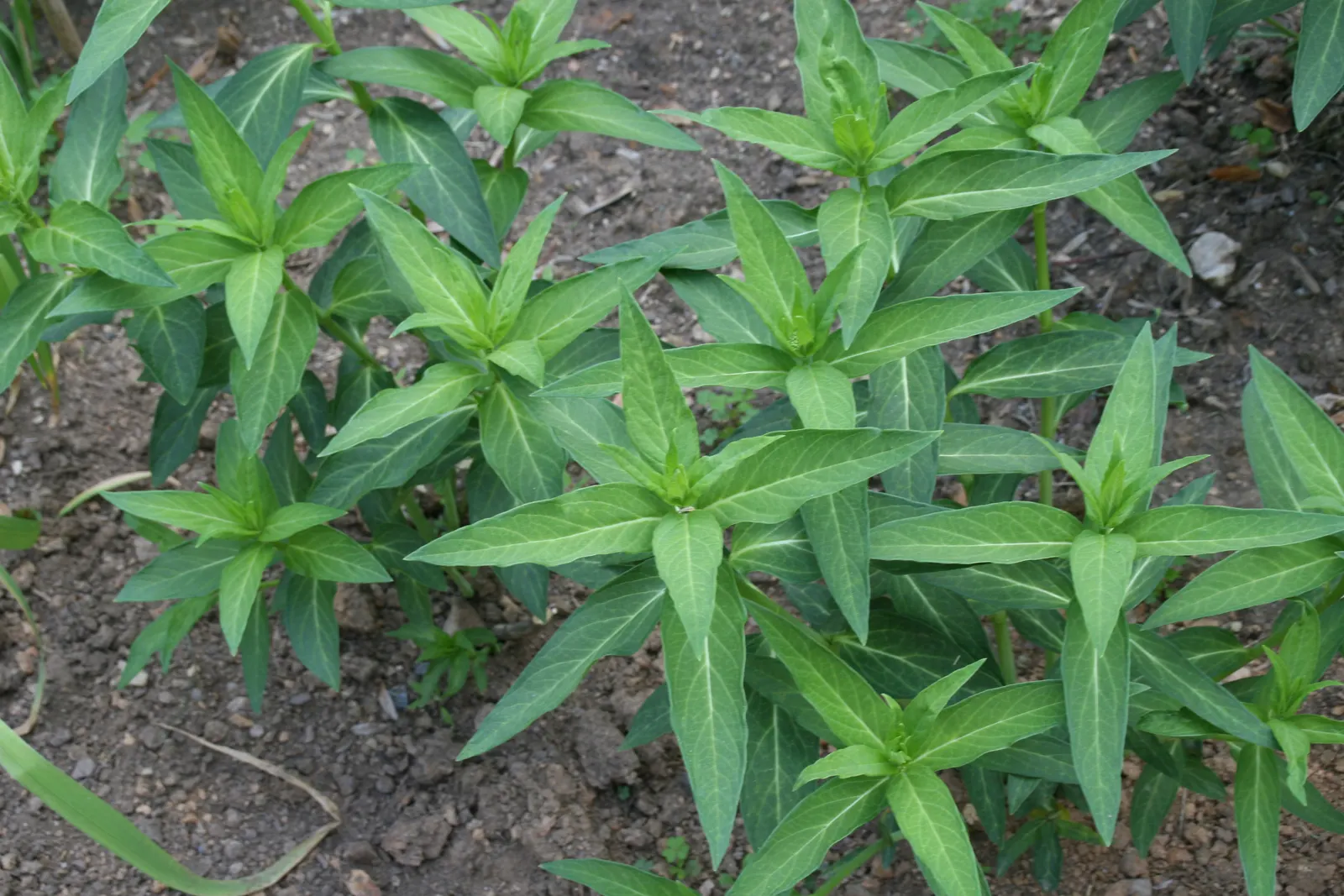
Red Milkweed (Asclepias Incarnata) — displaying lanceolate leaves that grow up to 6 inches long; it is uniquely adaptable to various moisture conditions
Red Milkweed (Asclepias Incarnata) — This upright plant typically reaches heights of 3 to 5 feet and spreads about 2 to 3 feet wide; commonly known as Red
Red Milkweed (Asclepias Incarnata) — It is uniquely adaptable to various moisture conditions; celebrated for its vibrant pink to mauve clusters of flowers that
Red Milkweed (Asclepias Incarnata) — consider its ecological benefits and seasonal interest; displaying lanceolate leaves that grow up to 6 inches long
Red Milkweed (Asclepias Incarnata) — and can even endure occasional flooding; preferring moist to wet soils
Red Milkweed (Asclepias Incarnata) — It is particularly noted as a larval host for the Monarch butterfly; with a spread of 2-3 feet
Red Milkweed (Asclepias Incarnata) — being naturally found in wetlands; it tolerates both average and moist soils
Red Milkweed (Asclepias Incarnata) — it tolerates both average and moist soils; perennial for full or half
Red Milkweed (Asclepias Incarnata) — perennial with pink blooms; it is particularly noted as a larval host for the Monarch butterfly

Related plants