Skip to content

Hollyhock

Alcea Rosea

Design with this plant

Overview

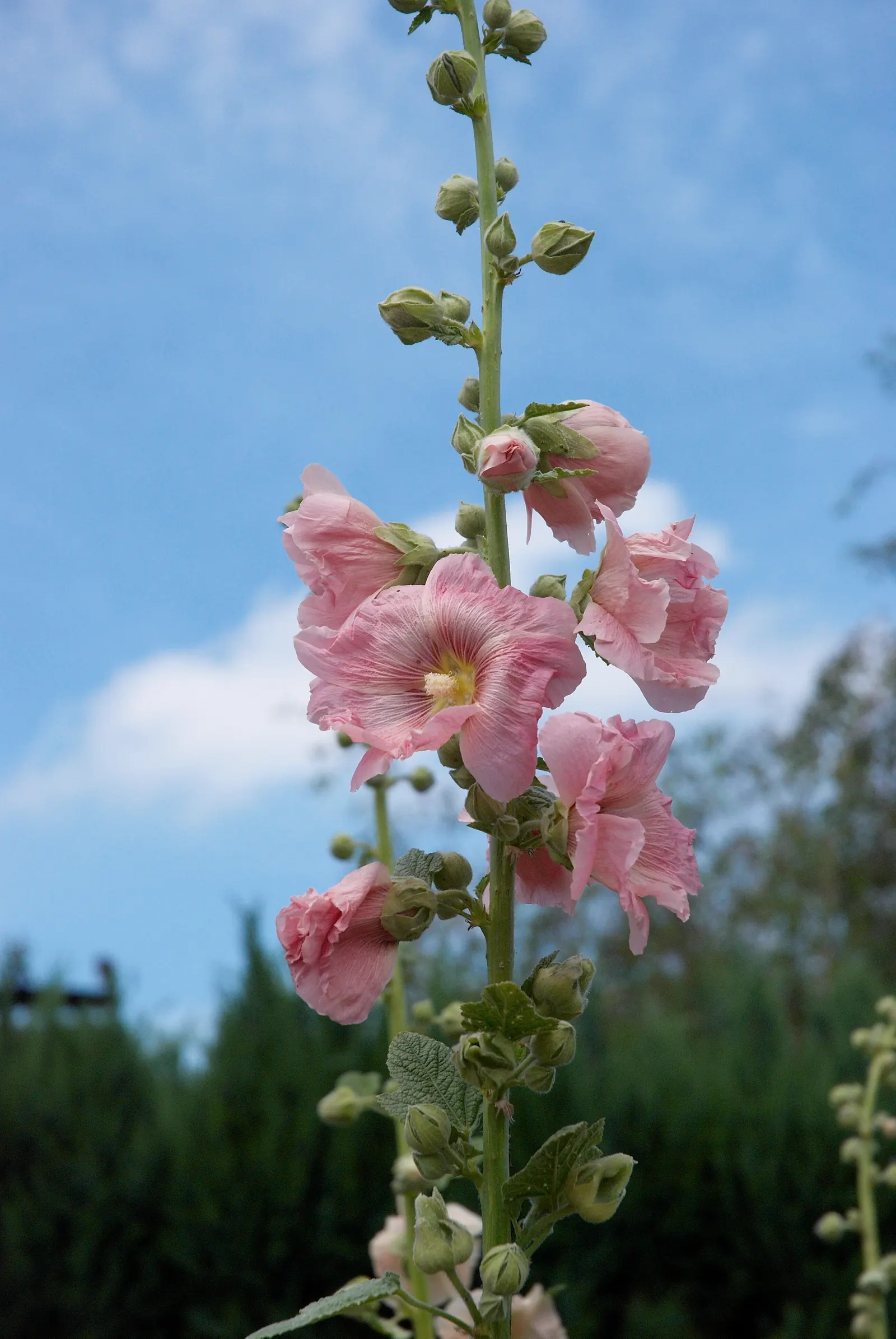
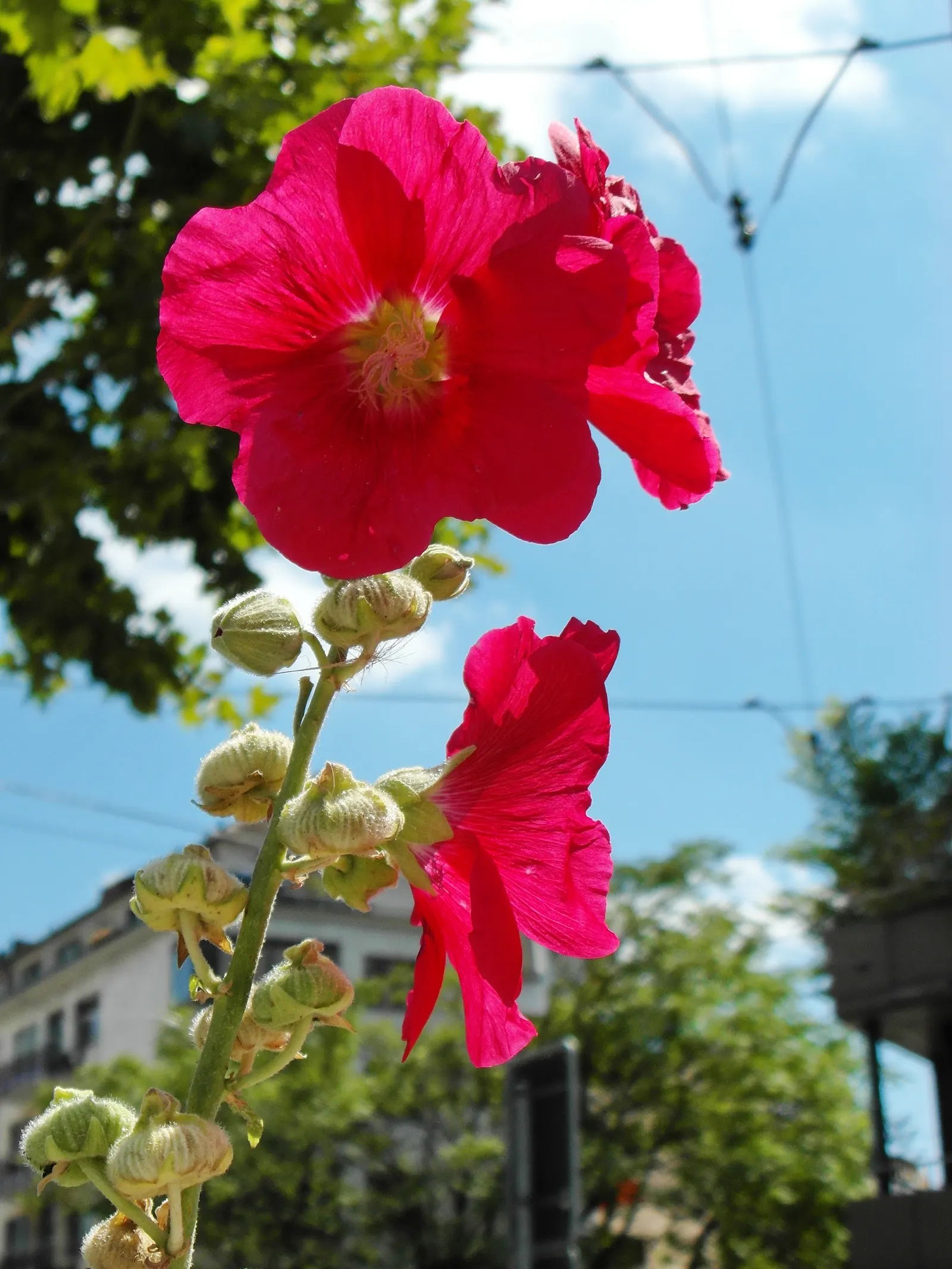
Alcea rosea, or Hollyhock, is an ornamental biennial known for its towering presence, reaching up to 5-8 feet tall. Its large, showy blossoms appear in a variety of colors from July to September, flourishing in full sun. Plant in well-drained soil at 18-24 inch intervals. It attracts pollinators and adds vertical interest to borders or as a background plant. Hardy to USDA zone 3.

Sun FullWater MediumZones 3–10Type Perennial
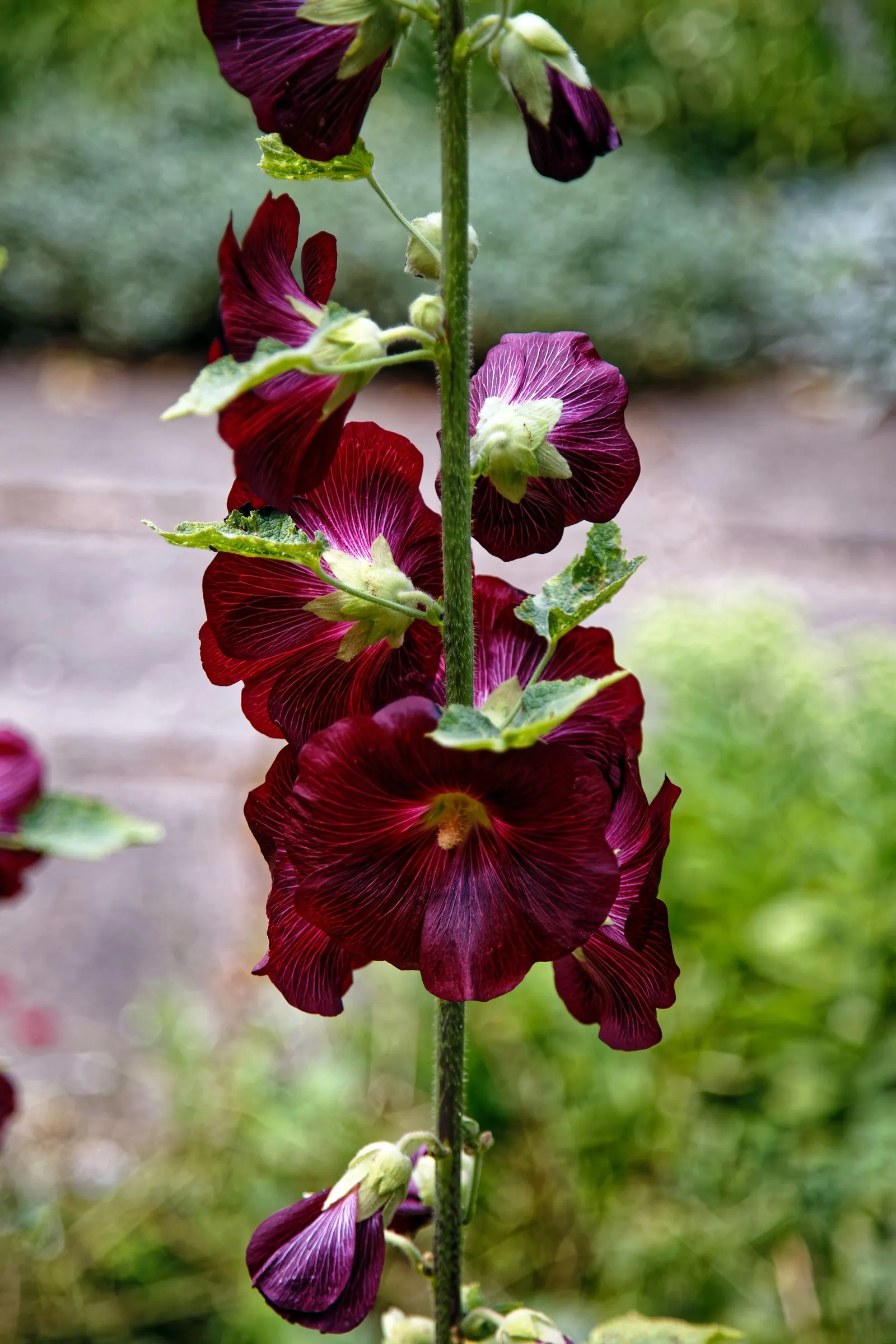
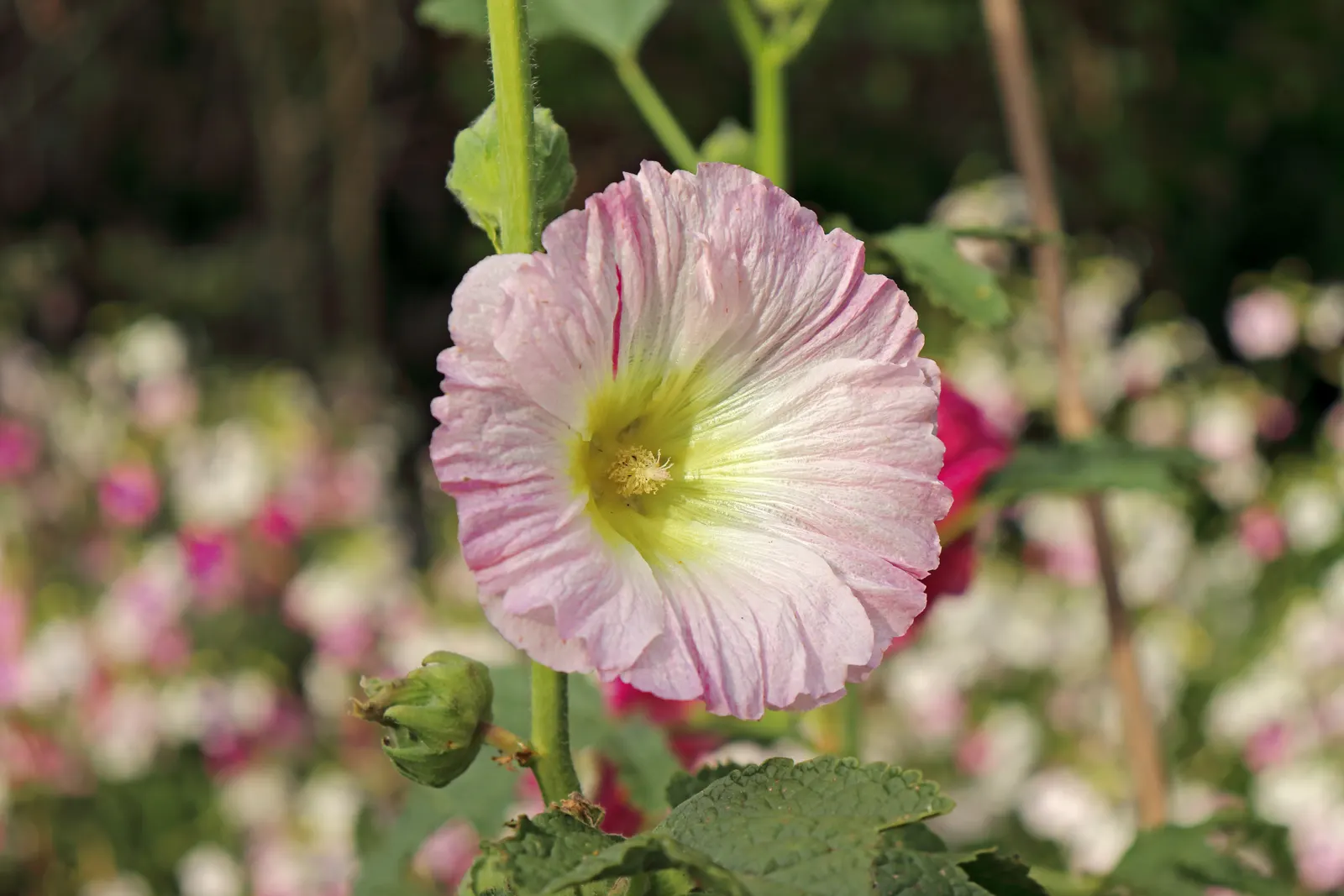
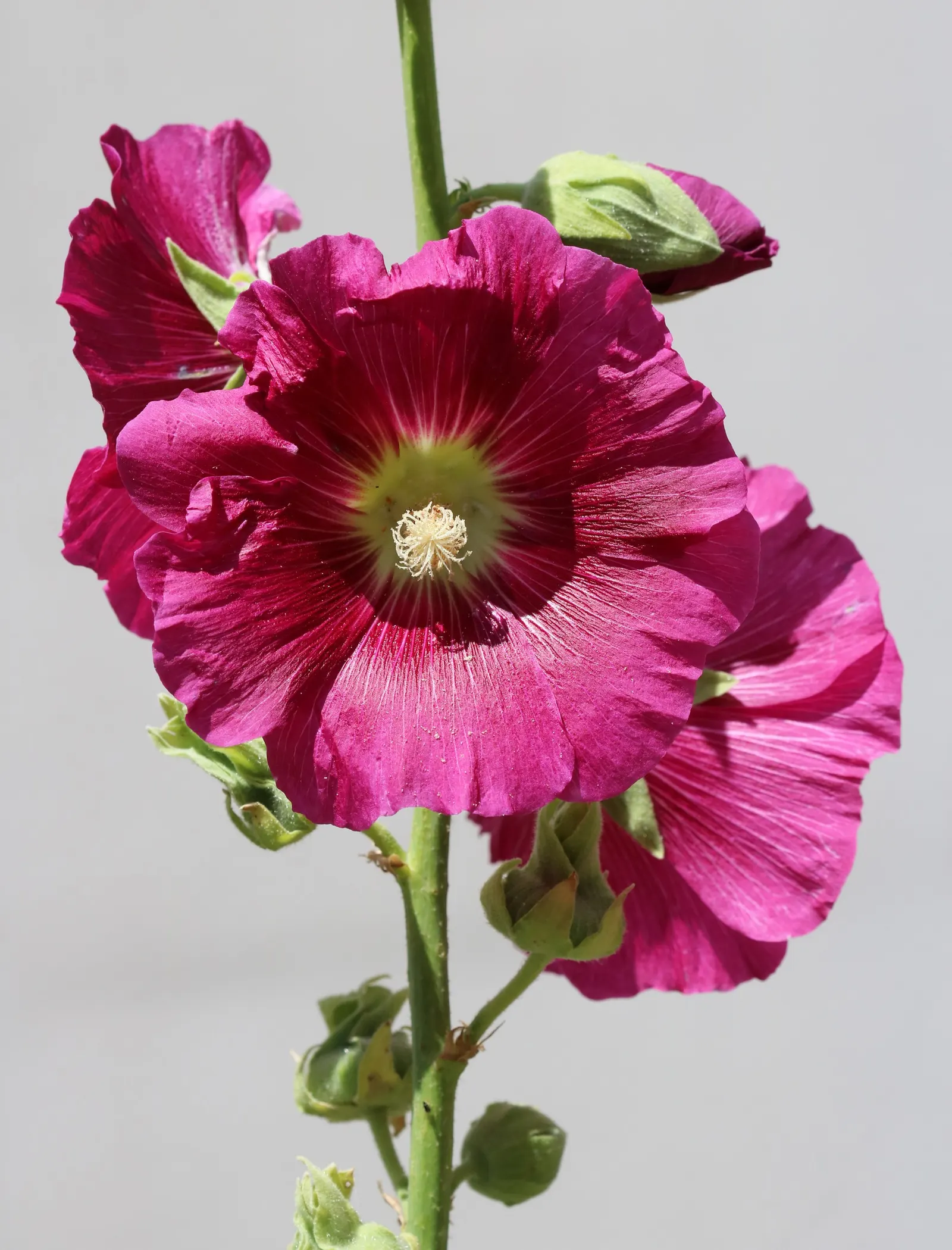
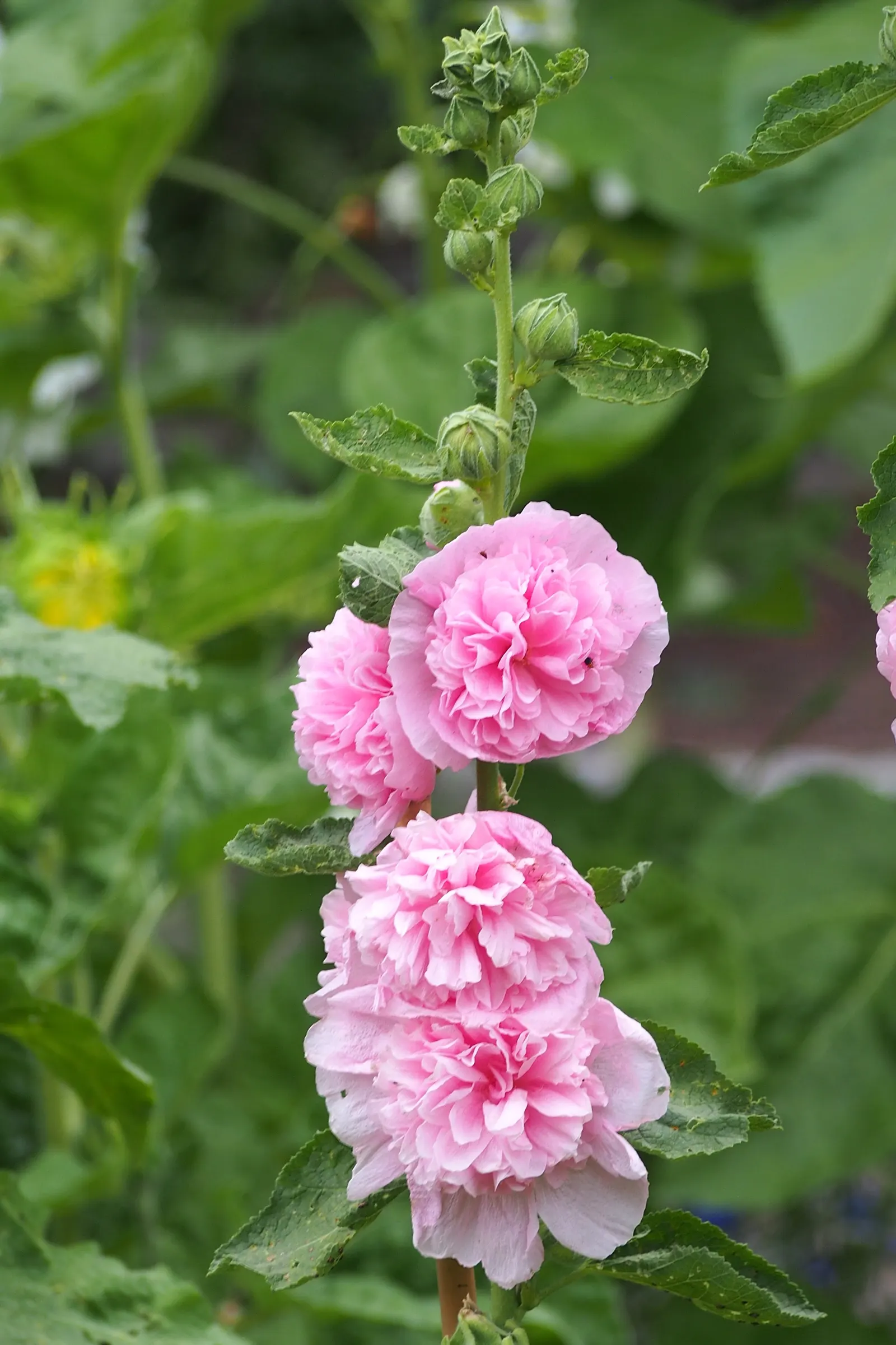
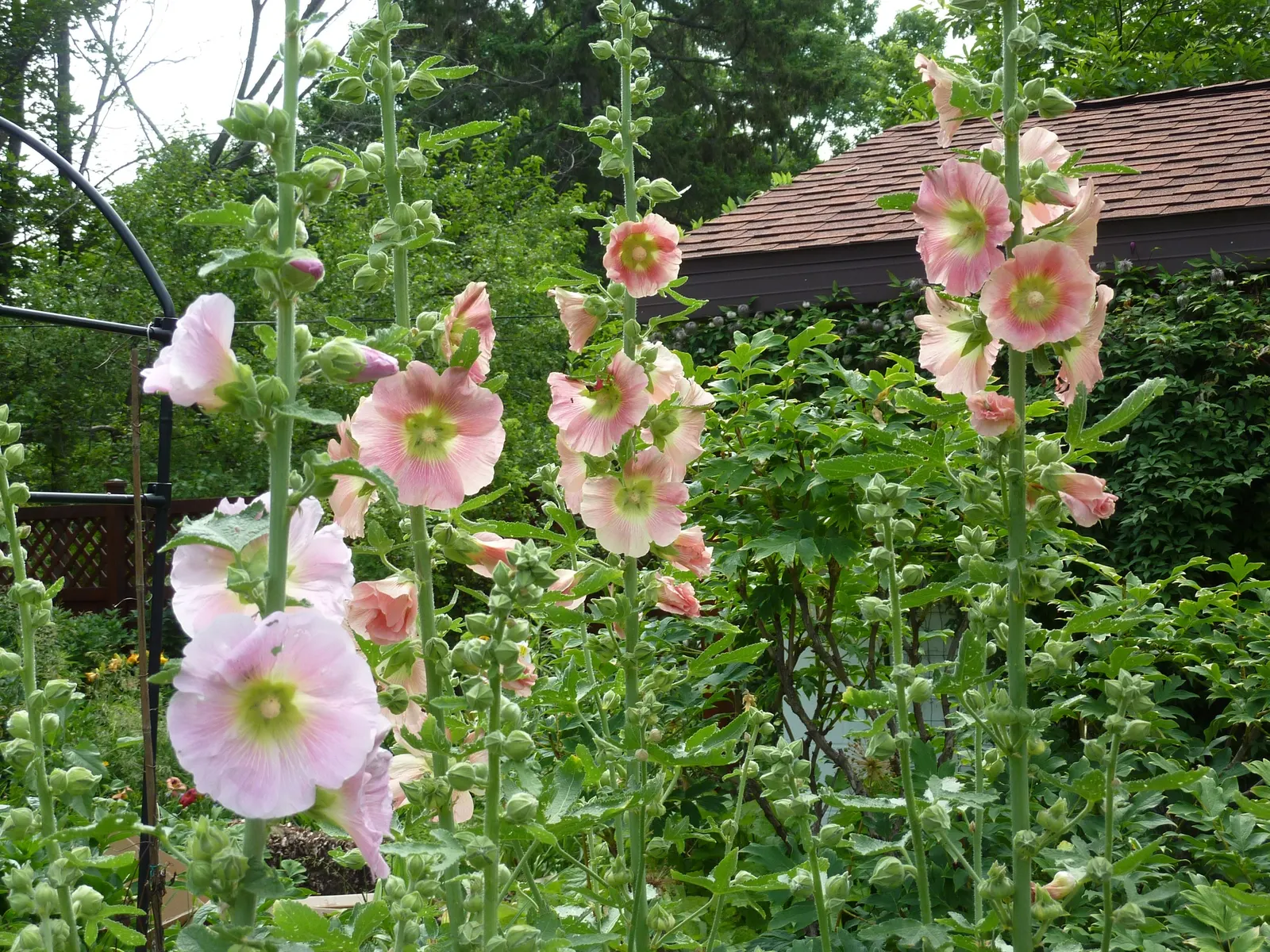
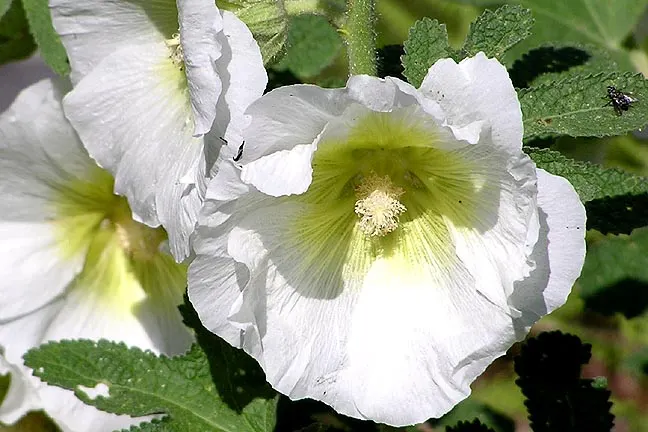
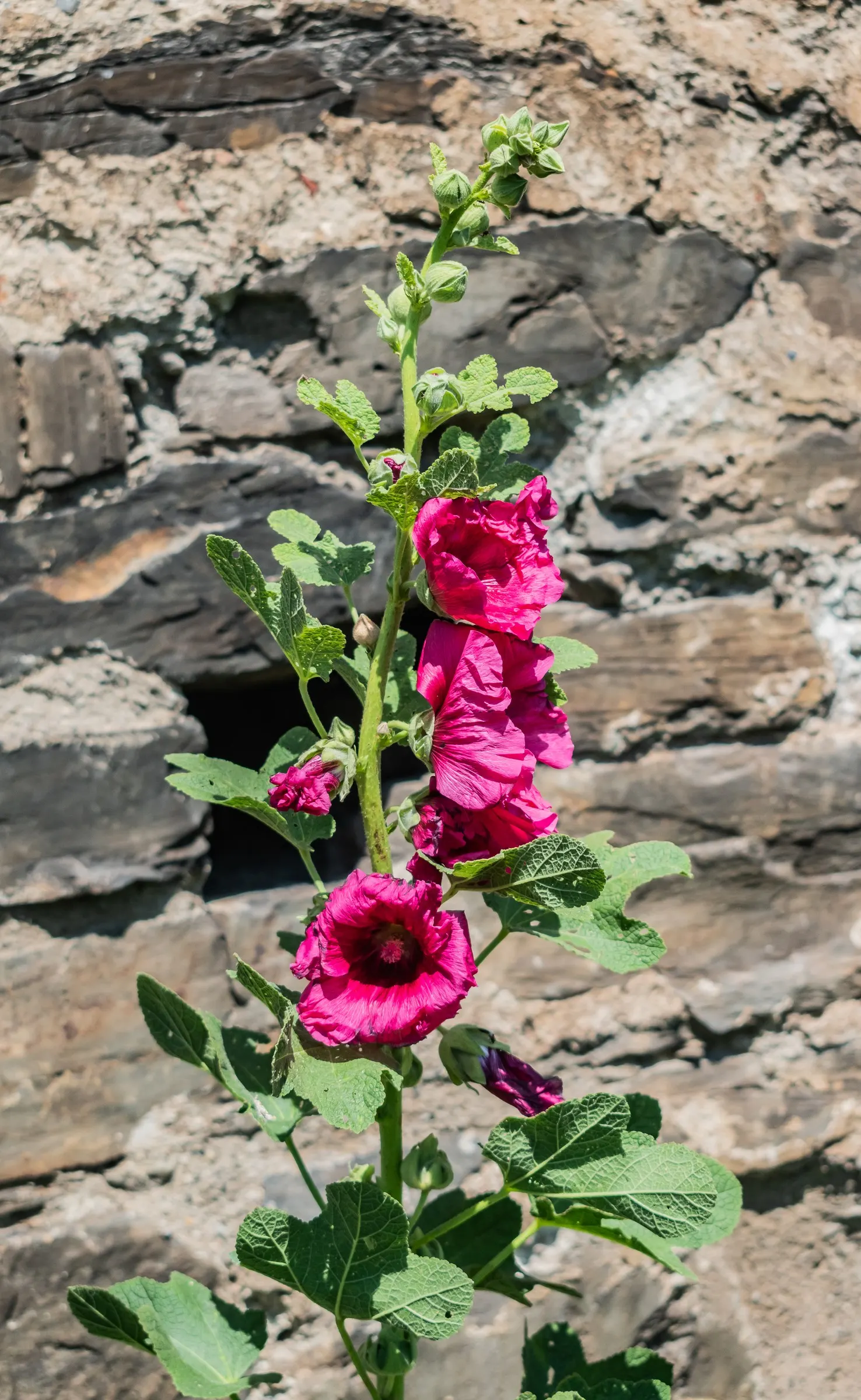
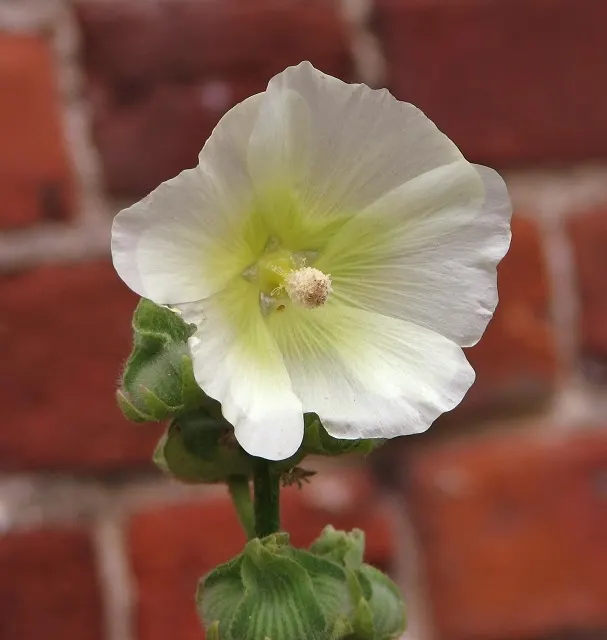
Hollyhock (Alcea Rosea) — Hollyhocks typically grow to an impressive height ranging from 6 to 8 feet; its large, showy blossoms appear in a variety of colors

Culture

Sun
Full
Water
Medium
USDA zones
3–10

Shape & size

Classification

Type
Perennial
Family
Malvaceae

See full data, regional cultivation notes, and design tools. Build a client presentation around this plant.

Start your 14-day trial

Photos (150)

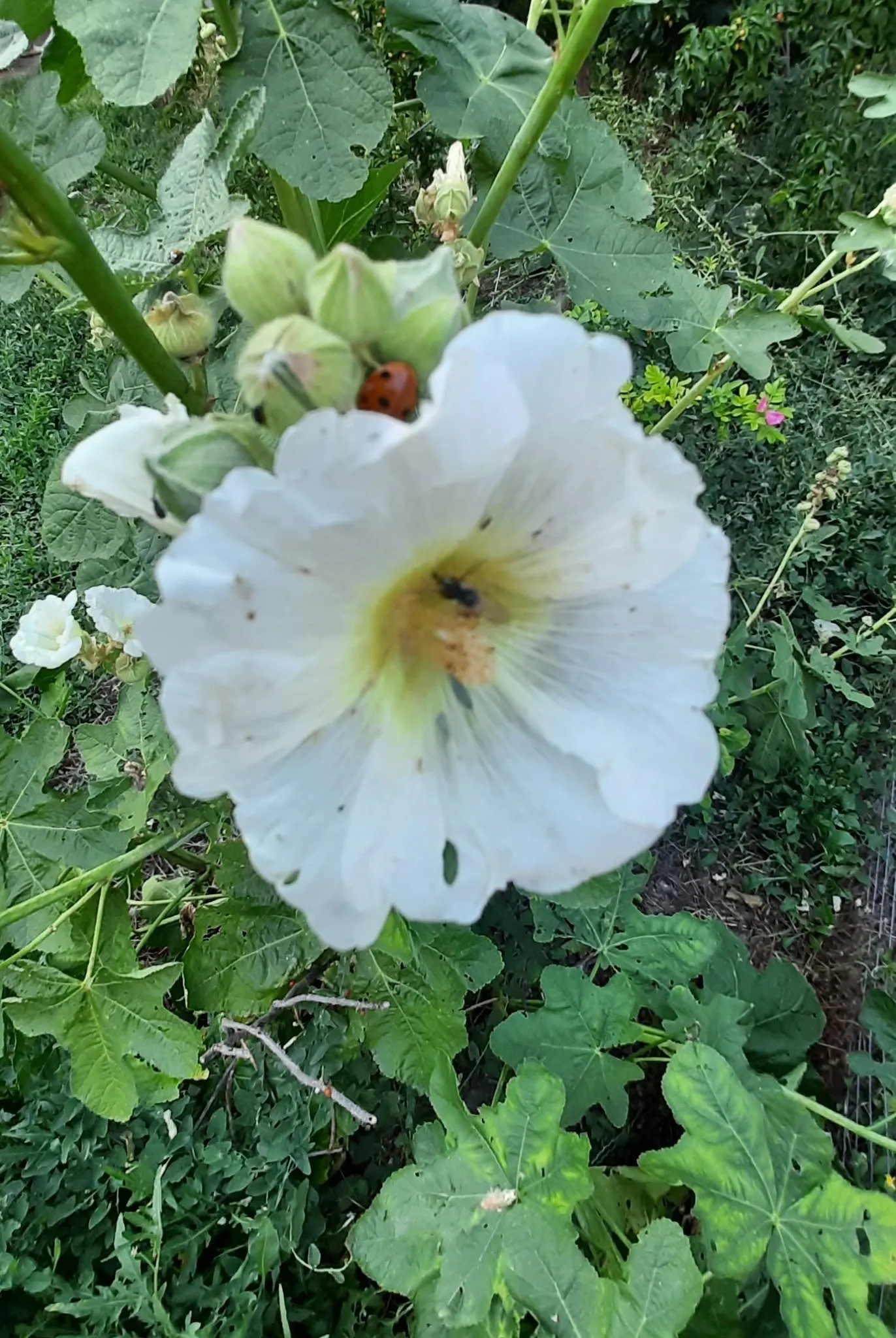
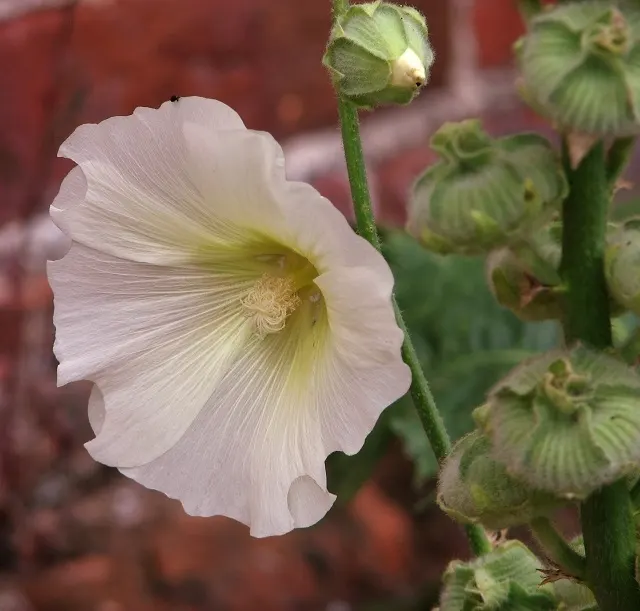
Hollyhock (Alcea Rosea) — Plant in well-drained soil at 18-24 inch intervals; perennial for full, image 79
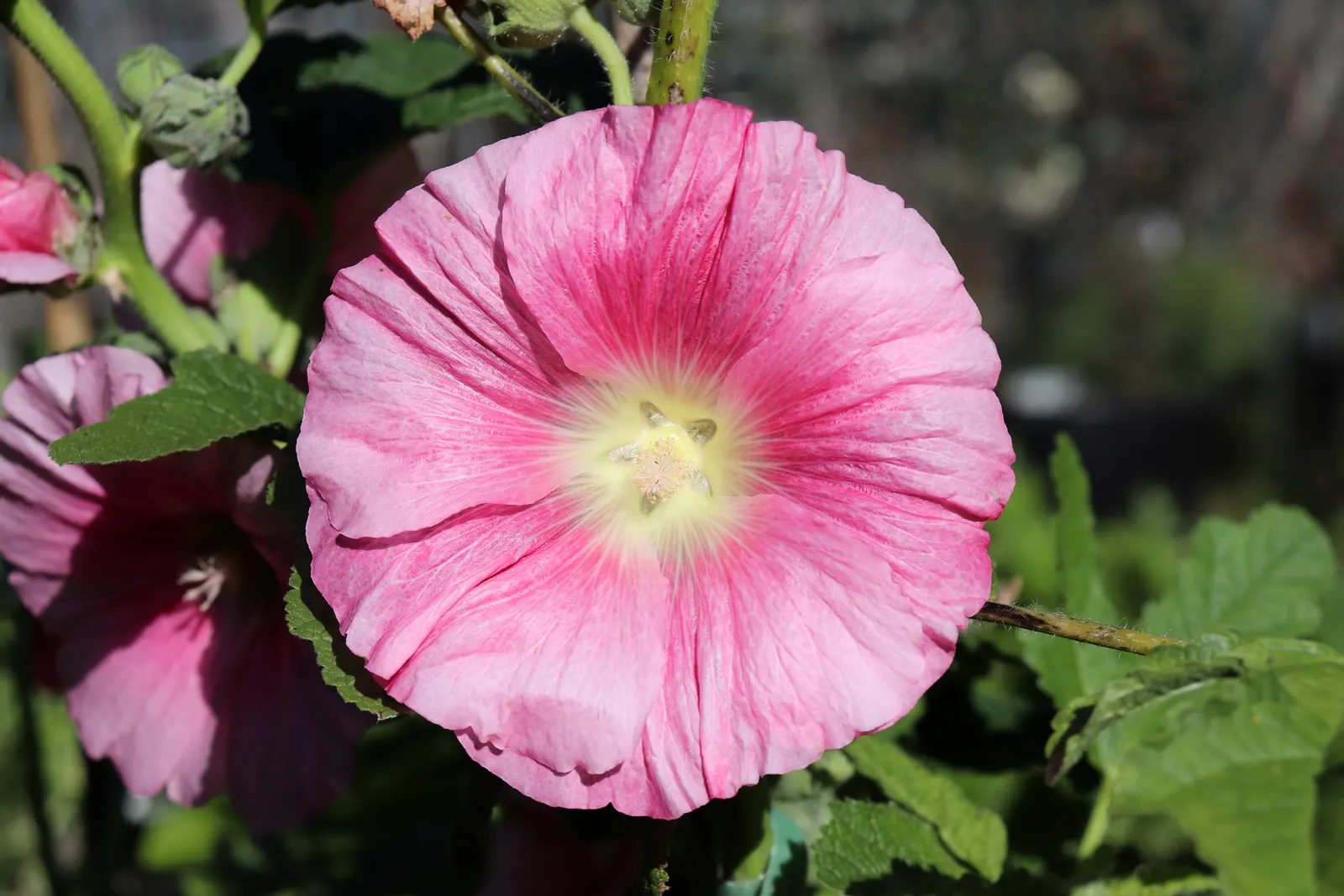
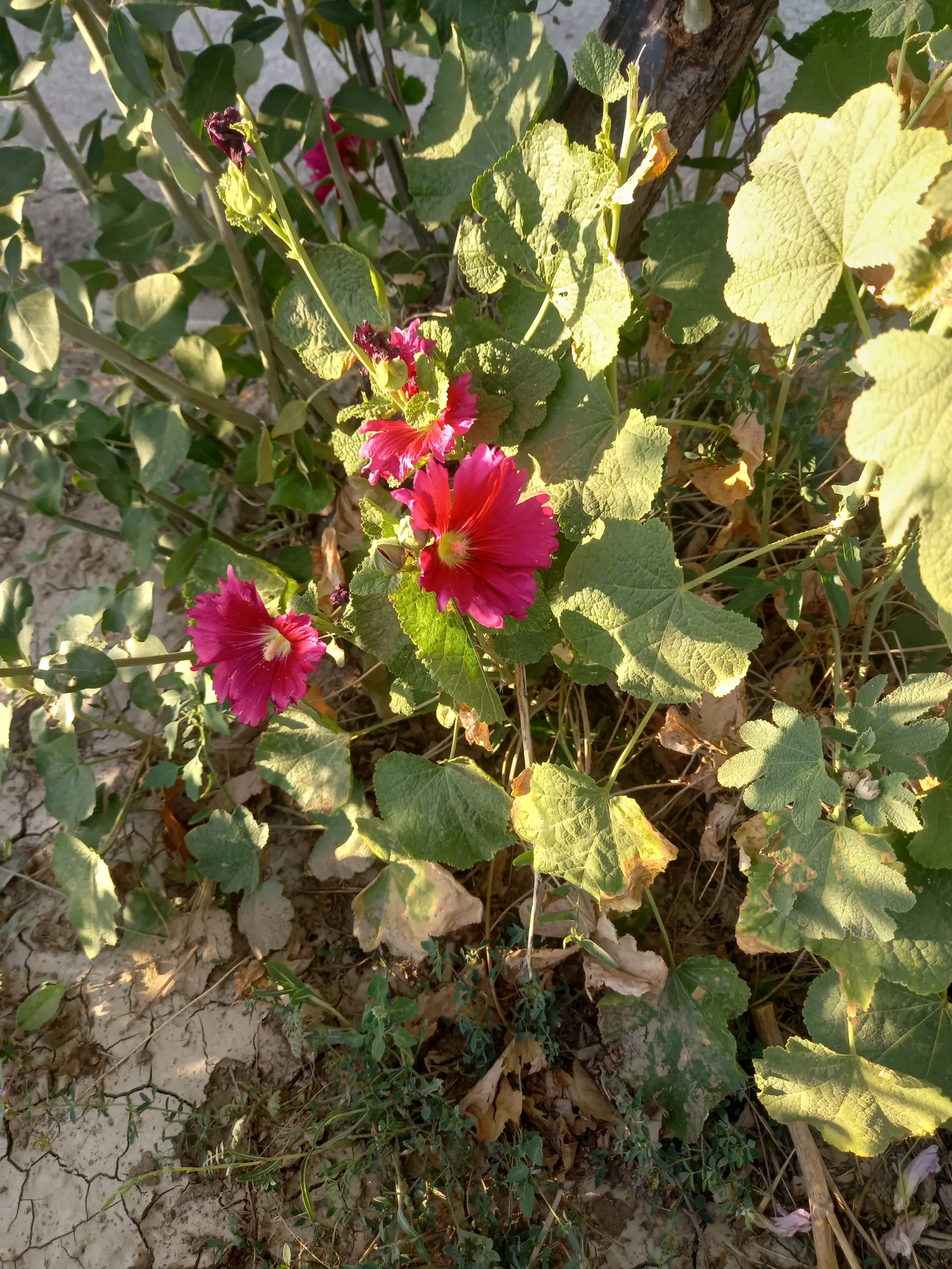
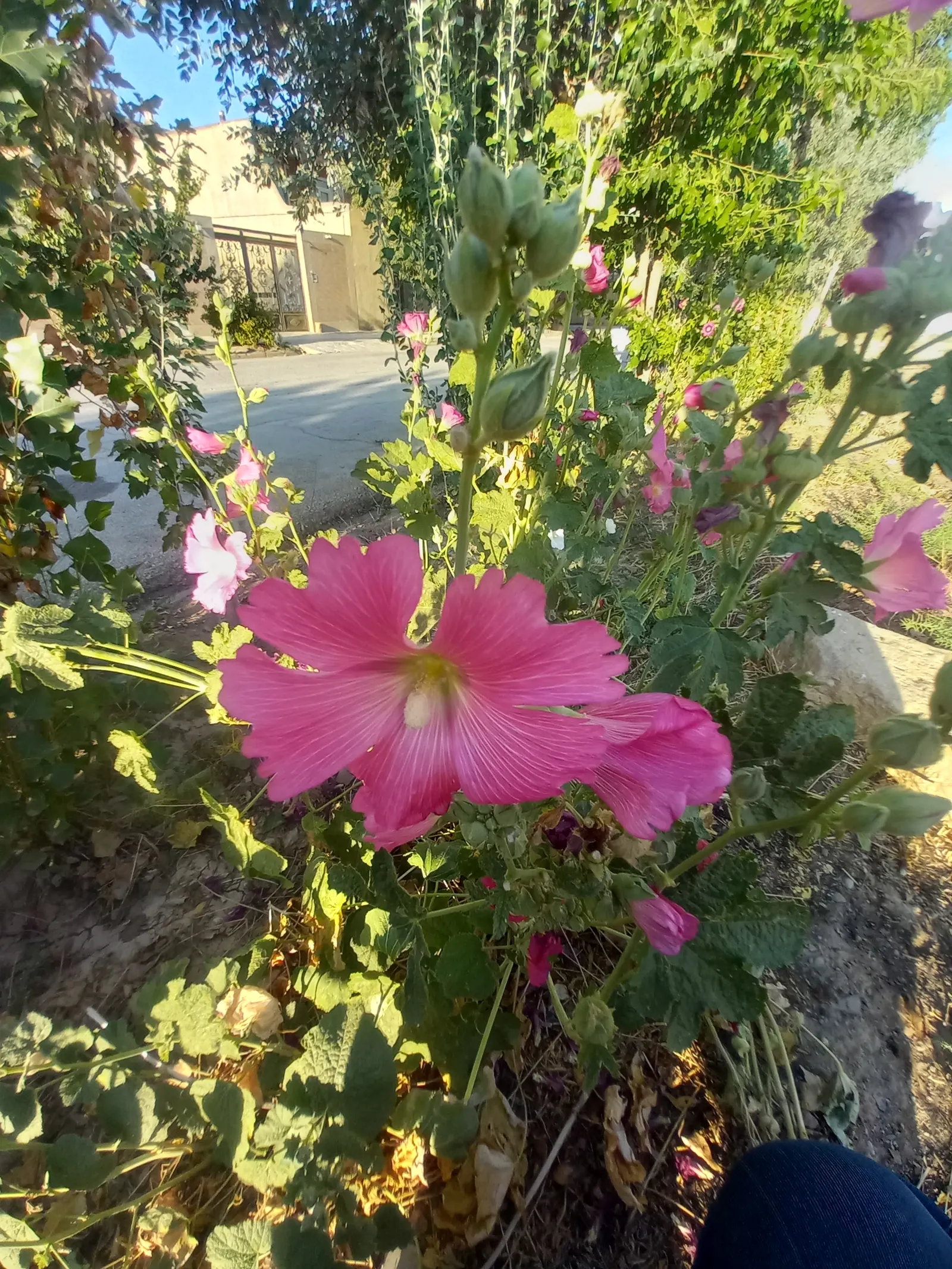
Hollyhock (Alcea Rosea) — usually around 18 to 24 inches; pink and red flowers in the garden, image 118
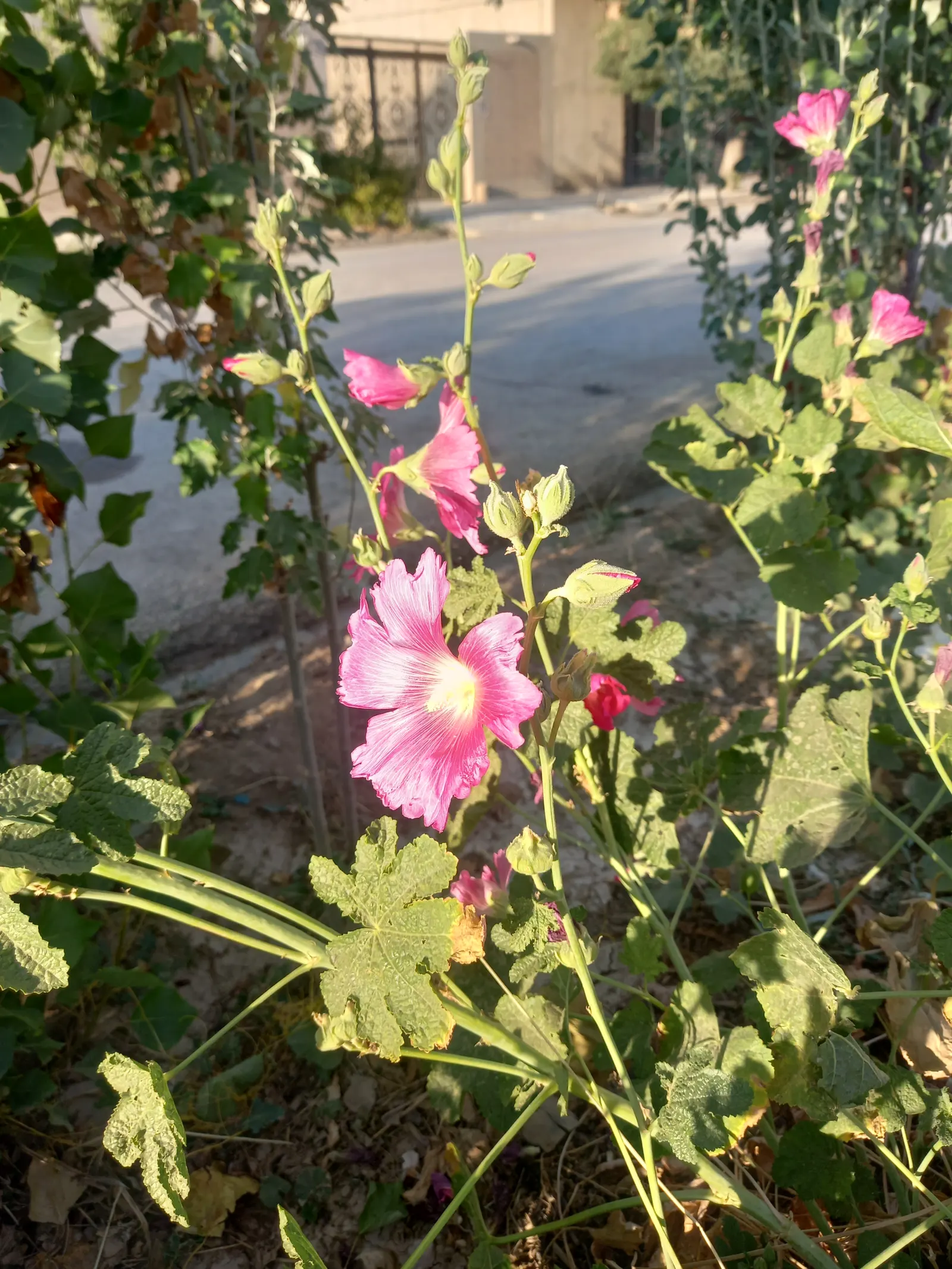
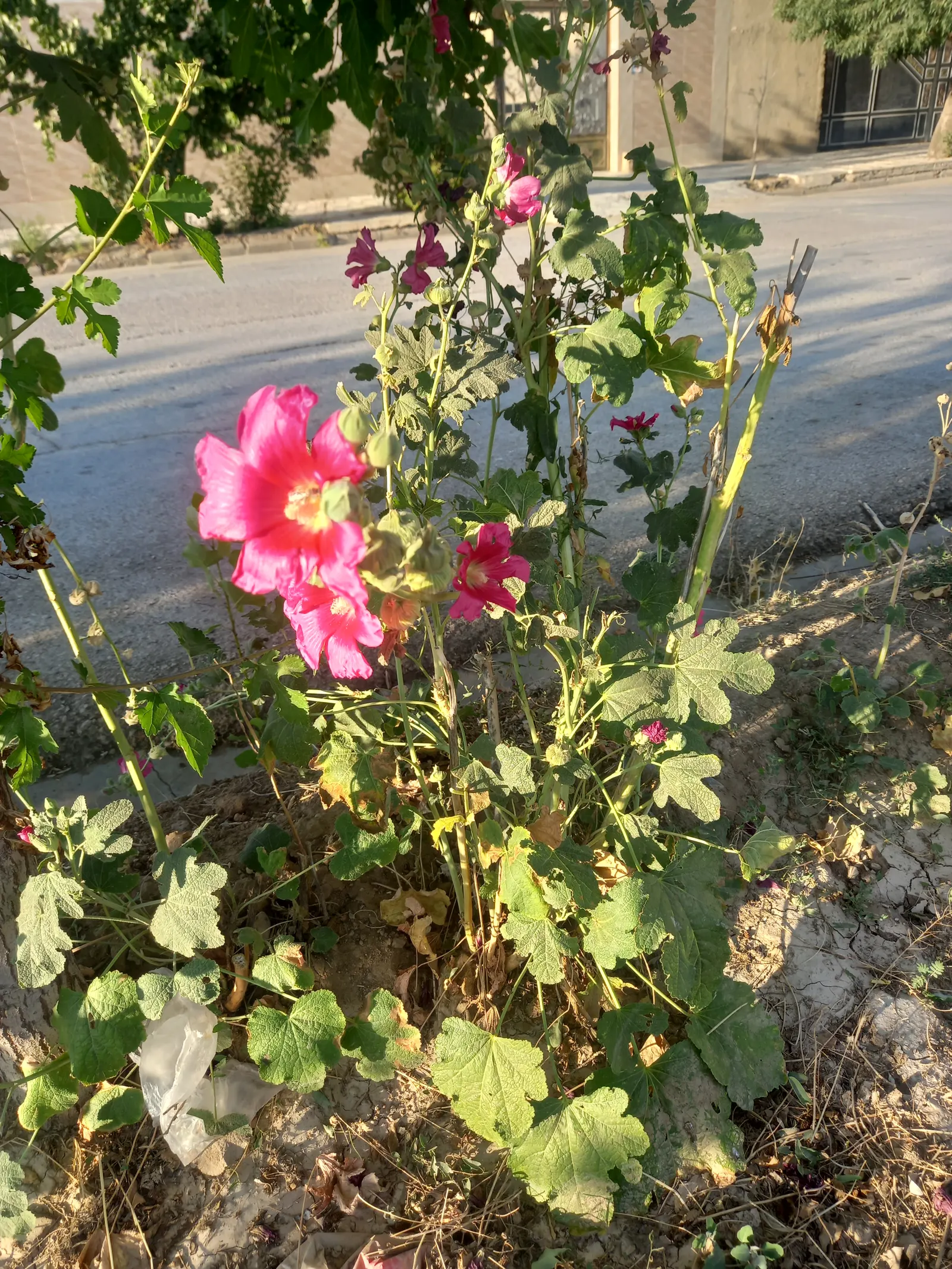
Hollyhock (Alcea Rosea) — It attracts pollinators and adds vertical interest to borders or as a background plant; is an eye-catching herbaceous, image 105
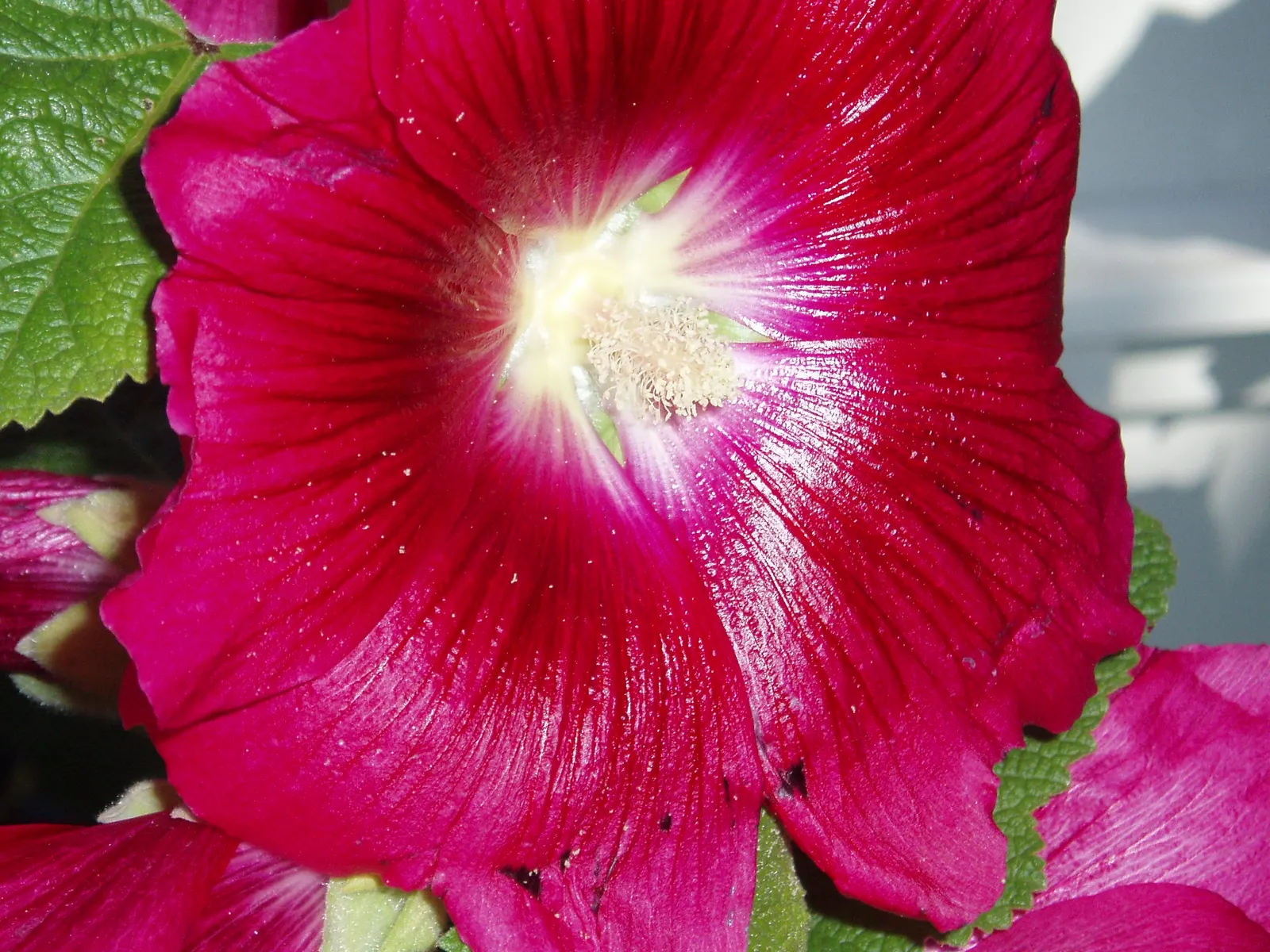
Hollyhock (Alcea Rosea) — Its large, showy blossoms appear in a variety of colors from July to September, flourishing in full sun; usually around, image 53
Hollyhock (Alcea Rosea) — which ensures their presence in the garden year after year; is an ornamental biennial known for its towering presence, image 72
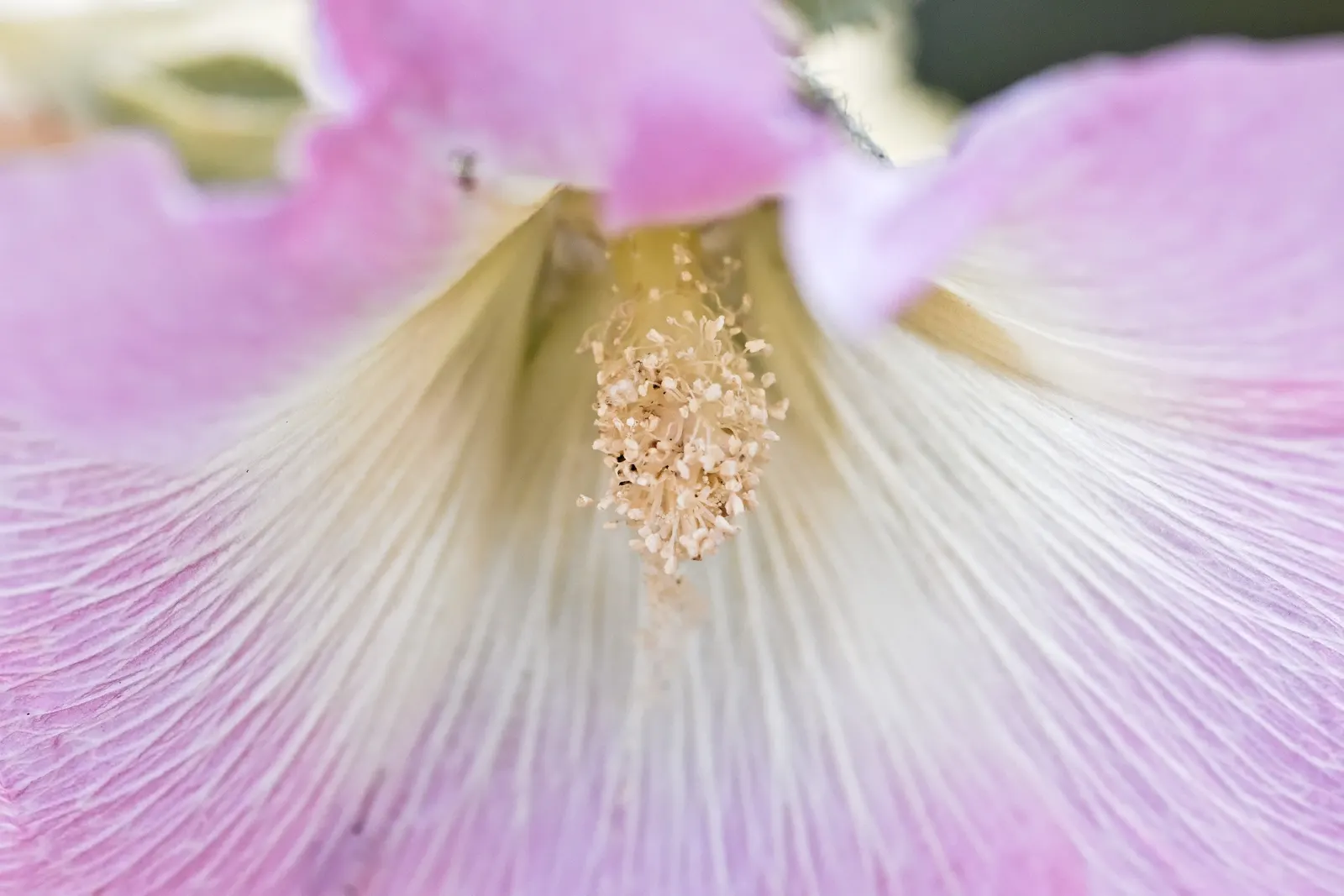
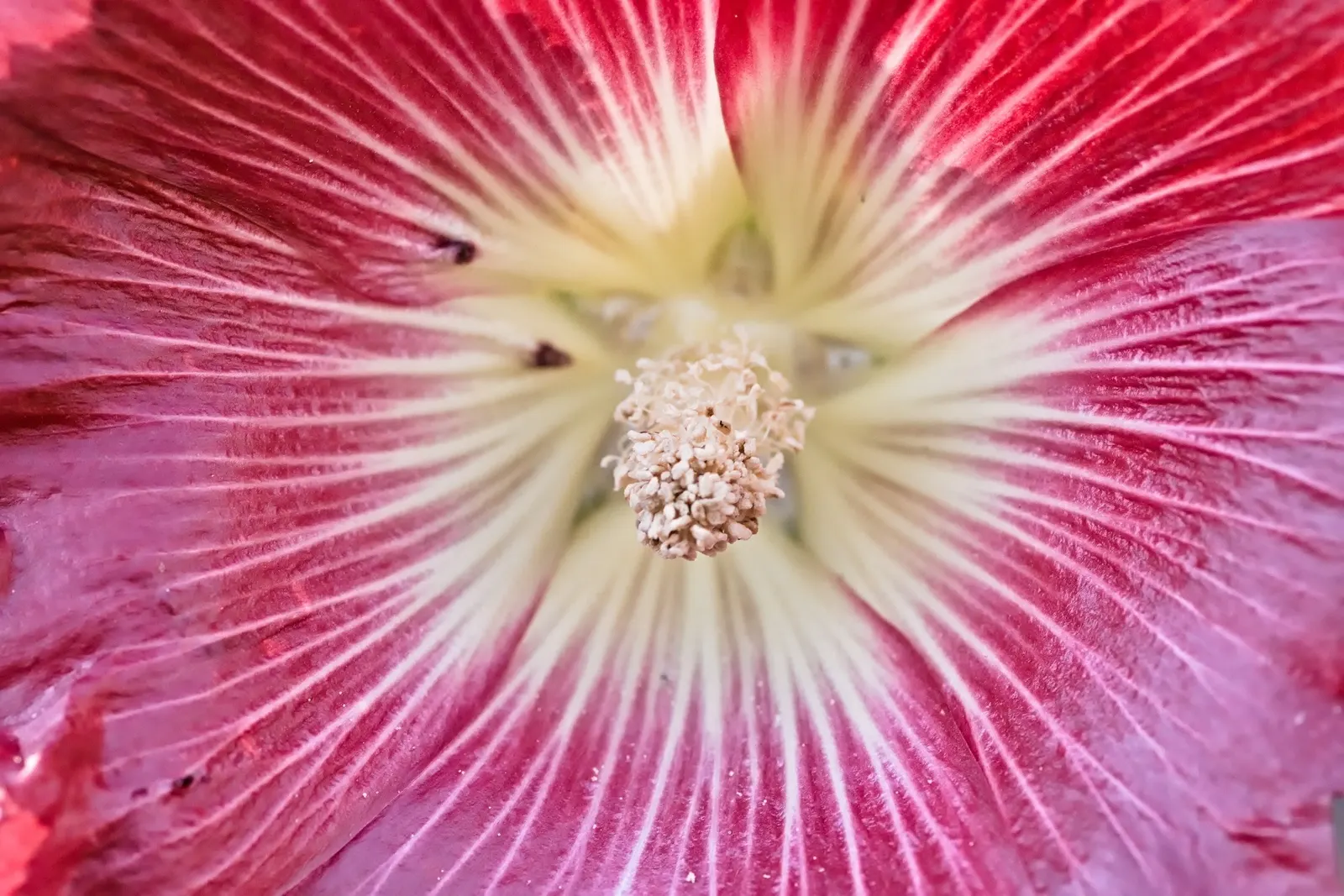
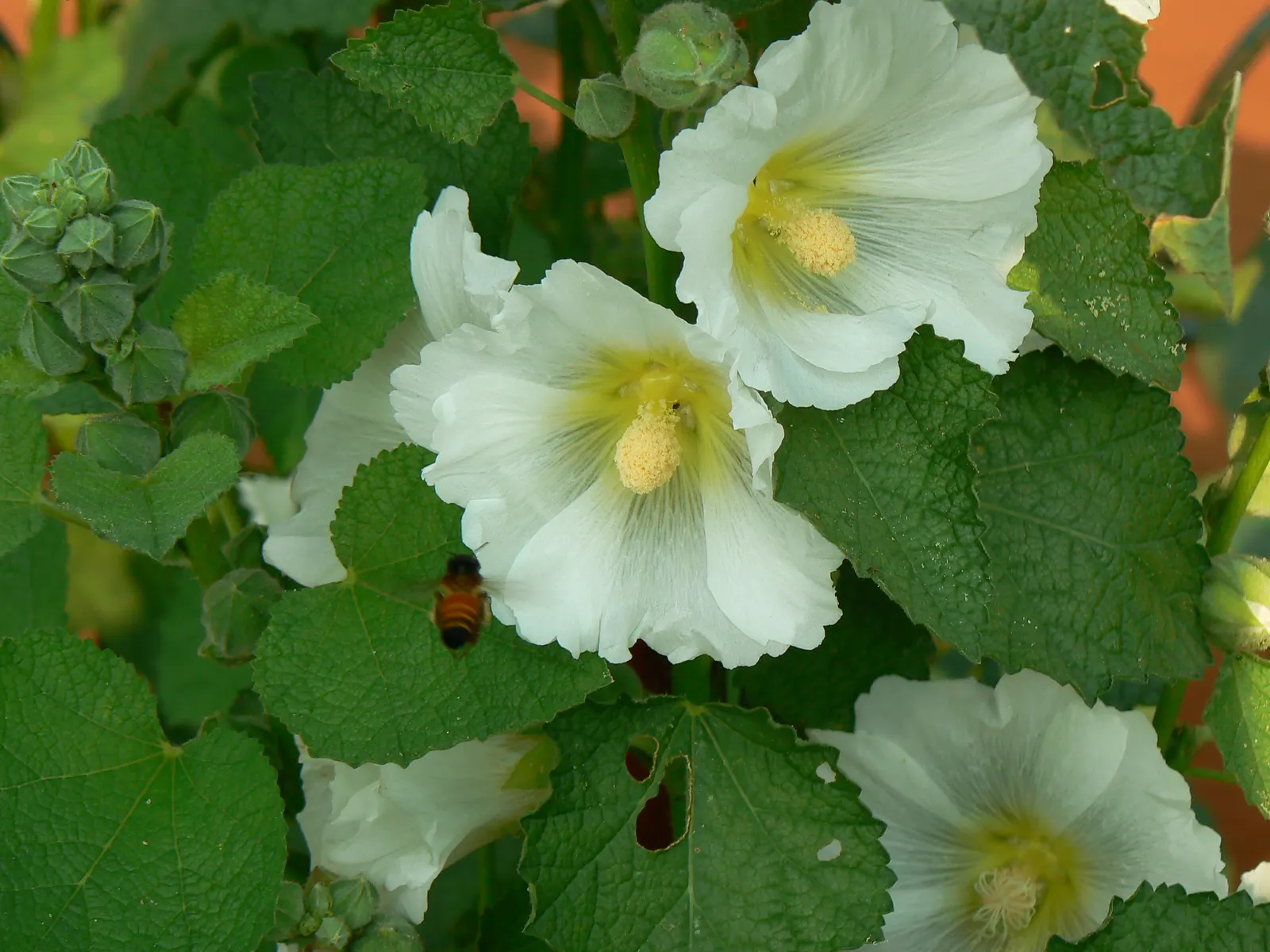
Hollyhock (Alcea Rosea) — but they also attract beneficial pollinators such as bees and butterflies; each flower spanning an average of 3 to 5 inches across
Hollyhock (Alcea Rosea) — It attracts pollinators and adds vertical interest to borders or as a background plant; is an eye-catching herbaceous, image 130
Hollyhock (Alcea Rosea) — Hollyhocks typically grow to an impressive height ranging from 6 to 8 feet; its large, showy blossoms appear in a variety, image 58
Hollyhock (Alcea Rosea) — scientifically known as Alcea rosea
Hollyhock (Alcea Rosea) — is an ornamental biennial known for its towering presence; plant in well-drained soil at 18-24 inch intervals, image 101
Hollyhock (Alcea Rosea) — perennial with pink and red blooms; hollyhocks thrive in full sun and prefer well-drained, image 74
Hollyhock (Alcea Rosea) — It is essential to provide ample space between plants; they are hardy in USDA zones 3 to 8, tolerating a wide range of, image 92
Hollyhock (Alcea Rosea) — which ensures their presence in the garden year after year; is an ornamental biennial known for its towering presence
Hollyhock (Alcea Rosea) — Its large, showy blossoms appear in a variety of colors from July to September, flourishing in full sun; usually around 18 to 24
Hollyhock (Alcea Rosea) — Hollyhocks thrive in full sun and prefer well-drained; reaching up to 5-8 feet tall, image 65
Hollyhock (Alcea Rosea) — to help promote air circulation and prevent rust; it attracts pollinators and adds vertical interest to borders or as a, image 69
Hollyhock (Alcea Rosea) — perennial with pink and red blooms; hollyhocks thrive in full sun and prefer well-drained
Hollyhock (Alcea Rosea) — but they also attract beneficial pollinators such as bees and butterflies; each flower spanning an average of 3 to 5, image 120
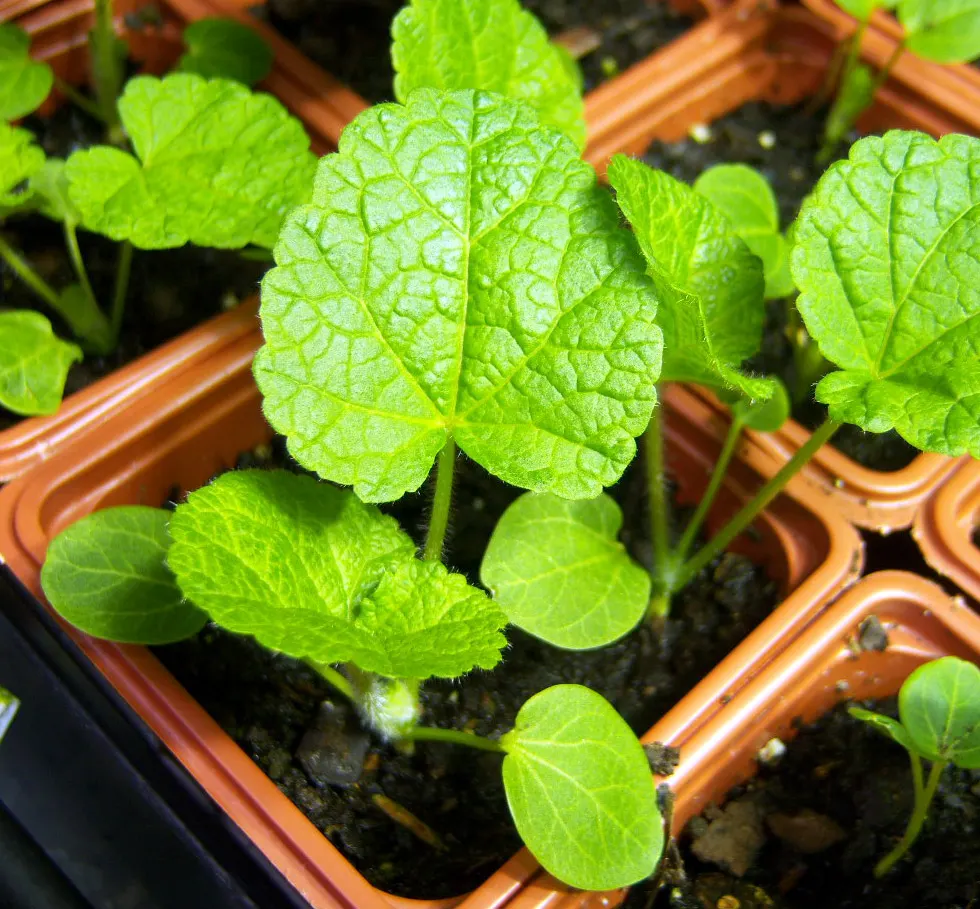
Hollyhock (Alcea Rosea) — which can span up to 8 inches in diameter; green base from which the tall stalks emerge, image 59
Hollyhock (Alcea Rosea) — reaching up to 5-8 feet tall; the plant is renowned for its towering spires adorned with a profusion of colorful blooms, image 77
Hollyhock (Alcea Rosea) — perennial with pink and red blooms; hollyhocks thrive in full sun and prefer well-drained, image 99
Hollyhock (Alcea Rosea) — to help promote air circulation and prevent rust; it attracts pollinators and adds vertical interest to borders or as a, image 119
Hollyhock (Alcea Rosea) — reaching up to 5-8 feet tall; the plant is renowned for its towering spires adorned with a profusion of colorful blooms, image 52
Hollyhock (Alcea Rosea) — but they also attract beneficial pollinators such as bees and butterflies
Photographs by 12 contributors

Related plants