Skip to content

Common Horsechestnut

Aesculus Hippocastanum

Design with this plant

Overview

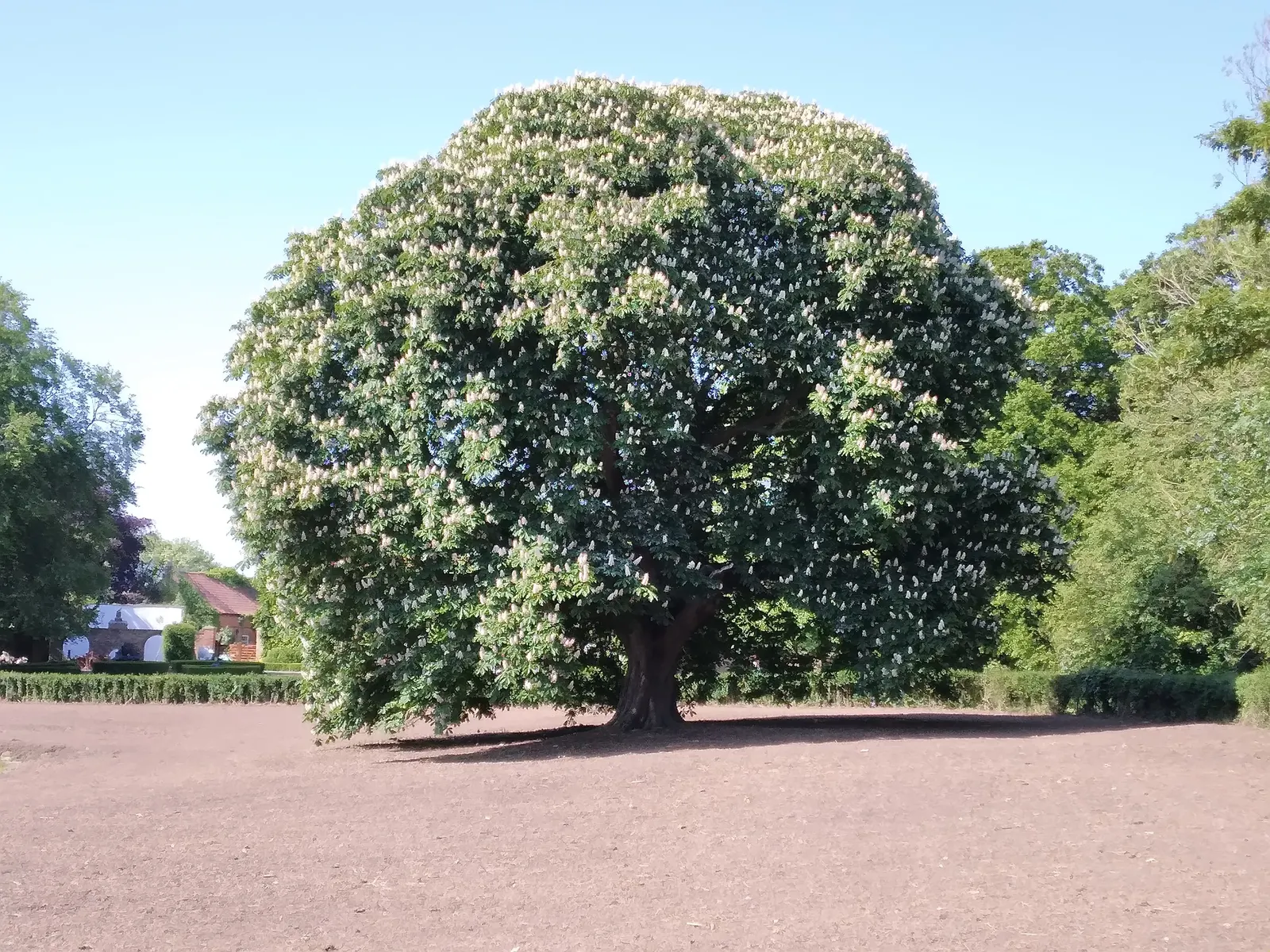
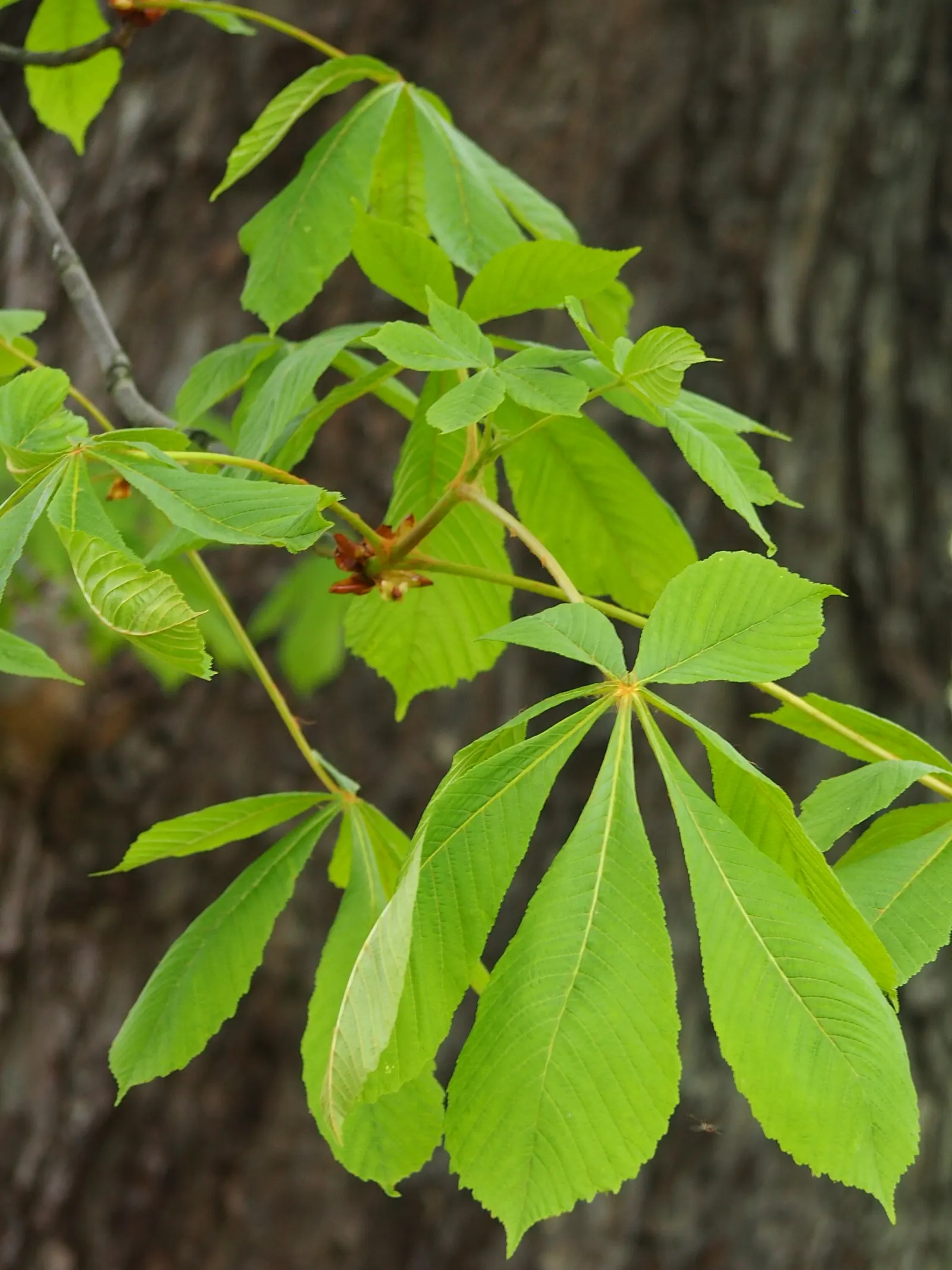
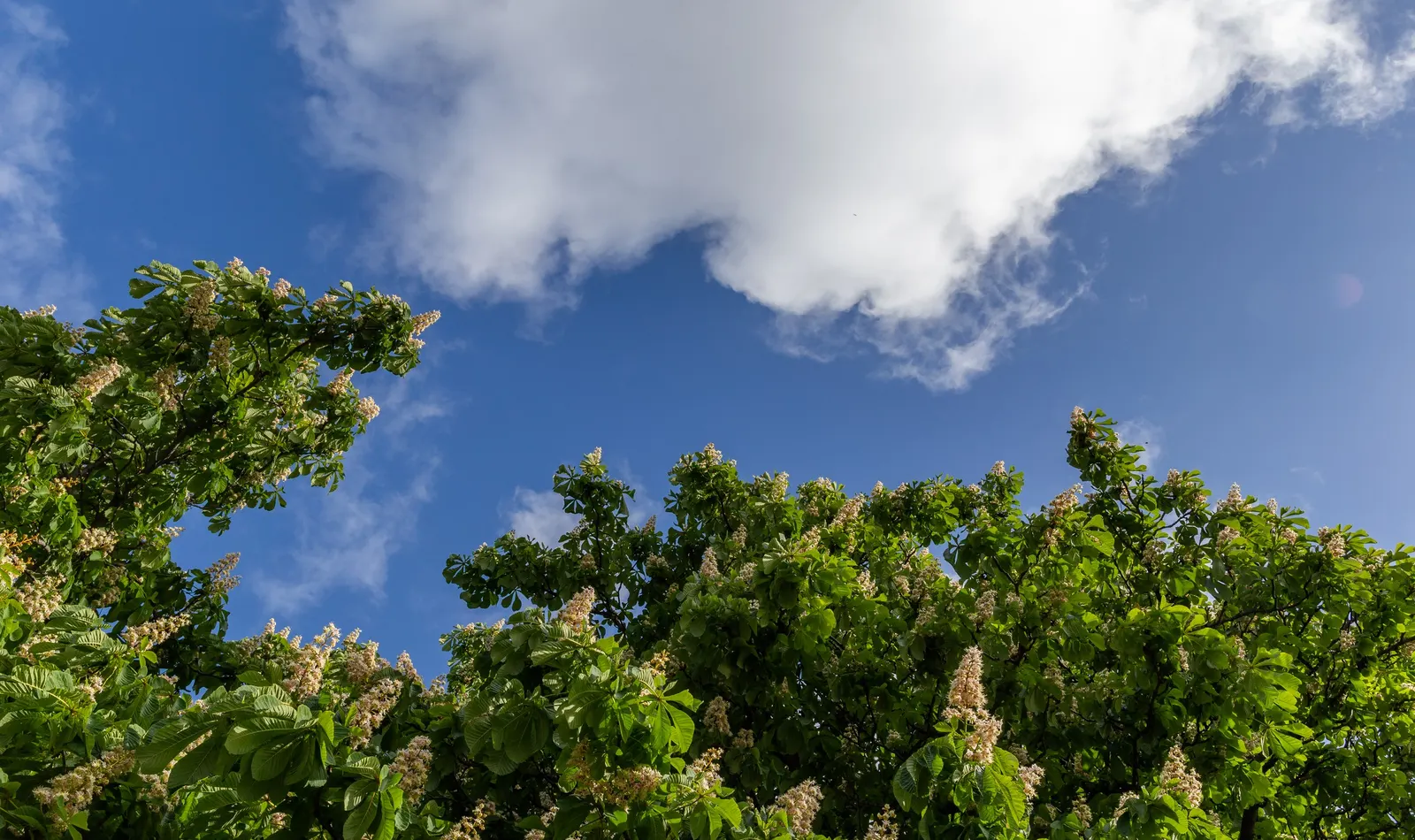
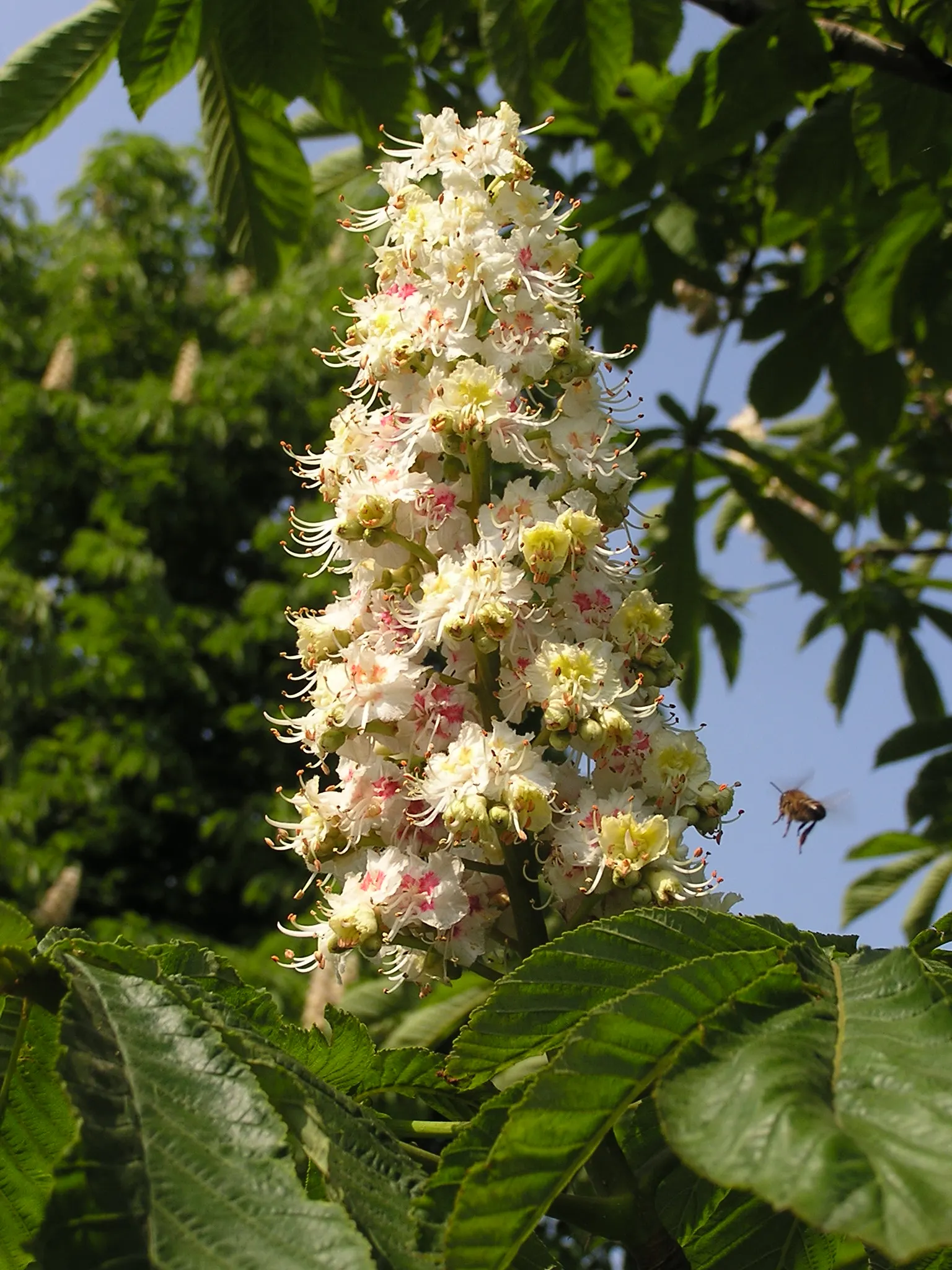
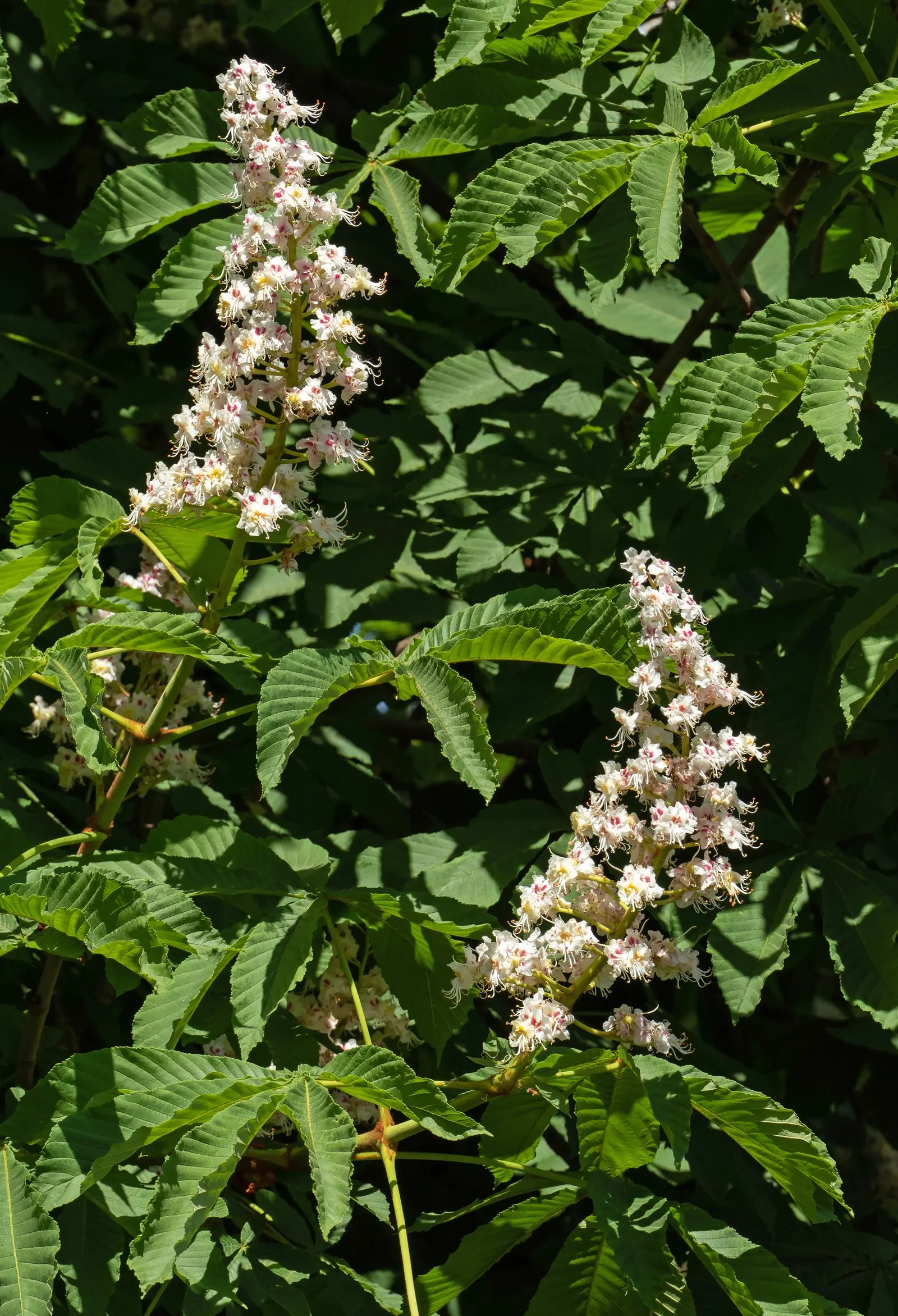
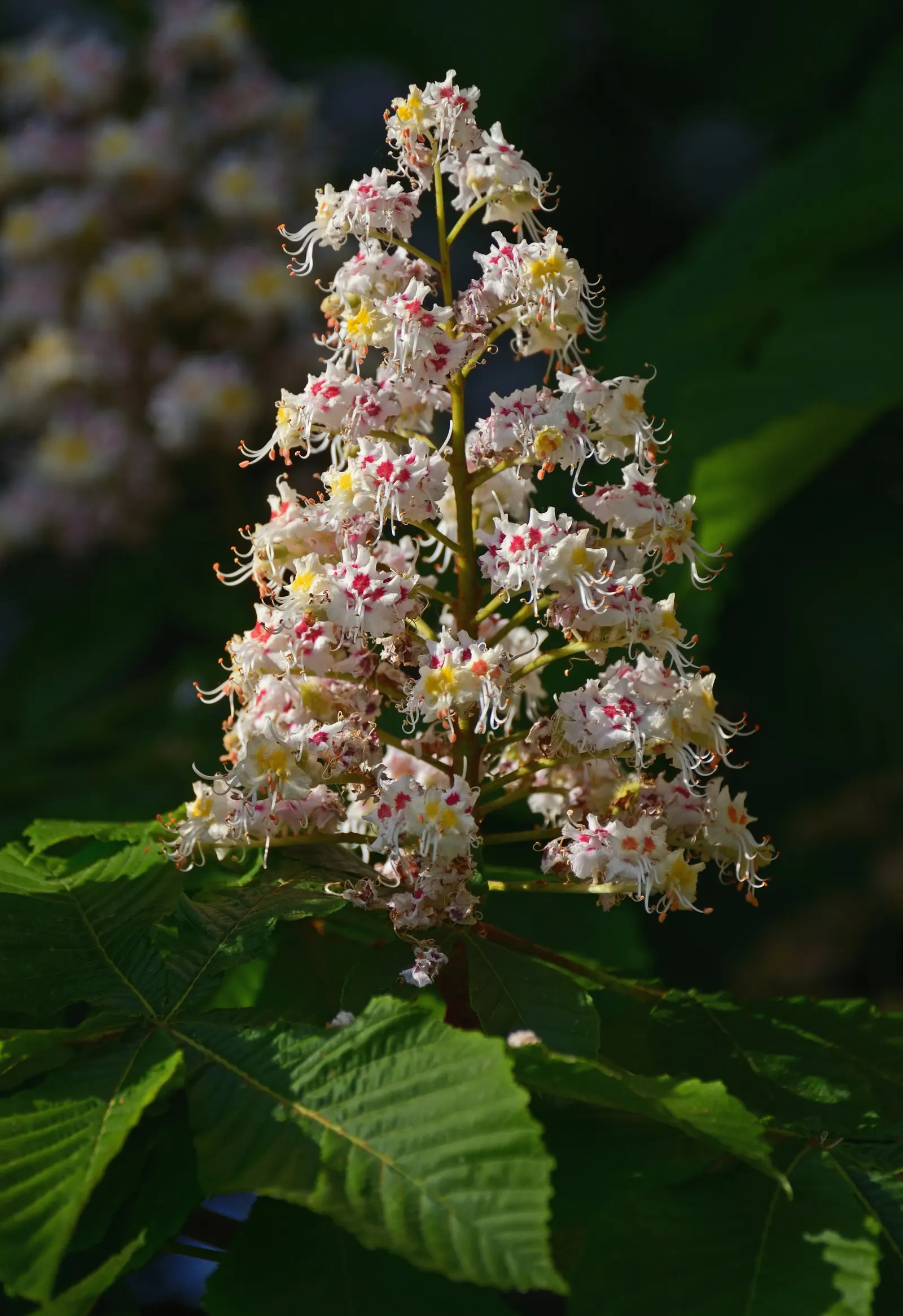
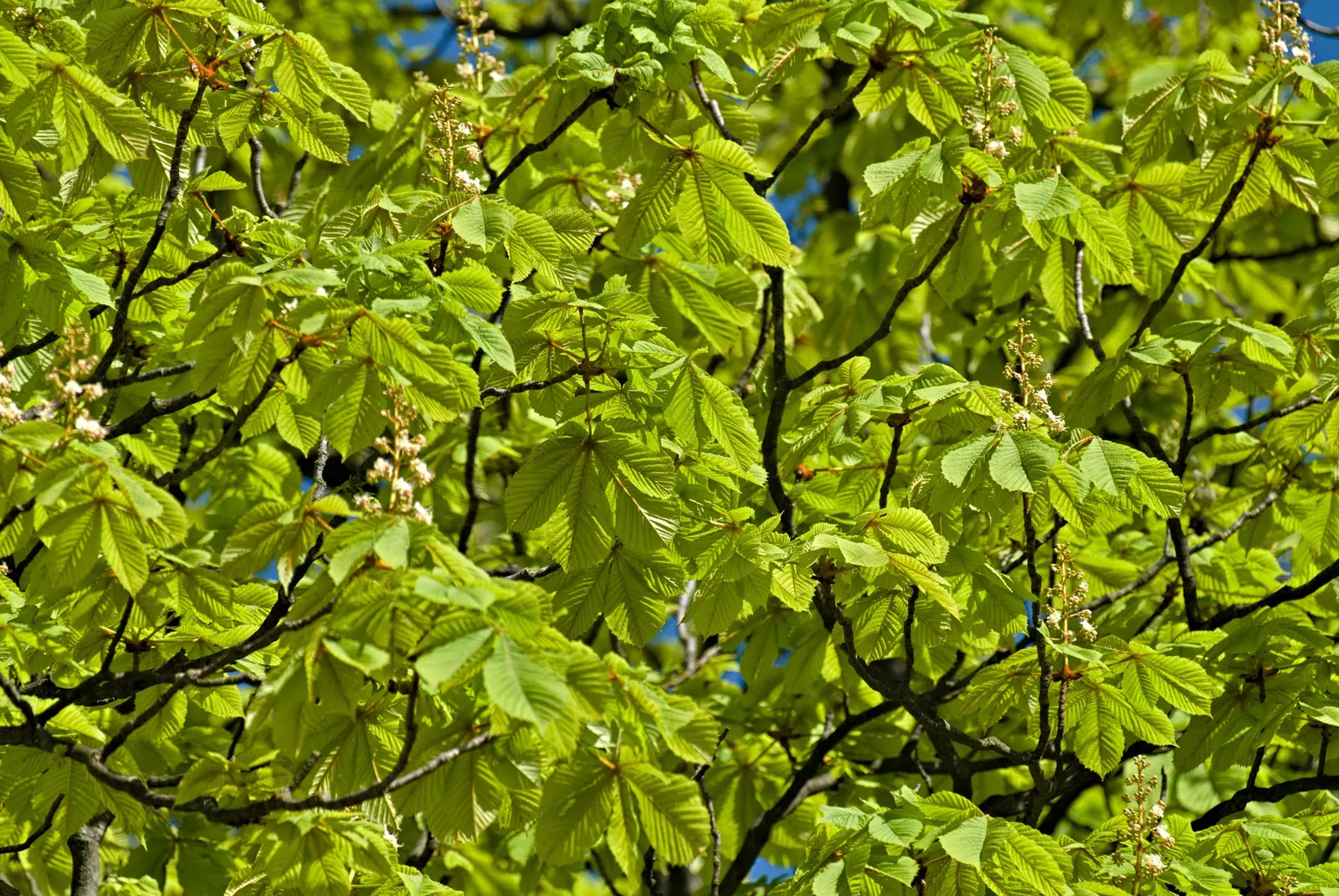
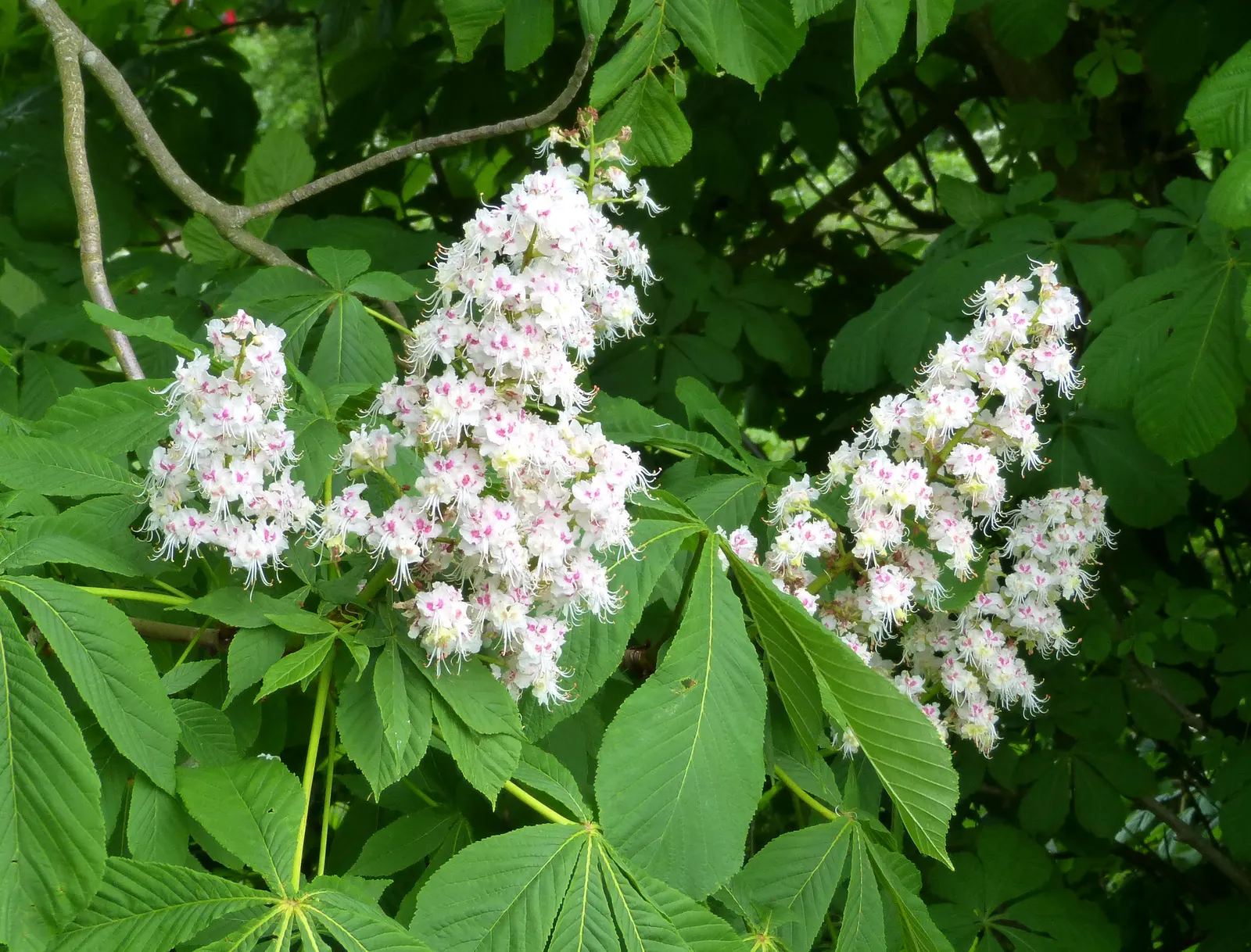
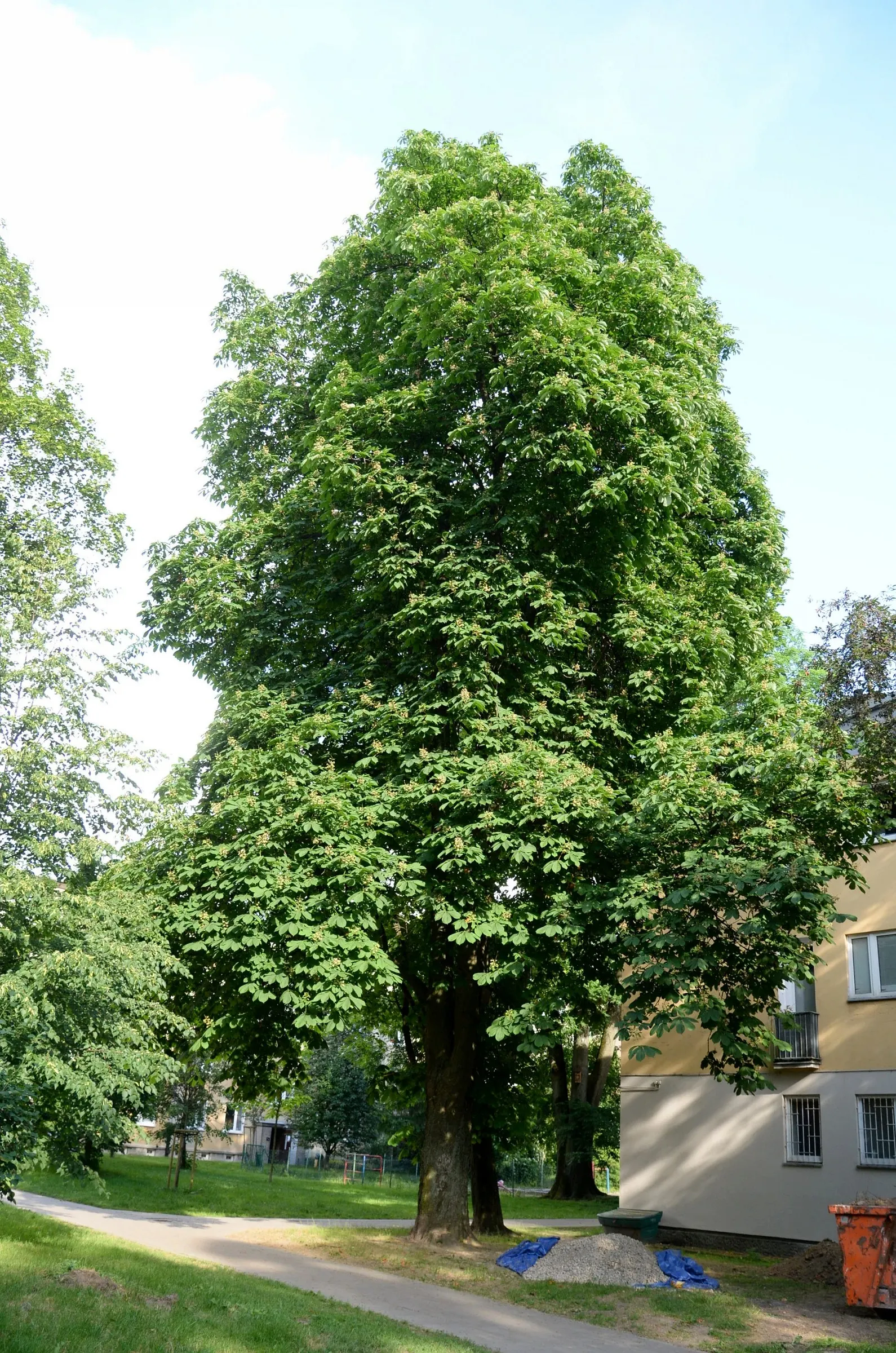
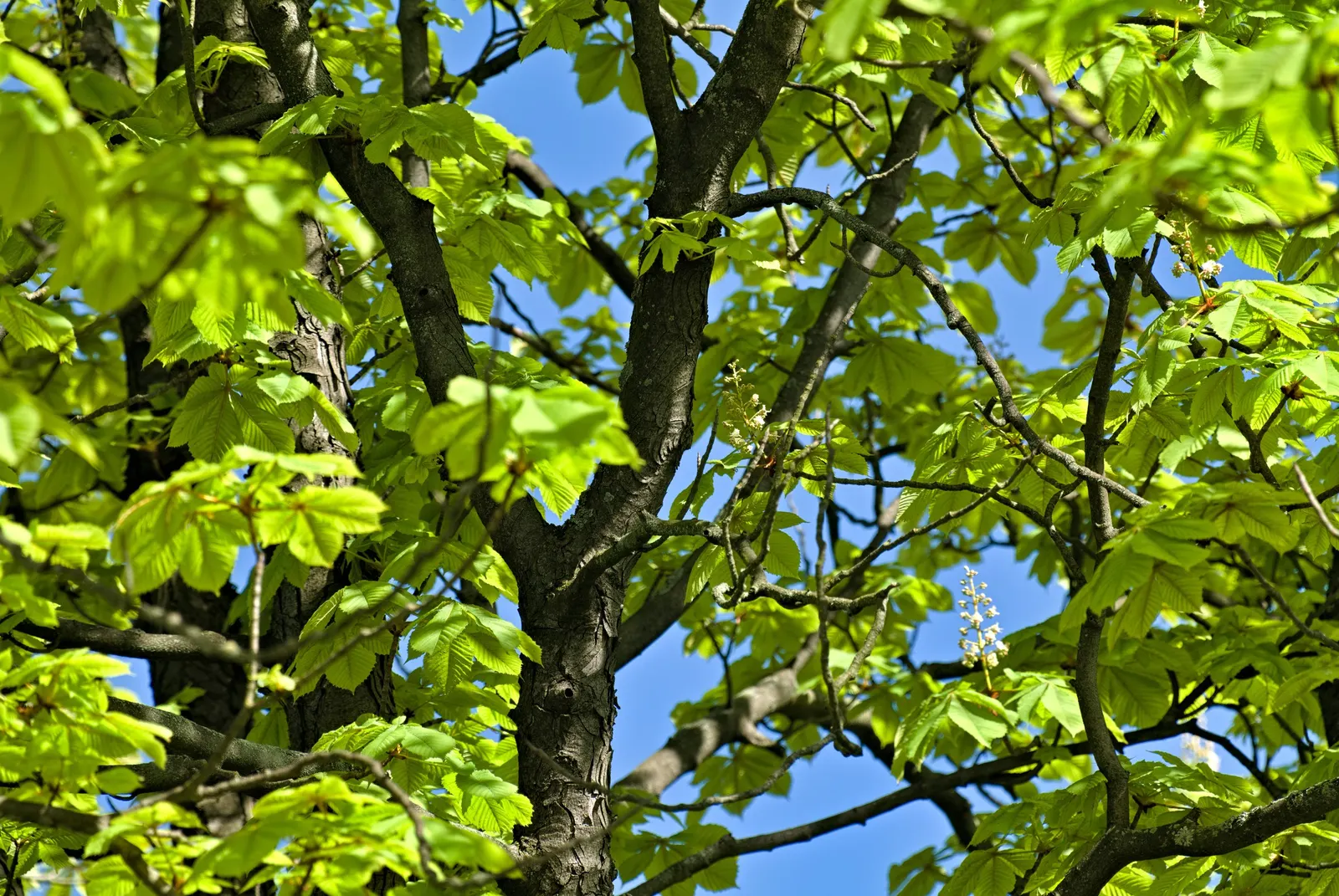
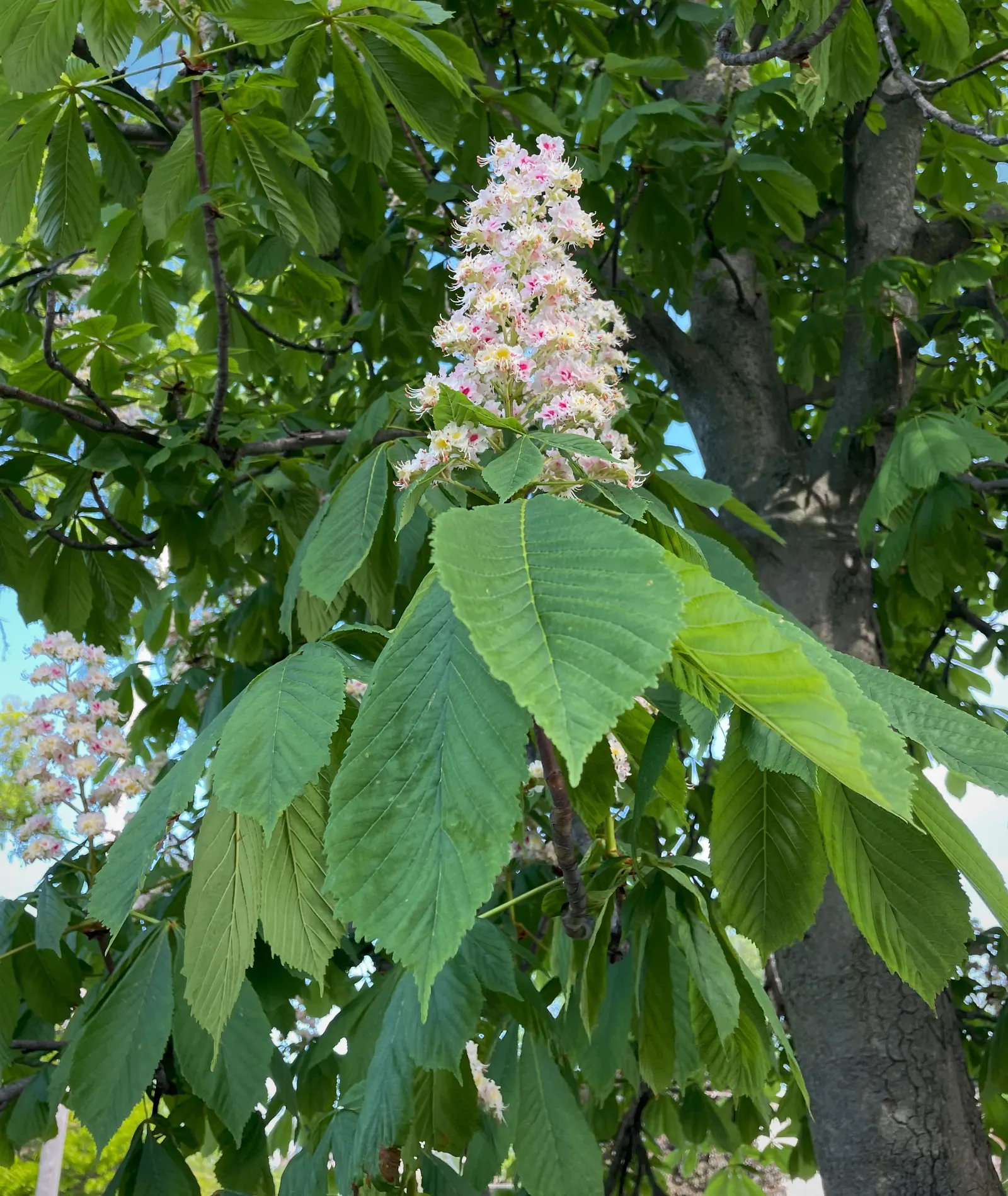
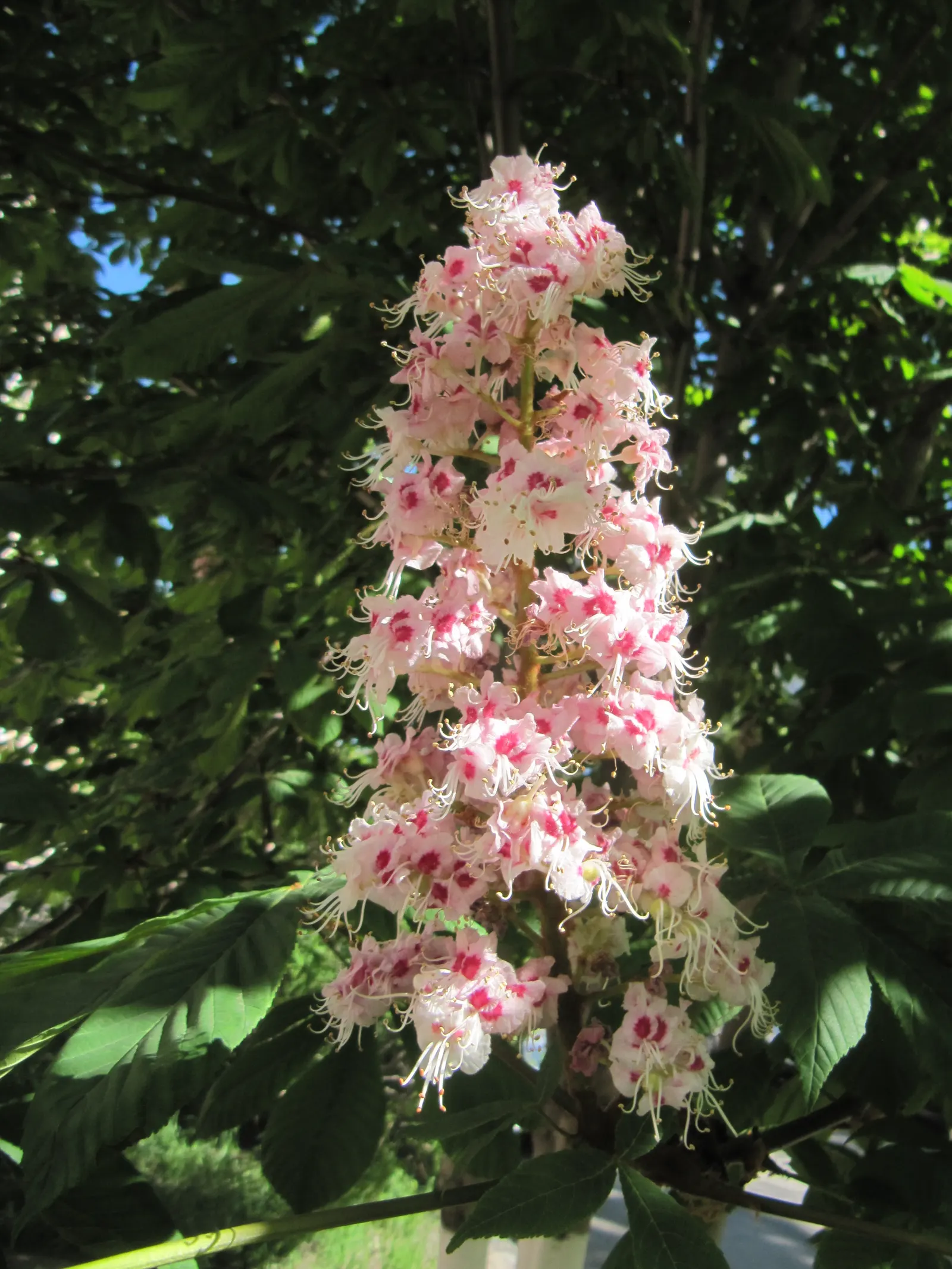
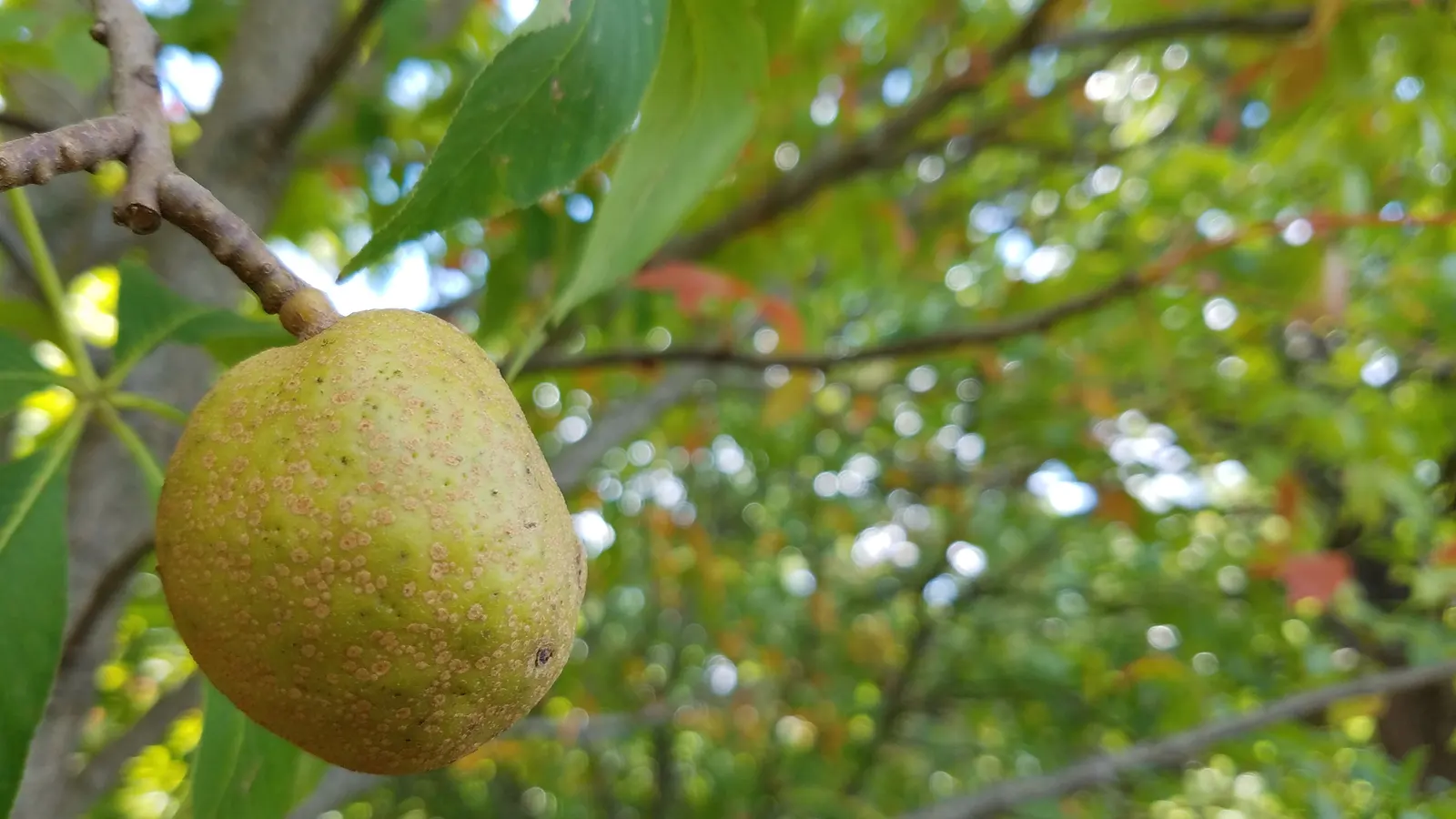
The Aesculus hippocastanum, or Common Horsechestnut, is a stately deciduous tree, valued for its broad, domed crown and robust structure. Reaching up to 50-75 feet in height with a similar spread, it's adorned with large, palmate leaves and showy, pyramid-shaped white flowers with red flecks in late spring. Thrives in zones 3-8 and prefers well-drained soils. Notable for its brown, spiky capsules containing shiny, inedible seeds called conkers.

Sun FullWater Extra in Summer, MediumZones 3–10Climate Temperate
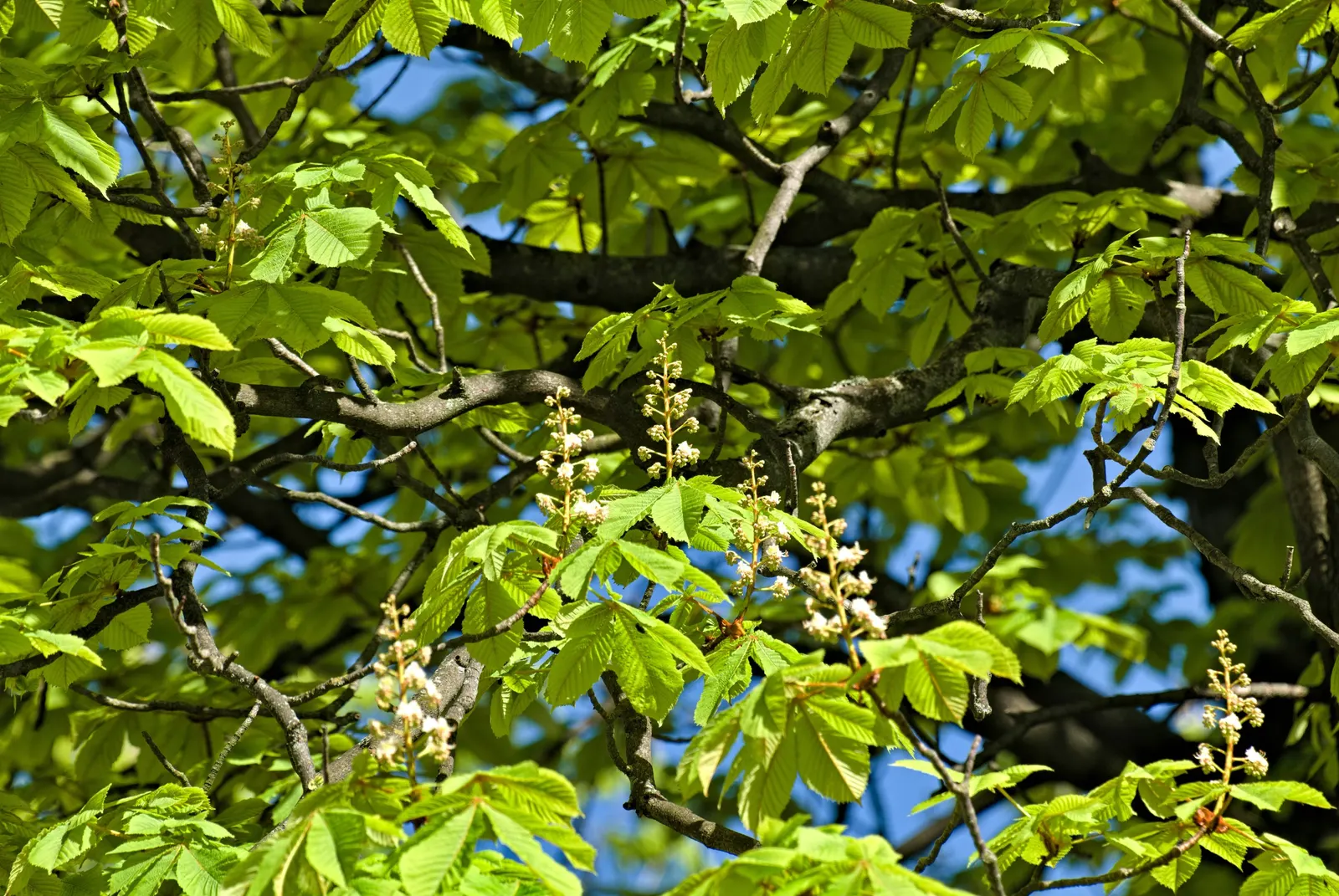
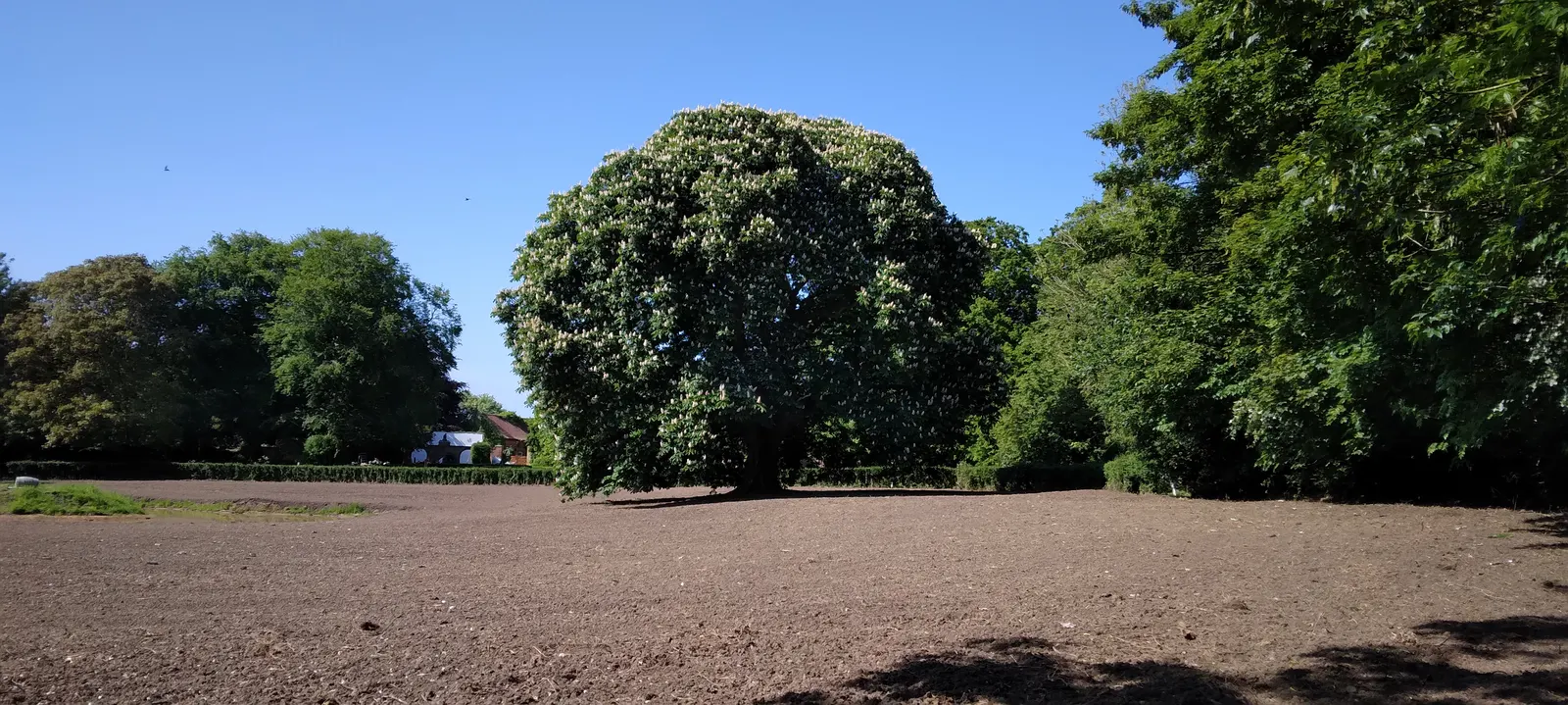
Common Horsechestnut (Aesculus Hippocastanum) — Reaching up to 50-75 feet in height with a similar spread

Culture

Sun
Full
Water
Extra in Summer, Medium
USDA zones
3–10

Shape & size

Mature height
50–75 Ft.
Mature width
40–60 Ft.

Classification

Family
Sapindaceae
Climate
Temperate

See full data, regional cultivation notes, full-resolution photos, and design tools. Build a client presentation around this plant.

Start your 14-day trial

Photos (78)

Common Horsechestnut (Aesculus Hippocastanum) — with a capability to withstand urban pollution
Common Horsechestnut (Aesculus Hippocastanum) — making it a viable option for city landscapes
Common Horsechestnut (Aesculus Hippocastanum) — When planting, ensure sufficient space to accommodate its expansive root system
Common Horsechestnut (Aesculus Hippocastanum) — all parts of the tree are toxic if ingested; however
Common Horsechestnut (Aesculus Hippocastanum) — white flowers in the garden
Common Horsechestnut (Aesculus Hippocastanum) — its formidable size and showy characteristics make it a compelling choice for grand avenues
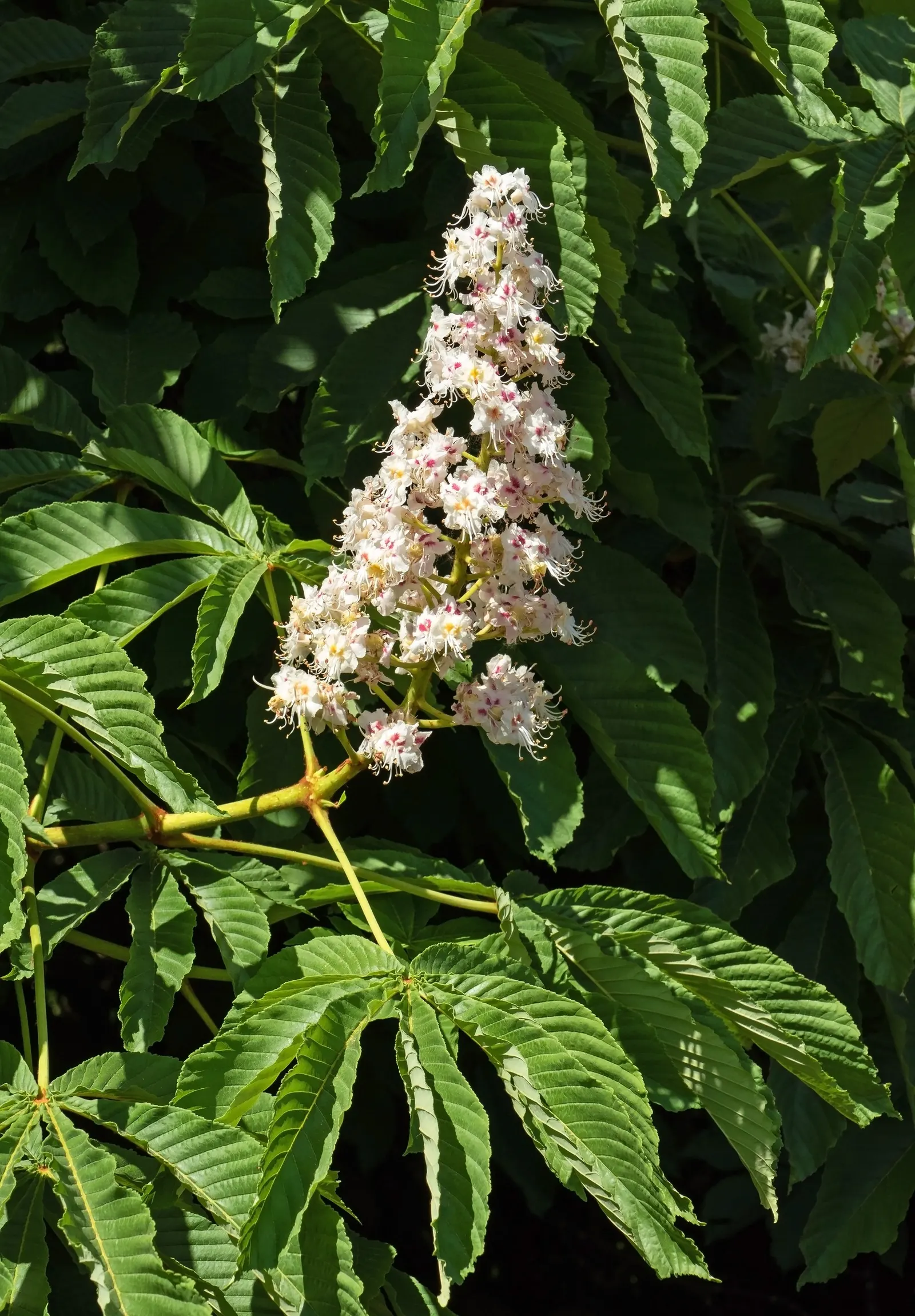
Common Horsechestnut (Aesculus Hippocastanum) — is a stately deciduous tree; pyramid-shaped white flowers with red flecks in late spring
Common Horsechestnut (Aesculus Hippocastanum) — tree for full
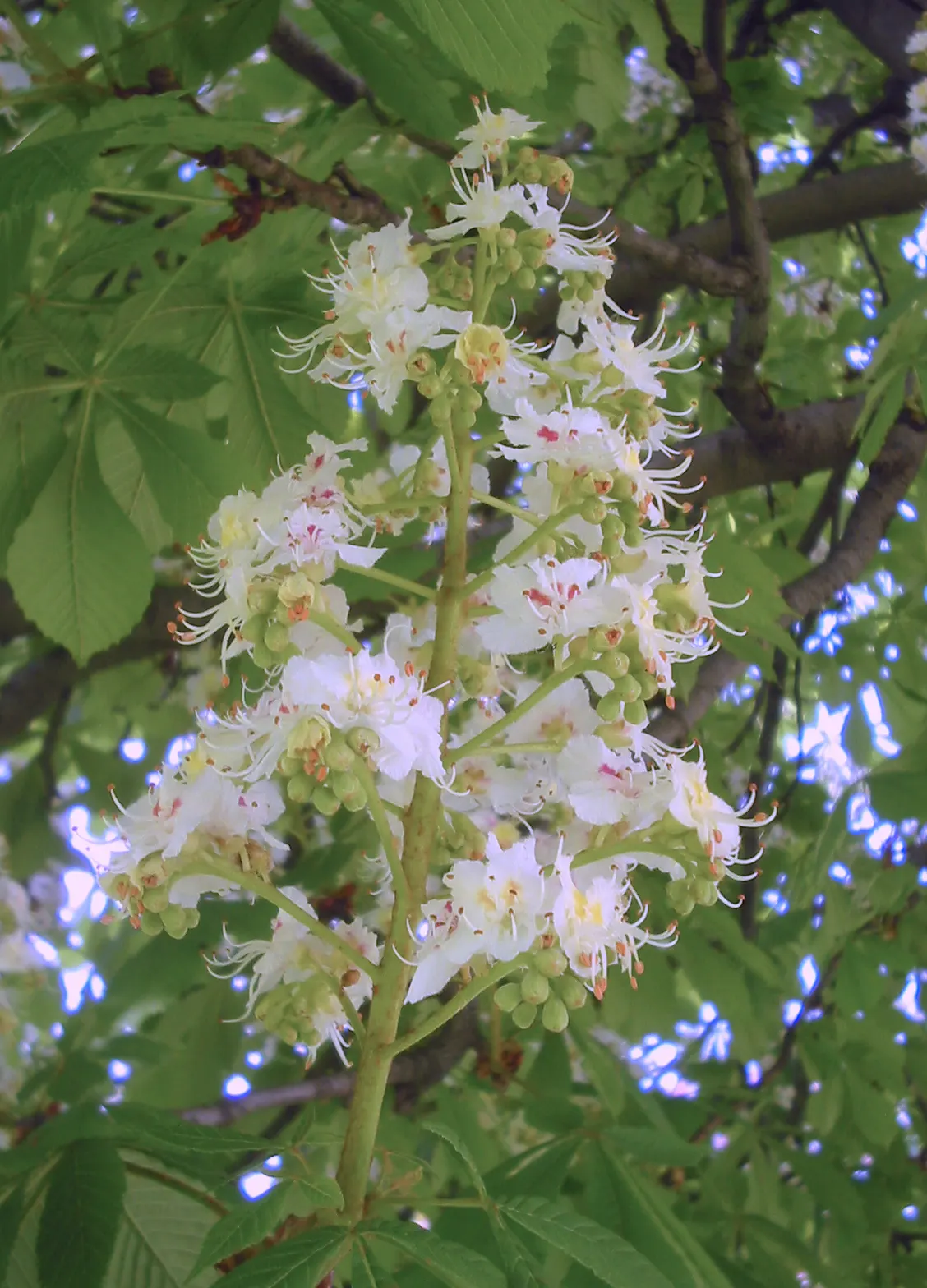
Common Horsechestnut (Aesculus Hippocastanum) — tree with white blooms
Common Horsechestnut (Aesculus Hippocastanum) — domed crown and robust structure; the Horsechestnut typically reaches heights of 50 to 75 feet with a spread of
Common Horsechestnut (Aesculus Hippocastanum) — Thrives in zones 3-8 and prefers well-drained soils; tree for full
Common Horsechestnut (Aesculus Hippocastanum) — Notable for its brown, spiky capsules containing shiny, inedible seeds called conkers; commonly known as the
Common Horsechestnut (Aesculus Hippocastanum) — Reaching up to 50-75 feet in height with a similar spread; upright panicles of flowers
Common Horsechestnut (Aesculus Hippocastanum) — pyramid-shaped white flowers with red flecks in late spring; with a capability to withstand urban pollution
Common Horsechestnut (Aesculus Hippocastanum) — The Horsechestnut typically reaches heights of 50 to 75 feet with a spread of 40 to 70 feet; this splendid
Common Horsechestnut (Aesculus Hippocastanum) — this splendid species is admired for its impressive form and ornamental features; reaching up to 50-75 feet in
Common Horsechestnut (Aesculus Hippocastanum) — is a deciduous tree that adds stately grandeur to any landscape design; the flowers will give way to 1 to
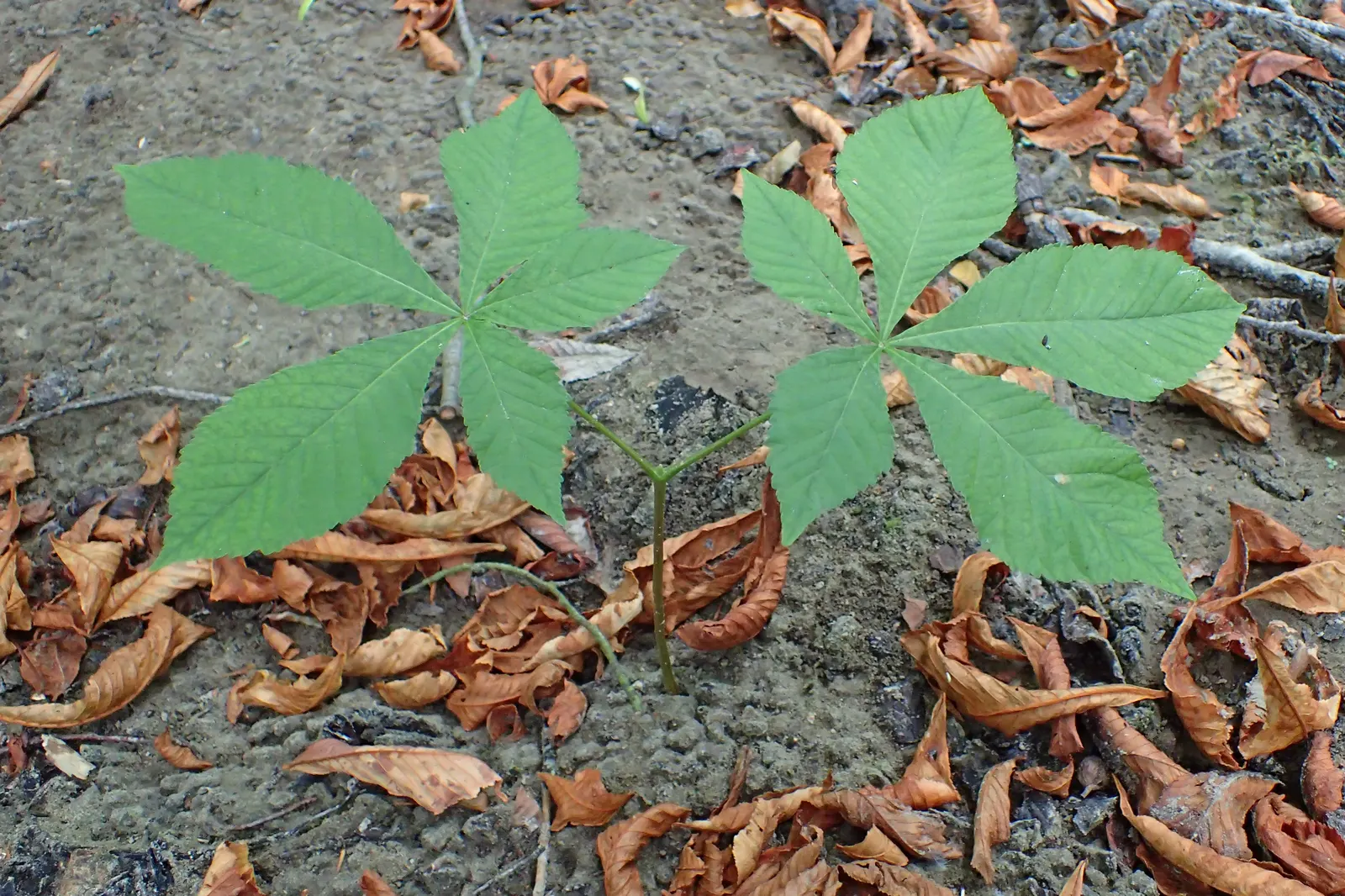
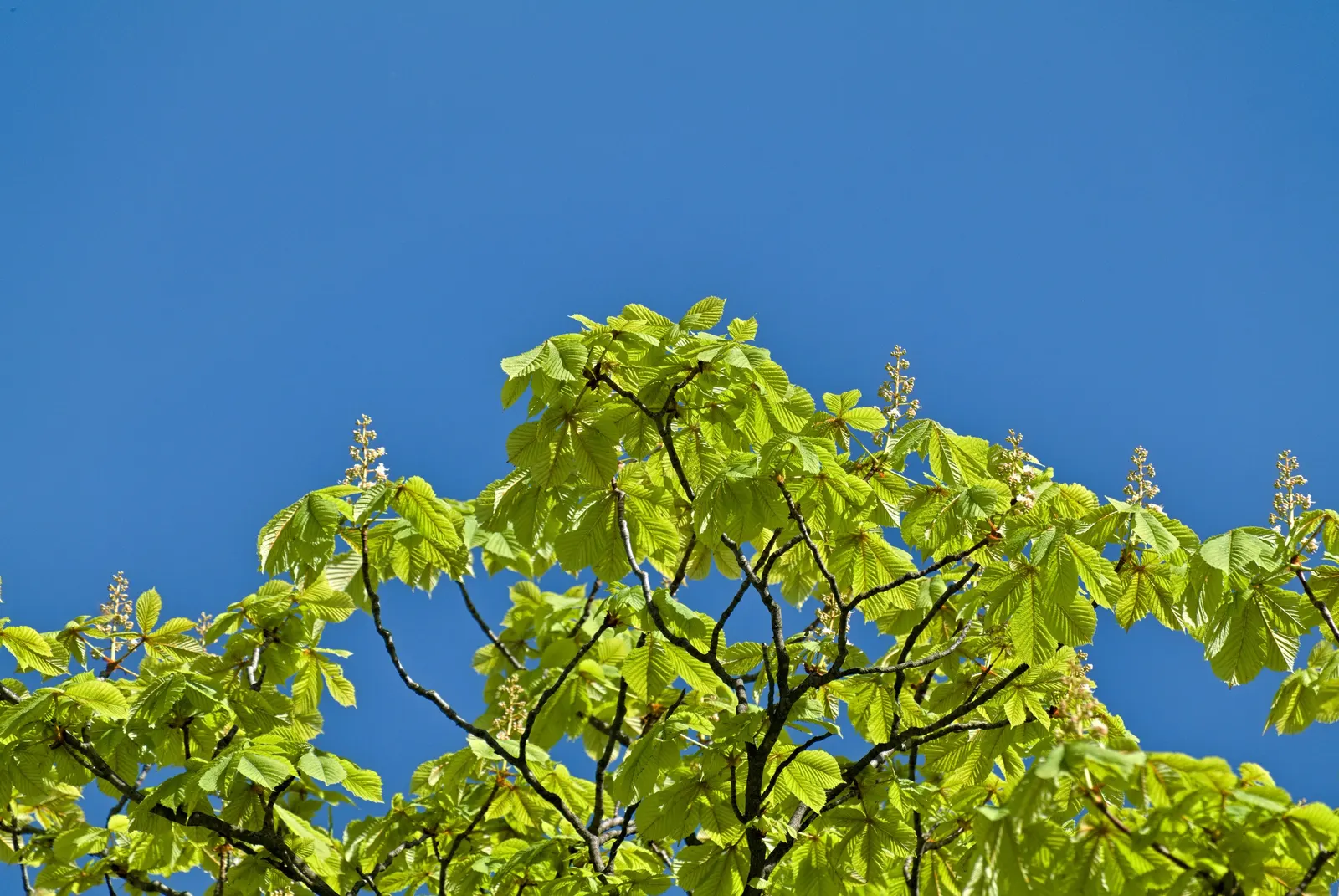
Common Horsechestnut (Aesculus Hippocastanum) — commonly known as the Common Horsechestnut; comprising 5 to 7 leaflets
Common Horsechestnut (Aesculus Hippocastanum) — Originating from the Balkan Peninsula; all parts of the tree are toxic if ingested; however
Common Horsechestnut (Aesculus Hippocastanum) — creating a dominant canopy with a rounded; spring heralds the arrival of its most striking feature: showy
Common Horsechestnut (Aesculus Hippocastanum) — comprising 5 to 7 leaflets; tree with white blooms
Common Horsechestnut (Aesculus Hippocastanum) — broad crown that provides generous shade.<br><br>Its leaves are palmate; it demands well-drained soil
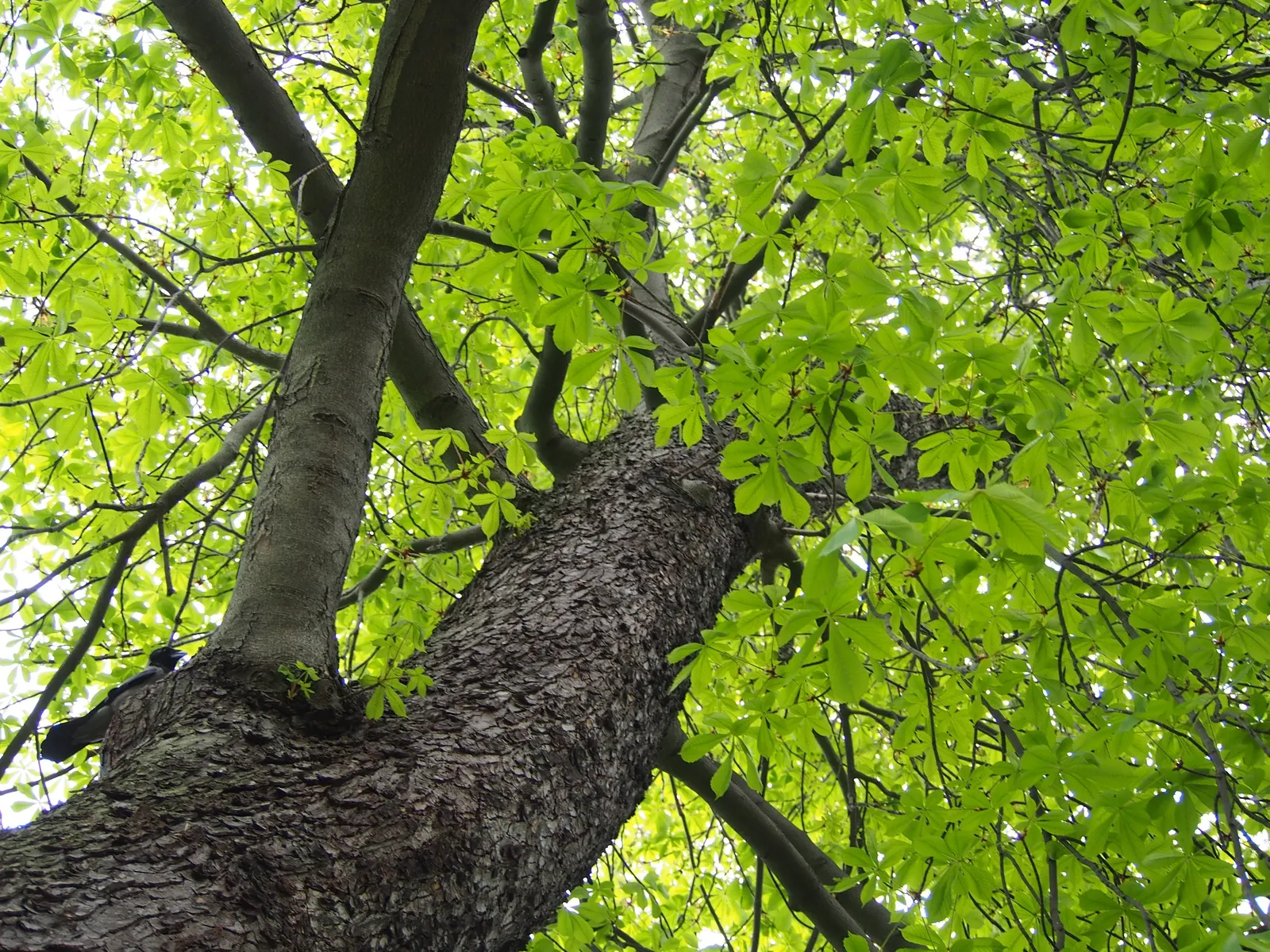
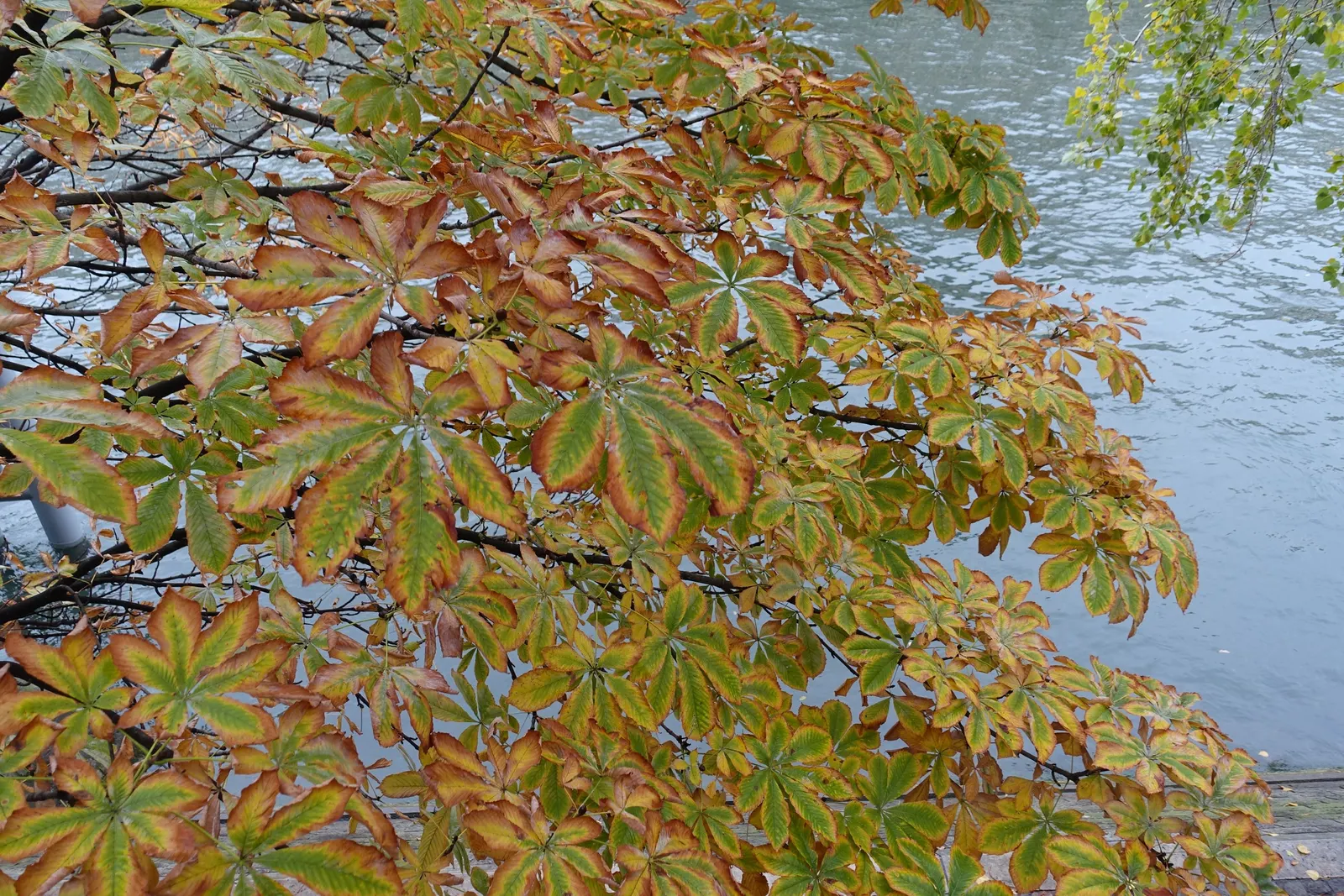
Common Horsechestnut (Aesculus Hippocastanum) — which unfurl into a vibrant green and then transform into a golden-yellow hue come fall; broad crown that
Common Horsechestnut (Aesculus Hippocastanum) — upright panicles of flowers; when planting, ensure sufficient space to accommodate its expansive root system

Related plants