
Common Horsechestnut
Aesculus Hippocastanum
Overview
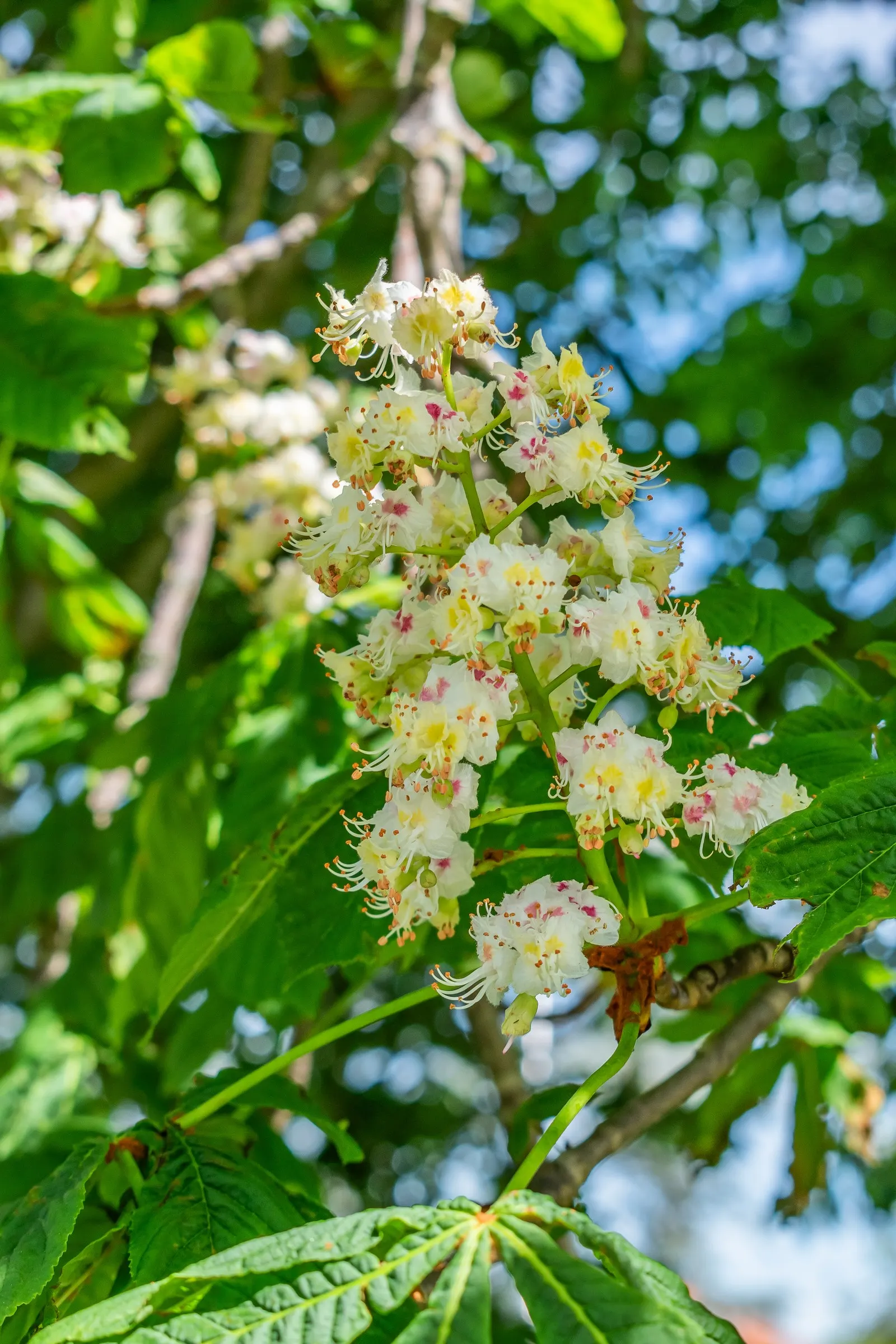
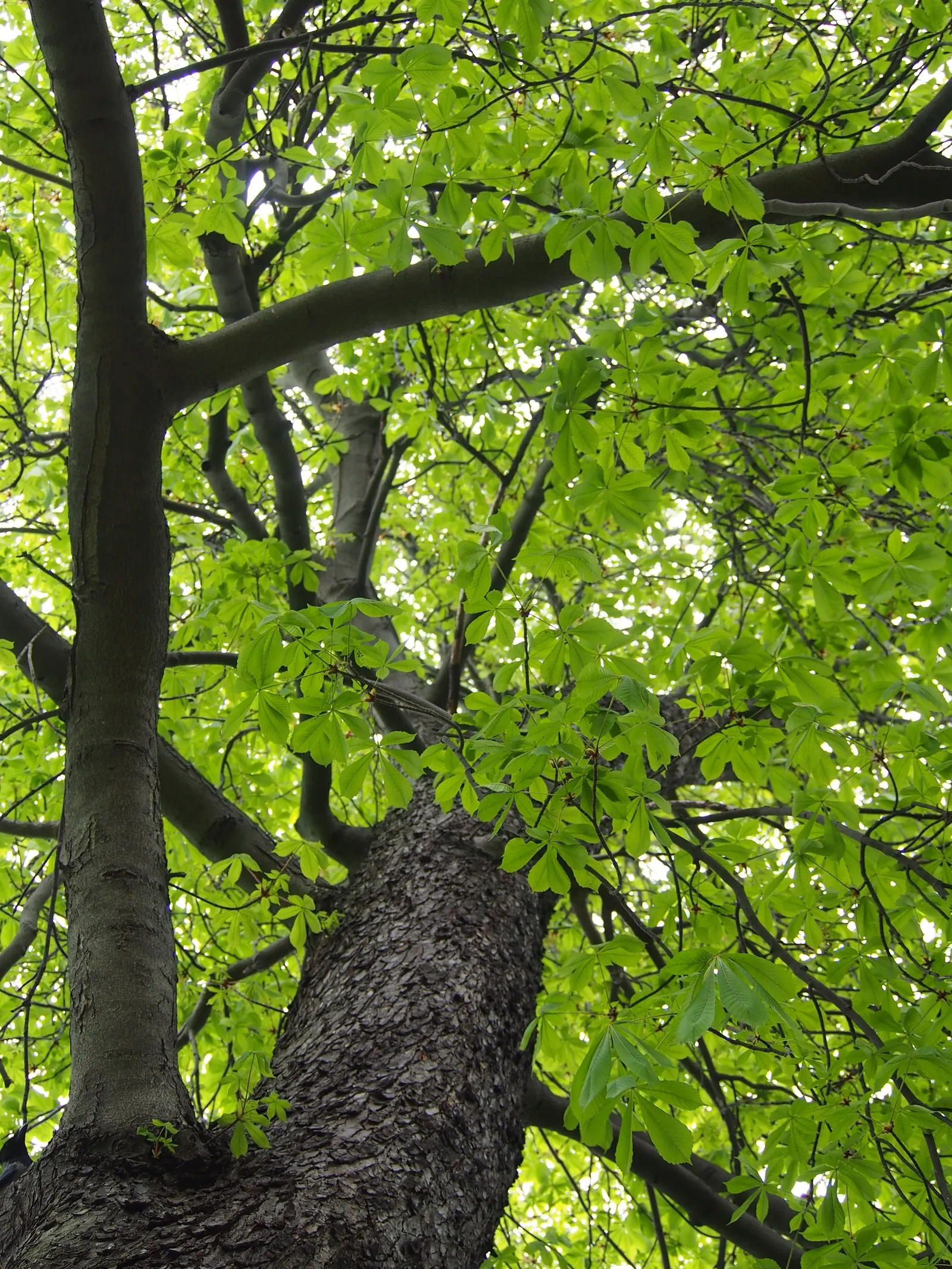
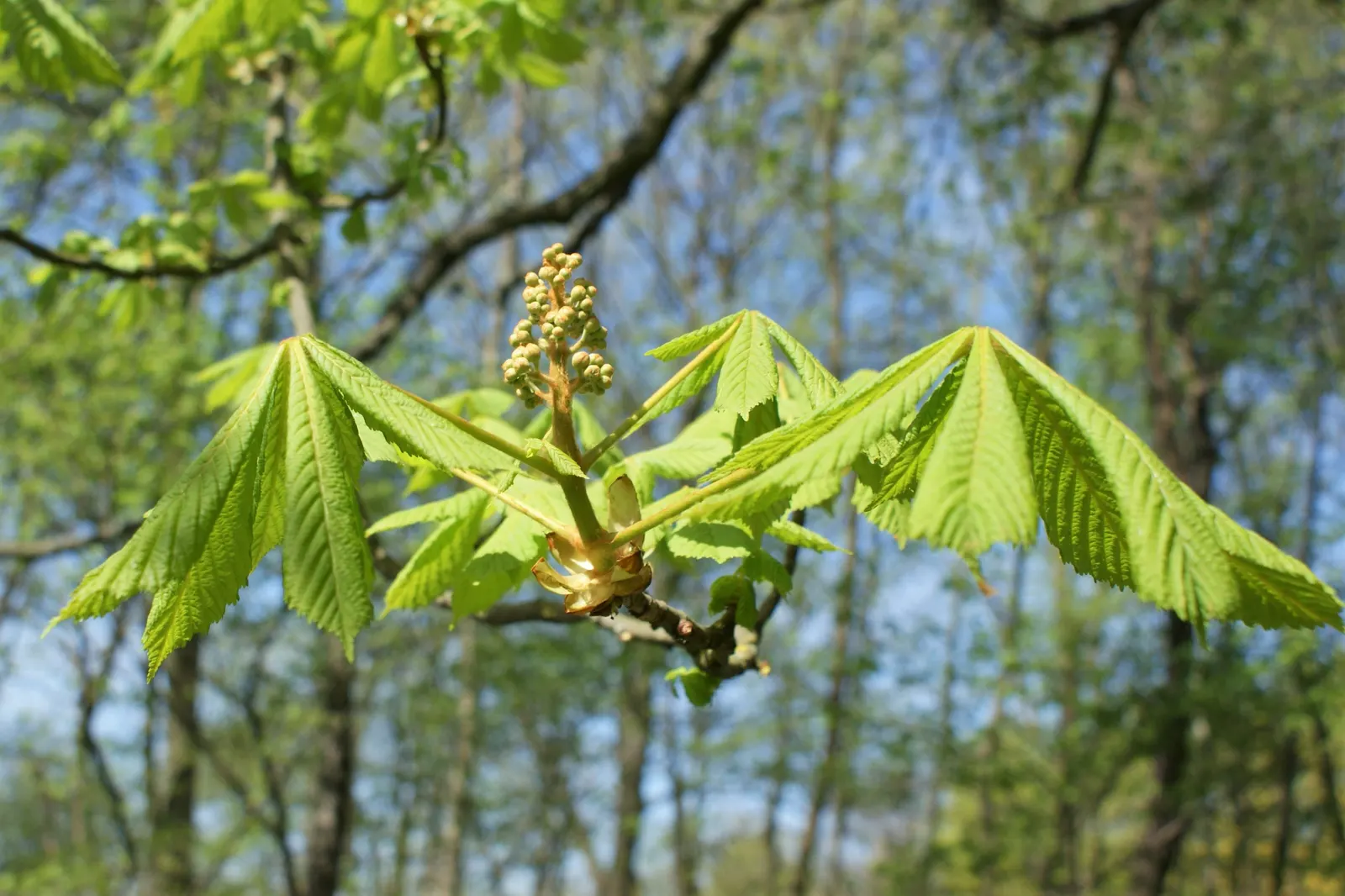
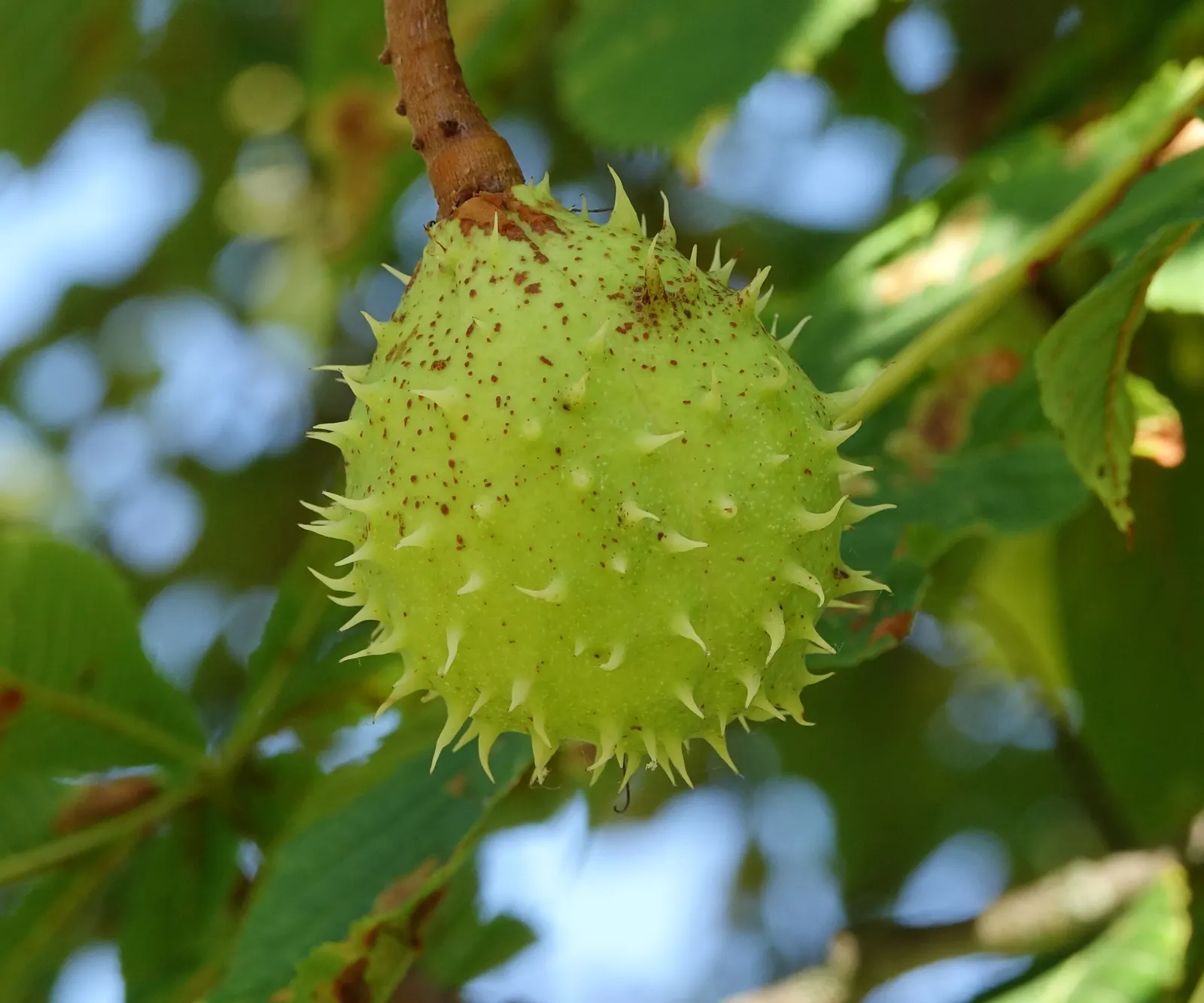
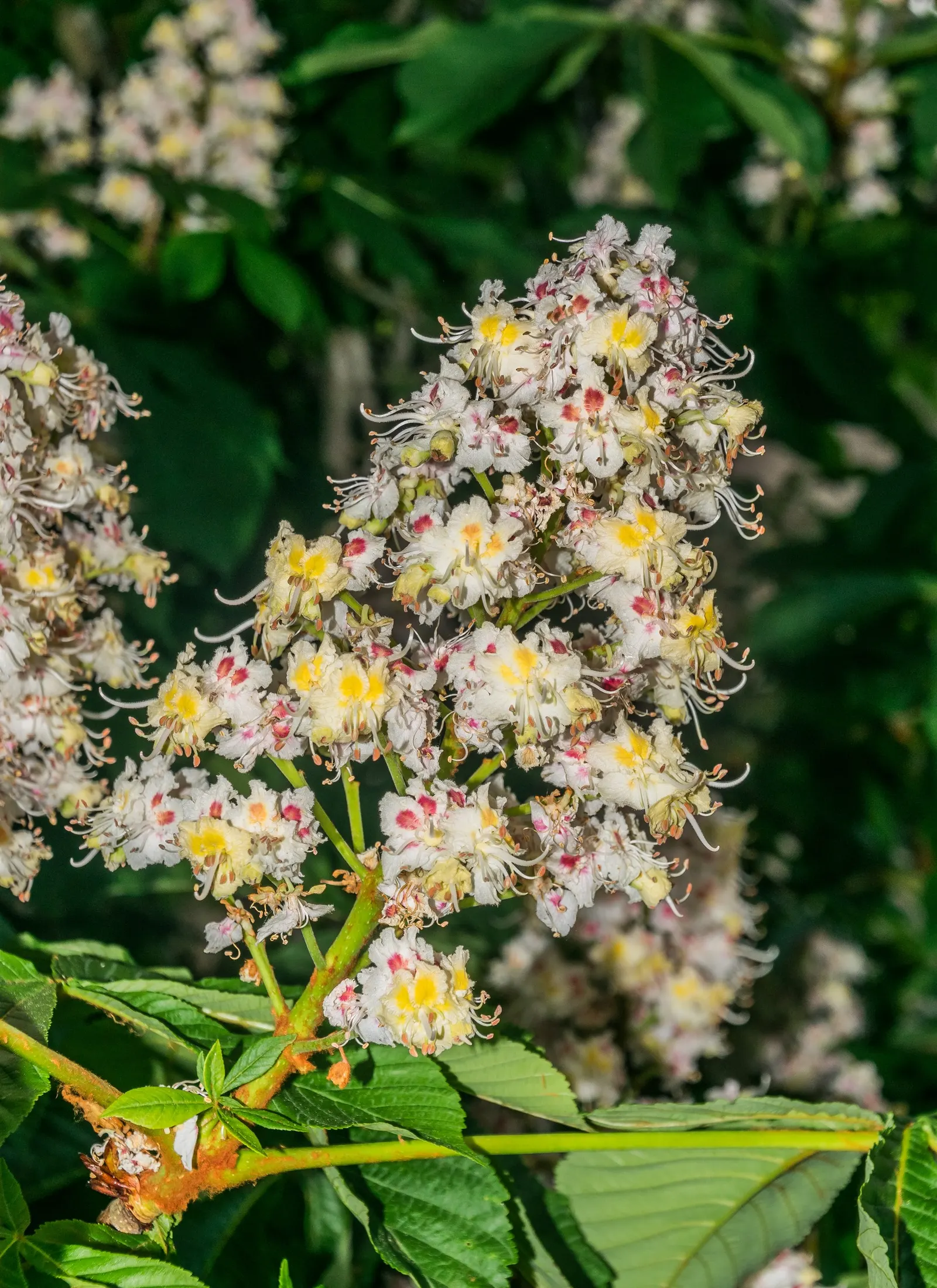
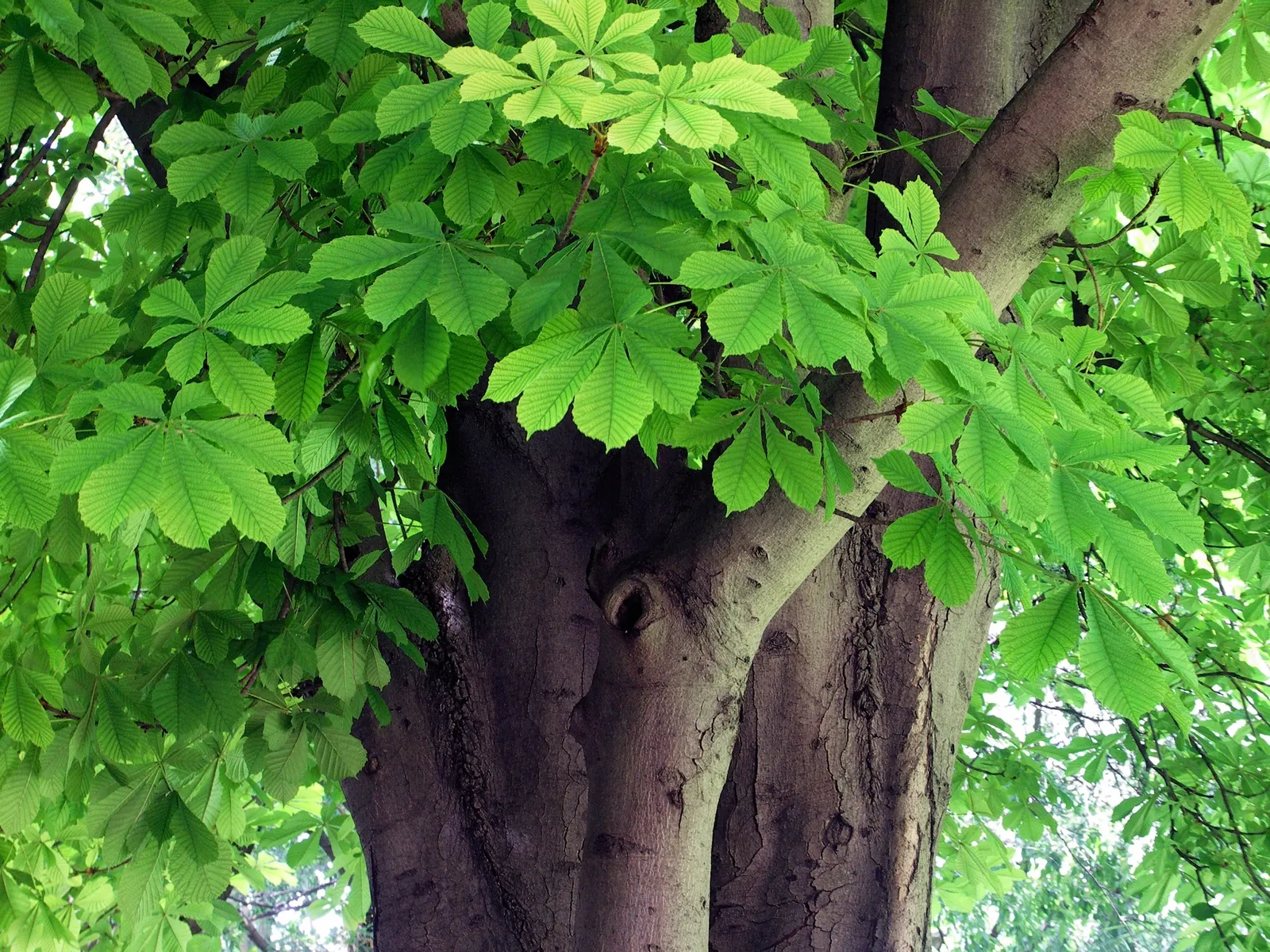
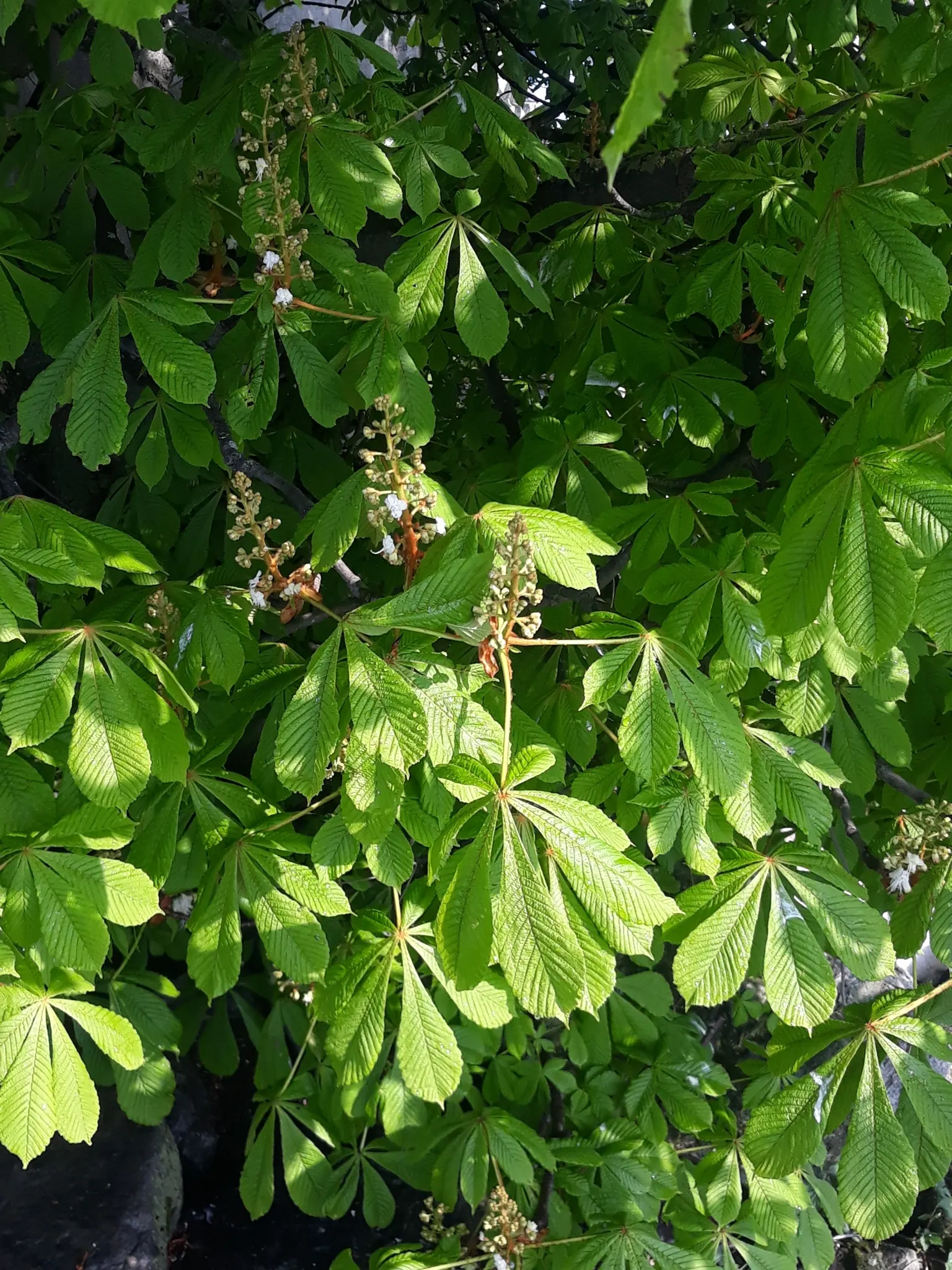
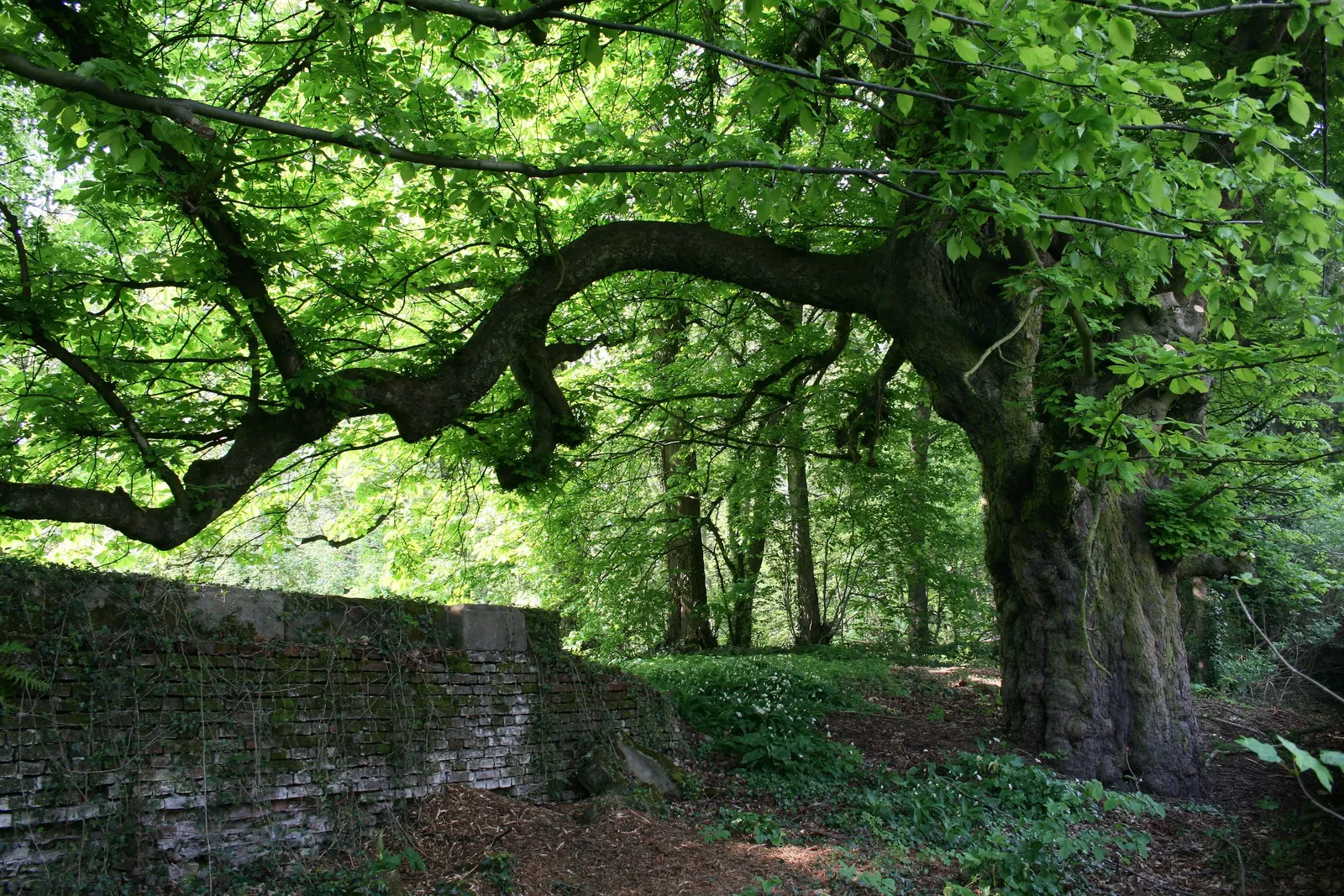
The Aesculus hippocastanum, or Common Horsechestnut, is a stately deciduous tree, valued for its broad, domed crown and robust structure. Reaching up to 50-75 feet in height with a similar spread, it's adorned with large, palmate leaves and showy, pyramid-shaped white flowers with red flecks in late spring. Thrives in zones 3-8 and prefers well-drained soils. Notable for its brown, spiky capsules containing shiny, inedible seeds called conkers.
Sun FullWater Extra in Summer, MediumZones 3–10Type TreeClimate Temperate
Culture
- Sun
- Full
- Water
- Extra in Summer, Medium
- USDA zones
- 3–10
Shape & size
- Mature height
- 50–75 Ft.
- Mature width
- 40–60 Ft.
Classification
- Type
- Tree
- Family
- Sapindaceae
- Climate
- Temperate
See full data, regional cultivation notes, and design tools. Build a client presentation around this plant.
Start your 14-day trialPhotos (98)
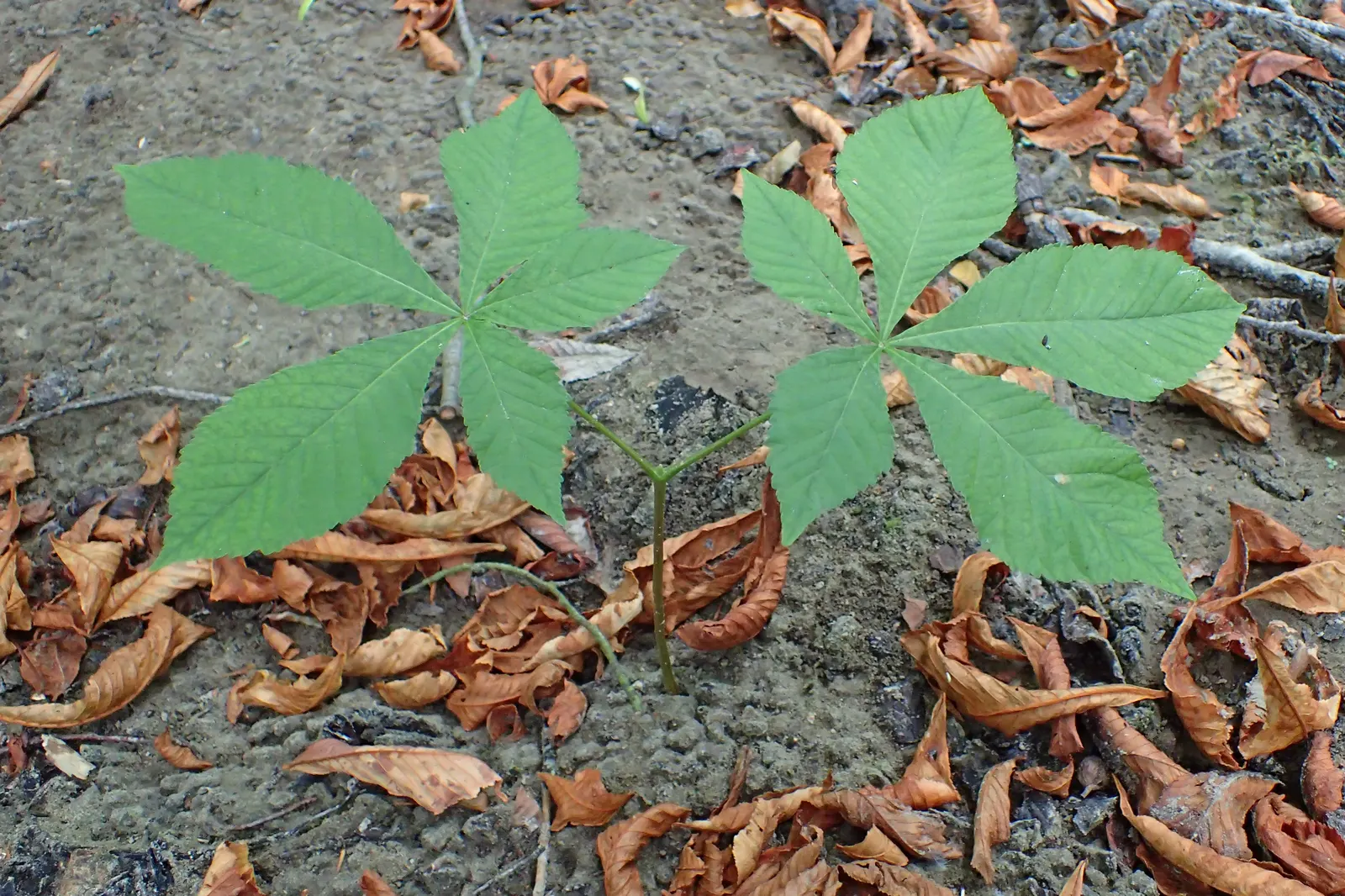
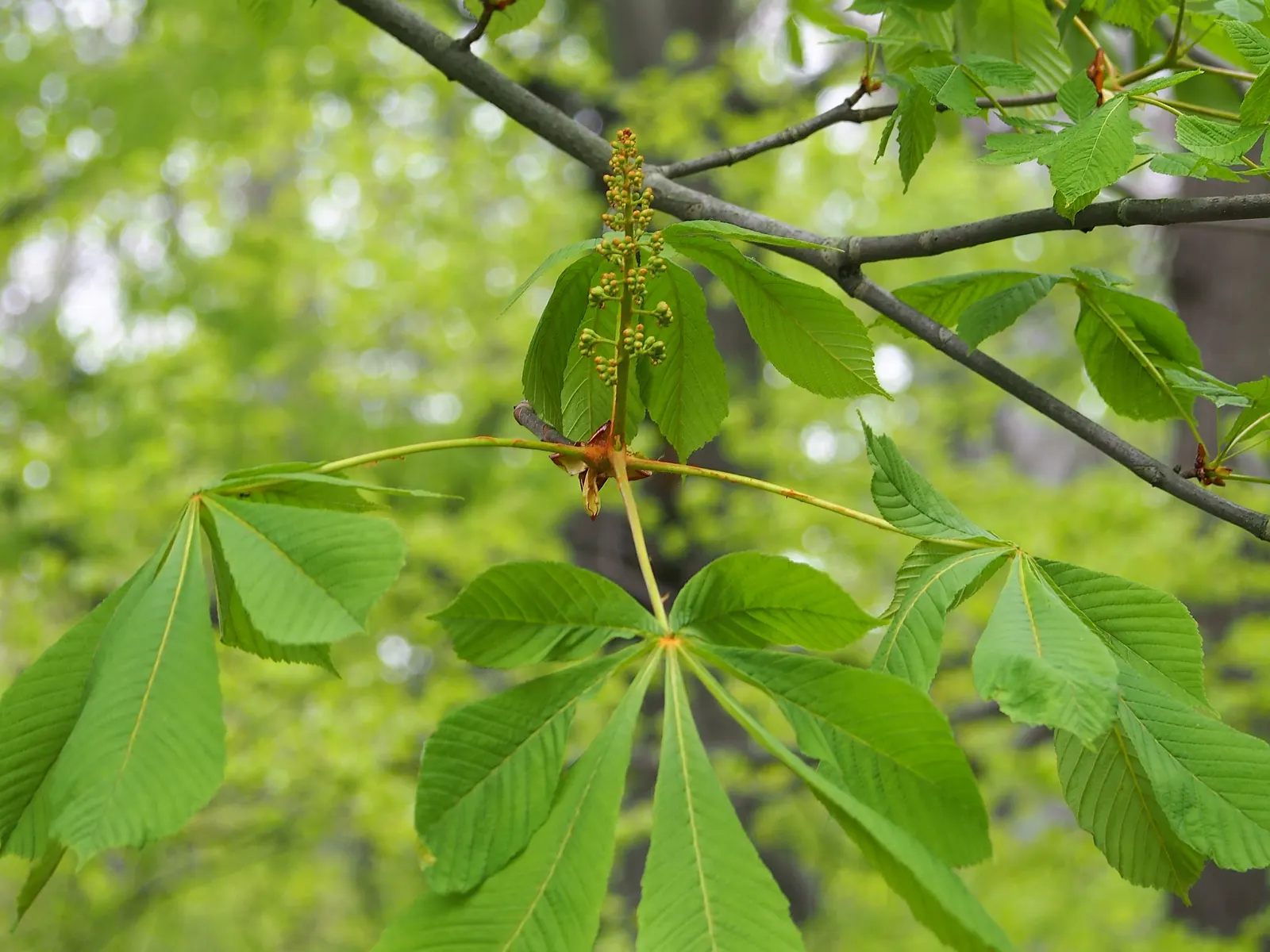
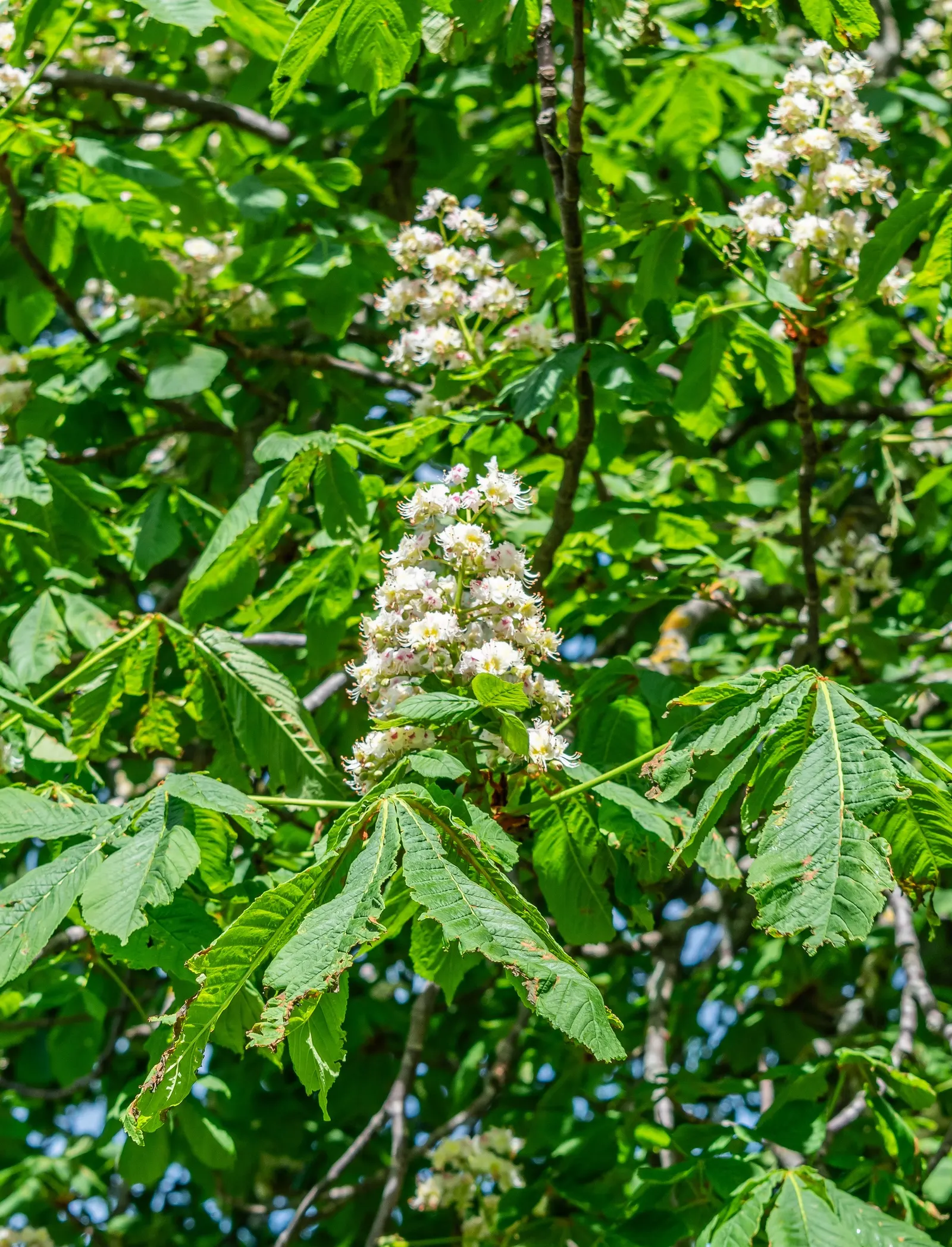
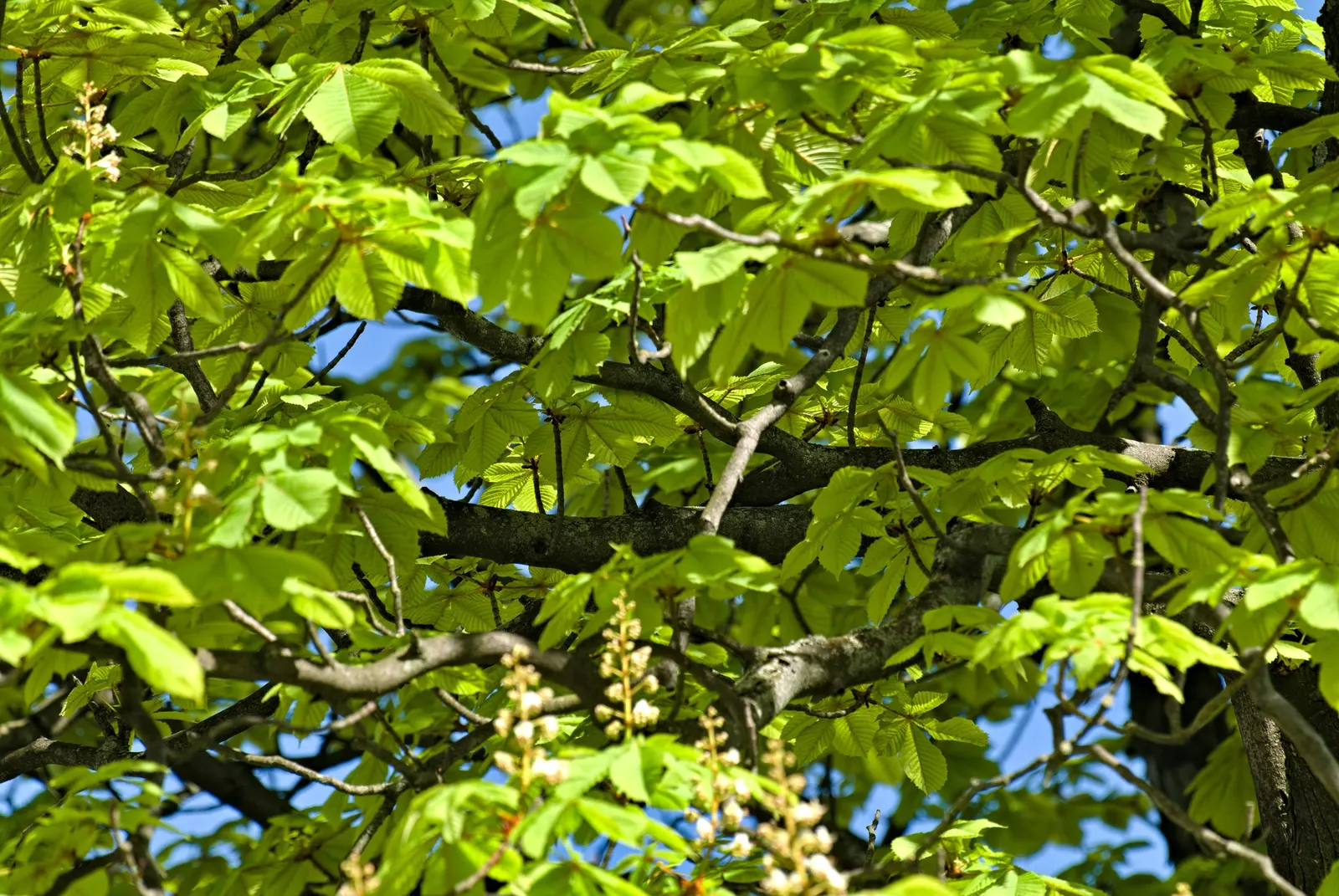
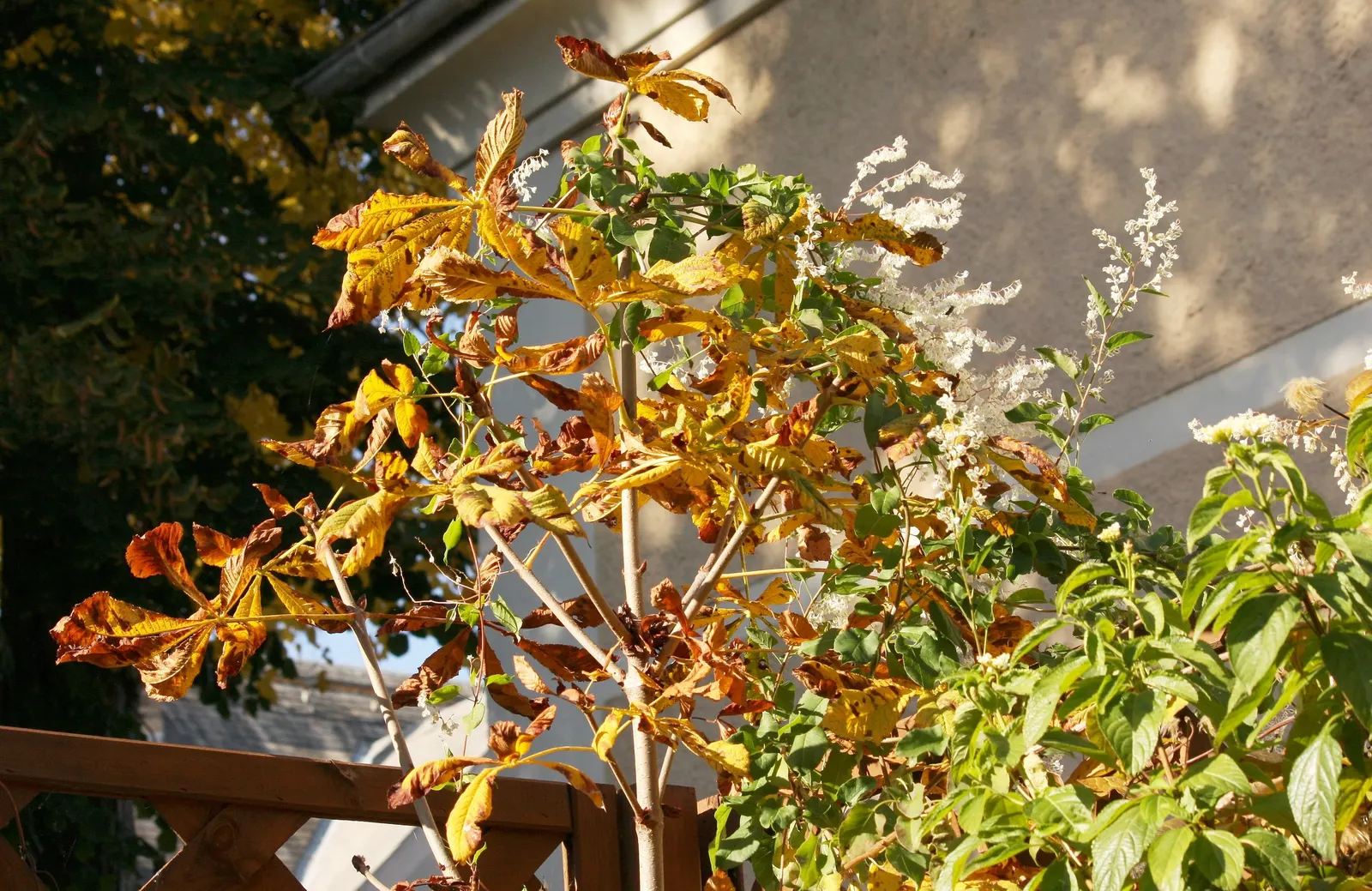
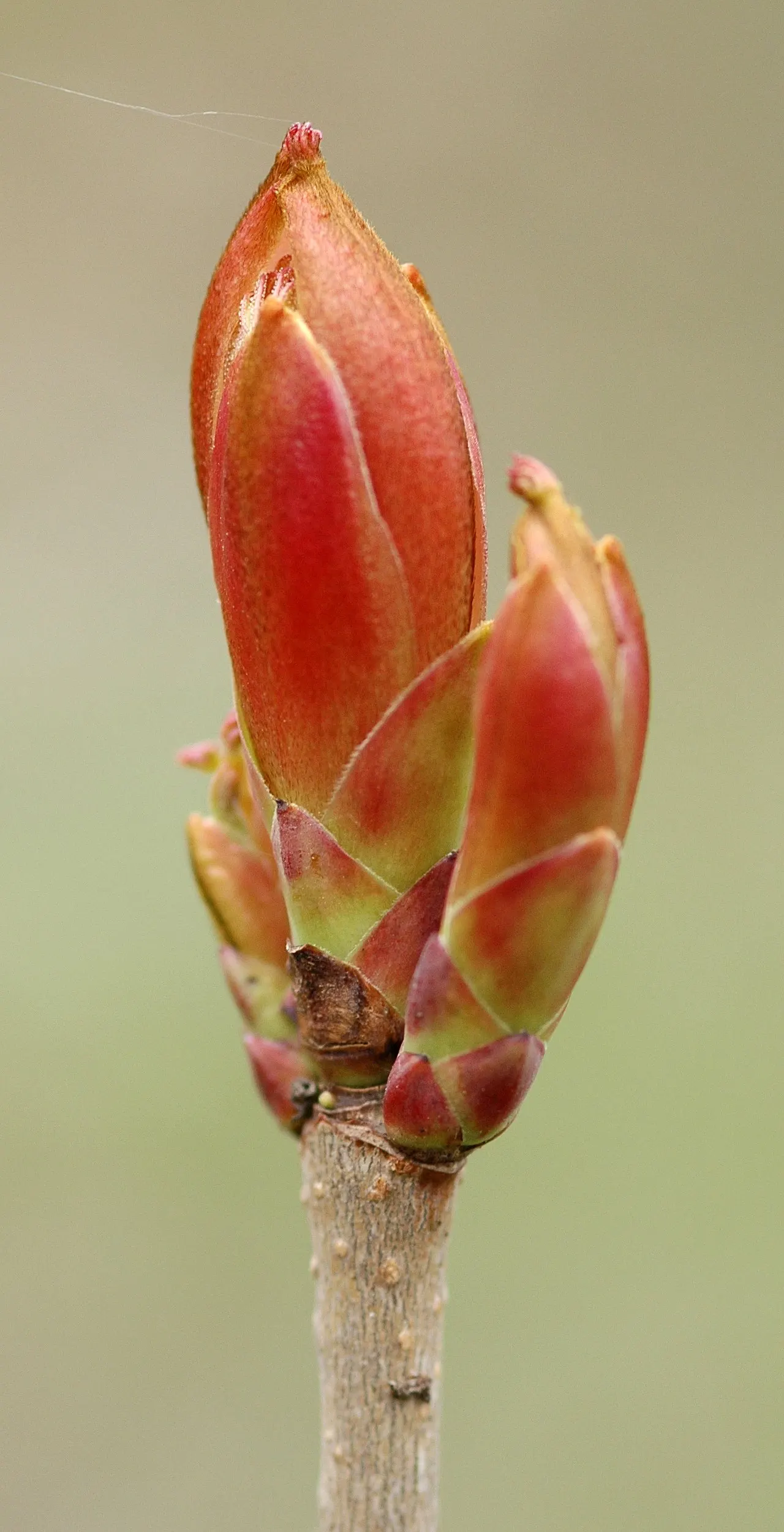
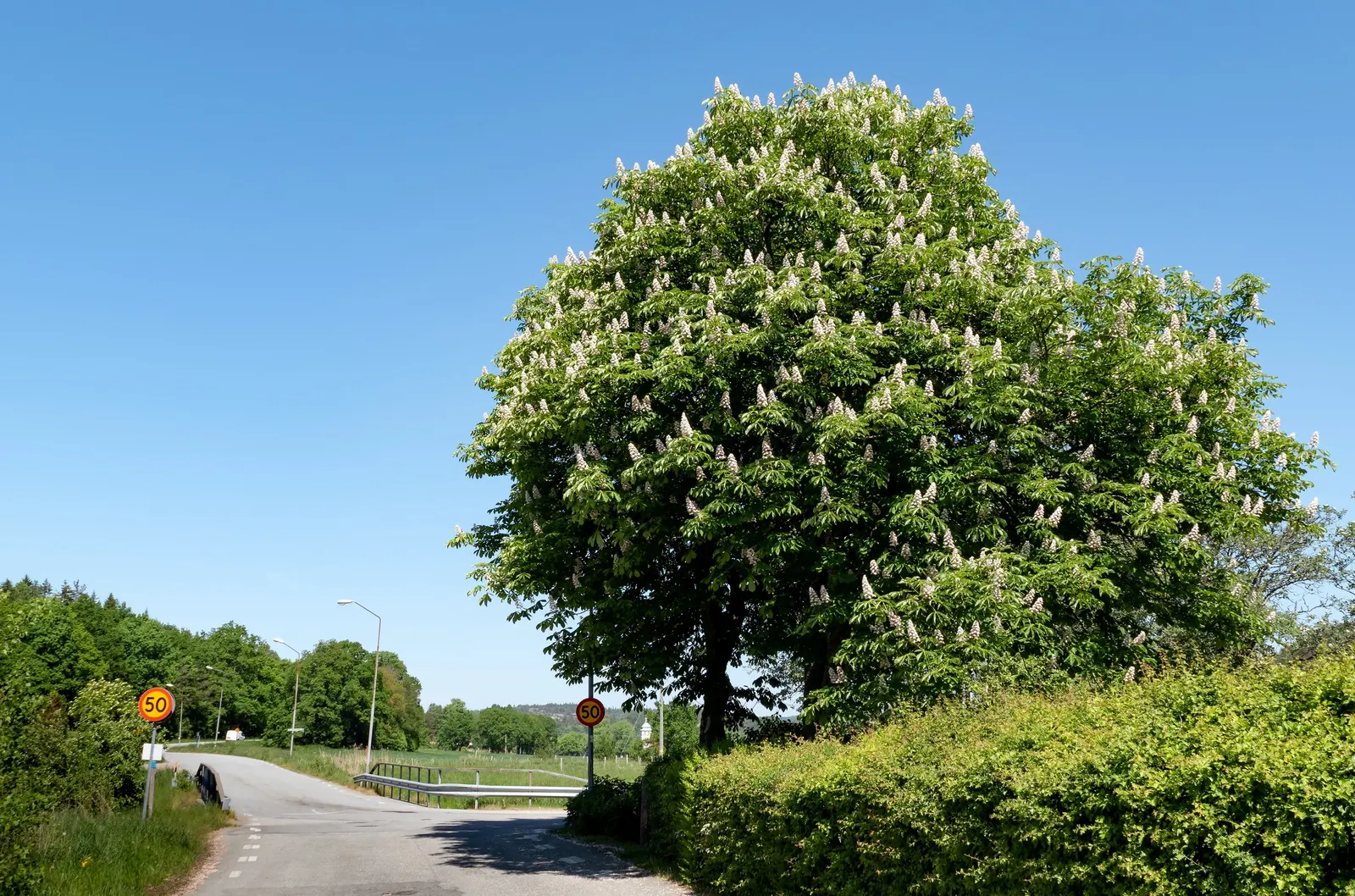
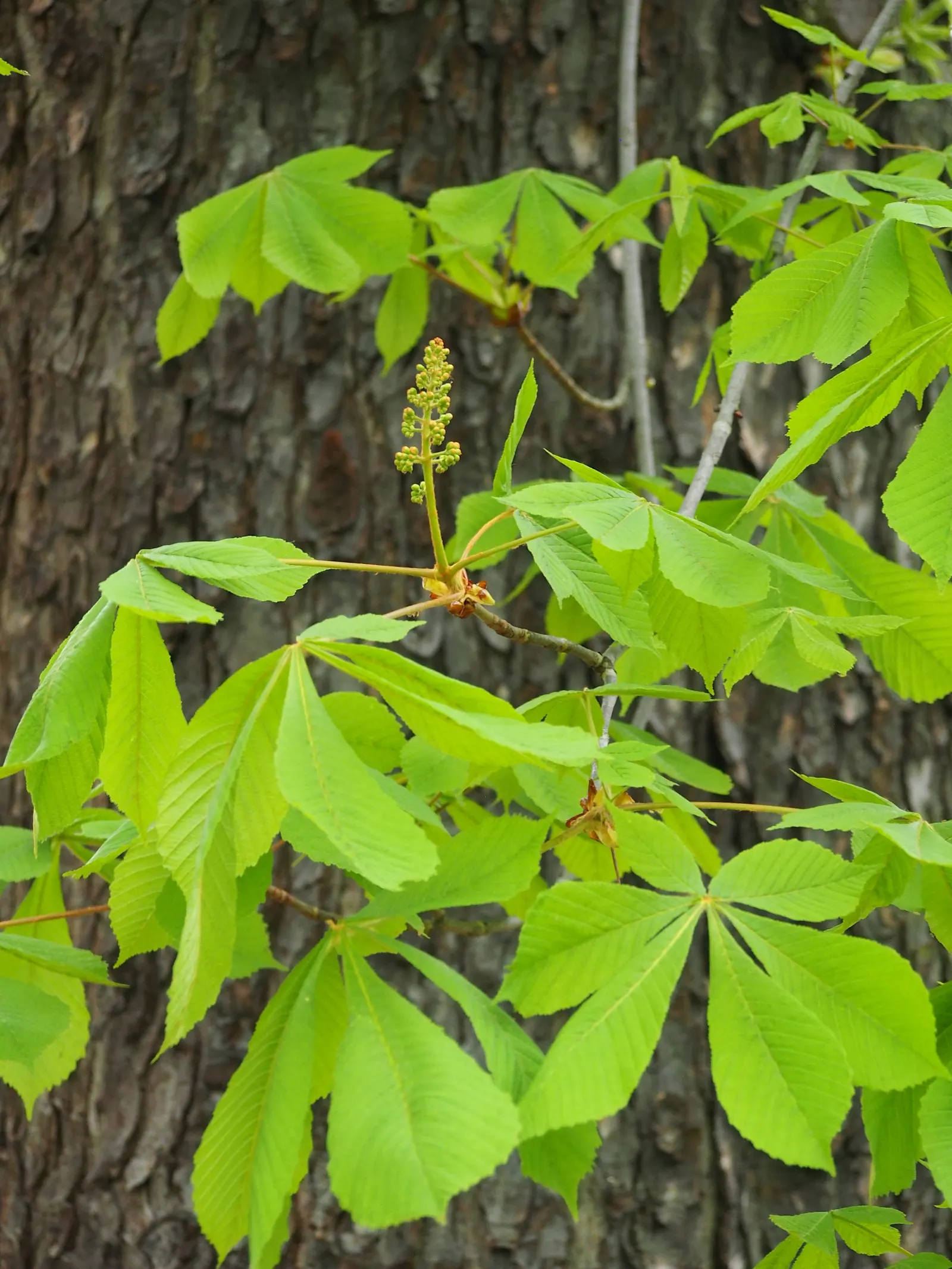
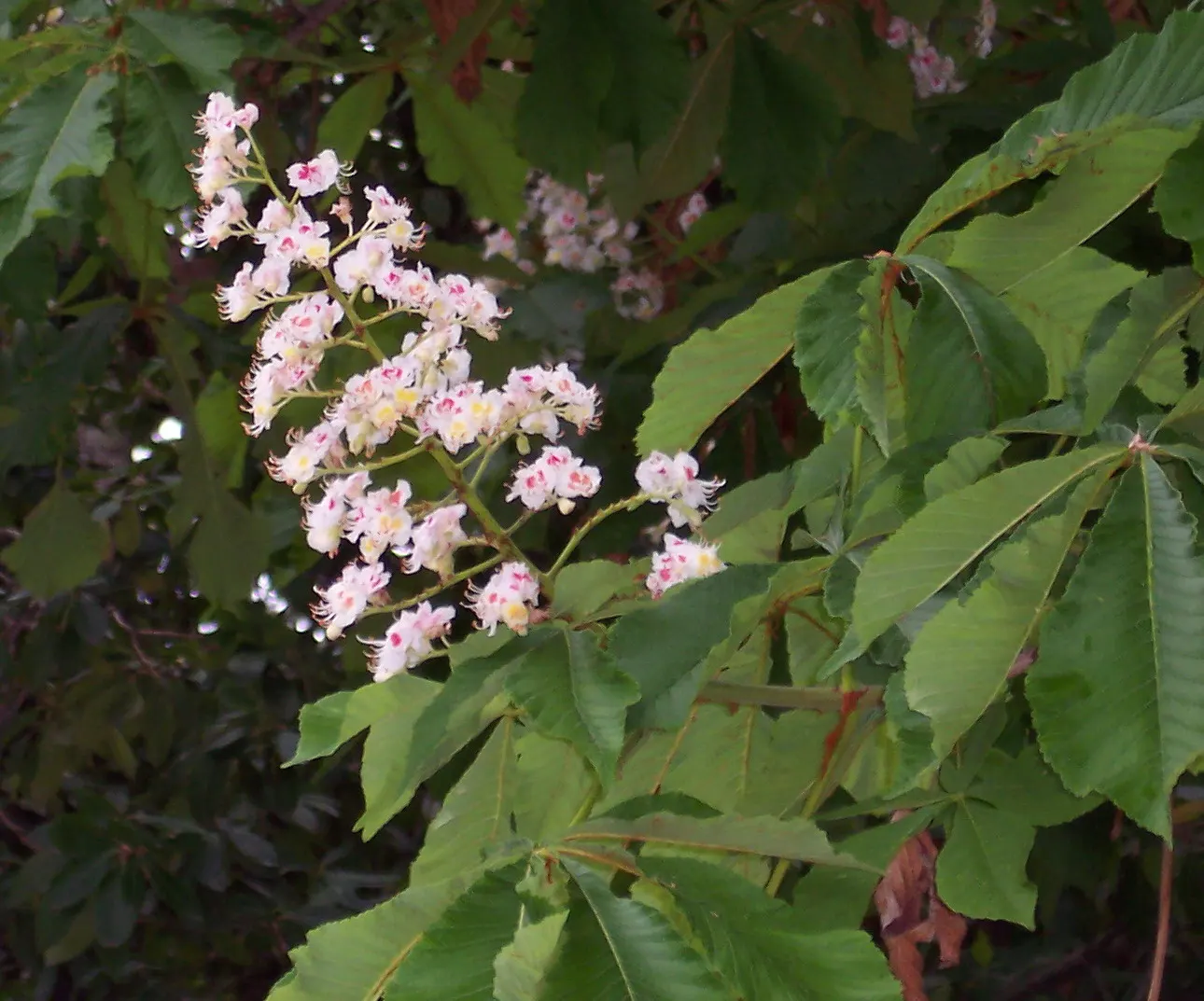
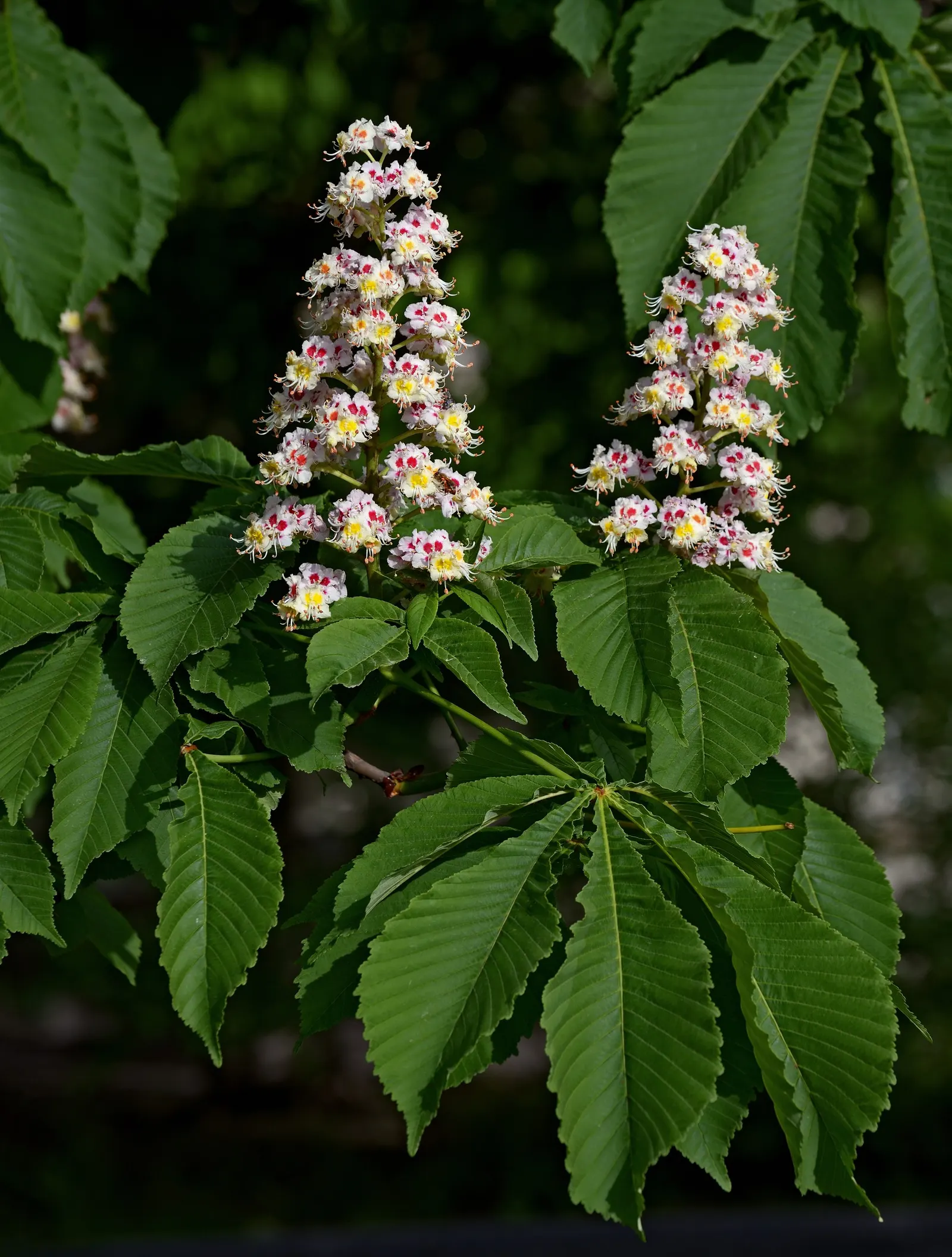
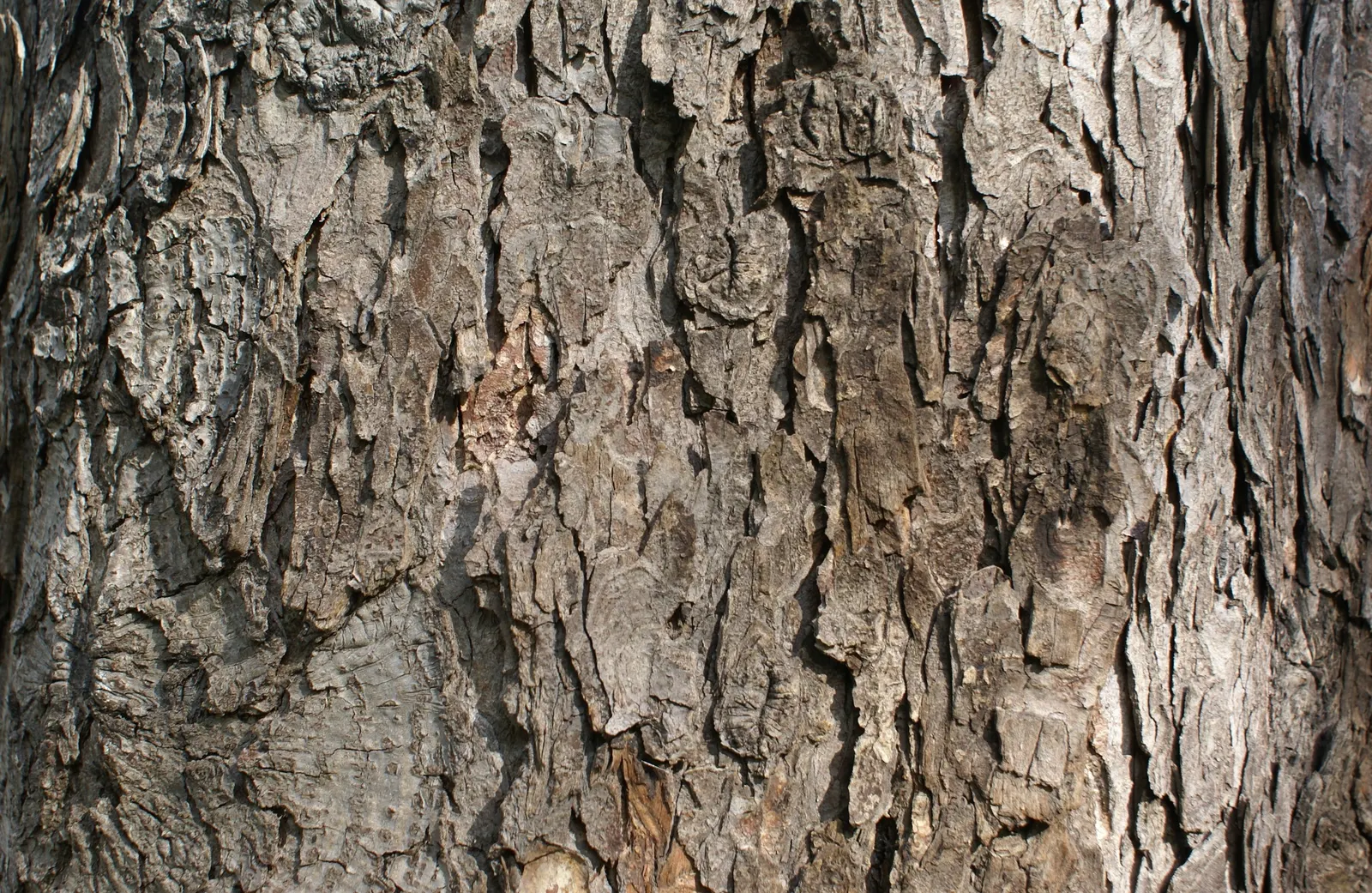

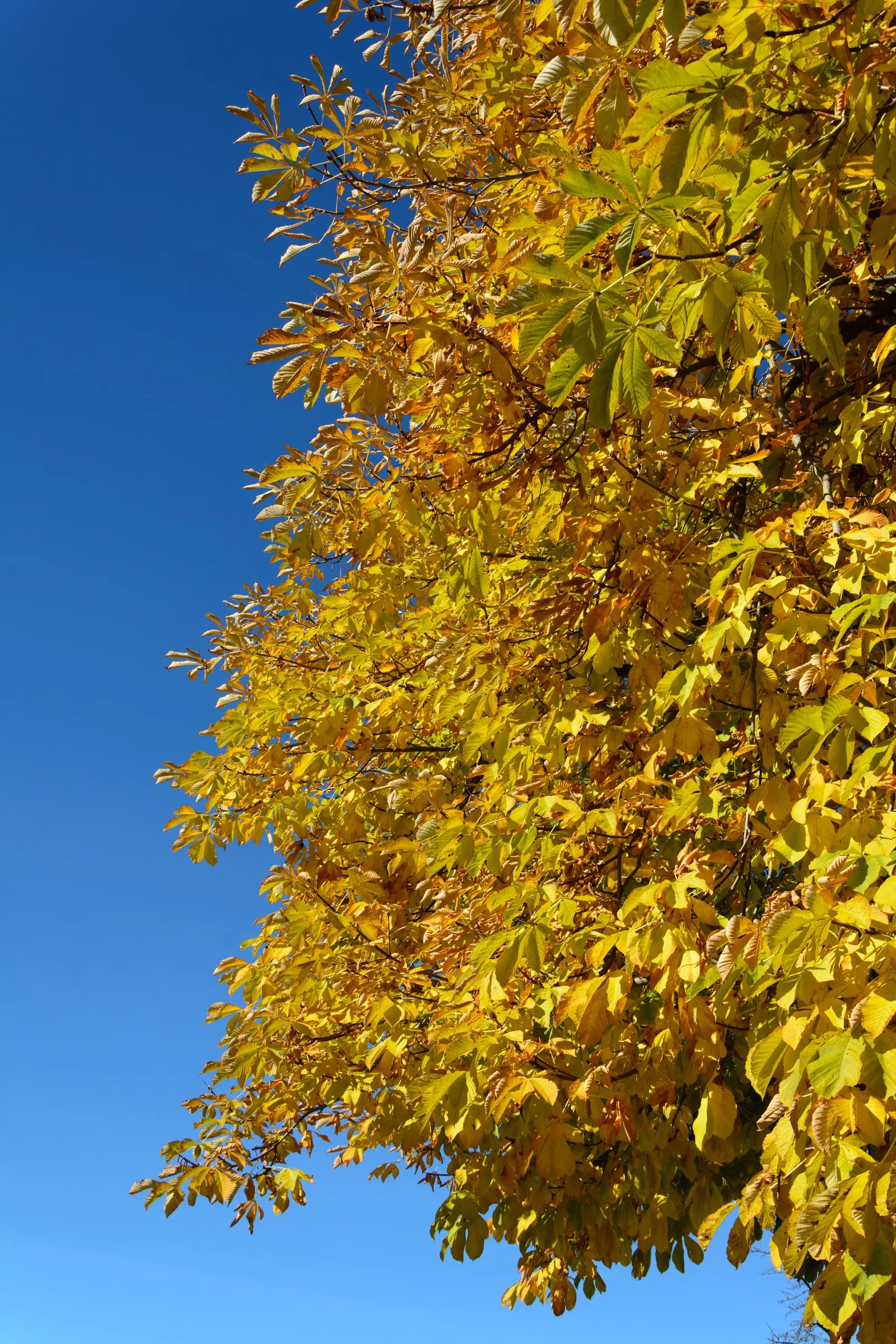


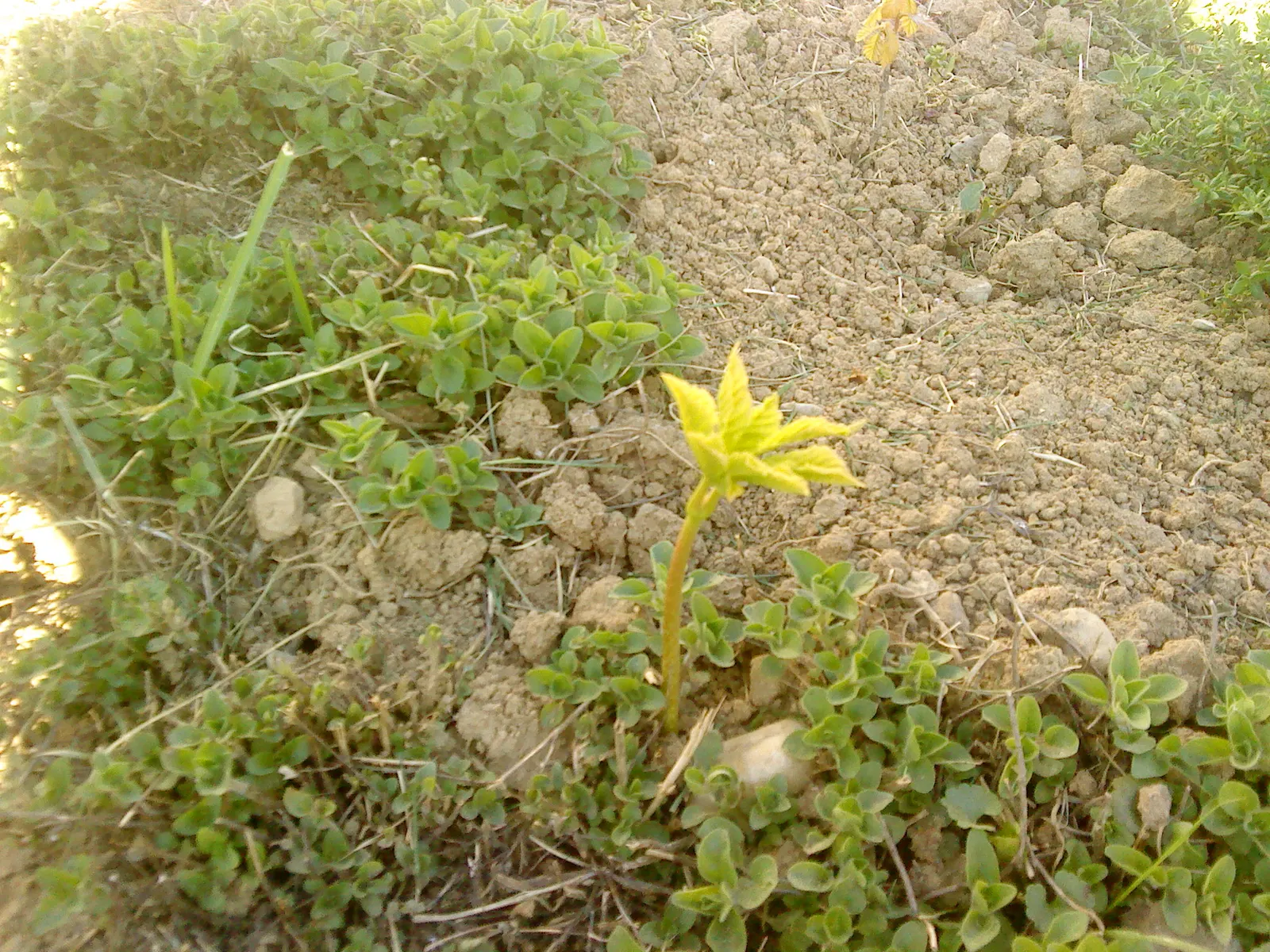
Photographs by 13 contributors
- Krzysztof Ziarnek, Kenraiz, CC BY-SA 4.0 · source
- Agnieszka Kwiecień, Nova, CC BY-SA 4.0 · source
- Tournasol7, CC BY 4.0 · source
- Maja Dumat from Deutschland (Germany), CC BY 2.0 · source
- A. Barra, CC BY 3.0 · source
- Ввласенко, CC BY-SA 3.0 · source
- TOMMES-WIKI, CC BY 3.0 · source
- Uoaei1, CC BY-SA 4.0 · source
- Gzen92, CC BY-SA 4.0 · source
- Krzysztof Golik, CC BY-SA 4.0 · source
- Alvesgaspar, CC BY 2.5 · source
- Karim Haddad, CC BY 4.0 · source
- Jean-Pol GRANDMONT, CC BY 3.0 · source
Related plants

Shrub
Amur Maple
Acer Ginnala
FullUSDA 5–7

Tree
Autumn Blaze Maple
Acer X Freemanii 'Autumn Blaze'
FullUSDA 3–9
Tree
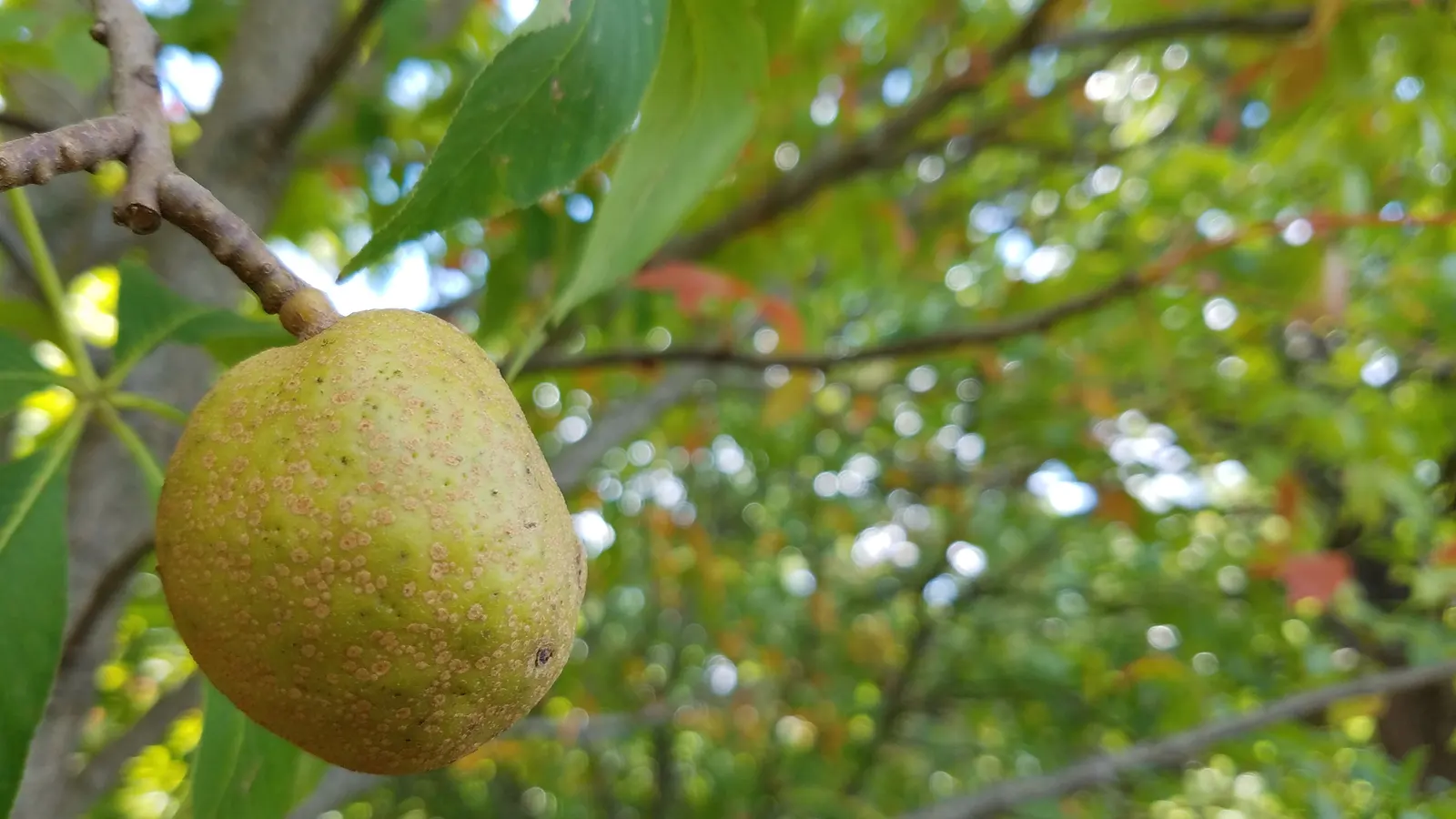
Autumn Splendor Buckeye
Aesculus X Arnoldiana 'Autumn Splendor'
FullUSDA 4–9
Tree
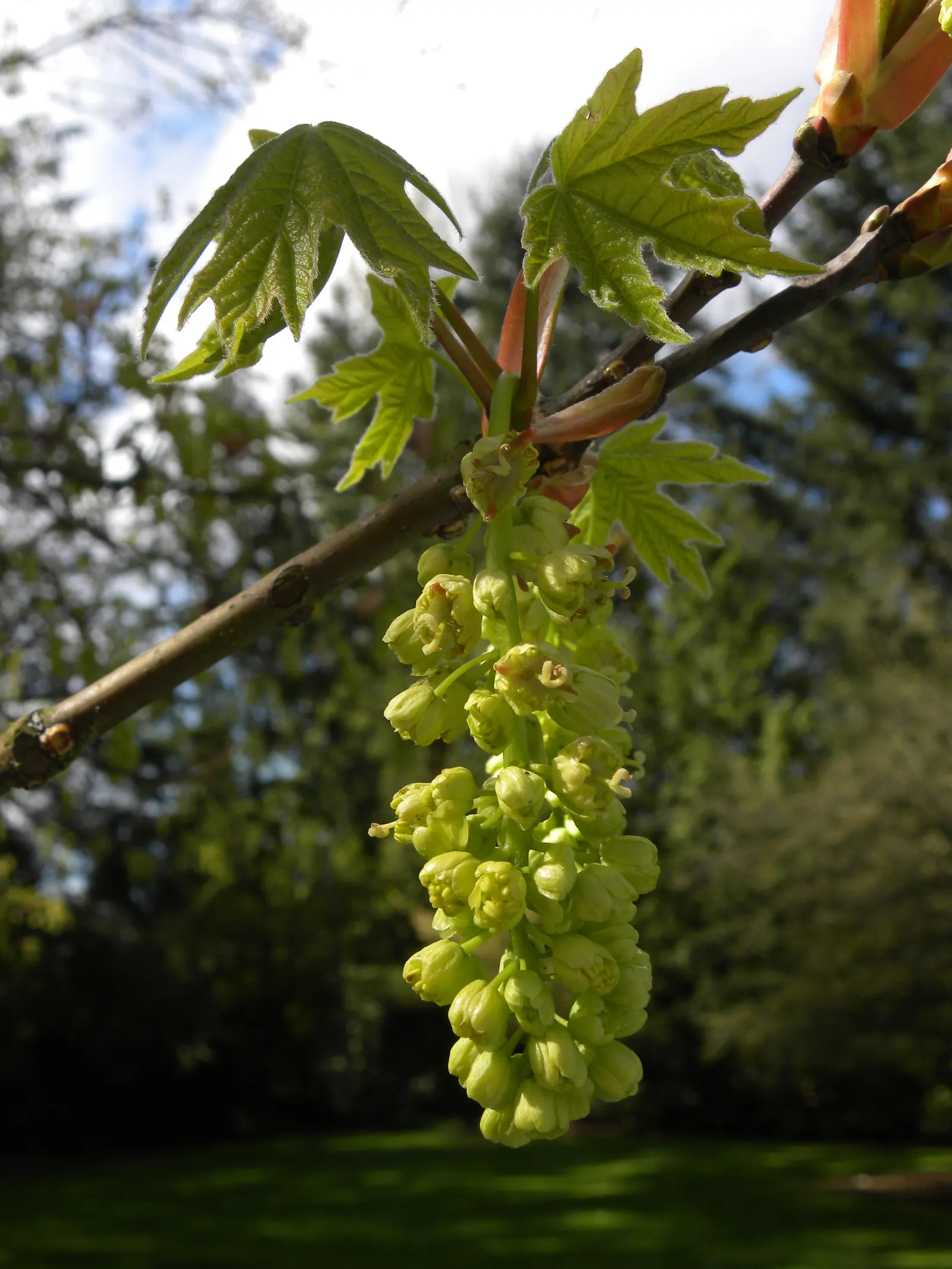
Bigleaf Maple
Acer Macrophyllum
FullUSDA 3–10
Tree
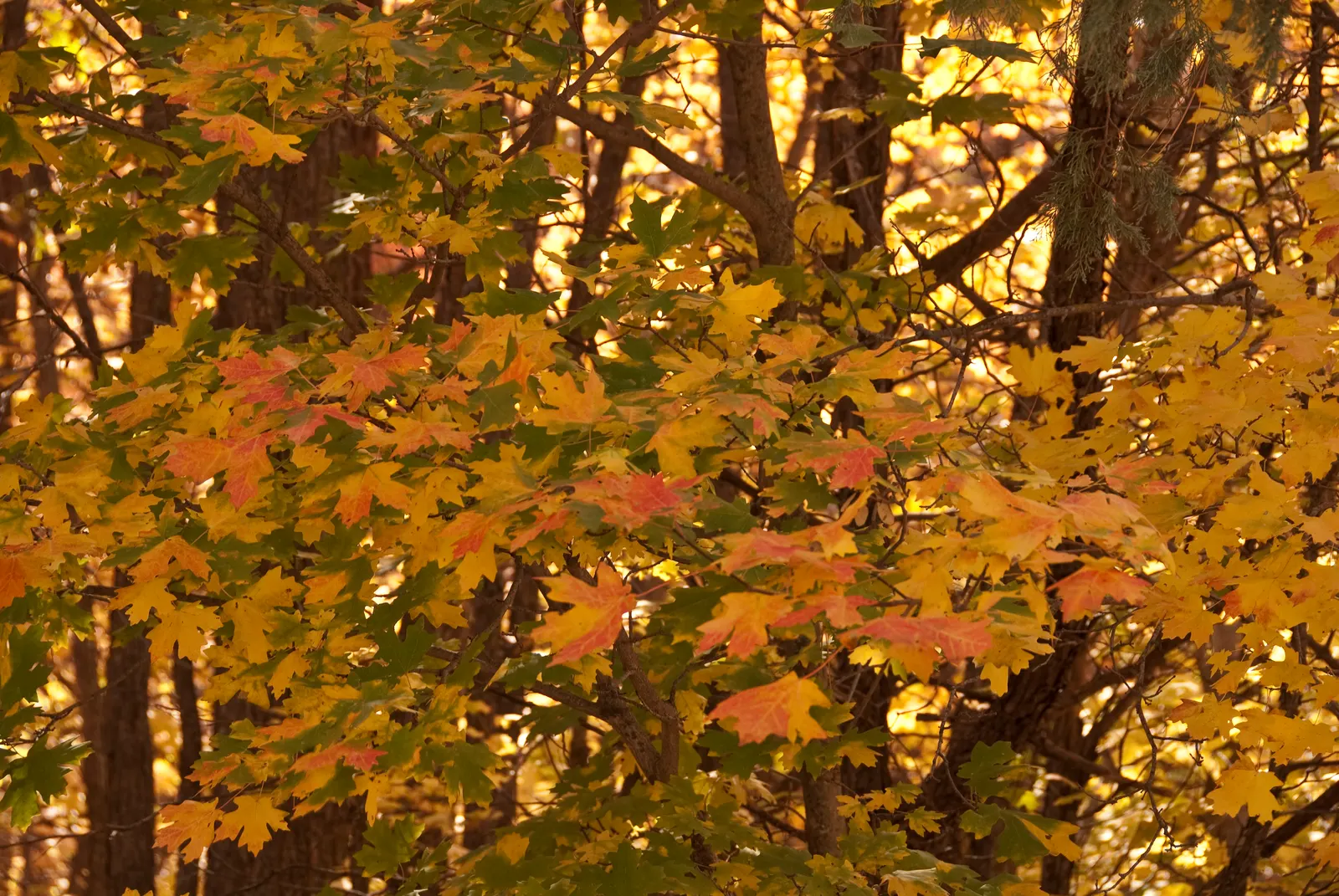
Bigtooth Maple
Acer Grandidentatum
FullUSDA 3–10
Tree
Black Maple
Acer Saccharum Subsp. Nigrum
FullUSDA 4–8