
Zexmenia
Zexmenia Hispida
Overview
Zexmenia hispida, commonly known as Zexmenia, is a drought-tolerant perennial boasting vibrant yellow-orange daisy-like flowers. Native to the southern US and Mexico, it thrives in well-drained soils and full sun. Typically growing to 1-2 feet tall and wide, this hardy plant blooms from late spring to early fall, attracting butterflies and pollinators. Ideal for xeriscaping or as a border specimen, it adds both color and resilience to the landscape.
Sun FullWater Very LowZones 8–11Type Perennial
Culture
- Sun
- Full
- Water
- Very Low
- USDA zones
- 8–11
Shape & size
Classification
- Type
- Perennial
- Family
- Asteraceae
See full data, regional cultivation notes, and design tools. Build a client presentation around this plant.
Start your 14-day trialPhotos (34)
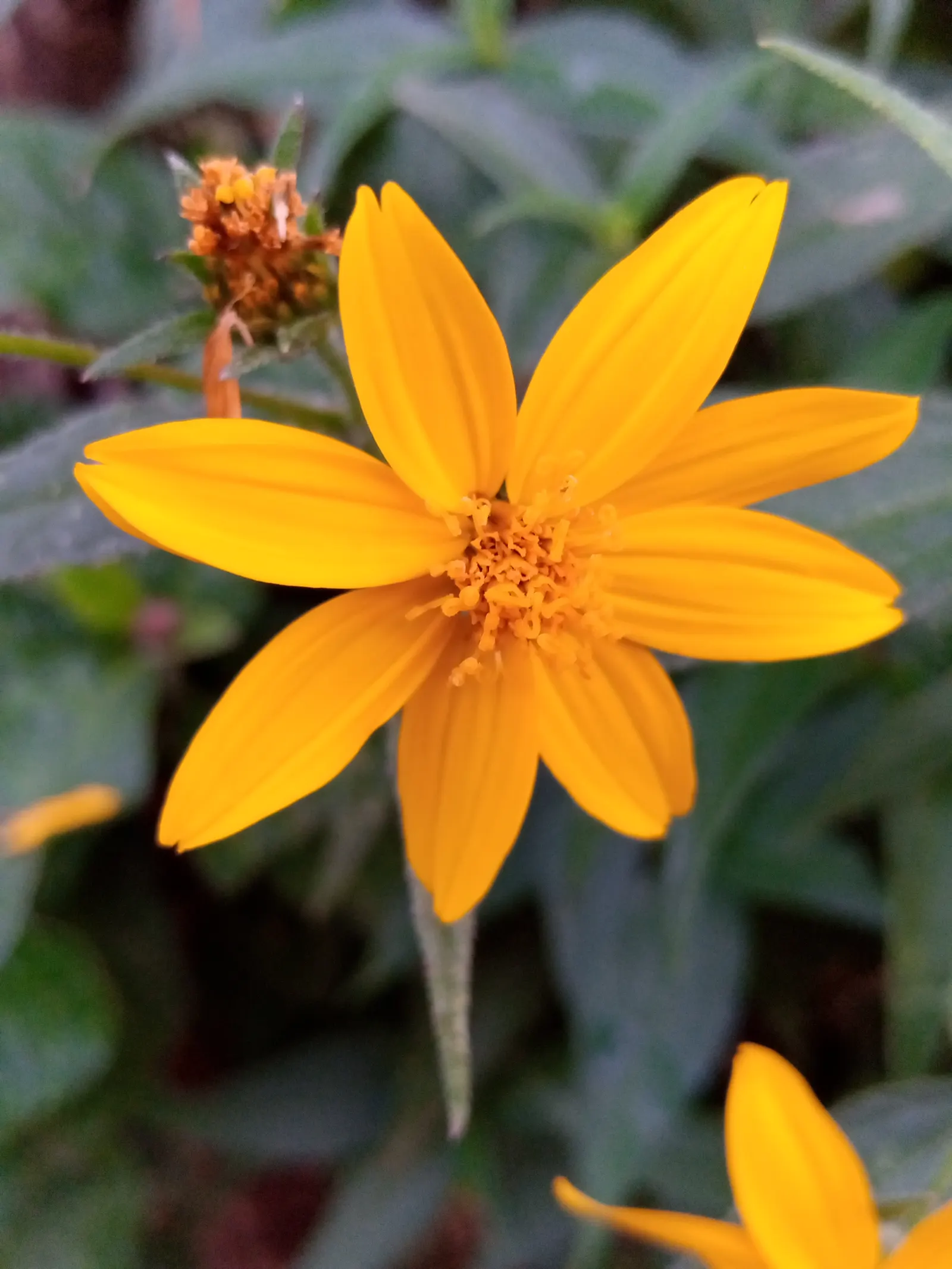
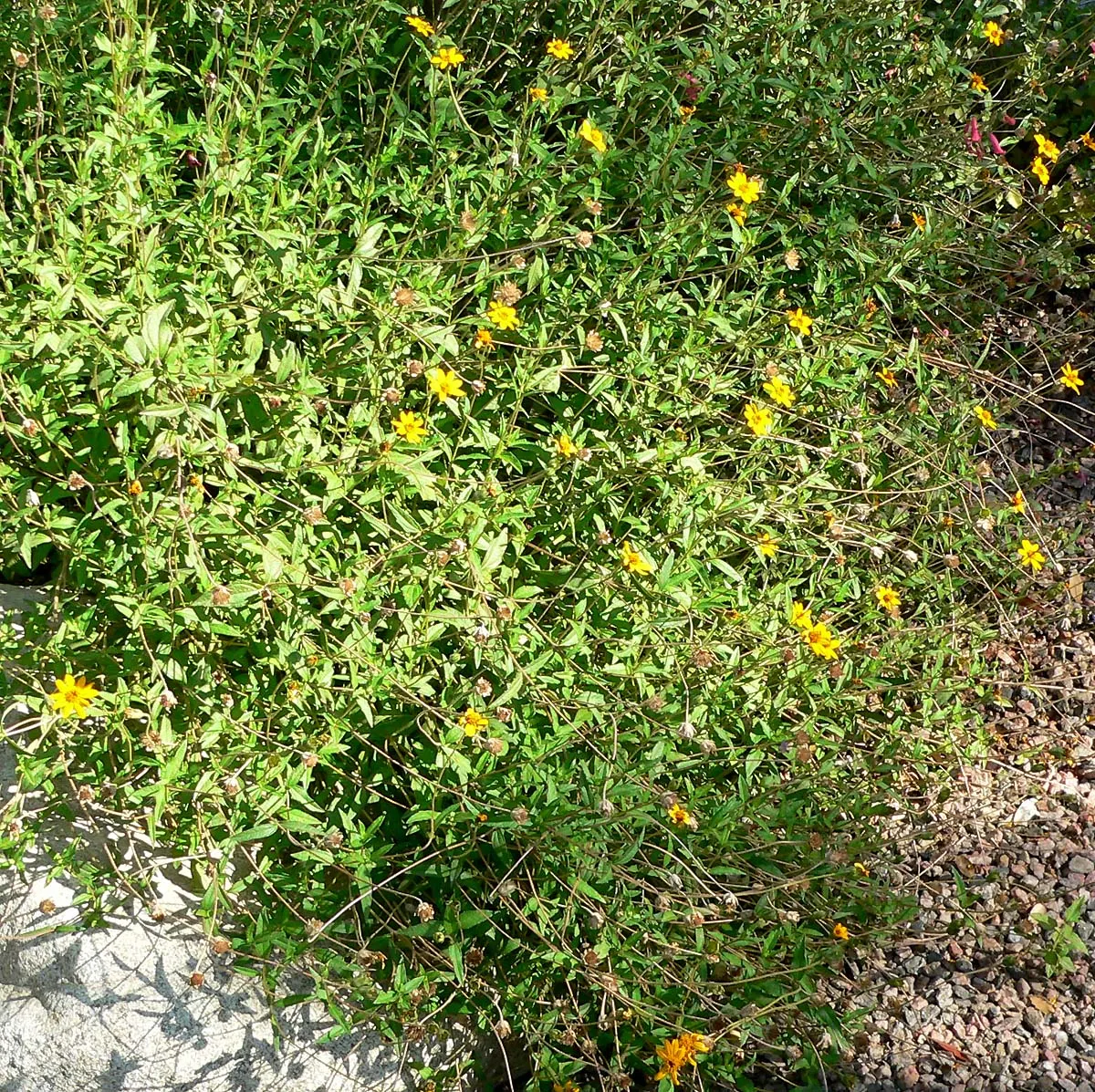
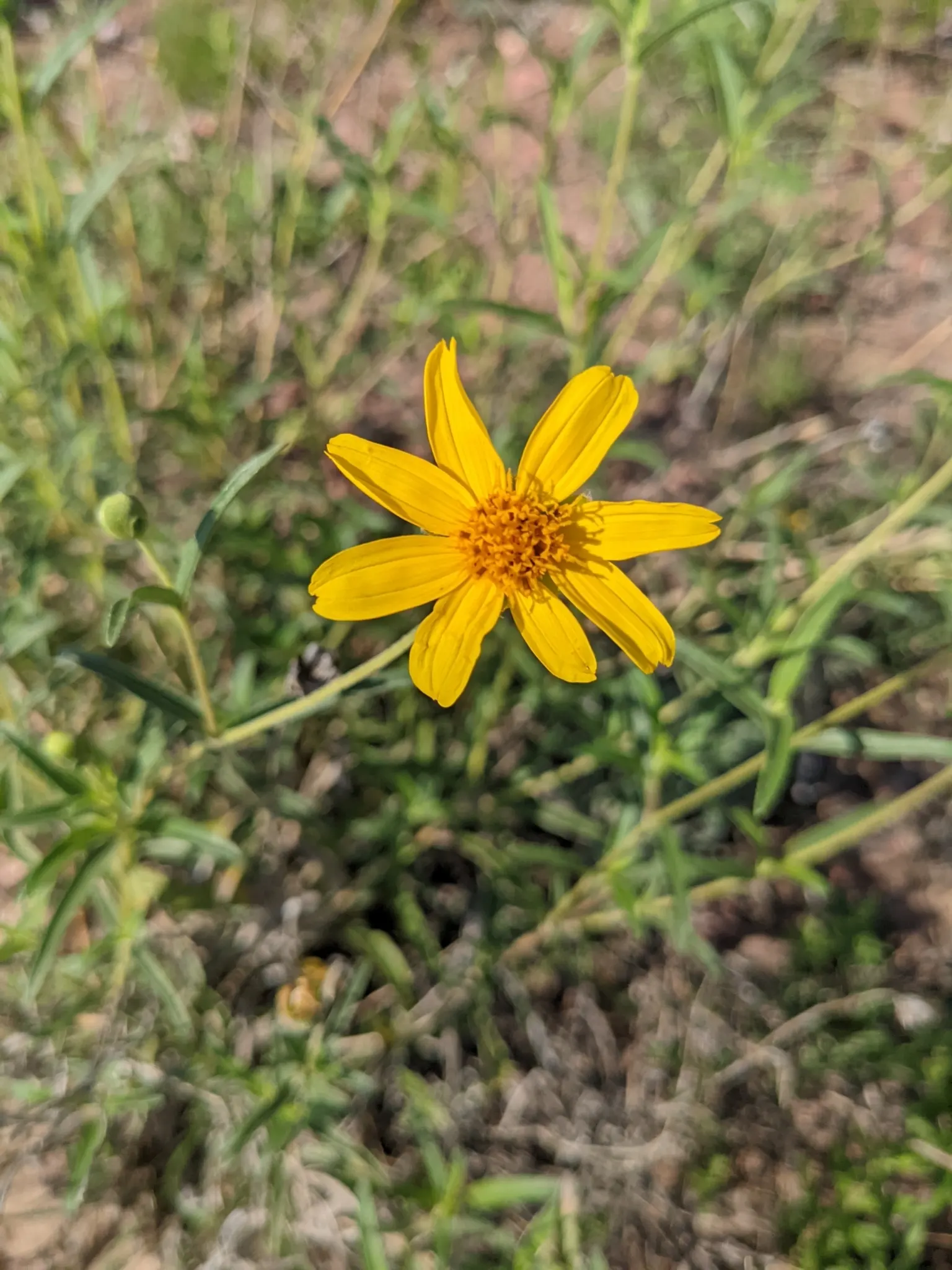
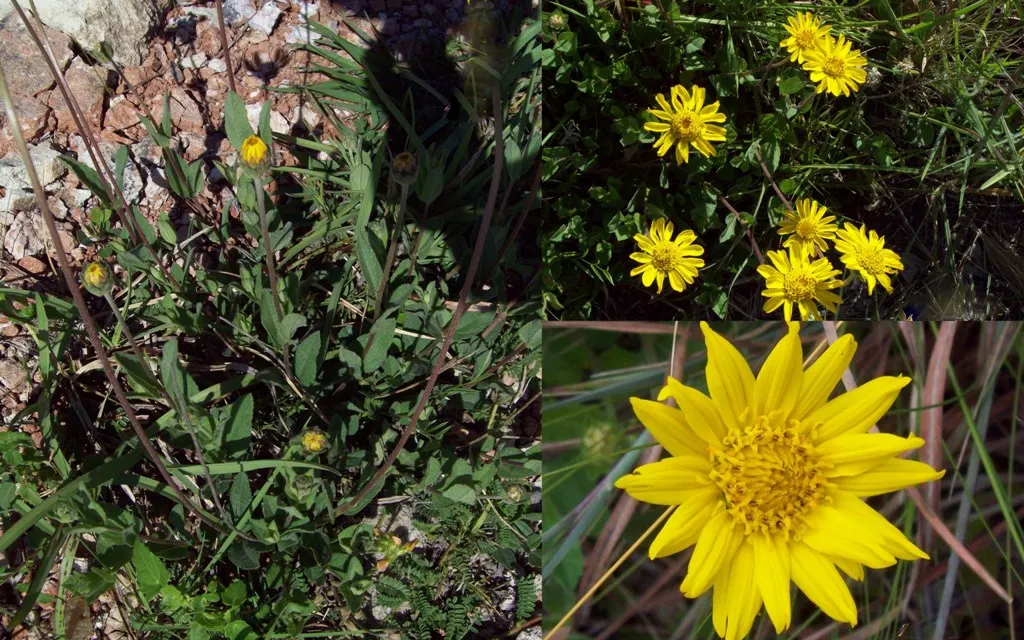
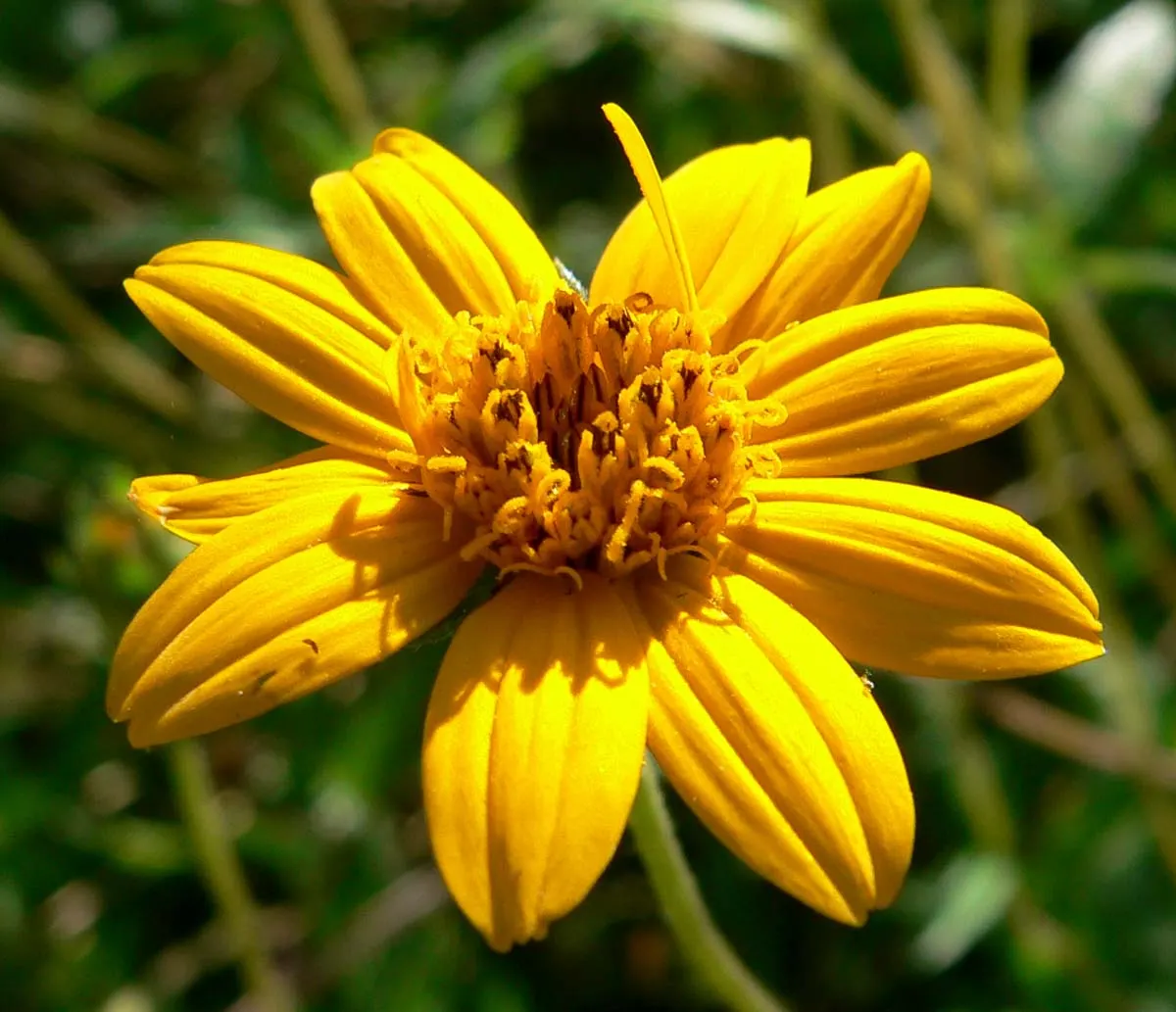

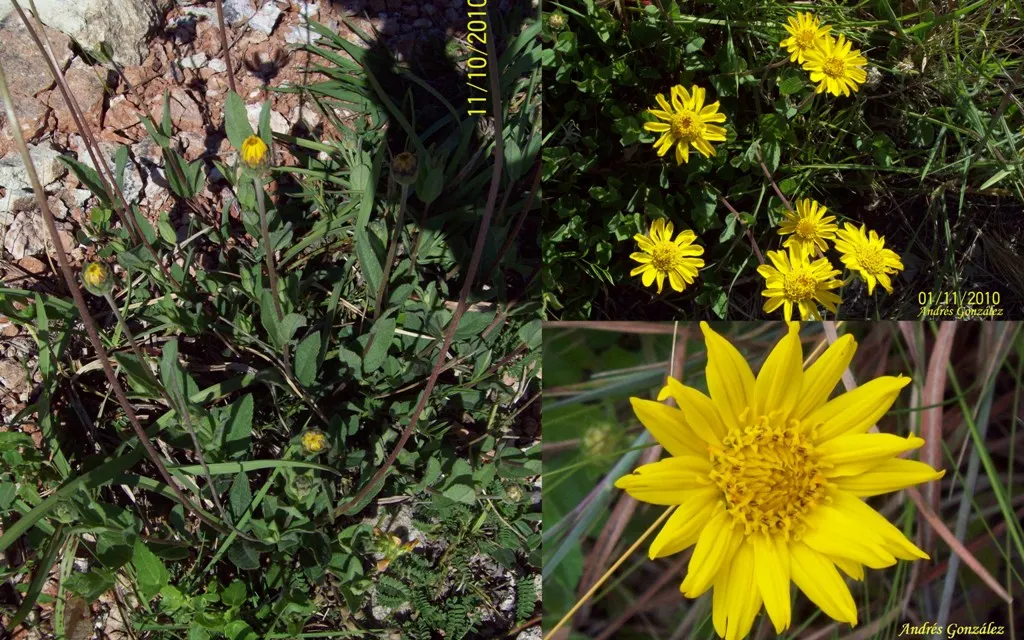
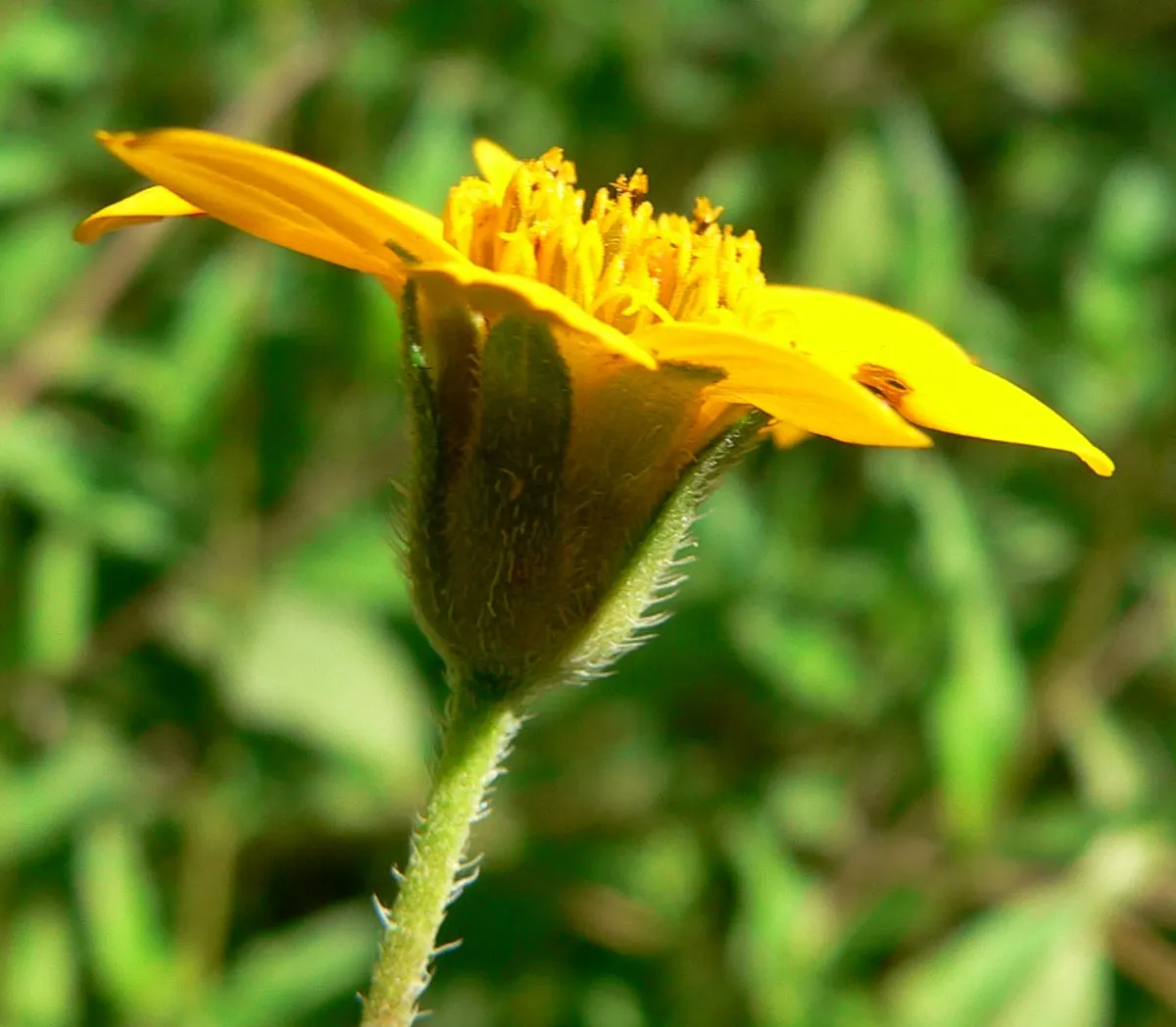
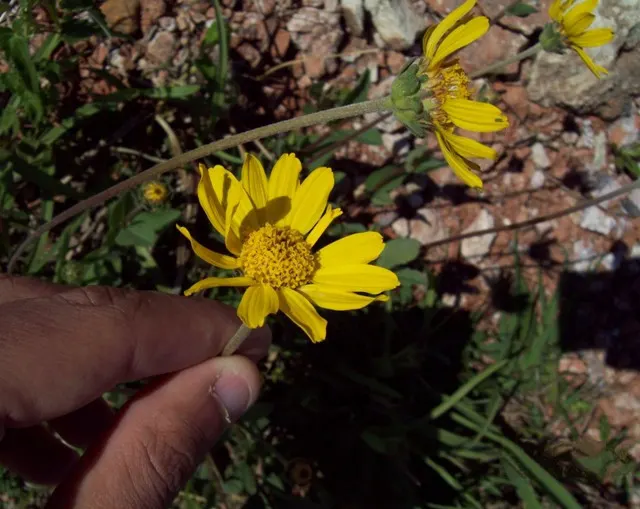

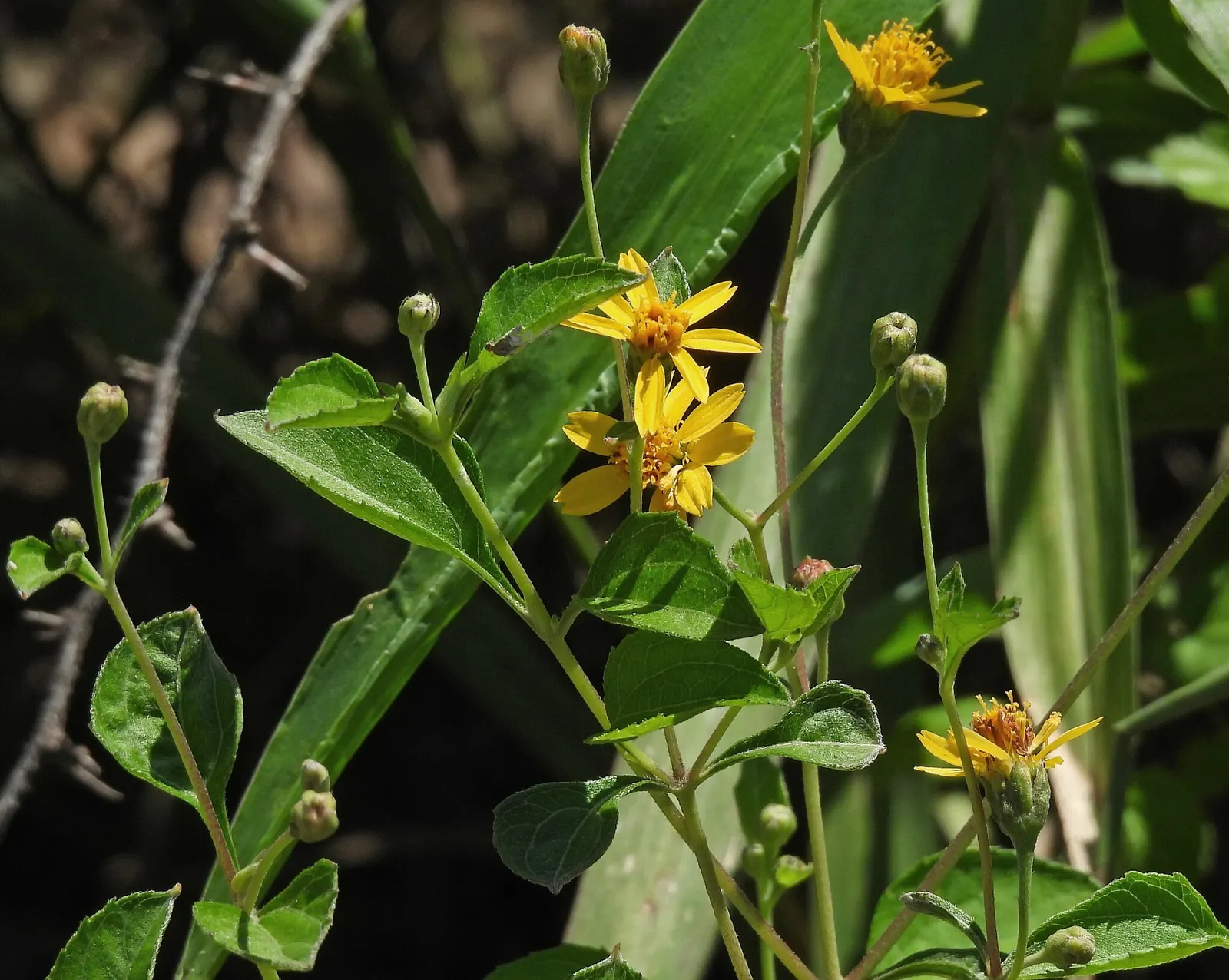
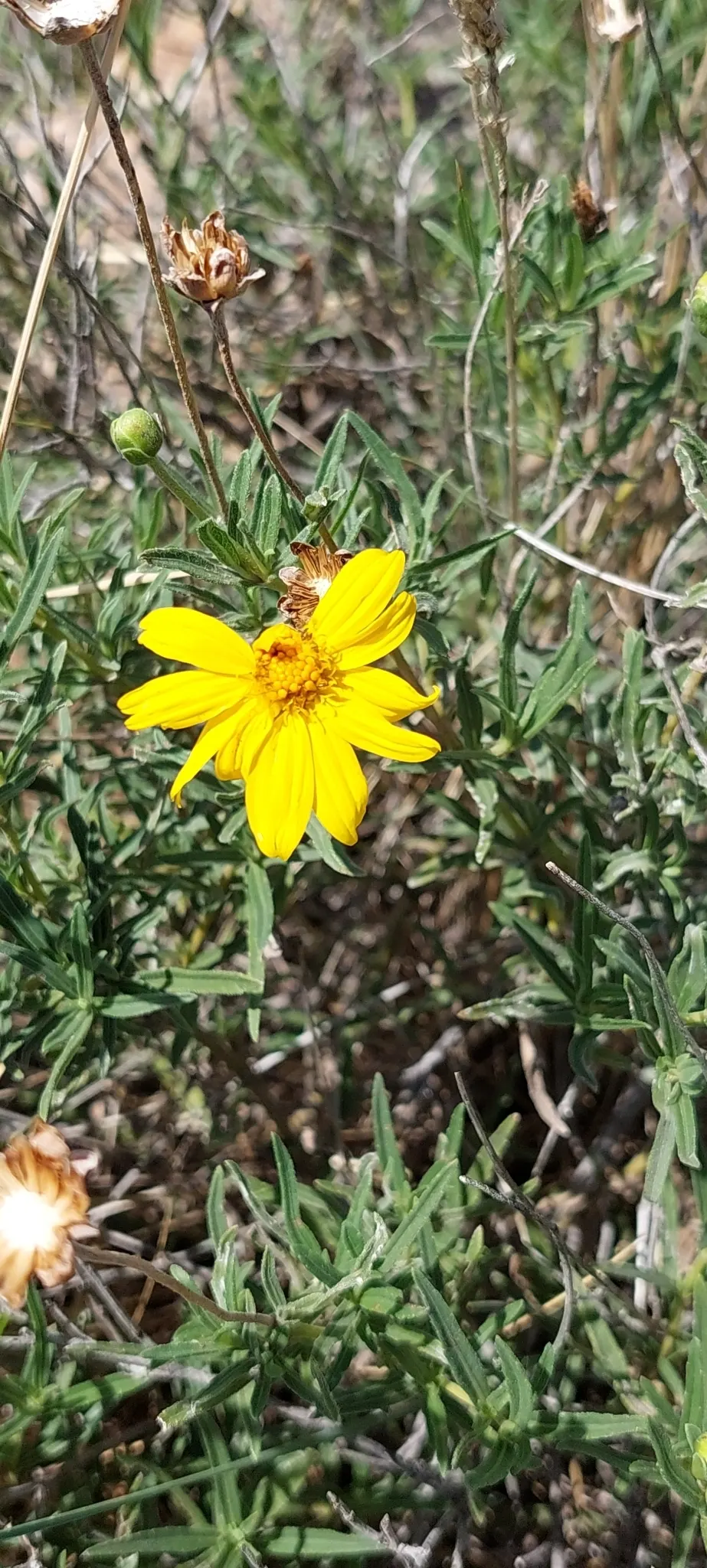
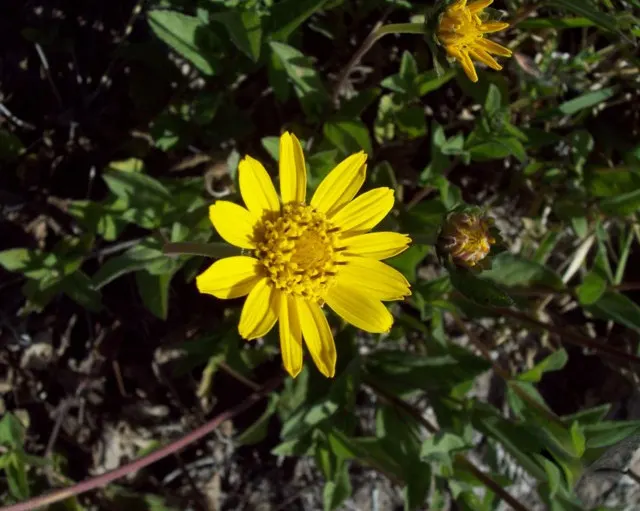

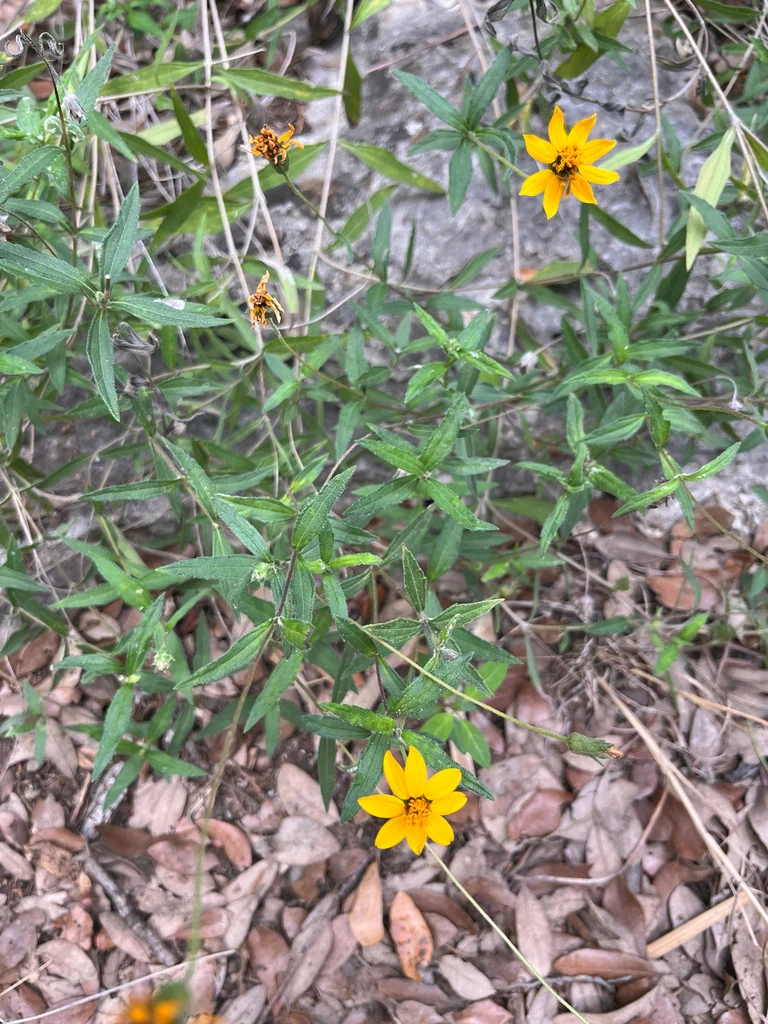
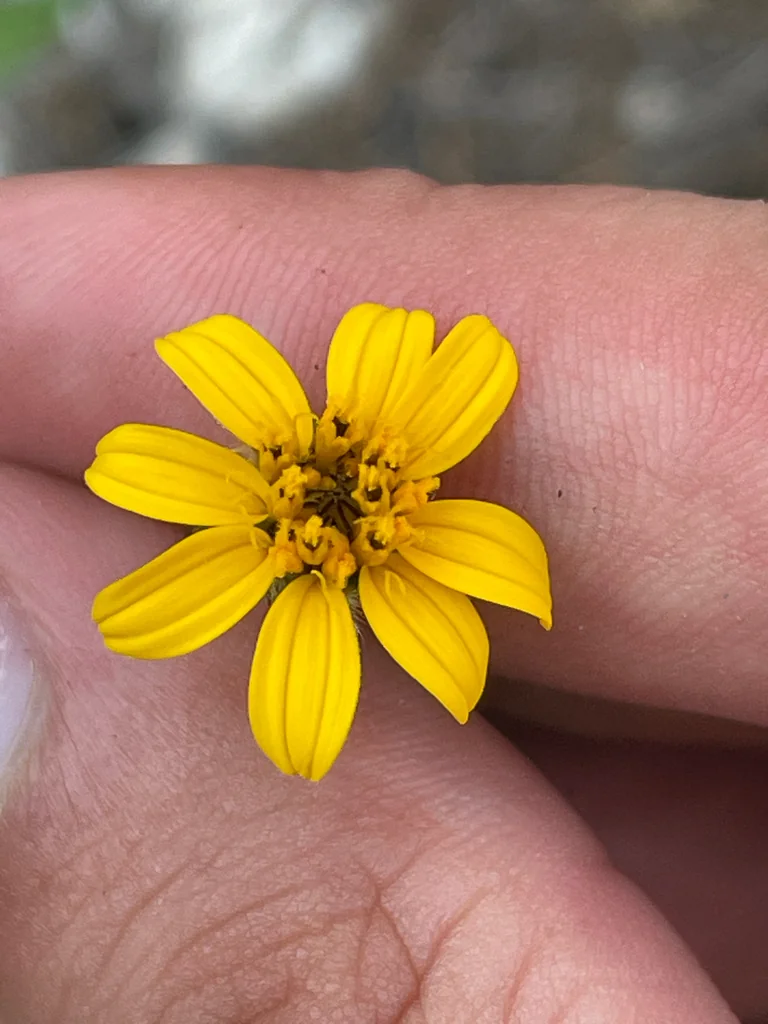
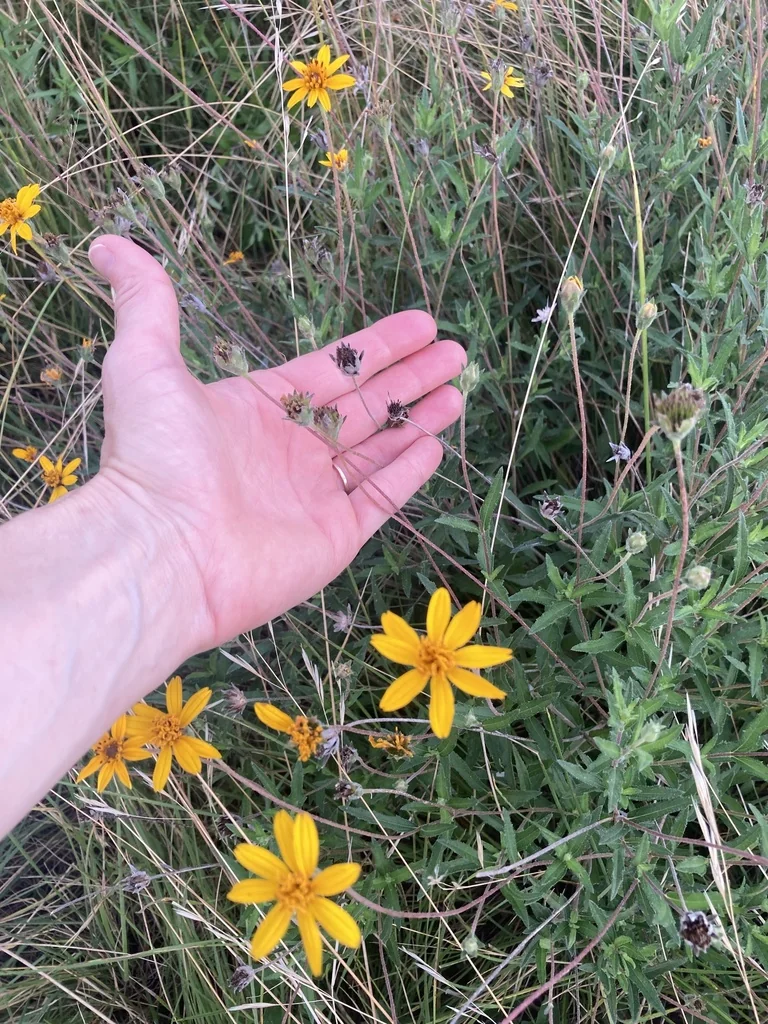
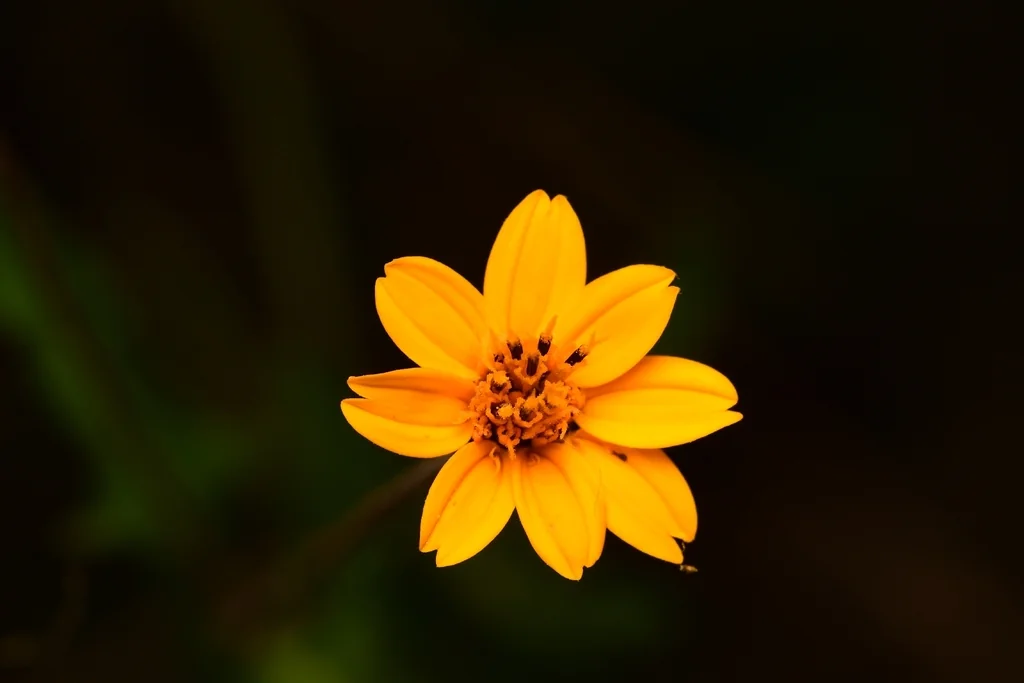

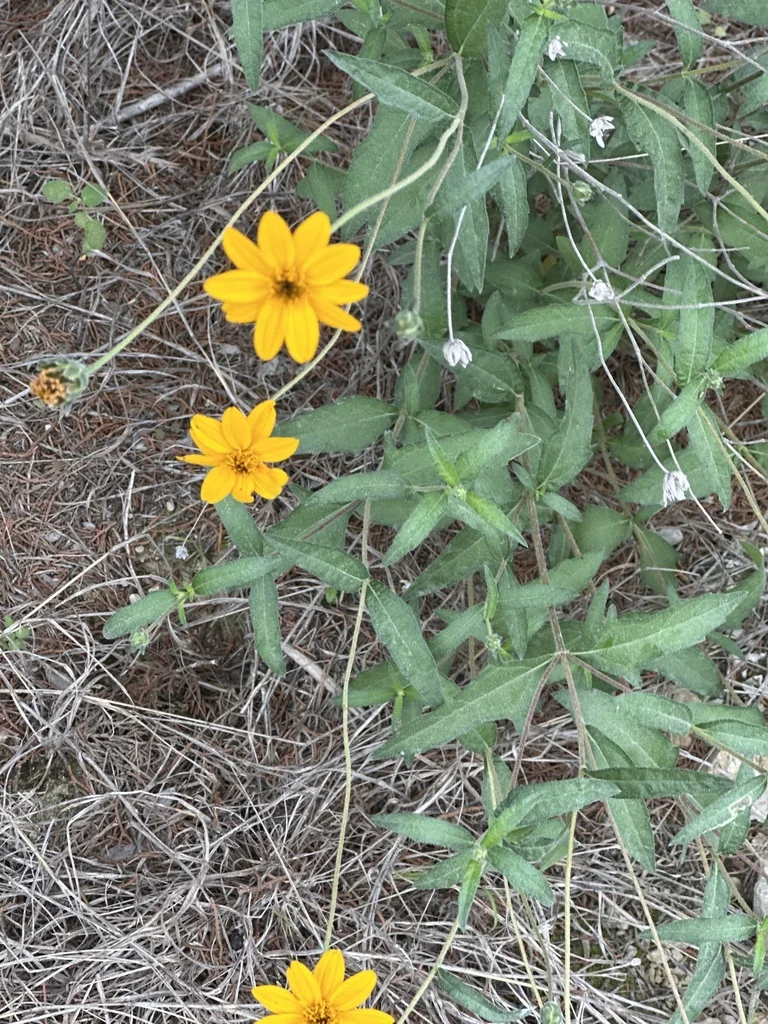
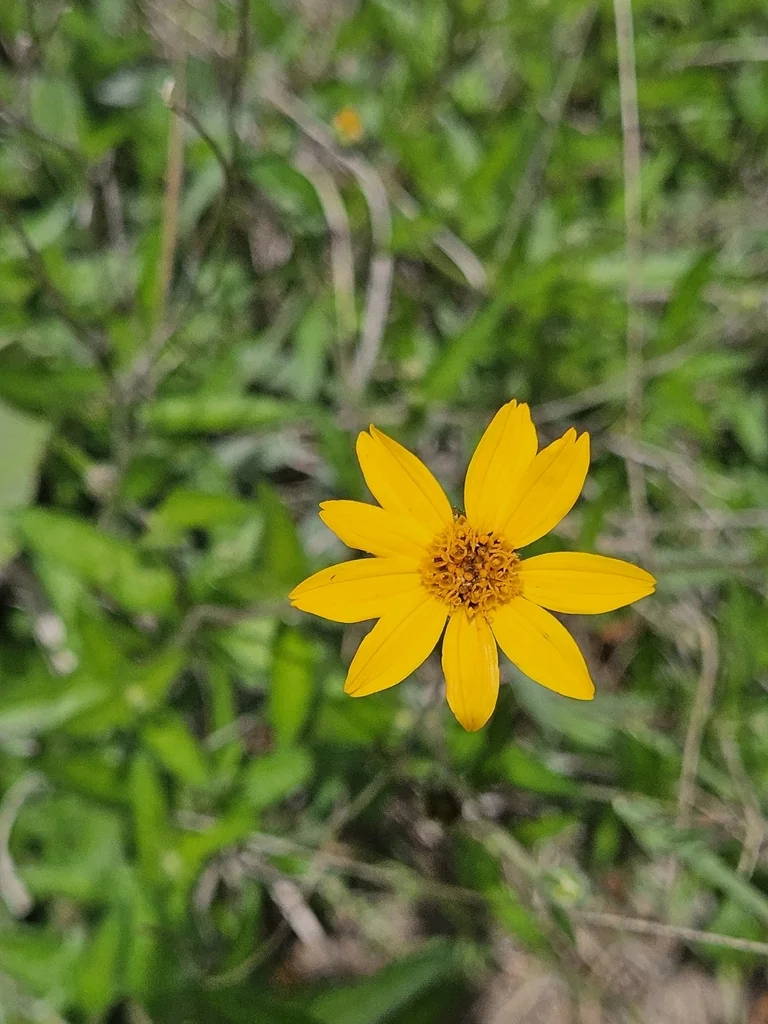
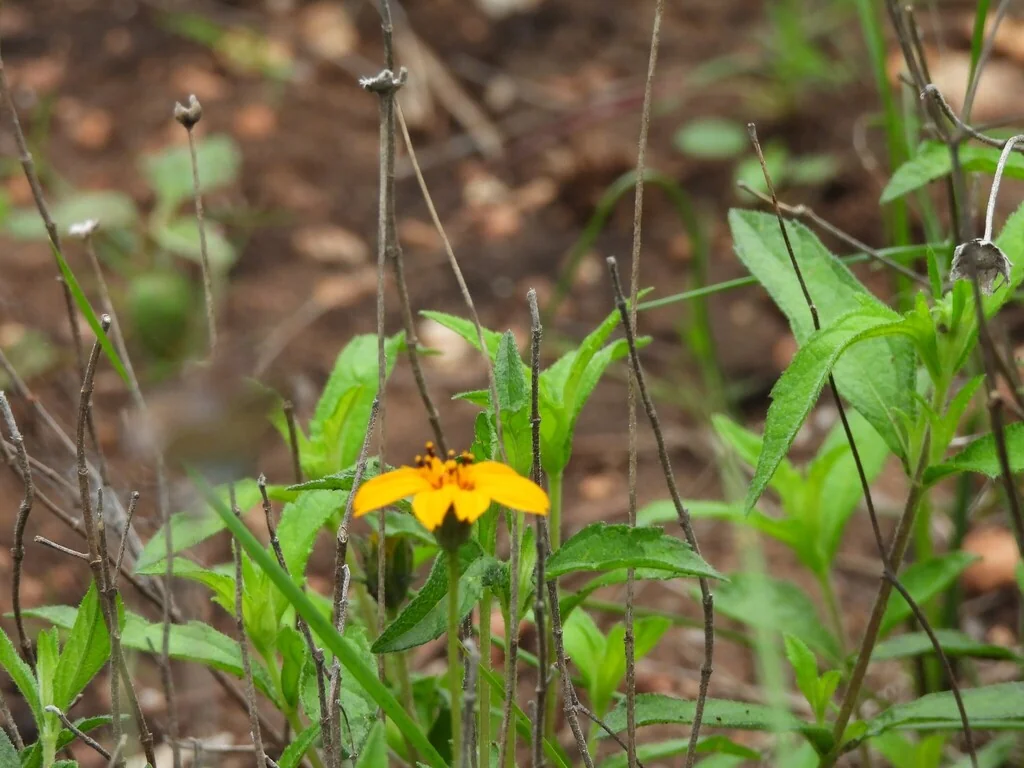
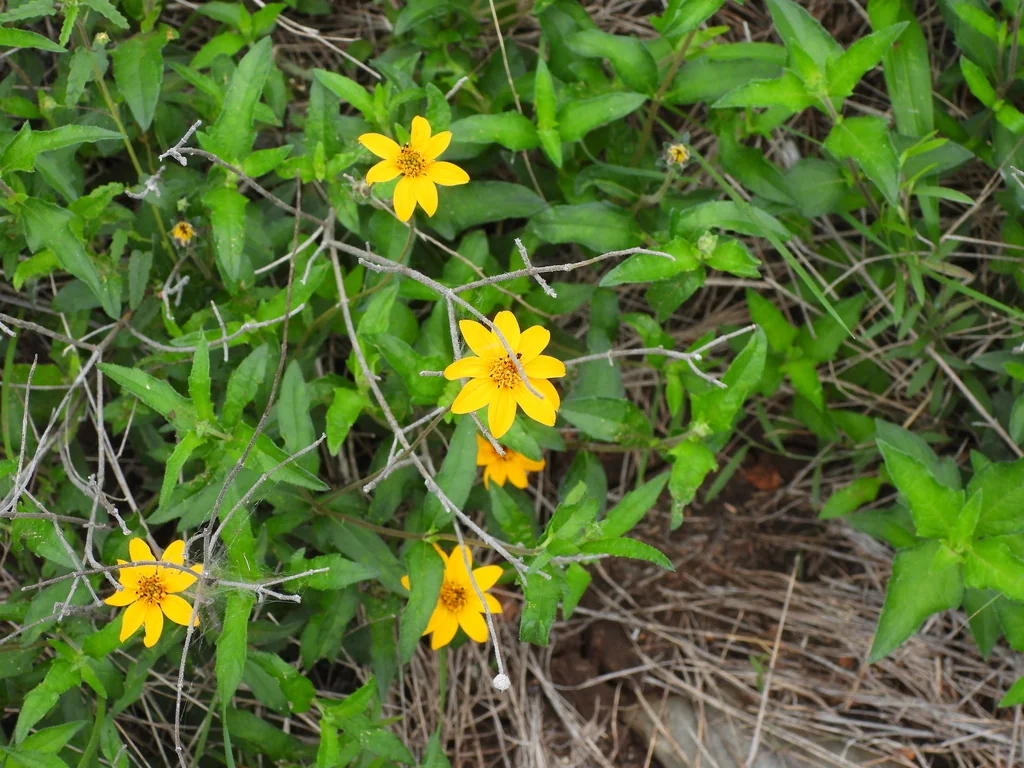
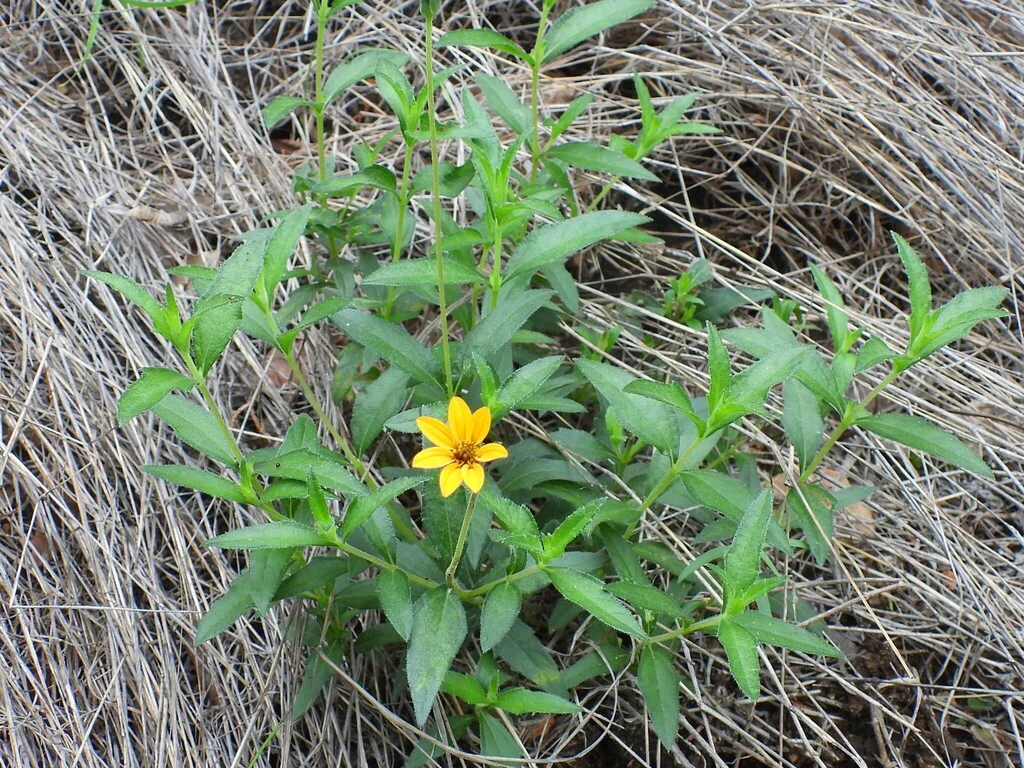
Photographs by 7 contributors
- Ottonams, CC BY-SA 4.0 · source
- Stan Shebs, CC BY-SA 3.0 · source
- mgentile, CC BY 4.0 · source
- Andrés González, CC BY-SA 3.0 · source
- Andrés González, CC BY-SA 4.0 · source
- smallcurio from Austin, TX, CC BY-SA 2.0 · source
- Lauu, CC BY 4.0 · source
Related plants
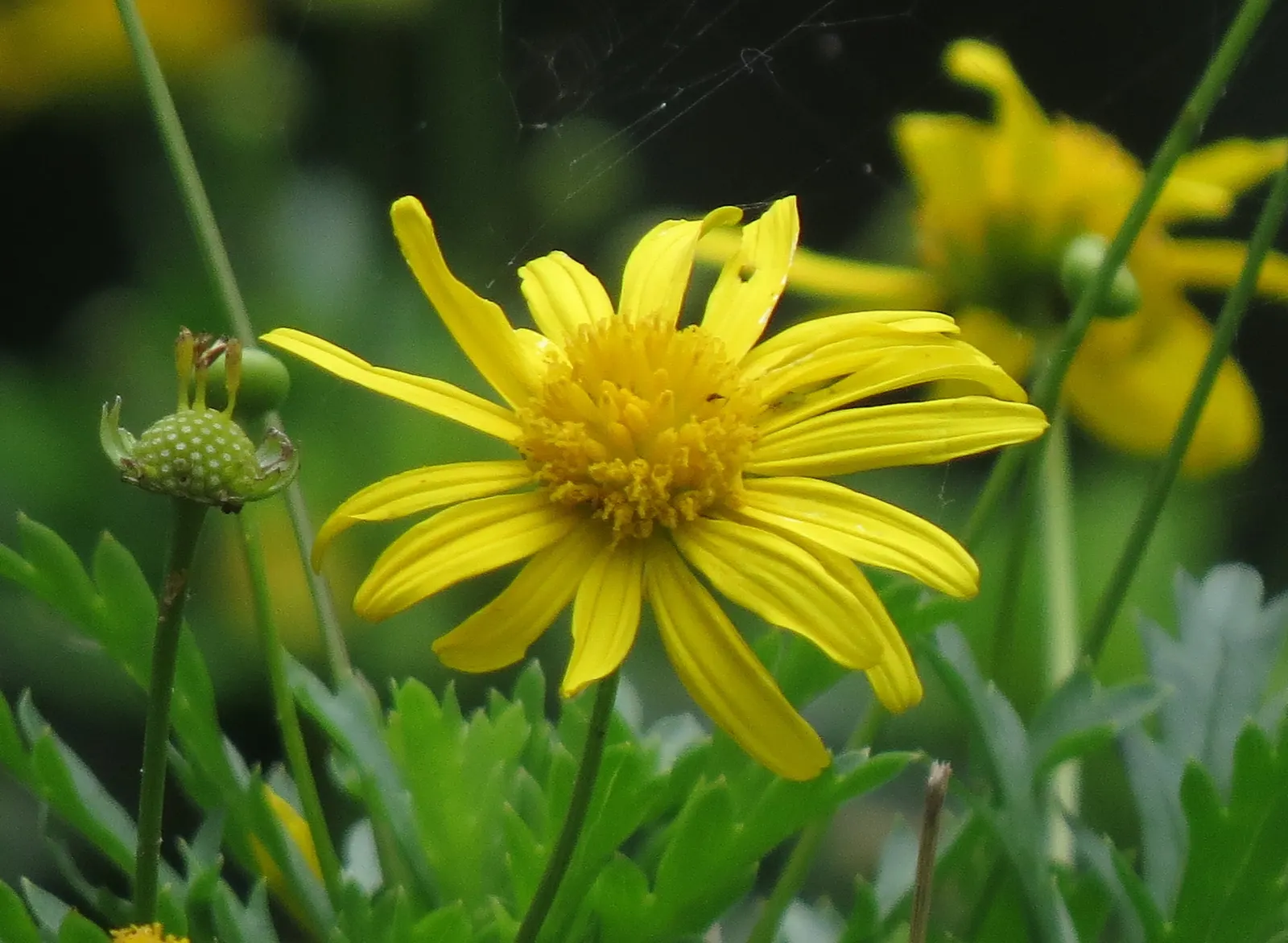
Shrub
African Bush Daisy
Euryops Chrysanthemoides
FullUSDA 9–11
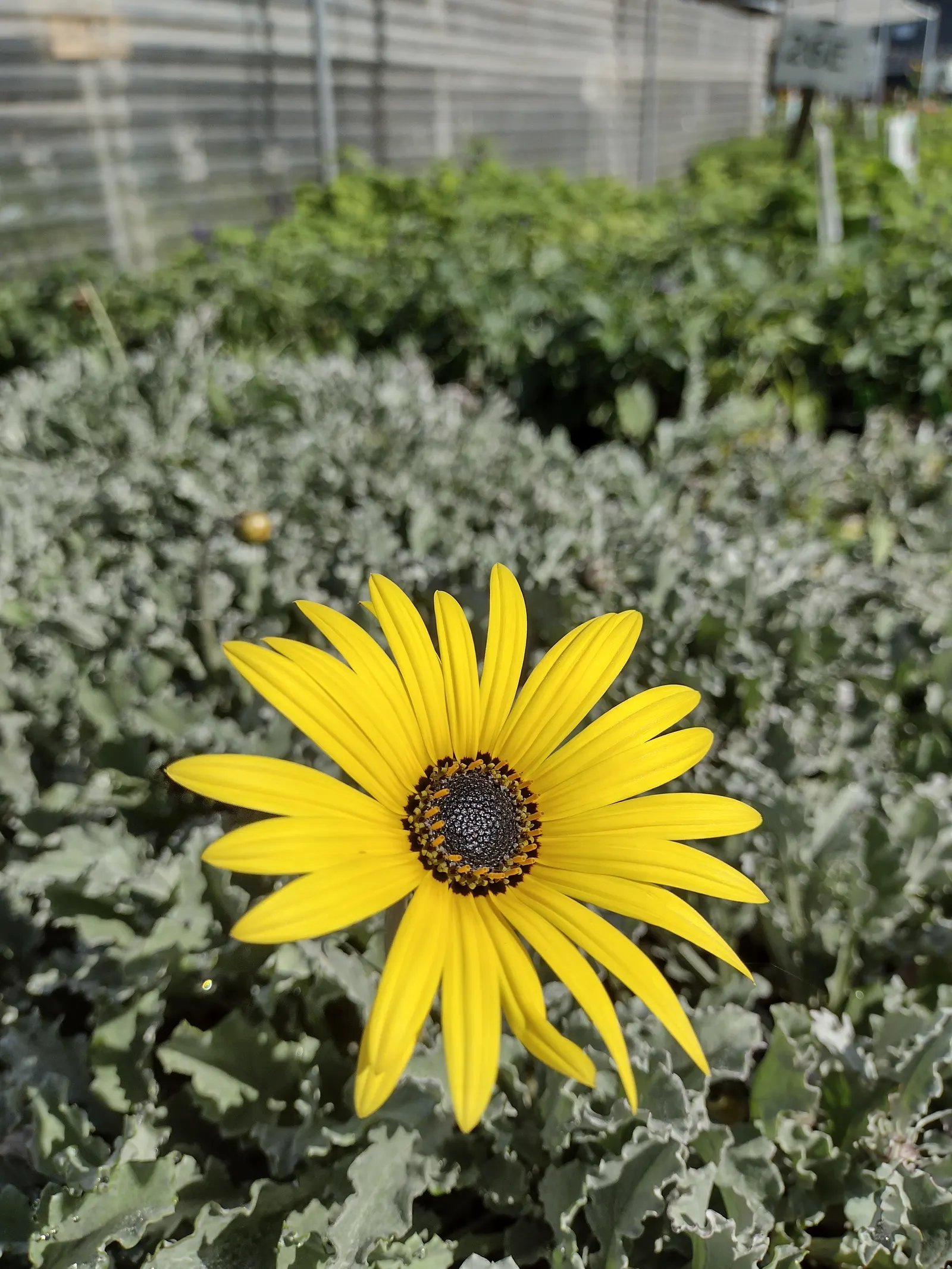
Ground cover
African Daisy
Arctotis Hybrids
FullUSDA 8–10
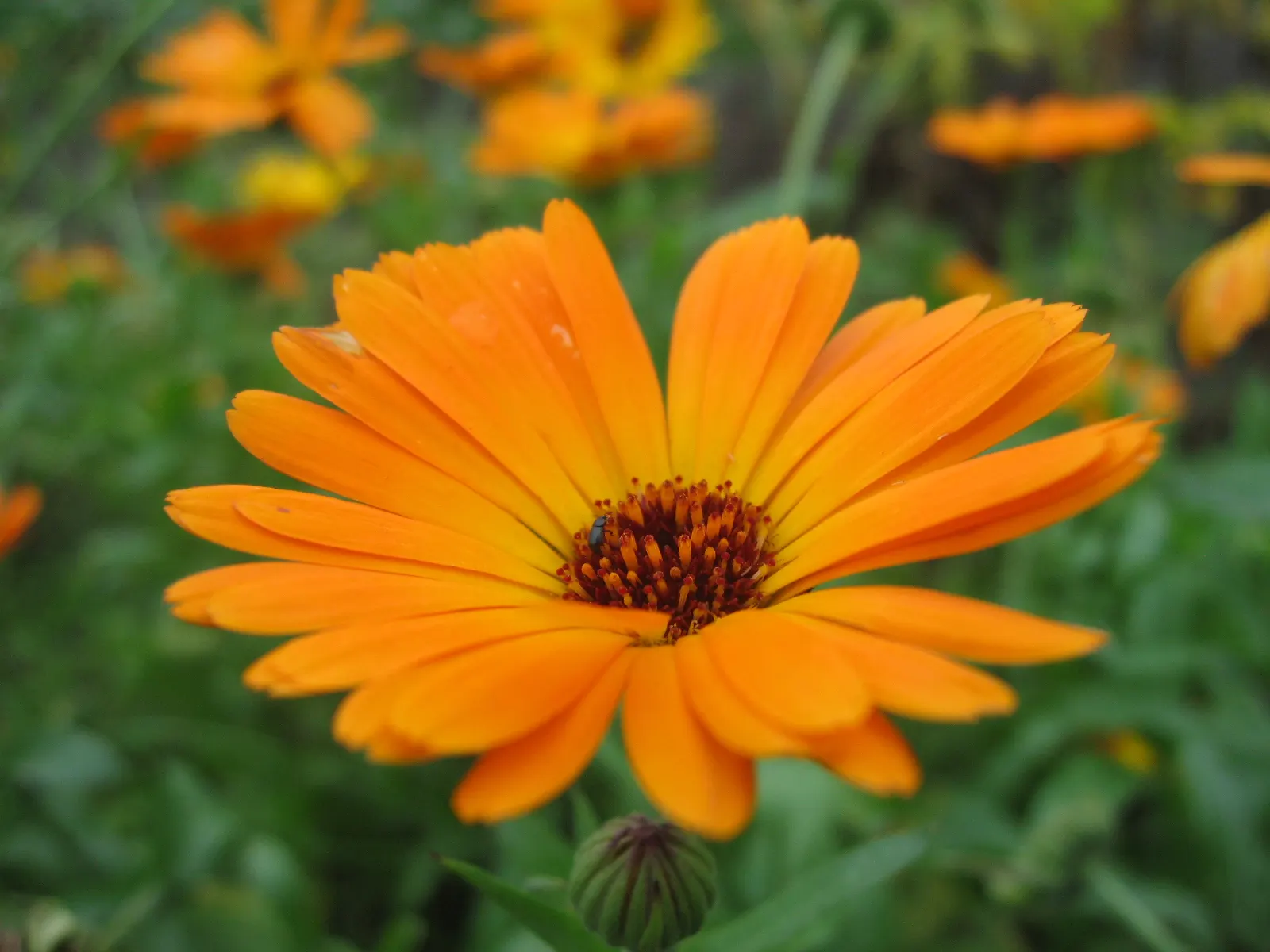
Annual
African Daisy
Dimorphotheca Aurantiaca
FullUSDA 9–10
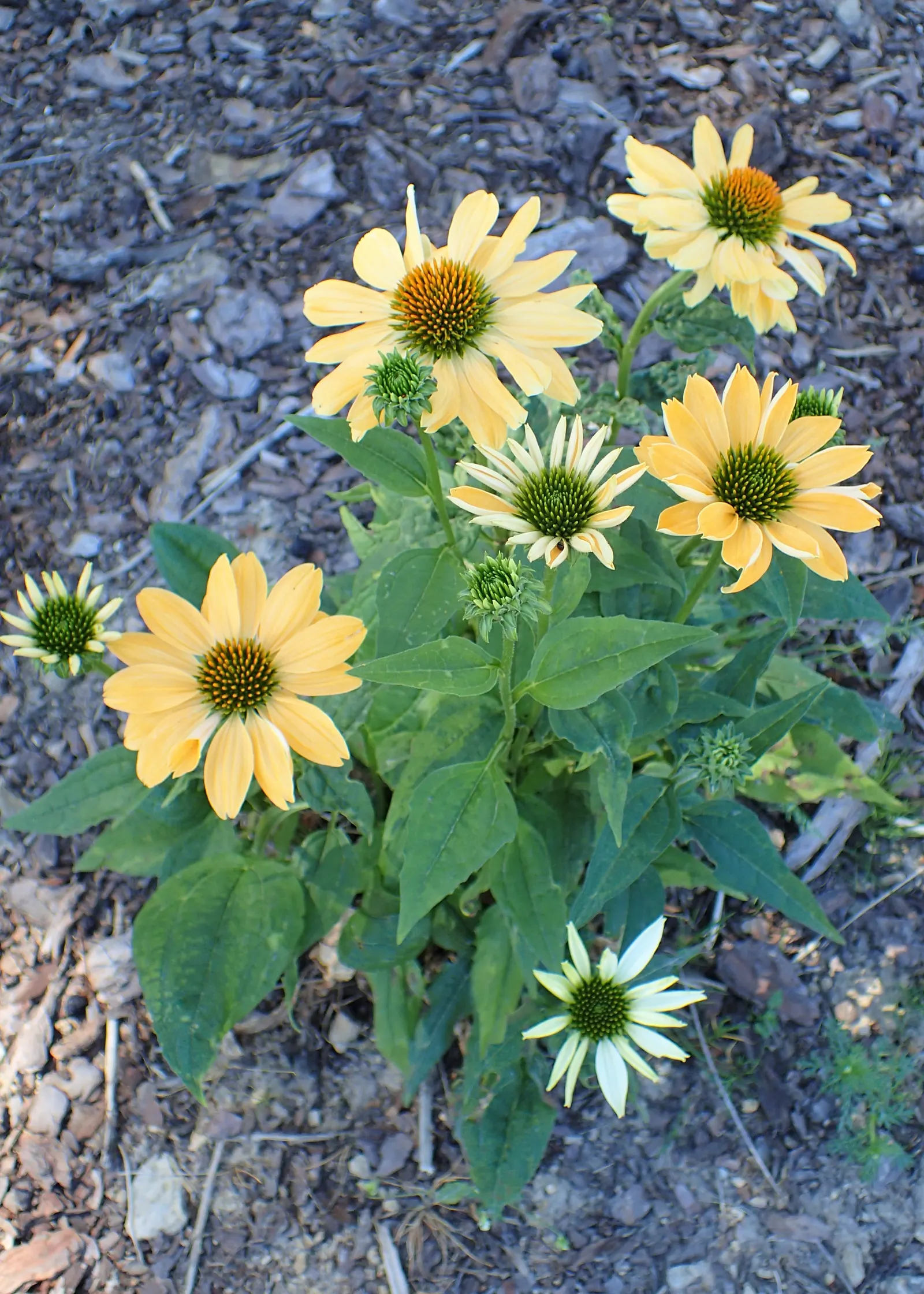
Perennial
Aloha Coneflower
Echinacea 'Aloha'
FullUSDA 3–9
Perennial
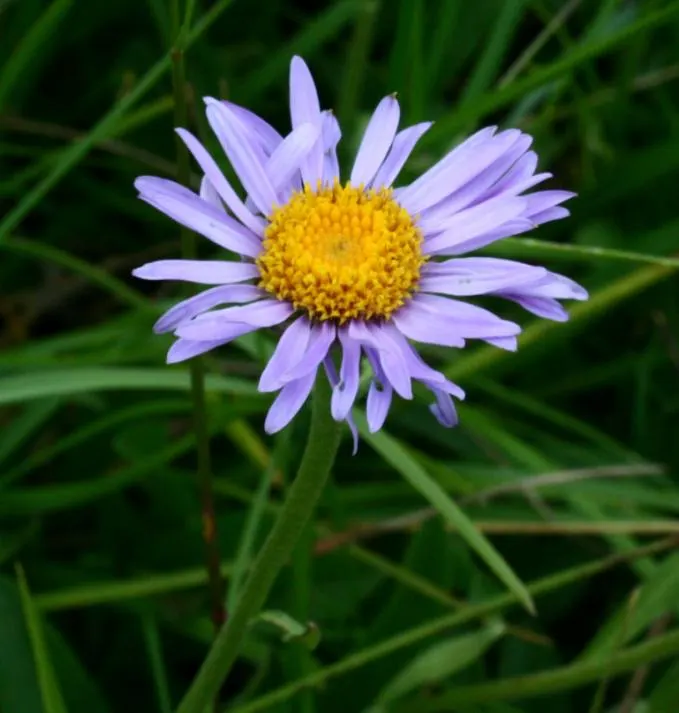
Alpine Aster
Aster Alpinus
FullUSDA 2–10
Perennial
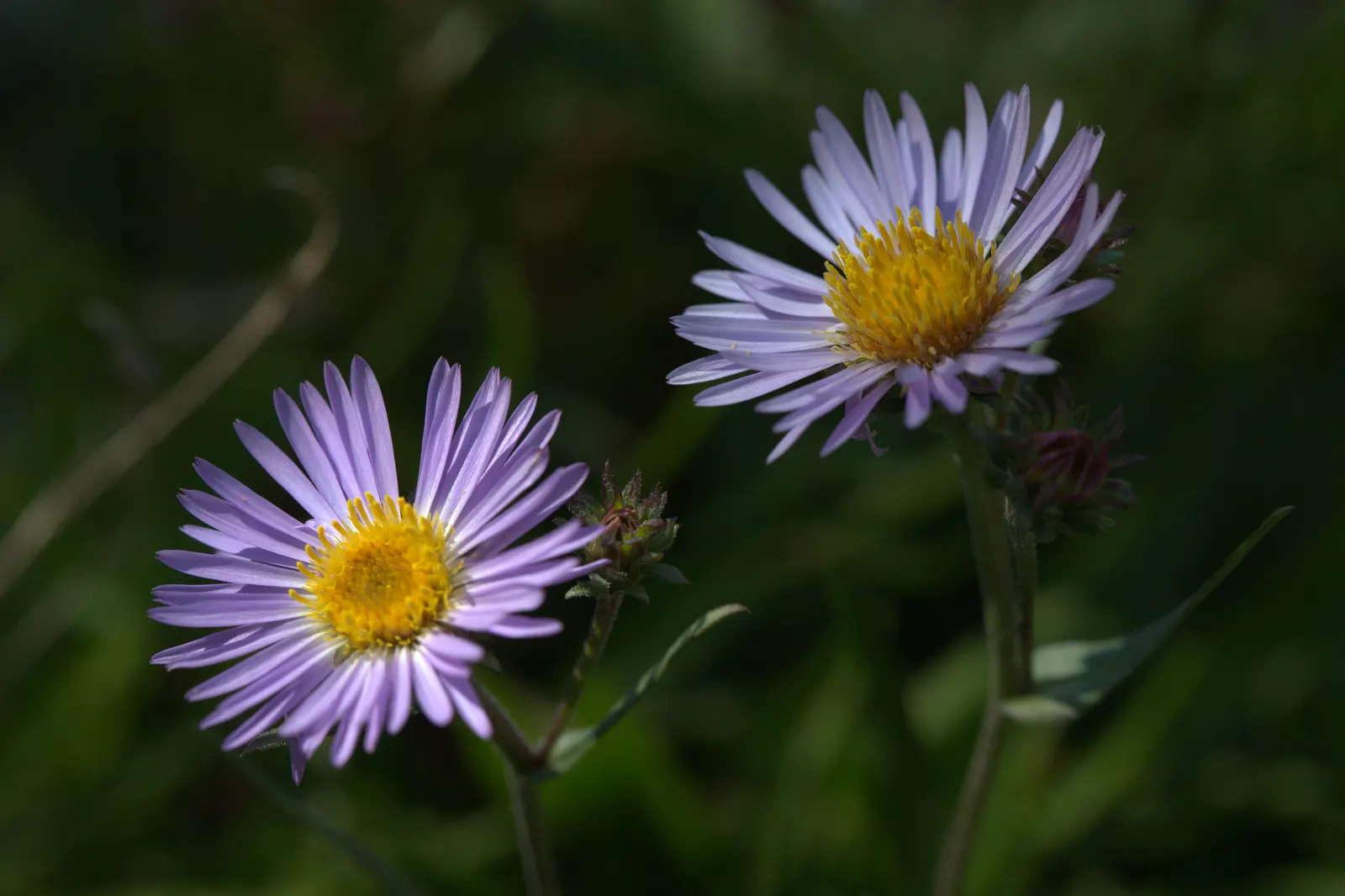
Alpine Aster
Aster alpinus
FullUSDA 6–10