Skip to content

Japanese Wisteria

Wisteria Floribunda

Design with this plant

Overview

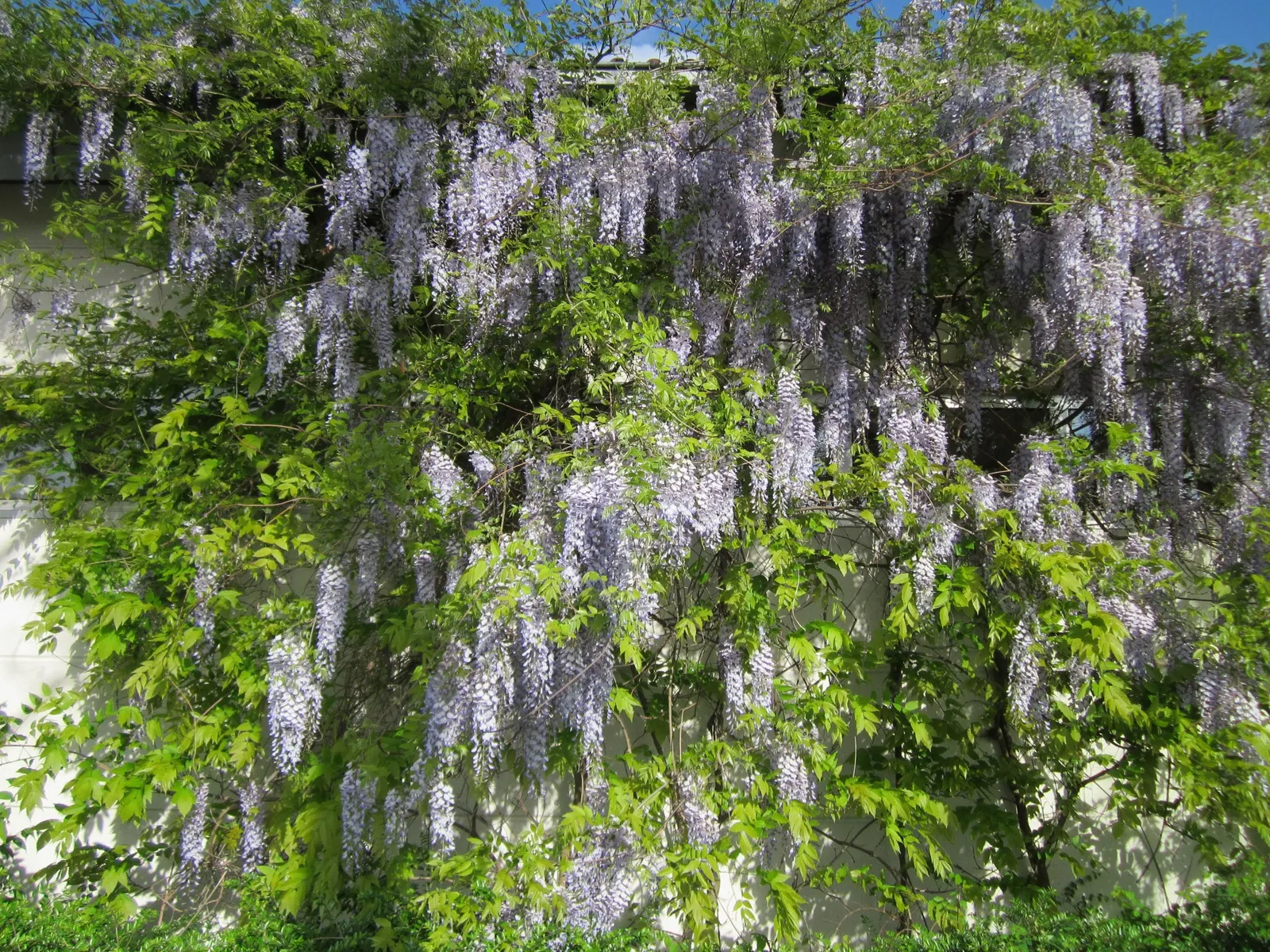
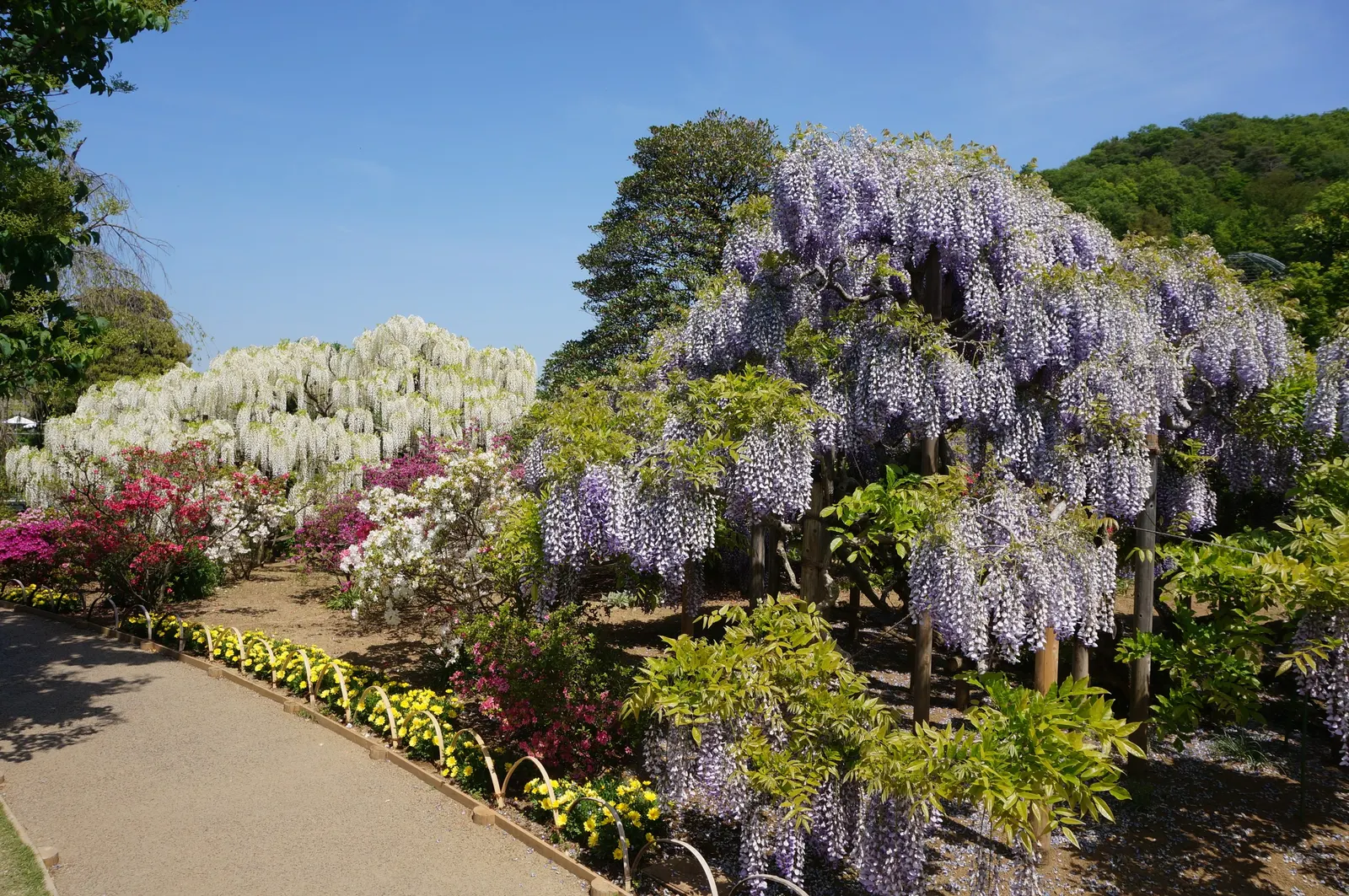
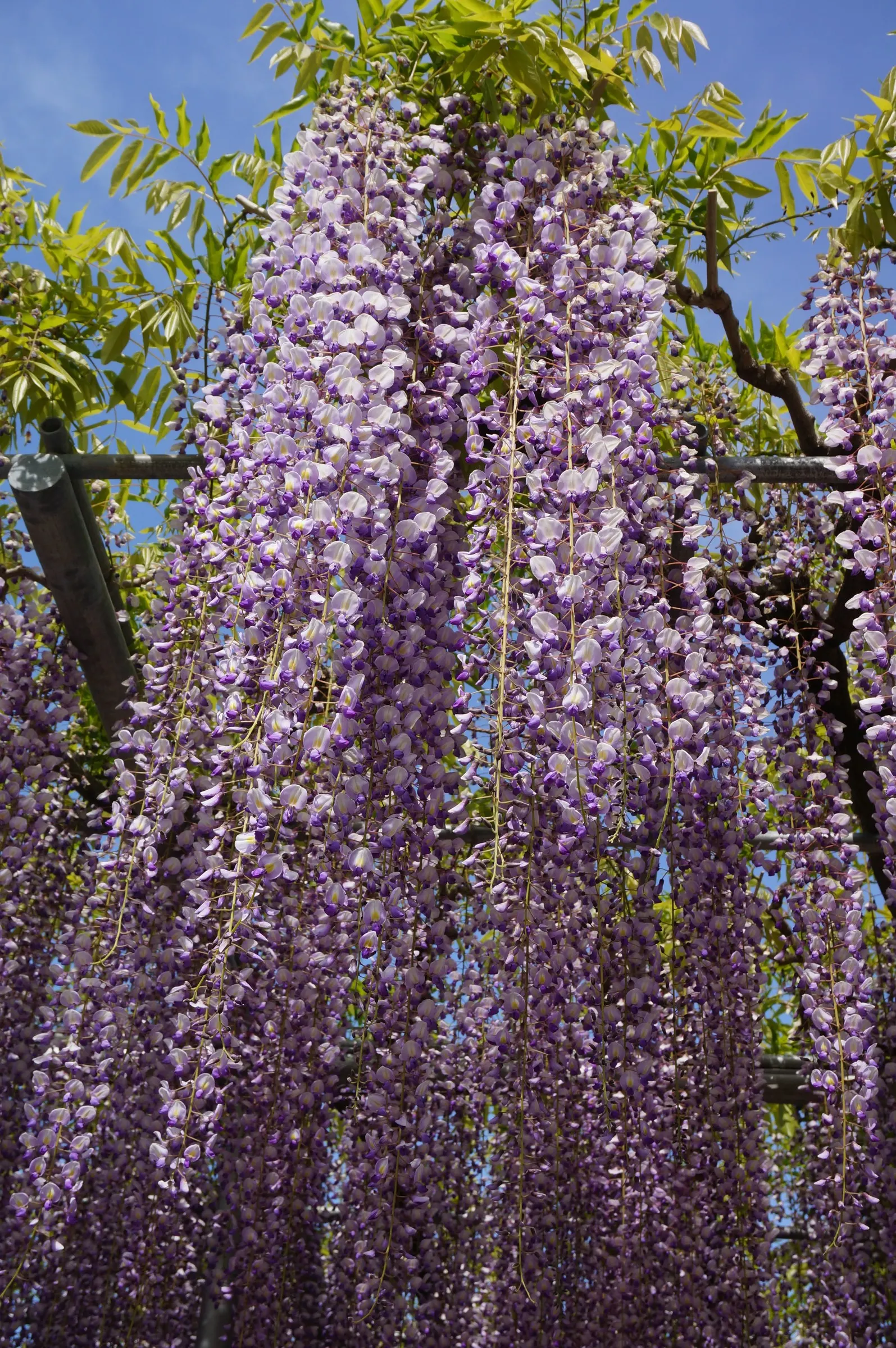
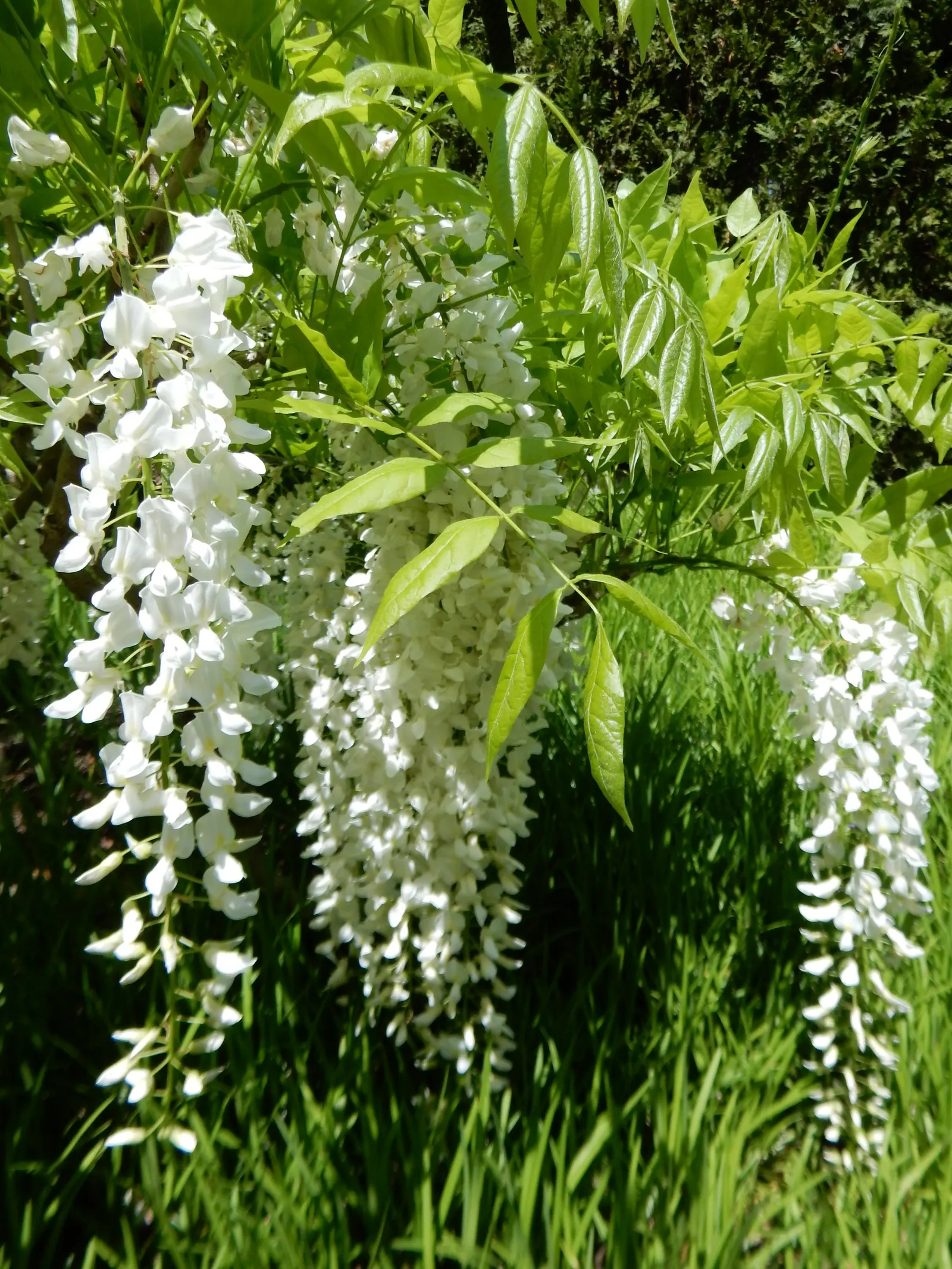
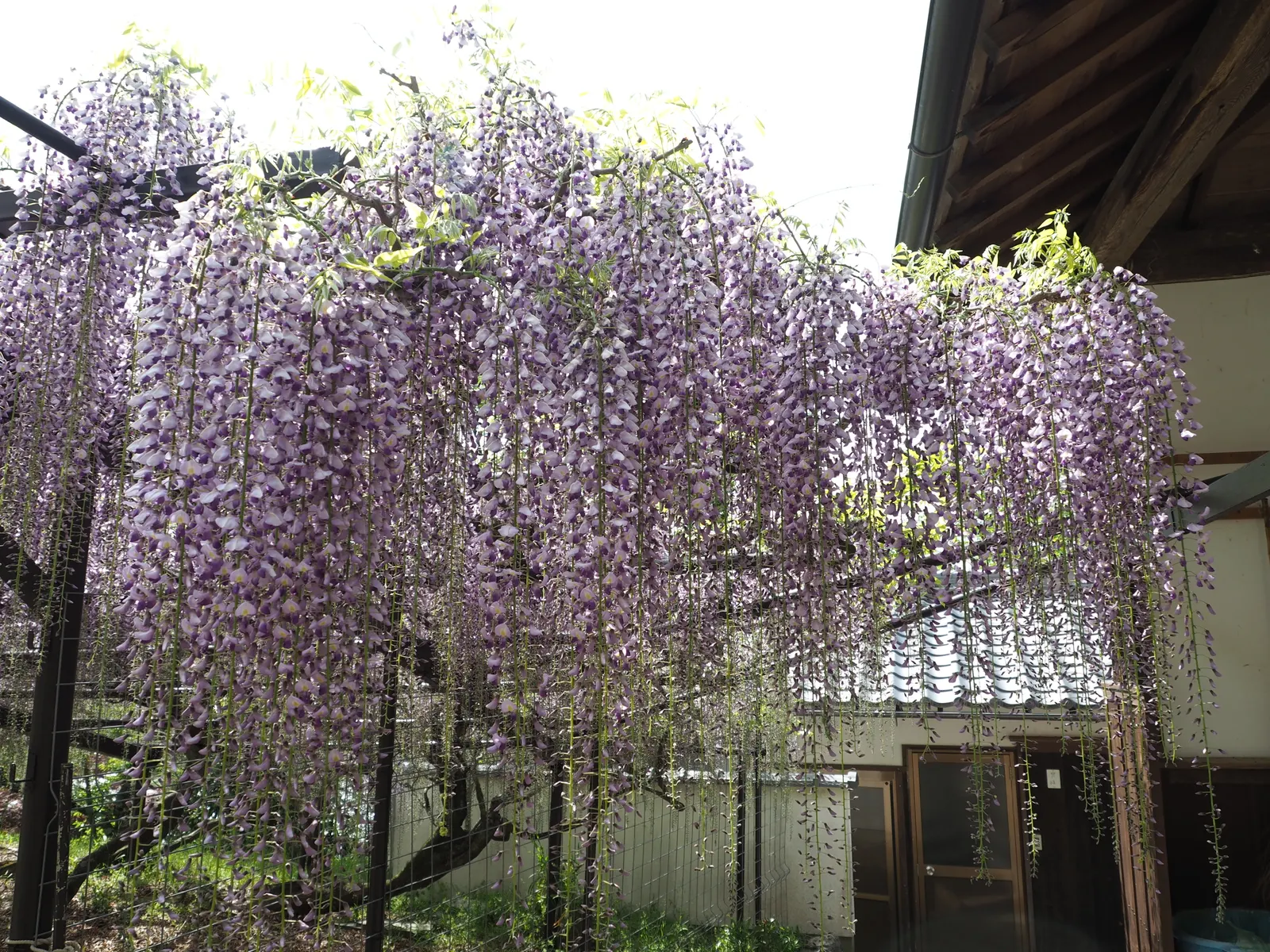
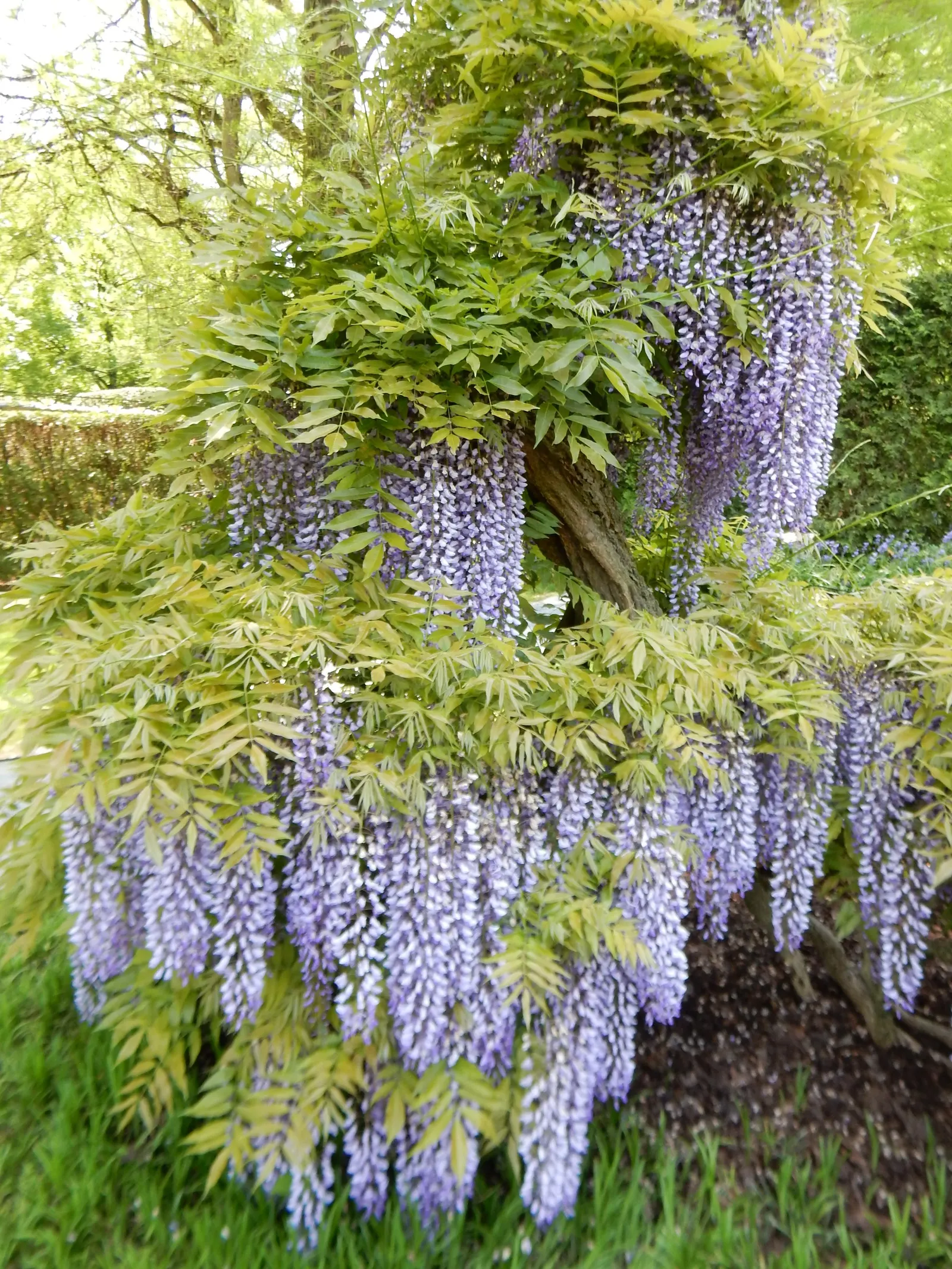
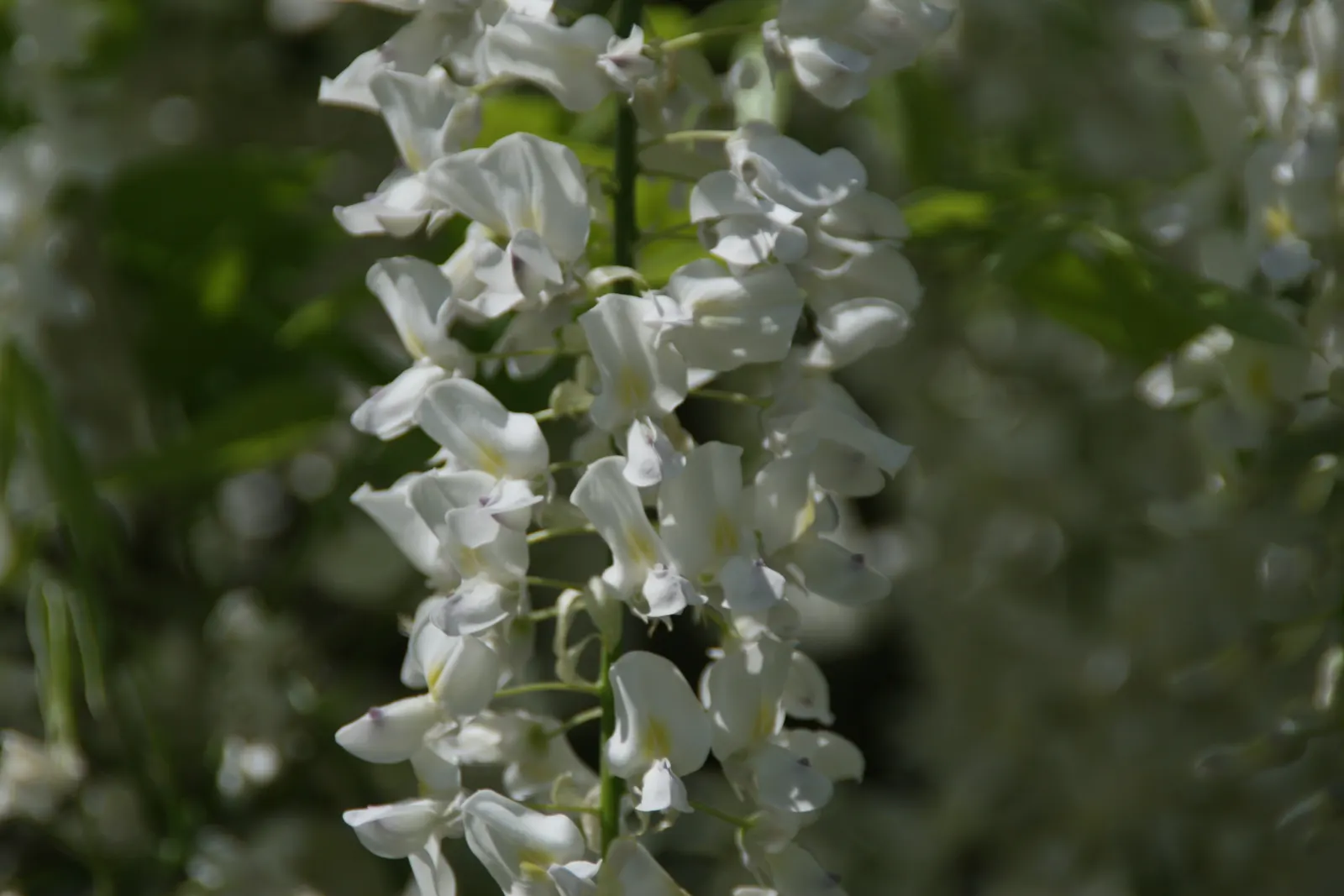
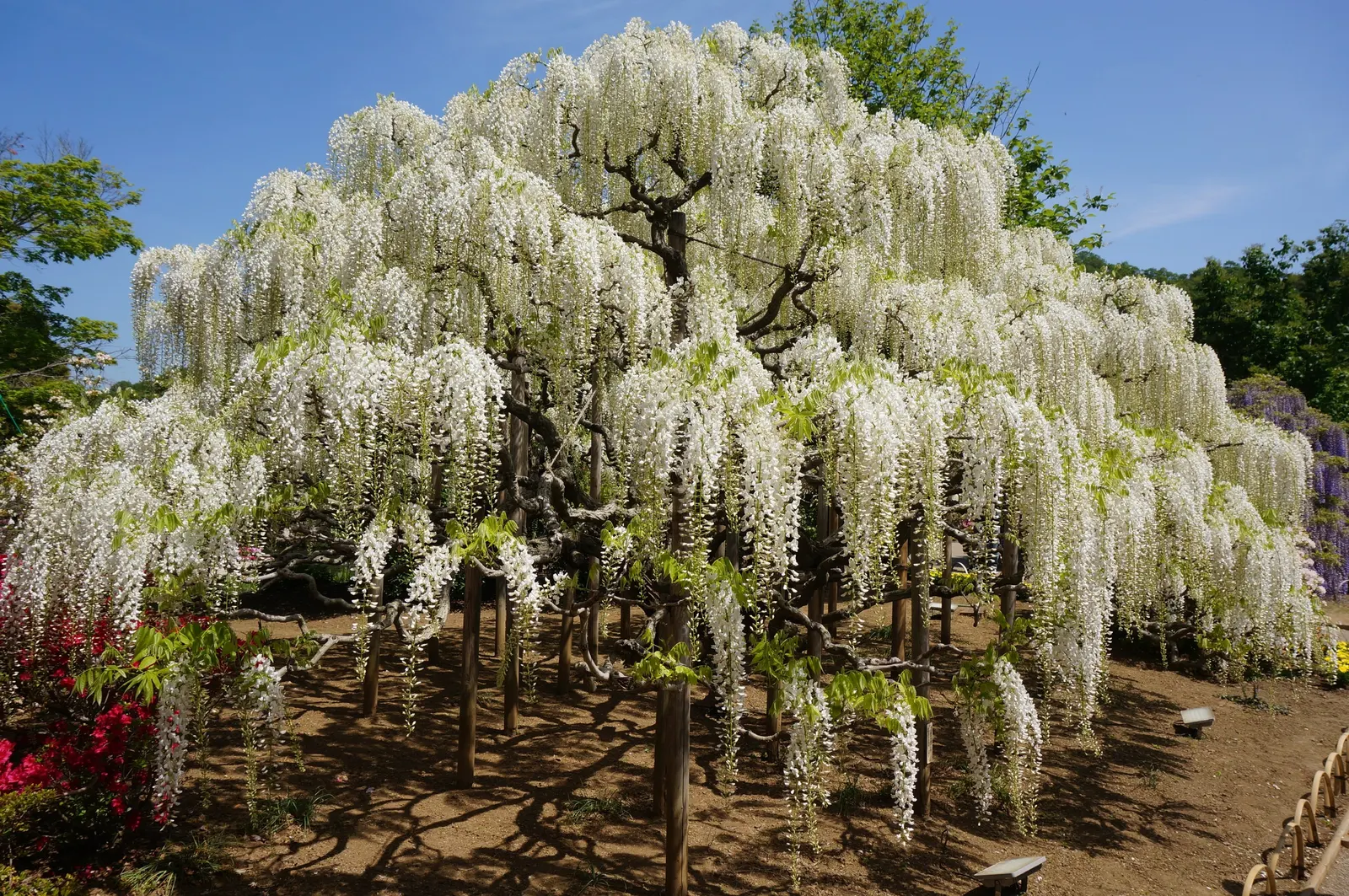
Japanese Wisteria (Wisteria floribunda) is a vigorous, deciduous climber known for its cascading clusters of fragrant flowers, typically extending 12-18 inches long in shades of violet to white. An ideal choice for creating vertical interest, it thrives in full sun to partial shade and requires sturdy support to handle its mature weight. Space plants about 10-15 feet apart, allowing room for a spread of up to 30 feet. USDA zones 4-9.

Sun Full, HalfWater MediumZones 4–9Type Shrub, VineClimate Mediterranean

Culture

Sun
Full, Half
Water
Medium
USDA zones
4–9

Shape & size

Classification

Type
Shrub, Vine
Family
Fabaceae
Climate
Mediterranean

See full data, regional cultivation notes, and design tools. Build a client presentation around this plant.

Start your 14-day trial

Photos (126)

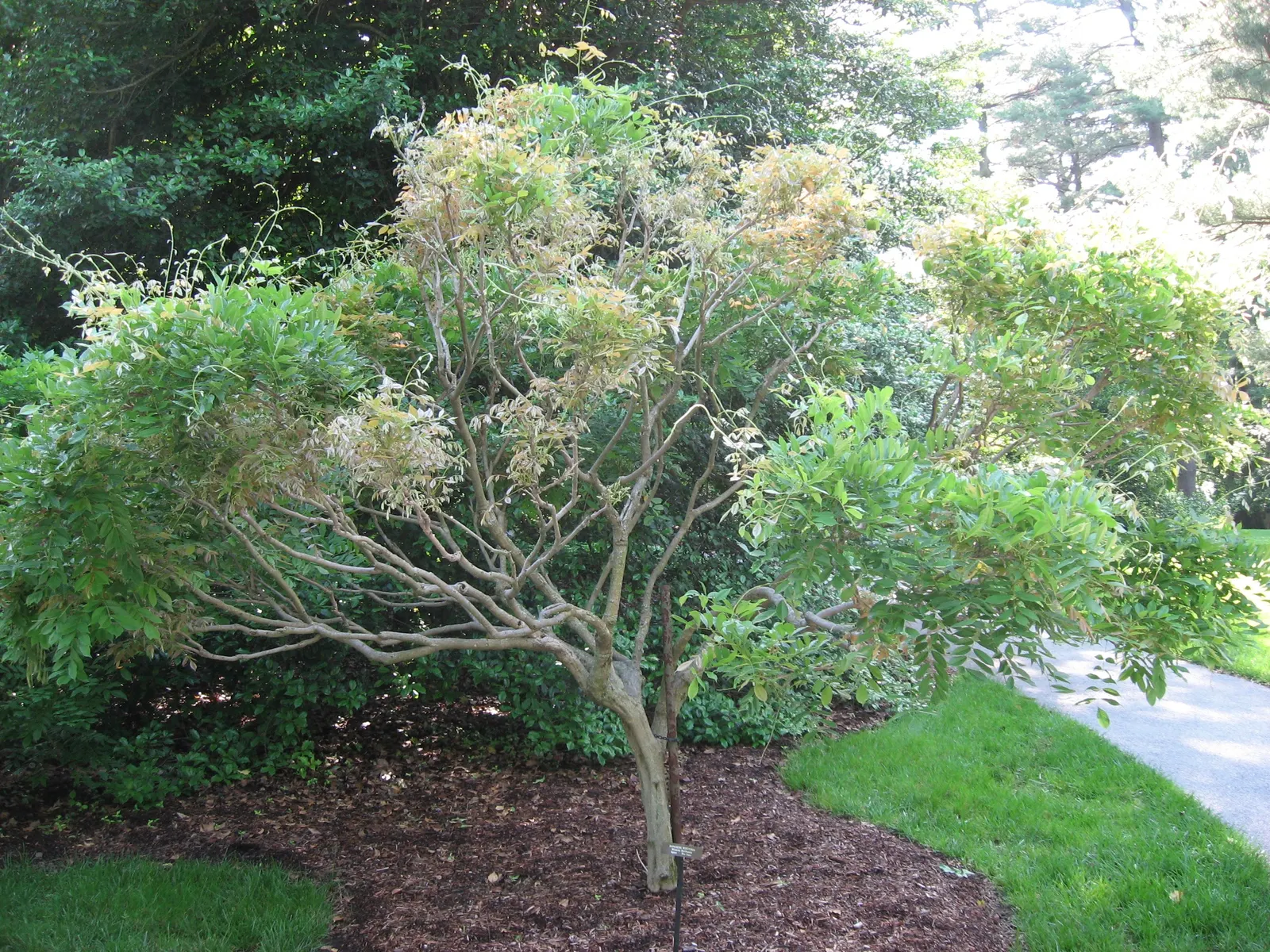
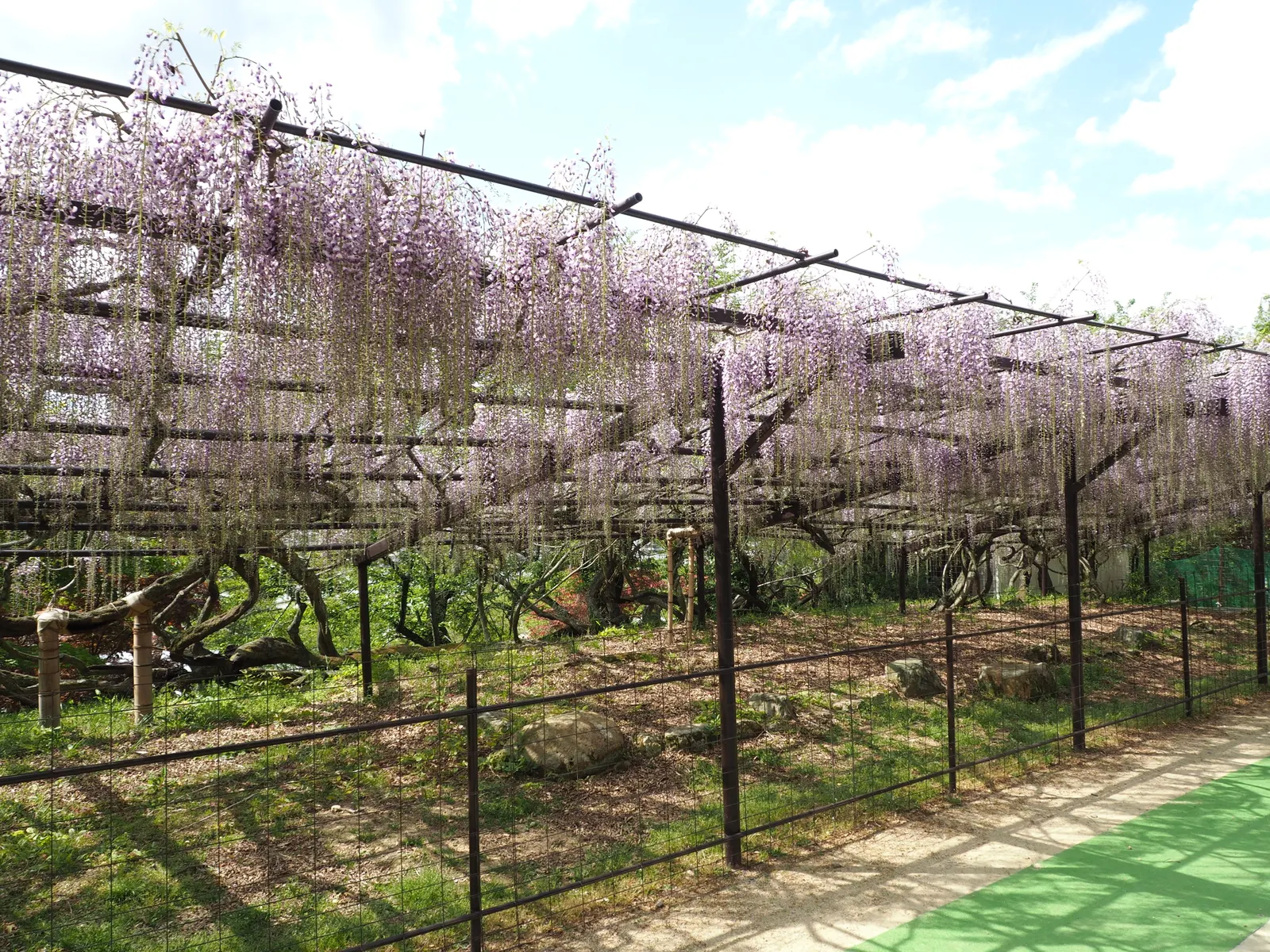
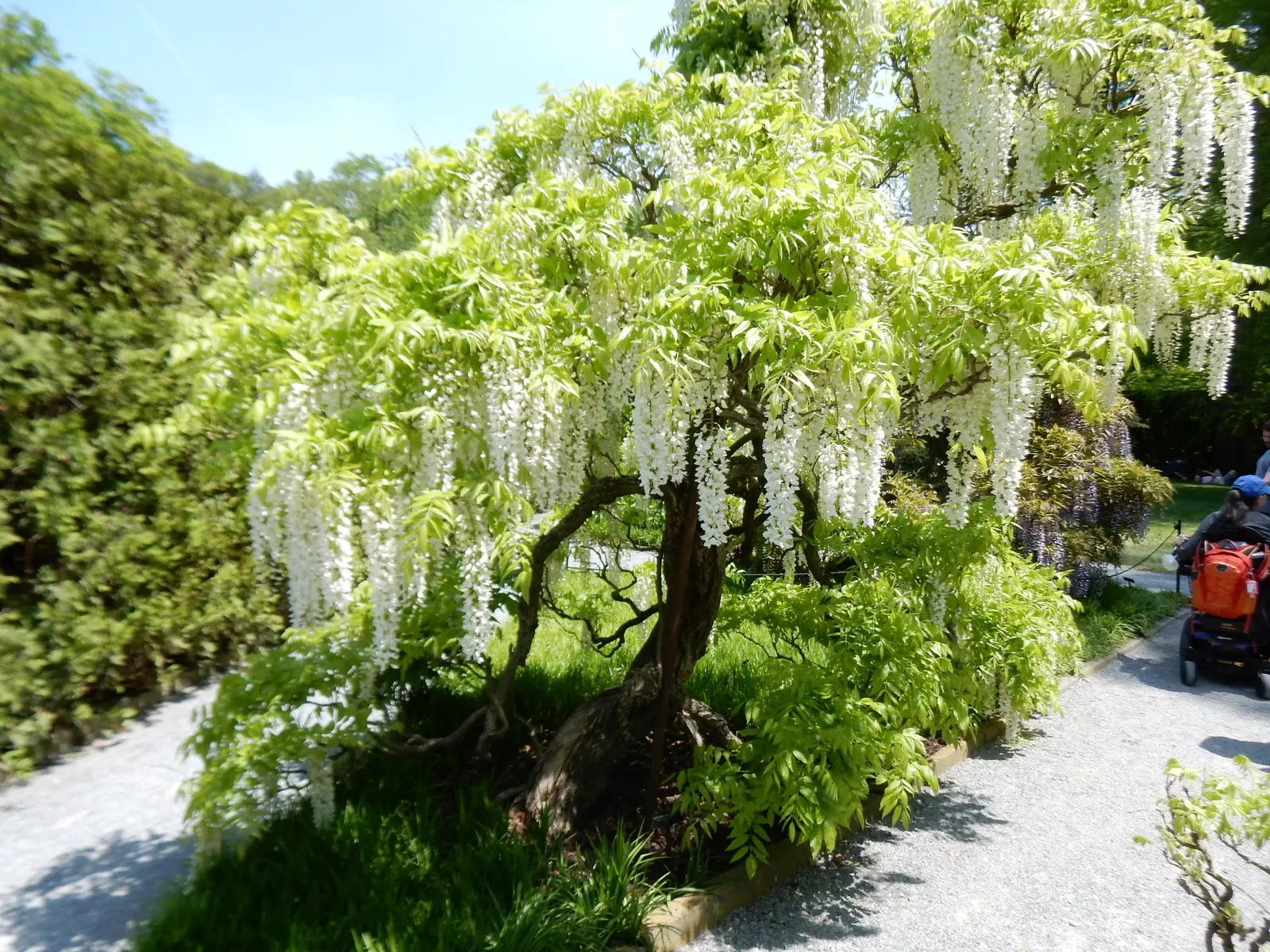
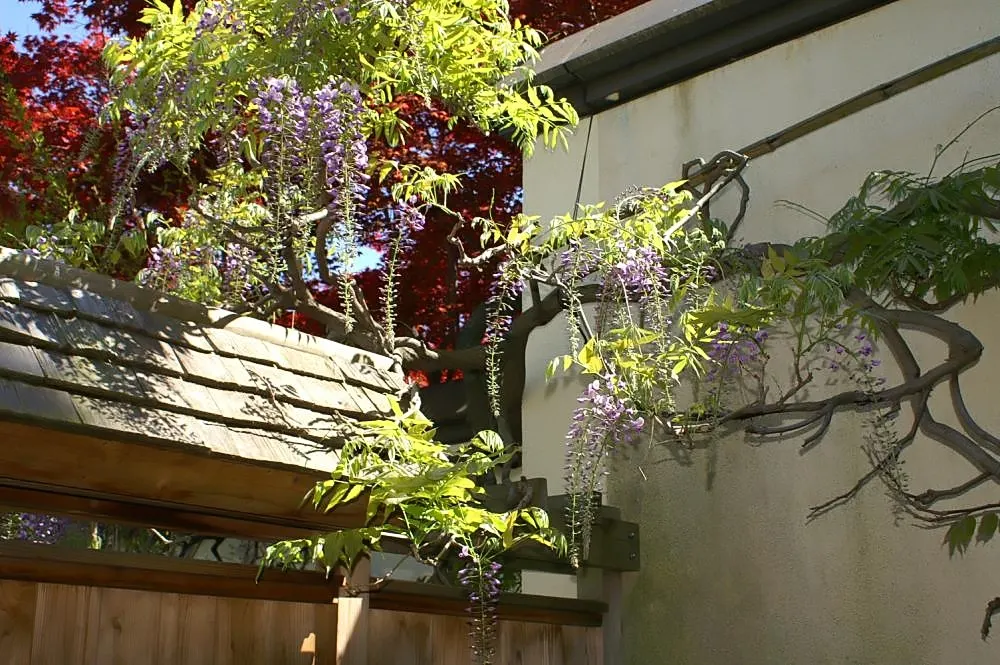
Japanese Wisteria (Wisteria Floribunda) — as the Japanese Wisteria can endure in USDA zones 4 through 9; it is essential to consider its robust growth habit
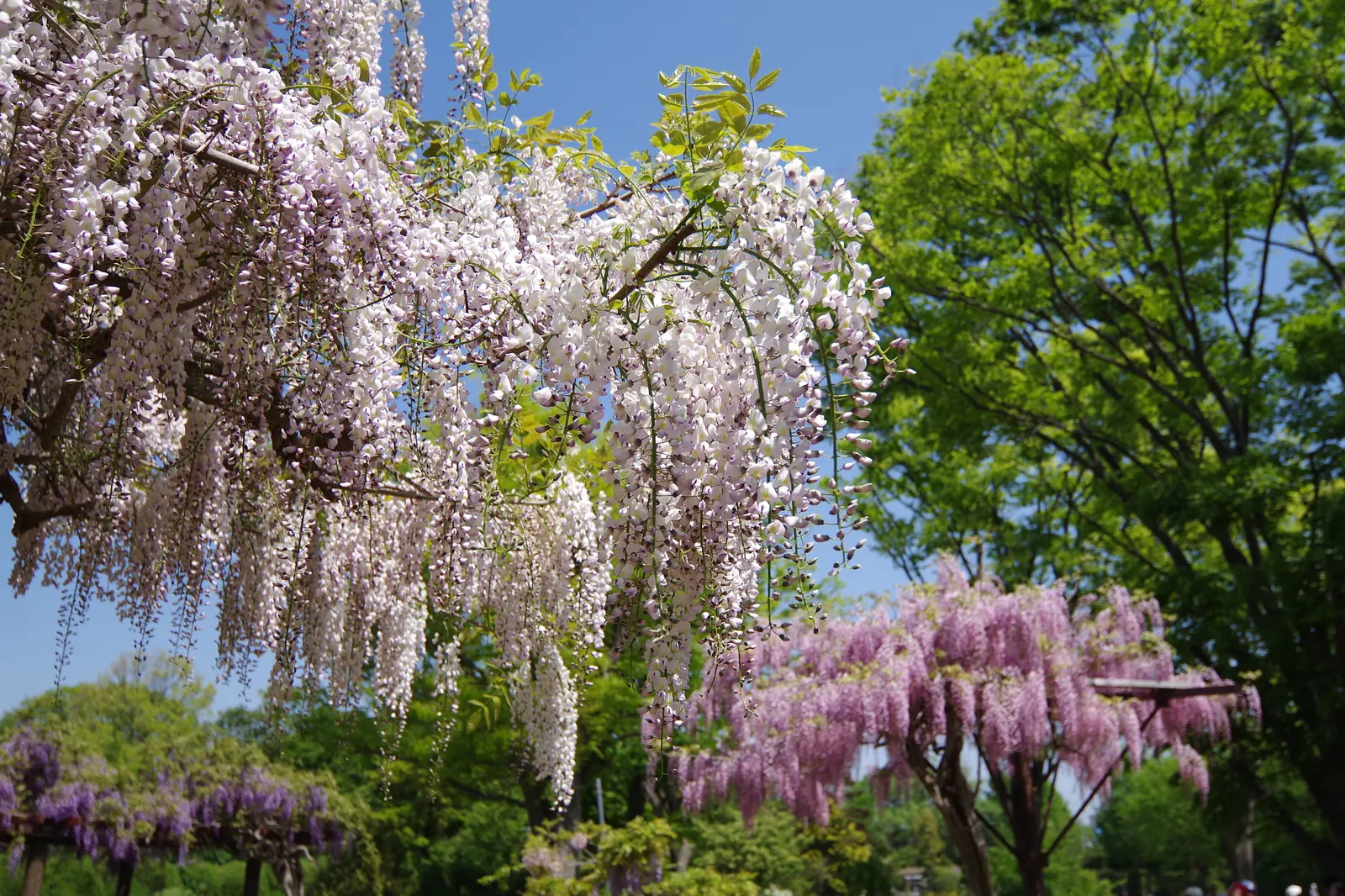
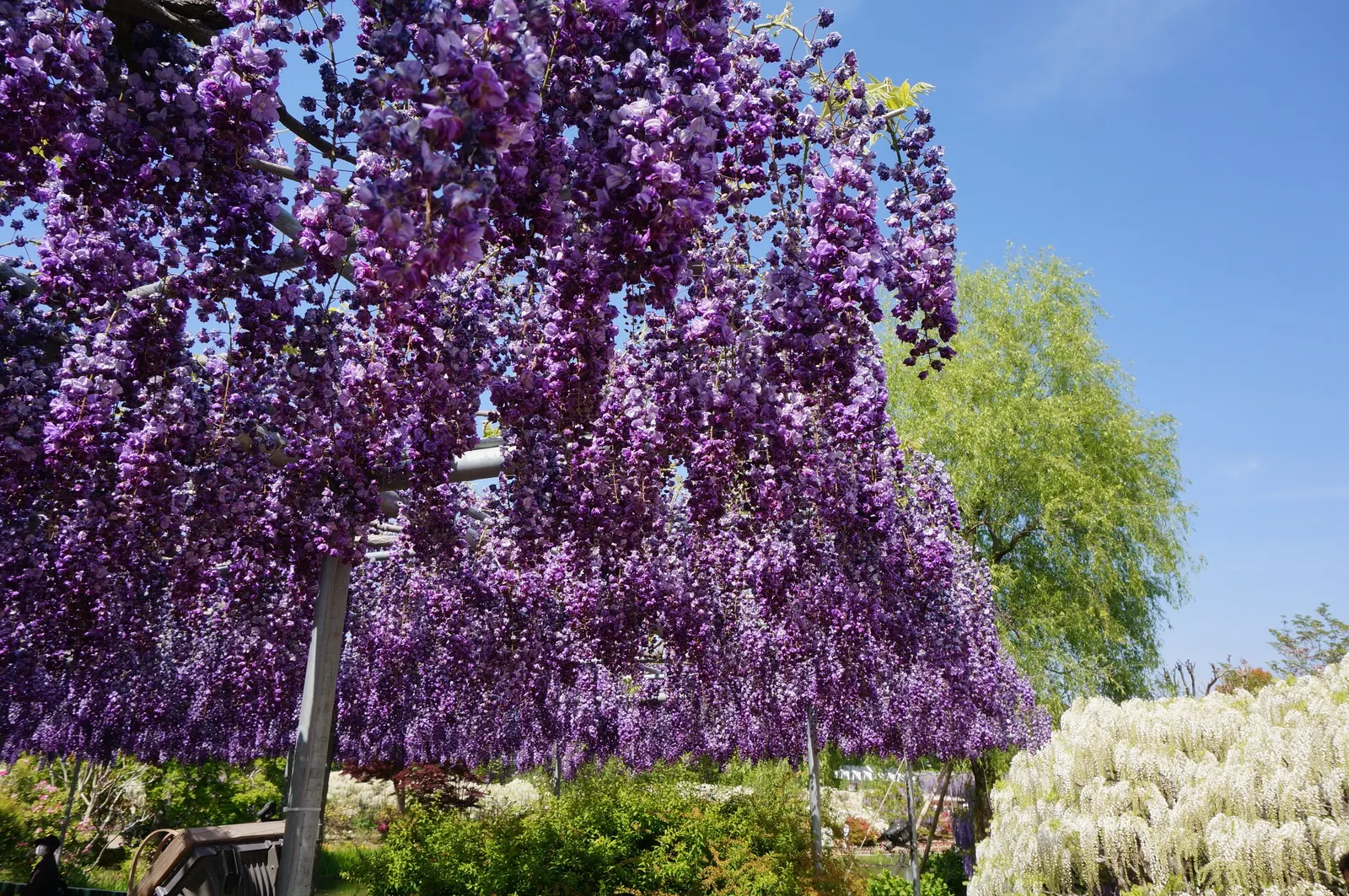
Japanese Wisteria (Wisteria Floribunda) — this species displays an impressive floral show in late spring to early summer
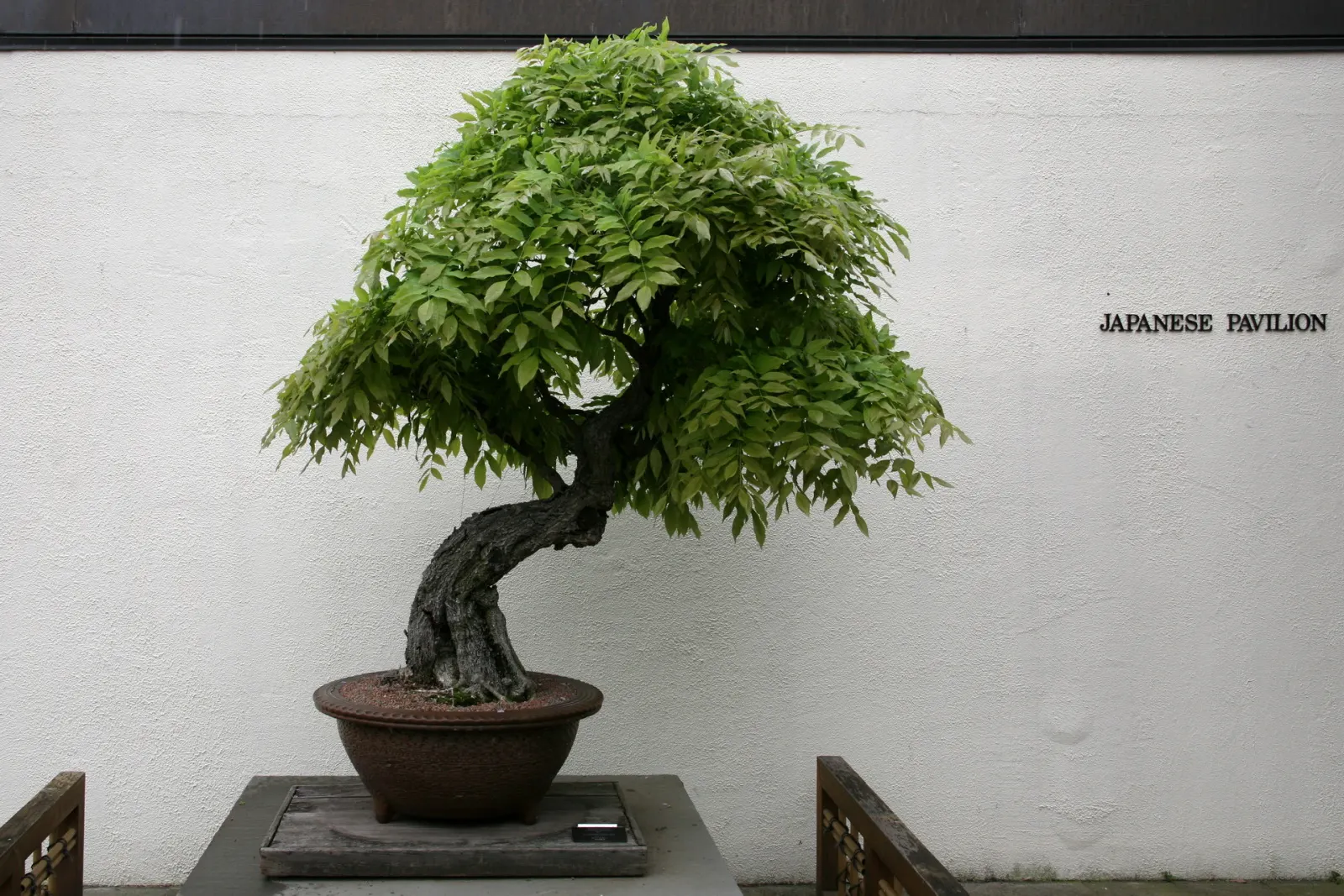
Japanese Wisteria (Wisteria Floribunda) — it is essential to consider its robust growth habit; shrub / vine for full or half
Japanese Wisteria (Wisteria Floribunda) — Pruning should be done twice a year; with a spread of about 8 to 10 feet, image 99
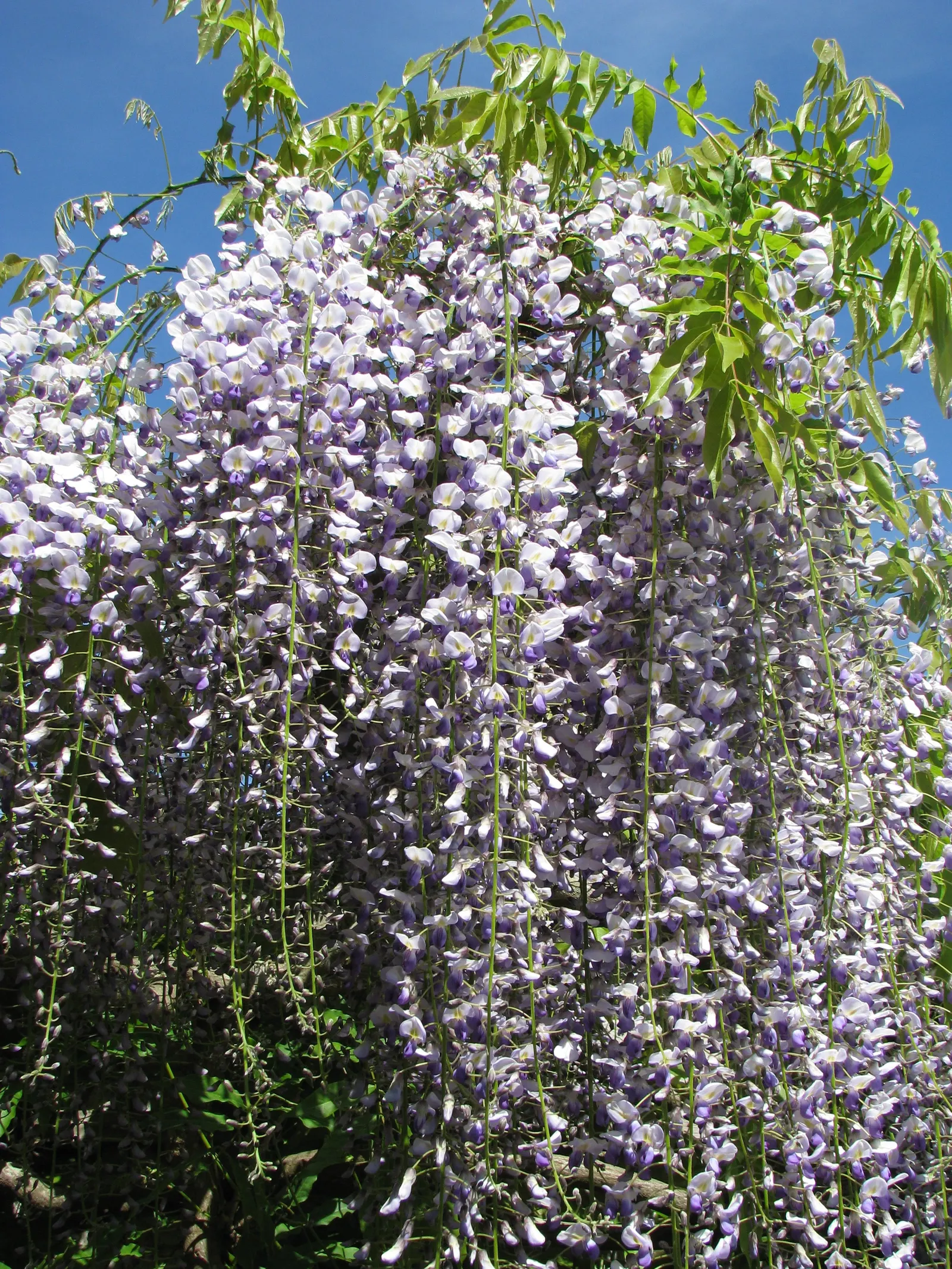
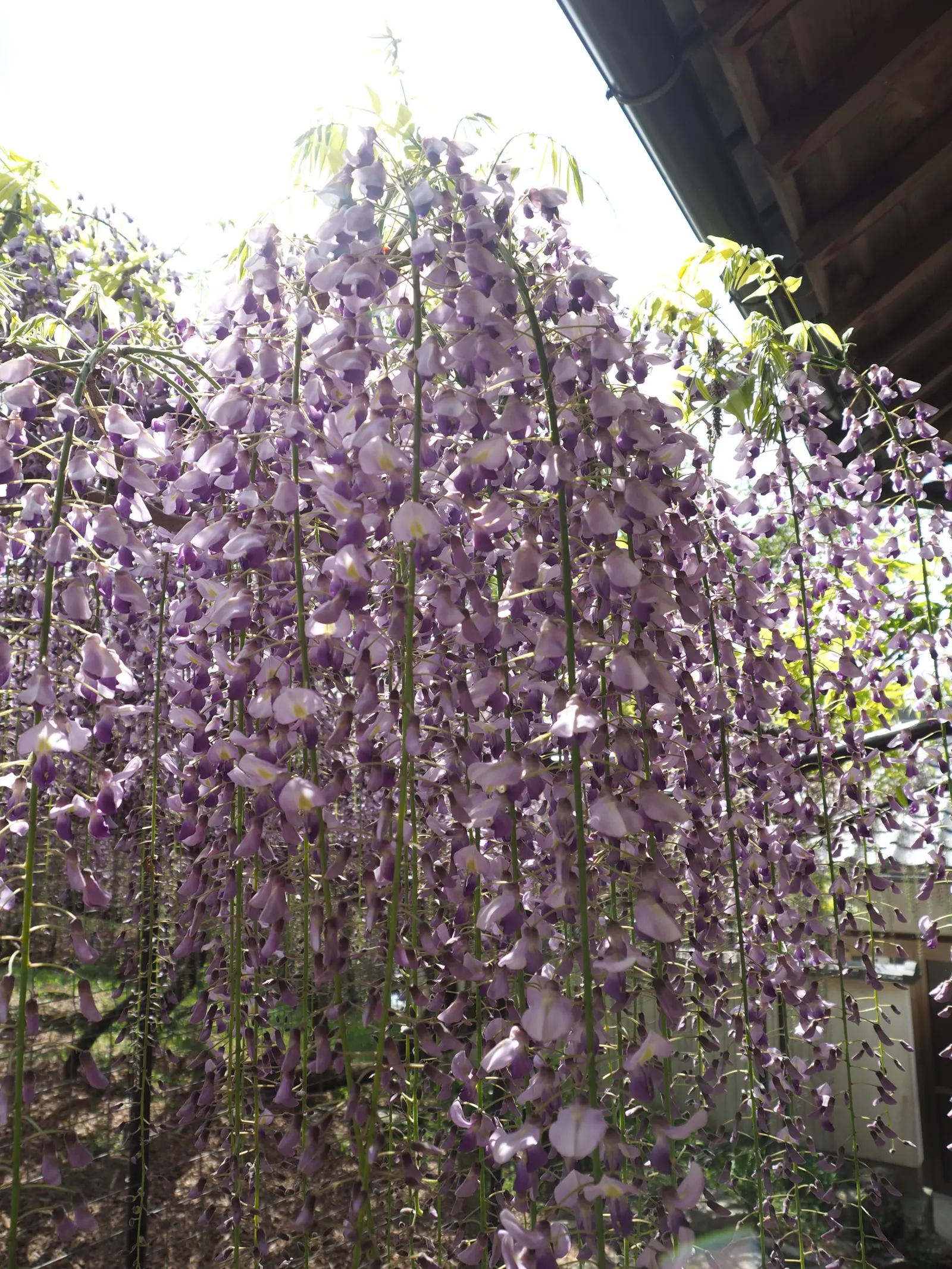
Japanese Wisteria (Wisteria Floribunda) — including shades of violet; ranging from 12 to 18 inches, image 65
Japanese Wisteria (Wisteria Floribunda) — Pruning should be done twice a year; with a spread of about 8 to 10 feet, image 73
Japanese Wisteria (Wisteria Floribunda) — Regular pruning will be needed to maintain its shape and promote flowering; deciduous climber renowned, image 72
Japanese Wisteria (Wisteria Floribunda) — Regular pruning will be needed to maintain its shape and promote flowering
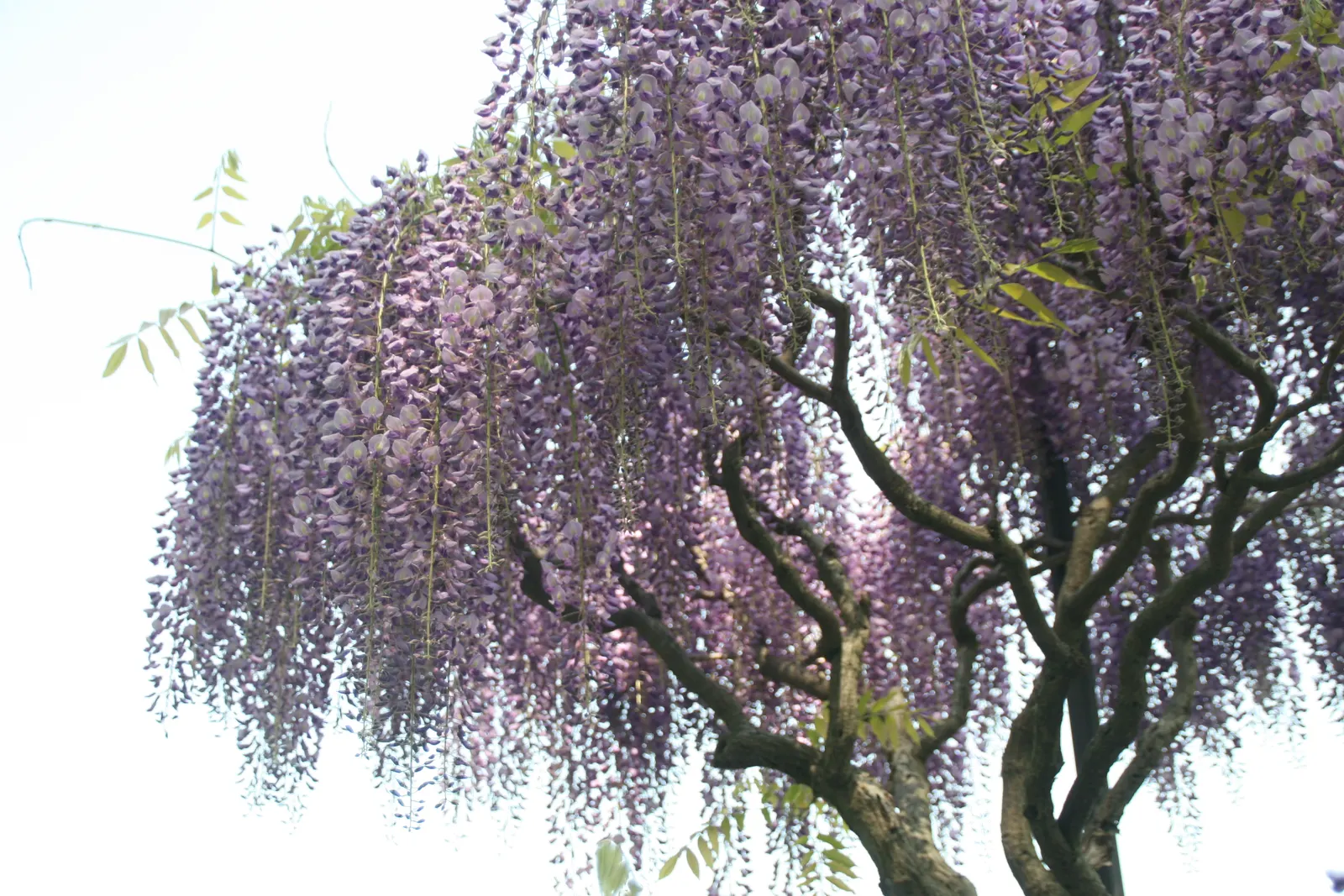
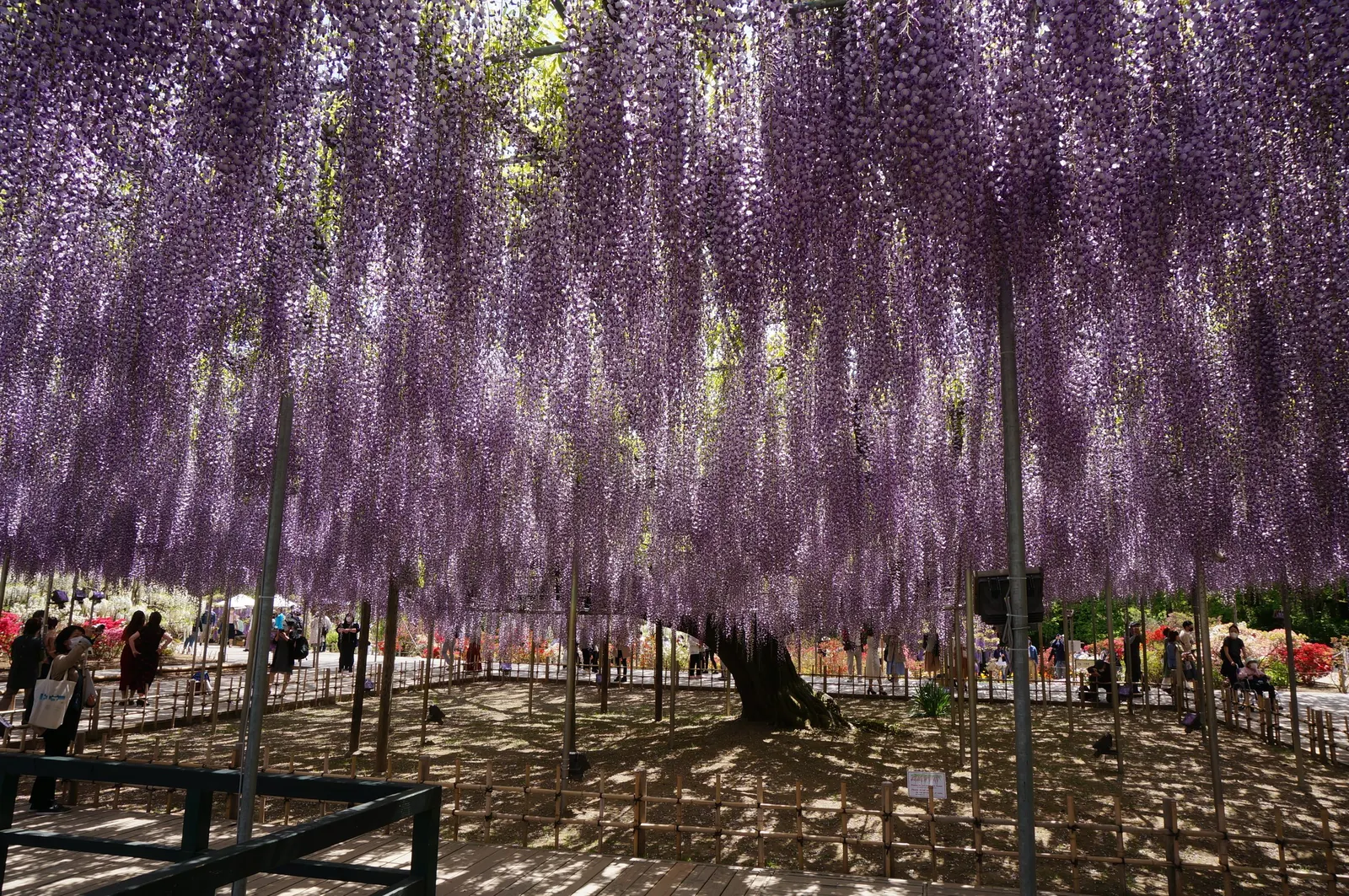
Japanese Wisteria (Wisteria Floribunda) — with racemes that can be exceptionally long
Japanese Wisteria (Wisteria Floribunda) — shrub / vine with lavender and pink blooms; or fences where it can be trained to climb, image 77
Japanese Wisteria (Wisteria Floribunda) — These pendulous blooms come in a variety of colors; typically extending 12-18 inches long in shades of, image 90
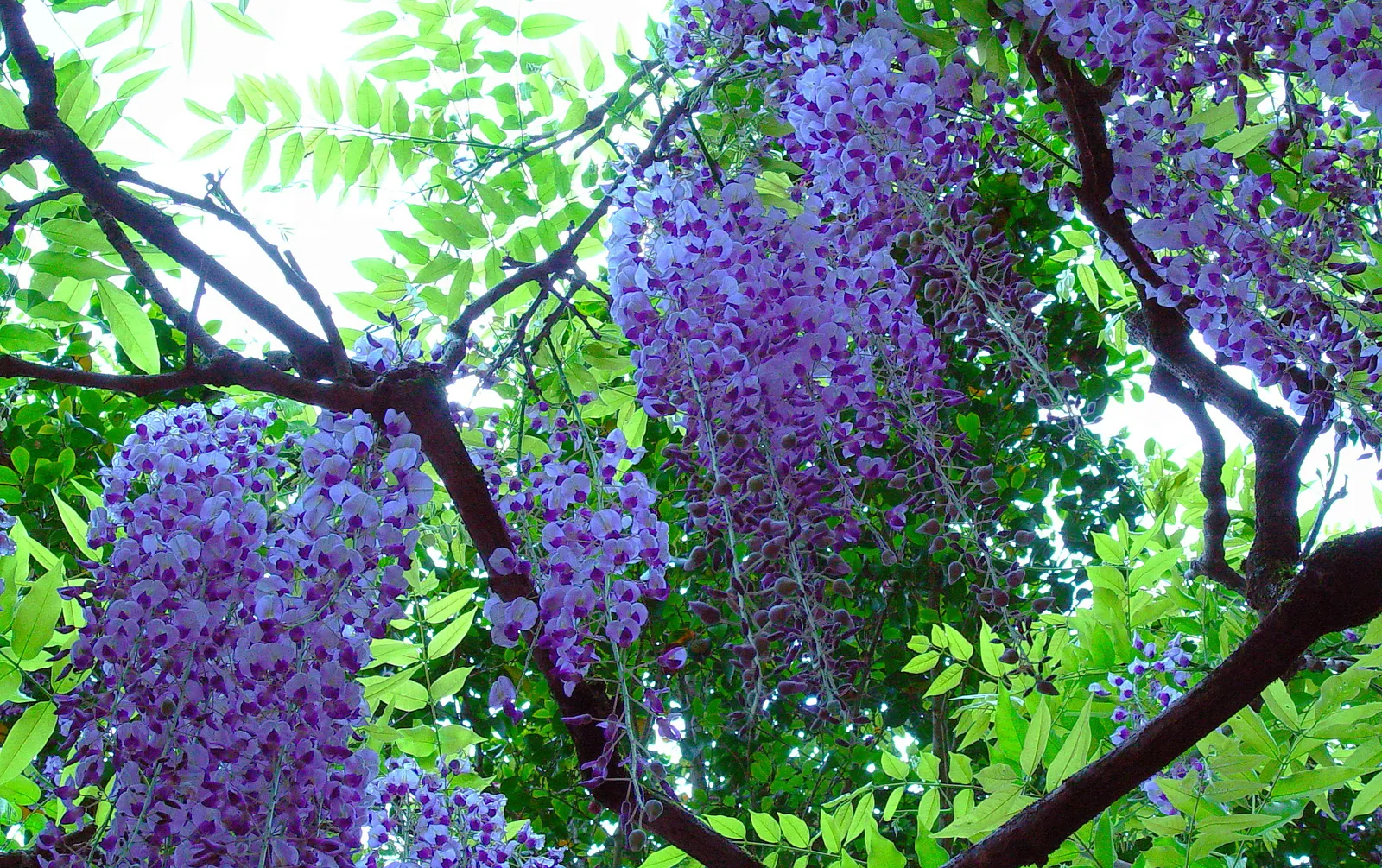
Japanese Wisteria (Wisteria Floribunda) — lavender and pink flowers in the garden; with racemes that can be exceptionally long, image 76
Japanese Wisteria (Wisteria Floribunda) — it is essential to consider its robust growth habit; shrub / vine for full or half, image 71
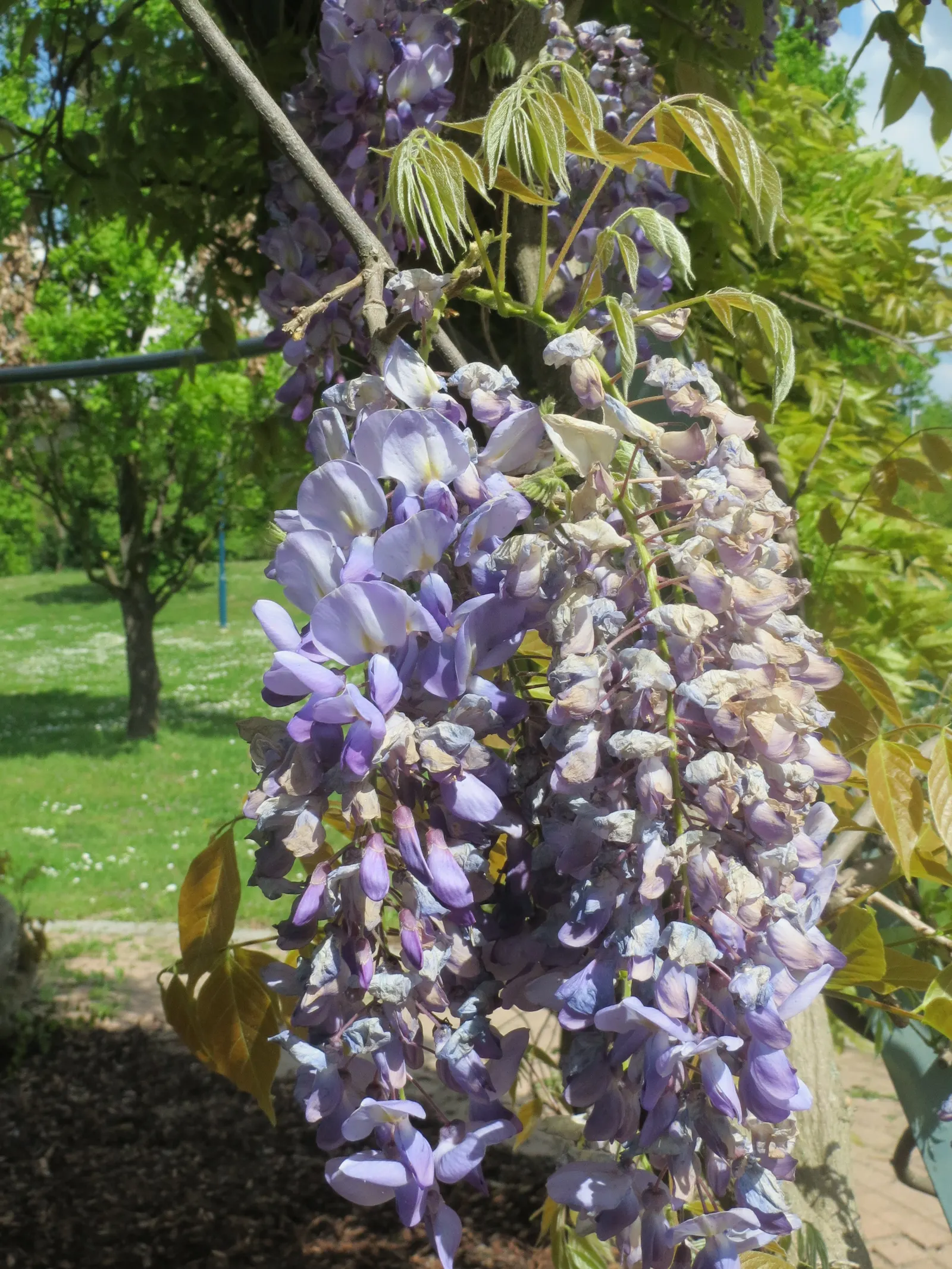
Japanese Wisteria (Wisteria Floribunda) — including shades of violet; ranging from 12 to 18 inches
Japanese Wisteria (Wisteria Floribunda) — once in the summer and then again in the winter; pruning should be done twice a year, image 74
Japanese Wisteria (Wisteria Floribunda) — this species displays an impressive floral show in late spring to early summer; japanese Wisteria (Wisteria
Japanese Wisteria (Wisteria Floribunda) — as the Japanese Wisteria can endure in USDA zones 4 through 9; it is essential to consider its robust, image 70
Japanese Wisteria (Wisteria Floribunda) — deciduous climber renowned for its cascading flower clusters and vigorous growth; regular pruning will be, image 59
Japanese Wisteria (Wisteria Floribunda) — Japanese Wisteria (Wisteria floribunda) is a vigorous; an ideal choice for creating vertical interest, image 105
Japanese Wisteria (Wisteria Floribunda) — it is essential to consider its robust growth habit
Japanese Wisteria (Wisteria Floribunda) — with a spread of about 8 to 10 feet; this plant prefers full sun to partial shade and thrives in, image 66
Japanese Wisteria (Wisteria Floribunda) — This plant prefers full sun to partial shade and thrives in well-drained, fertile soil
Japanese Wisteria (Wisteria Floribunda) — deciduous climber known for its cascading clusters of fragrant flowers; and sometimes even reaching over, image 80
Japanese Wisteria (Wisteria Floribunda) — Space plants about 10-15 feet apart, allowing room for a spread of up to 30 feet; including shades of, image 84
Photographs by 9 contributors

Related plants