Skip to content

Yellow Dot

Wedelia Trilobata

Design with this plant

Overview

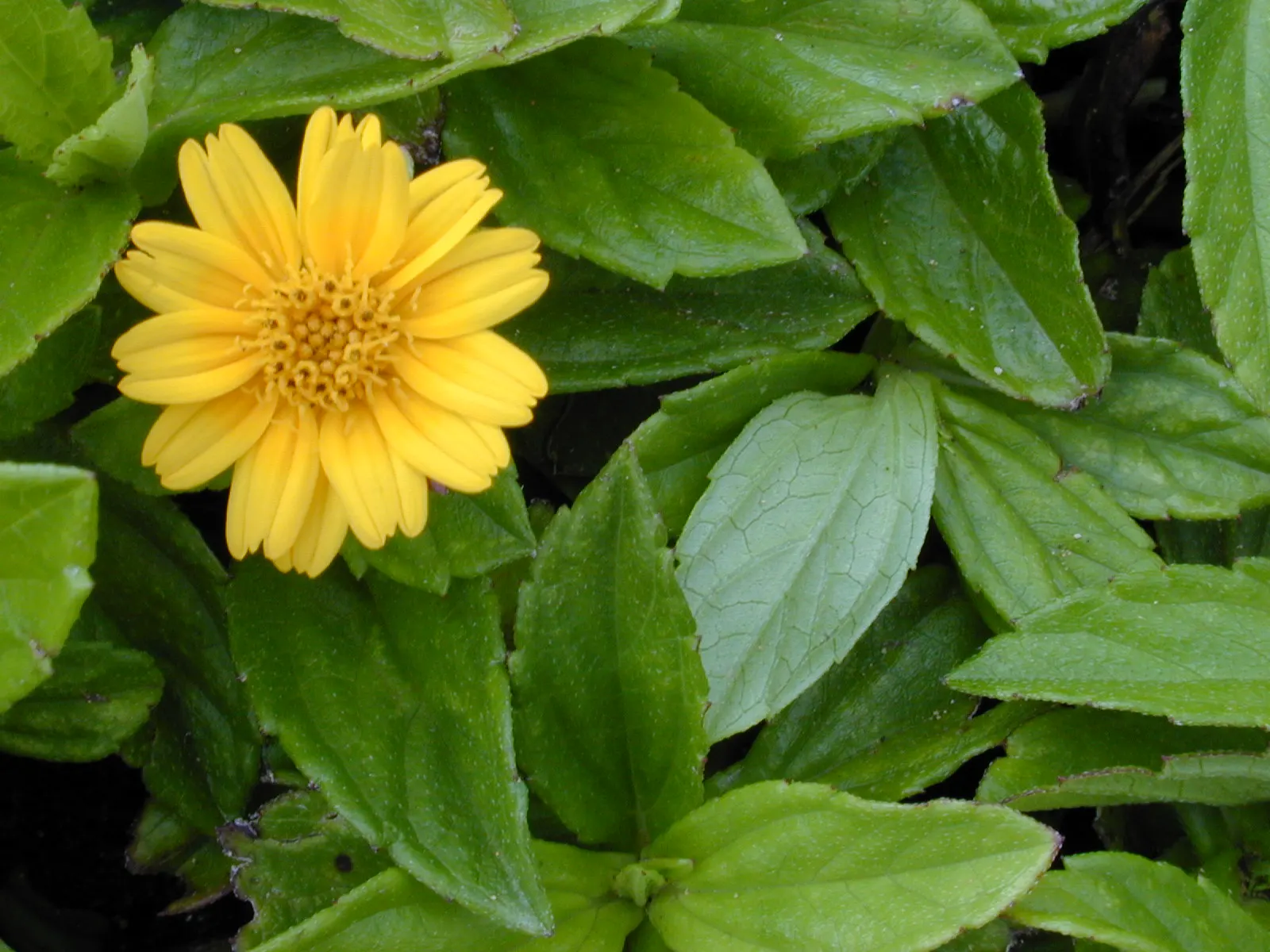
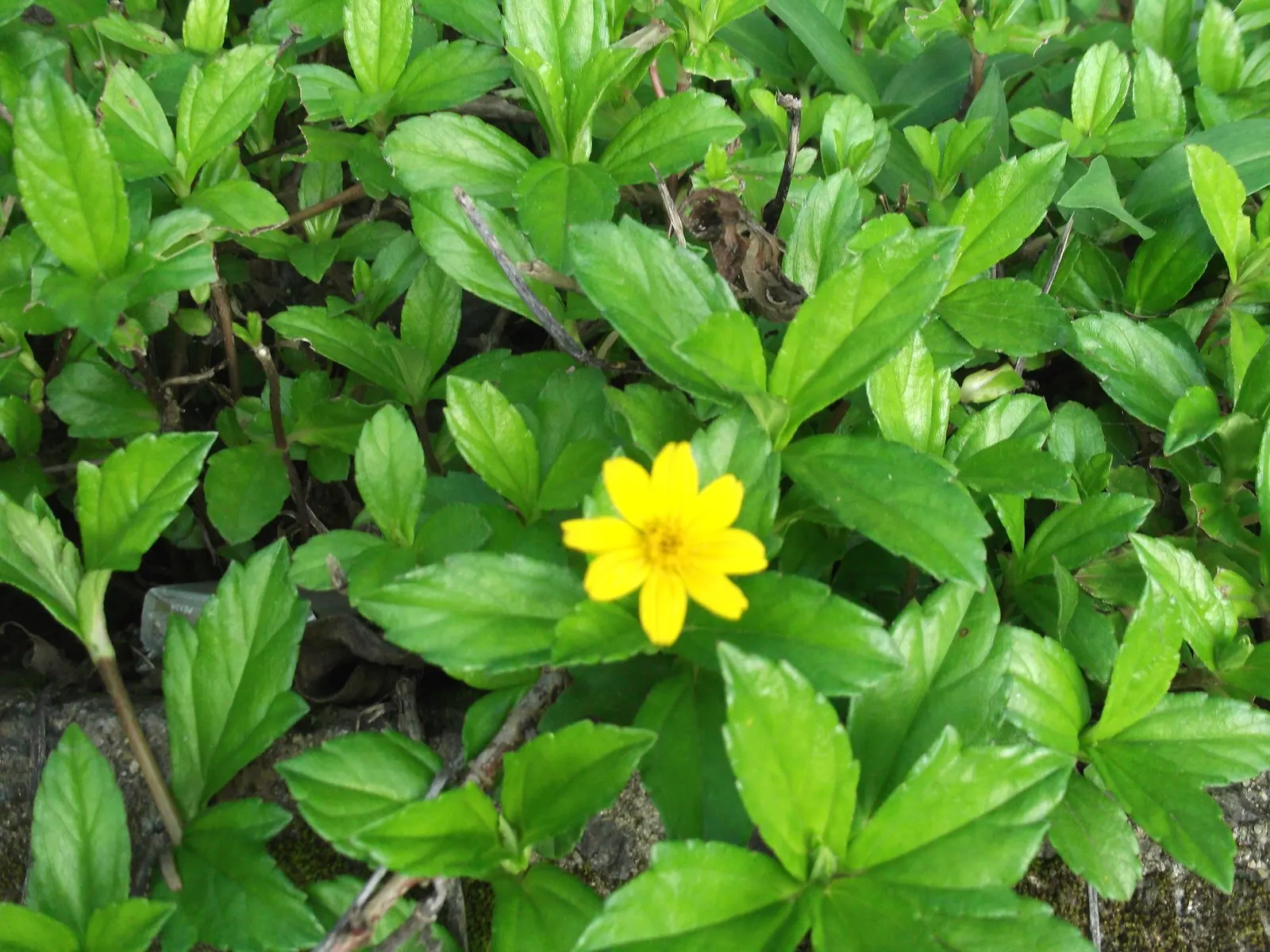
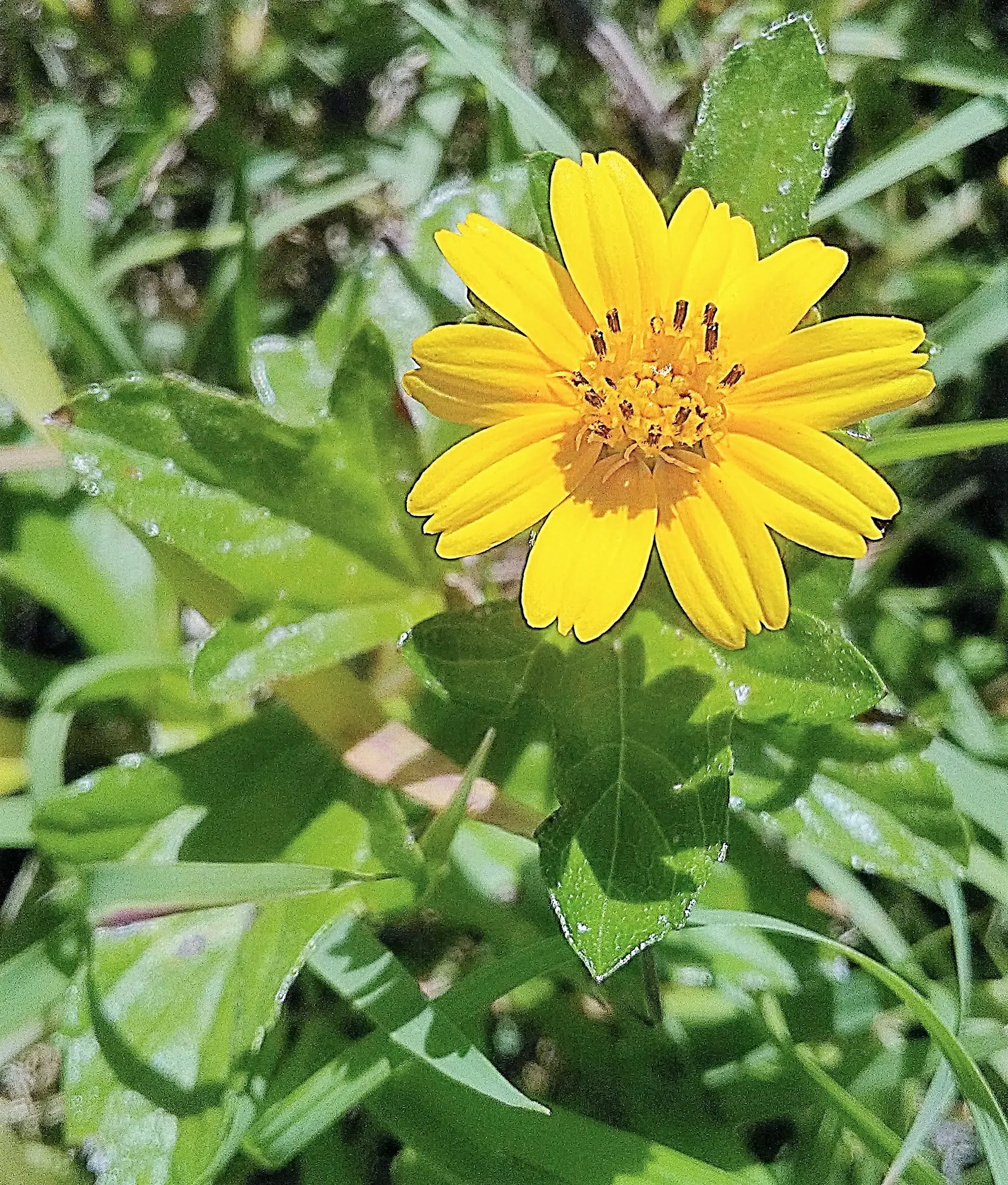
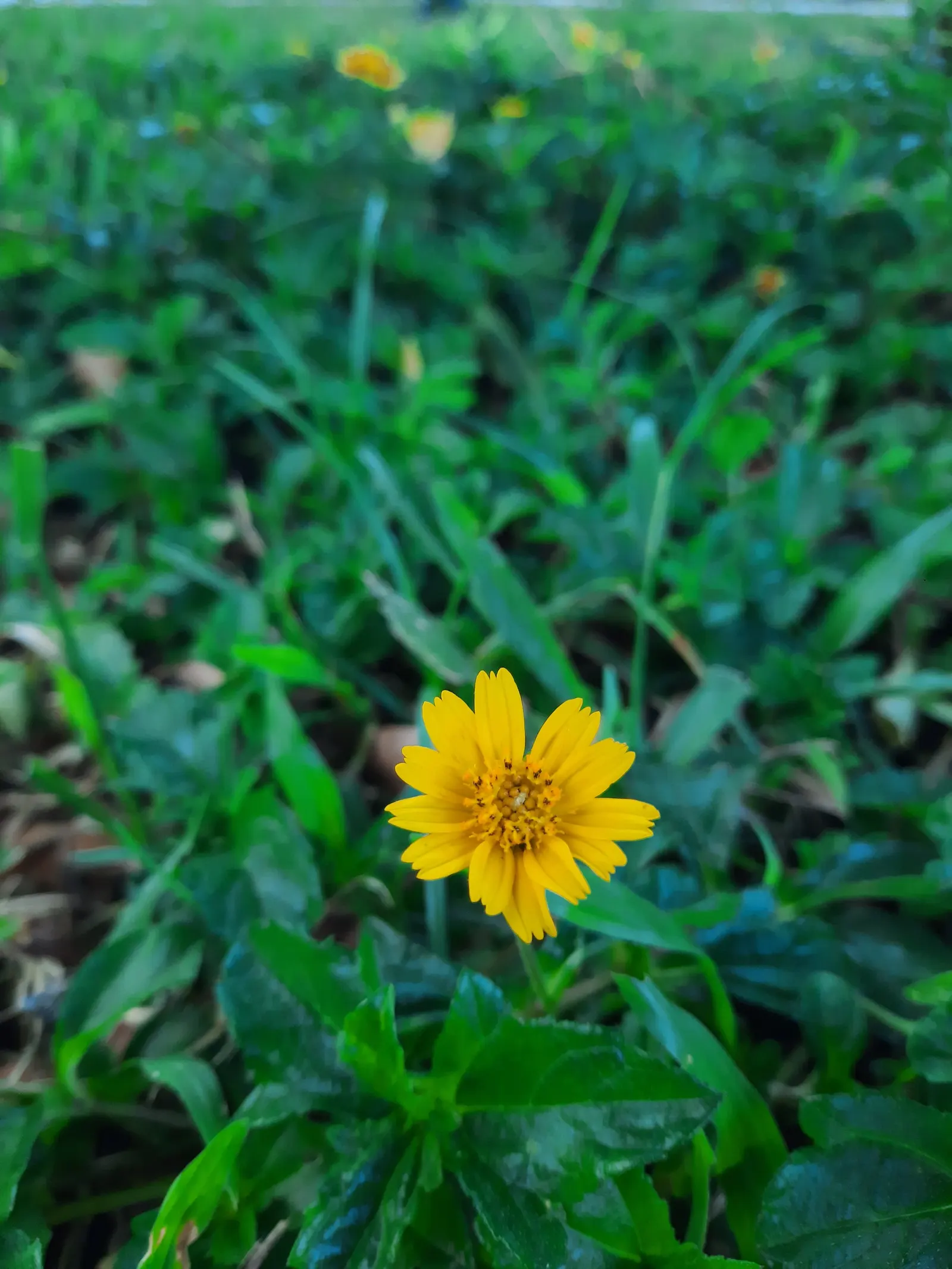
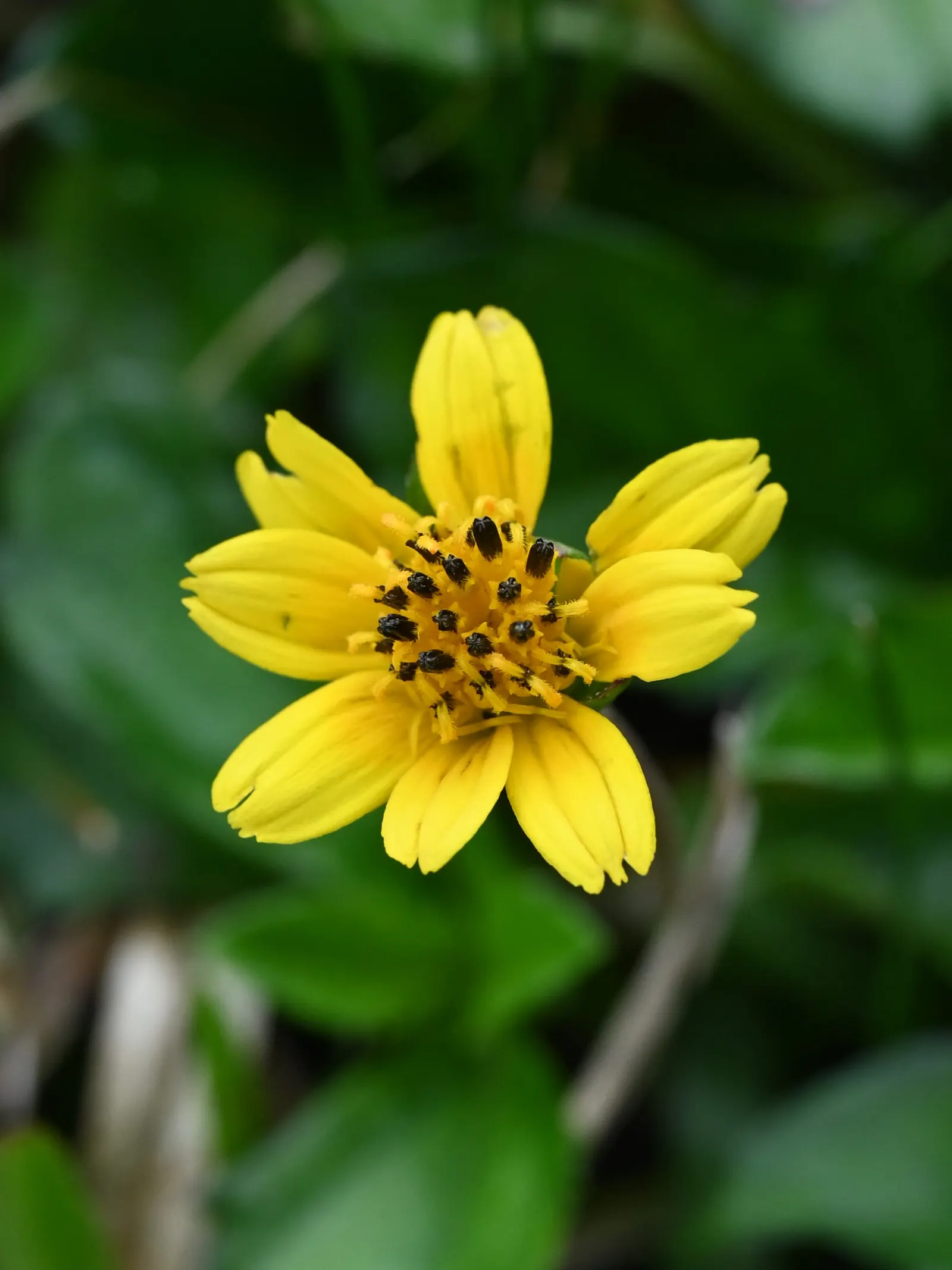
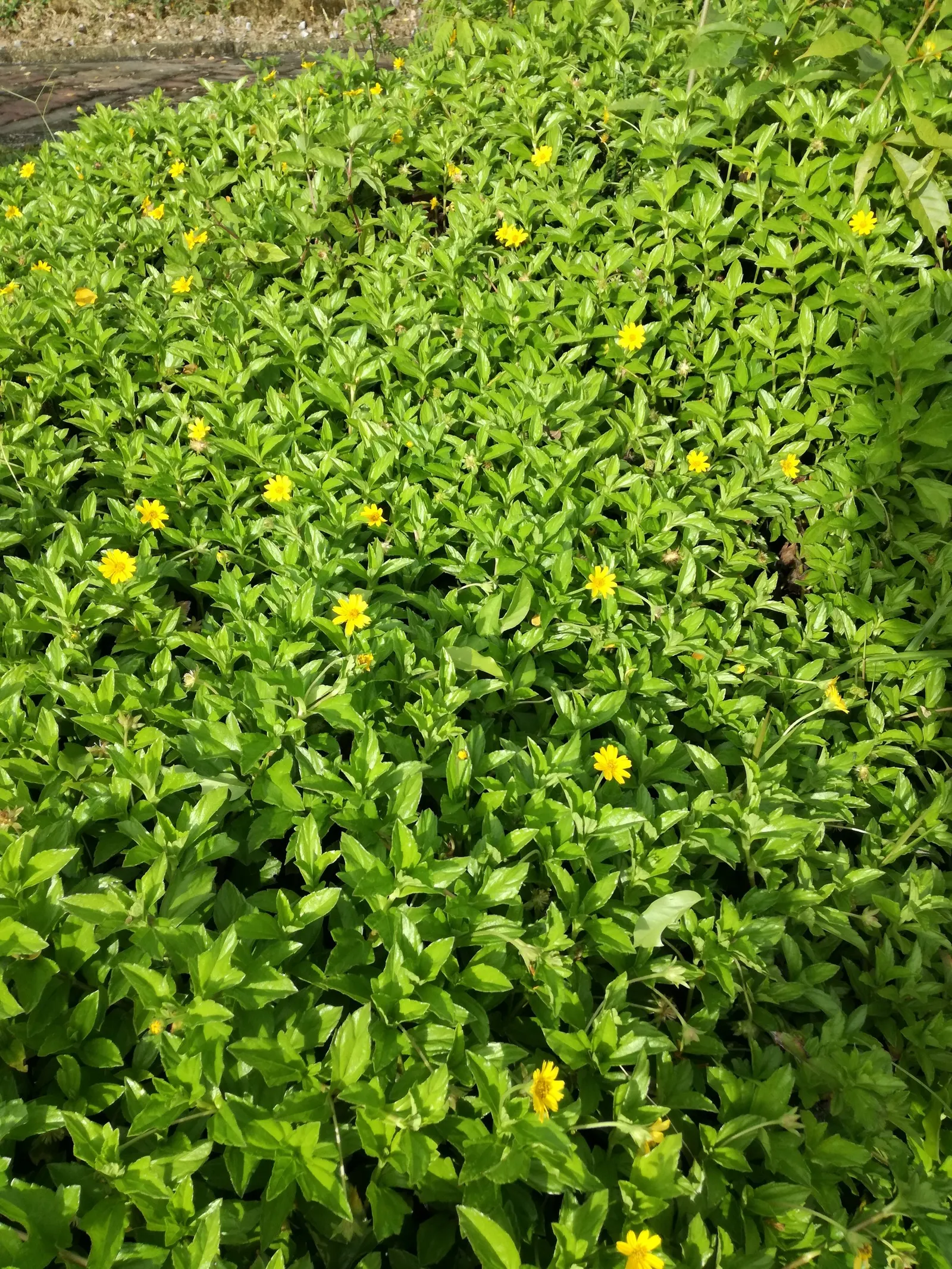
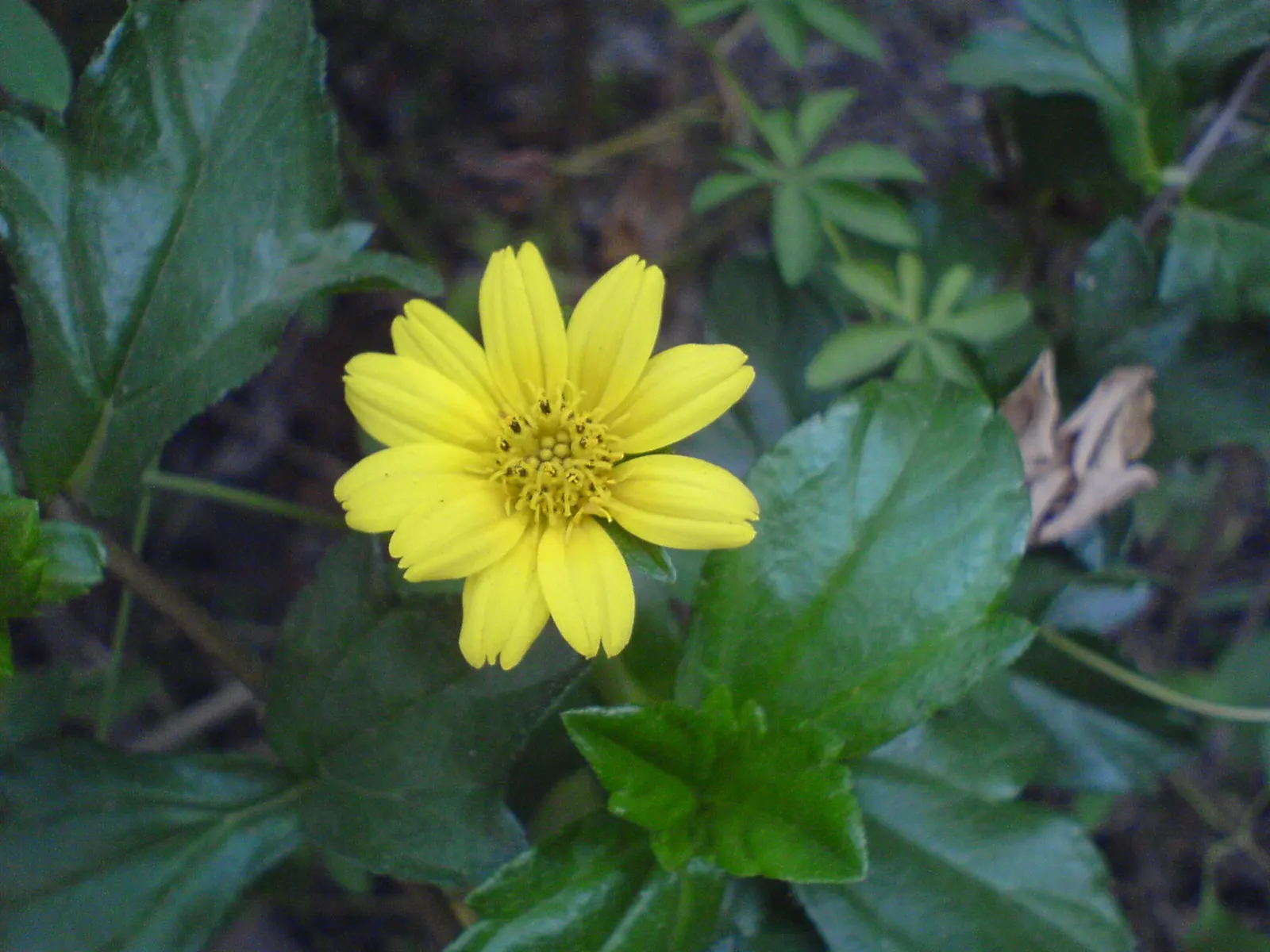
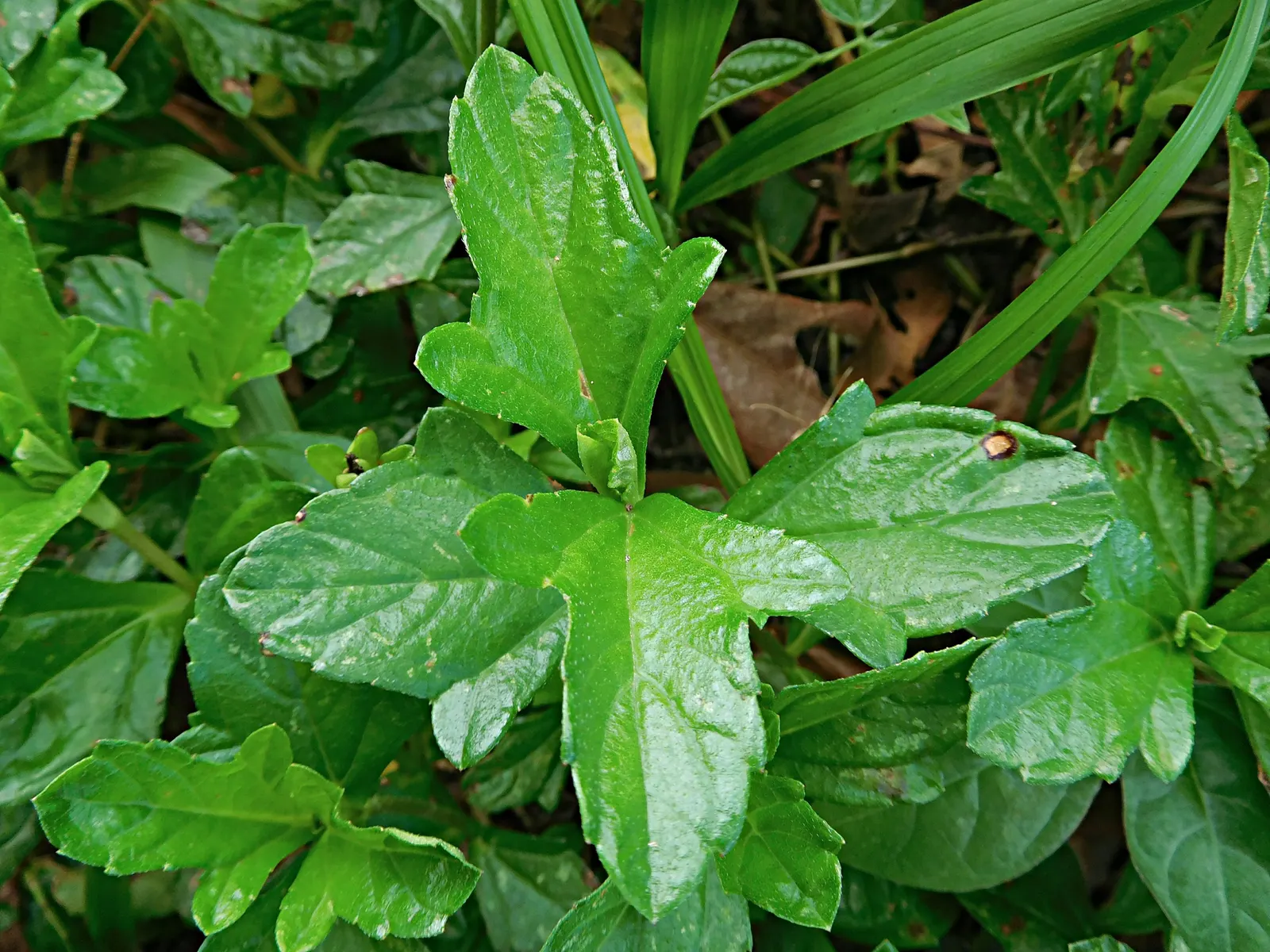
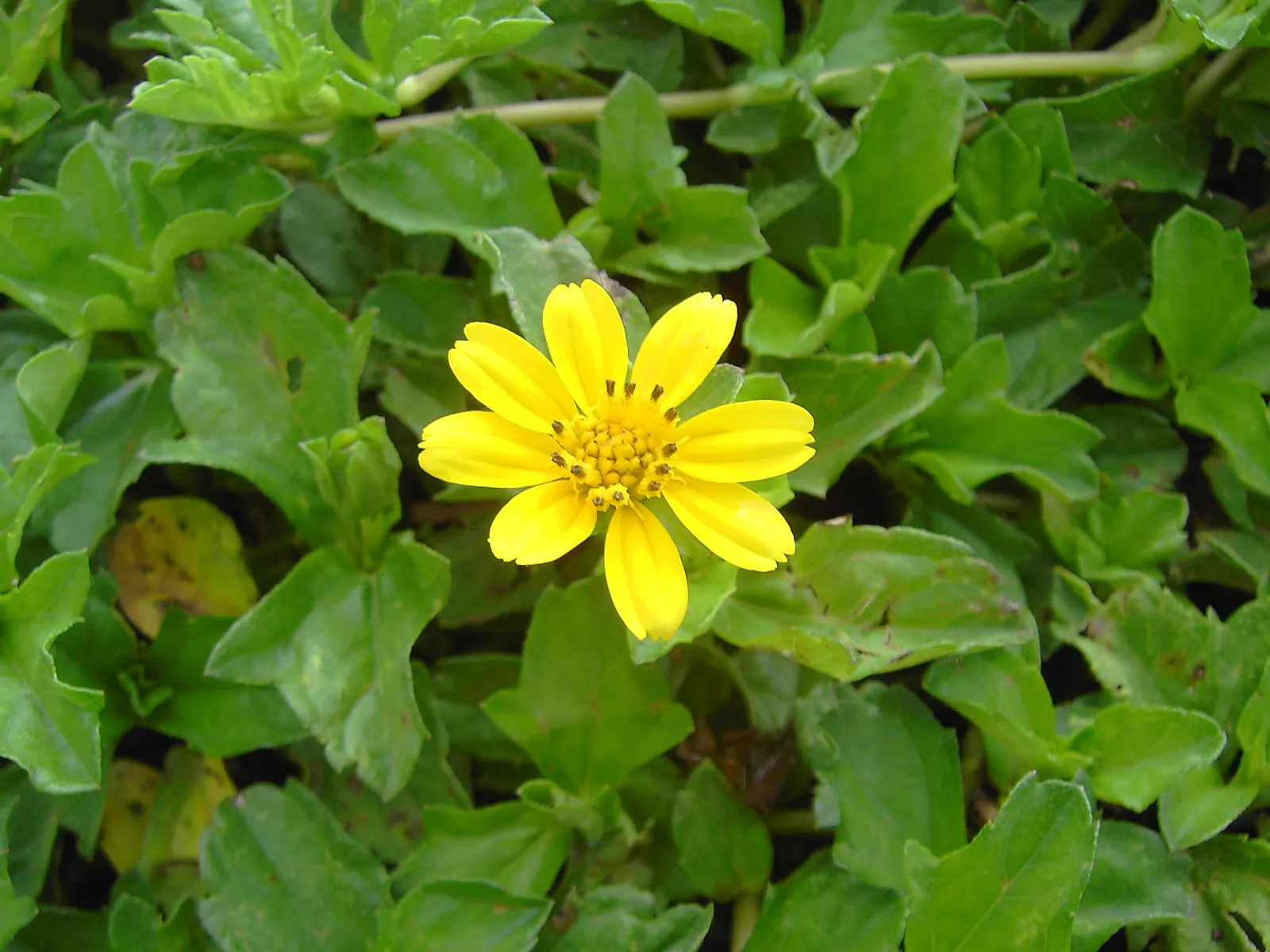
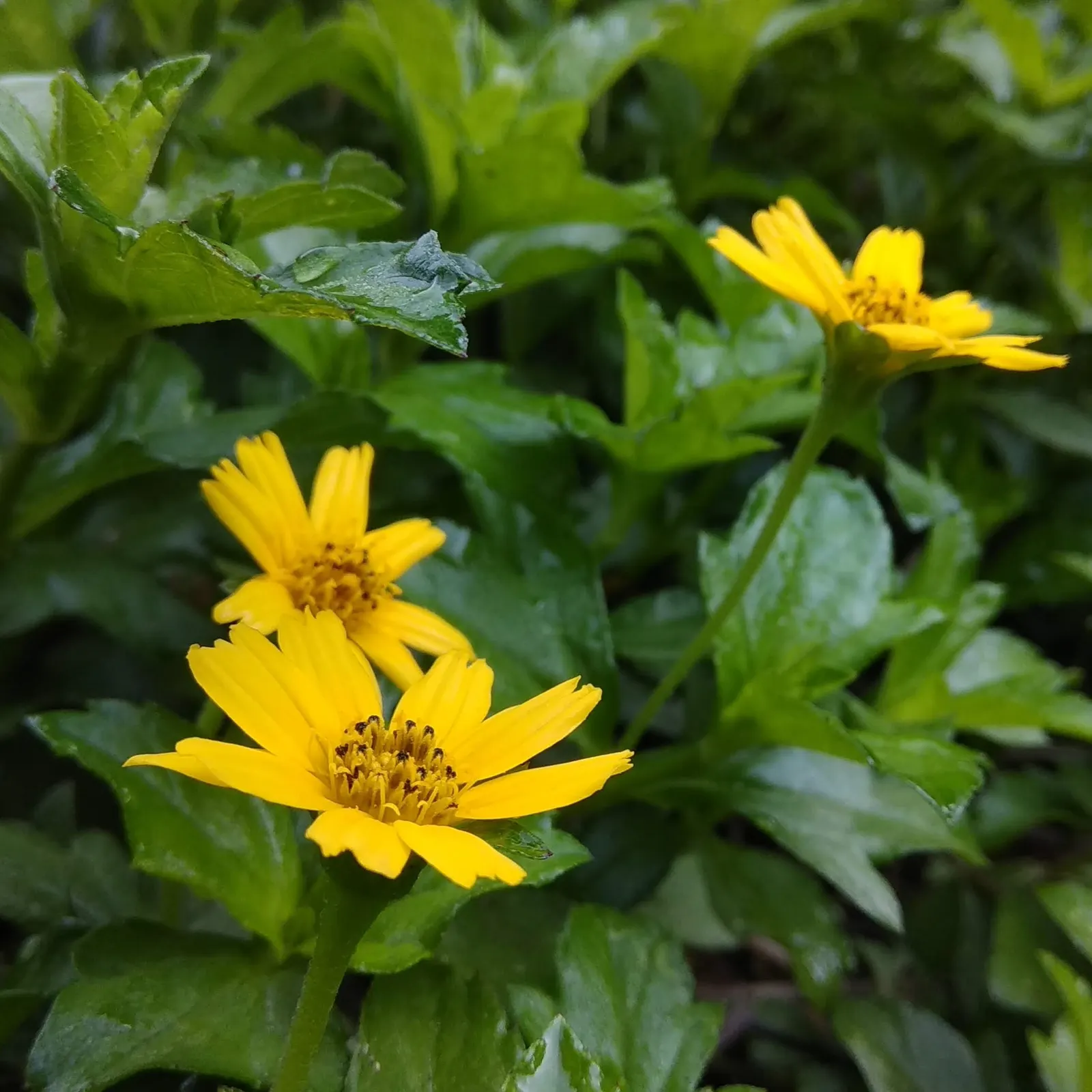
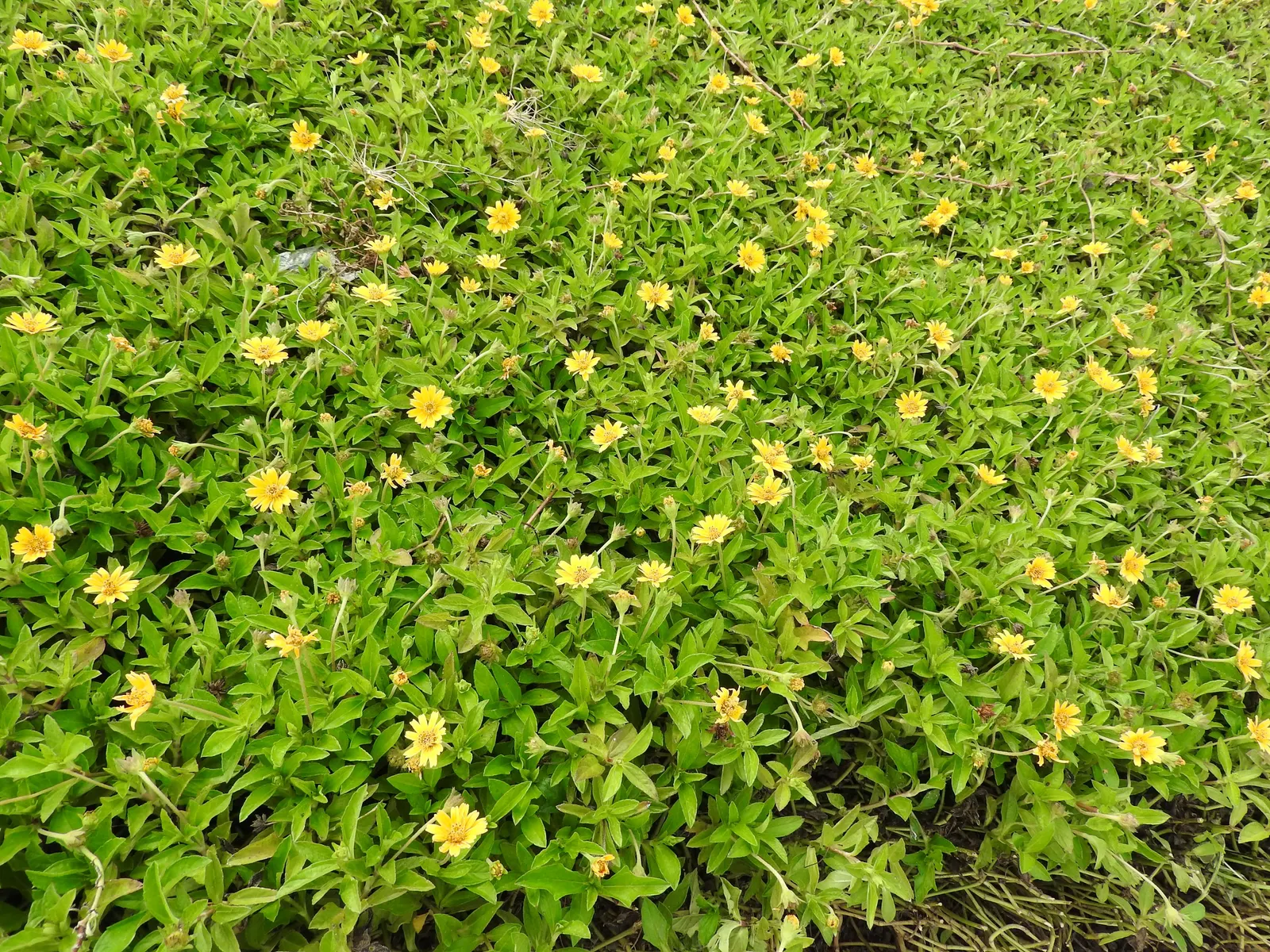
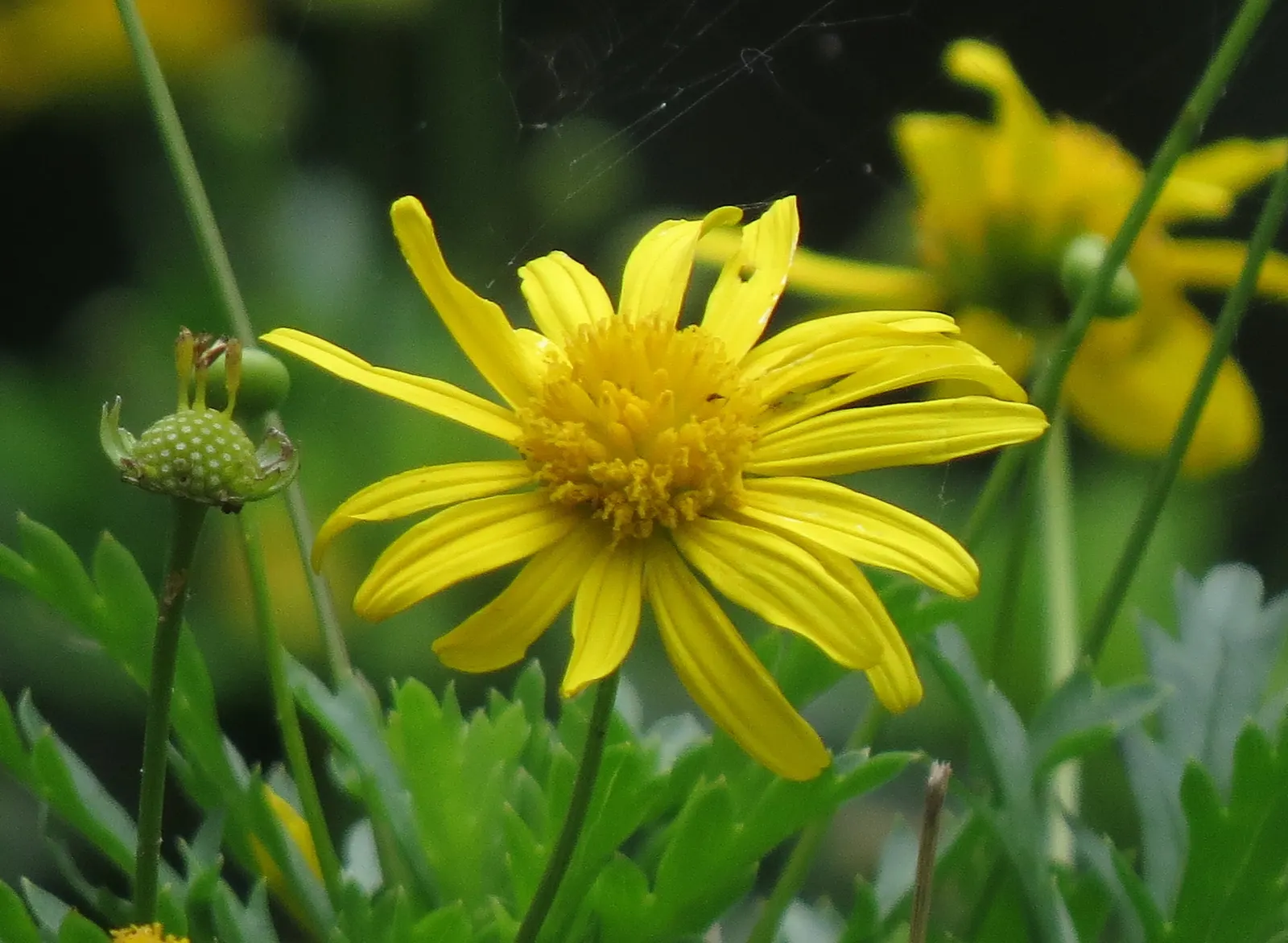
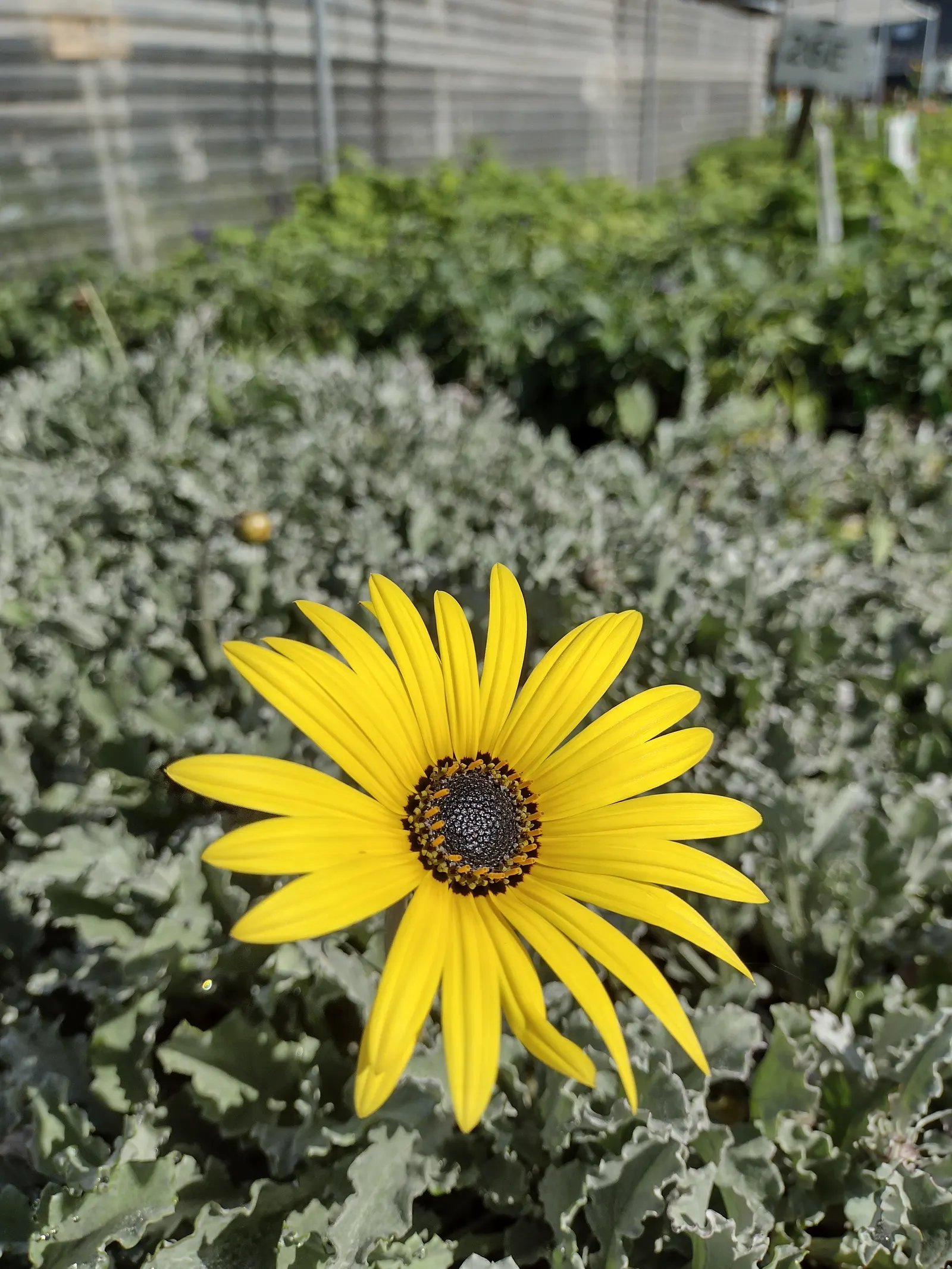
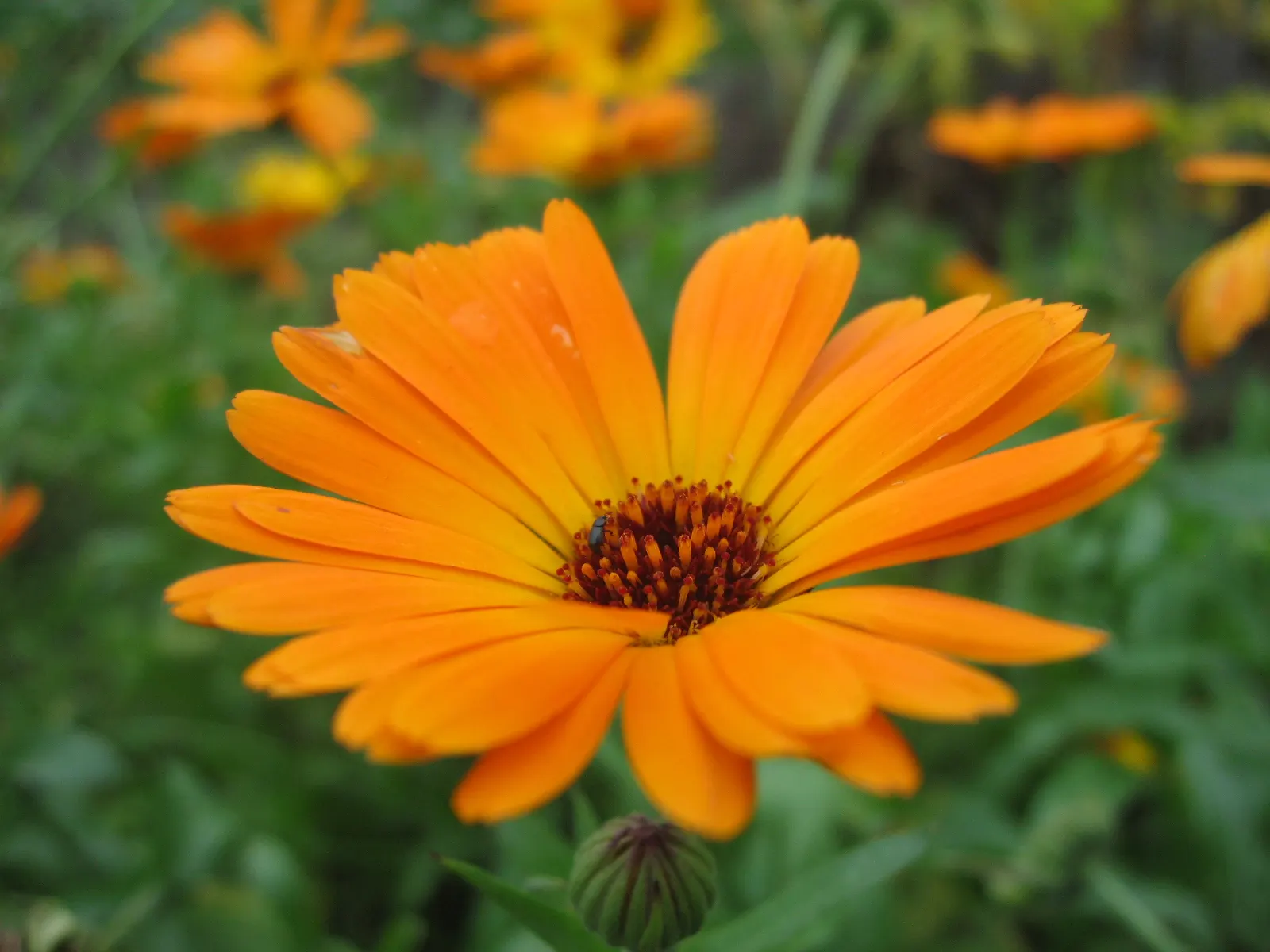
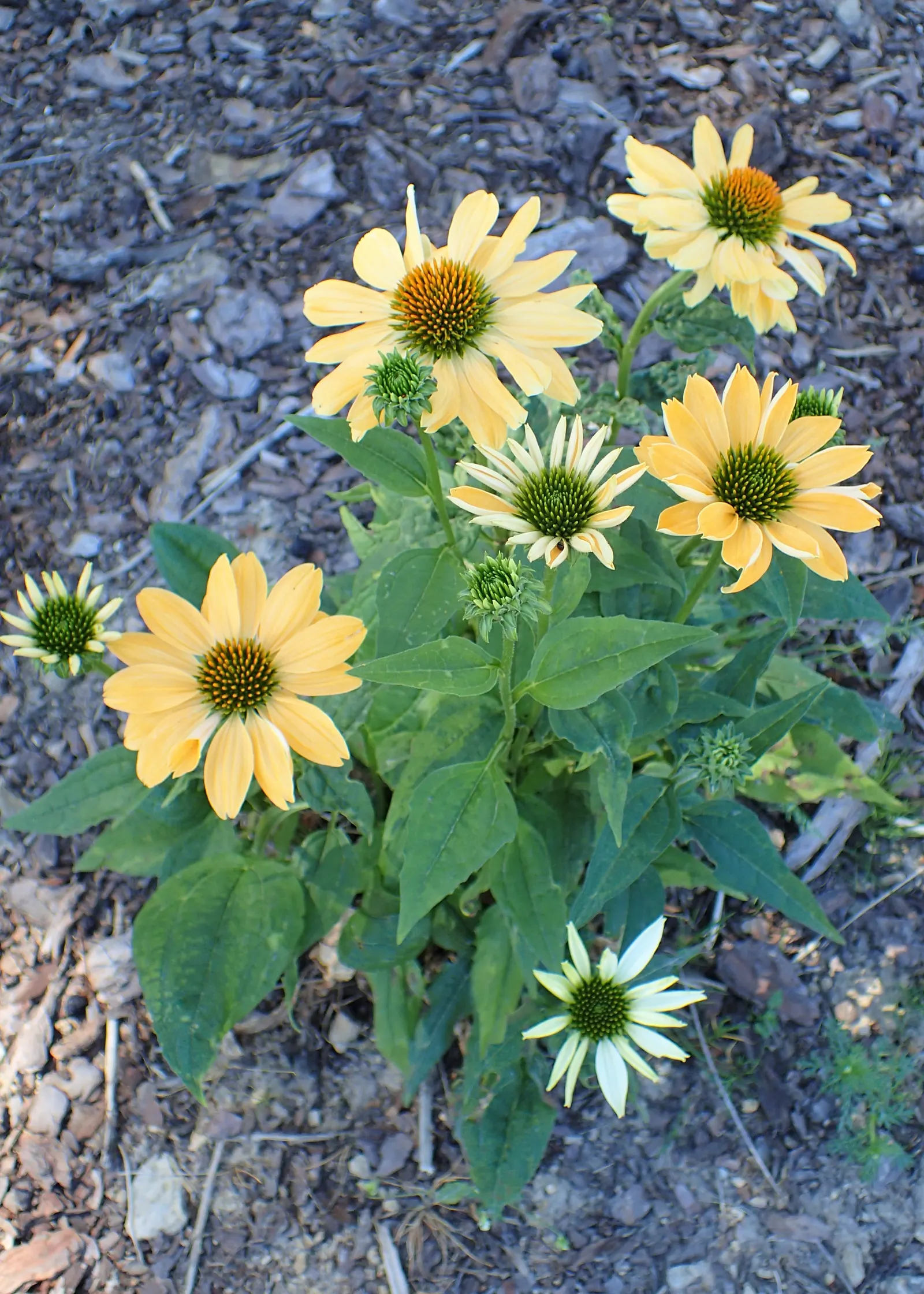
Yellow Dot (Wedelia trilobata) is a vigorous ground cover, featuring daisy-like, bright yellow flowers and lustrous, deep green leaves that are roughly 3 inches long. This perennial thrives in USDA zones 8-11 and spreads quickly to 3-4 feet wide, flourishing in full sun to partial shade. With a growth height of about 18 inches, it's excellent for erosion control, requiring minimal maintenance once established and preferring well-drained soil.

Sun Full, Half, ShadeWater MediumZones 9–11Climate Arid, Subtropical
Yellow Dot (Wedelia Trilobata) — it's excellent for erosion control

Culture

Sun
Full, Half, Shade
Water
Medium
USDA zones
9–11

Shape & size

Classification

Family
Asteraceae
Climate
Arid, Subtropical

See full data, regional cultivation notes, full-resolution photos, and design tools. Build a client presentation around this plant.

Start your 14-day trial

Photos (80)

Yellow Dot (Wedelia Trilobata) — Regular pruning will encourage bushier growth and prevent unwanted spreading
Yellow Dot (Wedelia Trilobata) — plant Yellow Dot in an area with full to partial sunlight and well-drained soil
Yellow Dot (Wedelia Trilobata) — deep green leaves that are roughly 3 inches long; which allows for easy integration with other plants as underplantings or
Yellow Dot (Wedelia Trilobata) — Yellow Dot (Wedelia trilobata) is a vigorous ground cover; this perennial thrives in USDA zones 8-11 and spreads quickly to
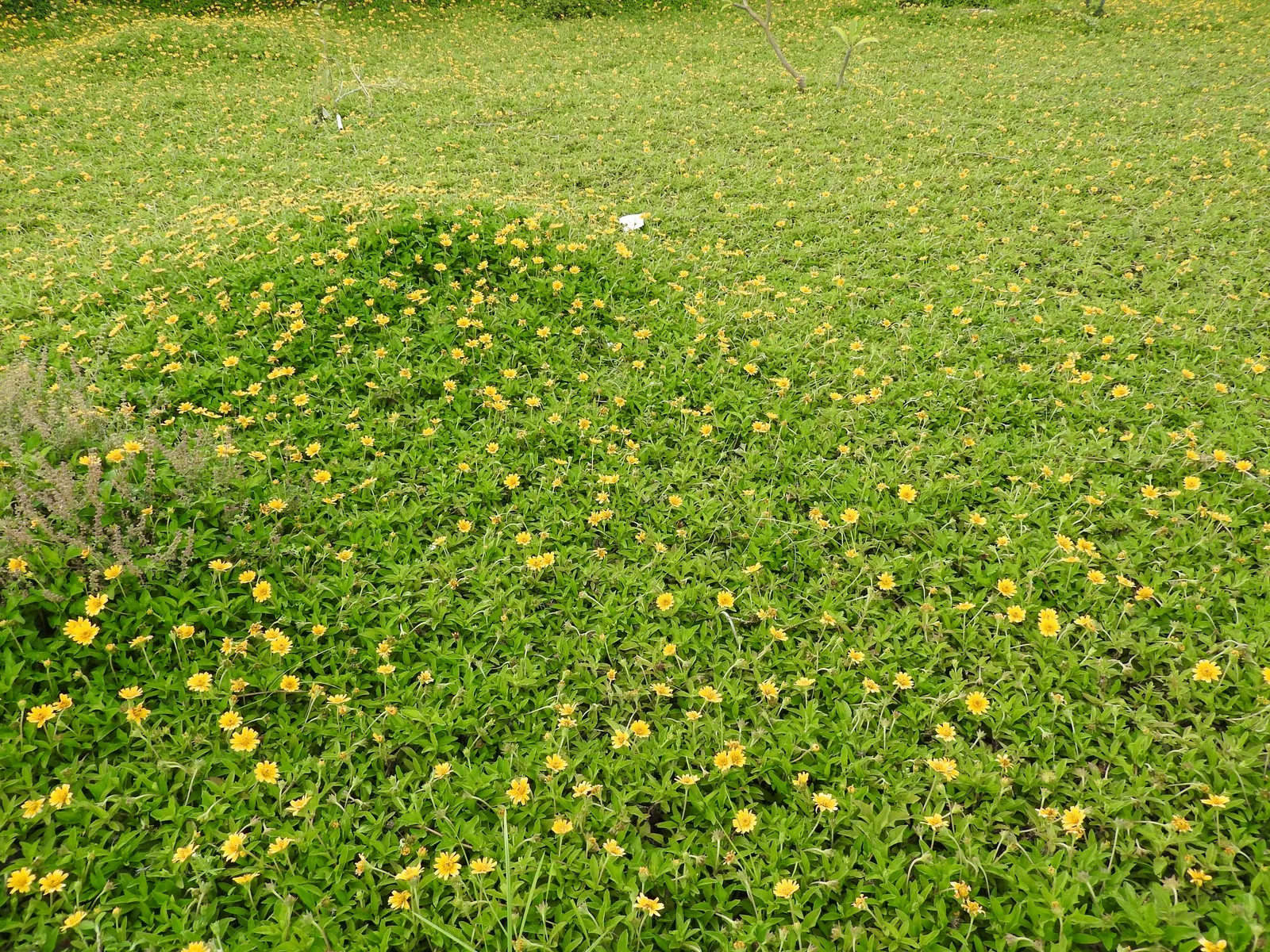
Yellow Dot (Wedelia Trilobata) — ground cover for full or half or shade
Yellow Dot (Wedelia Trilobata) — ground cover with yellow blooms
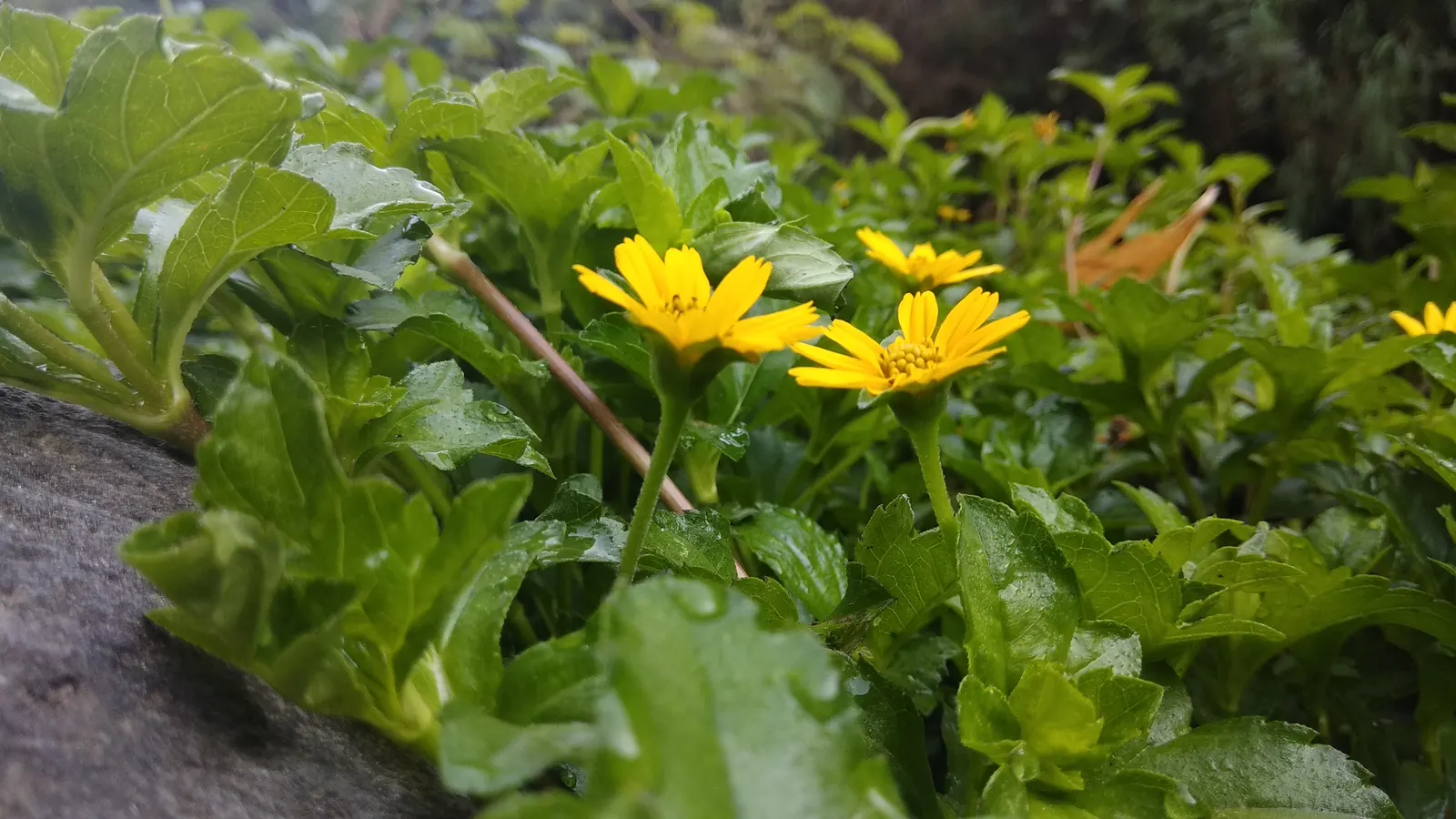
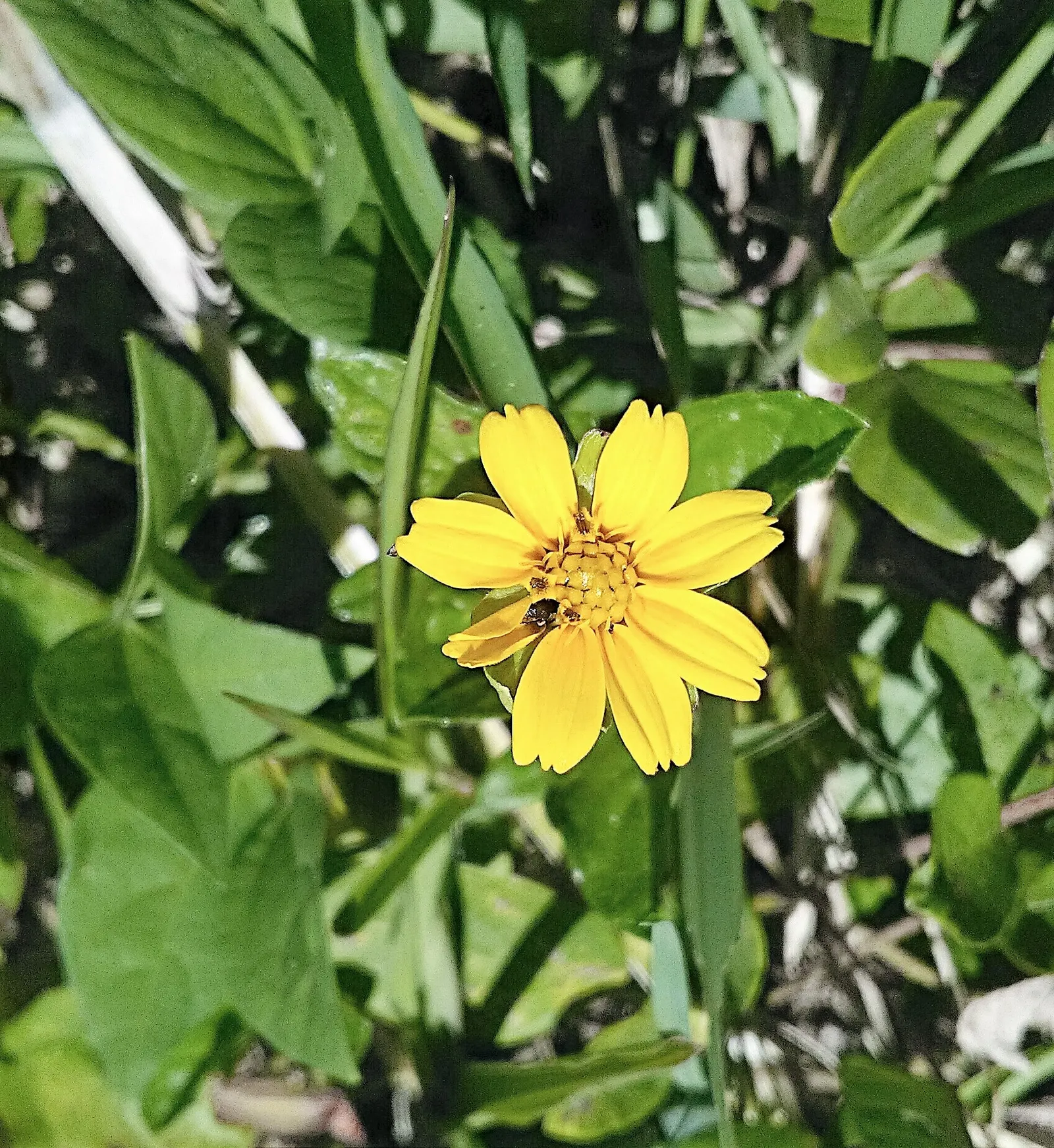
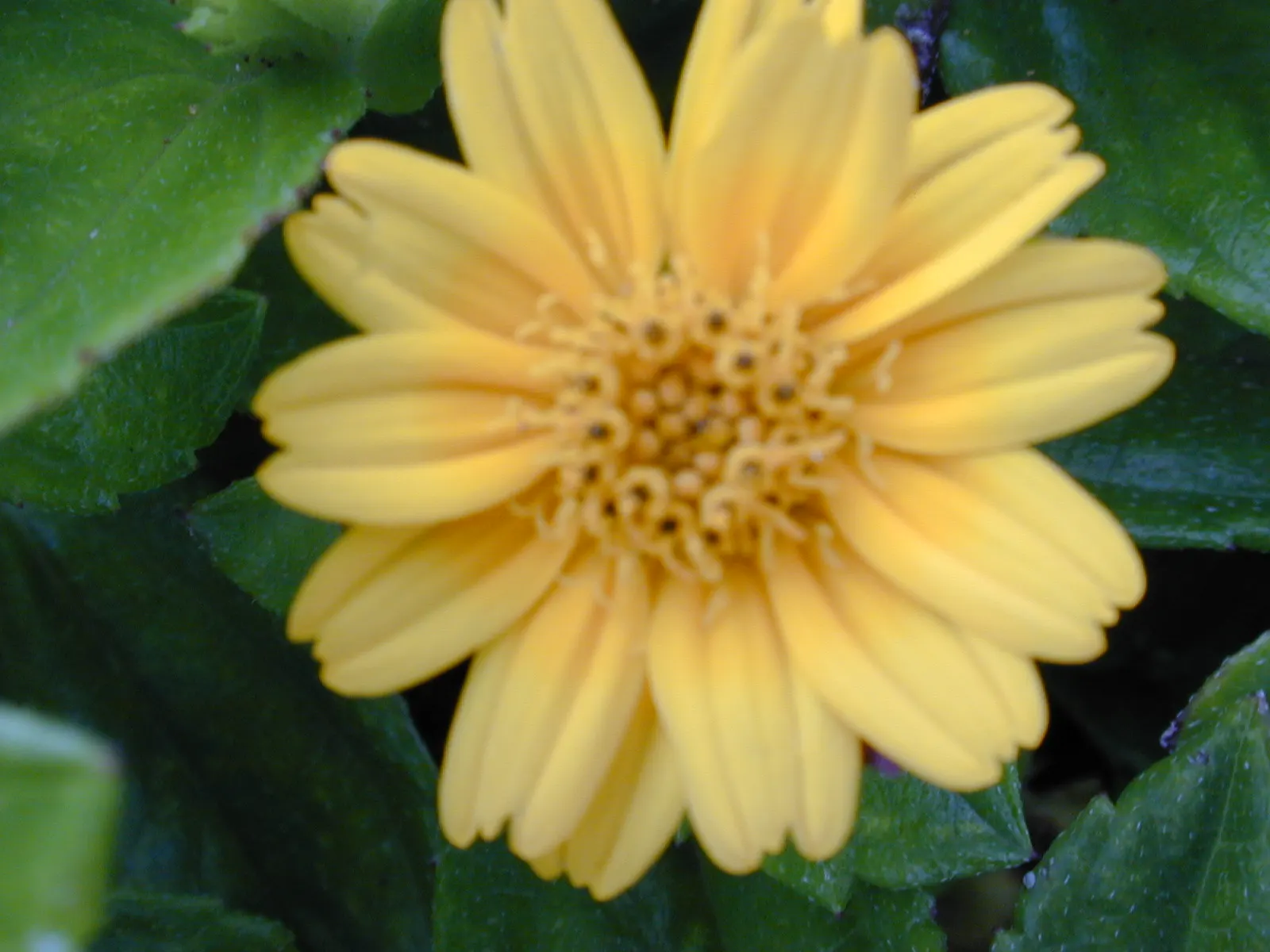
Yellow Dot (Wedelia Trilobata) — bright yellow flowers and lustrous; daisy-like yellow flowers
Yellow Dot (Wedelia Trilobata) — flourishing in full sun to partial shade; this perennial thrives in USDA zones 8-11 and spreads quickly to 3-4 feet wide
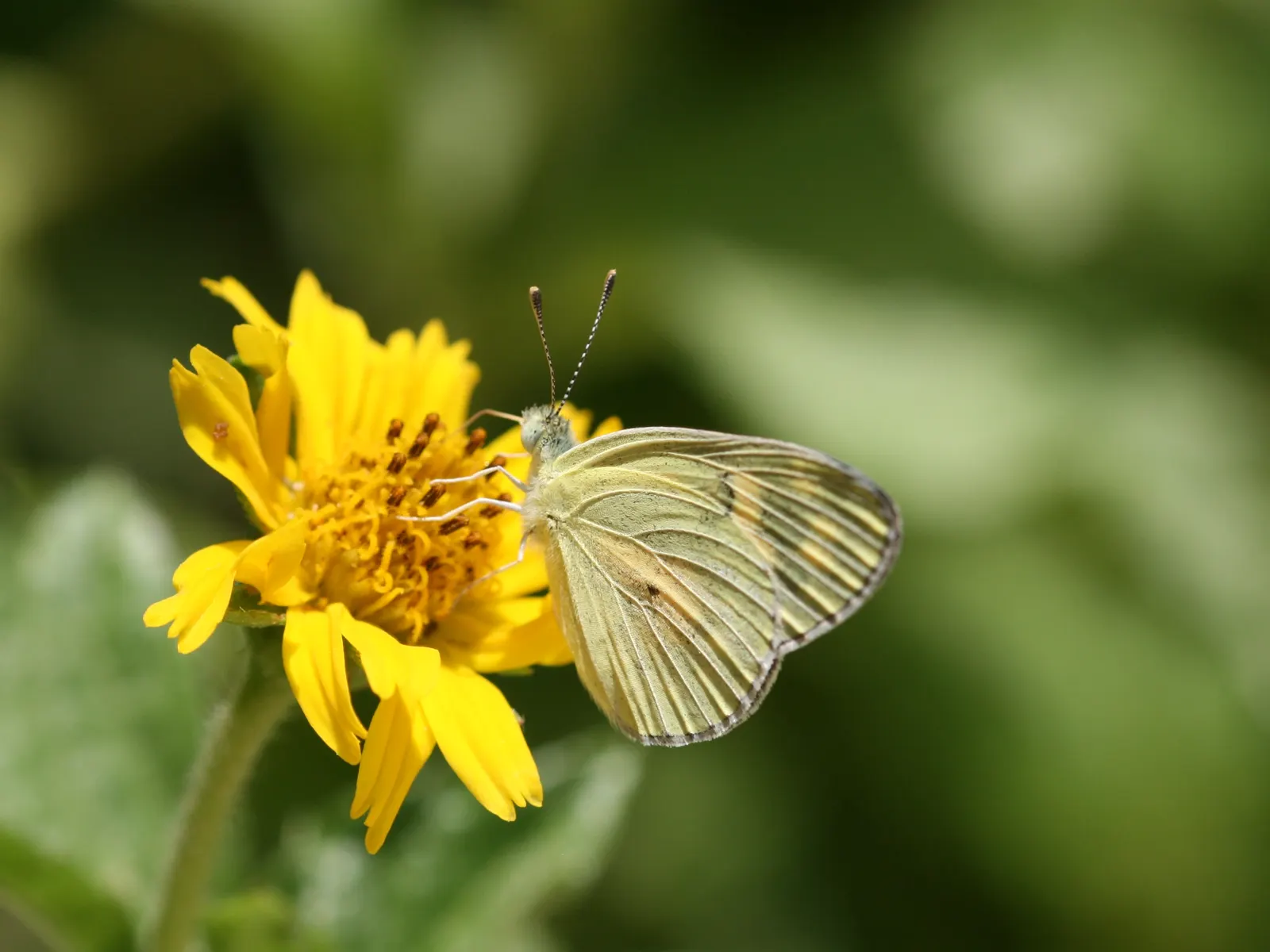
Yellow Dot (Wedelia Trilobata) — This perennial thrives in USDA zones 8-11 and spreads quickly to 3-4 feet wide; as its flowers attract butterflies and bees
Yellow Dot (Wedelia Trilobata) — With a growth height of about 18 inches; daisy-like yellow flowers
Yellow Dot (Wedelia Trilobata) — it's excellent for erosion control; which allows for easy integration with other plants as underplantings or along borders
Yellow Dot (Wedelia Trilobata) — requiring minimal maintenance once established and preferring well-drained soil; as its flowers attract butterflies and bees
Yellow Dot (Wedelia Trilobata) — is a versatile and vibrant groundcover that can add a splash of color to any landscape design; this perennial thrives in USDA
Yellow Dot (Wedelia Trilobata) — This low-growing perennial is acclaimed for its lush; daisy-like yellow flowers
Yellow Dot (Wedelia Trilobata) — daisy-like yellow flowers; which allows for easy integration with other plants as underplantings or along borders
Yellow Dot (Wedelia Trilobata) — it is heat and drought-resistant once established; this perennial thrives in USDA zones 8-11 and spreads quickly to 3-4 feet
Yellow Dot (Wedelia Trilobata) — Thriving in USDA zones 8 to 11; as its flowers attract butterflies and bees
Yellow Dot (Wedelia Trilobata) — <br><br>When incorporating Yellow Dot into your landscape; which allows for easy integration with other plants as
Yellow Dot (Wedelia Trilobata) — making it an excellent choice for xeriscaping or water-efficient gardens; daisy-like yellow flowers
Yellow Dot (Wedelia Trilobata) — consider its rapid growth habit; it spreads by rooting stem nodes and can cover areas up to 3 feet wide; as its flowers
Yellow Dot (Wedelia Trilobata) — Its foliage rises to about 18 to 24 inches in height; this perennial thrives in USDA zones 8-11 and spreads quickly to 3-4
Yellow Dot (Wedelia Trilobata) — which allows for easy integration with other plants as underplantings or along borders; daisy-like yellow flowers
Yellow Dot (Wedelia Trilobata) — The blooms are consistently present throughout the warmer months; which allows for easy integration with other plants as
Yellow Dot (Wedelia Trilobata) — typically from late spring to early fall; as its flowers attract butterflies and bees

Related plants