Skip to content

Riverbank Grape

Vitis Riparia

Design with this plant

Overview

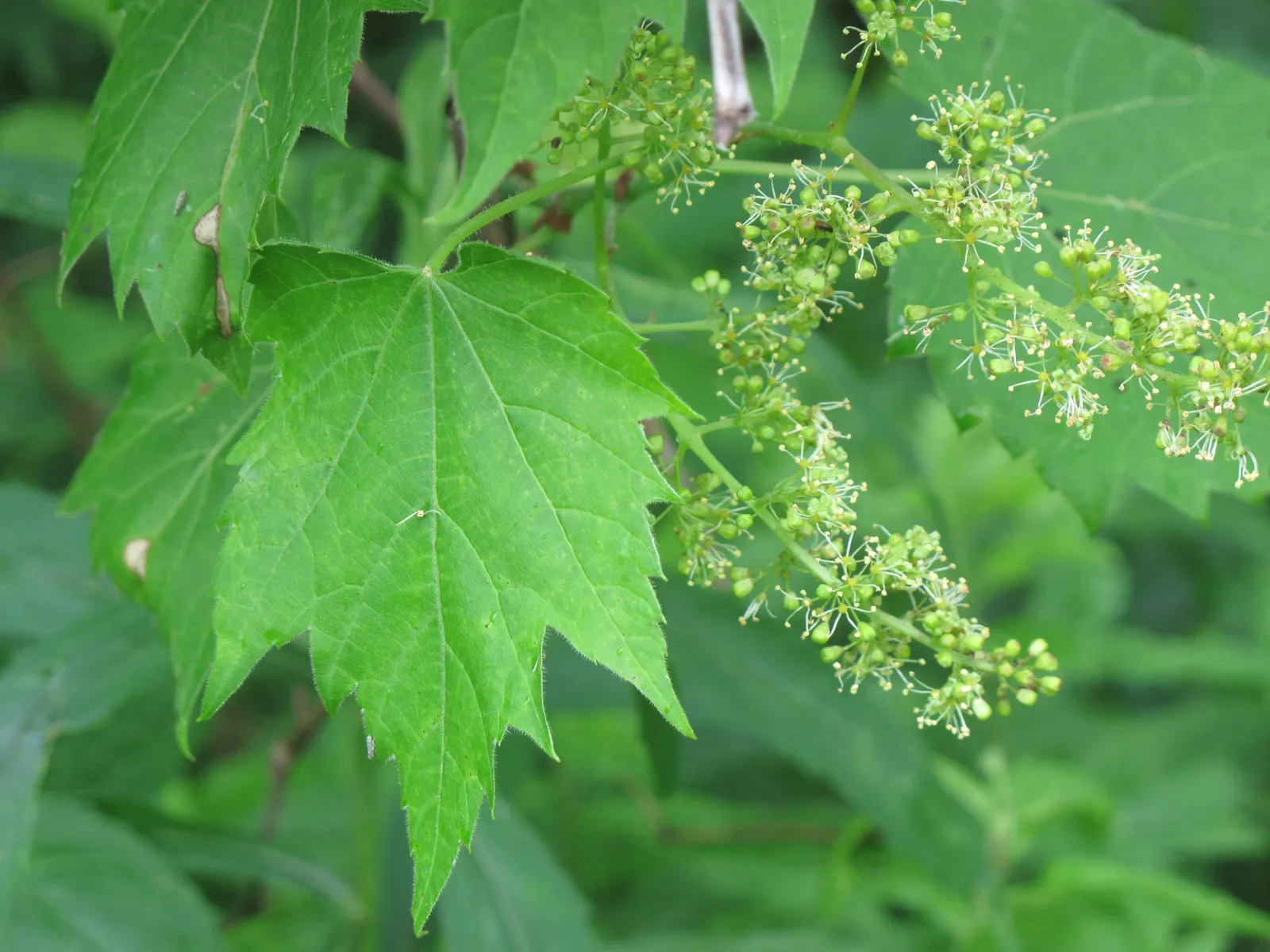
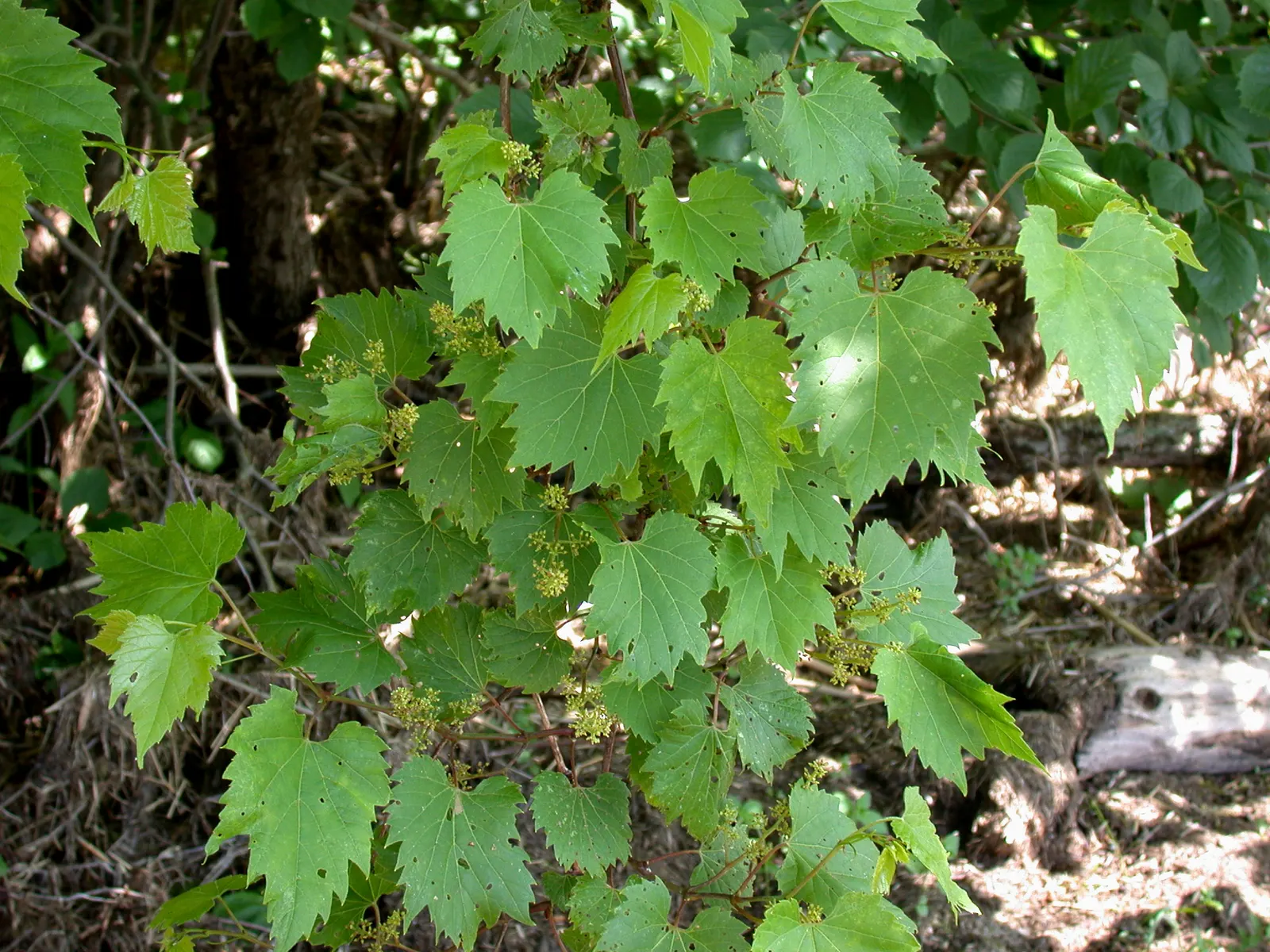
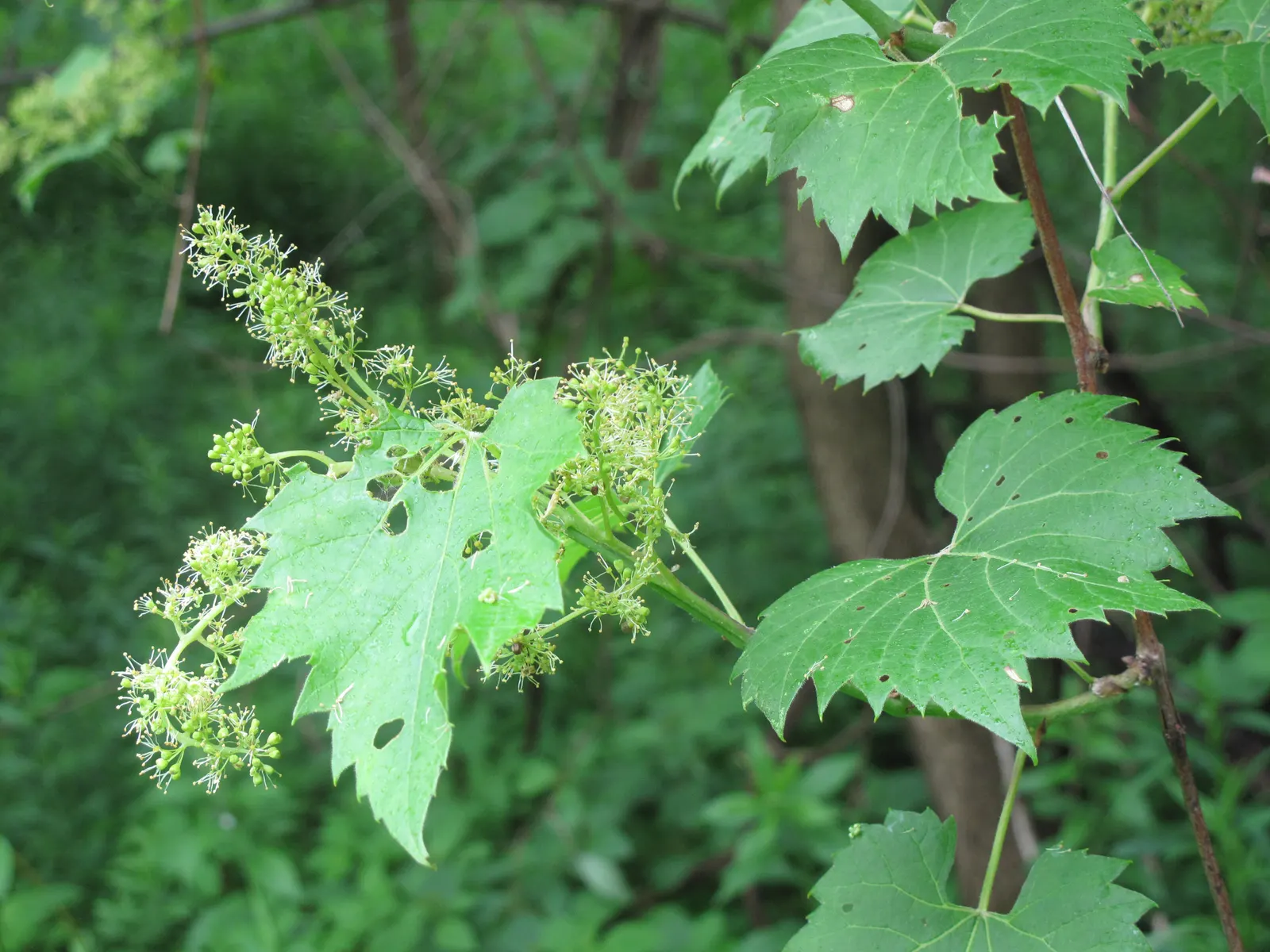
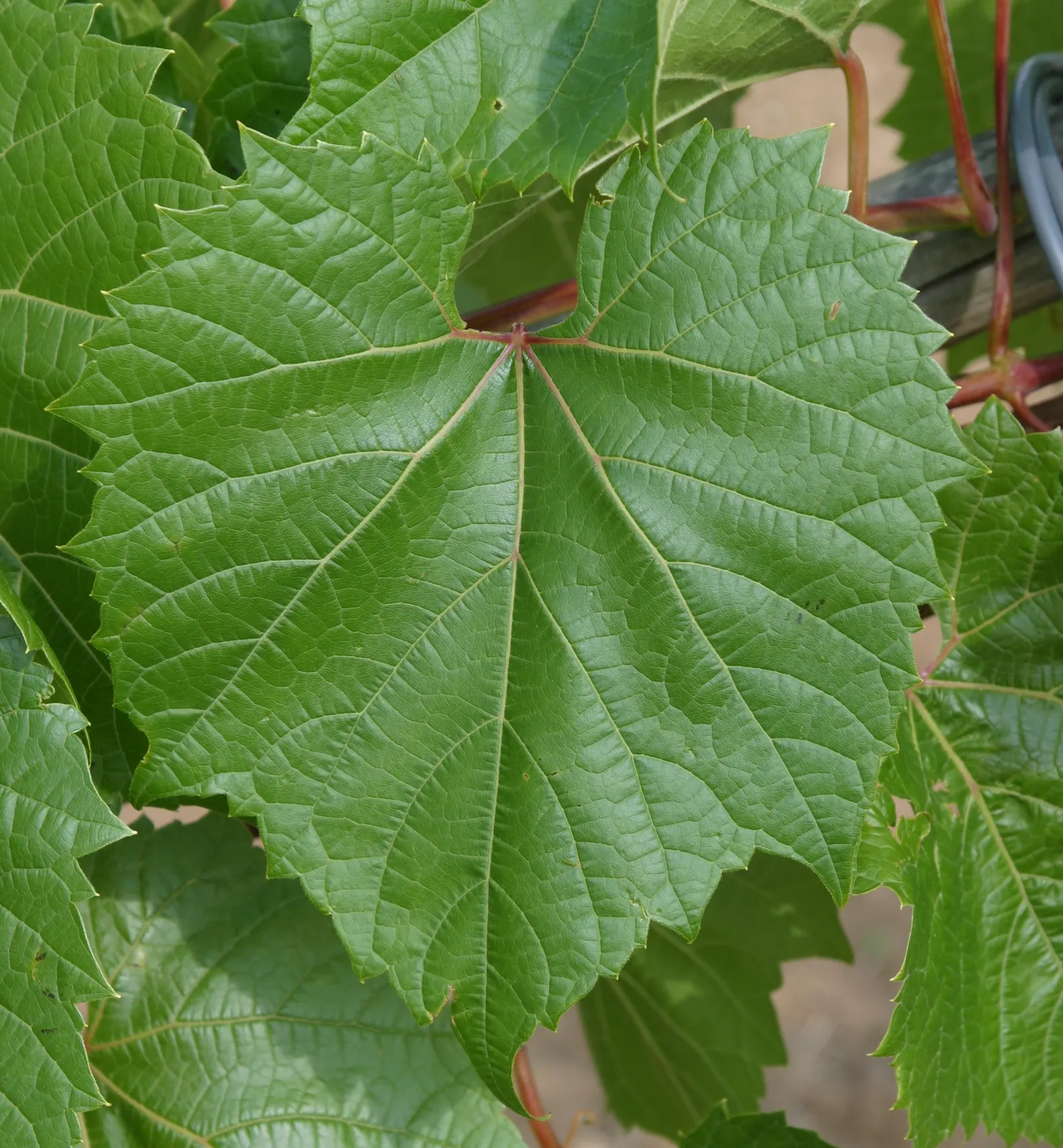
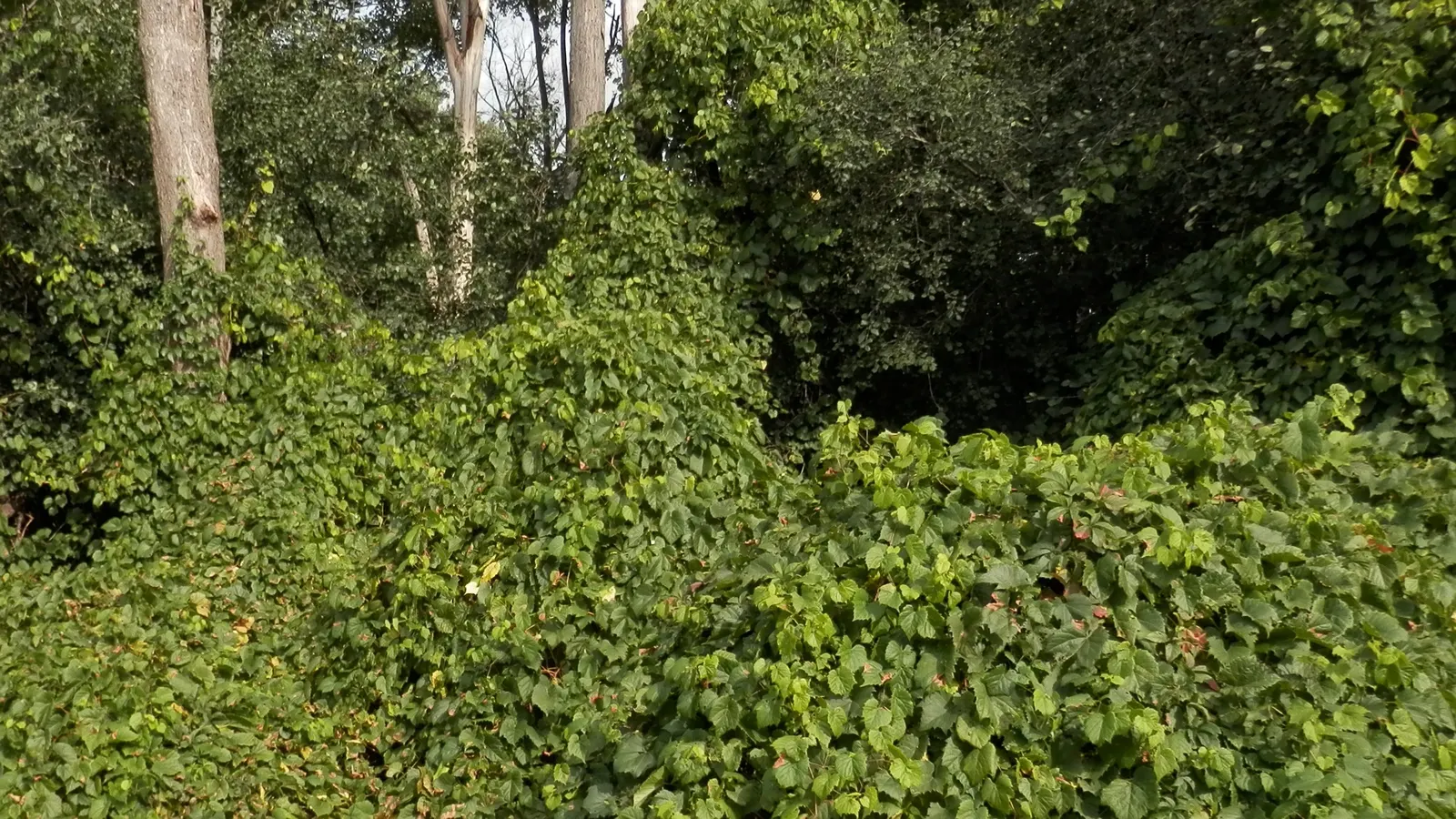
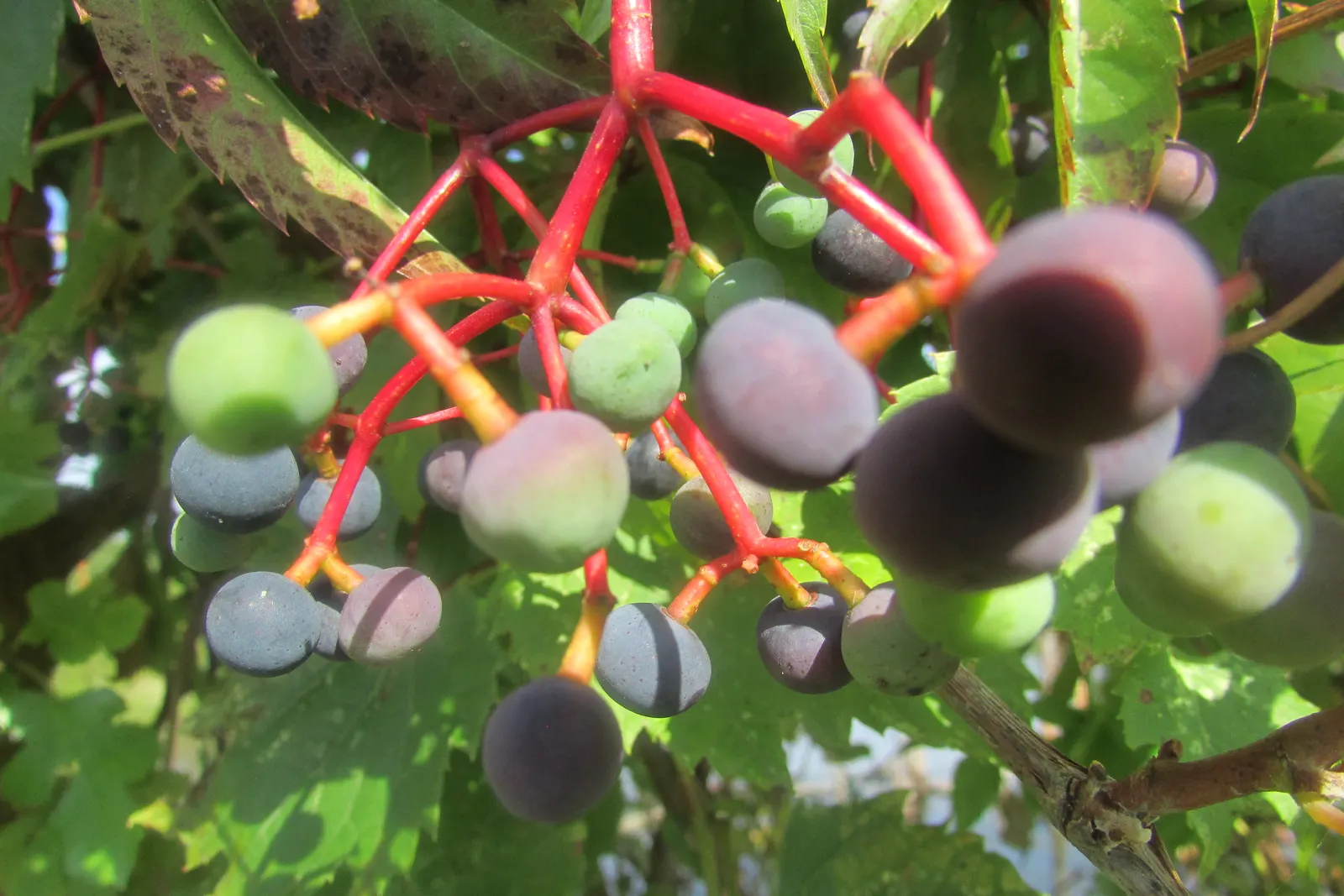
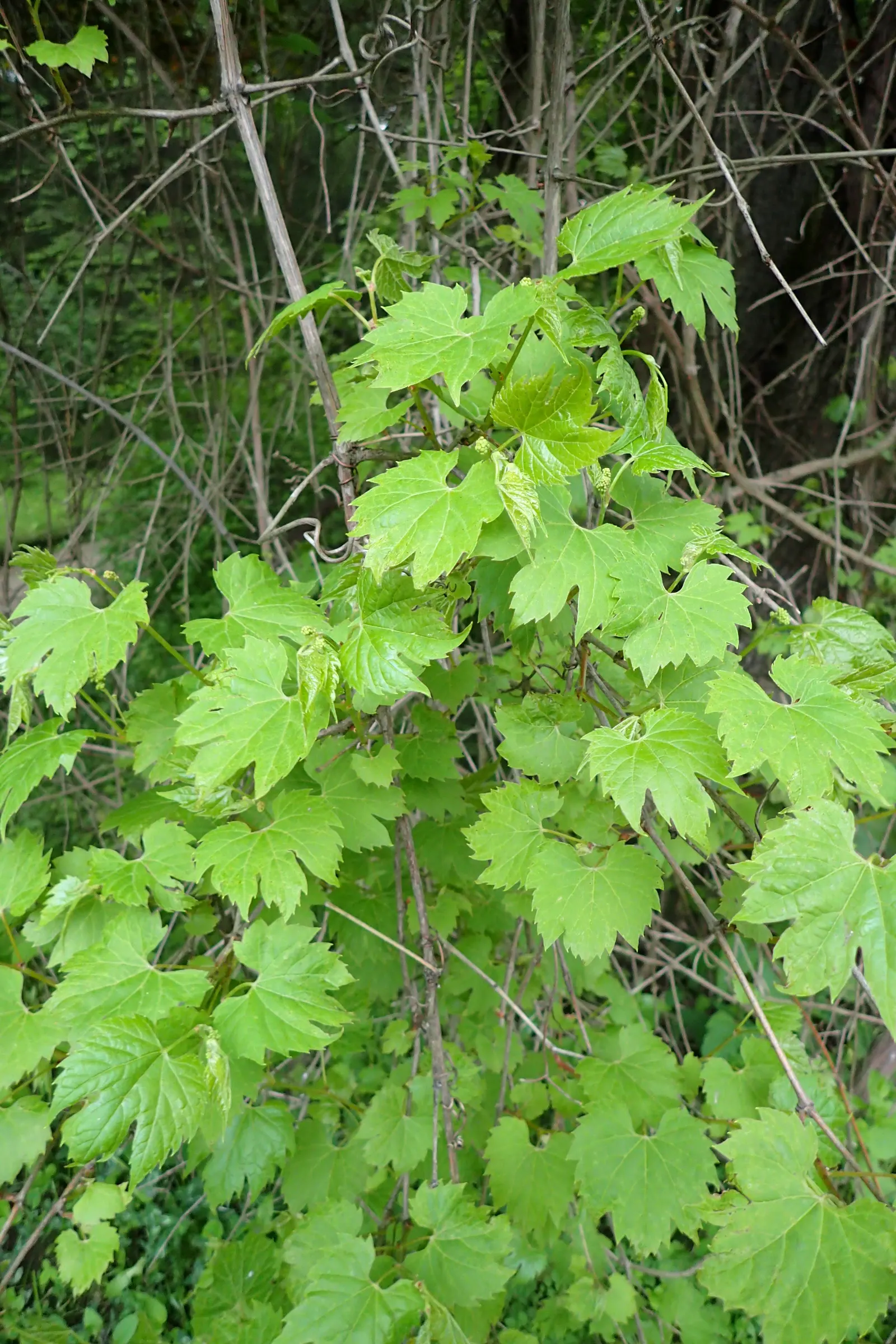
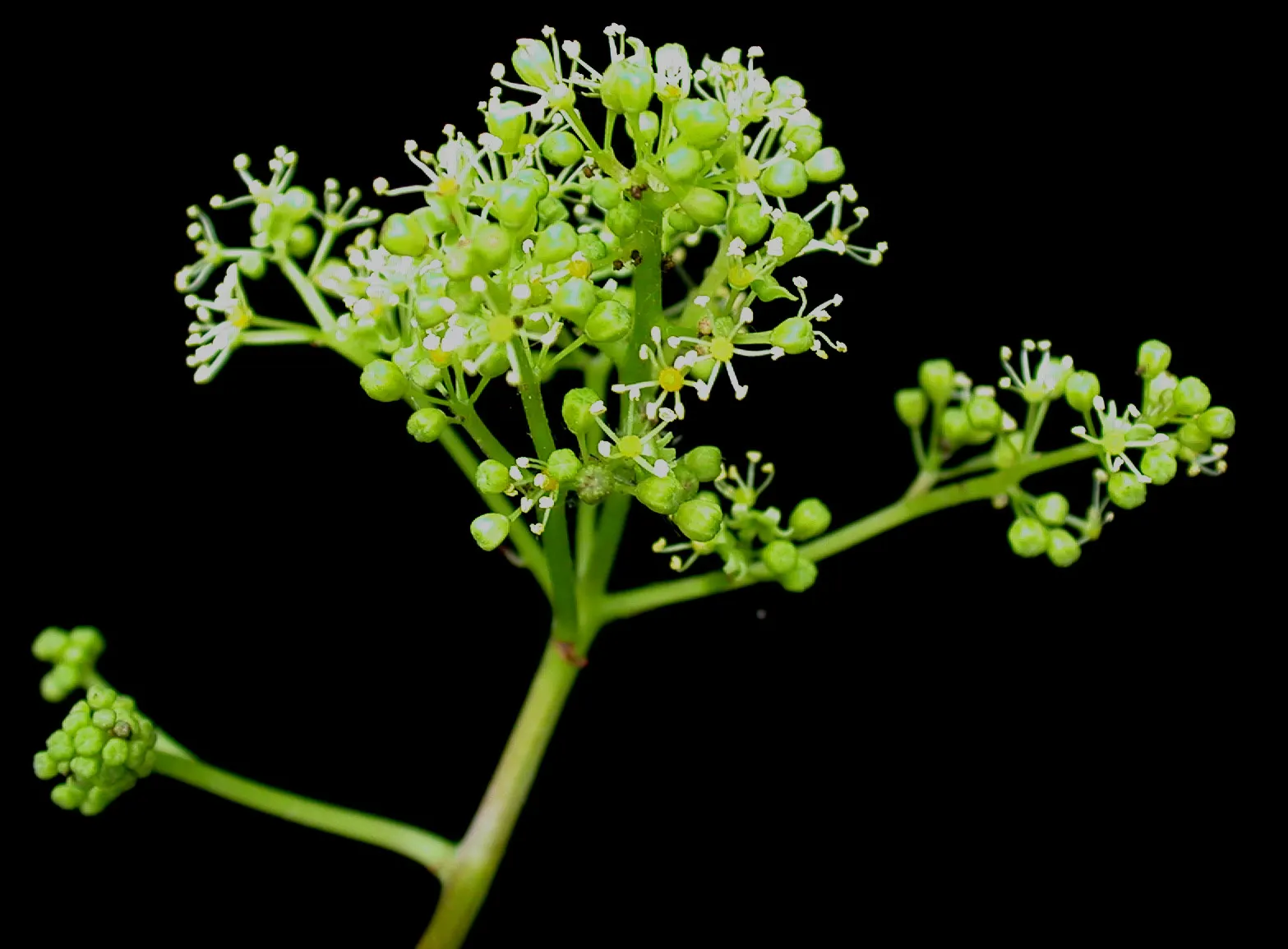
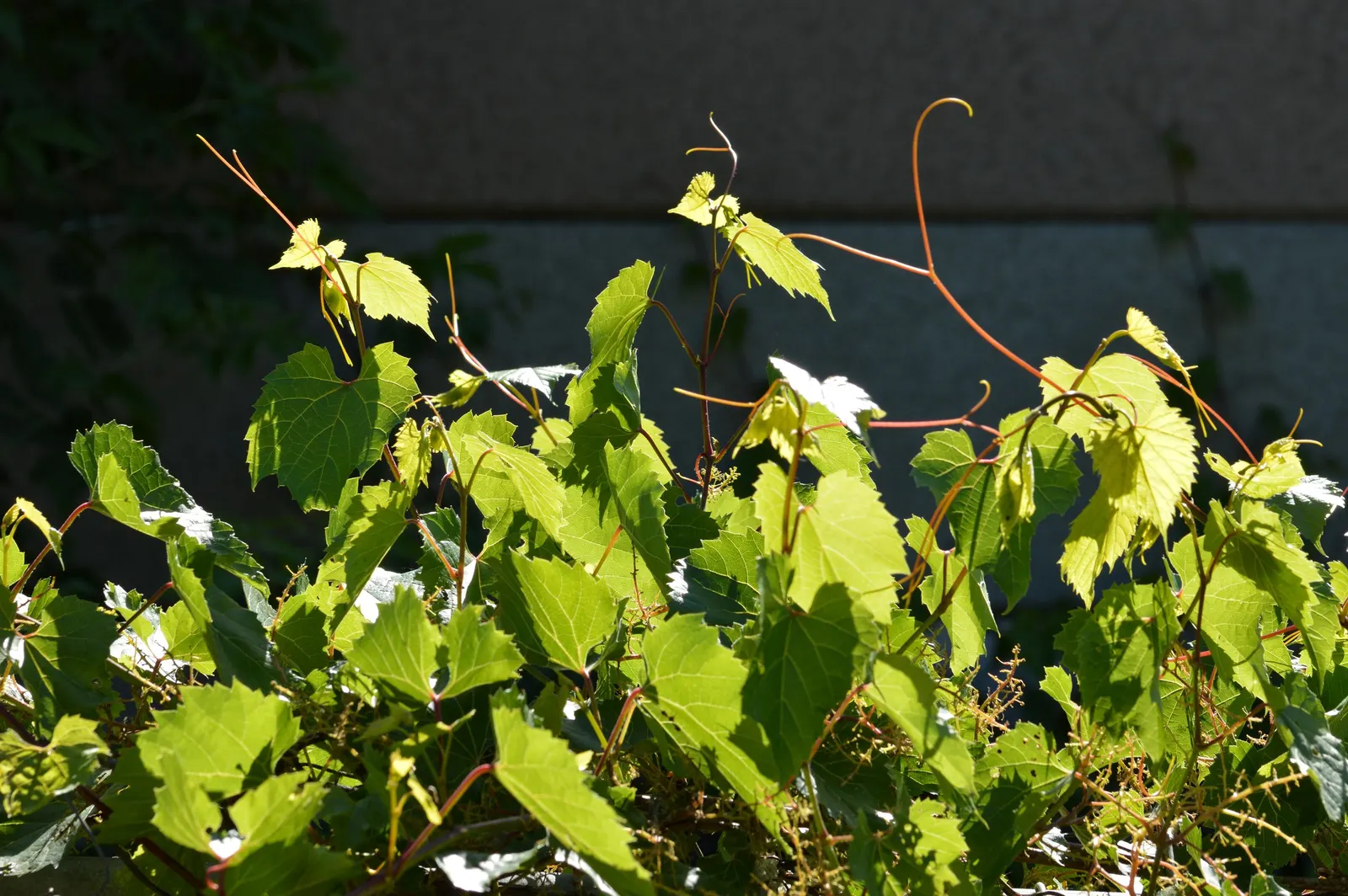
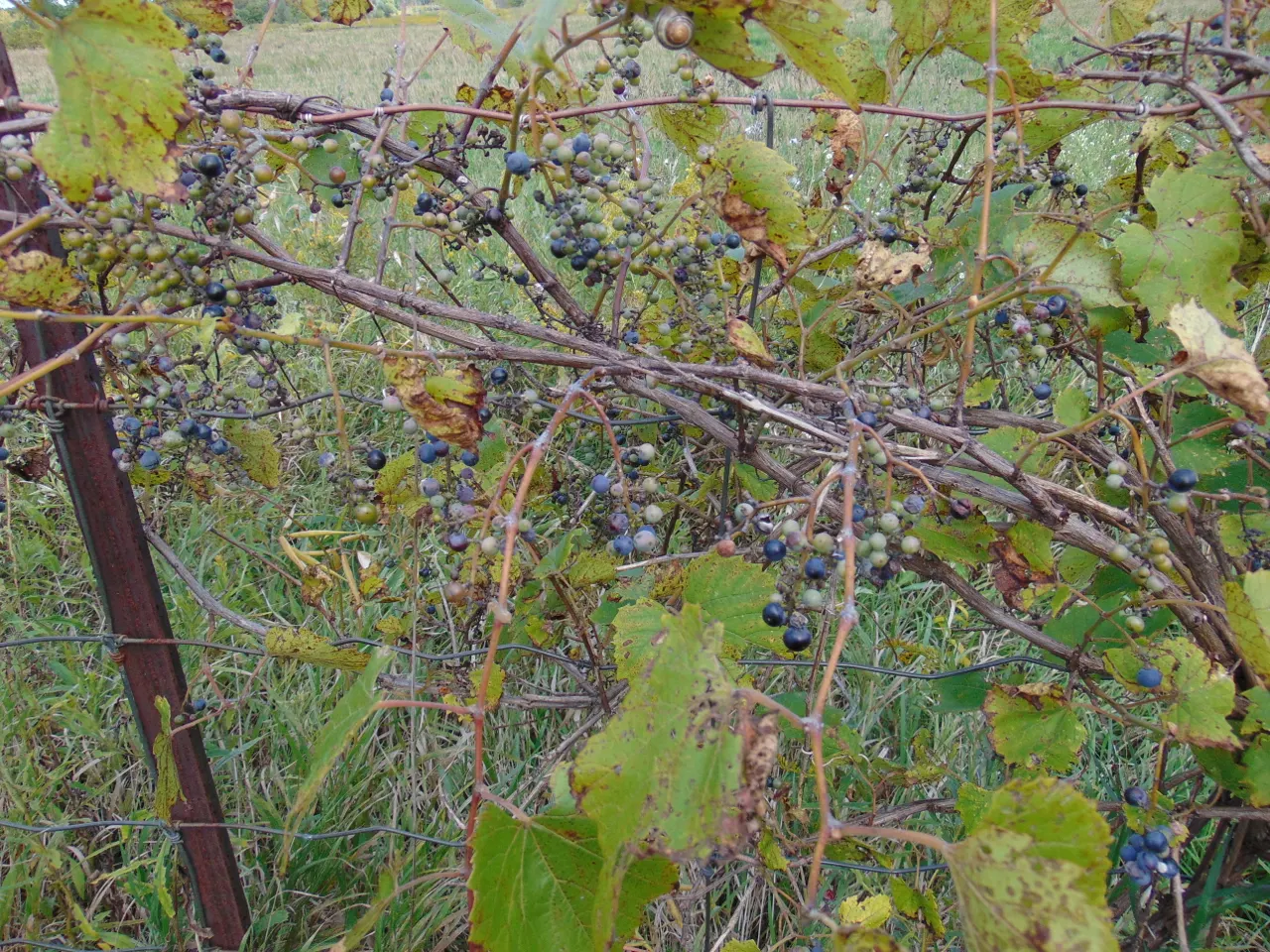
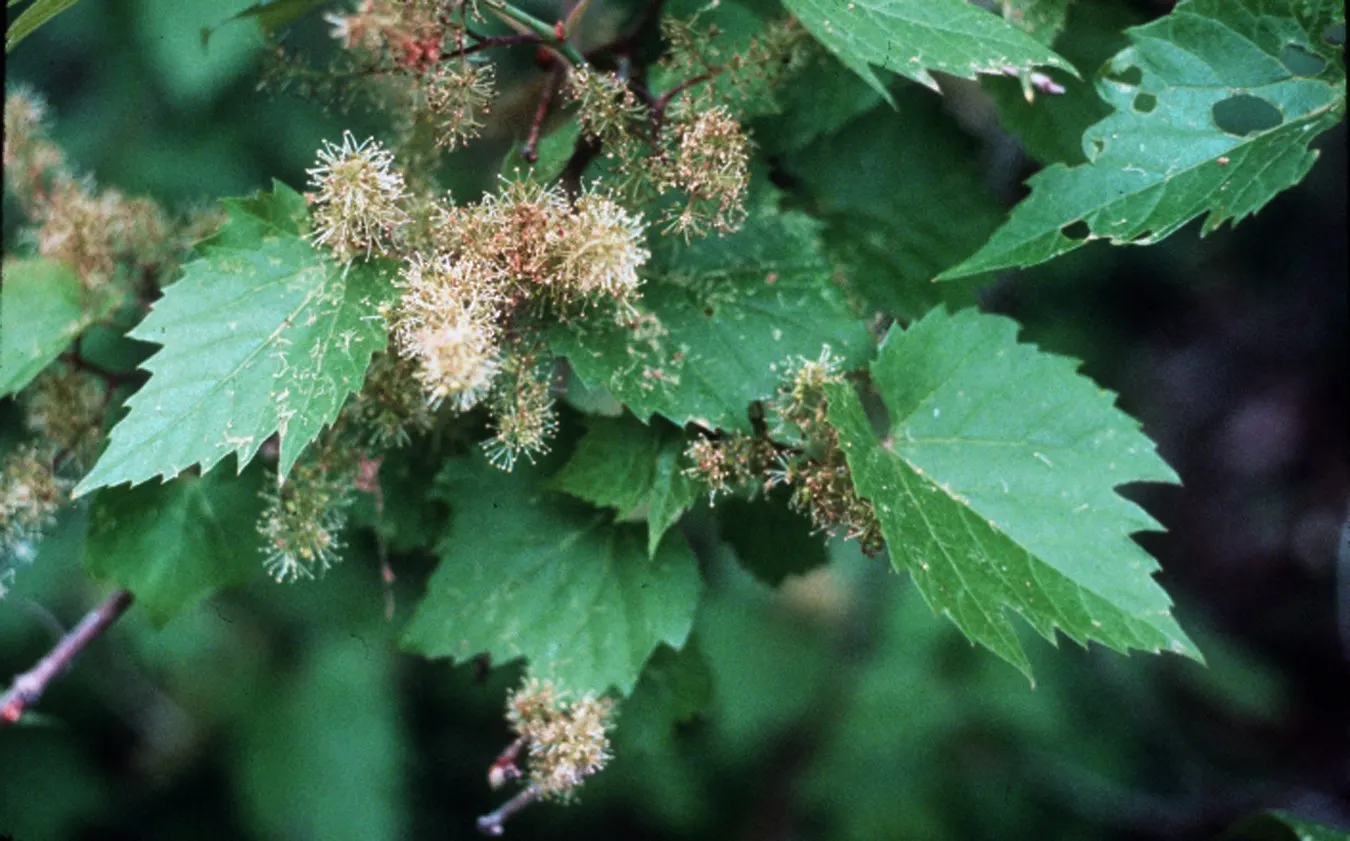
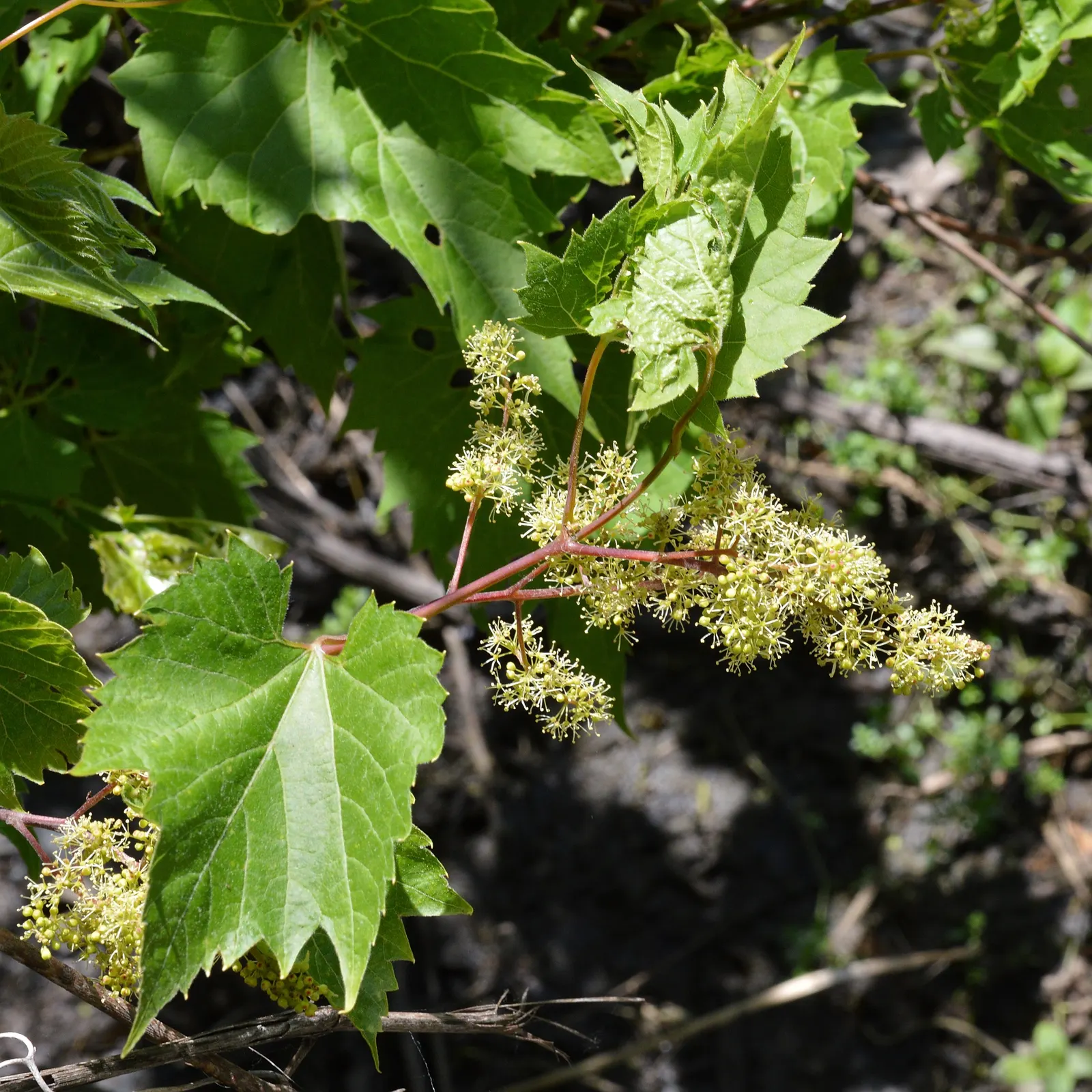
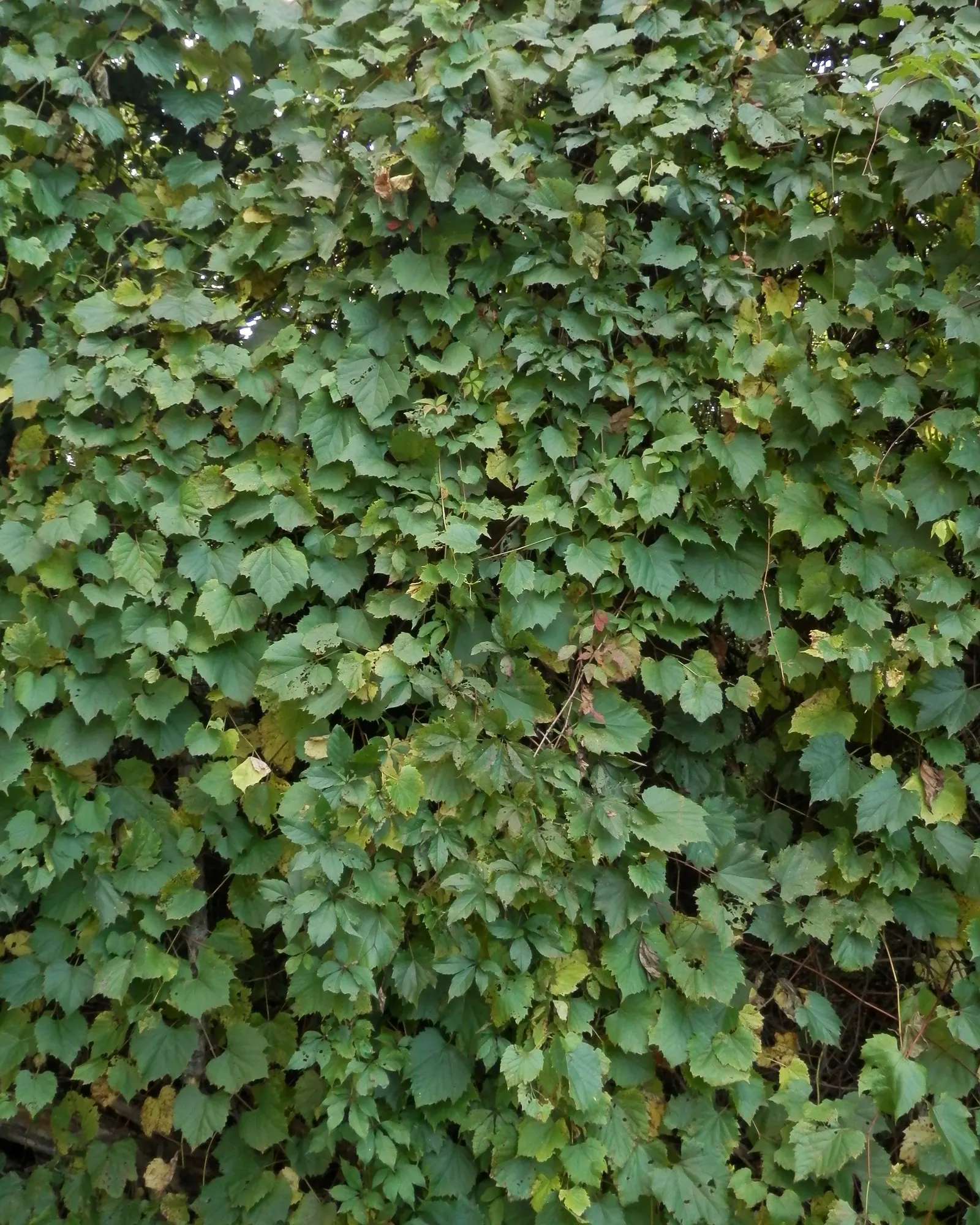
Vitis riparia, commonly known as Riverbank Grape, is a robust native vine that thrives in riversides. It can rapidly ascend to 50 feet with its strong tendrils, providing dense foliage coverage. Its leaves span 4-7 inches, turning vibrant yellow in fall. In late spring, it bears inconspicuous flowers, followed by small, tart, purple grapes that attract wildlife. Hardy in zones 3-9, it prefers moist, well-drained soils and full to partial sun.

Sun Full, Half, ShadeWater HighZones 3–8
Riverbank Grape (Vitis Riparia) — Vitis riparia, commonly known as Riverbank Grape, is a robust native vine that thrives in riversides

Culture

Sun
Full, Half, Shade
Water
High
USDA zones
3–8

Shape & size

Mature height
12–75 Ft.
Mature width
6–40 Ft.

Classification

Family
Vitaceae

See full data, regional cultivation notes, full-resolution photos, and design tools. Build a client presentation around this plant.

Start your 14-day trial

Photos (58)

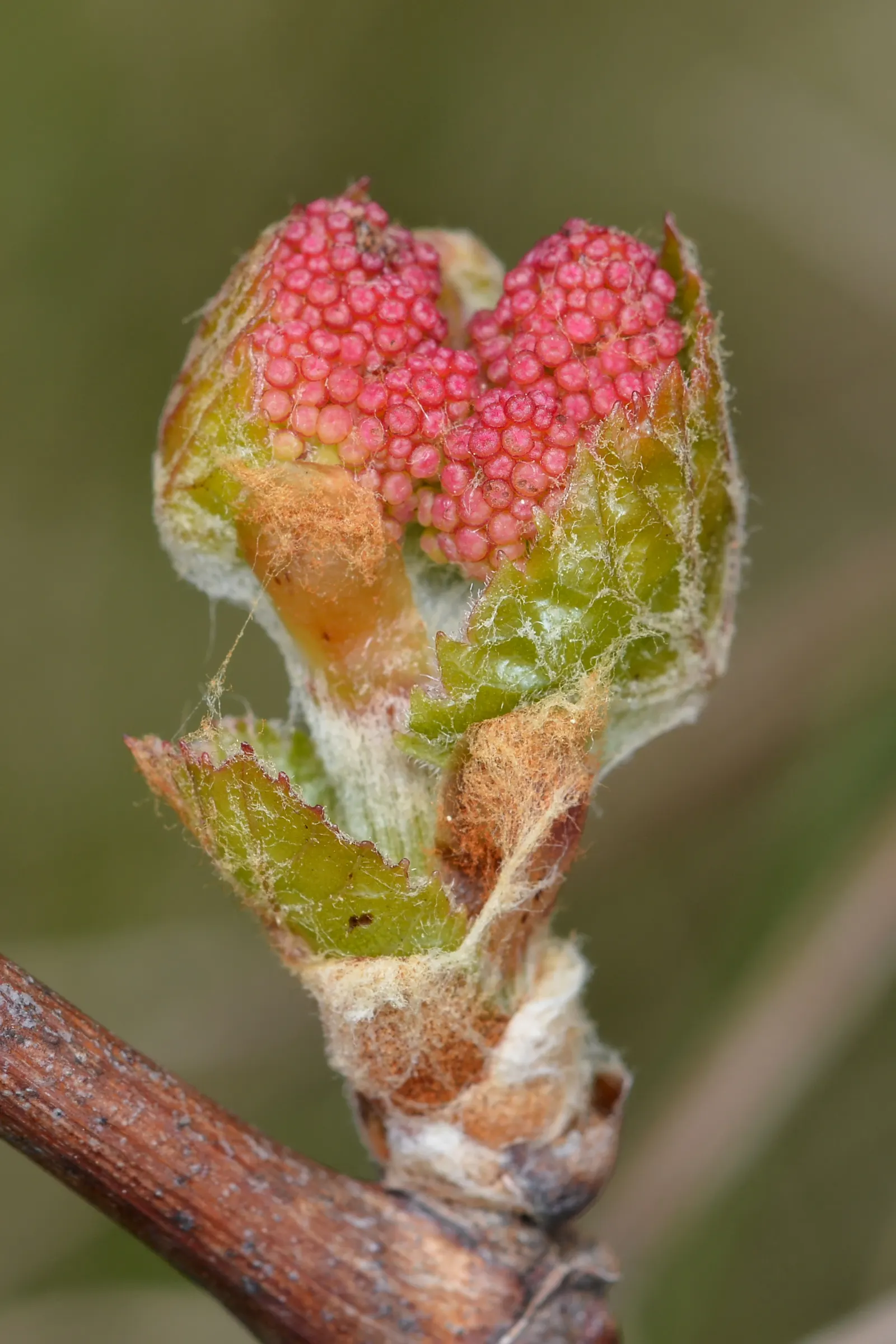
Riverbank Grape (Vitis Riparia) — vine with green and white blooms
Riverbank Grape (Vitis Riparia) — Vitis riparia, commonly known as Riverbank Grape, is a robust native vine that thrives in riversides; in late spring, it
Riverbank Grape (Vitis Riparia) — It can rapidly ascend to 50 feet with its strong tendrils, providing dense foliage coverage; it is resilient across USDA
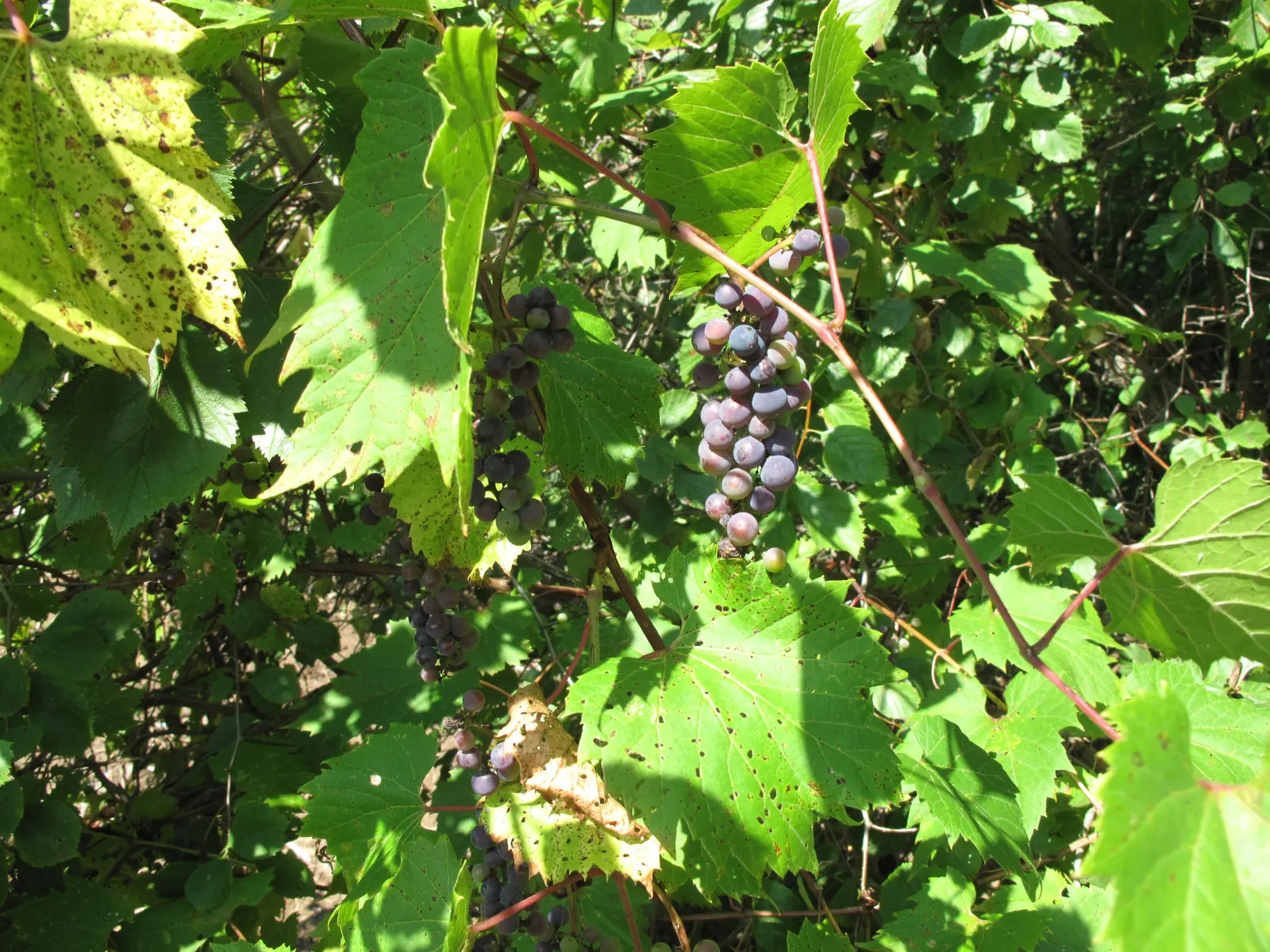
Riverbank Grape (Vitis Riparia) — In late spring, it bears inconspicuous flowers, followed by small, tart, purple grapes that attract wildlife; vine for full
Riverbank Grape (Vitis Riparia) — Hardy in zones 3-9, it prefers moist, well-drained soils and full to partial sun; is a native North American climber known
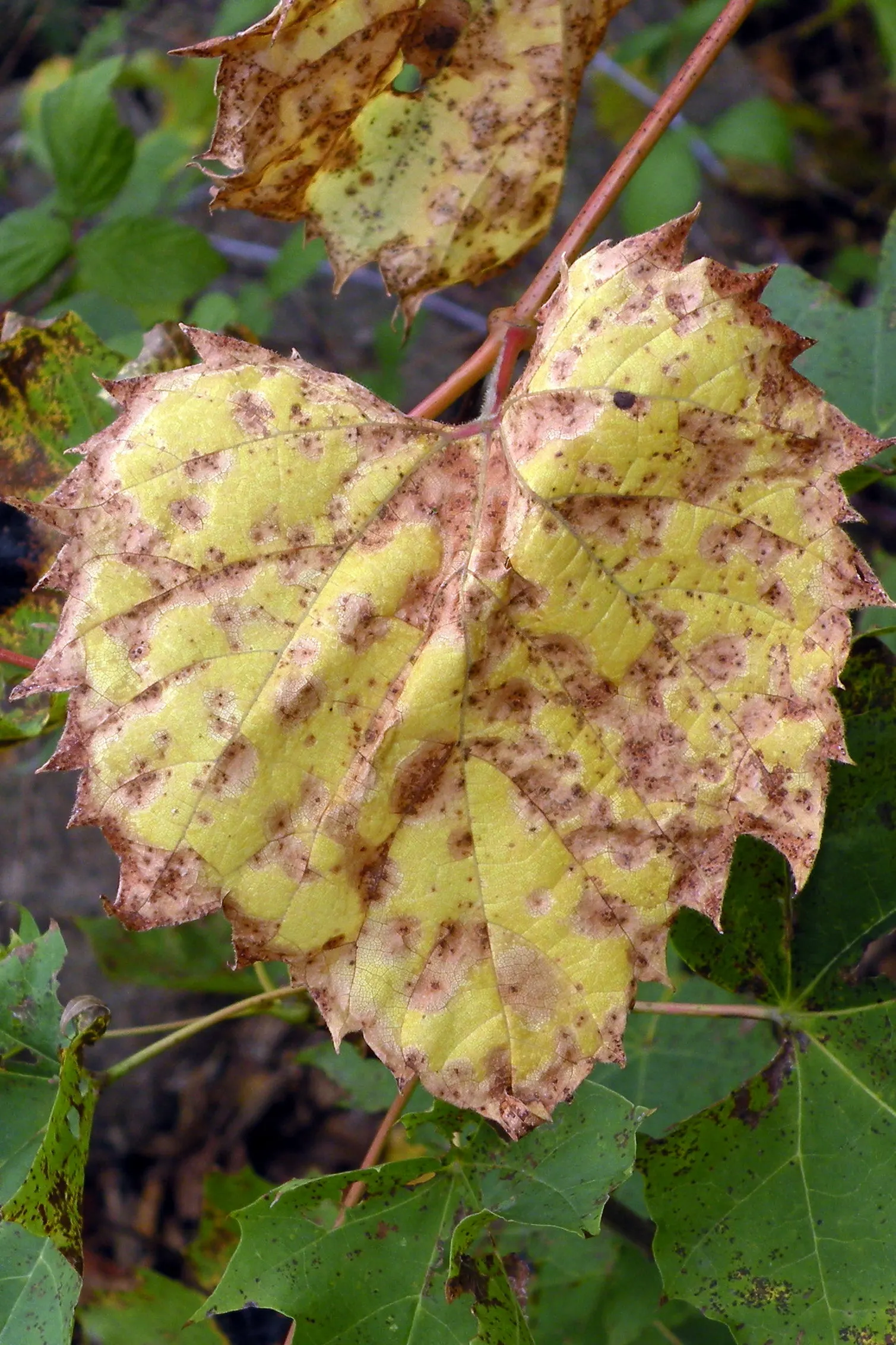
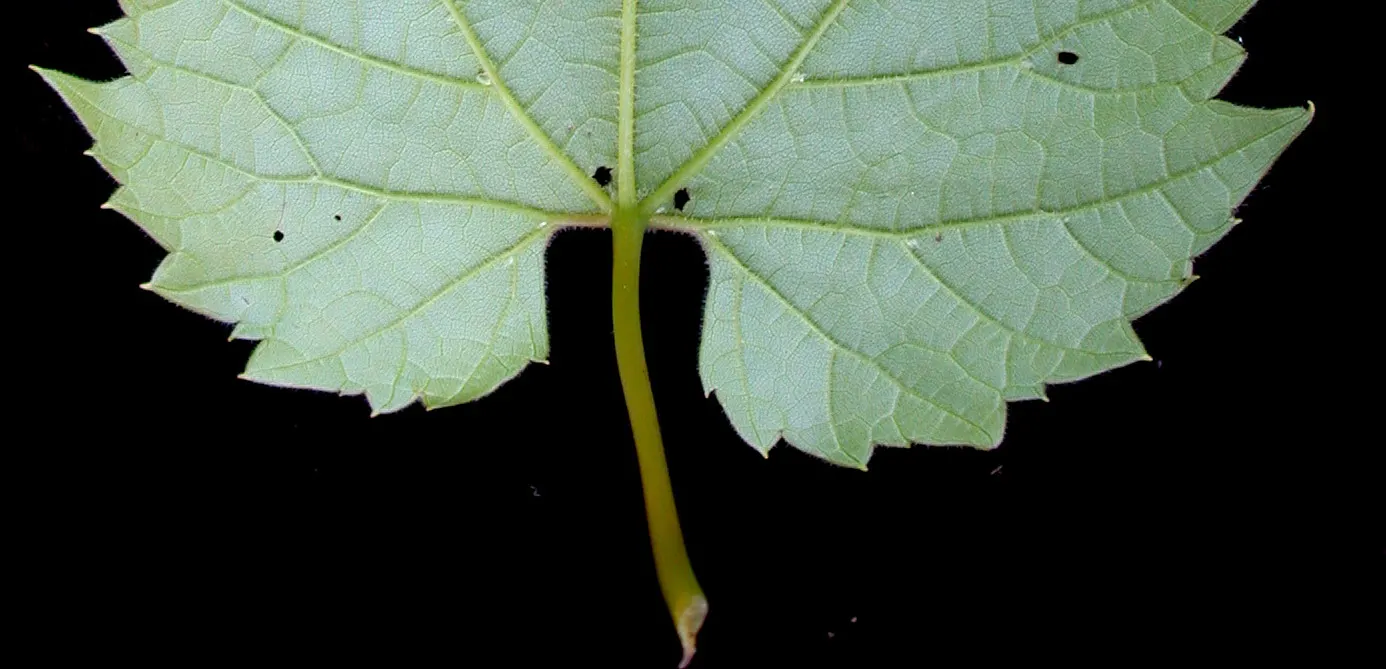
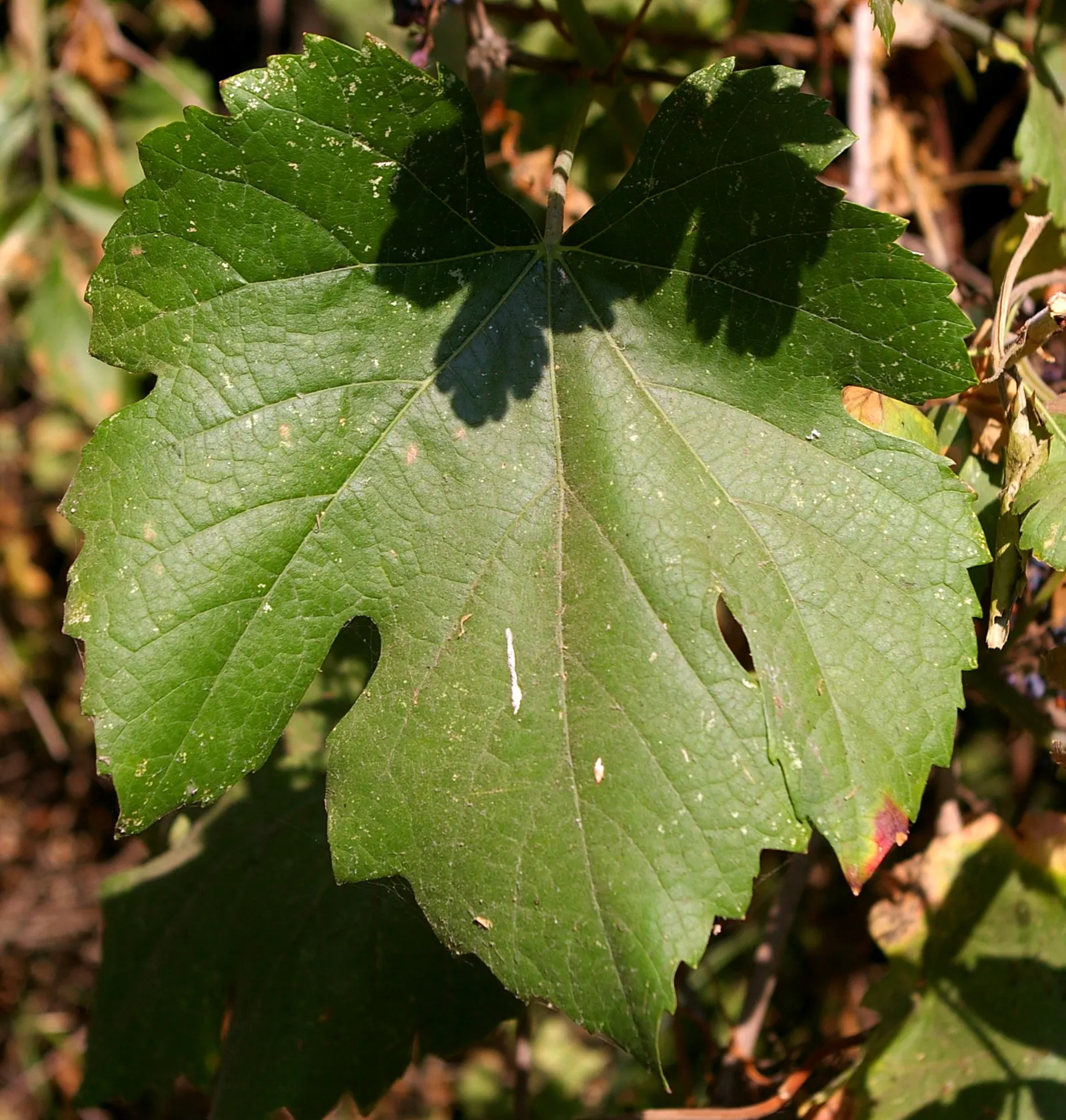
Riverbank Grape (Vitis Riparia) — Its leaves span 4-7 inches, turning vibrant yellow in fall; including birds and small mammals
Riverbank Grape (Vitis Riparia) — is a native North American climber known for its ability to thrive in a variety of soil types; vitis riparia's rapid growth
Riverbank Grape (Vitis Riparia) — particularly flourishing along riverbanks; its leaves span 4-7 inches, turning vibrant yellow in fall
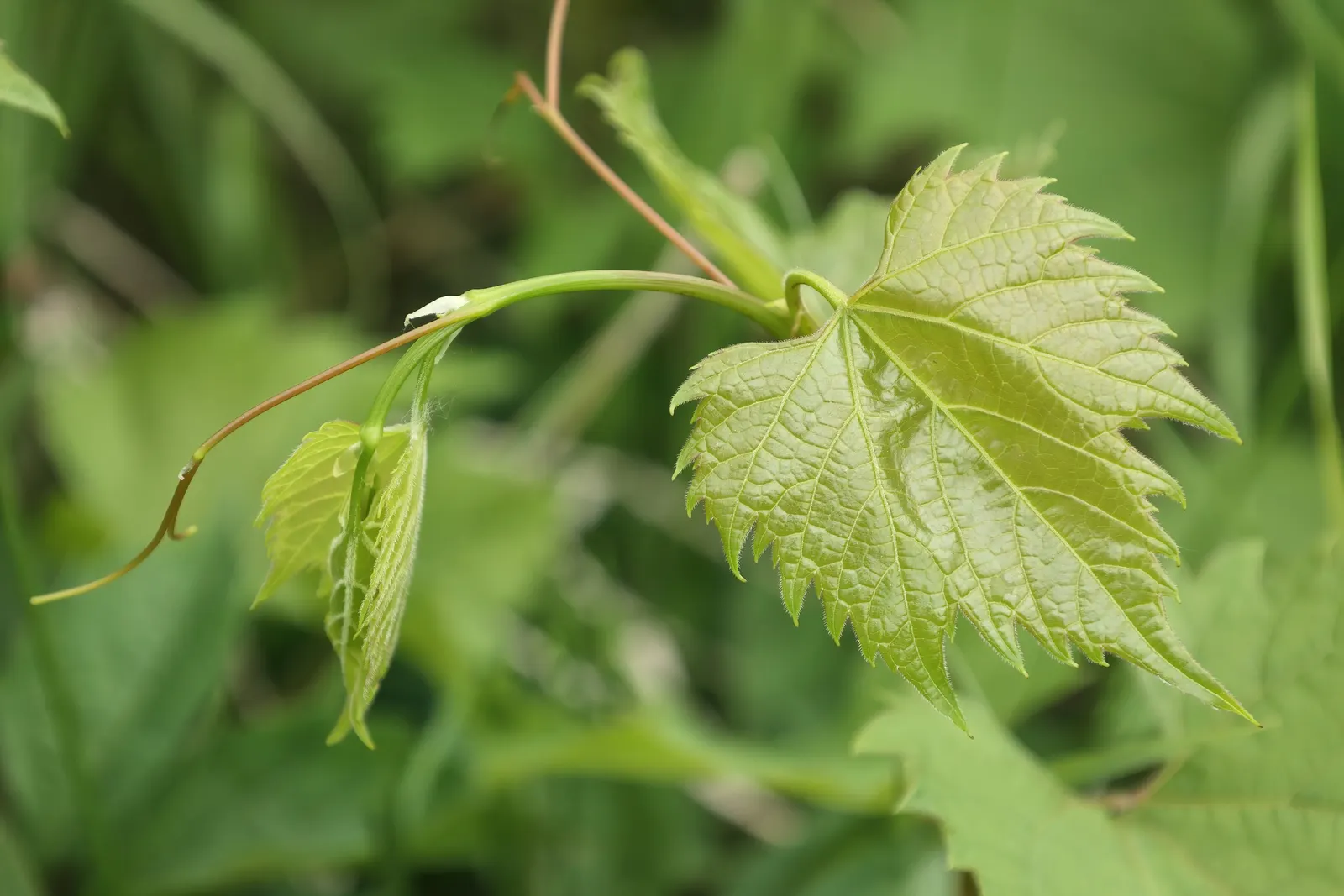
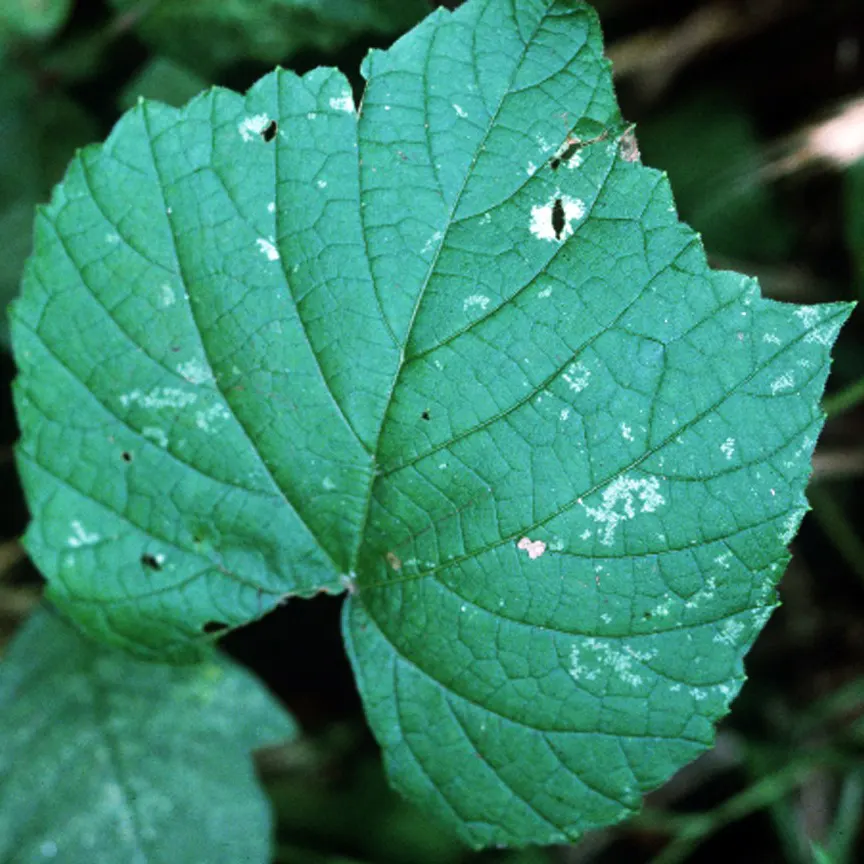
Riverbank Grape (Vitis Riparia) — scientifically referred to as Vitis riparia; up to 6-inch-wide leaves that transition to vibrant hues of yellow and
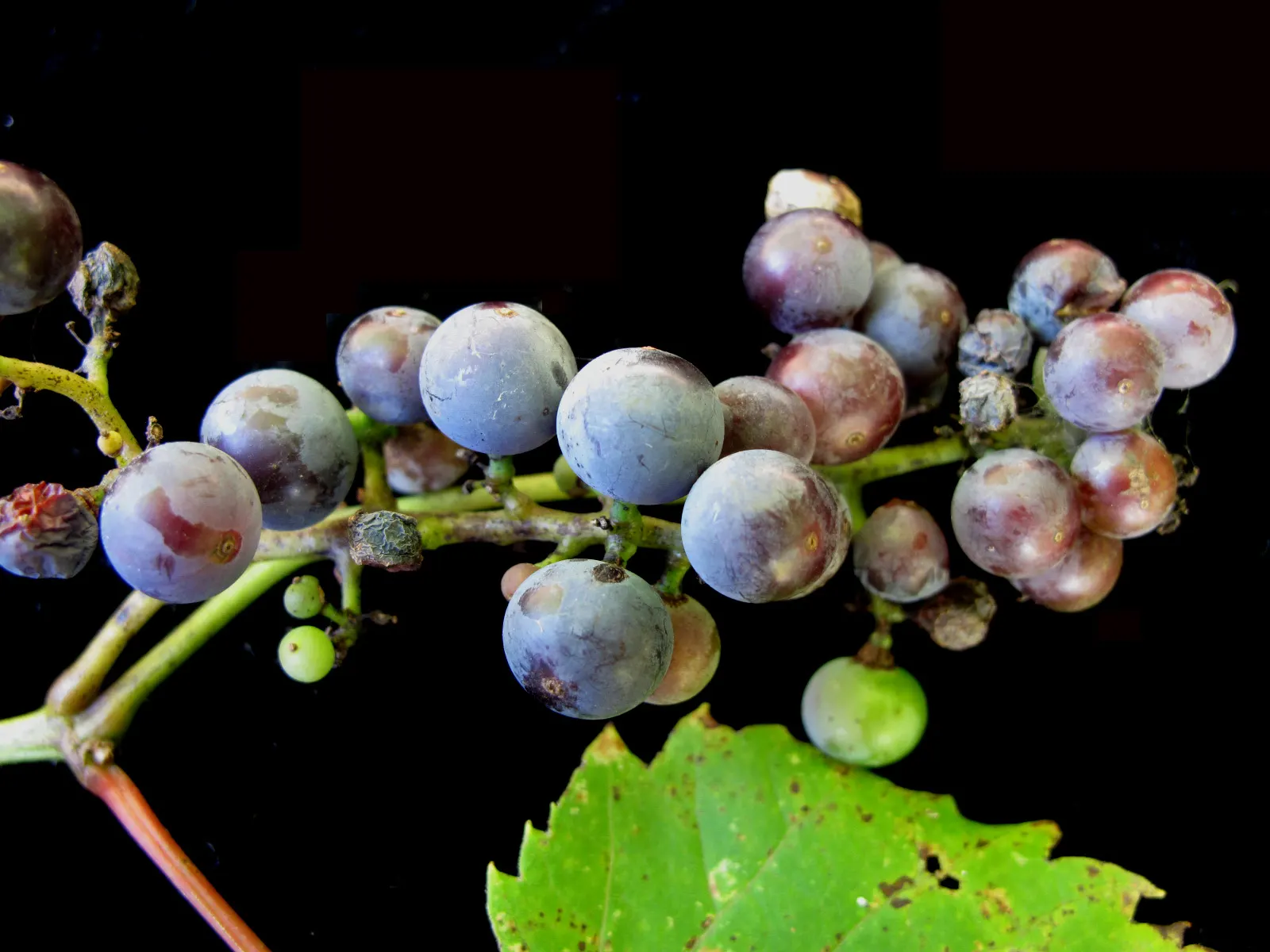
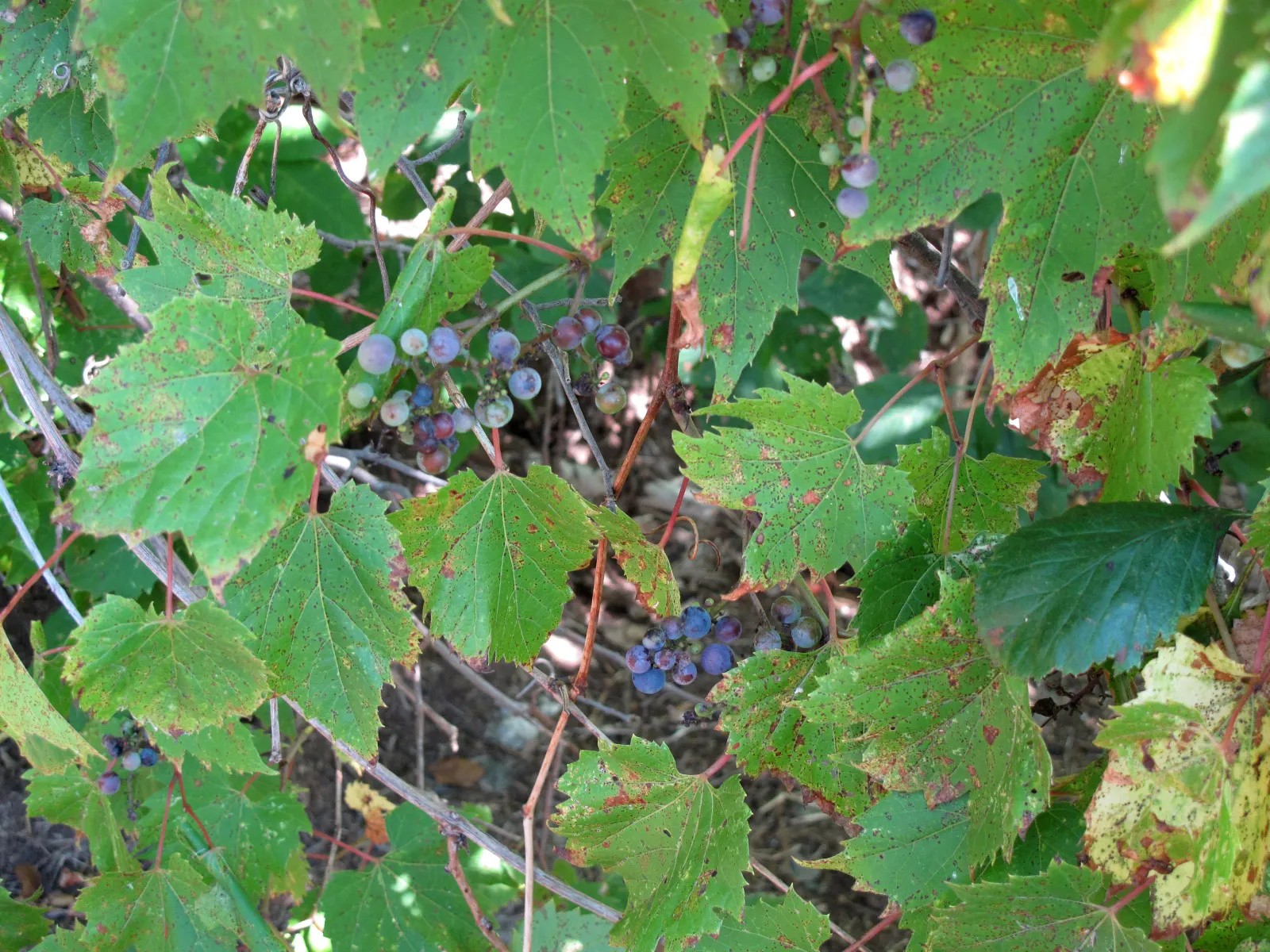
Riverbank Grape (Vitis Riparia) — which enable it to grasp and ascend structures and other vegetation; these grapes are about 1/4 inch in diameter and appeal
Riverbank Grape (Vitis Riparia) — This vigorous vine can climb to an impressive height of up to 50 feet by means of its tendrils; which enable it to grasp and
Riverbank Grape (Vitis Riparia) — signifying its tolerance to a range of climates.<br><br>Vitis riparia's foliage is noteworthy; scientifically referred to as
Riverbank Grape (Vitis Riparia) — It is resilient across USDA hardiness zones 3 through 9; vine with green and white blooms
Riverbank Grape (Vitis Riparia) — providing a lush backdrop with its heart-shaped, image 38
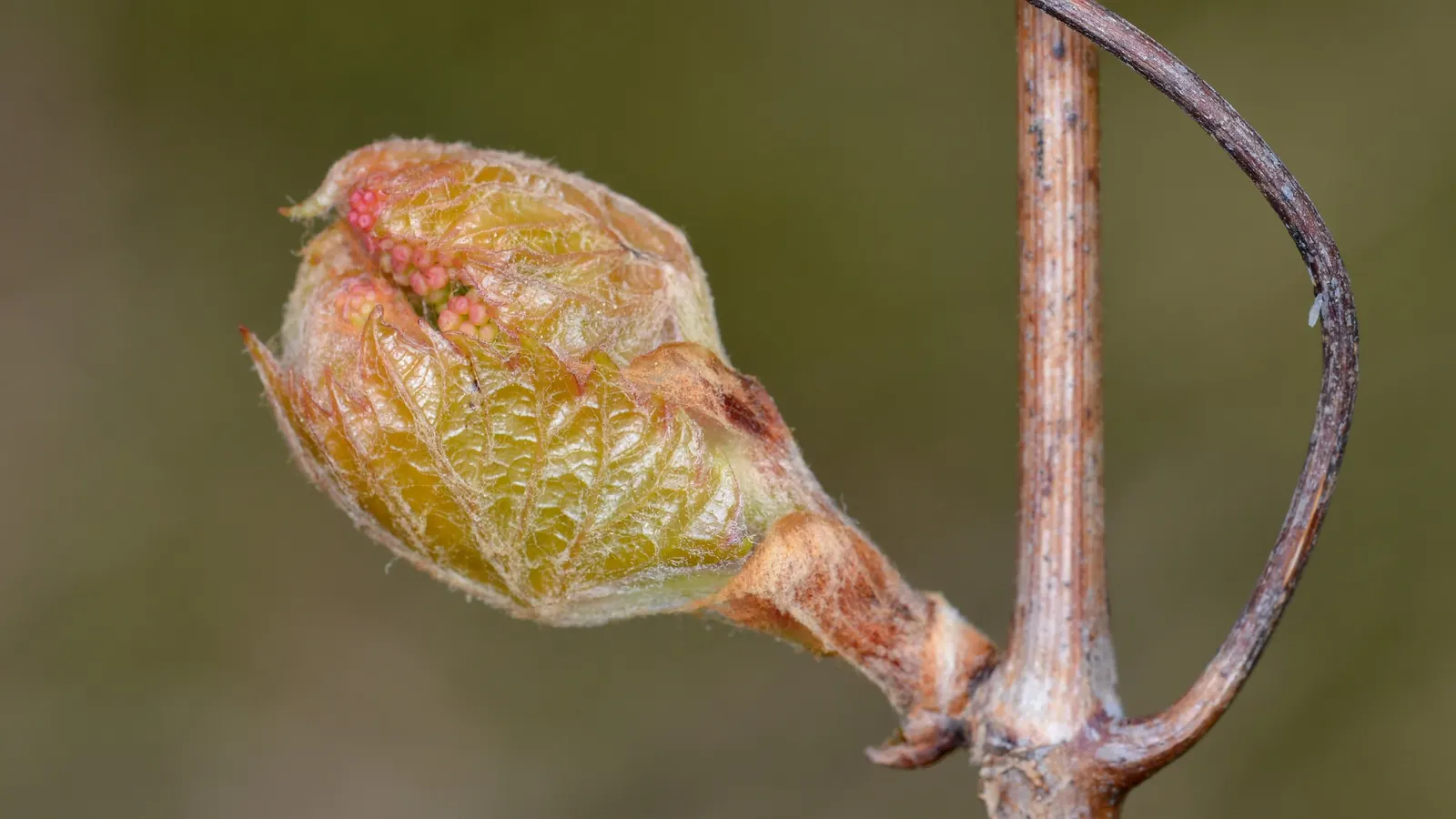
Riverbank Grape (Vitis Riparia) — The vine produces small greenish-white flowers during late spring; it can rapidly ascend to 50 feet with its strong tendrils
Riverbank Grape (Vitis Riparia) — These grapes are about 1/4 inch in diameter and appeal to a variety of wildlife; followed by clusters of dark purple grape
Riverbank Grape (Vitis Riparia) — up to 6-inch-wide leaves that transition to vibrant hues of yellow and reddish-purple come fall; while it enjoys full sun to
Riverbank Grape (Vitis Riparia) — followed by clusters of dark purple grape berries; this vigorous vine can climb to an impressive height of up to 50 feet by
Riverbank Grape (Vitis Riparia) — While it enjoys full sun to part shade, proper exposure ensures optimal fruit production; signifying its tolerance to a range
Riverbank Grape (Vitis Riparia) — contributing both aesthetic and ecological benefits to the landscape; vitis riparia, commonly known as Riverbank Grape, is a
Riverbank Grape (Vitis Riparia) — reducing the risk of disease; hardy in zones 3-9, it prefers moist, well-drained soils and full to partial sun
Riverbank Grape (Vitis Riparia) — Vitis riparia's rapid growth and extensive coverage make it an excellent choice for covering arbors; reducing the risk of
Riverbank Grape (Vitis Riparia) — including birds and small mammals; green and white flowers in the garden
Riverbank Grape (Vitis Riparia) — It can rapidly ascend to 50 feet with its strong tendrils, providing dense foliage coverage; it is resilient, image 52

Related plants