Skip to content

Laurestinus Viburnum

Viburnum Tinus

Design with this plant

Overview

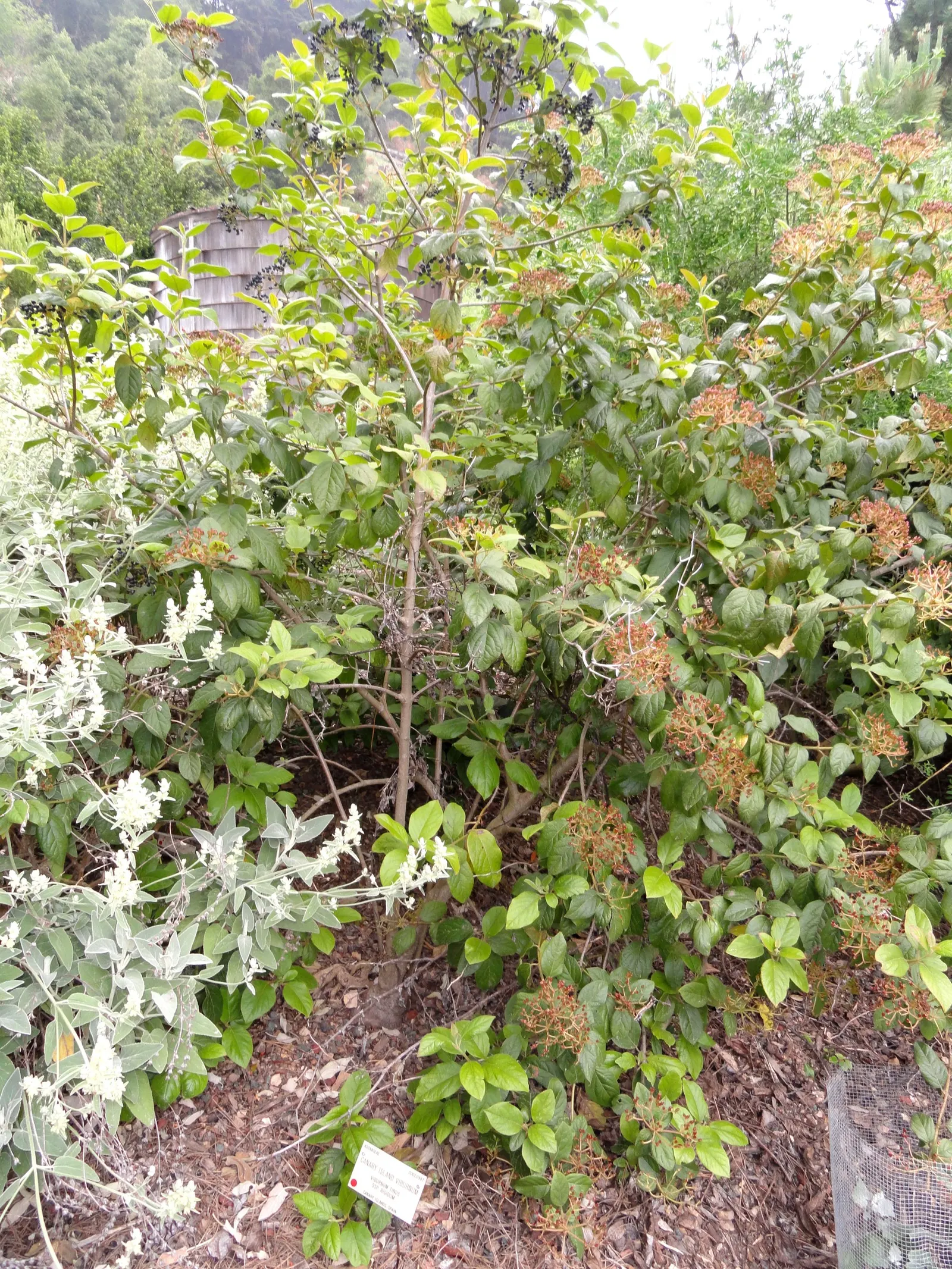
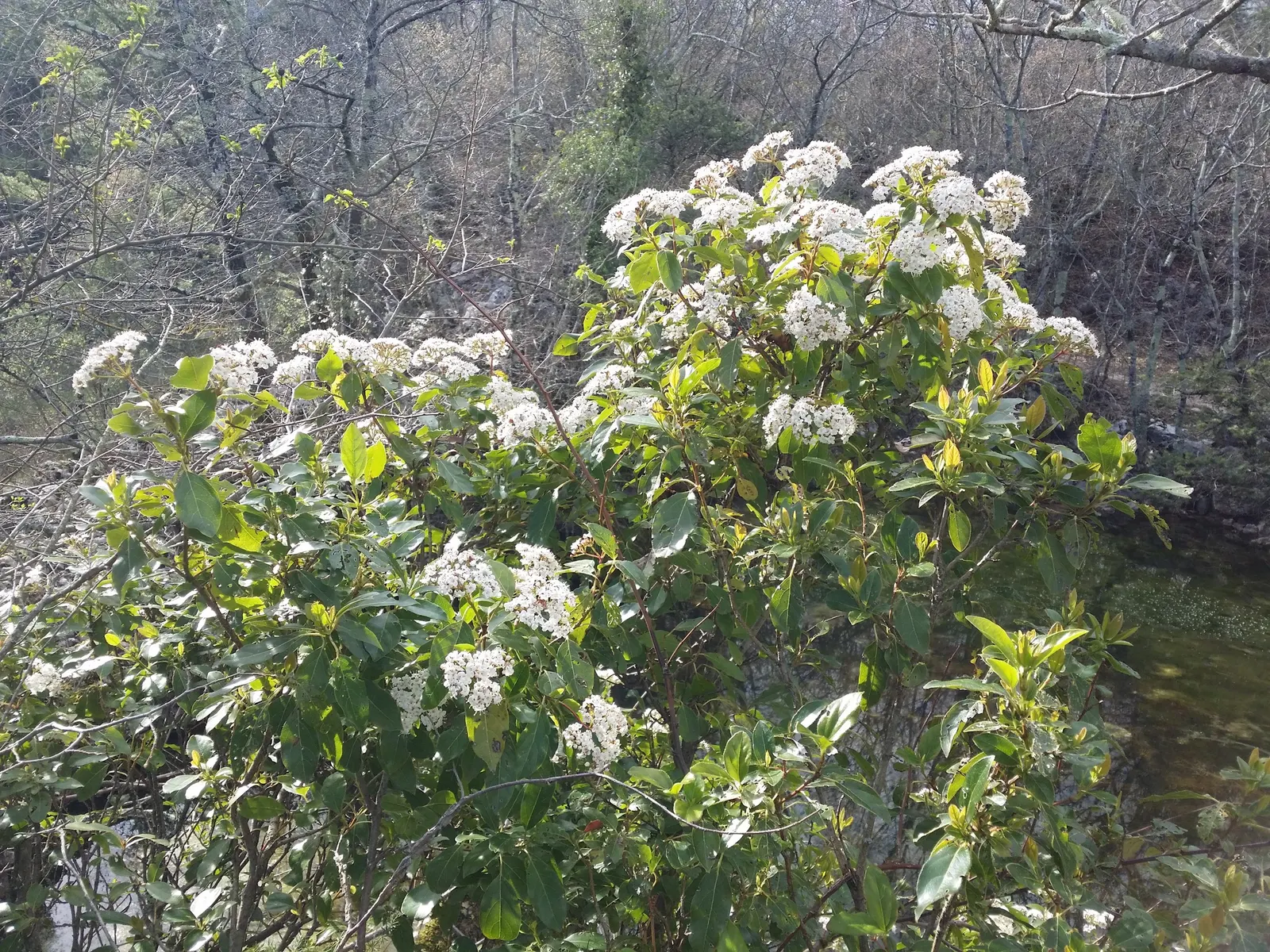
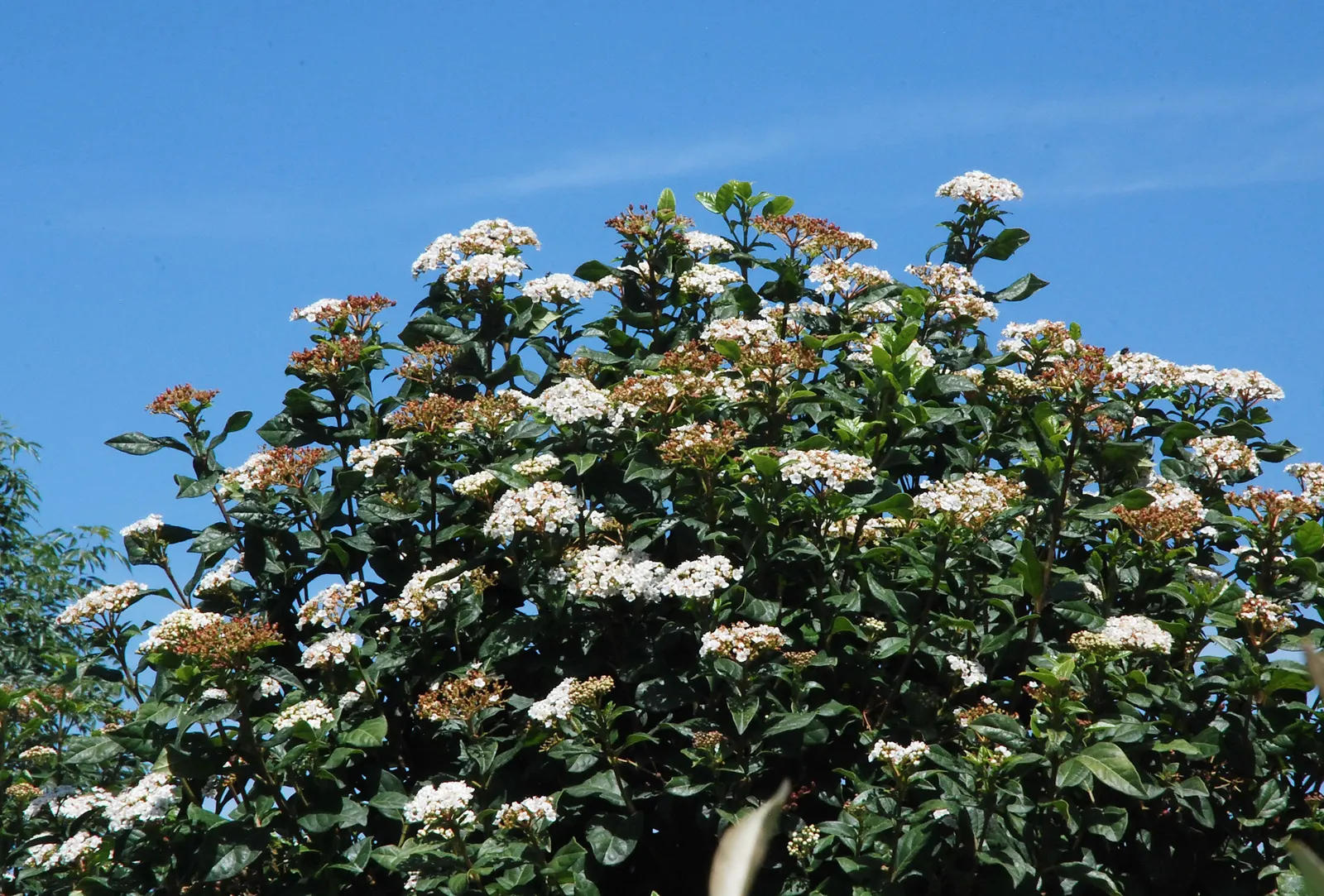
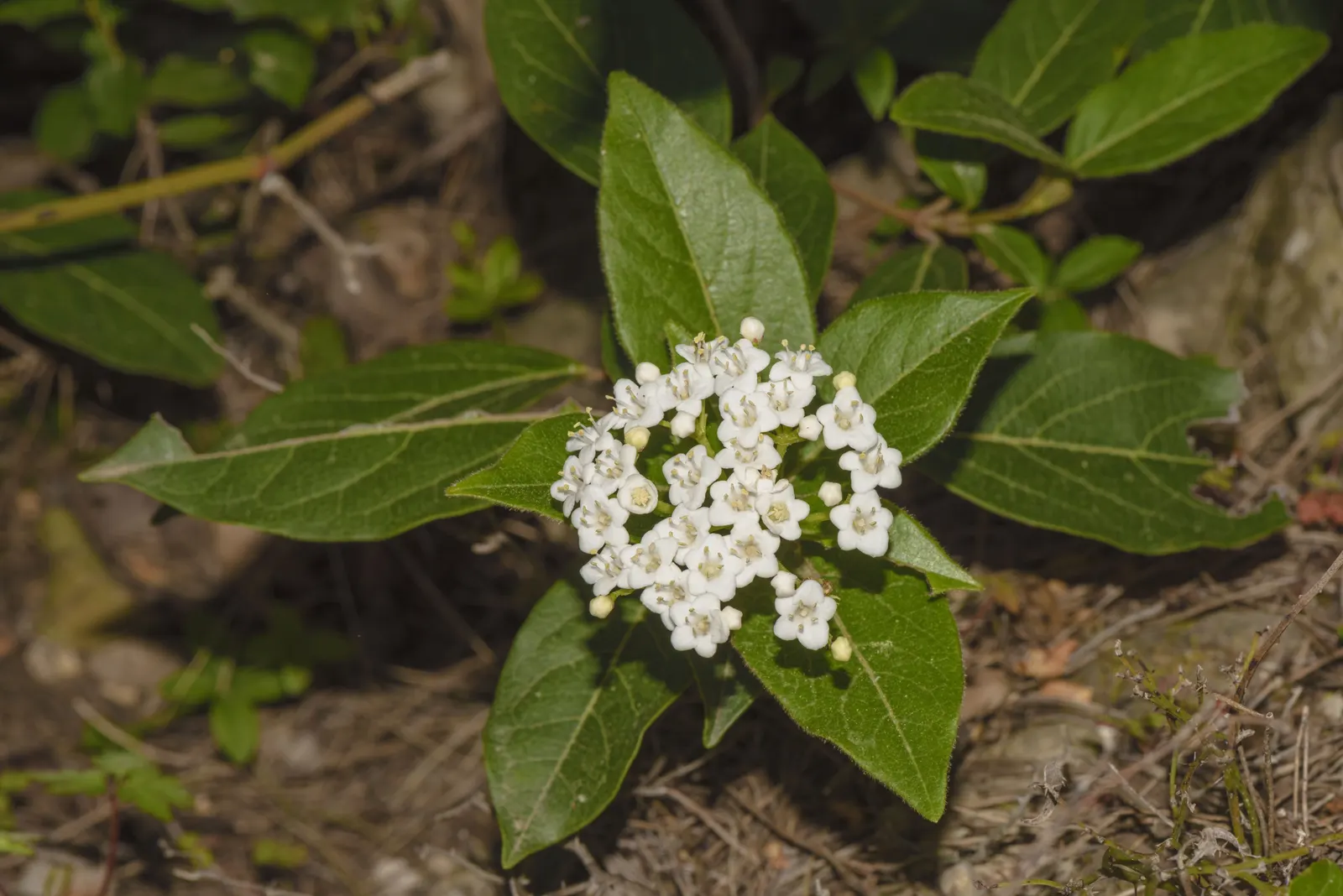
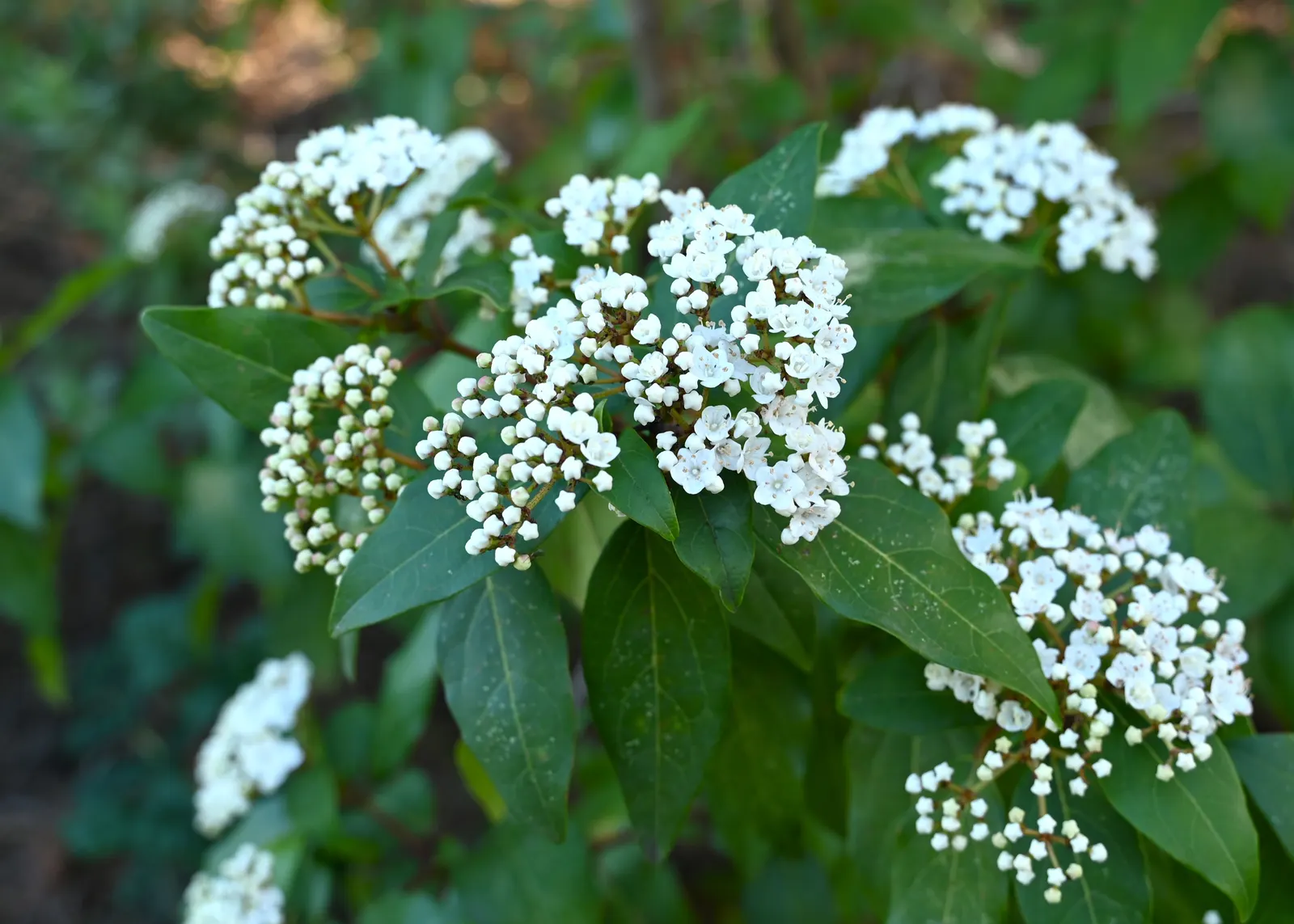
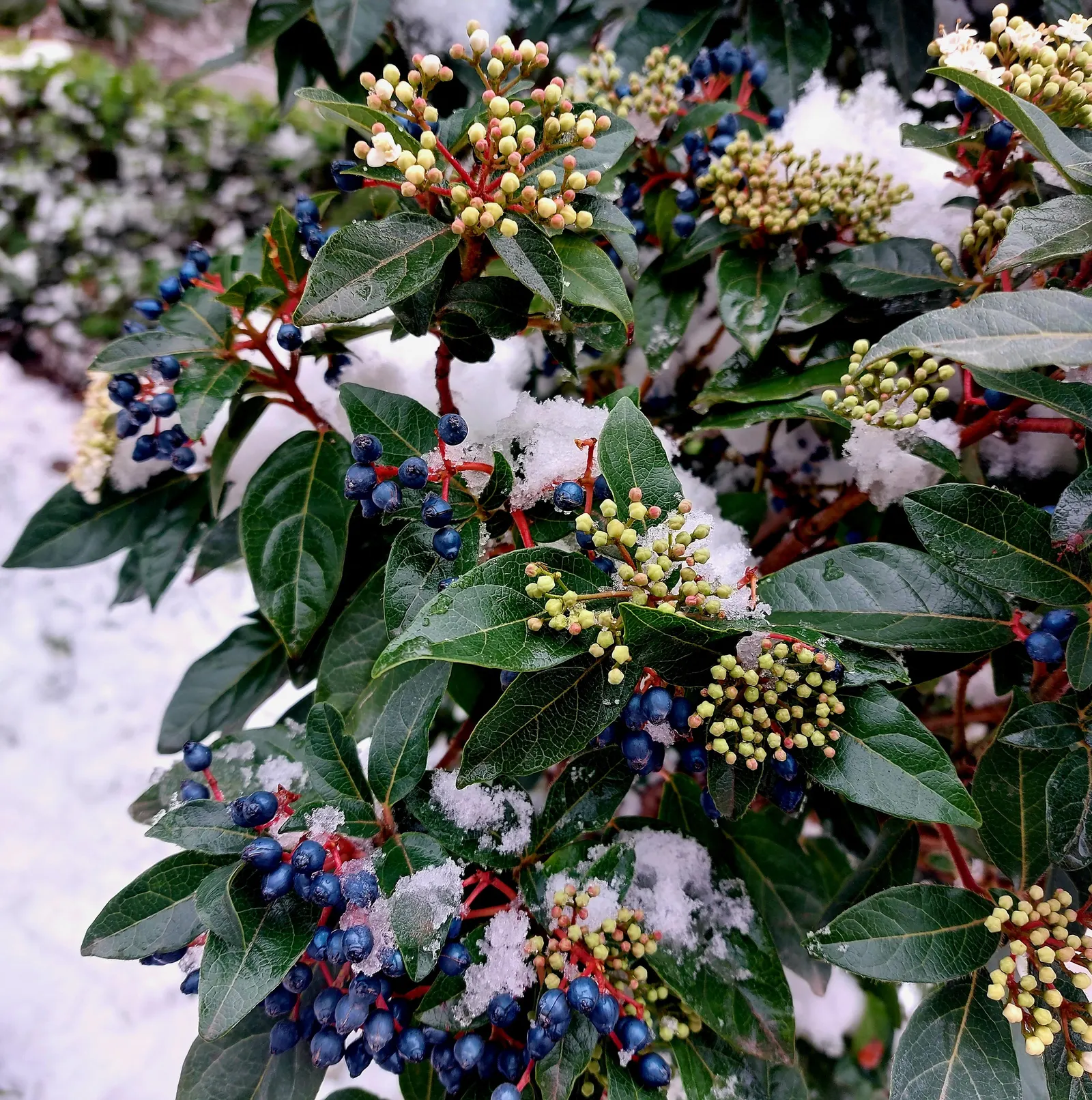
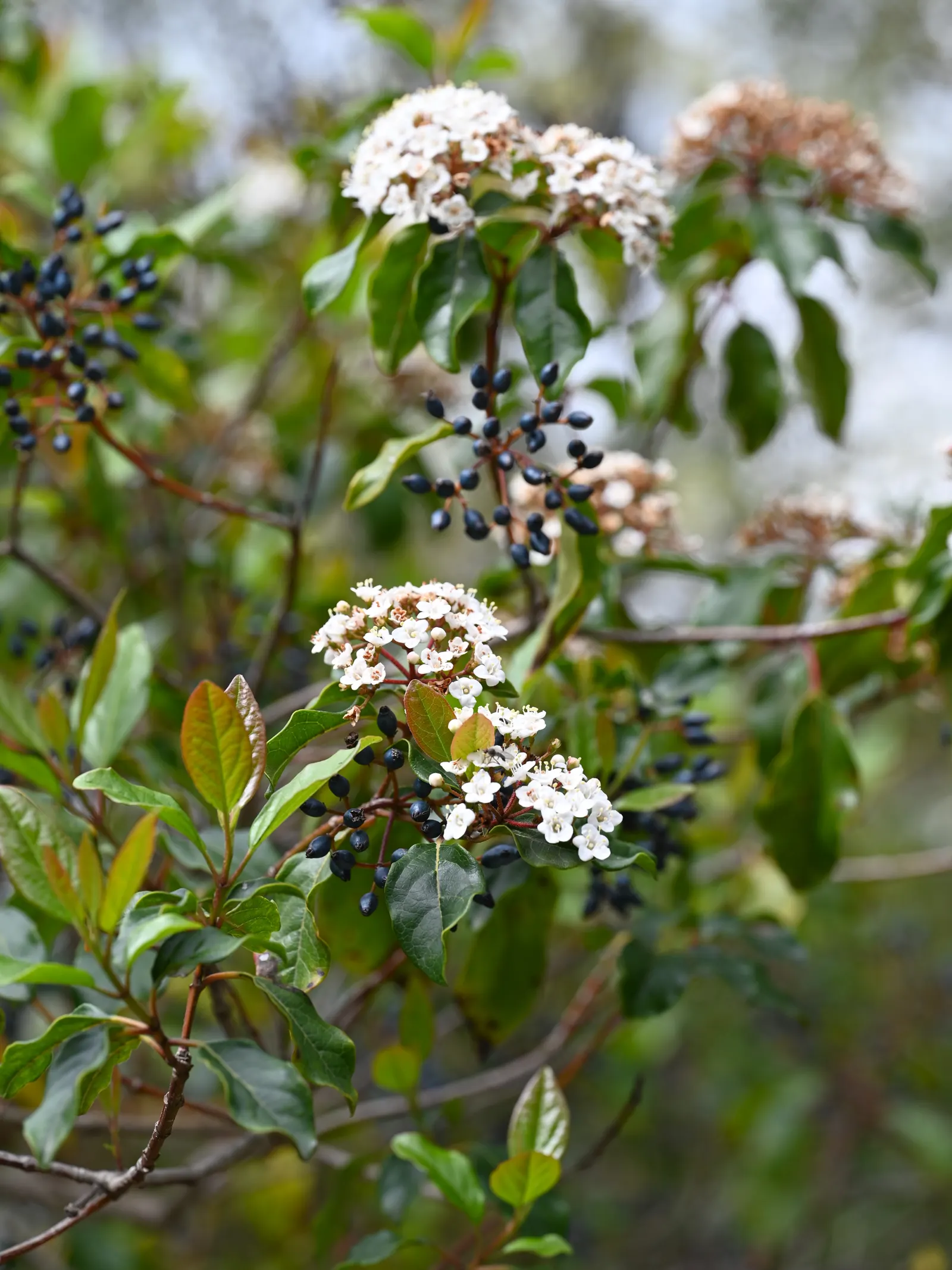
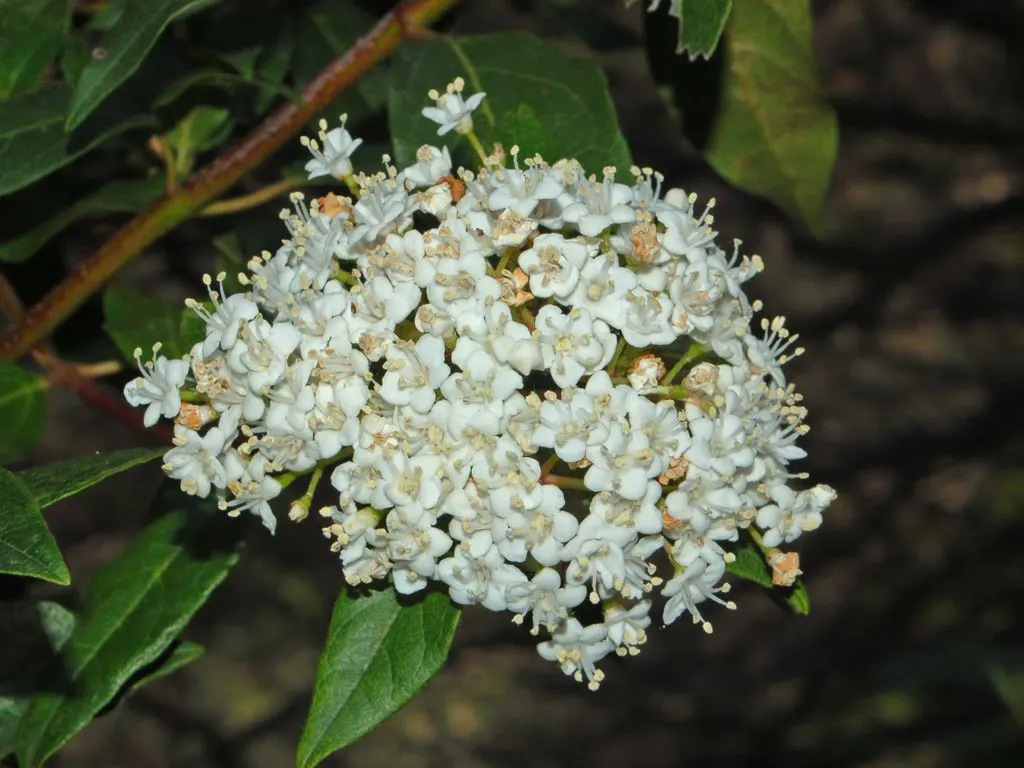
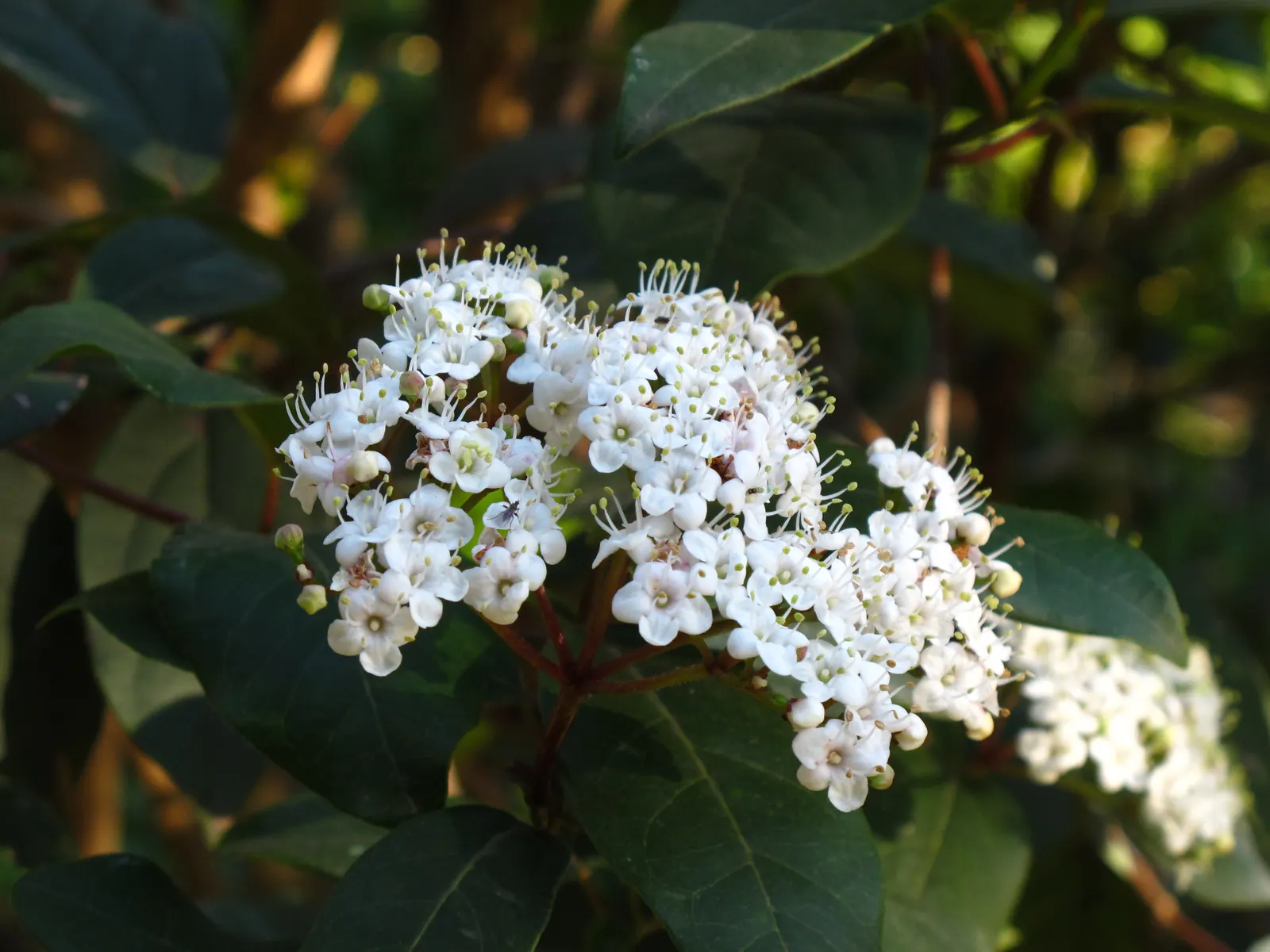
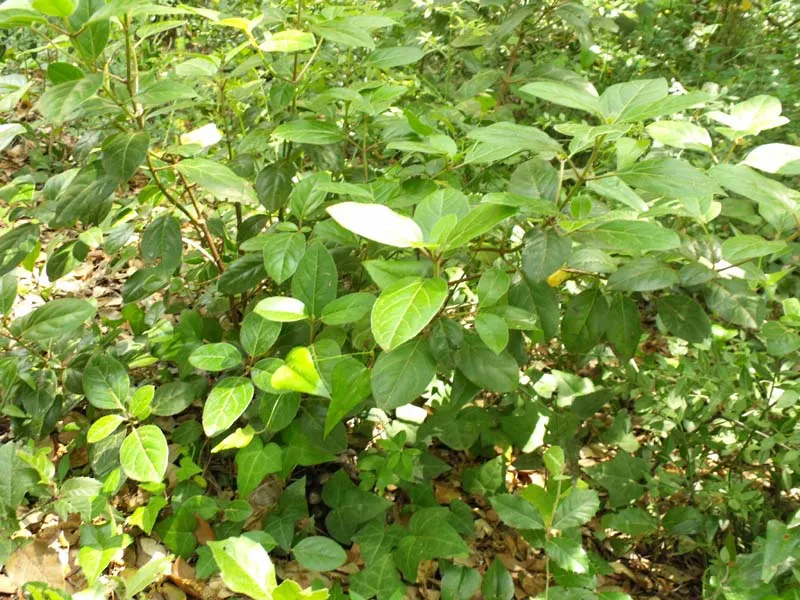
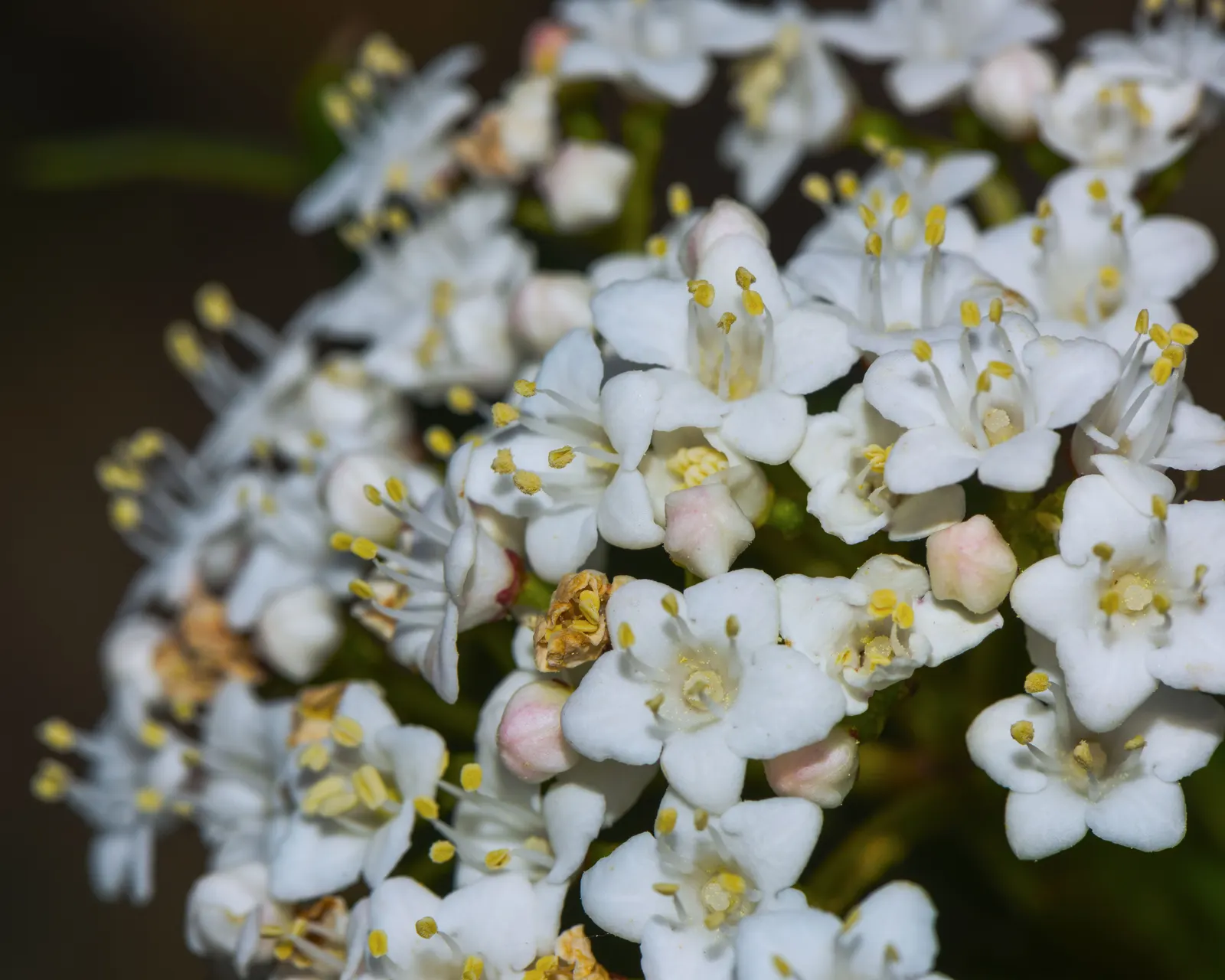
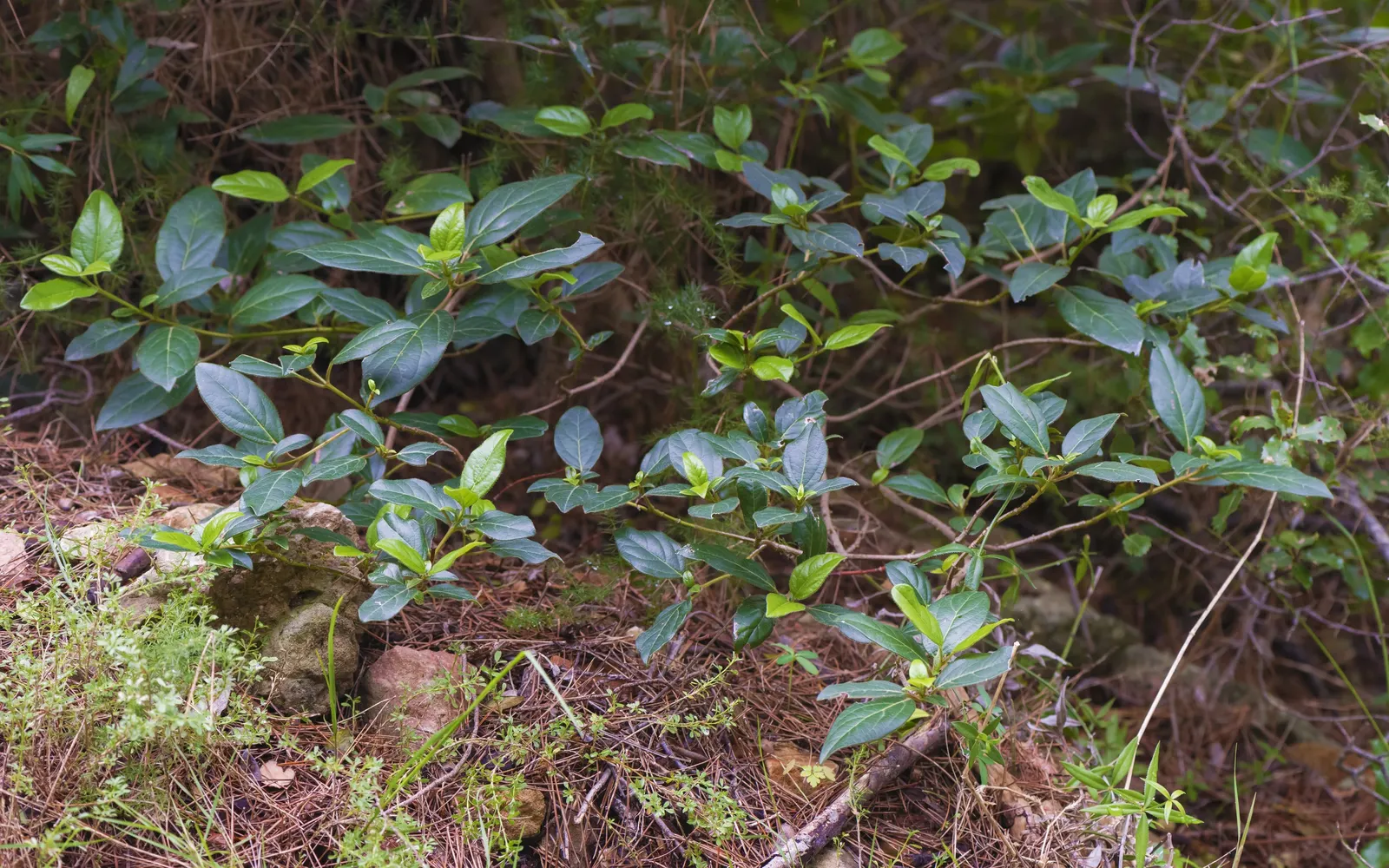
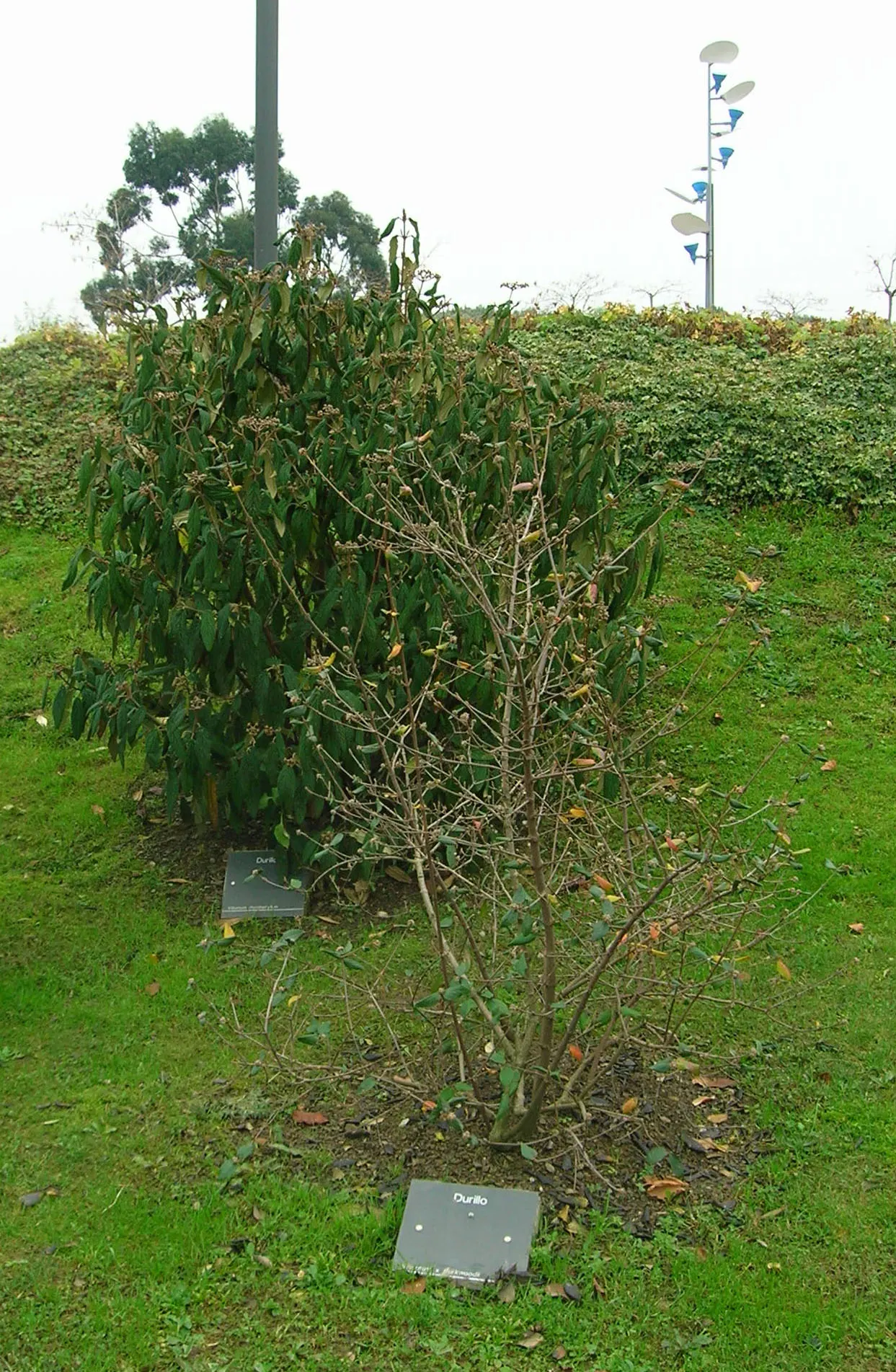
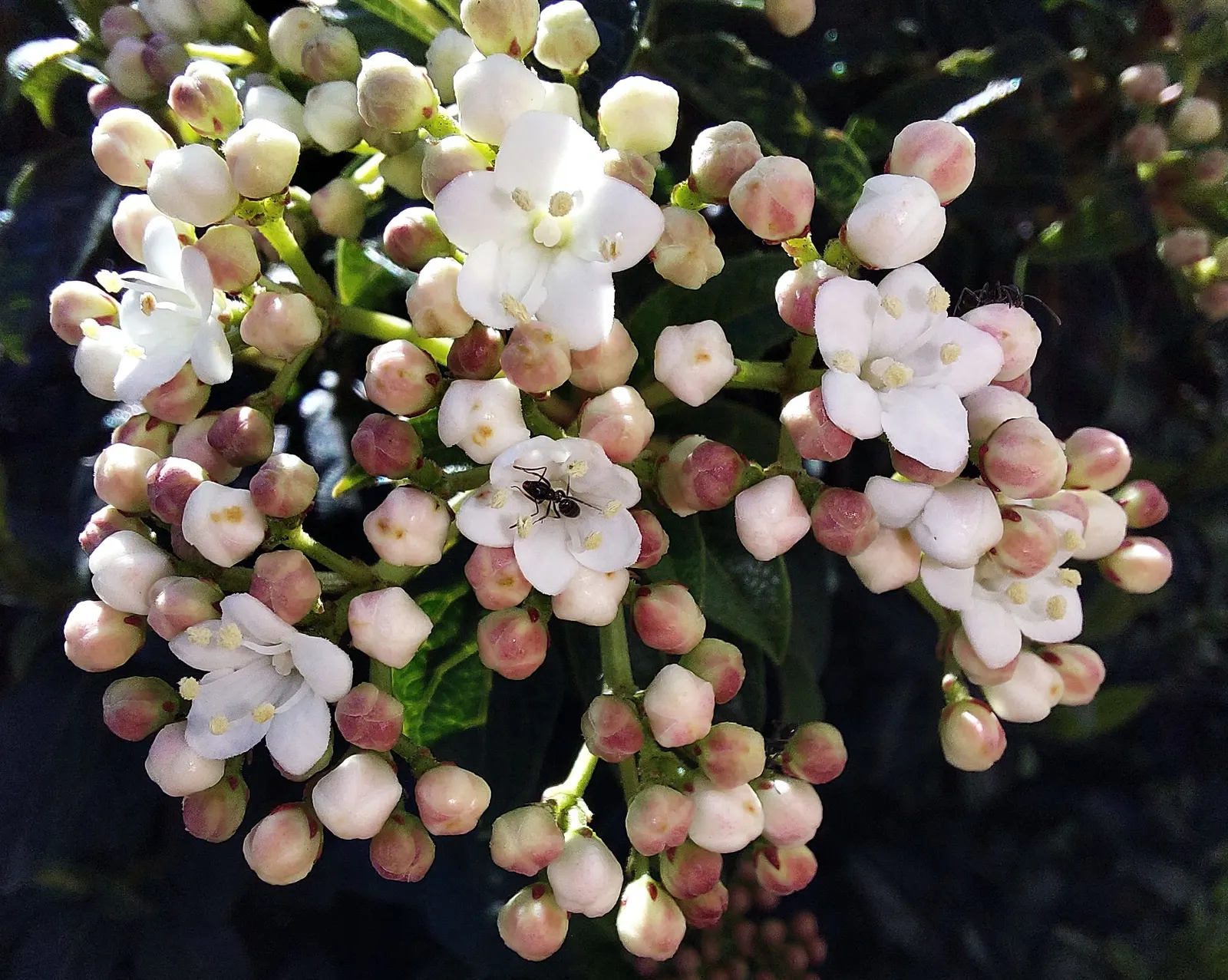
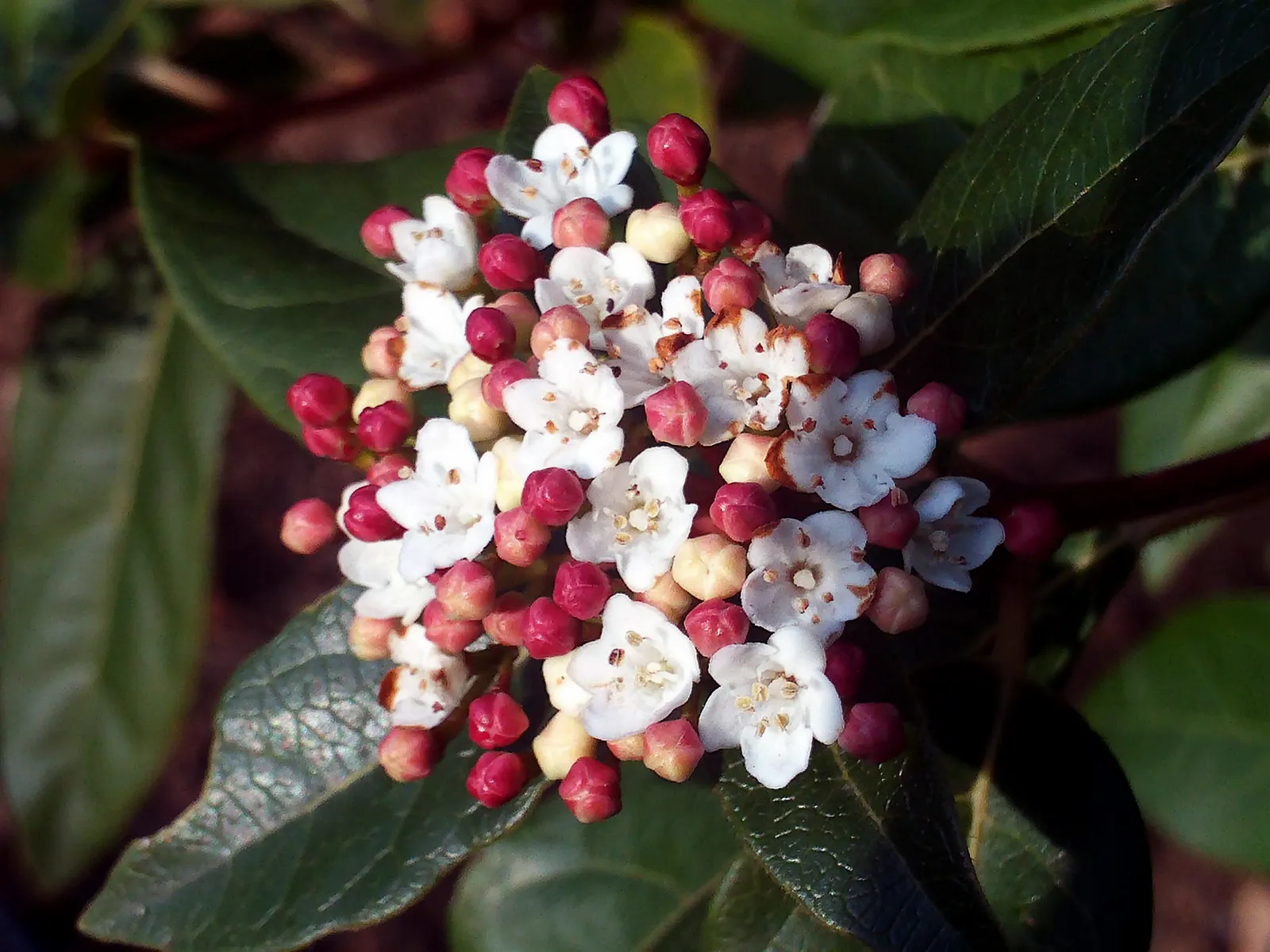
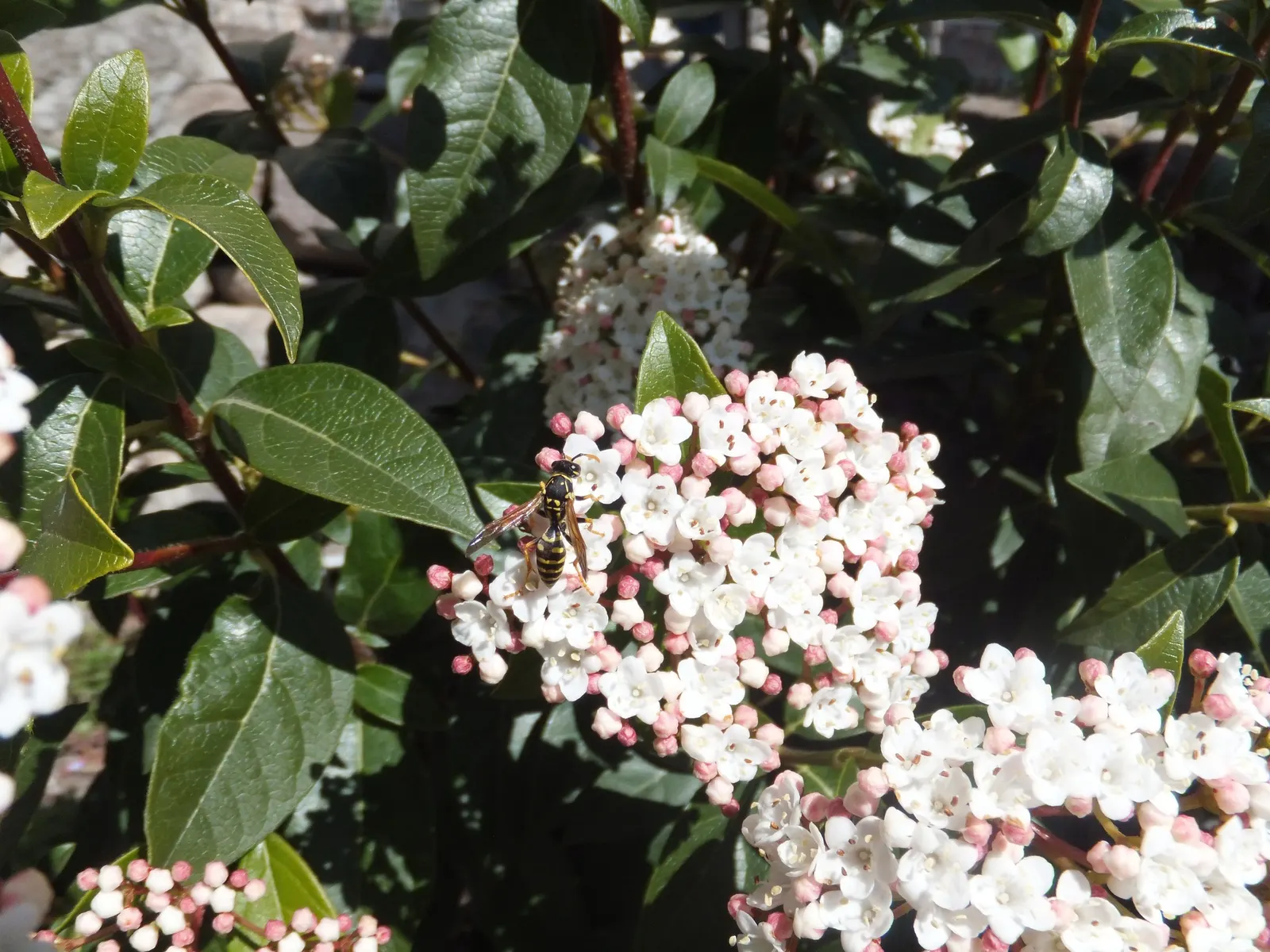
Laurestinus Viburnum (Viburnum tinus) is an evergreen shrub that flourishes in zones 7 to 10, offering year-round interest with its glossy leaves and seasonal blossoms. Mature specimens reach up to 6-12 feet in height and spread equally wide. From late winter to early spring, pink-budded clusters bloom into delicate white flowers, followed by blue-black berries. This versatile plant thrives in full sun to partial shade and requires well-drained soil.

Sun Full, Half, ShadeWater MediumZones 7–10Type ShrubClimate Temperate
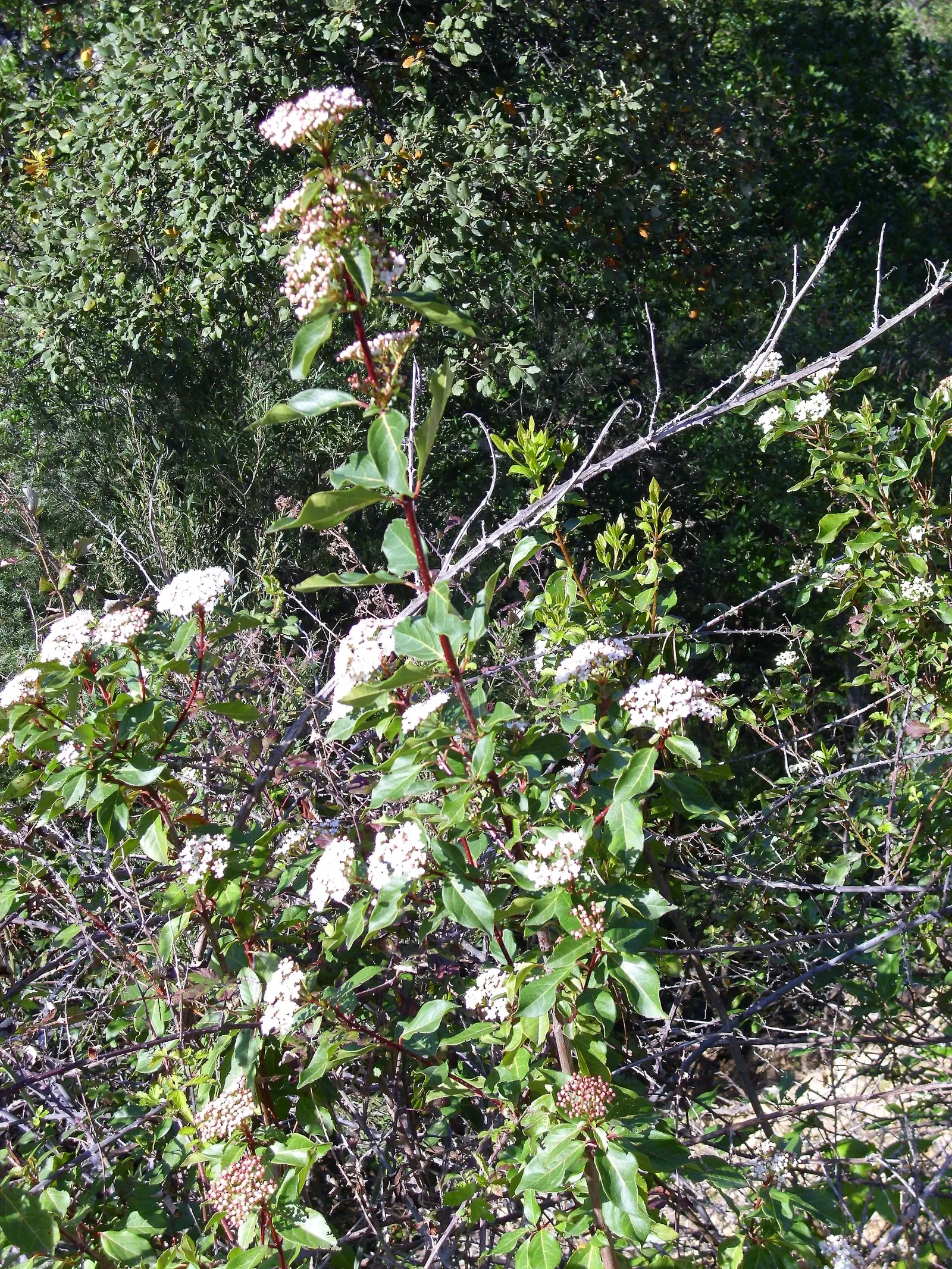
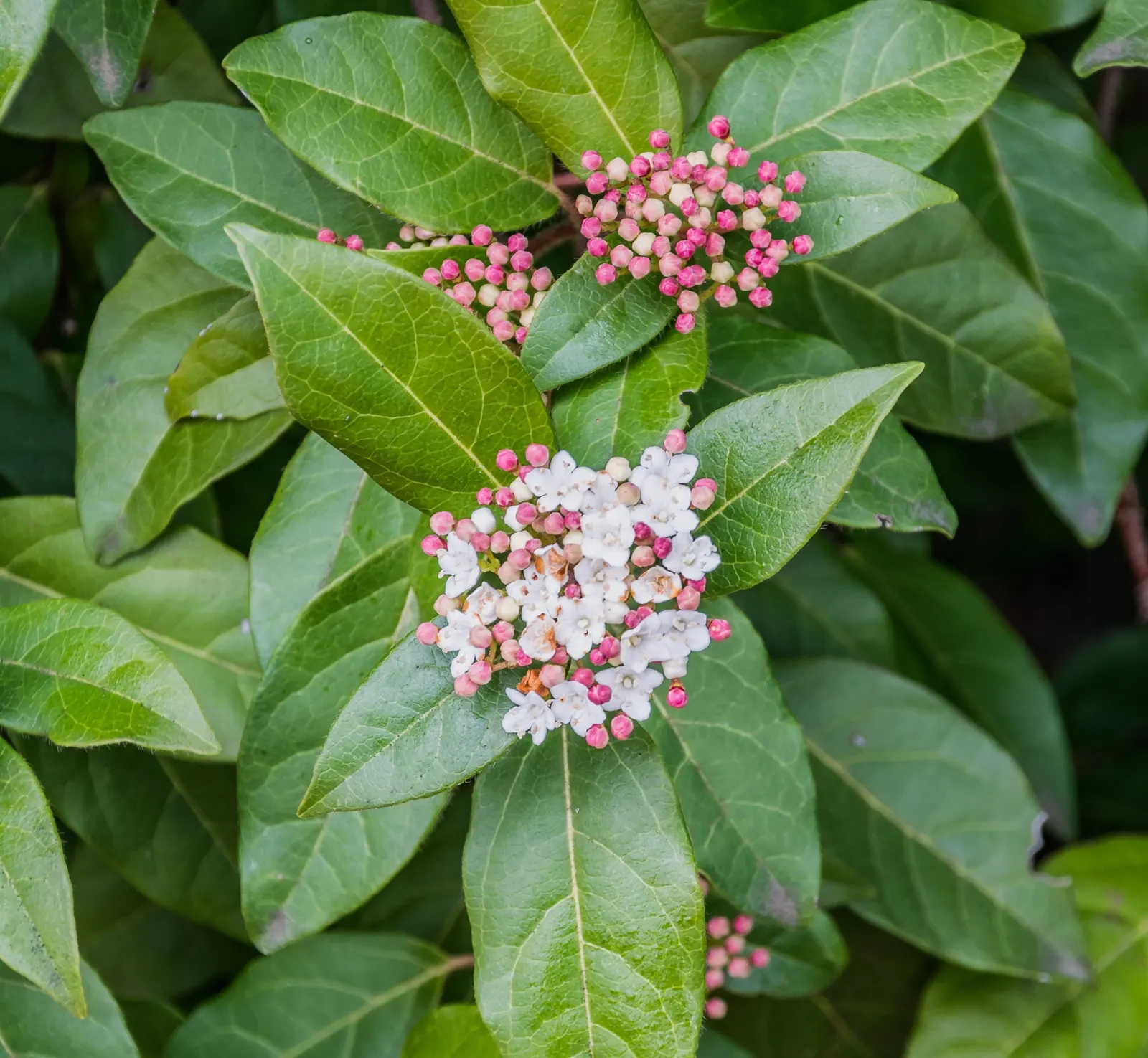
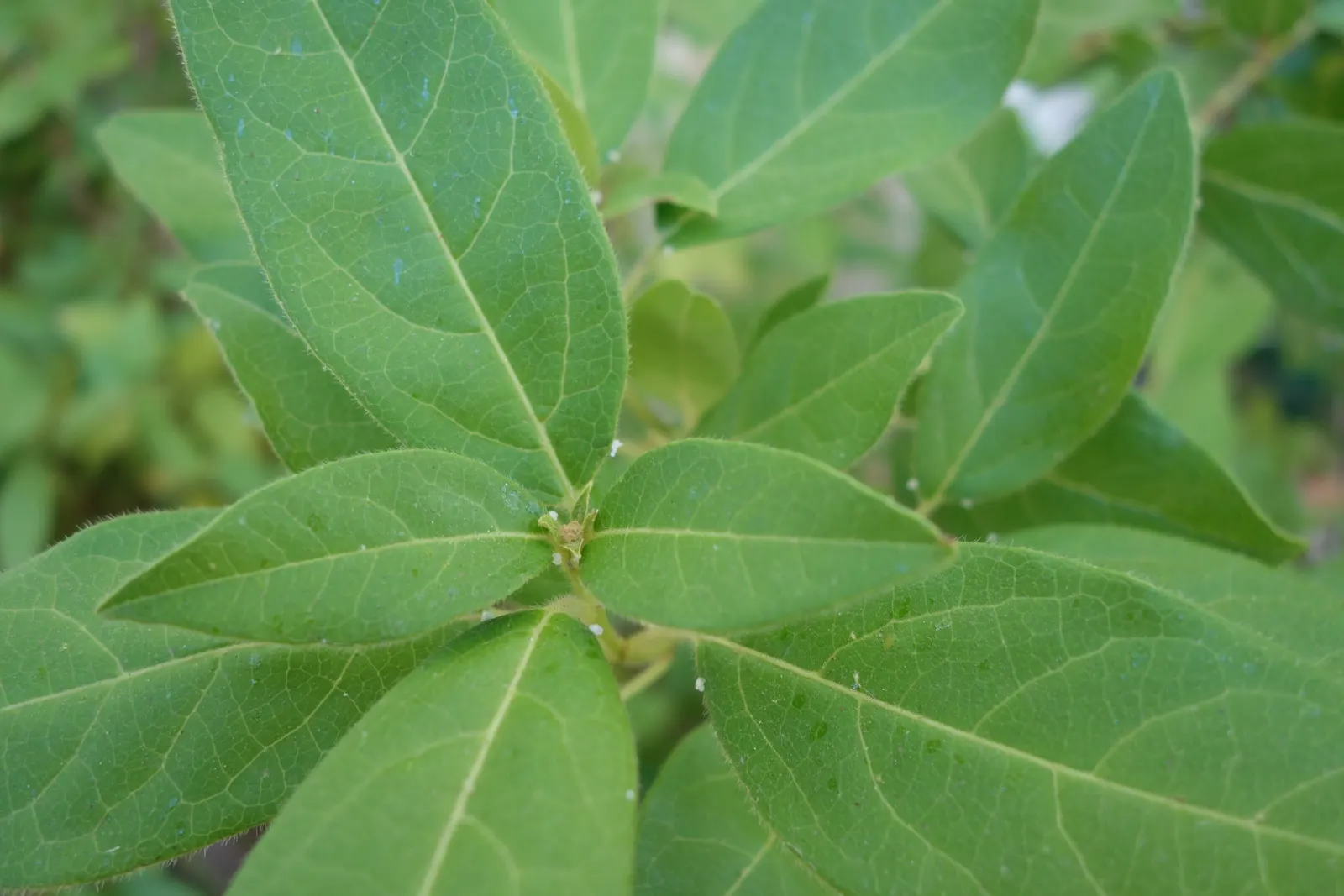
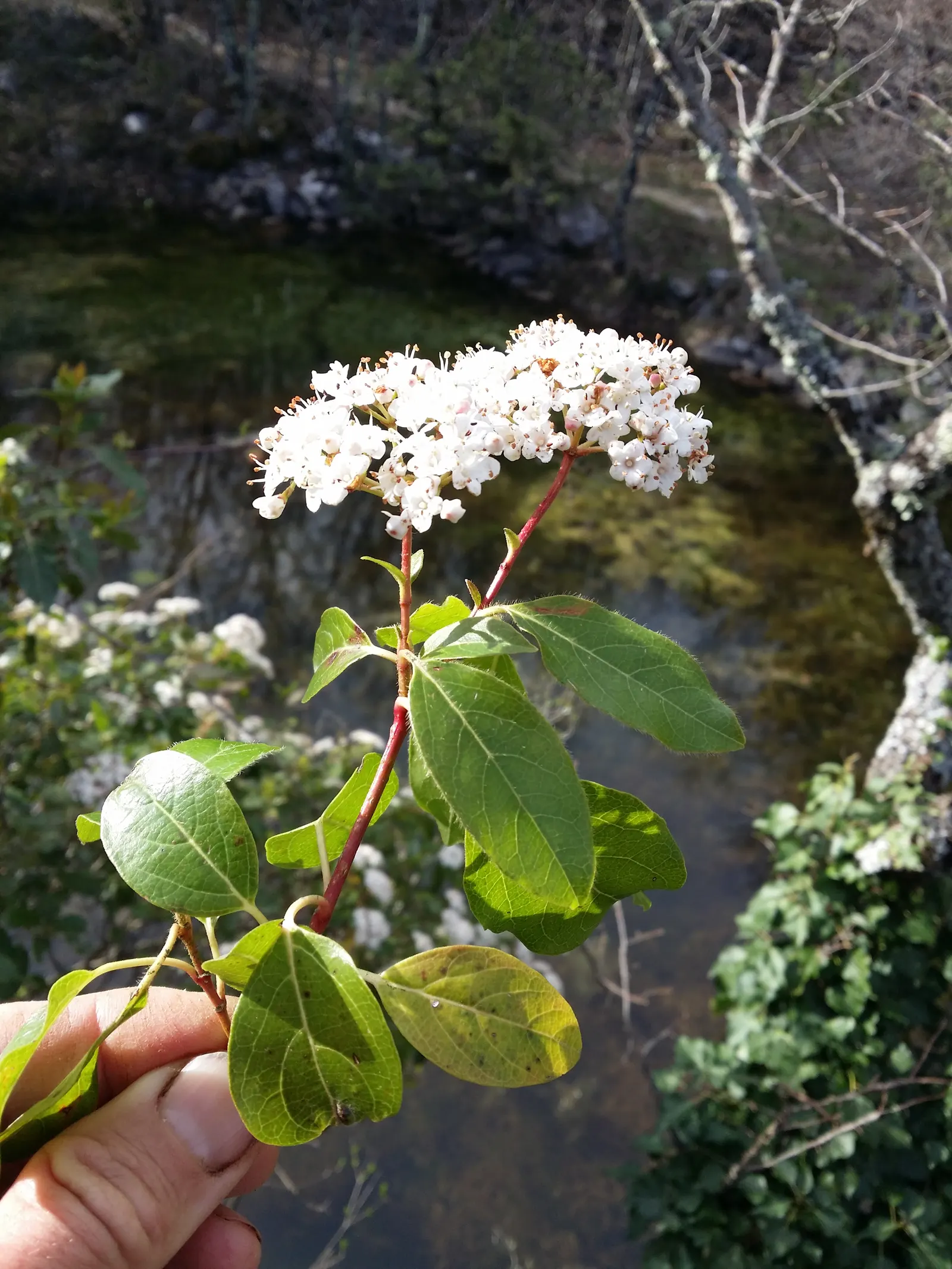
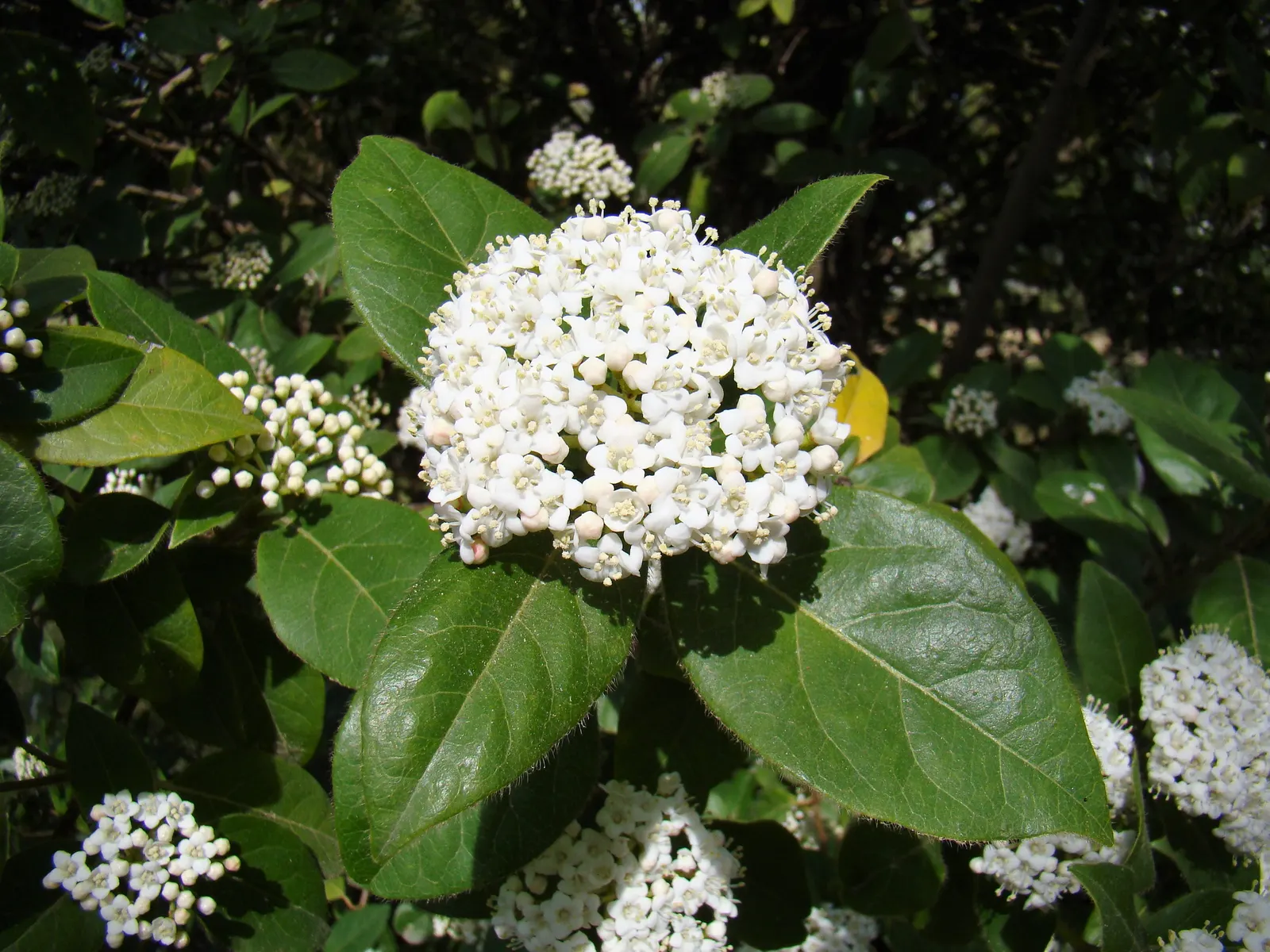
Laurestinus Viburnum (Viburnum Tinus) — glossy leaves of the Viburnum tinus are leathery in texture and measure about 1 to 3 inches long; shrub for full or

Culture

Sun
Full, Half, Shade
Water
Medium
USDA zones
7–10

Shape & size

Classification

Type
Shrub
Climate
Temperate

See full data, regional cultivation notes, and design tools. Build a client presentation around this plant.

Start your 14-day trial

Photos (89)

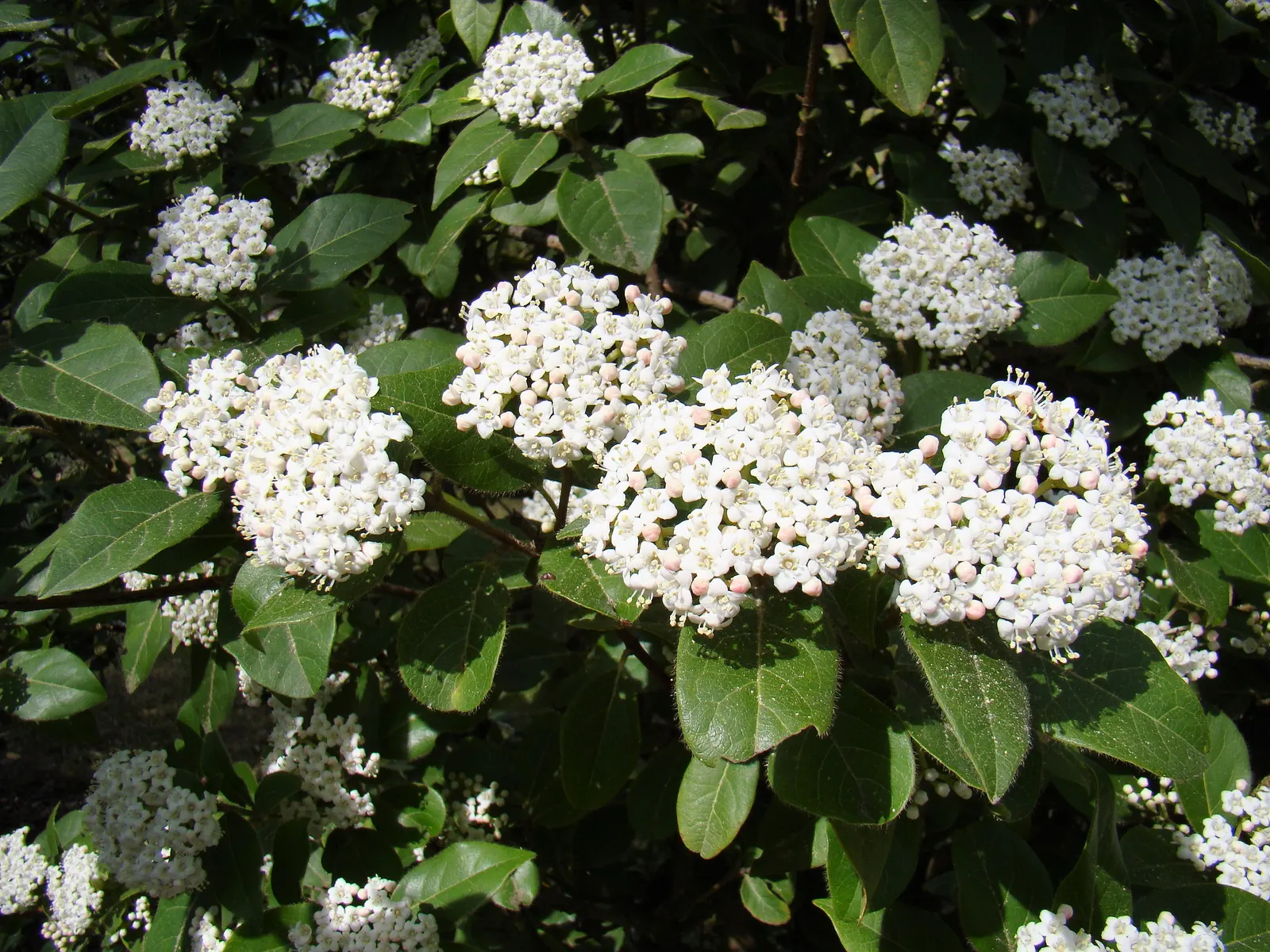
Laurestinus Viburnum (Viburnum Tinus) — the shrub is adorned with small clusters of starry; along with resistance to common pests and diseases
Laurestinus Viburnum (Viburnum Tinus) — followed by blue-black berries; glossy leaves of the Viburnum tinus are leathery in texture and measure, image 60
Laurestinus Viburnum (Viburnum Tinus) — Laurestinus Viburnum (Viburnum tinus) is an evergreen shrub that flourishes in zones 7 to 10; from late winter to early
Laurestinus Viburnum (Viburnum Tinus) — this plant is relatively drought-tolerant; ensure that Laurestinus Viburnum remains a favored choice for both seasoned
Laurestinus Viburnum (Viburnum Tinus) — offering year-round interest with its glossy leaves and seasonal blossoms; this robust plant offers a lush, image 56
Laurestinus Viburnum (Viburnum Tinus) — Due to its year-round appeal and wildlife benefits, image 50
Laurestinus Viburnum (Viburnum Tinus) — it surely makes a valuable addition to any landscape design
Laurestinus Viburnum (Viburnum Tinus) — From late winter into early spring, image 41
Laurestinus Viburnum (Viburnum Tinus) — each cluster spanning roughly 2 to 4 inches across; scientifically known as Viburnum tinus
Laurestinus Viburnum (Viburnum Tinus) — This versatile plant thrives in full sun to partial shade and requires well-drained soil; this plant is relatively
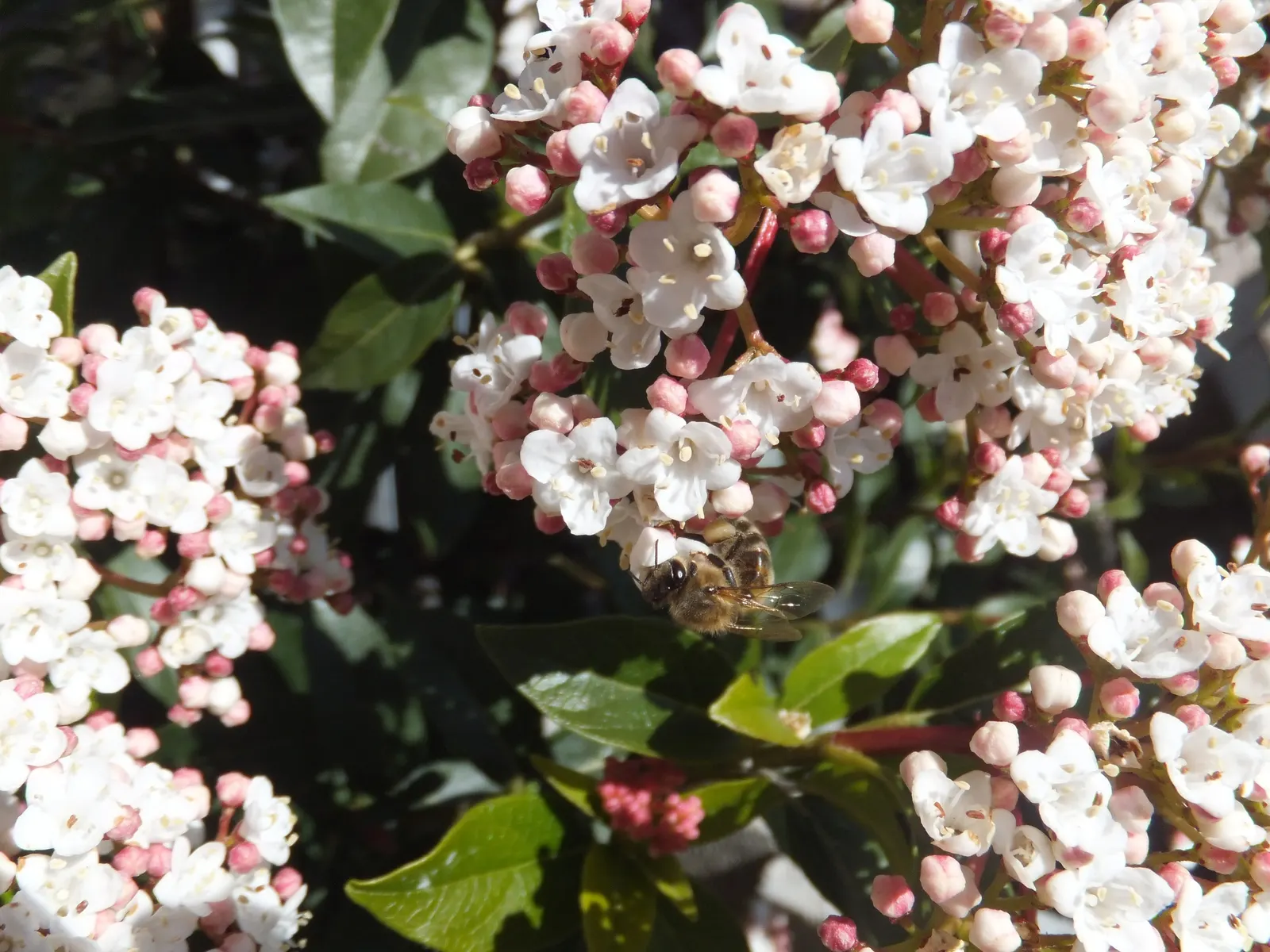
Laurestinus Viburnum (Viburnum Tinus) — From late winter to early spring; pink and white flowers in the garden, image 58
Laurestinus Viburnum (Viburnum Tinus) — ensure that Laurestinus Viburnum remains a favored choice for both seasoned and novice gardeners
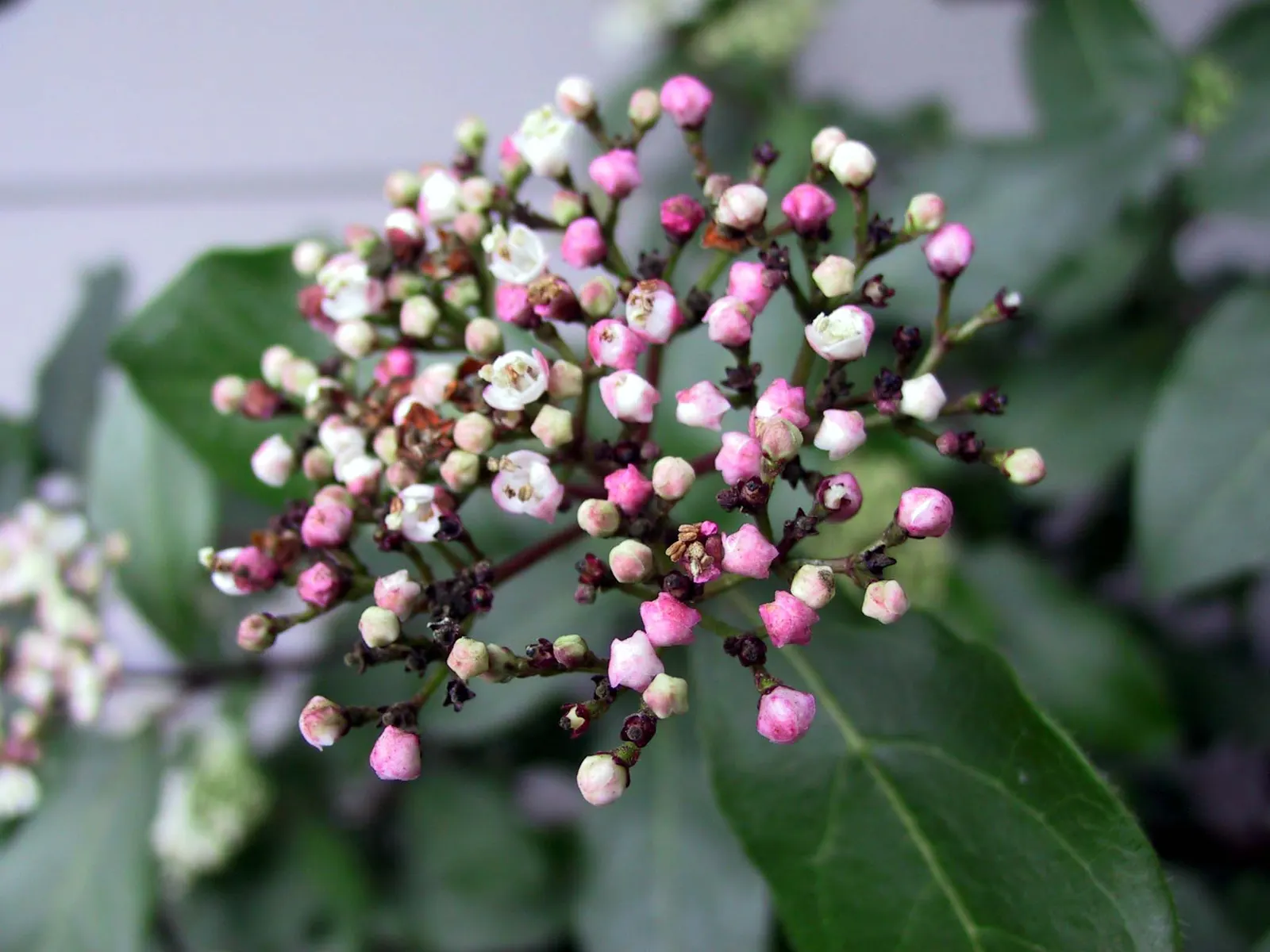
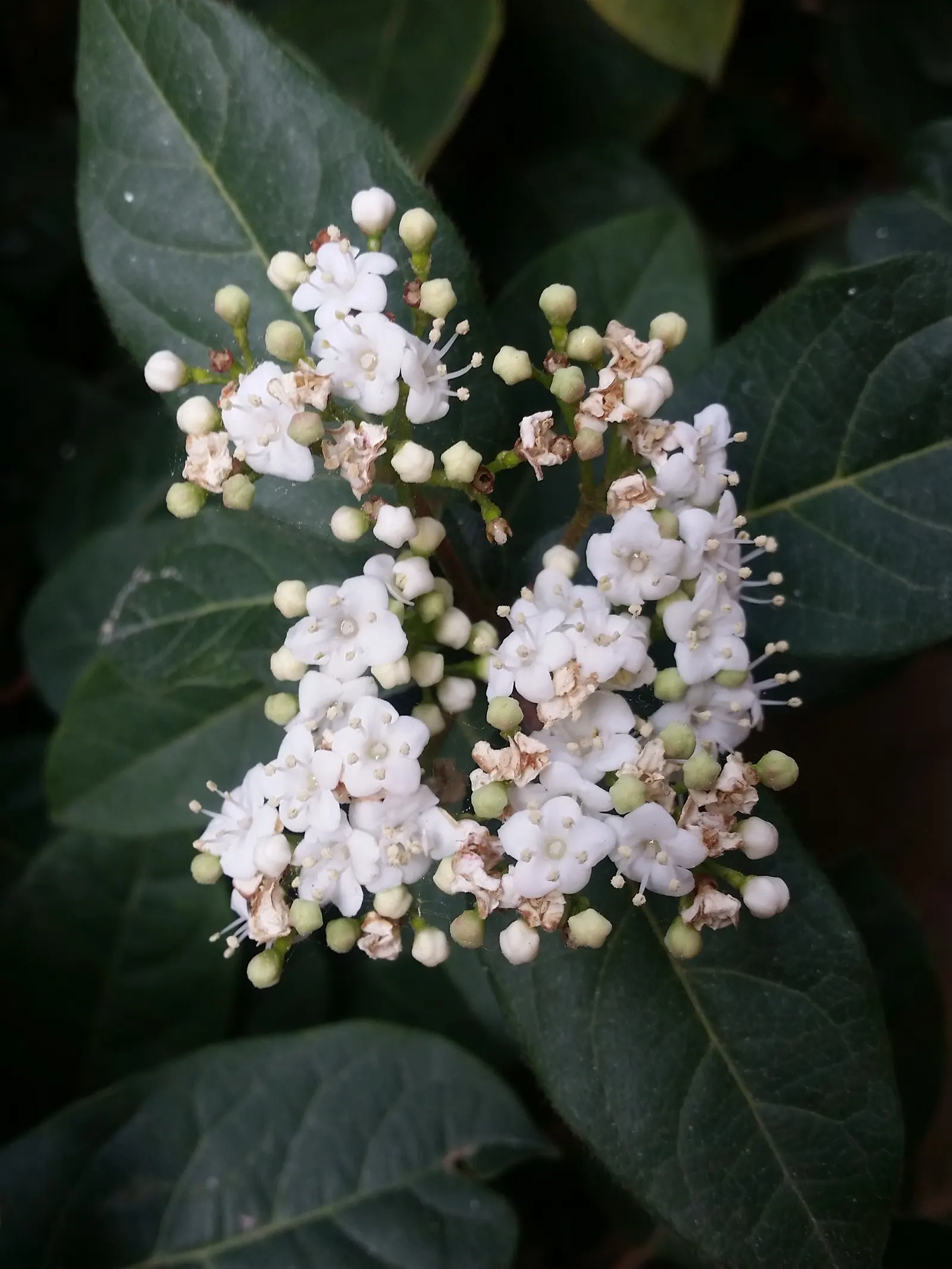
Laurestinus Viburnum (Viburnum Tinus) — pink-budded clusters bloom into delicate white flowers
Laurestinus Viburnum (Viburnum Tinus) — scientifically known as Viburnum tinus; shrub with pink and white blooms, image 62
Laurestinus Viburnum (Viburnum Tinus) — is a versatile and evergreen shrub that would lend an enduring charm to any garden; followed by blue-black berries
Laurestinus Viburnum (Viburnum Tinus) — Mature specimens reach up to 6-12 feet in height and spread equally wide; it thrives in full sun to partial shade and
Laurestinus Viburnum (Viburnum Tinus) — This versatile plant thrives in full sun to partial shade and requires well-drained soil; this plant is, image 61
Laurestinus Viburnum (Viburnum Tinus) — From late winter into early spring
Laurestinus Viburnum (Viburnum Tinus) — scientifically known as Viburnum tinus
Laurestinus Viburnum (Viburnum Tinus) — It thrives in full sun to partial shade and is hardy to USDA zones 7 to 10
Laurestinus Viburnum (Viburnum Tinus) — From late winter to early spring
Laurestinus Viburnum (Viburnum Tinus) — pink-budded clusters bloom into delicate white flowers, image 32
Laurestinus Viburnum (Viburnum Tinus) — offering year-round interest with its glossy leaves and seasonal blossoms; this robust plant offers a lush
Laurestinus Viburnum (Viburnum Tinus) — Typically reaching heights between 6 to 12 feet with a similar spread; they provide an excellent evergreen backdrop
Photographs by 15 contributors

Related plants