Skip to content

Nannyberry Viburnum

Viburnum Lentago

Design with this plant

Overview

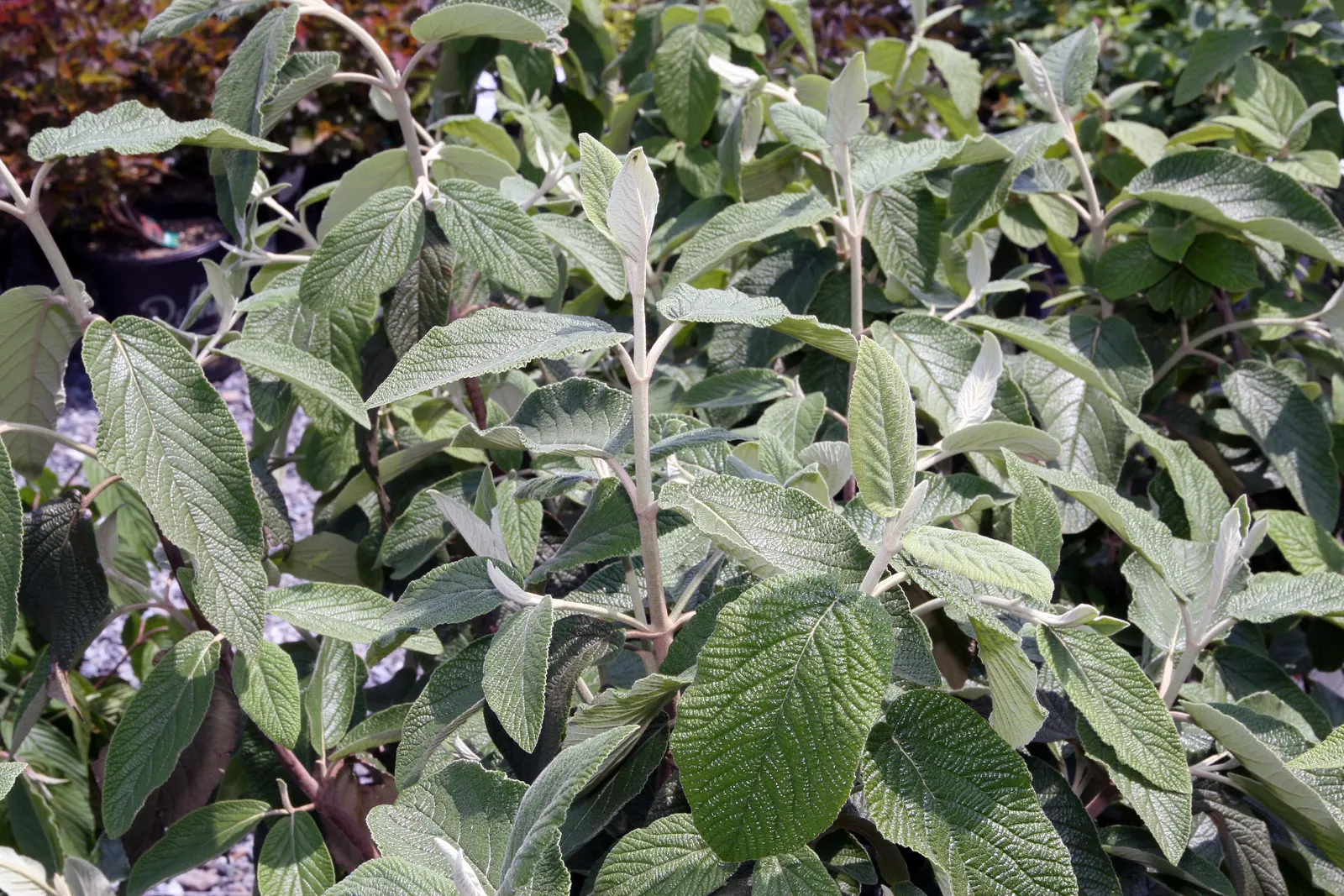
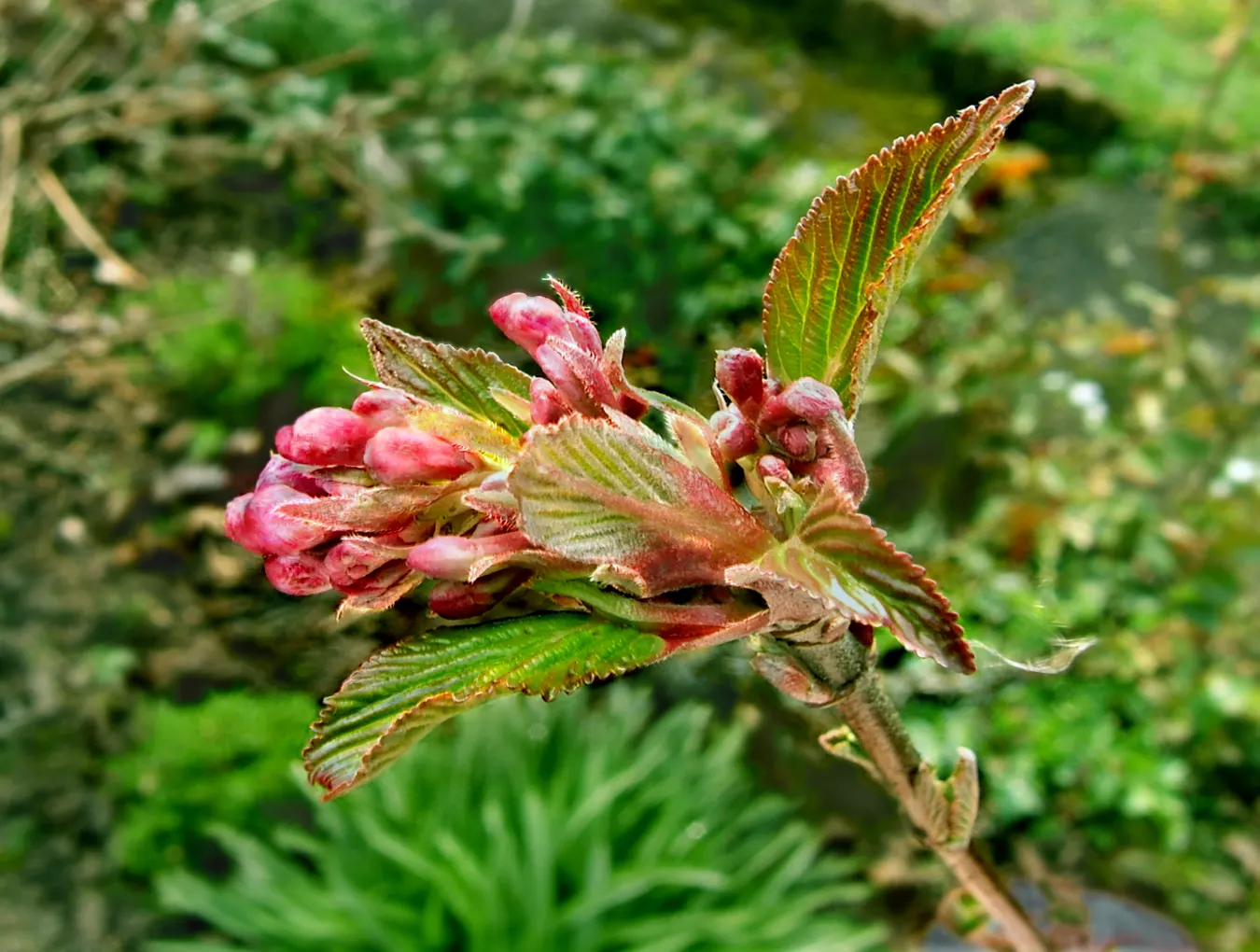
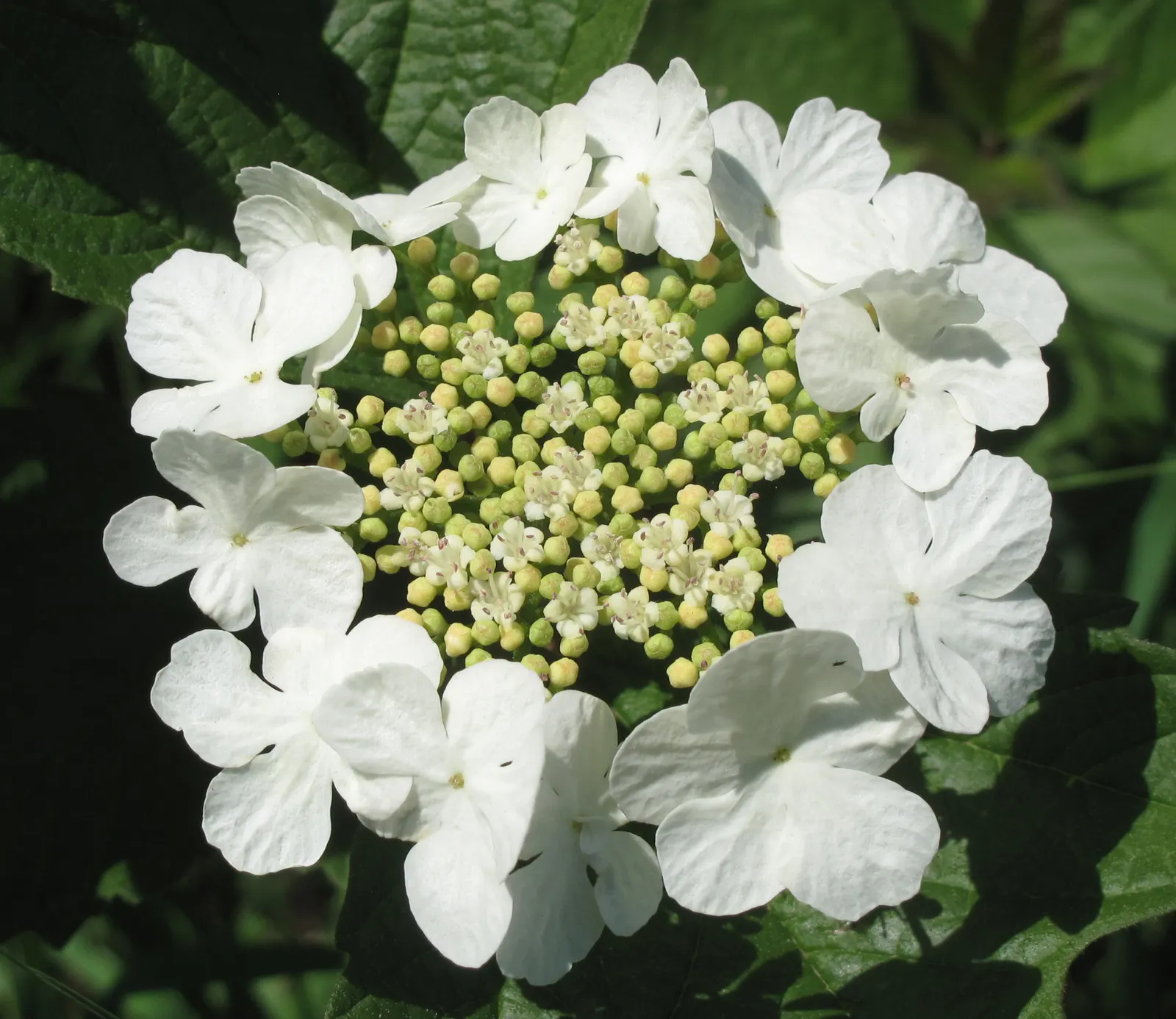
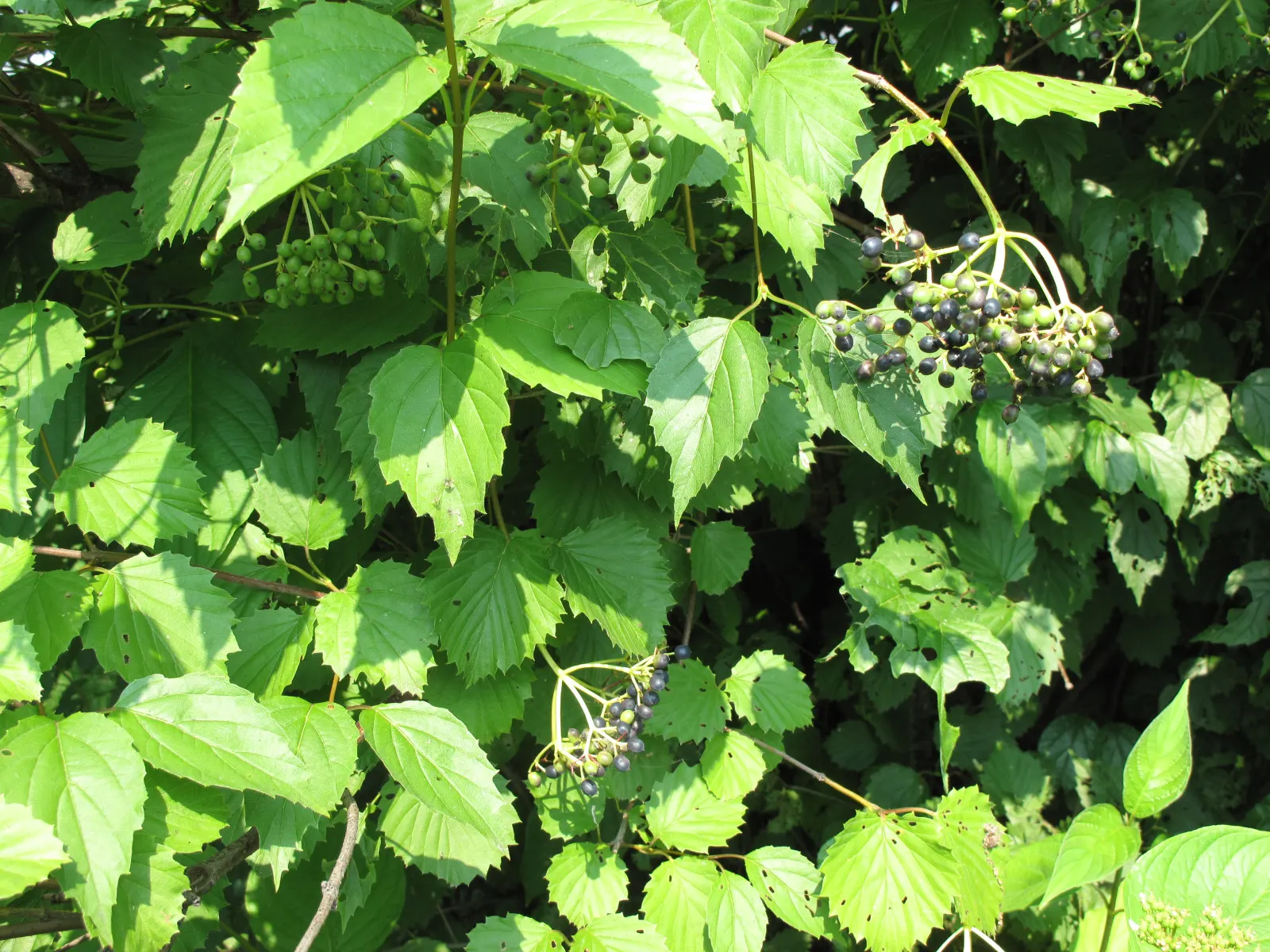
The Nannyberry Viburnum (Viburnum lentago) is a native North American shrub often utilized for naturalizing or as a hedge. It features glossy green foliage turning wine-red in fall, clusters of fragrant white flowers in spring, followed by edible deep blue berries. It thrives in full sun to partial shade, growing 14-16 feet tall and 6-12 feet wide, with a hardiness from zones 2 to 8. Moderate maintenance; attracts birds and butterflies.

Sun Full, HalfWater Low, MediumZones 2–8Type ShrubClimate Temperate

Culture

Sun
Full, Half
Water
Low, Medium
USDA zones
2–8

Shape & size

Mature height
12–15 Ft.
Mature width
6–12 Ft.

Classification

Type
Shrub
Family
Caprifoliaceae
Climate
Temperate

See full data, regional cultivation notes, and design tools. Build a client presentation around this plant.

Start your 14-day trial

Photos (98)

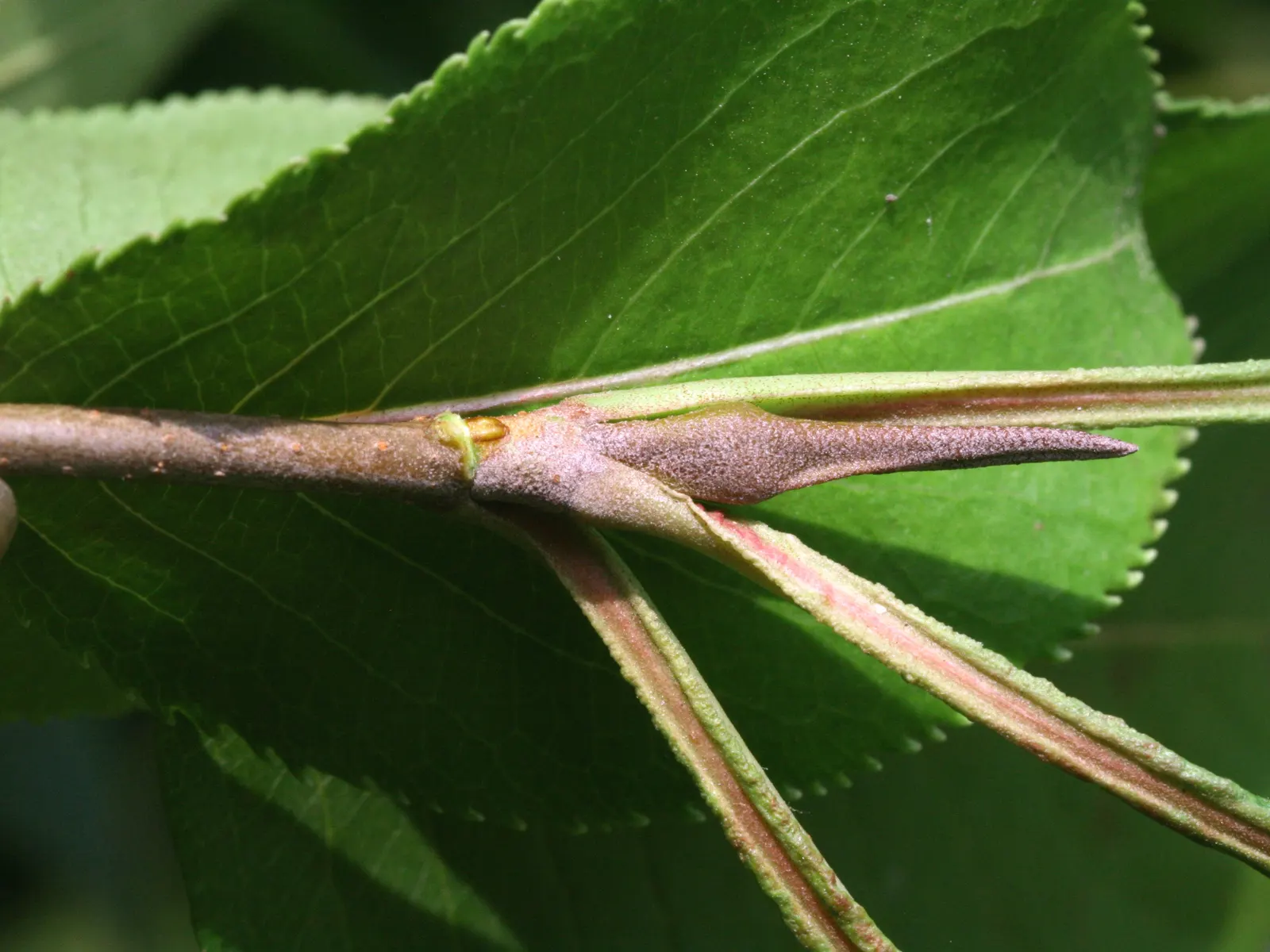
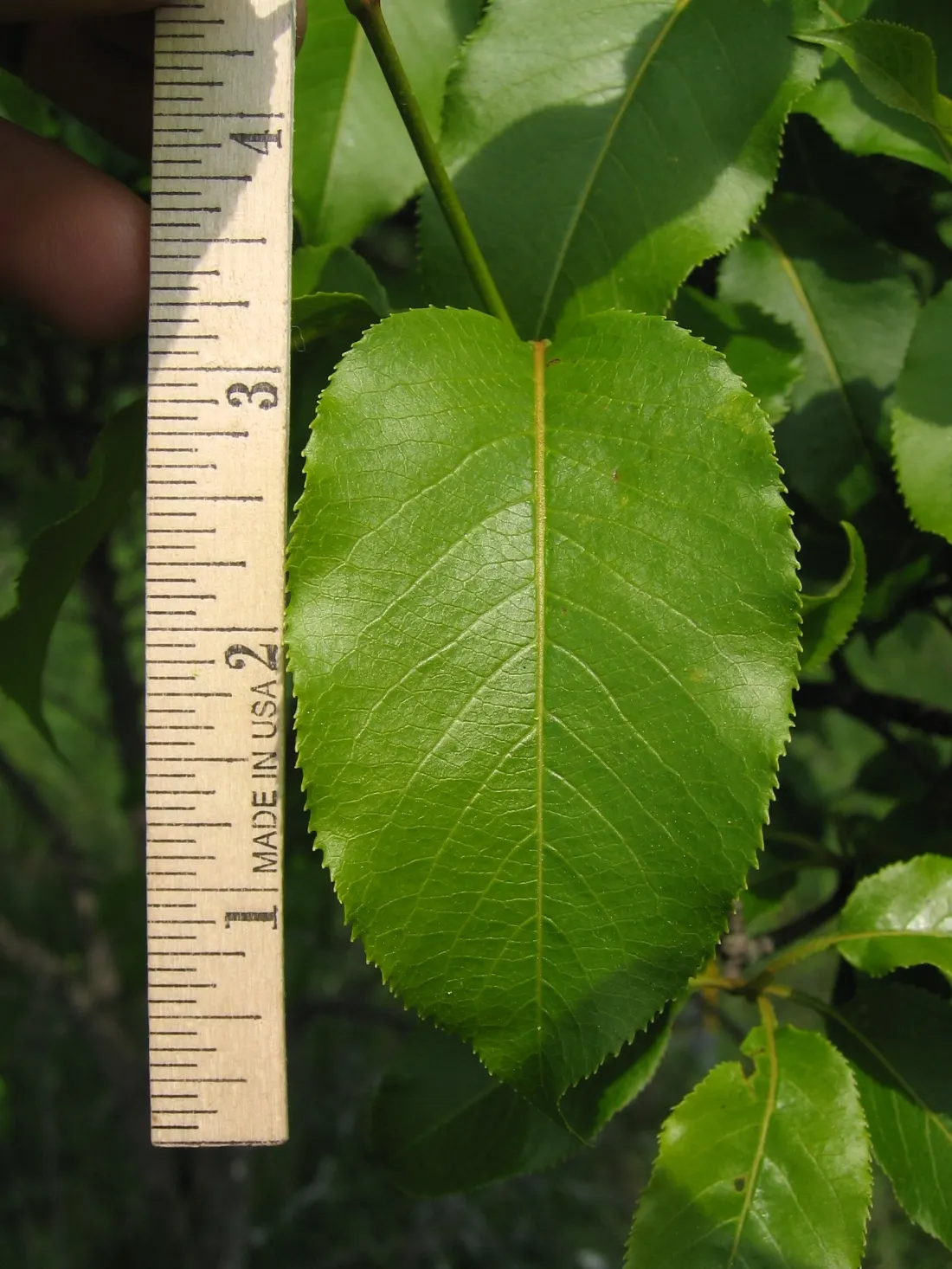
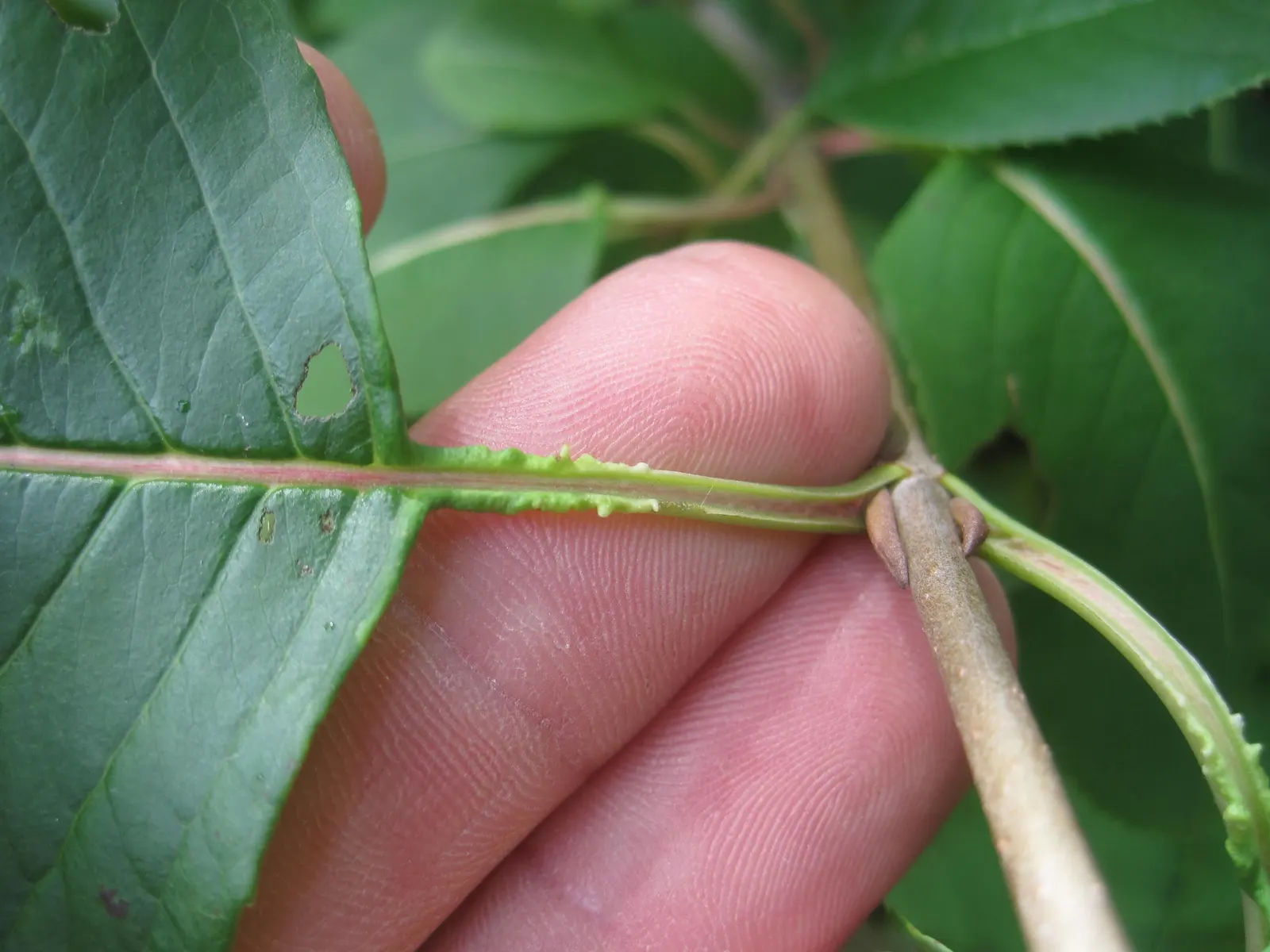
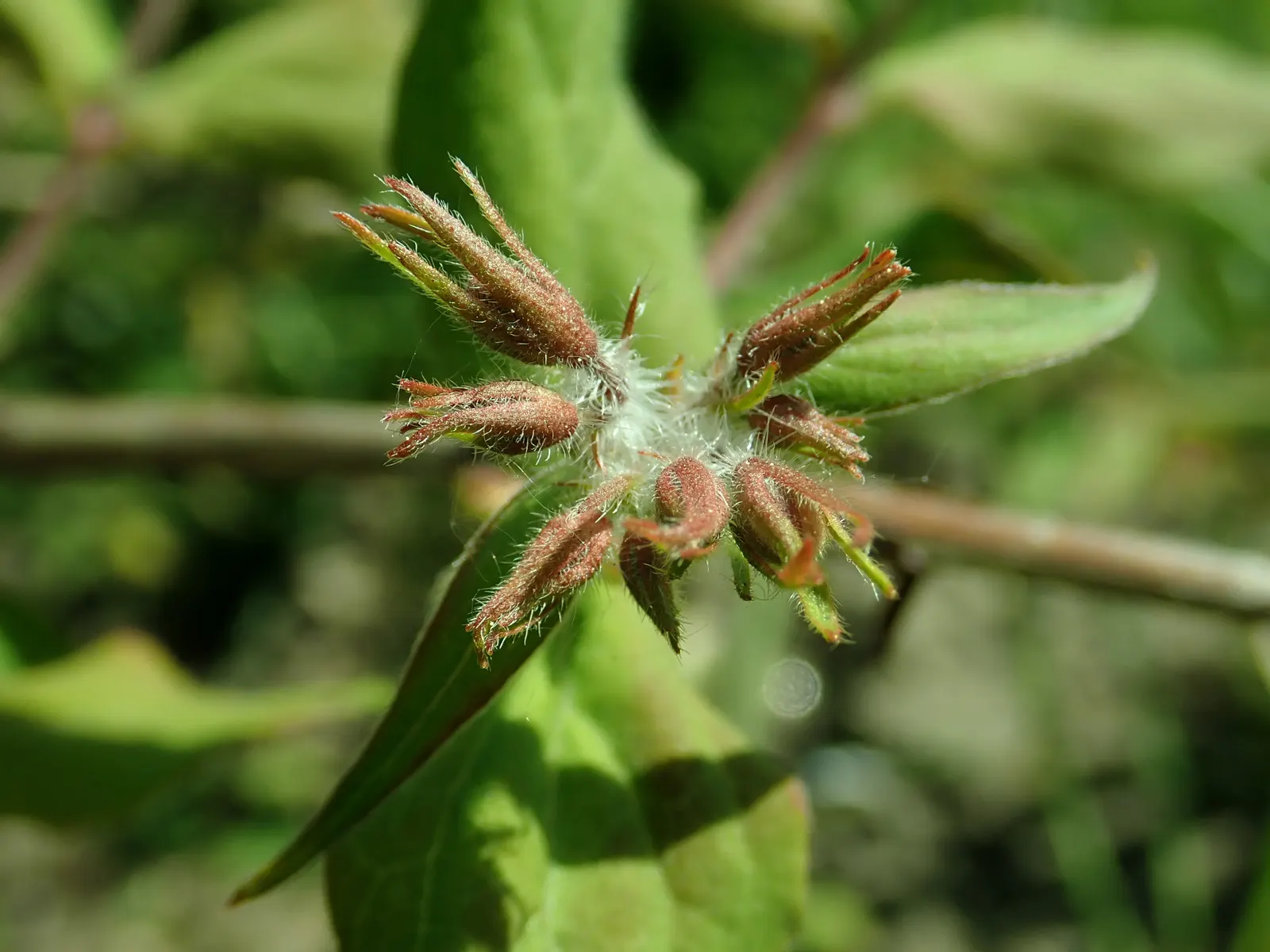
Nannyberry Viburnum (Viburnum Lentago) — Its upright growth habit and arching branches make it well-suited for use as a natural screen
Nannyberry Viburnum (Viburnum Lentago) — and is not particular about soil type
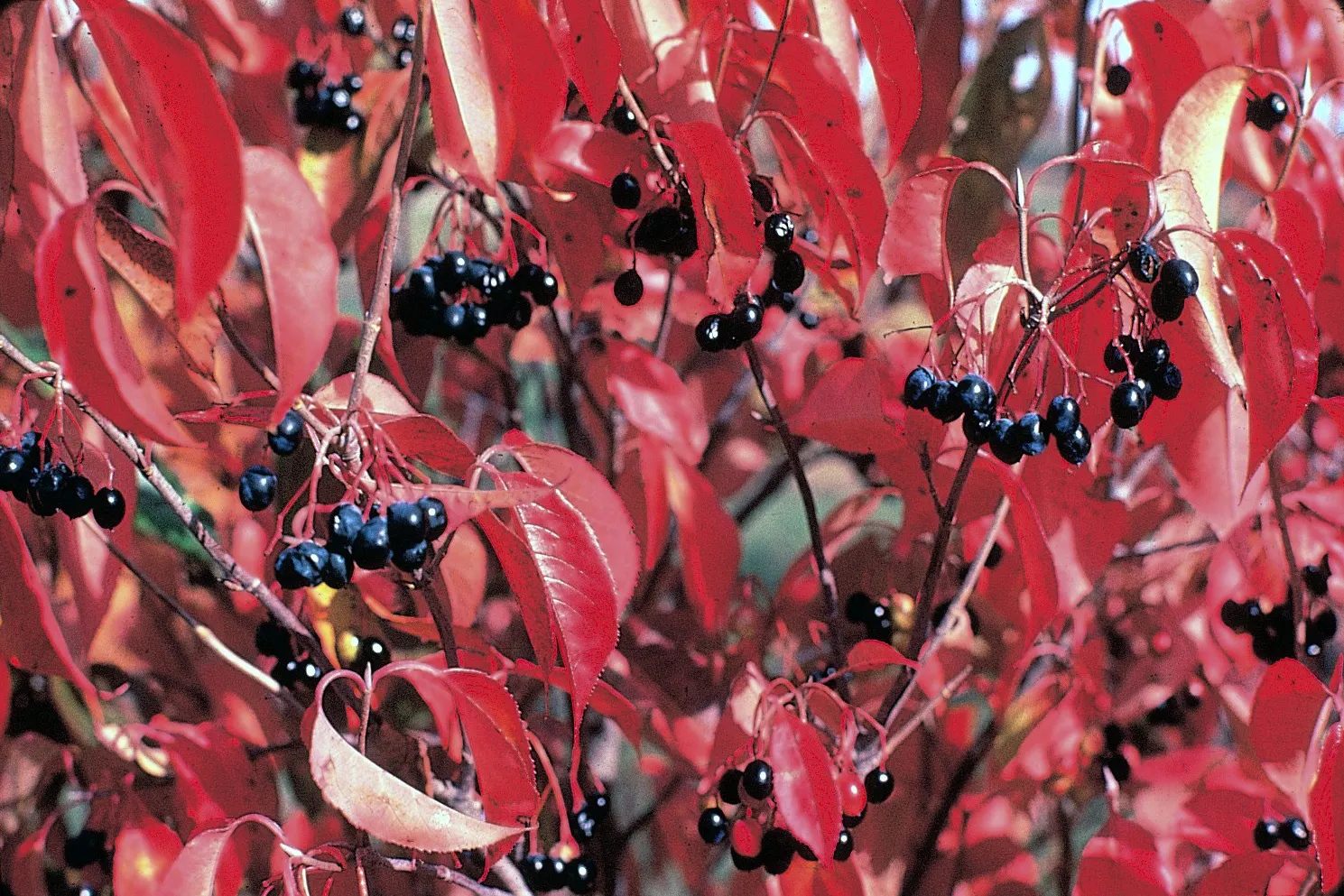
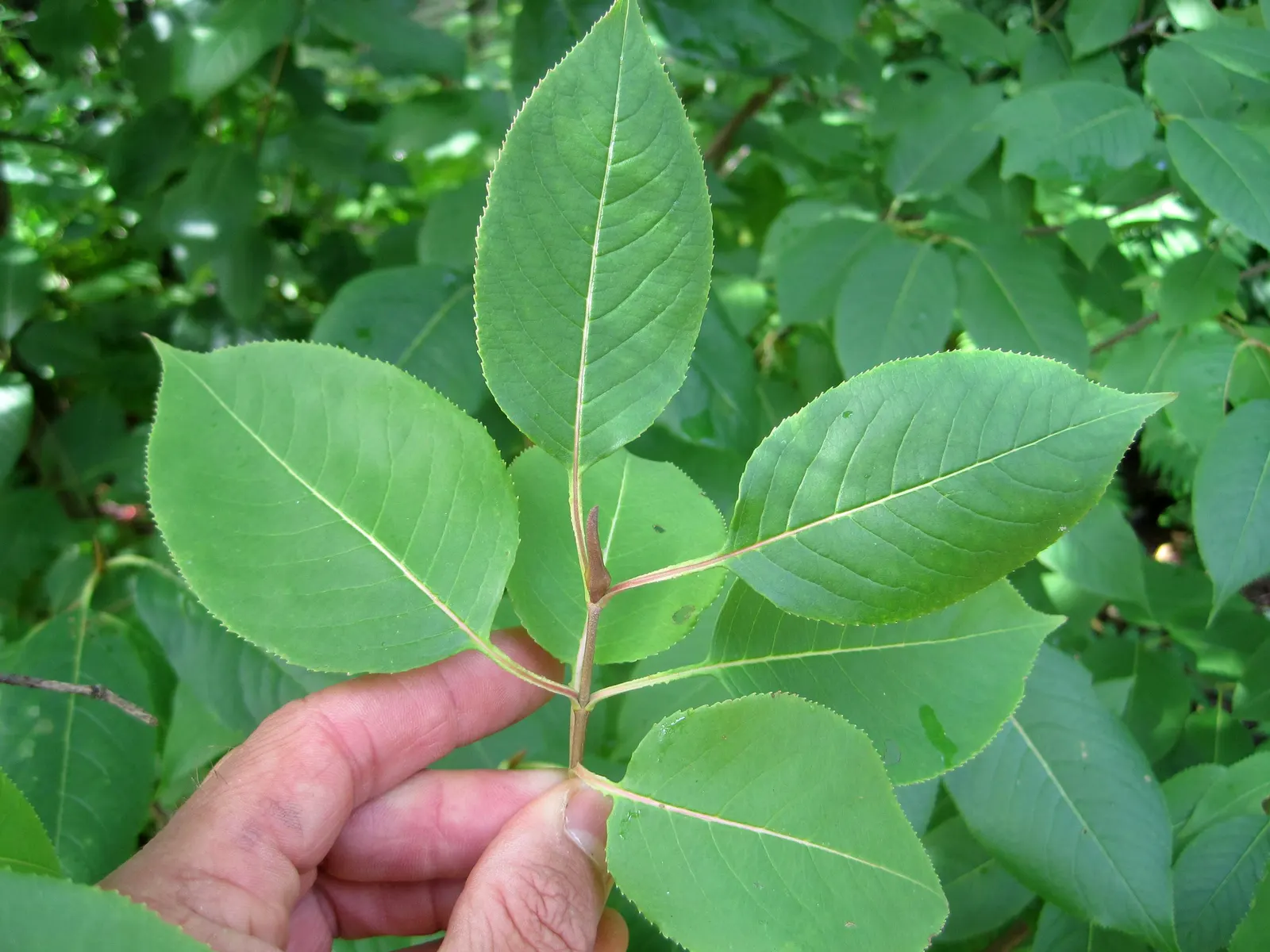
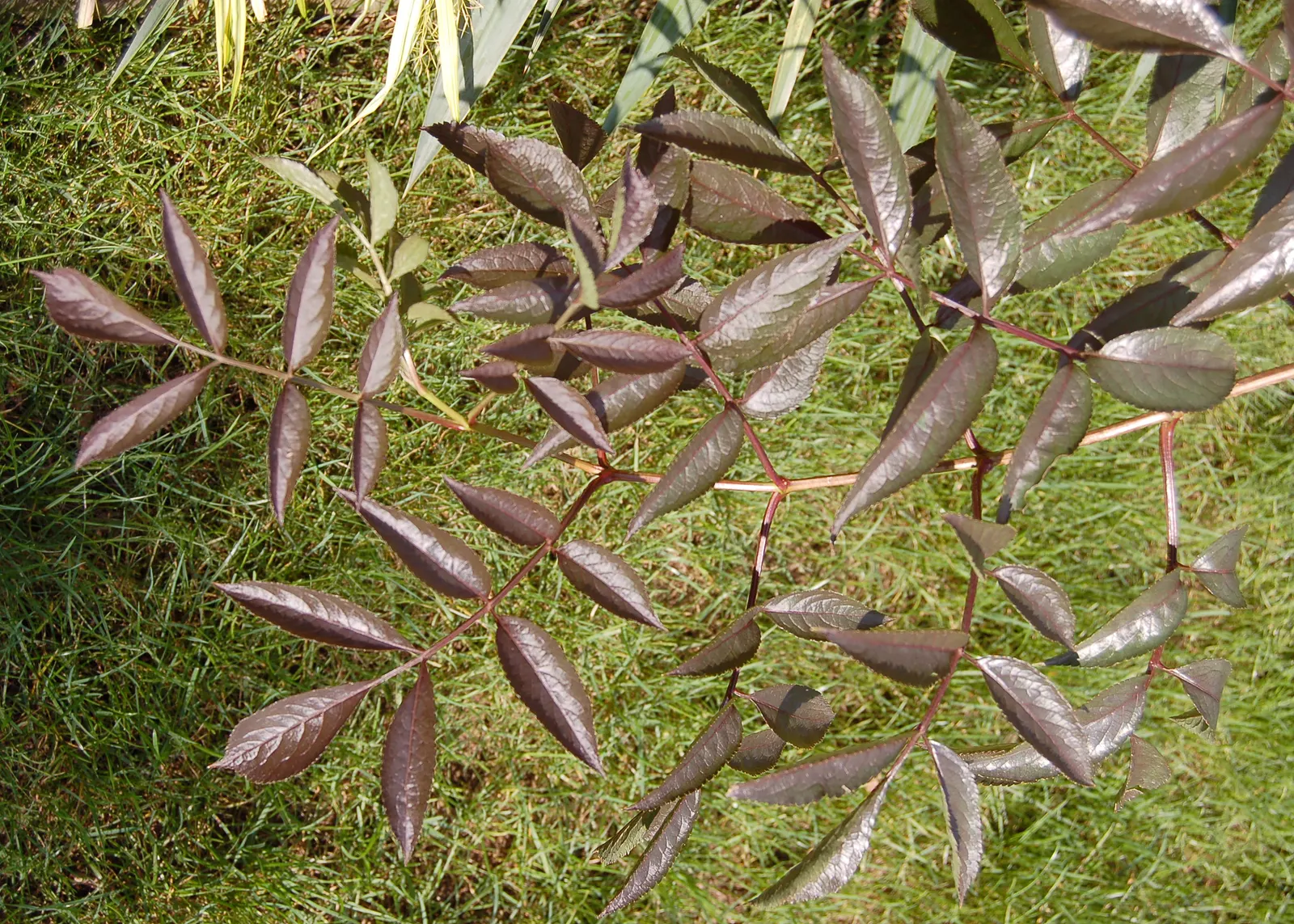
Nannyberry Viburnum (Viburnum Lentago) — showcasing a range of autumnal colors from yellow to deep burgundy or reddish-purple.<br><br>In summary
Nannyberry Viburnum (Viburnum Lentago) — which are not only visually appealing but also serve as a valuable nectar source for pollinators, image 75
Nannyberry Viburnum (Viburnum Lentago) — is a versatile and hardy deciduous shrub ideal for creating a diverse and engaging landscape design
Nannyberry Viburnum (Viburnum Lentago) — with a hardiness from zones 2 to 8; its upright growth habit and arching branches make it well-suited for use as a
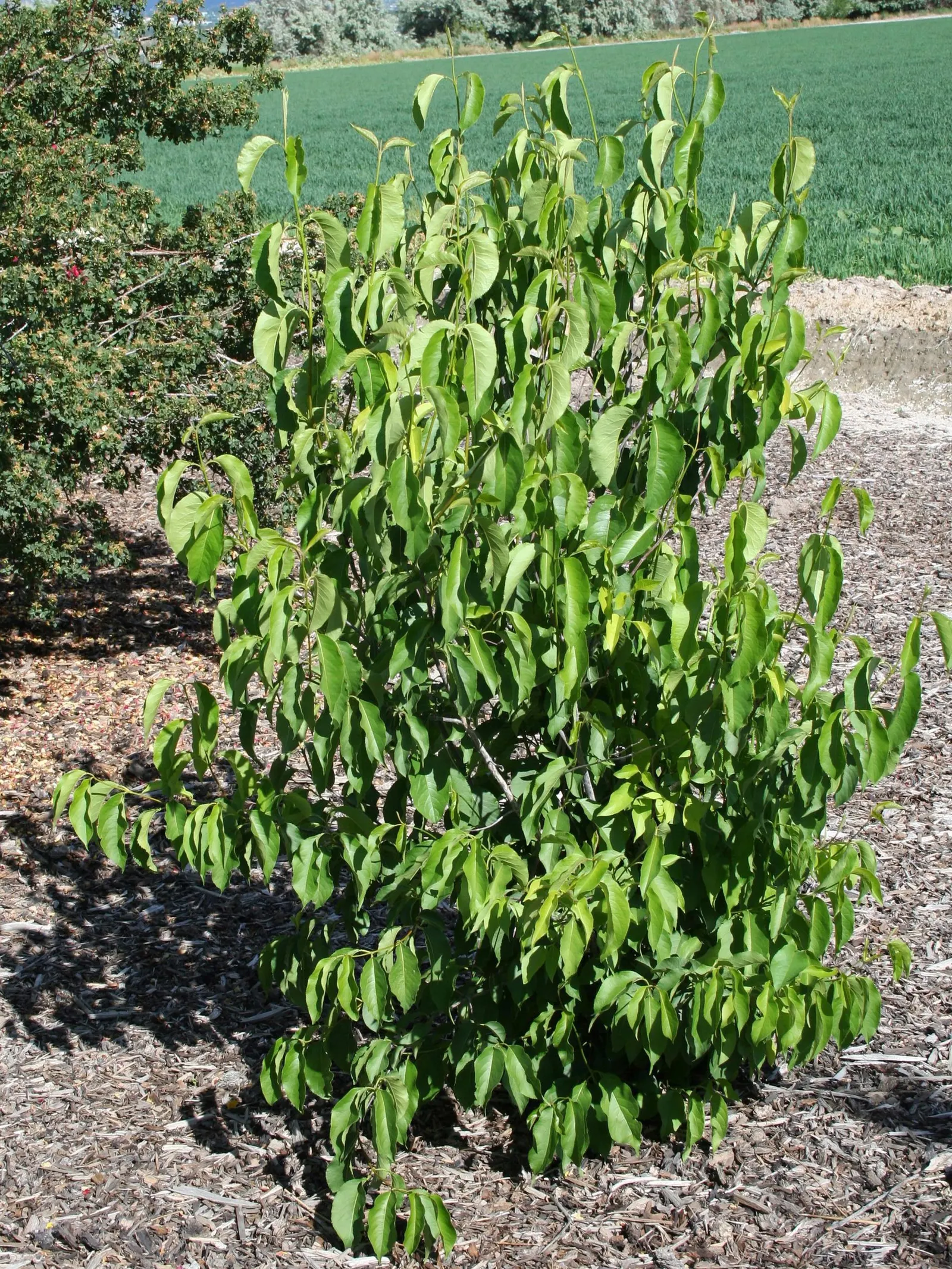
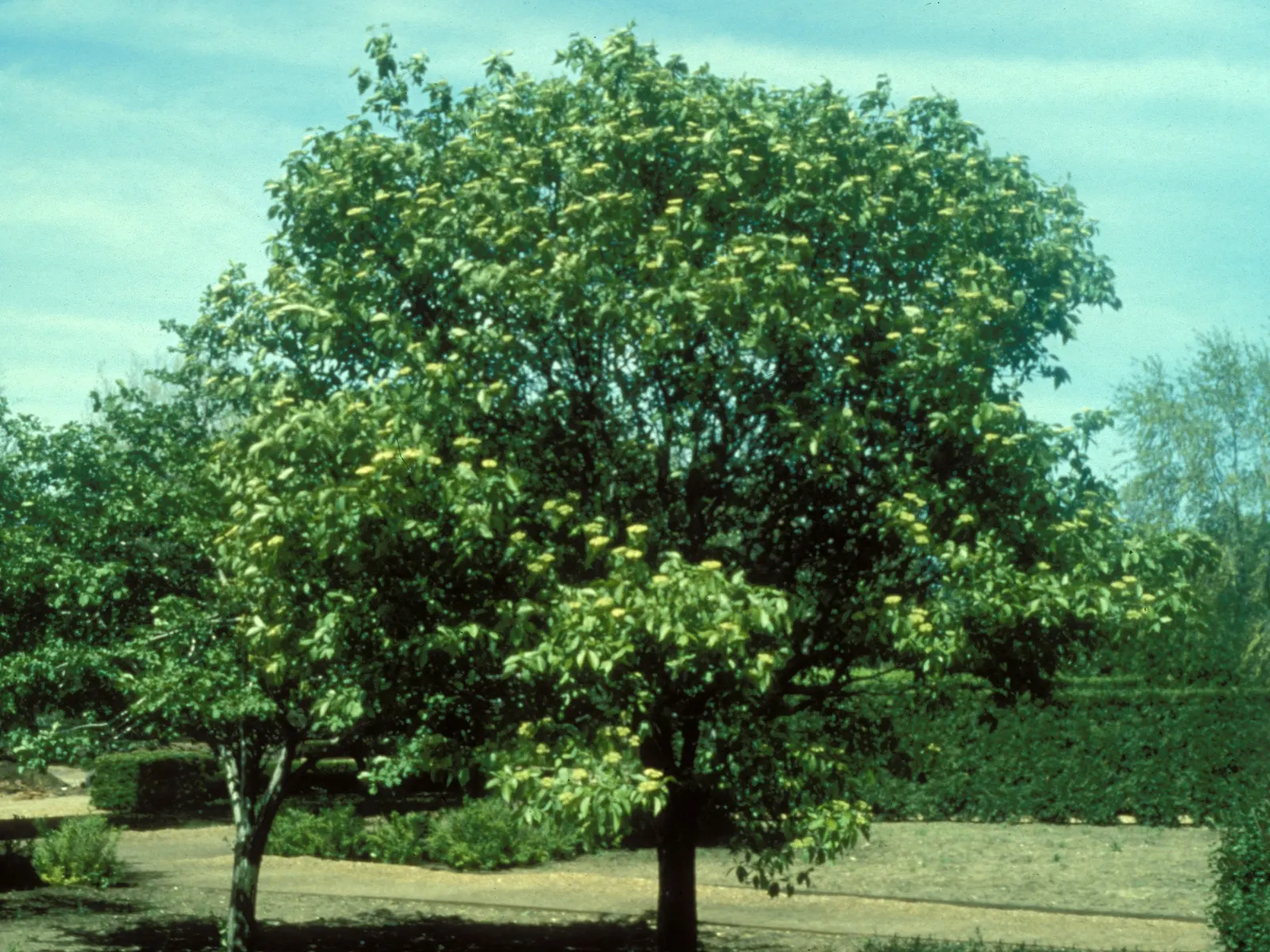
Nannyberry Viburnum (Viburnum Lentago) — Mature specimens typically reach between 14 to 16 feet in height and spread out 6 to 12 feet
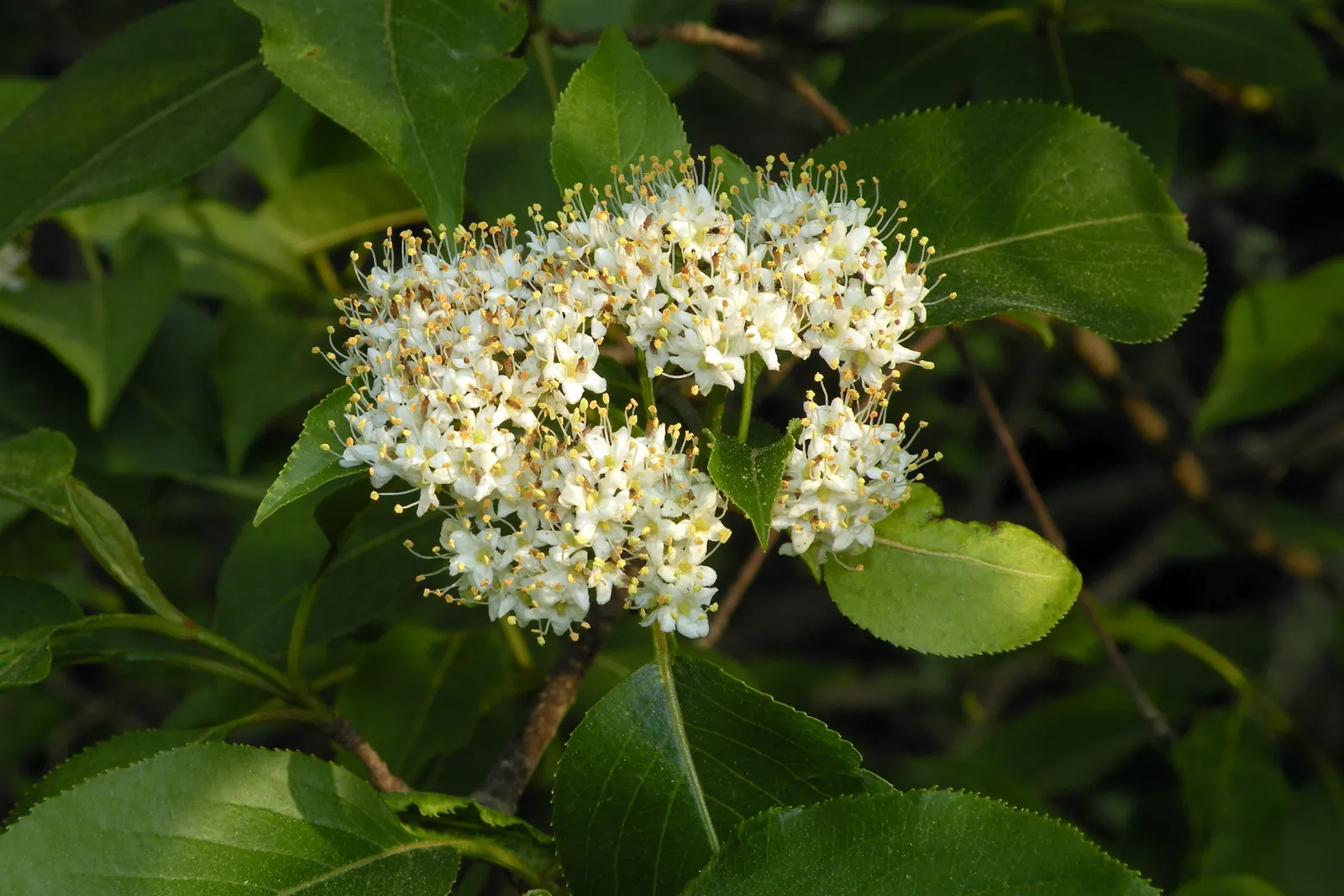
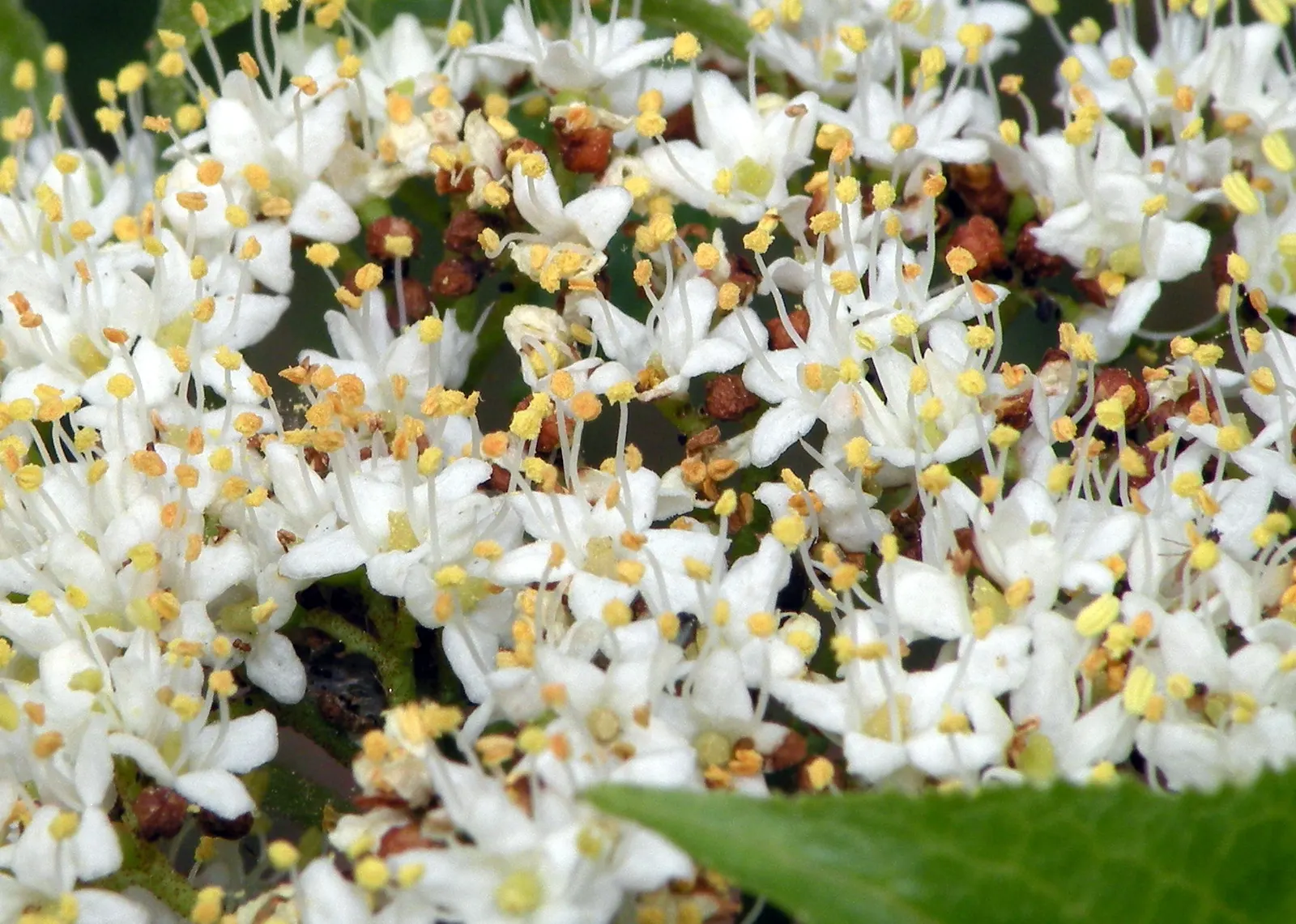
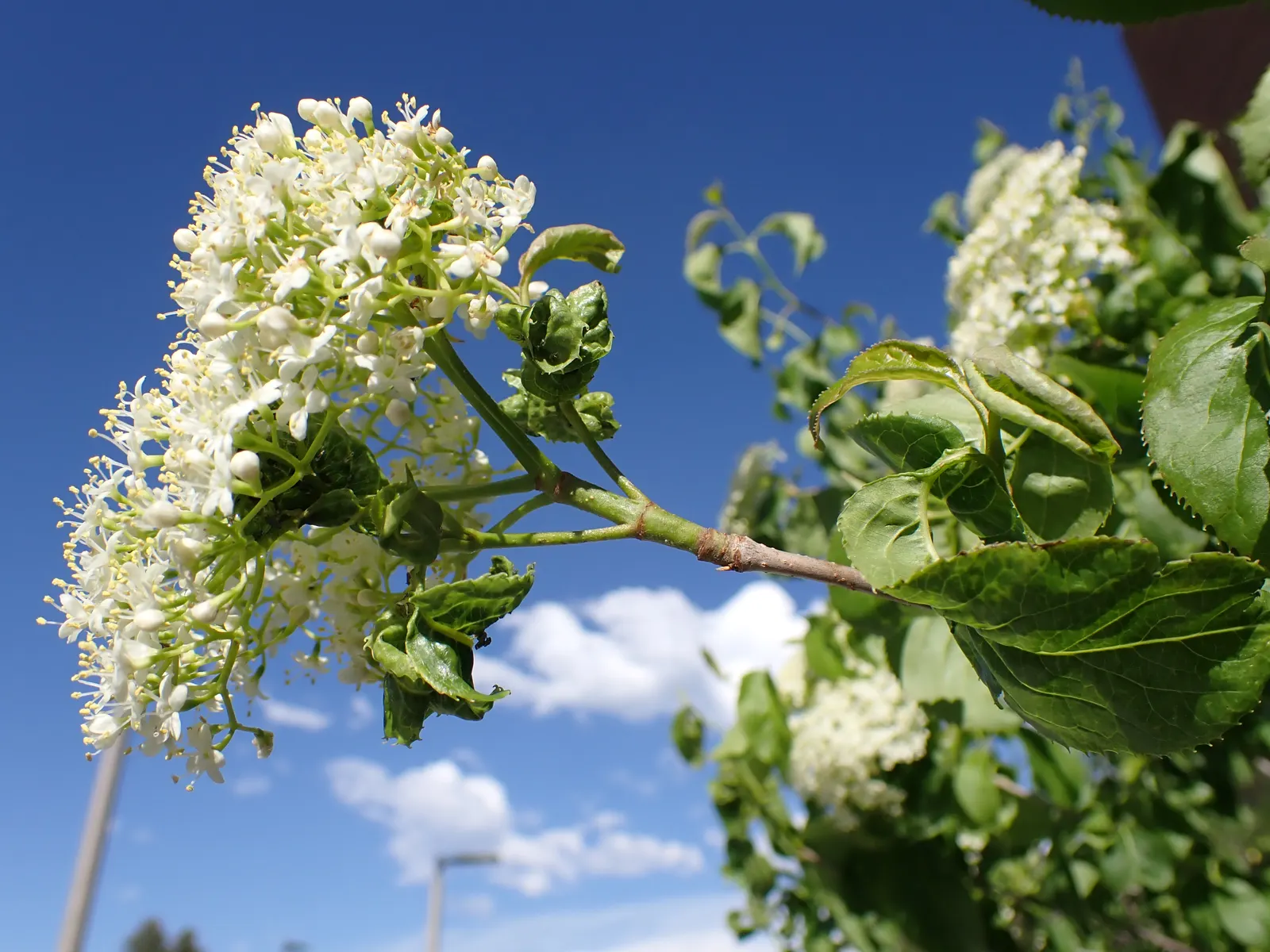
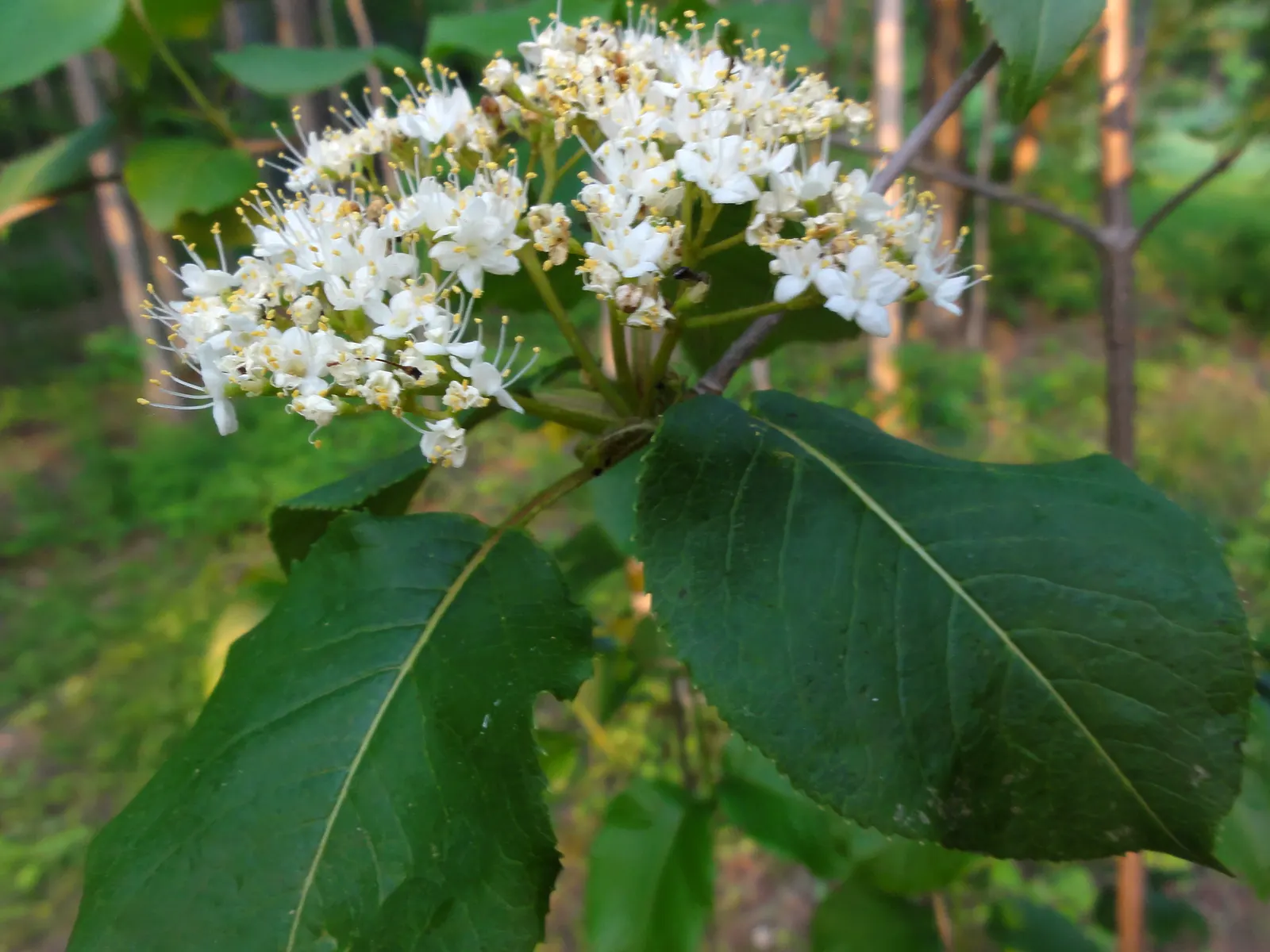
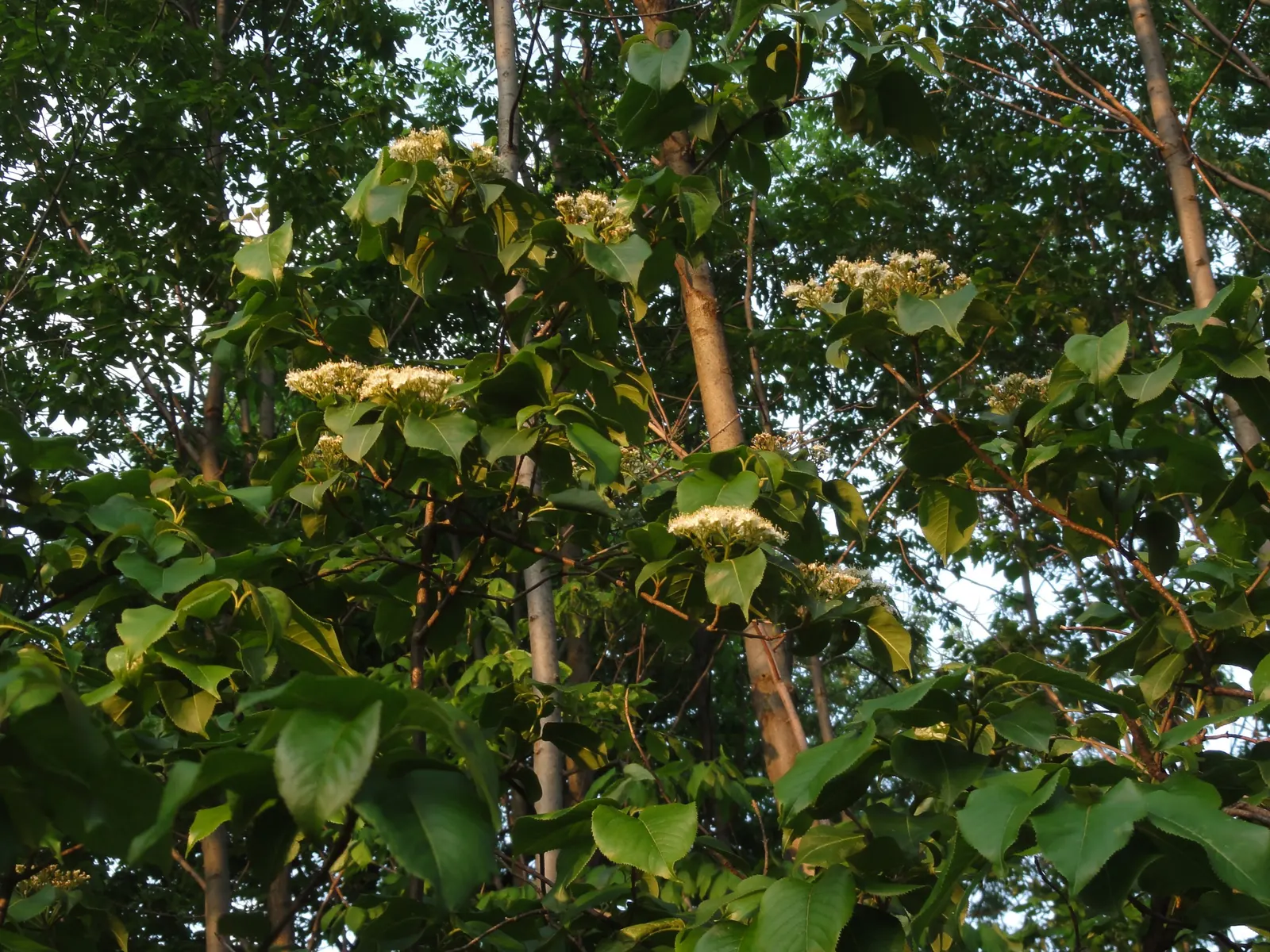
Nannyberry Viburnum (Viburnum Lentago) — requiring minimal irrigation beyond natural rainfall.<br><br>Spring brings masses of creamy white flowers, image 74
Nannyberry Viburnum (Viburnum Lentago) — providing a substantial presence in any garden; its upright growth habit and arching branches make it well-suited for
Nannyberry Viburnum (Viburnum Lentago) — It is relatively drought-tolerant once established; it thrives in full sun to partial shade
Nannyberry Viburnum (Viburnum Lentago) — providing a substantial presence in any garden
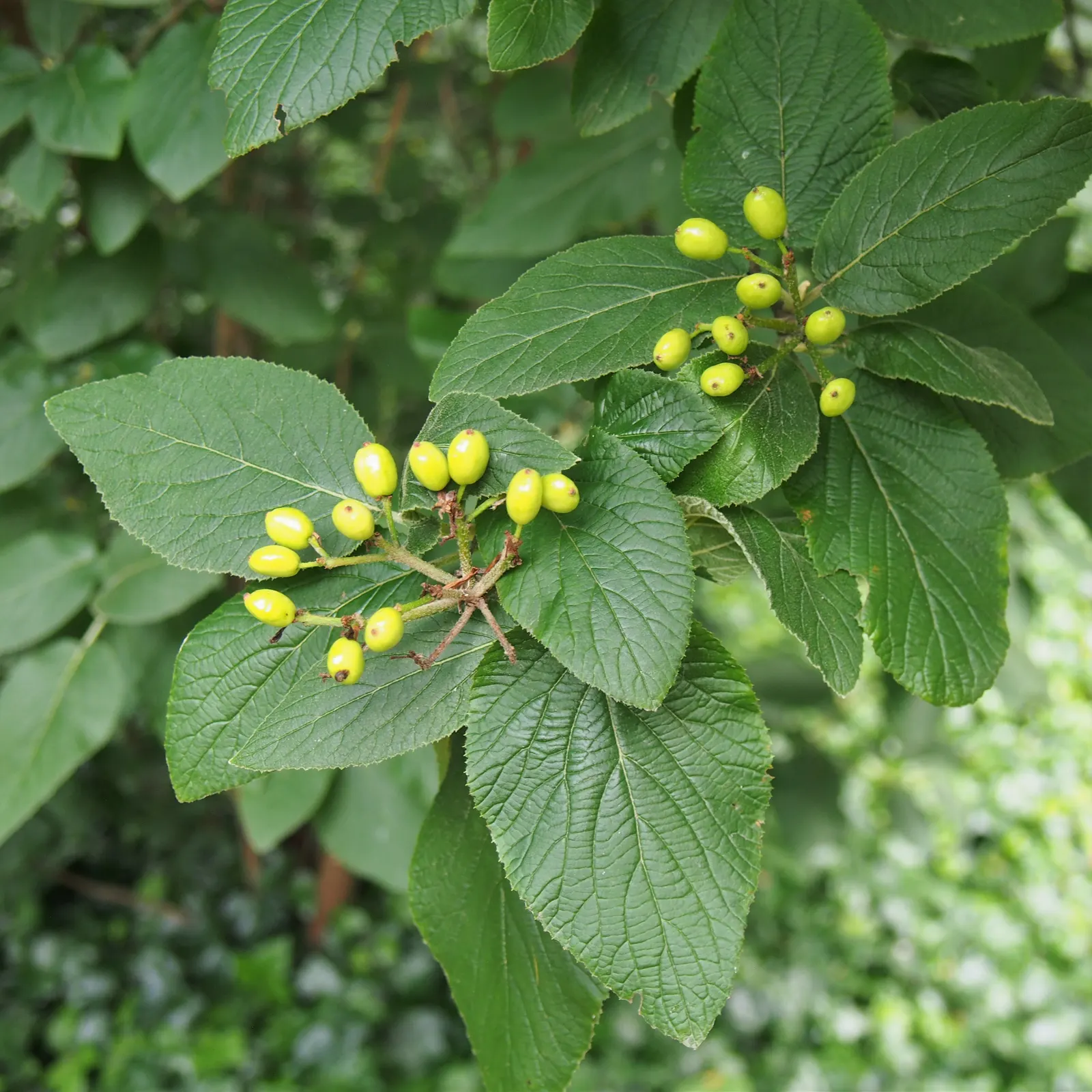
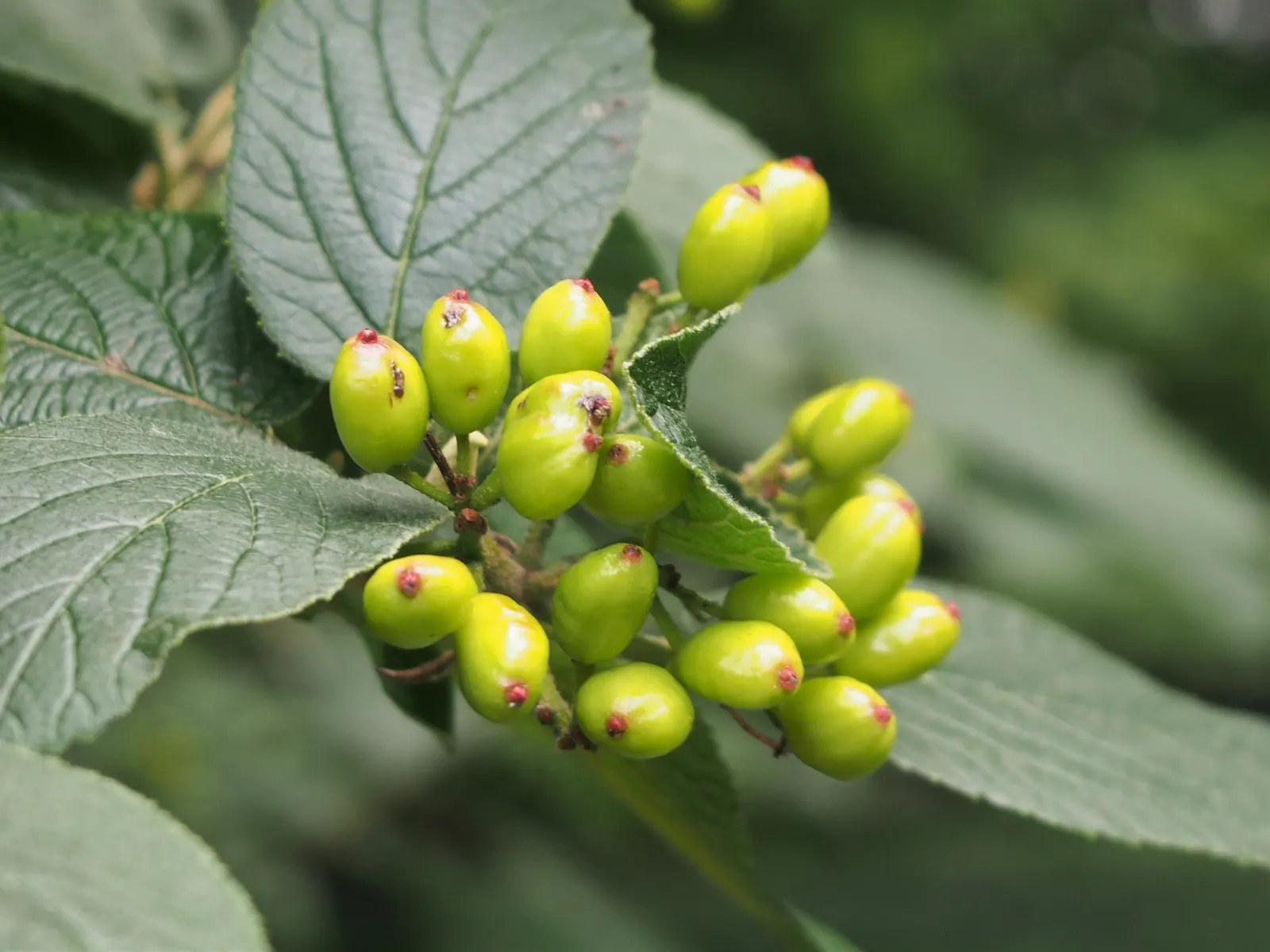
Nannyberry Viburnum (Viburnum Lentago) — followed by edible deep blue berries
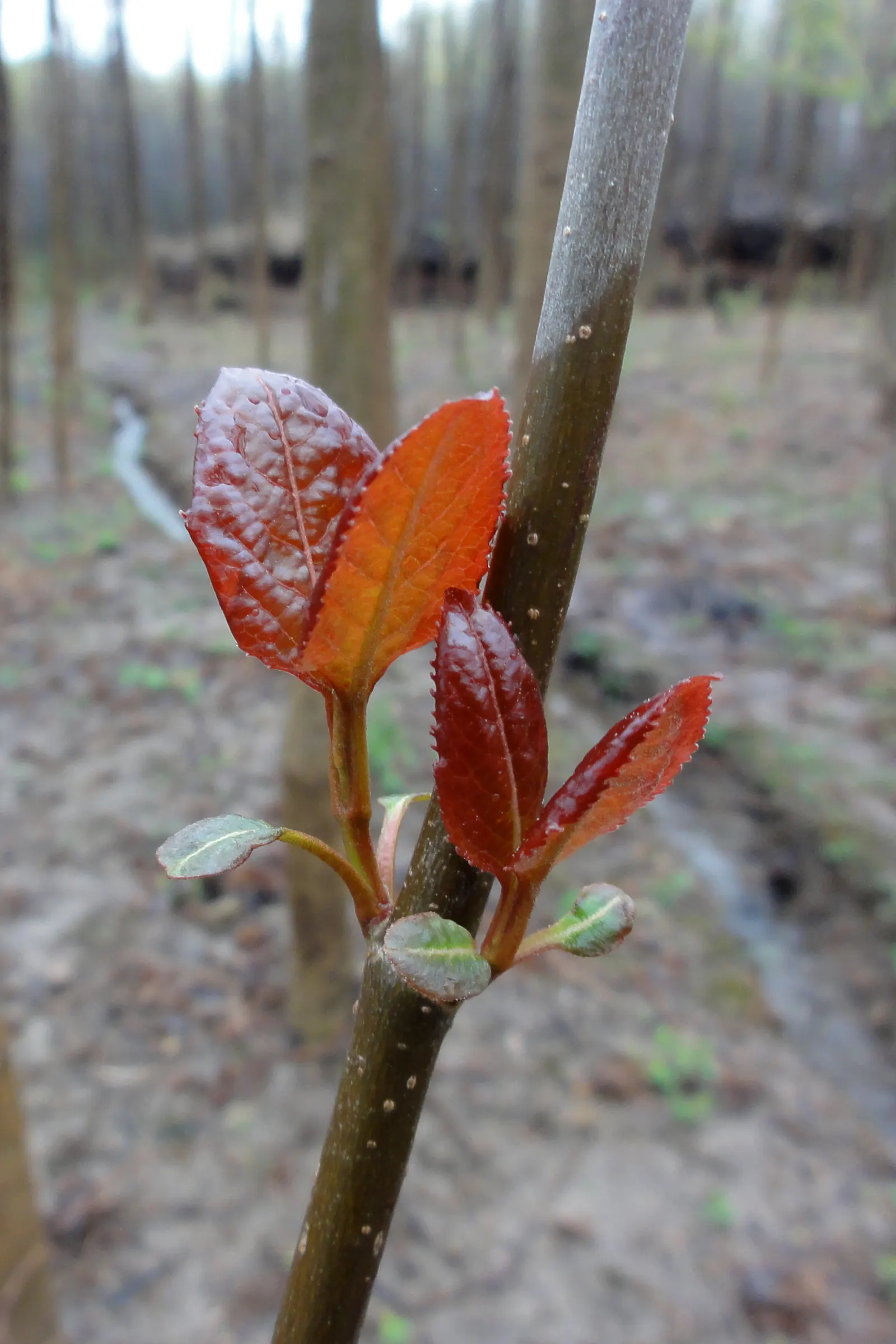
Nannyberry Viburnum (Viburnum Lentago) — It features glossy green foliage turning wine-red in fall; it thrives in full sun to partial shade, image 57
Nannyberry Viburnum (Viburnum Lentago) — although it does prefer well-drained loam
Nannyberry Viburnum (Viburnum Lentago) — showcasing its adaptability to various climates
Nannyberry Viburnum (Viburnum Lentago) — shrub with white blooms; requiring minimal irrigation beyond natural rainfall.<br><br>Spring brings masses of creamy
Nannyberry Viburnum (Viburnum Lentago) — when berries transition from green to a bluish-black
Nannyberry Viburnum (Viburnum Lentago) — Its upright growth habit and arching branches make it well-suited for use as a natural screen; requiring minimal
Nannyberry Viburnum (Viburnum Lentago) — It thrives in full sun to partial shade; nannyberry Viburnum provides year-round interest with minimal maintenance
Nannyberry Viburnum (Viburnum Lentago) — Mature specimens typically reach between 14 to 16 feet in height and spread out 6 to 12 feet; it thrives in full sun
Nannyberry Viburnum (Viburnum Lentago) — or as a standalone focal point.<br><br>This species flourishes in USDA hardiness zones 2 through 8, image 68
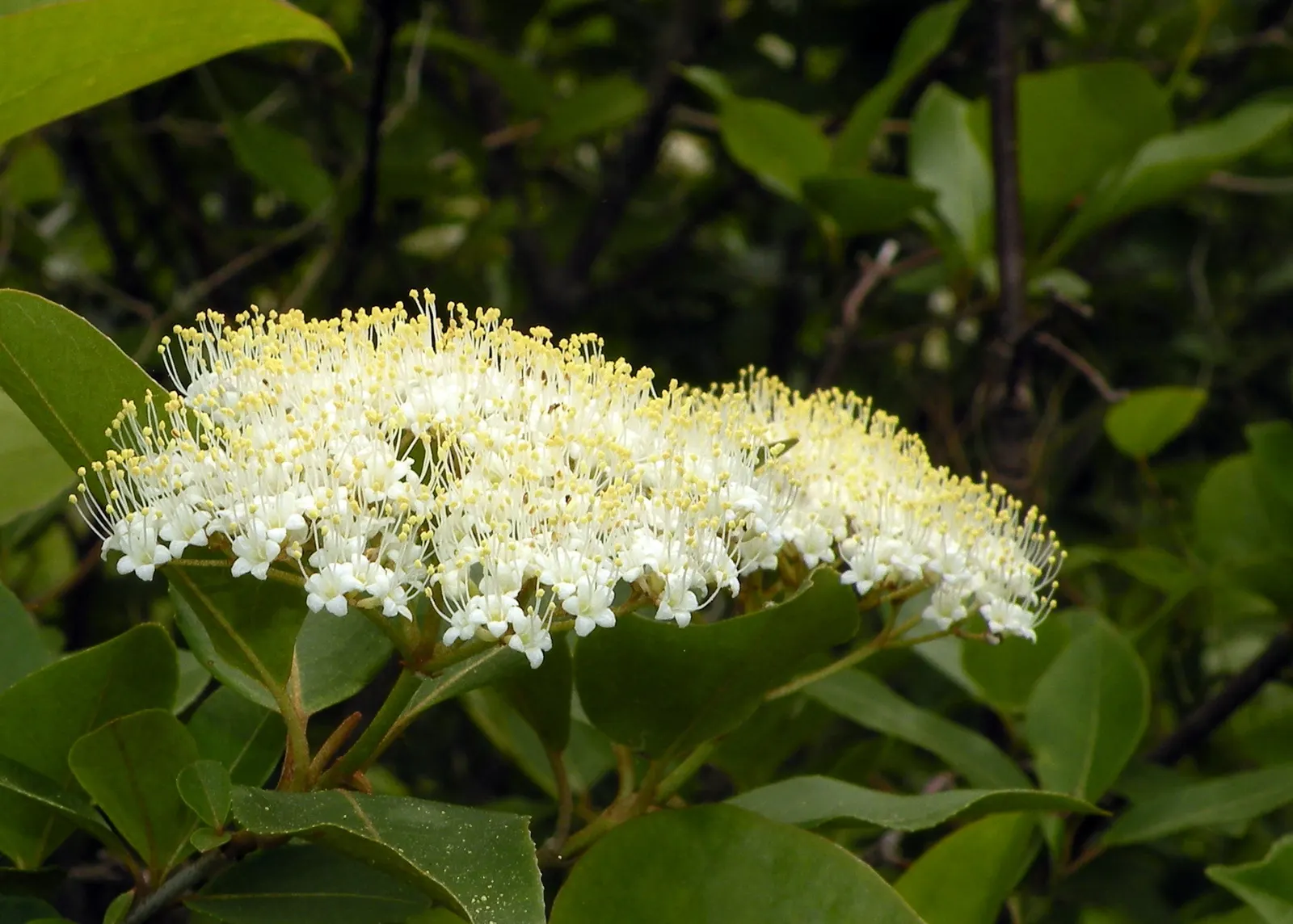
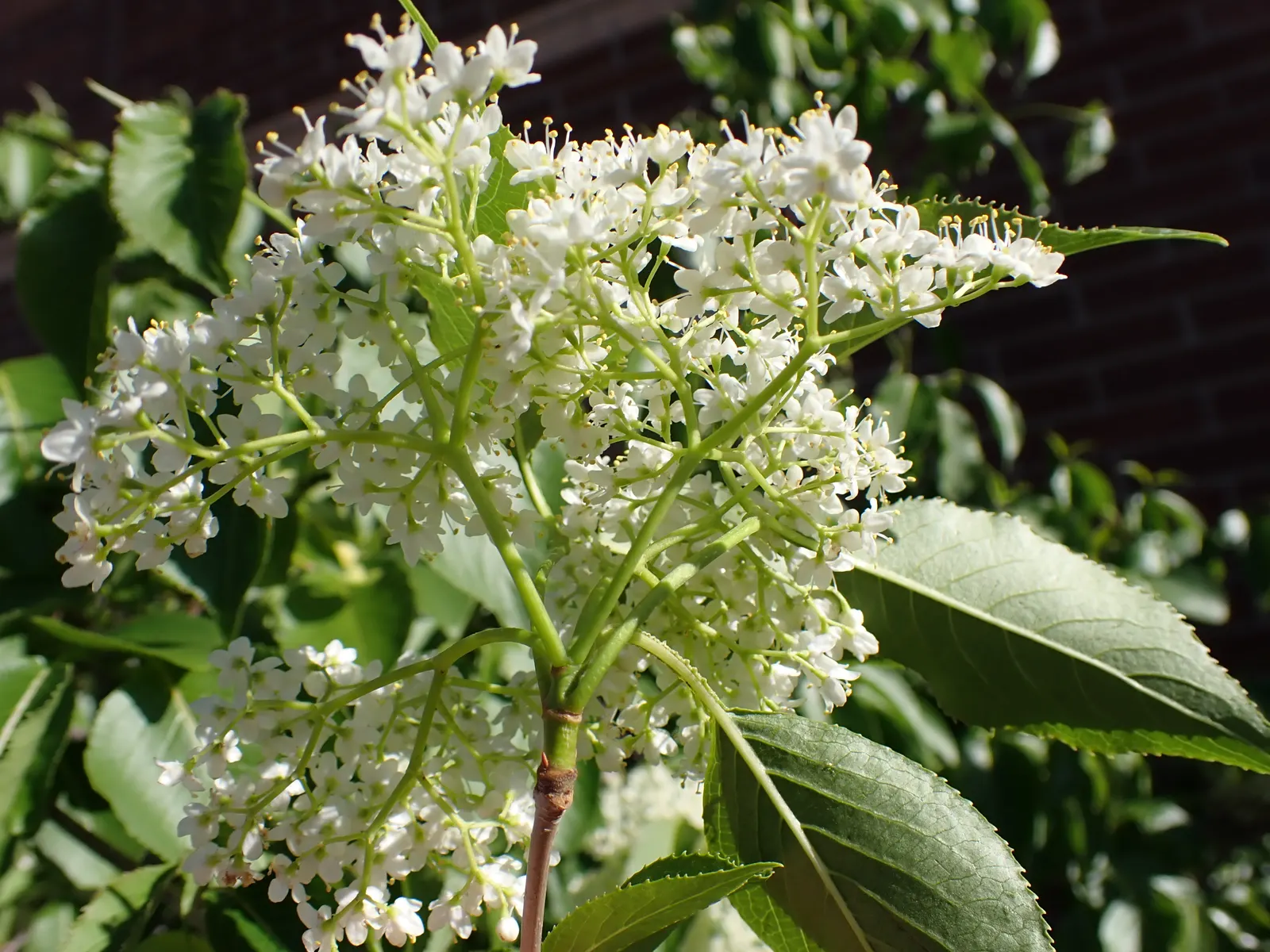
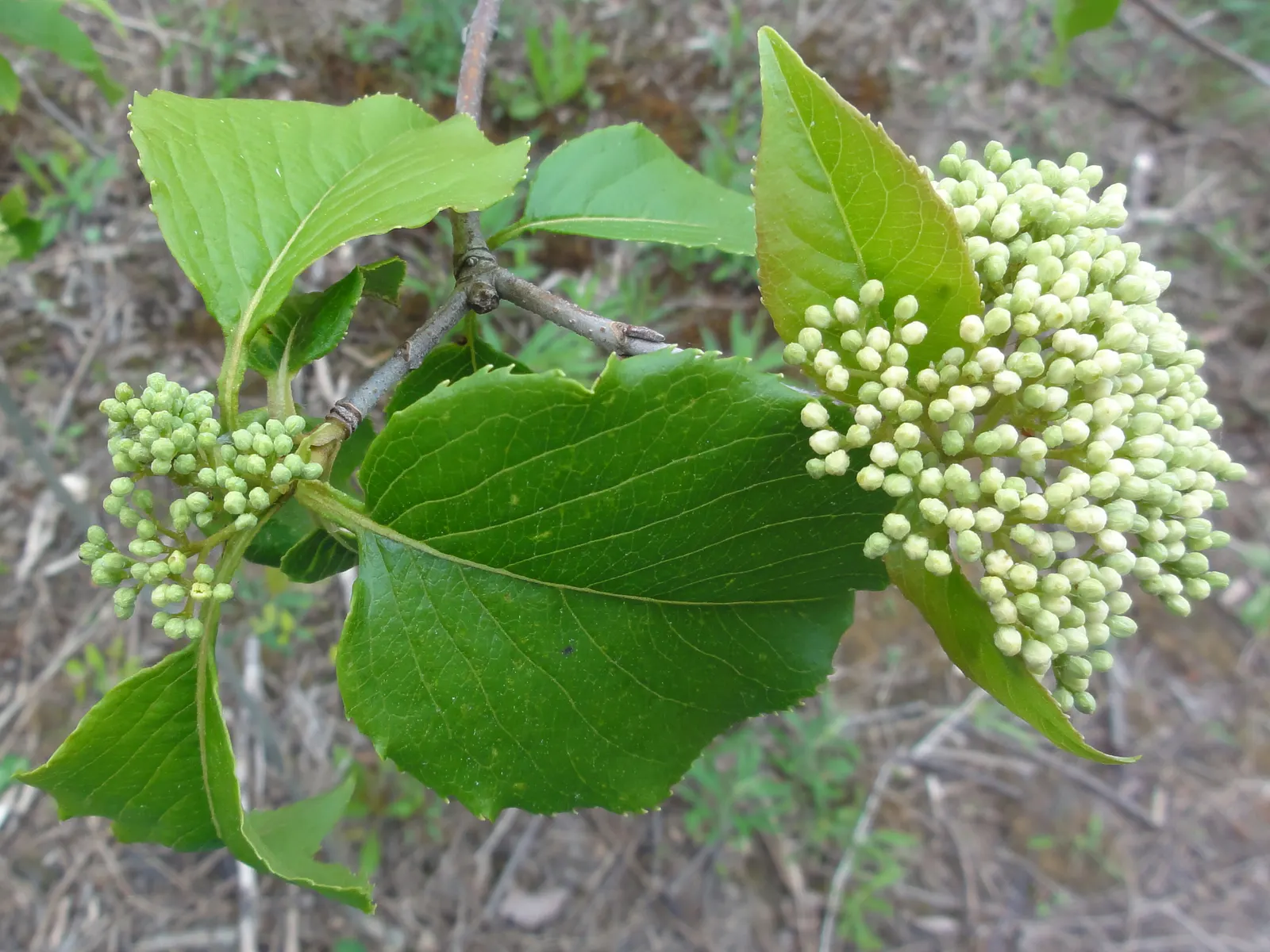
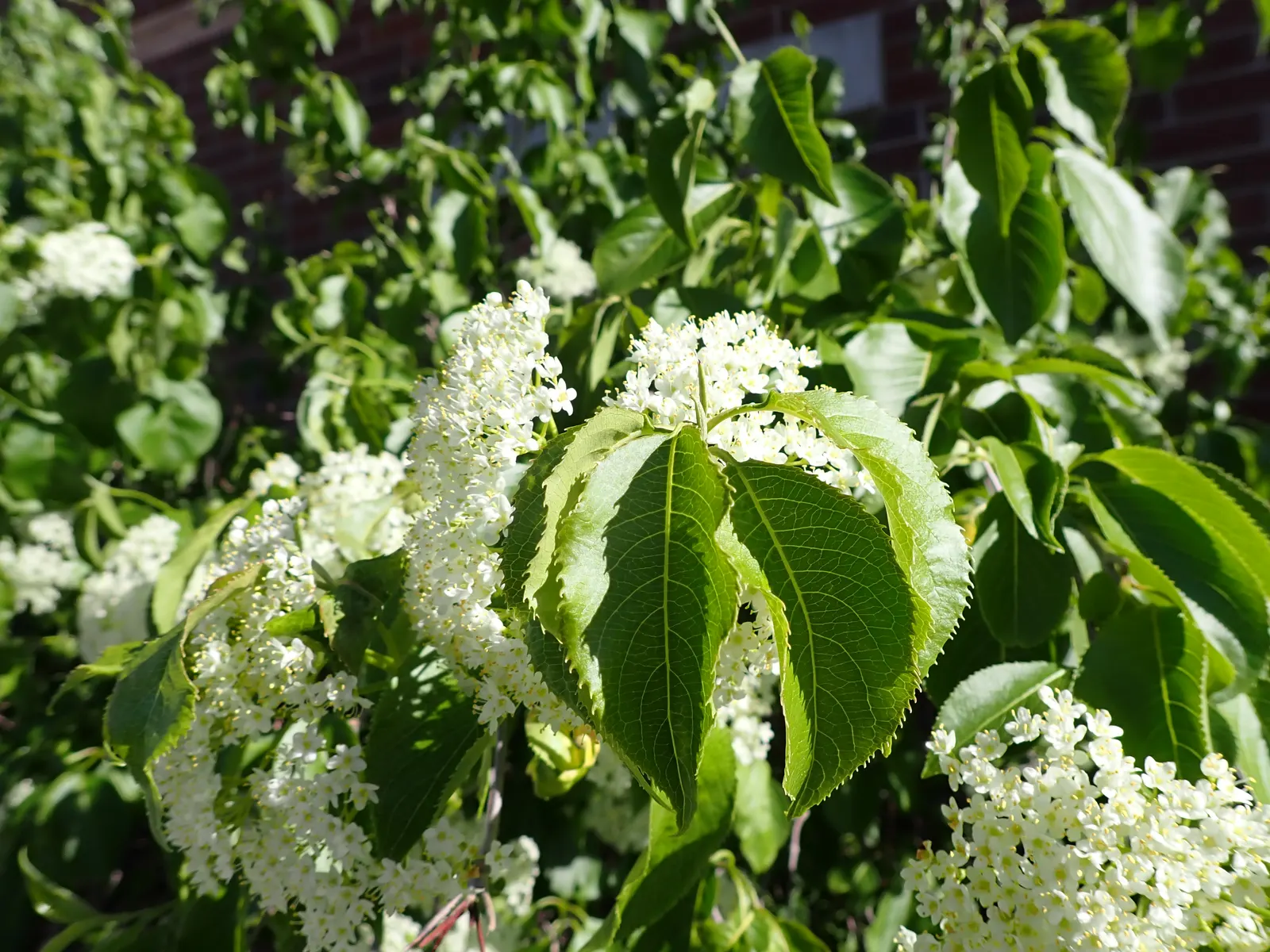
Nannyberry Viburnum (Viburnum Lentago) — clusters of fragrant white flowers in spring
Nannyberry Viburnum (Viburnum Lentago) — attracting birds and other wildlife; its upright growth habit and arching branches make it well-suited for, image 78
Nannyberry Viburnum (Viburnum Lentago) — clusters of fragrant white flowers in spring; its upright growth habit and arching branches make it well-suited for
Photographs by 11 contributors

Related plants