Skip to content

Mooseberry

Viburnum Edule

Design with this plant

Overview

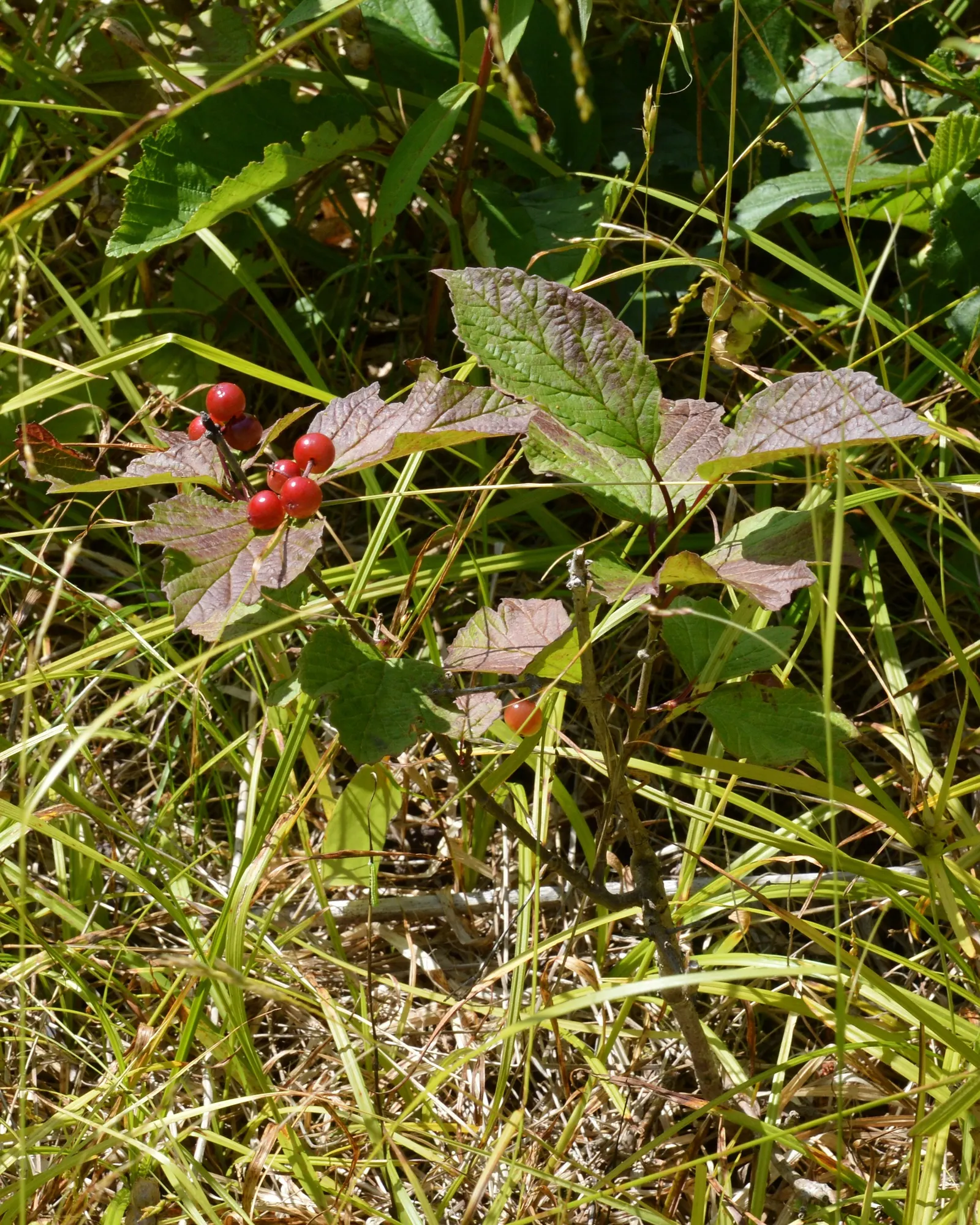
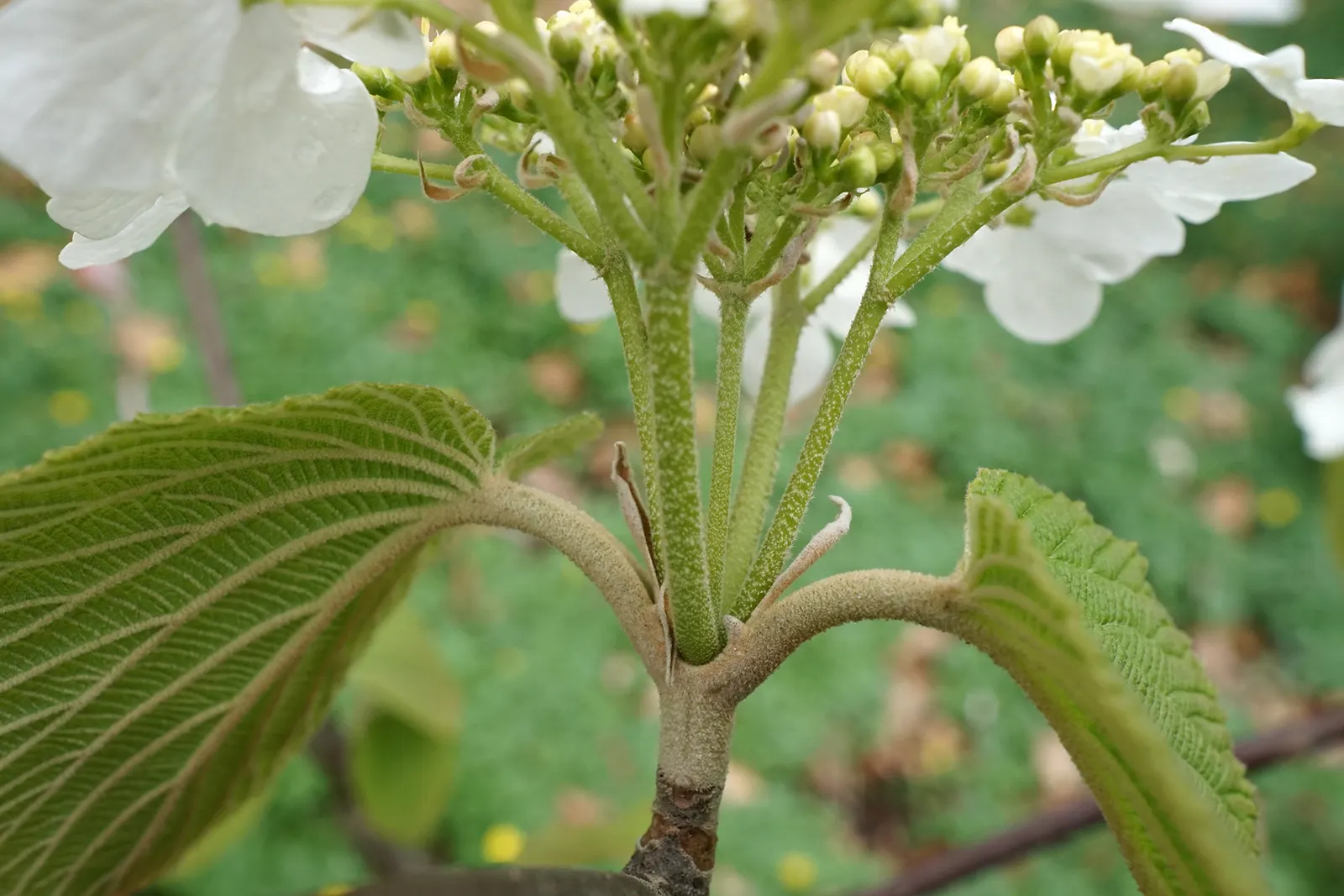
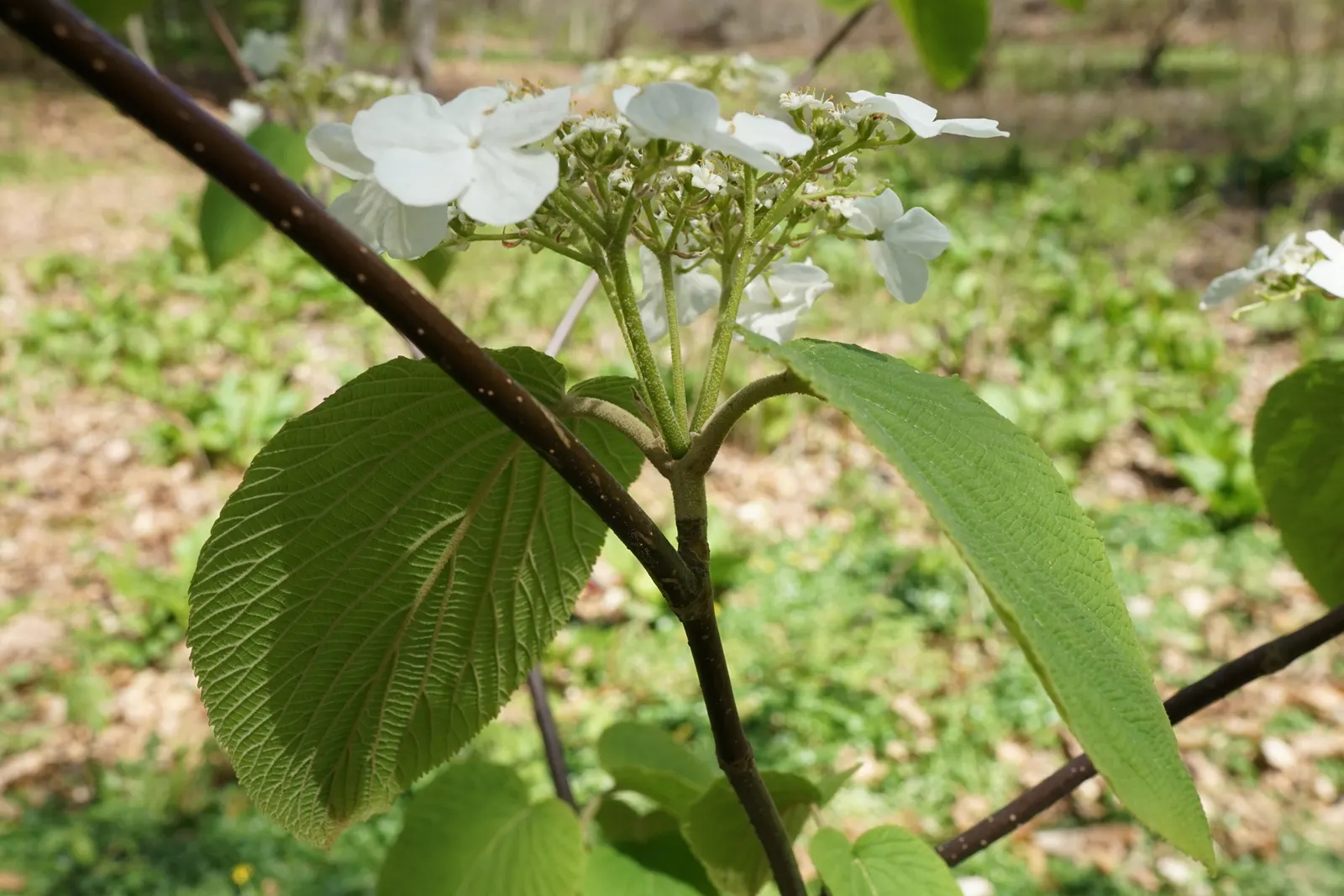
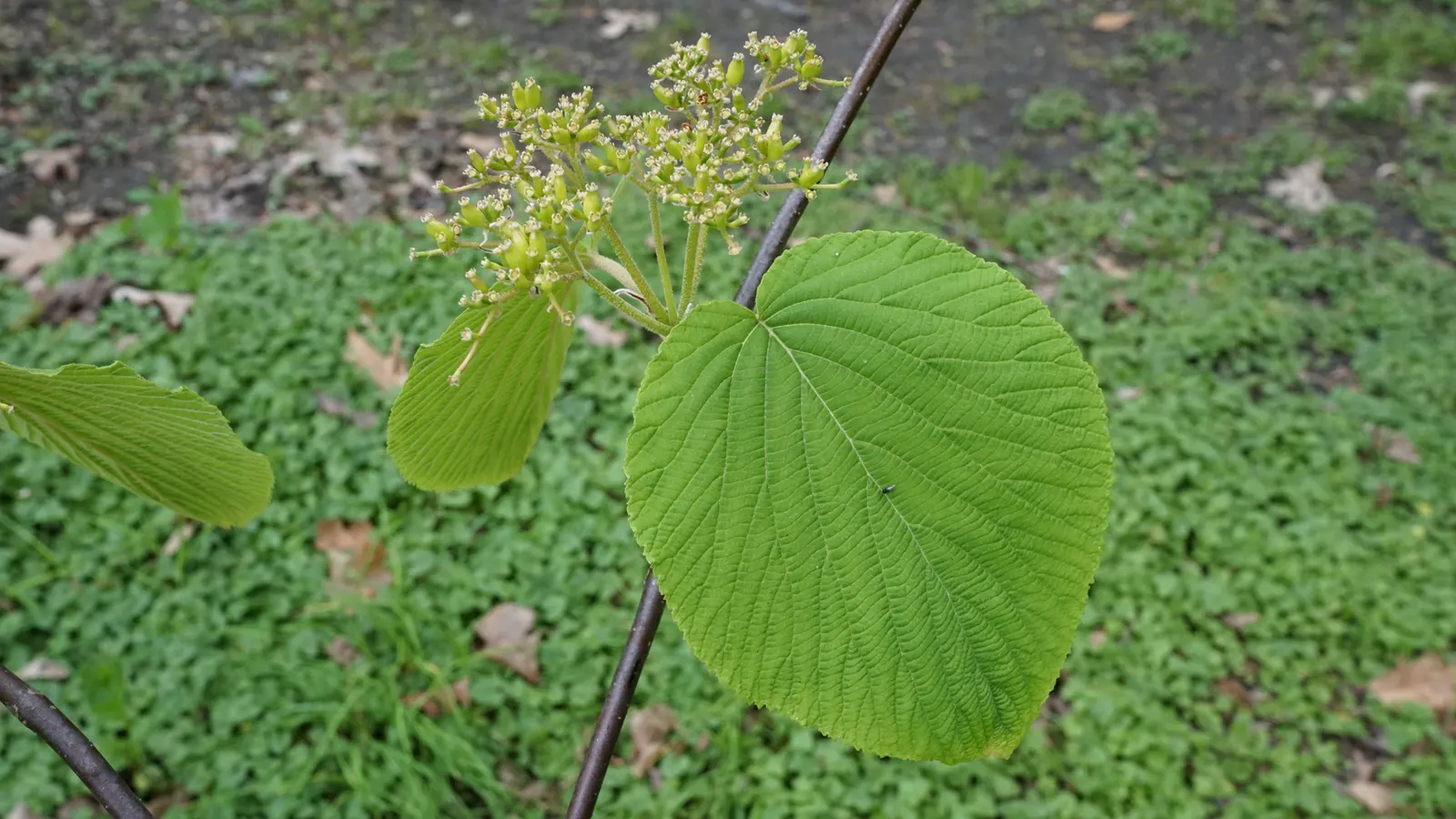
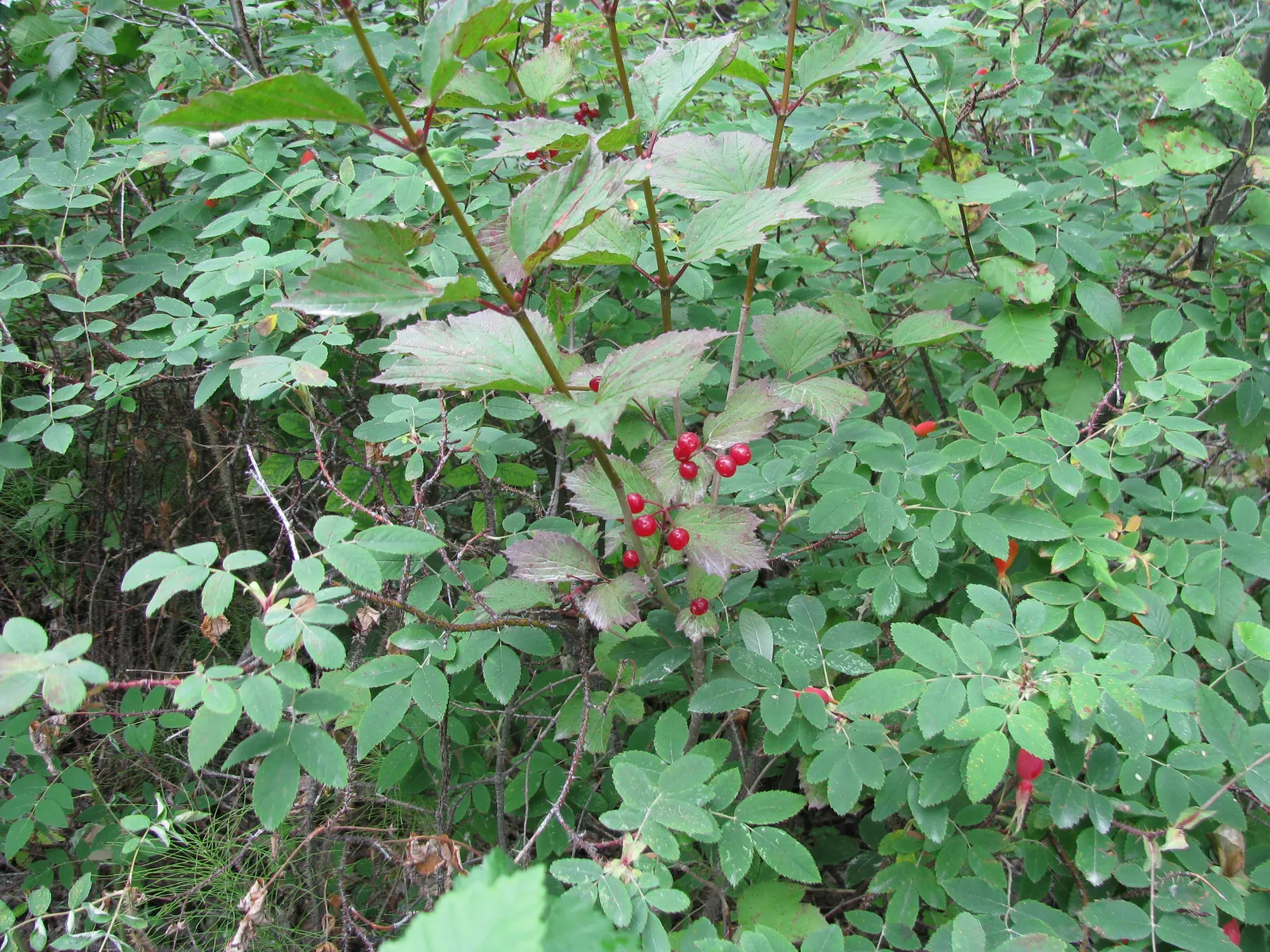
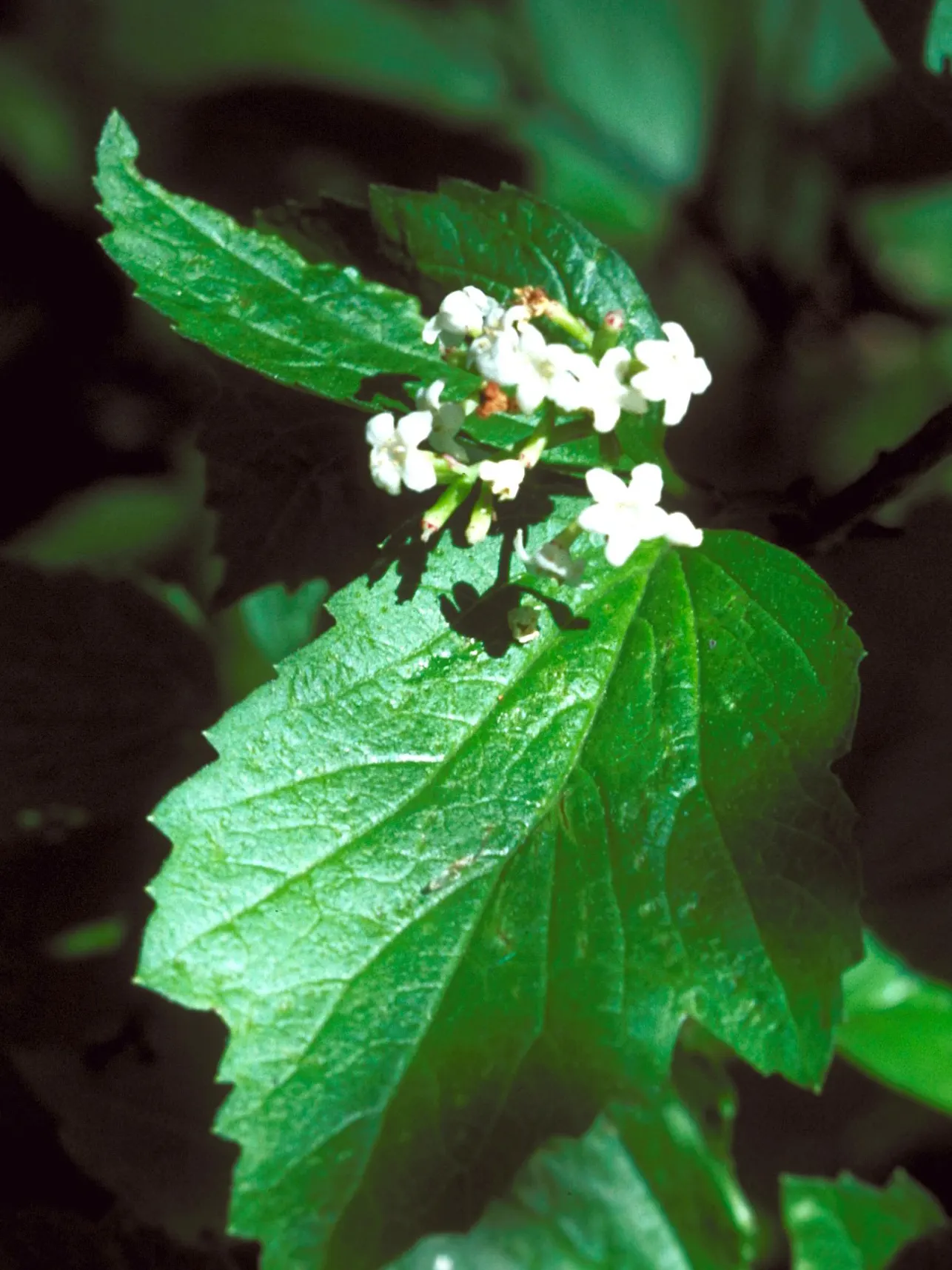
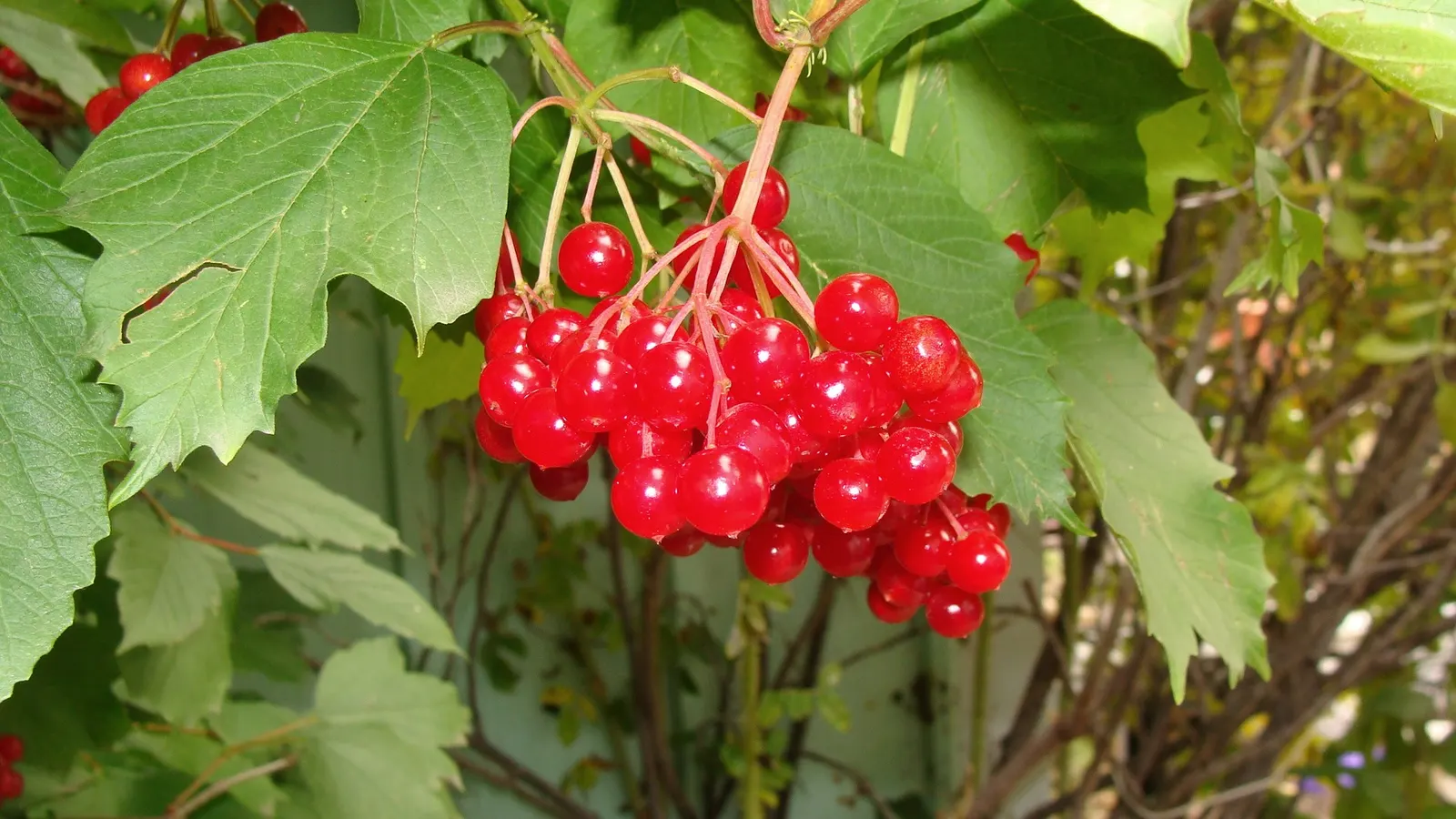
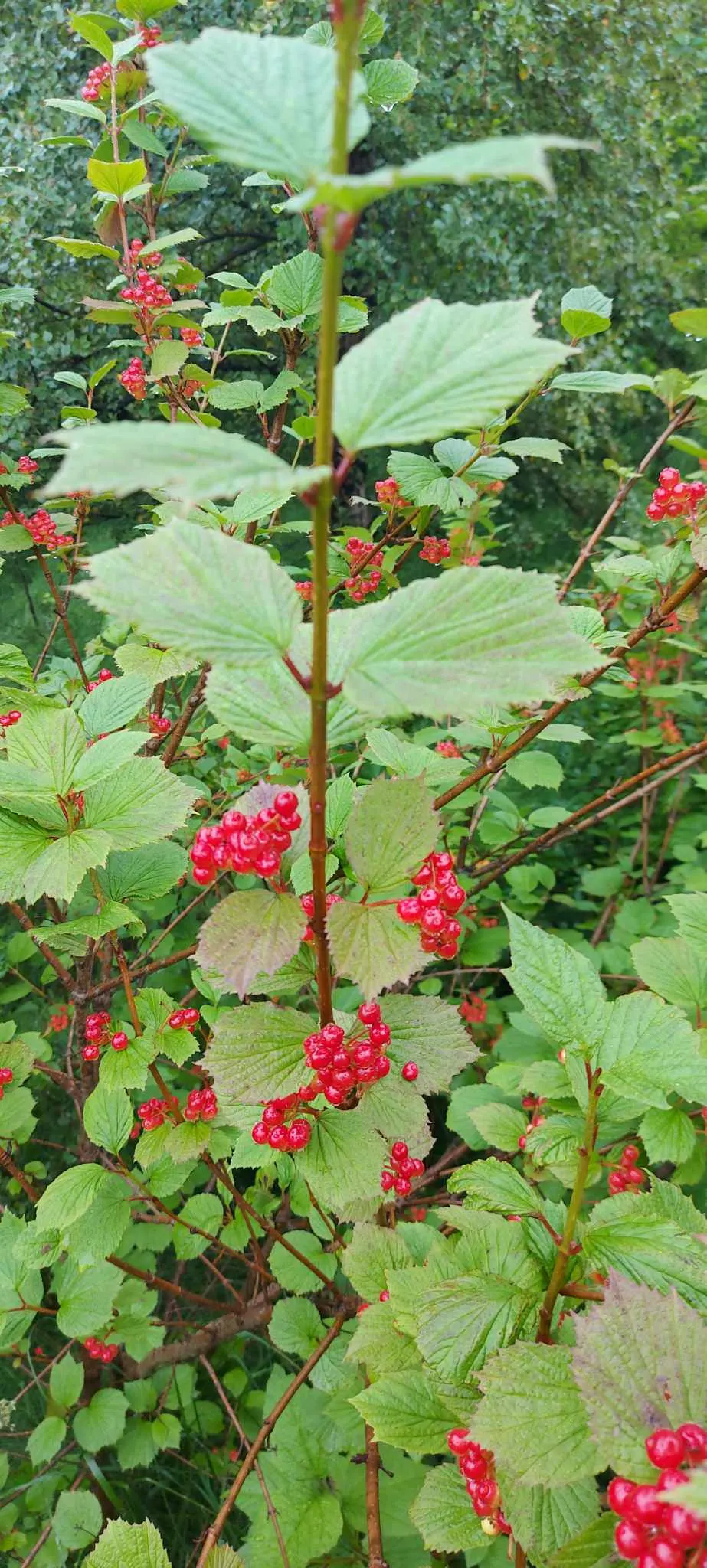
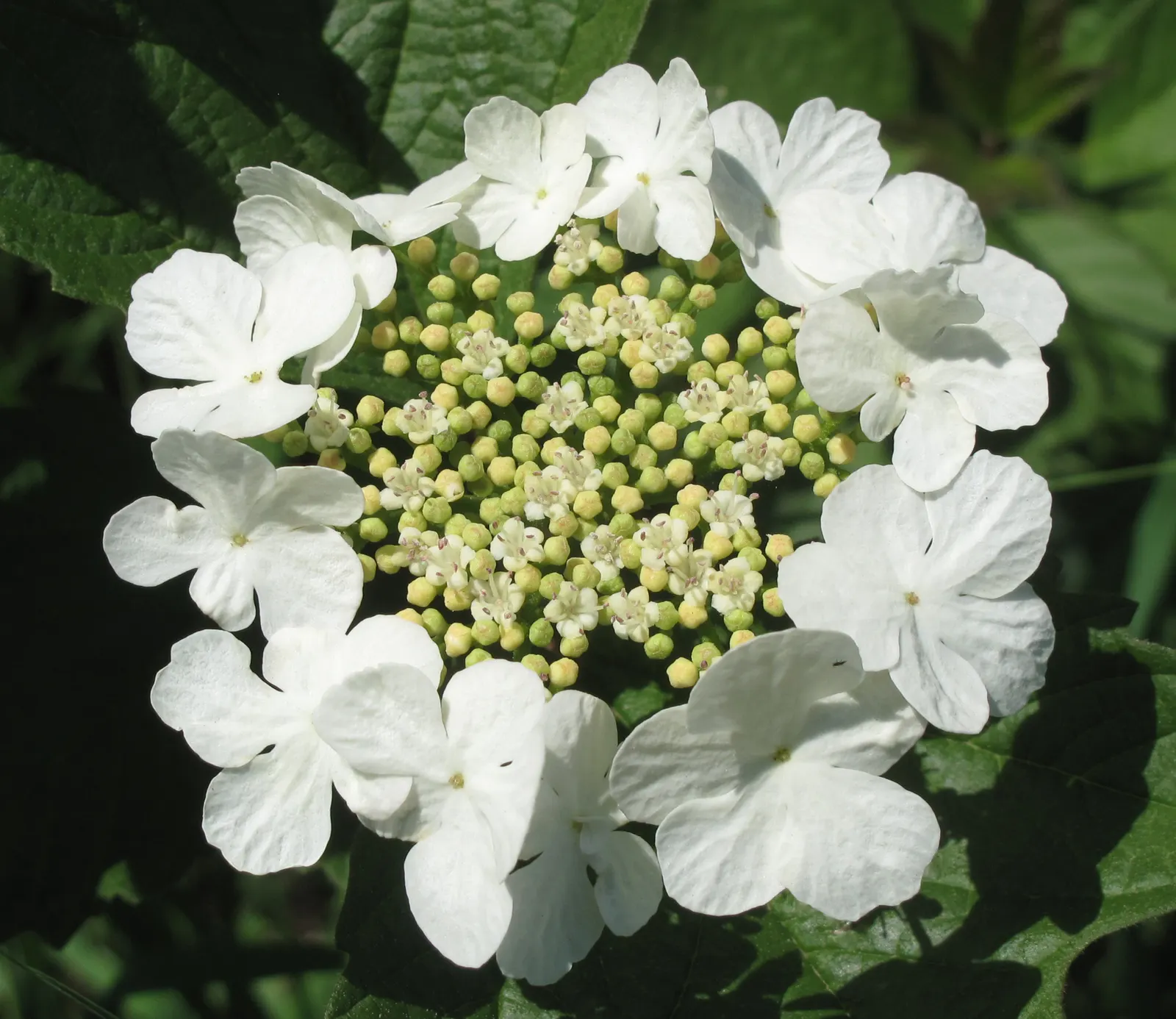
The Mooseberry, or Viburnum edule, is a versatile shrub, thriving in USDA zones 2-6. It flourishes in partial to full sunlight and prefers moist, well-drained soils. This hardy plant grows to an average of 4-5 feet in height and width, featuring deciduous foliage and producing edible red berries. Its small white flowers bloom in late spring, attracting pollinators and providing visual interest in residential or naturalistic landscapes.

Sun Half, ShadeWater MediumZones 4–5Climate Temperate
Mooseberry (Viburnum Edule) — The Mooseberry, or Viburnum edule, is a versatile shrub, thriving in USDA zones 2-6

Culture

Sun
Half, Shade
Water
Medium
USDA zones
4–5

Shape & size

Classification

Family
Caprifoliaceae
Climate
Temperate

See full data, regional cultivation notes, full-resolution photos, and design tools. Build a client presentation around this plant.

Start your 14-day trial

Photos (47)

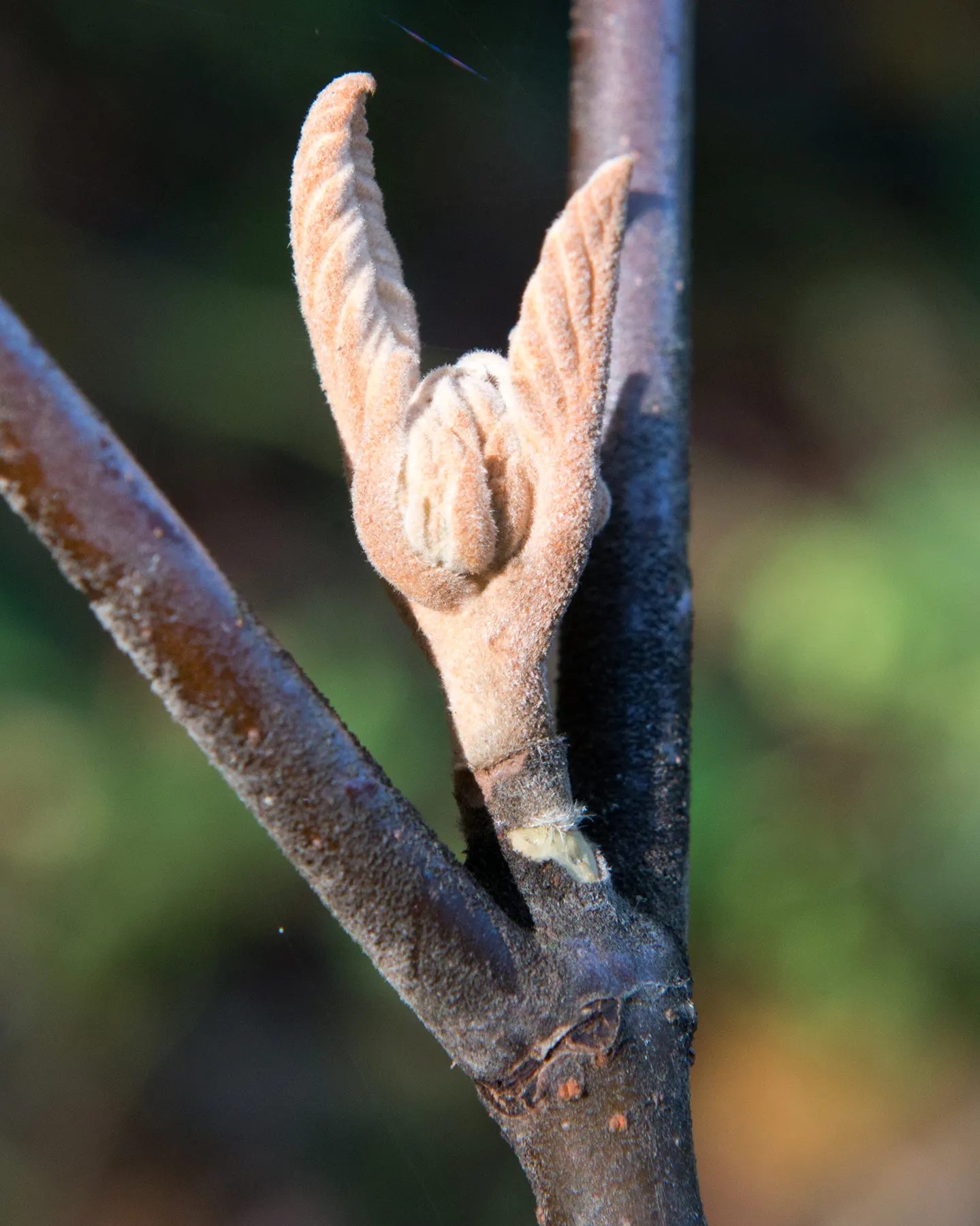
Mooseberry (Viburnum Edule) — It flourishes in partial to full sunlight and prefers moist, well-drained soils; from the cold winters up to -50 degrees
Mooseberry (Viburnum Edule) — This hardy plant grows to an average of 4-5 feet in height and width; consider positioning the Mooseberry in full sun to part
Mooseberry (Viburnum Edule) — Its small white flowers bloom in late spring; it typically reaches a height of 3 to 6 feet with a comparable spread
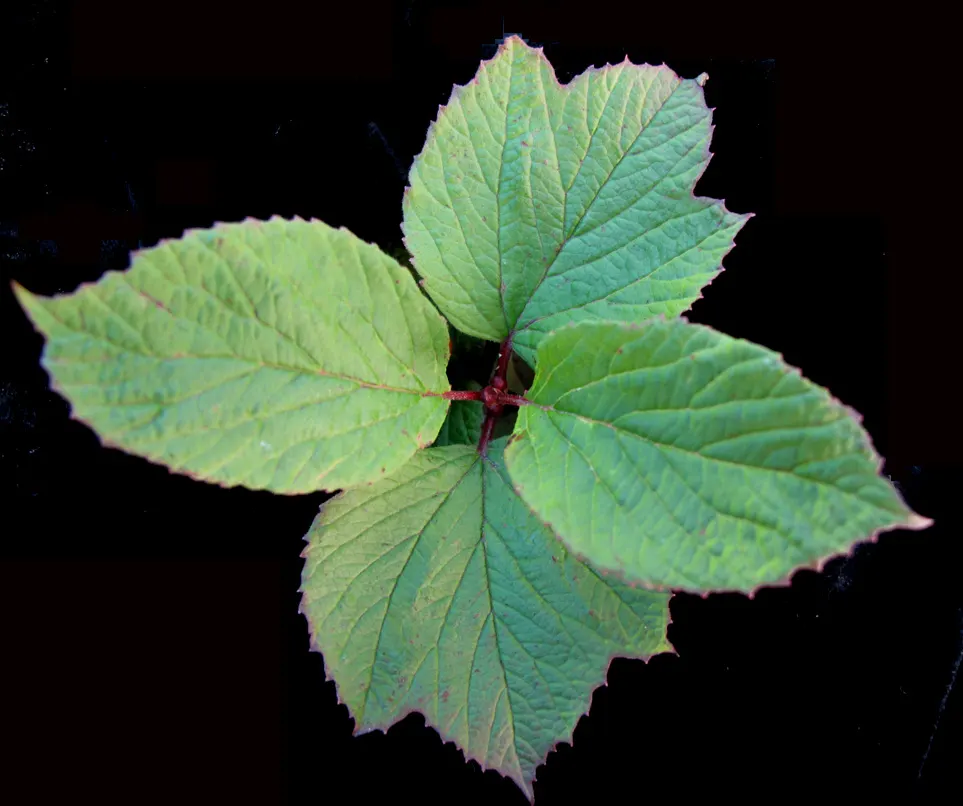
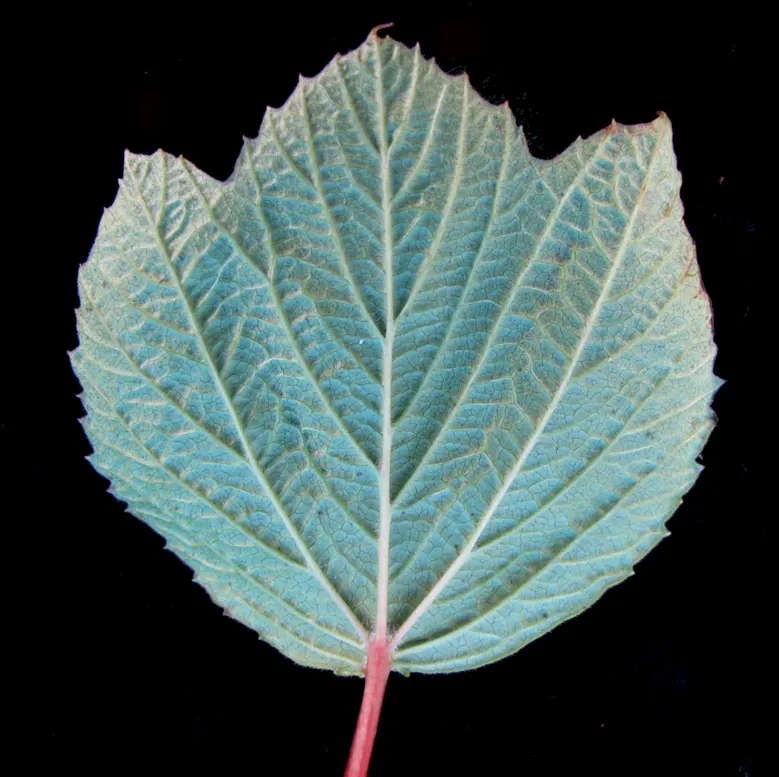
Mooseberry (Viburnum Edule) — featuring deciduous foliage and producing edible red berries; it flourishes in partial to full sunlight and prefers moist
Mooseberry (Viburnum Edule) — attracting pollinators and providing visual interest in residential or naturalistic landscapes; subsequently giving way to edible
Mooseberry (Viburnum Edule) — is a resilient deciduous shrub that can provide an attractive and functional addition to any landscape design; scientifically
Mooseberry (Viburnum Edule) — scientifically known as Viburnum edule; shrub for half or shade
Mooseberry (Viburnum Edule) — It typically reaches a height of 3 to 6 feet with a comparable spread; in late spring to early summer
Mooseberry (Viburnum Edule) — from the cold winters up to -50 degrees Fahrenheit to the moderate summers of these zones; its small white flowers bloom in late
Mooseberry (Viburnum Edule) — Its adaptability extends to soil preferences, image 35
Mooseberry (Viburnum Edule) — indicating its ability to withstand a wide range of temperatures; white flowers in the garden
Mooseberry (Viburnum Edule) — In late spring to early summer; this hardy plant grows to an average of 4-5 feet in height and width
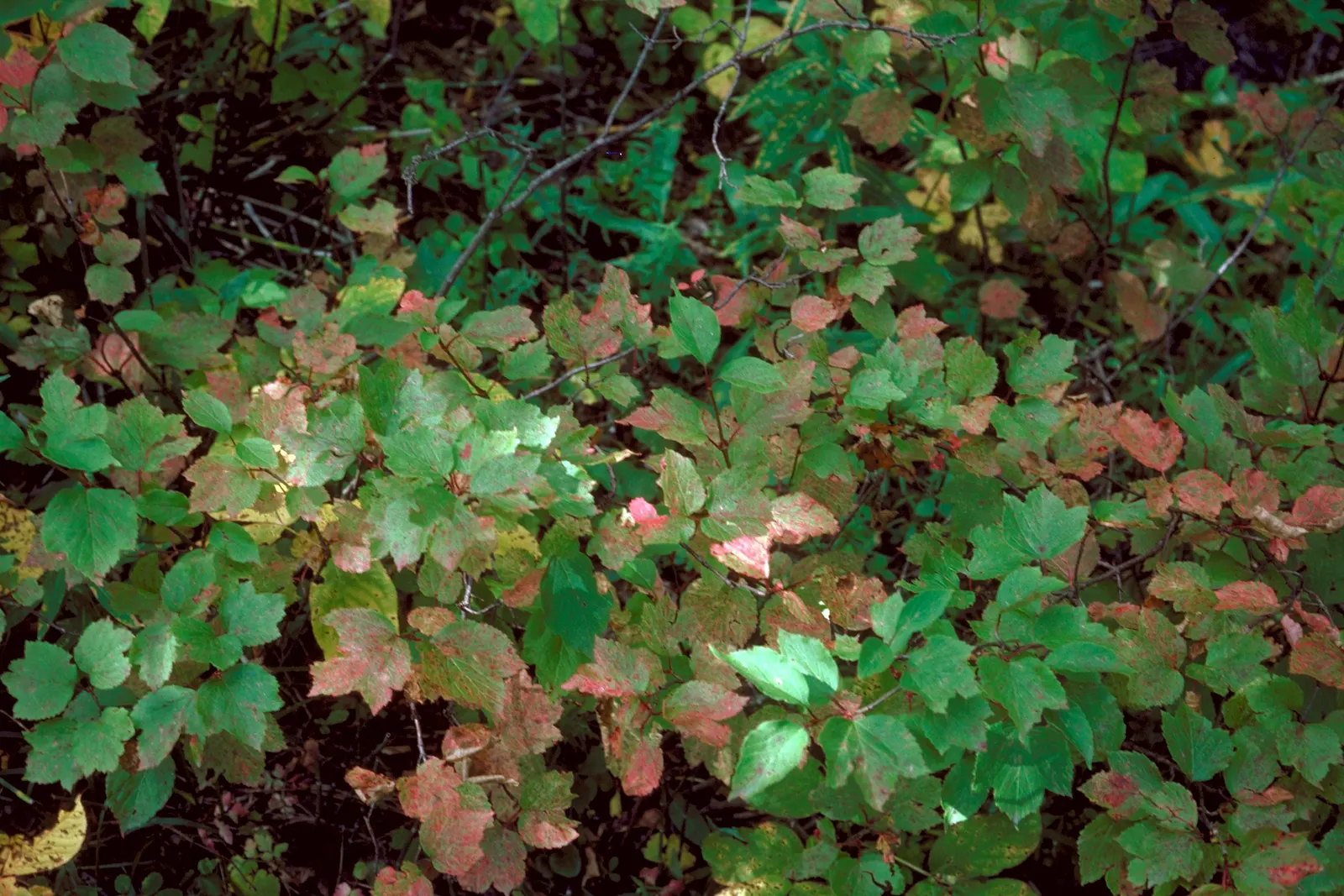
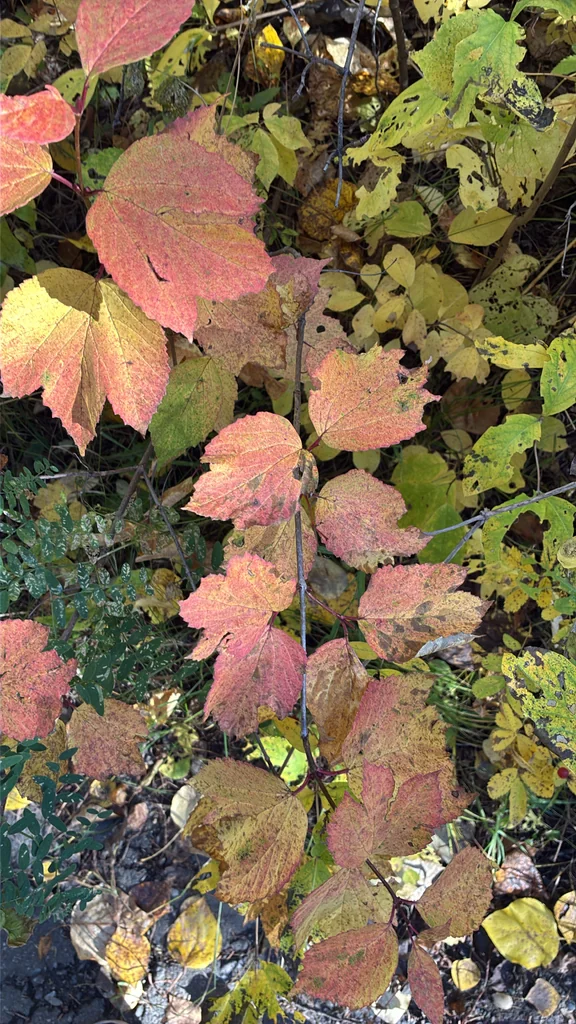
Mooseberry (Viburnum Edule) — which transitions from a rich green in the summertime to a striking reddish-purple come fall; this versatile shrub also serves
Mooseberry (Viburnum Edule) — the plant produces clusters of small white flowers that are a feast for pollinators; indicating its ability to withstand a wide
Mooseberry (Viburnum Edule) — often used in traditional jams and jellies.<br><br>While planning your garden design; the Mooseberry, or Viburnum edule, is a
Mooseberry (Viburnum Edule) — consider positioning the Mooseberry in full sun to part shade to optimize its growth and fruit production; is a resilient
Mooseberry (Viburnum Edule) — subsequently giving way to edible red berries which ripen by late summer; often used in traditional jams and
Mooseberry (Viburnum Edule) — This versatile shrub also serves well for border plantings; the plant produces clusters of small white flowers that are a feast
Mooseberry (Viburnum Edule) — white flowers in the garden; attracting pollinators and providing visual interest in residential or naturalistic landscapes
Mooseberry (Viburnum Edule) — or as a foundational element in a wildlife garden; shrub with white blooms
Mooseberry (Viburnum Edule) — The Mooseberry, or Viburnum edule, is a versatile shrub, thriving in USDA zones 2-6; featuring deciduous foliage and, image 47
Mooseberry (Viburnum Edule) — shrub for half or shade; or as a foundational element in a wildlife garden
Mooseberry (Viburnum Edule) — shrub with white blooms; which transitions from a rich green in the summertime to a striking reddish-purple come fall

Related plants