Skip to content

Lingonberry

Vaccinium Vitis-Idaea

Design with this plant

Overview

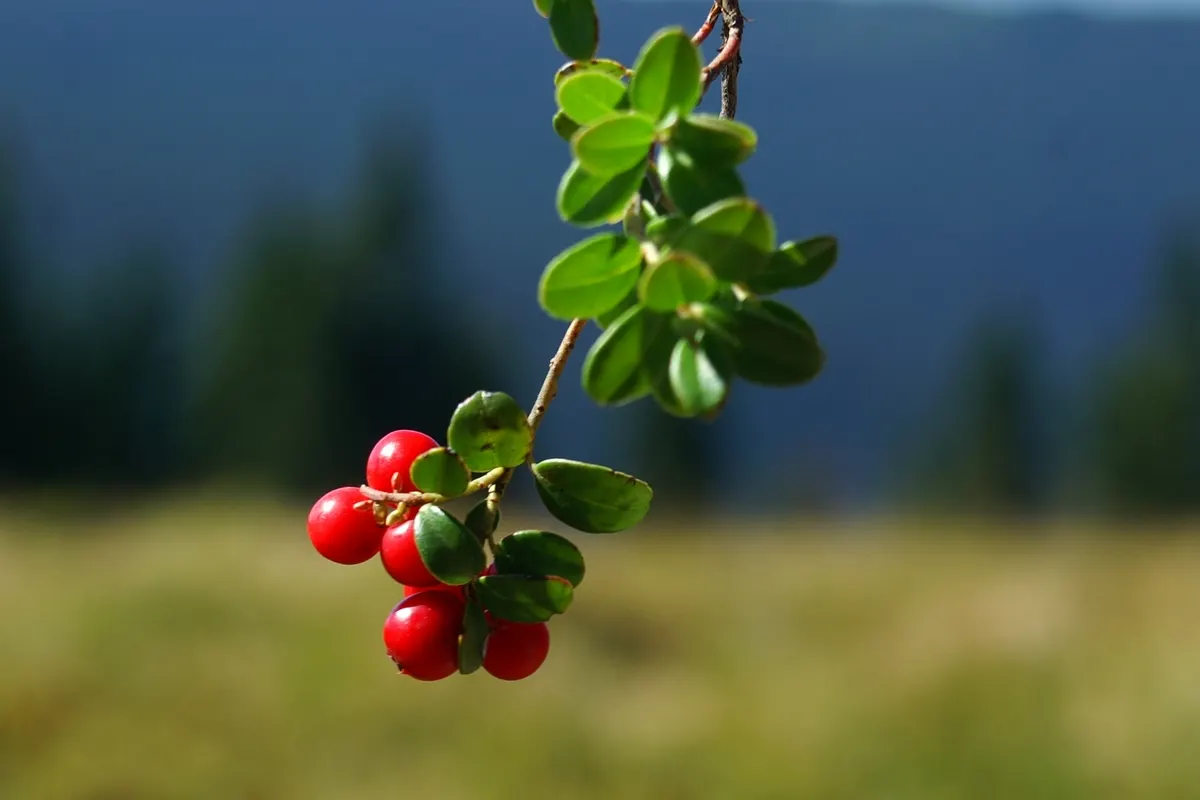
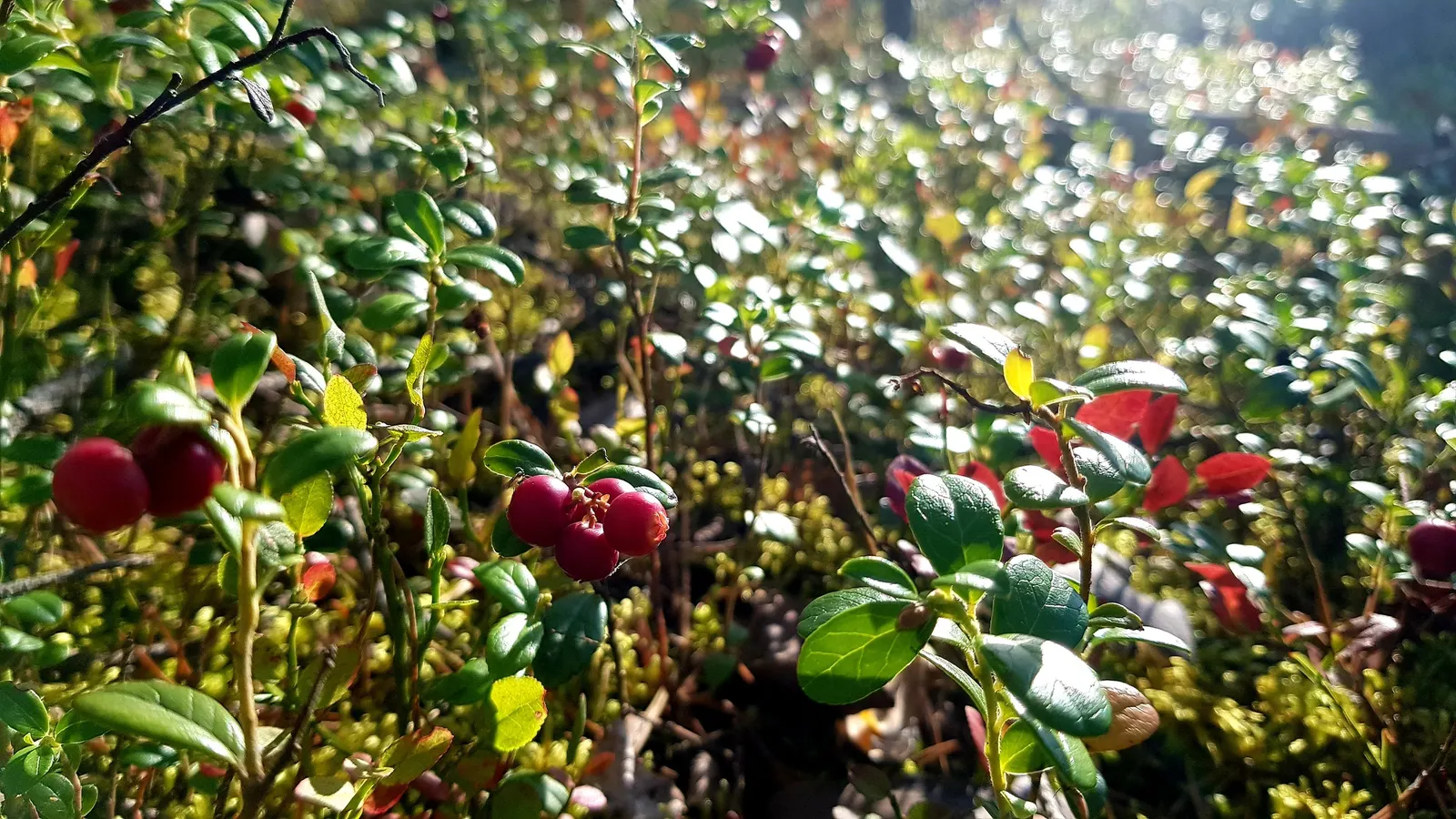
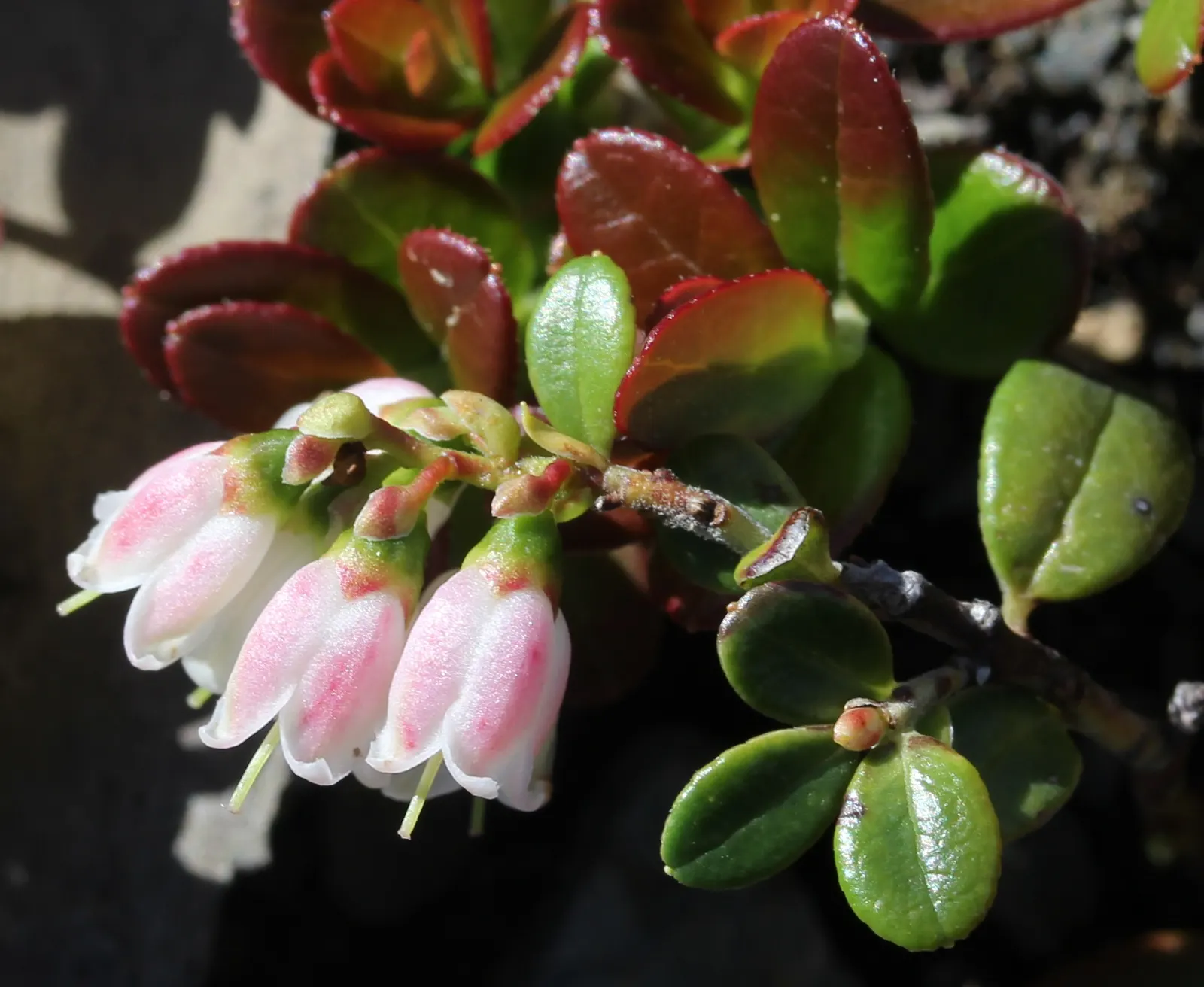
Lingonberry (Vaccinium vitis-idaea): This hardy evergreen shrub thrives in USDA zones 2-6, preferring acidic, well-draining soil. Maturing at 12-18 inches high, it produces a modest spread of 12-24 inches. Bright green leaves contrast with white/pink flowers and red berries, offering year-round visual interest. Berries are edible and high in antioxidants. Plant in partial to full sun for best fruit production. Requires minimal maintenance, ideal for ground cover or border plantings.
Sun HalfWater MediumZones 3–8Type Ground coverClimate Mediterranean
Lingonberry (Vaccinium Vitis-Idaea) — typically reaching heights of 12 to 20 inches; is a hardy evergreen shrub that offers both aesthetic appeal and edible

Culture

Sun
Half
Water
Medium
USDA zones
3–8

Shape & size

Classification

Type
Ground cover
Family
Ericaceae
Climate
Mediterranean

See full data, regional cultivation notes, and design tools. Build a client presentation around this plant.

Start your 14-day trial

Photos (182)

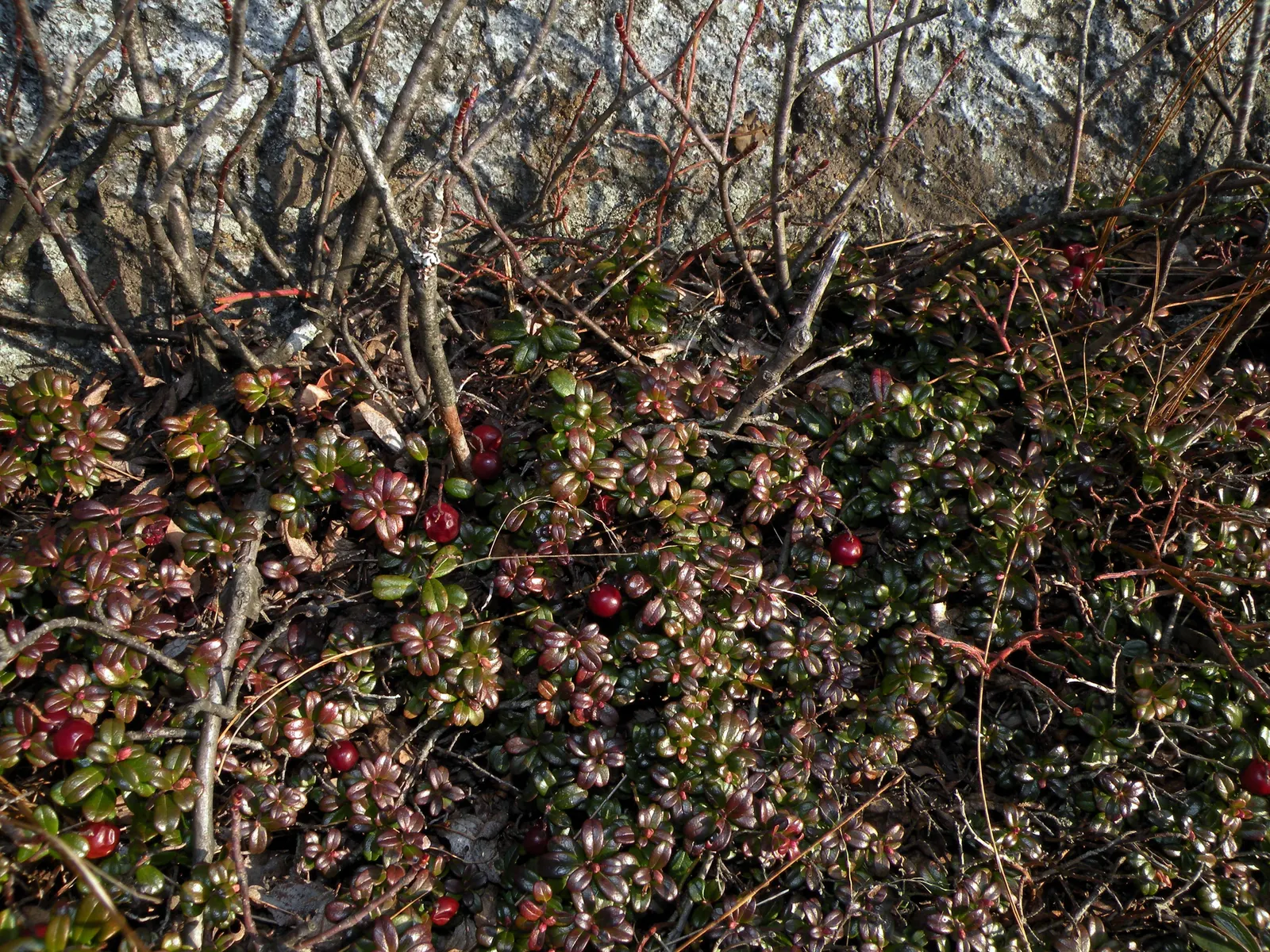
Lingonberry (Vaccinium Vitis-Idaea) — preferring a pH level between 4.5 and 5.5; consider their need for consistent moisture - mulching can assist, image 141
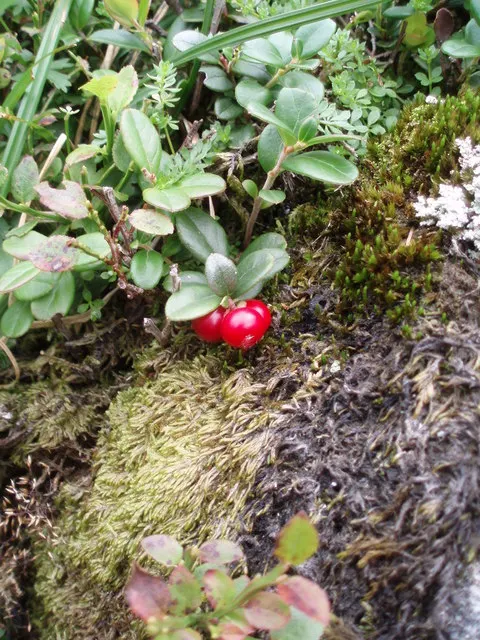
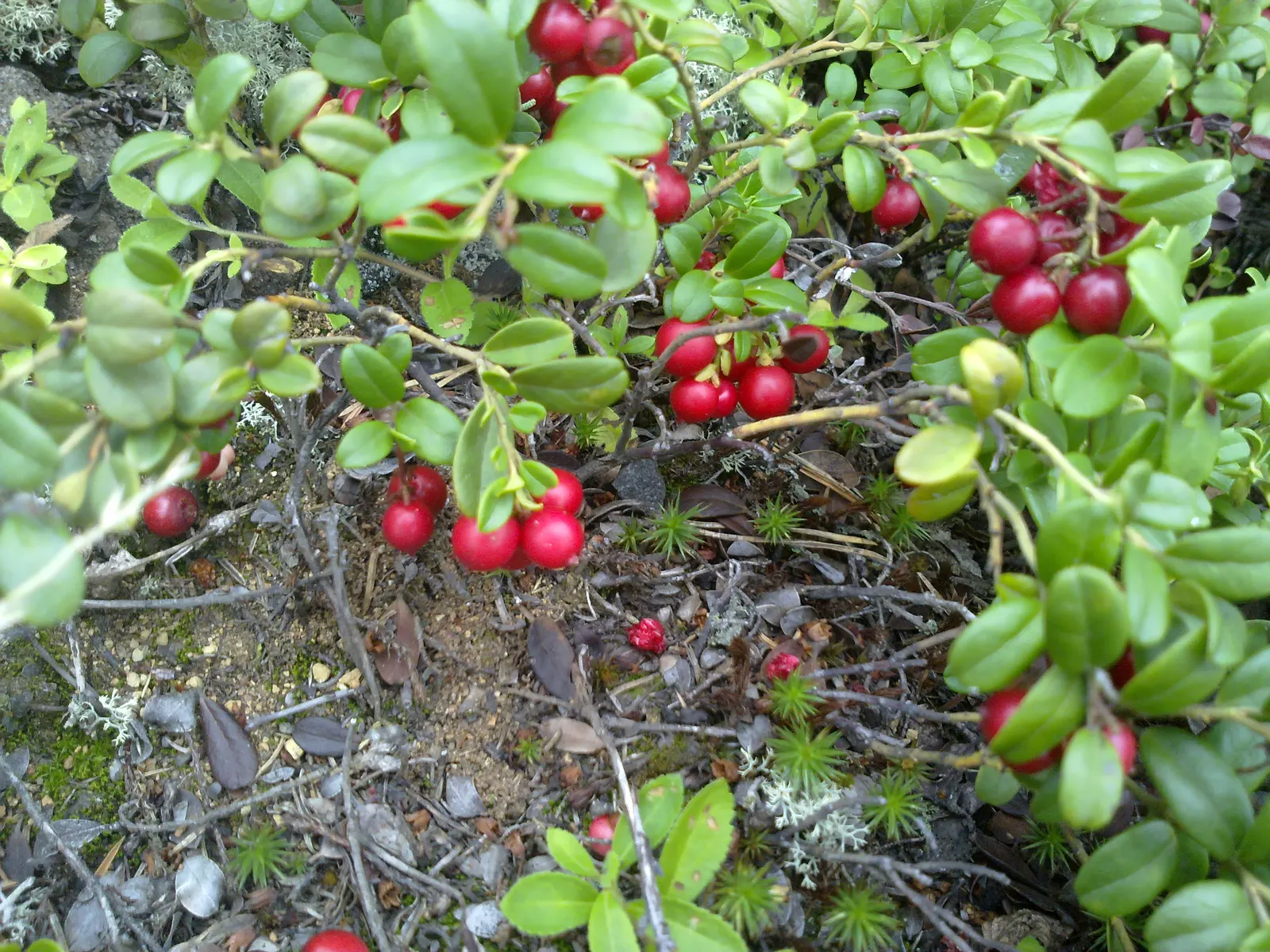
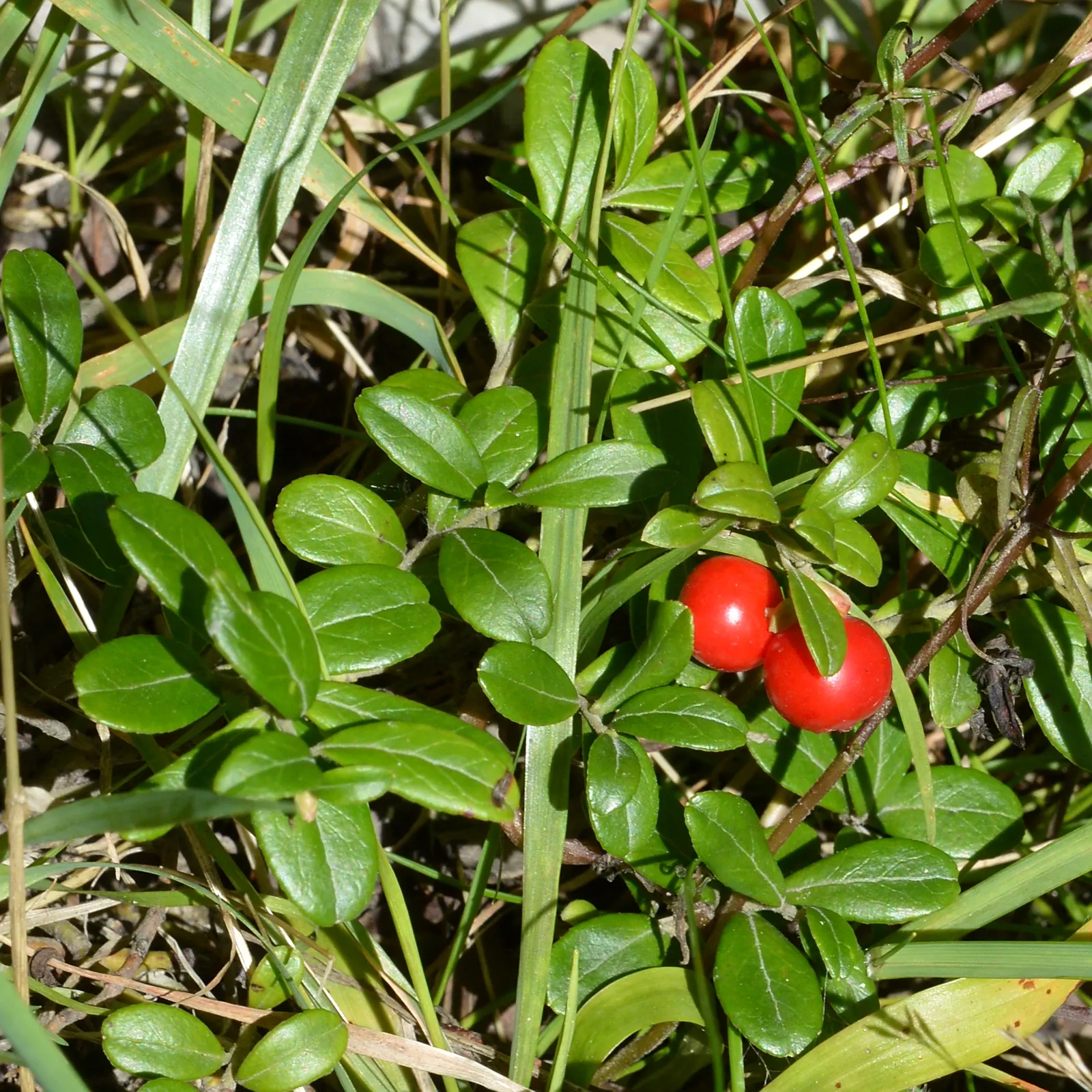
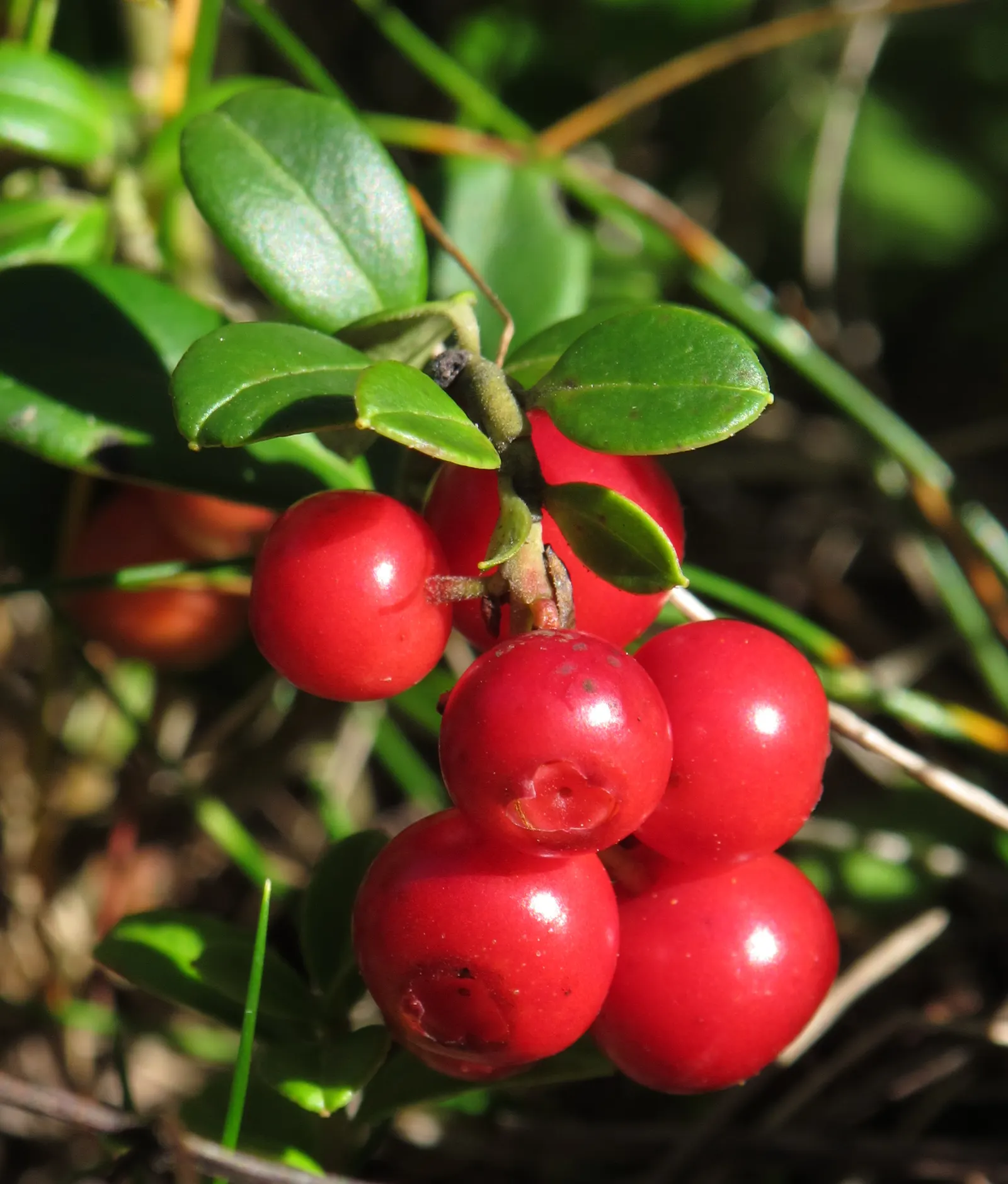
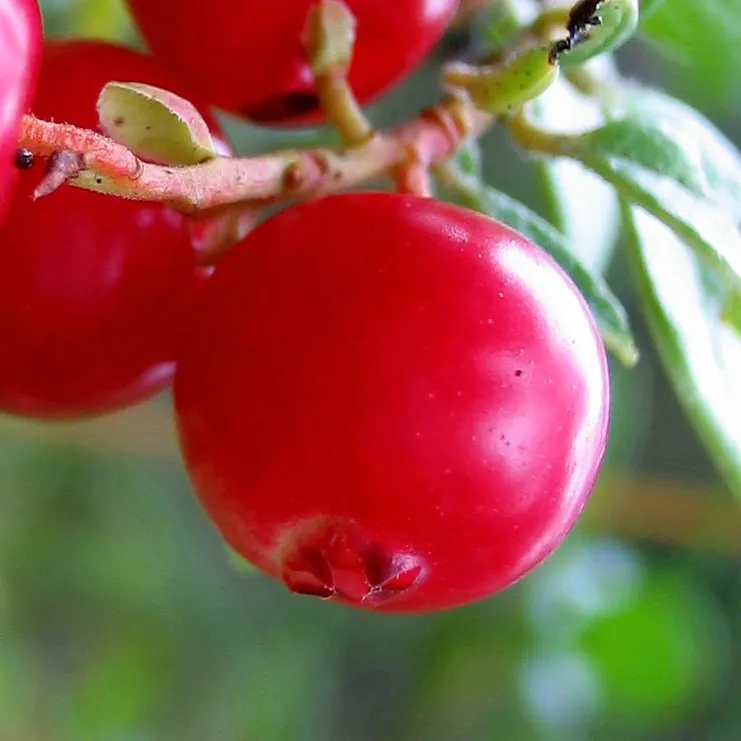
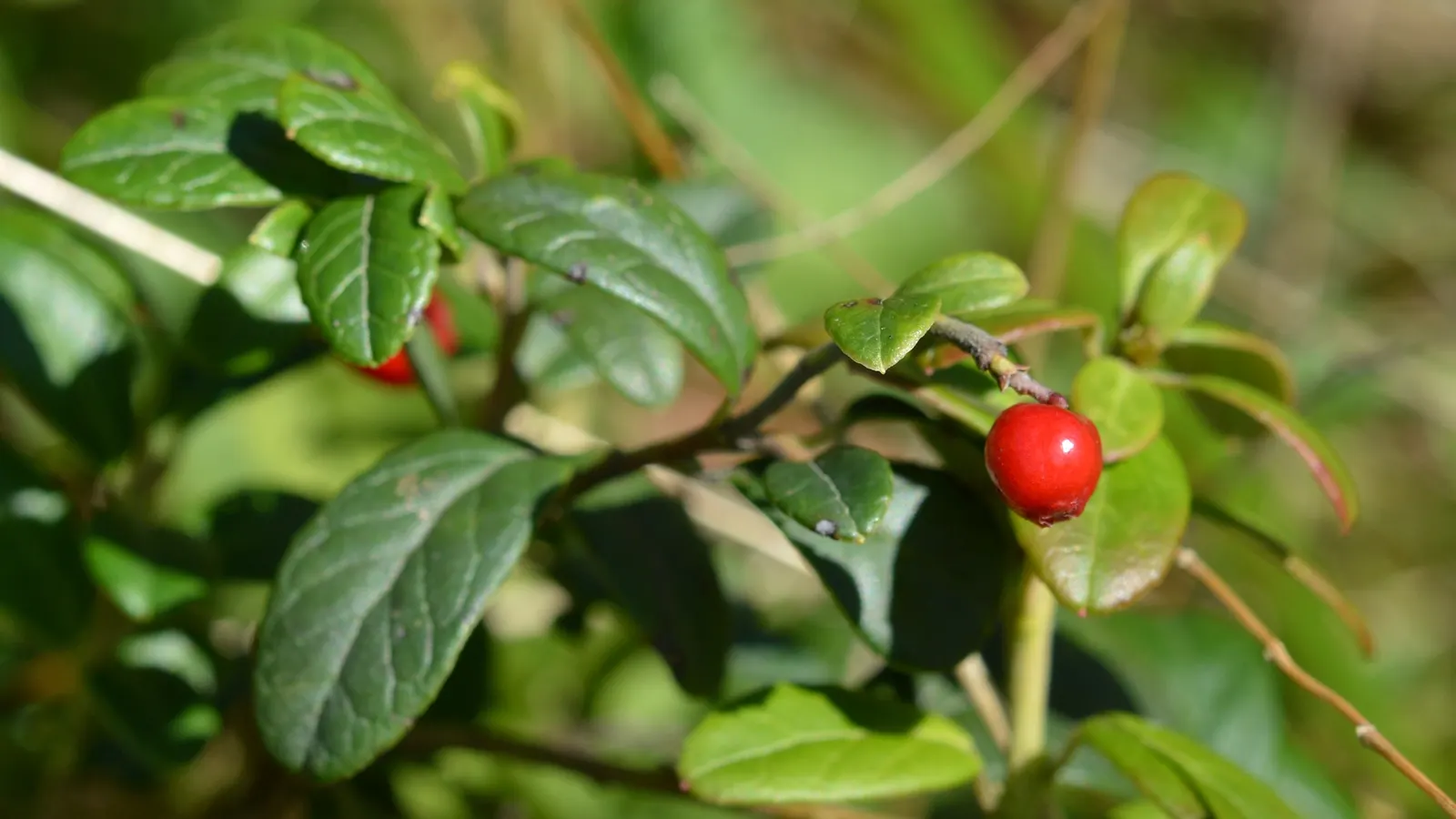
Lingonberry (Vaccinium Vitis-Idaea) — Berries are edible and high in antioxidants
Lingonberry (Vaccinium Vitis-Idaea) — By late summer and into fall; and other culinary treats.<br><br>Thriving in USDA hardiness zones 2 through 6, image 76
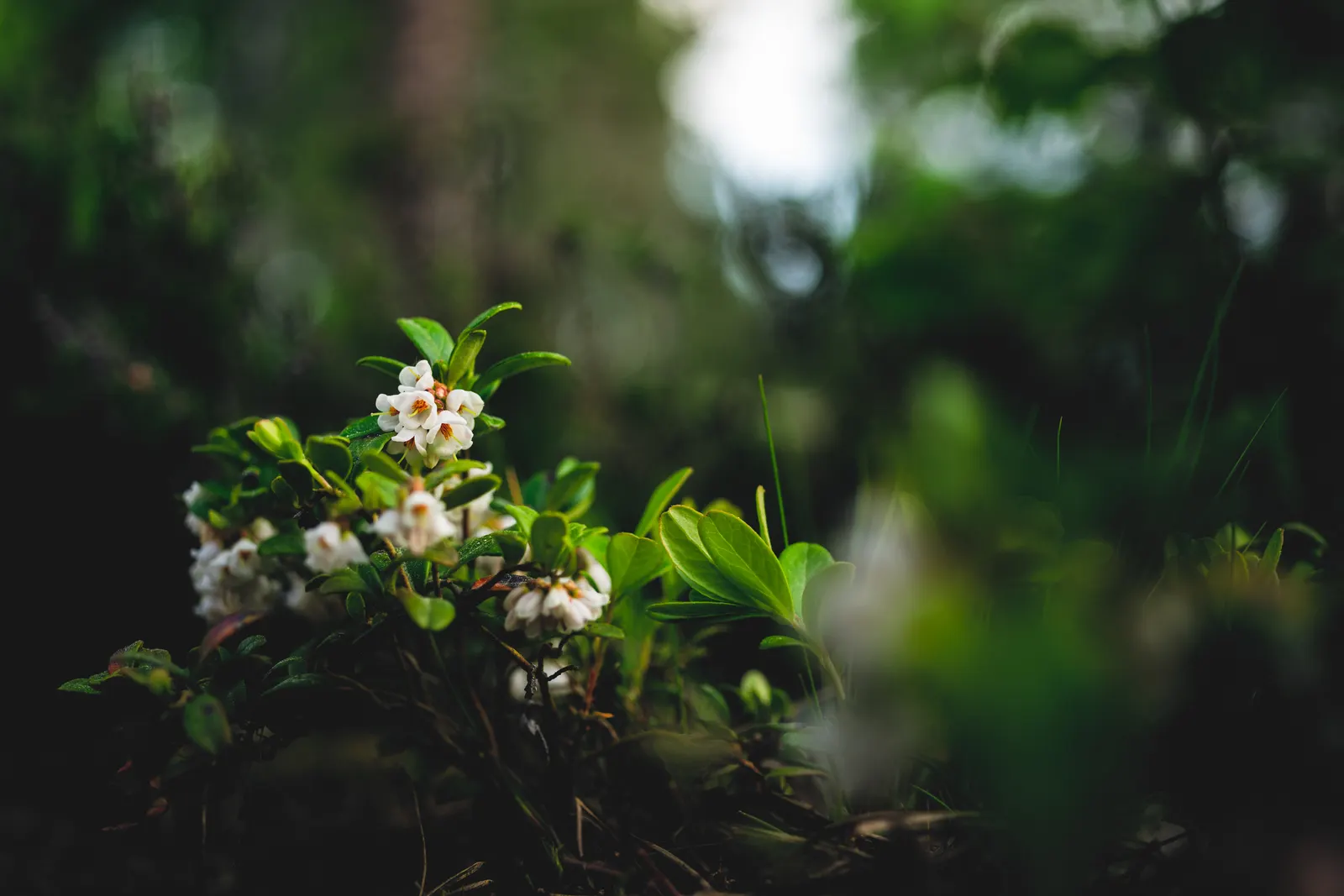
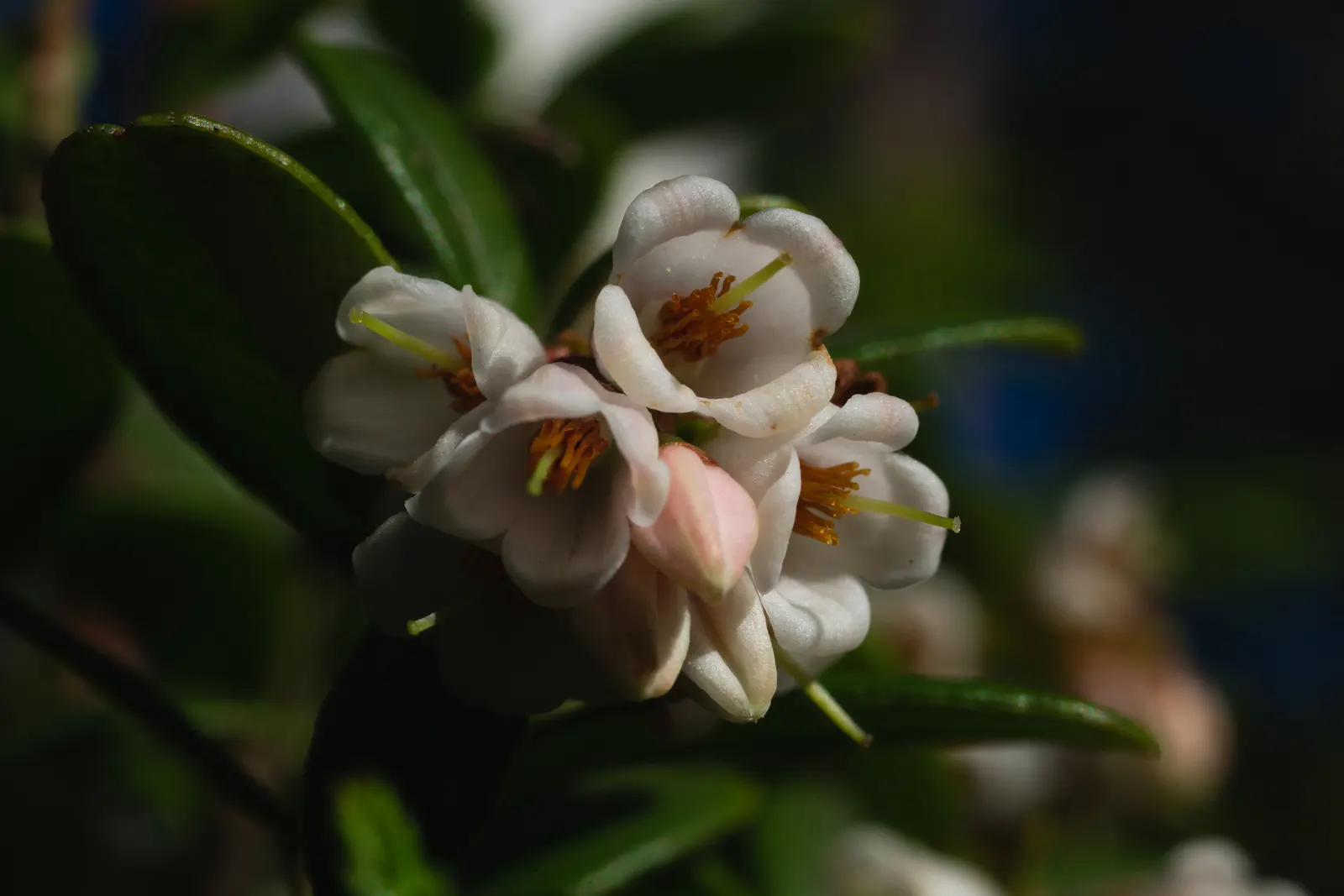
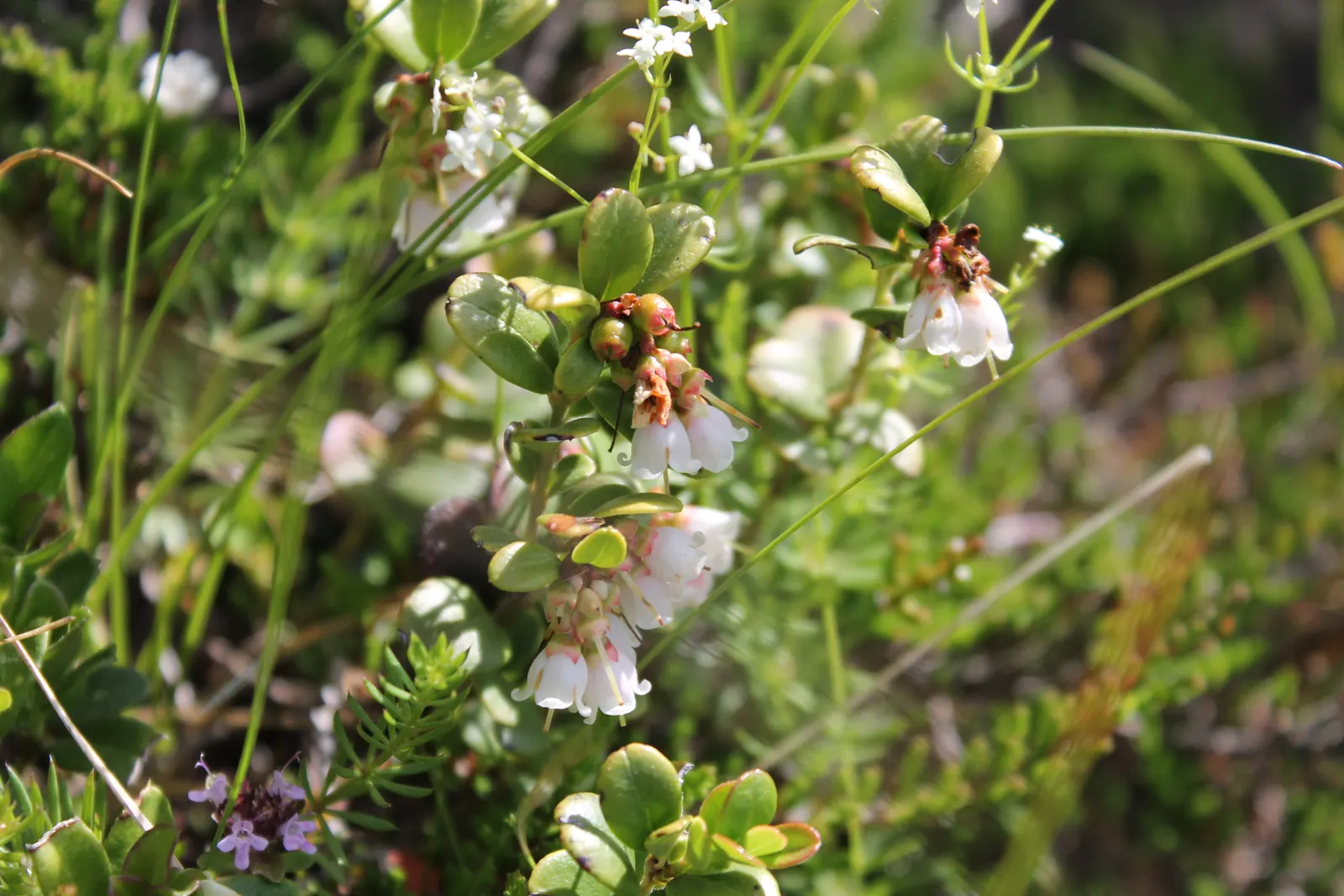
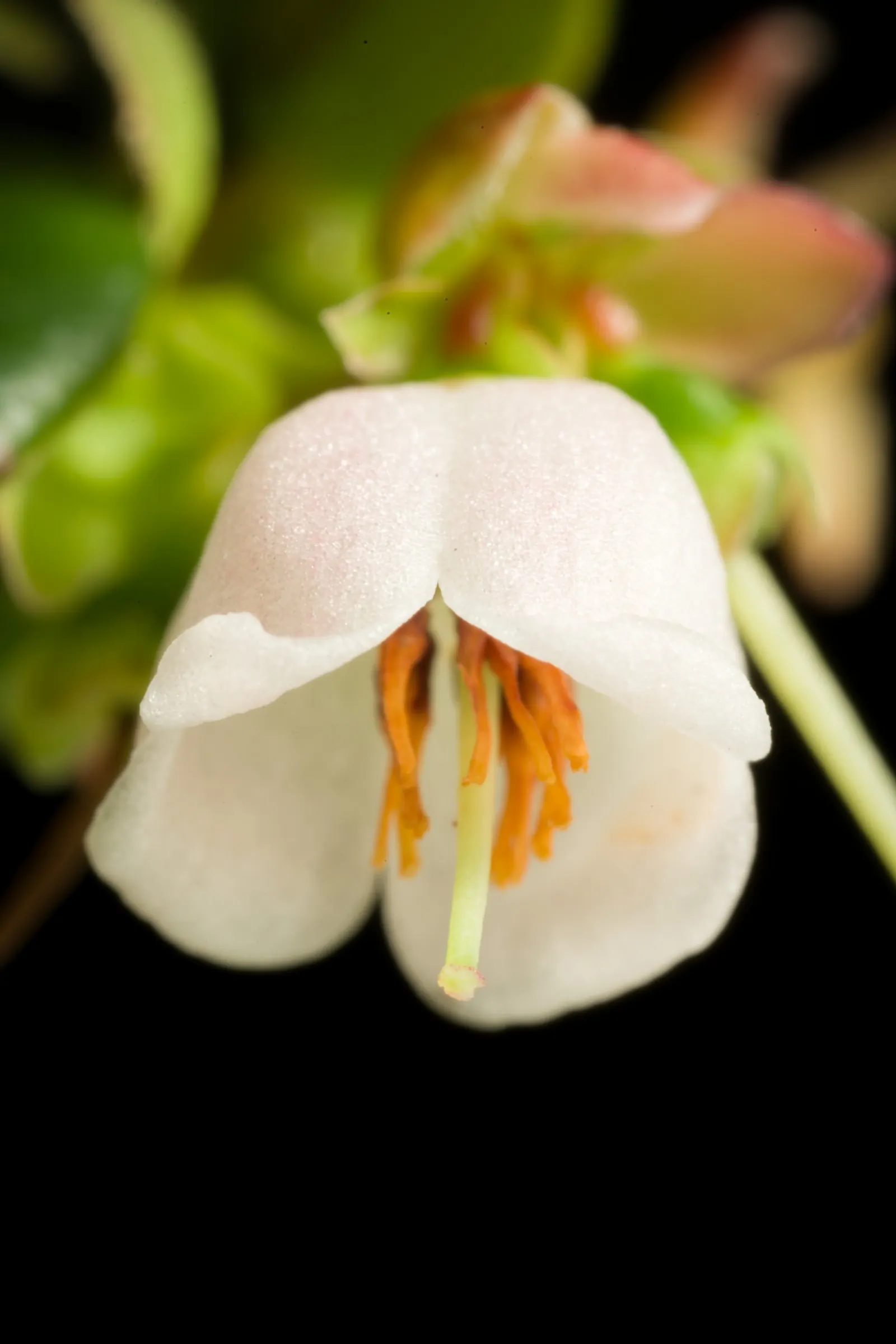
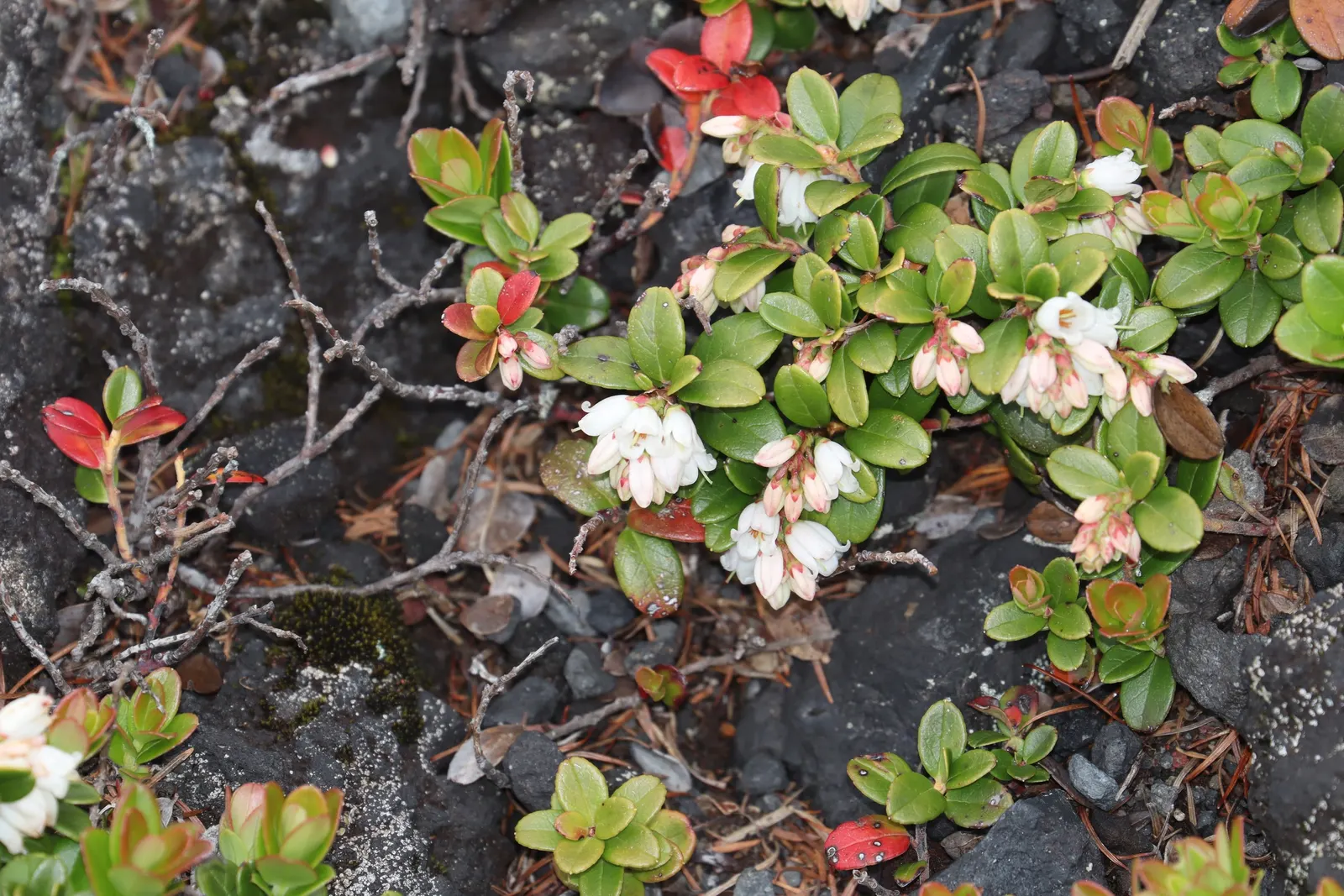
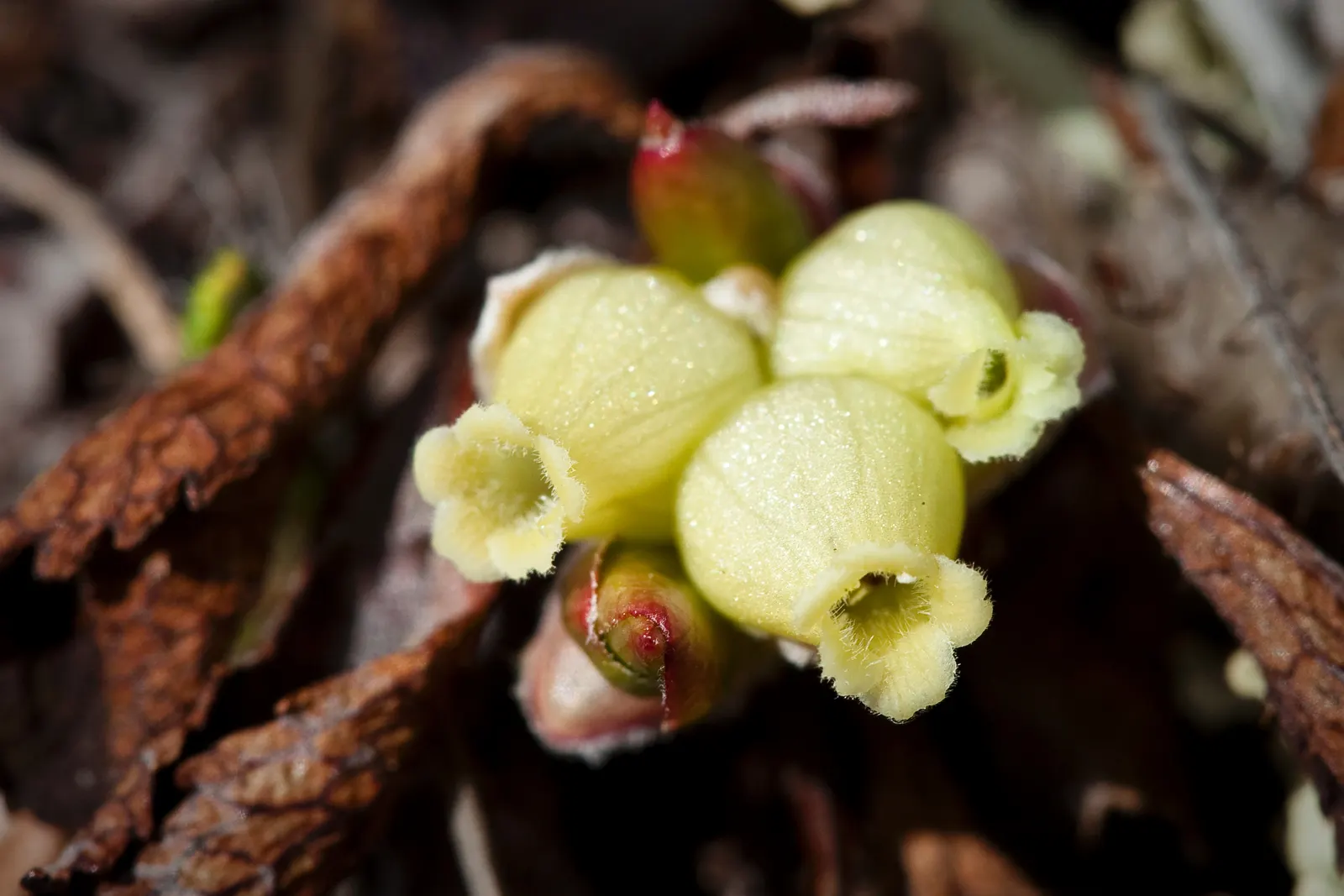
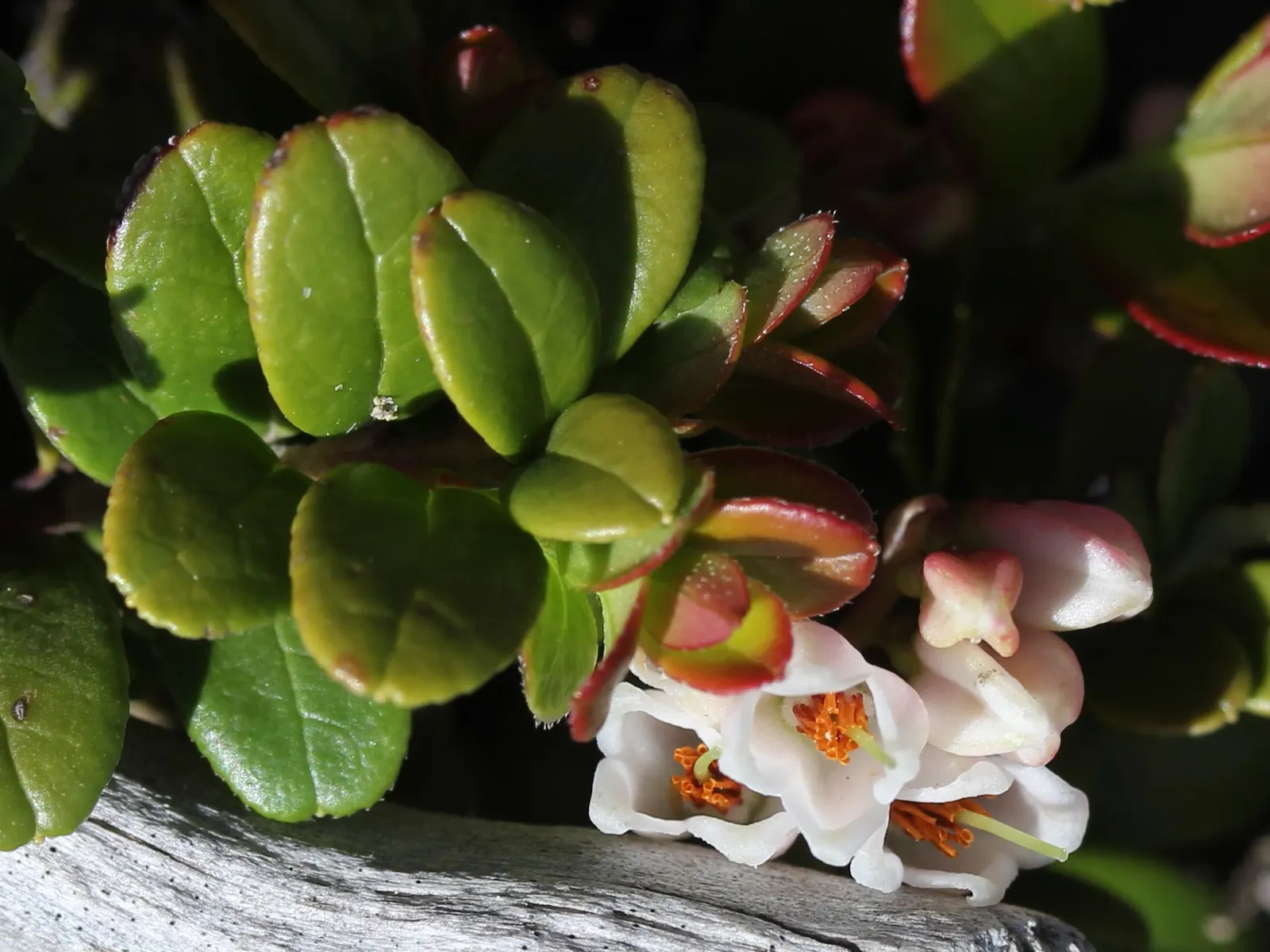
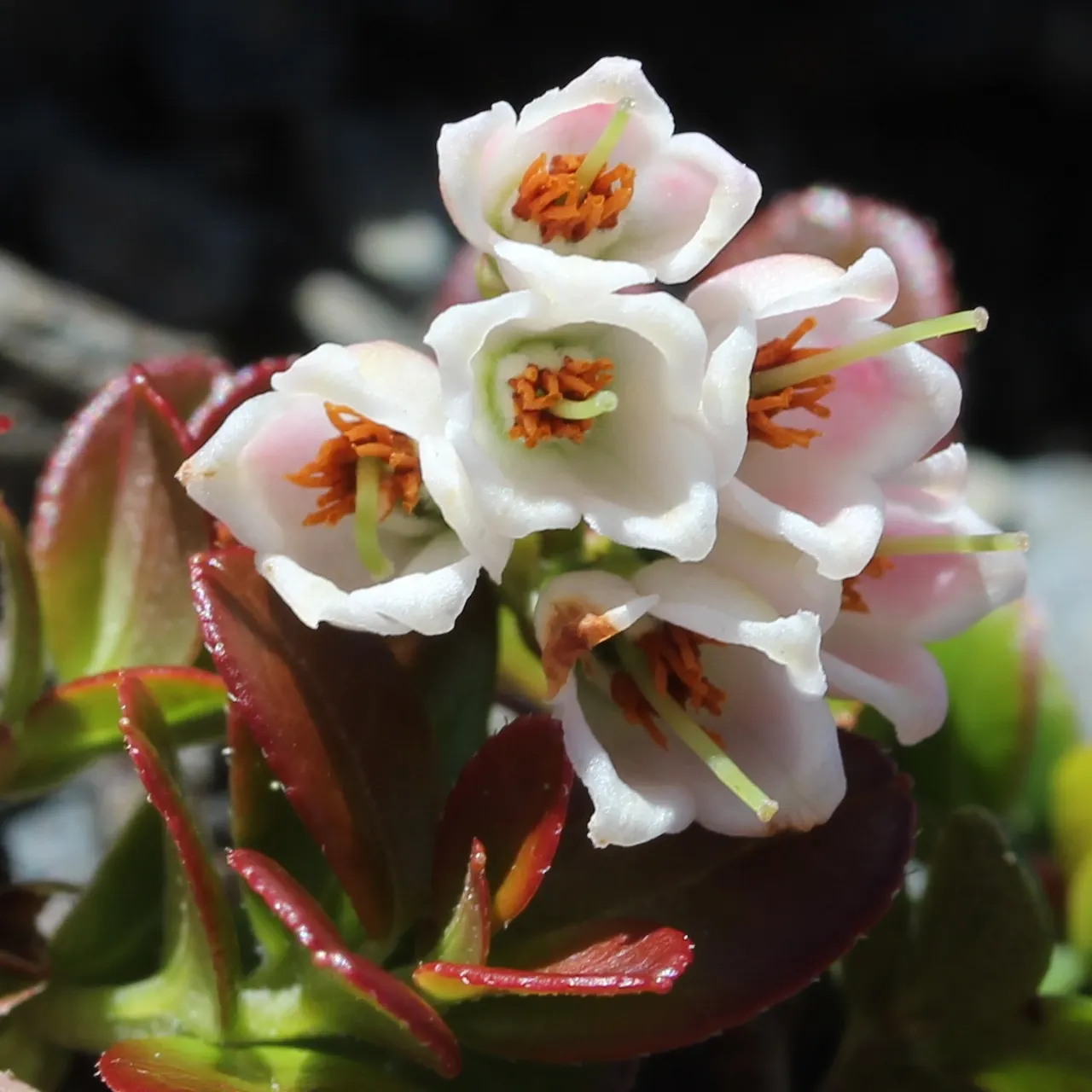
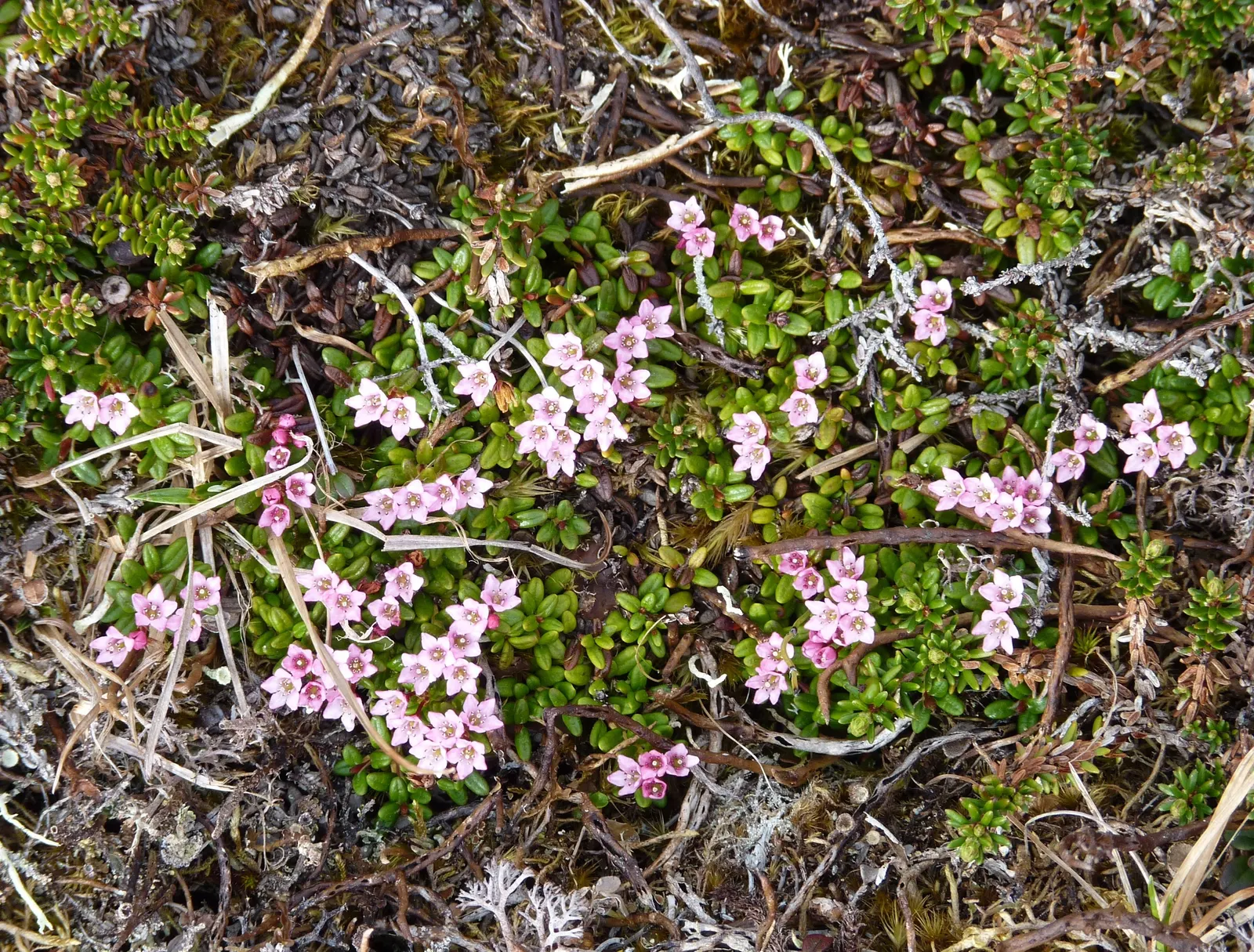
Lingonberry (Vaccinium Vitis-Idaea) — delicate pink or white bell-shaped flowers bloom; plant in partial to full sun for best fruit production
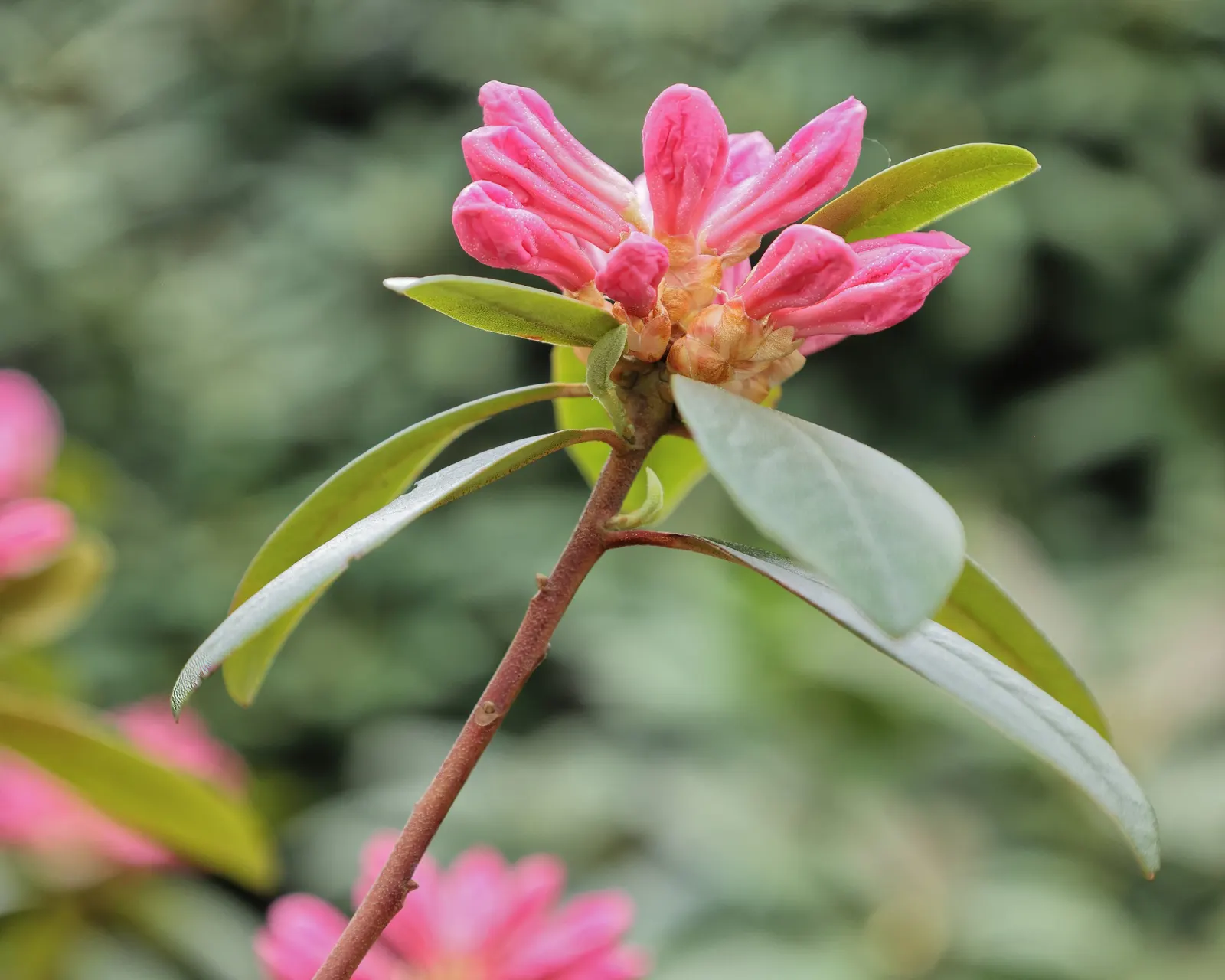
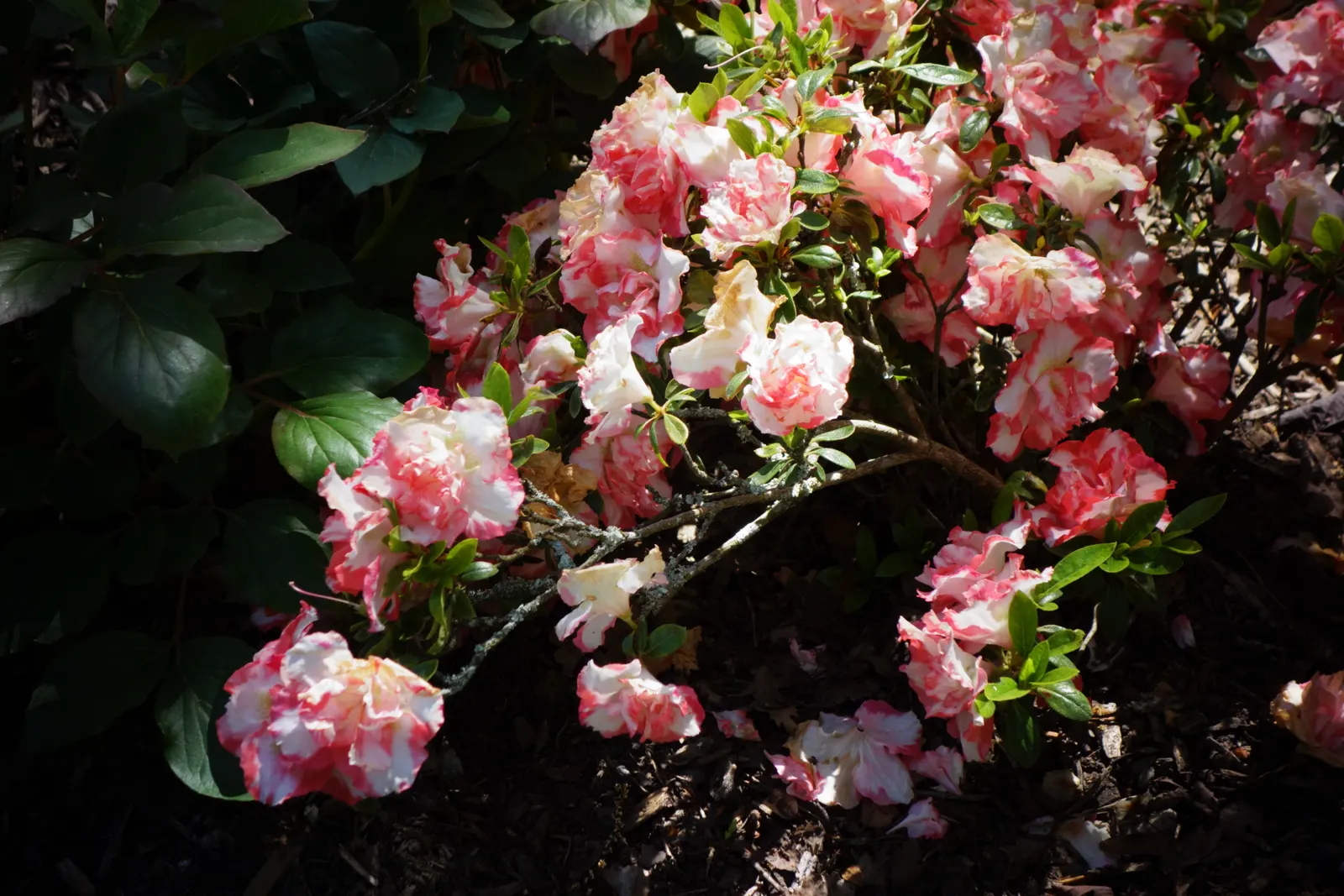
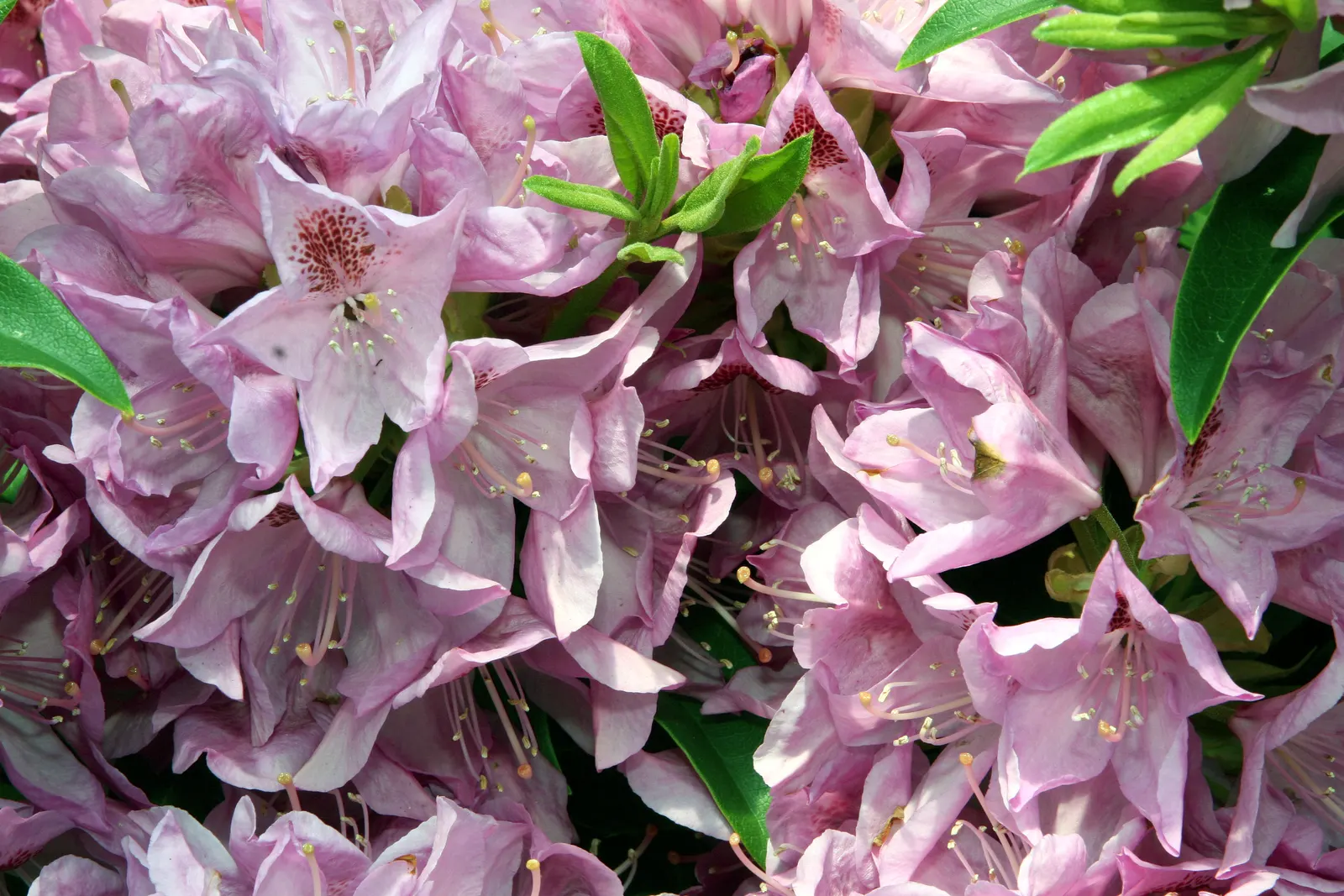
Lingonberry (Vaccinium Vitis-Idaea) — Ideal companions for Lingonberries include other acid-loving plants such as Rhododendrons or Azaleas; along, image 145
Lingonberry (Vaccinium Vitis-Idaea) — consider their need for consistent moisture - mulching can assist with moisture retention and cold, image 84
Lingonberry (Vaccinium Vitis-Idaea) — Plant in partial to full sun for best fruit production
Lingonberry (Vaccinium Vitis-Idaea) — Ideal companions for Lingonberries include other acid-loving plants such as Rhododendrons or Azaleas; along, image 85
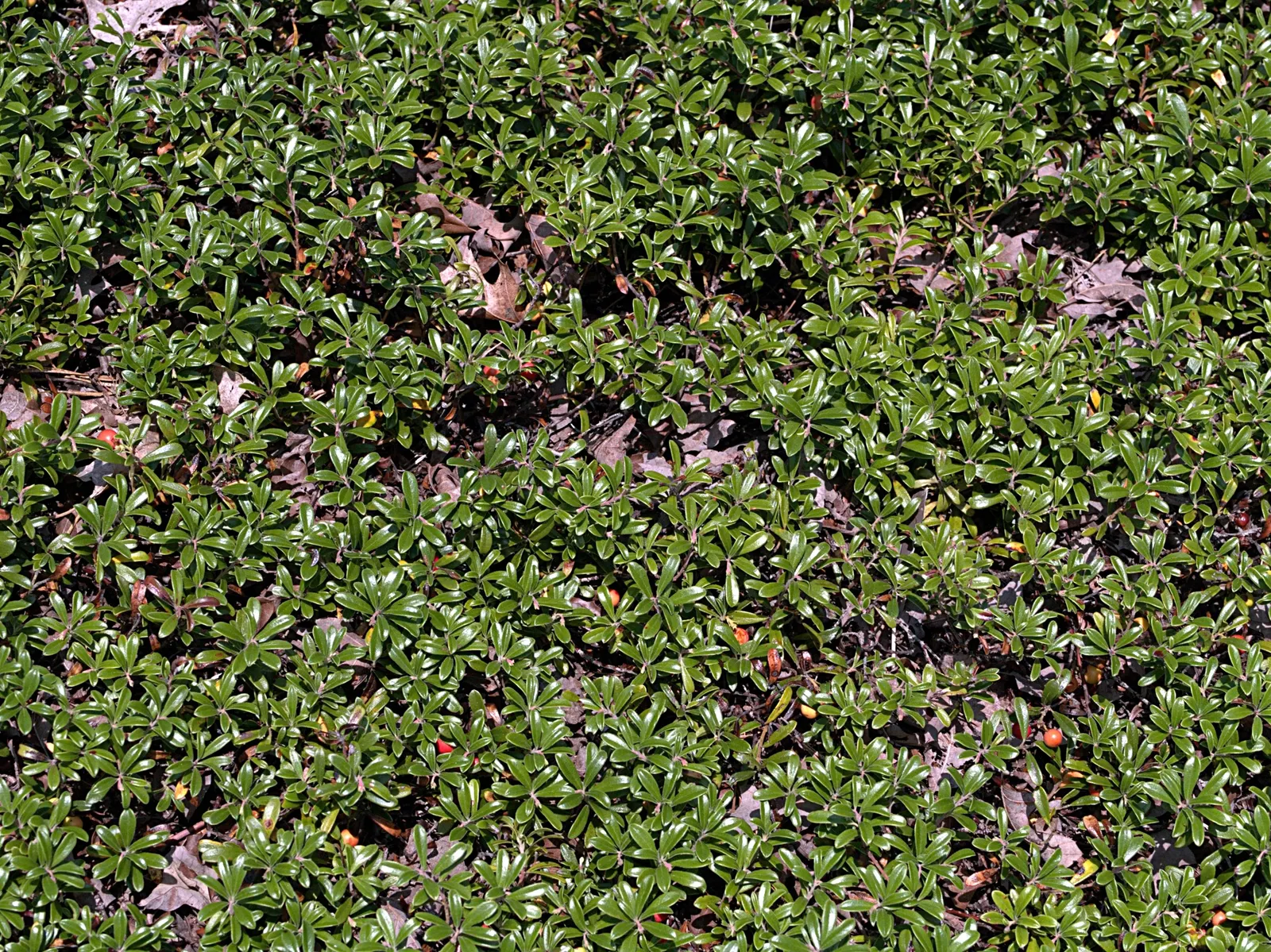
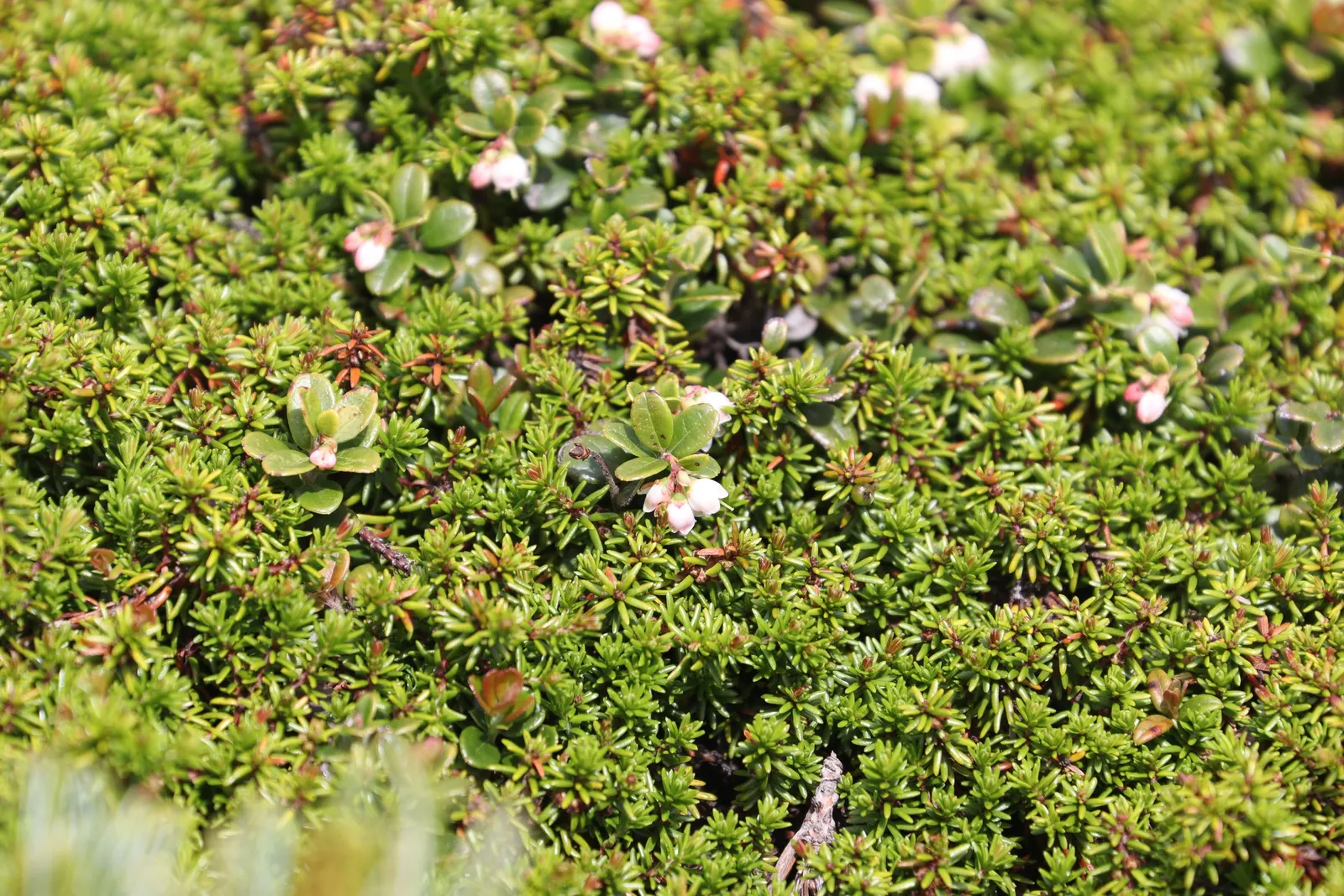
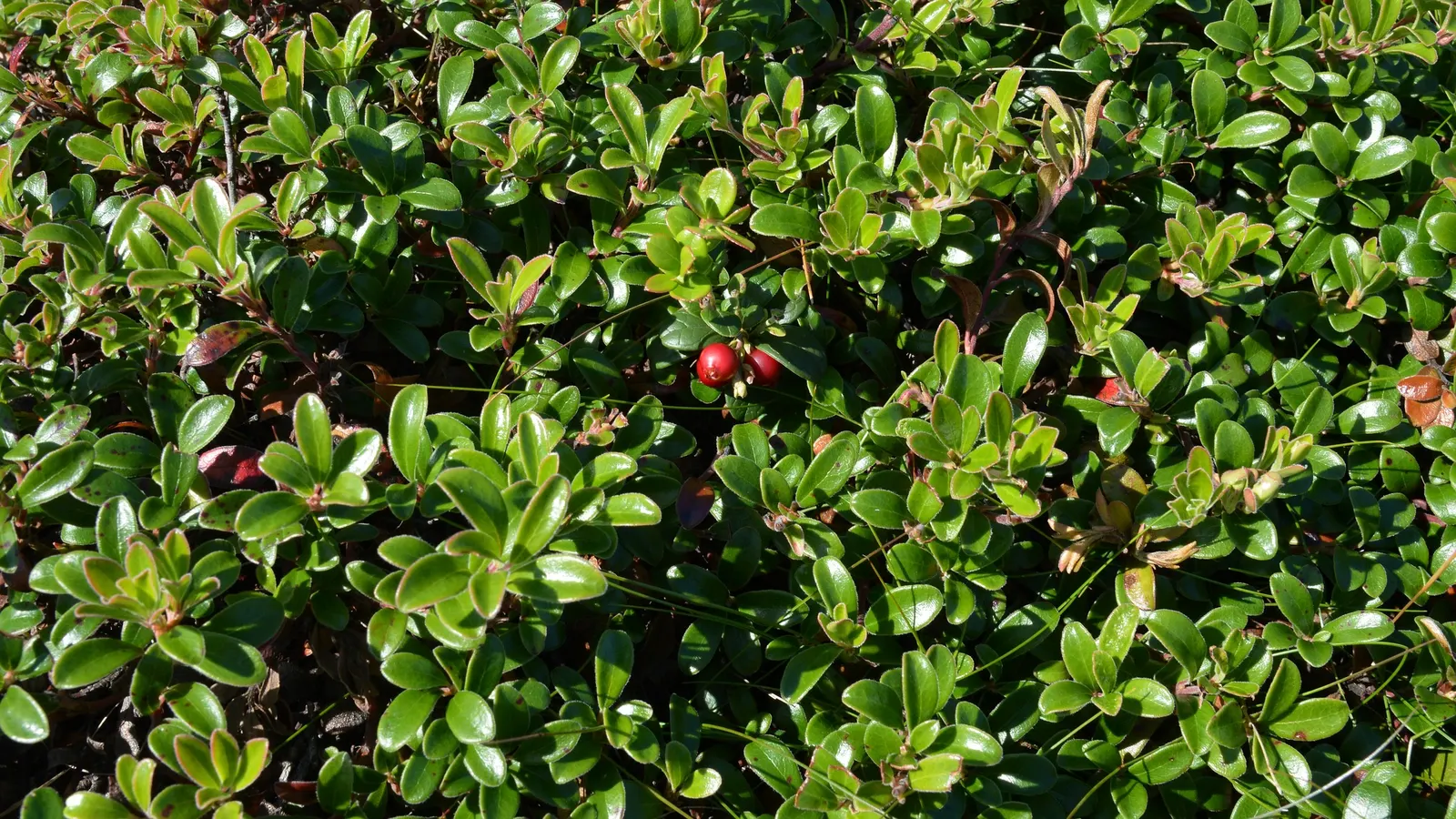
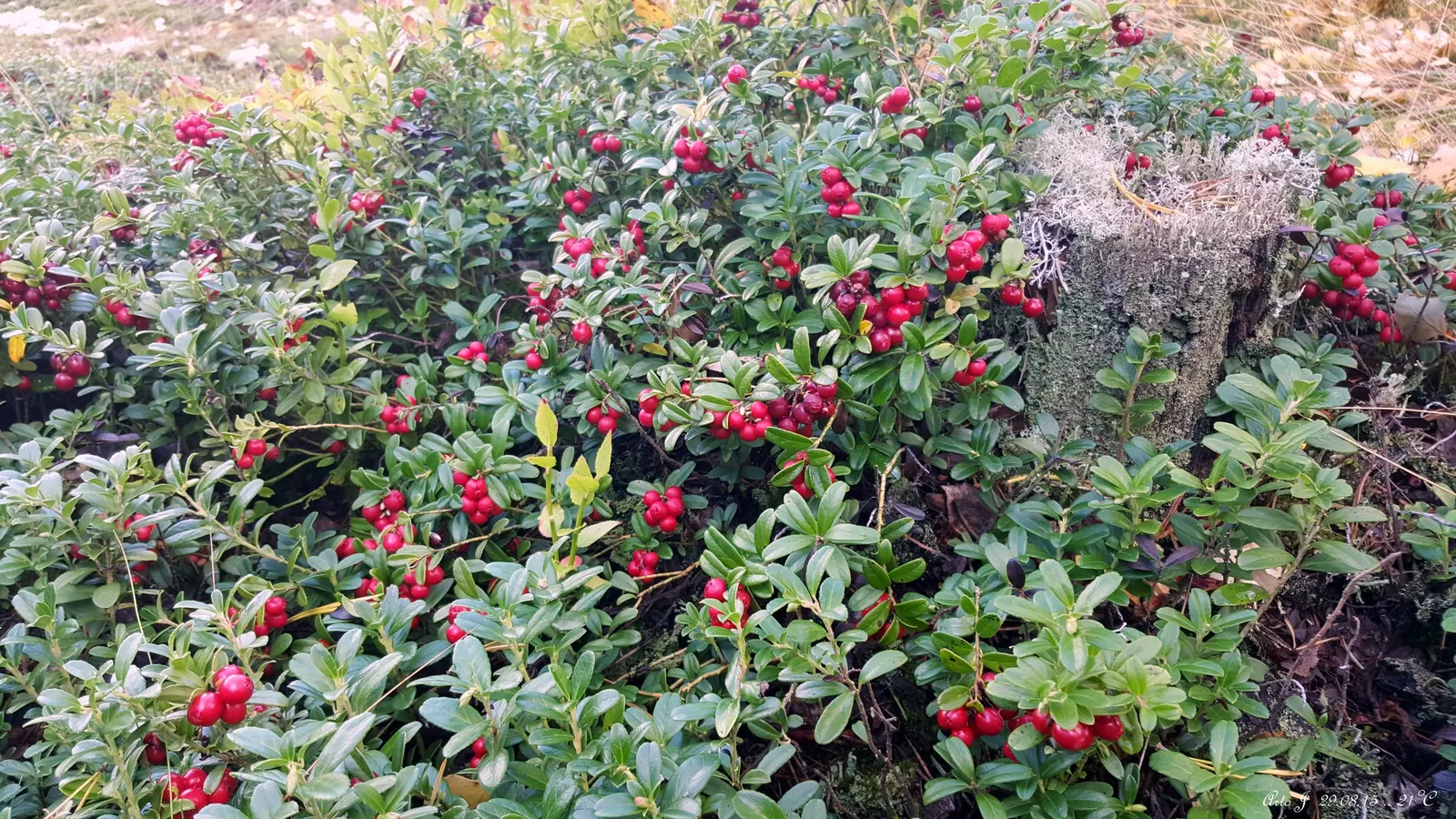
Lingonberry (Vaccinium Vitis-Idaea) — They spread to form dense mats with a width of 12 to 24 inches
Lingonberry (Vaccinium Vitis-Idaea) — Native to the boreal forests and Arctic tundra of the Northern Hemisphere
Lingonberry (Vaccinium Vitis-Idaea) — With their low maintenance; ground cover with pink and white blooms, image 86
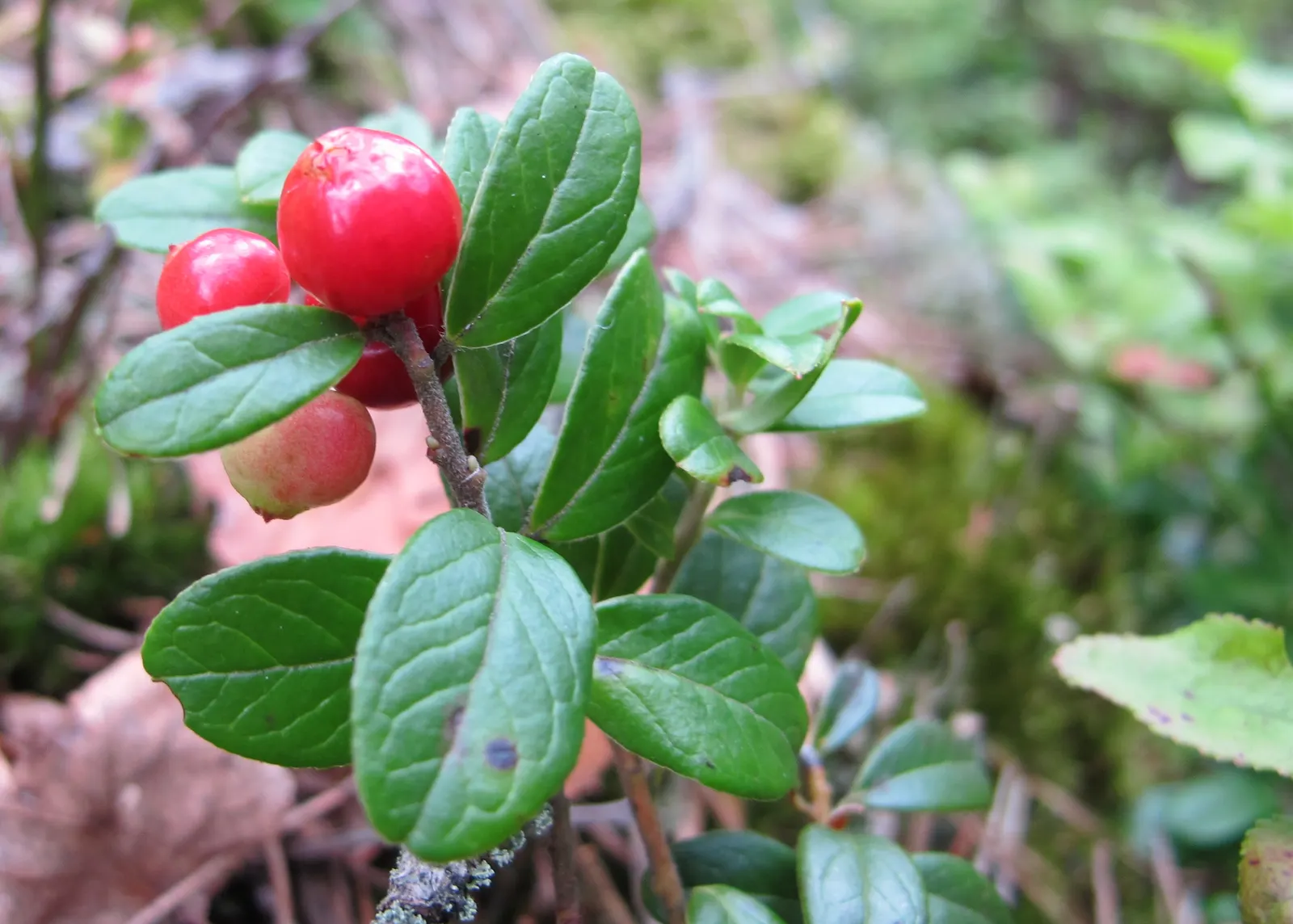
Lingonberry (Vaccinium Vitis-Idaea) — approximately 1/4 to 1/3 inch in diameter; bright green leaves contrast with white/pink flowers and red, image 108
Lingonberry (Vaccinium Vitis-Idaea) — By late summer and into fall
Lingonberry (Vaccinium Vitis-Idaea) — When integrating Lingonberries into your garden design
Lingonberry (Vaccinium Vitis-Idaea) — Plant in partial to full sun for best fruit production; maturing at 12-18 inches high, it produces a modest, image 65
Lingonberry (Vaccinium Vitis-Idaea) — Lingonberries require acidic; these blooms give way to the plant's signature bright red berries
Lingonberry (Vaccinium Vitis-Idaea) — Maturing at 12-18 inches high, it produces a modest spread of 12-24 inches
Lingonberry (Vaccinium Vitis-Idaea) — these blooms give way to the plant's signature bright red berries
Lingonberry (Vaccinium Vitis-Idaea) — When integrating Lingonberries into your garden design; native to the boreal forests and Arctic tundra of the, image 113
Lingonberry (Vaccinium Vitis-Idaea) — Maturing at 12-18 inches high, it produces a modest spread of 12-24 inches; they spread to form dense mats, image 152
Lingonberry (Vaccinium Vitis-Idaea) — ground cover for half; lingonberries are a versatile addition to any garden looking to combine beauty with utility
Lingonberry (Vaccinium Vitis-Idaea) — along with full to partial sunlight
Lingonberry (Vaccinium Vitis-Idaea) — along with full to partial sunlight; lingonberry (Vaccinium vitis-idaea): This hardy evergreen shrub thrives in USDA
Lingonberry (Vaccinium Vitis-Idaea) — Lingonberry (Vaccinium vitis-idaea): This hardy evergreen shrub thrives in USDA zones 2-6; berries are edible and high in
Photographs by 14 contributors

Related plants