Skip to content

Tule

Typha Domingensis

Design with this plant

Overview

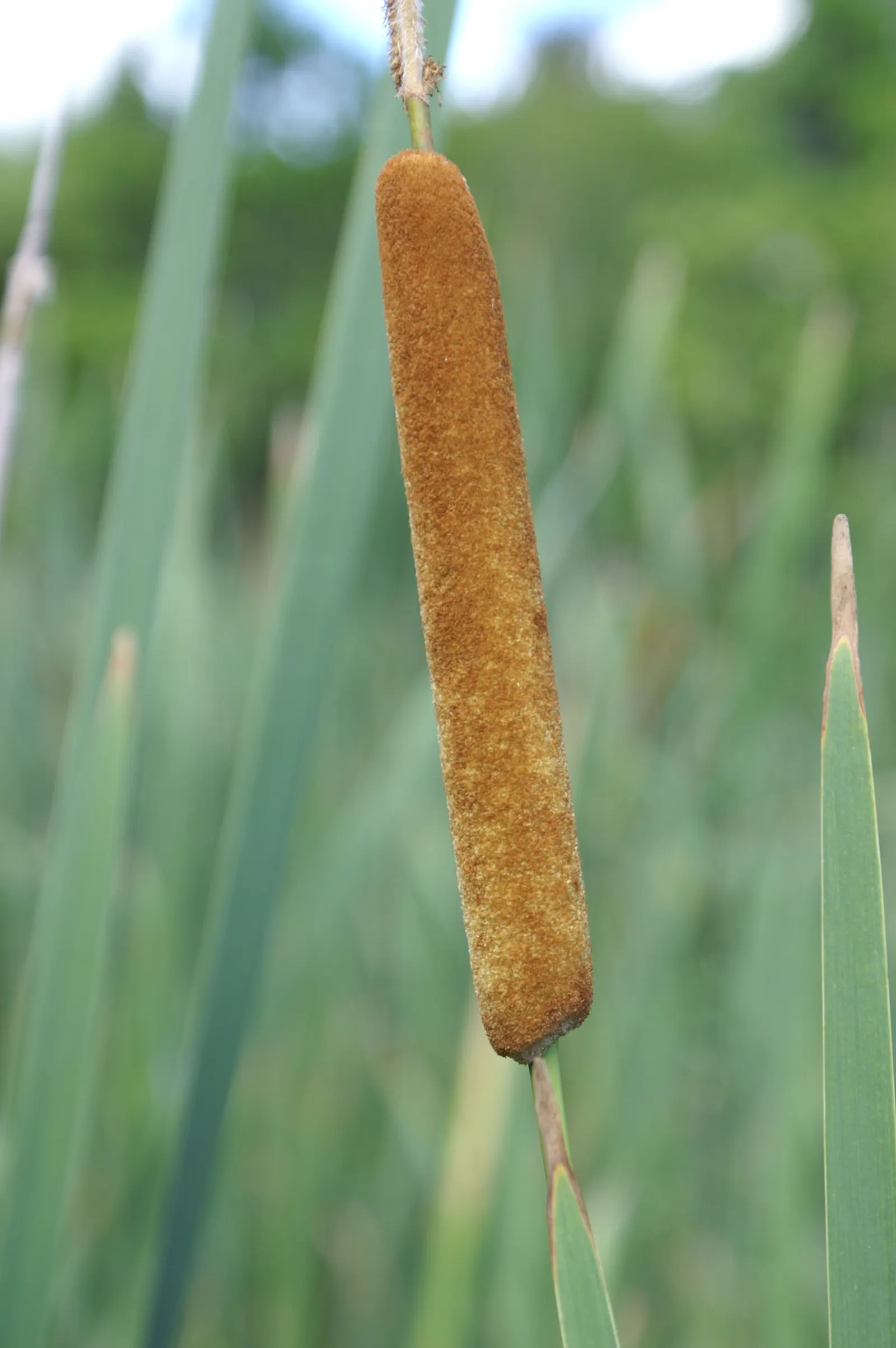
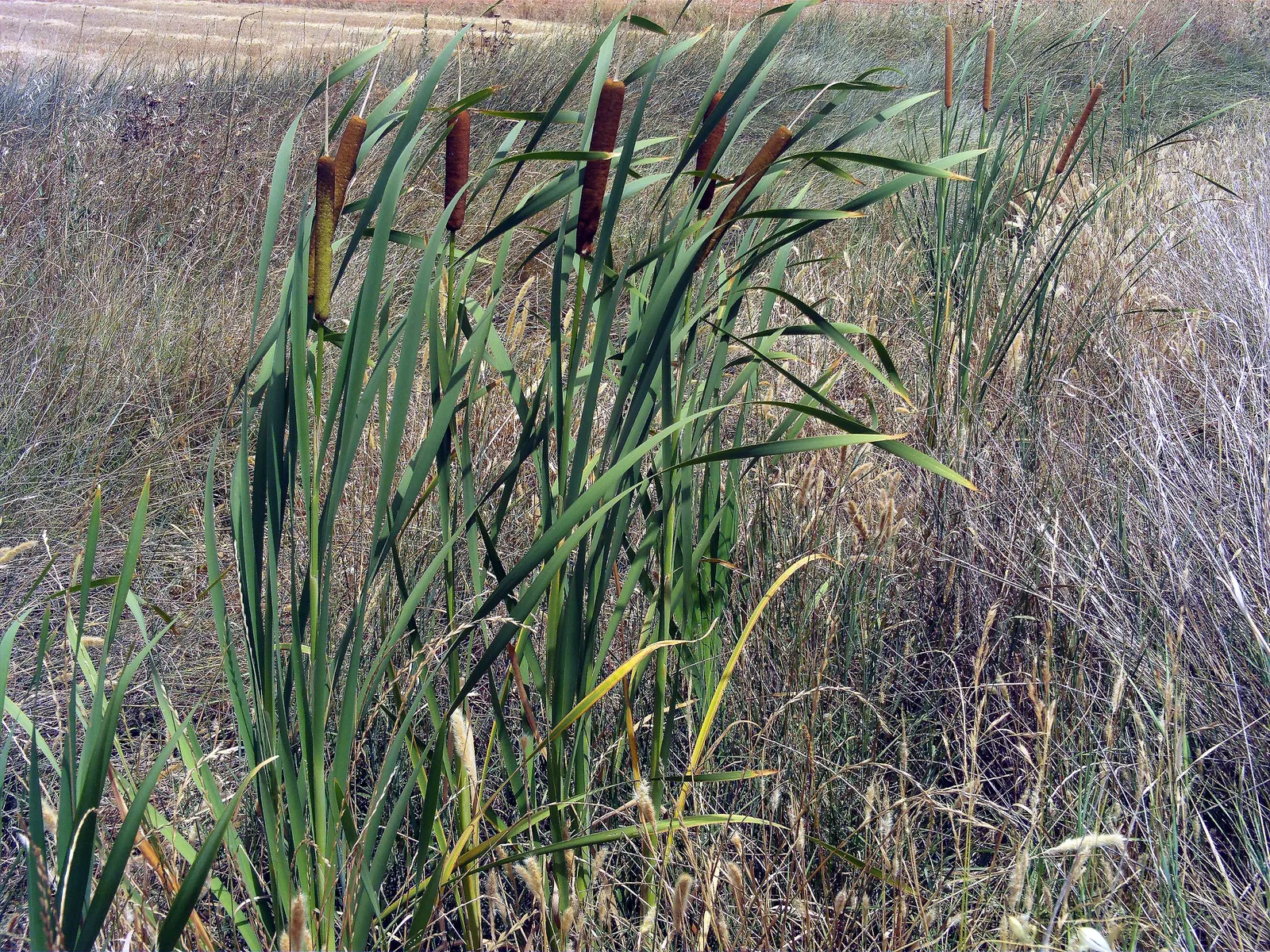
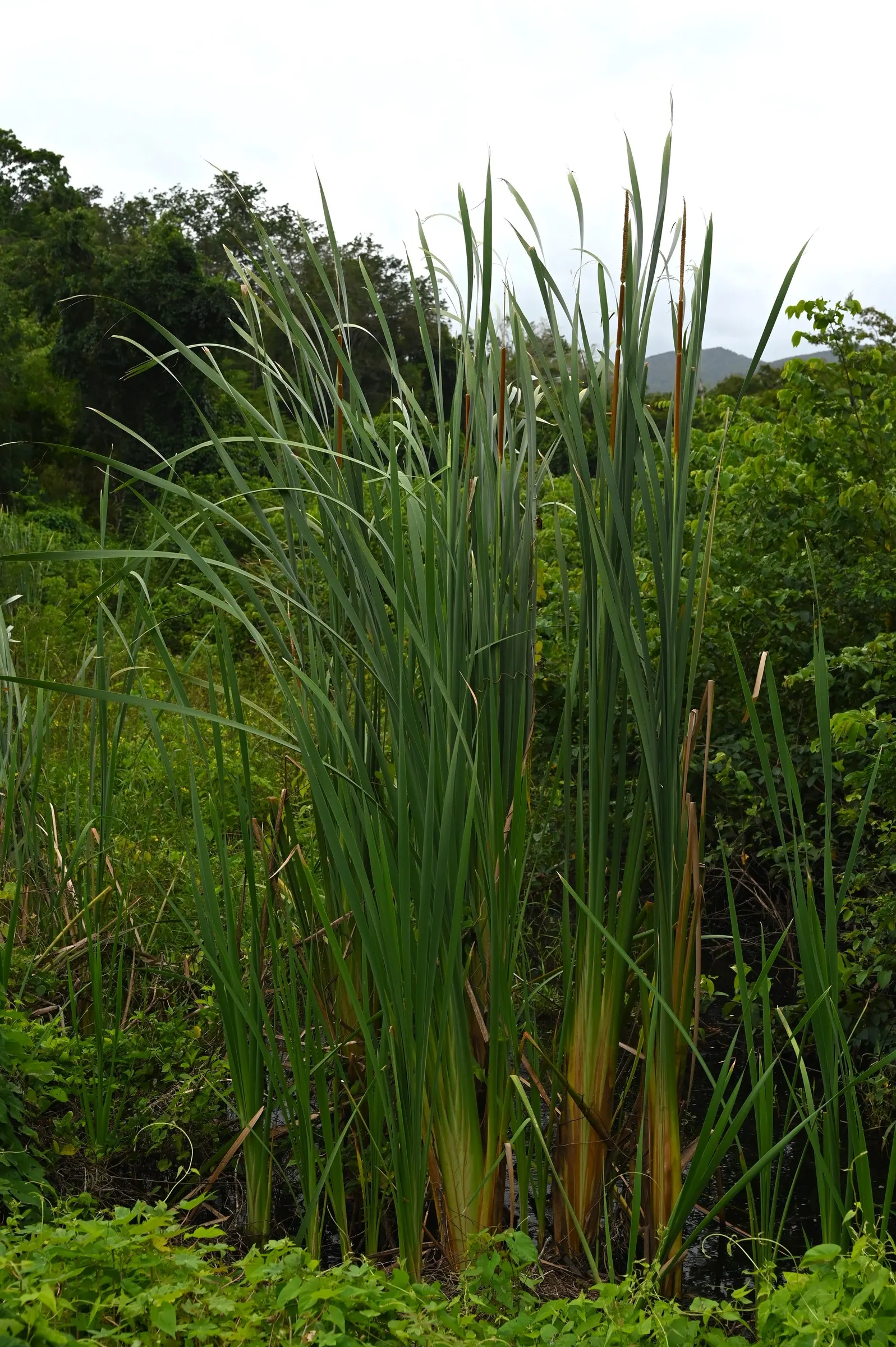
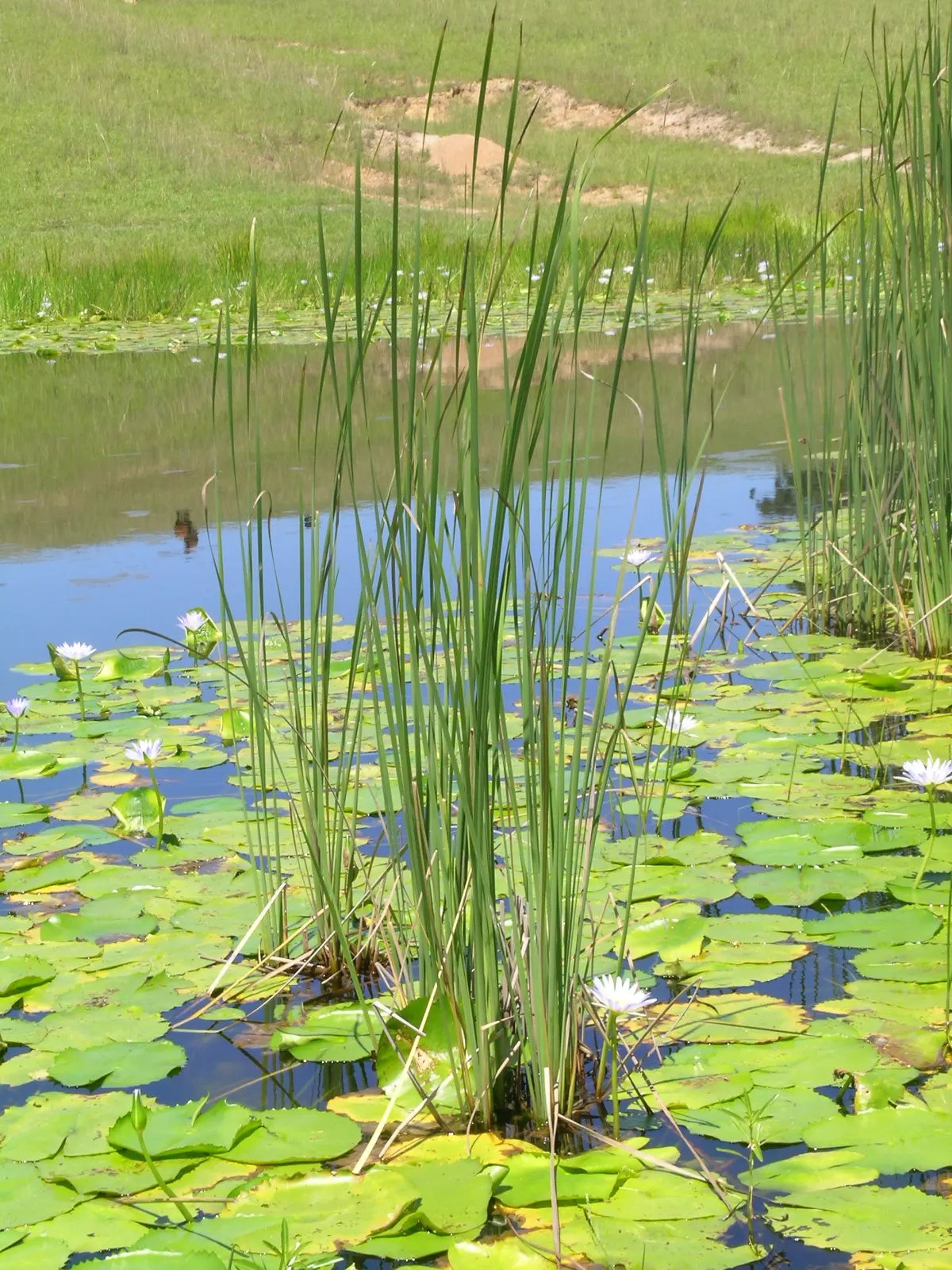
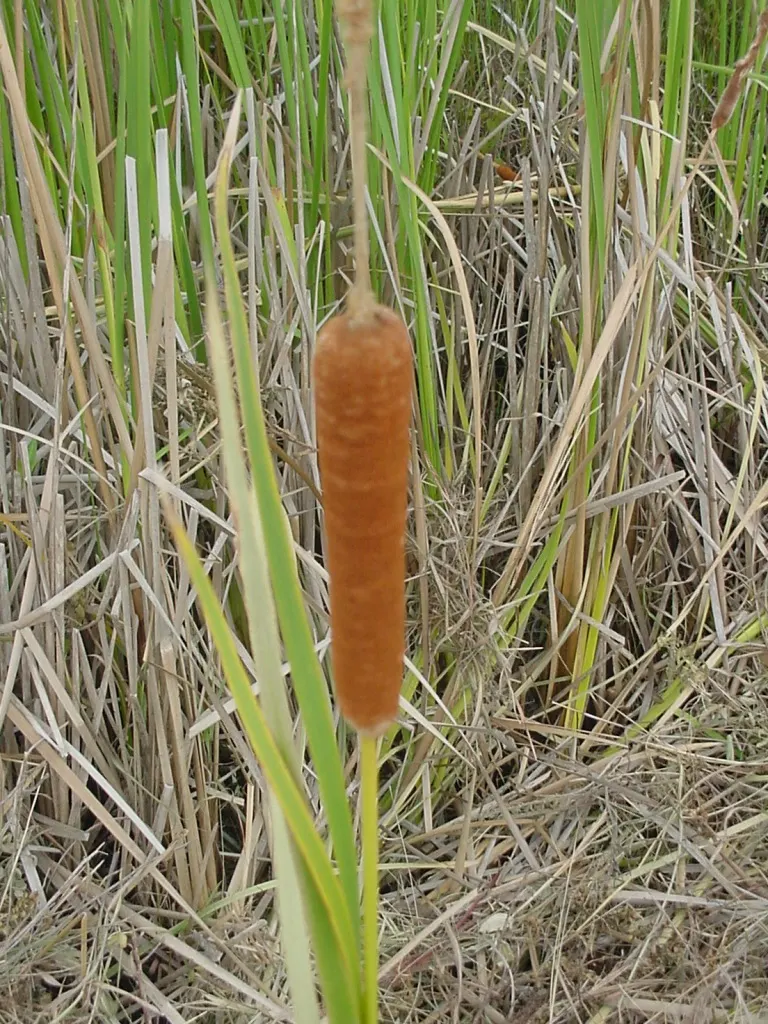
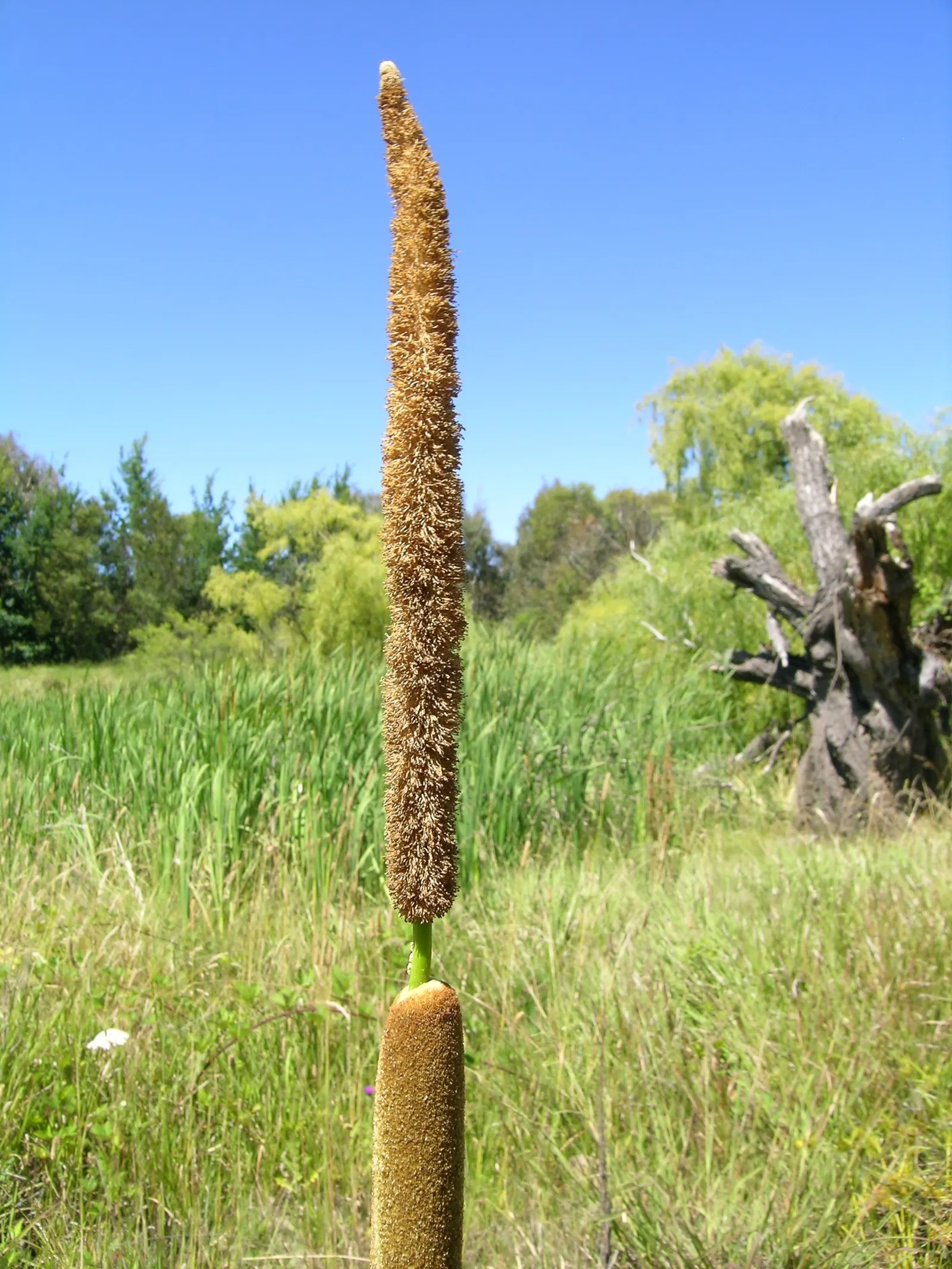
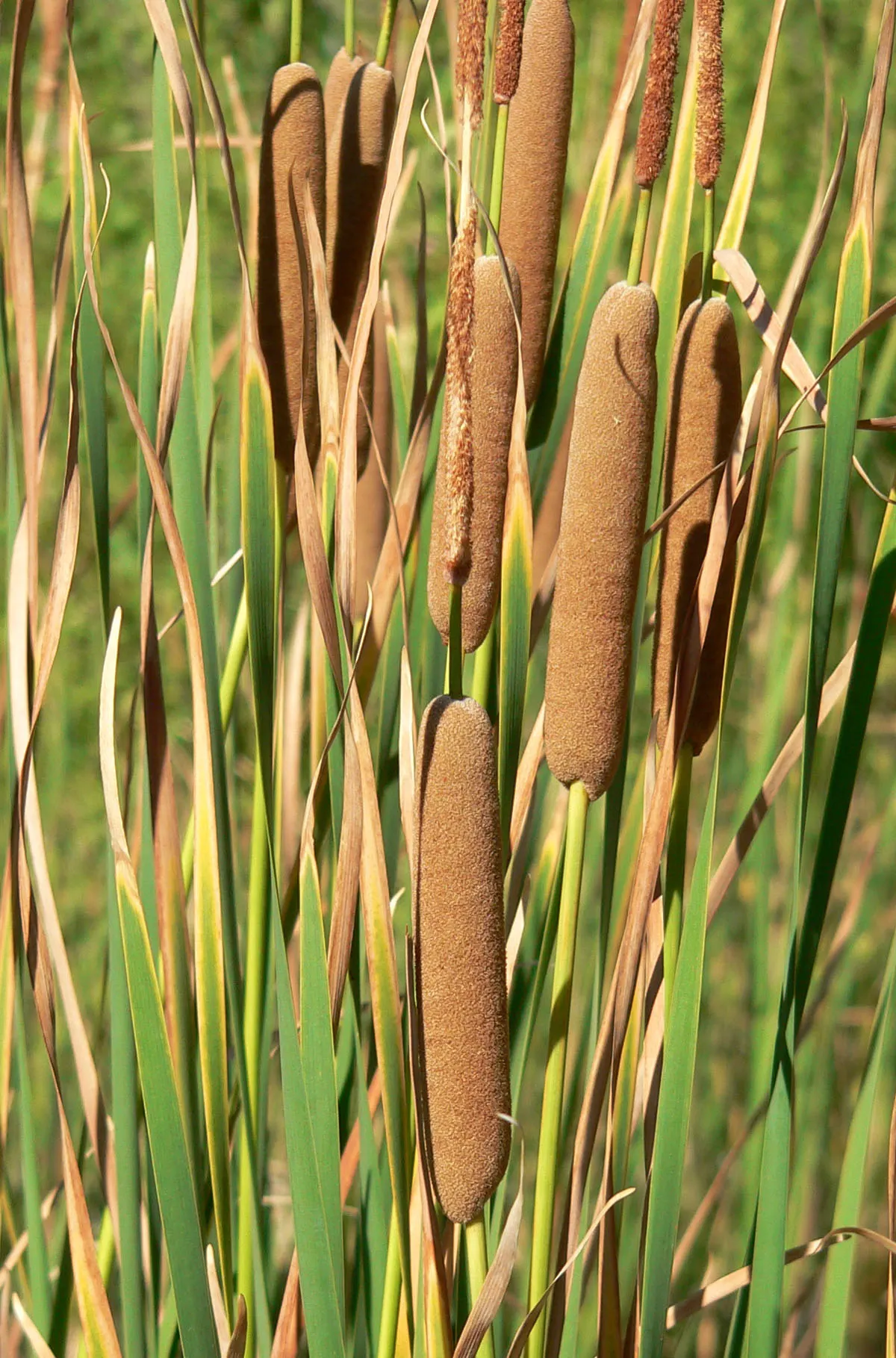
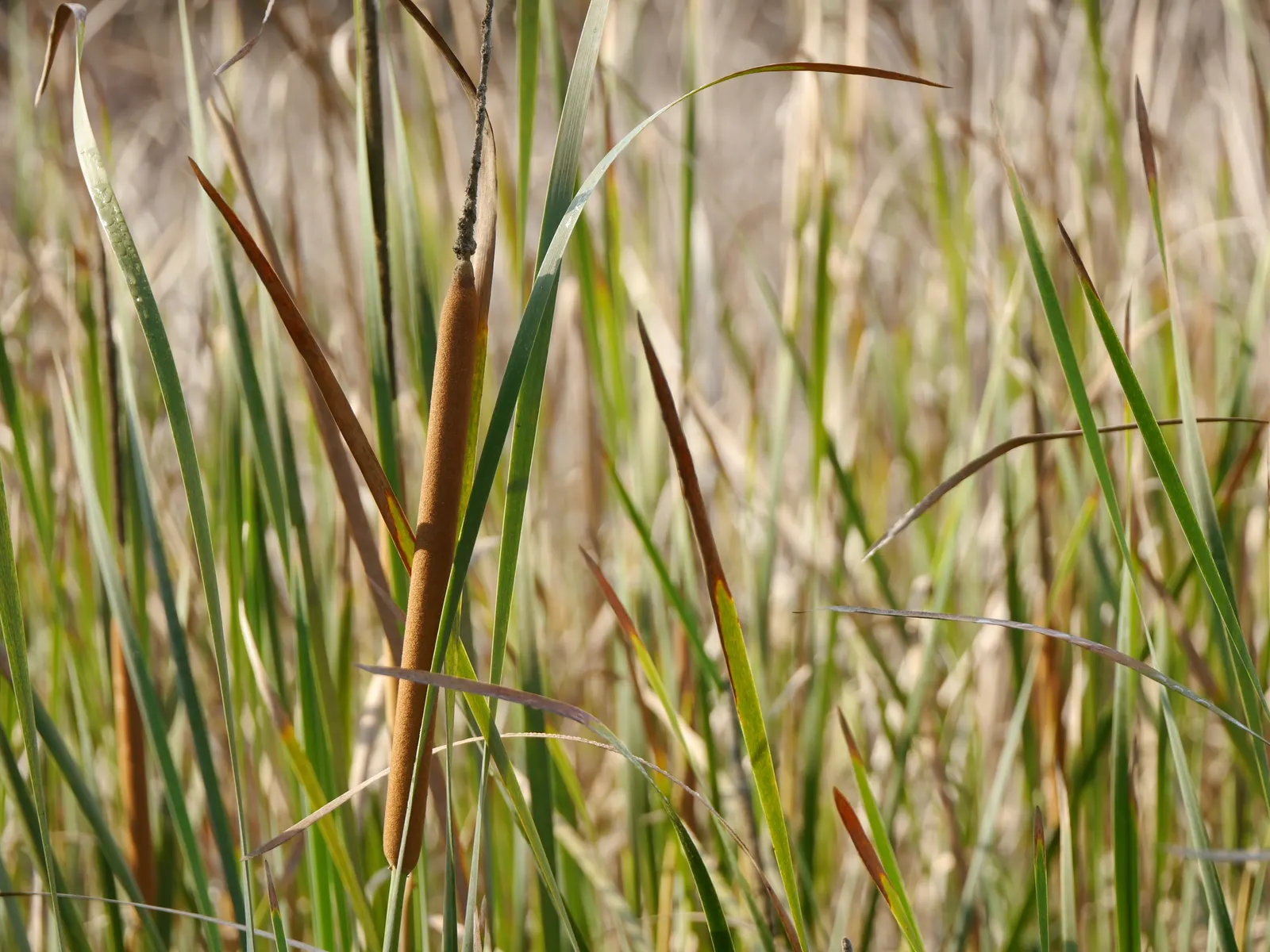
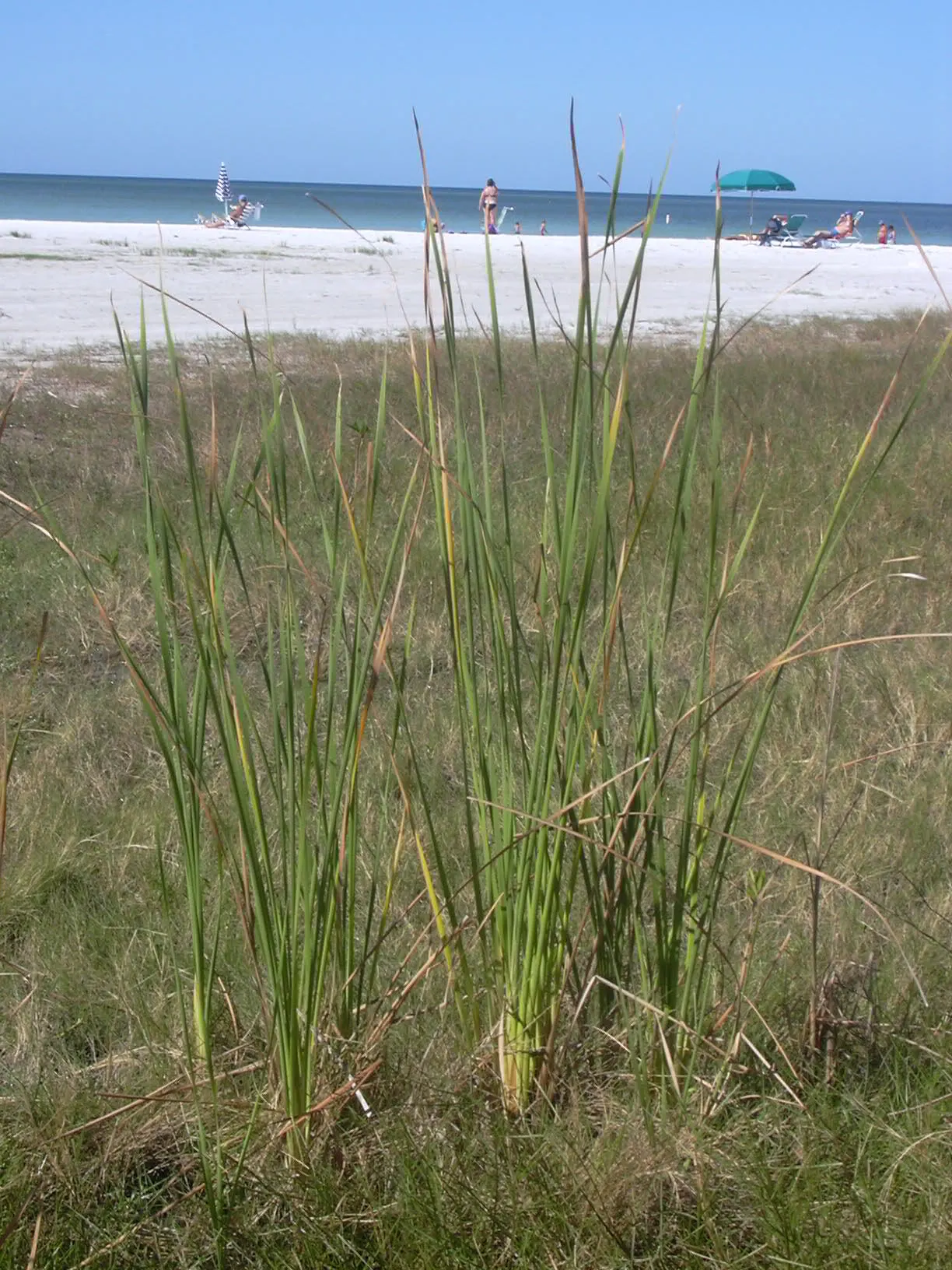
The Tule, or Typha domingensis, is a robust perennial marsh plant reaching heights of 4 to 6 feet. Sturdy upright stalks topped with cylindrical brown flower spikes characterize this wetland native. It thrives in full sun and can tolerate water depths up to 1 foot, making it ideal for water features and riparian zones. Its dense growth provides habitat for wildlife and effective erosion control. Zone 7-11 hardiness ensures broad applicability.

Sun Full, Half, ShadeWater Extra in Summer, HighZones 8–10Type Aquatic, PerennialClimate Subtropical, Temperate

Culture

Sun
Full, Half, Shade
Water
Extra in Summer, High
USDA zones
8–10

Shape & size

Classification

Type
Aquatic, Perennial
Family
Typhaceae
Climate
Subtropical, Temperate

See full data, regional cultivation notes, and design tools. Build a client presentation around this plant.

Start your 14-day trial

Photos (75)

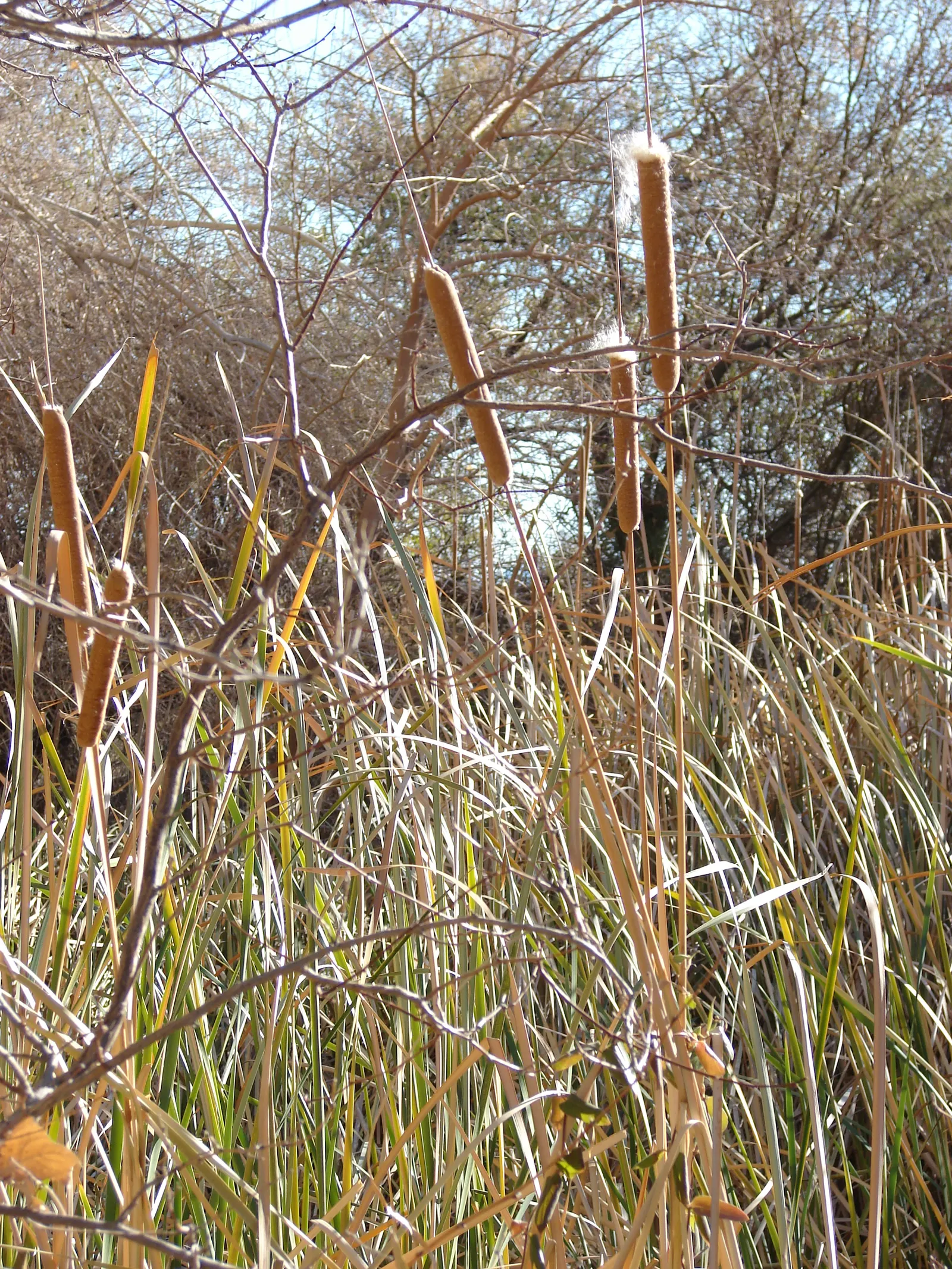
Tule (Typha Domingensis) — This robust perennial stands tall, with stalks typically reaching 5 to 9 feet in height
Tule (Typha Domingensis) — aquatic / perennial for full or half or shade; they may need to be managed to prevent excessive spreading and maintain the designed
Tule (Typha Domingensis) — Zone 7-11 hardiness ensures broad applicability; vertical element and can be used to craft natural screens or to add greenery along
Tule (Typha Domingensis) — often referred to as Southern Cattail
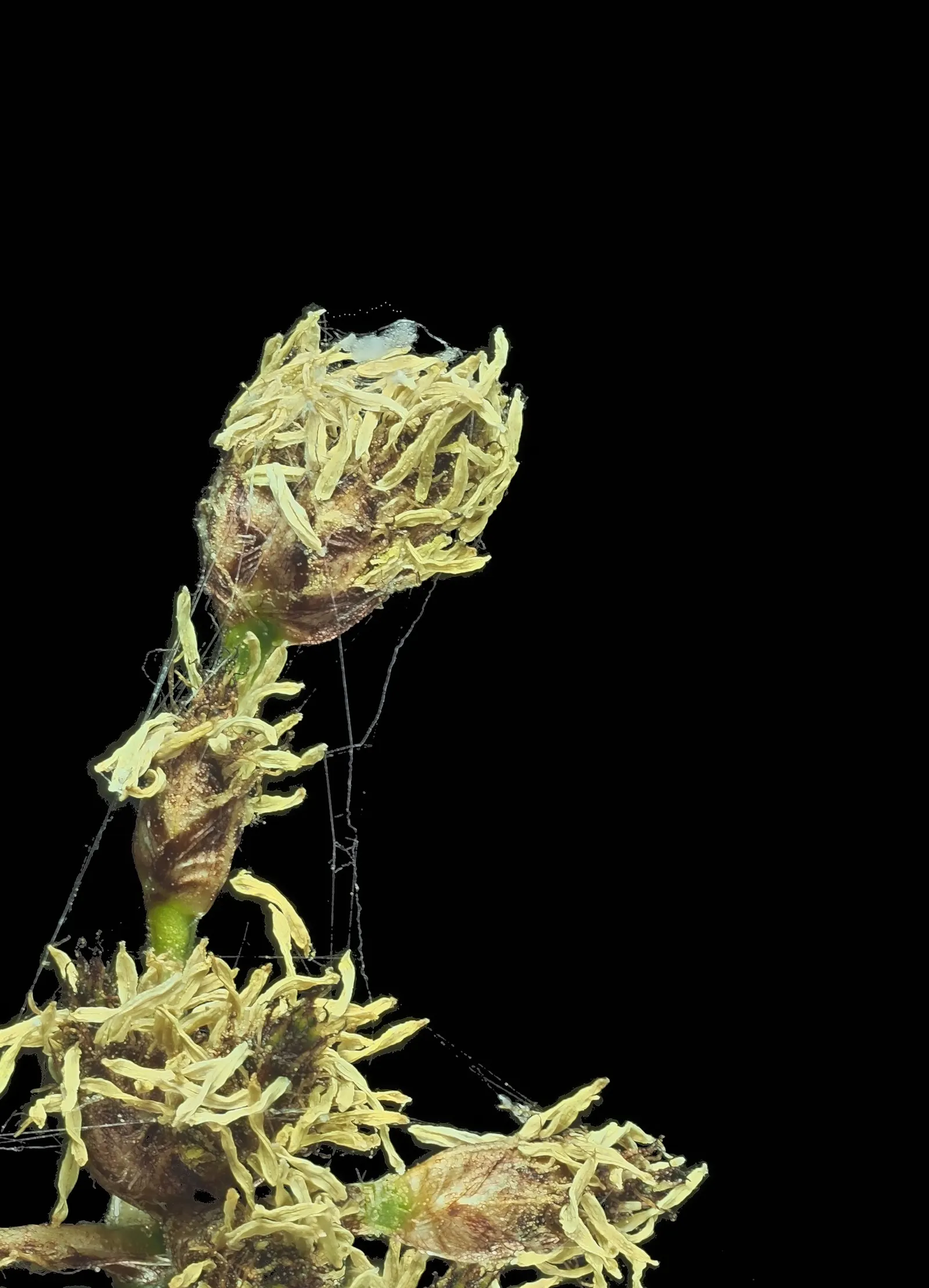
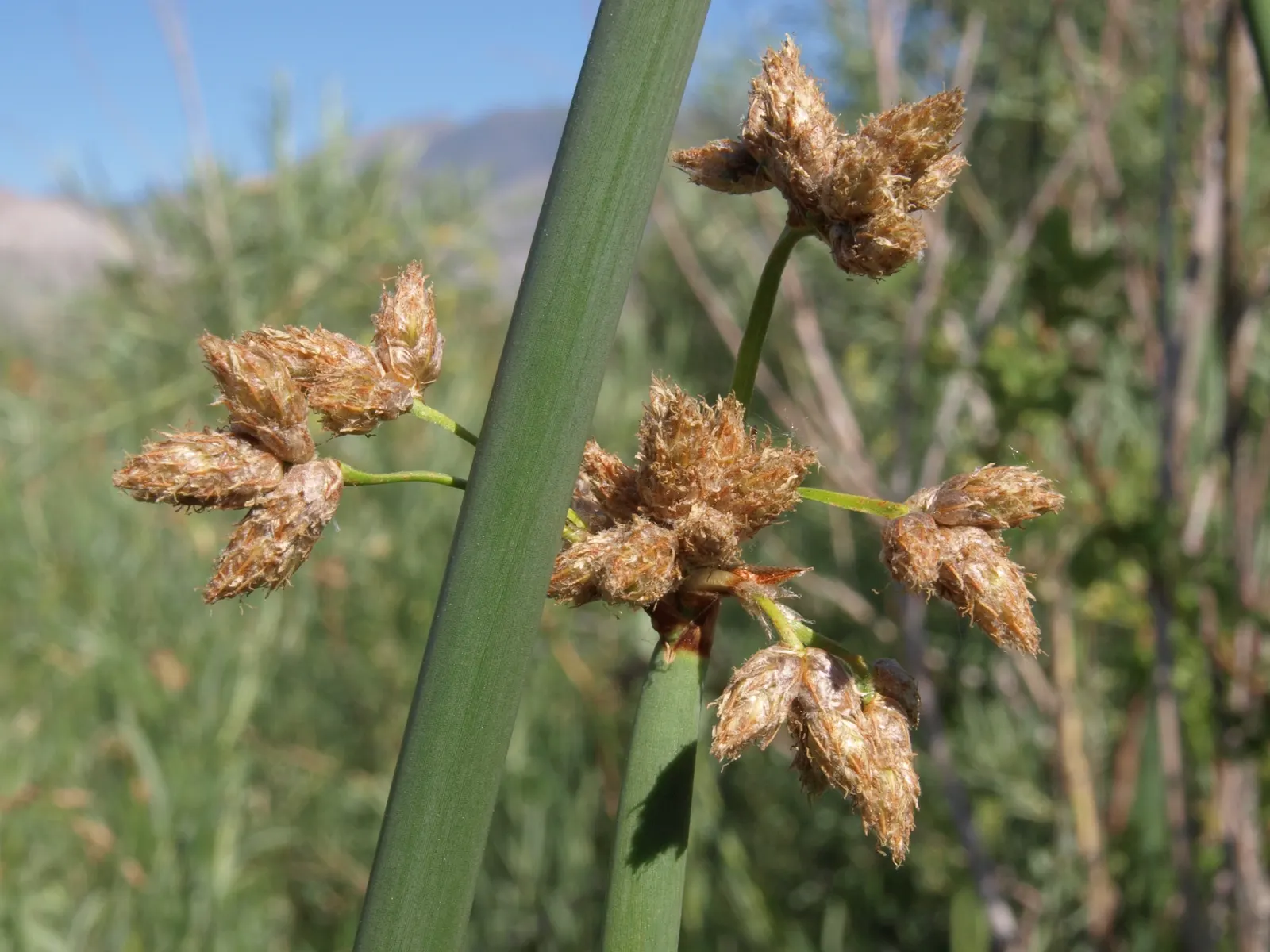
Tule (Typha Domingensis) — Blooming occurs in late summer
Tule (Typha Domingensis) — aquatic / perennial with white blooms; offering both aesthetic appeal and ecological benefits
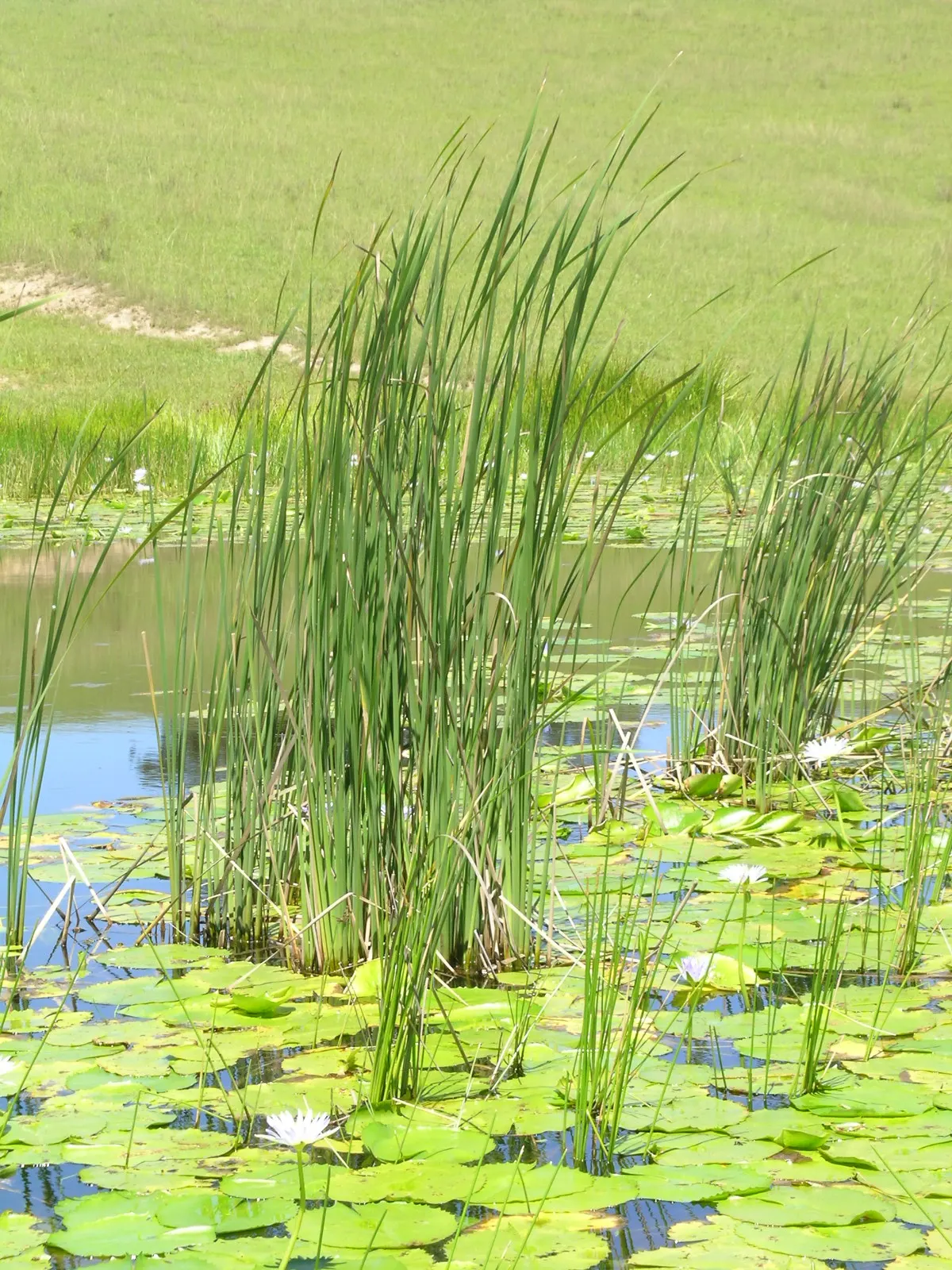
Tule (Typha Domingensis) — making it ideal for water features and riparian zones; the Tule, or Typha domingensis, is a robust perennial marsh plant, image 52
Tule (Typha Domingensis) — This robust perennial stands tall, with stalks typically reaching 5 to 9 feet in height; with a spread of 3 to 6 feet, these plants
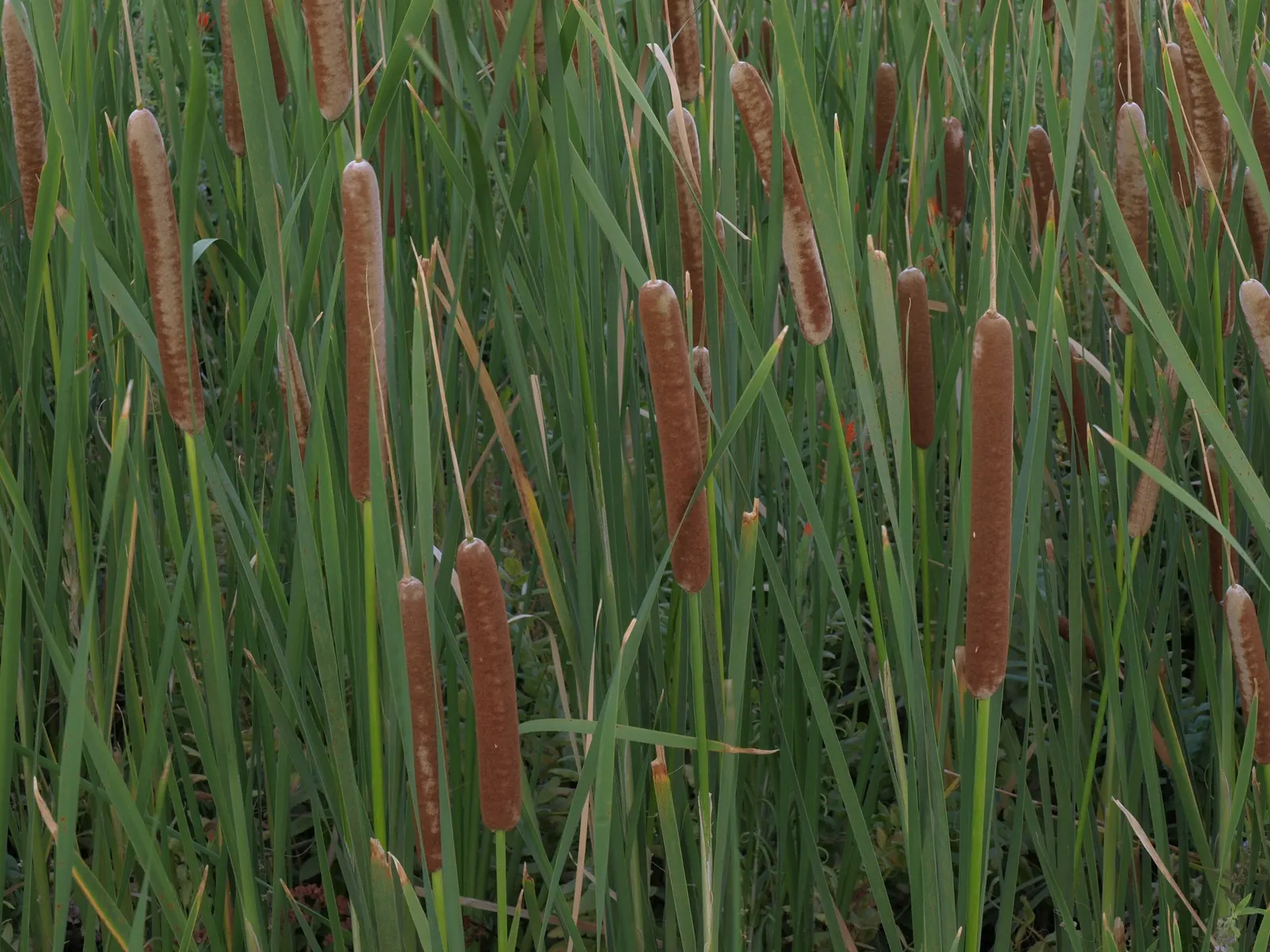
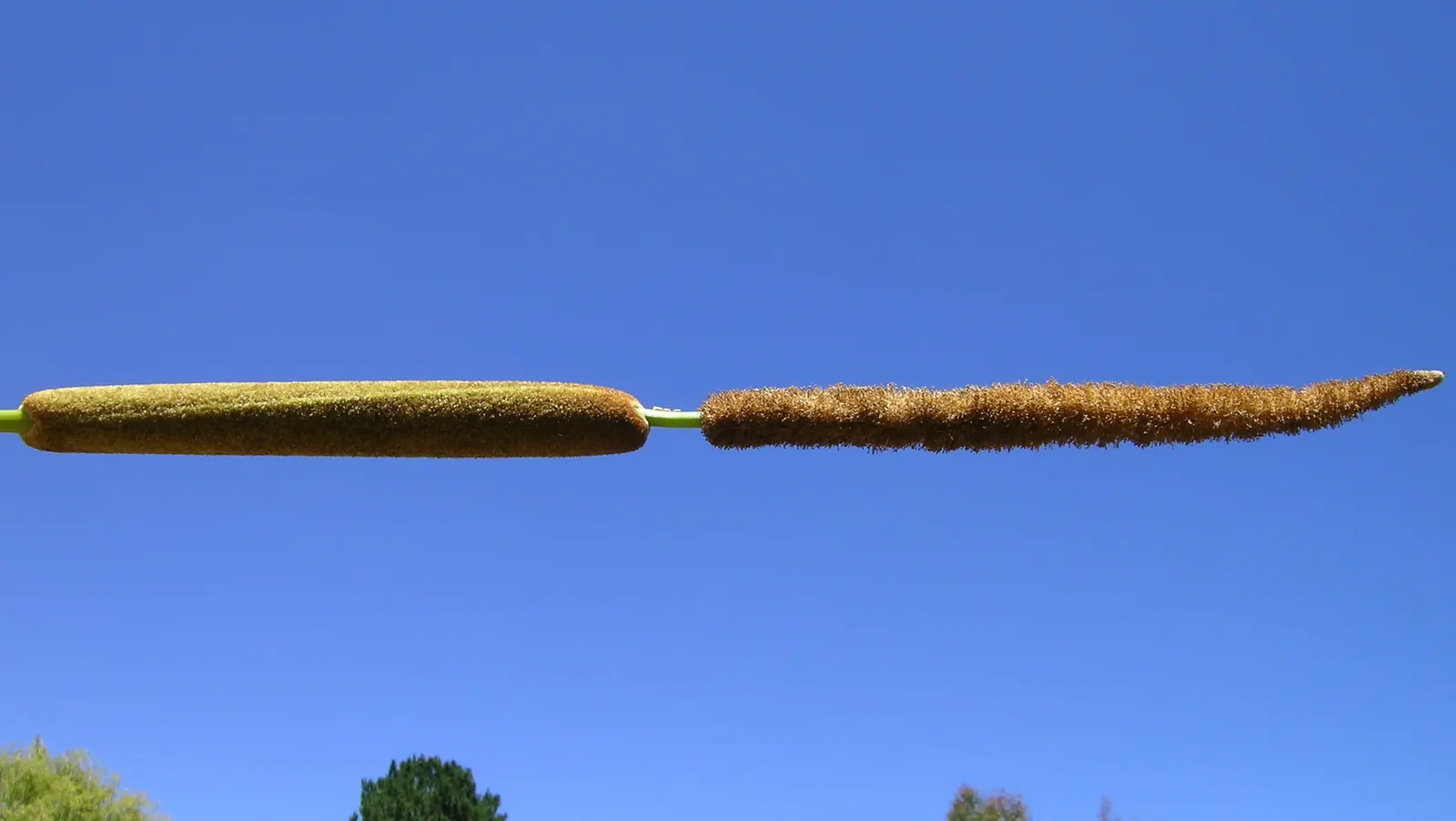
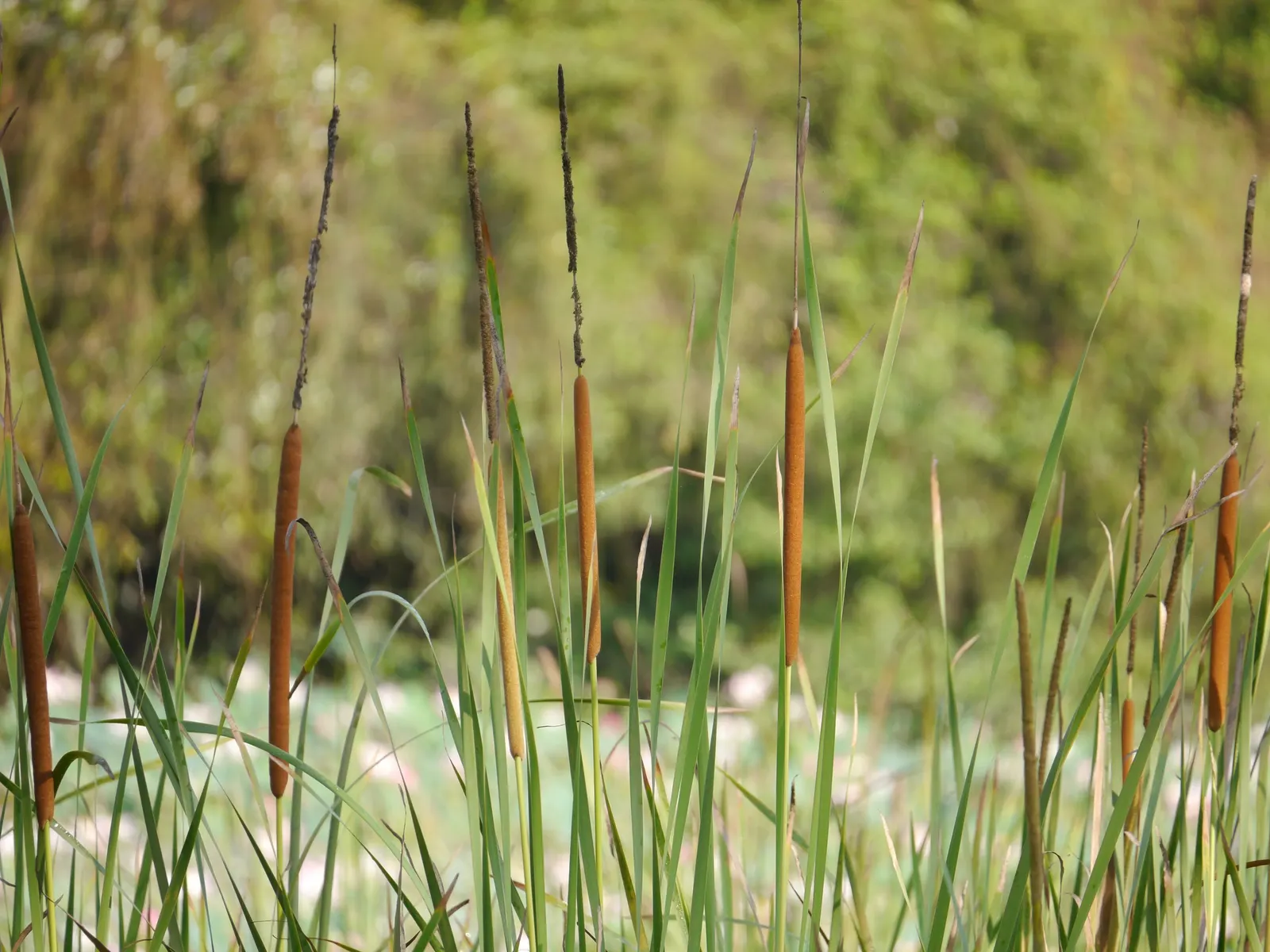
Tule (Typha Domingensis) — Sturdy upright stalks topped with cylindrical brown flower spikes characterize this wetland native; blooming occurs in late summer
Tule (Typha Domingensis) — offering both aesthetic appeal and ecological benefits
Tule (Typha Domingensis) — offering both aesthetic appeal and ecological benefits; aquatic / perennial with white blooms
Tule (Typha Domingensis) — Its dense growth provides habitat for wildlife and effective erosion control; is an emergent aquatic plant that thrives in marshes
Tule (Typha Domingensis) — they may need to be managed to prevent excessive spreading and maintain the designed landscape aesthetic
Tule (Typha Domingensis) — reflecting their natural habitat conditions; it thrives in full sun and can tolerate water depths up to 1 foot
Tule (Typha Domingensis) — making it ideal for water features and riparian zones; the Tule, or Typha domingensis, is a robust perennial marsh plant reaching
Tule (Typha Domingensis) — due to their vigorous nature
Tule (Typha Domingensis) — Blooming occurs in late summer; sturdy upright stalks topped with cylindrical brown flower spikes characterize this wetland native
Tule (Typha Domingensis) — vertical element and can be used to craft natural screens or to add greenery along water features; zone 7-11 hardiness ensures broad
Tule (Typha Domingensis) — they should be planted in full sun to part shade in wet soil or up to 1.5 feet of standing water
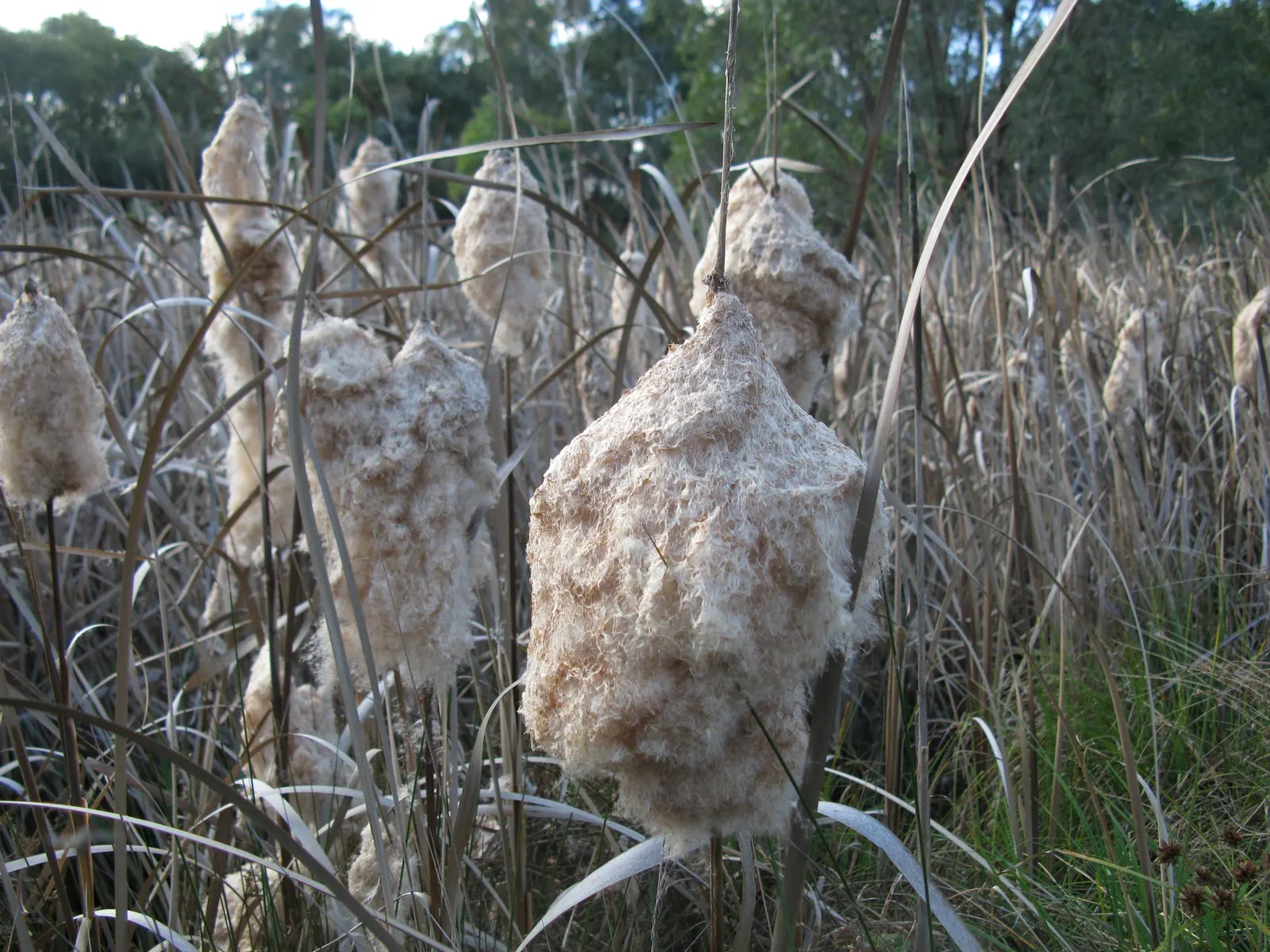
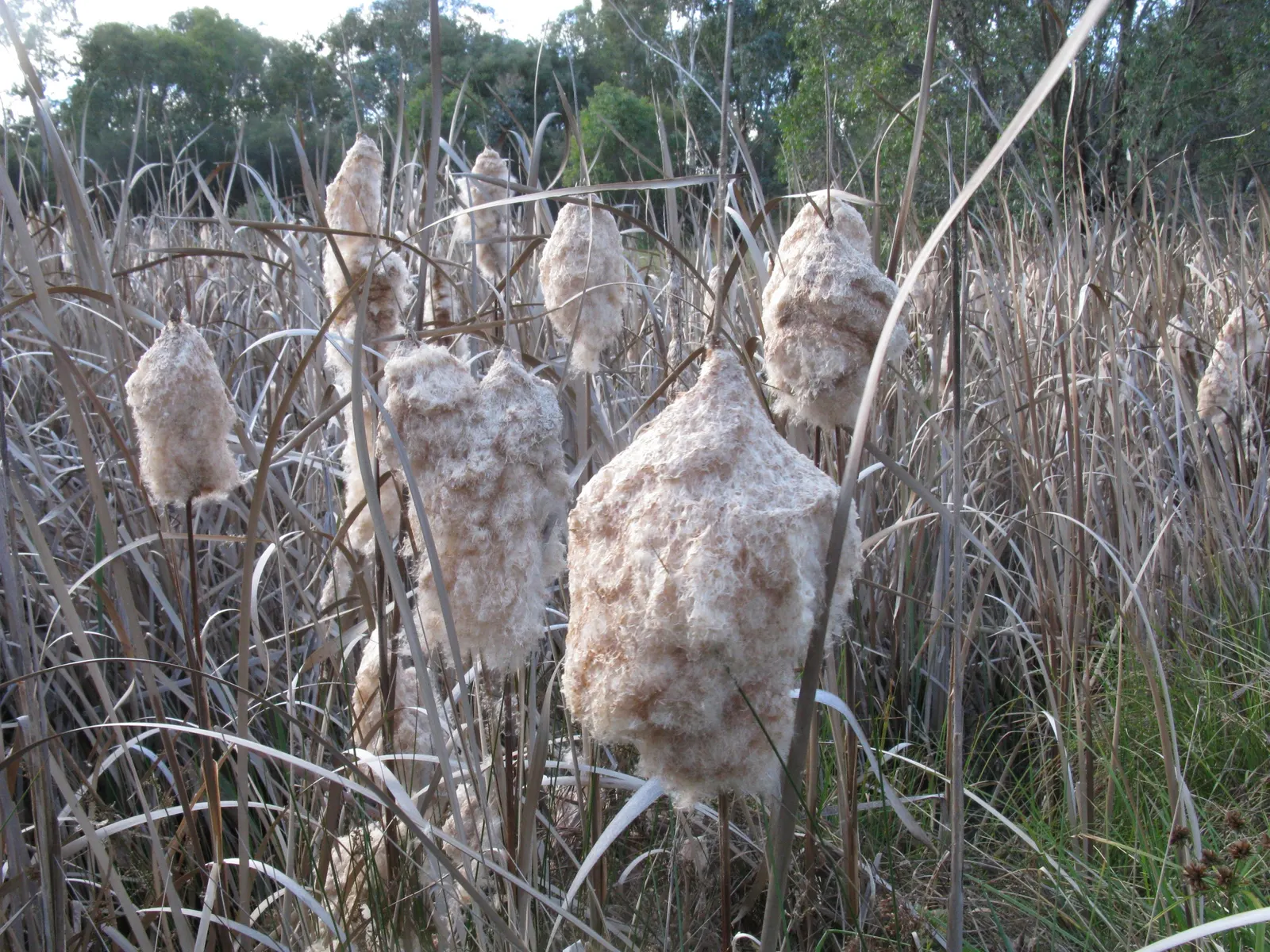
Tule (Typha Domingensis) — which disperse in the wind during fall.<br><br>Tules are versatile in landscape design; their dense root systems excel at filtering
Tule (Typha Domingensis) — It thrives in full sun and can tolerate water depths up to 1 foot; reflecting their natural habitat conditions
Tule (Typha Domingensis) — and the shallow edges of ponds and lakes; sausage-like female flower spikes are especially notable for their fluffy
Tule (Typha Domingensis) — which disperse in the wind during fall.<br><br>Tules are versatile in landscape design
Tule (Typha Domingensis) — Sturdy upright stalks topped with cylindrical brown flower spikes characterize this wetland native
Photographs by 11 contributors

Related plants