Skip to content

Western Trillium

Trillium Ovatum

Design with this plant

Overview

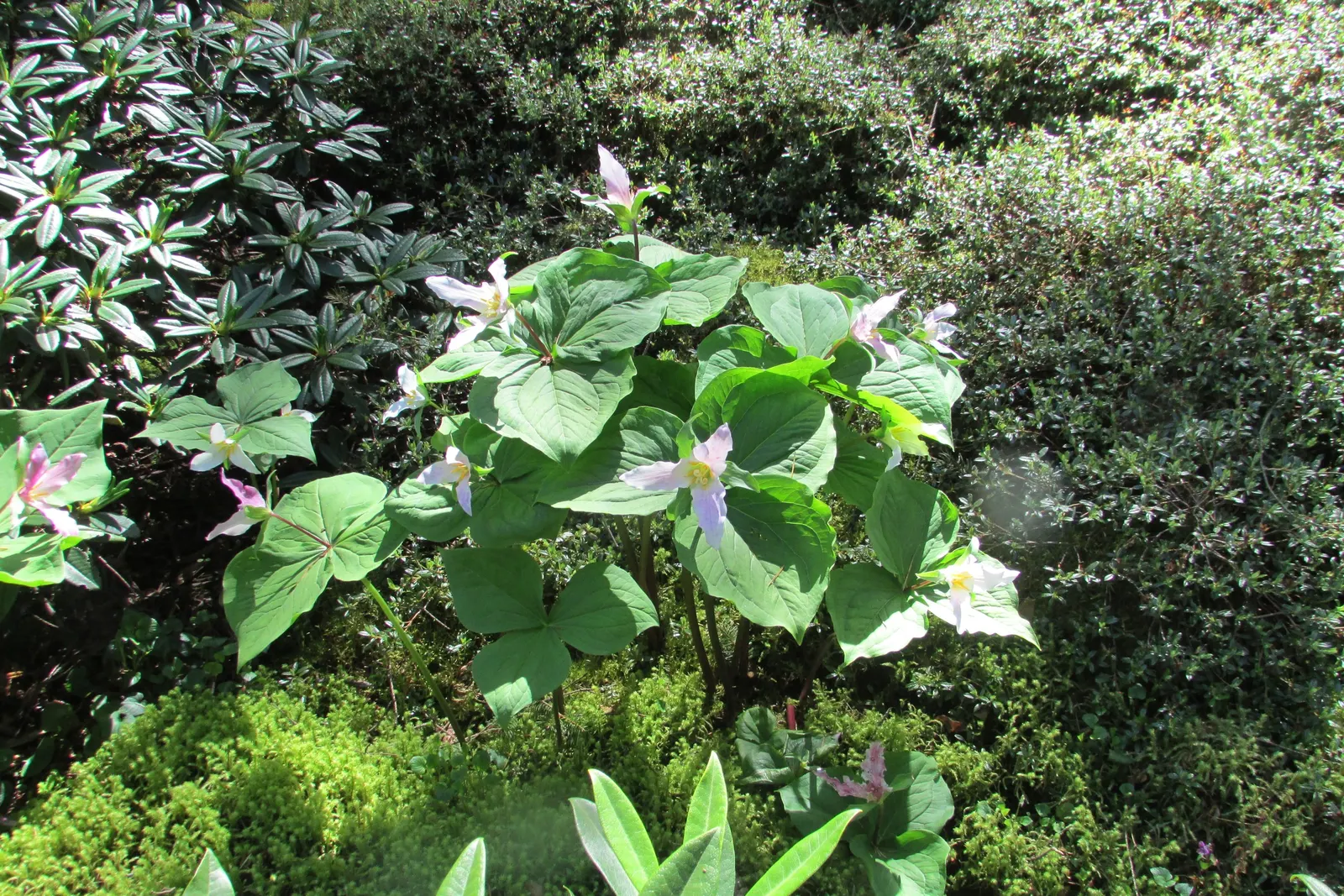
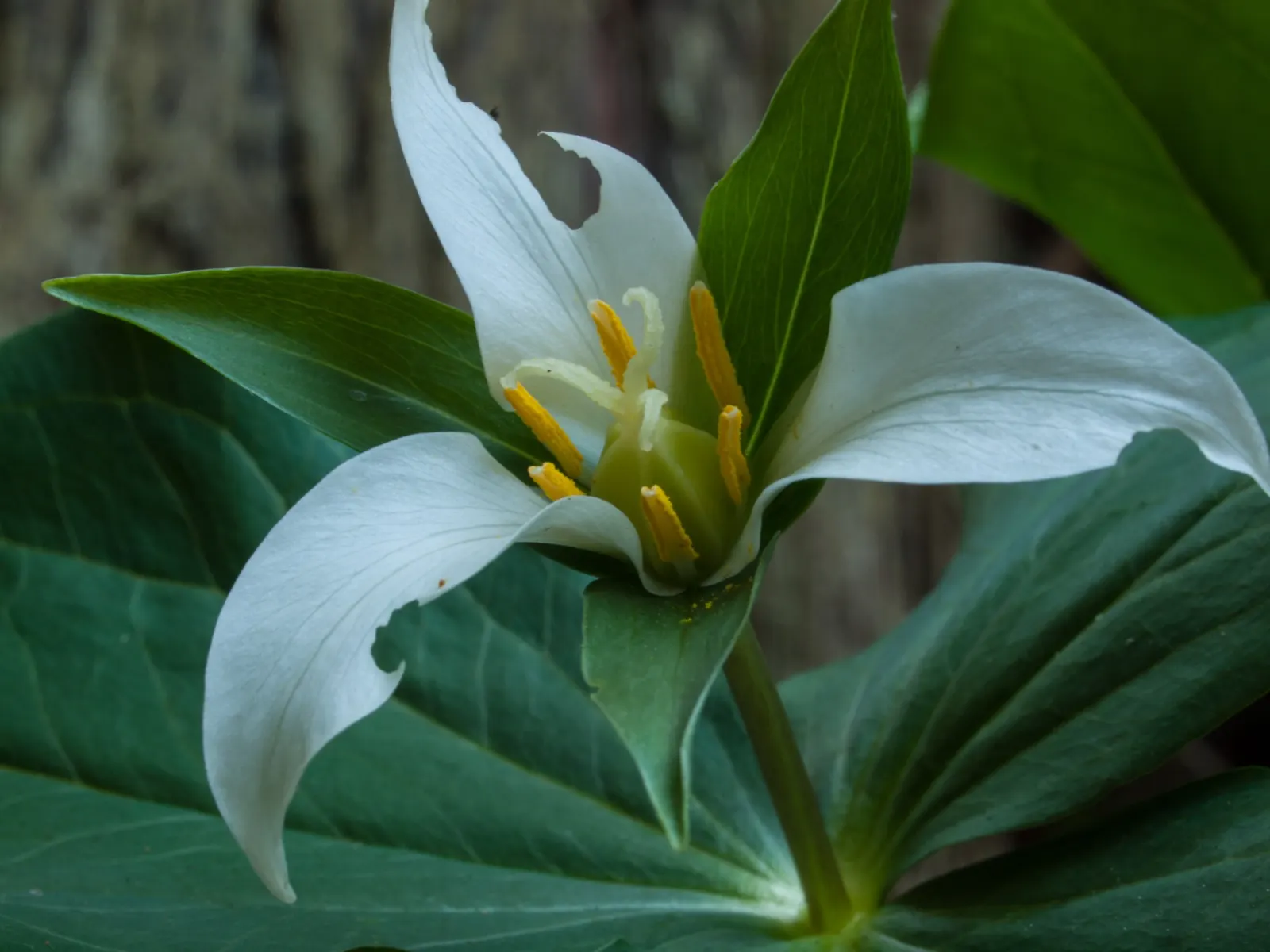
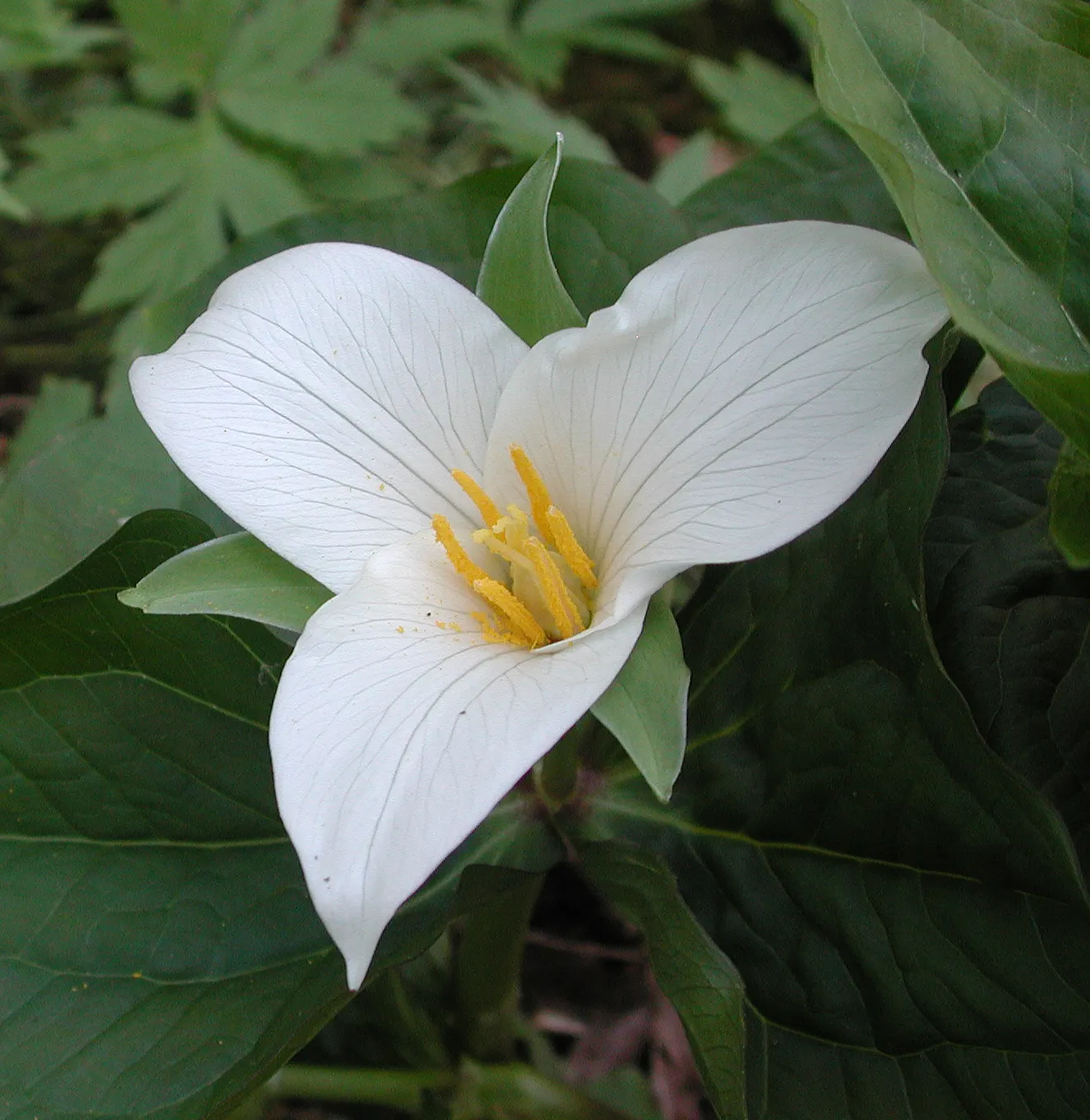
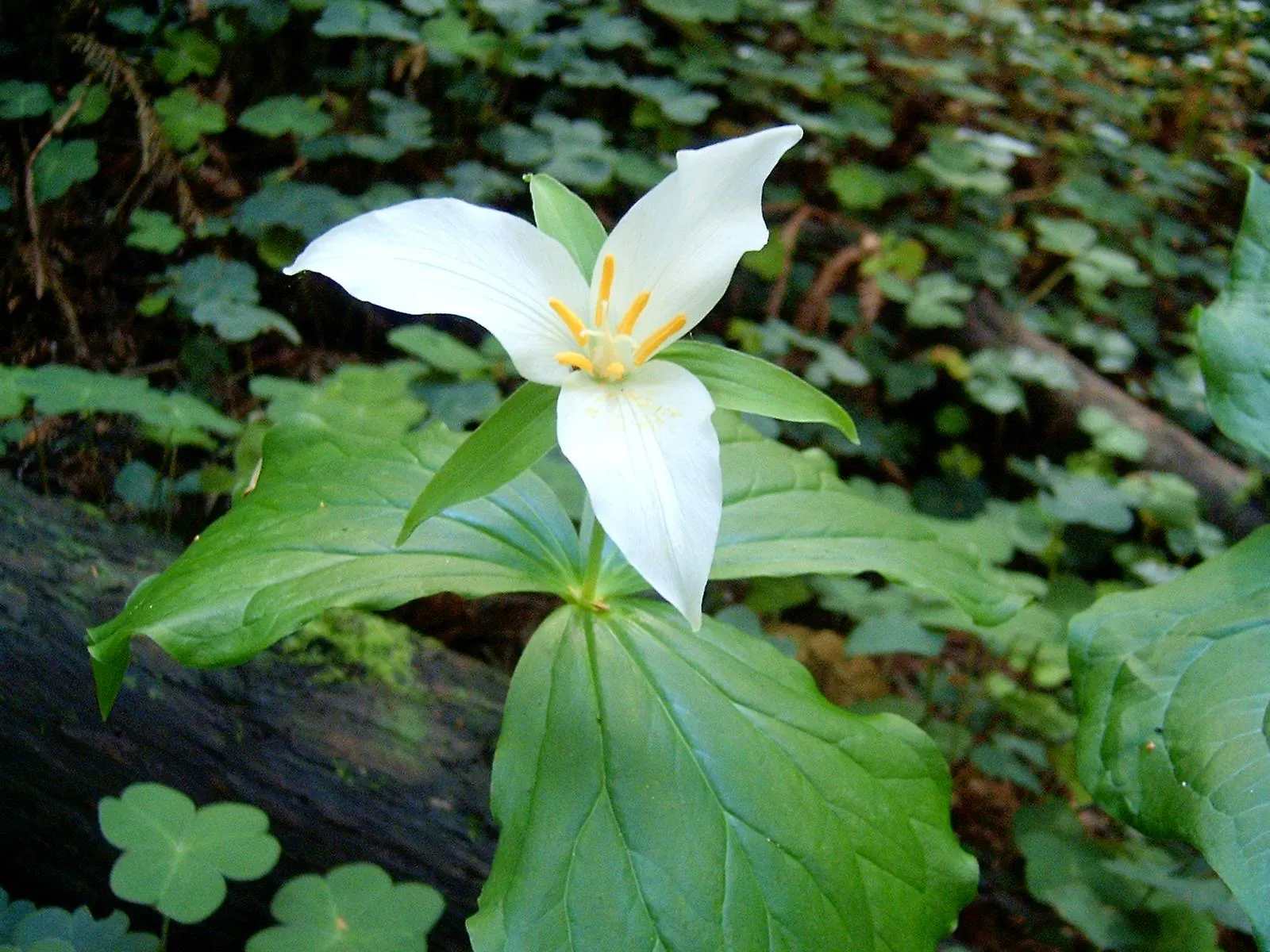
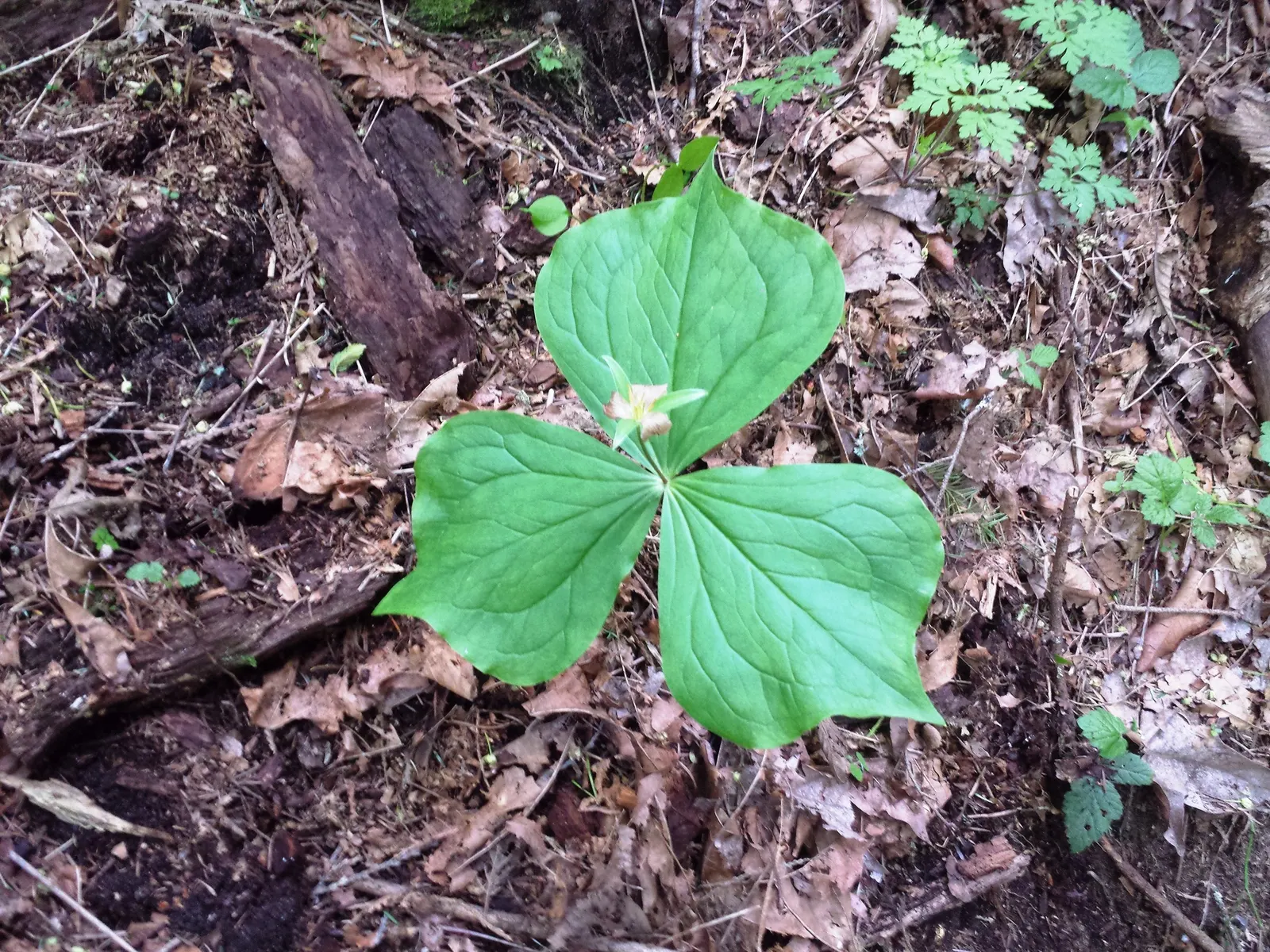
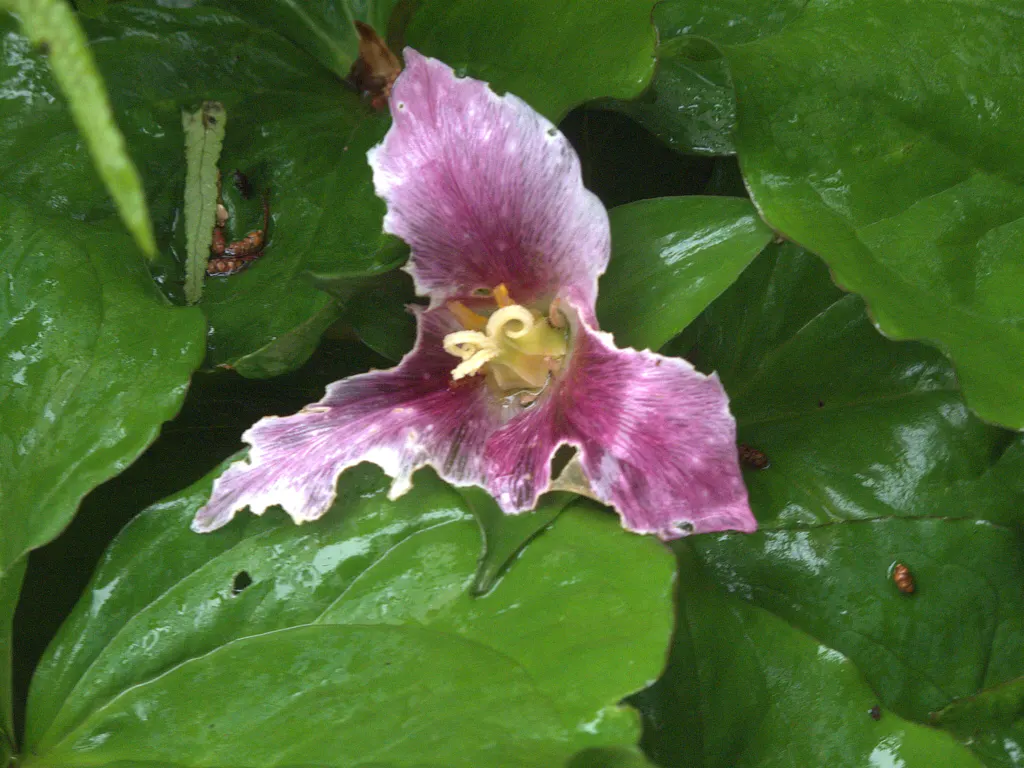
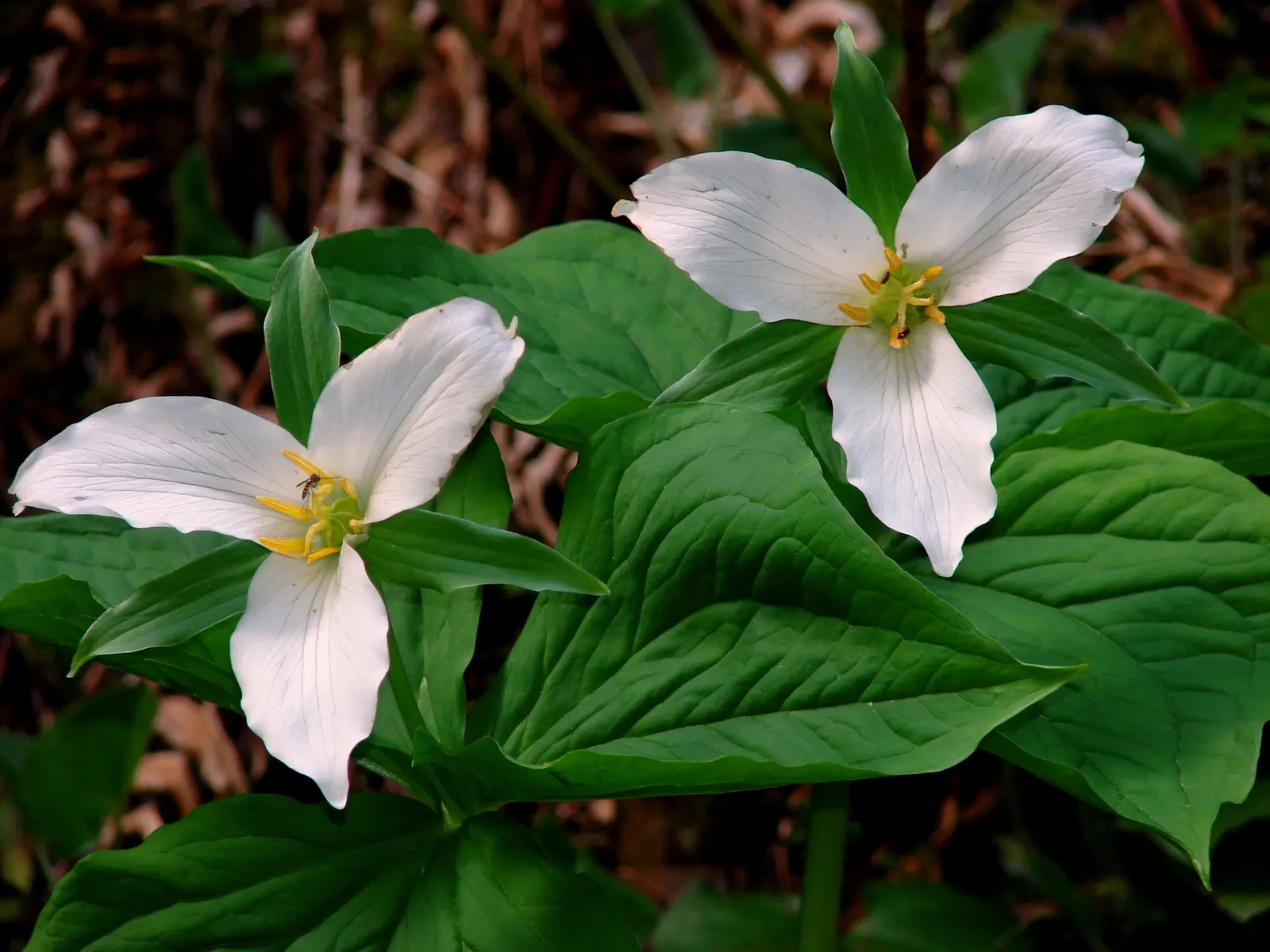
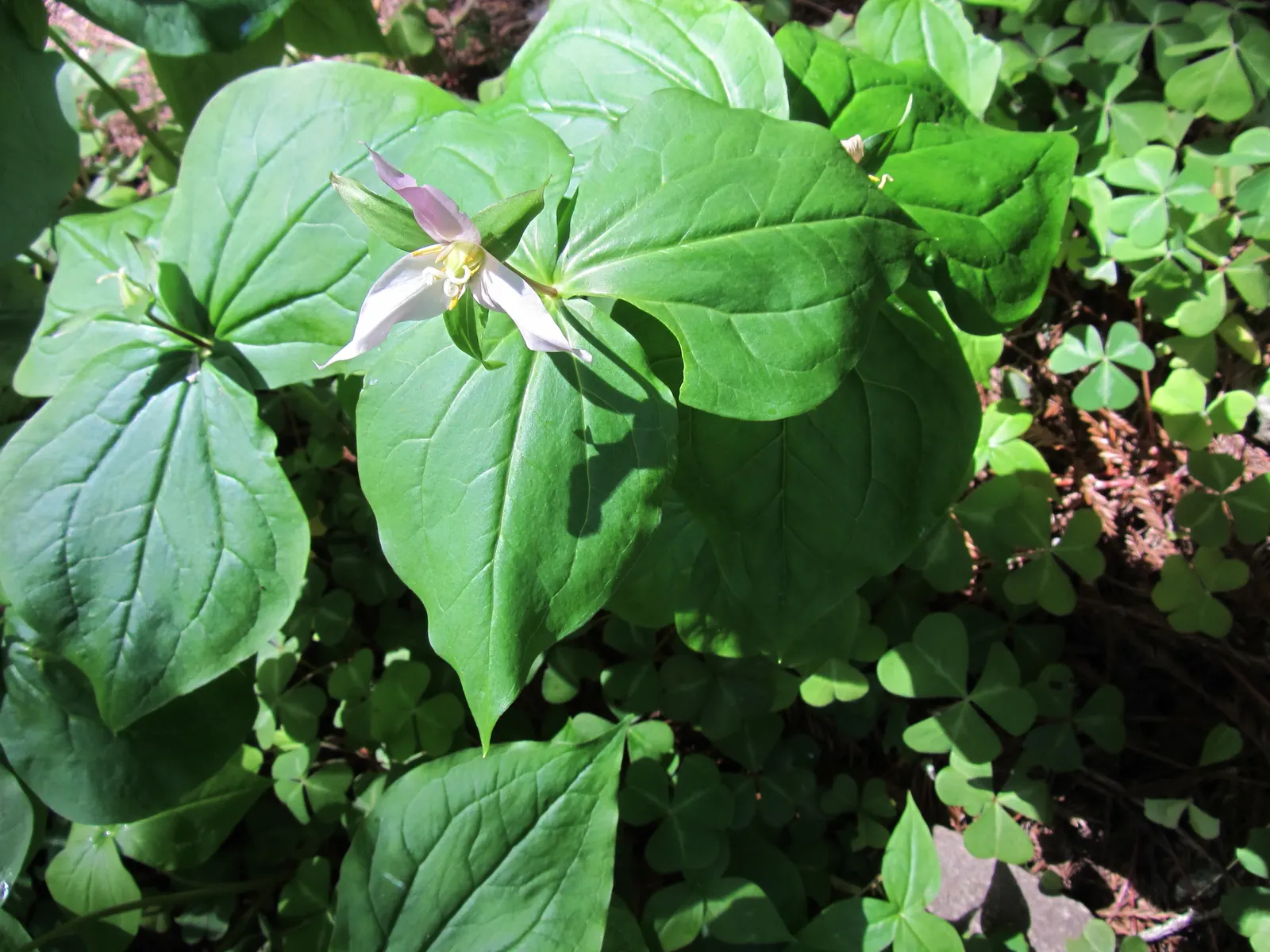
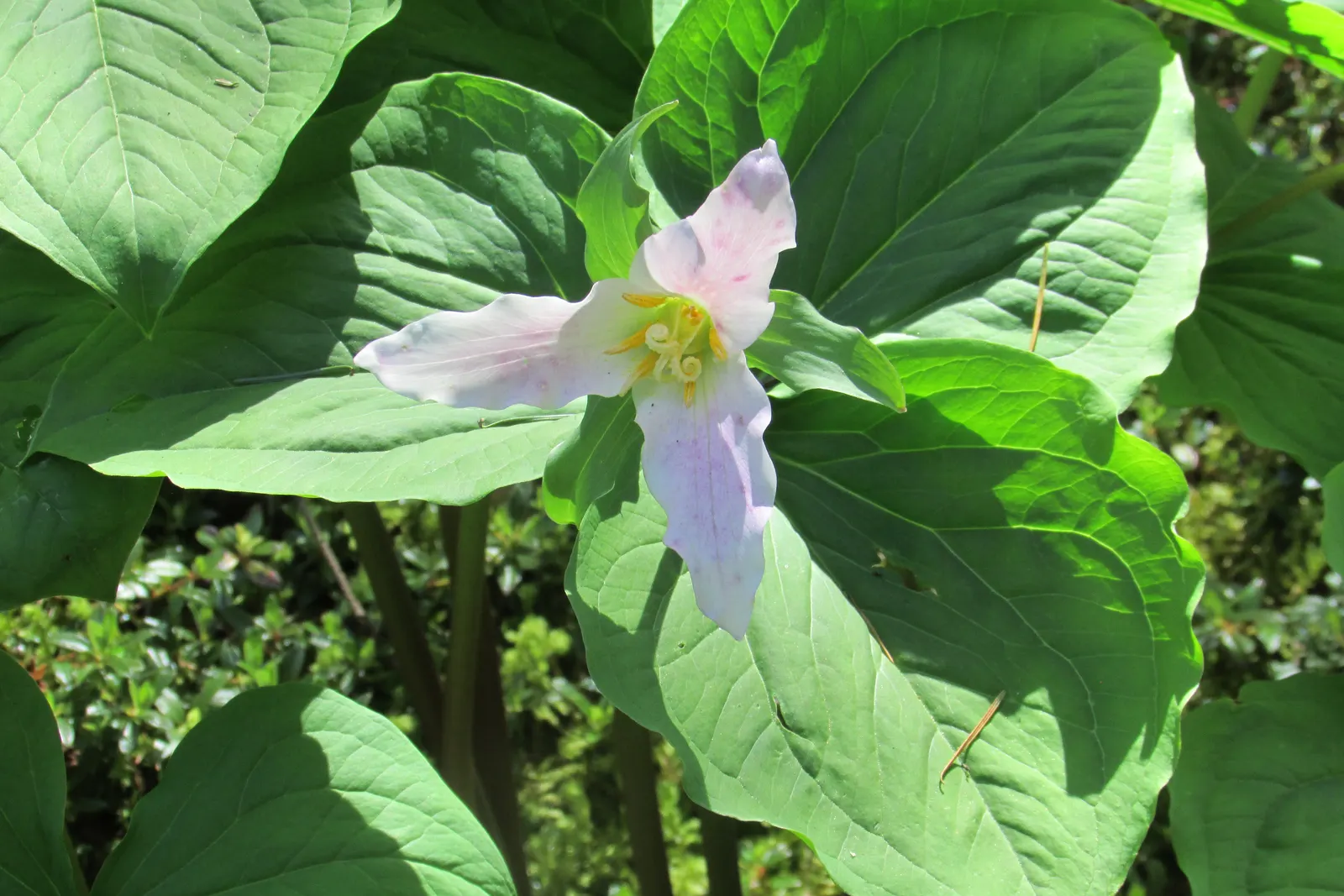
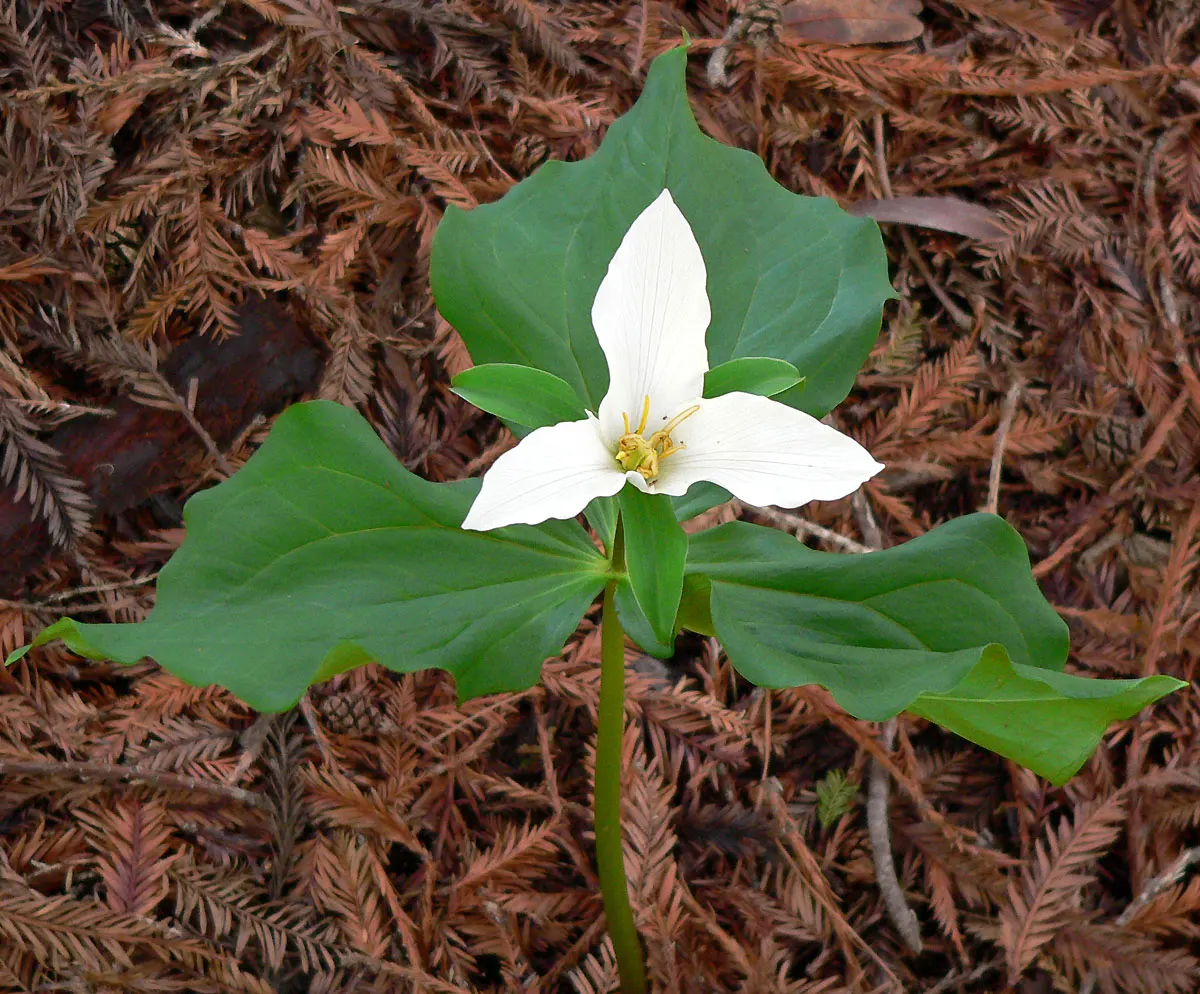
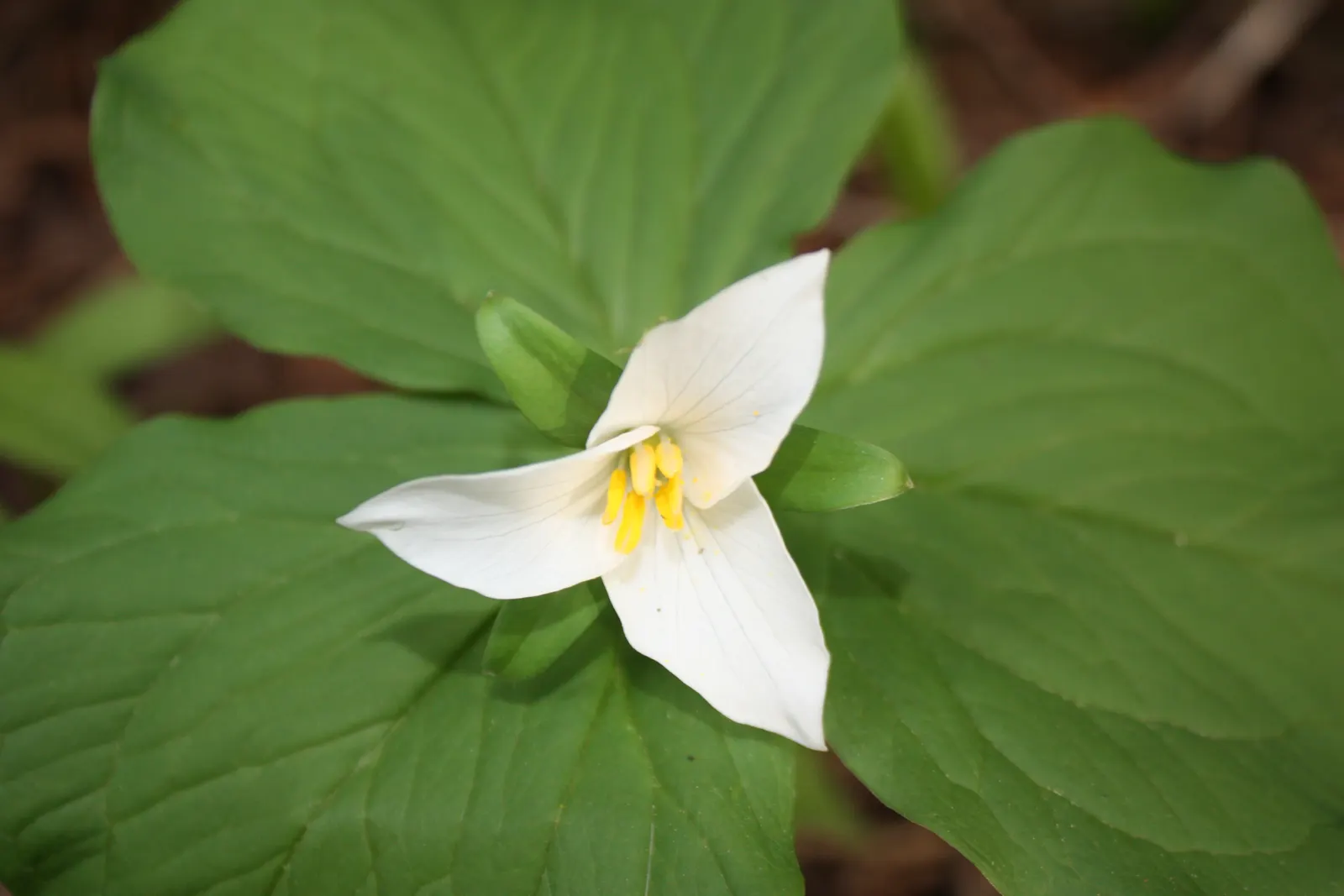
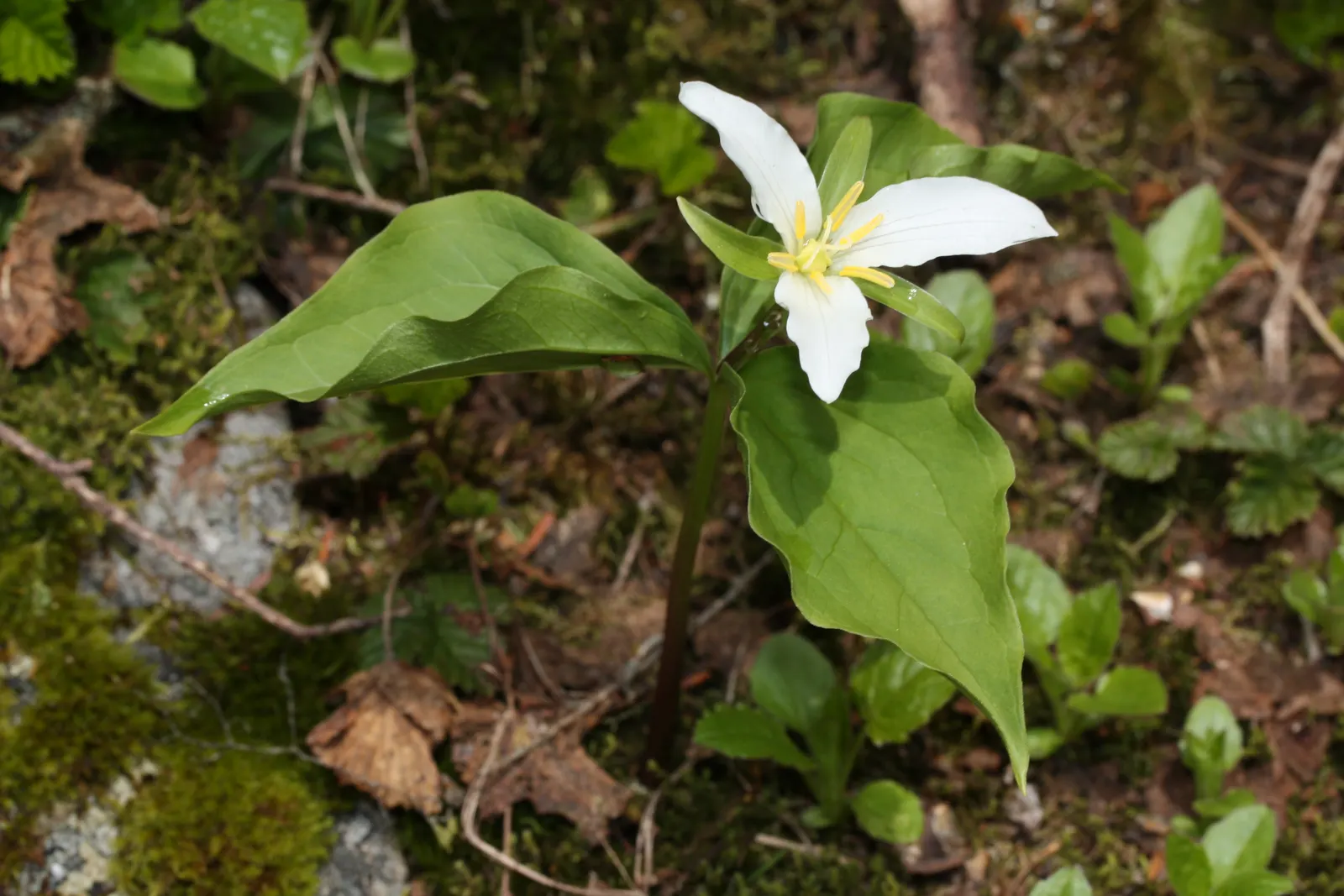
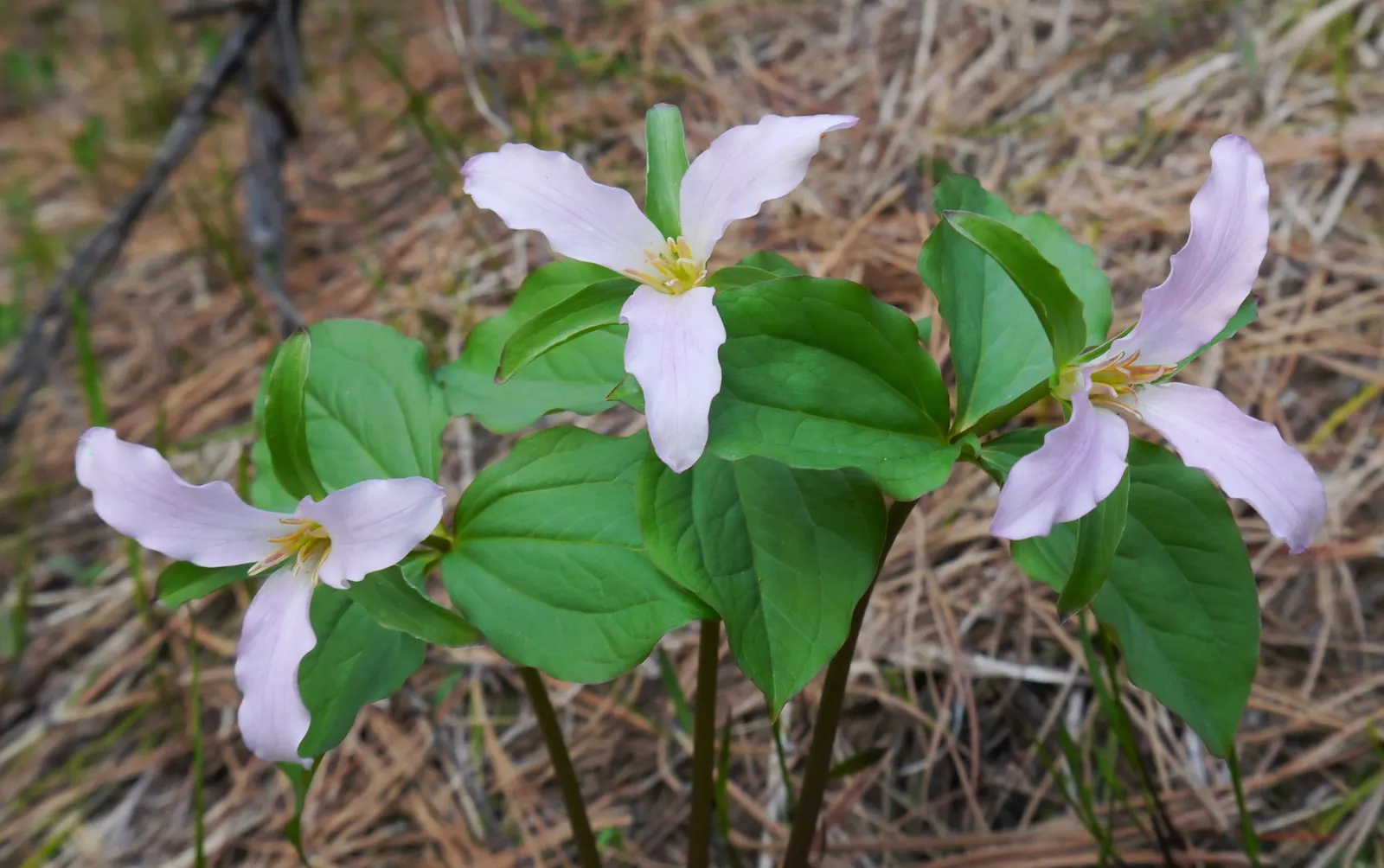
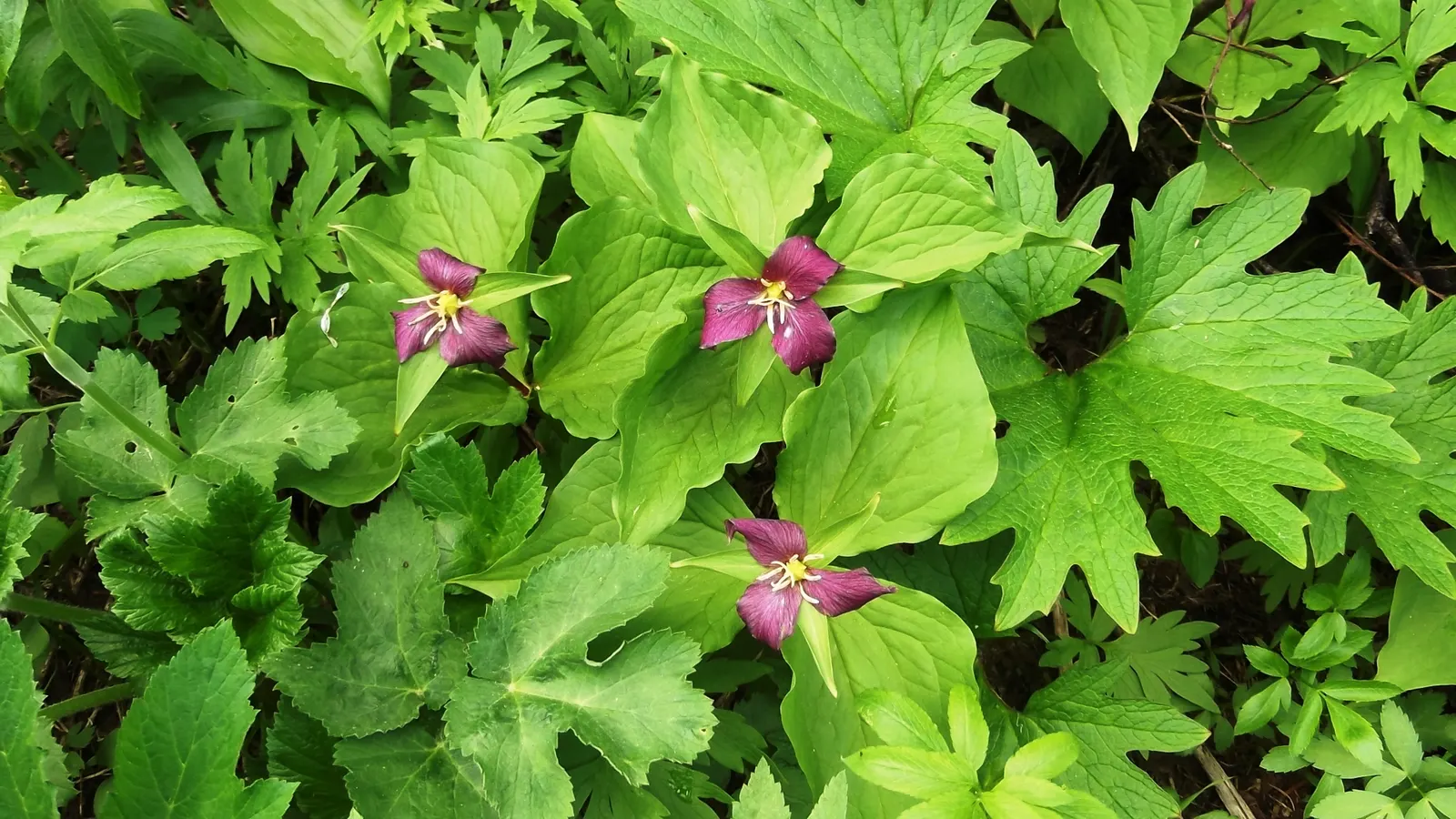
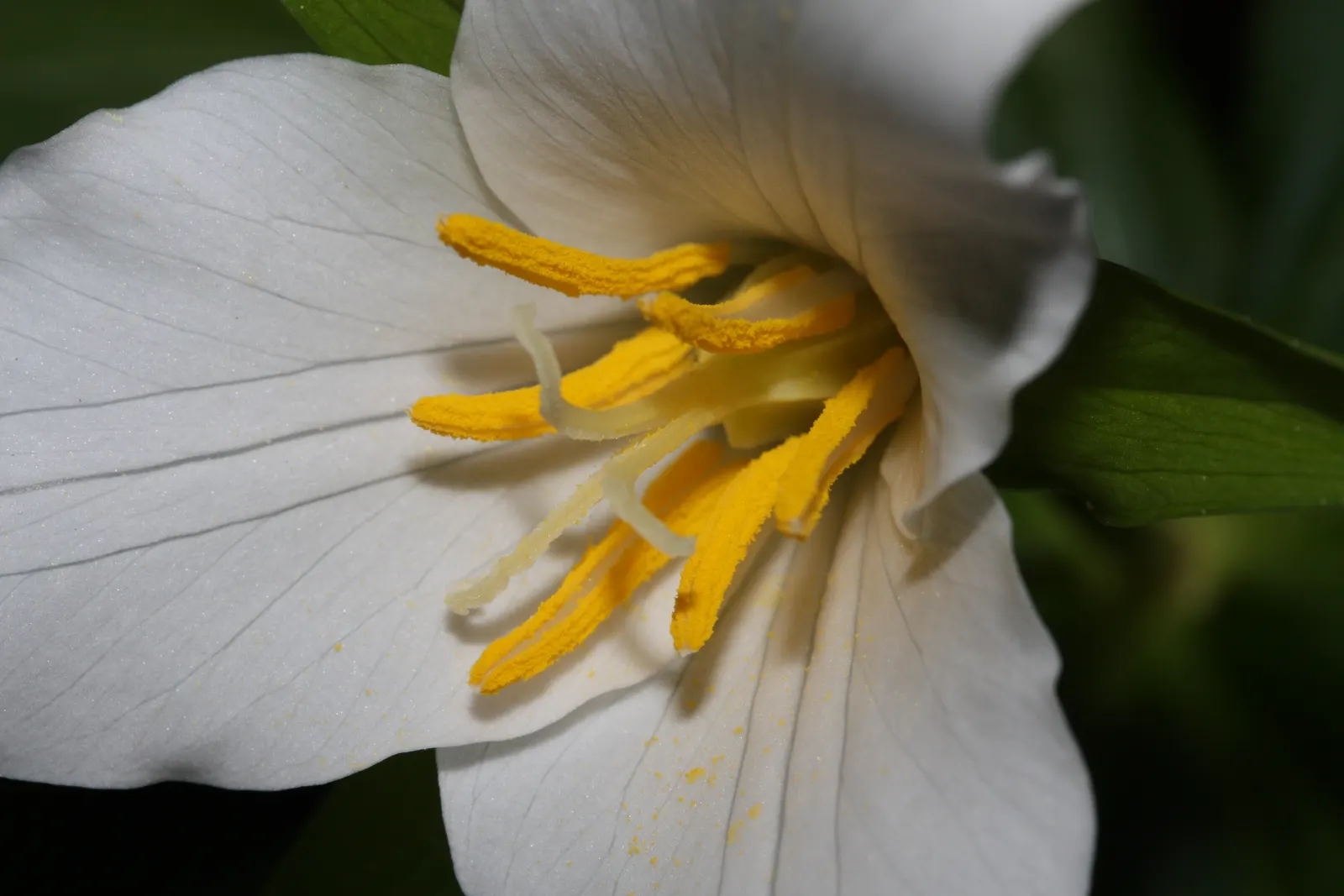
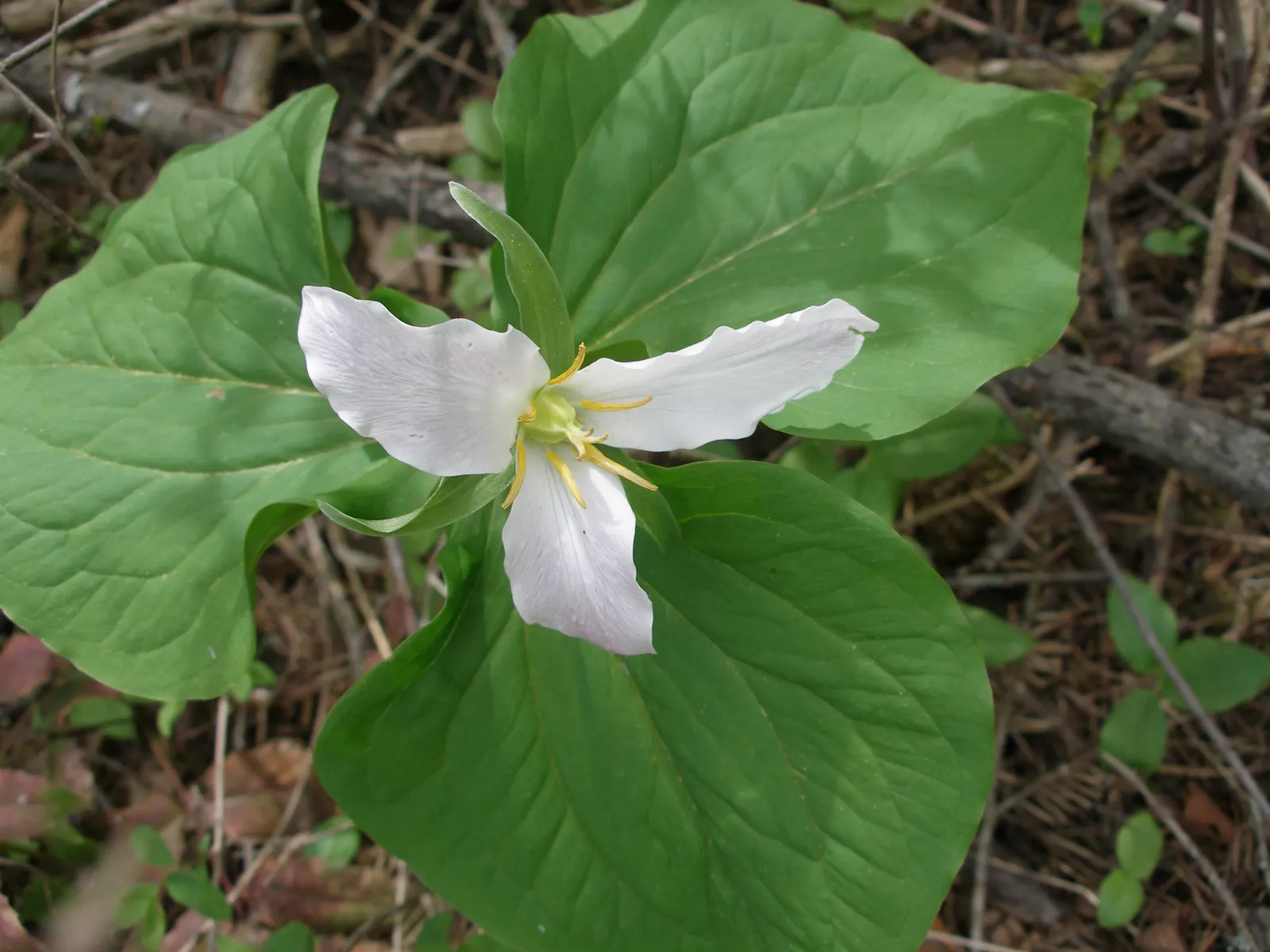
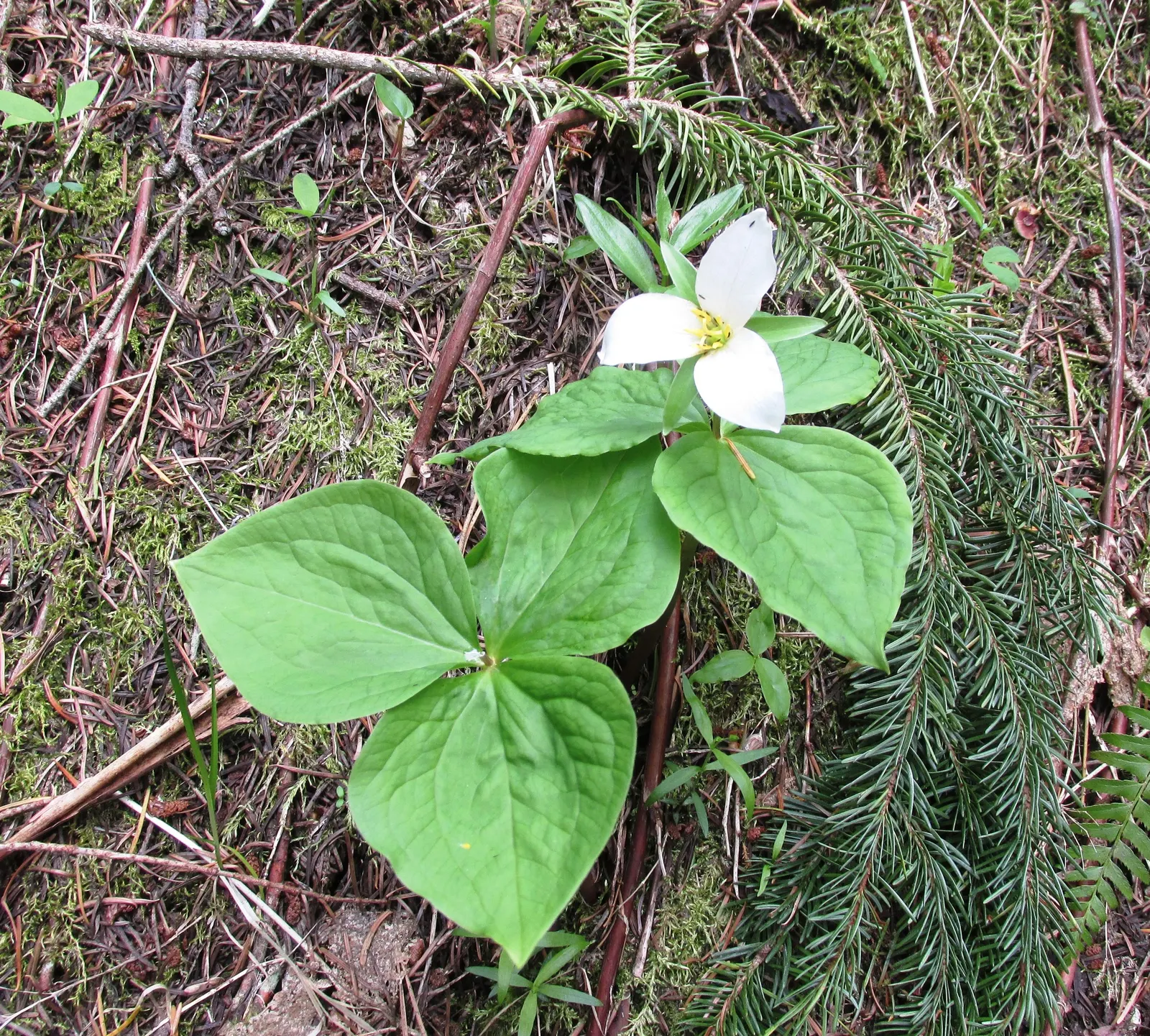
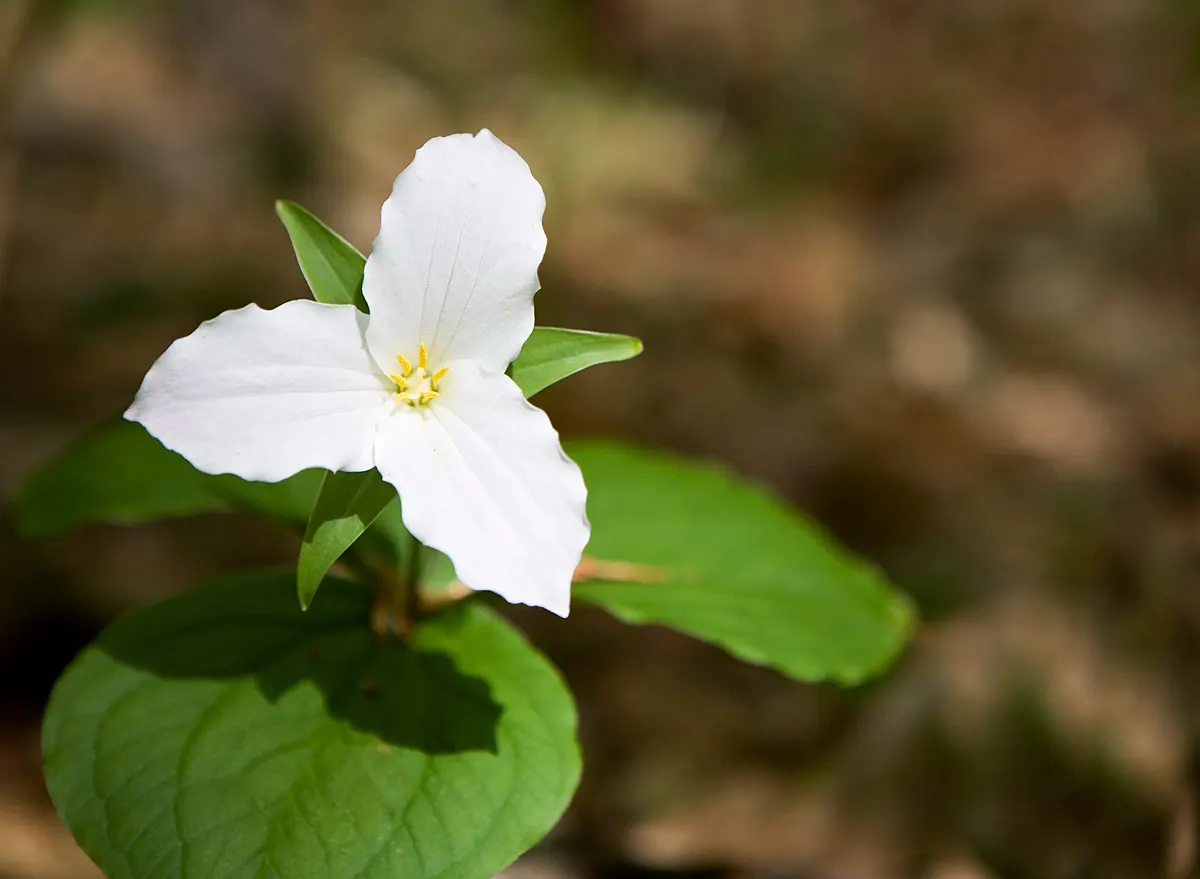
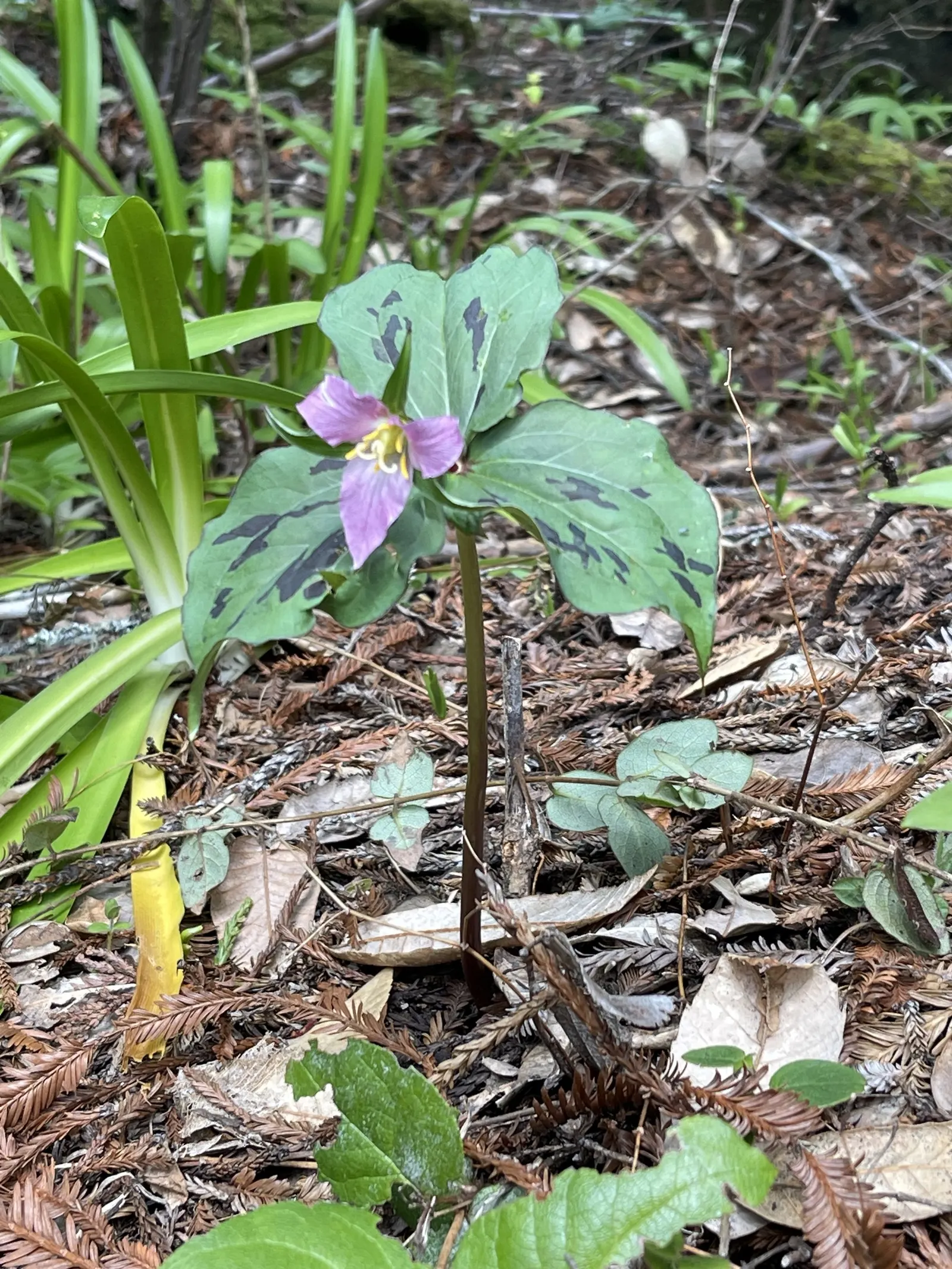
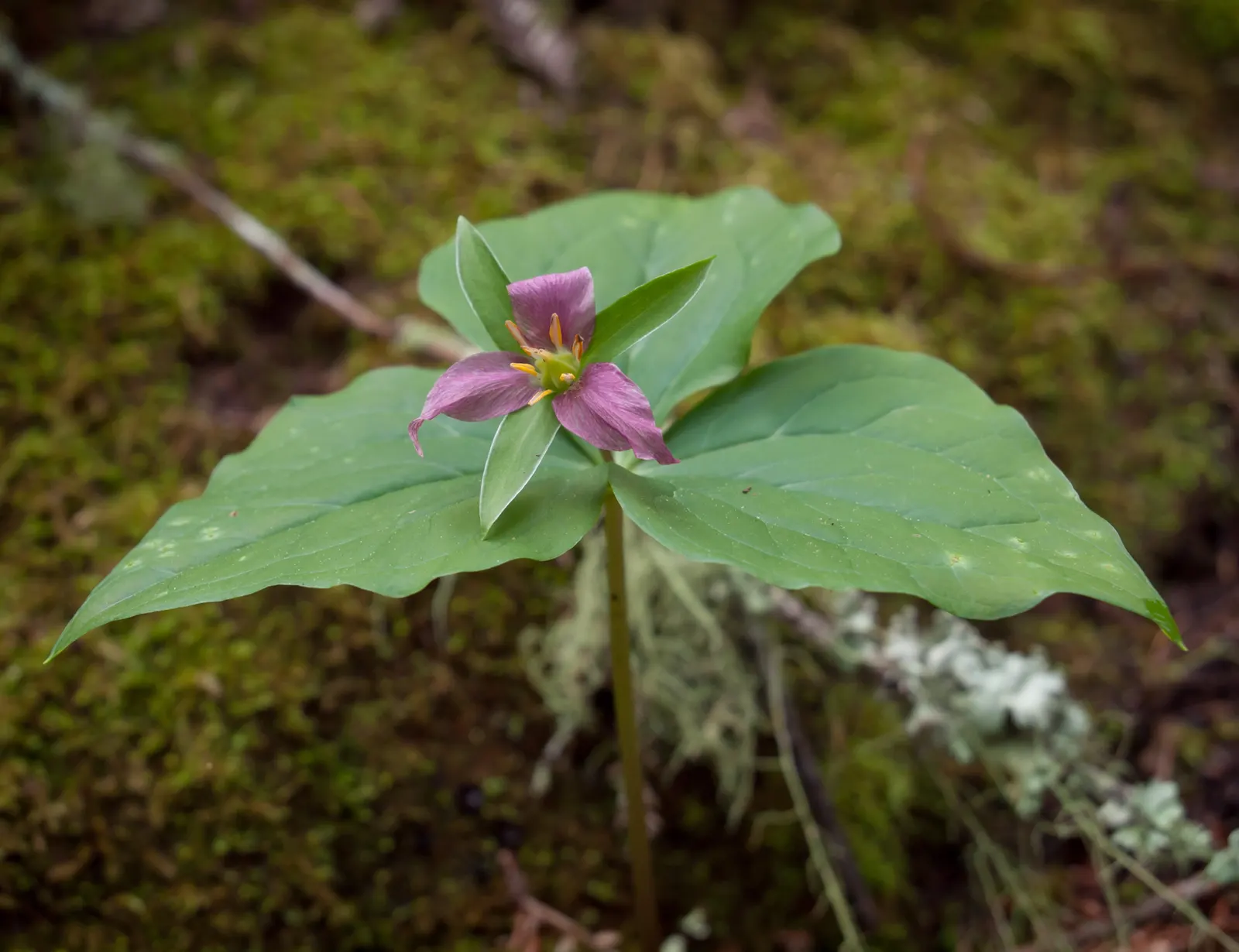
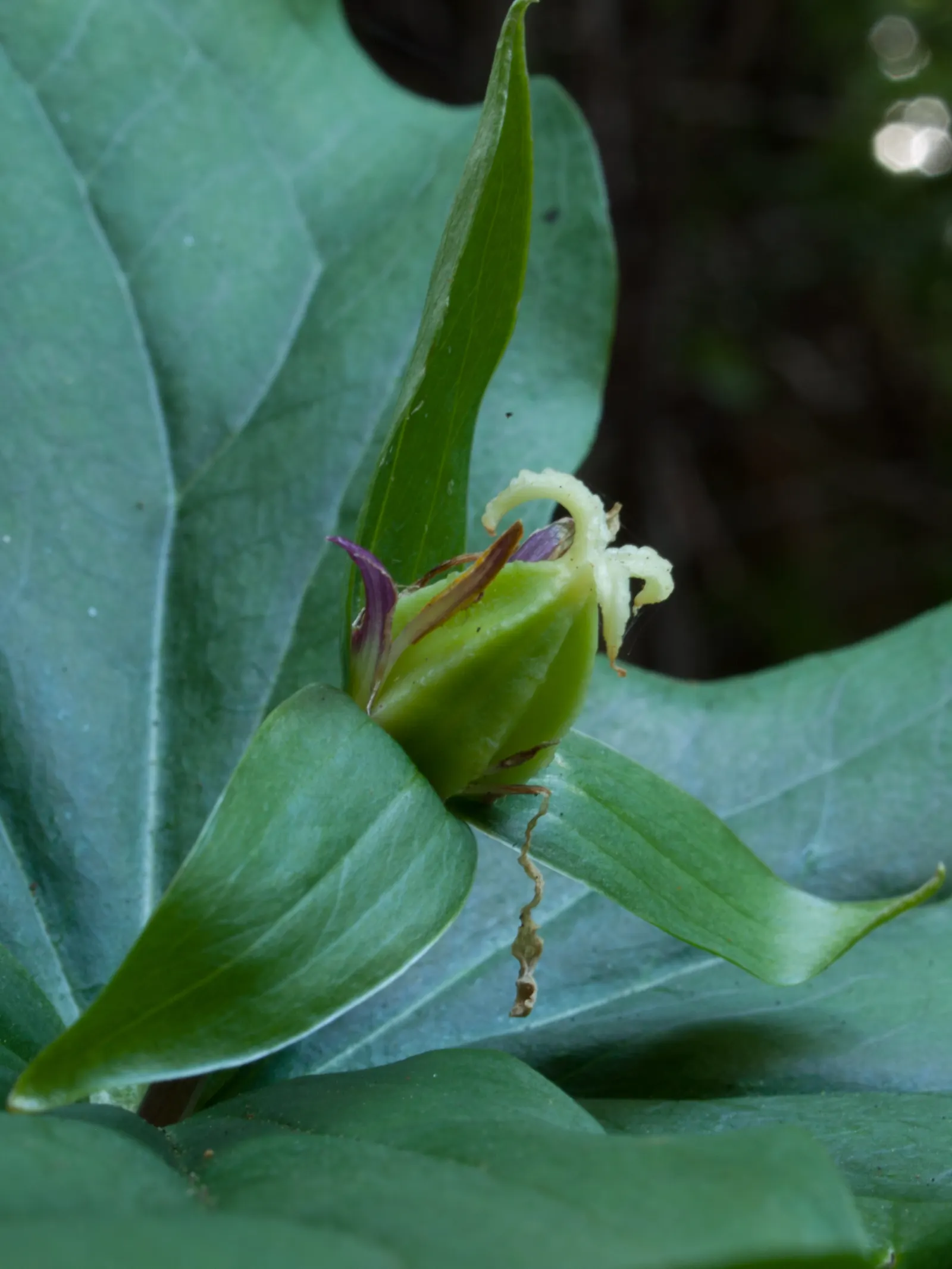
The Trillium ovatum, commonly known as the Wood Lily or California Wake Robin, is a perennial wildflower. It flaunts three-petaled white blossoms that gradually turn pink, nestled atop a trio of broad, green leaves. This shade-loving plant thrives in humus-rich, well-drained soil and reaches a modest height of 12 to 18 inches. Ideal for woodland gardens, it adds a touch of spring elegance and naturalizes well in USDA zones 5-9.

Sun Half, ShadeWater Extra in Summer, High, MediumZones 4–9Type Bulb, Perennial
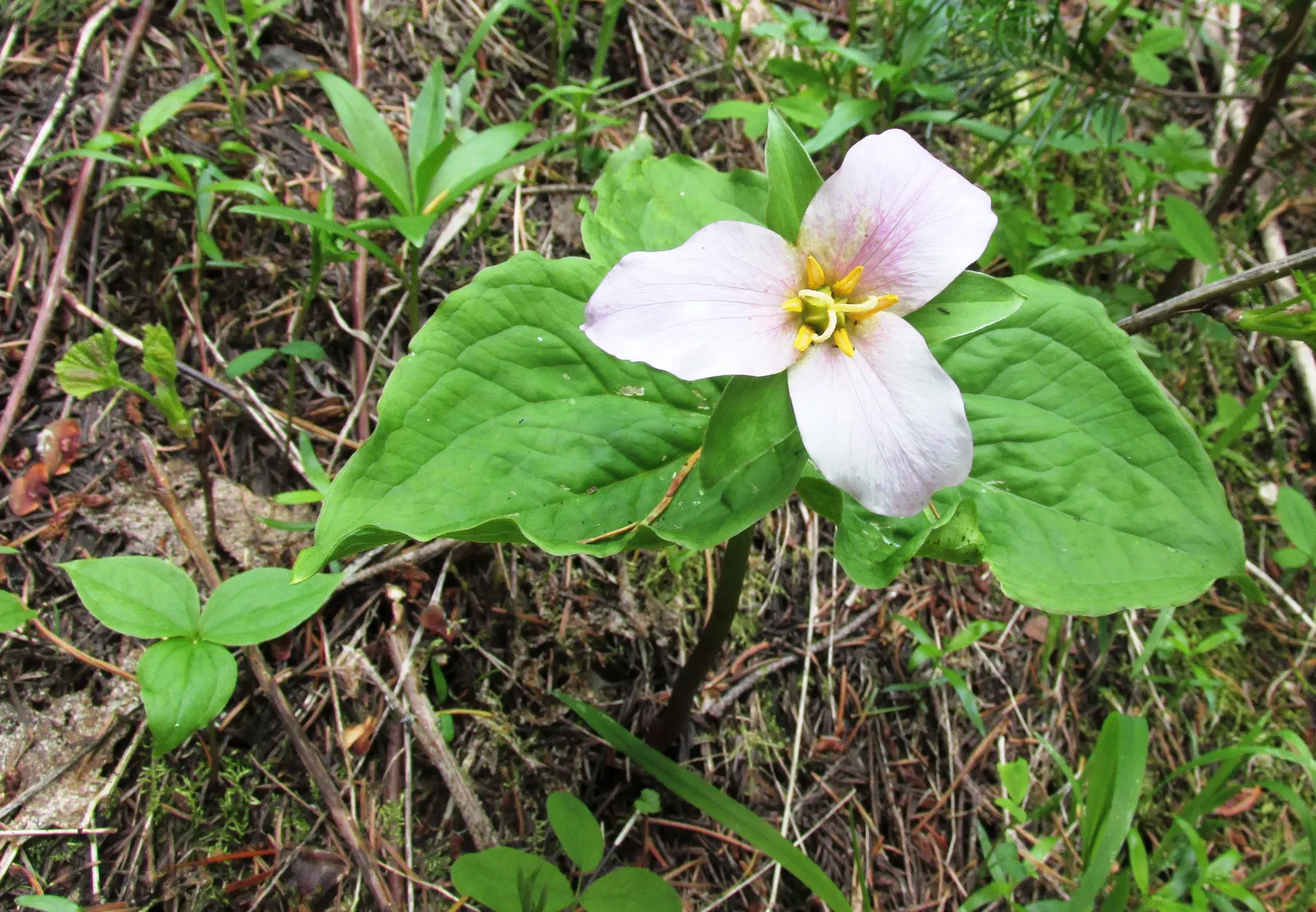
Western Trillium (Trillium Ovatum) — making it suitable for mid-ground planting in shaded garden compositions

Culture

Sun
Half, Shade
Water
Extra in Summer, High, Medium
USDA zones
4–9

Shape & size

Classification

Type
Bulb, Perennial
Family
Liliaceae

See full data, regional cultivation notes, and design tools. Build a client presentation around this plant.

Start your 14-day trial

Photos (97)

Western Trillium (Trillium Ovatum) — It flourishes under partial to full shade; the Wood Lily will die back to the ground after flowering
Western Trillium (Trillium Ovatum) — mimicking its natural habitat in the understory of temperate forests; bulb / perennial with white blooms
Western Trillium (Trillium Ovatum) — The Trillium ovatum, commonly known as the Wood Lily or California Wake Robin, is a perennial wildflower, image 63
Western Trillium (Trillium Ovatum) — This cycle makes it an excellent complement to spring bulbs and other early emerging perennials
Western Trillium (Trillium Ovatum) — commonly known as the Wood Lily or California Wake Robin; a member of the Trillium family
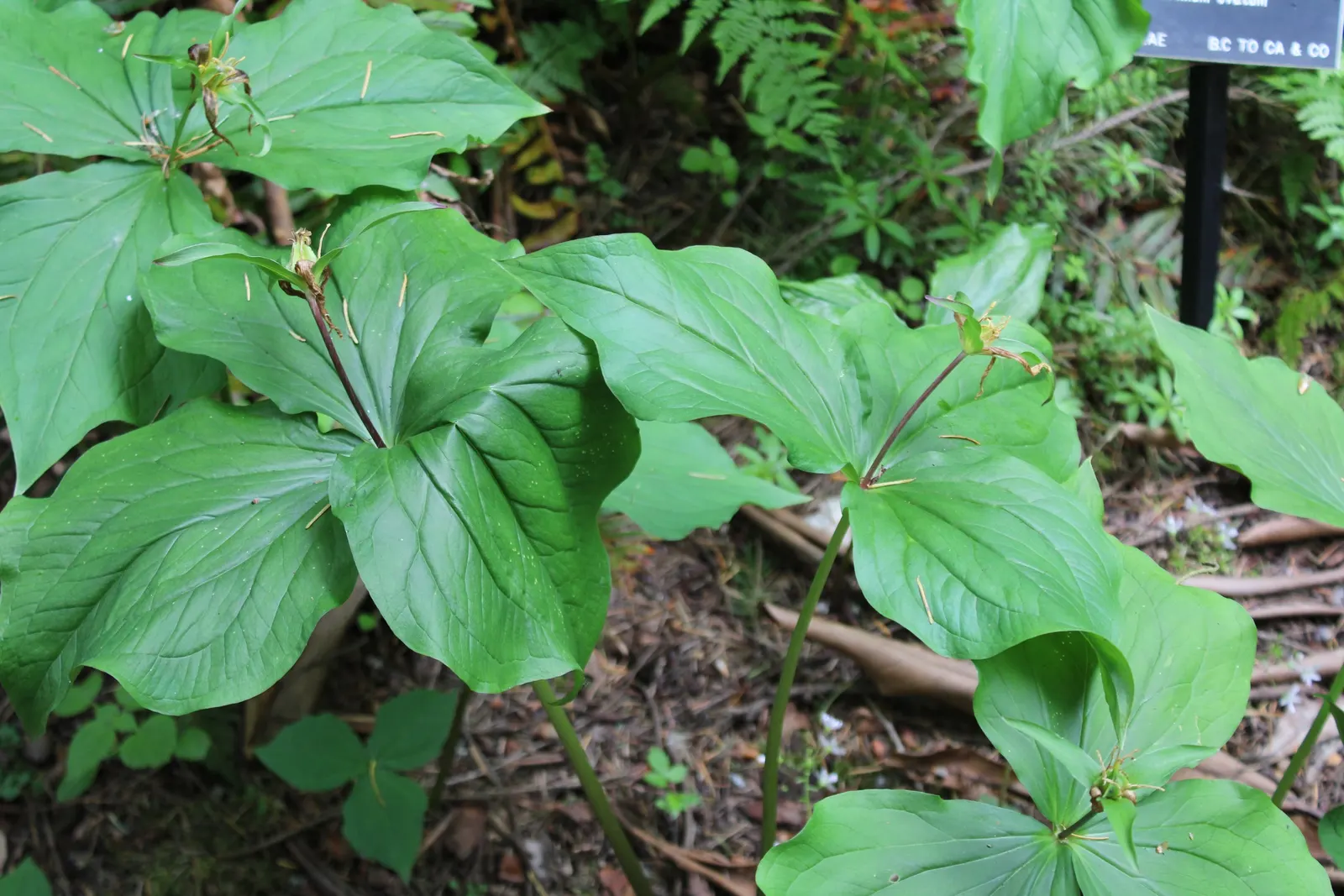
Western Trillium (Trillium Ovatum) — the Wood Lily will die back to the ground after flowering; this shade-loving plant thrives in humus-rich
Western Trillium (Trillium Ovatum) — bulb / perennial for half or shade; an added benefit in areas where deer browse is a concern
Western Trillium (Trillium Ovatum) — displaying an impressive spread of 2 to 3 inches; this plant typically attains a stature of 12 to 18 inches in, image 74
Western Trillium (Trillium Ovatum) — it is renowned for its three-petaled white flowers
Western Trillium (Trillium Ovatum) — A member of the Trillium family; however, it is pivotal to ensure consistent soil moisture, especially in, image 70
Western Trillium (Trillium Ovatum) — is a captivating herbaceous perennial that brings an elegant touch to woodland garden settings; the Wood Lily prefers moist
Western Trillium (Trillium Ovatum) — It flourishes under partial to full shade
Western Trillium (Trillium Ovatum) — Ideal for woodland gardens, it adds a touch of spring elegance and naturalizes well in USDA zones 5-9
Western Trillium (Trillium Ovatum) — the Wood Lily will die back to the ground after flowering
Western Trillium (Trillium Ovatum) — it is renowned for its three-petaled white flowers; white flowers in the garden, image 71
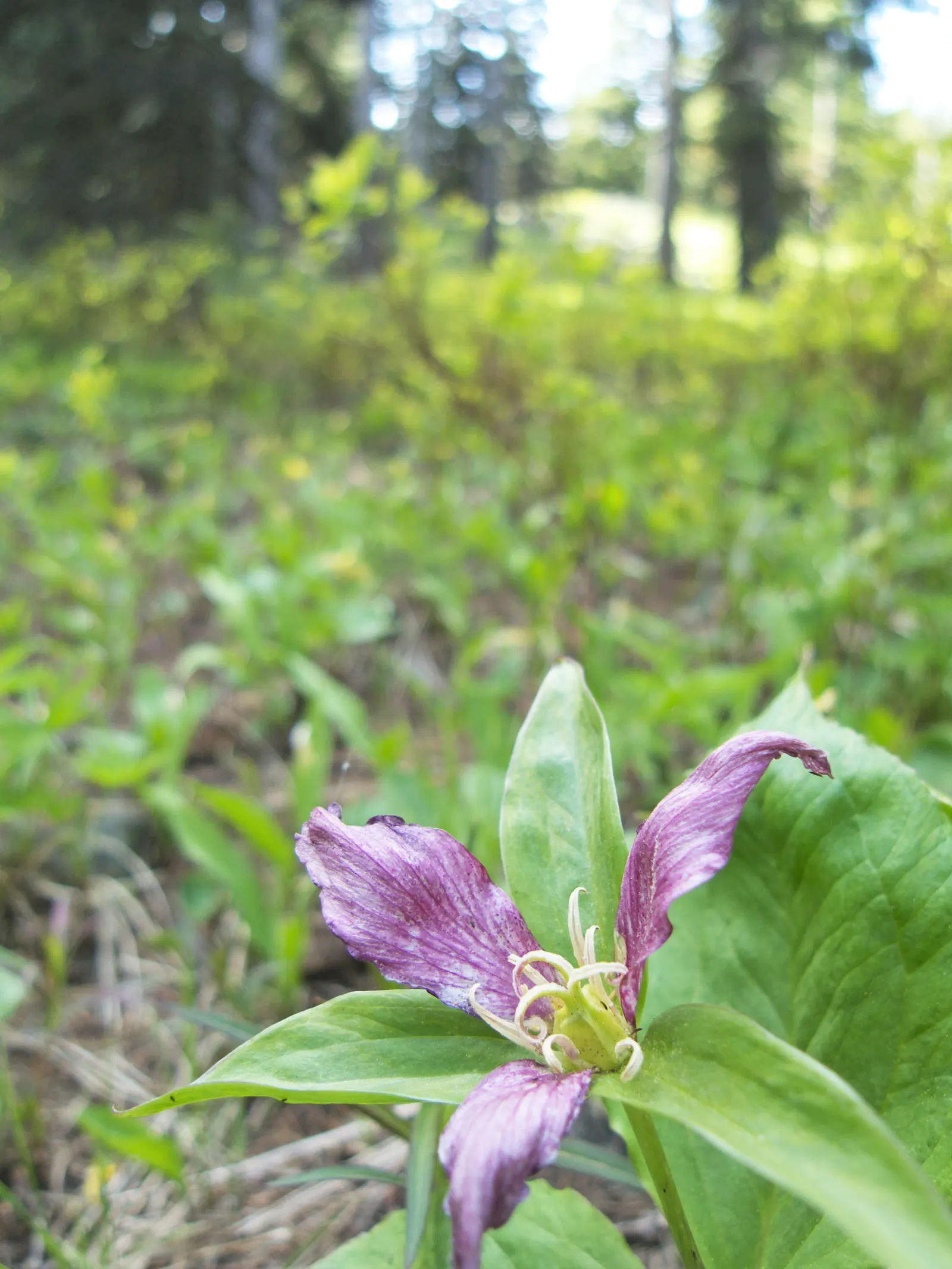
Western Trillium (Trillium Ovatum) — shifting from pristine white to a delicate pink hue.<br><br>Thriving in USDA hardiness zones 5 to 9
Western Trillium (Trillium Ovatum) — bulb / perennial with white blooms; <br><br>The Wood Lily is a low-maintenance species that, once established, requires
Western Trillium (Trillium Ovatum) — commonly known as the Wood Lily or California Wake Robin
Western Trillium (Trillium Ovatum) — It flaunts three-petaled white blossoms that gradually turn pink, nestled atop a trio of broad, green leaves; each leaf
Western Trillium (Trillium Ovatum) — an added benefit in areas where deer browse is a concern
Western Trillium (Trillium Ovatum) — is a captivating herbaceous perennial that brings an elegant touch to woodland garden settings
Western Trillium (Trillium Ovatum) — each leaf reaching a span of 2 to 6 inches across
Western Trillium (Trillium Ovatum) — It is also an attractive plant for pollinators such as bees and is deer-resistant; bulb / perennial for half or shade
Western Trillium (Trillium Ovatum) — which bloom over a framework of three broad leaves
Photographs by 12 contributors

Related plants