Skip to content

Poison Ivy

Toxicodendron Radicans

Design with this plant

Overview

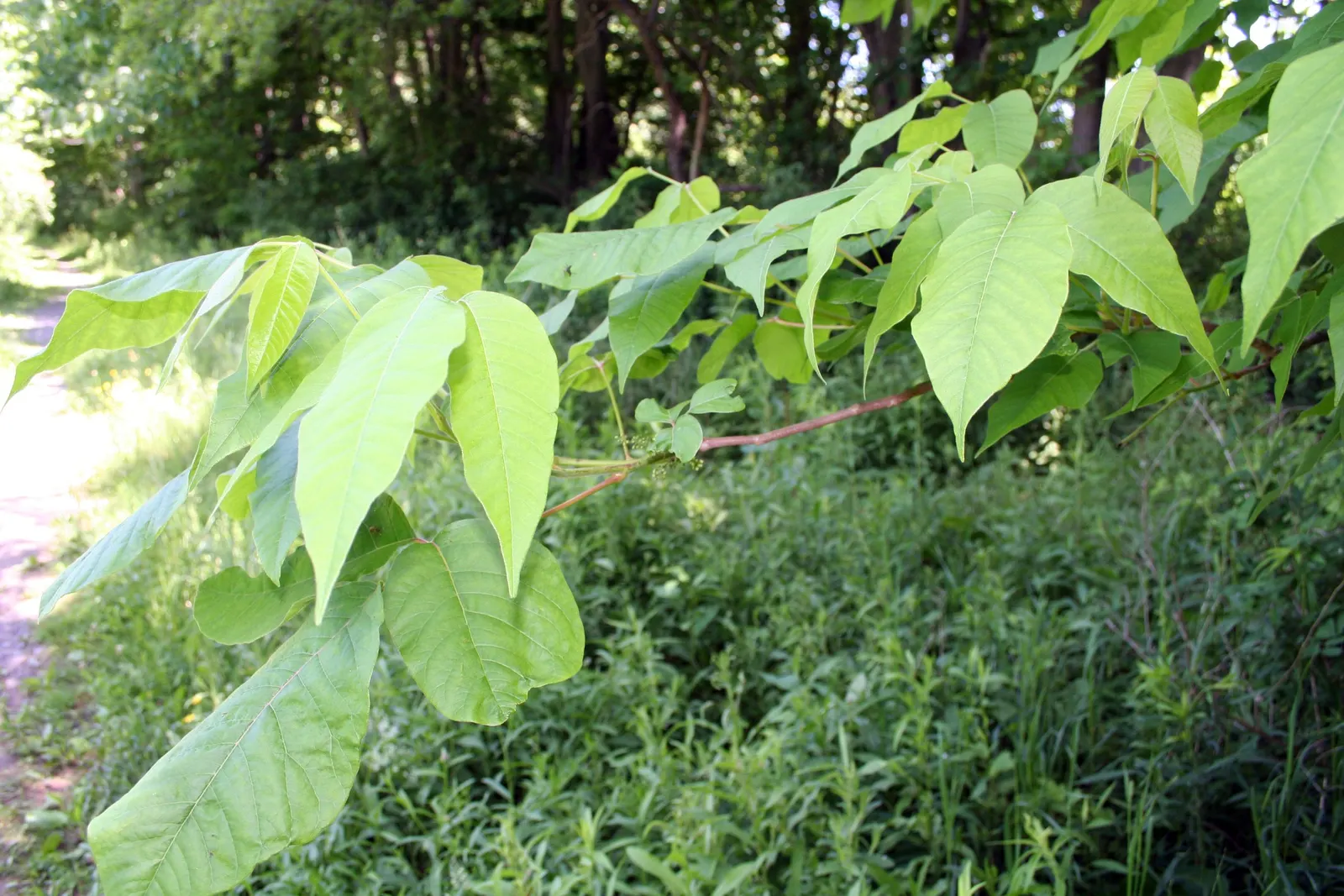
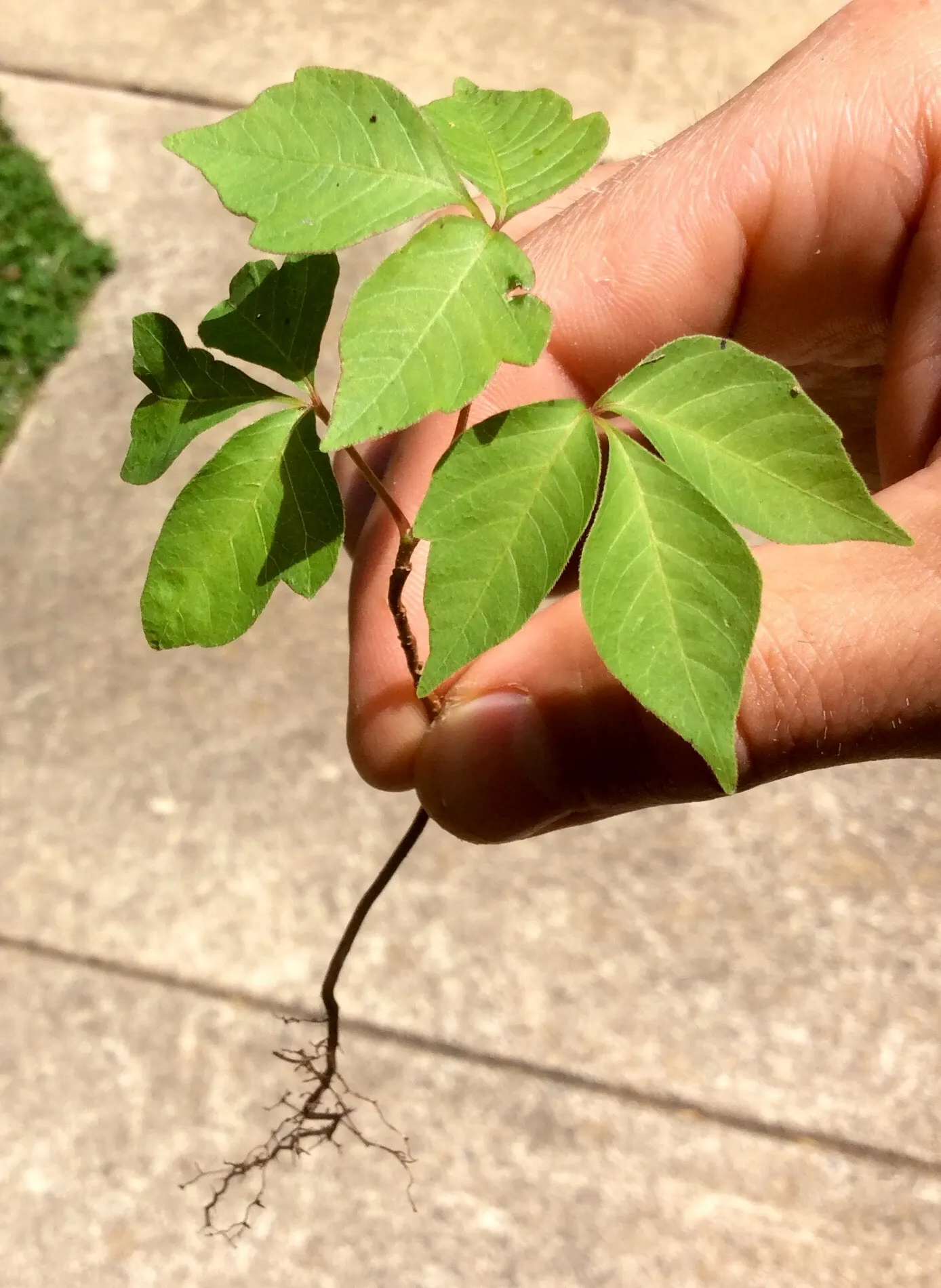
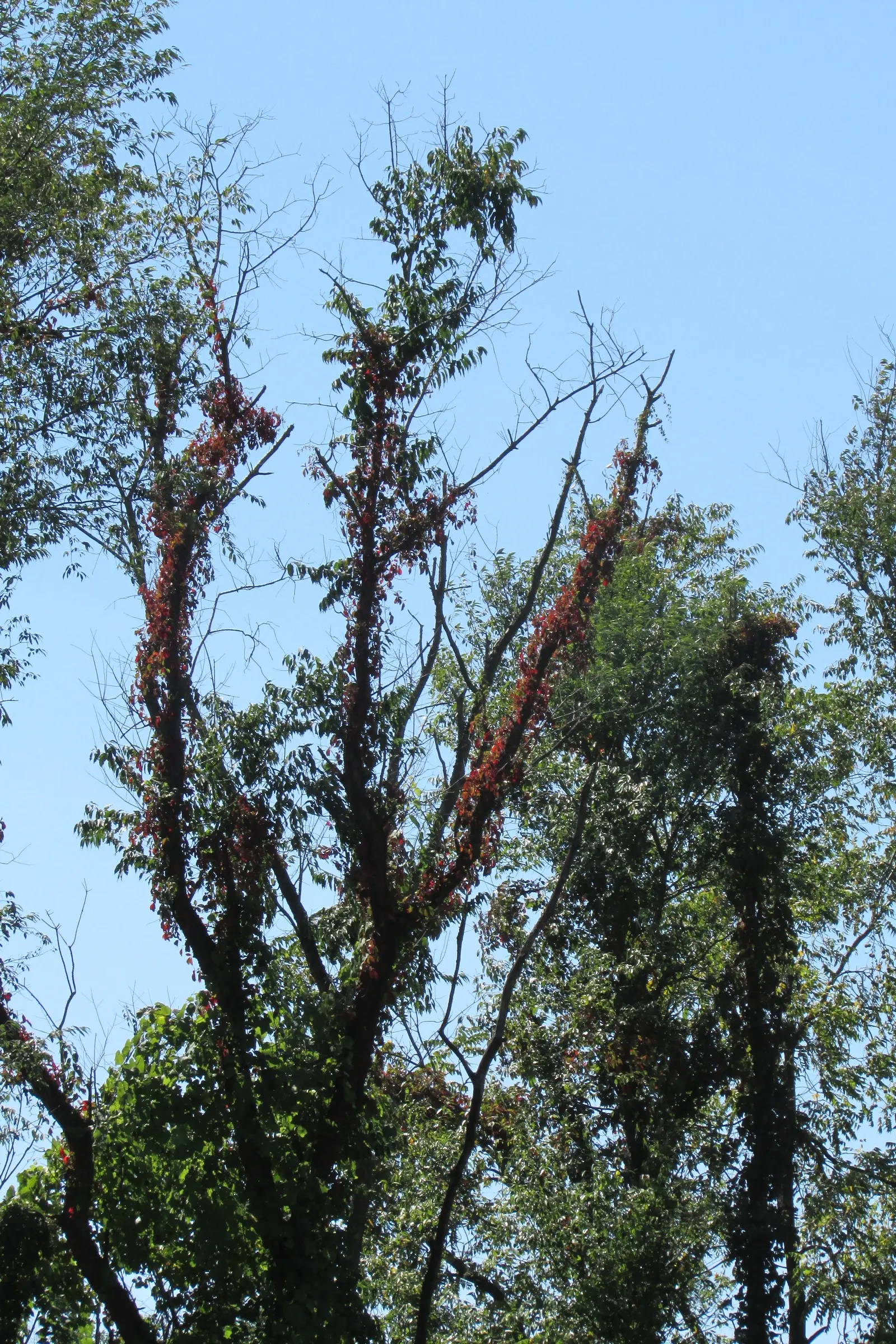
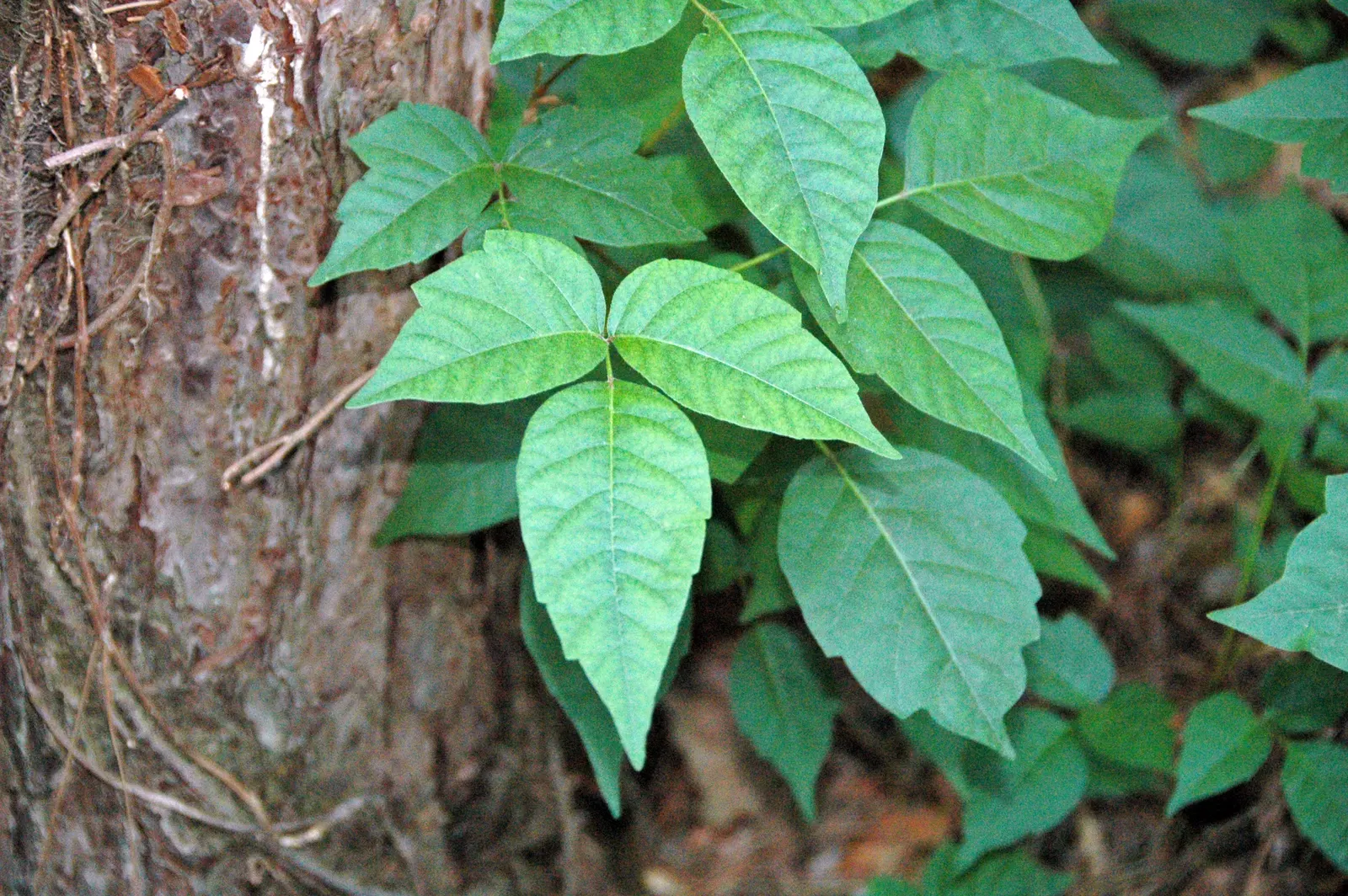
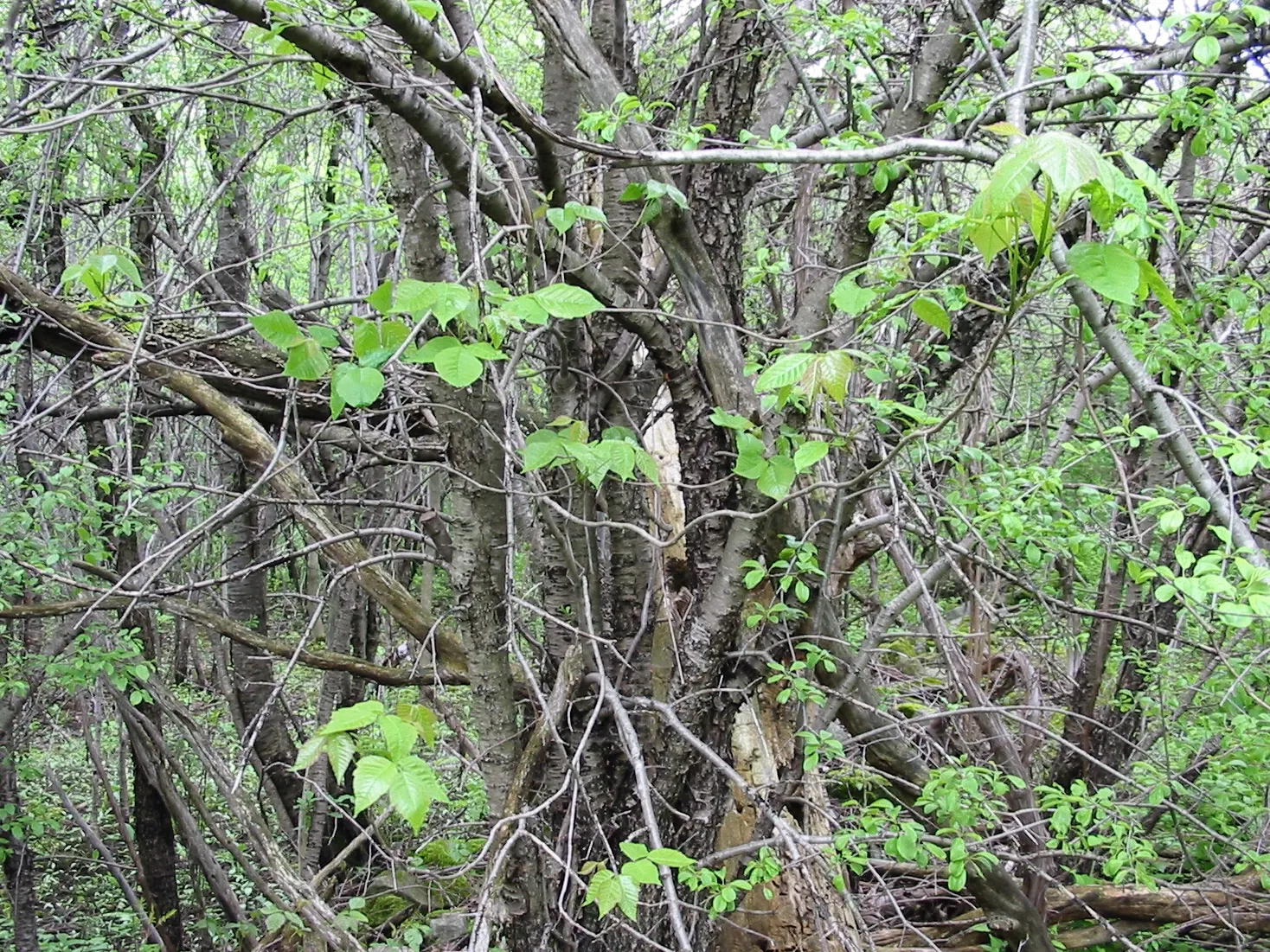
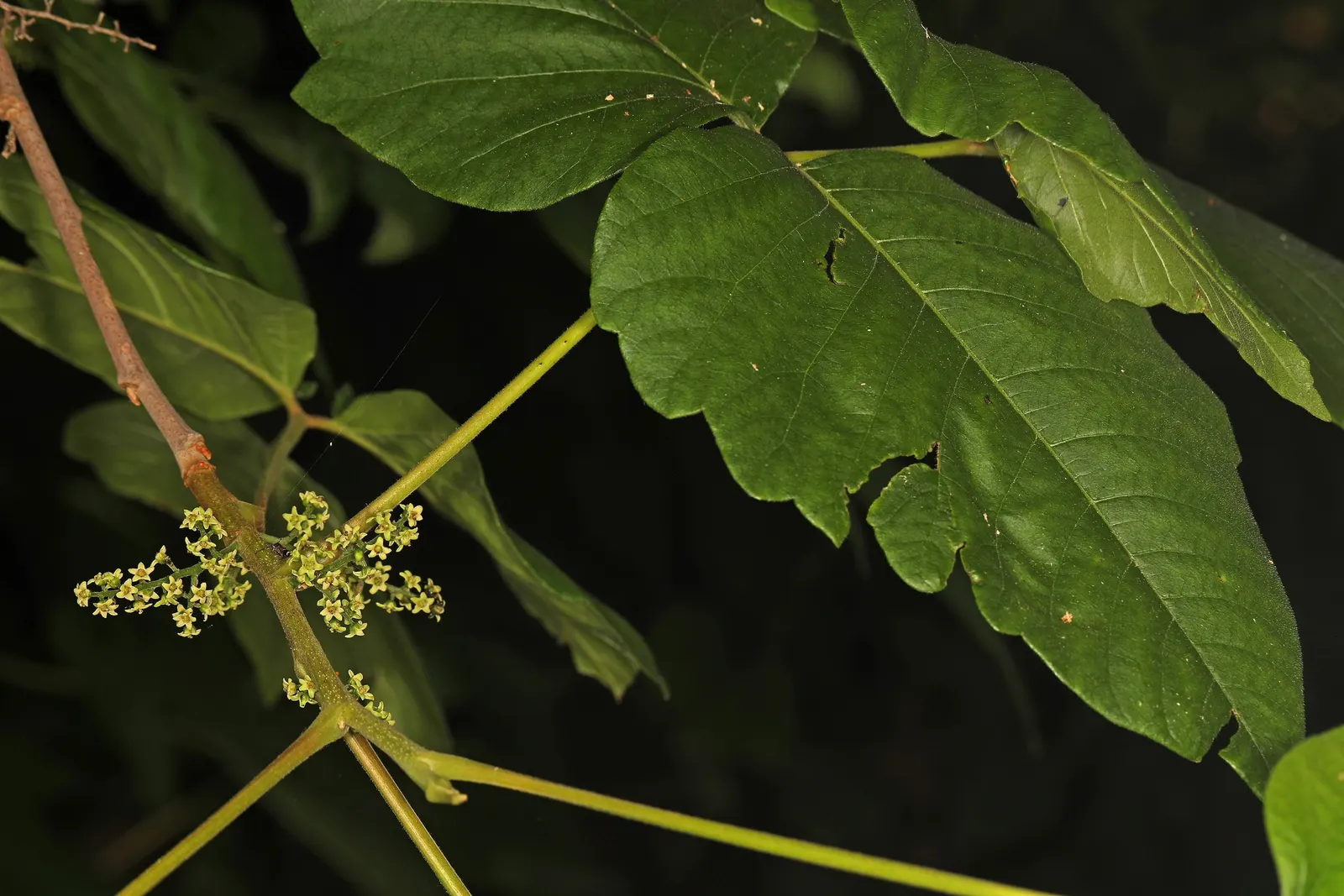
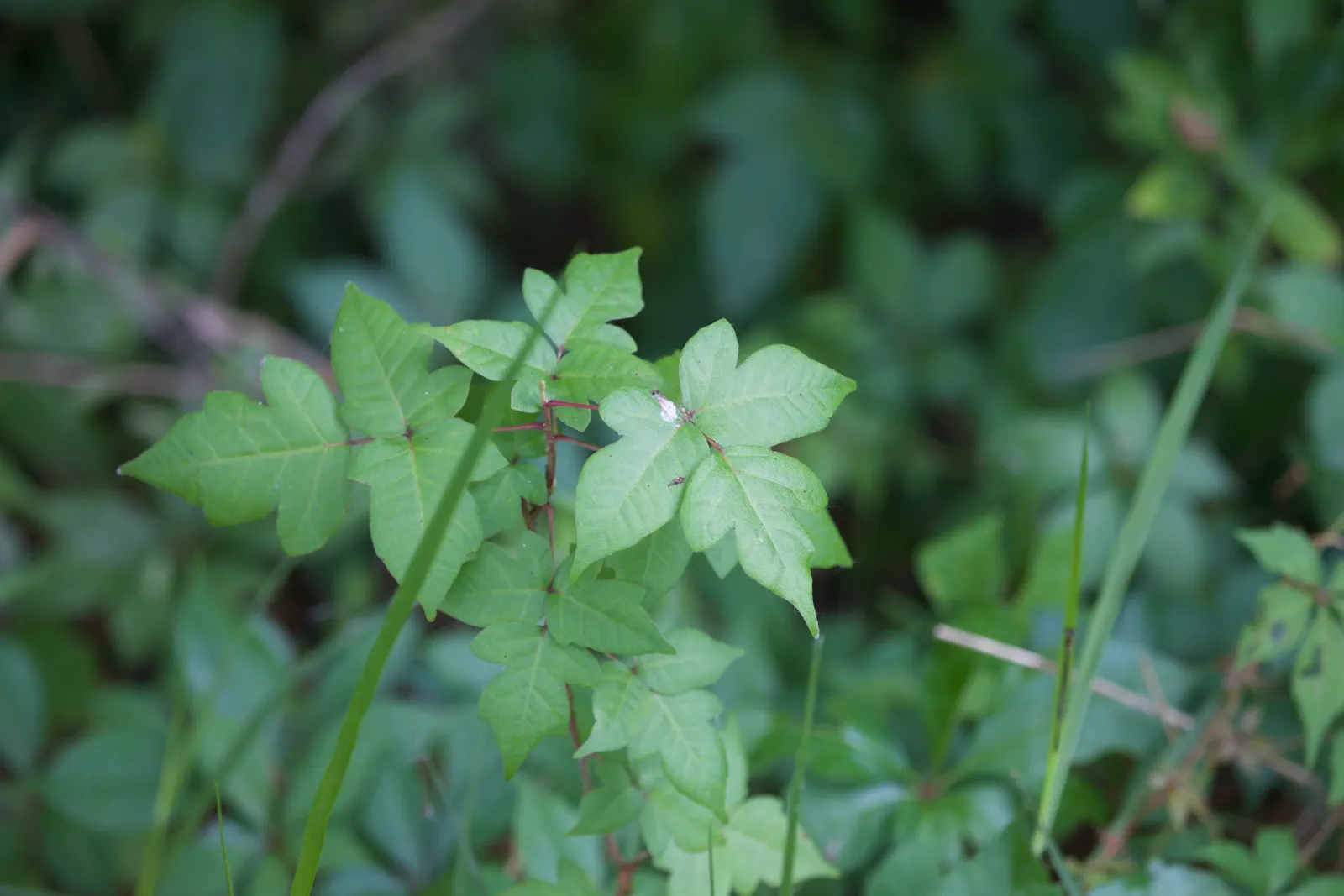
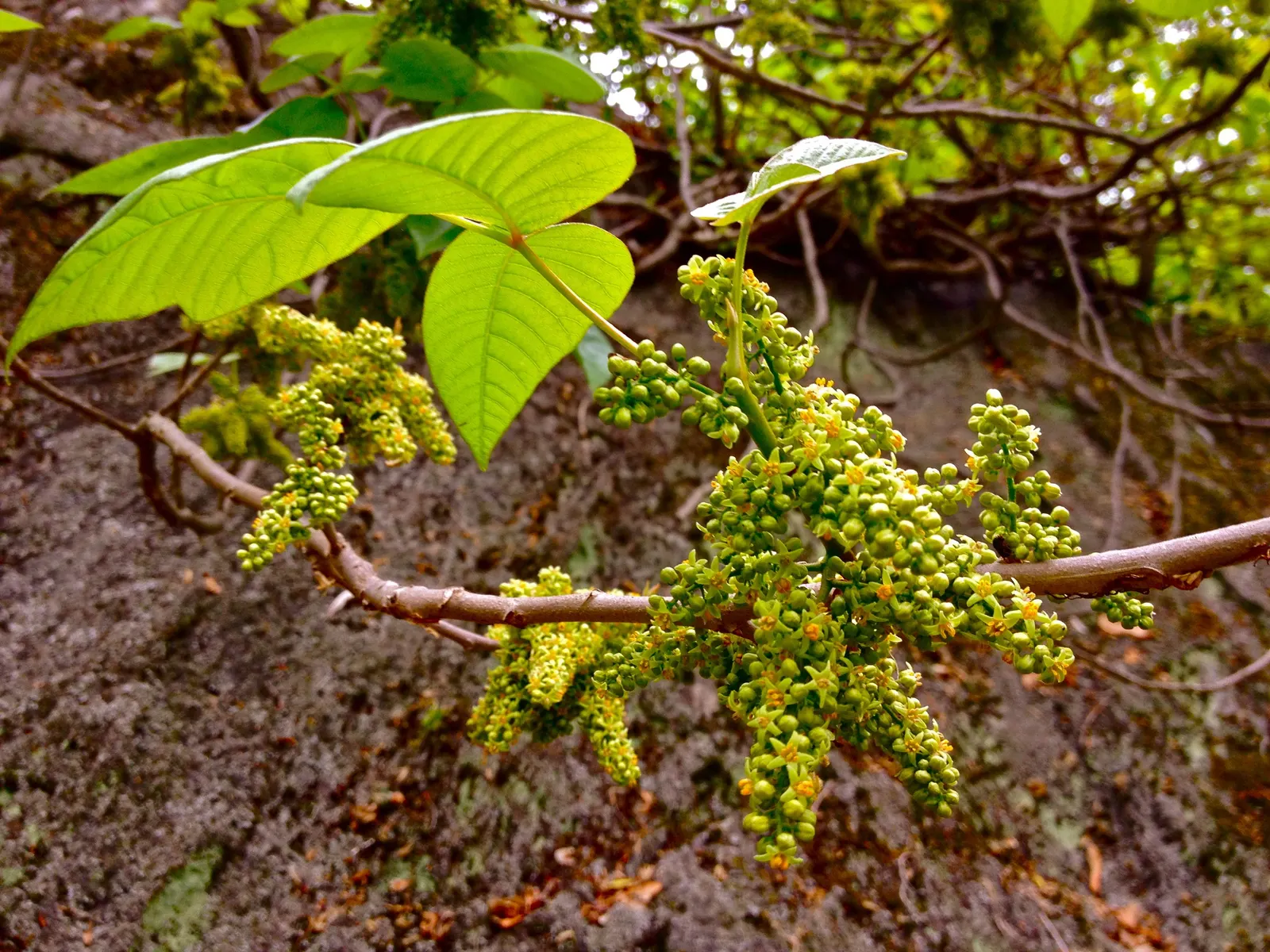
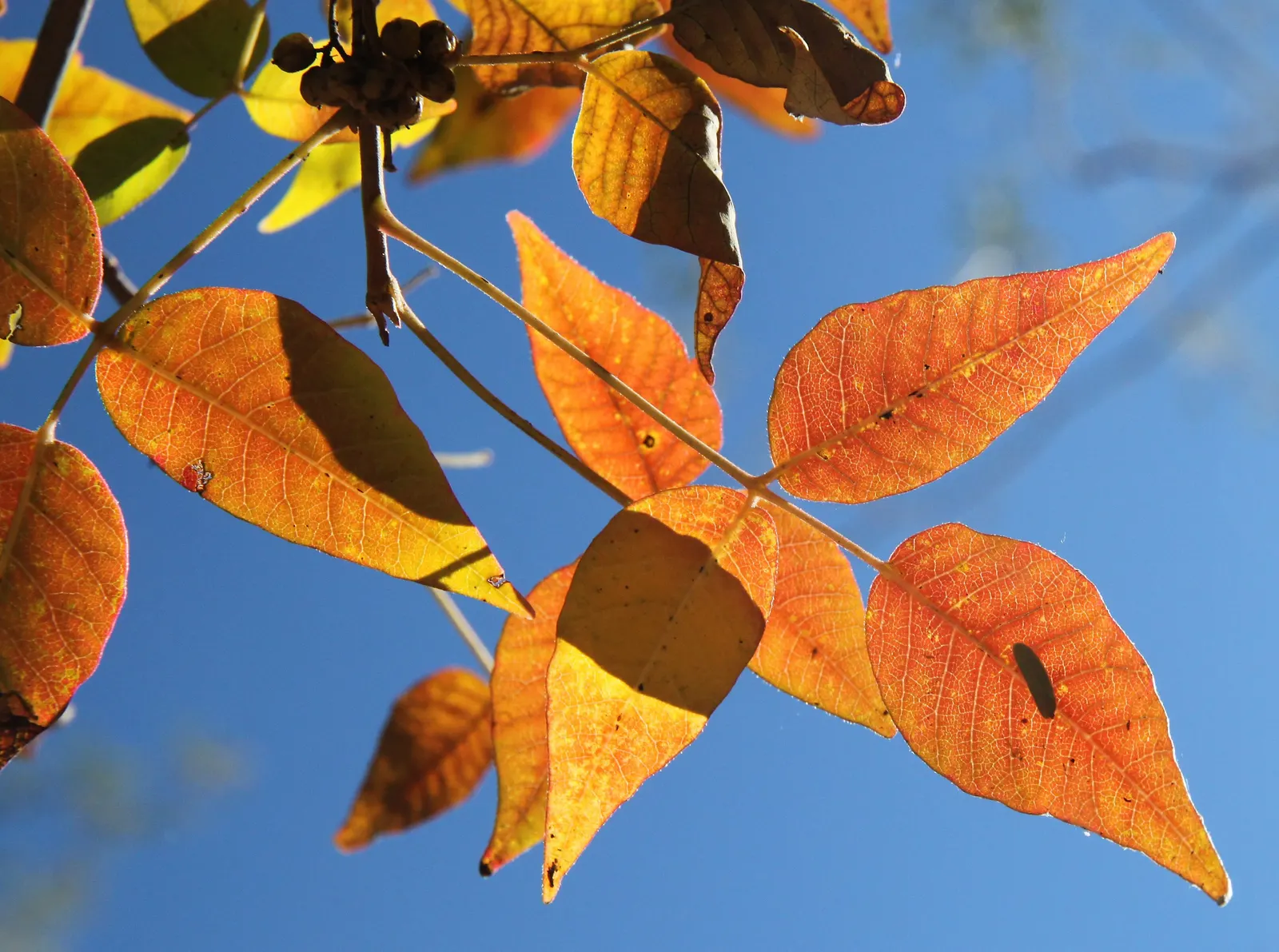
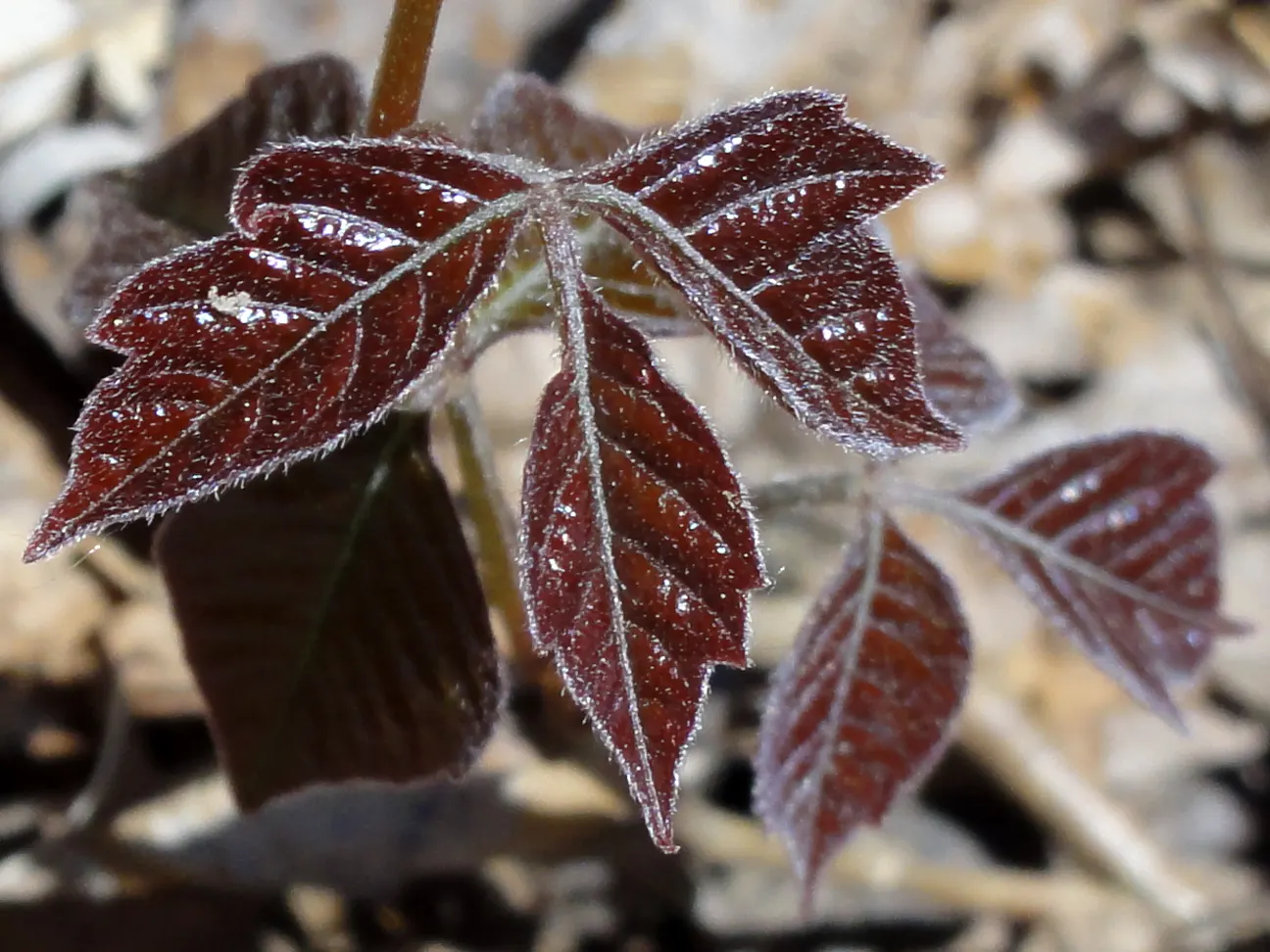
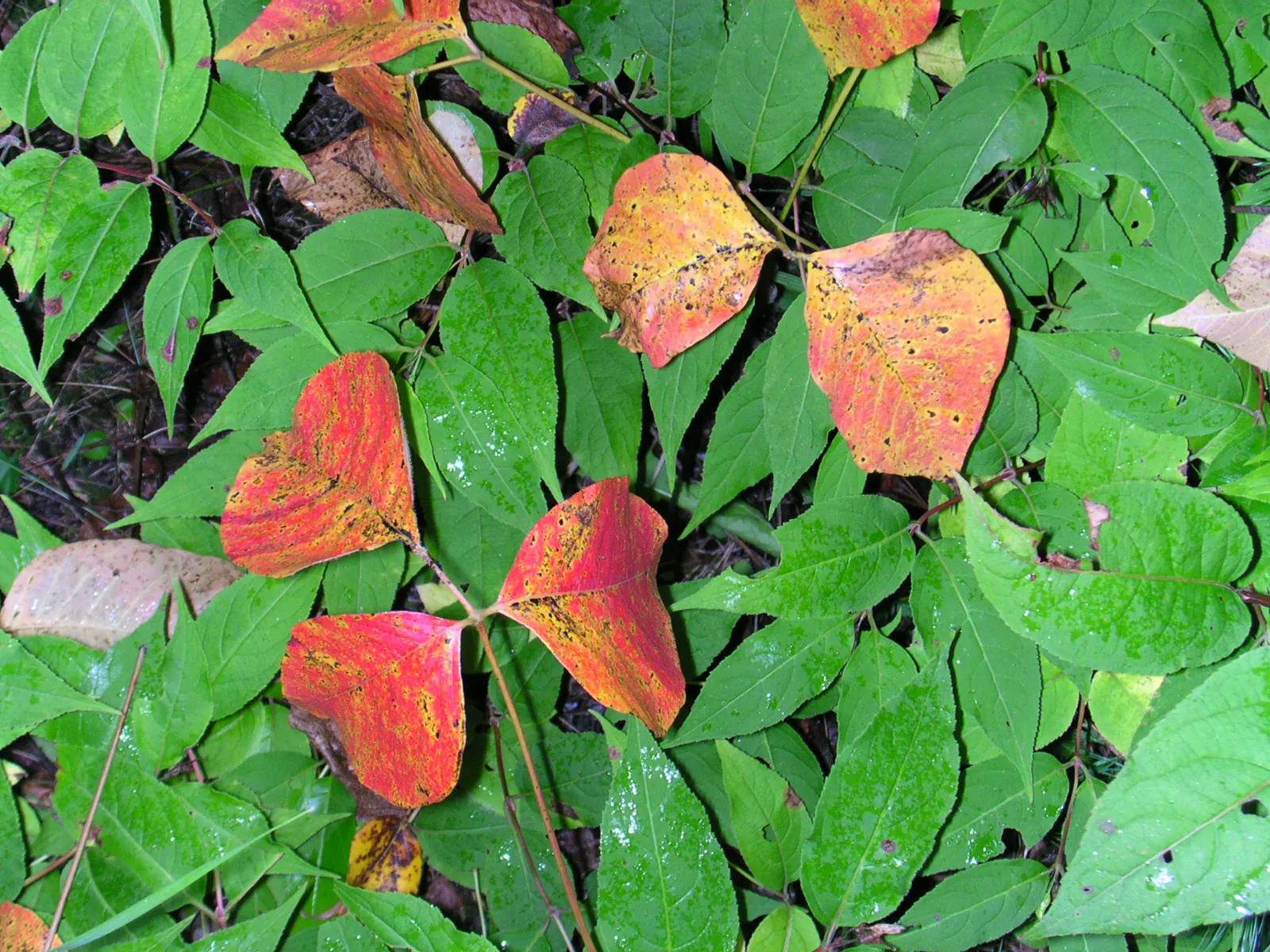
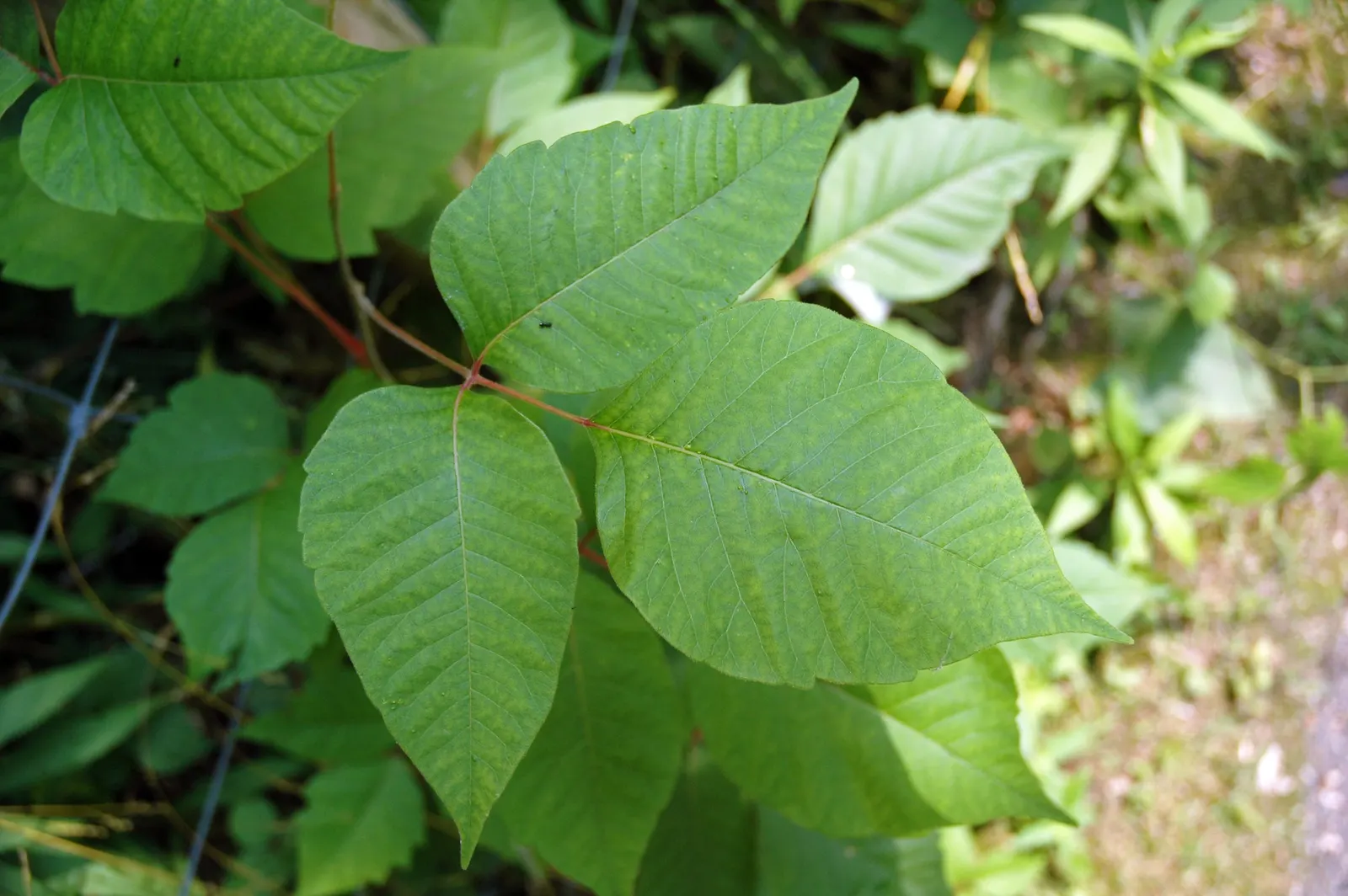
Poison Ivy (Toxicodendron radicans) is a pernicious, native North American plant, identifiable by its trio of leaflets. Thriving in zones 4-10, it can spread as a groundcover or climb up to 30 feet as a vine. The plant contains urushiol, causing severe skin irritation upon contact. Due to its invasive nature and health risks, it's generally unwelcome in landscapes. Exercise caution: even dead plants can still cause reactions.

Sun Full, Half, ShadeWater Very LowZones 8–10Climate Temperate
Poison Ivy (Toxicodendron Radicans) — native North American plant

Culture

Sun
Full, Half, Shade
Water
Very Low
USDA zones
8–10

Shape & size

Mature height
1–3 Ft.
Mature width
1–3 Ft.

Classification

Family
Anacardiaceae
Climate
Temperate

See full data, regional cultivation notes, full-resolution photos, and design tools. Build a client presentation around this plant.

Start your 14-day trial

Photos (98)

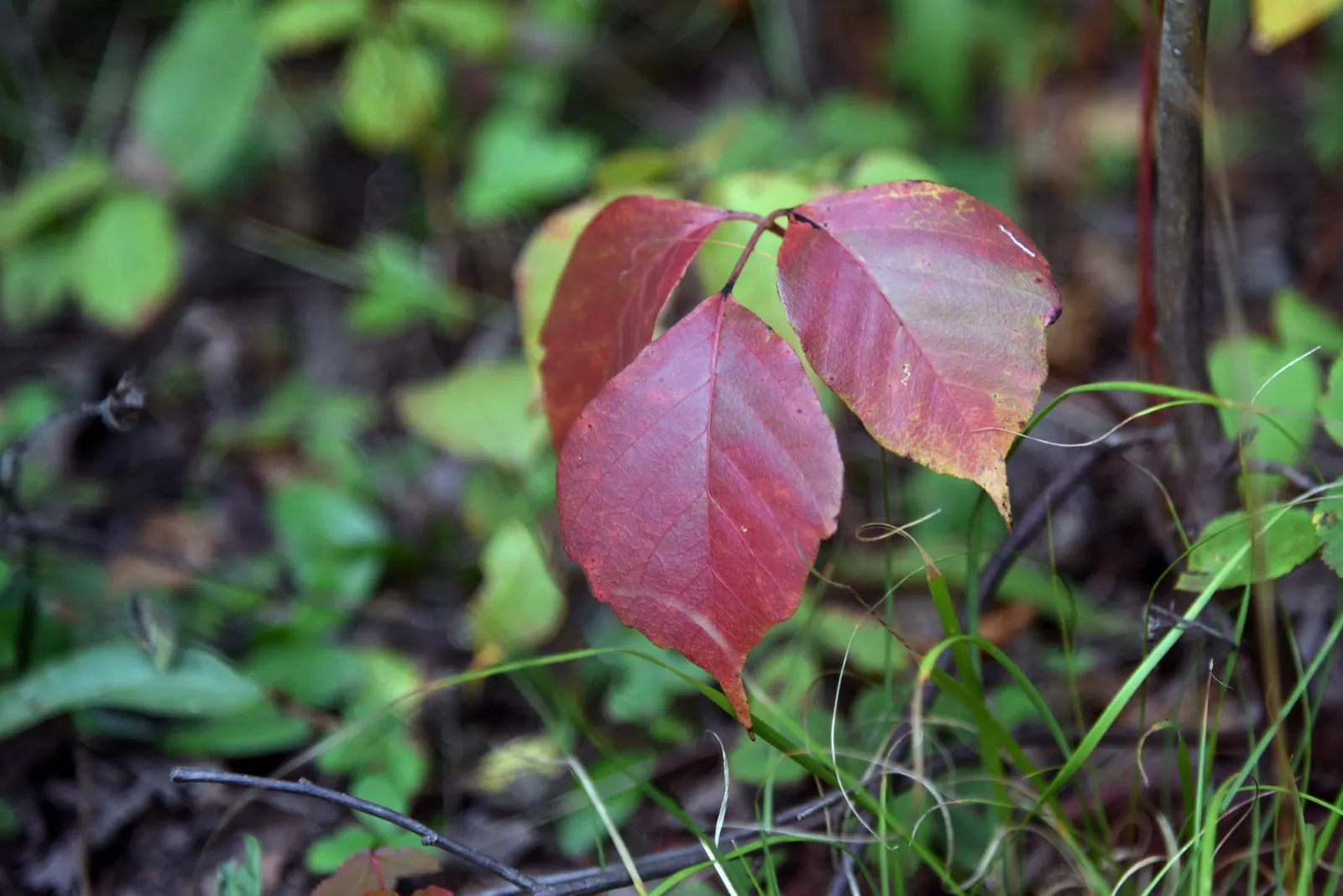
Poison Ivy (Toxicodendron Radicans) — Due to its invasive nature and health risks, it's generally unwelcome in landscapes; especially in areas with, image 48
Poison Ivy (Toxicodendron Radicans) — Exercise caution: even dead plants can still cause reactions; thriving in zones 4-10, it can spread as a, image 49
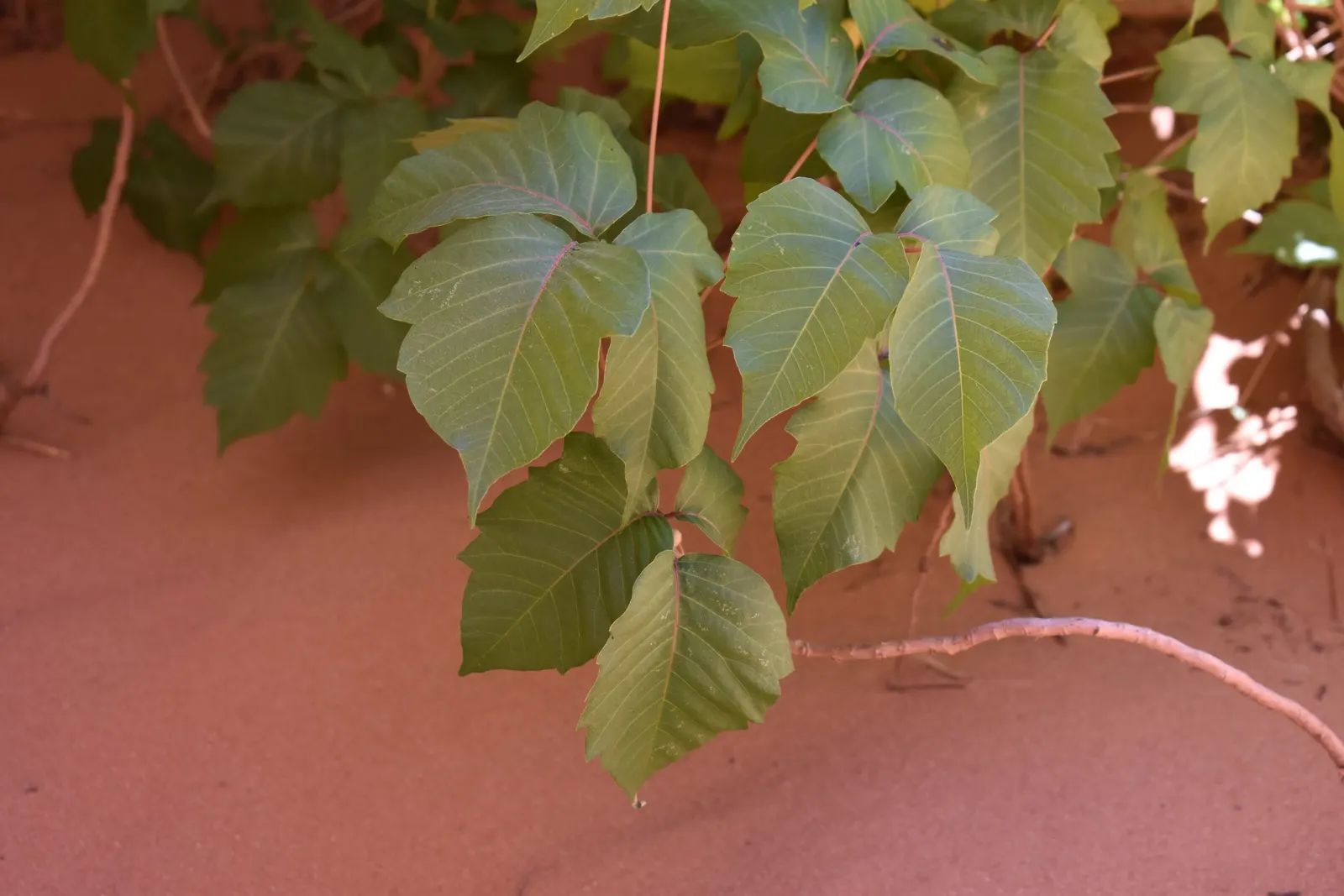
Poison Ivy (Toxicodendron Radicans) — commonly known as poison ivy; its leaves are distinctive, image 50
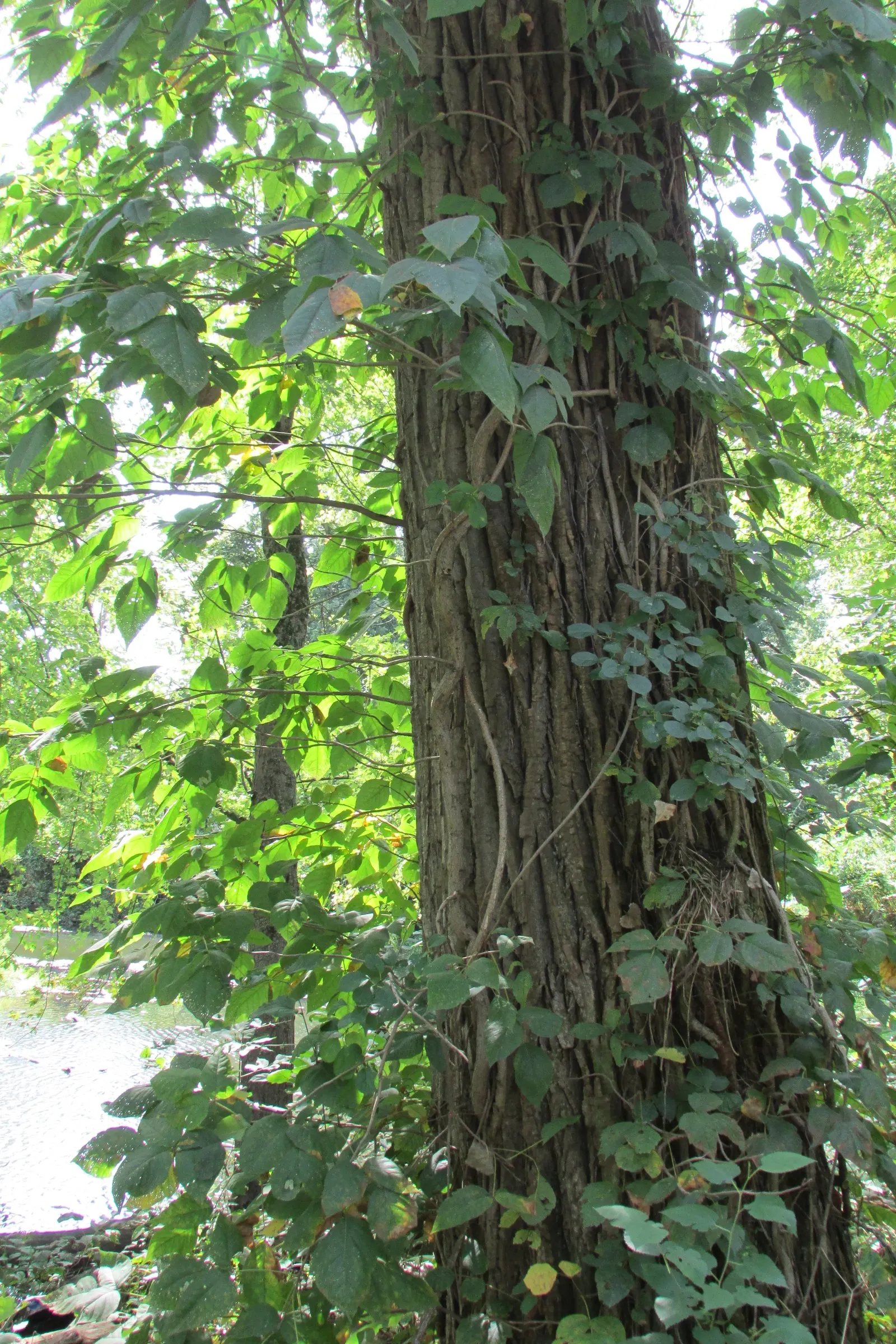
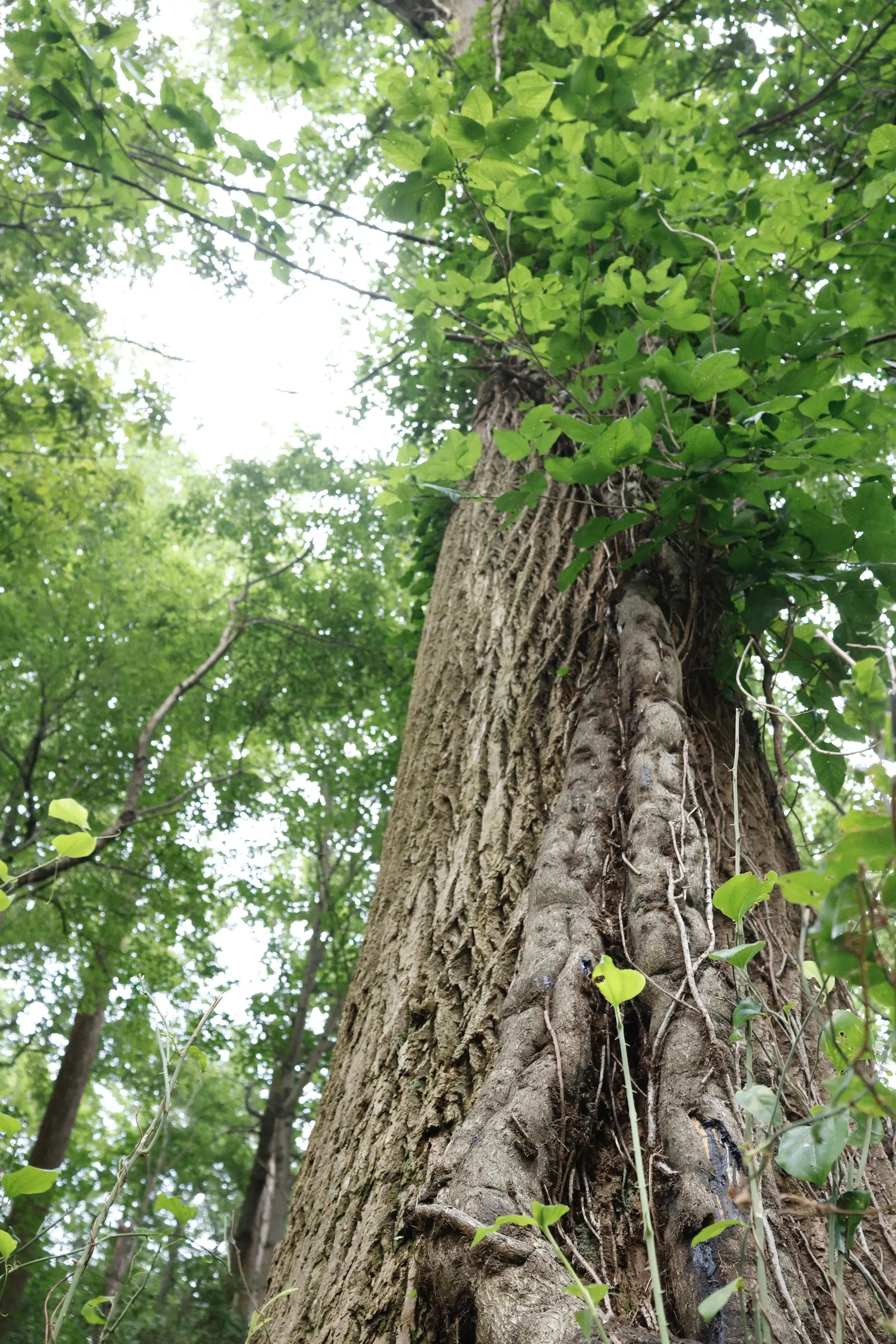
Poison Ivy (Toxicodendron Radicans) — often climbing trees with the aid of small rootlets; thriving in zones 4-10, it can spread as a groundcover, image 52
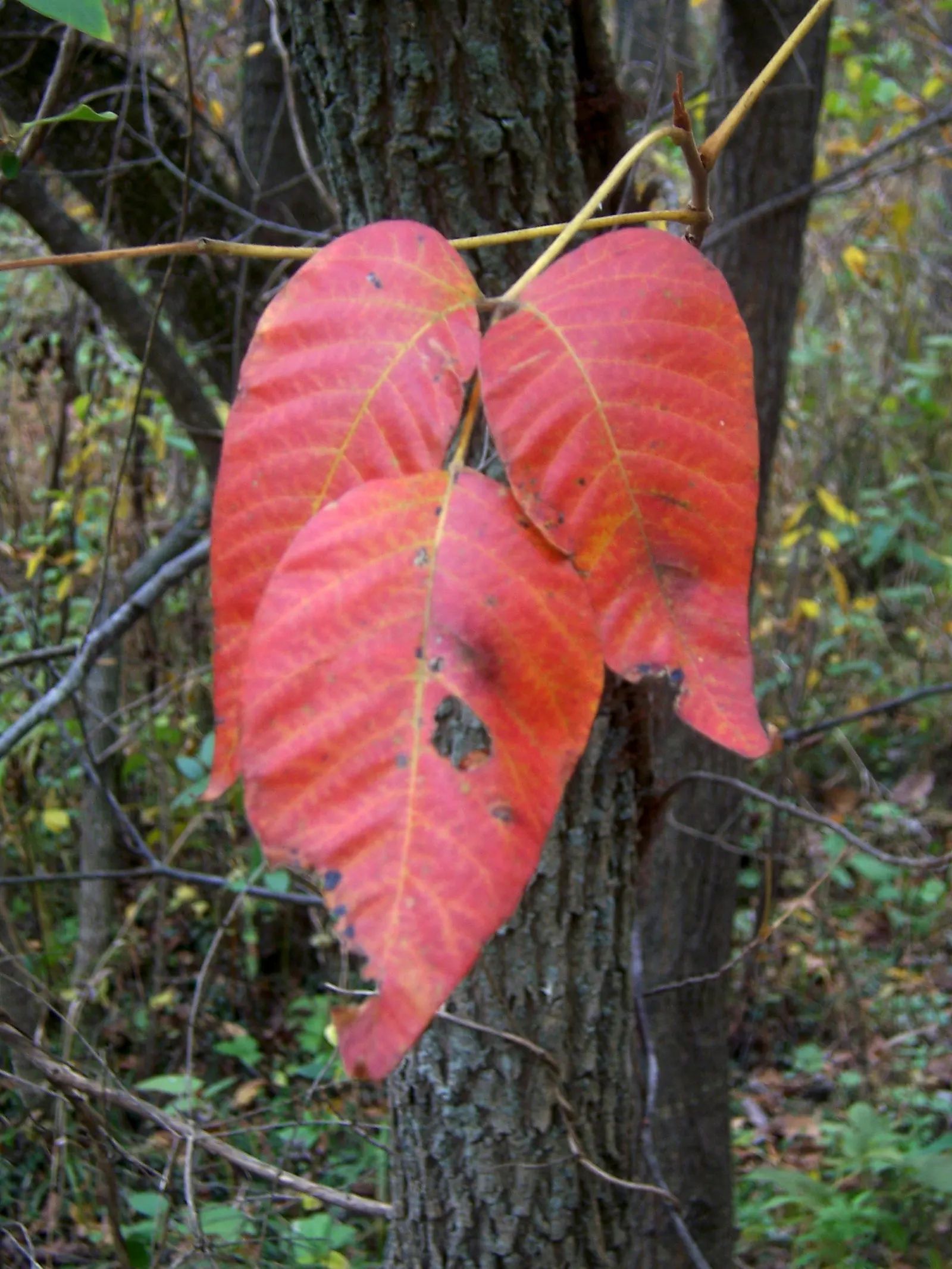
Poison Ivy (Toxicodendron Radicans) — and taking on a reddish hue when they emerge in spring; its leaves are distinctive, image 56
Poison Ivy (Toxicodendron Radicans) — Its leaves are distinctive, image 53
Poison Ivy (Toxicodendron Radicans) — well-drained soils and is commonly found along the edges of woods or other undisturbed areas; especially in, image 57
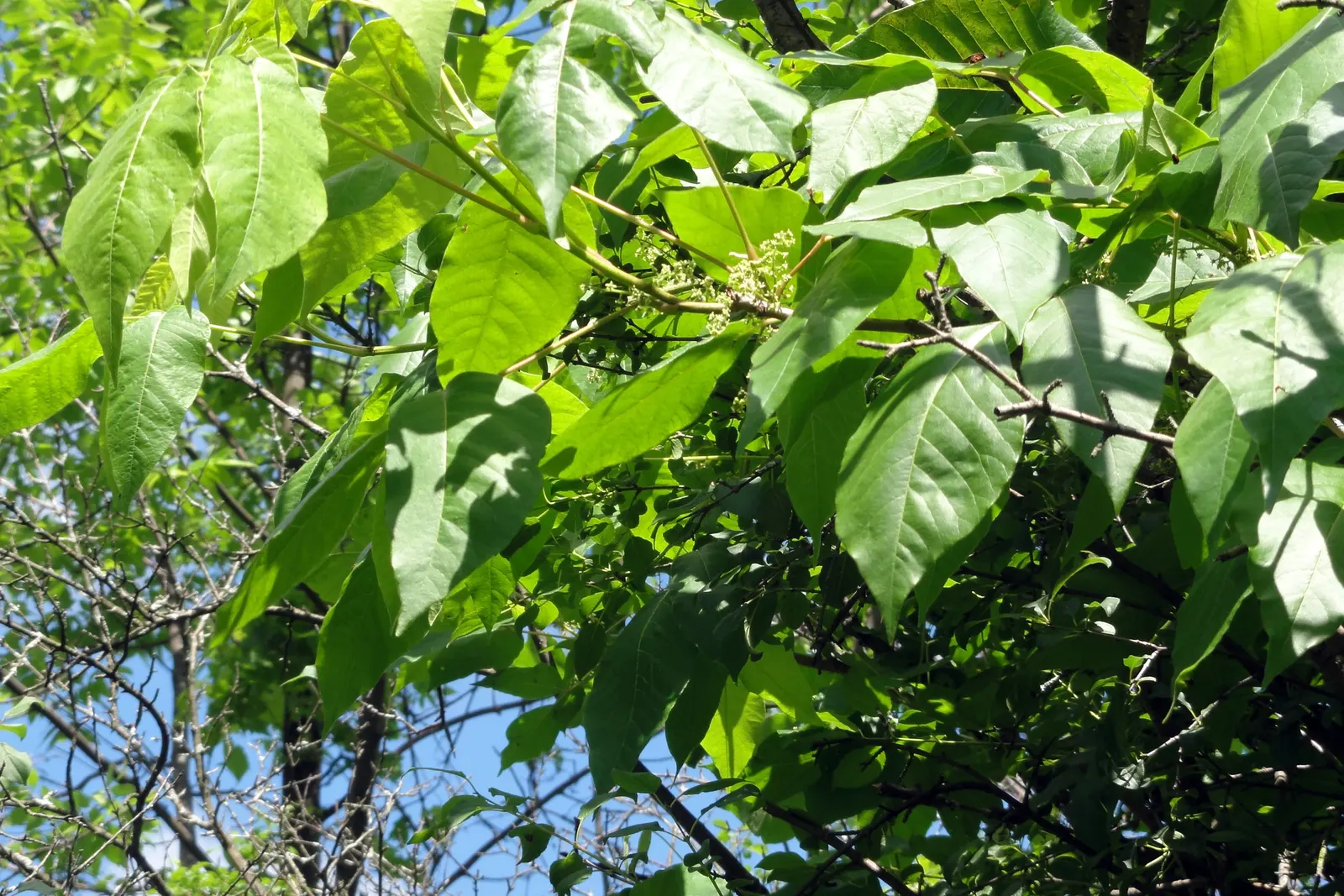
Poison Ivy (Toxicodendron Radicans) — with three almond-shaped leaflets; especially in areas with human activity, image 54
Poison Ivy (Toxicodendron Radicans) — ranging in size from 2 to 8 inches long; thriving in zones 4-10, it can spread as a groundcover or climb up, image 55
Poison Ivy (Toxicodendron Radicans) — It spreads through seed dispersal and vegetatively by rhizomes.<br><br>When designing landscapes; thriving in, image 58
Poison Ivy (Toxicodendron Radicans) — it\'s critical to plan for controlled removal of poison ivy; its leaves are distinctive, image 59
Poison Ivy (Toxicodendron Radicans) — shrub for full or half or shade; especially in areas with human activity, image 63
Poison Ivy (Toxicodendron Radicans) — Personal protective equipment is mandatory when handling this plant; thriving in zones 4-10, it can spread as, image 61
Poison Ivy (Toxicodendron Radicans) — especially in areas with human activity, image 60
Poison Ivy (Toxicodendron Radicans) — Thriving in zones 4-10, it can spread as a groundcover or climb up to 30 feet as a vine, image 67
Poison Ivy (Toxicodendron Radicans) — Poison Ivy (Toxicodendron radicans) is a pernicious; thriving in zones 4-10, it can spread as a groundcover, image 64
Poison Ivy (Toxicodendron Radicans) — The plant contains urushiol, causing severe skin irritation upon contact; its leaves are distinctive, image 68
Poison Ivy (Toxicodendron Radicans) — Remember, "Leaves of three, let it be," to avoid accidental exposure; its leaves are distinctive, image 62
Poison Ivy (Toxicodendron Radicans) — native North American plant; its leaves are distinctive, image 65
Poison Ivy (Toxicodendron Radicans) — identifiable by its trio of leaflets; especially in areas with human activity, image 66
Poison Ivy (Toxicodendron Radicans) — Due to its invasive nature and health risks, it's generally unwelcome in landscapes; especially in areas with, image 69
Poison Ivy (Toxicodendron Radicans) — Exercise caution: even dead plants can still cause reactions; thriving in zones 4-10, it can spread as a, image 70
Poison Ivy (Toxicodendron Radicans) — commonly known as poison ivy; its leaves are distinctive, image 71
Poison Ivy (Toxicodendron Radicans) — often climbing trees with the aid of small rootlets; thriving in zones 4-10, it can spread as a groundcover, image 73

Related plants