Skip to content

Japanese Yew

Taxus Cuspidata

Design with this plant

Overview

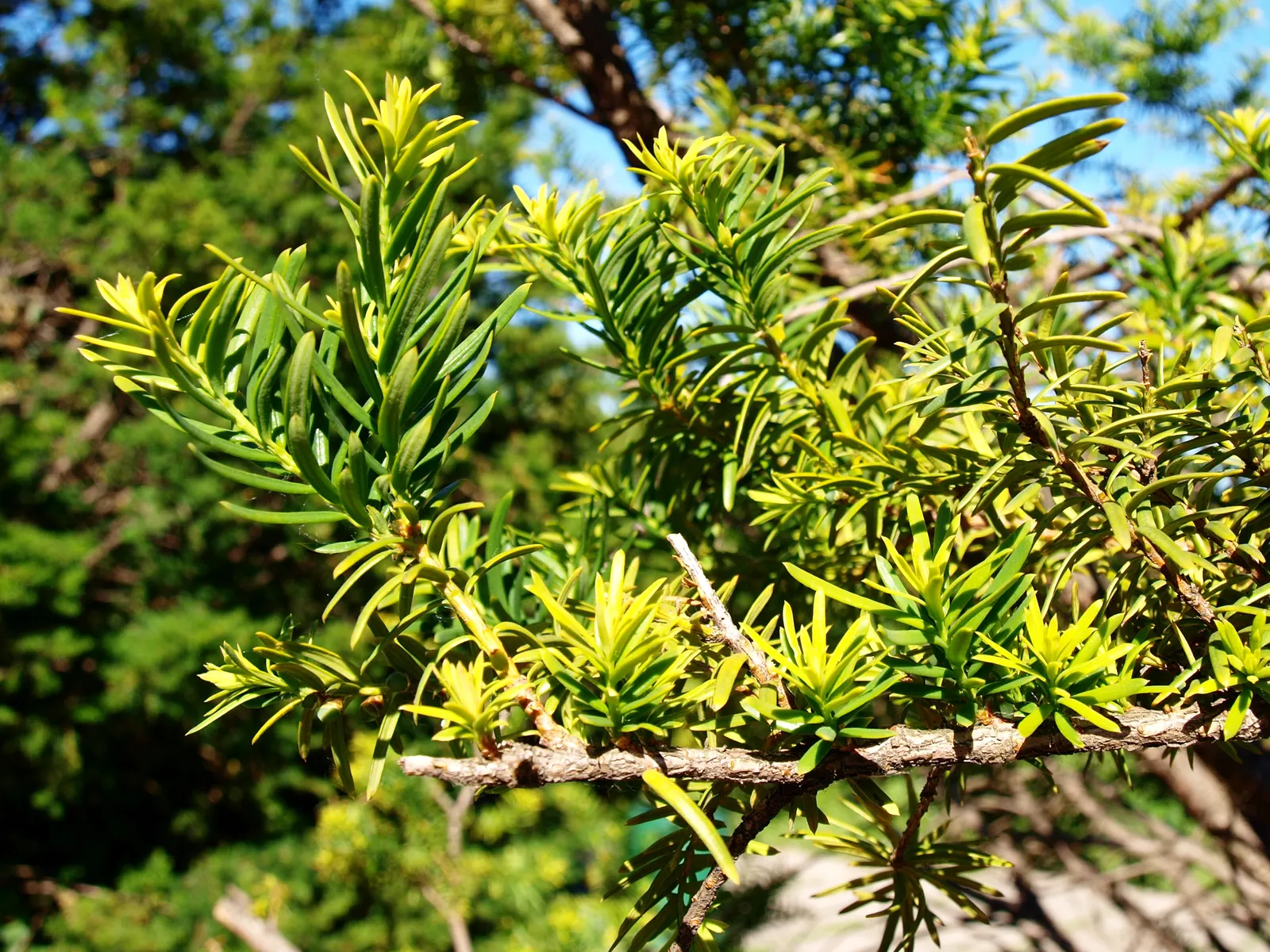
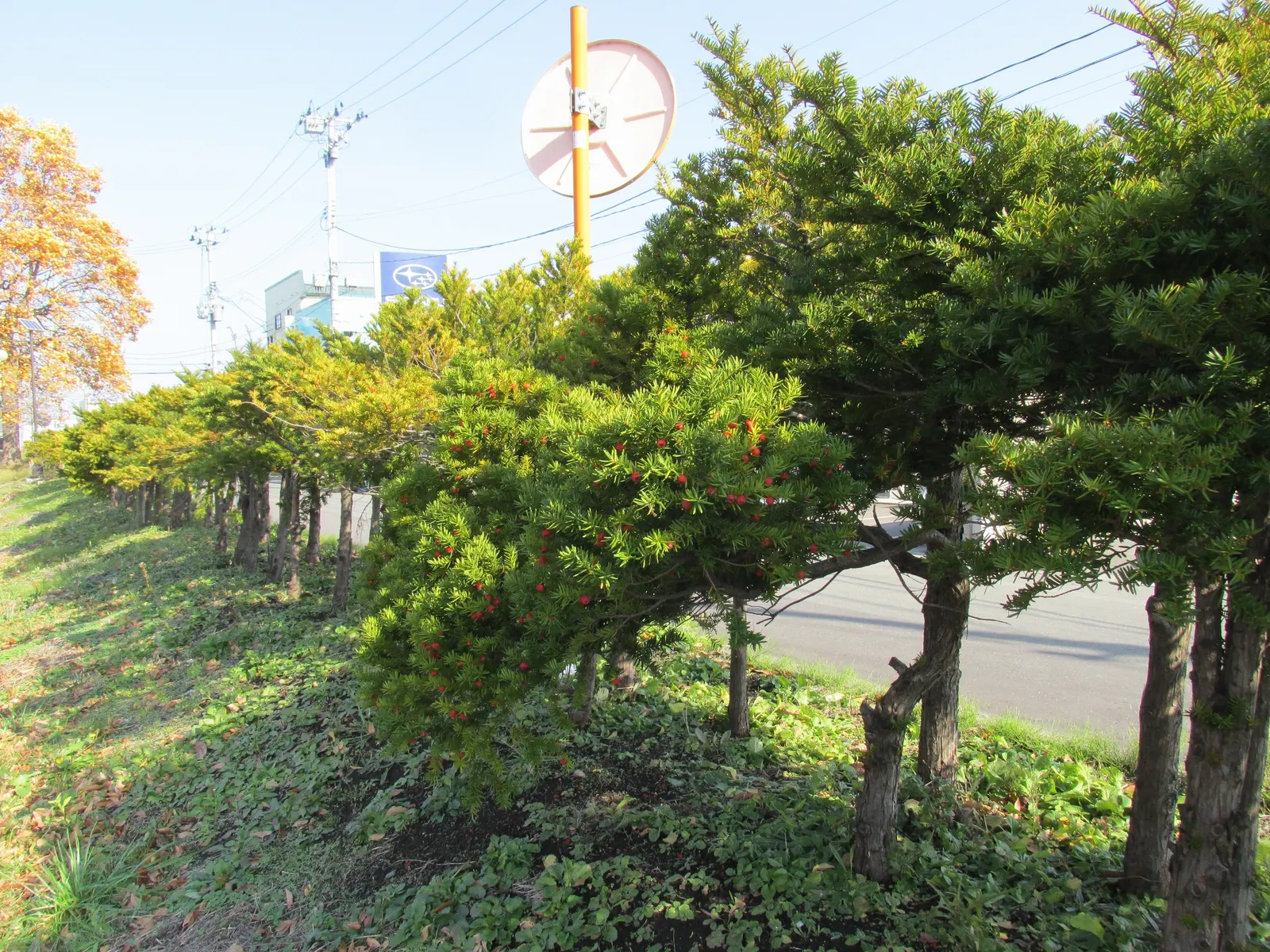
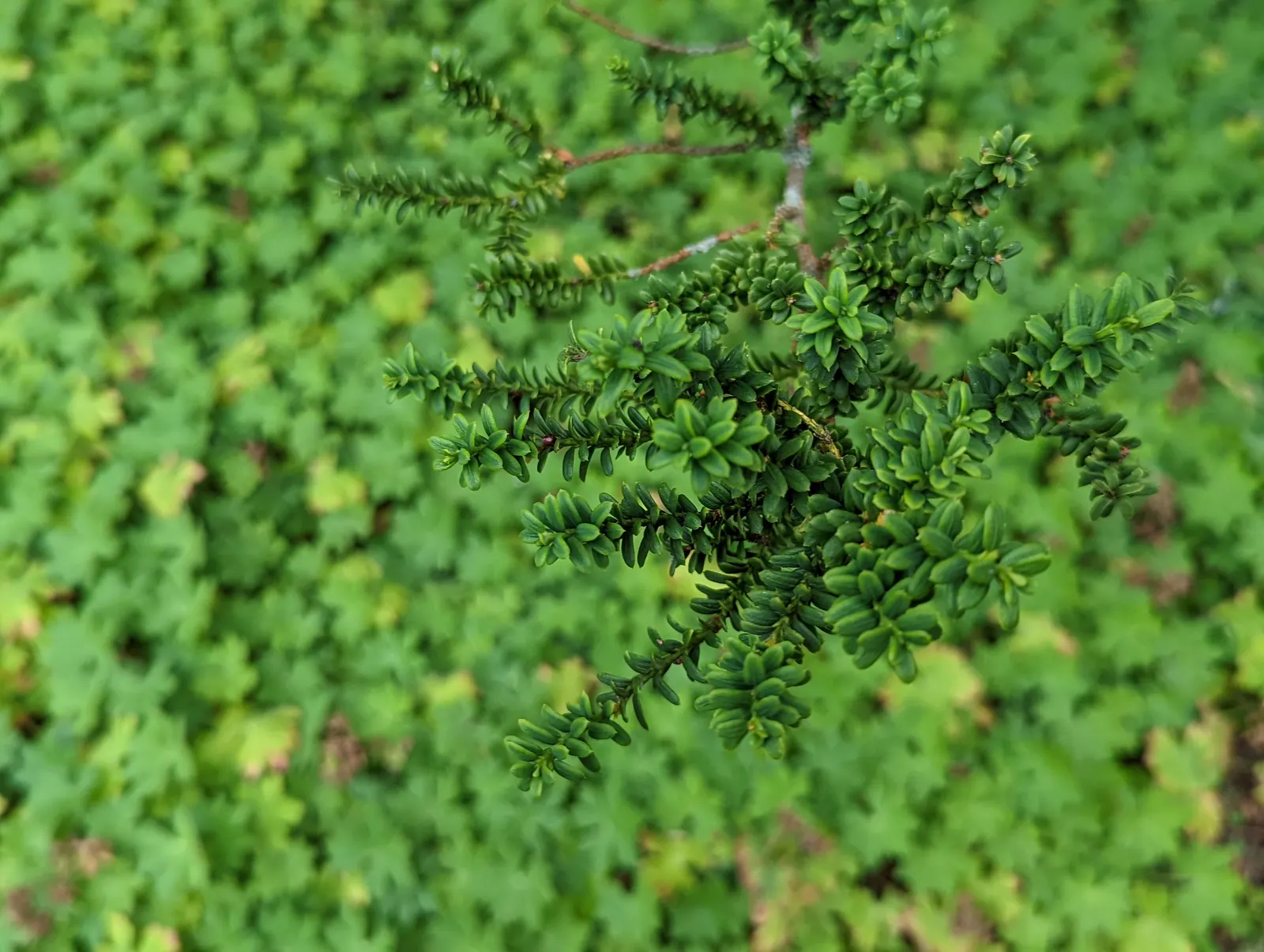
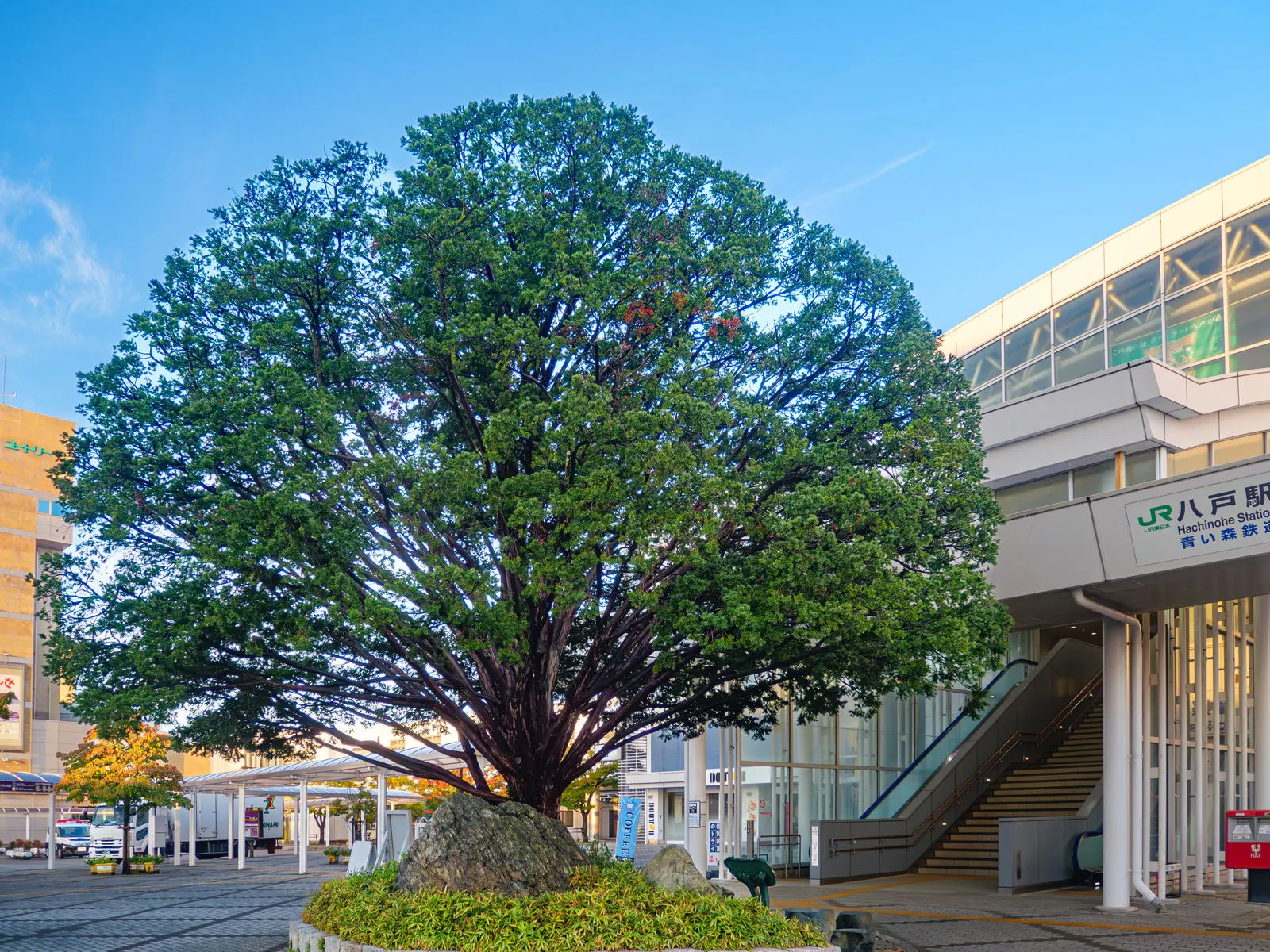
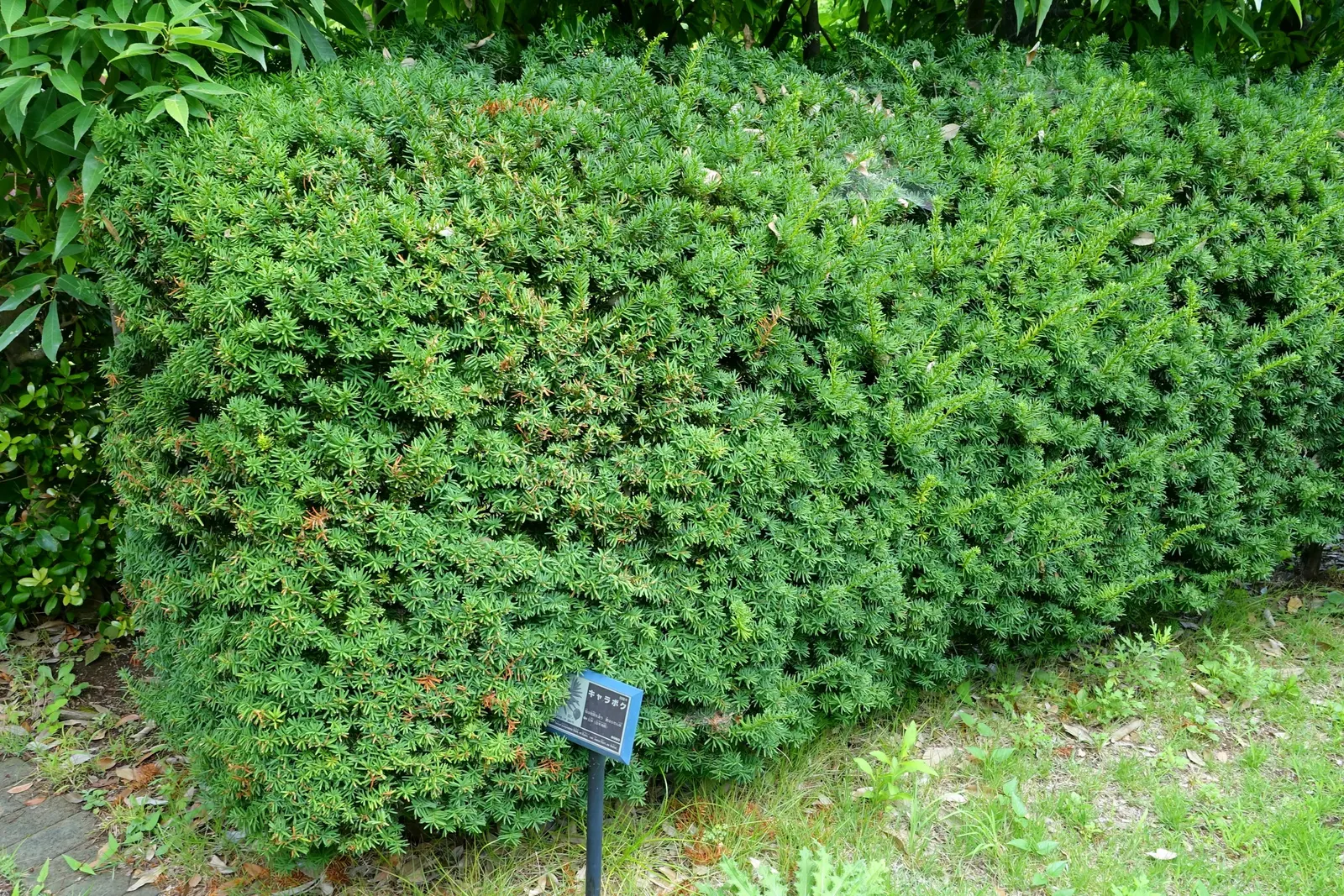
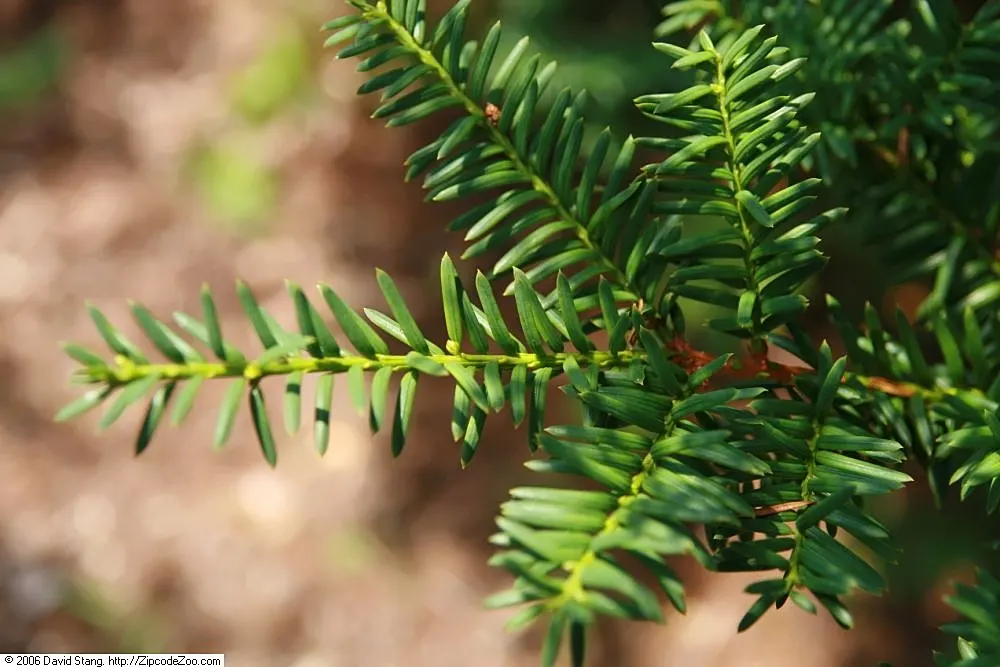
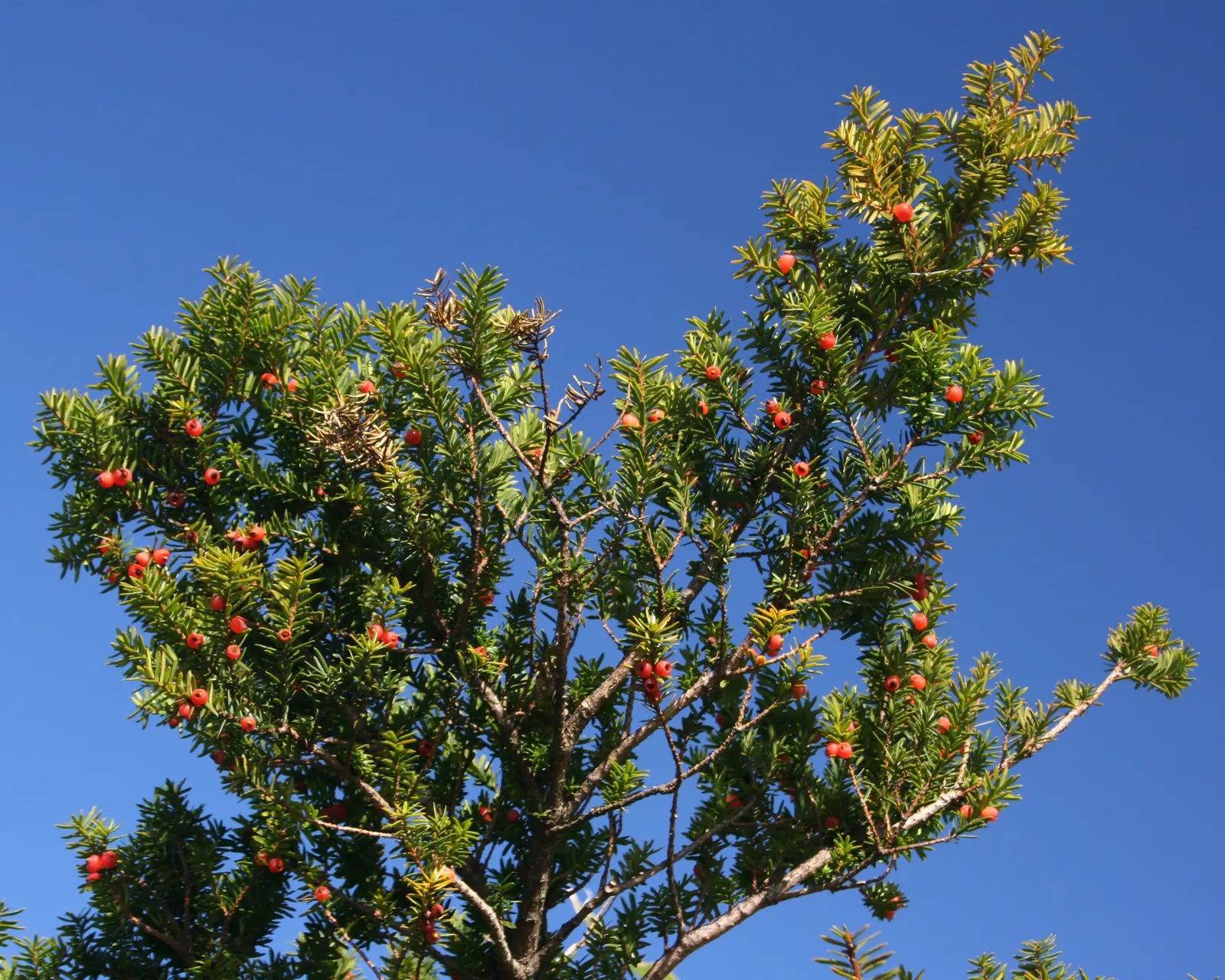
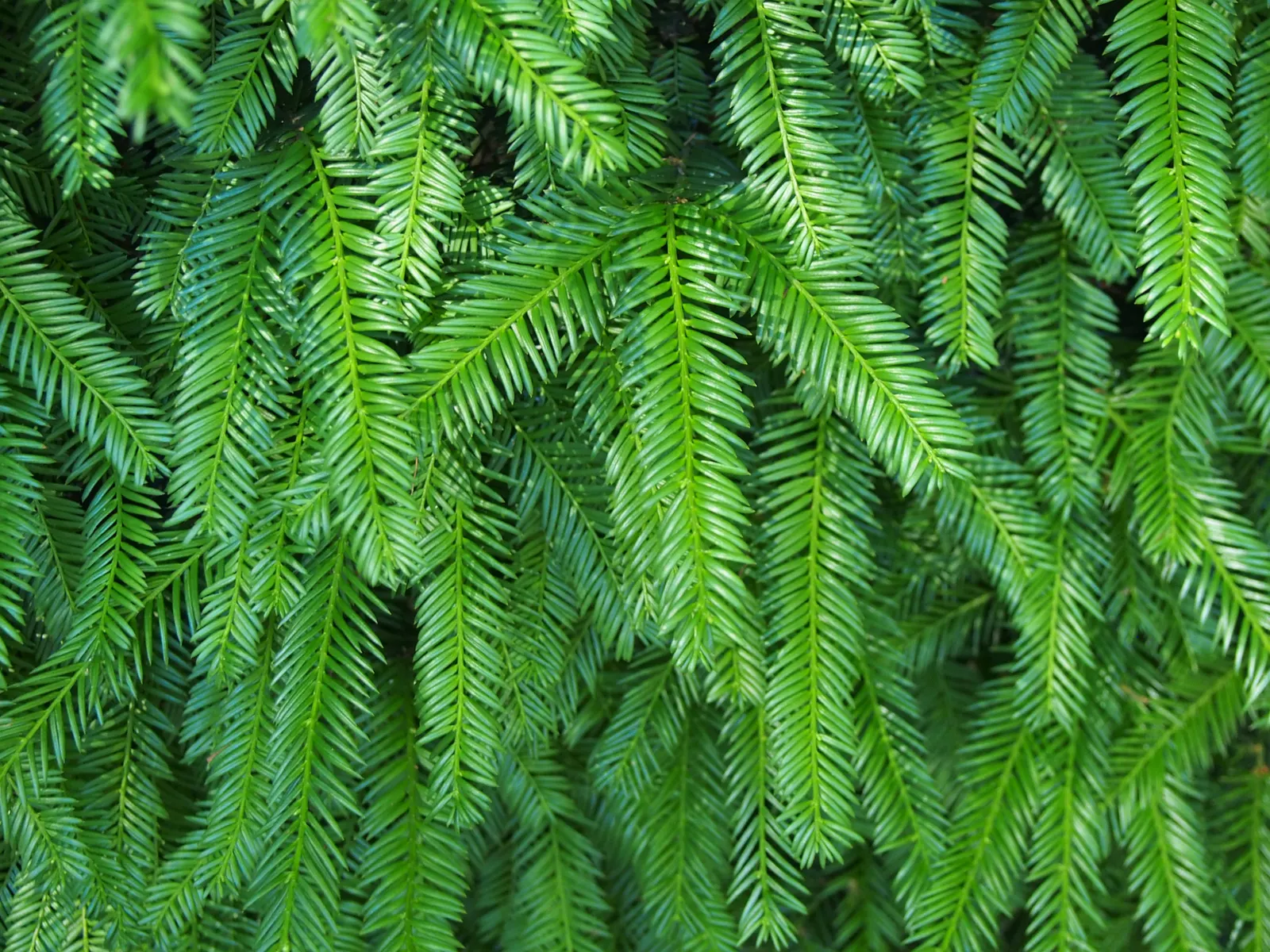
Japanese Yew, Taxus cuspidata, is a versatile evergreen, perfect for hedges with its dense, needle-like foliage. Mature size: 10-40ft tall, 10-25ft wide, with a slow growth rate of 6-12in/year. Hardy in zones 4-7, it thrives in partial to full sun and well-drained soil. Toxic if ingested. Pruning tolerance makes it ideal for shaping. Regular watering recommended, with more frequency during dry spells. Deer resistant, it provides year-round interest.
Sun Full, Half, ShadeWater MediumZones 4–7
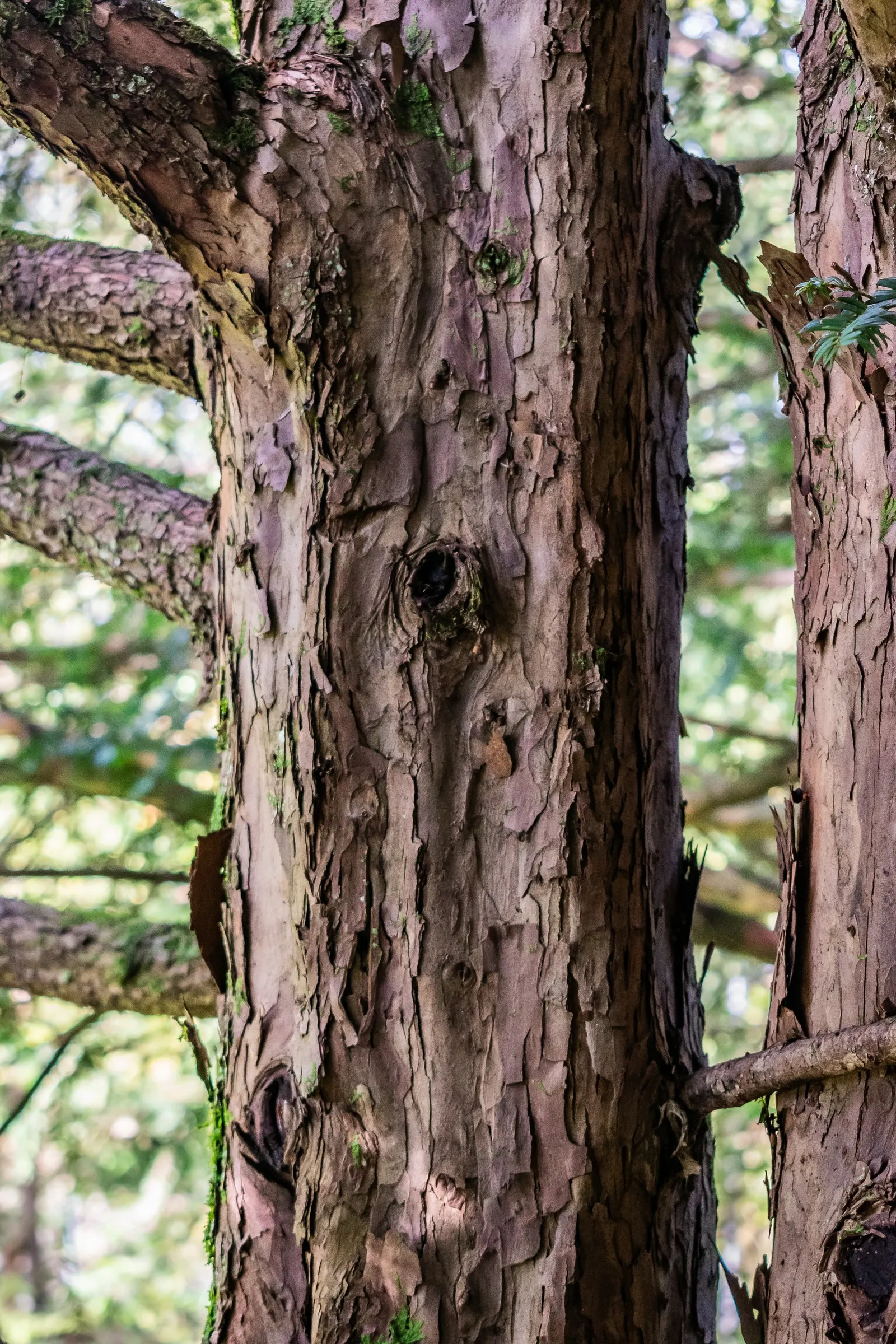
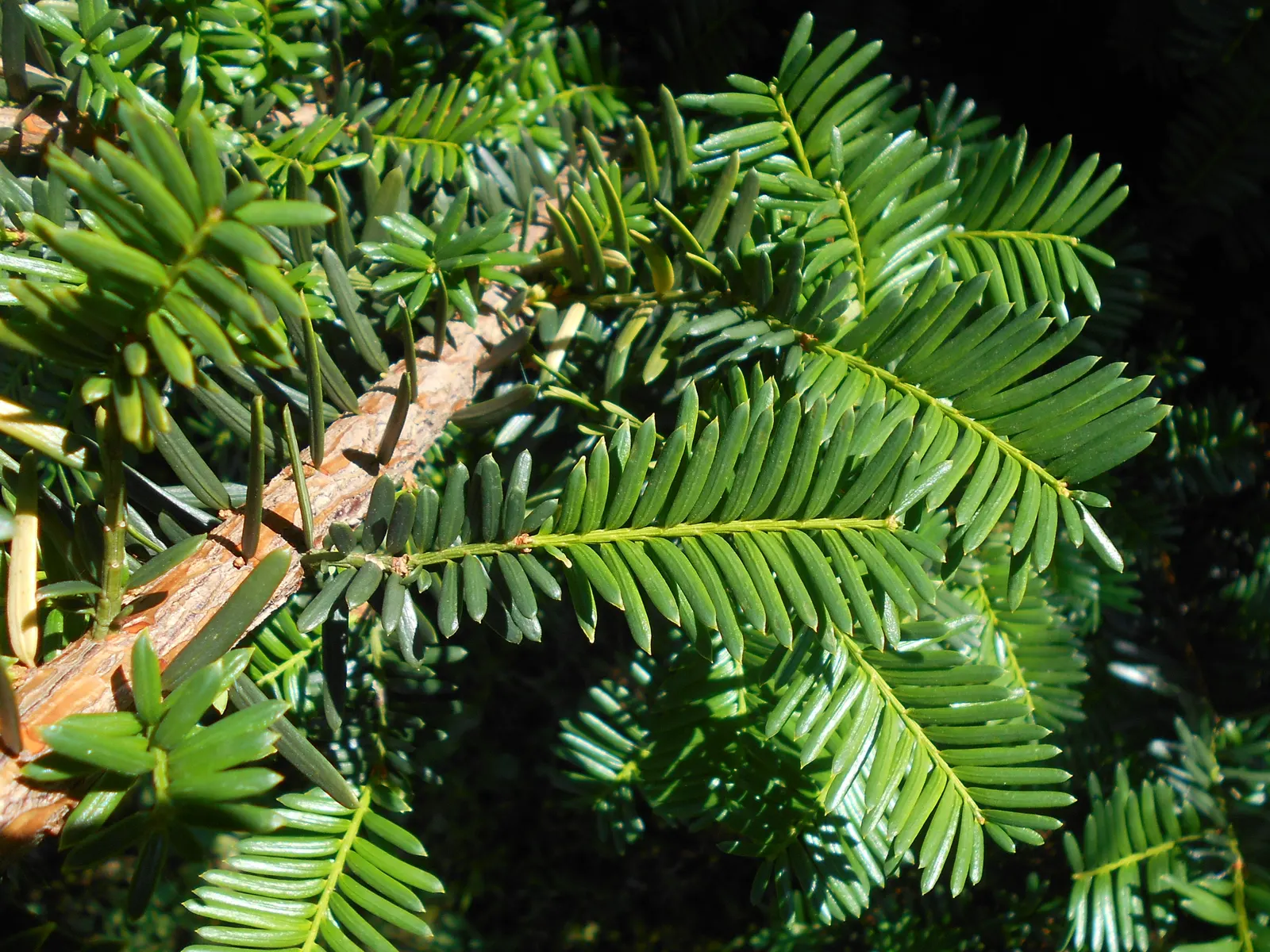
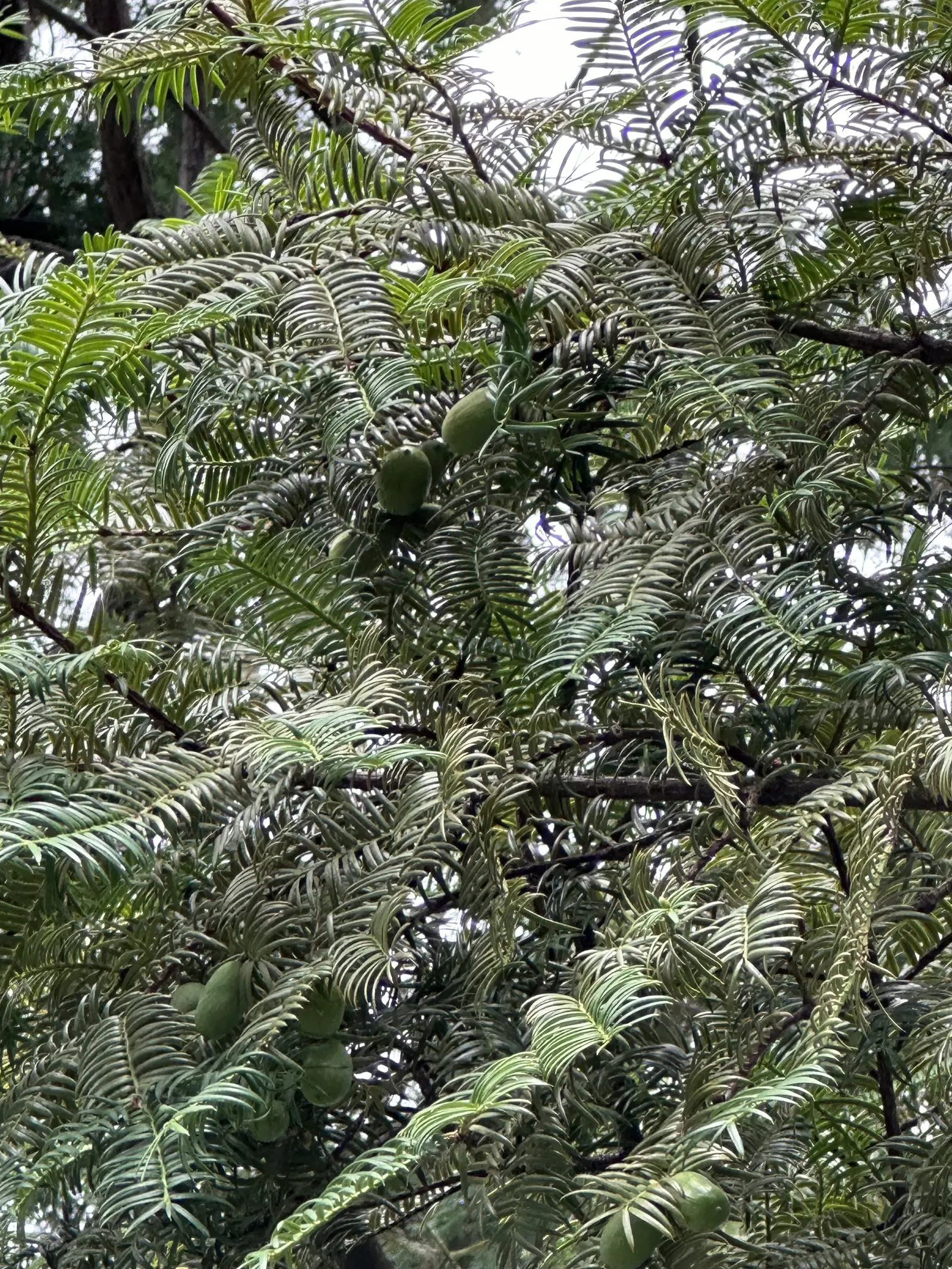
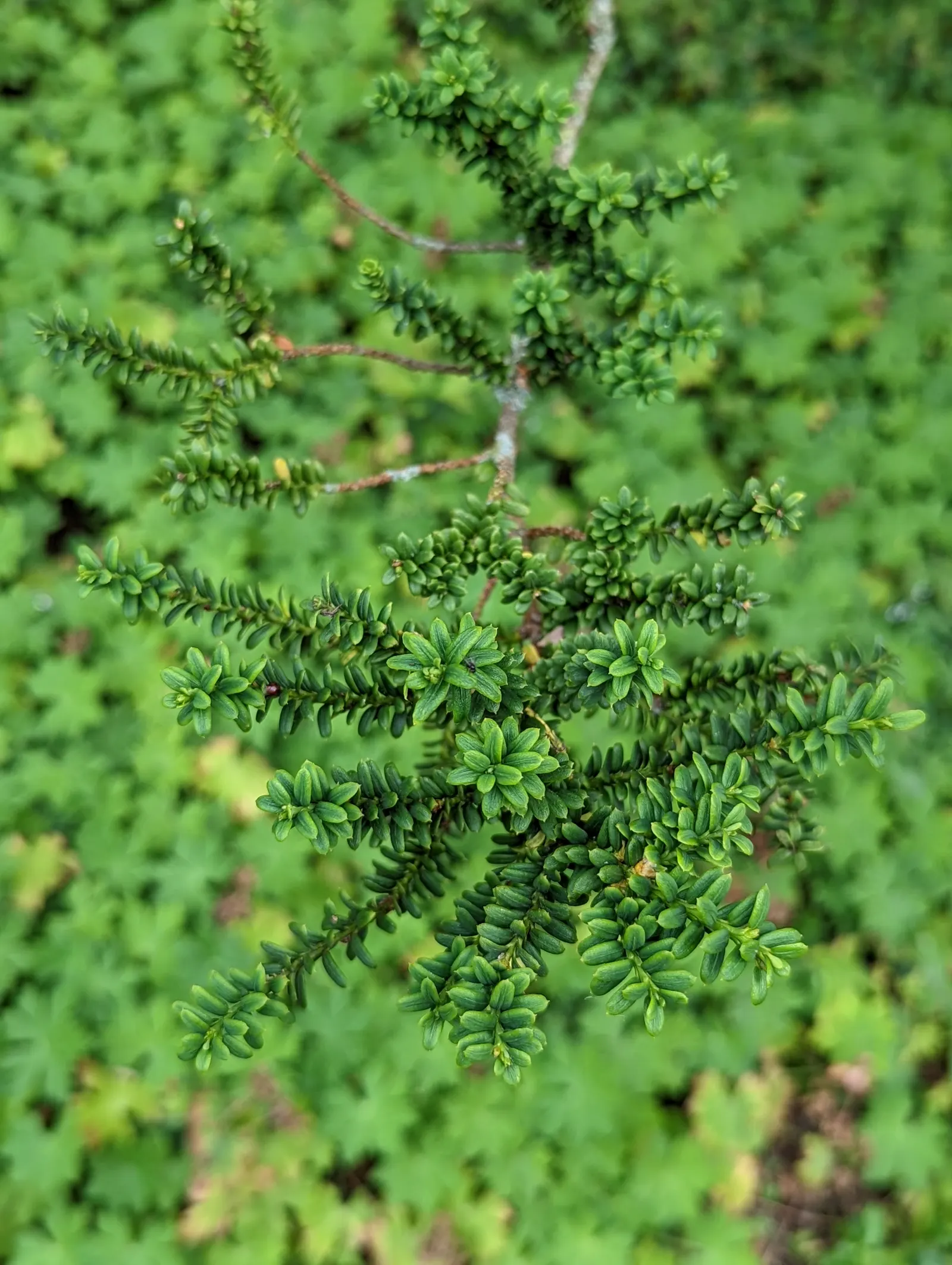
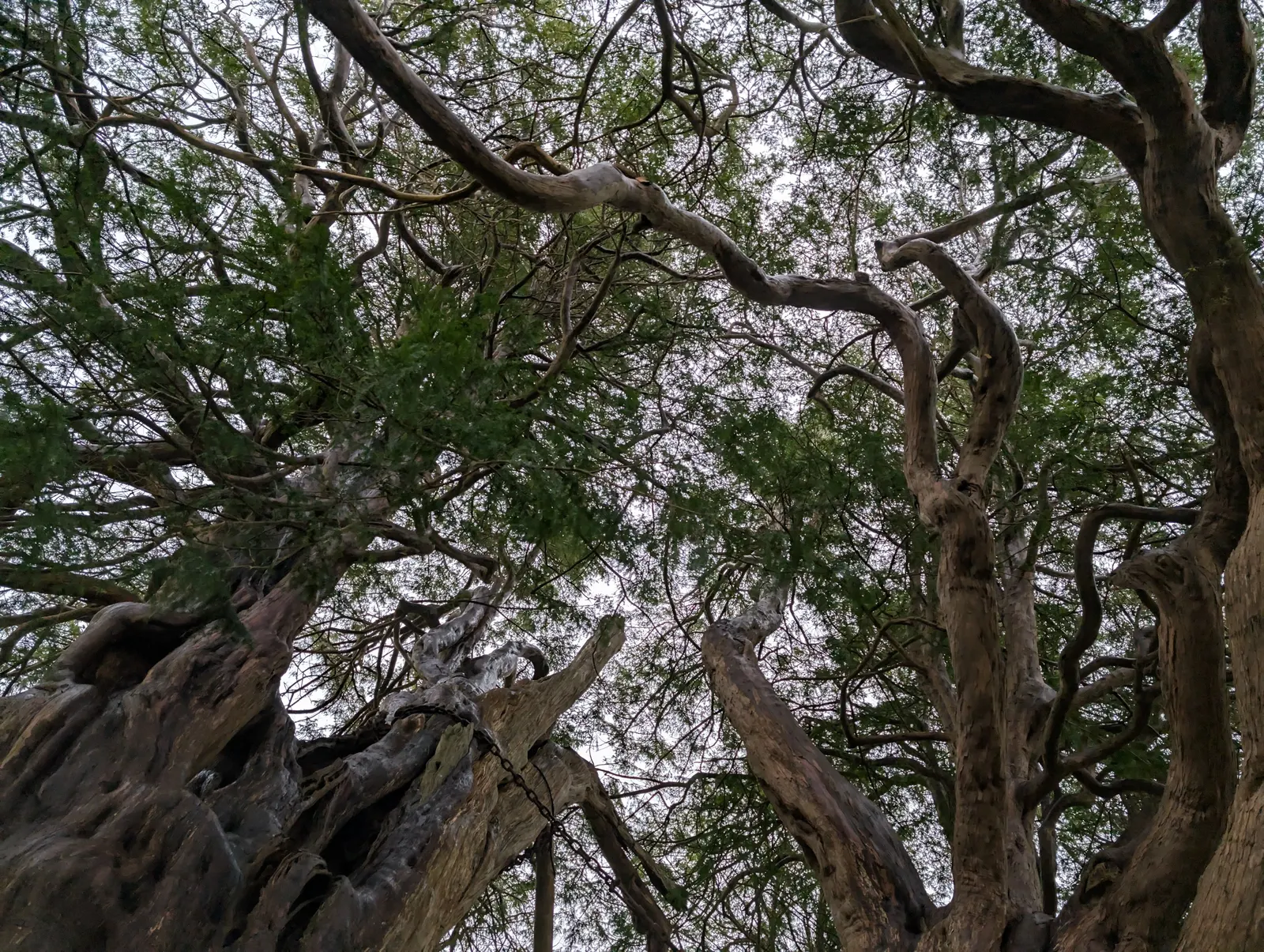
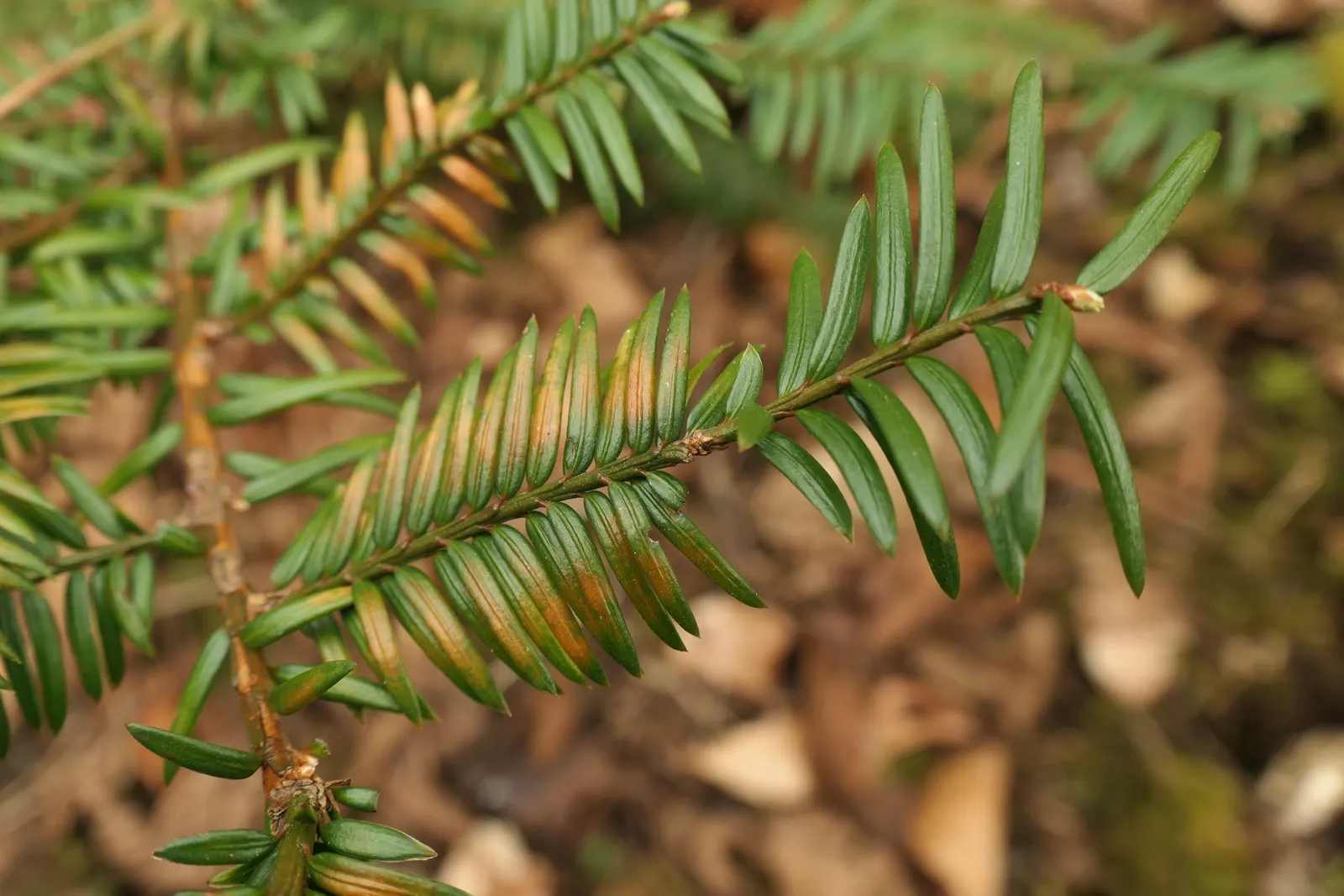
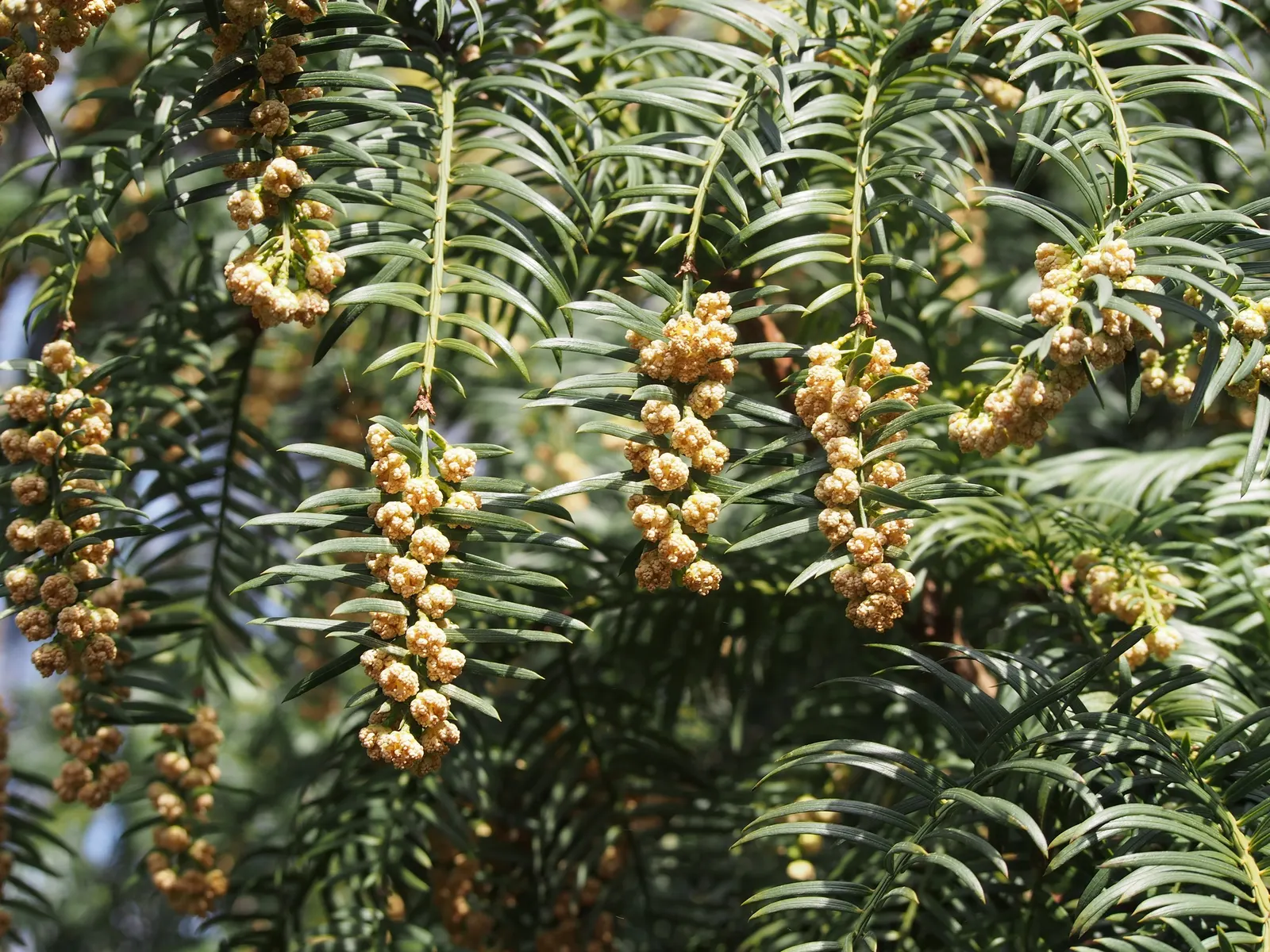
Japanese Yew (Taxus Cuspidata) — Deer resistant, it provides year-round interest

Culture

Sun
Full, Half, Shade
Water
Medium
USDA zones
4–7

Shape & size

Classification

Family
Taxaceae

See full data, regional cultivation notes, full-resolution photos, and design tools. Build a client presentation around this plant.

Start your 14-day trial

Photos (52)

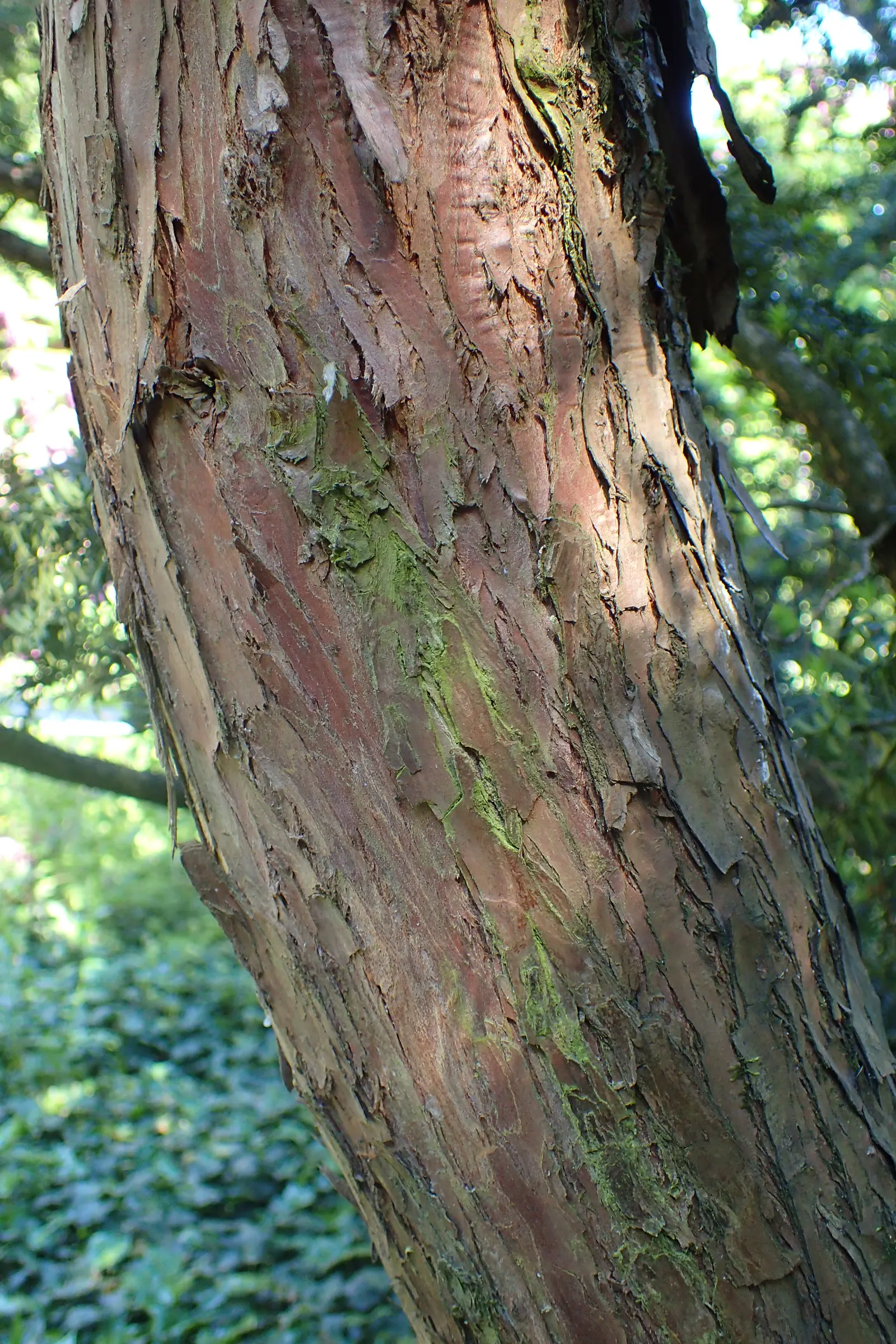
Japanese Yew (Taxus Cuspidata) — Remember that all parts of the plant are toxic if ingested
Japanese Yew (Taxus Cuspidata) — Always design with care, preserving the safety of both the environment and the community
Japanese Yew (Taxus Cuspidata) — Mature size: 10-40ft tall, 10-25ft wide, with a slow growth rate of 6-12in/year; this robust species can achieve a mature
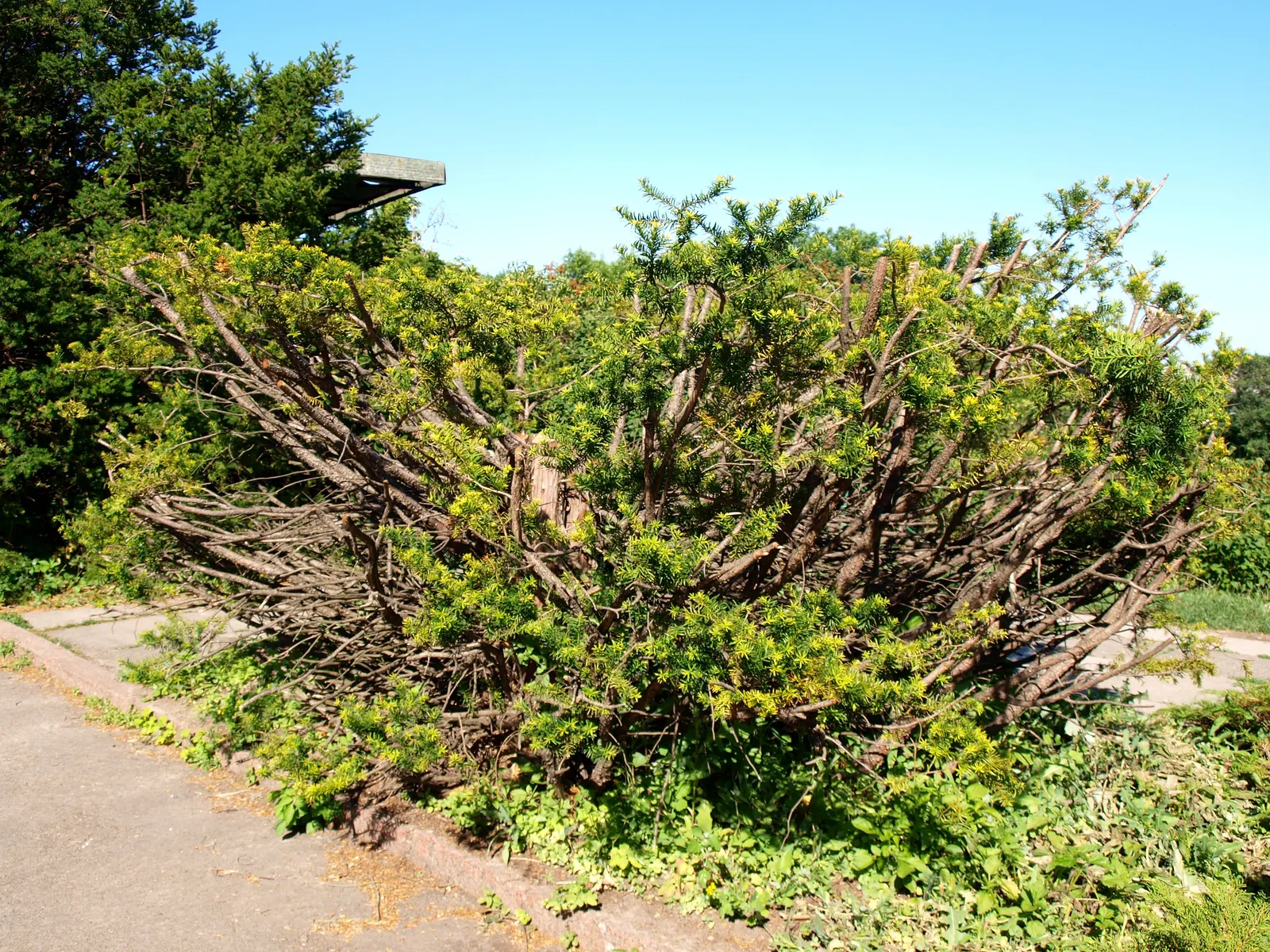
Japanese Yew (Taxus Cuspidata) — Pruning tolerance makes it ideal for shaping; conifer / shrub for full or half or shade
Japanese Yew (Taxus Cuspidata) — Hardy in zones 4-7, it thrives in partial to full sun and well-drained soil; although its density and growth rate might be
Japanese Yew (Taxus Cuspidata) — Deer resistant, it provides year-round interest; spanning approximately 1 inch in length
Japanese Yew (Taxus Cuspidata) — scientifically known as Taxus cuspidata; which allows for shaping into various formal forms.<br><br>For maximum impact
Japanese Yew (Taxus Cuspidata) — Regular watering recommended, with more frequency during dry spells; scientifically known as Taxus cuspidata
Japanese Yew (Taxus Cuspidata) — is an evergreen conifer renowned for its dense; hardy in zones 4-7, it thrives in partial to full sun and well-drained soil
Japanese Yew (Taxus Cuspidata) — As an ideal candidate for landscape design, it offers both aesthetic appeal and versatility; the plant is adaptable to both
Japanese Yew (Taxus Cuspidata) — This robust species can achieve a mature height of 10 to 40 feet; always design with care, preserving the safety of both the
Japanese Yew (Taxus Cuspidata) — with a spread of 10 to 25 feet; deer resistant, it provides year-round interest
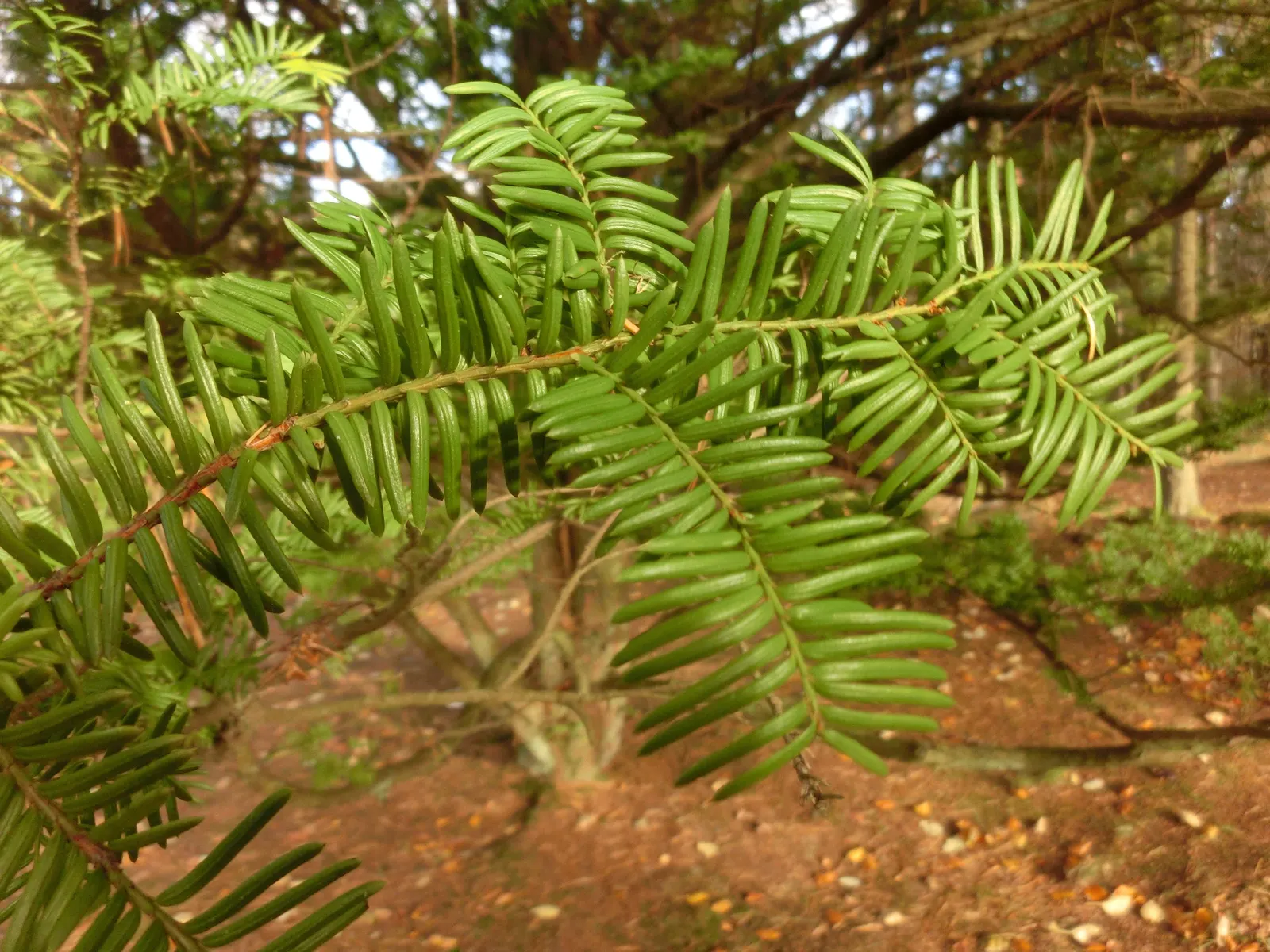
Japanese Yew (Taxus Cuspidata) — needle-like foliage and striking; as an ideal candidate for landscape design, it offers both aesthetic appeal and versatility
Japanese Yew (Taxus Cuspidata) — spanning approximately 1 inch in length; consider its ability to tolerate pruning
Japanese Yew (Taxus Cuspidata) — preferring well-drained soils with a pH range from slightly acidic to neutral; needle-like foliage and striking
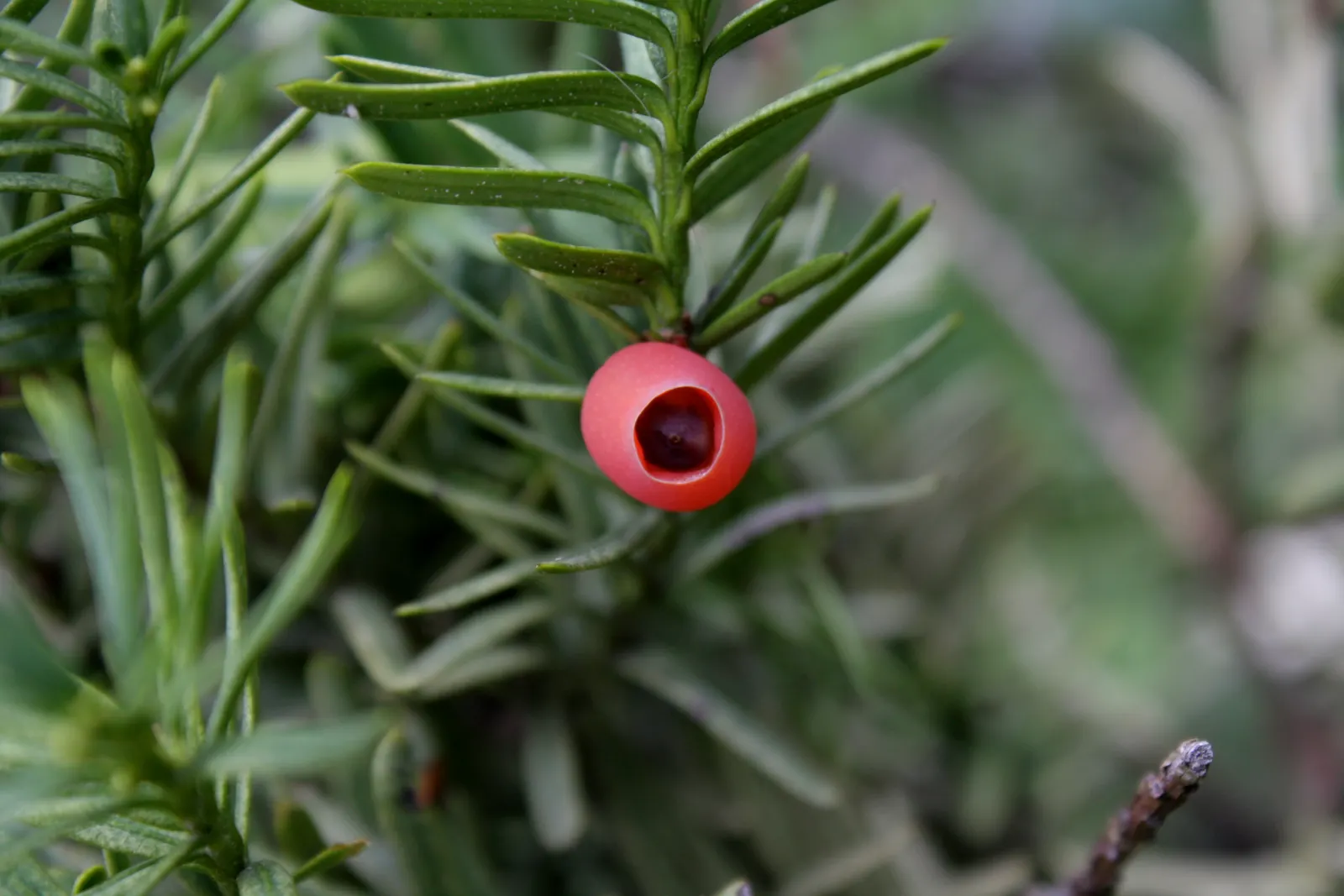
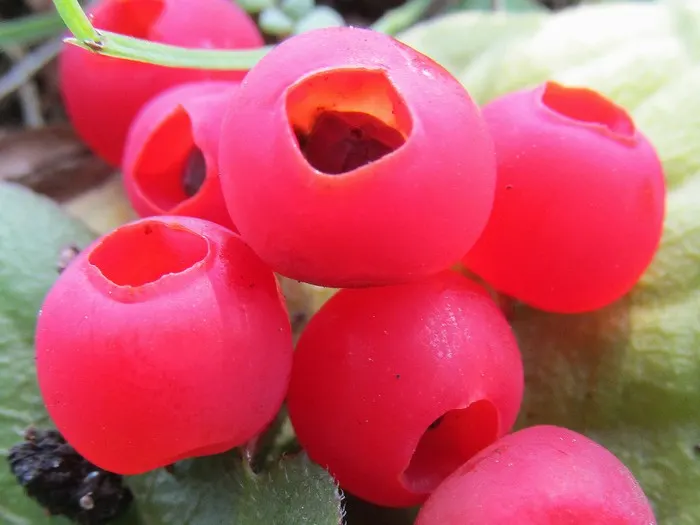
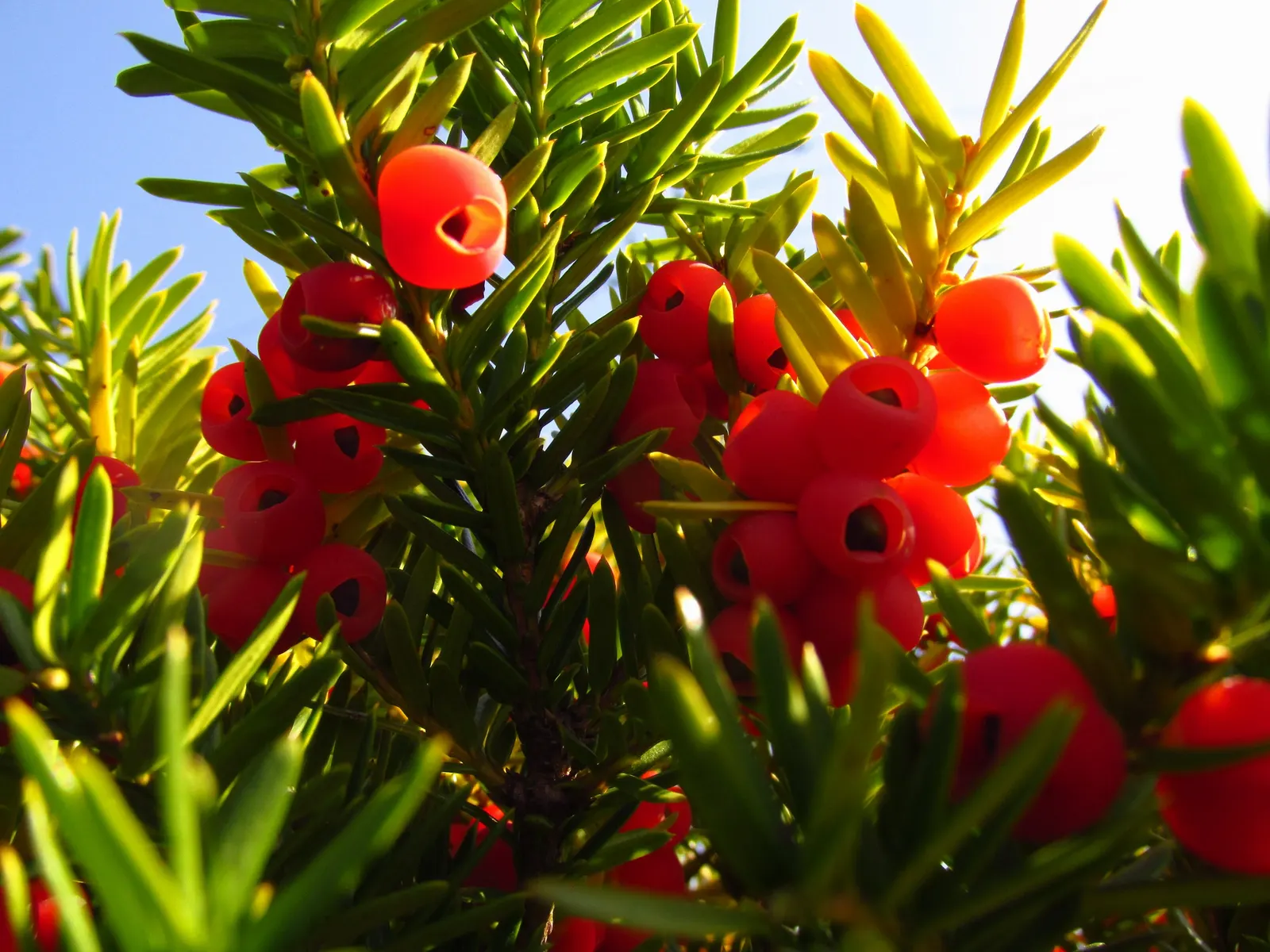
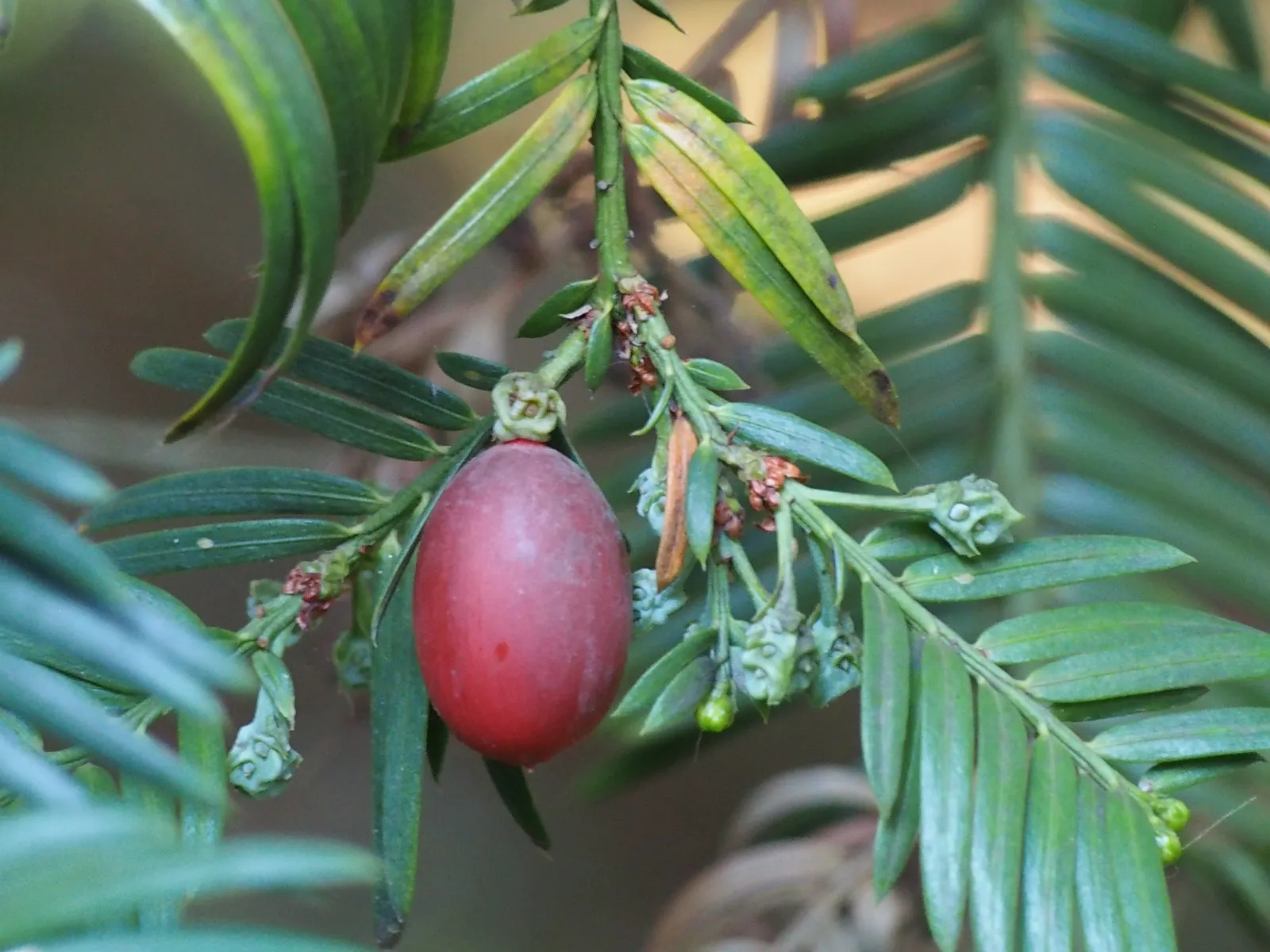
Japanese Yew (Taxus Cuspidata) — rounded cones; bright red; mature size: 10-40ft tall, 10-25ft wide, with a slow growth rate of 6-12in/year
Japanese Yew (Taxus Cuspidata) — making it suitable for screens, image 38
Japanese Yew (Taxus Cuspidata) — The plant is adaptable to both full sun and partial shade; preferring well-drained soils with a pH range from slightly acidic
Japanese Yew (Taxus Cuspidata) — although its density and growth rate might be affected by excessive shade; remember that all parts of the plant are toxic if
Japanese Yew (Taxus Cuspidata) — When integrating into a landscape design; regular watering recommended, with more frequency during dry spells
Japanese Yew (Taxus Cuspidata) — Remember that all parts of the plant are toxic if ingested; is an evergreen conifer renowned for its dense
Japanese Yew (Taxus Cuspidata) — at roughly 6-12 inches per year; perfect for hedges with its dense
Japanese Yew (Taxus Cuspidata) — which allows for shaping into various formal forms.<br><br>For maximum impact; when integrating into a landscape design
Japanese Yew (Taxus Cuspidata) — consider its ability to tolerate pruning; with a spread of 10 to 25 feet

Related plants