Skip to content

Feverfew

Tanacetum Parthenium

Design with this plant

Overview

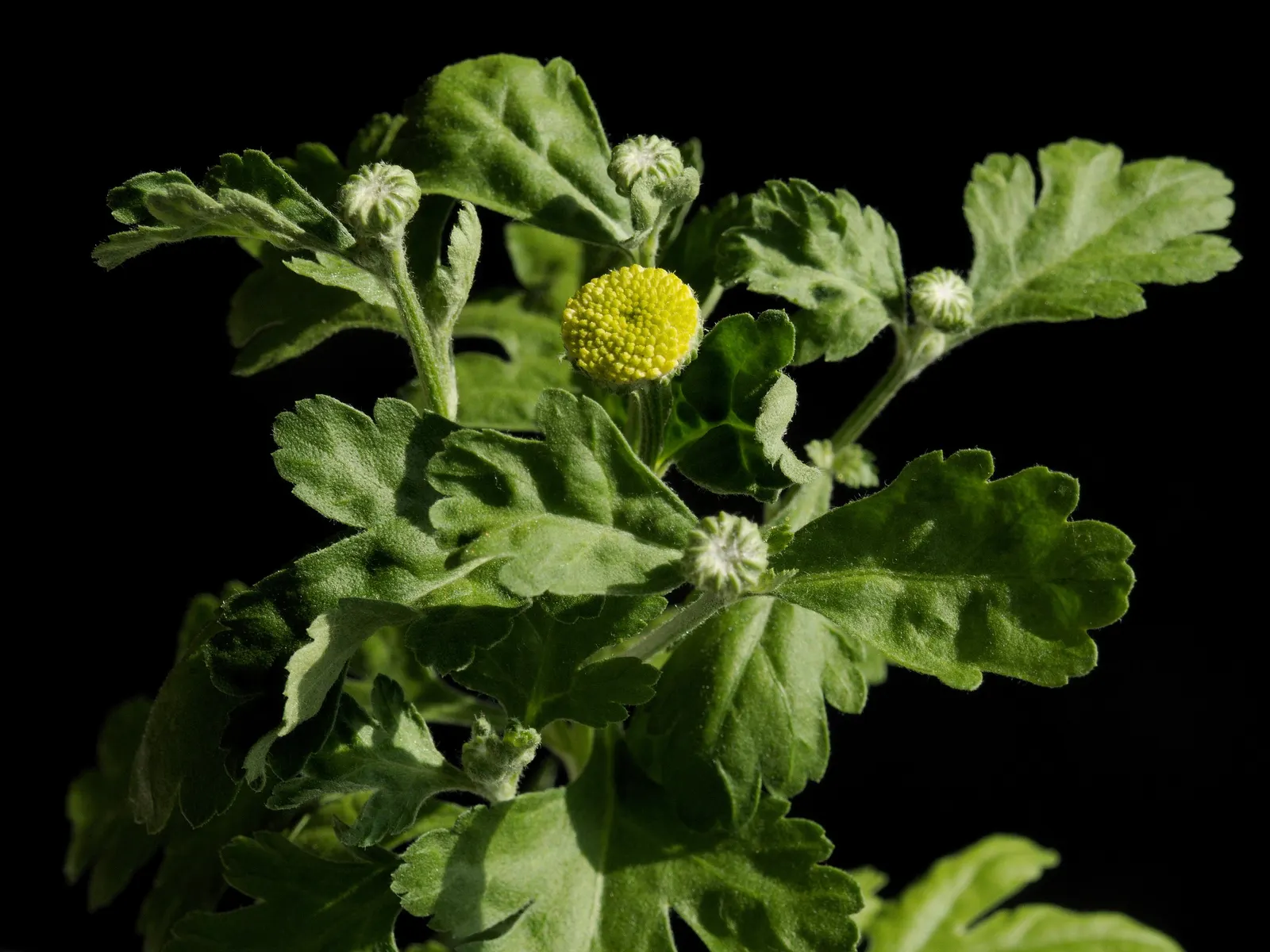
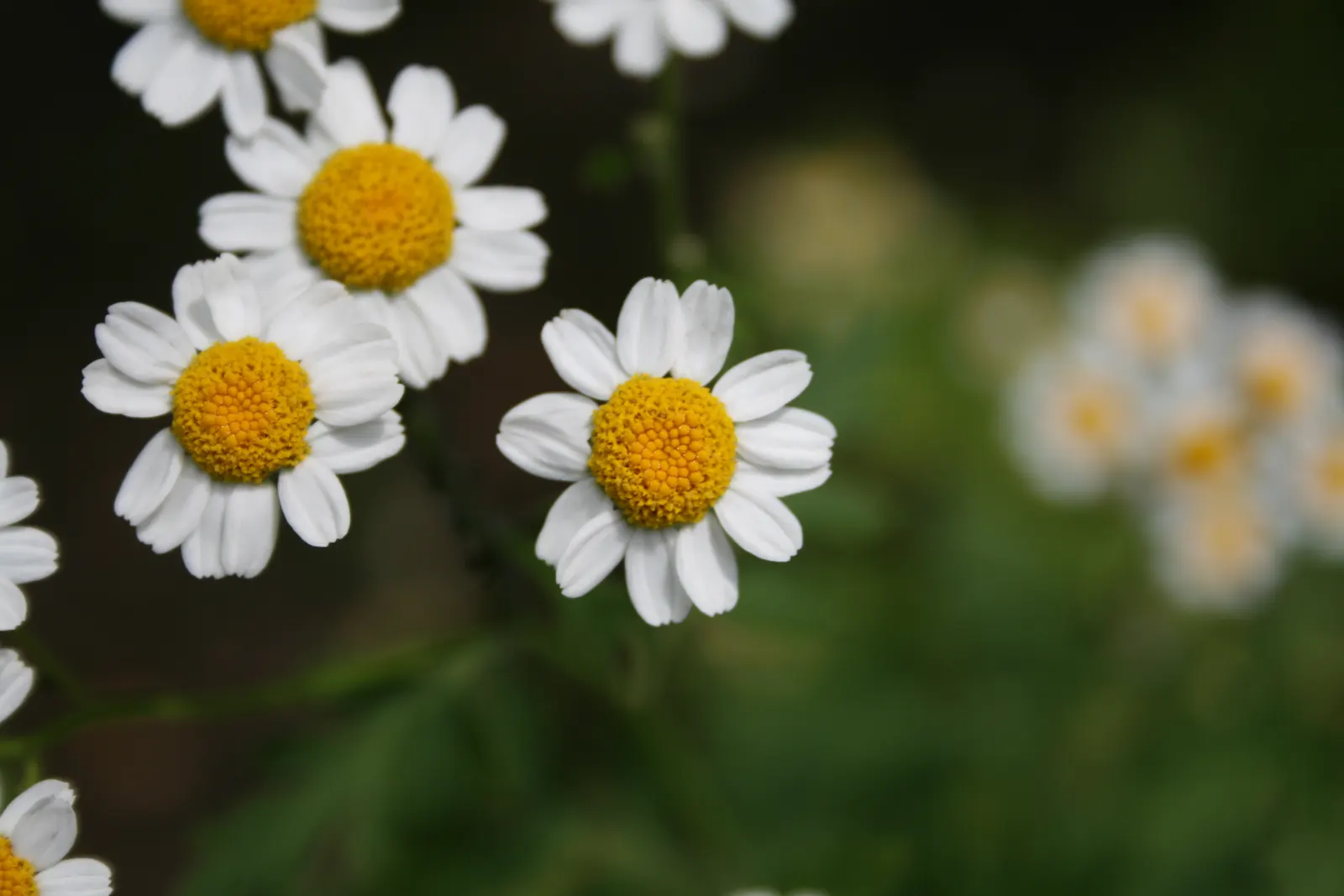
Feverfew, Tanacetum parthenium, is a perennial herb with daisy-like blooms, spanning up to 1 inch across. It reaches 1.5–2 feet in height, with a similar spread. Known for its medicinal properties, it thrives in full sun to partial shade and well-draining soils. Its lacy foliage, bright flowers, and robust growth make it ideal for borders and cottage gardens. Hardy from USDA zones 5-9, it requires minimal maintenance once established.

Sun FullWater Extra in Summer, MediumZones 3–10Type Herb, PerennialClimate Mediterranean, Temperate

Culture

Sun
Full
Water
Extra in Summer, Medium
USDA zones
3–10

Shape & size

Classification

Type
Herb, Perennial
Family
Asteraceae
Climate
Mediterranean, Temperate

See full data, regional cultivation notes, and design tools. Build a client presentation around this plant.

Start your 14-day trial

Photos (95)

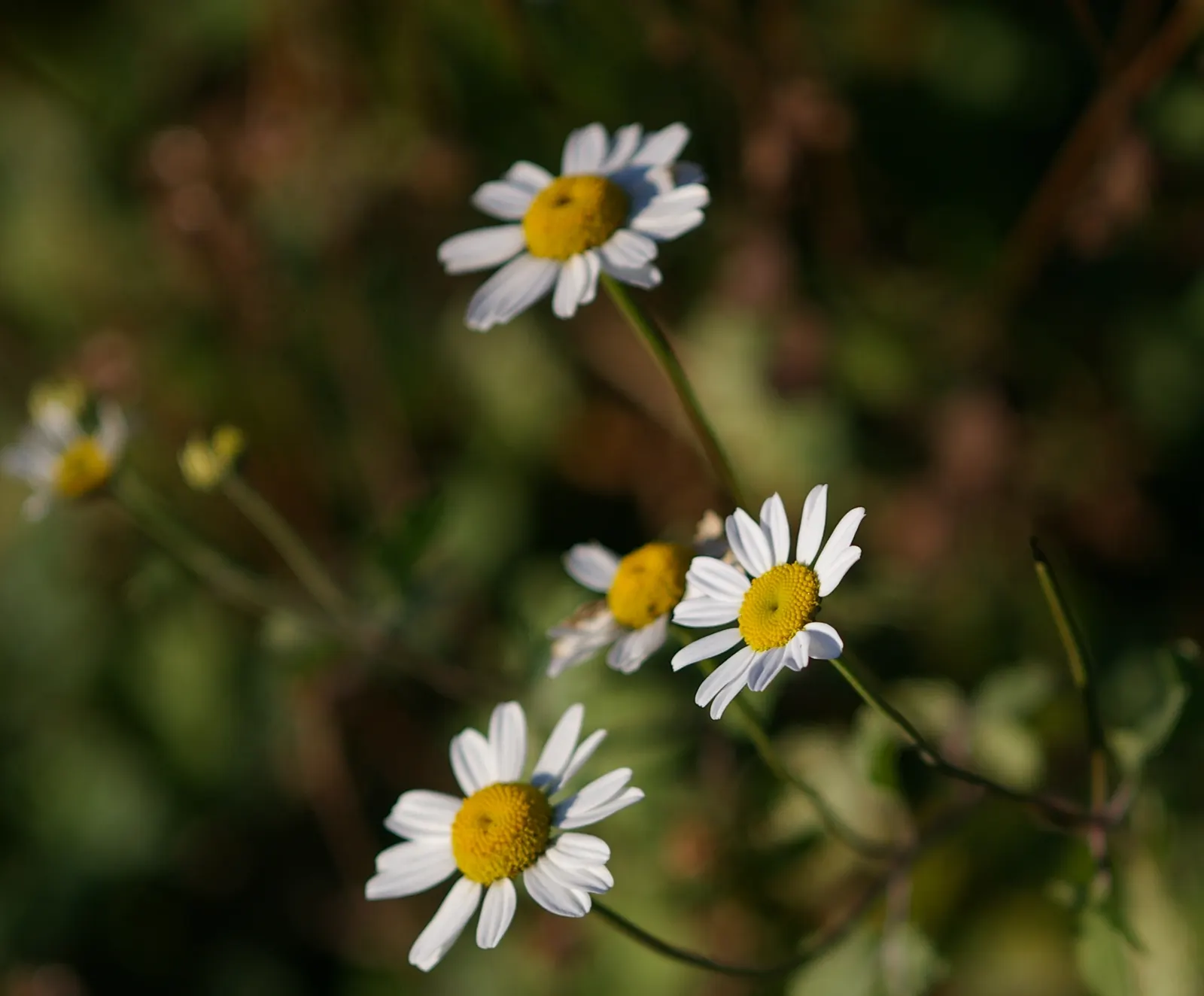
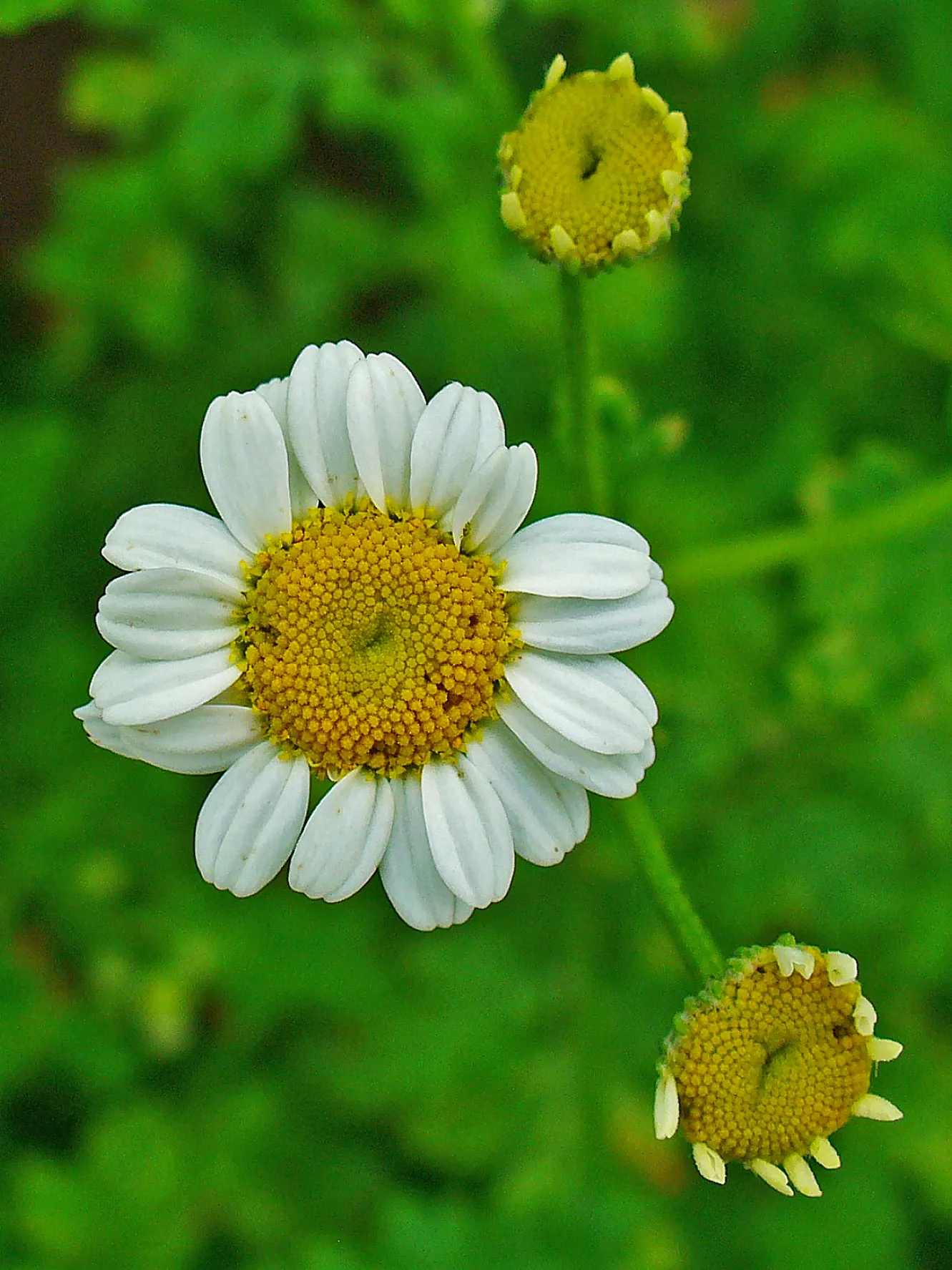
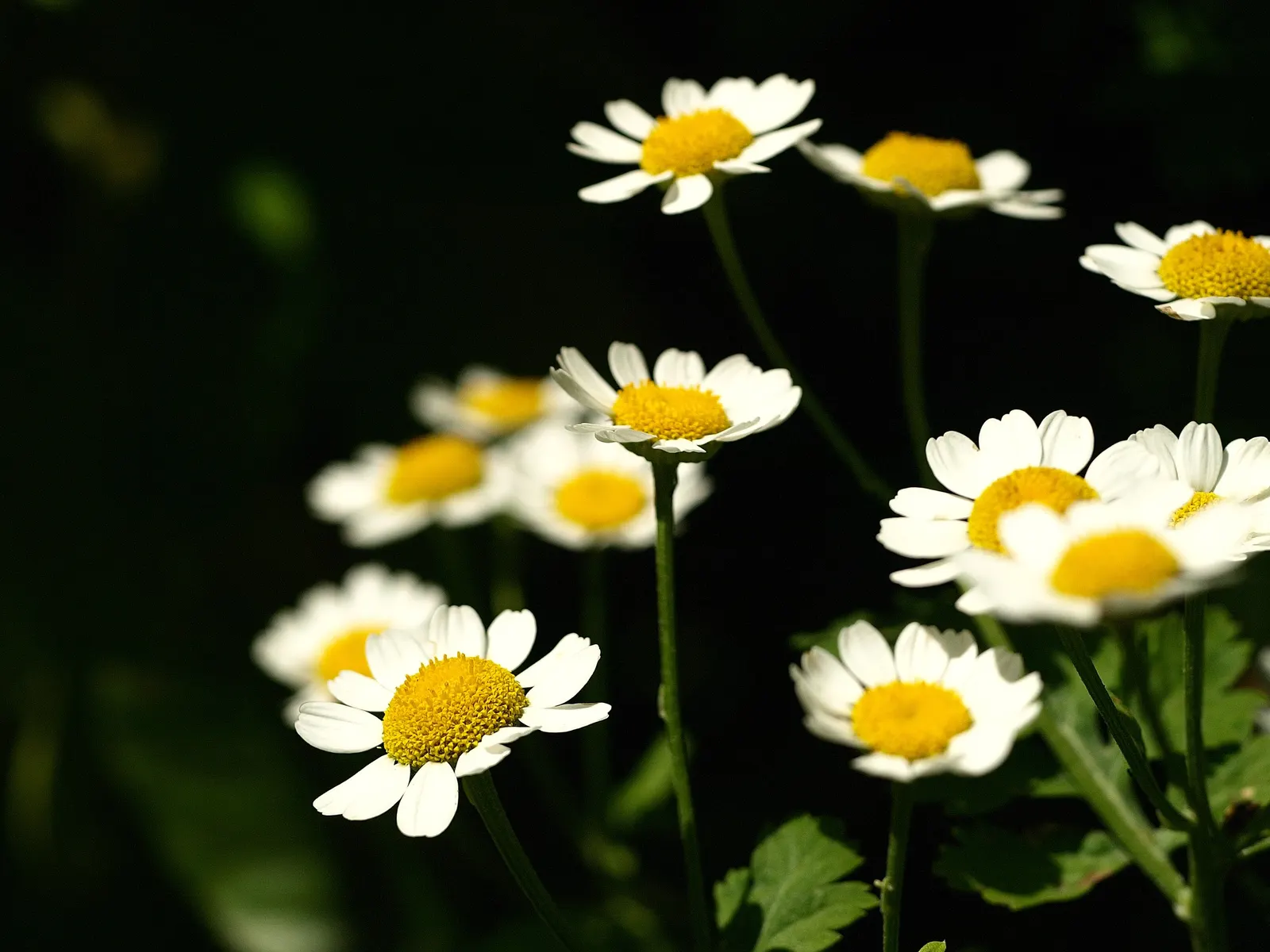
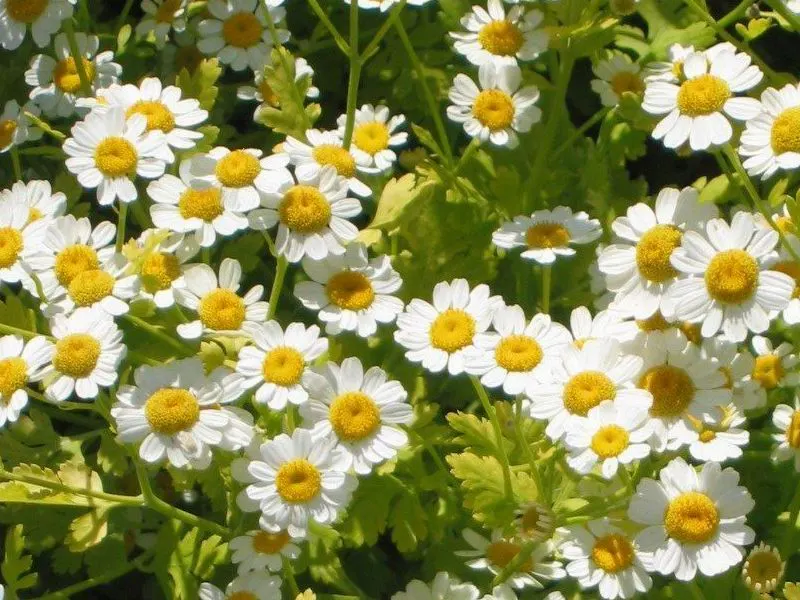
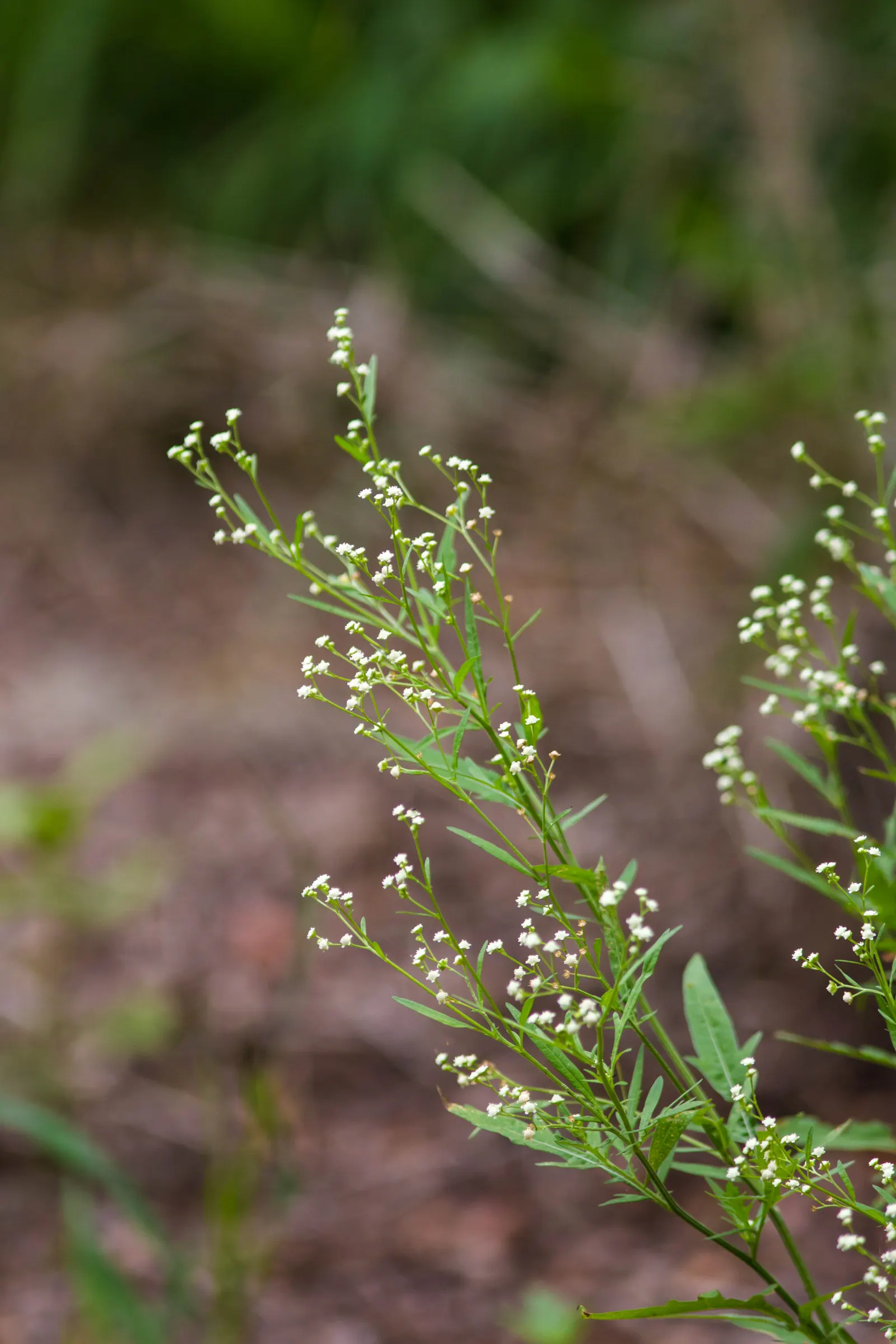
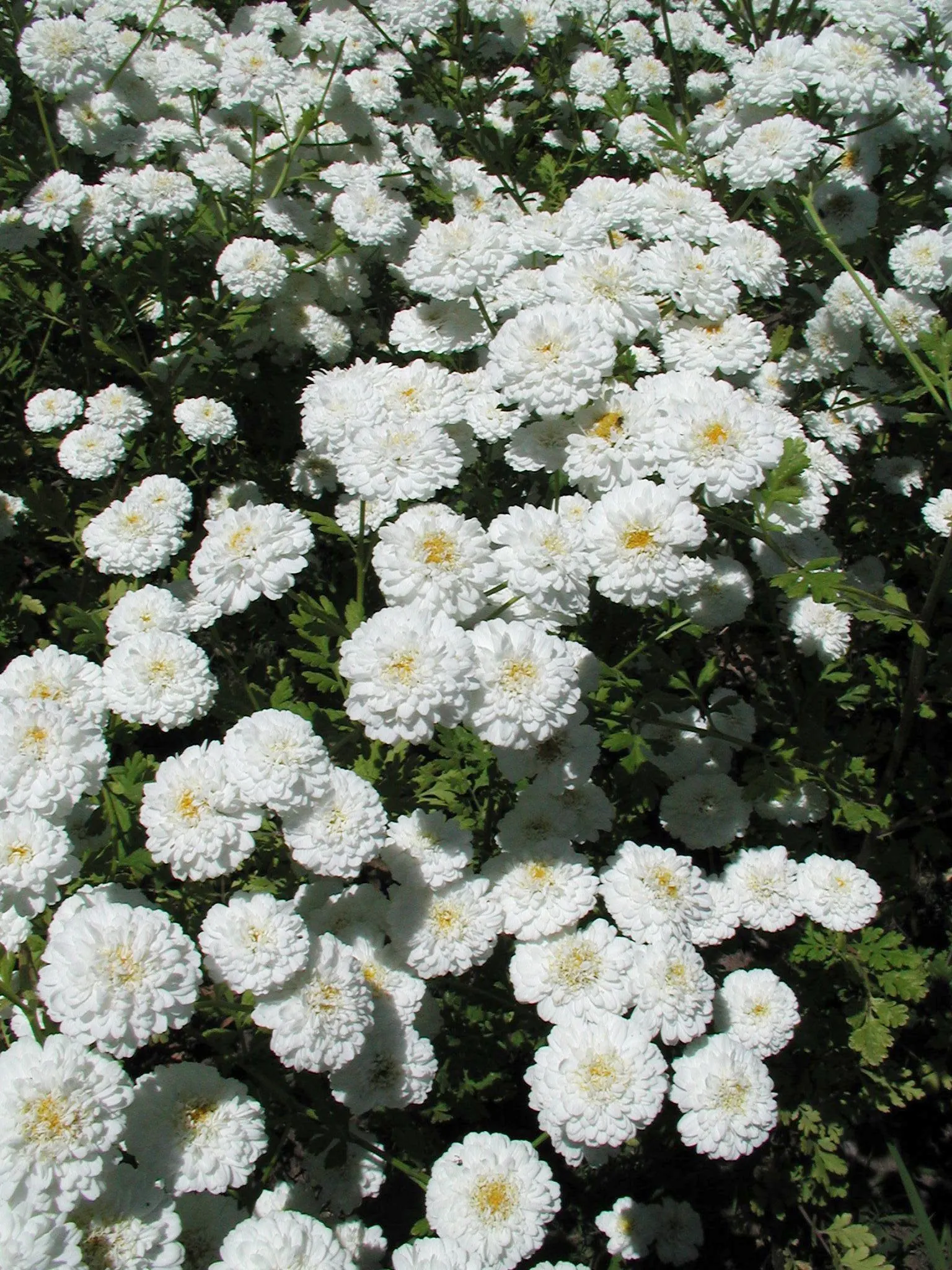
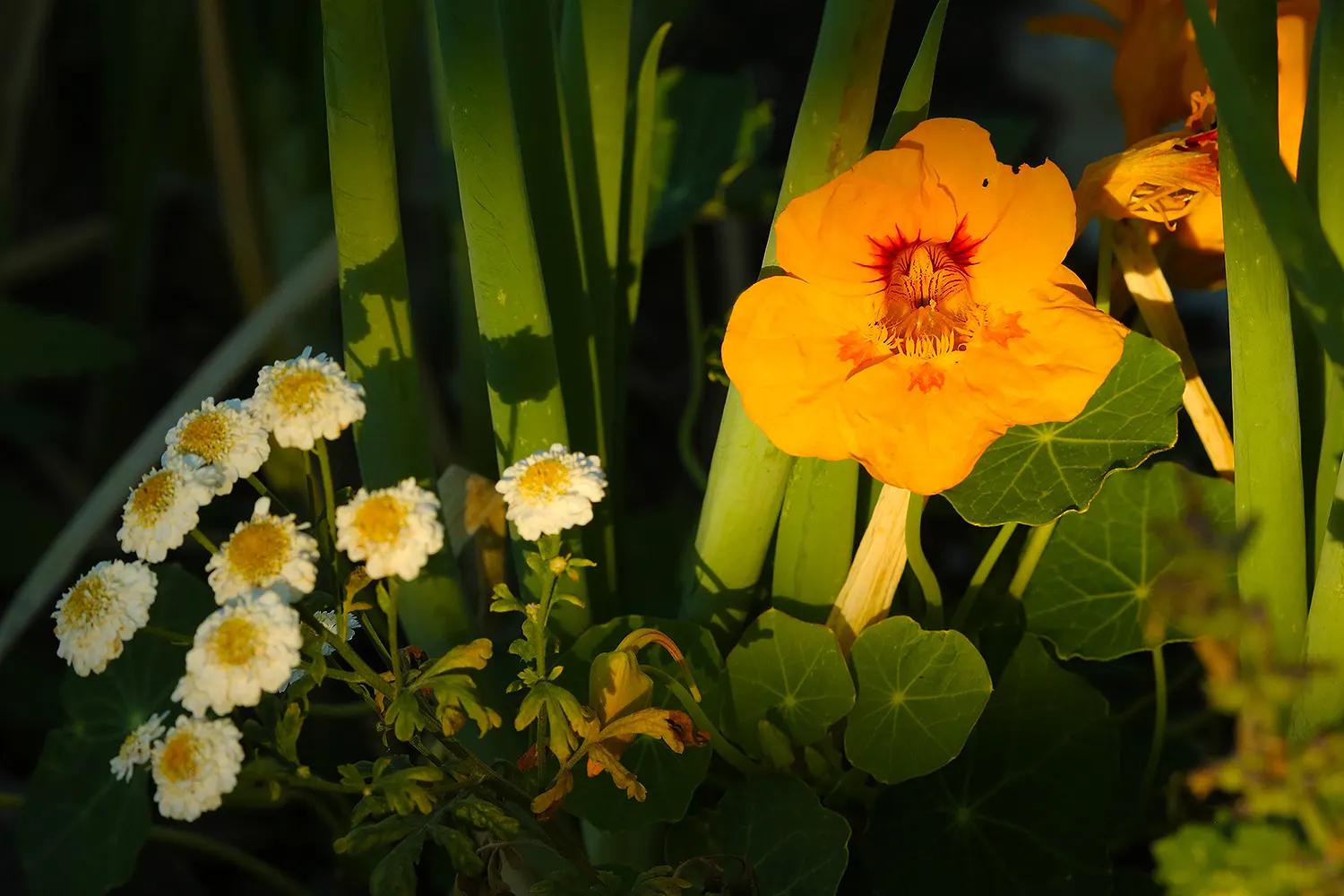
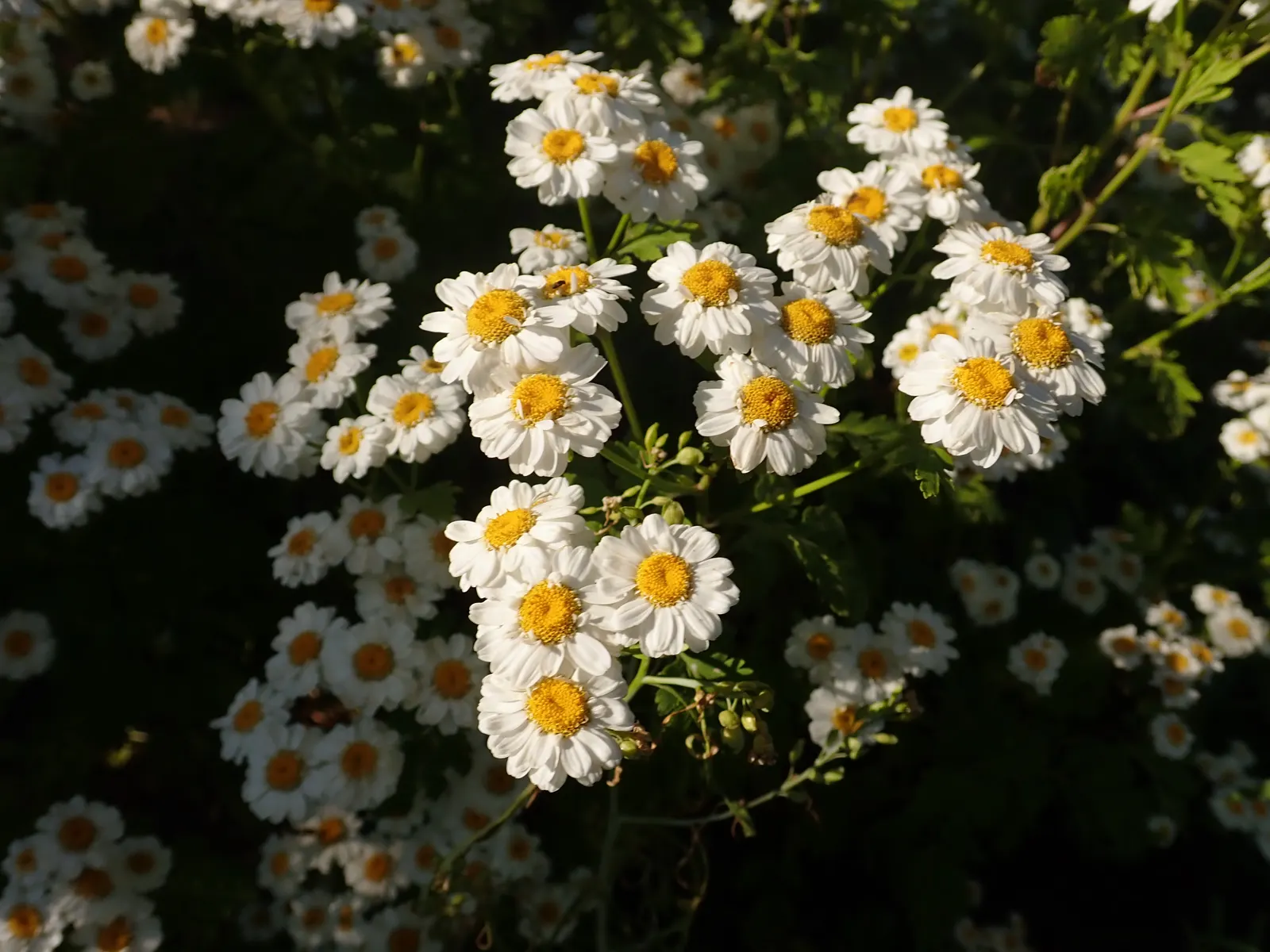
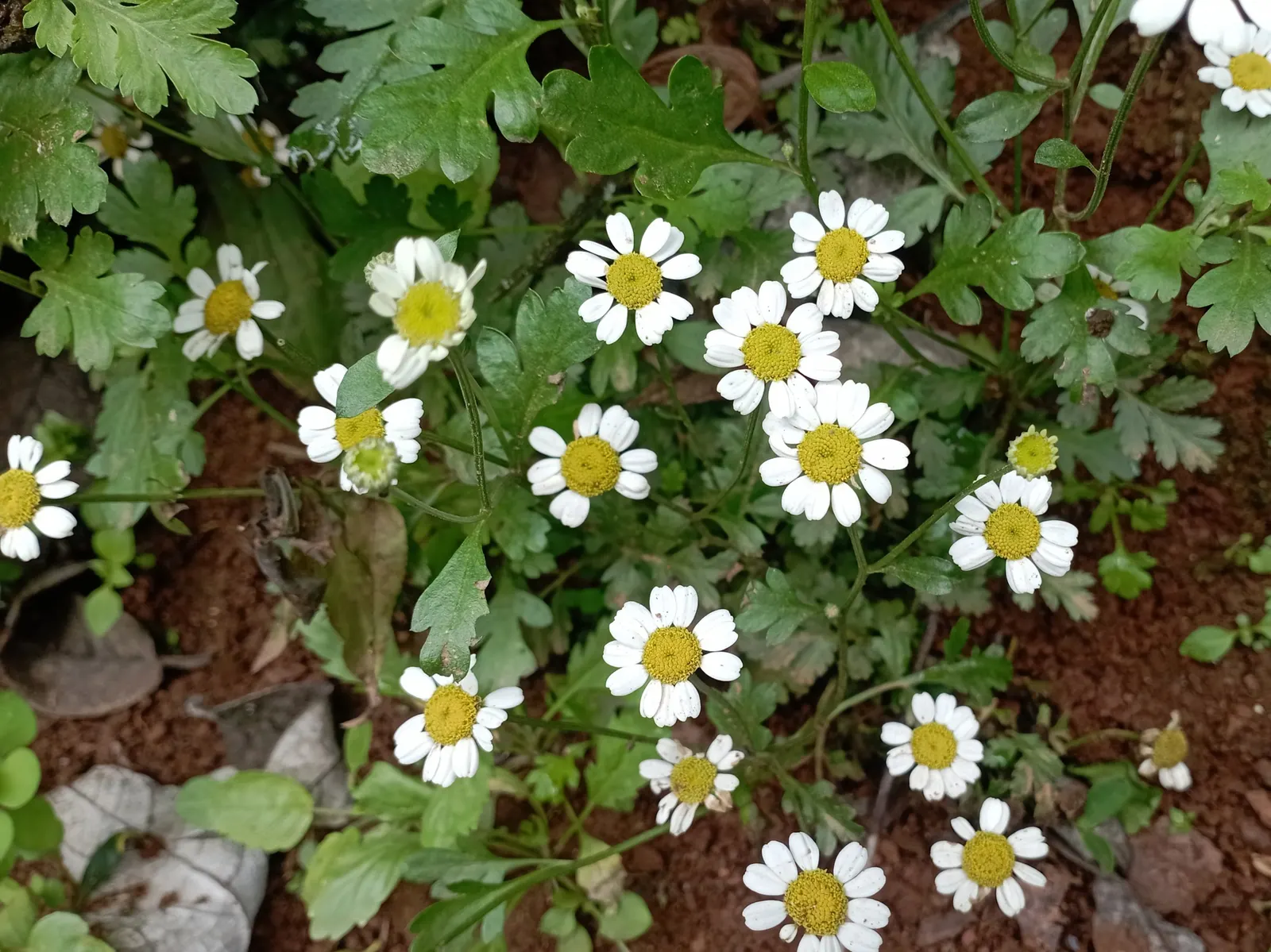
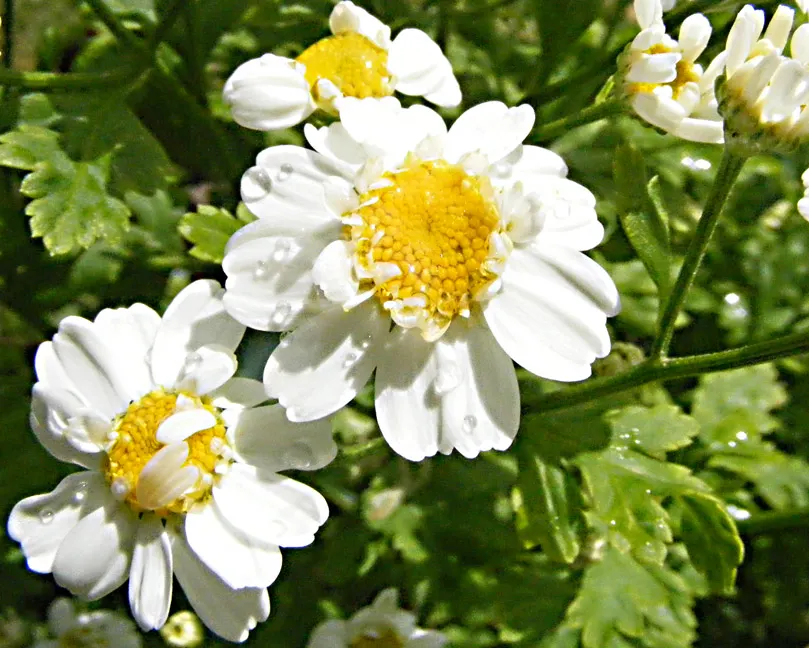
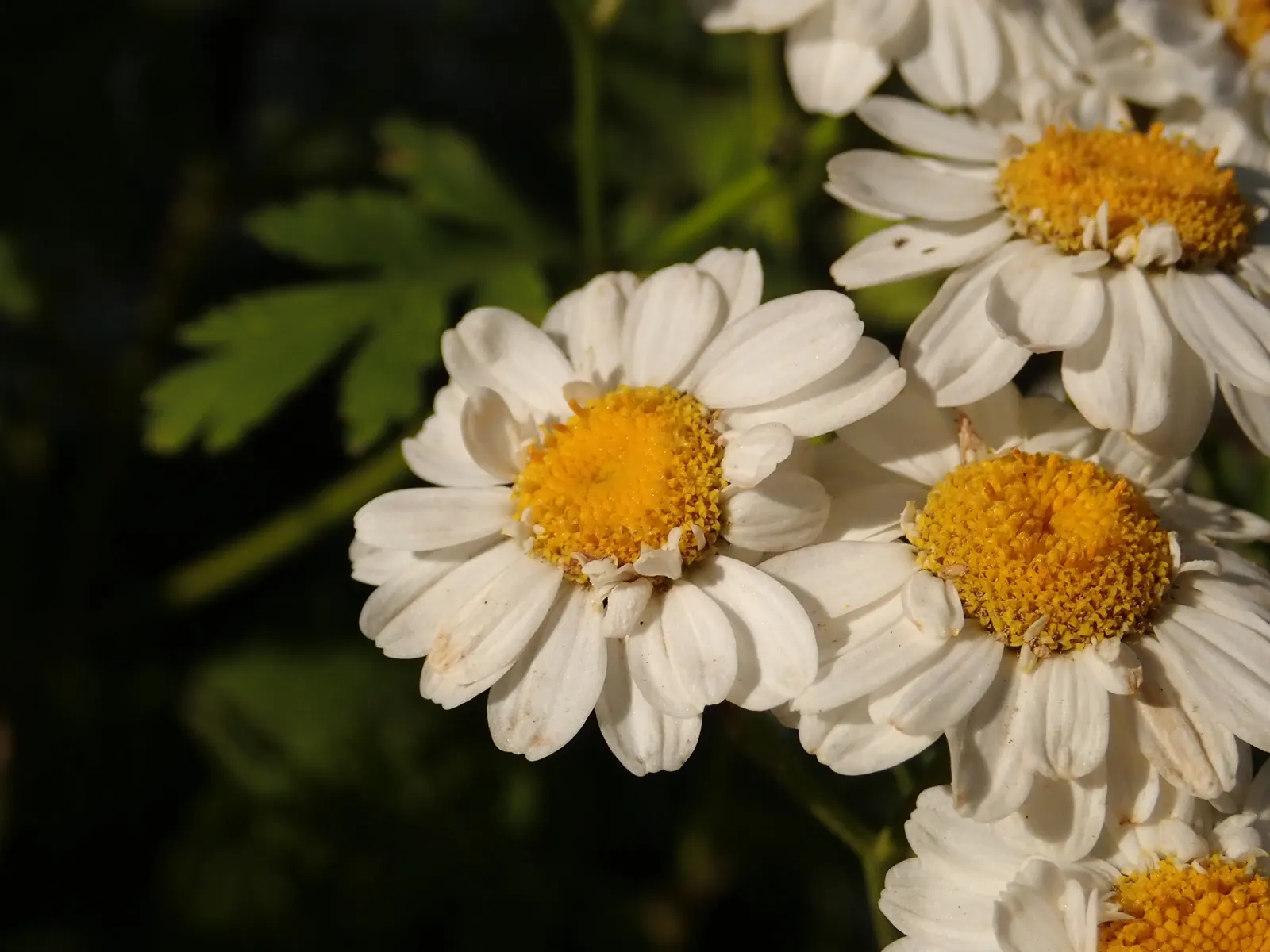
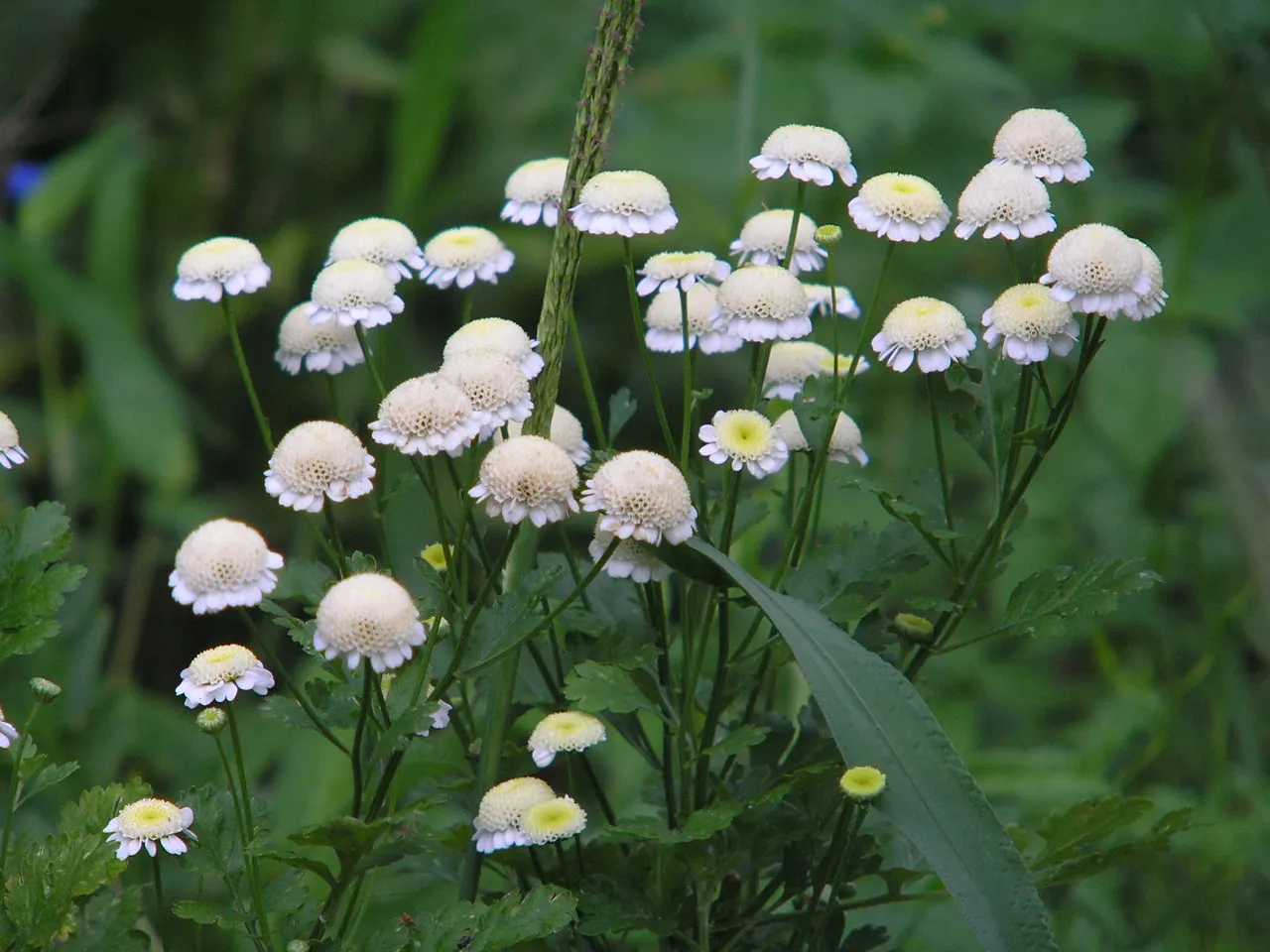
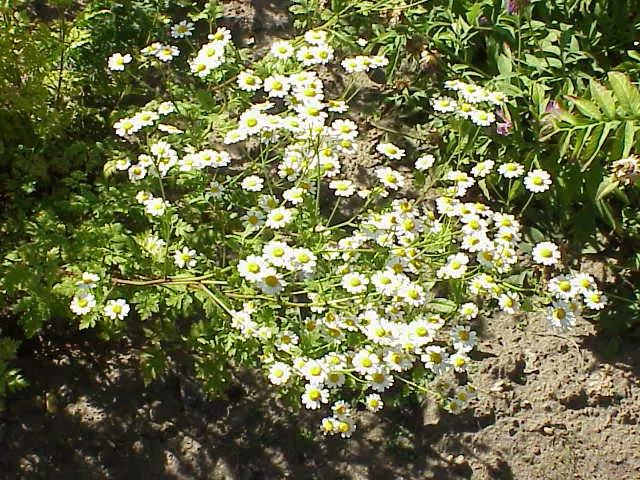
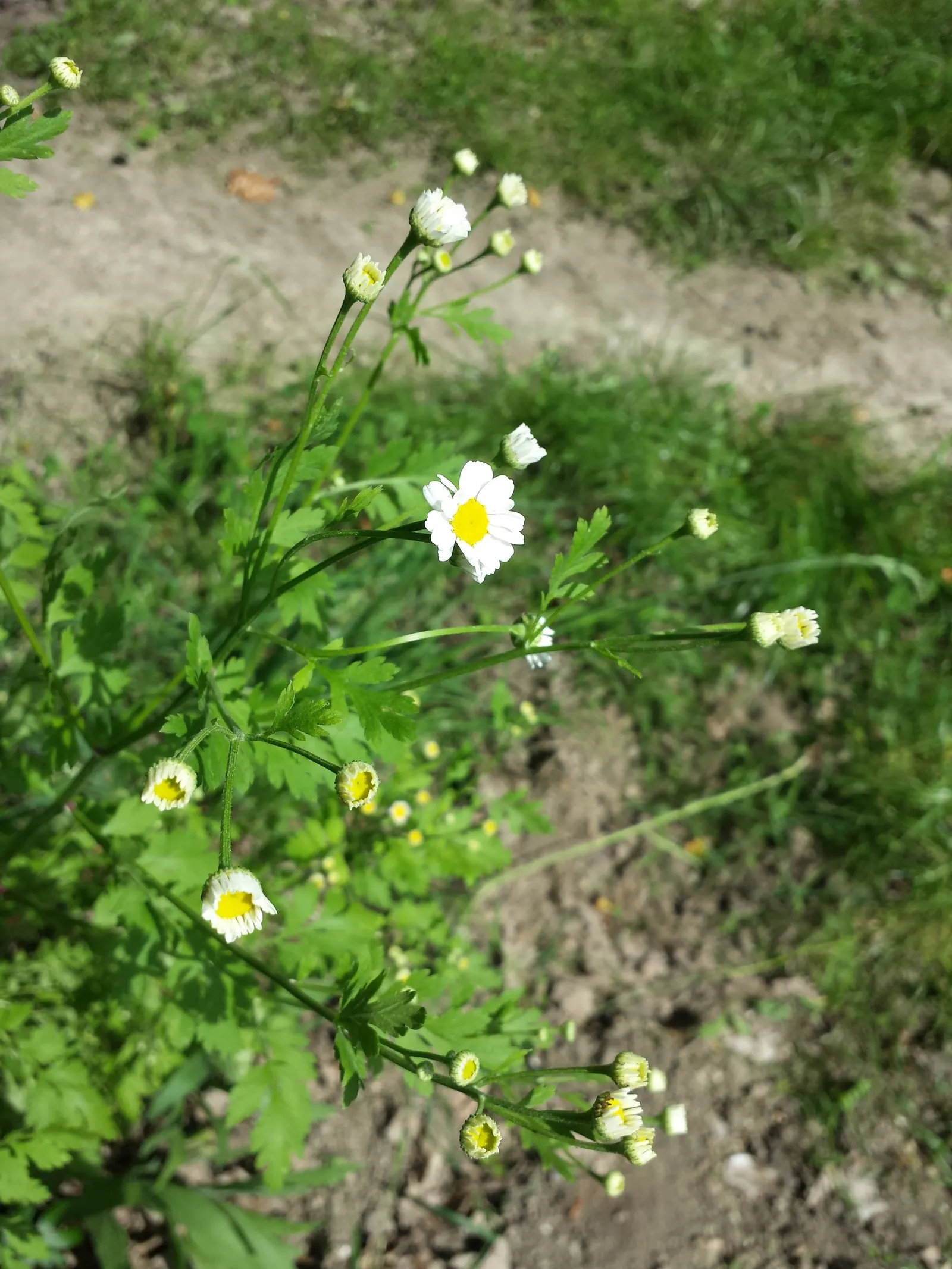
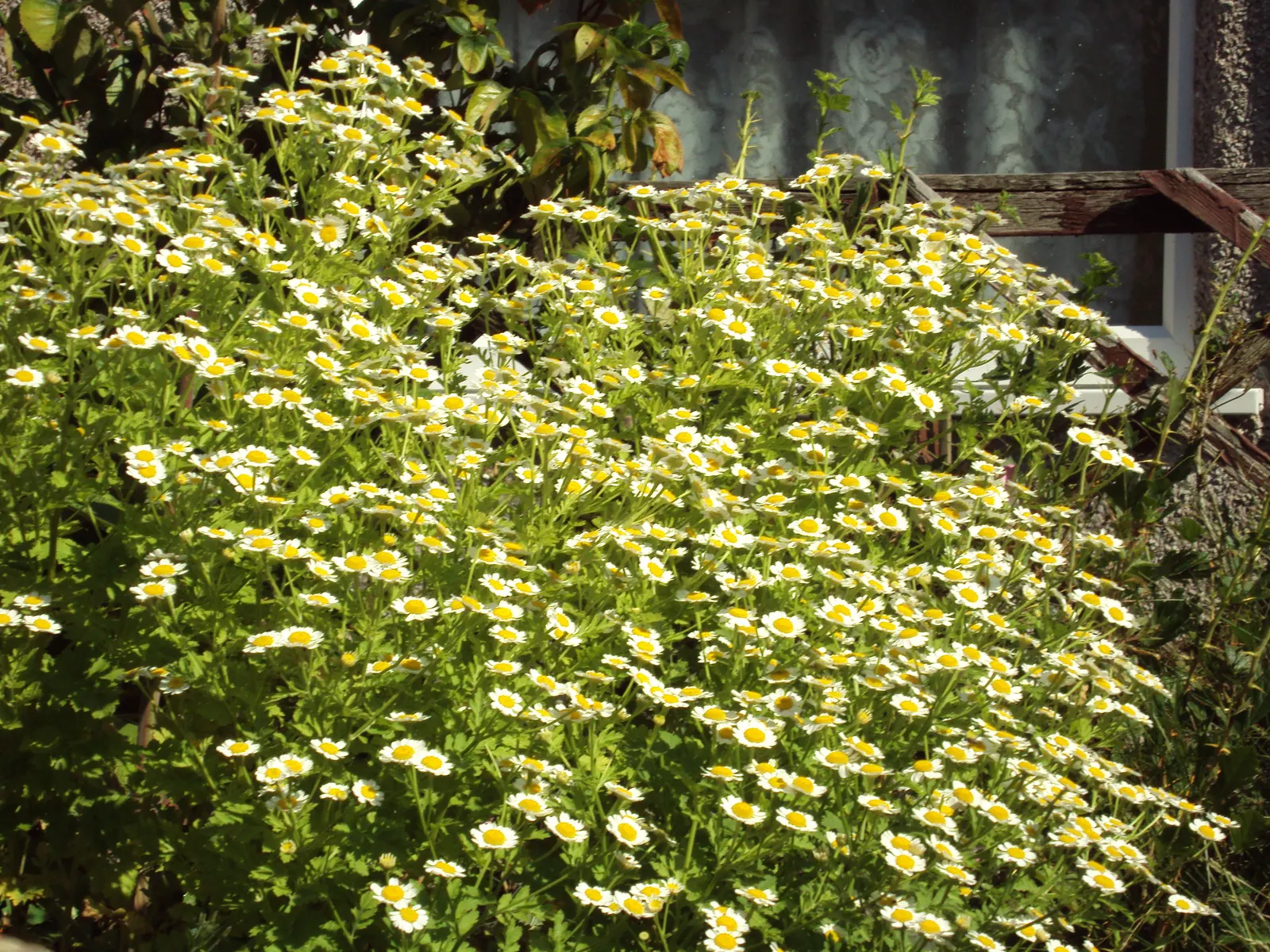
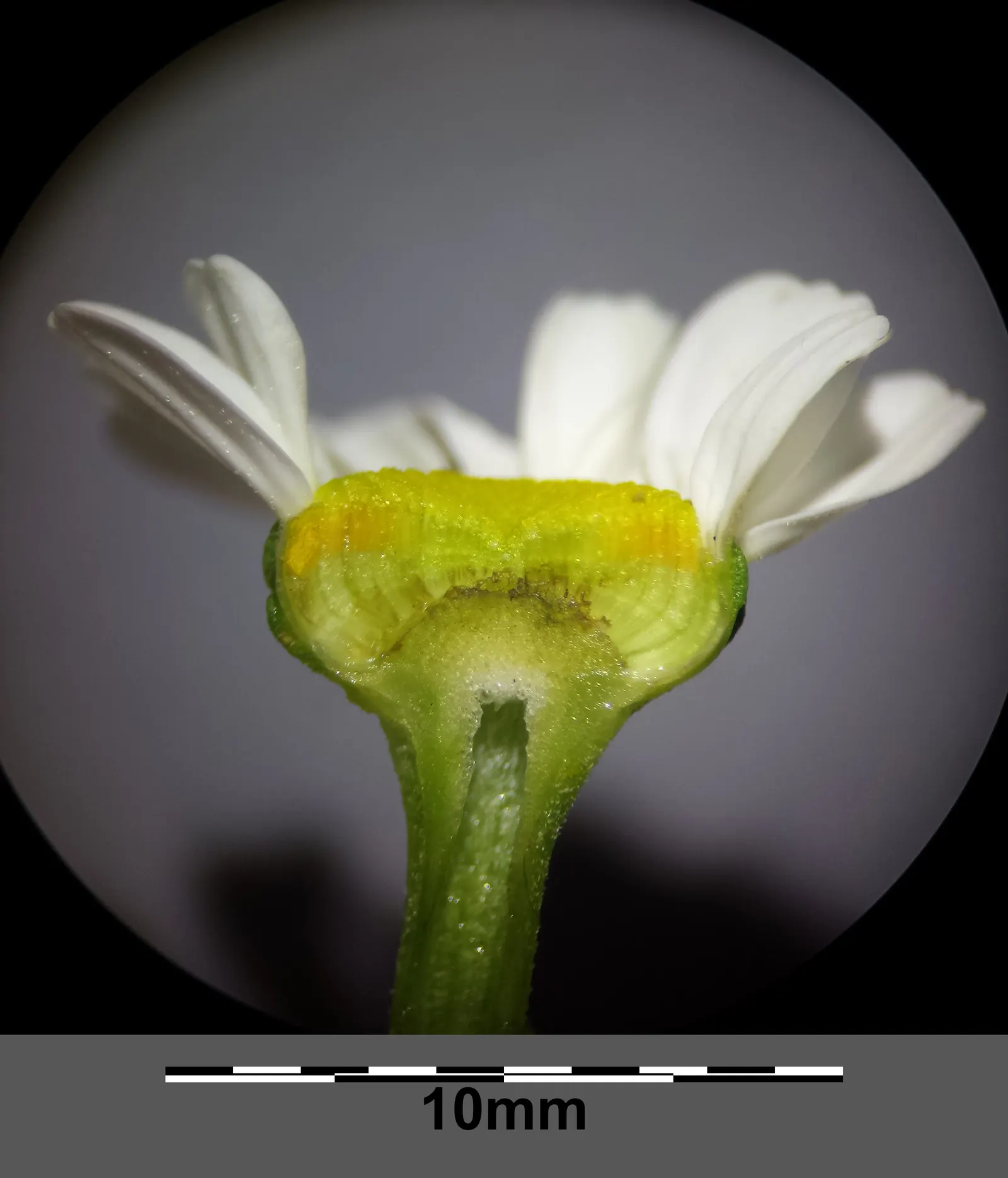
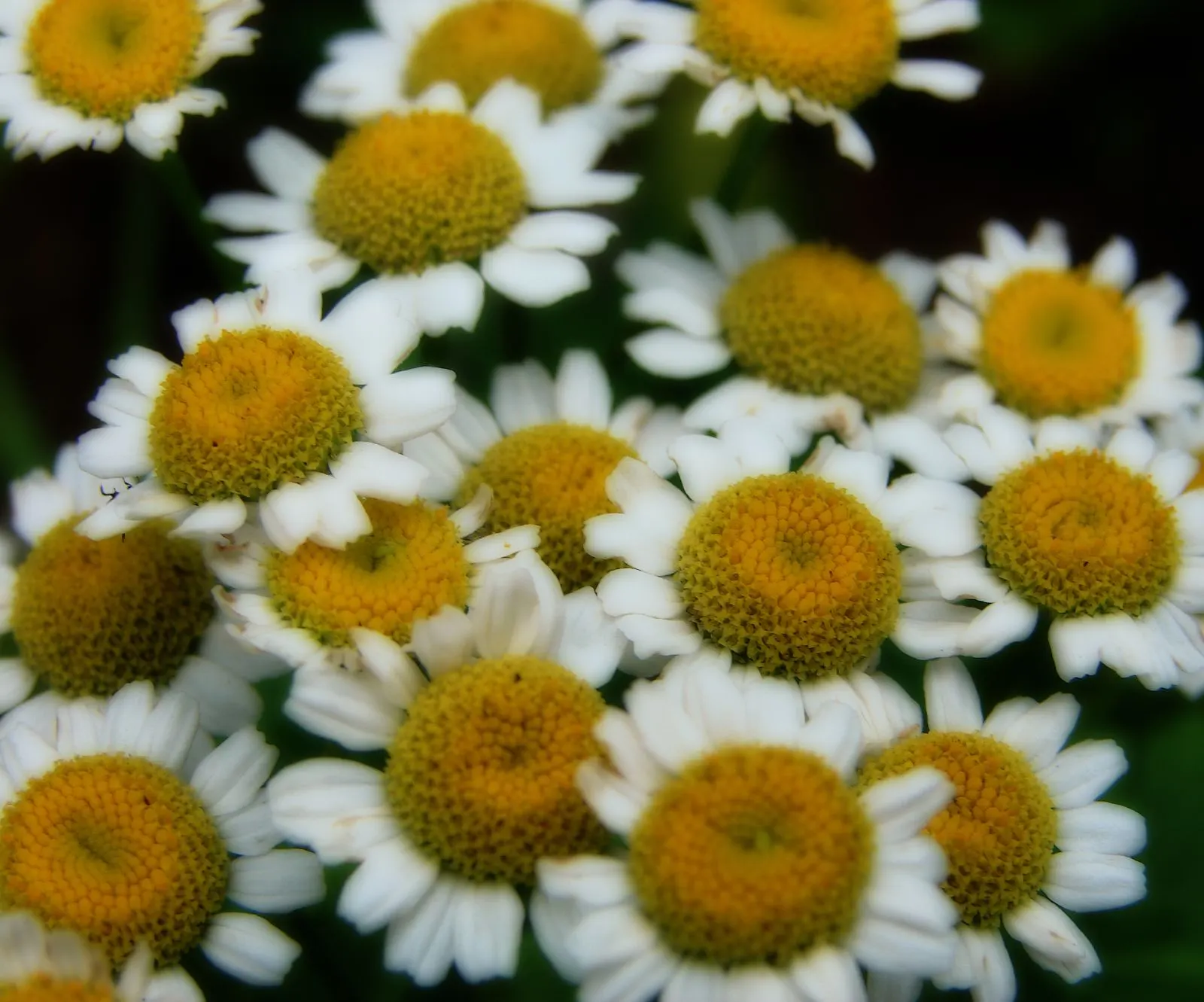
Feverfew (Tanacetum Parthenium) — The plant boasts daisy-like flowers with white petals surrounding a yellow disk
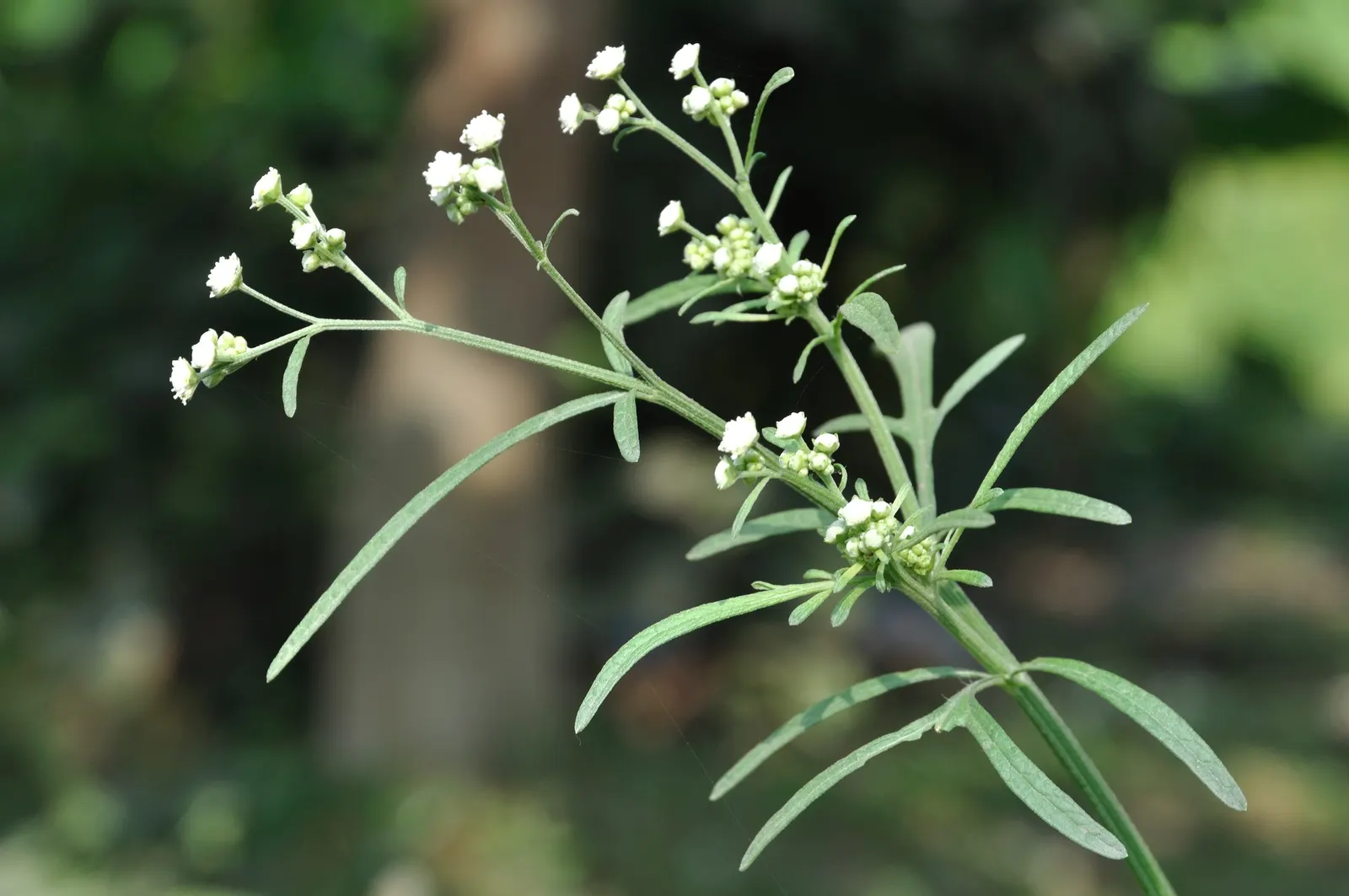
Feverfew (Tanacetum Parthenium) — herb / perennial with white blooms; creating a feathery appearance
Feverfew (Tanacetum Parthenium) — Tanacetum parthenium is drought-tolerant and thrives in well-drained soil
Feverfew (Tanacetum Parthenium) — but it also holds traditional use in herbal medicine; the plant boasts daisy-like flowers with white petals, image 61
Feverfew (Tanacetum Parthenium) — but it also holds traditional use in herbal medicine; the plant boasts daisy-like flowers with white petals surrounding a
Feverfew (Tanacetum Parthenium) — creating a feathery appearance; feverfew offers enduring charm
Feverfew (Tanacetum Parthenium) — Feverfew offers enduring charm
Feverfew (Tanacetum Parthenium) — is a herbaceous perennial plant that adds both aesthetic and medicinal value to garden landscapes; herb / perennial for full
Feverfew (Tanacetum Parthenium) — its compact bushy nature fits well in borders or as a flowering ground cover; tanacetum parthenium is, image 55
Feverfew (Tanacetum Parthenium) — Known for its medicinal properties, it thrives in full sun to partial shade and well-draining soils; to manage, image 72
Feverfew (Tanacetum Parthenium) — to manage its spread and maintain a neat appearance
Feverfew (Tanacetum Parthenium) — Hardy from USDA zones 5-9, it requires minimal maintenance once established; its compact bushy nature fits well, image 51
Feverfew (Tanacetum Parthenium) — Typically growing to a height between 1 to 2 feet with a similar spread; is a herbaceous perennial plant that, image 54
Feverfew (Tanacetum Parthenium) — is a herbaceous perennial plant that adds both aesthetic and medicinal value to garden landscapes; herb /, image 53
Feverfew (Tanacetum Parthenium) — Feverfew offers enduring charm; but it also holds traditional use in herbal medicine, image 65
Feverfew (Tanacetum Parthenium) — Feverfew, Tanacetum parthenium, is a perennial herb with daisy-like blooms, spanning up to 1 inch across; its, image 70
Feverfew (Tanacetum Parthenium) — herb / perennial with white blooms; creating a feathery appearance, image 68
Feverfew (Tanacetum Parthenium) — while demanding minimal care beyond basic watering and occasional pruning
Feverfew (Tanacetum Parthenium) — The plant boasts daisy-like flowers with white petals surrounding a yellow disk; white flowers in the garden, image 56
Feverfew (Tanacetum Parthenium) — which typically bloom from early summer until fall; hardy from USDA zones 5-9, it requires minimal maintenance once
Feverfew (Tanacetum Parthenium) — Its lacy foliage, bright flowers, and robust growth make it ideal for borders and cottage gardens
Feverfew (Tanacetum Parthenium) — which typically bloom from early summer until fall; hardy from USDA zones 5-9, it requires minimal maintenance, image 57
Feverfew (Tanacetum Parthenium) — It reaches 1.5‚Äì2 feet in height, with a similar spread
Feverfew (Tanacetum Parthenium) — Feverfew, Tanacetum parthenium, is a perennial herb with daisy-like blooms, spanning up to 1 inch across; its lacy foliage
Photographs by 17 contributors

Related plants