Skip to content

Common Purple Lilac

Syringa Vulgaris

Design with this plant

Overview

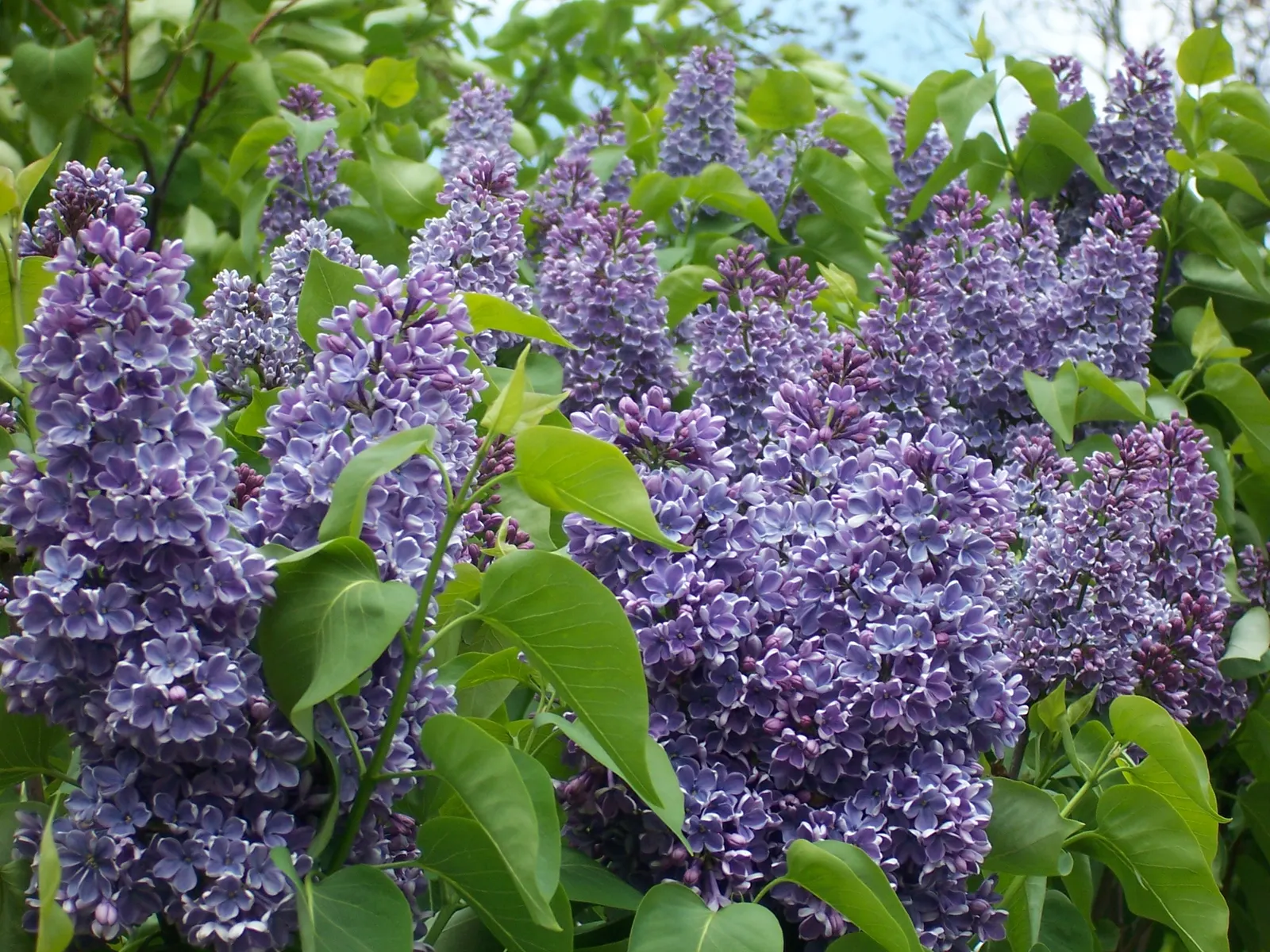
The Common Purple Lilac, Syringa vulgaris, cherished for its fragrant conical blossoms, thrives in US zones 3-7. This deciduous shrub matures to heights of 8-15 feet with a spread of 6-12 feet, requiring full sun. Lilacs prefer well-drained, alkaline soil and benefit from annual pruning. Their vivid purple blooms in late spring provide an eye-catching display while attracting butterflies and hummingbirds, adding both aesthetic and ecological value to landscapes.

Sun FullWater LowZones 4–10Climate Temperate

Culture

Sun
Full
Water
Low
USDA zones
4–10

Shape & size

Classification

Family
Oleaceae
Climate
Temperate

See full data, regional cultivation notes, full-resolution photos, and design tools. Build a client presentation around this plant.

Start your 14-day trial

Photos (22)

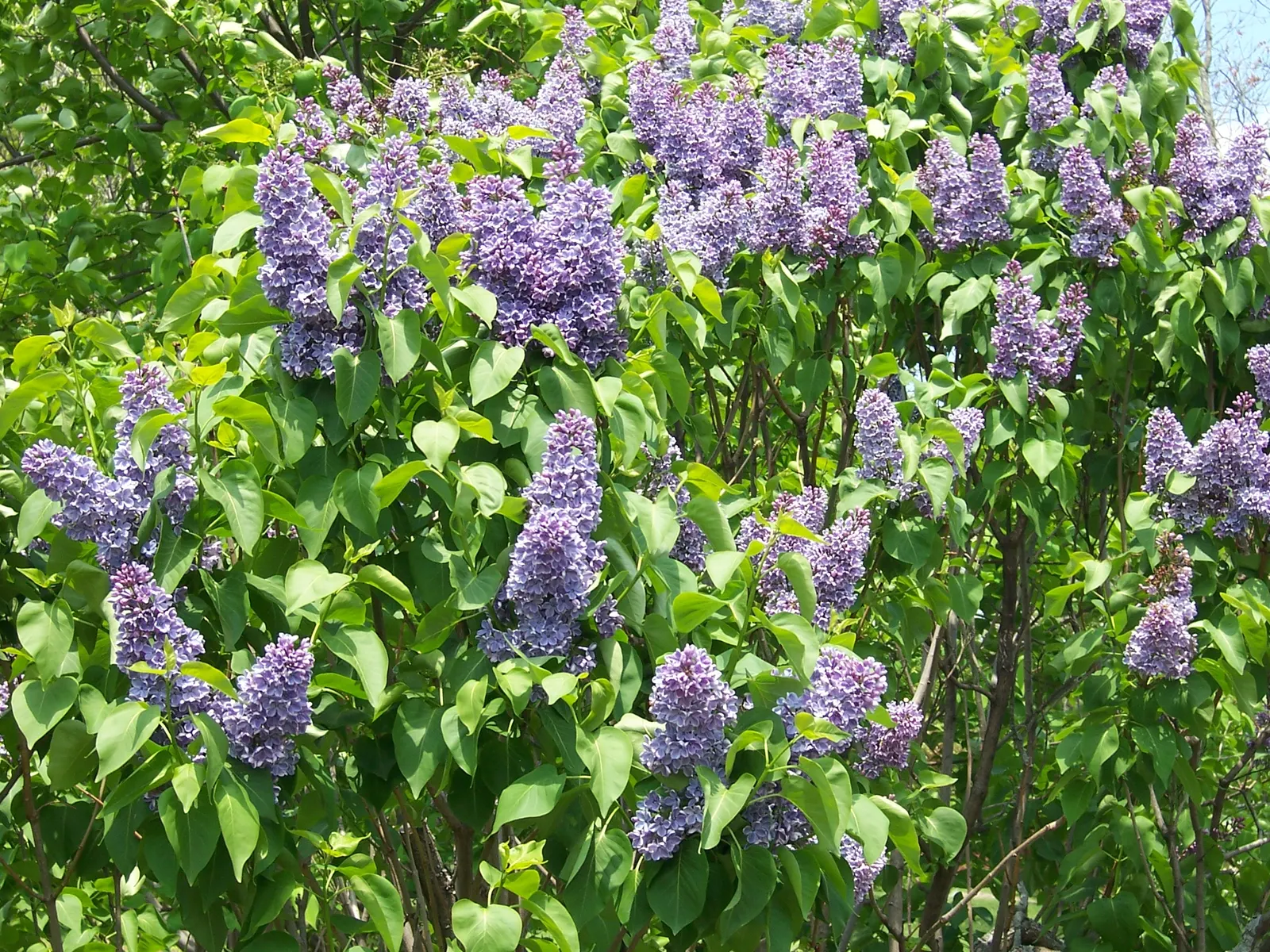
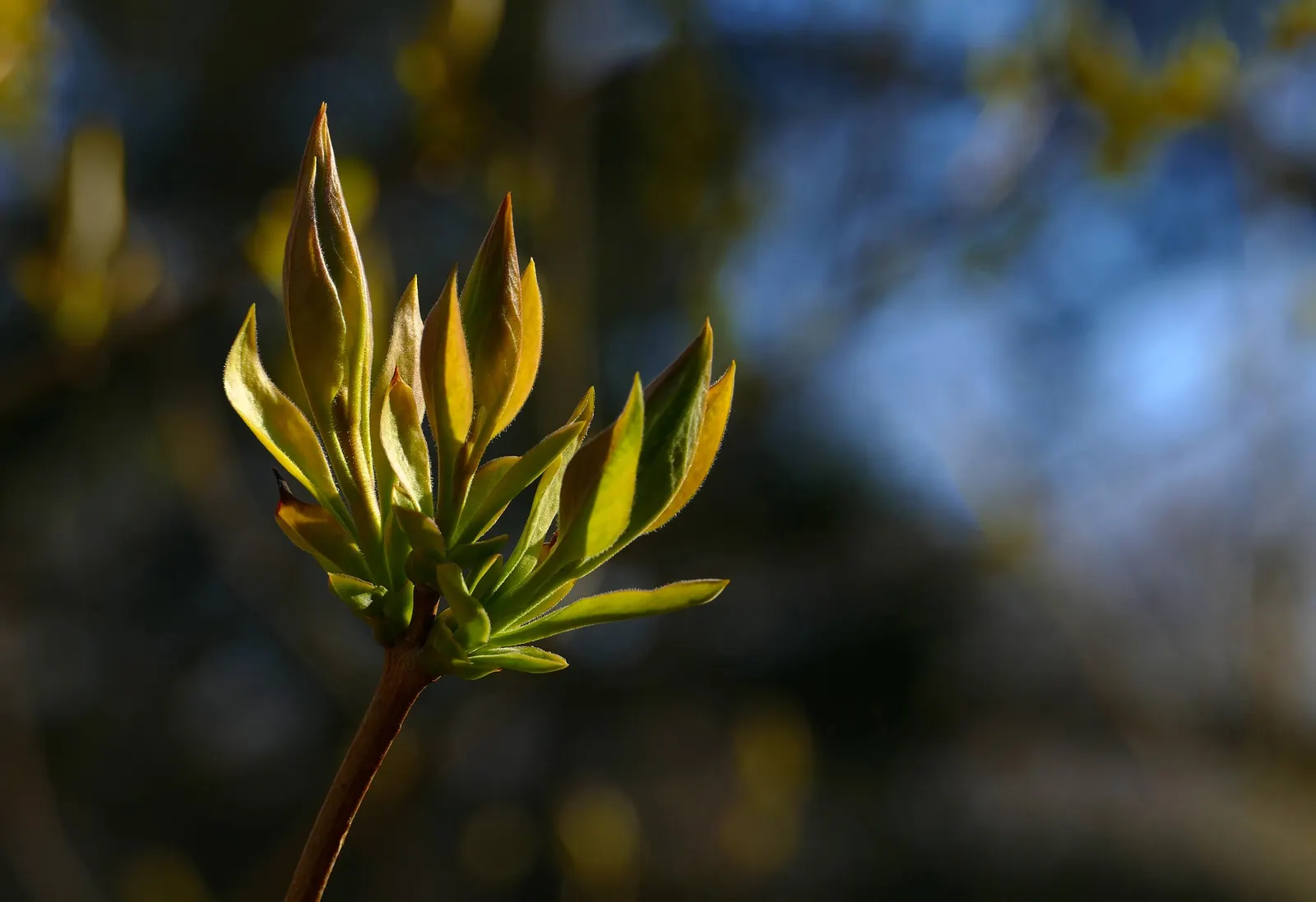
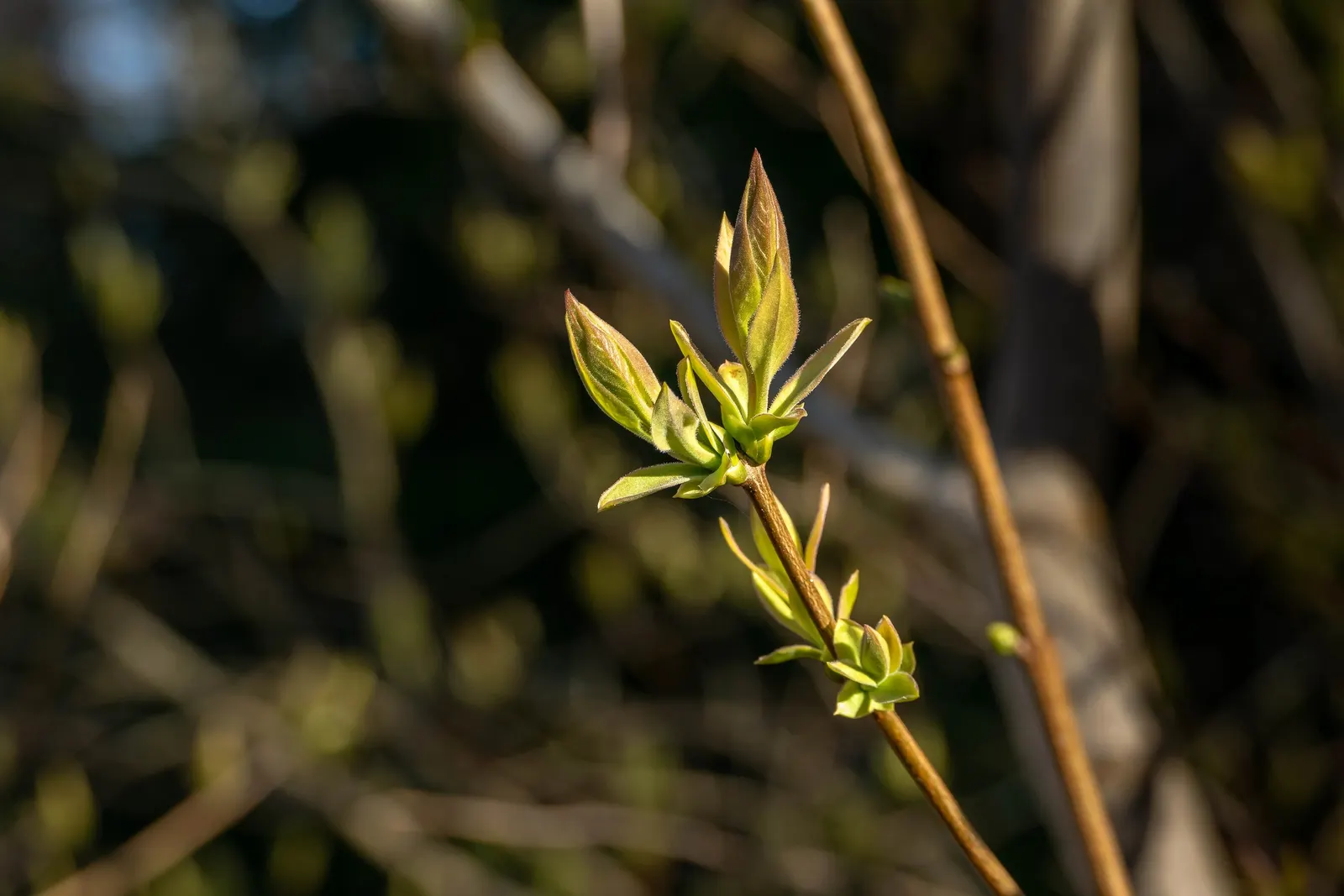
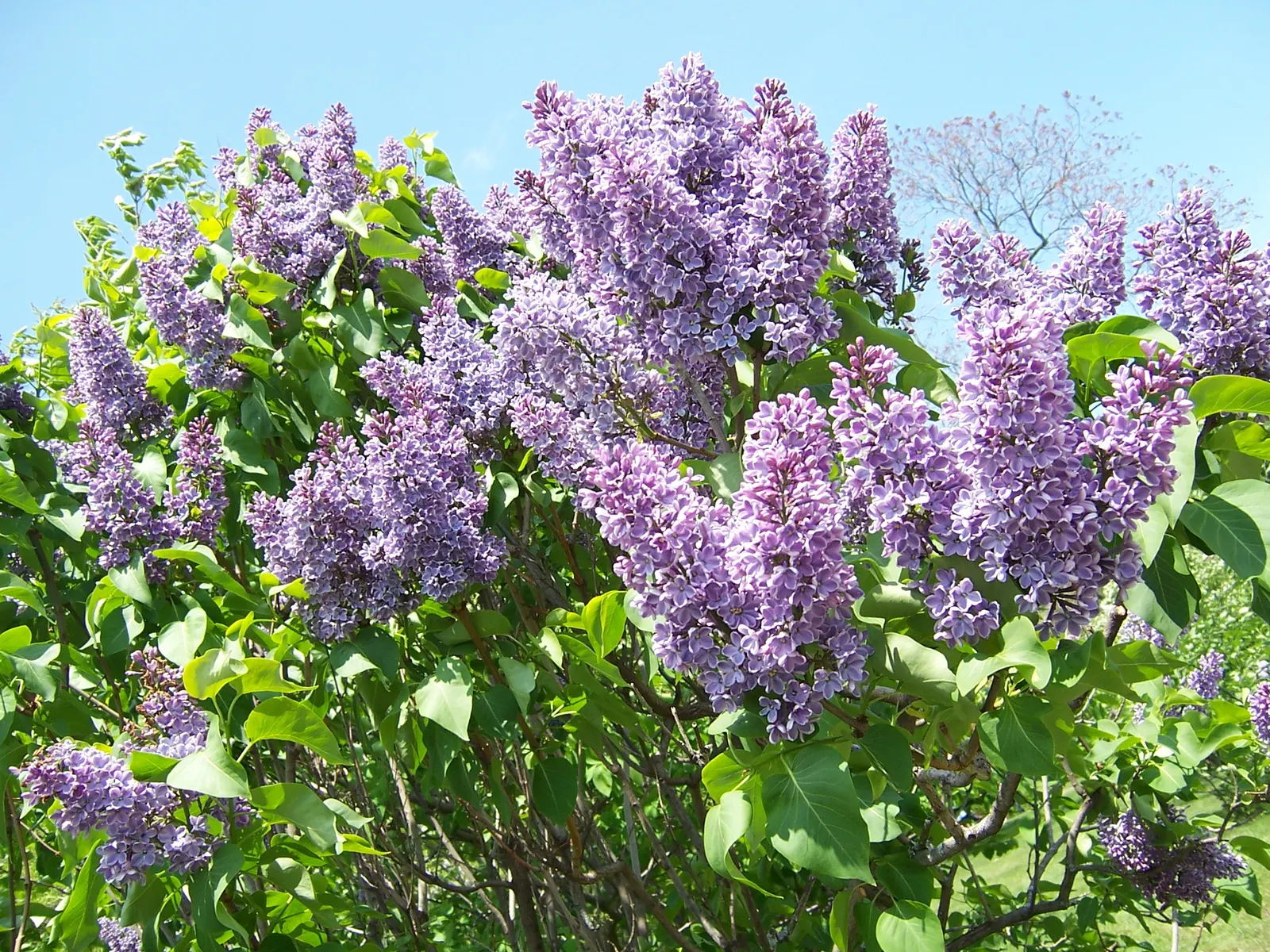
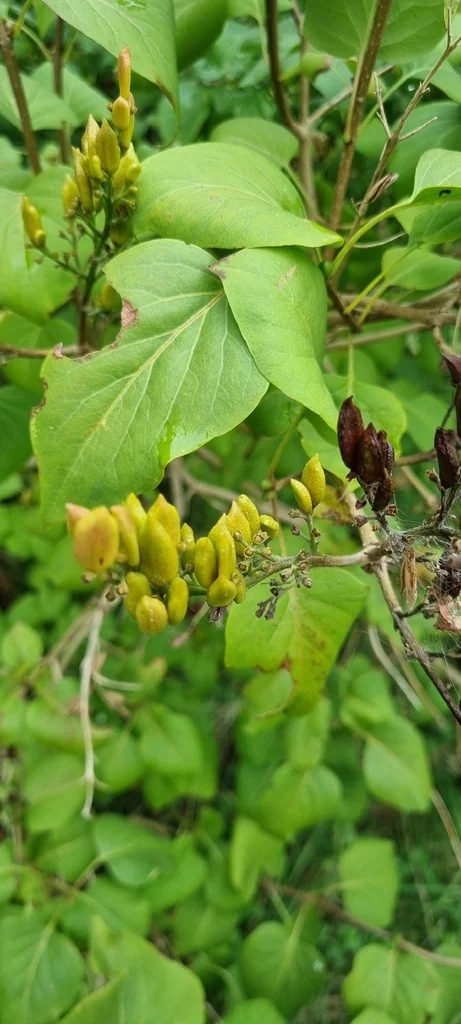
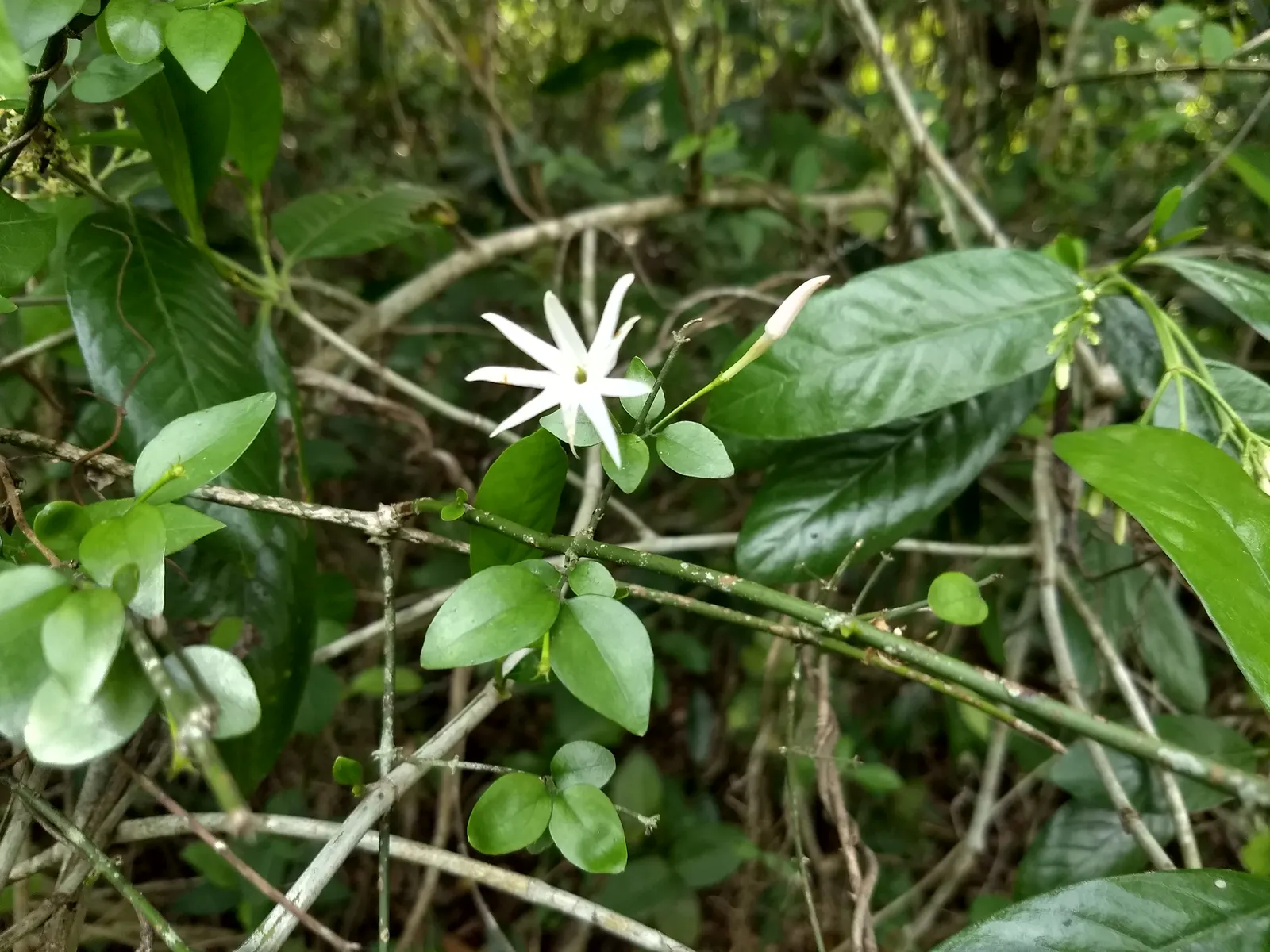
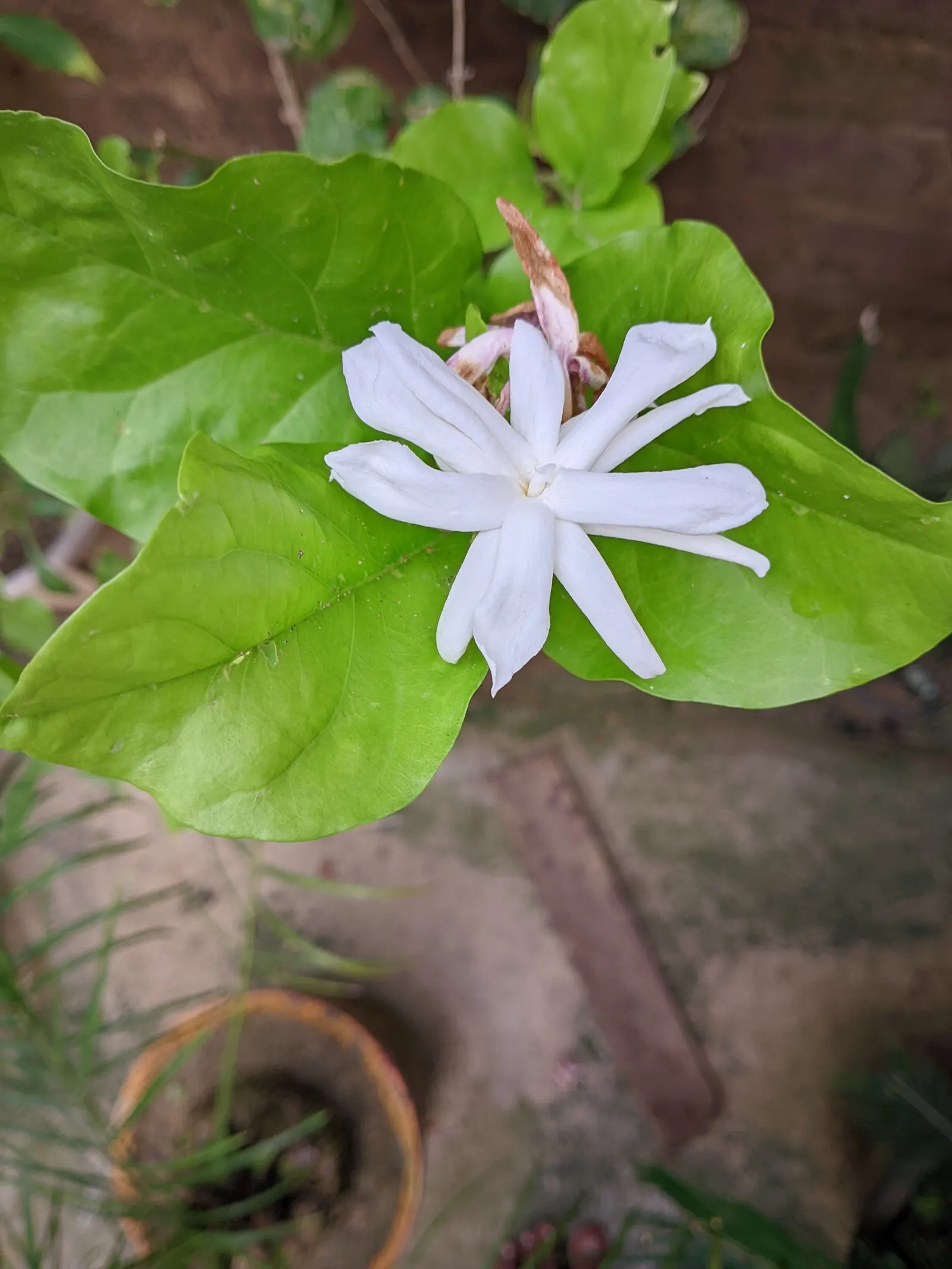
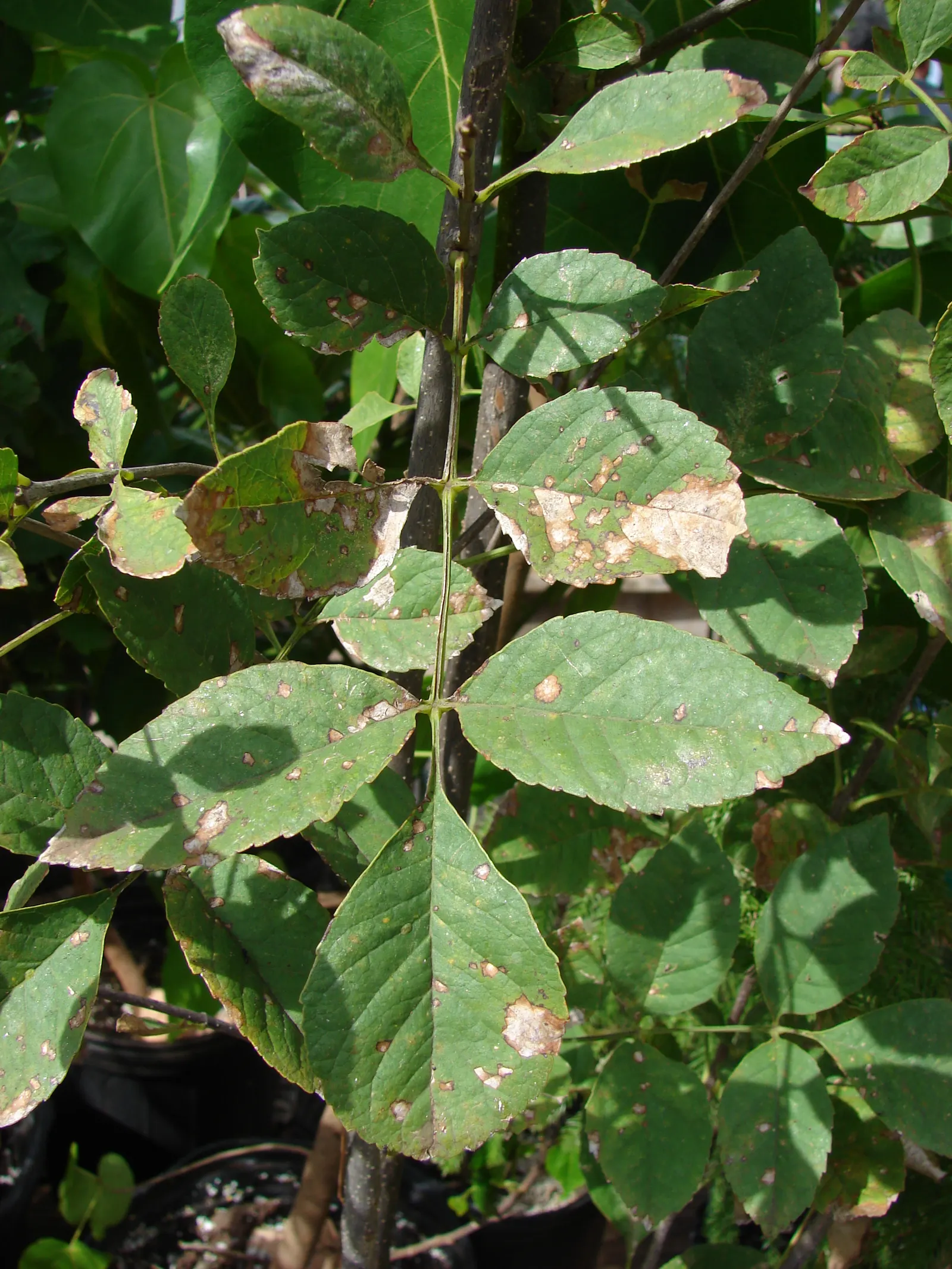
Common Purple Lilac (Syringa Vulgaris) — This deciduous shrub matures to heights of 8-15 feet with a spread of 6-12 feet, requiring full sun
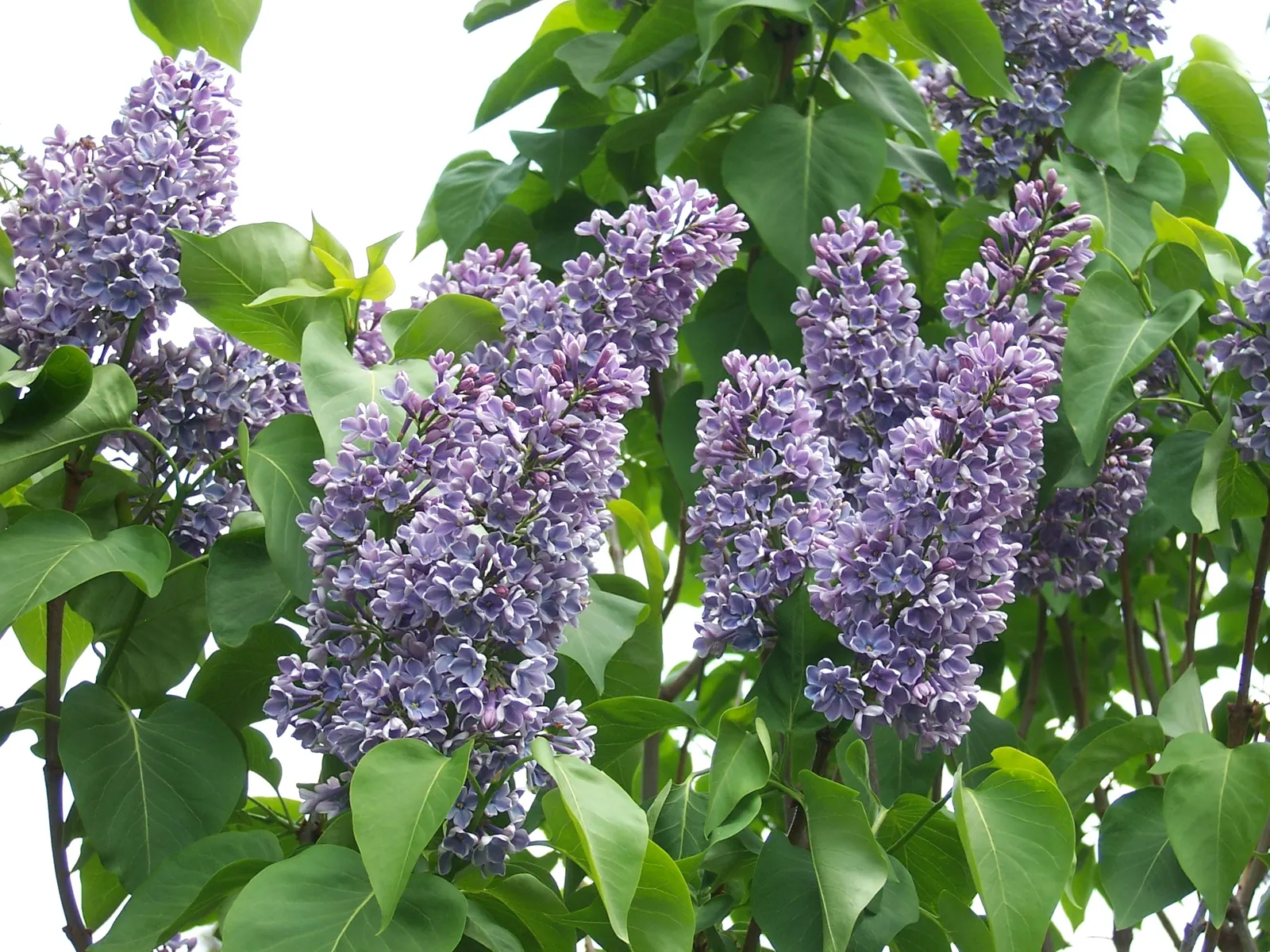
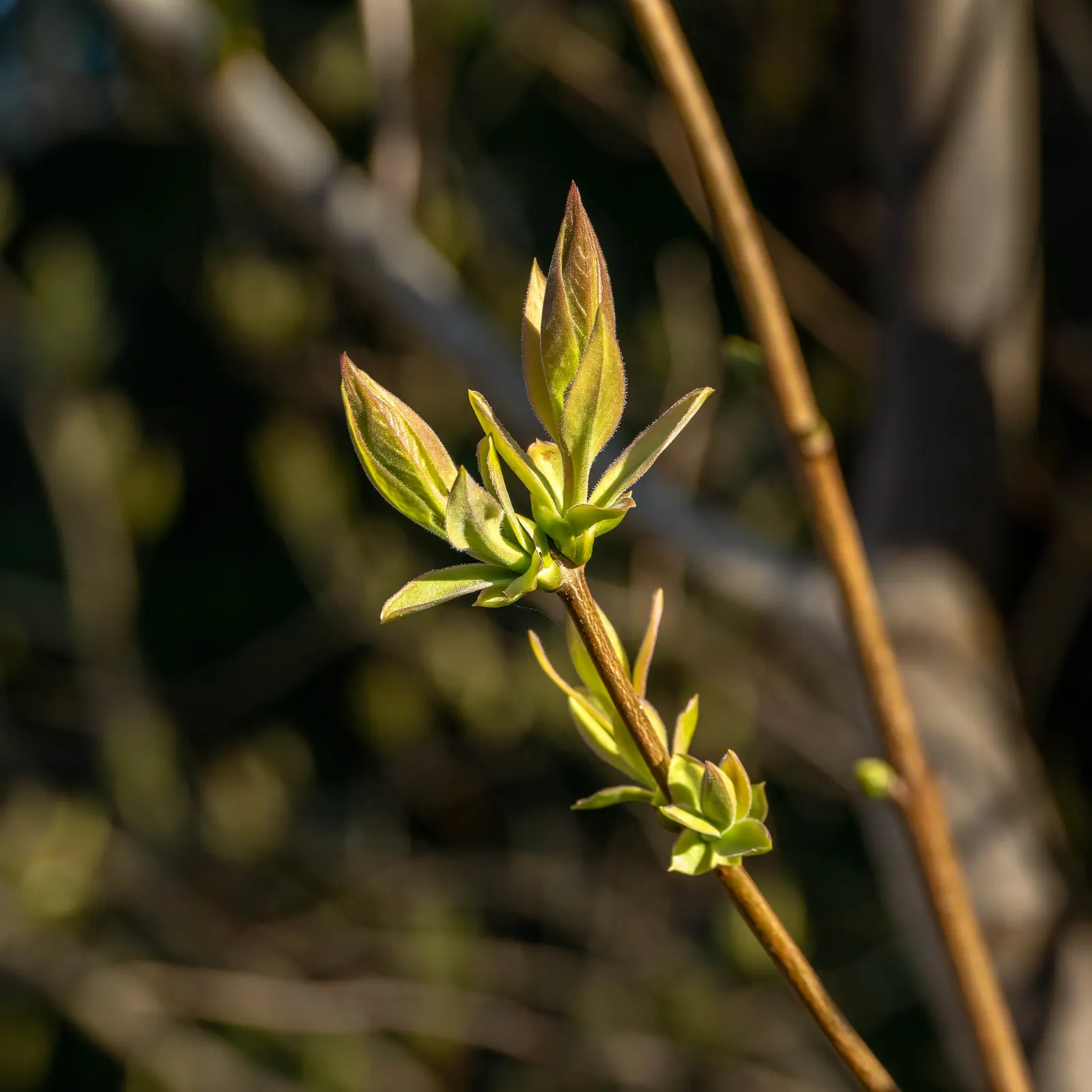
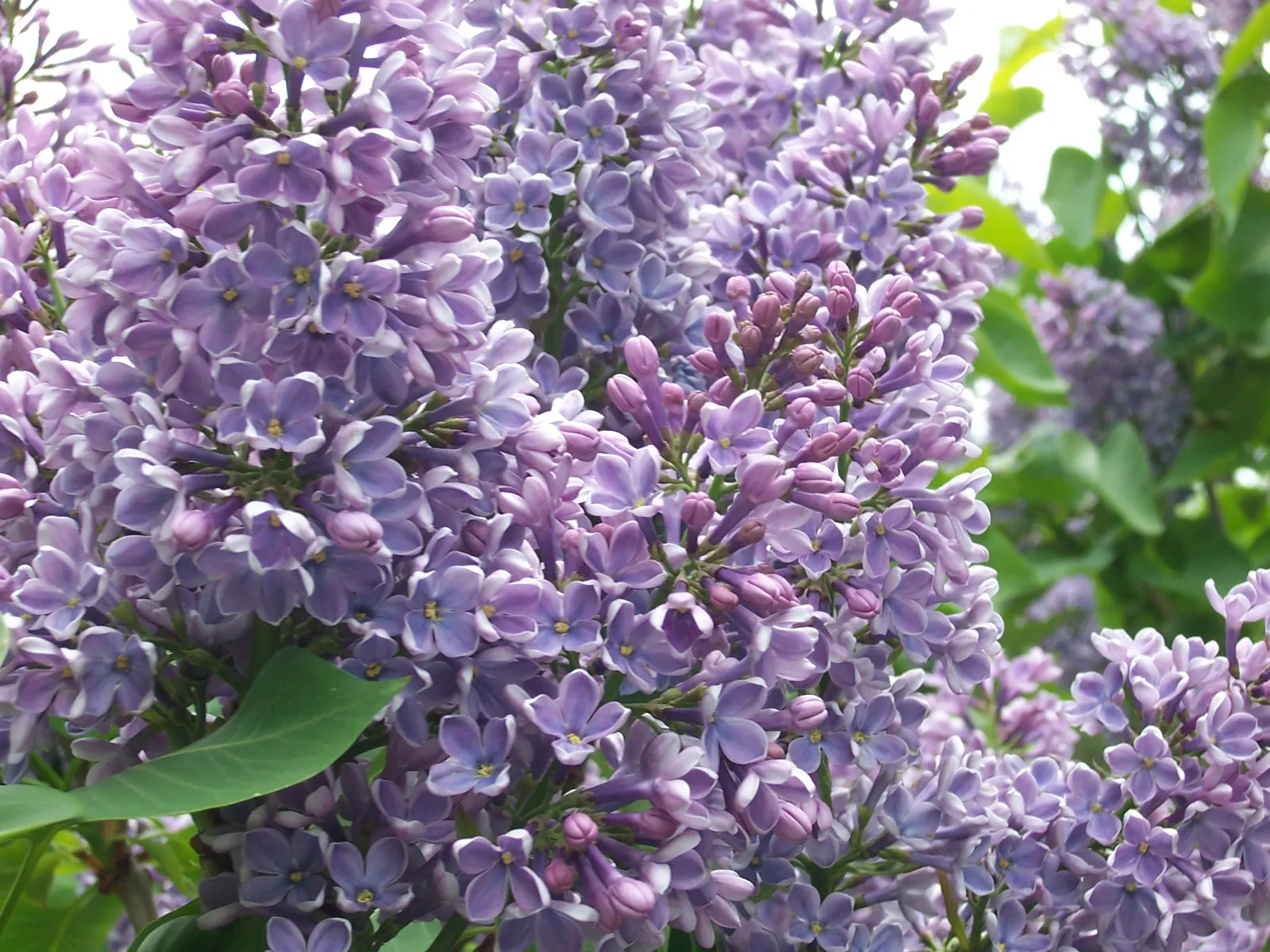
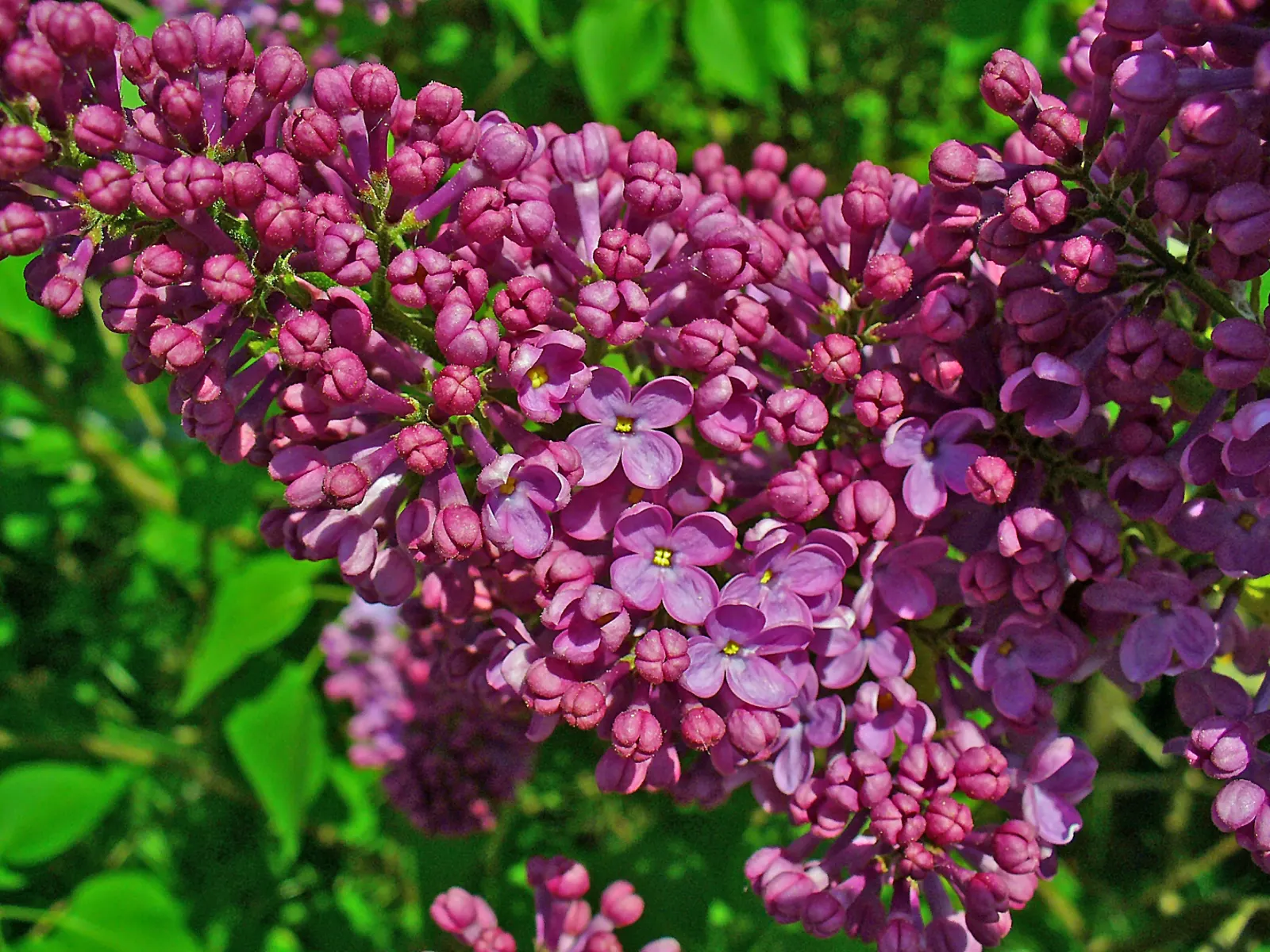
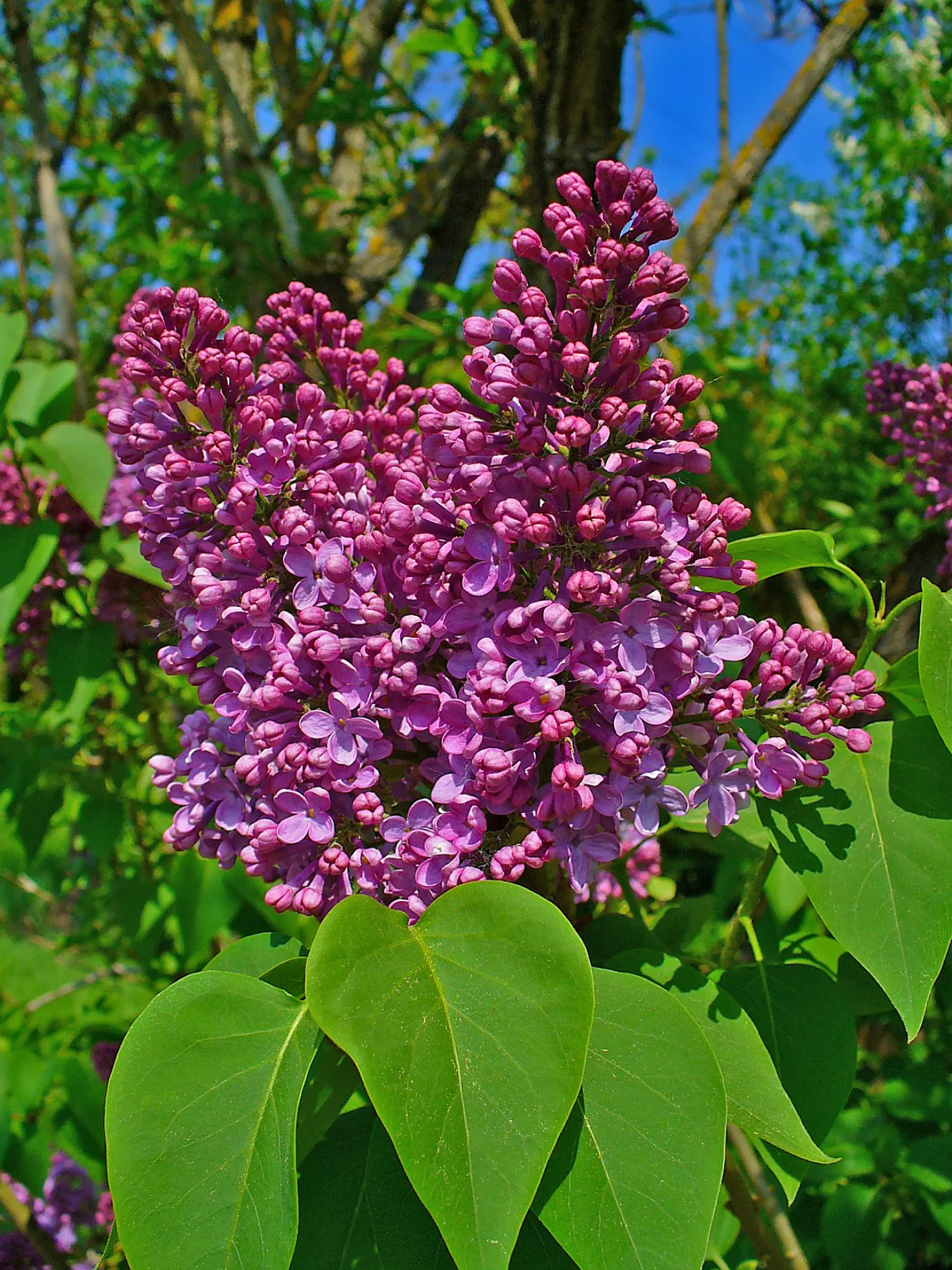
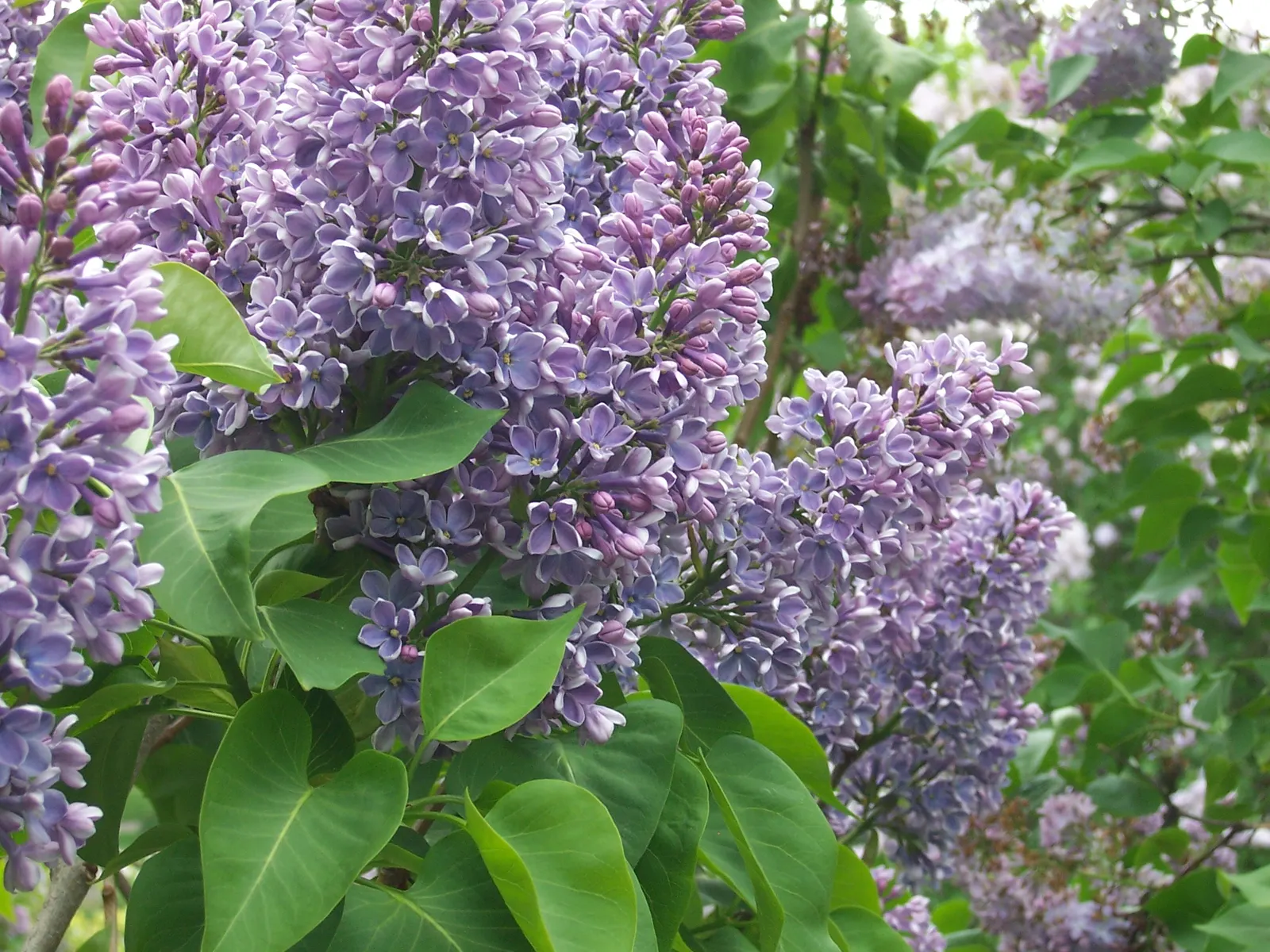
Common Purple Lilac (Syringa Vulgaris) — cherished for its fragrant conical blossoms
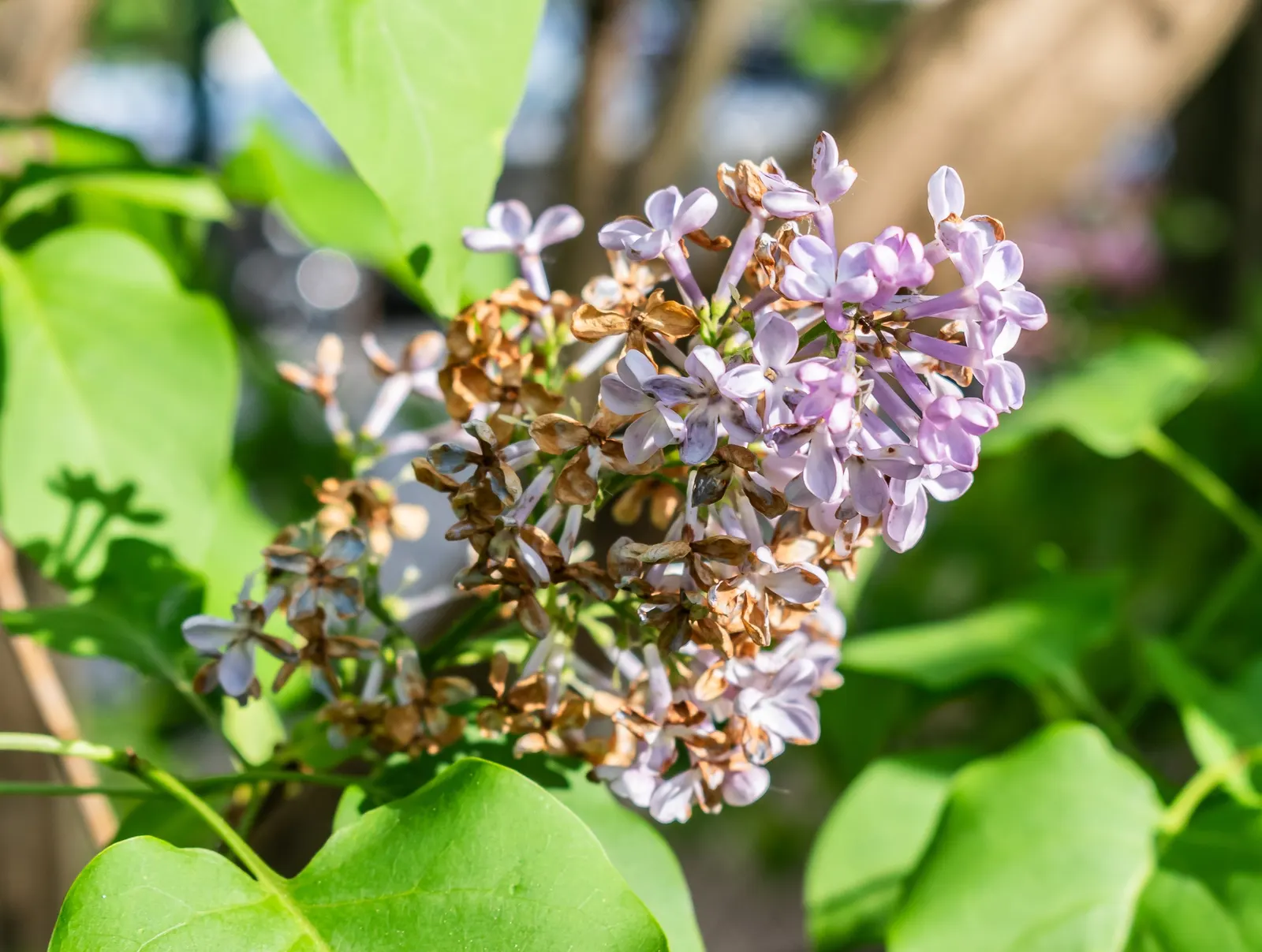
Common Purple Lilac (Syringa Vulgaris) — Lilacs prefer well-drained, alkaline soil and benefit from annual pruning
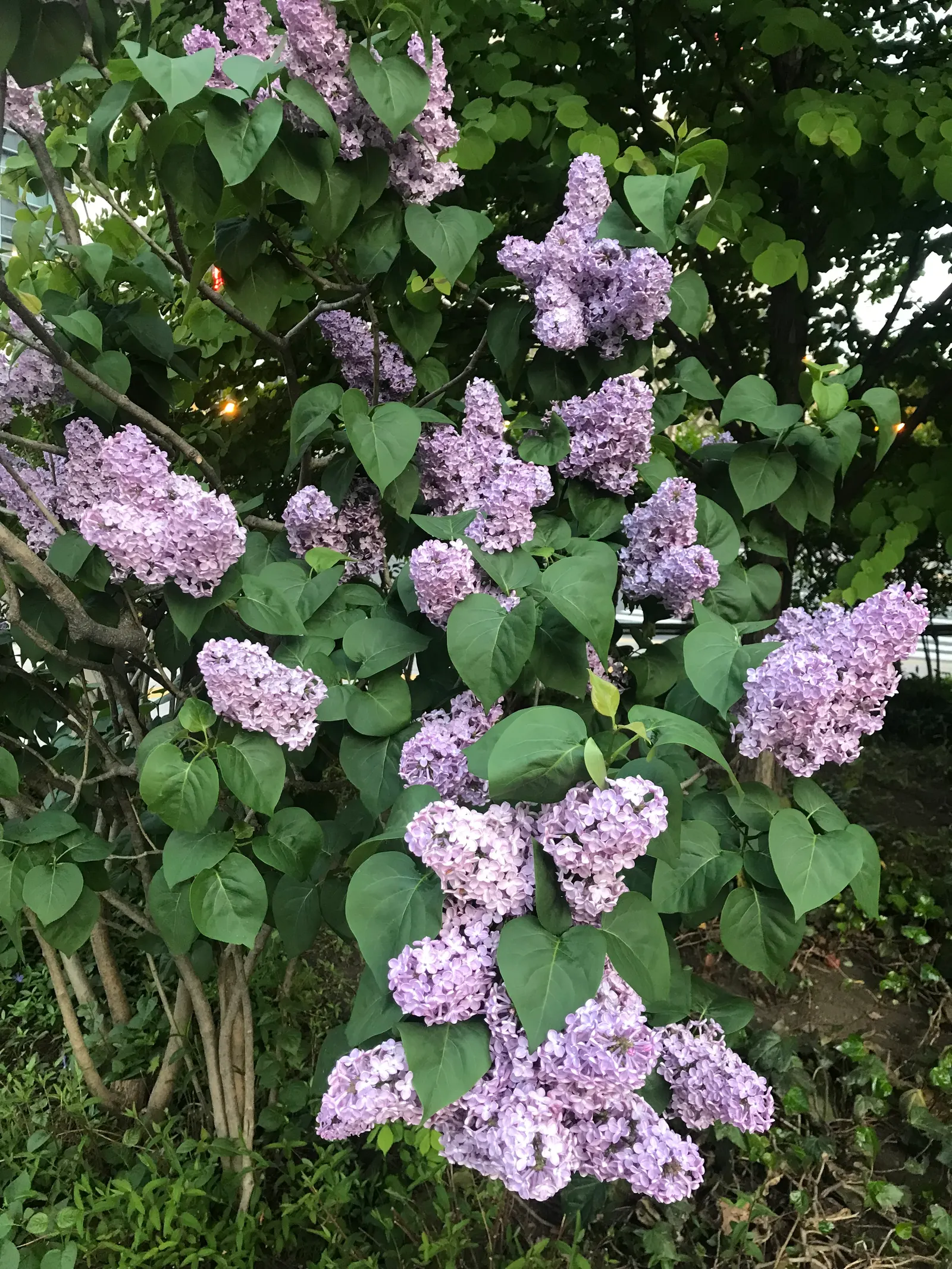
Common Purple Lilac (Syringa Vulgaris) — adding both aesthetic and ecological value to landscapes
Common Purple Lilac (Syringa Vulgaris) — is a deciduous shrub beloved for its aromatic
Common Purple Lilac (Syringa Vulgaris) — showy blooms that grace gardens with a splash of springtime color
Common Purple Lilac (Syringa Vulgaris) — This classic favorite typically grows to a height of 8 to 15 feet with a spread of 6 to 12 feet
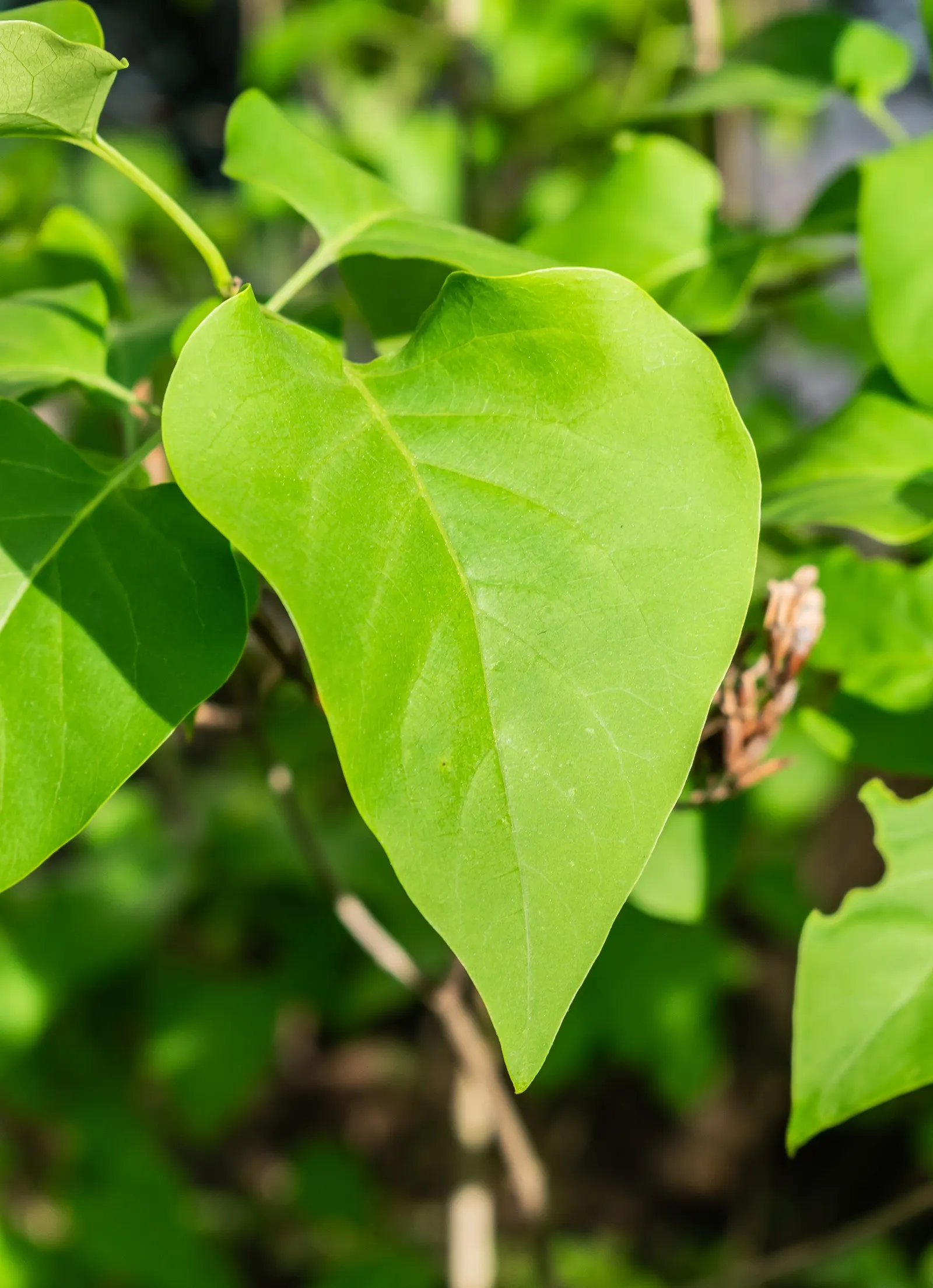
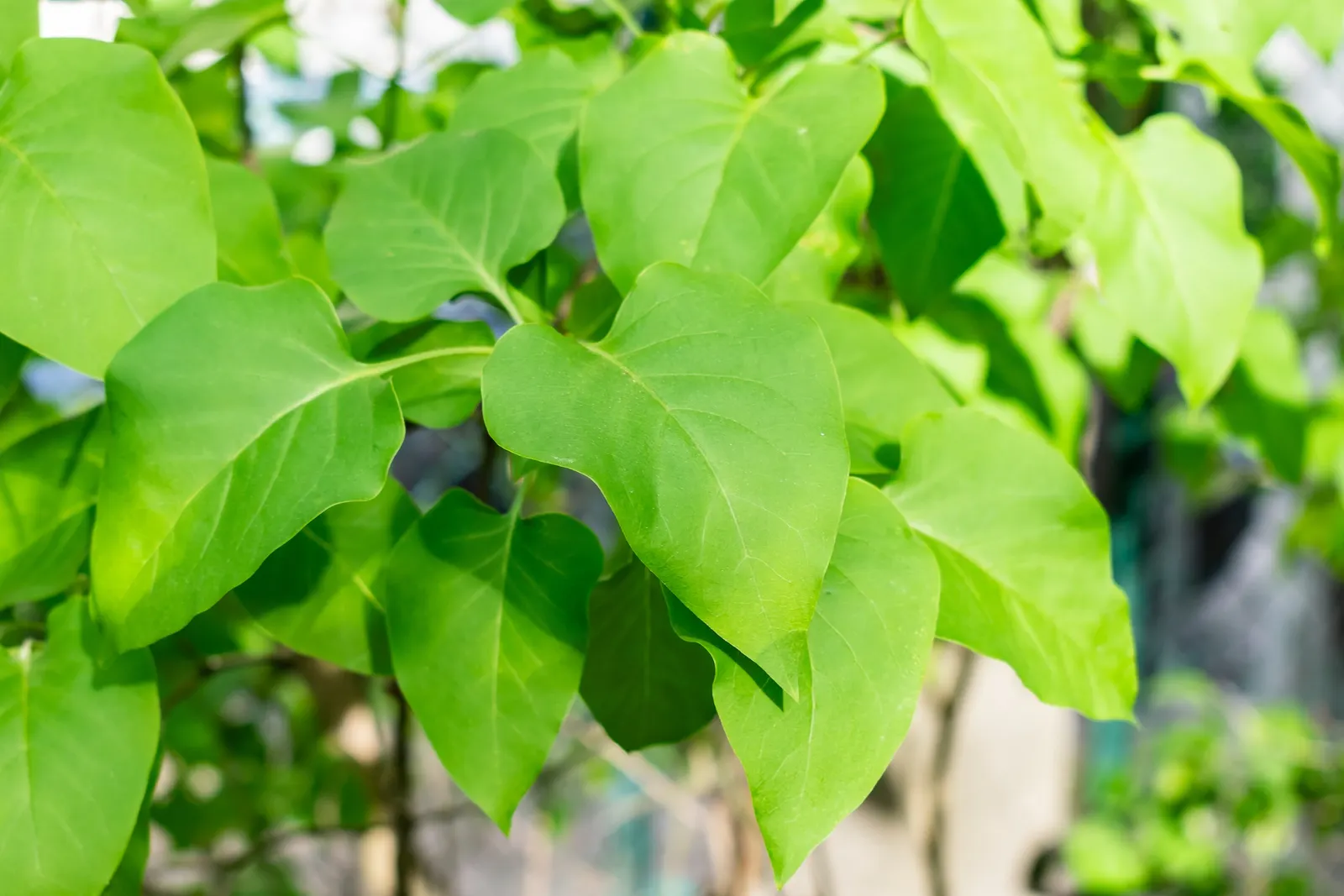
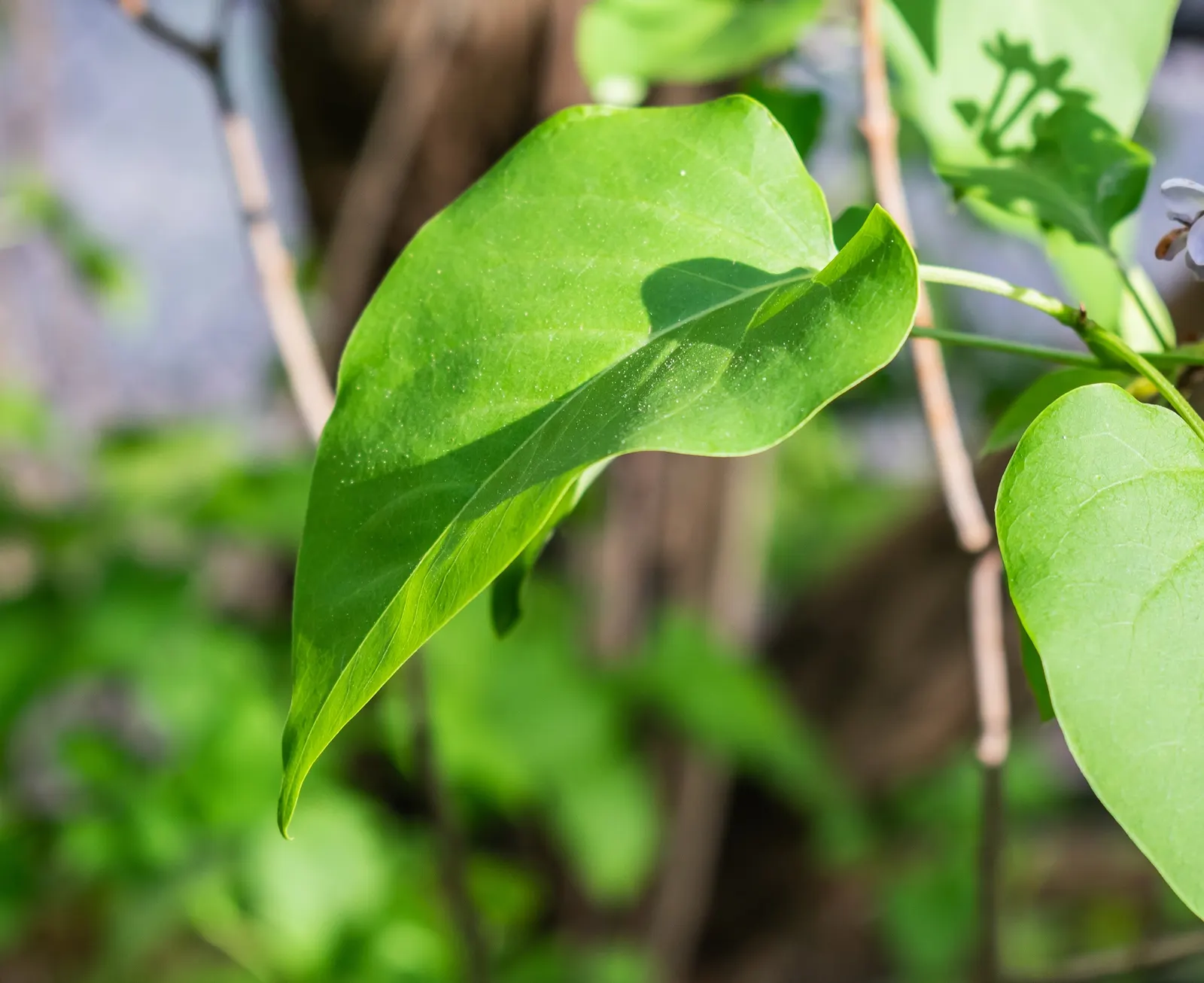
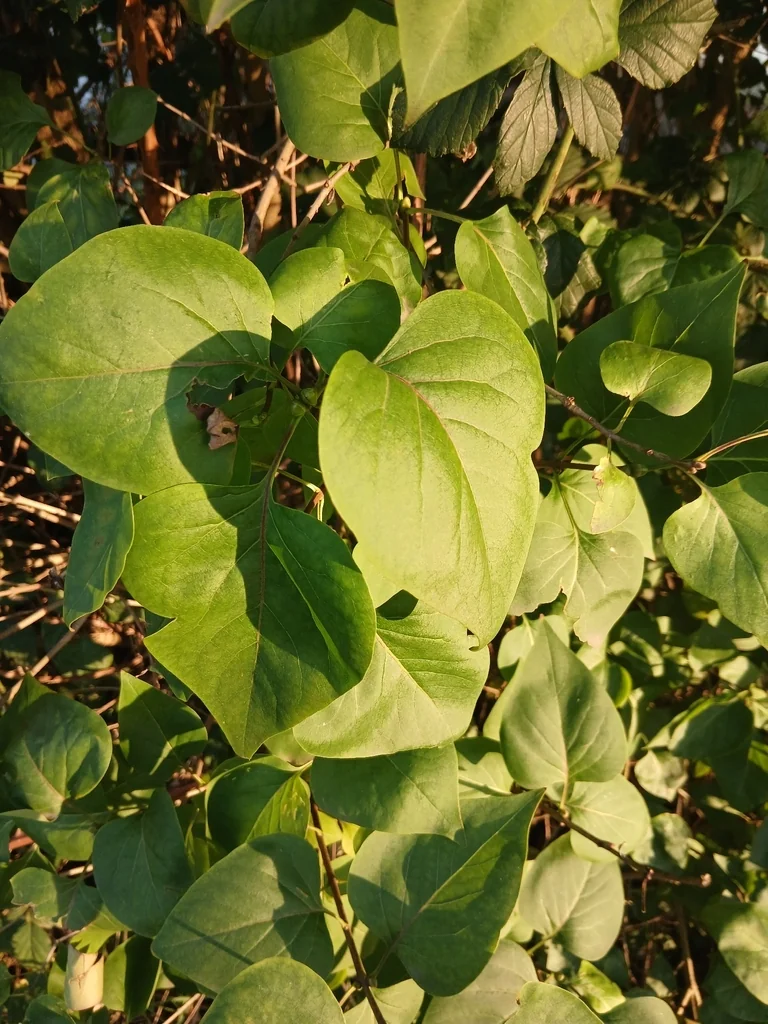
Common Purple Lilac (Syringa Vulgaris) — which can grow up to 7 inches long
Common Purple Lilac (Syringa Vulgaris) — rich green leaves offer a pleasing backdrop to the fragrant flower panicles
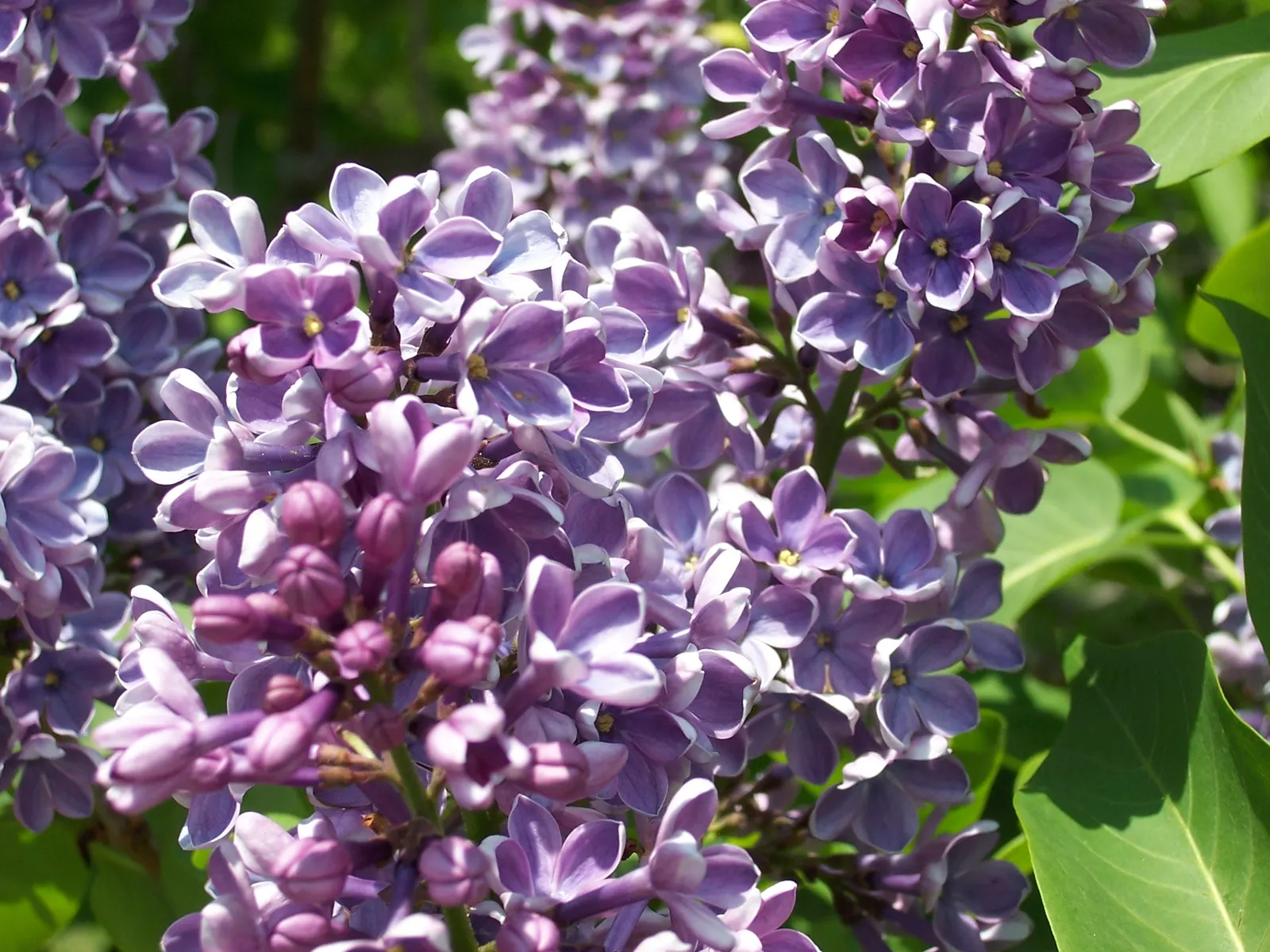
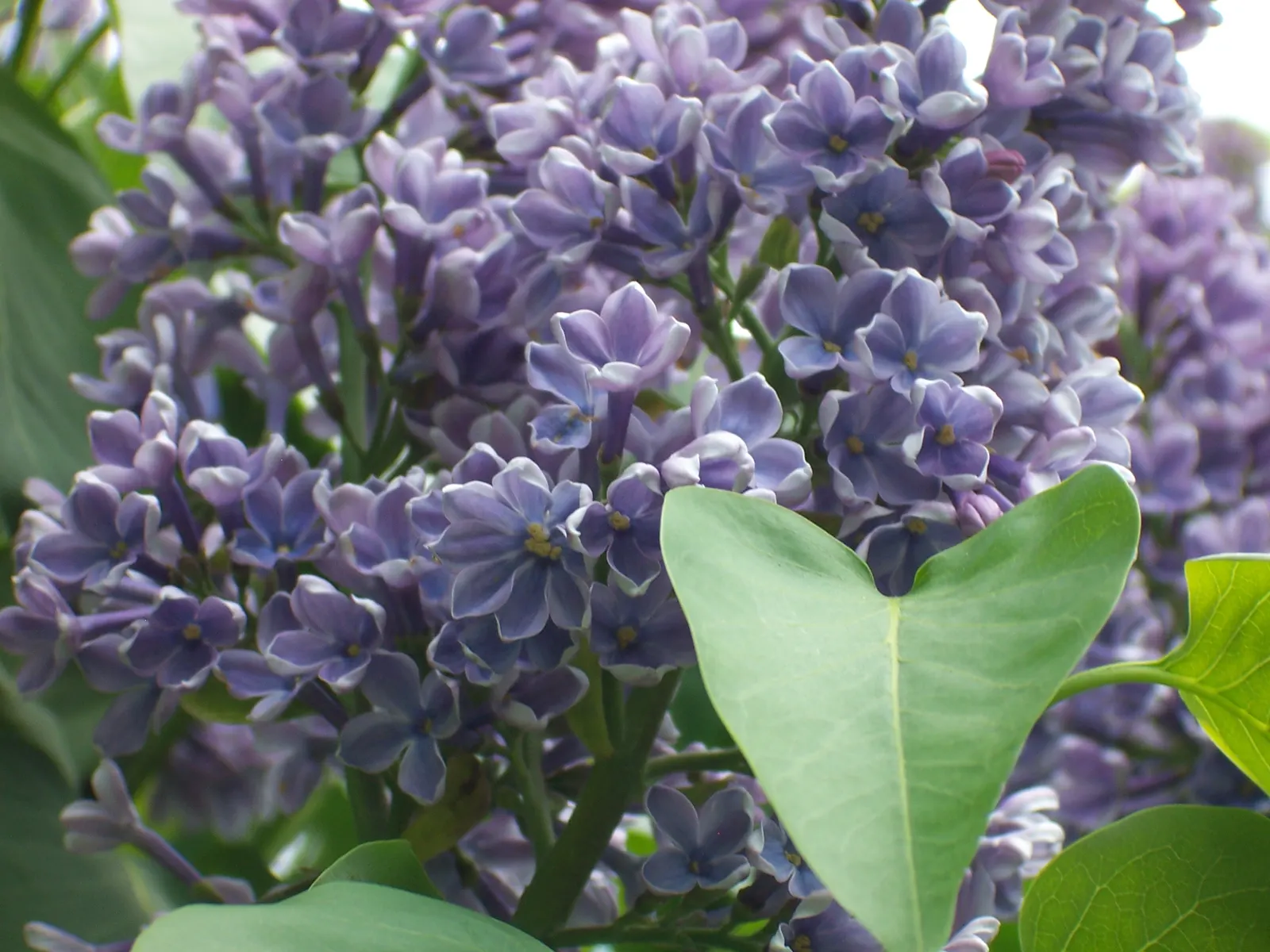
Common Purple Lilac (Syringa Vulgaris) — Each panicle is composed of numerous star-shaped flowers
Common Purple Lilac (Syringa Vulgaris) — with a typical hue ranging from light to dark purple
Common Purple Lilac (Syringa Vulgaris) — and magenta.<br><br>As a landscape architect
Common Purple Lilac (Syringa Vulgaris) — although cultivars can display varying shades including white
Common Purple Lilac (Syringa Vulgaris) — ideally receiving a minimum of 6 hours of direct sunlight each day for optimal blooming
Common Purple Lilac (Syringa Vulgaris) — consider planting Common Purple Lilacs in areas that receive full sun to partial shade
Common Purple Lilac (Syringa Vulgaris) — This hardy species performs best in well-drained, fertile soil with a near-neutral pH
Common Purple Lilac (Syringa Vulgaris) — It also requires good air circulation to prevent powdery mildew
Common Purple Lilac (Syringa Vulgaris) — making it important to space plantings adequately.<br><br>Cold hardy in USDA Zones 3 to 7
Common Purple Lilac (Syringa Vulgaris) — When designing a landscape
Common Purple Lilac (Syringa Vulgaris) — the Lilac thrives in cooler regions and typically flowers in late spring
Common Purple Lilac (Syringa Vulgaris) — integrate Syringa vulgaris as a border
Common Purple Lilac (Syringa Vulgaris) — or standalone feature to not only provide aesthetic beauty but also to attract butterflies and hummingbirds

Related plants