Skip to content

Common Comfrey

Symphytum Officinale

Design with this plant

Overview

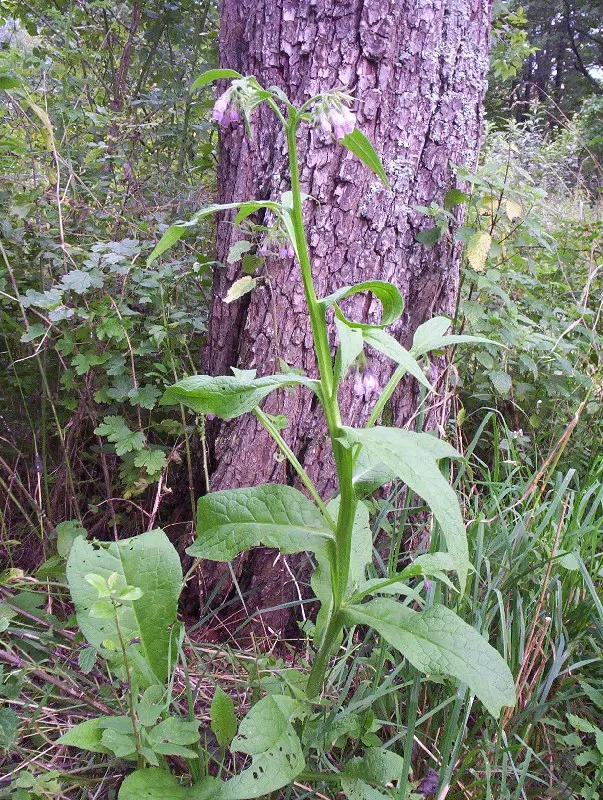
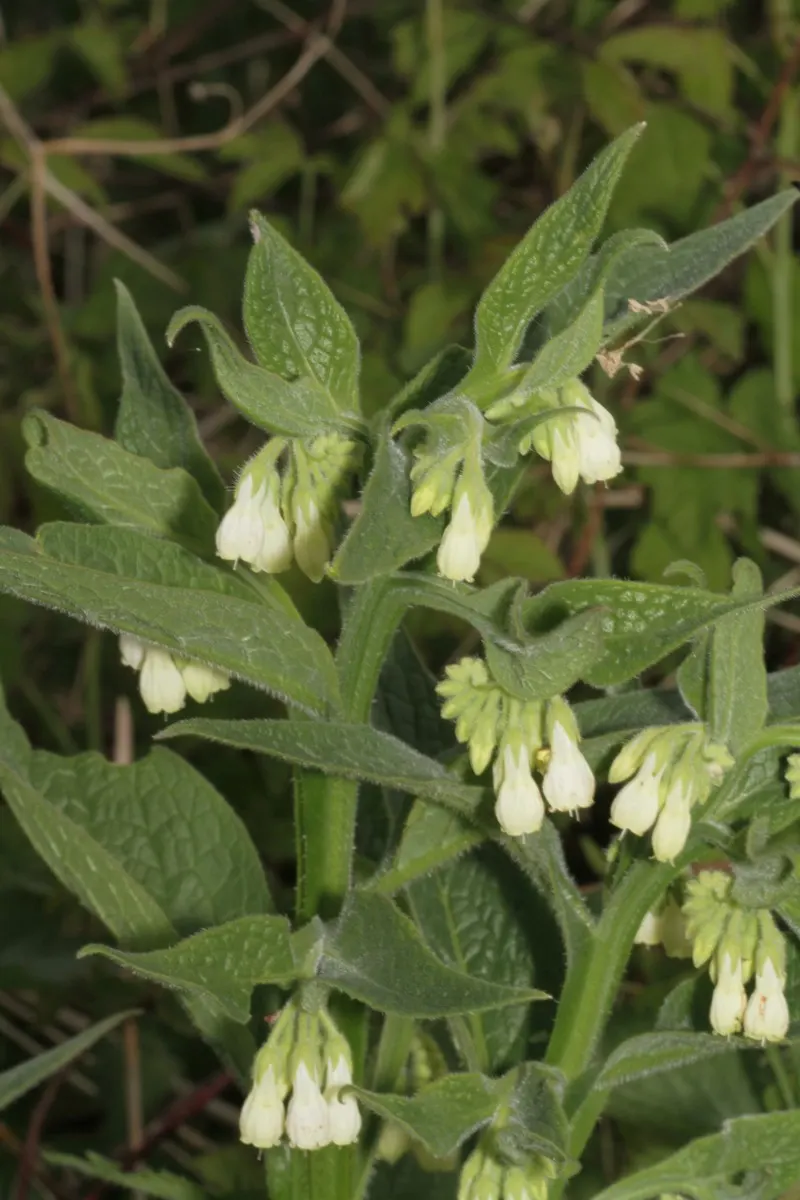
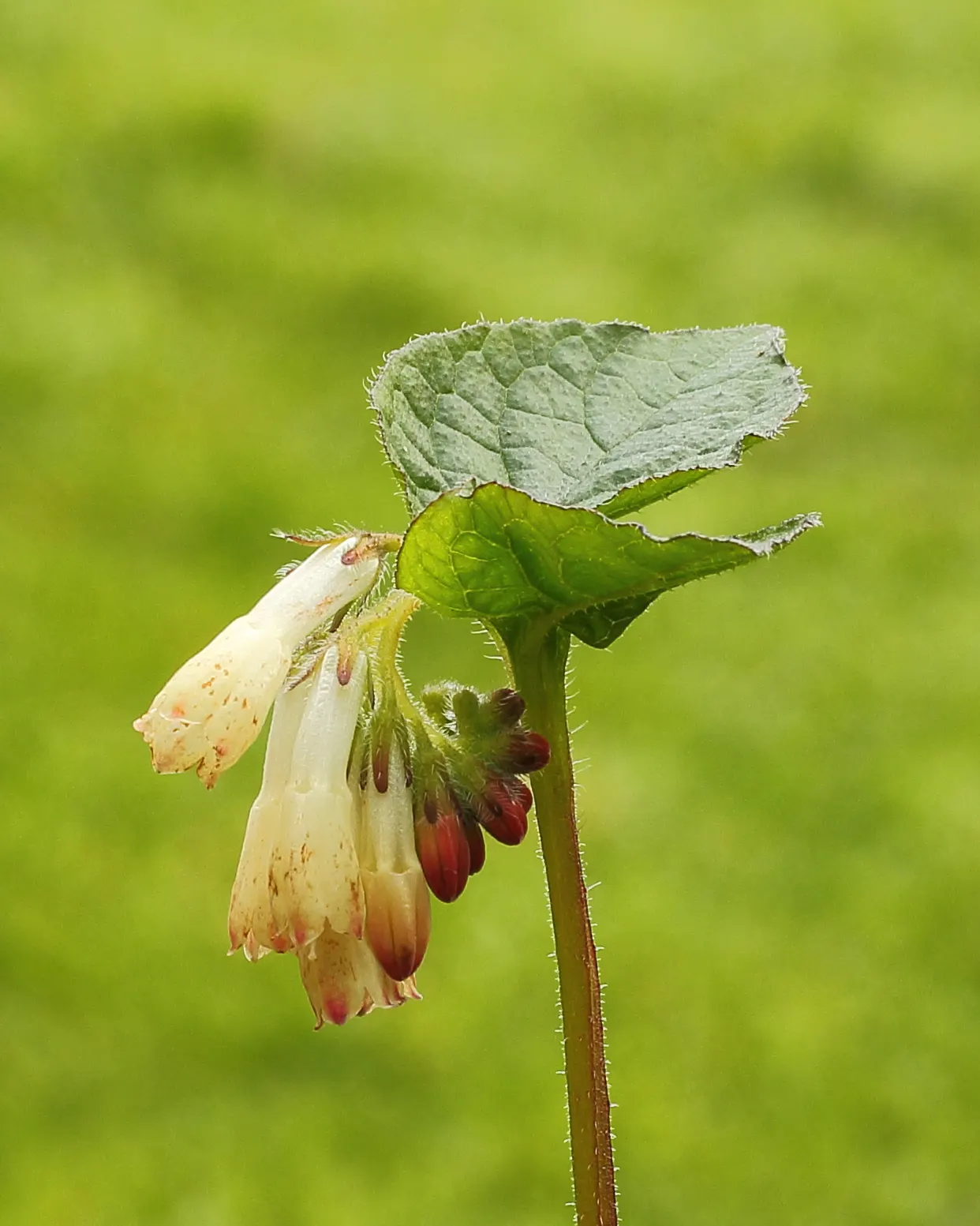
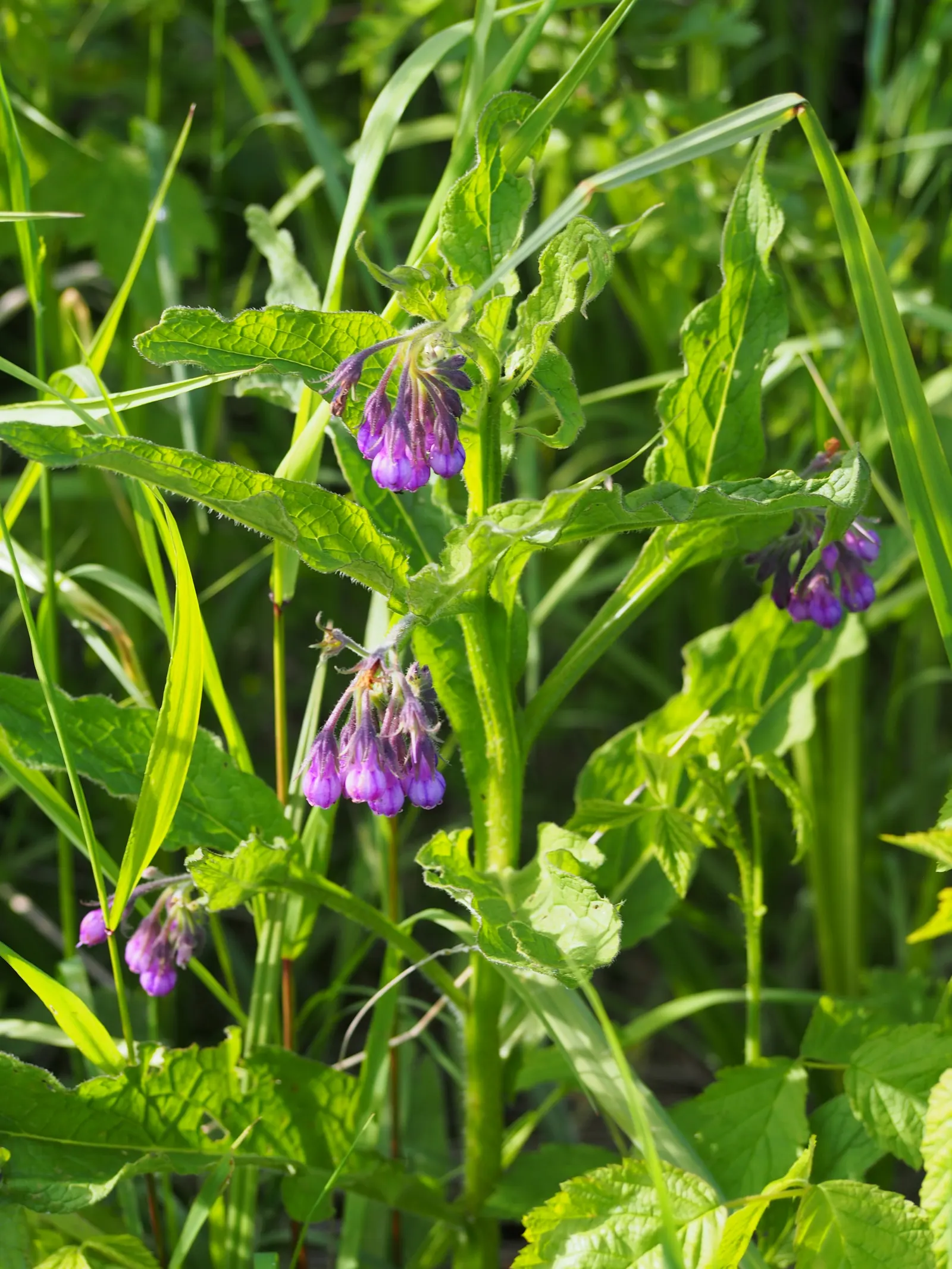
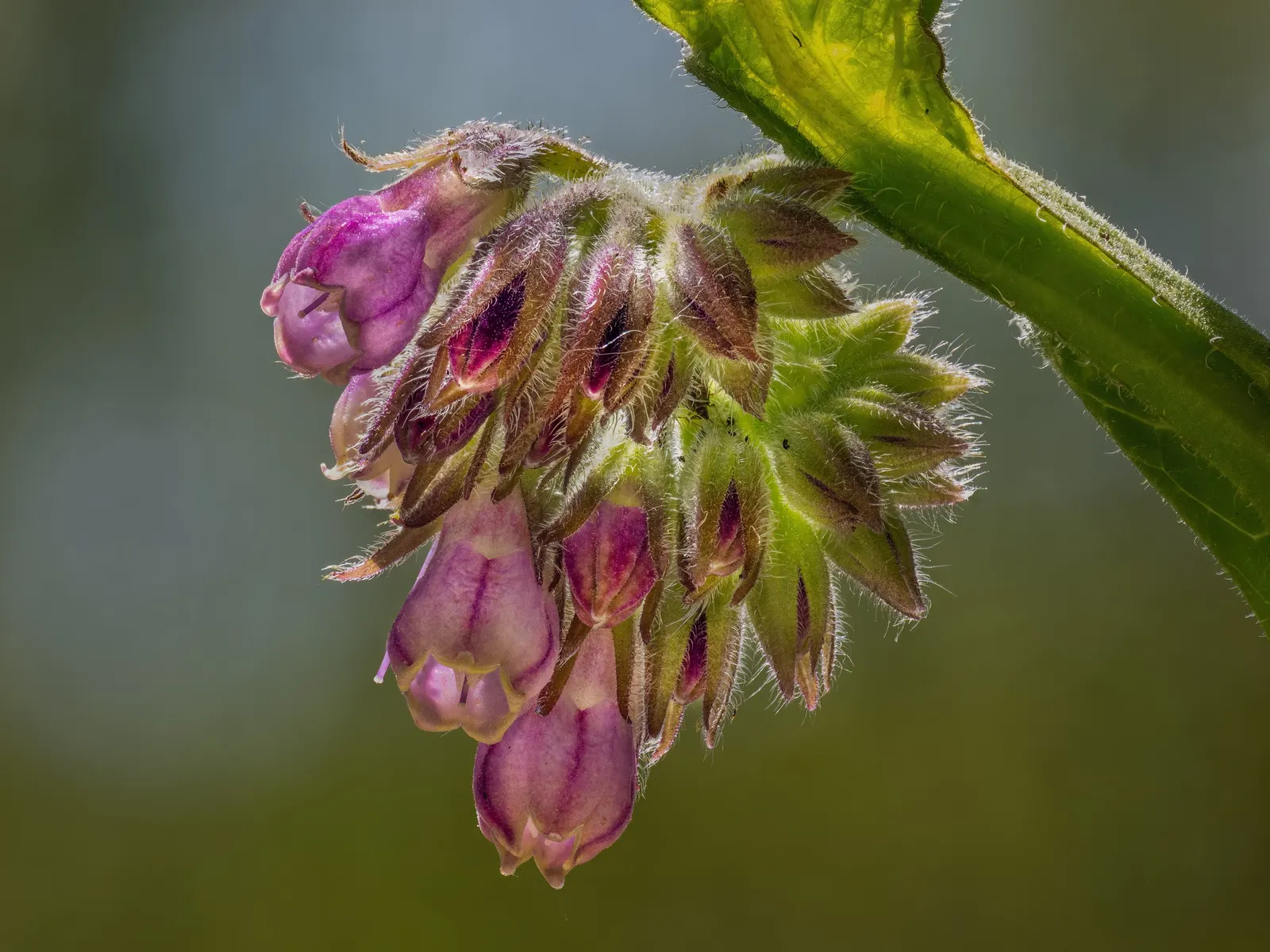
Symphytum officinale, known as Common Comfrey, is a hardy perennial boasting clusters of bell-shaped, purple to cream flowers. It grows to 2-5 feet tall and spreads up to 2.5 feet wide. Favored for its medicinal uses and ability to improve soil fertility, Comfrey thrives in full sun to partial shade and prefers moist, well-drained soil. Handle with care due to its rough, hairy leaves and potential skin irritants.

Sun Full, HalfWater MediumZones 4–8Type Perennial
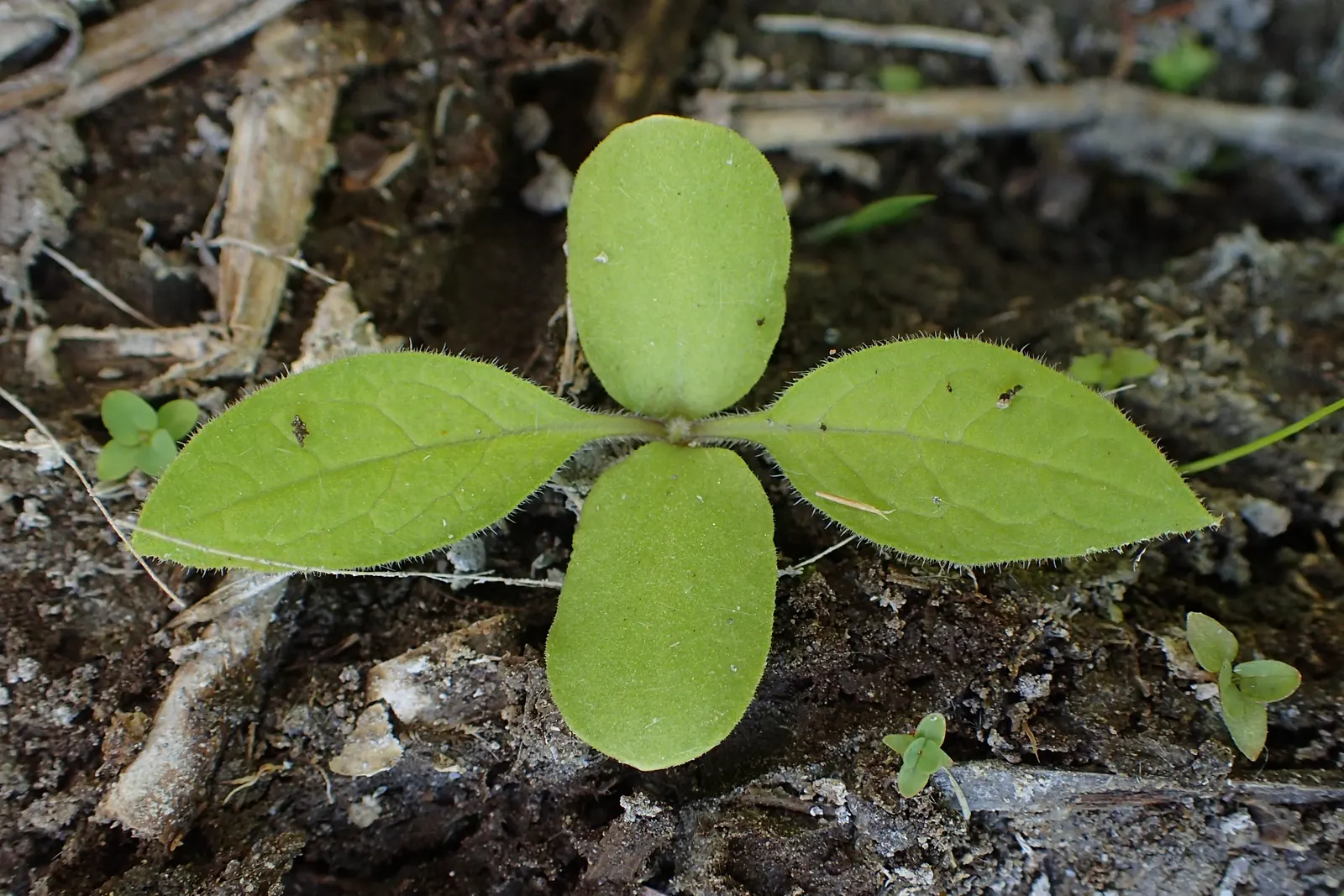
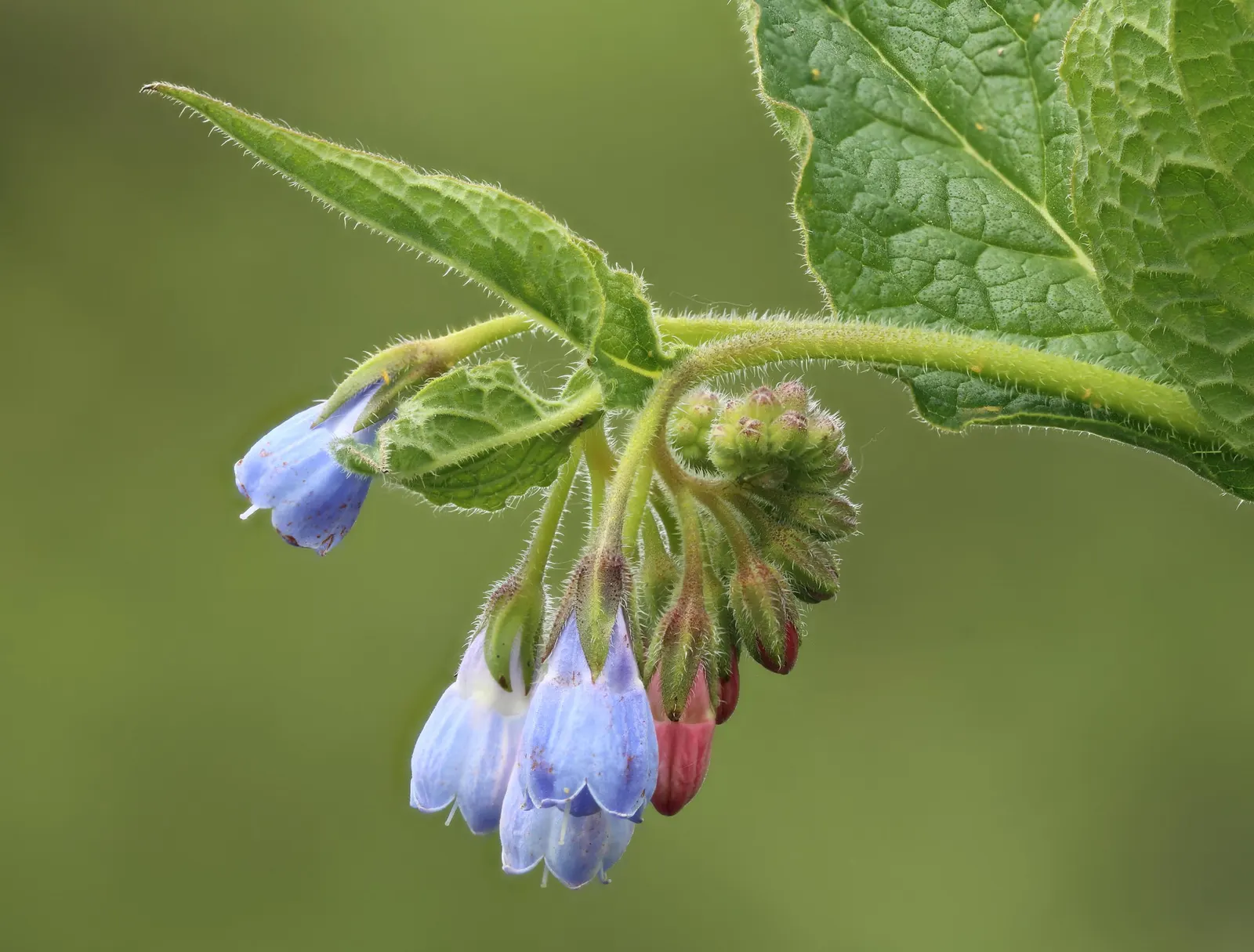
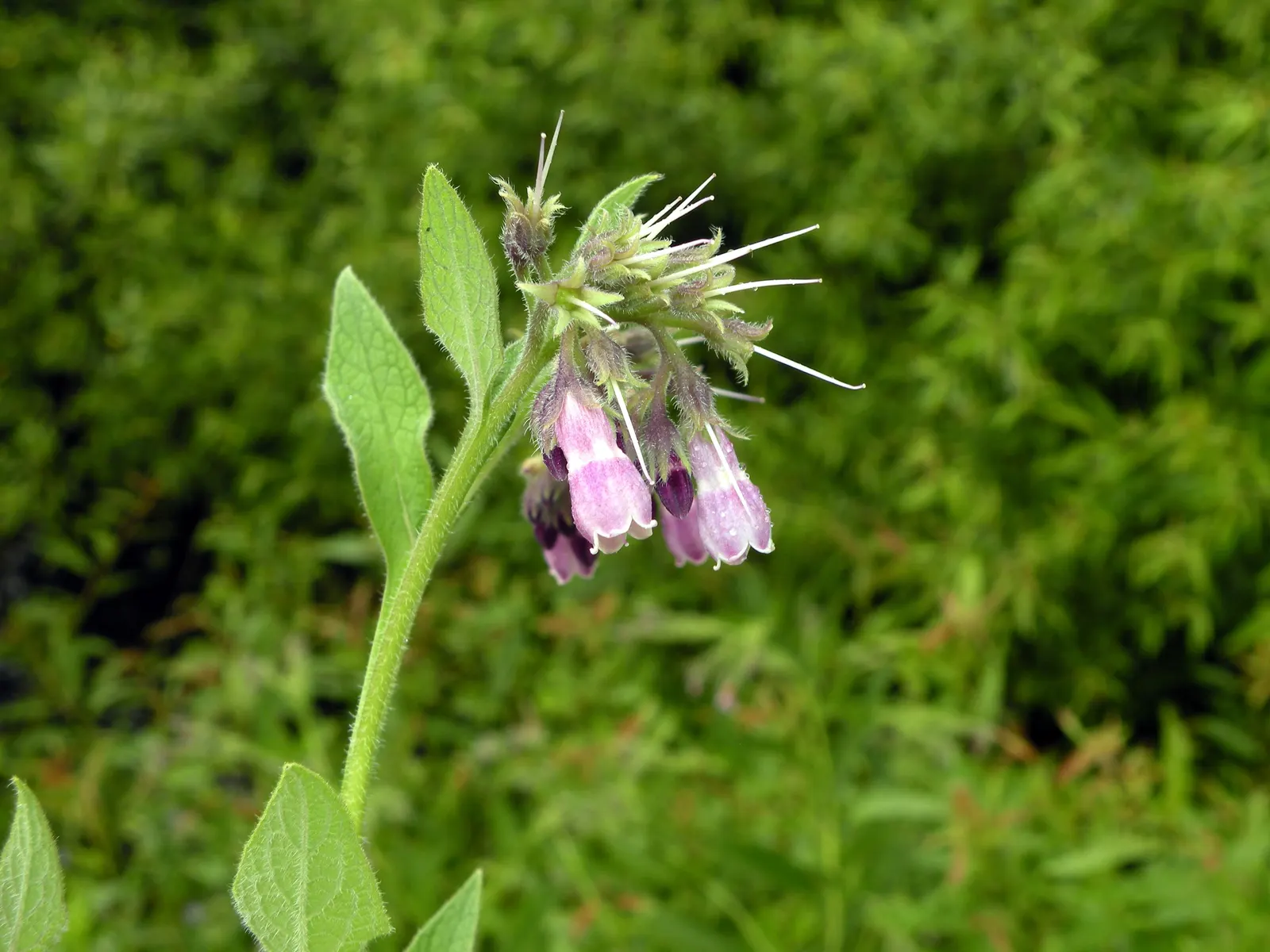
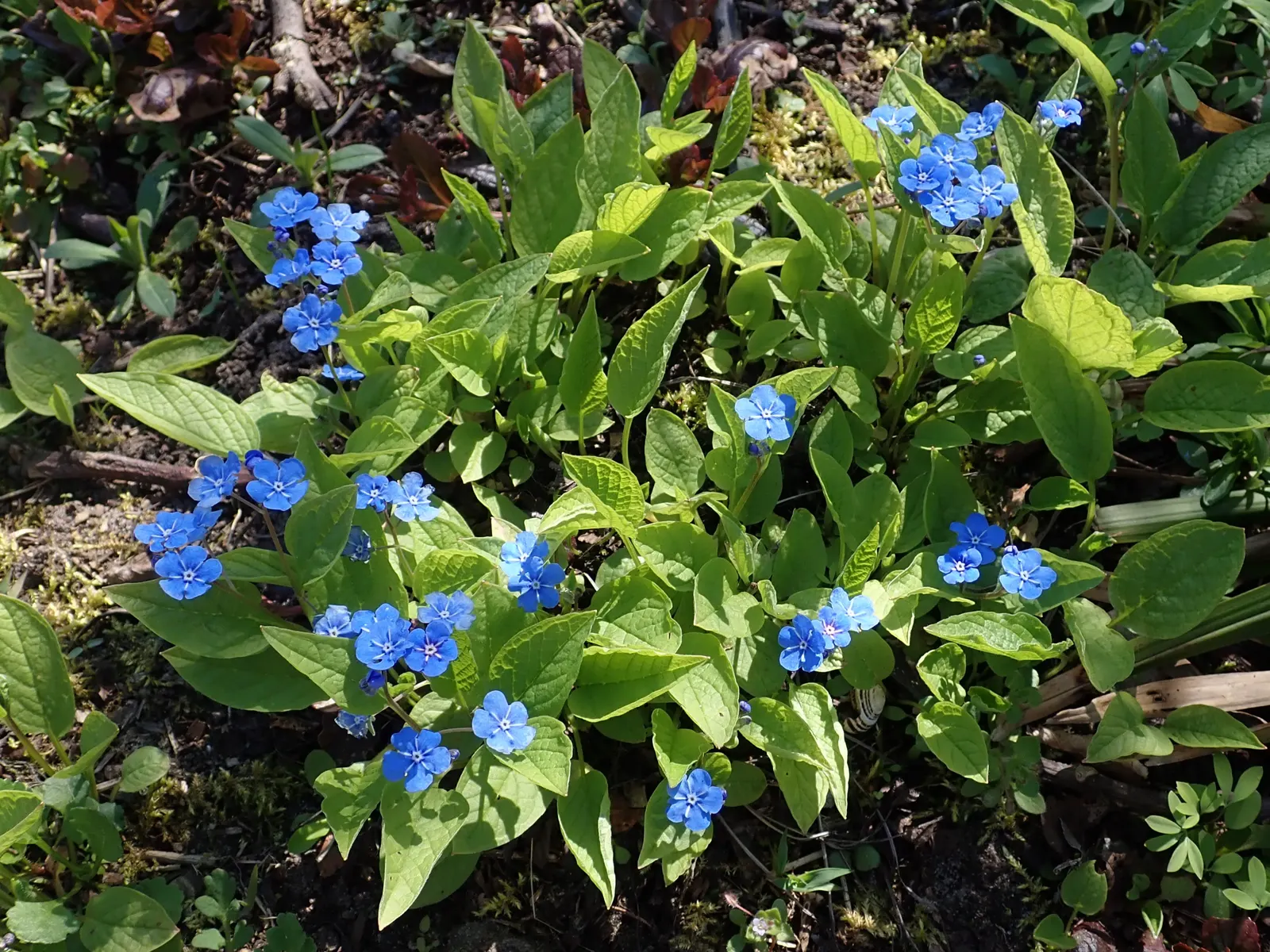
Common Comfrey (Symphytum Officinale) — blue flowers in the garden

Culture

Sun
Full, Half
Water
Medium
USDA zones
4–8

Shape & size

Classification

Type
Perennial
Family
Boraginaceae

See full data, regional cultivation notes, and design tools. Build a client presentation around this plant.

Start your 14-day trial

Photos (135)

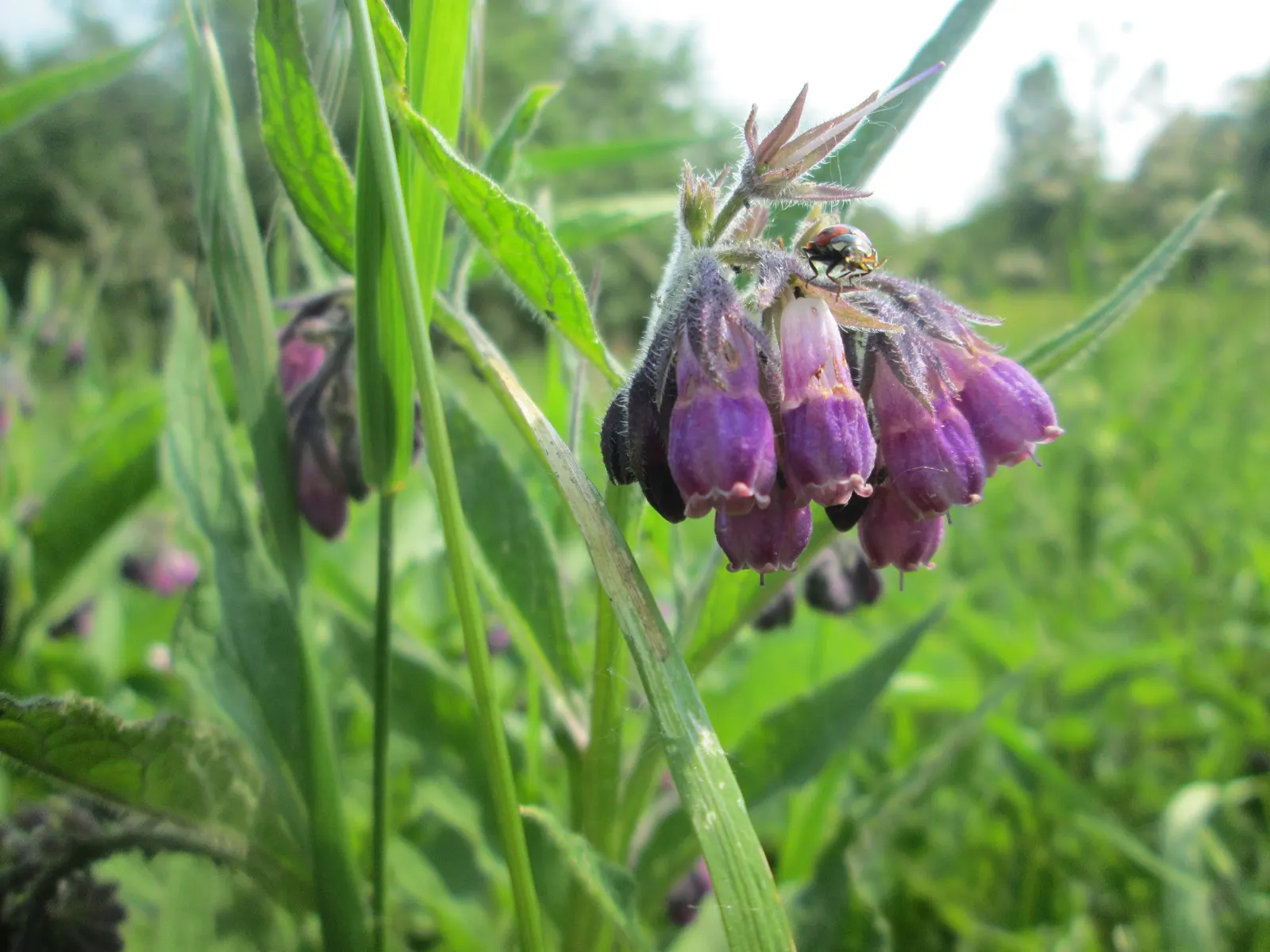
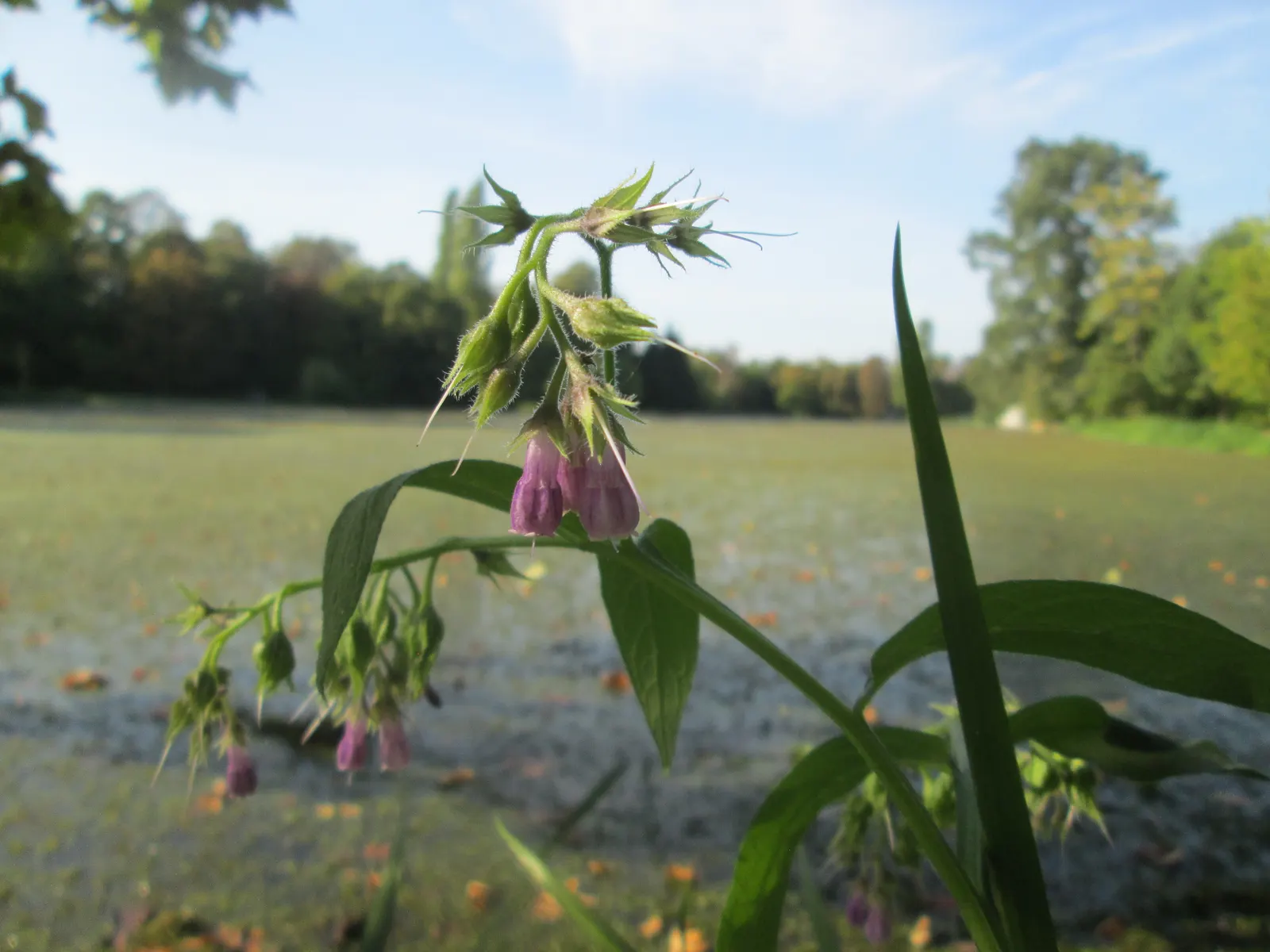
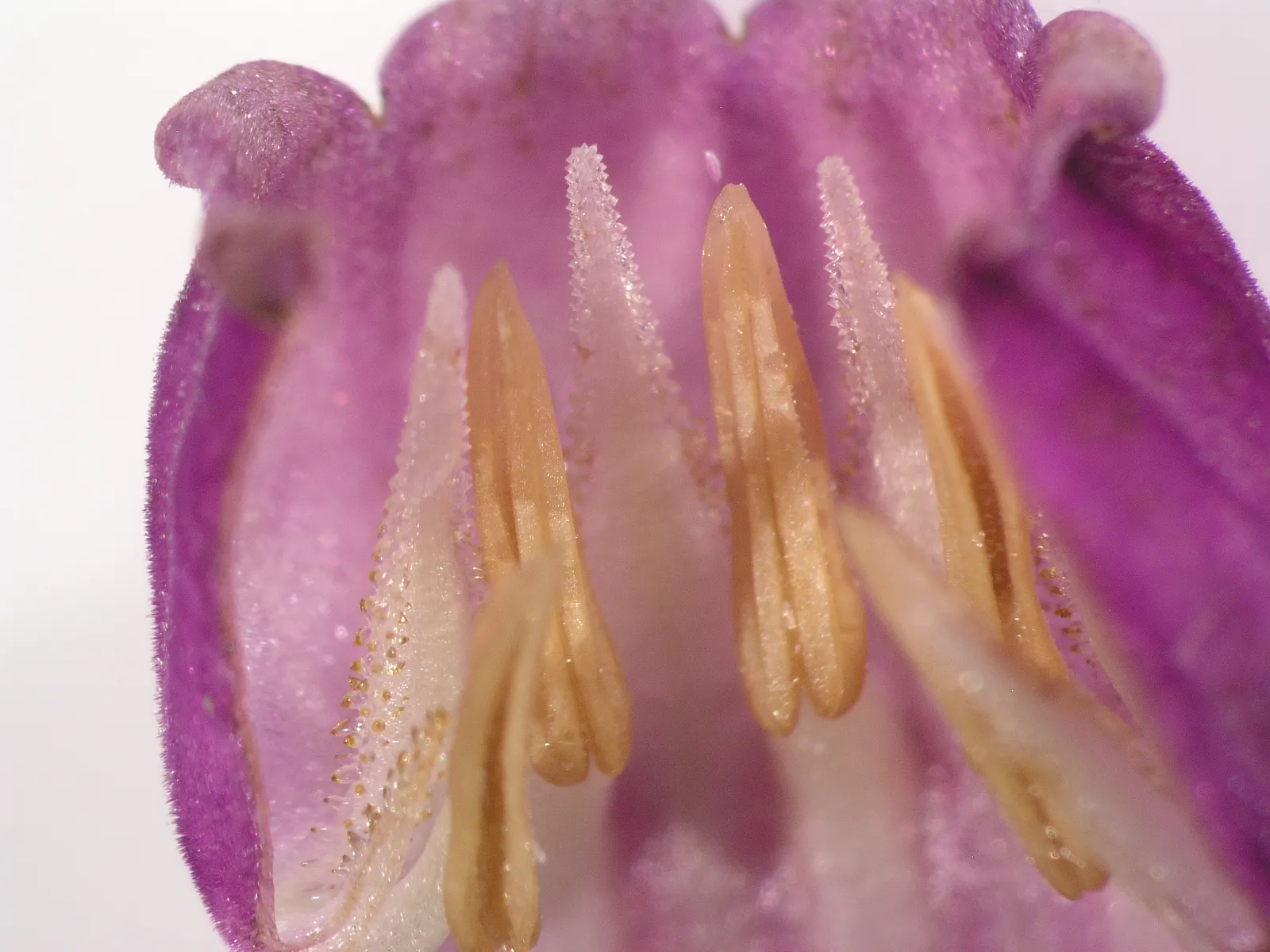
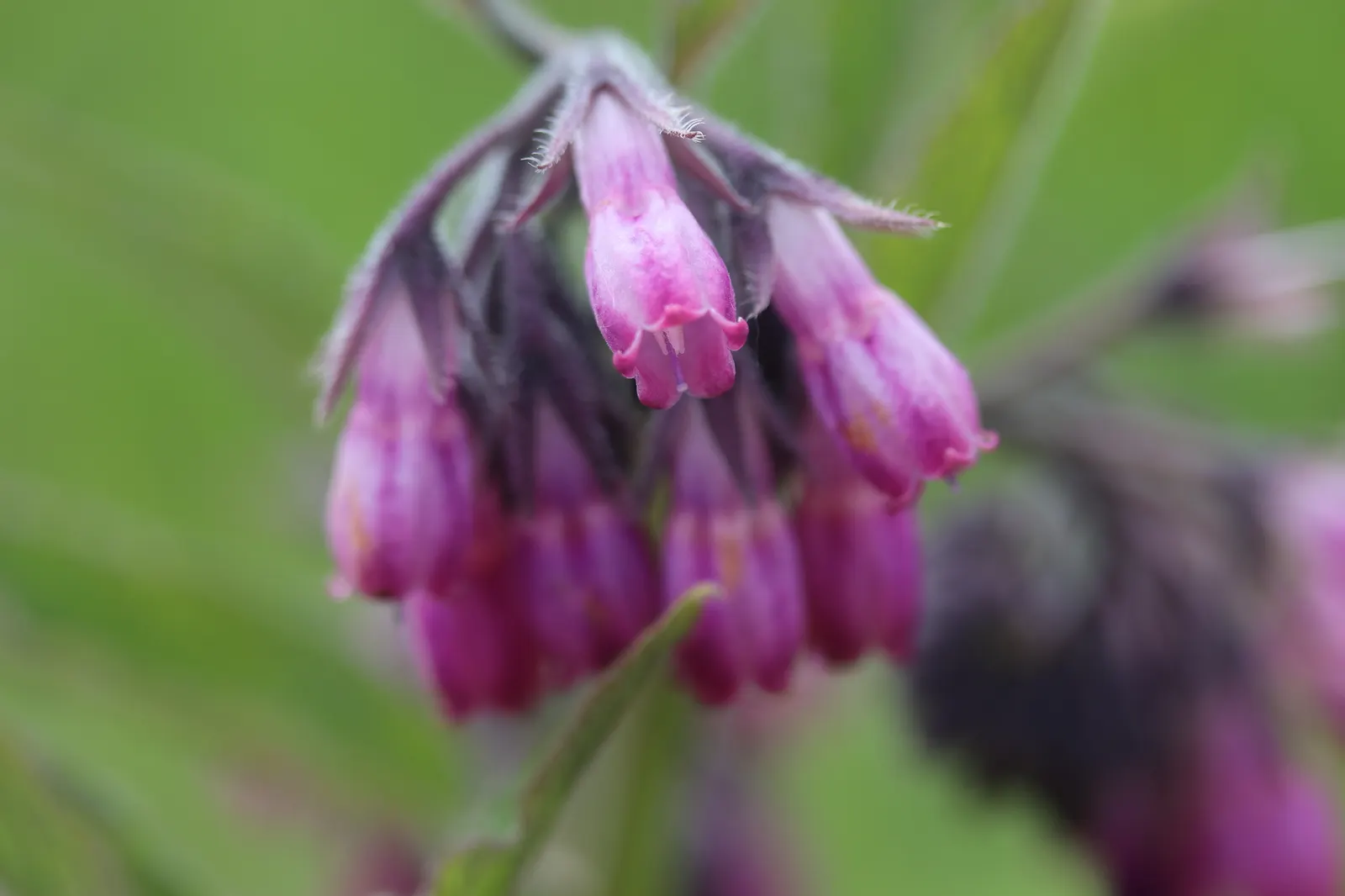
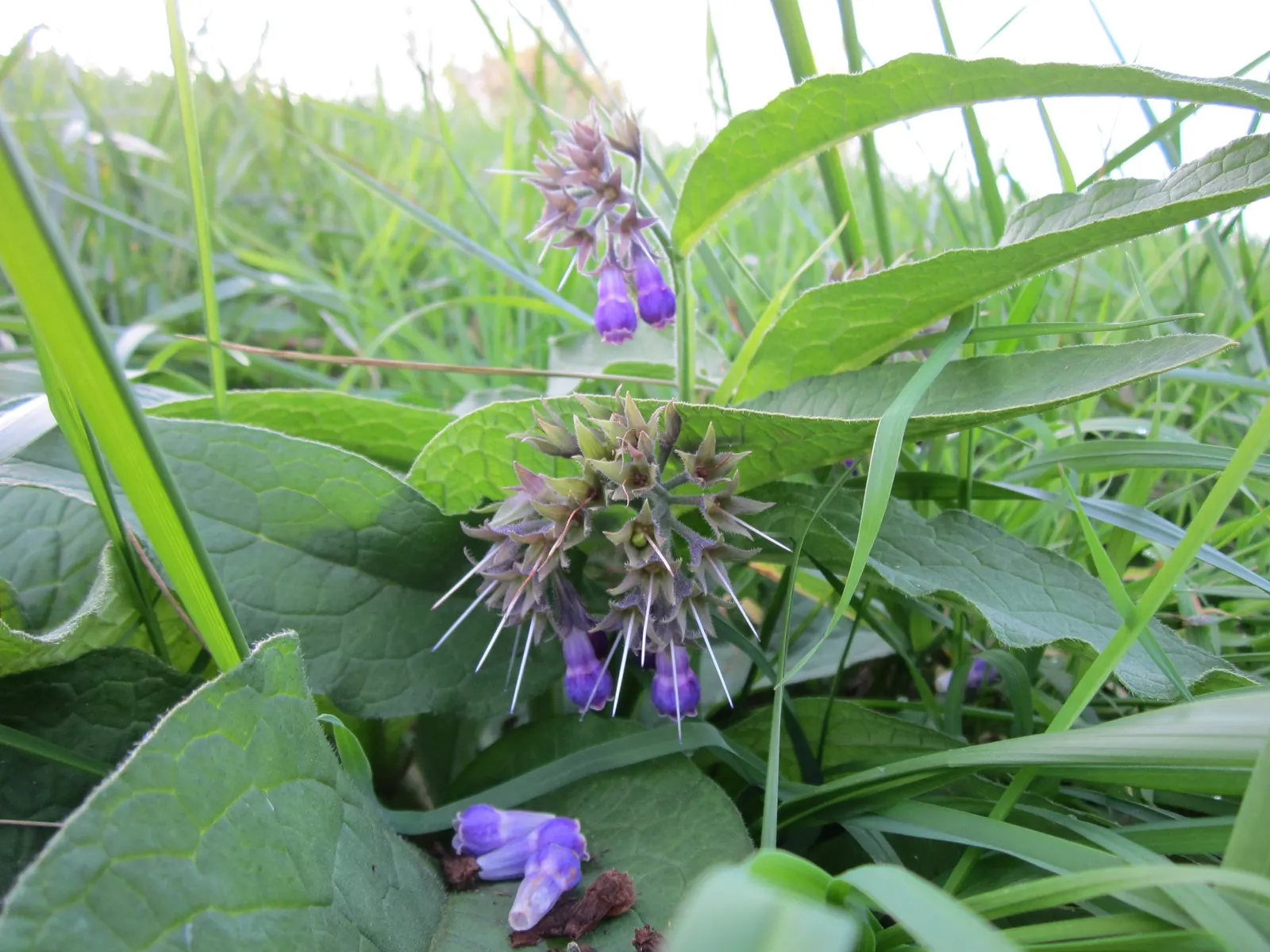
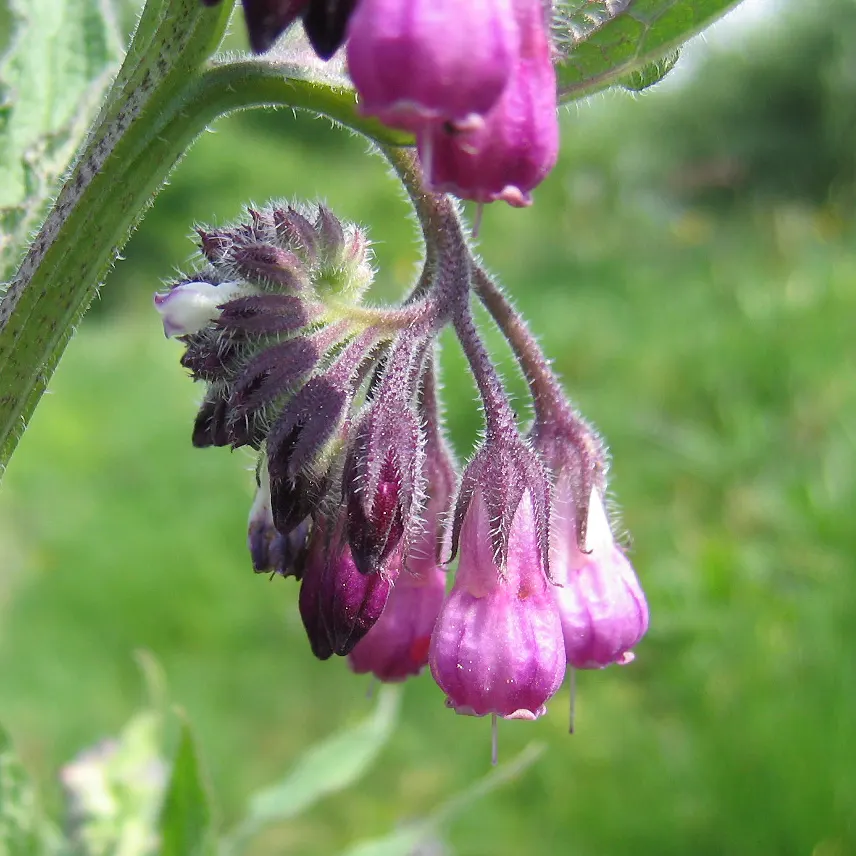
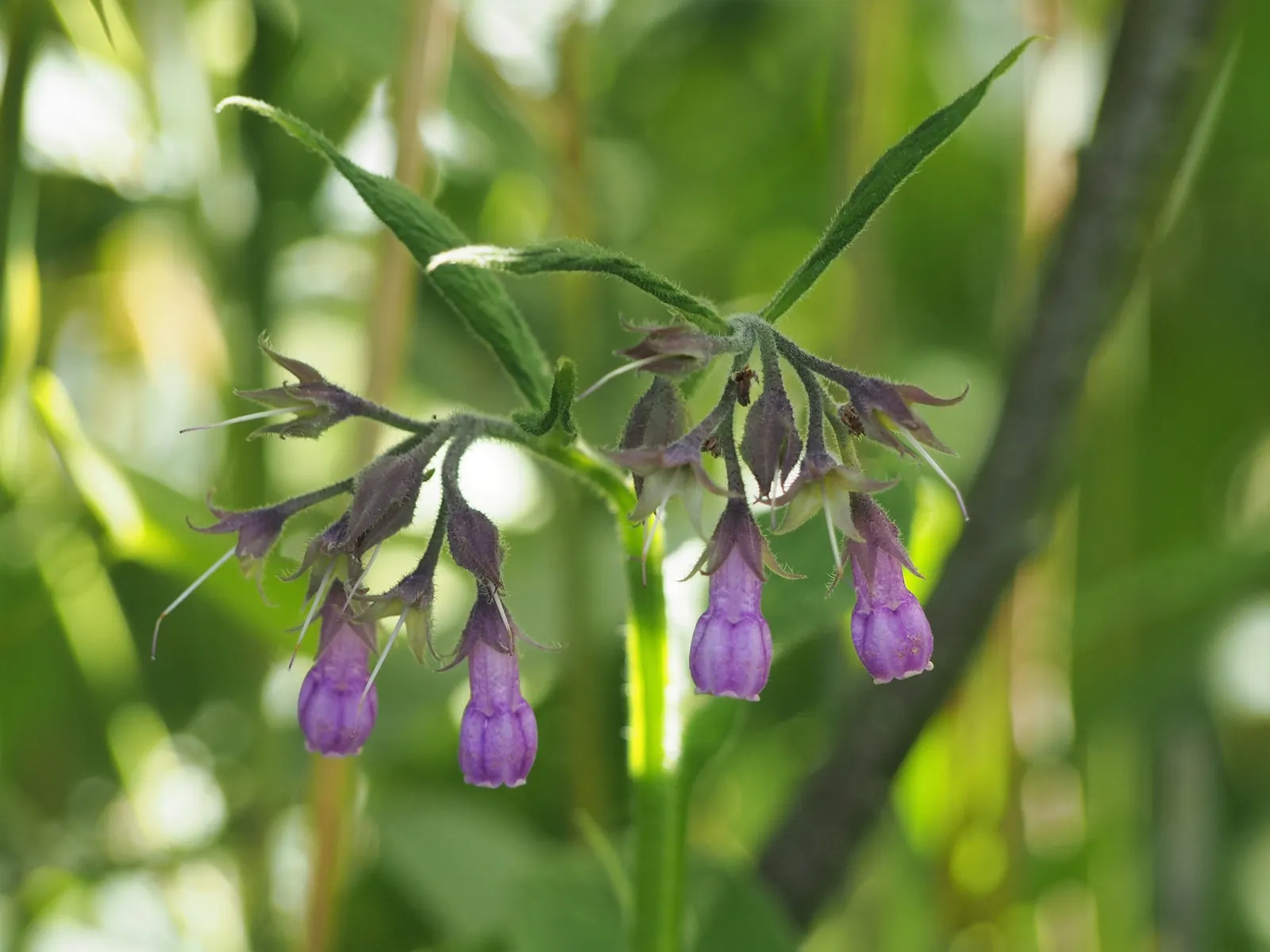
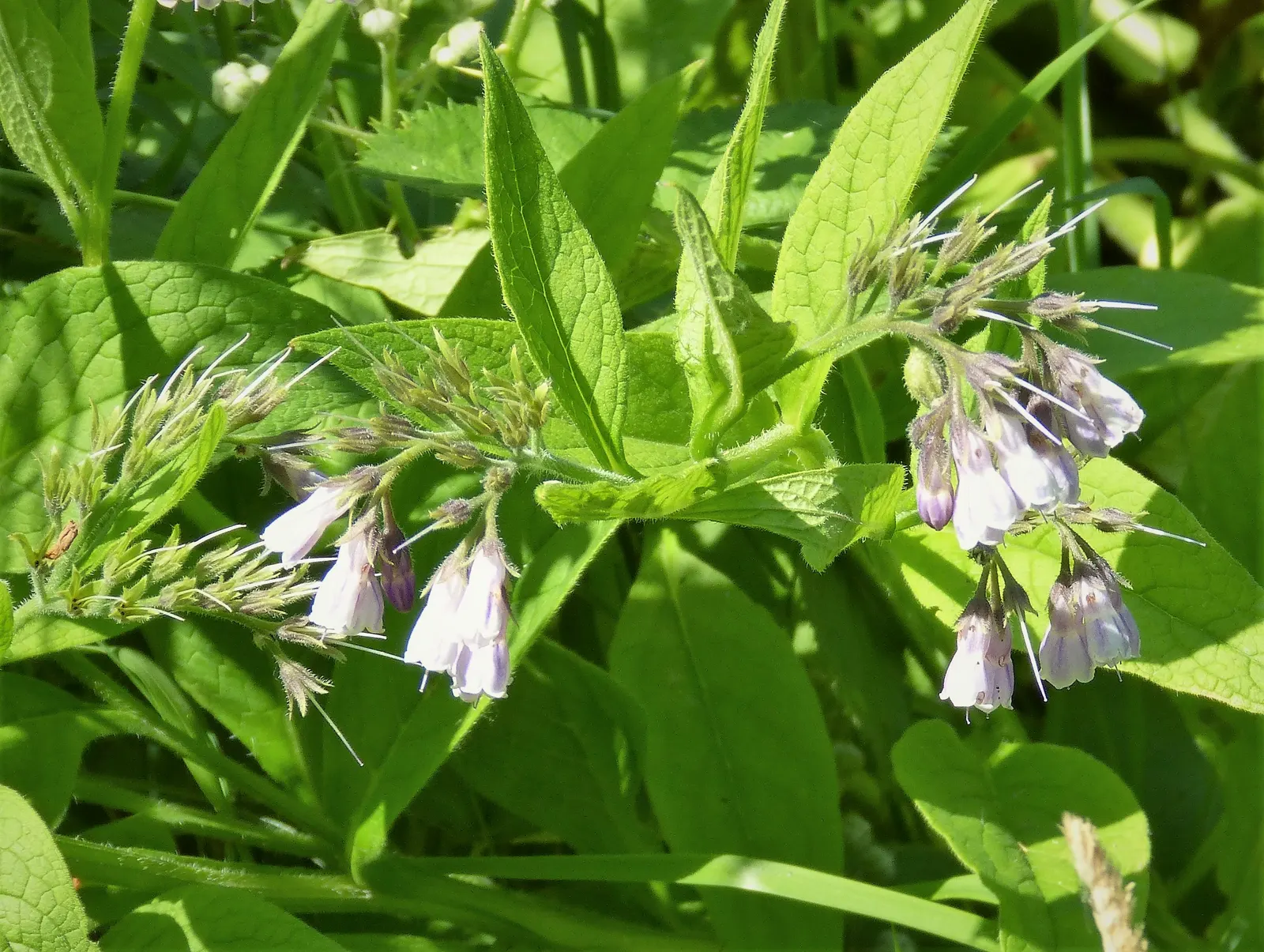
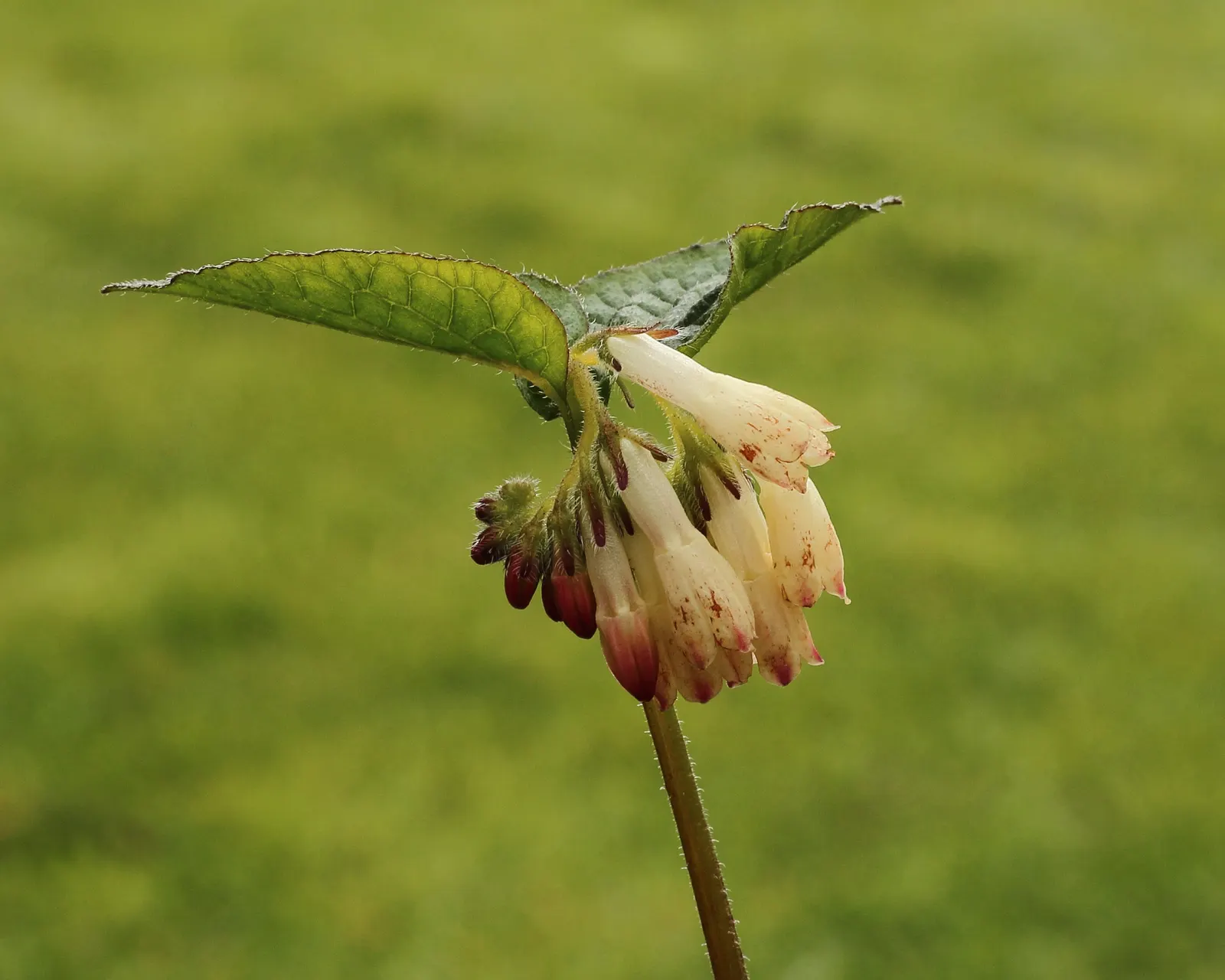
Common Comfrey (Symphytum Officinale) — Comfrey serves not only ornamental purposes but also contributes to soil health; bell-shaped flowers emerge
Common Comfrey (Symphytum Officinale) — Favored for its medicinal uses and ability to improve soil fertility; contributing vital nutrients to, image 99
Common Comfrey (Symphytum Officinale) — bell-shaped flowers emerge; comfrey serves not only ornamental purposes but also contributes to soil health
Common Comfrey (Symphytum Officinale) — Handle with care due to its rough, hairy leaves and potential skin irritants; this robust plant stands at, image 101
Common Comfrey (Symphytum Officinale) — while beneficial to the garden; its leaves are rich in nitrogen and make excellent compost or mulch
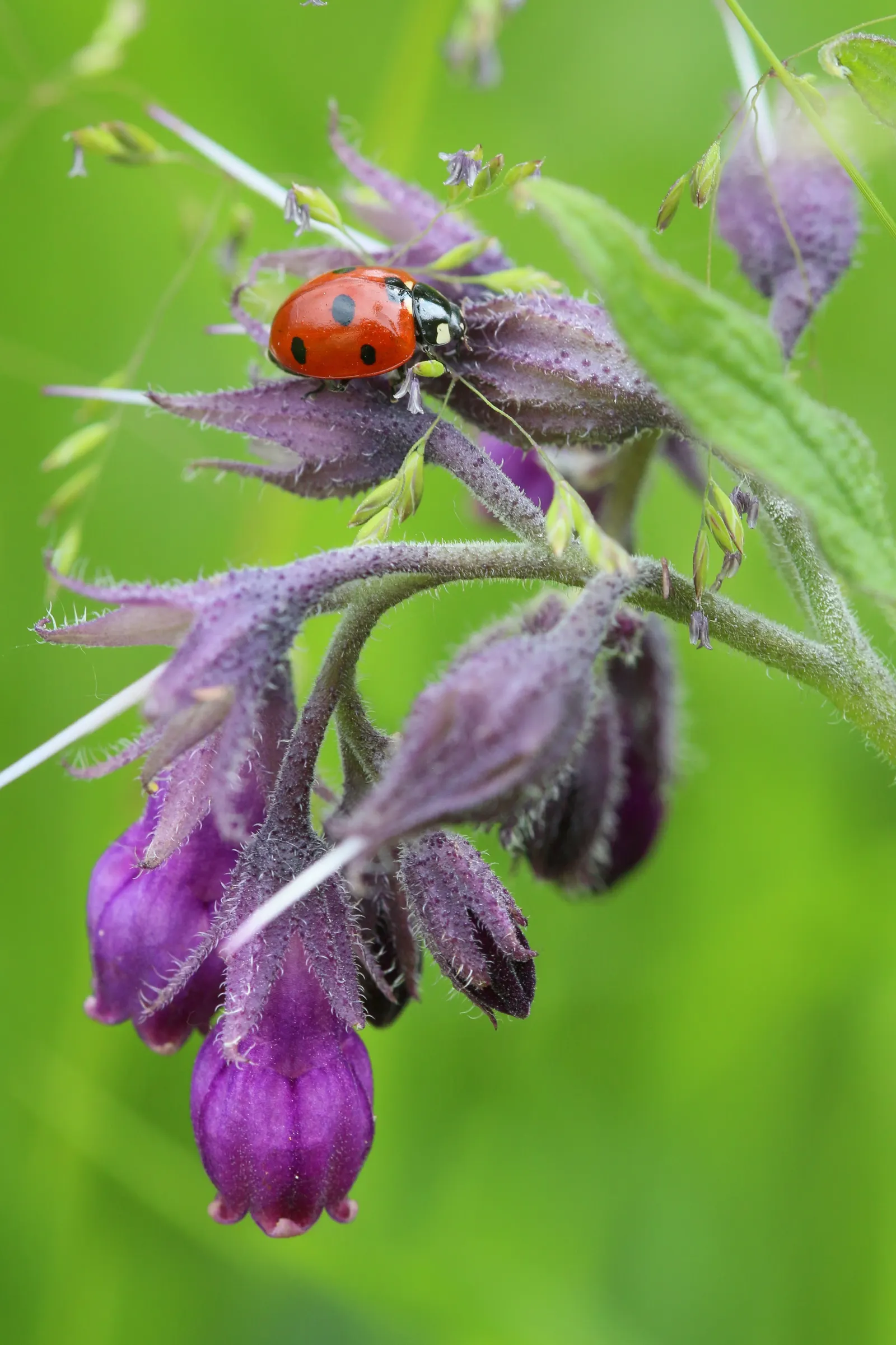
Common Comfrey (Symphytum Officinale) — is a perennial herb prized for its medicinal qualities and utility in garden landscapes; blue flowers in the garden
Common Comfrey (Symphytum Officinale) — providing a delicate contrast to the lush greenery; commonly known as Common Comfrey, image 63
Common Comfrey (Symphytum Officinale) — Favored for its medicinal uses and ability to improve soil fertility
Common Comfrey (Symphytum Officinale) — Comfrey's foliage is characteristically coarse; it thrives in USDA hardiness zones 4 through 9, preferring, image 82
Common Comfrey (Symphytum Officinale) — Comfrey serves not only ornamental purposes but also contributes to soil health; bell-shaped flowers emerge, image 112
Common Comfrey (Symphytum Officinale) — Its leaves are rich in nitrogen and make excellent compost or mulch
Common Comfrey (Symphytum Officinale) — commonly known as Common Comfrey; providing a delicate contrast to the lush greenery, image 78
Common Comfrey (Symphytum Officinale) — Favored for its medicinal uses and ability to improve soil fertility; contributing vital nutrients to, image 75
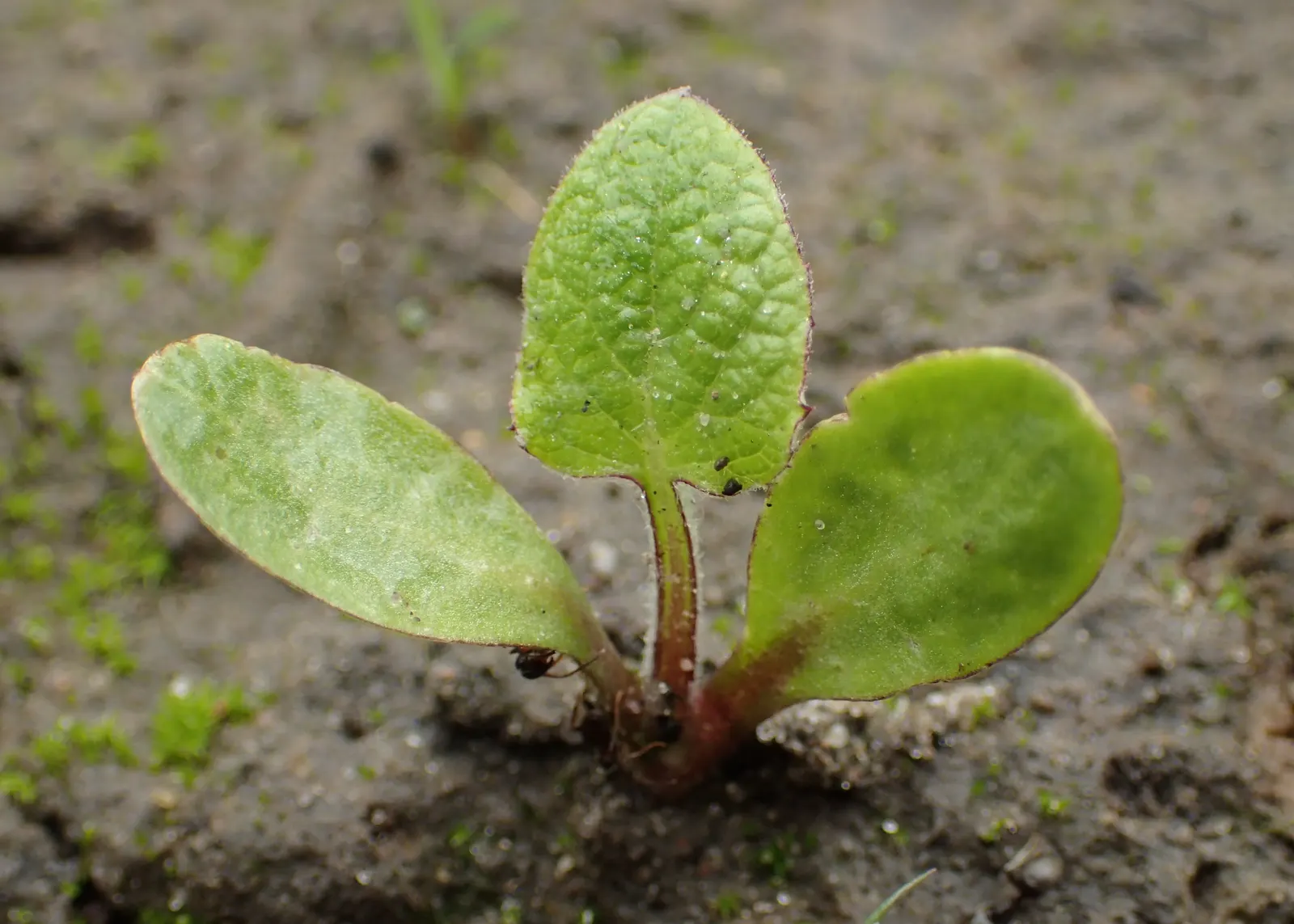
Common Comfrey (Symphytum Officinale) — Comfrey's foliage is characteristically coarse
Common Comfrey (Symphytum Officinale) — commonly known as Common Comfrey; providing a delicate contrast to the lush greenery, image 54
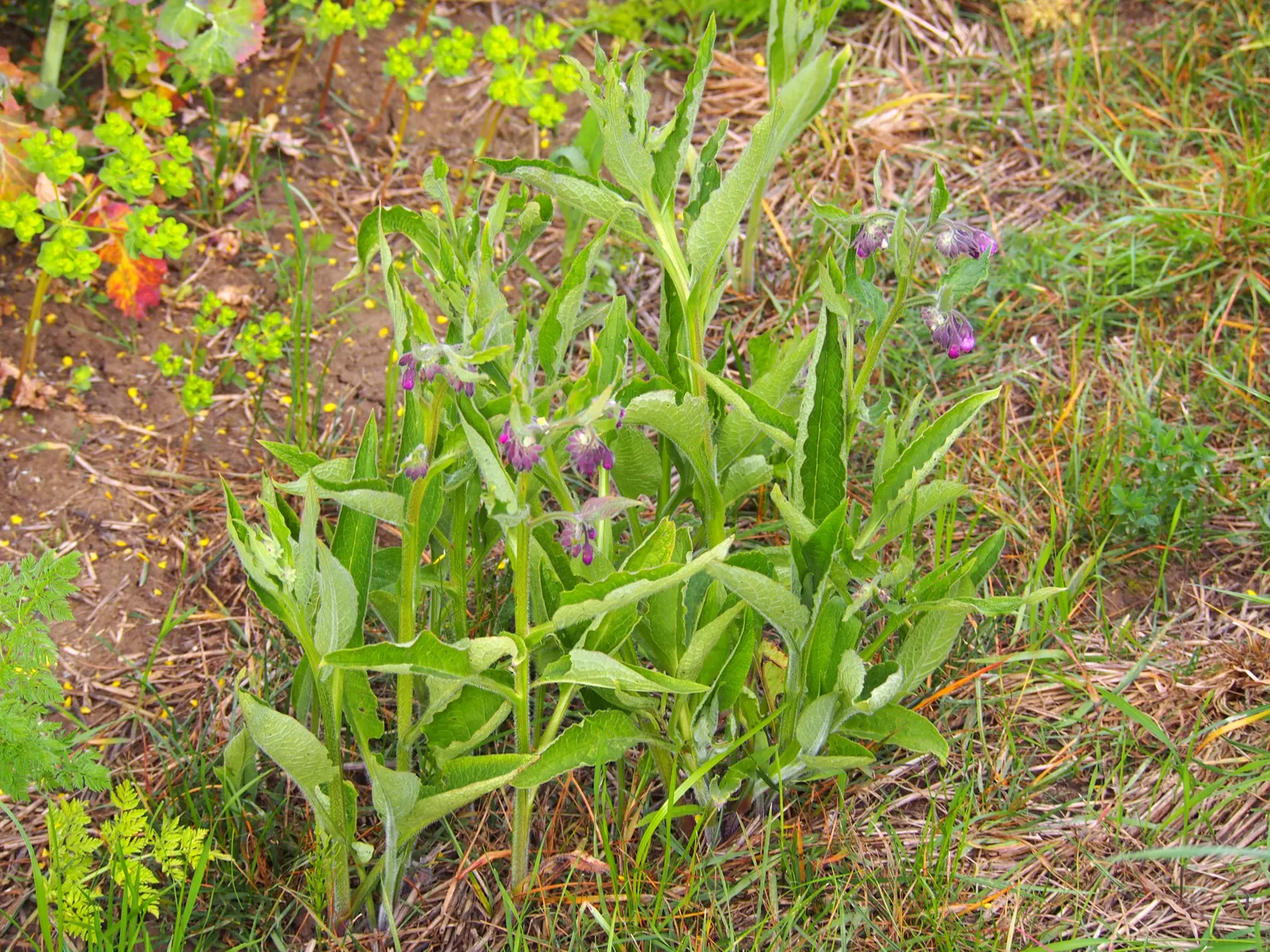
Common Comfrey (Symphytum Officinale) — It grows to 2-5 feet tall and spreads up to 2.5 feet wide; with hairy leaves that can grow up to 8 to 12, image 74
Common Comfrey (Symphytum Officinale) — Its leaves are rich in nitrogen and make excellent compost or mulch; while beneficial to the garden, image 113
Common Comfrey (Symphytum Officinale) — Its leaves are rich in nitrogen and make excellent compost or mulch; while beneficial to the garden, image 89
Common Comfrey (Symphytum Officinale) — is a hardy perennial boasting clusters of bell-shaped; comfrey thrives in full sun to partial shade and, image 73
Common Comfrey (Symphytum Officinale) — while beneficial to the garden
Common Comfrey (Symphytum Officinale) — is a perennial herb prized for its medicinal qualities and utility in garden landscapes; blue flowers in, image 55
Common Comfrey (Symphytum Officinale) — is a hardy perennial boasting clusters of bell-shaped
Common Comfrey (Symphytum Officinale) — Comfrey serves not only ornamental purposes but also contributes to soil health; bell-shaped flowers emerge, image 64
Common Comfrey (Symphytum Officinale) — tapering to a point.<br><br>From late spring to early summer; making it fairly drought-resistant upon, image 60
Photographs by 15 contributors

Related plants