Skip to content

Snowberry

Symphoricarpos Albus

Design with this plant

Overview

Snowberry, Symphoricarpos albus, is a deciduous shrub thriving in USDA zones 3-7, with a mature height of 3-6 ft and spread of 4-5 ft. It features small pink flowers in summer and distinctive white berries in fall, persisting into winter. Adaptable to various soils, it prefers partial shade to full sun. Excelling in erosion control and as wildlife habitat, it's a low-maintenance choice for naturalistic designs.

Sun Full, Half, ShadeWater Low, Medium, Very LowZones 3–7Climate Alpine
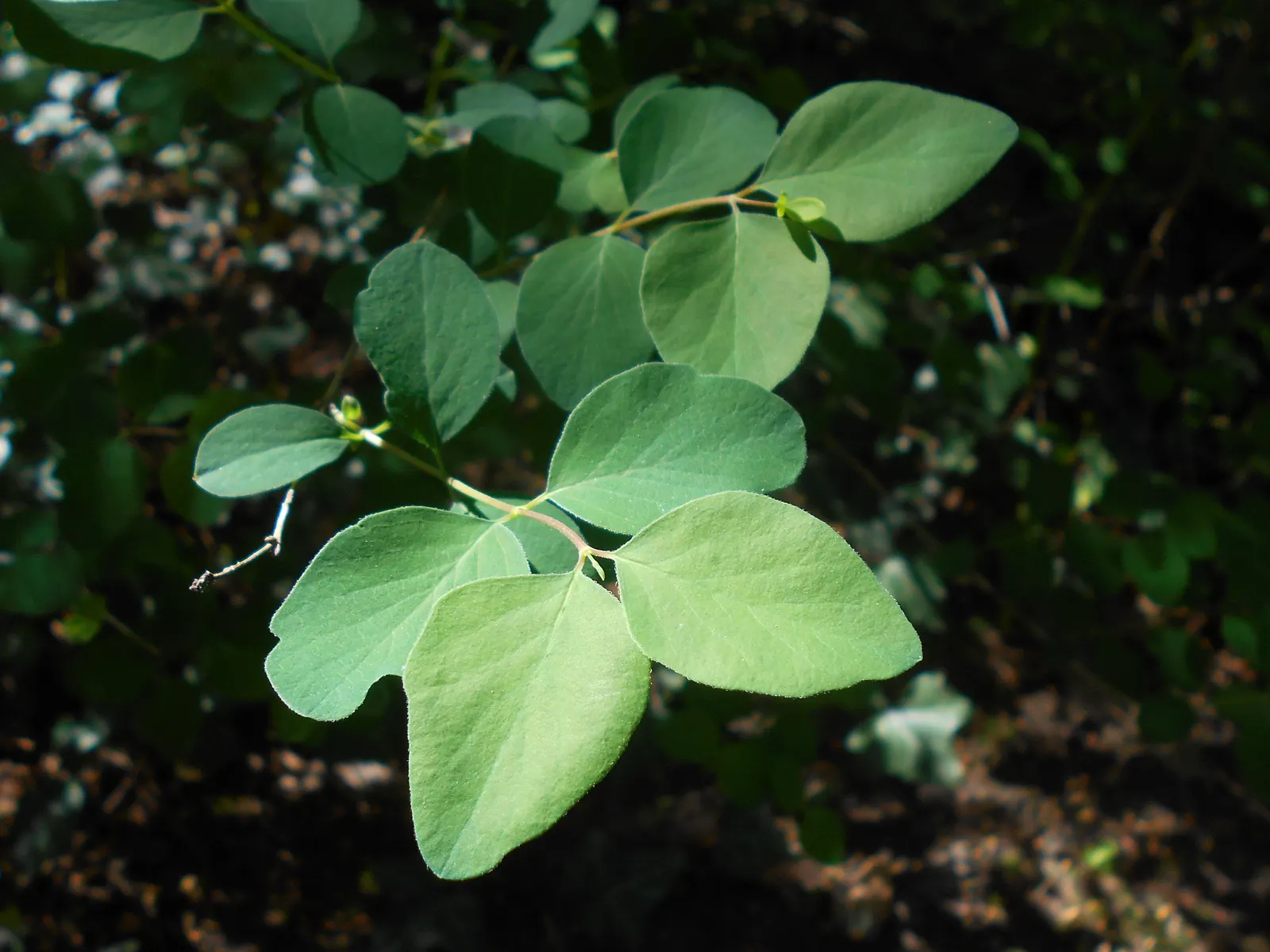
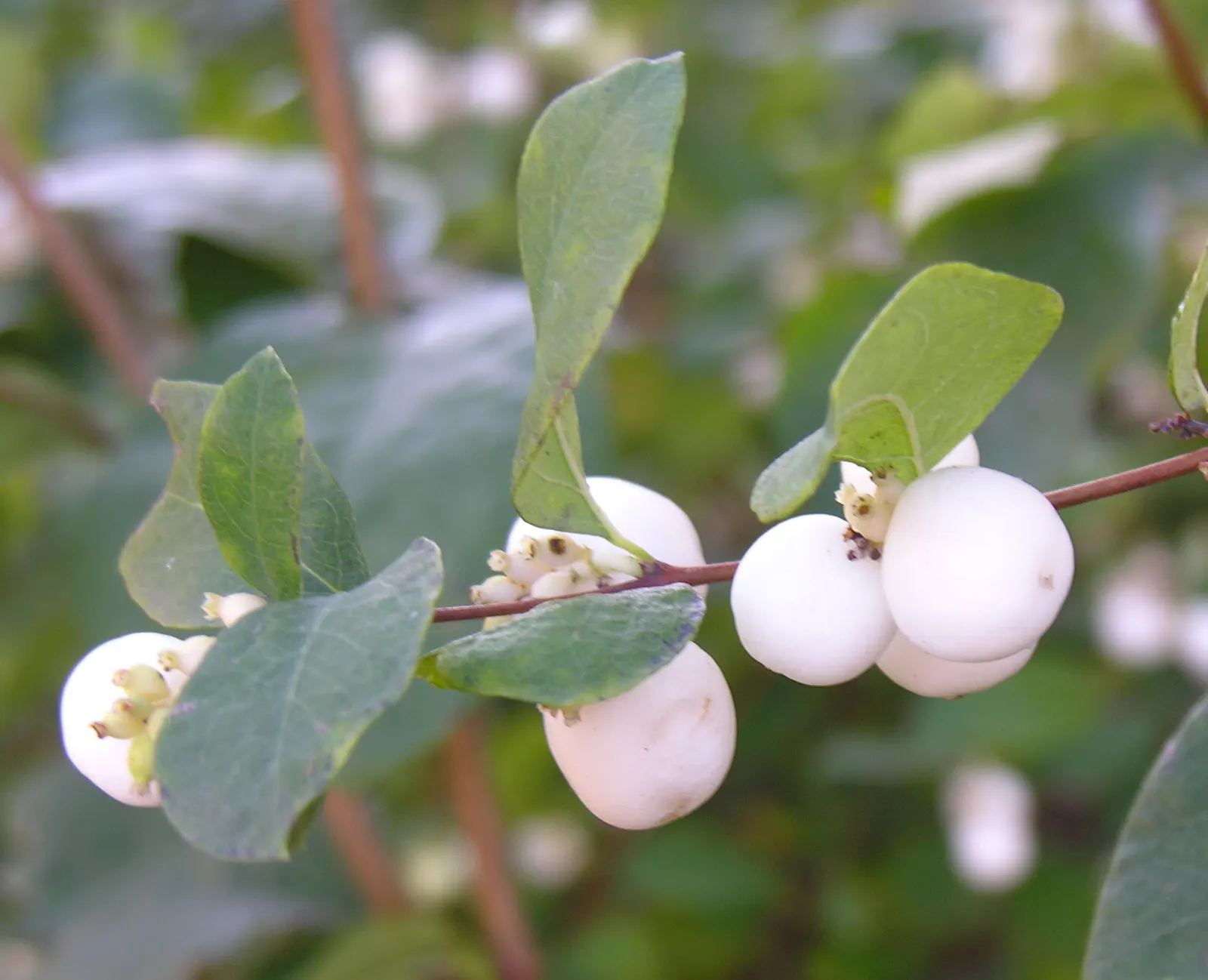
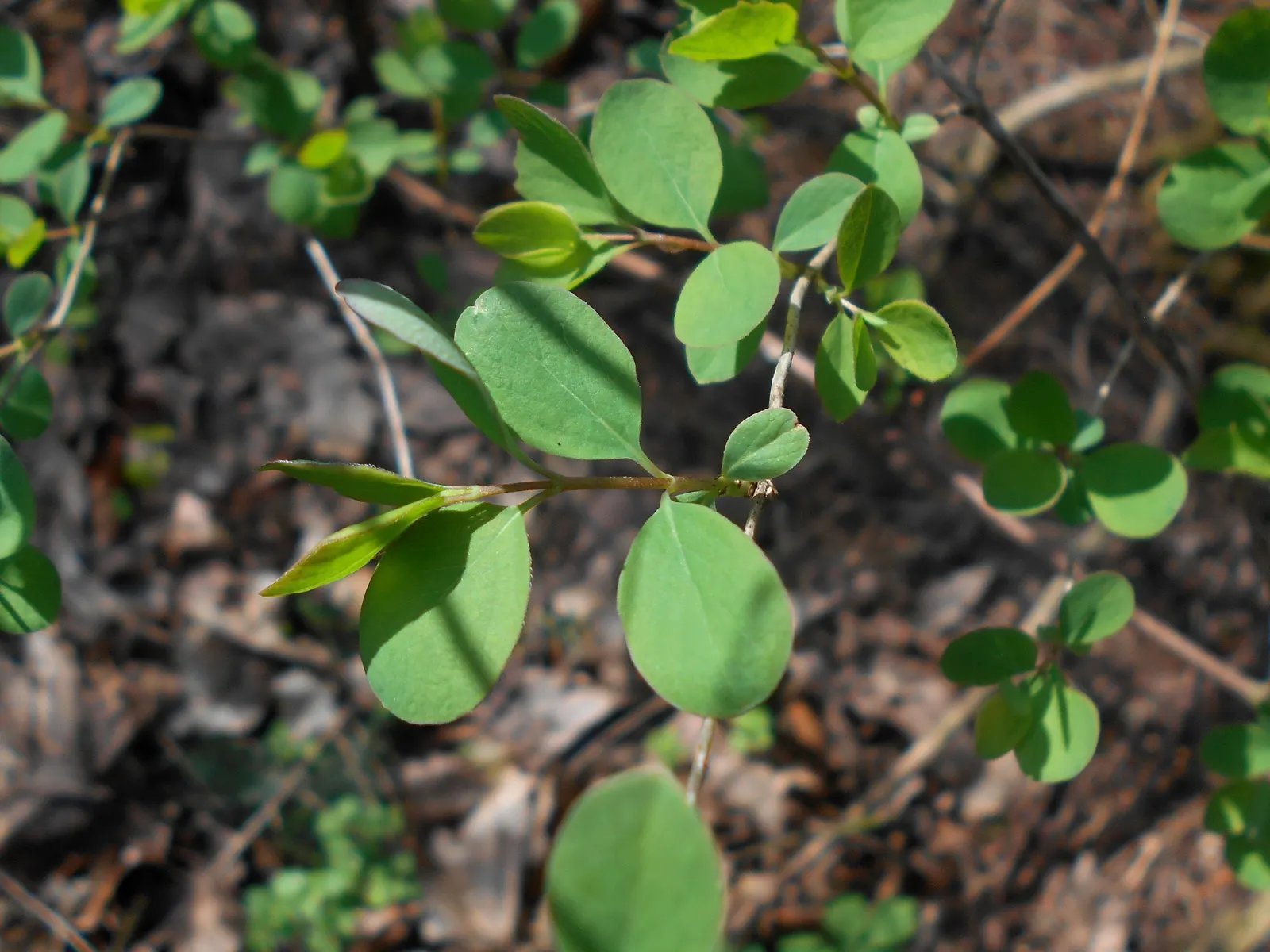
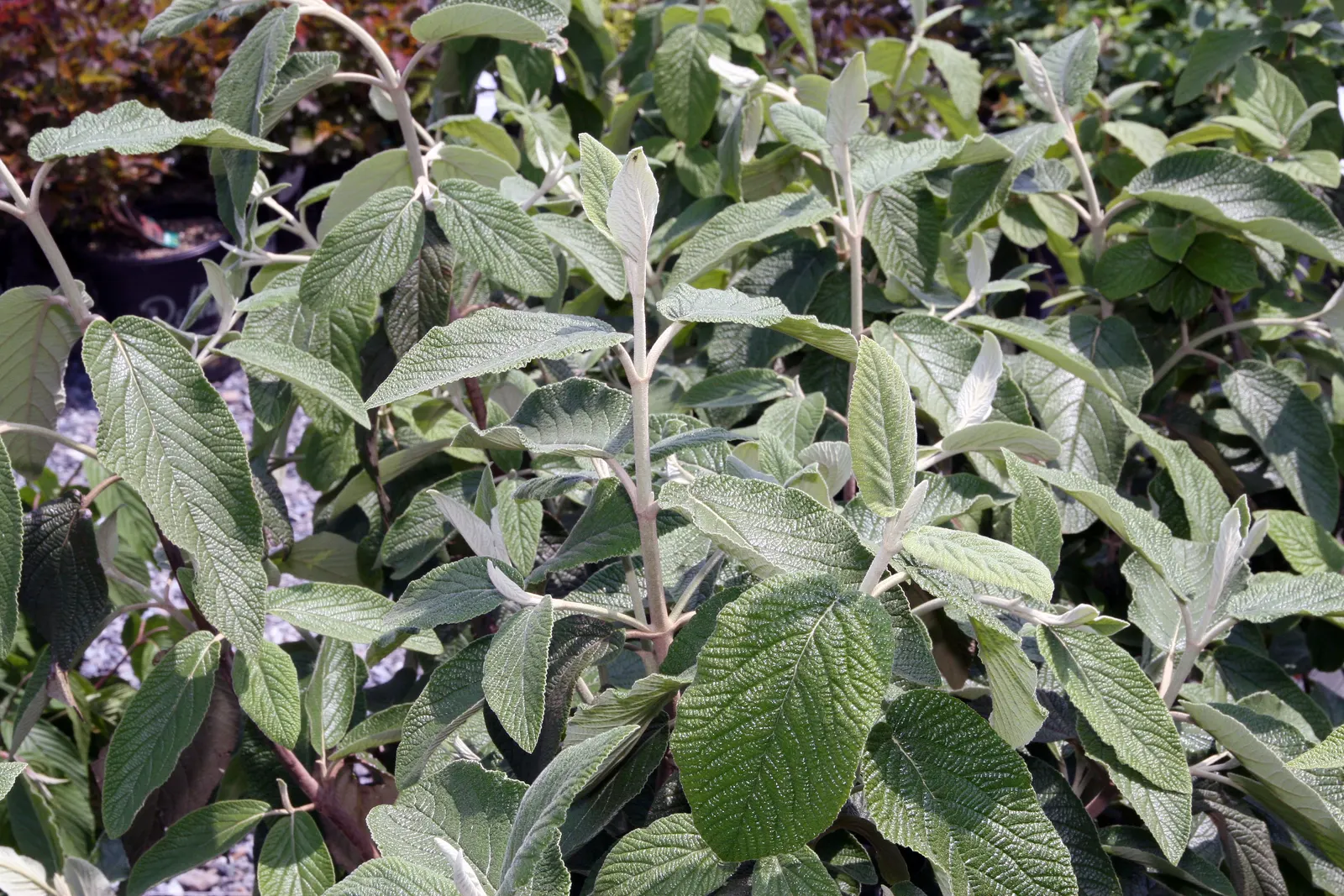
Snowberry (Symphoricarpos Albus) — presenting a subtle bluish-green hue that complements an array of color schemes

Culture

Sun
Full, Half, Shade
Water
Low, Medium, Very Low
USDA zones
3–7

Shape & size

Classification

Family
Caprifoliaceae
Climate
Alpine

See full data, regional cultivation notes, full-resolution photos, and design tools. Build a client presentation around this plant.

Start your 14-day trial

Photos (155)

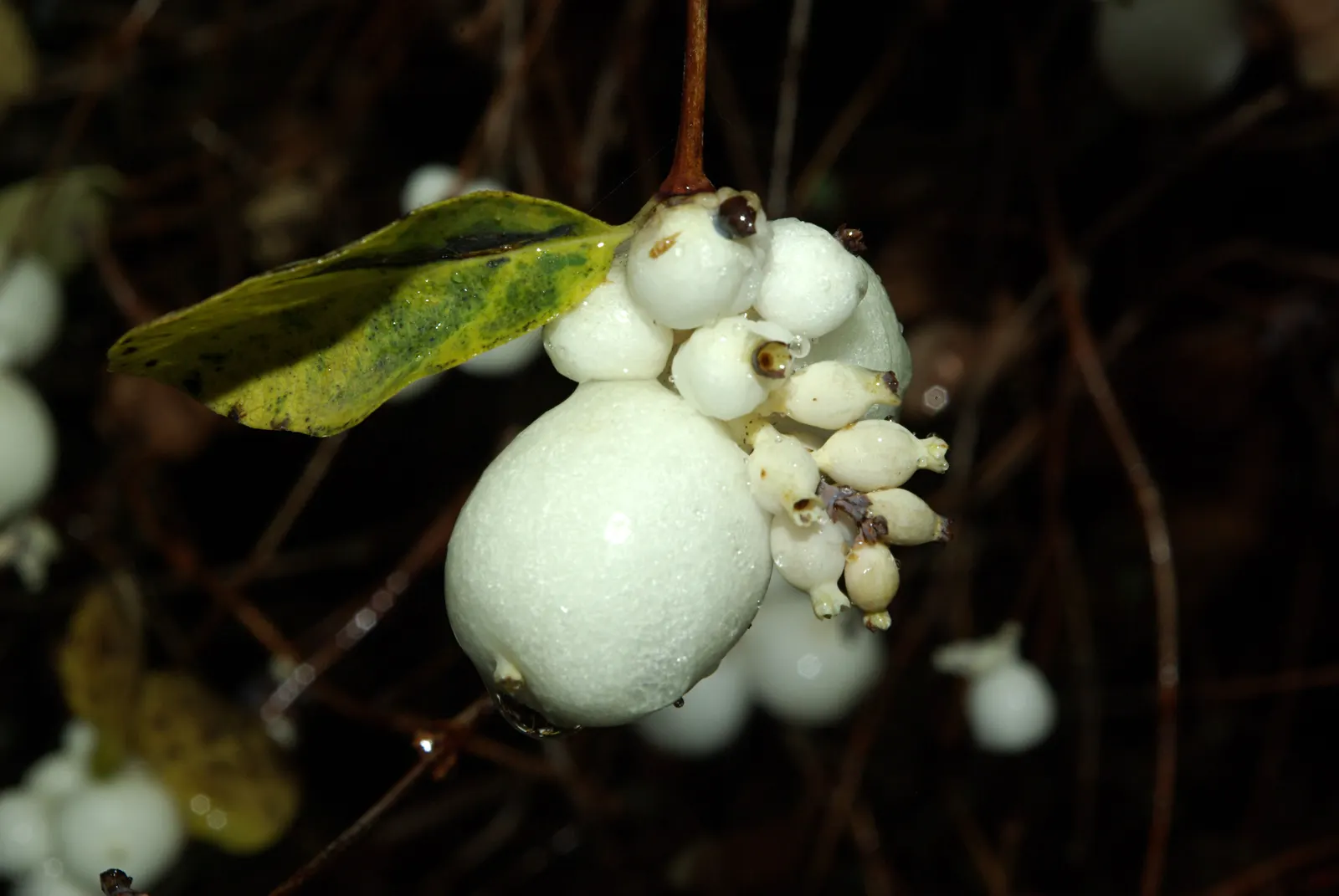
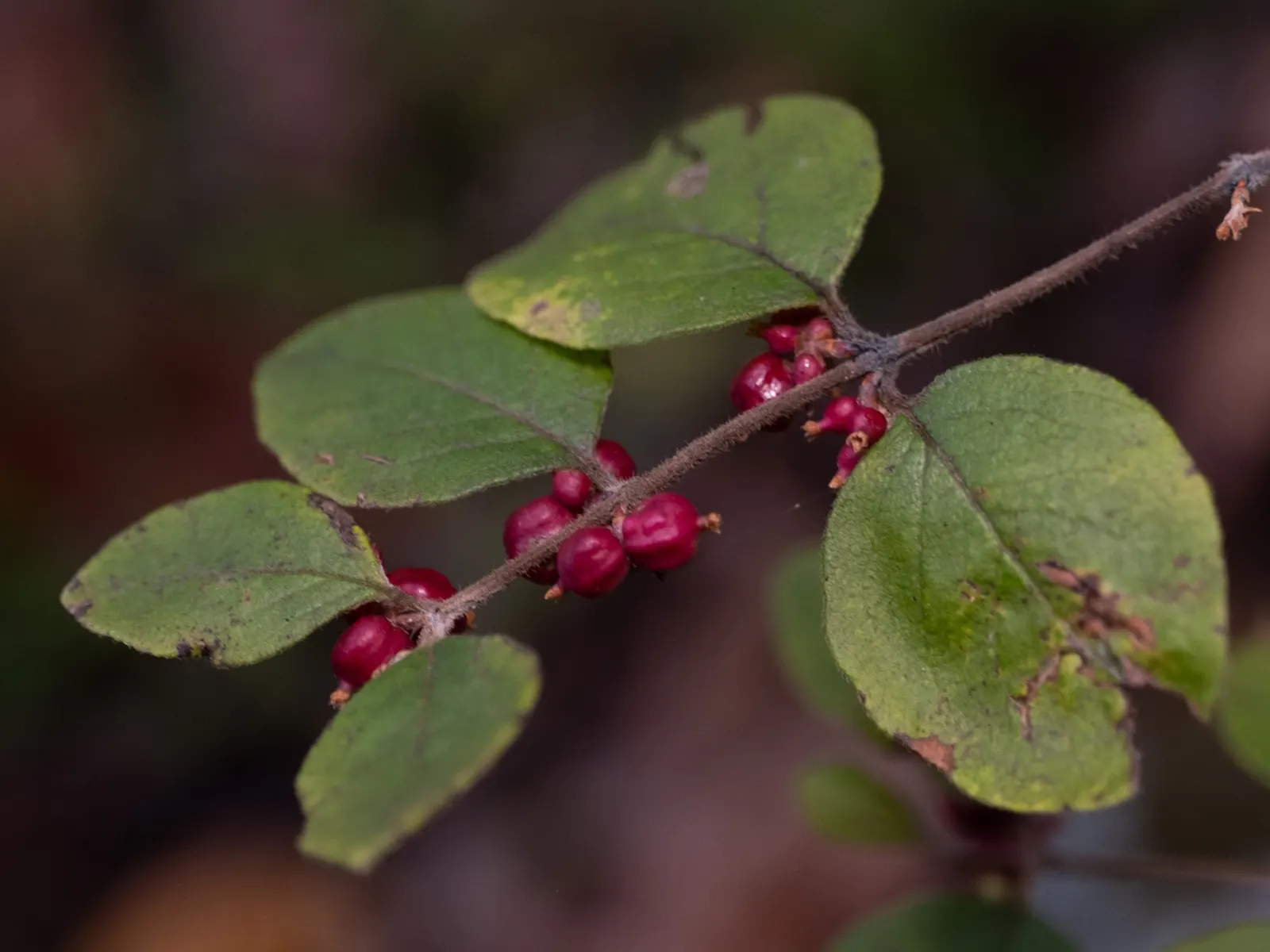
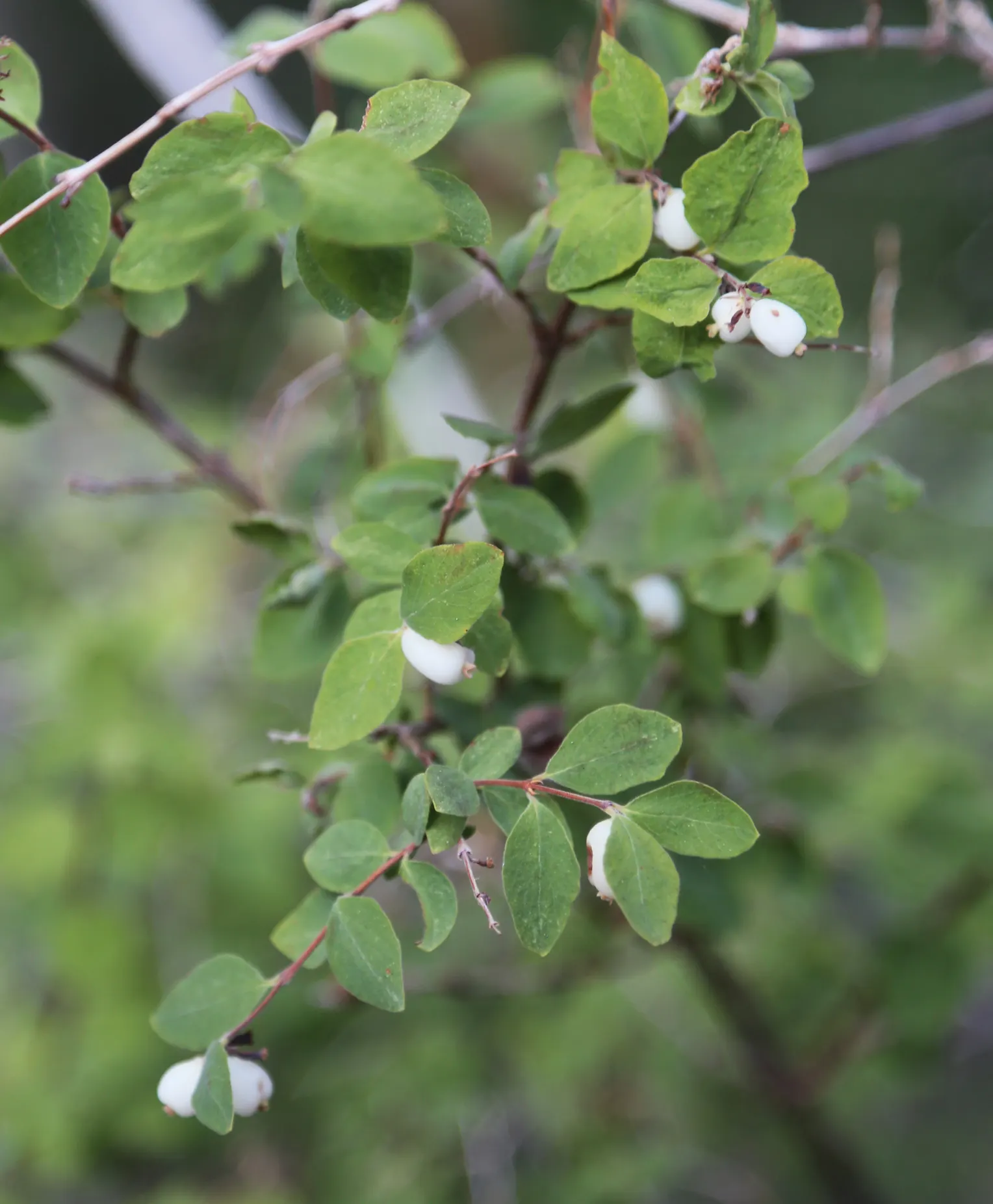
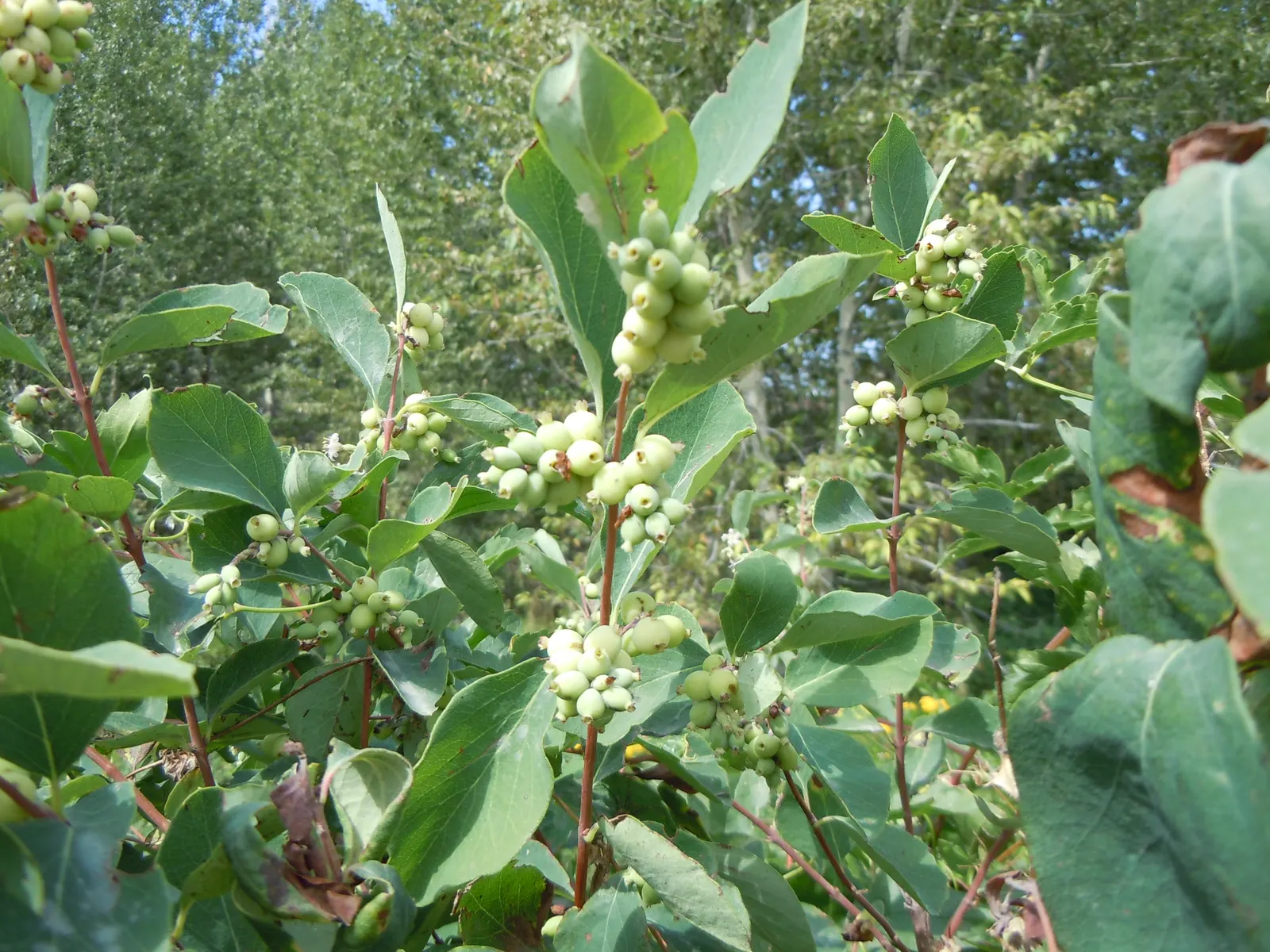
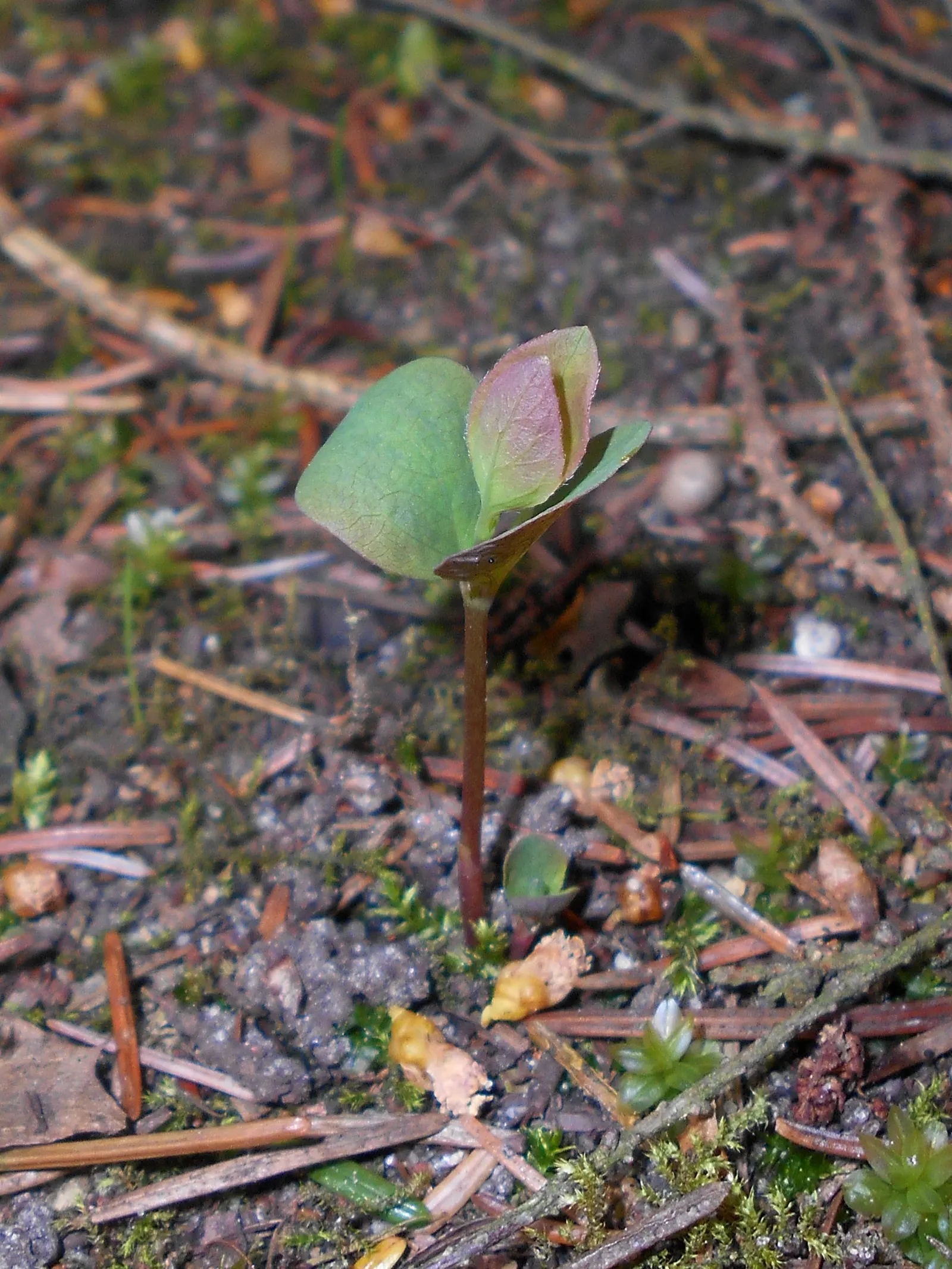
Snowberry (Symphoricarpos Albus) — Symphoricarpos albus thrives in full sun to partial shade and adapts well to a variety of soil conditions
Snowberry (Symphoricarpos Albus) — it serves as a stalwart component in borders
Snowberry (Symphoricarpos Albus) — When designing with the Snowberry
Snowberry (Symphoricarpos Albus) — consider its suckering habit
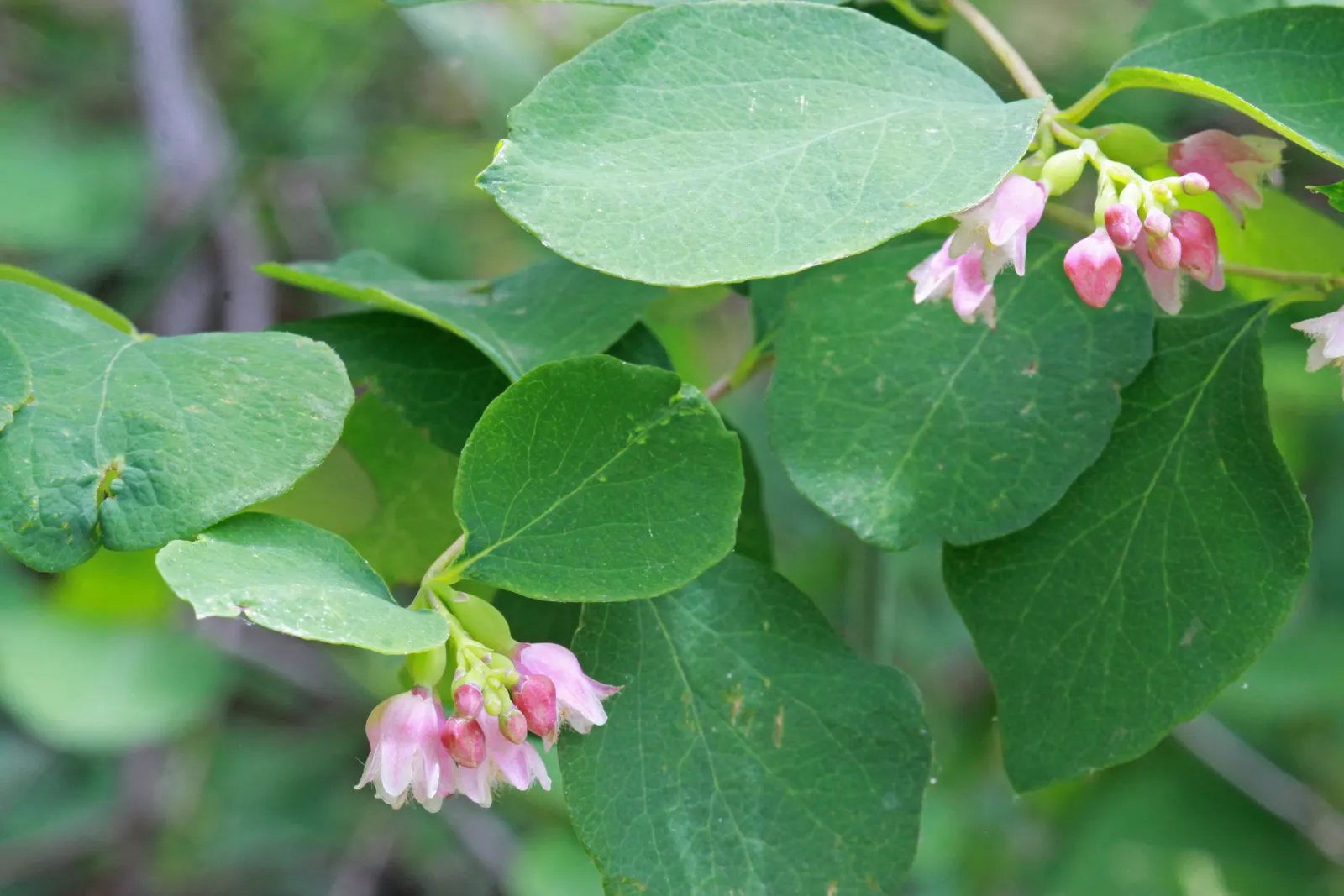
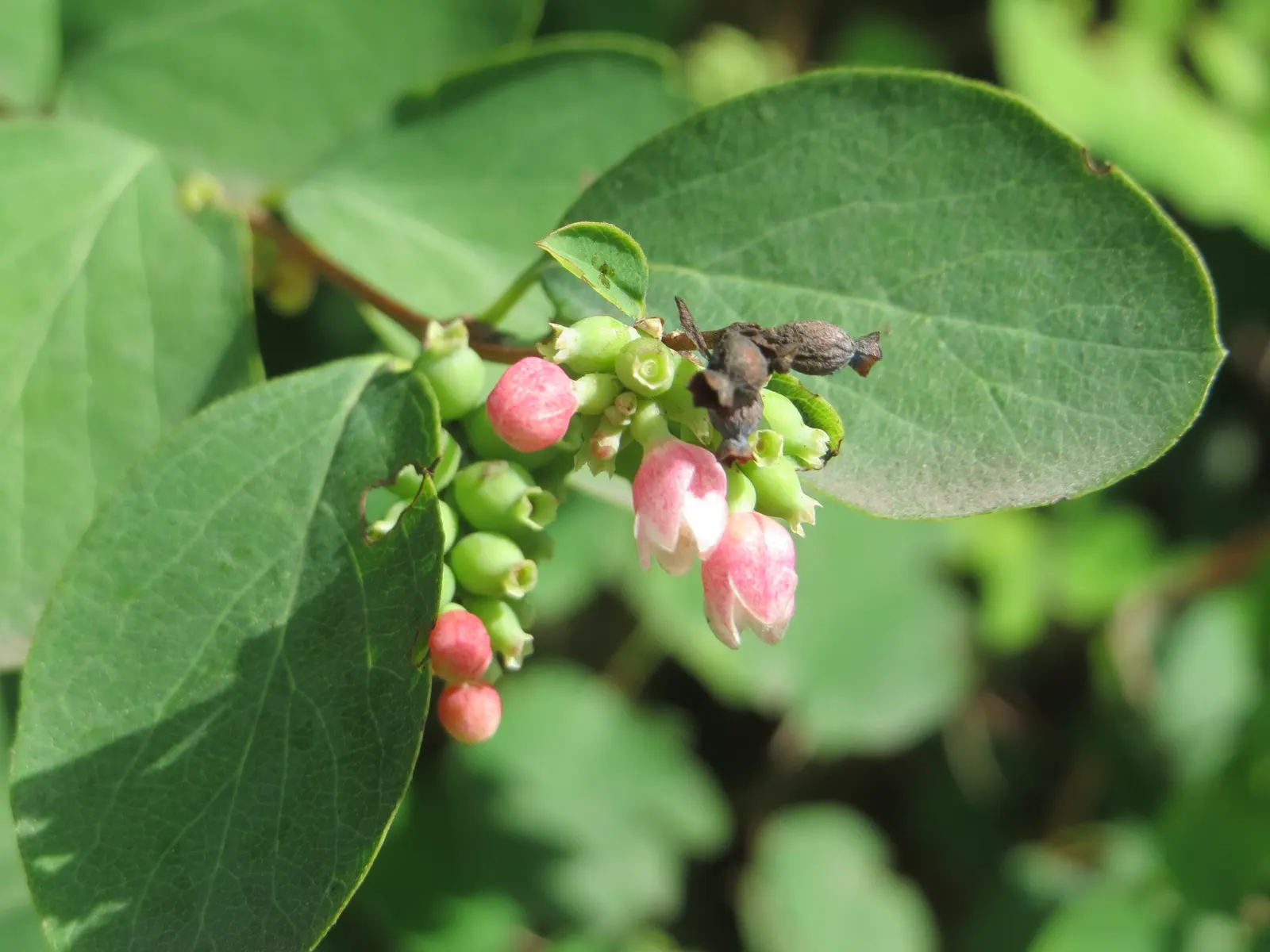
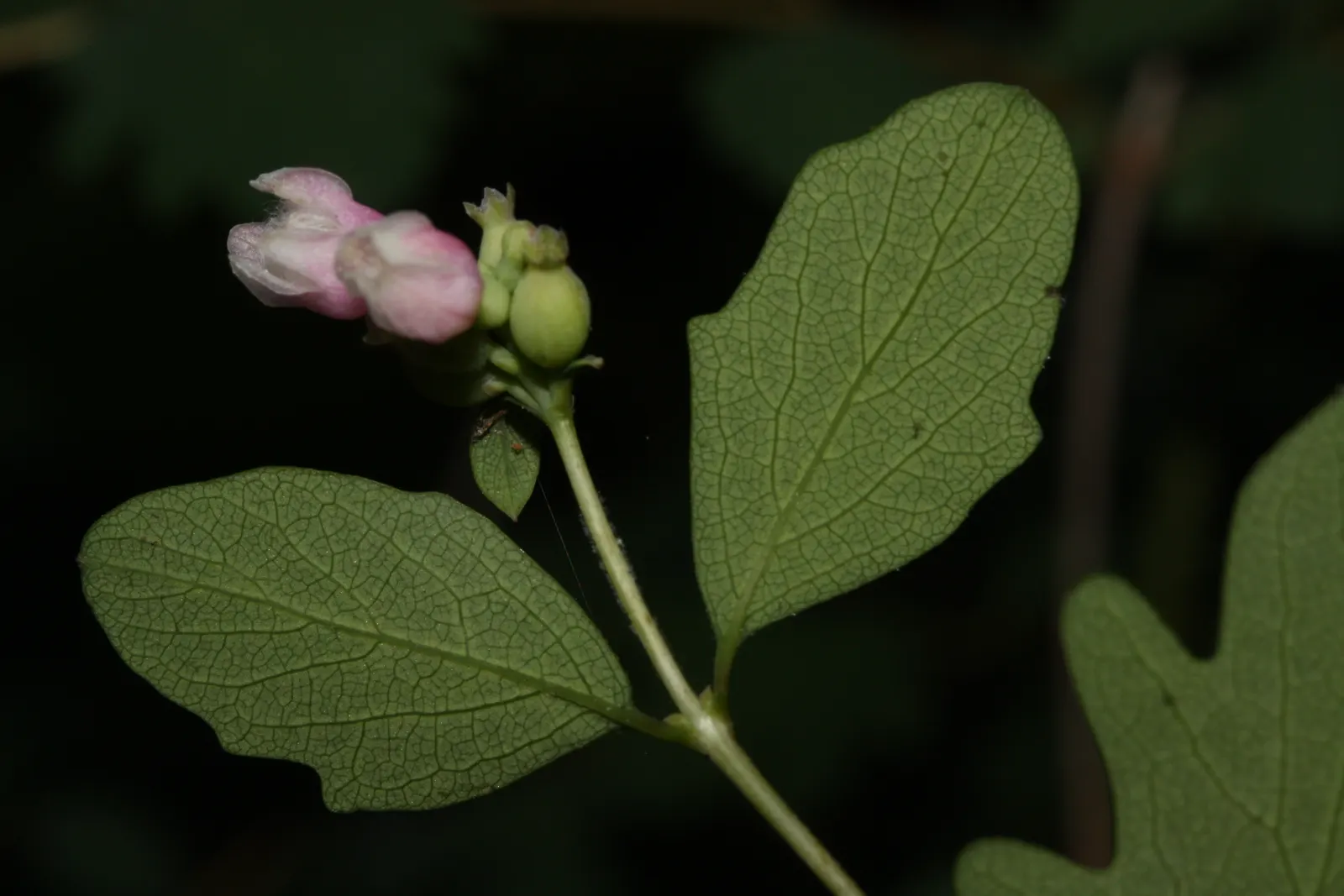
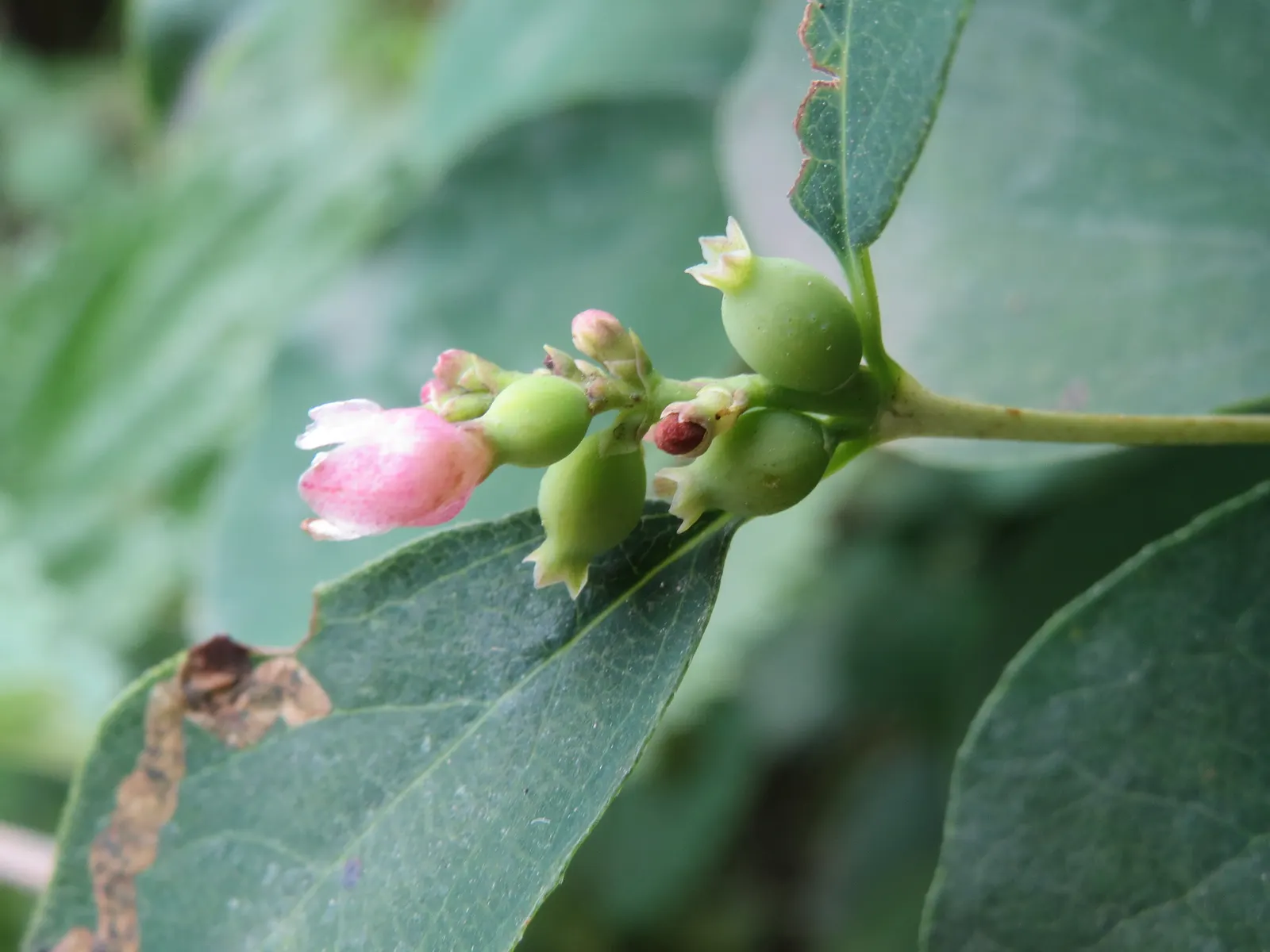
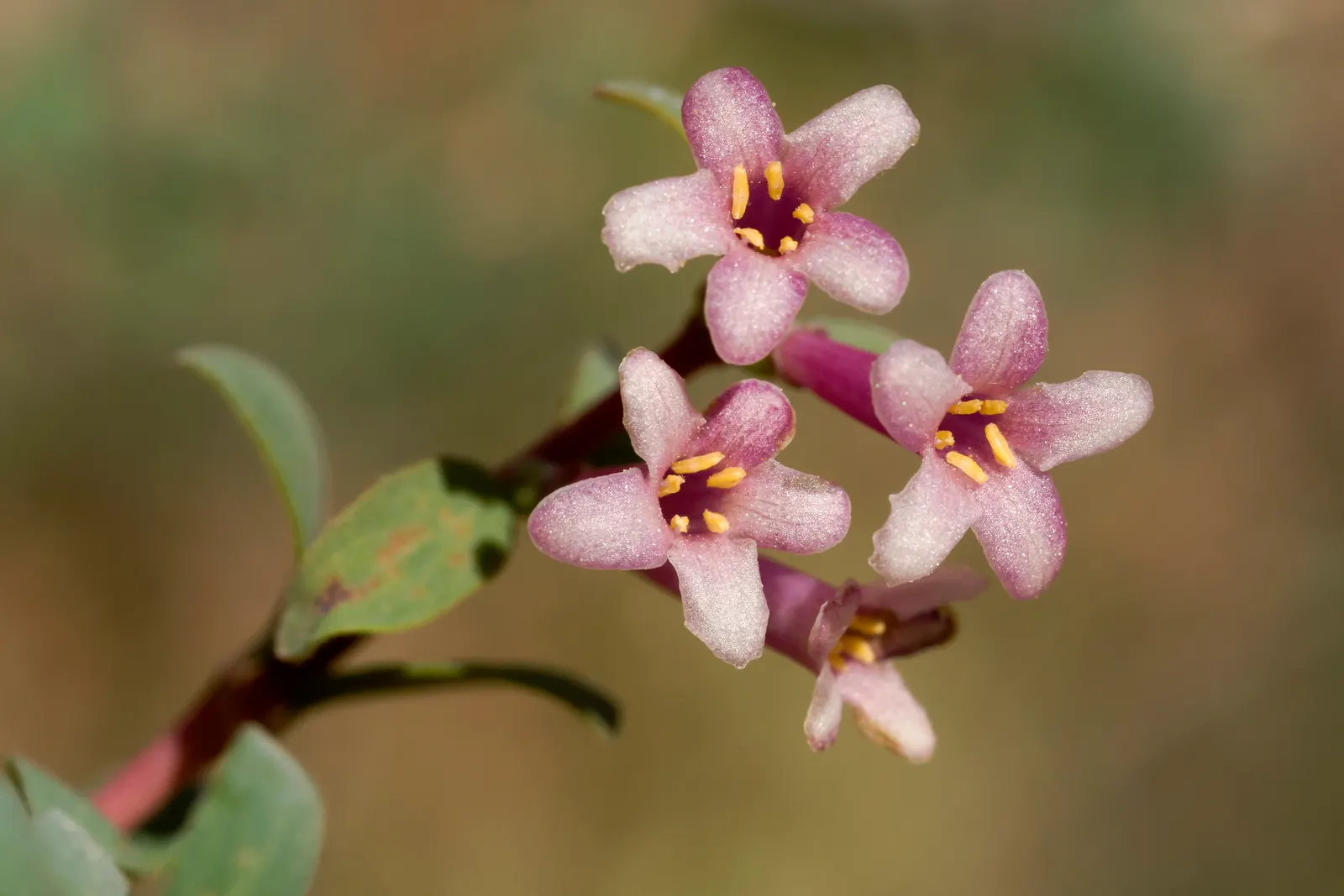
Snowberry (Symphoricarpos Albus) — shrub with pink blooms
Snowberry (Symphoricarpos Albus) — shrub for full or half or shade
Snowberry (Symphoricarpos Albus) — is a deciduous shrub thriving in USDA zones 3-7; adaptable to various soils, it prefers partial shade to full sun
Snowberry (Symphoricarpos Albus) — with a mature height of 3-6 ft and spread of 4-5 ft; roughly 1 to 2 inches long
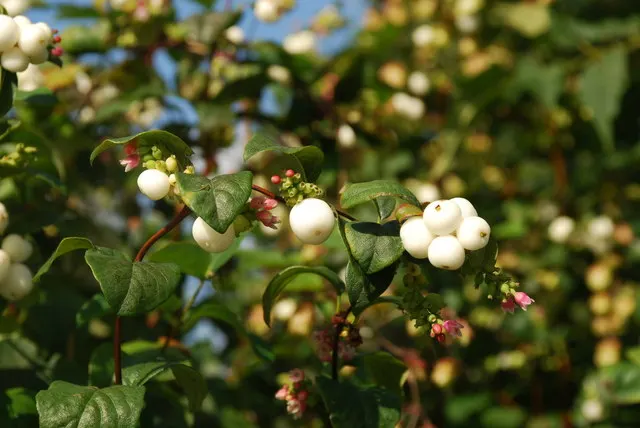
Snowberry (Symphoricarpos Albus) — It features small pink flowers in summer and distinctive white berries in fall, persisting into winter; these berries are
Snowberry (Symphoricarpos Albus) — Adaptable to various soils, it prefers partial shade to full sun; when designing with the Snowberry
Snowberry (Symphoricarpos Albus) — Excelling in erosion control and as wildlife habitat, it's a low-maintenance choice for naturalistic designs; with a mature
Snowberry (Symphoricarpos Albus) — a deciduous shrub native to North America; this rounded bush provides a medium-textured backdrop for garden compositions
Snowberry (Symphoricarpos Albus) — is an excellent addition to any landscape design for its year-round interest; white berries that appear in late summer and
Snowberry (Symphoricarpos Albus) — this rounded bush provides a medium-textured backdrop for garden compositions; shrub for full or half or shade
Snowberry (Symphoricarpos Albus) — Growing to an average height of 3 to 5 feet with a similar spread; or as foundation plantings
Snowberry (Symphoricarpos Albus) — roughly 1 to 2 inches long; providing a soft contrast against its foliage
Snowberry (Symphoricarpos Albus) — <br><br>The leaves are oval-shaped; is an excellent addition to any landscape design for its year-round interest
Snowberry (Symphoricarpos Albus) — presenting a subtle bluish-green hue that complements an array of color schemes; though it prefers well-drained soils
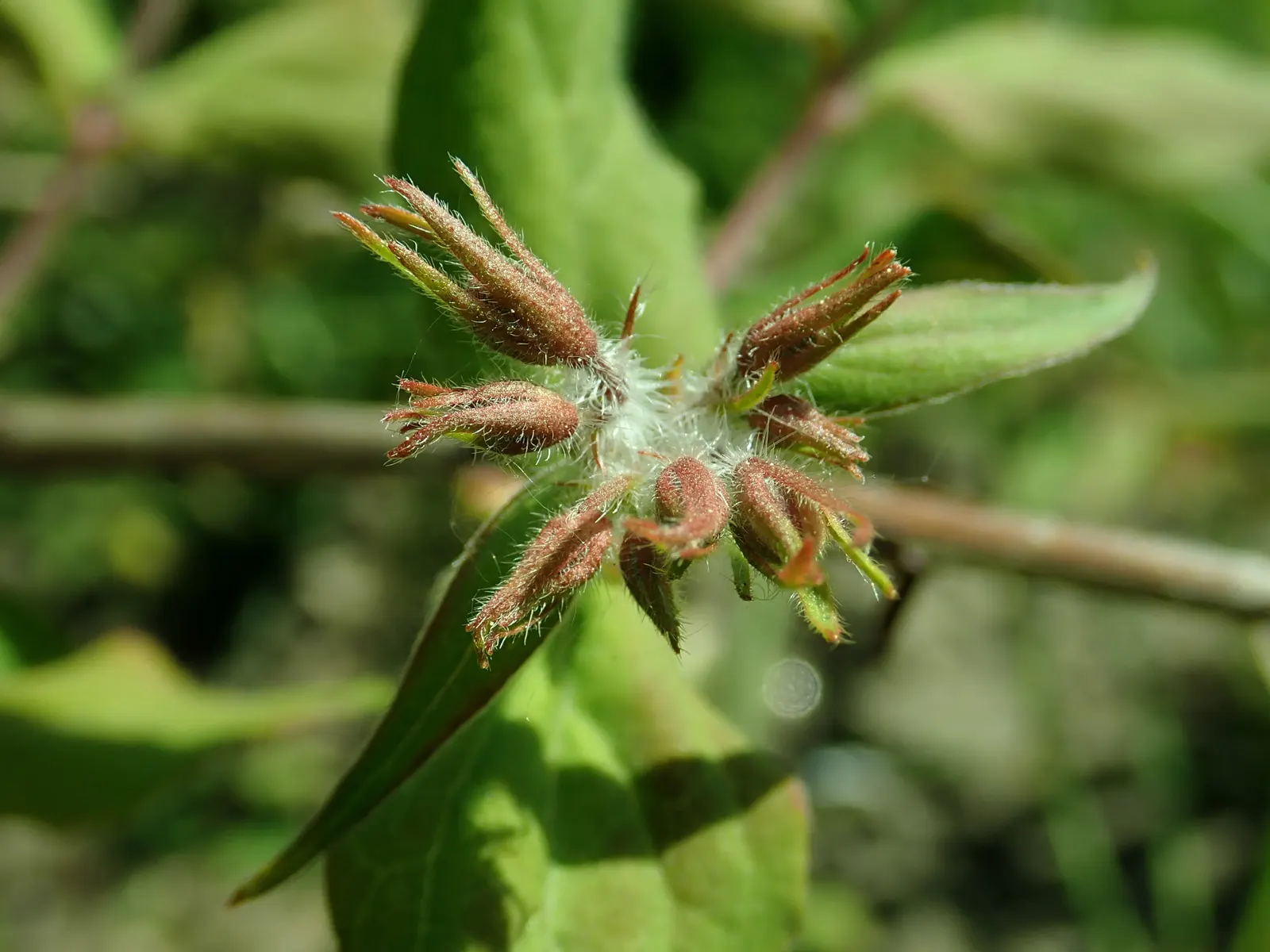
Snowberry (Symphoricarpos Albus) — pinkish-white flowers emerge in the late spring to early summer; pink flowers in the garden
Snowberry (Symphoricarpos Albus) — providing a soft contrast against its foliage; excelling in erosion control and as wildlife habitat, it's a low-maintenance
Snowberry (Symphoricarpos Albus) — These flowers are particularly attractive to pollinators; presenting a subtle bluish-green hue that complements an array of
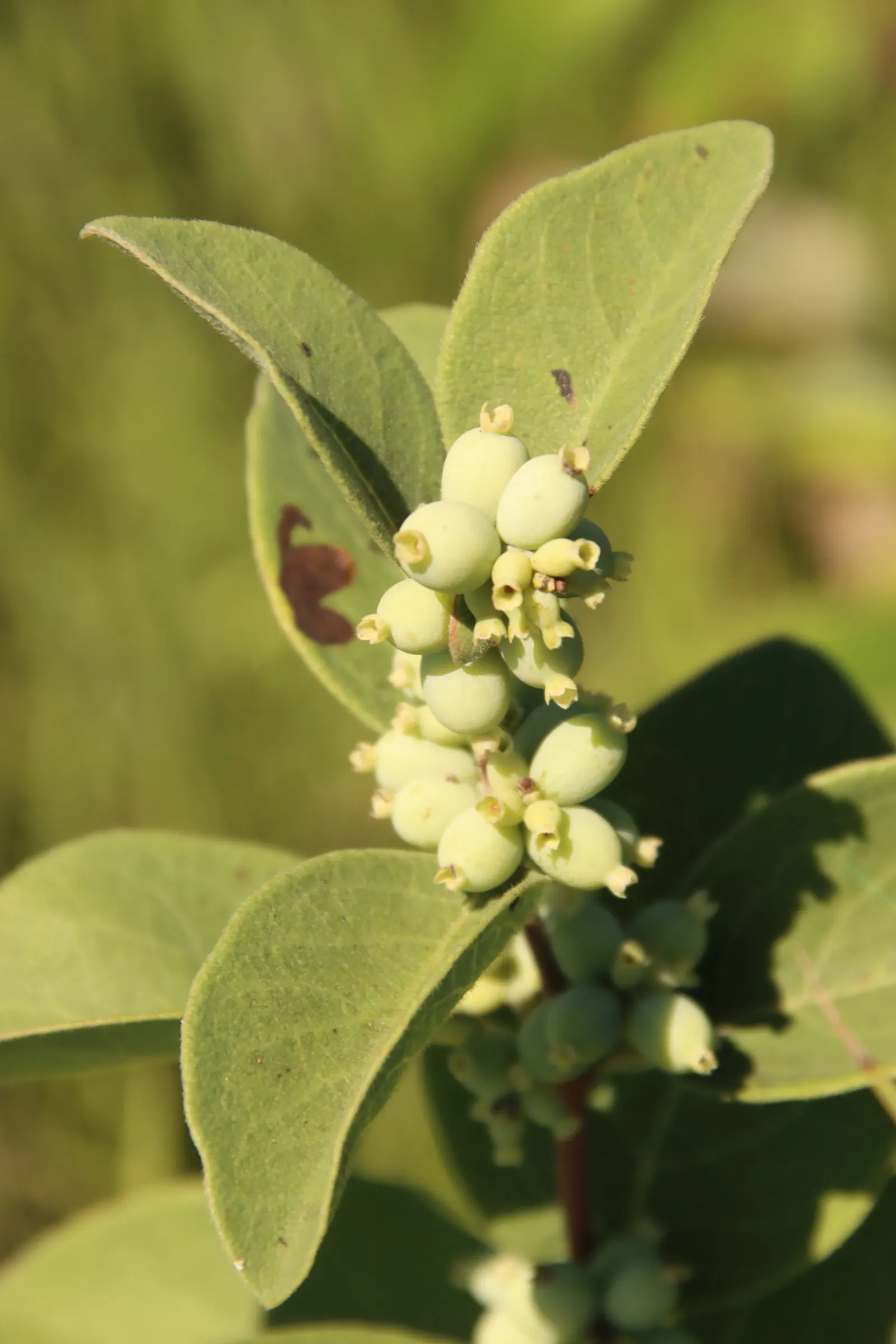
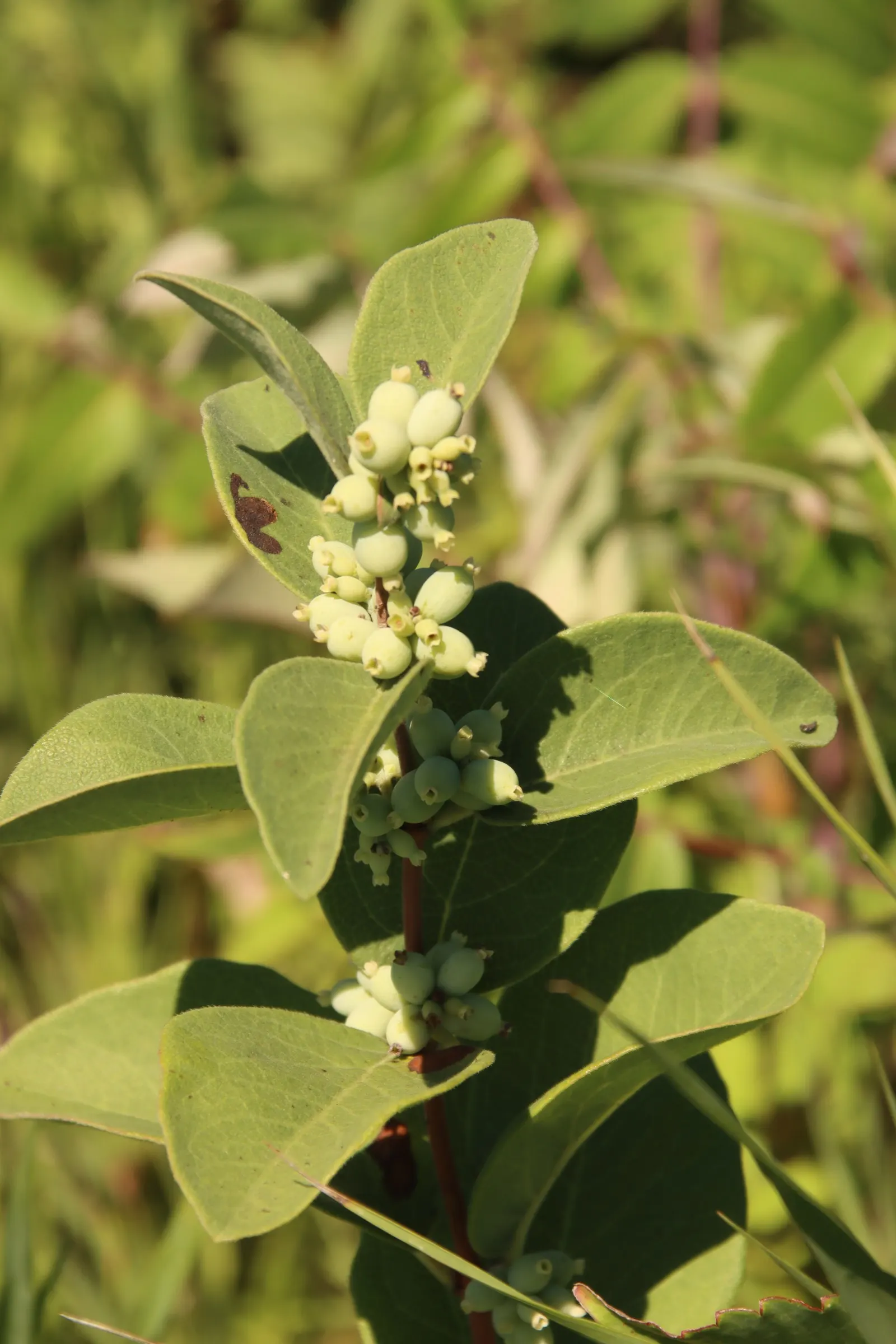
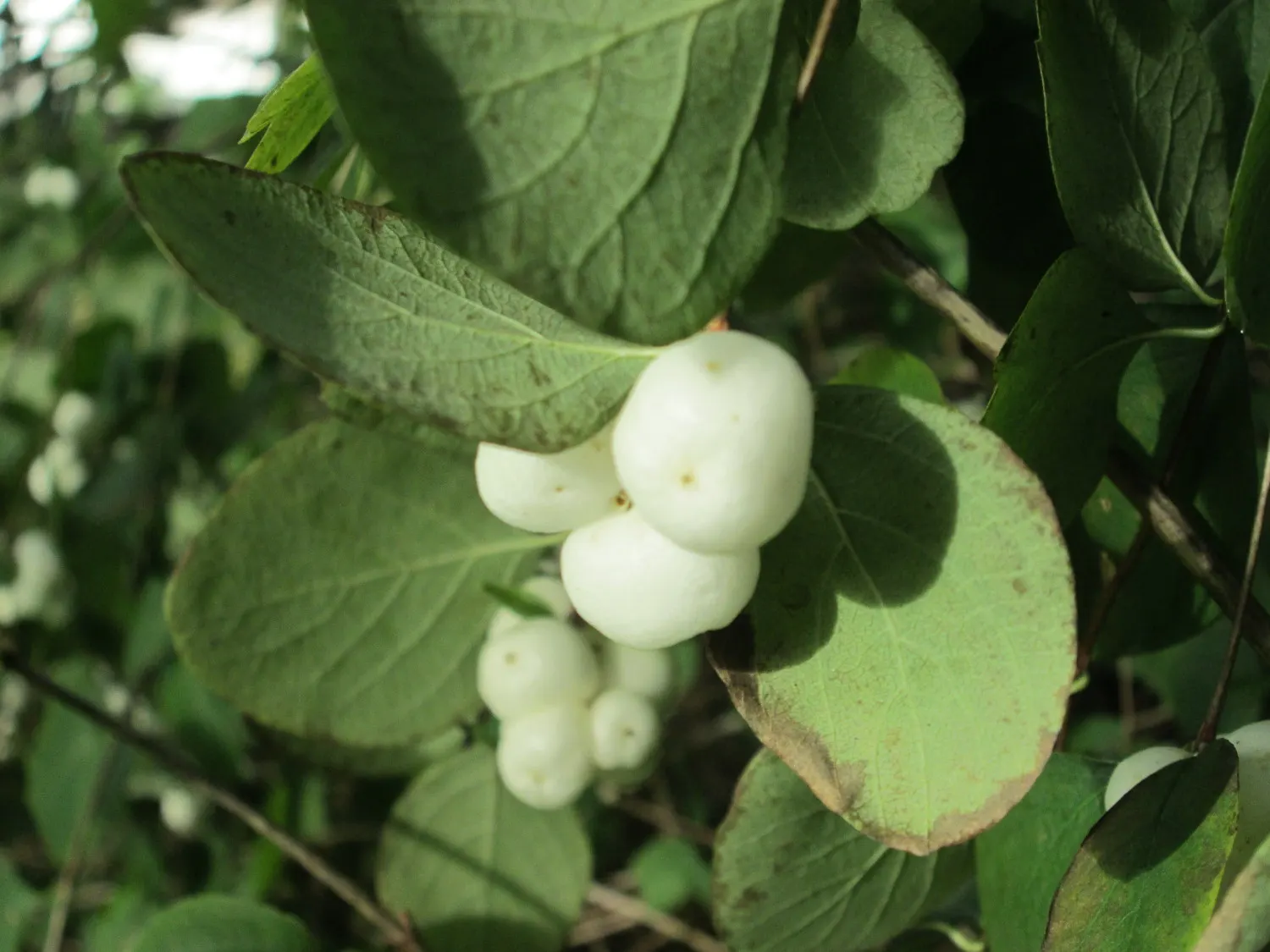
Snowberry (Symphoricarpos Albus) — white berries that appear in late summer and persist through the winter; creating a whimsical snow-like effect amid the
Snowberry (Symphoricarpos Albus) — offering visual interest as well as a food source for local bird species; consider its suckering habit
Snowberry (Symphoricarpos Albus) — These berries are roughly 0.5 to 0.75 inches in diameter and are clustered along the arching stems; it features small pink

Related plants