Skip to content

White Bacopa

Sutera Cordata

Design with this plant

Overview

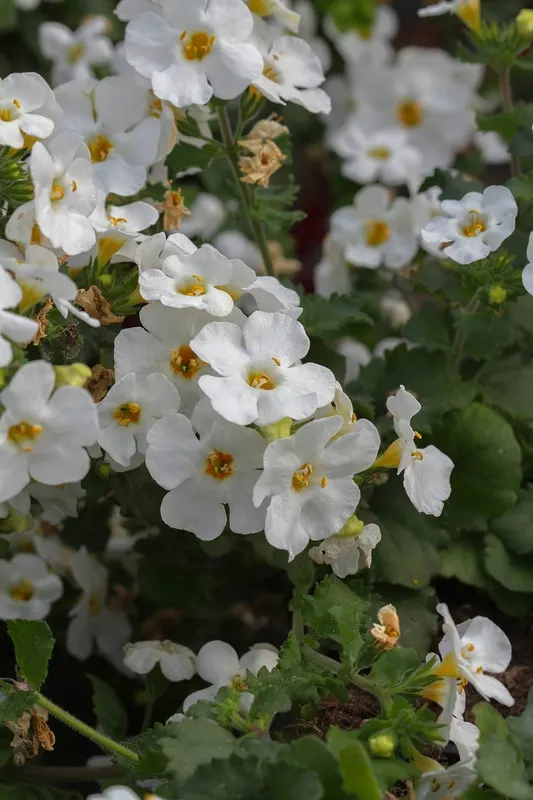
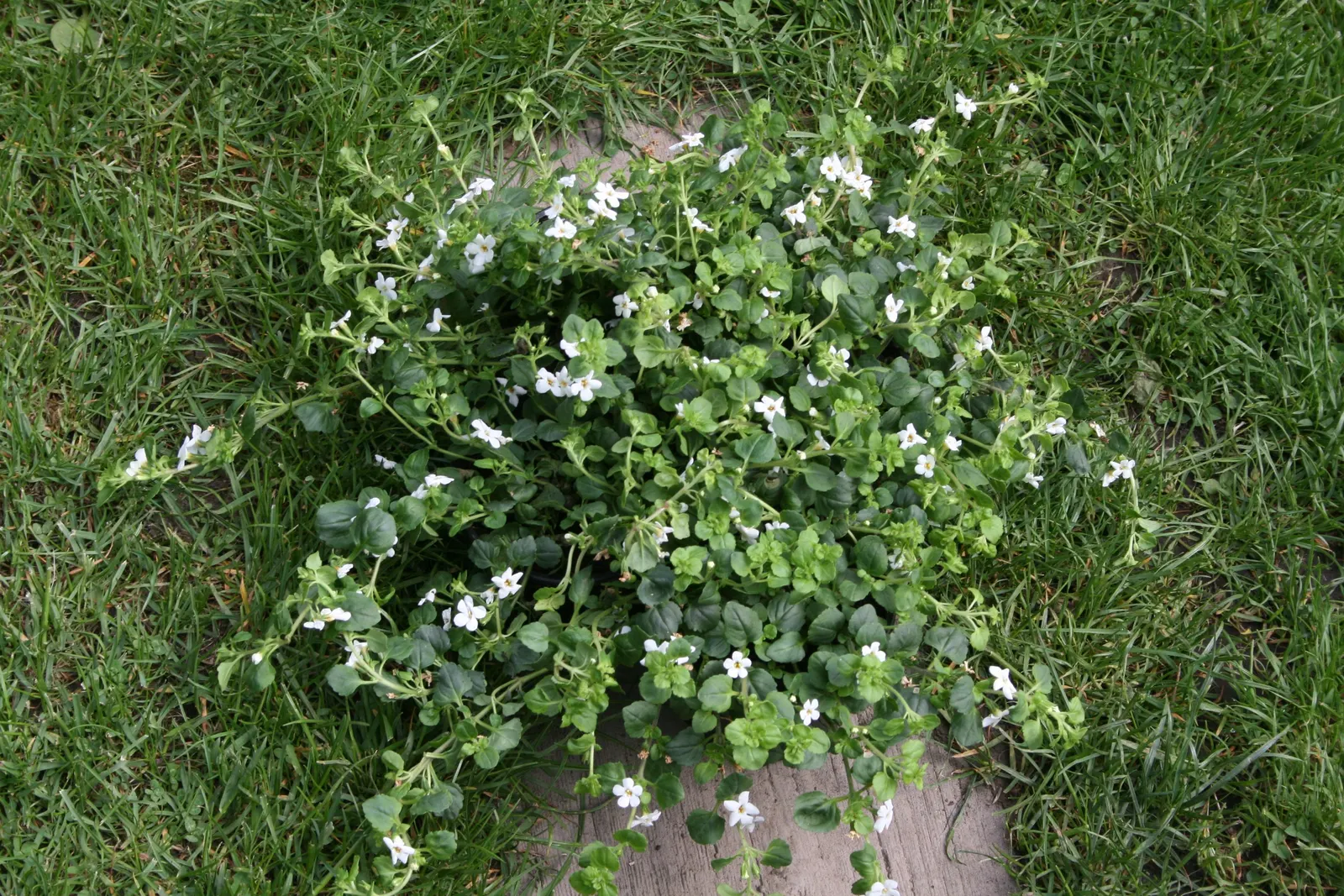
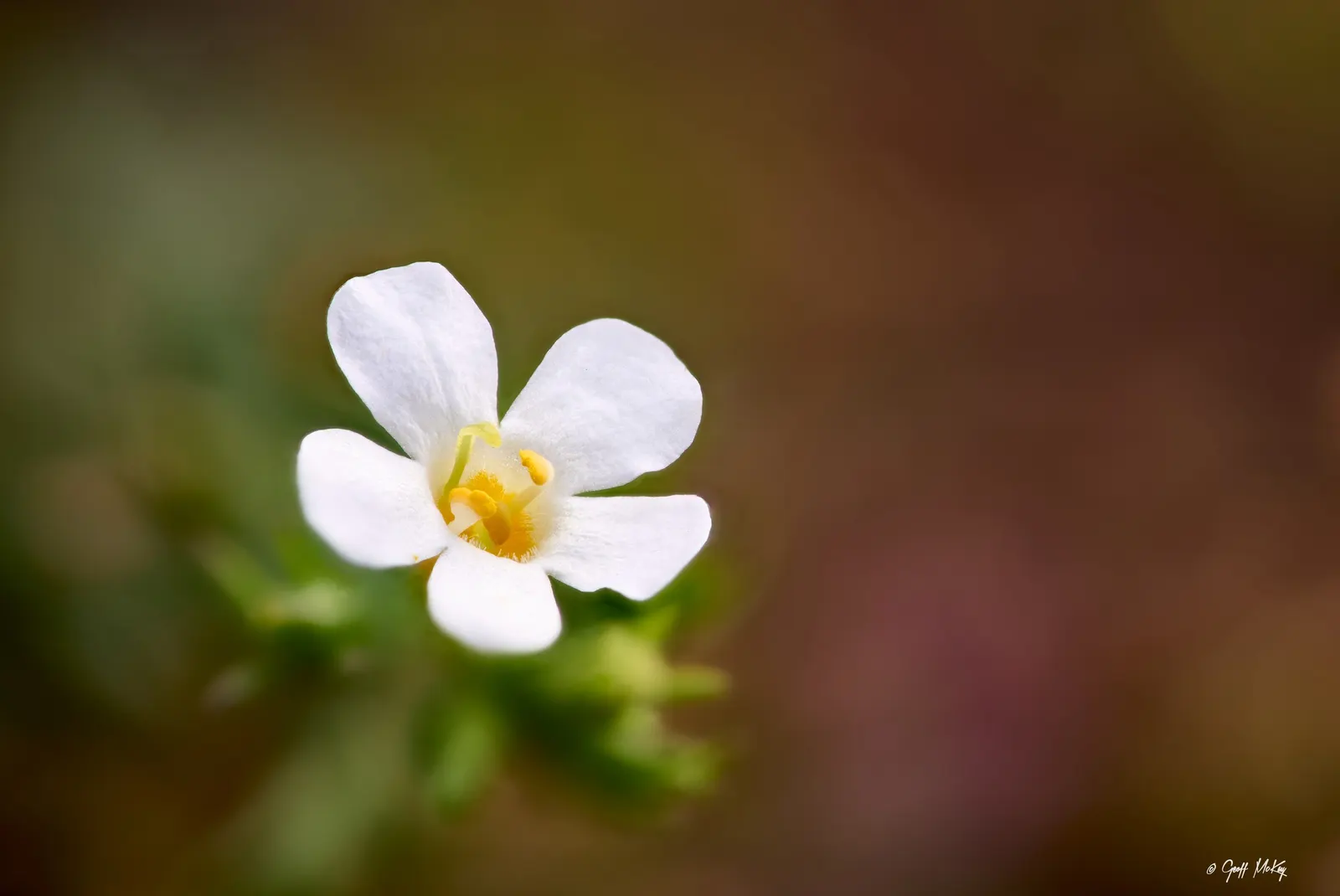
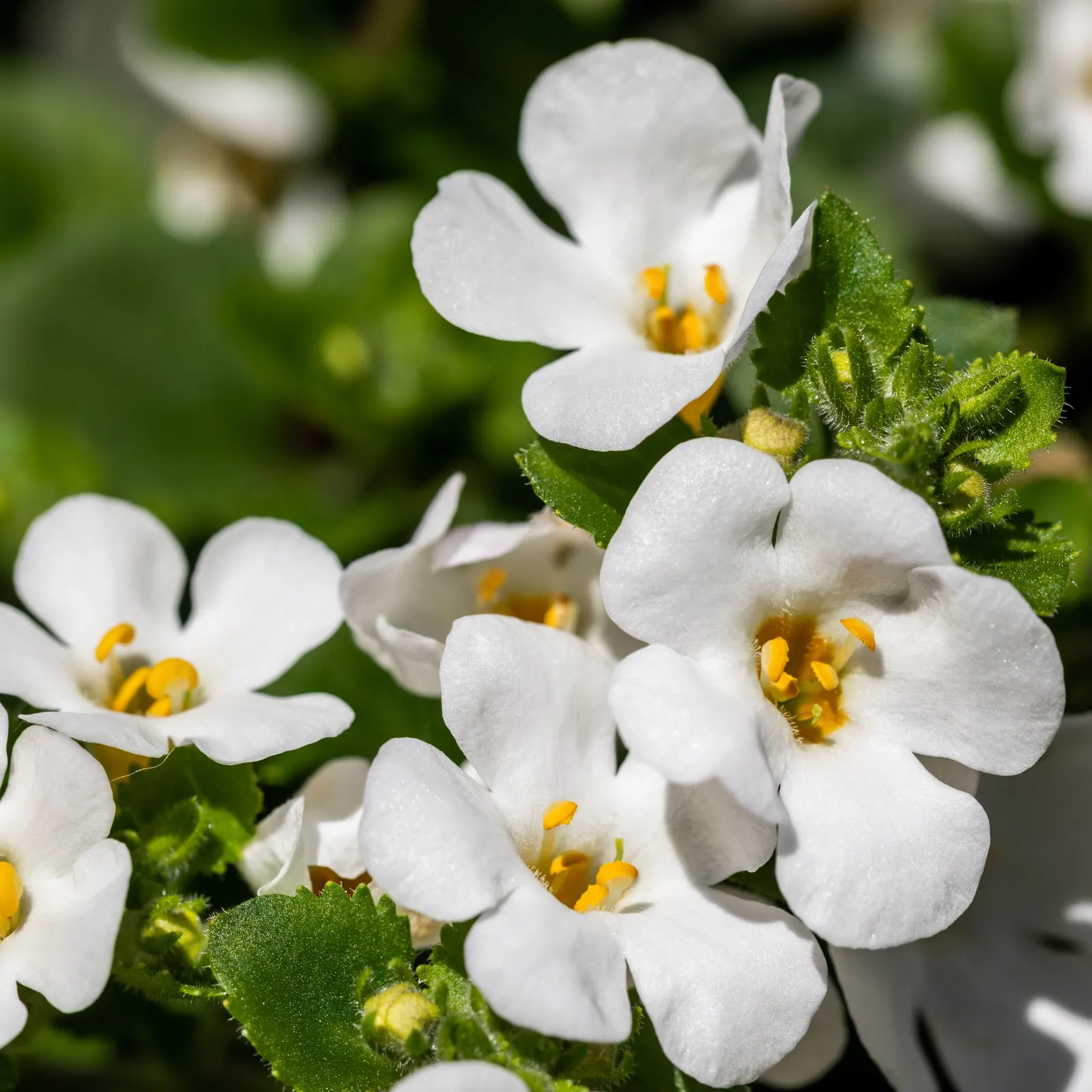
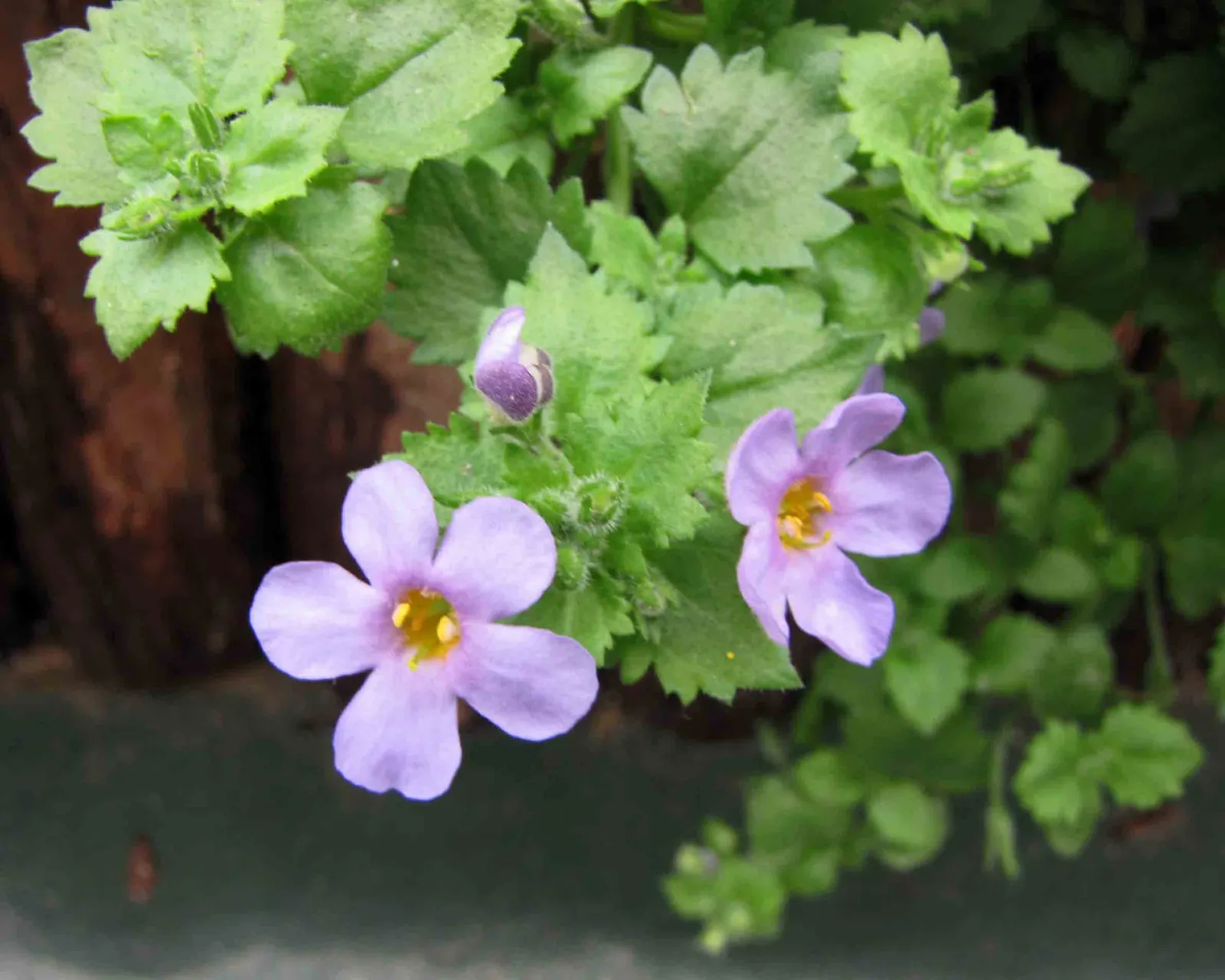
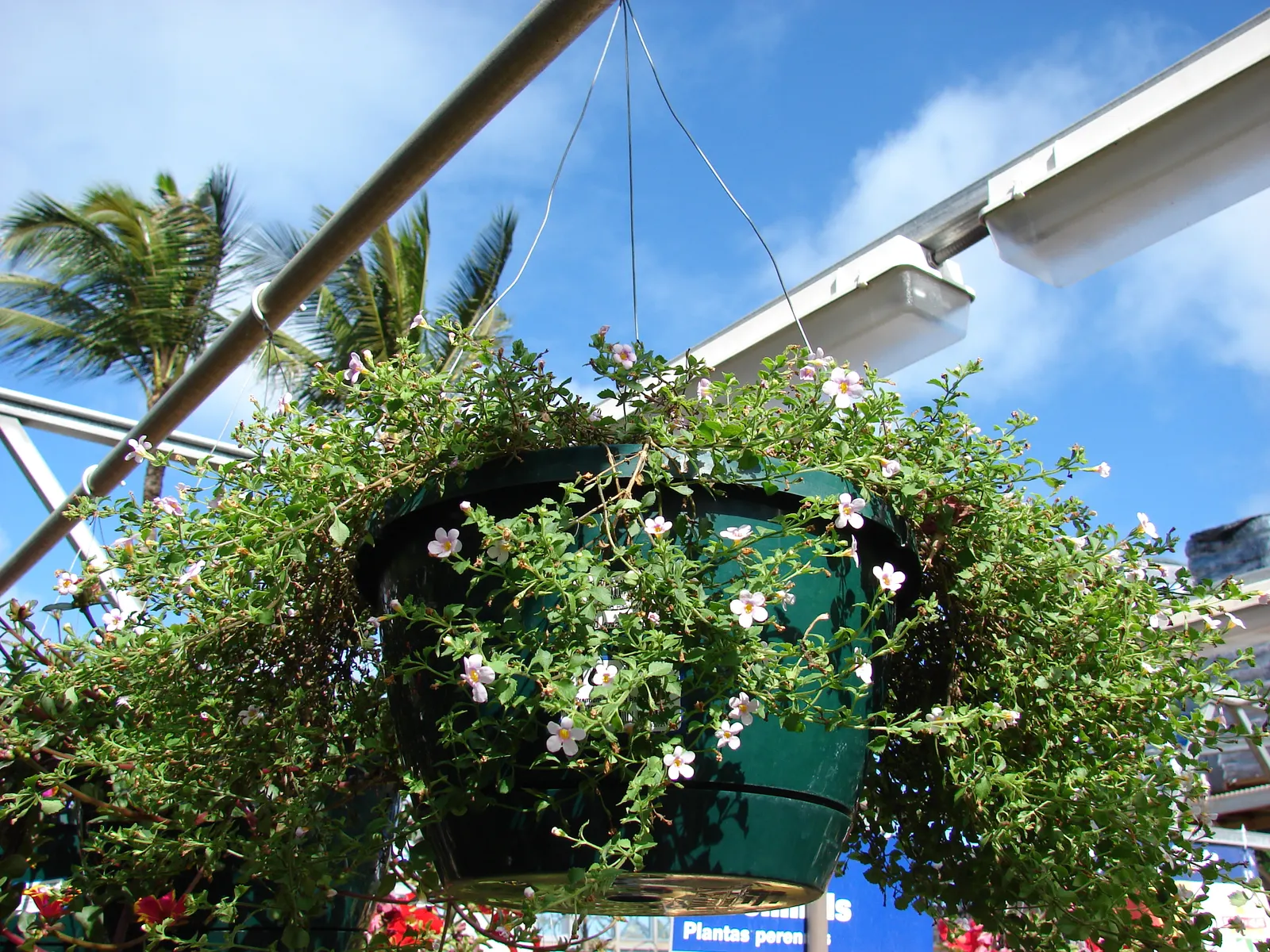
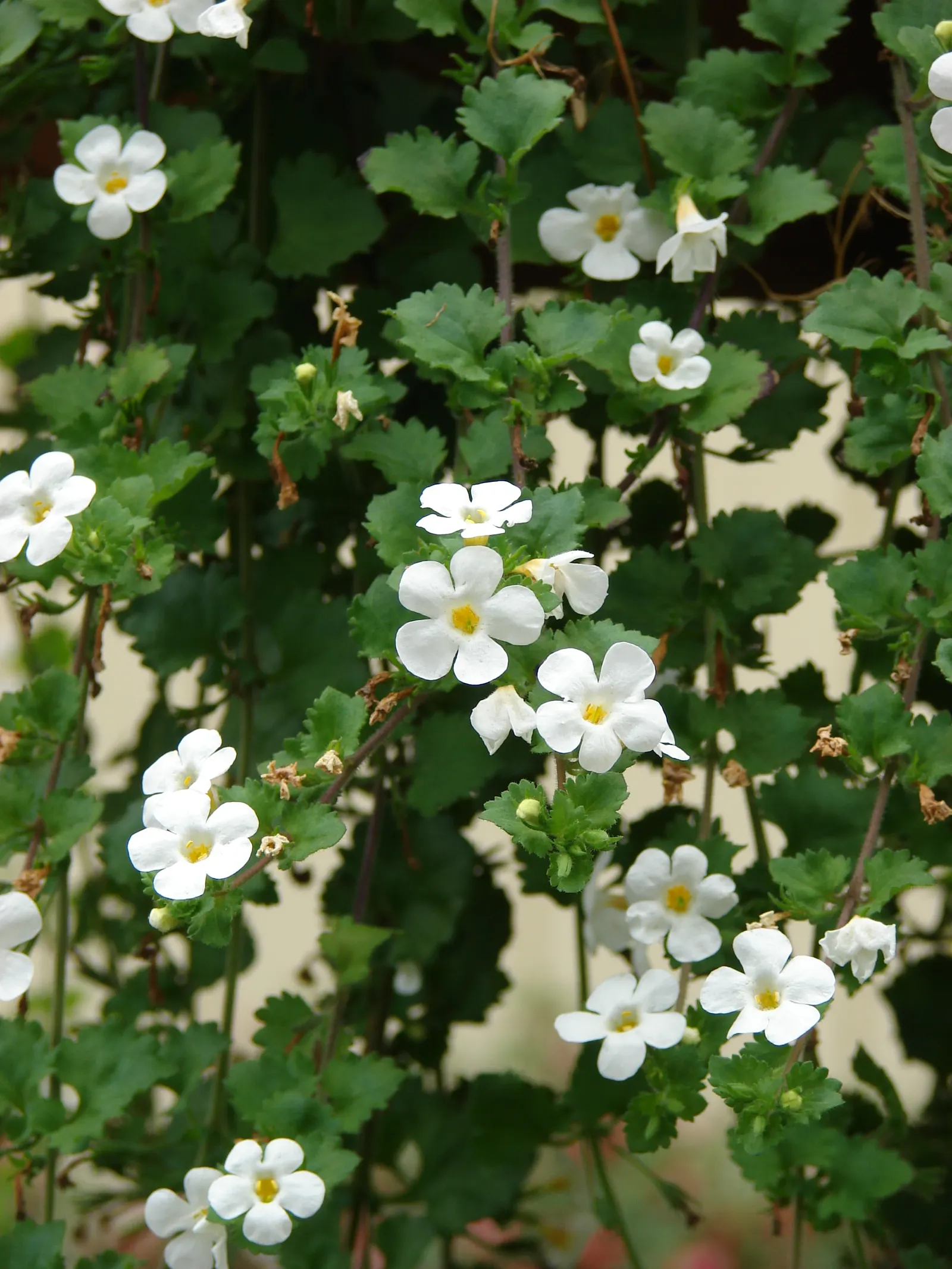
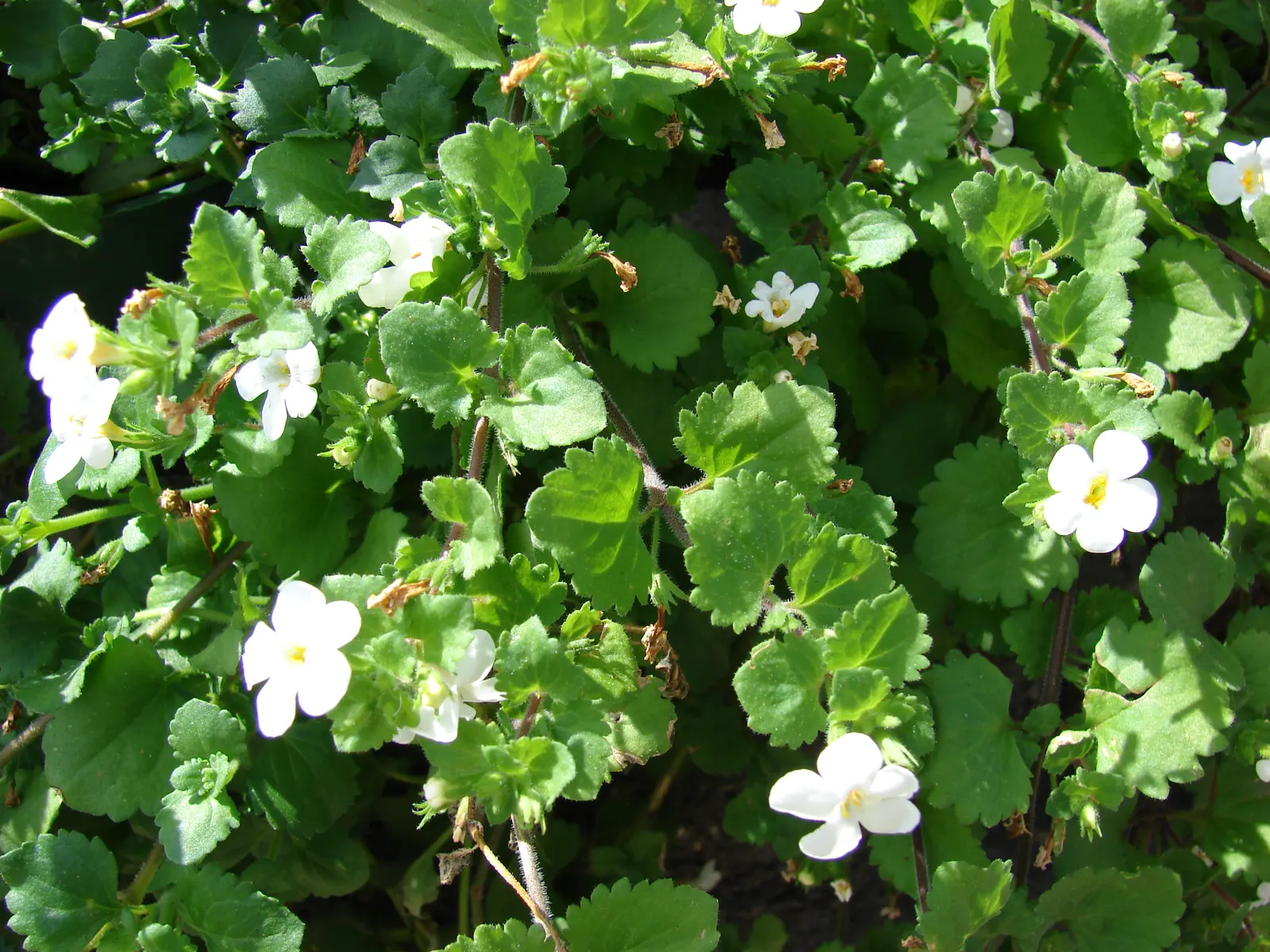
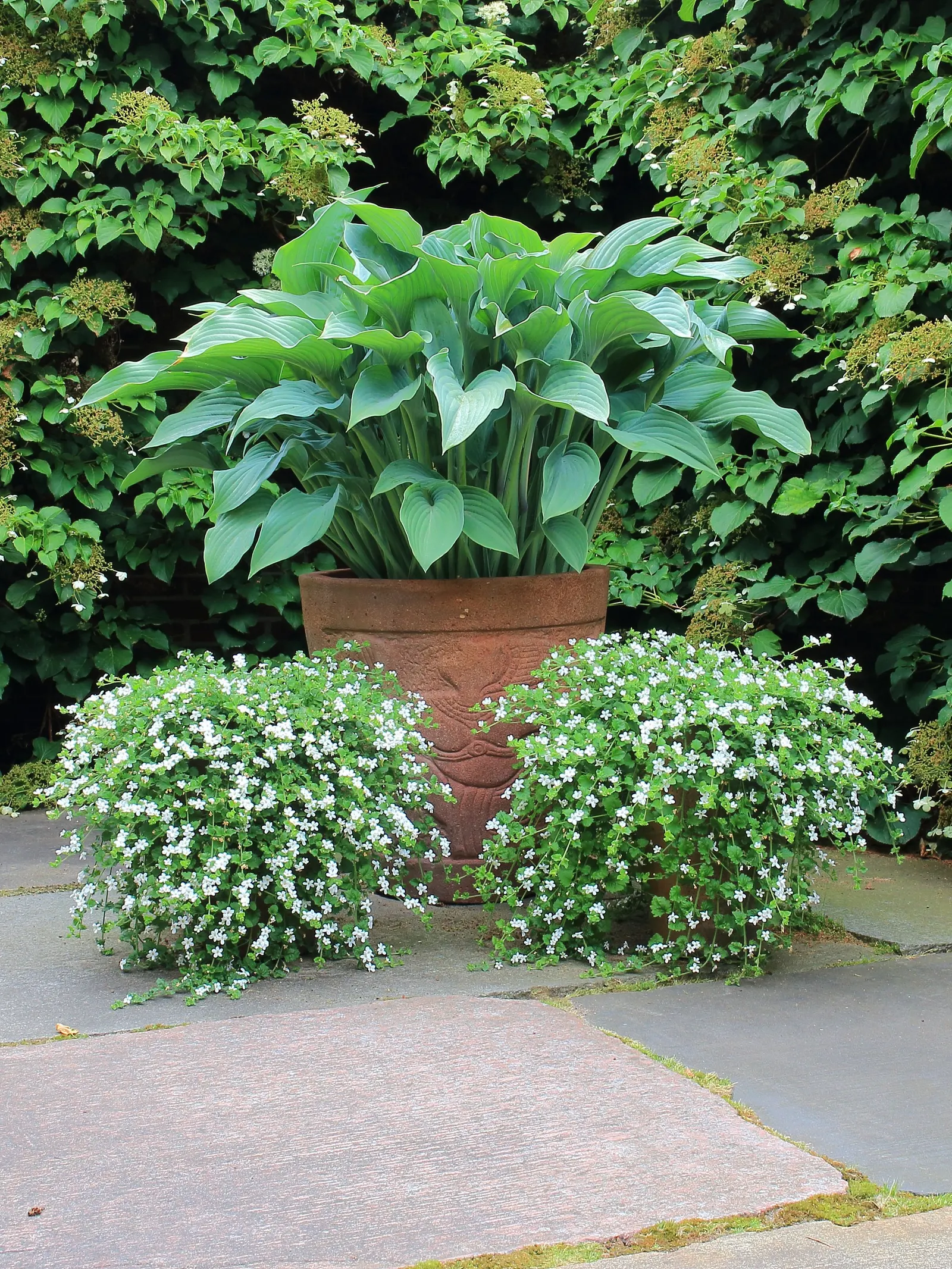
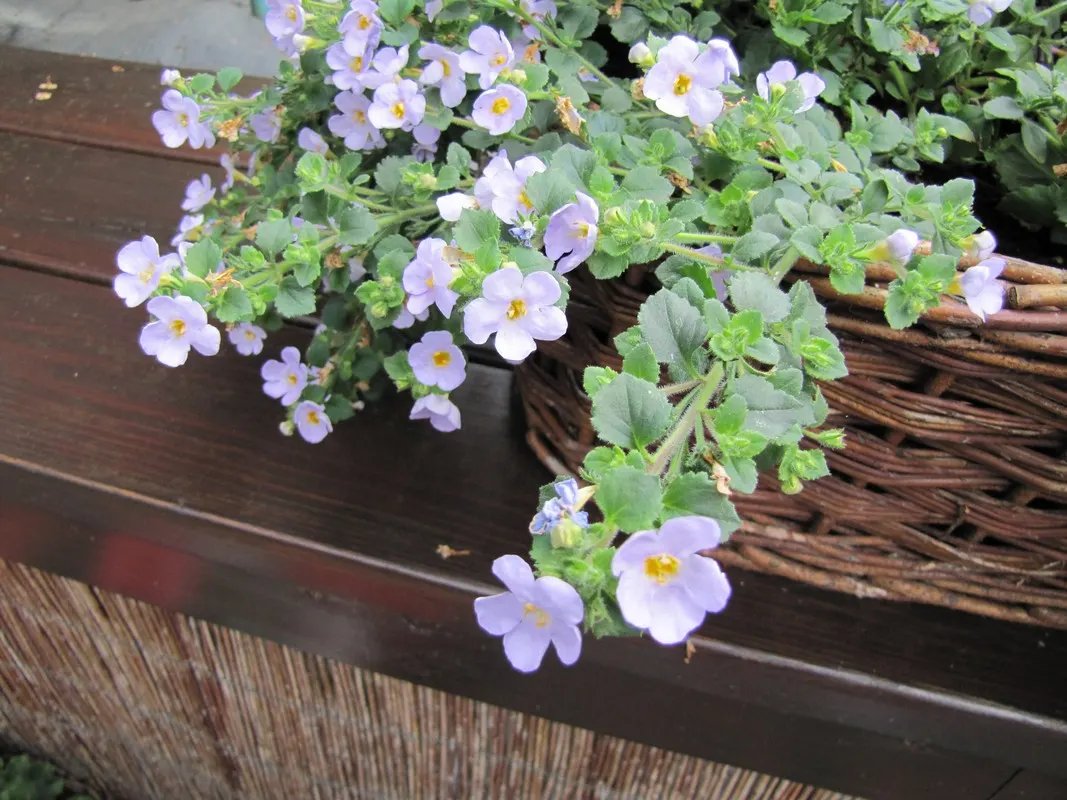
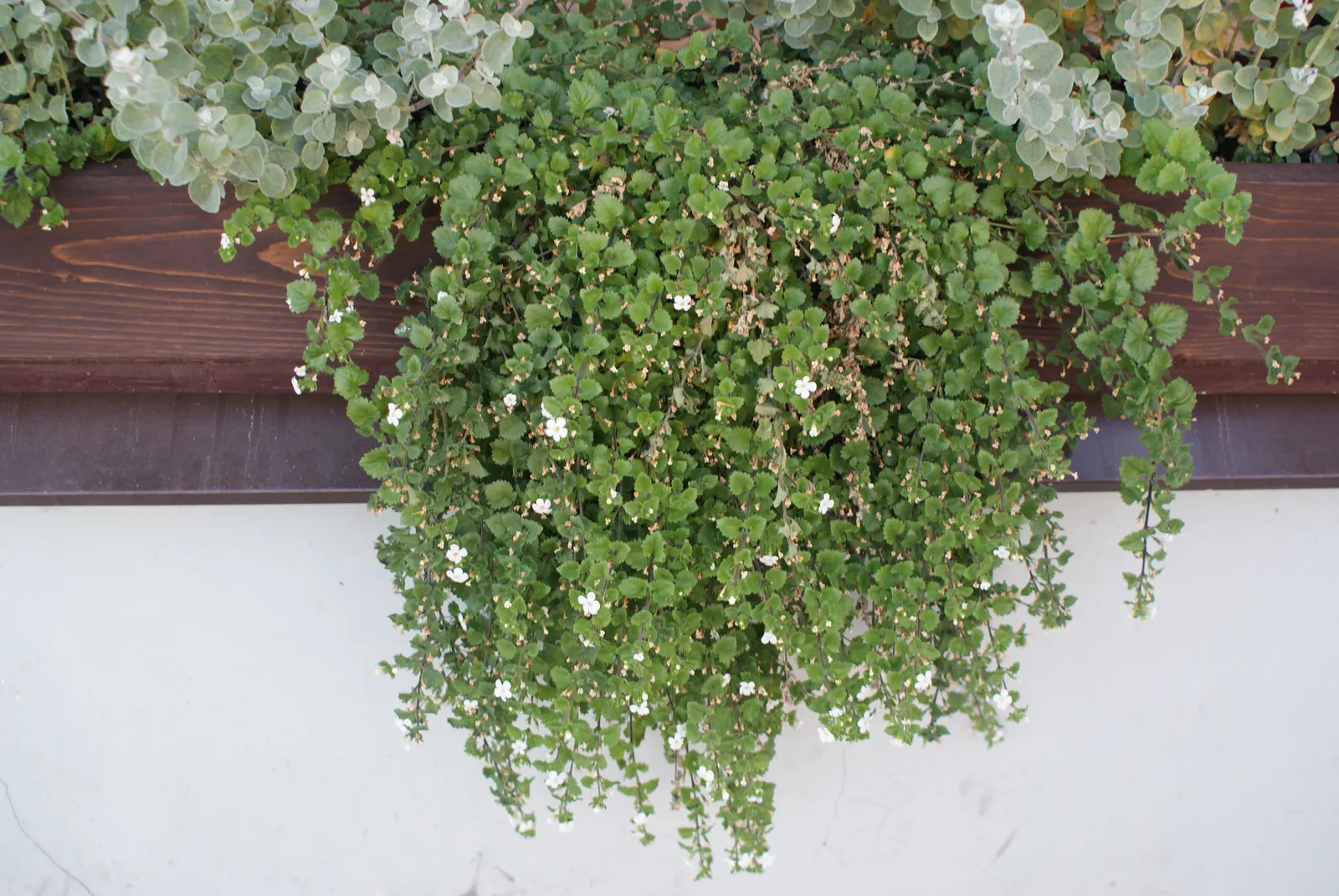
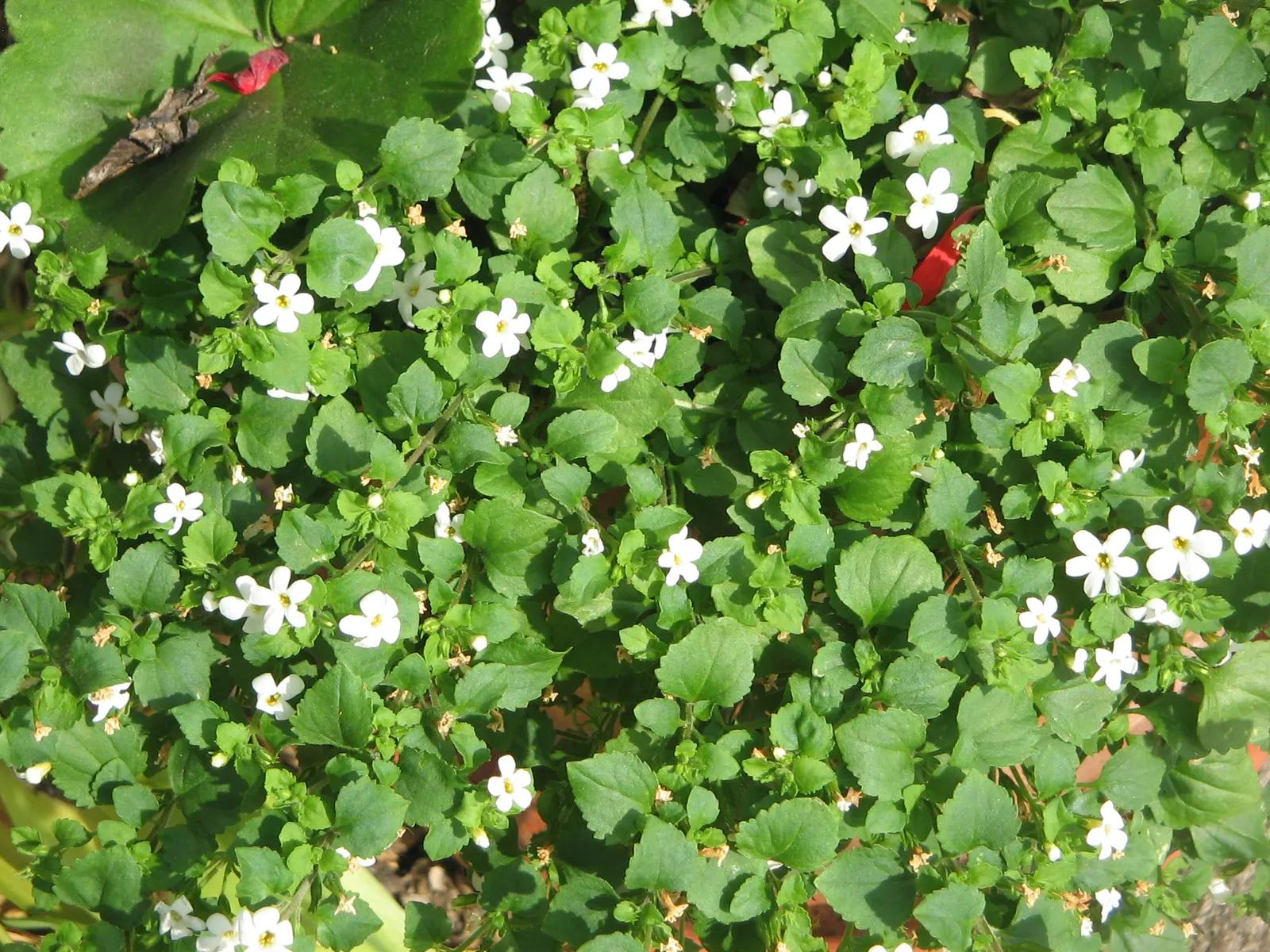
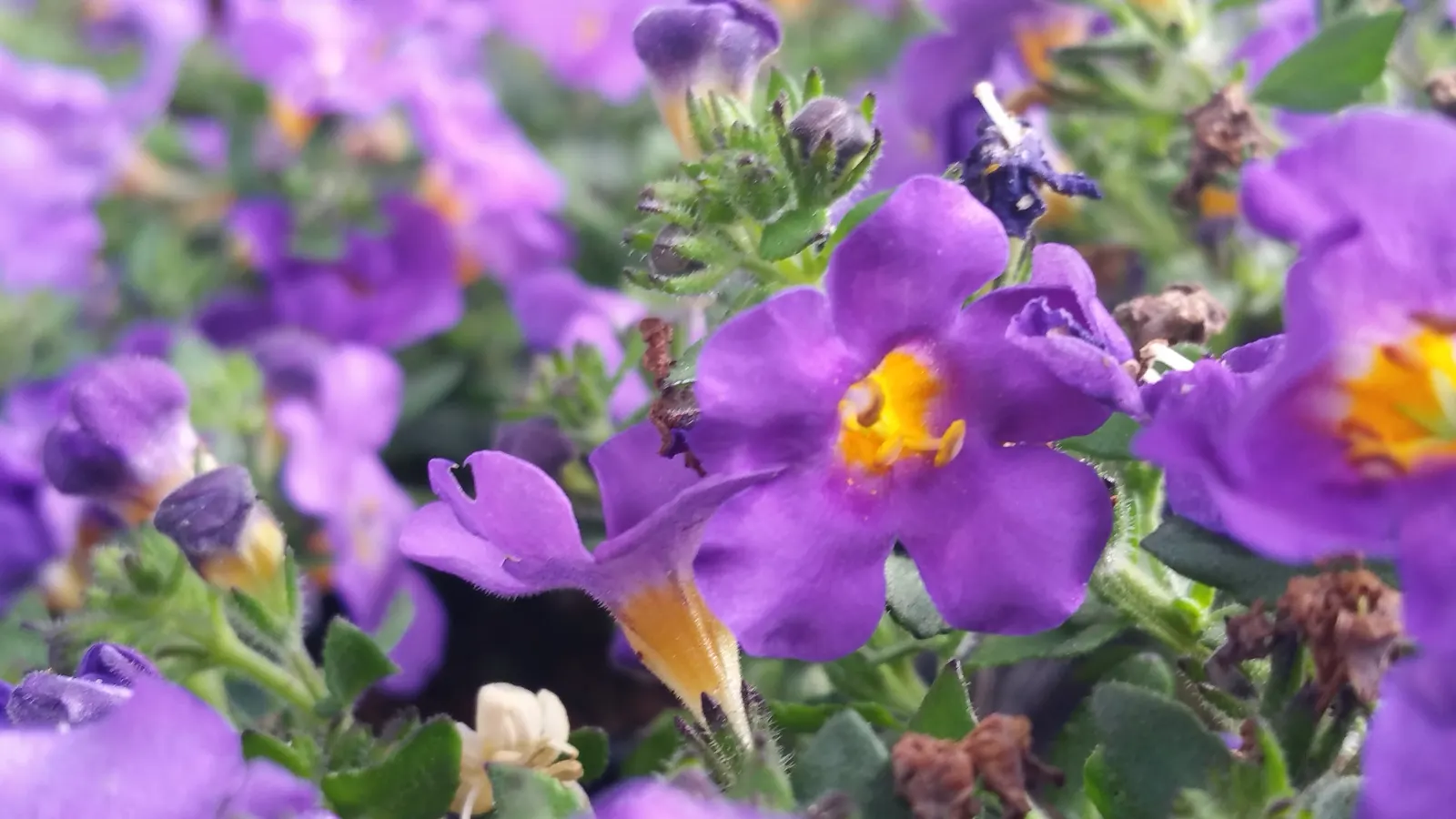
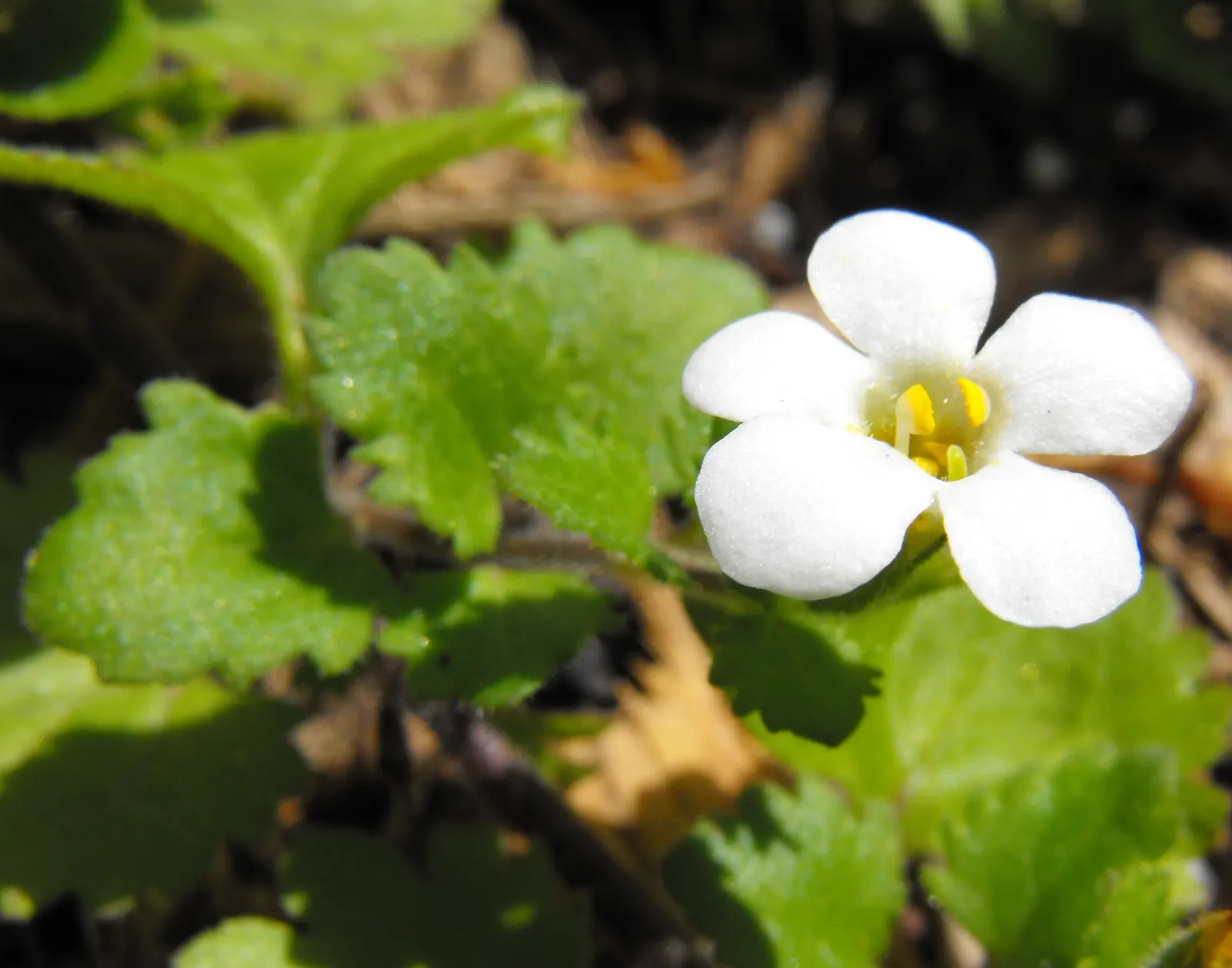
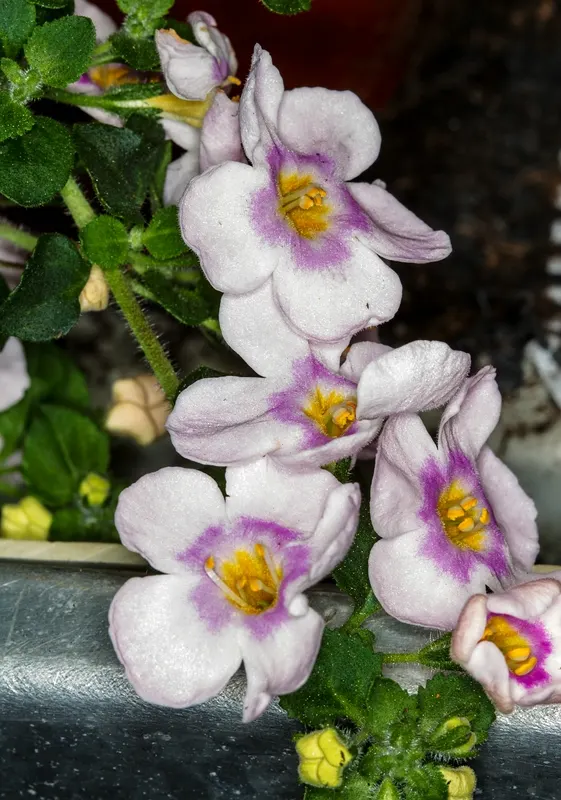
White Bacopa (Sutera cordata), a trailing perennial, thrives in US zones 9-11. It gracefully overflows containers, reaching 6 to 12 inches in height, with a spread of up to 2 feet. Its delicate, five-petaled flowers bloom abundantly from spring to first frost. Preferring full sun to partial shade, it requires well-draining soil and moderate moisture. Ideal for hanging baskets, border fronts, and as a ground cover, it attracts butterflies while being deer resistant.

Sun Full, Half, ShadeWater HighZones 9–11Type Ground cover, Perennial

Culture

Sun
Full, Half, Shade
Water
High
USDA zones
9–11

Shape & size

Classification

Type
Ground cover, Perennial
Family
Scrophulariaceae

See full data, regional cultivation notes, and design tools. Build a client presentation around this plant.

Start your 14-day trial

Photos (100)

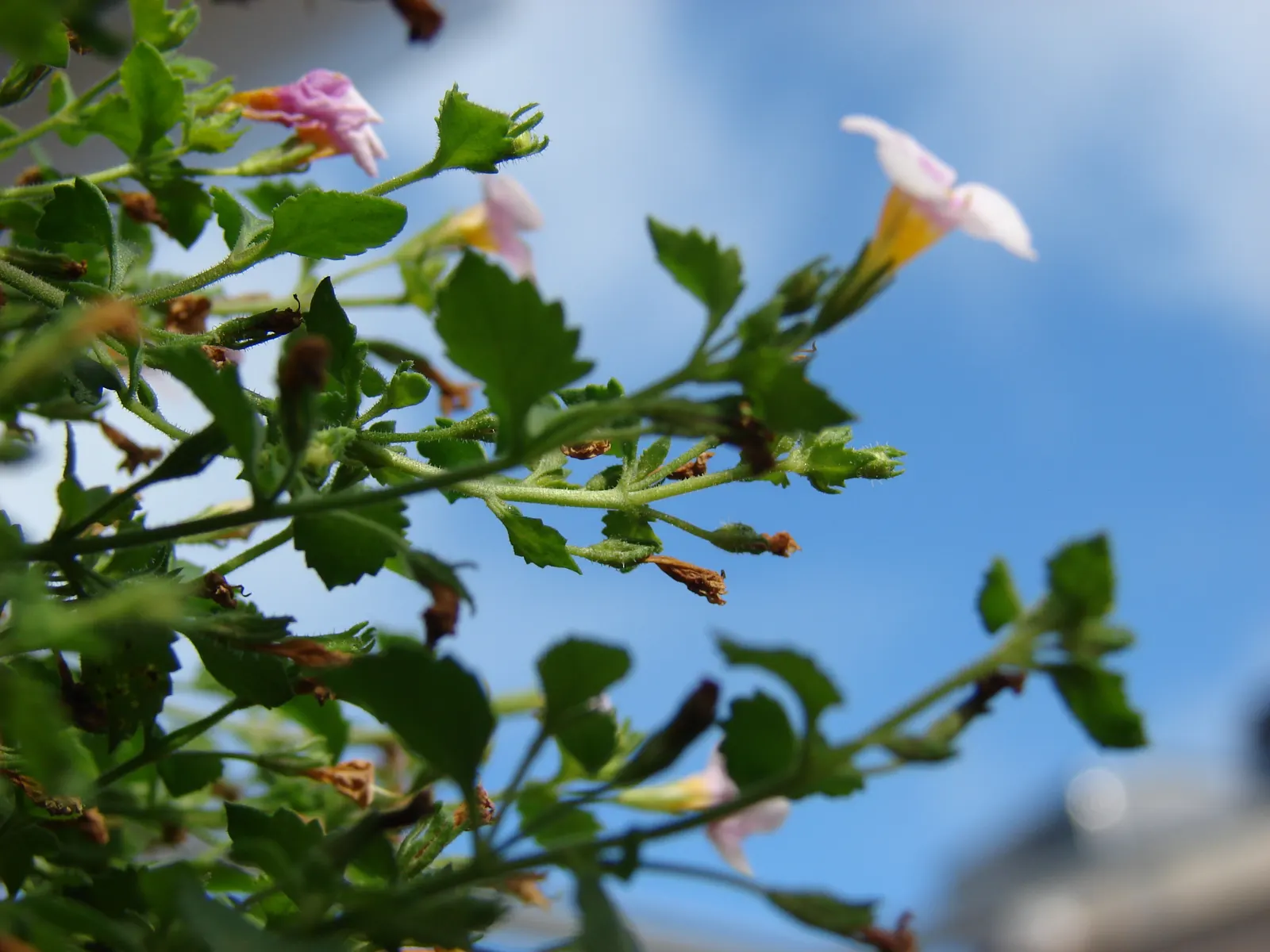
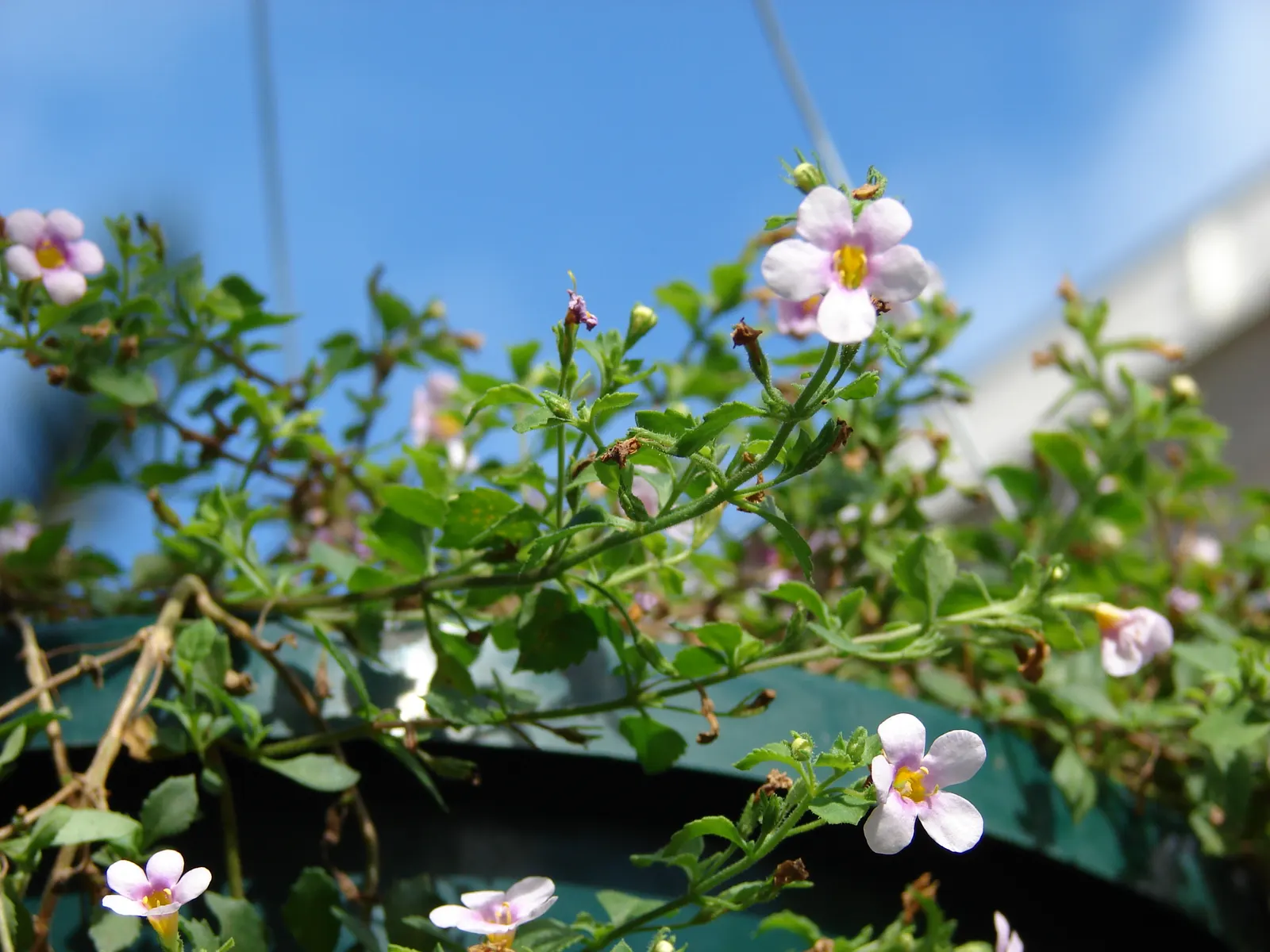
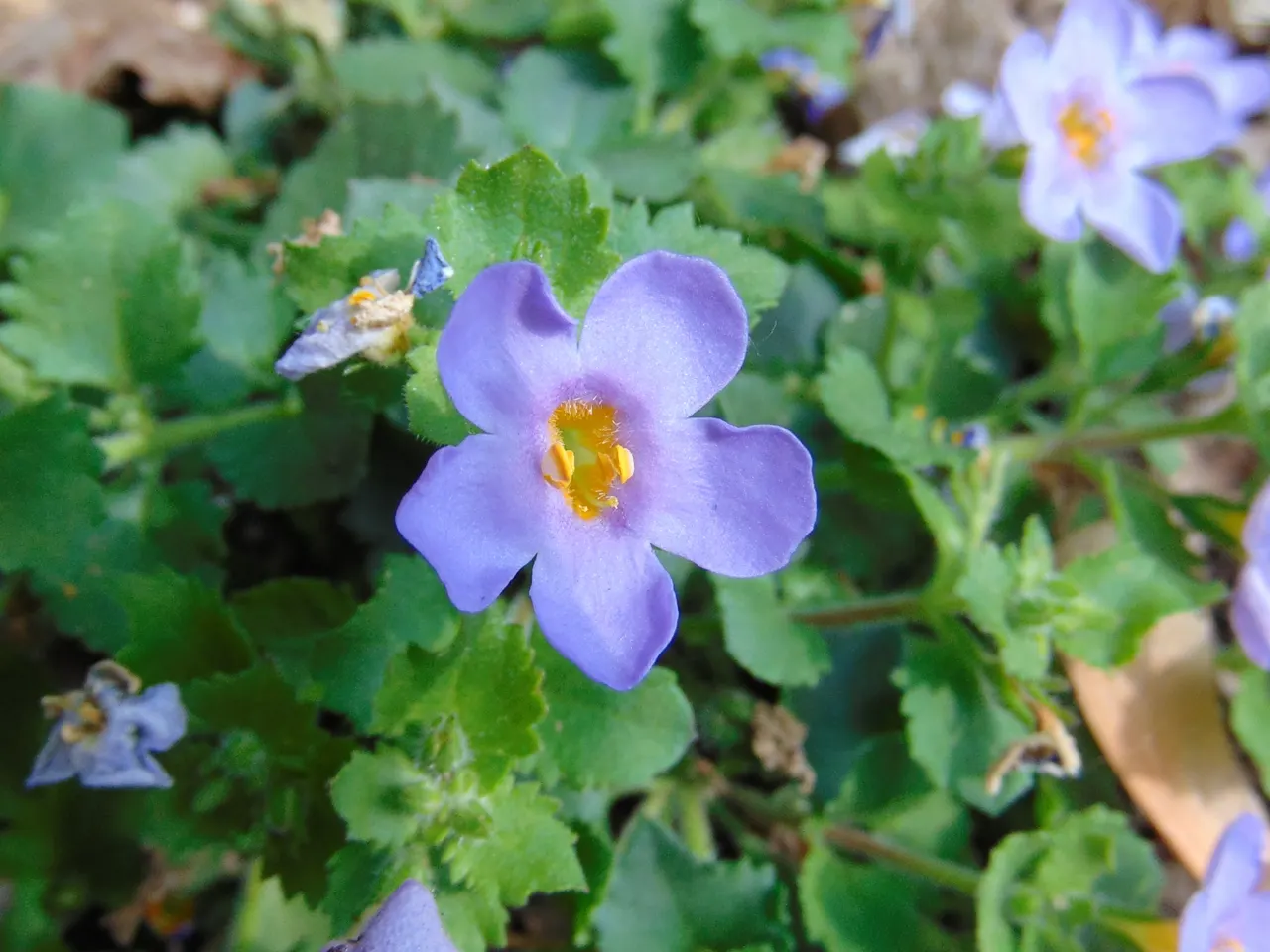
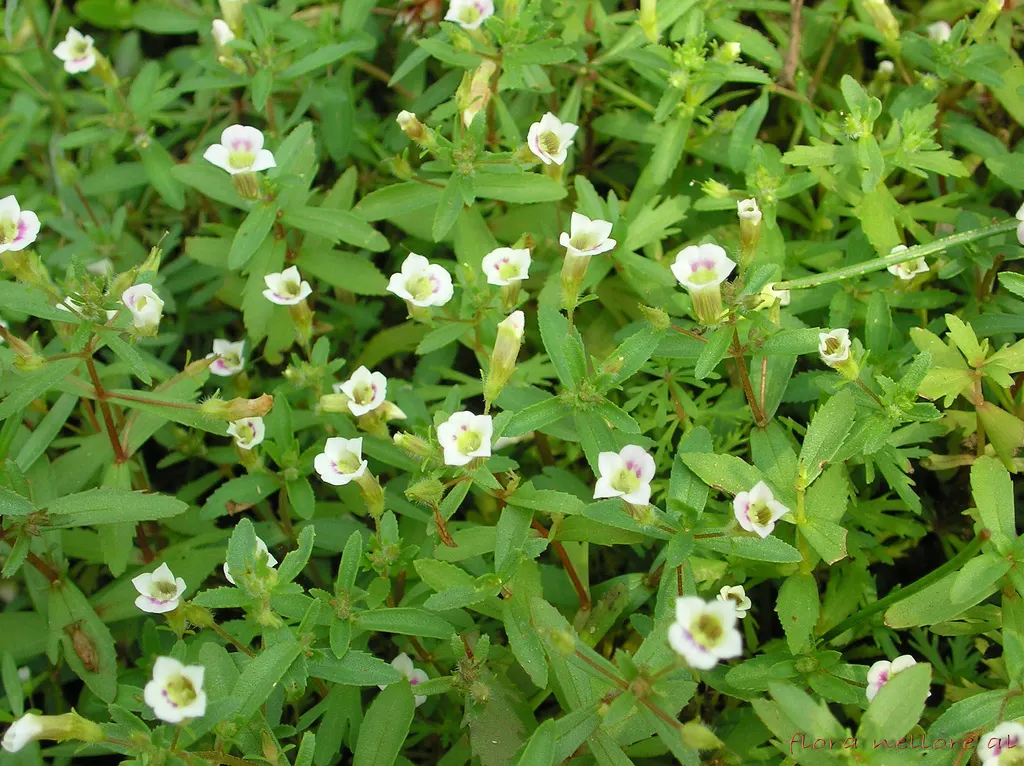
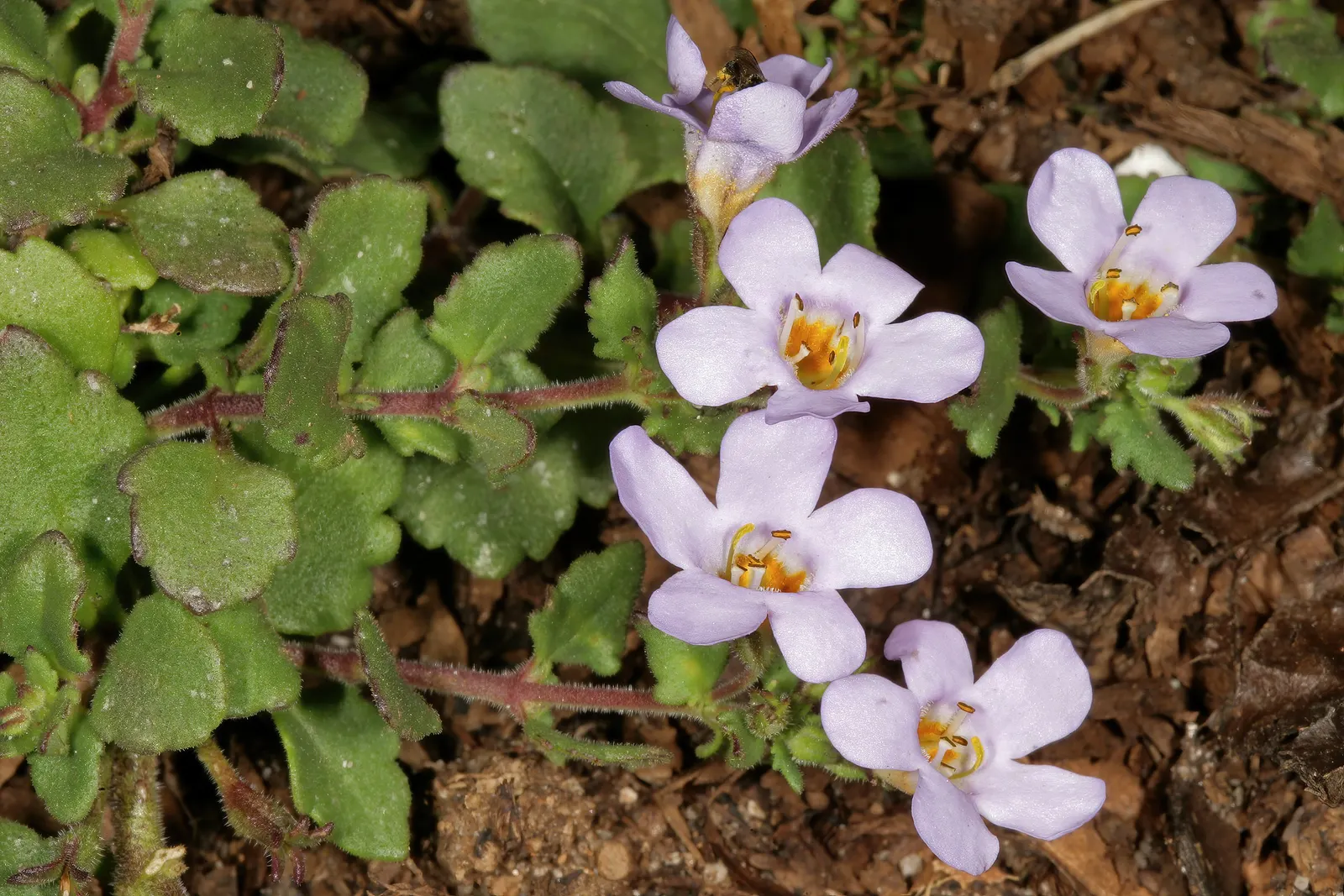
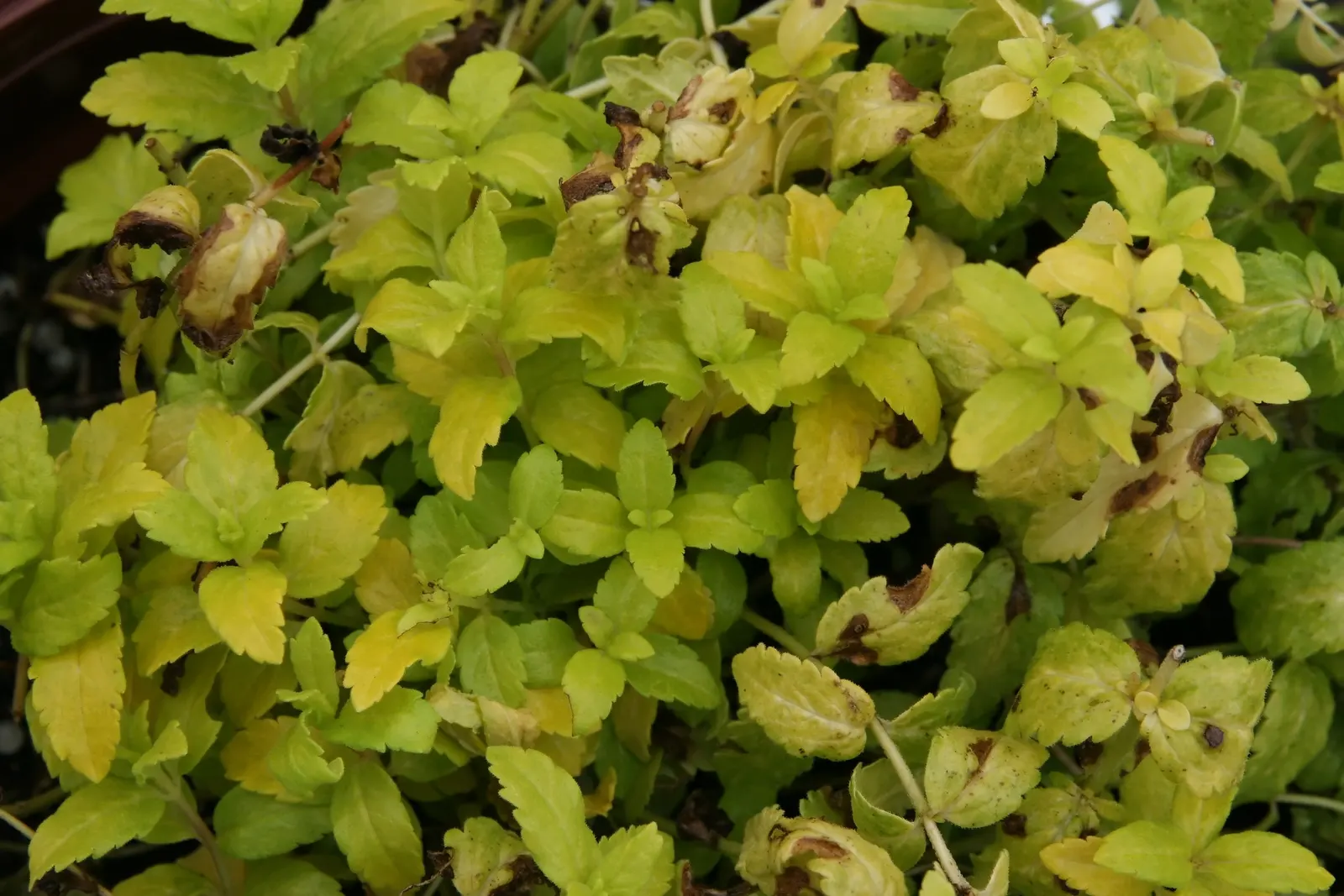
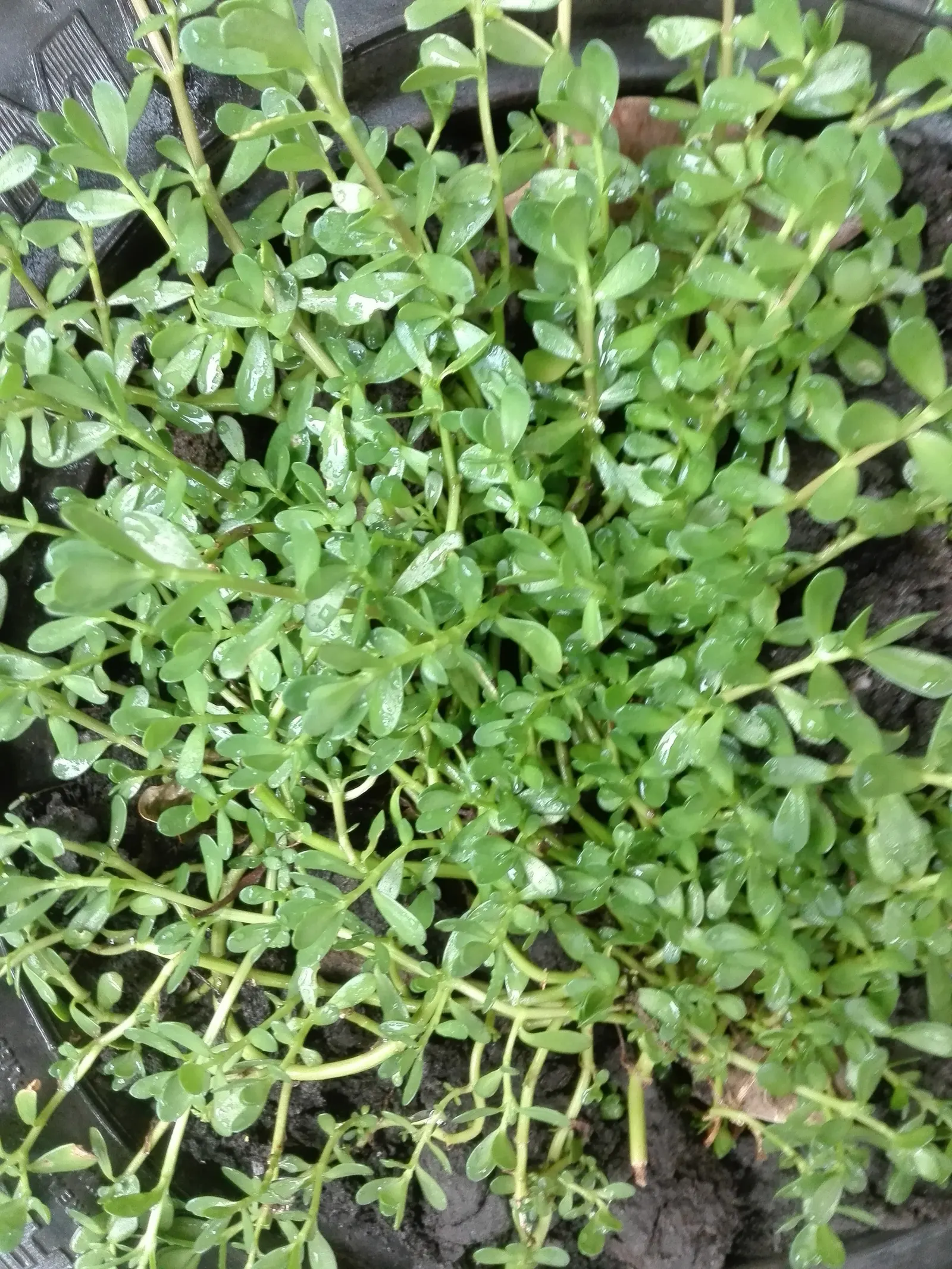
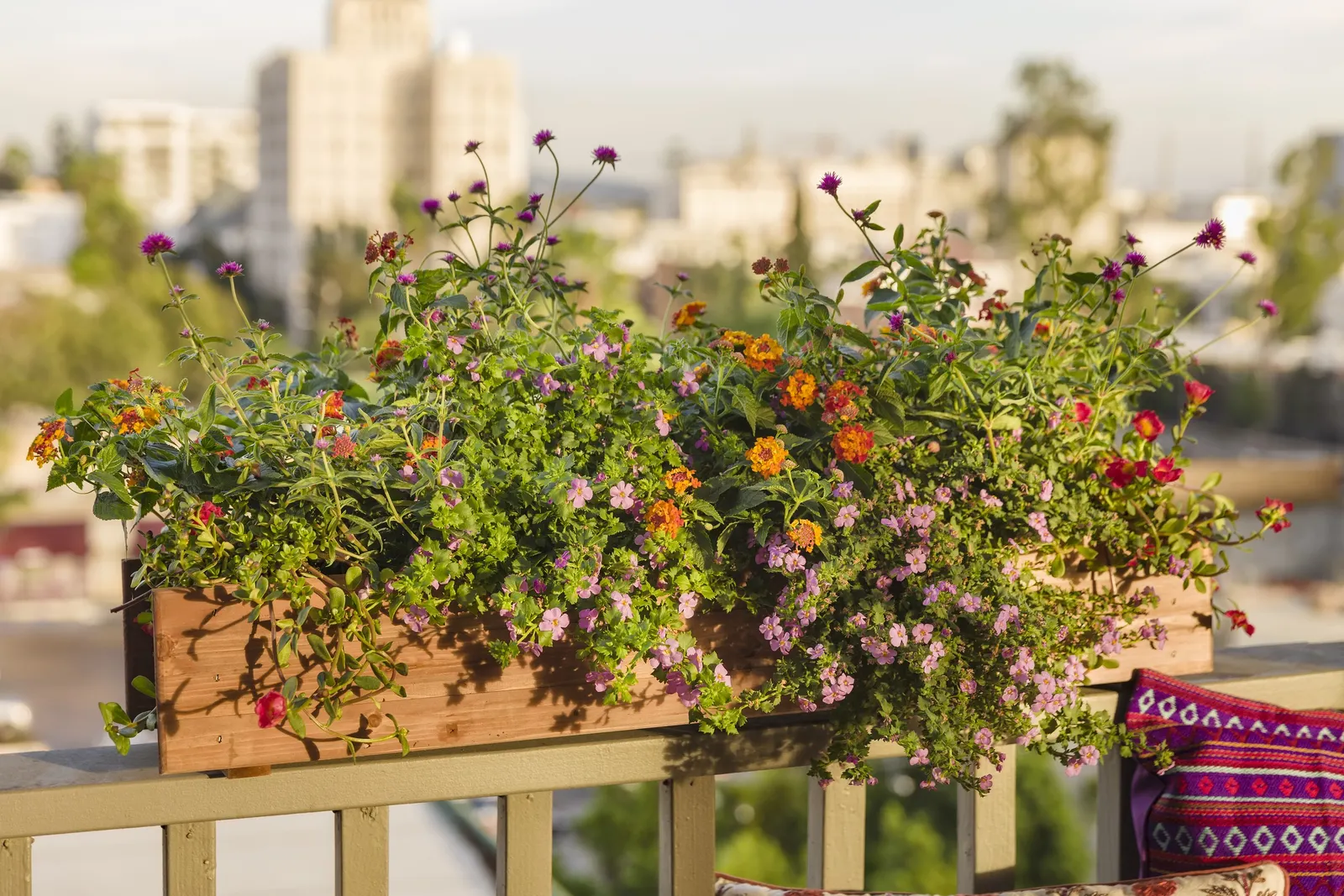
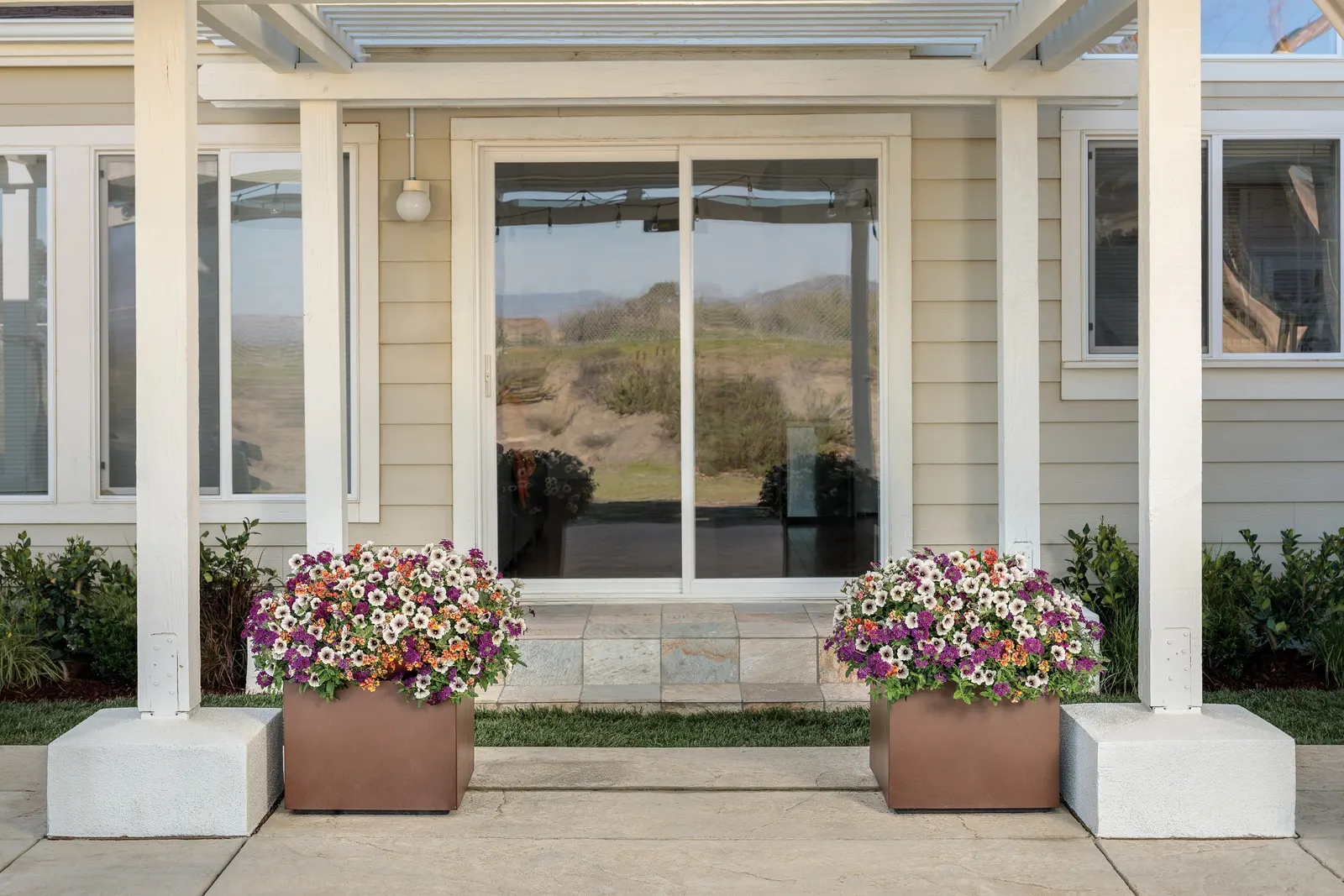
White Bacopa (Sutera Cordata) — is a prolific bloomer that adds a delicate charm to any garden; convey this ease of care to the client to assure them of a
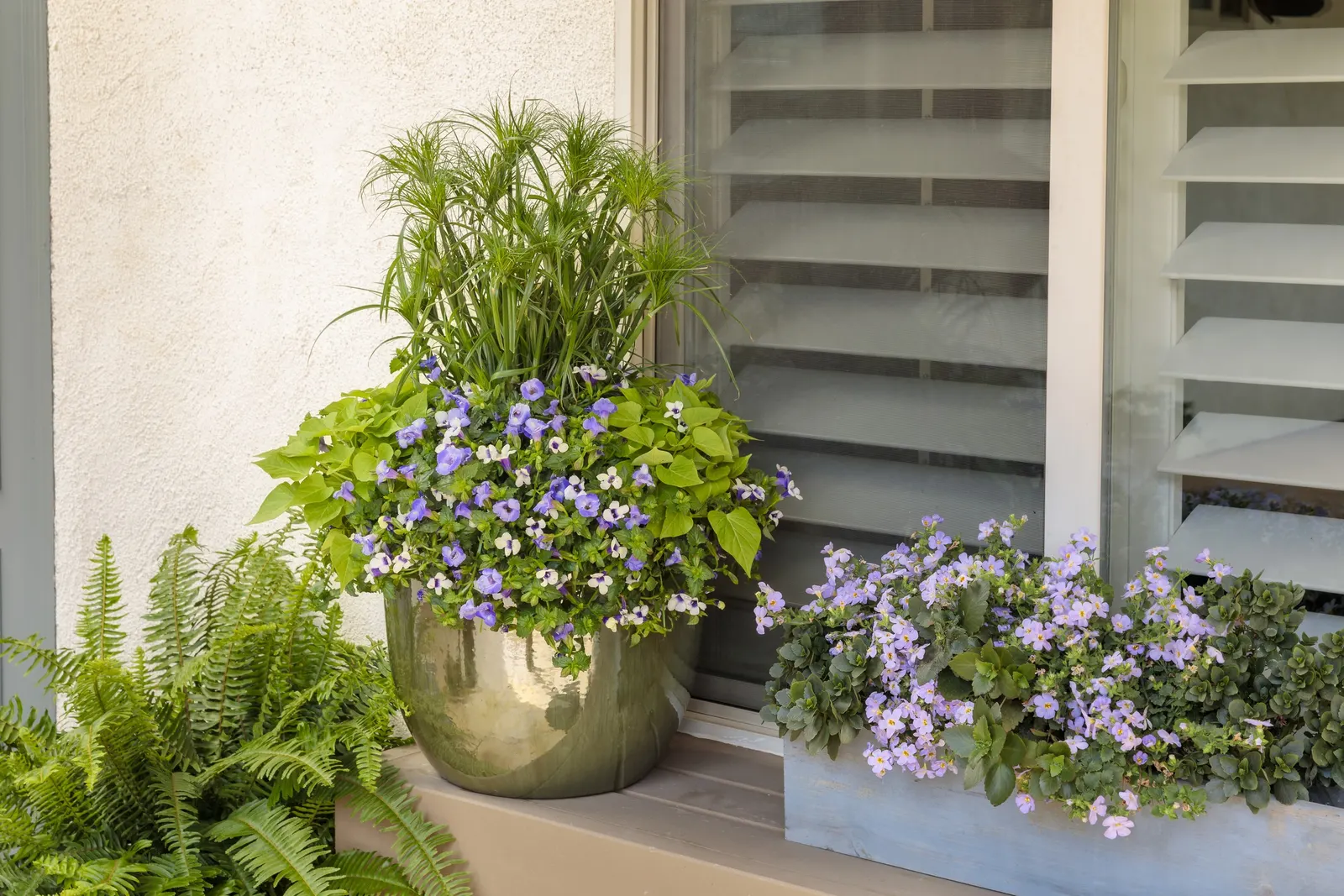
White Bacopa (Sutera Cordata) — White Bacopa pairs exquisitely with other annuals and perennials that favor similar growing conditions; convey this ease of
White Bacopa (Sutera Cordata) — Regularly deadheading is not necessary for this self-cleaning plant
White Bacopa (Sutera Cordata) — The plant typically thrives in USDA Hardiness Zones 9 to 11 and enjoys full to partial sunlight
White Bacopa (Sutera Cordata) — Regularly deadheading is not necessary for this self-cleaning plant; white Bacopa provides a prolonged season of, image 79
White Bacopa (Sutera Cordata) — Preferring full sun to partial shade, it requires well-draining soil and moderate moisture; convey this ease of care to the
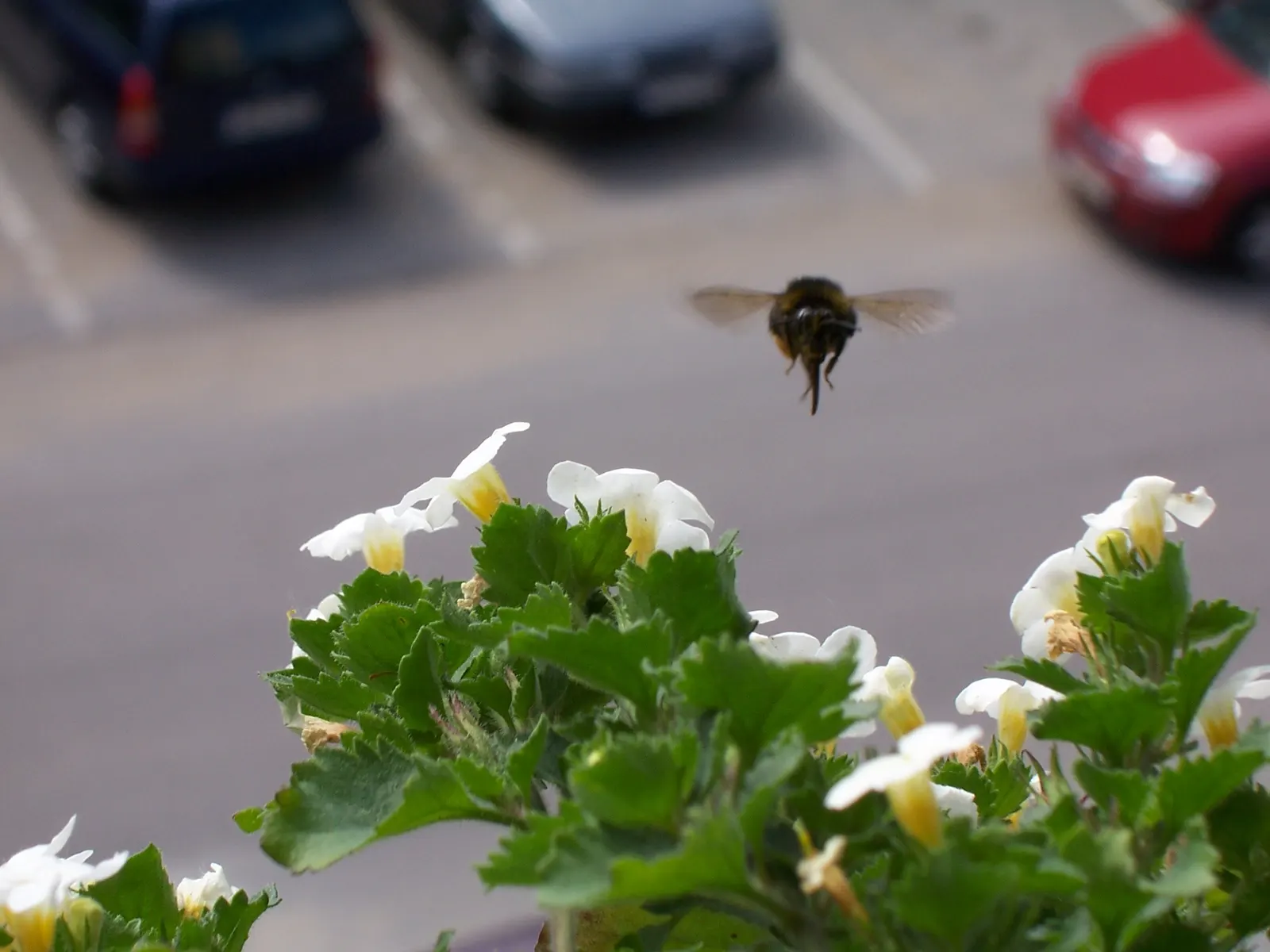
White Bacopa (Sutera Cordata) — it attracts butterflies while being deer resistant; is an excellent choice for hanging baskets
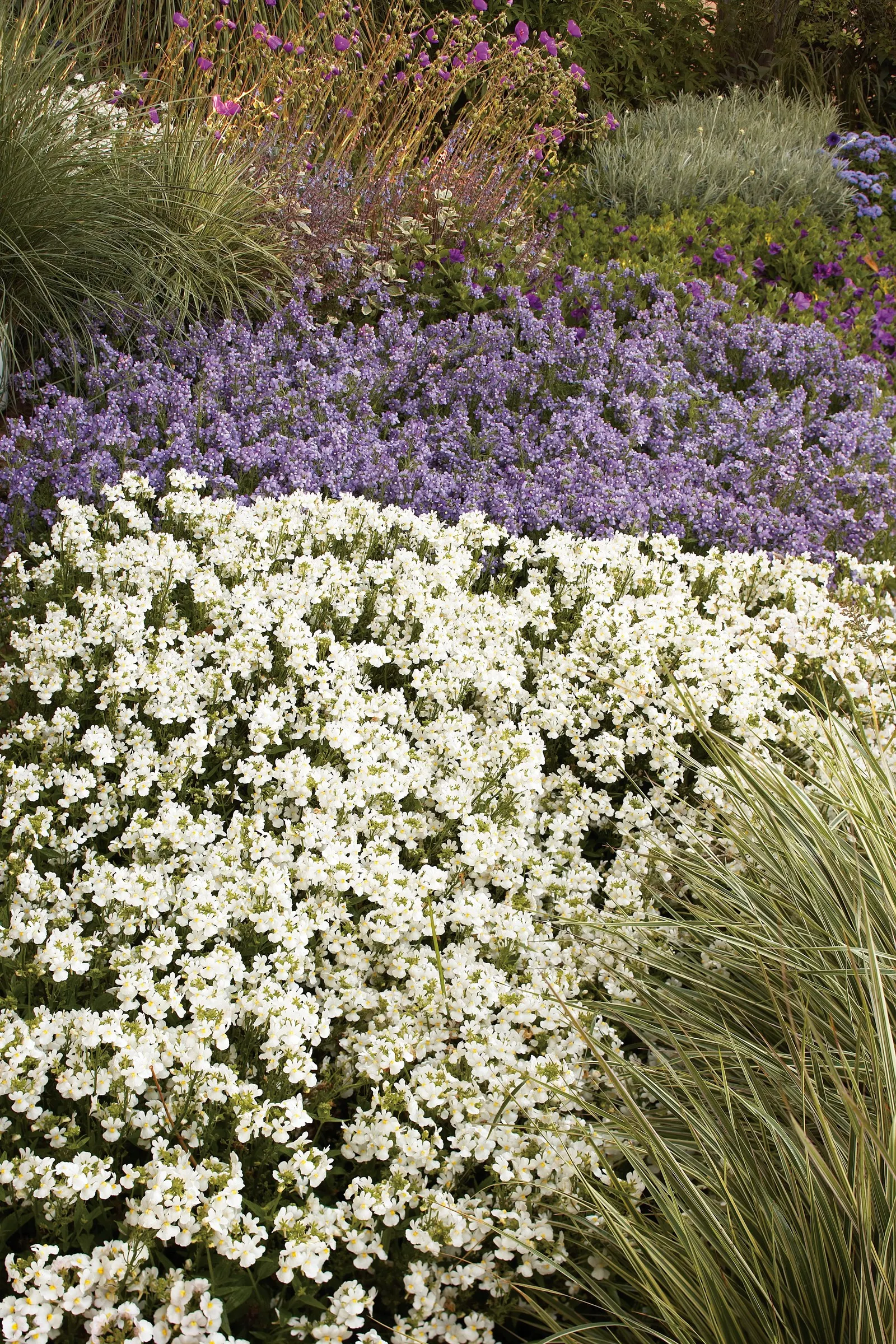
White Bacopa (Sutera Cordata) — white flowers in the garden
White Bacopa (Sutera Cordata) — Regularly deadheading is not necessary for this self-cleaning plant; white Bacopa provides a prolonged season of visual interest
White Bacopa (Sutera Cordata) — Its delicate, five-petaled flowers bloom abundantly from spring to first frost; white Bacopa provides a prolonged, image 59
White Bacopa (Sutera Cordata) — When incorporating it into a landscape design, consider its propensity to spread
White Bacopa (Sutera Cordata) — scientifically known as Sutera cordata
White Bacopa (Sutera Cordata) — fertilize monthly with a balanced; is an excellent choice for hanging baskets, image 78
White Bacopa (Sutera Cordata) — is a prolific bloomer that adds a delicate charm to any garden
White Bacopa (Sutera Cordata) — each bloom measures about 1 inch in diameter and showcases a prominent yellow center; convey this ease of care to, image 72
White Bacopa (Sutera Cordata) — making it a low-maintenance option for busy gardeners; convey this ease of care to the client to assure them of a stunning yet
White Bacopa (Sutera Cordata) — creating a harmonious and textured display.<br><br>For the ideal growth; preferring full sun to partial shade, it, image 77
White Bacopa (Sutera Cordata) — Convey this ease of care to the client to assure them of a stunning yet manageable garden feature; preferring full sun to
White Bacopa (Sutera Cordata) — It gracefully overflows containers, reaching 6 to 12 inches in height, with a spread of up to 2 feet; is an, image 58
White Bacopa (Sutera Cordata) — Its delicate, five-petaled flowers bloom abundantly from spring to first frost; white Bacopa provides a prolonged season of
White Bacopa (Sutera Cordata) — Renowned for its cascading growth habit
White Bacopa (Sutera Cordata) — green foliage and an abundance of dainty white flowers; white Bacopa provides a prolonged season of visual interest, image 71
White Bacopa (Sutera Cordata) — Flowering profusely from late spring to early fall; preferring full sun to partial shade, it requires well-draining soil and
White Bacopa (Sutera Cordata) — Ideal for hanging baskets; preferring full sun to partial shade, it requires well-draining soil and moderate, image 61
Photographs by 17 contributors

Related plants