Skip to content

Bird Of Paradise

Strelitzia Reginae

Design with this plant

Overview

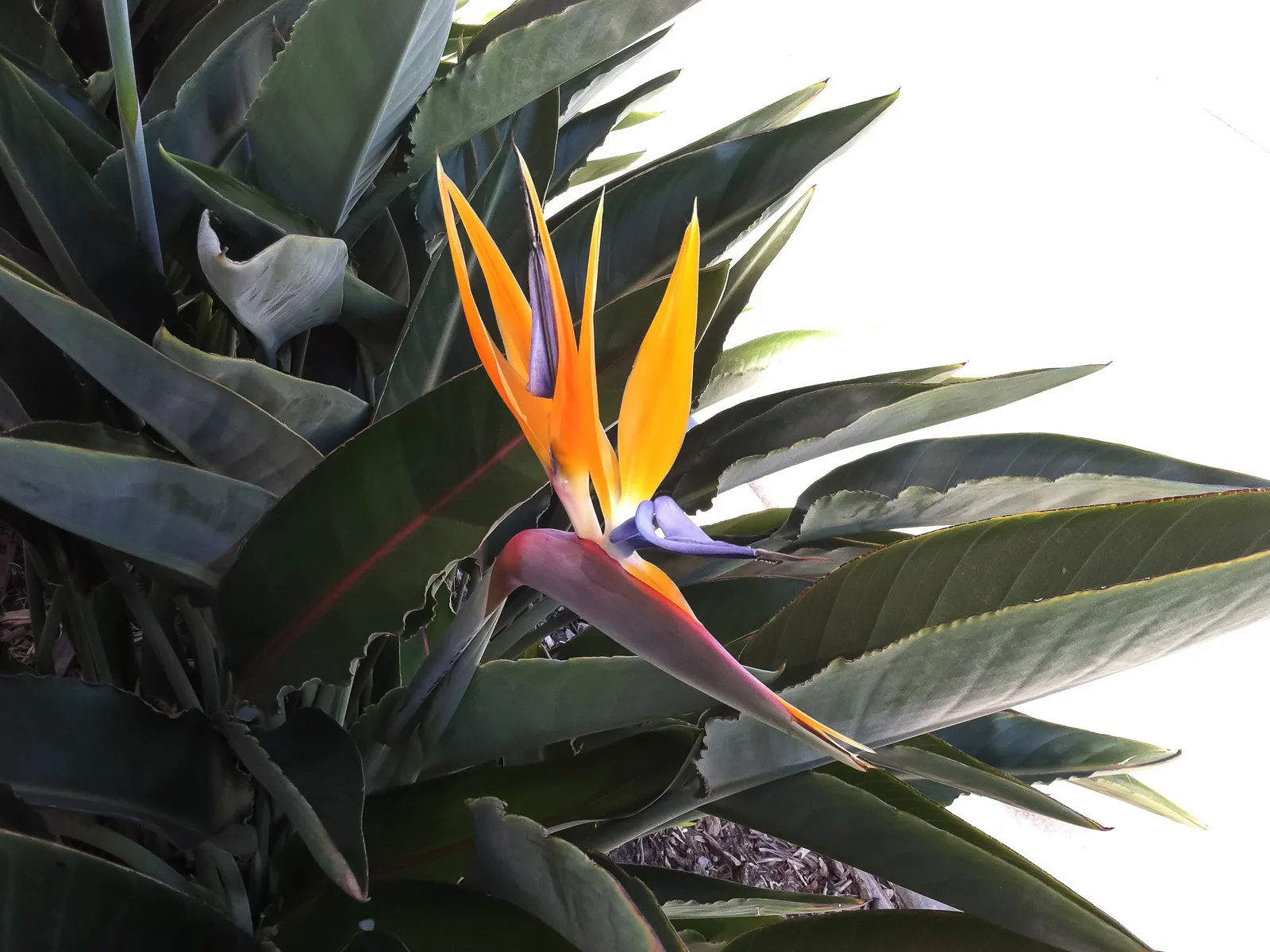
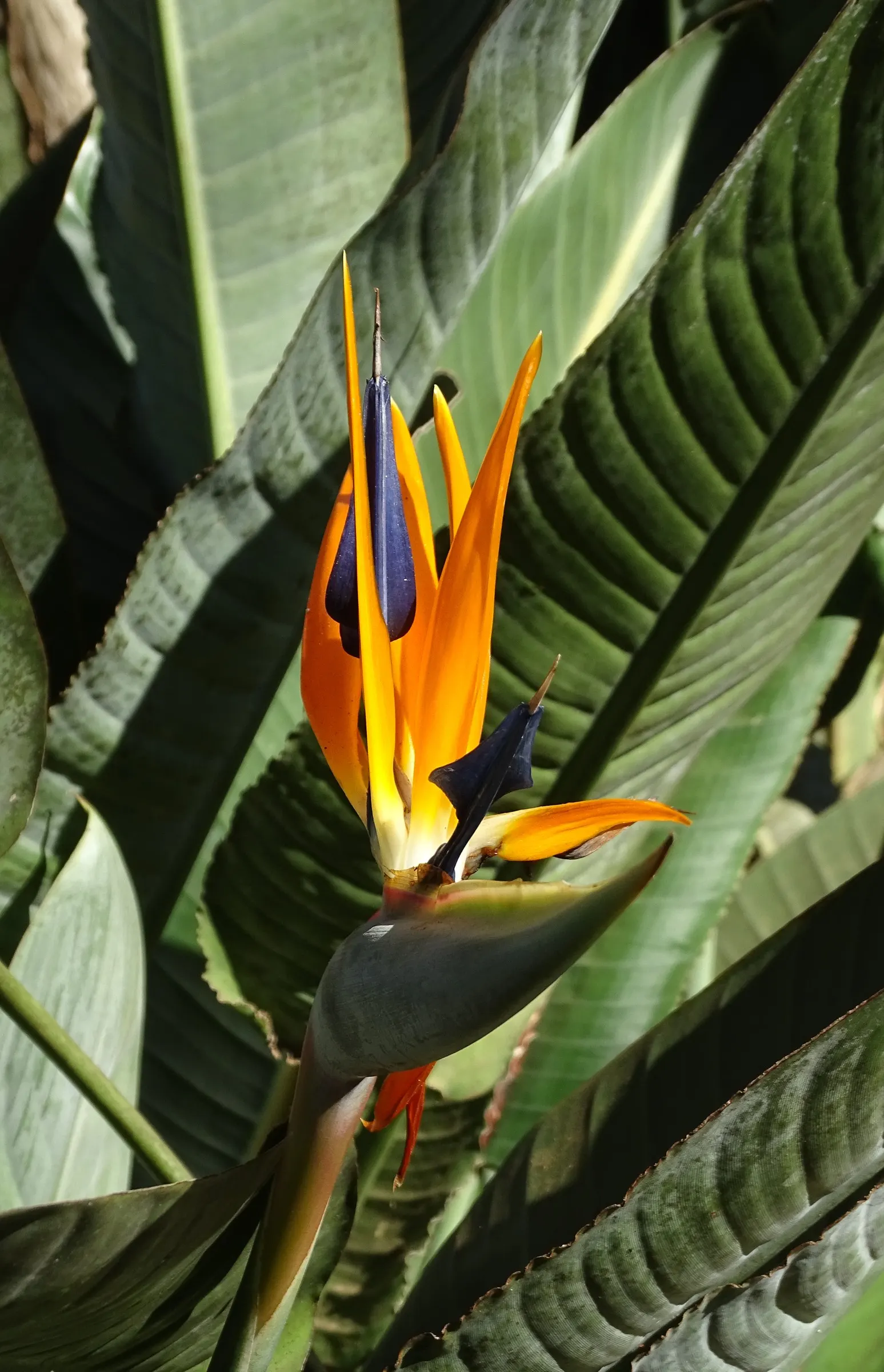
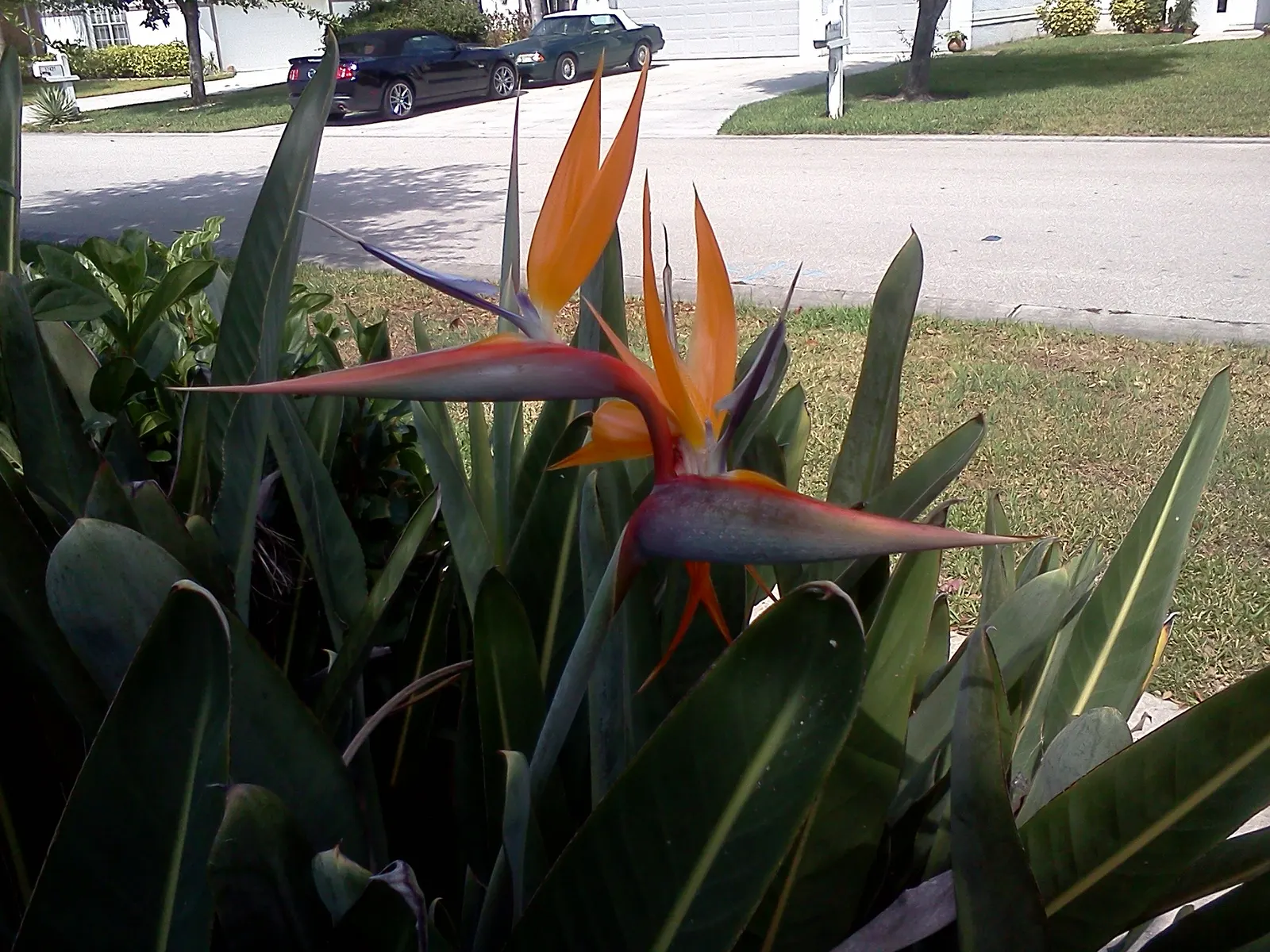
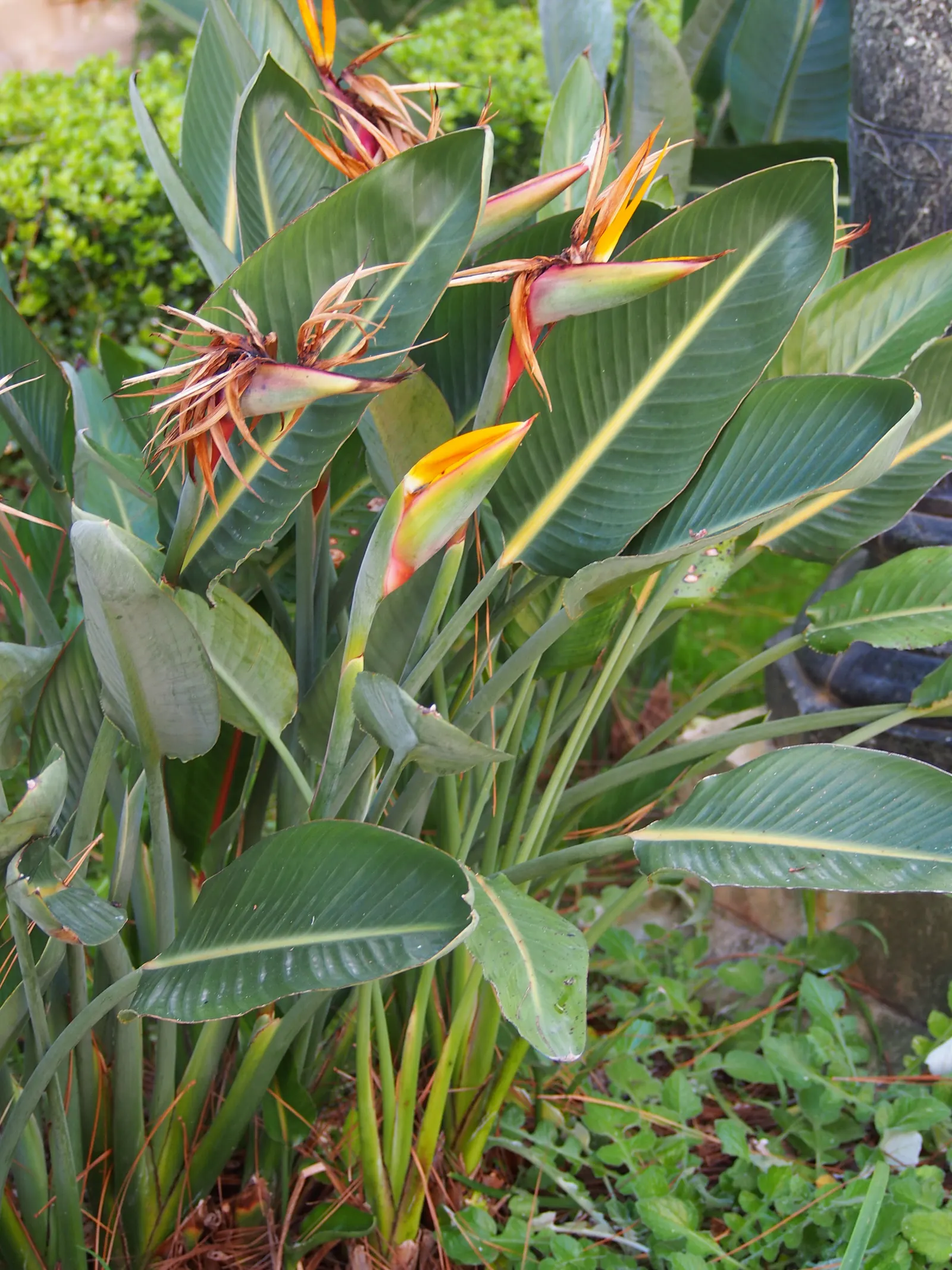
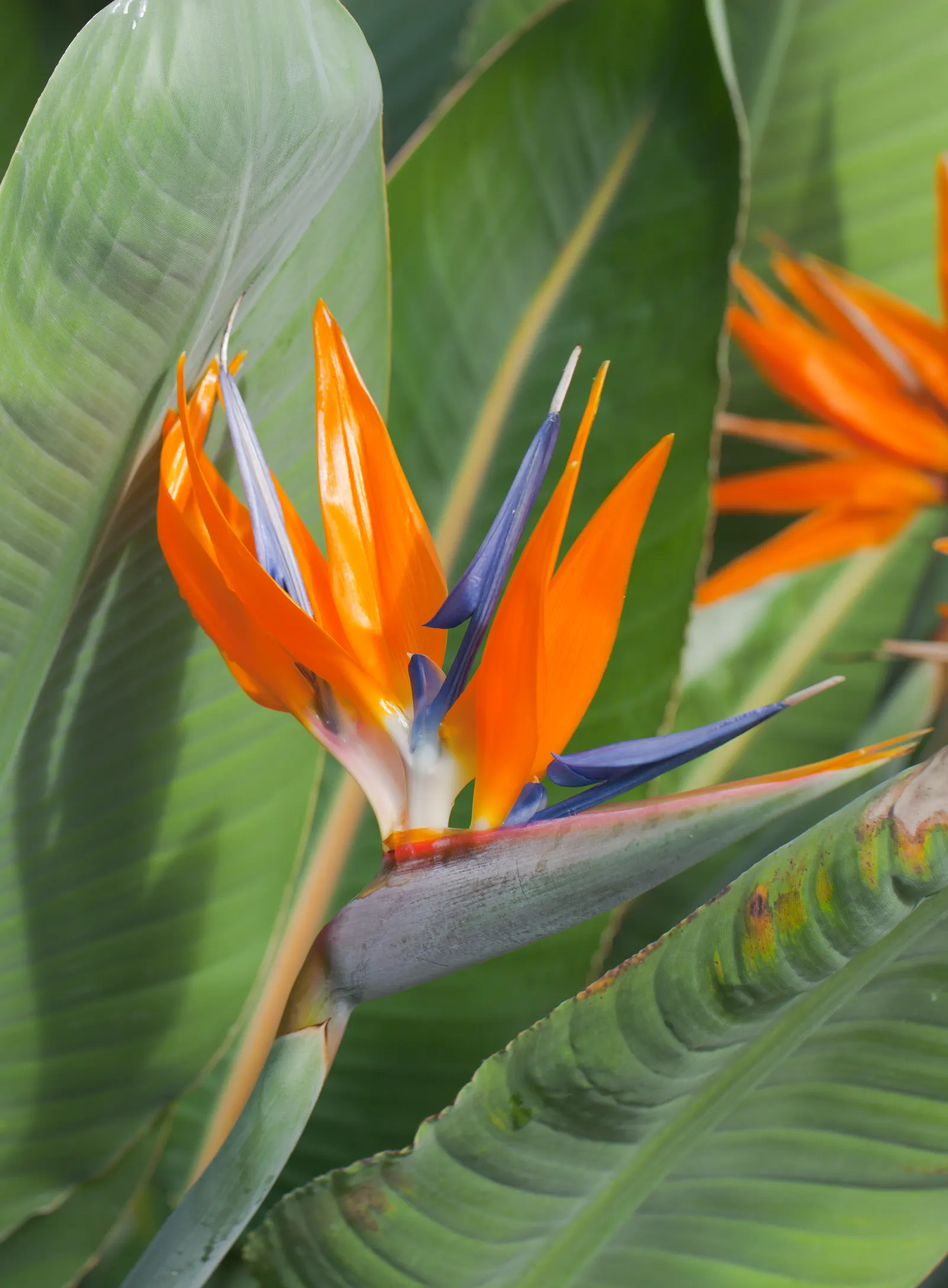
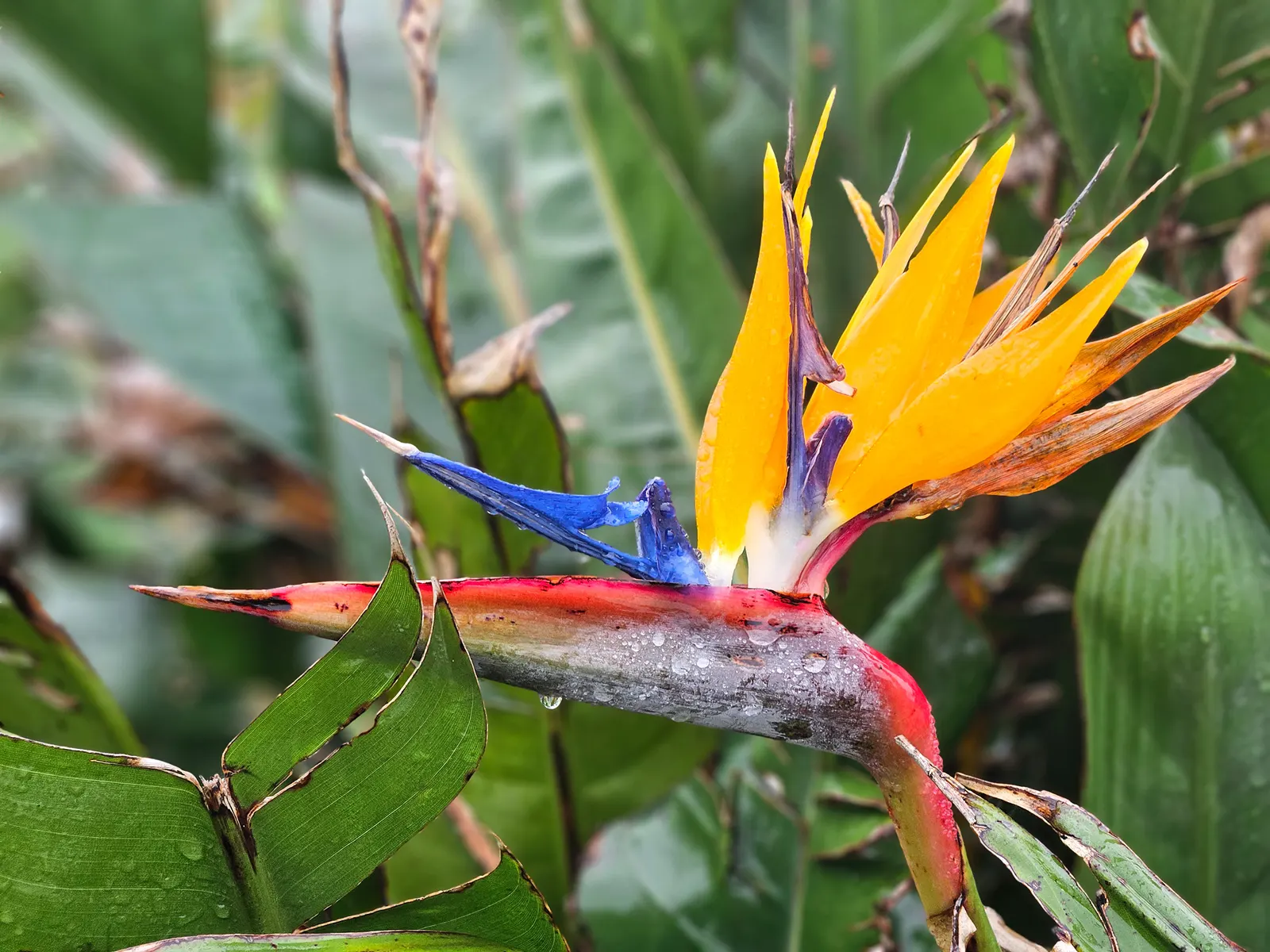
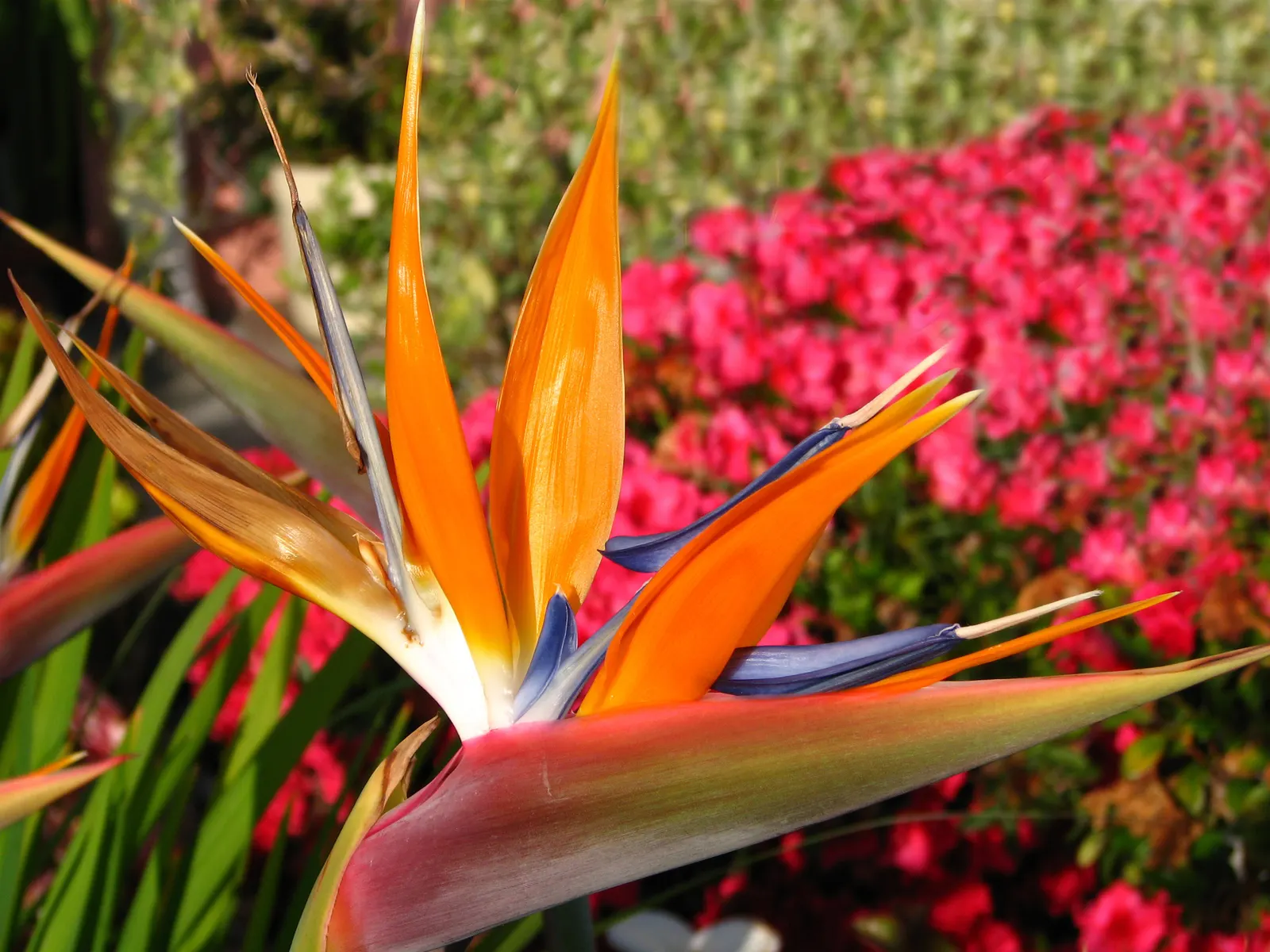
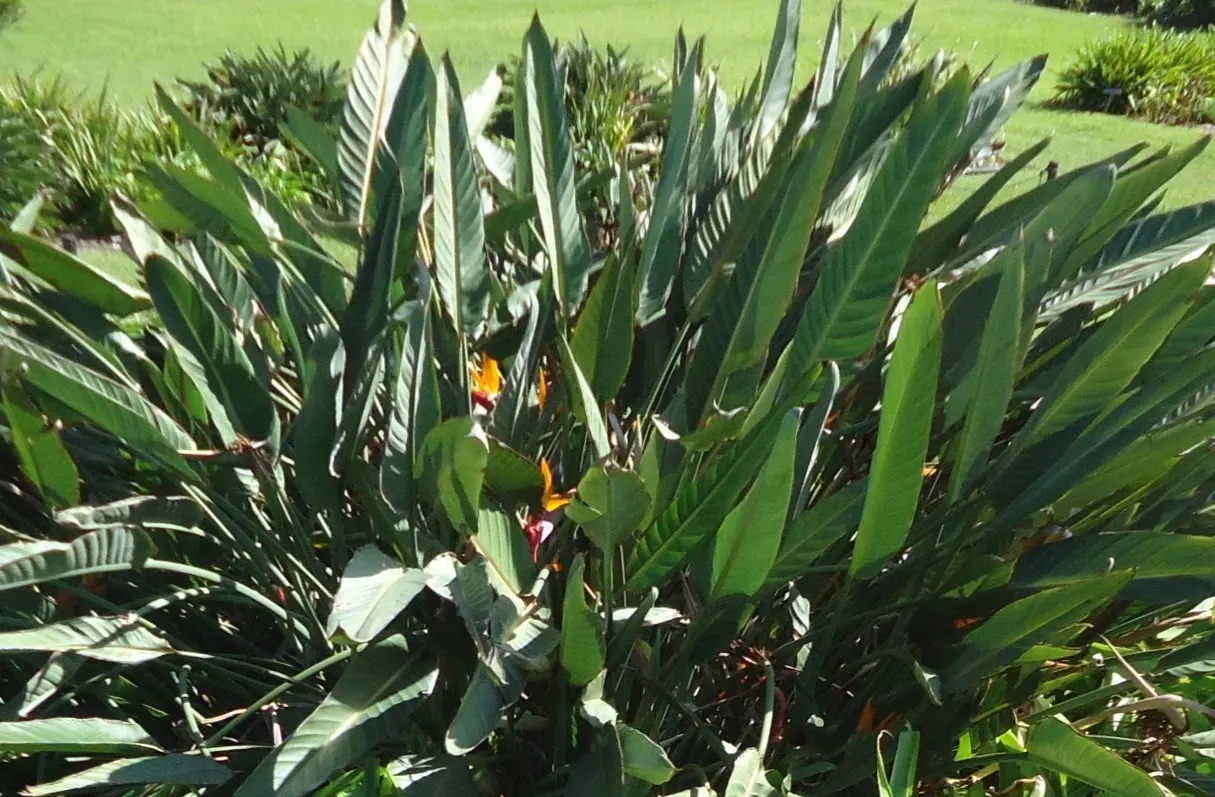
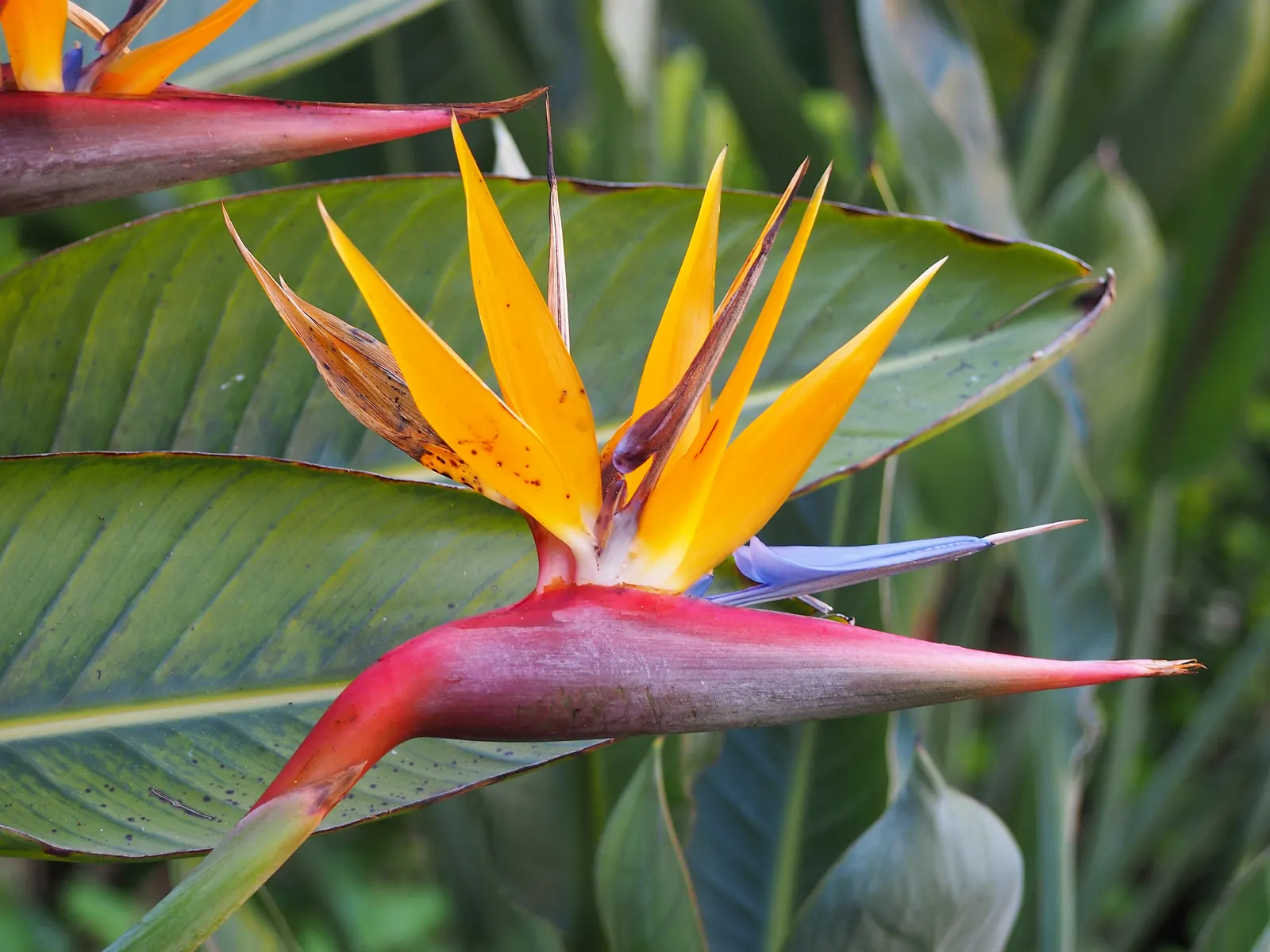
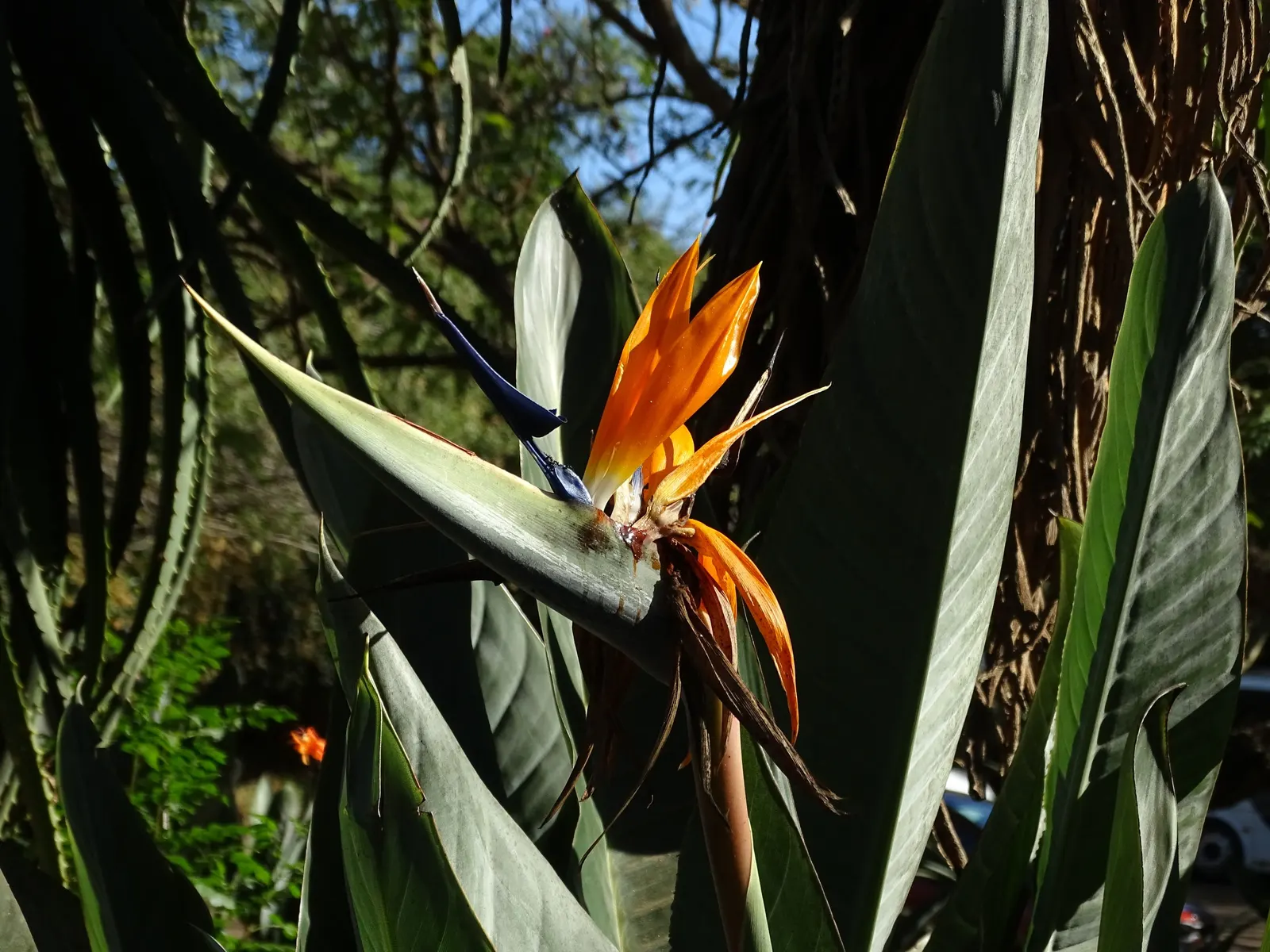
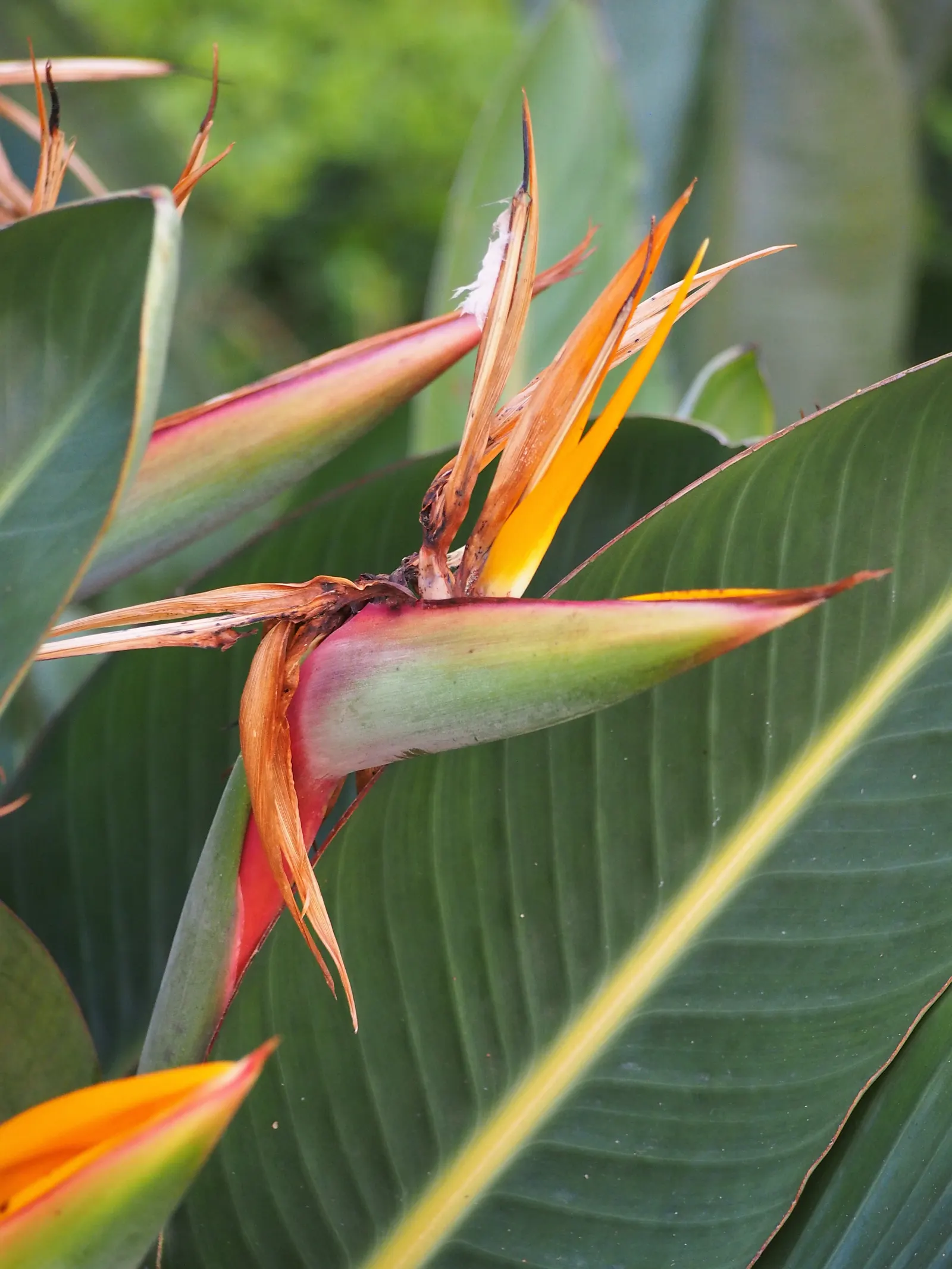
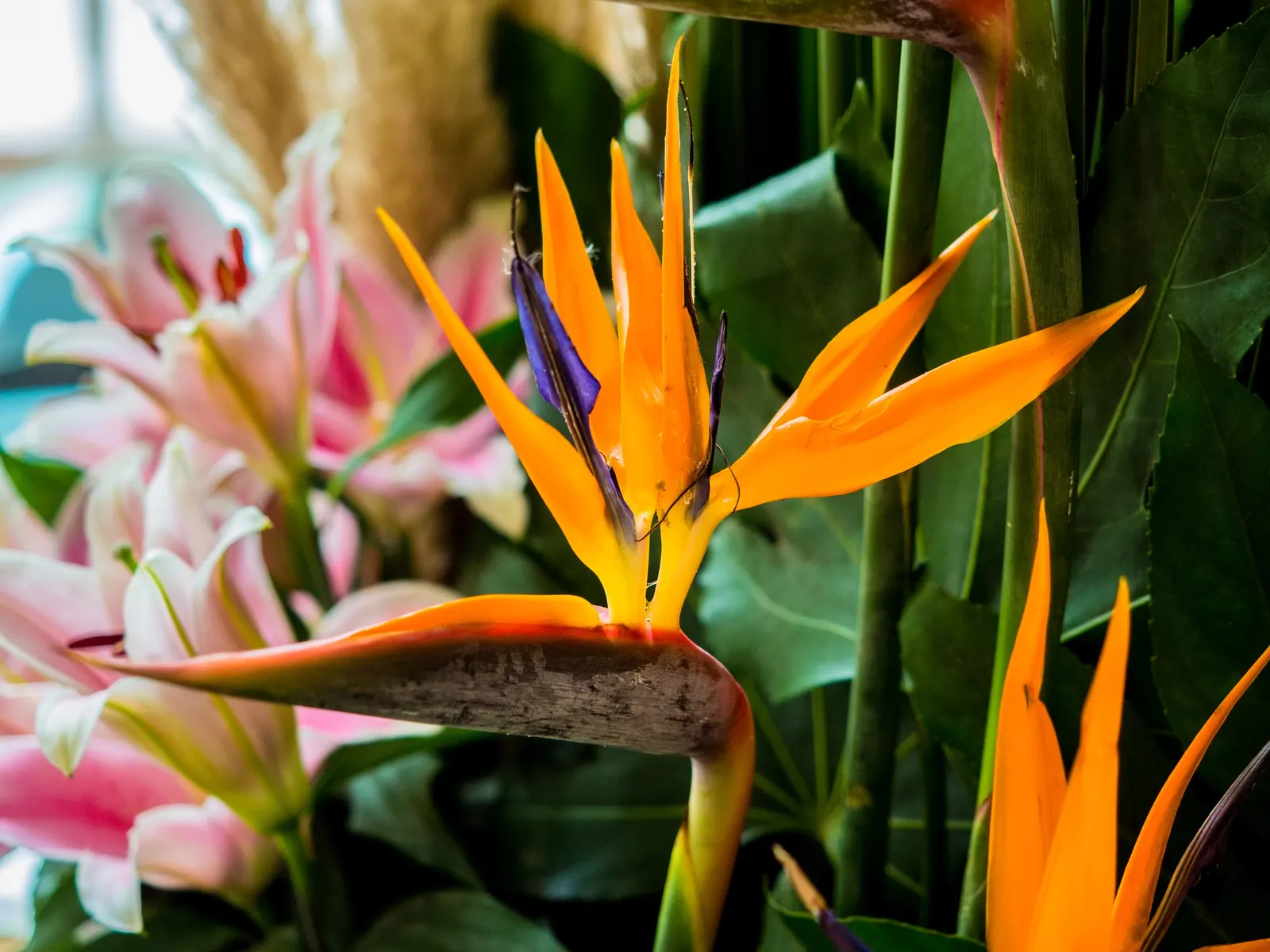
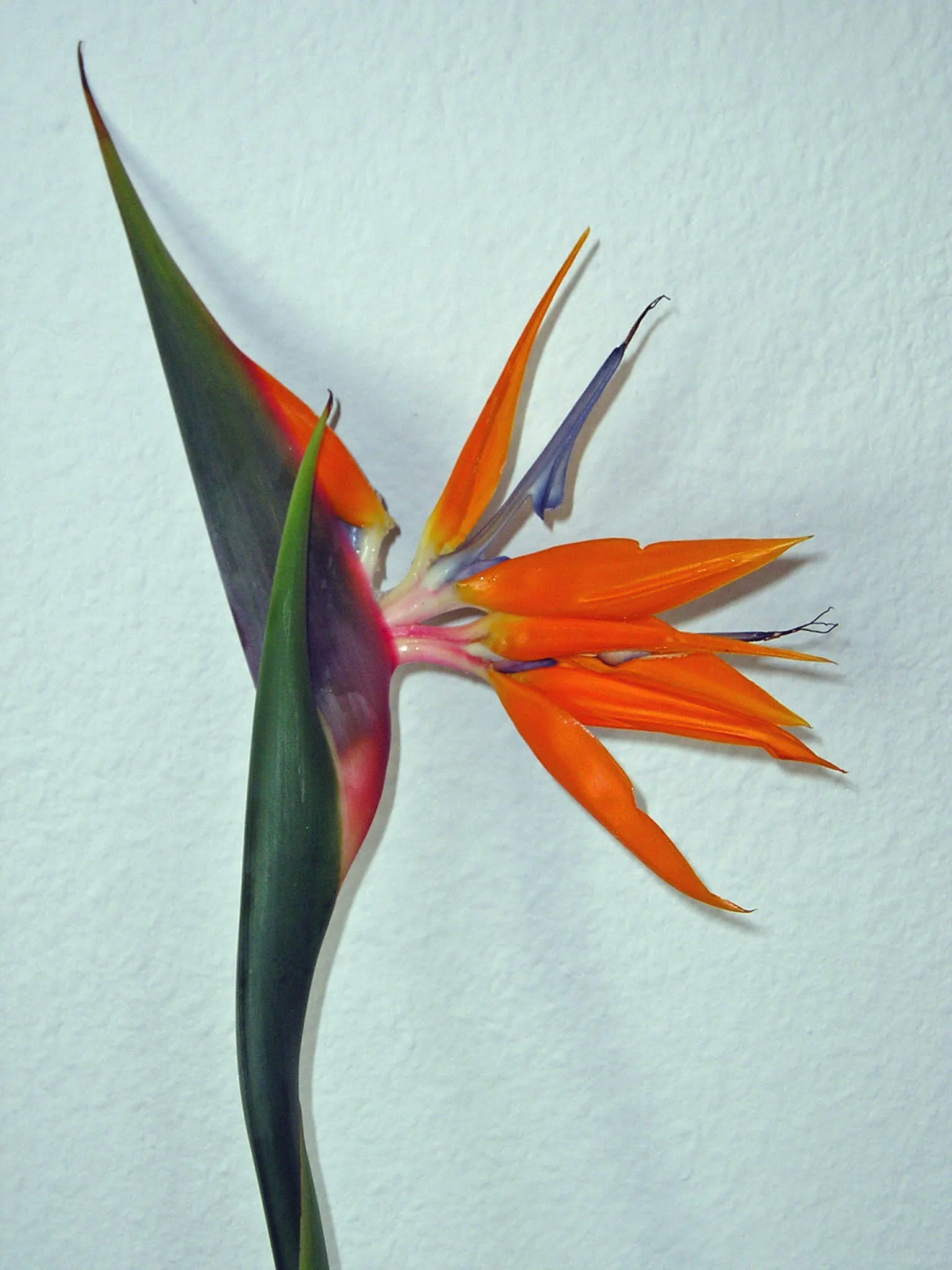
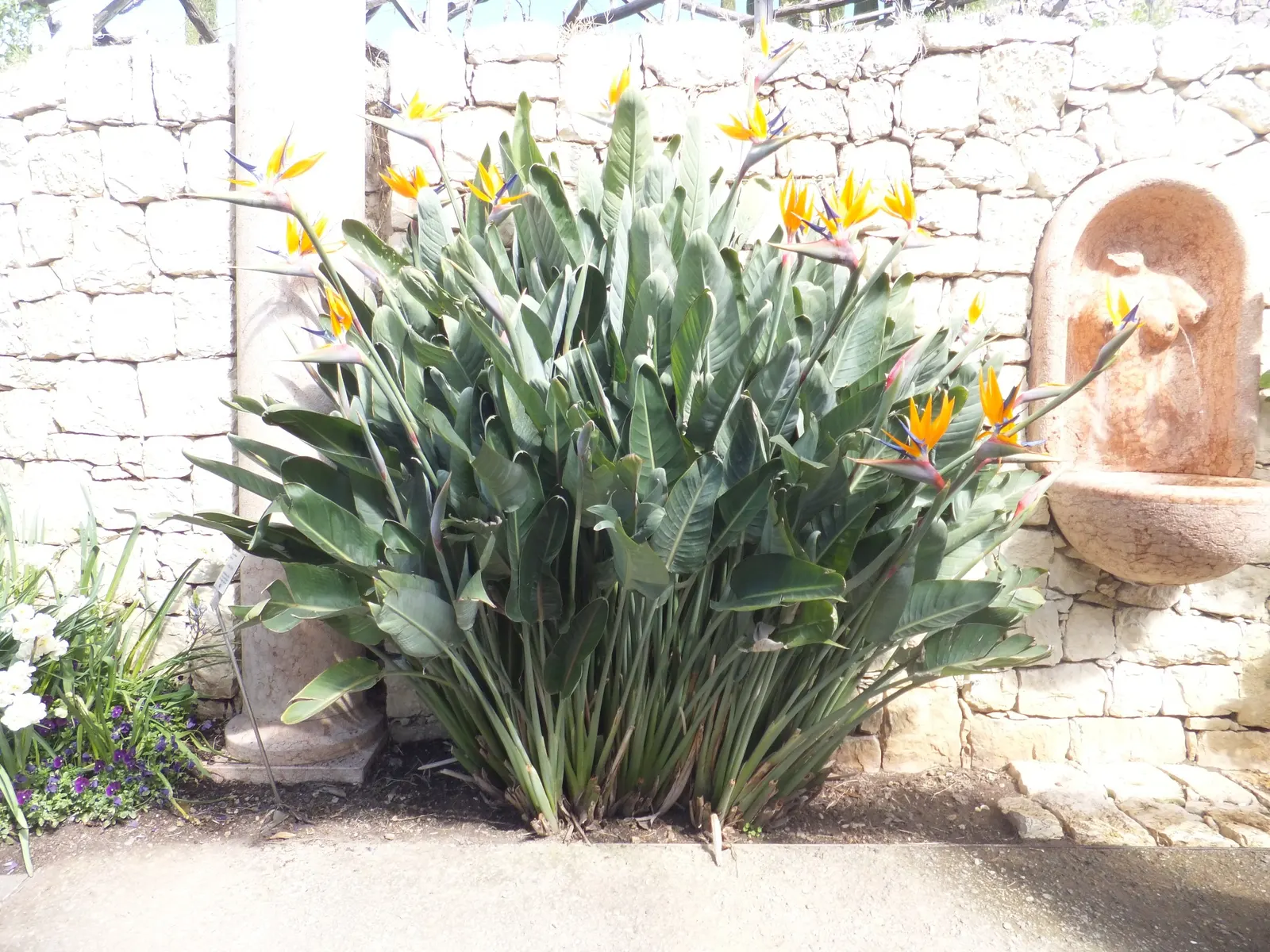
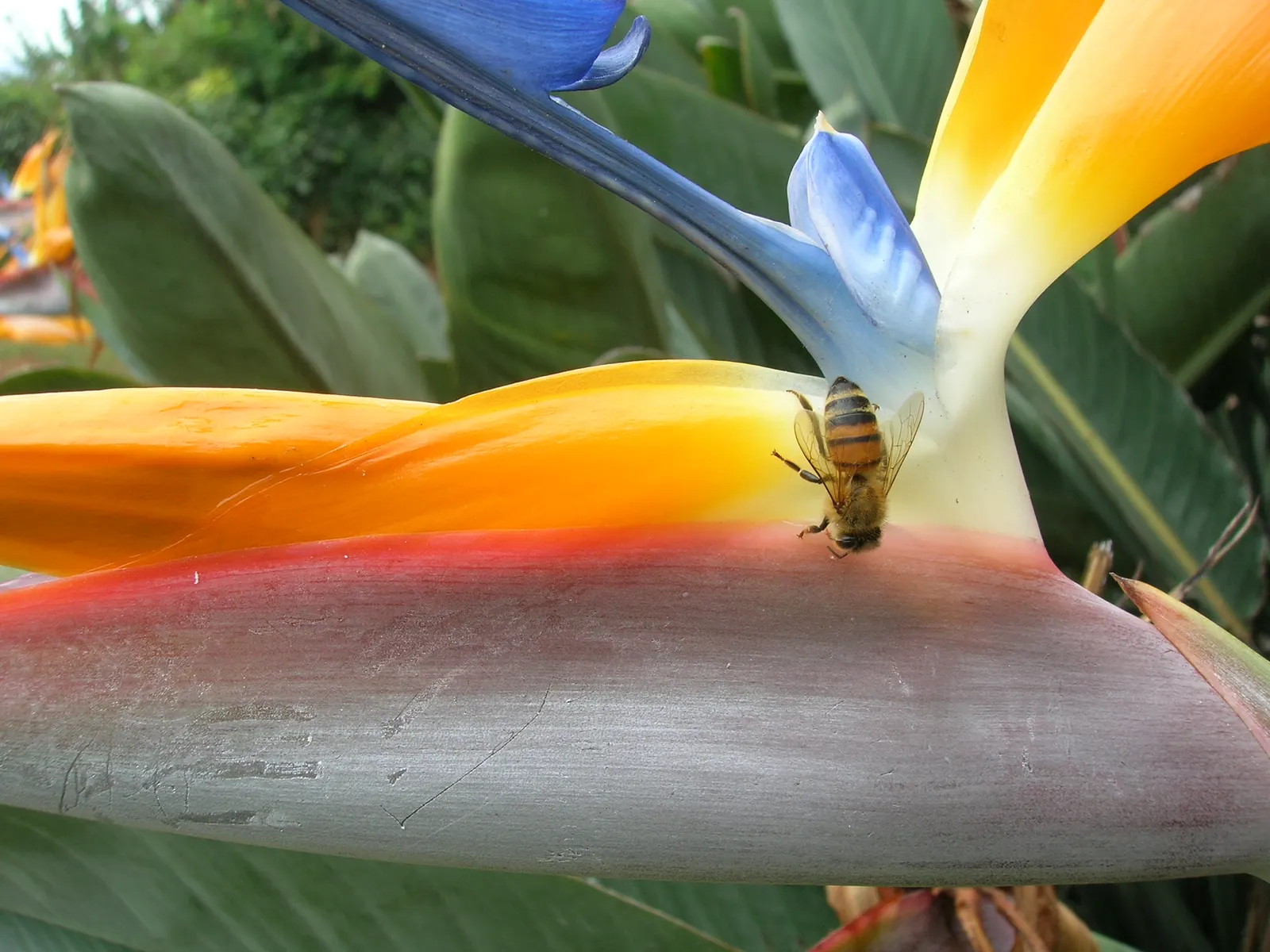
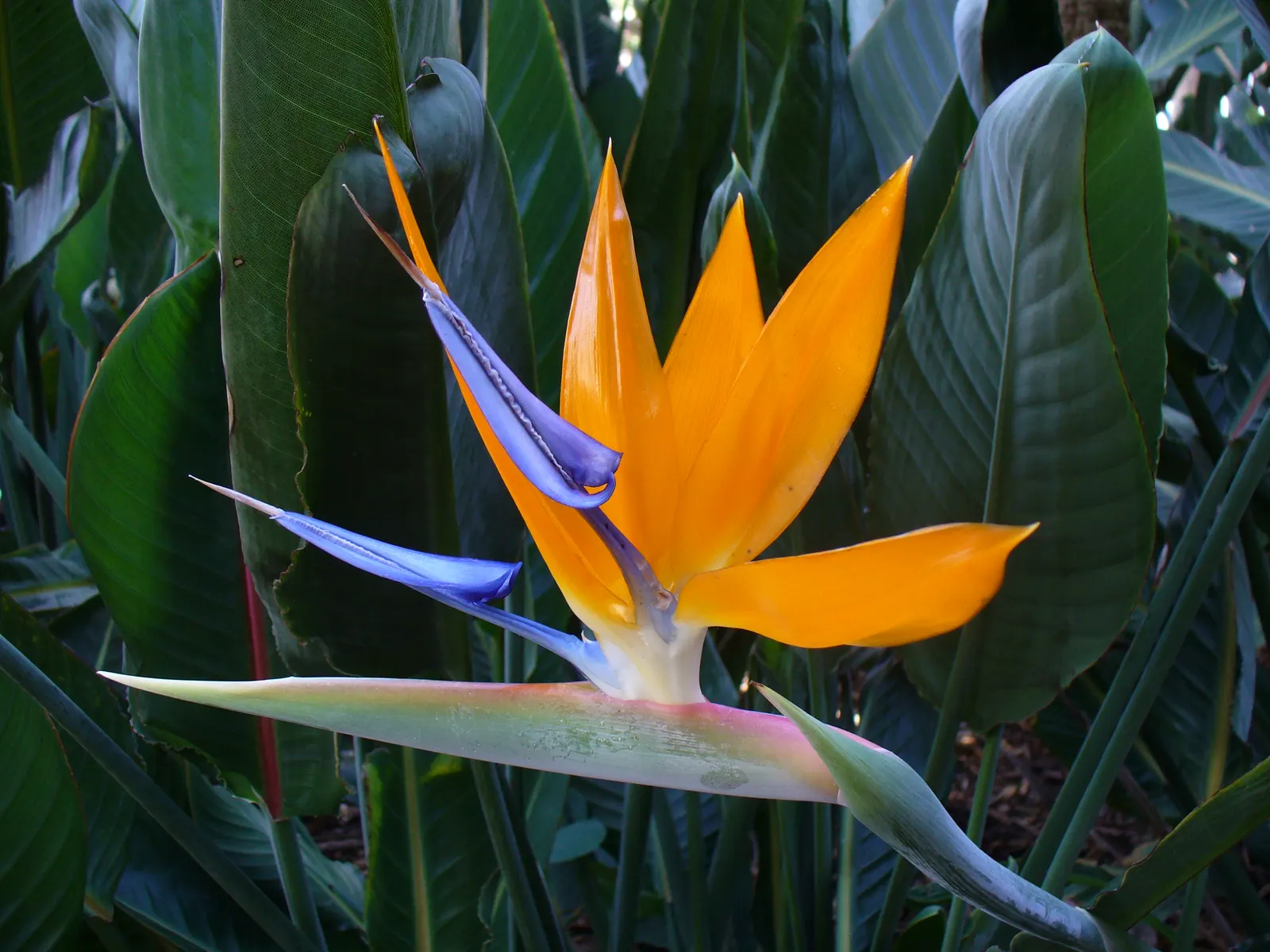
Strelitzia reginae, commonly called Bird of Paradise, flaunts vibrant crane-like orange and blue flowers, resembling tropical birds in flight. This perennial showcases large, blade-like leaves reaching 4-6 feet and thrives in well-drained soil under full to partial sun. Ideal for adding a bold, exotic touch to landscapes, it requires minimal maintenance and can withstand brief cold snaps. Hardiness zones range from 9b through 11.

Sun Full, HalfWater Low, MediumZones 9–10Type ShrubClimate Subtropical

Culture

Sun
Full, Half
Water
Low, Medium
USDA zones
9–10

Shape & size

Classification

Type
Shrub
Family
Strelitziaceae
Climate
Subtropical

See full data, regional cultivation notes, and design tools. Build a client presentation around this plant.

Start your 14-day trial

Photos (143)

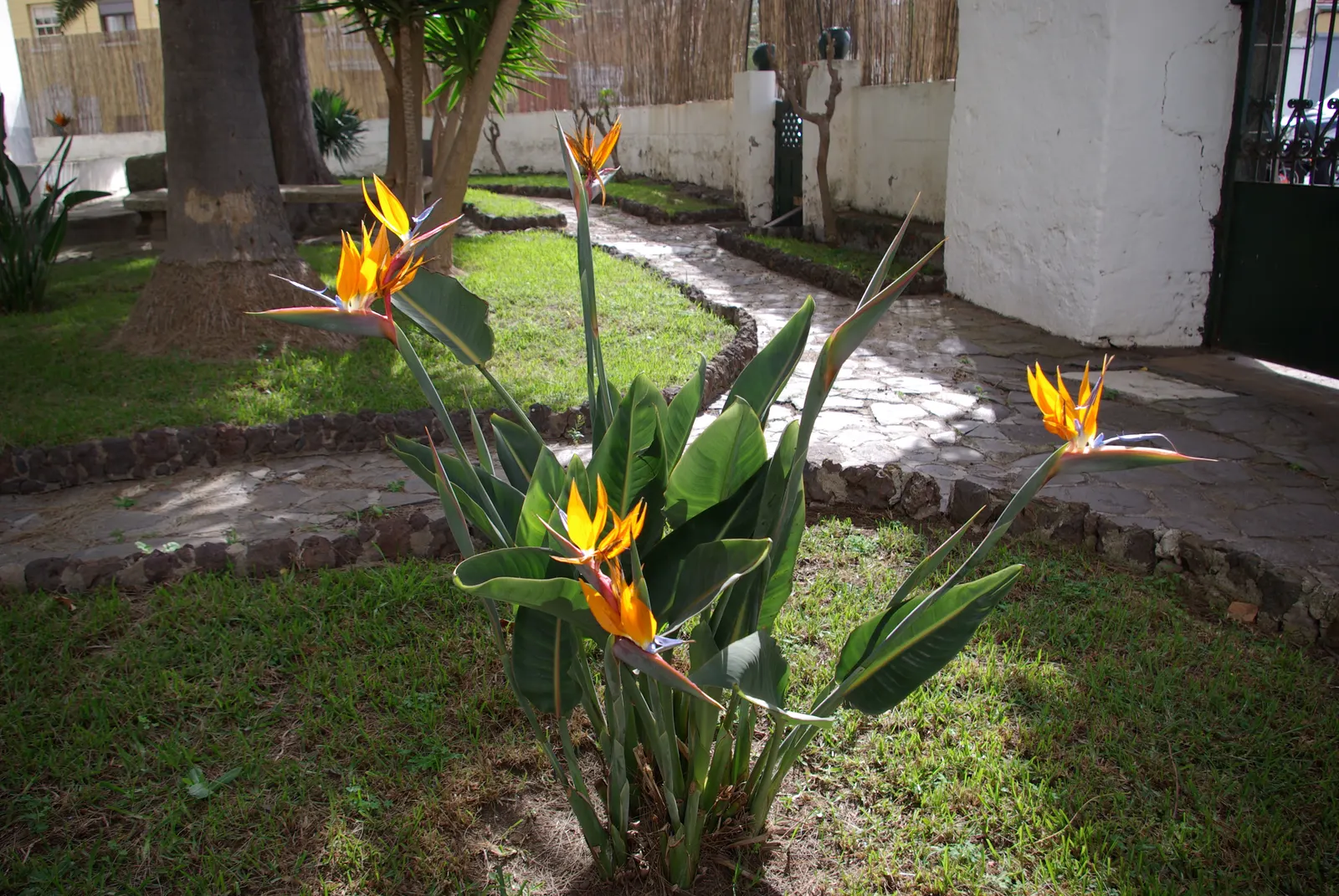
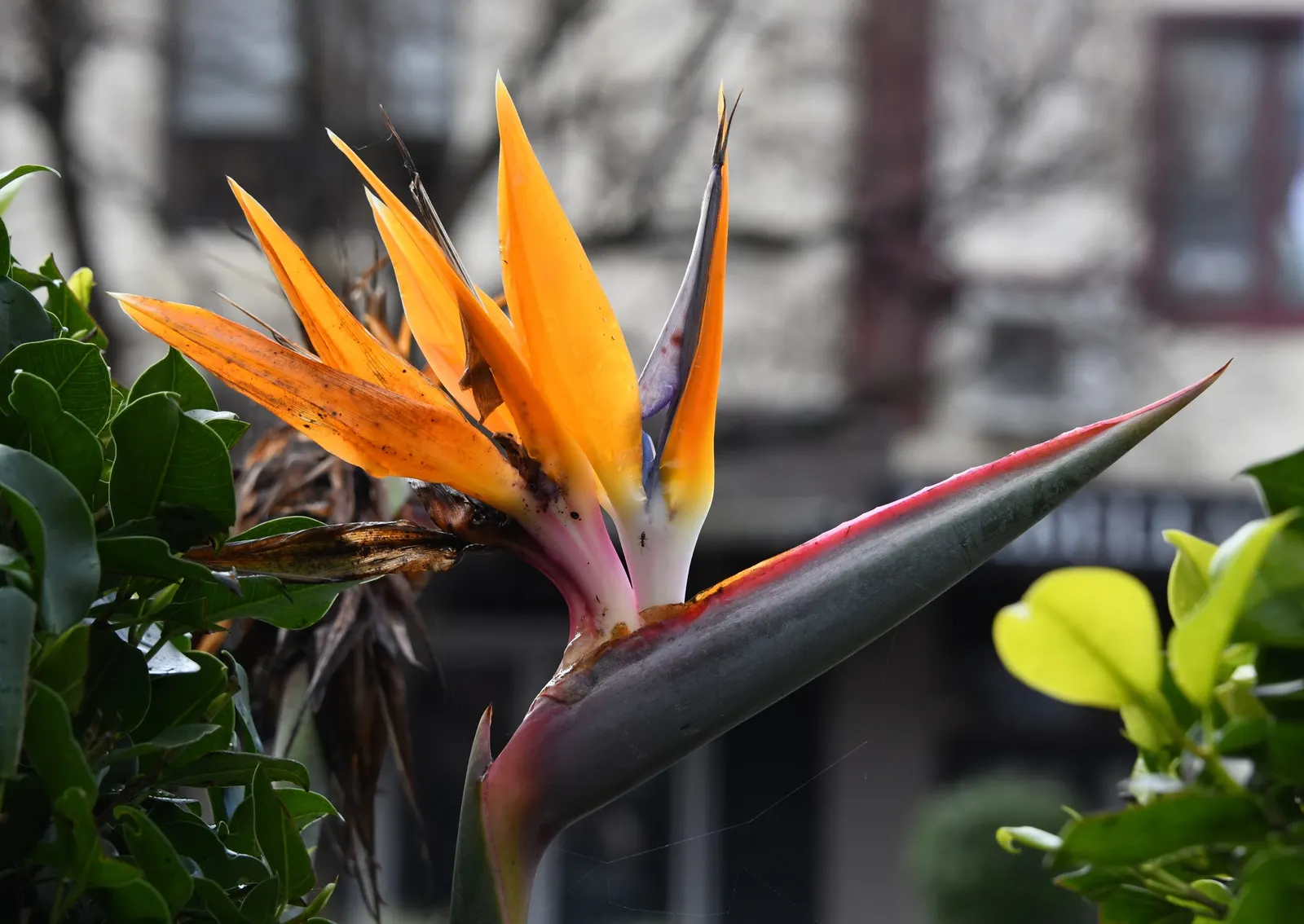
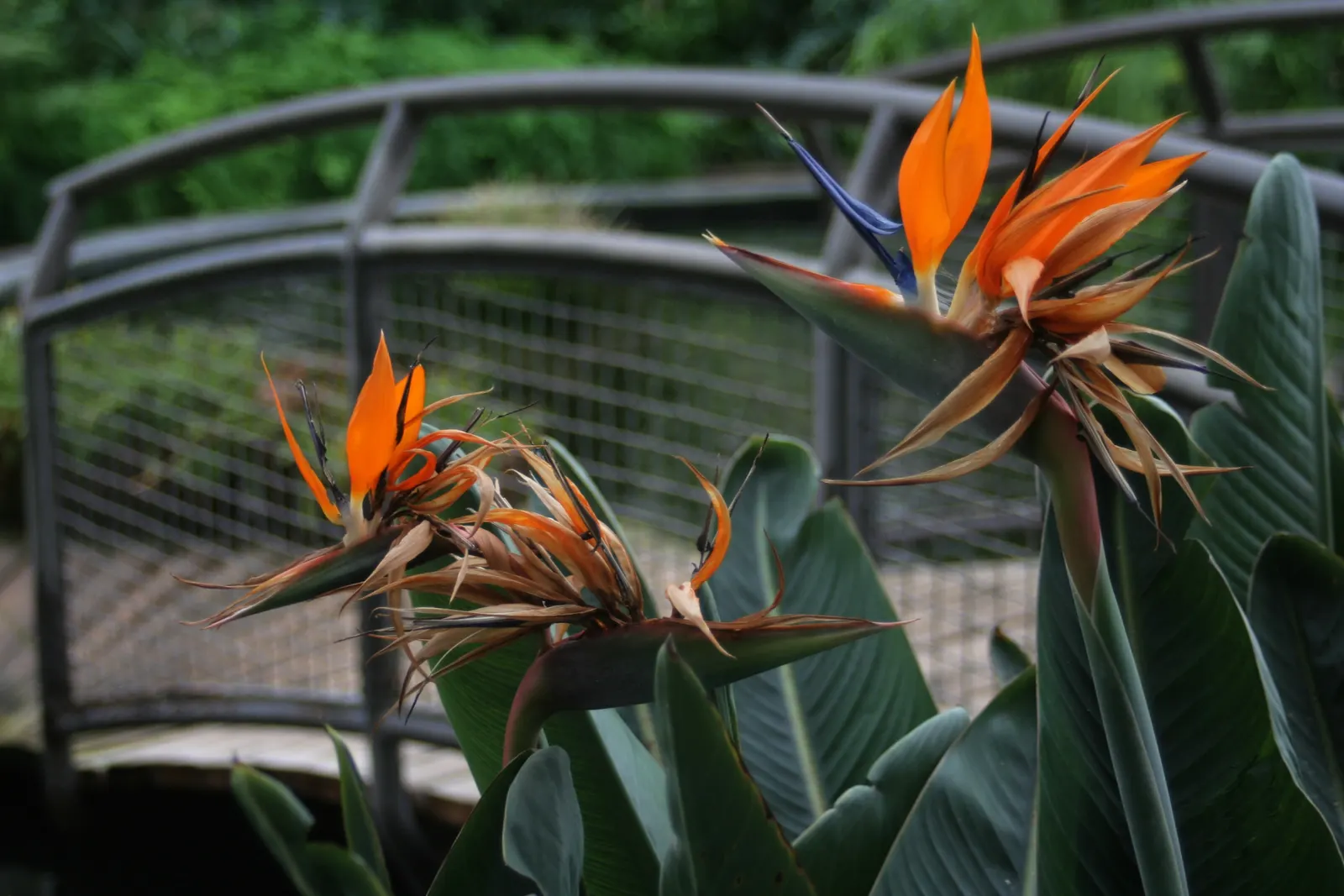
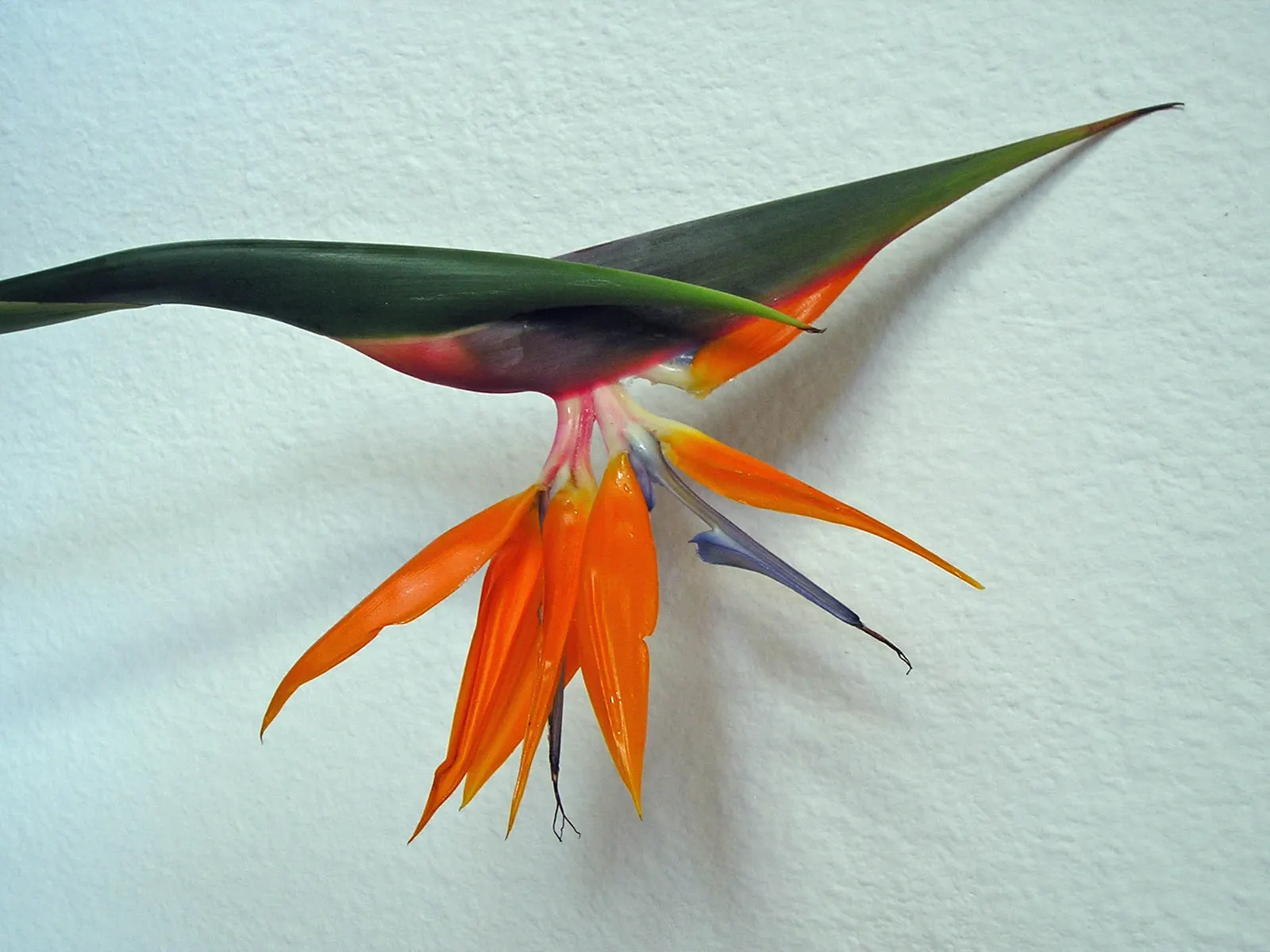
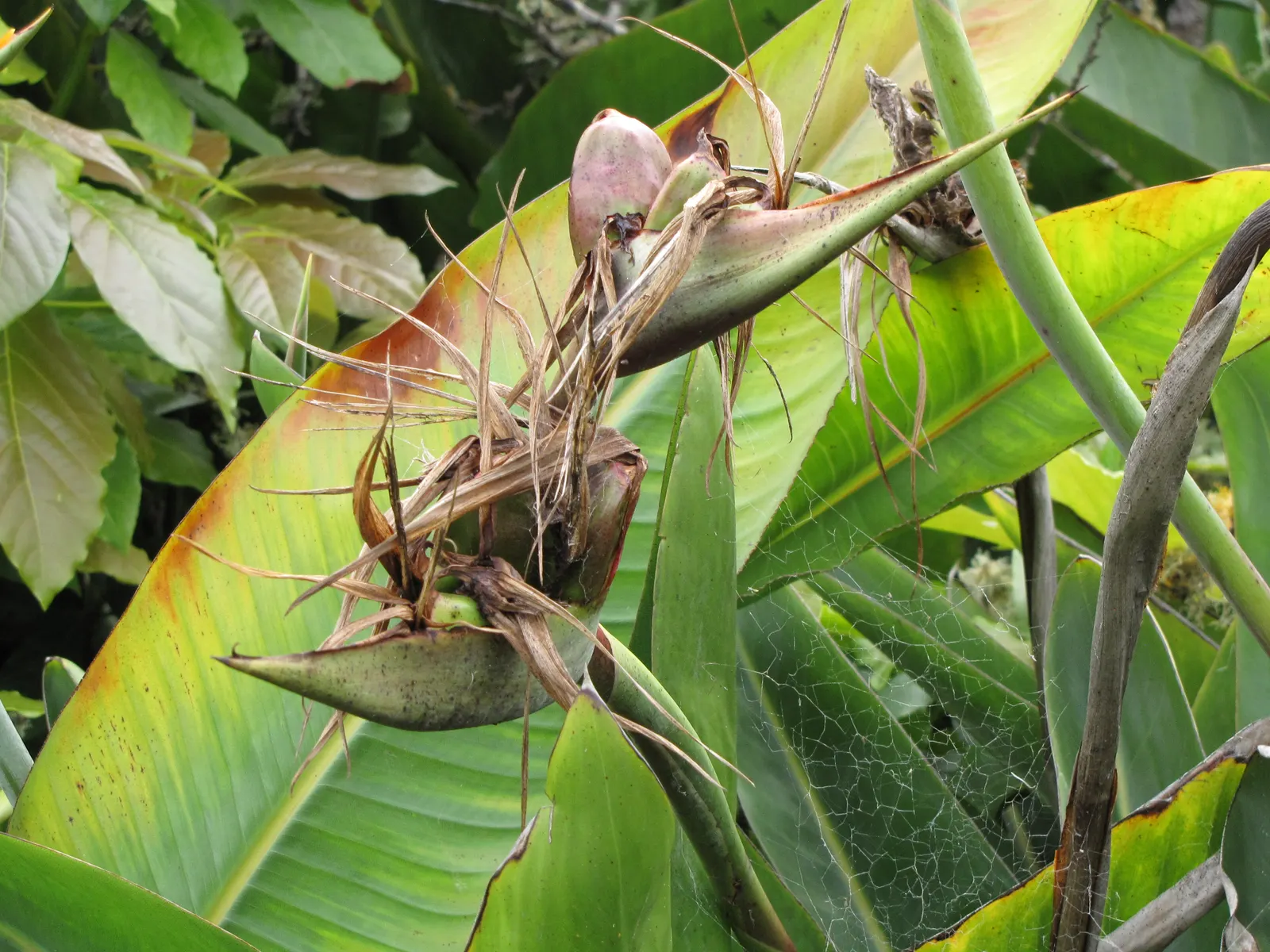
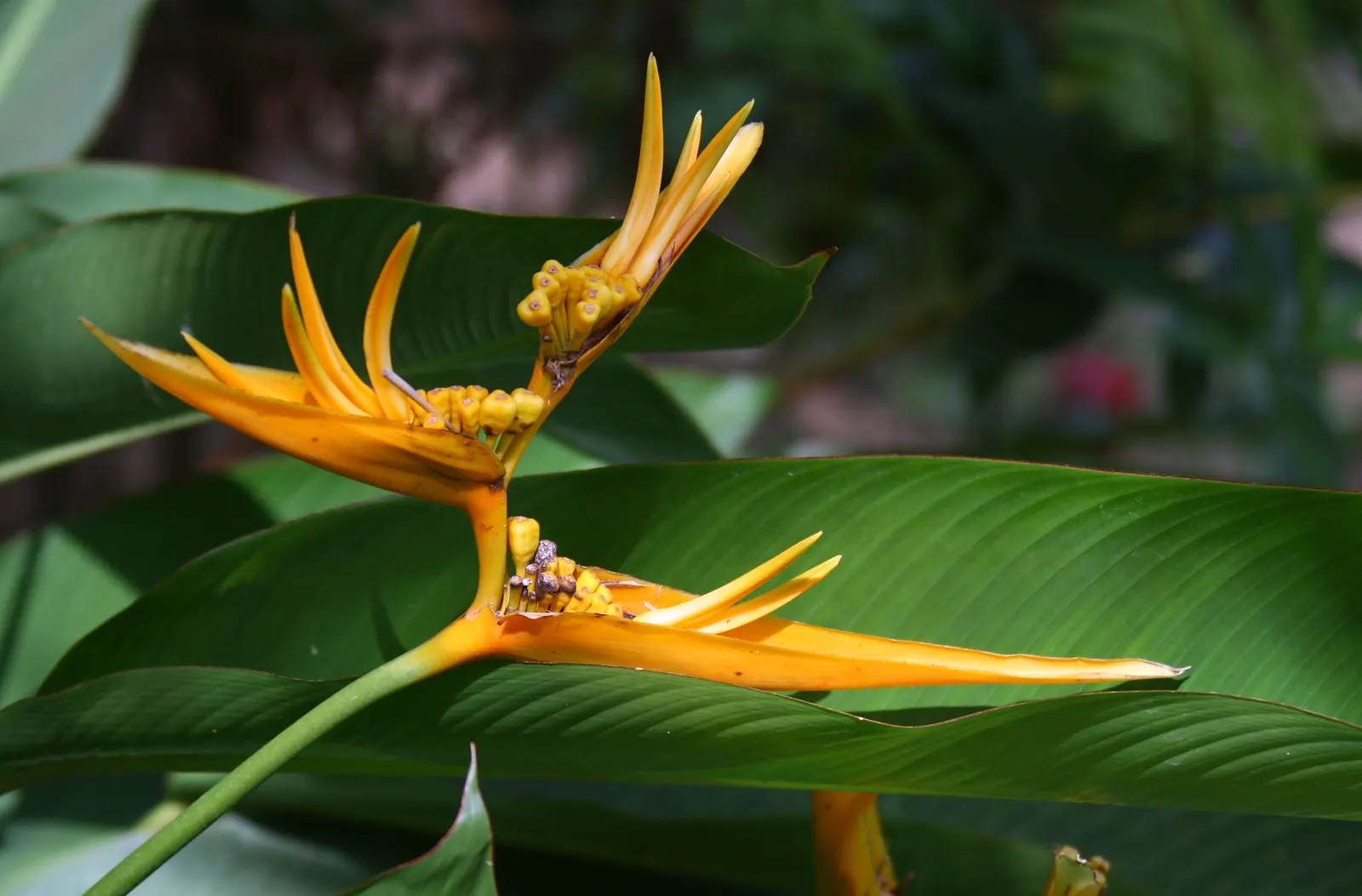
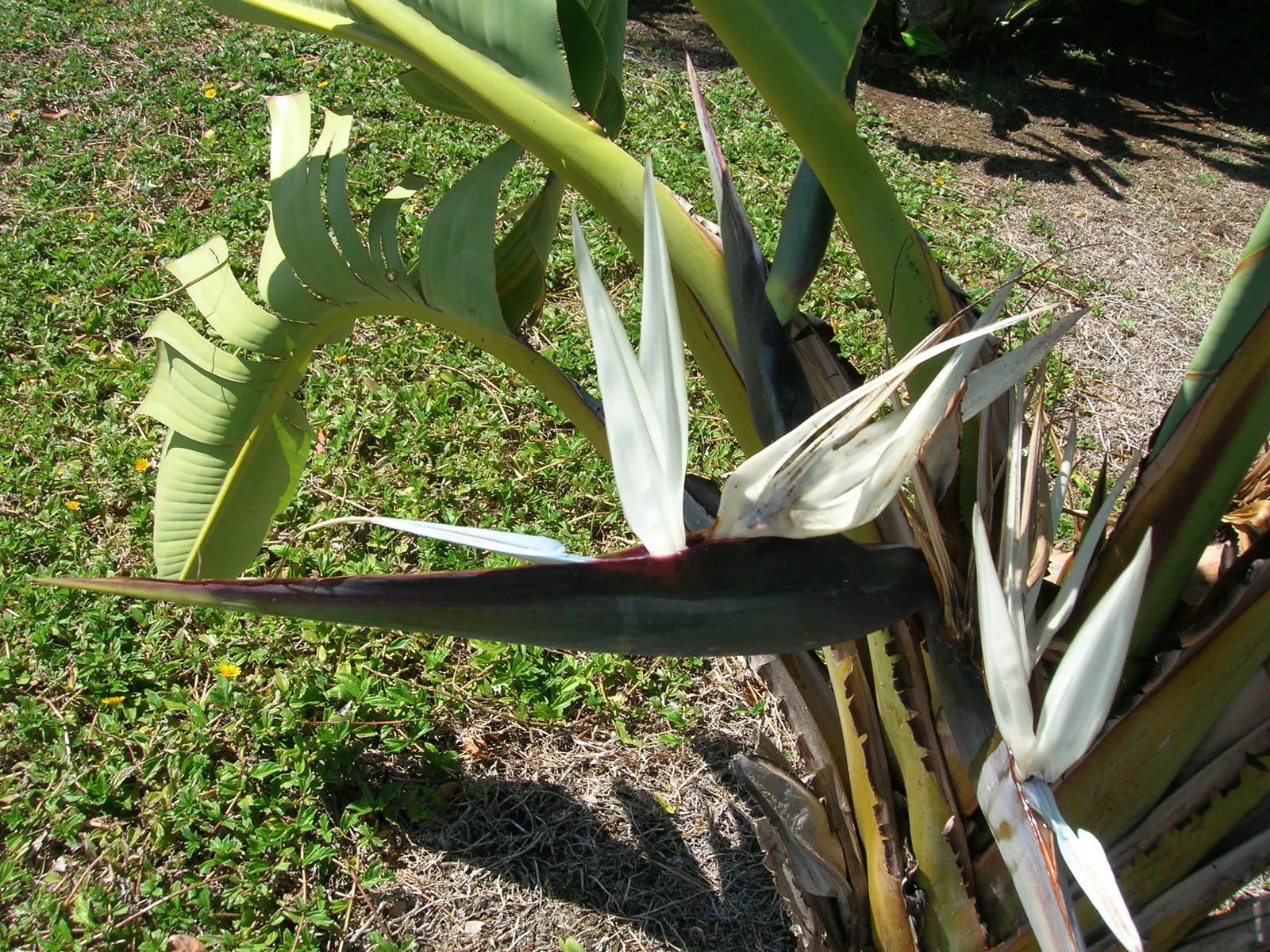
Bird Of Paradise (Strelitzia Reginae) — considering its eventual spread; consistent moisture will promote lush foliage and more vibrant blooms
Bird Of Paradise (Strelitzia Reginae) — Hardiness is a consideration; consistent moisture will promote lush foliage and more vibrant blooms, image 131
Bird Of Paradise (Strelitzia Reginae) — blade-like leaves reaching 4-6 feet and thrives in well-drained soil under full to partial sun
Bird Of Paradise (Strelitzia Reginae) — is a captivating and tropical perennial that adds an exotic flair to any garden landscape; or as an anchor, image 120
Bird Of Paradise (Strelitzia Reginae) — Proper spacing should be allocated; the flowers consist of vivid orange and blue hues and are nestled, image 106
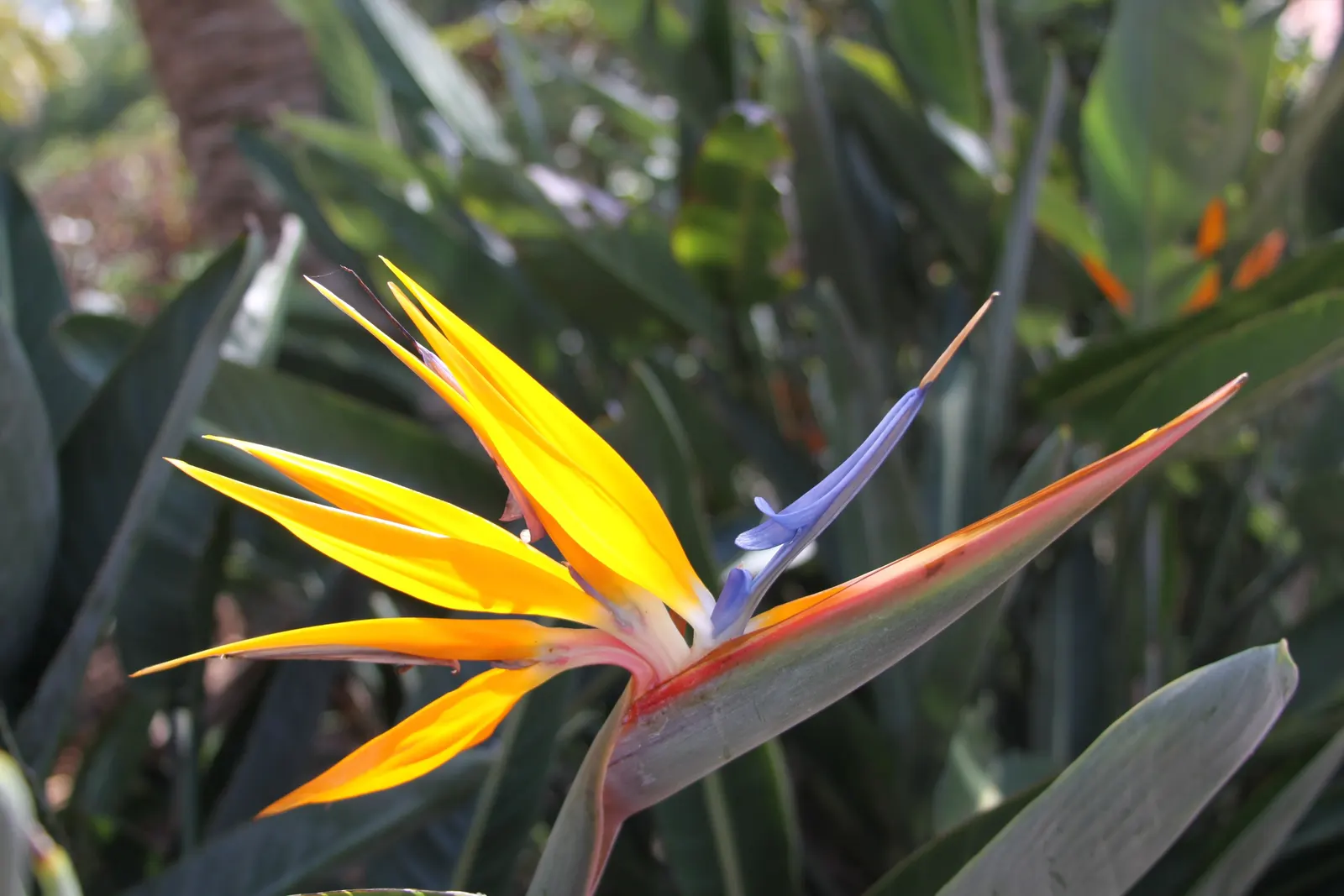
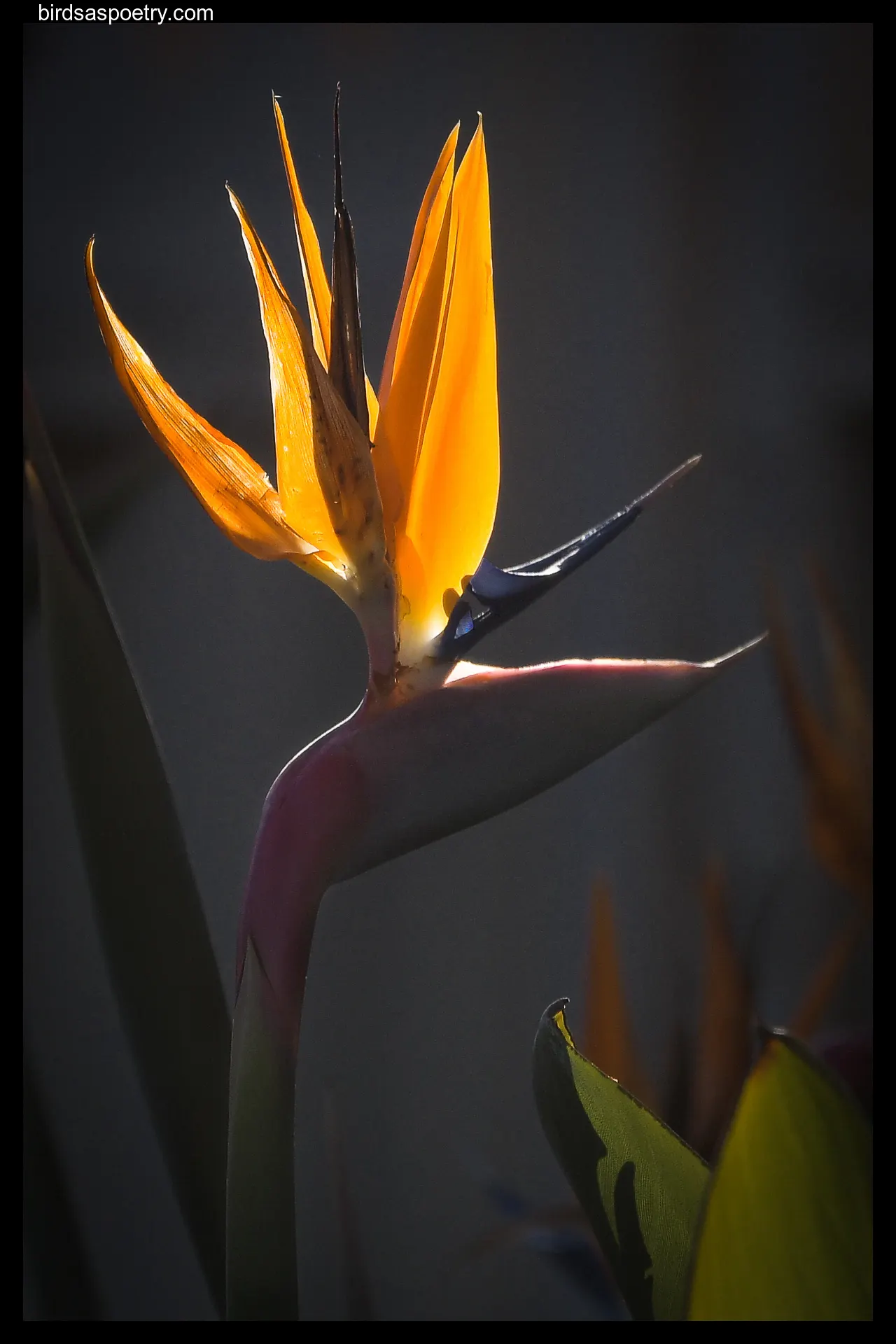
Bird Of Paradise (Strelitzia Reginae) — The flowers consist of vivid orange and blue hues and are nestled within purplish bracts; consistent, image 67
Bird Of Paradise (Strelitzia Reginae) — Although drought-tolerant once established; blade-like leaves reaching 4-6 feet and thrives in well-drained soil under
Bird Of Paradise (Strelitzia Reginae) — While the plant prefers a full sun or partial shade location; consistent moisture will promote lush foliage and more
Bird Of Paradise (Strelitzia Reginae) — Although drought-tolerant once established; blade-like leaves reaching 4-6 feet and thrives in well-drained, image 101
Bird Of Paradise (Strelitzia Reginae) — consistent moisture will promote lush foliage and more vibrant blooms; the flowers consist of vivid orange, image 130
Bird Of Paradise (Strelitzia Reginae) — making it an excellent choice for focal points; or as an anchor in island plantings
Bird Of Paradise (Strelitzia Reginae) — blade-like leaves reaching 4-6 feet and thrives in well-drained soil under full to partial sun; or as an, image 116
Bird Of Paradise (Strelitzia Reginae) — resembling tropical birds in flight; consistent moisture will promote lush foliage and more vibrant blooms, image 59
Bird Of Paradise (Strelitzia Reginae) — Proper spacing should be allocated
Bird Of Paradise (Strelitzia Reginae) — shrub for full or half; or as an anchor in island plantings, image 112
Bird Of Paradise (Strelitzia Reginae) — making it an excellent choice for focal points; or as an anchor in island plantings, image 80
Bird Of Paradise (Strelitzia Reginae) — shrub with multi-colored and orange blooms
Bird Of Paradise (Strelitzia Reginae) — as the Bird of Paradise thrives in USDA zones 10-12 and tolerates temperatures down to about 50°F
Bird Of Paradise (Strelitzia Reginae) — Hardiness is a consideration
Bird Of Paradise (Strelitzia Reginae) — commonly called Bird of Paradise; blade-like leaves reaching 4-6 feet and thrives in well-drained soil under full to
Bird Of Paradise (Strelitzia Reginae) — providing an additional layer of interest
Bird Of Paradise (Strelitzia Reginae) — While the plant prefers a full sun or partial shade location; consistent moisture will promote lush foliage, image 71
Bird Of Paradise (Strelitzia Reginae) — blooming intermittently throughout the year
Bird Of Paradise (Strelitzia Reginae) — Hardiness is a consideration; consistent moisture will promote lush foliage and more vibrant blooms
Photographs by 13 contributors

Related plants