Skip to content

Sweet Leaf

Stevia Rebaudiana

Design with this plant

Overview

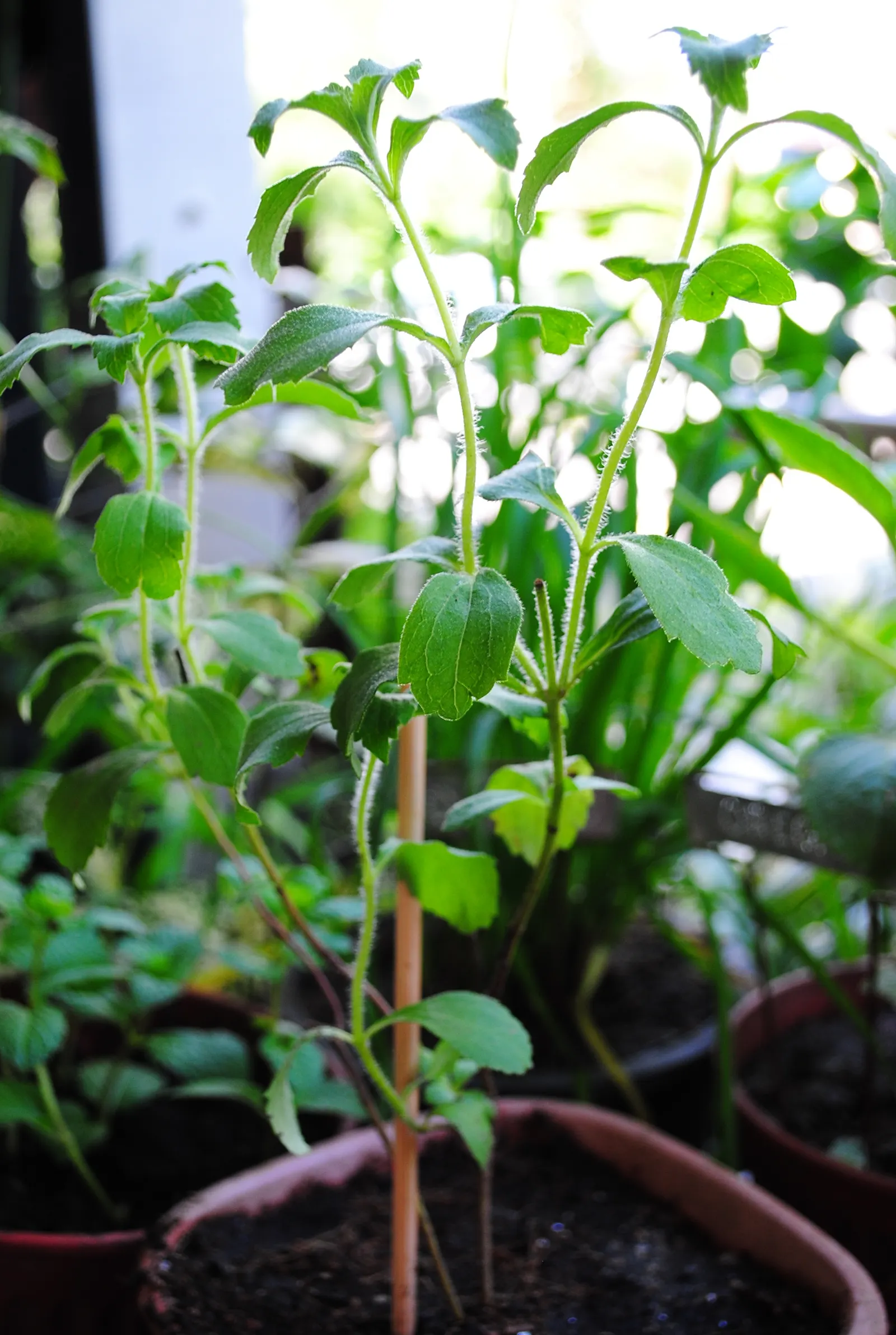
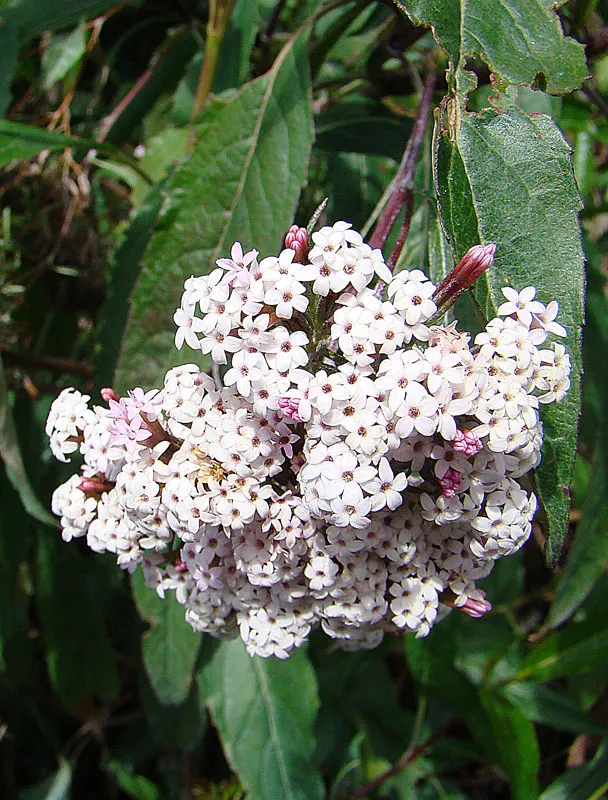
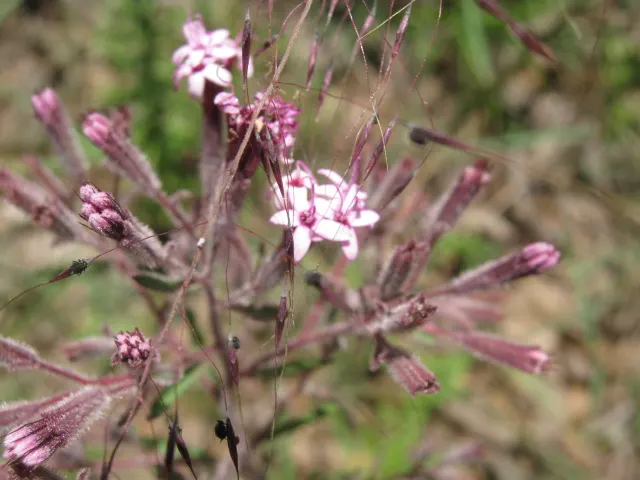
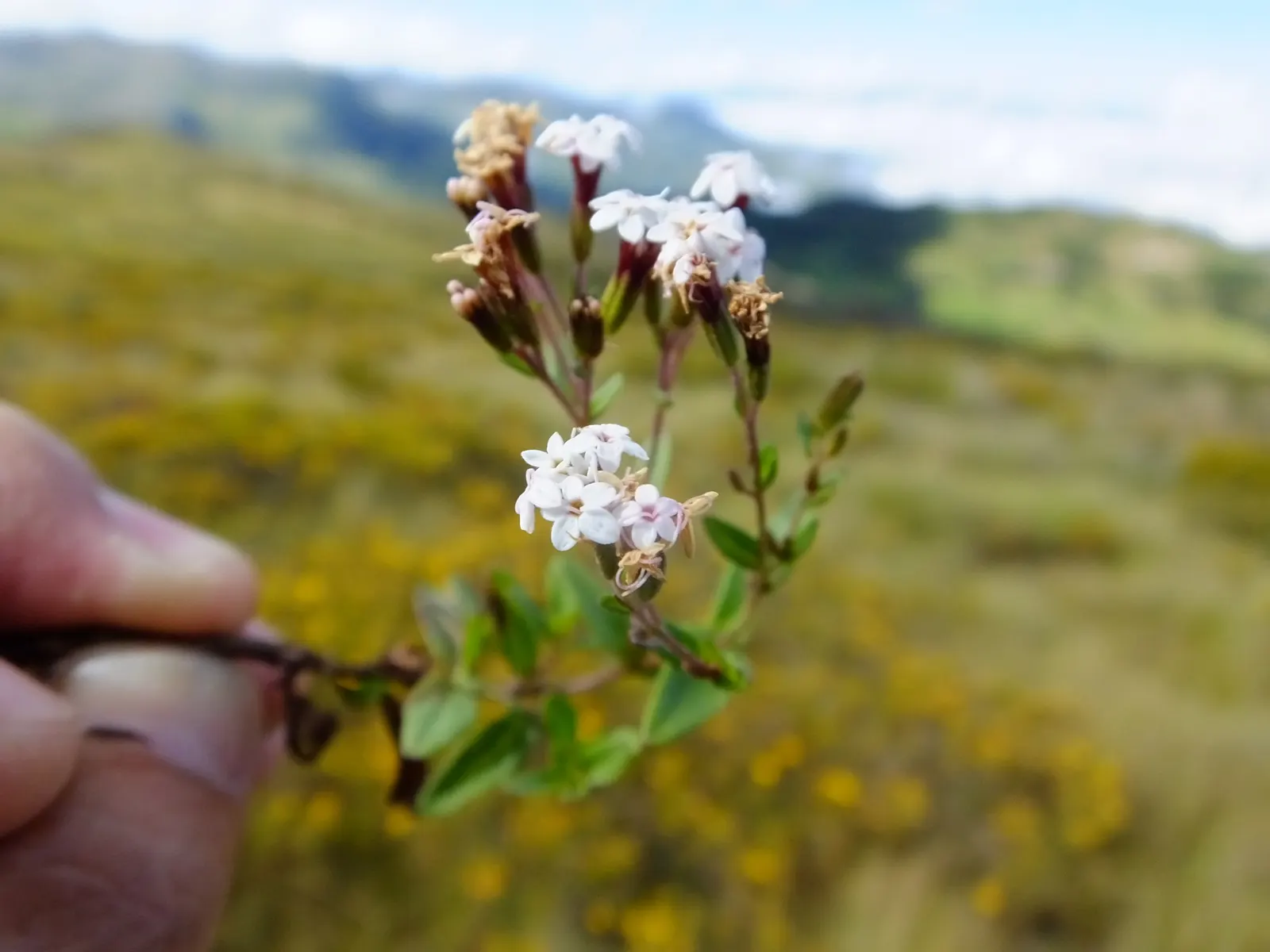
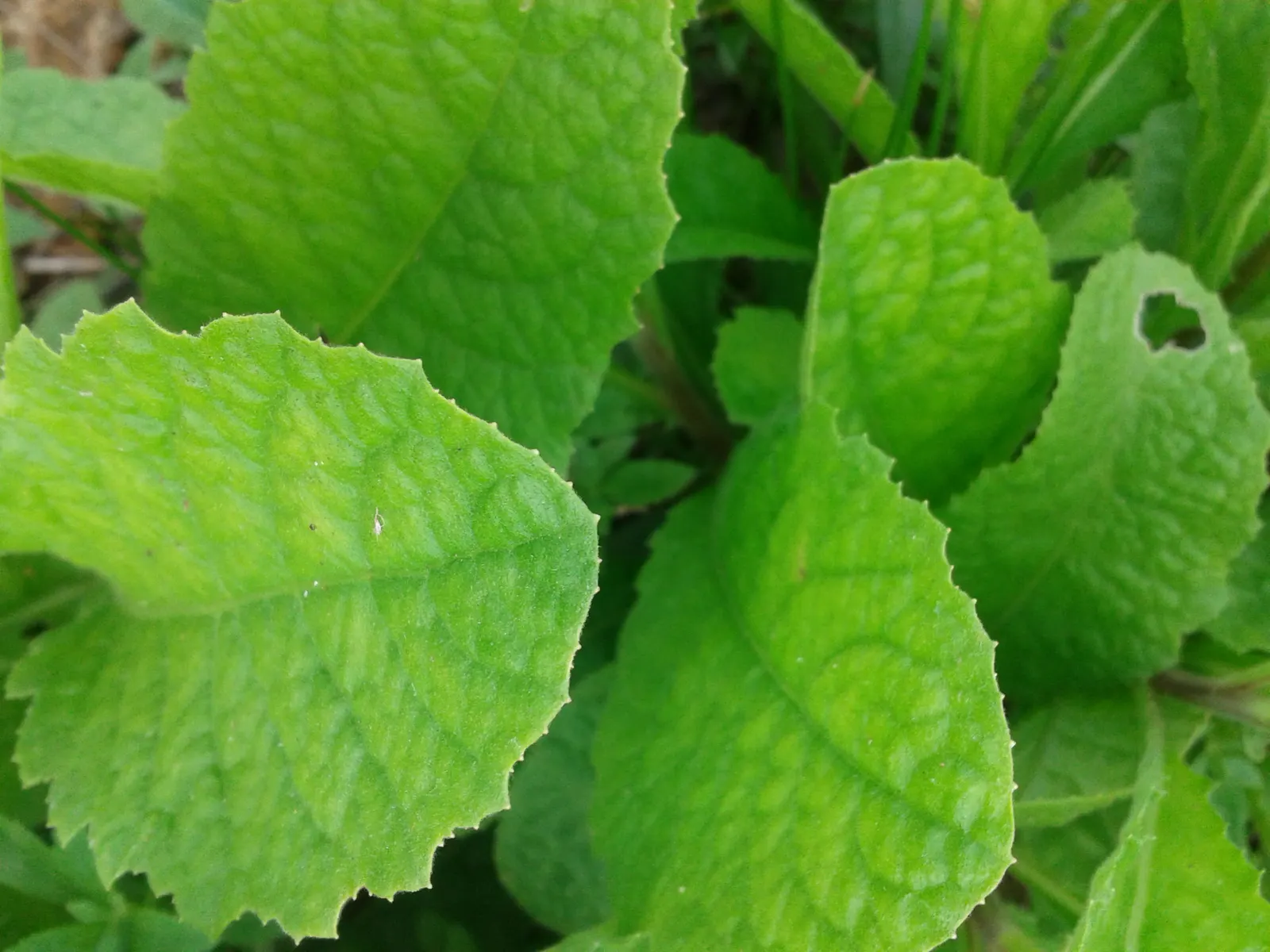
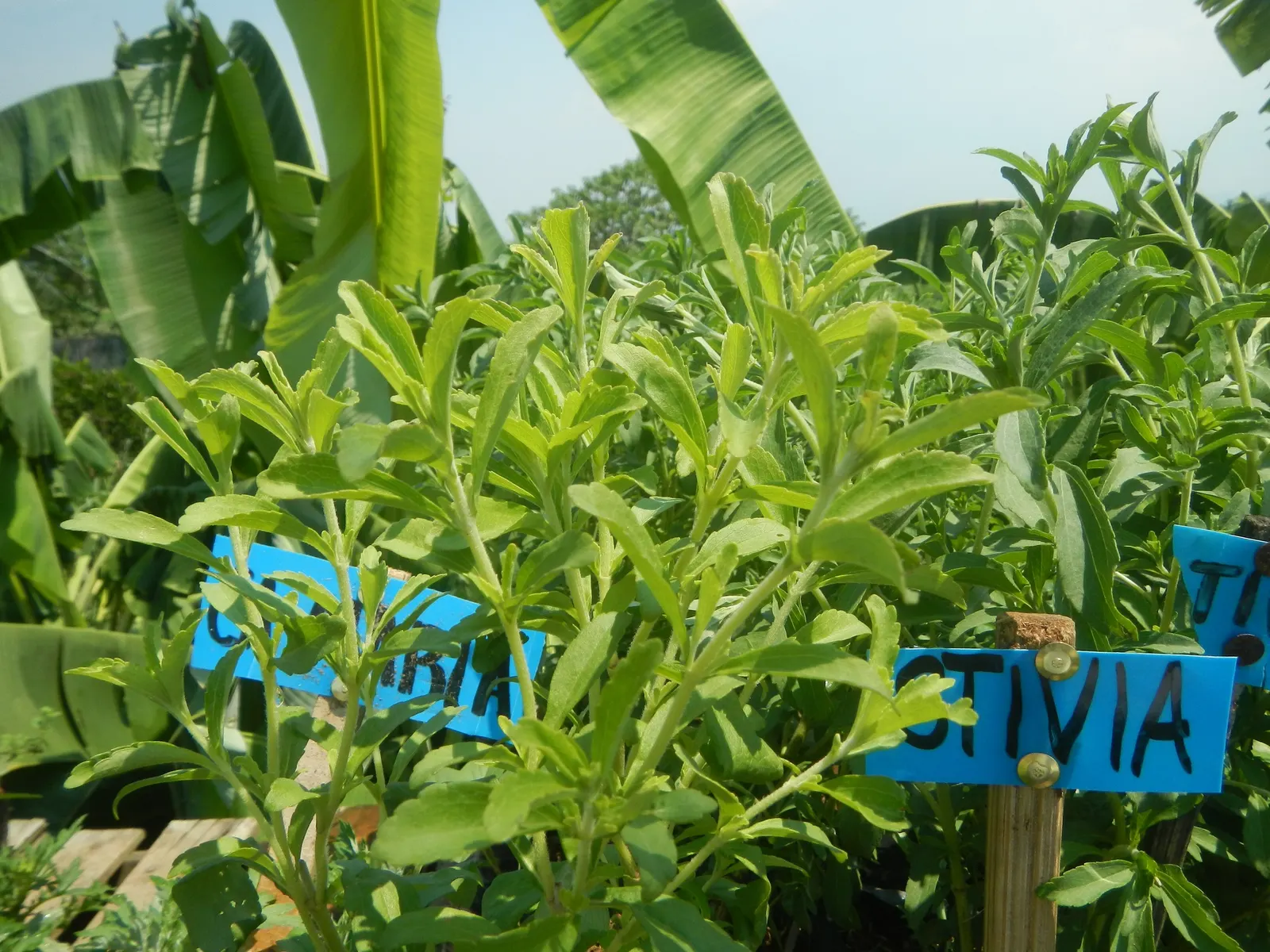
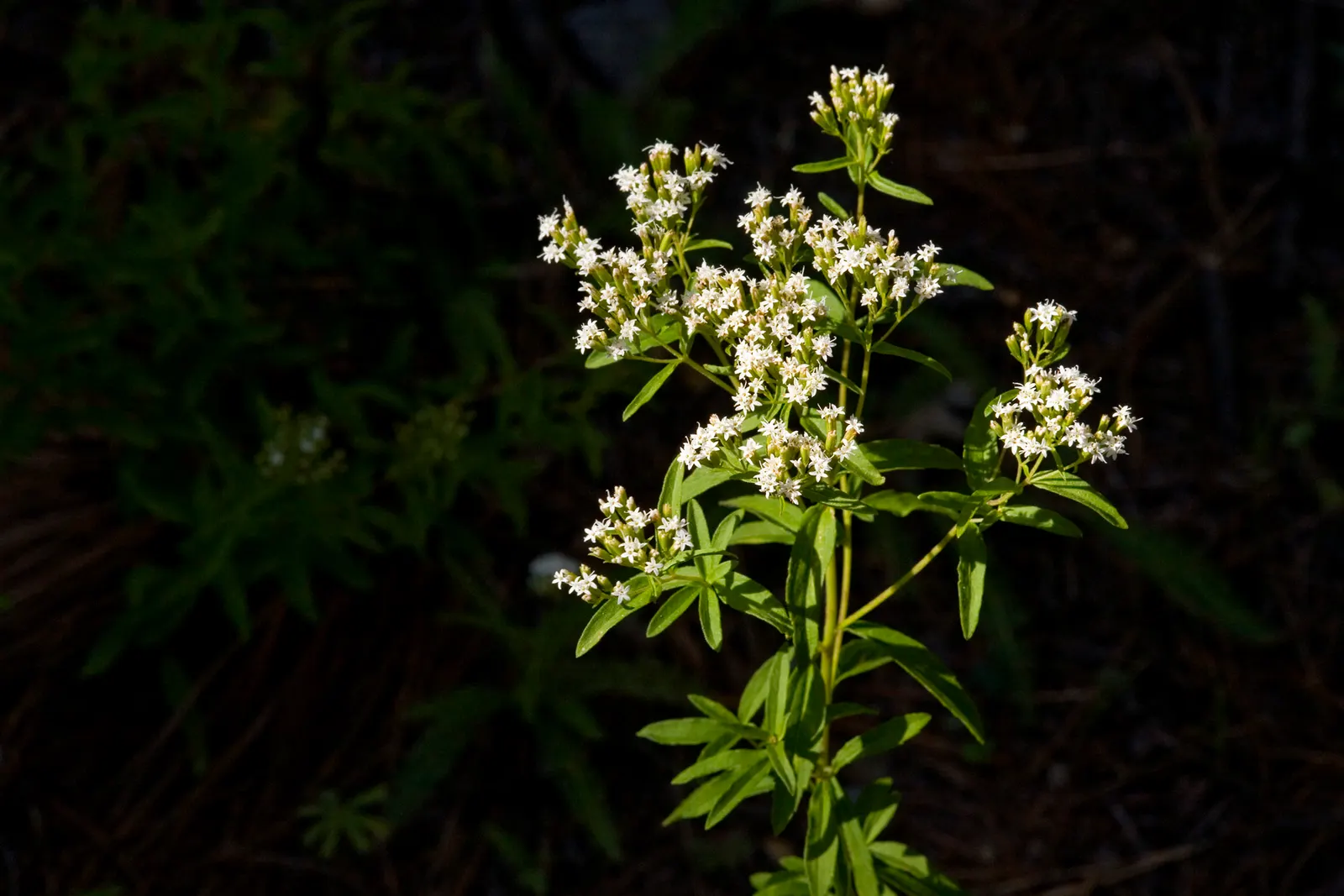
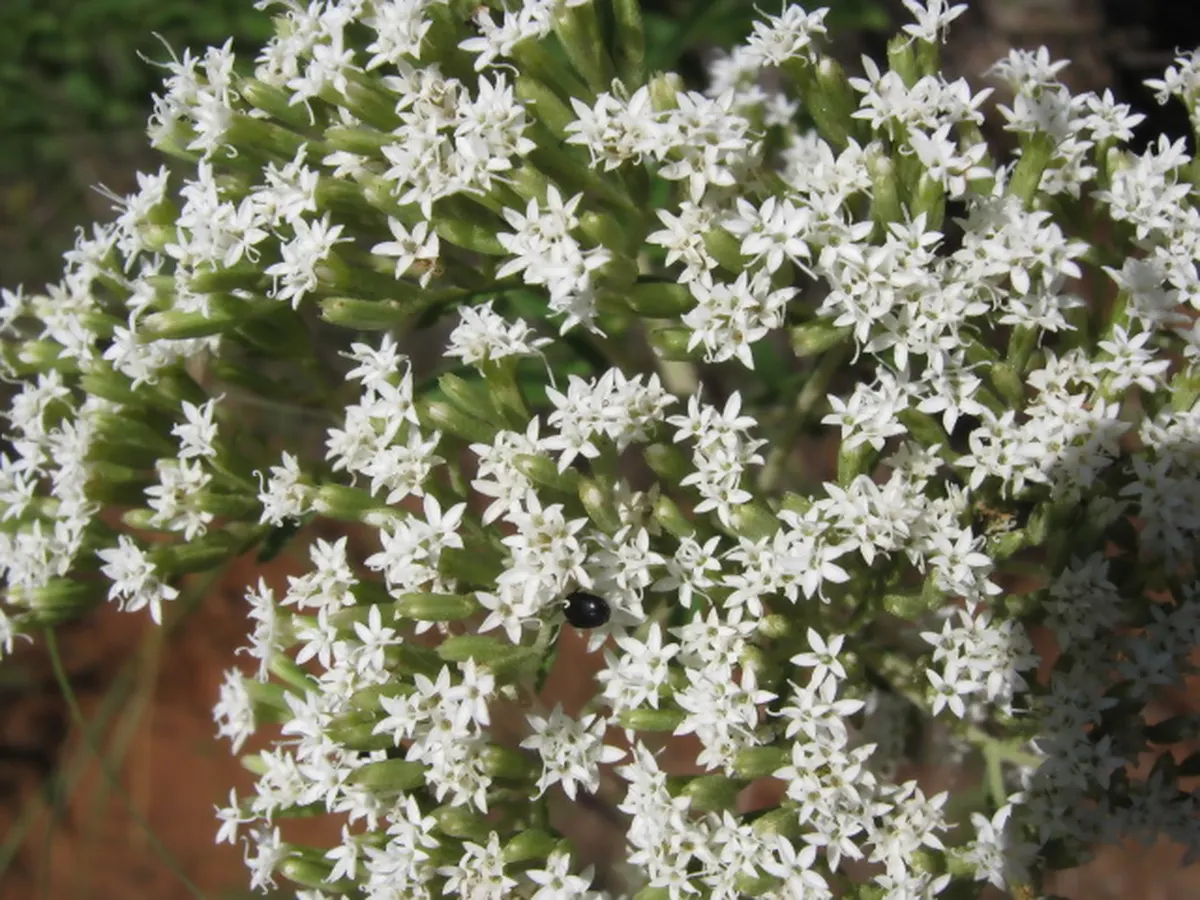
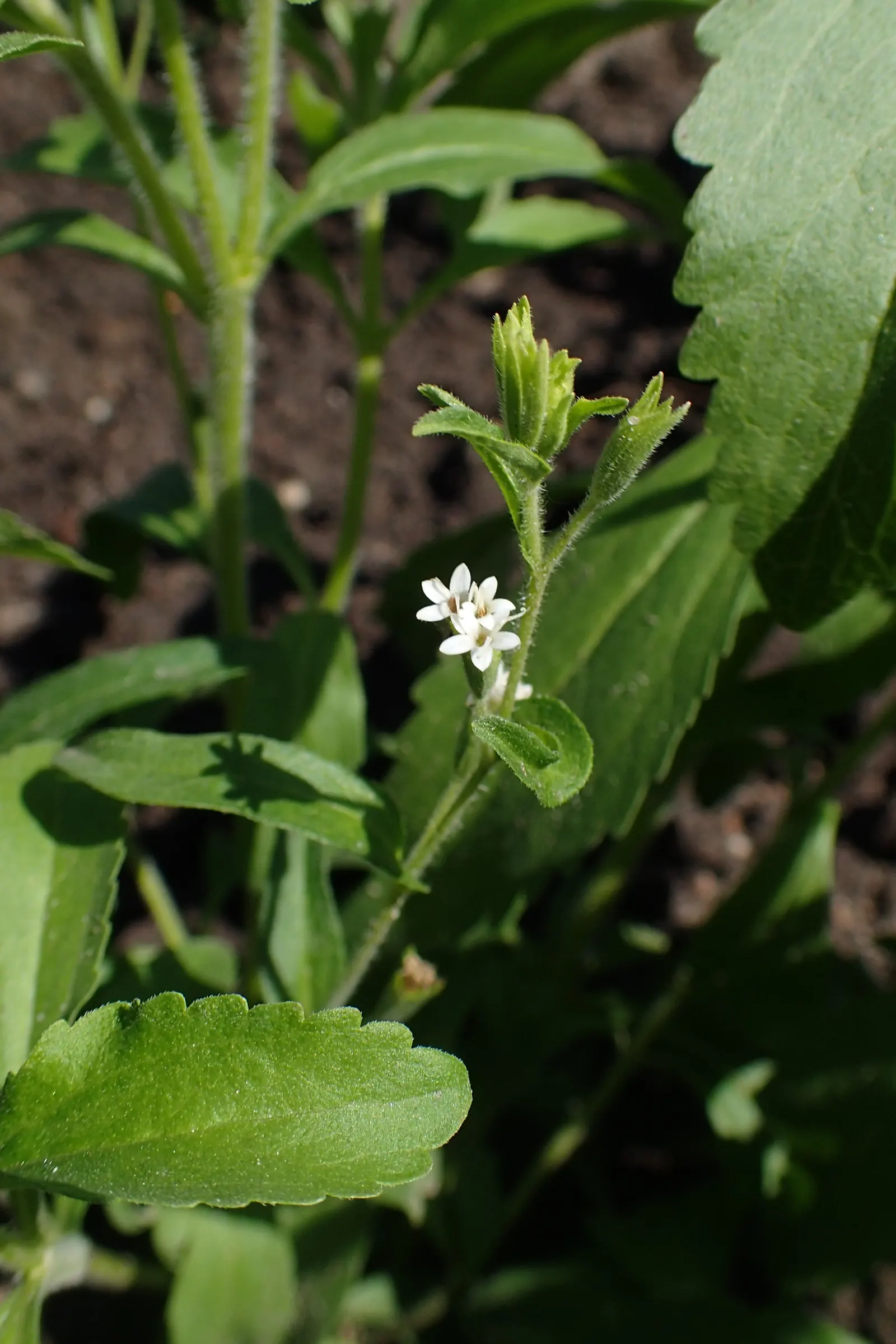
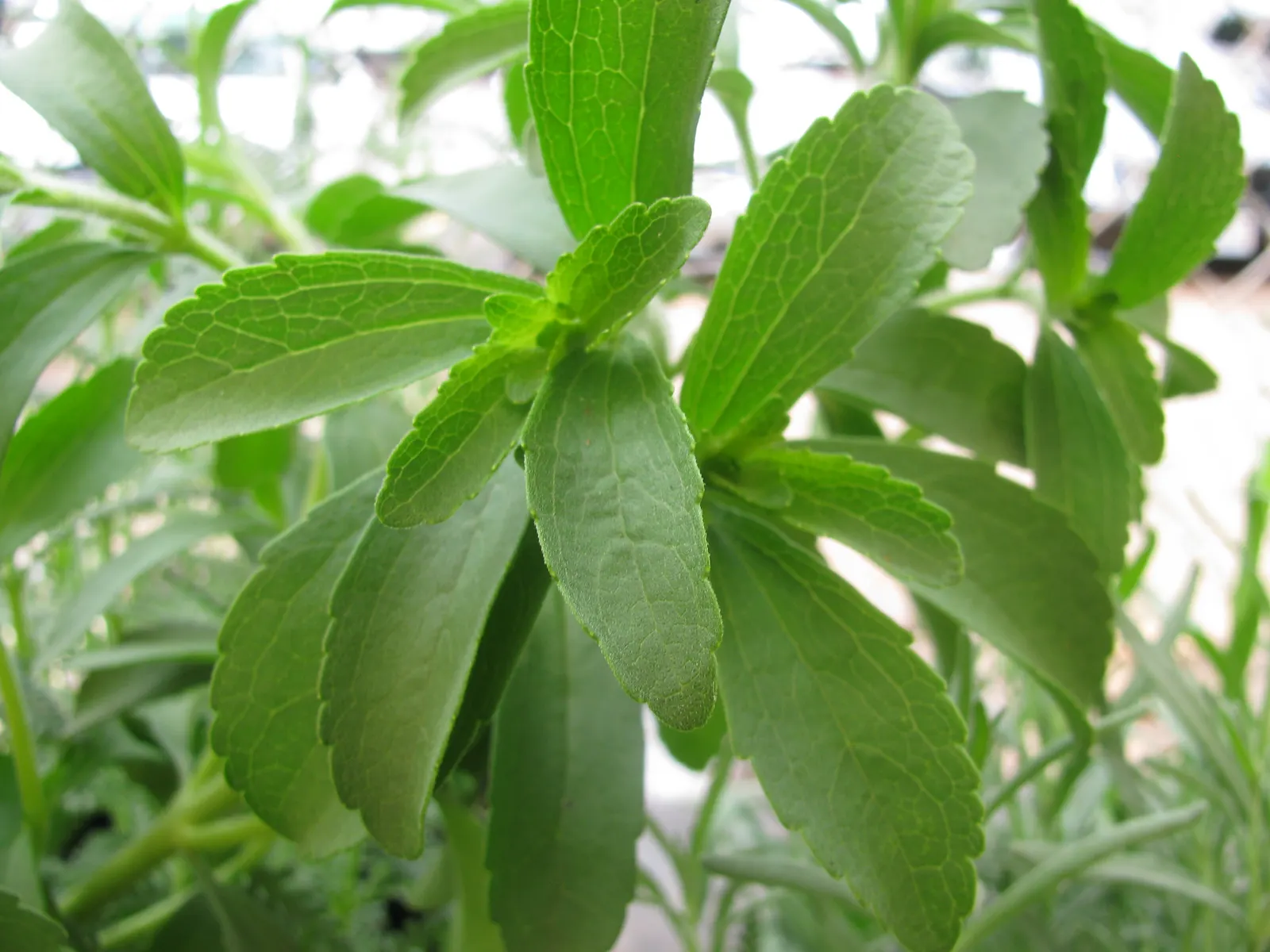
Stevia rebaudiana, commonly known as Sweet Leaf or Sugar Plant, is a perennial herb prized for its intensely sweet leaves. When cultivated, it typically reaches 1 to 2 feet in height and width. This low-maintenance plant thrives in USDA zones 9 to 11, prefers full sun to partial shade, and well-drained soil. Small white flowers bloom in summer. It’s an ideal natural sweetener addition for kitchen gardens and borders.

Sun FullWater HighZones 10–11
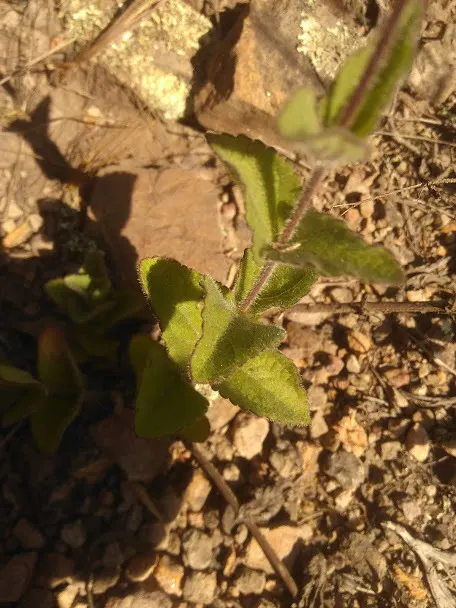
Sweet Leaf (Stevia Rebaudiana) — commonly known as Sweet Leaf or Sugar Plant

Culture

Sun
Full
Water
High
USDA zones
10–11

Shape & size

Classification

Family
Asteraceae

See full data, regional cultivation notes, full-resolution photos, and design tools. Build a client presentation around this plant.

Start your 14-day trial

Photos (95)

Sweet Leaf (Stevia Rebaudiana) — in regions with colder climates
Sweet Leaf (Stevia Rebaudiana) — consider potting the Stevia or protecting it with mulch to overwinter it successfully
Sweet Leaf (Stevia Rebaudiana) — For a fully embracing garden experience
Sweet Leaf (Stevia Rebaudiana) — Stevia's virtues of visual appeal
Sweet Leaf (Stevia Rebaudiana) — herb for full
Sweet Leaf (Stevia Rebaudiana) — Small white flowers bloom in summer; stevia rebaudiana offers both practical sweetness and visual charm
Sweet Leaf (Stevia Rebaudiana) — prefers full sun to partial shade; this low-maintenance plant thrives in USDA zones 9 to 11
Sweet Leaf (Stevia Rebaudiana) — When cultivated, it typically reaches 1 to 2 feet in height and width; though the main attraction remains its sweet-tasting
Sweet Leaf (Stevia Rebaudiana) — is a perennial herb prized for its intensely sweet leaves; stevia rebaudiana offers both practical sweetness and visual charm
Sweet Leaf (Stevia Rebaudiana) — This low-maintenance plant thrives in USDA zones 9 to 11; consider potting the Stevia or protecting it with mulch to
Sweet Leaf (Stevia Rebaudiana) — often referred to as Sweet Leaf or simply Stevia; consider potting the Stevia or protecting it with mulch to overwinter it
Sweet Leaf (Stevia Rebaudiana) — is a highly valued perennial herb well-known for its intensely sweet leaves; this low-maintenance plant thrives in USDA zones
Sweet Leaf (Stevia Rebaudiana) — It‚Äôs an ideal natural sweetener addition for kitchen gardens and borders; though the main attraction remains its
Sweet Leaf (Stevia Rebaudiana) — As an integral component of an edible landscape; stevia rebaudiana offers both practical sweetness and visual charm
Sweet Leaf (Stevia Rebaudiana) — Stevia rebaudiana offers both practical sweetness and visual charm; though the main attraction remains its sweet-tasting
Sweet Leaf (Stevia Rebaudiana) — Though drought-tolerant once established; stevia rebaudiana offers both practical sweetness and visual charm
Sweet Leaf (Stevia Rebaudiana) — It typically reaches a height of 1 to 3 feet and a similar spread; consider potting the Stevia or protecting it with mulch to
Sweet Leaf (Stevia Rebaudiana) — It requests well-drained soil with a slightly acidic to neutral pH, generally between 6.7 and 7.2; this low-maintenance plant
Sweet Leaf (Stevia Rebaudiana) — white blossoms in late summer to fall; consider potting the Stevia or protecting it with mulch to overwinter it successfully
Sweet Leaf (Stevia Rebaudiana) — Stevia benefits from regular watering to maintain consistently moist soil; though the main attraction remains its
Sweet Leaf (Stevia Rebaudiana) — adding a subtle ornamental value; this low-maintenance plant thrives in USDA zones 9 to 11
Sweet Leaf (Stevia Rebaudiana) — though the main attraction remains its sweet-tasting foliage; stevia rebaudiana offers both practical sweetness and visual
Sweet Leaf (Stevia Rebaudiana) — It's crucial to harvest these leaves before the plant flowers for optimal sweetness; though the main attraction remains its
Sweet Leaf (Stevia Rebaudiana) — making it a favorable option for health-conscious gardeners.<br><br>In terms of maintenance; consider potting the Stevia or

Related plants