
Bladdernut
Staphylea Trifolia
Overview
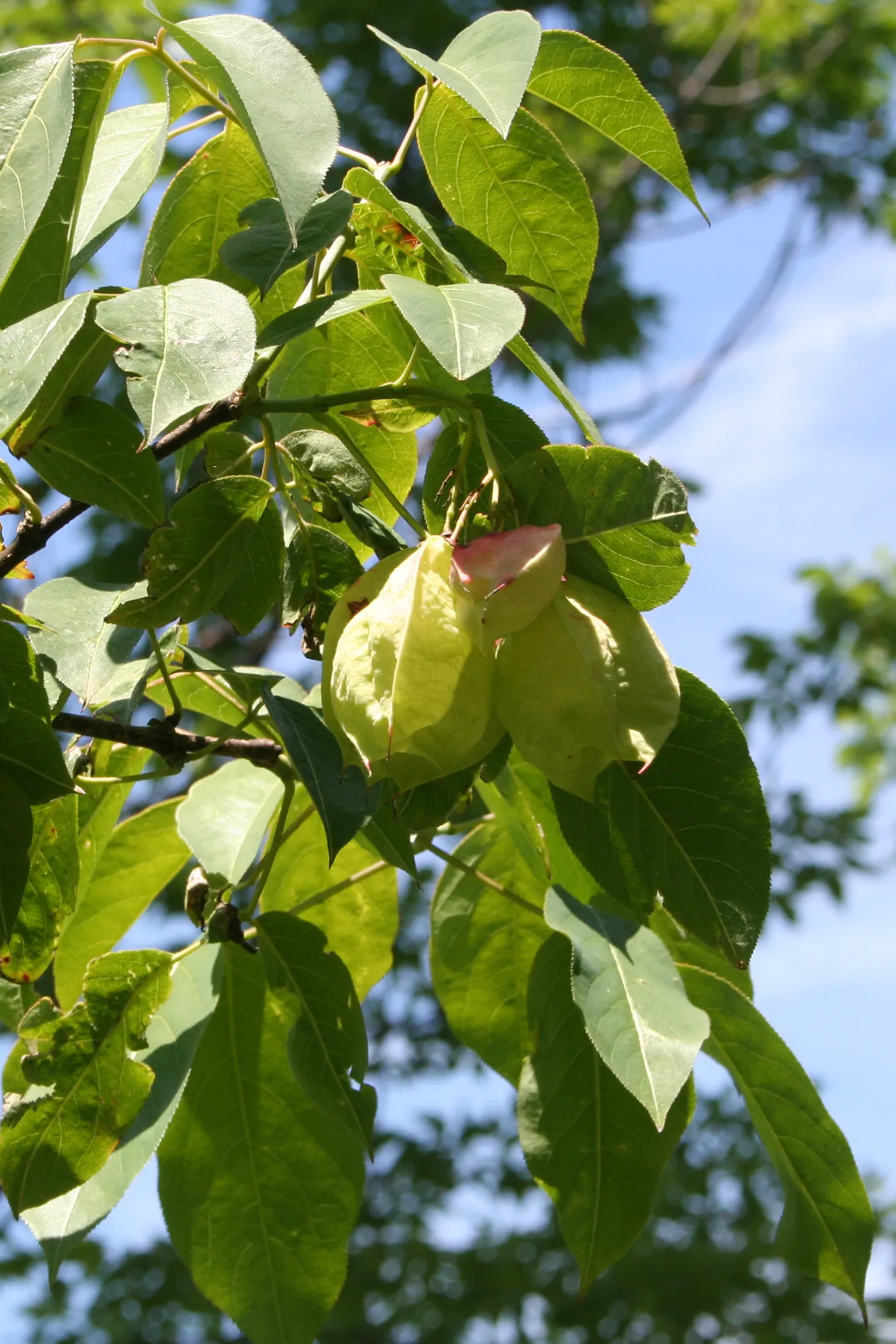
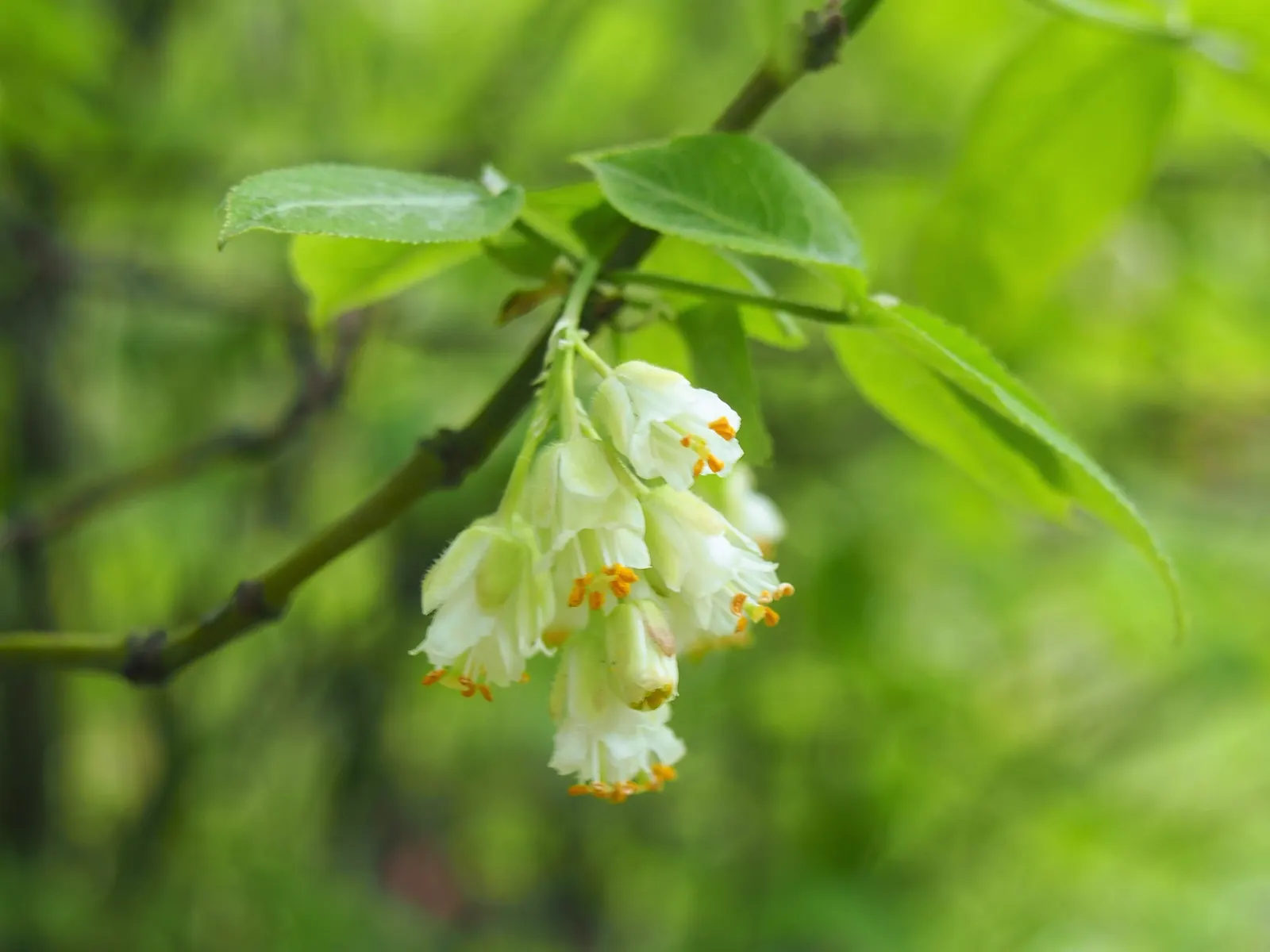
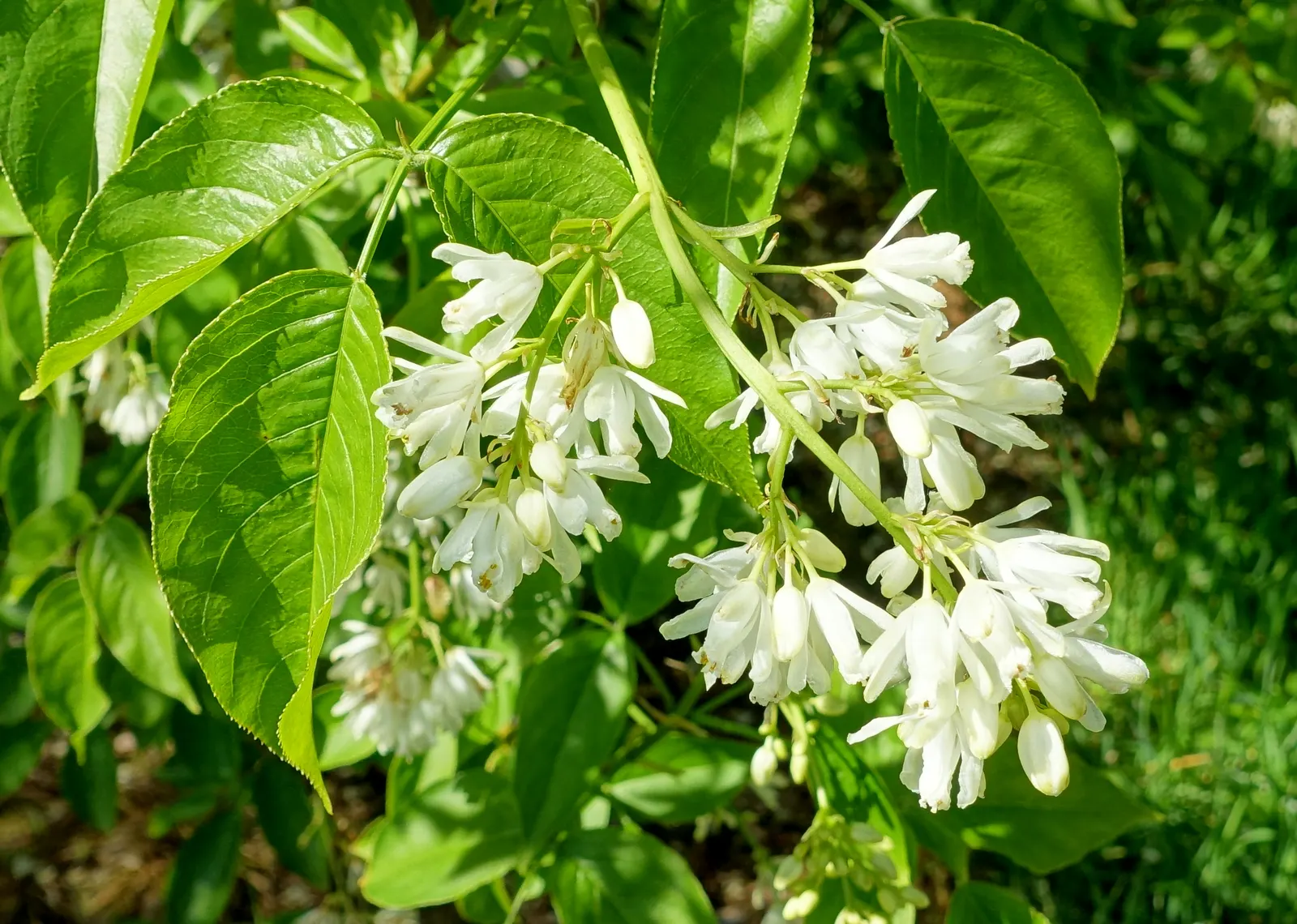
Staphylea trifolia, commonly known as Bladdernut, is a deciduous understory shrub native to North America. Growing 10-15 feet tall, it features trifoliate leaves and bell-shaped white flowers in spring. Its namesake bladder-like fruits add autumn interest. Preferring partial shade and moist soils, Bladdernut is excellent for naturalized areas. It’s low-maintenance, supports wildlife, and offers a delicate, airy structure to landscape designs. Zones 4-8.
Sun Full, Half, ShadeWater MediumZones 3–8Type ShrubClimate Temperate
Culture
- Sun
- Full, Half, Shade
- Water
- Medium
- USDA zones
- 3–8
Shape & size
Classification
- Type
- Shrub
- Family
- Staphyleaceae
- Climate
- Temperate
See full data, regional cultivation notes, and design tools. Build a client presentation around this plant.
Start your 14-day trialPhotos (147)
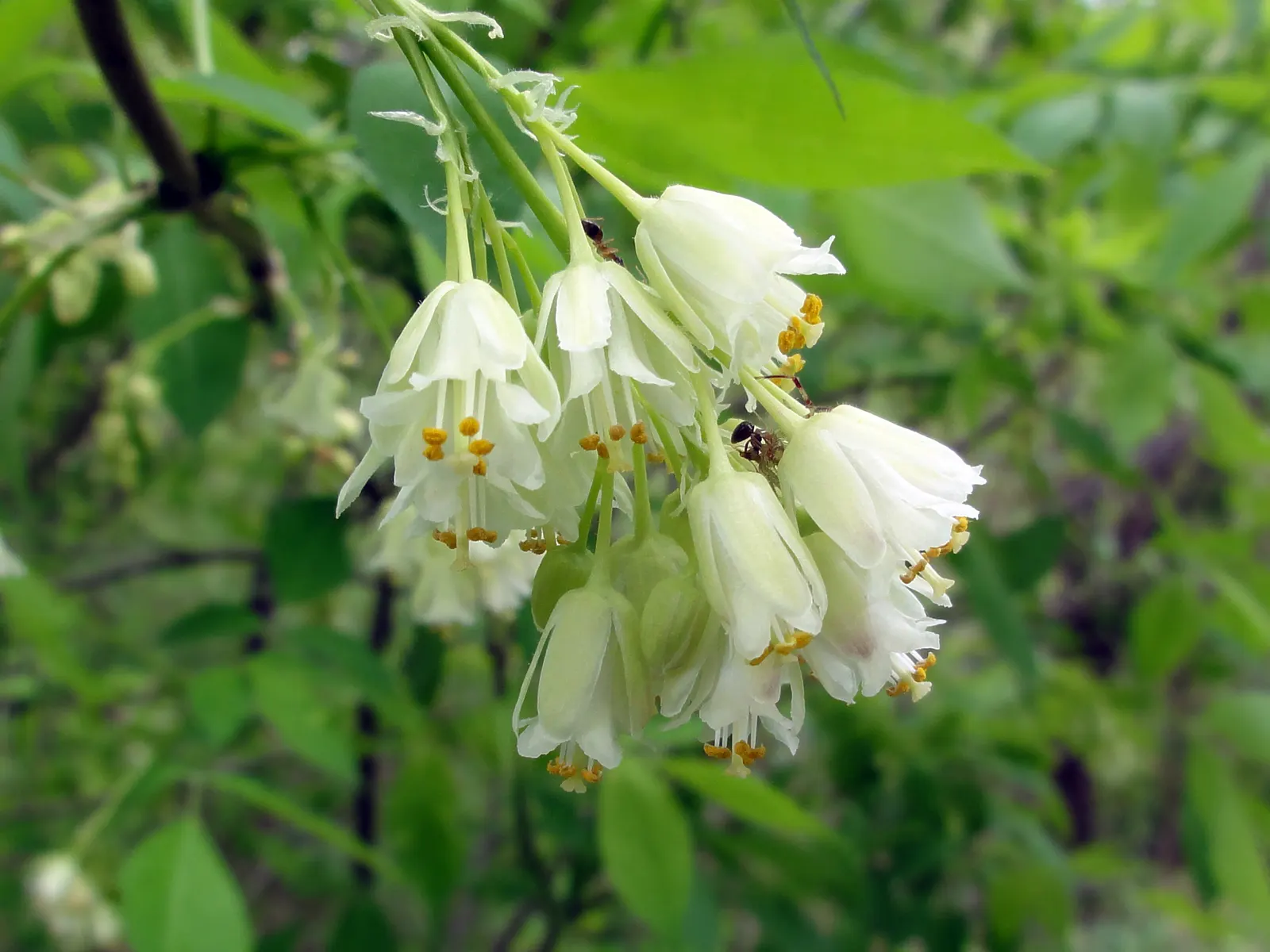
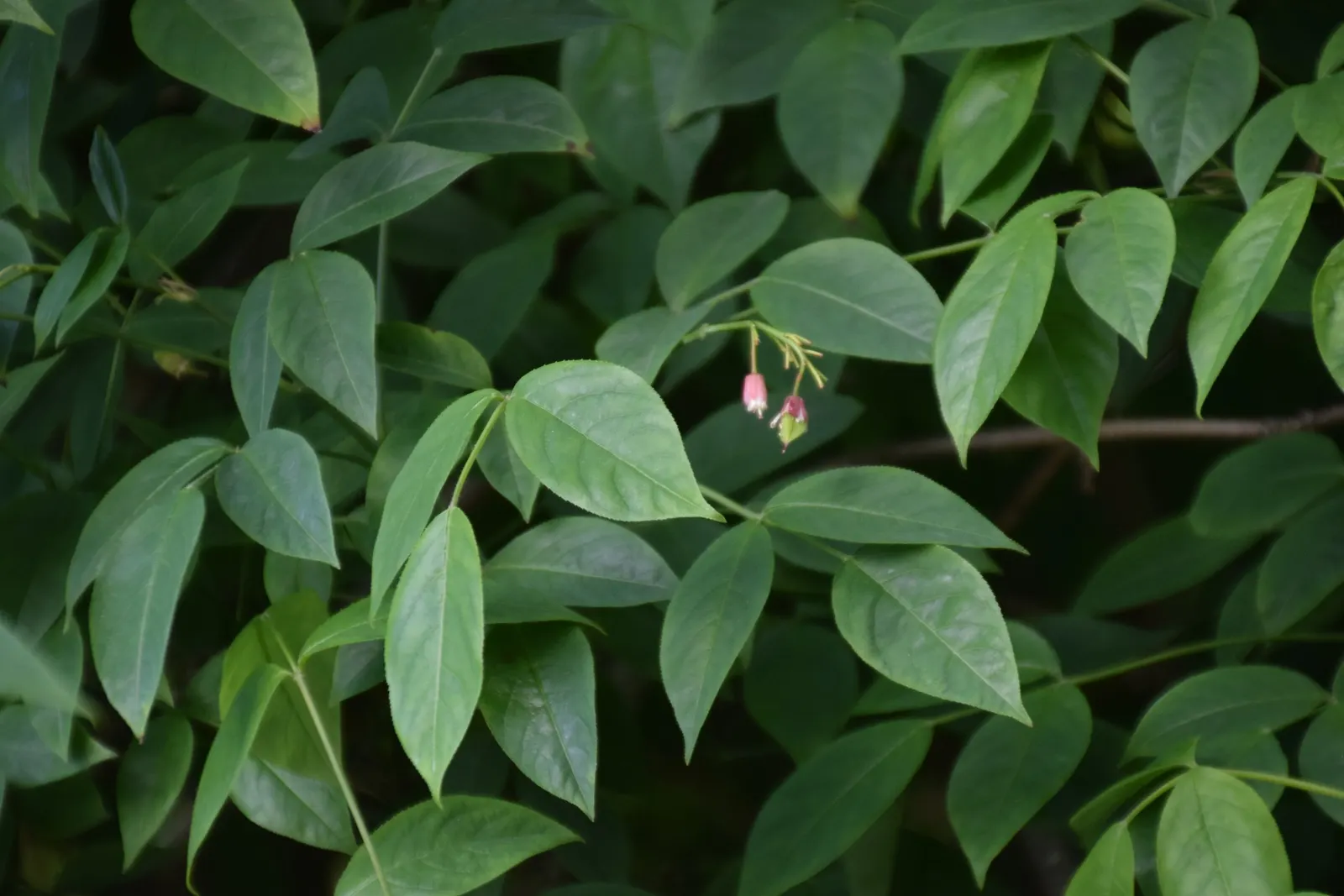
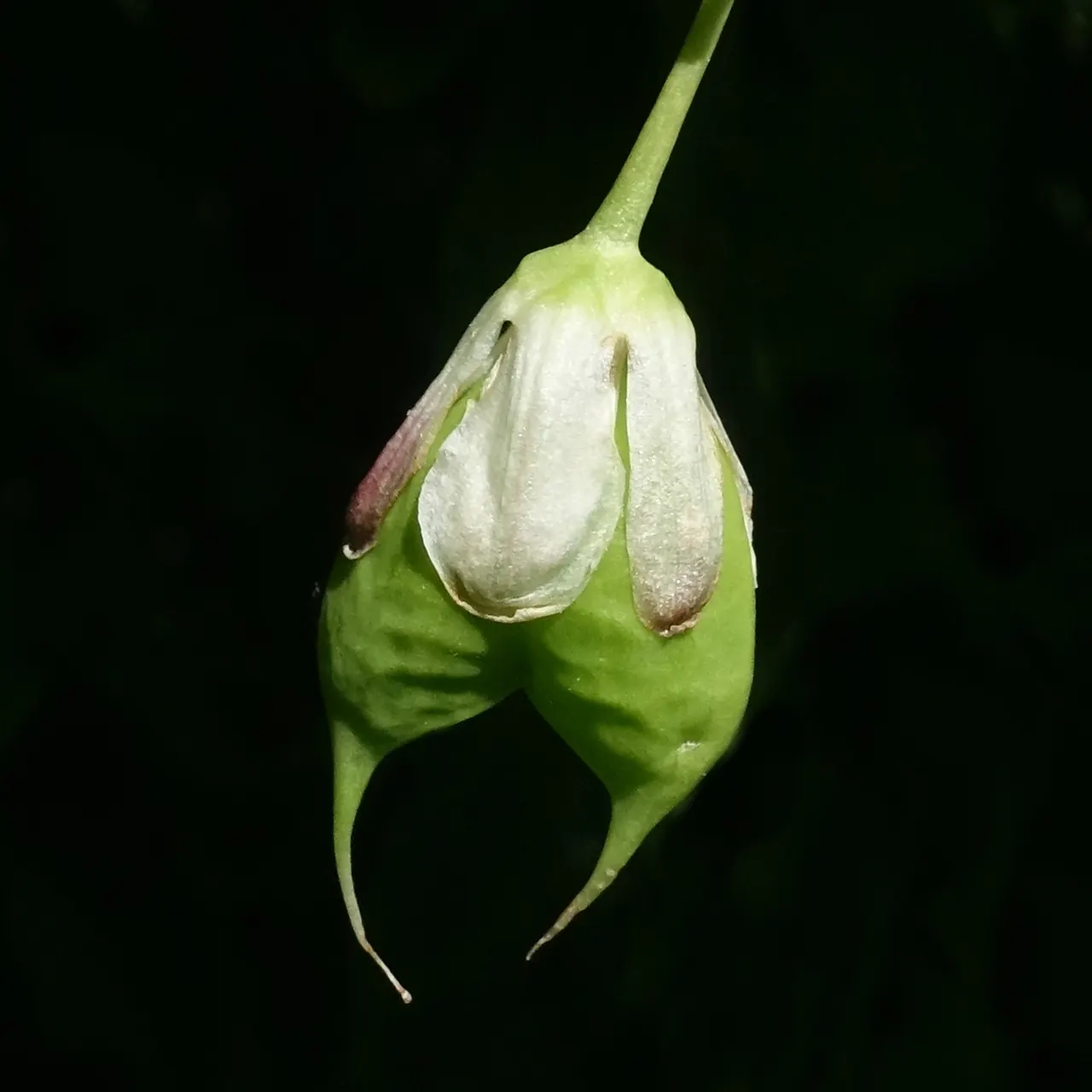
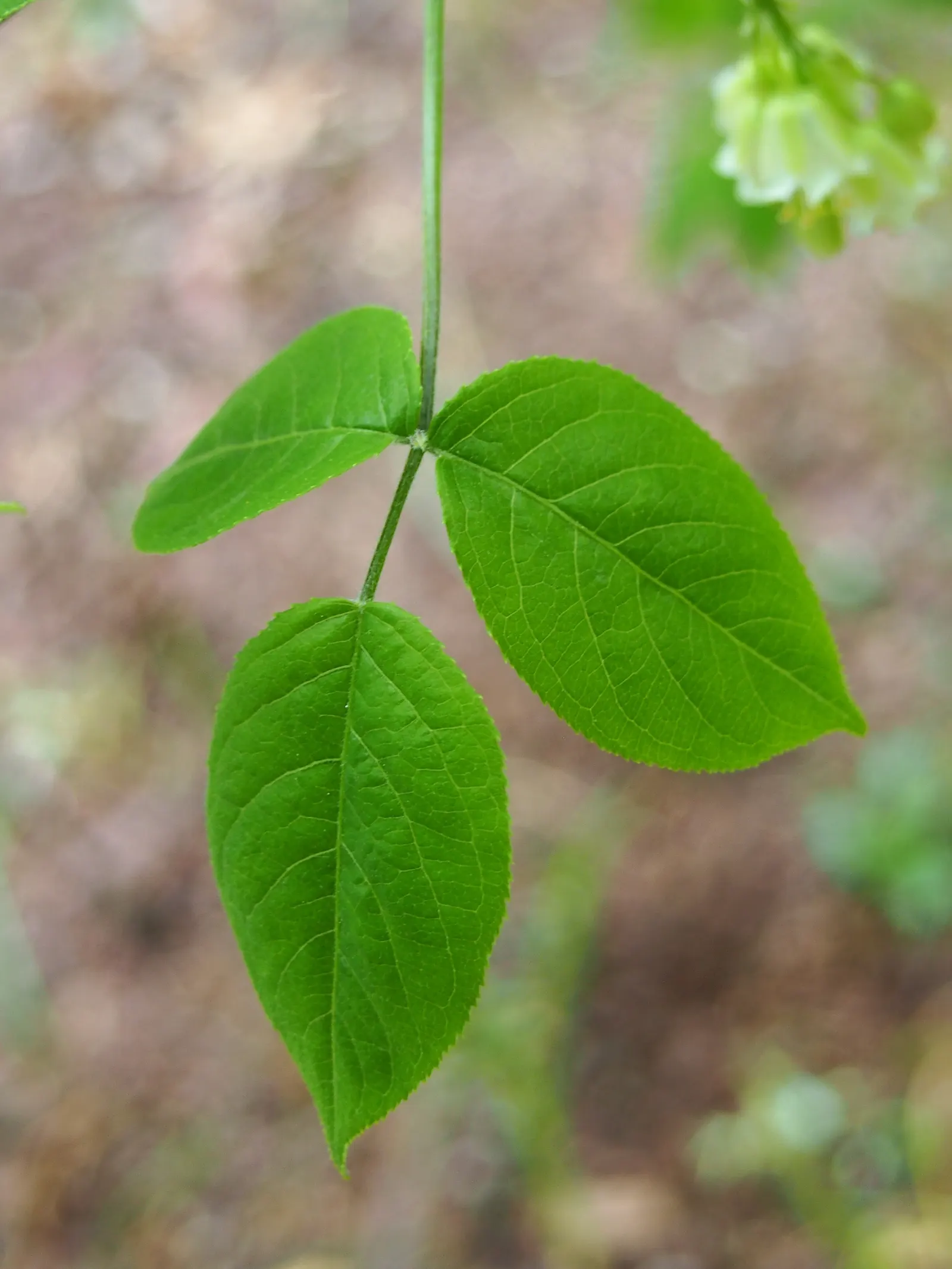
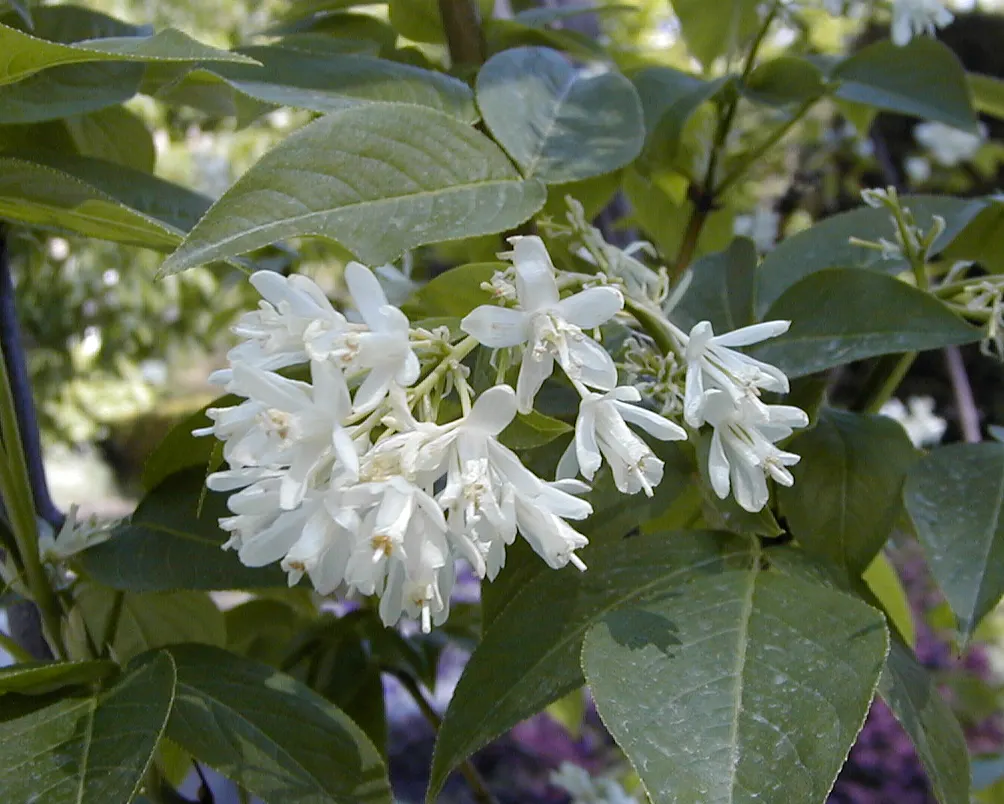
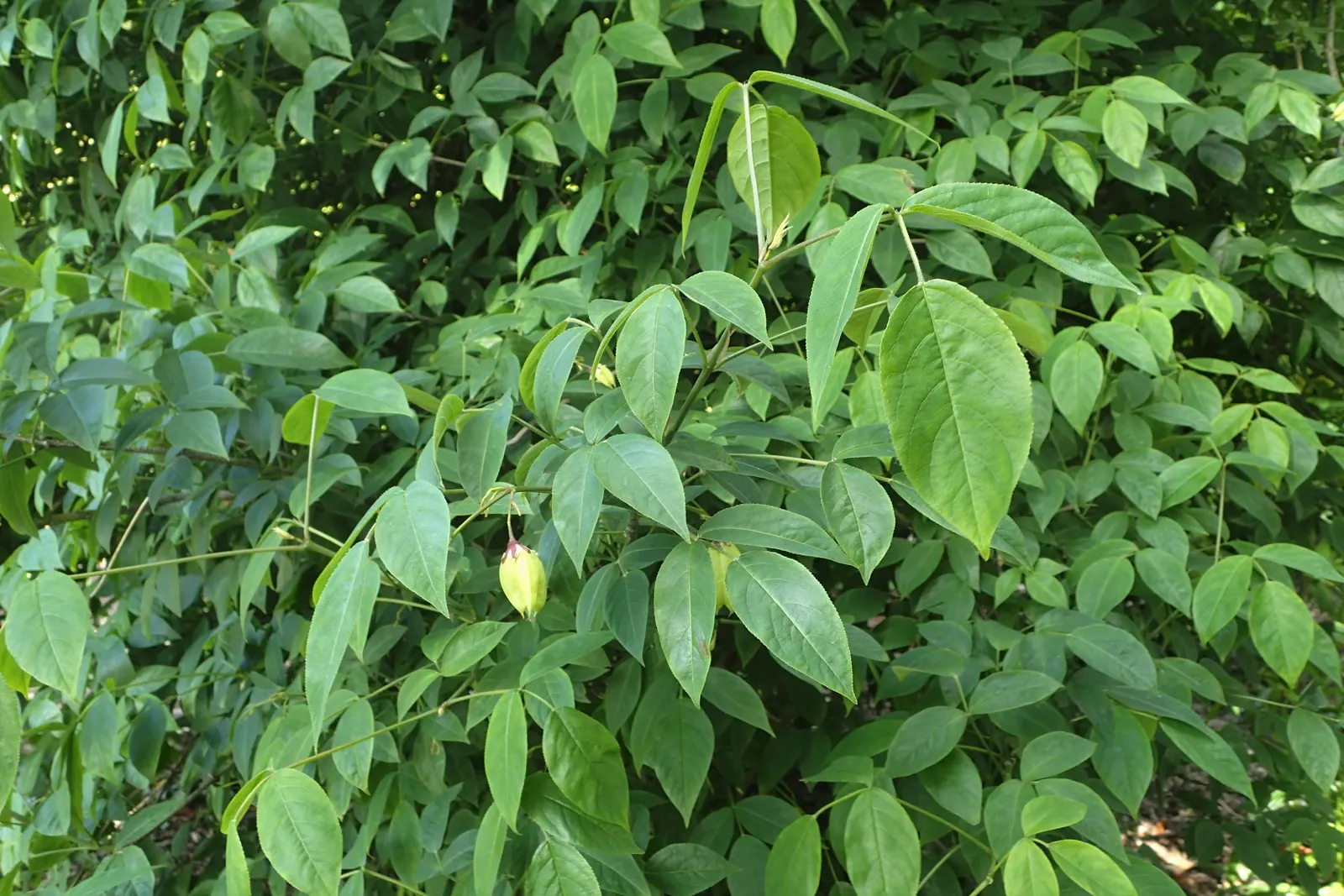
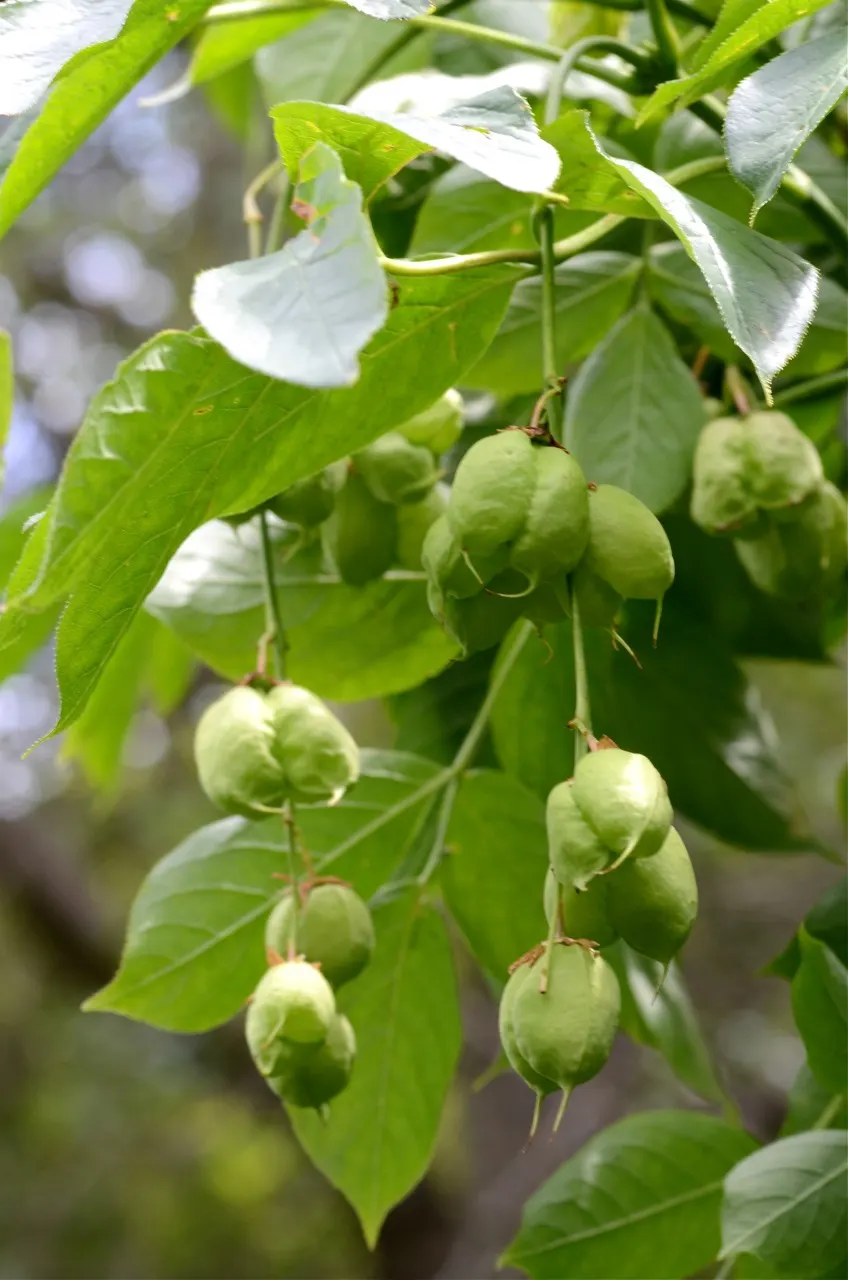
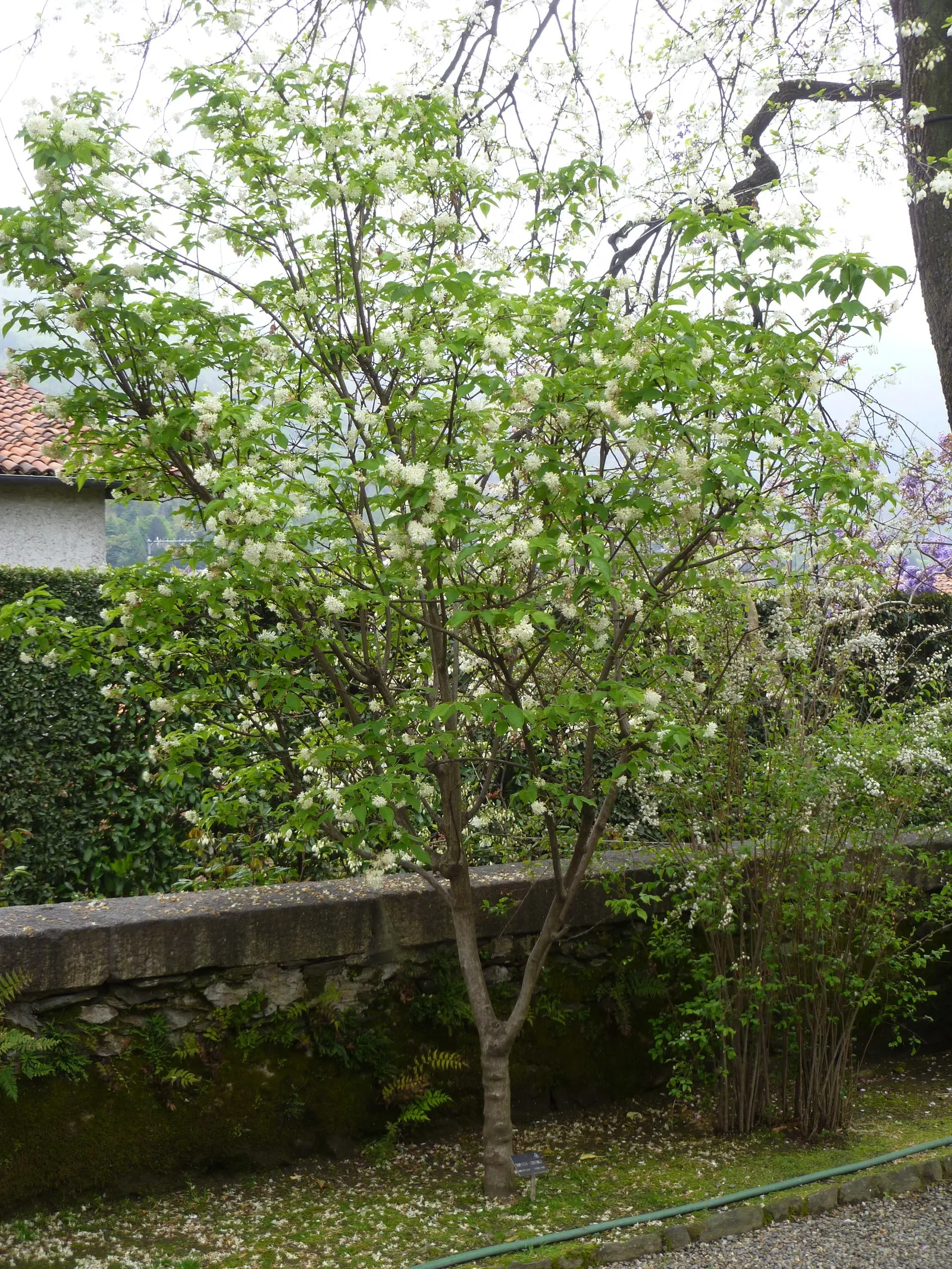
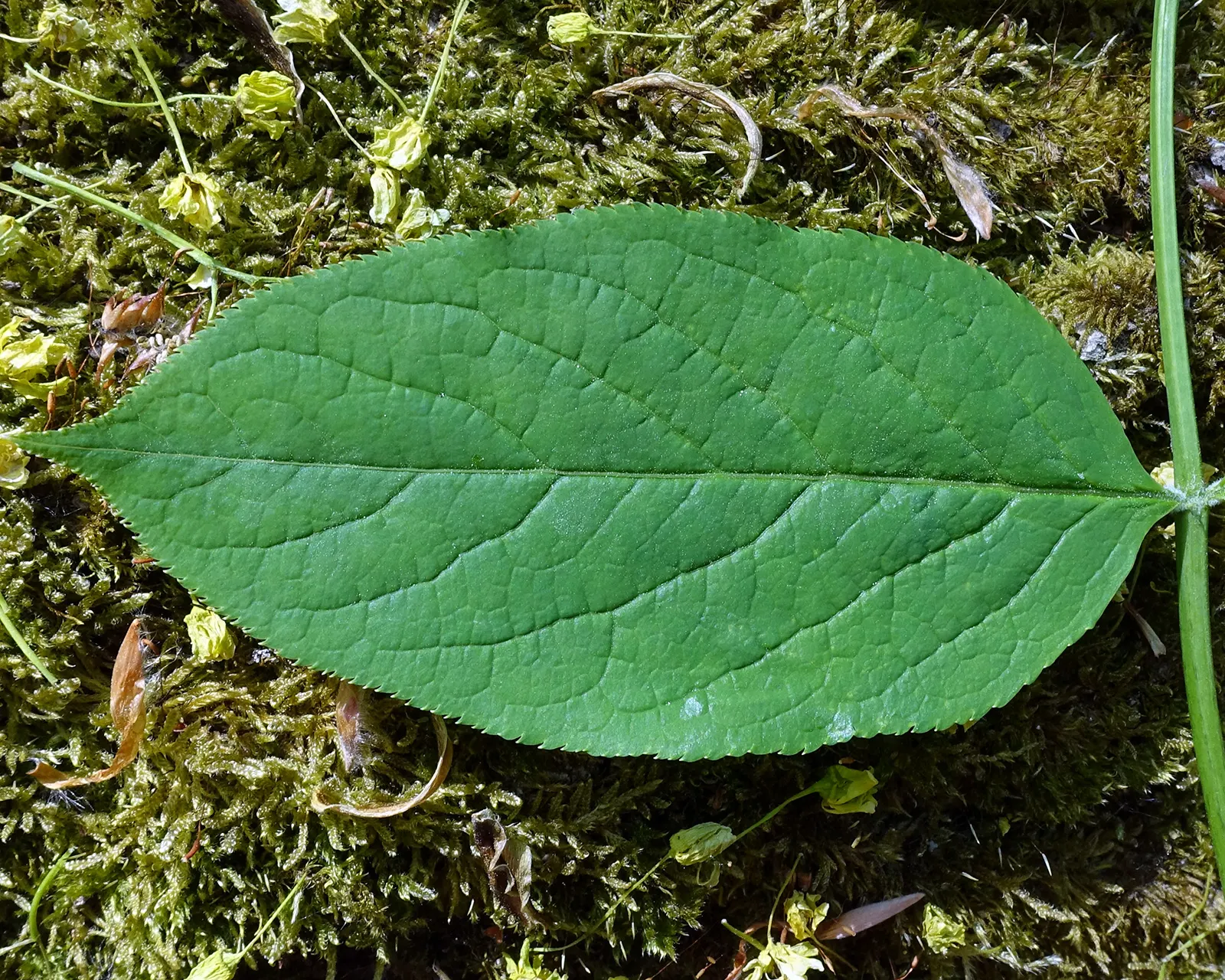
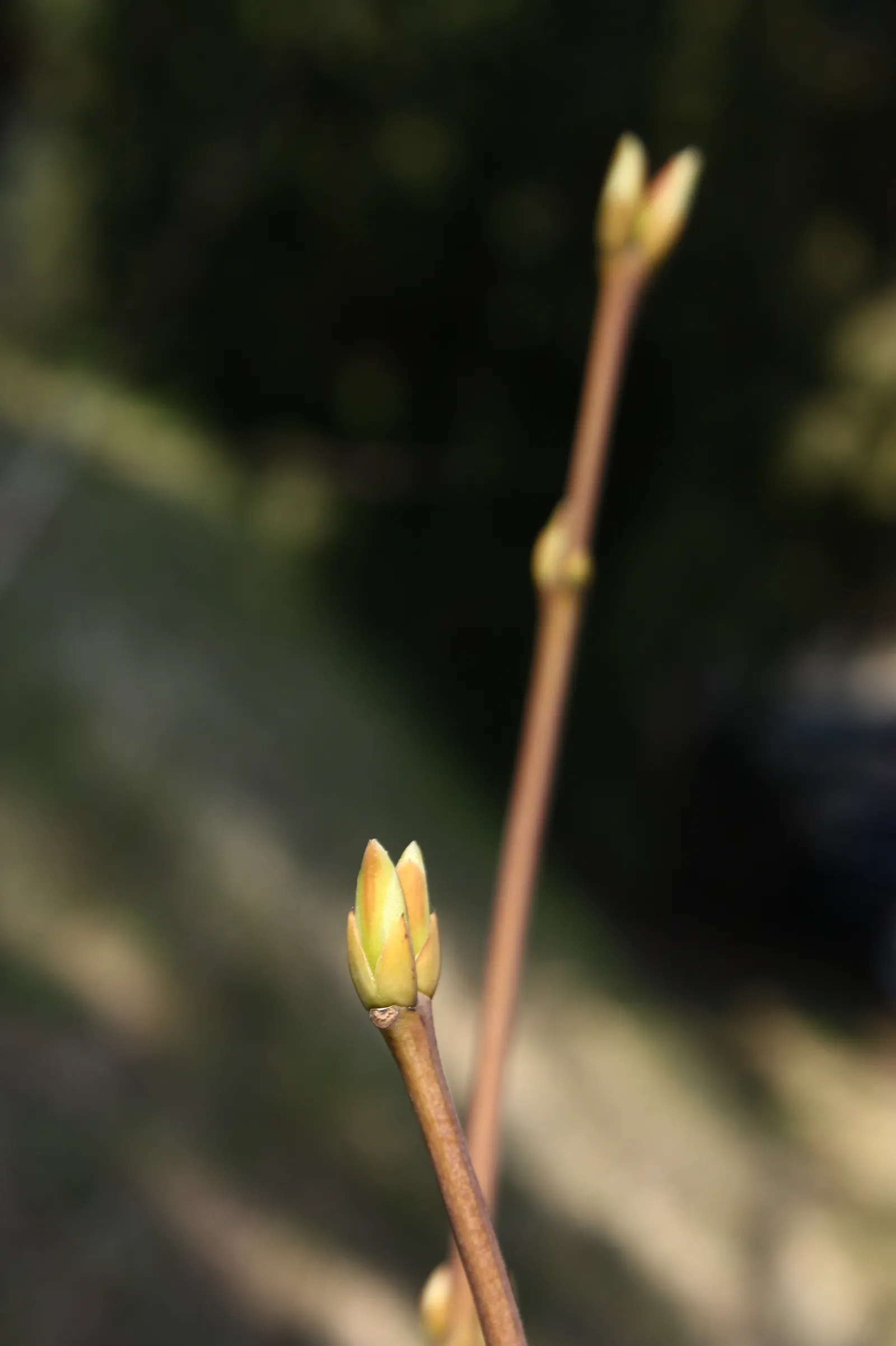
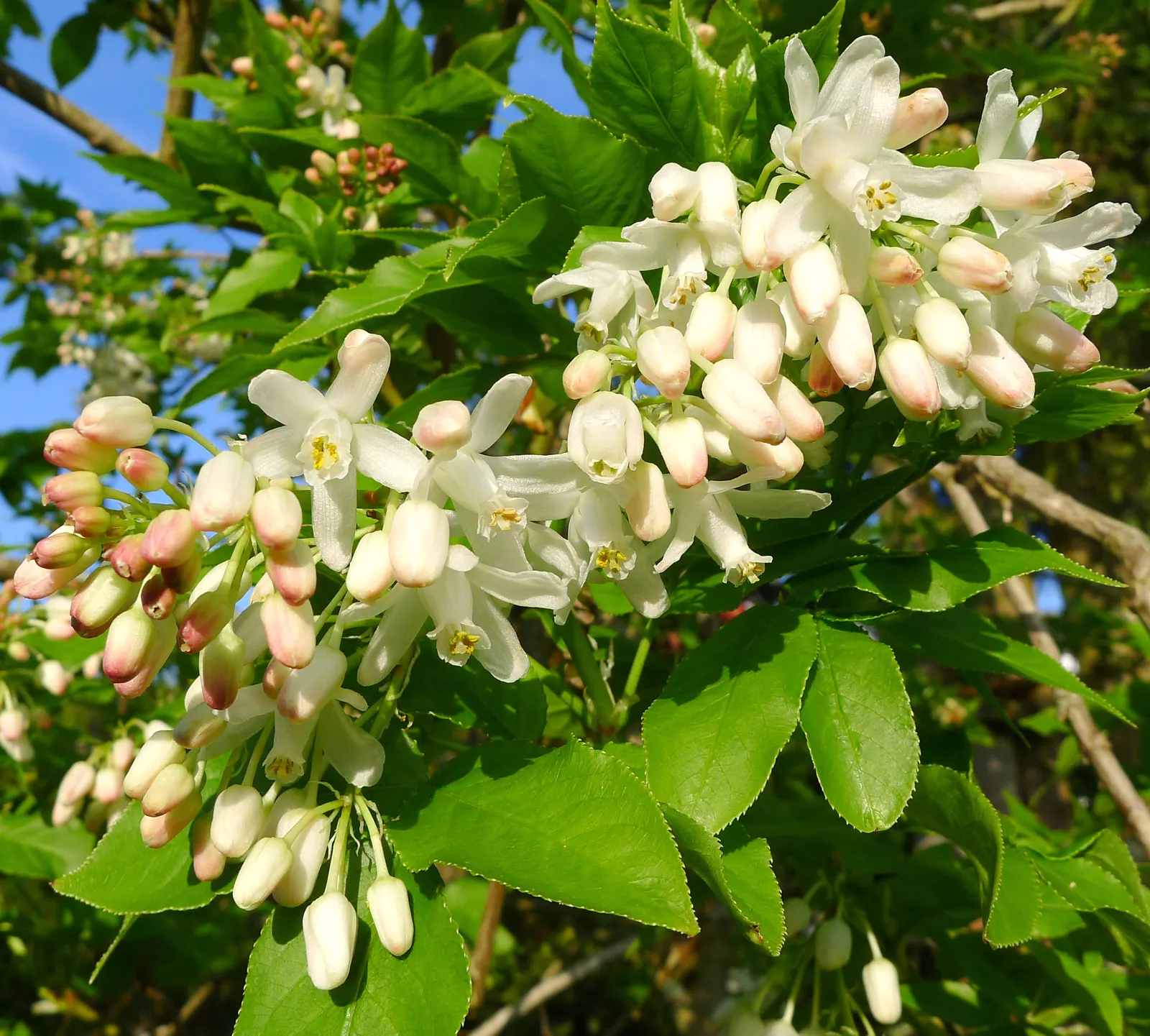
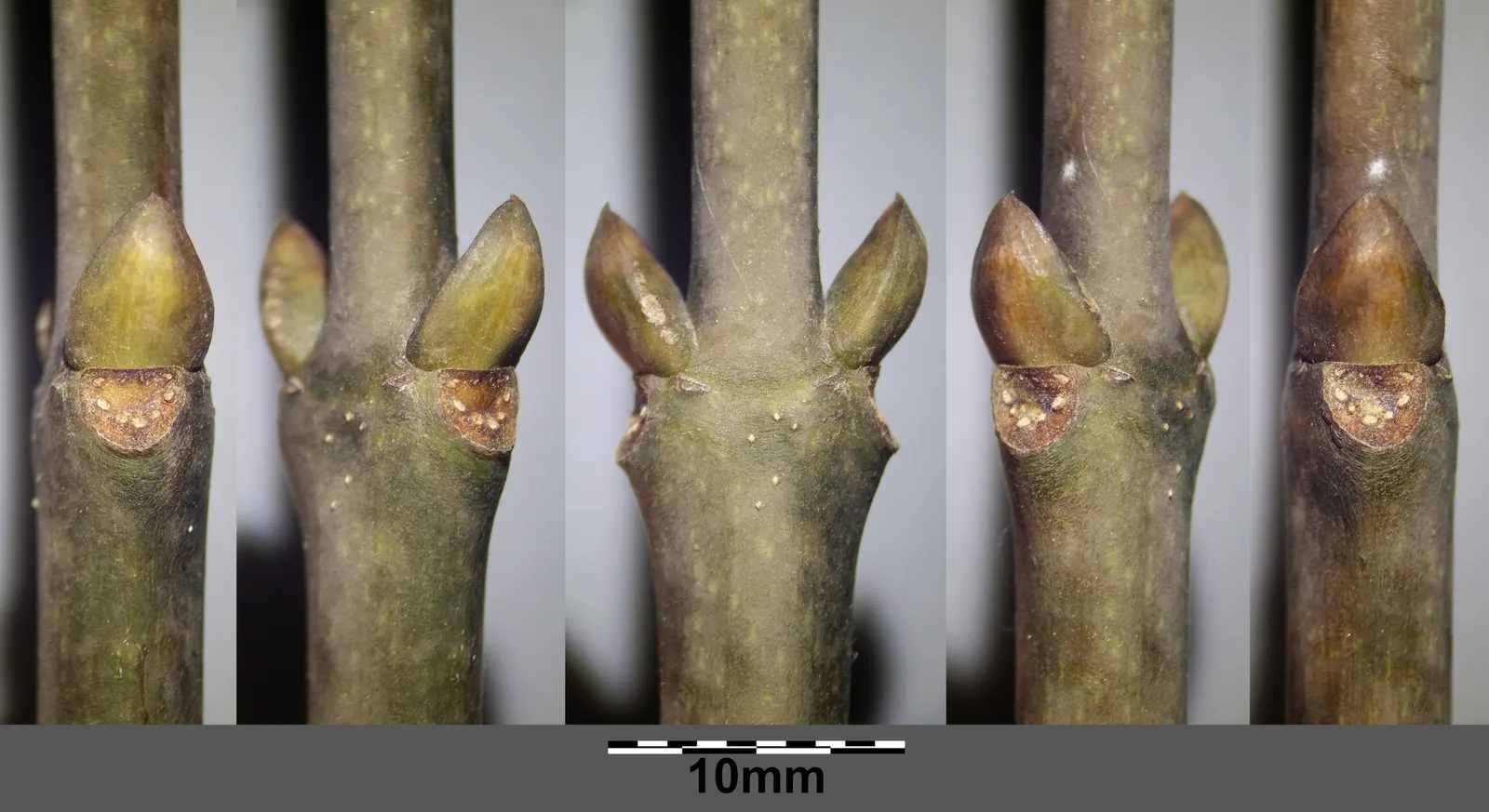
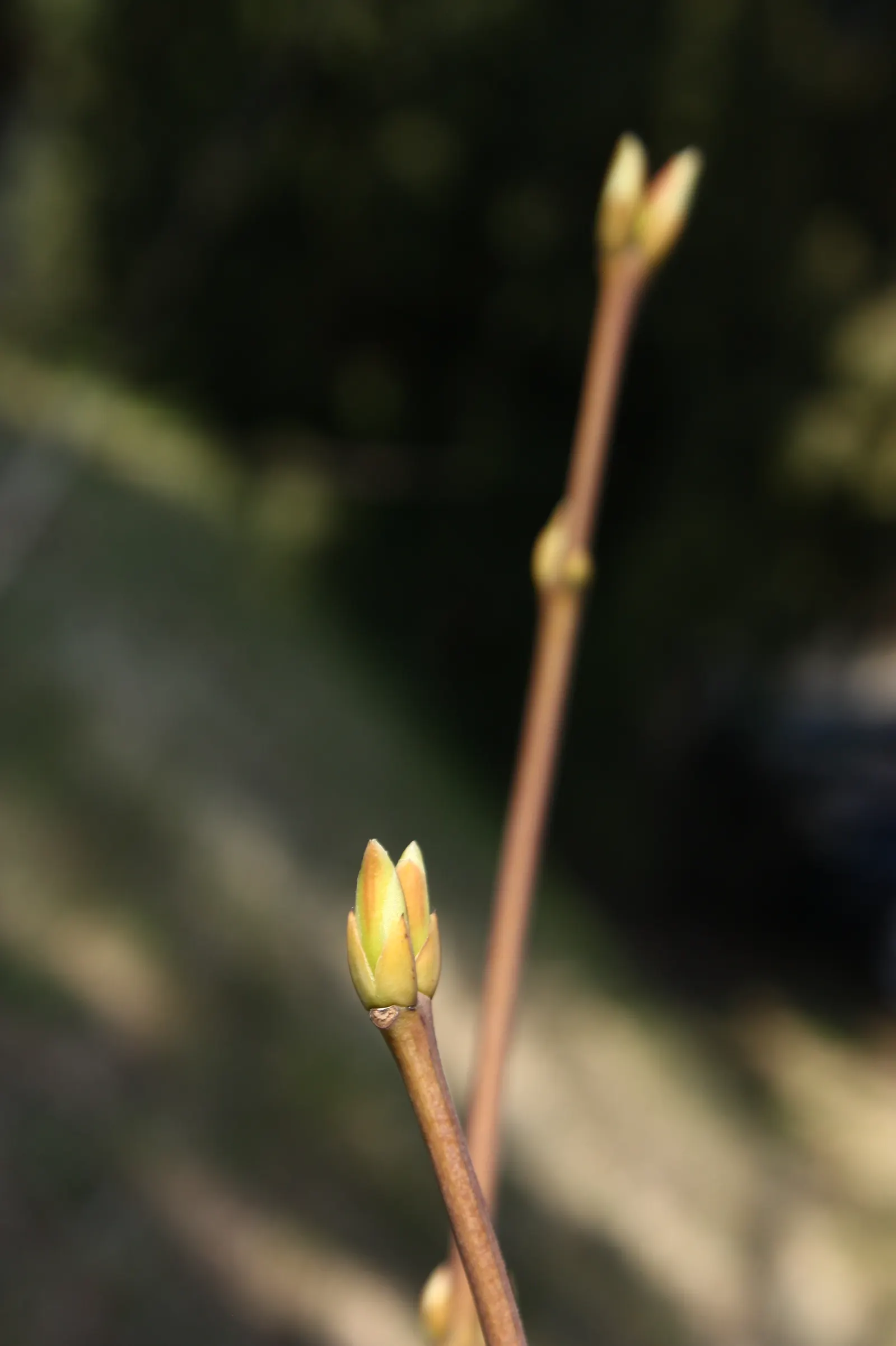
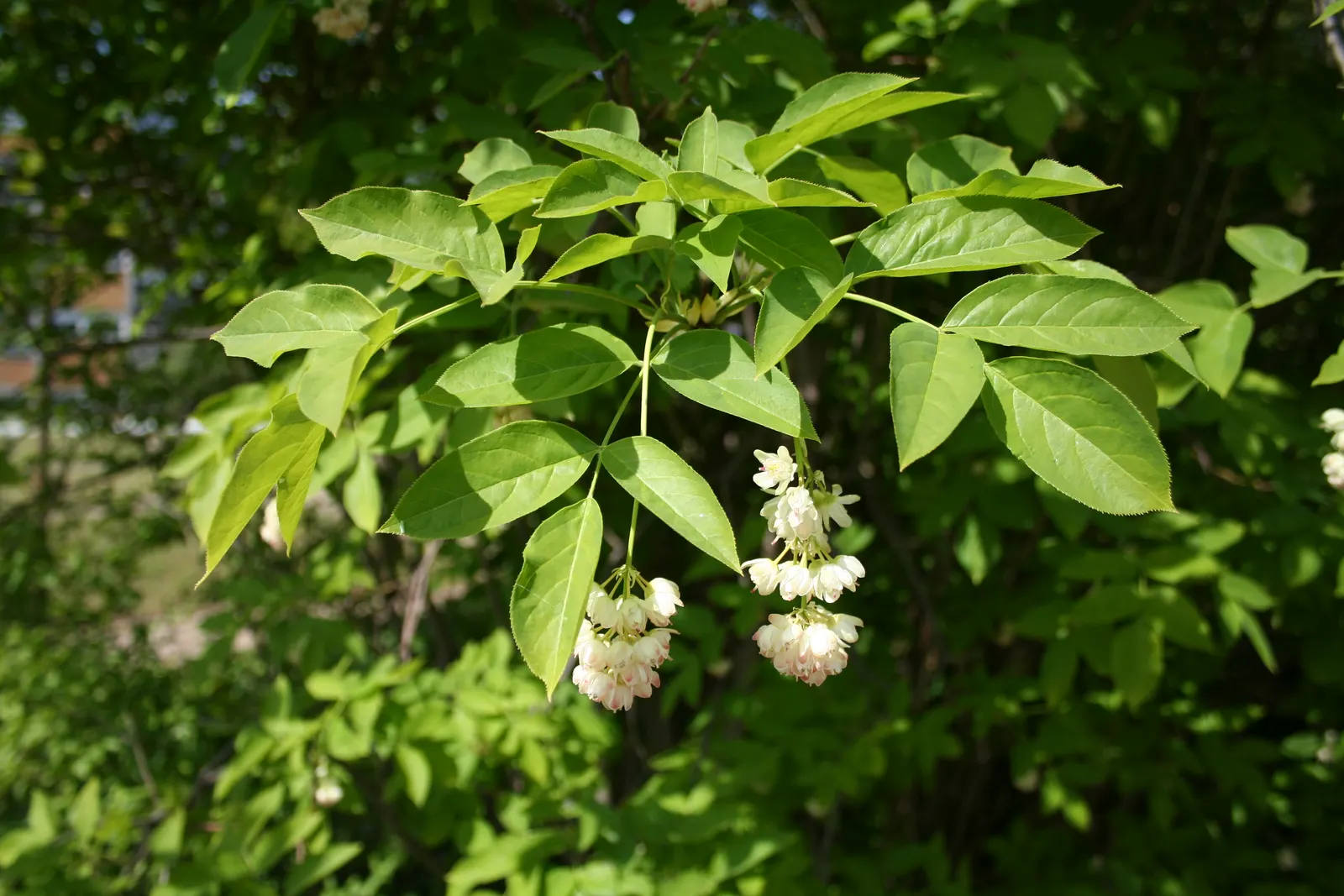
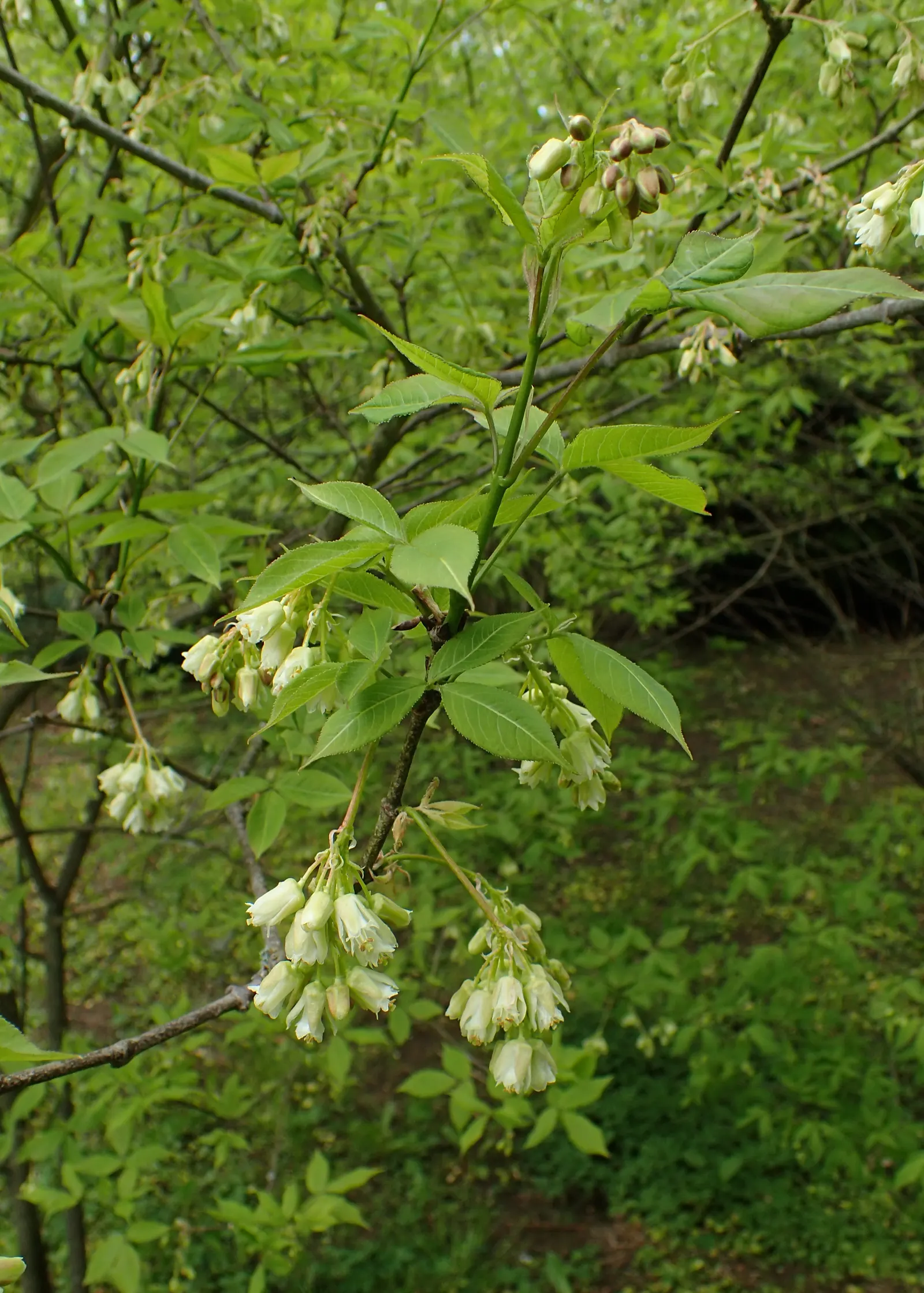
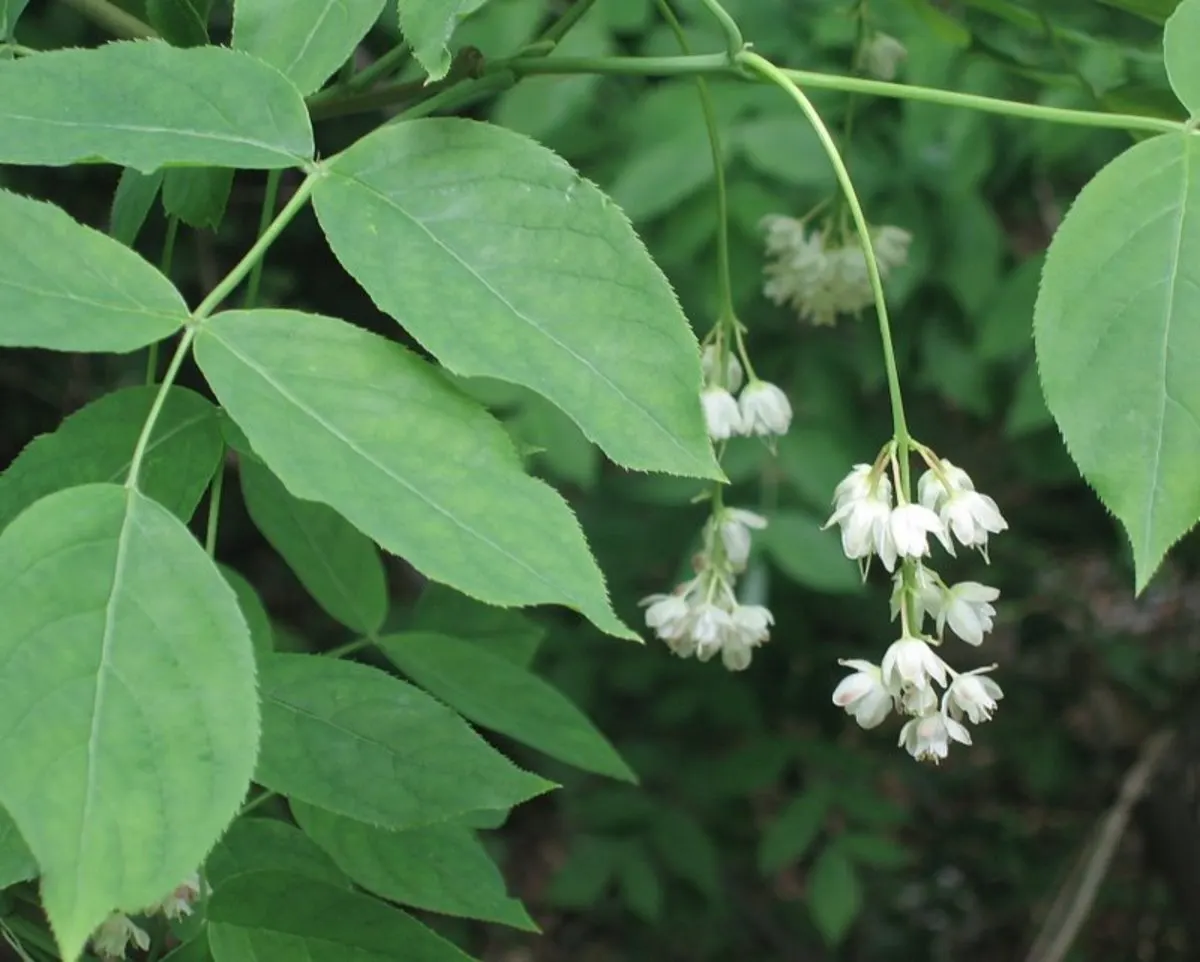
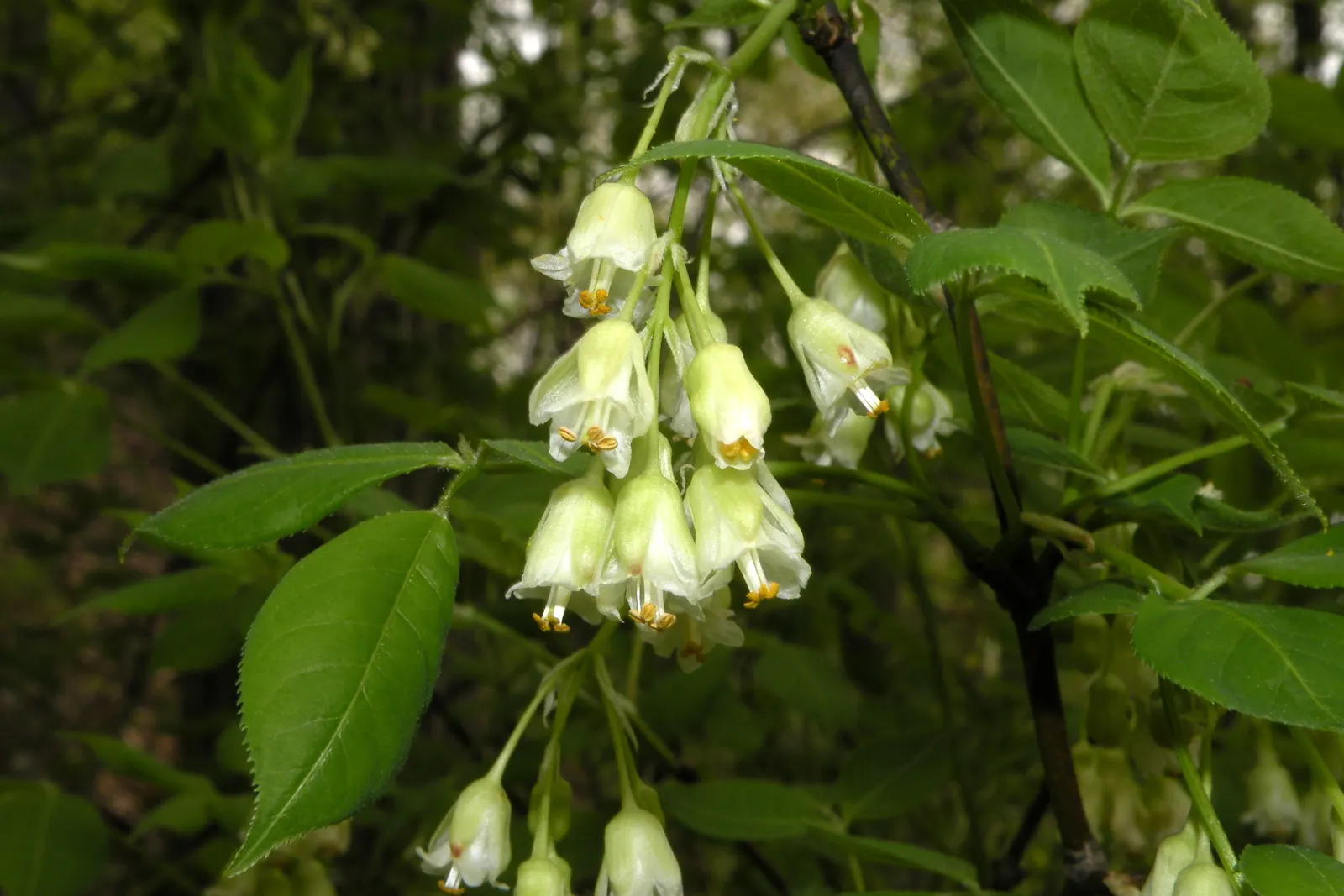
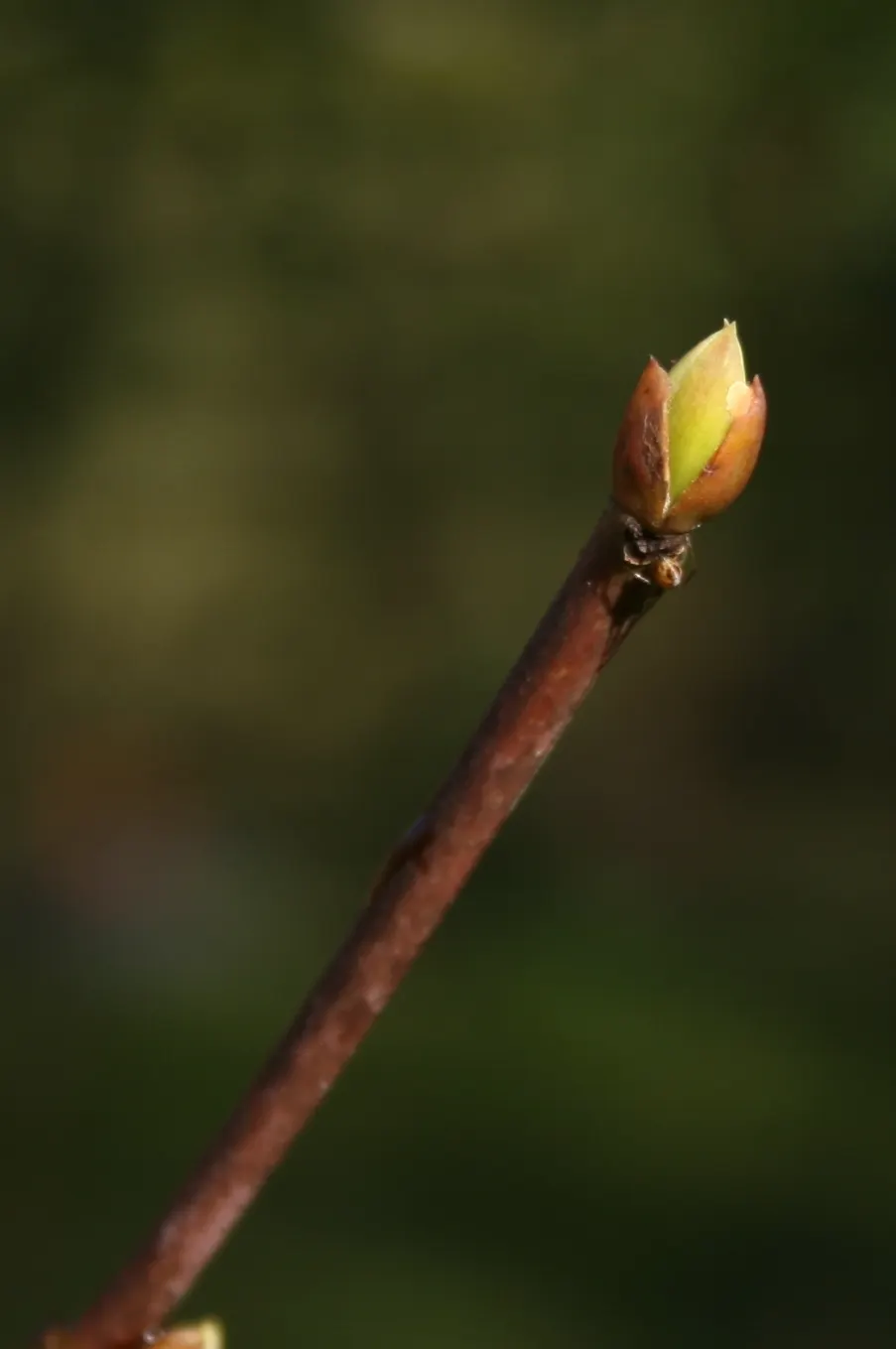
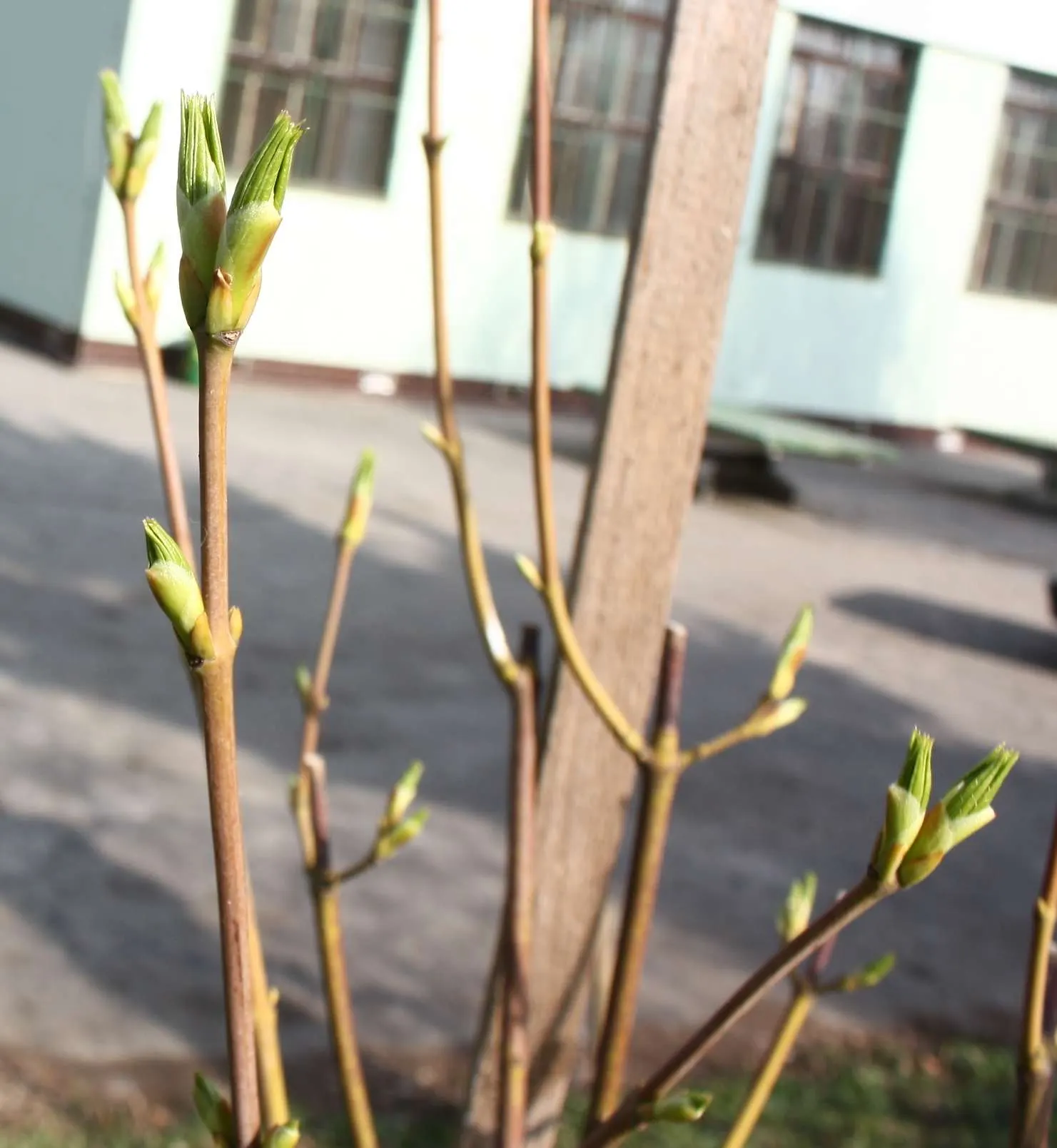
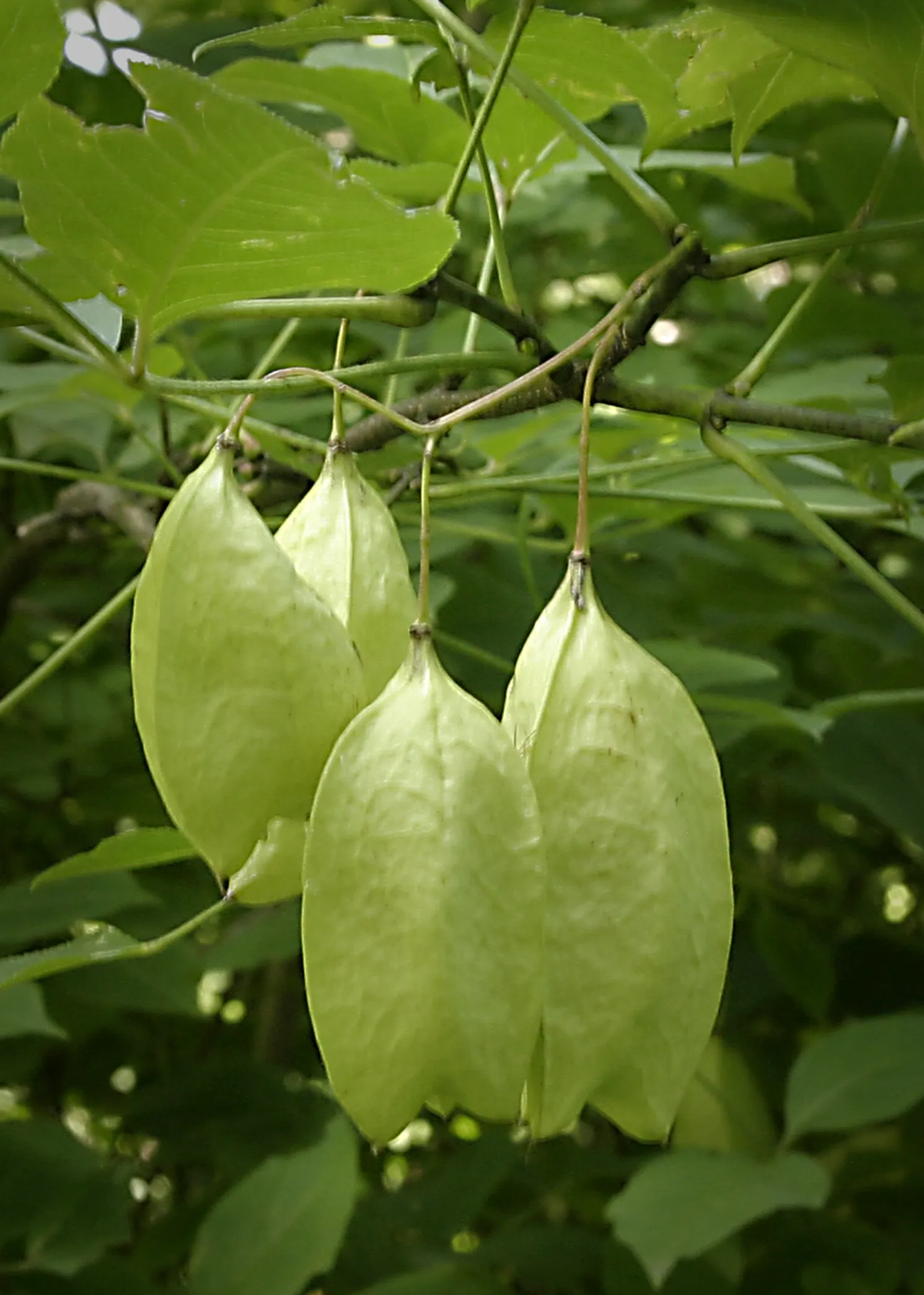
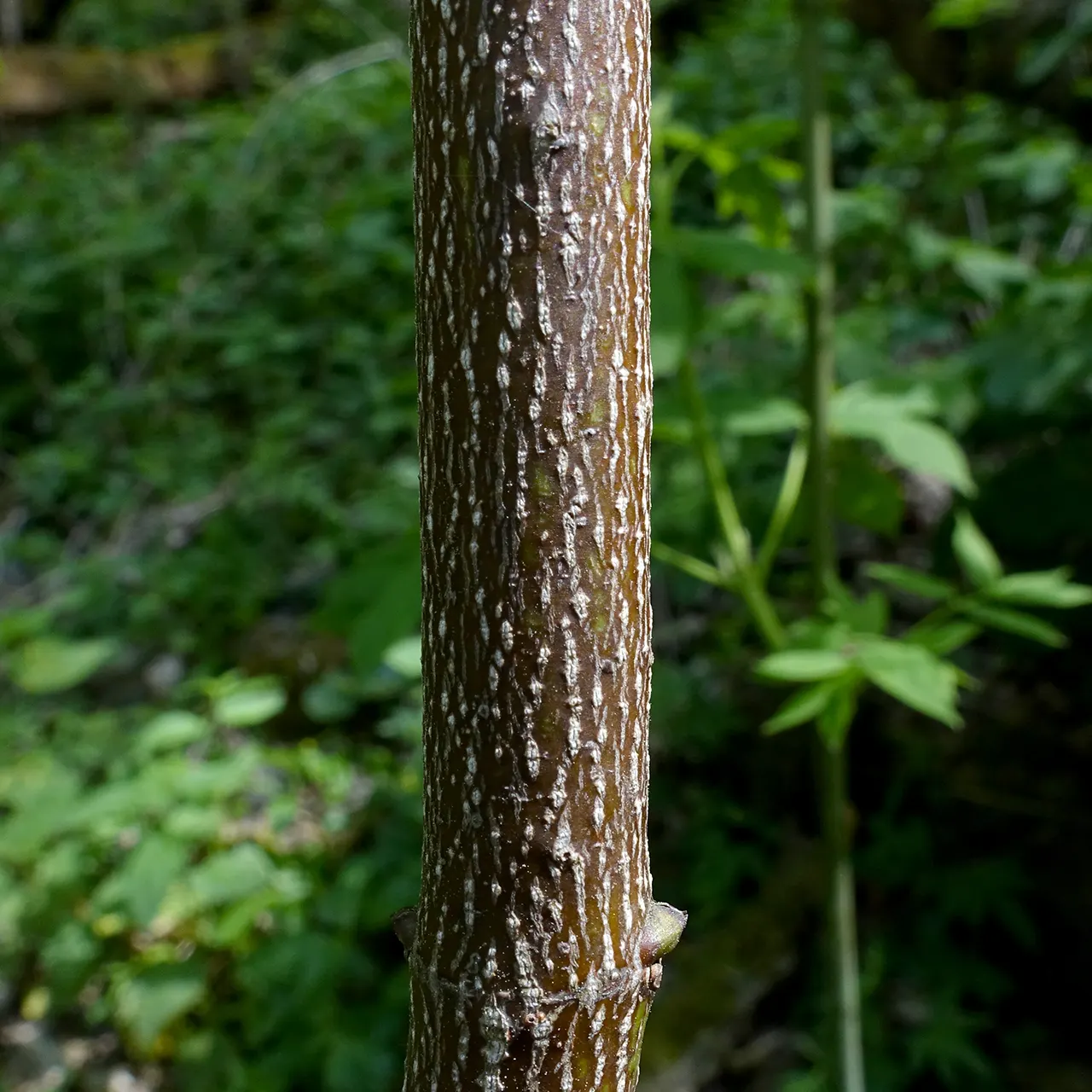
Photographs by 16 contributors
- Agnieszka Kwiecień, Nova, CC BY-SA 4.0 · source
- Salicyna, CC BY-SA 4.0 · source
- Randy A. Nonenmacher, CC BY-SA 3.0 · source
- Krzysztof Golik, CC BY-SA 4.0 · source
- Hladac, CC BY-SA 4.0 · source
- A. Barra, CC BY 3.0 · source
- Krzysztof Ziarnek, Kenraiz, CC BY-SA 4.0 · source
- Radio Tonreg from Vienna, Austria, CC BY 2.0 · source
- JoJan, CC BY 3.0 · source
- gailhampshire from Cradley, Malvern, U.K, CC BY 2.0 · source
- Stefan.lefnaer, CC BY-SA 4.0 · source
- Marco Schmidt, CC BY 2.5 · source
- Boris Gaberšček, CC BY 2.5 si · source
- Doug McGrady from Warwick, RI, USA, CC BY 2.0 · source
- Sten Porse, CC BY-SA 3.0 · source
- Amos Oliver Doyle, CC BY-SA 3.0 · source
Related plants
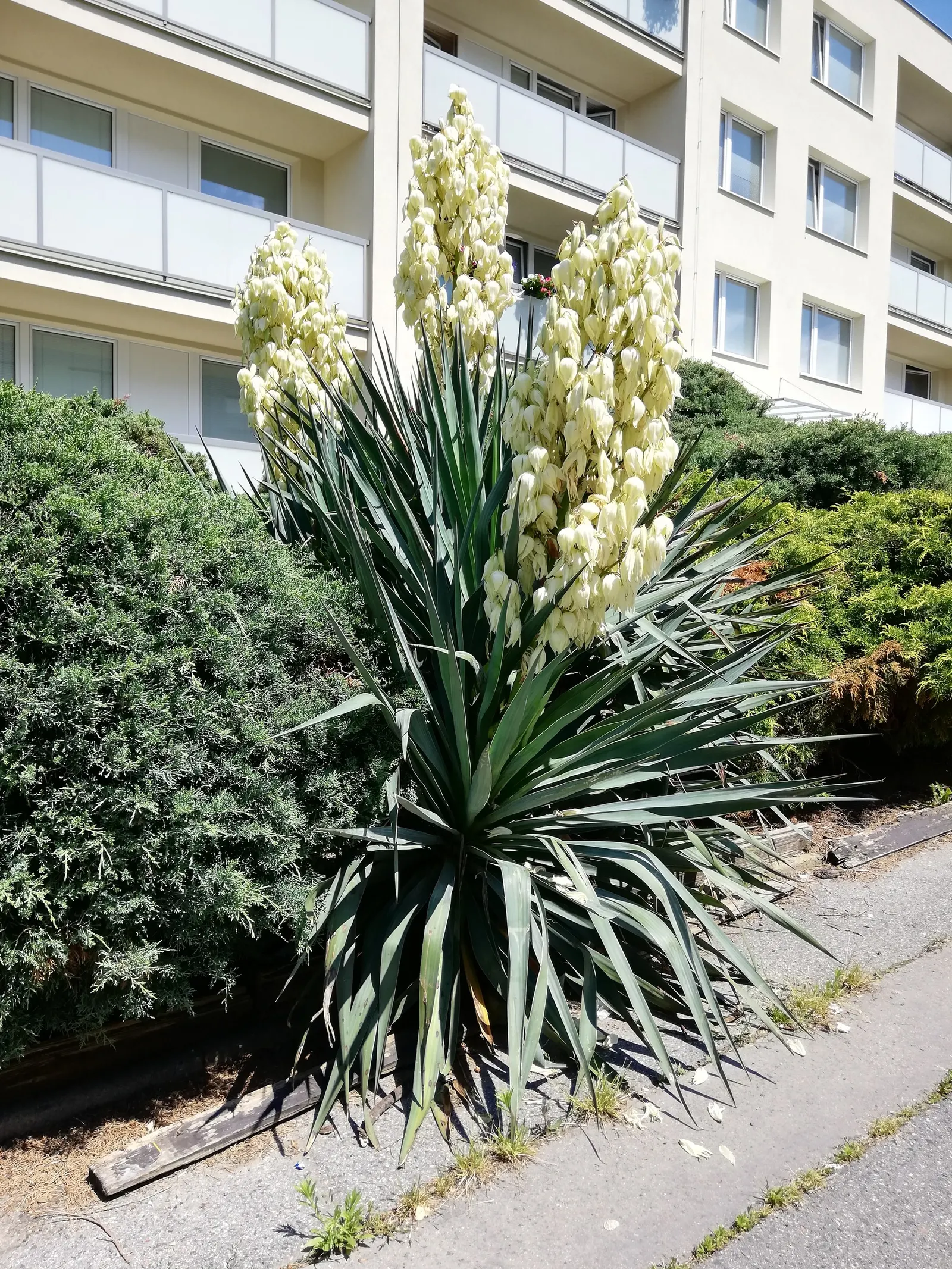
Shrub
Adam's Needle
Yucca Filamentosa
FullUSDA 10–10
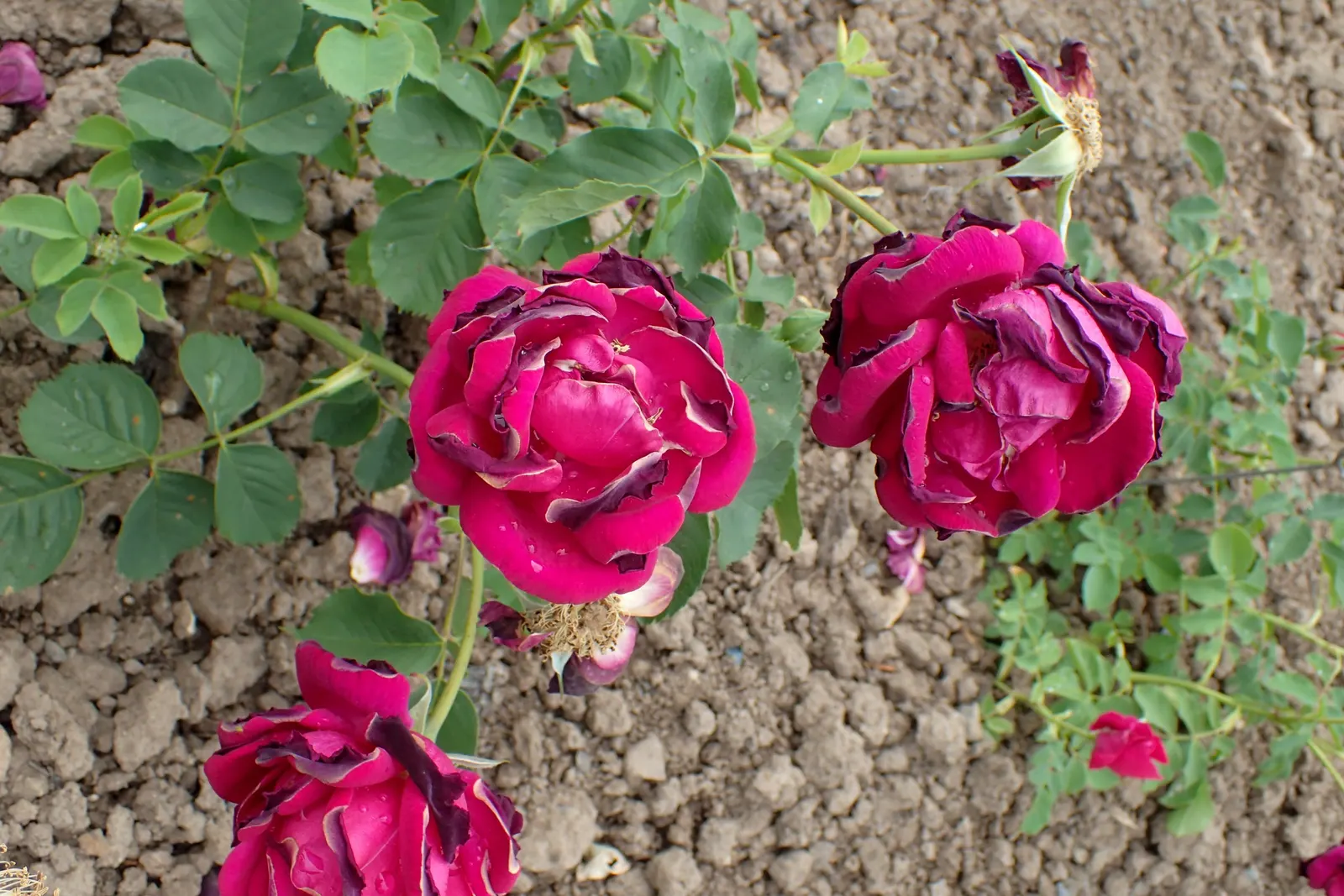
Shrub
Adelaide Hoodless Rose
Rosa 'Adelaide Hoodless'
FullUSDA 5–9
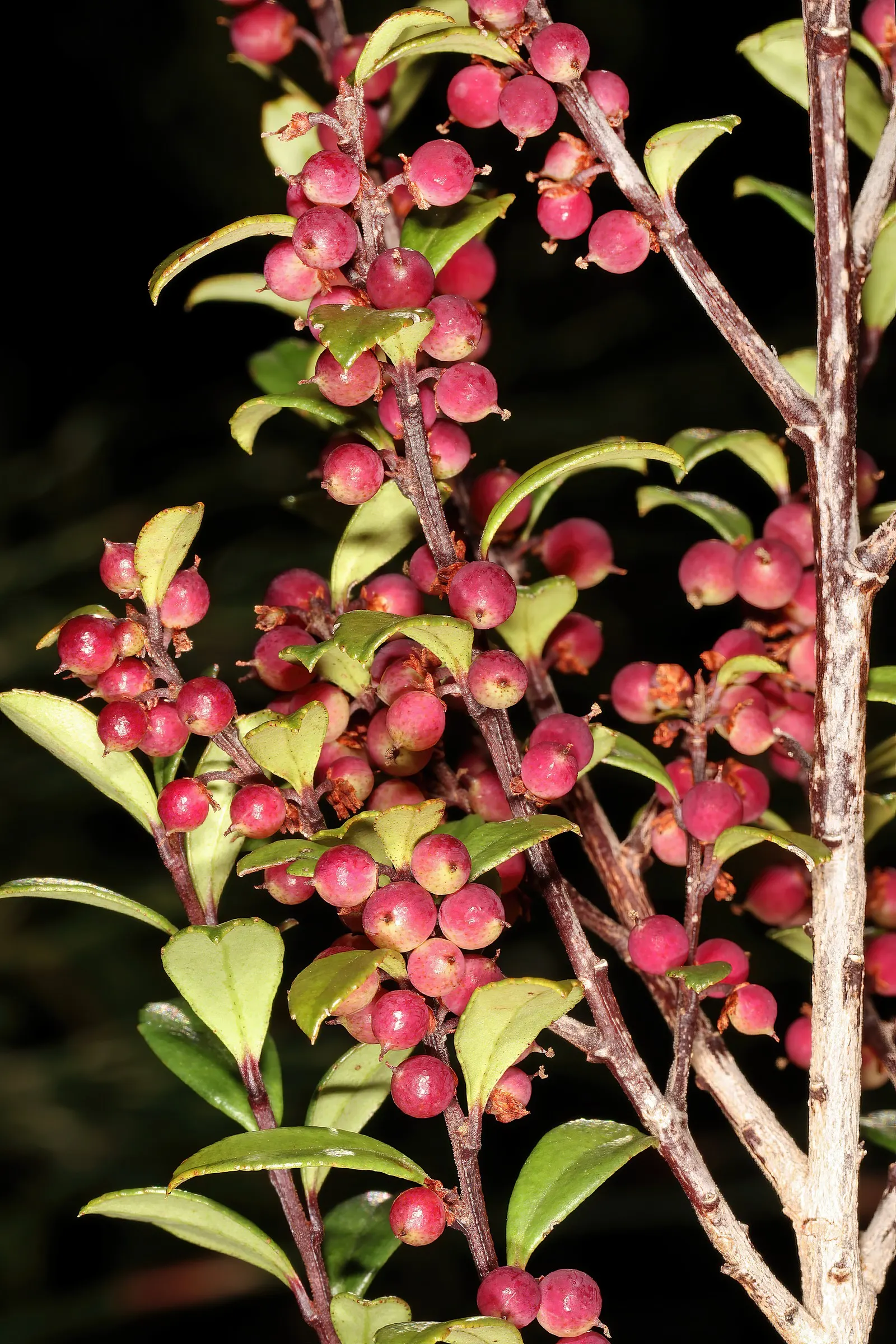
Shrub
African Boxwood
Myrsine Africana
FullUSDA 9–11
Shrub
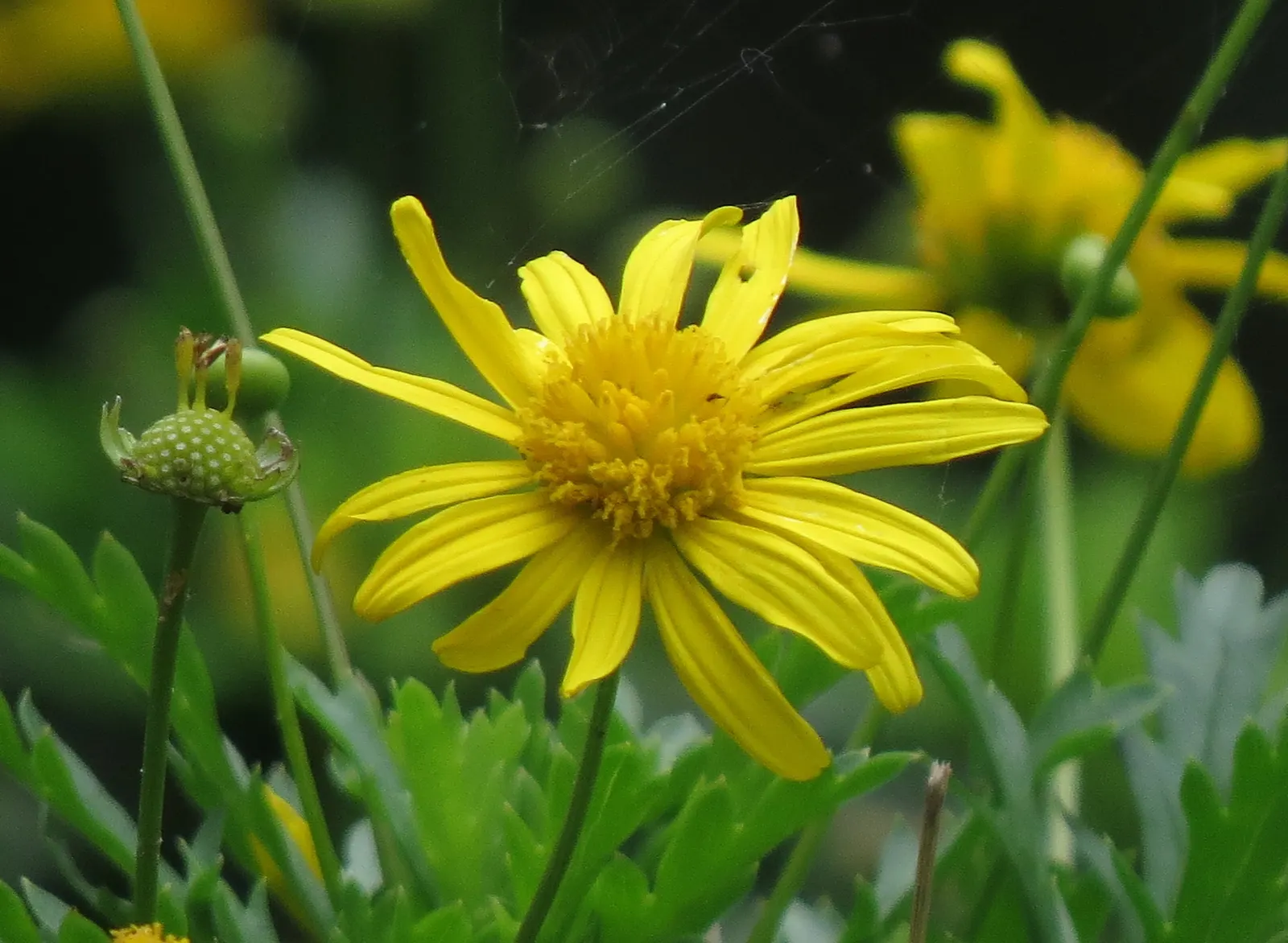
African Bush Daisy
Euryops Chrysanthemoides
FullUSDA 9–11
Shrub
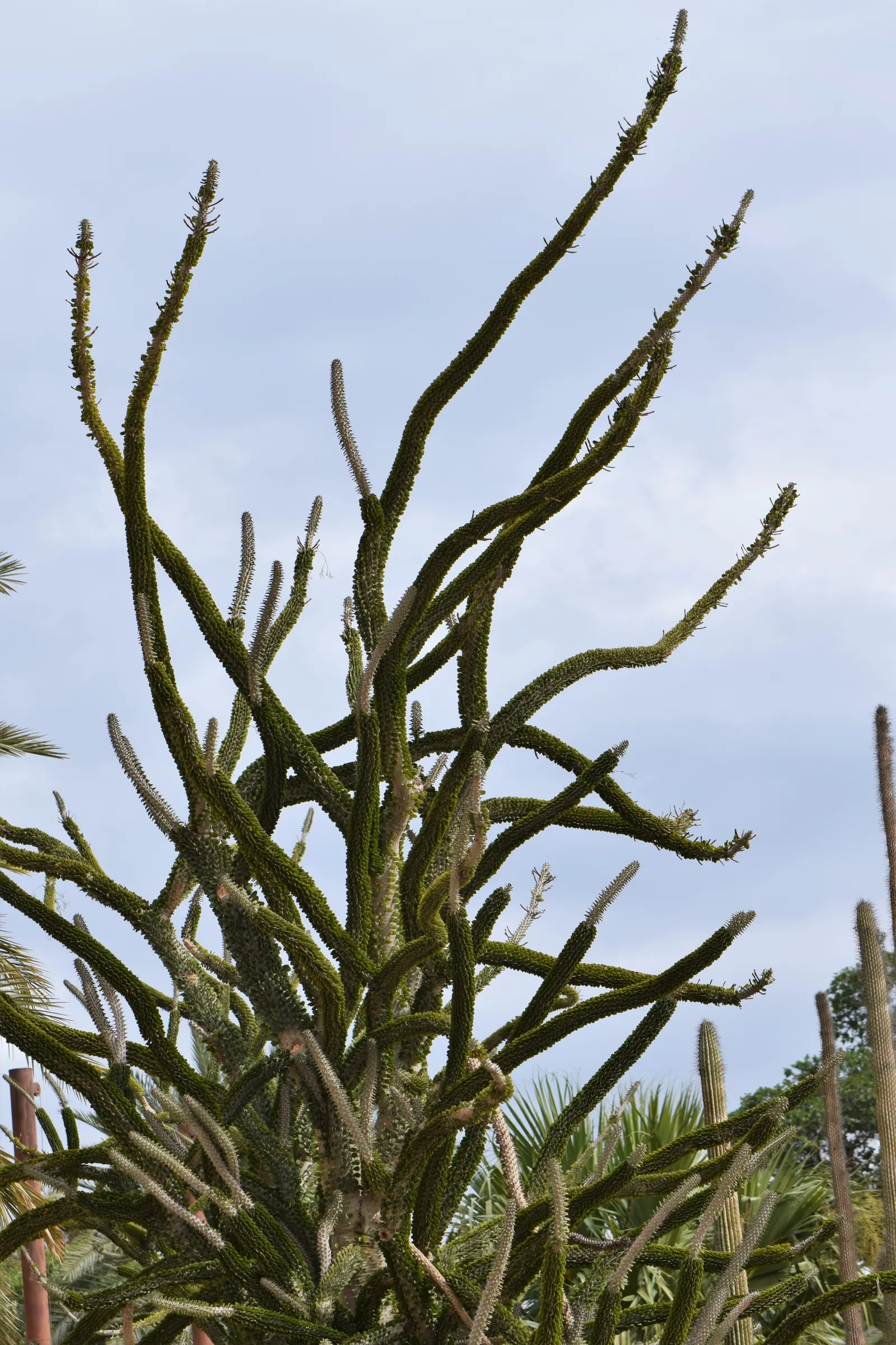
African Madigascan
Alluaudia Procera
FullUSDA 9–11
Broadleaf Evergreen
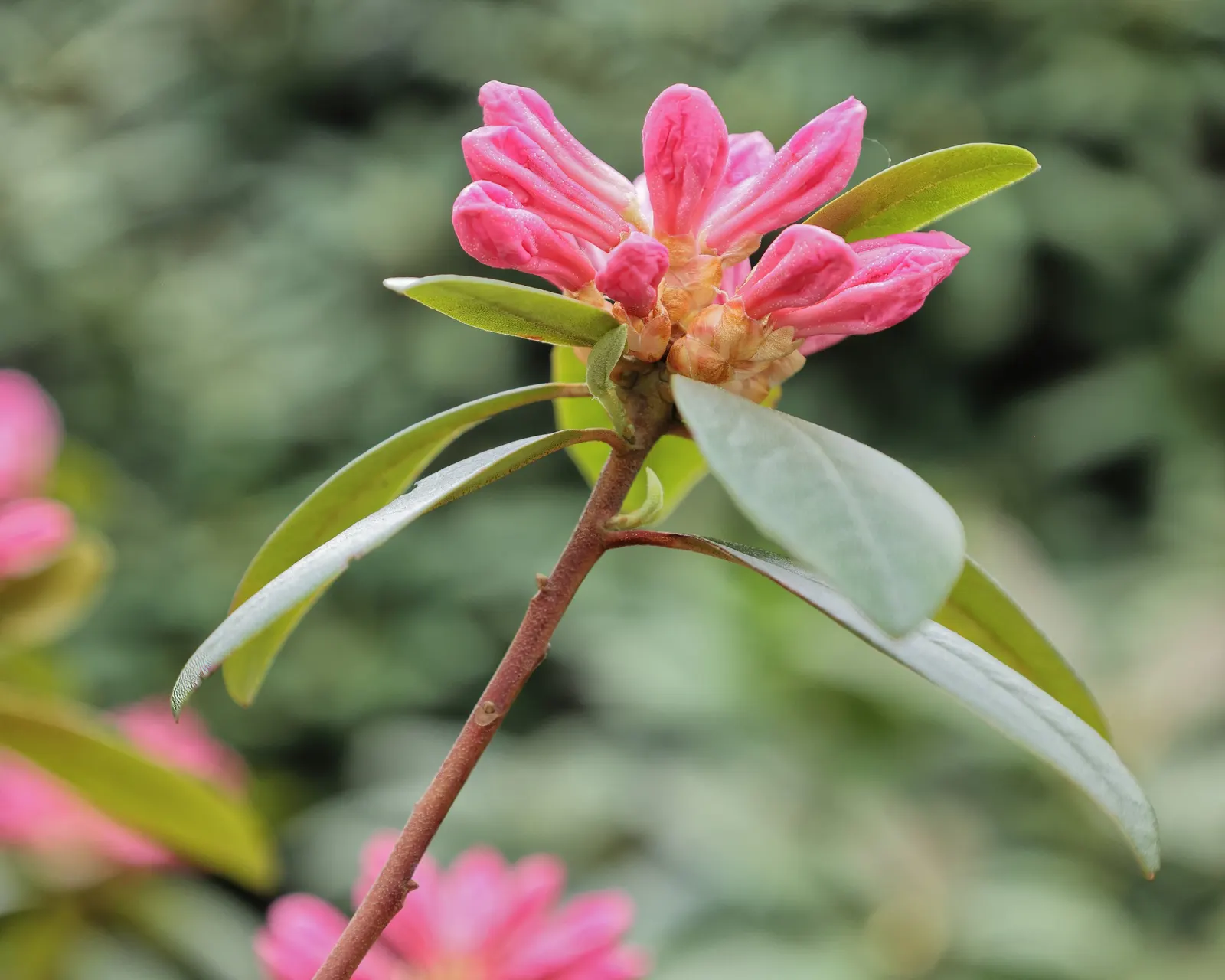
Aglo Rhododendron
Rhododendron 'Aglo'
FullUSDA 4–7