Skip to content

Indian Pinks

Spigelia Marilandica

Design with this plant

Overview

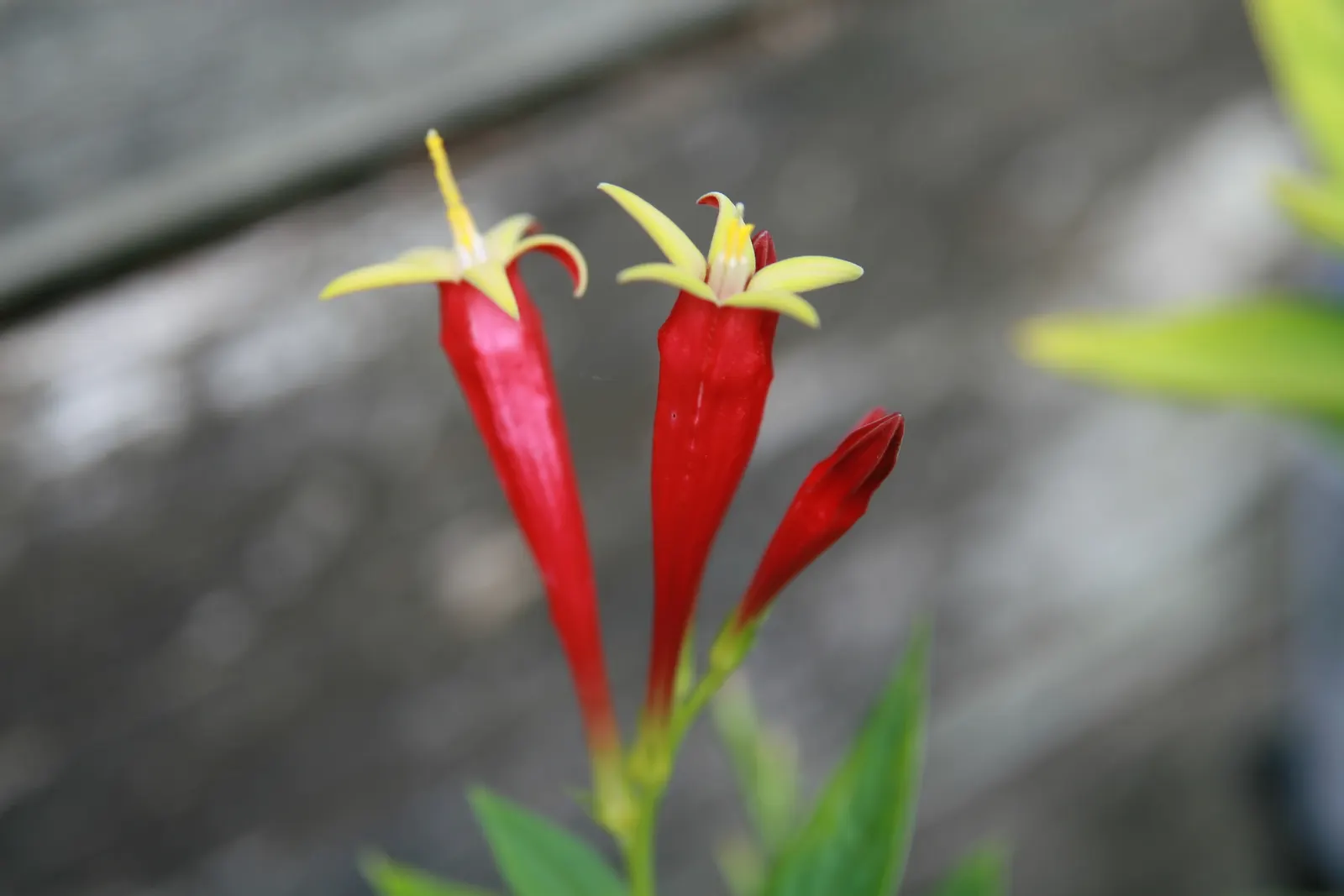
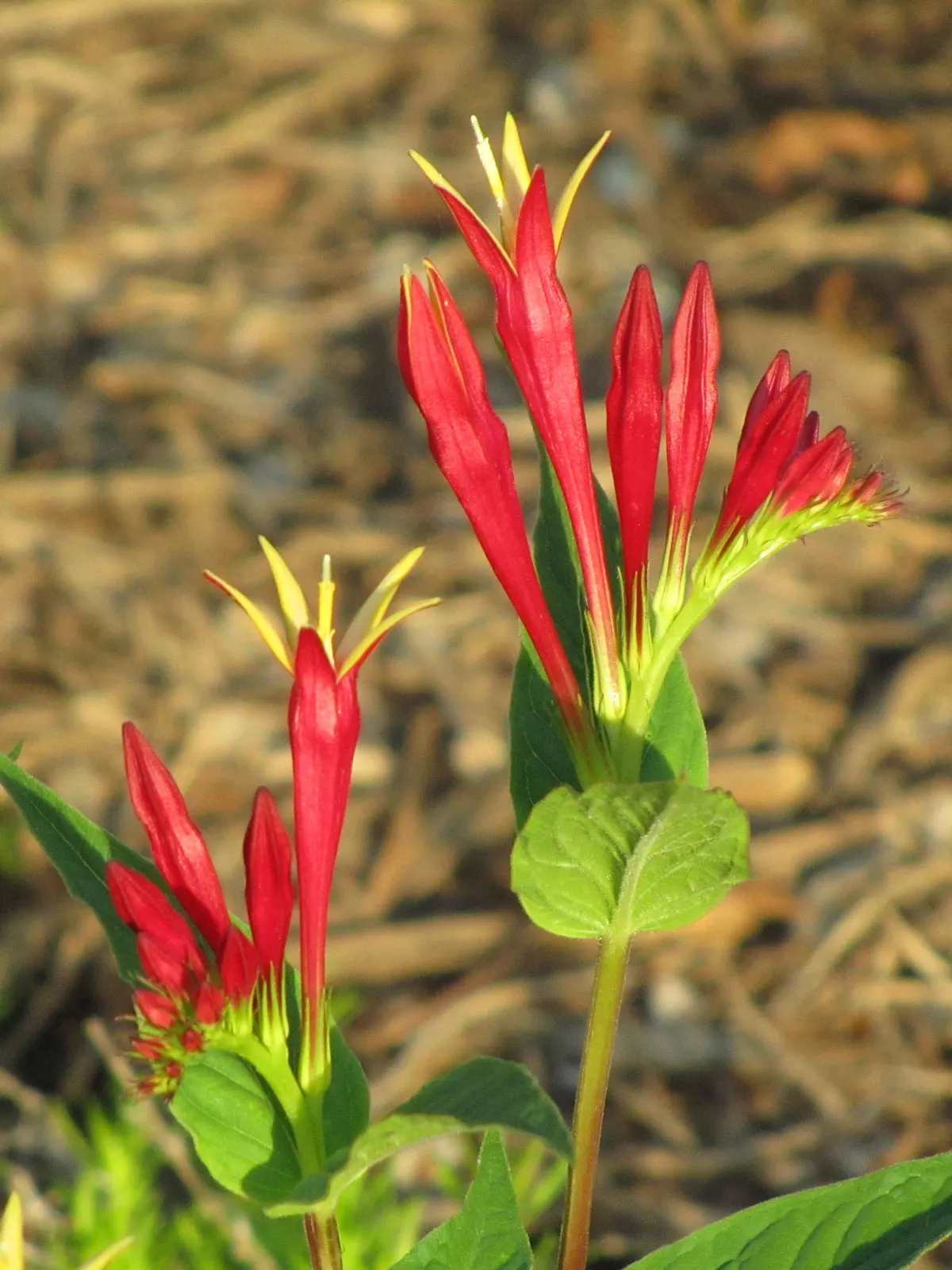
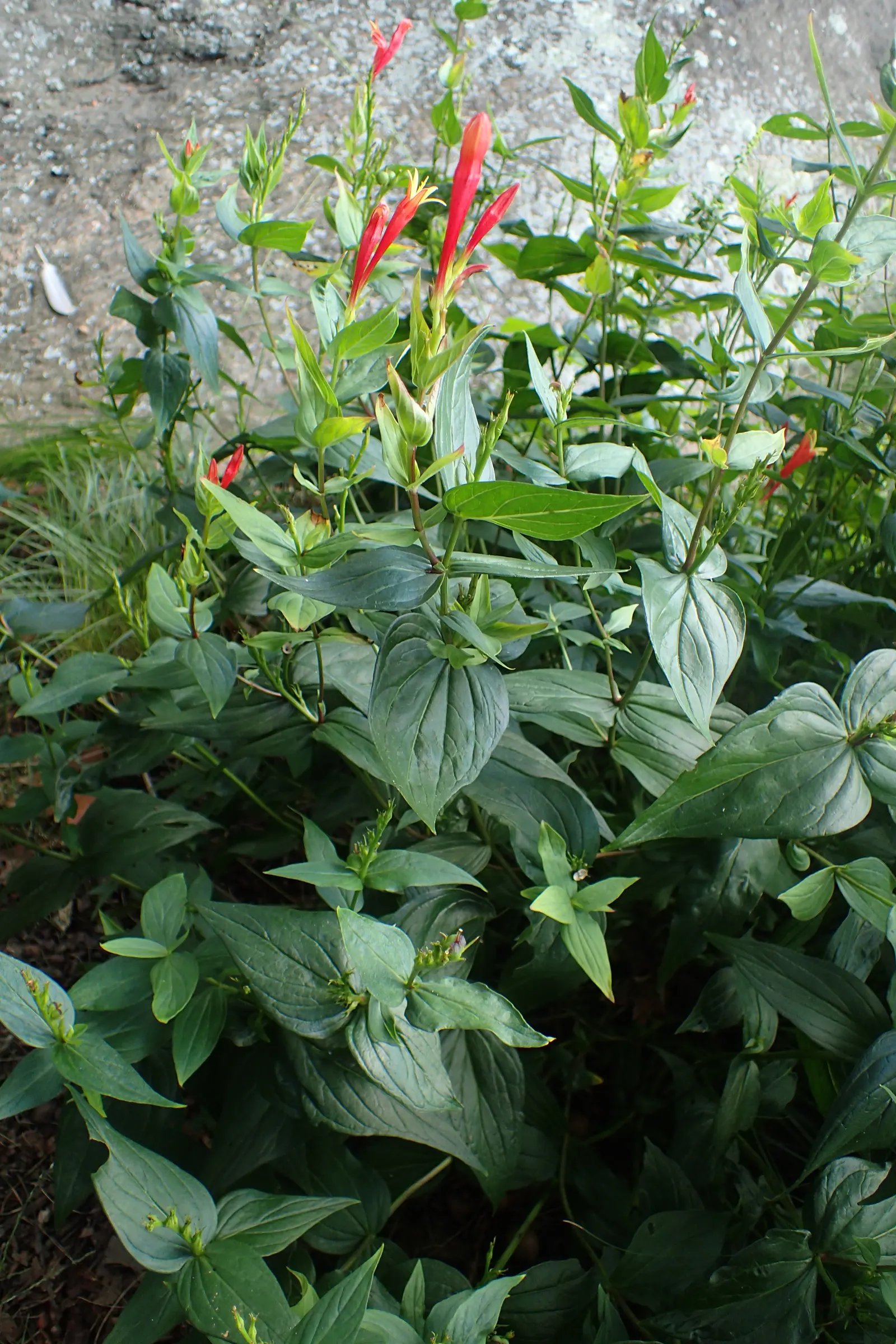
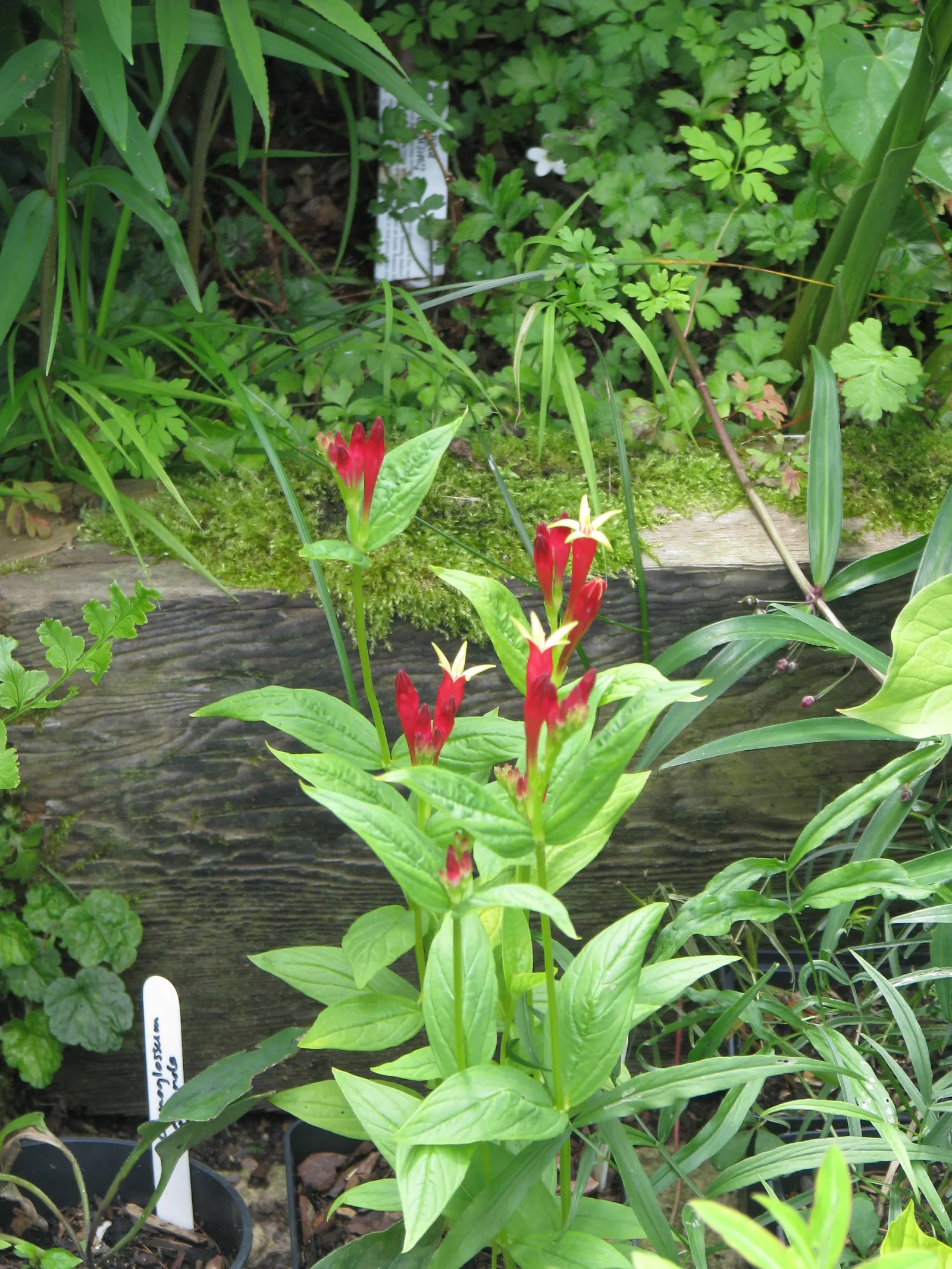
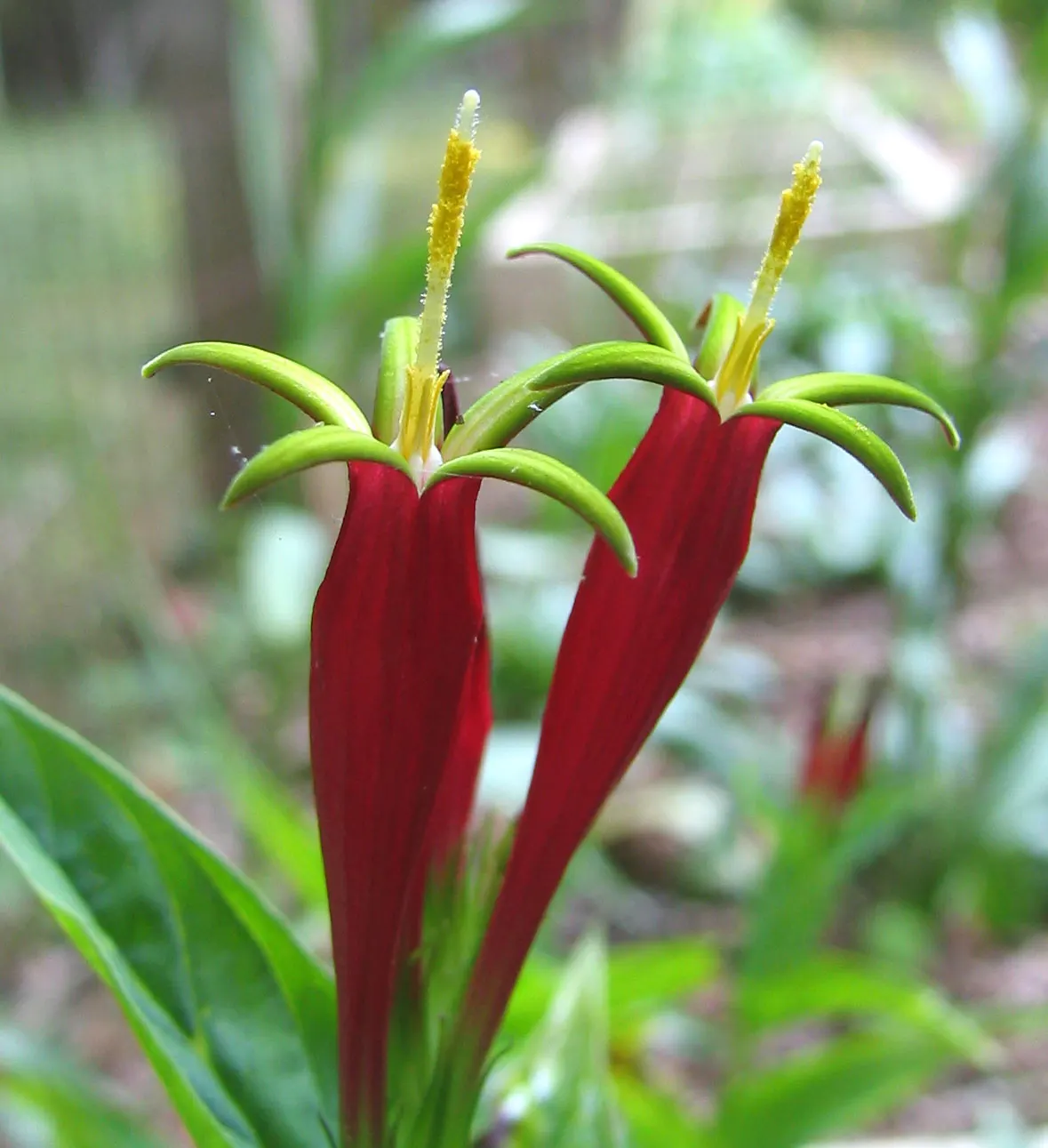
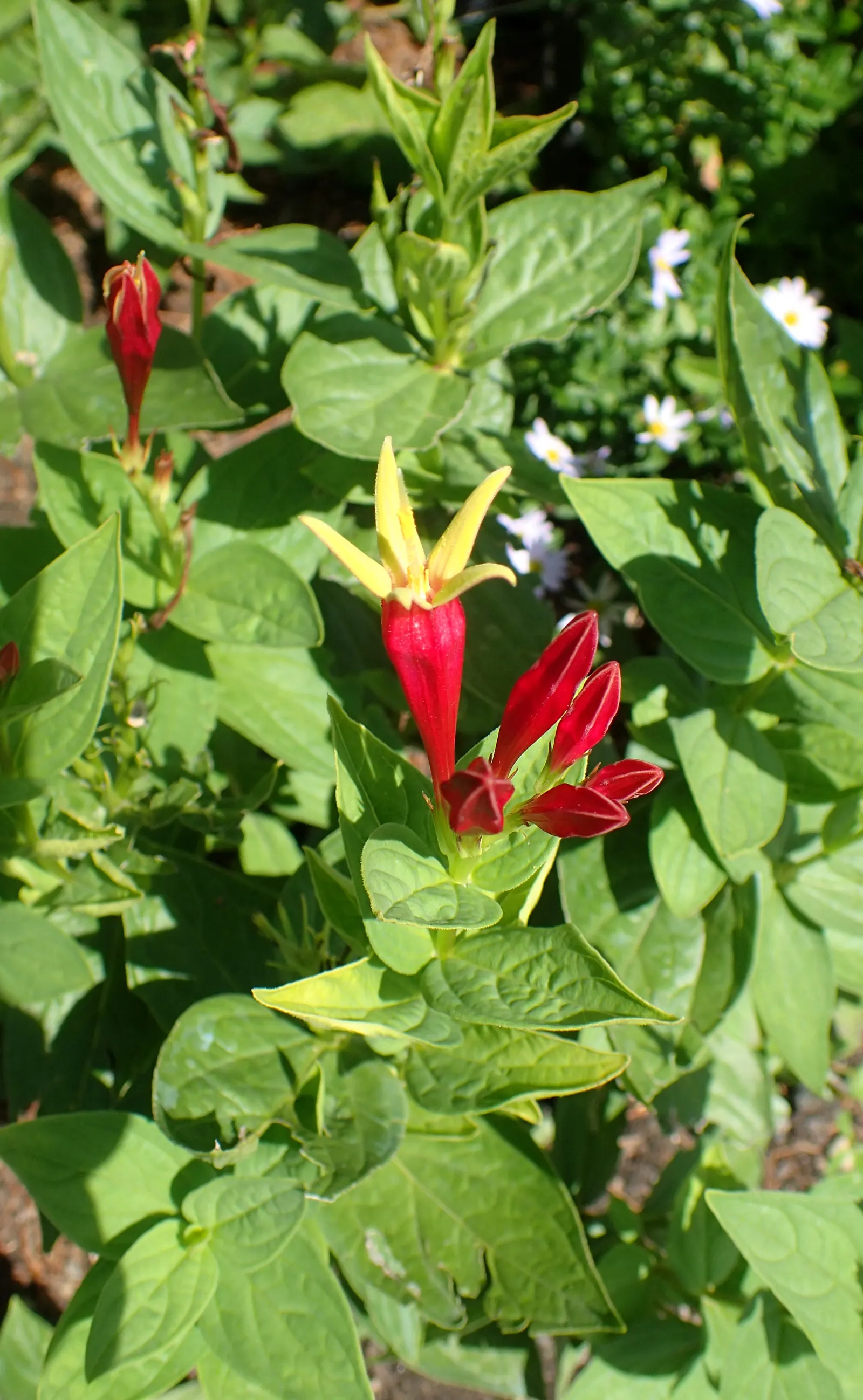
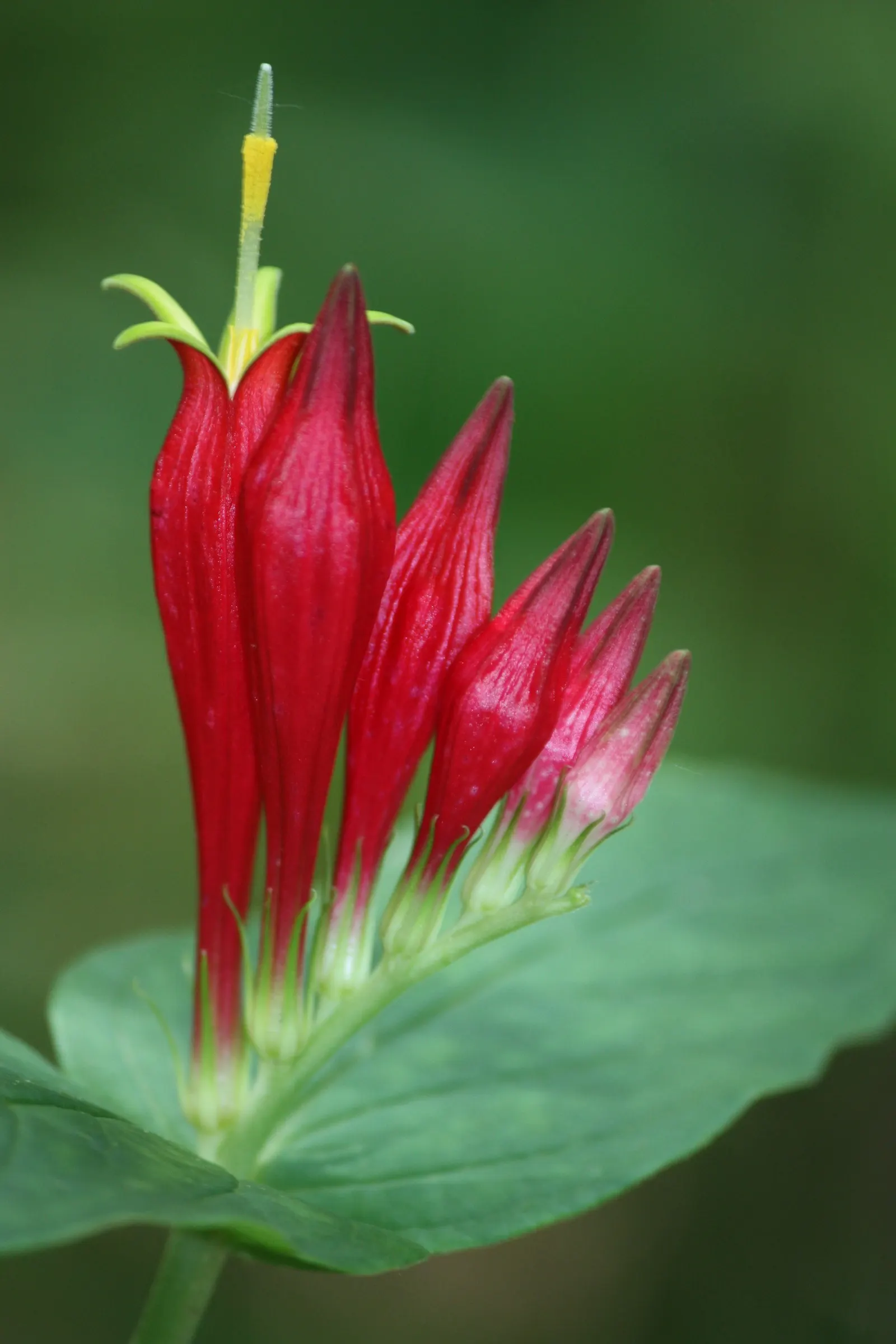
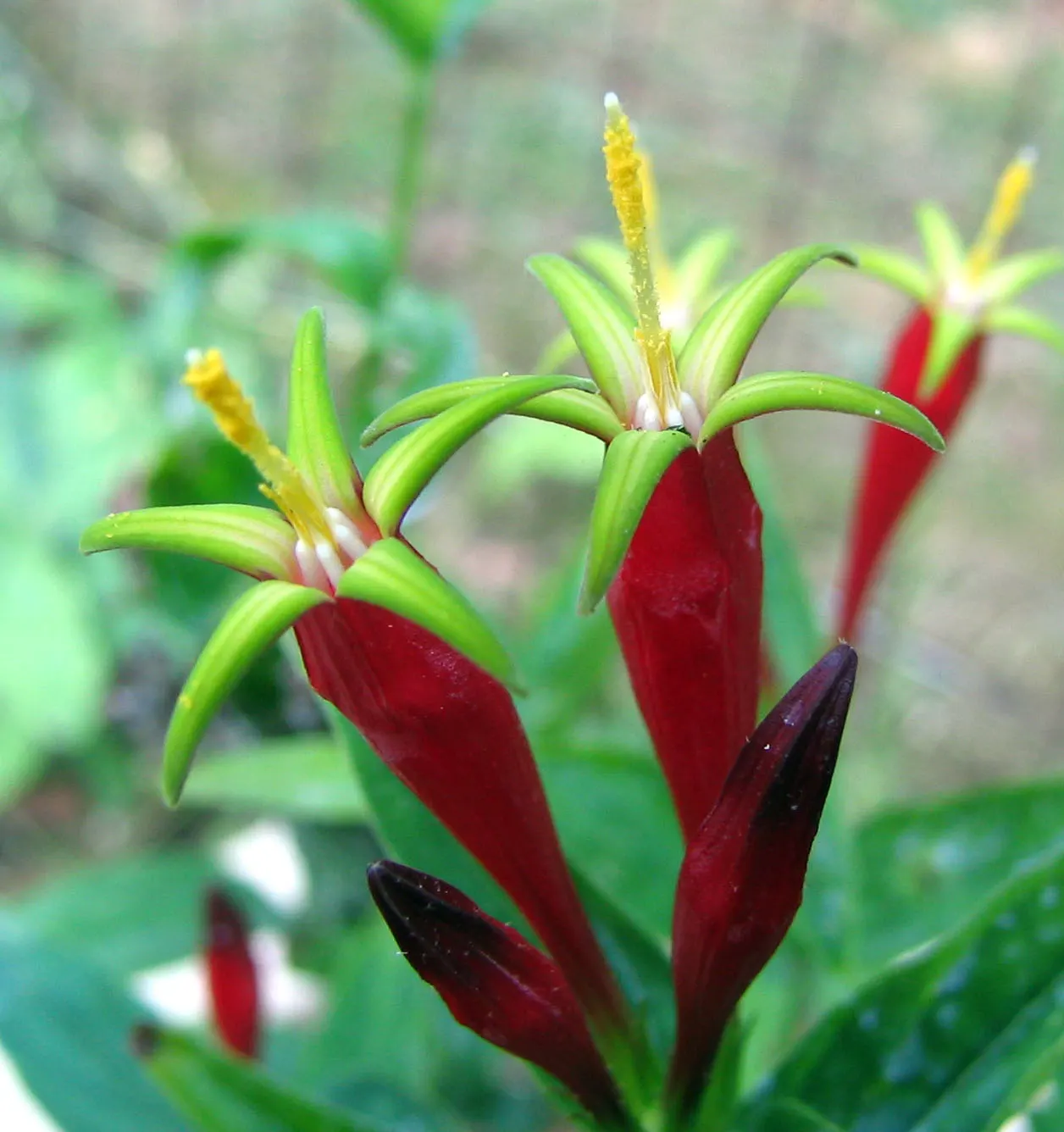
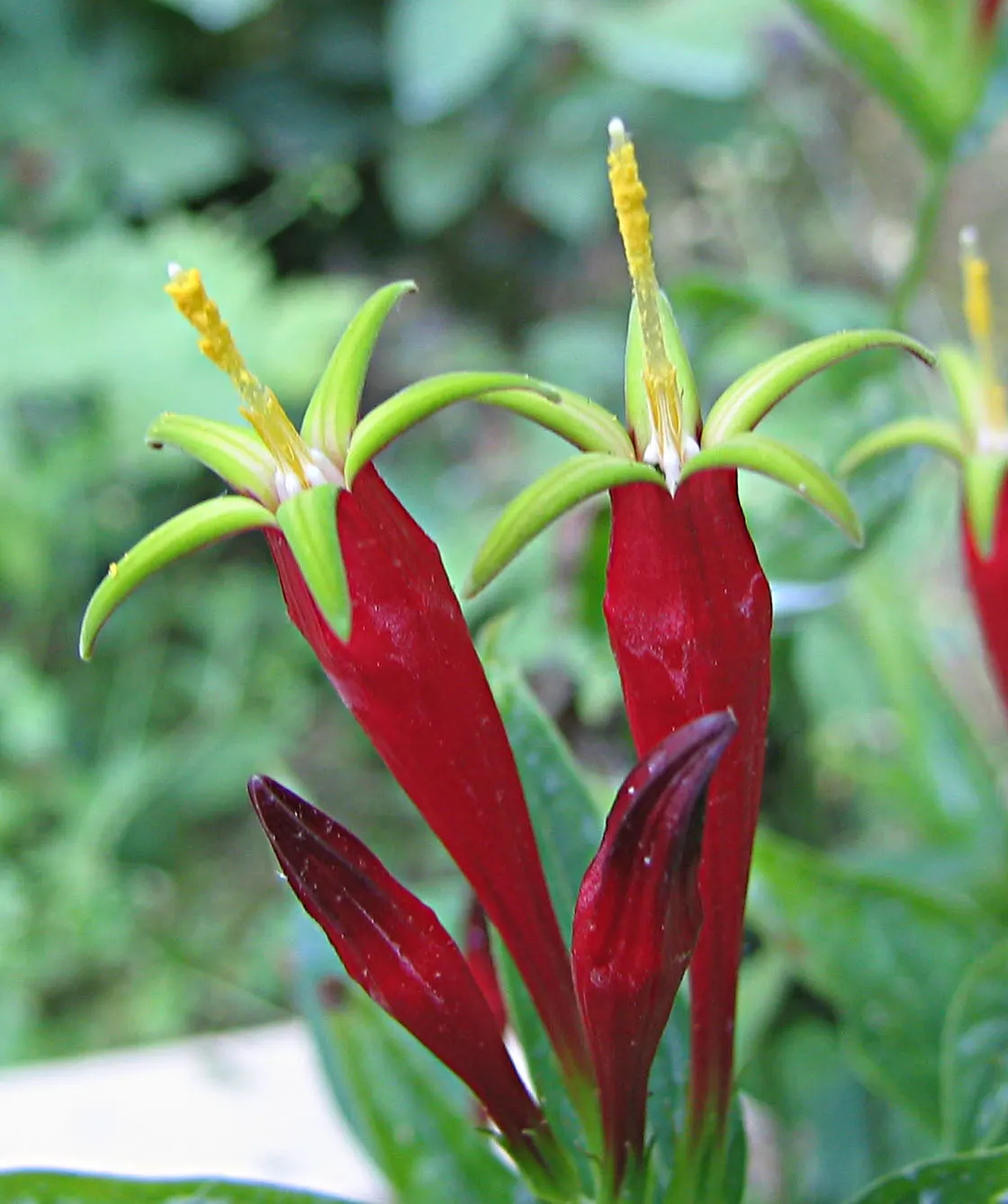
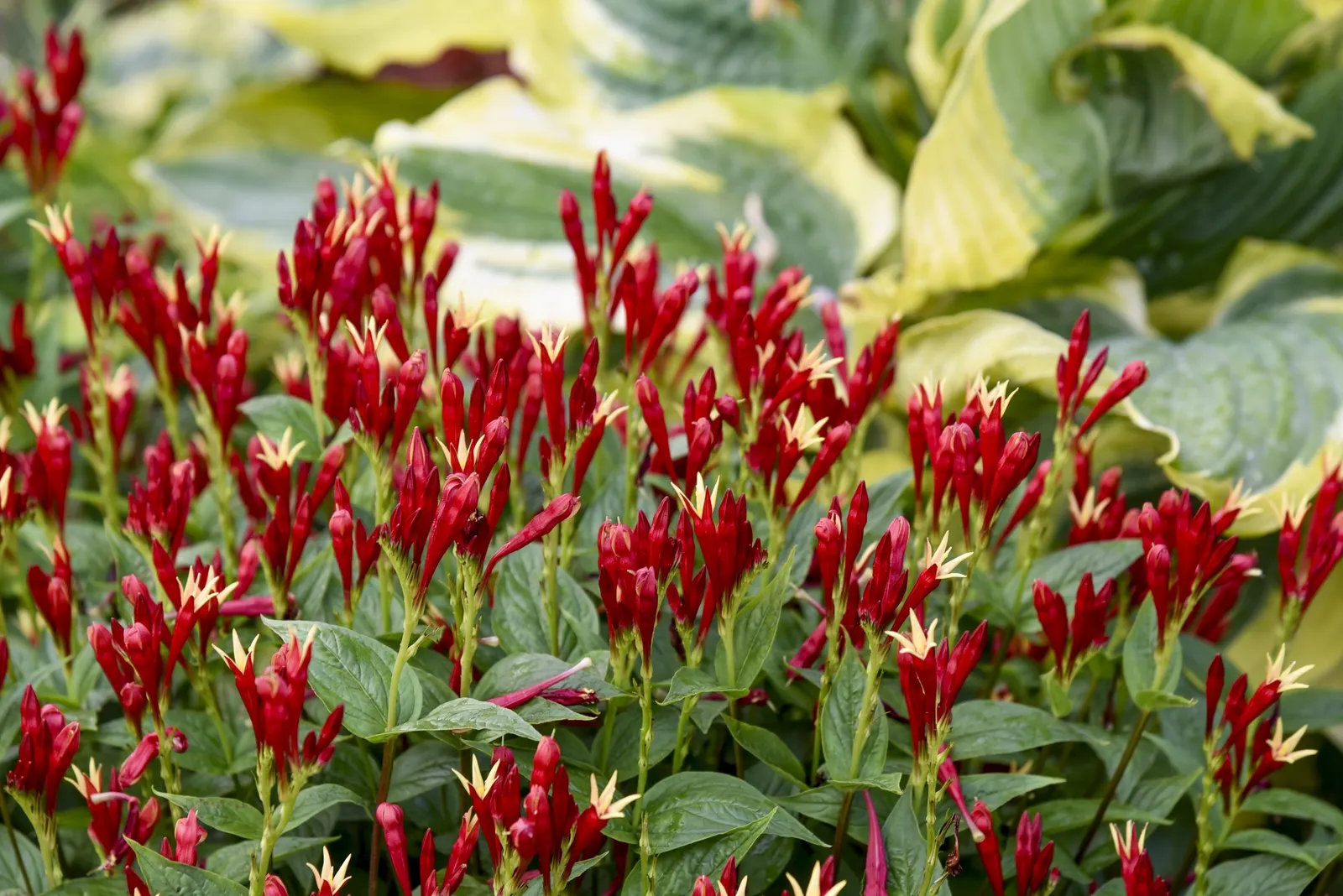
Spigelia marilandica, commonly known as Indian Pink, is a vibrant perennial native to the southeastern U.S. It features brilliant red tubular flowers with yellow throats, blooming in early summer. Reaching 1 to 2 feet in height, this shade-loving plant prefers moist, well-drained soil and can be planted in USDA zones 5-9. Attracts hummingbirds and butterflies, adding dynamic color and ecological value to woodland gardens.

Sun Half, ShadeWater MediumZones 5–9Type PerennialClimate Temperate

Culture

Sun
Half, Shade
Water
Medium
USDA zones
5–9

Shape & size

Mature height
1–2 Ft.
Mature width
0.5–1.5 Ft.

Classification

Type
Perennial
Family
Loganiaceae
Climate
Temperate

See full data, regional cultivation notes, and design tools. Build a client presentation around this plant.

Start your 14-day trial

Photos (98)

Indian Pinks (Spigelia Marilandica) — herbaceous perennial valued for its striking display of tubular flowers; well-drained soil and can be planted in USDA
Indian Pinks (Spigelia Marilandica) — and can tolerate full sun to partial shade; reaching 1 to 2 feet in height, image 66
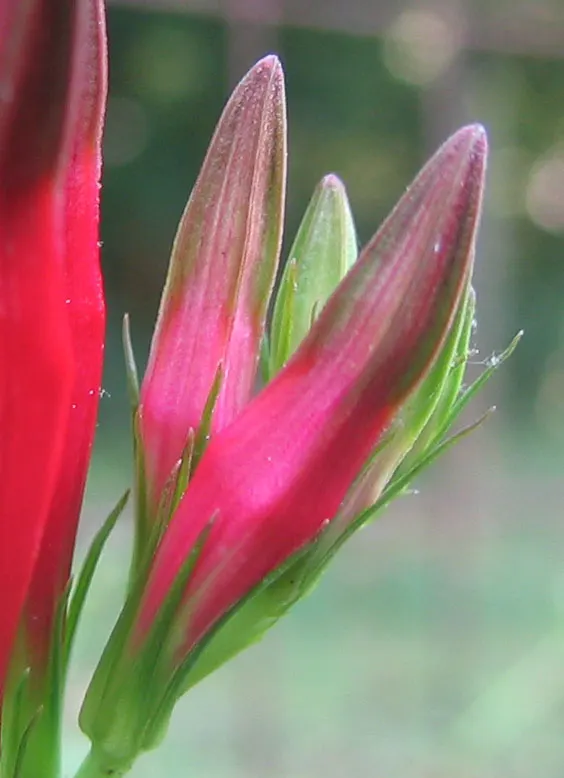
Indian Pinks (Spigelia Marilandica) — yellow-flared opening which bloom in late spring to early summer; perennial with red blooms
Indian Pinks (Spigelia Marilandica) — This North American native; allowing for incorporation into garden designs without the concern of, image 57
Indian Pinks (Spigelia Marilandica) — Attracts hummingbirds and butterflies, adding dynamic color and ecological value to woodland gardens; these, image 54
Indian Pinks (Spigelia Marilandica) — red flowers in the garden
Indian Pinks (Spigelia Marilandica) — particularly prevalent in the southeastern United States; though it flourishes in dappled sunlight, image 58
Indian Pinks (Spigelia Marilandica) — It features brilliant red tubular flowers with yellow throats, blooming in early summer; is well-suited for, image 50
Indian Pinks (Spigelia Marilandica) — this shade-loving plant prefers moist
Indian Pinks (Spigelia Marilandica) — allowing for incorporation into garden designs without the concern of overwhelming space; this North American native
Indian Pinks (Spigelia Marilandica) — scientifically named Spigelia marilandica; red flowers in the garden, image 55
Indian Pinks (Spigelia Marilandica) — It grows in USDA zones 5 to 9; which add life and movement to any garden.<br><br>For optimal growth, image 61
Indian Pinks (Spigelia Marilandica) — herbaceous perennial valued for its striking display of tubular flowers; well-drained soil and can be planted, image 56
Indian Pinks (Spigelia Marilandica) — though it flourishes in dappled sunlight
Indian Pinks (Spigelia Marilandica) — These nectar-rich blooms are known for attracting hummingbirds and beneficial pollinators; attracts, image 63
Indian Pinks (Spigelia Marilandica) — Attracts hummingbirds and butterflies, adding dynamic color and ecological value to woodland gardens; these nectar-rich
Indian Pinks (Spigelia Marilandica) — red flowers in the garden; scientifically named Spigelia marilandica, image 70
Indian Pinks (Spigelia Marilandica) — These nectar-rich blooms are known for attracting hummingbirds and beneficial pollinators
Indian Pinks (Spigelia Marilandica) — perennial for half or shade; indian Pink also resists deer, making it a helpful choice for areas prone to, image 72
Indian Pinks (Spigelia Marilandica) — this shade-loving plant prefers moist; spigelia marilandica, commonly known as Indian Pink, is a vibrant, image 52
Indian Pinks (Spigelia Marilandica) — which add life and movement to any garden.<br><br>For optimal growth
Indian Pinks (Spigelia Marilandica) — Reaching 1 to 2 feet in height; and can tolerate full sun to partial shade, image 75
Indian Pinks (Spigelia Marilandica) — It is generally free of major pests and diseases, enhancing its appeal for low-maintenance landscapes
Indian Pinks (Spigelia Marilandica) — yellow-flared opening which bloom in late spring to early summer
Photographs by 14 contributors

Related plants