
Showy Goldenrod
Solidago Speciosa
Overview
Showy Goldenrod (Solidago speciosa) is a vibrant perennial with striking yellow plumes that bloom late summer to fall. It reaches 2 to 3 feet in height and spreads up to 2 feet wide, adding vertical interest and color to borders. This hardy native thrives in full sun with dry to medium, well-drained soil. It's also a pollinator magnet, attracting butterflies and bees, and is deer resistant. Suitable for zones 3-8.
Sun Full, HalfWater MediumZones 2–9Type PerennialClimate Temperate
Culture
- Sun
- Full, Half
- Water
- Medium
- USDA zones
- 2–9
Shape & size
- Mature height
- 3–5 Ft.
Classification
- Type
- Perennial
- Family
- Asteraceae
- Climate
- Temperate
See full data, regional cultivation notes, and design tools. Build a client presentation around this plant.
Start your 14-day trialPhotos (28)
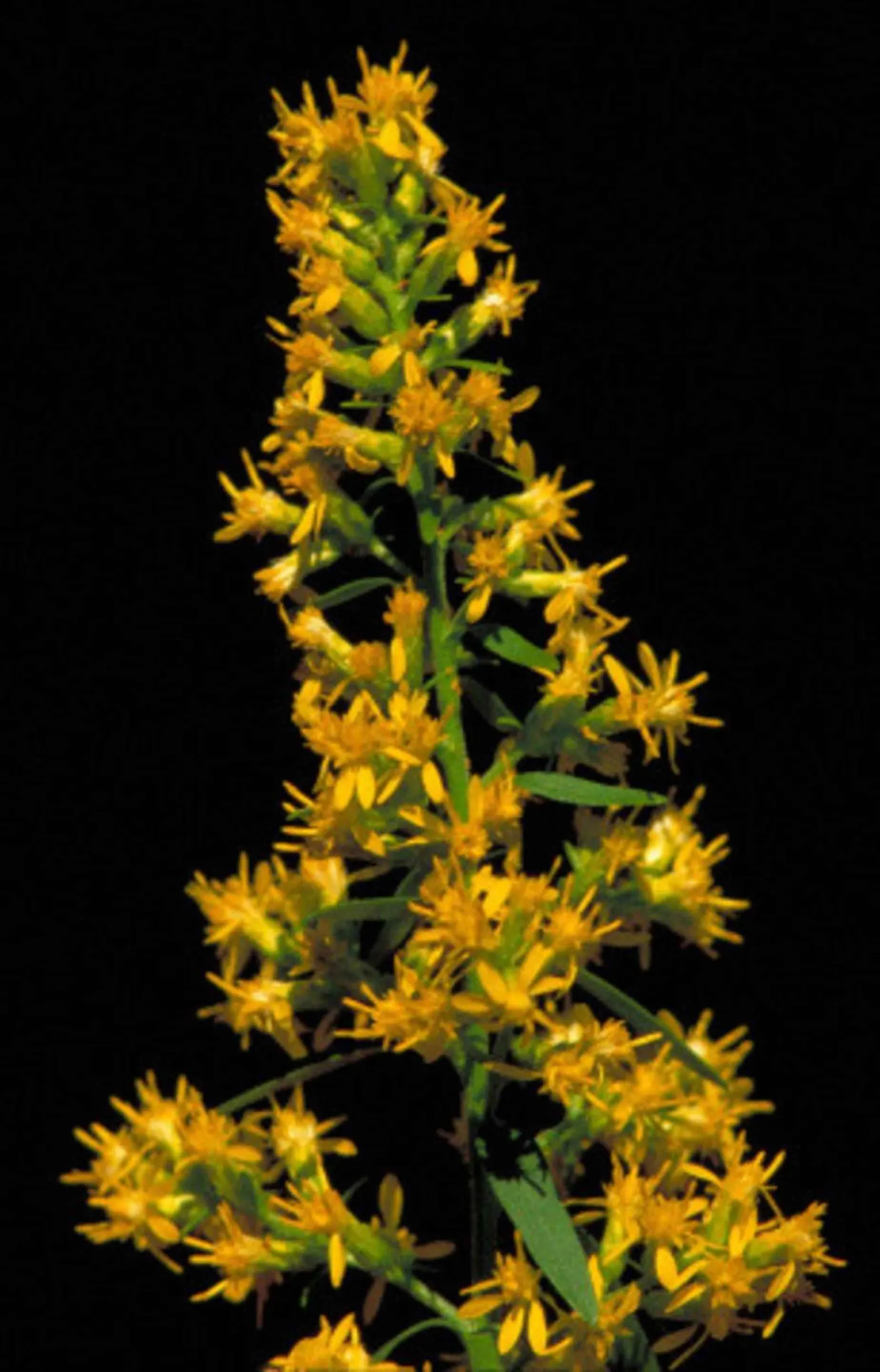
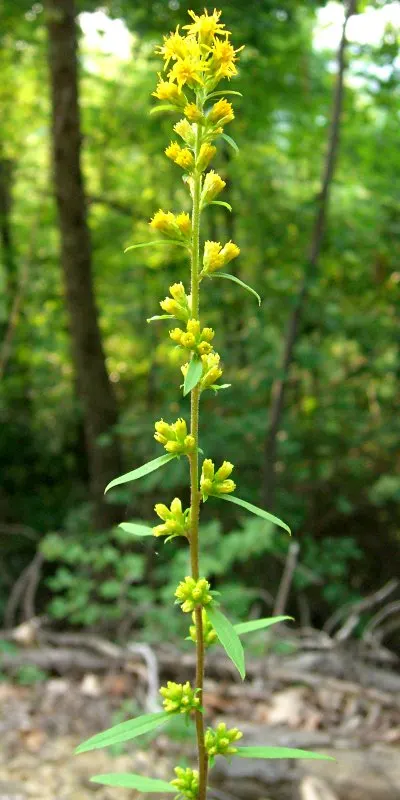
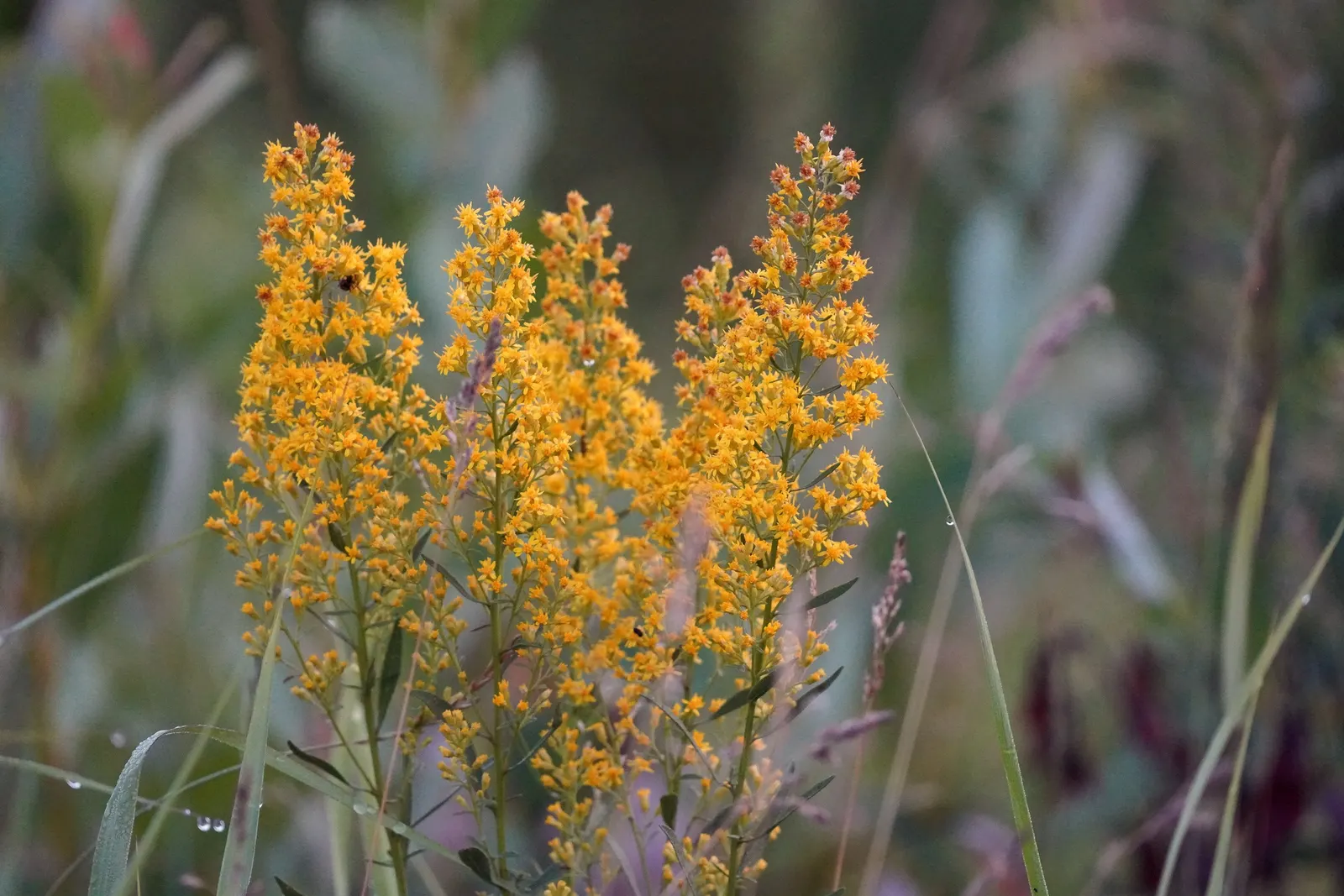
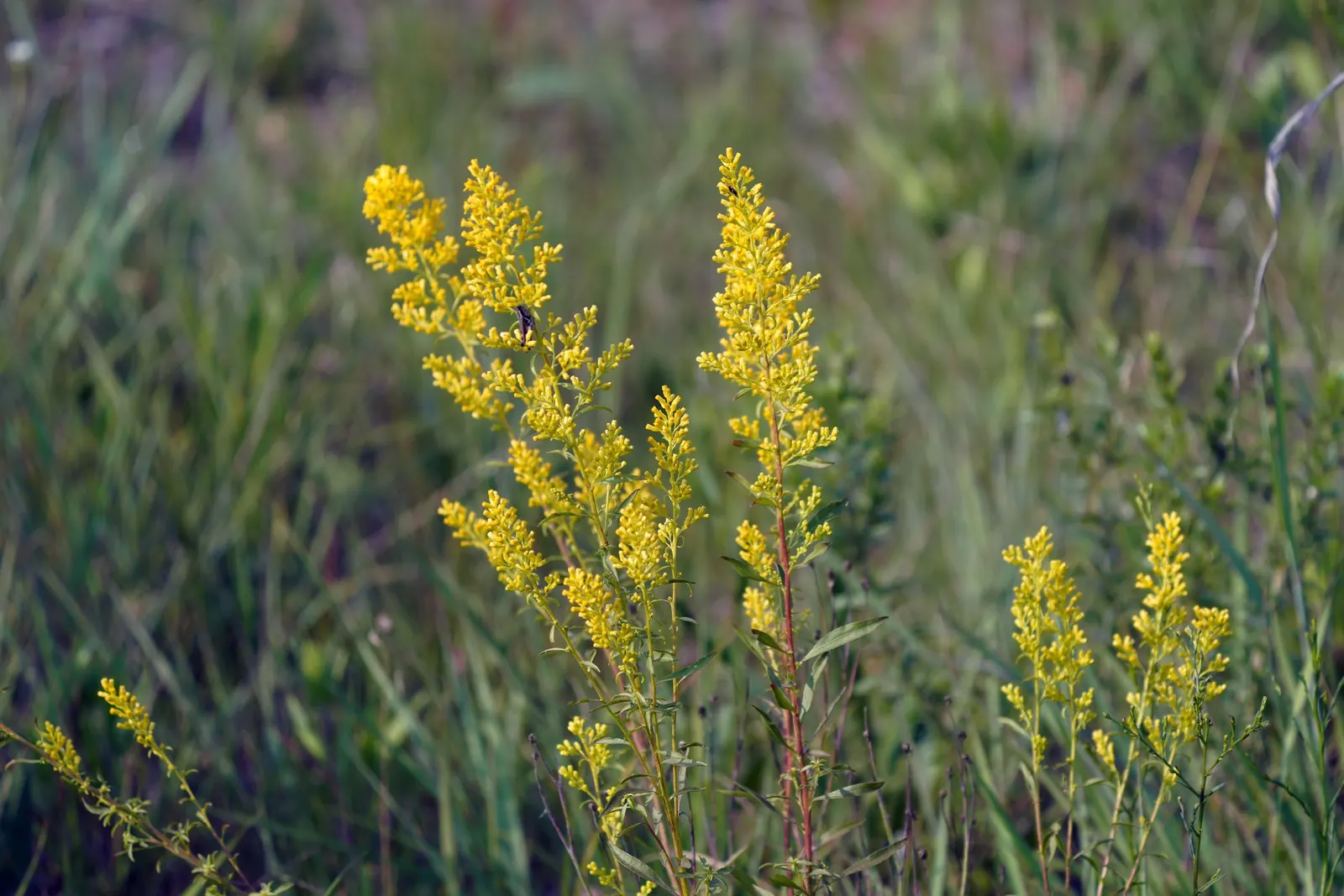
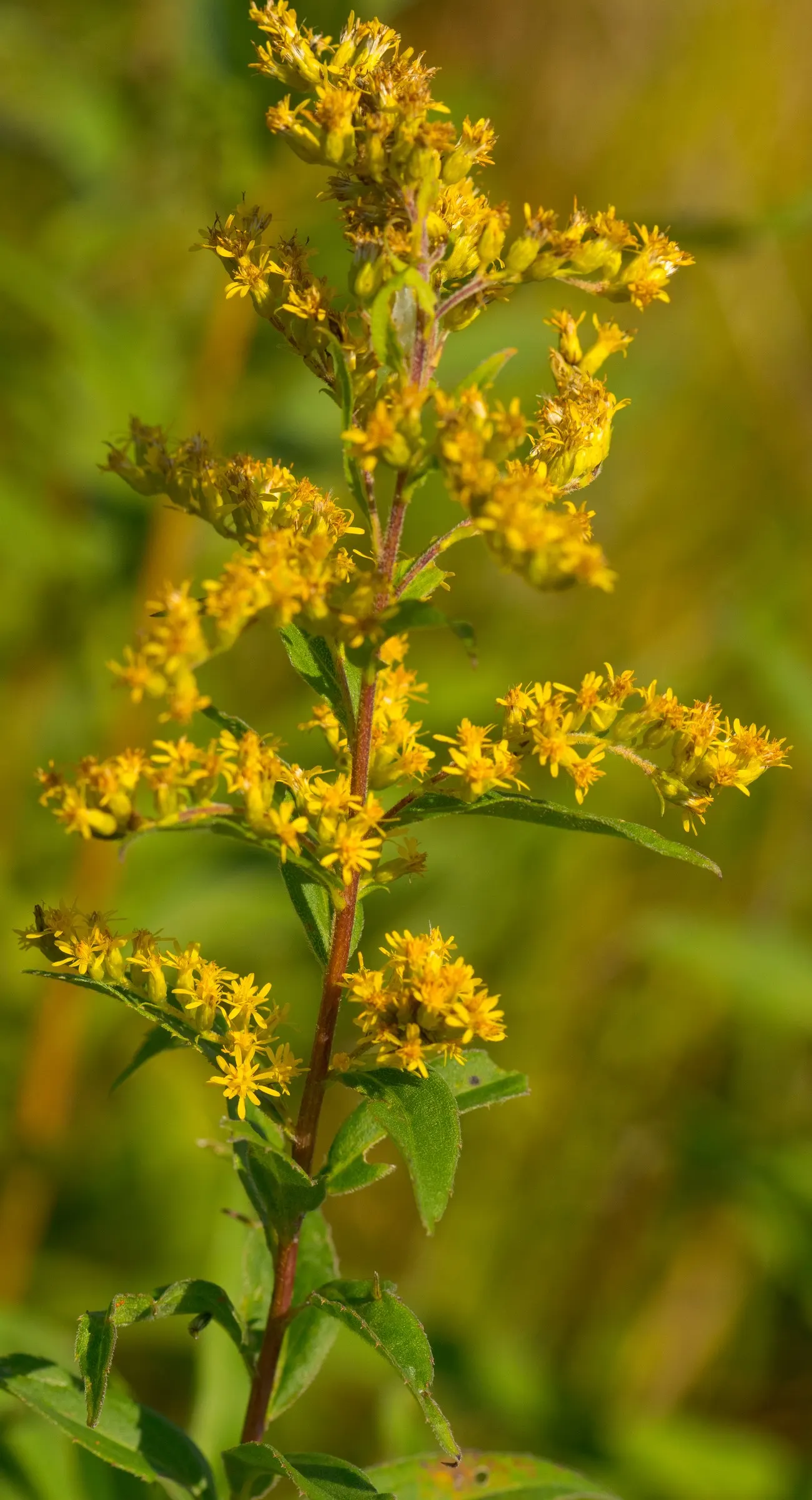
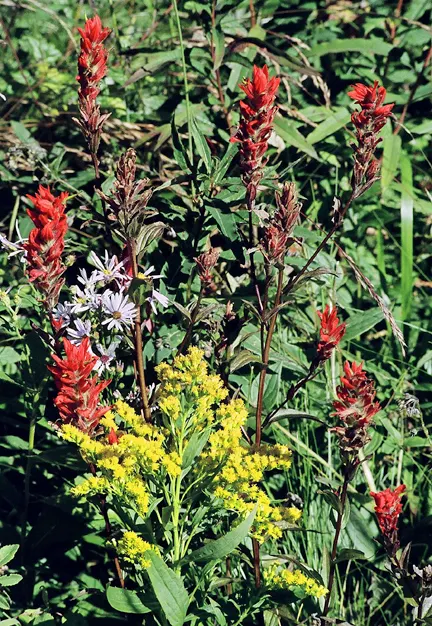
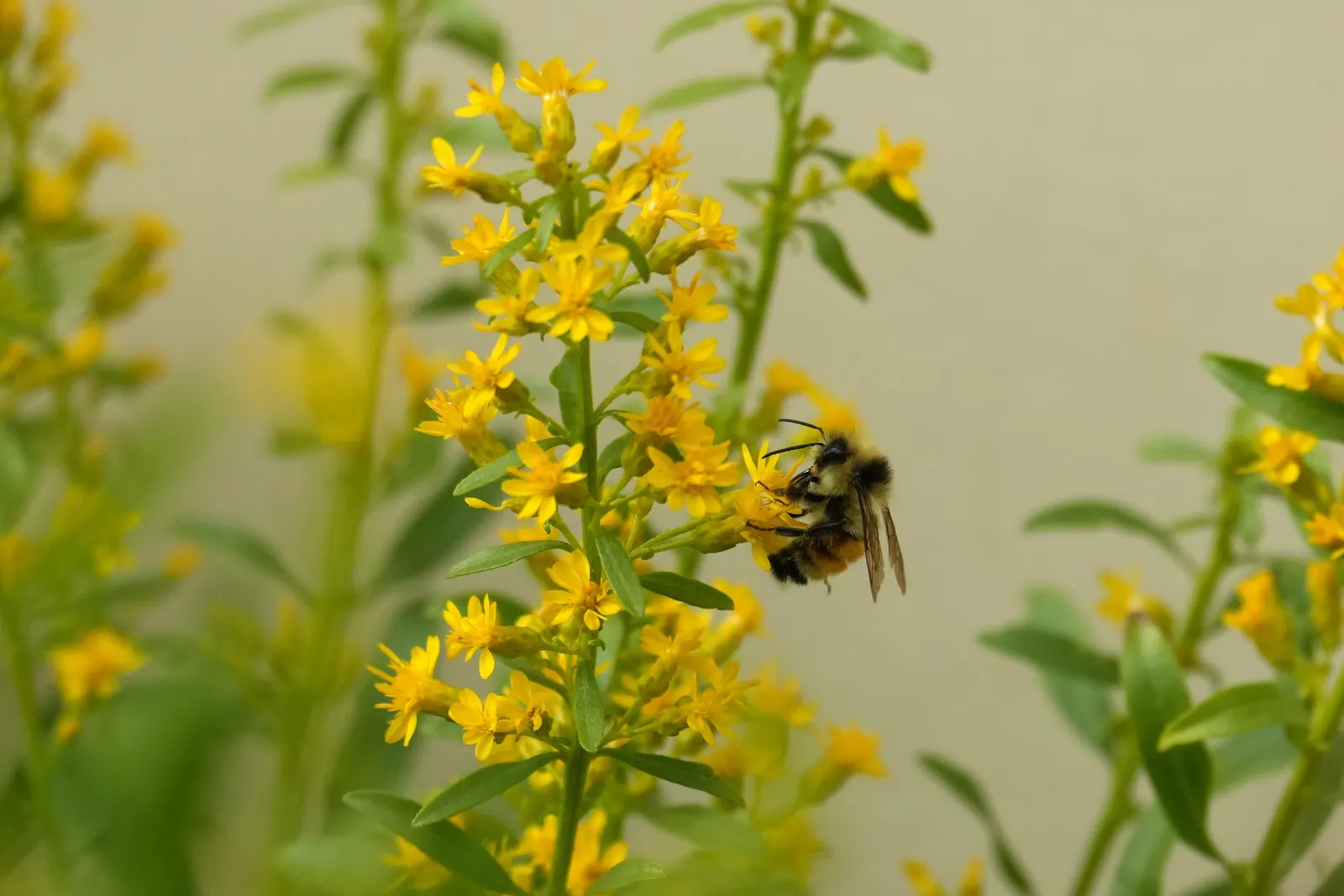
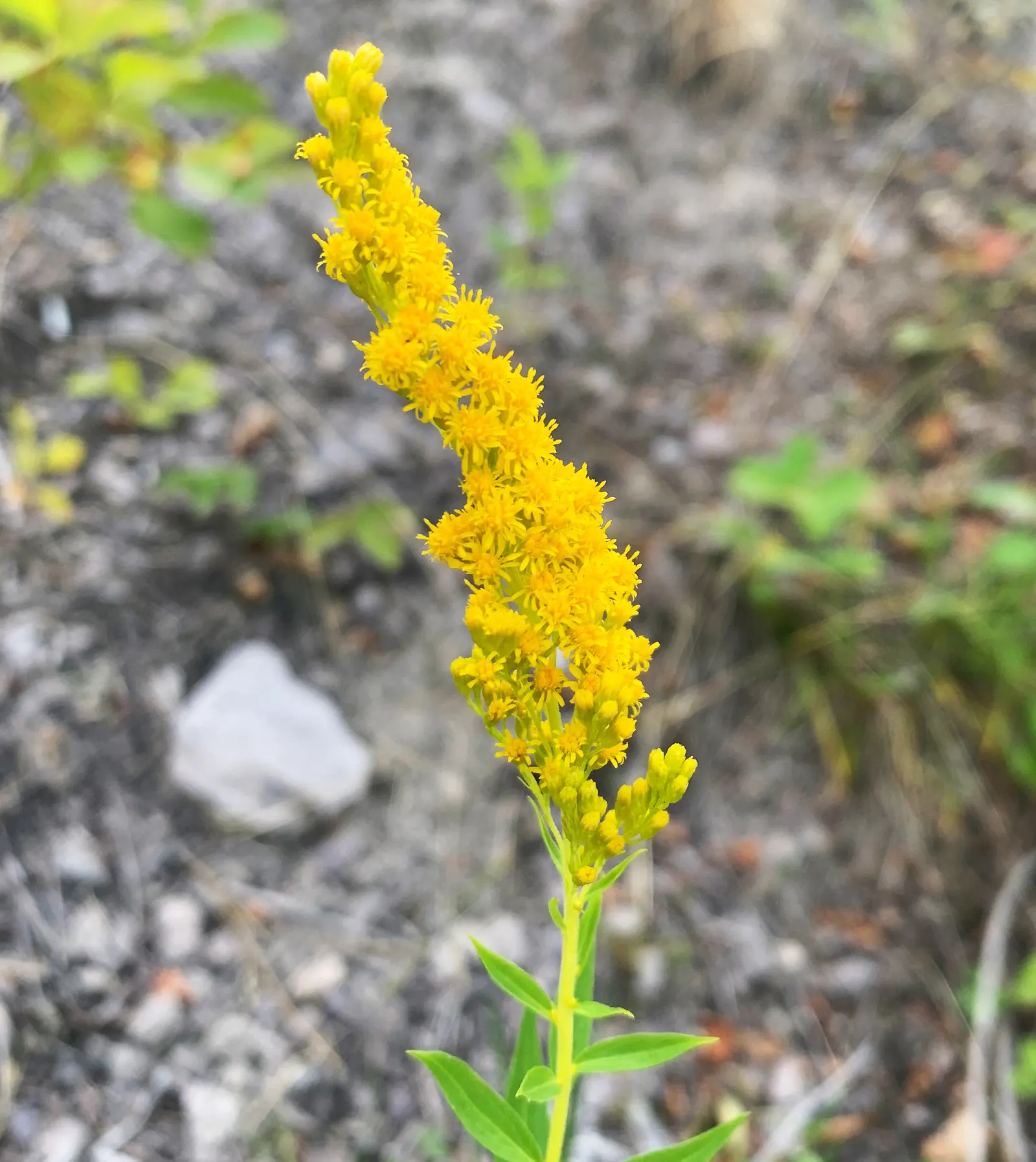
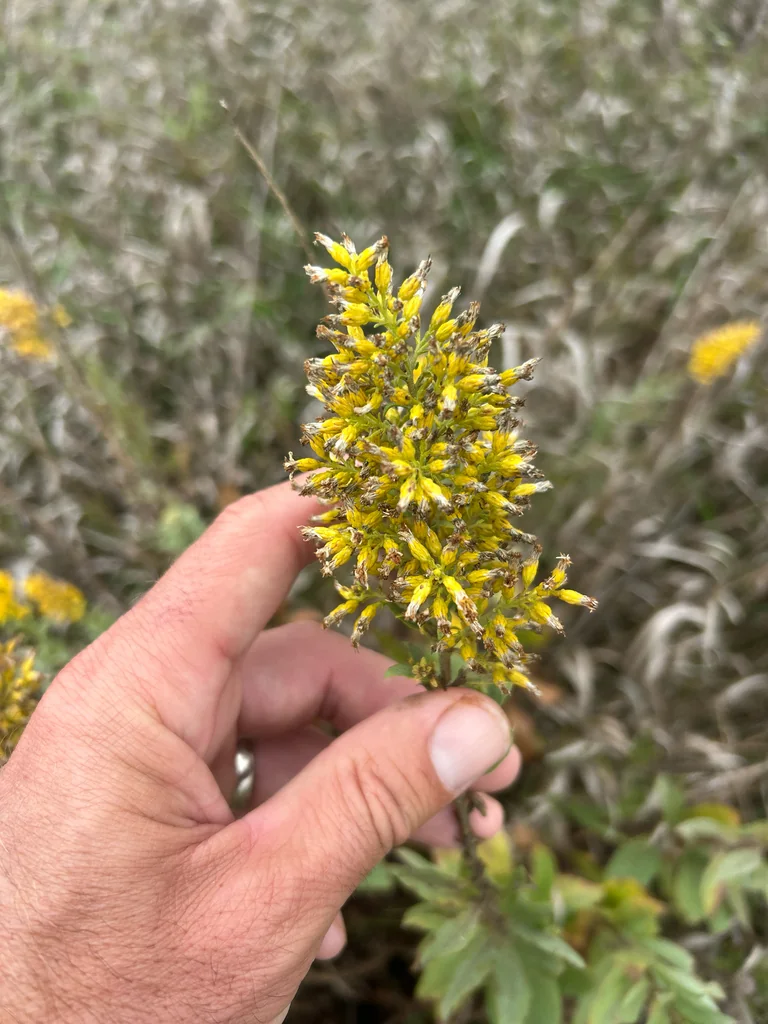
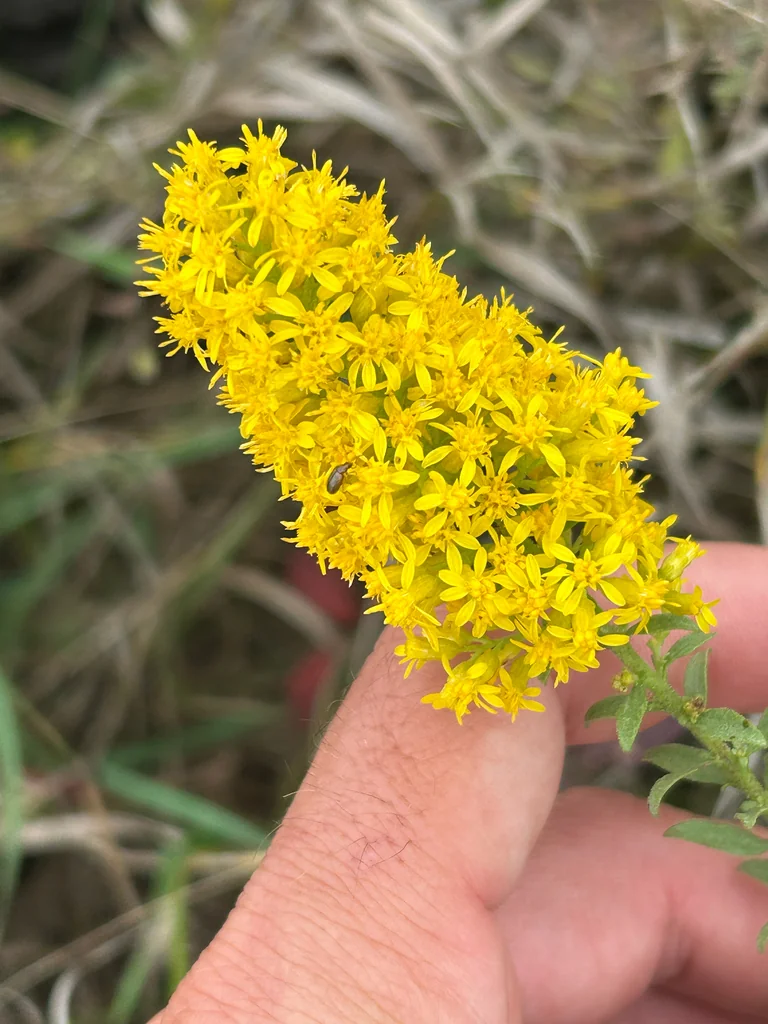
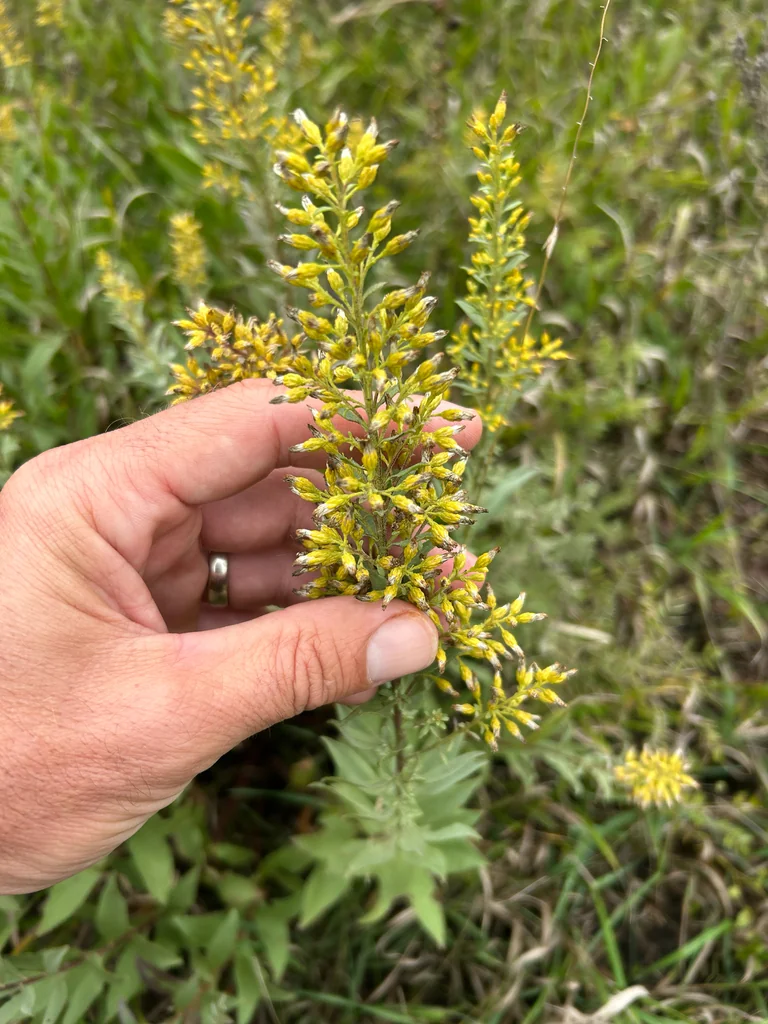
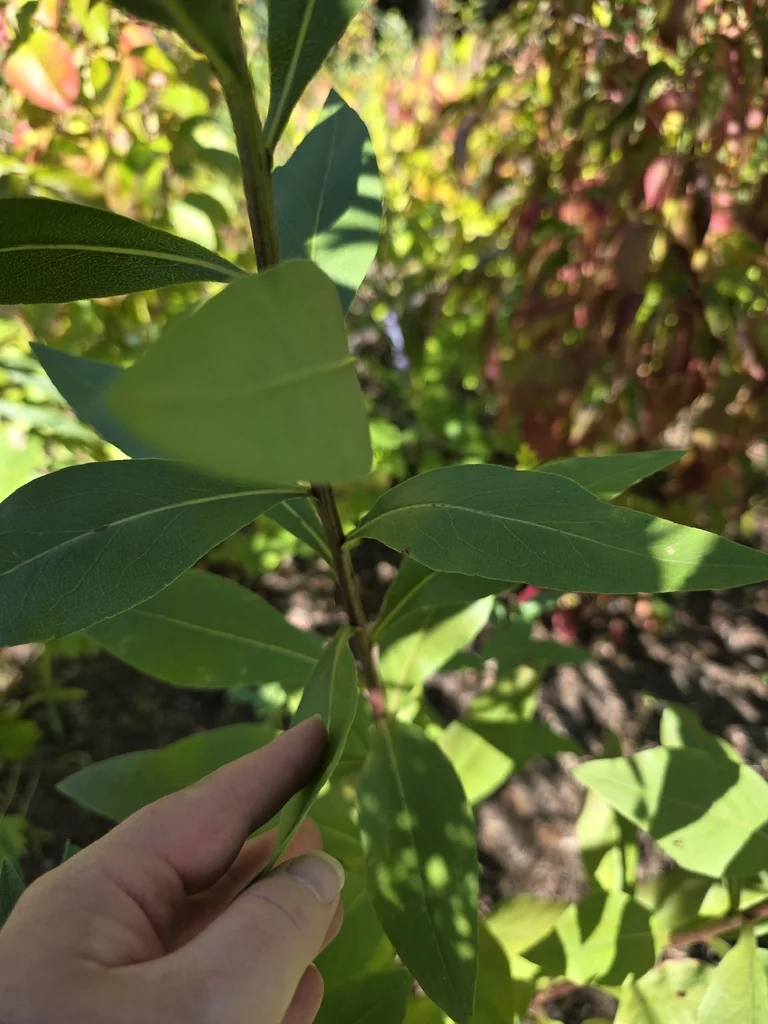
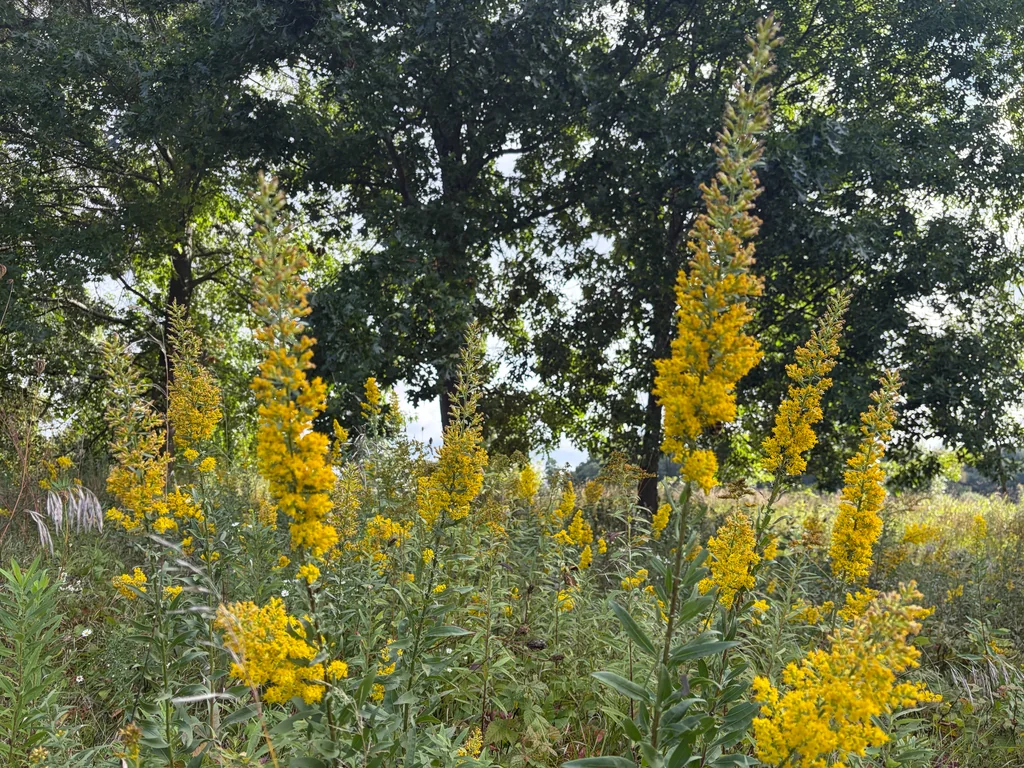
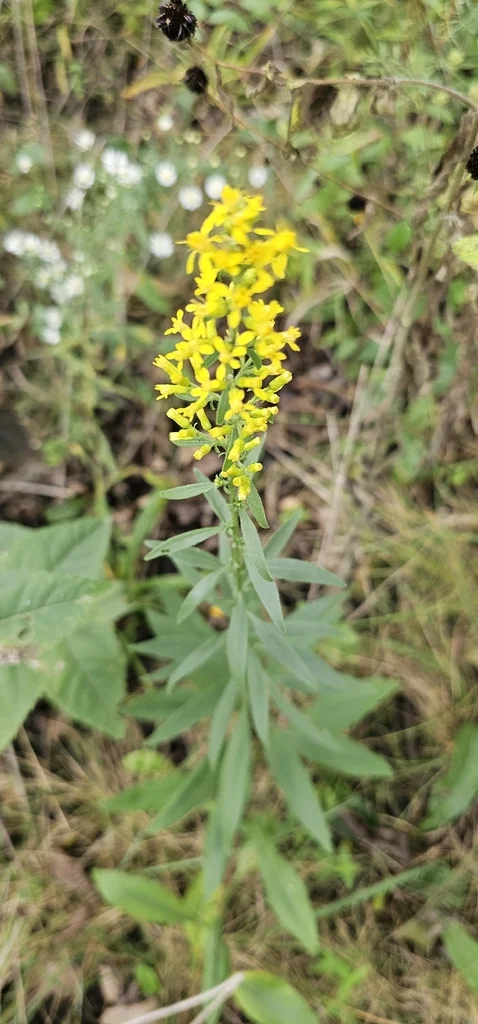
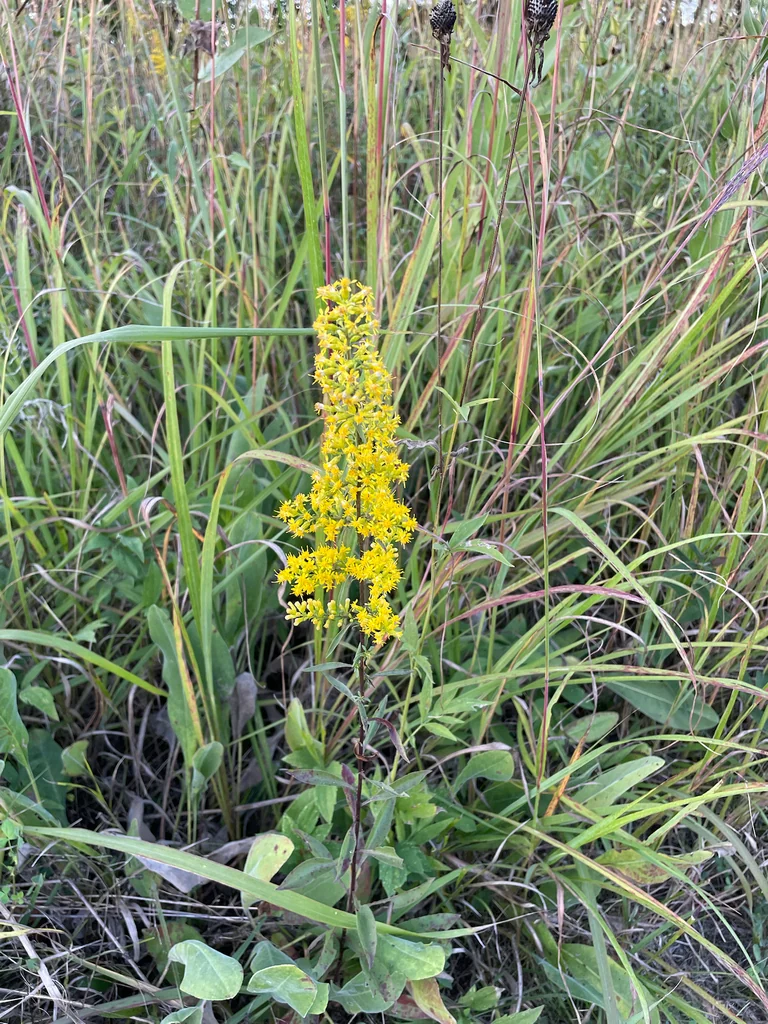
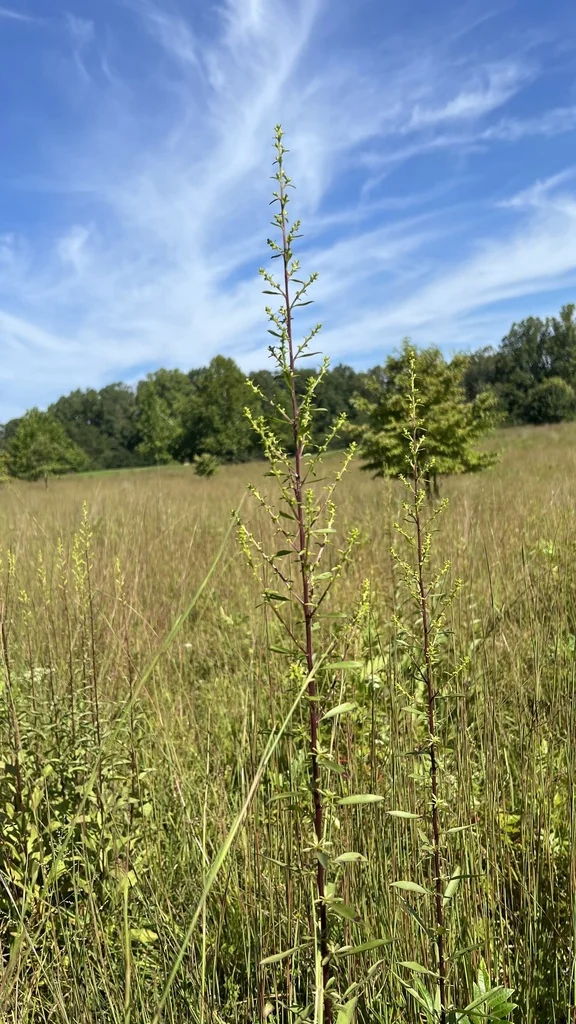
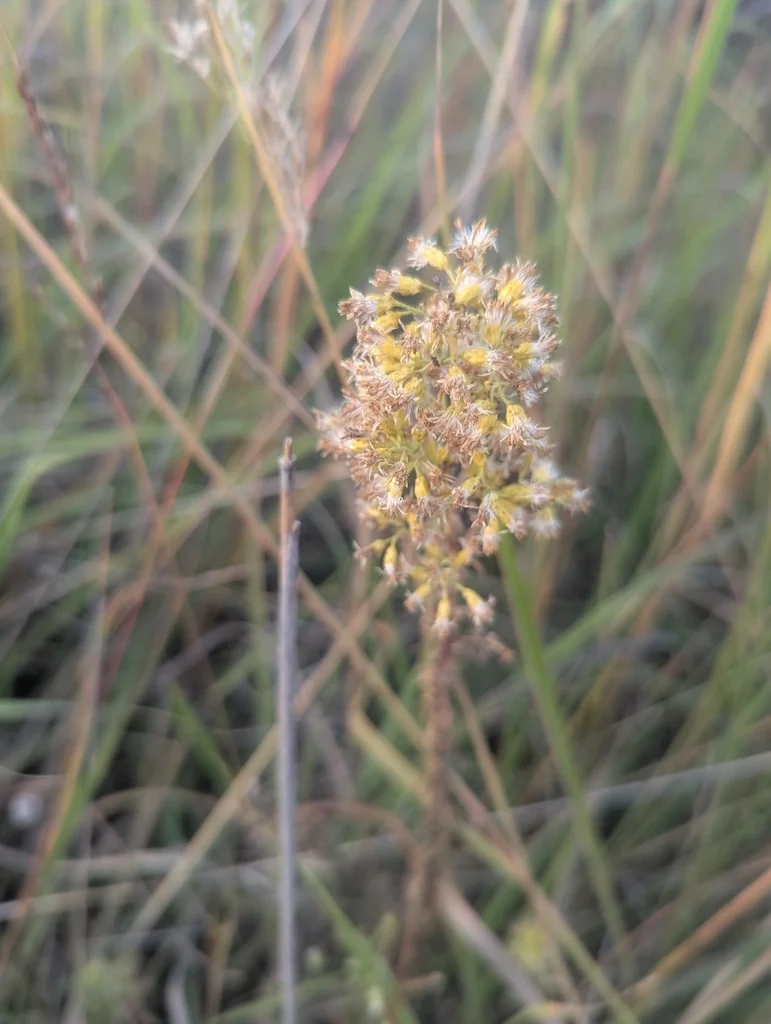
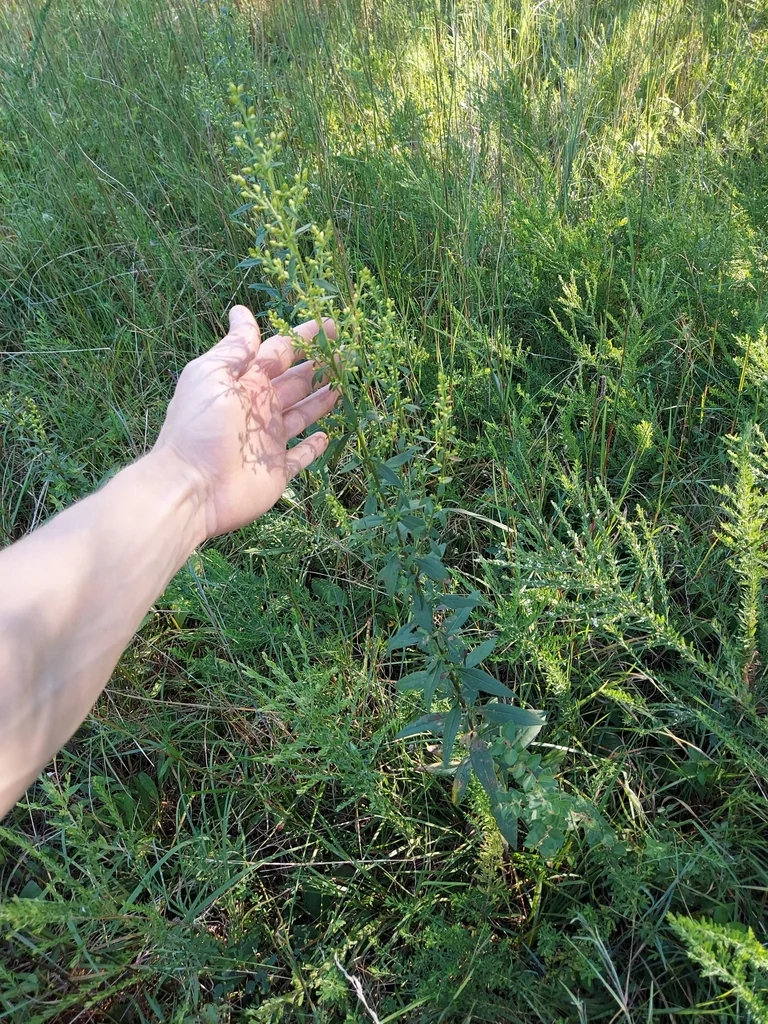
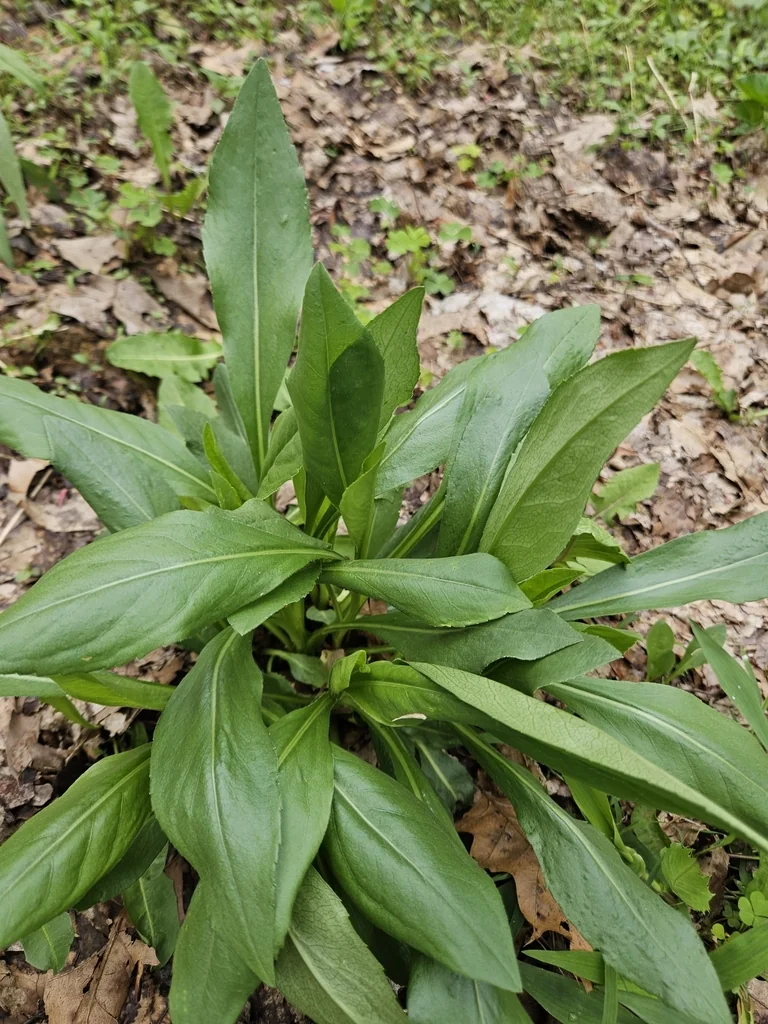
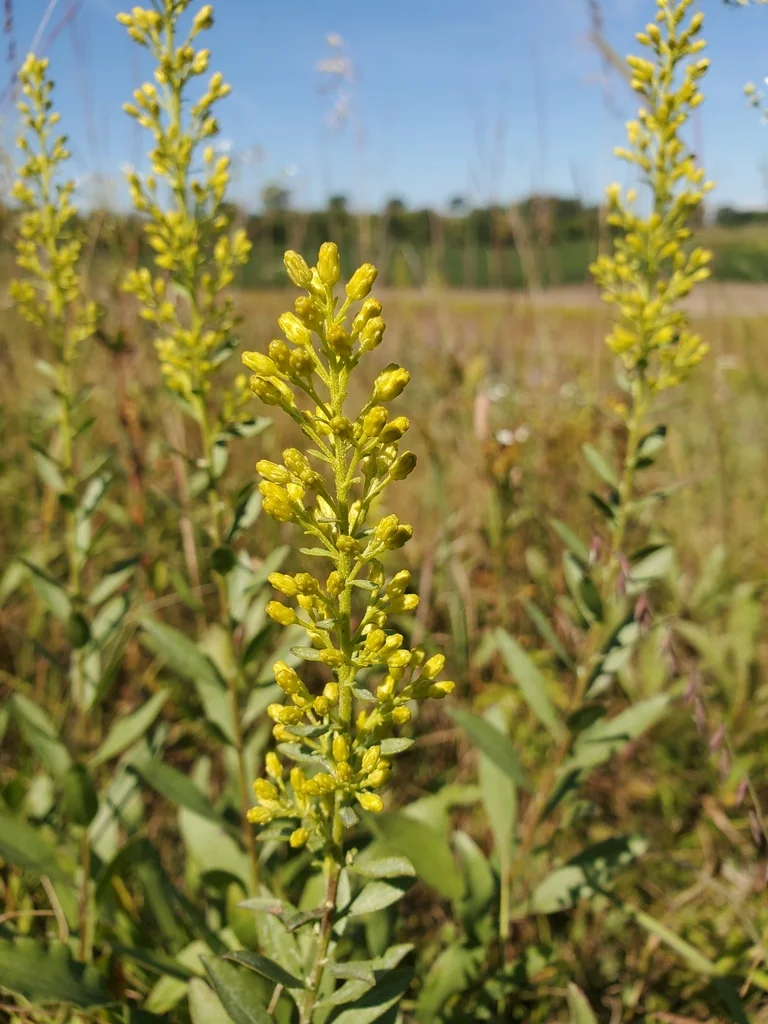
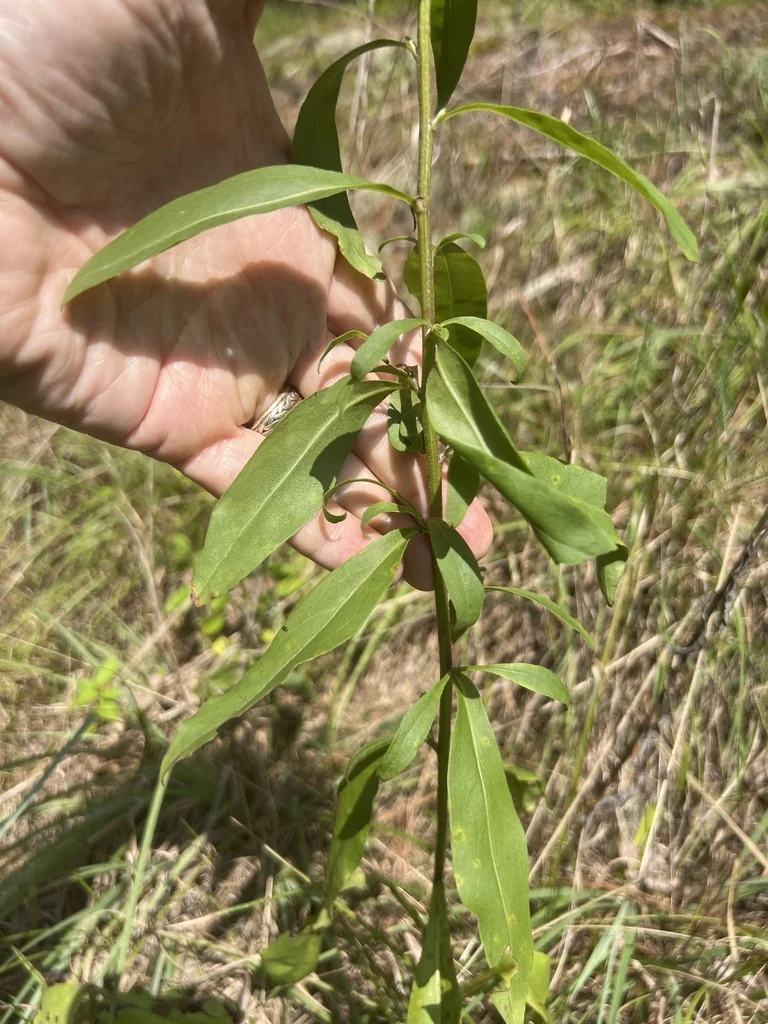
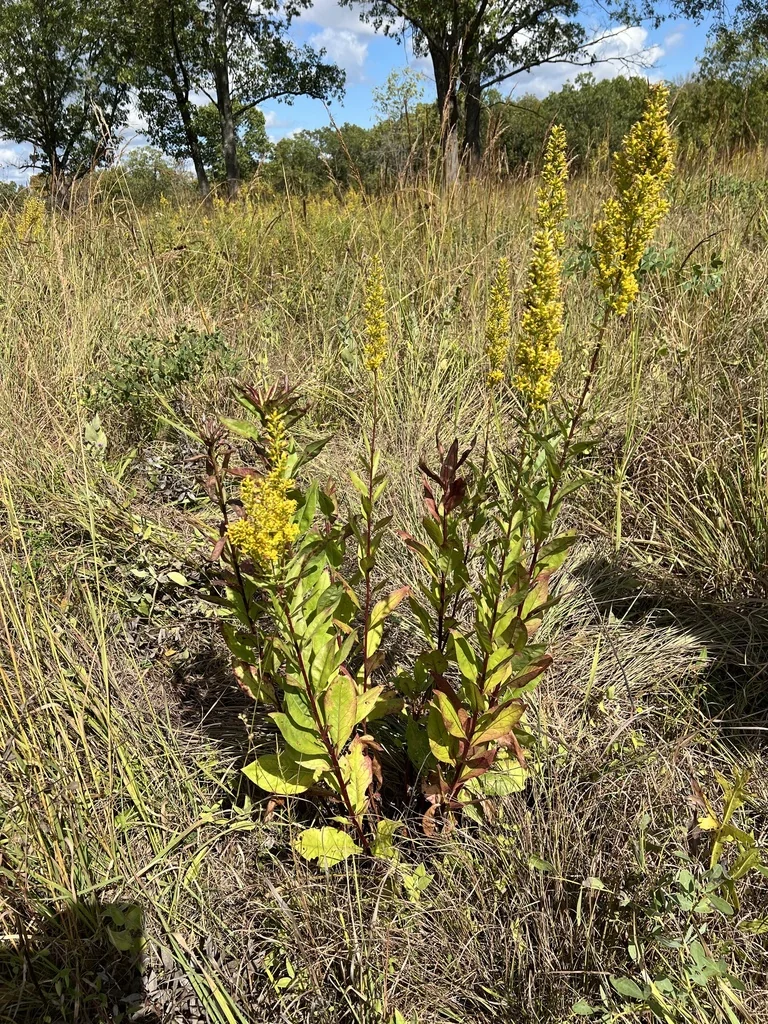
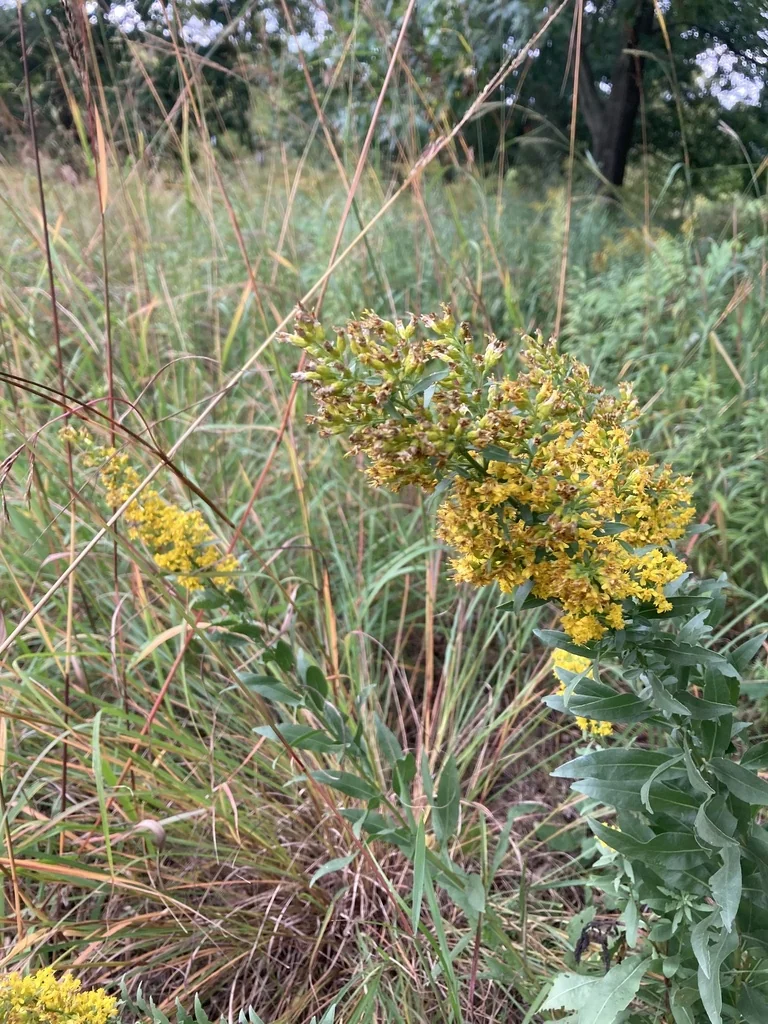
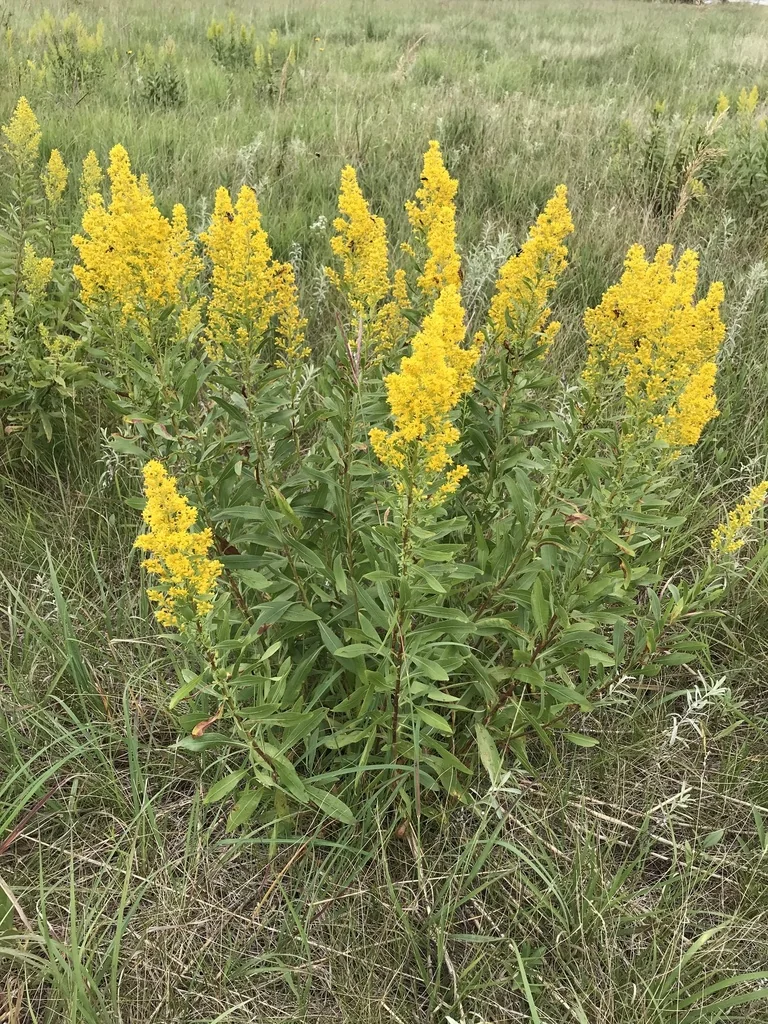
Photographs by 4 contributors
- Jason Hollinger, CC BY 2.0 · source
- Joshua Mayer from Madison, WI, USA, CC BY-SA 2.0 · source
- The original uploader was Dwindrim~enwiki at…, CC BY-SA 1.0 · source
- Dseiver, CC BY-SA 4.0 · source
Related plants
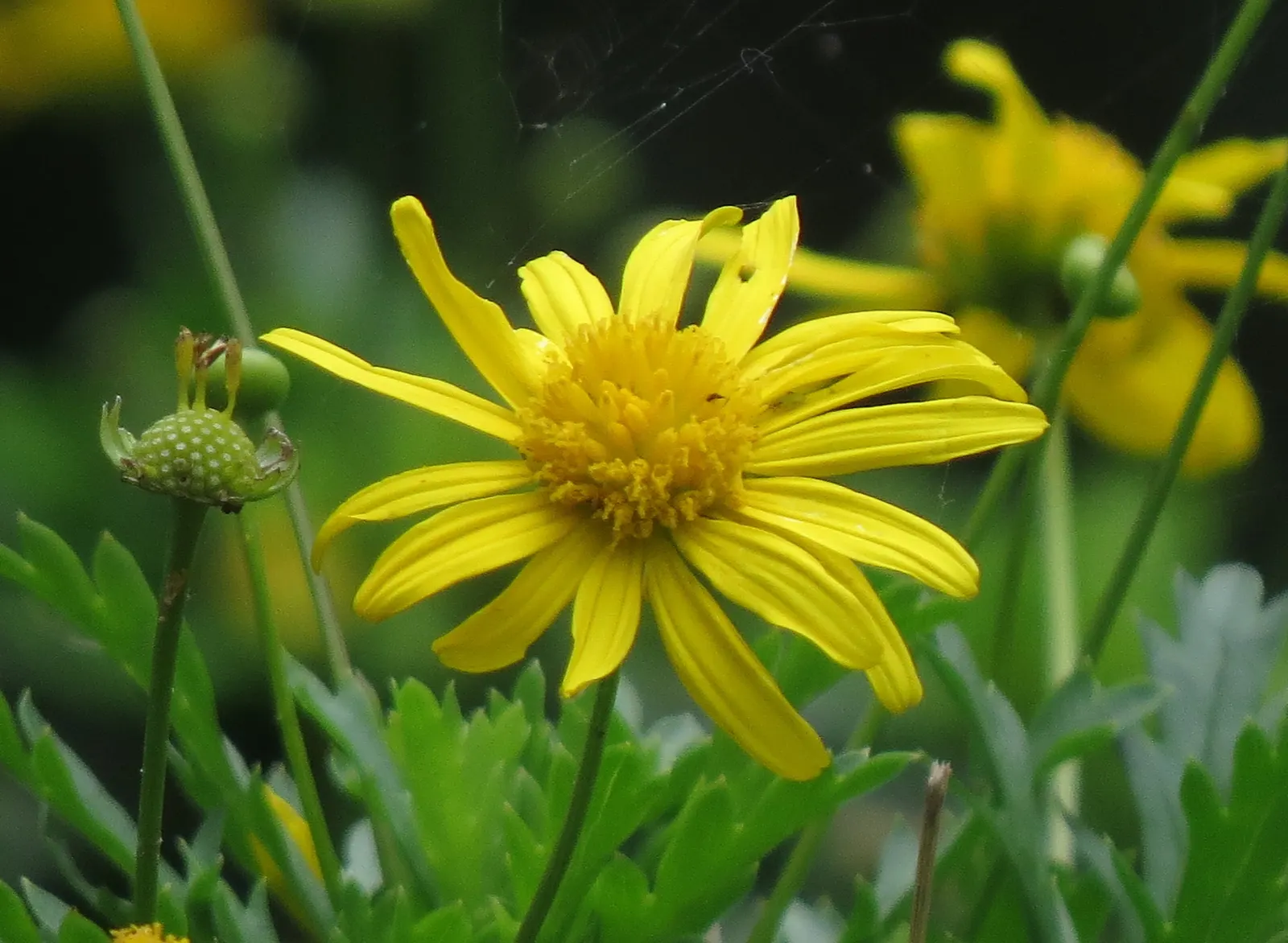
Shrub
African Bush Daisy
Euryops Chrysanthemoides
FullUSDA 9–11
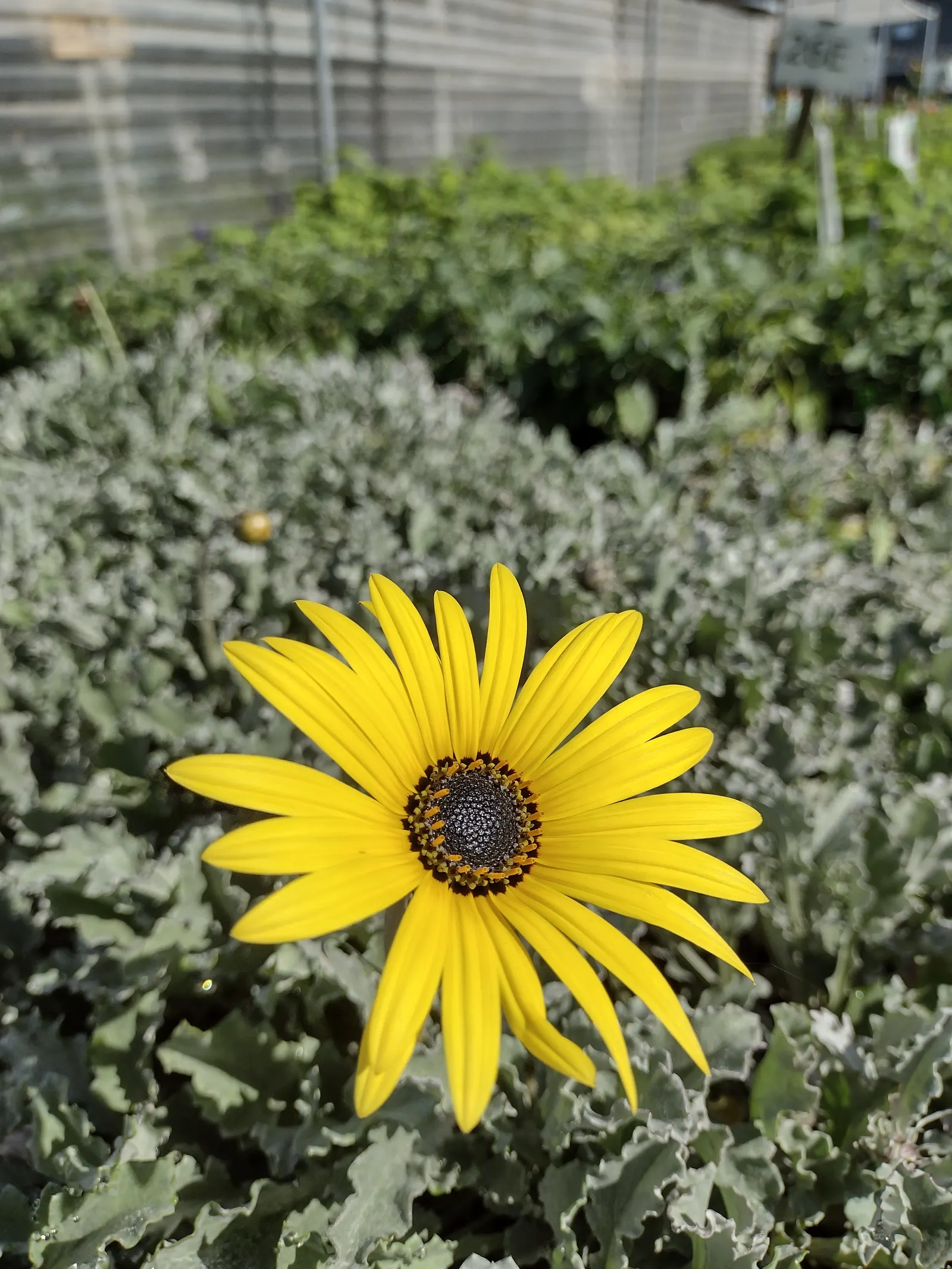
Ground cover
African Daisy
Arctotis Hybrids
FullUSDA 8–10
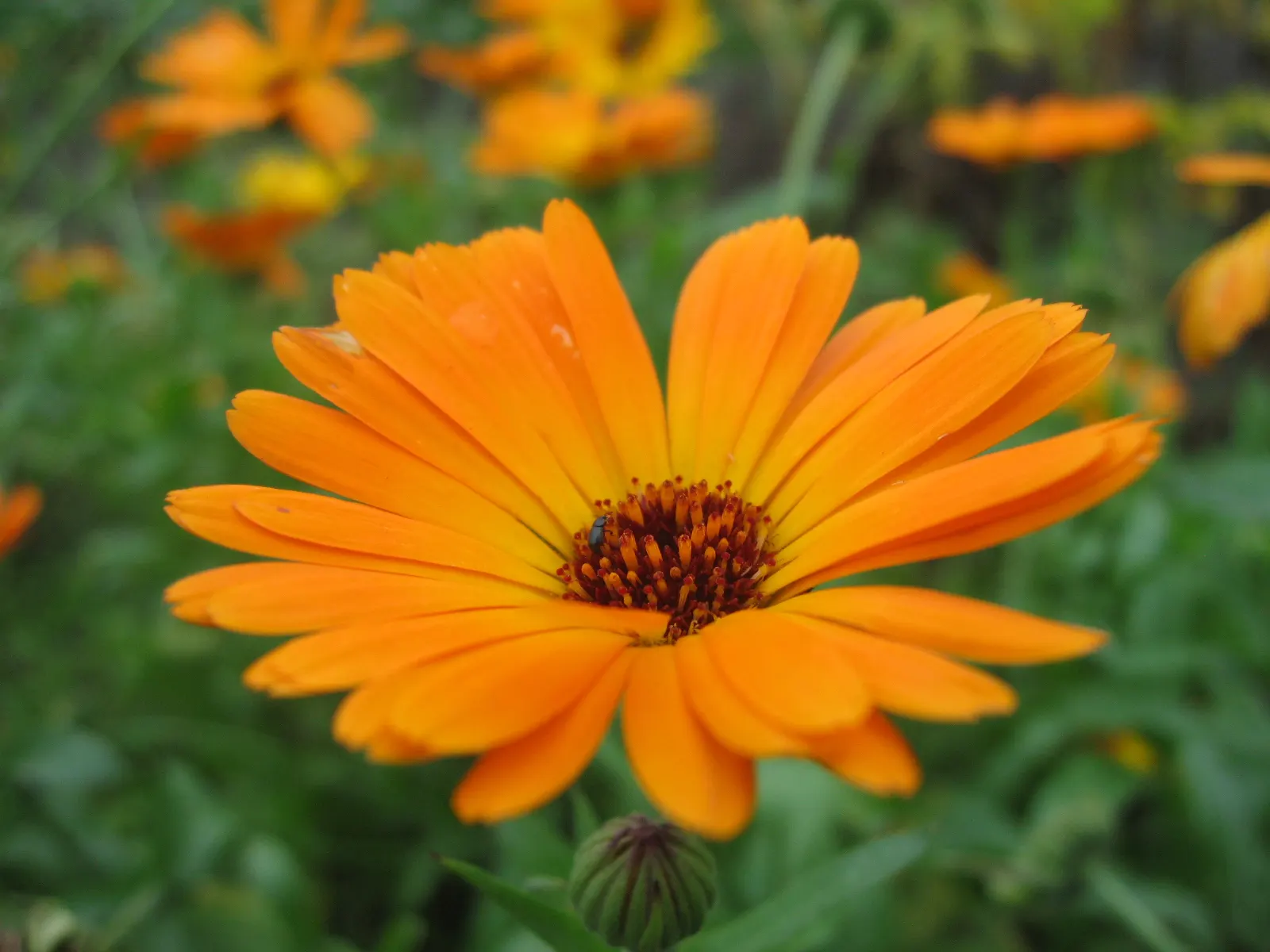
Annual
African Daisy
Dimorphotheca Aurantiaca
FullUSDA 9–10
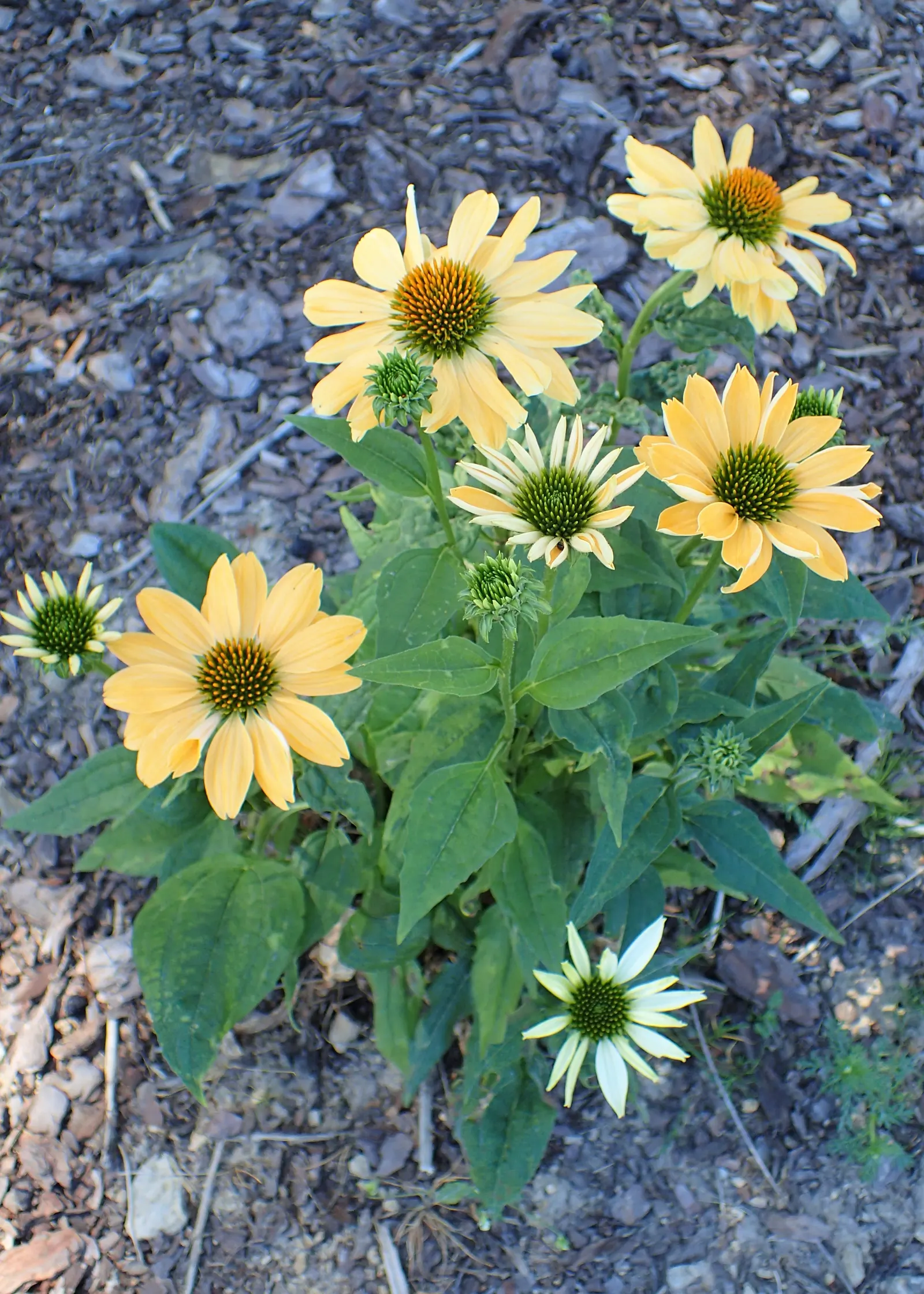
Perennial
Aloha Coneflower
Echinacea 'Aloha'
FullUSDA 3–9
Perennial
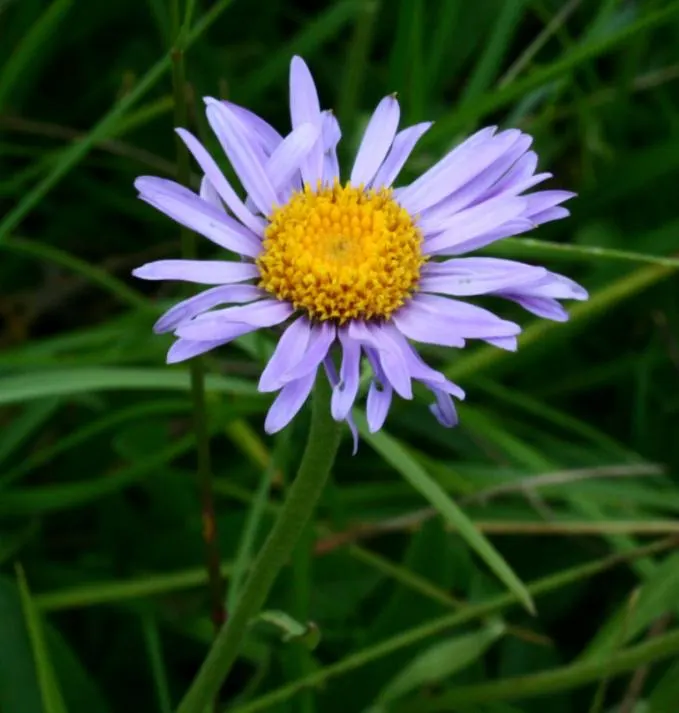
Alpine Aster
Aster Alpinus
FullUSDA 2–10
Perennial
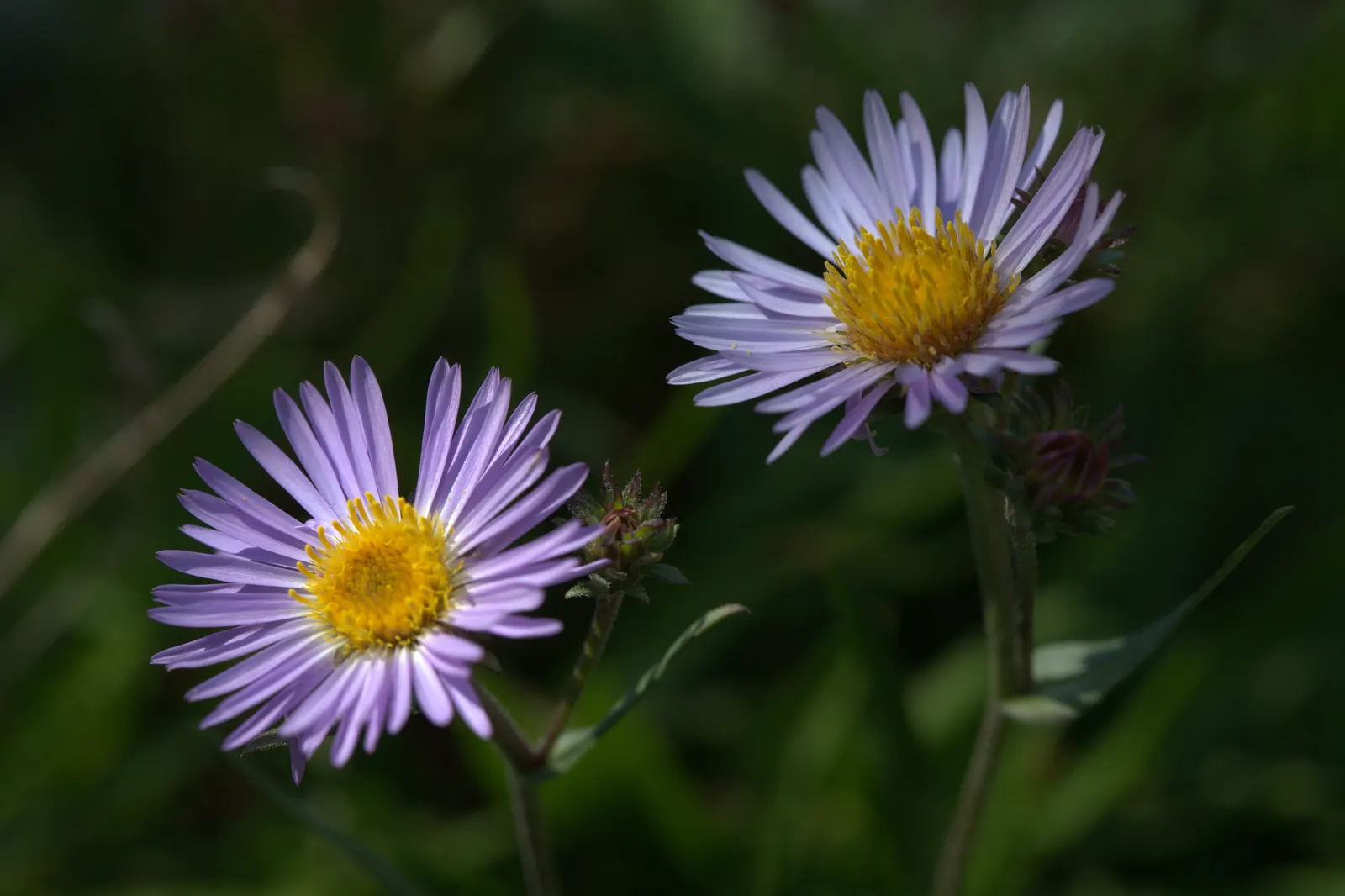
Alpine Aster
Aster alpinus
FullUSDA 6–10