Skip to content

Baby's Tears

Soleirolia Soleirolii

Design with this plant

Overview

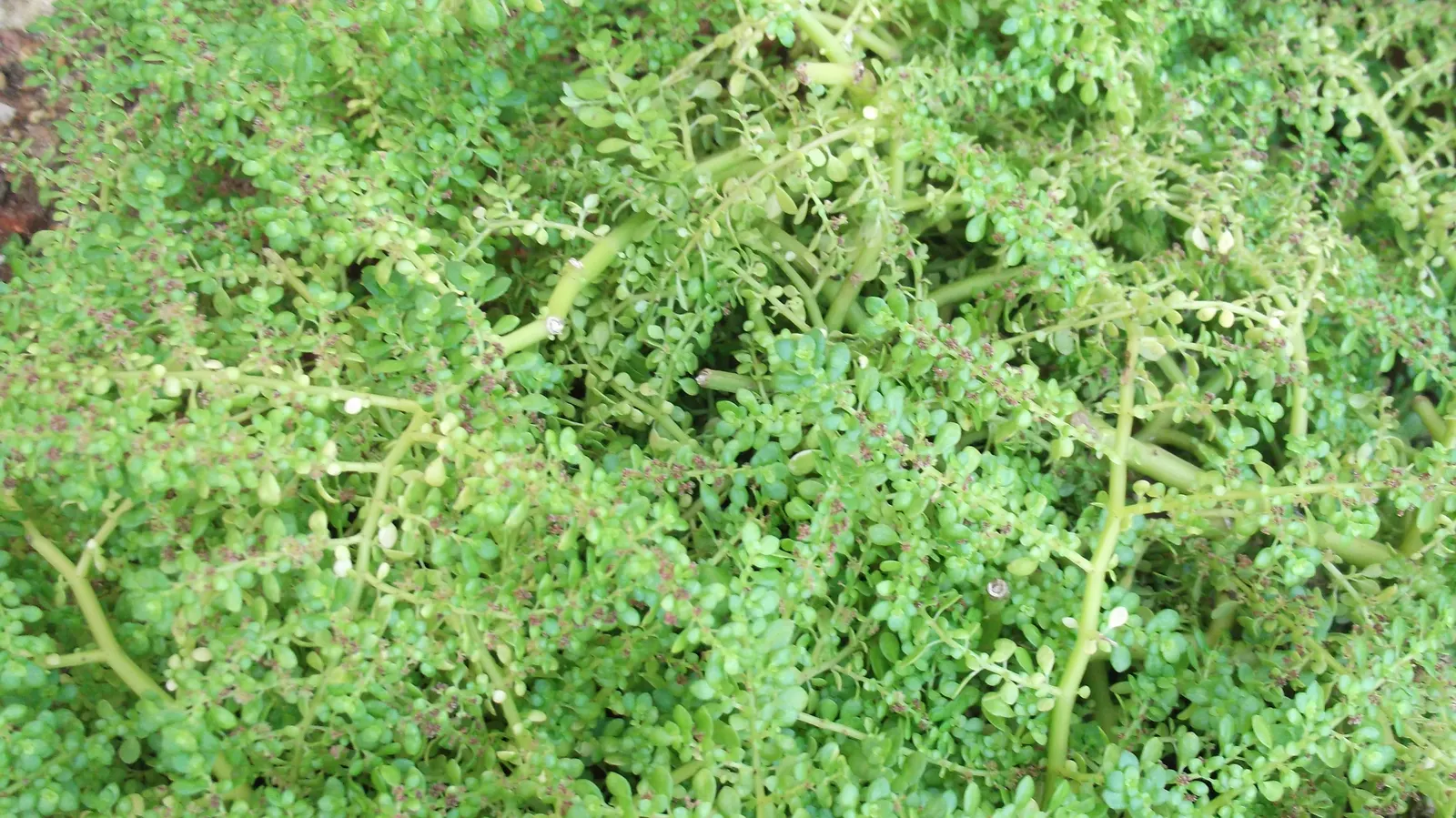
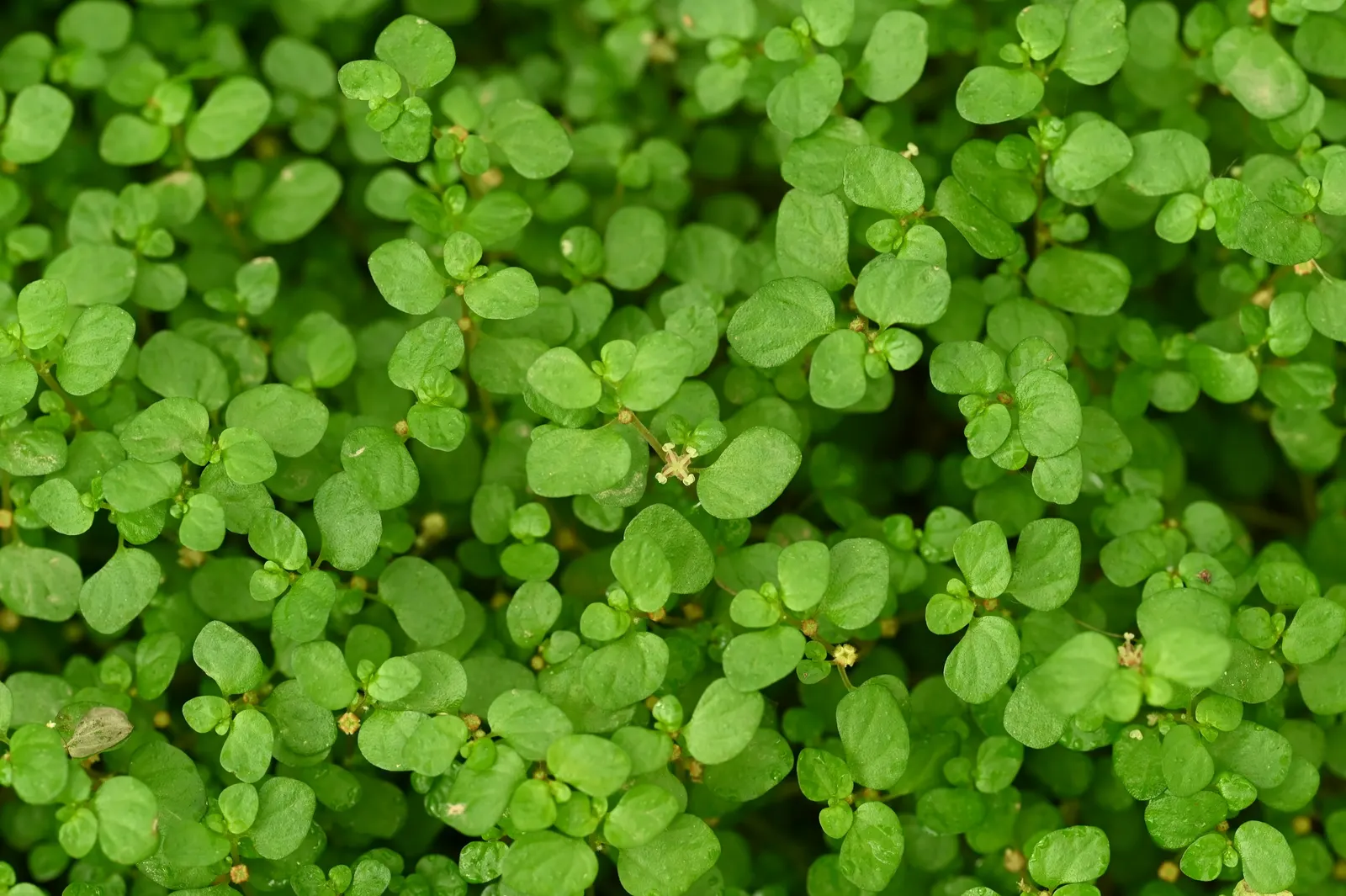
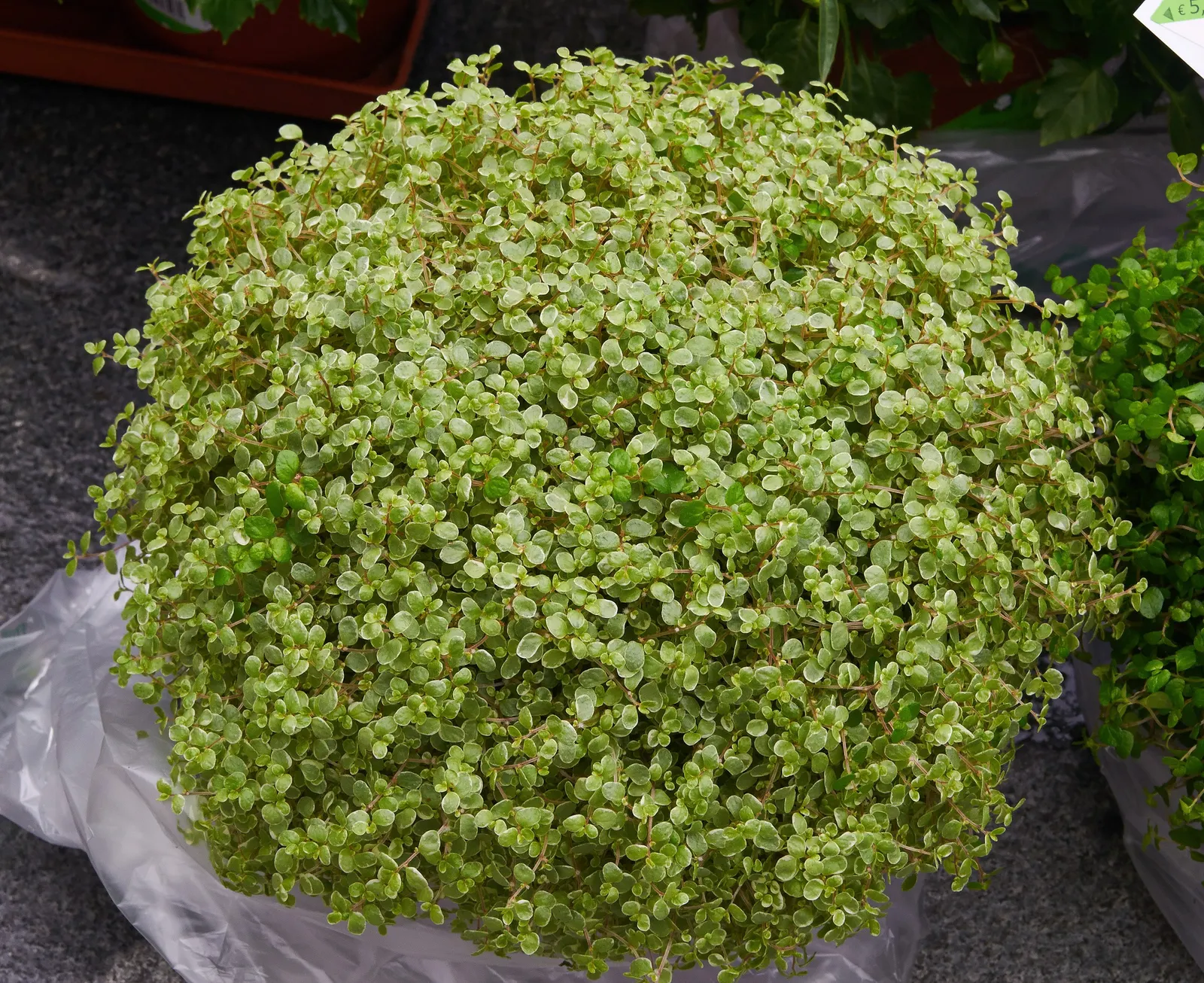
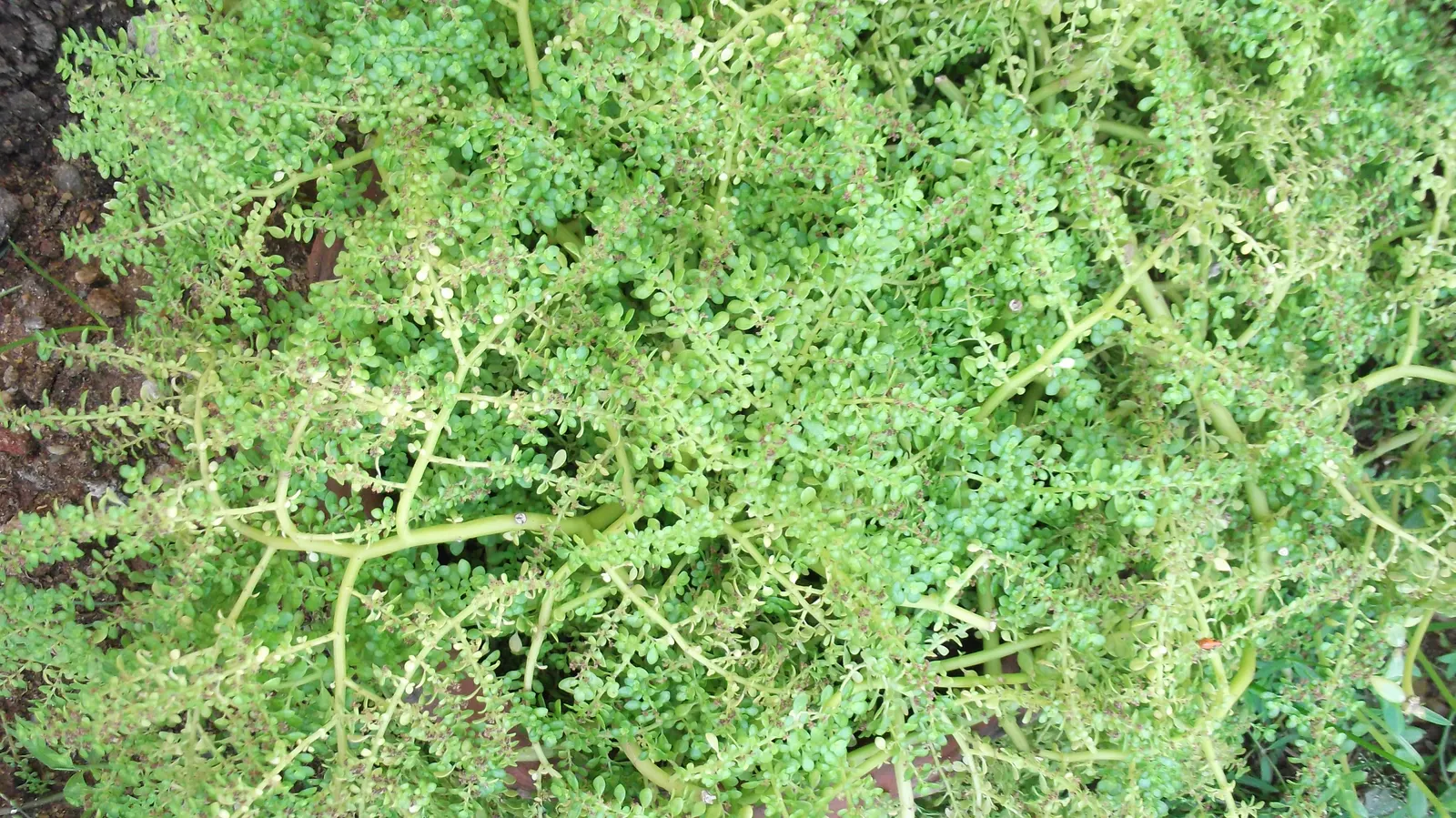
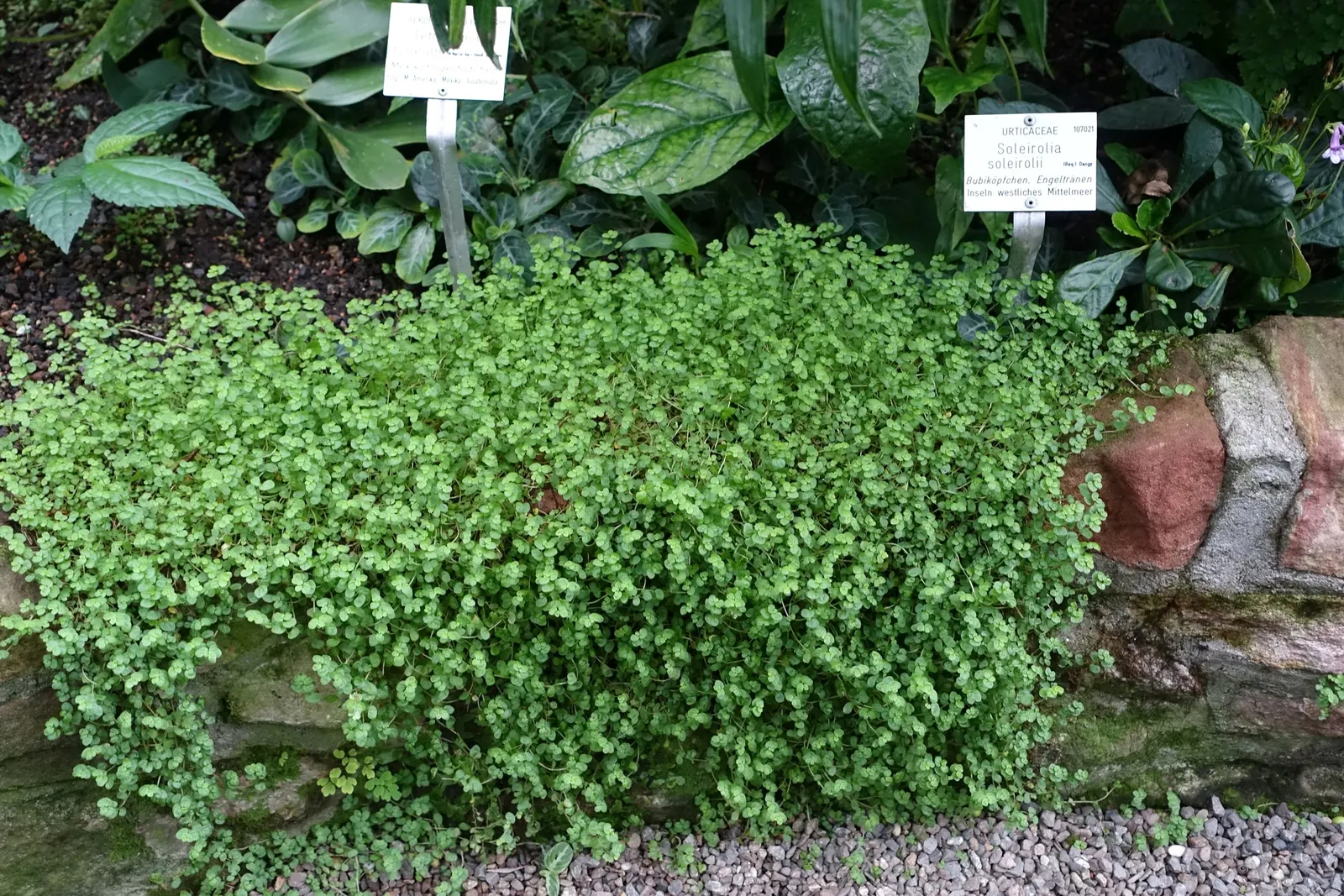
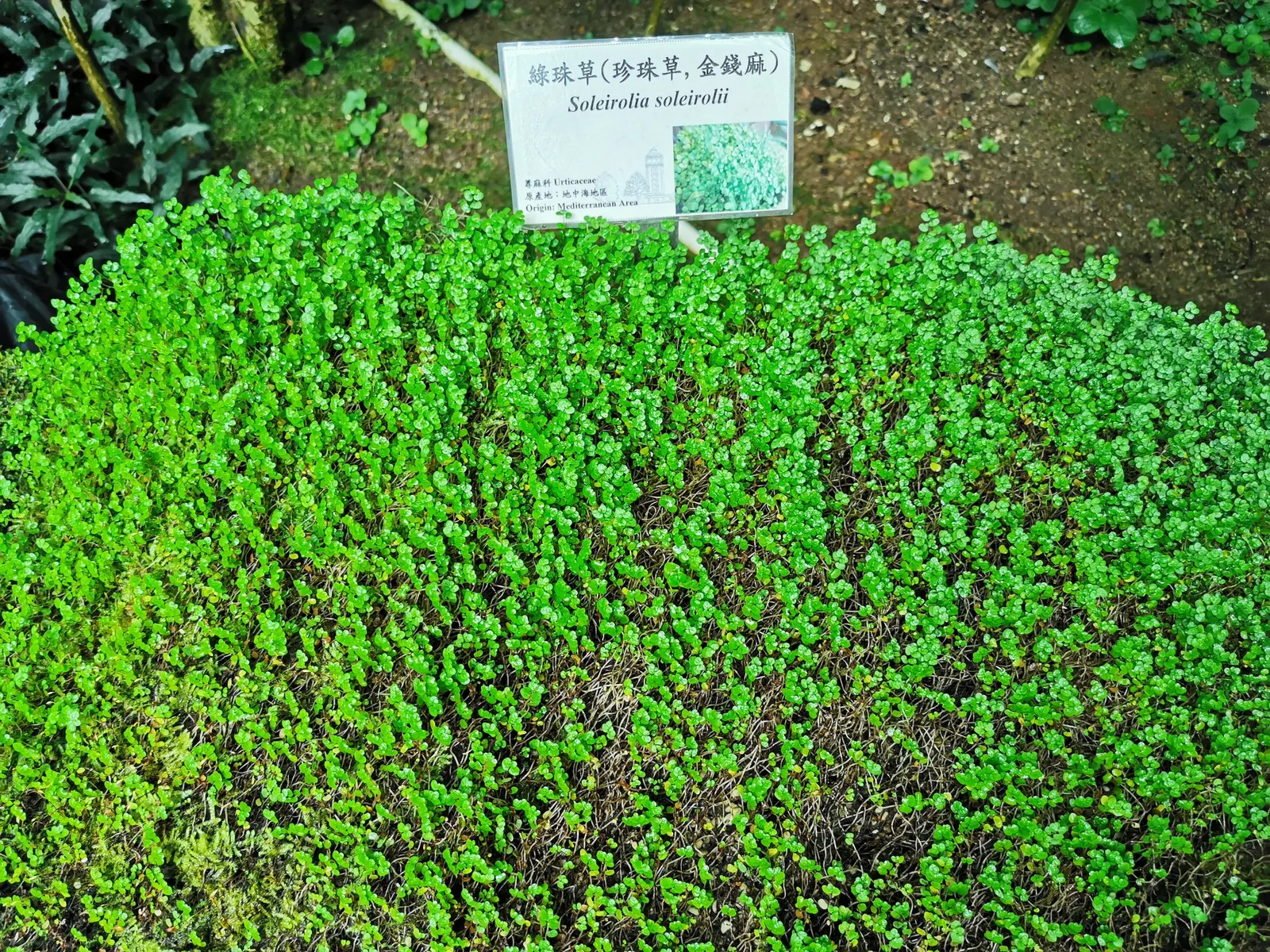
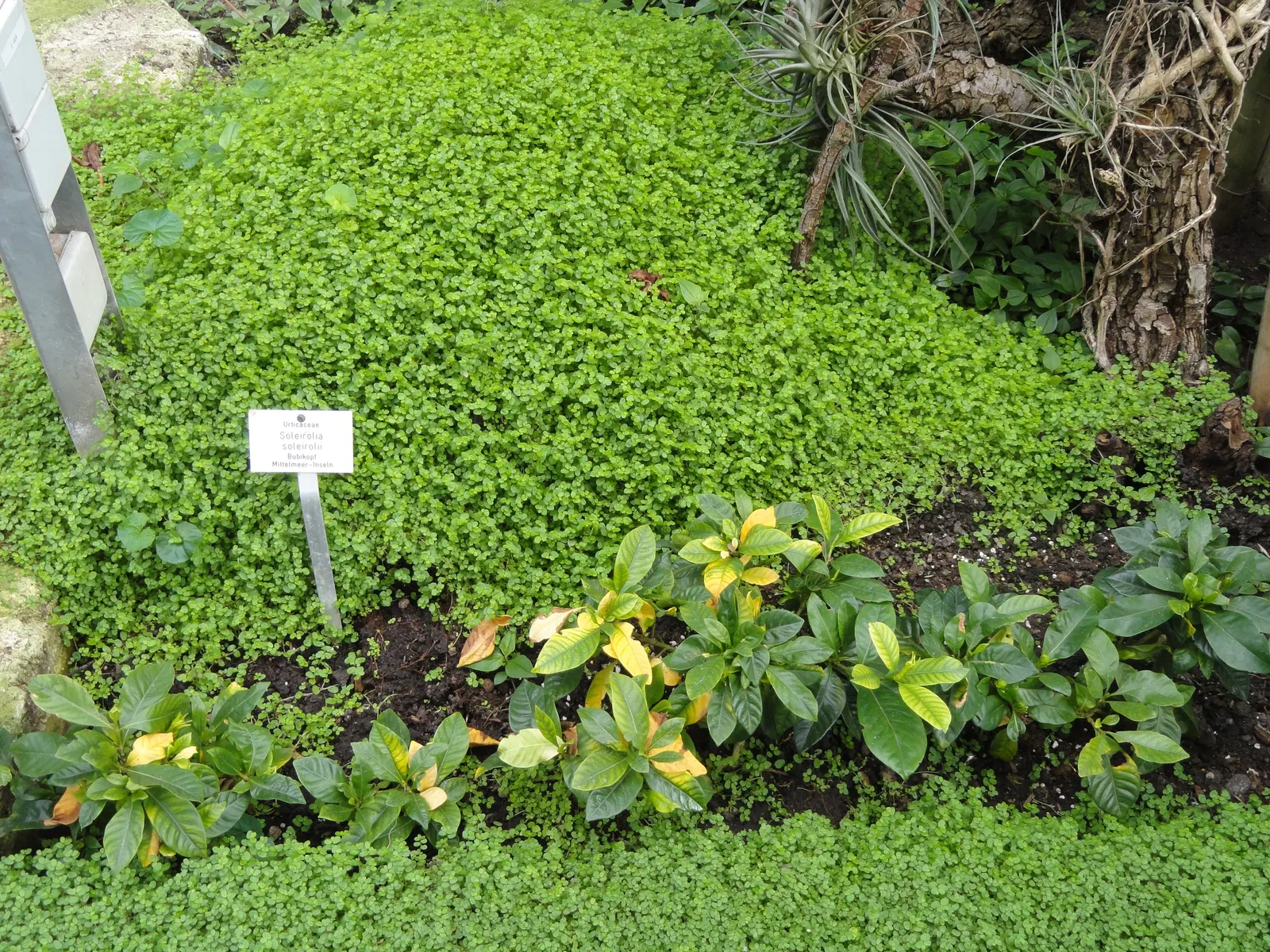
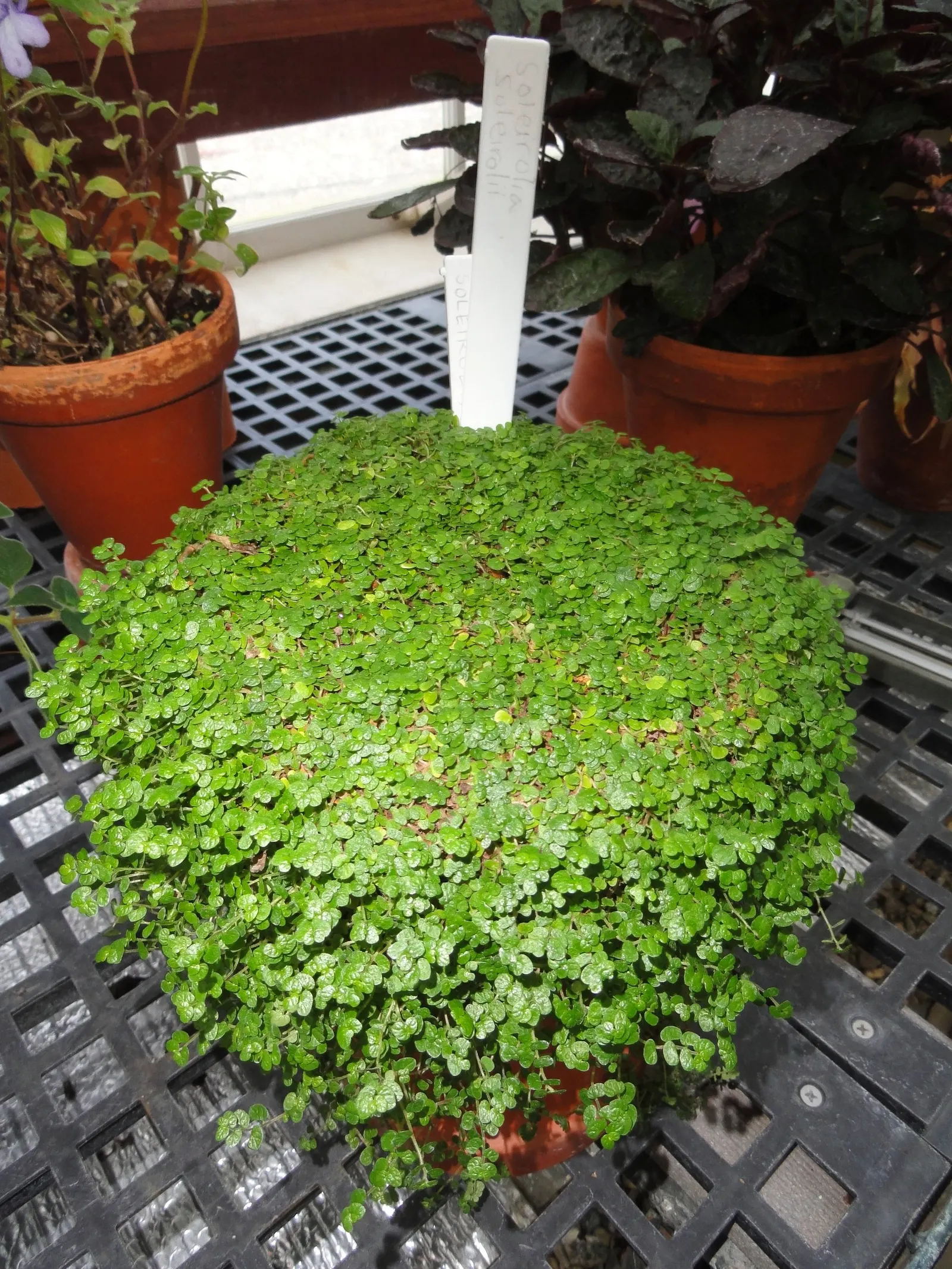
Soleirolia soleirolii, commonly known as Baby's Tears, is an evergreen perennial showcasing delicate, lush green foliage. Thriving in moist, well-drained soil, it prefers partial to full shade, making it ideal for ground cover or container gardens. This low-growing plant reaches a height of 1-6 inches with a spread of 12-18 inches, creating a dense, carpet-like appearance. Its rapid growth and mat-forming habit provide an excellent option for filling gaps in shaded areas.

Sun Full, Half, ShadeWater High, MediumZones 10–10Type Ground cover, Perennial

Culture

Sun
Full, Half, Shade
Water
High, Medium
USDA zones
10–10

Shape & size

Classification

Type
Ground cover, Perennial
Family
Urticaceae

See full data, regional cultivation notes, and design tools. Build a client presentation around this plant.

Start your 14-day trial

Photos (74)

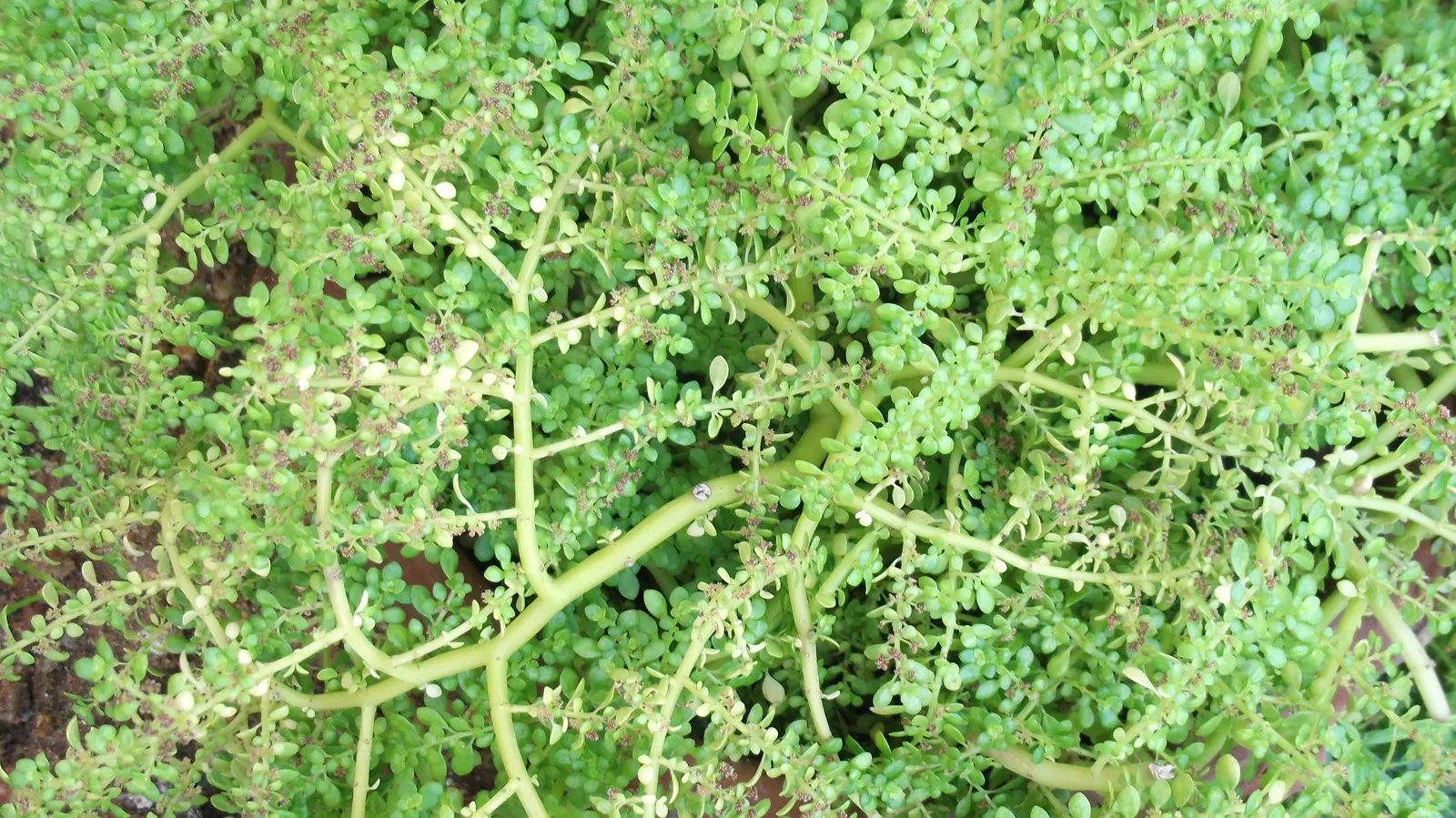
Baby's Tears (Soleirolia Soleirolii) — They should be planted in rich, well-draining soil, with a preference for consistent moisture
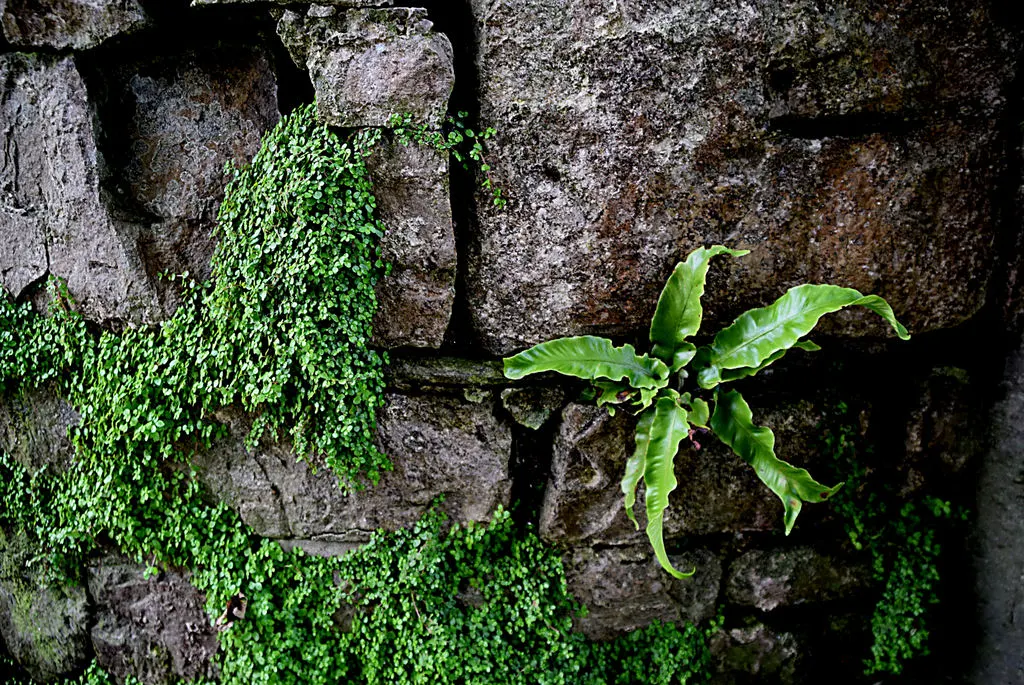
Baby's Tears (Soleirolia Soleirolii) — commonly referred to as Baby's Tears; flourishing under the canopy of larger trees or in the dappled light of a woodland
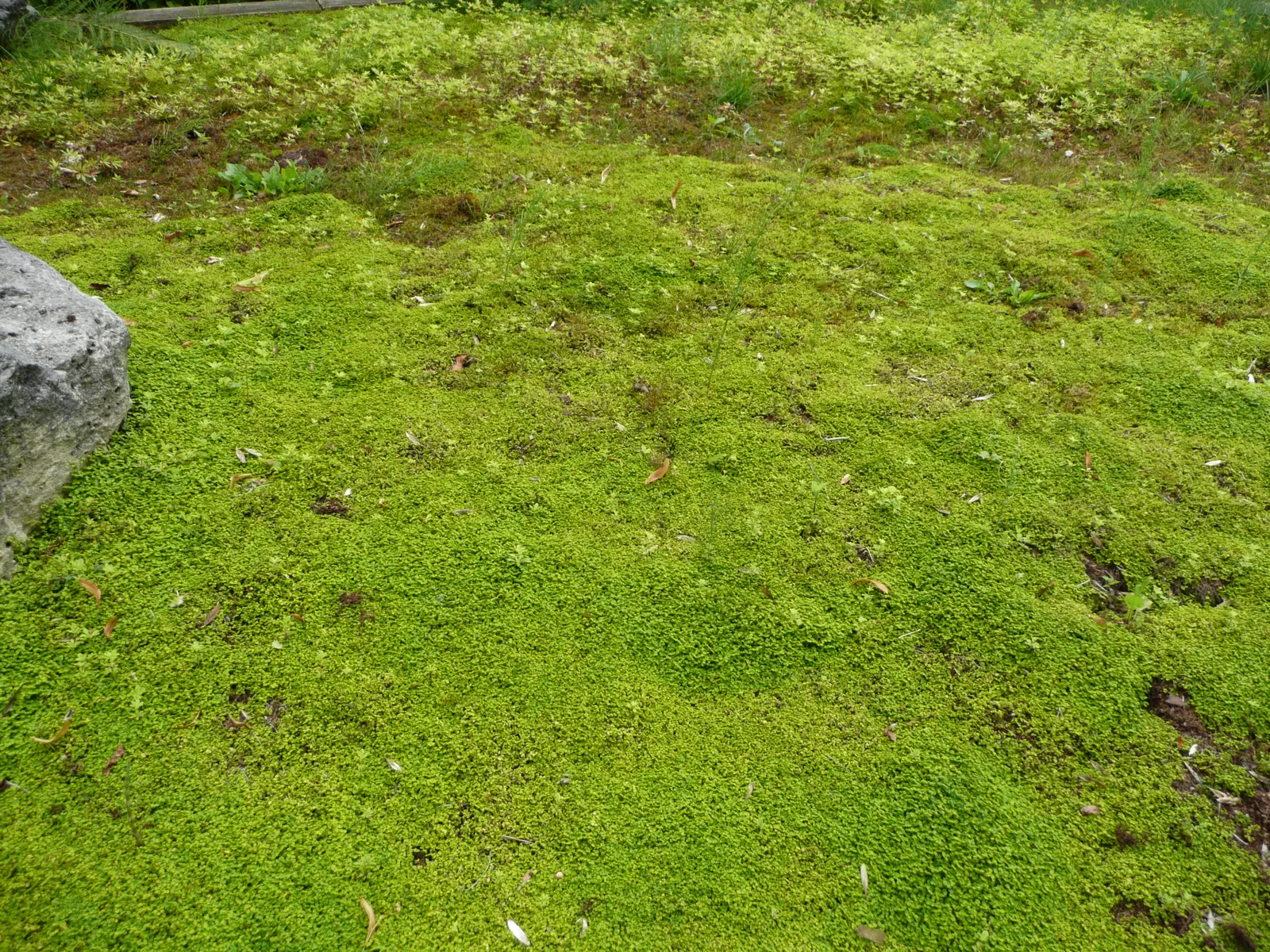
Baby's Tears (Soleirolia Soleirolii) — Offering visual texture and a feeling of enchantment; ground cover / perennial for full or half or shade
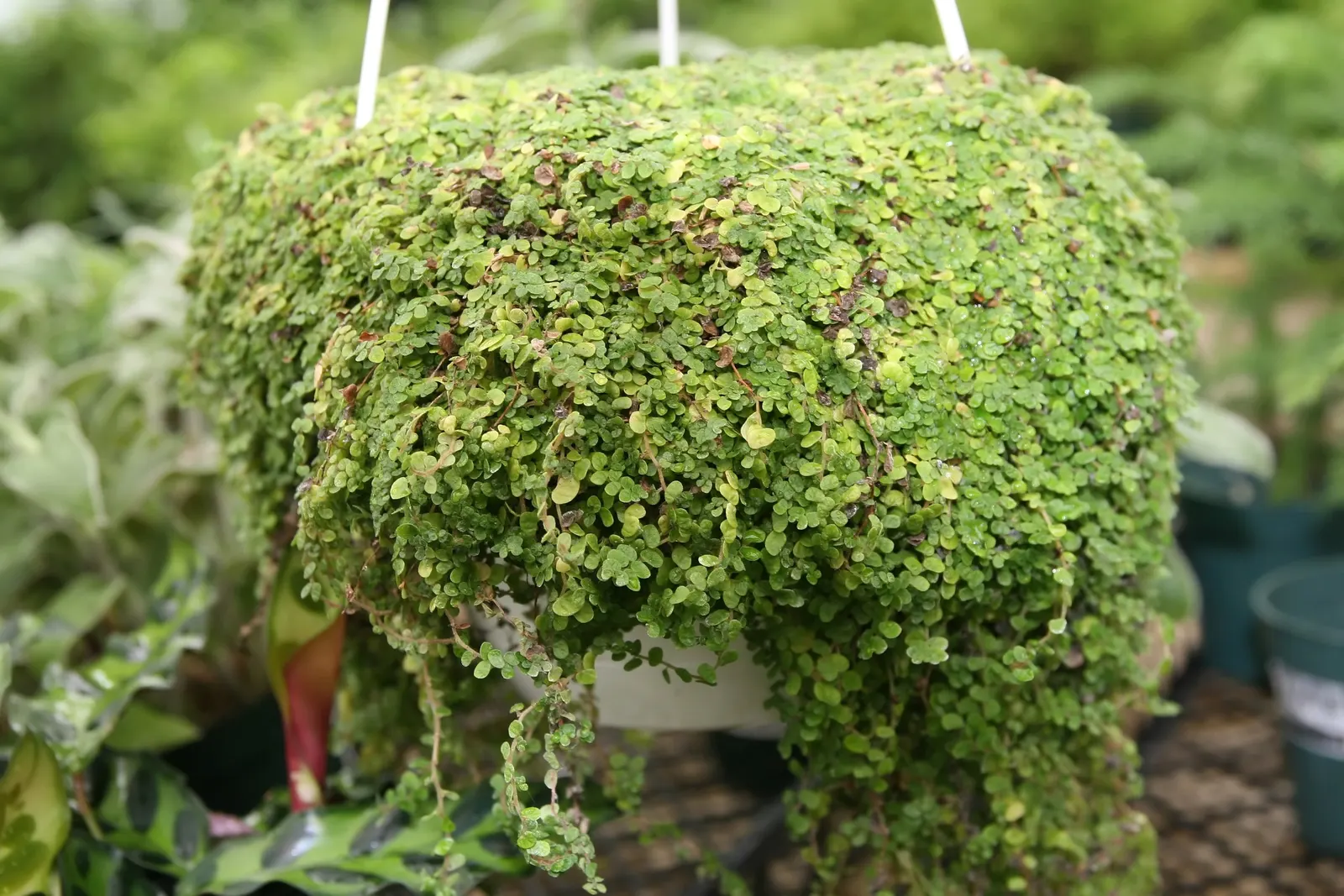
Baby's Tears (Soleirolia Soleirolii) — these plants require minimal pruning but do benefit from regular watering during dry spells
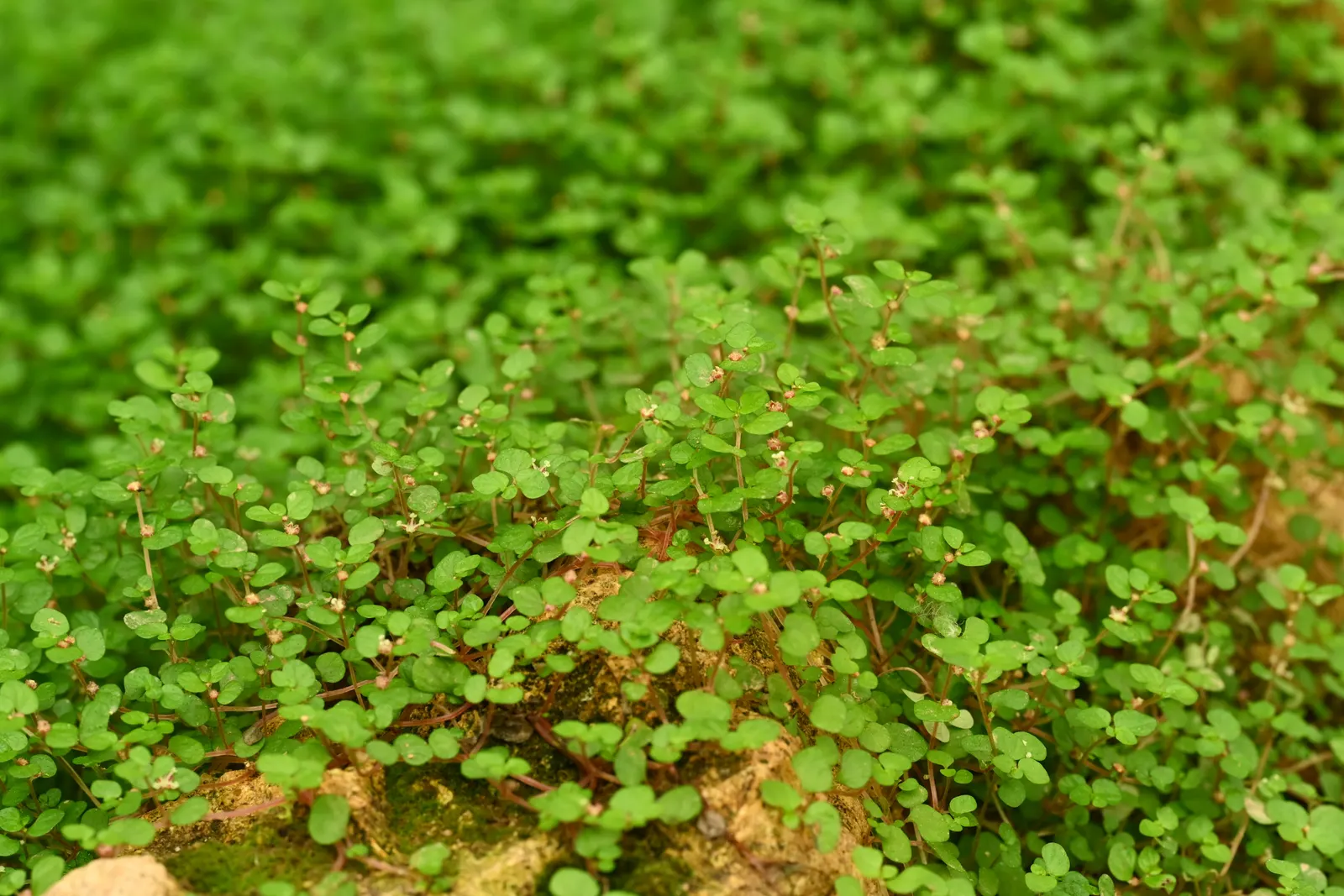
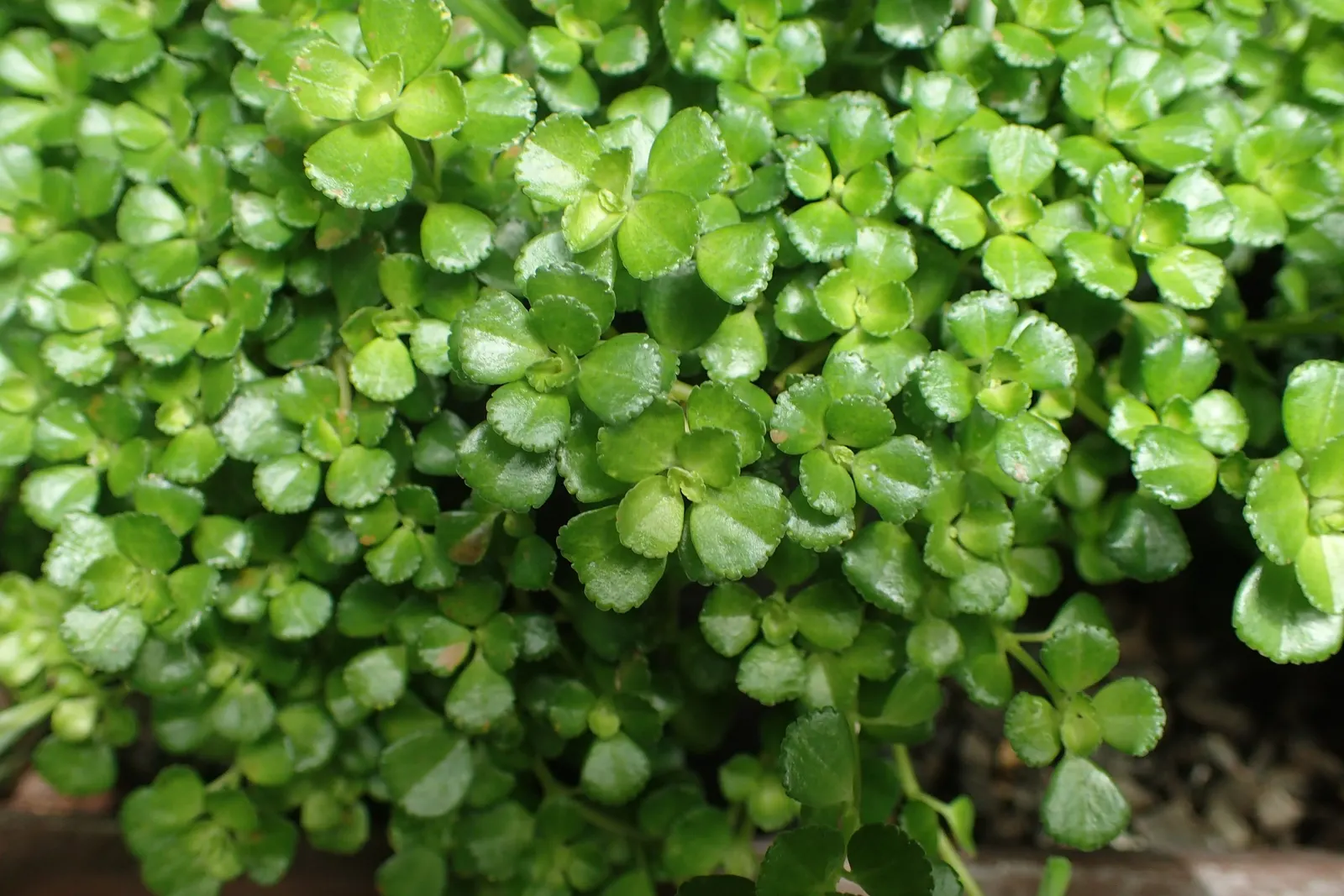
Baby's Tears (Soleirolia Soleirolii) — typically a vibrant green
Baby's Tears (Soleirolia Soleirolii) — They are effective as living mulch, helping to retain soil moisture and suppress weeds
Baby's Tears (Soleirolia Soleirolii) — commonly known as Baby's Tears
Baby's Tears (Soleirolia Soleirolii) — Its rapid growth and mat-forming habit provide an excellent option for filling gaps in shaded areas
Baby's Tears (Soleirolia Soleirolii) — it prefers partial to full shade; typically a vibrant green
Baby's Tears (Soleirolia Soleirolii) — boasts a delicate yet robust presence in any garden landscape
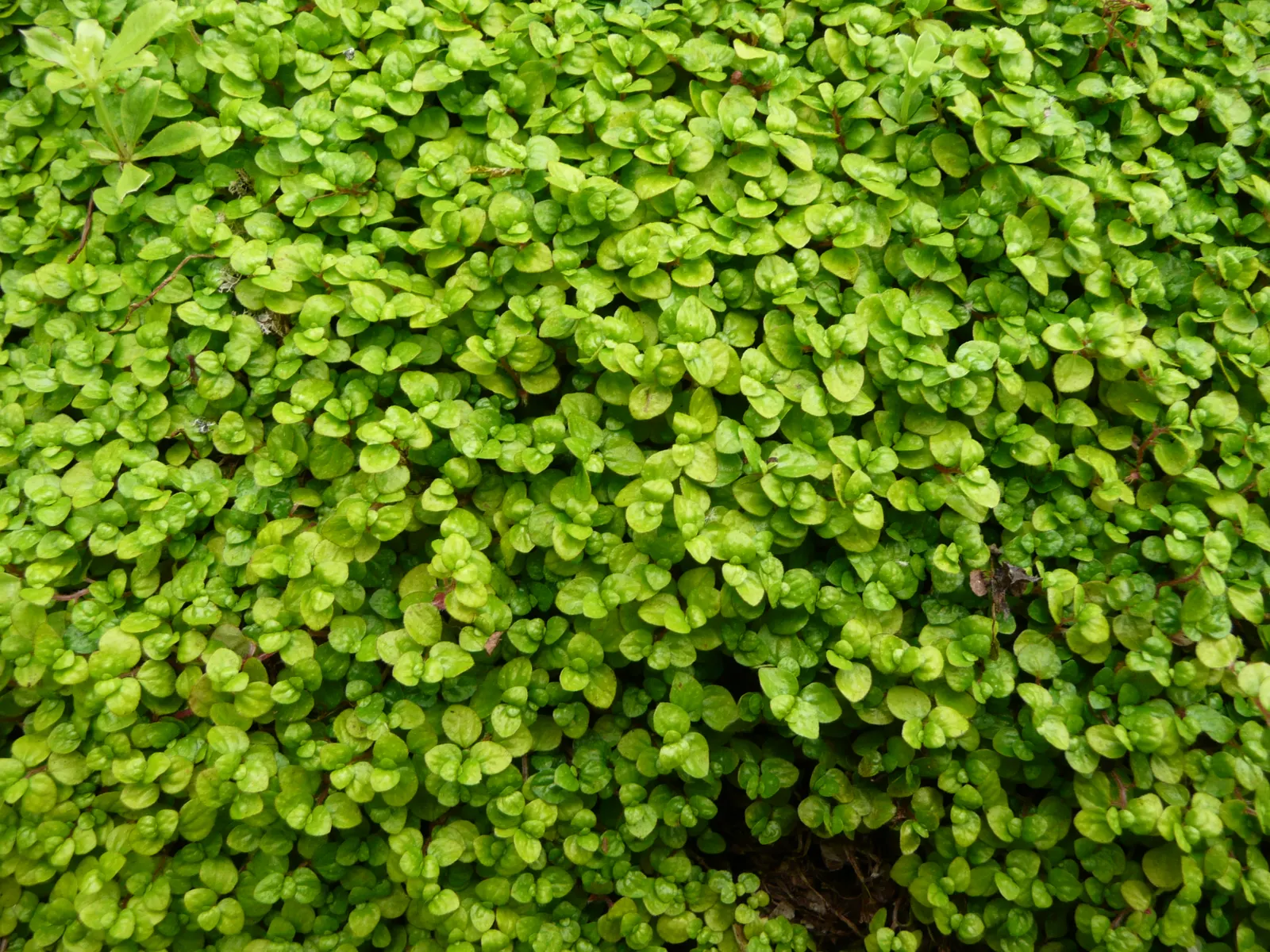
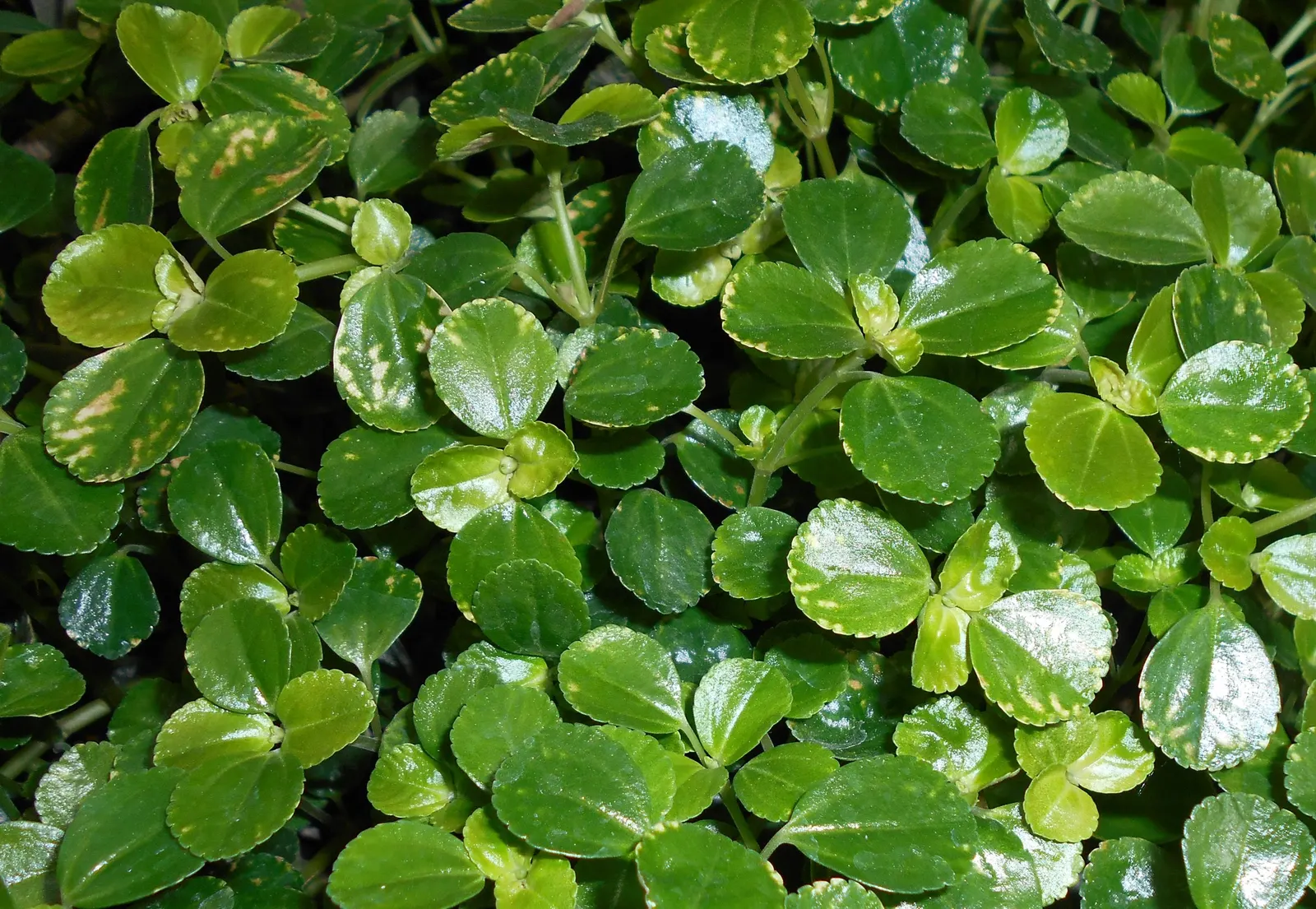
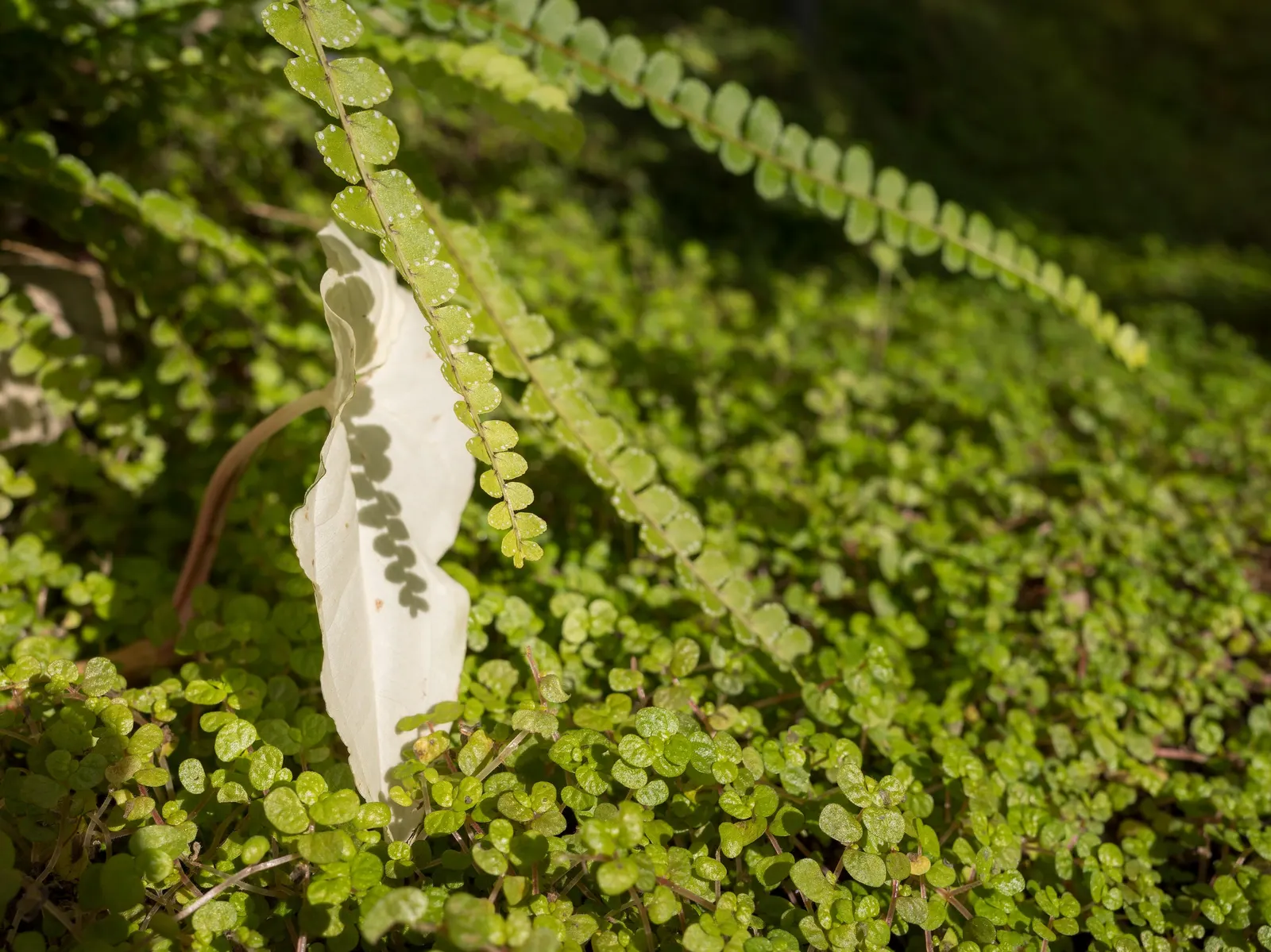
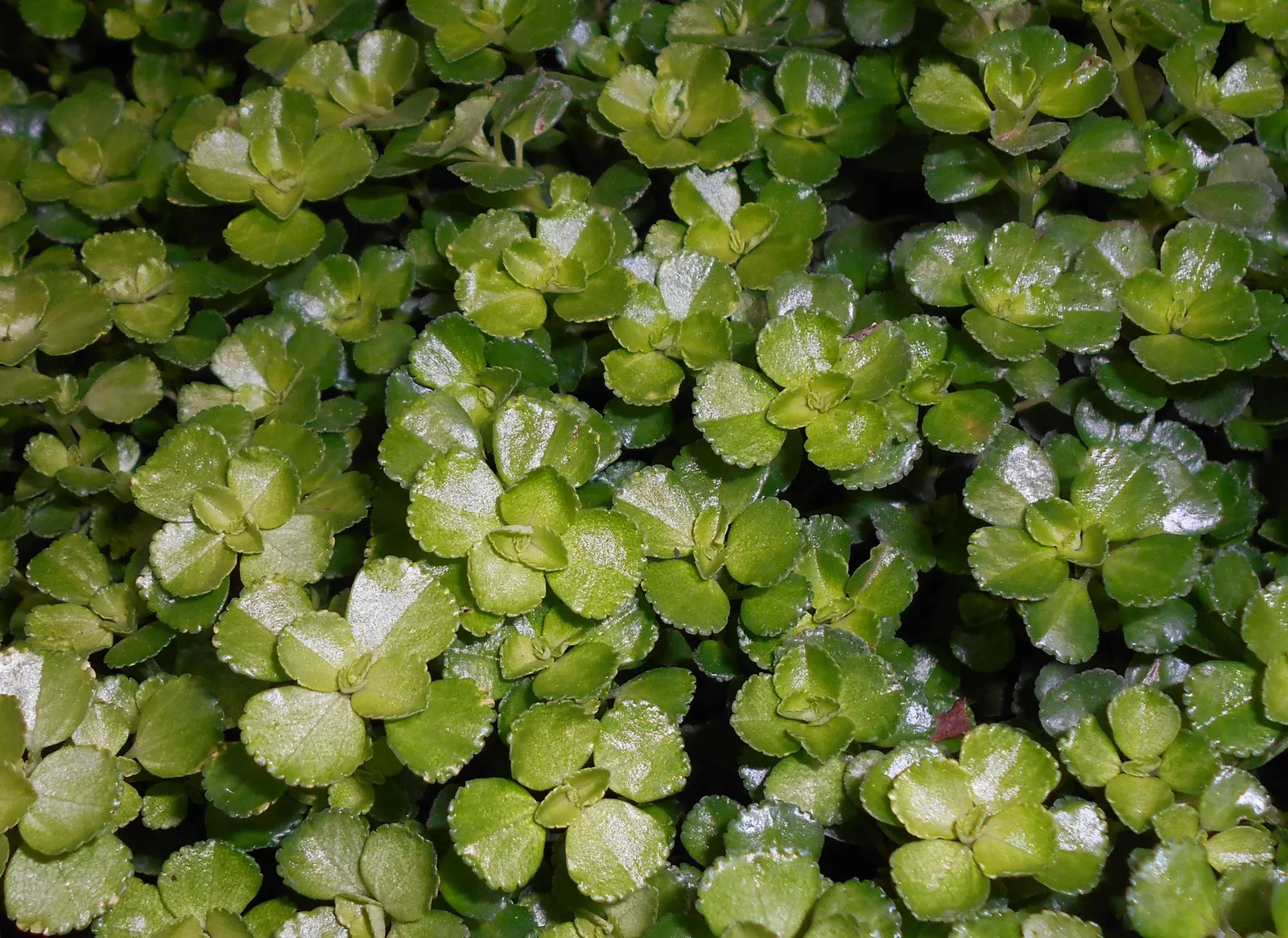
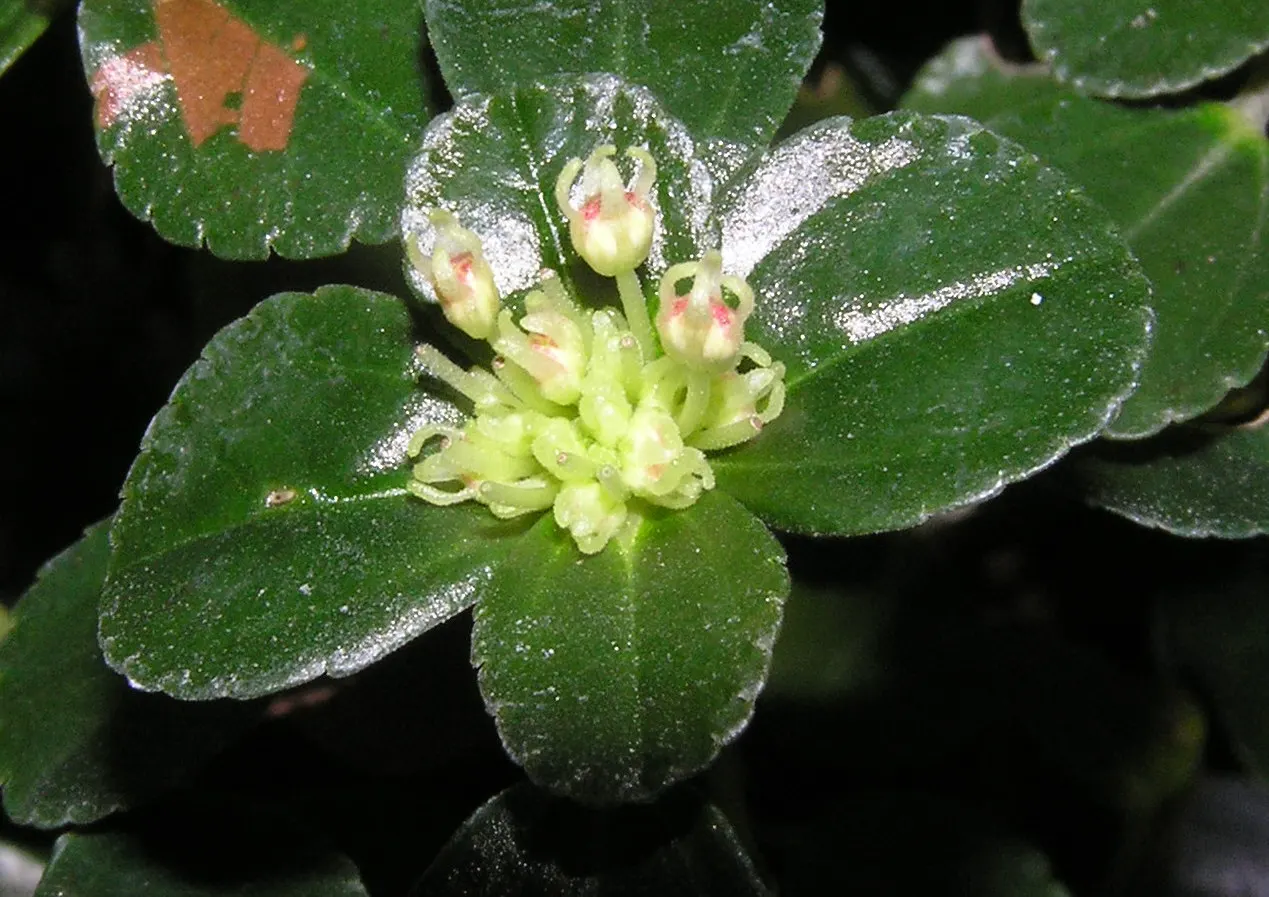
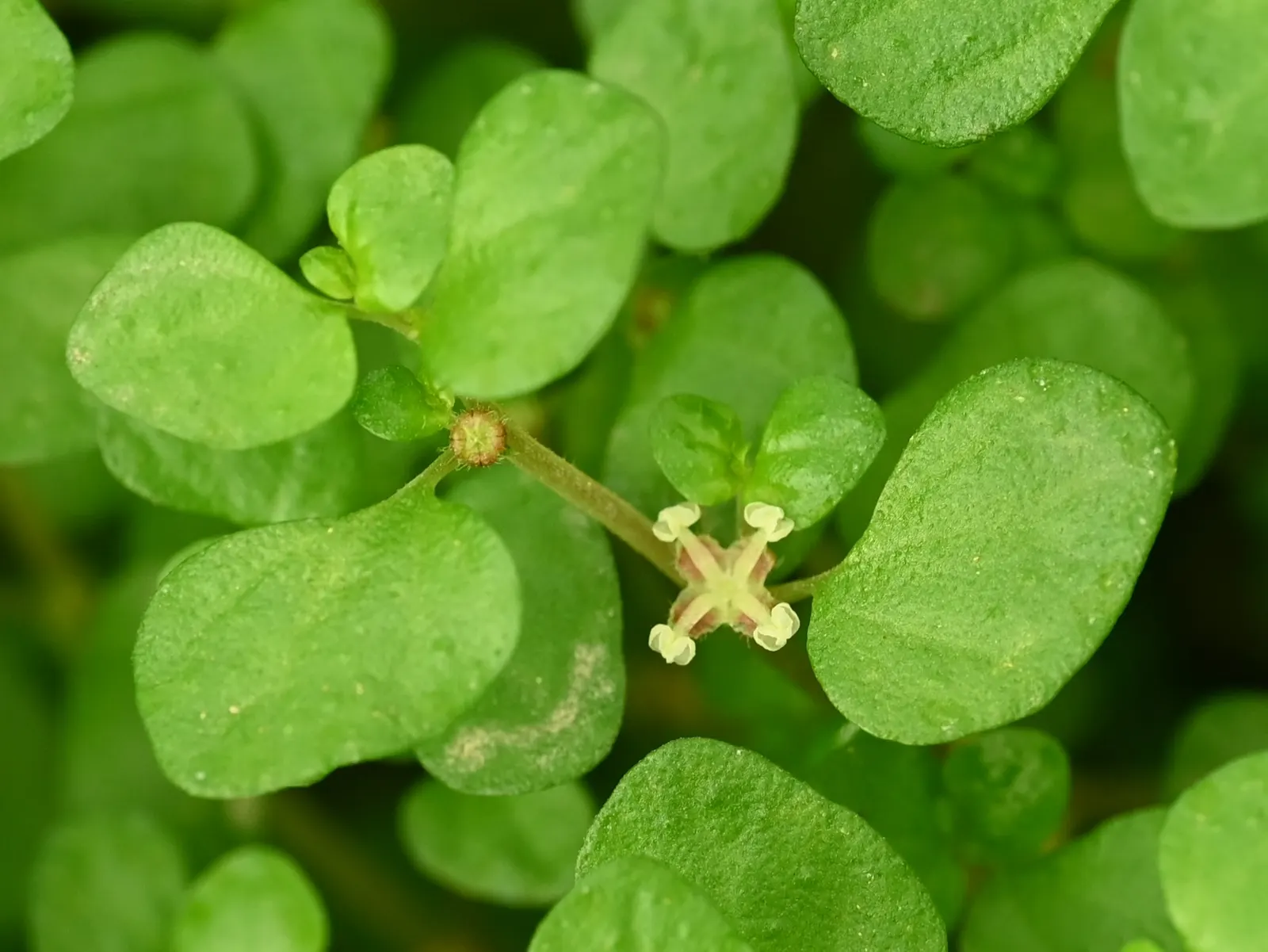
Baby's Tears (Soleirolia Soleirolii) — rounded leaves less than 1/8 inch across; may also present in golden or variegated forms
Baby's Tears (Soleirolia Soleirolii) — boasts a delicate yet robust presence in any garden landscape; baby's Tears are a whimsical addition to any client's
Baby's Tears (Soleirolia Soleirolii) — Its rapid growth and mat-forming habit provide an excellent option for filling gaps in shaded areas; this evergreen
Baby's Tears (Soleirolia Soleirolii) — Its rapid growth and mat-forming habit provide an excellent option for filling gaps in shaded areas; this, image 53
Baby's Tears (Soleirolia Soleirolii) — They are effective as living mulch, helping to retain soil moisture and suppress weeds; however, good drainage is
Baby's Tears (Soleirolia Soleirolii) — ground cover / perennial for full or half or shade; offering visual texture and a feeling of enchantment
Baby's Tears (Soleirolia Soleirolii) — these plants require minimal pruning but do benefit from regular watering during dry spells; imparting a velvety texture
Baby's Tears (Soleirolia Soleirolii) — Baby's Tears are a whimsical addition to any client's garden
Baby's Tears (Soleirolia Soleirolii) — commonly referred to as Baby's Tears; flourishing under the canopy of larger trees or in the dappled light, image 54
Baby's Tears (Soleirolia Soleirolii) — it prefers partial to full shade; typically a vibrant green, image 50
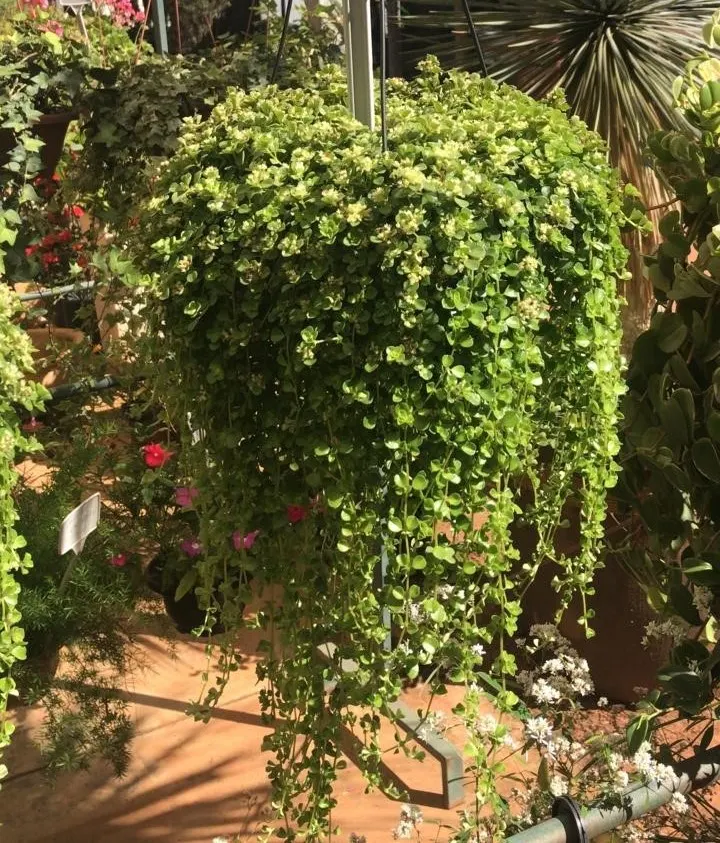
Baby's Tears (Soleirolia Soleirolii) — may also present in golden or variegated forms; rounded leaves less than 1/8 inch across
Baby's Tears (Soleirolia Soleirolii) — They should be planted in rich, well-draining soil, with a preference for consistent moisture; adding nuanced color
Baby's Tears (Soleirolia Soleirolii) — flourishing under the canopy of larger trees or in the dappled light of a woodland garden; commonly referred to as
Baby's Tears (Soleirolia Soleirolii) — imparting a velvety texture to the garden floor; these plants require minimal pruning but do benefit from regular
Photographs by 12 contributors

Related plants