Skip to content

Yellow Eyed Grass

Sisyrinchium Californicum

Design with this plant

Overview

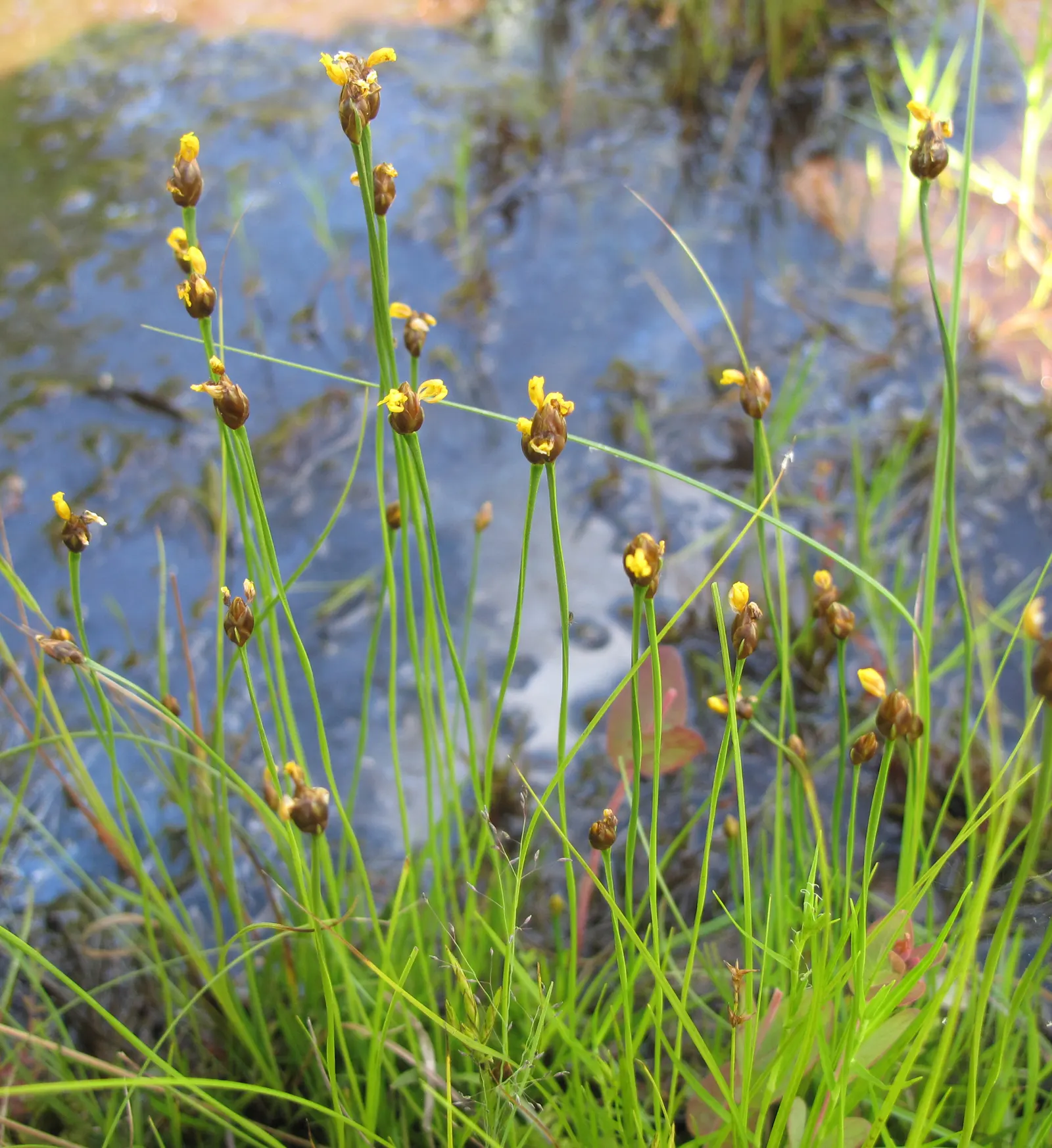
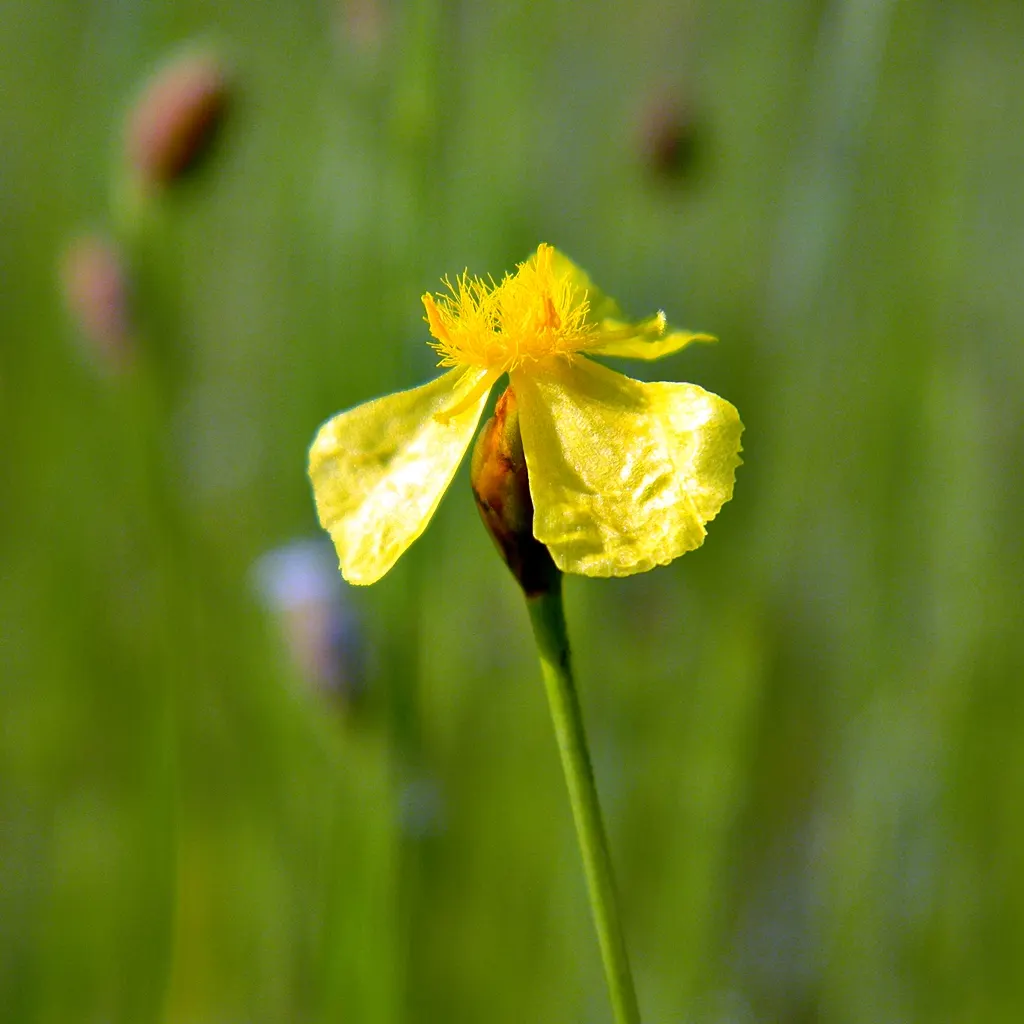
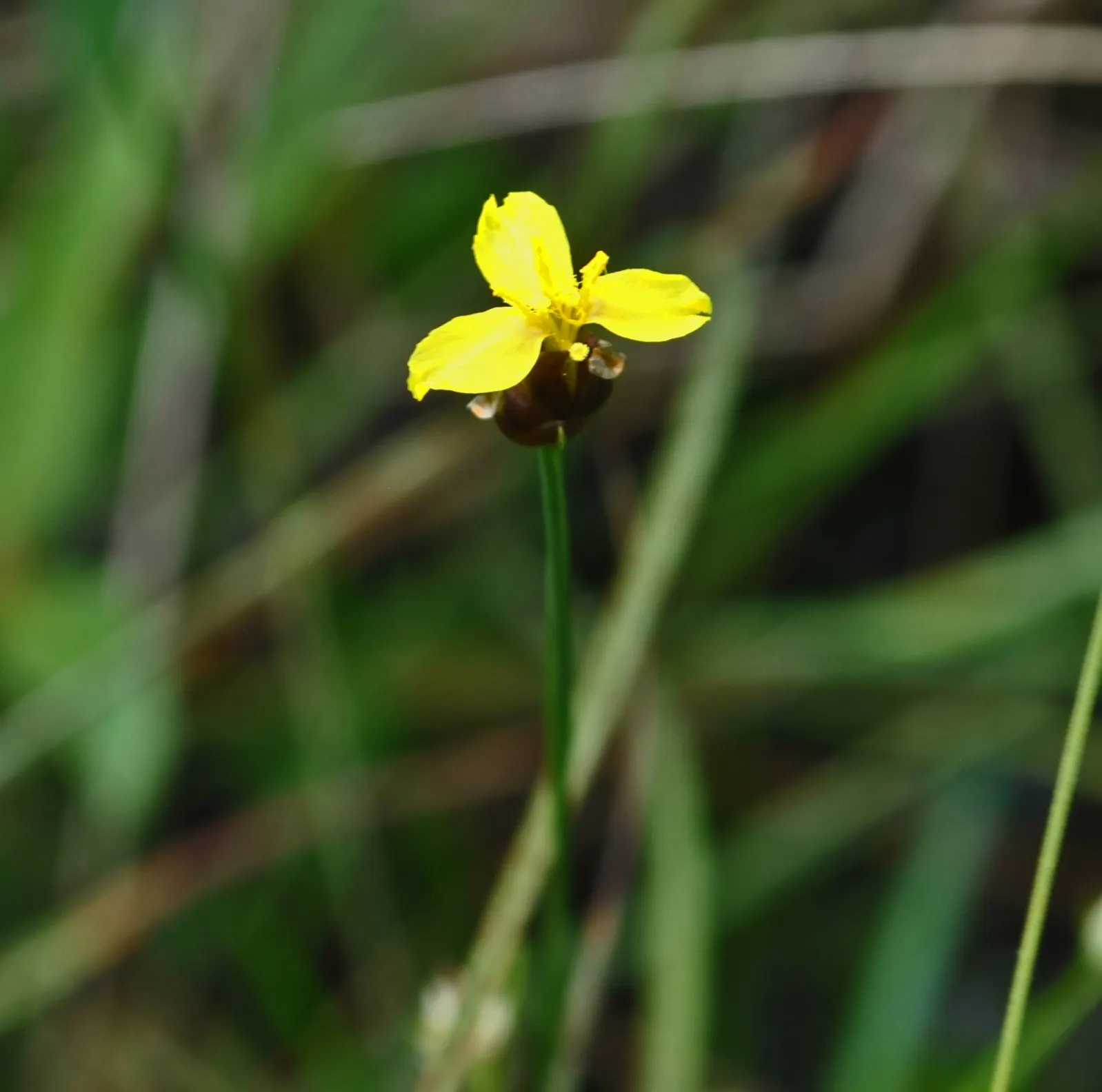
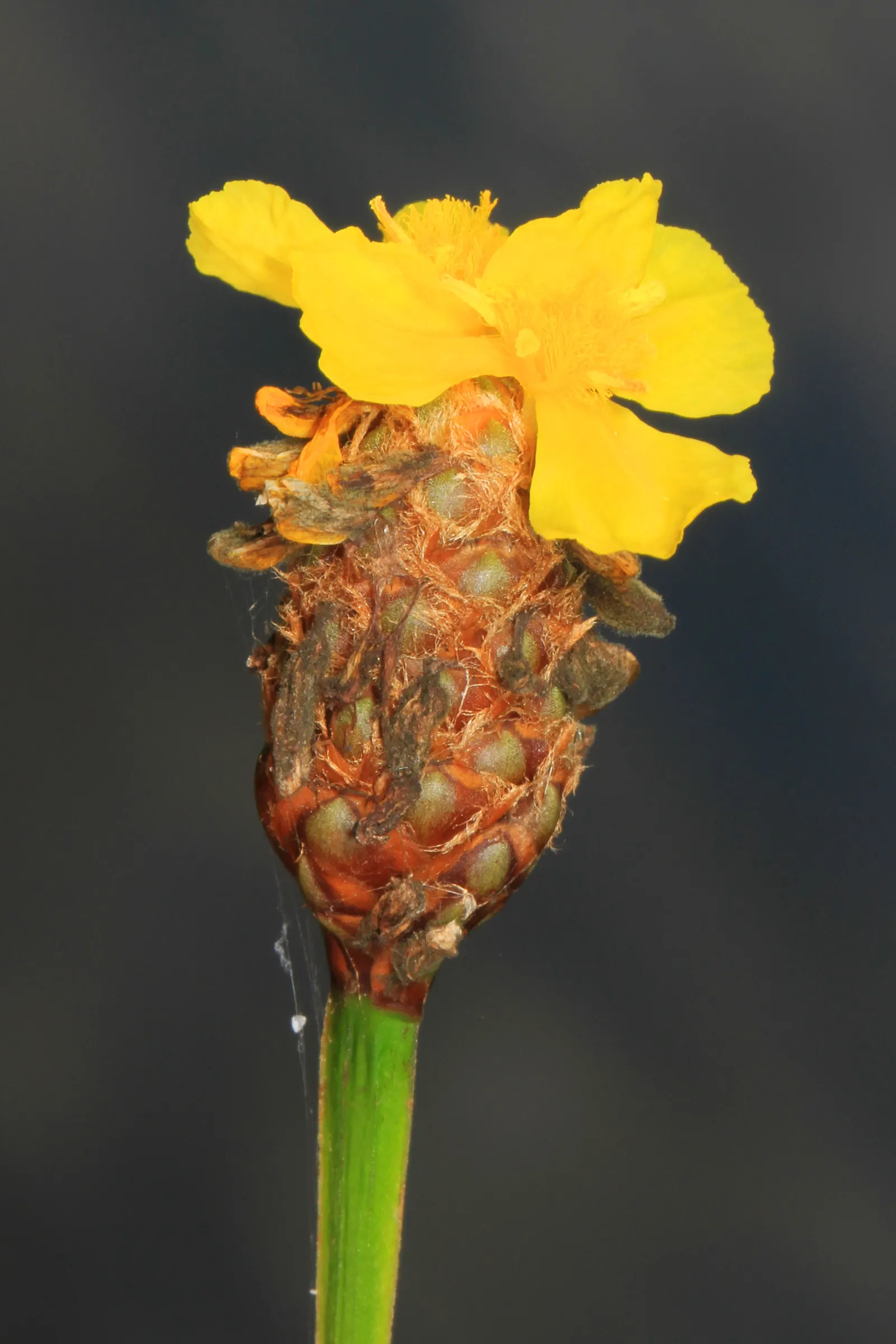
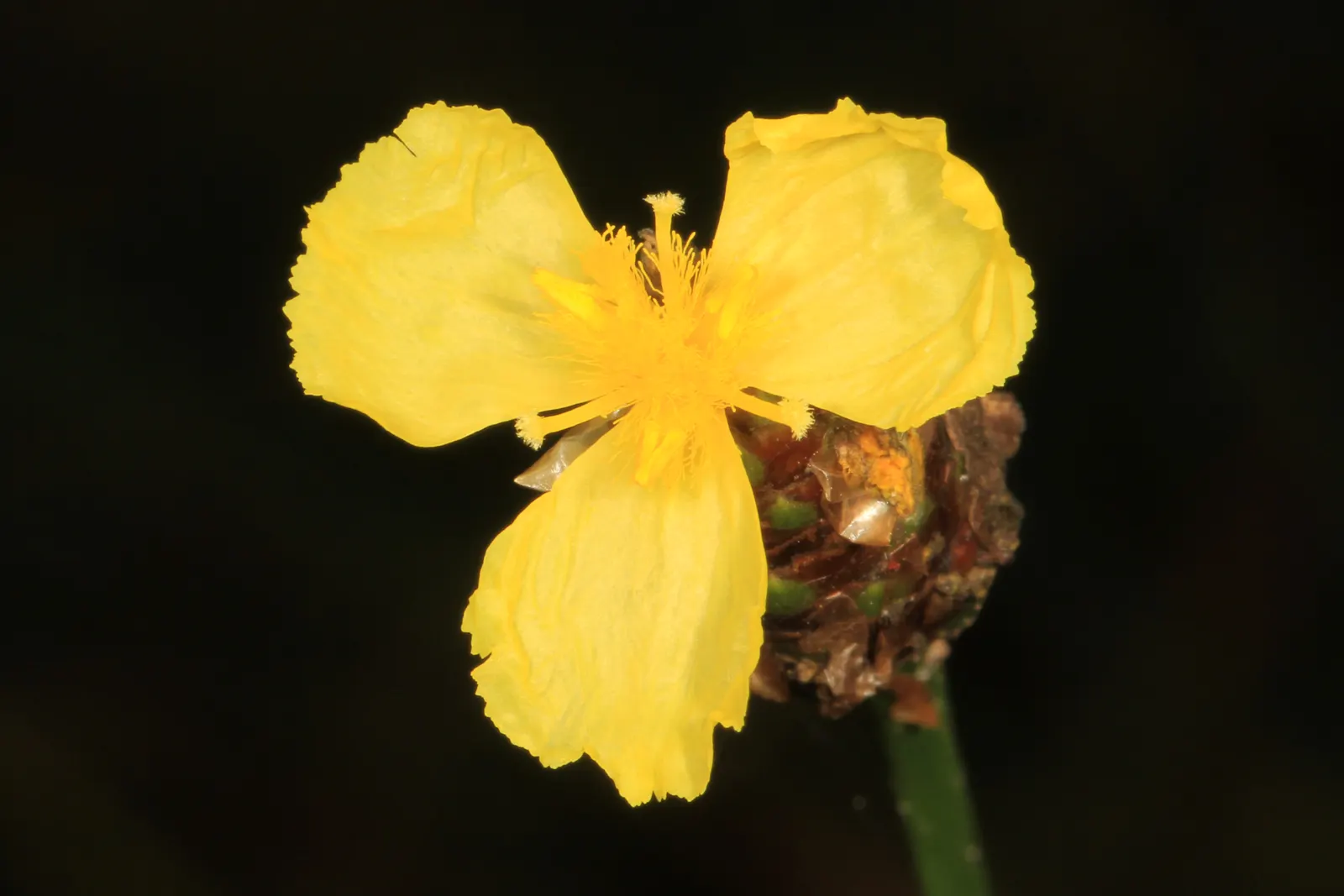
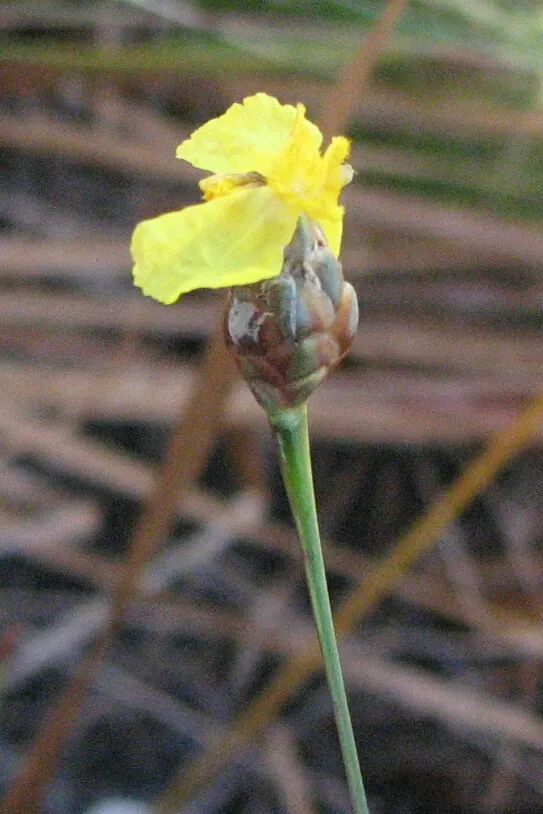
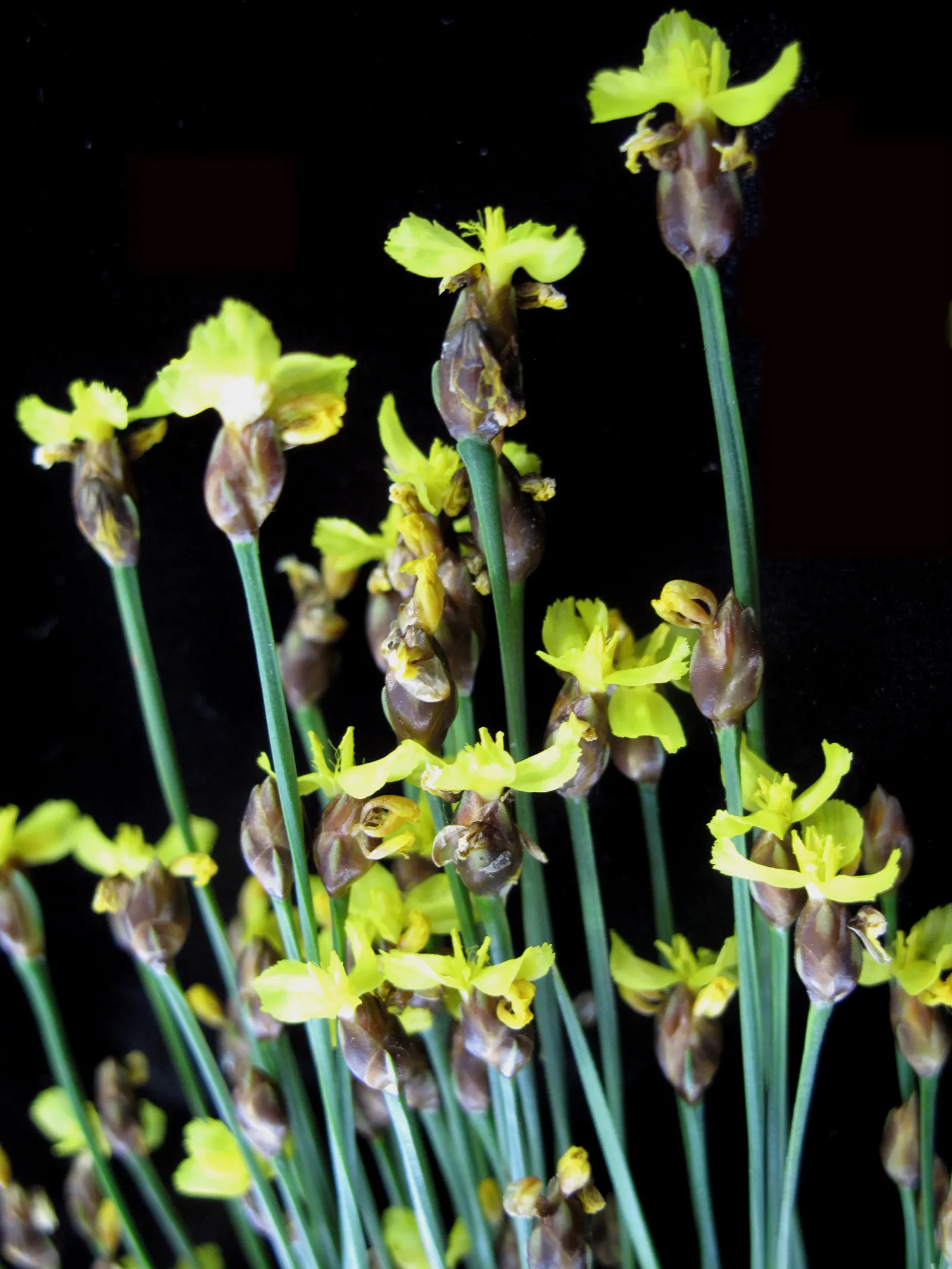
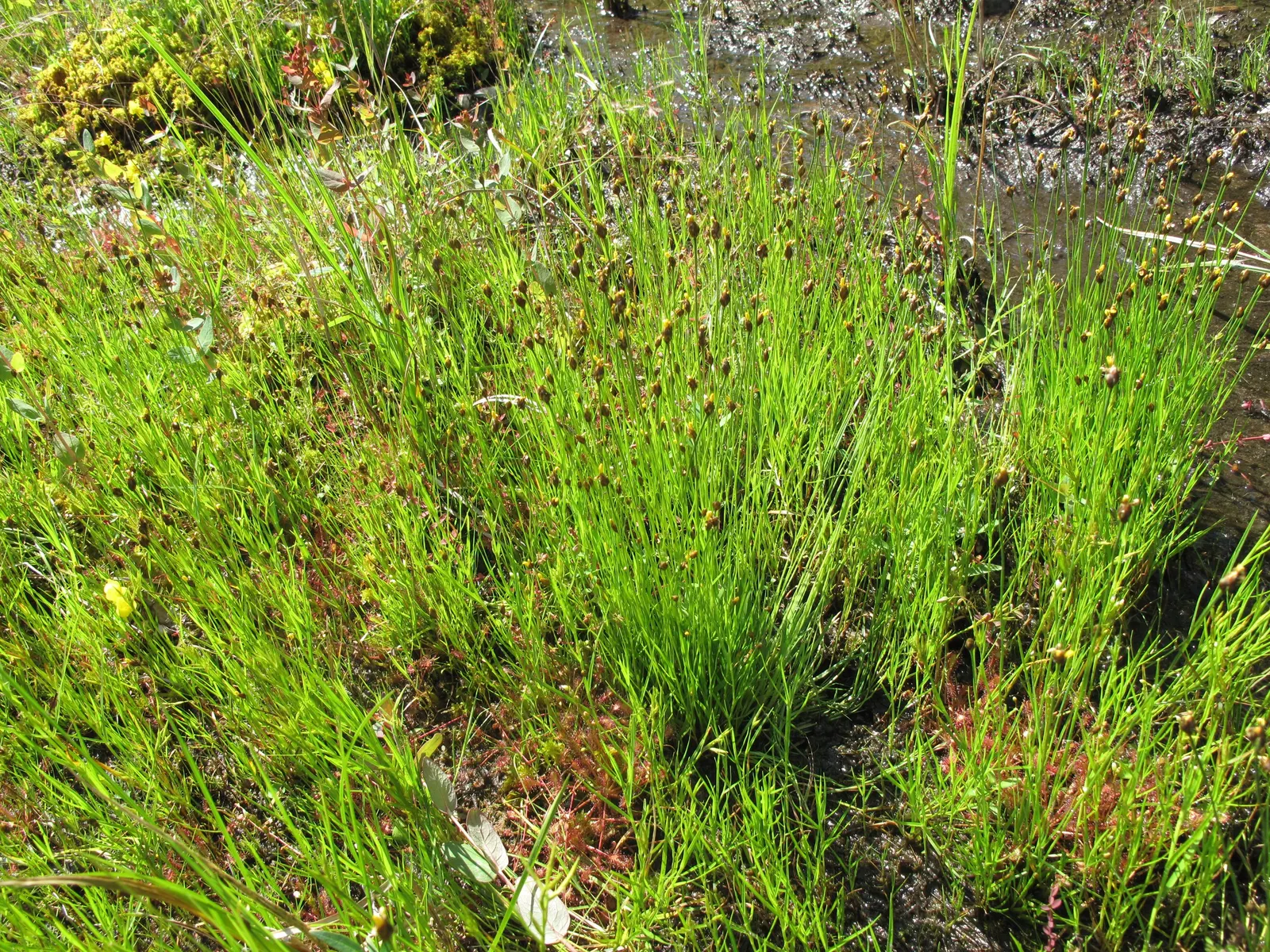
Sisyrinchium californicum, commonly called Yellow Eyed Grass, is a perennial that thrives in USDA Zones 4-9. This robust plant features linear leaves and reaches a mature height of about 12-18 inches with a similar spread. It boasts vibrant, yellow star-shaped flowers in late spring to early summer. Prefers full sun to part shade and moist, well-draining soil. Ideal for borders, rock gardens, and naturalized areas.

Sun Full, HalfWater MediumZones 7–9Climate Temperate
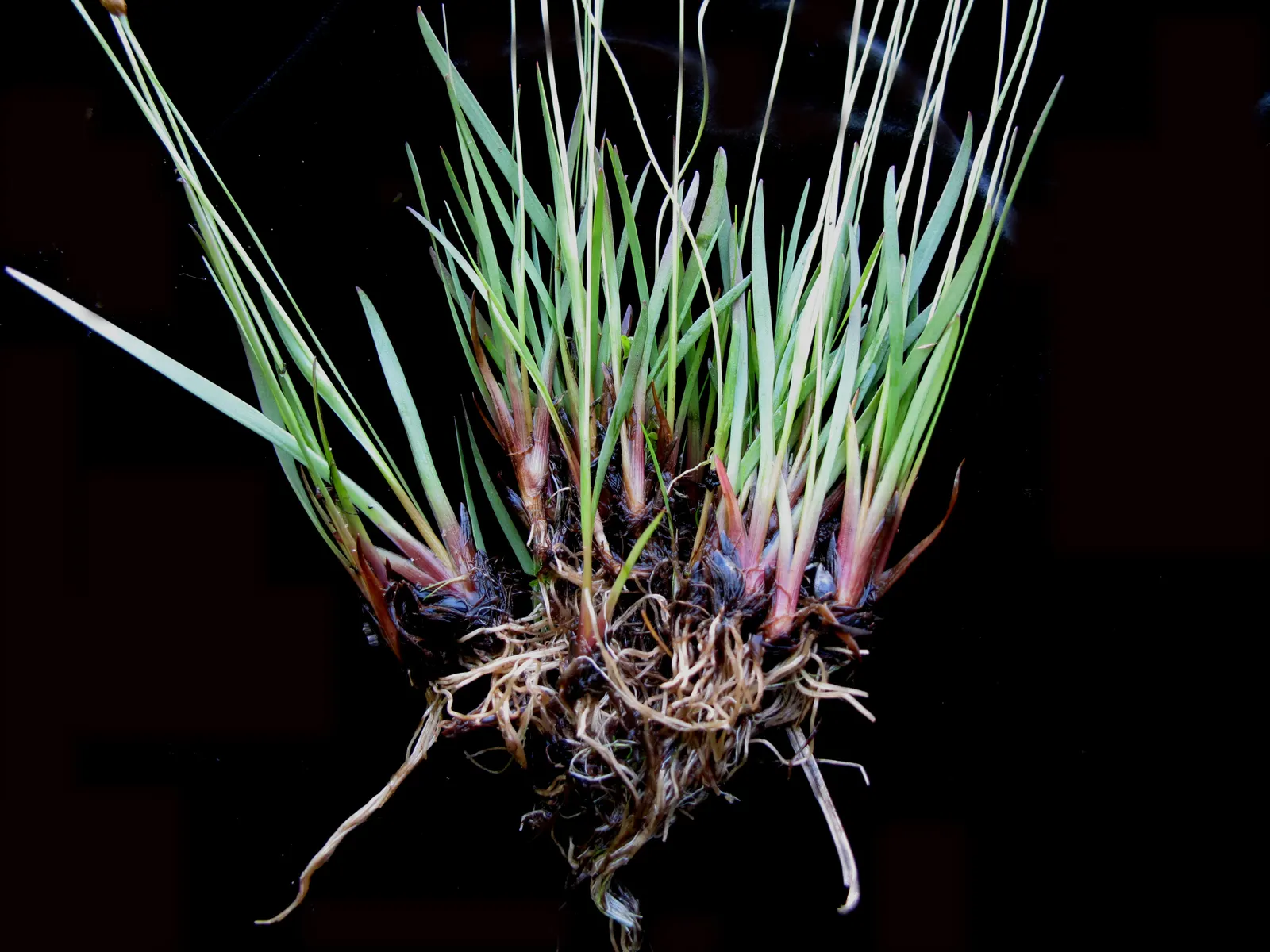
Yellow Eyed Grass (Sisyrinchium Californicum) — Sisyrinchium californicum, commonly called Yellow Eyed Grass, is a perennial that thrives in USDA Zones 4-9

Culture

Sun
Full, Half
Water
Medium
USDA zones
7–9

Shape & size

Classification

Family
Iridaceae
Climate
Temperate

See full data, regional cultivation notes, full-resolution photos, and design tools. Build a client presentation around this plant.

Start your 14-day trial

Photos (45)

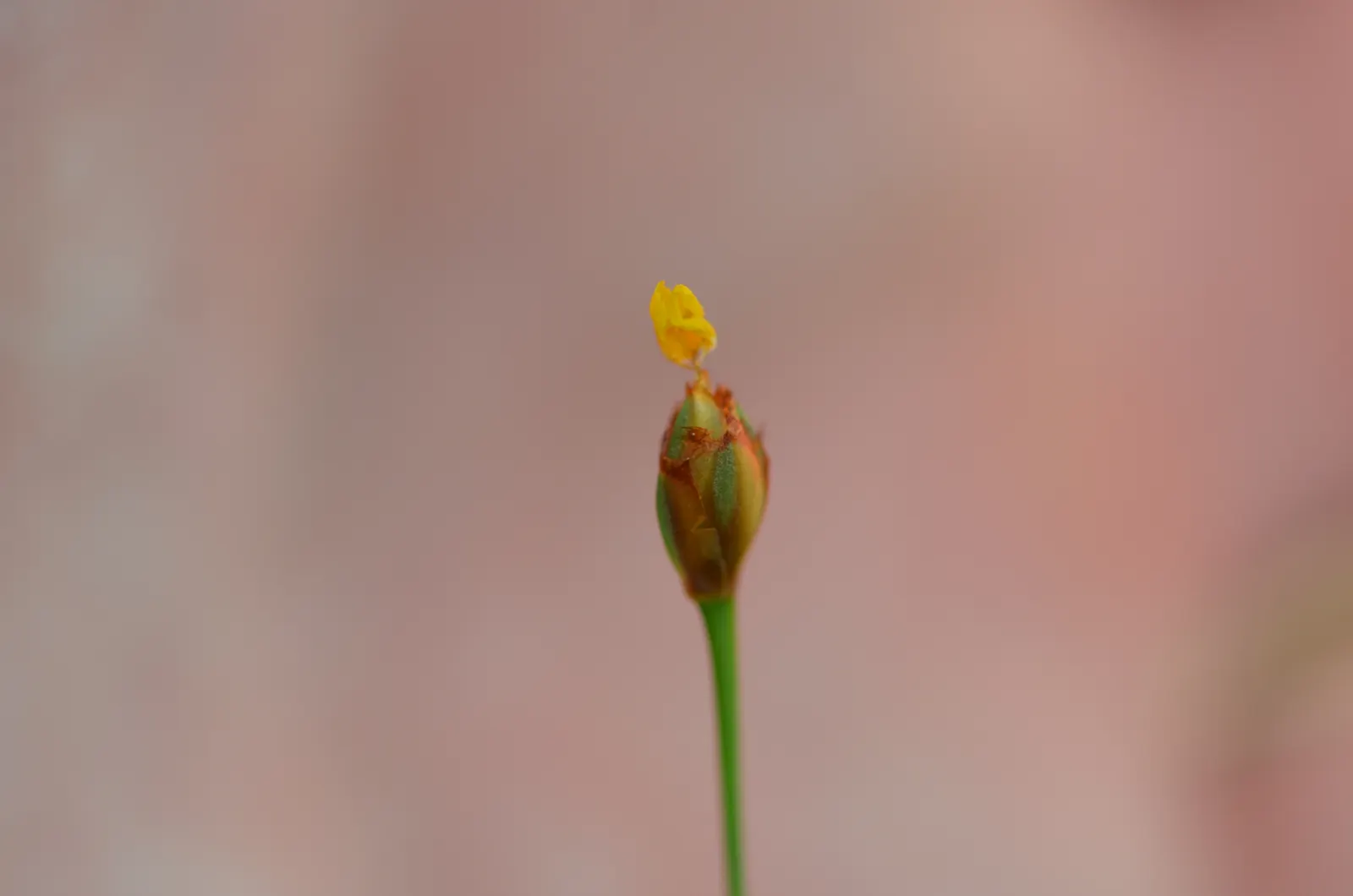
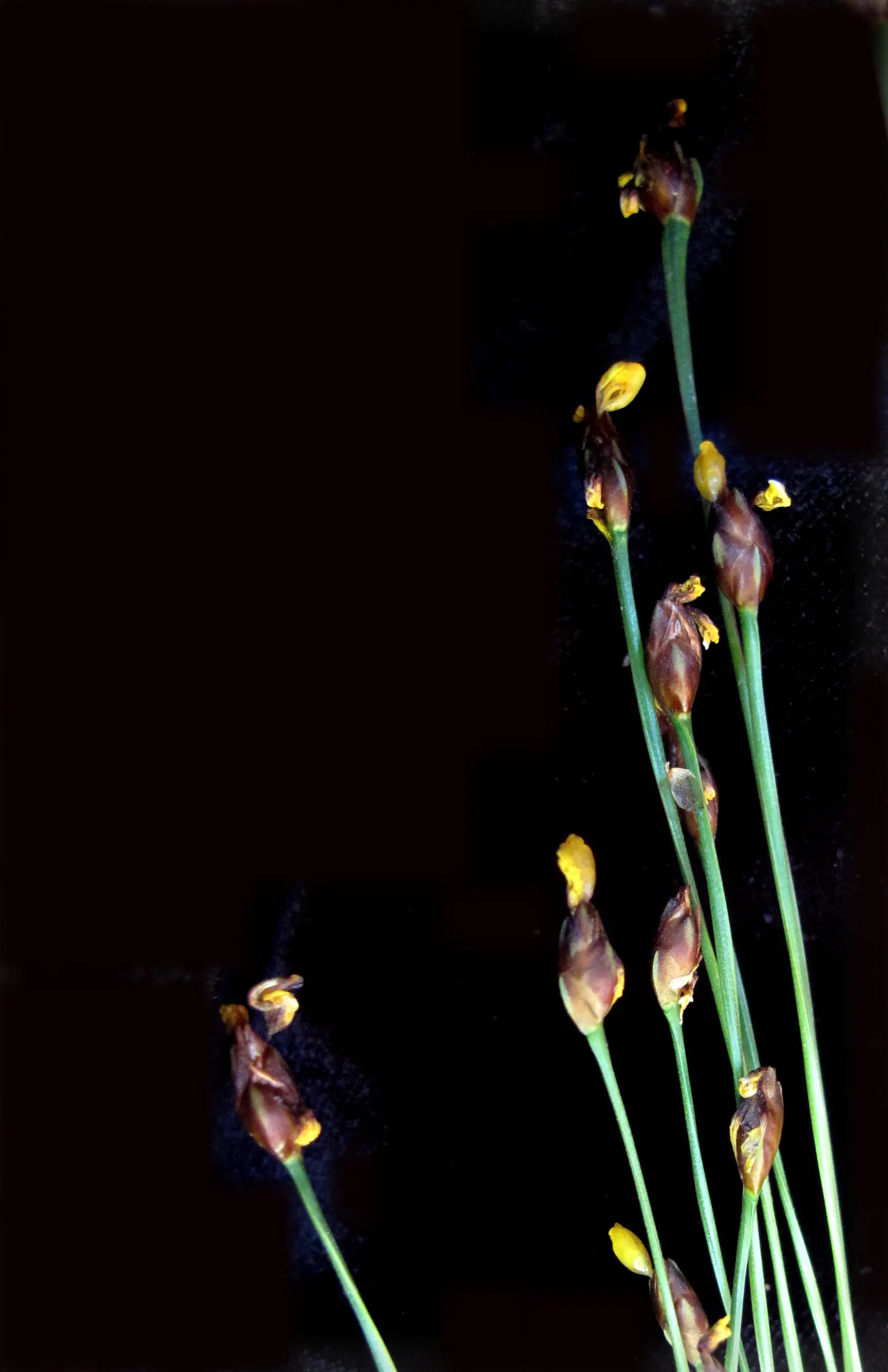
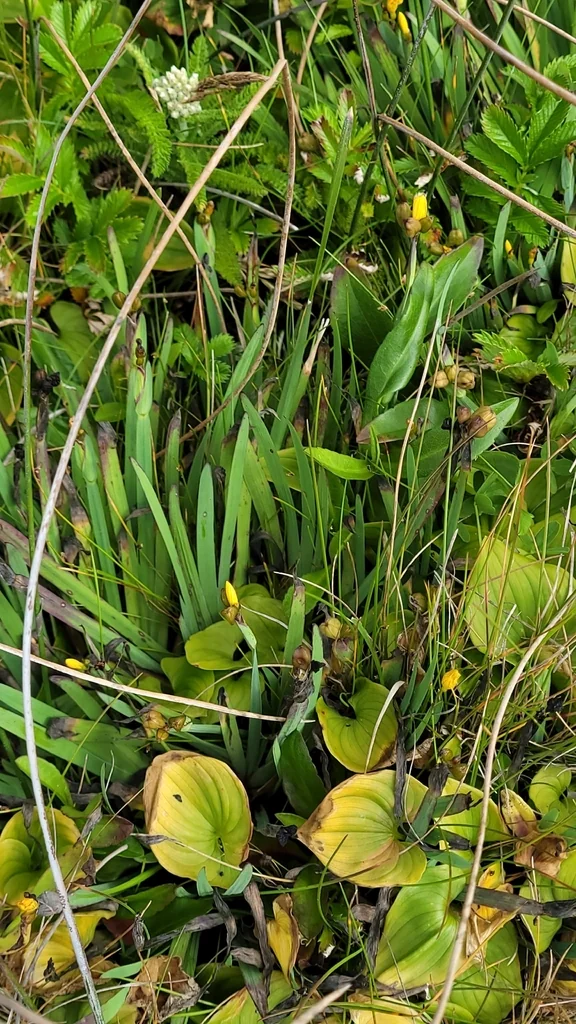
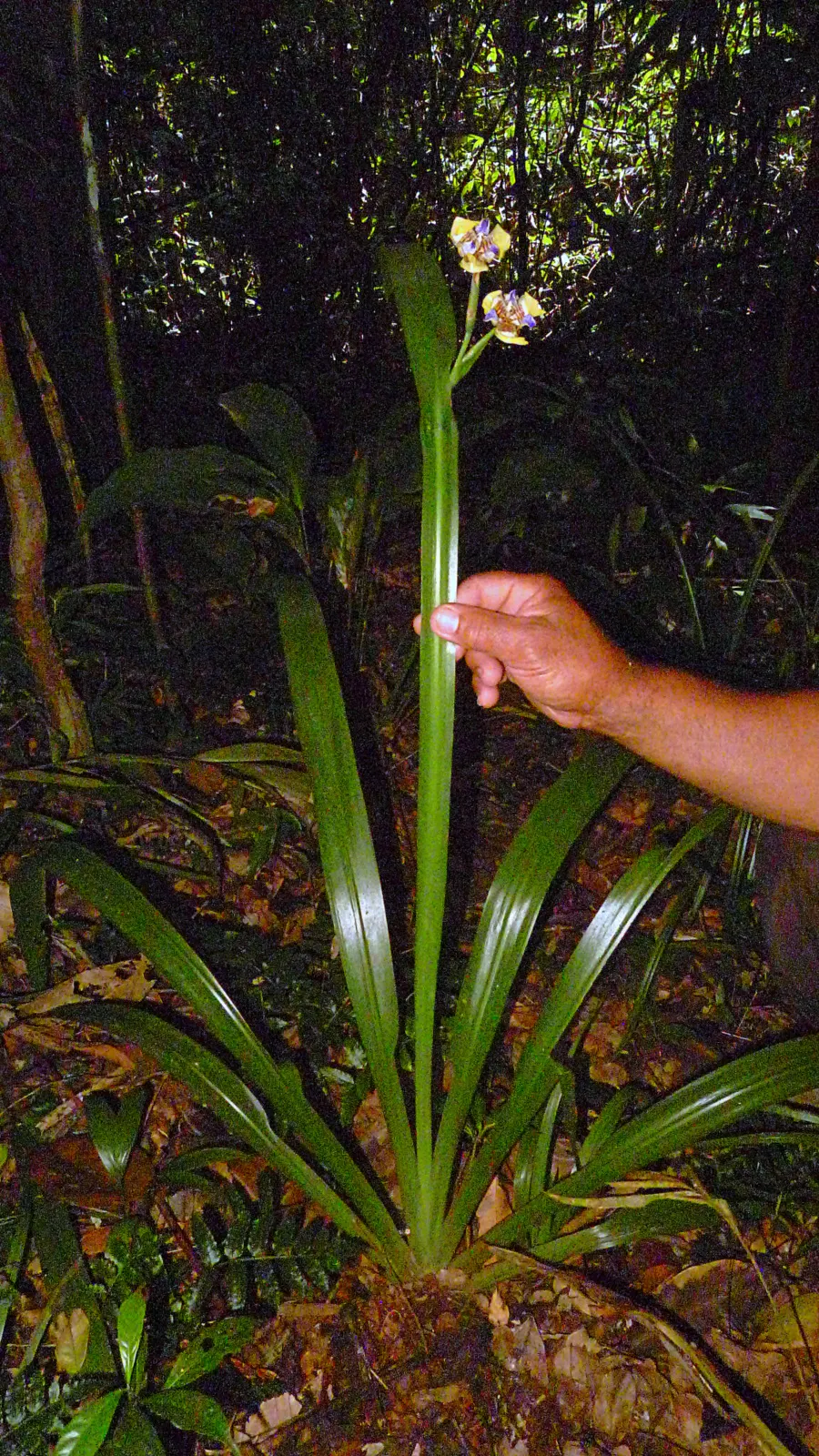
Yellow Eyed Grass (Sisyrinchium Californicum) — attracting beneficial pollinators to the garden while providing season-long visual interest
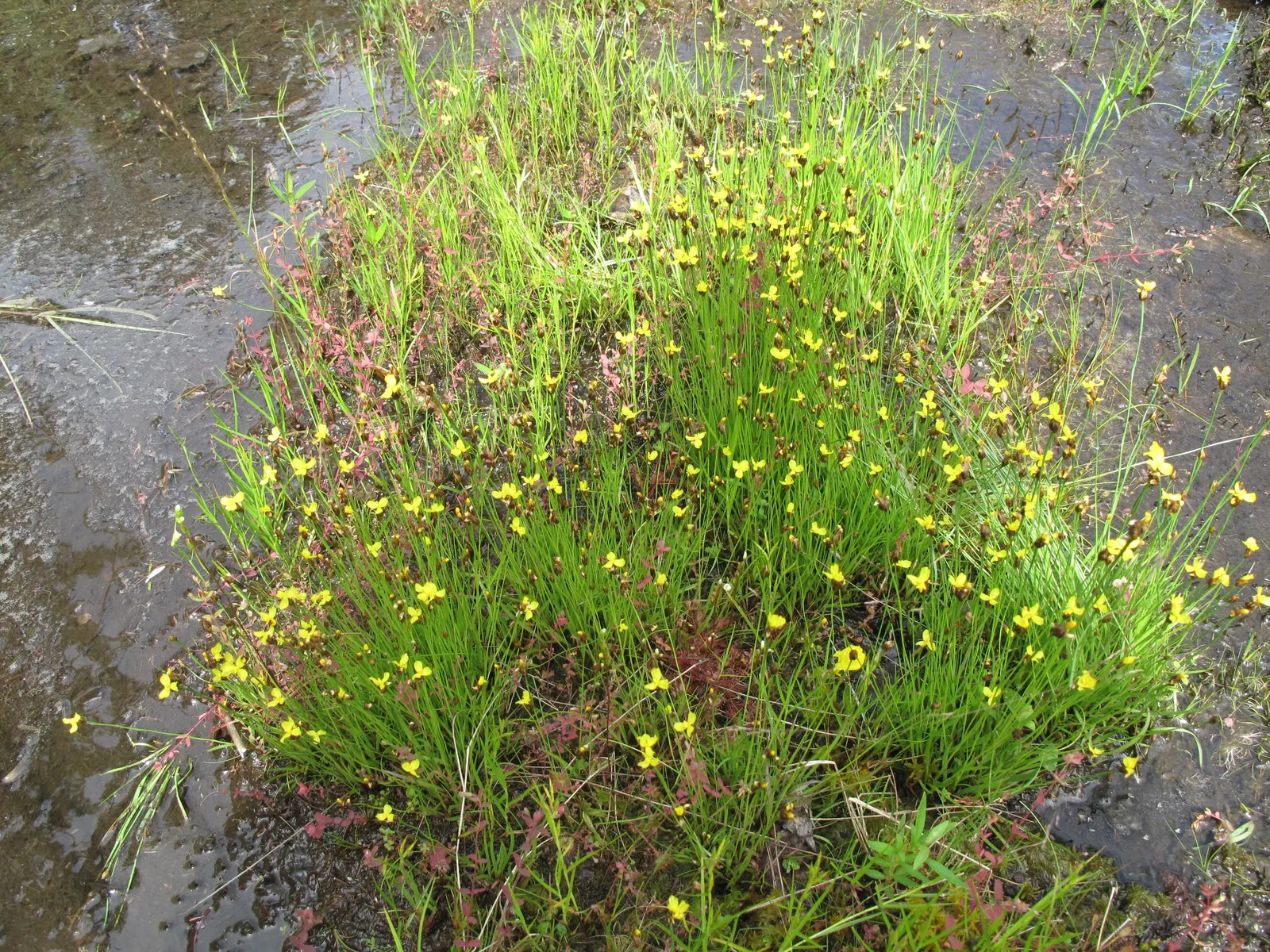
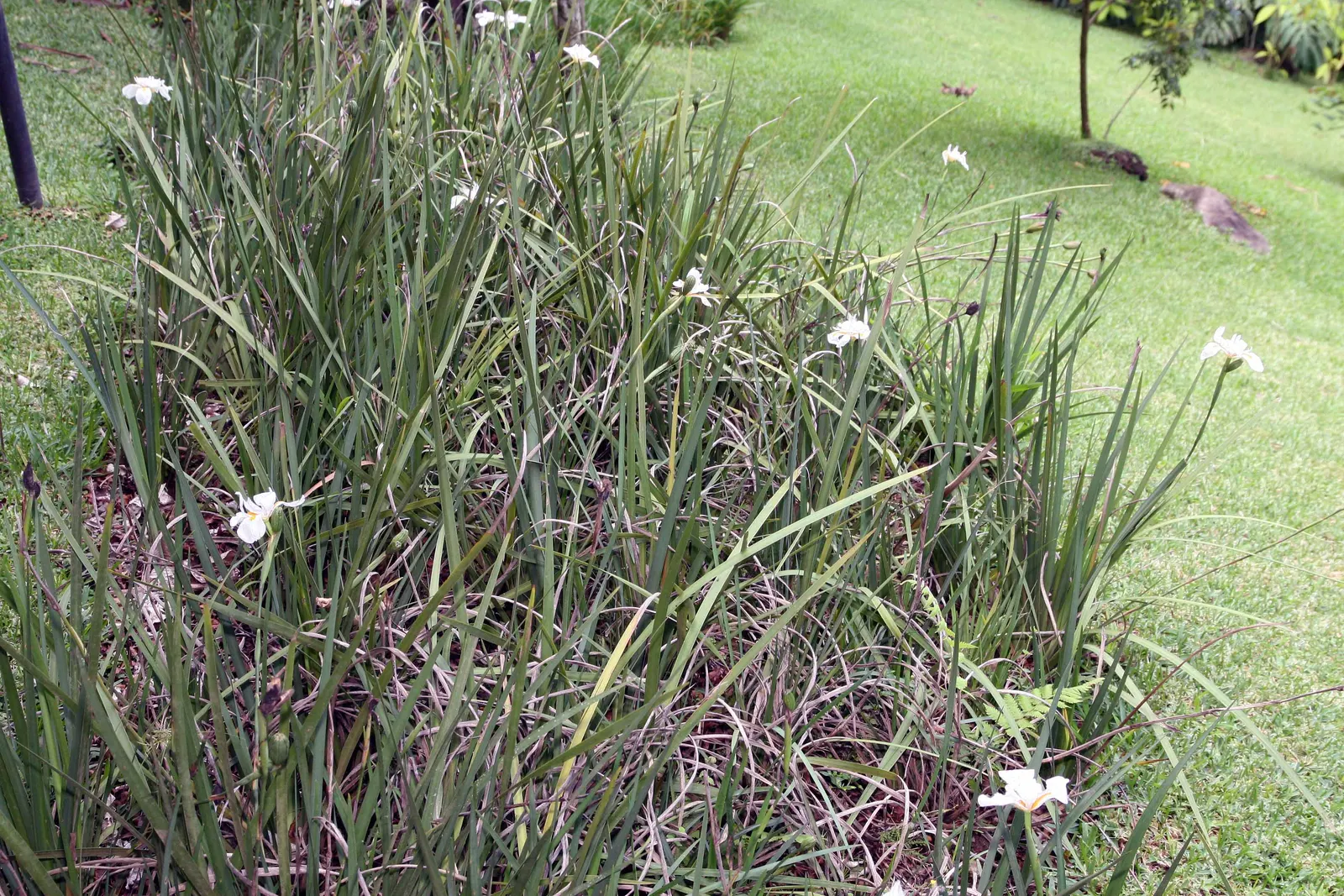
Yellow Eyed Grass (Sisyrinchium Californicum) — perennial for full or half
Yellow Eyed Grass (Sisyrinchium Californicum) — Sisyrinchium californicum, commonly called Yellow Eyed Grass, is a perennial that thrives in USDA, image 27
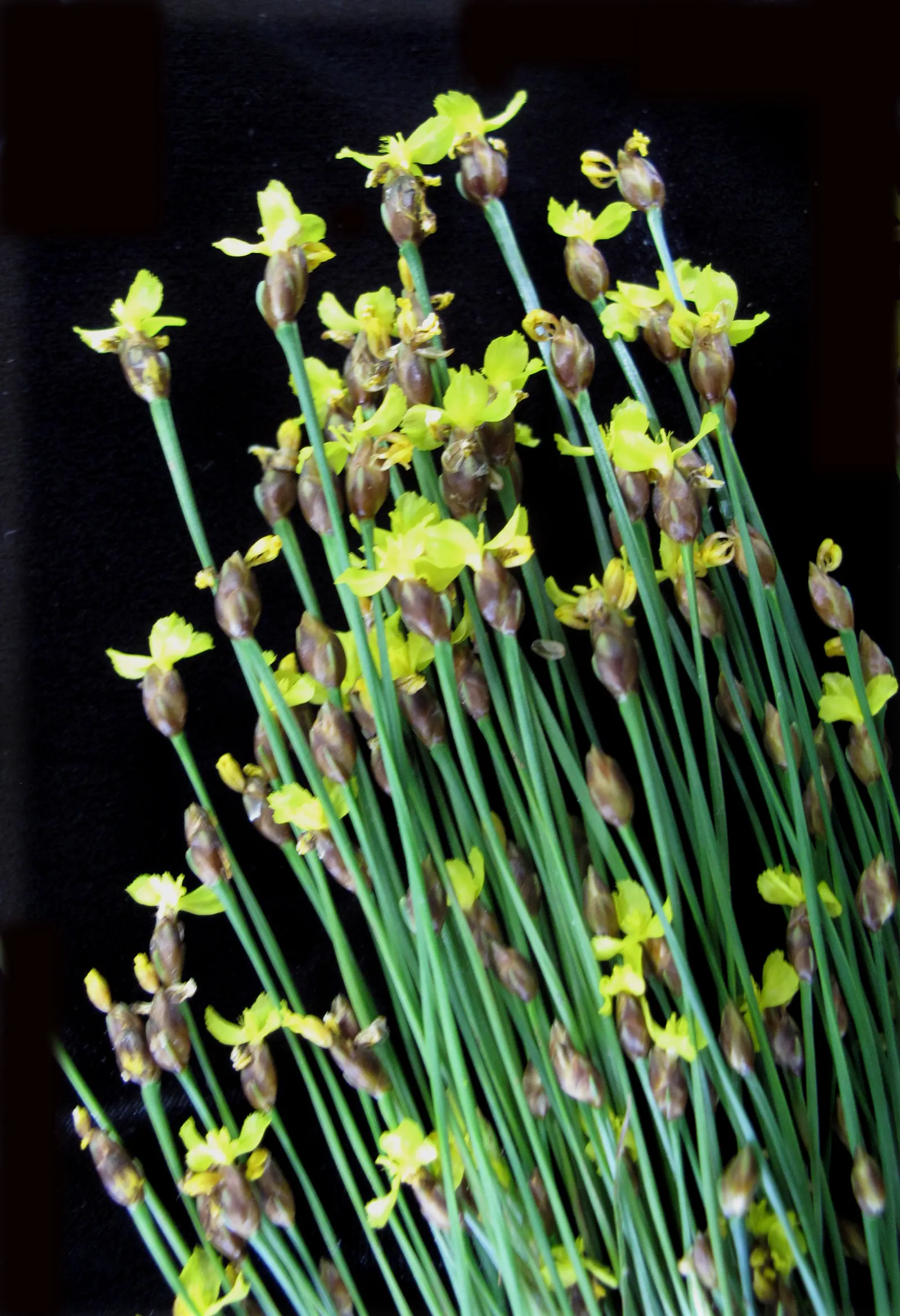
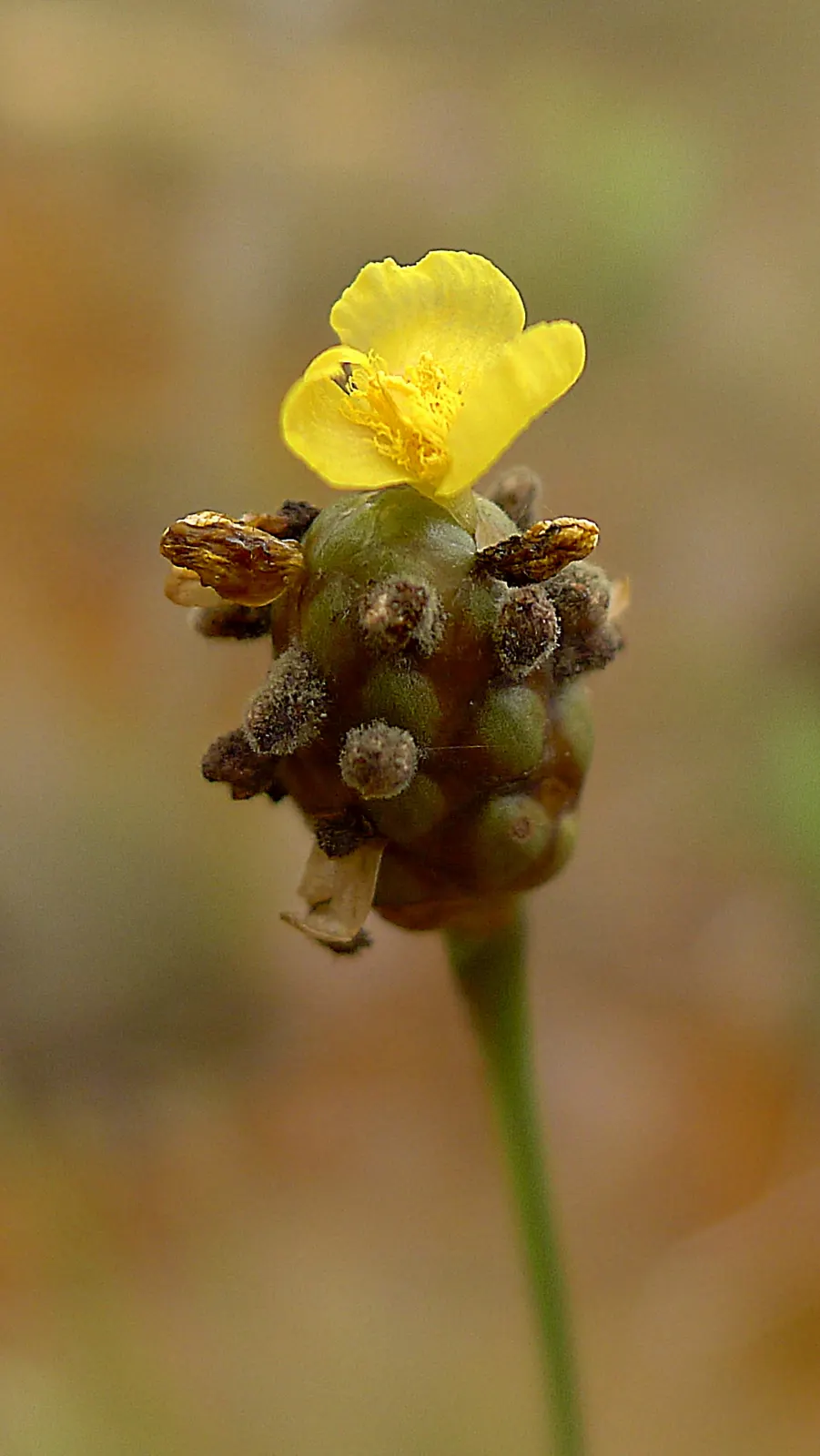
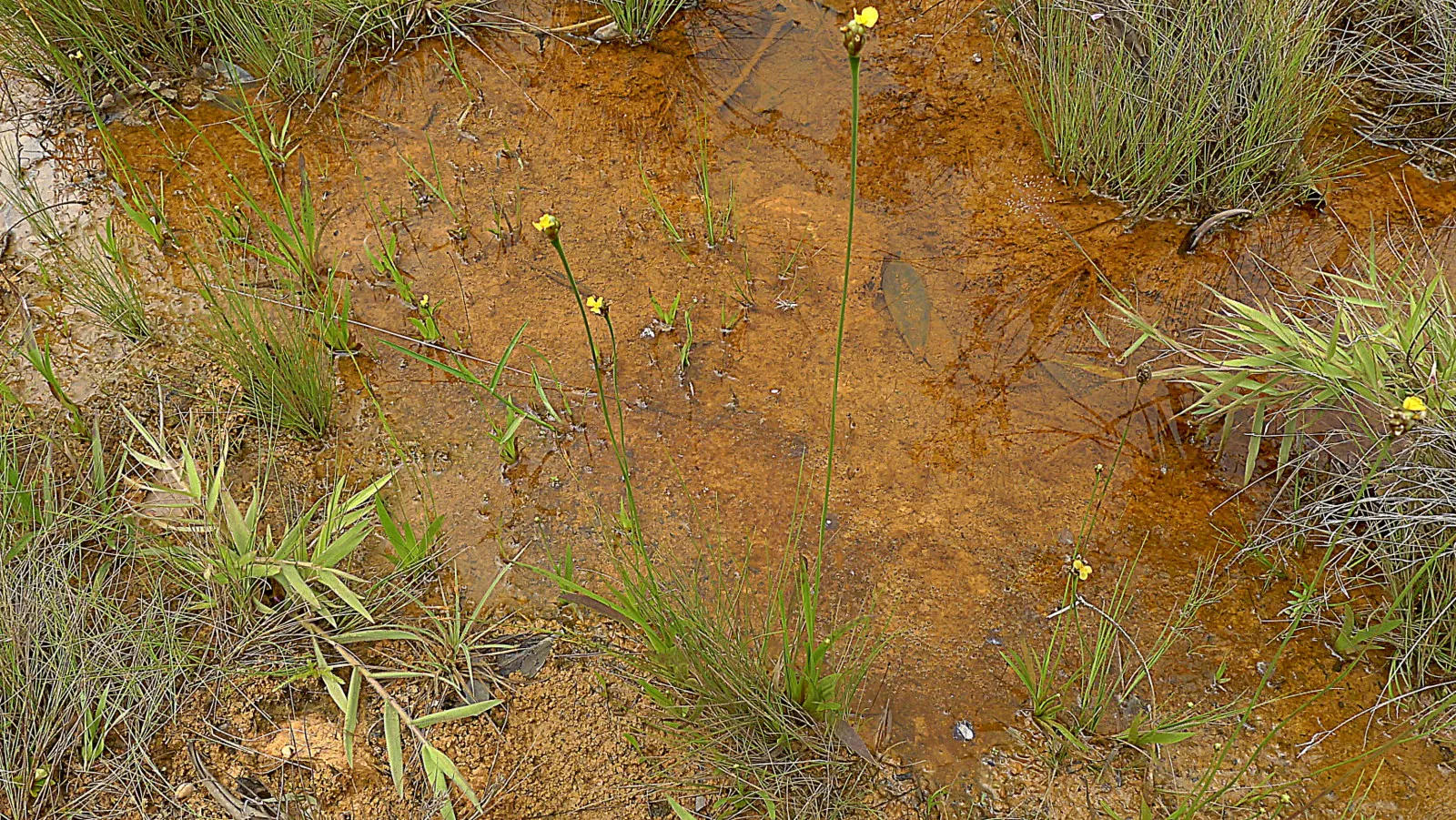
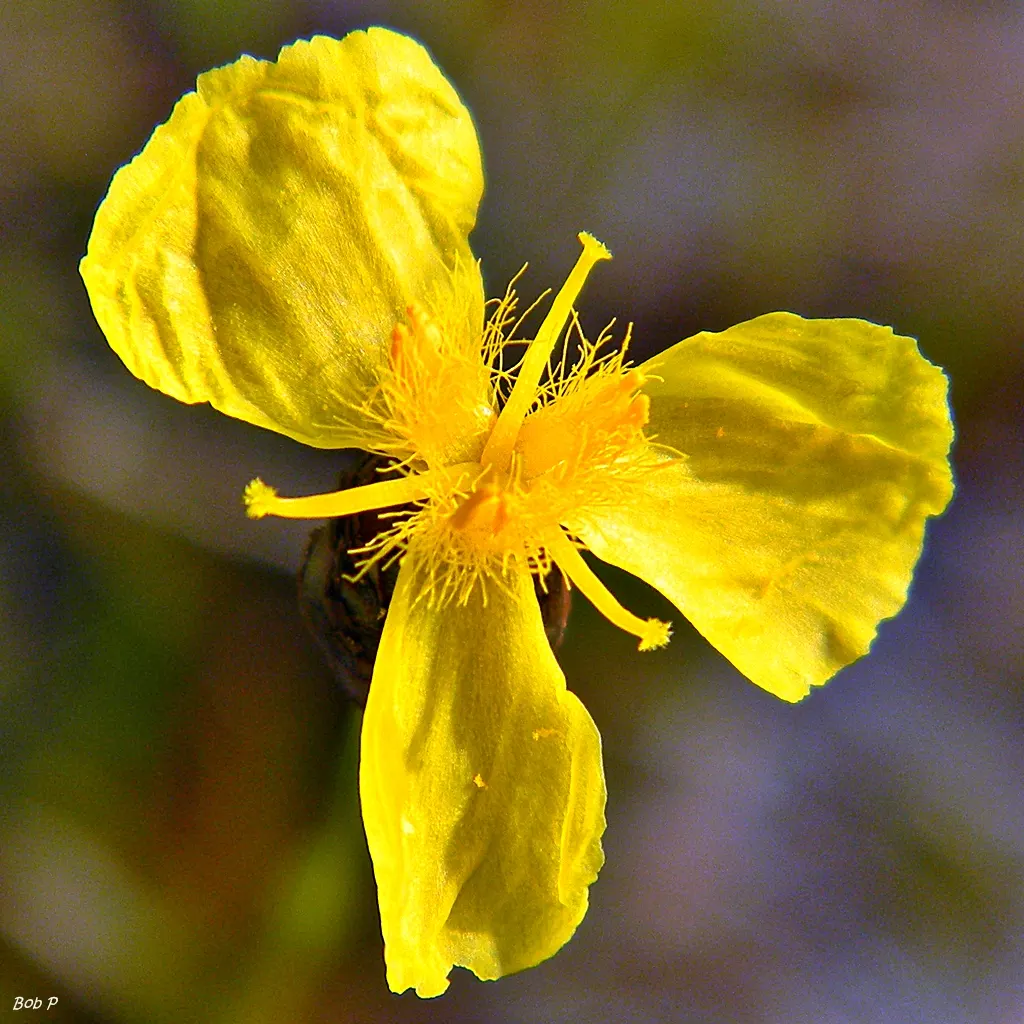
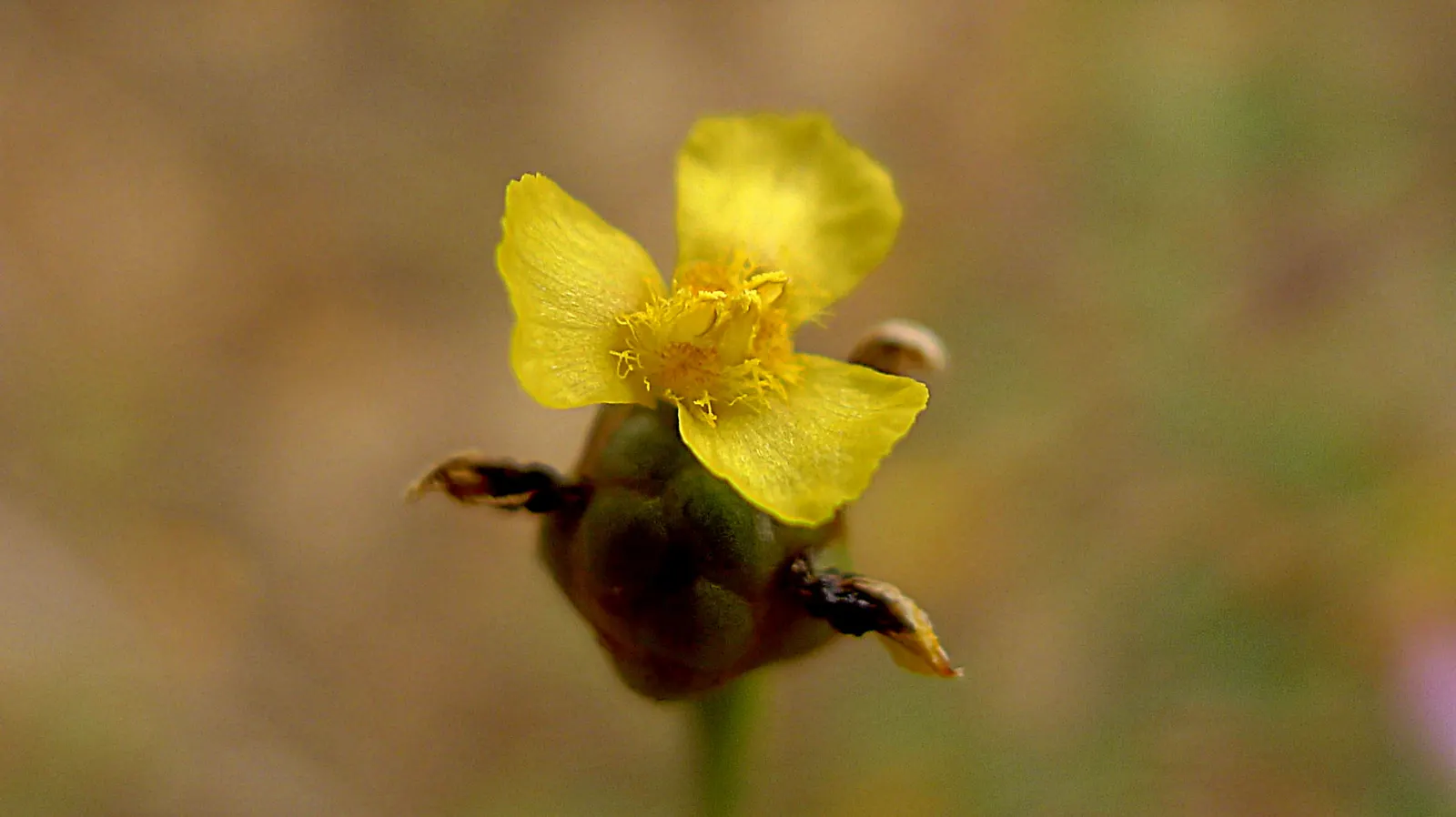
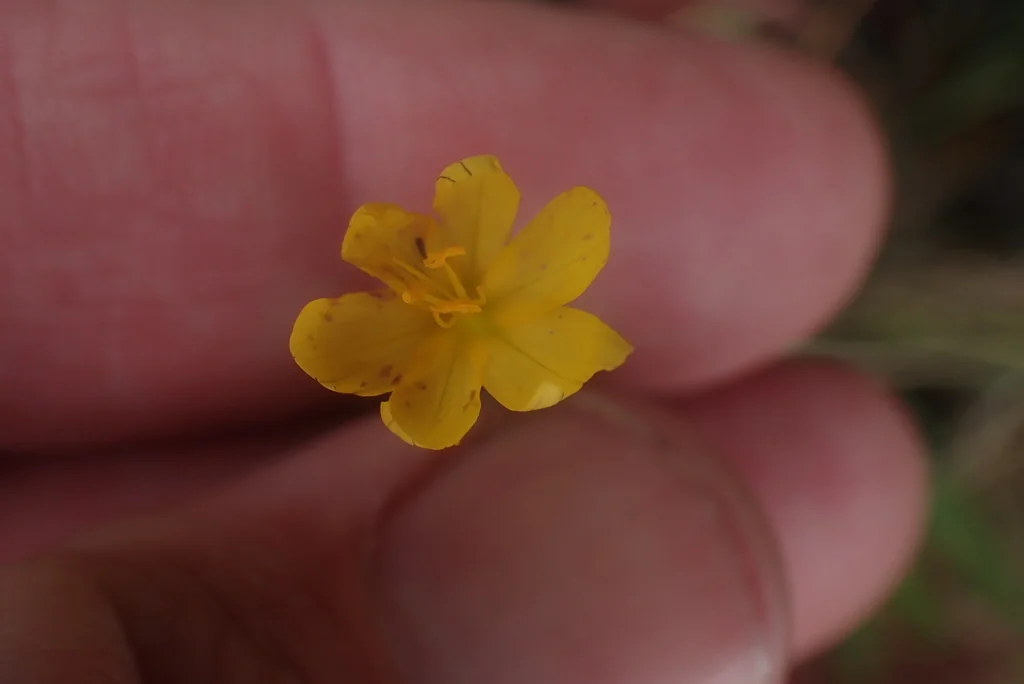
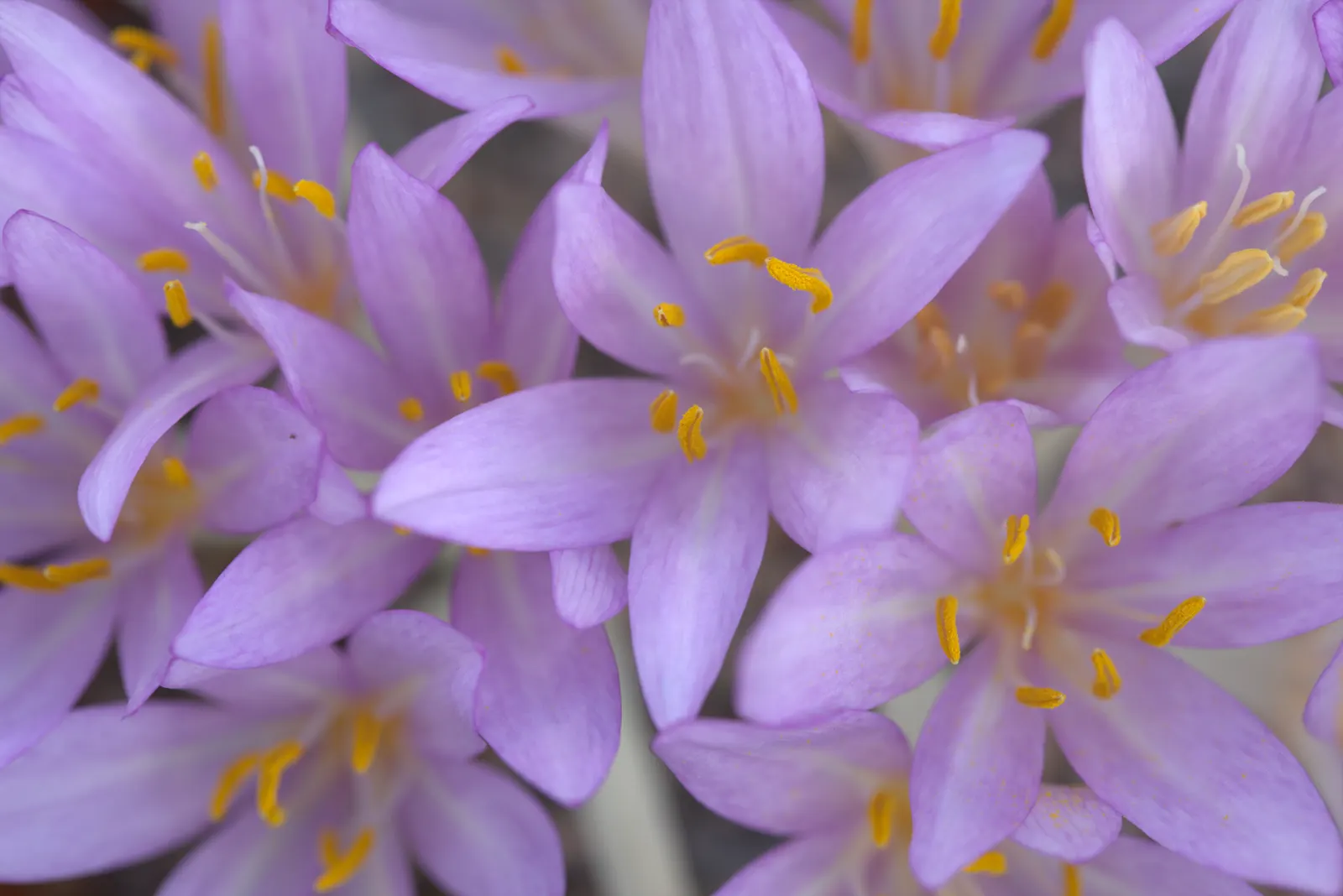
Yellow Eyed Grass (Sisyrinchium Californicum) — It boasts vibrant, yellow star-shaped flowers in late spring to early summer; the Yellow Eyed Grass can spread
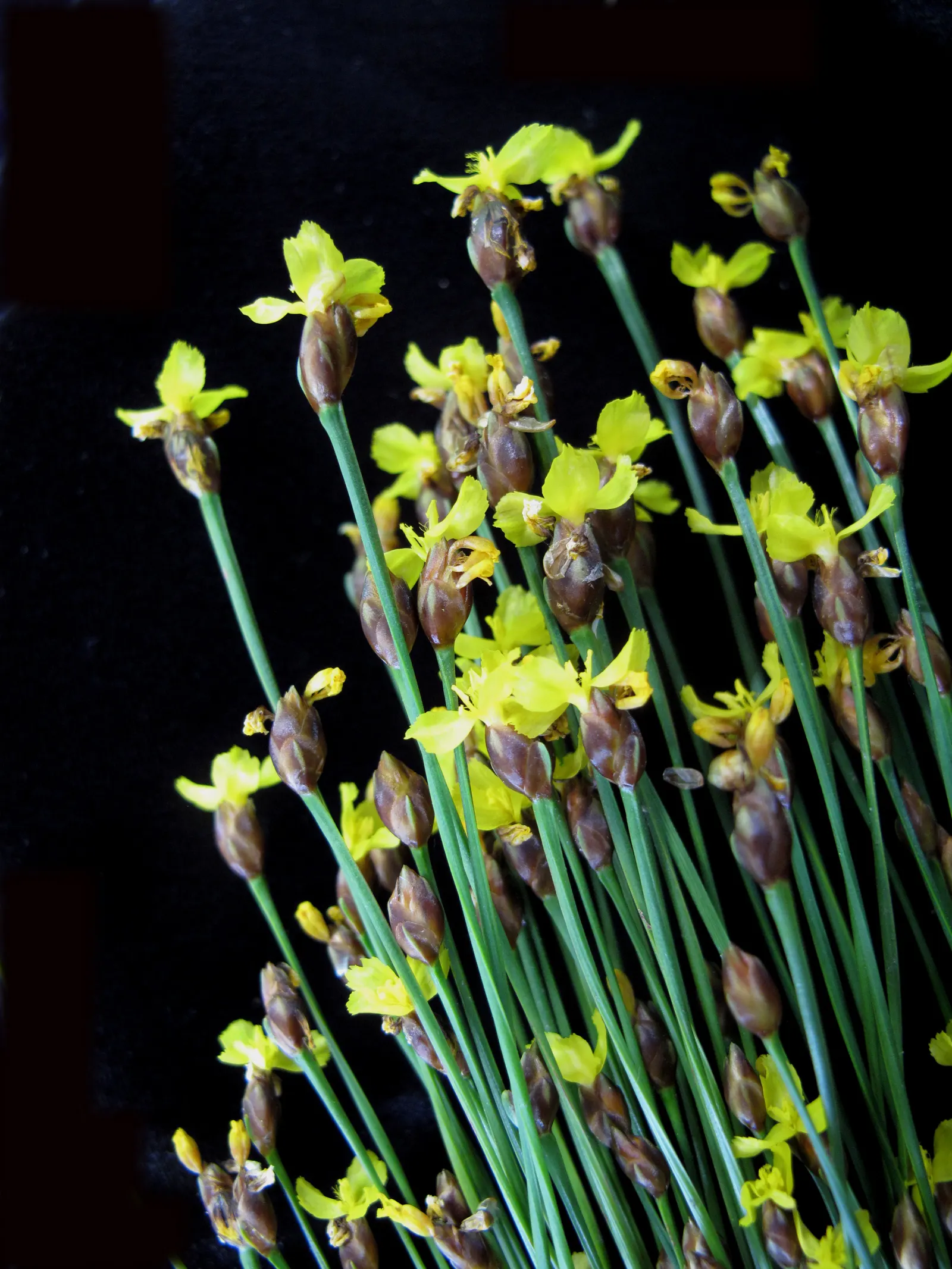
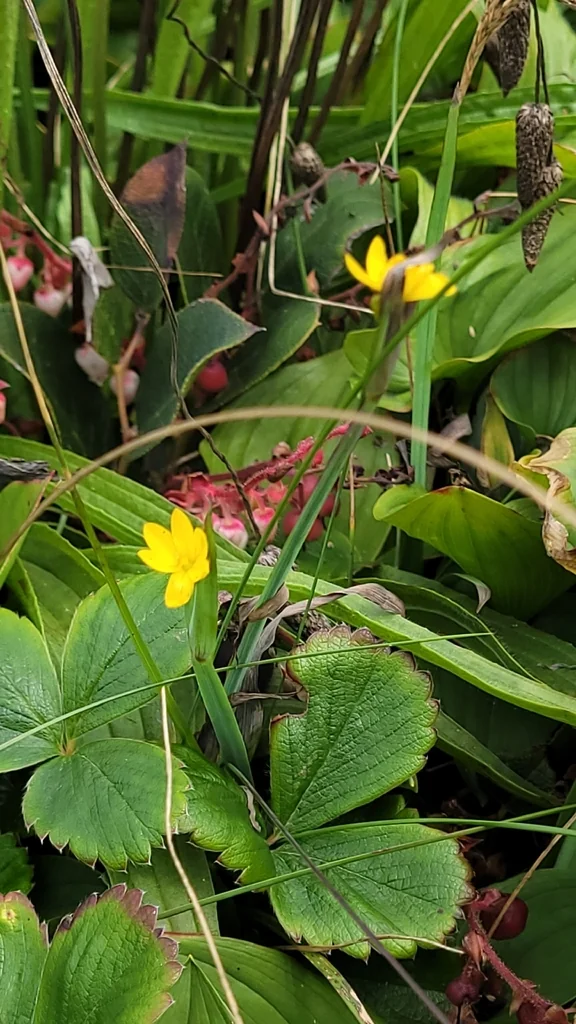
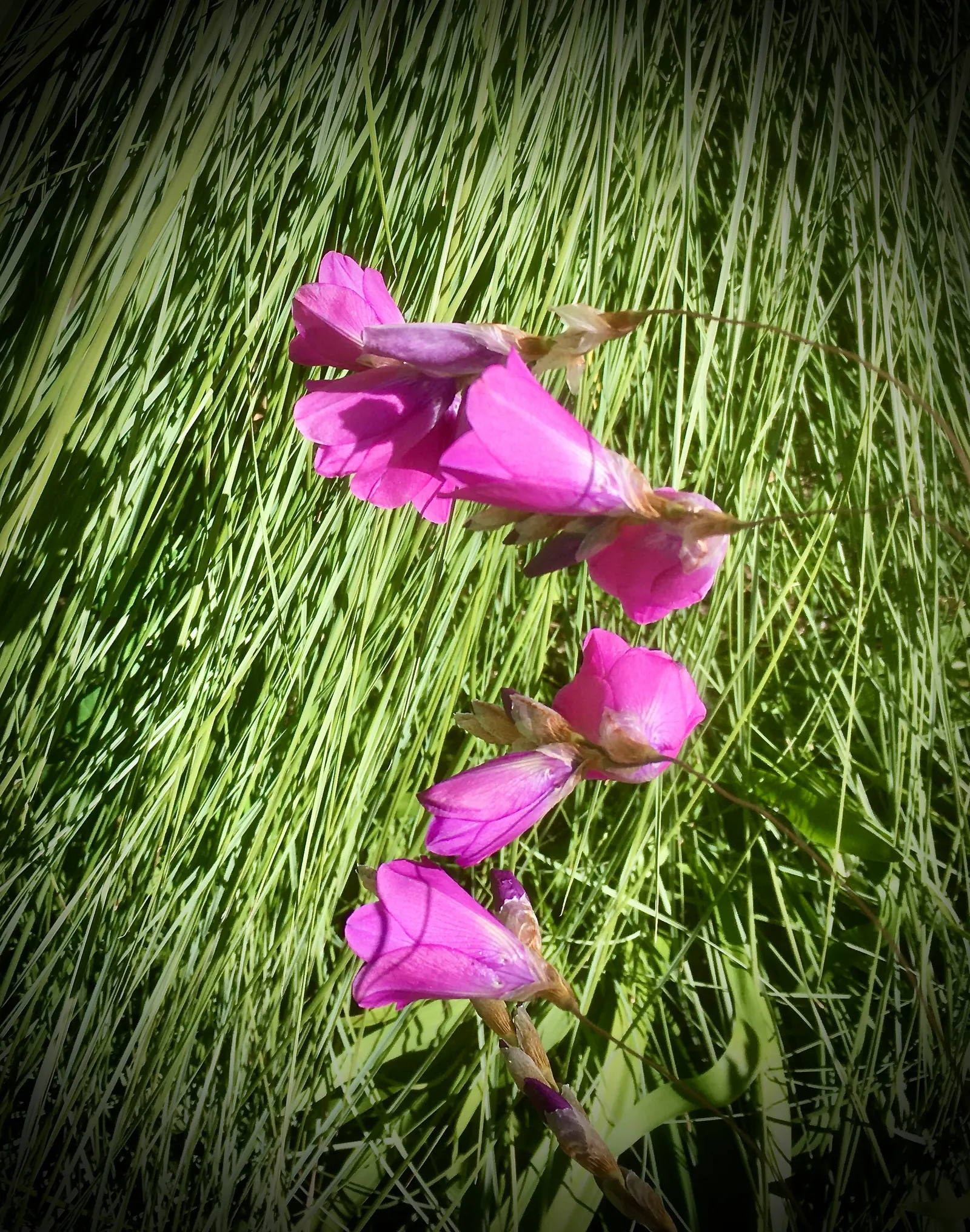
Yellow Eyed Grass (Sisyrinchium Californicum) — Ideal for borders, rock gardens, and naturalized areas; perennial with yellow blooms
Yellow Eyed Grass (Sisyrinchium Californicum) — Prefers full sun to part shade and moist, well-draining soil; sisyrinchium californicum requires little care
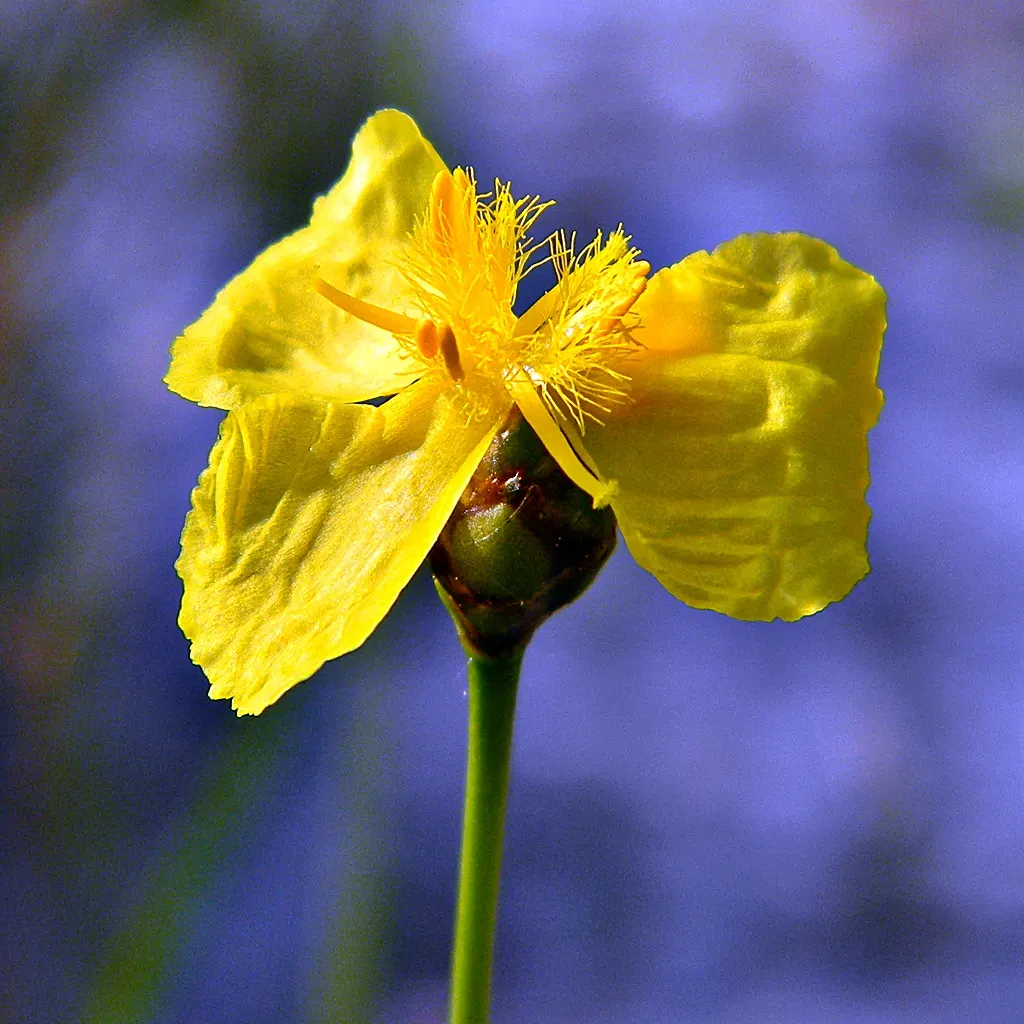
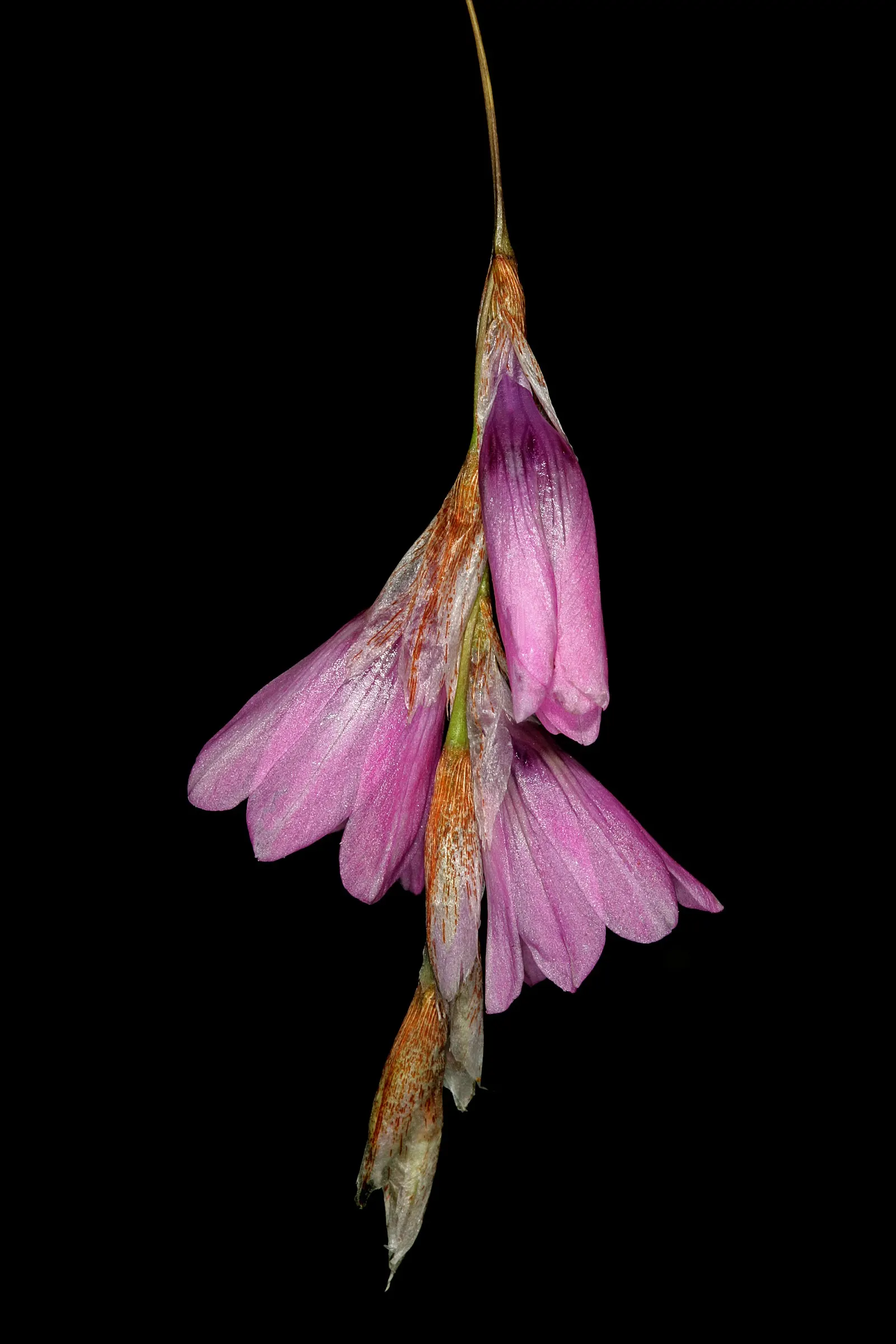
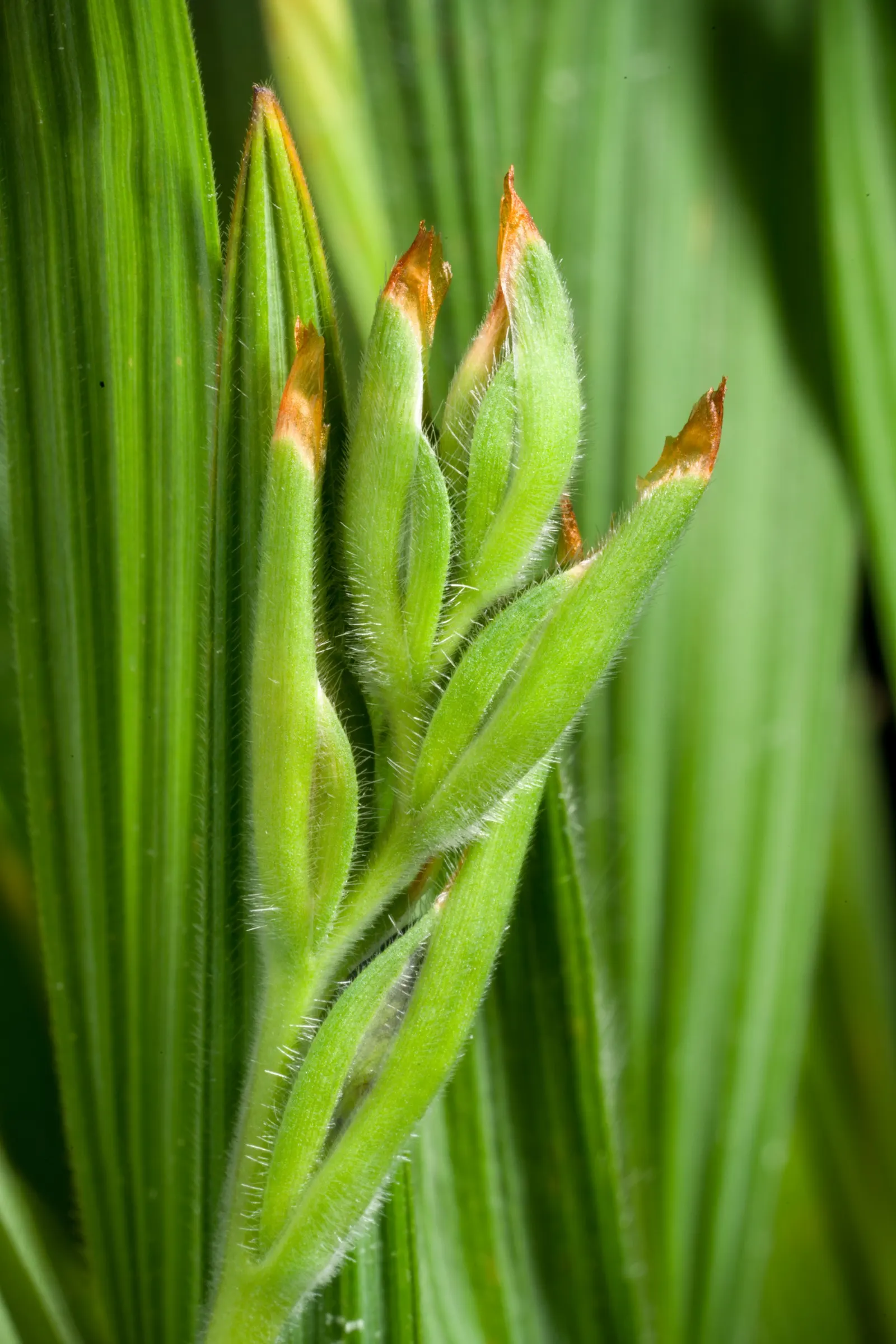
Yellow Eyed Grass (Sisyrinchium Californicum) — is an enchanting perennial that brings a burst of sunshine to any landscape design with its, image 32
Yellow Eyed Grass (Sisyrinchium Californicum) — scientifically known as Sisyrinchium californicum; is an enchanting perennial that brings a burst of sunshine
Yellow Eyed Grass (Sisyrinchium Californicum) — Thriving in USDA hardiness zones 5 through 9; sisyrinchium californicum, commonly called Yellow Eyed Grass, is
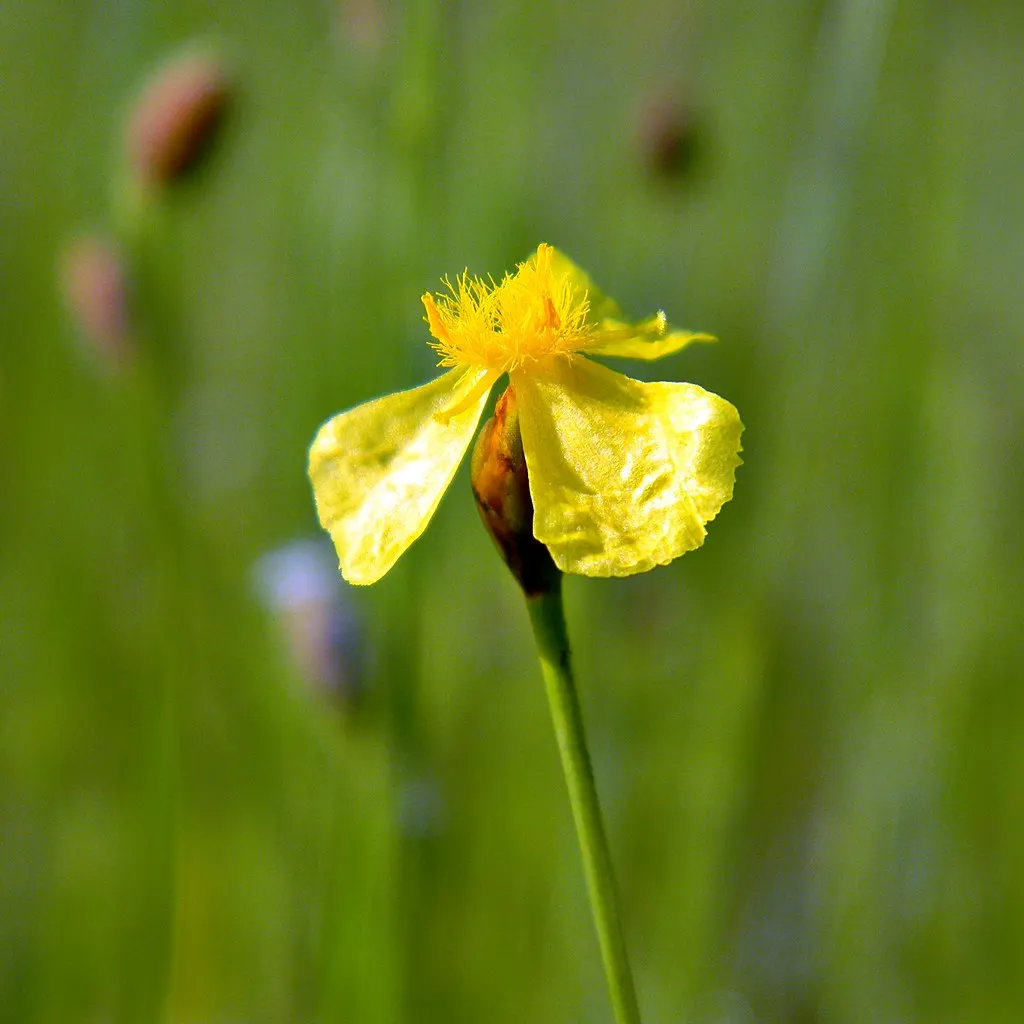
Yellow Eyed Grass (Sisyrinchium Californicum) — star-shaped yellow blooms; tolerant of a variety of soil types
Yellow Eyed Grass (Sisyrinchium Californicum) — and woodland gardens.<br><br>Typically reaching a modest height of 10 to 12 inches; typically emerge in late
Yellow Eyed Grass (Sisyrinchium Californicum) — this North American native lends a natural elegance to water features; thriving in USDA hardiness zones 5
Yellow Eyed Grass (Sisyrinchium Californicum) — making it an ideal choice for ground cover or for filling in the gaps between larger plants; prefers full sun
Yellow Eyed Grass (Sisyrinchium Californicum) — the Yellow Eyed Grass can spread to around 6 to 8 inches wide; low-lying accent that captures the gentle spirit
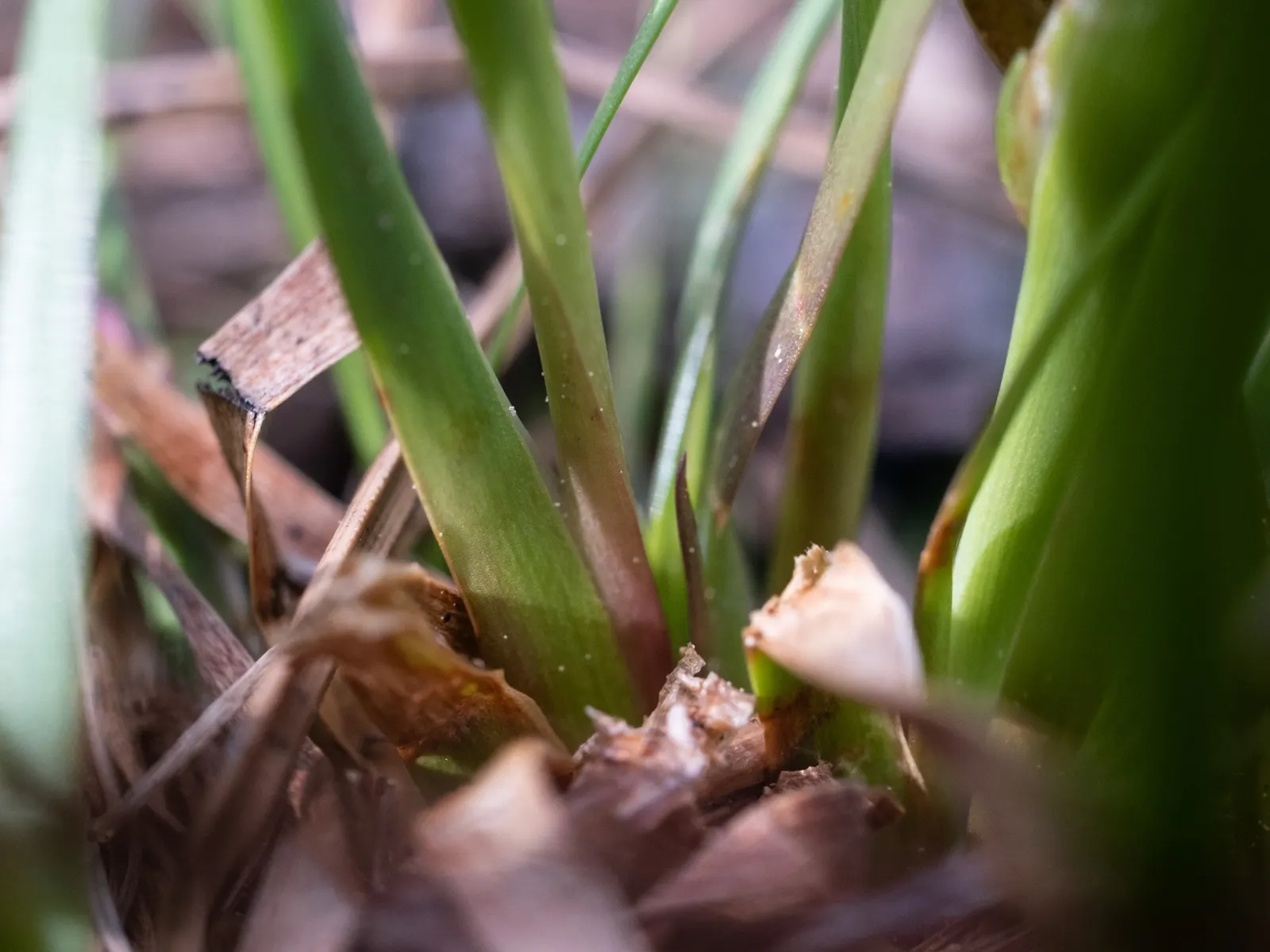
Yellow Eyed Grass (Sisyrinchium Californicum) — sword-like leaves create a grassy mound that is lush and striking even when the plant is not in bloom; and
Yellow Eyed Grass (Sisyrinchium Californicum) — centered with a distinctive yellow eye; well-drained soil and full to partial sunlight.<br><br>Known for its
Yellow Eyed Grass (Sisyrinchium Californicum) — typically emerge in late spring and can continue blooming sporadically into summer; yellow flowers in the garden
Yellow Eyed Grass (Sisyrinchium Californicum) — especially when planted in an area with moist; scientifically known as Sisyrinchium californicum
Yellow Eyed Grass (Sisyrinchium Californicum) — well-drained soil and full to partial sunlight.<br><br>Known for its low maintenance; making it an ideal choice
Yellow Eyed Grass (Sisyrinchium Californicum) — Sisyrinchium californicum requires little care once established; nonetheless, consistent moisture is key
Yellow Eyed Grass (Sisyrinchium Californicum) — Nonetheless, consistent moisture is key, particularly if the garden area is prone to dry spells; perennial for

Related plants