Skip to content

Wild Pink

Silene Carolina

Design with this plant

Overview

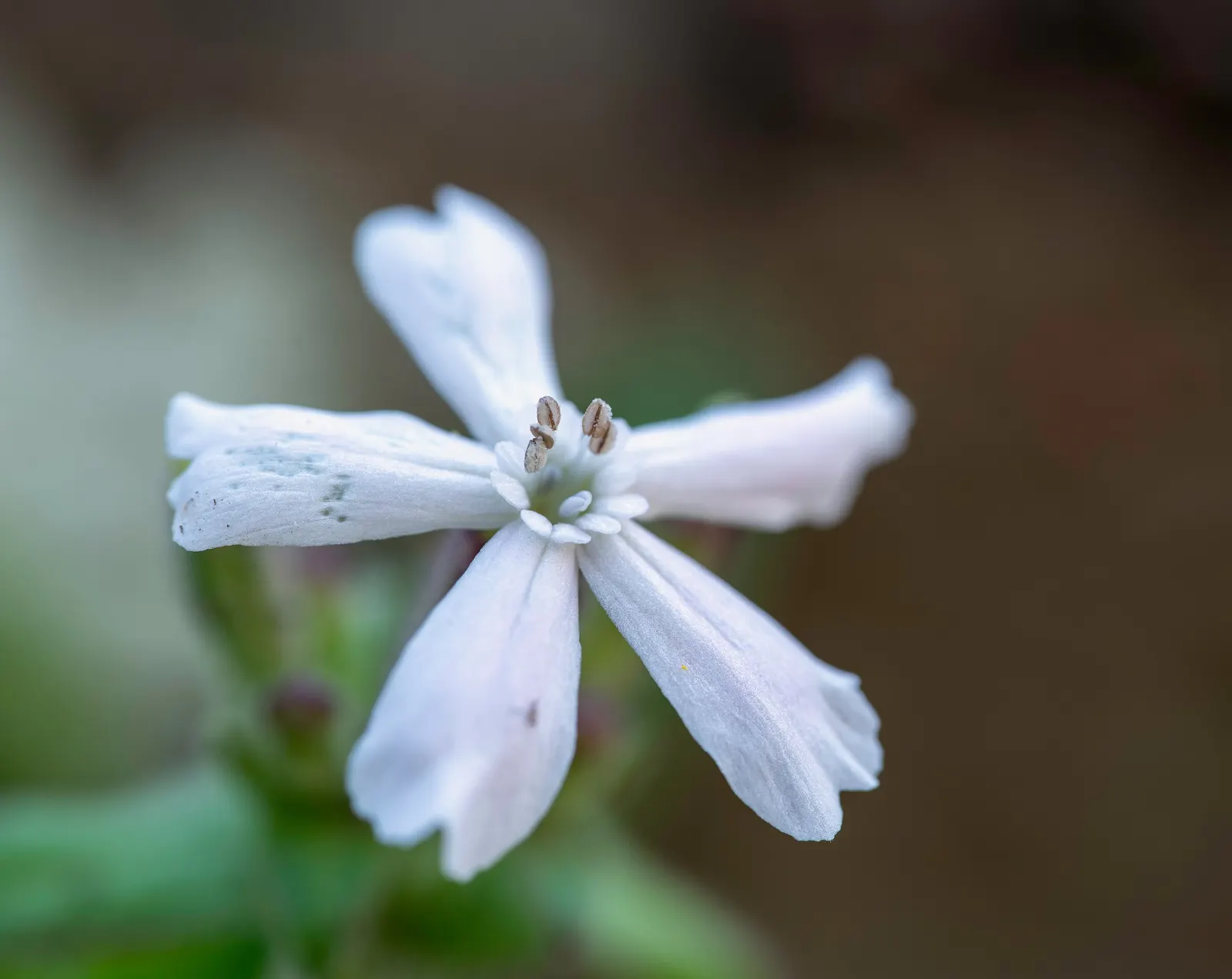
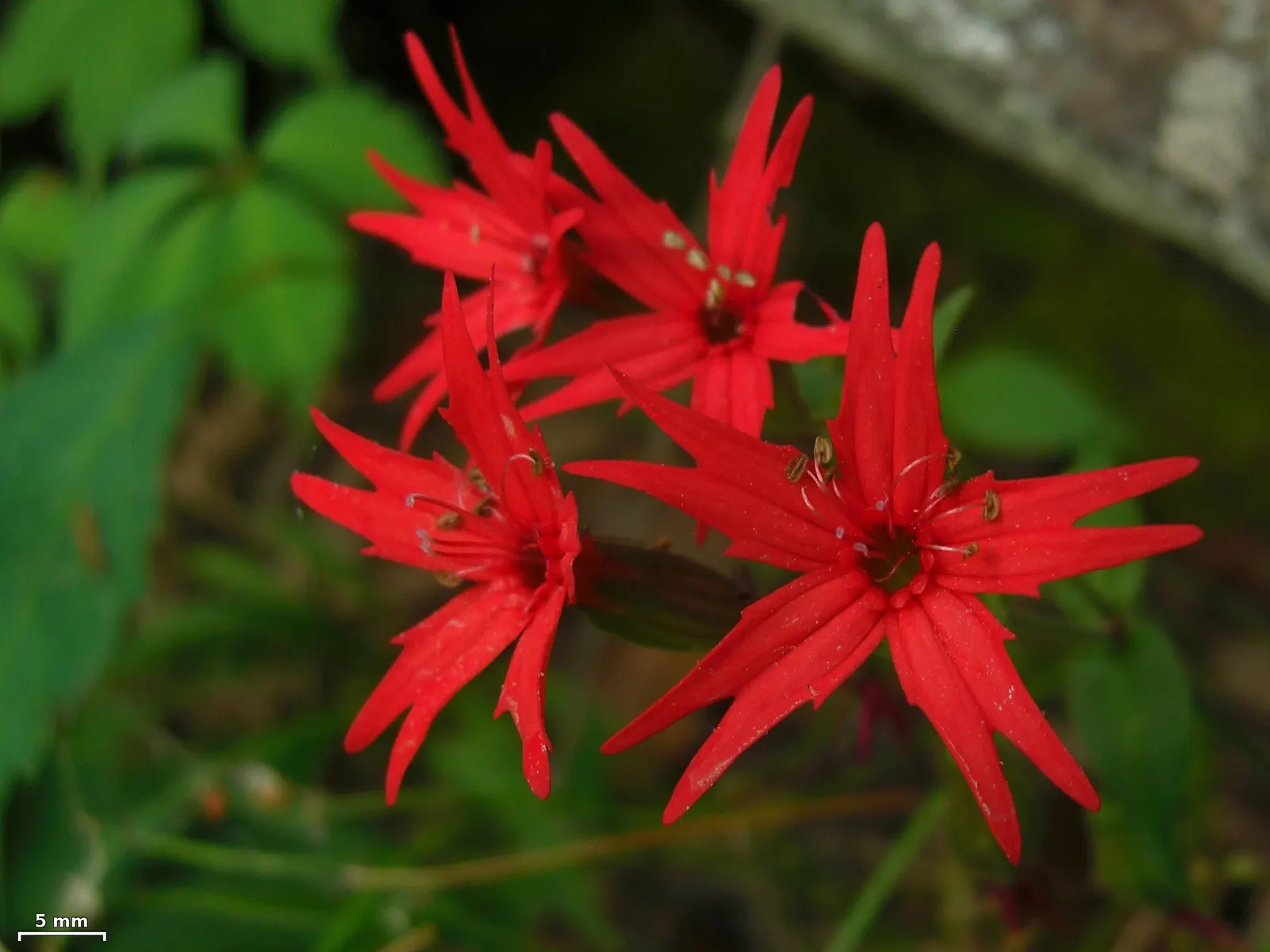
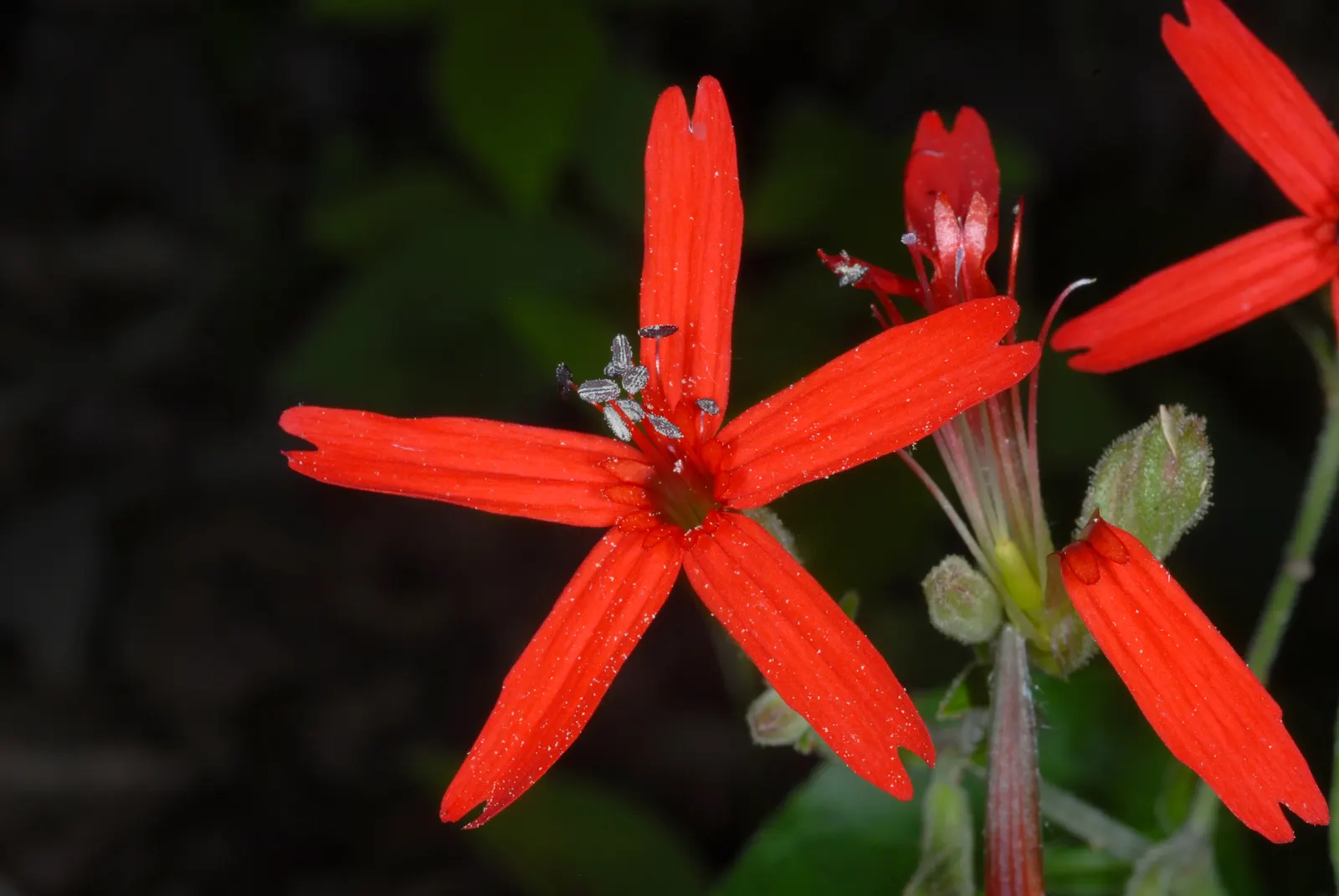
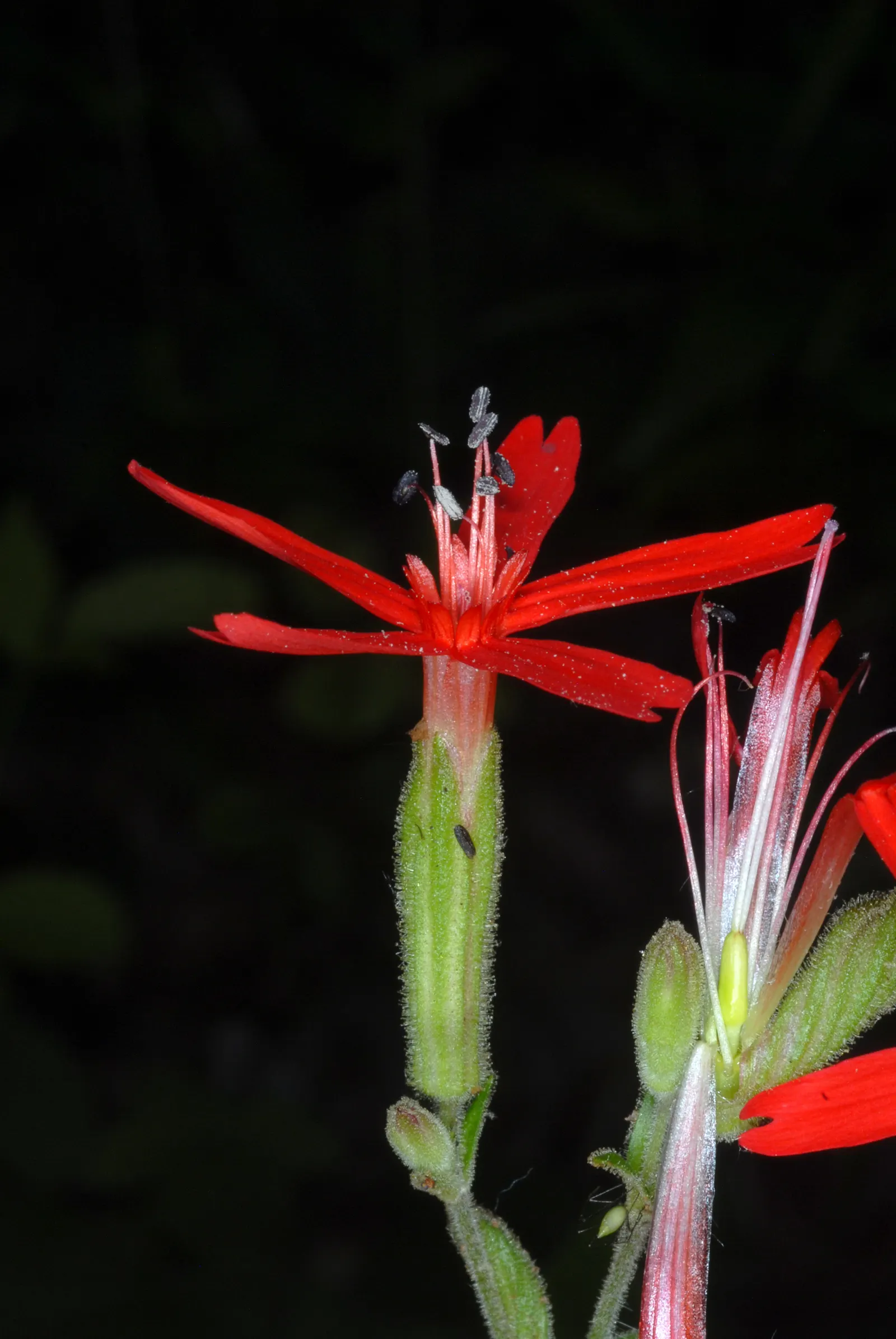
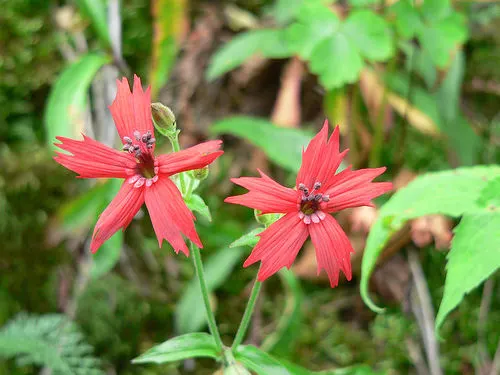
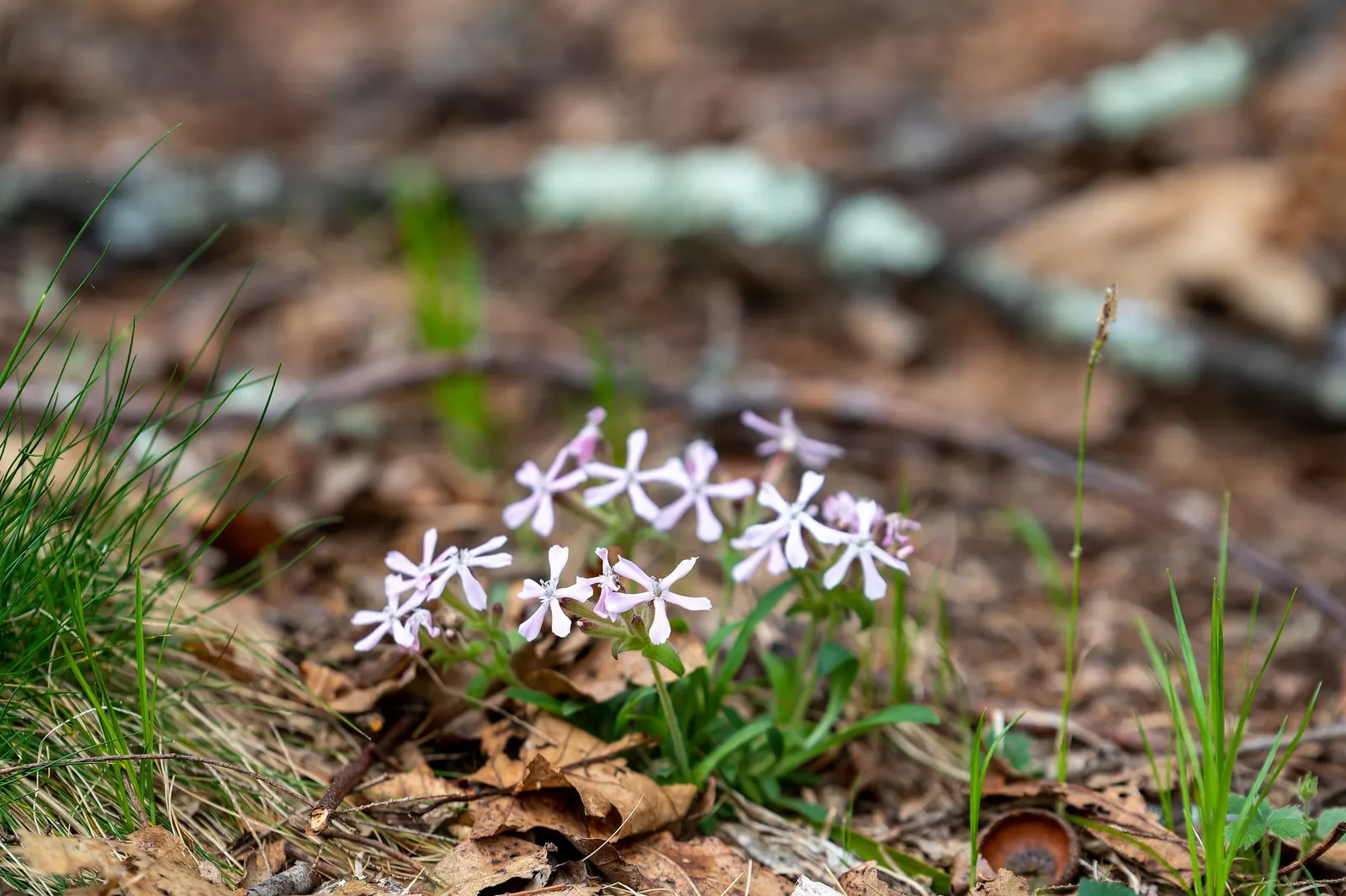
Wild Pink (Silene carolina) is a hardy perennial renowned for its vibrant, deep pink flowers. Thriving in USDA zones 4-7, this plant reaches a manageable height of 10-12 inches with a spread of up to 18 inches. Perfect for rock gardens or borders, it prefers well-drained soil and full to partial sun. Flowering in late spring, its delicate, notched petals attract butterflies and are drought-resistant, offering low-maintenance beauty.

Sun Full, HalfWater MediumZones 4–8Type PerennialClimate Temperate
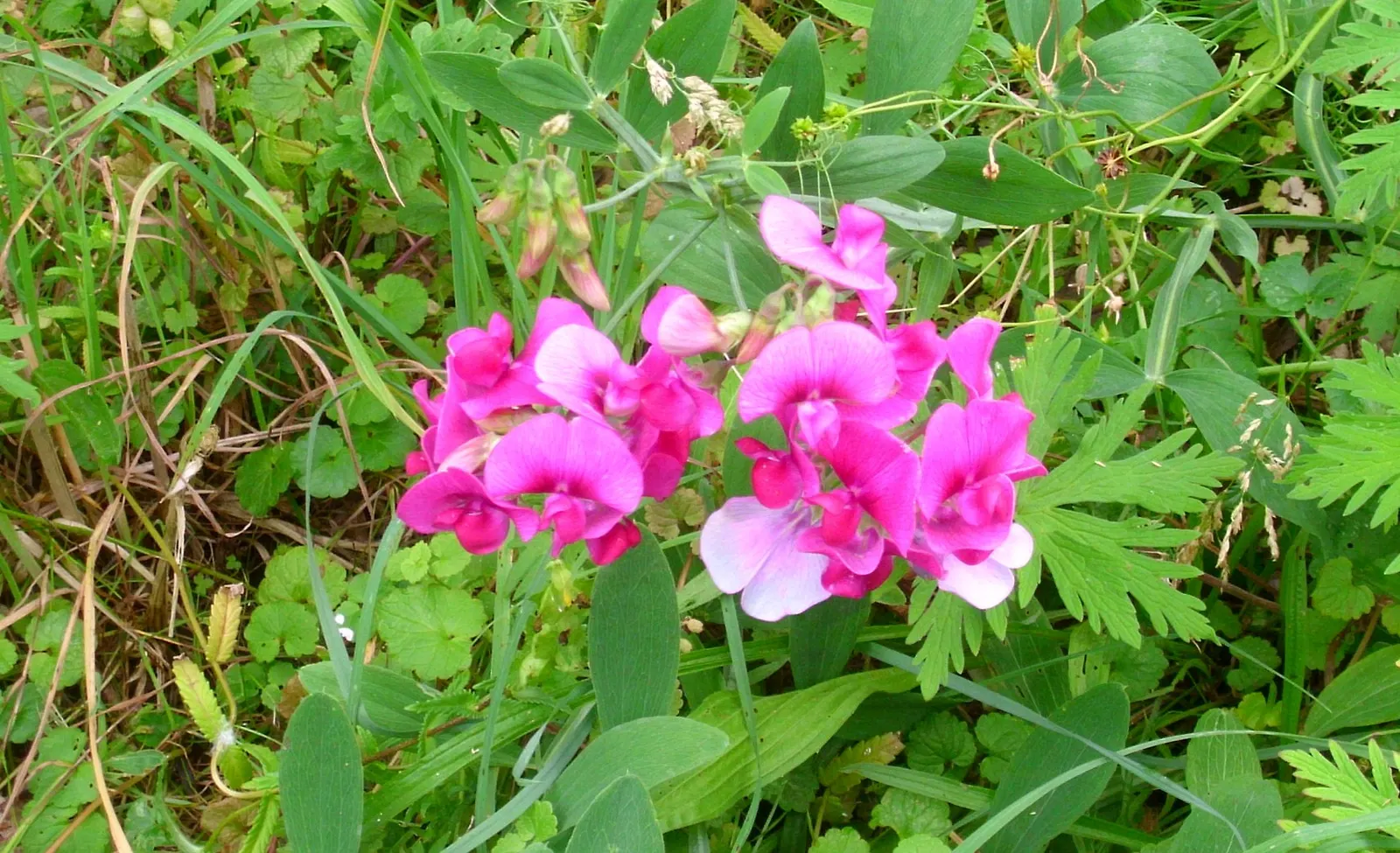
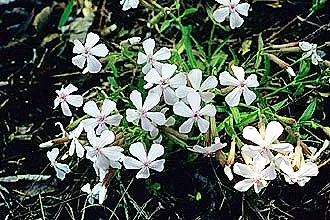
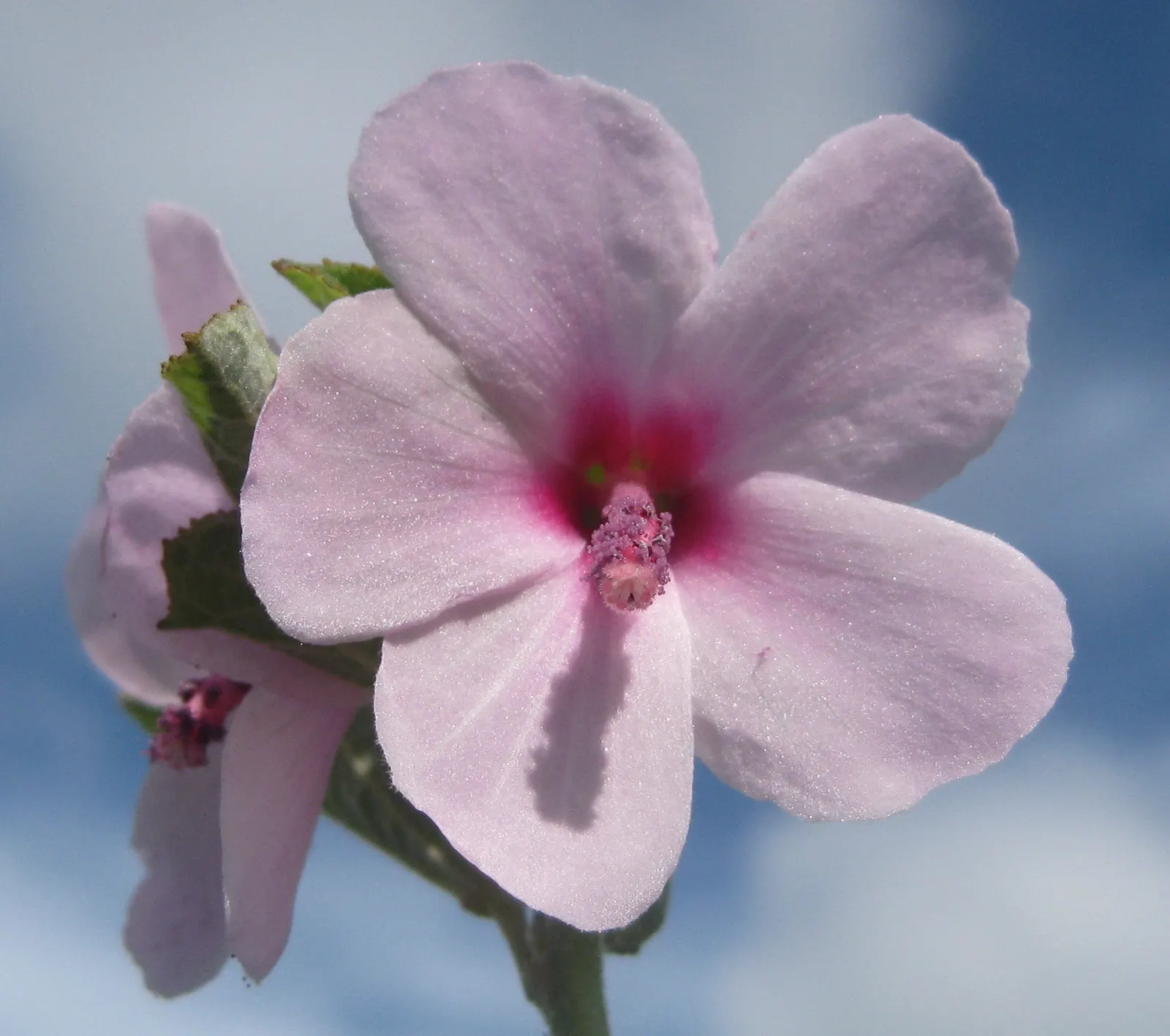
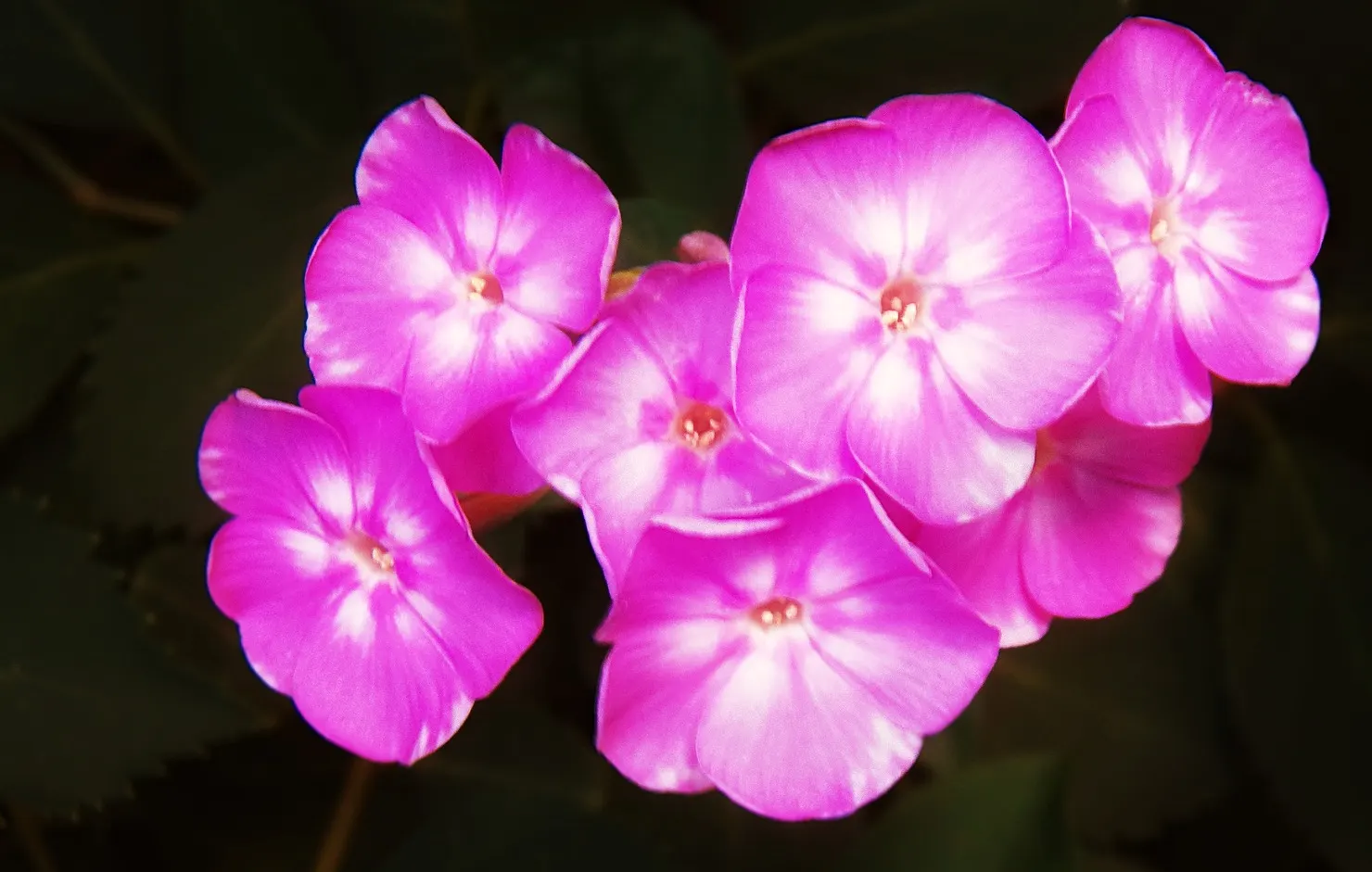
Wild Pink (Silene Carolina) — perennial with pink blooms; it boasts a profusion of vibrant pink flowers that measure about 1 inch across, image 87

Culture

Sun
Full, Half
Water
Medium
USDA zones
4–8

Shape & size

Mature height
10–12 Ft.
Mature width
10–12 Inches

Classification

Type
Perennial
Family
Caryophyllaceae
Climate
Temperate

See full data, regional cultivation notes, and design tools. Build a client presentation around this plant.

Start your 14-day trial

Photos (140)

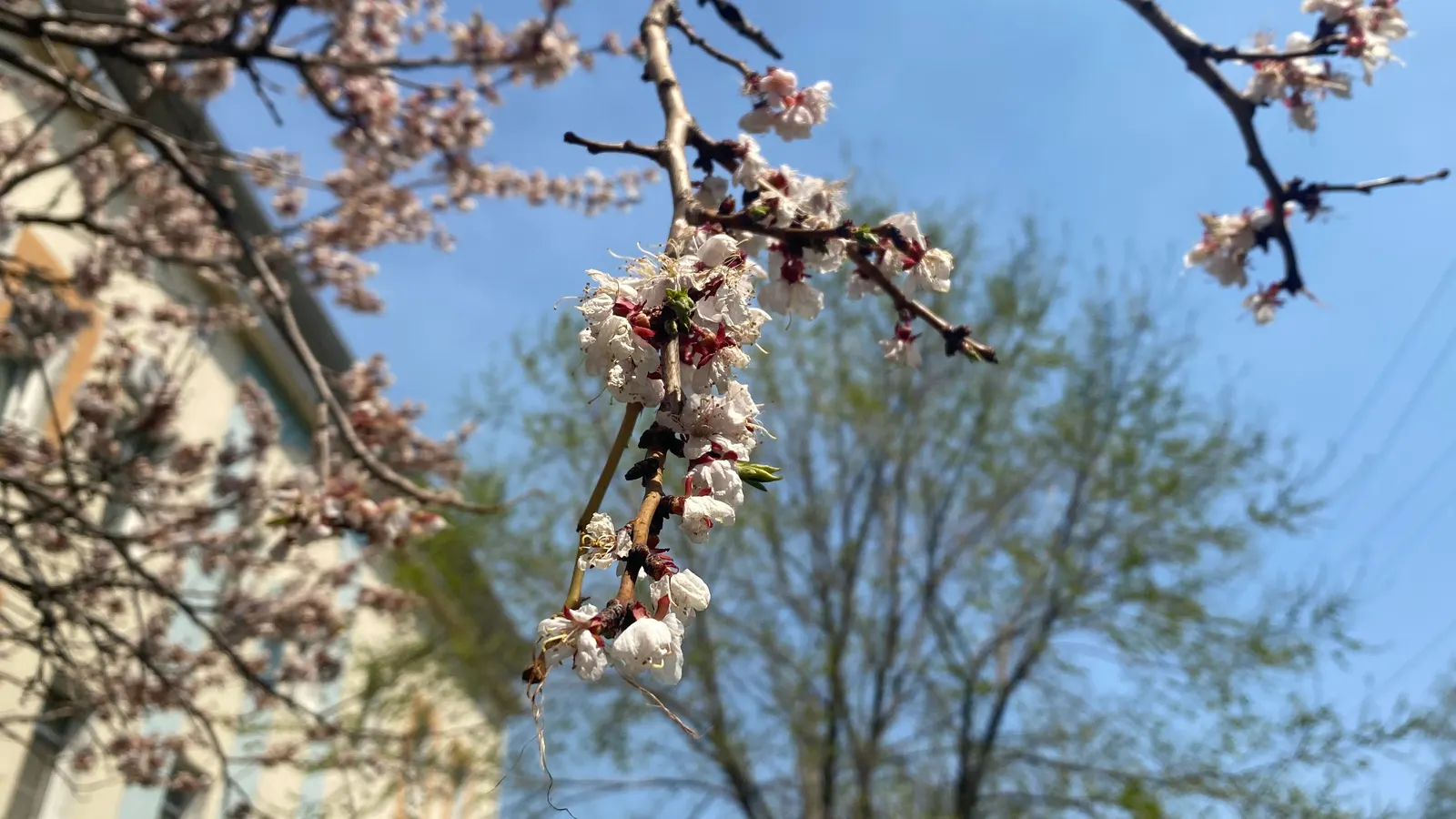
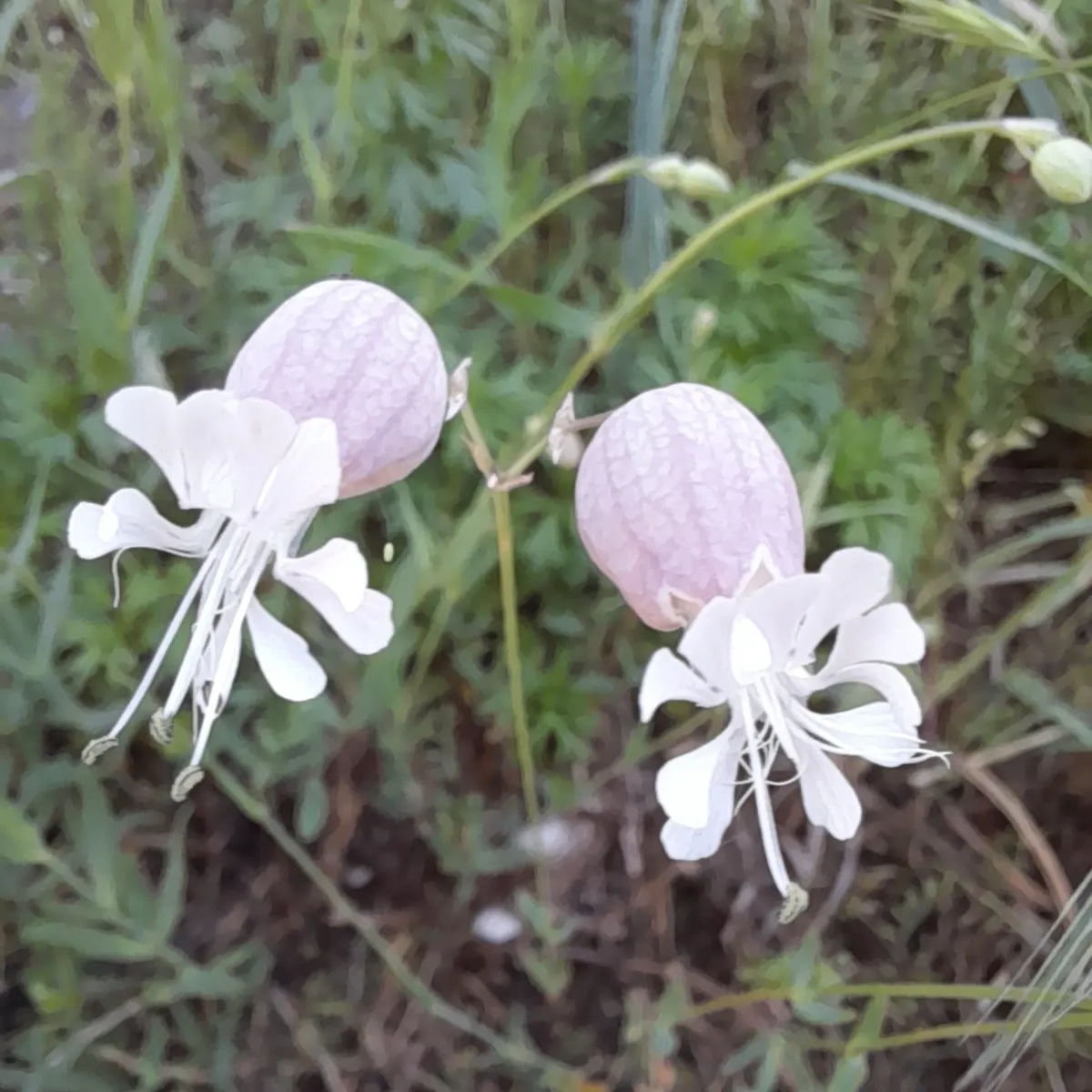
Wild Pink (Silene Carolina) — notched petals attract butterflies and are drought-resistant
Wild Pink (Silene Carolina) — notched petals attract butterflies and are drought-resistant; forming mounded tufts of narrow
Wild Pink (Silene Carolina) — notched petals attract butterflies and are drought-resistant; forming mounded tufts of narrow, image 93
Wild Pink (Silene Carolina) — and it requires well-draining soil with a preference for drier; it prefers full sun but tolerates partial shade, image 119
Wild Pink (Silene Carolina) — and it requires well-draining soil with a preference for drier; it prefers full sun but tolerates partial shade, image 53
Wild Pink (Silene Carolina) — this plant reaches a manageable height of 10-12 inches with a spread of up to 18 inches; making it both a practical, image 113
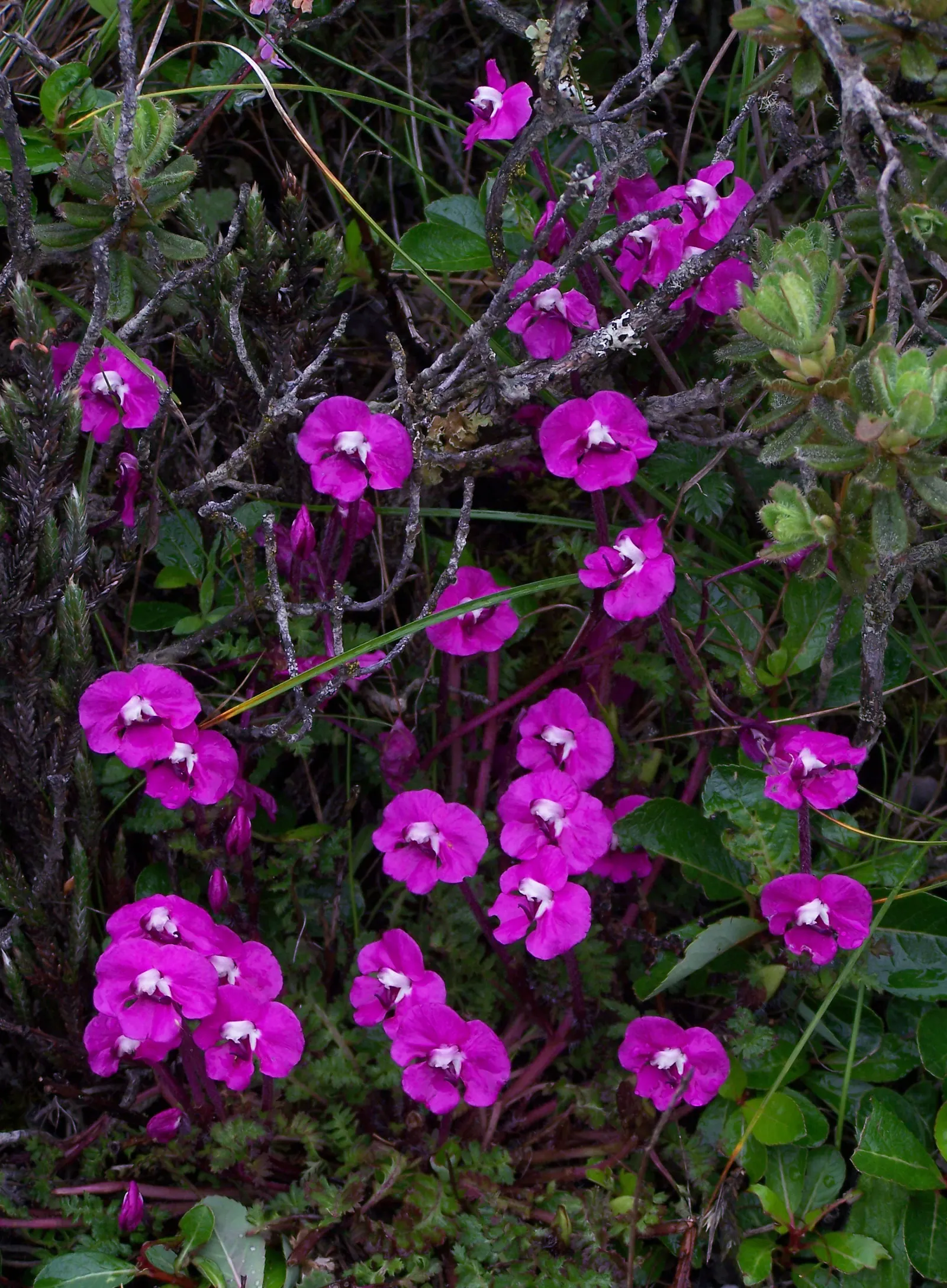
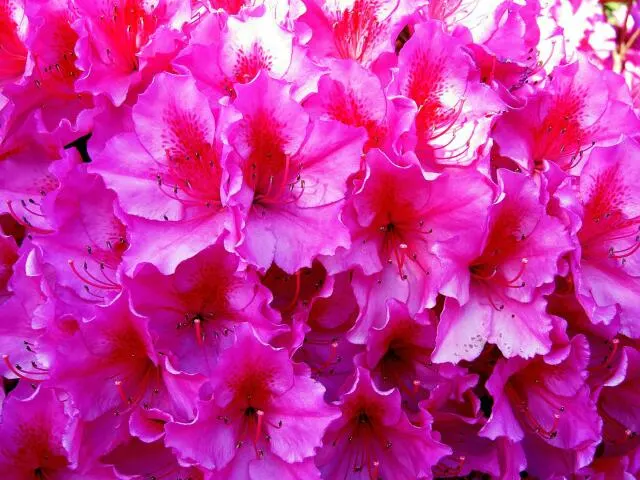
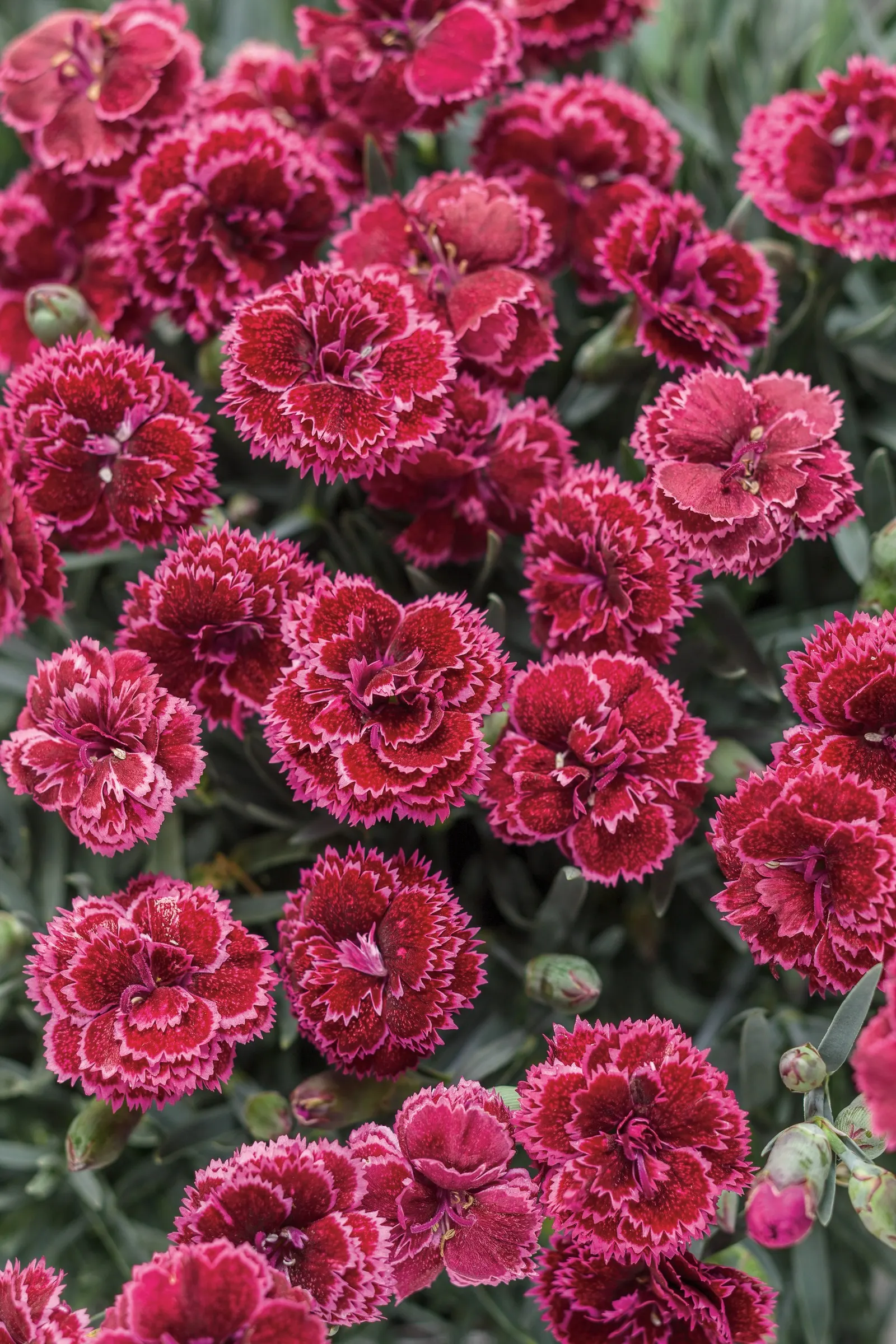
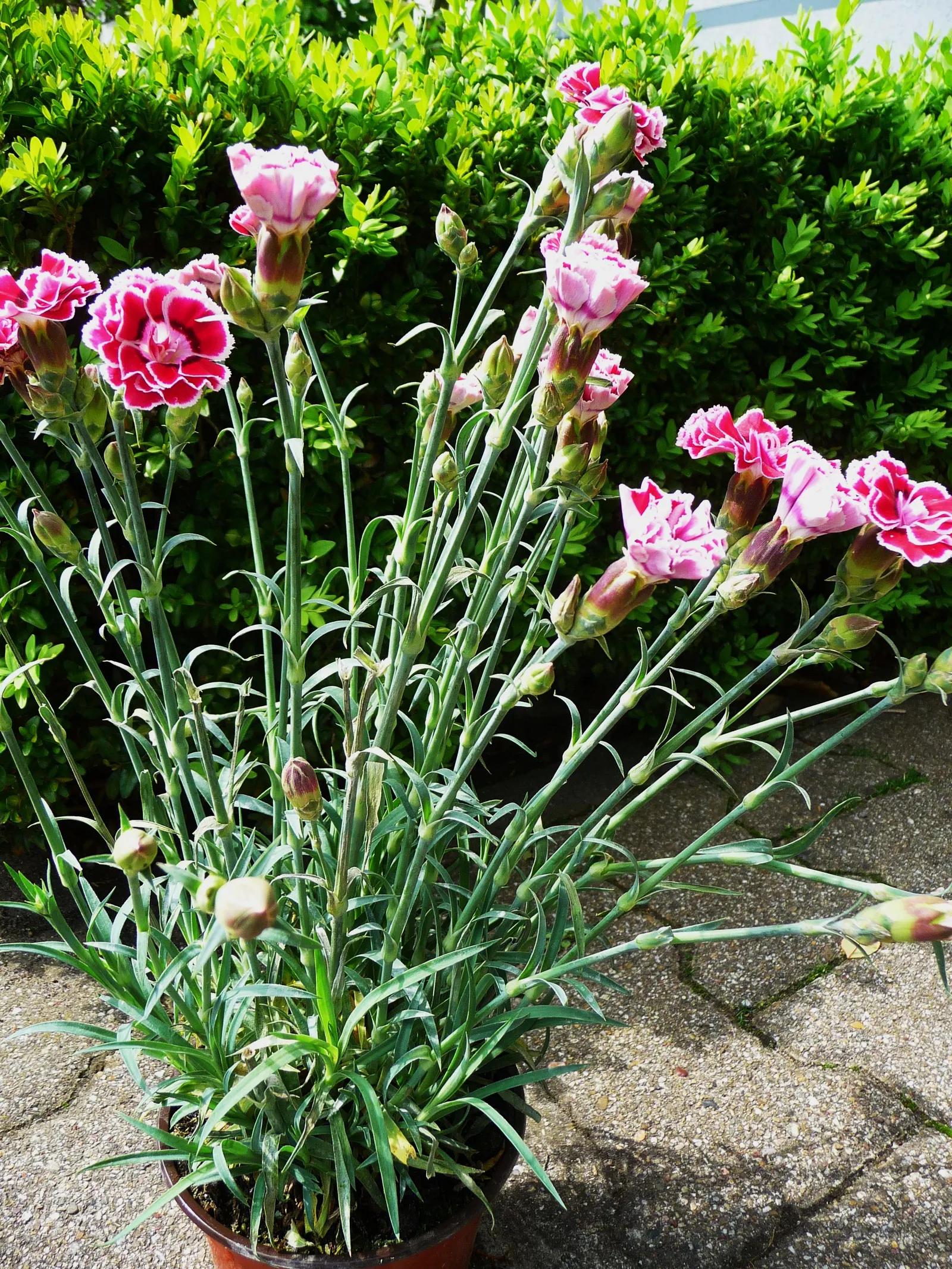
Wild Pink (Silene Carolina) — pink flowers in the garden; notched petals attract butterflies and are drought-resistant, image 64
Wild Pink (Silene Carolina) — It is deer resistant and attracts pollinators such as butterflies; offering low-maintenance beauty, image 83
Wild Pink (Silene Carolina) — notched petals attract butterflies and are drought-resistant; forming mounded tufts of narrow, image 115
Wild Pink (Silene Carolina) — It thrives best in USDA Hardiness Zones 4 through 7; and it requires well-draining soil with a preference for drier, image 96
Wild Pink (Silene Carolina) — Wild Pink, botanically known as Silene carolina, is a charming perennial native to the eastern United States, image 117
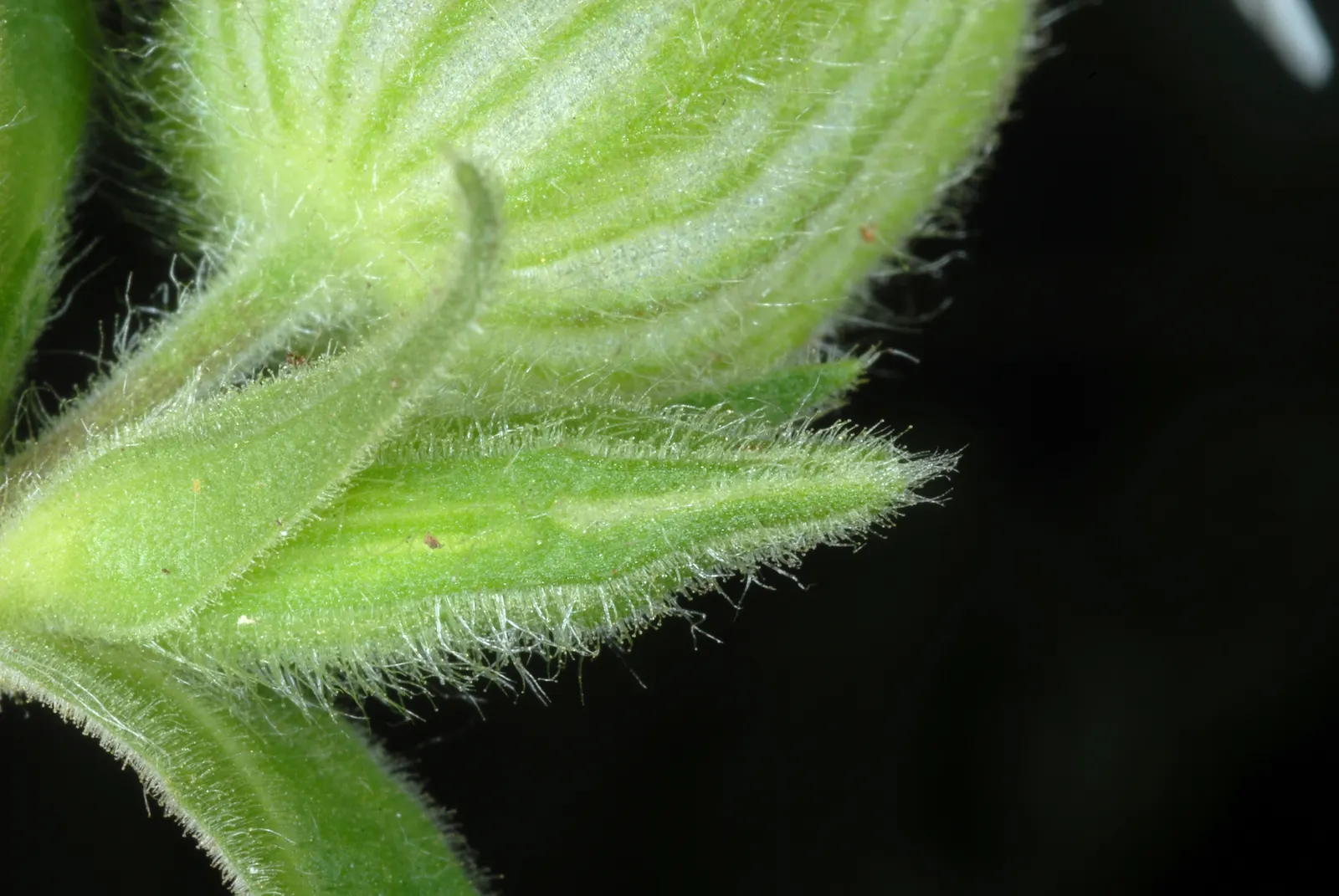
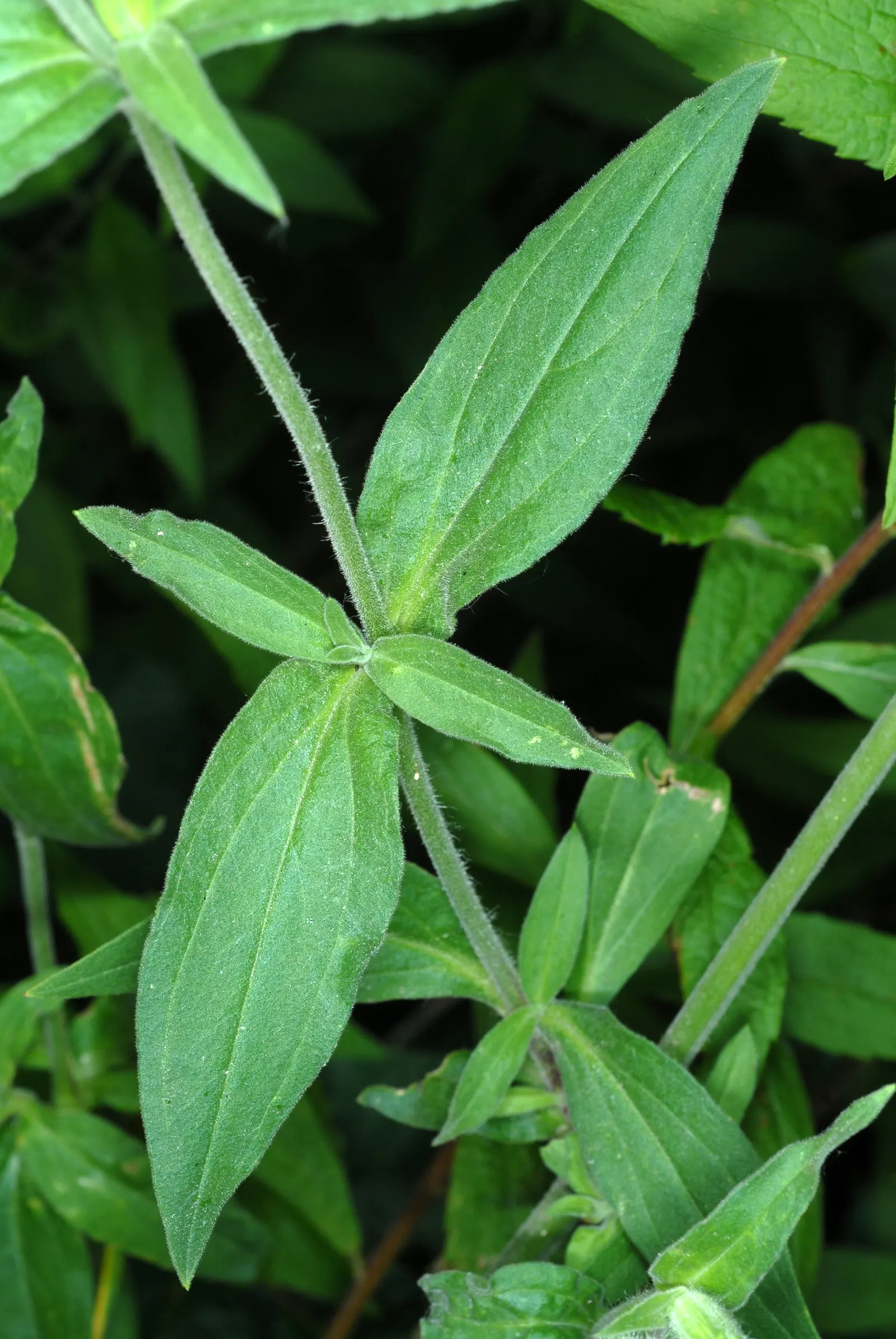
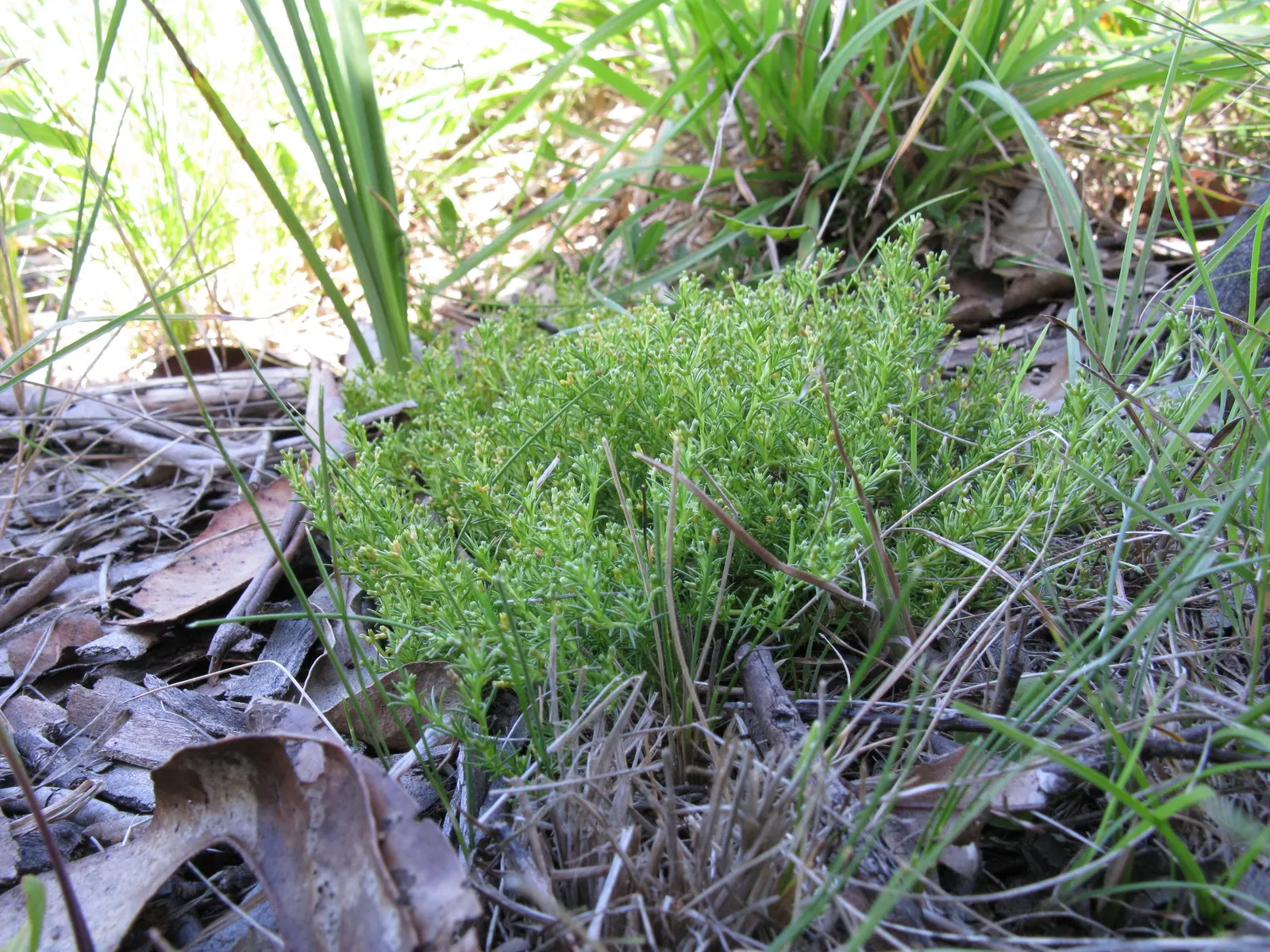
Wild Pink (Silene Carolina) — lance-shaped leaves that are a vibrant green in color
Wild Pink (Silene Carolina) — lance-shaped leaves that are a vibrant green in color; it thrives best in USDA Hardiness Zones 4 through 7, image 77
Wild Pink (Silene Carolina) — this plant reaches a manageable height of 10-12 inches with a spread of up to 18 inches
Wild Pink (Silene Carolina) — Thriving in USDA zones 4-7
Wild Pink (Silene Carolina) — pink flowers in the garden; notched petals attract butterflies and are drought-resistant, image 86
Wild Pink (Silene Carolina) — and it requires well-draining soil with a preference for drier
Wild Pink (Silene Carolina) — Perfect for rock gardens or borders, it prefers well-drained soil and full to partial sun; this plant reaches a, image 70
Wild Pink (Silene Carolina) — It is deer resistant and attracts pollinators such as butterflies; offering low-maintenance beauty, image 127
Wild Pink (Silene Carolina) — pink flowers in the garden; notched petals attract butterflies and are drought-resistant, image 130
Wild Pink (Silene Carolina) — Wild Pink (Silene carolina) is a hardy perennial renowned for its vibrant, deep pink flowers; perfect for rock gardens or
Wild Pink (Silene Carolina) — consider its growth habit and flowering season; pink flowers in the garden, image 85
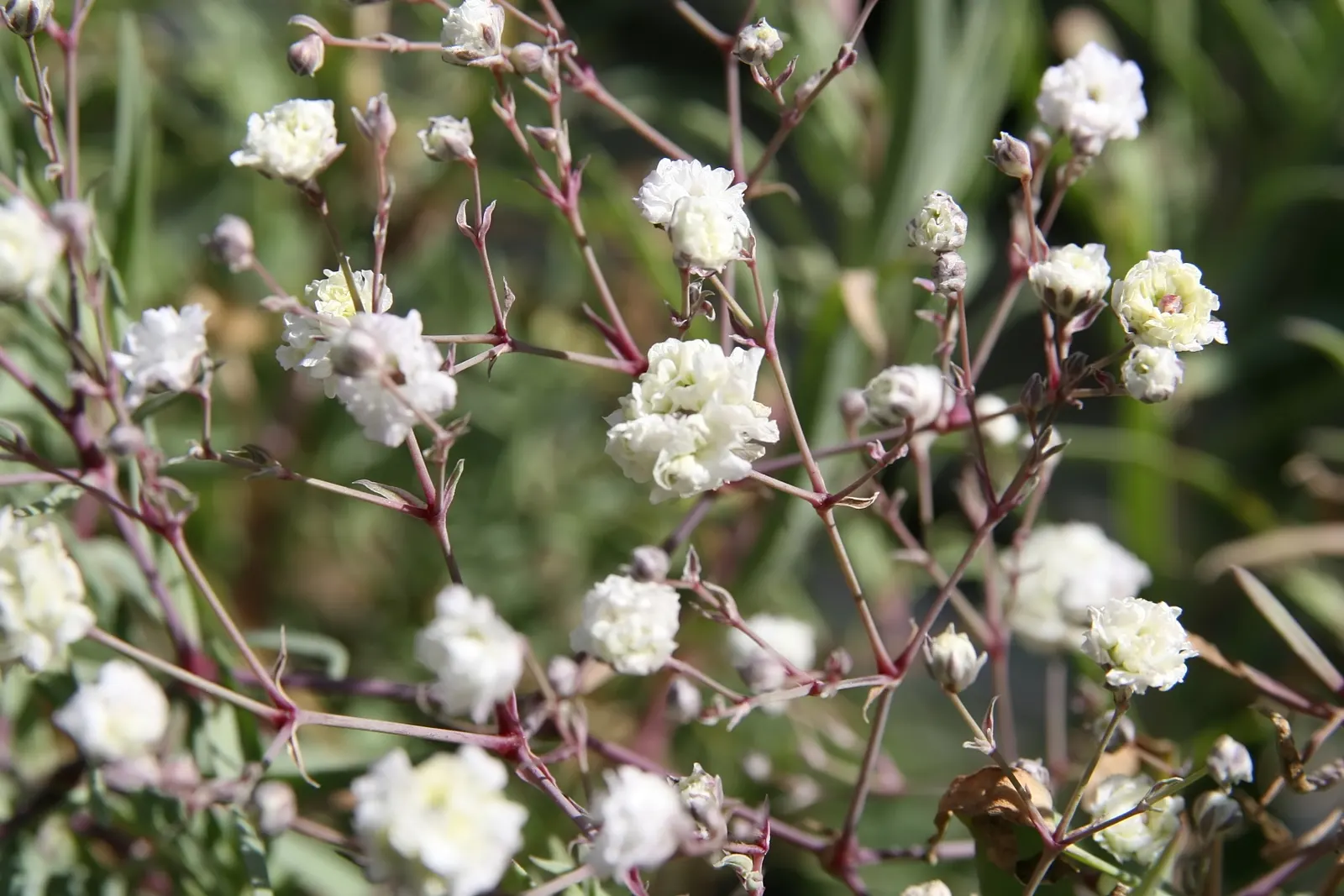
Wild Pink (Silene Carolina) — These five-petaled blossoms flaunt a deeply notched design and are lightly fragrant; perennial for full or half
Wild Pink (Silene Carolina) — notched petals attract butterflies and are drought-resistant; forming mounded tufts of narrow, image 49
Photographs by 12 contributors

Related plants