Skip to content

Palmgrass

Setaria Palmifolia

Design with this plant

Overview

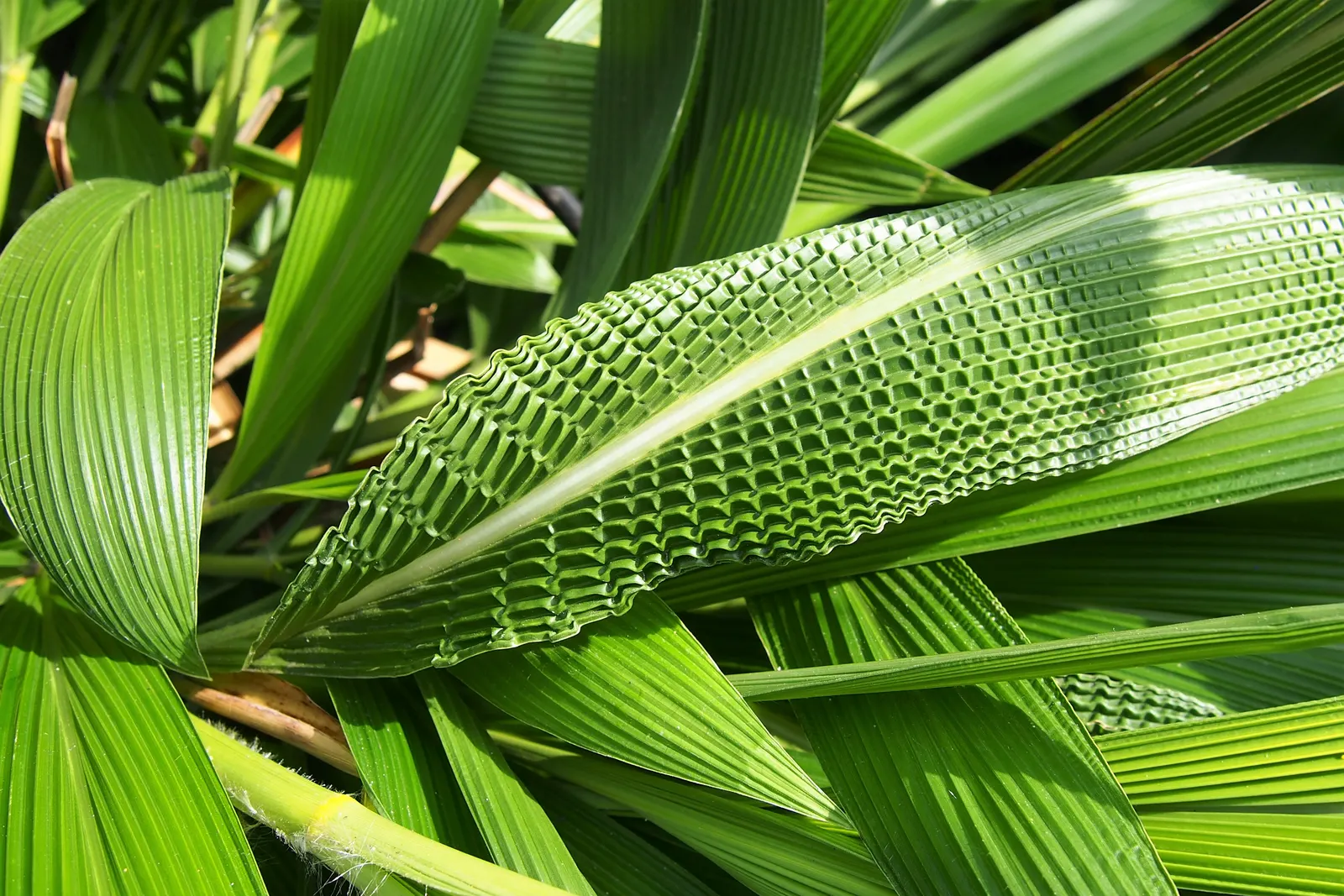
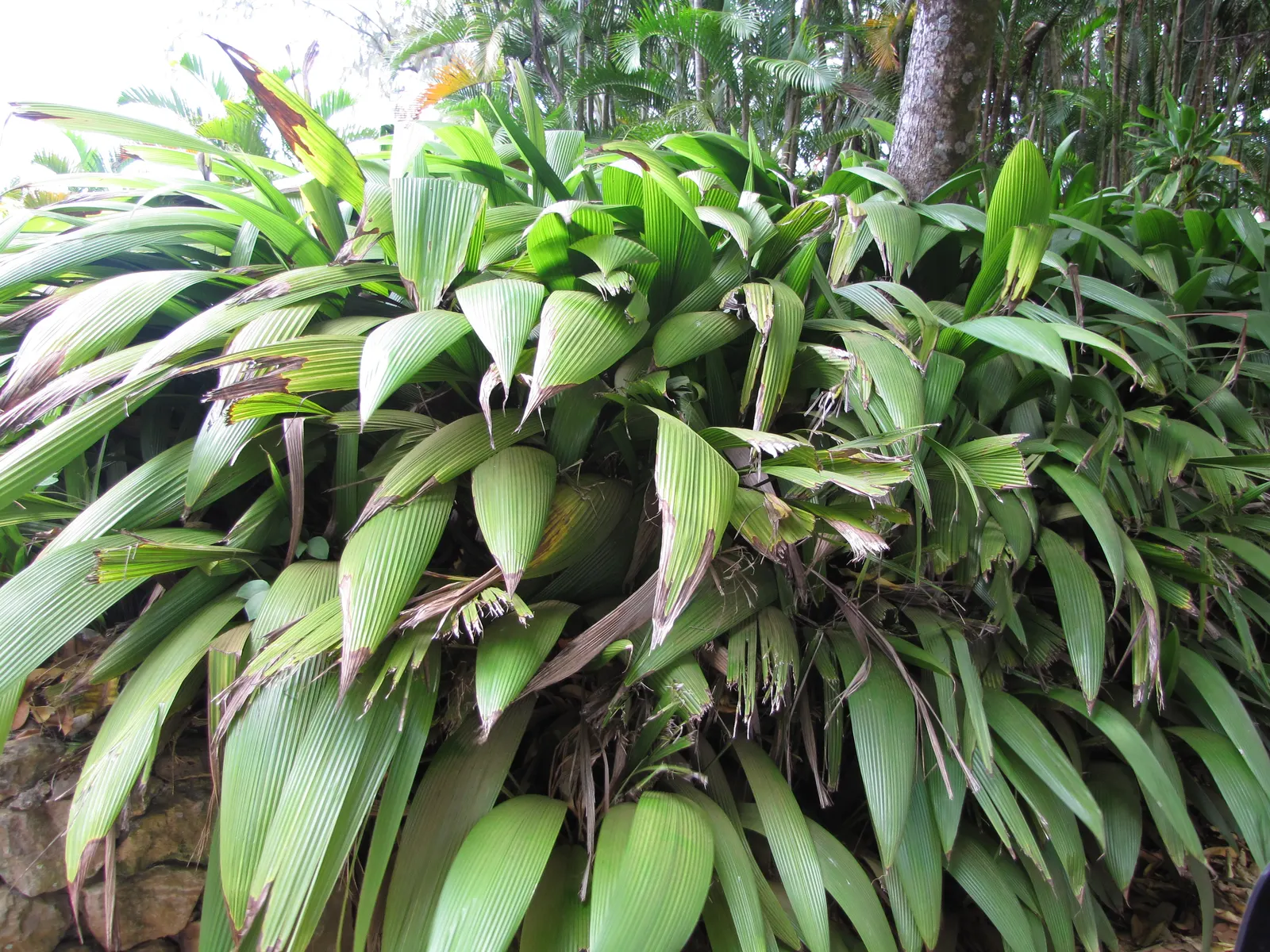
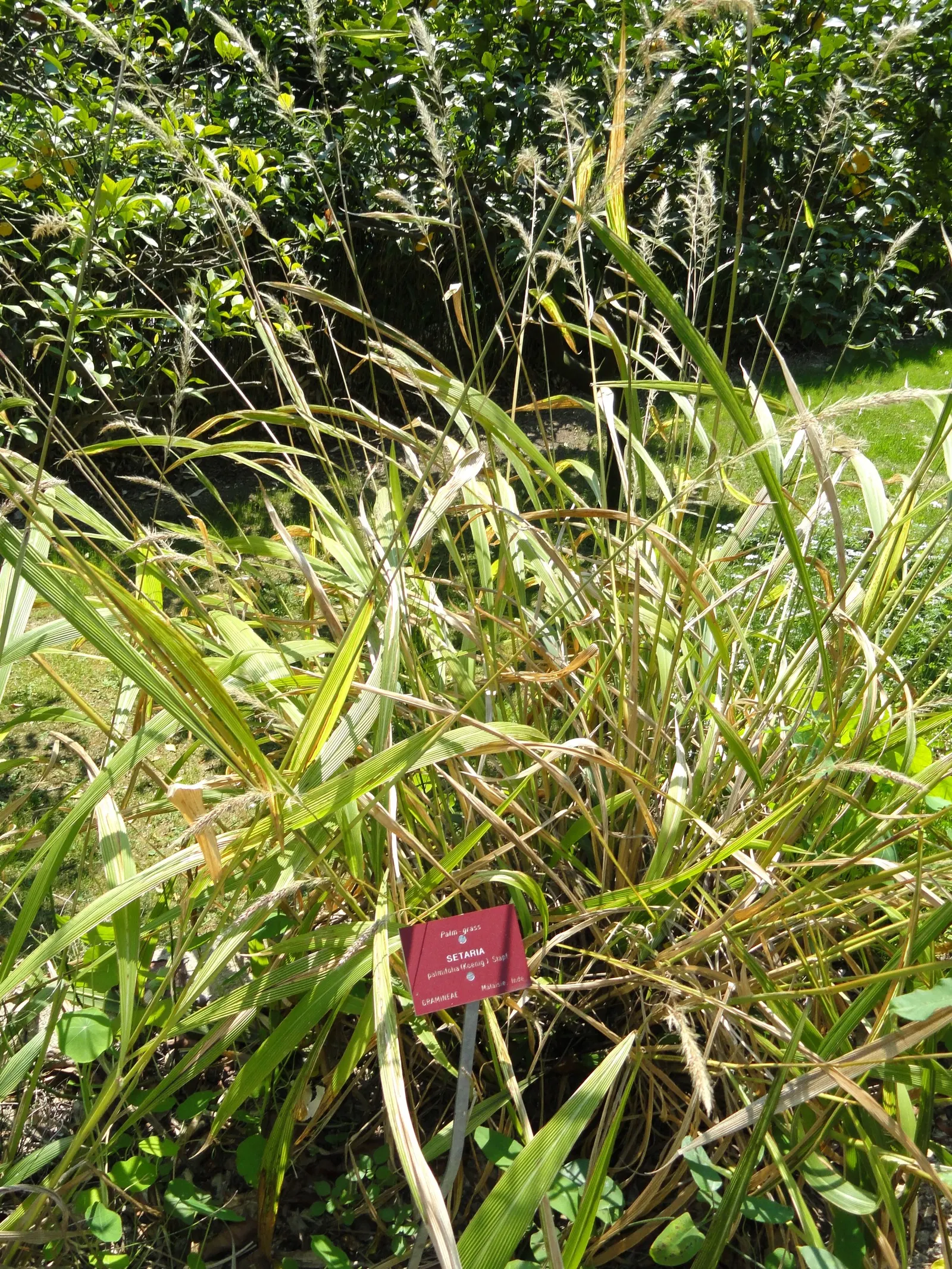
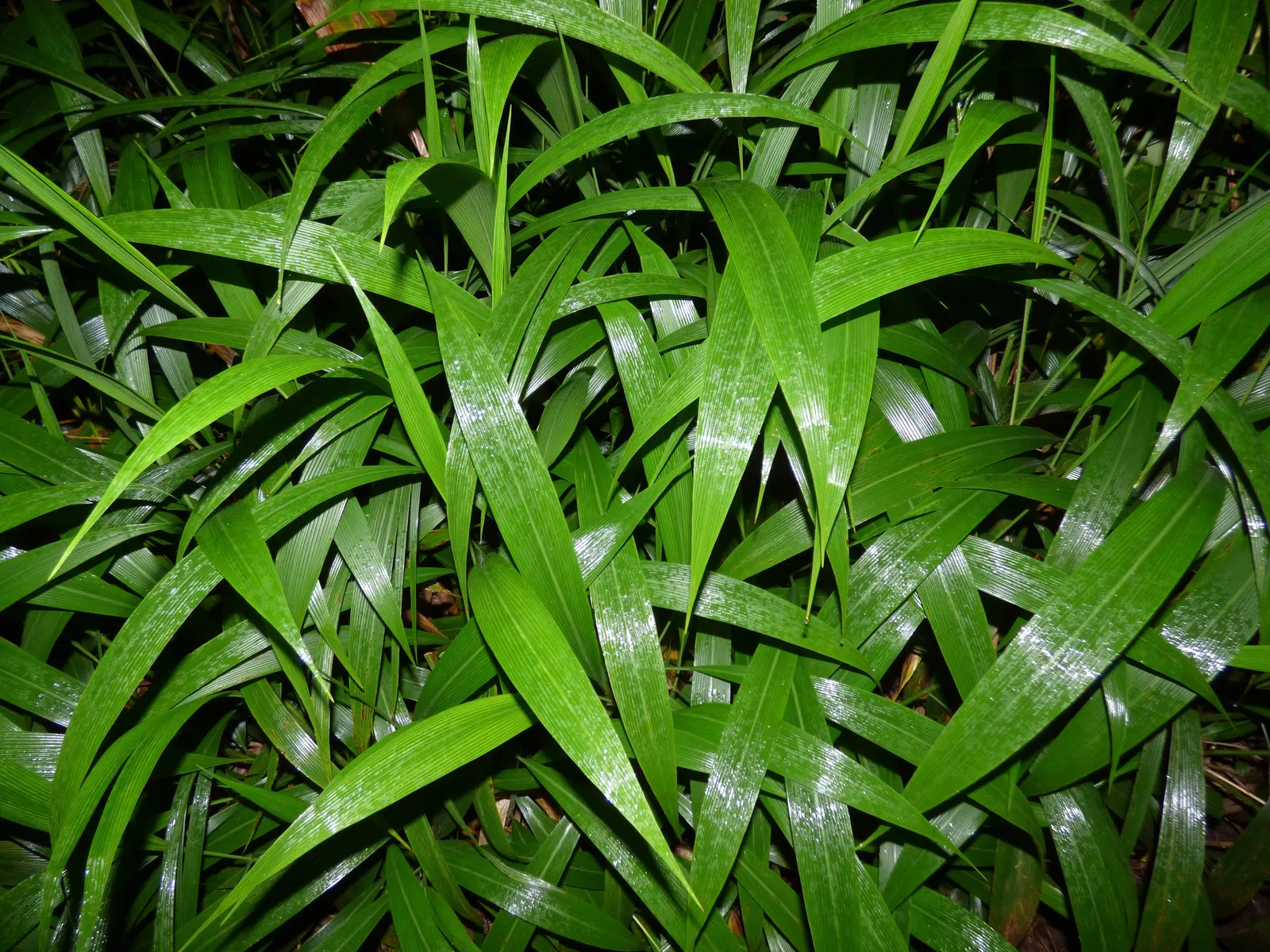
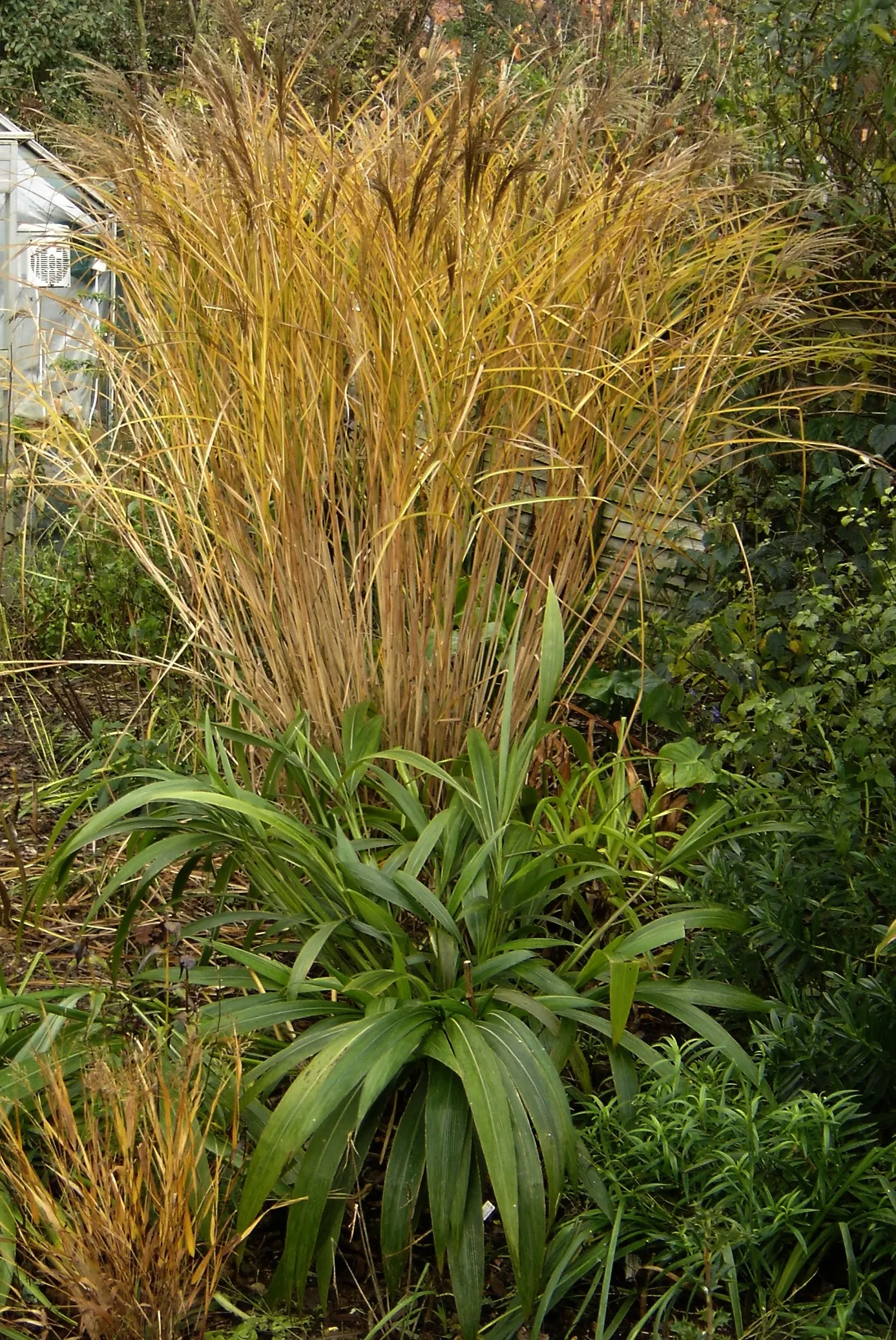
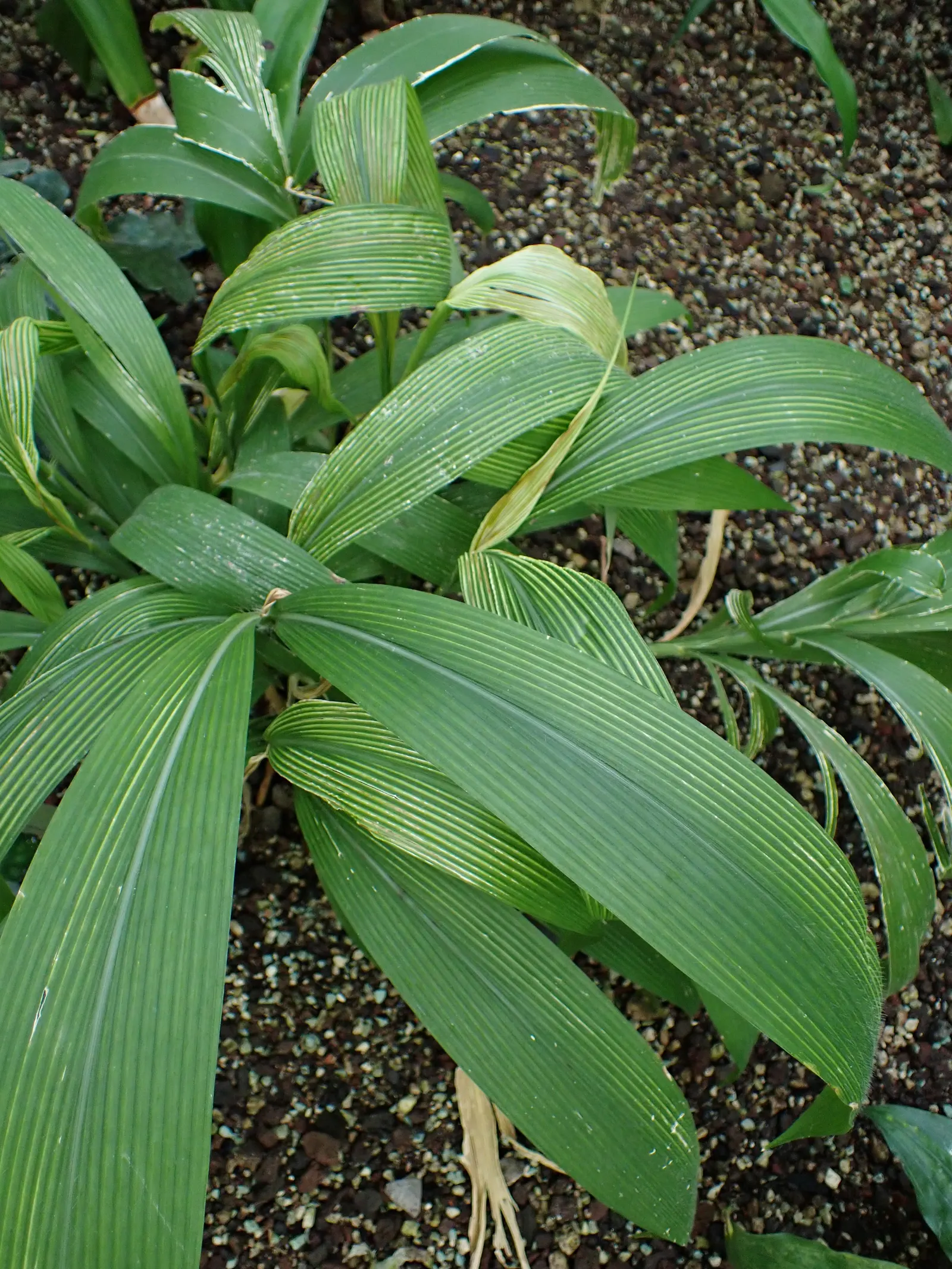
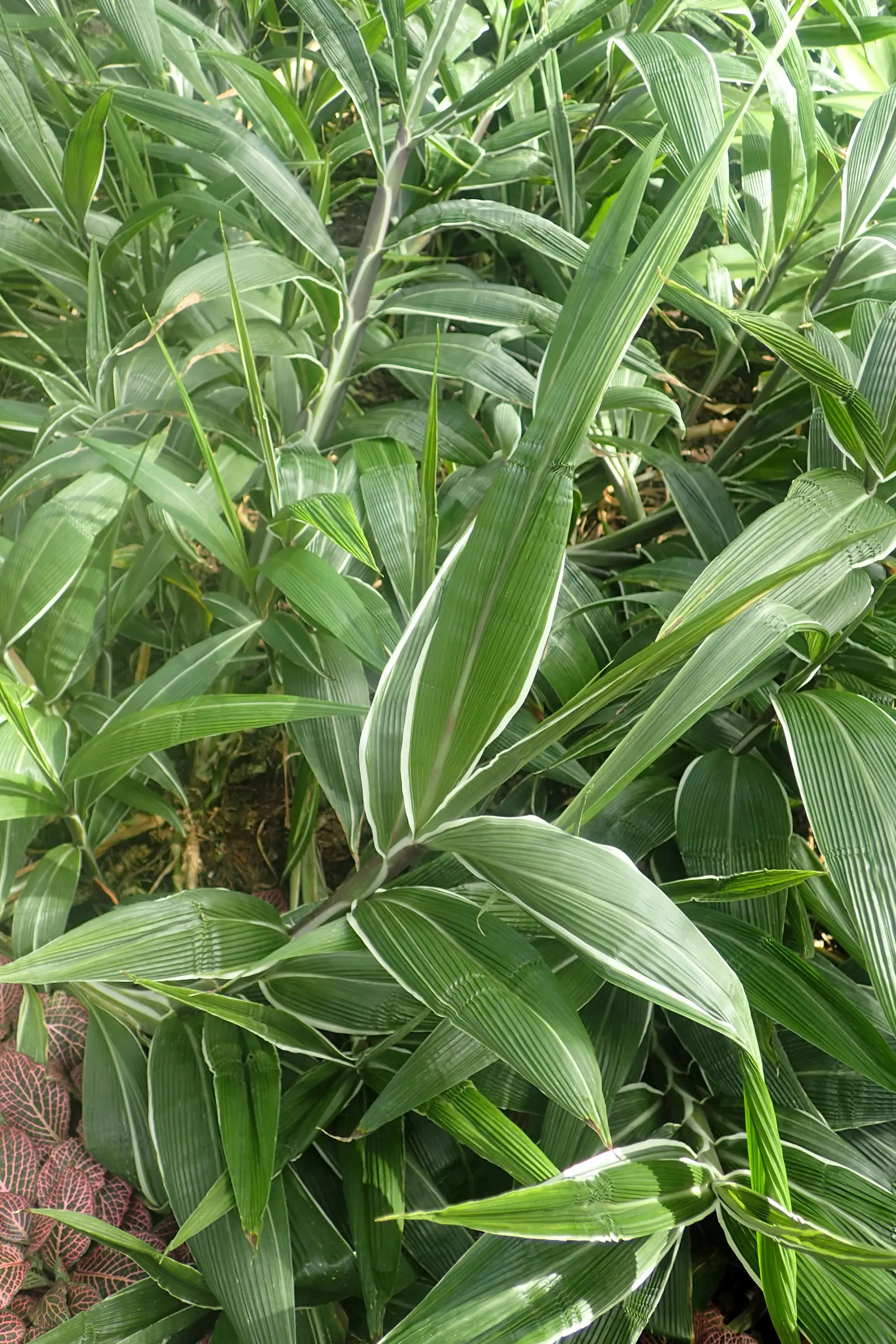
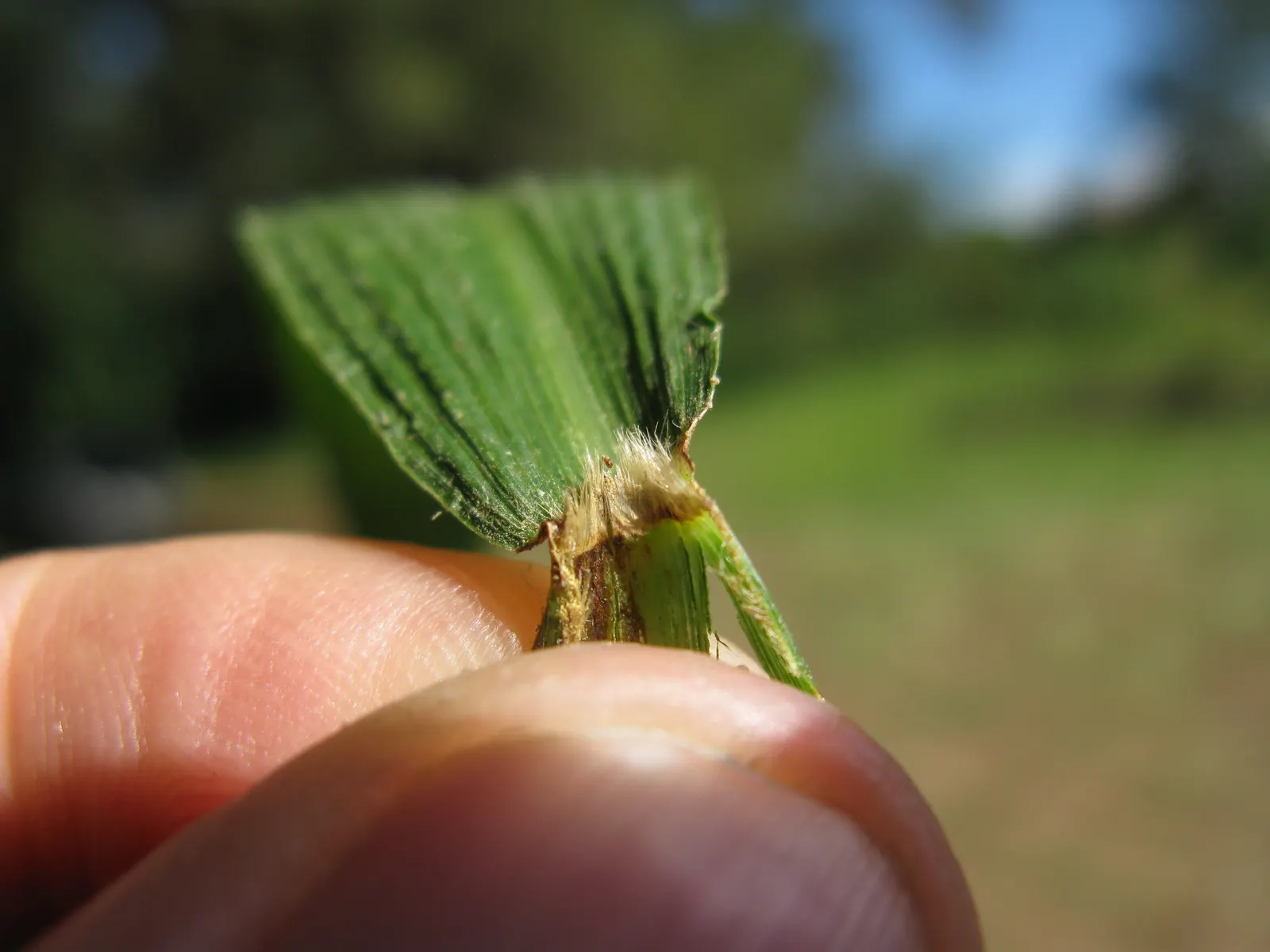
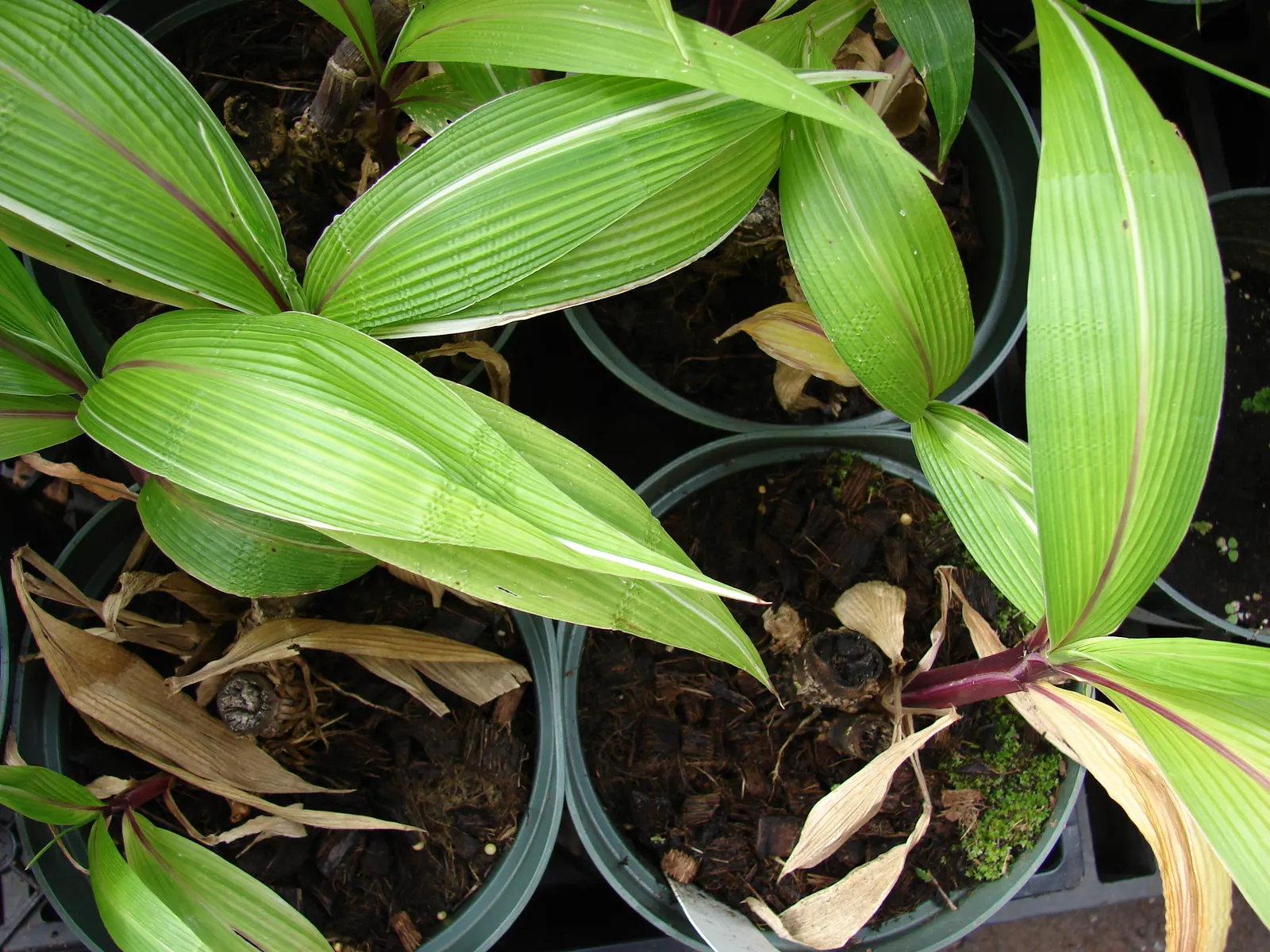
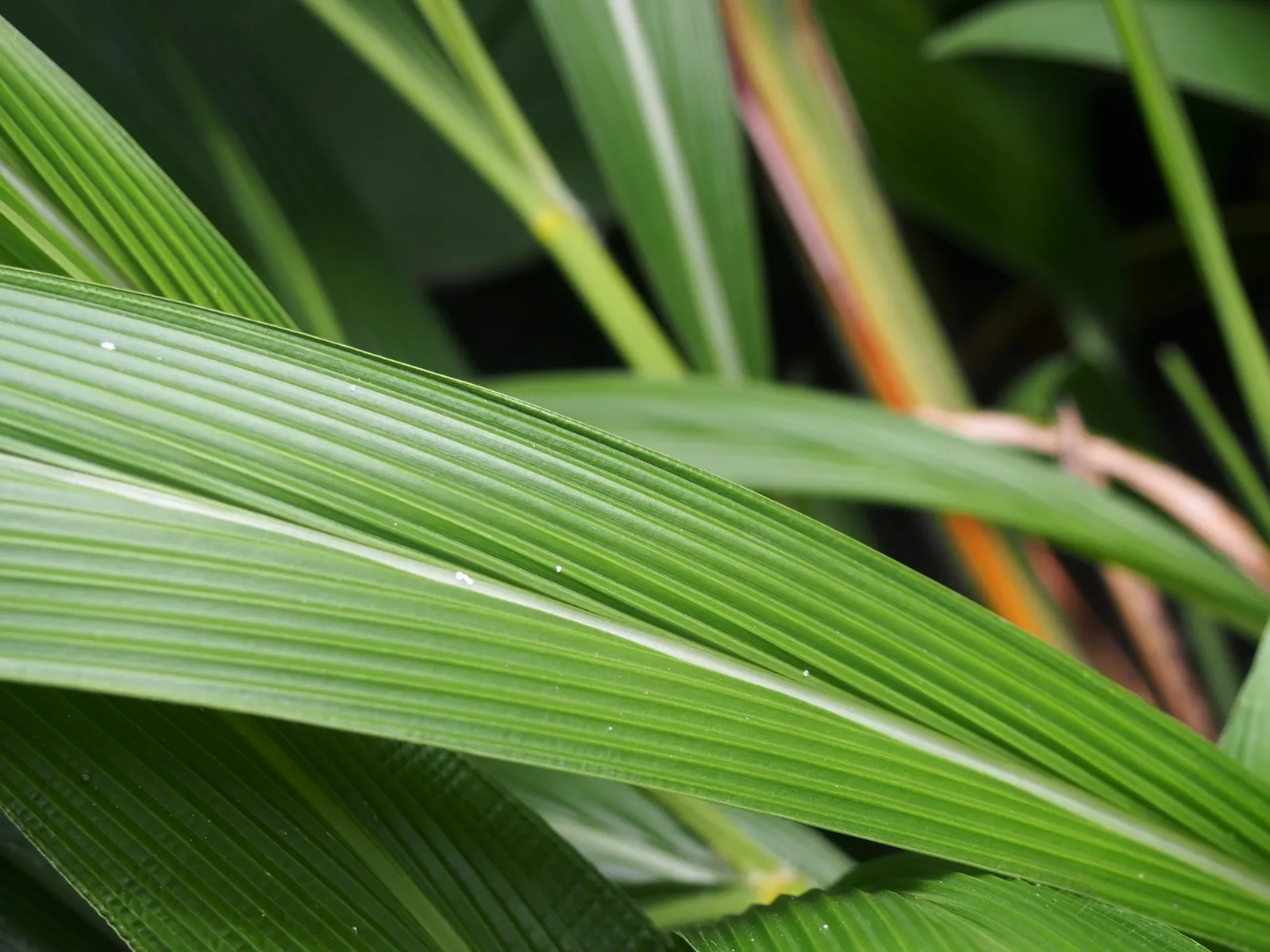
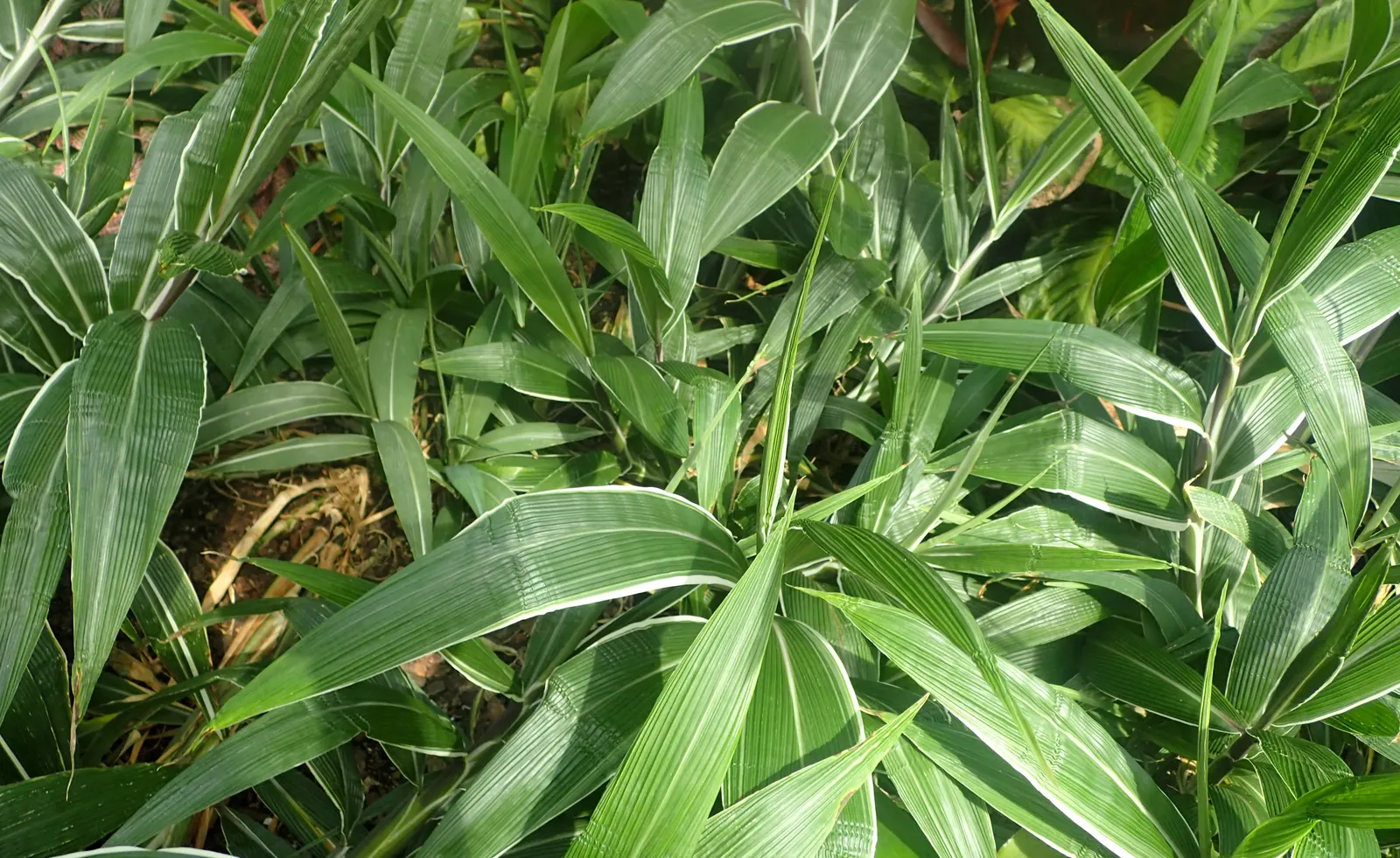
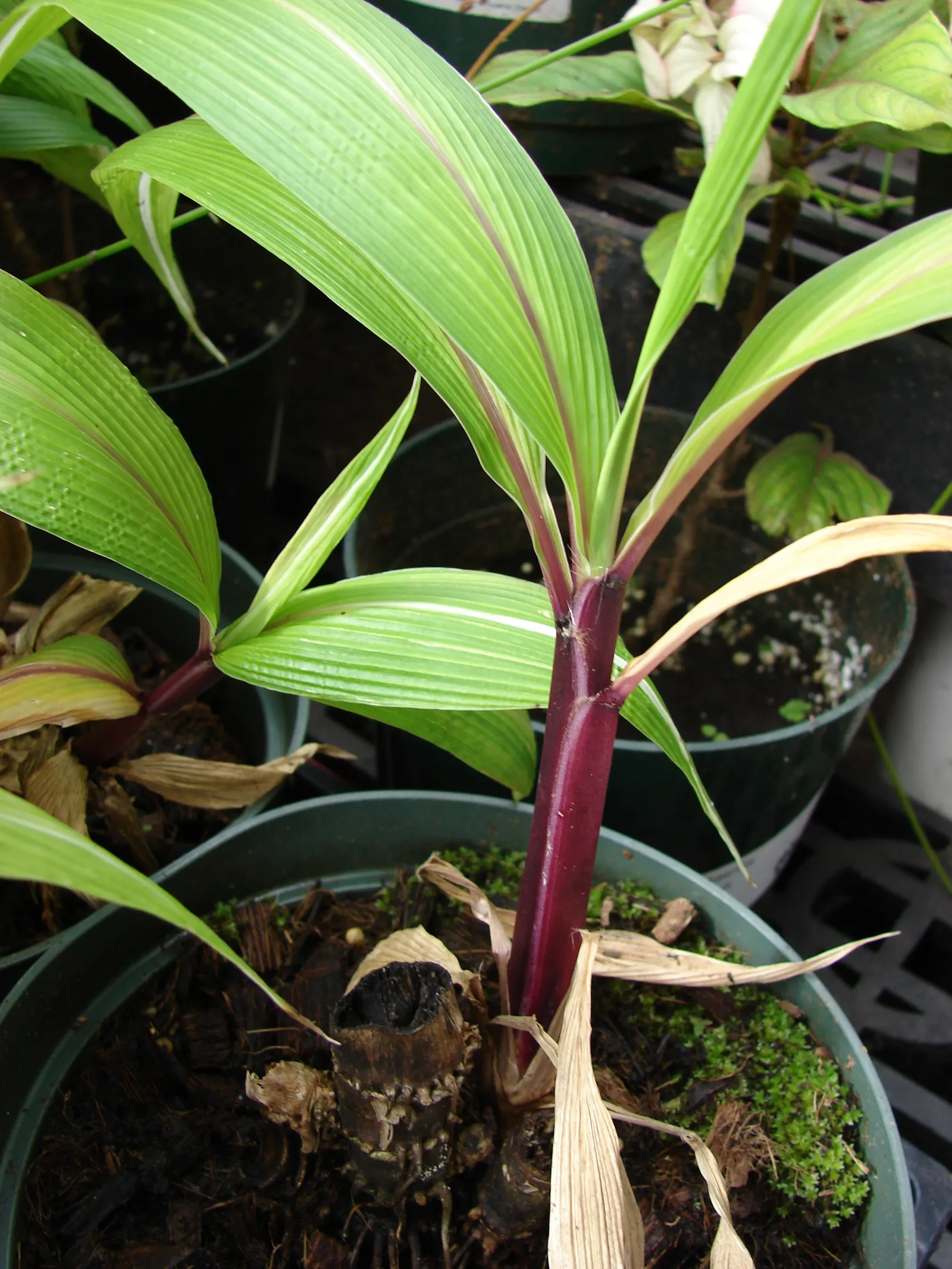
Setaria palmifolia, or Palmgrass, is a tropical perennial with broad, ribbed leaves resembling palm fronds, reaching up to 2-3 feet in length. Thriving in zones 8-11, it prefers partial shade and moist, well-drained soil. This grass adds a lush, exotic texture to gardens and is ideal for understory plantings or container displays. Its clumping habit spans approximately 2-4 feet wide, requiring minimal maintenance once established.

Water LowZones 10–11Climate Subtropical
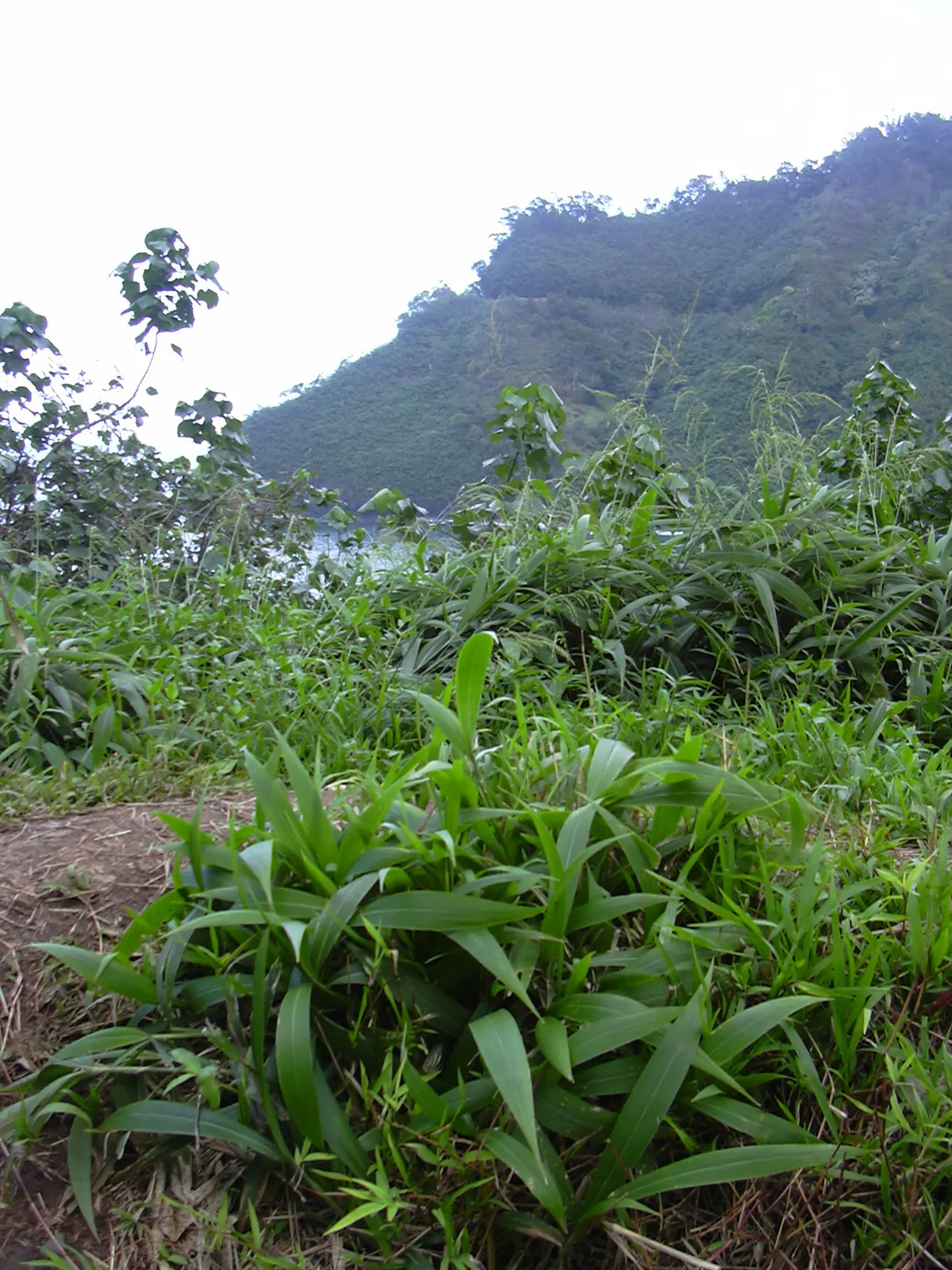
Palmgrass (Setaria Palmifolia) — is a tropical perennial with broad

Culture

Water
Low
USDA zones
10–11

Shape & size

Mature height
4–6 Ft.
Mature width
3–5 Ft.

Classification

Climate
Subtropical

See full data, regional cultivation notes, full-resolution photos, and design tools. Build a client presentation around this plant.

Start your 14-day trial

Photos (61)

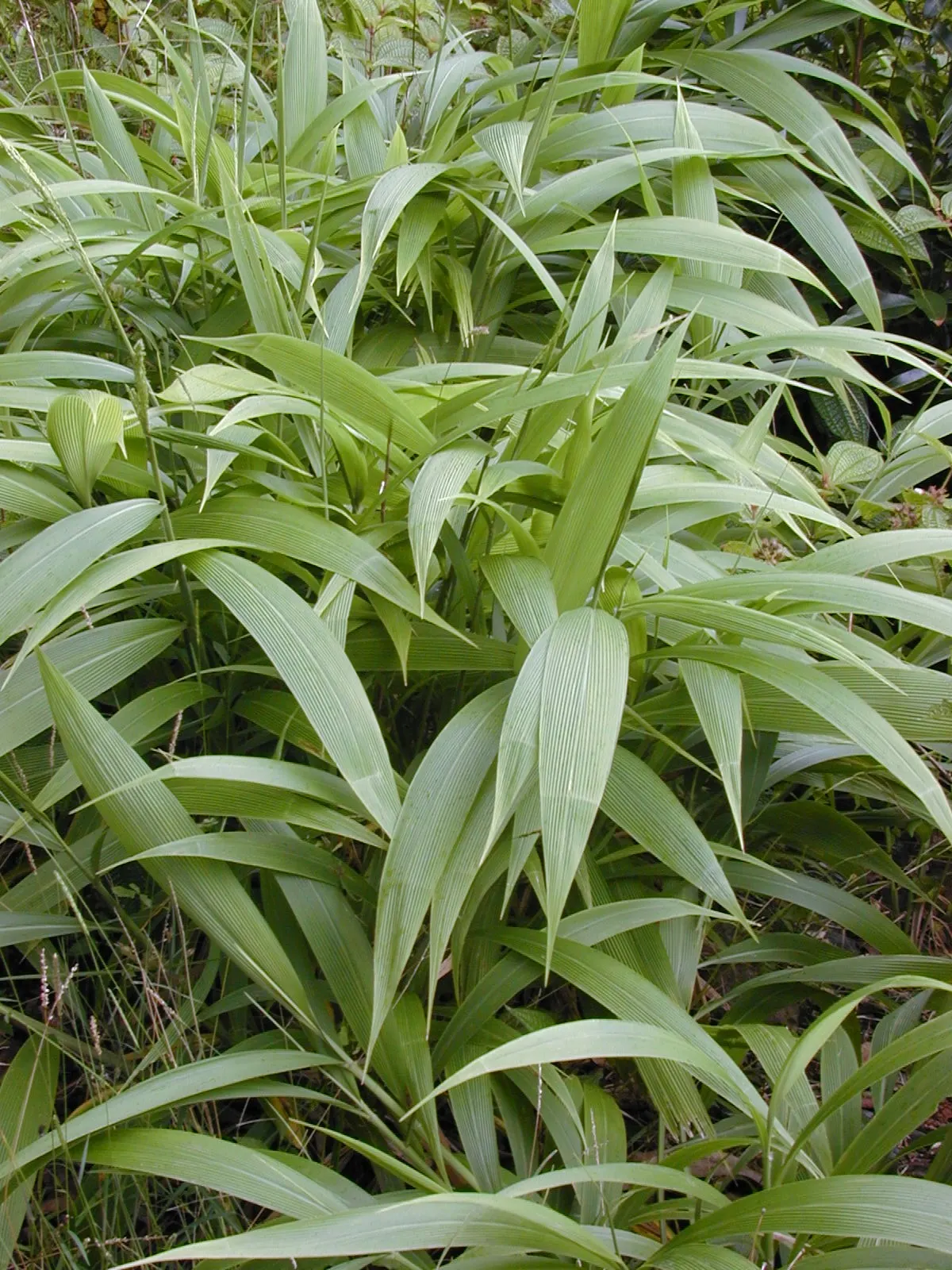
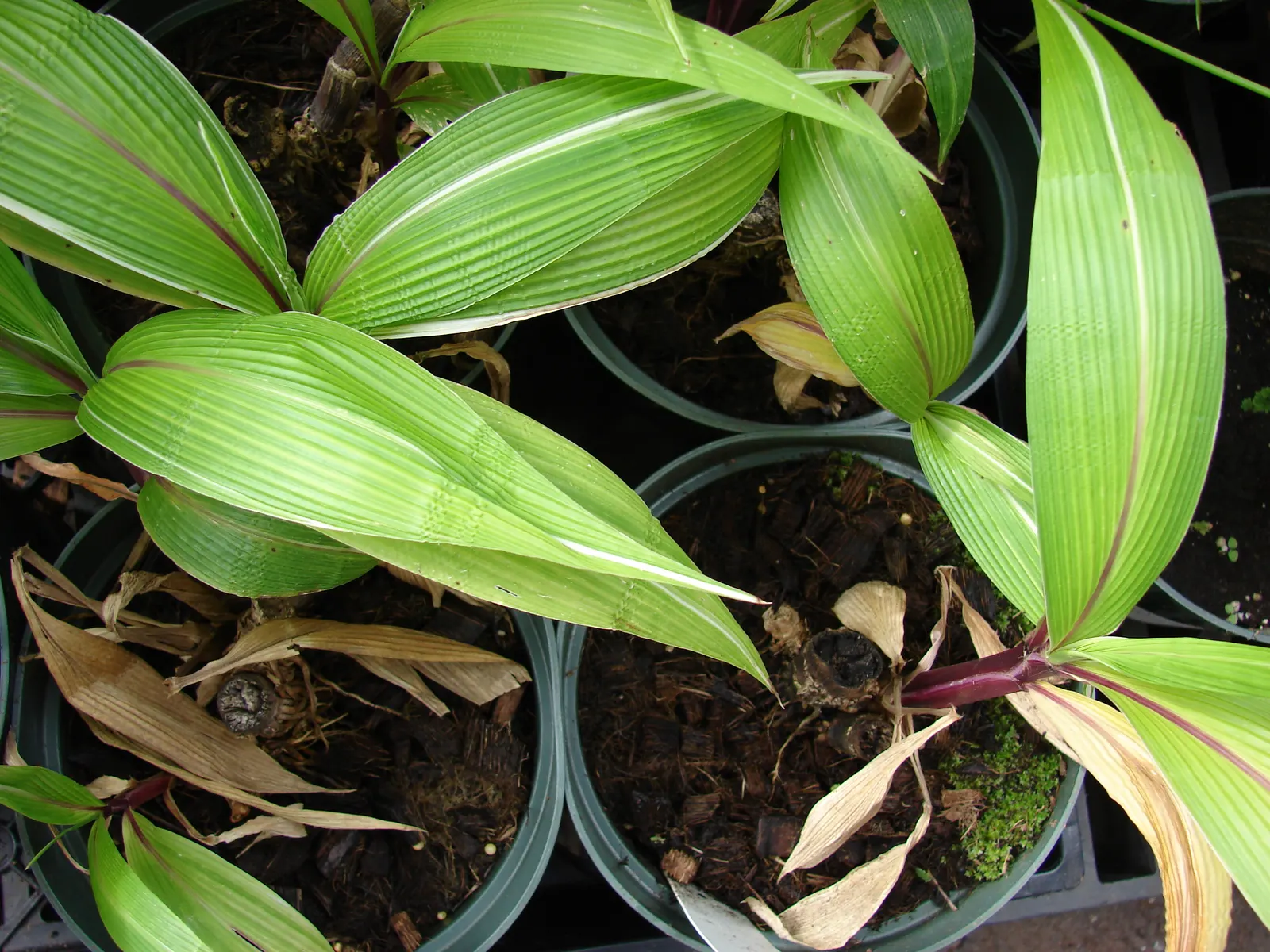
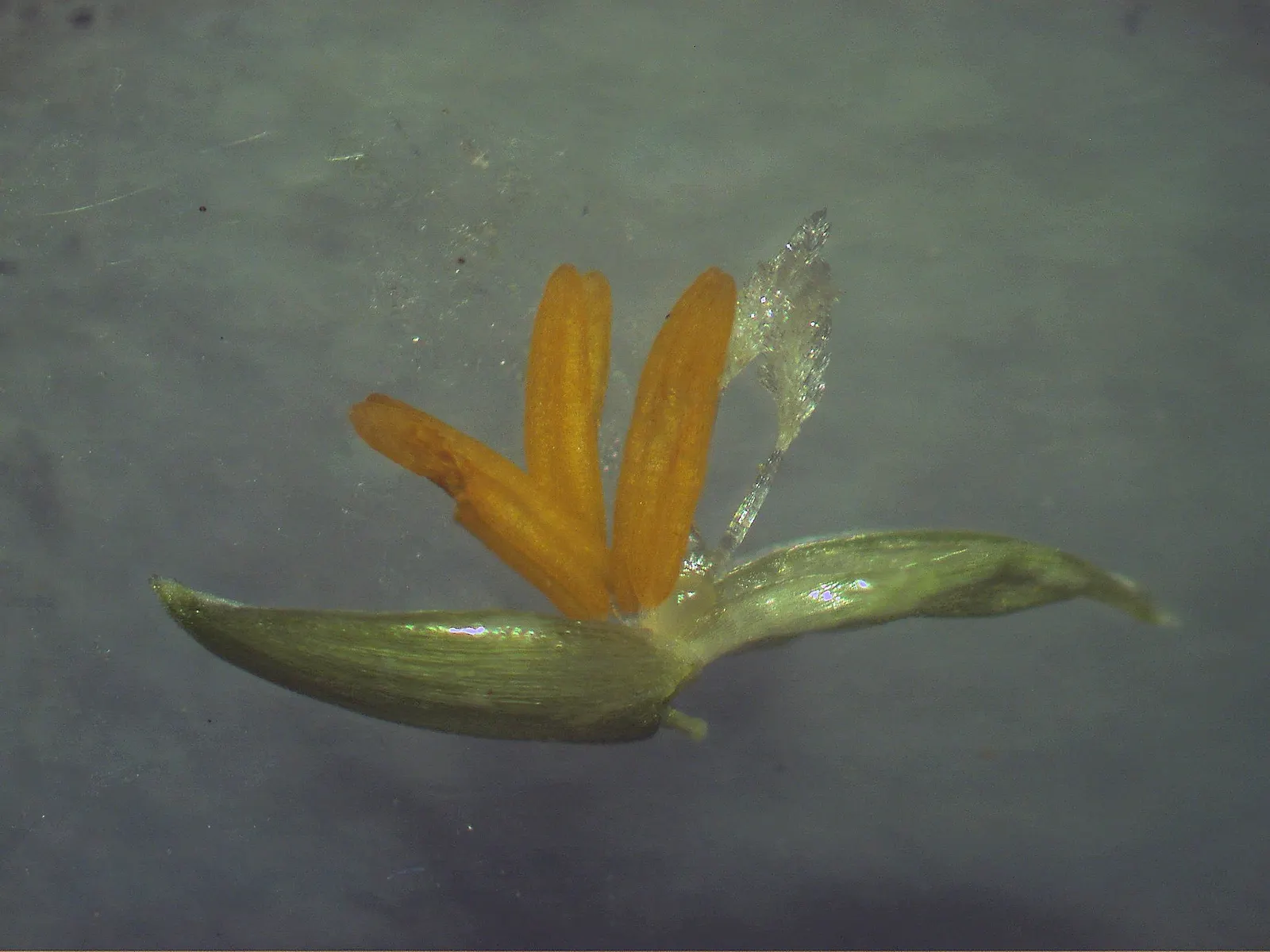
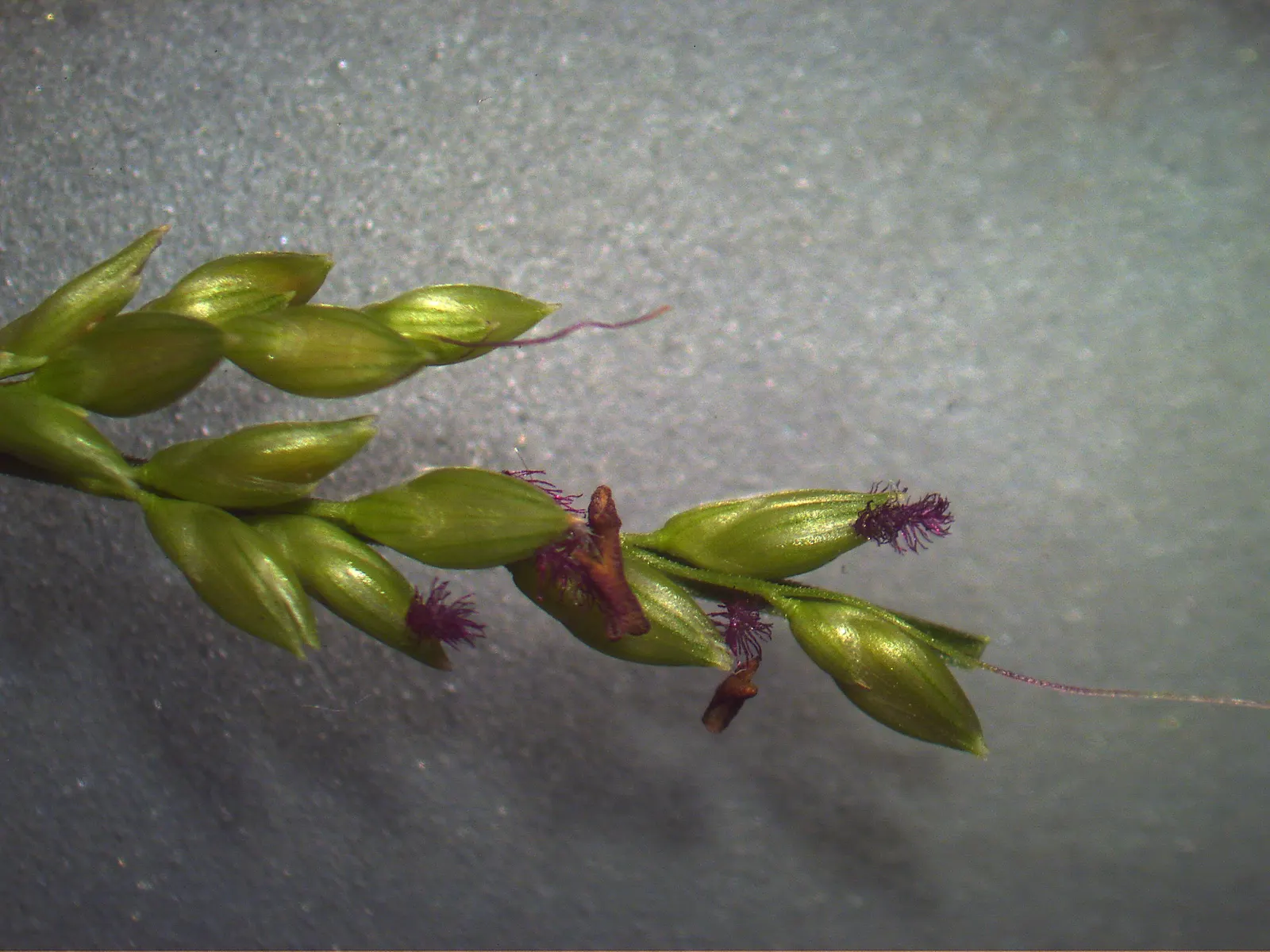
Palmgrass (Setaria Palmifolia) — commonly known as Palmgrass; ribbed leaves resembling palm fronds
Palmgrass (Setaria Palmifolia) — reaching up to 2-3 feet in length; as it is sensitive to root rot
Palmgrass (Setaria Palmifolia) — Thriving in zones 8-11, it prefers partial shade and moist, well-drained soil; reaching up to 2-3 feet in length
Palmgrass (Setaria Palmifolia) — This grass adds a lush, exotic texture to gardens and is ideal for understory plantings or container displays; native to the
Palmgrass (Setaria Palmifolia) — Its clumping habit spans approximately 2-4 feet wide, requiring minimal maintenance once established; it is important to not
Palmgrass (Setaria Palmifolia) — Native to the regions of East Asia; is a tropical perennial with broad
Palmgrass (Setaria Palmifolia) — is a distinctive ornamental grass prized for its tropical appearance and broad; corrugated foliage which resembles that of a
Palmgrass (Setaria Palmifolia) — making it an excellent choice for adding texture and vertical interest to the landscape; is a distinctive ornamental grass
Palmgrass (Setaria Palmifolia) — corrugated foliage which resembles that of a small palm tree; with establishment - however
Palmgrass (Setaria Palmifolia) — are deep green and arranged in a pleated pattern; commonly known as Palmgrass
Palmgrass (Setaria Palmifolia) — requiring well-draining soil and moderate watering; are deep green and arranged in a pleated pattern
Palmgrass (Setaria Palmifolia) — The unique leaves of Setaria palmifolia; requiring well-draining soil and moderate watering
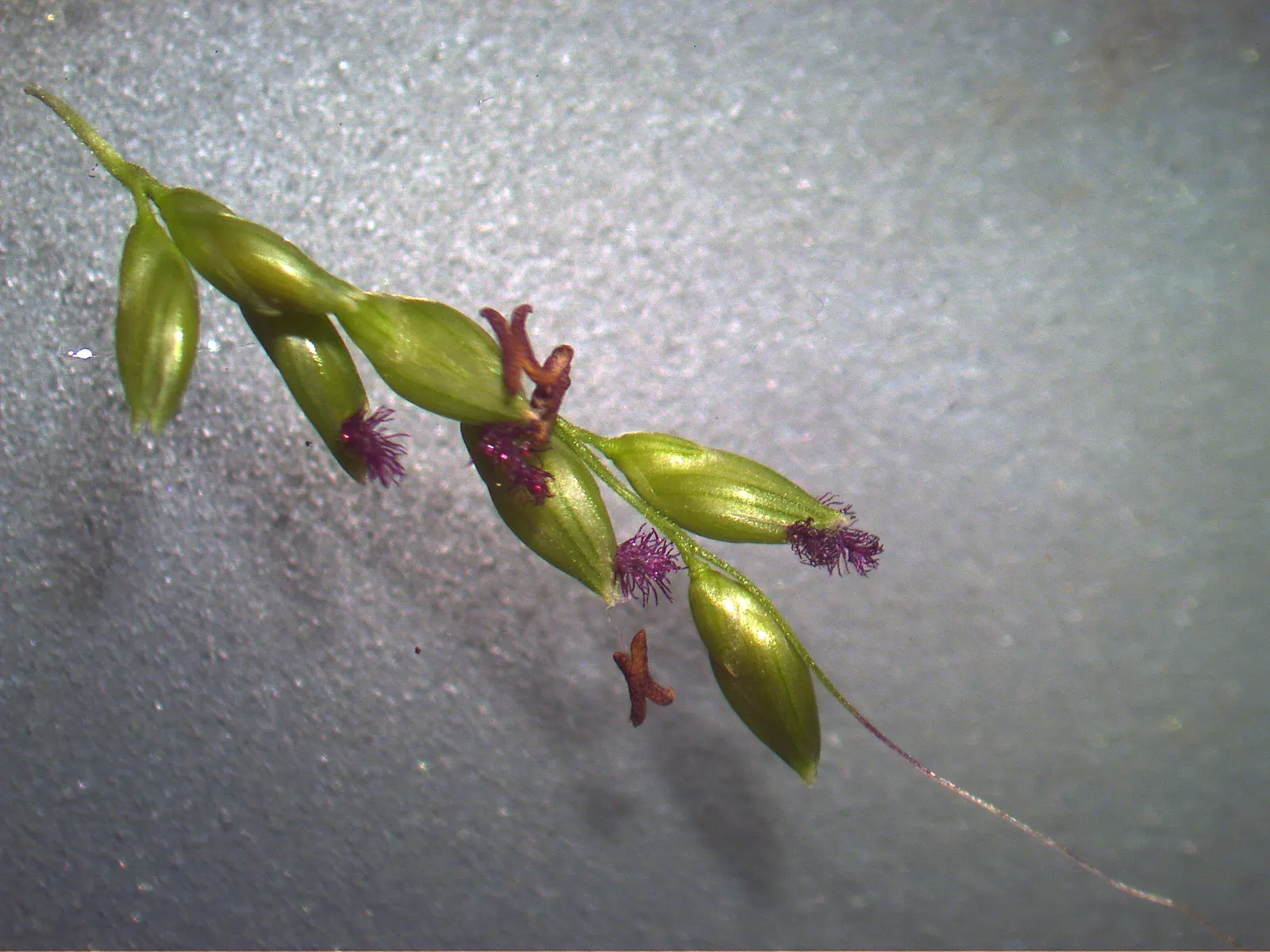
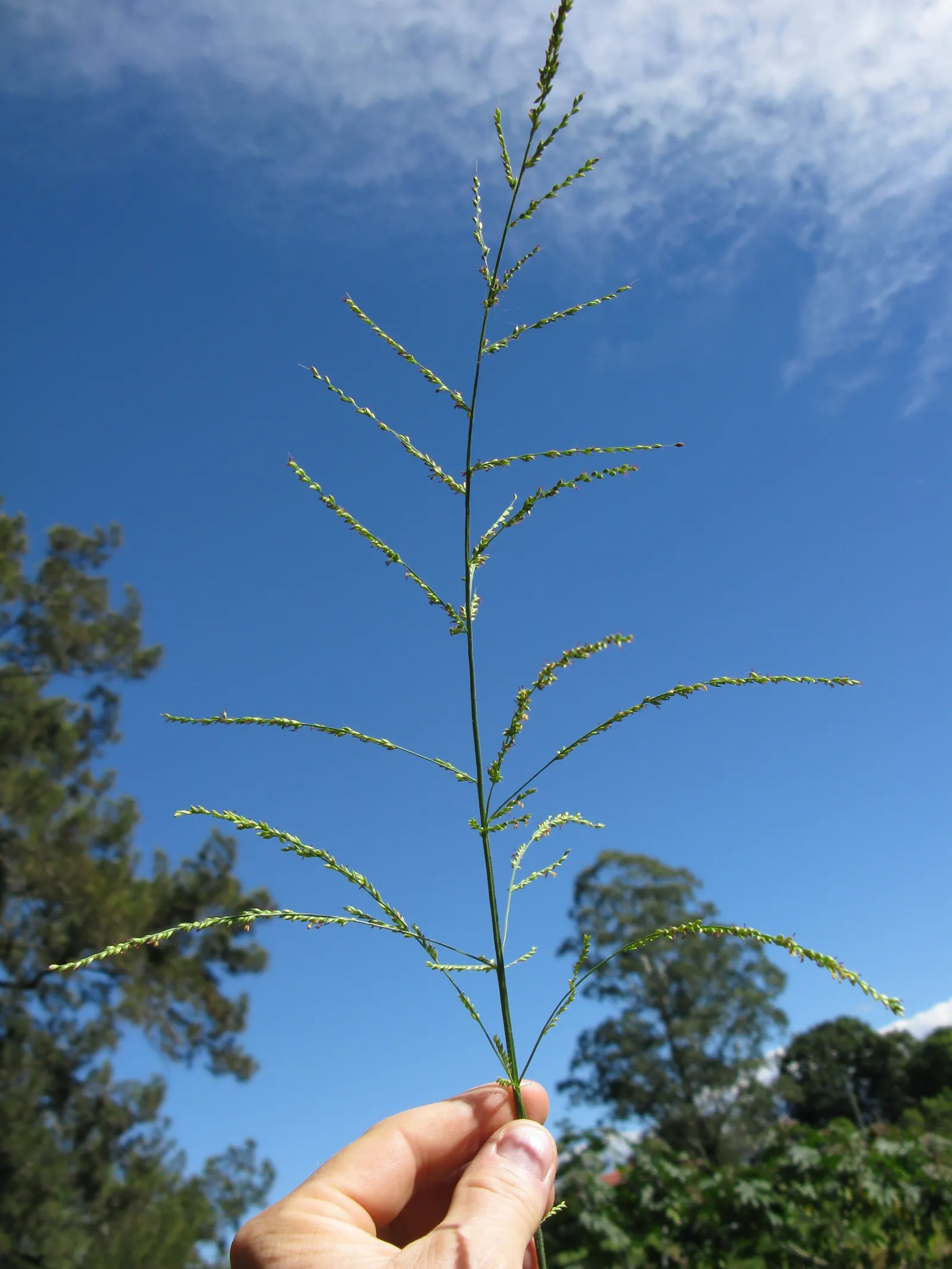
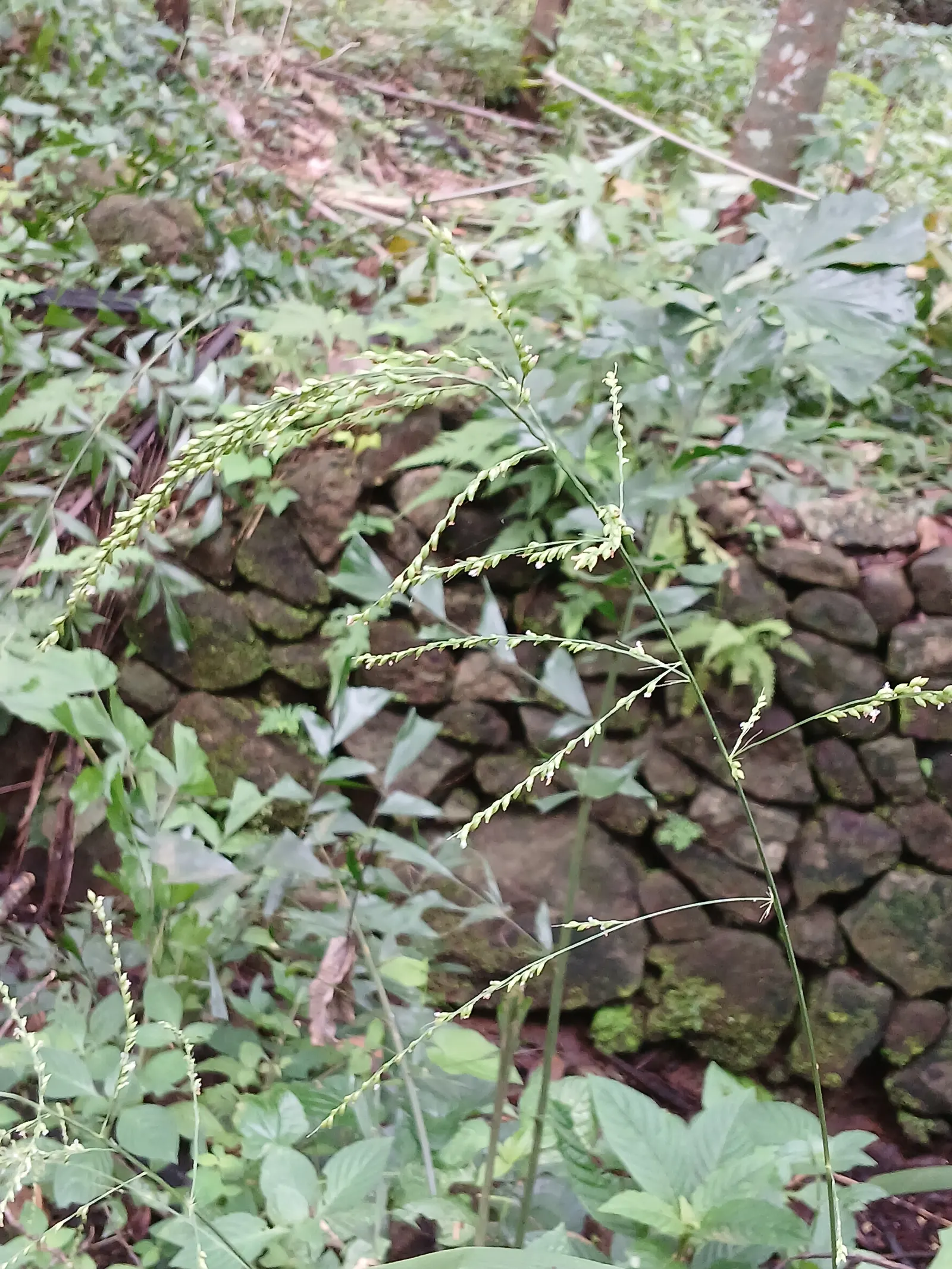
Palmgrass (Setaria Palmifolia) — which can grow up to 2 feet in length and 2 inches wide; green flowers in the garden
Palmgrass (Setaria Palmifolia) — with establishment - however; palmgrass serves as an exceptional focal point or backdrop plant in a tropical or Asian-themed
Palmgrass (Setaria Palmifolia) — it is important to not overwater; its clumping habit spans approximately 2-4 feet wide, requiring minimal maintenance once
Palmgrass (Setaria Palmifolia) — as it is sensitive to root rot; which can grow up to 2 feet in length and 2 inches wide
Palmgrass (Setaria Palmifolia) — Setaria palmifolia is also fairly resistant to pests and diseases; <br><br>When designing a client's garden
Palmgrass (Setaria Palmifolia) — <br><br>When designing a client's garden; this grass adds a lush, exotic texture to gardens and is ideal for understory
Palmgrass (Setaria Palmifolia) — ribbed leaves resembling palm fronds; making it an excellent choice for adding texture and vertical interest to, image 46
Palmgrass (Setaria Palmifolia) — Palmgrass serves as an exceptional focal point or backdrop plant in a tropical or Asian-themed garden; the unique leaves of
Palmgrass (Setaria Palmifolia) — is a tropical perennial with broad; thriving in zones 8-11, it prefers partial shade and moist, well-drained soil, image 45
Palmgrass (Setaria Palmifolia) — green flowers in the garden; setaria palmifolia is also fairly resistant to pests and diseases
Palmgrass (Setaria Palmifolia) — reaching up to 2-3 feet in length; as it is sensitive to root rot, image 47
Palmgrass (Setaria Palmifolia) — Thriving in zones 8-11, it prefers partial shade and moist, well-drained soil; reaching up to 2-3 feet in length, image 48