Skip to content

Giant Redwood

Sequoiadendron Giganteum

Design with this plant

Overview

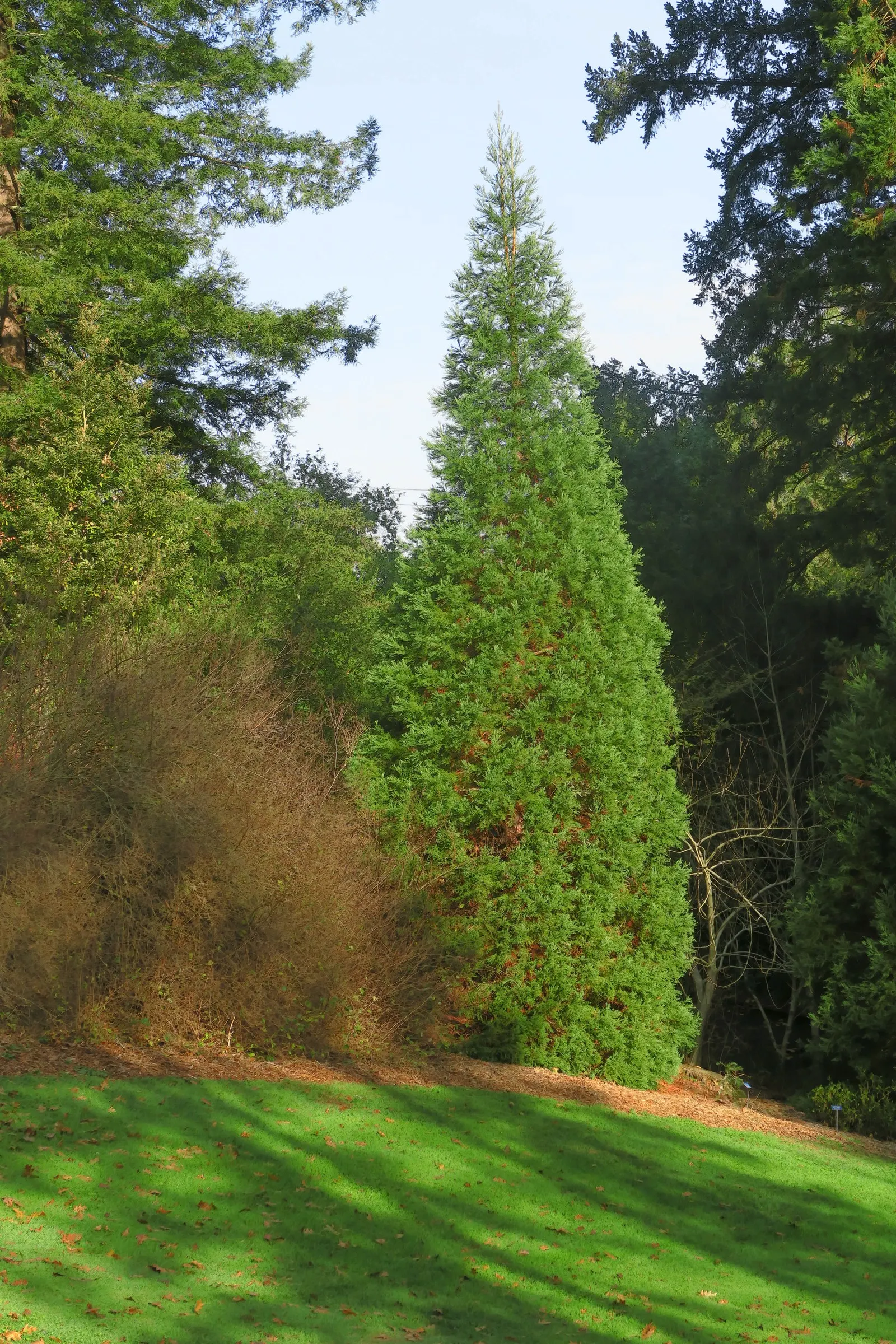
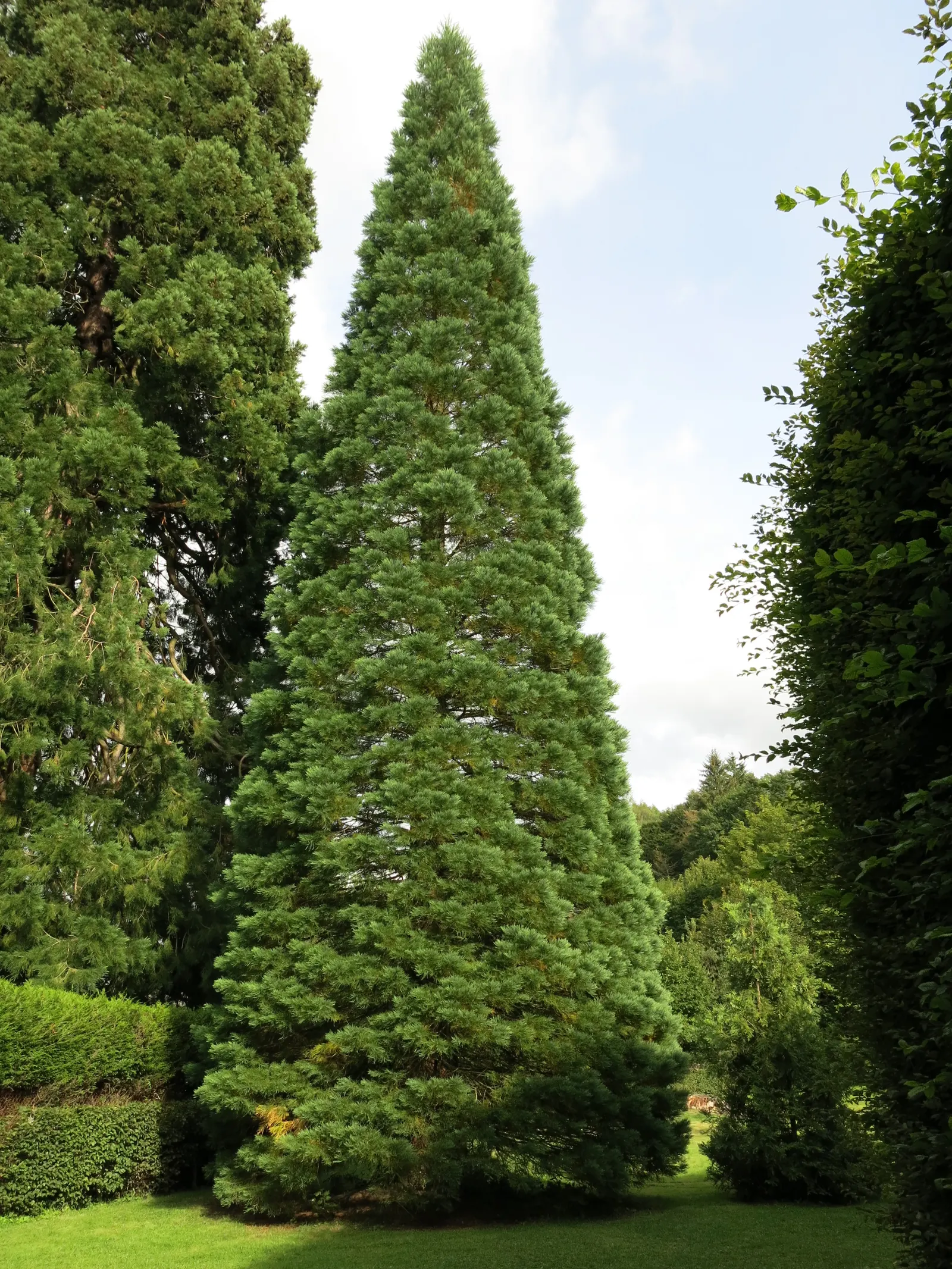
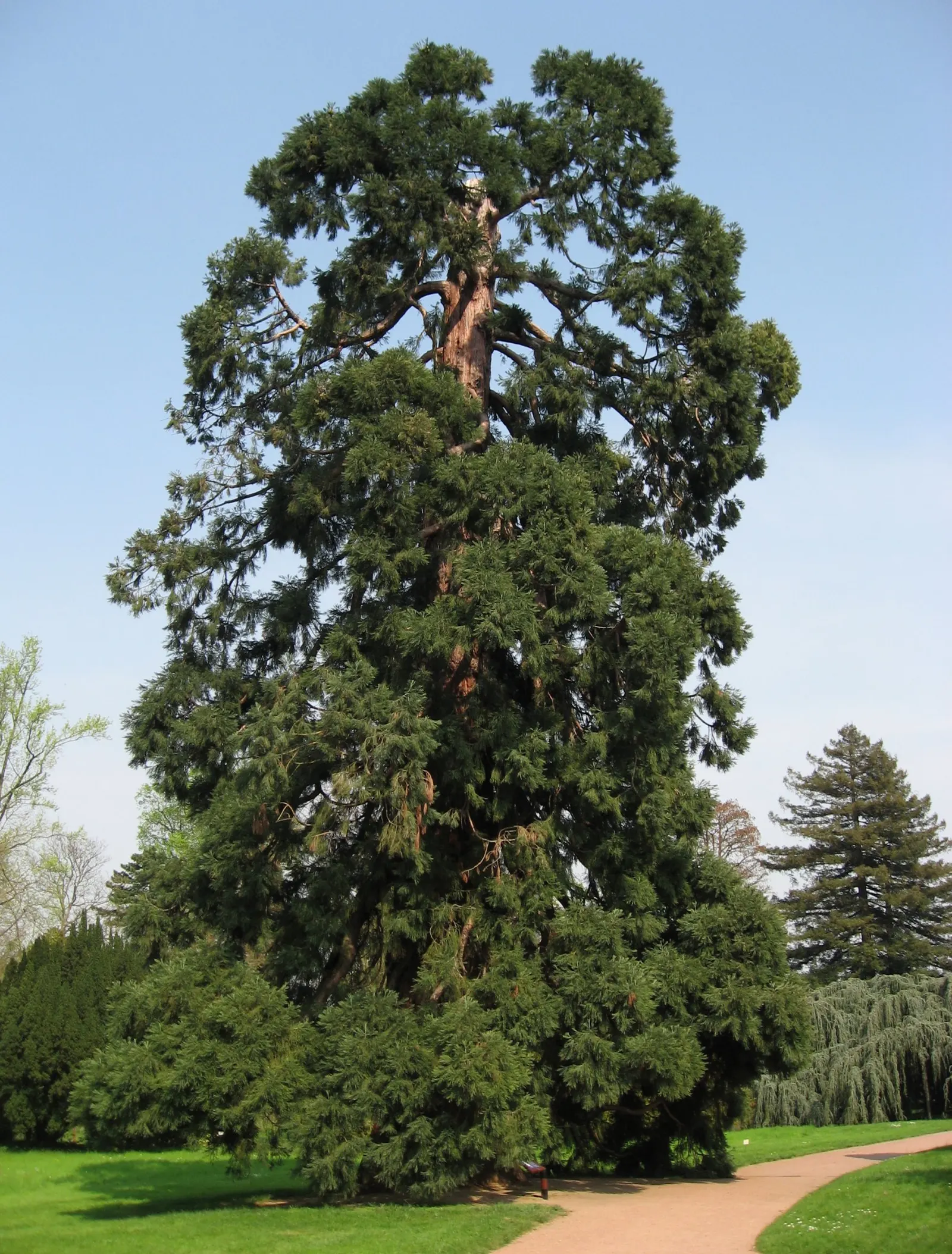
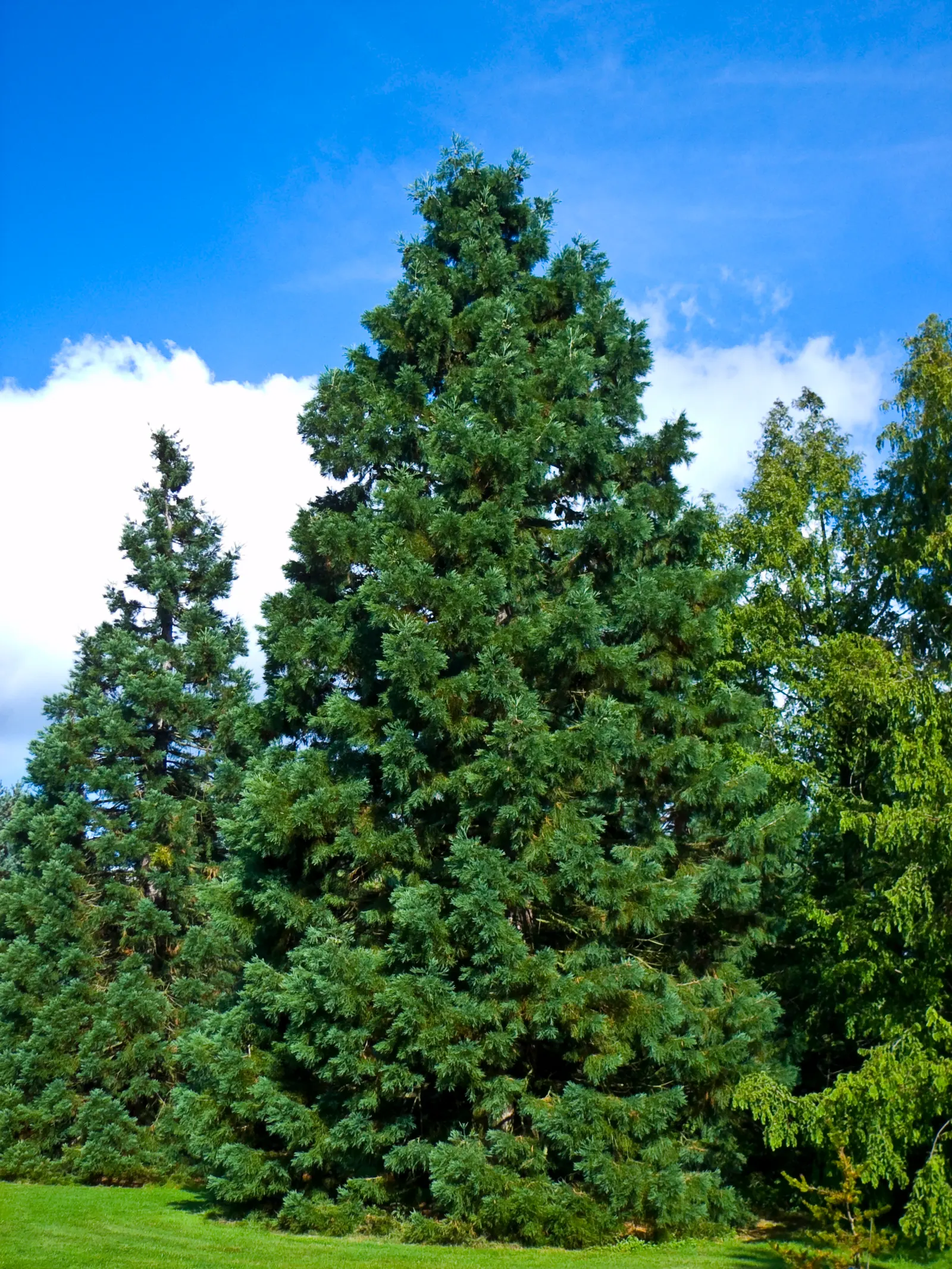
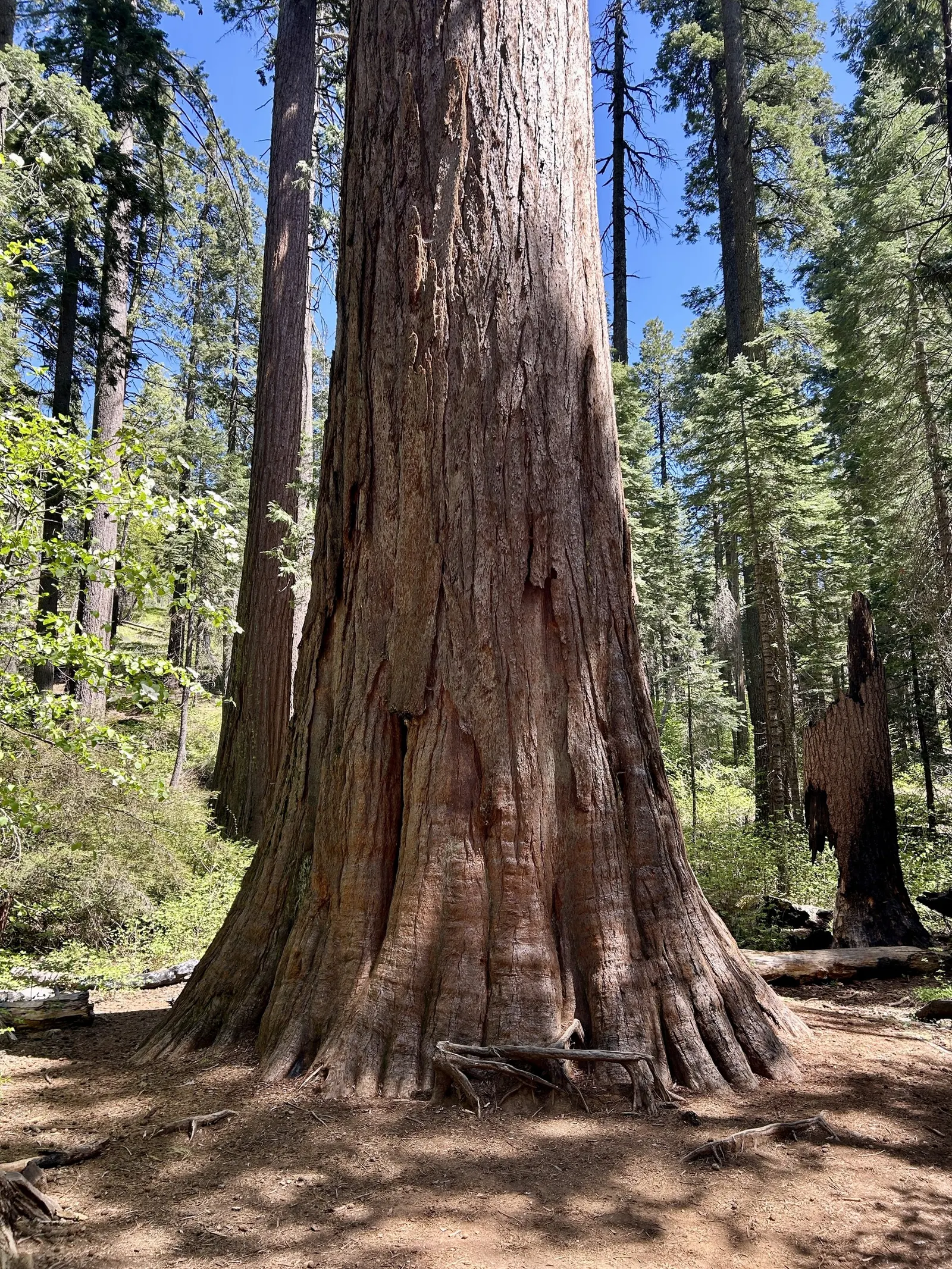
Sequoiadendron giganteum, or Giant Redwood, is an awe-inspiring coniferous tree, reaching heights up to 300 feet. With a potential trunk diameter over 20 feet, it demands ample space. This long-lived species boasts a pyramidal canopy and deeply furrowed, reddish-bark. Hardy in Zones 6-8, it requires well-drained soil. Best showcased as a solitary specimen or in spacious groupings, offering majesty and scale to expansive landscapes.
Sun Full, HalfWater Extra in Summer, MediumZones 5–9Type Conifer, TreeClimate Temperate
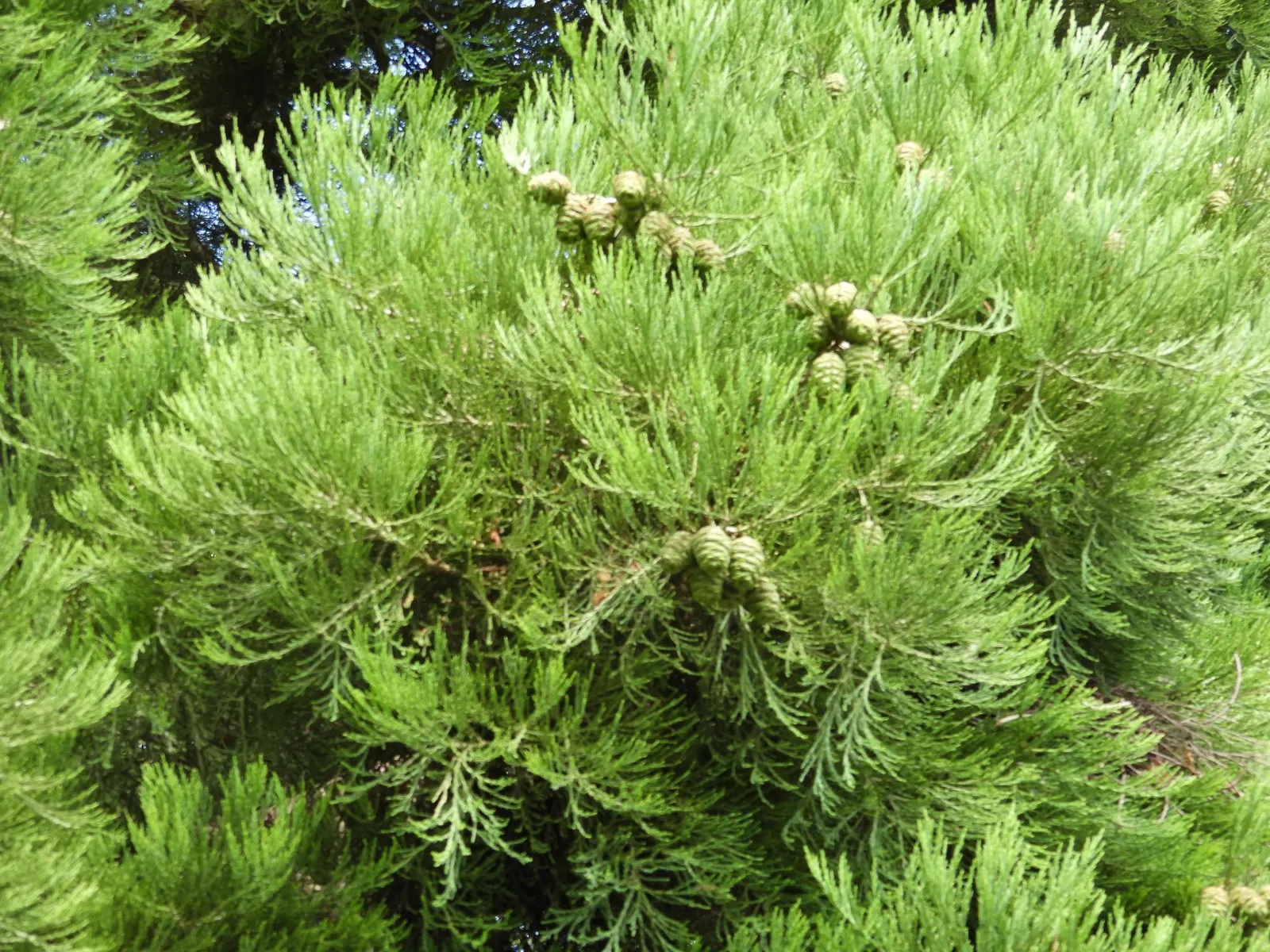
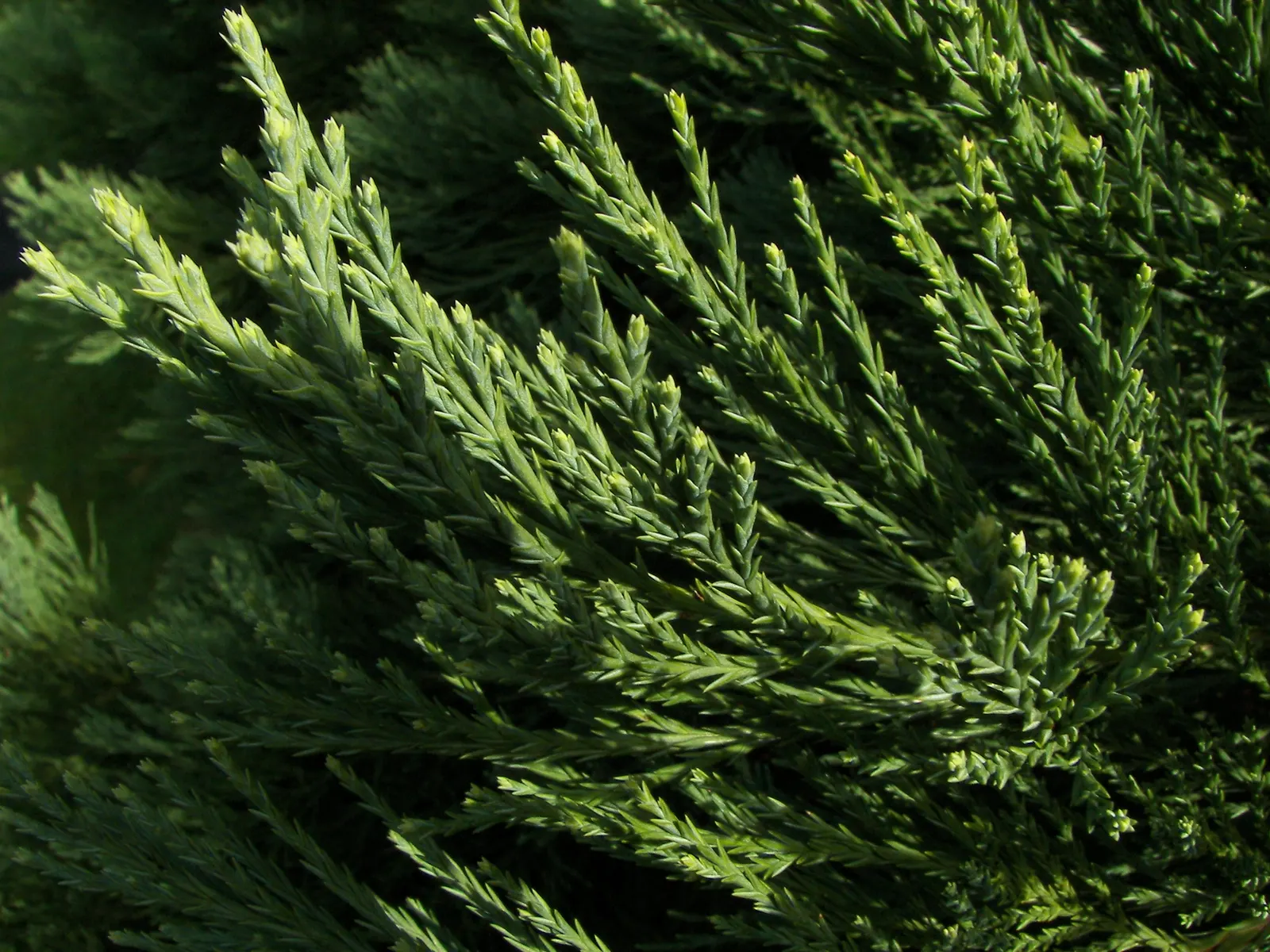
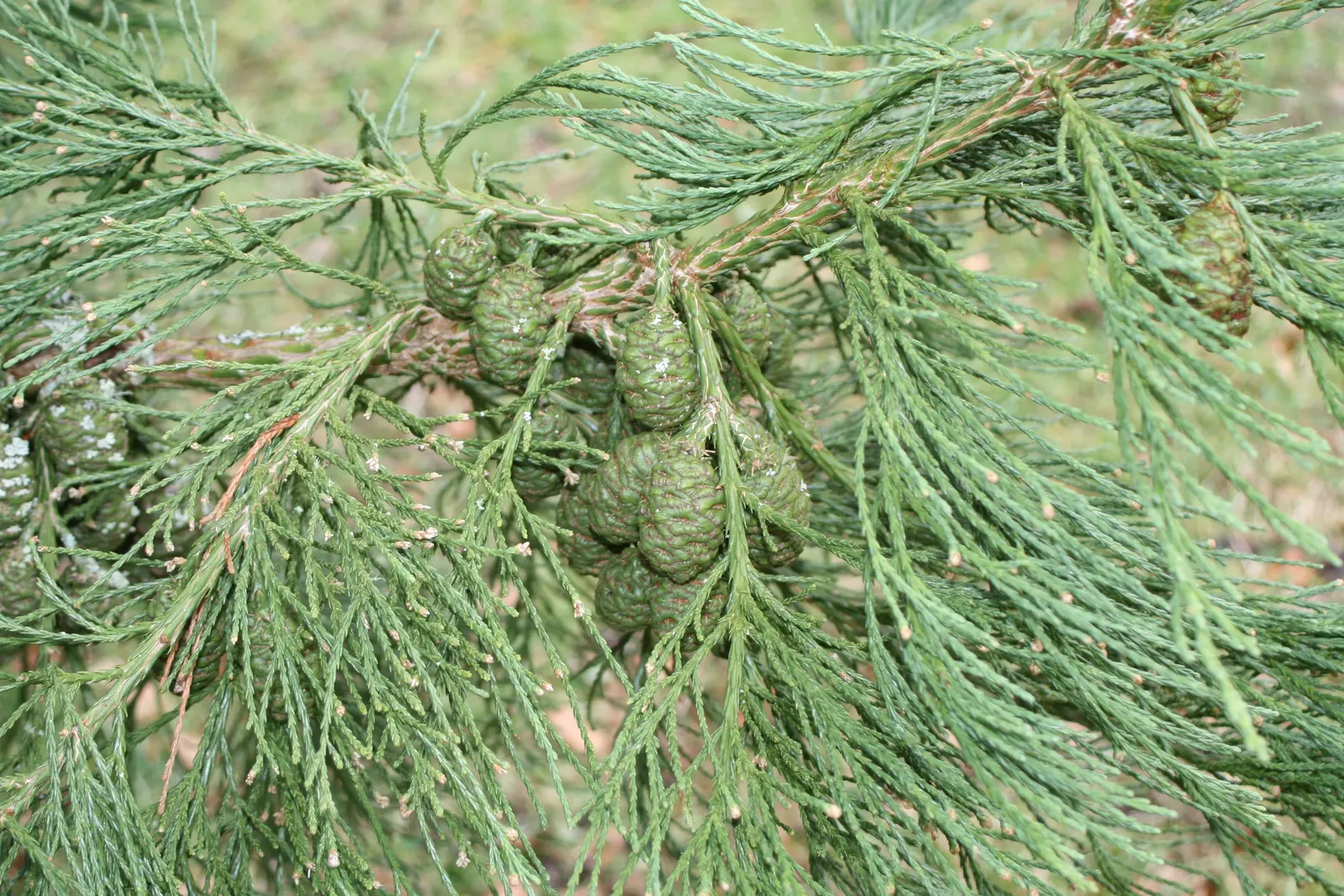
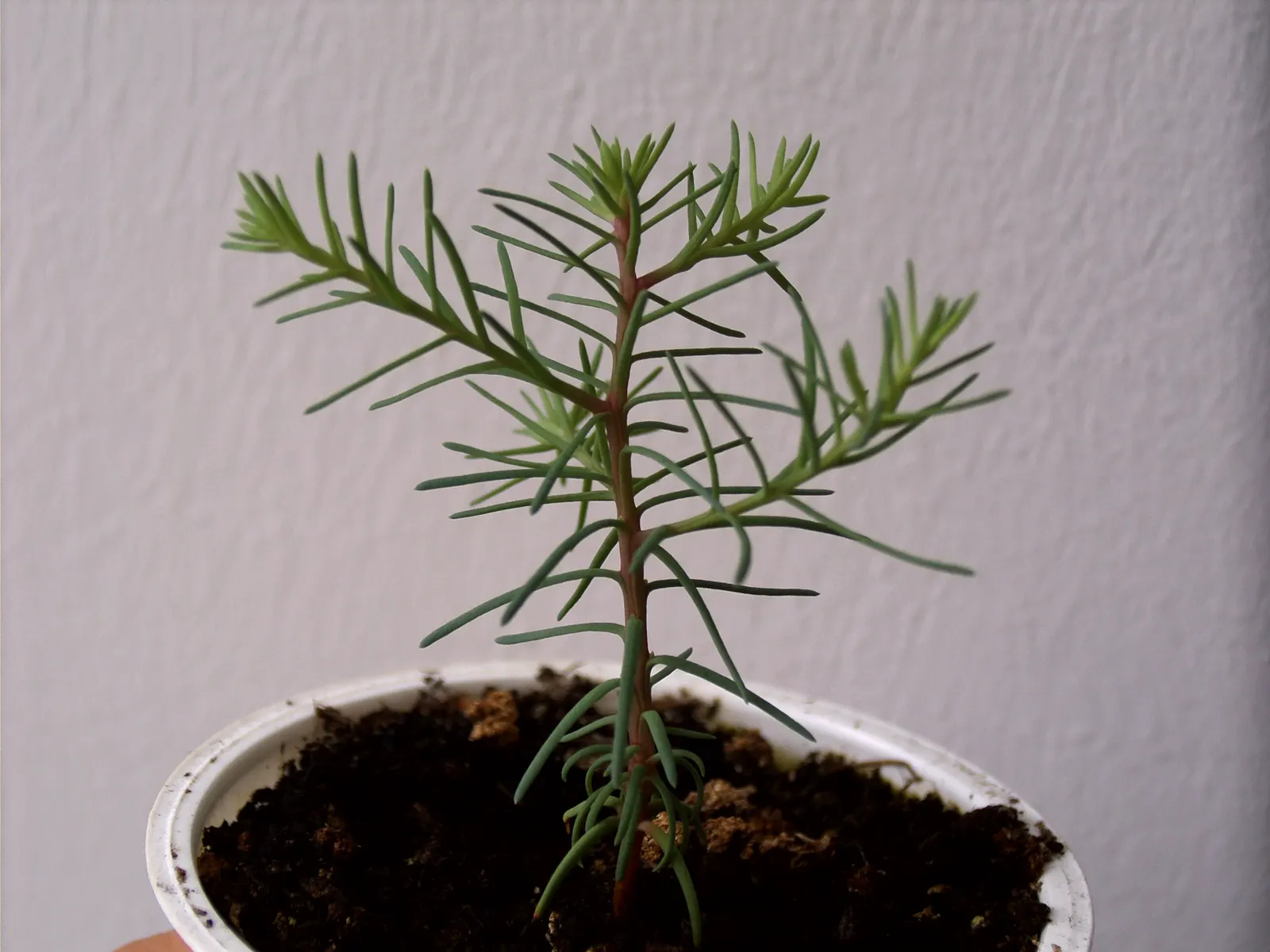
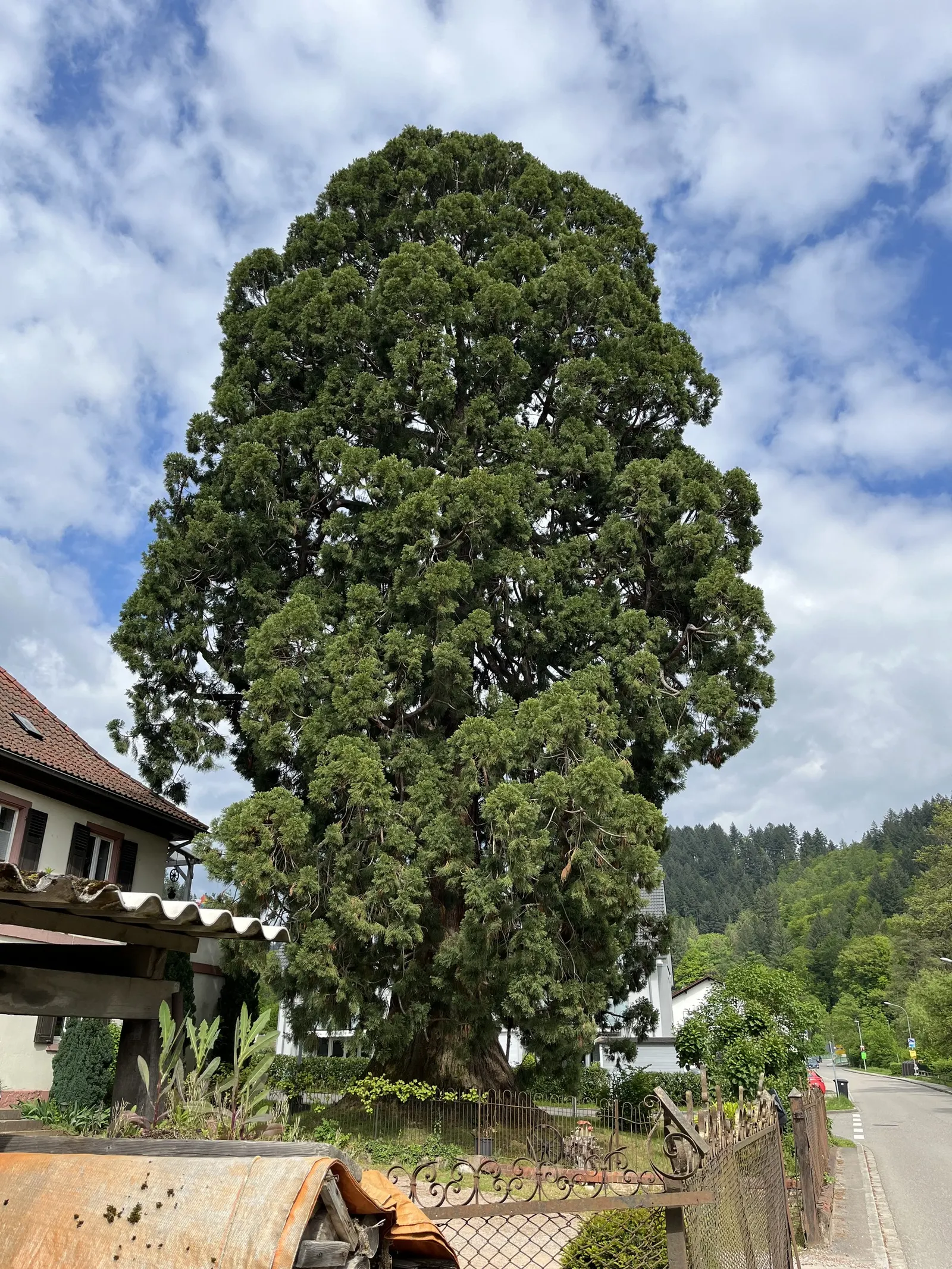
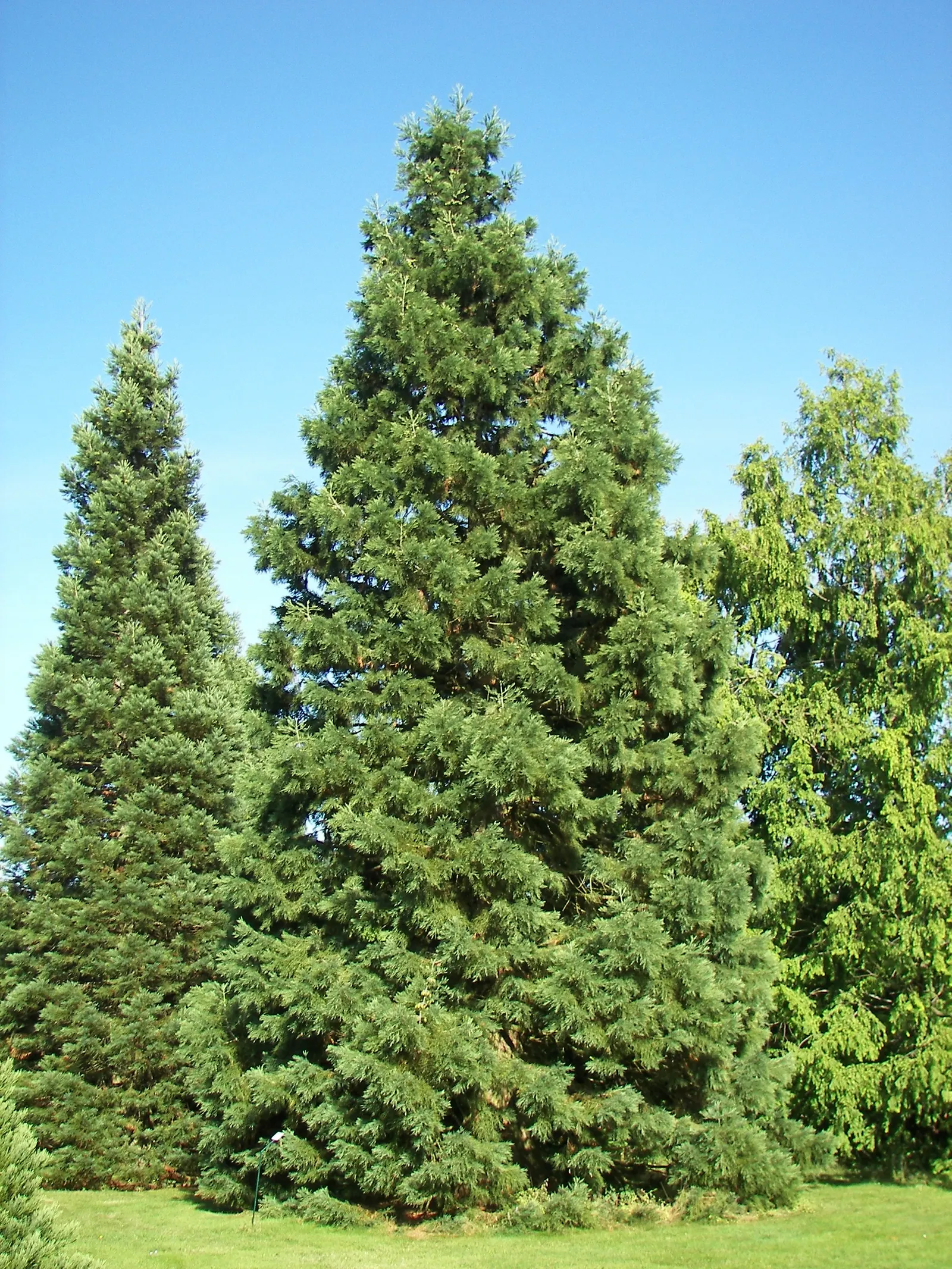
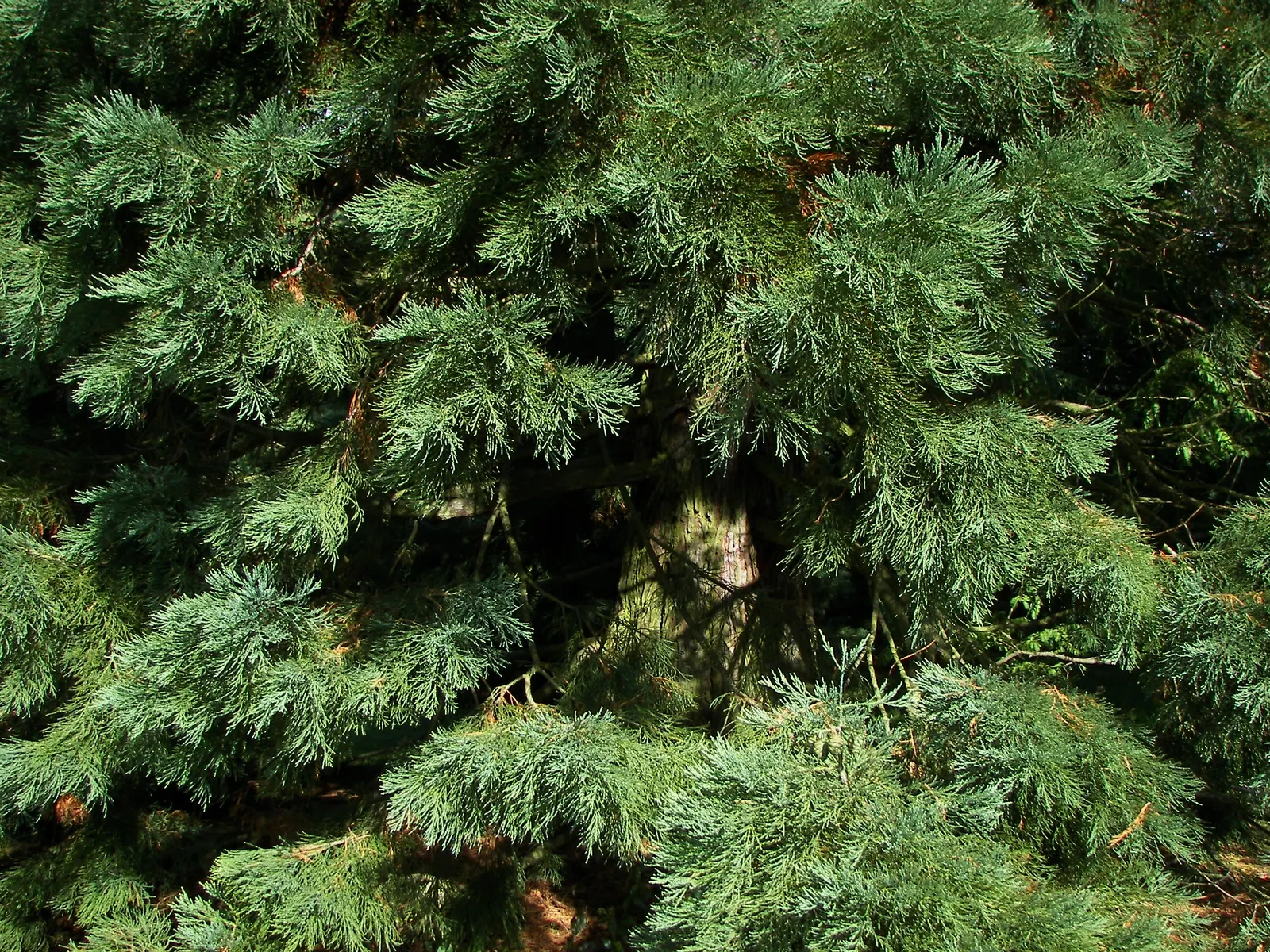
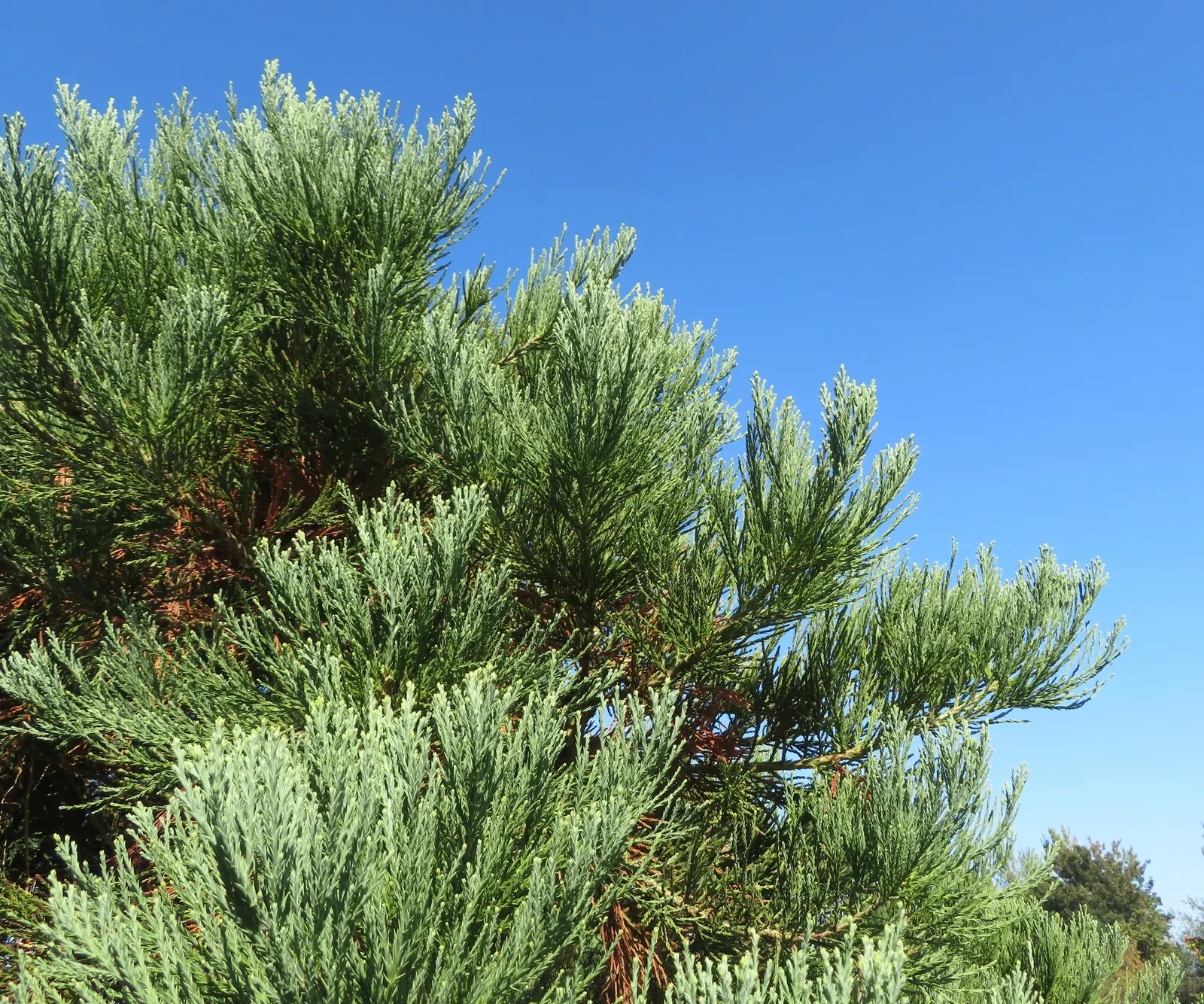
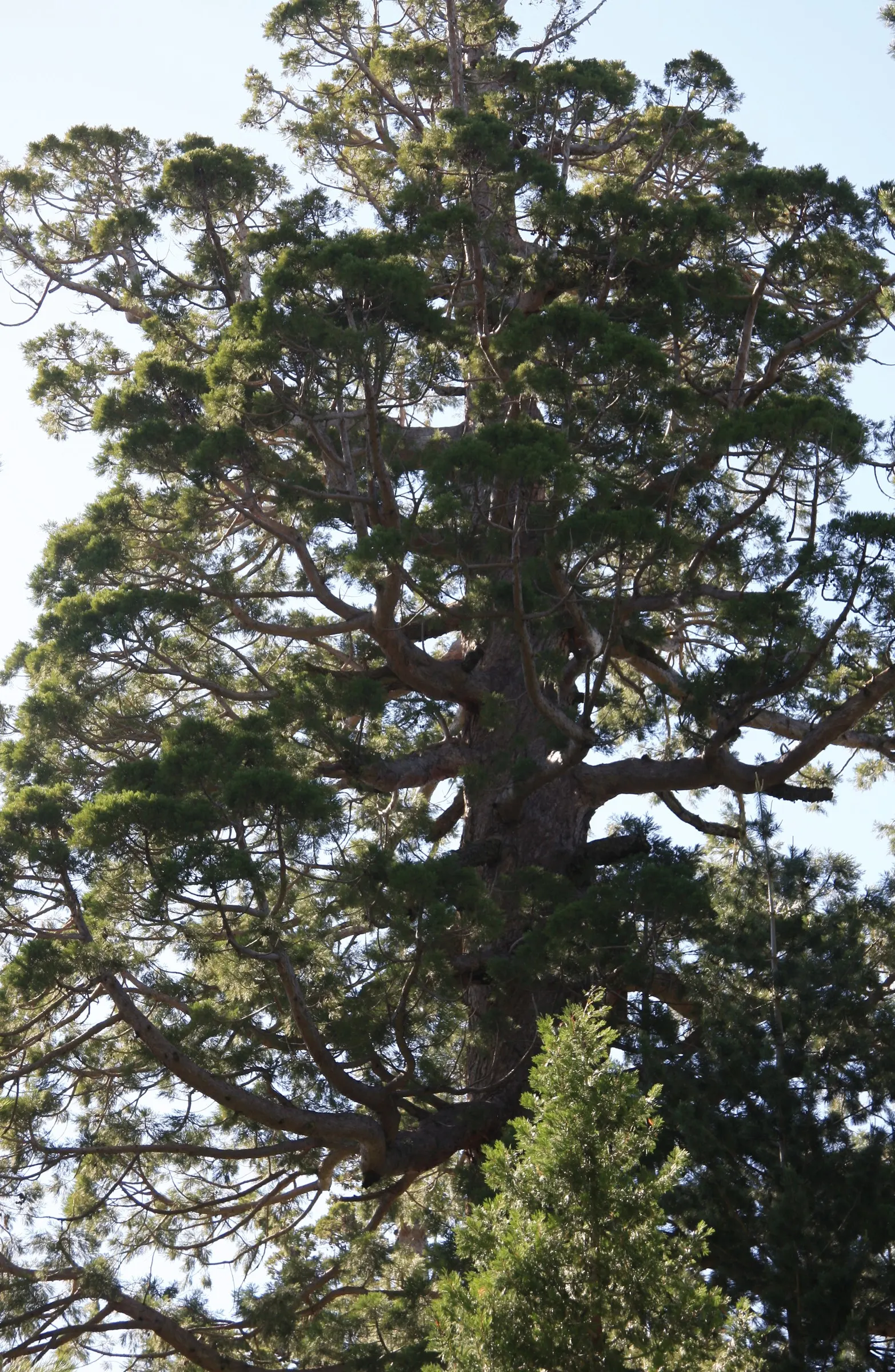
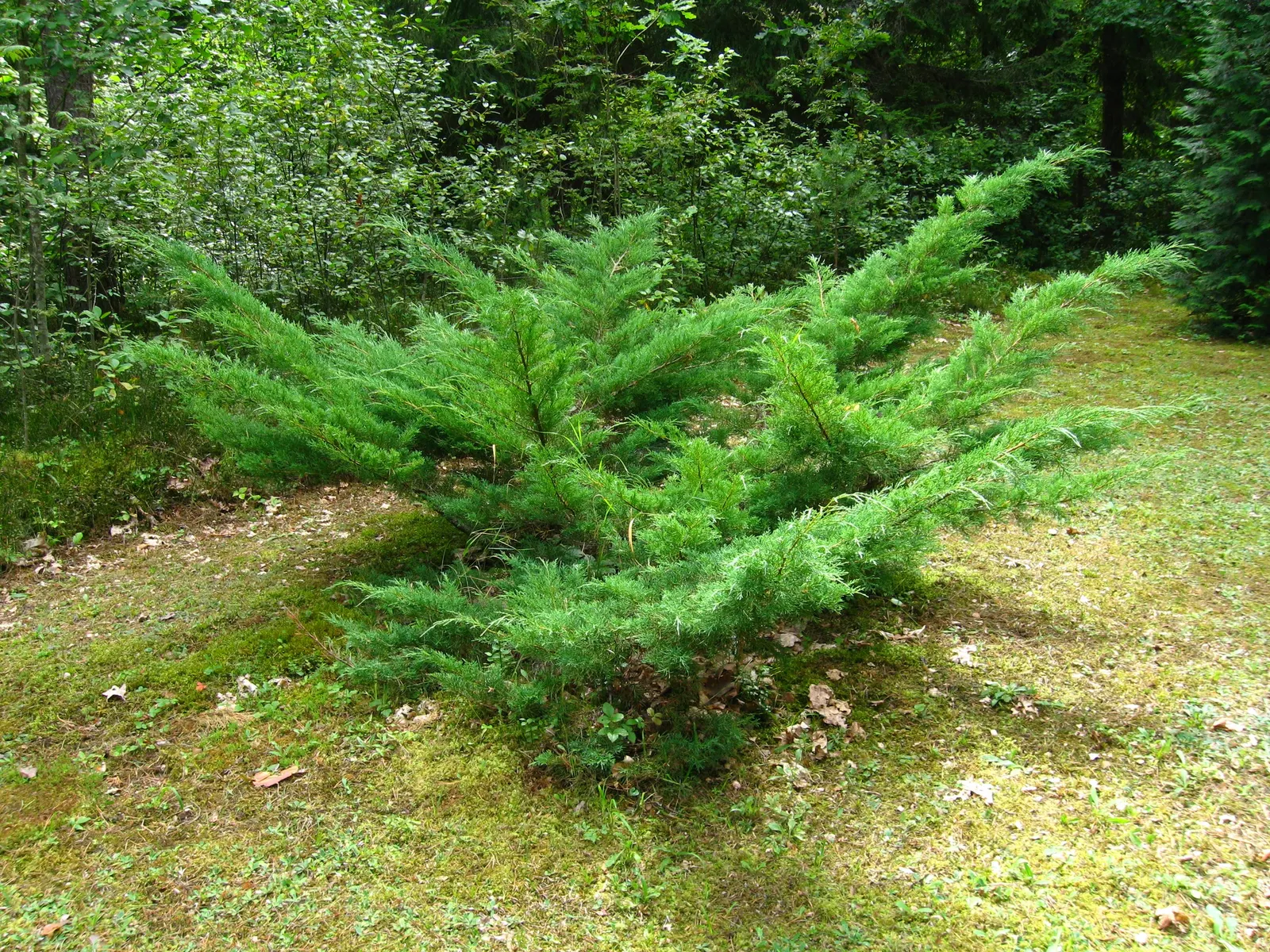
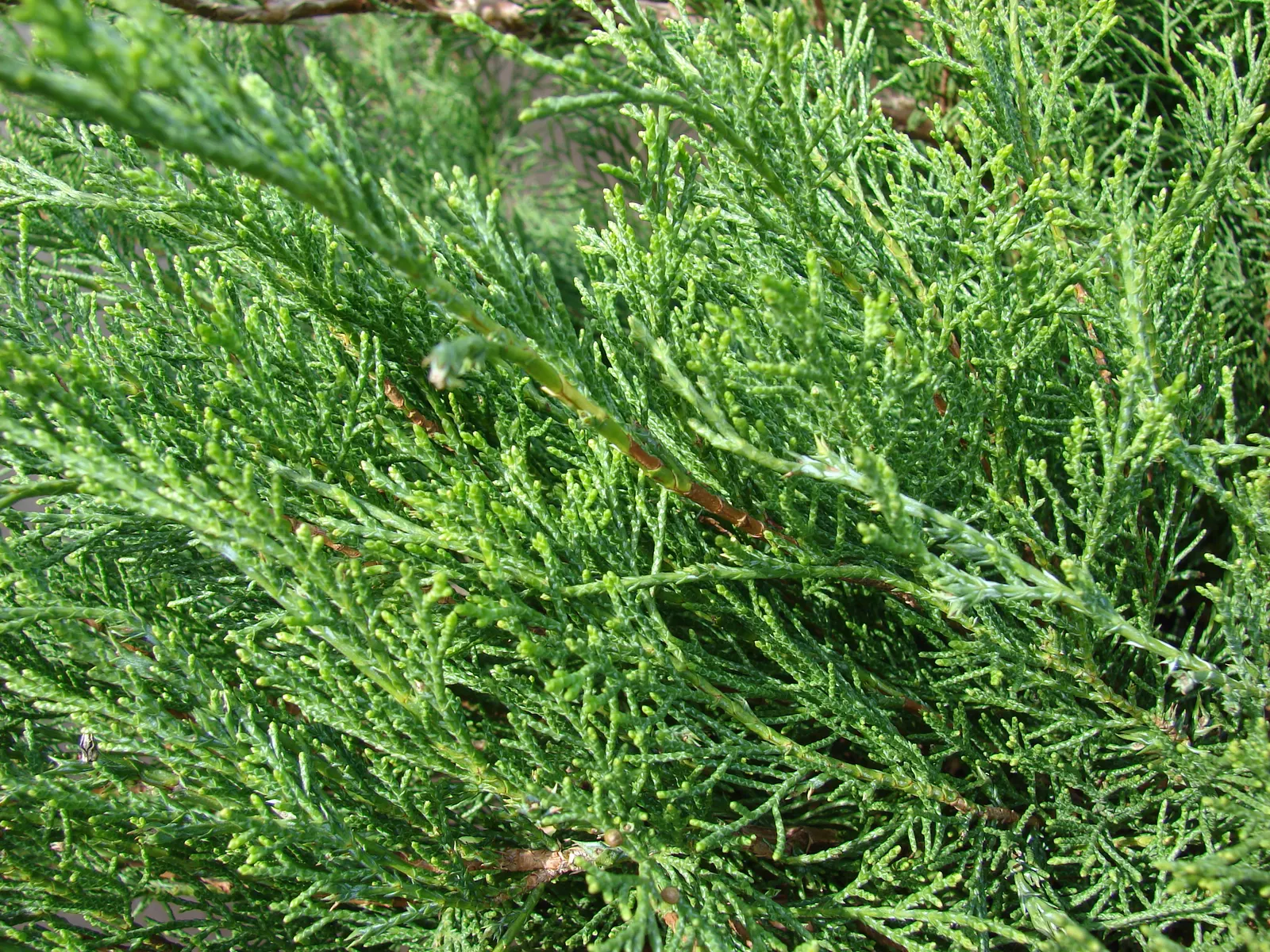
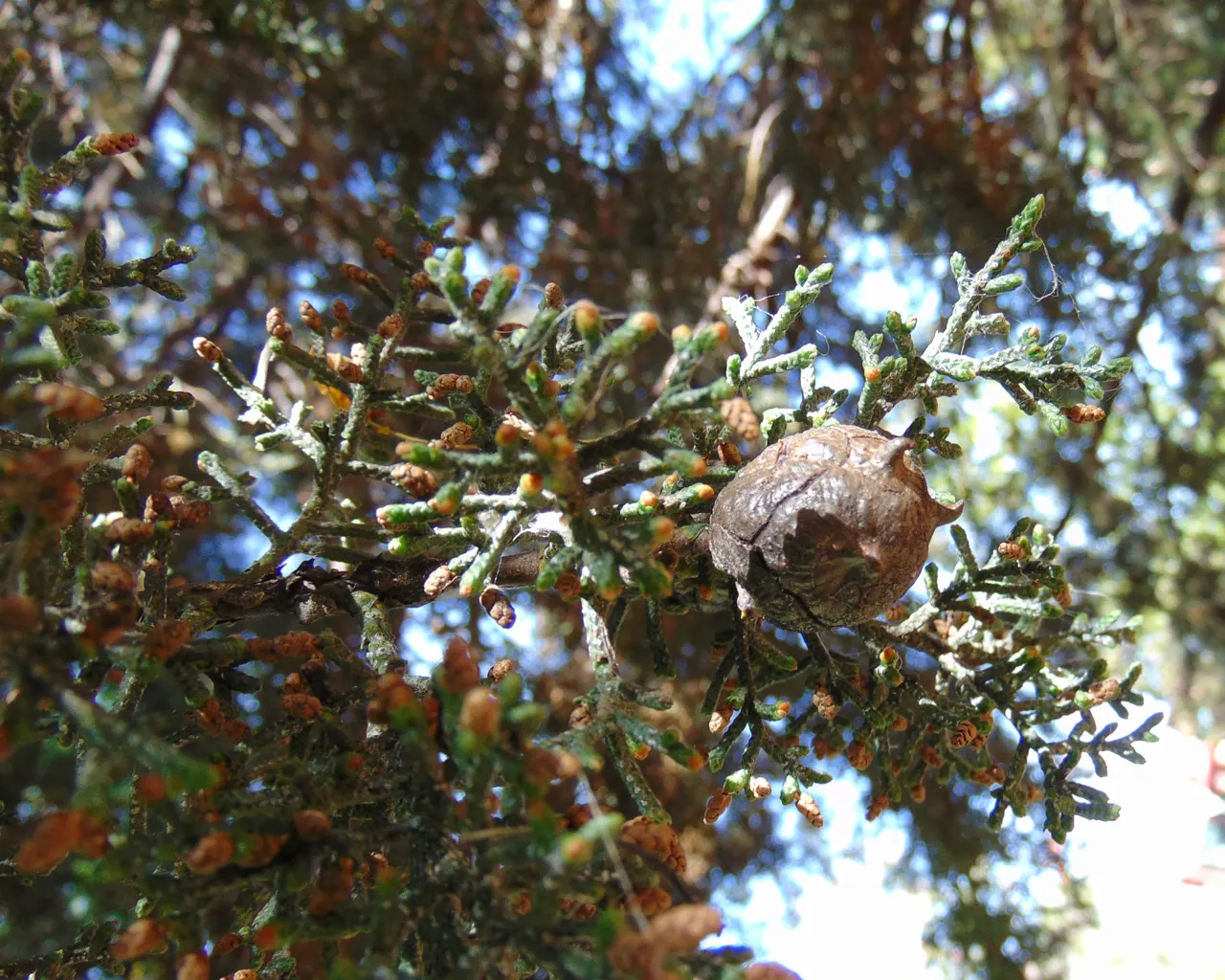
Giant Redwood (Sequoiadendron Giganteum) — awl-shaped leaves that persist year-round; originating from the western slopes of Sierra Nevada

Culture

Sun
Full, Half
Water
Extra in Summer, Medium
USDA zones
5–9

Shape & size

Classification

Type
Conifer, Tree
Family
Cupressaceae
Climate
Temperate

See full data, regional cultivation notes, and design tools. Build a client presentation around this plant.

Start your 14-day trial

Photos (69)

Giant Redwood (Sequoiadendron Giganteum) — Department of Agriculture plant hardiness zones 6 through 8
Giant Redwood (Sequoiadendron Giganteum) — While having a relatively slow to moderate growth rate
Giant Redwood (Sequoiadendron Giganteum) — this coniferous titan is notably one of the largest tree species on Earth; the Giant Redwood can attain heights
Giant Redwood (Sequoiadendron Giganteum) — the Giant Redwood requires well-drained soil with regular moisture and full sun to partial shade exposure
Giant Redwood (Sequoiadendron Giganteum) — providing constant verdancy in the landscape.<br><br>For optimal growth; given their potential size
Giant Redwood (Sequoiadendron Giganteum) — although in a garden setting
Giant Redwood (Sequoiadendron Giganteum) — Best showcased as a solitary specimen or in spacious groupings; department of Agriculture plant hardiness zones 6
Giant Redwood (Sequoiadendron Giganteum) — proper care ensures a long-lived presence
Giant Redwood (Sequoiadendron Giganteum) — Department of Agriculture plant hardiness zones 6 through 8; conifer / tree for full or half
Giant Redwood (Sequoiadendron Giganteum) — Best showcased as a solitary specimen or in spacious groupings
Giant Redwood (Sequoiadendron Giganteum) — is a preeminent species revered for its imposing stature and grandeur
Giant Redwood (Sequoiadendron Giganteum) — The tree's foliage comprises blue-green; reaching heights up to 300 feet
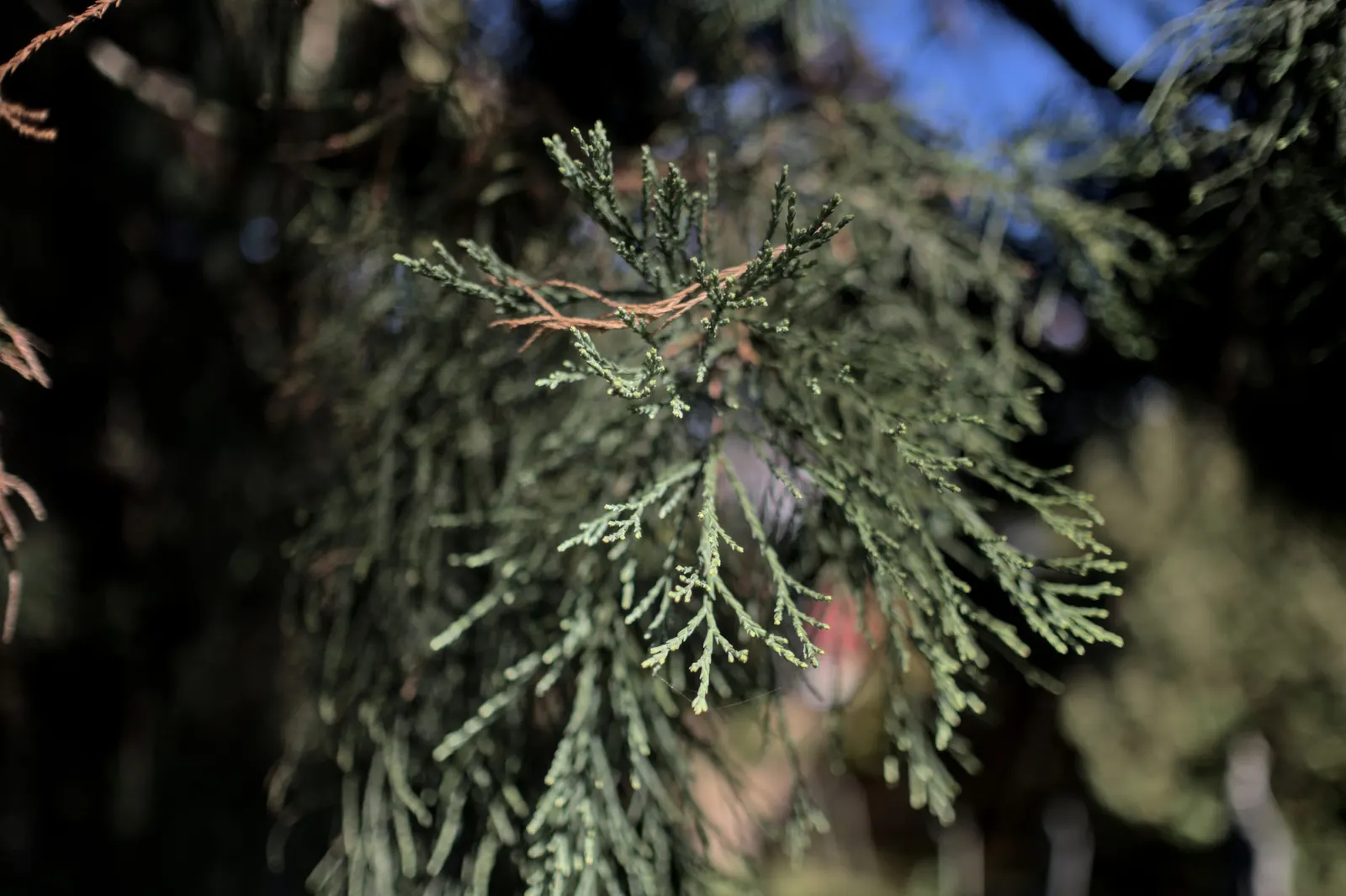
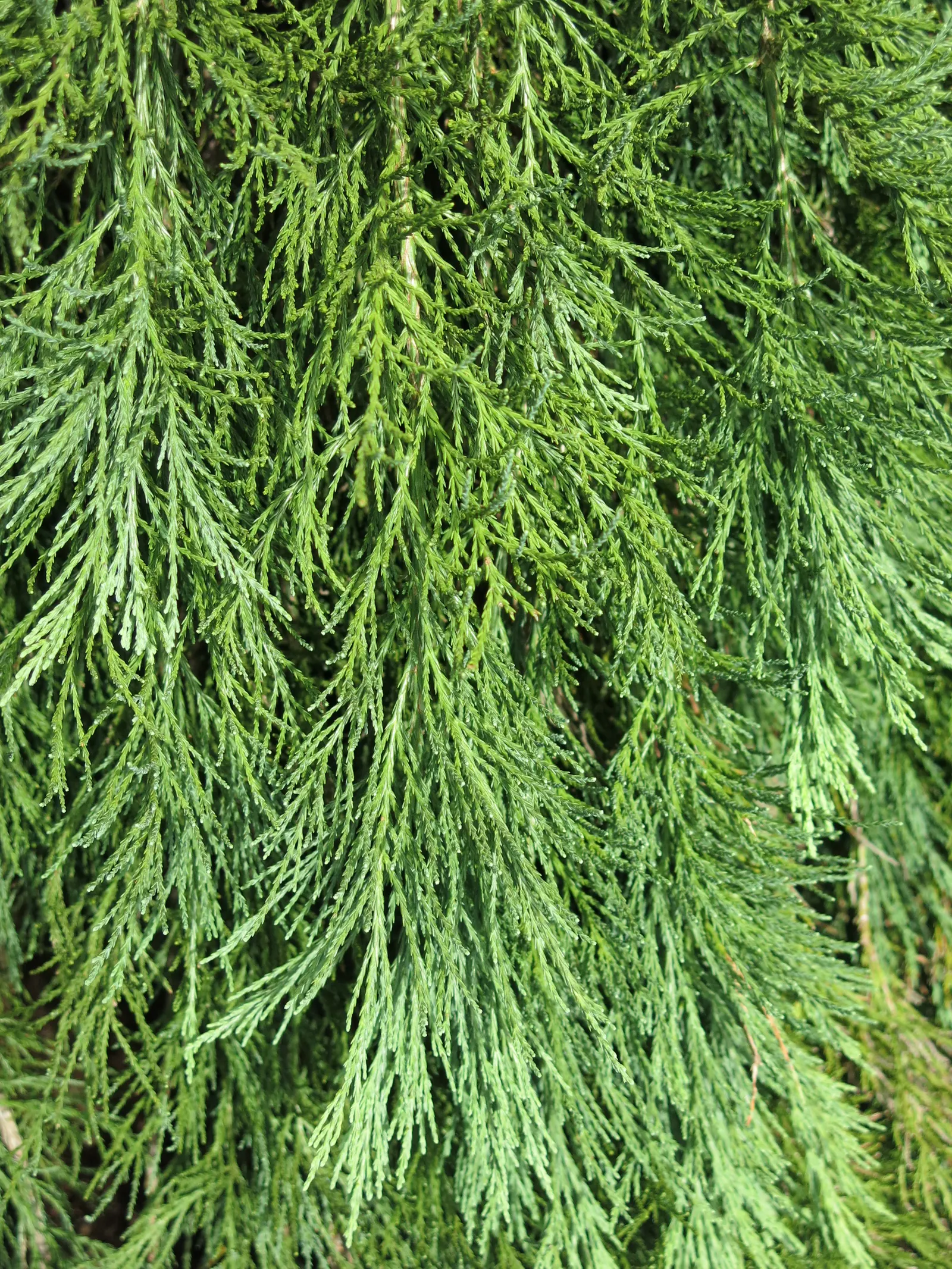
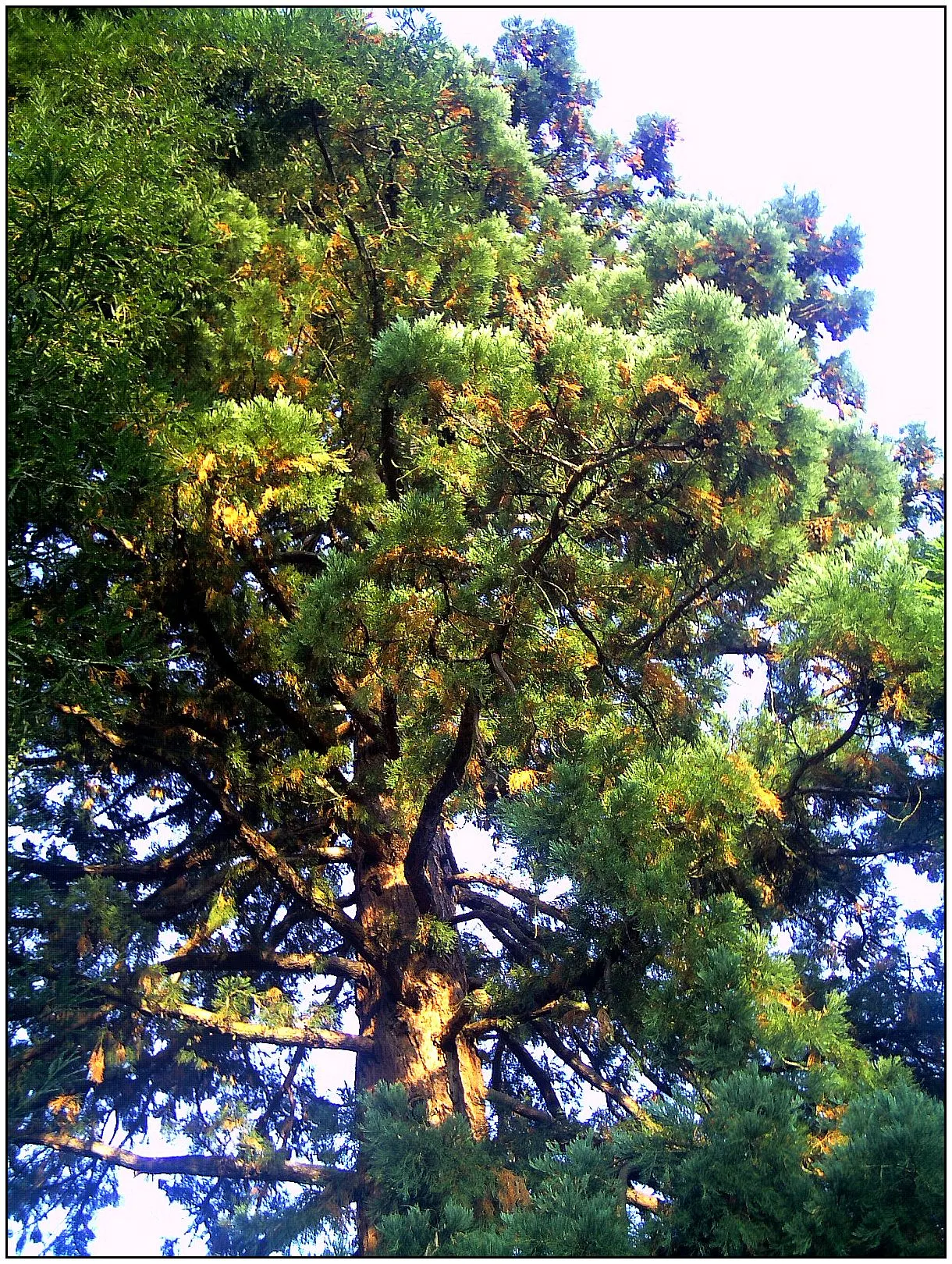
Giant Redwood (Sequoiadendron Giganteum) — The tree's foliage comprises blue-green
Giant Redwood (Sequoiadendron Giganteum) — they typically reach up to 60 to 80 feet tall
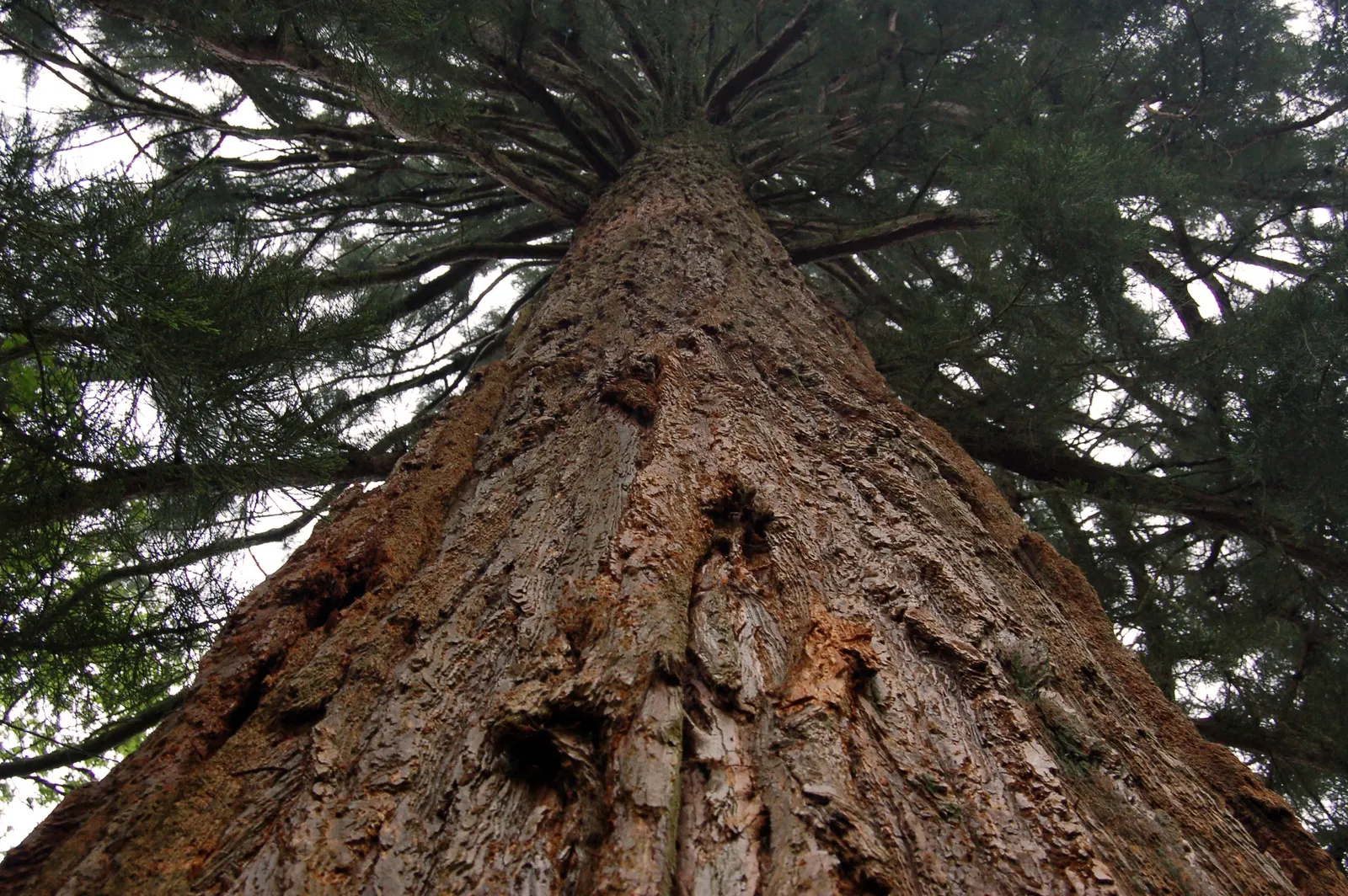
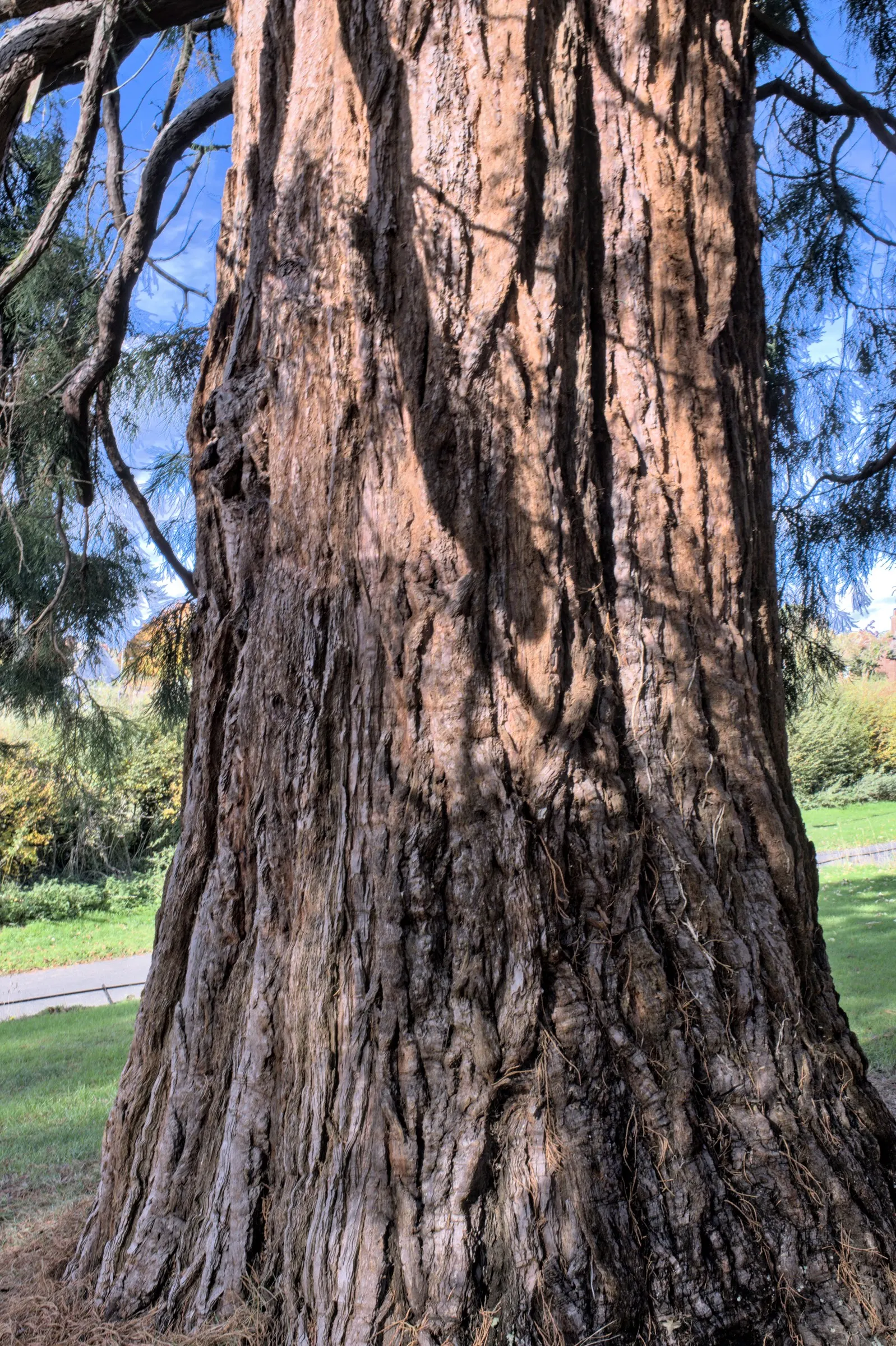
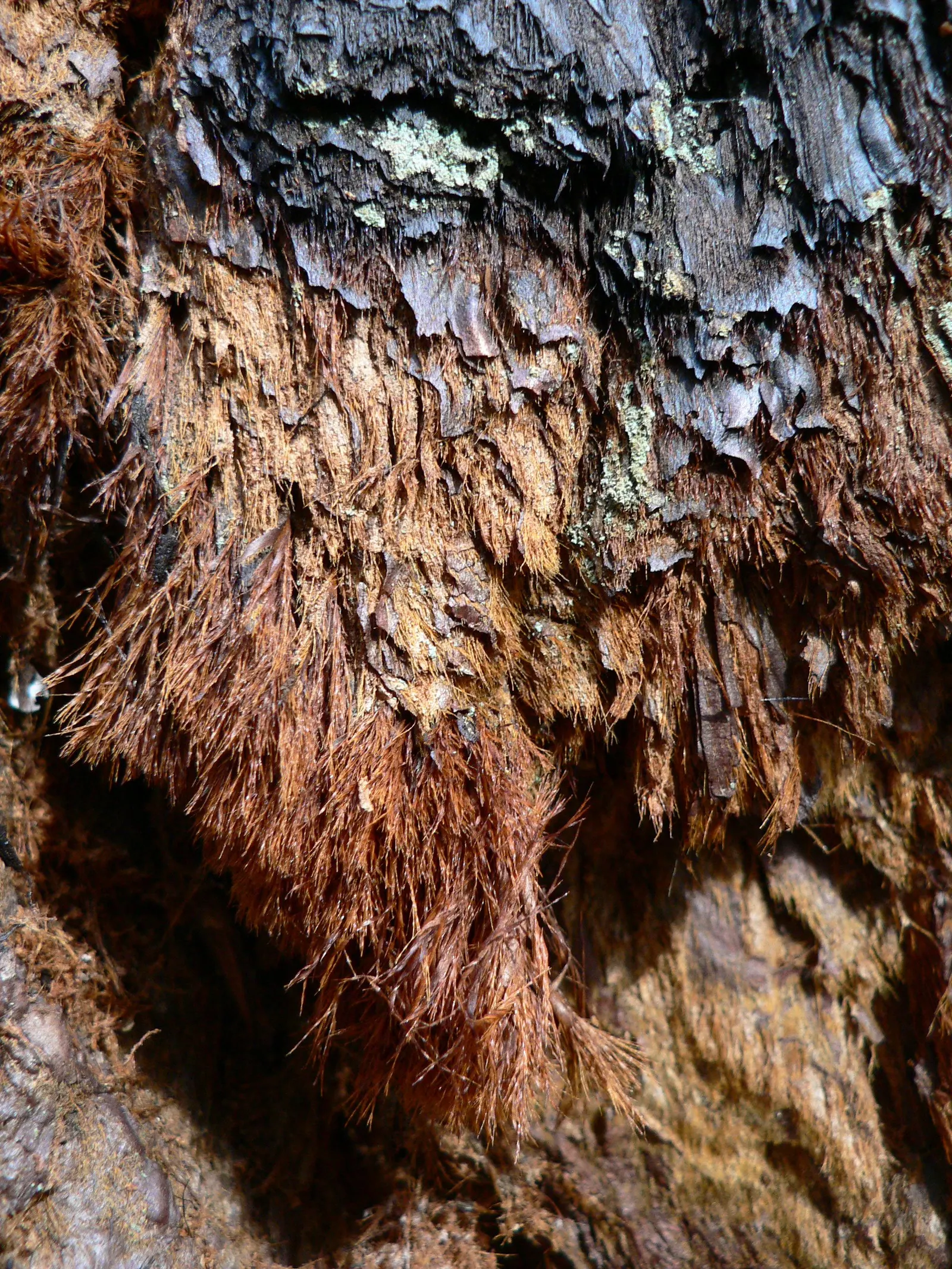
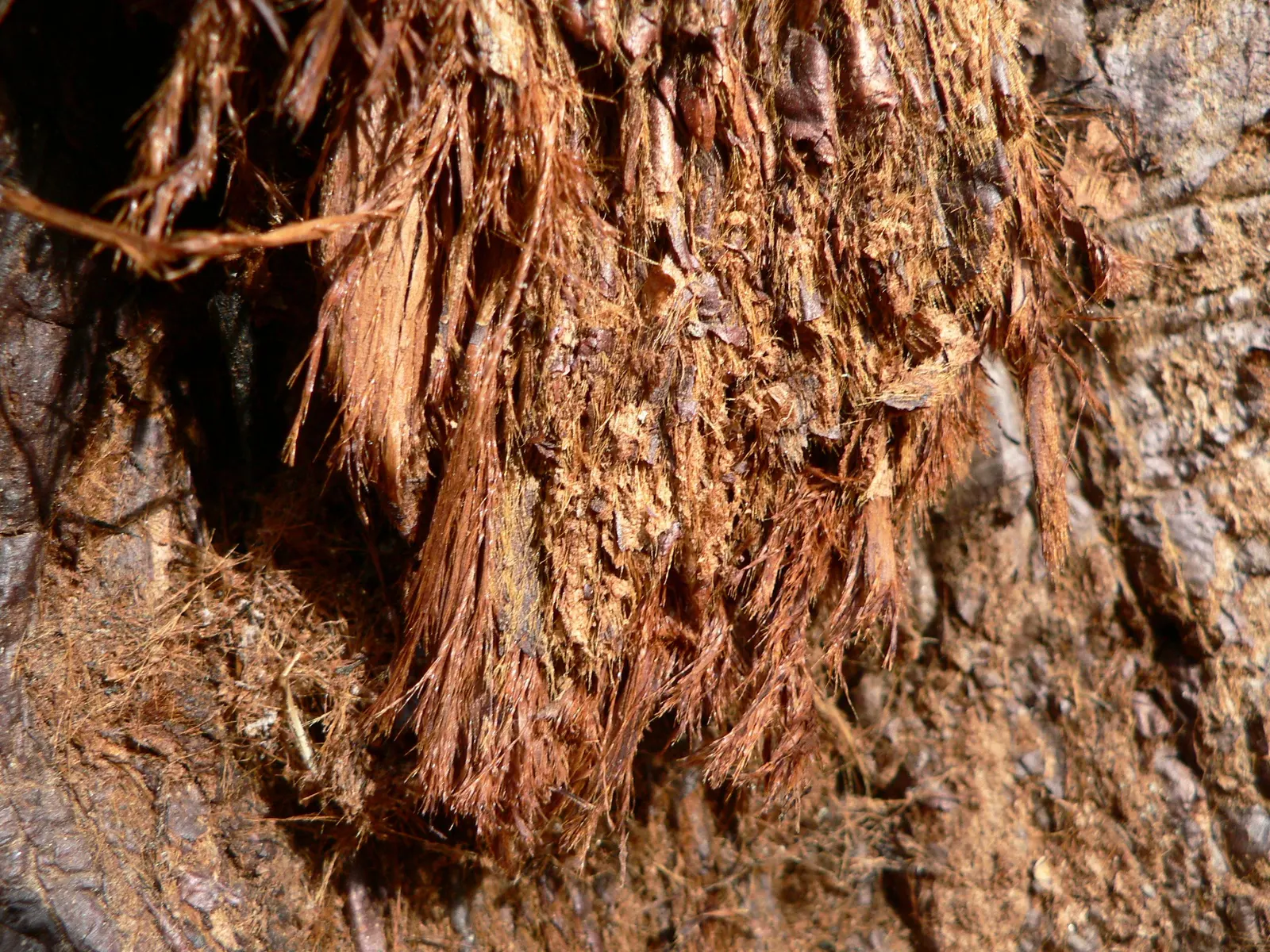
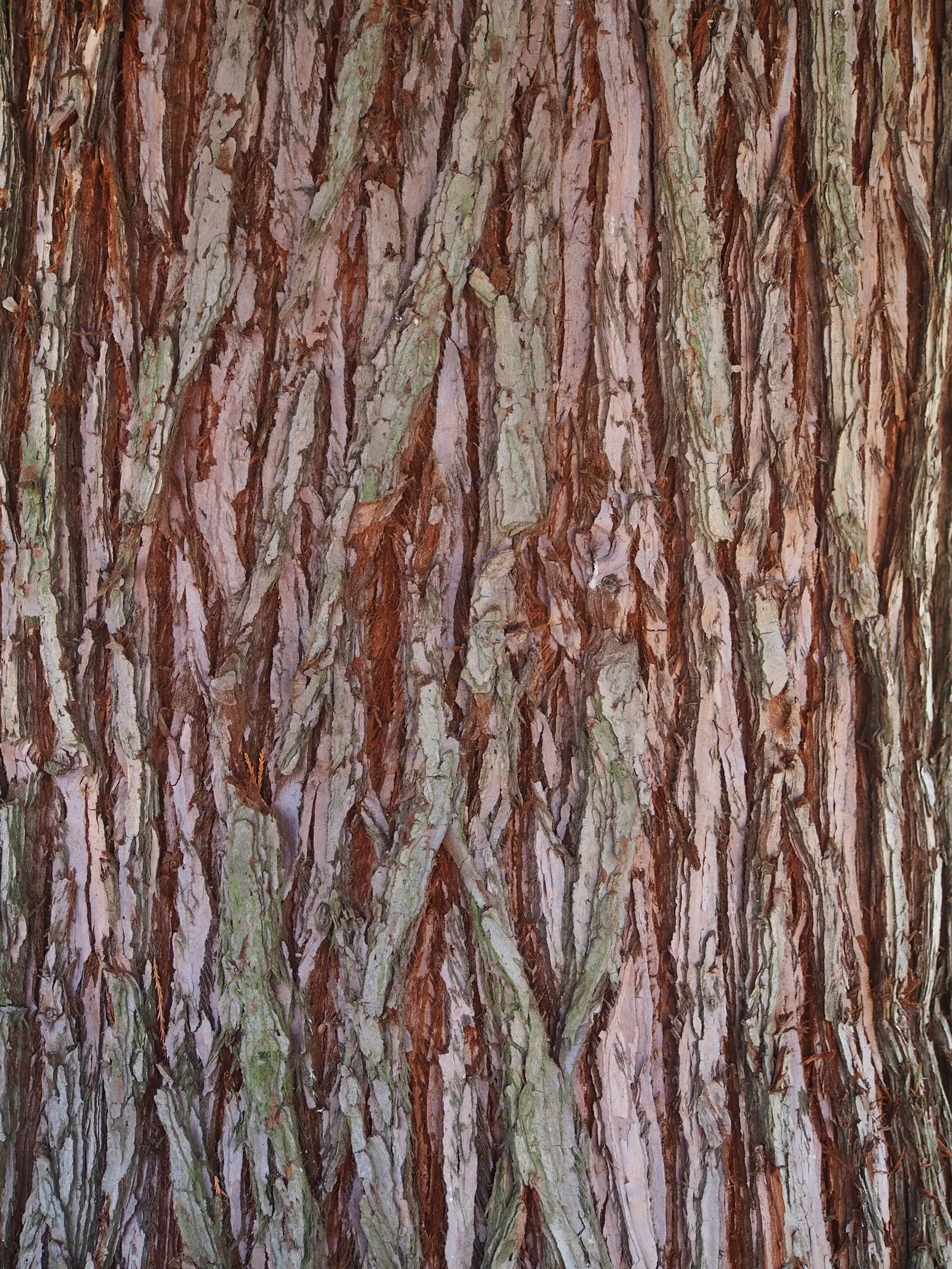
Giant Redwood (Sequoiadendron Giganteum) — This long-lived species boasts a pyramidal canopy and deeply furrowed, reddish-bark
Giant Redwood (Sequoiadendron Giganteum) — the Giant Redwood has a thick; is a preeminent species revered for its imposing stature and grandeur
Giant Redwood (Sequoiadendron Giganteum) — is an awe-inspiring coniferous tree; this long-lived species boasts a pyramidal canopy and deeply furrowed
Giant Redwood (Sequoiadendron Giganteum) — this coniferous titan is notably one of the largest tree species on Earth
Giant Redwood (Sequoiadendron Giganteum) — reaching heights up to 300 feet; in a designed landscape, it serves as a stately centerpiece or a monumental
Giant Redwood (Sequoiadendron Giganteum) — offering substantial fire resistance; providing constant verdancy in the landscape.<br><br>For optimal growth
Giant Redwood (Sequoiadendron Giganteum) — they typically reach up to 60 to 80 feet tall; awl-shaped leaves that persist year-round
Giant Redwood (Sequoiadendron Giganteum) — providing constant verdancy in the landscape.<br><br>For optimal growth
Giant Redwood (Sequoiadendron Giganteum) — is a preeminent species revered for its imposing stature and grandeur; easily surpassing centuries.<br><br>Through
Giant Redwood (Sequoiadendron Giganteum) — the Giant Redwood can attain heights exceeding 250 feet with a robust trunk diameter up to 30 feet; offering majesty
Photographs by 12 contributors

Related plants