Skip to content

Coast Redwood

Sequoia sempervirens

Design with this plant

Overview

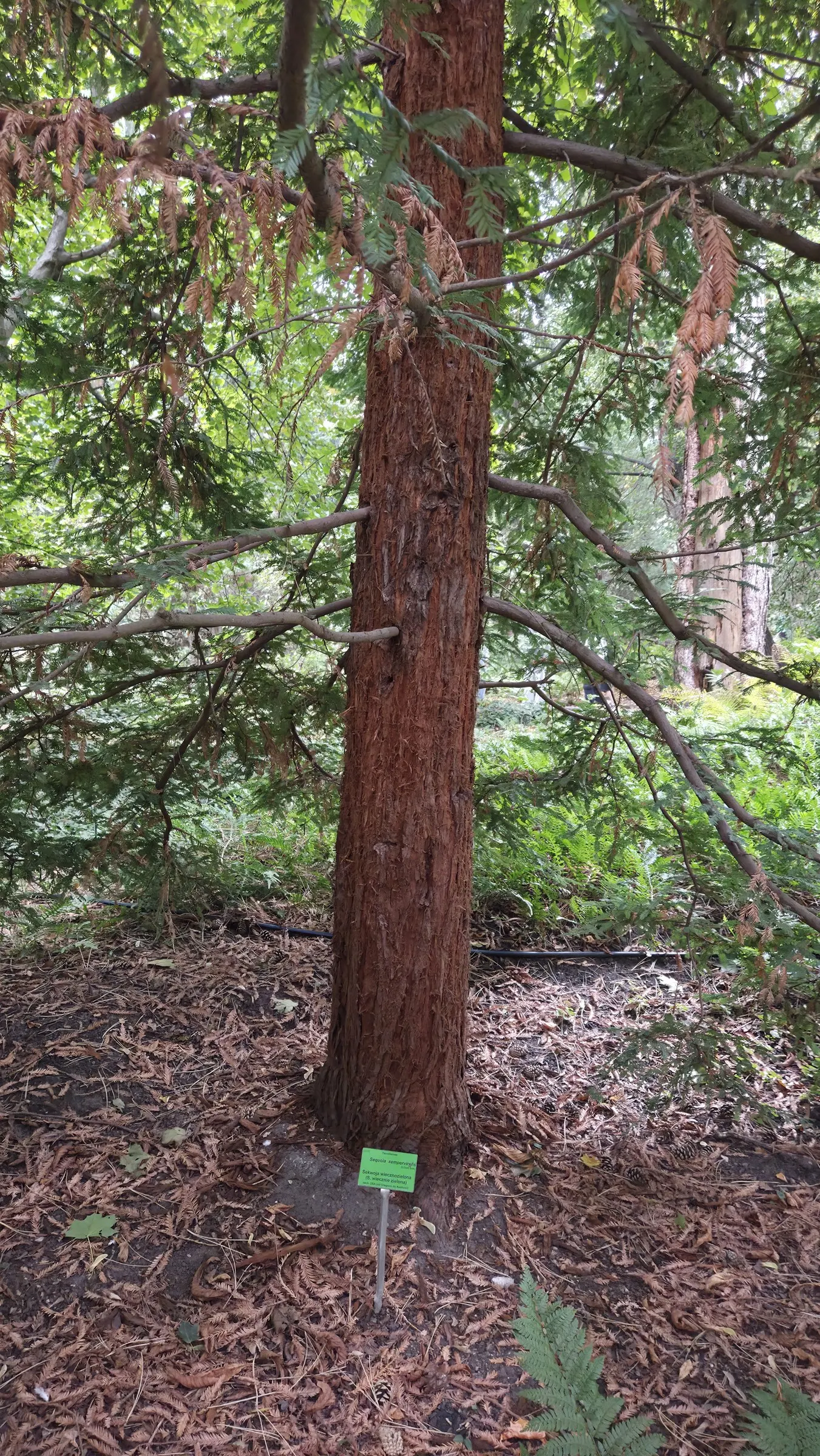
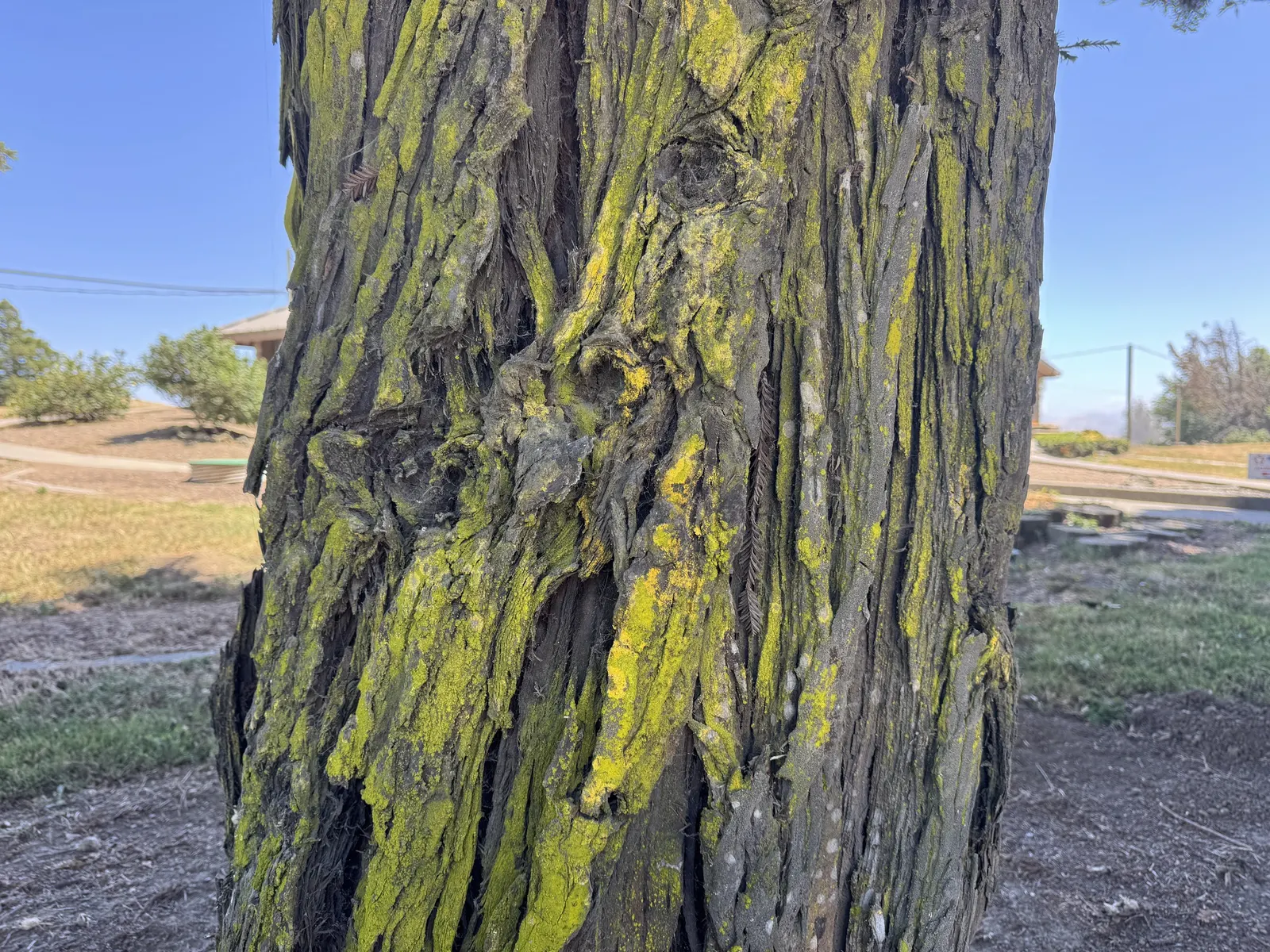
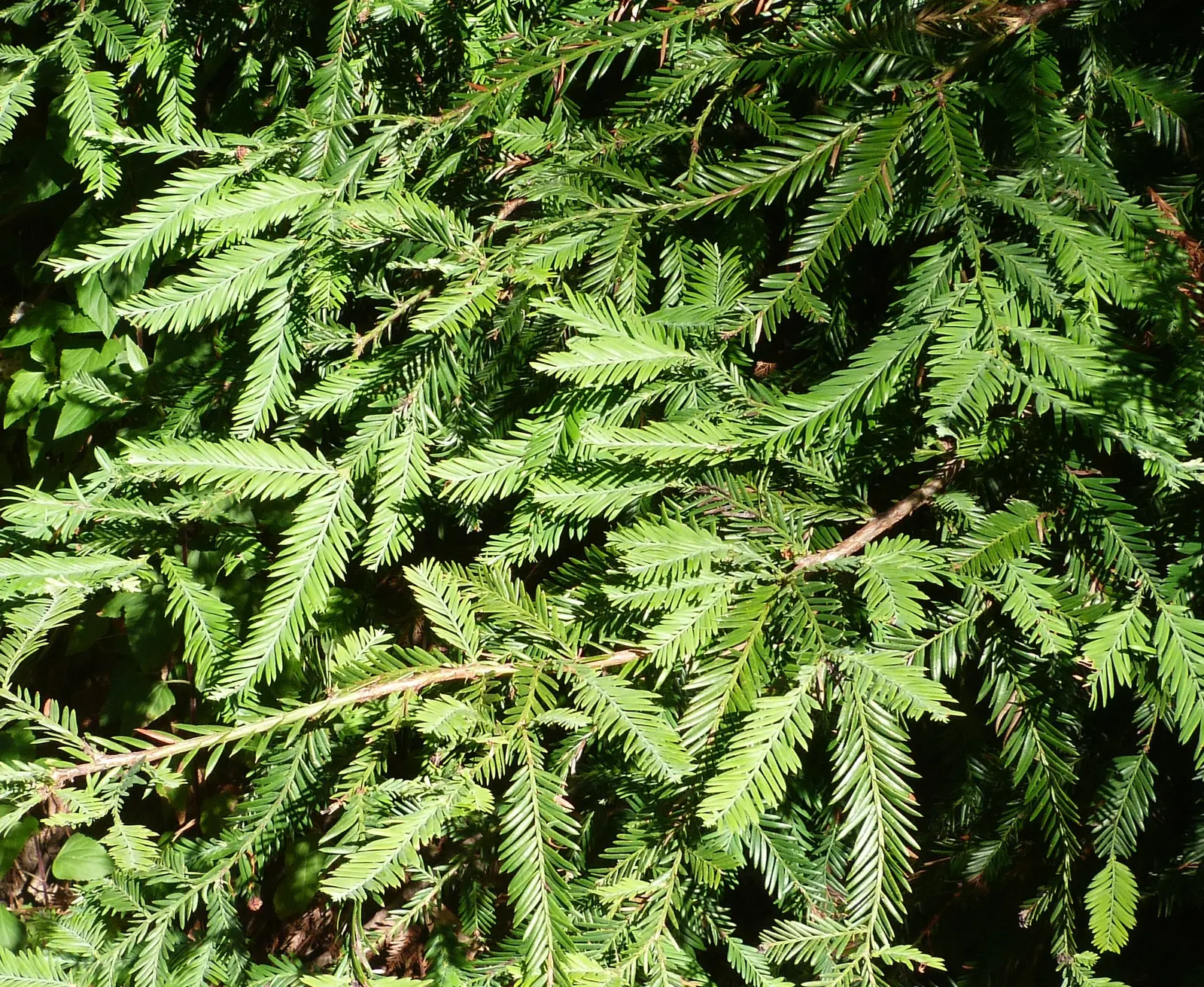
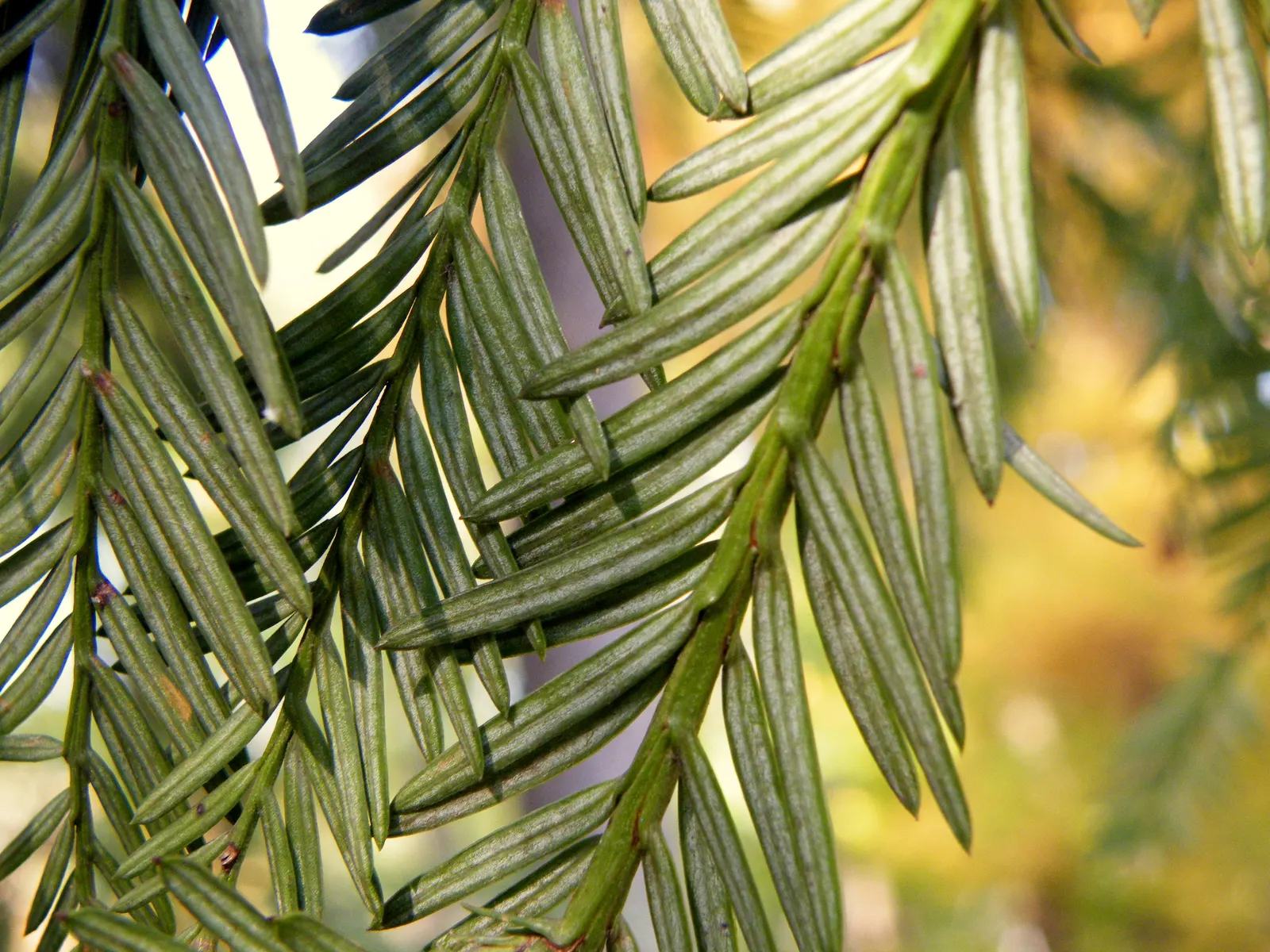
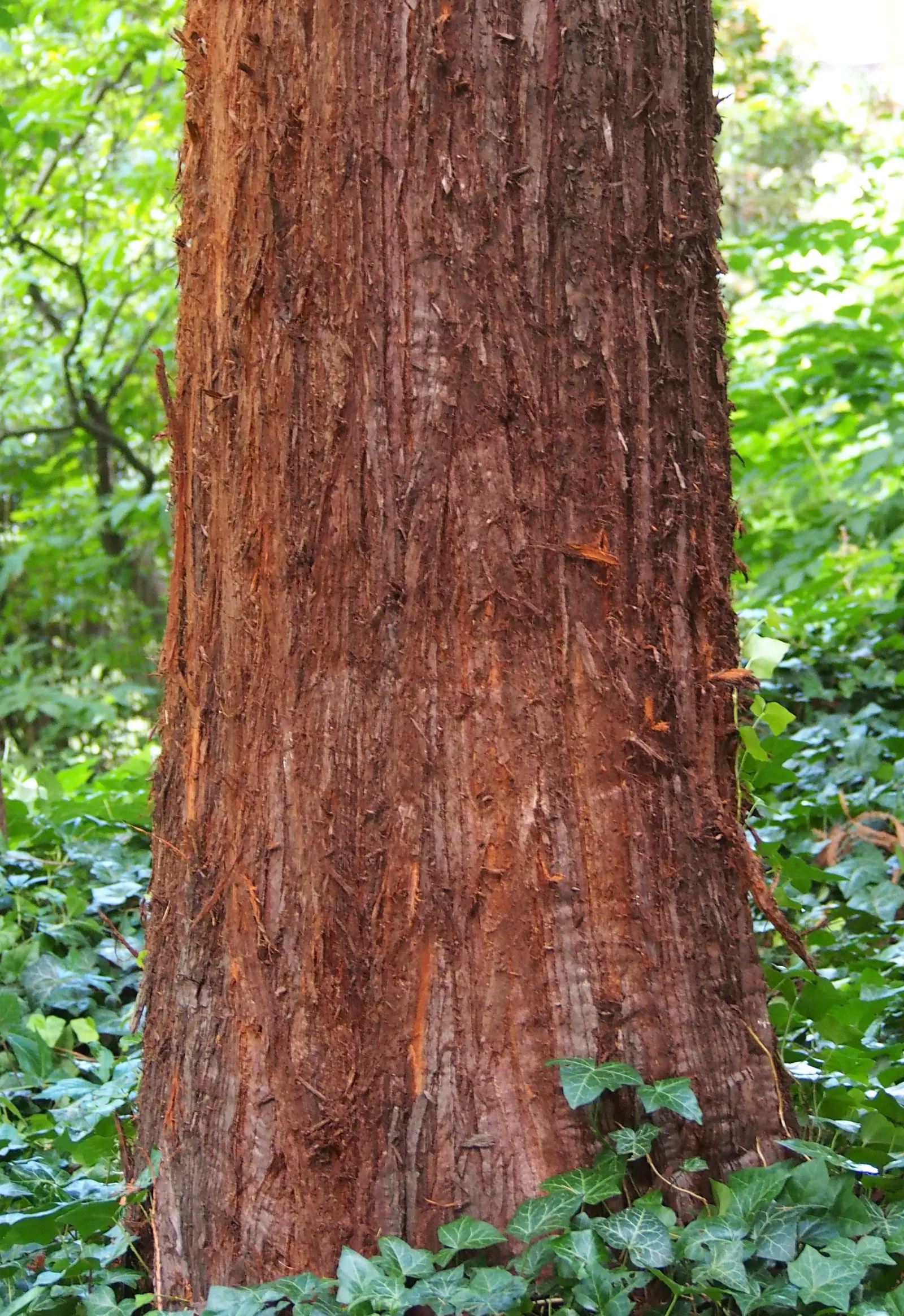
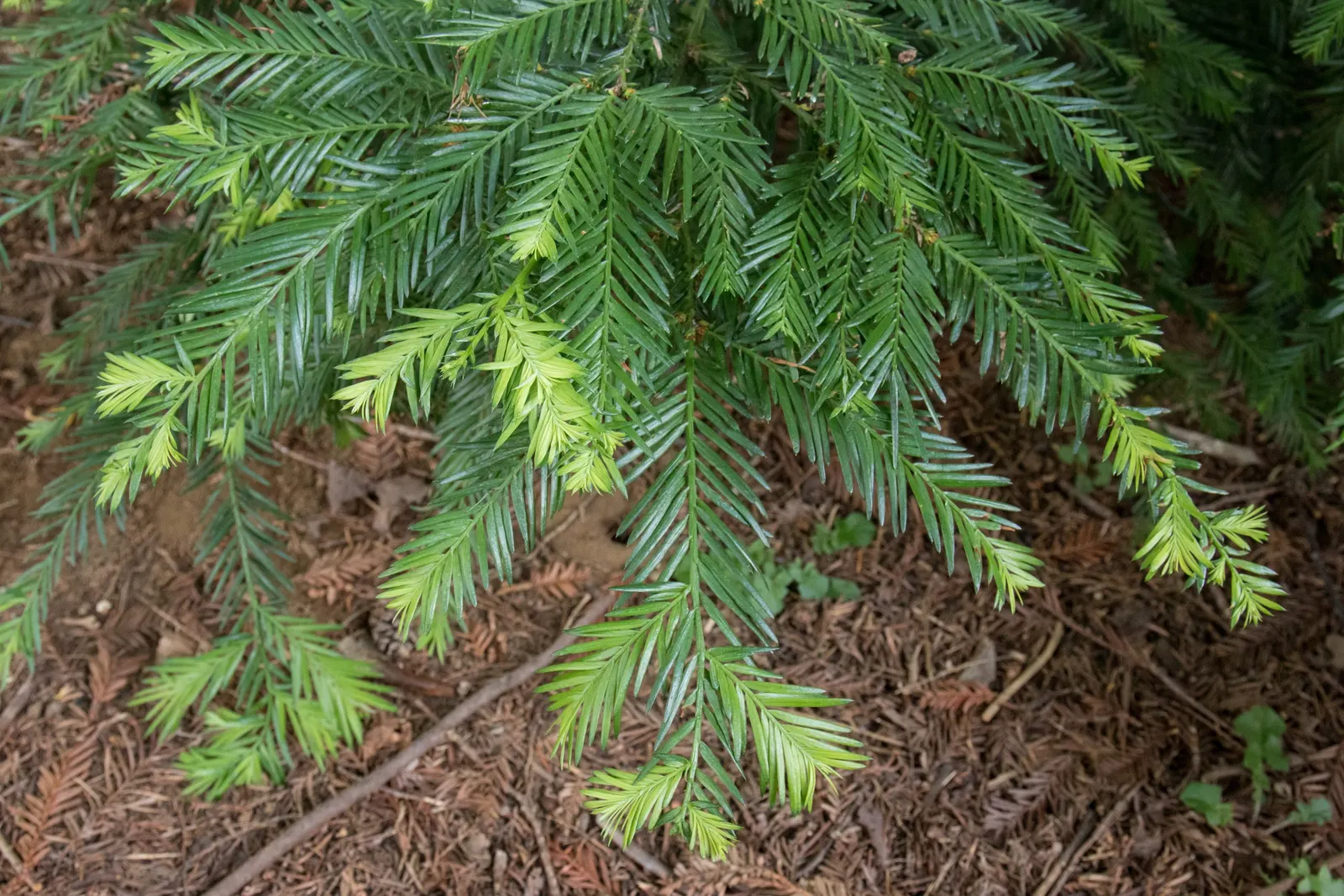
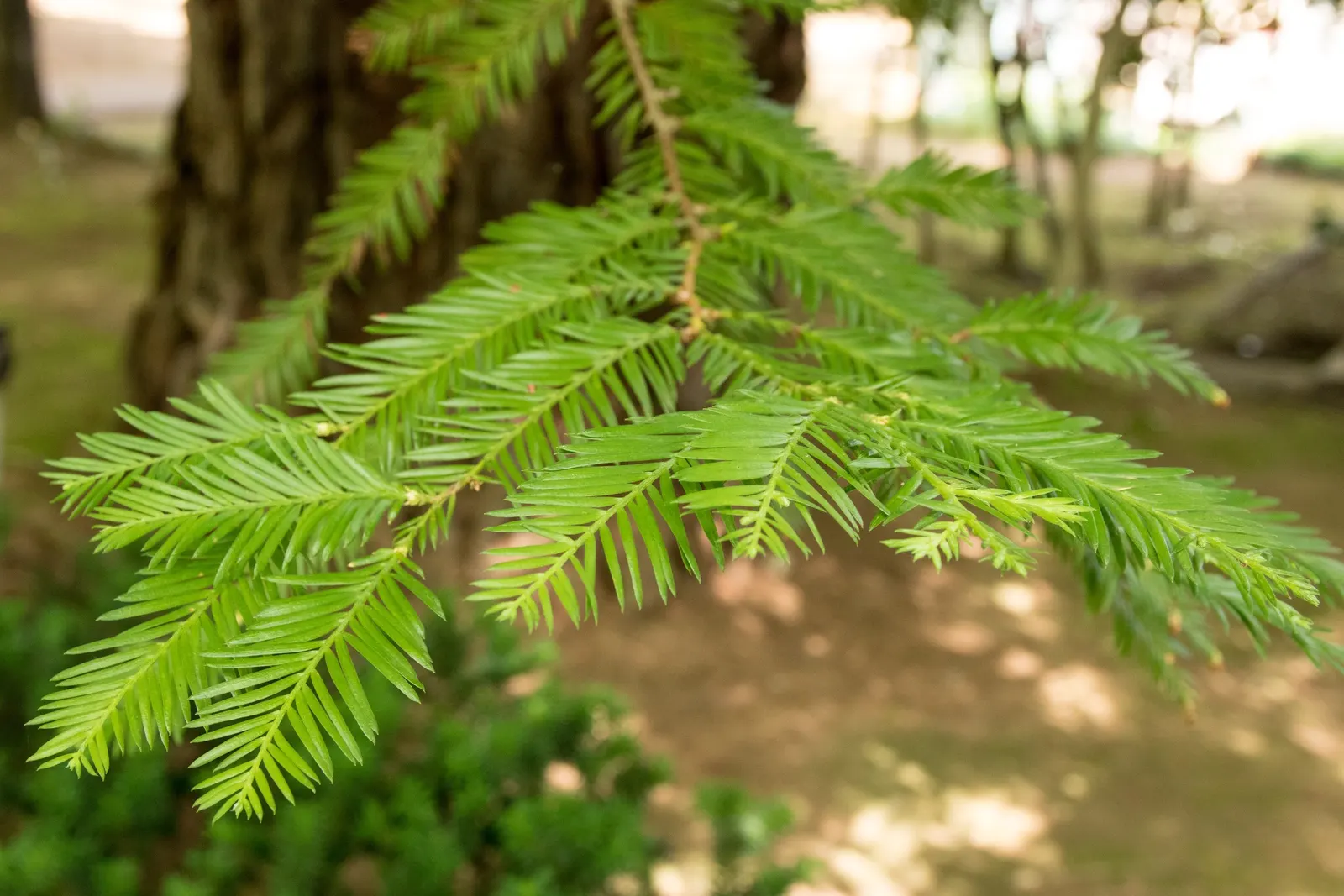
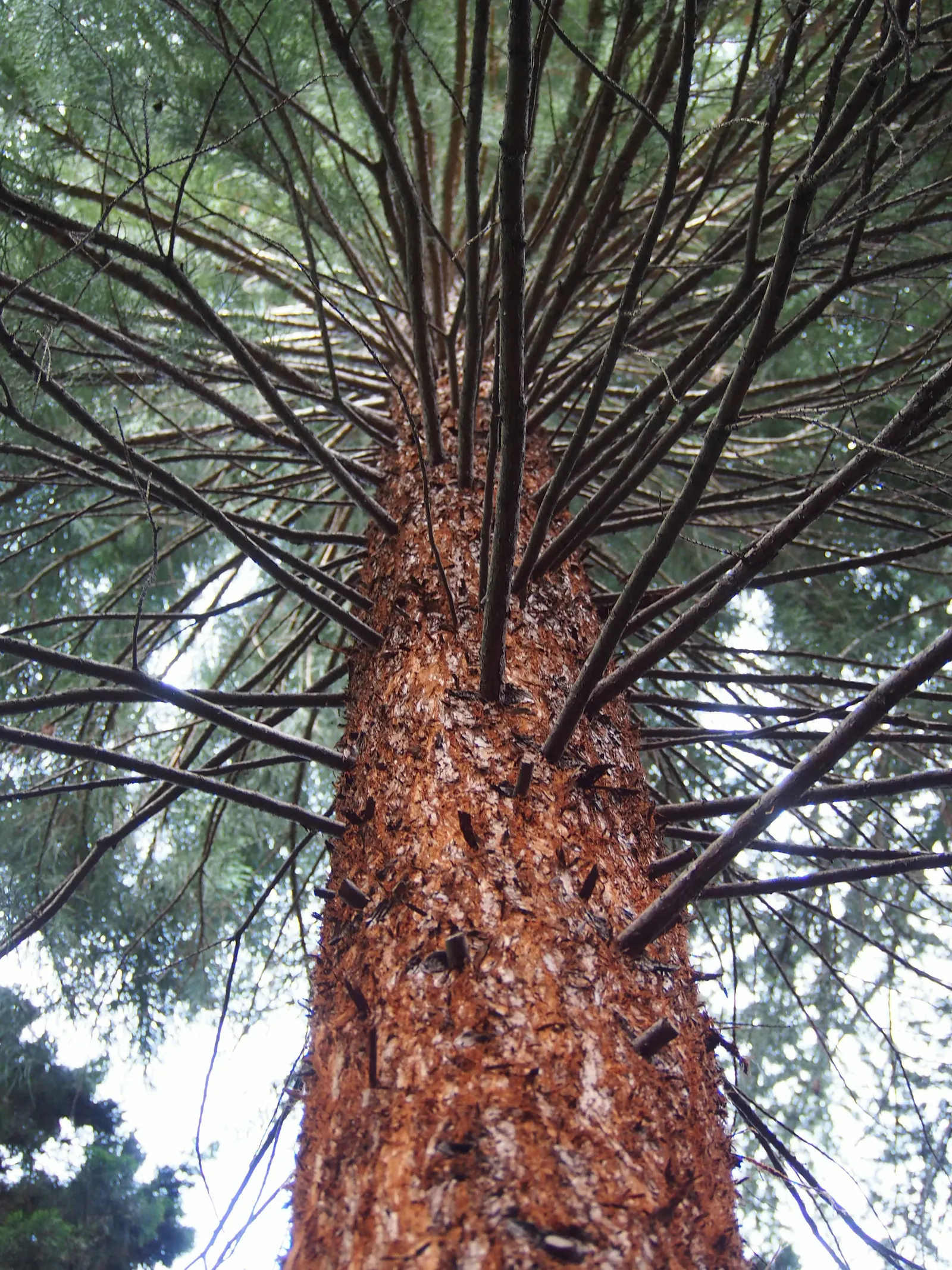
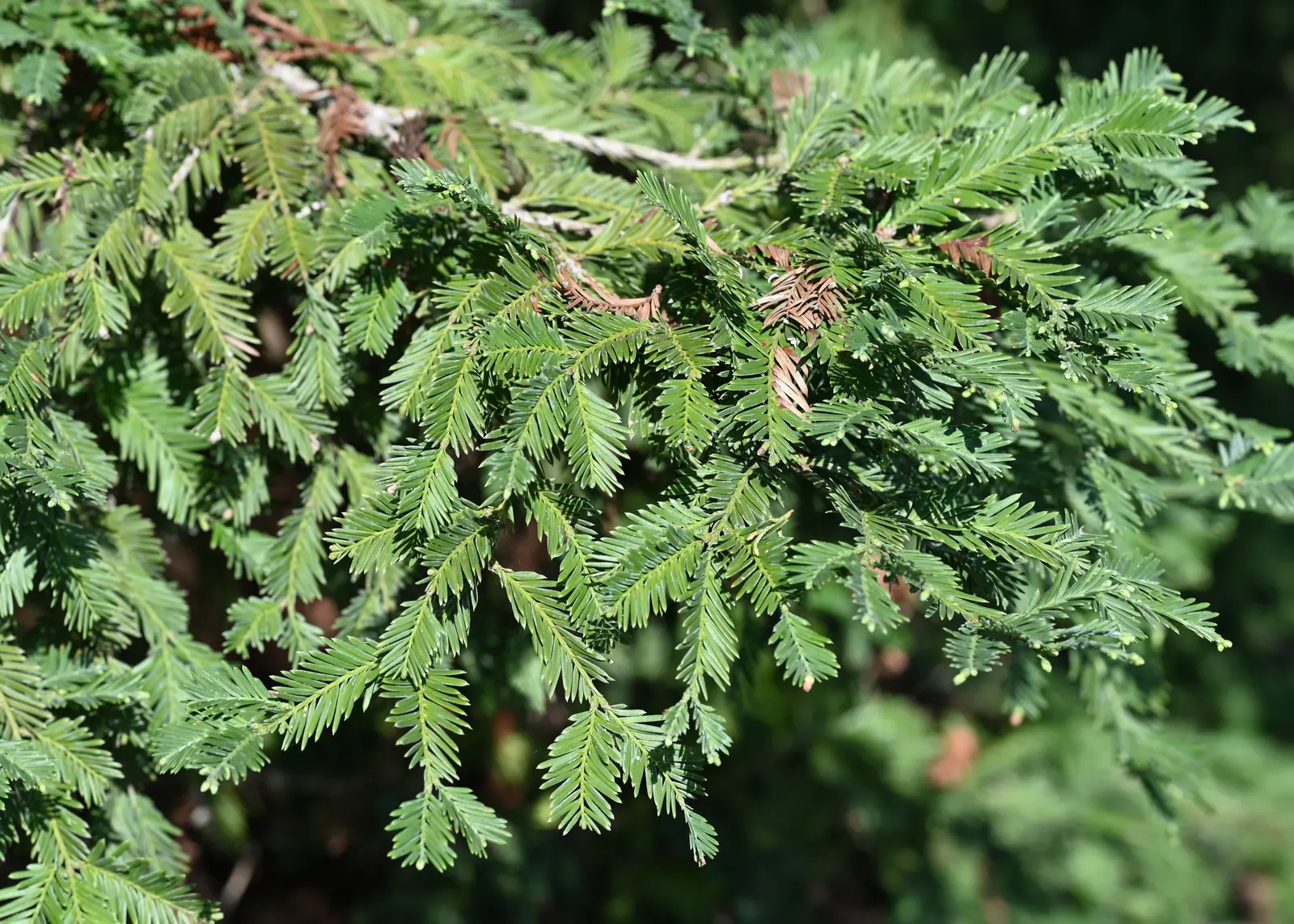
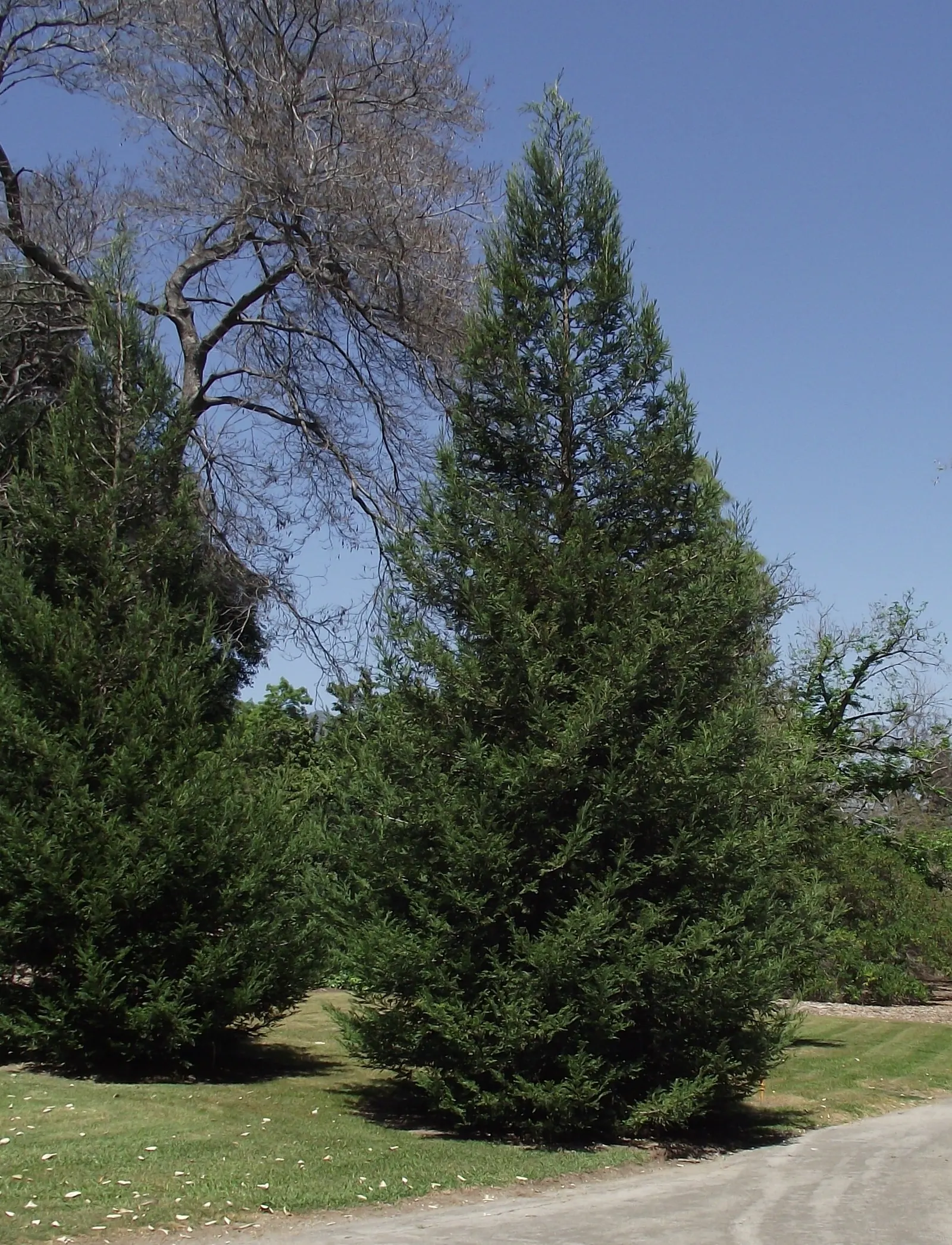
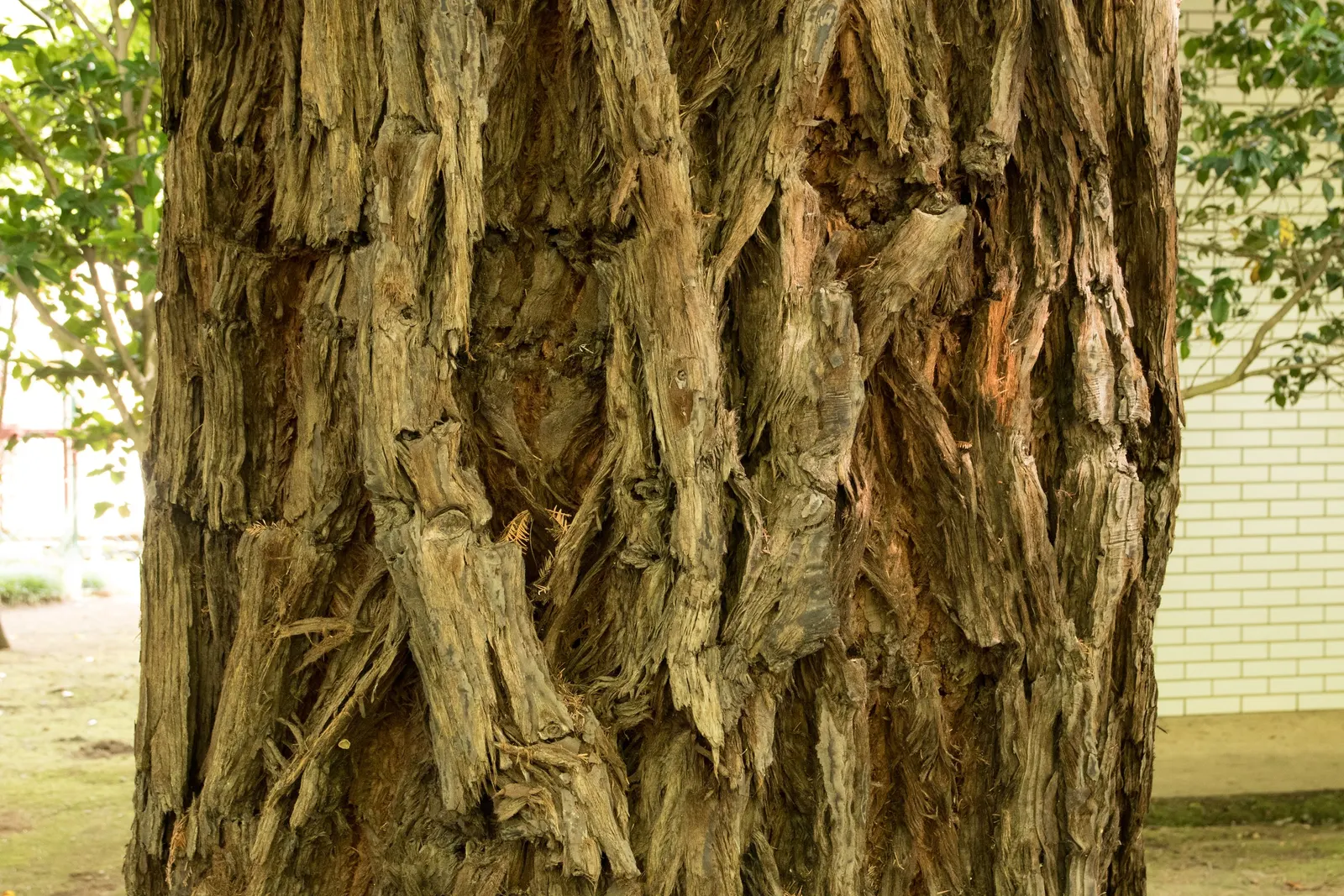
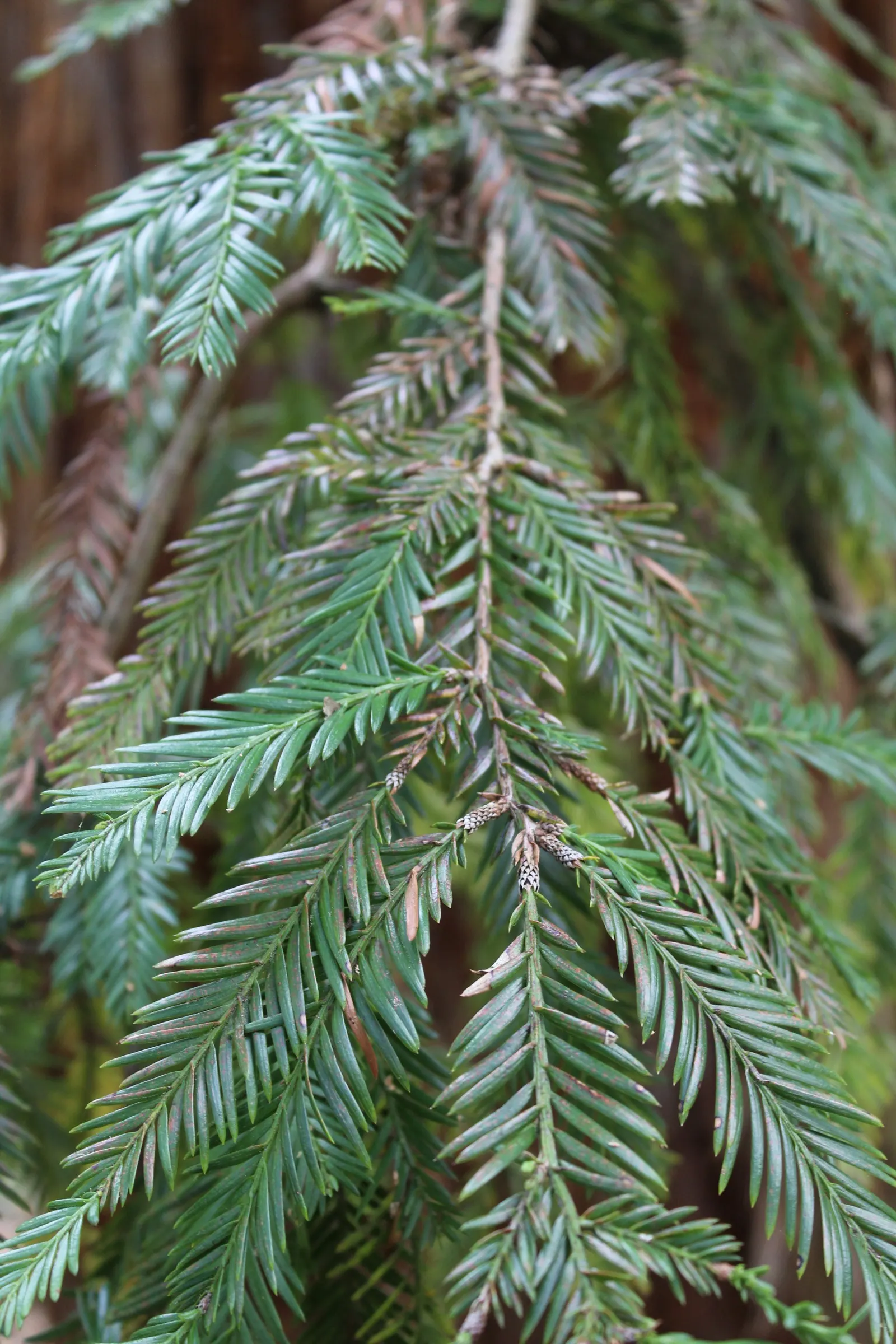
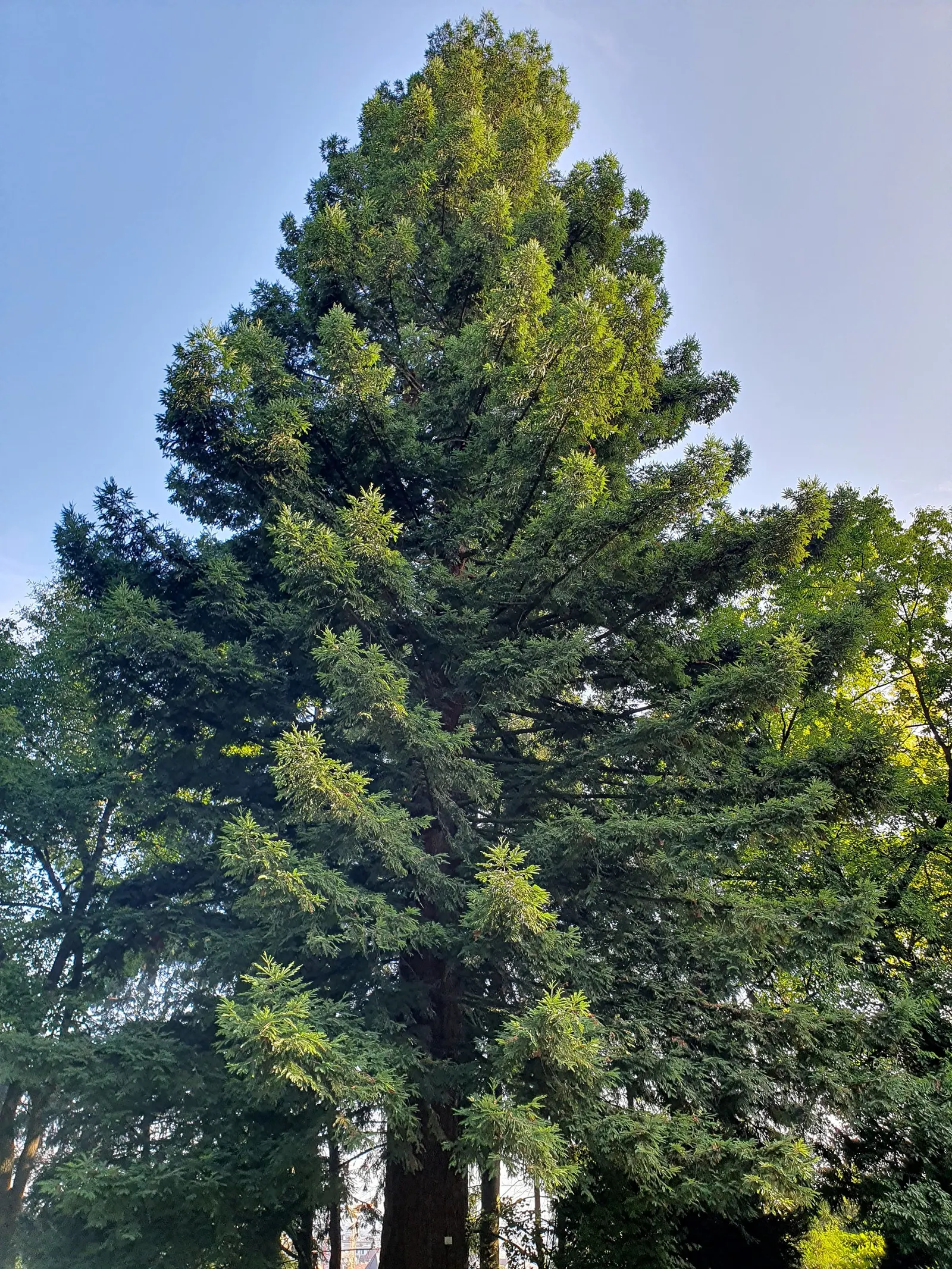
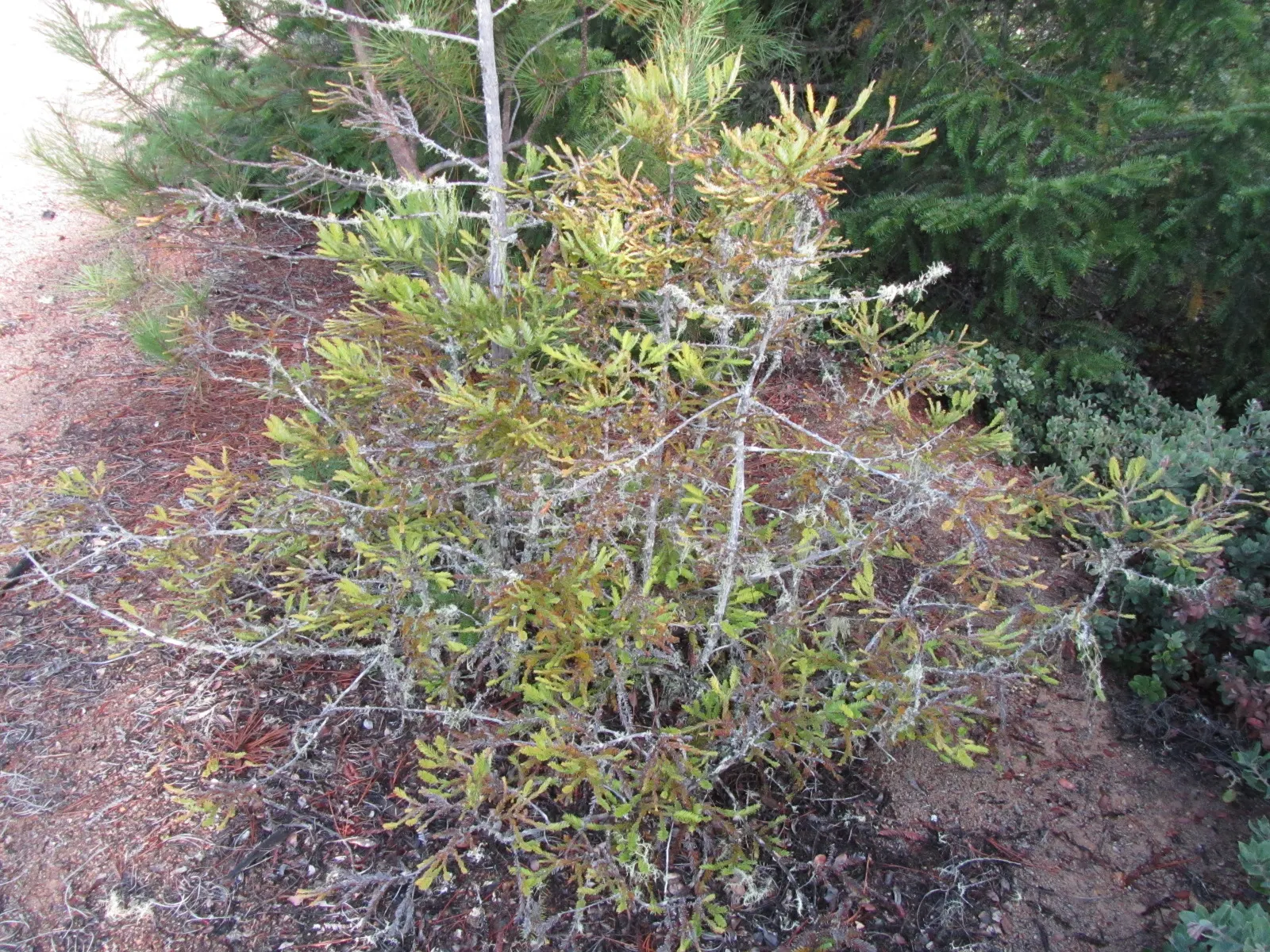
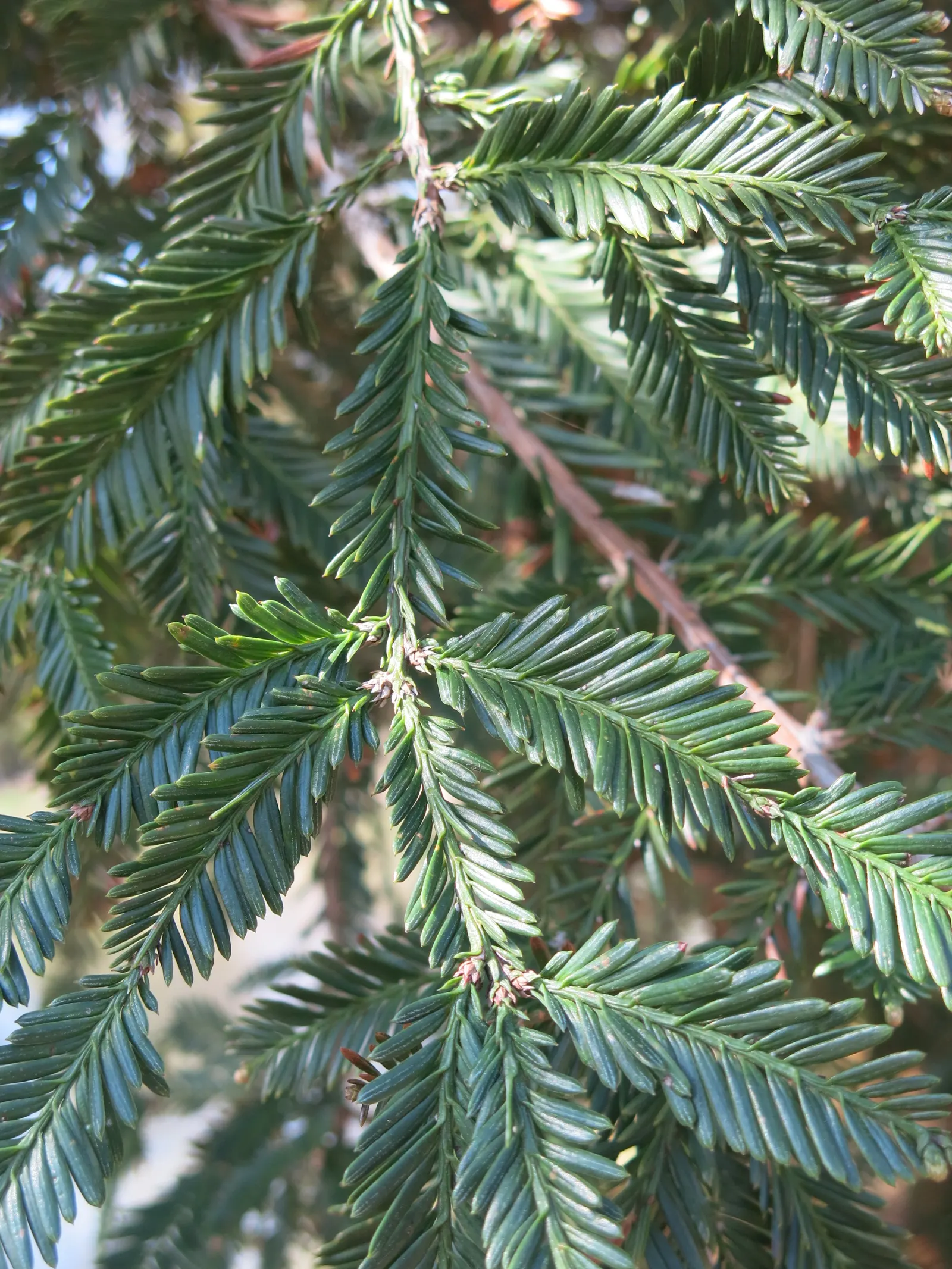
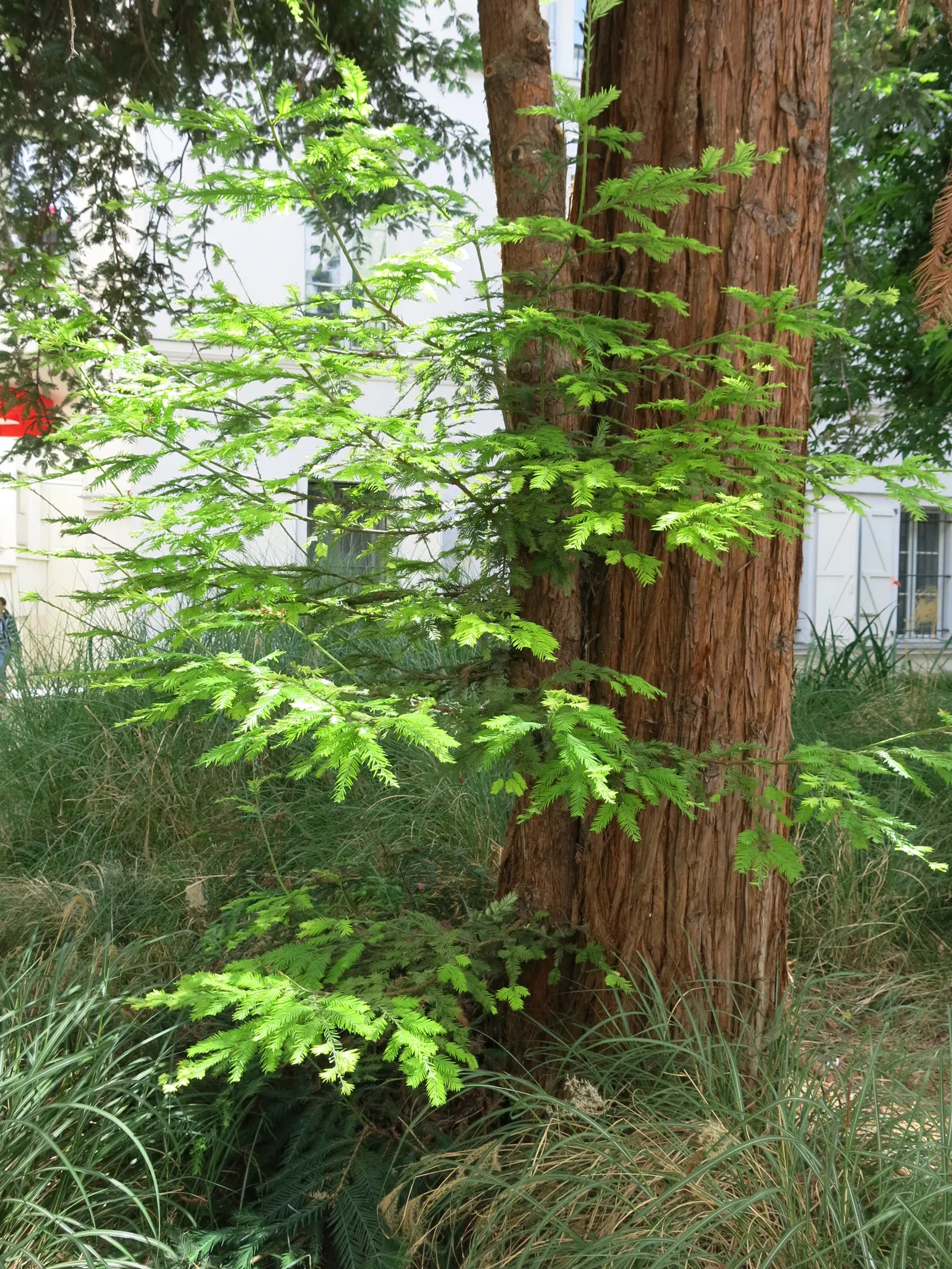
The Coast Redwood, Sequoia sempervirens, is the world's tallest tree species, reaching over 350 feet in height. Native to the Pacific Northwest, these conifers demand ample moisture and mild climates. They showcase a thick, fire-resistant bark and needle-like leaves. Space them at least 30 feet apart in a landscape to accommodate extensive root systems. Ideal for grand, naturalistic designs, they offer longevity and a majestic presence in large-scale settings.

Sun Full, HalfWater Extra in Summer, MediumZones 7–10Type Conifer, TreeClimate Alpine

Culture

Sun
Full, Half
Water
Extra in Summer, Medium
USDA zones
7–10

Shape & size

Classification

Type
Conifer, Tree
Family
Cupressaceae
Climate
Alpine

See full data, regional cultivation notes, and design tools. Build a client presentation around this plant.

Start your 14-day trial

Photos (63)

Coast Redwood (Sequoia sempervirens) — well-drained soil and benefits from a climate offering abundant fog
Coast Redwood (Sequoia sempervirens) — boasting a trunk diameter of 20 to 25 feet when fully mature
Coast Redwood (Sequoia sempervirens) — As a landscape architect assistant
Coast Redwood (Sequoia sempervirens) — boasting a trunk diameter of 20 to 25 feet when fully mature; which supplies the necessary moisture for its foliage
Coast Redwood (Sequoia sempervirens) — Space them at least 30 feet apart in a landscape to accommodate extensive root systems; providing a magnificent living
Coast Redwood (Sequoia sempervirens) — Ideal for creating dramatic vertical elements in a landscape design
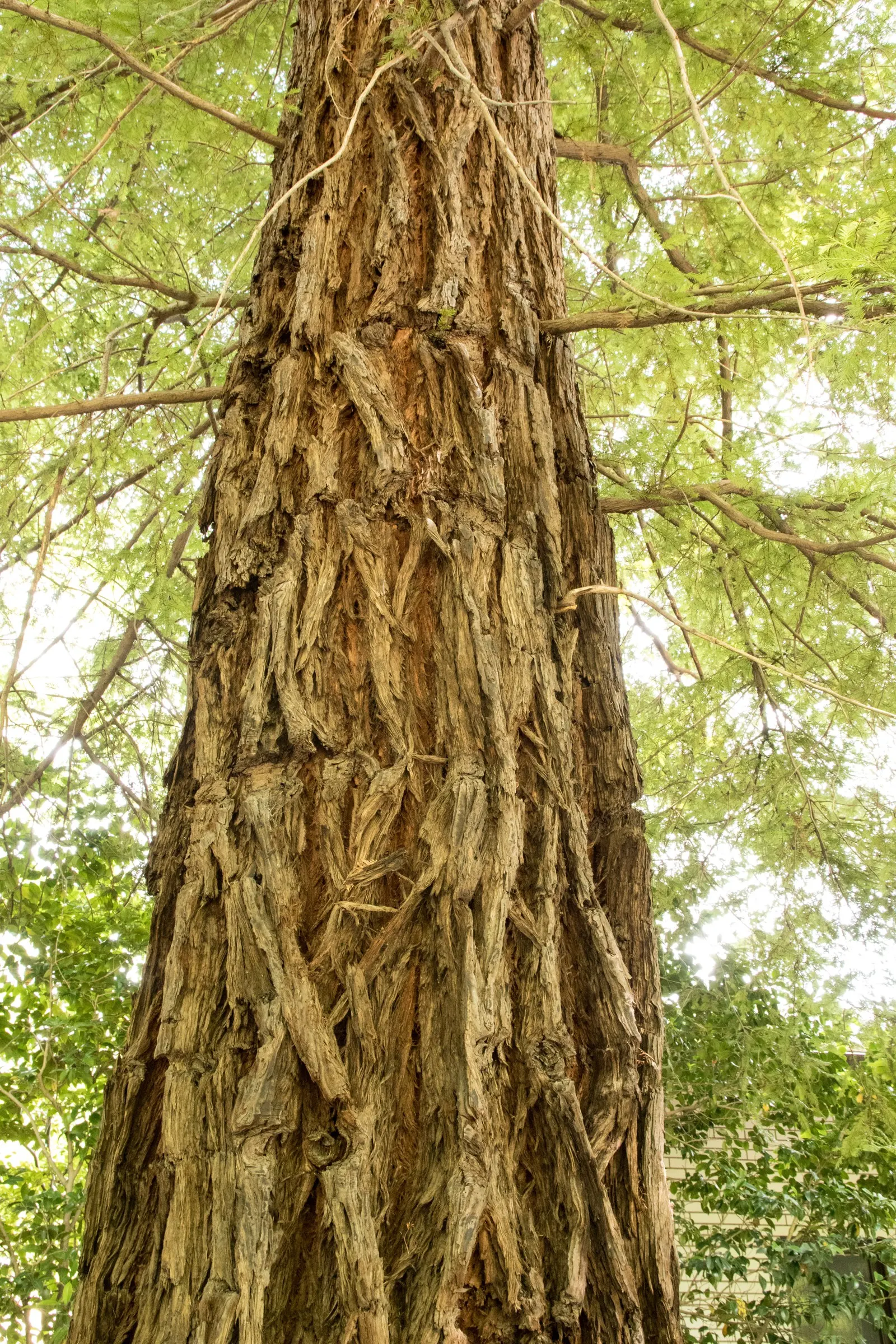
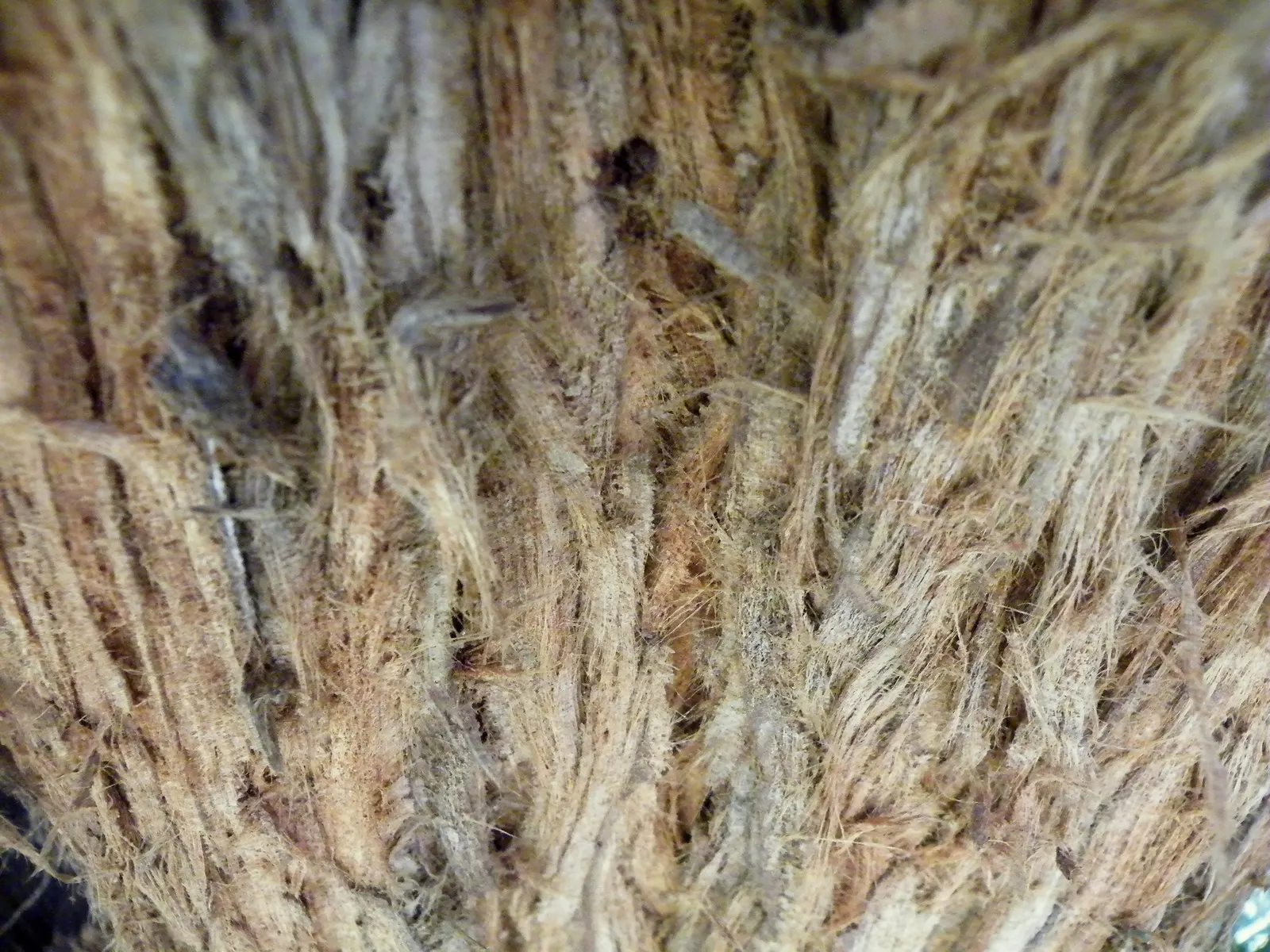
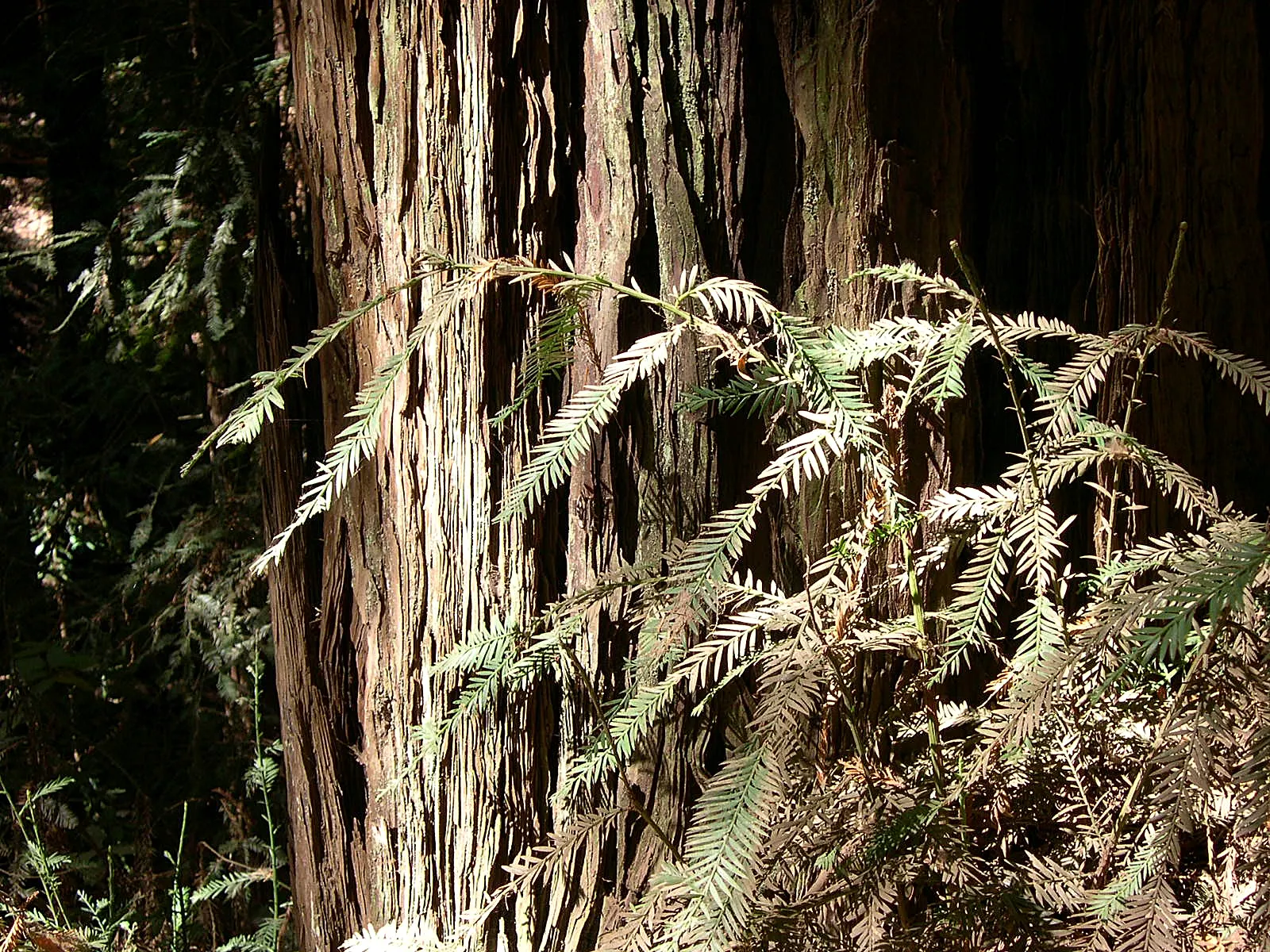
Coast Redwood (Sequoia sempervirens) — its bark is deeply furrowed
Coast Redwood (Sequoia sempervirens) — Ideal for grand, naturalistic designs, they offer longevity and a majestic presence in large-scale settings, image 31
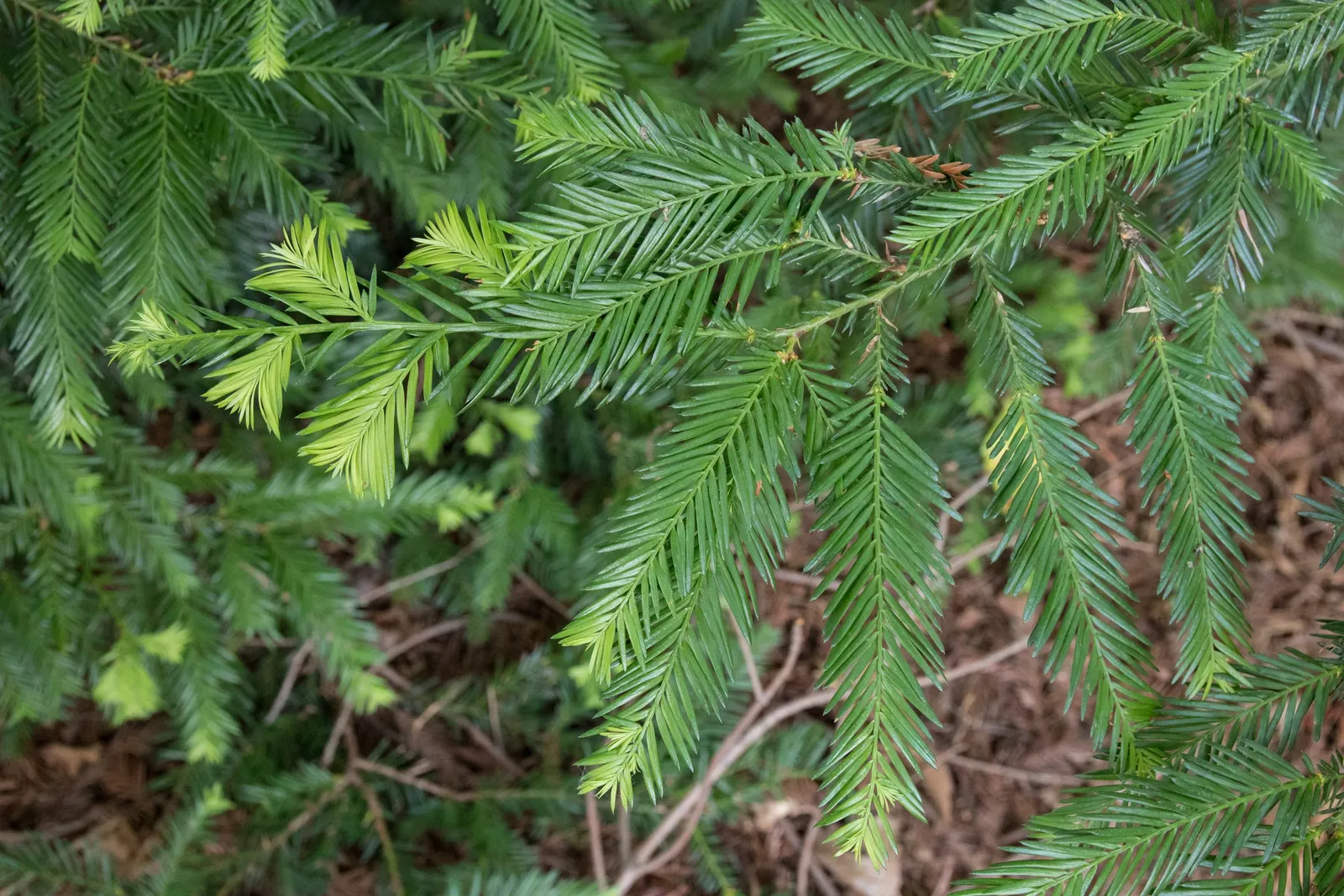
Coast Redwood (Sequoia sempervirens) — They showcase a thick, fire-resistant bark and needle-like leaves; you must take into account the extensive root system
Coast Redwood (Sequoia sempervirens) — Native to the Pacific Northwest, these conifers demand ample moisture and mild climates
Coast Redwood (Sequoia sempervirens) — the Coast Redwood is also a symbol of endurance and longevity
Coast Redwood (Sequoia sempervirens) — The Coast Redwood, Sequoia sempervirens, is the world's tallest tree species, reaching over 350 feet in height; space
Coast Redwood (Sequoia sempervirens) — which supplies the necessary moisture for its foliage; living for thousands of years
Coast Redwood (Sequoia sempervirens) — Intended for larger landscapes due to its majestic size; the Coast Redwood, Sequoia sempervirens, is the world's tallest
Coast Redwood (Sequoia sempervirens) — Space them at least 30 feet apart in a landscape to accommodate extensive root systems
Coast Redwood (Sequoia sempervirens) — is a towering testament to nature's grandeur and is considered the world's tallest tree species
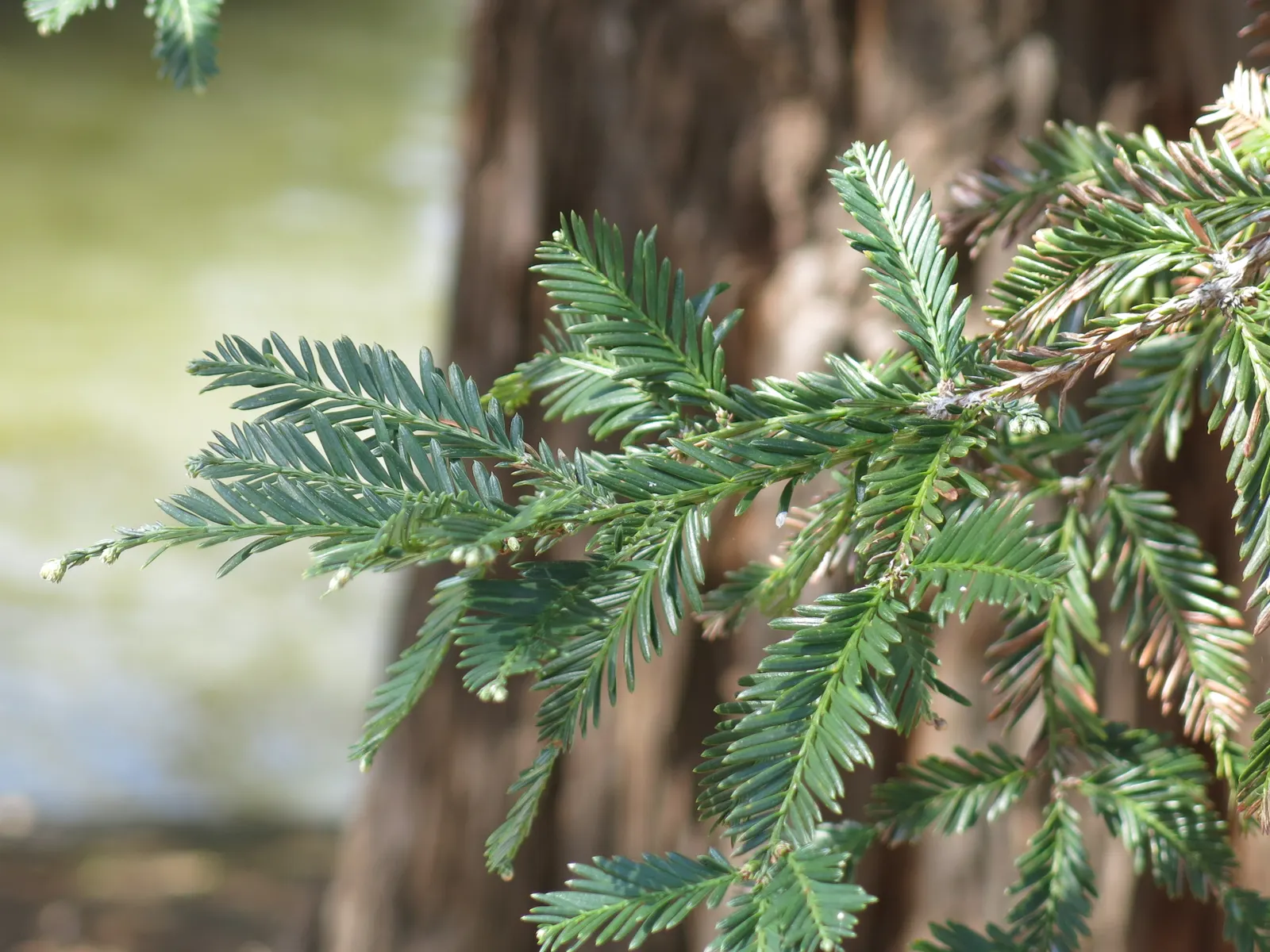
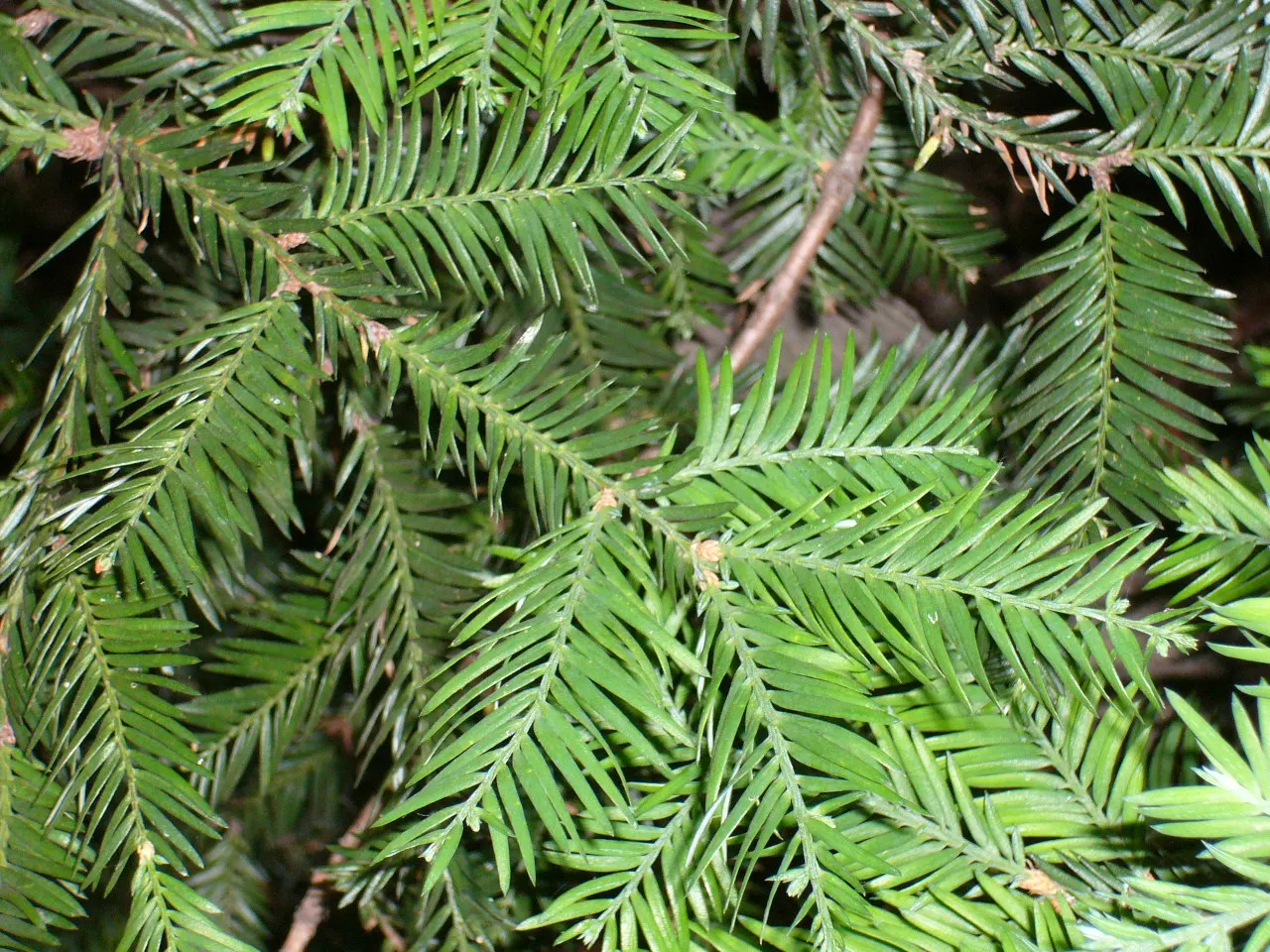
Coast Redwood (Sequoia sempervirens) — needle-like leaves and a conical form
Coast Redwood (Sequoia sempervirens) — and rich hues of reddish-brown add to its visual appeal
Coast Redwood (Sequoia sempervirens) — scientifically named Sequoia sempervirens; <br><br>Native to the coastal region of California, the Coast Redwood thrives
Coast Redwood (Sequoia sempervirens) — requiring considerable space to accommodate their awe-inspiring scale
Coast Redwood (Sequoia sempervirens) — requiring considerable space to accommodate their awe-inspiring scale; they showcase a thick, fire-resistant bark and
Coast Redwood (Sequoia sempervirens) — living for thousands of years
Coast Redwood (Sequoia sempervirens) — scientifically named Sequoia sempervirens
Coast Redwood (Sequoia sempervirens) — providing a magnificent living legacy for any garden
Photographs by 13 contributors

Related plants