Skip to content

Dusty Miller Shrub

Senecio Cineraria

Design with this plant

Overview

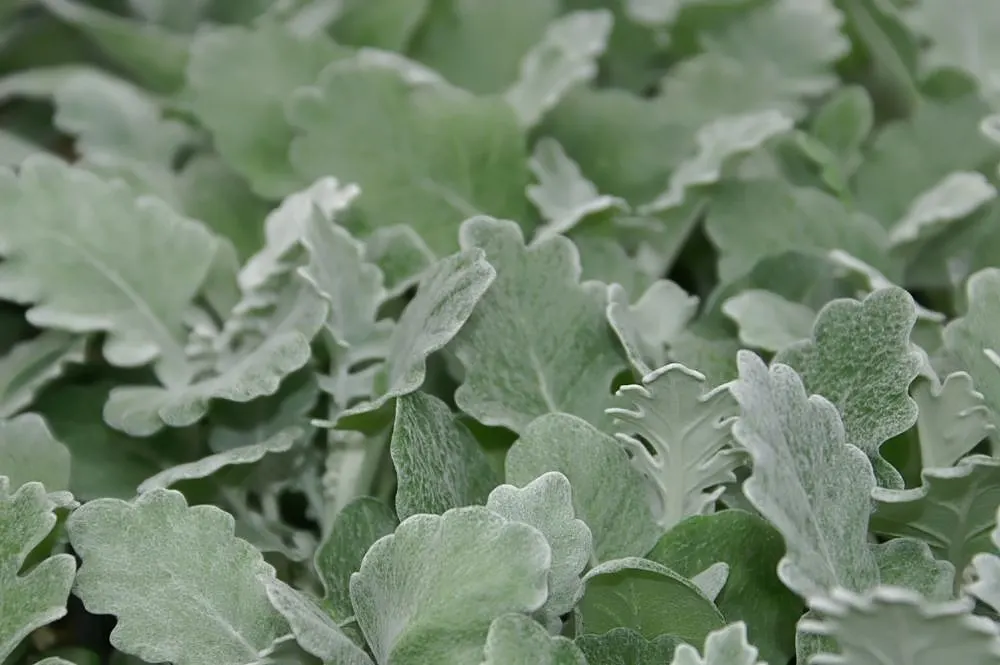
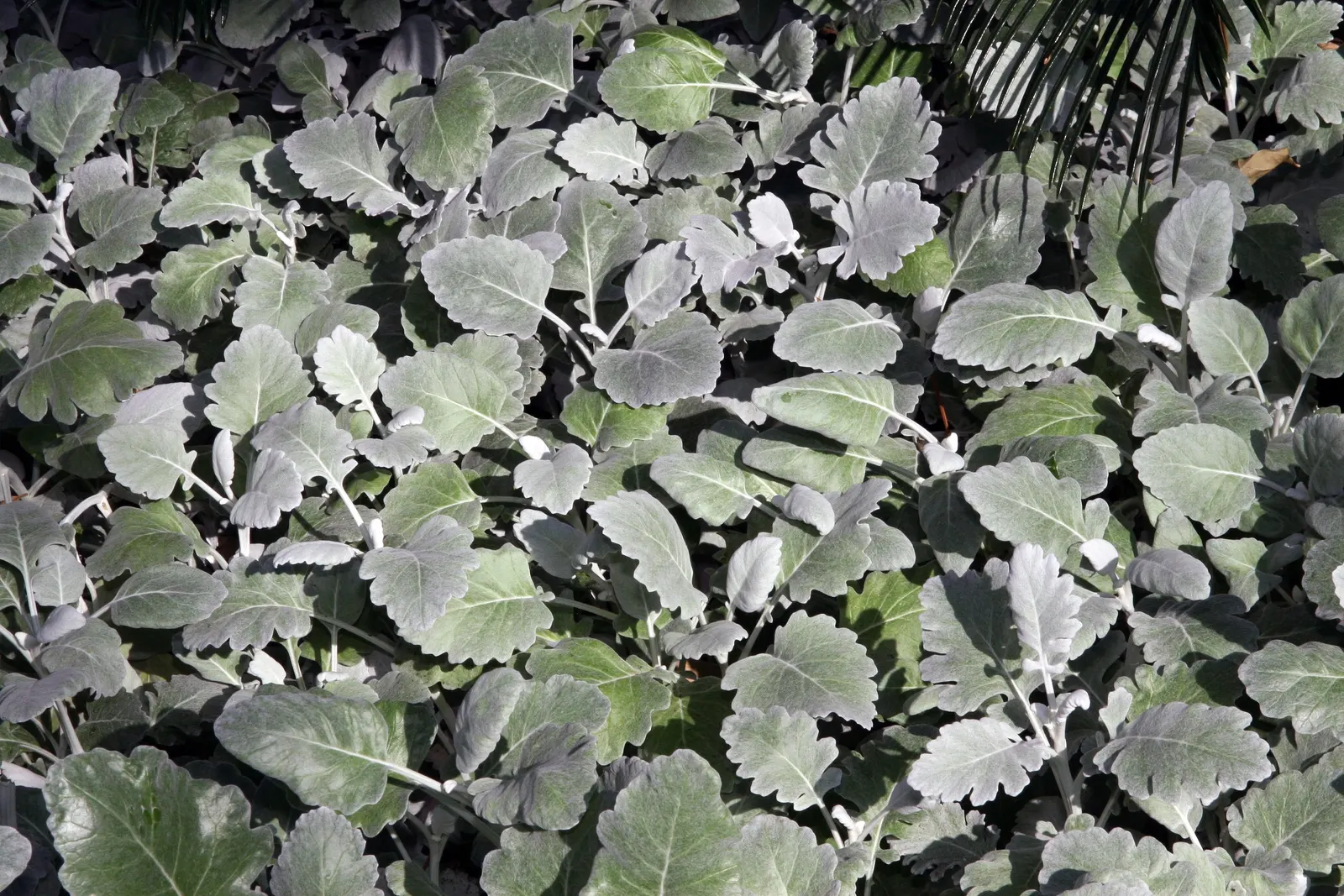
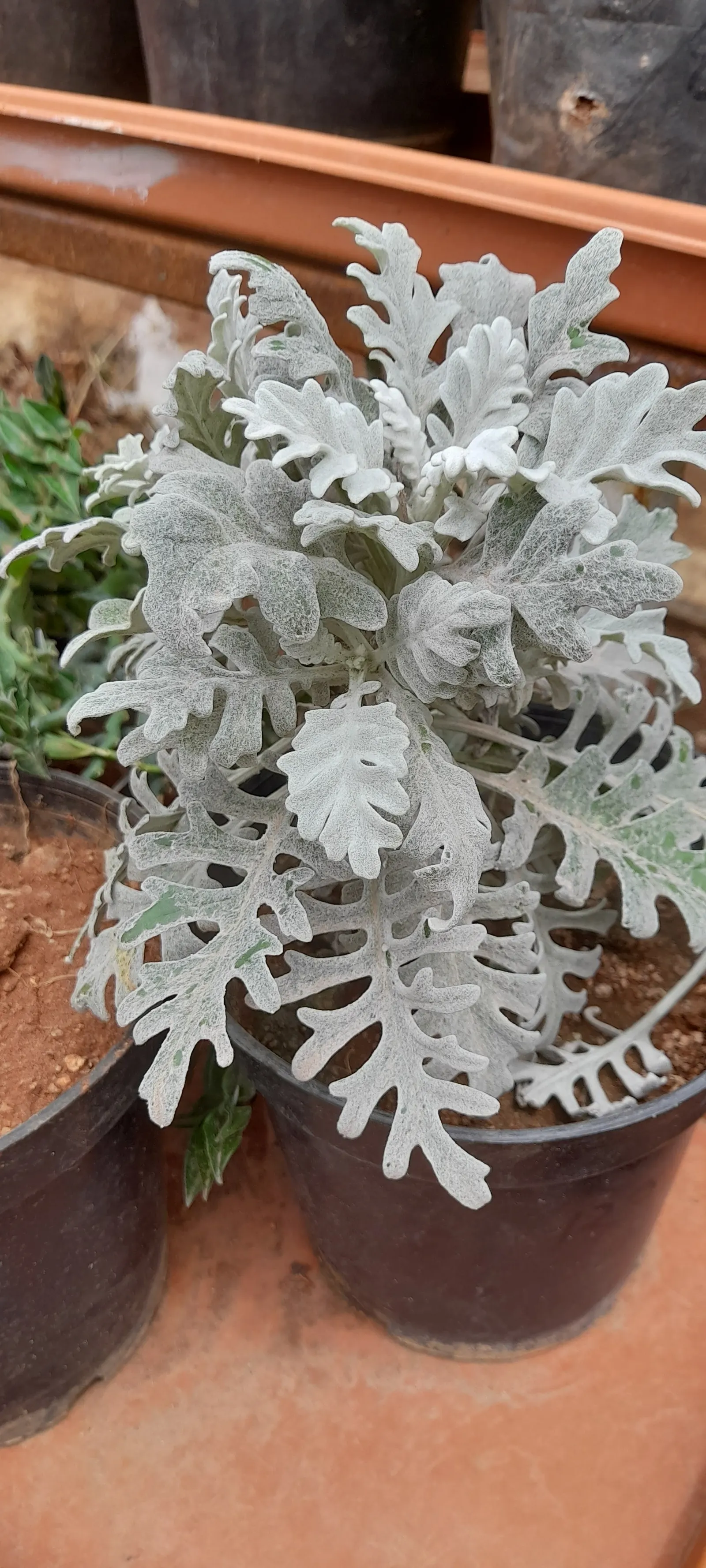
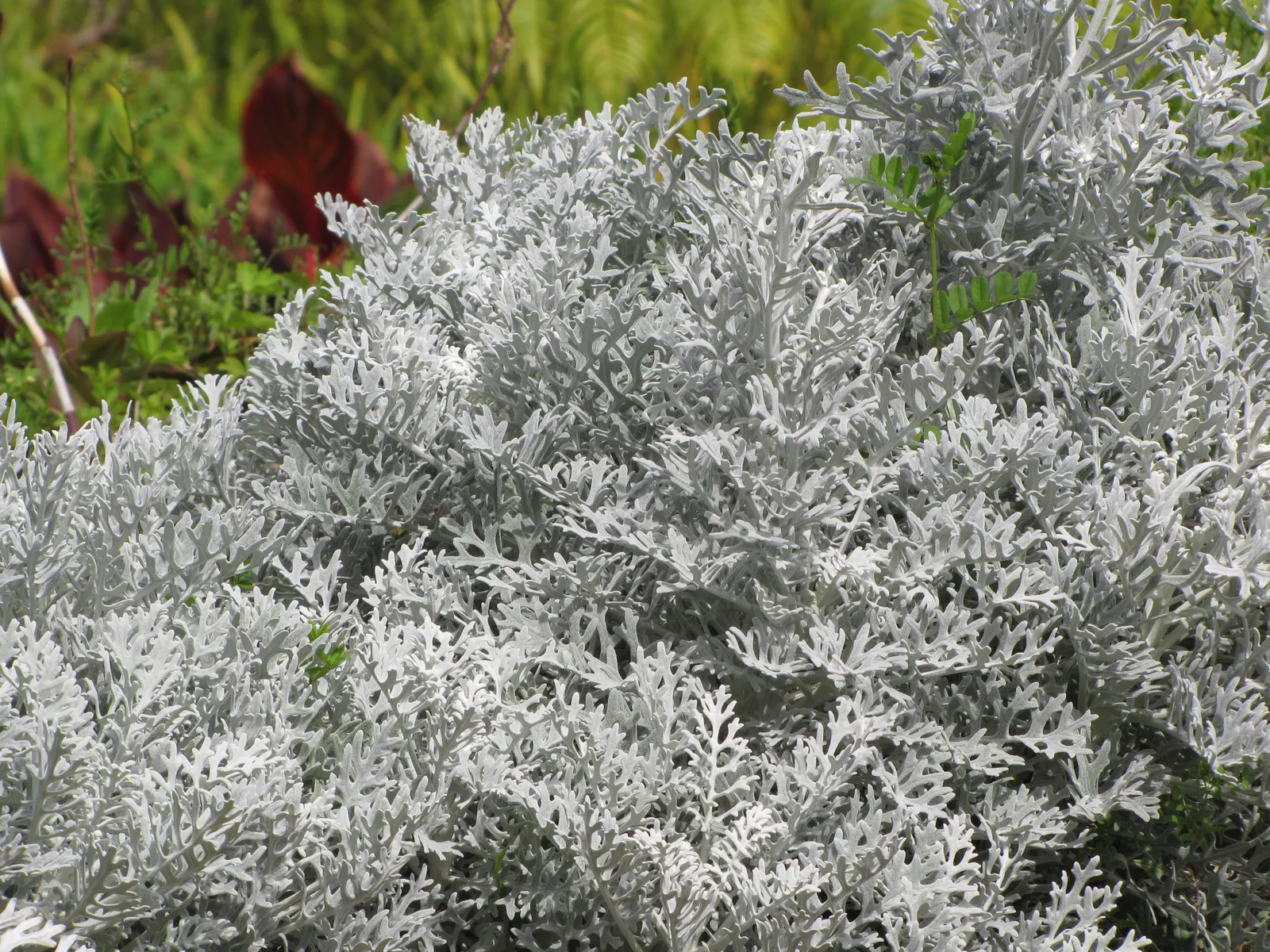
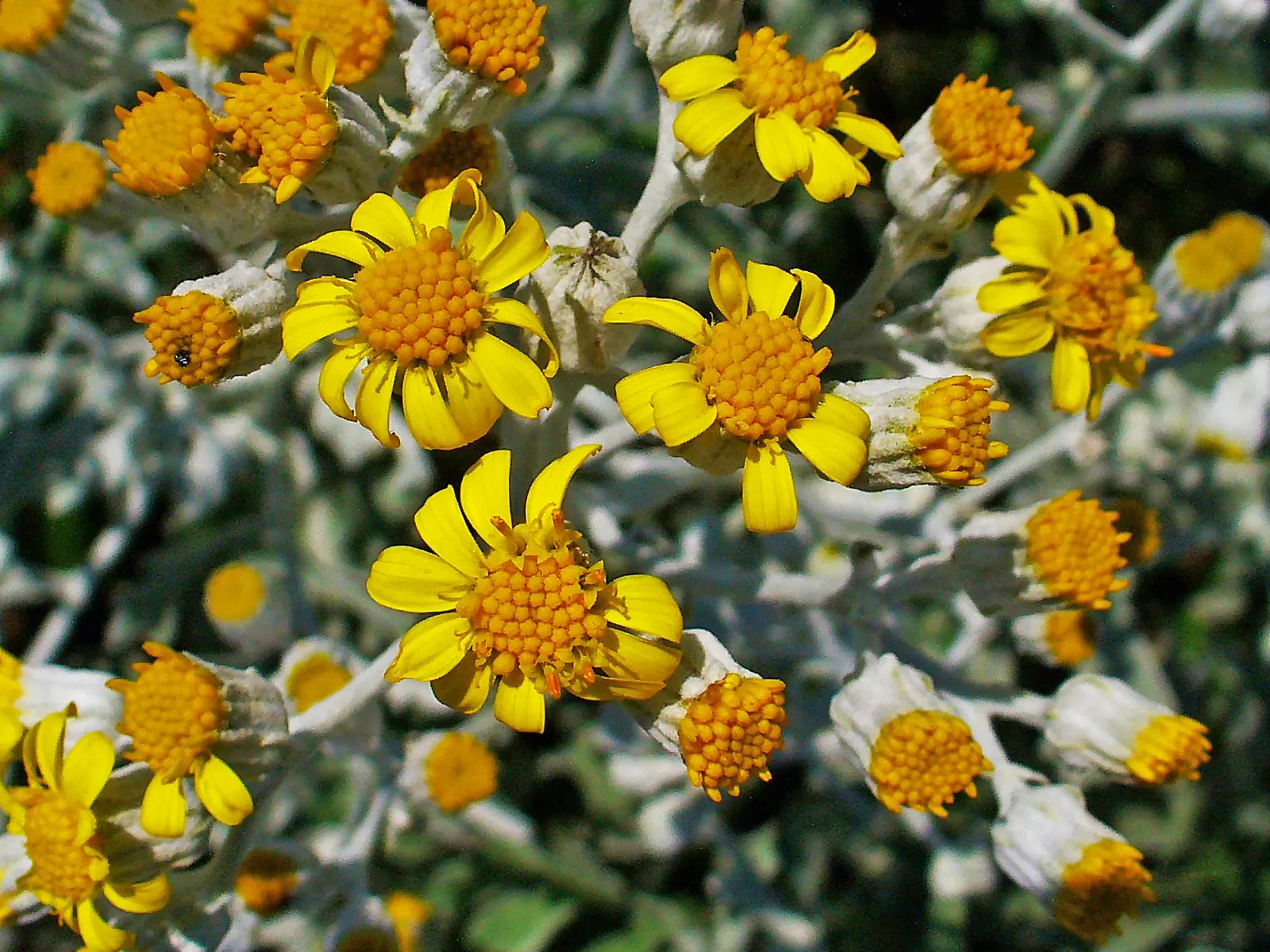
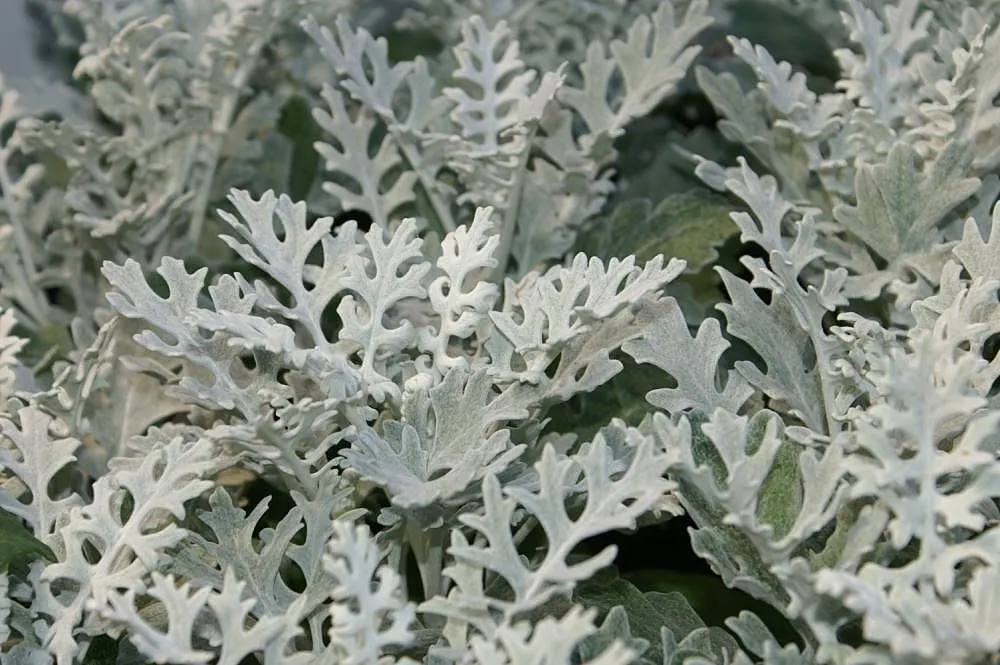
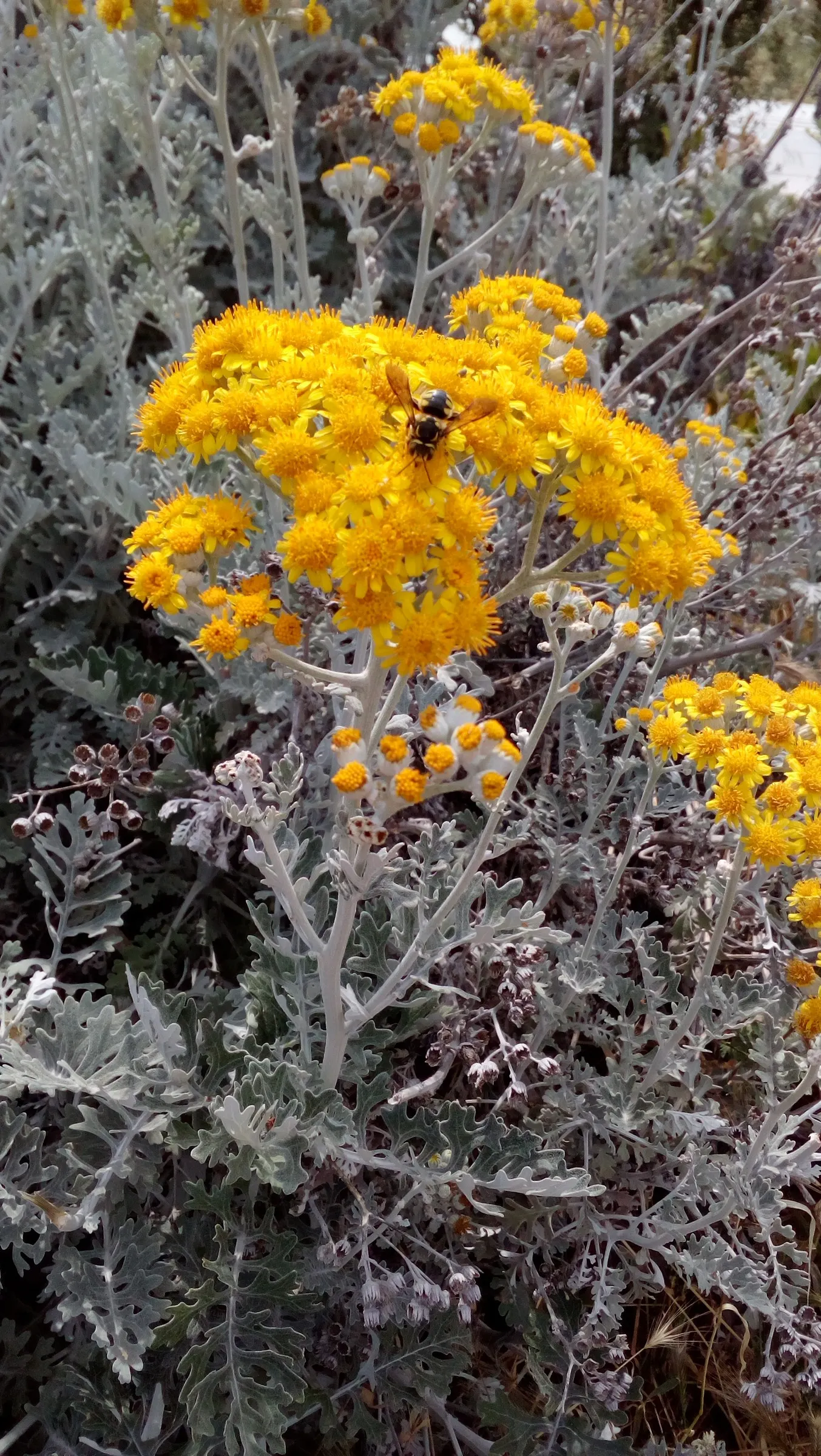
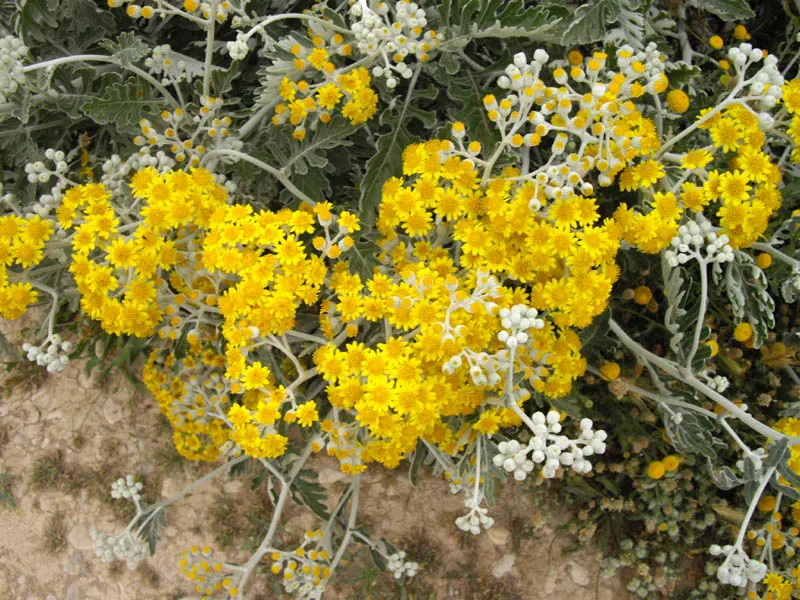
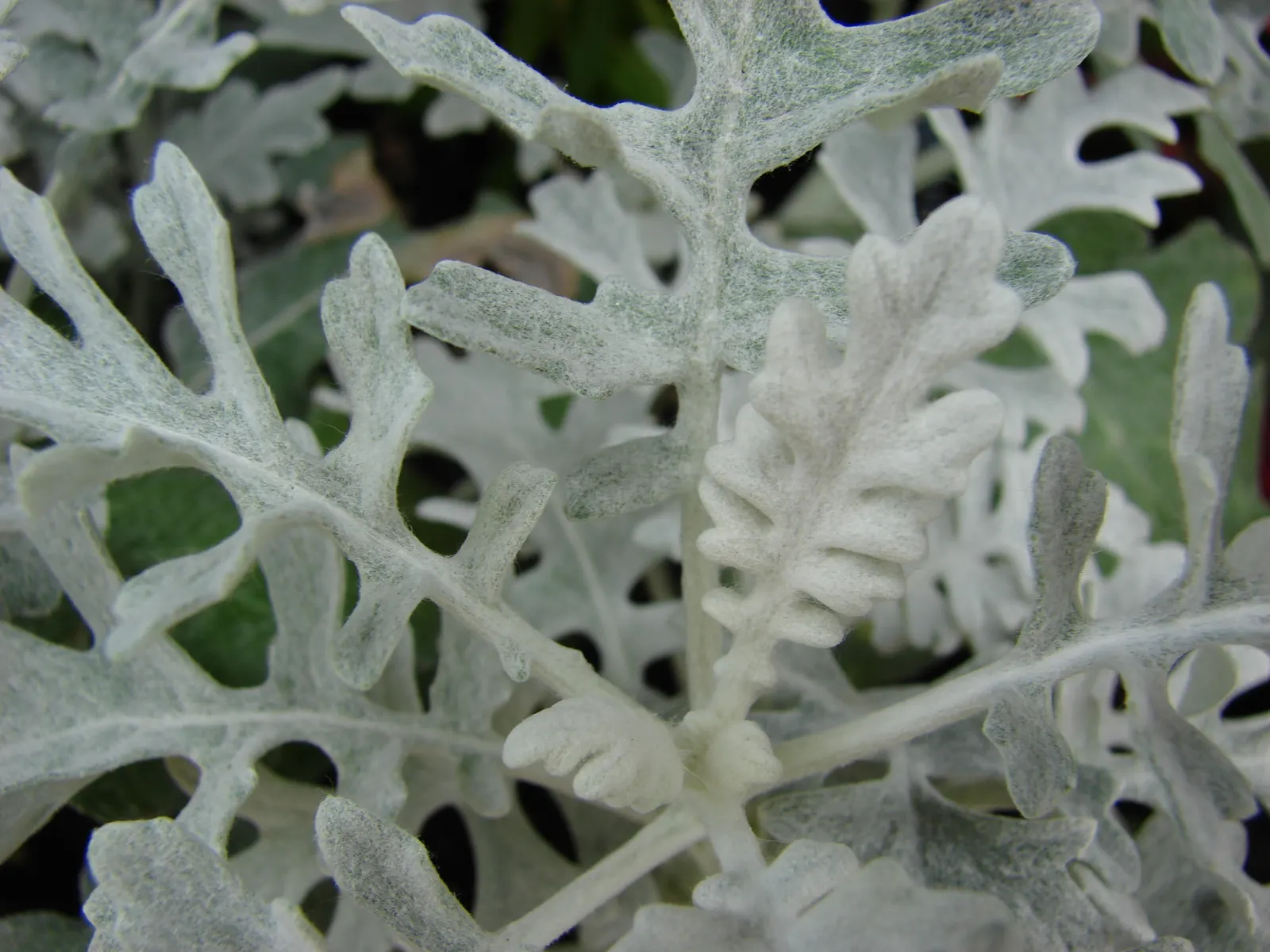
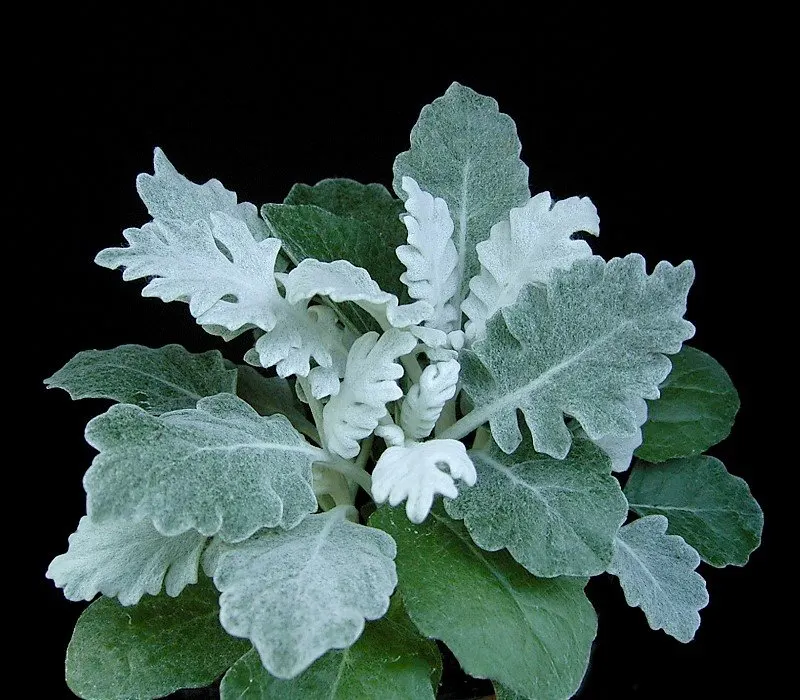
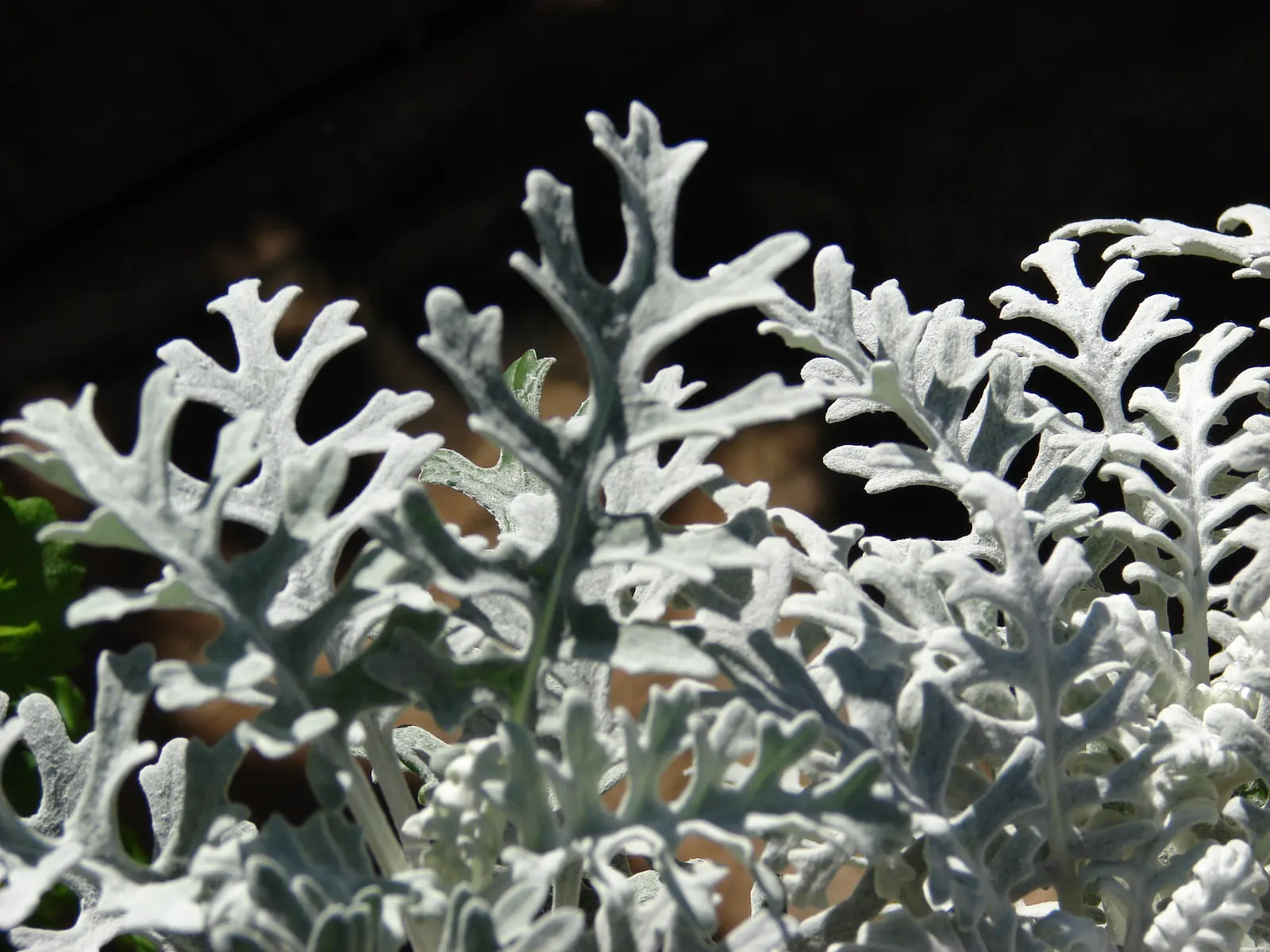
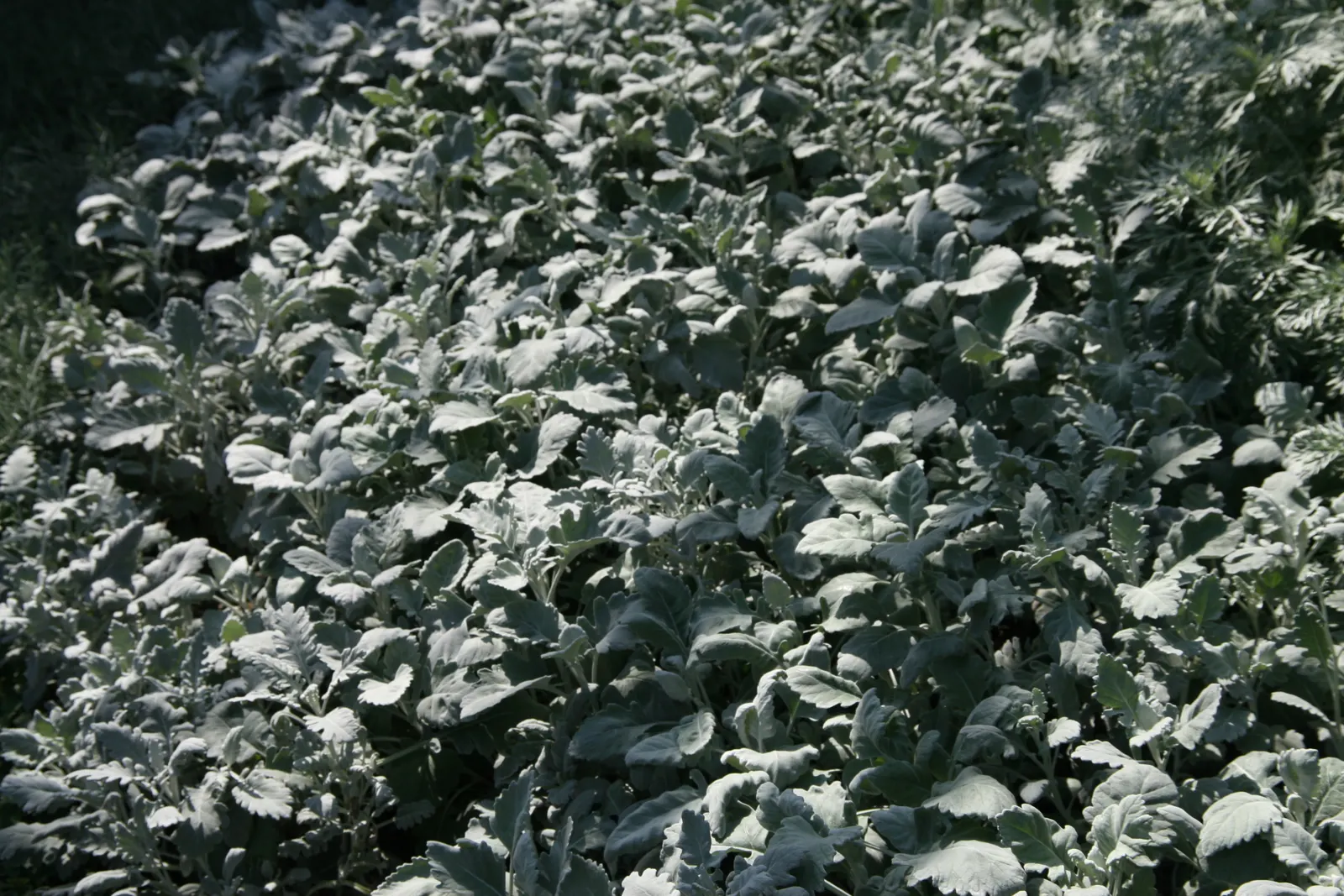
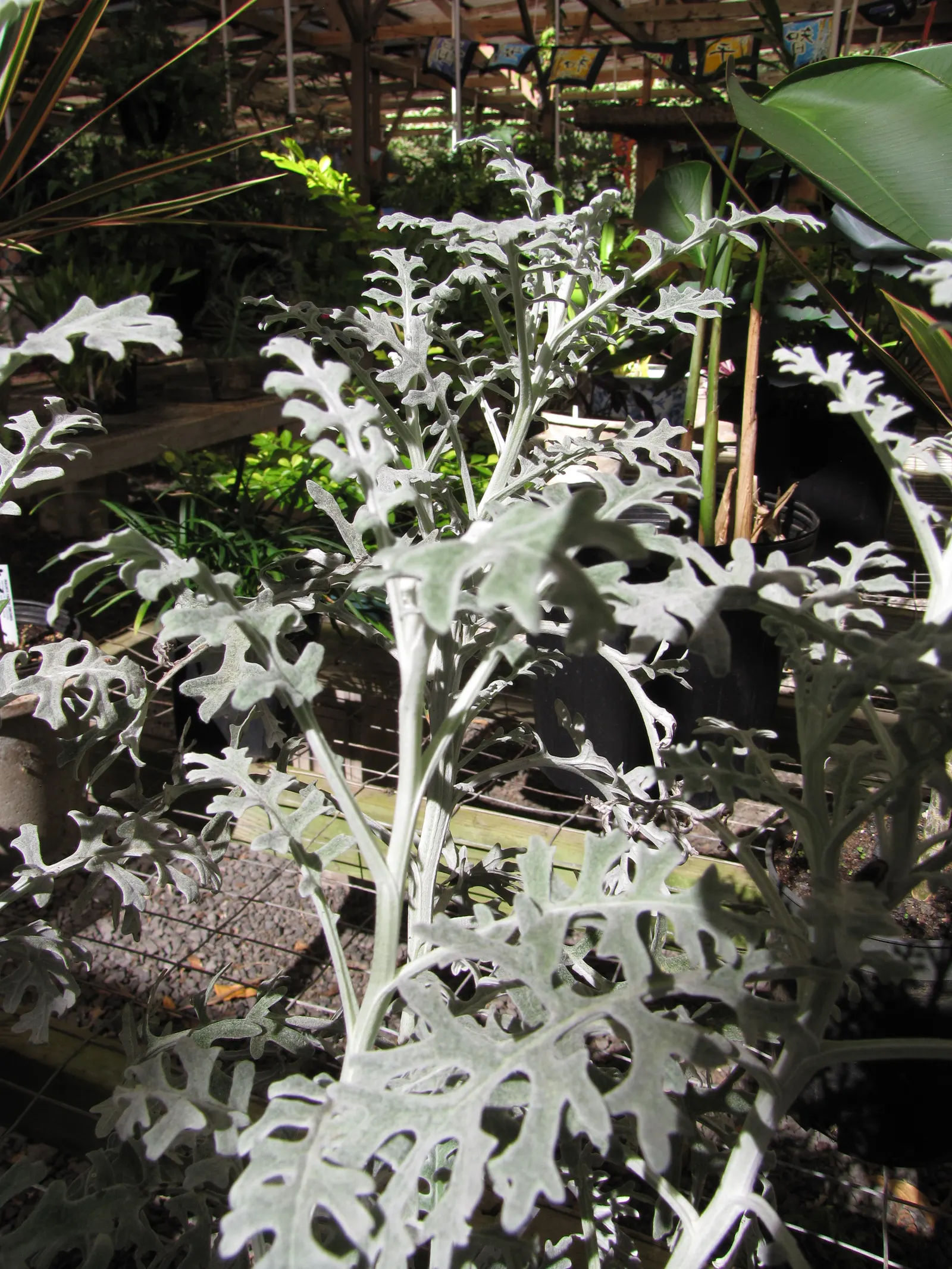
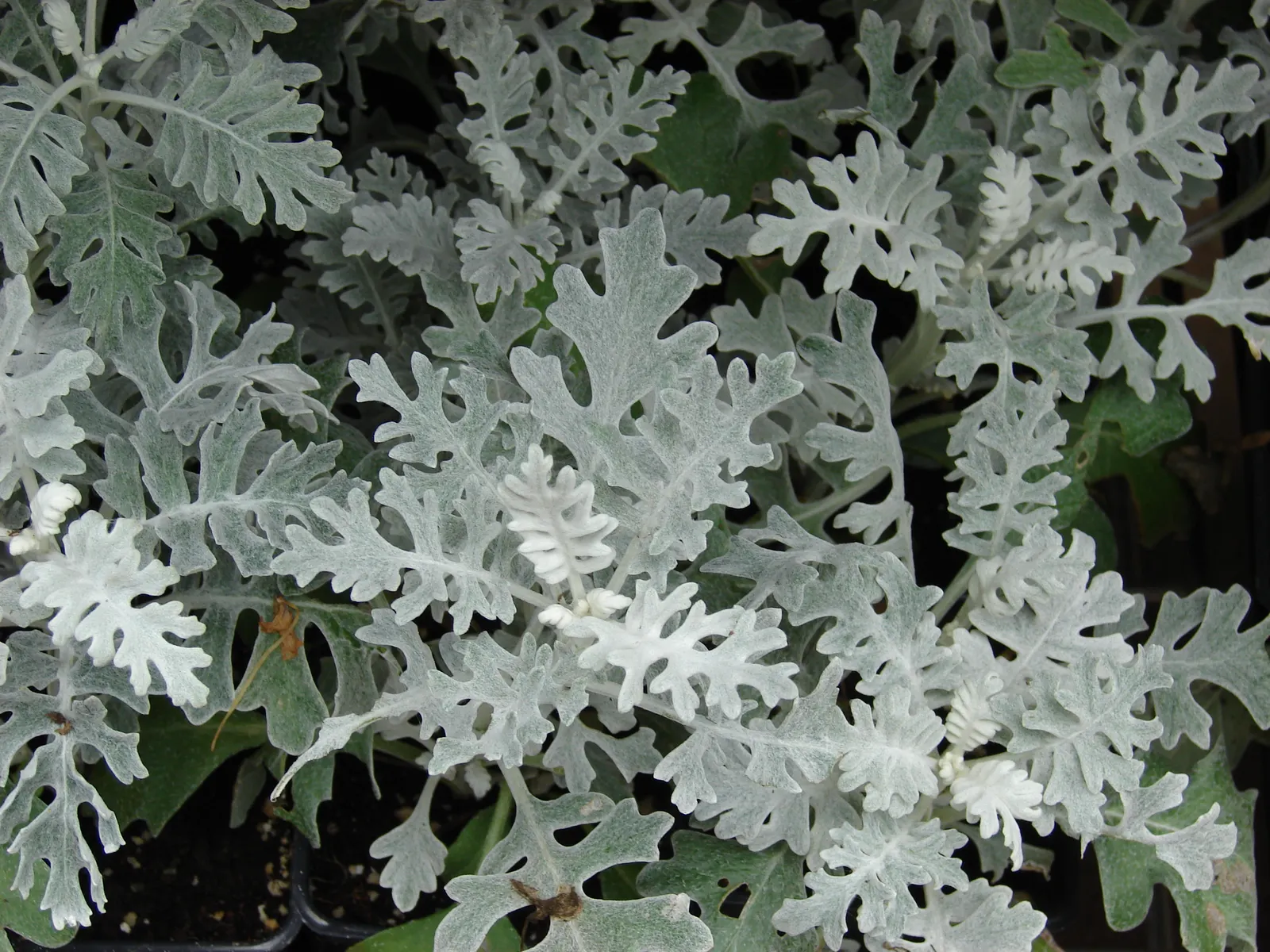
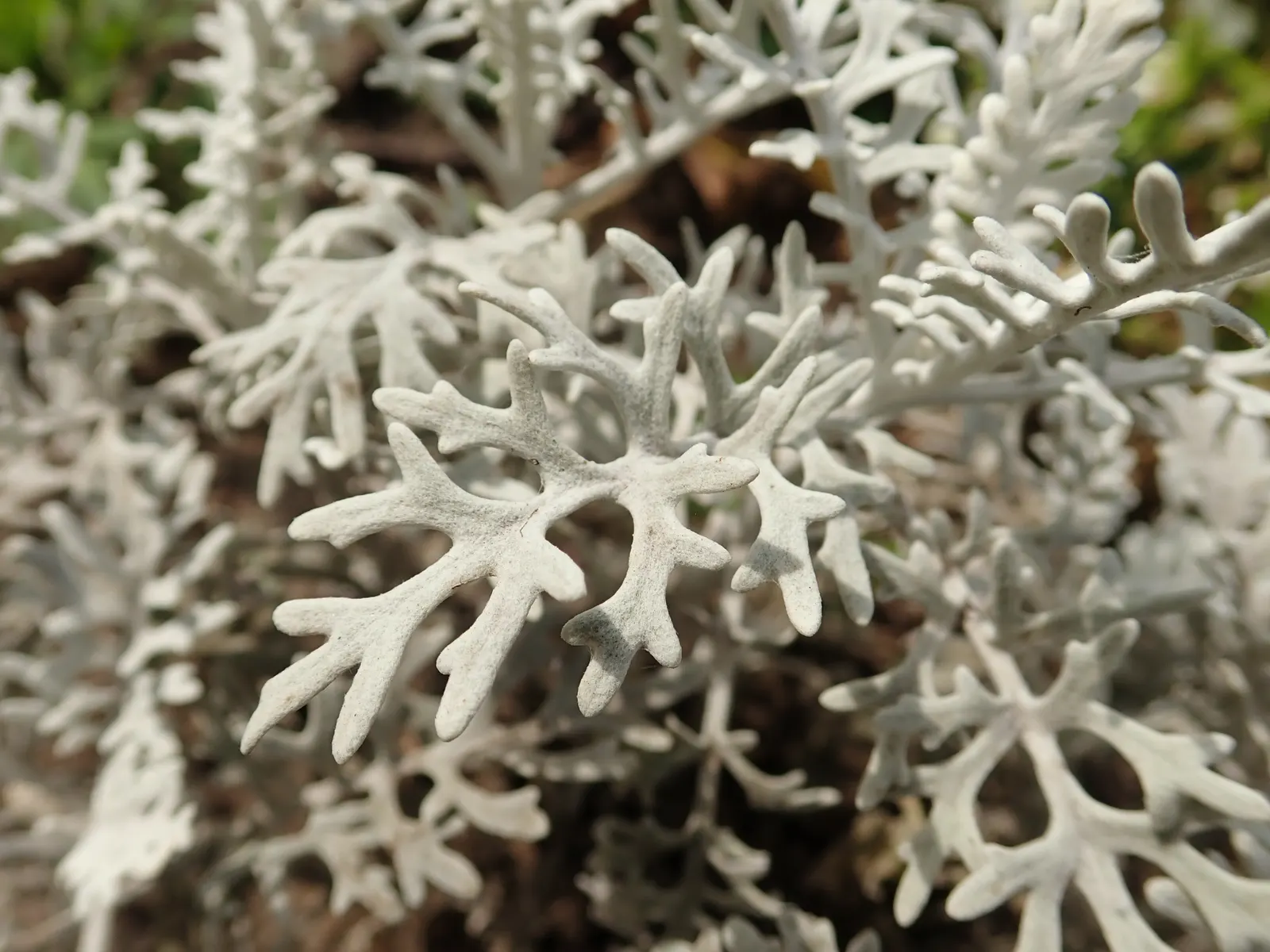
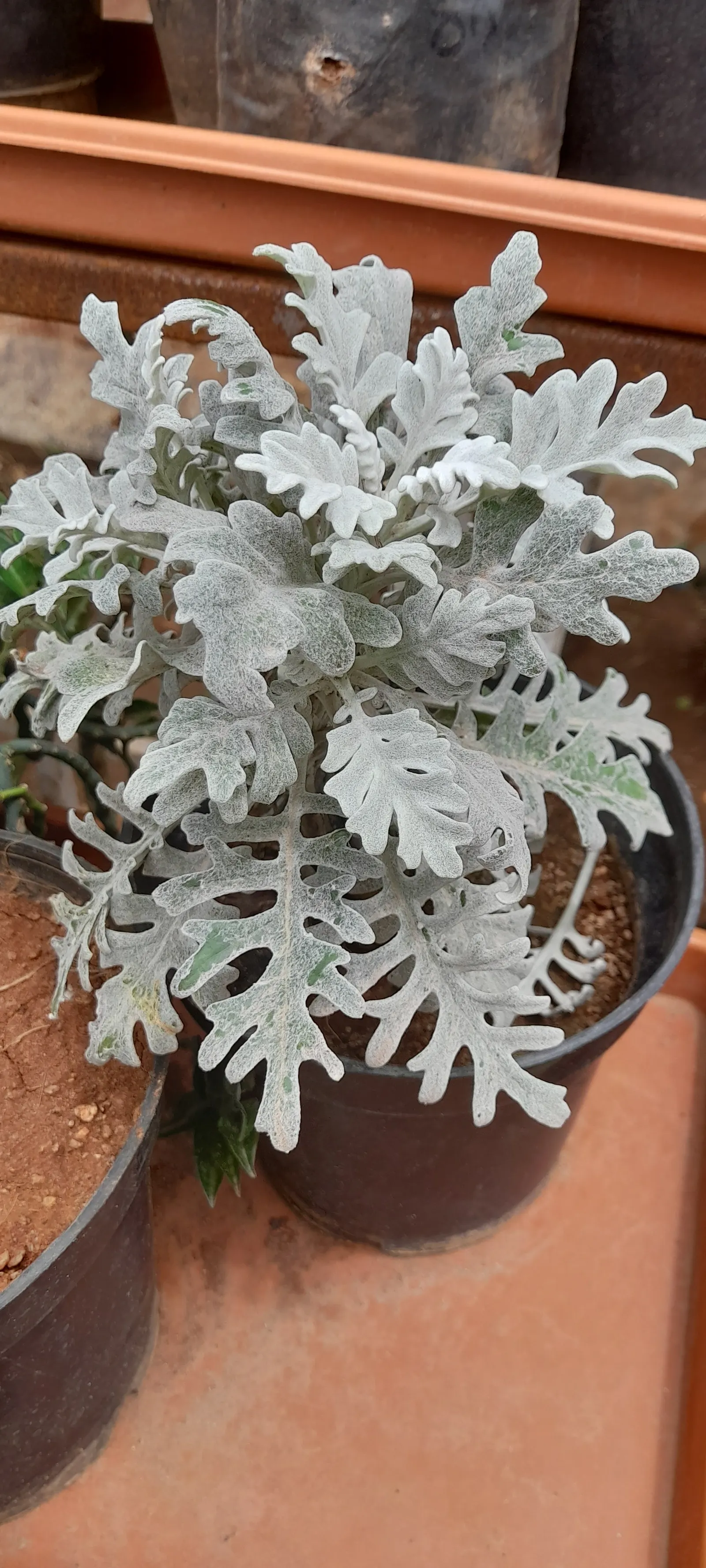
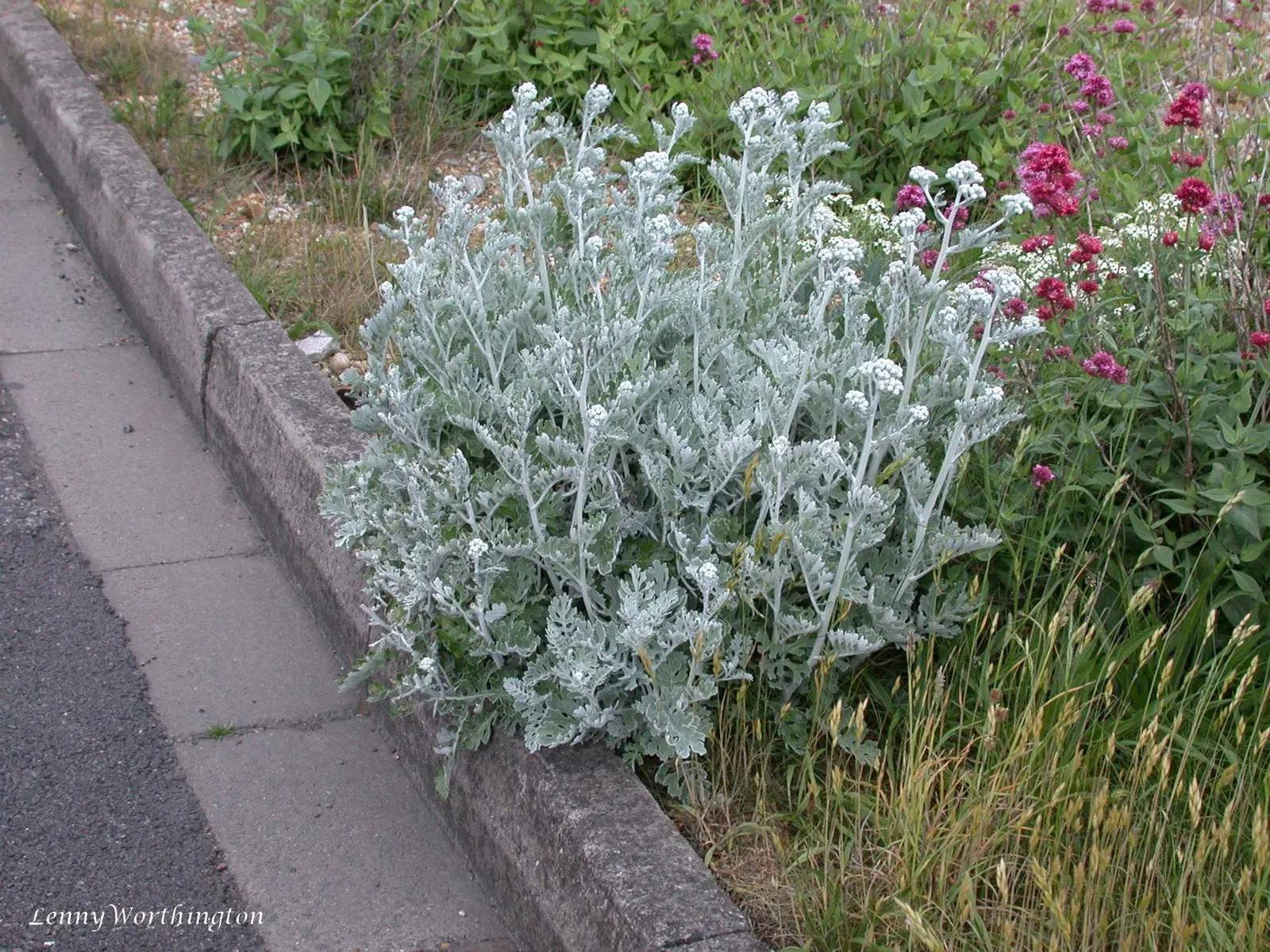
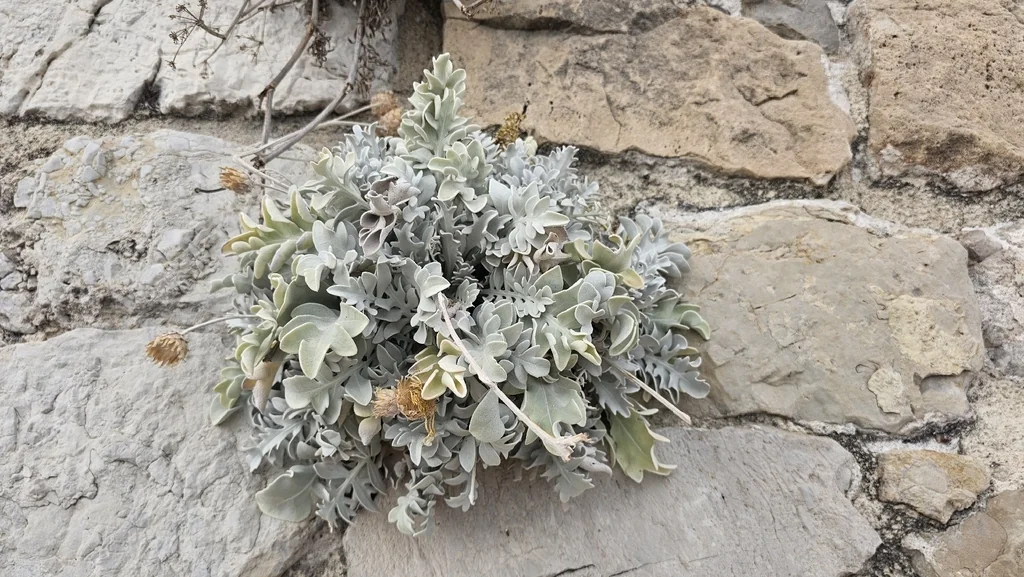
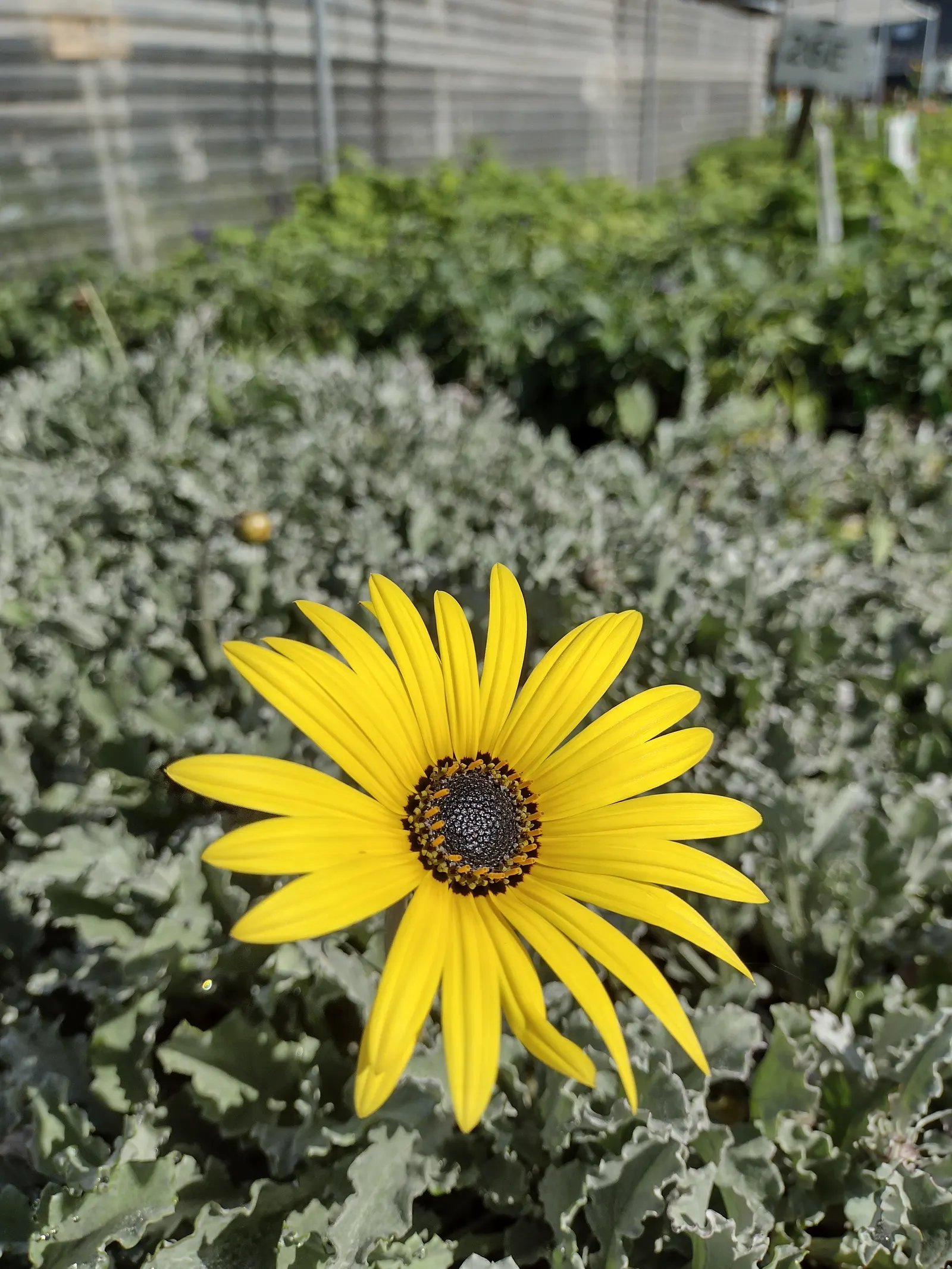
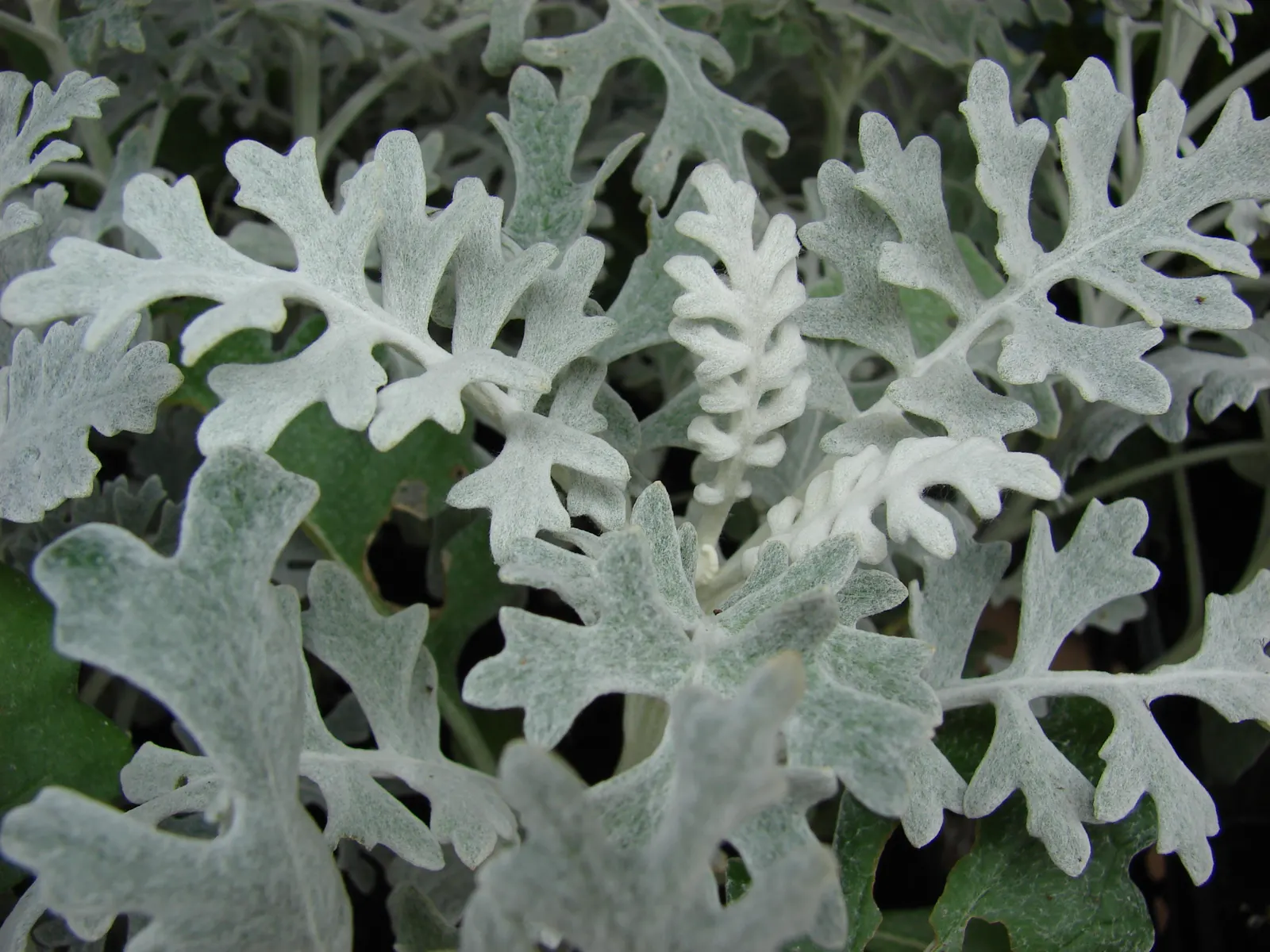
The Dusty Miller Shrub, Senecio cineraria, is prized for its silvery-gray foliage that provides striking contrast in landscapes. Flourishing in full sun, it has a compact growth habit, reaching 12-18 inches tall and wide. Hardy in zones 8-10, it's drought-resistant once established, requiring minimal care. This perennial is often treated as an annual in cooler climates. Its fine-textured leaves add visual interest, blending well with diverse color palettes.
Sun FullWater MediumZones 8–10Climate Mediterranean
Dusty Miller Shrub (Senecio Cineraria) — is prized for its silvery-gray foliage that provides striking contrast in landscapes

Culture

Sun
Full
Water
Medium
USDA zones
8–10

Shape & size

Classification

Climate
Mediterranean

See full data, regional cultivation notes, full-resolution photos, and design tools. Build a client presentation around this plant.

Start your 14-day trial

Photos (46)

Dusty Miller Shrub (Senecio Cineraria) — Its fine-textured leaves add visual interest, blending well with diverse color palettes; it is most effective when
Dusty Miller Shrub (Senecio Cineraria) — scientifically known as Senecio cineraria; although deadheading and occasional pruning can promote bushier growth and
Dusty Miller Shrub (Senecio Cineraria) — This perennial is often treated as an annual in cooler climates, image 25
Dusty Miller Shrub (Senecio Cineraria) — This perennial shrub is prized for its textured; it is most effective when used as a border plant
Dusty Miller Shrub (Senecio Cineraria) — is a strikingly ornamental plant that serves as a versatile and hardy addition to any landscape design; this perennial
Dusty Miller Shrub (Senecio Cineraria) — silver-gray foliage that adds a shimmering contrast against the vibrant greens typically found in gardens; although
Dusty Miller Shrub (Senecio Cineraria) — The leaves are finely lobed; this perennial is often treated as an annual in cooler climates
Dusty Miller Shrub (Senecio Cineraria) — It is most effective when used as a border plant, image 32
Dusty Miller Shrub (Senecio Cineraria) — <br><br>Senecio cineraria thrives in USDA hardiness zones 7 through 10 and prefers well-draining soil; this perennial
Dusty Miller Shrub (Senecio Cineraria) — or as a complement to brightly colored flowering plants; although deadheading and occasional pruning can promote
Dusty Miller Shrub (Senecio Cineraria) — Full sun to partial shade is ideal for this shrub, as it enhances the silver hue of its foliage; it is most effective
Dusty Miller Shrub (Senecio Cineraria) — making it an excellent choice for xeriscaping or low-water gardens; this perennial is often treated as an annual in
Dusty Miller Shrub (Senecio Cineraria) — Minimal maintenance is required; it is most effective when used as a border plant
Dusty Miller Shrub (Senecio Cineraria) — it is drought-tolerant once established; although deadheading and occasional pruning can promote bushier growth and
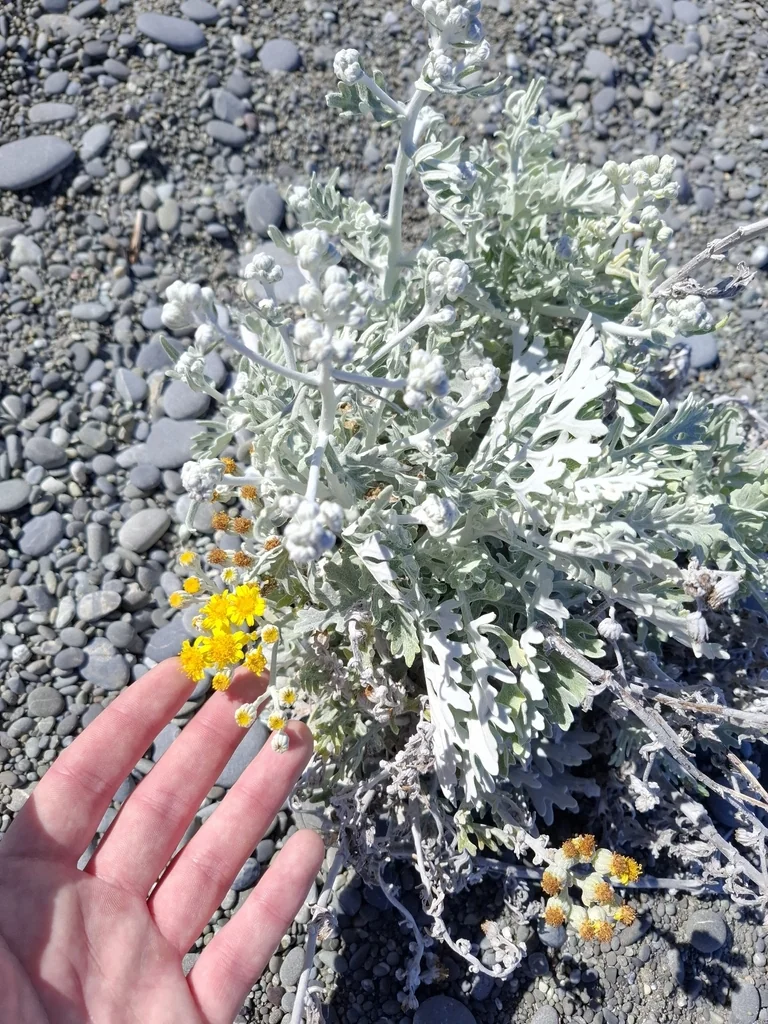
Dusty Miller Shrub (Senecio Cineraria) — yellow flowers in the garden; this perennial is often treated as an annual in cooler climates
Dusty Miller Shrub (Senecio Cineraria) — although deadheading and occasional pruning can promote bushier growth and maintain a neat appearance, image 39
Dusty Miller Shrub (Senecio Cineraria) — perennial for full; although deadheading and occasional pruning can promote bushier growth and maintain a neat
Dusty Miller Shrub (Senecio Cineraria) — is prized for its silvery-gray foliage that provides striking contrast in landscapes; this perennial is, image 43
Dusty Miller Shrub (Senecio Cineraria) — perennial with yellow blooms; it is most effective when used as a border plant
Dusty Miller Shrub (Senecio Cineraria) — Flourishing in full sun, it has a compact growth habit, reaching 12-18 inches tall and wide; it is most, image 44
Dusty Miller Shrub (Senecio Cineraria) — Hardy in zones 8-10, it's drought-resistant once established, requiring minimal care; although deadheading, image 45
Dusty Miller Shrub (Senecio Cineraria) — This perennial is often treated as an annual in cooler climates, image 46