Skip to content

Giant Squill

Scilla Bifolia

Design with this plant

Overview

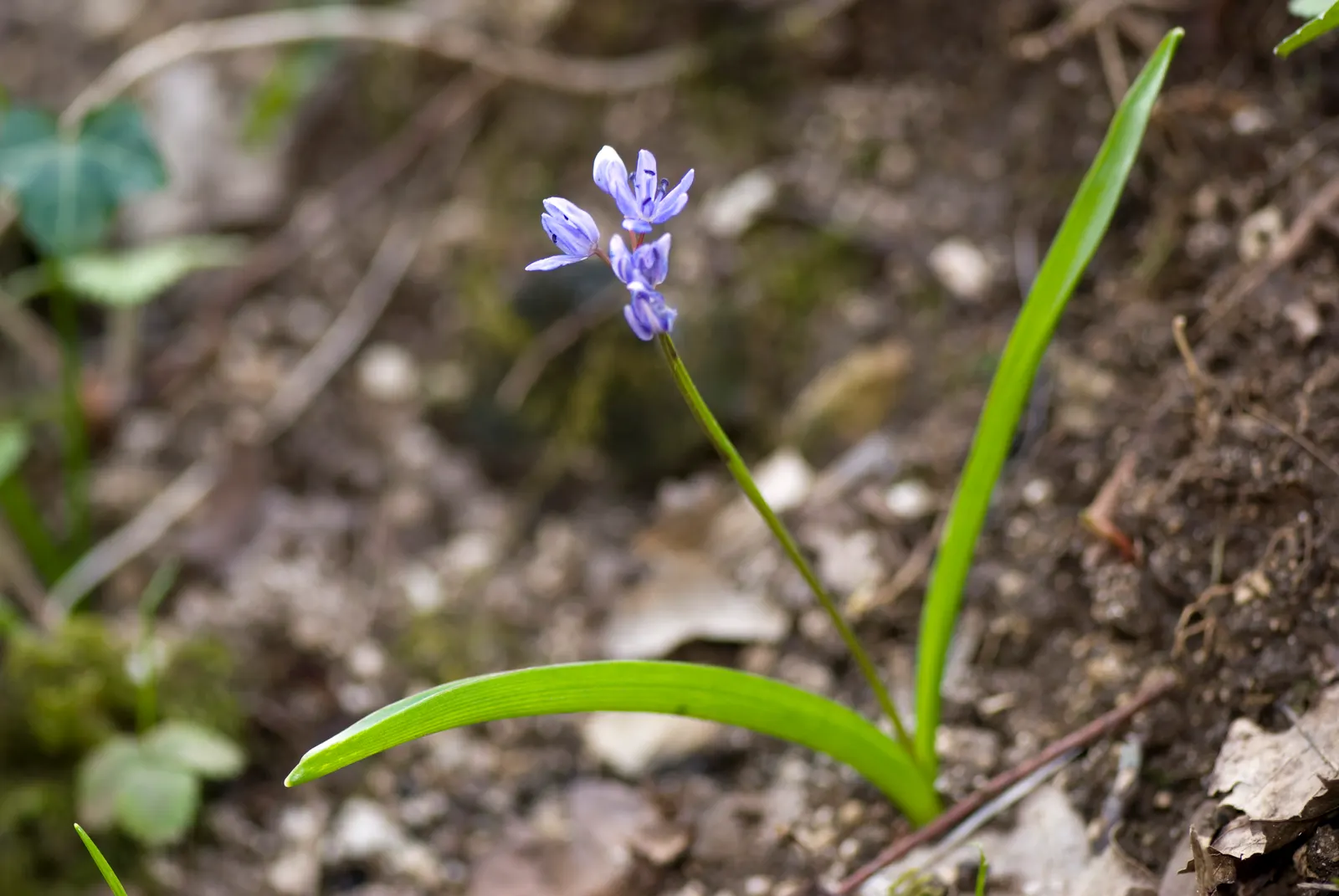
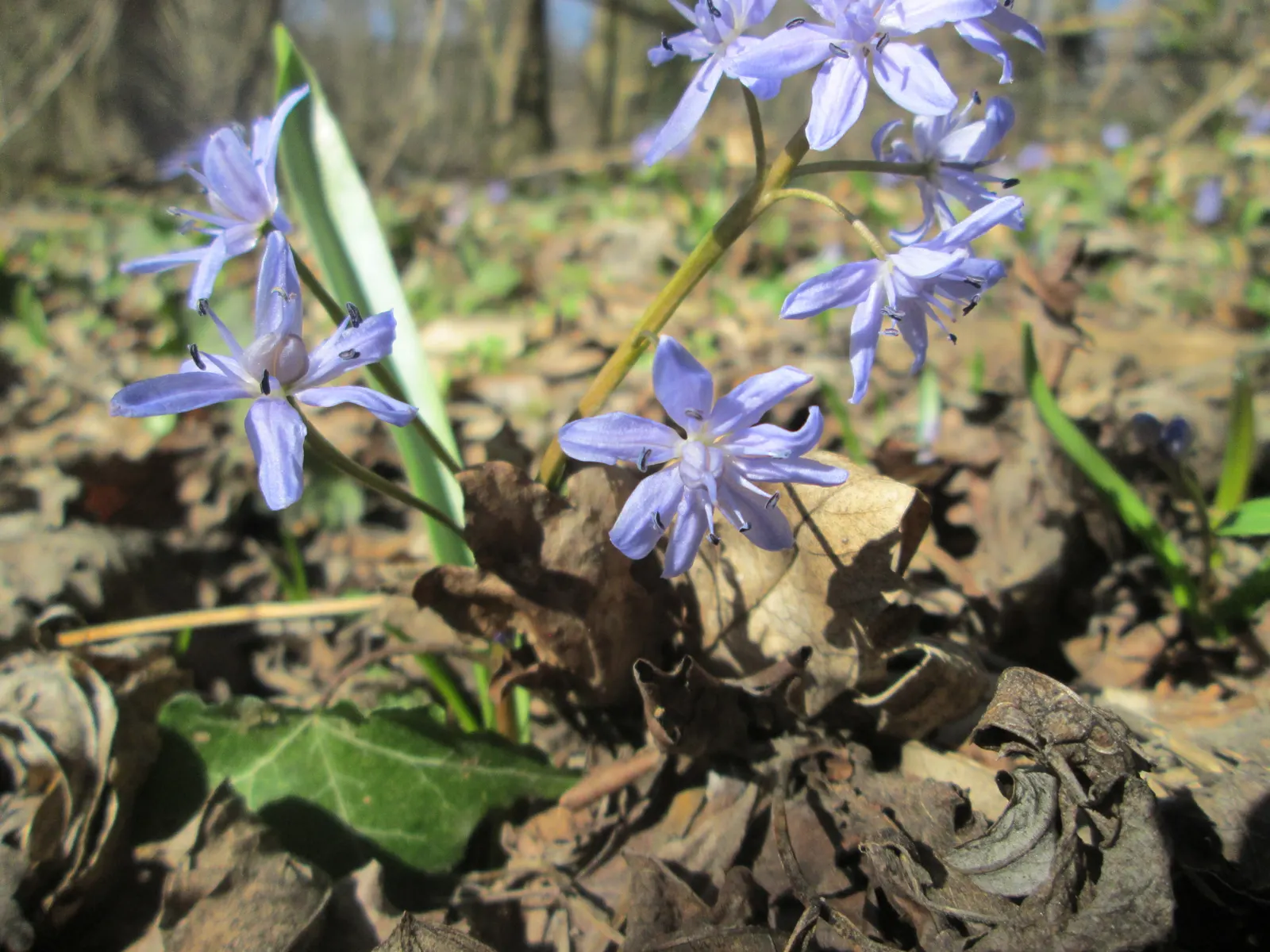
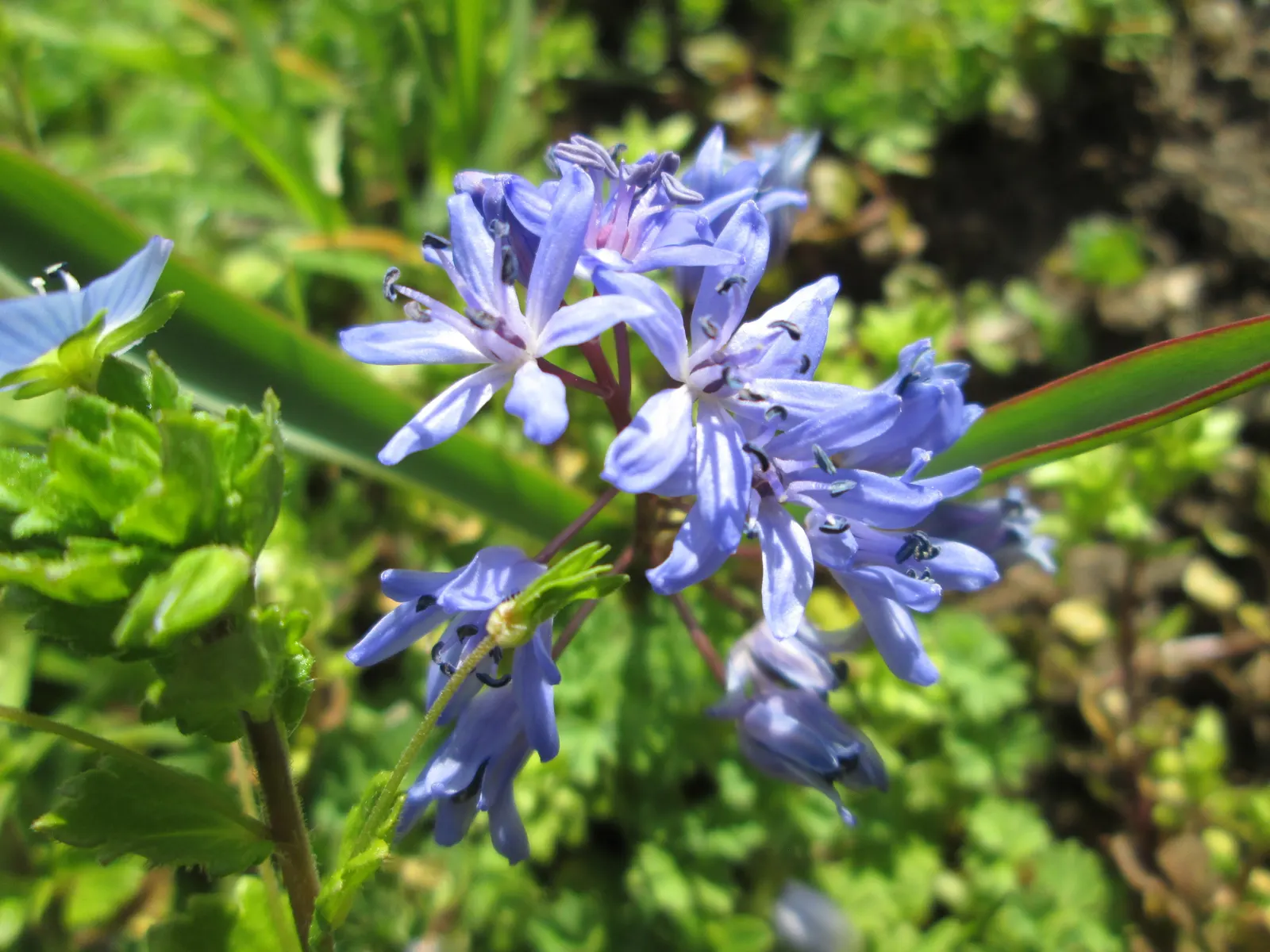
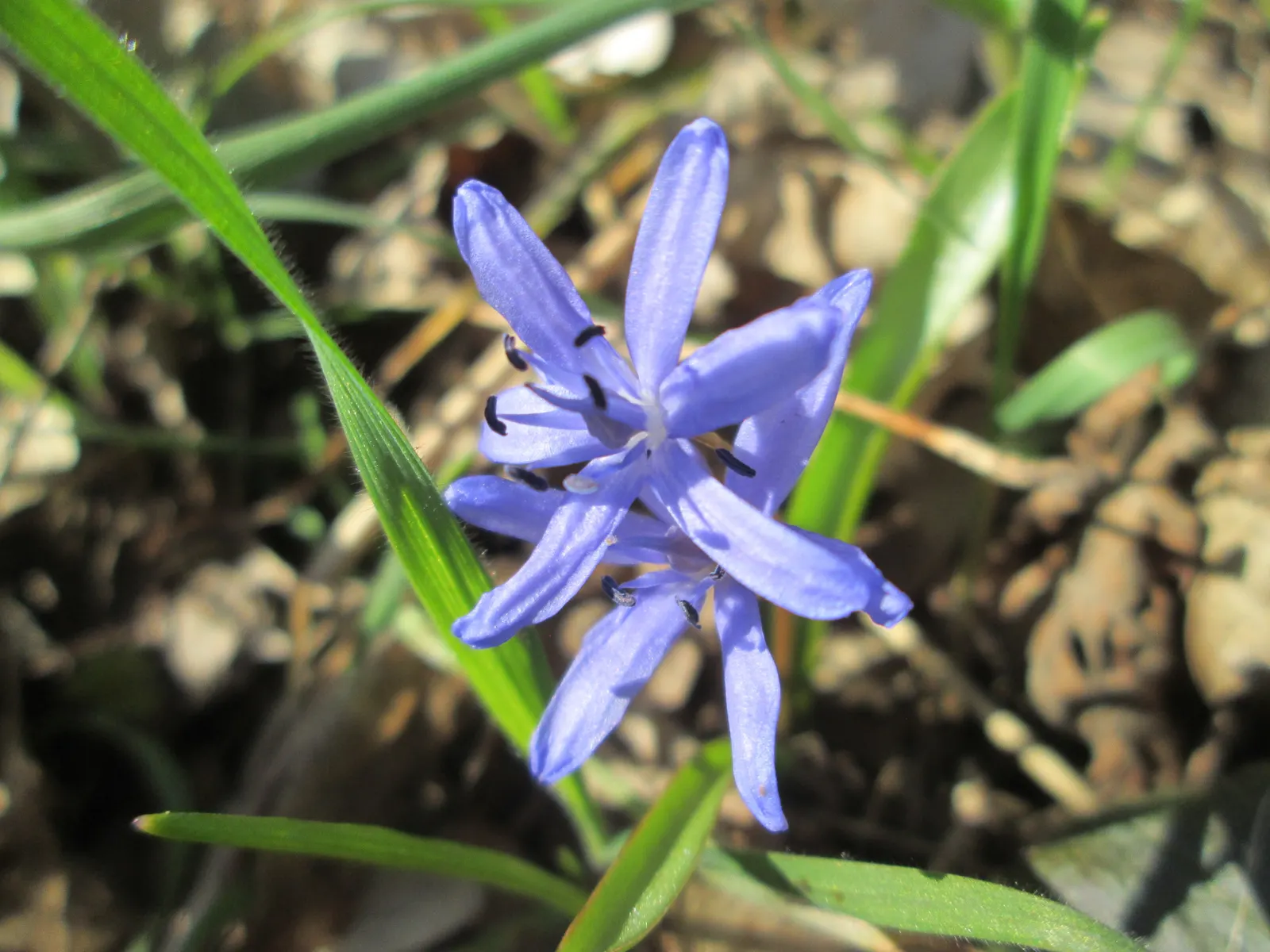
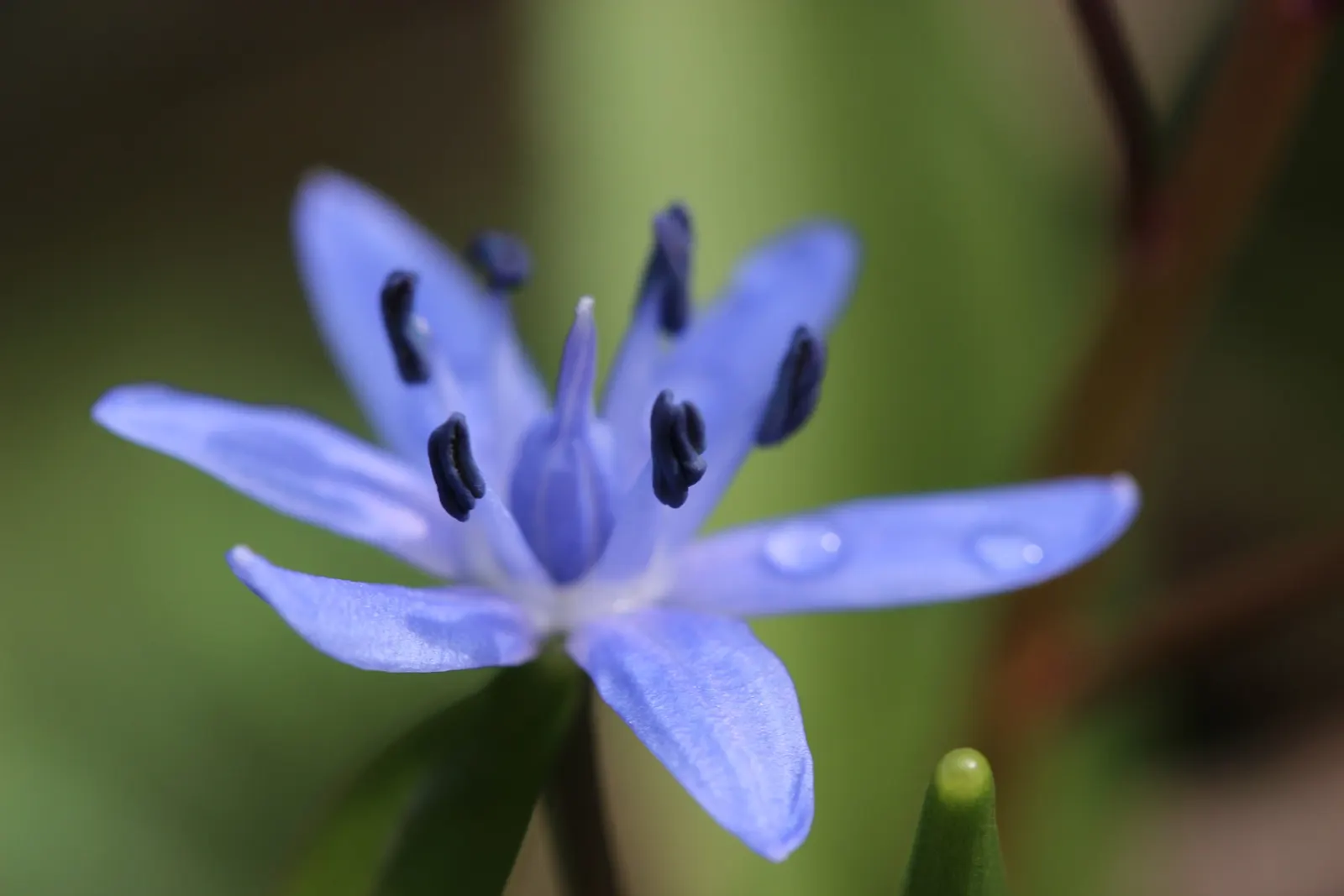
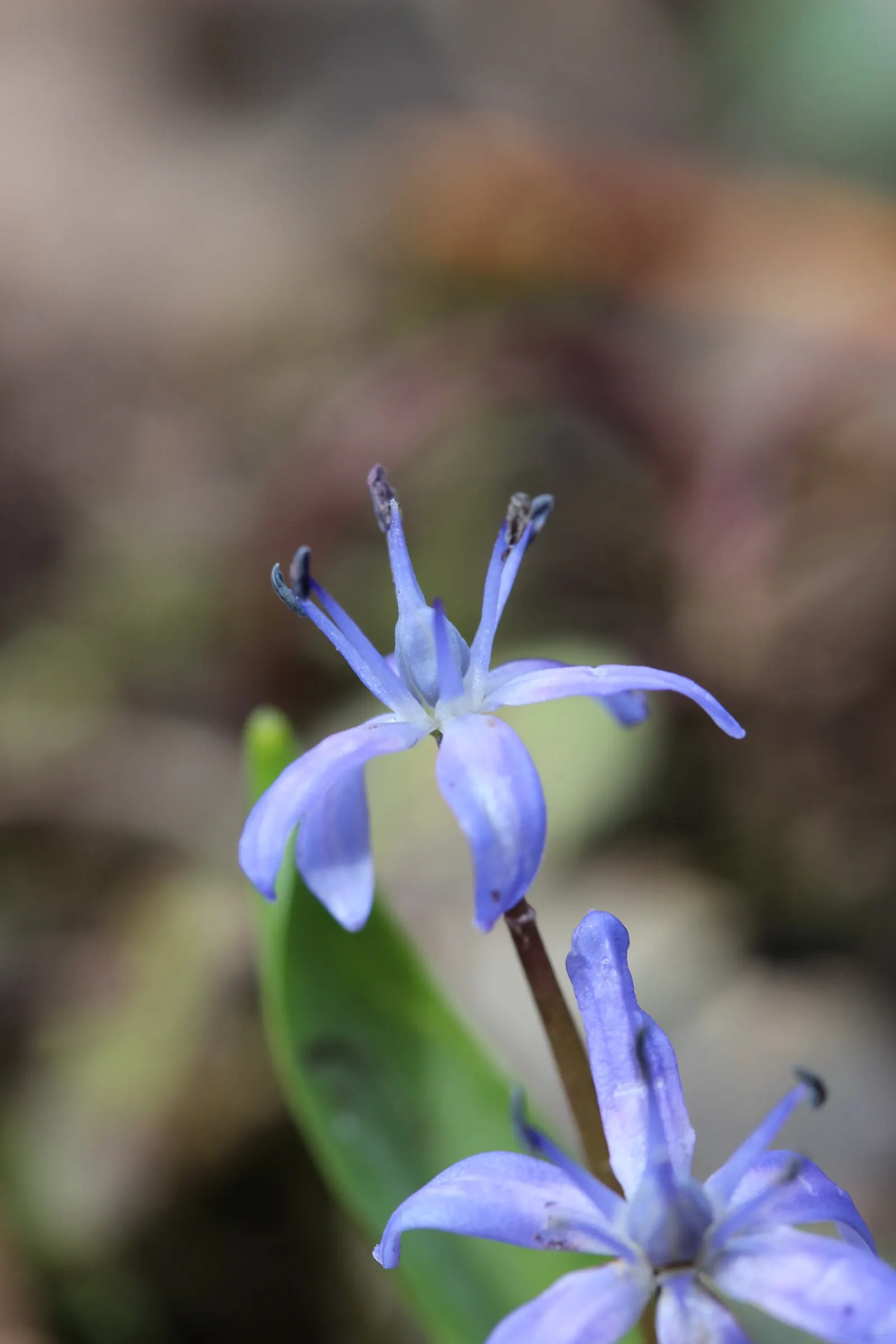
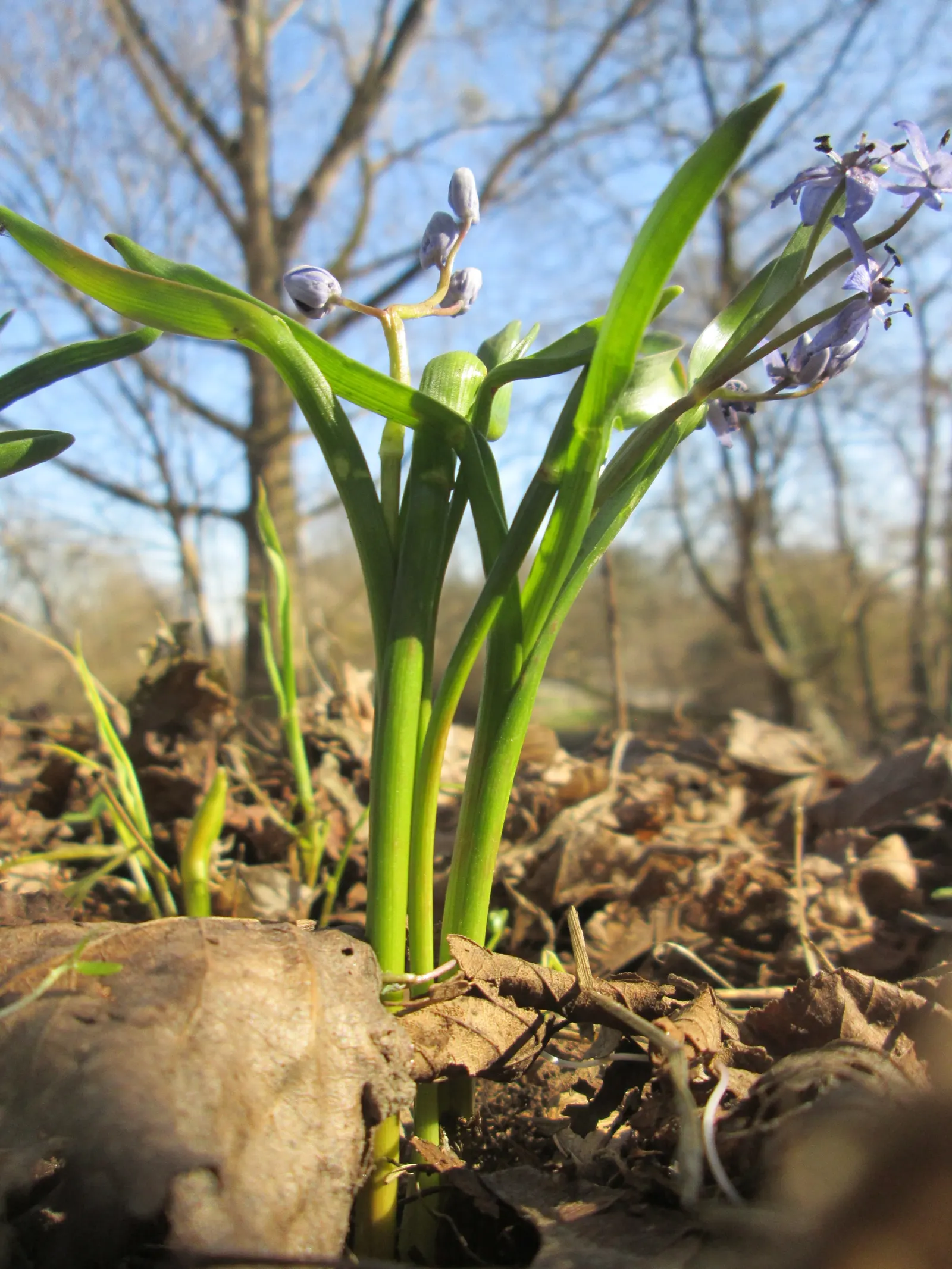
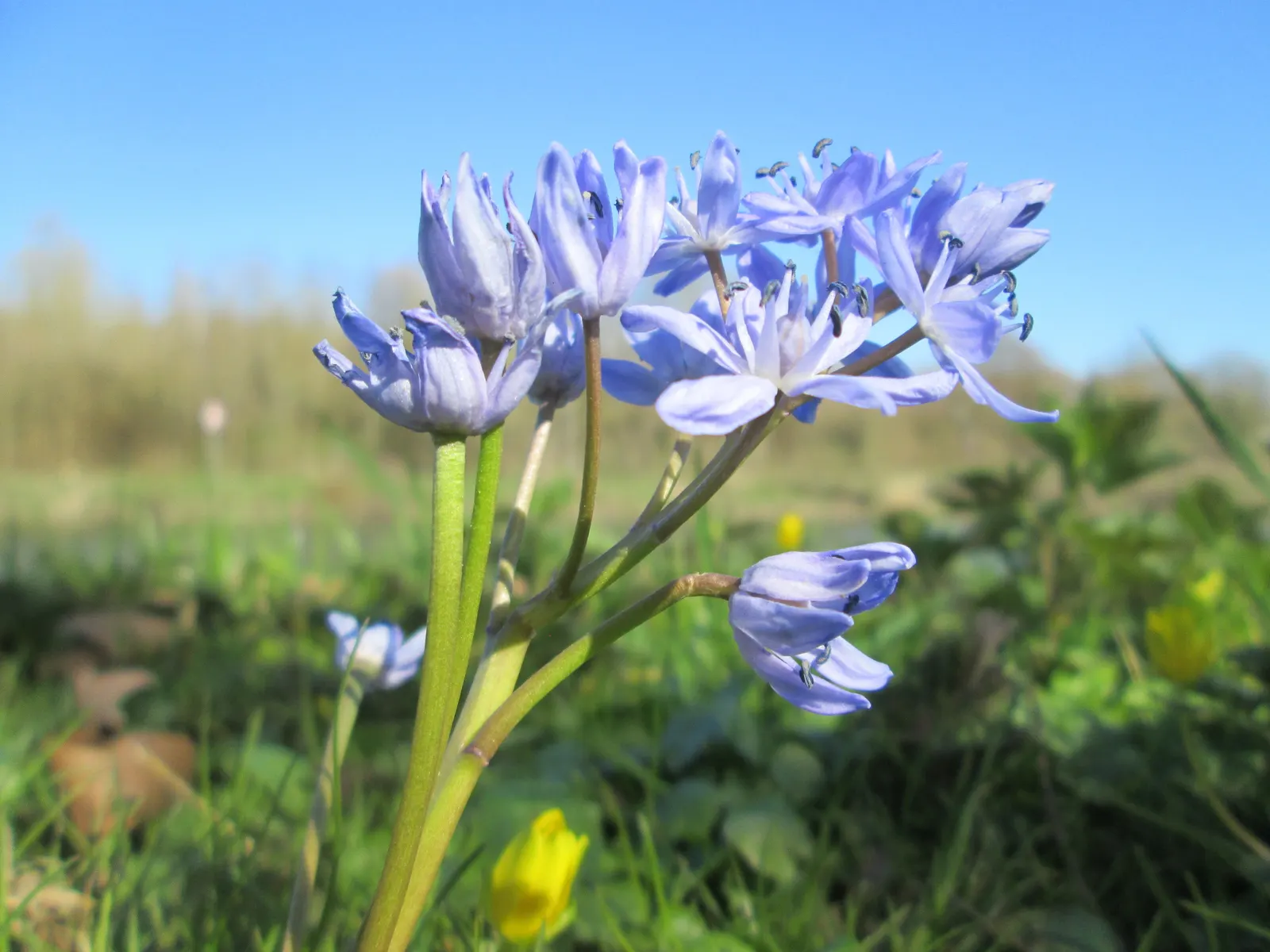
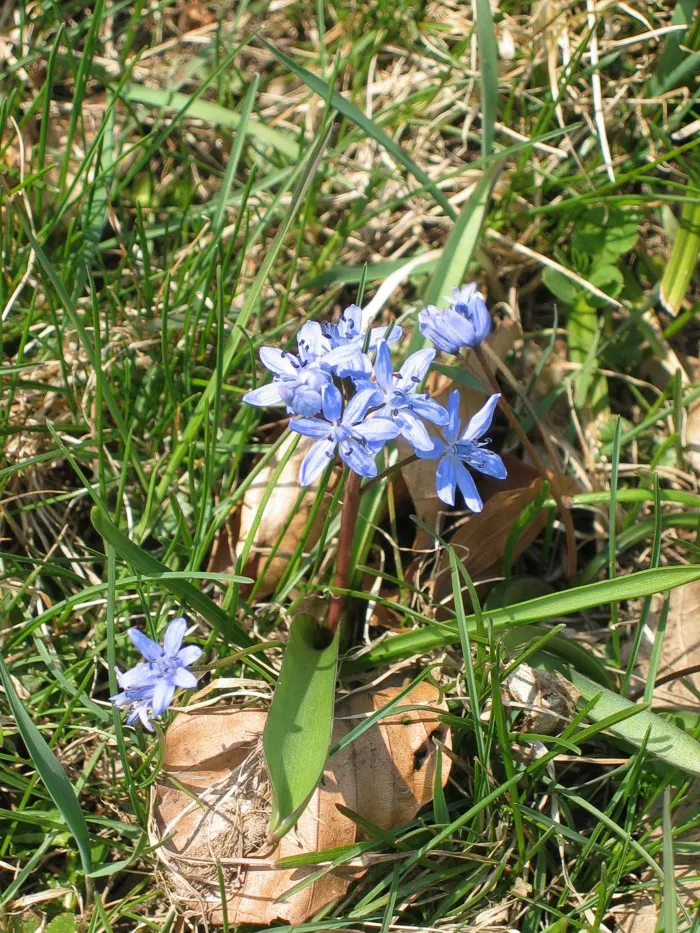
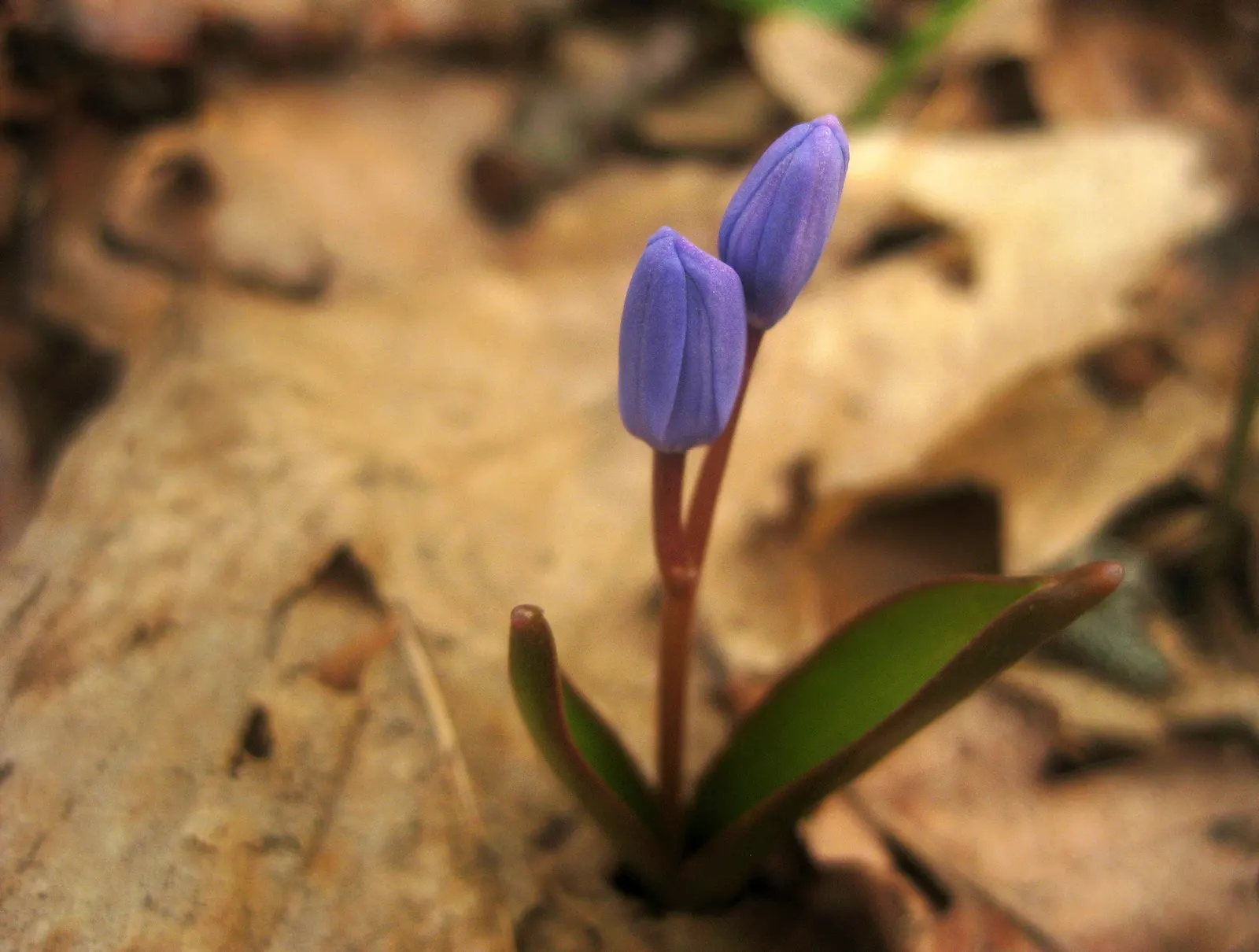
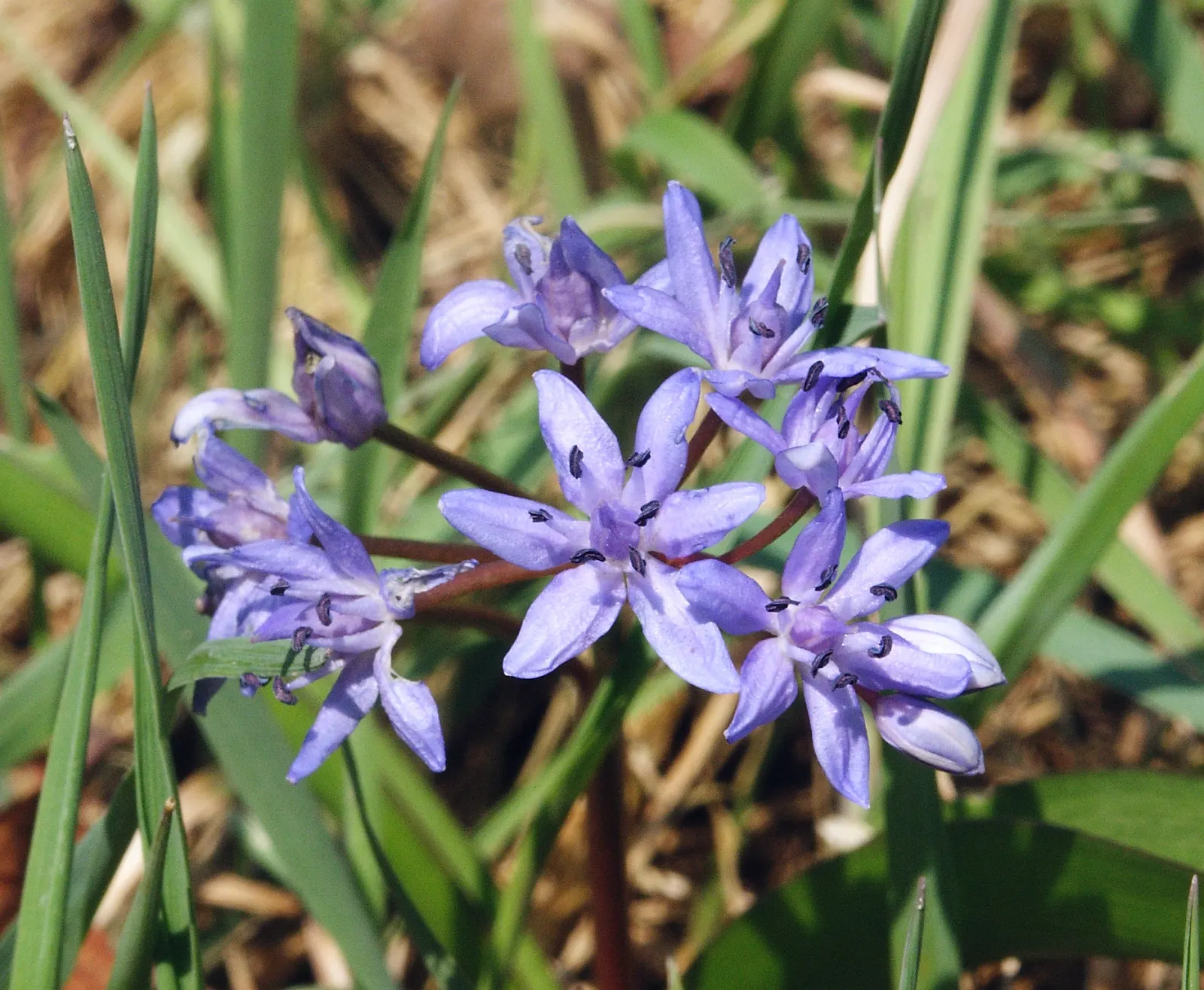
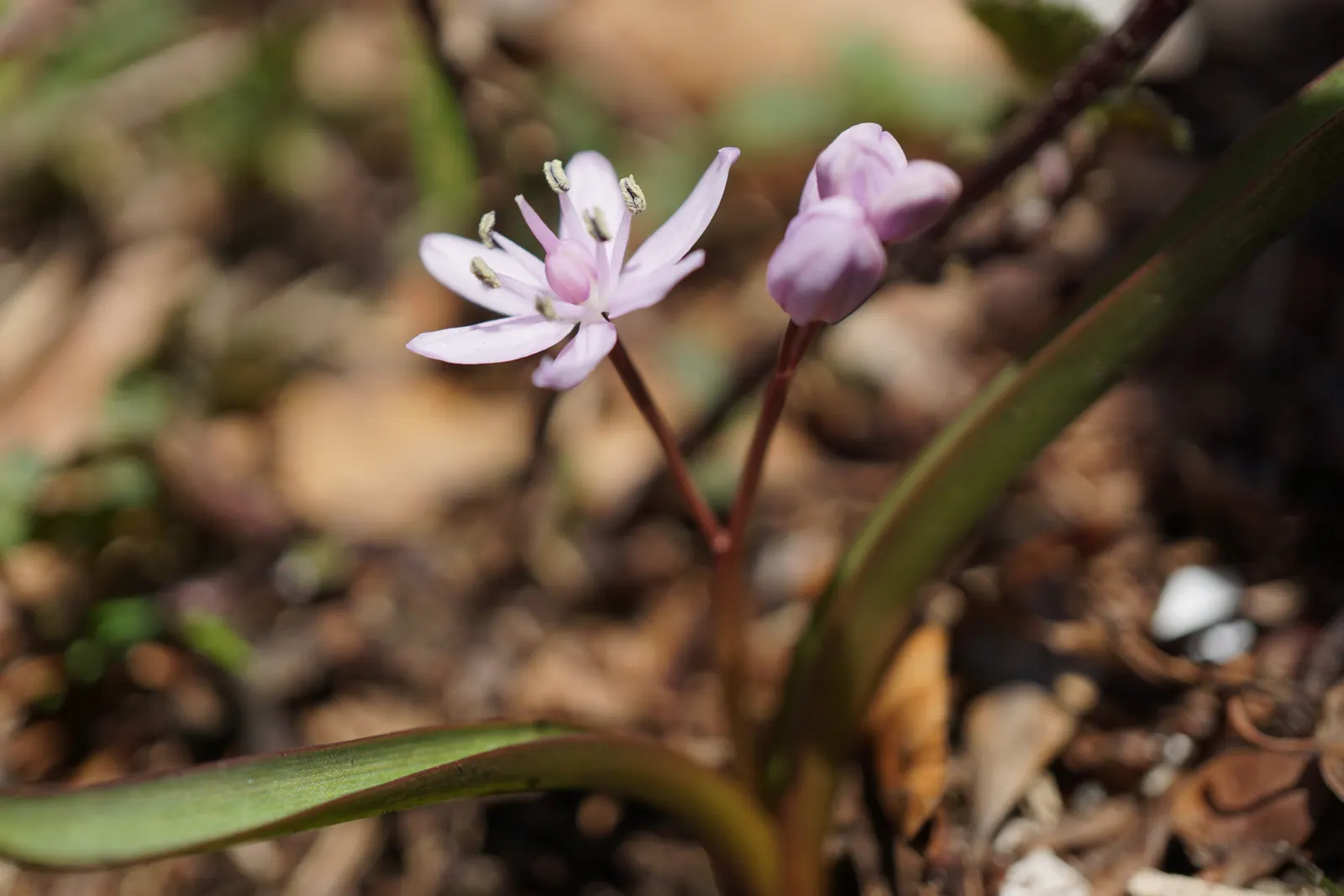
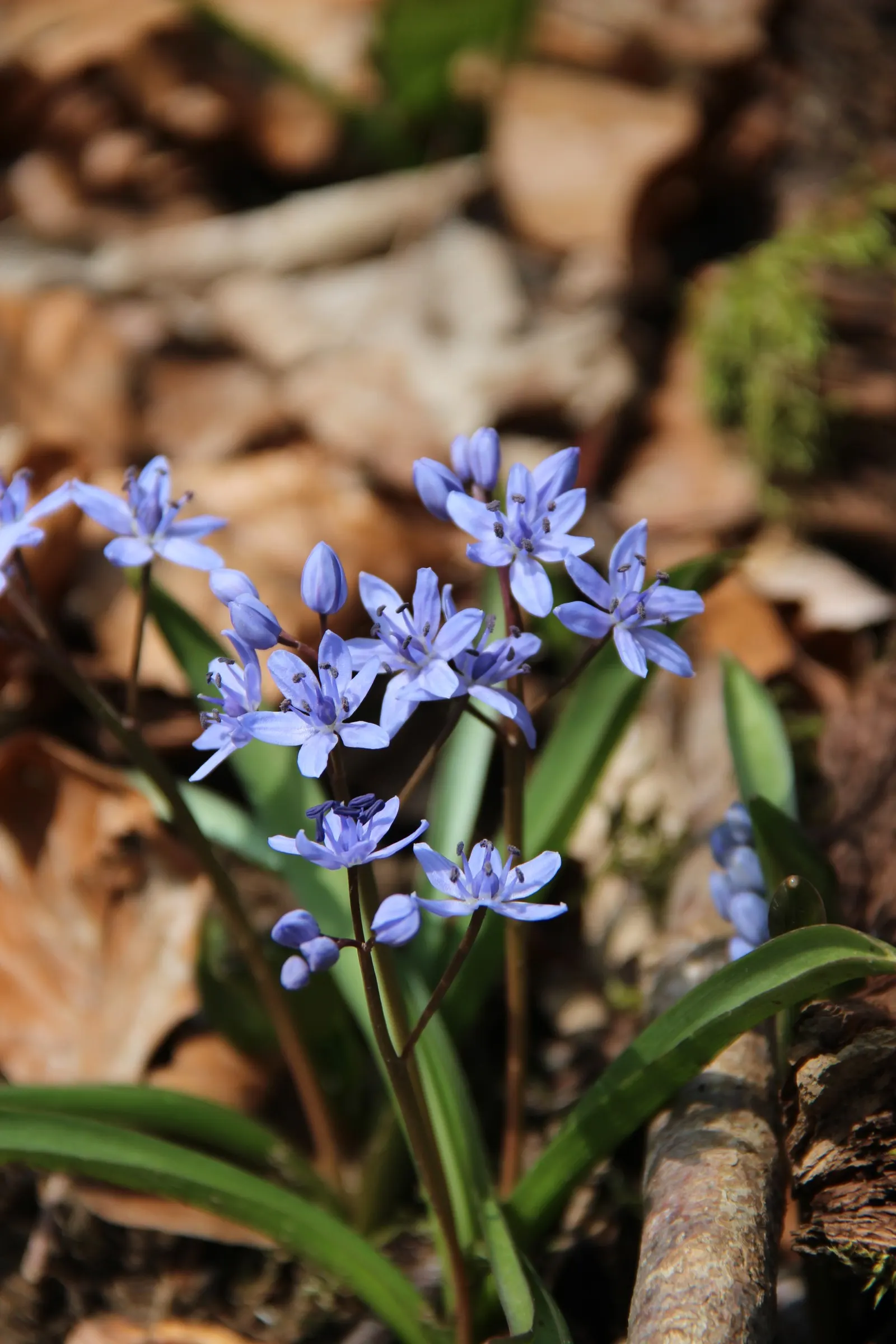
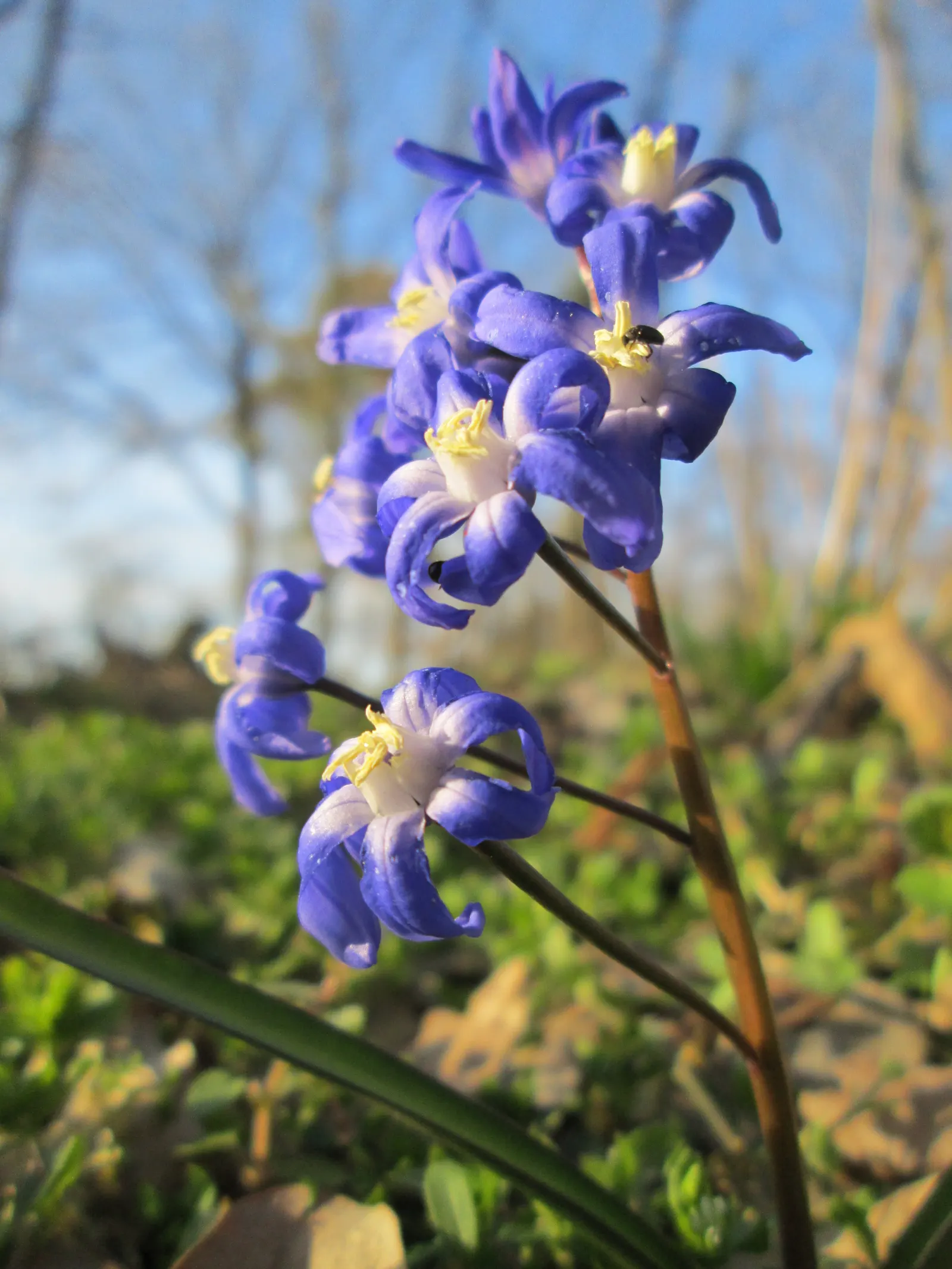
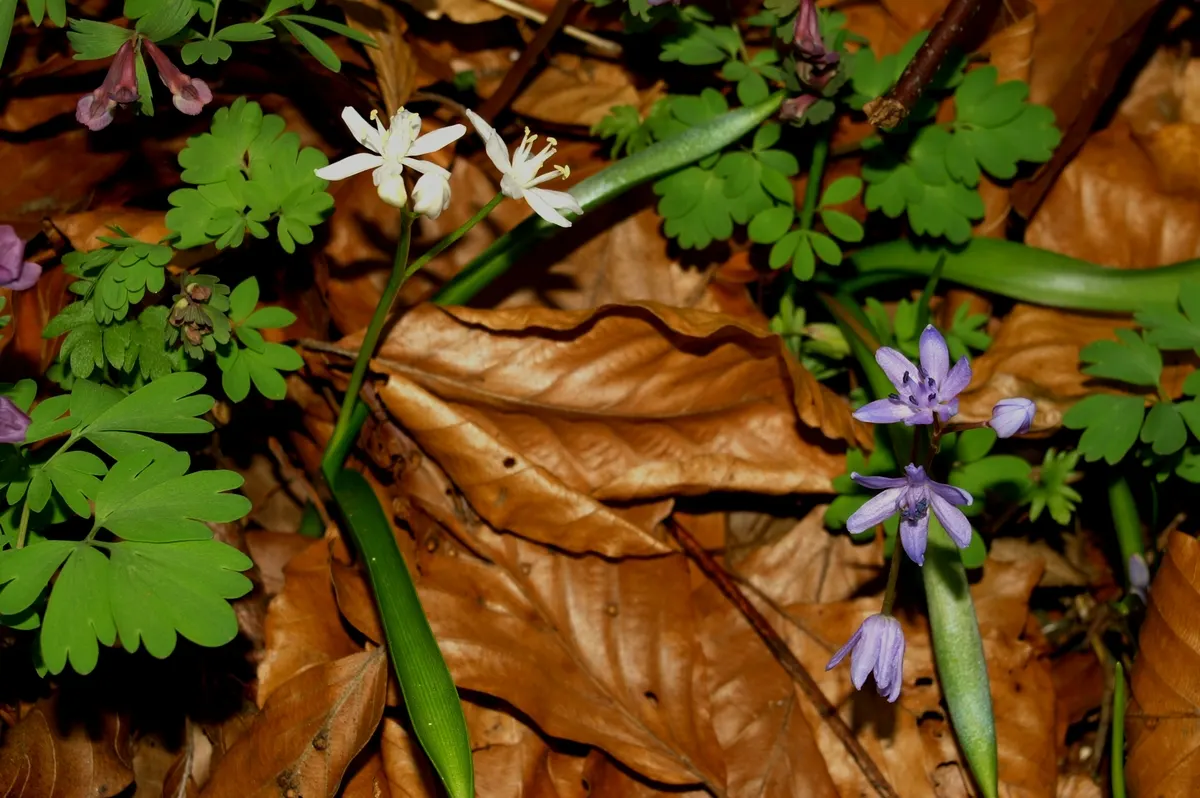
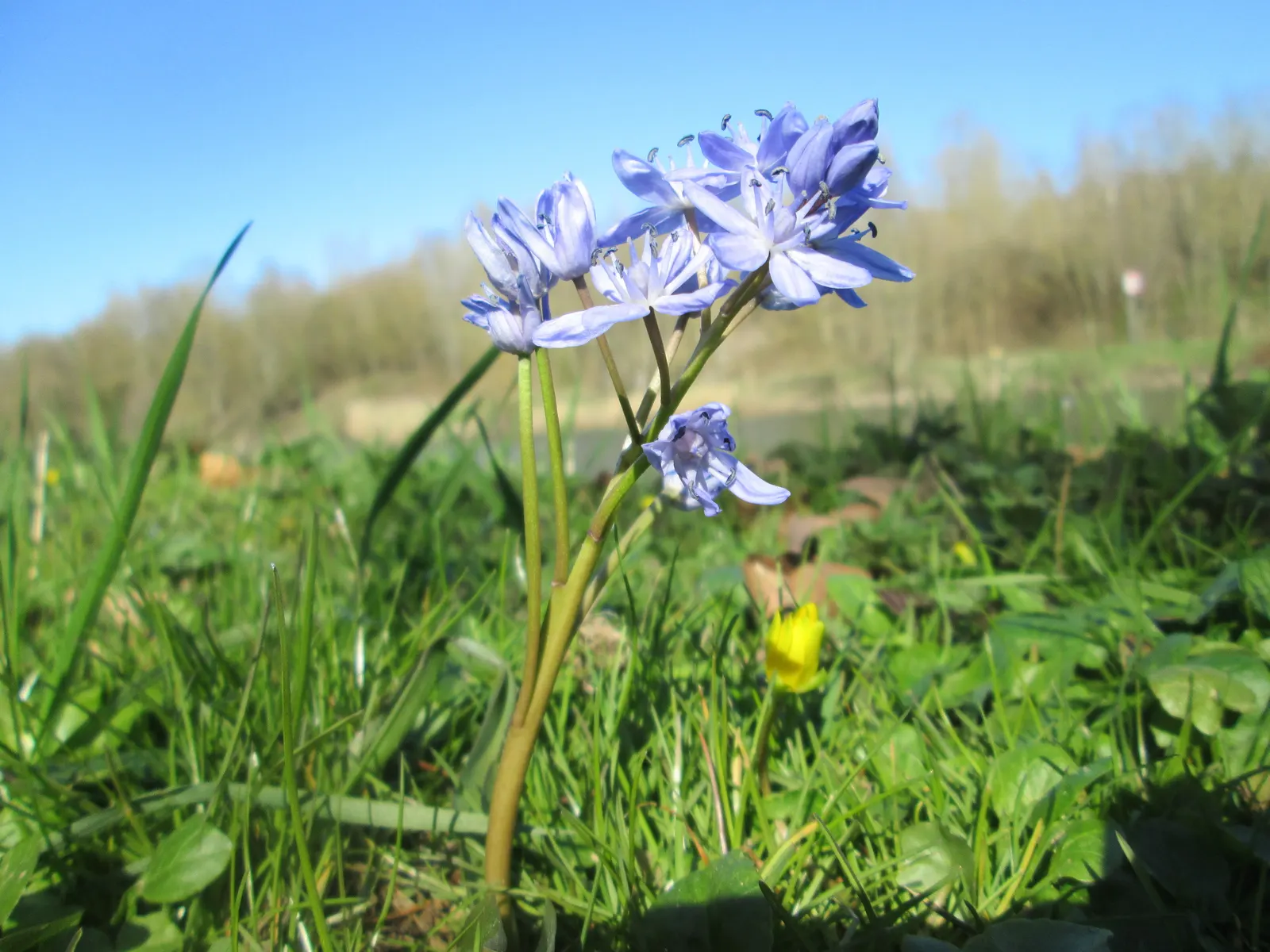
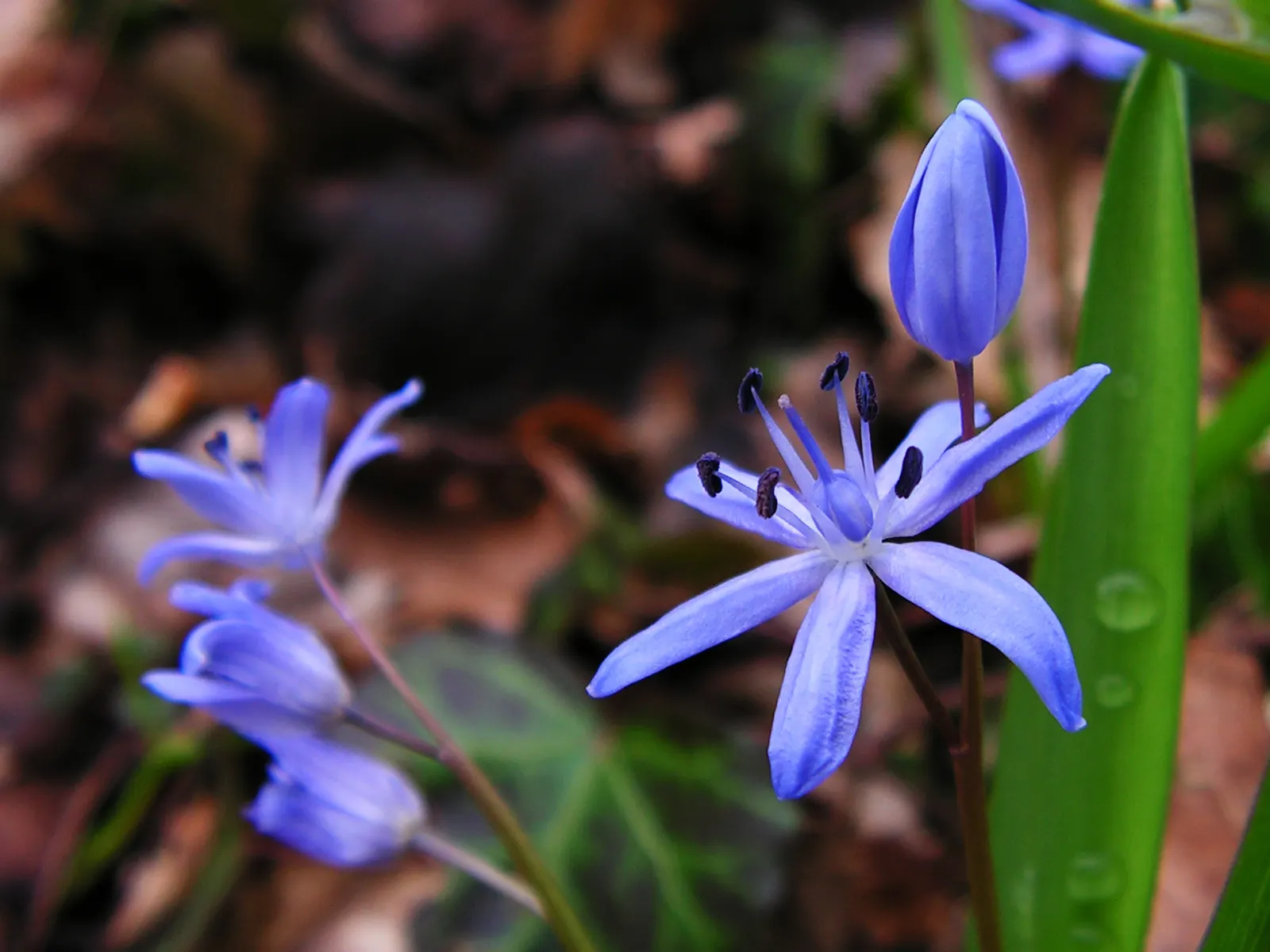
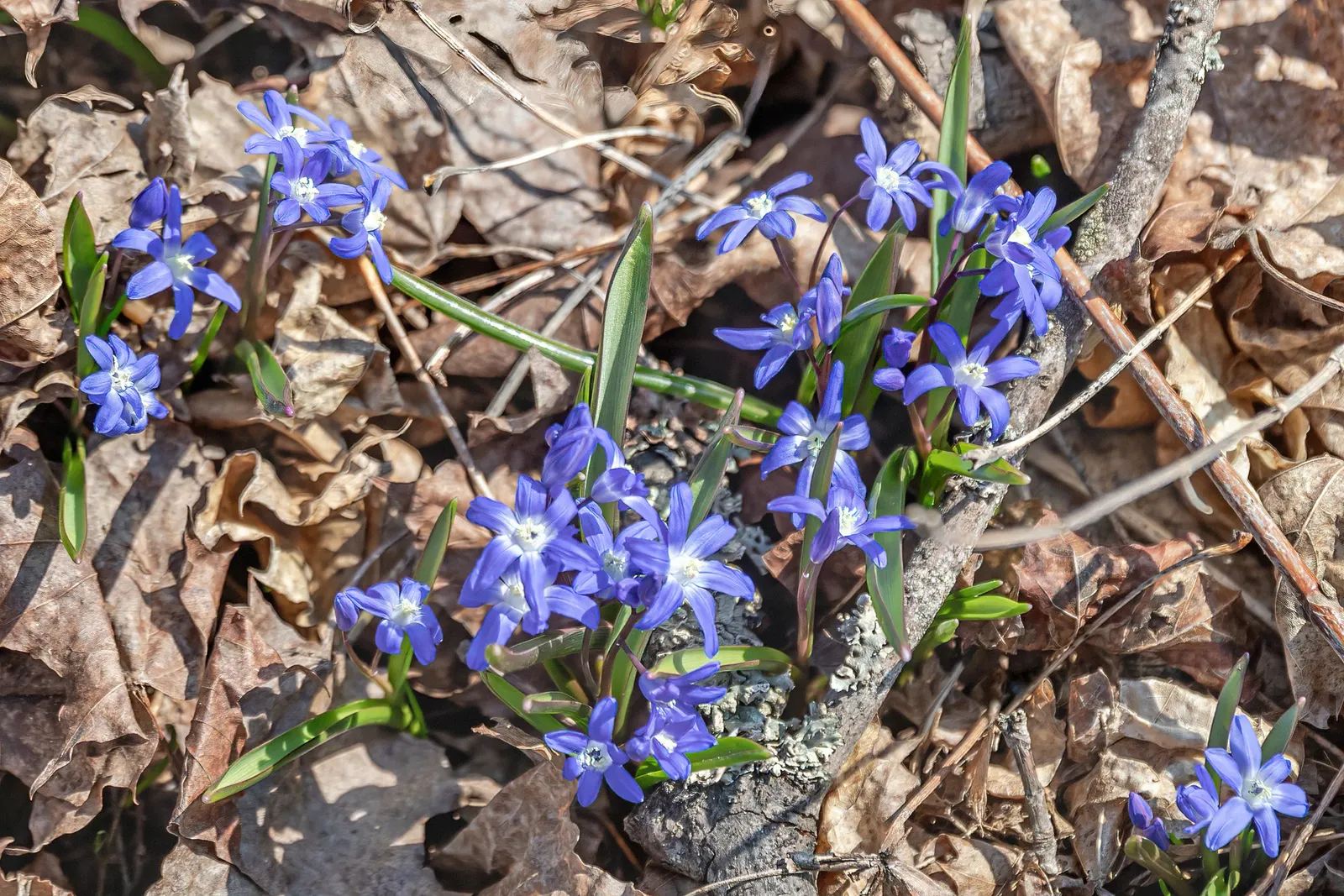
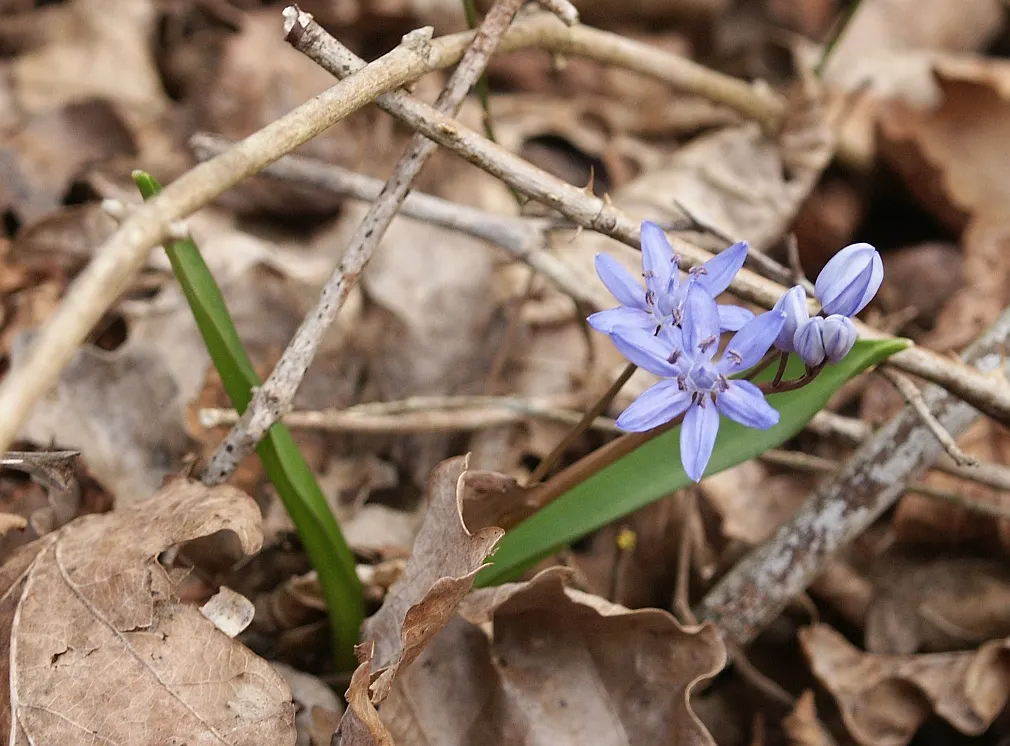
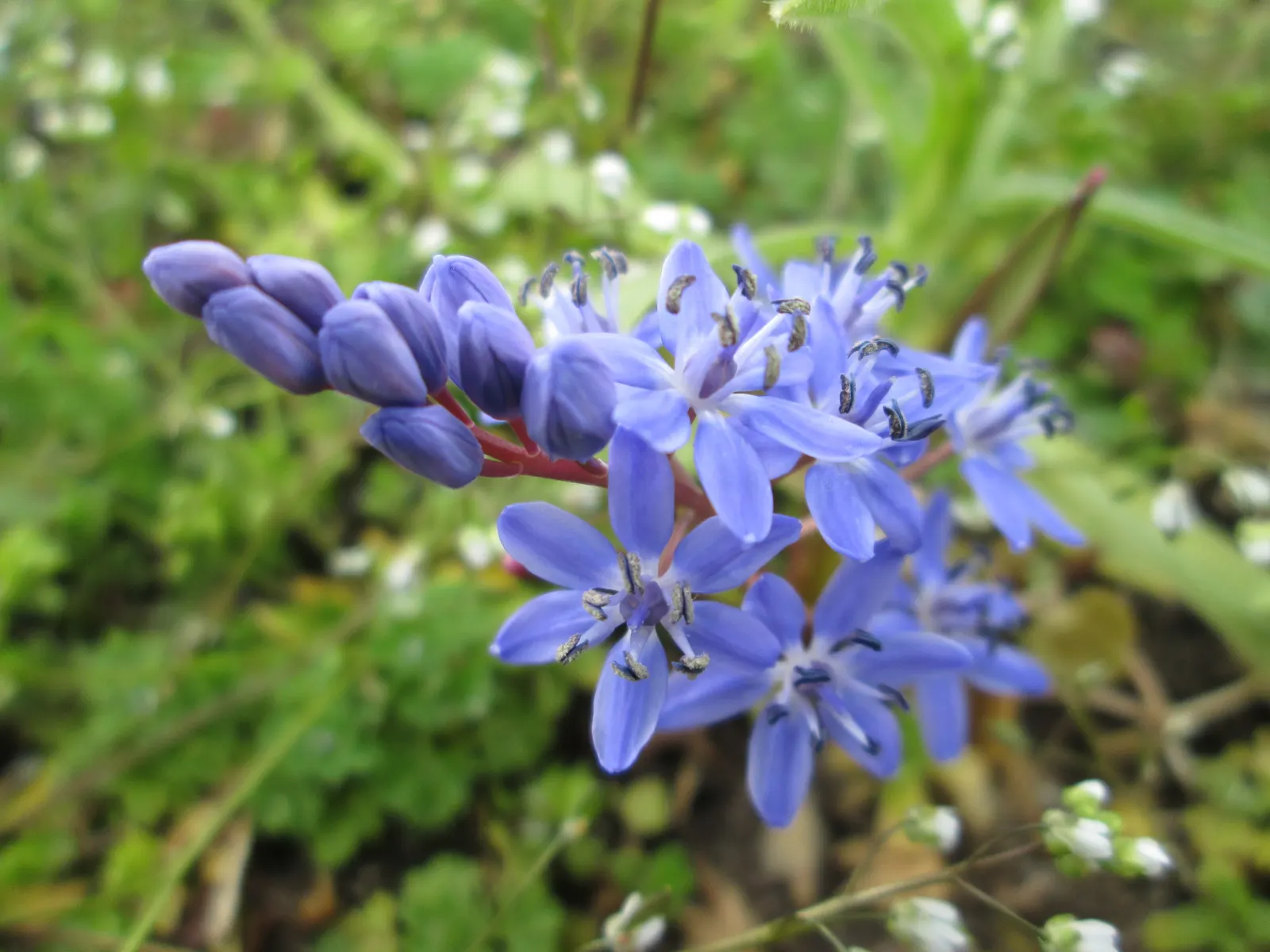
The Giant Scilla (Scilla bifolia), also known as the Alpine Squill, is a charming early-spring bloomer. Each bulb sprouts multiple star-shaped, blue-violet flowers atop 4 to 6-inch stalks. This low-maintenance perennial prefers well-drained soil and partial shade. Ideal for naturalizing in woodland gardens, it creates a striking underplanting beneath deciduous trees and adds vibrant hues to rockeries and borders. Hardy in zones 3-8.

Sun Full, HalfWater MediumZones 4–8Climate Temperate
Giant Squill (Scilla Bifolia) — This low-maintenance perennial prefers well-drained soil and partial shade

Culture

Sun
Full, Half
Water
Medium
USDA zones
4–8

Shape & size

Mature height
0.25–0.5 Ft.
Mature width
0.25–0.5 Ft.

Classification

Family
Hyacinthaceae
Climate
Temperate

See full data, regional cultivation notes, full-resolution photos, and design tools. Build a client presentation around this plant.

Start your 14-day trial

Photos (113)

Giant Squill (Scilla Bifolia) — Its diminutive size requires little space; it creates a striking underplanting beneath deciduous trees and adds vibrant hues to
Giant Squill (Scilla Bifolia) — blue flowers in the garden; including woodlands and meadows.<br><br>This petite plant reaches only about 3 to 6 inches in height
Giant Squill (Scilla Bifolia) — This low-maintenance perennial prefers well-drained soil and partial shade; this low-maintenance plant can tolerate, image 53
Giant Squill (Scilla Bifolia) — The Giant Scilla (Scilla bifolia), also known as the Alpine Squill, is a charming early-spring bloomer; ideal for, image 51
Giant Squill (Scilla Bifolia) — Each bulb sprouts multiple star-shaped, blue-violet flowers atop 4 to 6-inch stalks; with each individual flower, image 52
Giant Squill (Scilla Bifolia) — Ideal for naturalizing in woodland gardens; bulb for full or half, image 54
Giant Squill (Scilla Bifolia) — Known for its star-shaped blooms; it pairs well with other spring-flowering bulbs and perennials, image 57
Giant Squill (Scilla Bifolia) — it creates a striking underplanting beneath deciduous trees and adds vibrant hues to rockeries and borders; known, image 55
Giant Squill (Scilla Bifolia) — is an enchanting early spring perennial that adds a touch of sapphire to your landscape design; the Giant Scilla, image 56
Giant Squill (Scilla Bifolia) — including woodlands and meadows.<br><br>This petite plant reaches only about 3 to 6 inches in height; this, image 58
Giant Squill (Scilla Bifolia) — with each individual flower measuring approximately 0.5 to 1 inch across; bulb with blue blooms, image 61
Giant Squill (Scilla Bifolia) — offering an early nectar source for pollinators such as bees.<br><br>For optimal growth, image 63
Giant Squill (Scilla Bifolia) — Each bulb produces narrow; typically 4 to 8 inches long and about 1 inch wide, image 59
Giant Squill (Scilla Bifolia) — the Giant Scilla prefers well-drained soil rich in organic matter; making it an excellent selection for rock gardens, image 64
Giant Squill (Scilla Bifolia) — typically 4 to 8 inches long and about 1 inch wide; hardy in USDA zones 3 through 8, image 60
Giant Squill (Scilla Bifolia) — The blossoms make their appearance in late winter to early spring; is an enchanting early spring perennial that, image 62
Giant Squill (Scilla Bifolia) — It thrives in full sun to partial shade; each bulb sprouts multiple star-shaped, blue-violet flowers atop 4 to, image 65
Giant Squill (Scilla Bifolia) — making it an excellent selection for rock gardens; the blossoms make their appearance in late winter to early spring, image 70
Giant Squill (Scilla Bifolia) — Hardy in USDA zones 3 through 8; it benefits from dappled sunlight or light afternoon shade, image 67
Giant Squill (Scilla Bifolia) — it benefits from dappled sunlight or light afternoon shade; each bulb produces narrow, image 66
Giant Squill (Scilla Bifolia) — creating a tapestry of color and texture that will captivate your clients from the very first thaw; the Giant, image 72
Giant Squill (Scilla Bifolia) — It pairs well with other spring-flowering bulbs and perennials; its diminutive size requires little space, image 71
Giant Squill (Scilla Bifolia) — Its diminutive size requires little space; it creates a striking underplanting beneath deciduous trees and adds, image 69
Giant Squill (Scilla Bifolia) — this low-maintenance plant can tolerate winter cold down to -40&deg;F; blue flowers in the garden, image 68