Skip to content

Black Elderberry

Sambucus Nigra

Design with this plant

Overview

Black Elderberry (Sambucus nigra) is a deciduous shrub noted for its lush, purple-black berries and clusters of fragrant white flowers. Ideal for zones 4-7, it reaches up to 10 feet in height and spreads 6-10 feet. This versatile plant thrives in full sun to partial shade and tolerates a range of soil conditions. Berries and flowers are valued for culinary and medicinal uses, attracting birds and beneficial insects.

Sun Full, Half, ShadeWater MediumZones 5–8Type ShrubClimate Temperate
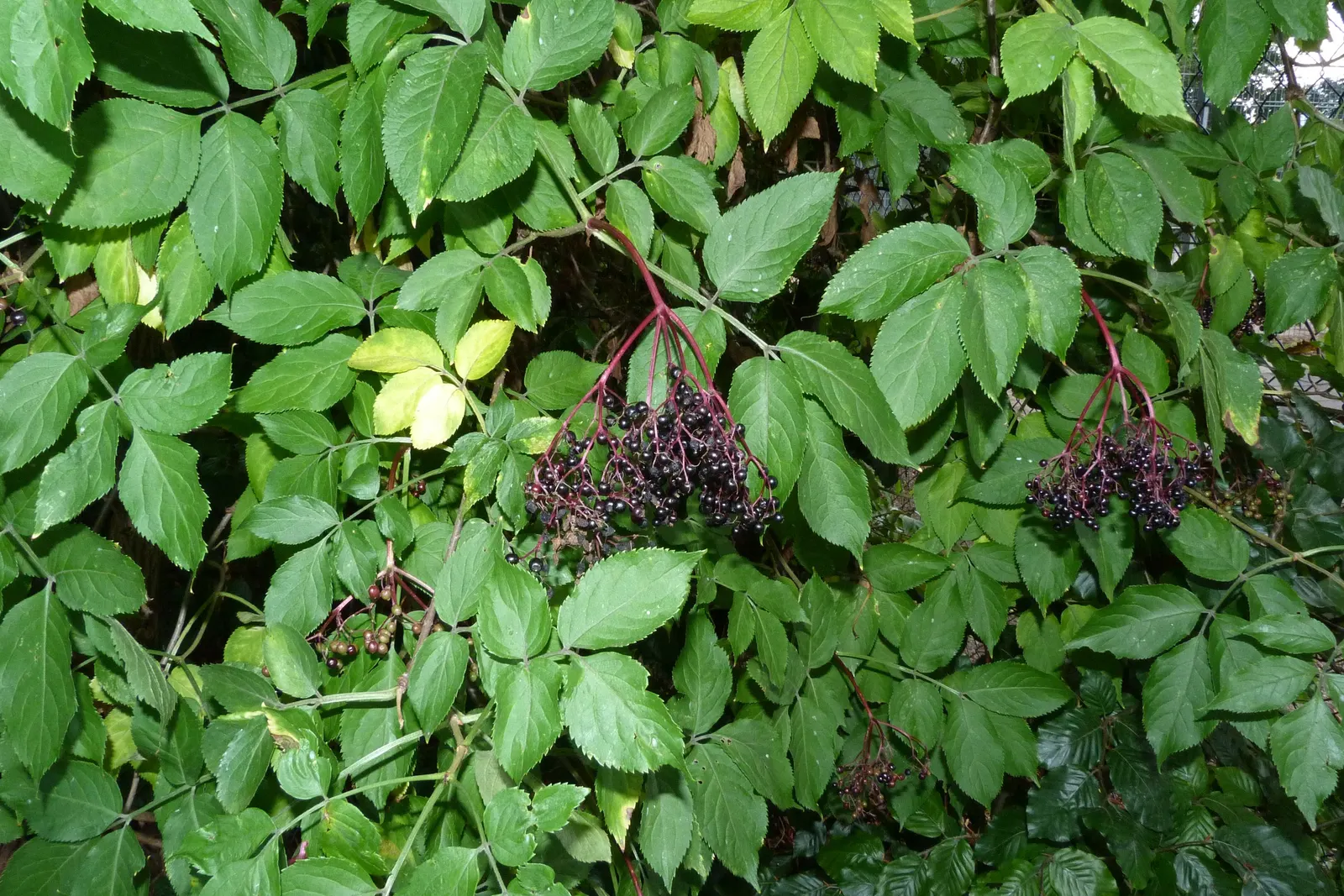
Black Elderberry (Sambucus Nigra) — shrub for full or half or shade; to create a naturalistic or wildlife-friendly garden aesthetic

Culture

Sun
Full, Half, Shade
Water
Medium
USDA zones
5–8

Shape & size

Classification

Type
Shrub
Family
Caprifoliaceae
Climate
Temperate

See full data, regional cultivation notes, and design tools. Build a client presentation around this plant.

Start your 14-day trial

Photos (143)

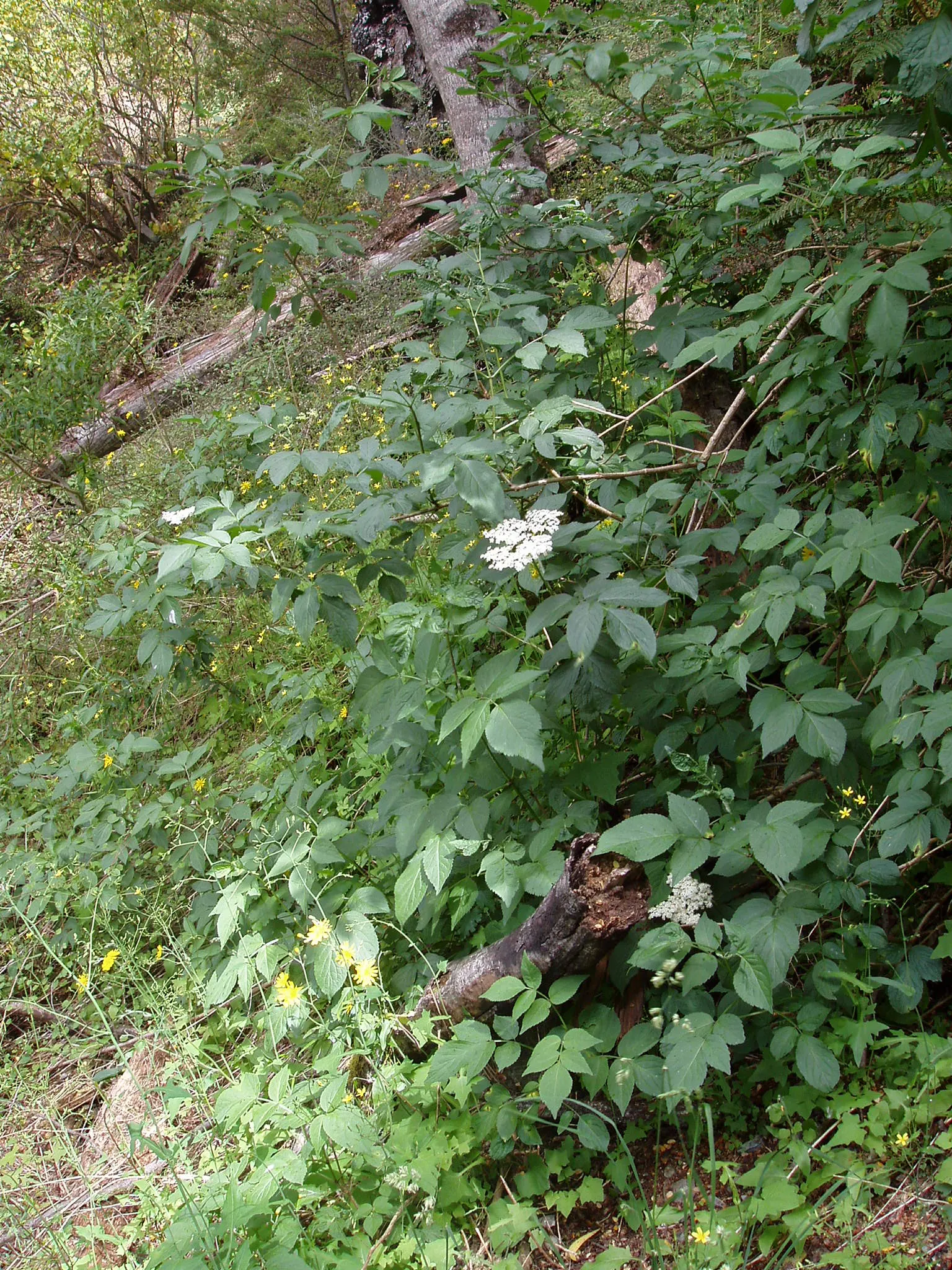
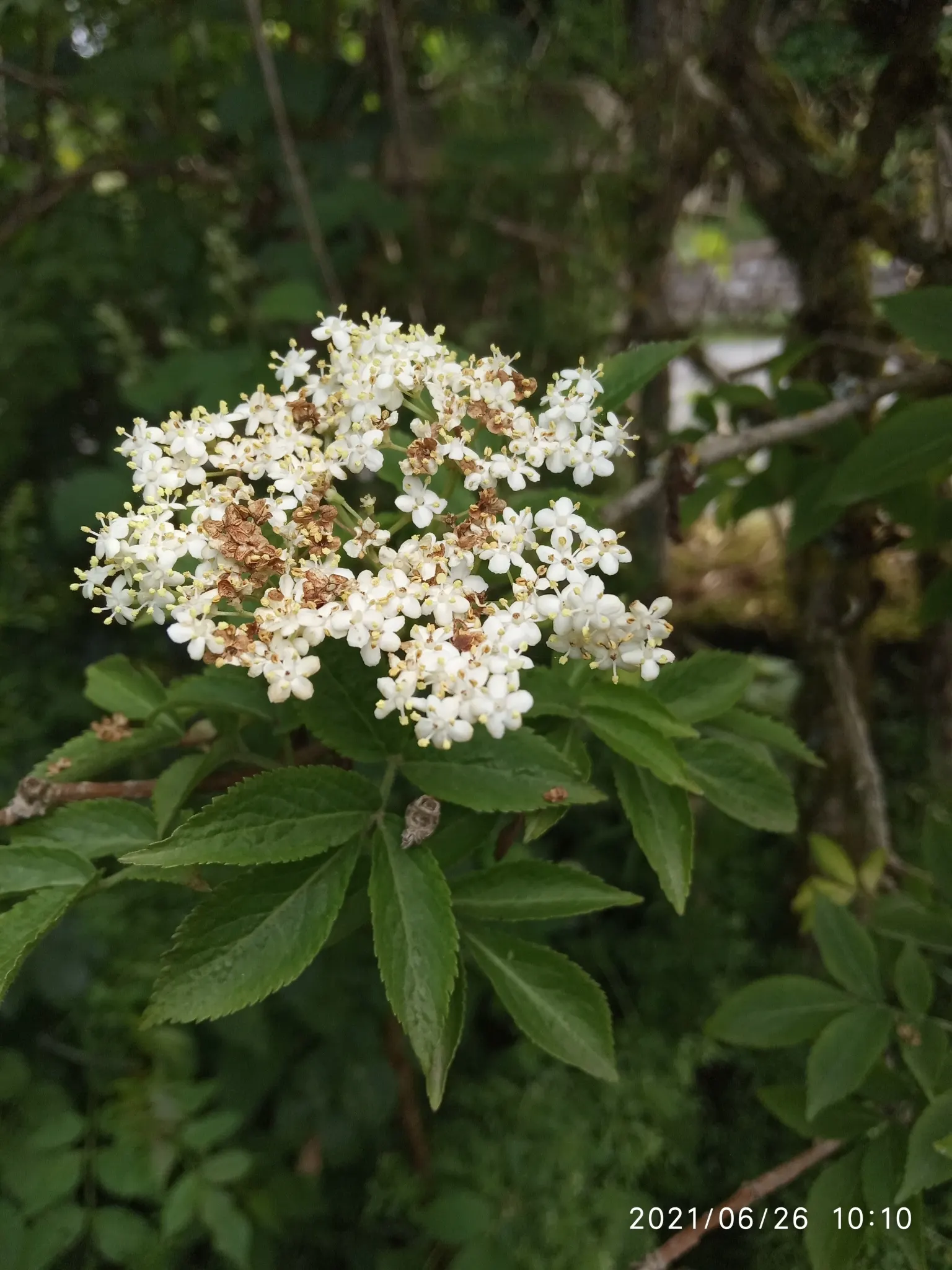
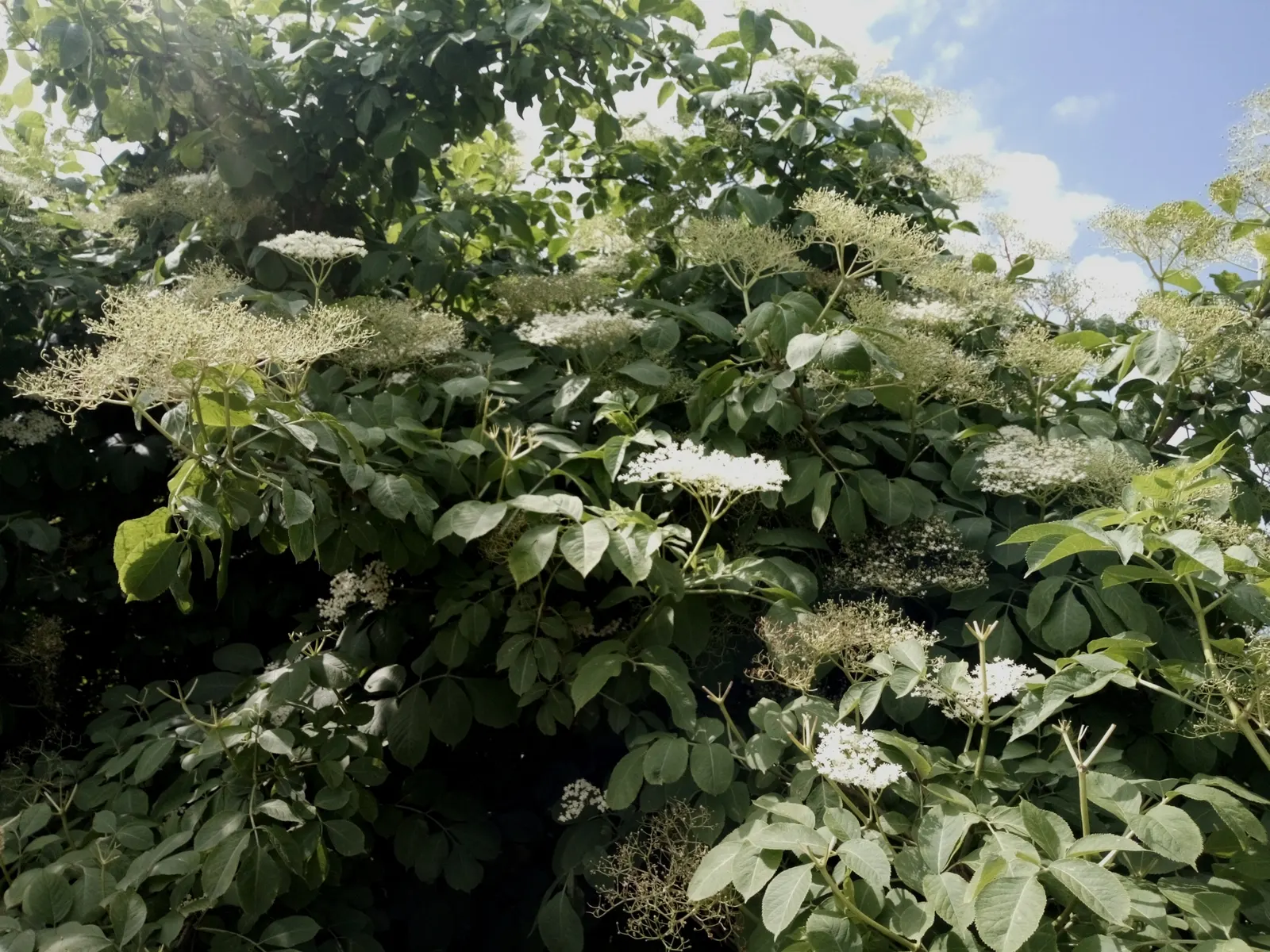
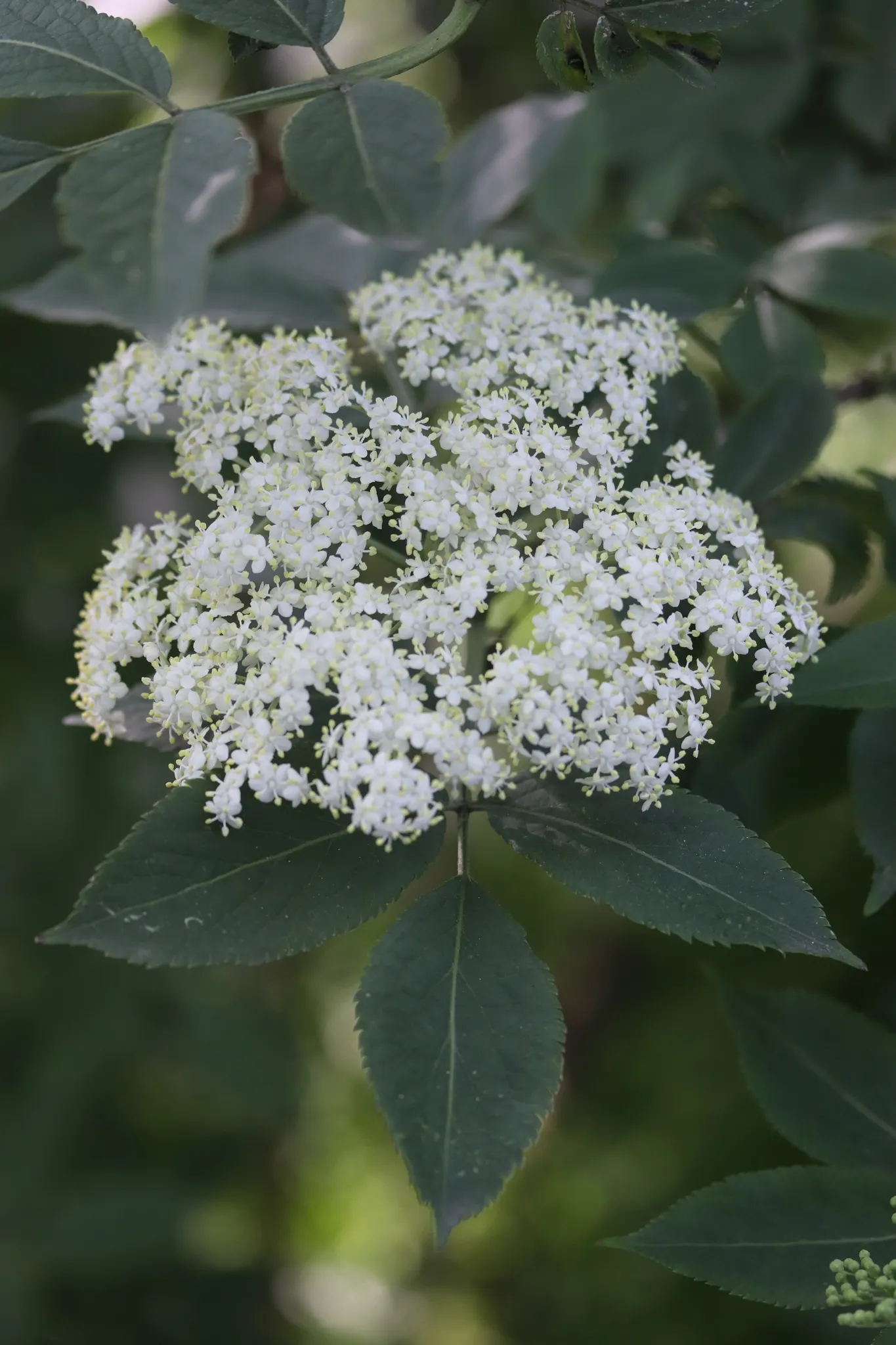
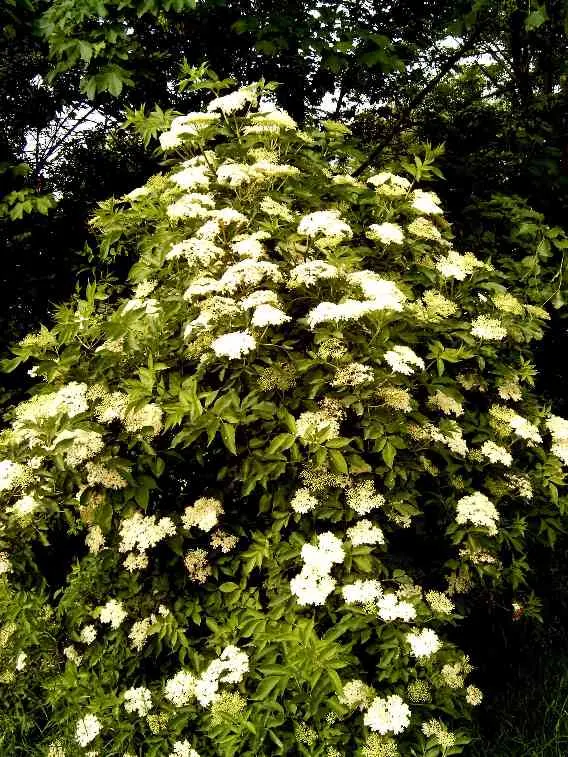
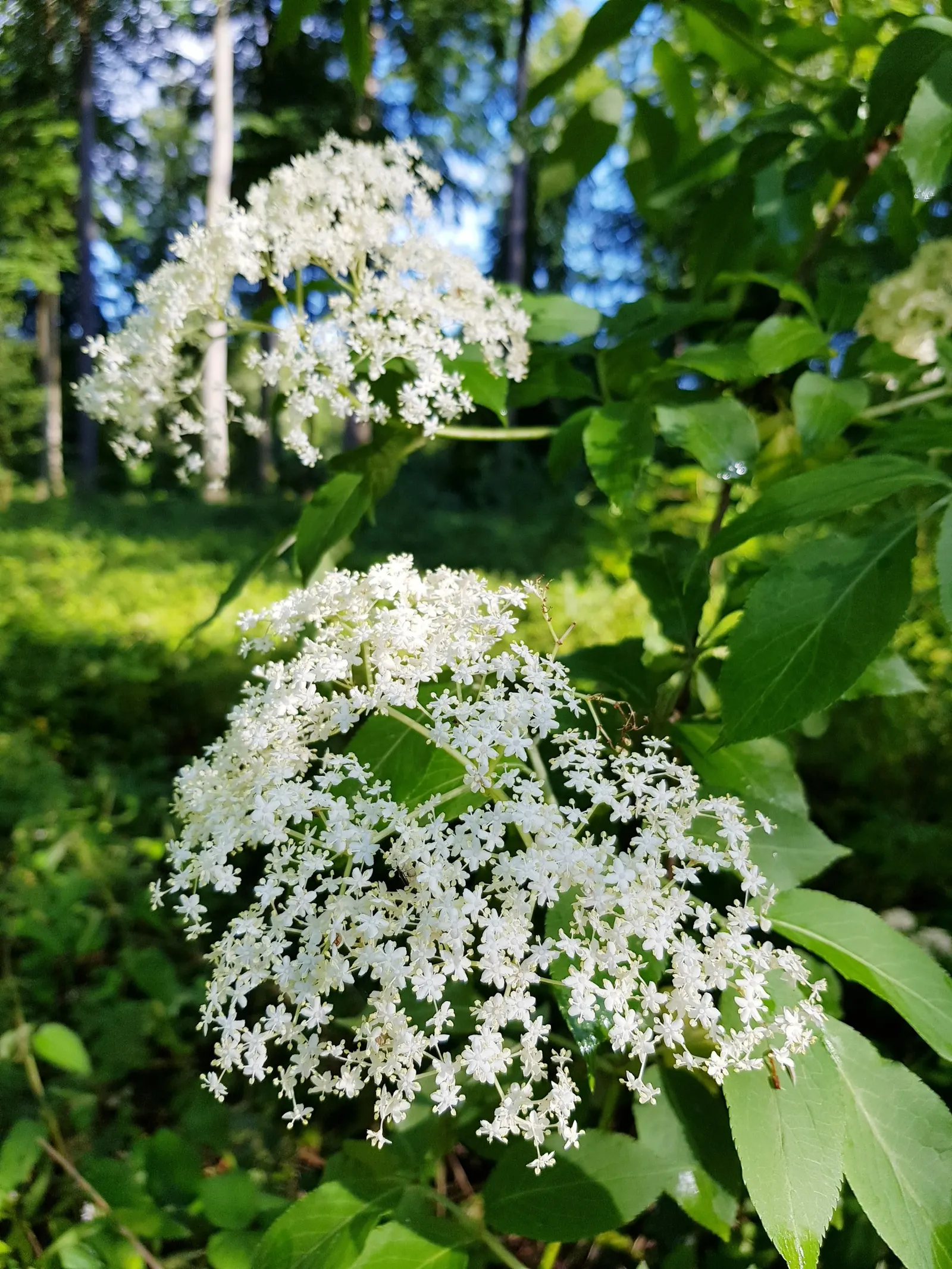
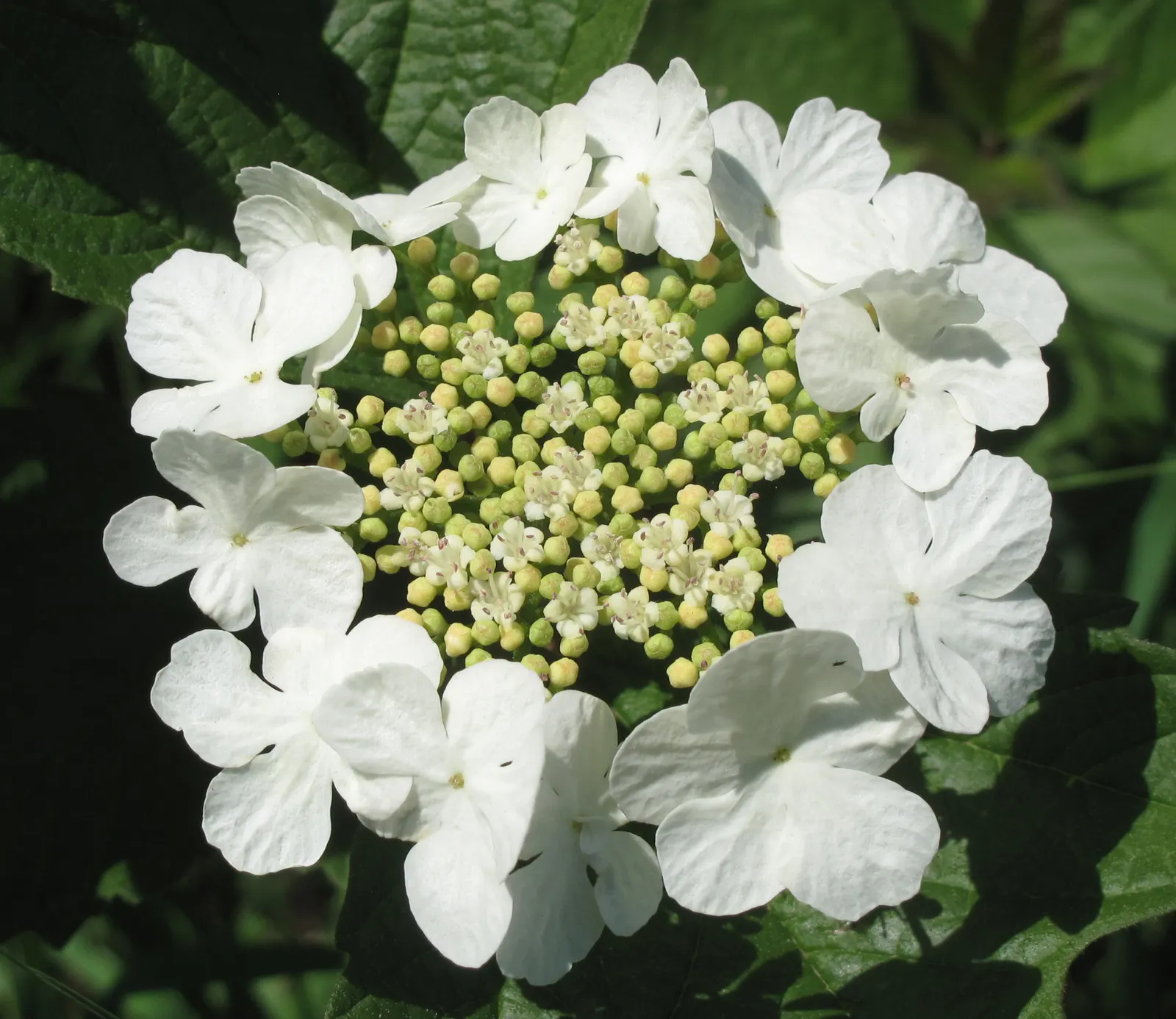
Black Elderberry (Sambucus Nigra) — white flowers in the garden
Black Elderberry (Sambucus Nigra) — Pruning is advisable to maintain its shape and encourage more vigorous growth
Black Elderberry (Sambucus Nigra) — This versatile plant thrives in full sun to partial shade and tolerates a range of soil conditions; to create a, image 60
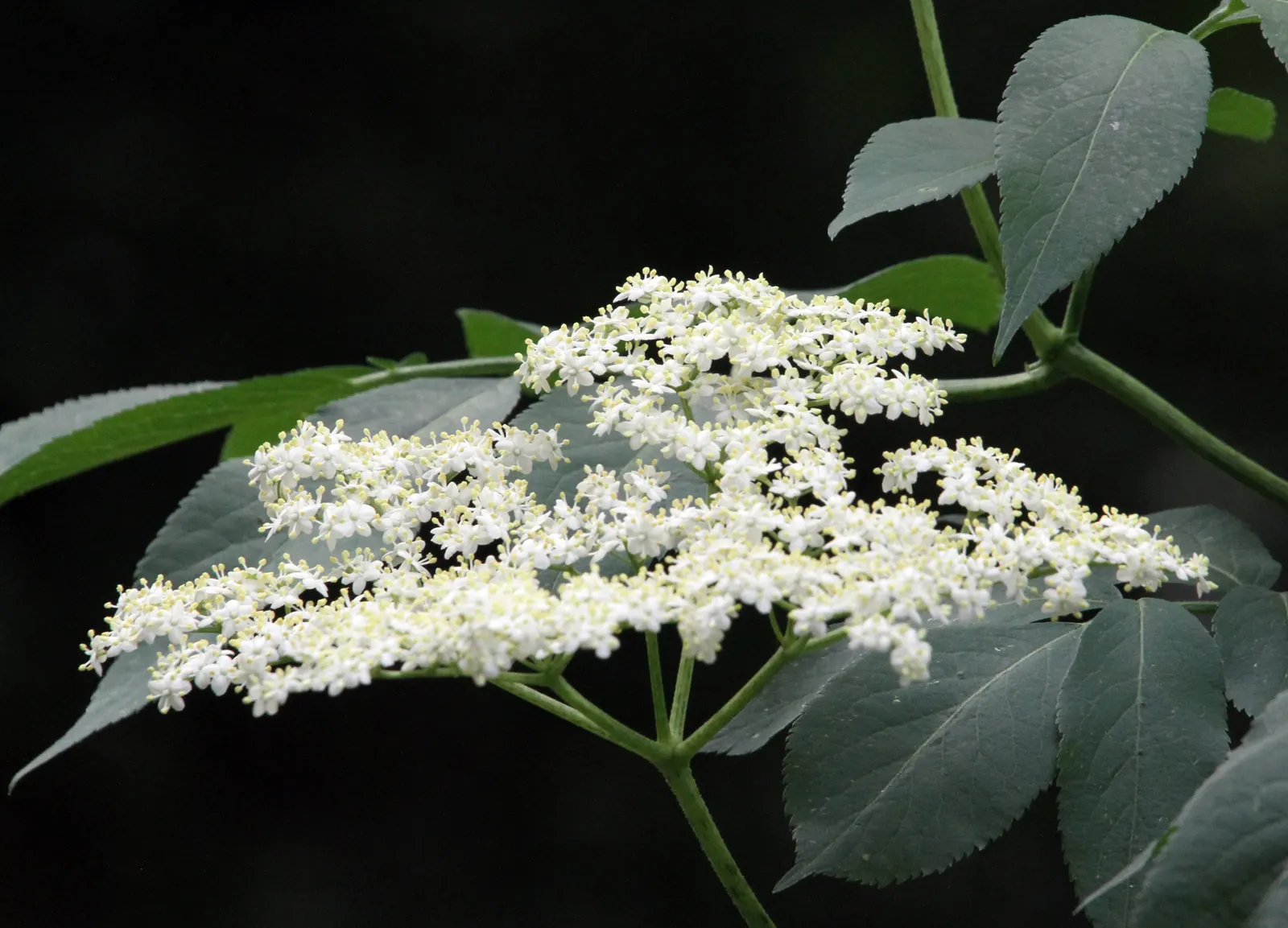
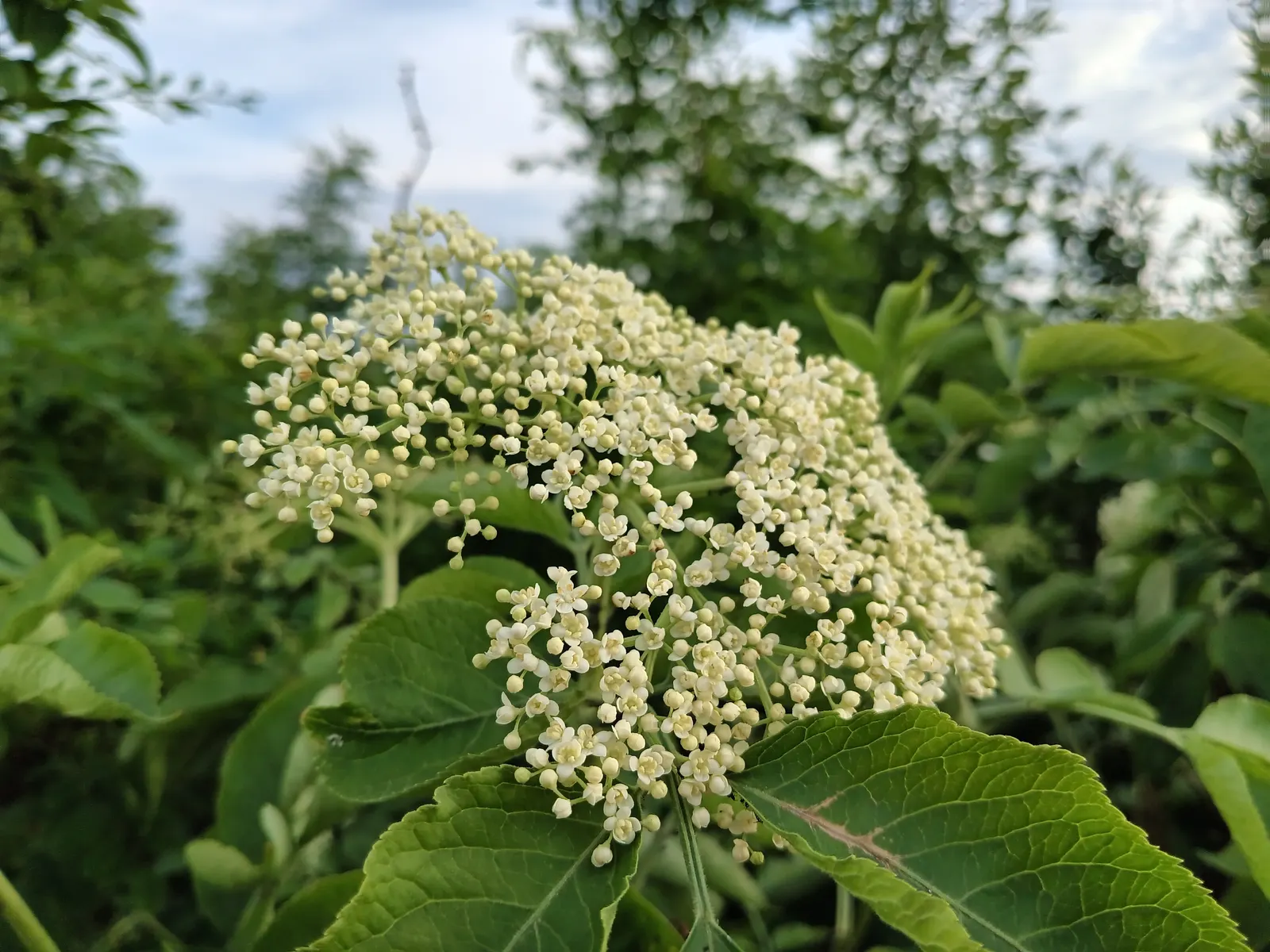
Black Elderberry (Sambucus Nigra) — These blossom clusters, or cymes, can span up to 10 inches across; this versatile plant thrives in full sun to, image 97
Black Elderberry (Sambucus Nigra) — making it a resilient choice for varied landscapes; sambucus nigra is bedecked with clusters of tiny, image 106
Black Elderberry (Sambucus Nigra) — creamy-white flowers that are both fragrant and attractive to pollinators; to create a naturalistic or, image 96
Black Elderberry (Sambucus Nigra) — Berries and flowers are valued for culinary and medicinal uses, attracting birds and beneficial insects; this, image 89
Black Elderberry (Sambucus Nigra) — this plant has the ability to tolerate a range of soil conditions; to create a naturalistic or wildlife-friendly garden
Black Elderberry (Sambucus Nigra) — measuring around 2 to 5 inches in length.<br><br>In late spring to early summer; sambucus nigra is bedecked, image 122
Black Elderberry (Sambucus Nigra) — This plant typically reaches a mature height of 6 to 12 feet and can spread equally wide
Black Elderberry (Sambucus Nigra) — including both wet and dry sites; this versatile plant thrives in full sun to partial shade and tolerates a range of soil
Black Elderberry (Sambucus Nigra) — Plant Black Elderberry with ample space for it to develop; it performs best in full sun to partial shade, image 107
Black Elderberry (Sambucus Nigra) — These blossom clusters, or cymes, can span up to 10 inches across
Black Elderberry (Sambucus Nigra) — to create a naturalistic or wildlife-friendly garden aesthetic; this versatile plant thrives in full sun to partial shade
Black Elderberry (Sambucus Nigra) — Plant Black Elderberry with ample space for it to develop
Black Elderberry (Sambucus Nigra) — Ideal for zones 4-7, it reaches up to 10 feet in height and spreads 6-10 feet; it performs best in full sun to partial shade
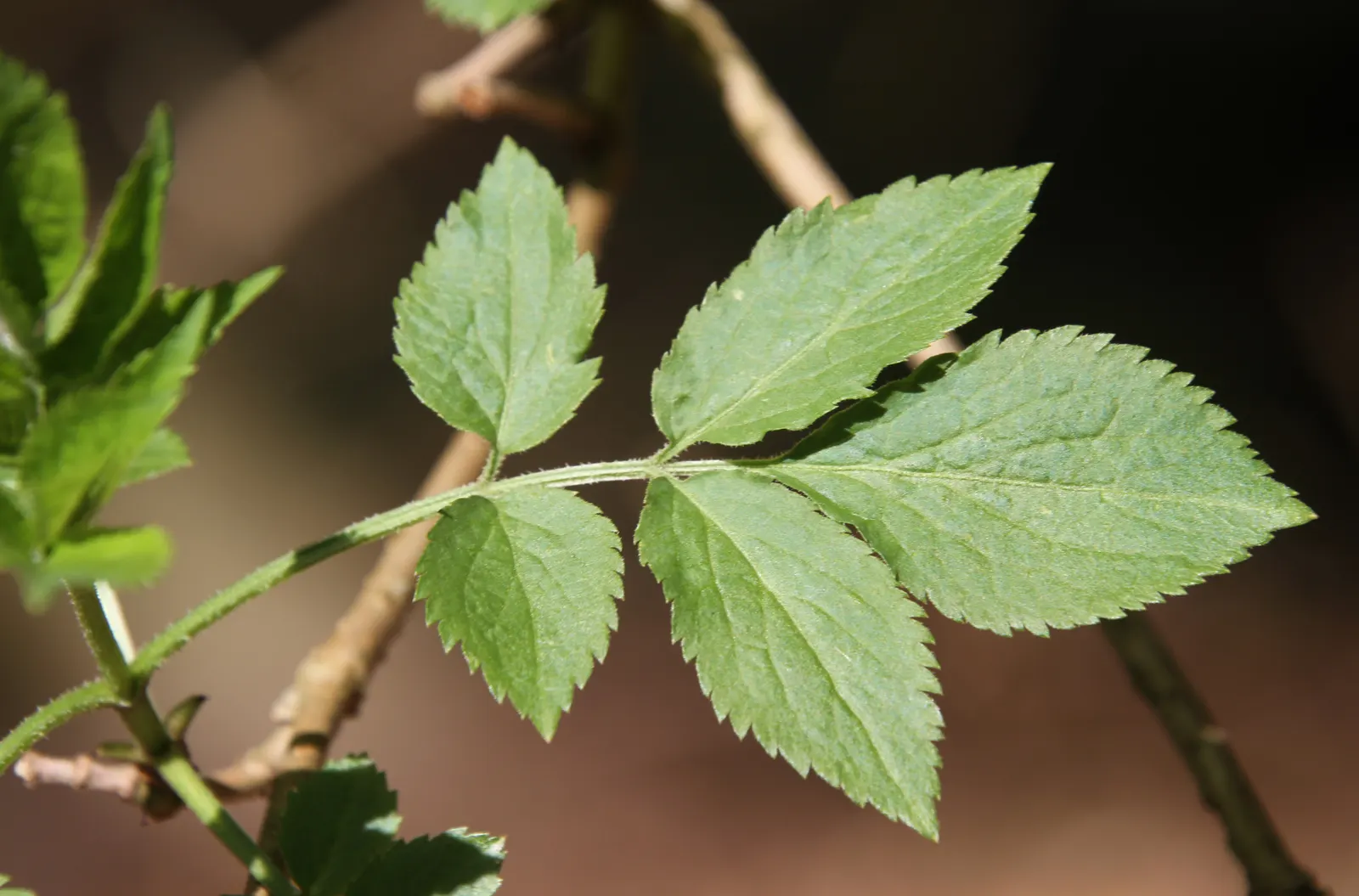
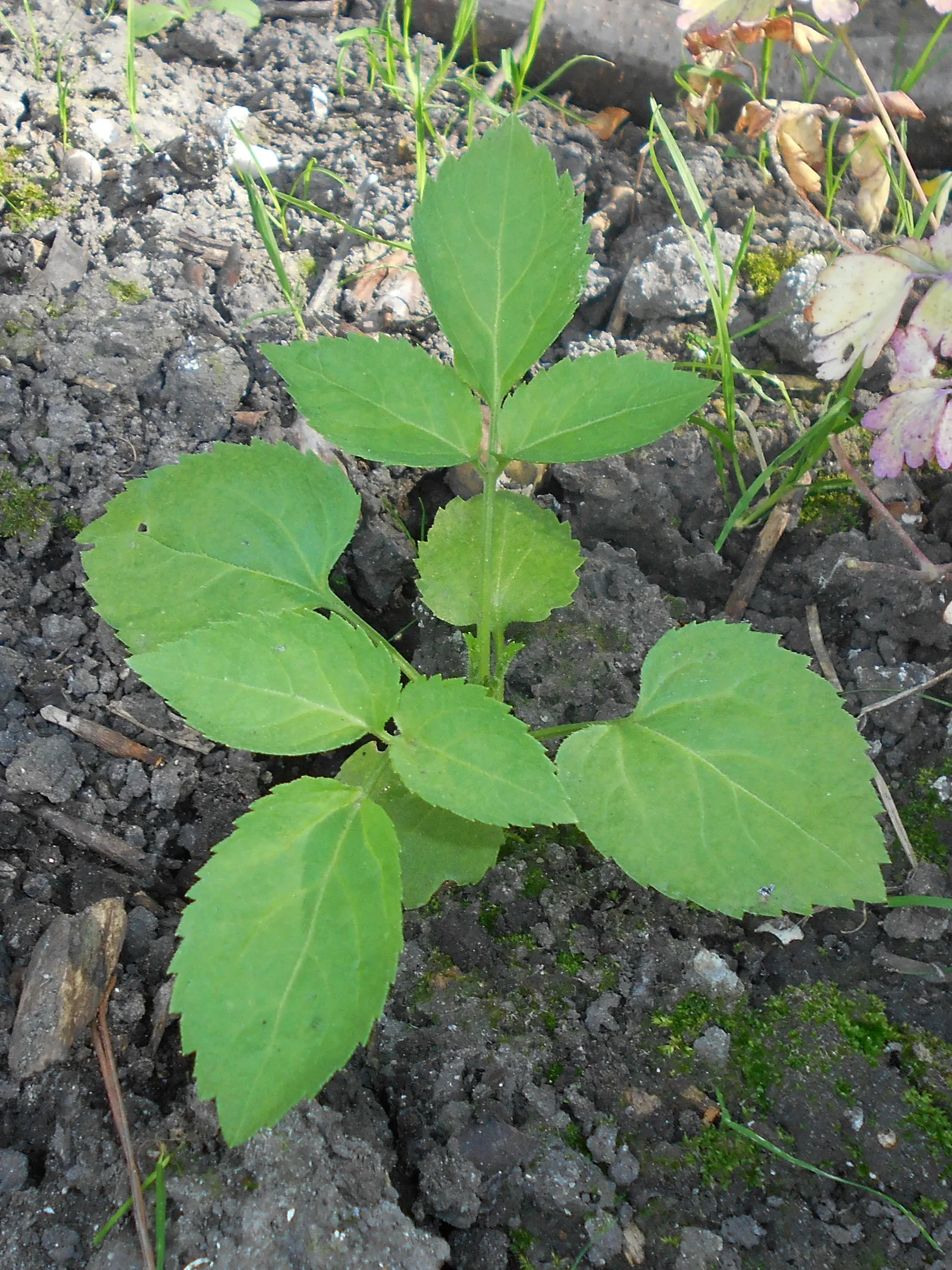
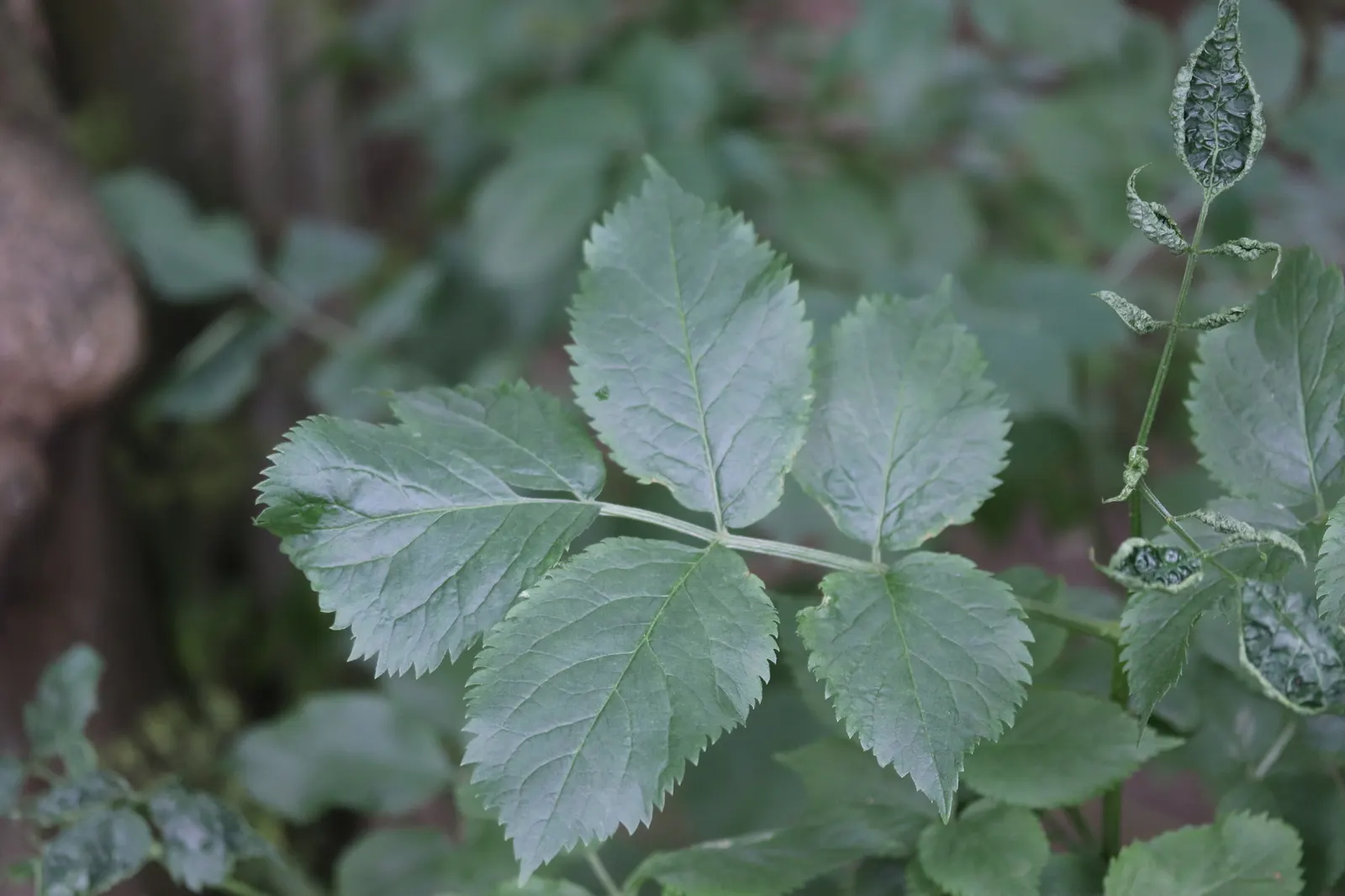
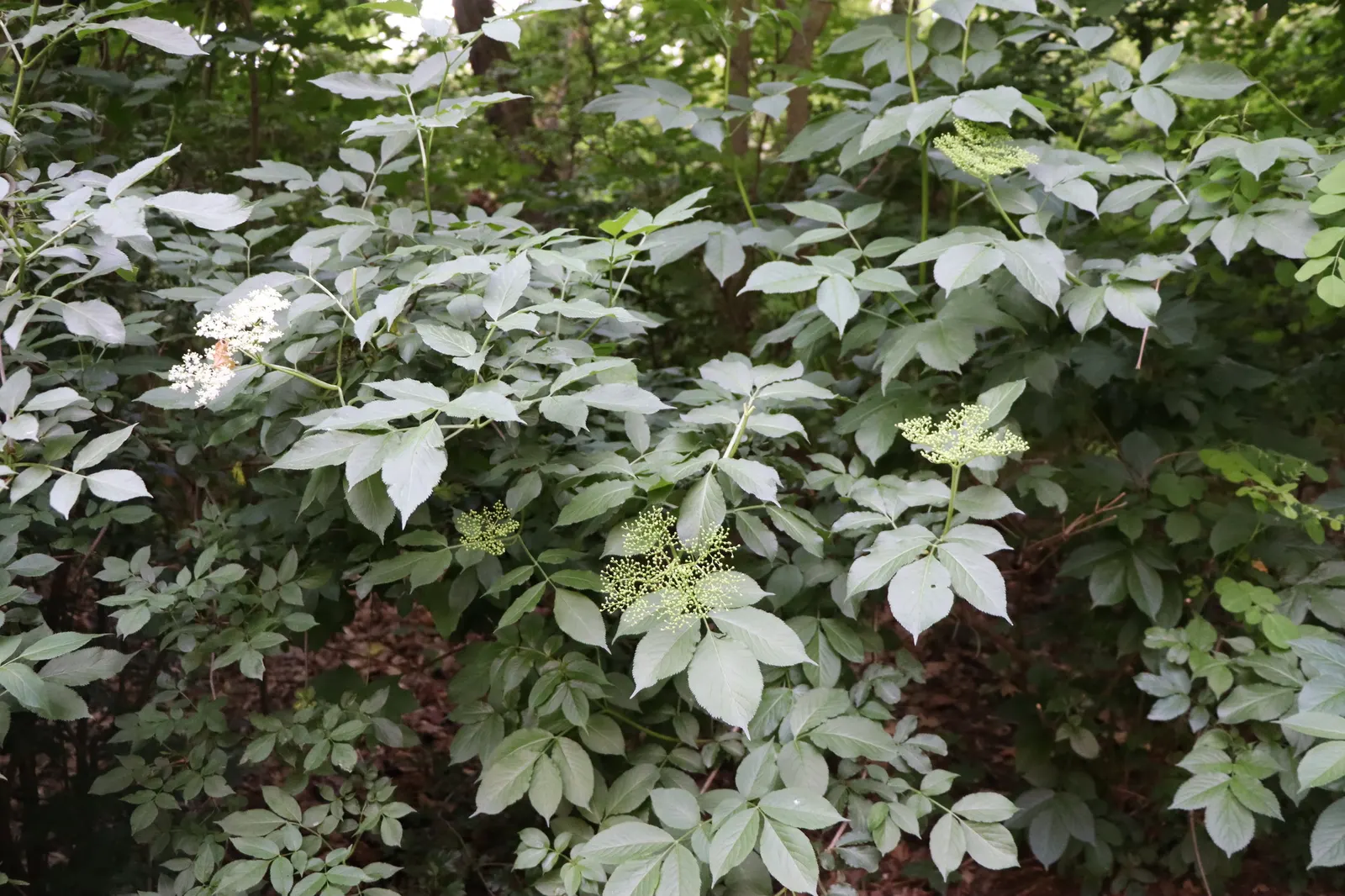
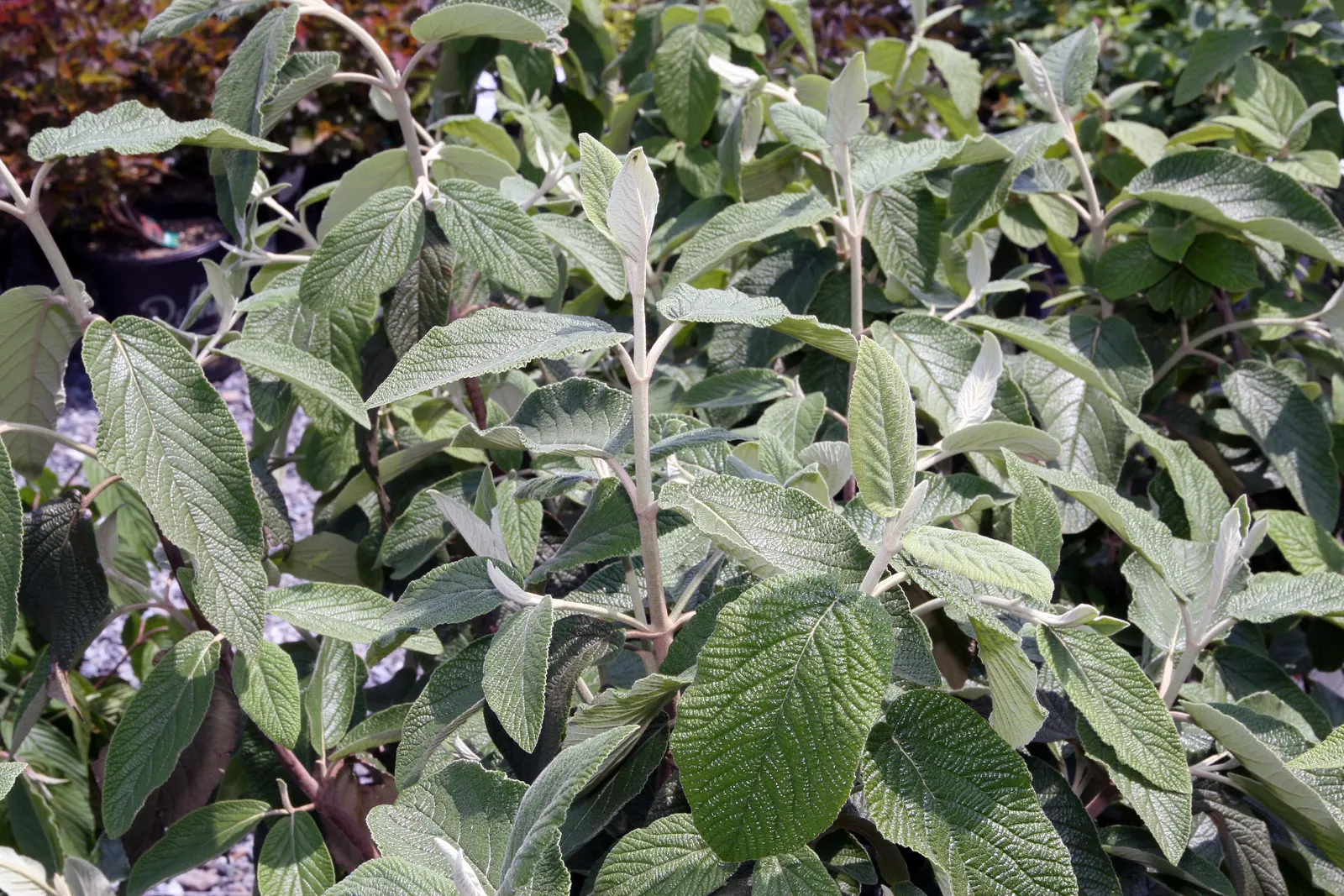
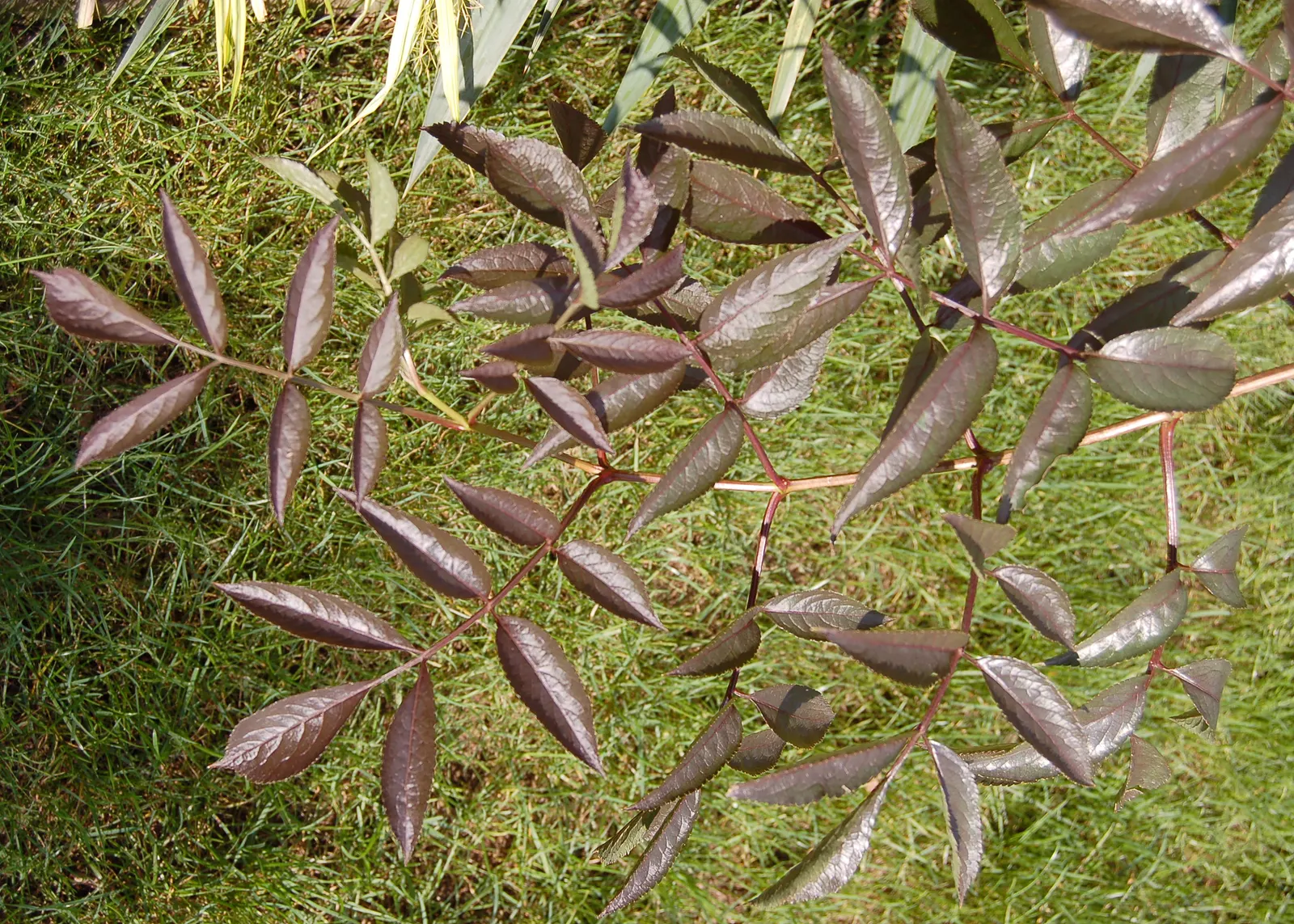
Black Elderberry (Sambucus Nigra) — Its compound leaves are a lush green; to create a naturalistic or wildlife-friendly garden aesthetic, image 92
Black Elderberry (Sambucus Nigra) — It performs best in full sun to partial shade
Black Elderberry (Sambucus Nigra) — This plant typically reaches a mature height of 6 to 12 feet and can spread equally wide; it performs best in, image 63
Black Elderberry (Sambucus Nigra) — This plant typically reaches a mature height of 6 to 12 feet and can spread equally wide; it performs best in, image 91
Black Elderberry (Sambucus Nigra) — Ideal for zones 4-7, it reaches up to 10 feet in height and spreads 6-10 feet; it performs best in full sun to, image 115
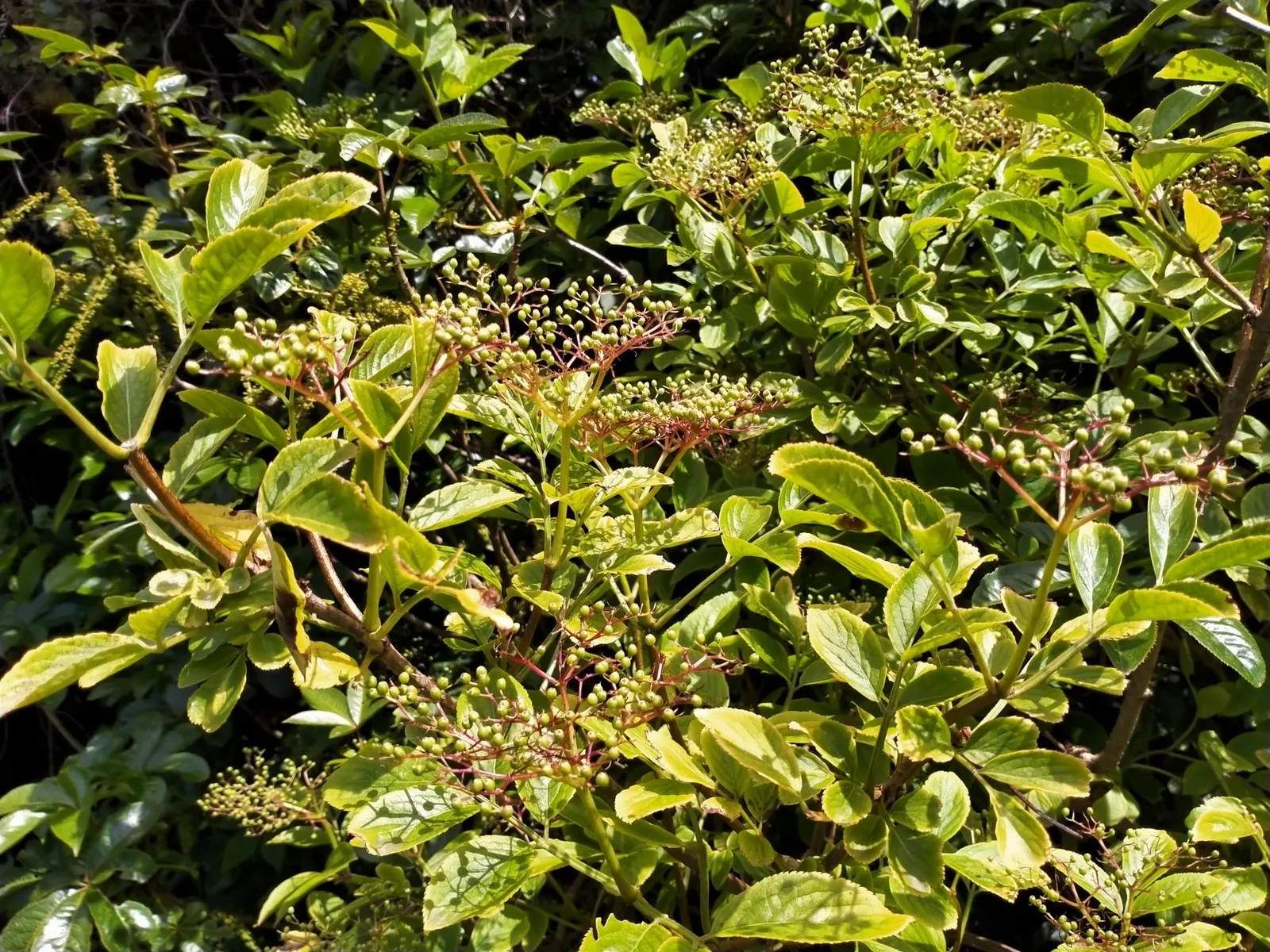
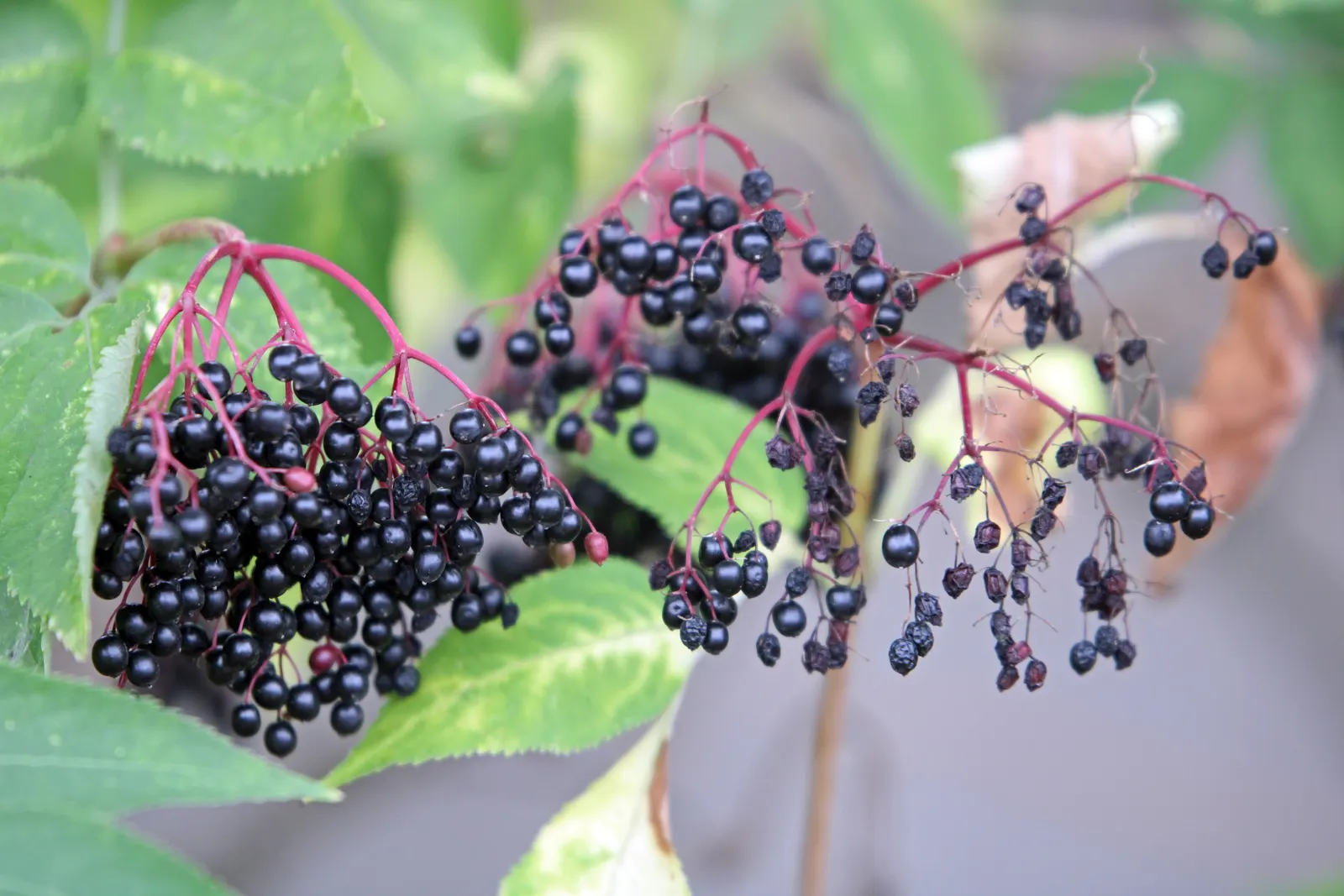
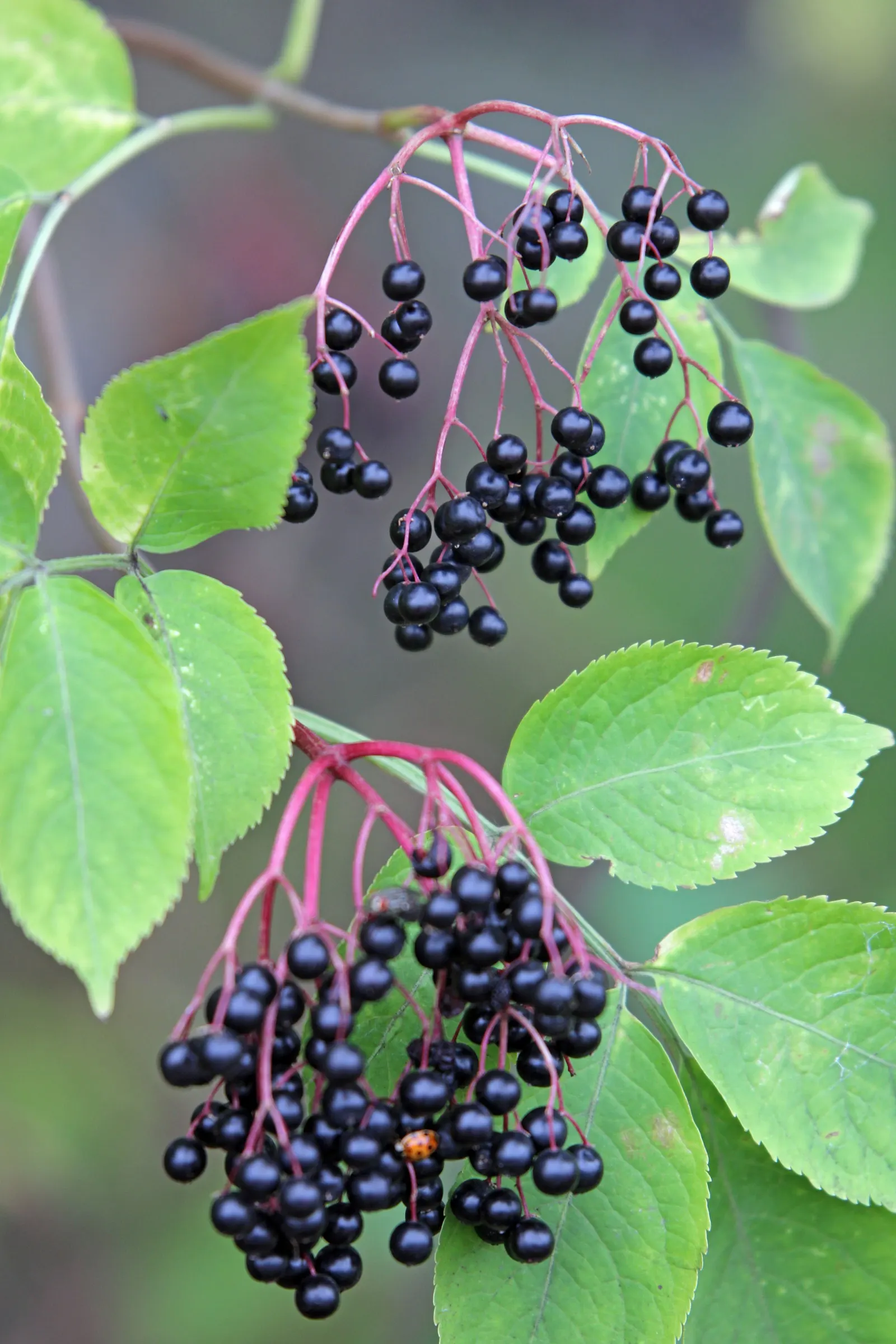
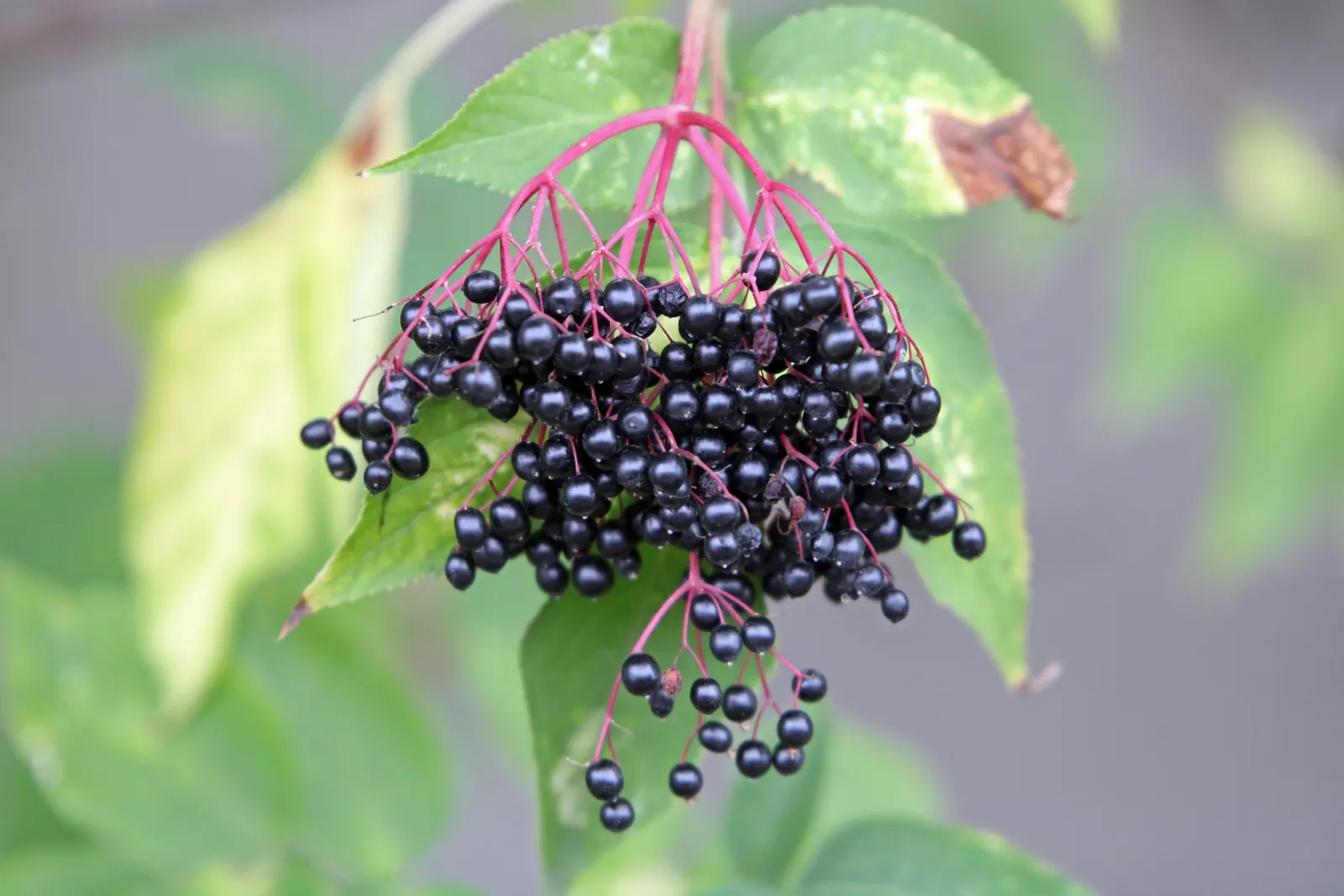
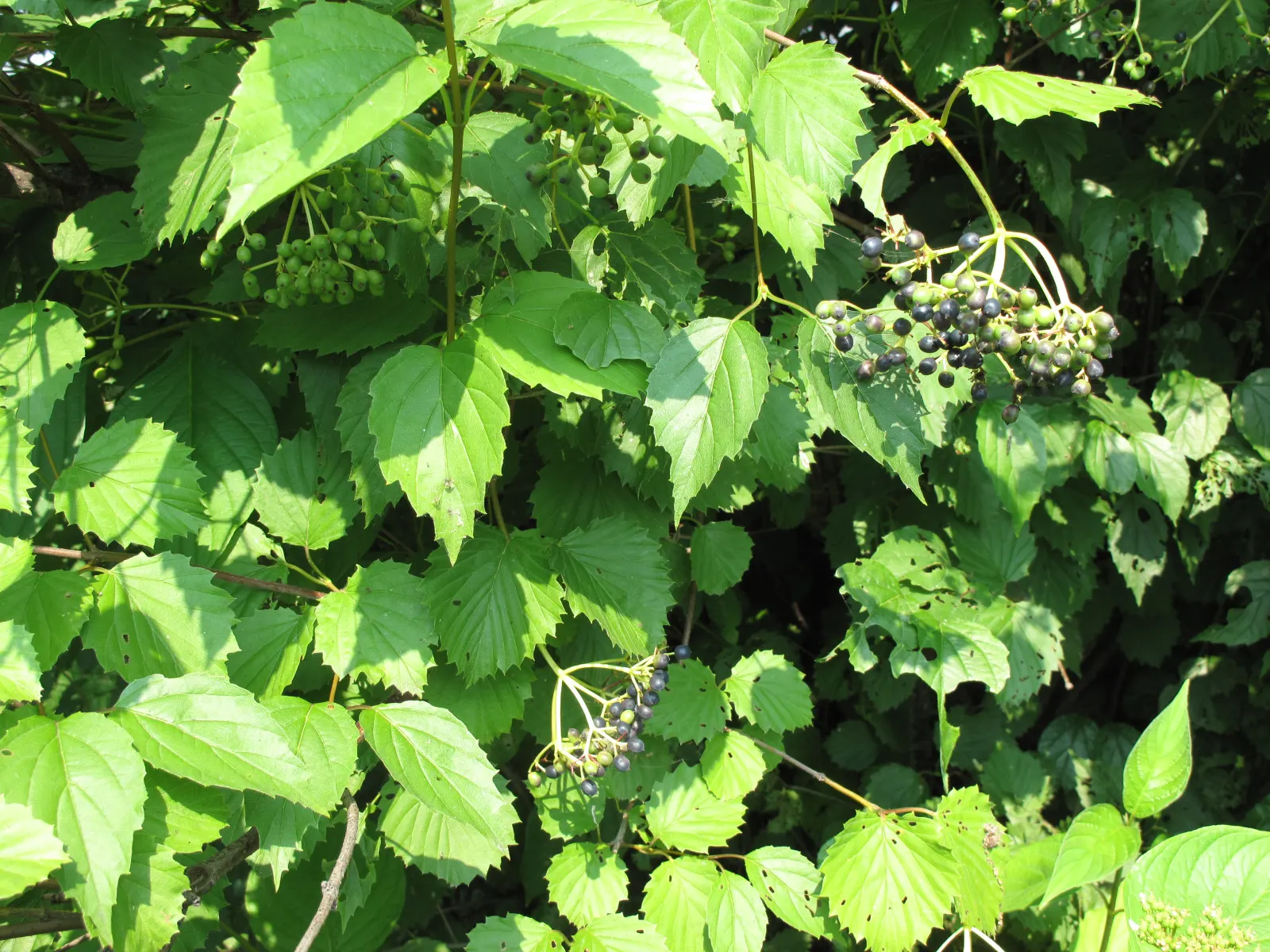
Black Elderberry (Sambucus Nigra) — the plant bears its noteworthy dark purple-to-black berries; it performs best in full sun to partial shade, image 71
Black Elderberry (Sambucus Nigra) — Berries and flowers are valued for culinary and medicinal uses, attracting birds and beneficial insects; this, image 117
Black Elderberry (Sambucus Nigra) — keeping in mind its growth potential; to create a naturalistic or wildlife-friendly garden aesthetic, image 80
Photographs by 11 contributors

Related plants