Skip to content

Elderberry

Sambucus Canadensis

Design with this plant

Overview

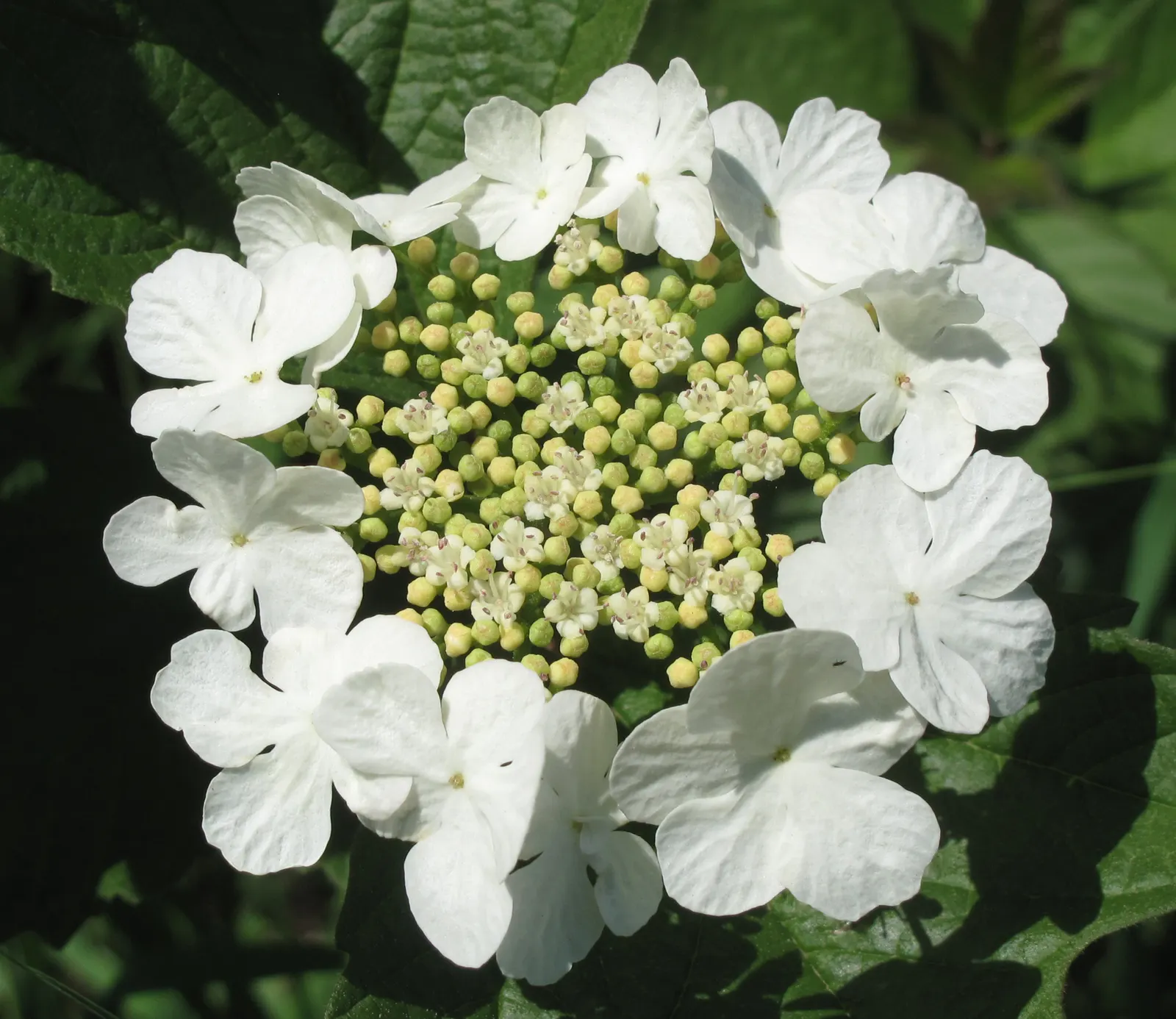
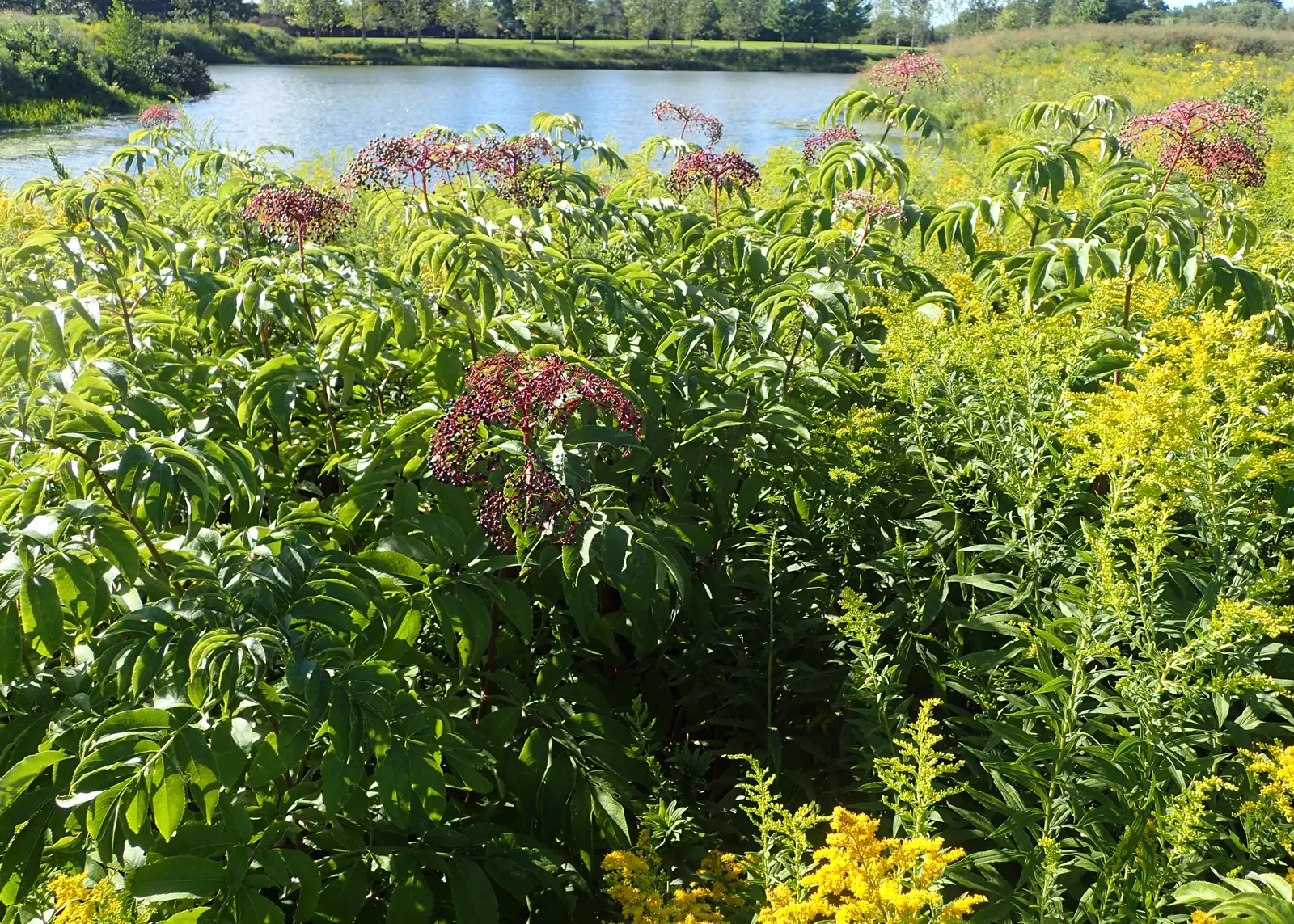
Elderberry (Sambucus canadensis), a versatile North American native, features clusters of small white-to-cream flowers in spring, which mature into dark purple berries coveted by wildlife. This deciduous shrub grows to 5-12 feet high and wide, thriving in full sun to partial shade. It adapts to a range of soil conditions, preferring moist, well-drained sites. Ideal for naturalized settings, it offers culinary value and supports pollinators. Zones 3-9.
Sun Full, HalfWater High, MediumZones 3–9Climate Alpine, Temperate
Elderberry (Sambucus Canadensis) — a versatile North American native

Culture

Sun
Full, Half
Water
High, Medium
USDA zones
3–9

Shape & size

Mature width
5–6 Ft.

Classification

Family
Caprifoliaceae
Climate
Alpine, Temperate

See full data, regional cultivation notes, full-resolution photos, and design tools. Build a client presentation around this plant.

Start your 14-day trial

Photos (81)

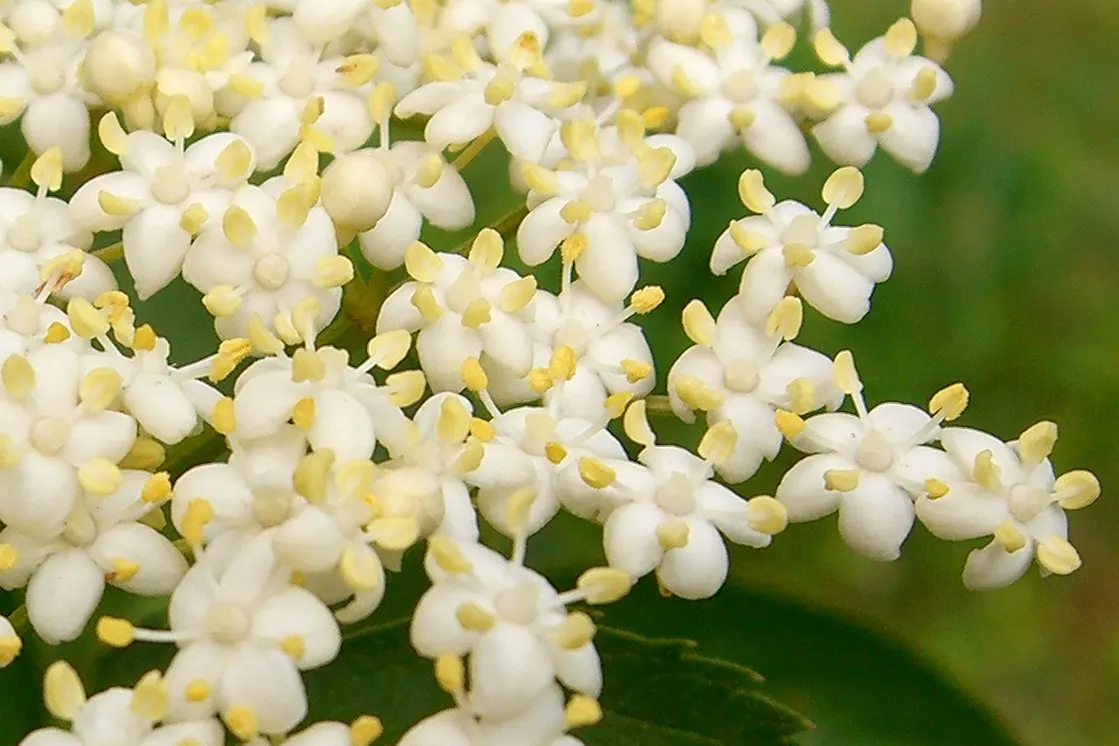
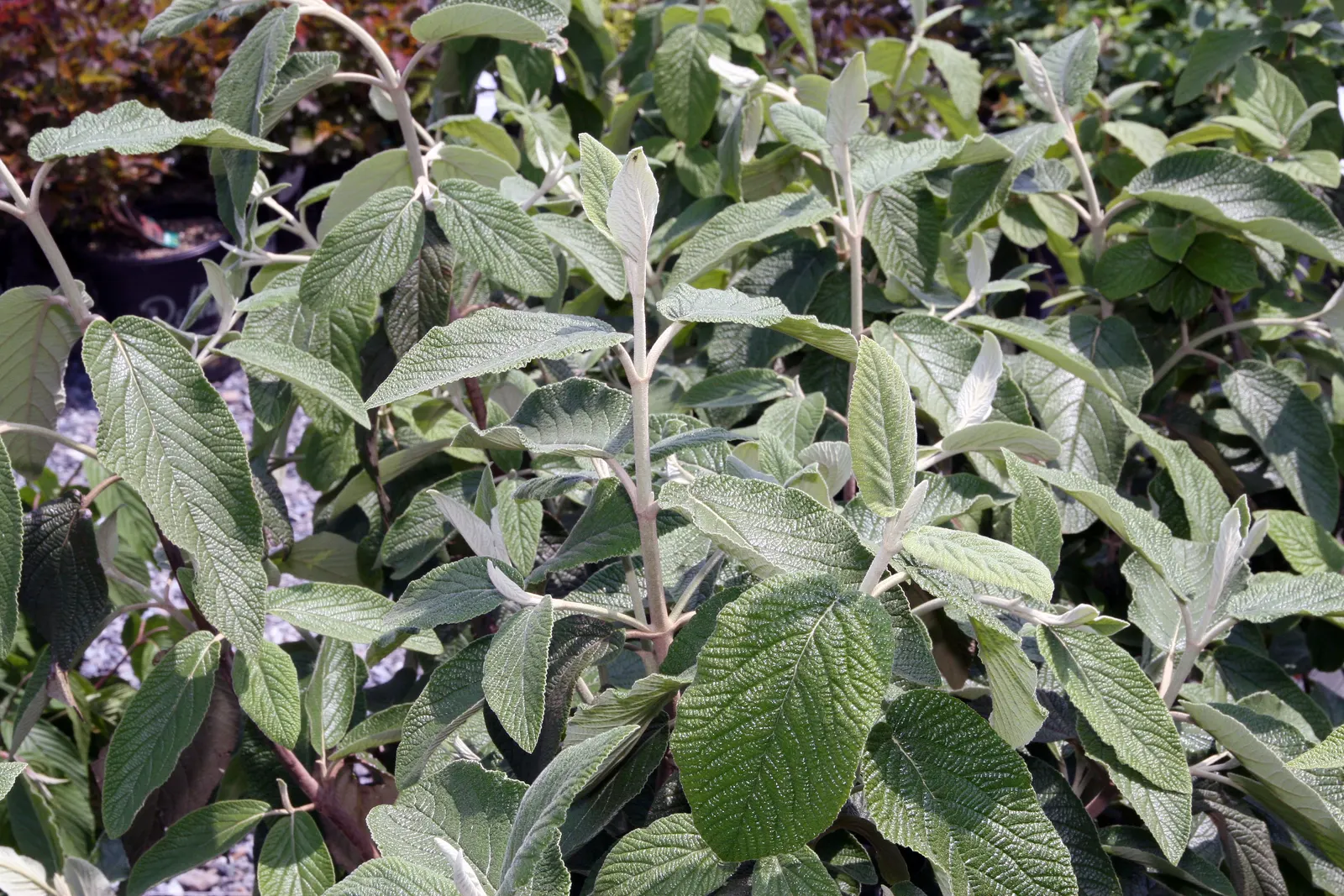
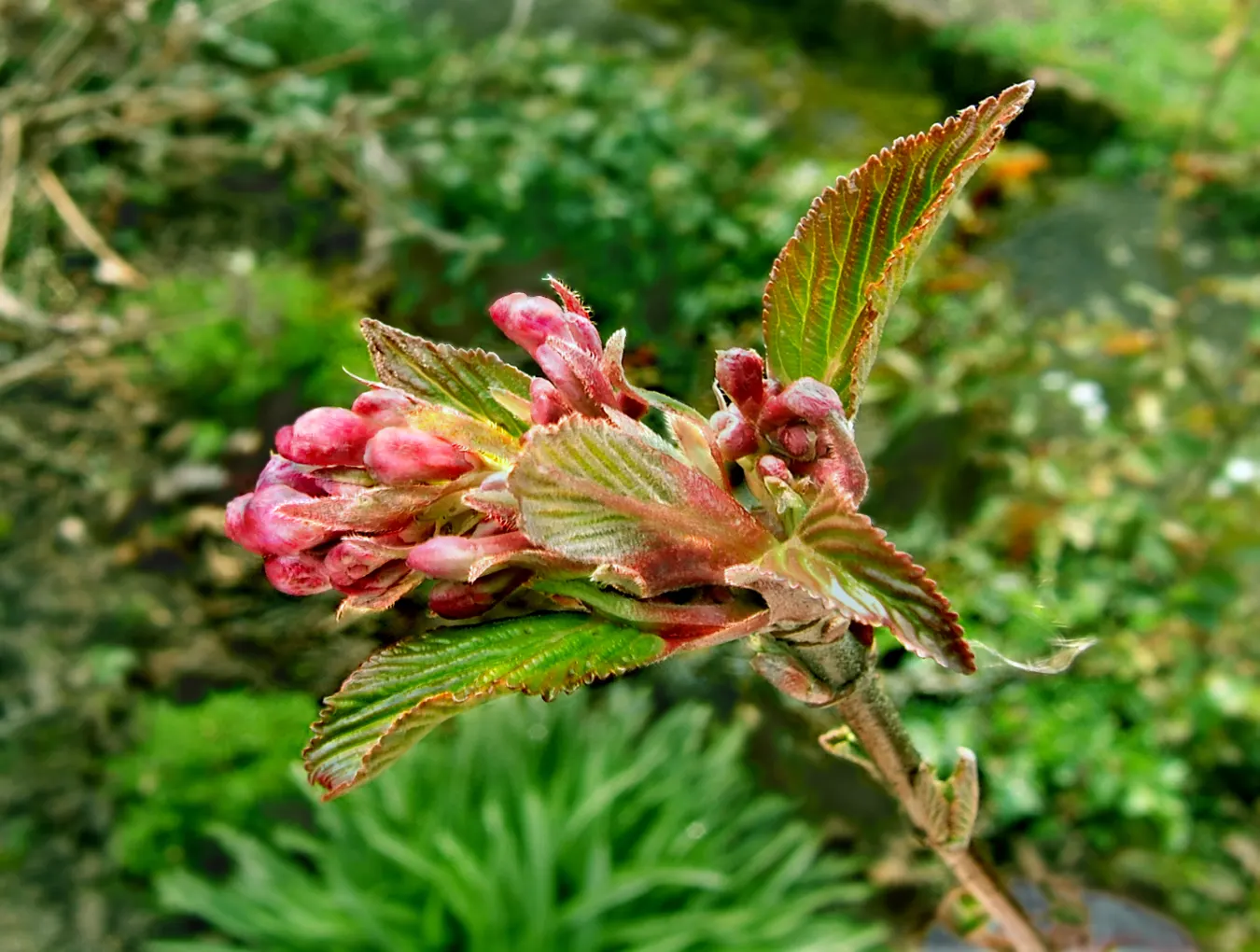
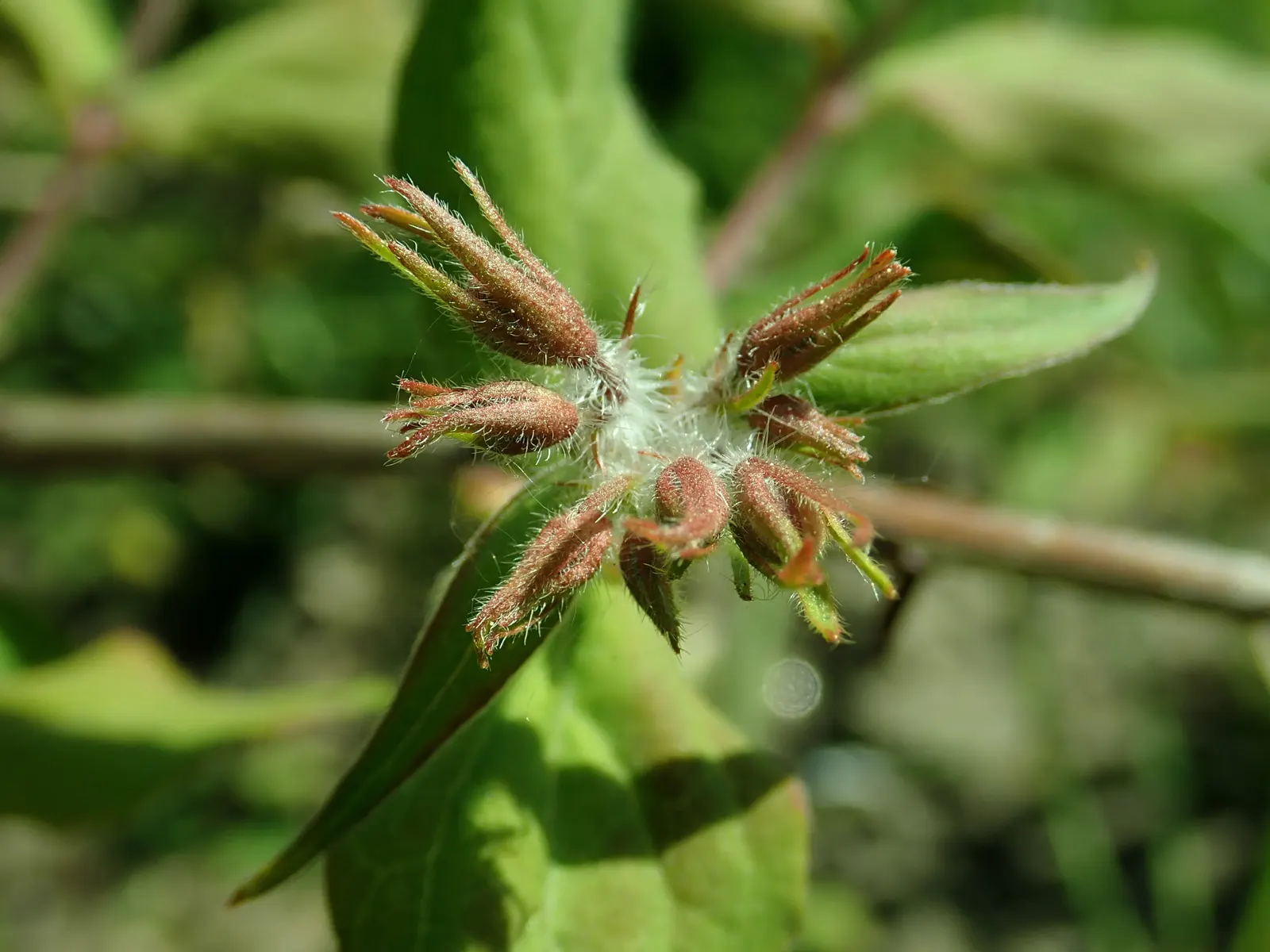
Elderberry (Sambucus Canadensis) — Incorporating elderberries in a garden invites a host of ecological benefits; by late summer to early fall
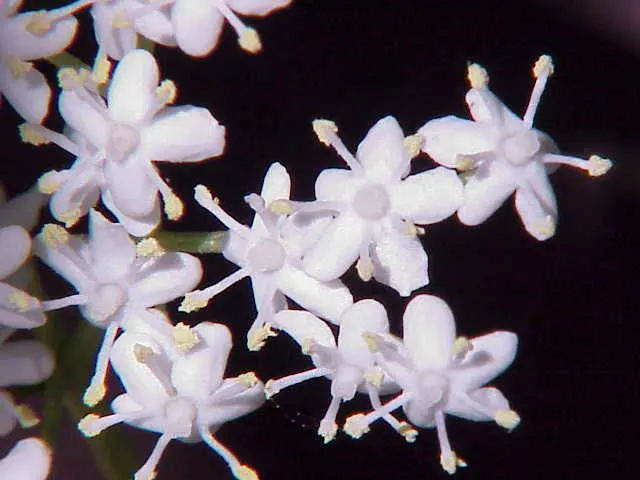
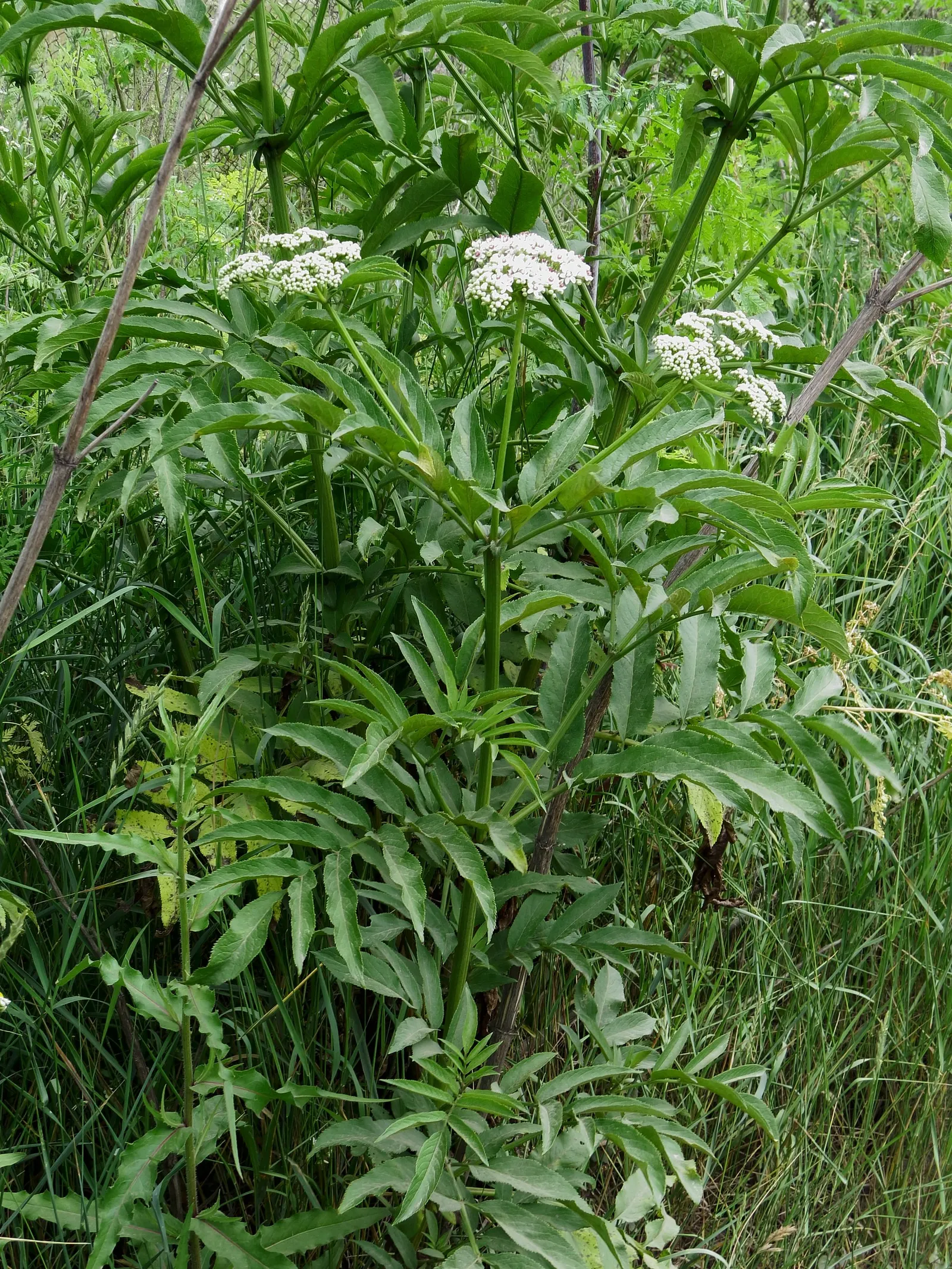
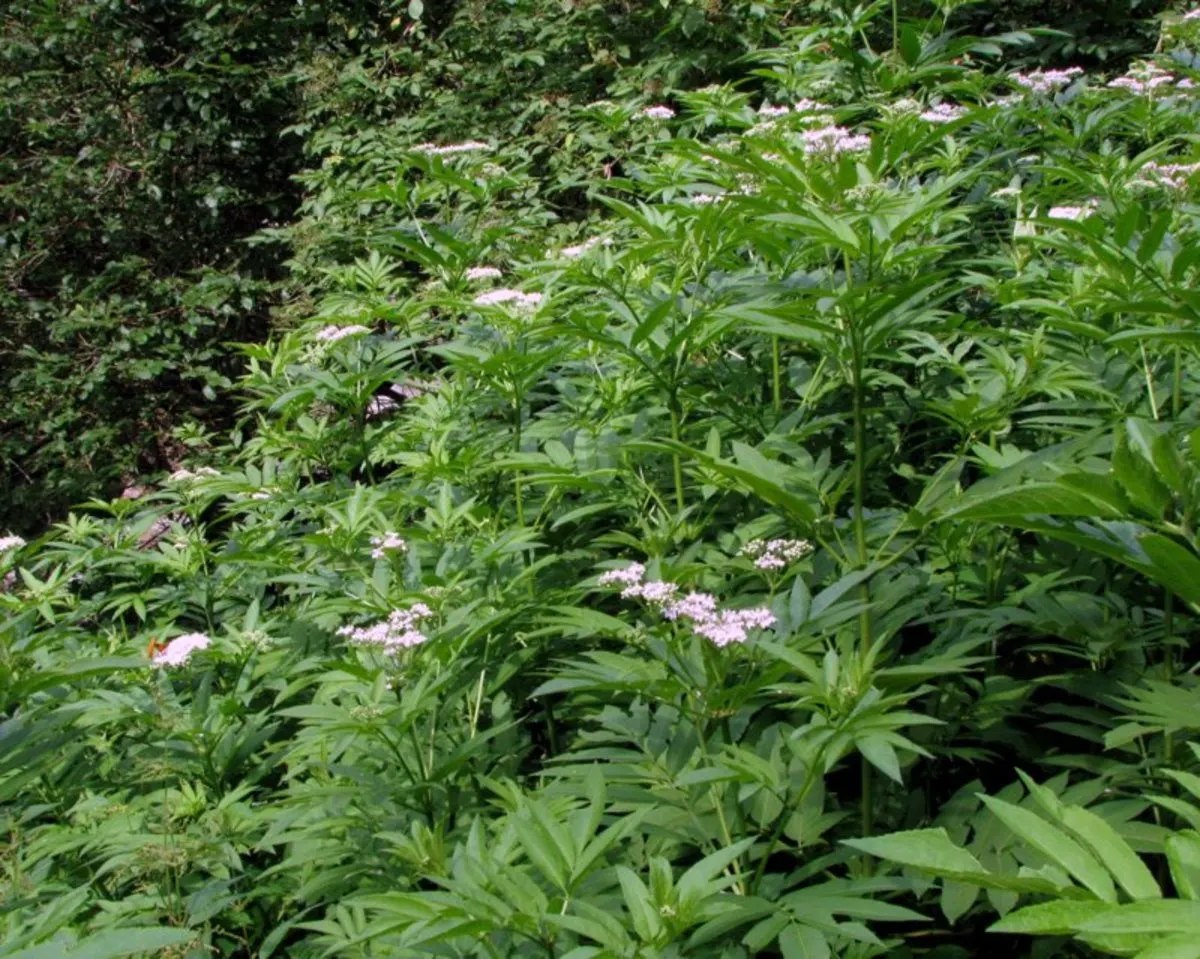
Elderberry (Sambucus Canadensis) — white flowers in the garden; the plant thrives in USDA Hardiness Zones 3 through 9
Elderberry (Sambucus Canadensis) — attracting beneficial insects and wildlife, image 50
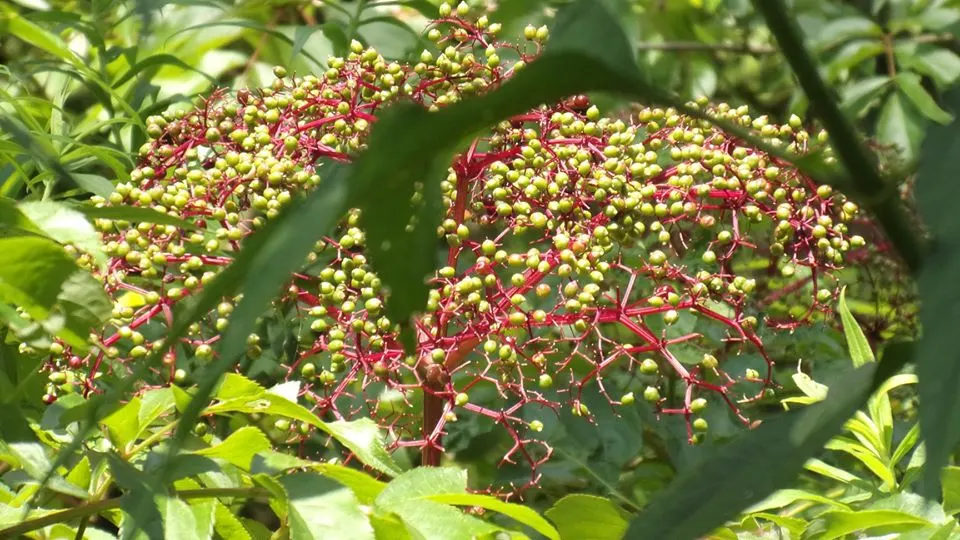
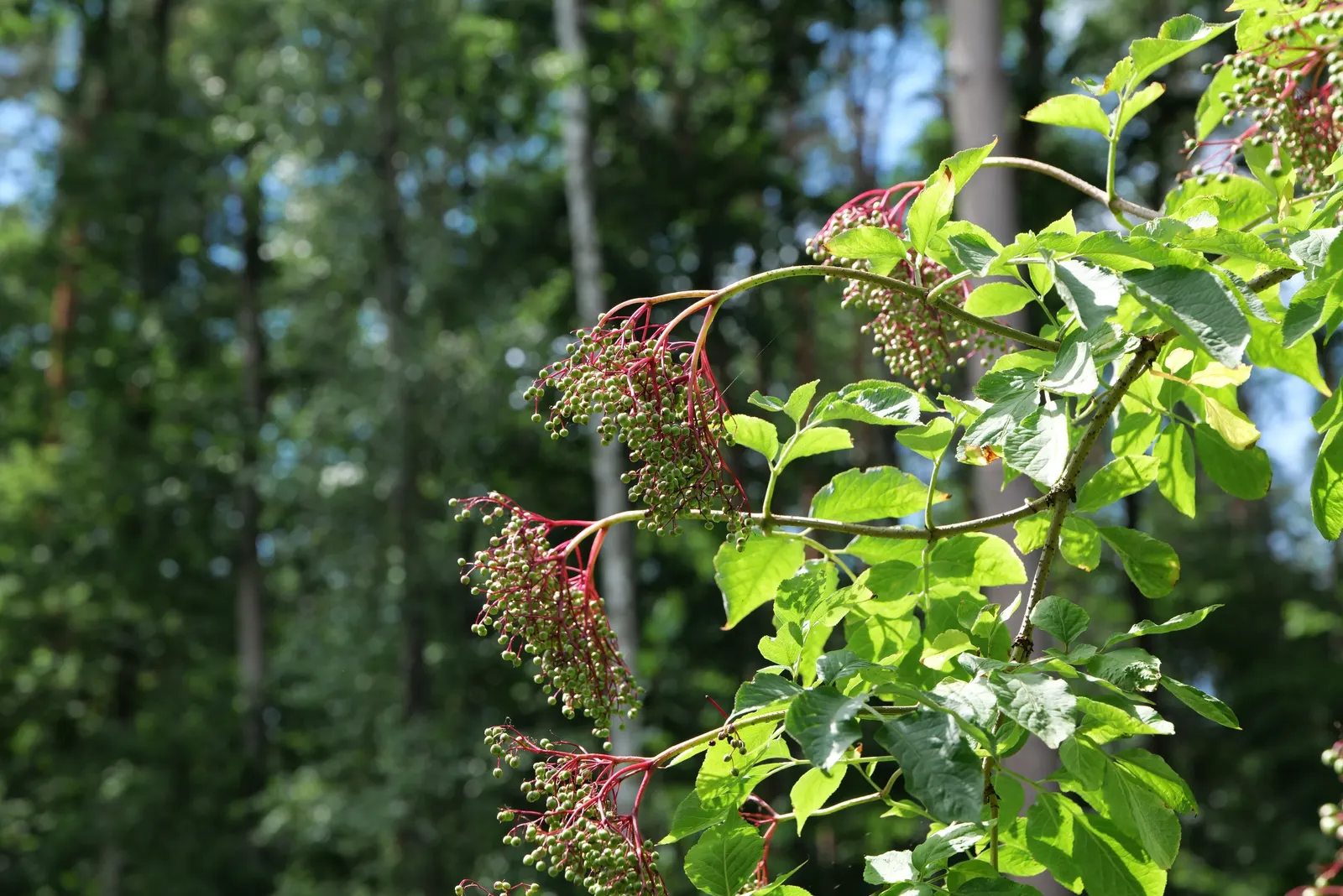
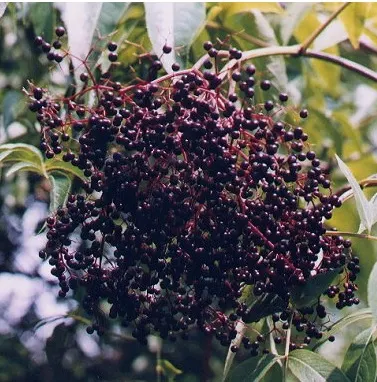
Elderberry (Sambucus Canadensis) — while also providing potential edible yields for the homeowner; which mature into dark purple berries coveted by wildlife
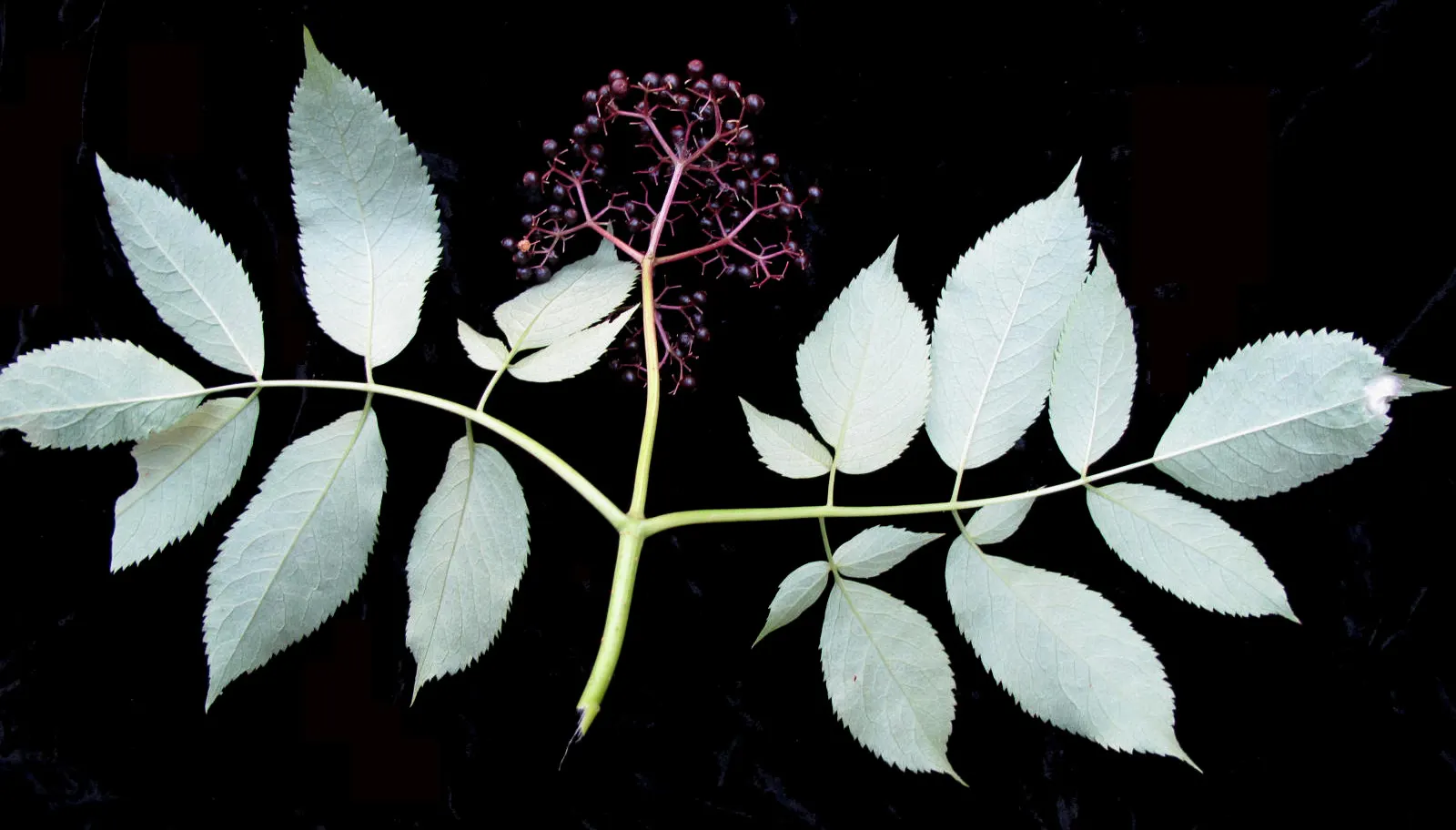
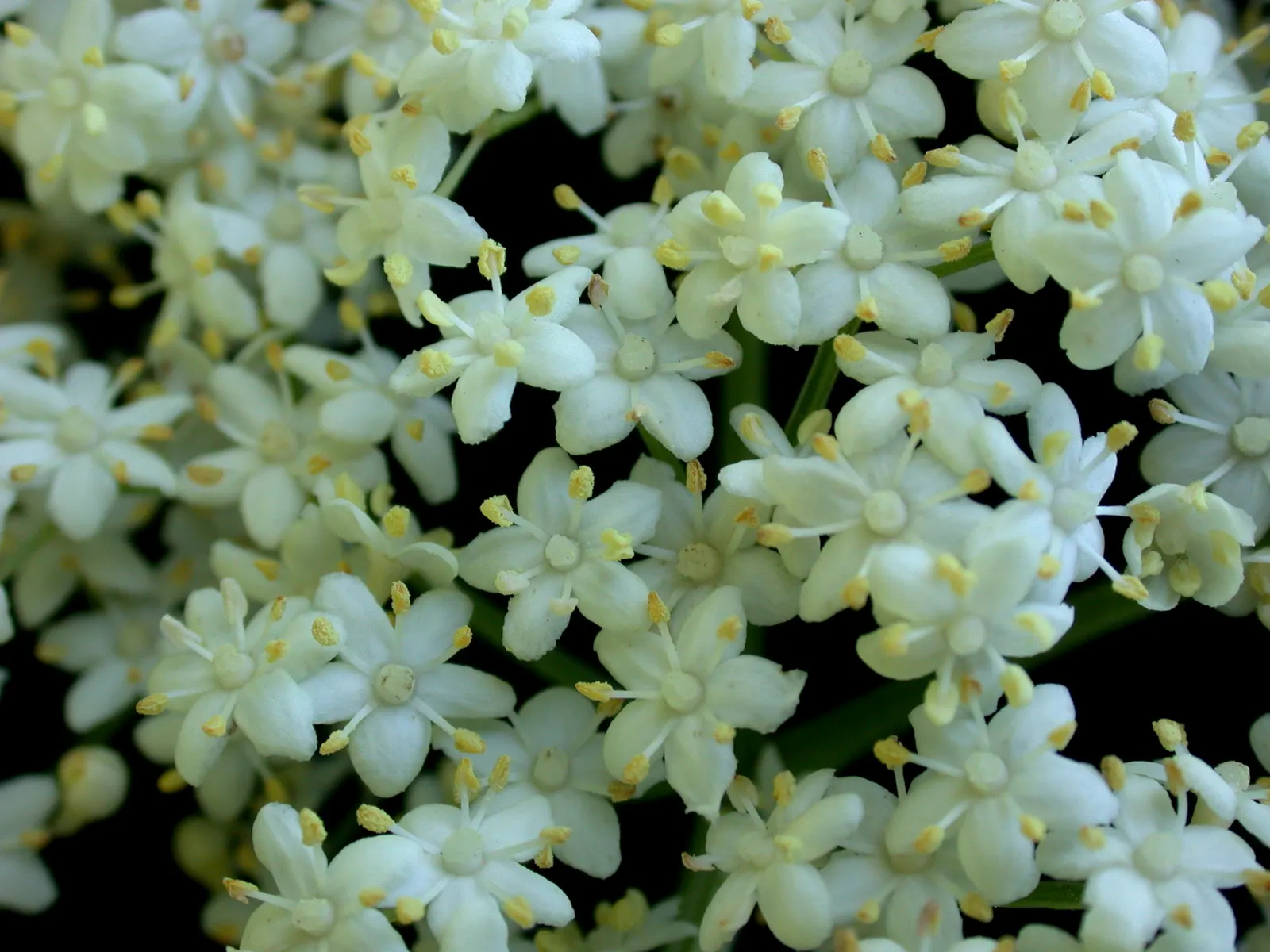
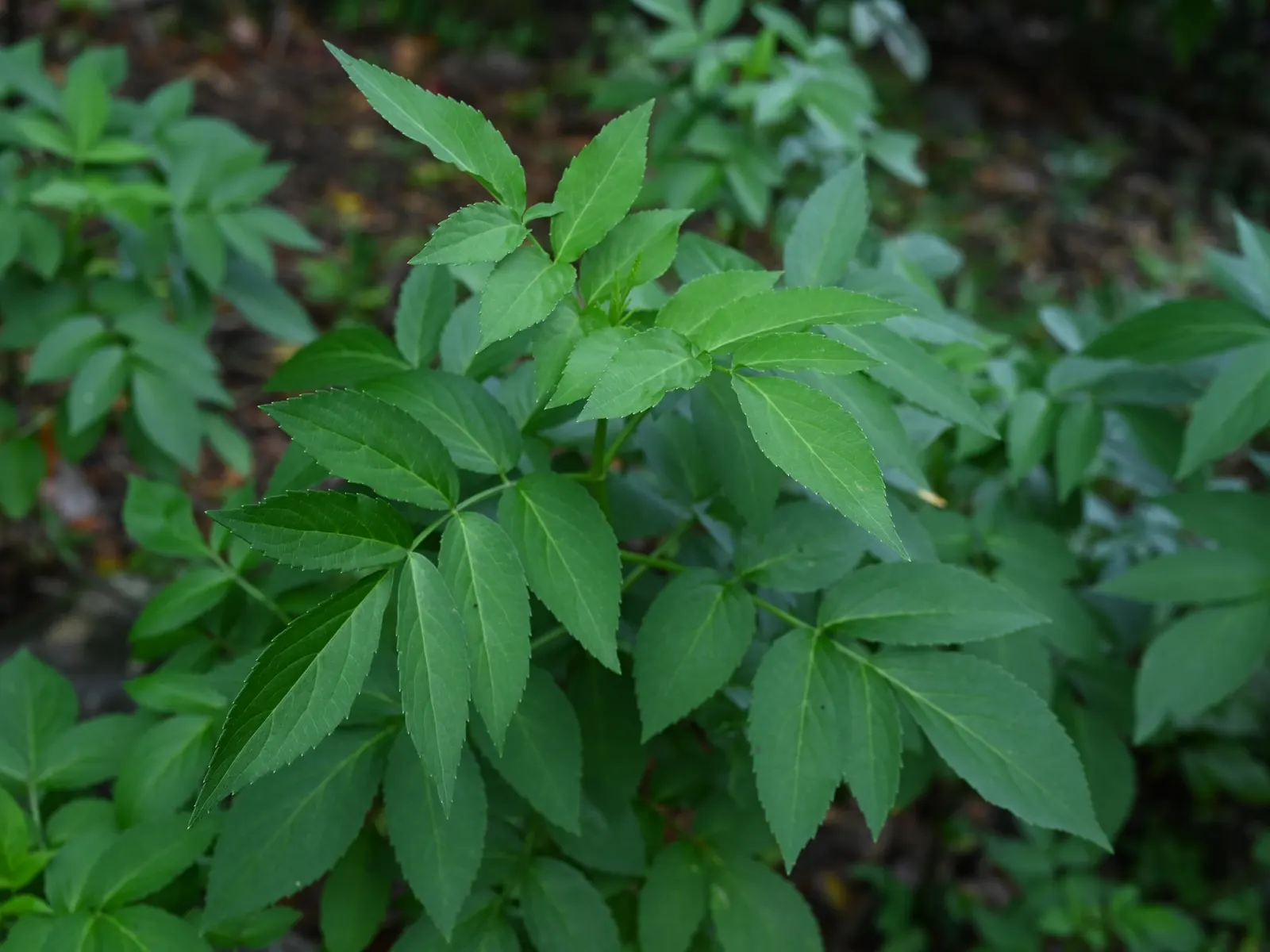
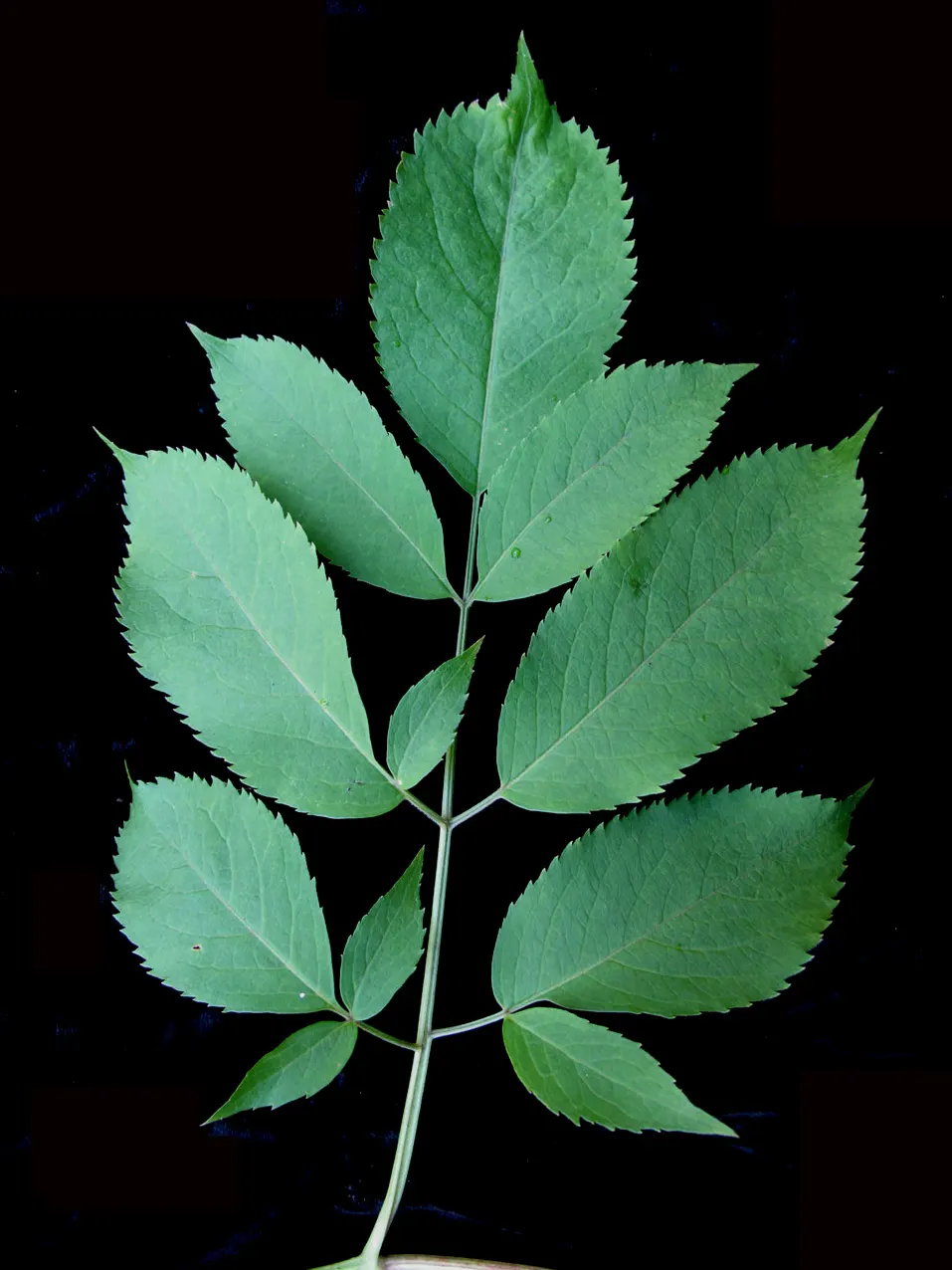
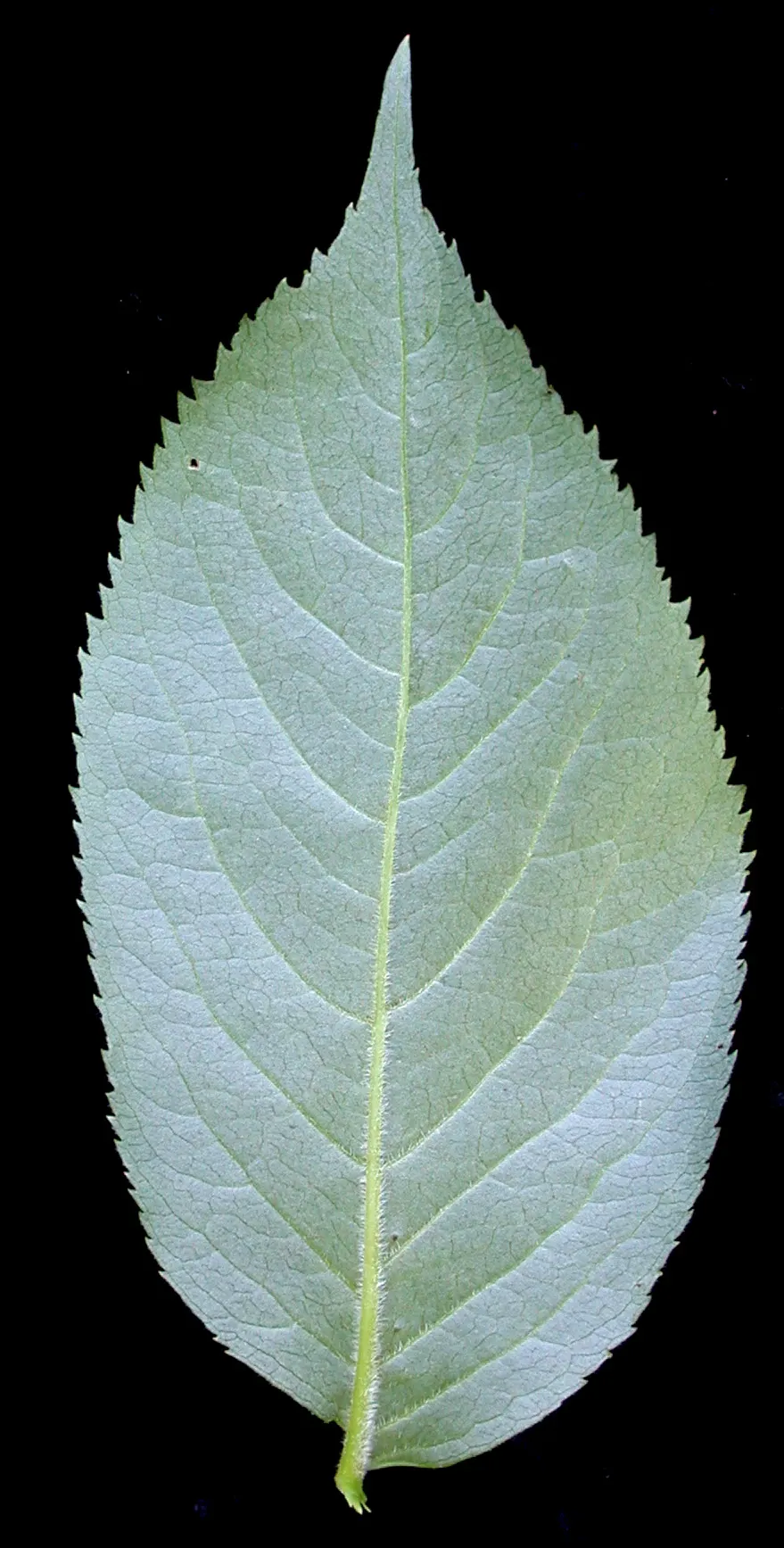
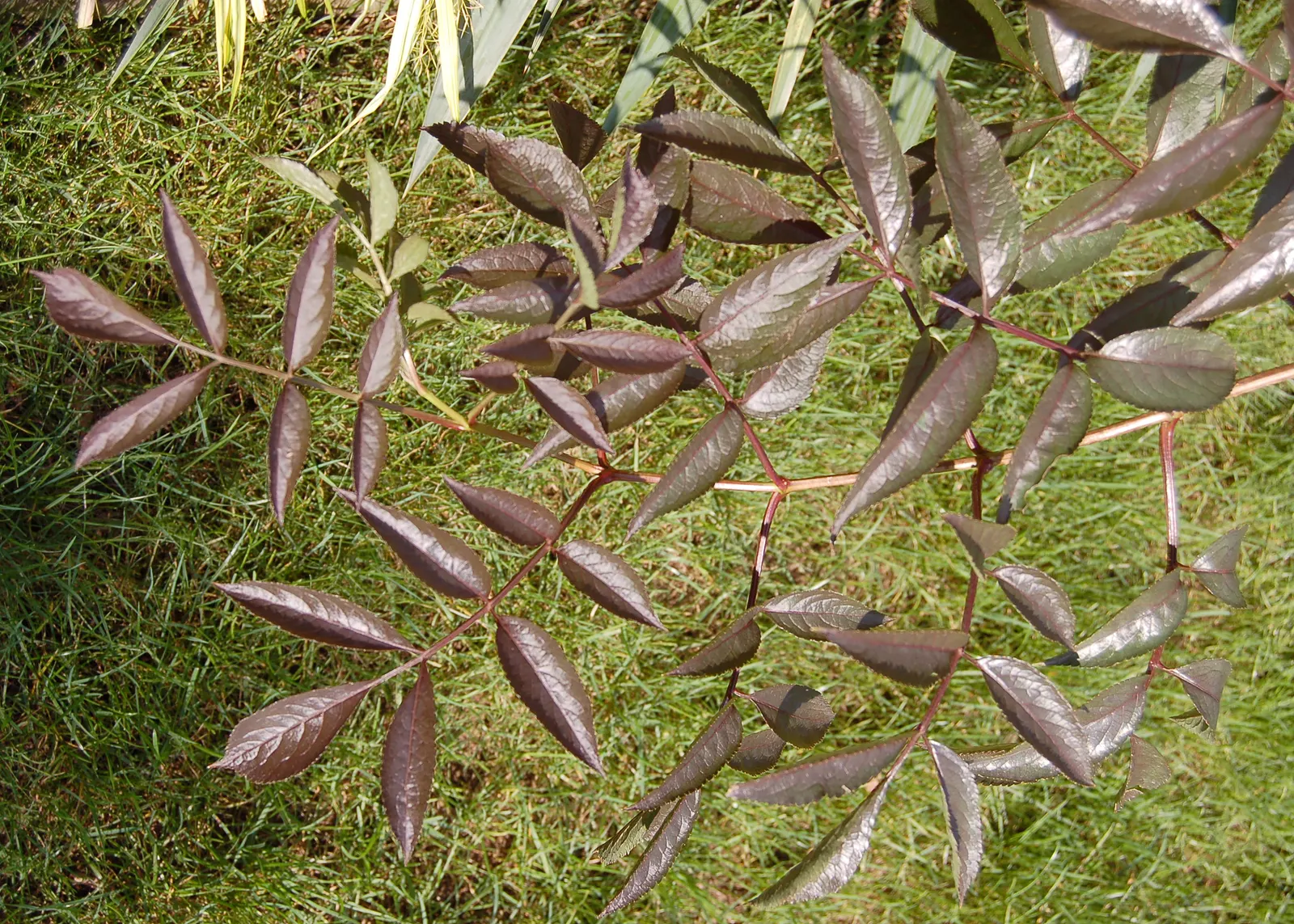
Elderberry (Sambucus Canadensis) — features clusters of small white-to-cream flowers in spring; each leaflet measuring 2 to 6 inches long, image 56
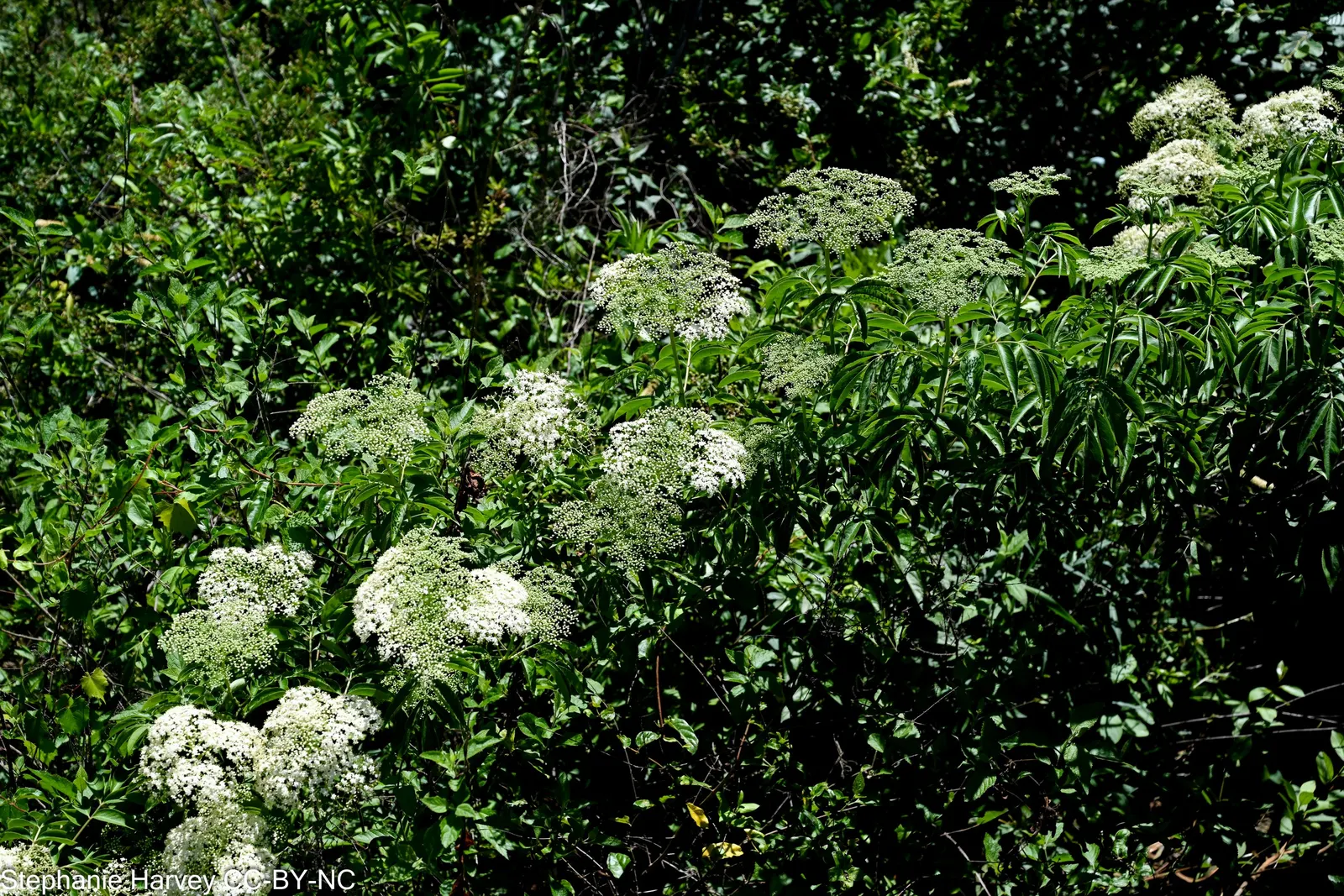
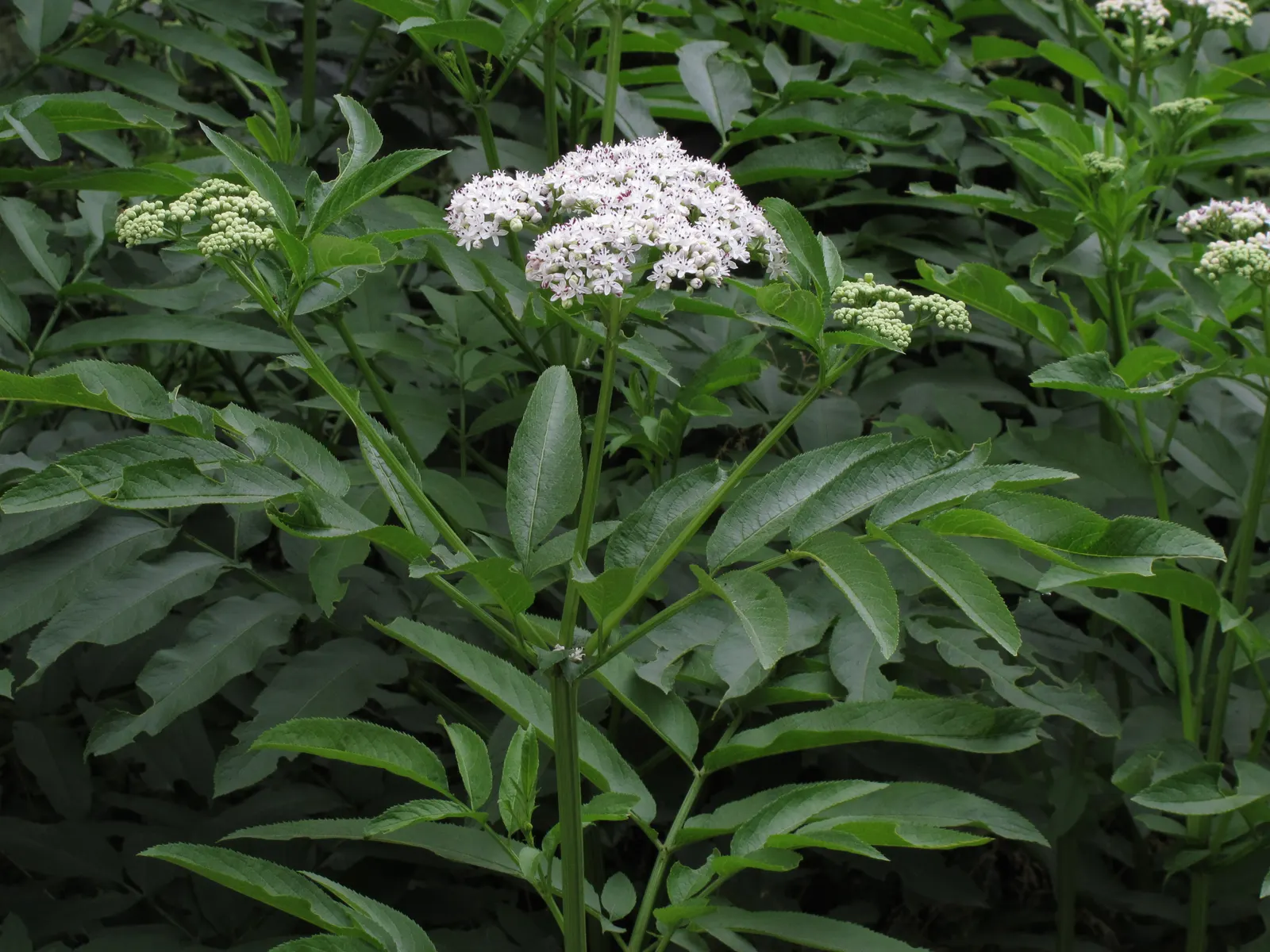
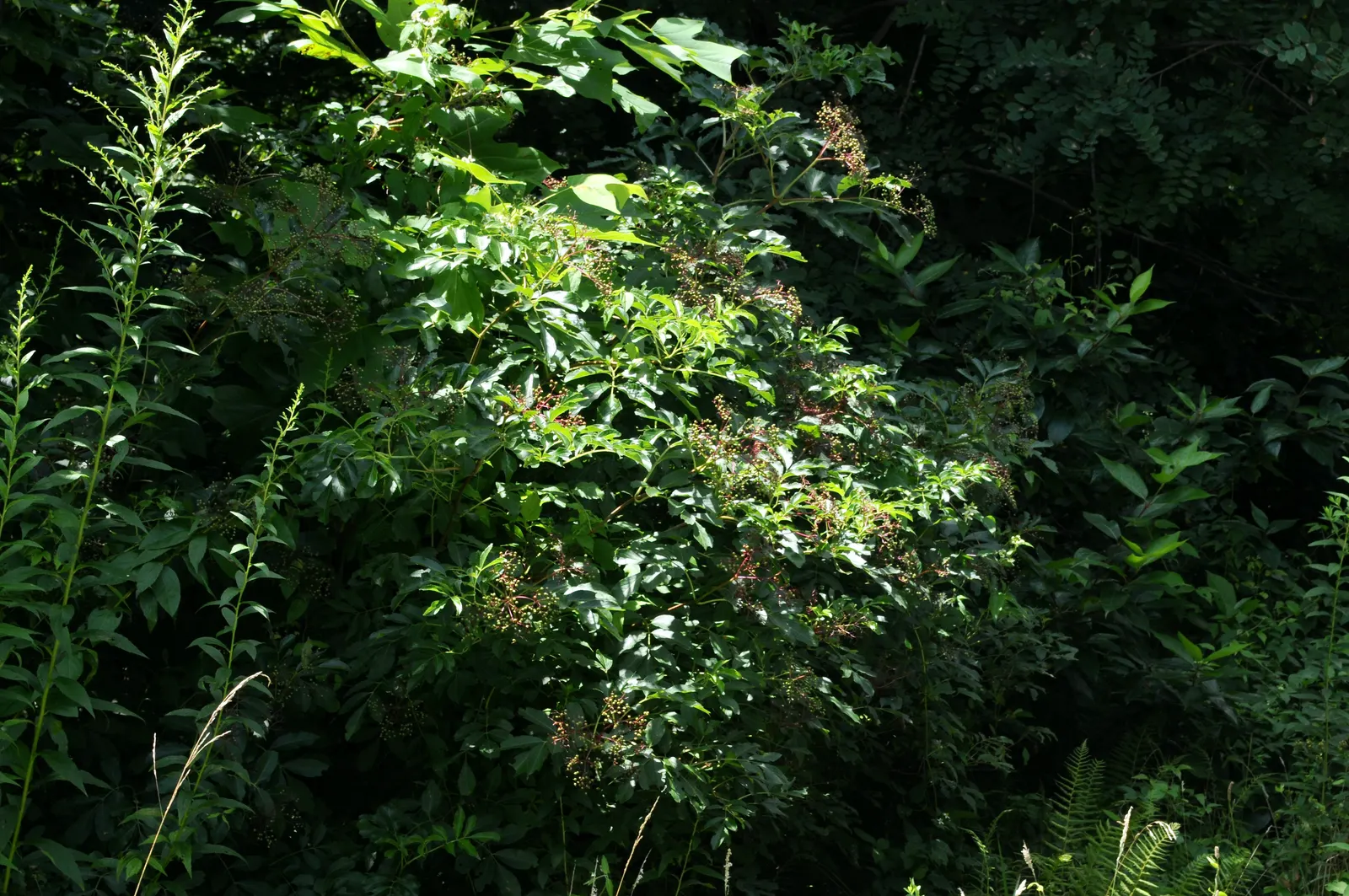
Elderberry (Sambucus Canadensis) — This deciduous shrub grows to 5-12 feet high and wide, thriving in full sun to partial shade; white flowers in, image 58
Elderberry (Sambucus Canadensis) — a versatile North American native; this deciduous shrub grows to 5-12 feet high and wide, thriving in full sun, image 55
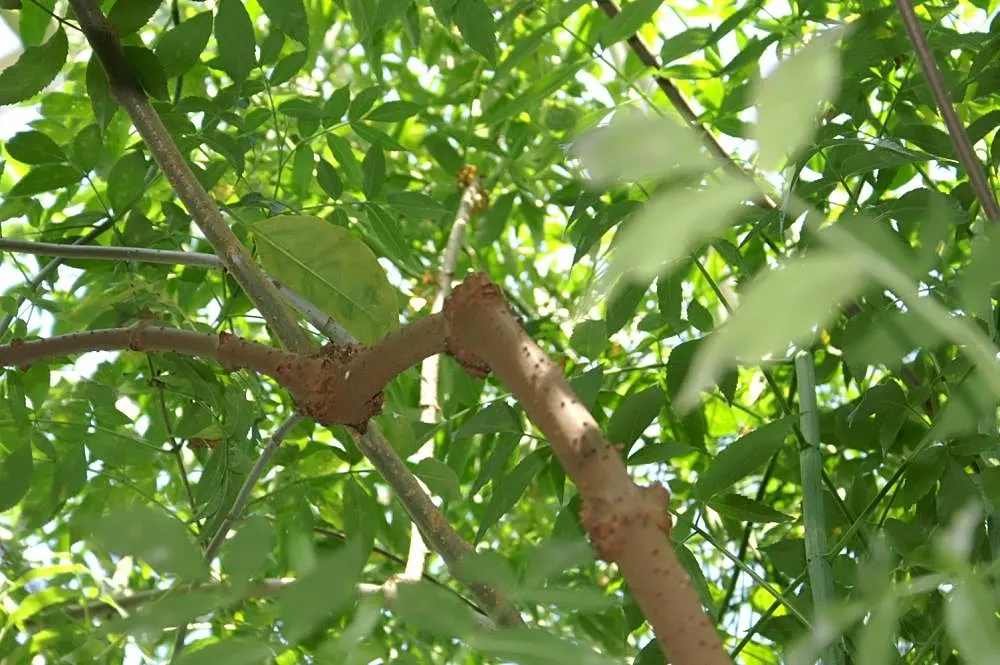
Elderberry (Sambucus Canadensis) — which mature into dark purple berries coveted by wildlife; about 1/4 inch in diameter, image 57
Elderberry (Sambucus Canadensis) — shrub for full or half; while also providing potential edible yields for the homeowner
Elderberry (Sambucus Canadensis) — shrub with white blooms; dark purple to black berries
Elderberry (Sambucus Canadensis) — is a versatile and hardy deciduous shrub native to a wide array of regions across North America; and, image 61
Elderberry (Sambucus Canadensis) — It adapts to a range of soil conditions, preferring moist, well-drained sites, image 59
Elderberry (Sambucus Canadensis) — Ideal for naturalized settings, it offers culinary value and supports pollinators; in the late spring to early, image 60
Elderberry (Sambucus Canadensis) — elderberry shrubs offer a lush; ideal for naturalized settings, it offers culinary value and supports pollinators, image 63
Elderberry (Sambucus Canadensis) — Typically growing to a mature height of 5 to 12 feet; shrub with white blooms, image 62
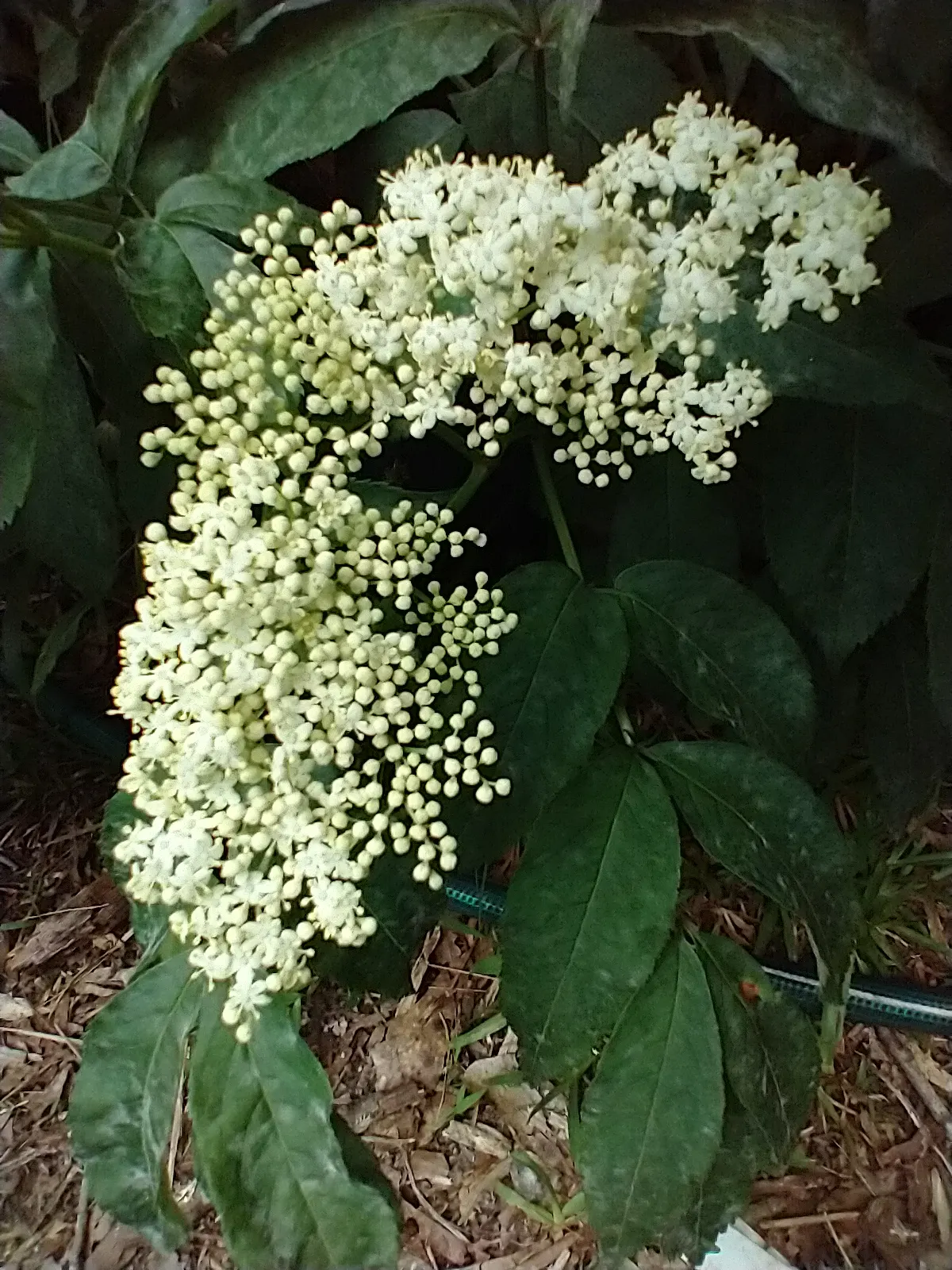
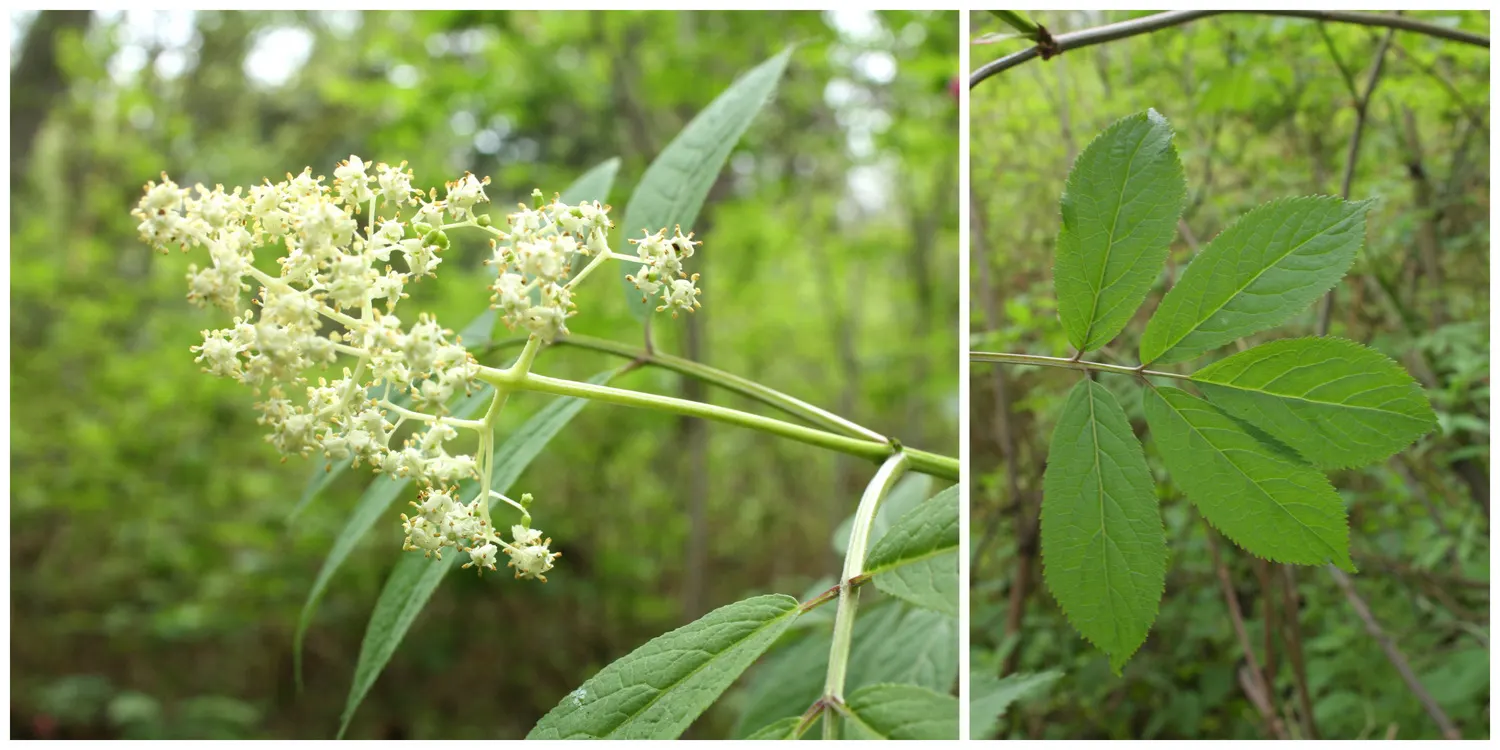
Elderberry (Sambucus Canadensis) — The plant thrives in USDA Hardiness Zones 3 through 9; the elderberry bursts into clusters of creamy white, image 64
Elderberry (Sambucus Canadensis) — each leaflet measuring 2 to 6 inches long; they are relatively low-maintenance, image 65
Elderberry (Sambucus Canadensis) — providing nectar for pollinators; but can benefit from occasional pruning to maintain shape and encourage fruit, image 69
Elderberry (Sambucus Canadensis) — dark purple to black berries; typically growing to a mature height of 5 to 12 feet, image 71
Elderberry (Sambucus Canadensis) — By late summer to early fall; a versatile North American native, image 70
Elderberry (Sambucus Canadensis) — about 1/4 inch in diameter; providing nectar for pollinators, image 72
Elderberry (Sambucus Canadensis) — In the late spring to early summer; shrub for full or half, image 66
Elderberry (Sambucus Canadensis) — the elderberry bursts into clusters of creamy white flowers; is a versatile and hardy deciduous shrub native to, image 67
Elderberry (Sambucus Canadensis) — commonly 6 to 10 inches in diameter, image 68

Related plants