Skip to content

Western Coneflower

Rudbeckia Occidentalis

Design with this plant

Overview

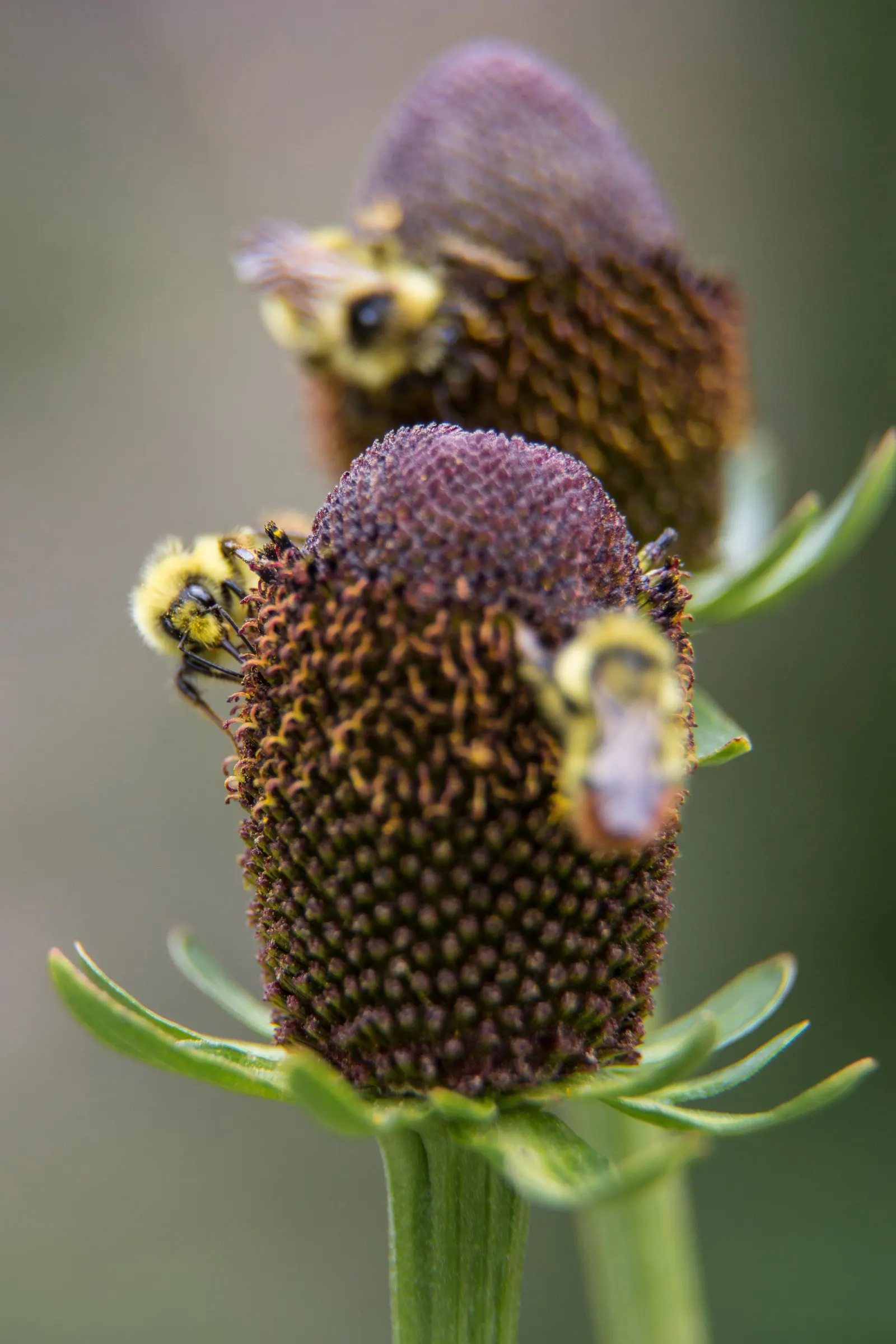
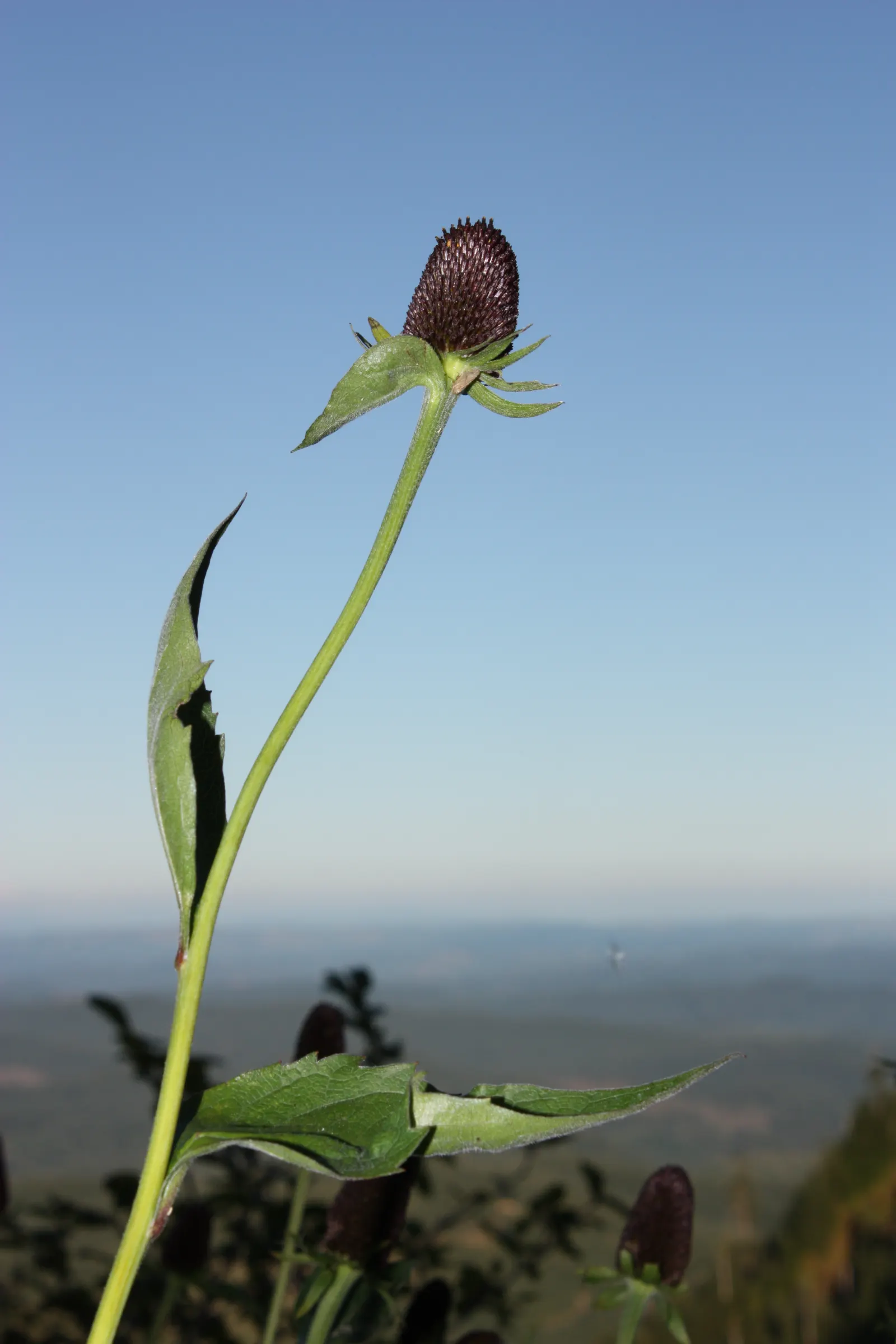
Western Coneflower (Rudbeckia occidentalis) is a striking perennial native to the western United States. Thriving in zones 3-10, it grows between 2-3 feet tall with a spread of 1-2 feet. It features notable, dark, conical centers with no petals, creating a unique silhouette. Prefers full sun to part shade and adapted to a range of soil conditions. Ideal for naturalistic planting and attracting pollinators. Blooms late summer to early fall.

Sun FullWater Extra in Summer, Low, MediumZones 4–10Type PerennialClimate Temperate

Culture

Sun
Full
Water
Extra in Summer, Low, Medium
USDA zones
4–10

Shape & size

Mature height
4–8 Ft.
Mature width
2–3 Ft.

Classification

Type
Perennial
Family
Asteraceae
Climate
Temperate

See full data, regional cultivation notes, and design tools. Build a client presentation around this plant.

Start your 14-day trial

Photos (58)

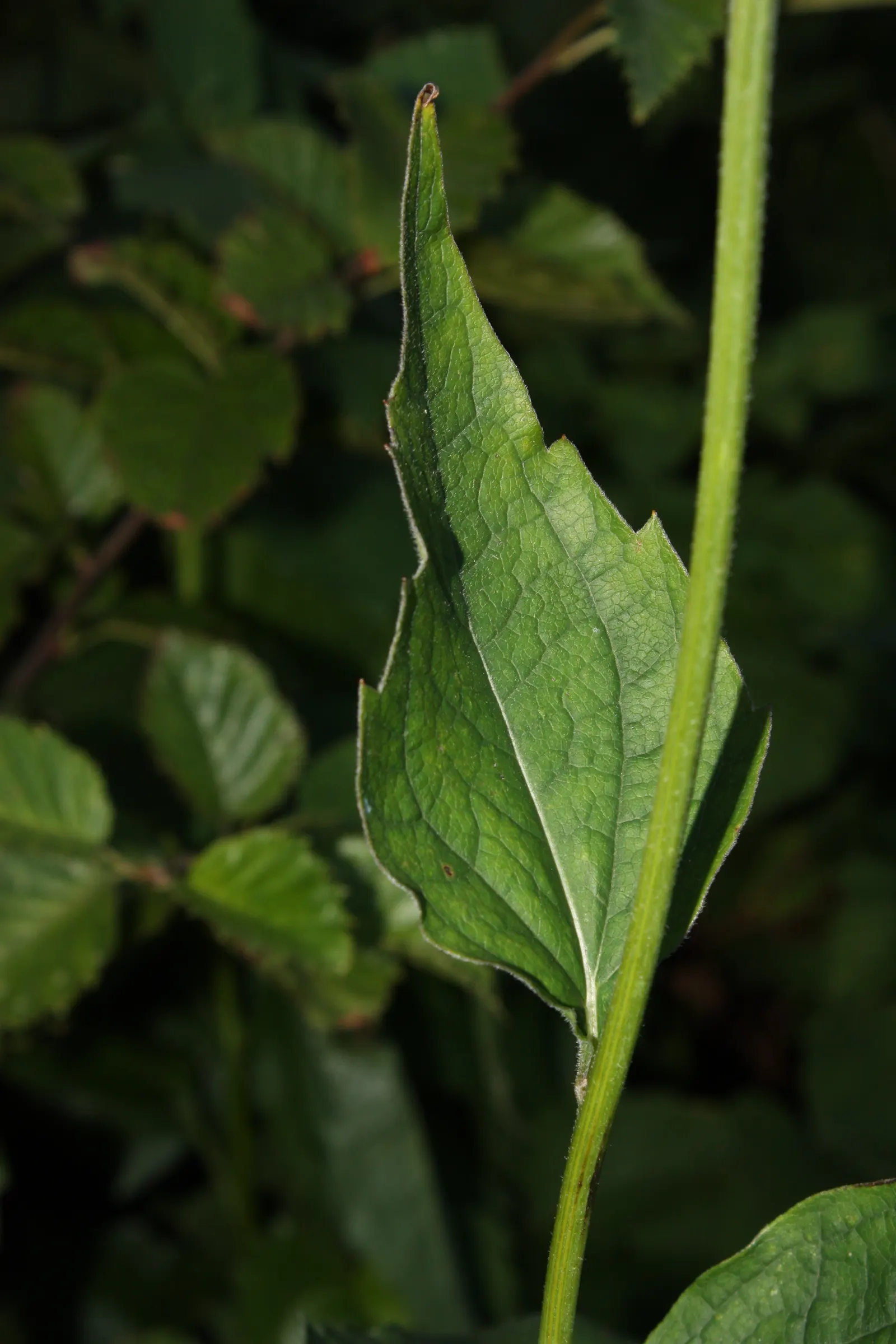
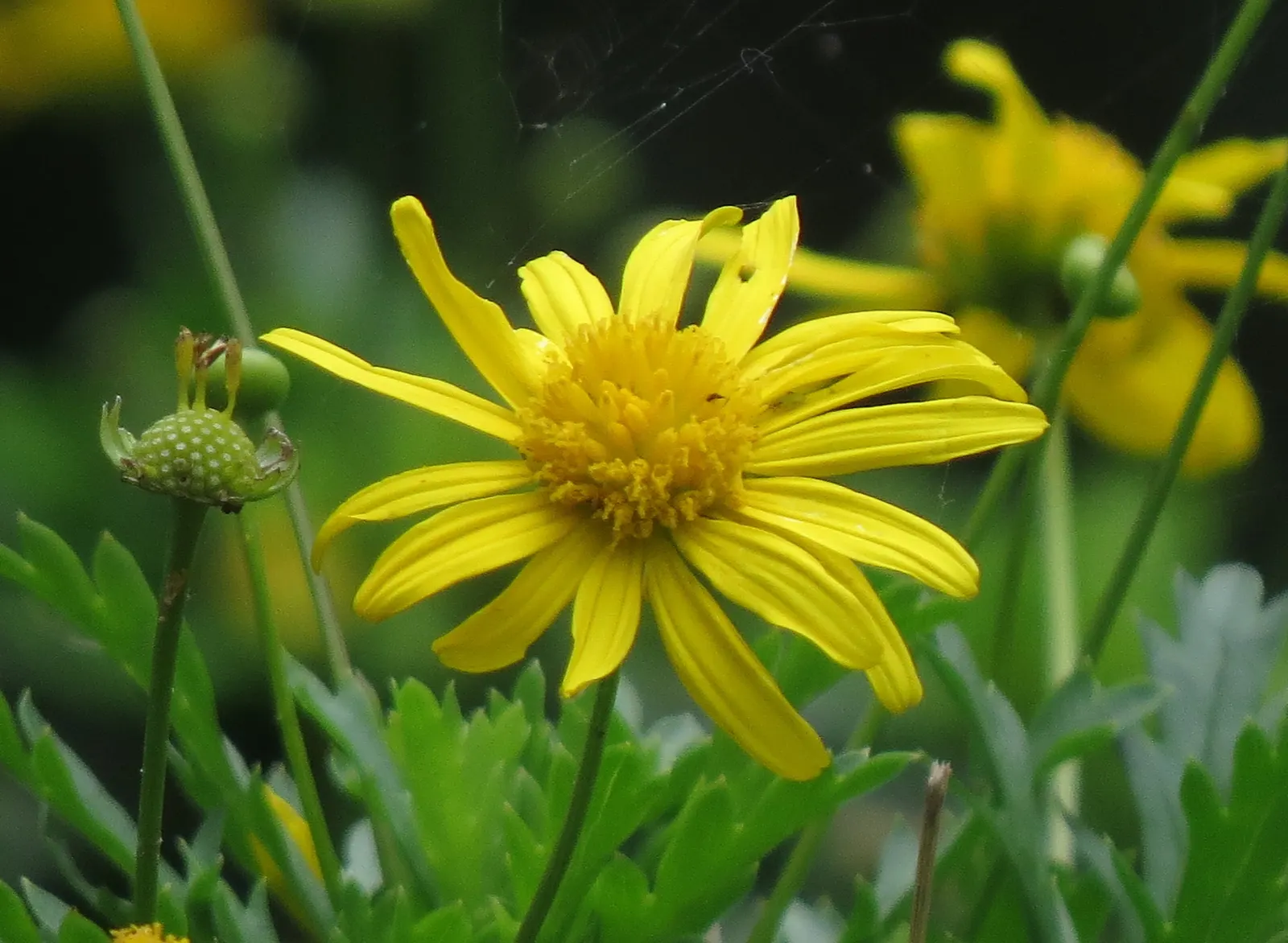
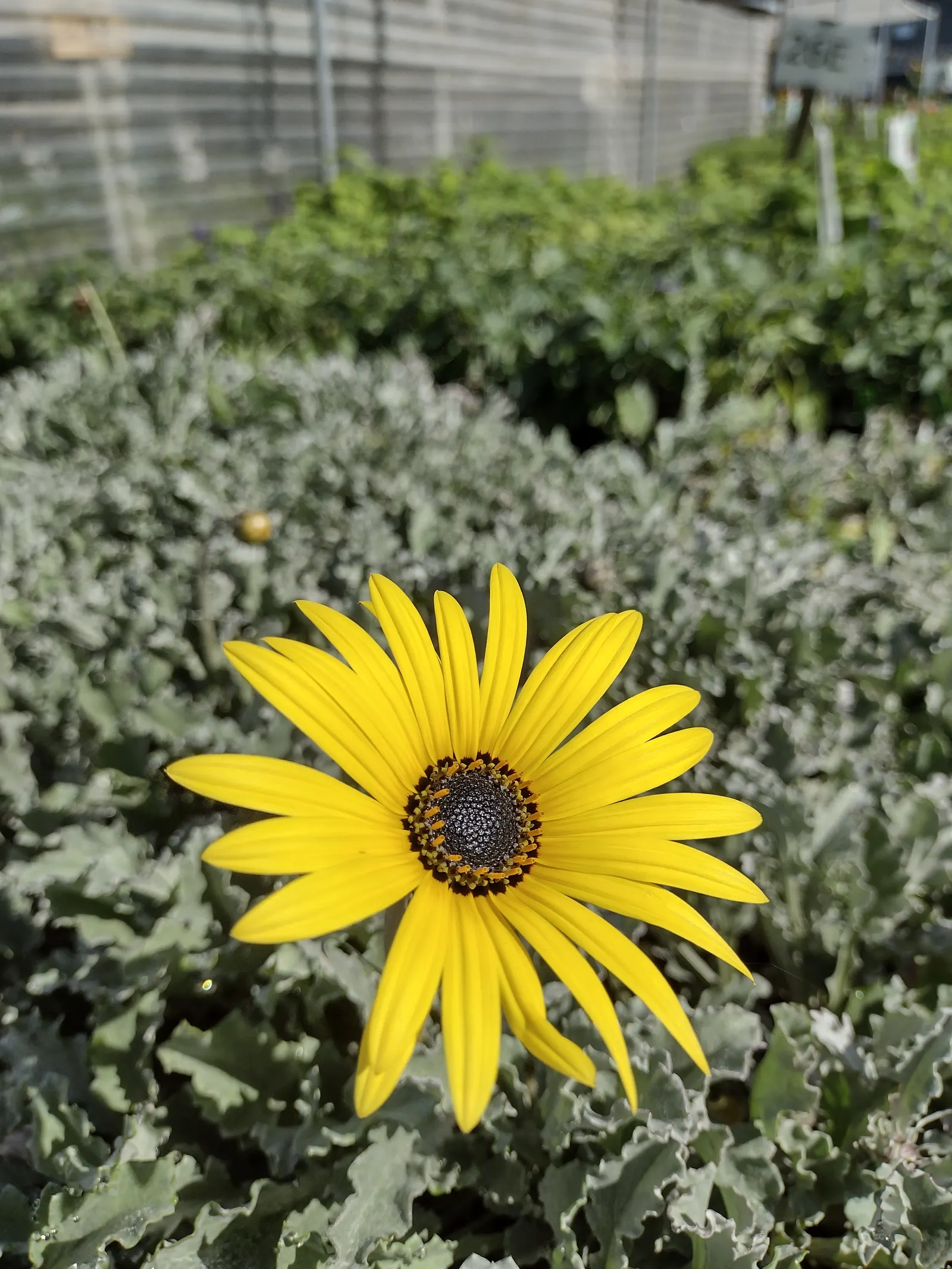
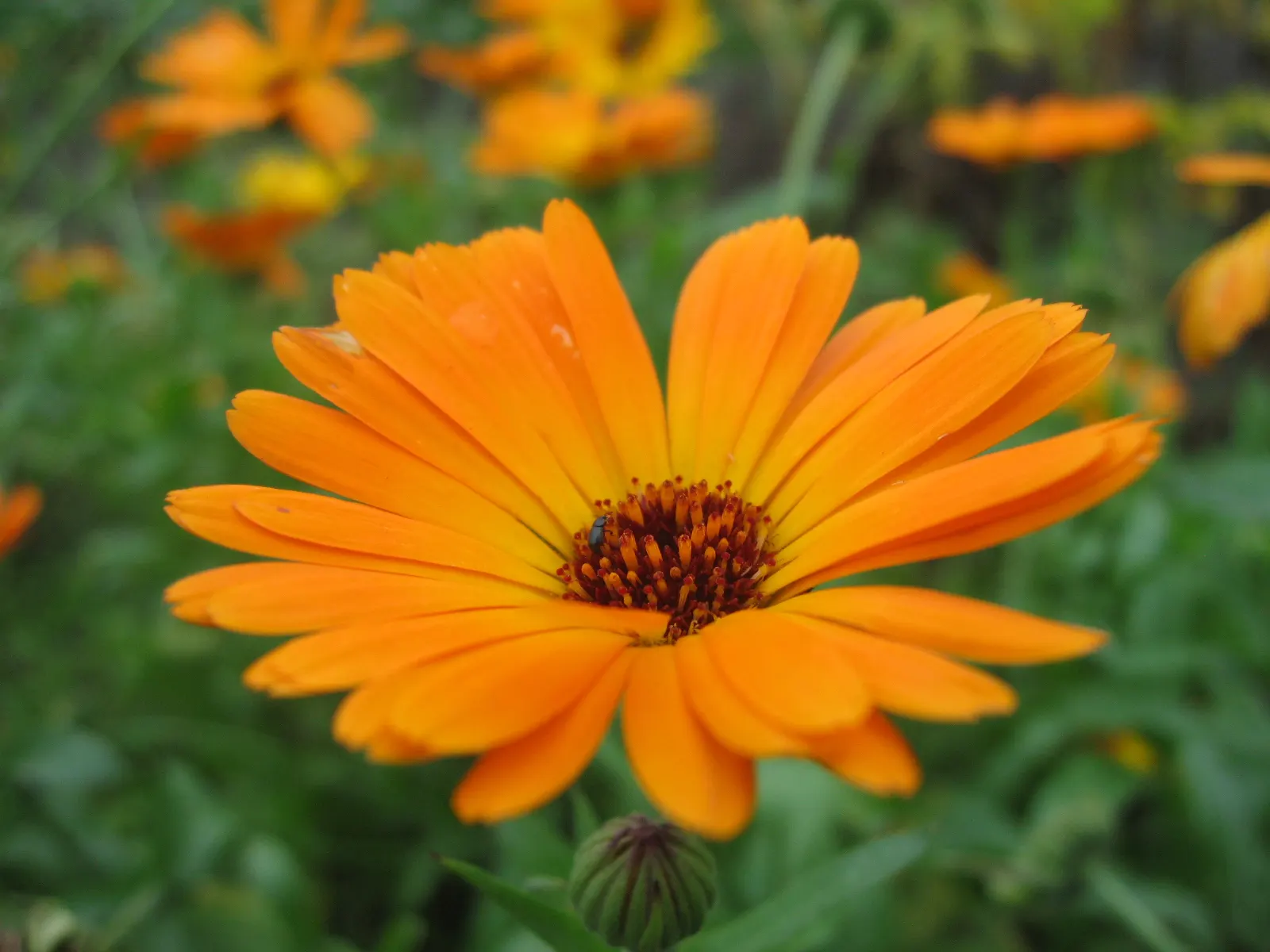
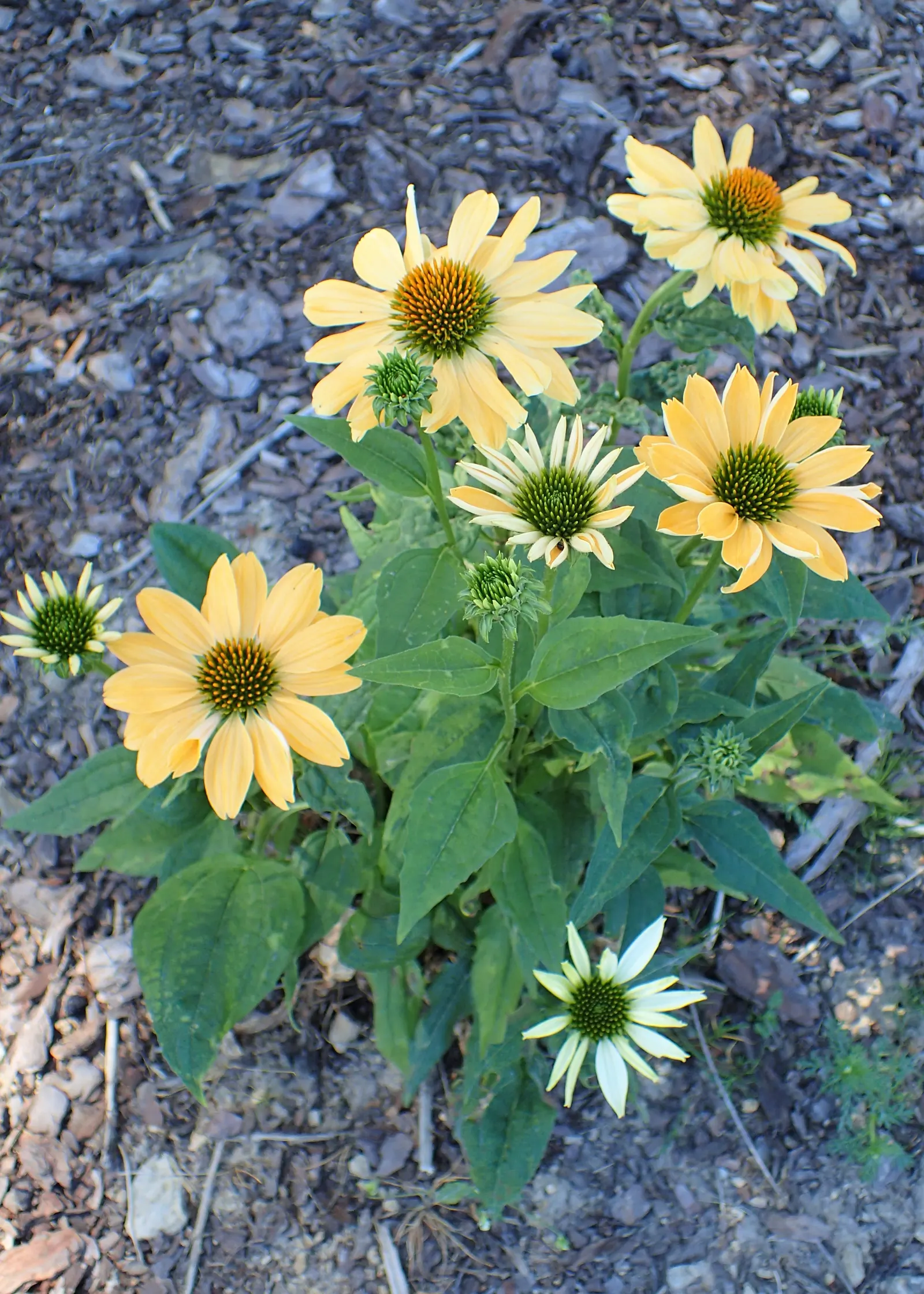
Western Coneflower (Rudbeckia Occidentalis) — It thrives in USDA Hardiness Zones 3 through 7, showcasing its resilience against colder climates; perennial with
Western Coneflower (Rudbeckia Occidentalis) — Blooms late summer to early fall; <br><br>Recognized by its distinctive appearance
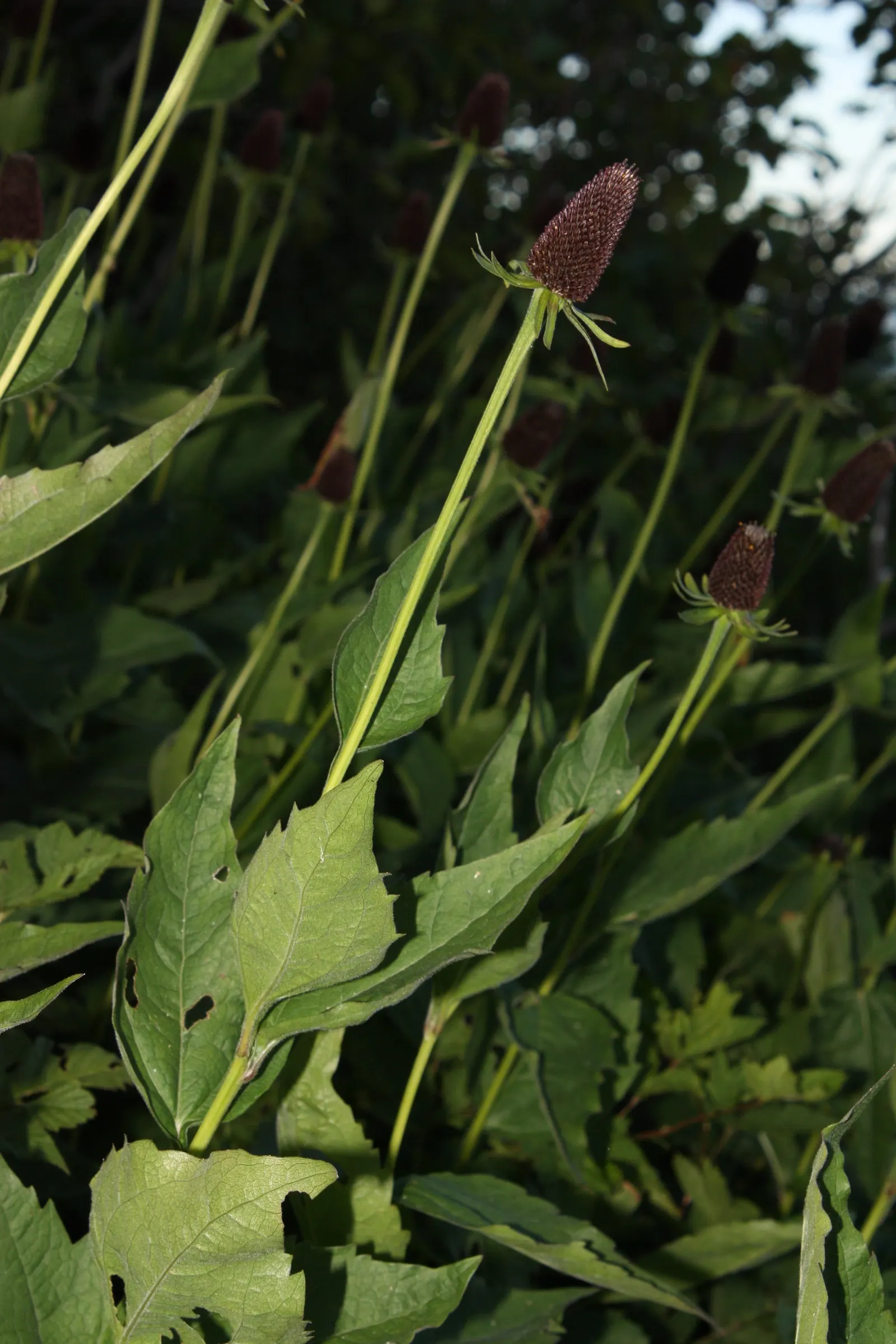
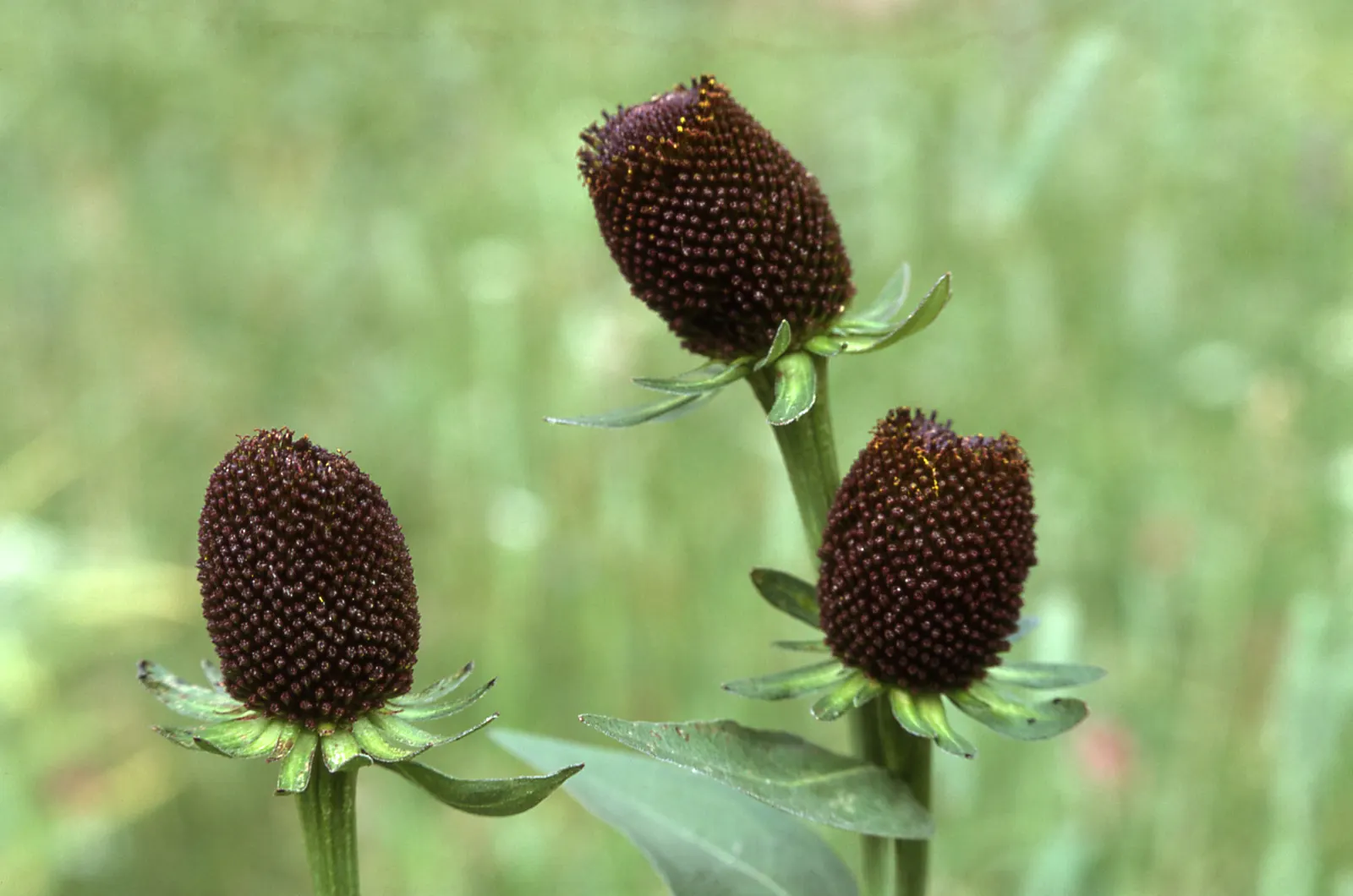
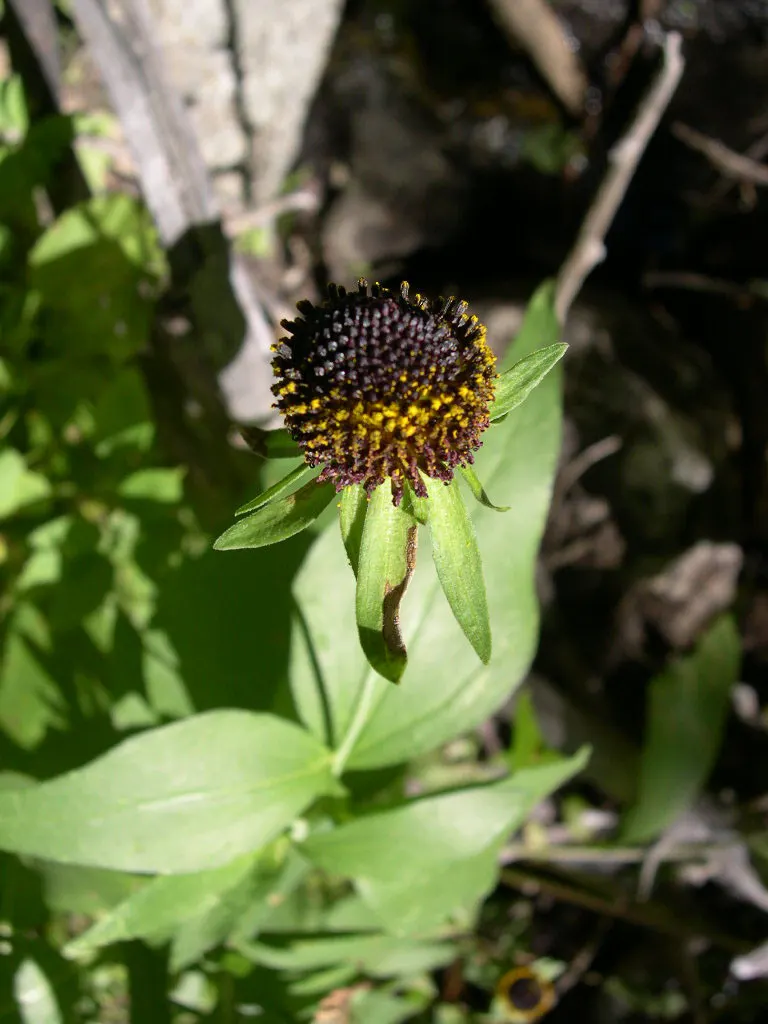
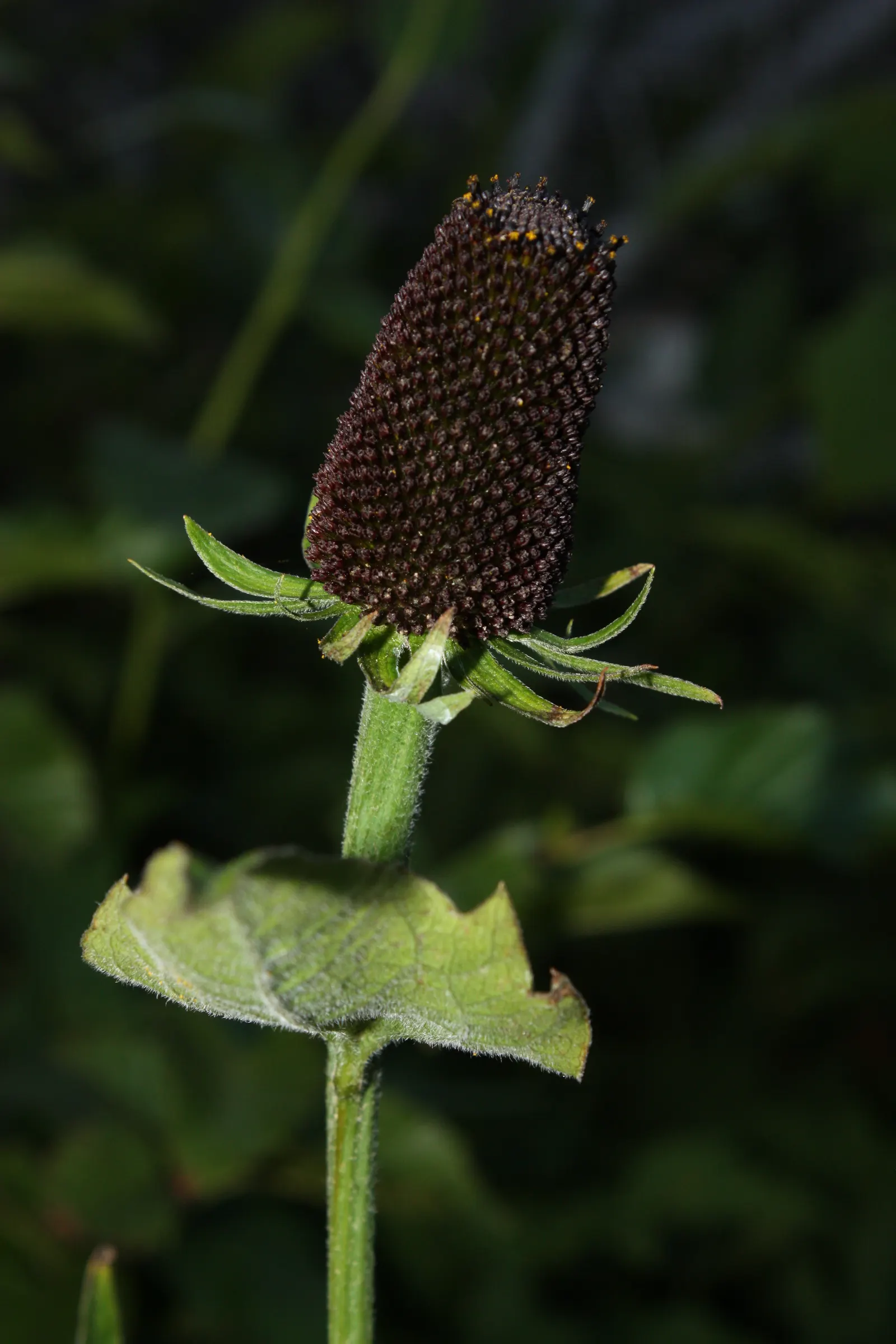
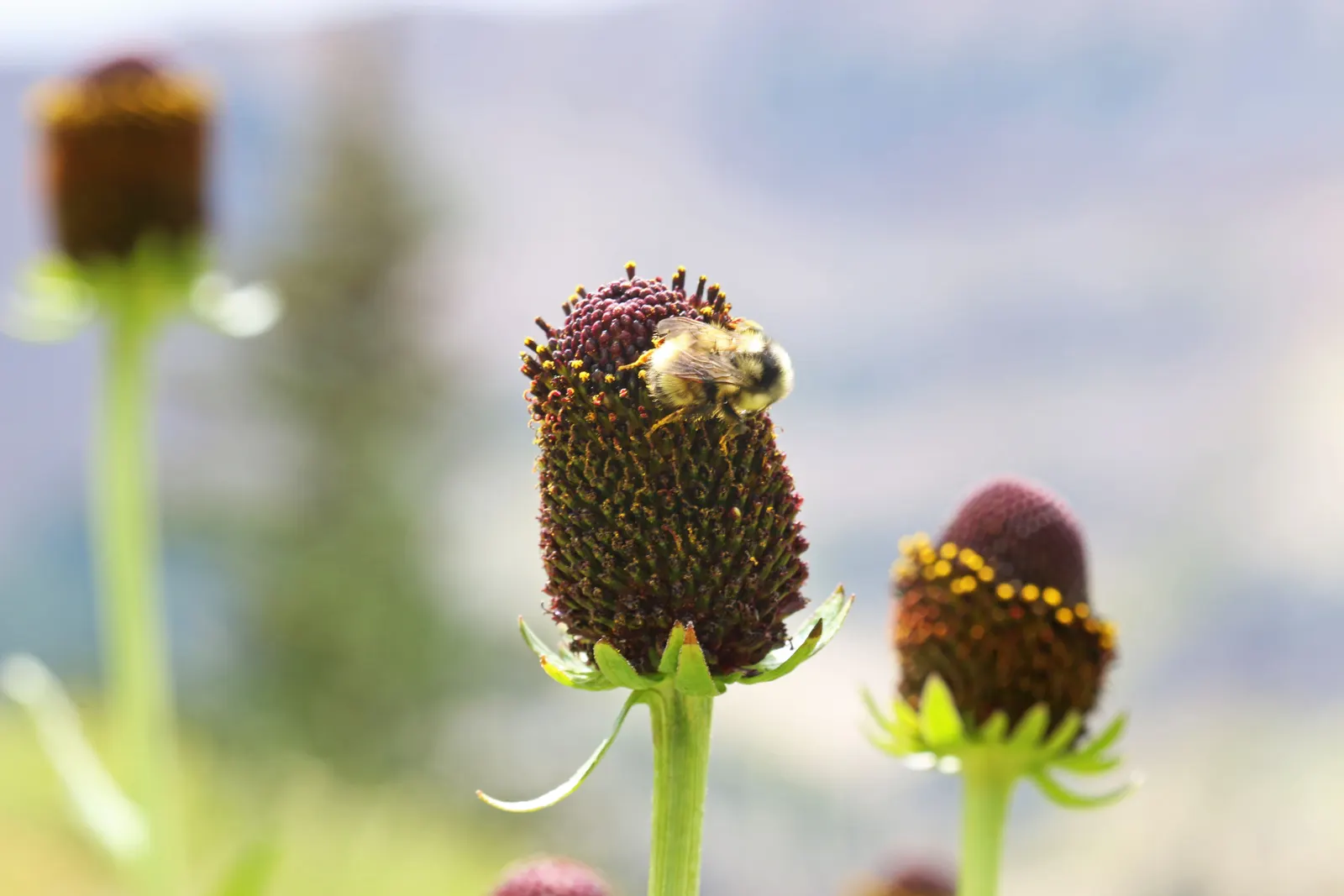
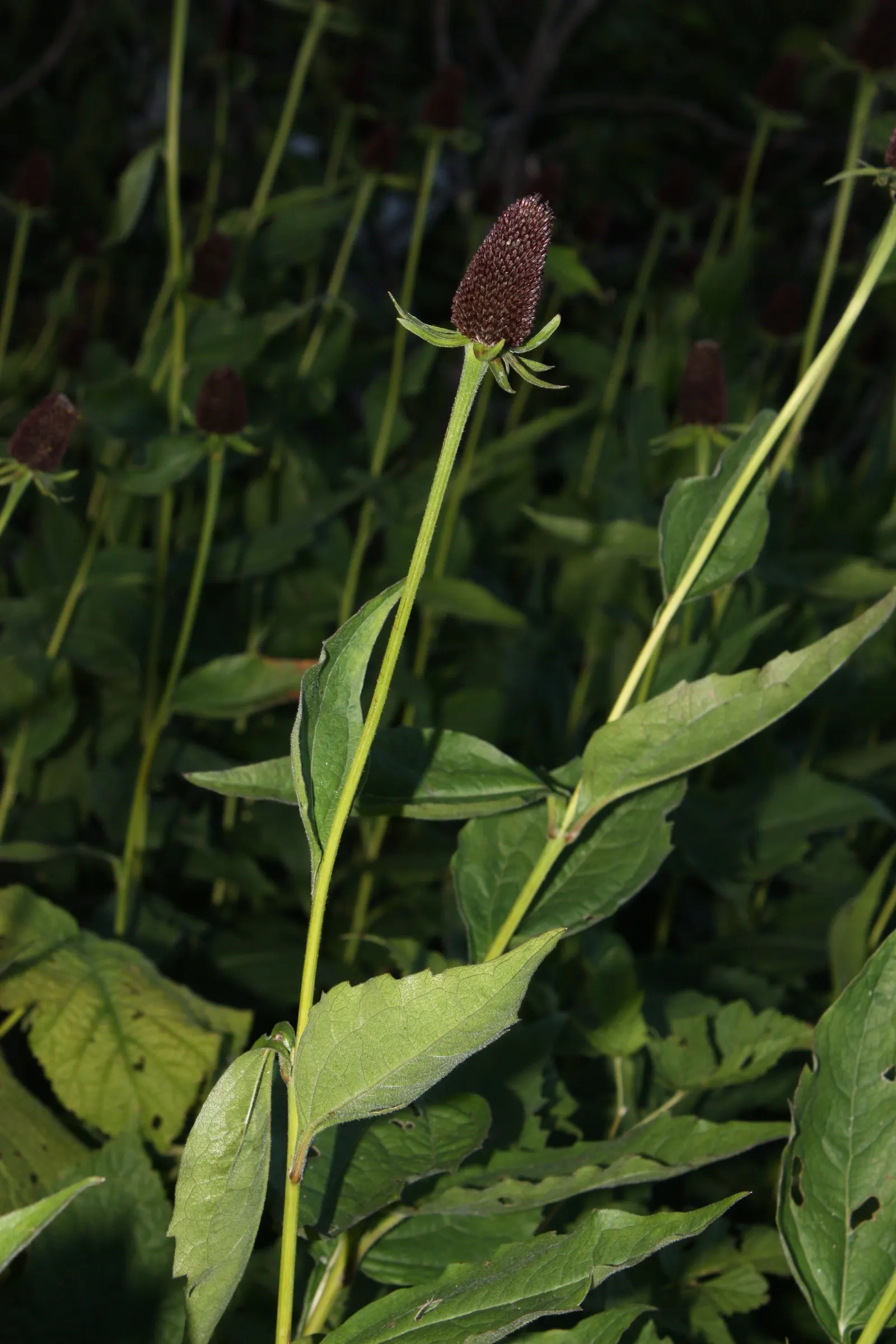
Western Coneflower (Rudbeckia Occidentalis) — It features notable, dark, conical centers with no petals, creating a unique silhouette
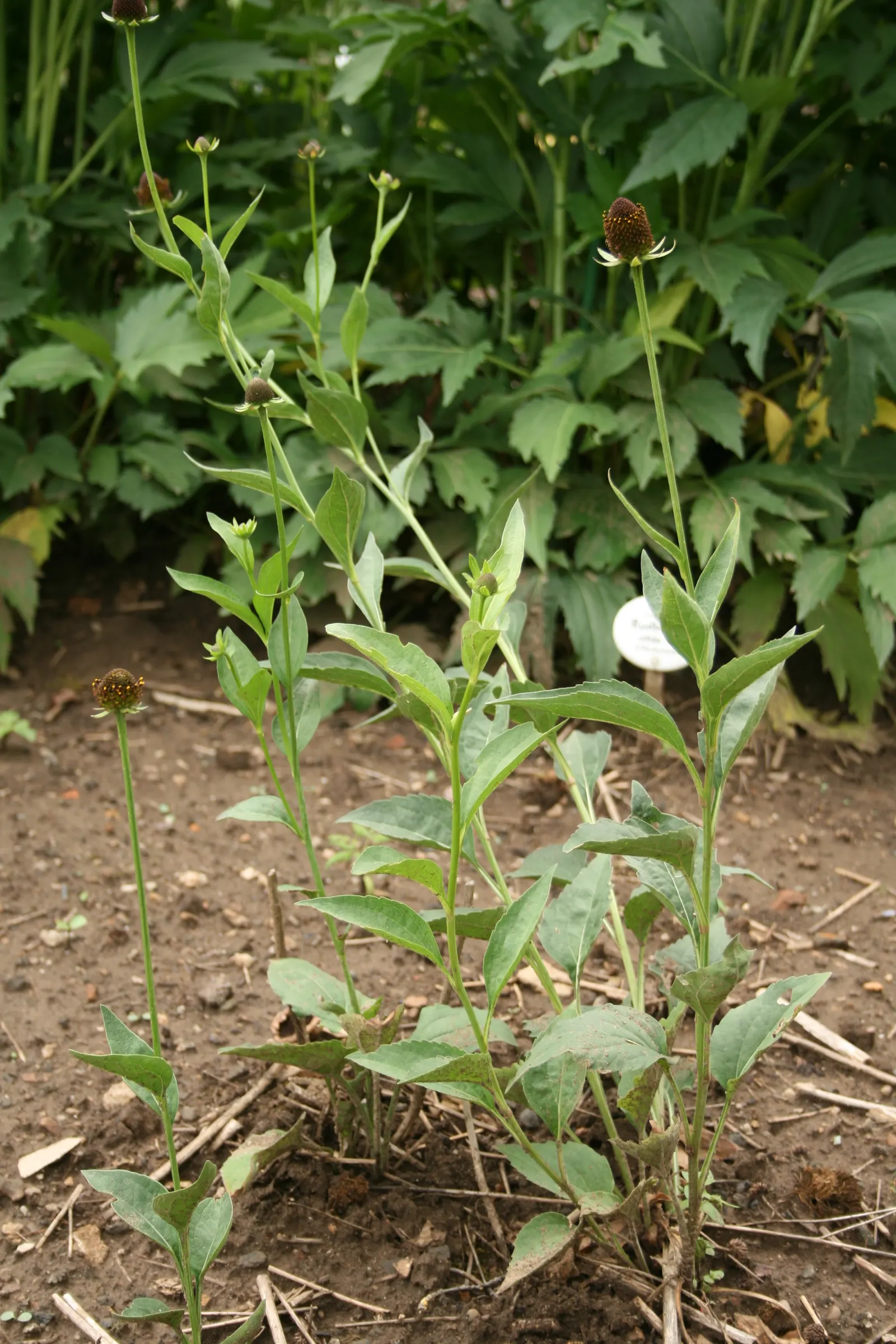
Western Coneflower (Rudbeckia Occidentalis) — This species typically reaches a height of 3 to 5 feet
Western Coneflower (Rudbeckia Occidentalis) — Western Coneflower (Rudbeckia occidentalis) is a striking perennial native to the western United States; prefers
Western Coneflower (Rudbeckia Occidentalis) — offering flexibility in placement
Western Coneflower (Rudbeckia Occidentalis) — Western Coneflower (Rudbeckia occidentalis) is a striking perennial native to the western United States
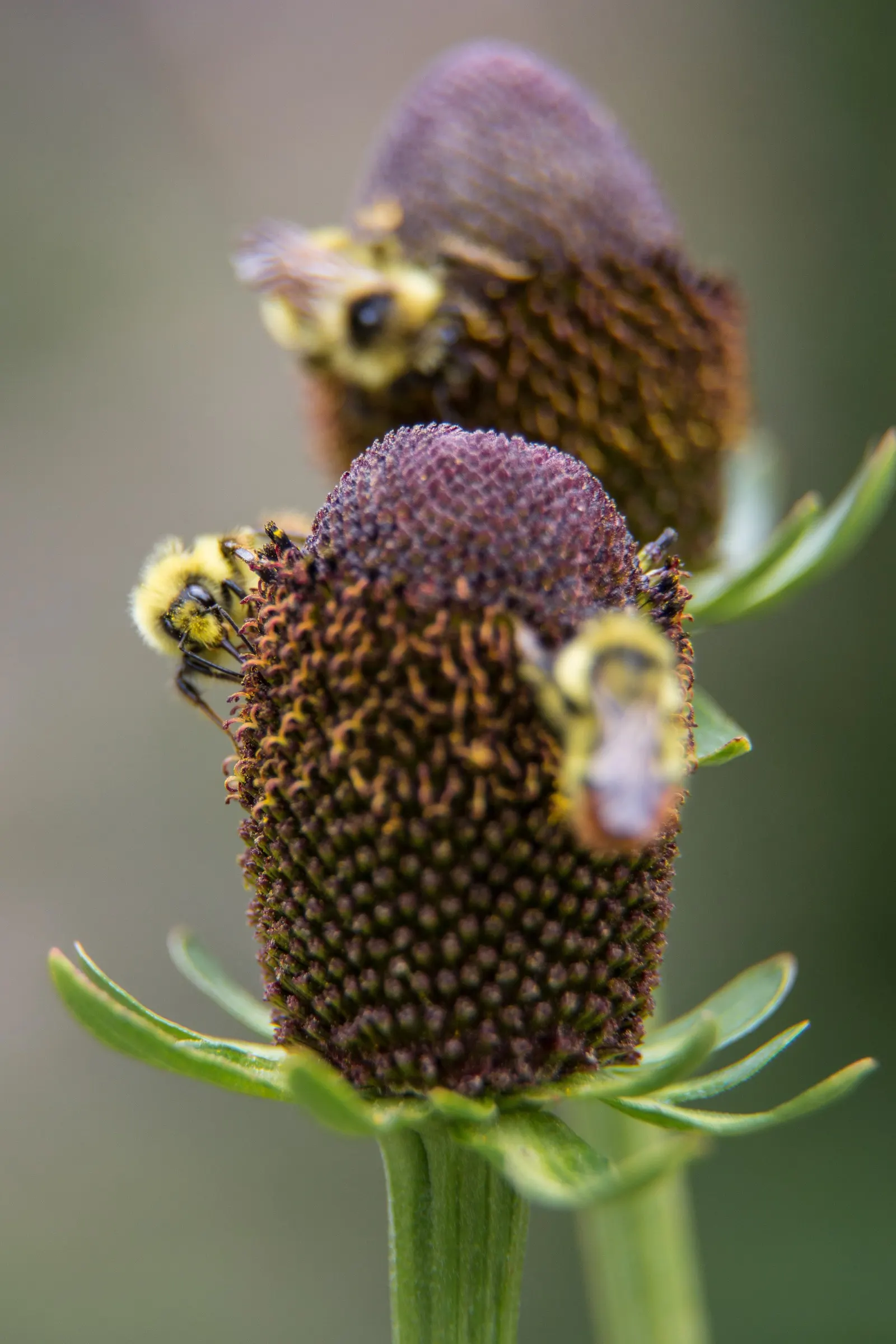
Western Coneflower (Rudbeckia Occidentalis) — the Western Coneflower features a pronounced central cone or "eye" that is dark brown to black
Western Coneflower (Rudbeckia Occidentalis) — is a striking perennial well-suited to a dynamic garden landscape and is native to the western United States
Western Coneflower (Rudbeckia Occidentalis) — <br><br>Recognized by its distinctive appearance
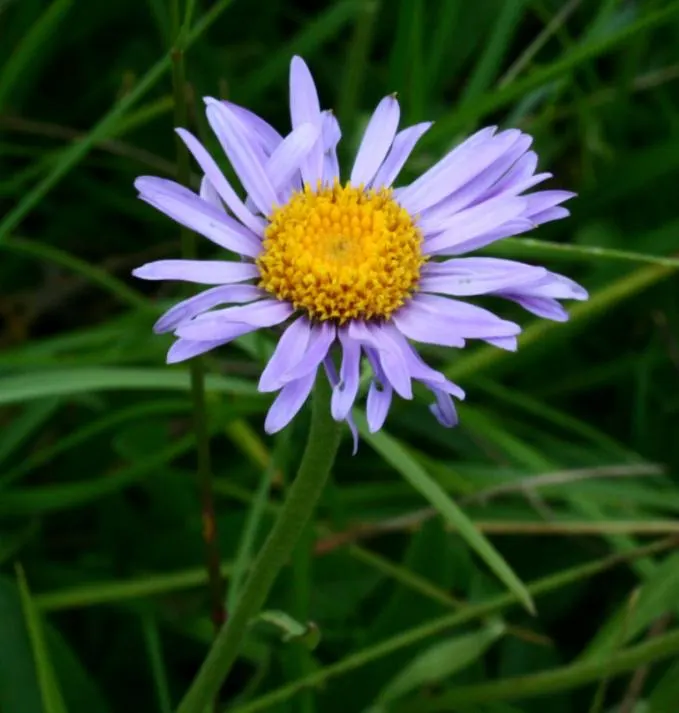
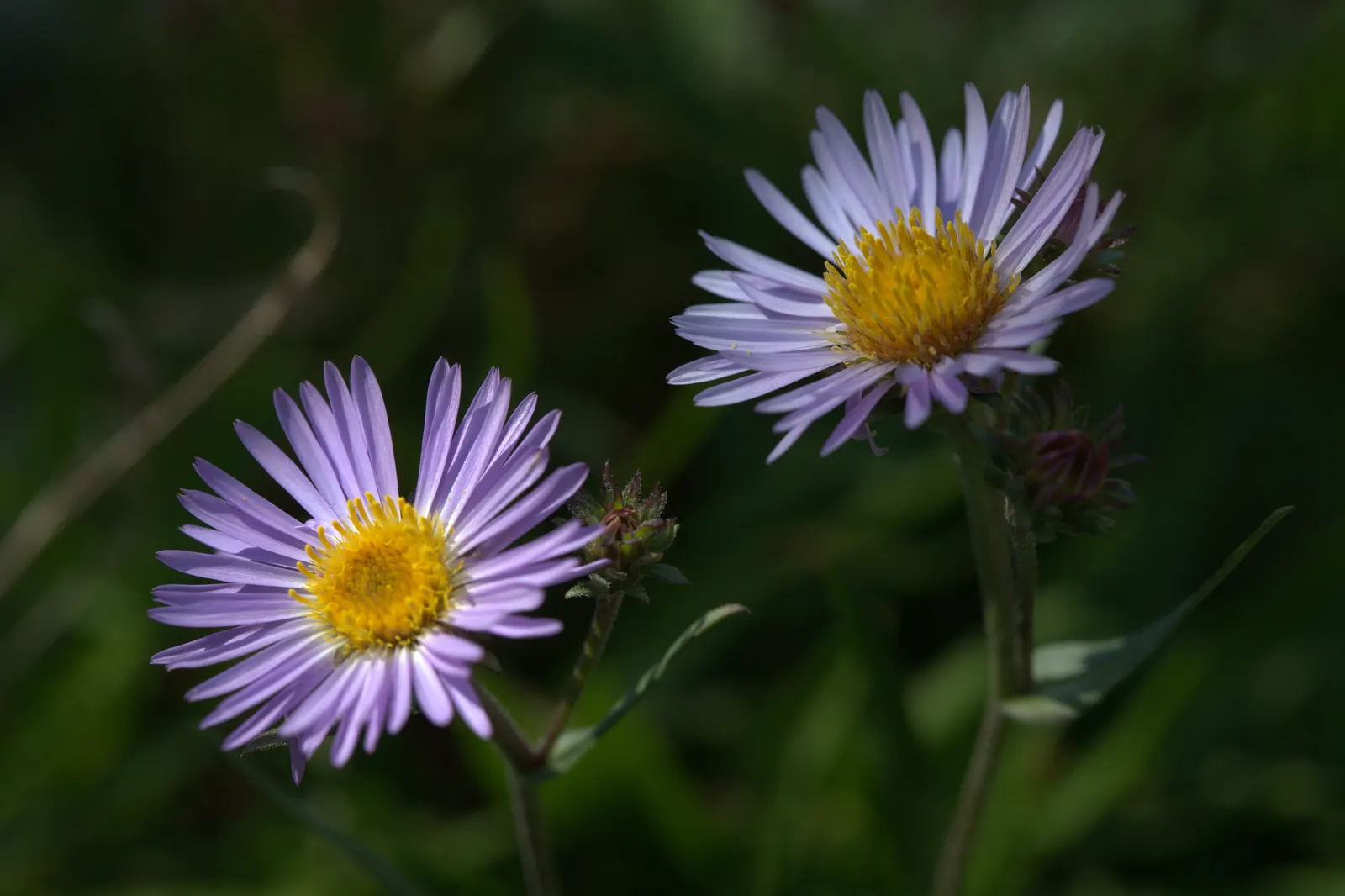
Western Coneflower (Rudbeckia Occidentalis) — perennial with purple and yellow blooms
Western Coneflower (Rudbeckia Occidentalis) — It adapts well to a variety of soil types, provided they are well-drained
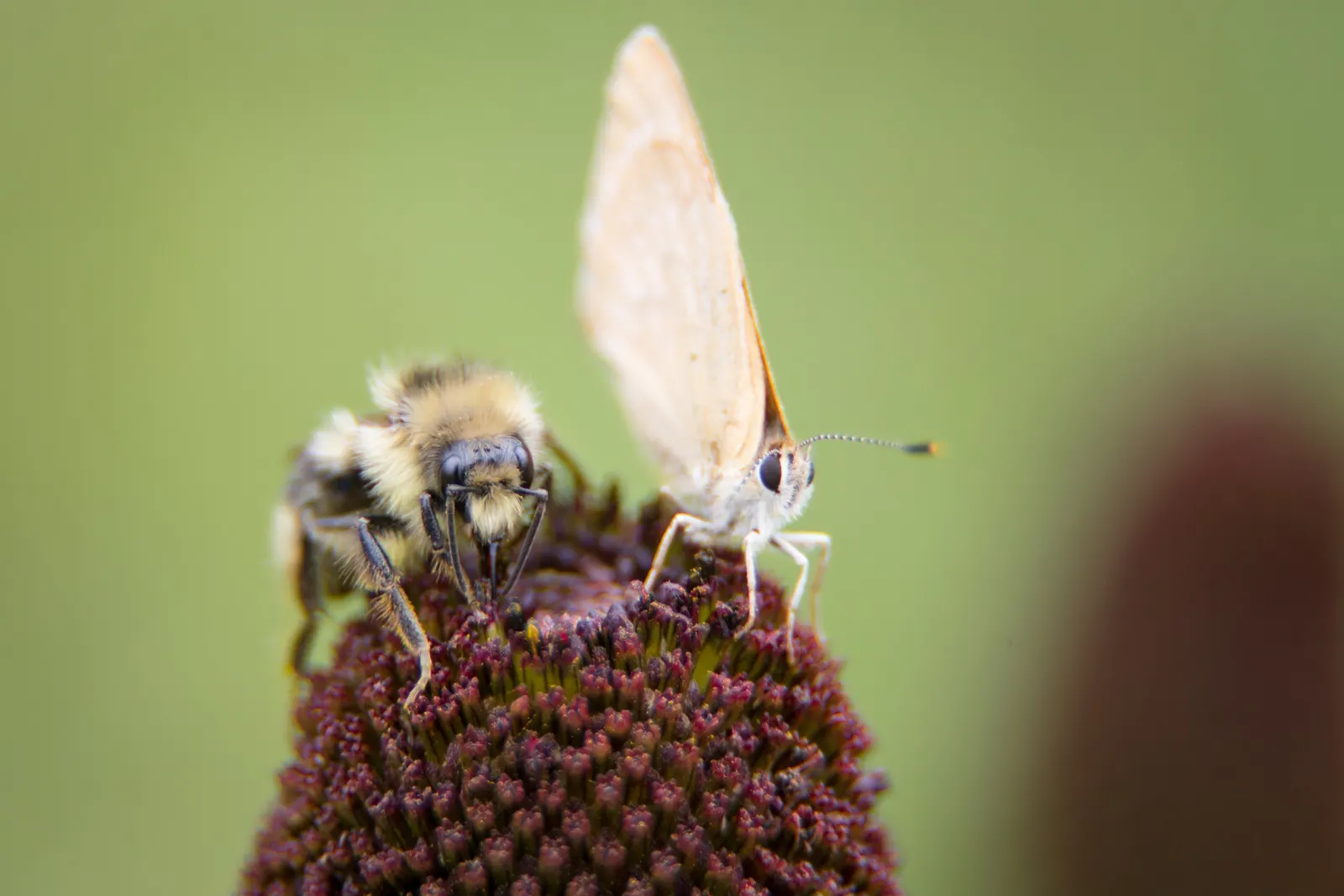
Western Coneflower (Rudbeckia Occidentalis) — particularly bees and butterflies
Western Coneflower (Rudbeckia Occidentalis) — The coneflower\'s dark cone is embellished with bright yellow pollen that attracts an array of pollinators
Western Coneflower (Rudbeckia Occidentalis) — Prefers full sun to part shade and adapted to a range of soil conditions; purple and yellow flowers in the garden
Western Coneflower (Rudbeckia Occidentalis) — It features notable, dark, conical centers with no petals, creating a unique silhouette; it adapts well to a
Western Coneflower (Rudbeckia Occidentalis) — It thrives in USDA Hardiness Zones 3 through 7, showcasing its resilience against colder climates
Western Coneflower (Rudbeckia Occidentalis) — purple and yellow flowers in the garden
Western Coneflower (Rudbeckia Occidentalis) — Ideal for naturalistic planting and attracting pollinators, image 32
Western Coneflower (Rudbeckia Occidentalis) — it is important to note its moderate growth rate and its ability to naturalize
Western Coneflower (Rudbeckia Occidentalis) — offering vertical interest within garden compositions
Western Coneflower (Rudbeckia Occidentalis) — with a spread of 1 to 2 feet; the Western Coneflower features a pronounced central cone or "eye" that is dark
Western Coneflower (Rudbeckia Occidentalis) — making it a reliable and attractive addition to the garden tableau
Western Coneflower (Rudbeckia Occidentalis) — Prefers full sun to part shade and adapted to a range of soil conditions
Photographs by 7 contributors

Related plants