Skip to content

Salmonberry

Rubus Spectabilis

Design with this plant

Overview

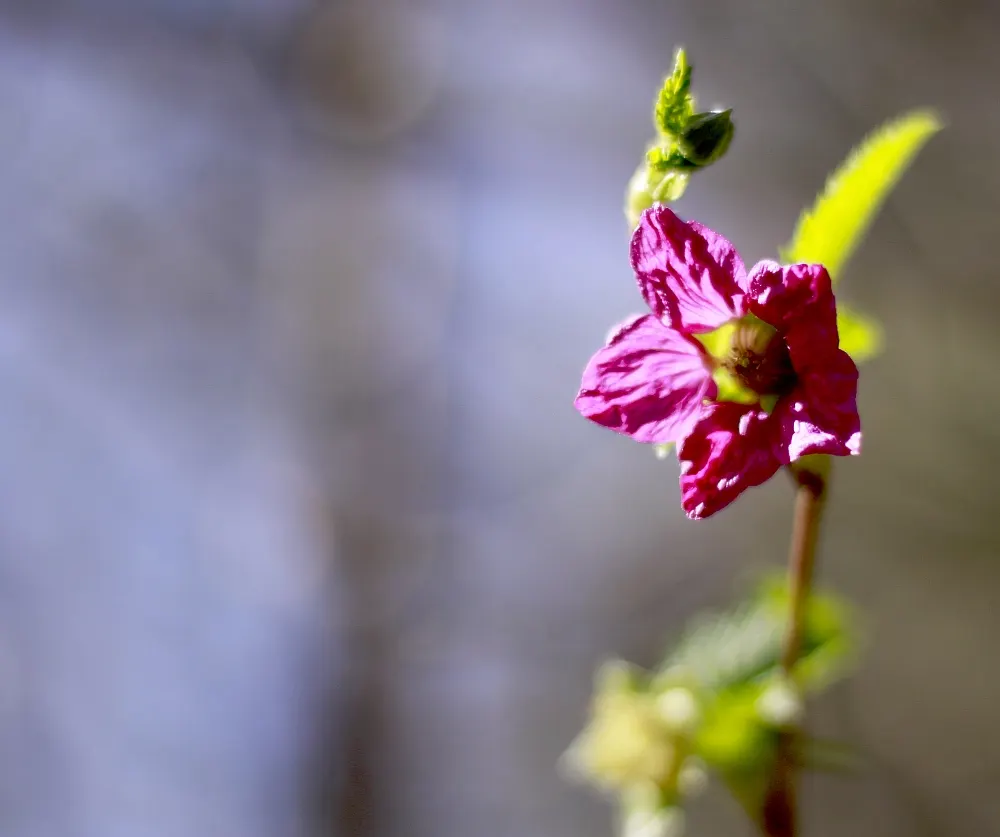
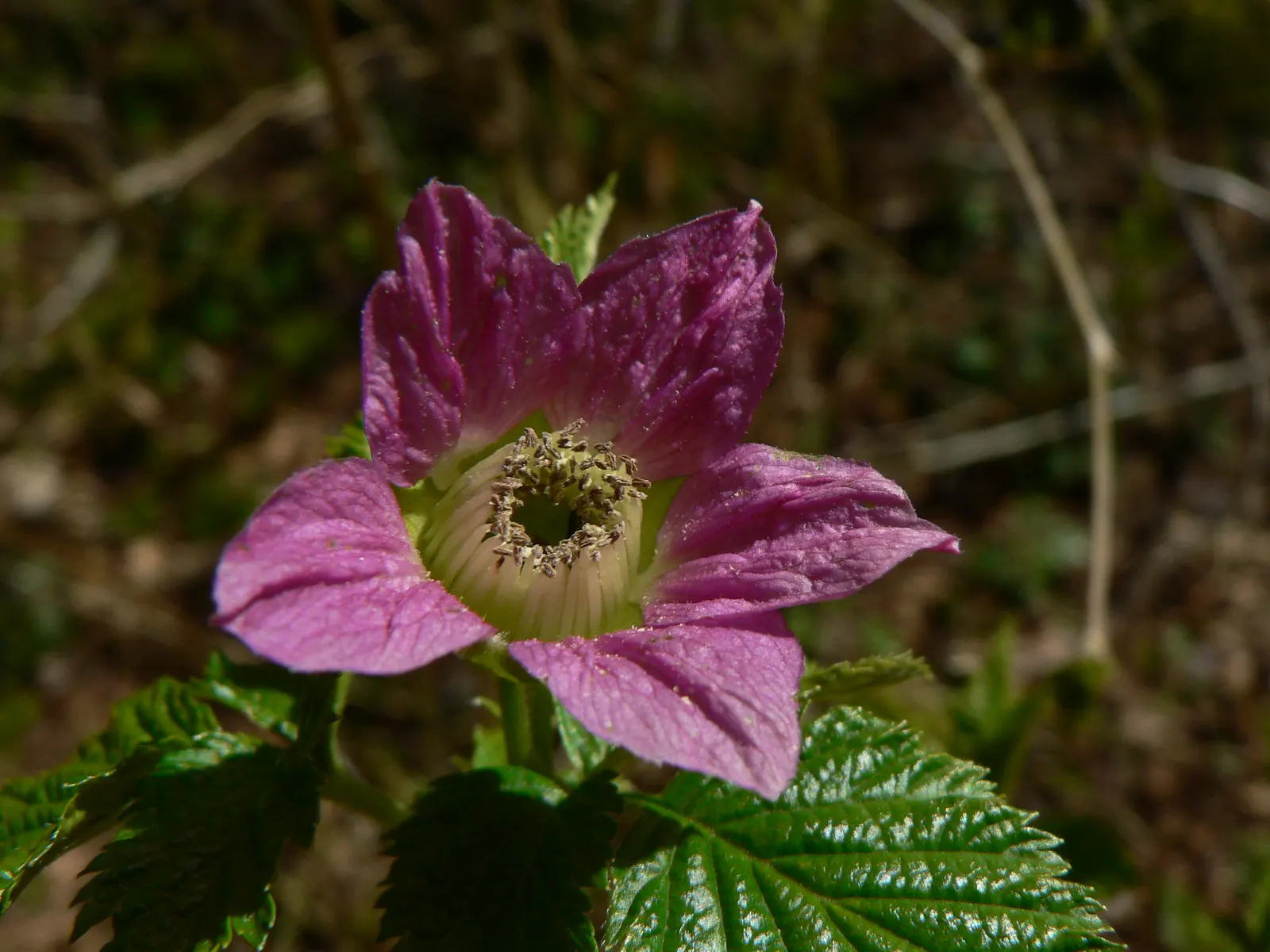
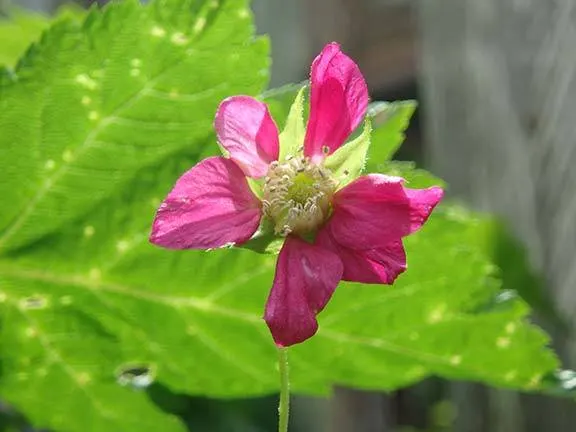
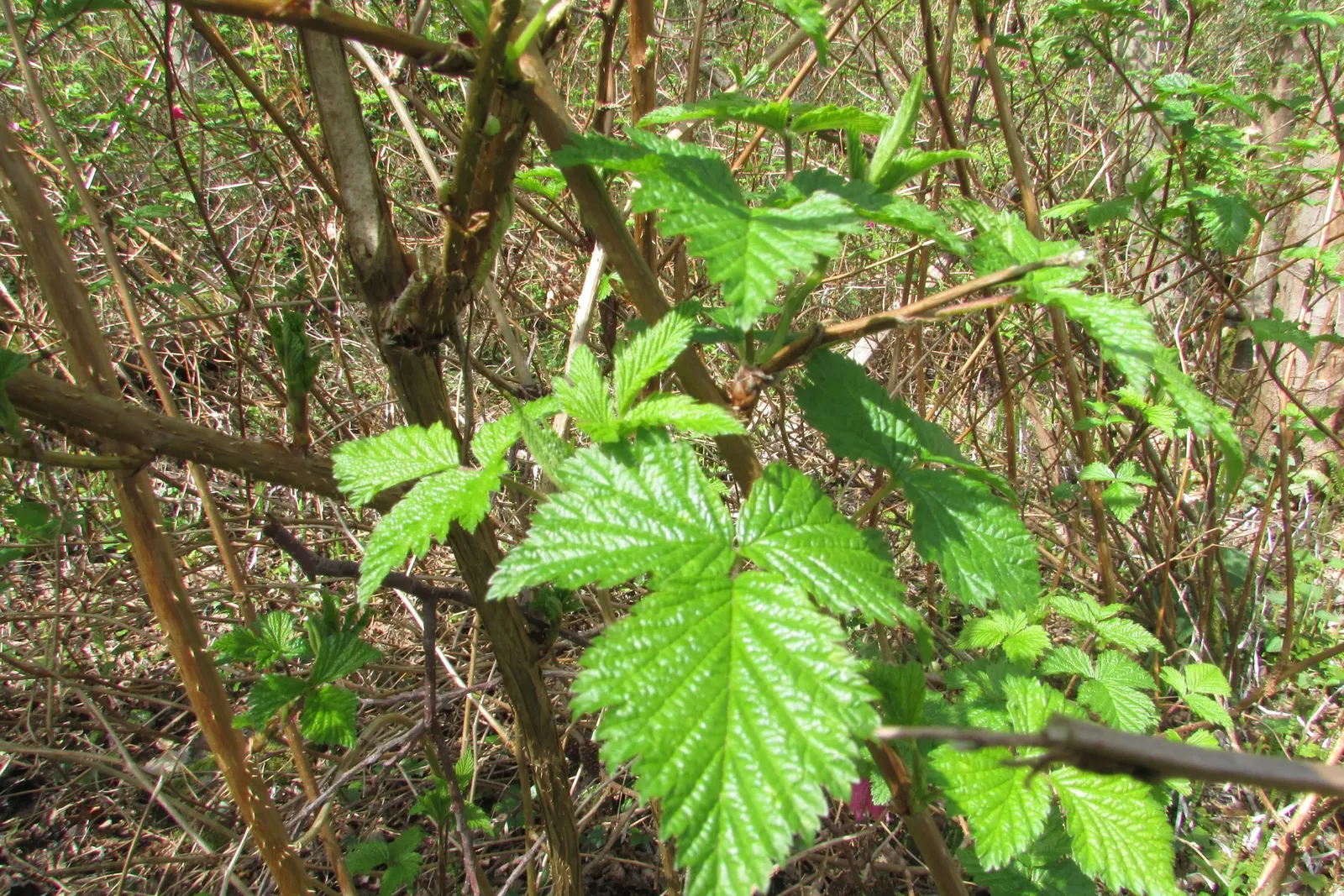
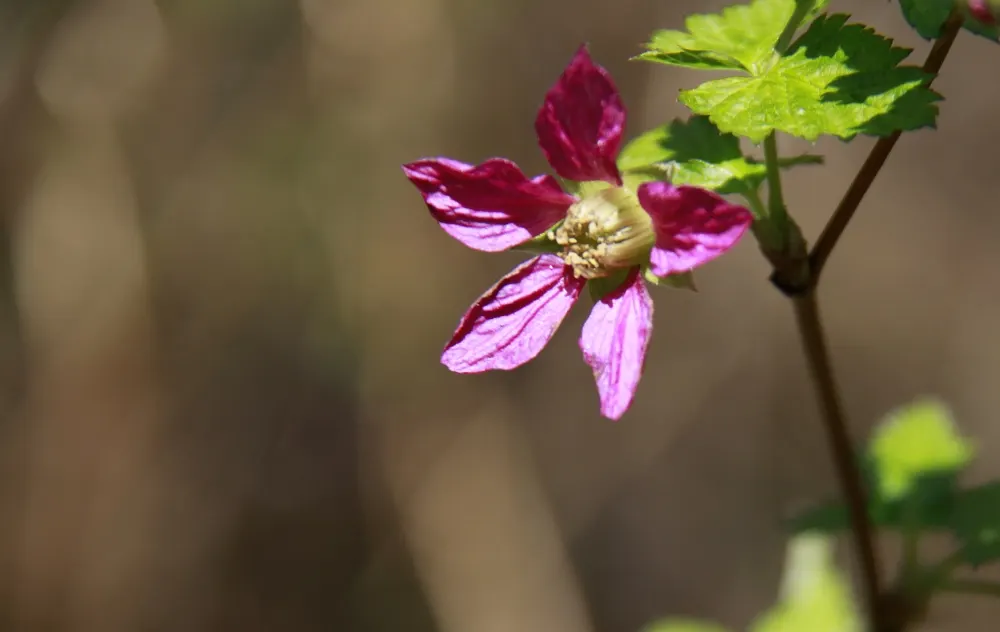
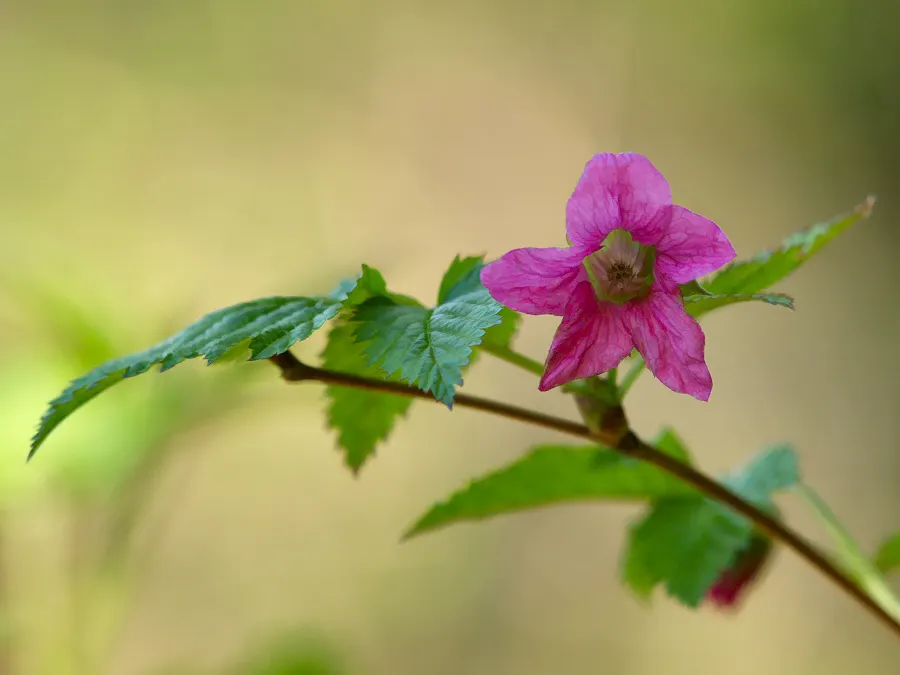
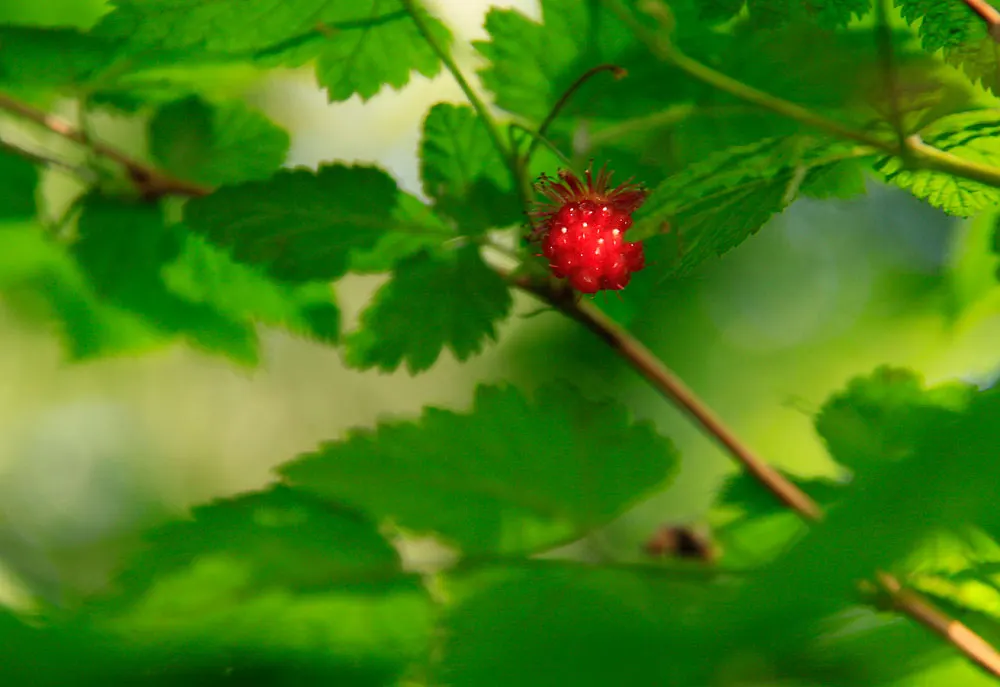
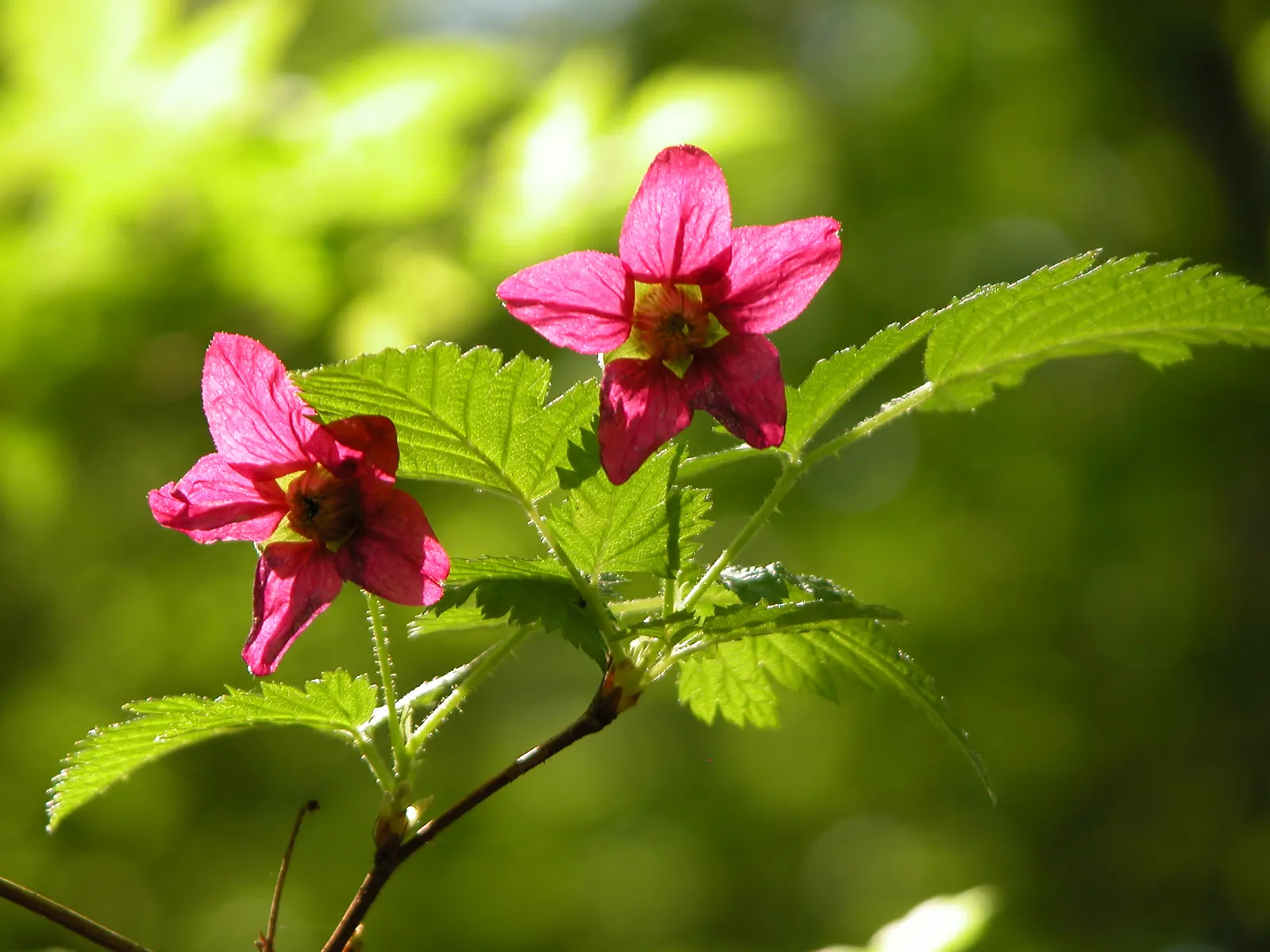
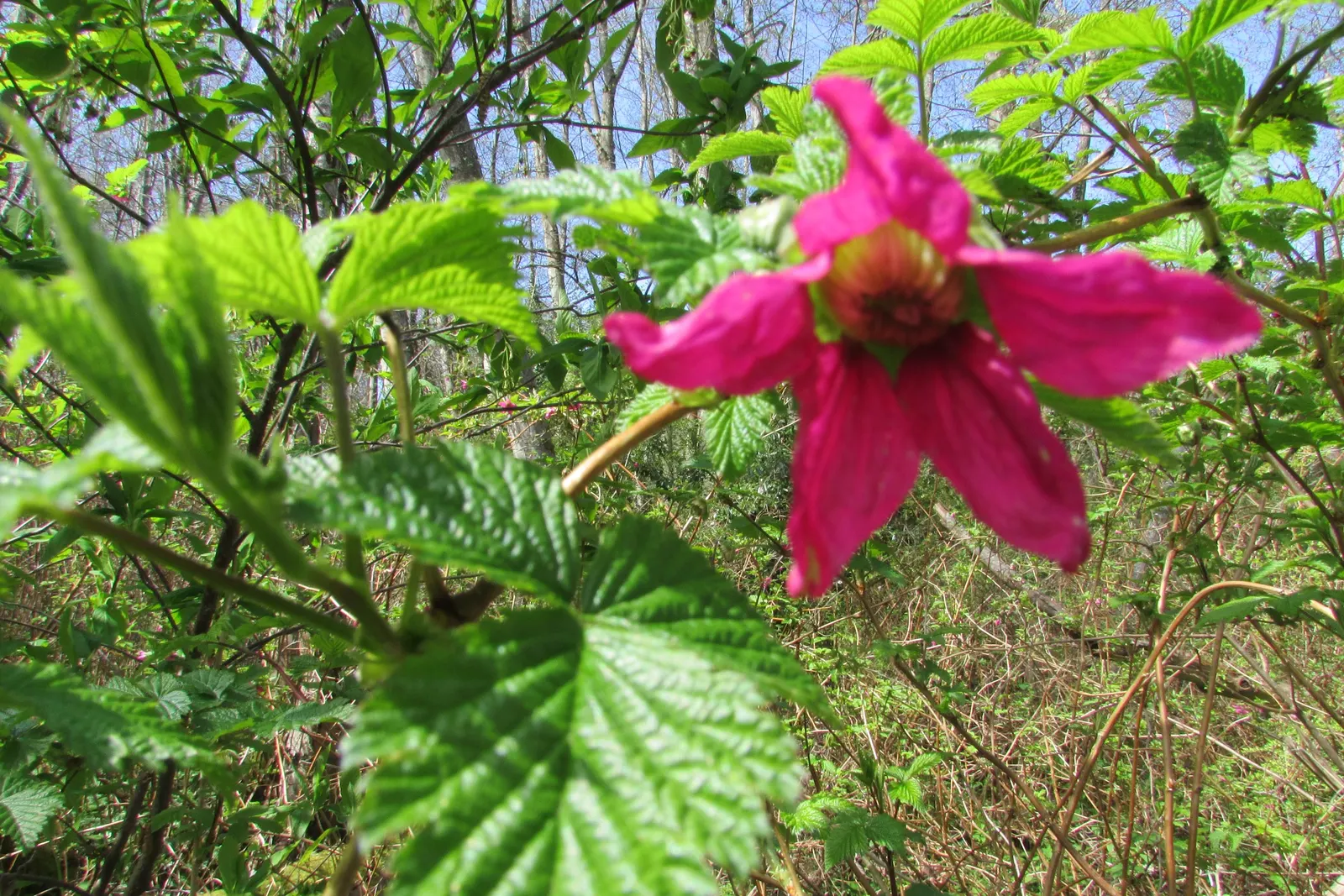
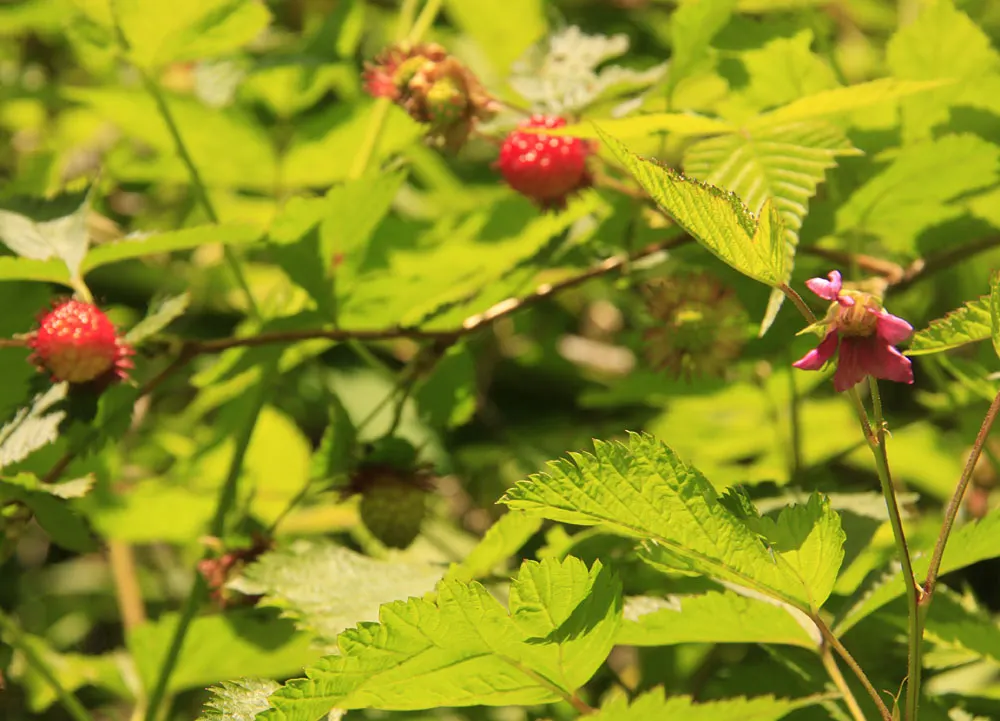
Salmonberry (Rubus spectabilis) is a deciduous shrub thriving in U.S. hardiness zones 5 to 9, reaching 3-6 ft tall. Known for its pink blossoms and edible fruit resembling raspberries, it prefers moist, well-drained soil in partial to full shade. Its fruit ripens midsummer, offering a treat for wildlife and humans. Salmonberry's lush foliage adds a vibrant green backdrop, making it an attractive choice for naturalistic landscape designs.

Sun Full, Half, ShadeWater HighZones 3–10Type ShrubClimate Temperate
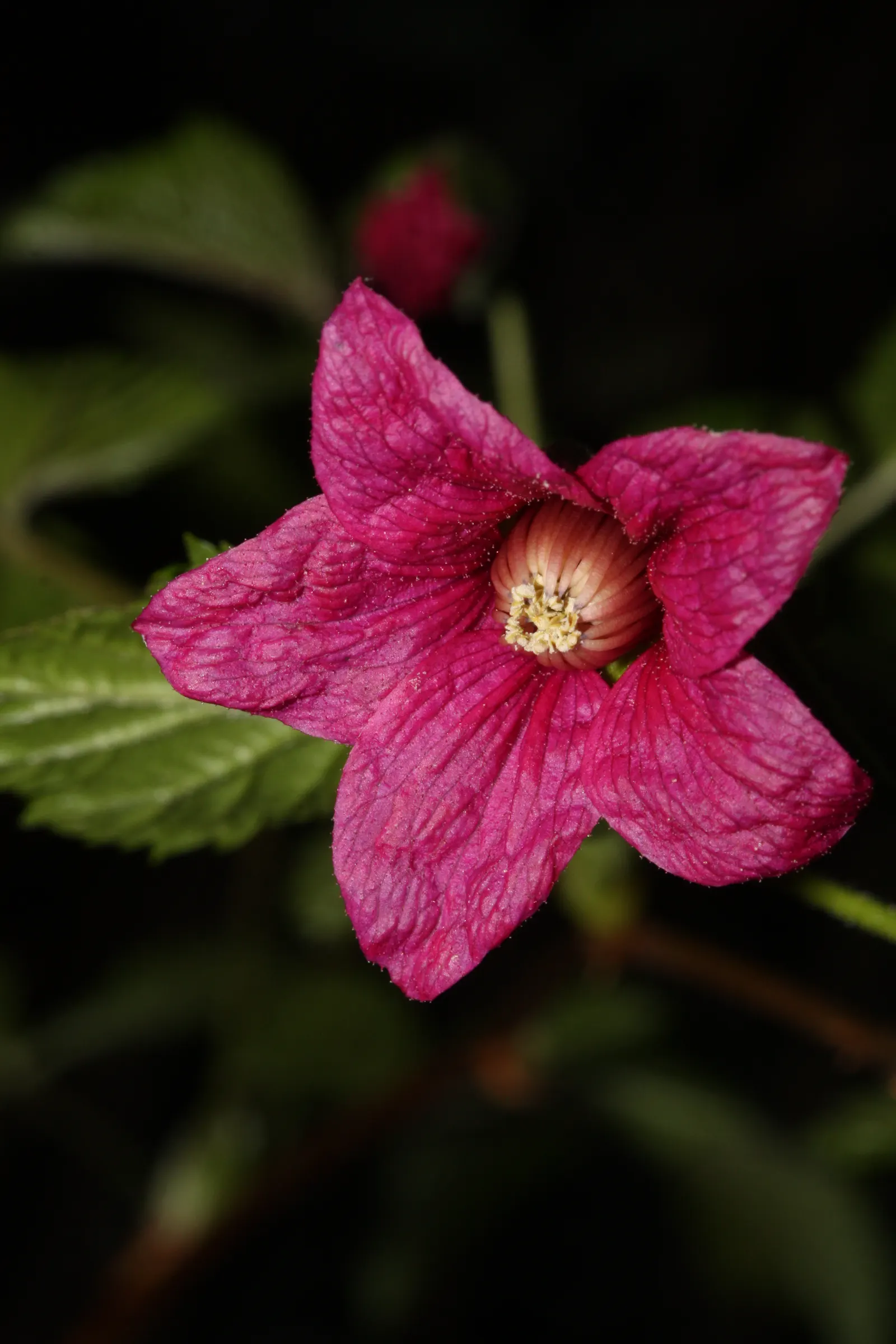
Salmonberry (Rubus Spectabilis) — Native to the Pacific Northwest

Culture

Sun
Full, Half, Shade
Water
High
USDA zones
3–10

Shape & size

Mature height
2–12 Ft.
Mature width
2–12 Ft.

Classification

Type
Shrub
Family
Rosaceae
Climate
Temperate

See full data, regional cultivation notes, and design tools. Build a client presentation around this plant.

Start your 14-day trial

Photos (114)

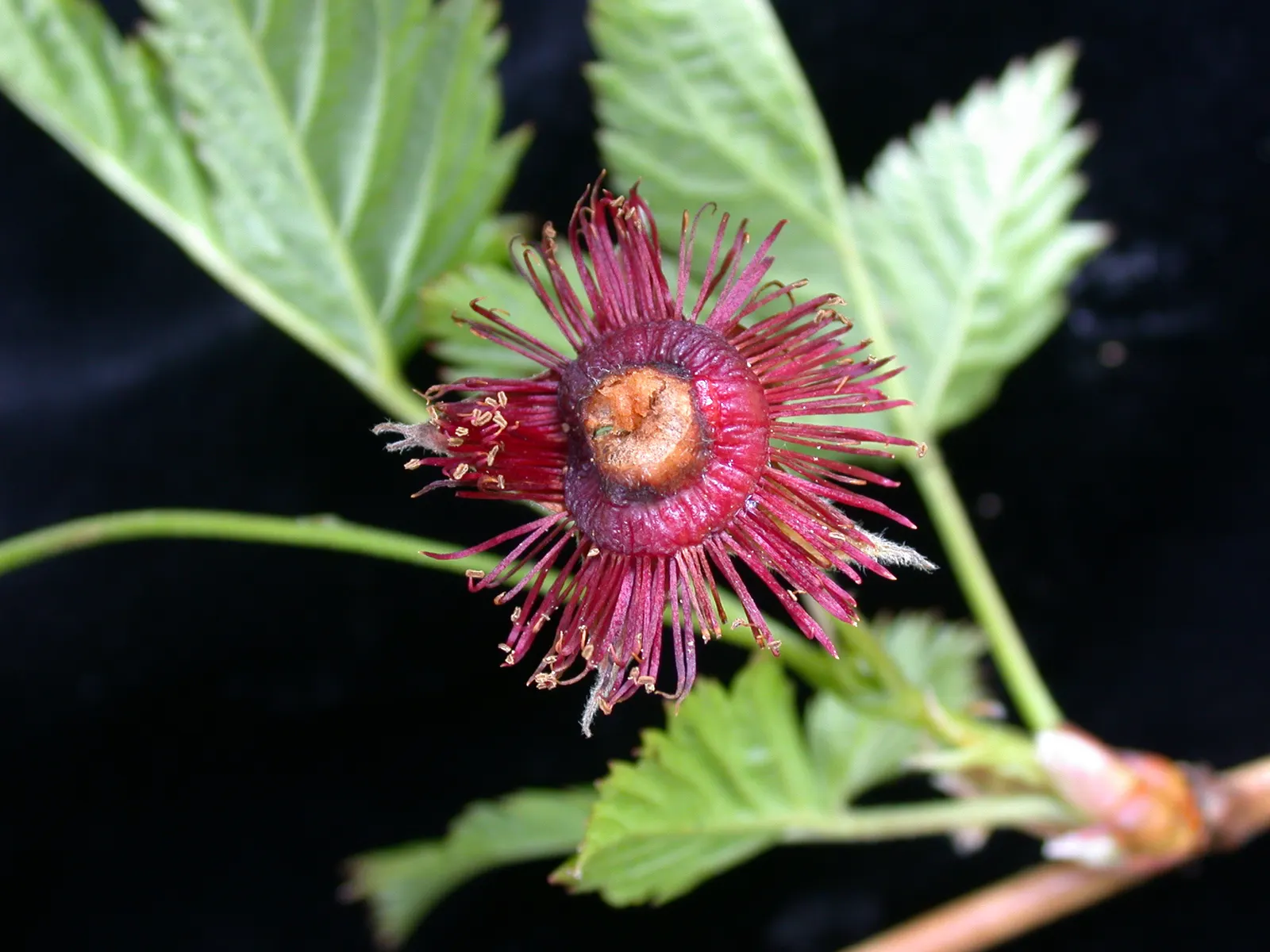
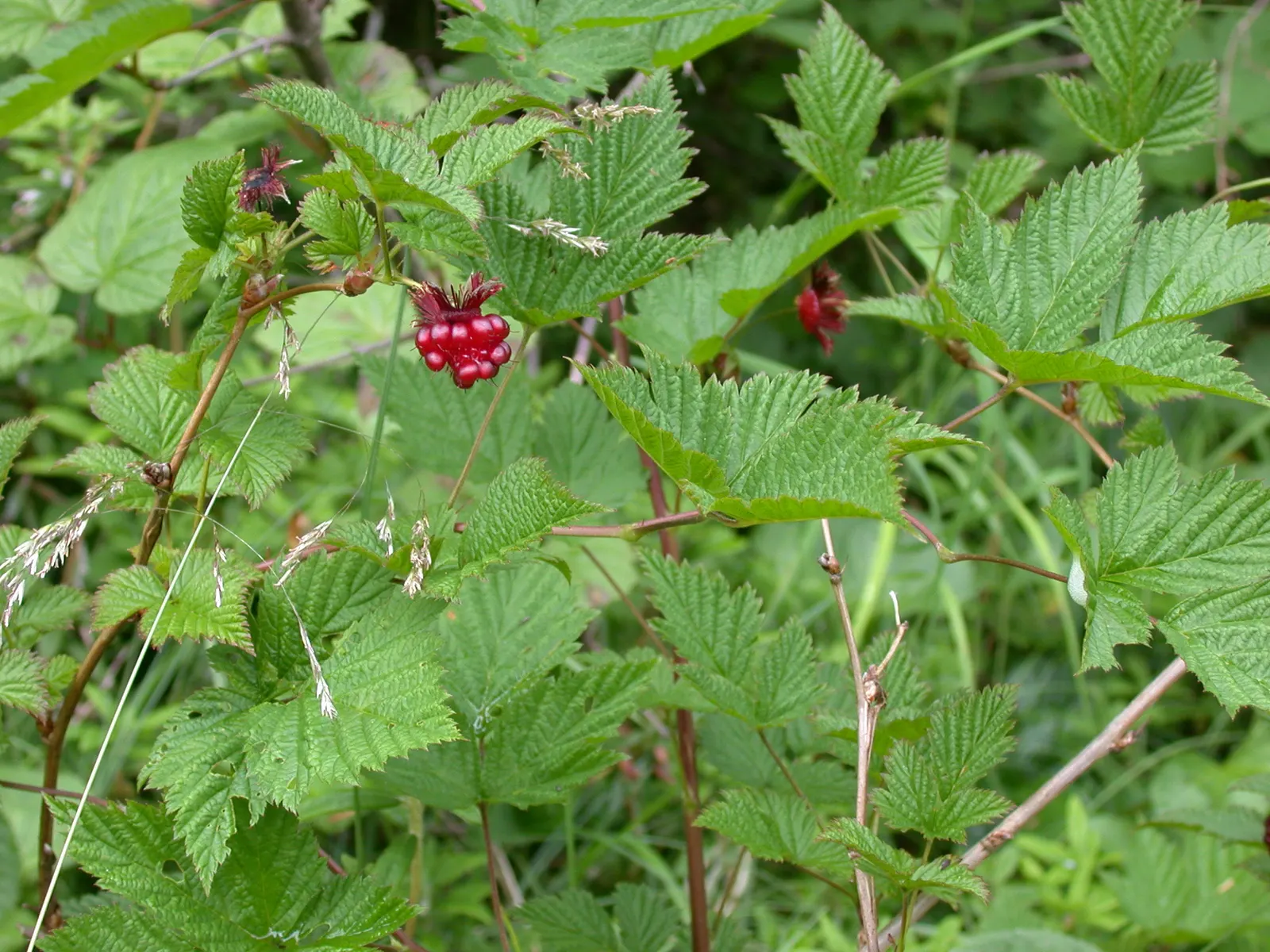
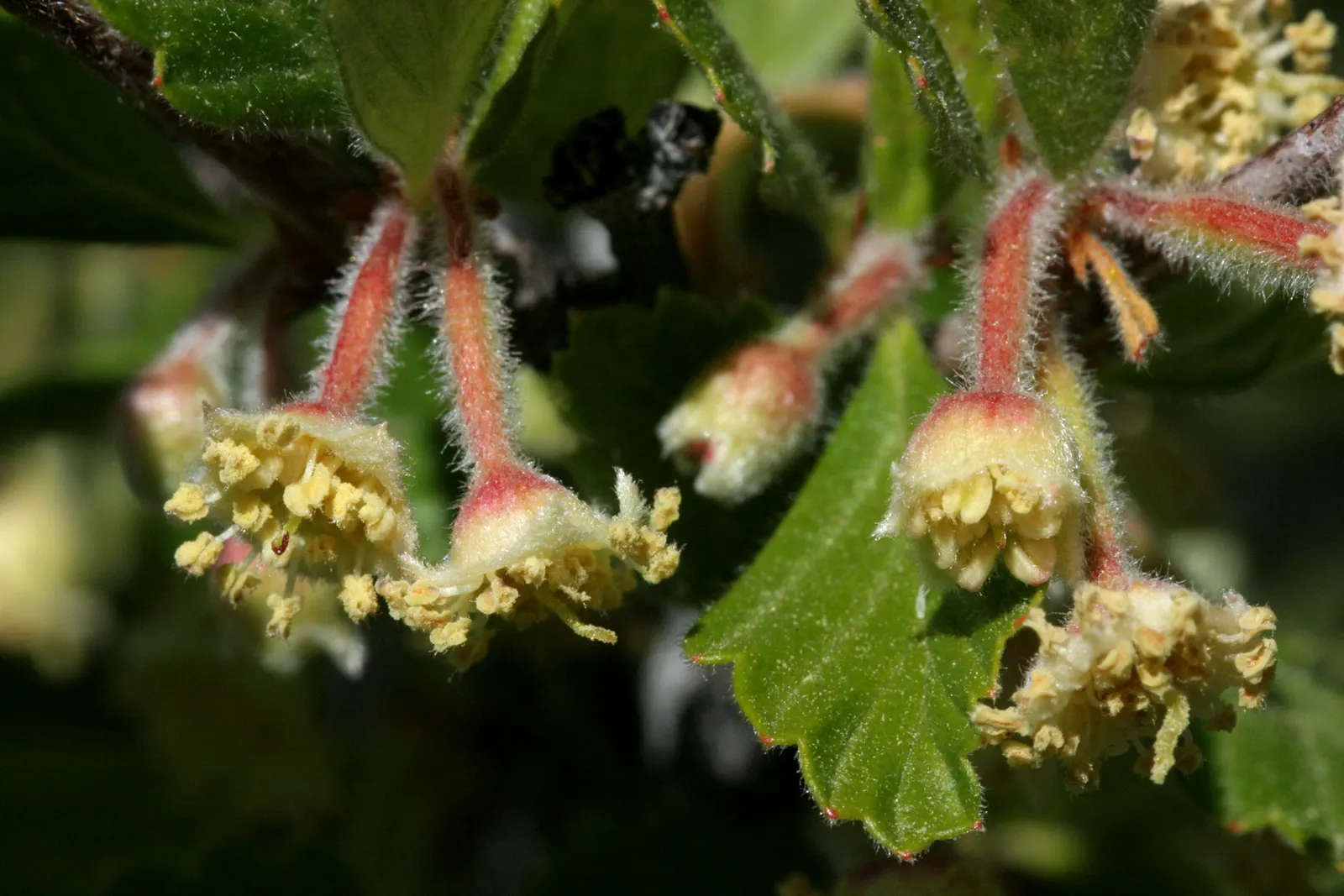
Salmonberry (Rubus Spectabilis) — Native to the Pacific Northwest; well-drained soil and thrive in full to partial shade
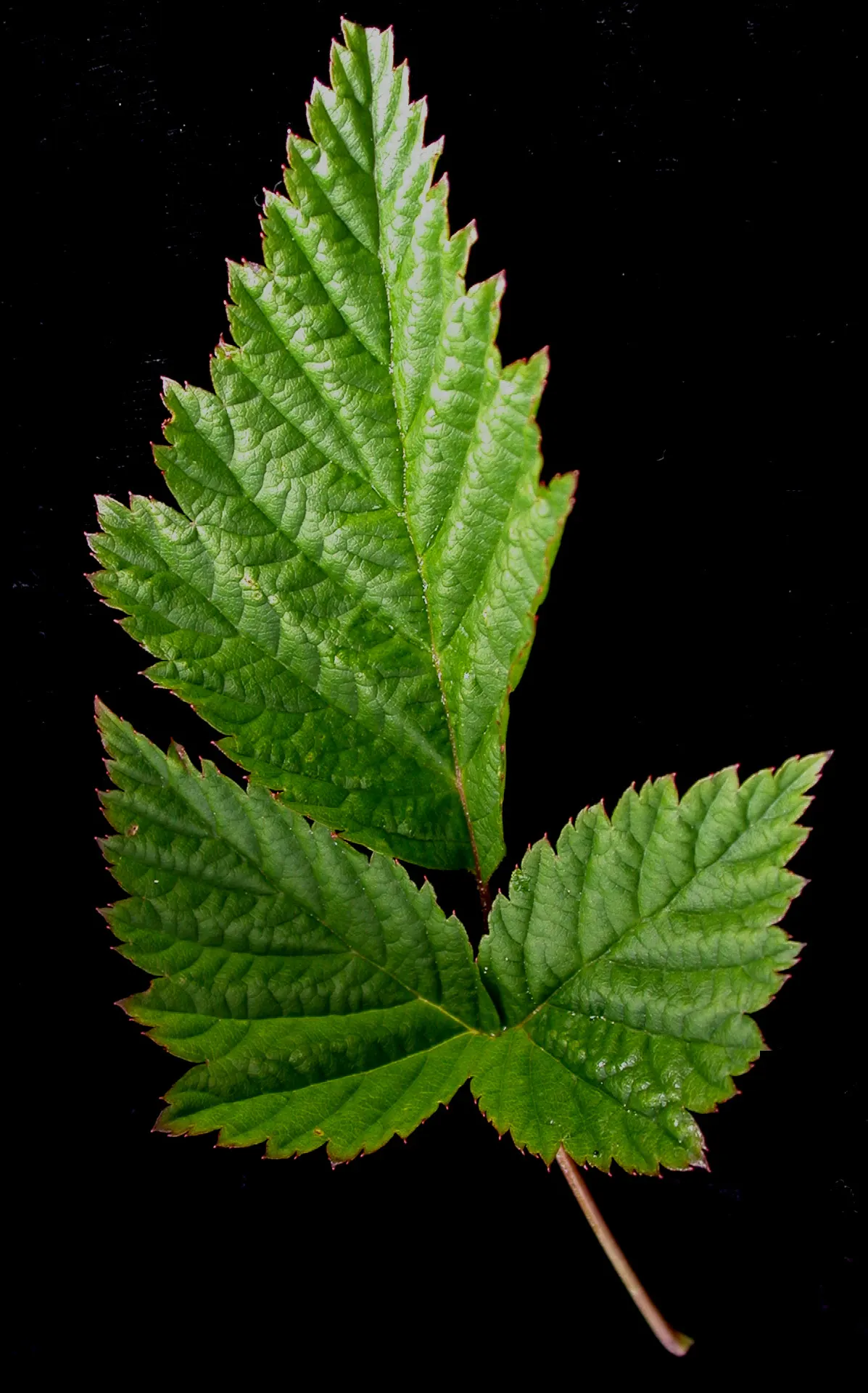
Salmonberry (Rubus Spectabilis) — Salmonberry's lush foliage adds a vibrant green backdrop; flourishing in USDA hardiness zones 5 through 9, image 58
Salmonberry (Rubus Spectabilis) — consider its natural growth habit and potential to spread; when incorporating Rubus spectabilis into a garden design
Salmonberry (Rubus Spectabilis) — with the botanical moniker Rubus spectabilis; salmonberry (Rubus spectabilis) is a deciduous shrub thriving in U.S, image 86
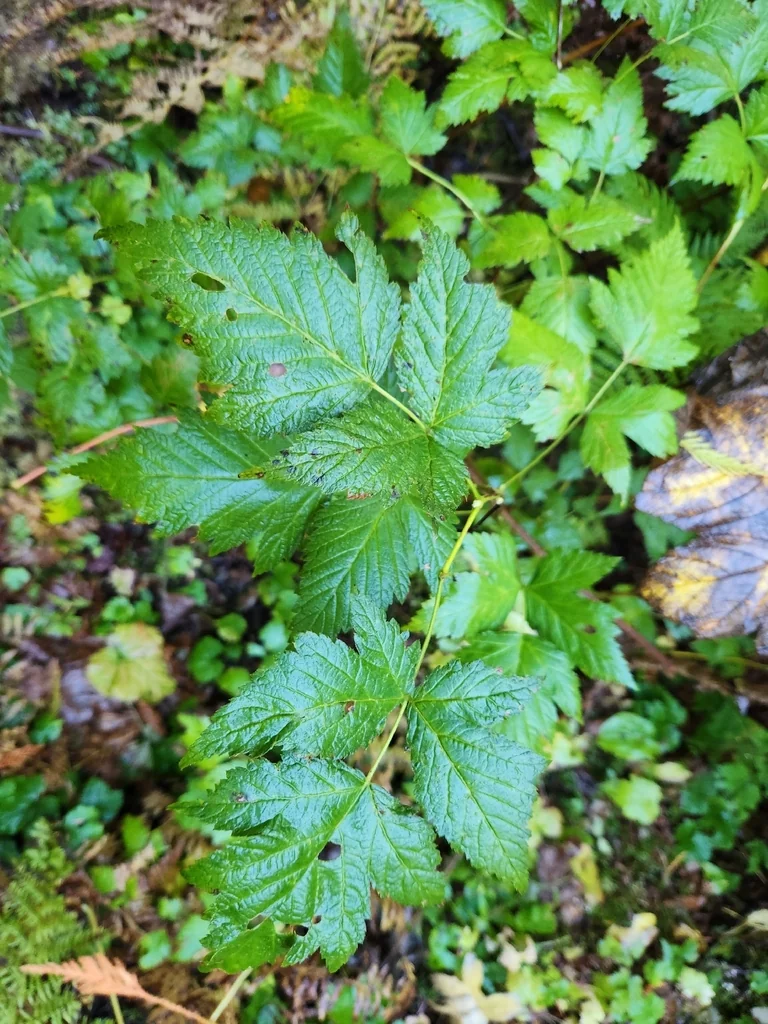
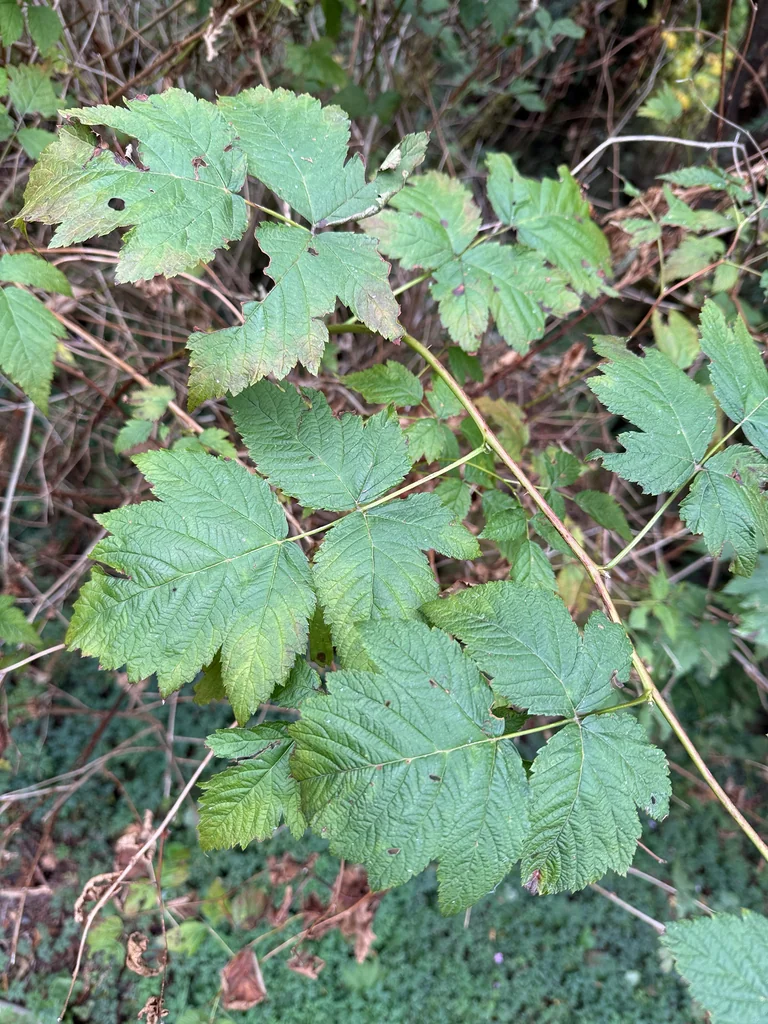
Salmonberry (Rubus Spectabilis) — Salmonberry's lush foliage adds a vibrant green backdrop
Salmonberry (Rubus Spectabilis) — Its fruit ripens midsummer, offering a treat for wildlife and humans; salmonberry's lush foliage adds a vibrant, image 83
Salmonberry (Rubus Spectabilis) — making it an attractive choice for naturalistic landscape designs; serving as a nectar source for pollinators and, image 85
Salmonberry (Rubus Spectabilis) — making it an attractive choice for naturalistic landscape designs; serving as a nectar source for pollinators and sustenance
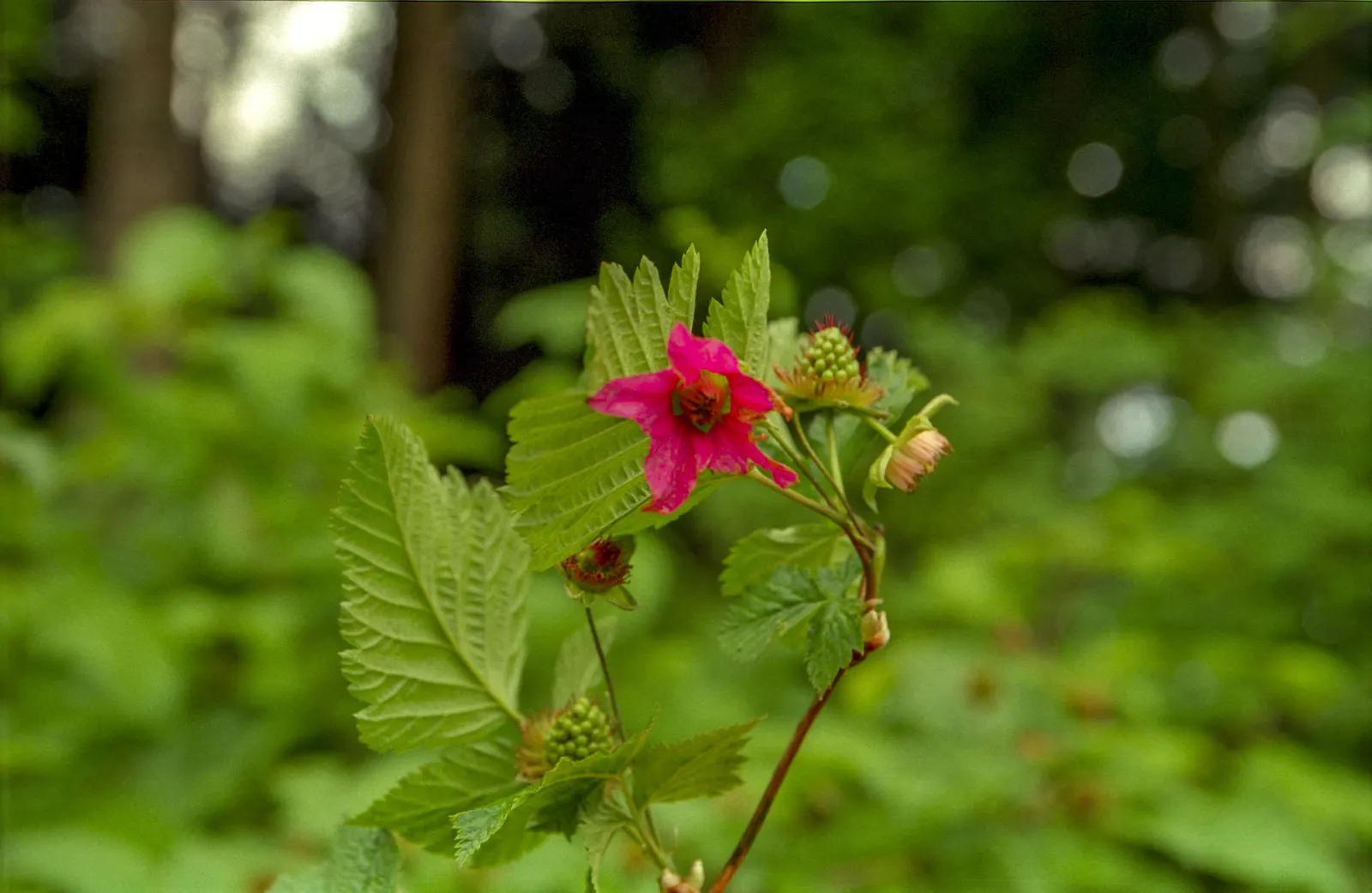
Salmonberry (Rubus Spectabilis) — lavender and pink flowers in the garden
Salmonberry (Rubus Spectabilis) — Salmonberries possess an ecological value
Salmonberry (Rubus Spectabilis) — These fruits are a delicacy to both humans and wildlife; salmonberries possess an ecological value
Salmonberry (Rubus Spectabilis) — serving as a nectar source for pollinators and sustenance for birds
Salmonberry (Rubus Spectabilis) — well-drained soil and thrive in full to partial shade; lavender and pink flowers in the garden, image 93
Salmonberry (Rubus Spectabilis) — well-drained soil in partial to full shade; shrub with lavender and pink blooms
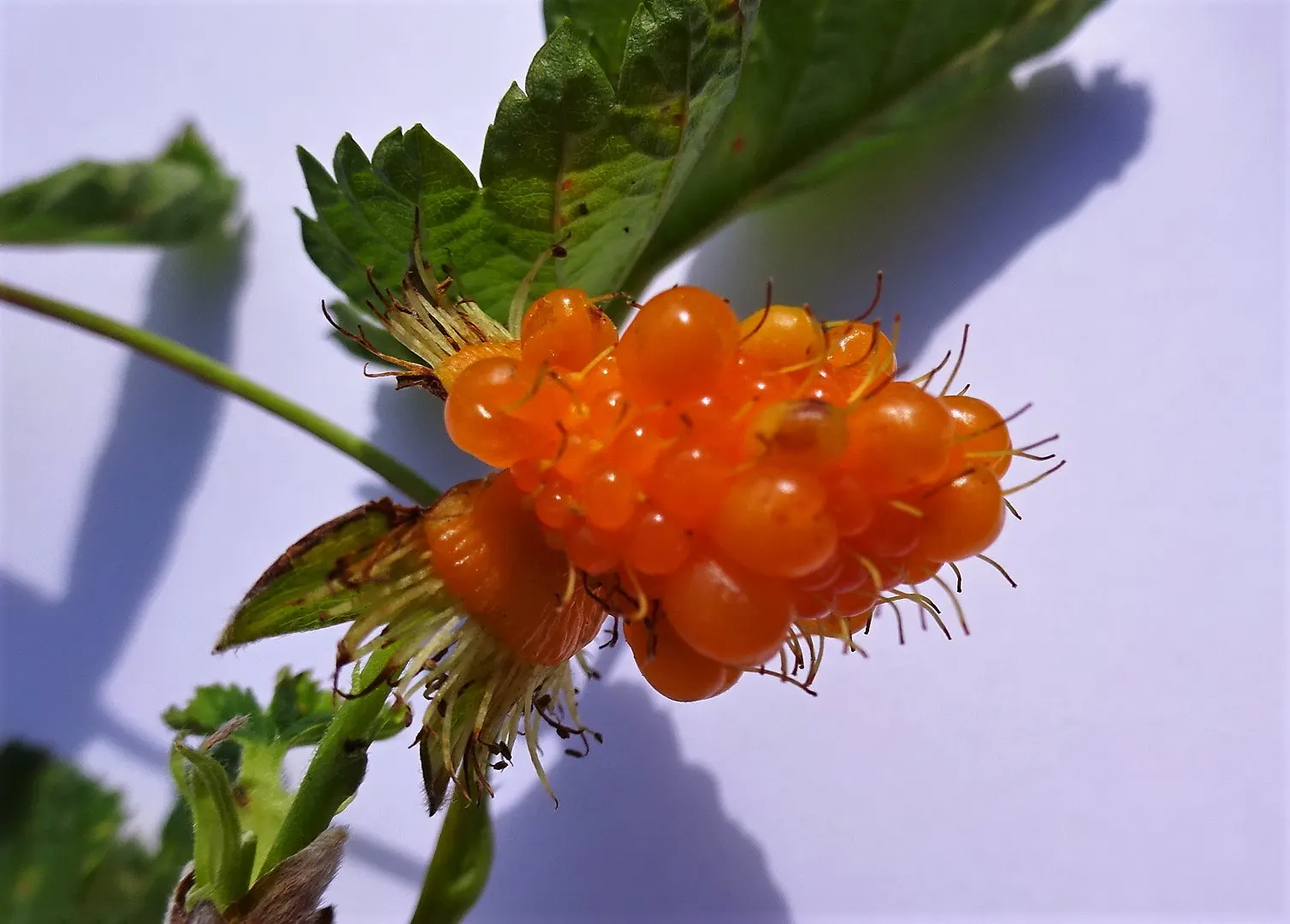
Salmonberry (Rubus Spectabilis) — These fruits are a delicacy to both humans and wildlife
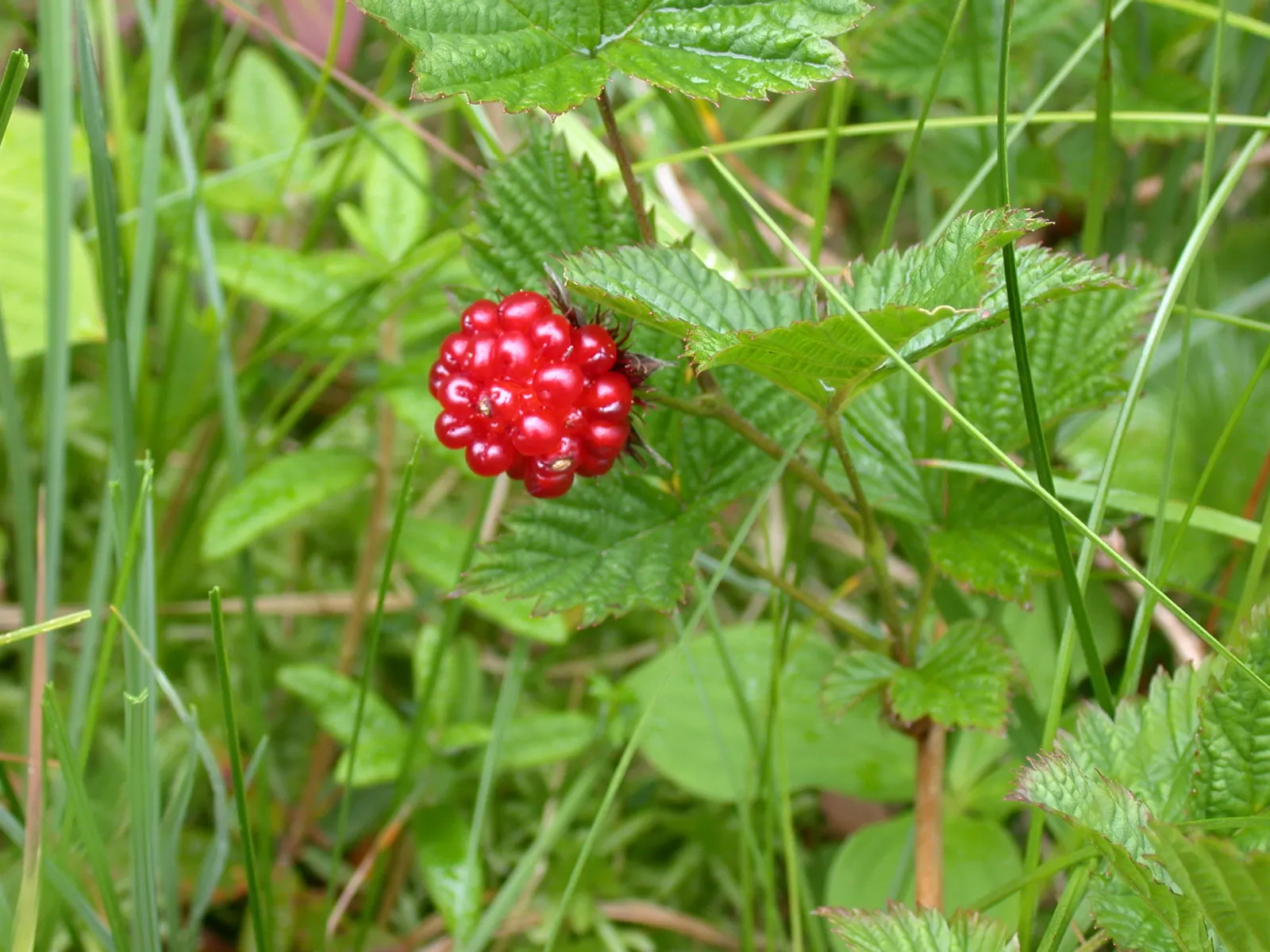
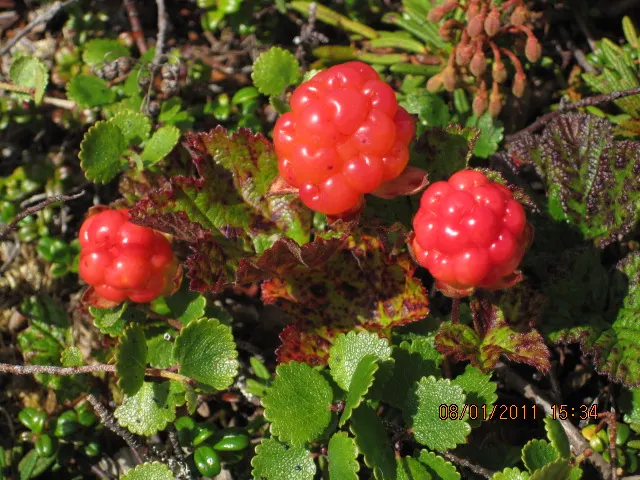
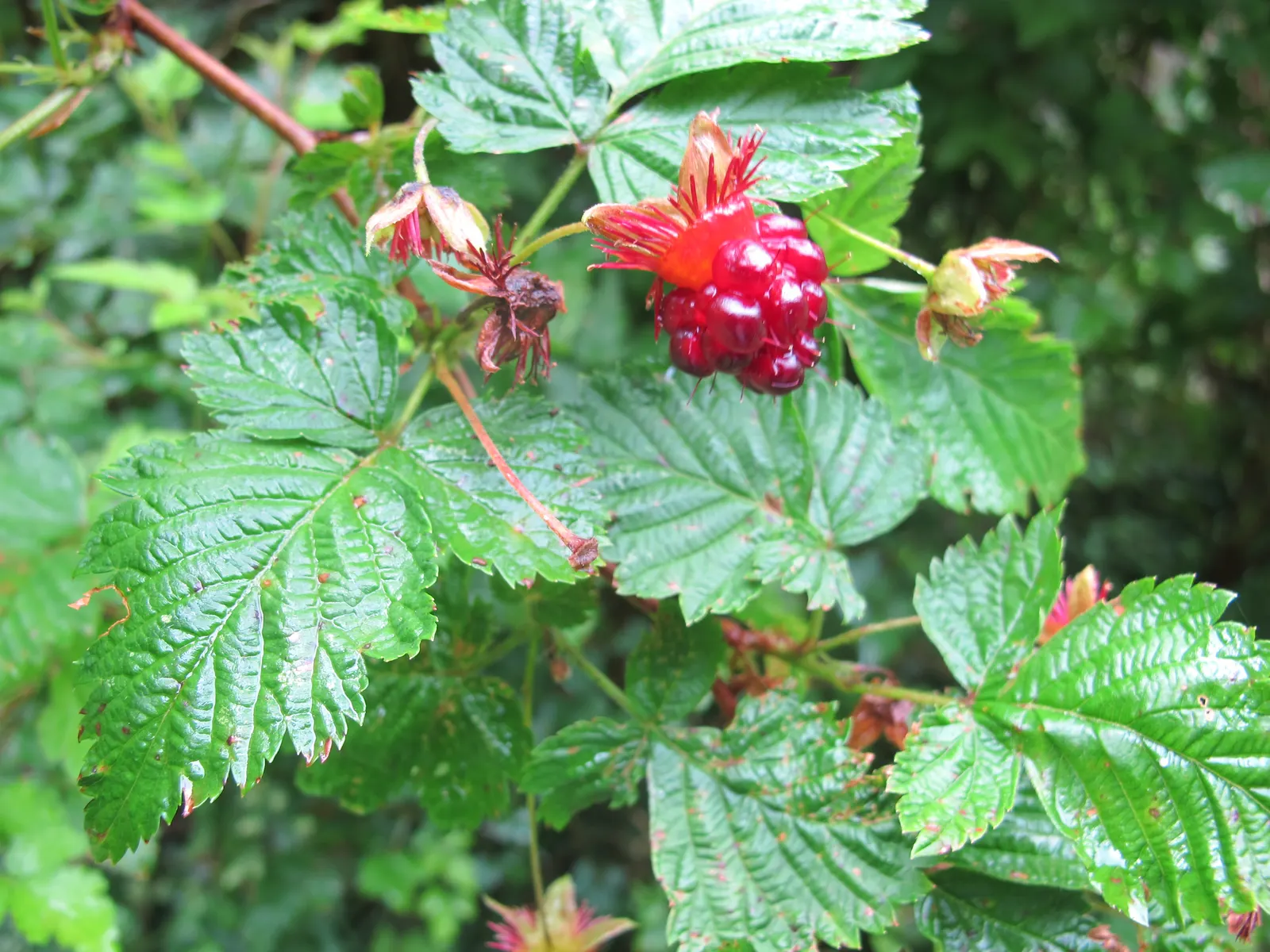
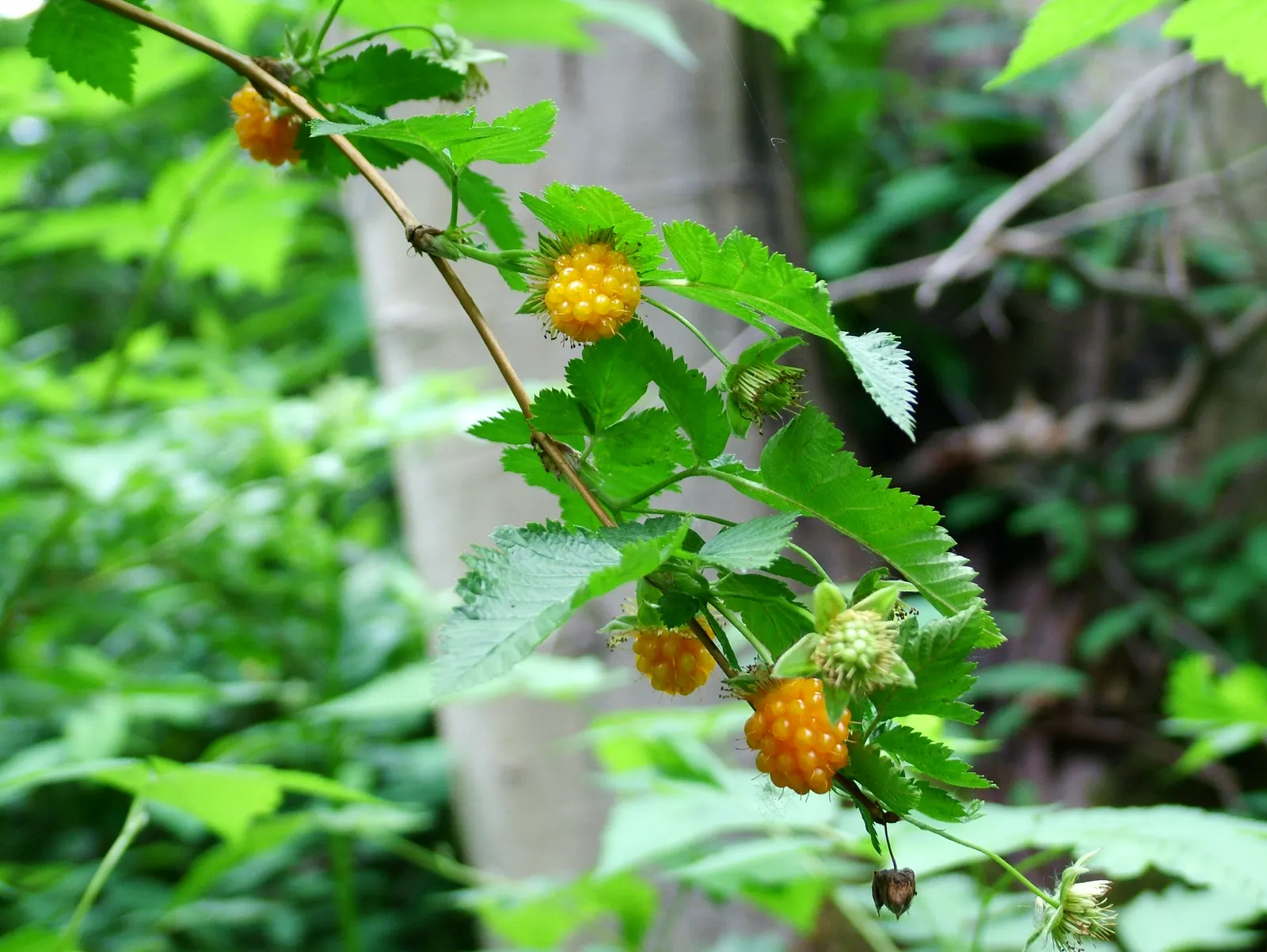
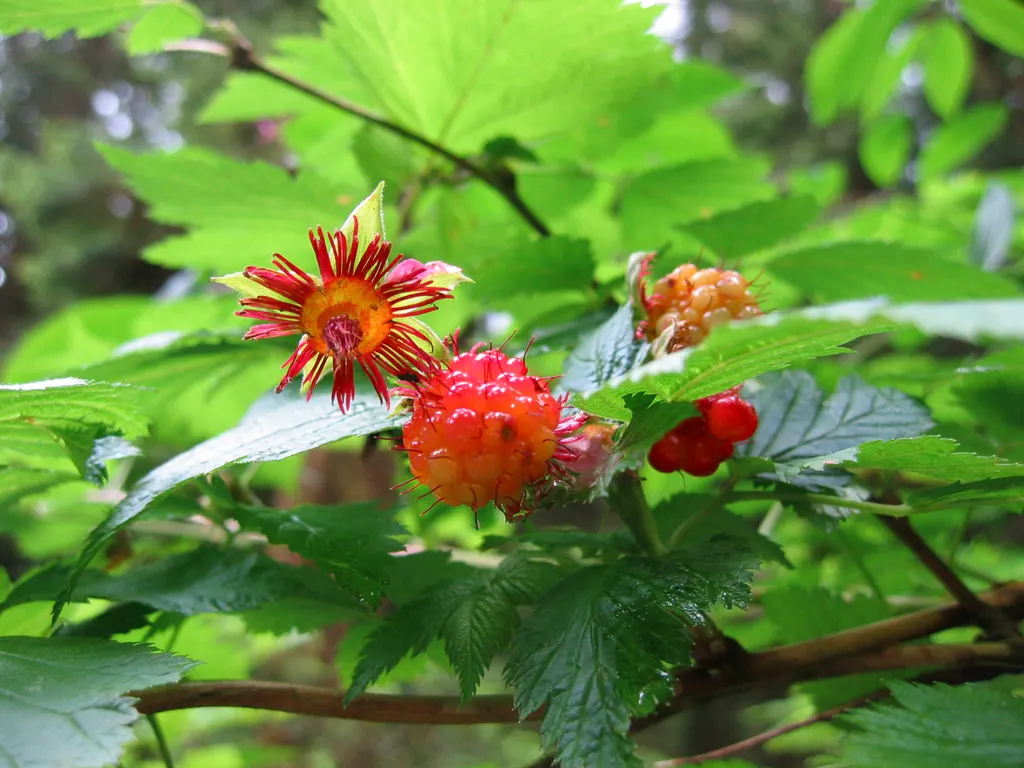
Salmonberry (Rubus Spectabilis) — The berries, resemblant in shape to raspberries, transition from yellow to an enticing amber-red when ripe; the, image 69
Salmonberry (Rubus Spectabilis) — Its fruit ripens midsummer, offering a treat for wildlife and humans; salmonberry's lush foliage adds a vibrant green backdrop
Salmonberry (Rubus Spectabilis) — When incorporating Rubus spectabilis into a garden design; salmonberries demand moist, image 73
Salmonberry (Rubus Spectabilis) — making it an attractive choice for naturalistic landscape designs
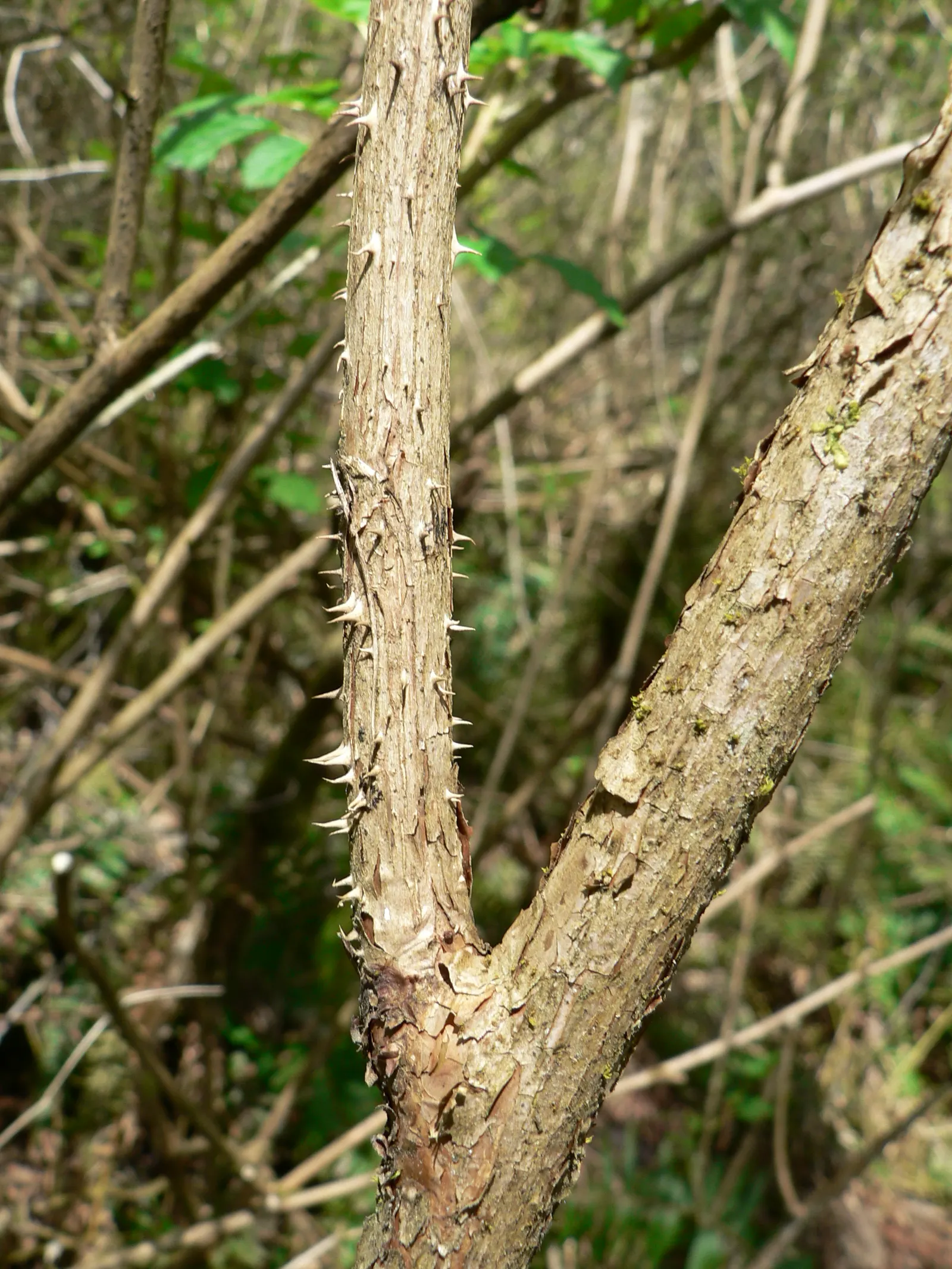
Salmonberry (Rubus Spectabilis) — The plant's arching stems boast a golden hue when young and may exhibit small thorns
Salmonberry (Rubus Spectabilis) — The plant's arching stems boast a golden hue when young and may exhibit small thorns; known for its pink blossoms and edible
Salmonberry (Rubus Spectabilis) — Its fruit ripens midsummer, offering a treat for wildlife and humans
Rubus Spectabilis
Rubus Spectabilis
Photographs by 11 contributors

Related plants