Skip to content

Salmonberry

Rubus Spectabilis

Design with this plant

Overview

Salmonberry (Rubus spectabilis) is a deciduous shrub thriving in U.S. hardiness zones 5 to 9, reaching 3-6 ft tall. Known for its pink blossoms and edible fruit resembling raspberries, it prefers moist, well-drained soil in partial to full shade. Its fruit ripens midsummer, offering a treat for wildlife and humans. Salmonberry's lush foliage adds a vibrant green backdrop, making it an attractive choice for naturalistic landscape designs.

Sun Full, Half, ShadeWater HighZones 3–10Type ShrubClimate Temperate

Culture

Sun
Full, Half, Shade
Water
High
USDA zones
3–10

Shape & size

Mature height
2–12 Ft.
Mature width
2–12 Ft.

Classification

Type
Shrub
Family
Rosaceae
Climate
Temperate

See full data, regional cultivation notes, and design tools. Build a client presentation around this plant.

Start your 14-day trial

Photos (114)

Salmonberry (Rubus Spectabilis) — Native to the Pacific Northwest
Salmonberry (Rubus Spectabilis) — shrub for full or half or shade; regular pruning may be required to maintain desired boundaries and shape within the landscape
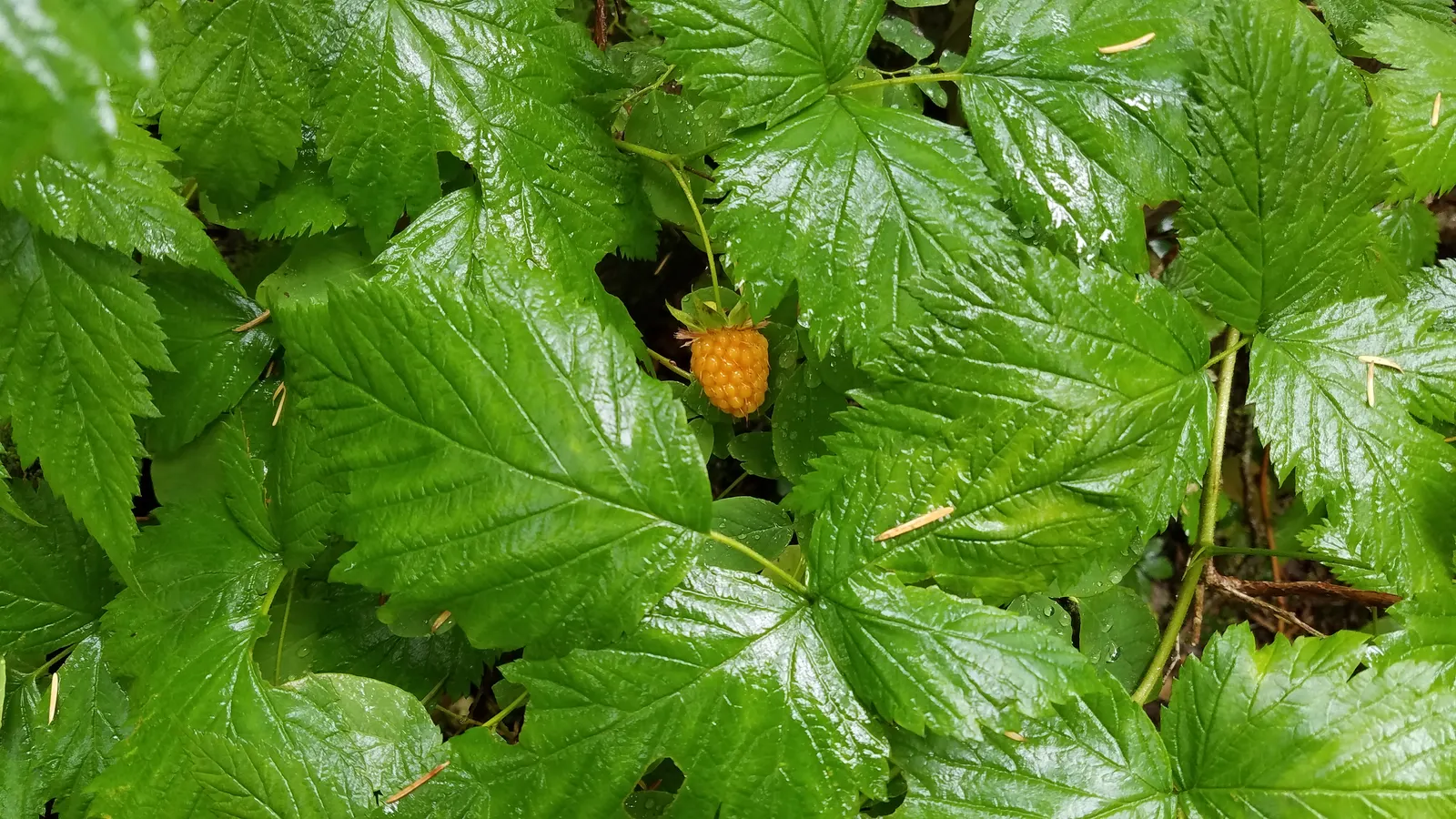
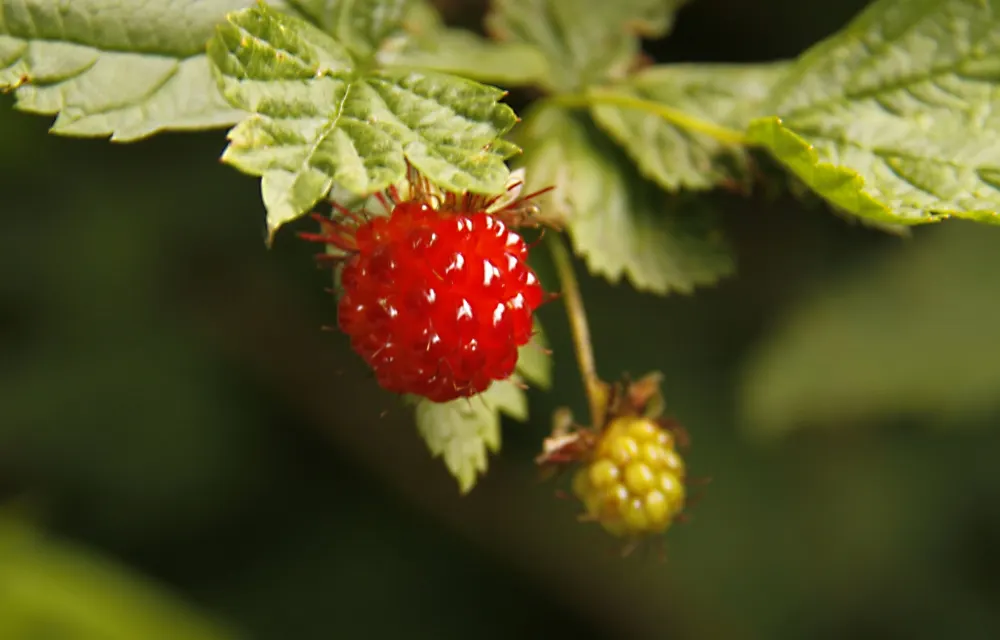
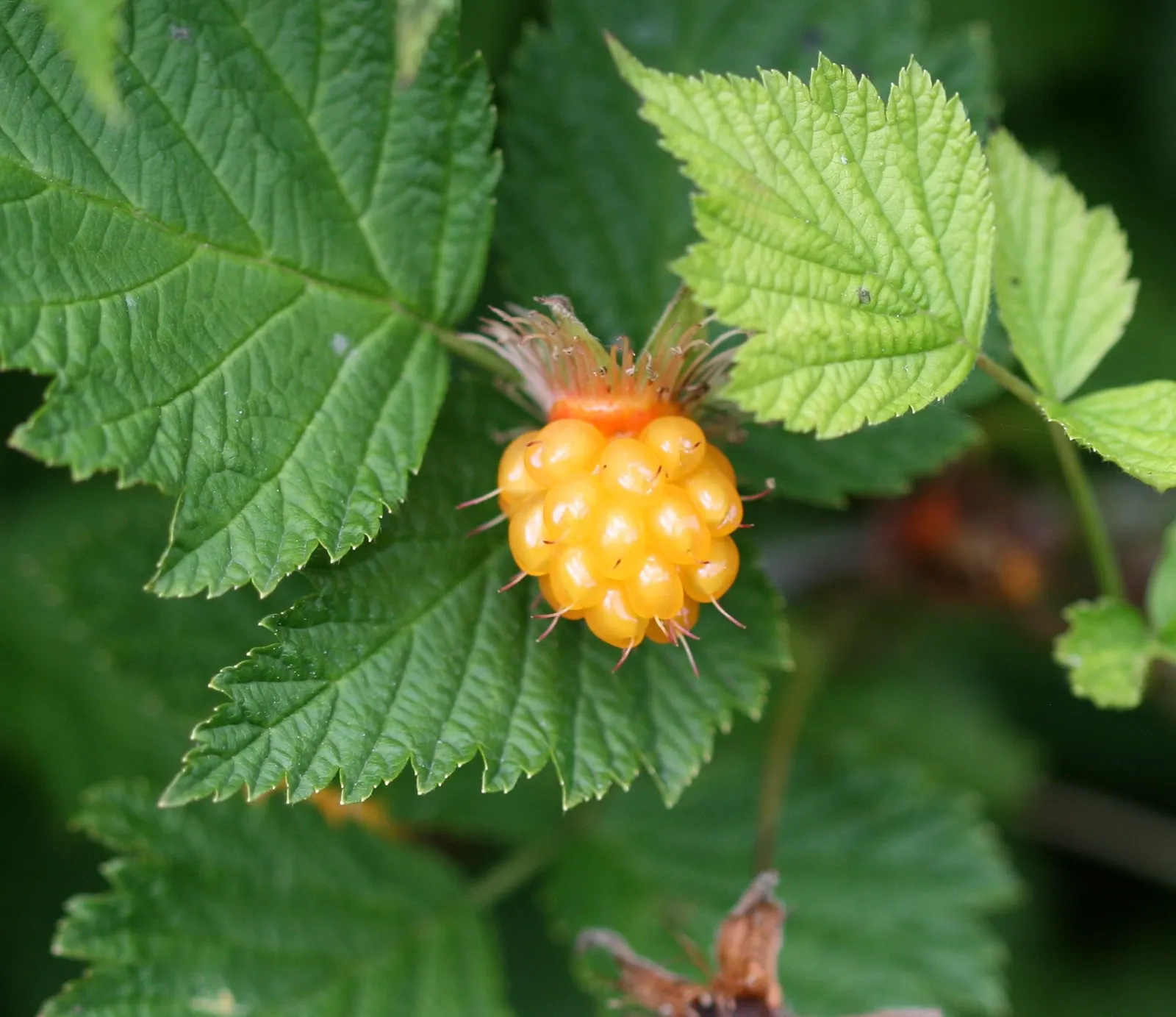
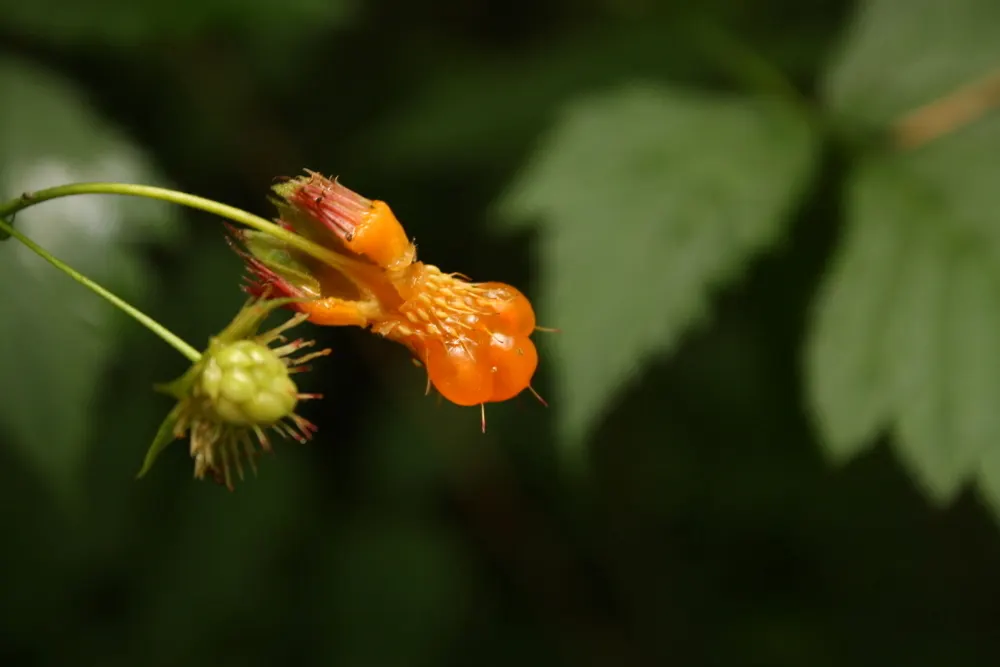
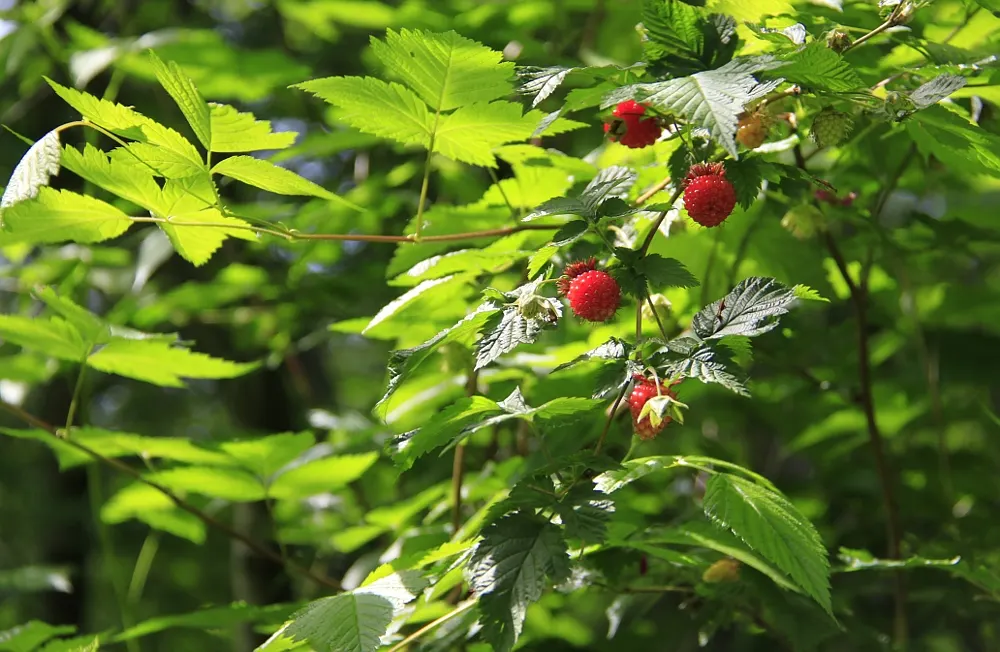
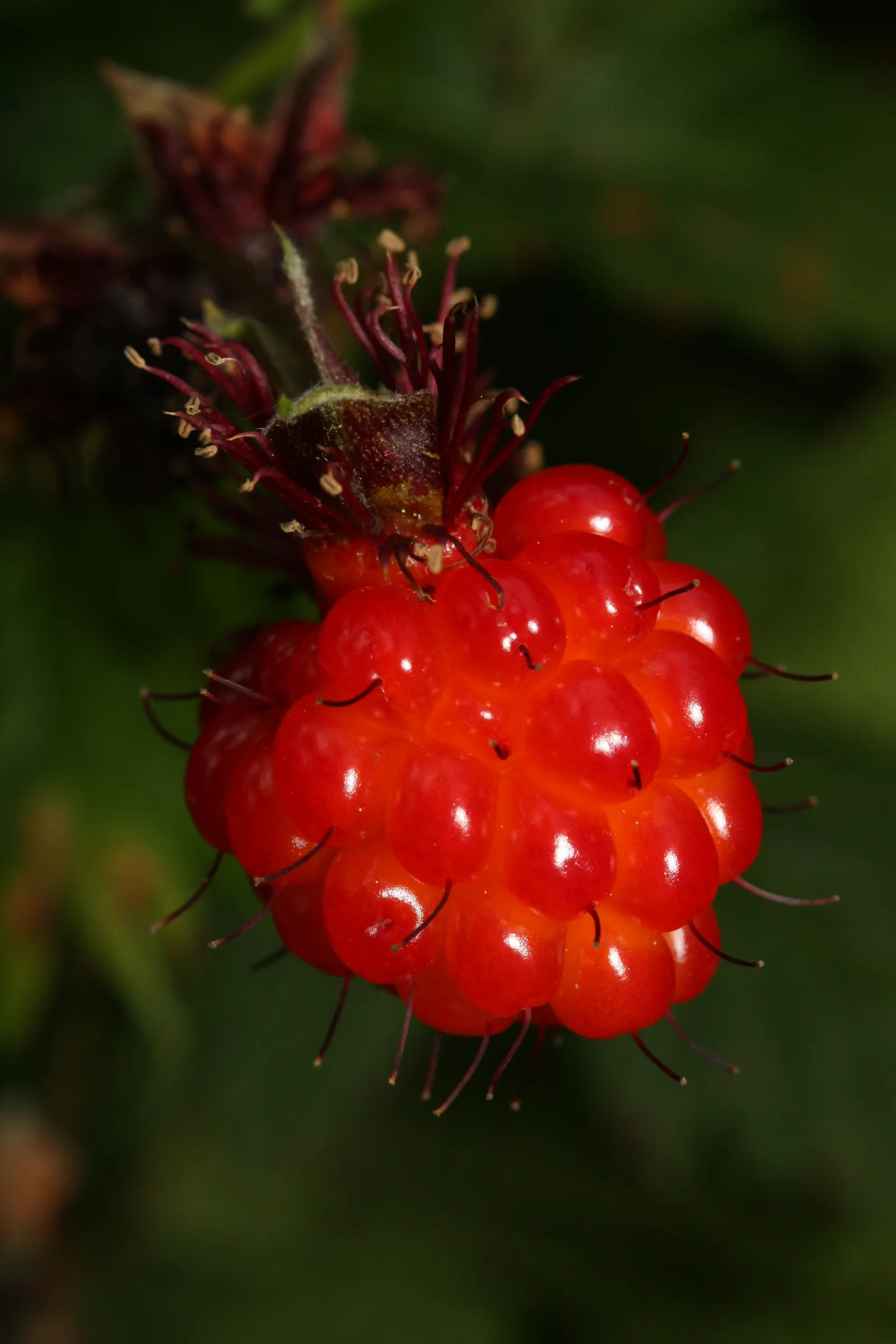
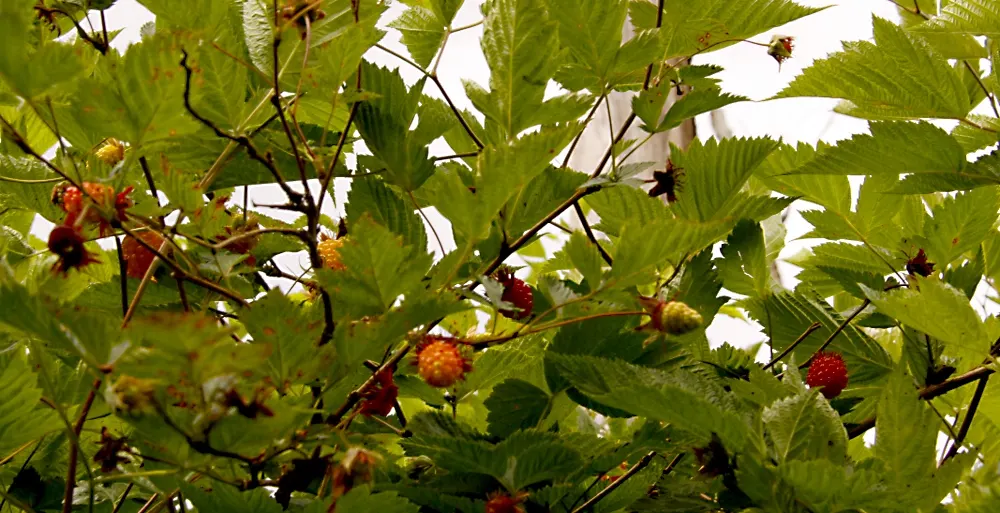
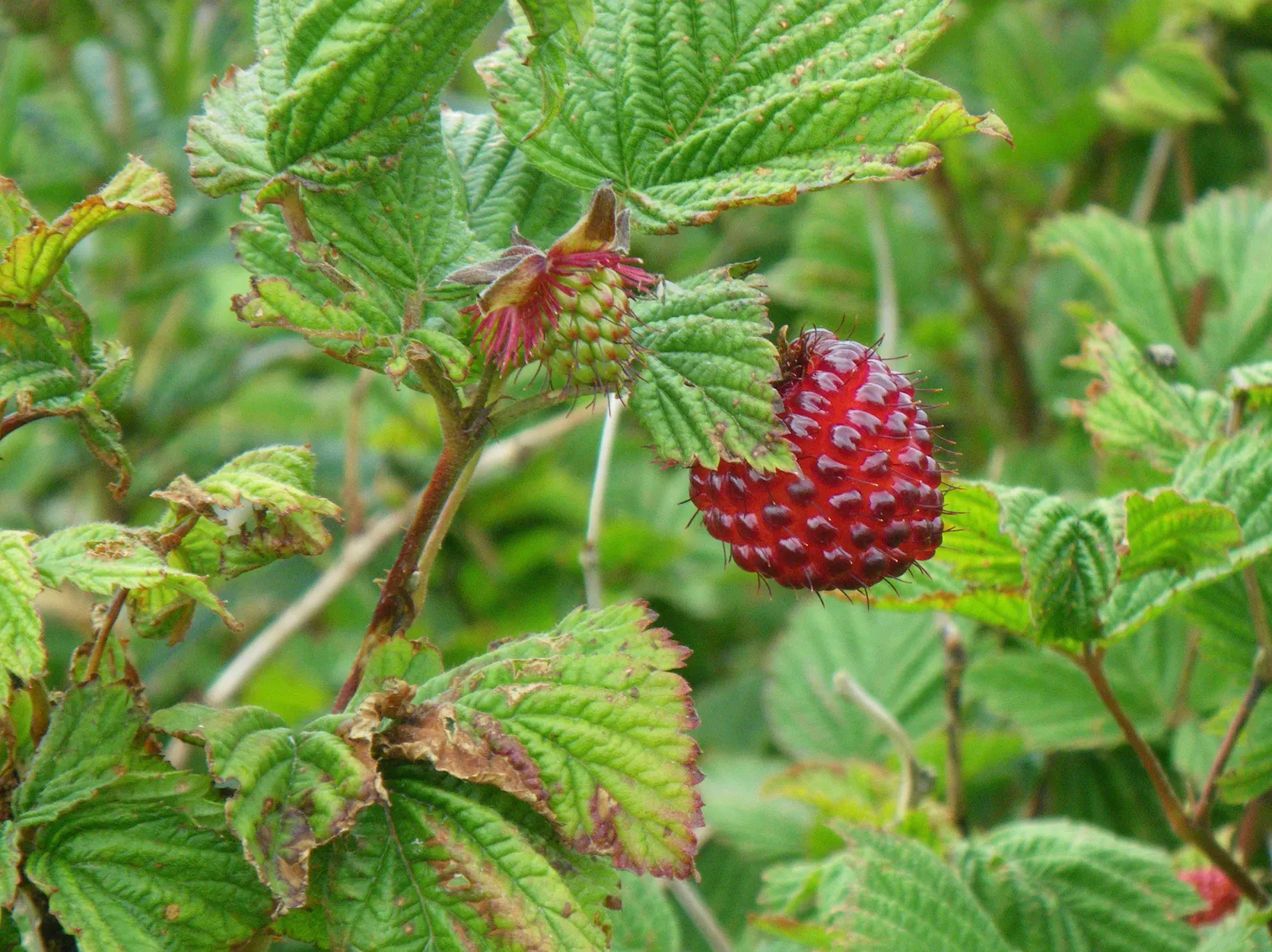
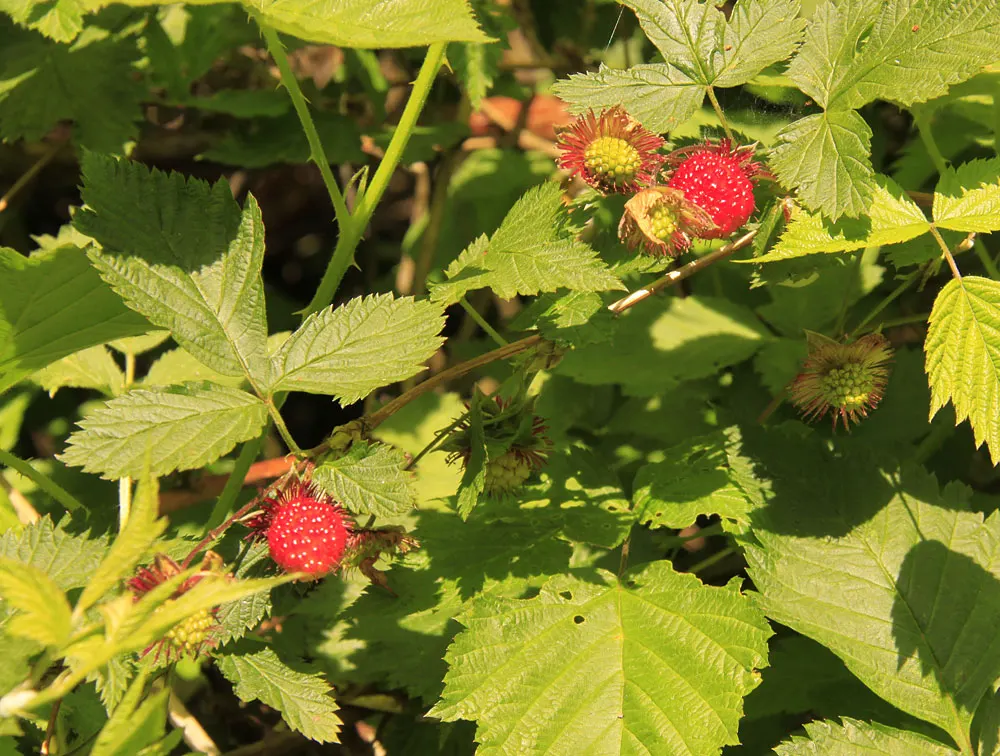
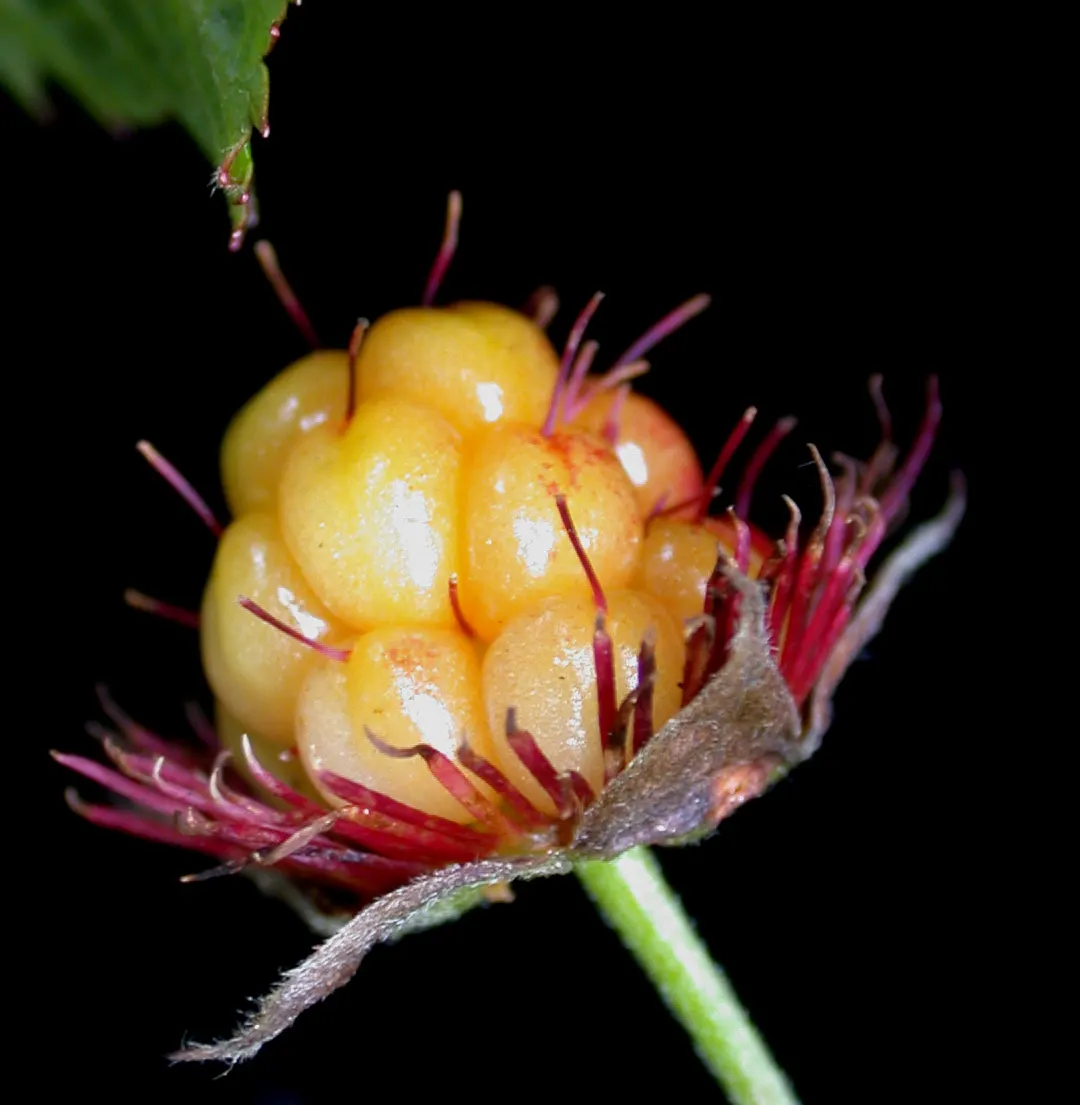
Salmonberry (Rubus Spectabilis) — The berries, resemblant in shape to raspberries, transition from yellow to an enticing amber-red when ripe; the plant's
Salmonberry (Rubus Spectabilis) — Salmonberries possess an ecological value; shrub for full or half or shade, image 71
Salmonberry (Rubus Spectabilis) — Salmonberry (Rubus spectabilis) is a deciduous shrub thriving in U.S
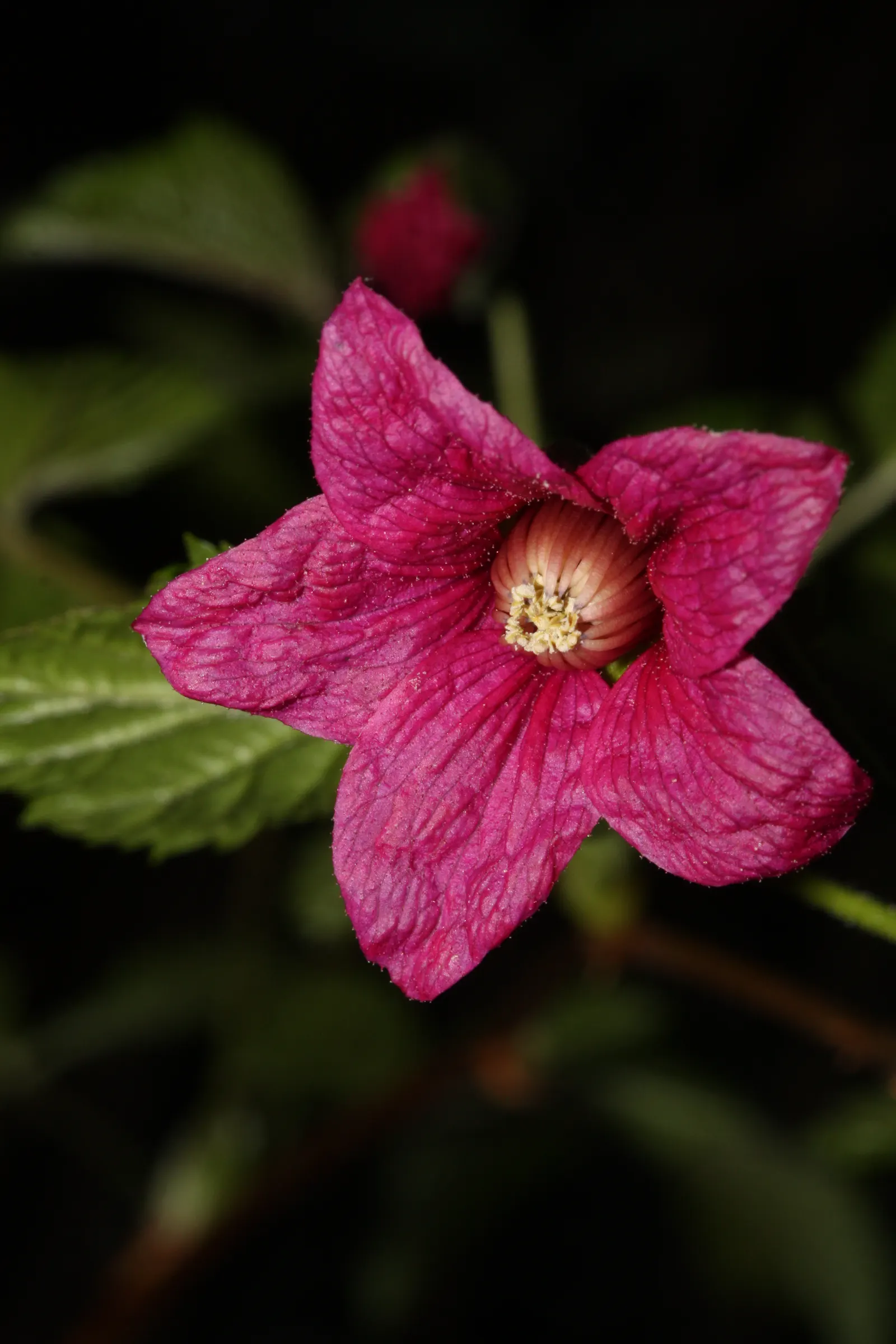
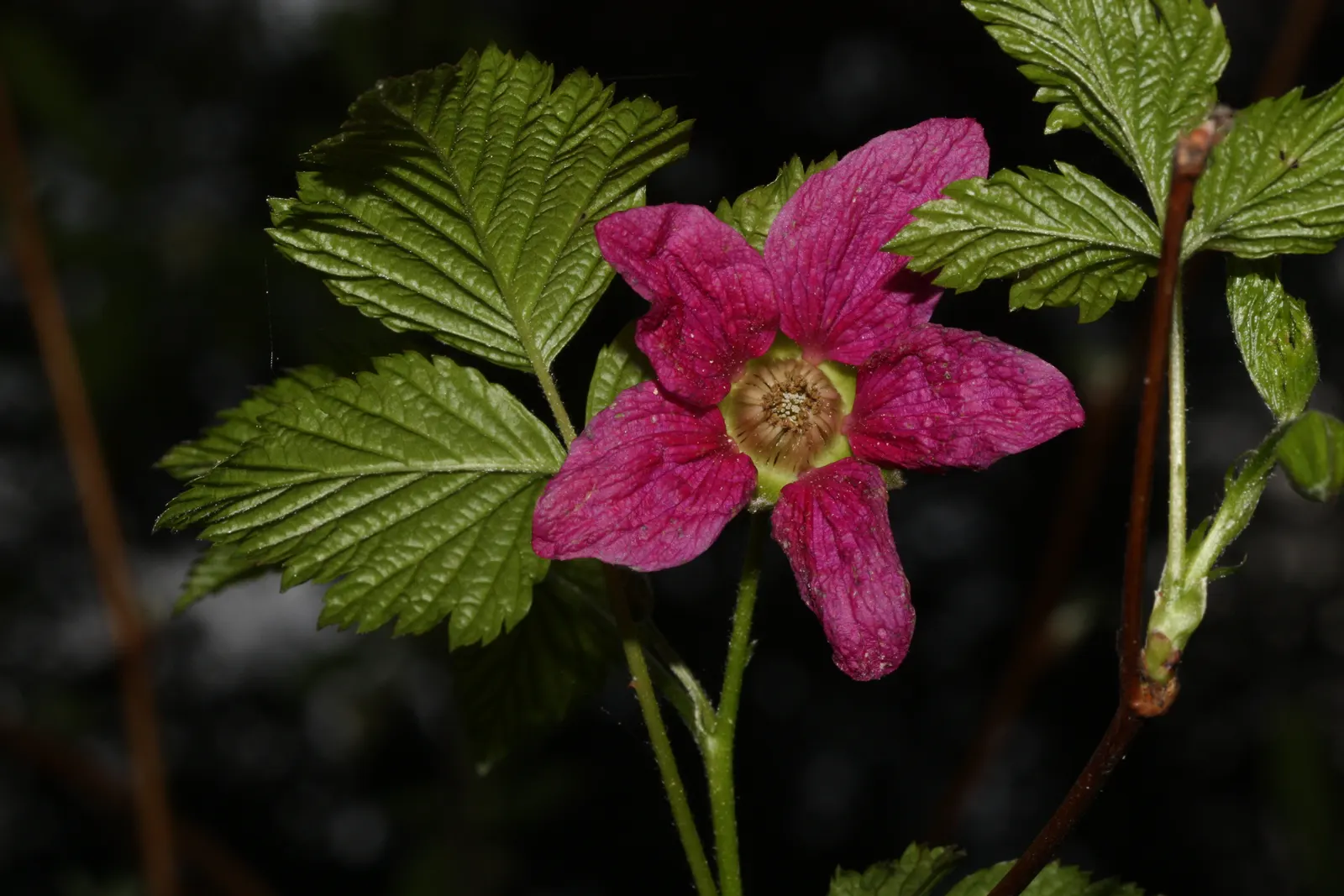
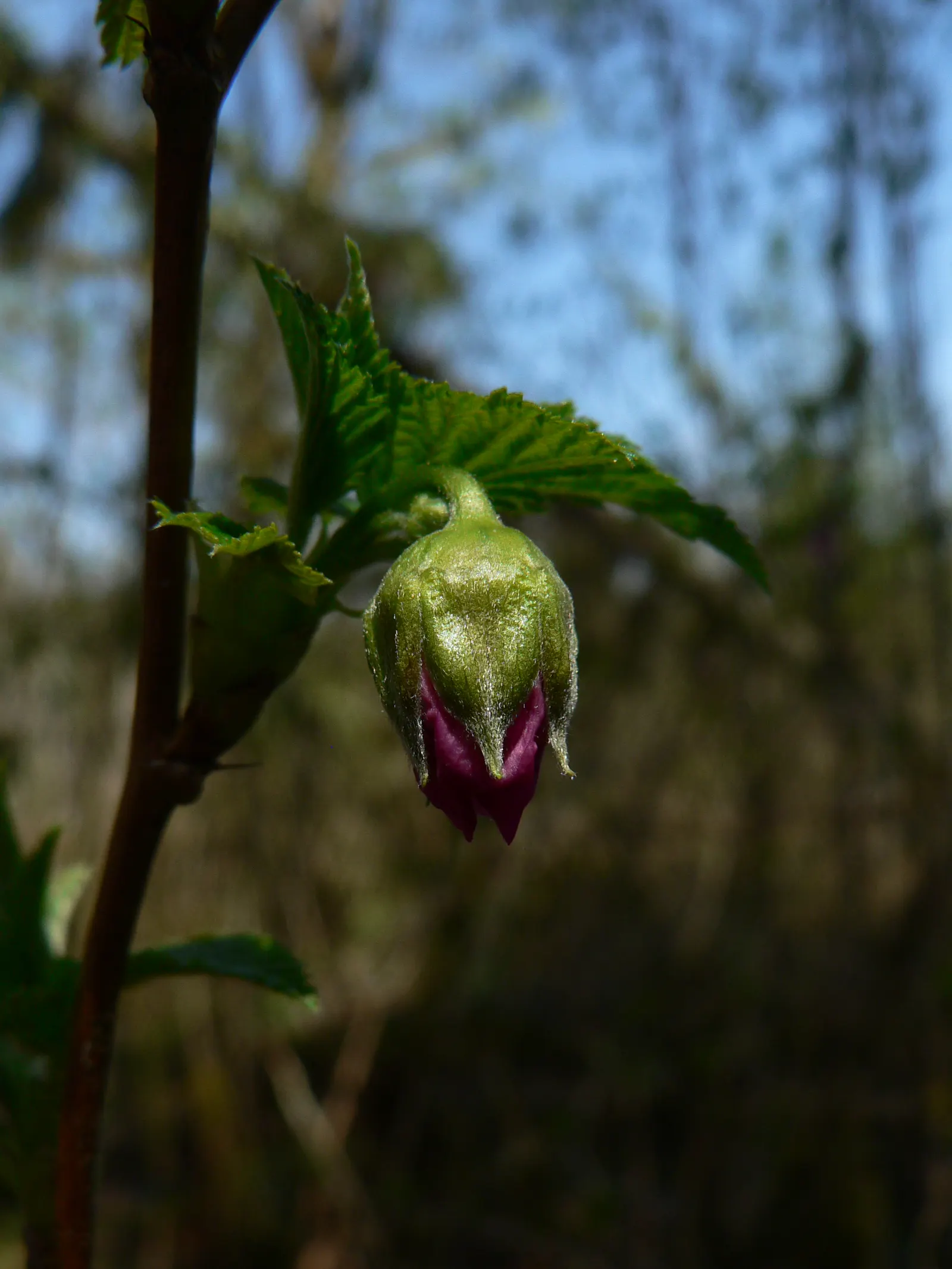
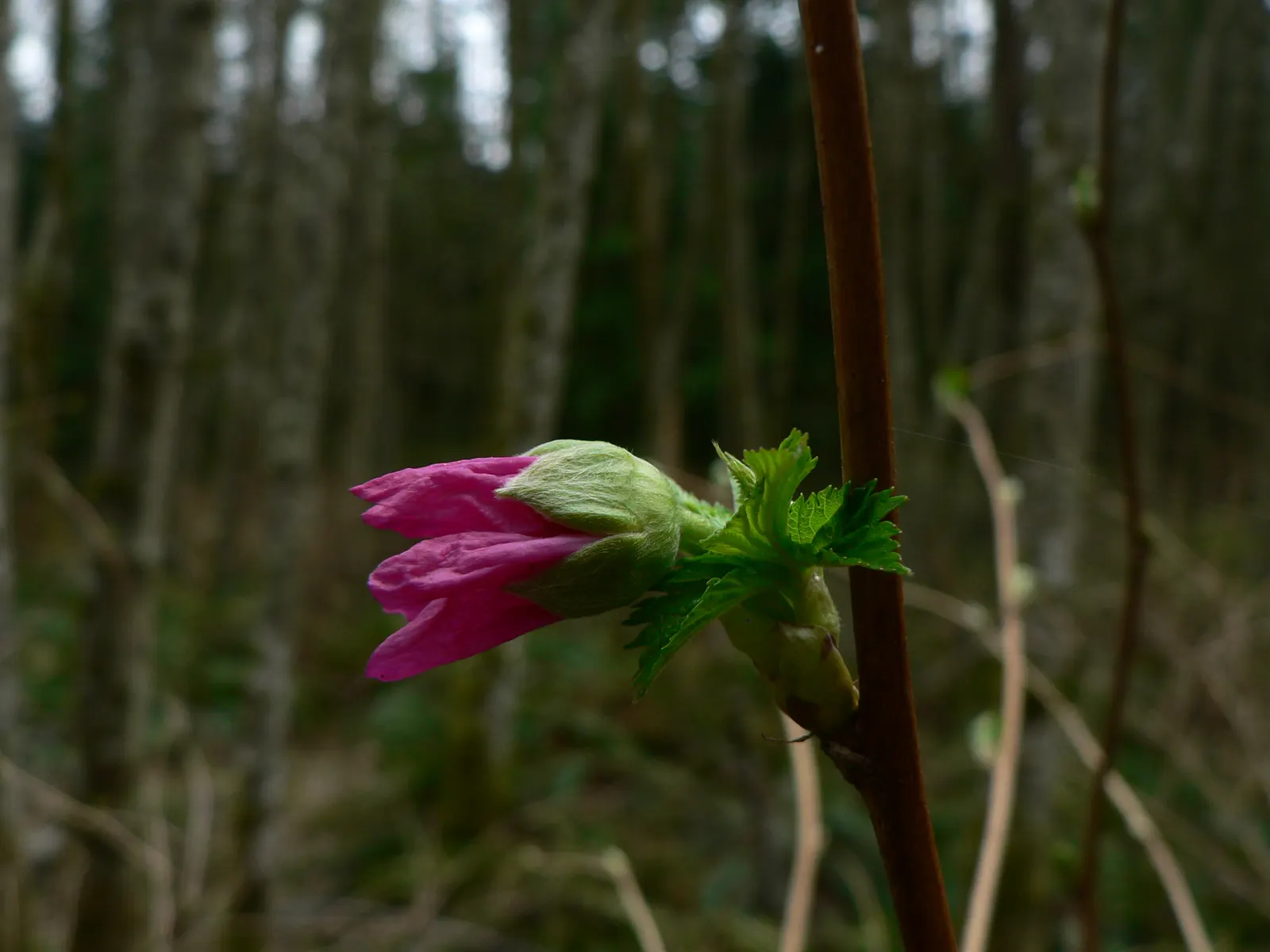
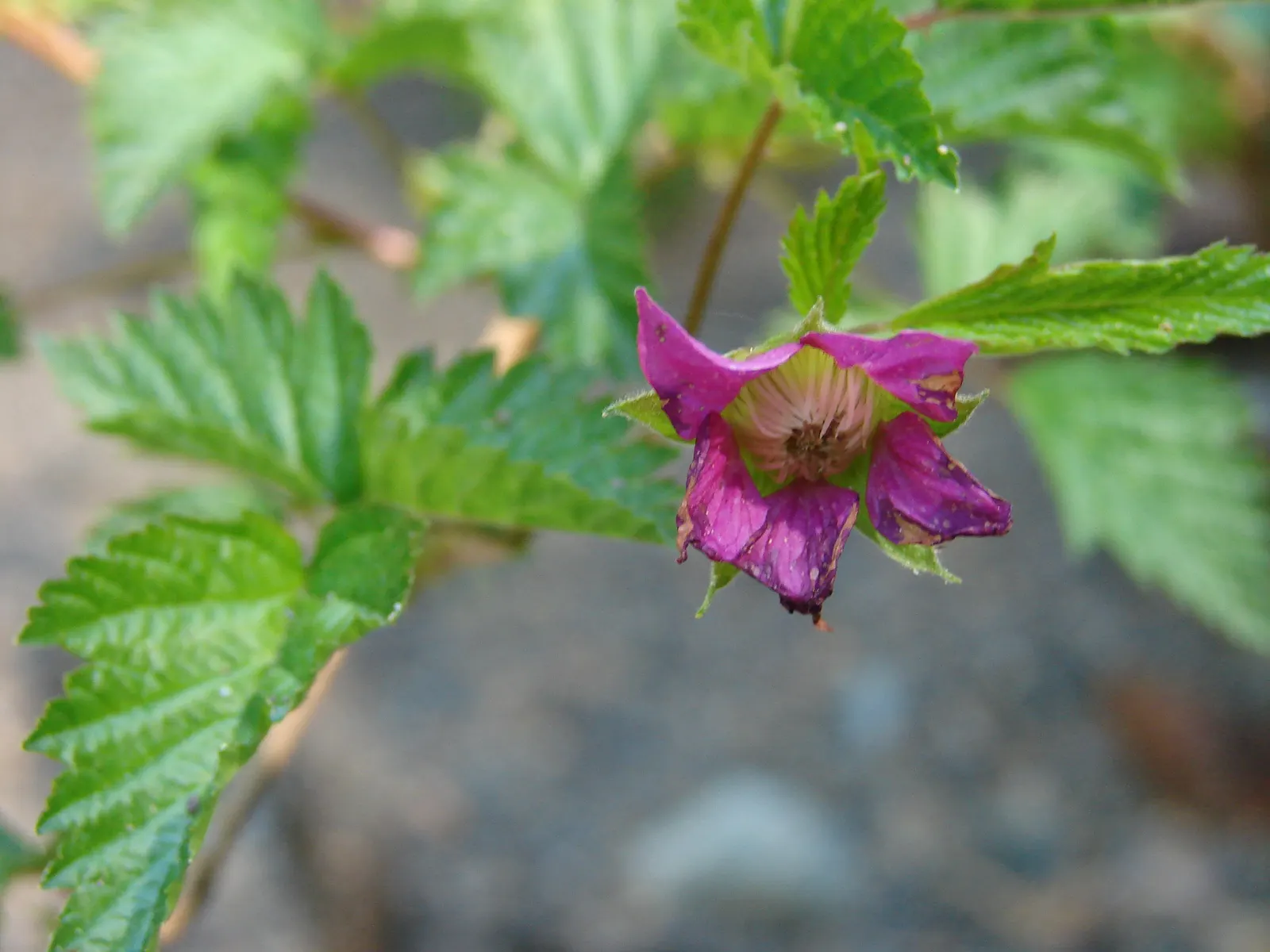
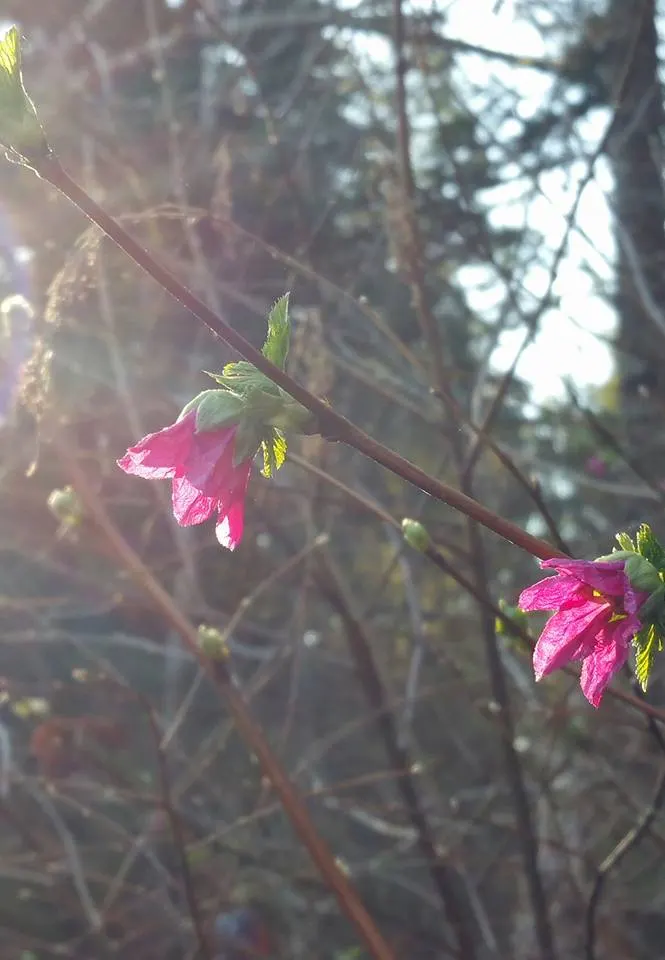
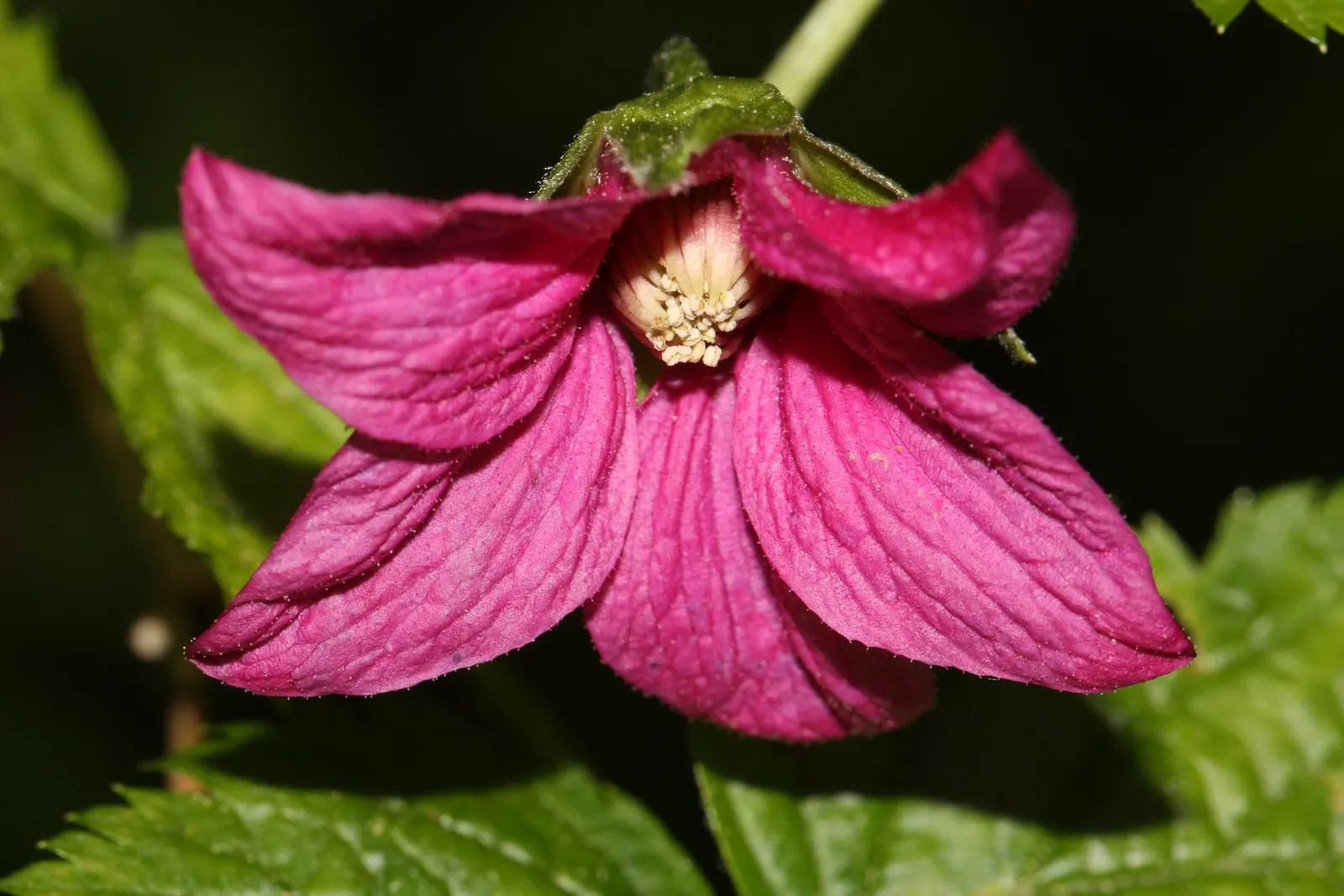
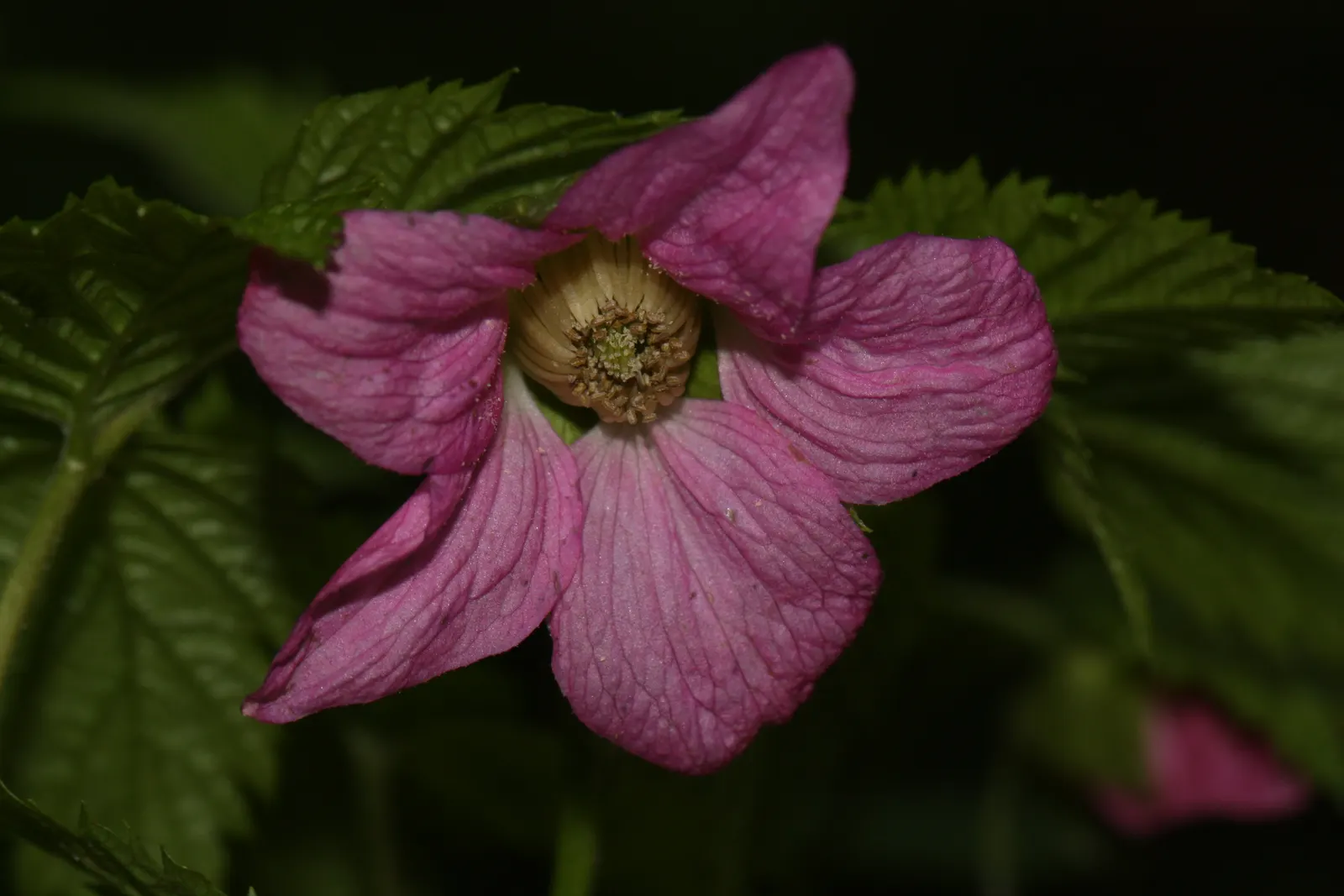
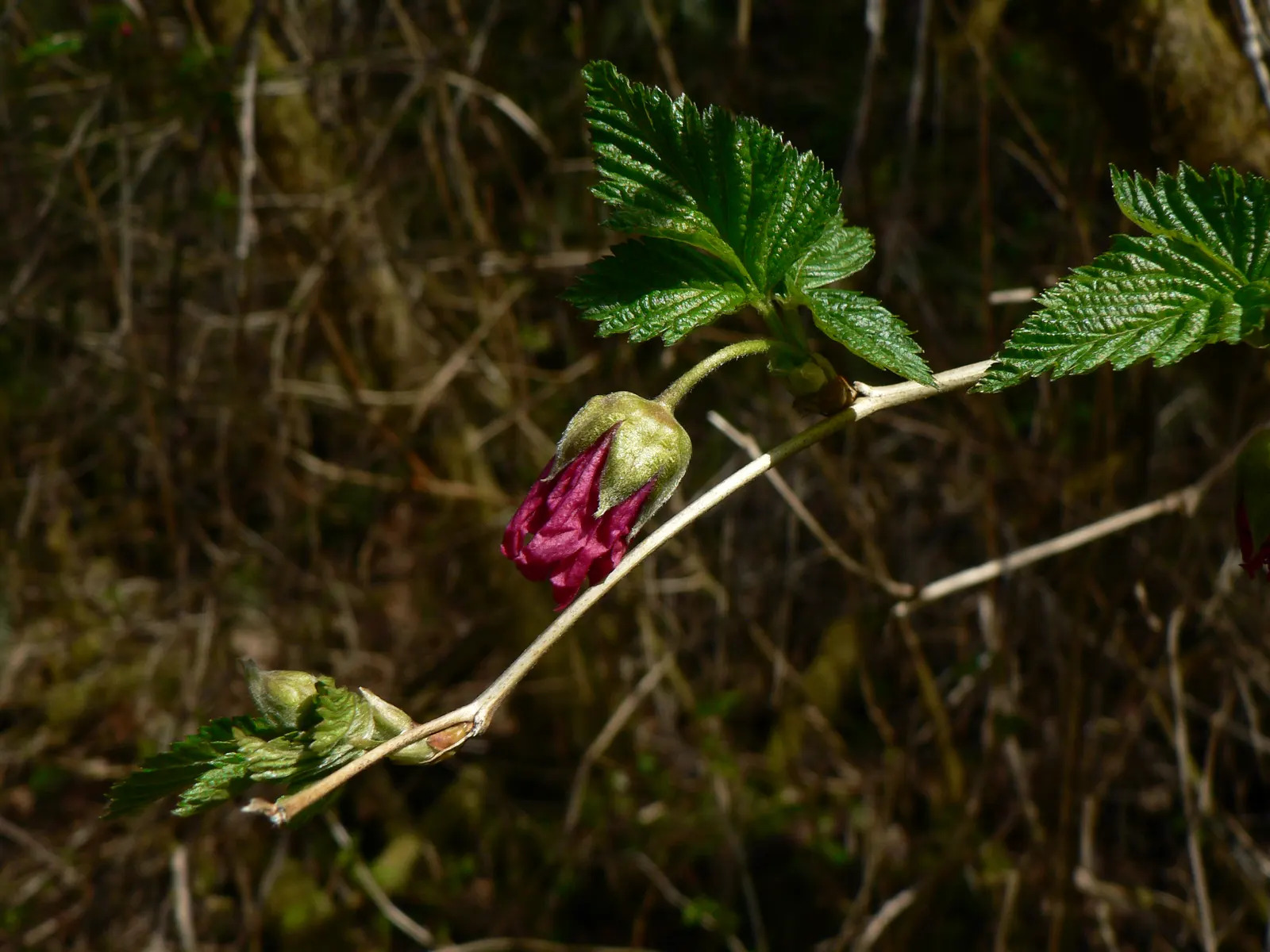
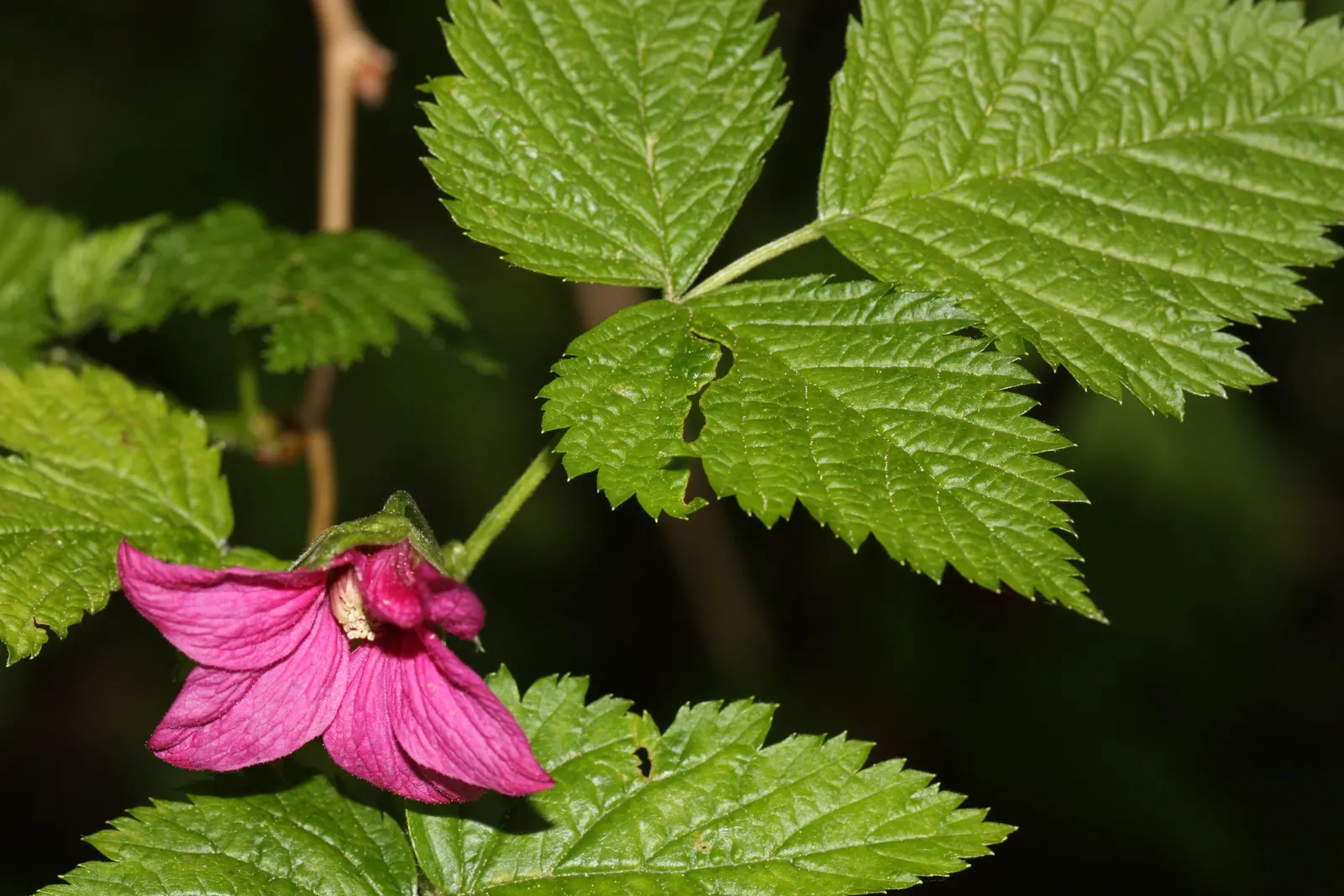
Salmonberry (Rubus Spectabilis) — shrub with lavender and pink blooms; which morph into edible fruits measuring roughly 0.75 to 1.5 inches in, image 77
Salmonberry (Rubus Spectabilis) — serving as a nectar source for pollinators and sustenance for birds; making it an attractive choice for, image 72
Salmonberry (Rubus Spectabilis) — The berries, resemblant in shape to raspberries, transition from yellow to an enticing amber-red when ripe
Salmonberry (Rubus Spectabilis) — hardiness zones 5 to 9, reaching 3-6 ft tall; this deciduous shrub can reach a mature height of 3 to 6 feet and, image 54
Salmonberry (Rubus Spectabilis) — Salmonberry (Rubus spectabilis) is a deciduous shrub thriving in U.S; well-drained soil in partial to full shade, image 53
Salmonberry (Rubus Spectabilis) — Regular pruning may be required to maintain desired boundaries and shape within the landscape; hardiness zones 5, image 75
Salmonberry (Rubus Spectabilis) — well-drained soil in partial to full shade; shrub with lavender and pink blooms, image 56
Salmonberry (Rubus Spectabilis) — Its fruit ripens midsummer, offering a treat for wildlife and humans; salmonberry's lush foliage adds a vibrant, image 57
Salmonberry (Rubus Spectabilis) — well-drained soil and thrive in full to partial shade; lavender and pink flowers in the garden, image 67
Salmonberry (Rubus Spectabilis) — embodies a delightful addition to any naturalistic or woodland garden design
Salmonberry (Rubus Spectabilis) — Salmonberries demand moist
Salmonberry (Rubus Spectabilis) — Flourishing in USDA hardiness zones 5 through 9; native to the Pacific Northwest
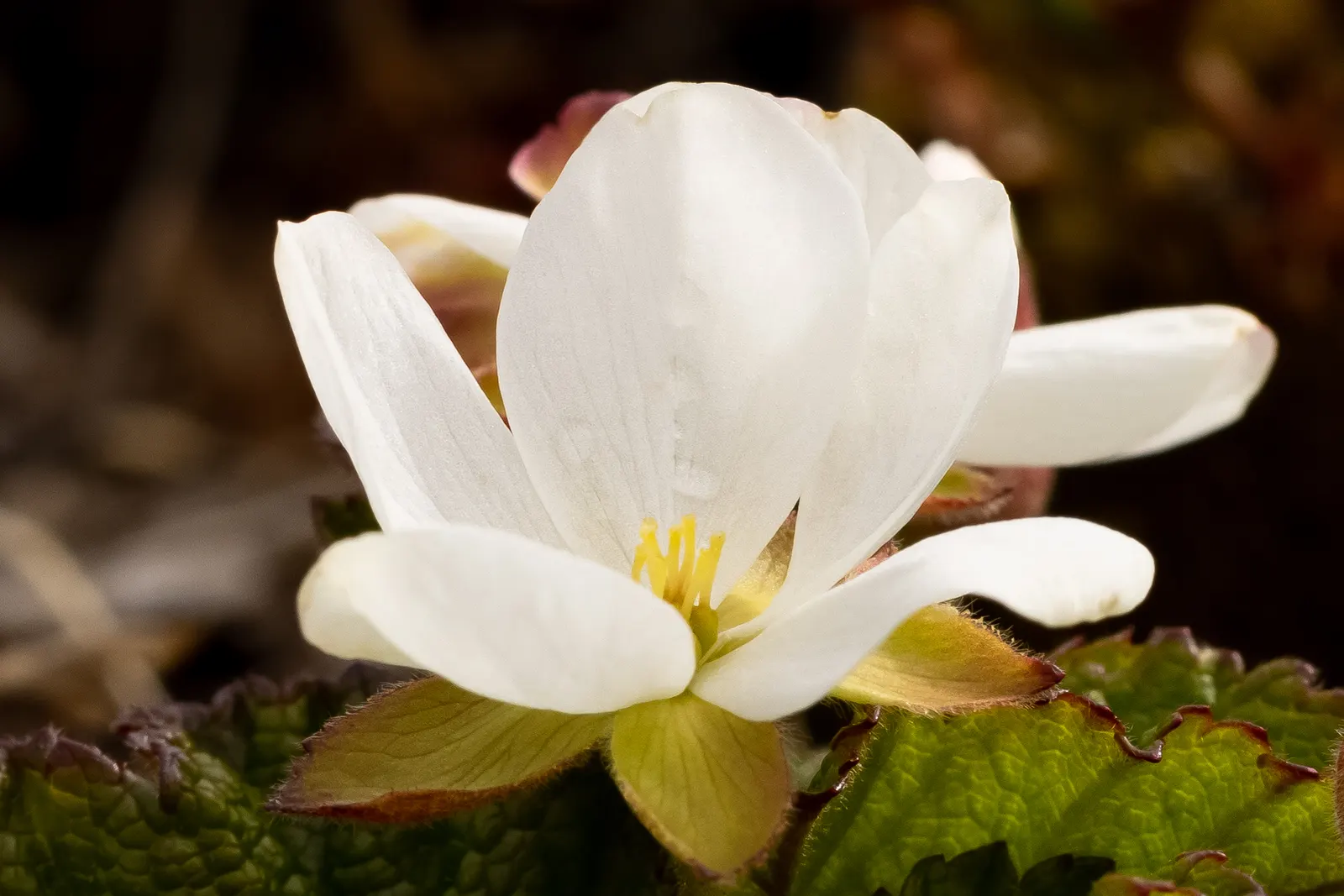
Salmonberry (Rubus Spectabilis) — Known for its pink blossoms and edible fruit resembling raspberries; these fruits are a delicacy to both humans and wildlife
Salmonberry (Rubus Spectabilis) — hardiness zones 5 to 9, reaching 3-6 ft tall; this deciduous shrub can reach a mature height of 3 to 6 feet and spread to 2
Salmonberry (Rubus Spectabilis) — Flourishing in USDA hardiness zones 5 through 9
Salmonberry (Rubus Spectabilis) — When incorporating Rubus spectabilis into a garden design; salmonberries demand moist
Salmonberry (Rubus Spectabilis) — which morph into edible fruits measuring roughly 0.75 to 1.5 inches in length by early summer; its fruit ripens, image 68
Salmonberry (Rubus Spectabilis) — this deciduous shrub can reach a mature height of 3 to 6 feet and spread to 2 to 4 feet wide; consider its natural growth
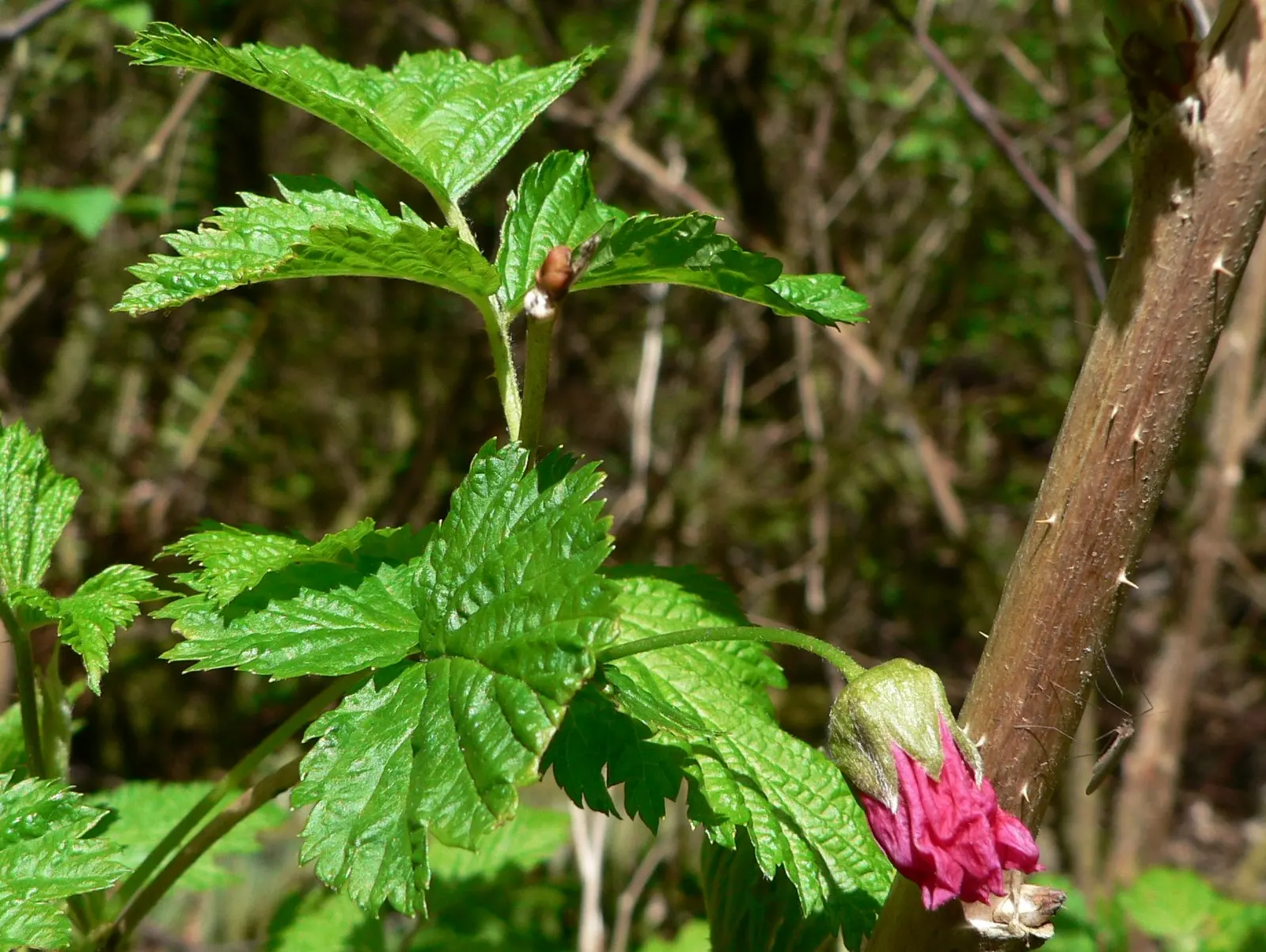
Salmonberry (Rubus Spectabilis) — The plant's arching stems boast a golden hue when young and may exhibit small thorns; known for its pink blossoms, image 90
Photographs by 8 contributors

Related plants