
Western Thimbleberry
Rubus Parviflorus
Overview
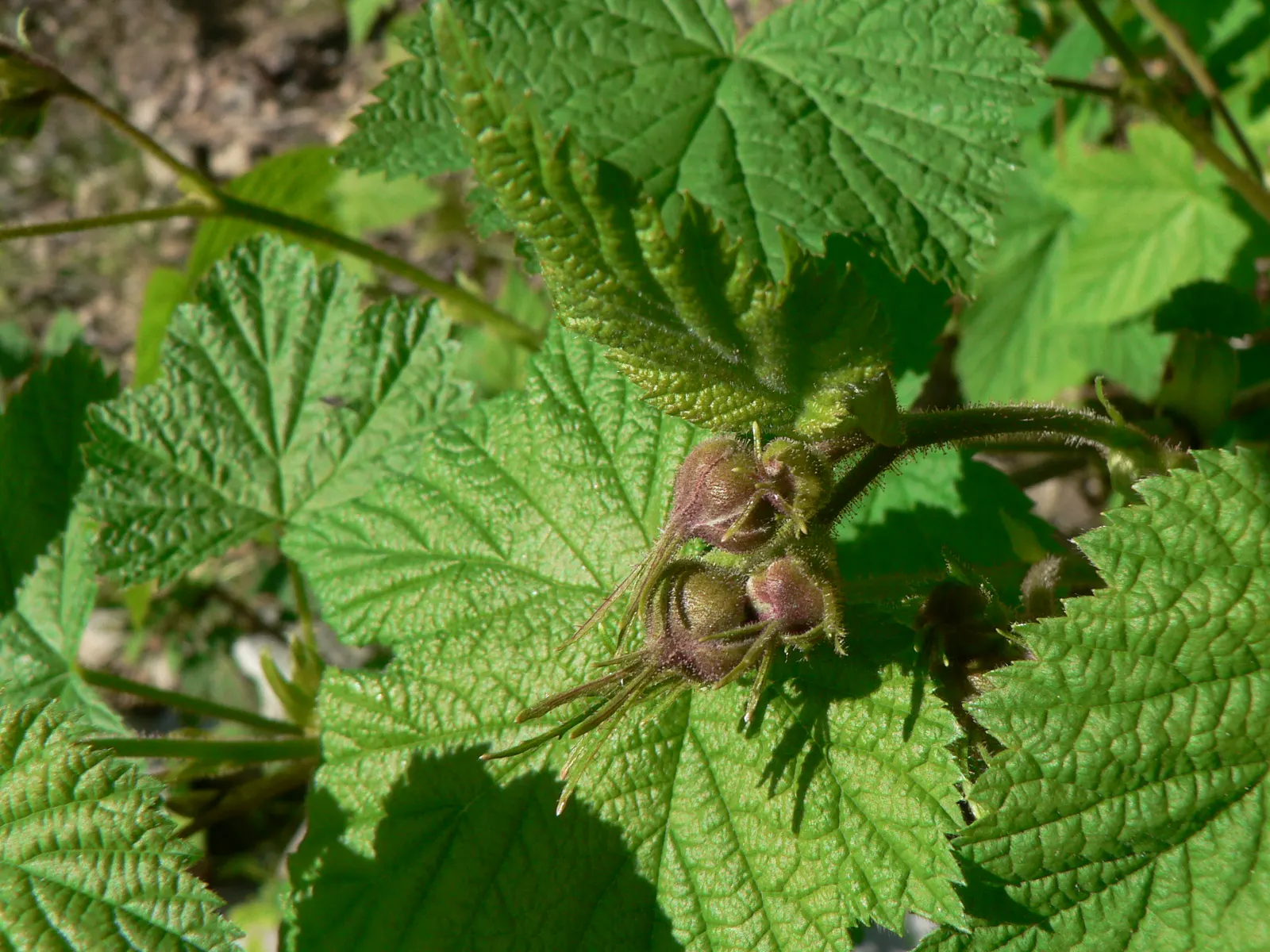
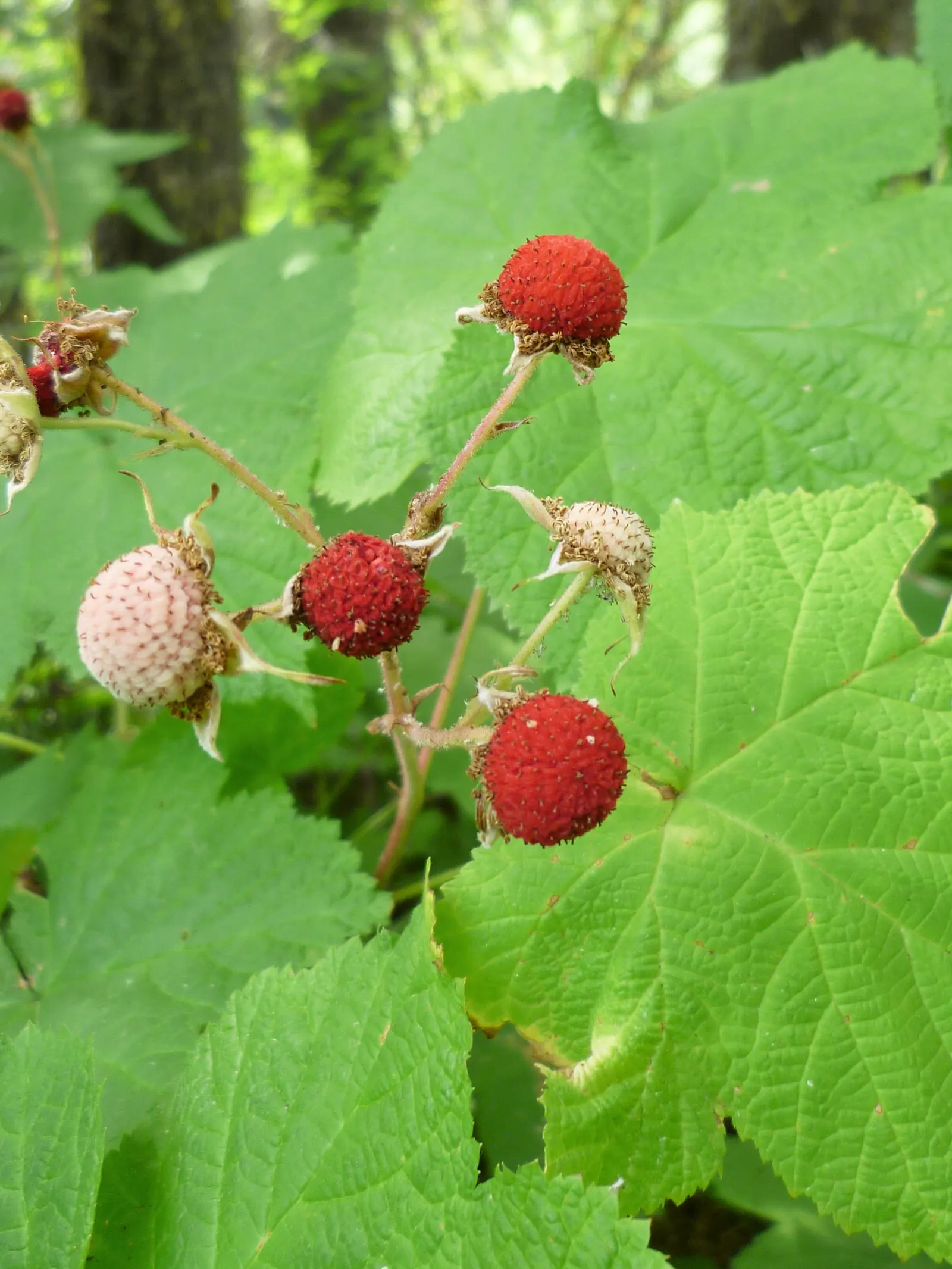
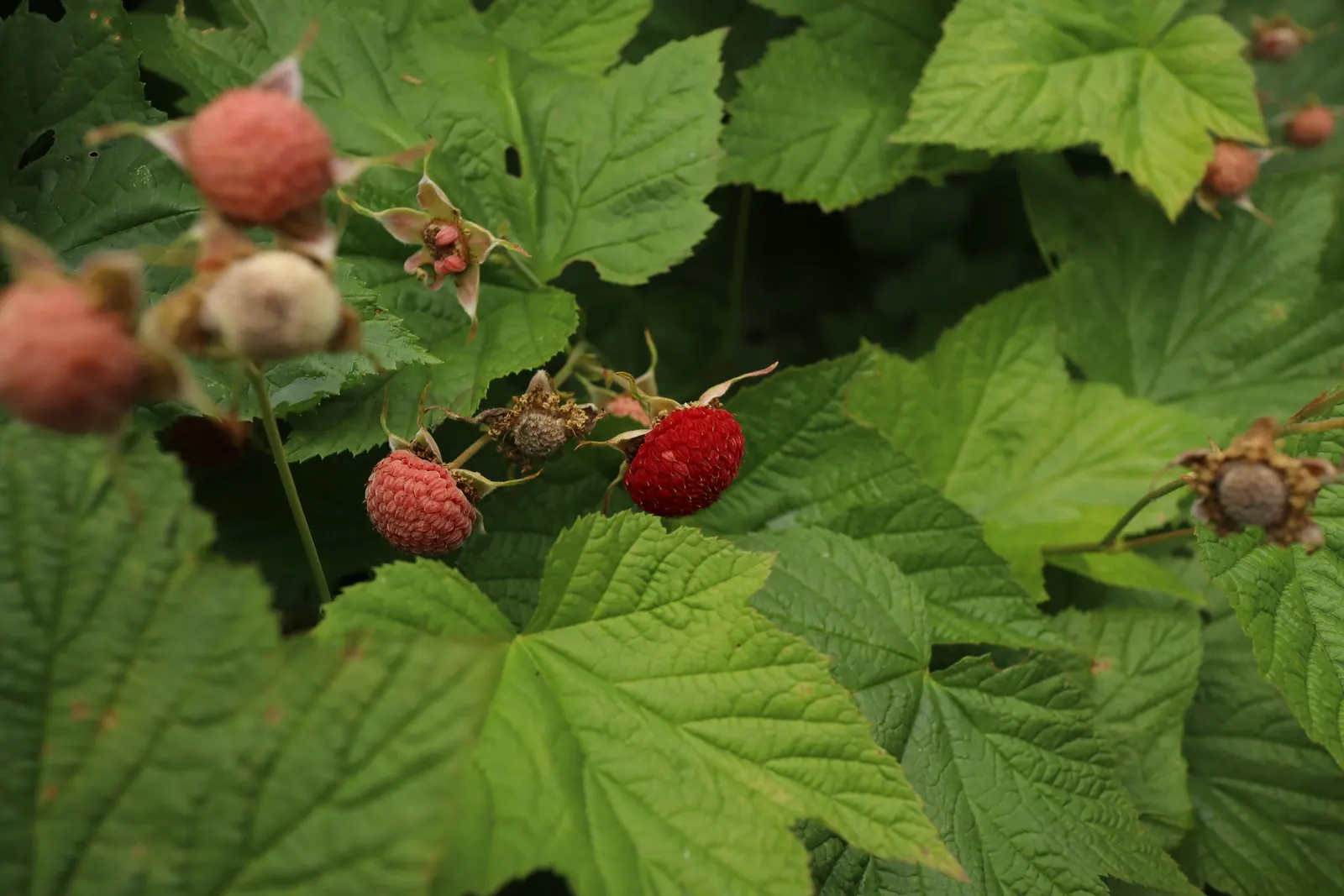
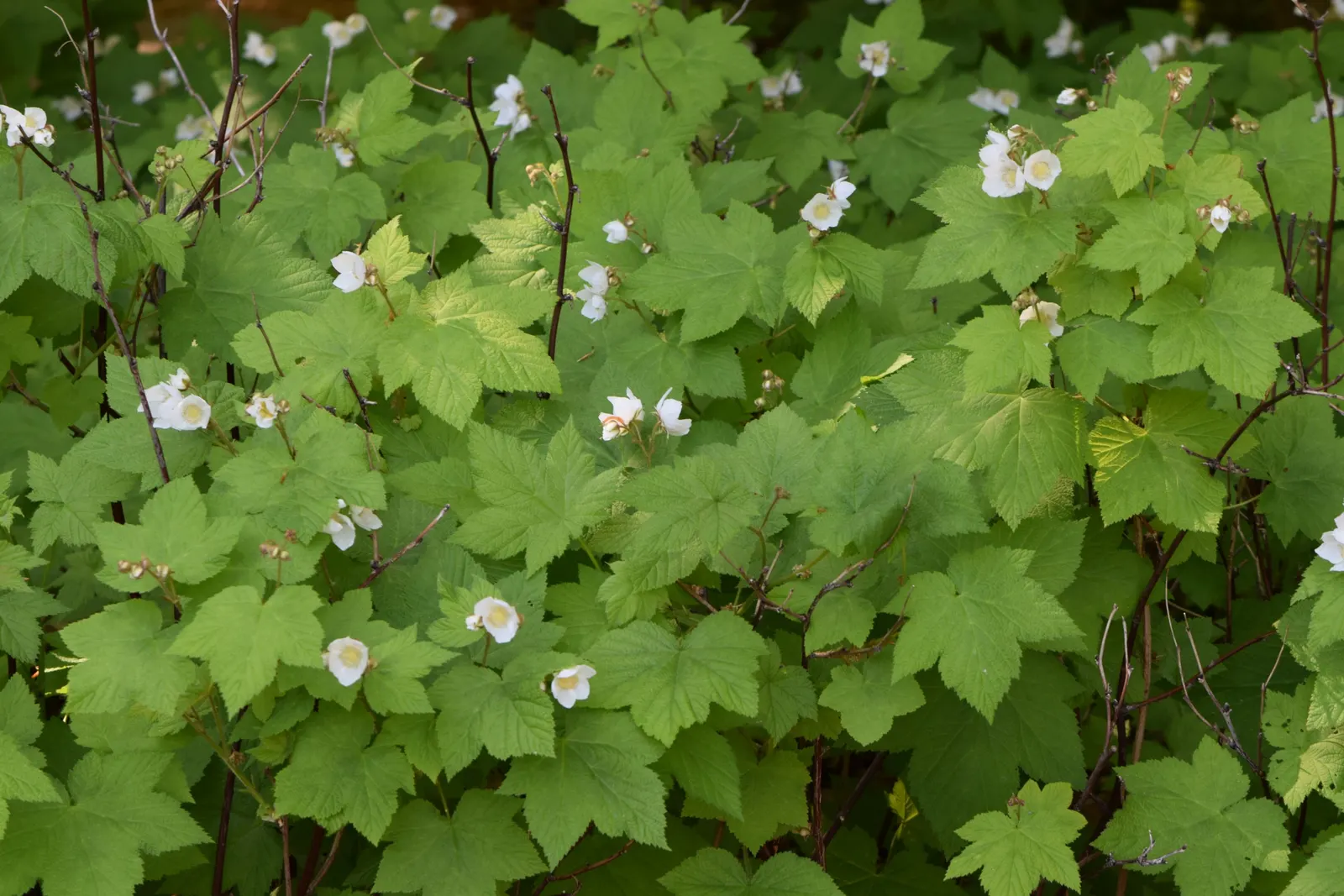
Western Thimbleberry (Rubus parviflorus) is a deciduous shrub native to North America, thriving in USDA zones 4-9. It reaches 3-8 feet in height with equal spread, bearing 5-lobed, velvety leaves and delicate white blossoms up to 2 inches across in spring. Edible red berries, resembling thimbles, appear in summer. Prefers partial shade to full sun with moist, well-drained soil. Ideal for naturalistic plantings and attracting pollinators.
Sun Full, Half, ShadeWater HighZones 3–10Type Shrub, VineClimate Temperate
Culture
- Sun
- Full, Half, Shade
- Water
- High
- USDA zones
- 3–10
Shape & size
- Mature height
- 3–6 Ft.
- Mature width
- 3–6 Ft.
Classification
- Type
- Shrub, Vine
- Family
- Rosaceae
- Climate
- Temperate
See full data, regional cultivation notes, and design tools. Build a client presentation around this plant.
Start your 14-day trialPhotos (126)
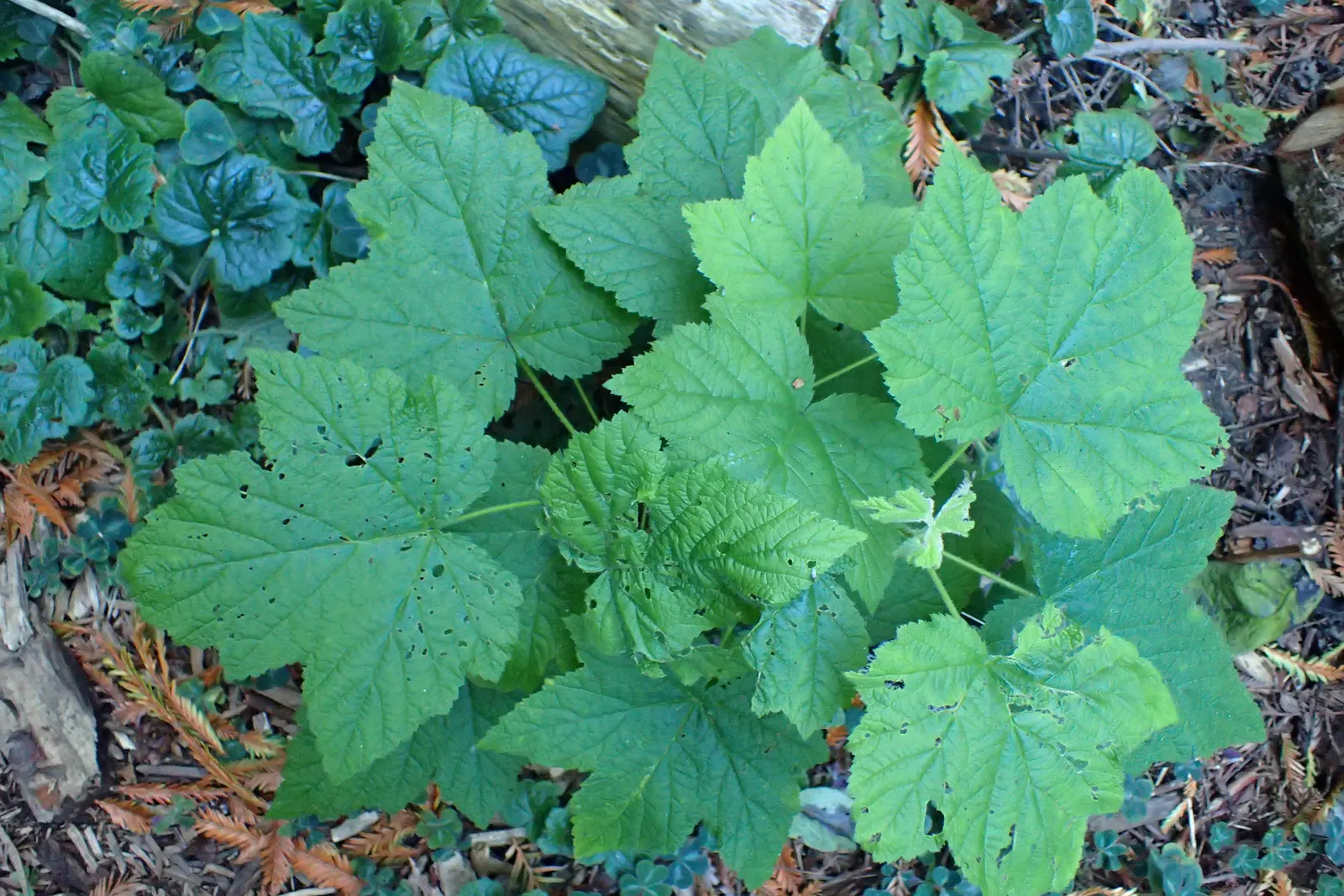
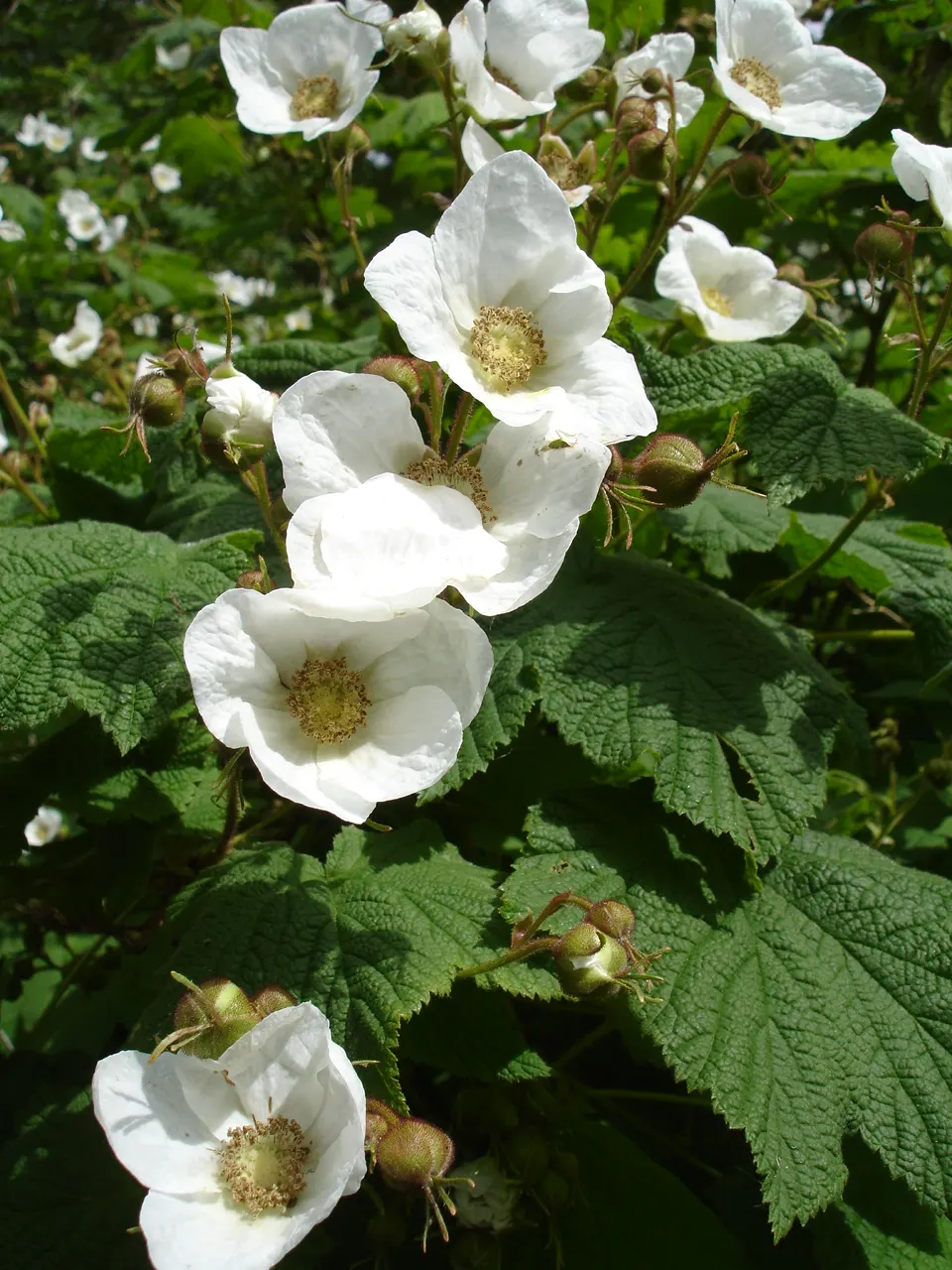
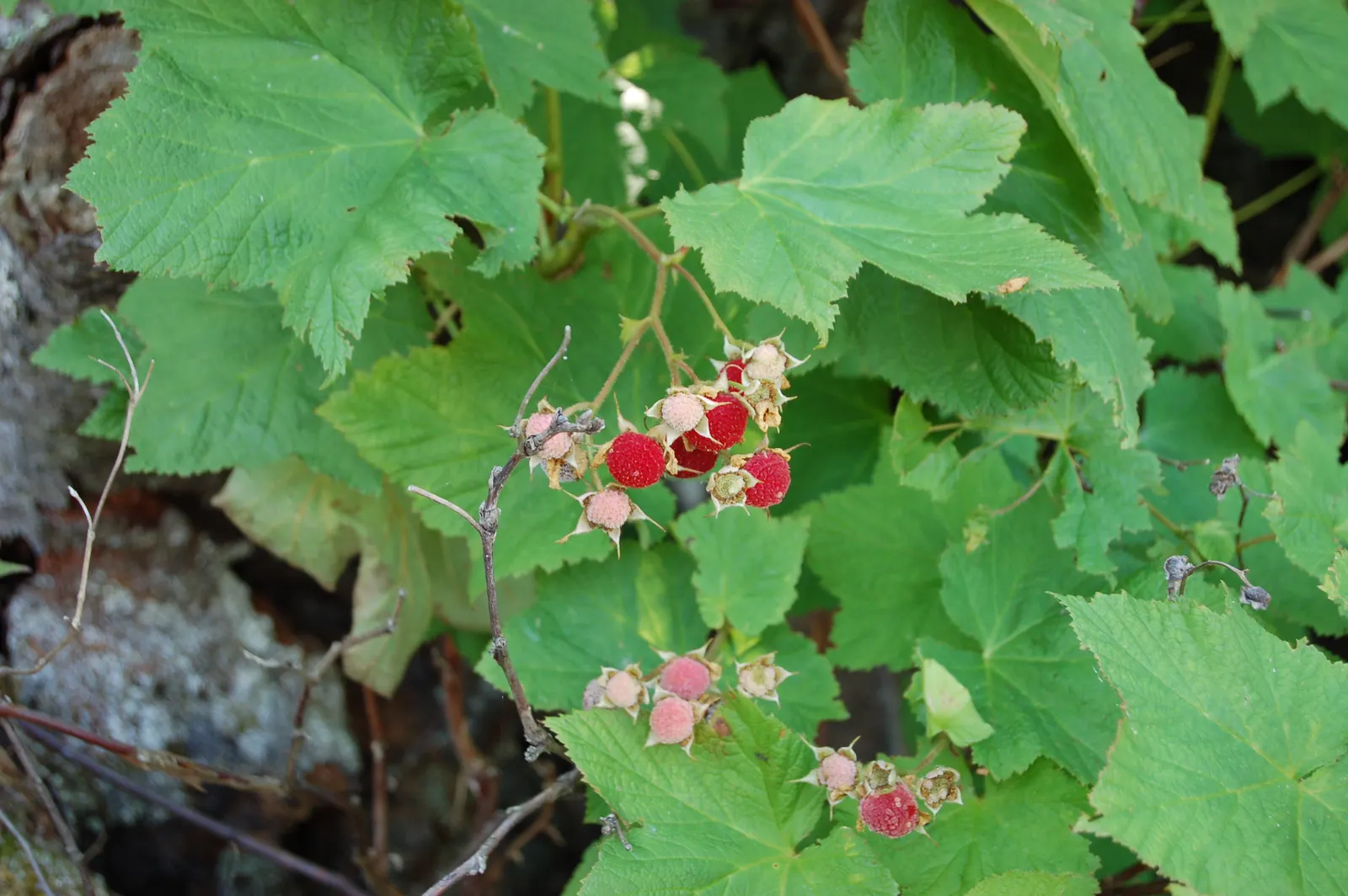
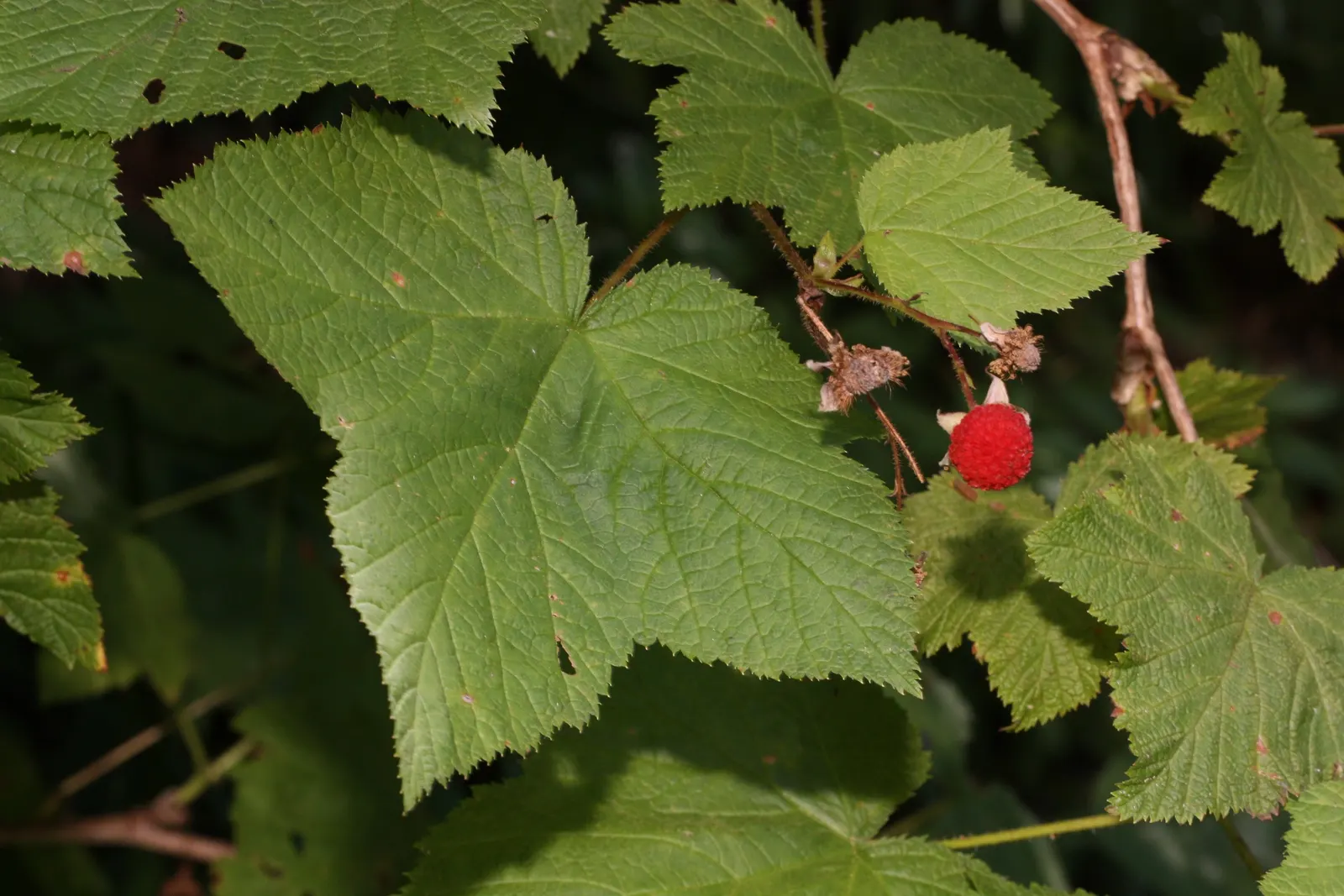
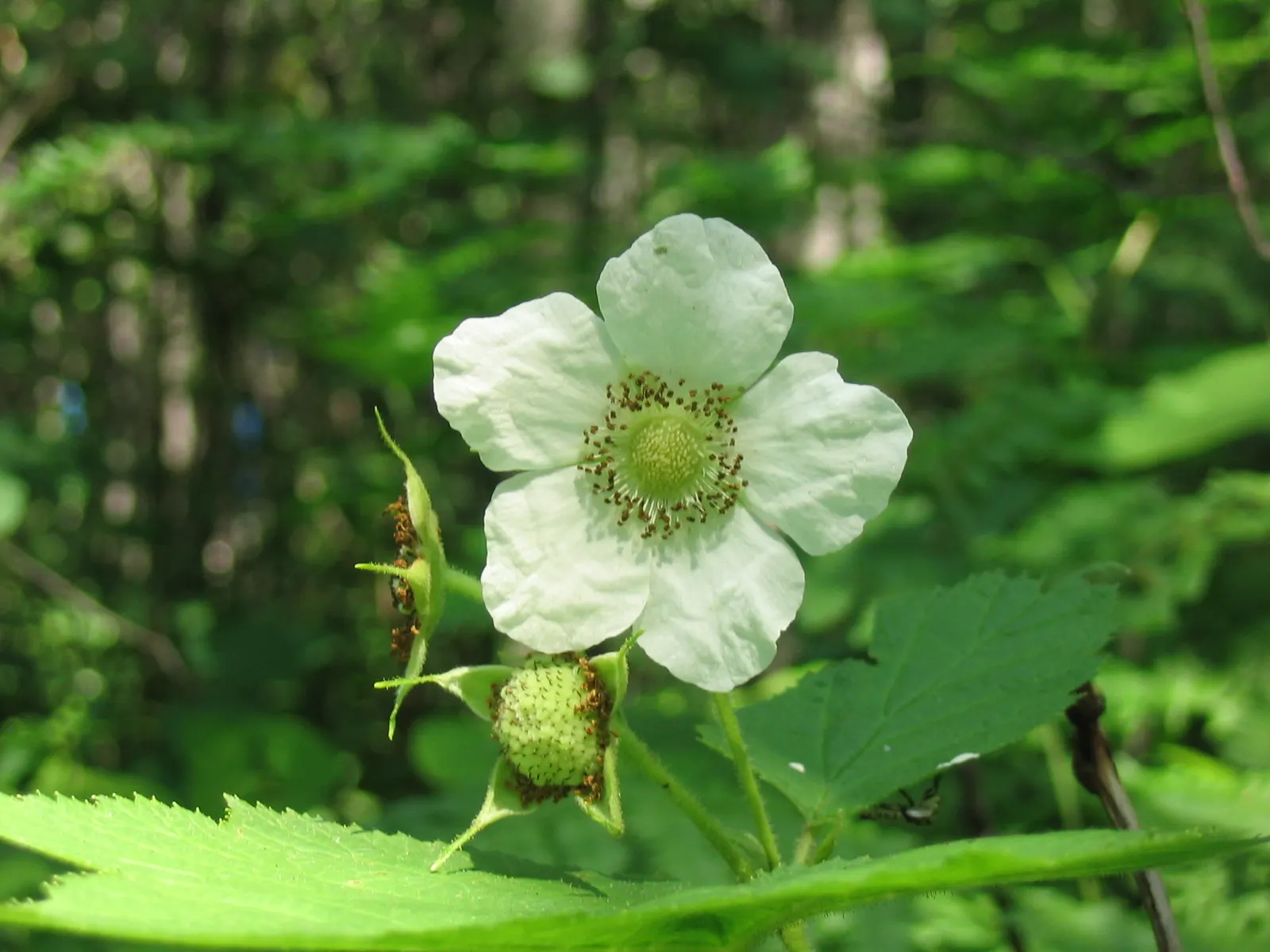
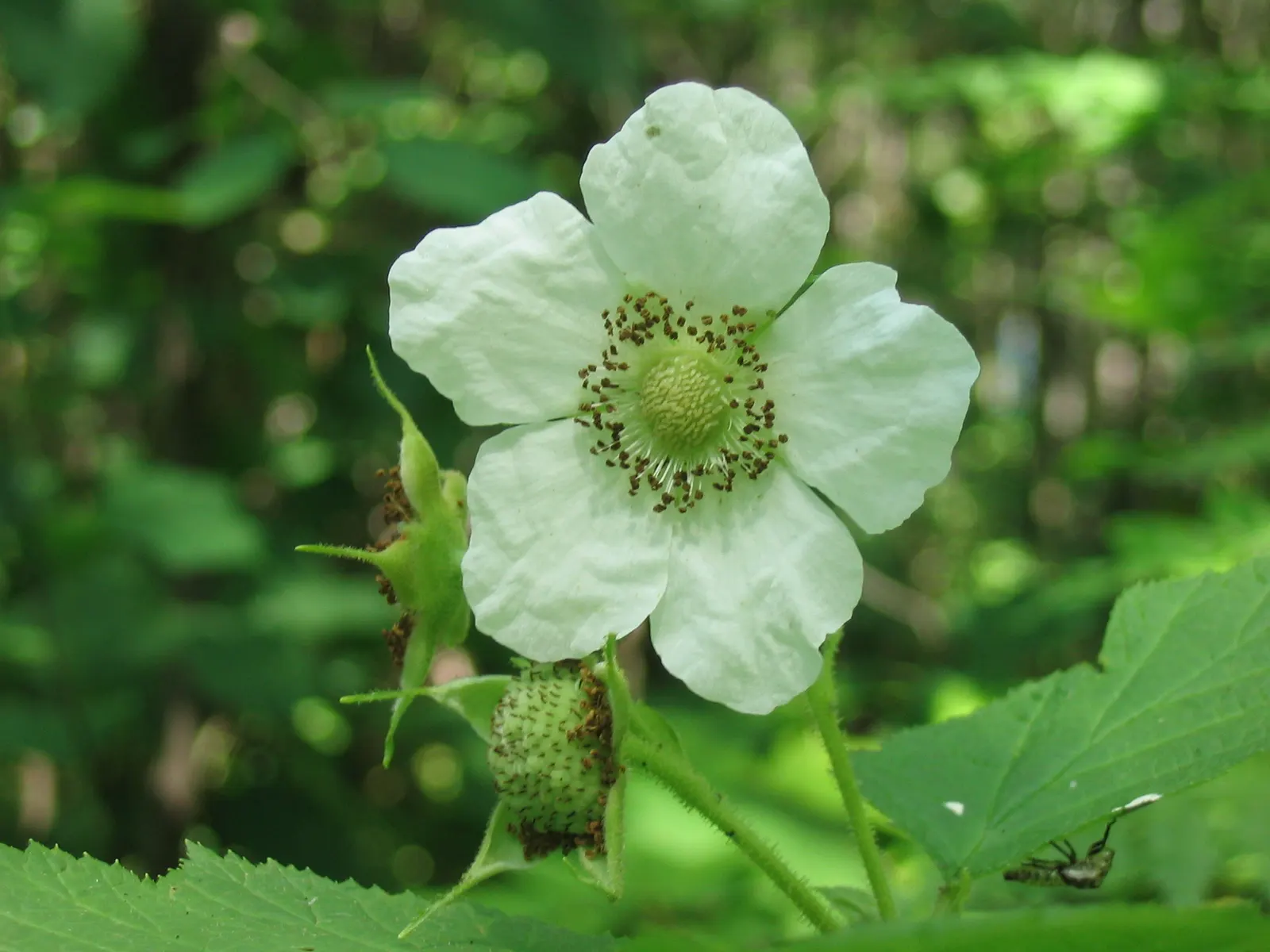
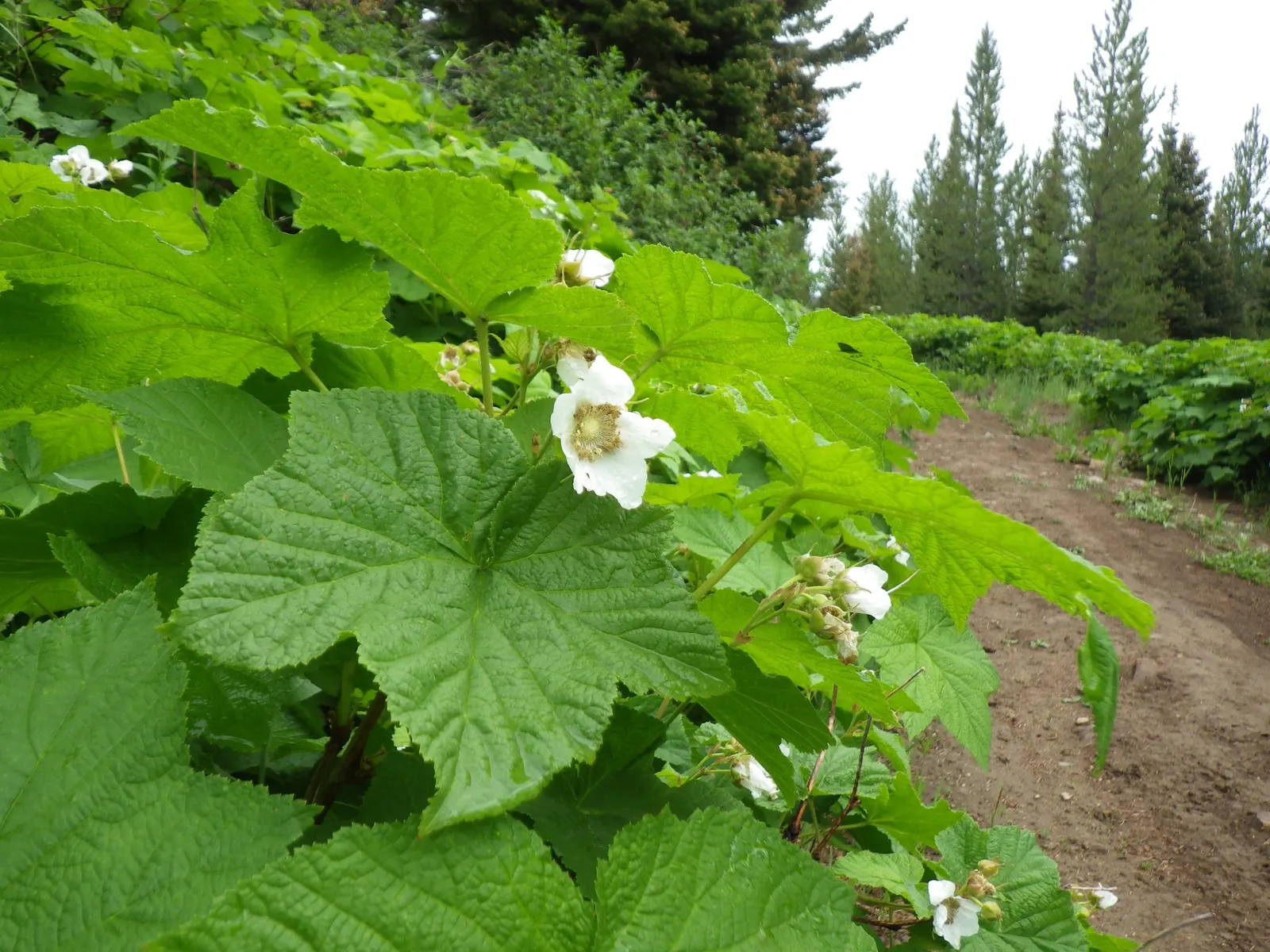
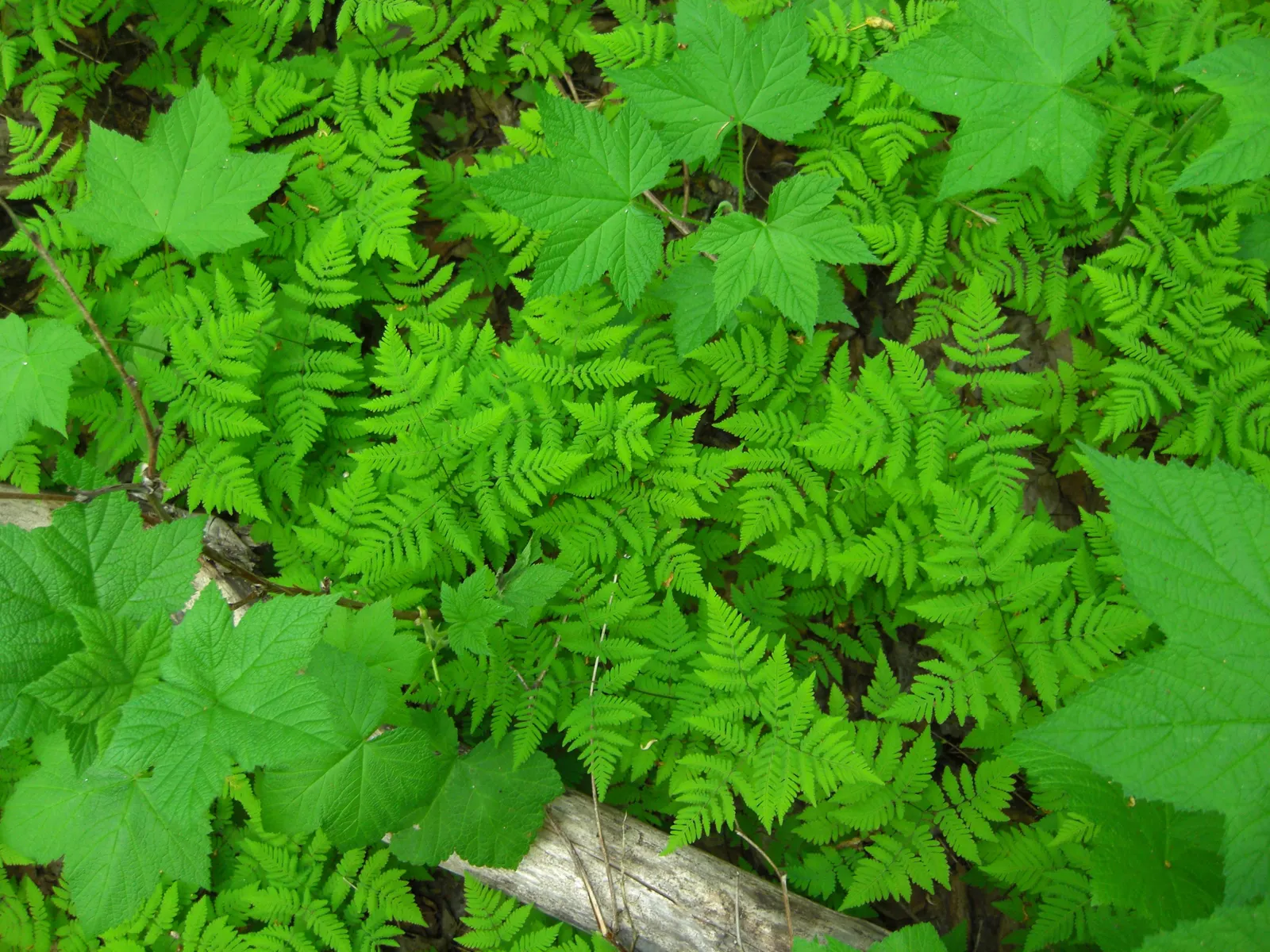
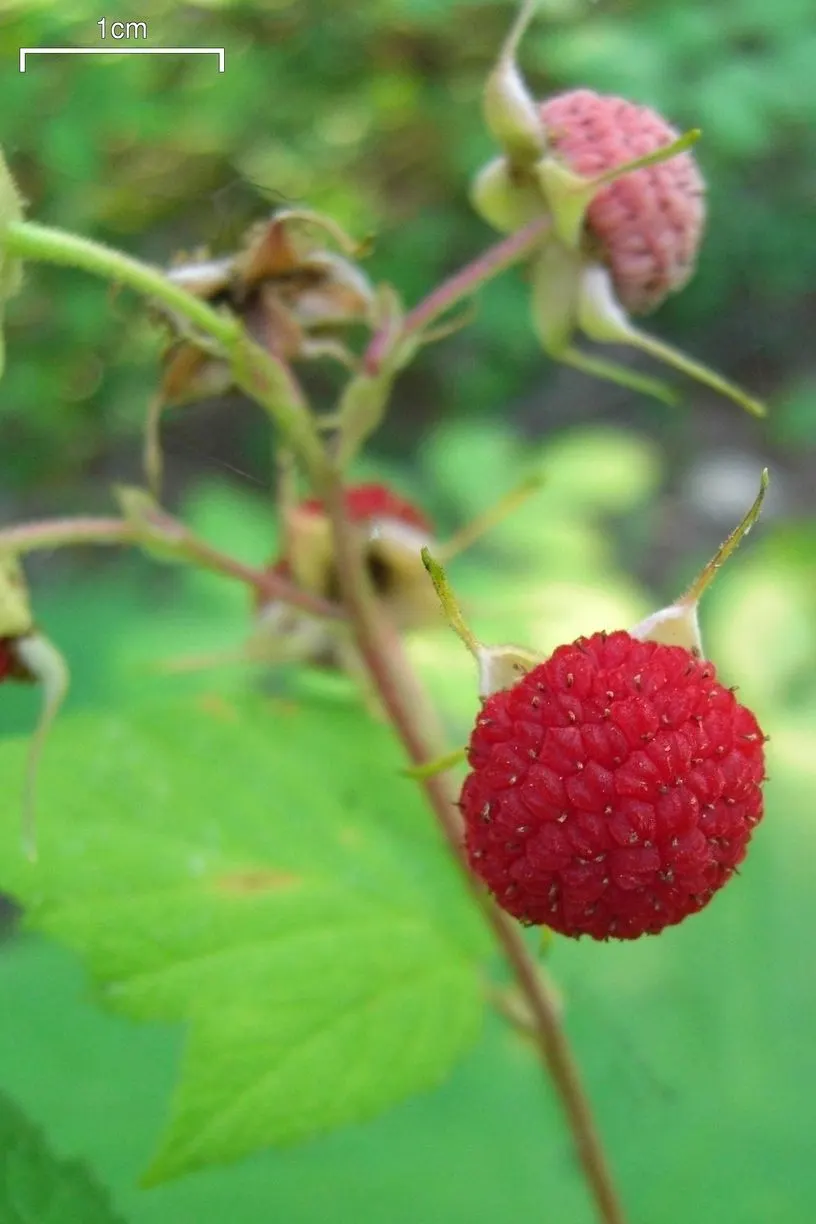
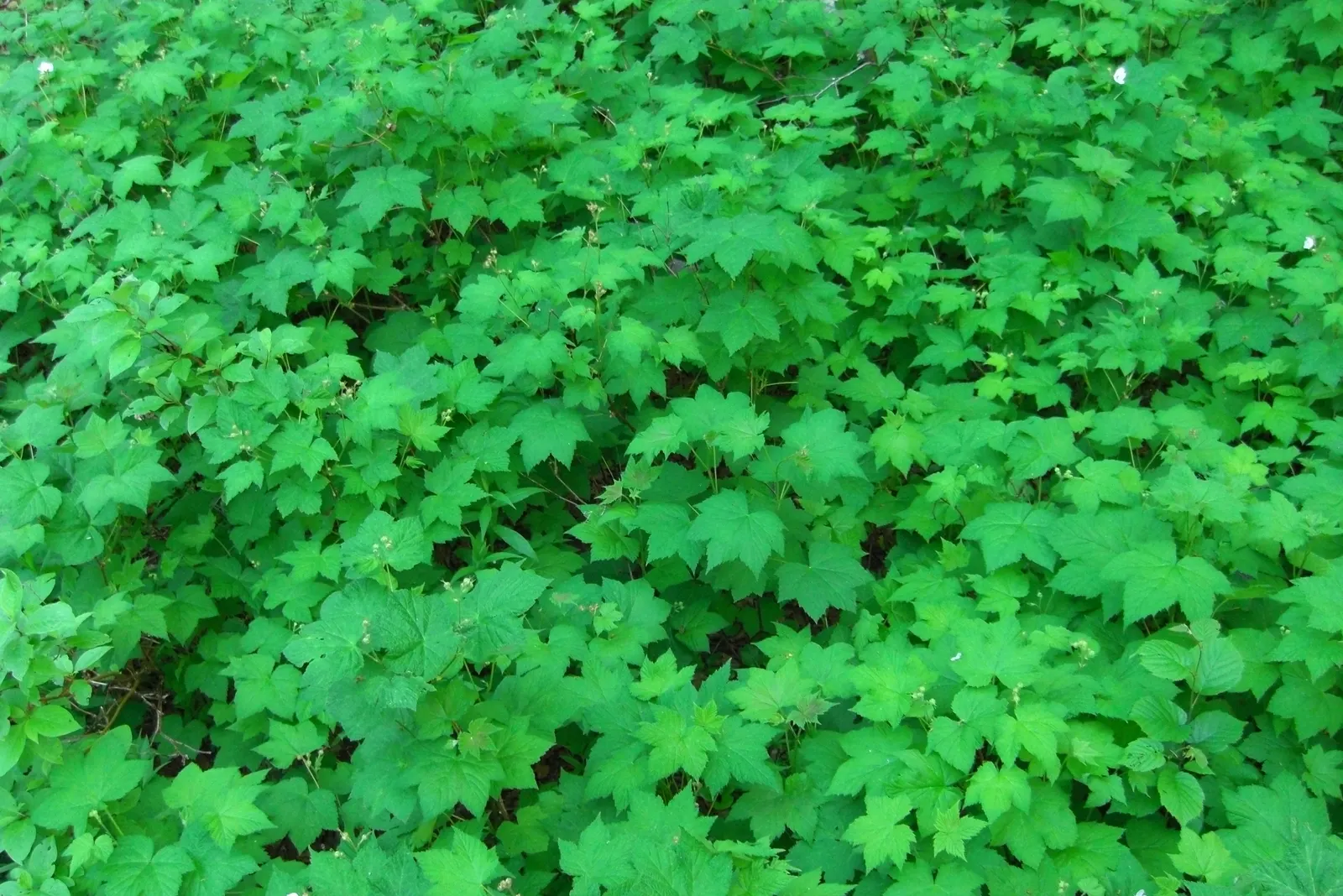
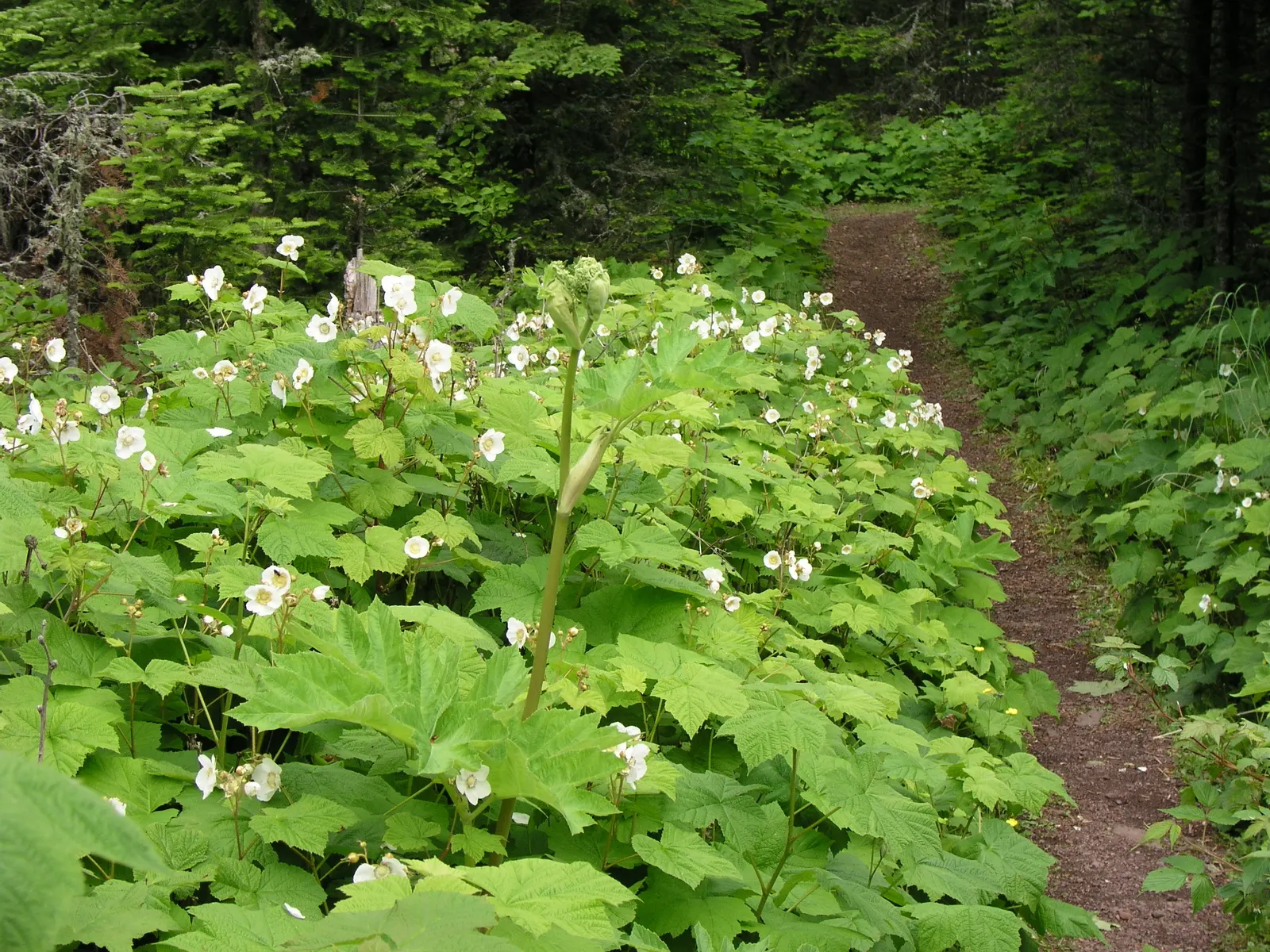
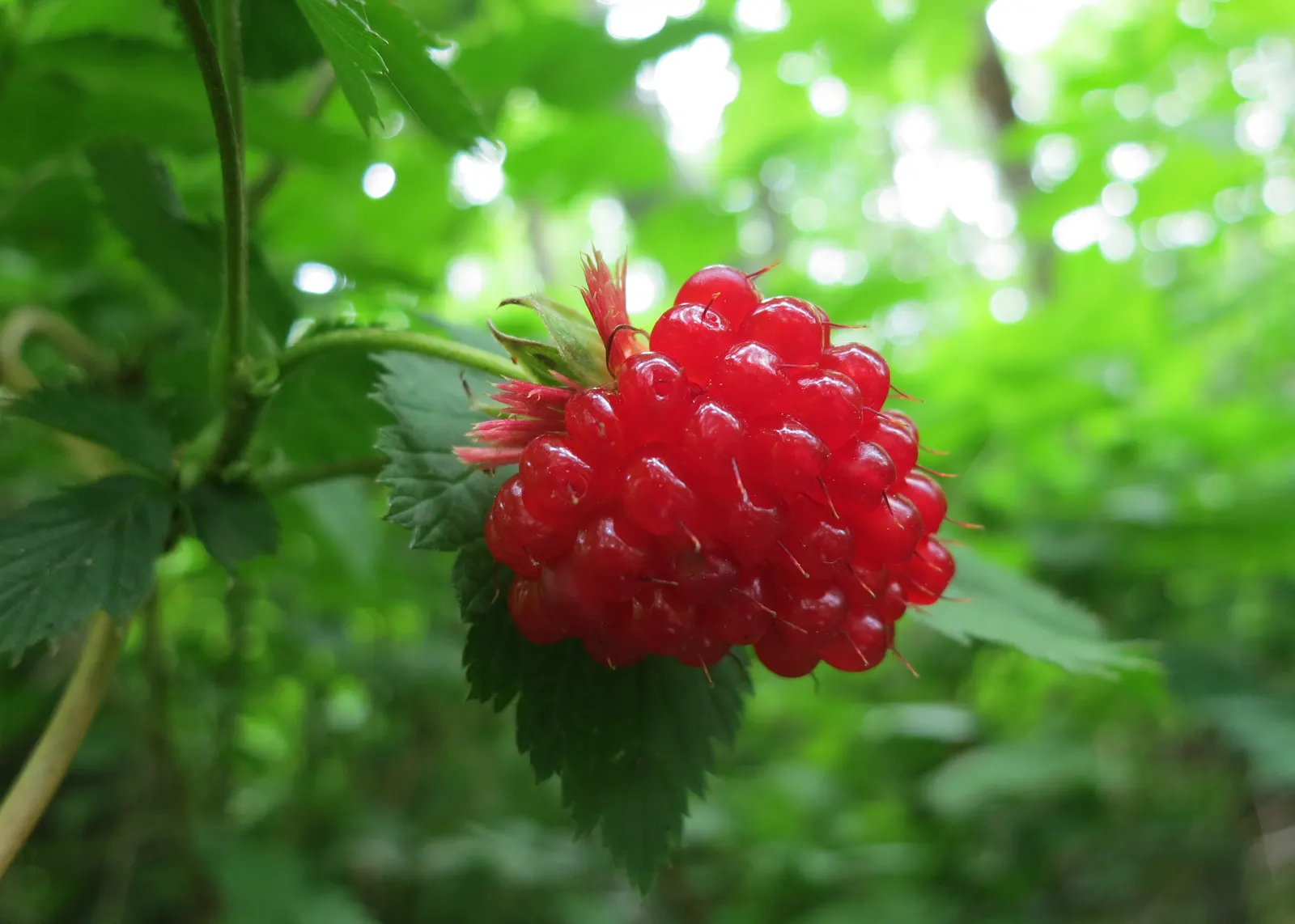
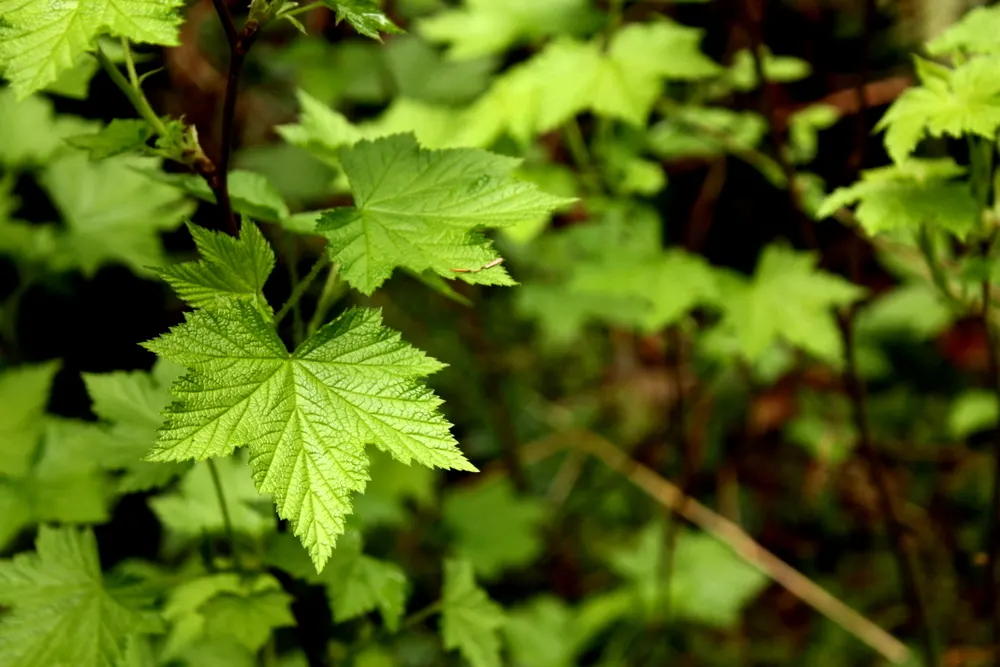
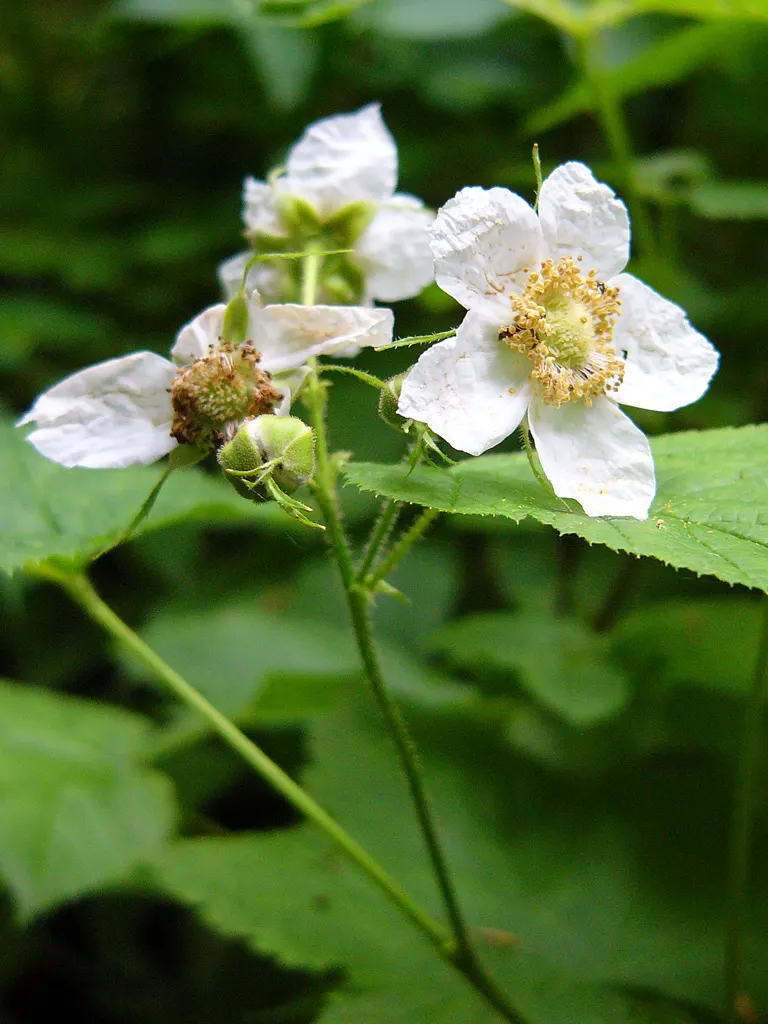
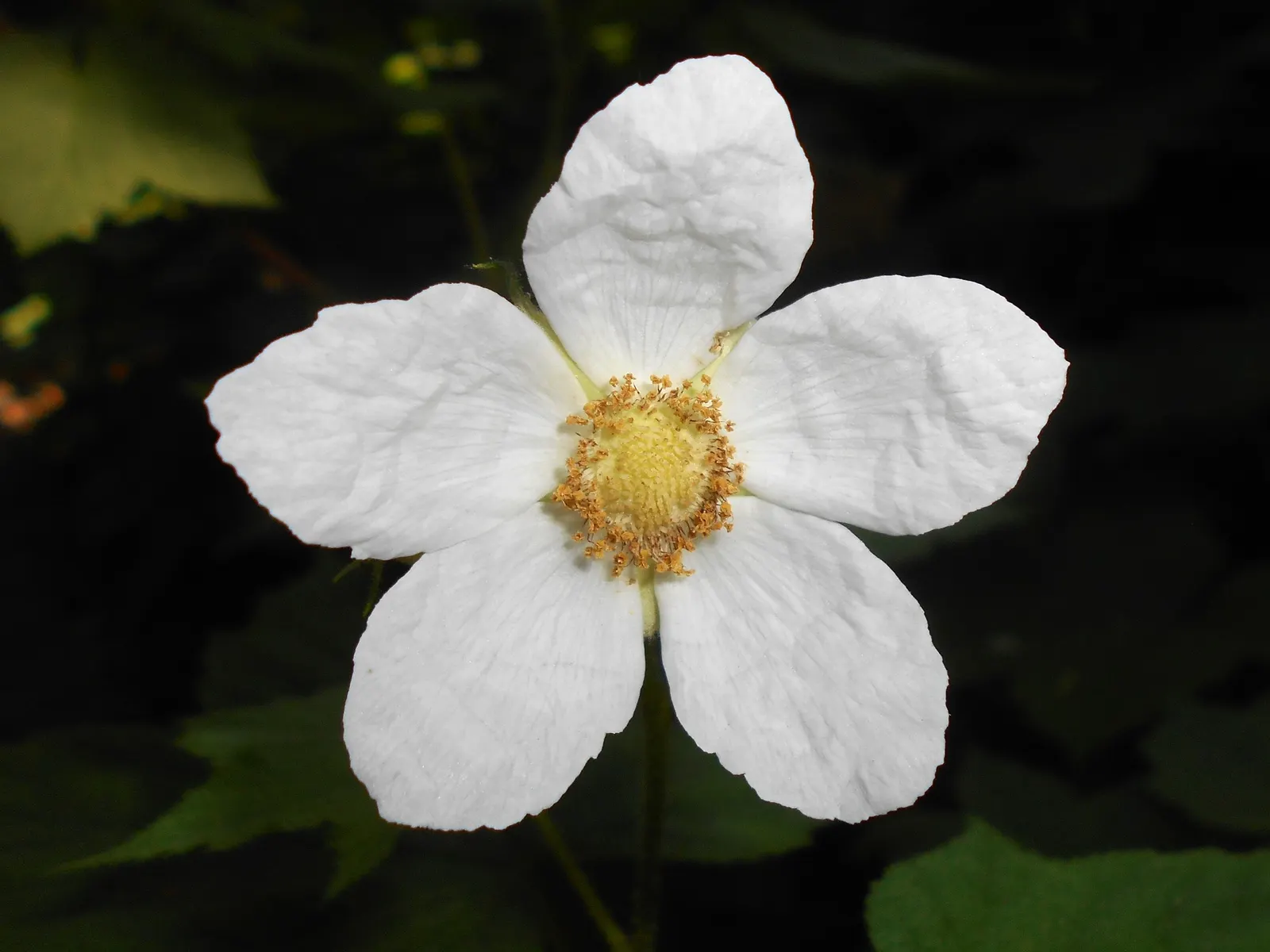
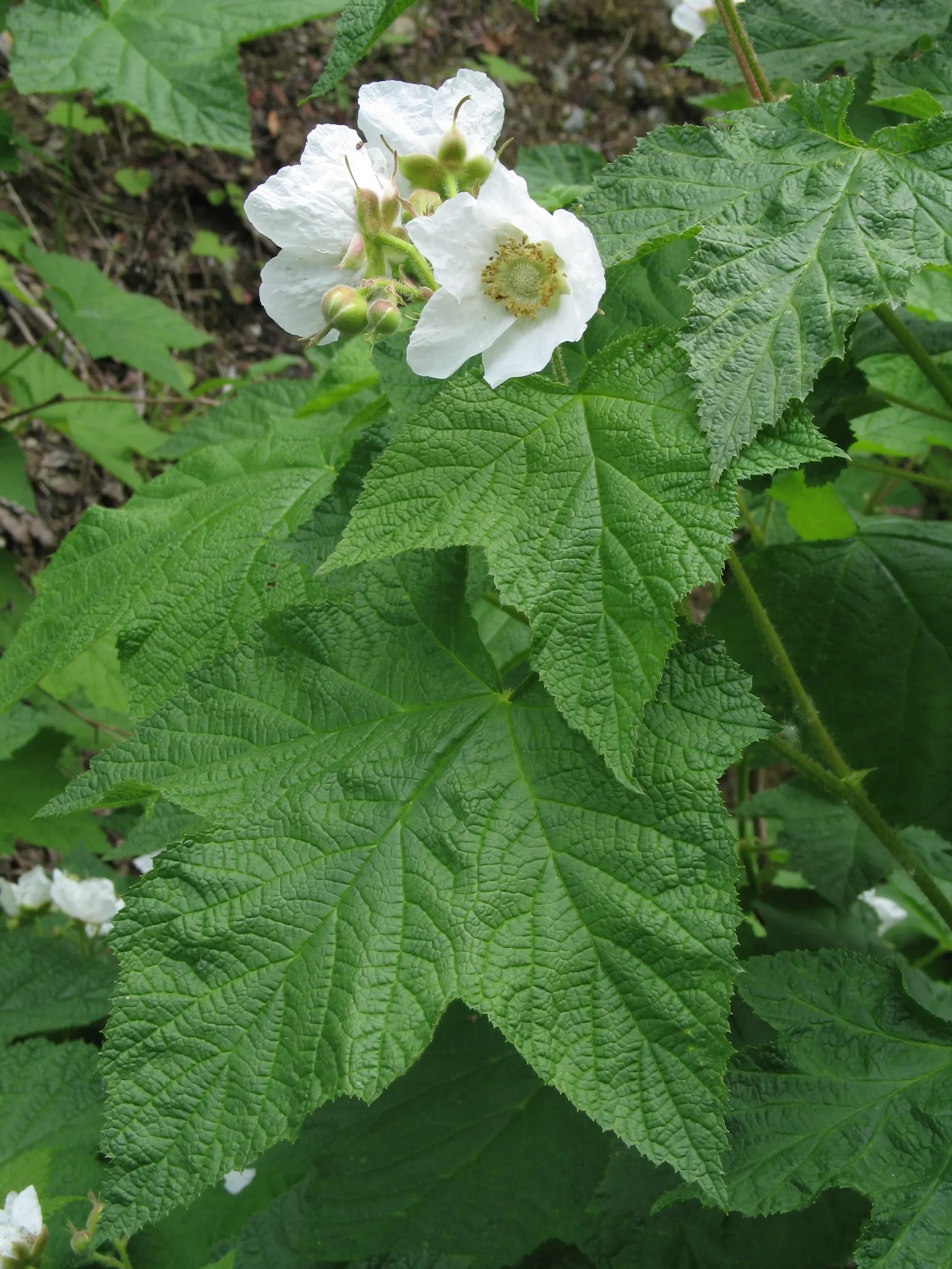
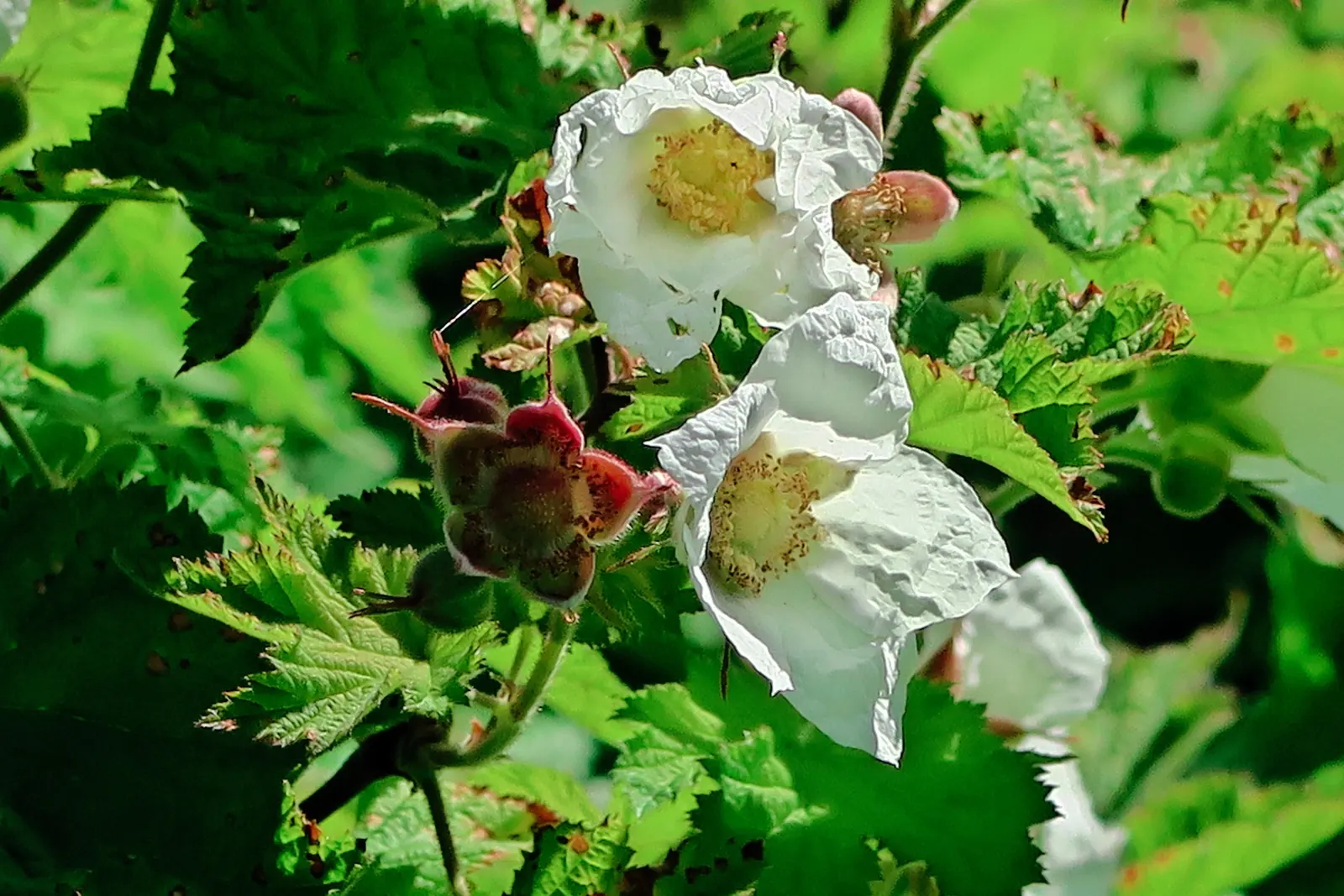
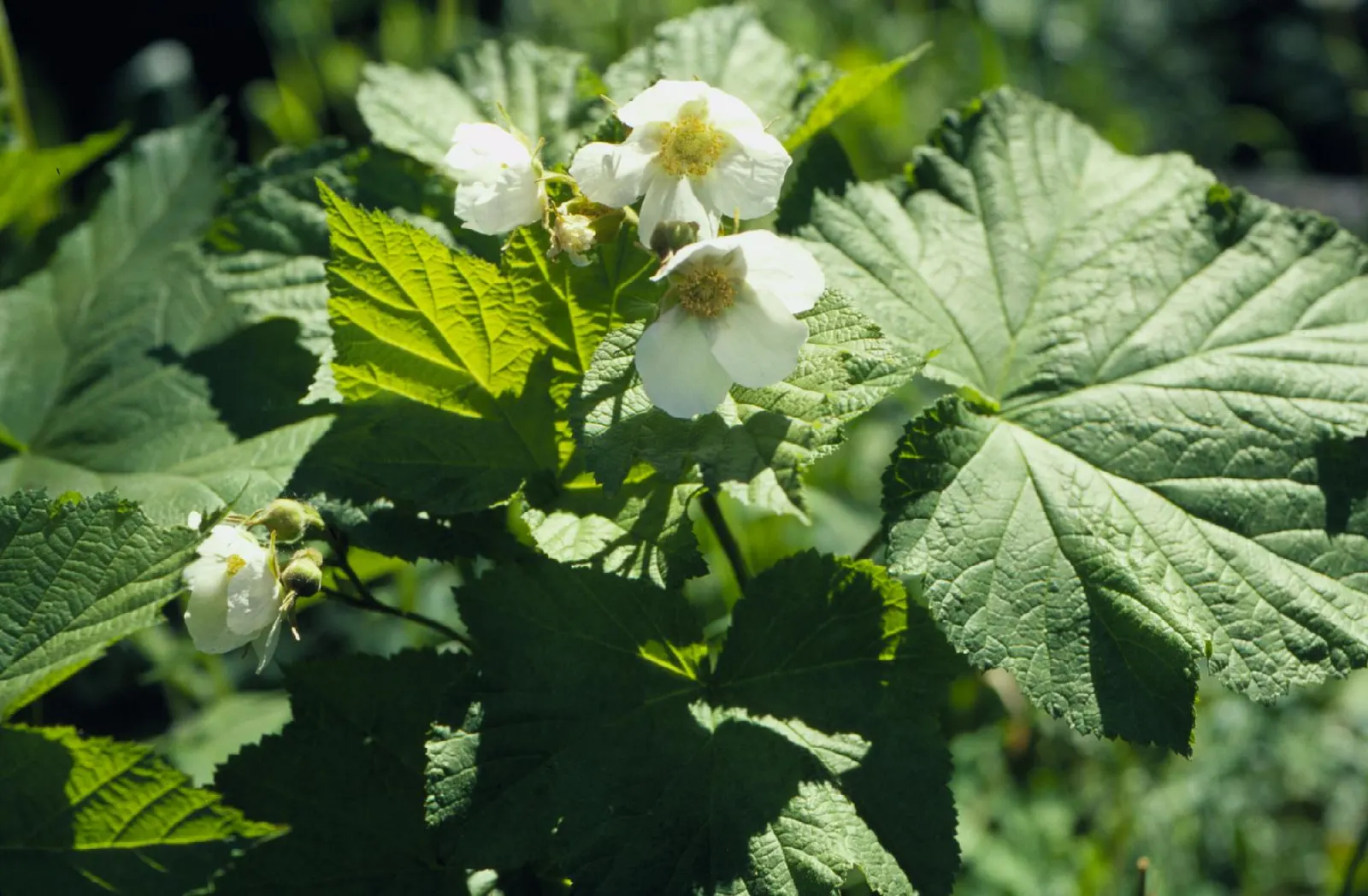
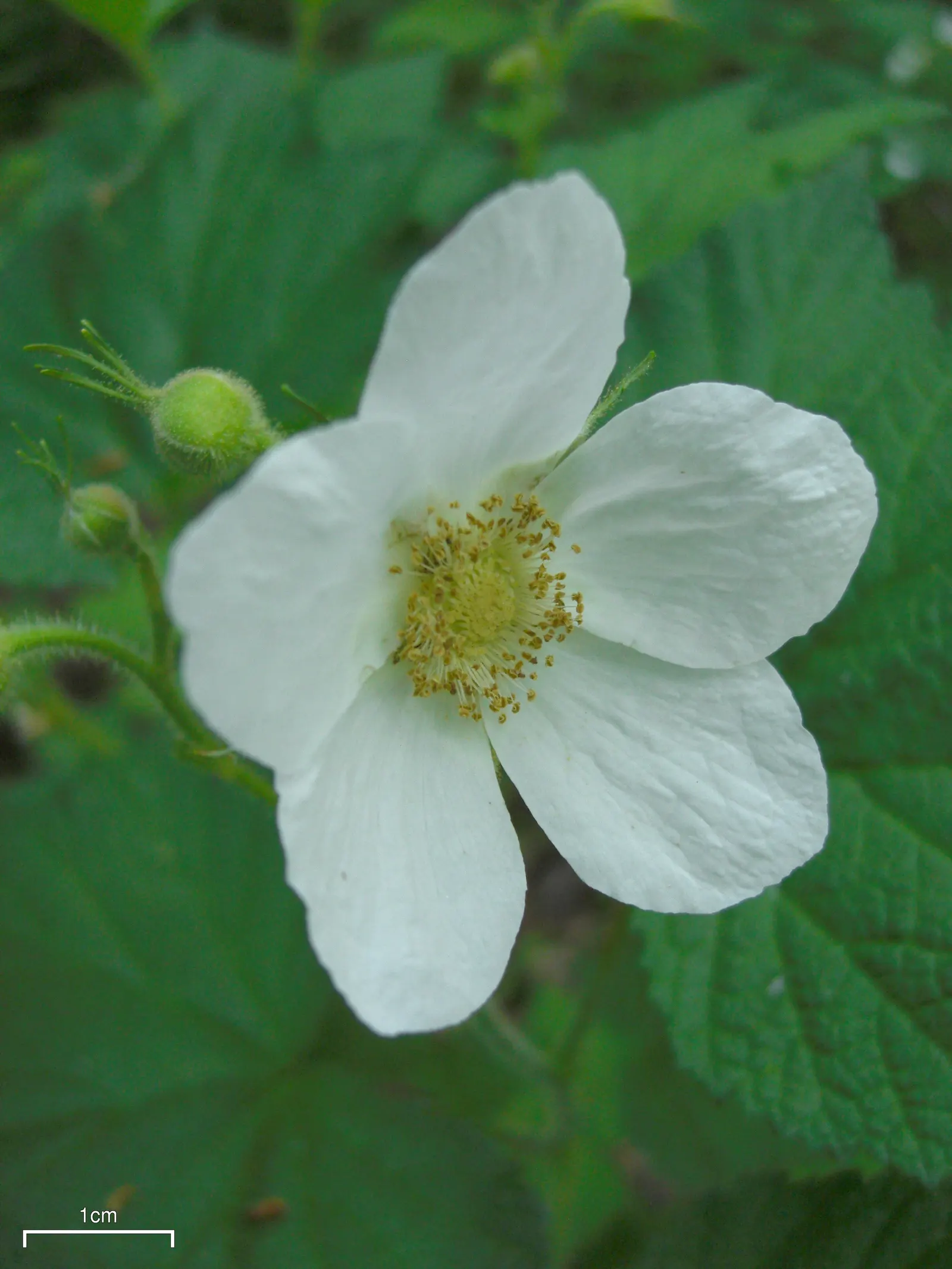
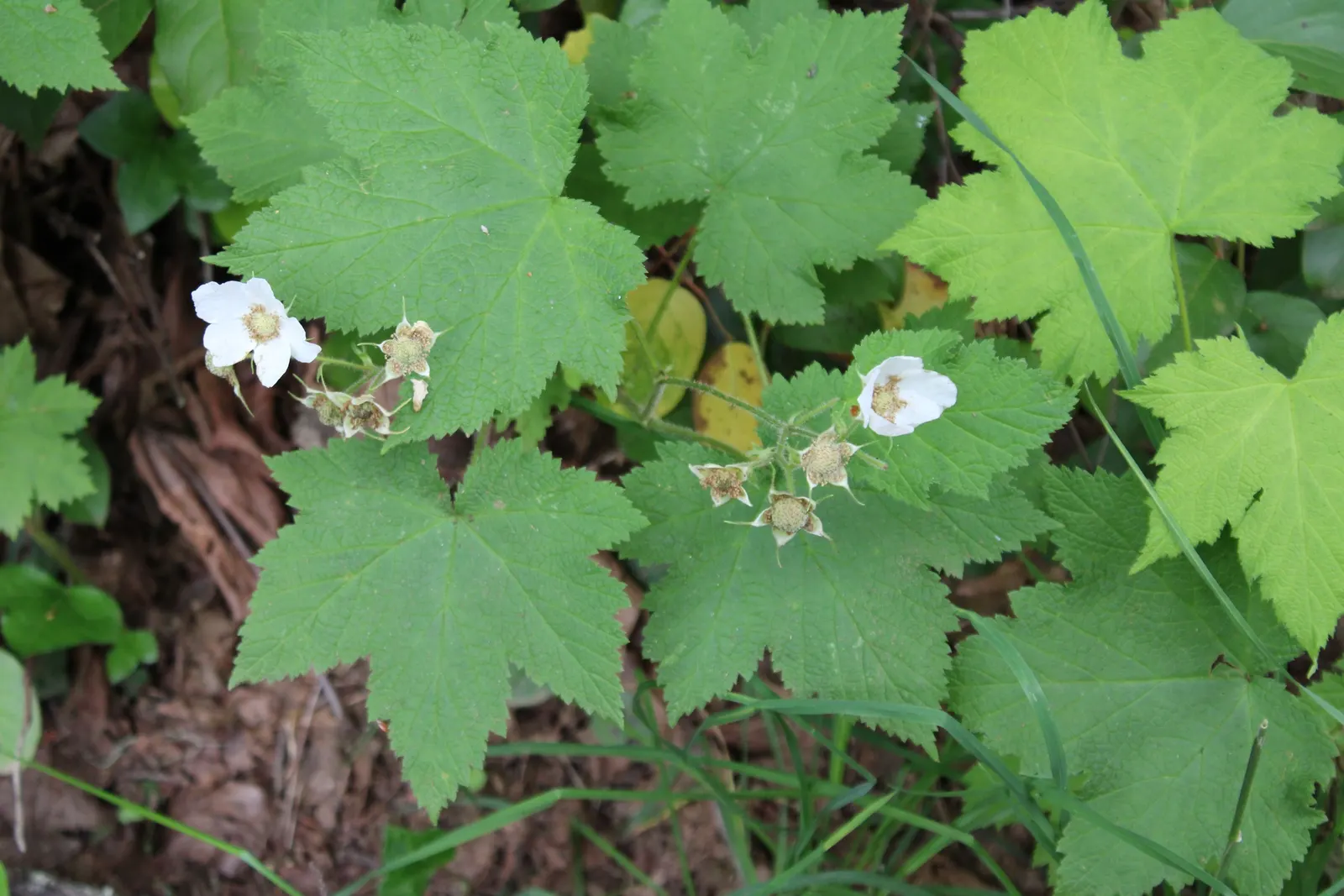
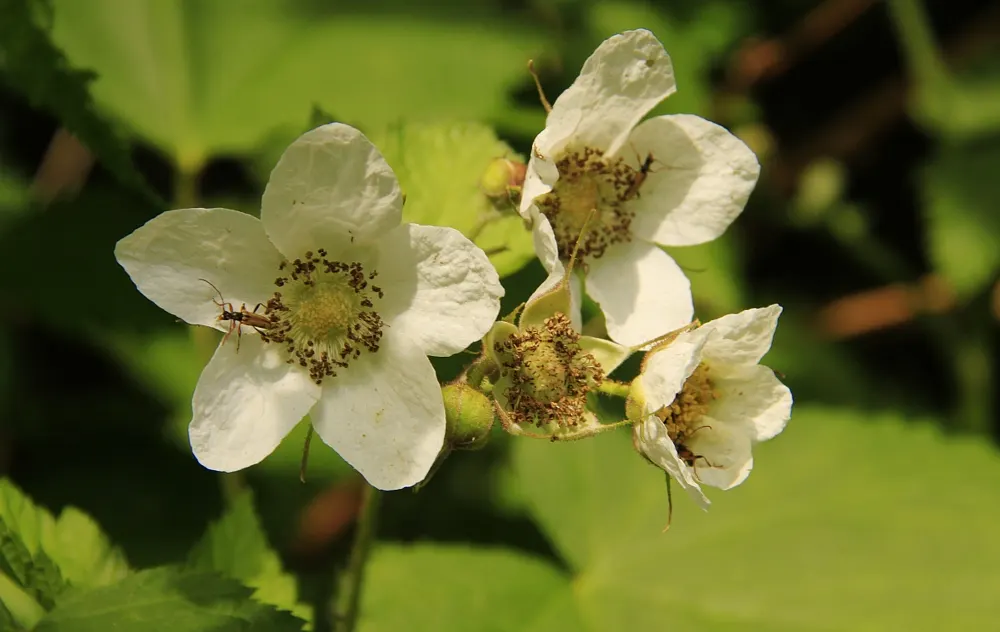
Photographs by 15 contributors
- Thayne Tuason, CC BY-SA 4.0 · source
- Krzysztof Ziarnek, Kenraiz, CC BY-SA 4.0 · source
- Epibase, CC BY 2.5 · source
- Walter Siegmund (talk), CC BY-SA 3.0 · source
- Superior National Forest, CC BY 2.0 · source
- Matt Lavin from Bozeman, Montana, USA, CC BY-SA 2.0 · source
- Jason Hollinger, CC BY 2.0 · source
- Ruth Hartnup from Vancouver, Canada, CC BY 2.0 · source
- Leslie Seaton from Seattle, WA, USA, CC BY 2.0 · source
- Philippe Giabbanelli, CC BY 3.0 · source
- Salicyna, CC BY-SA 4.0 · source
- Robert Flogaus-Faust, CC BY 4.0 · source
- John Rusk from Berkeley, CC BY 2.0 · source
- Chris Light, CC BY-SA 4.0 · source
- waferboard, CC BY 2.0 · source
Related plants
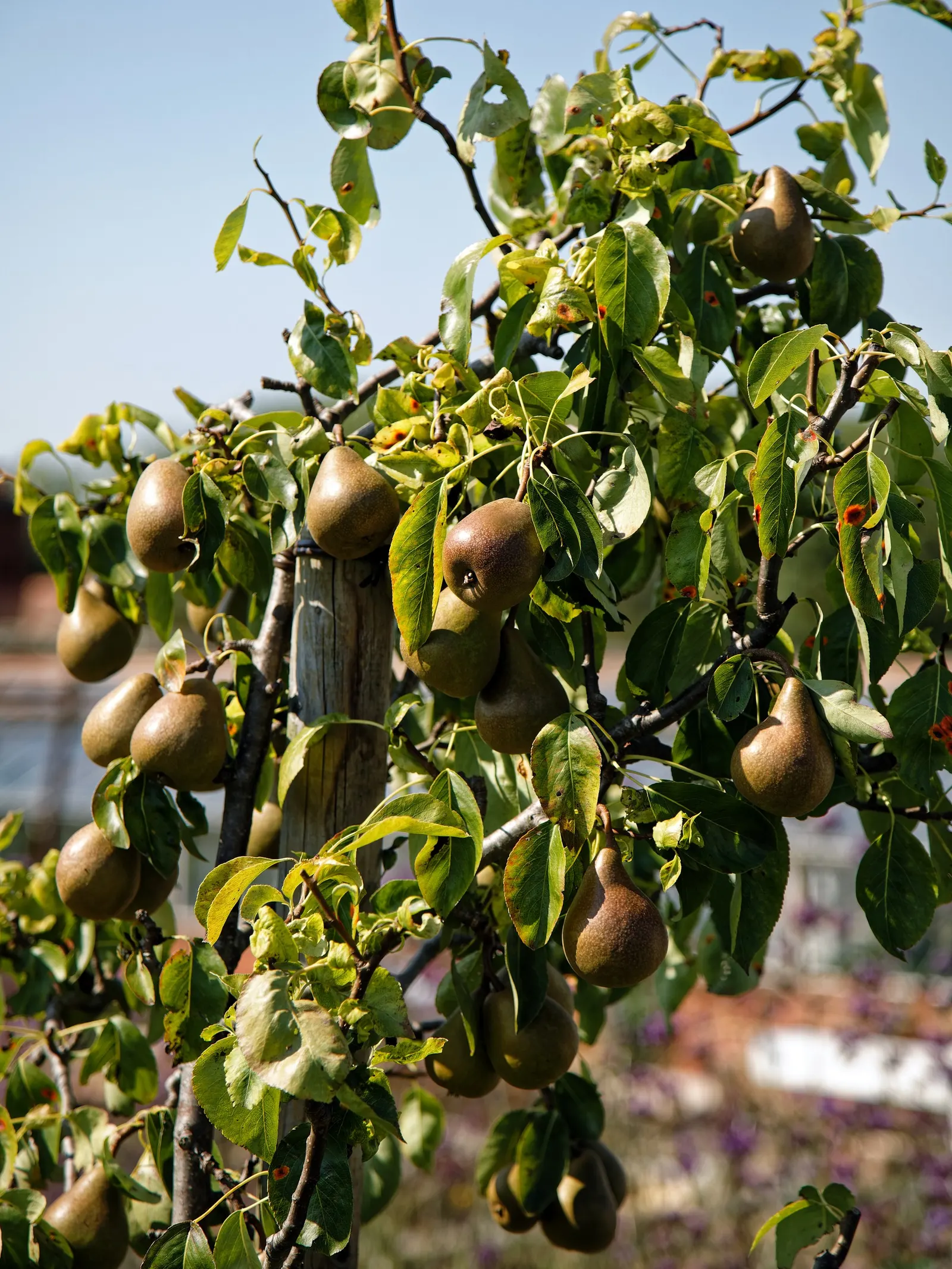
Tree
20Th Century Pear
Pyrus Pyrifolia 'Nijisseiki'
FullUSDA 4–8
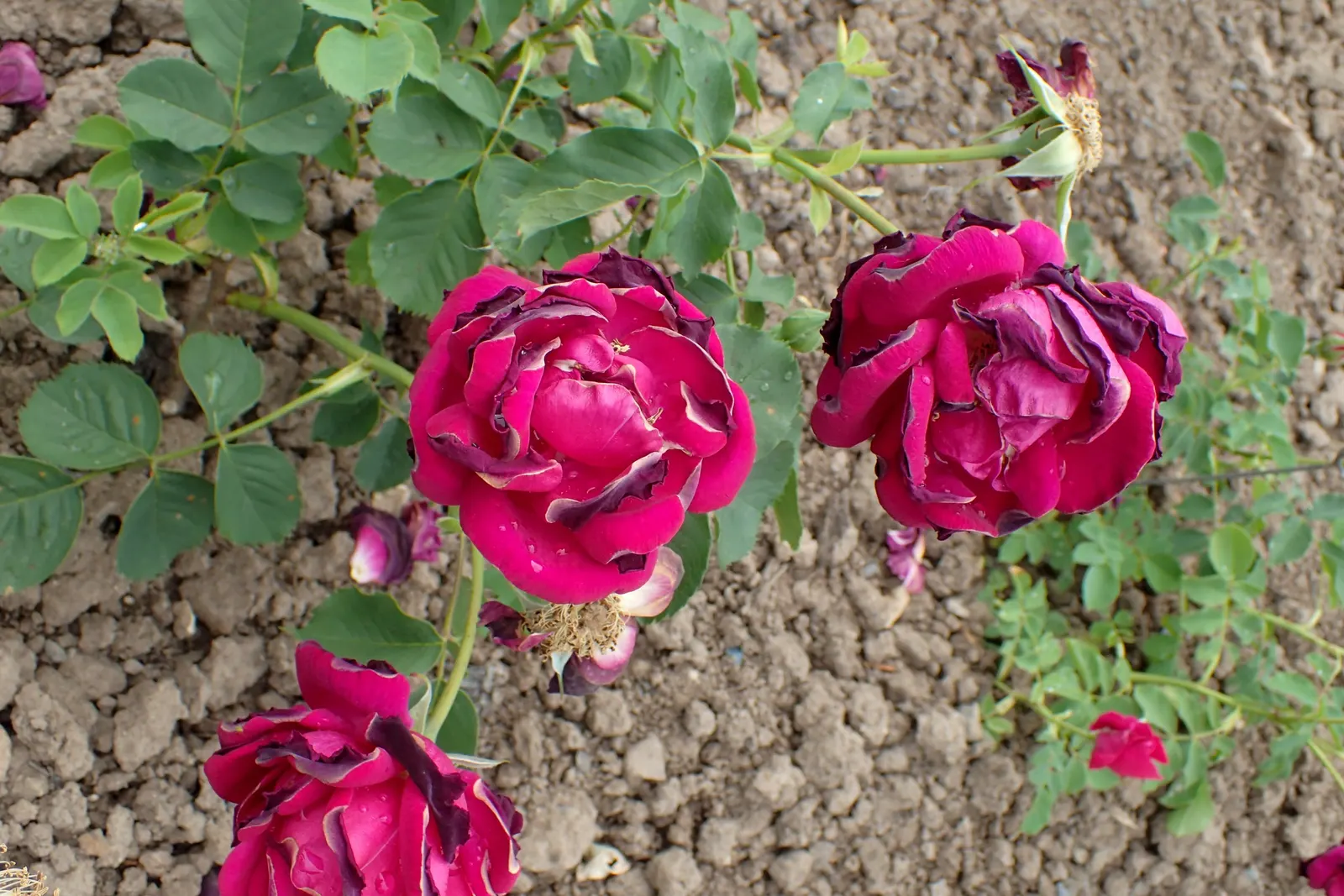
Shrub
Adelaide Hoodless Rose
Rosa 'Adelaide Hoodless'
FullUSDA 5–9
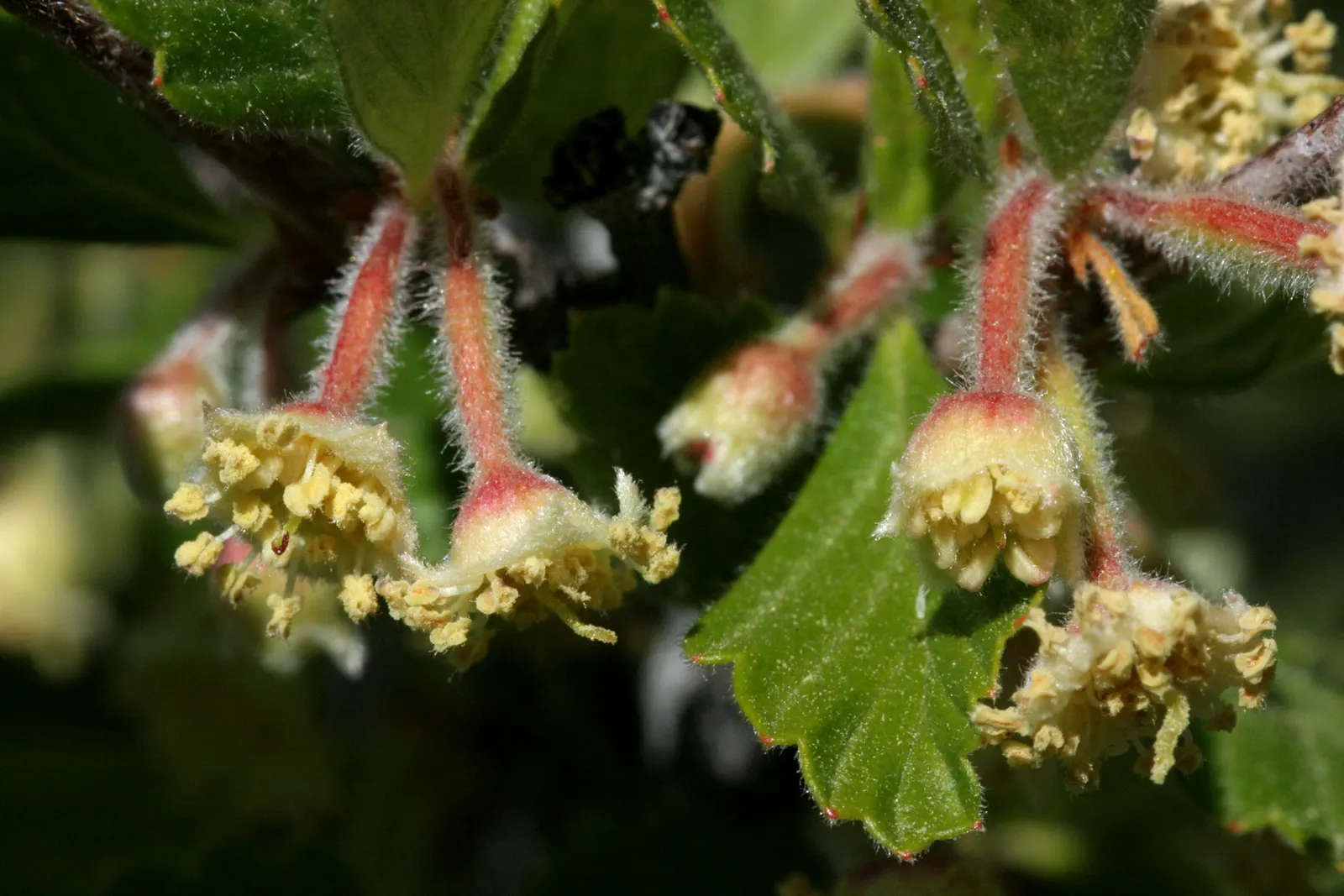
Shrub
Alderleaf Mountain Mahogany
Cercocarpus Montanus
FullUSDA 4–6
Shrub
Allegheny Serviceberry
Amelanchier Laevis
FullUSDA 4–8
Ground cover
Alpine Lady'S-Mantle
Alchemilla Alpinia
HalfUSDA 4–7
Tree
Amanogawa Japanese Flowering Cherry
Prunus Serrulata 'Amanogawa'
FullUSDA 6–9