Skip to content

Western Thimbleberry

Rubus Parviflorus

Design with this plant

Overview

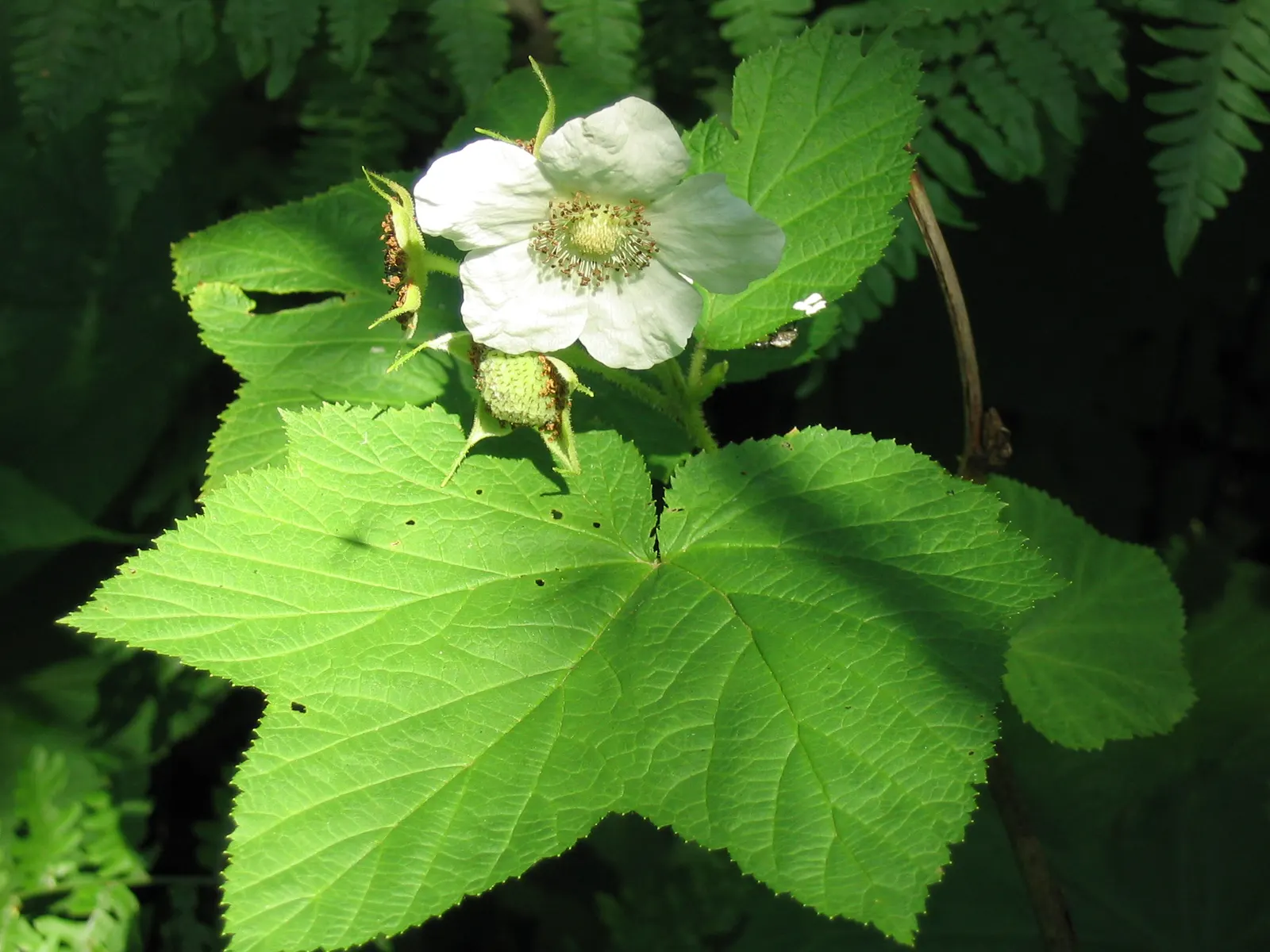
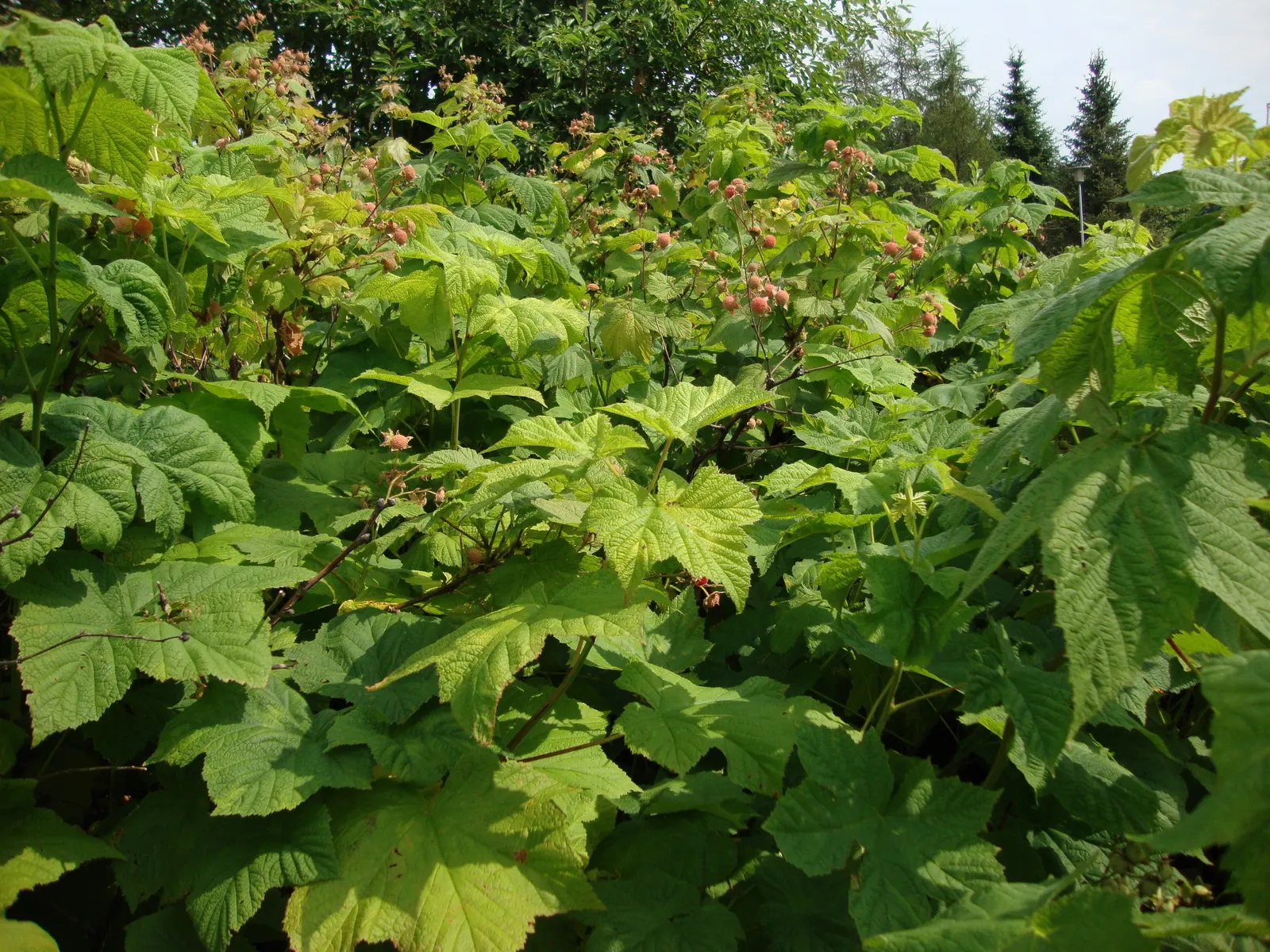
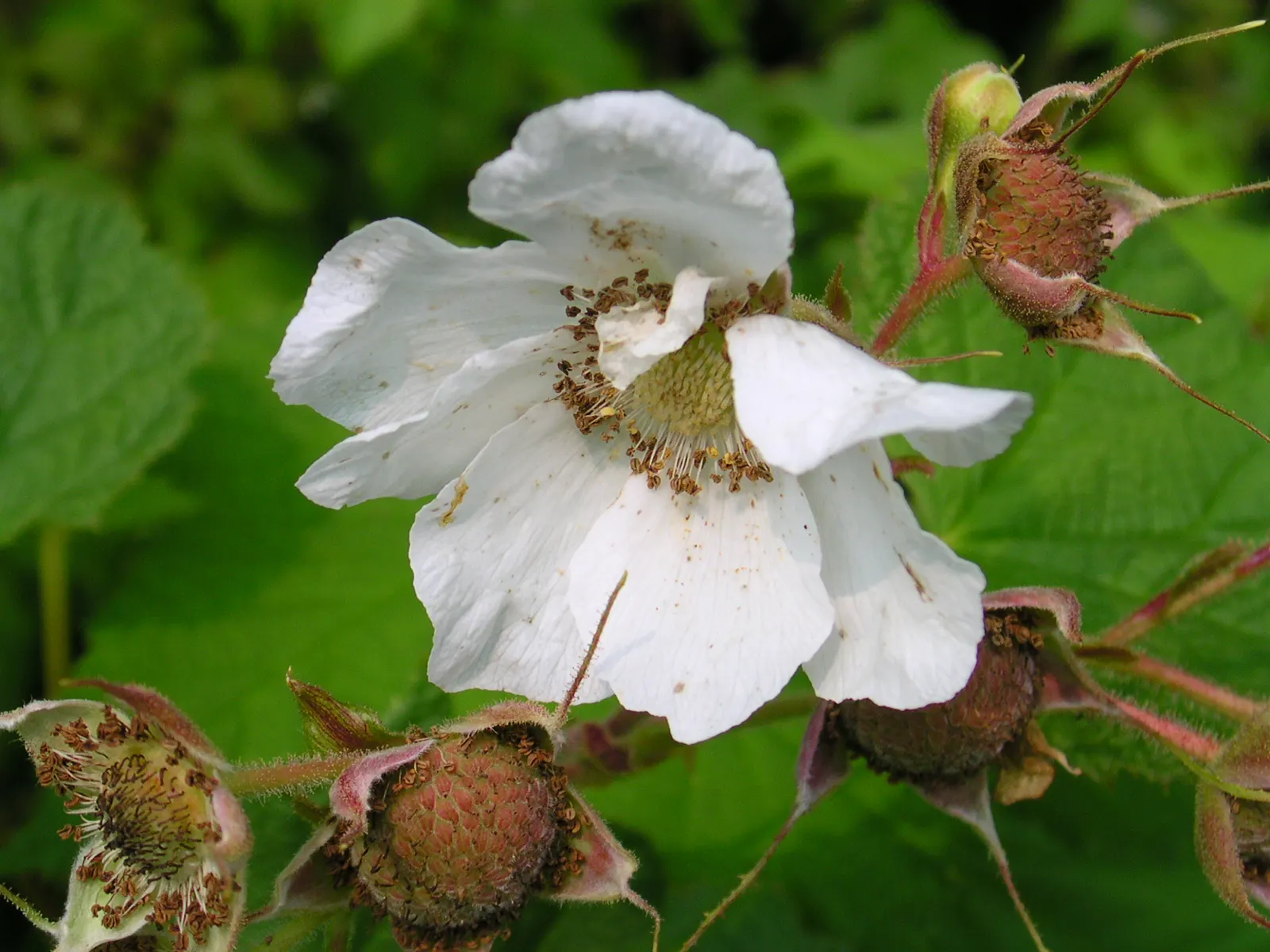
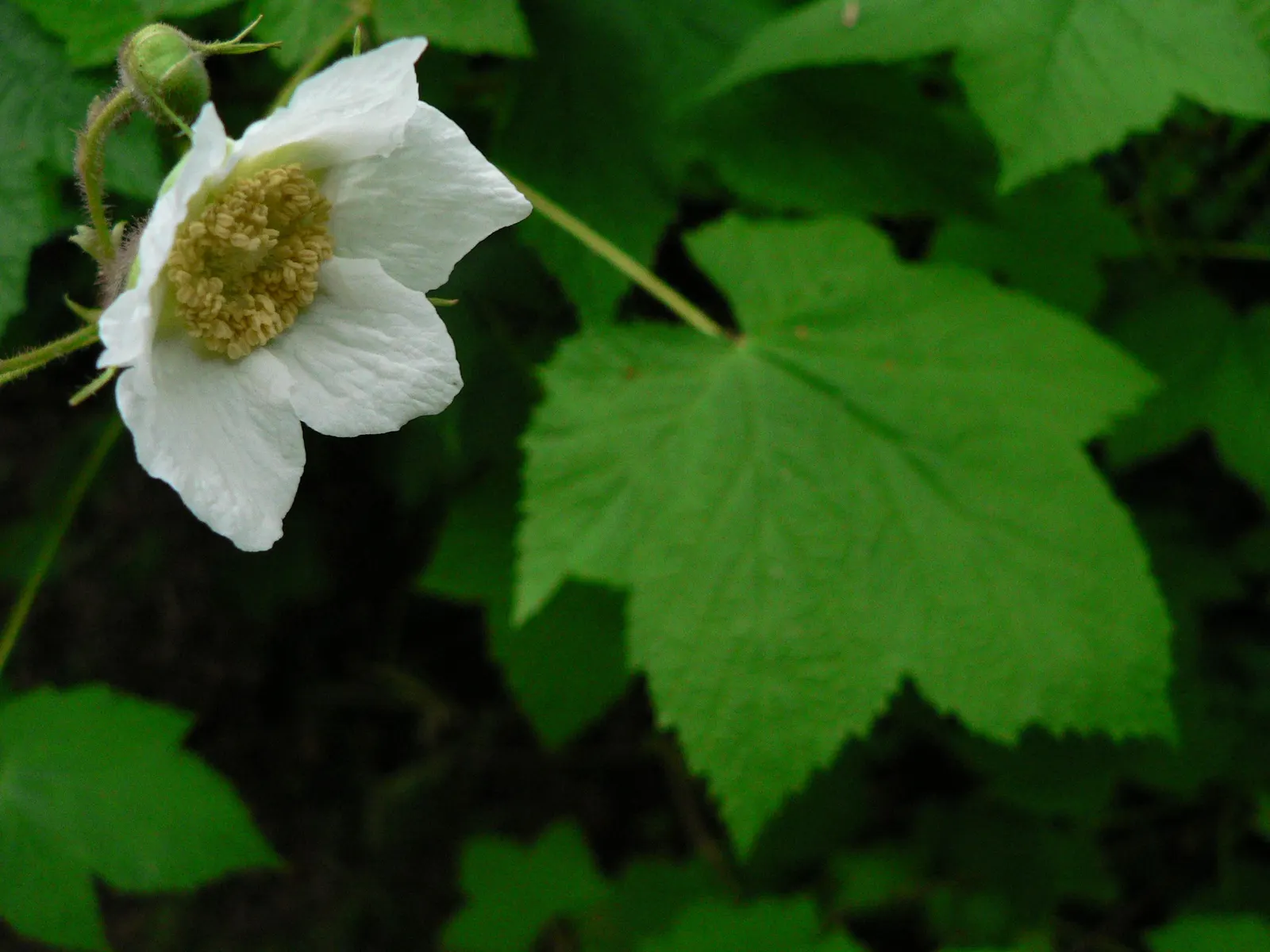
Western Thimbleberry (Rubus parviflorus) is a deciduous shrub native to North America, thriving in USDA zones 4-9. It reaches 3-8 feet in height with equal spread, bearing 5-lobed, velvety leaves and delicate white blossoms up to 2 inches across in spring. Edible red berries, resembling thimbles, appear in summer. Prefers partial shade to full sun with moist, well-drained soil. Ideal for naturalistic plantings and attracting pollinators.

Sun Full, Half, ShadeWater HighZones 3–10Climate Temperate
Western Thimbleberry (Rubus Parviflorus) — Western Thimbleberry (Rubus parviflorus) is a deciduous shrub native to North America

Culture

Sun
Full, Half, Shade
Water
High
USDA zones
3–10

Shape & size

Mature height
3–6 Ft.
Mature width
3–6 Ft.

Classification

Family
Rosaceae
Climate
Temperate

See full data, regional cultivation notes, full-resolution photos, and design tools. Build a client presentation around this plant.

Start your 14-day trial

Photos (106)

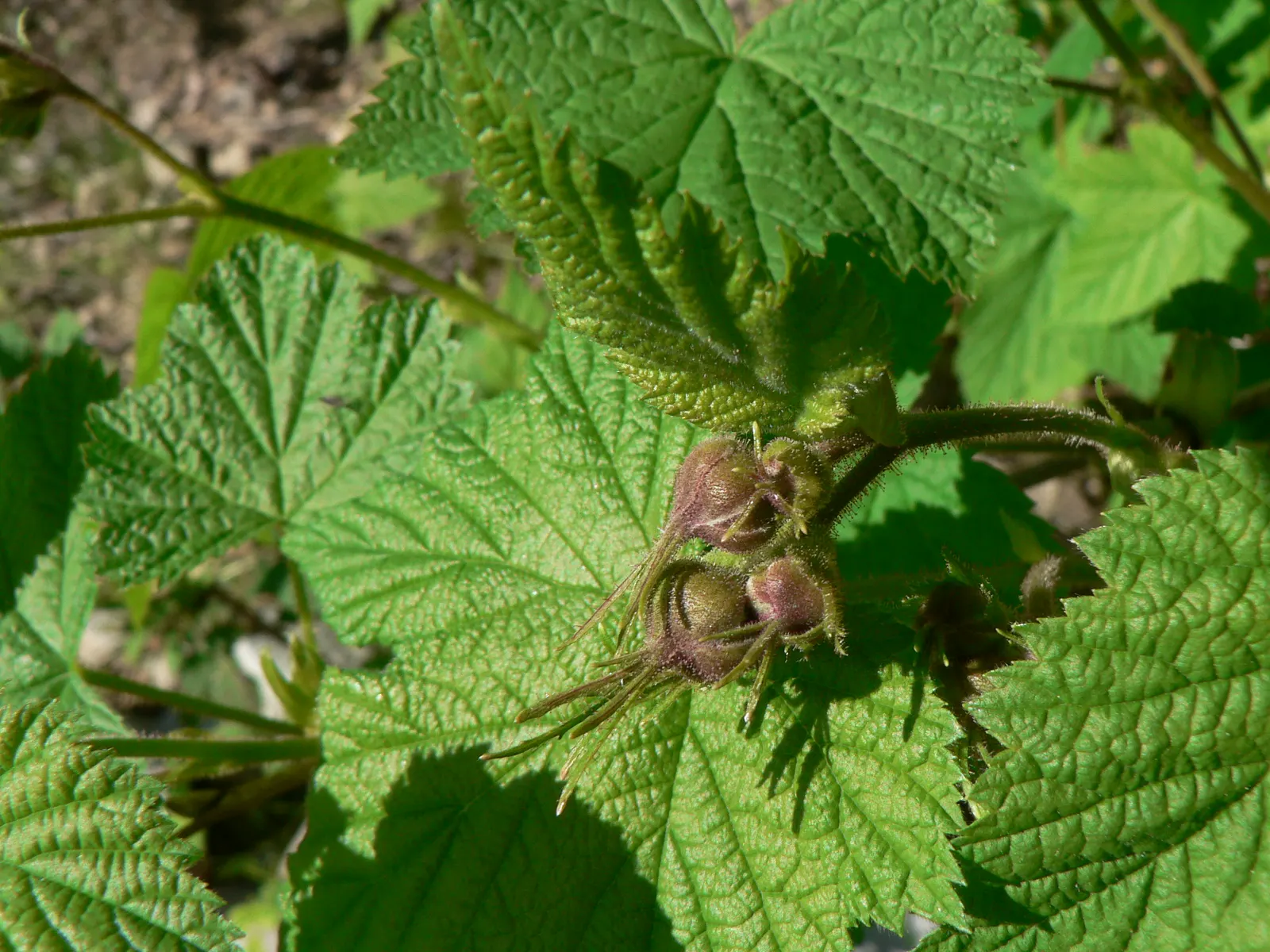
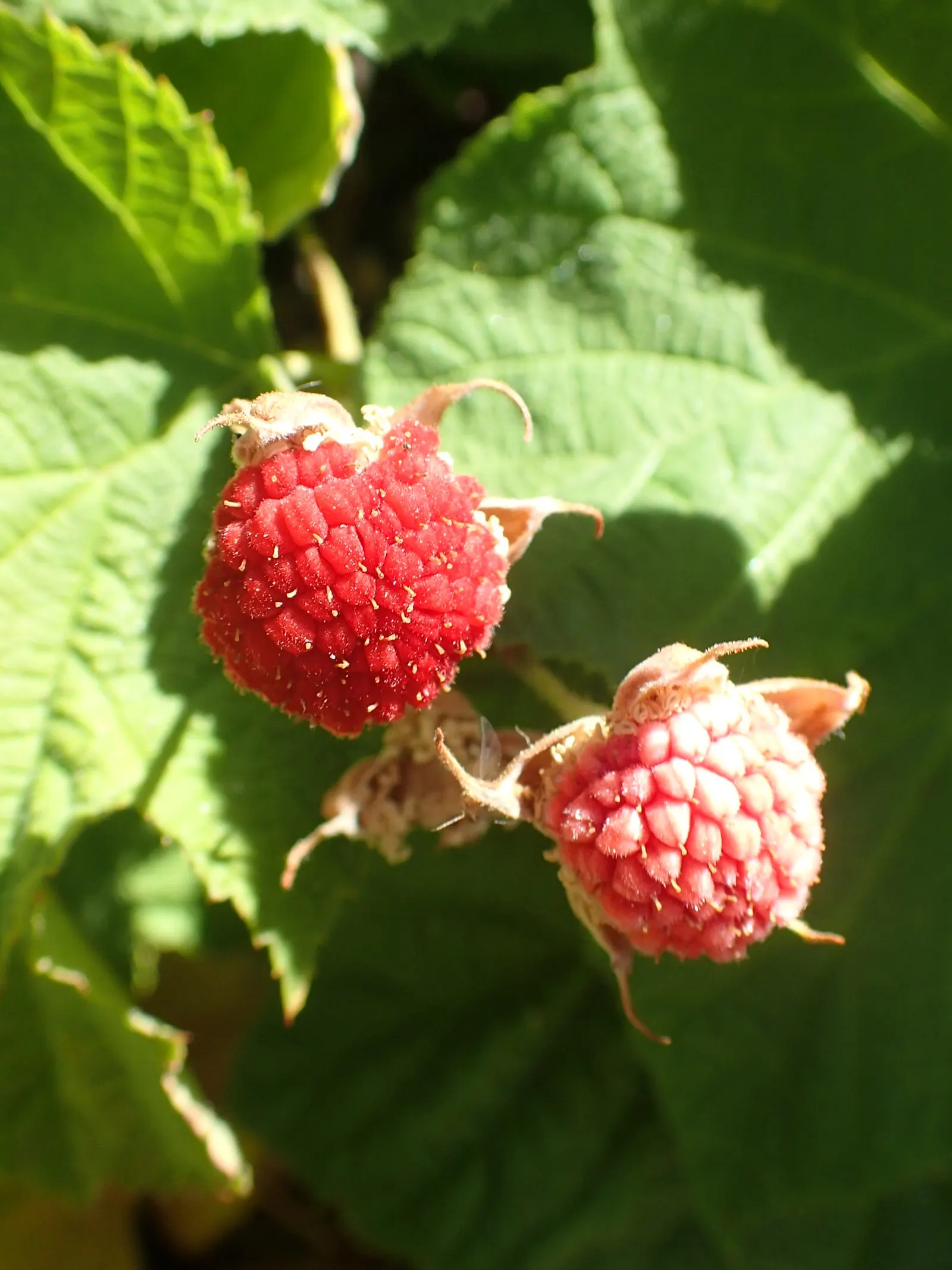
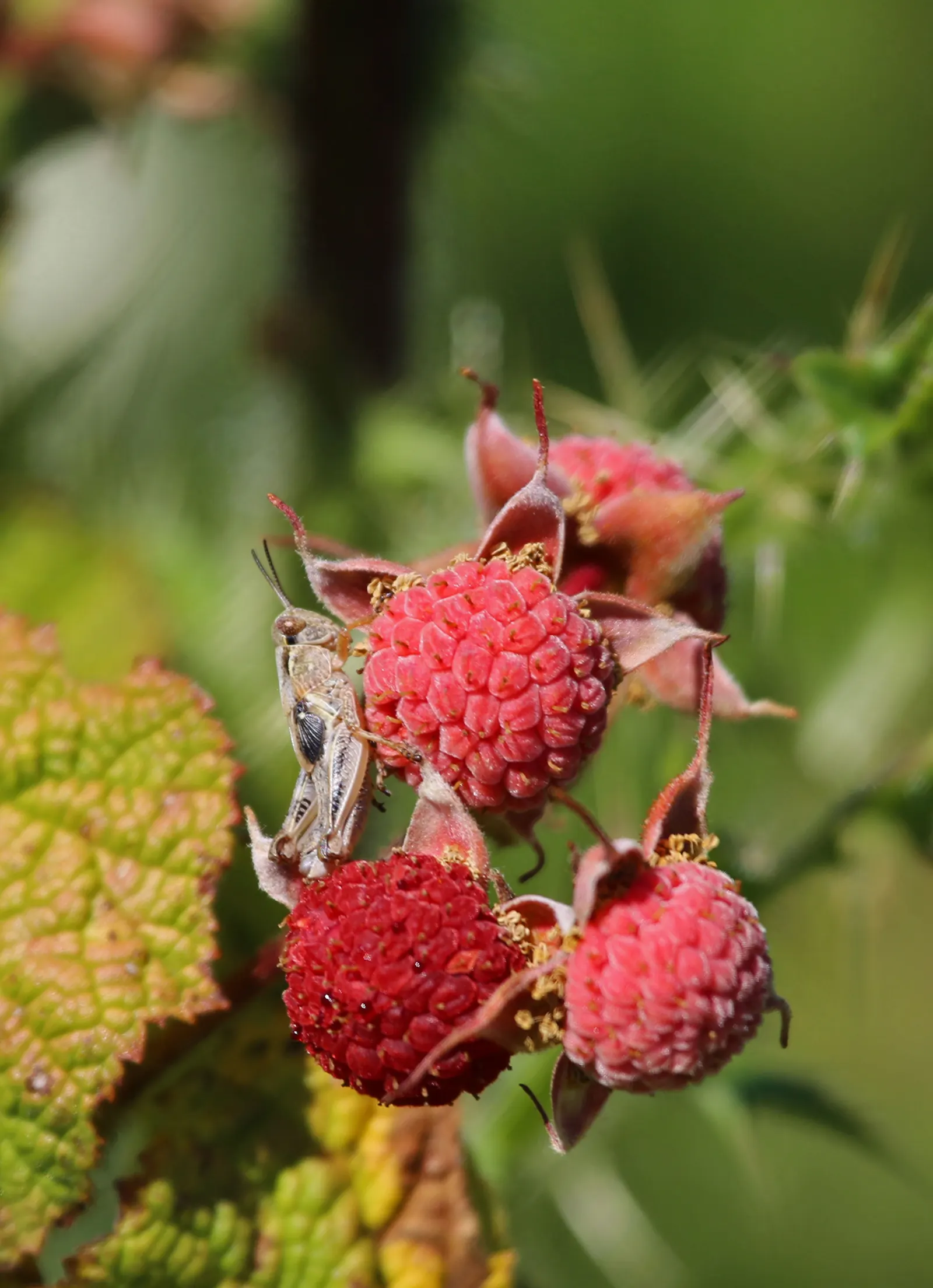
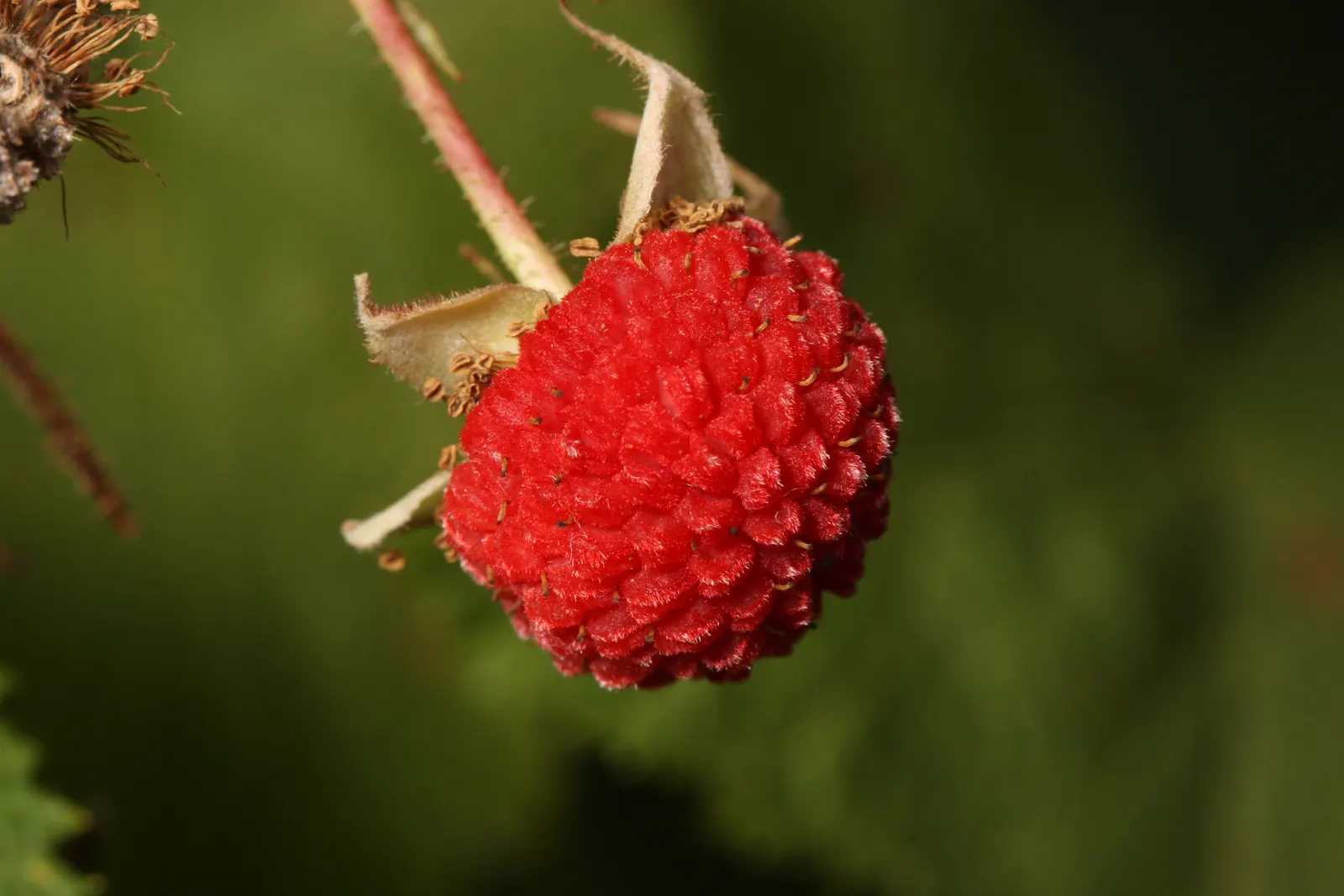
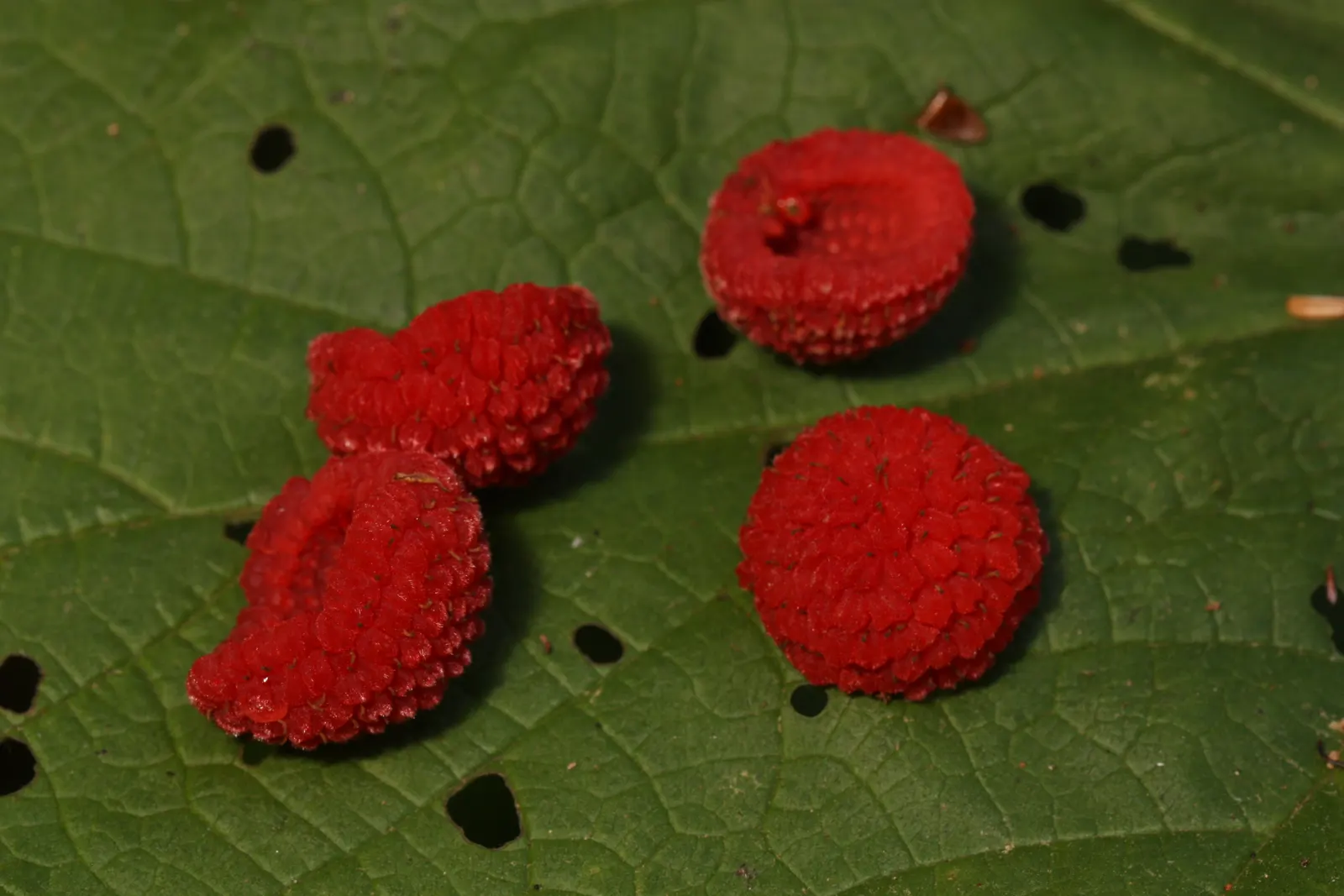
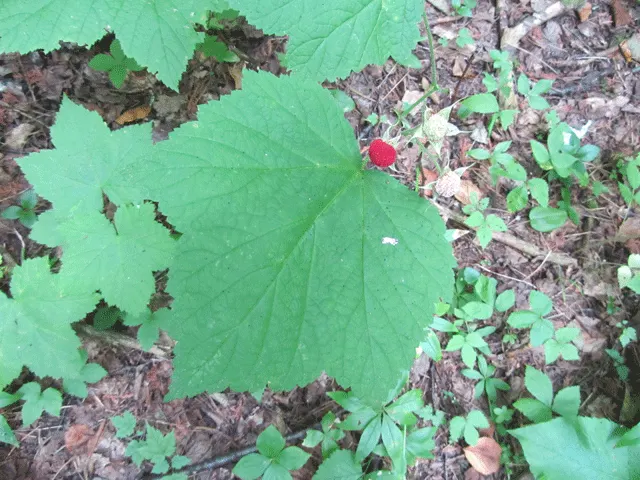
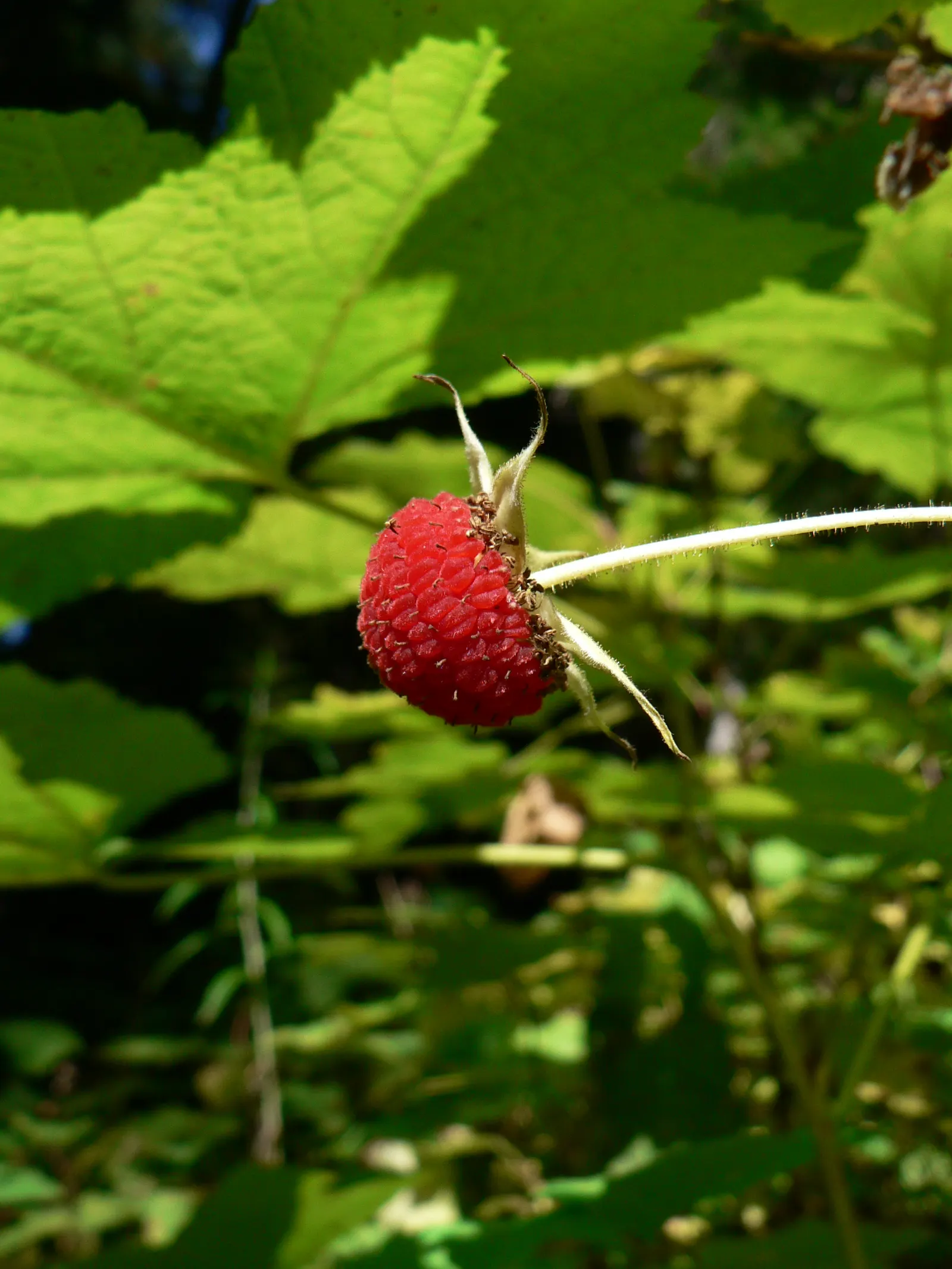
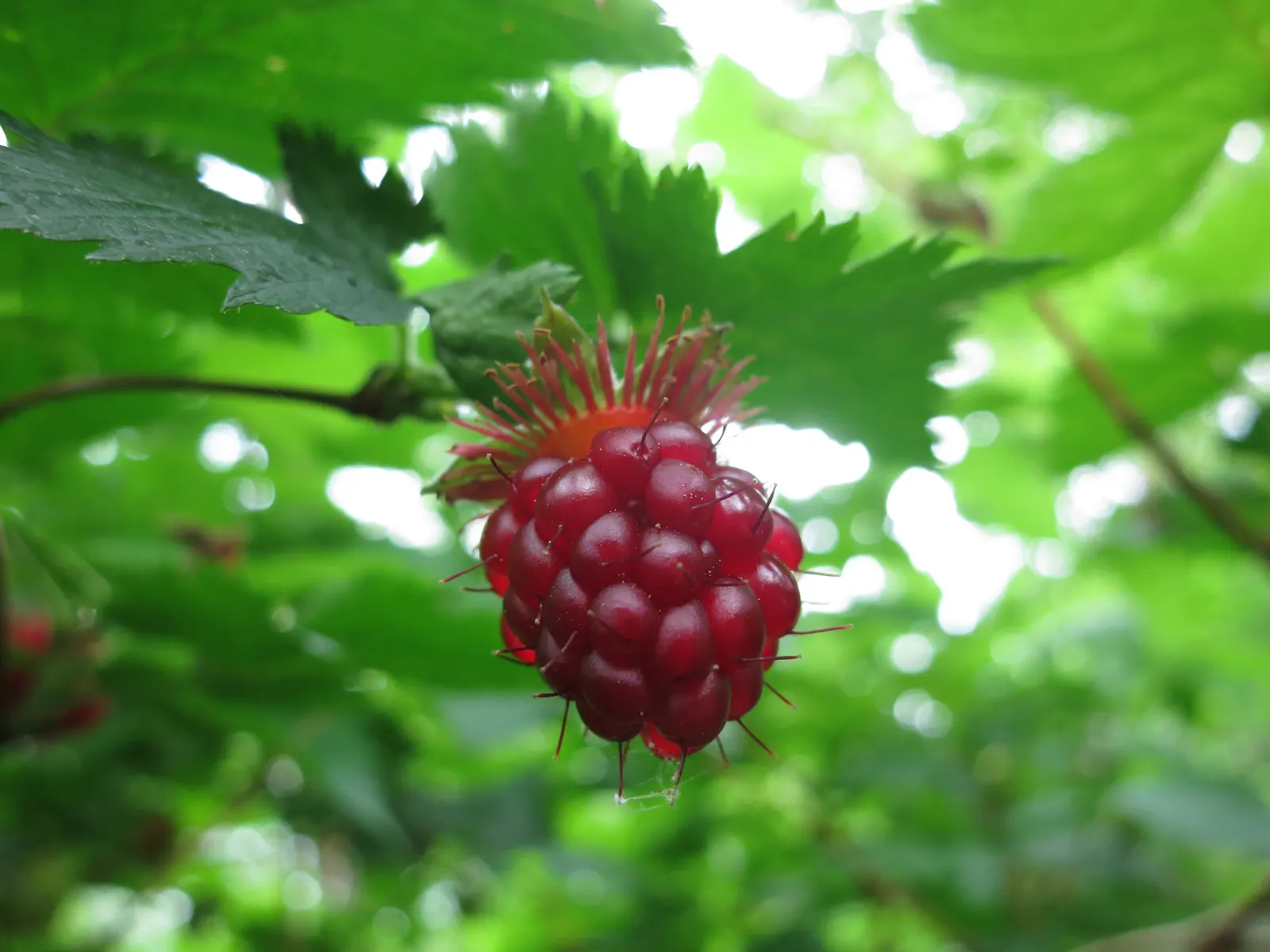
Western Thimbleberry (Rubus Parviflorus) — thimble-shaped fruits in late summer
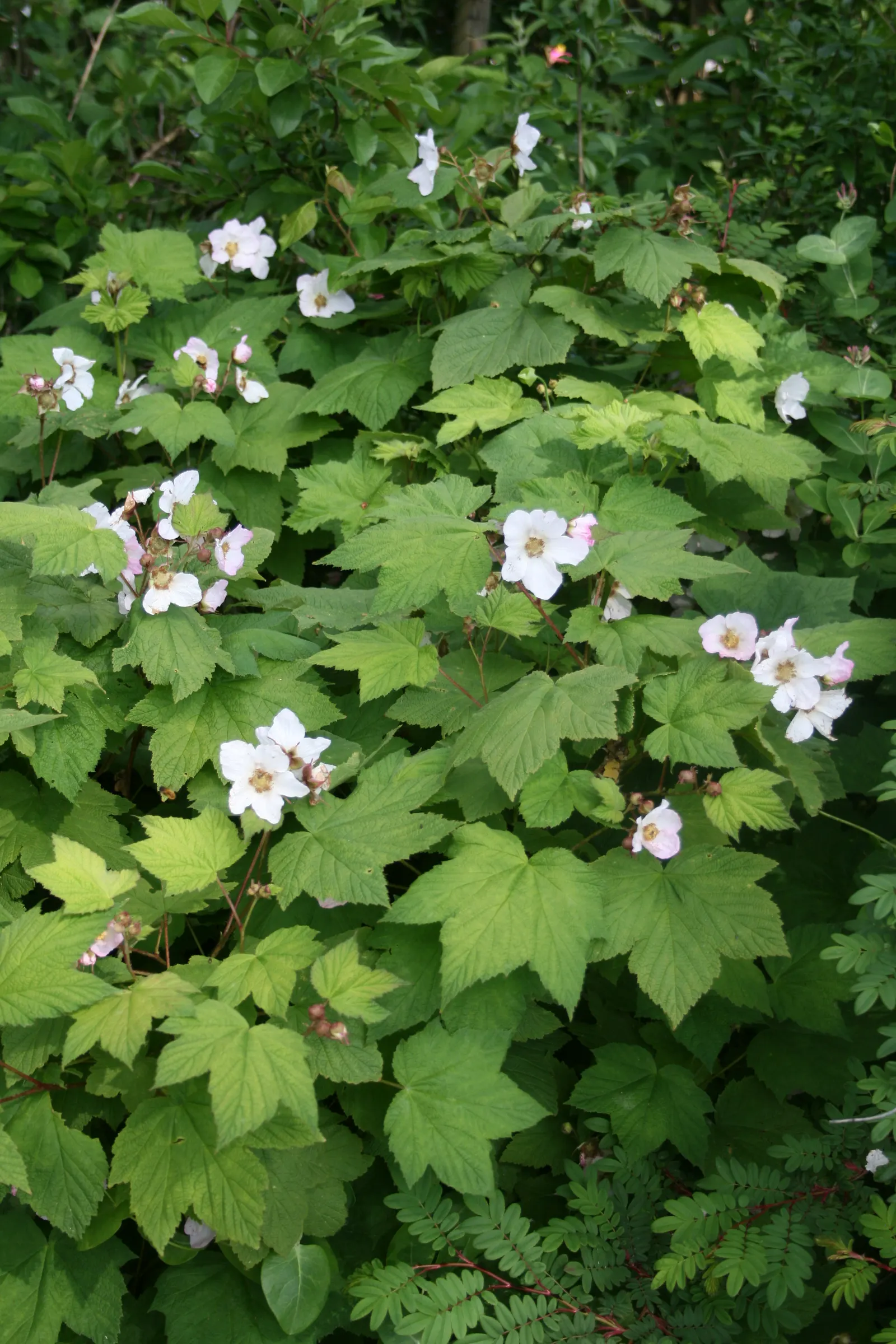
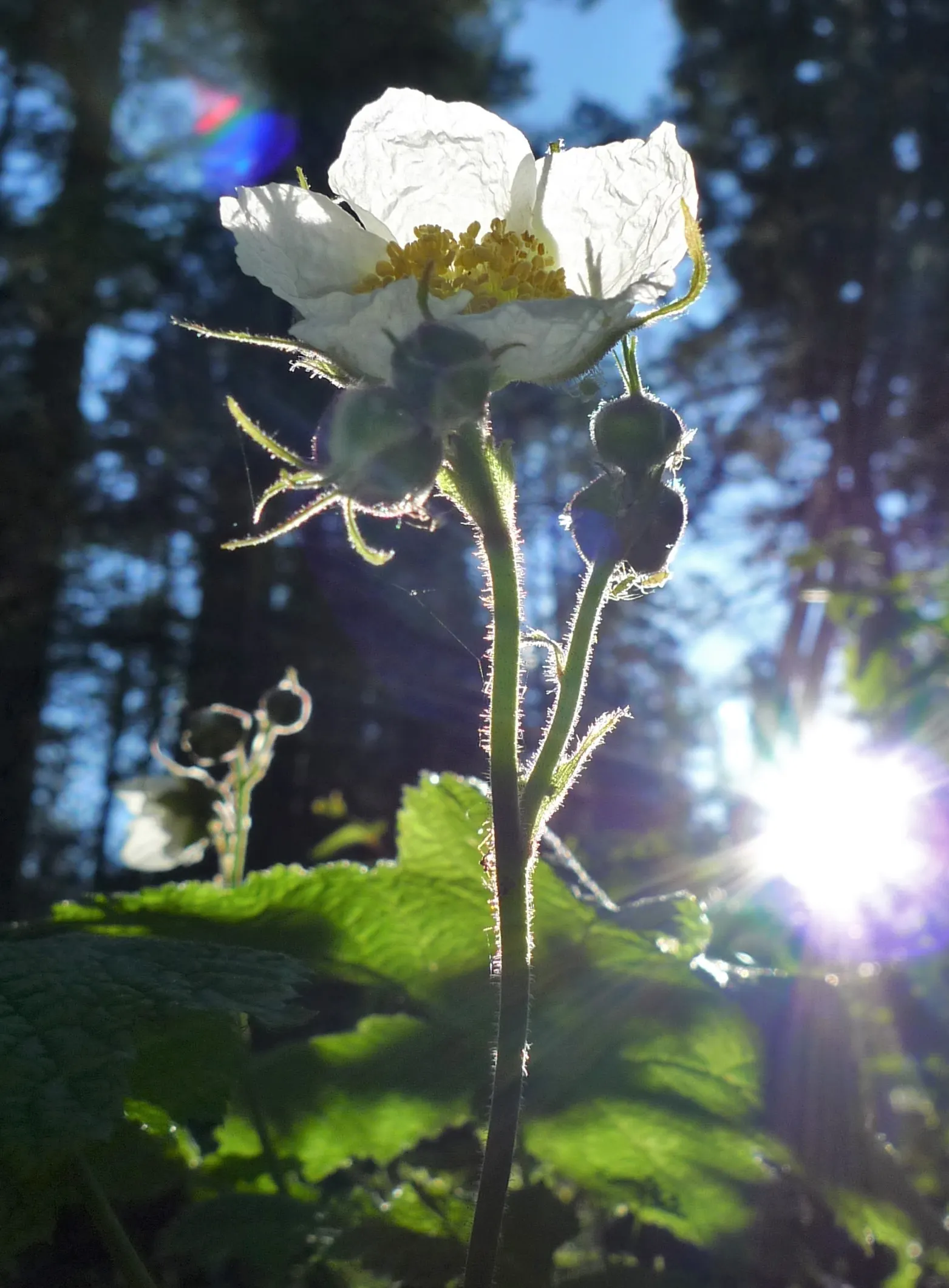
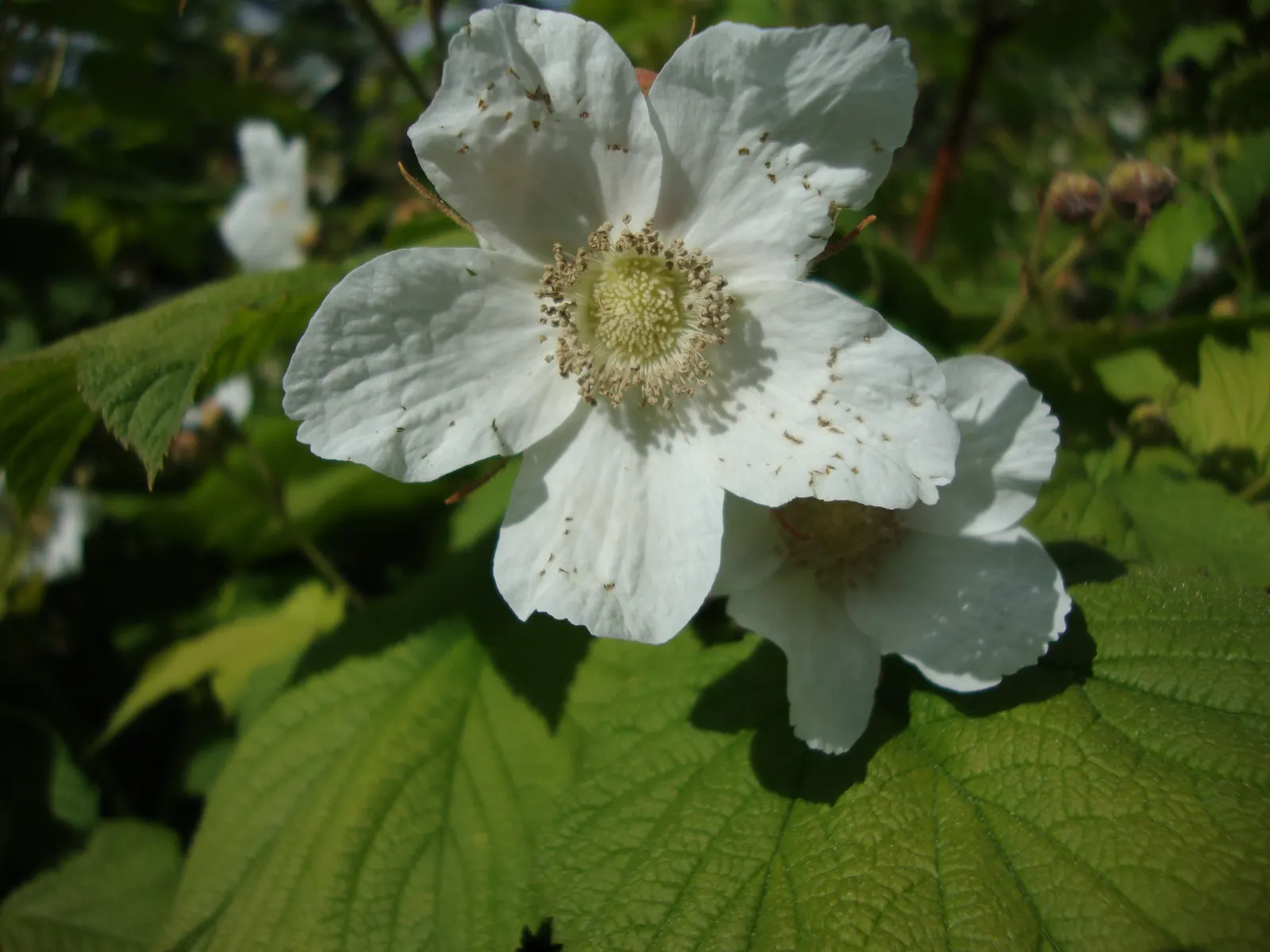
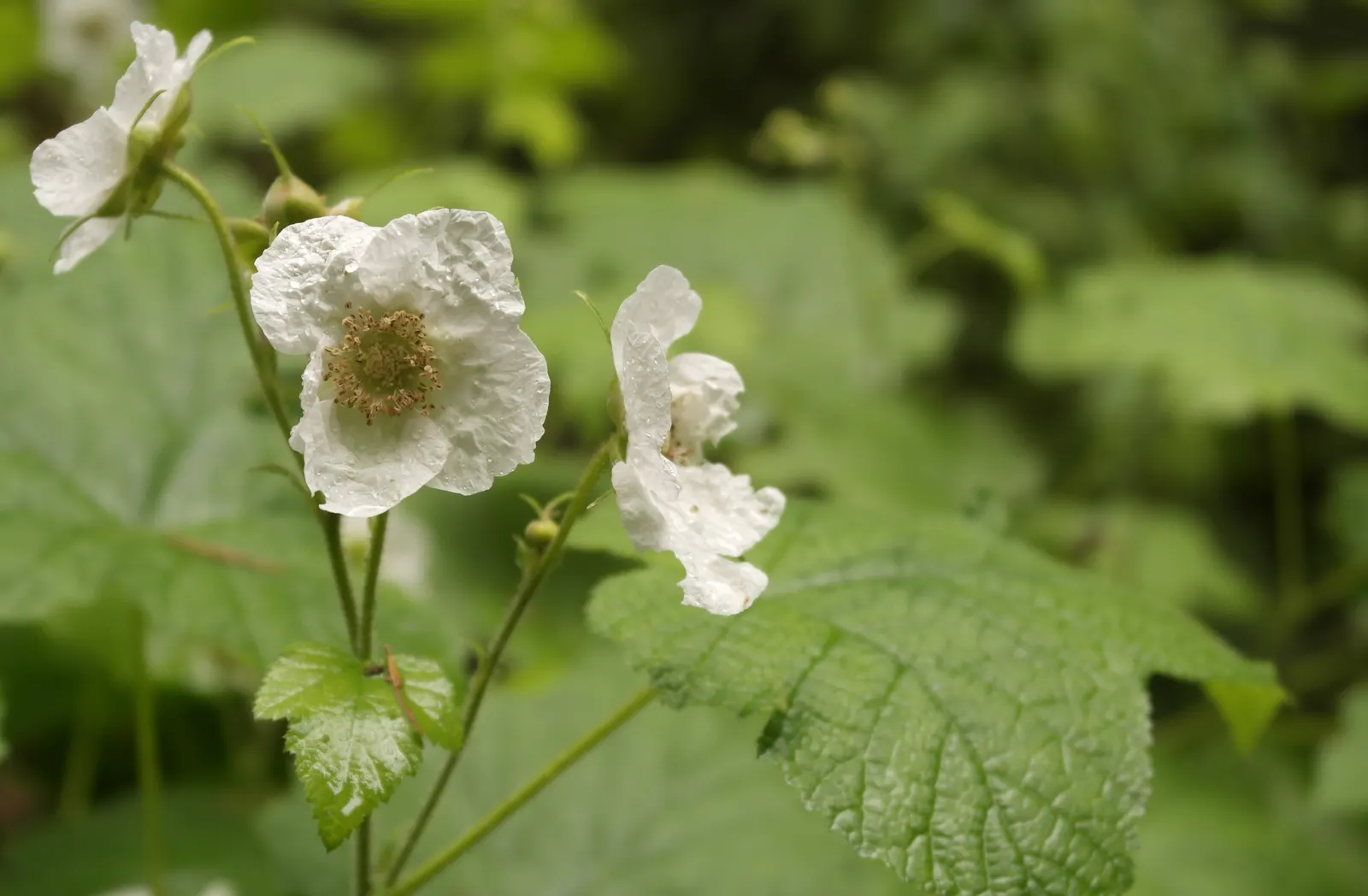
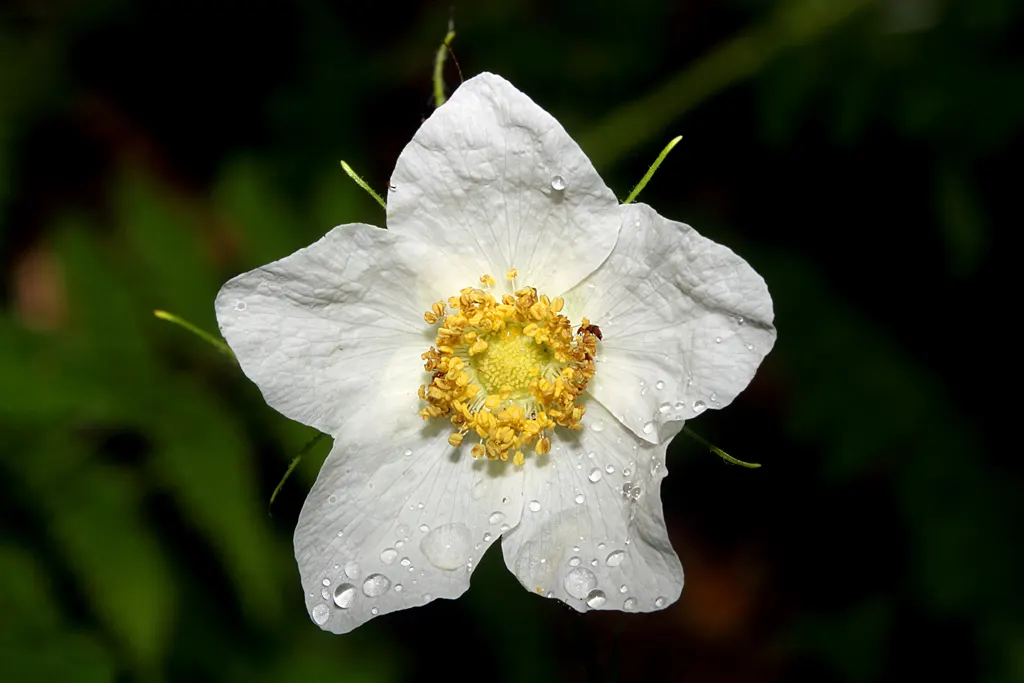
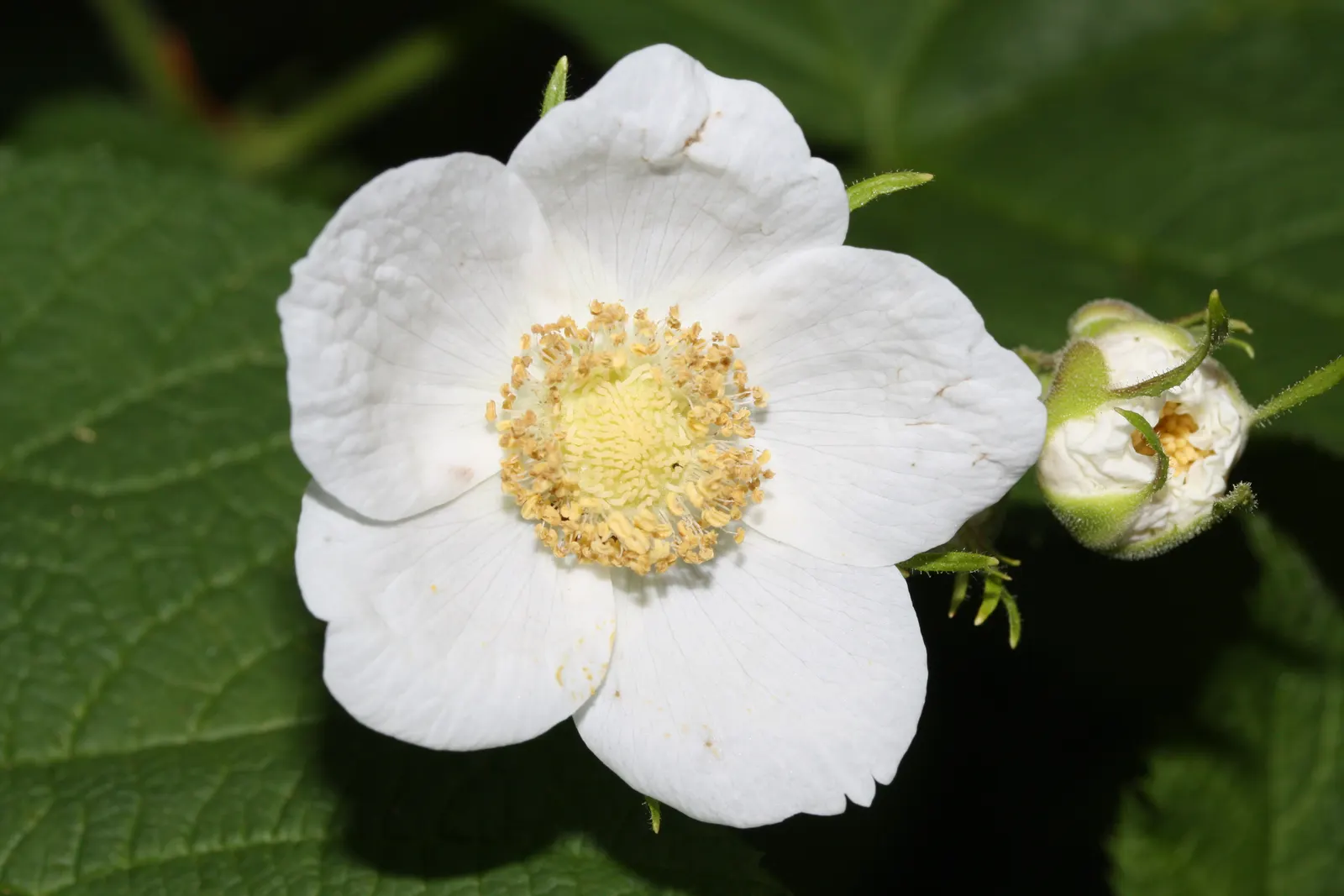
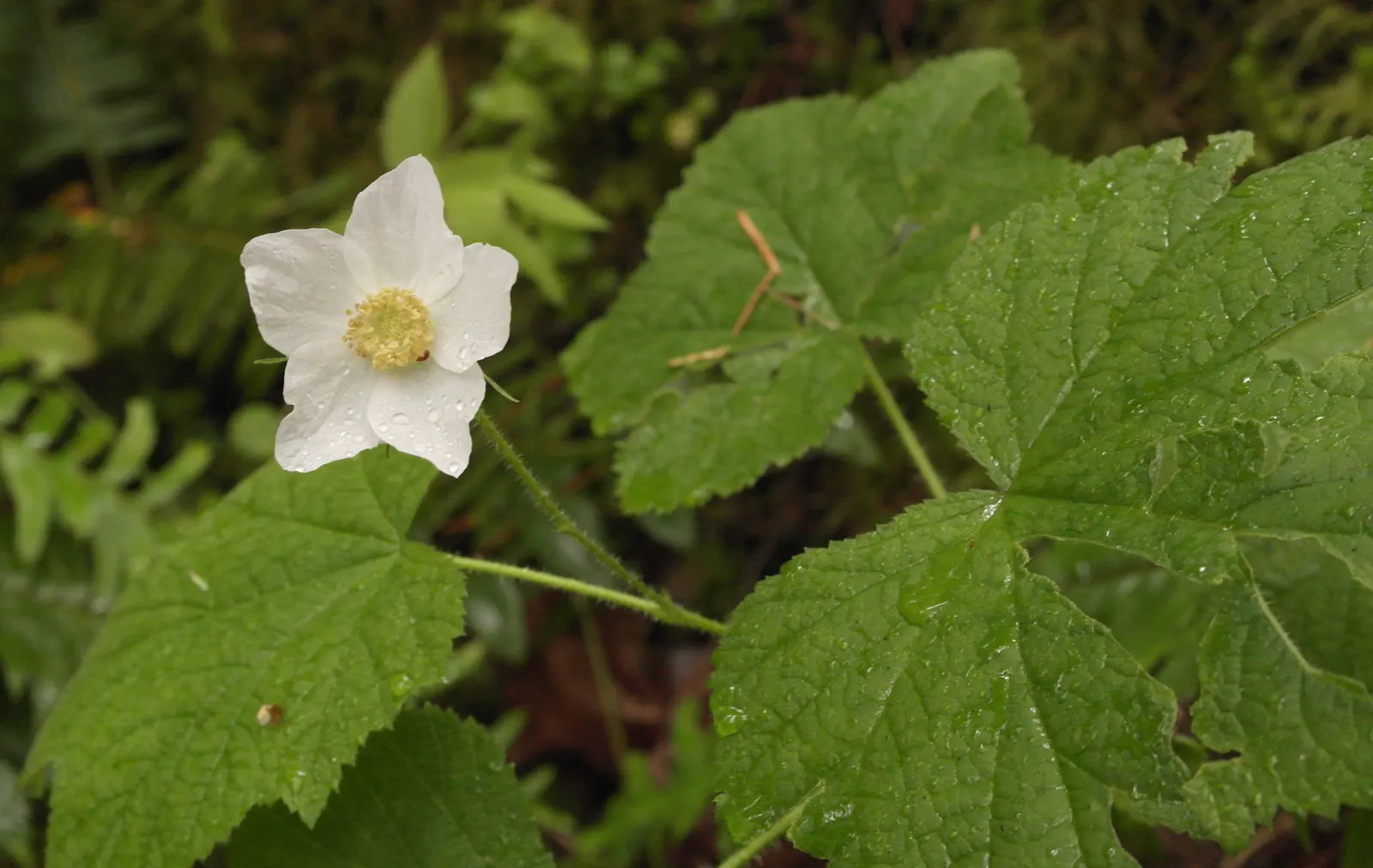
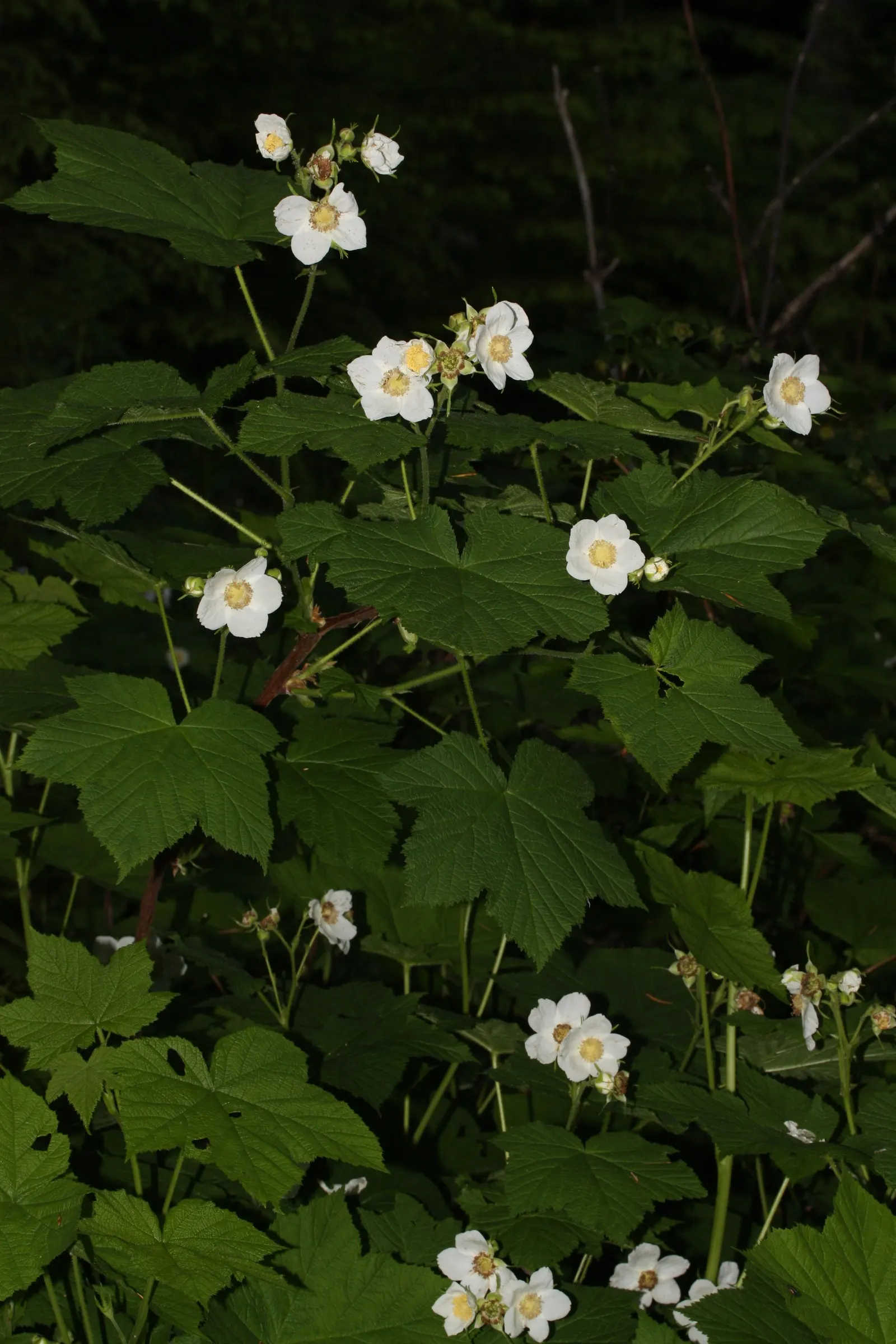
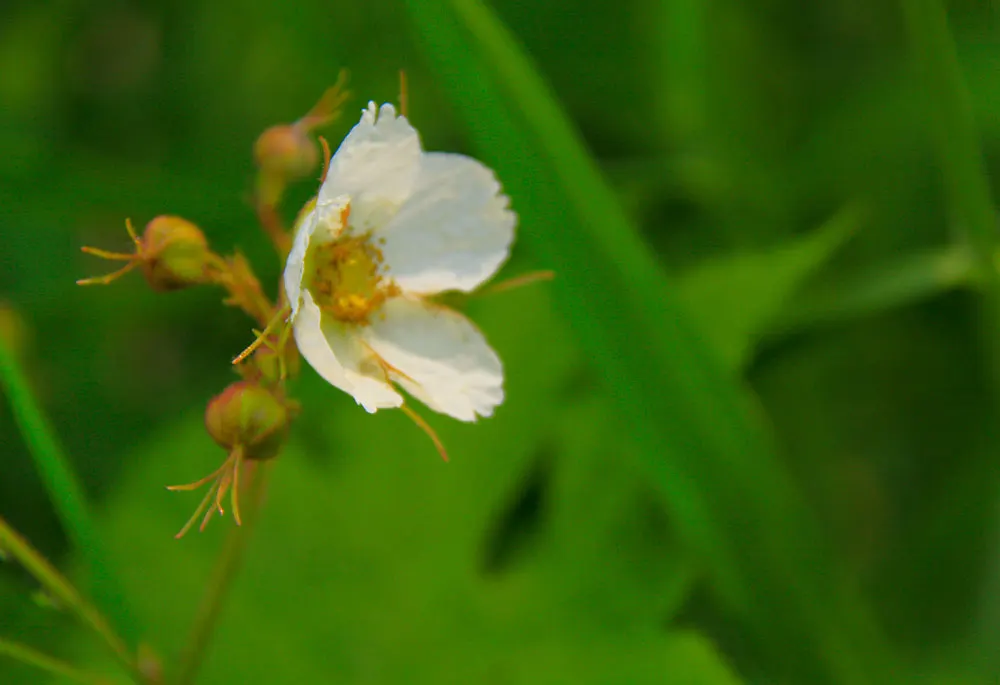
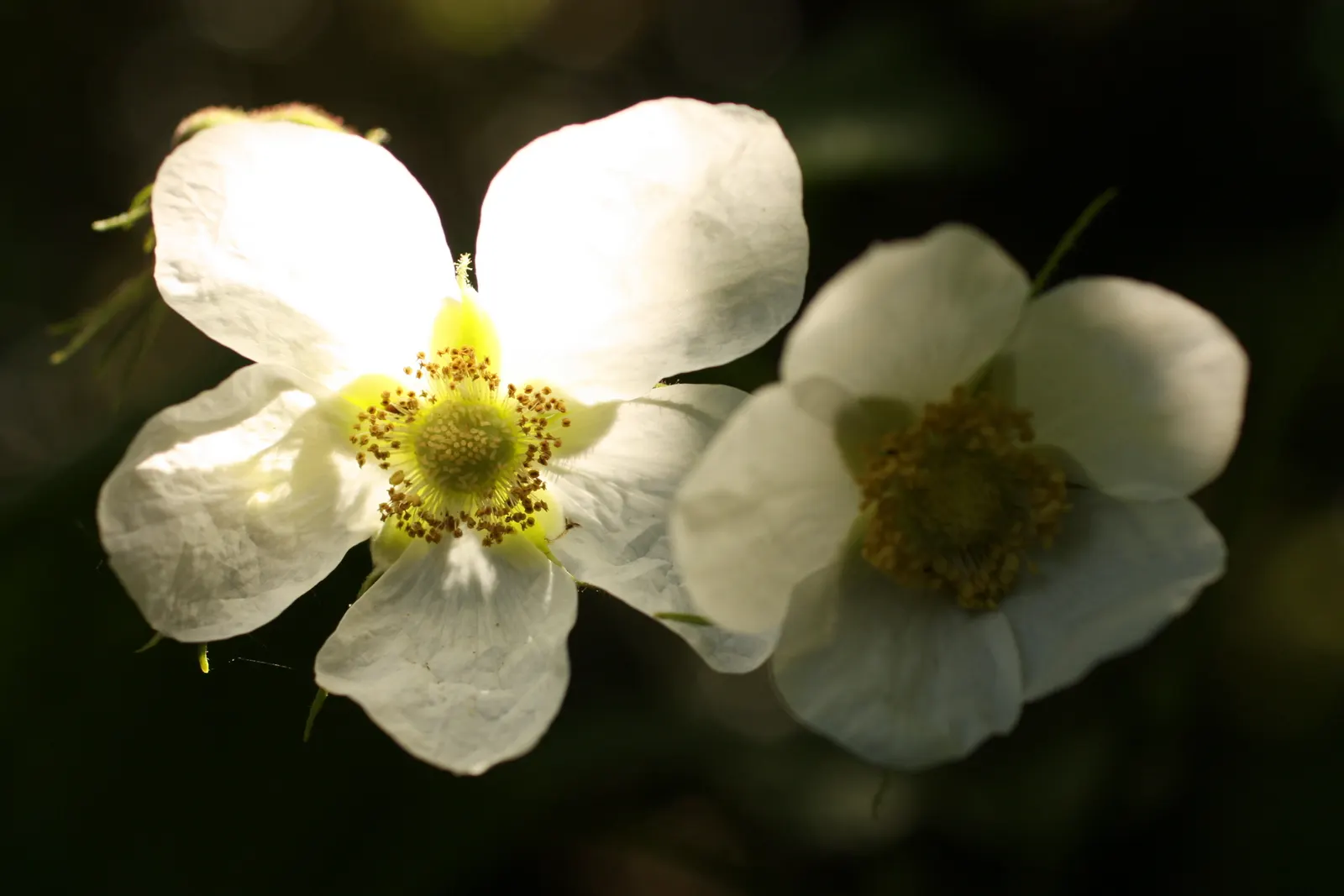
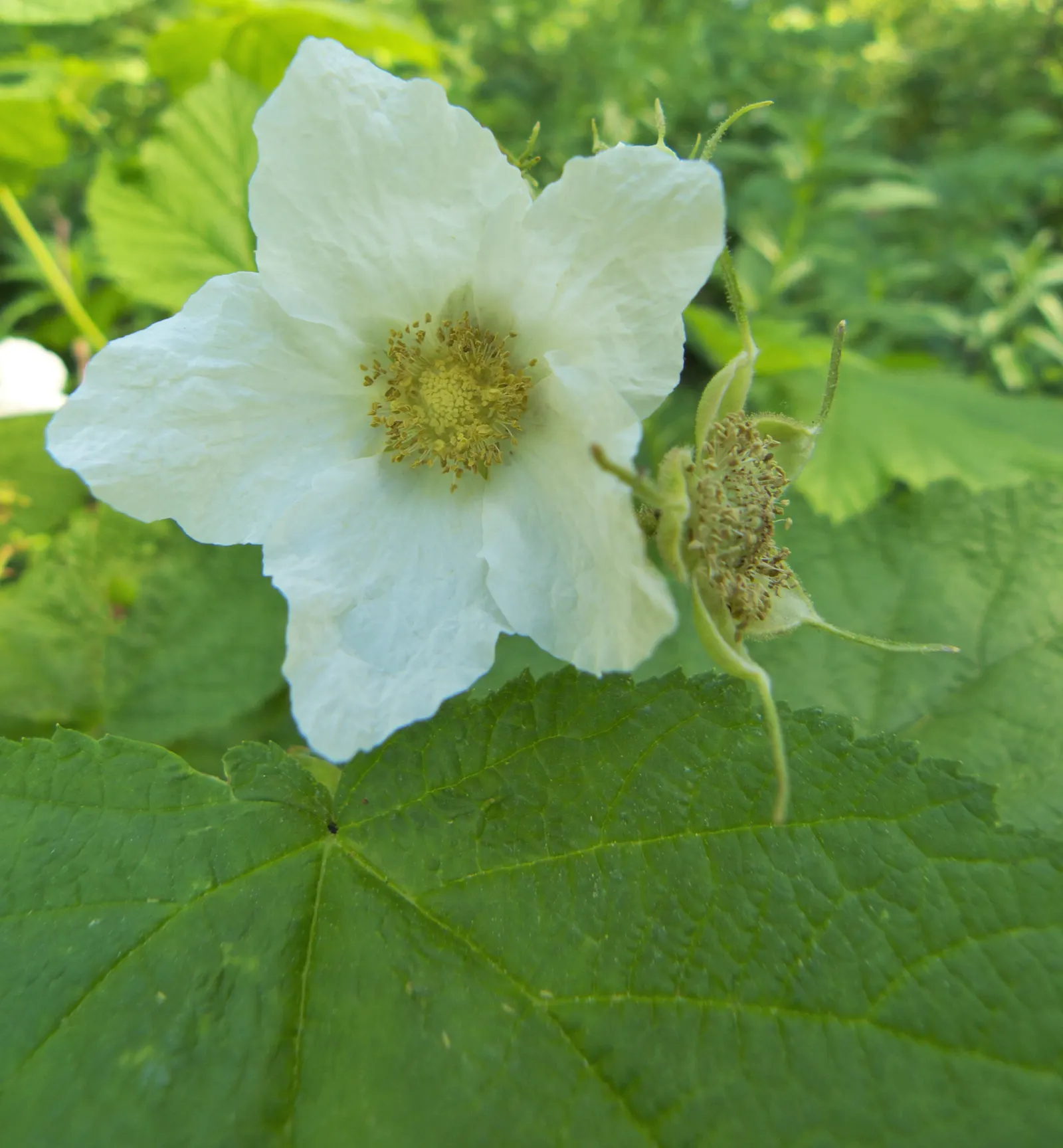
Western Thimbleberry (Rubus Parviflorus) — white flowers in the garden
Western Thimbleberry (Rubus Parviflorus) — It's notable for its tolerance of poor soil conditions and attracts pollinators
Western Thimbleberry (Rubus Parviflorus) — including bees and butterflies
Western Thimbleberry (Rubus Parviflorus) — shrub / vine with white blooms
Western Thimbleberry (Rubus Parviflorus) — In the landscape design, consider Western Thimbleberry for its superb wildlife support and rustic charm
Western Thimbleberry (Rubus Parviflorus) — Pruning in late winter or early spring can help maintain its shape and encourage healthy growth
Western Thimbleberry (Rubus Parviflorus) — adding ecological value to your garden
Western Thimbleberry (Rubus Parviflorus) — Prefers partial shade to full sun with moist, well-drained soil, image 39
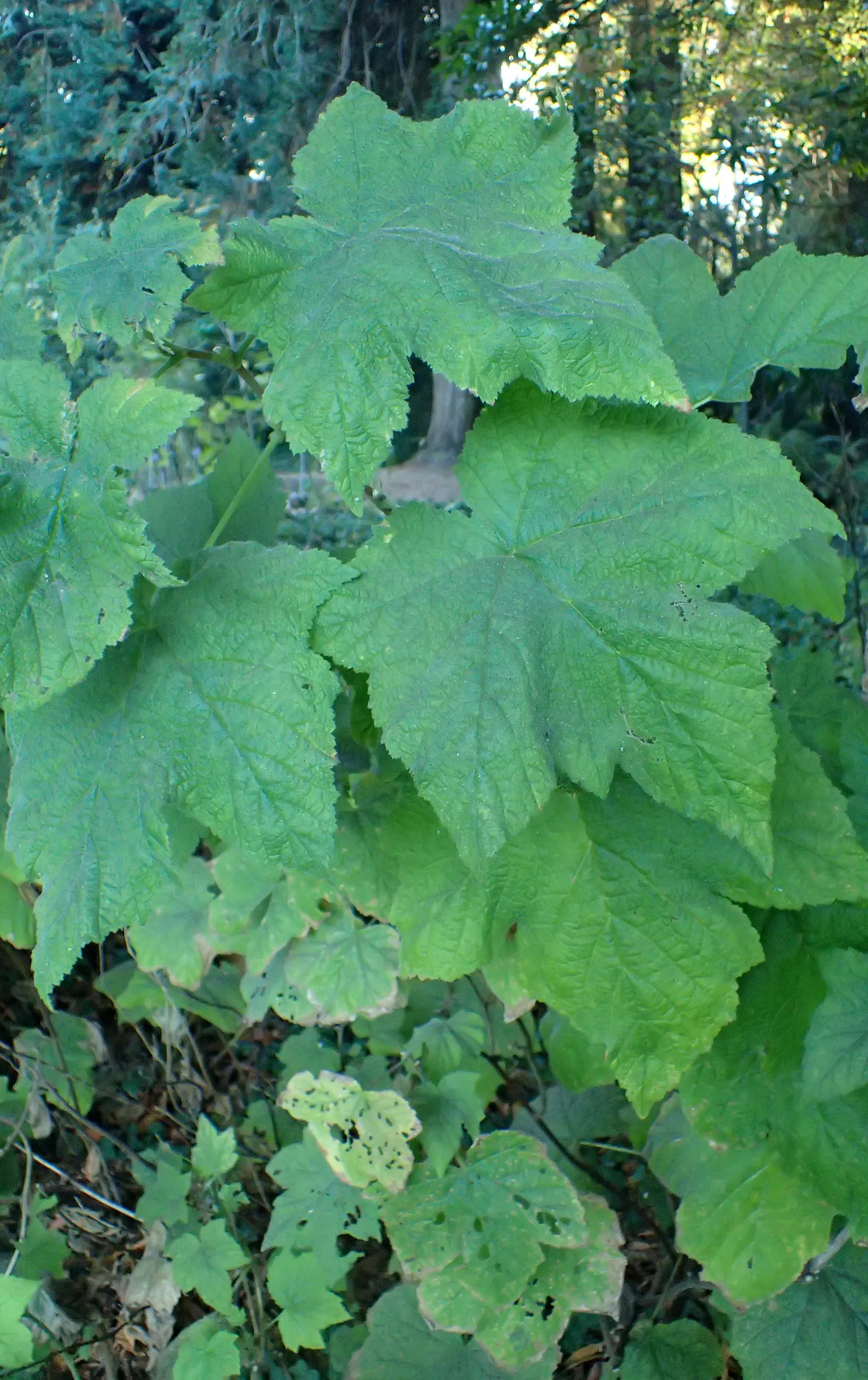
Western Thimbleberry (Rubus Parviflorus) — velvety leaves and delicate white blossoms up to 2 inches across in spring; well-drained soils and can spread by
Western Thimbleberry (Rubus Parviflorus) — shrub / vine for full or half or shade
Western Thimbleberry (Rubus Parviflorus) — Western Thimbleberry (Rubus parviflorus) is a deciduous shrub native to North America; velvety leaves and delicate
Western Thimbleberry (Rubus Parviflorus) — thriving in USDA zones 4-9; though it can tolerate direct sunlight in cooler climates
Western Thimbleberry (Rubus Parviflorus) — It reaches 3-8 feet in height with equal spread; it produces clusters of 1 to 2-inch wide
Western Thimbleberry (Rubus Parviflorus) — Edible red berries, resembling thimbles, appear in summer; shrub / vine with white blooms
Western Thimbleberry (Rubus Parviflorus) — A favorite in woodland gardens and naturalized areas; spanning 4 to 8 inches across
Western Thimbleberry (Rubus Parviflorus) — This versatile shrub flourishes in USDA hardiness zones 4 through 7 and prefers partial to full shade; western
Western Thimbleberry (Rubus Parviflorus) — though it can tolerate direct sunlight in cooler climates; is a deciduous shrub native to North America
Western Thimbleberry (Rubus Parviflorus) — the Western Thimbleberry typically reaches 3 to 6 feet in height with a similar spread; which are much sought after
Western Thimbleberry (Rubus Parviflorus) — Ideal for naturalistic plantings and attracting pollinators; the Western Thimbleberry typically reaches 3 to 6 feet
Western Thimbleberry (Rubus Parviflorus) — celebrated for its attractive foliage and delicious fruits; including bees and butterflies
Western Thimbleberry (Rubus Parviflorus) — is a deciduous shrub native to North America; offering a delicate contrast to the foliage
Western Thimbleberry (Rubus Parviflorus) — are soft and velvety to the touch and create a lush; this versatile shrub flourishes in USDA hardiness zones 4
Western Thimbleberry (Rubus Parviflorus) — it produces clusters of 1 to 2-inch wide; or simply enjoyed fresh.<br><br>Though low-maintenance

Related plants