Skip to content

Rugosa Rose

Rosa Rugosa

Design with this plant

Overview

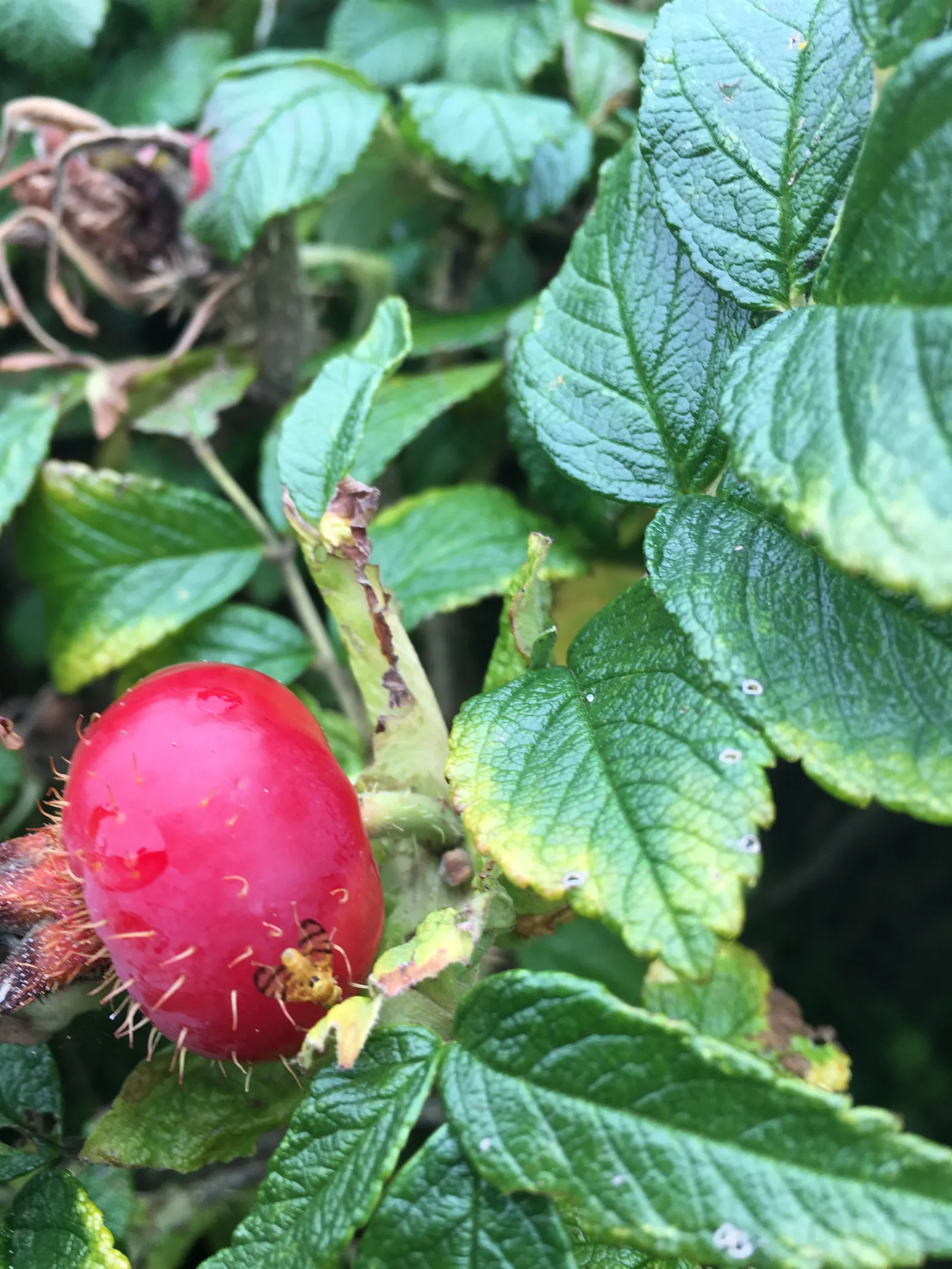
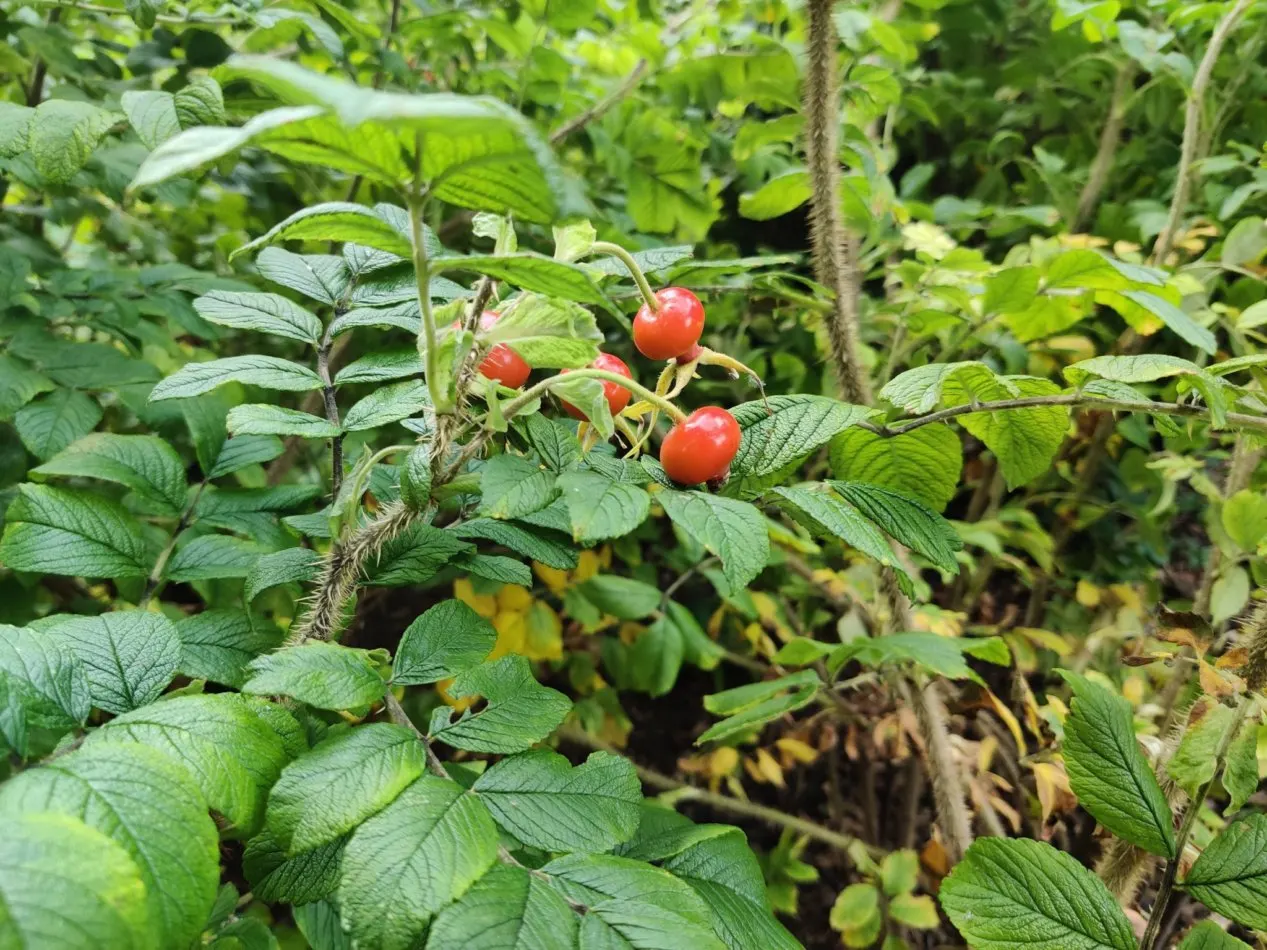
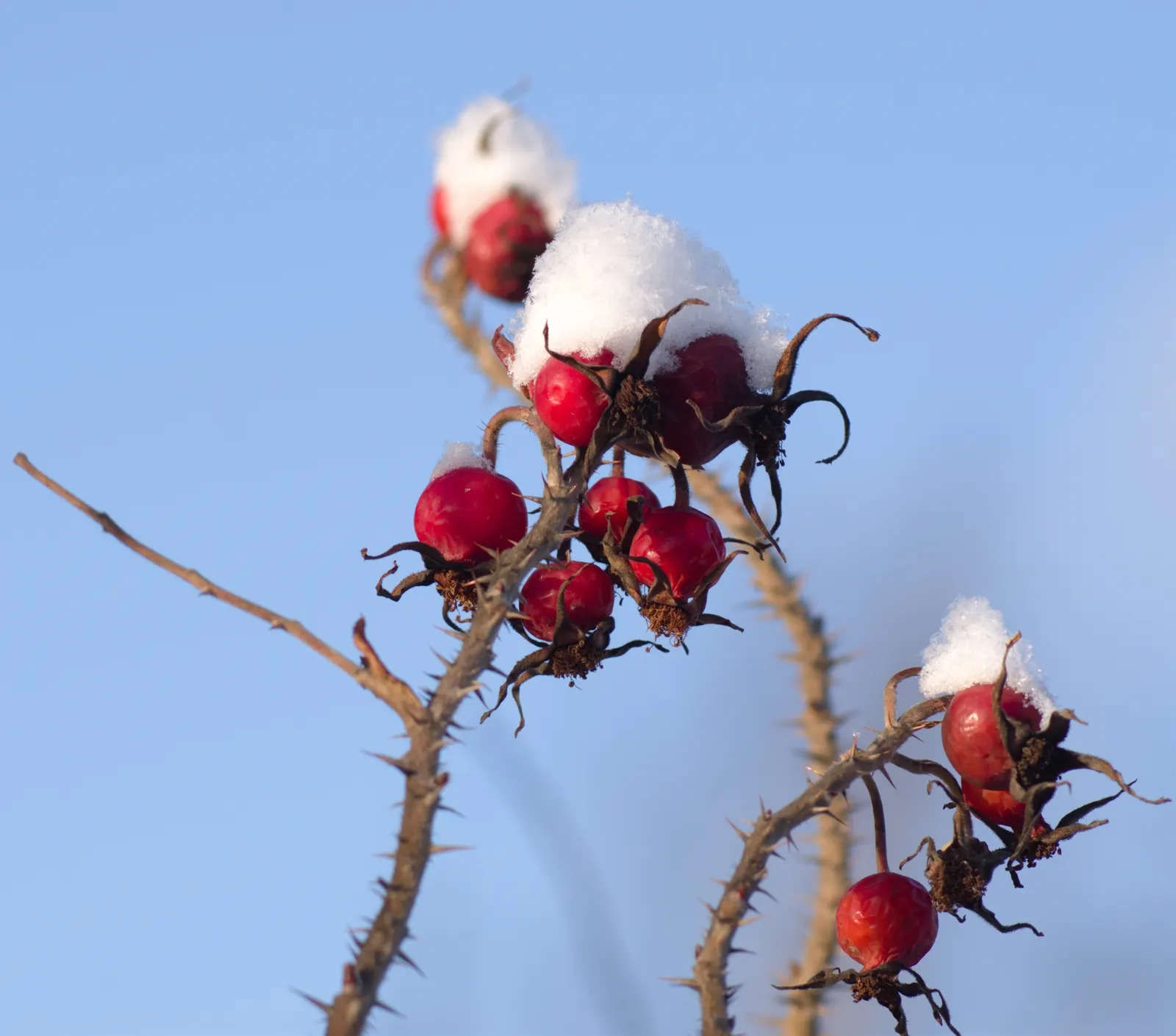
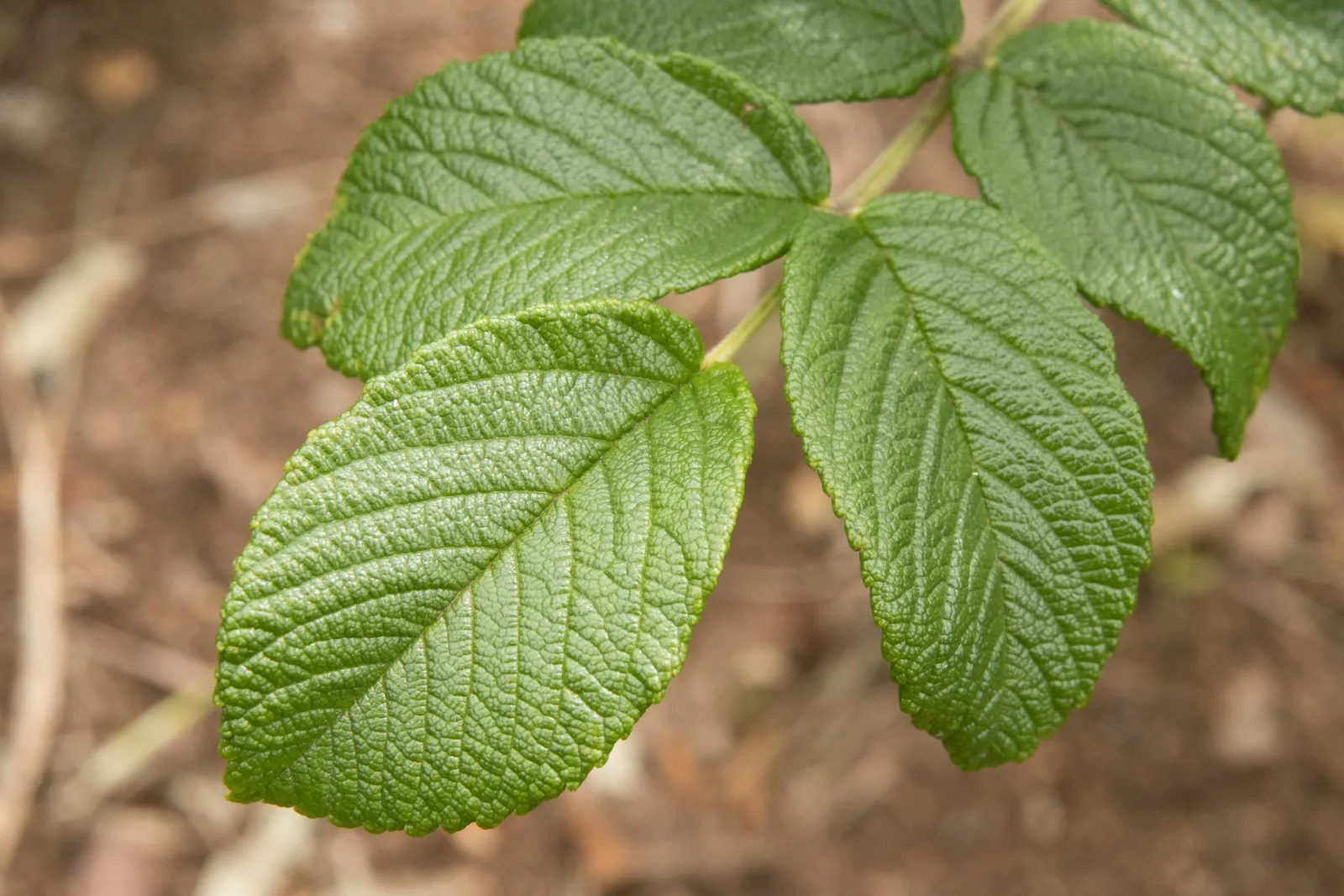
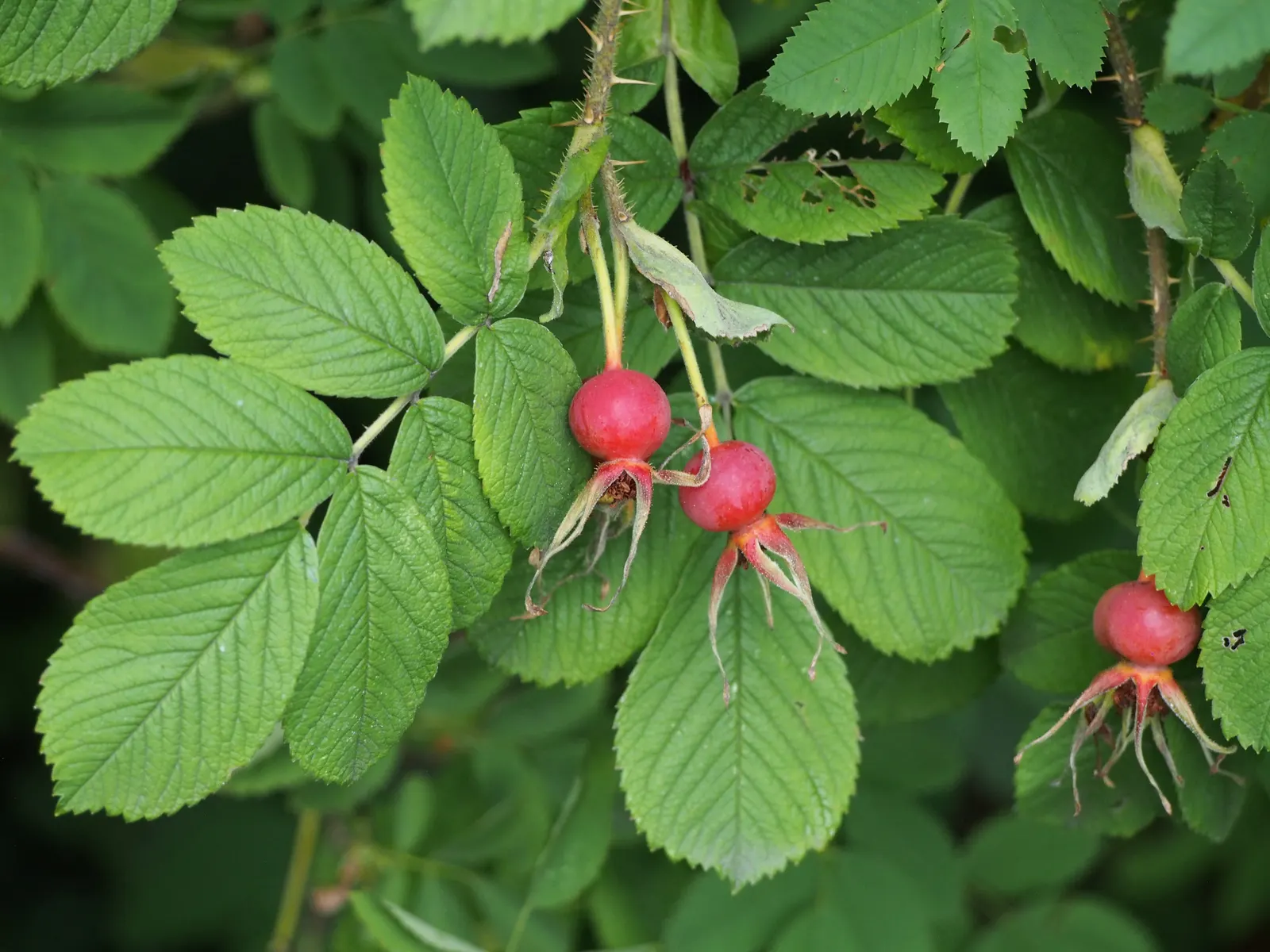
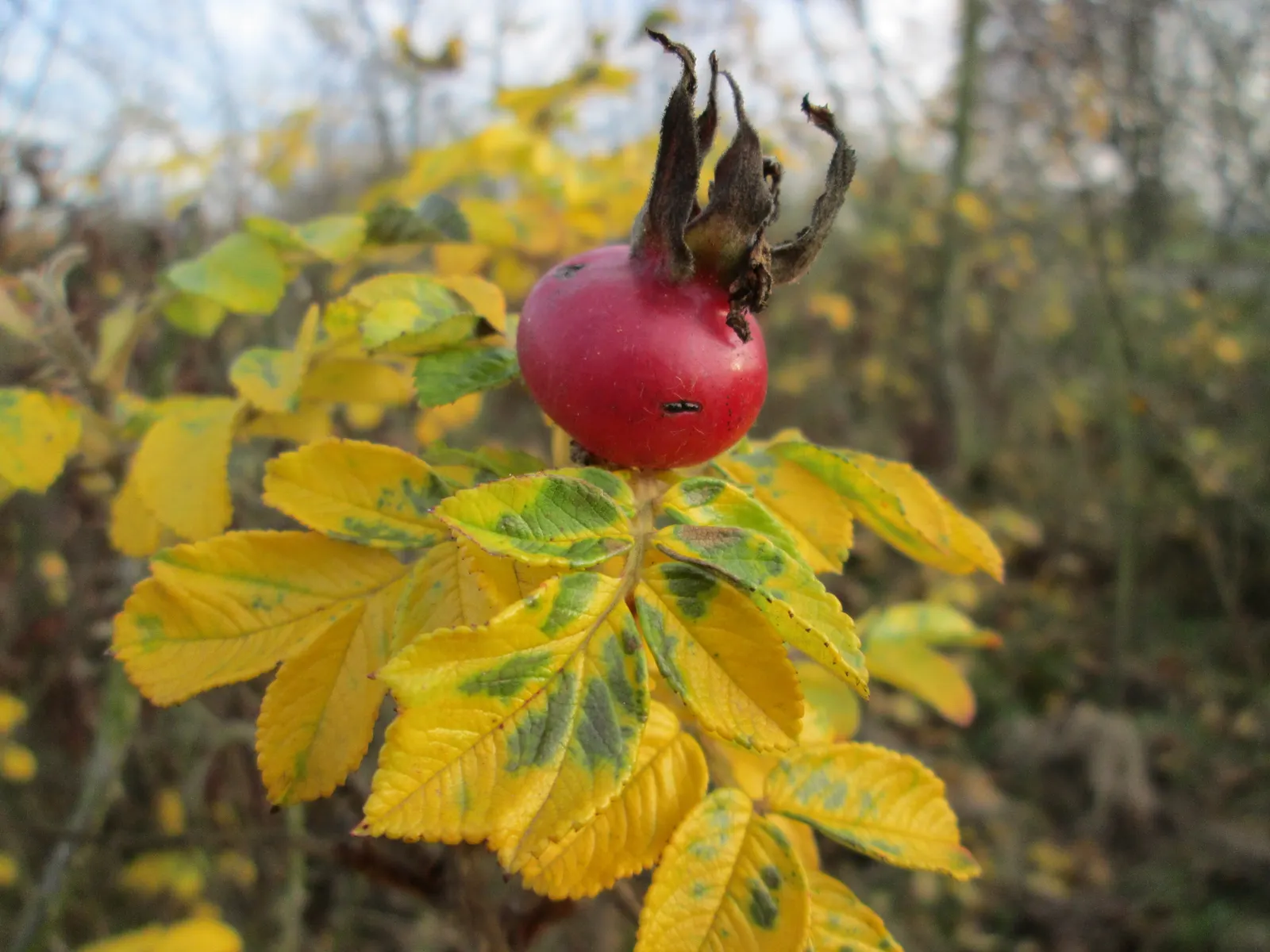
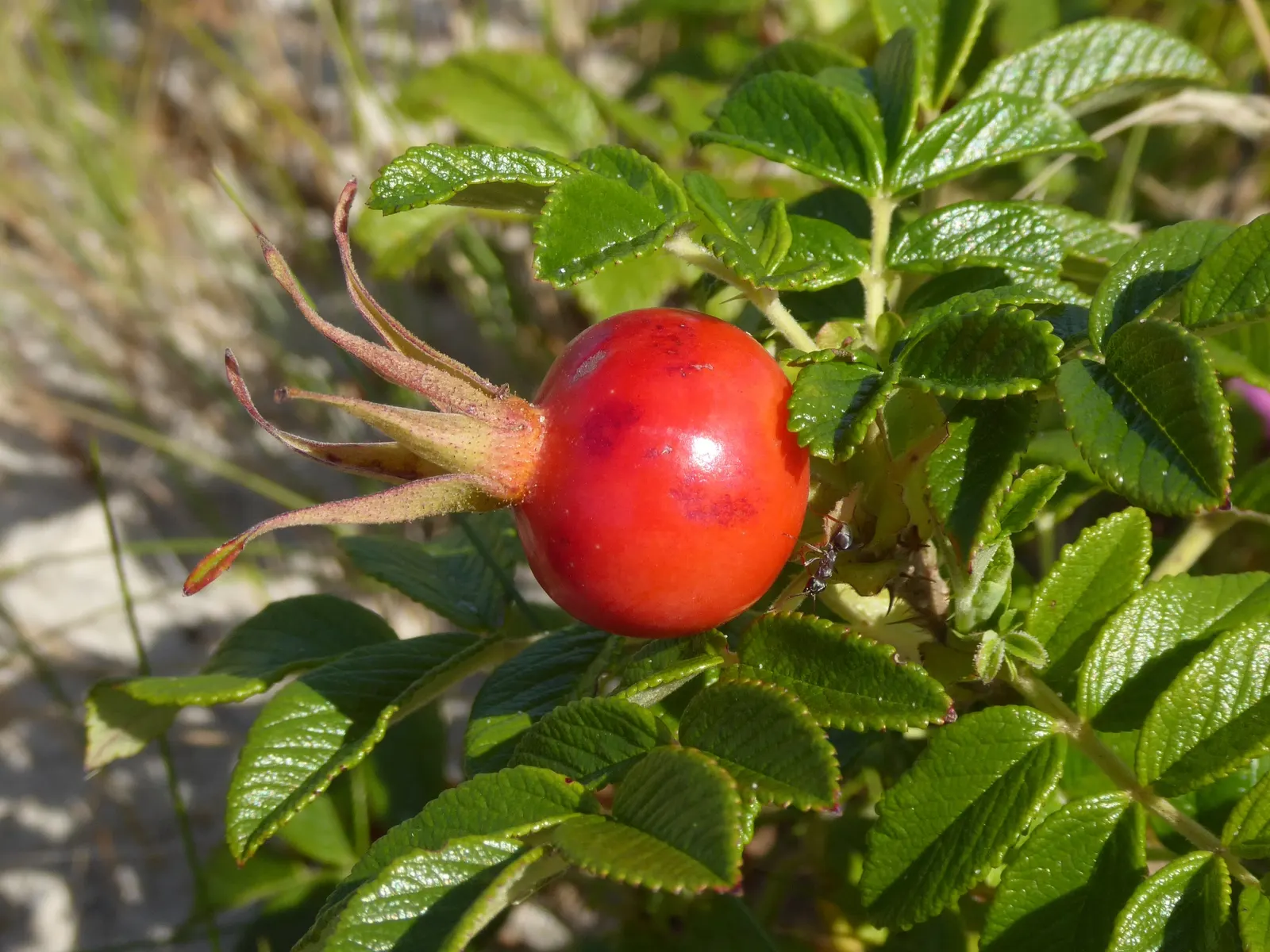
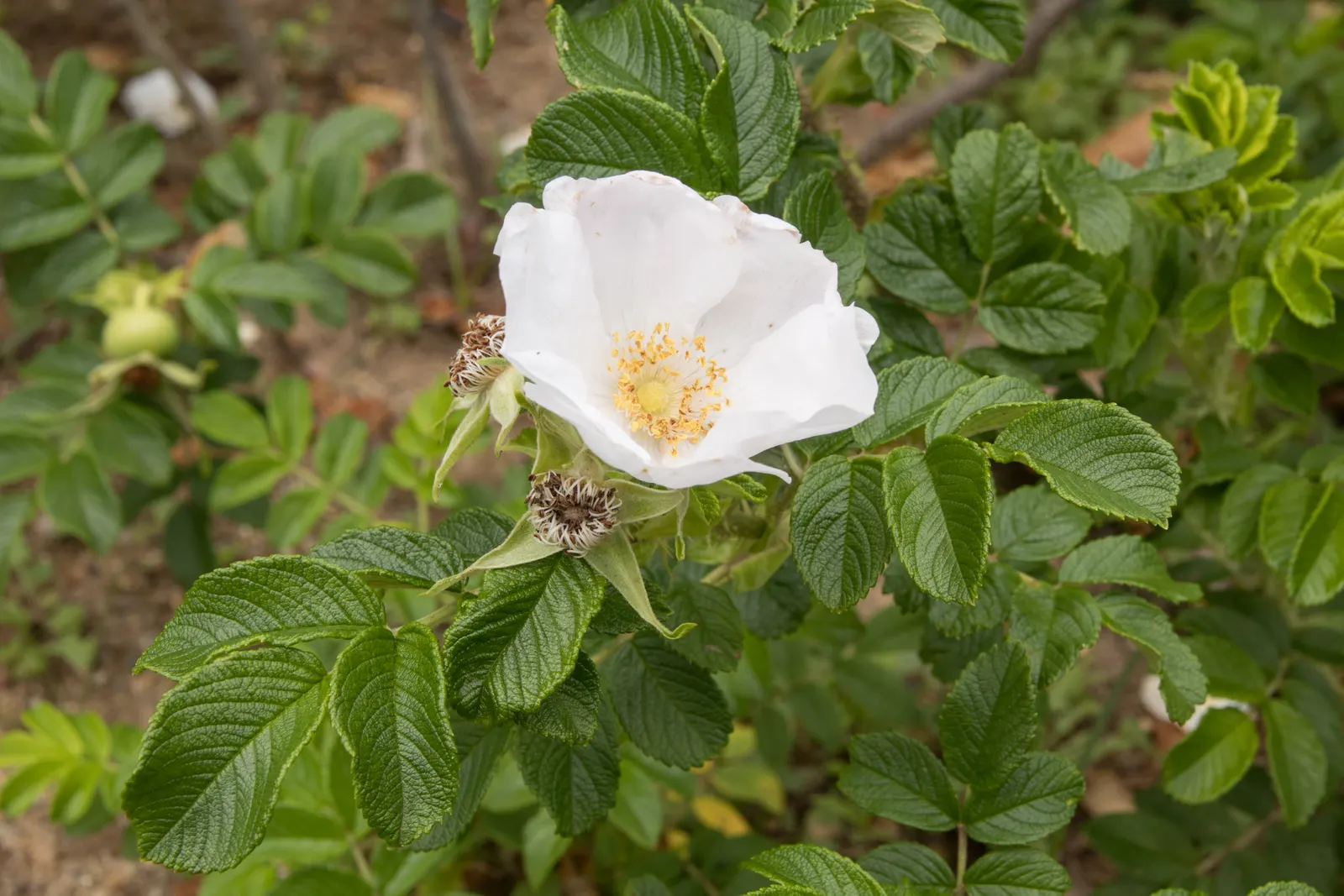
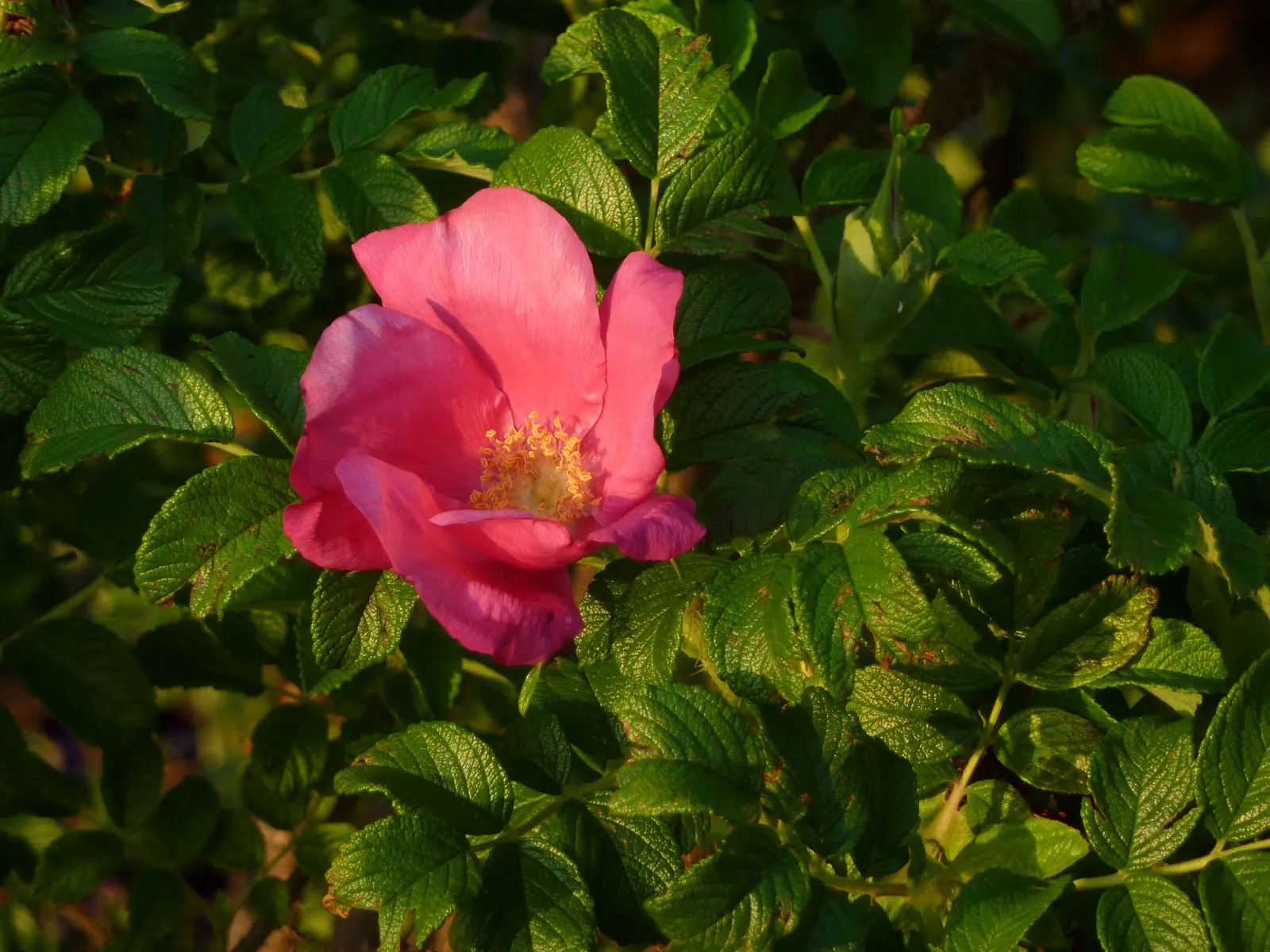
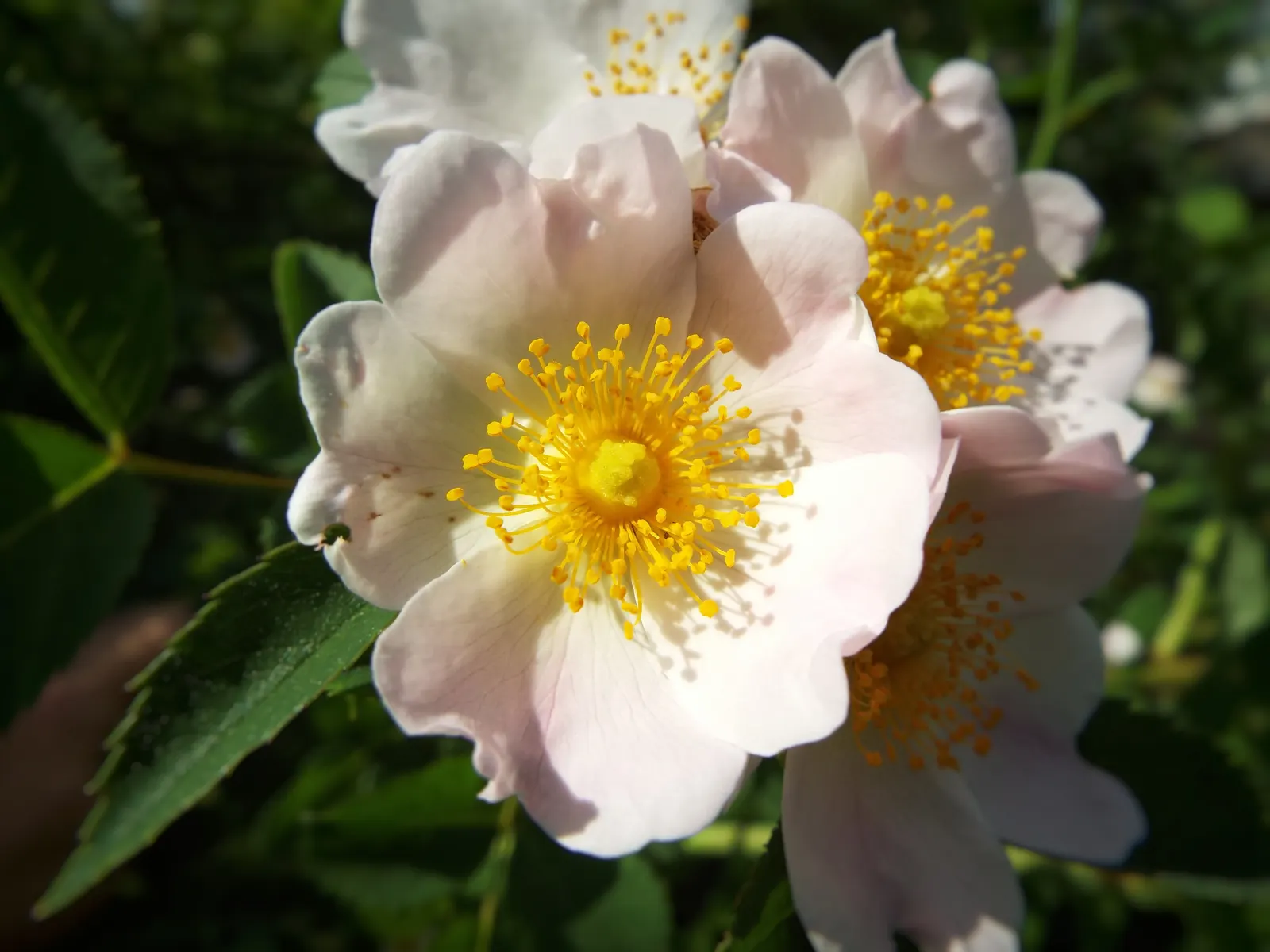
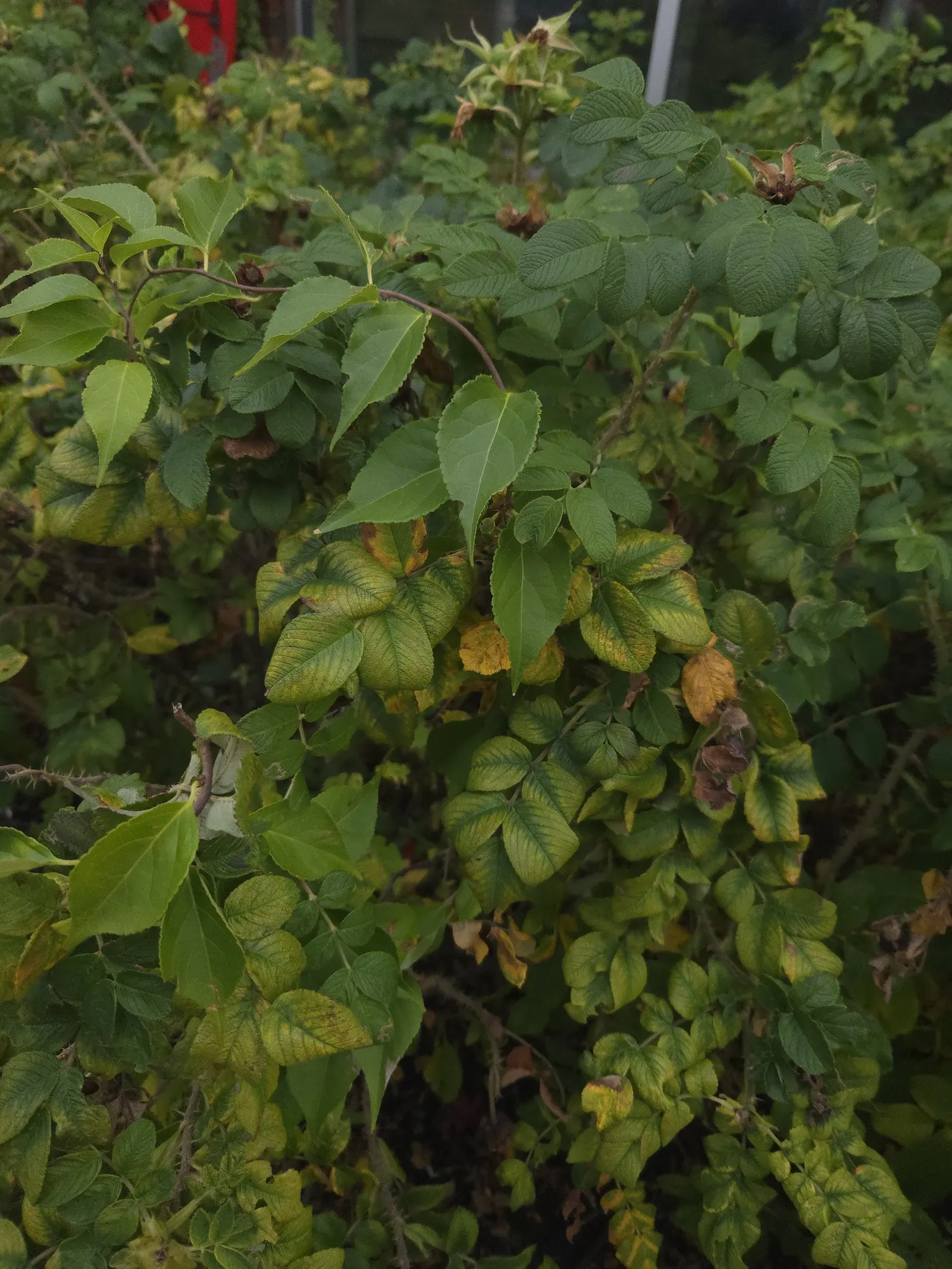
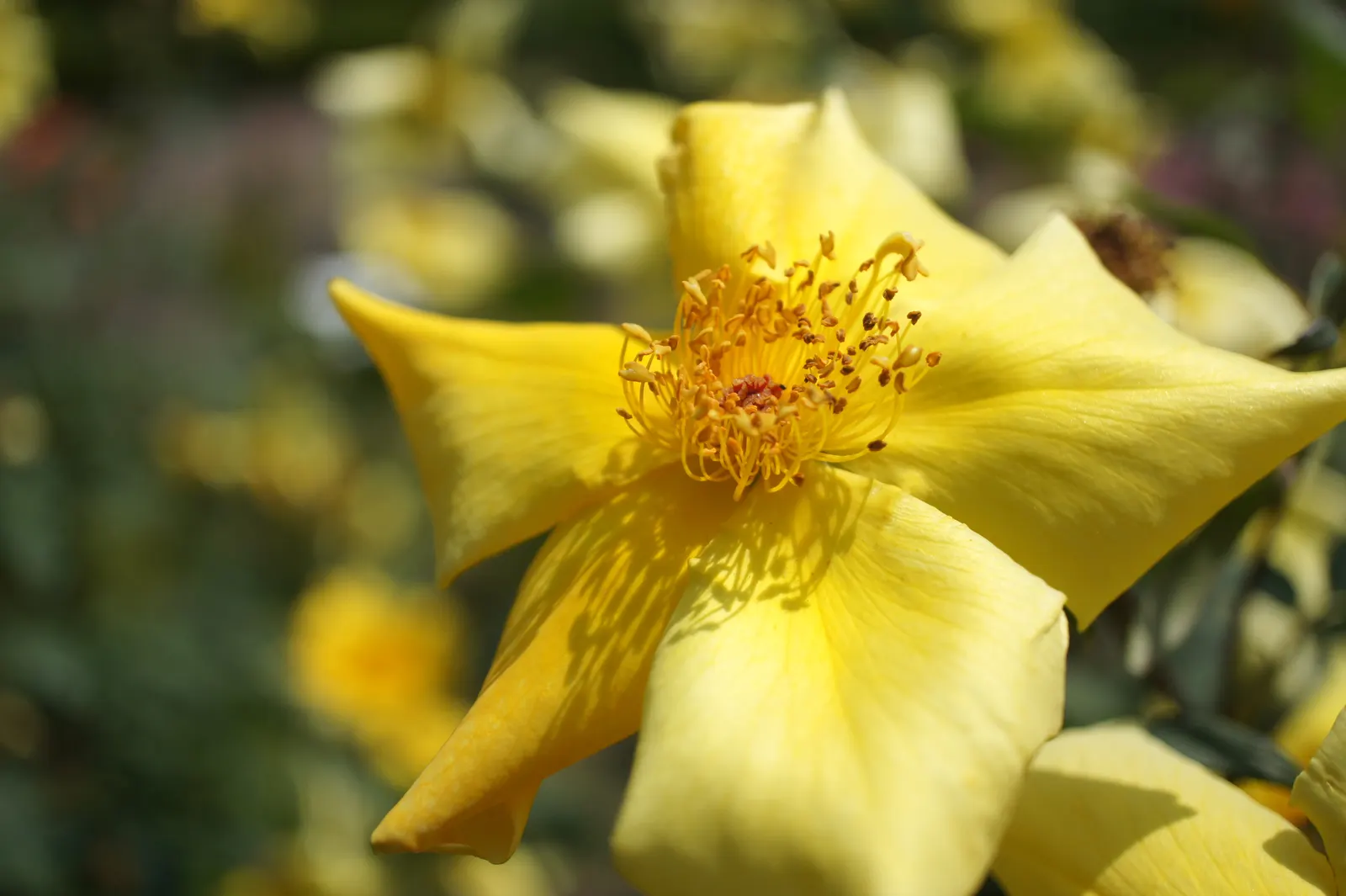
Rosa rugosa, commonly known as Rugosa Rose, is a robust species with a dense, bushy growth habit, reaching heights of 4-6 feet. Its notable for its wrinkled, dark green leaves and fragrant, large single or double blossoms ranging from white to deep pink which bloom from summer to fall. Rugosa Rose produces large, tomato-shaped red hips that attract wildlife. It thrives in zones 3-9 and prefers full sun and well-drained soil.

Sun Full, Half, ShadeWater Extra in Summer, MediumZones 8–11Climate Mediterranean
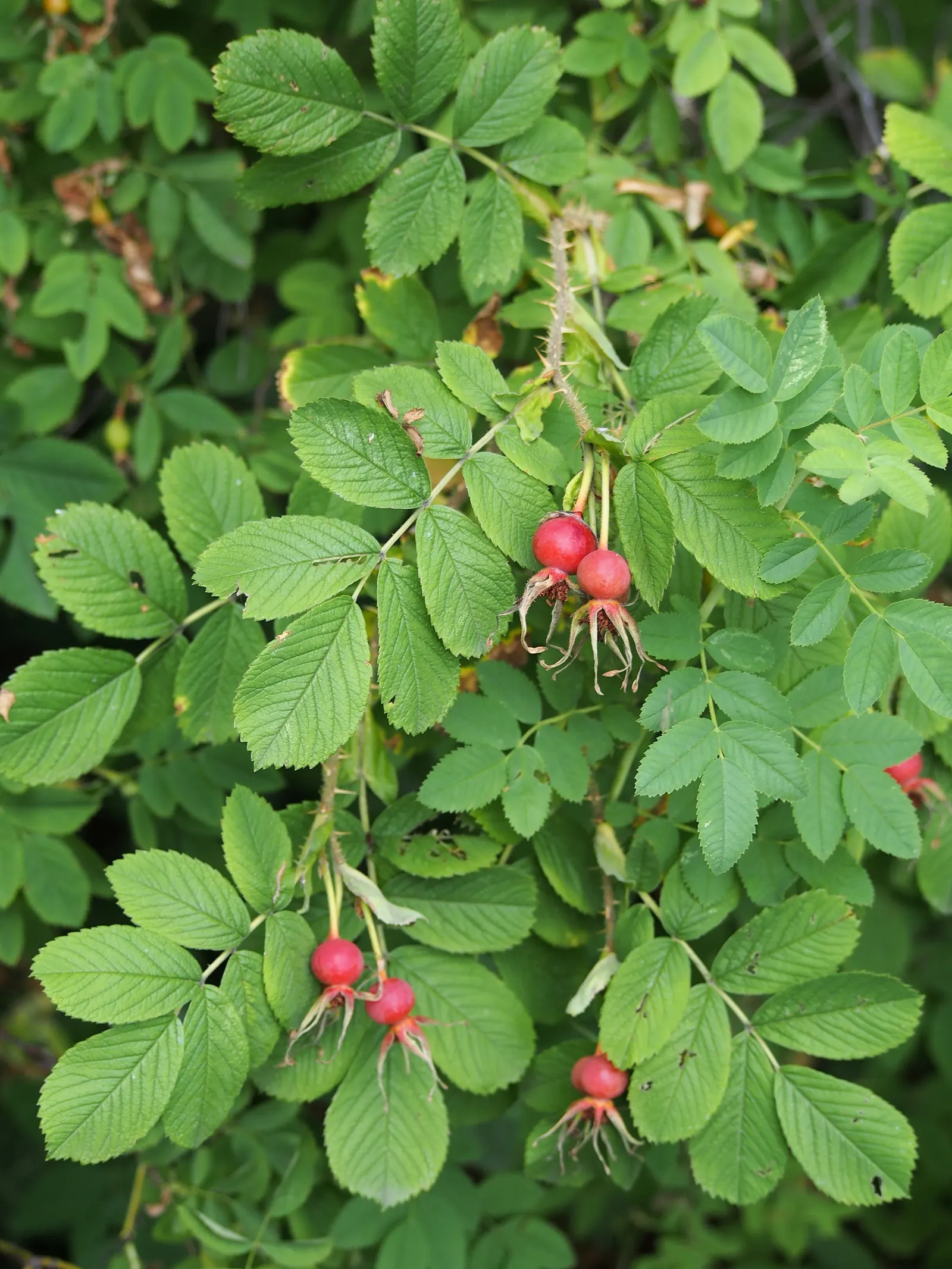
Rugosa Rose (Rosa Rugosa) — as this robust plant can spread through suckers; rugosa Rose produces large, tomato-shaped red hips that attract, image 124

Culture

Sun
Full, Half, Shade
Water
Extra in Summer, Medium
USDA zones
8–11

Shape & size

Classification

Family
Rosaceae
Climate
Mediterranean

See full data, regional cultivation notes, full-resolution photos, and design tools. Build a client presentation around this plant.

Start your 14-day trial

Photos (137)

Rugosa Rose (Rosa Rugosa) — Given its dense growth habit, the Rugosa Rose also serves effectively as a hedge or barrier plant; deciduous shrub well-known for
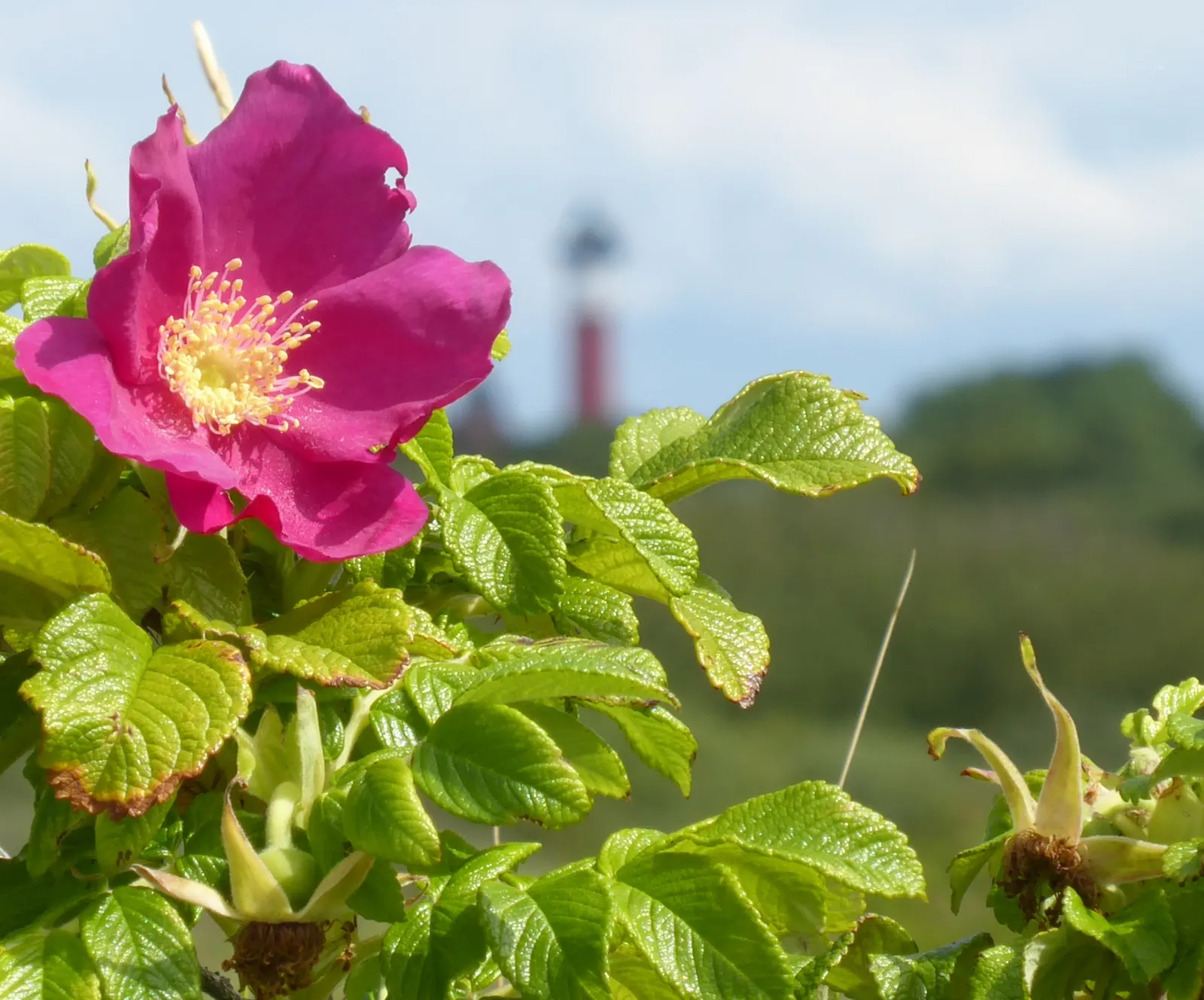
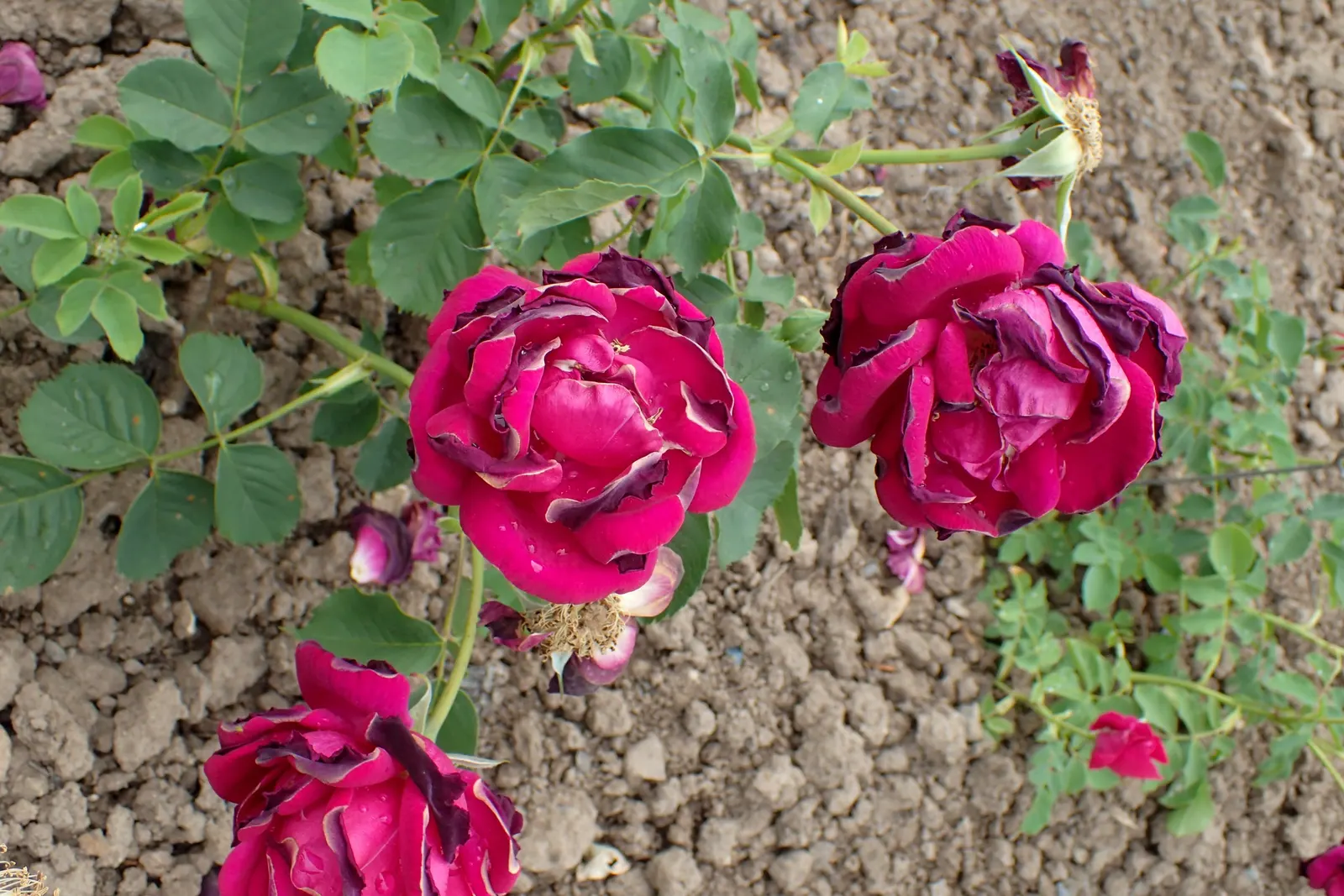
Rugosa Rose (Rosa Rugosa) — red flowers in the garden; which commonly measure 3 to 4 inches across
Rugosa Rose (Rosa Rugosa) — shrub / vine with red blooms; it prefers well-drained soil, has good salt tolerance, making it ideal for coastal locales
Rugosa Rose (Rosa Rugosa) — shrub / vine for full or half or shade; given its dense growth habit, the Rugosa Rose also serves effectively as a hedge or barrier
Rugosa Rose (Rosa Rugosa) — commonly known as Rugosa Rose; its notable for its wrinkled, image 67
Rugosa Rose (Rosa Rugosa) — is a robust species with a dense; originating from Eastern Asia, image 68
Rugosa Rose (Rosa Rugosa) — reaching heights of 4-6 feet; from pure white to deep pink and magenta, image 69
Rugosa Rose (Rosa Rugosa) — Its notable for its wrinkled; as this robust plant can spread through suckers, image 70
Rugosa Rose (Rosa Rugosa) — dark green leaves and fragrant; shrub / vine with red blooms, image 71
Rugosa Rose (Rosa Rugosa) — large single or double blossoms ranging from white to deep pink which bloom from summer to fall, image 72
Rugosa Rose (Rosa Rugosa) — Rugosa Rose produces large, tomato-shaped red hips that attract wildlife; deeply veined leaves which convey a rich, image 73
Rugosa Rose (Rosa Rugosa) — It thrives in zones 3-9 and prefers full sun and well-drained soil; tomato-shaped rose hips that offer an attractive, image 74
Rugosa Rose (Rosa Rugosa) — deciduous shrub well-known for its resilience and ornamental appeal; it requires minimal maintenance, image 75
Rugosa Rose (Rosa Rugosa) — commonly known as Rugosa Rose; its notable for its wrinkled, image 133
Rugosa Rose (Rosa Rugosa) — making it a versatile choice for diverse landscape designs; commonly known as Rugosa Rose, image 76
Rugosa Rose (Rosa Rugosa) — Originating from Eastern Asia; it thrives in zones 3-9 and prefers full sun and well-drained soil, image 77
Rugosa Rose (Rosa Rugosa) — this species is notable for its textured; the foliage often extends 4 to 6 feet in height and spans a similar width, image 78
Rugosa Rose (Rosa Rugosa) — deeply veined leaves which convey a rich; the Rugosa Rose thrives in full sun but tolerates light shade, image 79
Rugosa Rose (Rosa Rugosa) — contrasting sharply with the vibrant blooms; or a traditional rose garden, image 80
Rugosa Rose (Rosa Rugosa) — The foliage often extends 4 to 6 feet in height and spans a similar width; reaching heights of 4-6 feet, image 81
Rugosa Rose (Rosa Rugosa) — which commonly measure 3 to 4 inches across; making it a versatile choice for diverse landscape designs, image 82
Rugosa Rose (Rosa Rugosa) — These blooms present a palette of colors, image 83
Rugosa Rose (Rosa Rugosa) — from pure white to deep pink and magenta; care should be taken to provide it with adequate space to prevent overcrowding, image 84
Rugosa Rose (Rosa Rugosa) — The flowers persist through the growing season; red flowers in the garden, image 85

Related plants